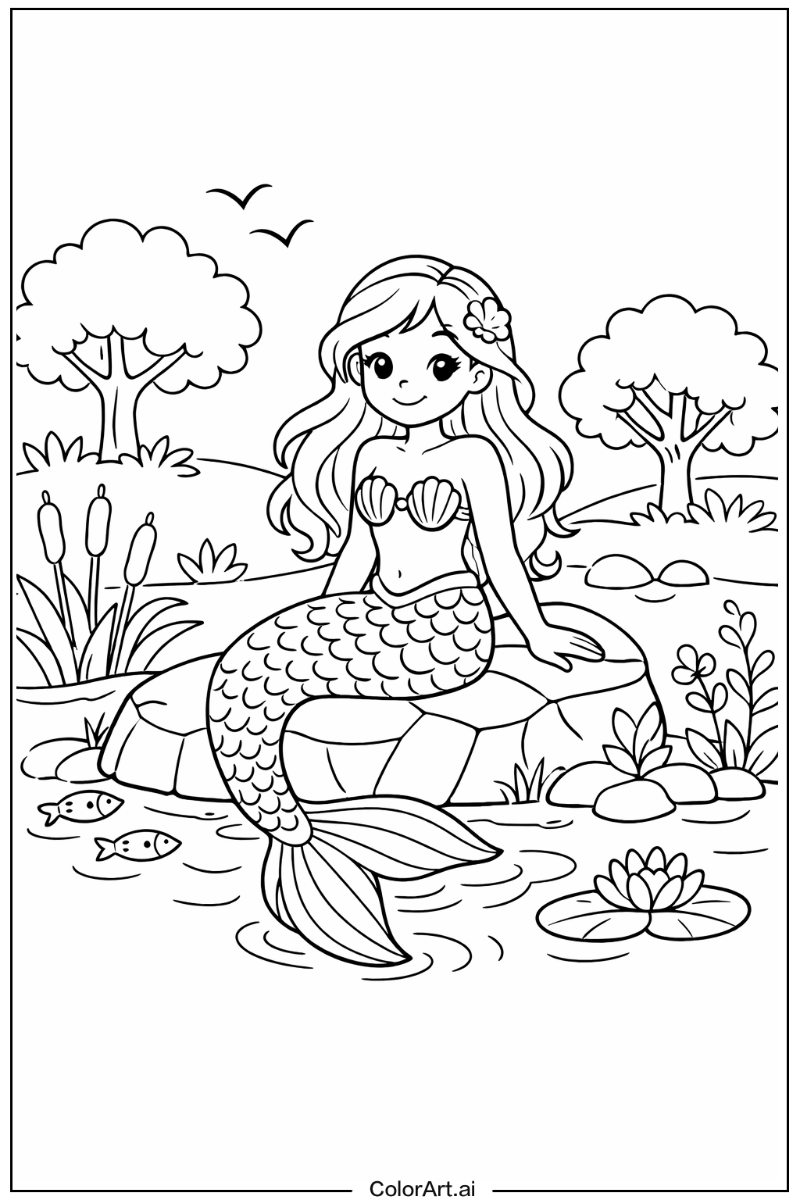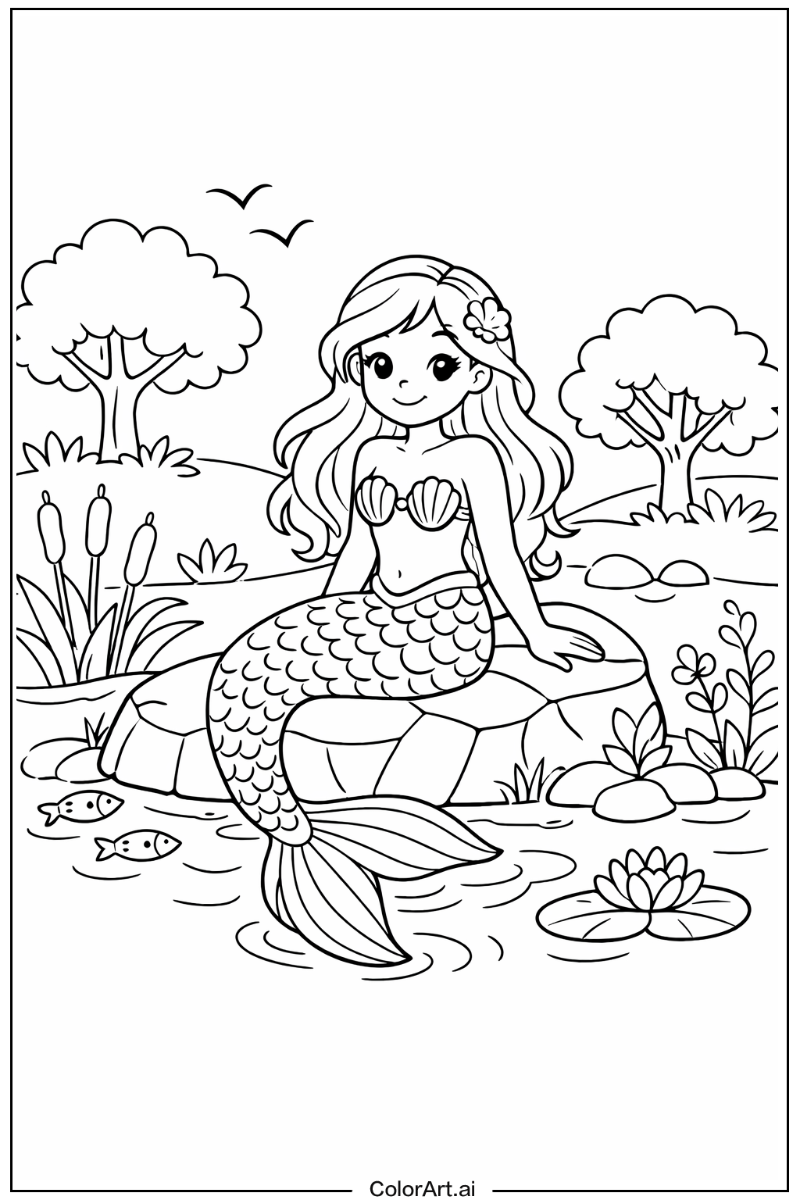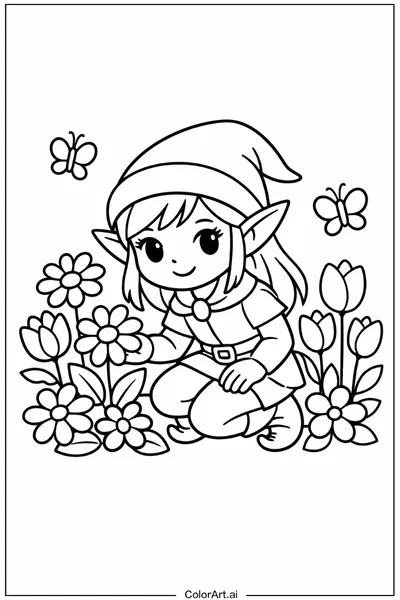
Welcome to the World of Mermaids!
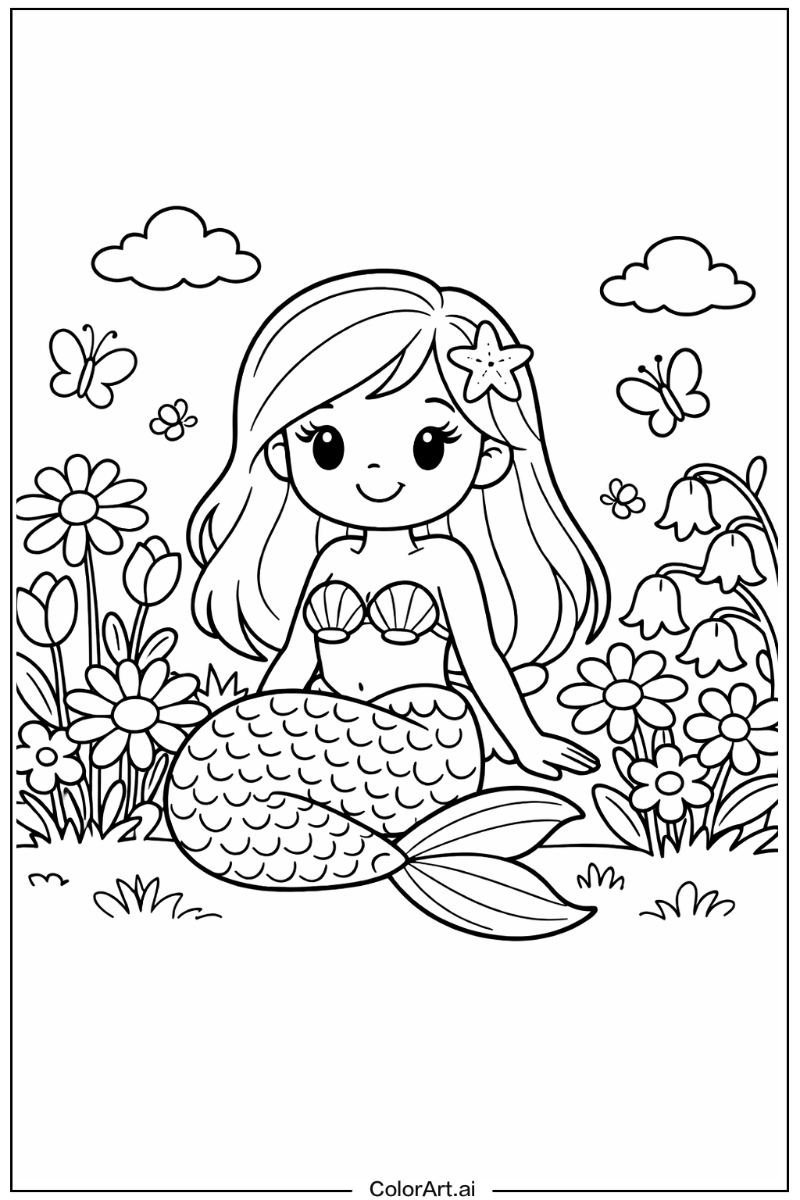
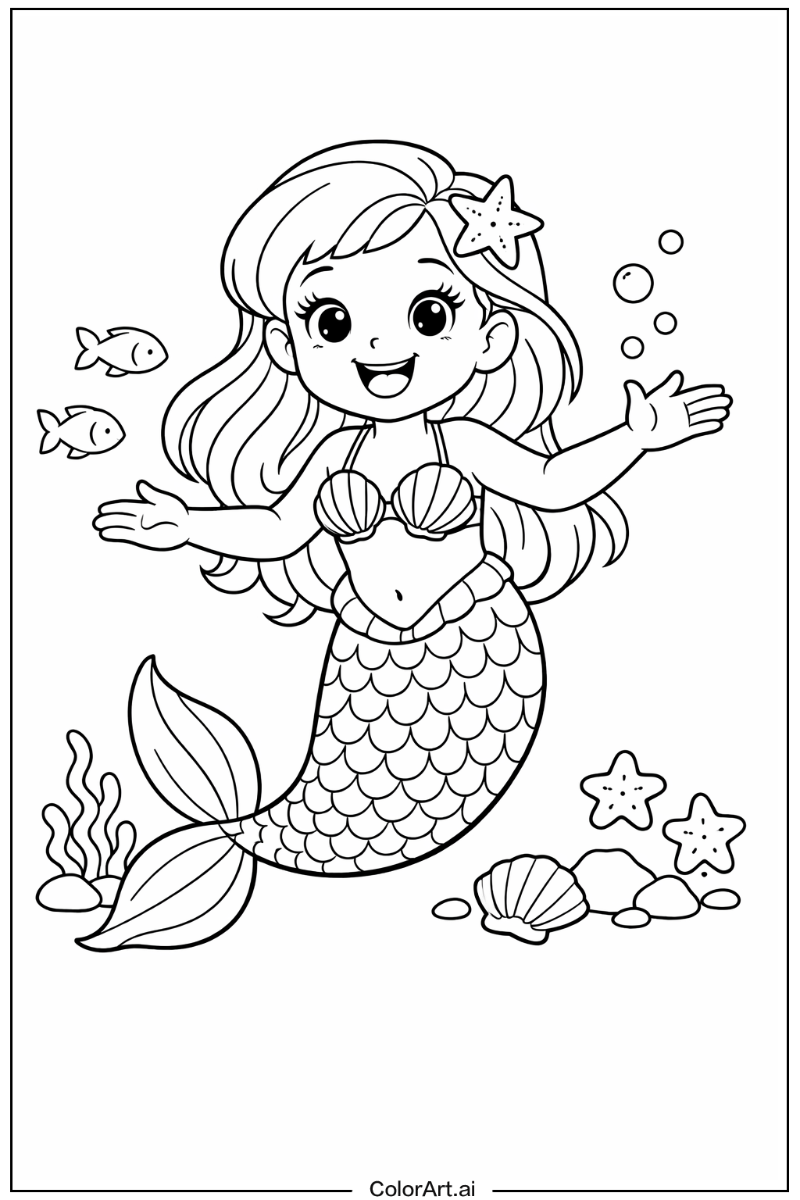
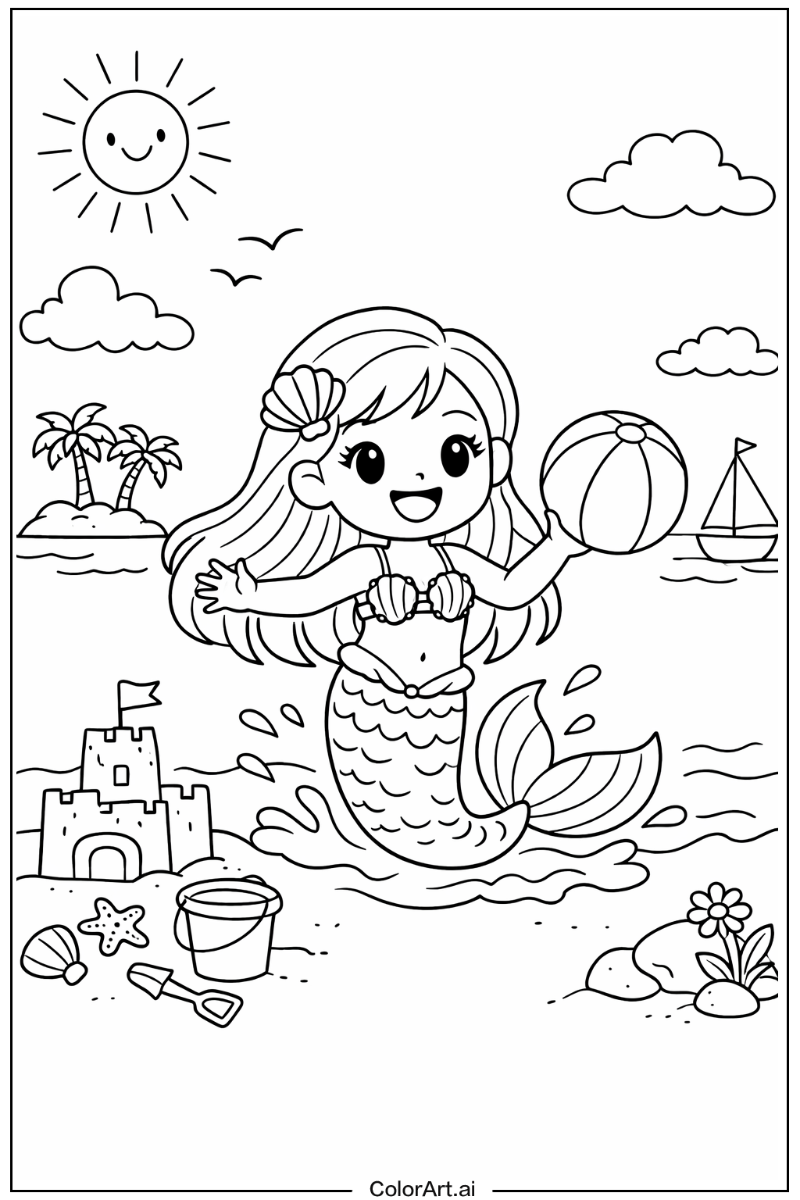
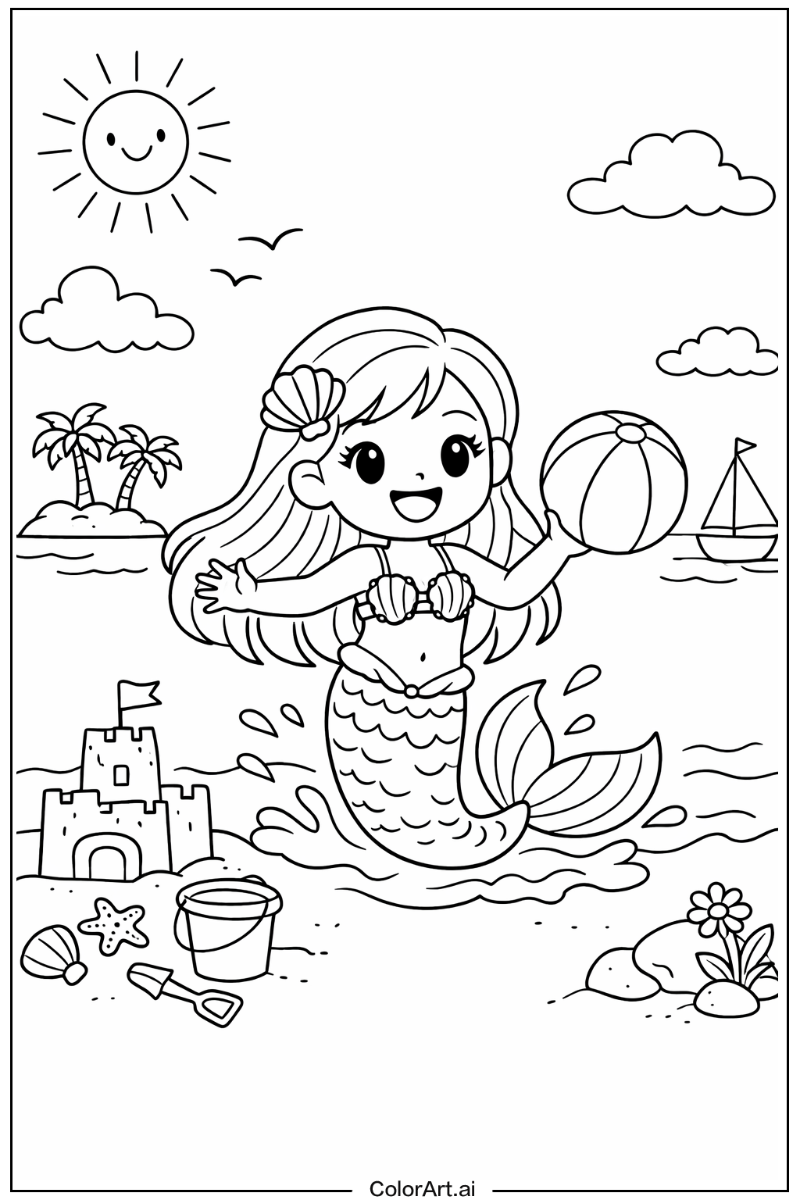
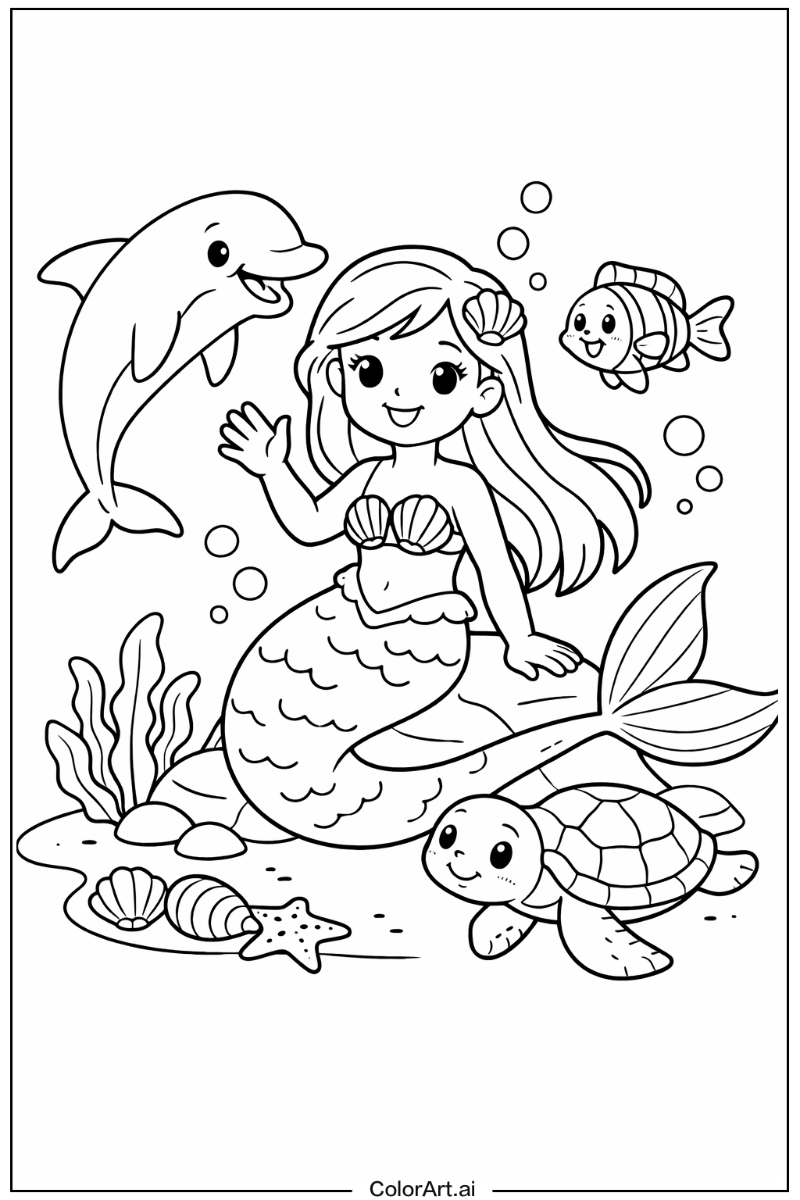
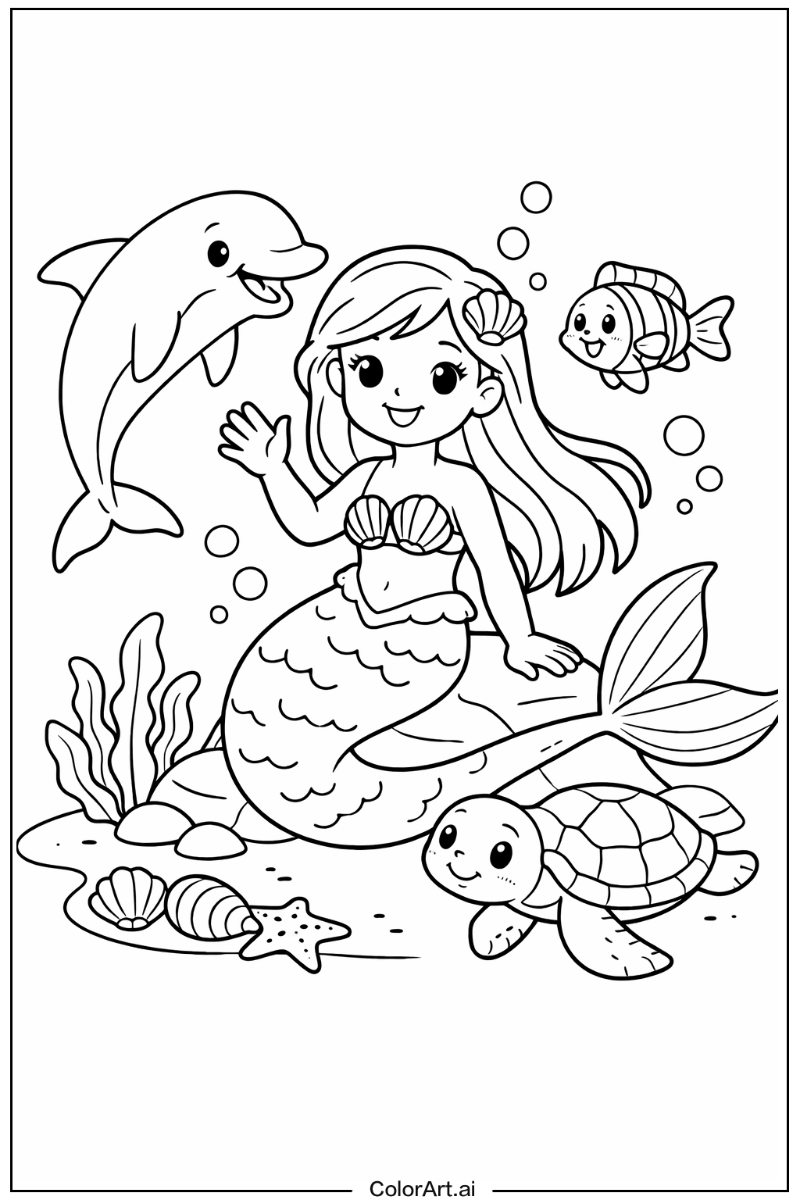
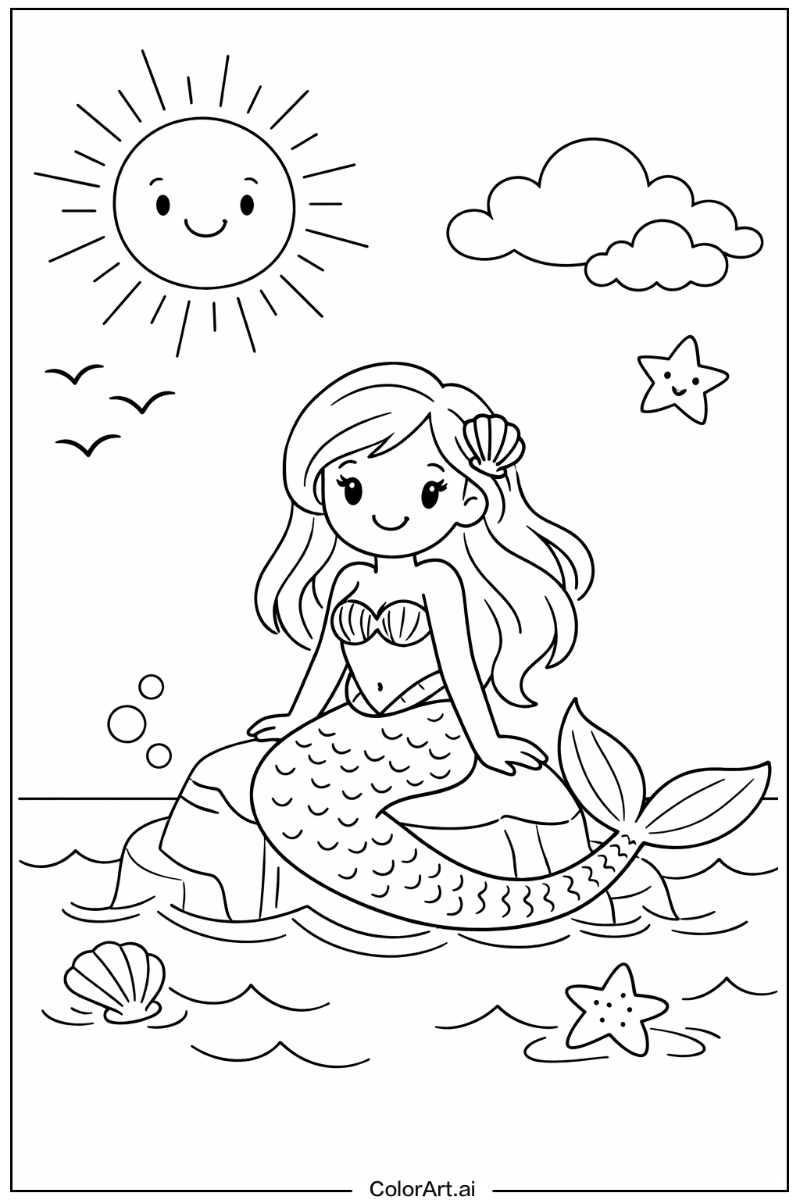
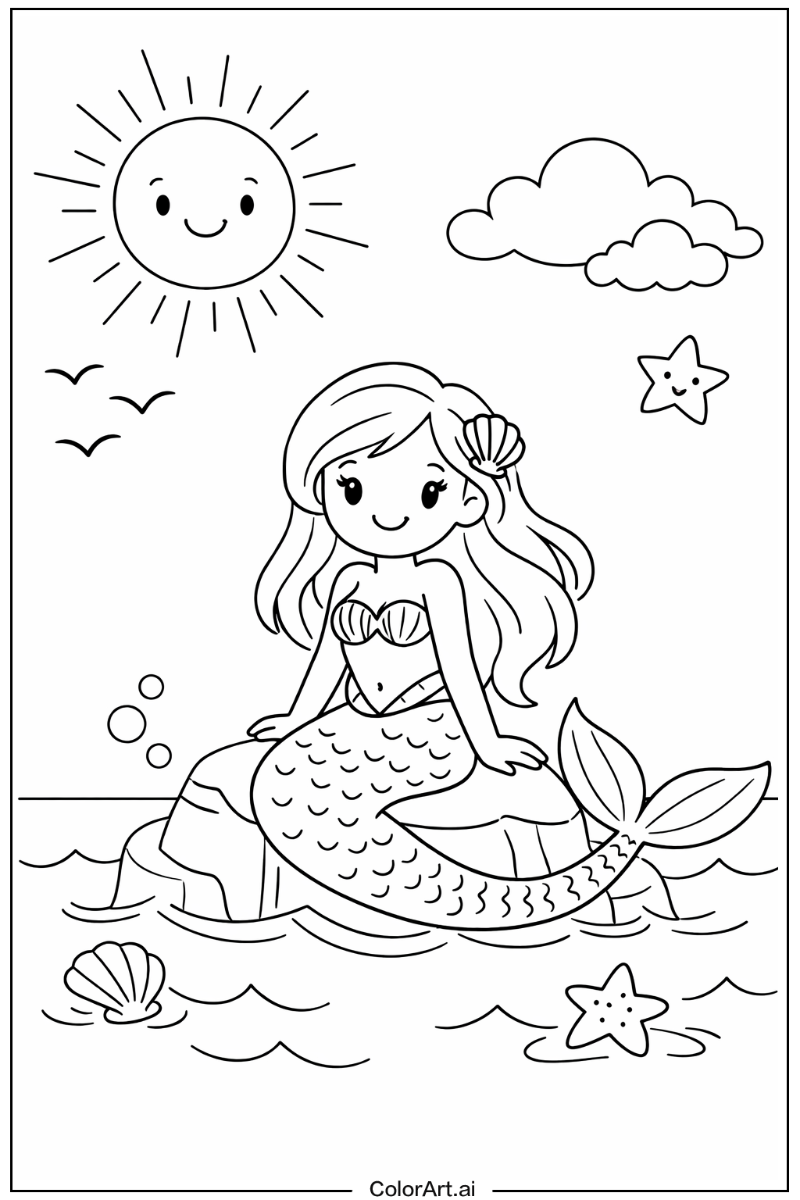
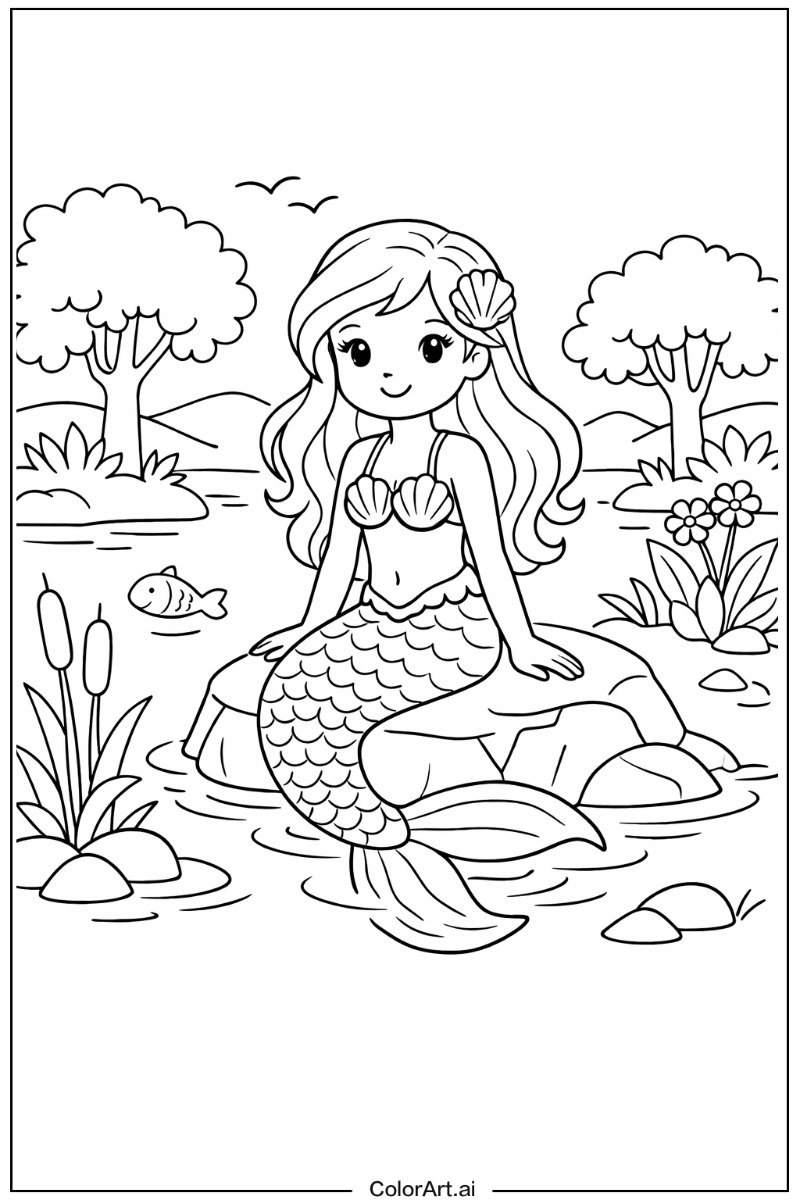
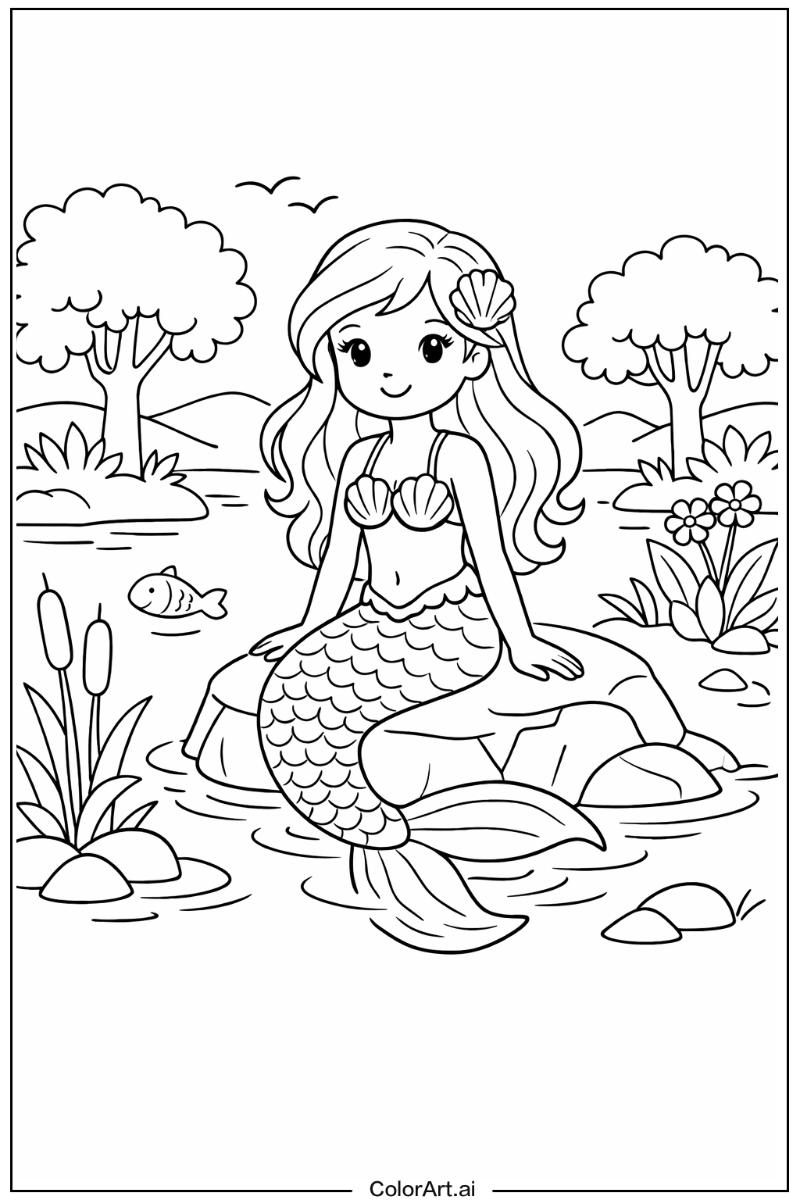
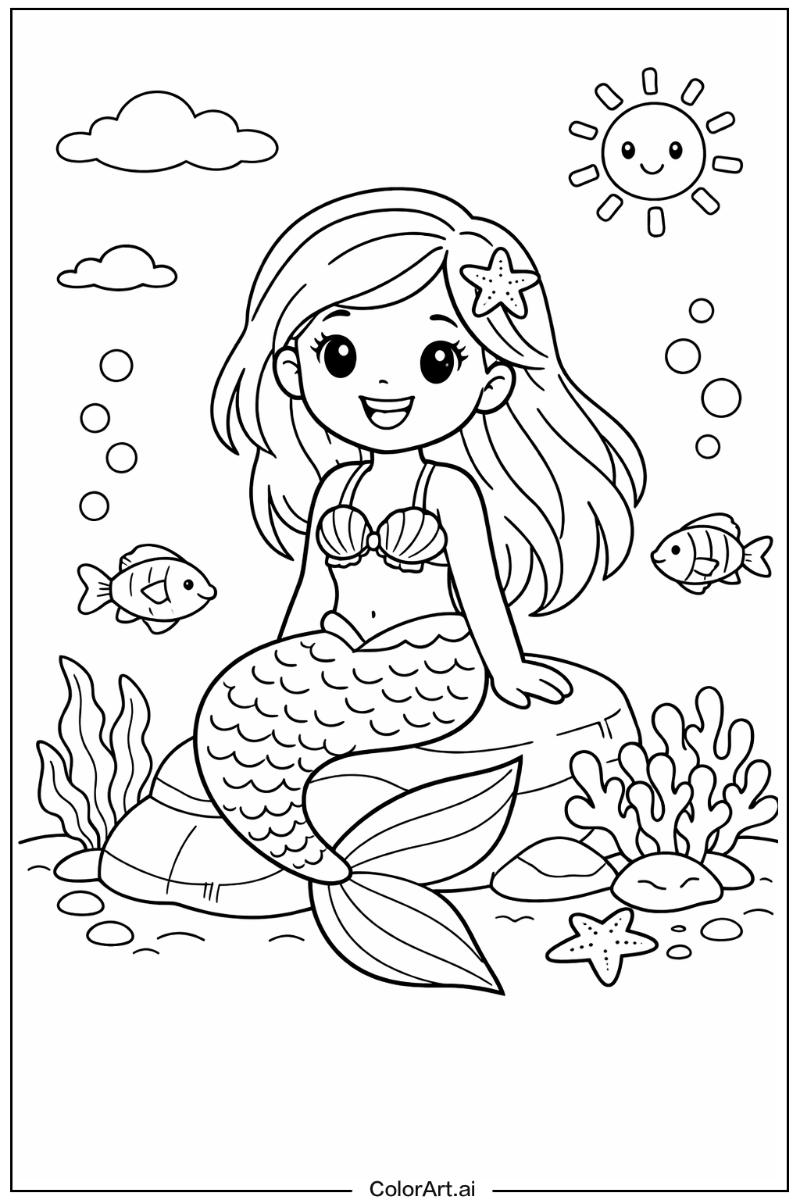
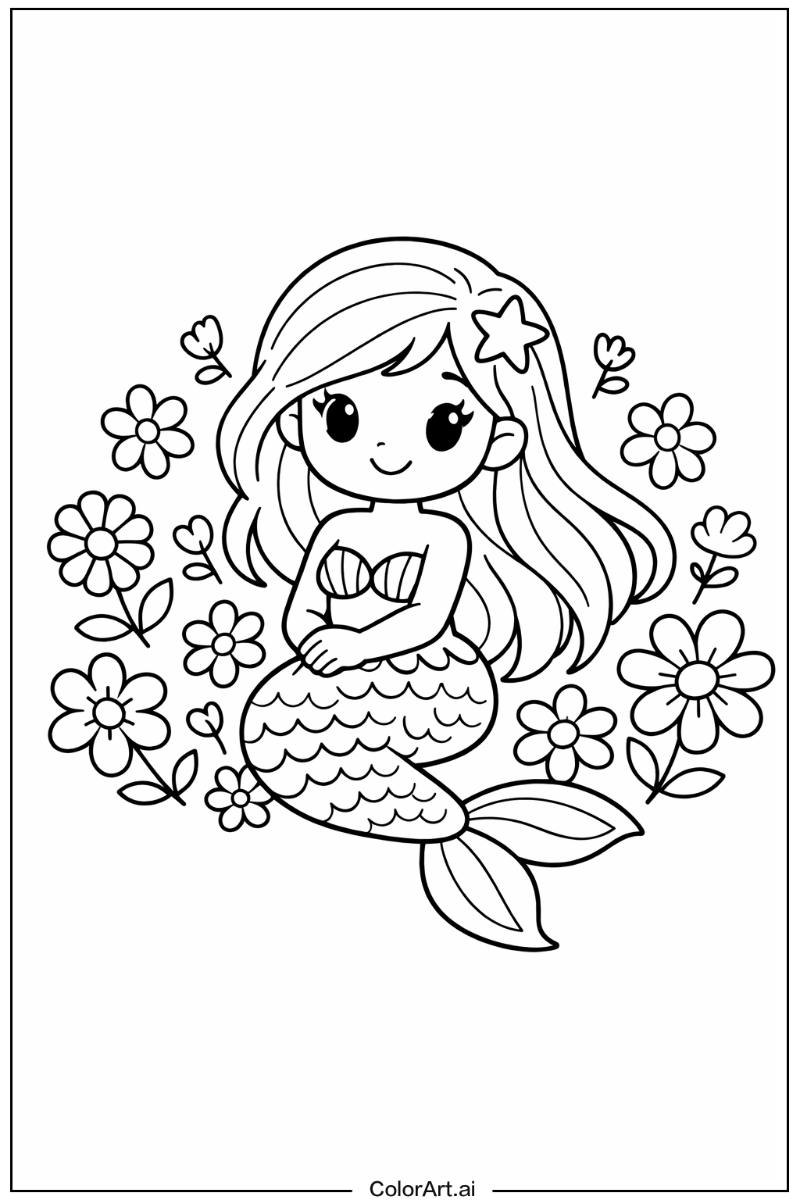
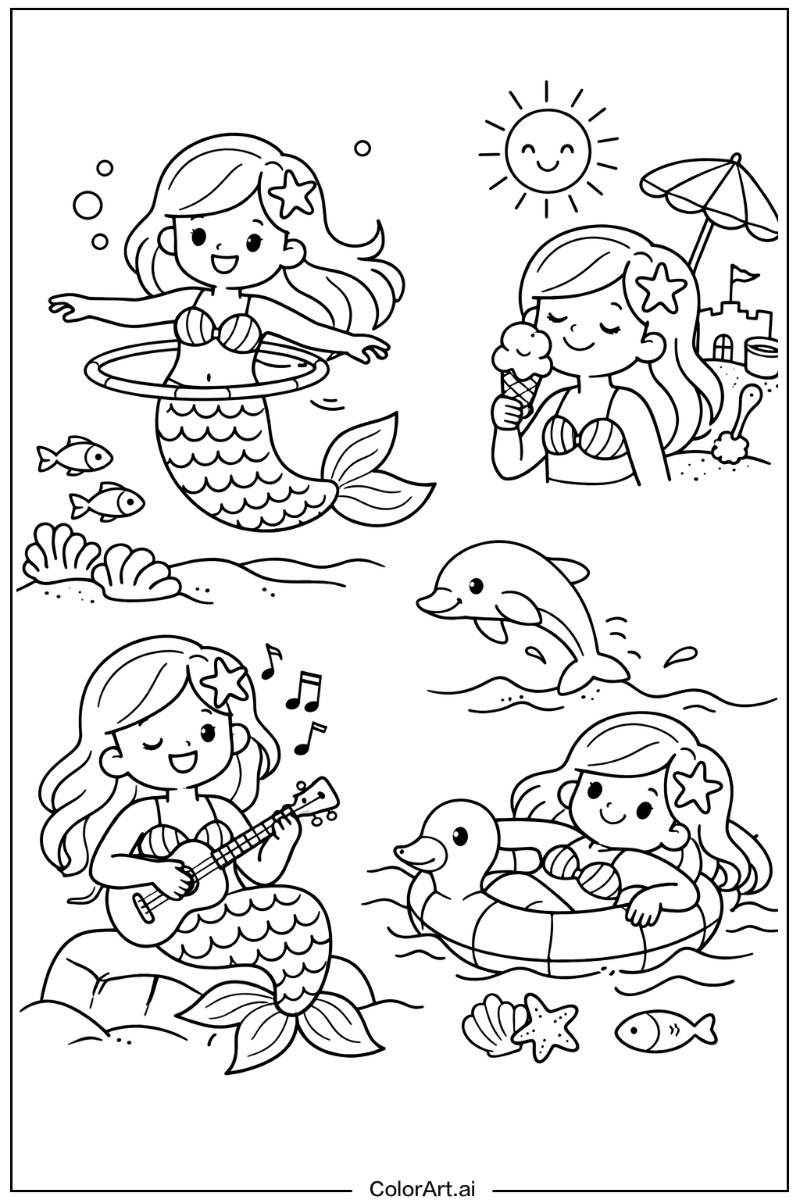
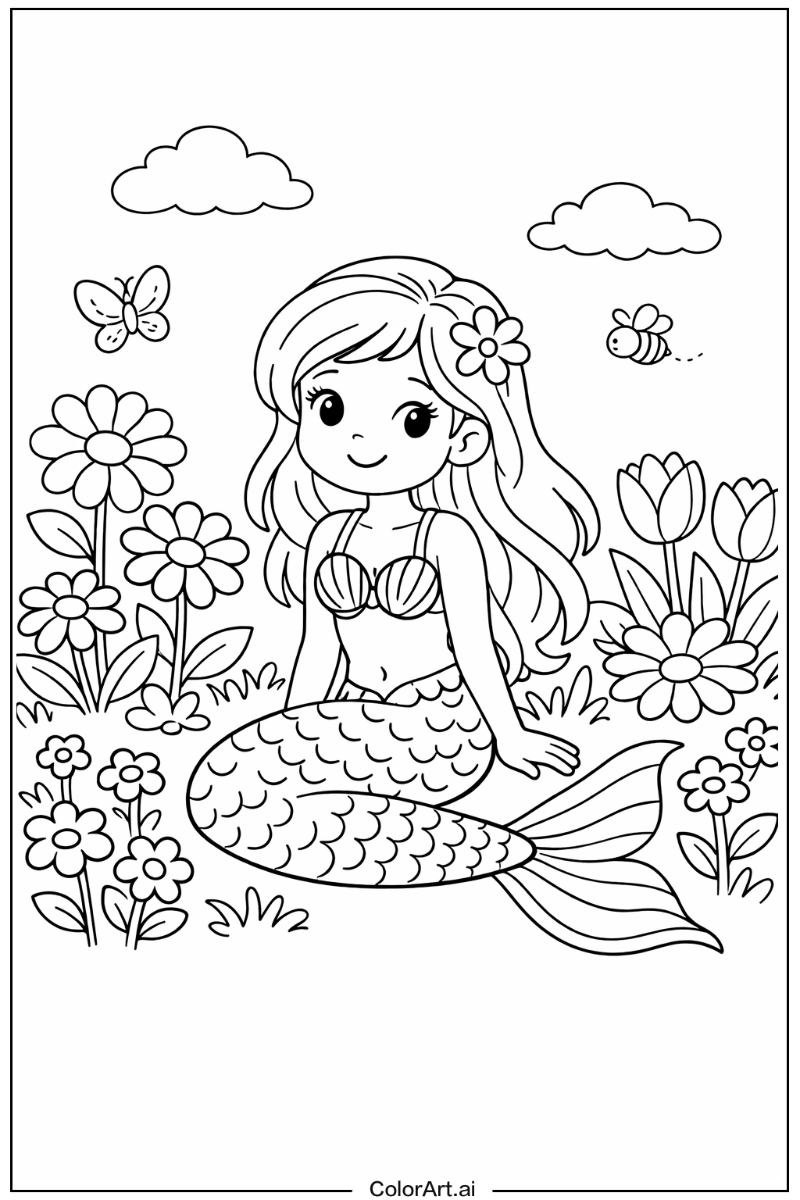
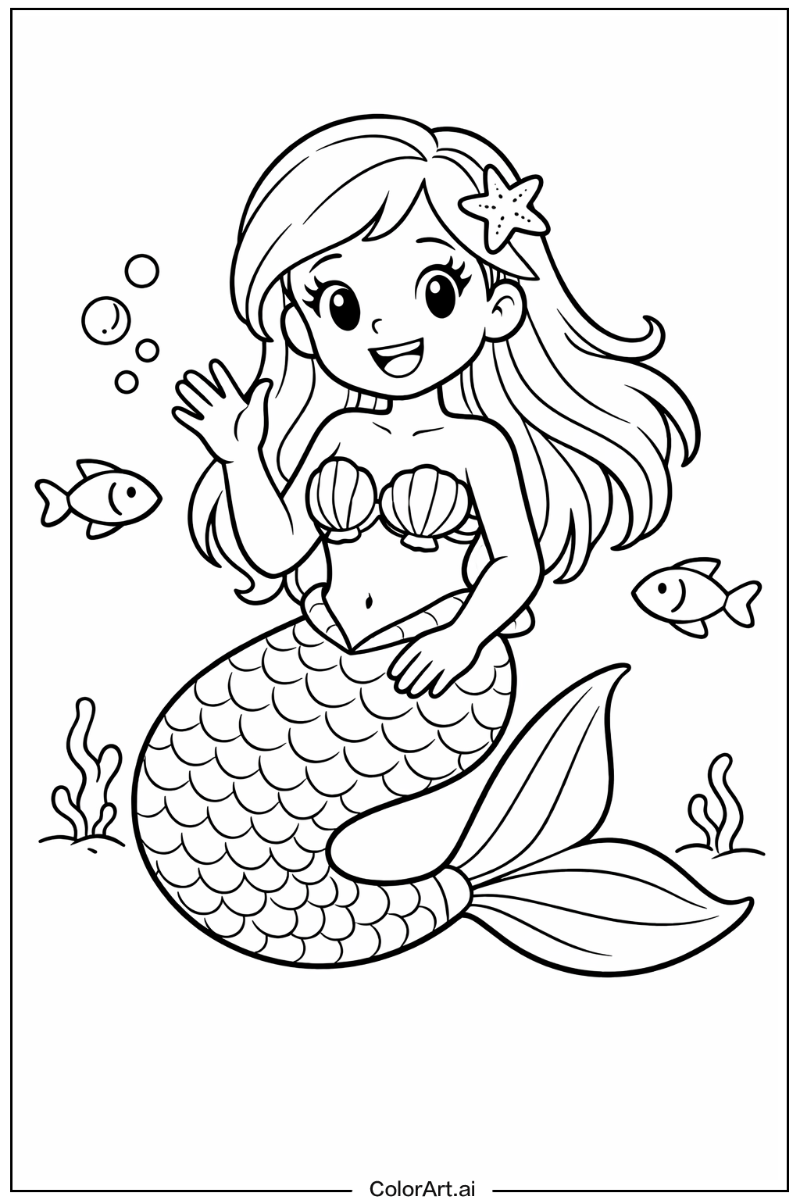
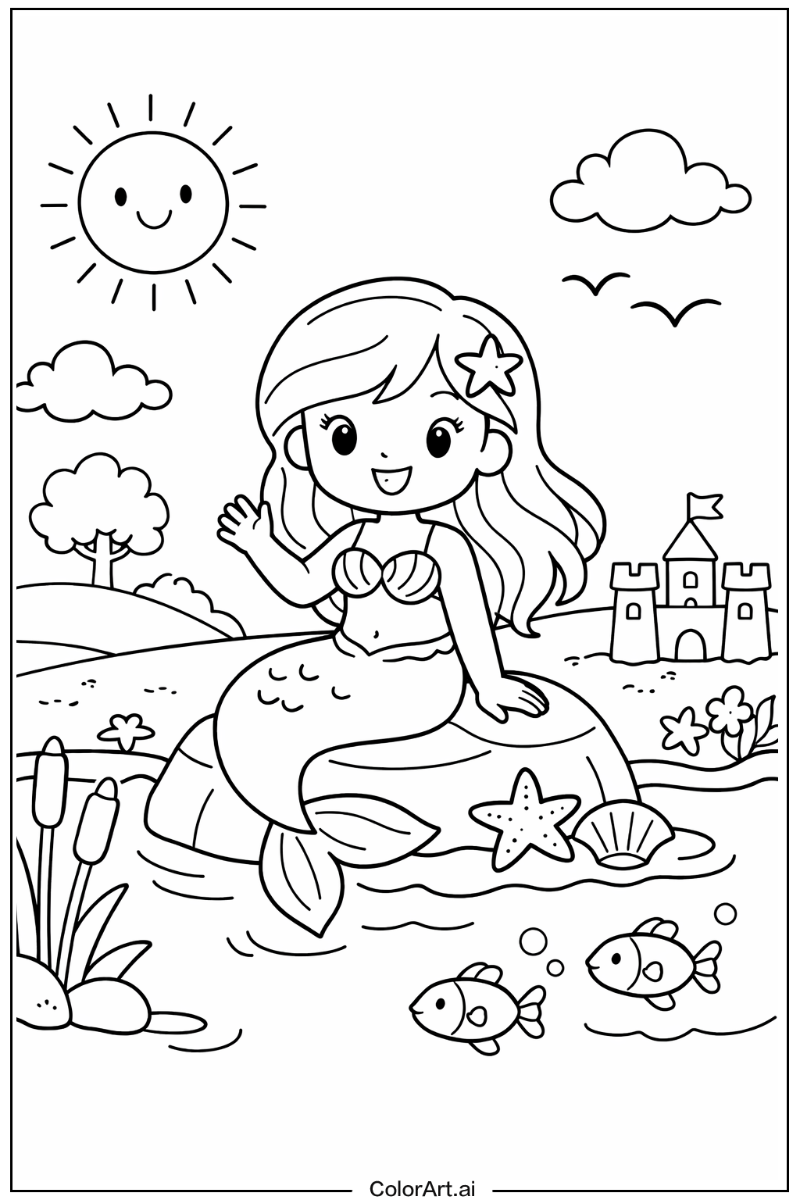
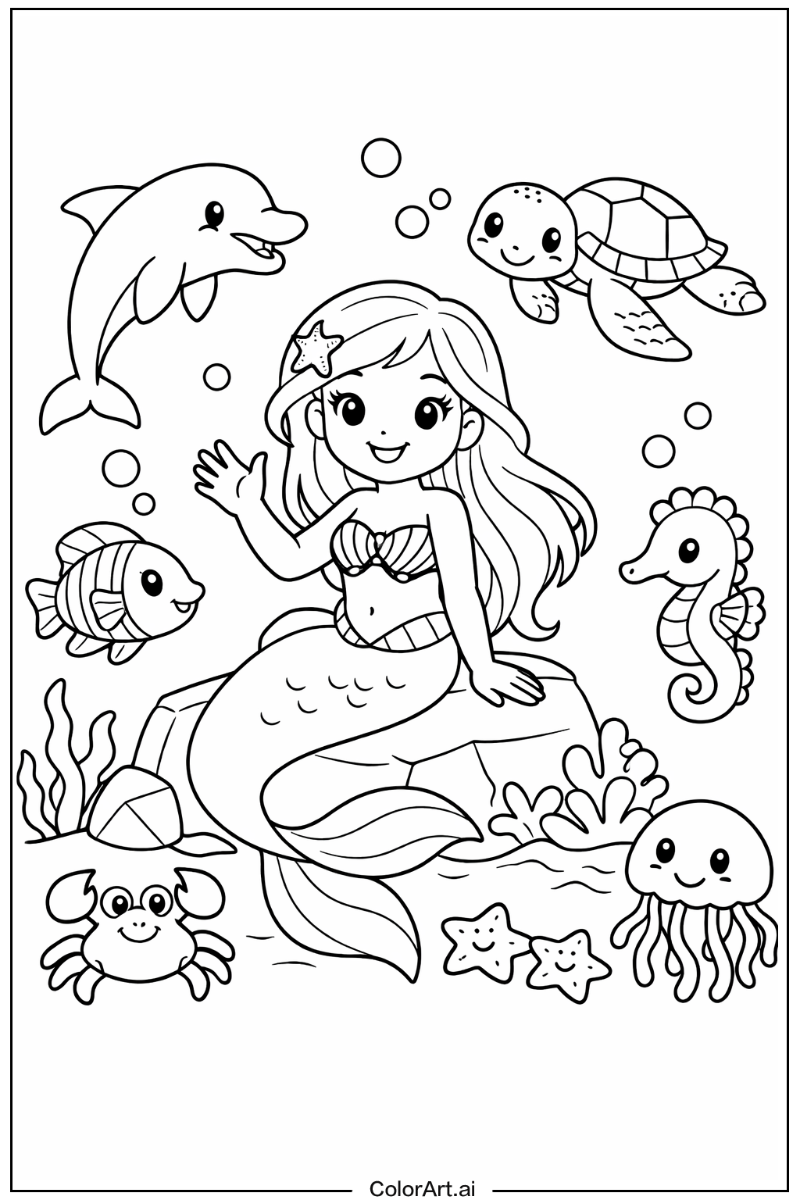
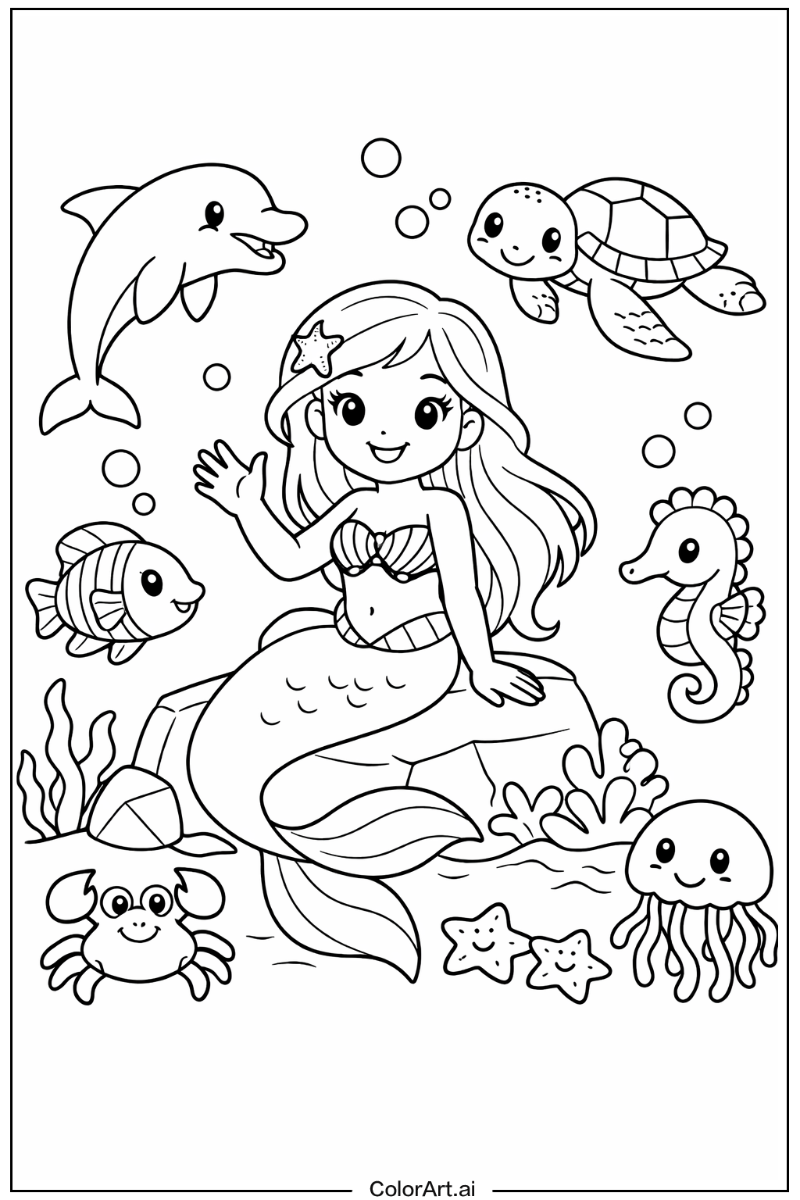
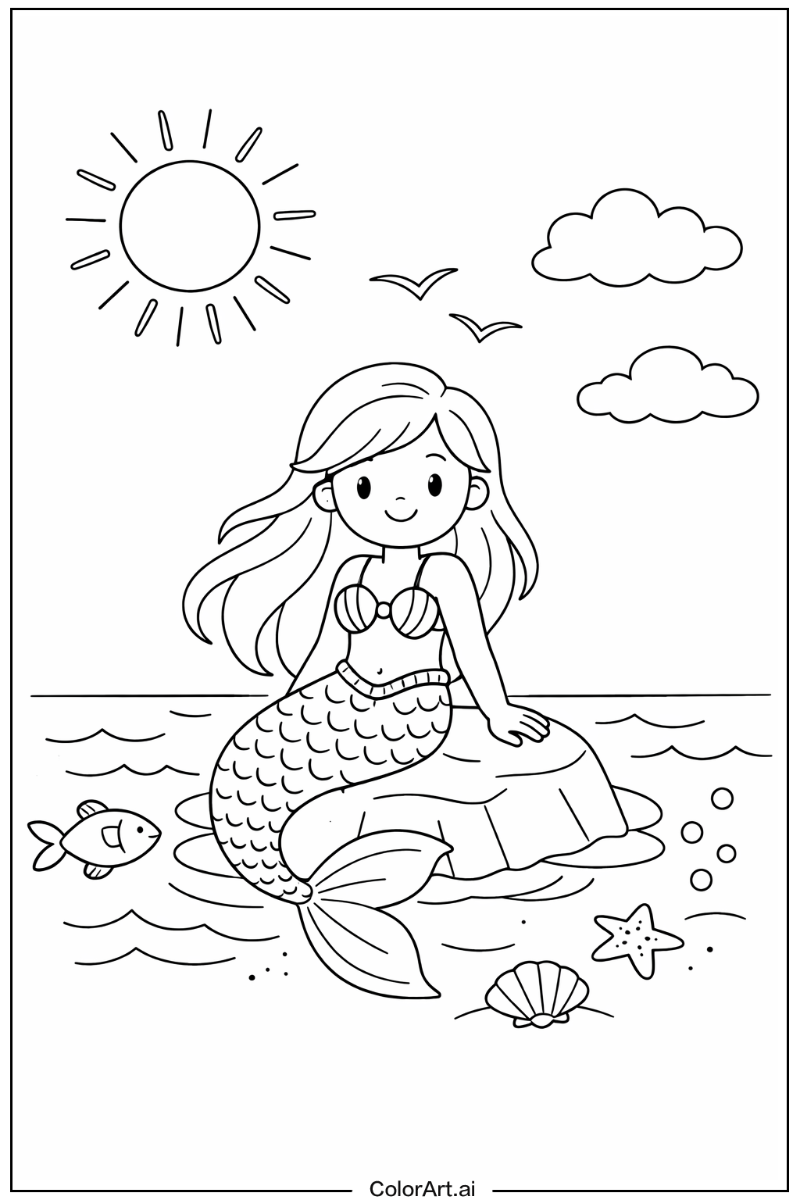
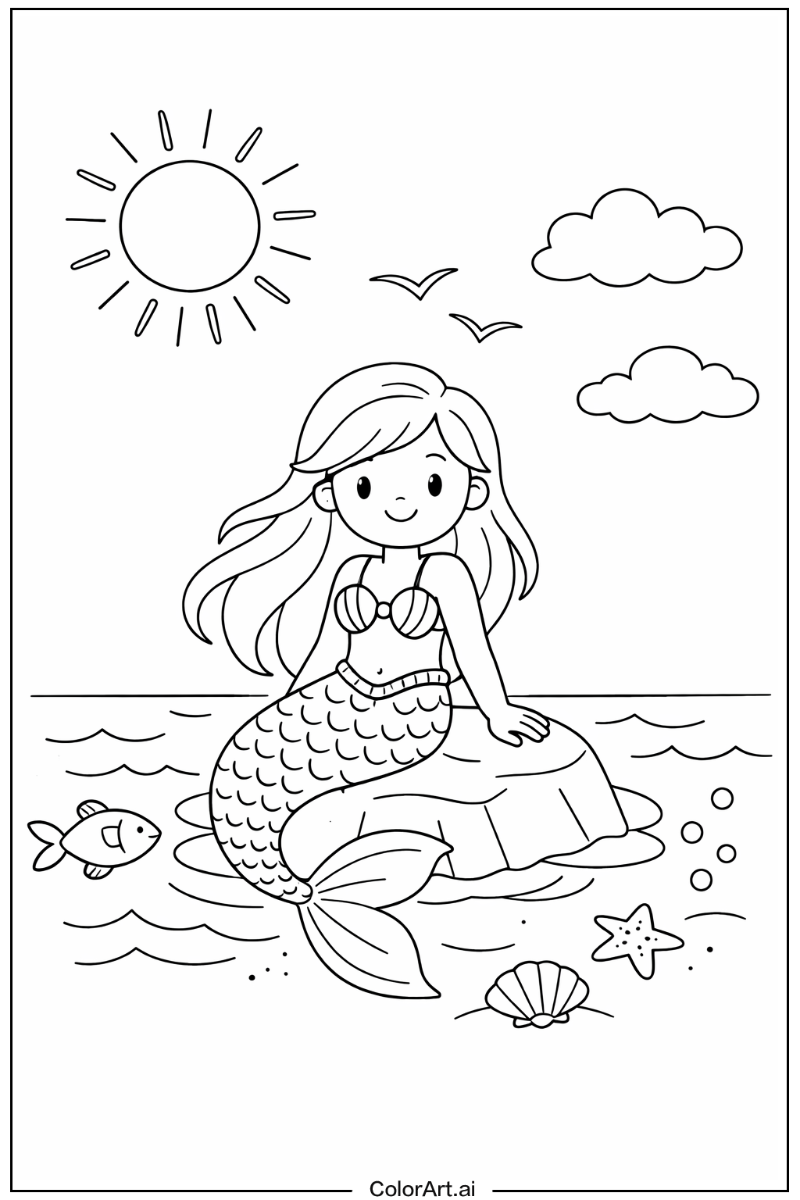
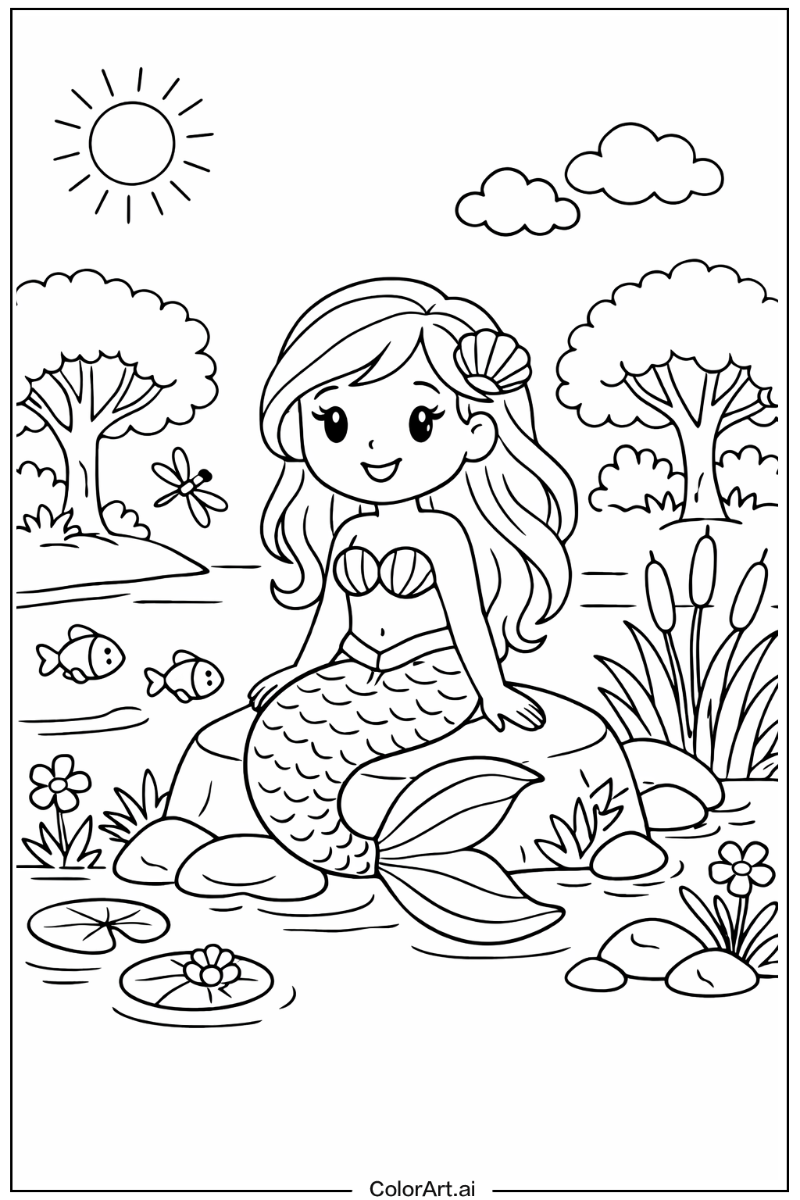
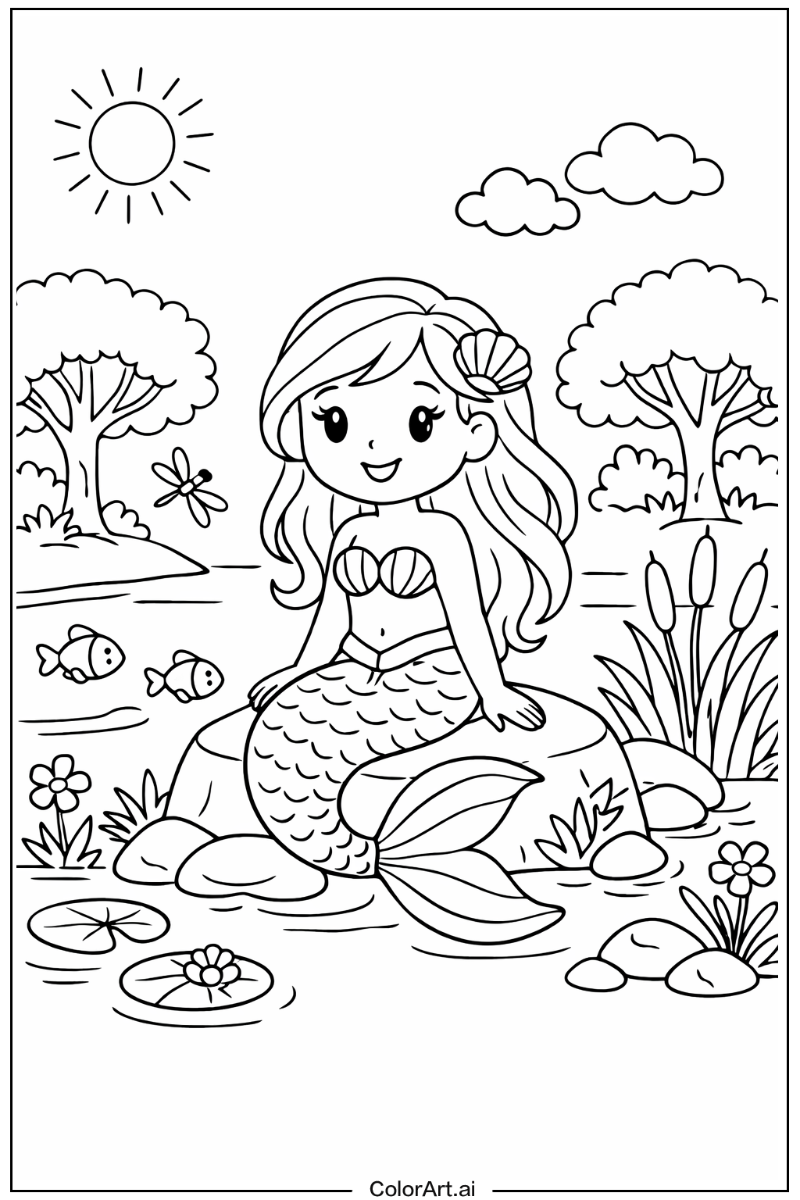
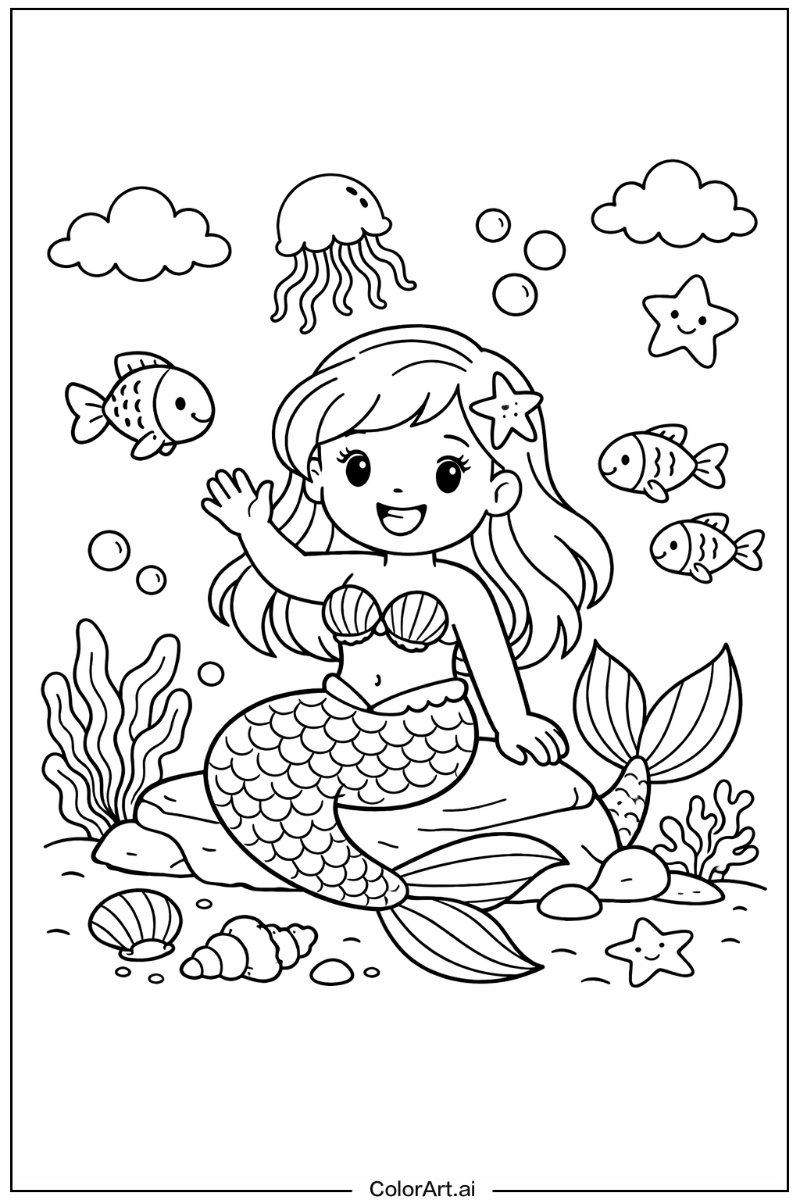
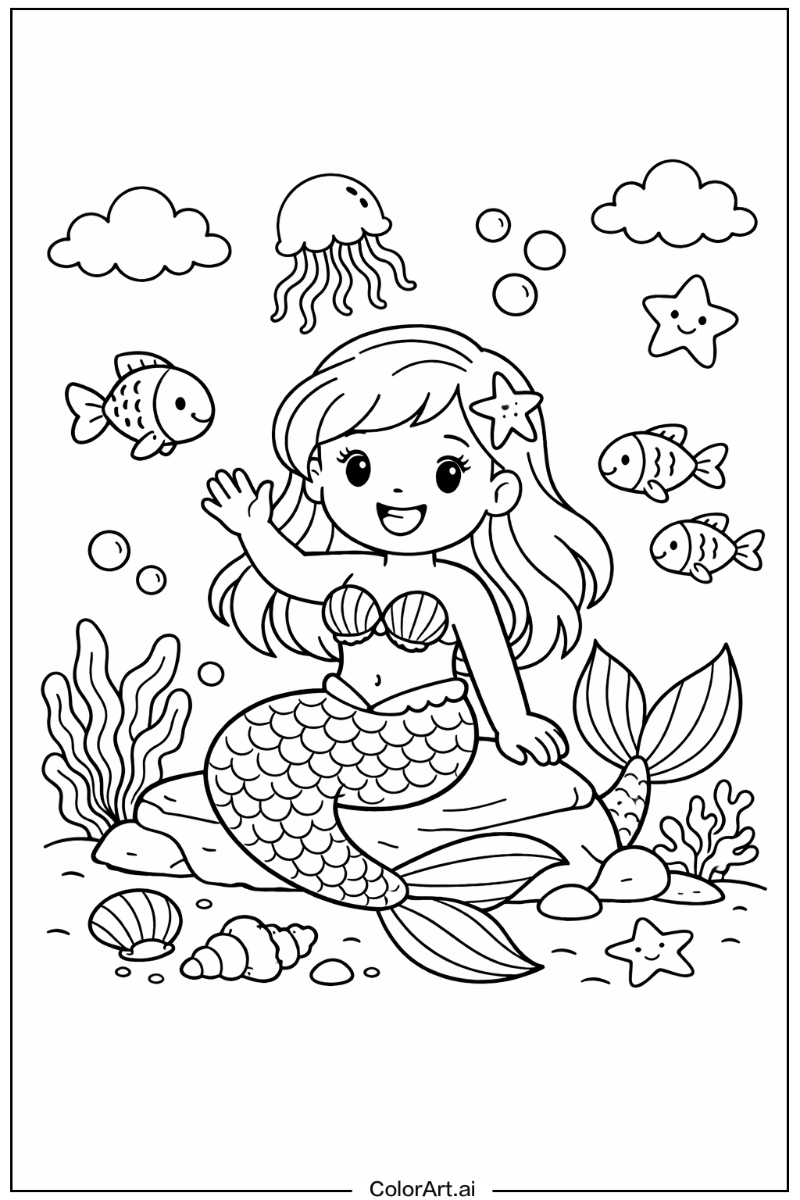
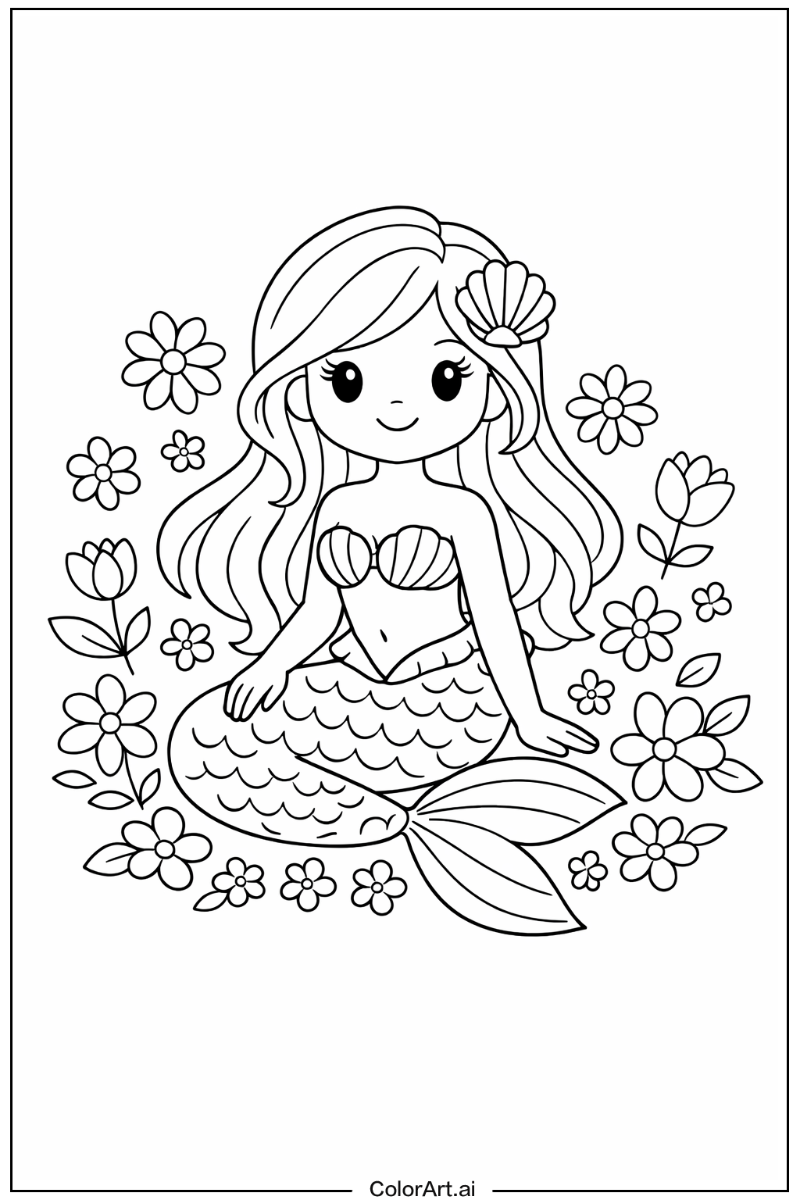
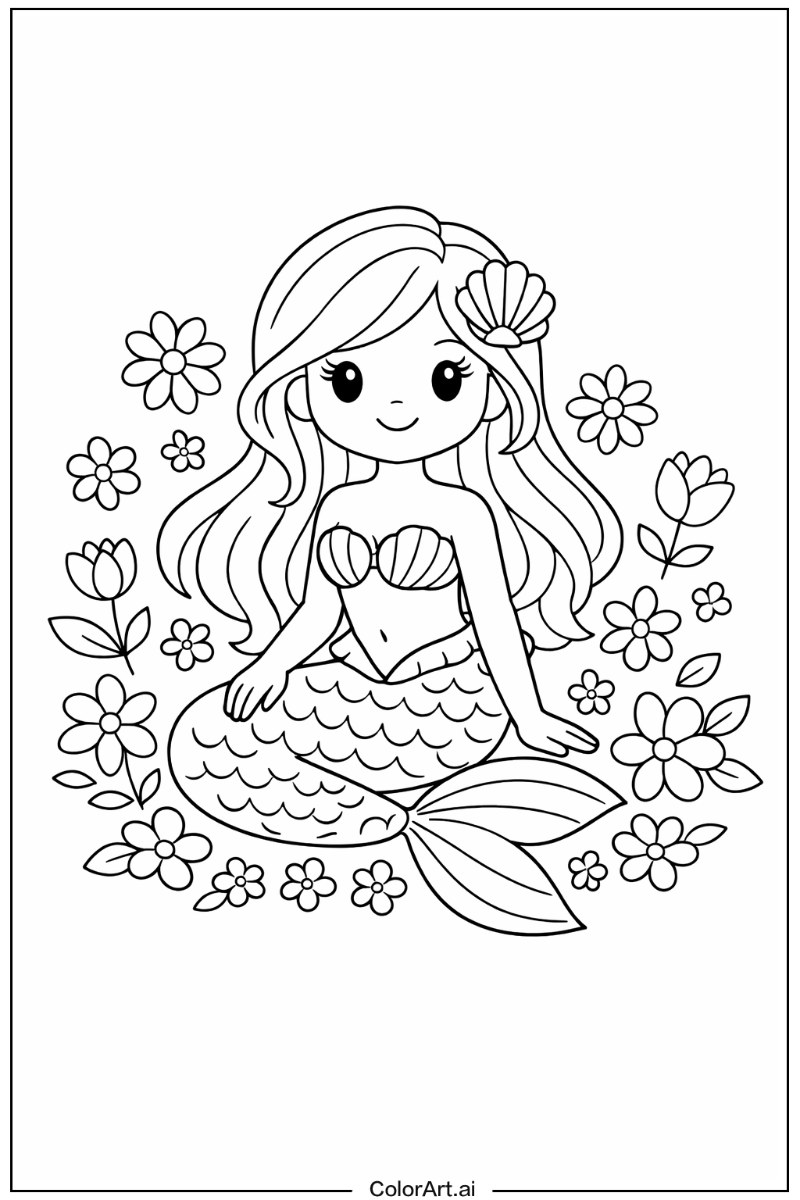
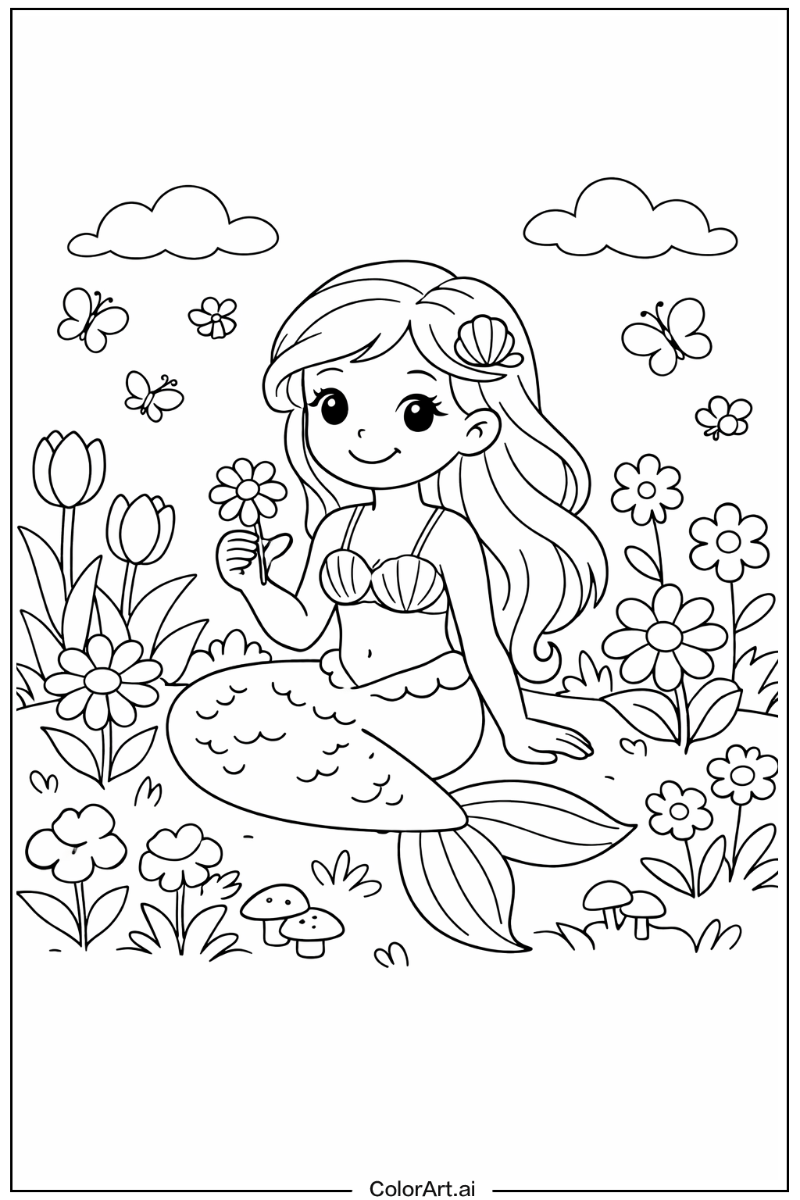
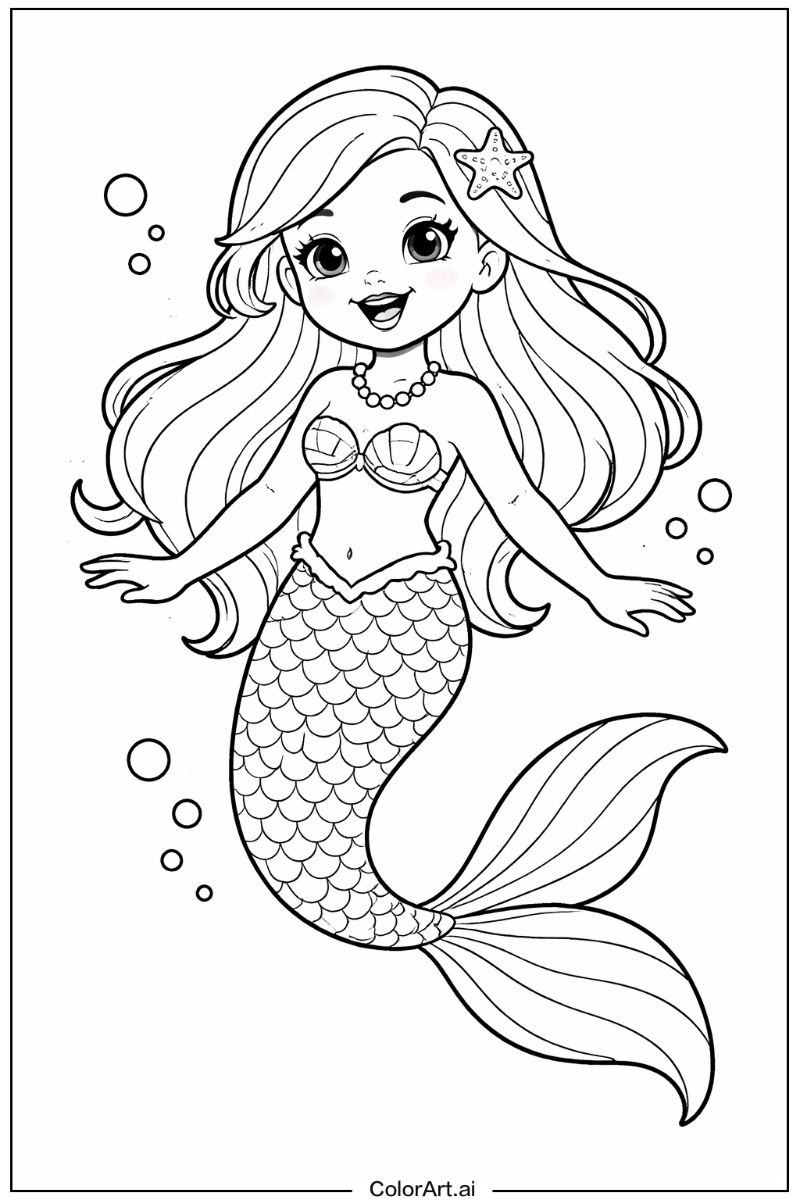
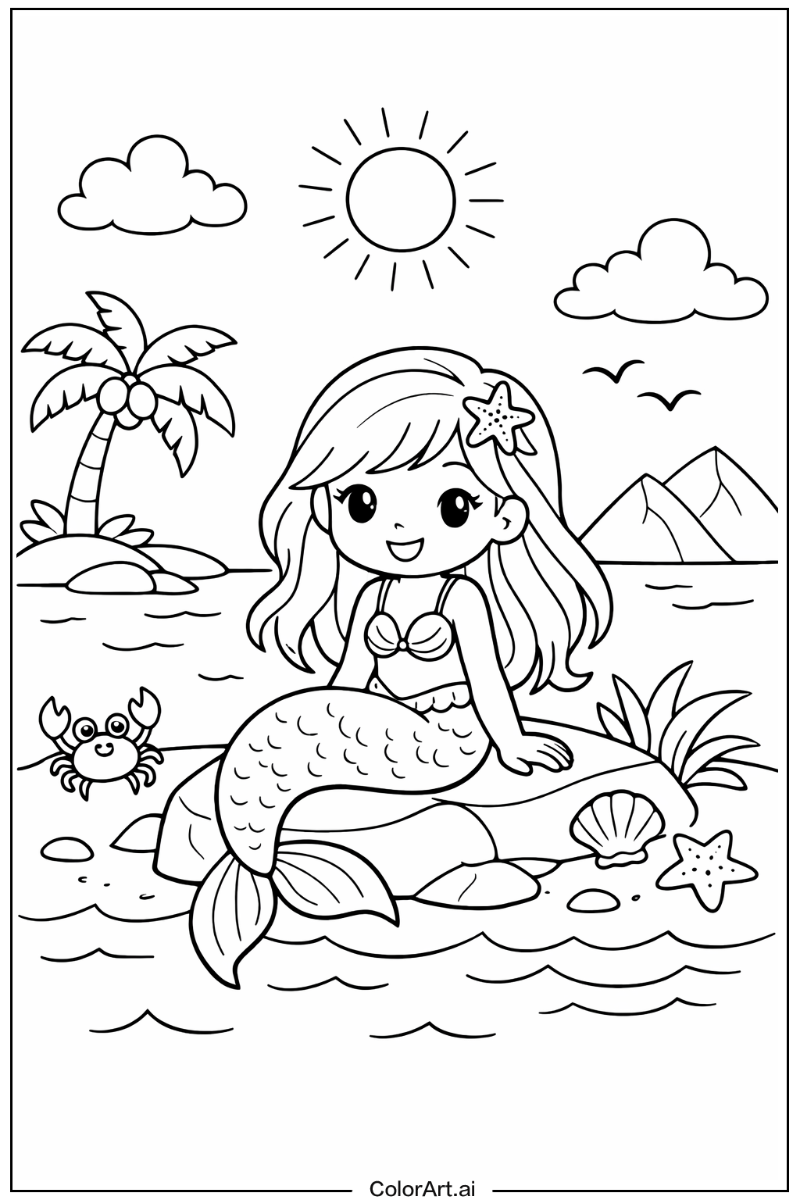
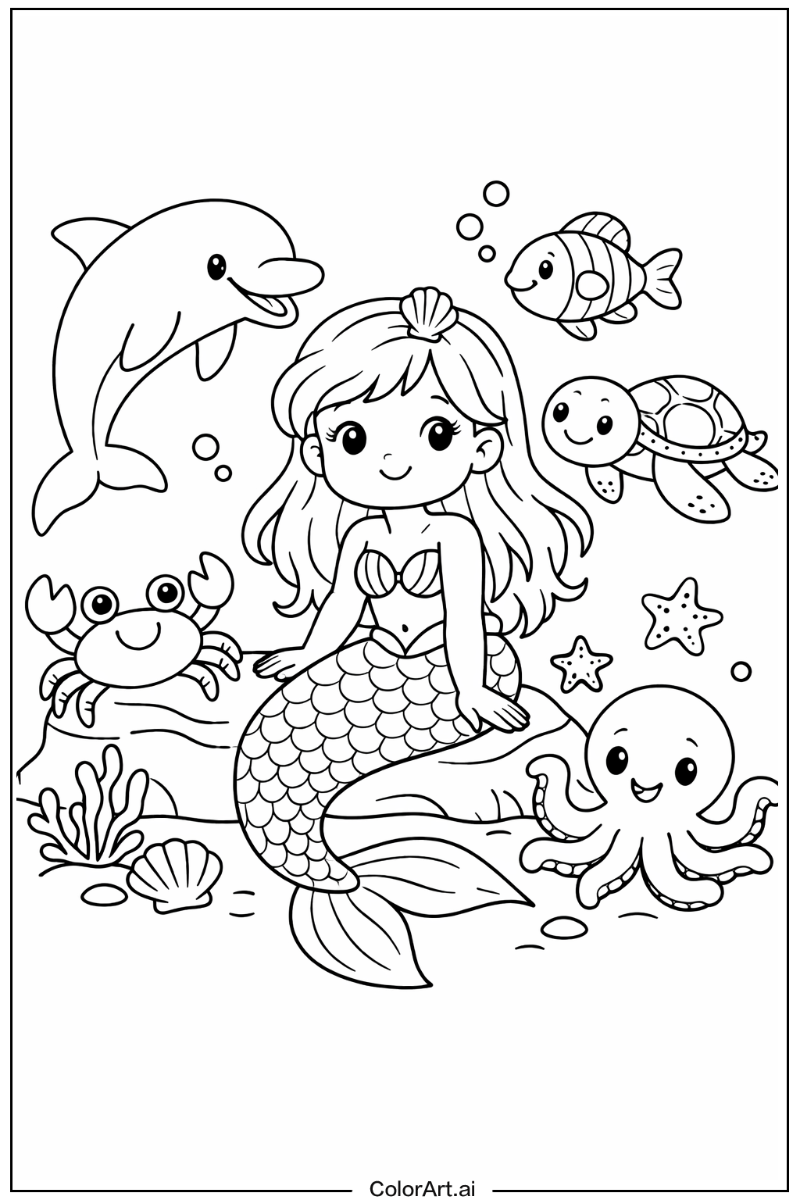
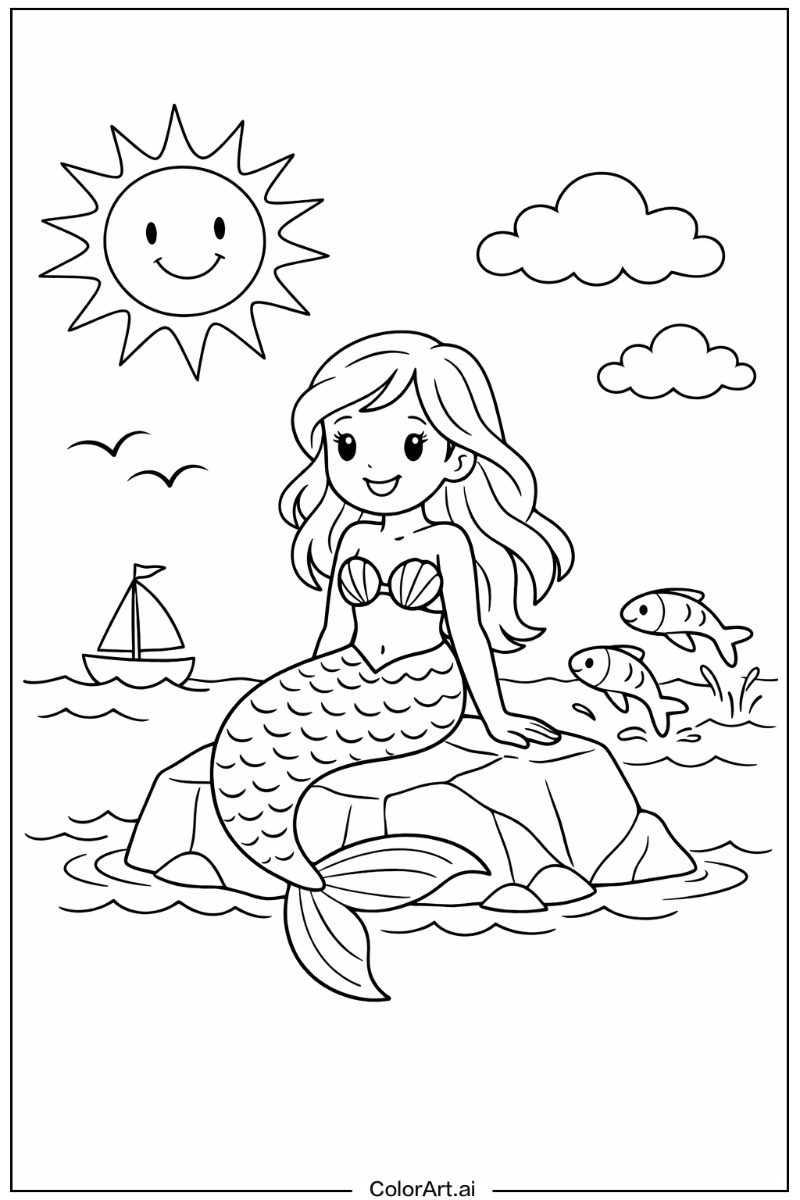
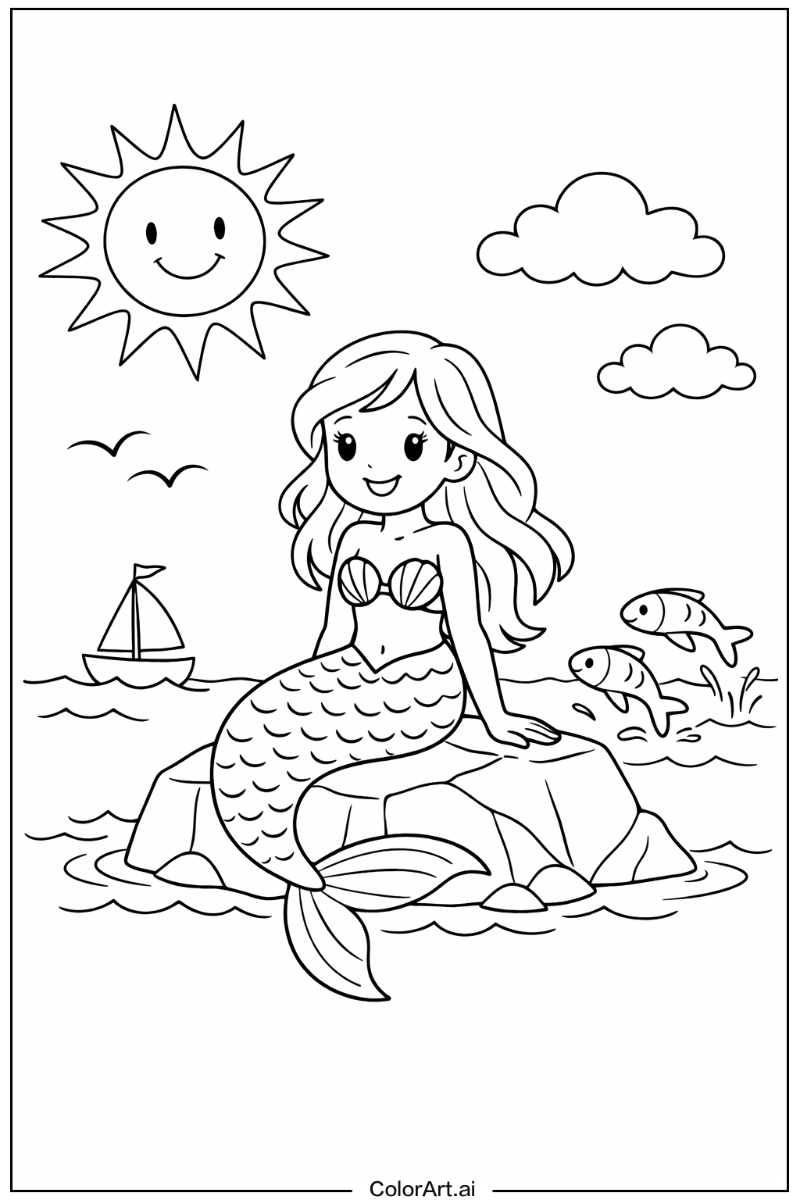
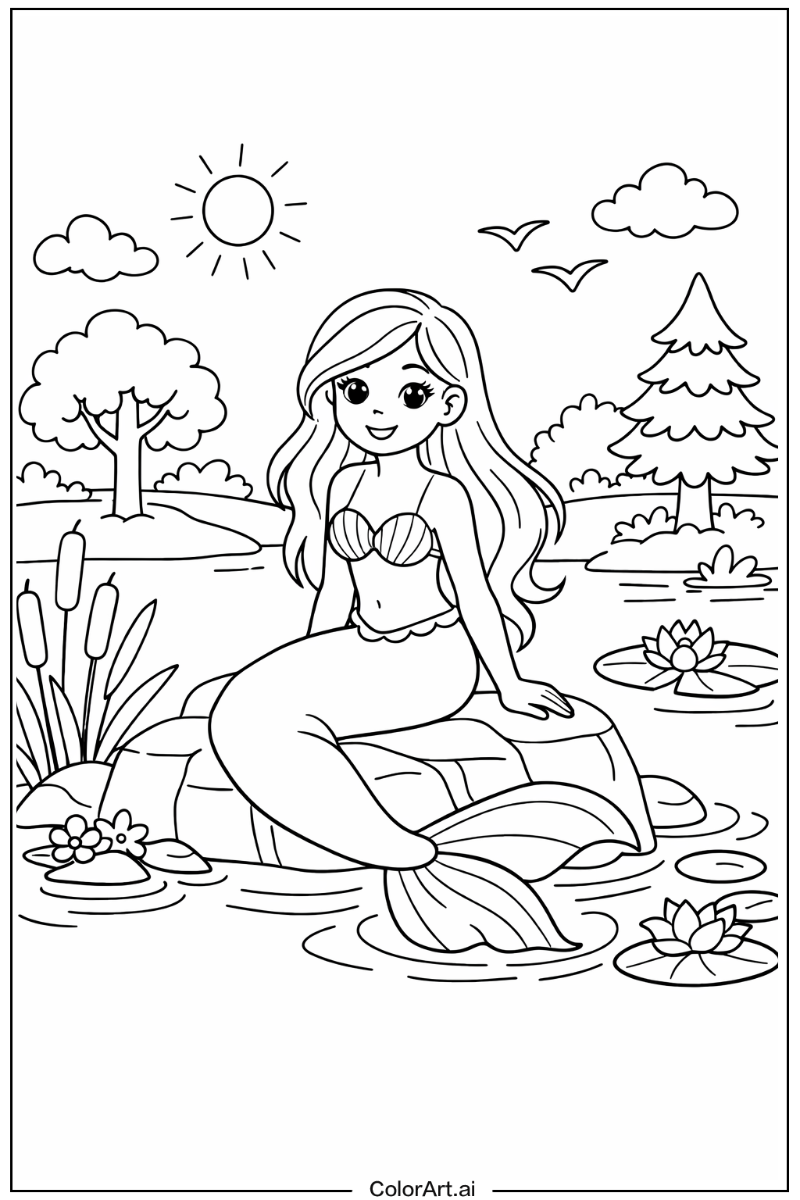
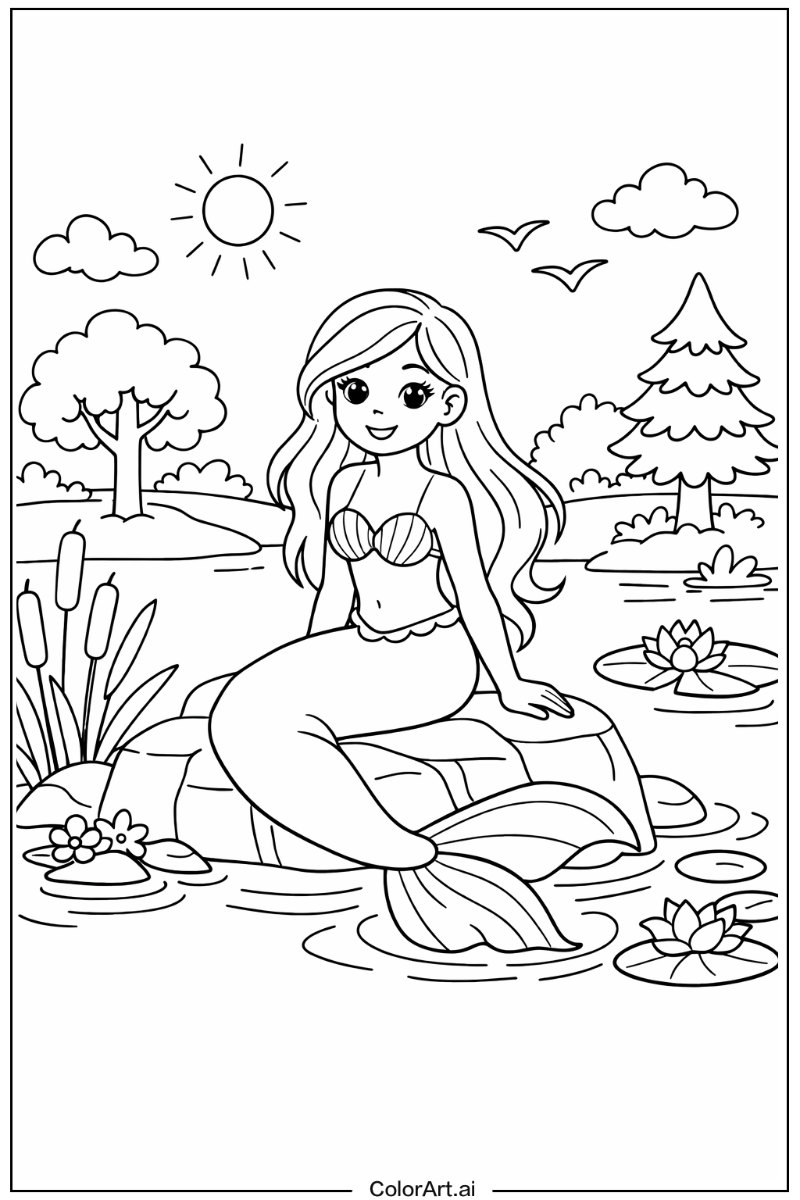
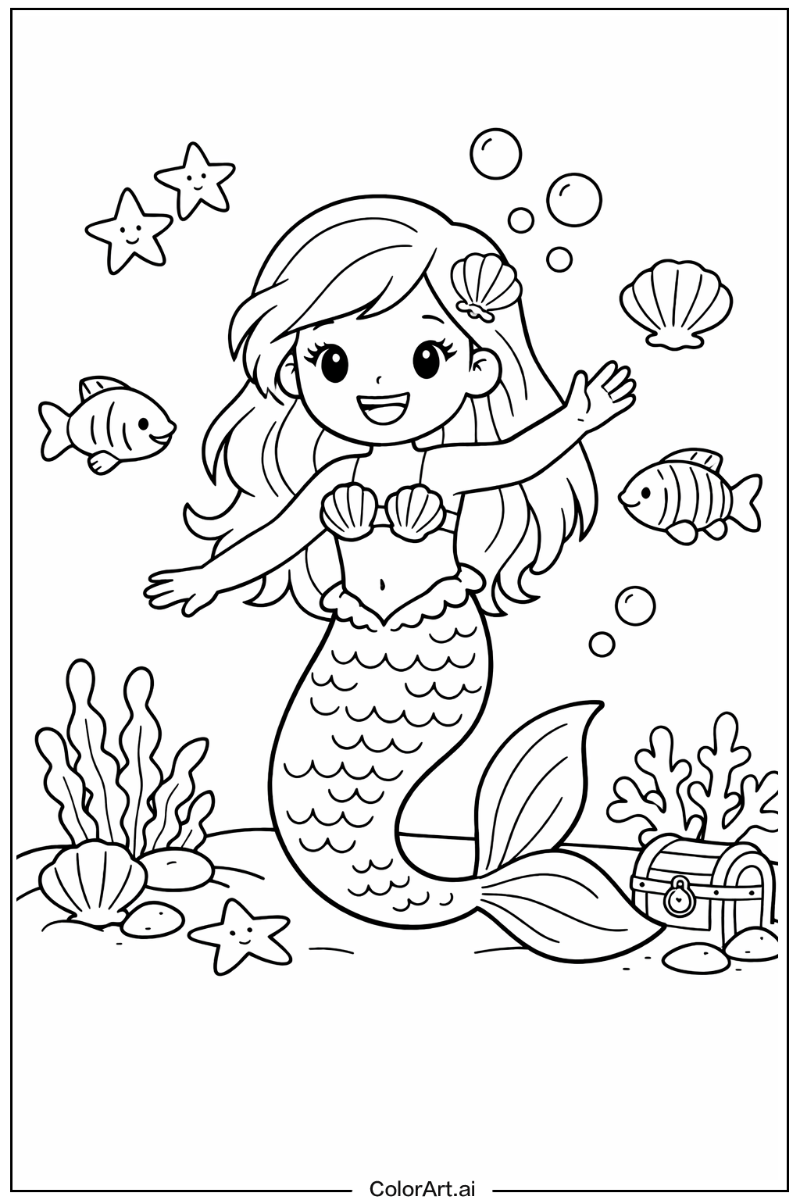
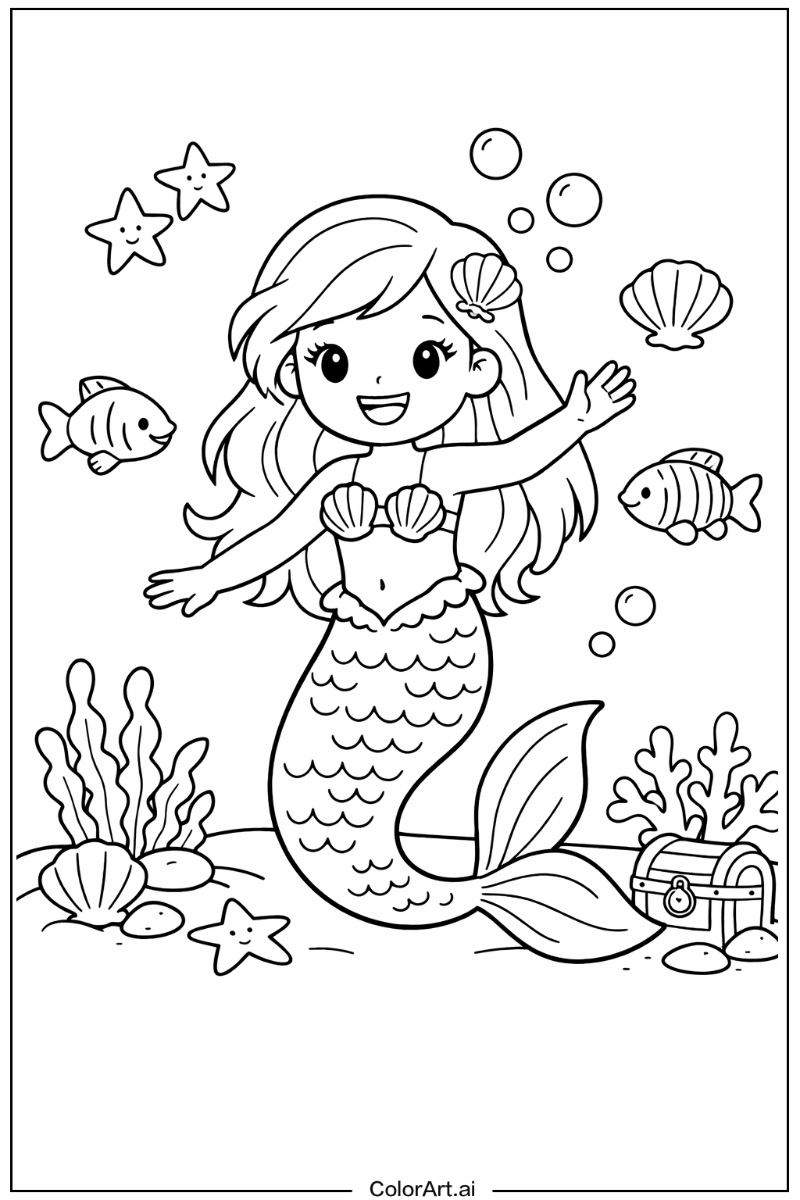
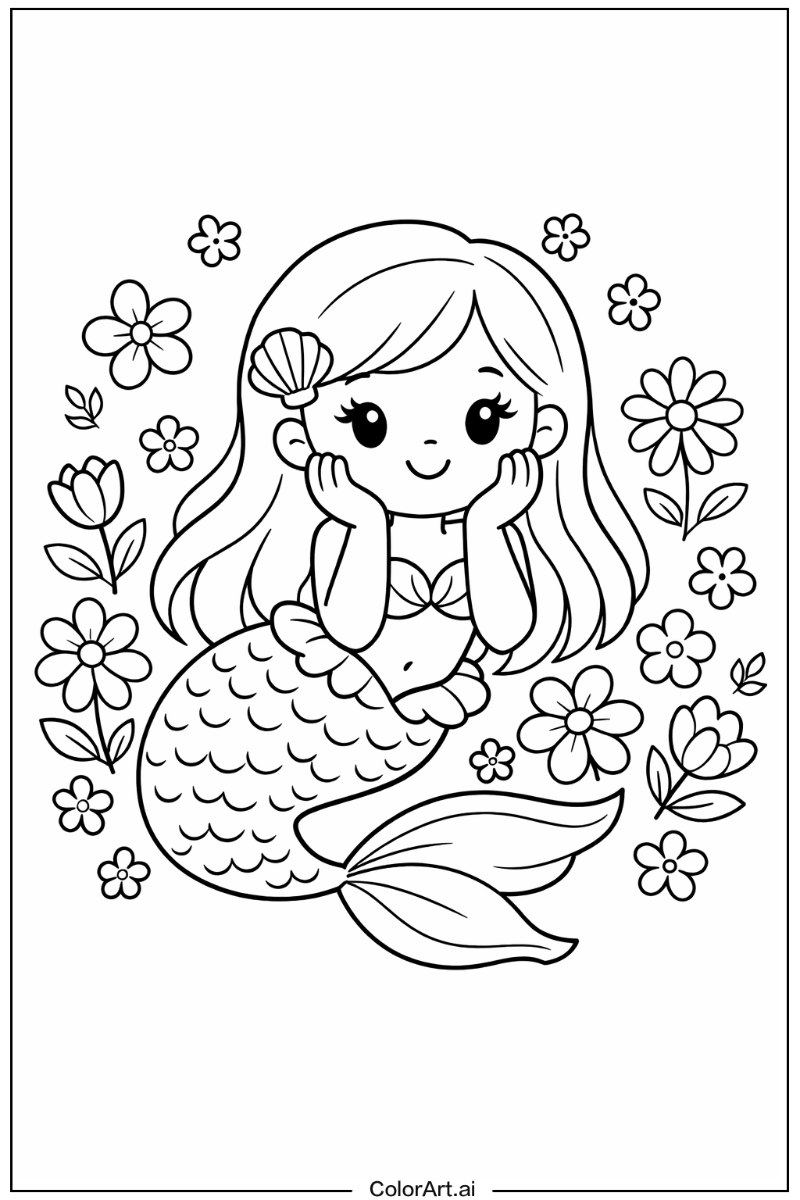
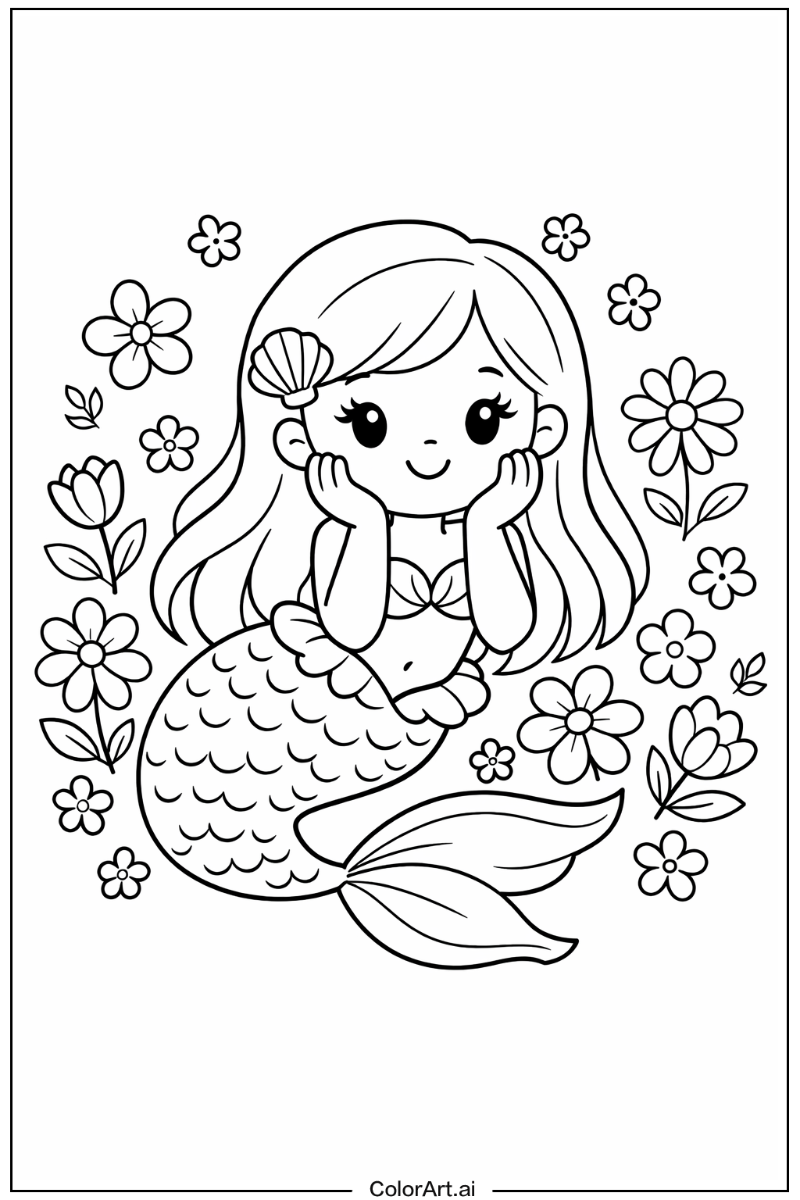
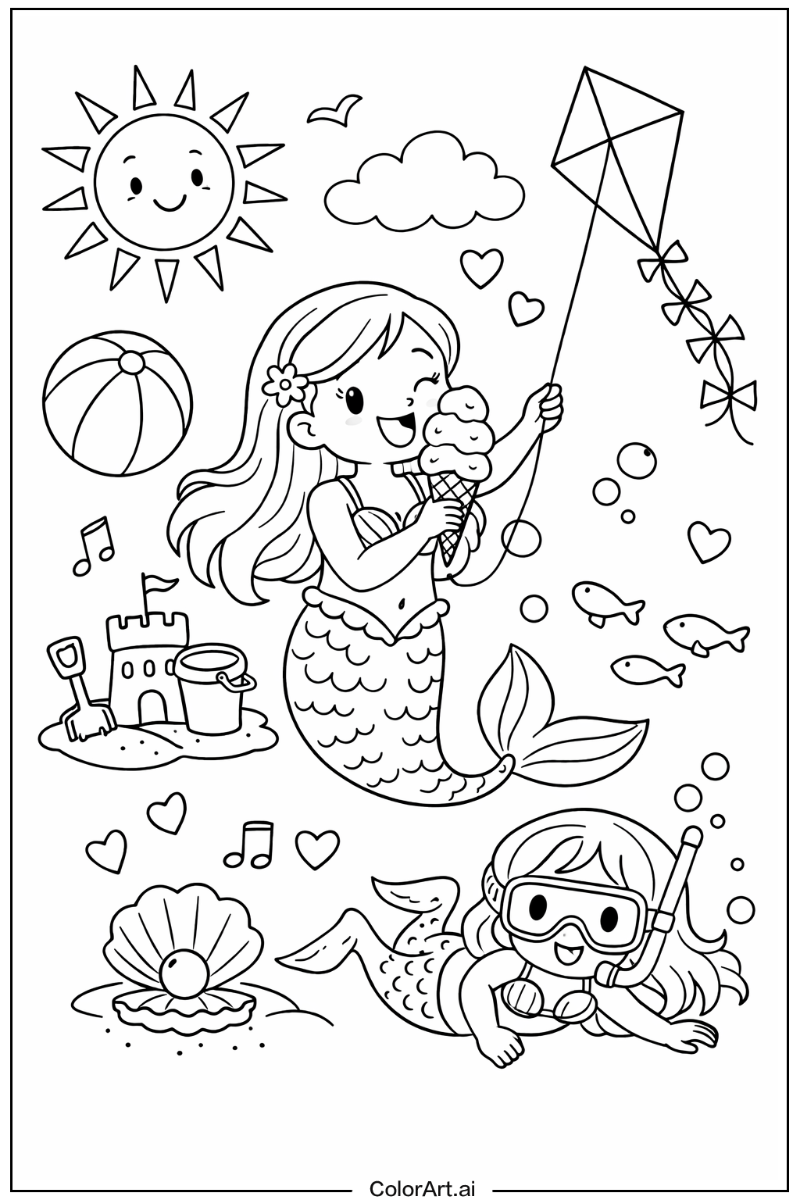
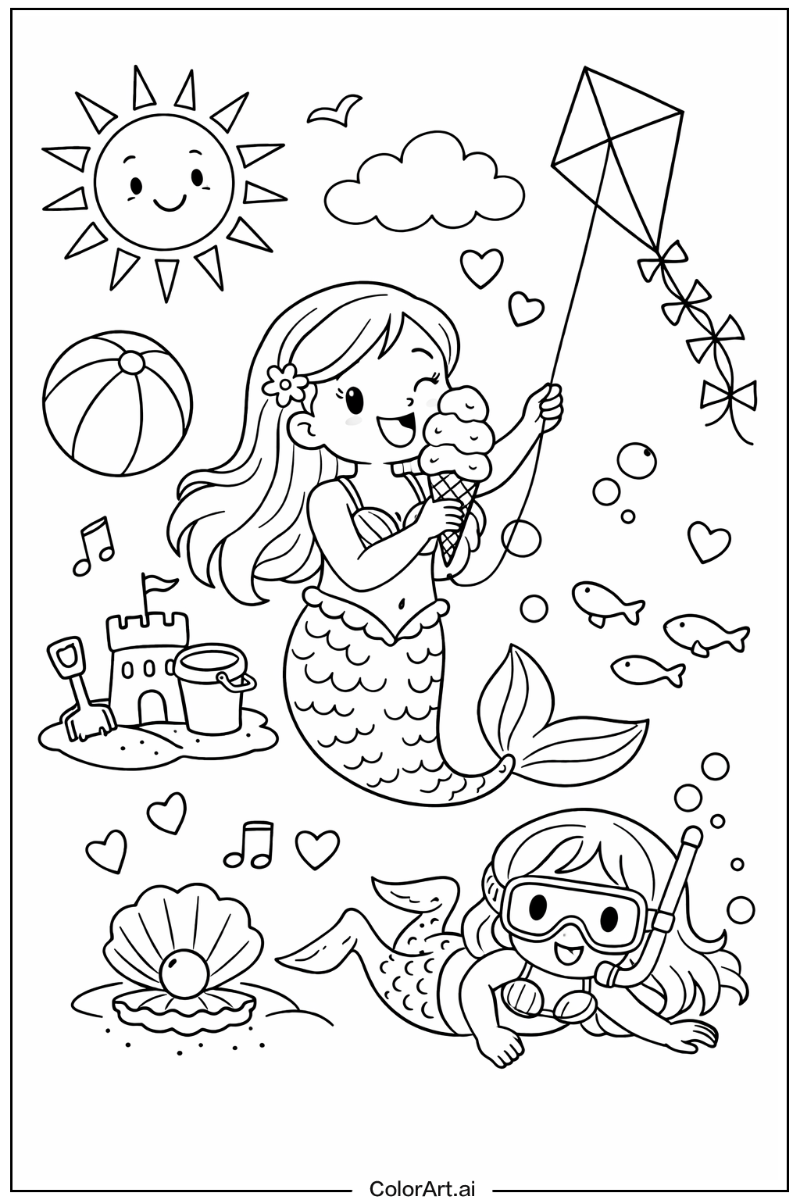
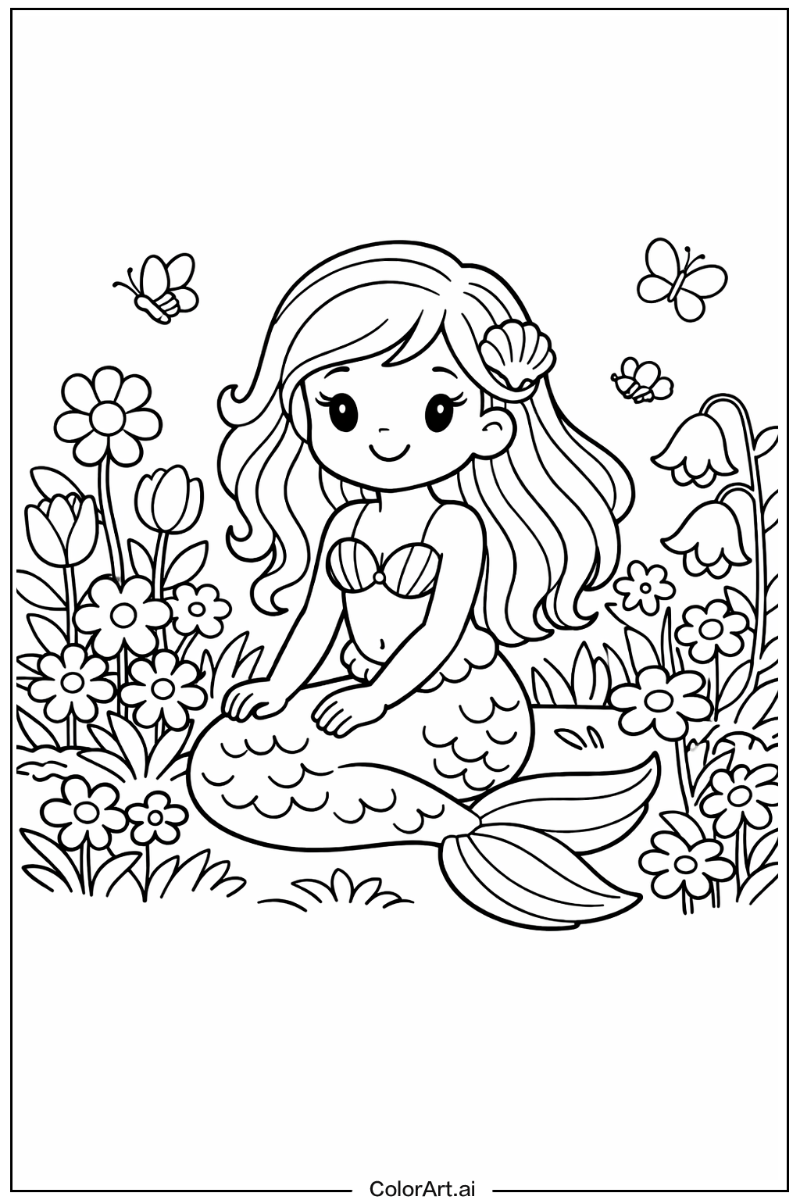
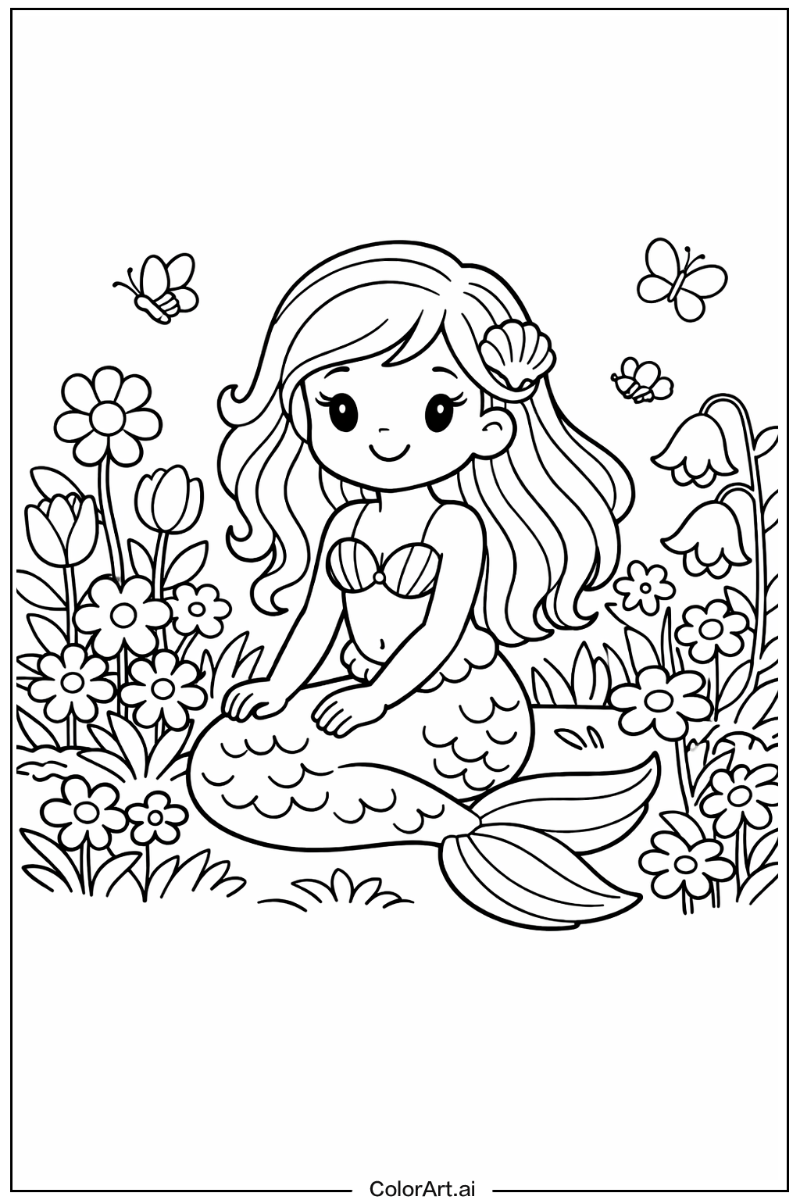
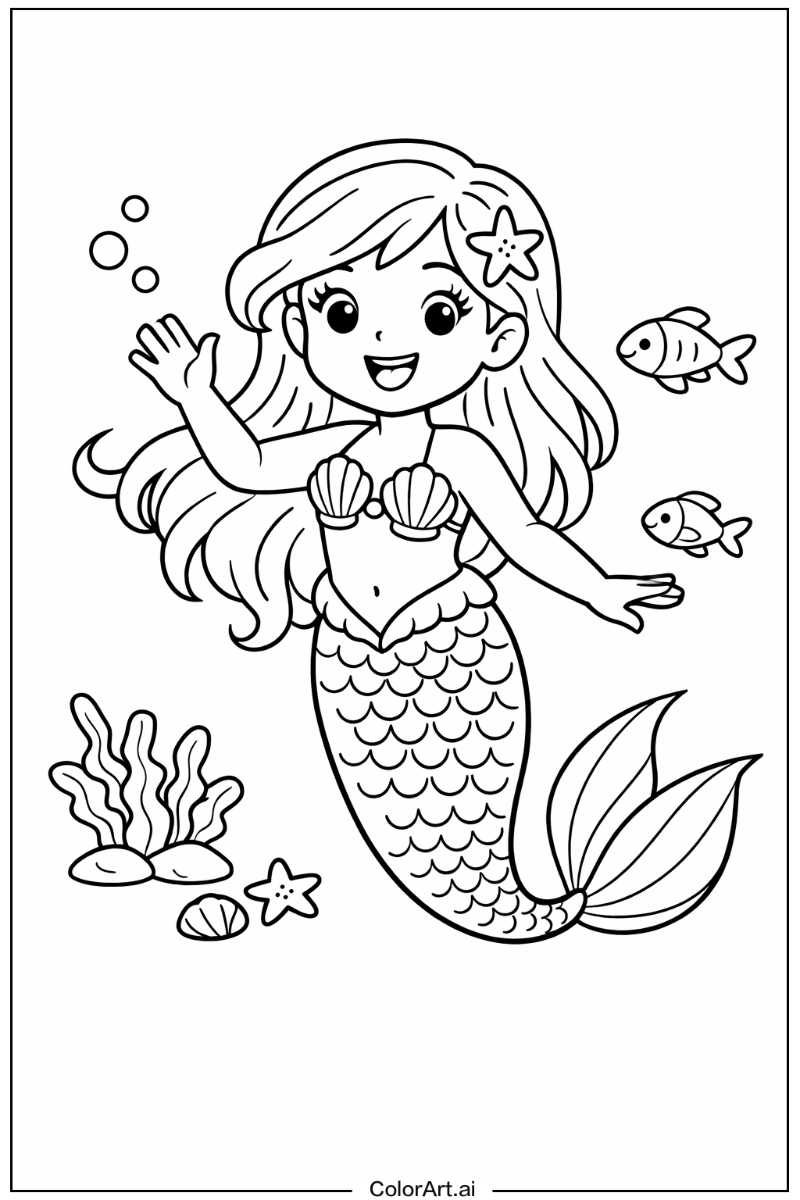
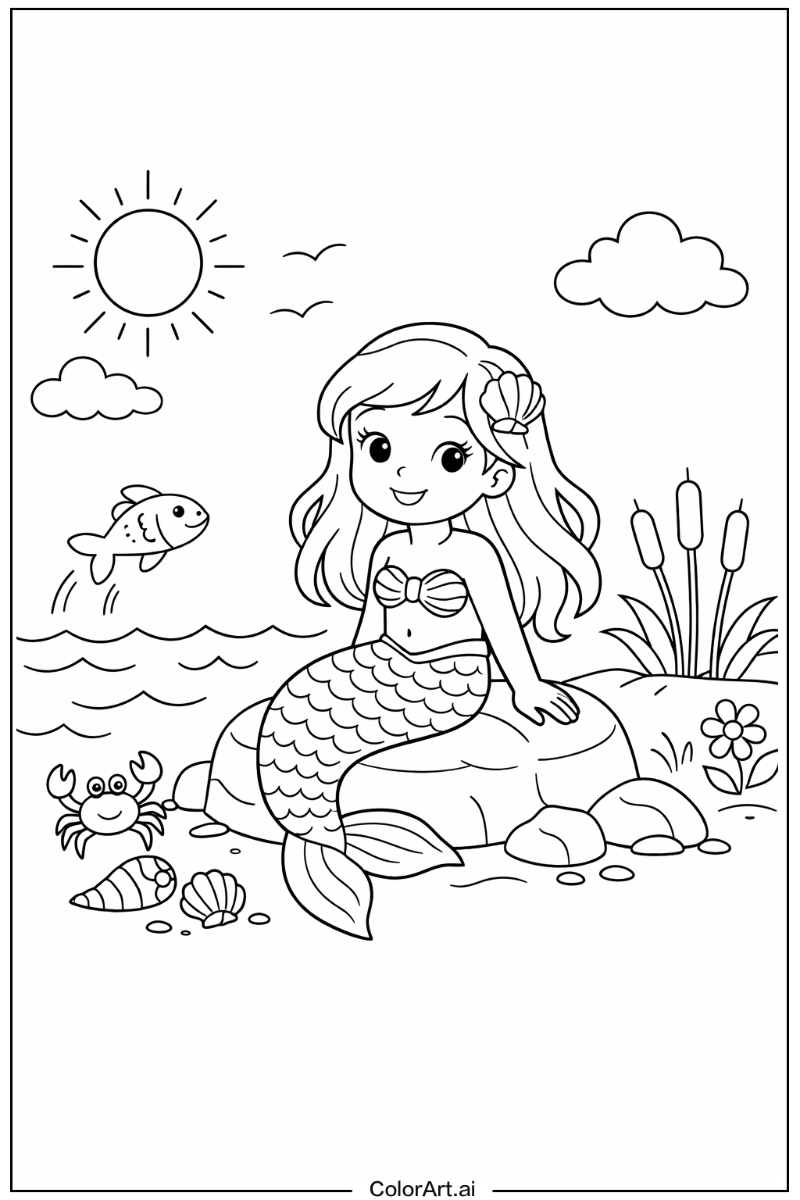
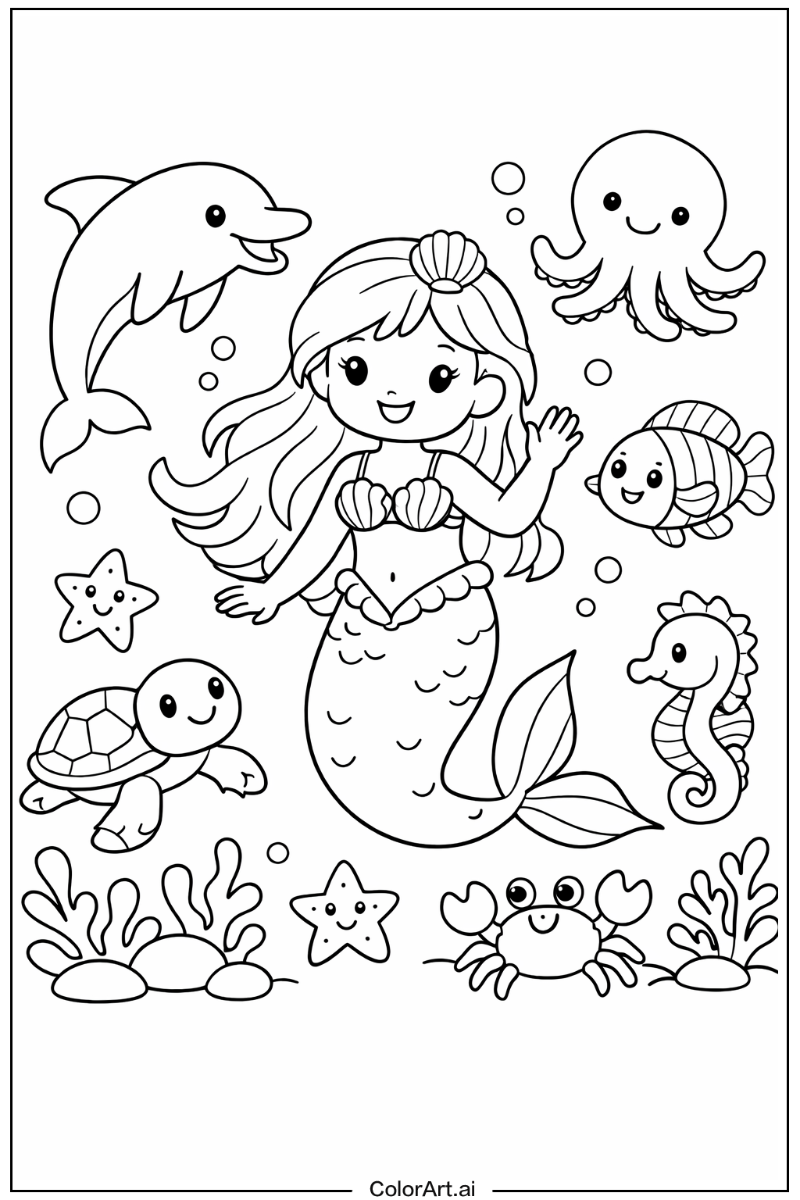
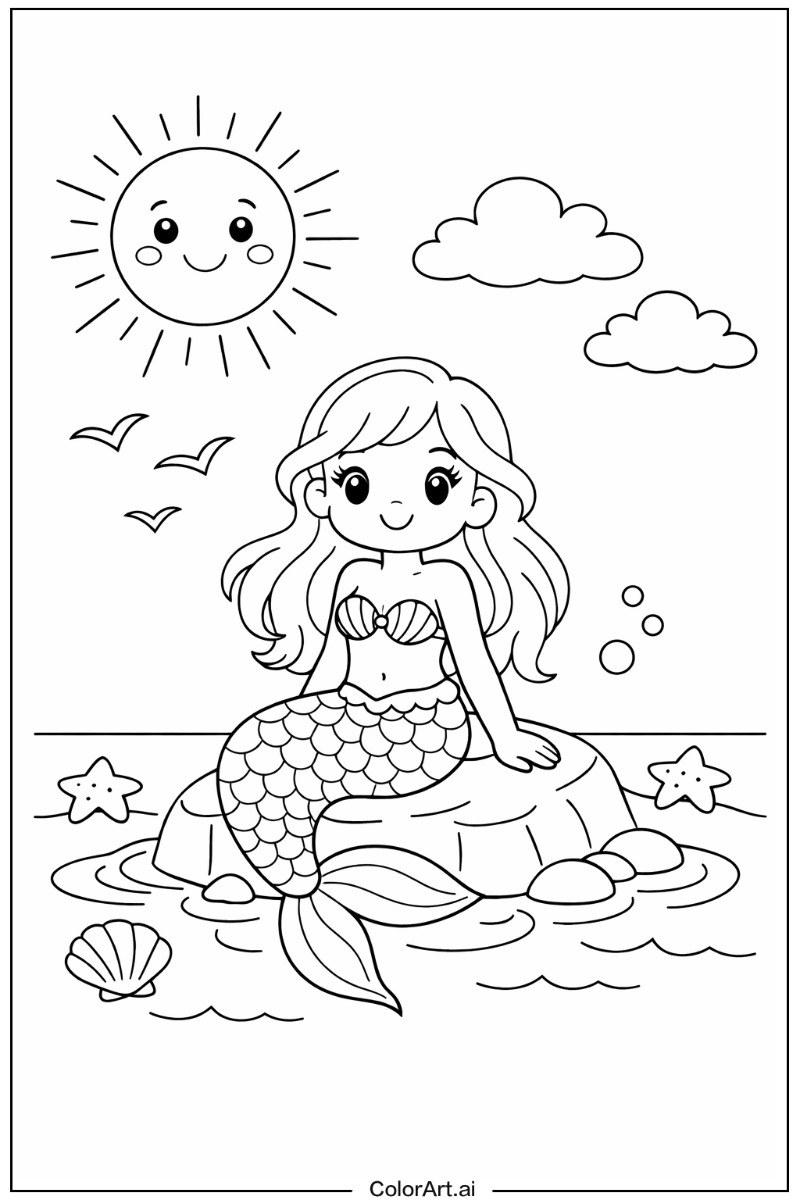
Mermaids have always captured the imagination of children and adults alike. With their shimmering tails and enchanting stories, these mythical sea creatures bring a sense of magic and wonder to our lives. In my classroom, I often see the spark of creativity ignite when students dive into the world of Mermaid coloring pages. There’s something truly special about watching a child’s face light up as they color in a beautiful mermaid, complete with flowing hair and a vibrant tail. Whether they are creating their own underwater adventures or simply enjoying the calming act of coloring, mermaids offer a unique blend of fun and educational value. I’ll never forget the time little Emma, a shy second grader, proudly presented her mermaid masterpiece during our art show, declaring it as 'the most beautiful creature of the sea'! This post will explore the educational benefits of Mermaid coloring pages, current trends, and some tips for making the most out of these delightful activities.
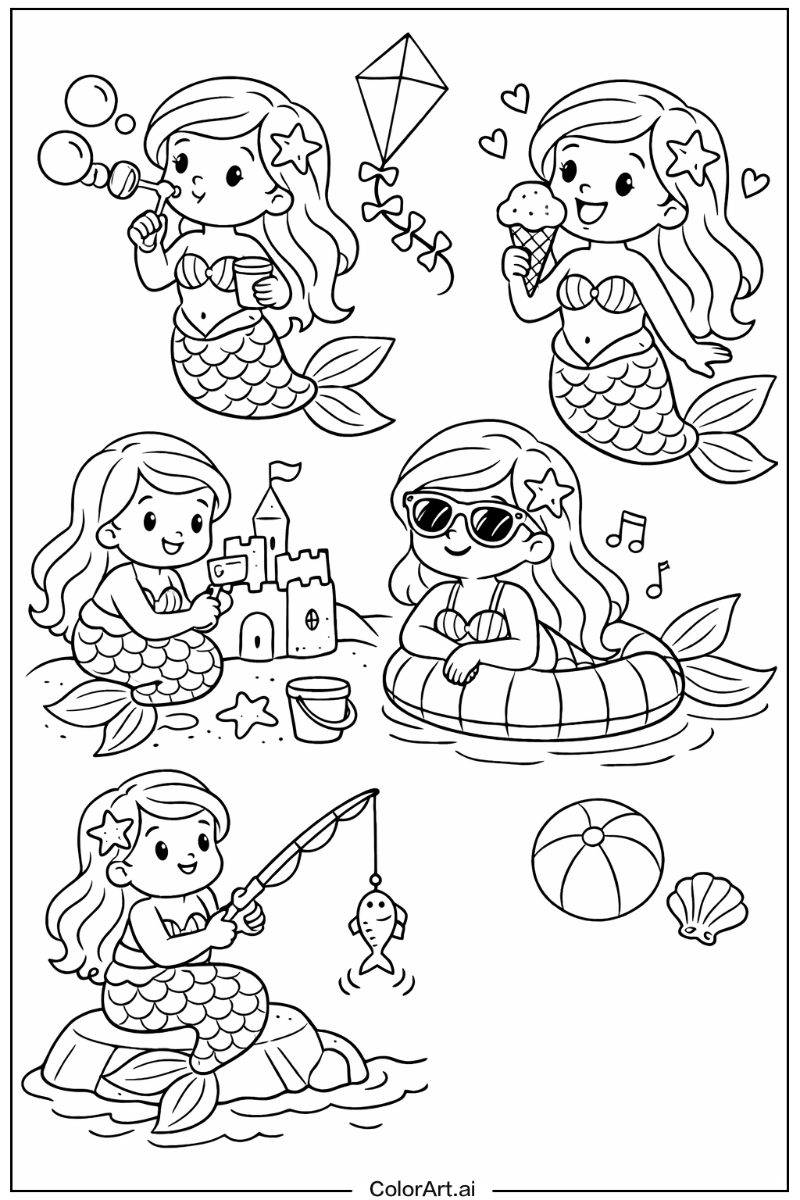
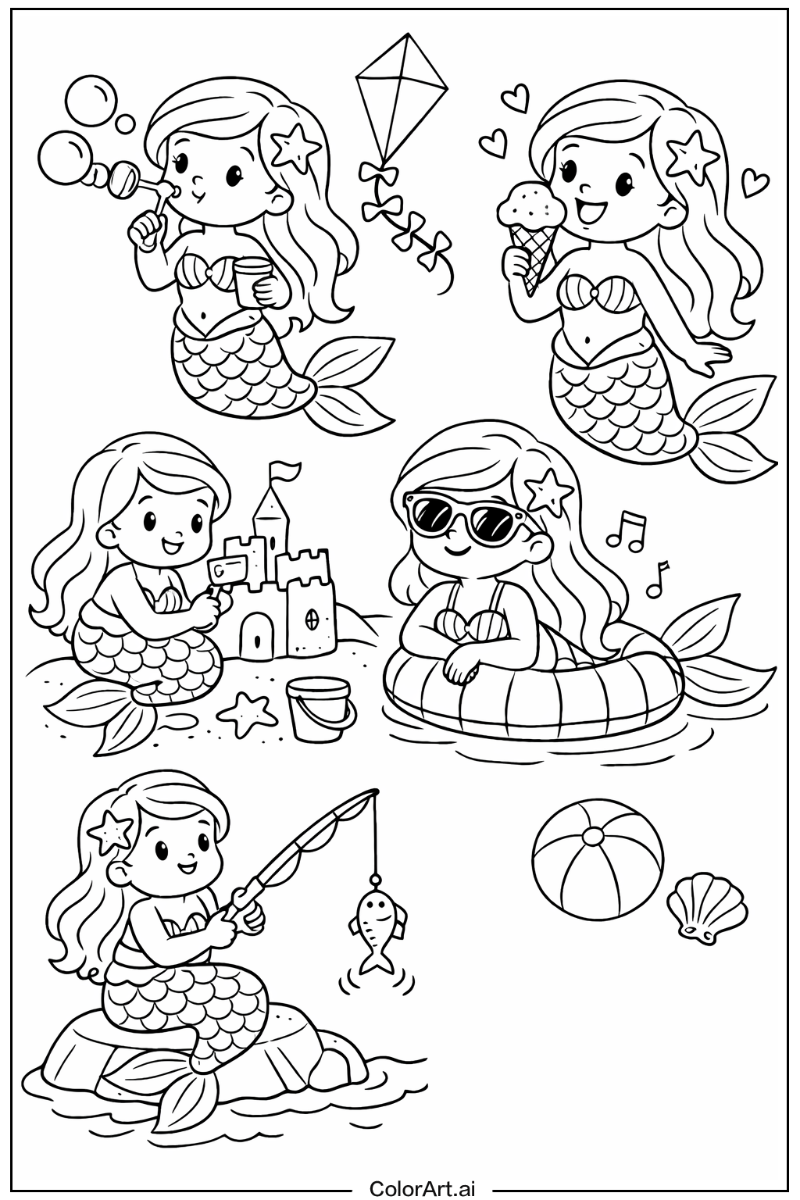
Group Coloring Pages
The Fascinating Background of Mermaids
Mermaids have a rich history that spans cultures and generations. Traditionally depicted as fish-tailed women, they have appeared in folklore around the world. The term 'mermaid syndrome' actually refers to a rare medical condition, highlighting how deeply intertwined these mythical beings are with human experiences. The iconic tale of 'The Little Mermaid' by Hans Christian Andersen popularized the modern mermaid archetype, showcasing themes of love, sacrifice, and transformation. In my classroom, we often discuss the stories behind mermaids, exploring their significance in different cultures. For instance, Ukrainian folklore presents mermaids as kind-hearted figures, embodying compassion and care. This cultural exploration not only enriches our coloring sessions but also sparks conversations about respect for women and the values they represent. Teaching students about the historical and cultural context of mermaids deepens their appreciation and understanding, making coloring more than just a fun activity; it becomes a gateway to learning.
The Educational Benefits of Mermaid Coloring Activities
Engaging with Mermaid coloring pages provides numerous educational benefits for children. For younger students, coloring is an excellent way to develop fine motor skills and hand-eye coordination. I often tell my students that coloring within the lines is like training for writing! The precision required helps them prepare for future academic challenges. Moreover, coloring encourages concentration and focus. I’ve witnessed how the calming act of coloring a mermaid's intricately designed tail can improve attention spans, especially in a lively classroom setting. It's not uncommon for me to see students who usually struggle with focus become completely absorbed in their mermaid creations. Furthermore, Mermaid coloring activities allow for emotional expression. I’ve seen students transform their feelings into vibrant colors as they reflect on their own experiences while working on mermaid pages. This not only fosters creativity but also offers a therapeutic outlet for their emotions. Integrating educational subjects like science and history into our Mermaid discussions—like learning about ocean ecosystems or the mythological origins of mermaids—adds another layer of learning, making these coloring sessions multifaceted.
Practical Tips for Coloring Mermaid Pages
When it comes to coloring Mermaid pages, a few practical tips can elevate the experience for both kids and adults. First, I recommend using quality materials. Colored pencils work wonderfully for detailed areas, while markers can add bold colors to larger sections. Crayons are perfect for younger children still mastering their grip. When I introduced watercolor techniques to the class, the kids loved watching the colors blend and flow like water! Also, consider printing Mermaid coloring pages on cardstock for durability, especially for those who want to keep their creations as keepsakes. Finally, encourage creativity! Let students experiment with non-traditional colors for mermaid tails and backgrounds. I once had a student named Lucas who decided his mermaid would have a rainbow tail. The resulting artwork was not only beautiful but also showcased his unique perspective. Remember, the goal is to enjoy the process and express oneself creatively.
Current Trends in Mermaid Art Education
As we glide into the latest trends, it’s exciting to see how mermaids are making waves in art education. Mermaid-themed fashion, such as prom dresses with flowing silhouettes and intricate designs, has gained popularity, inspiring students' creativity in coloring and beyond. In my classroom, I’ve noticed that students are not just interested in coloring mermaids; they are also eager to create their own mermaid-inspired outfits or accessories during our art projects. These trends encourage students to think outside the box and connect their coloring activities to broader artistic expressions. Websites like Coloringbook.ai have become invaluable resources, offering a plethora of free printable Mermaid coloring pages that cater to all ages. The variety allows us to explore different styles, from cartoonish mermaids to more realistic portrayals, which helps in developing artistic skills. Incorporating these trends into our lessons means that students stay engaged and inspired, bridging the gap between the old tales of mermaids and modern interpretations.
Frequently Asked Questions About Mermaid Coloring Pages
What age group are Mermaid coloring pages suitable for? Mermaid coloring pages cater to a wide range of ages—from preschoolers to adults. The complexity of designs varies, allowing everyone to find something enjoyable. What materials work best for coloring Mermaid pages? I recommend colored pencils for detailed work, markers for vibrant colors, and crayons for younger children. Using high-quality paper enhances the final results. How should I print Mermaid coloring pages for best quality? For optimal results, print Mermaid coloring pages using high-quality settings on cardstock or standard paper. Ensuring your printer is well-inked will also help achieve clear outlines.

PDF
PNG