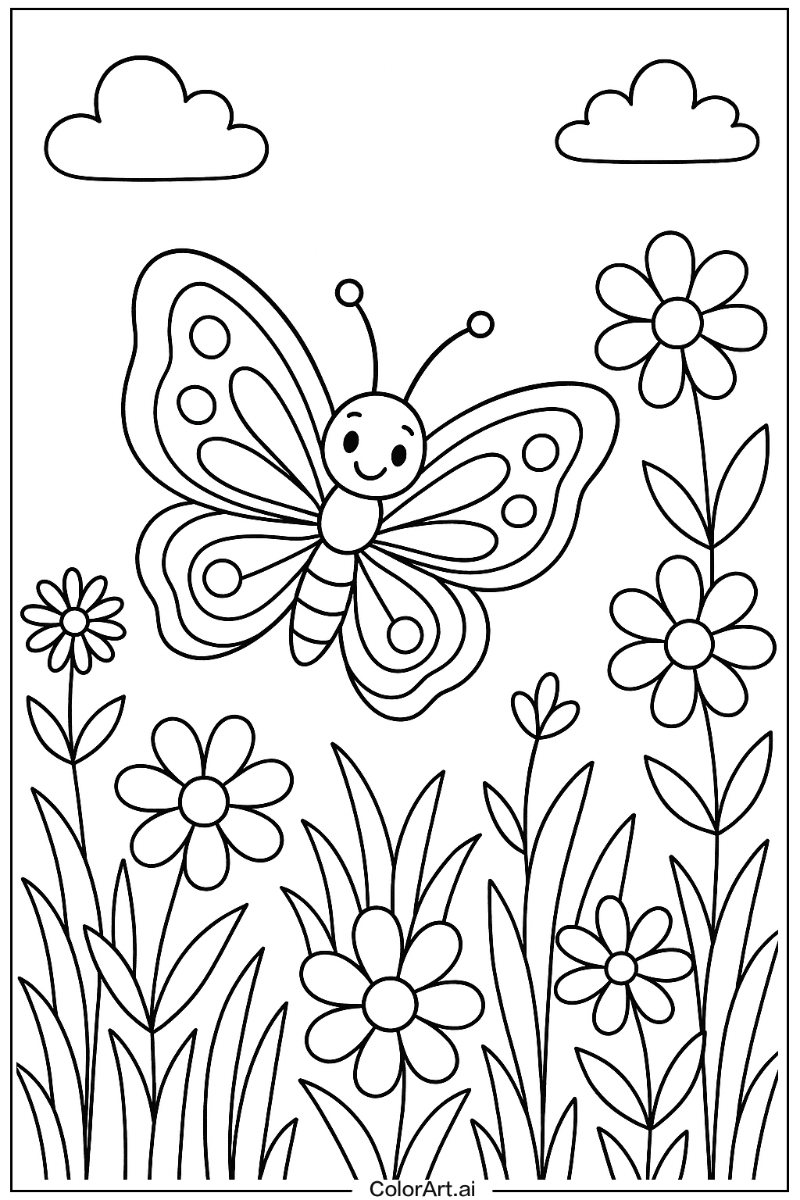
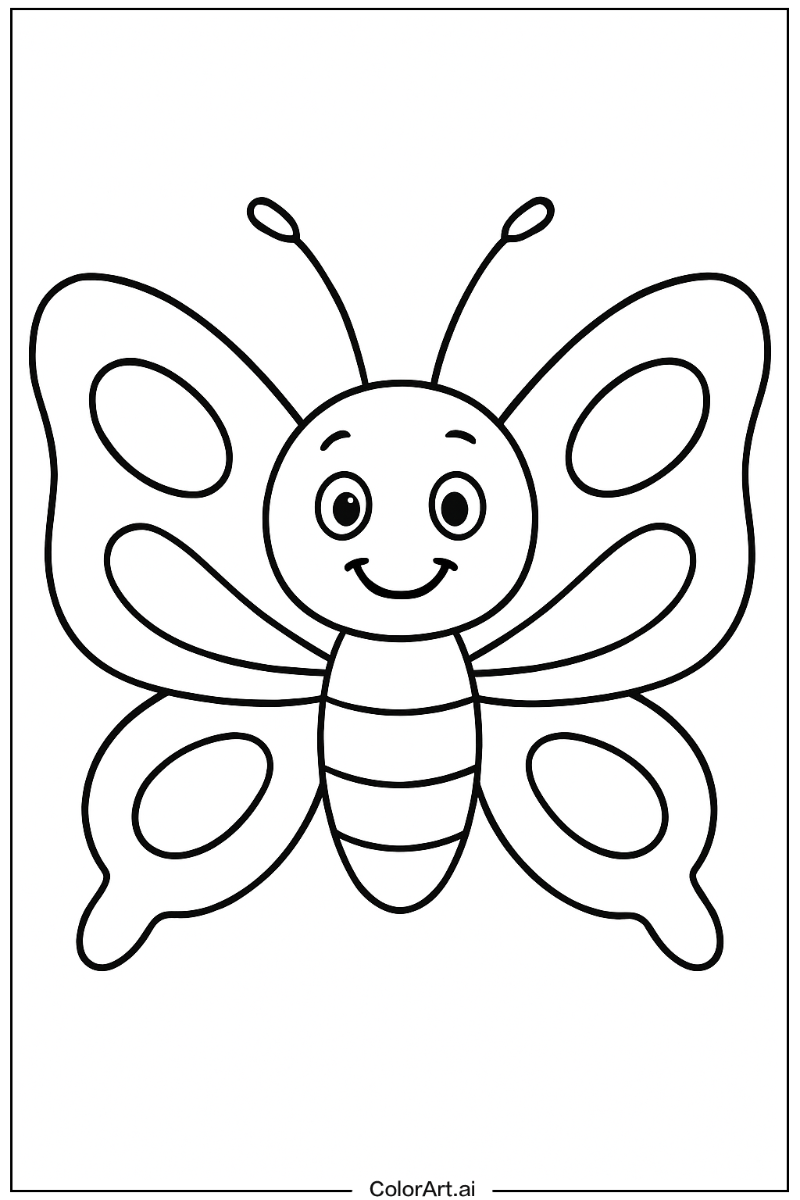
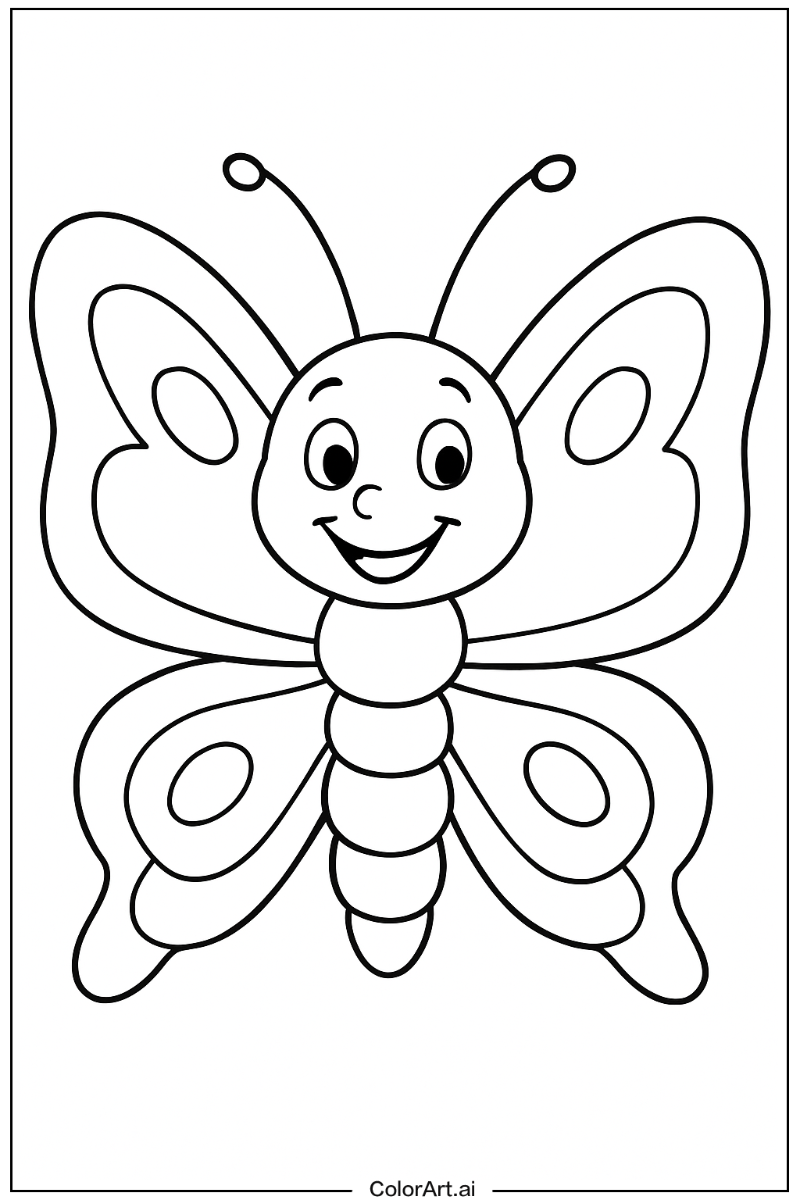
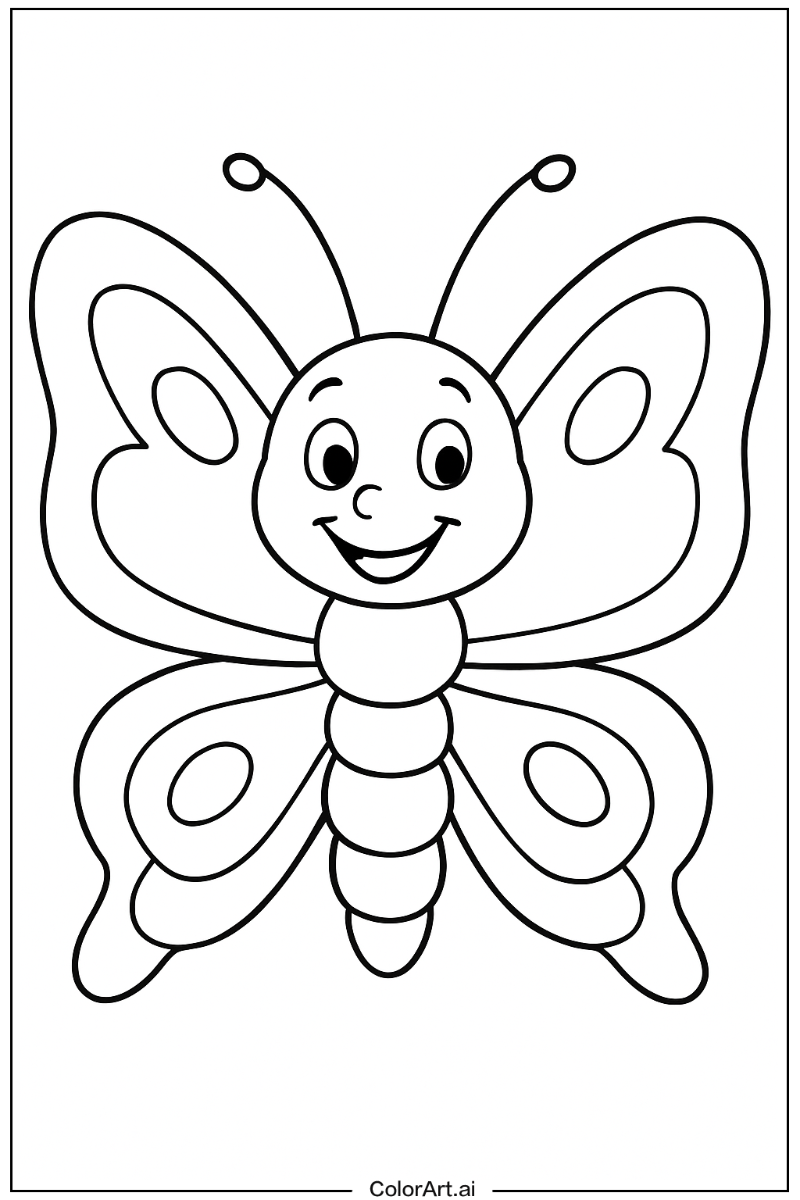
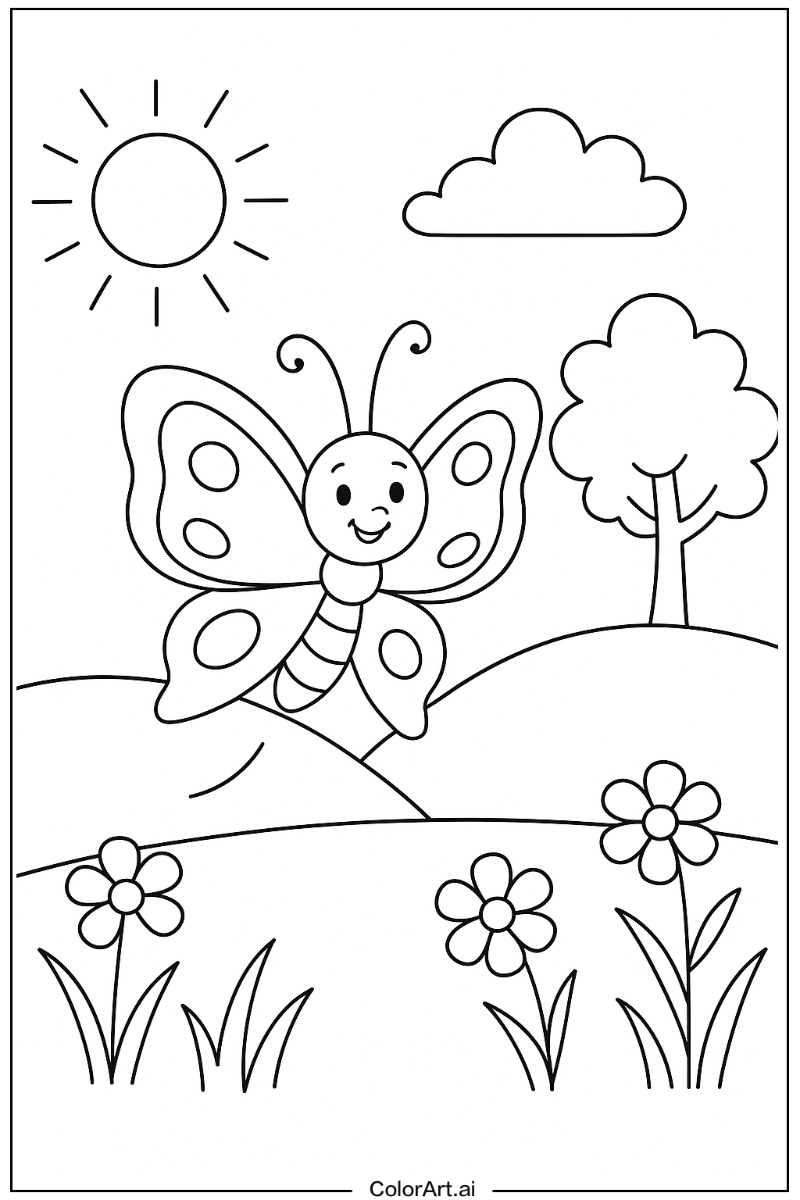
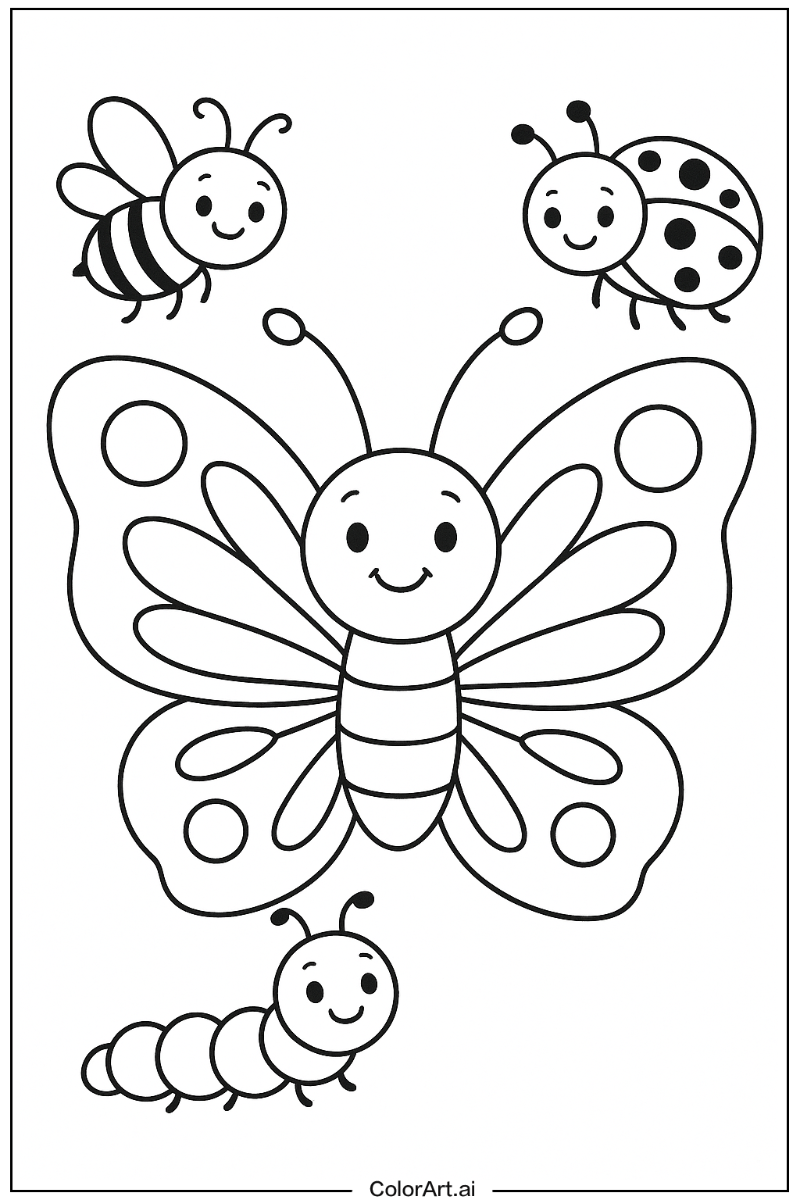
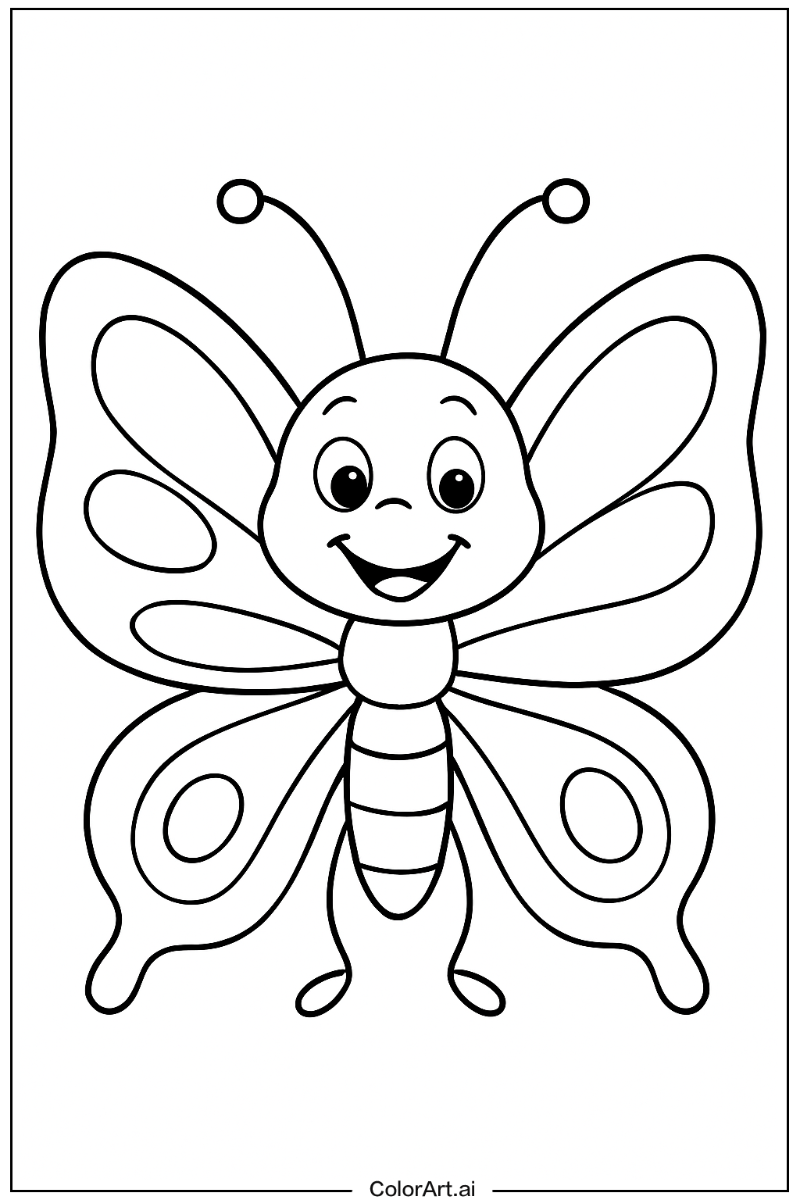
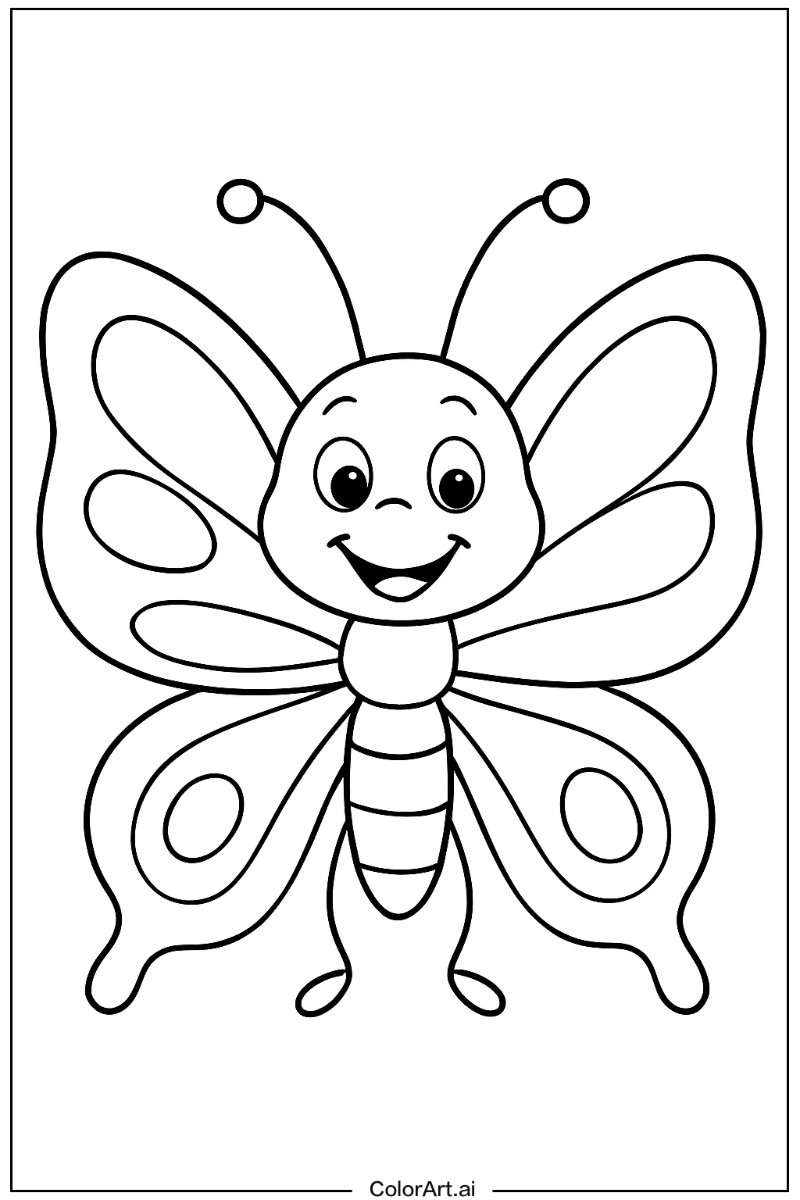
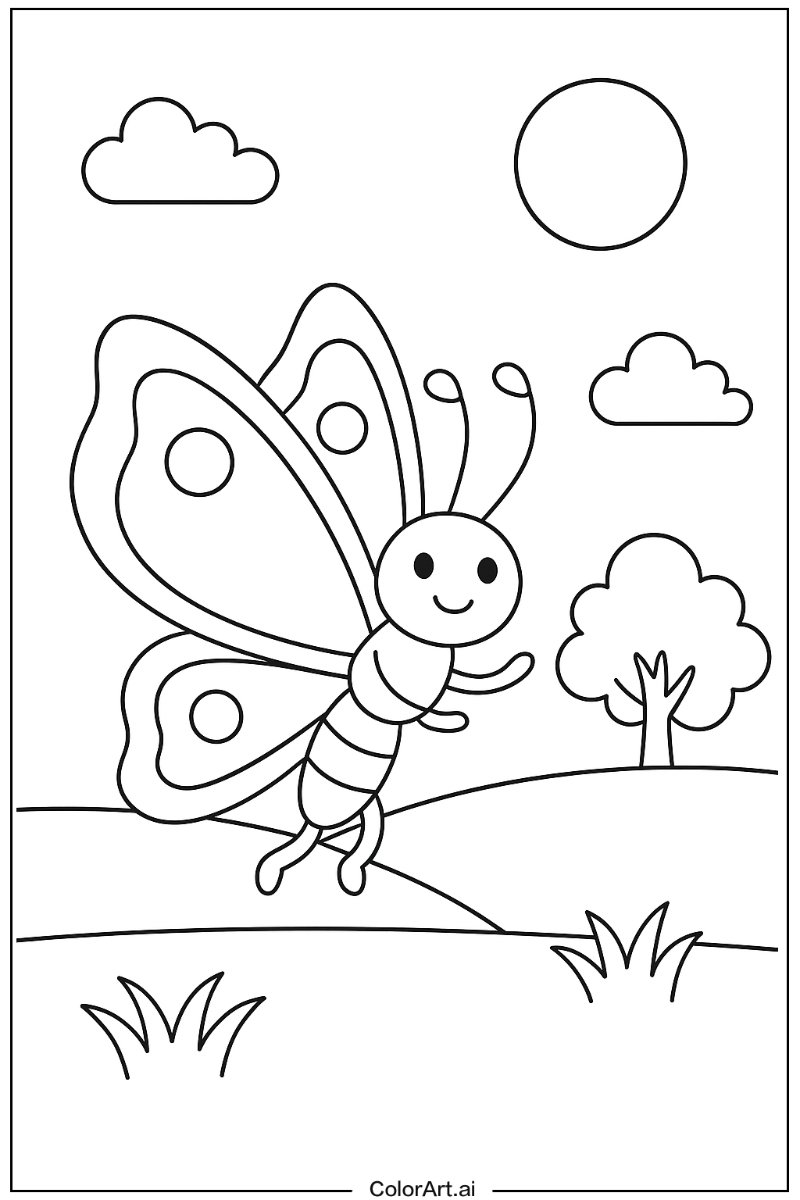
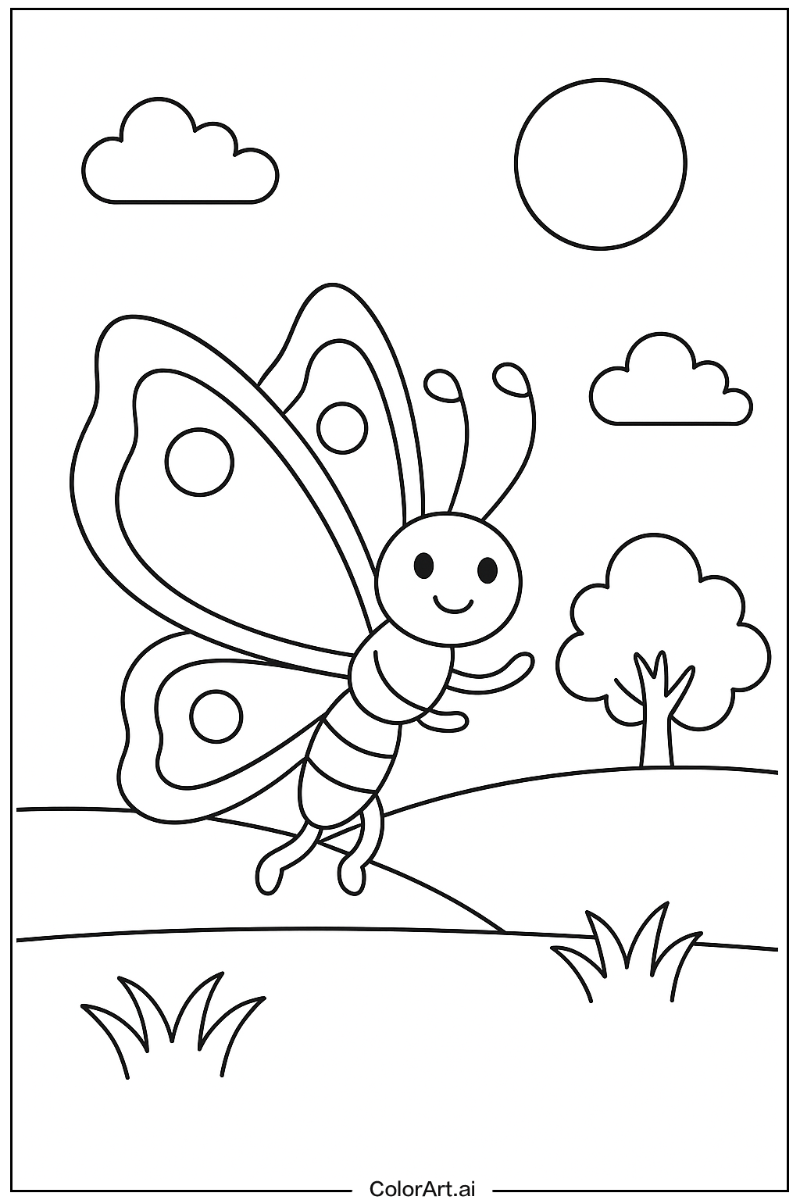
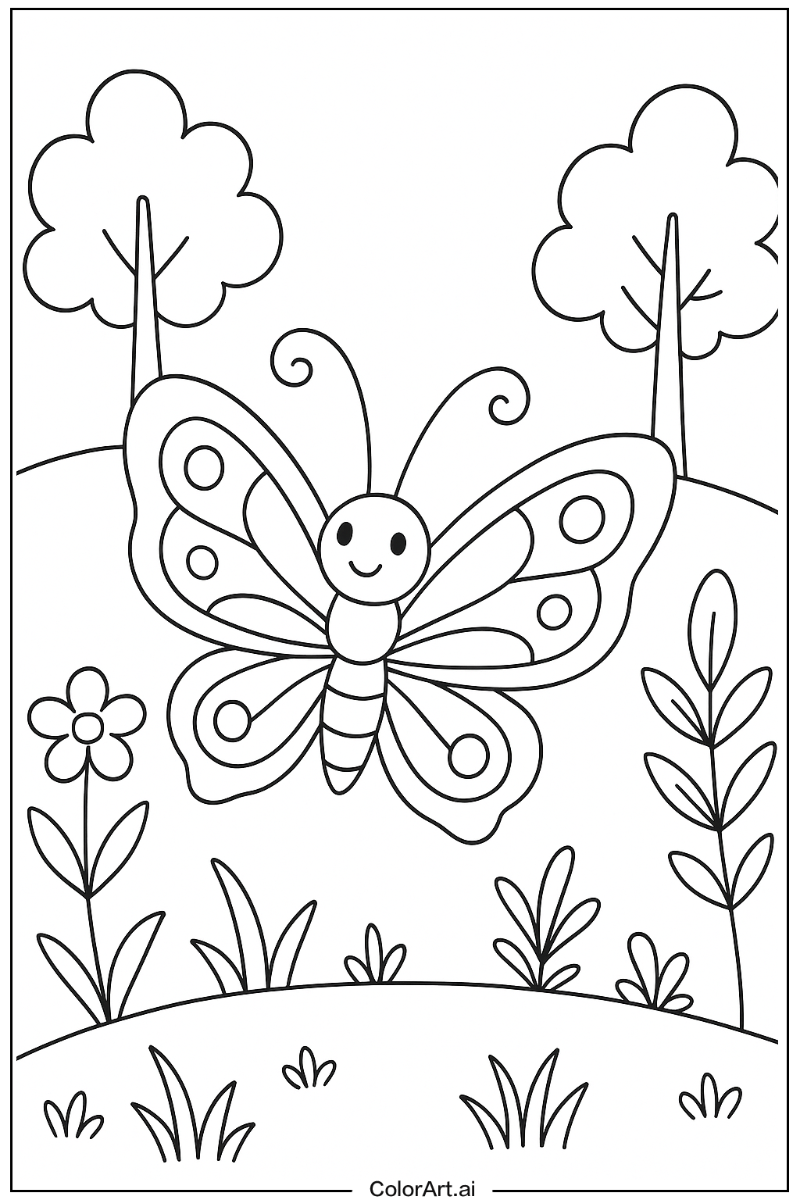
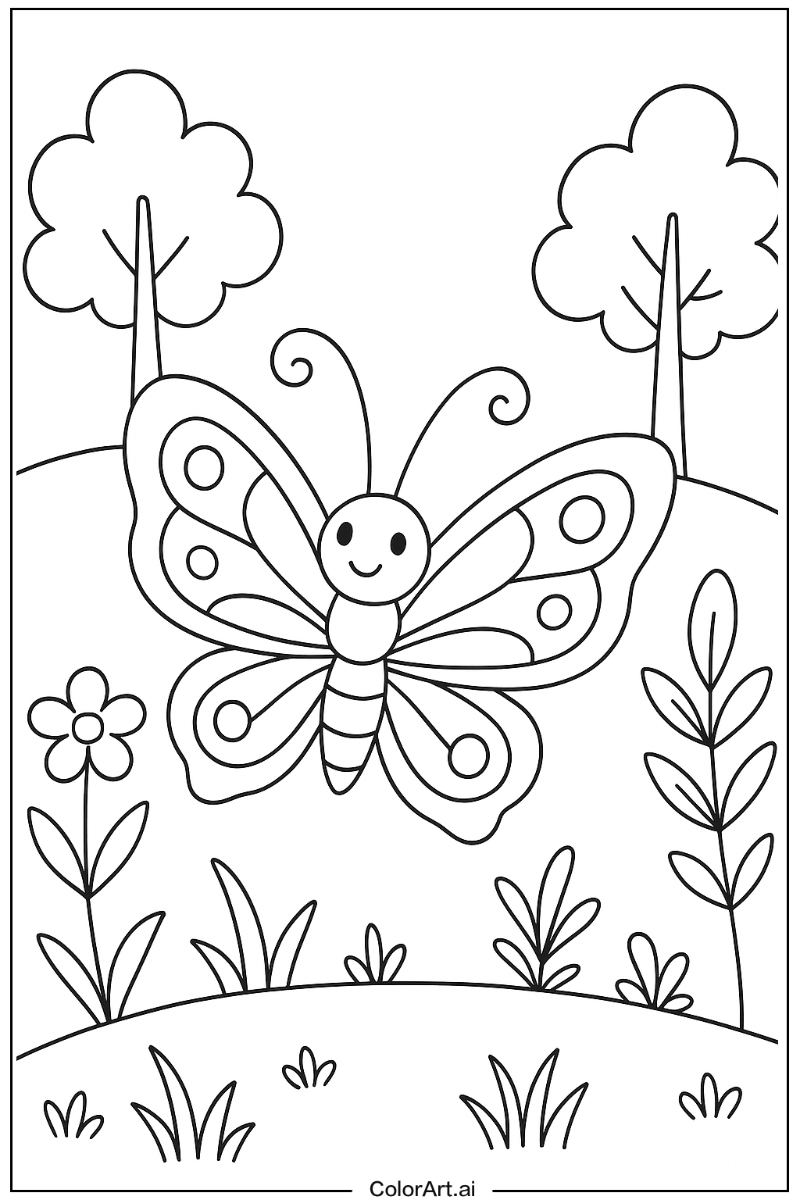
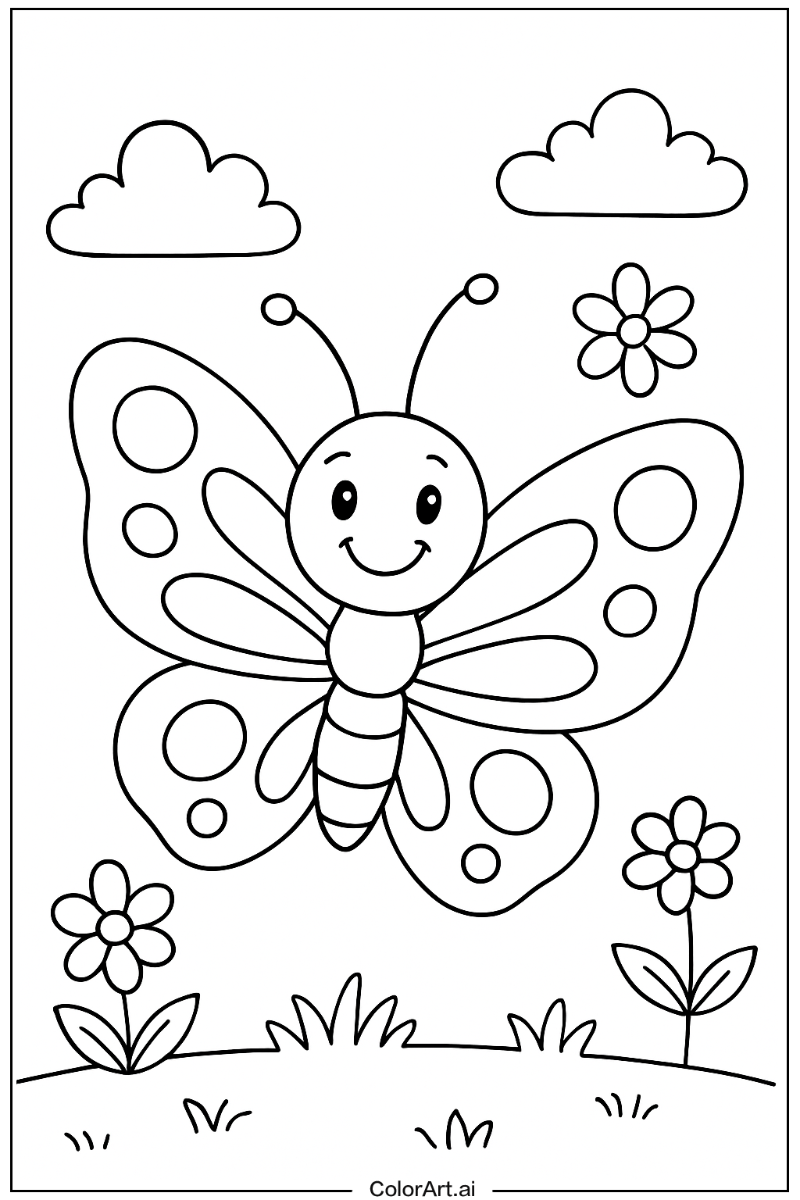
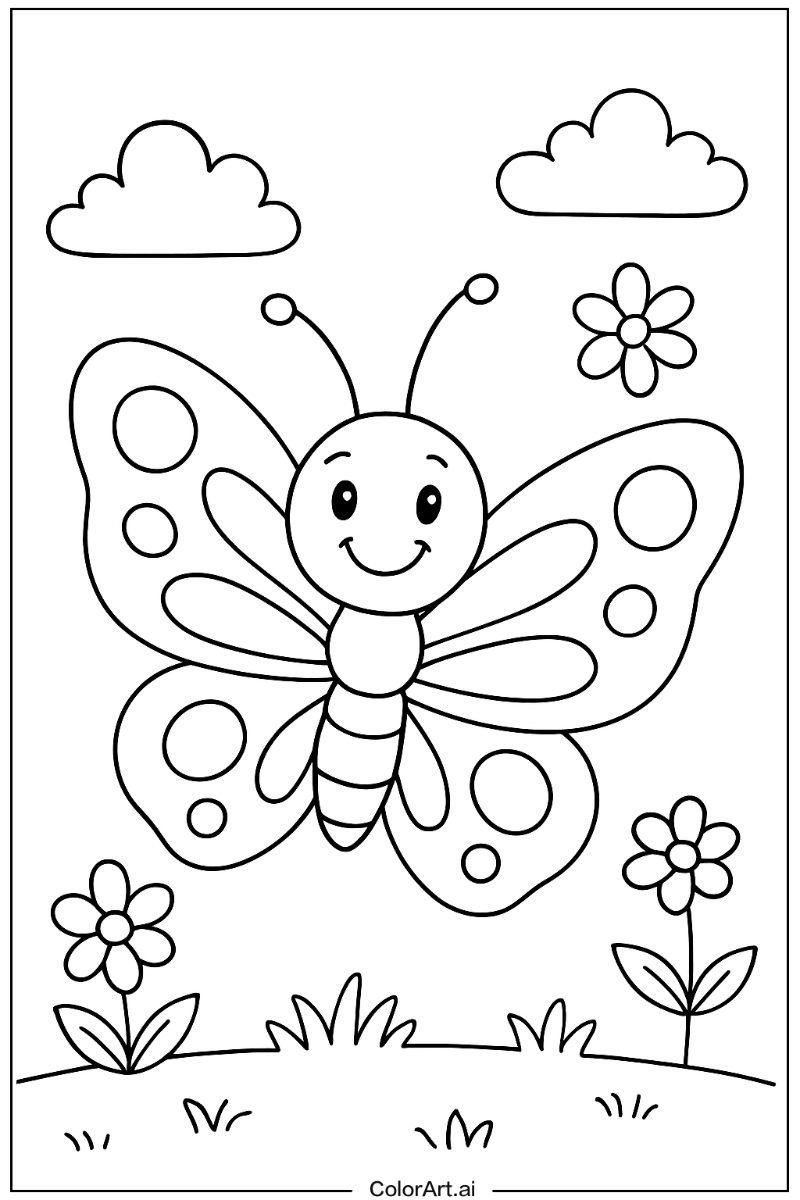
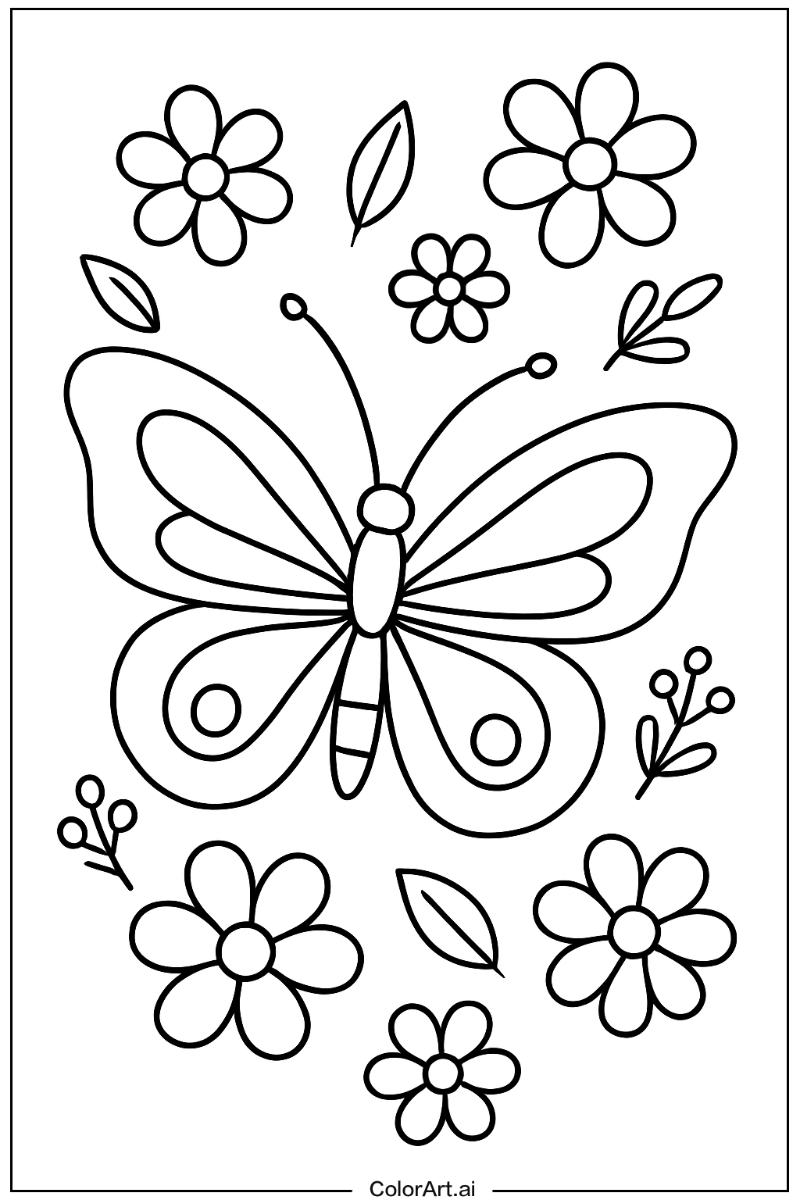
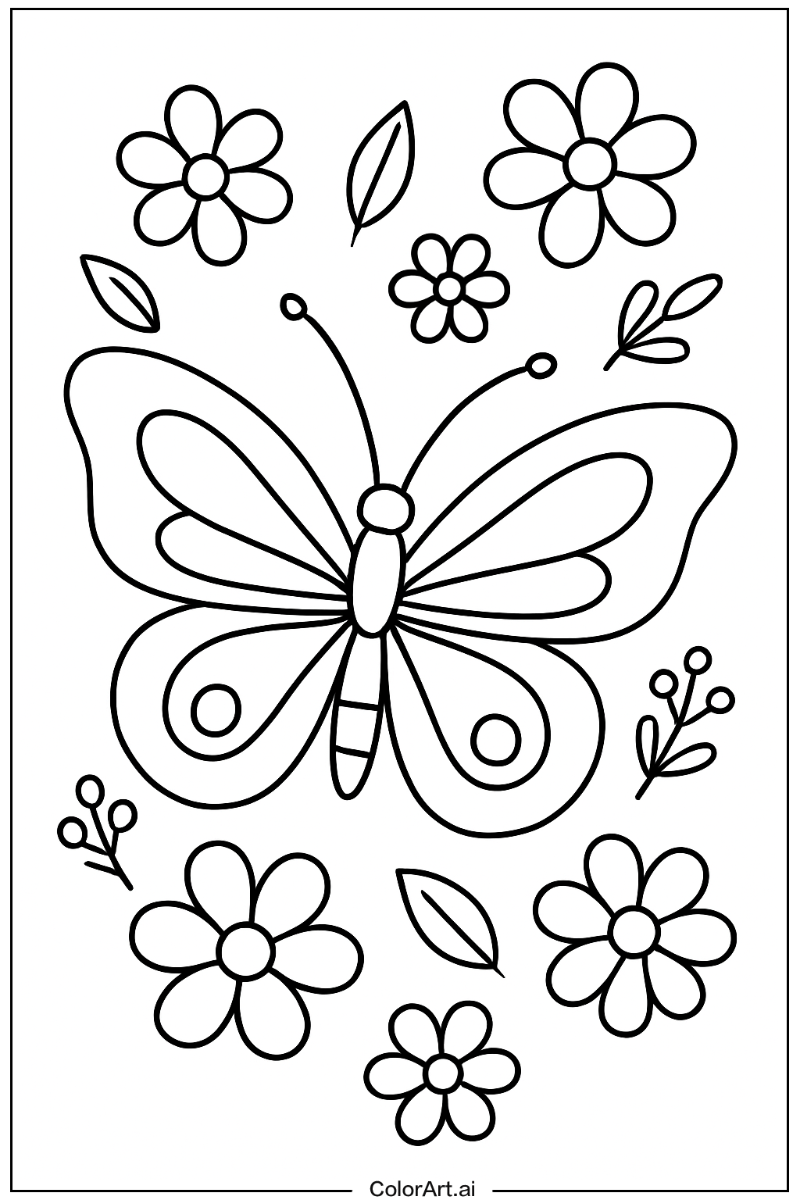
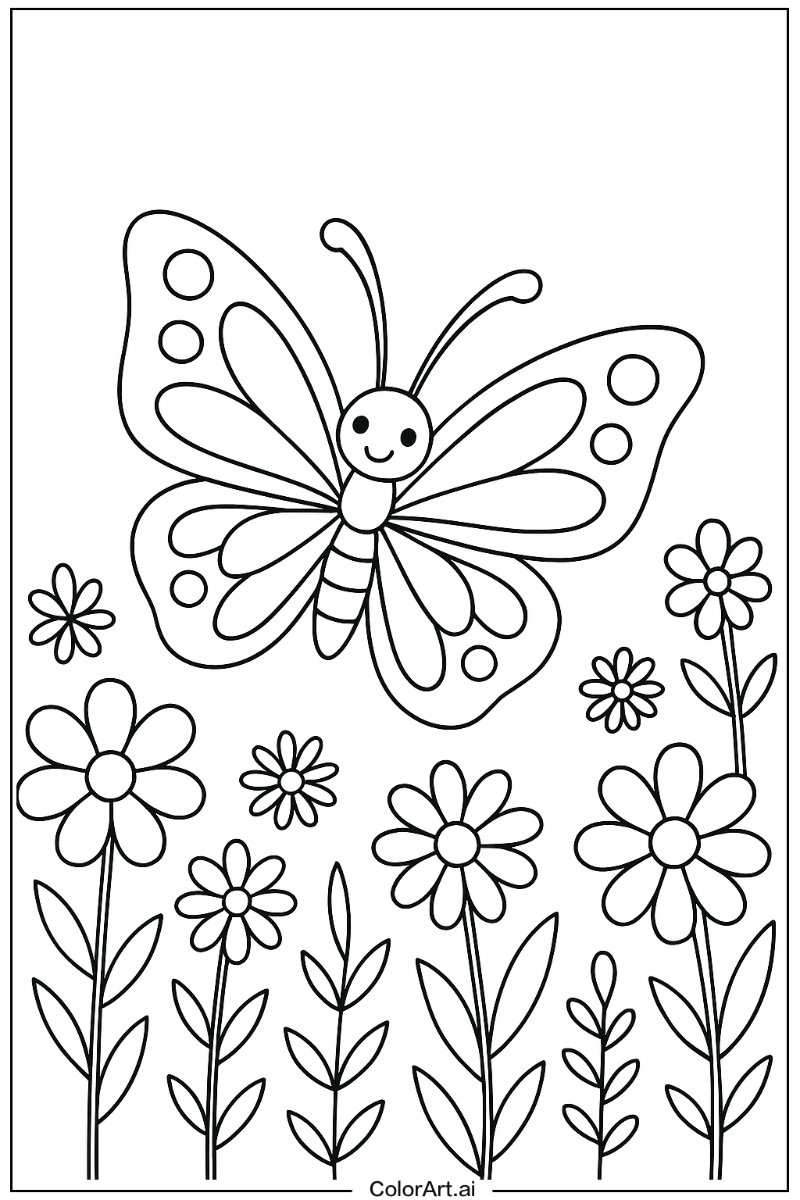
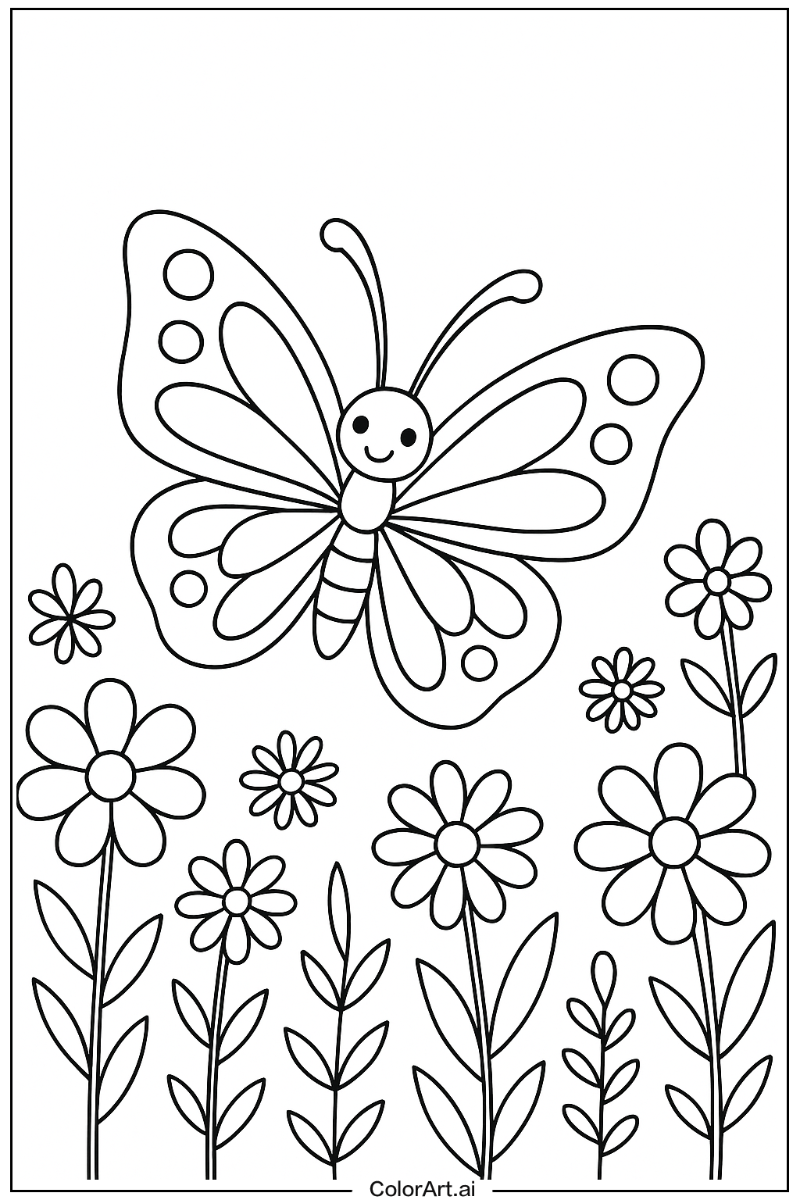
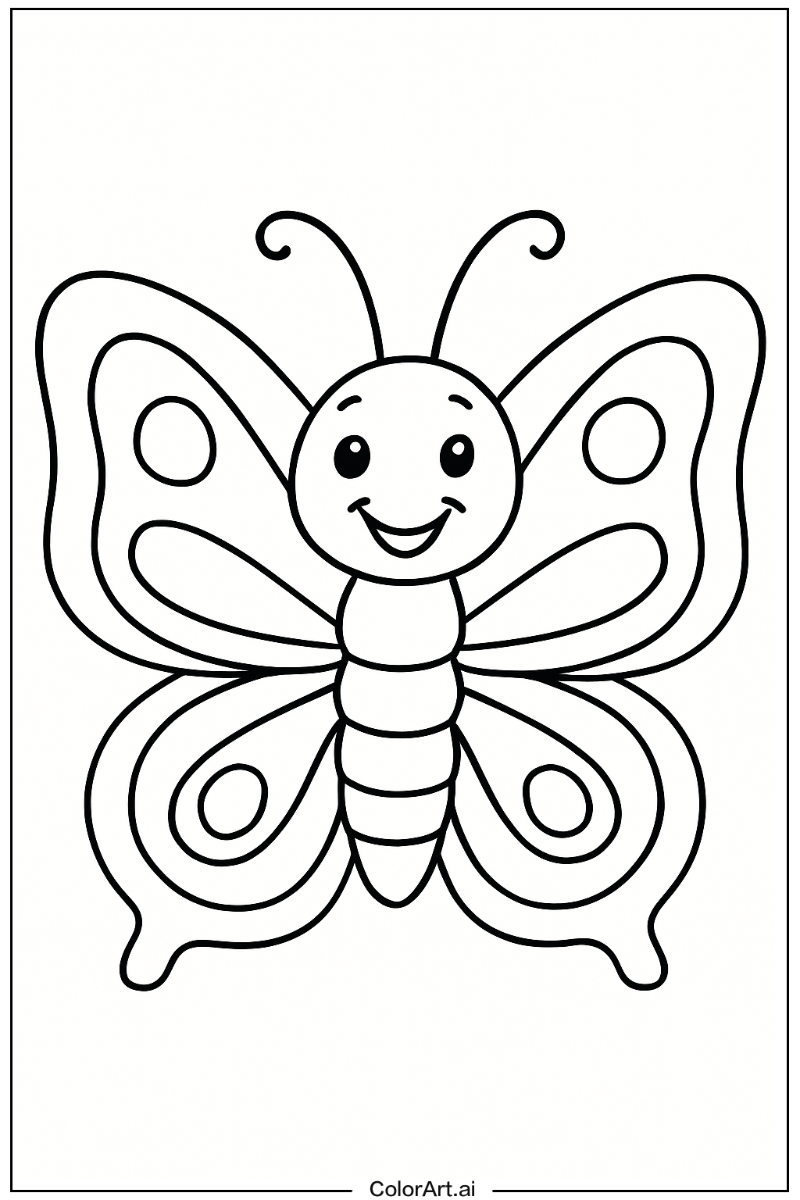
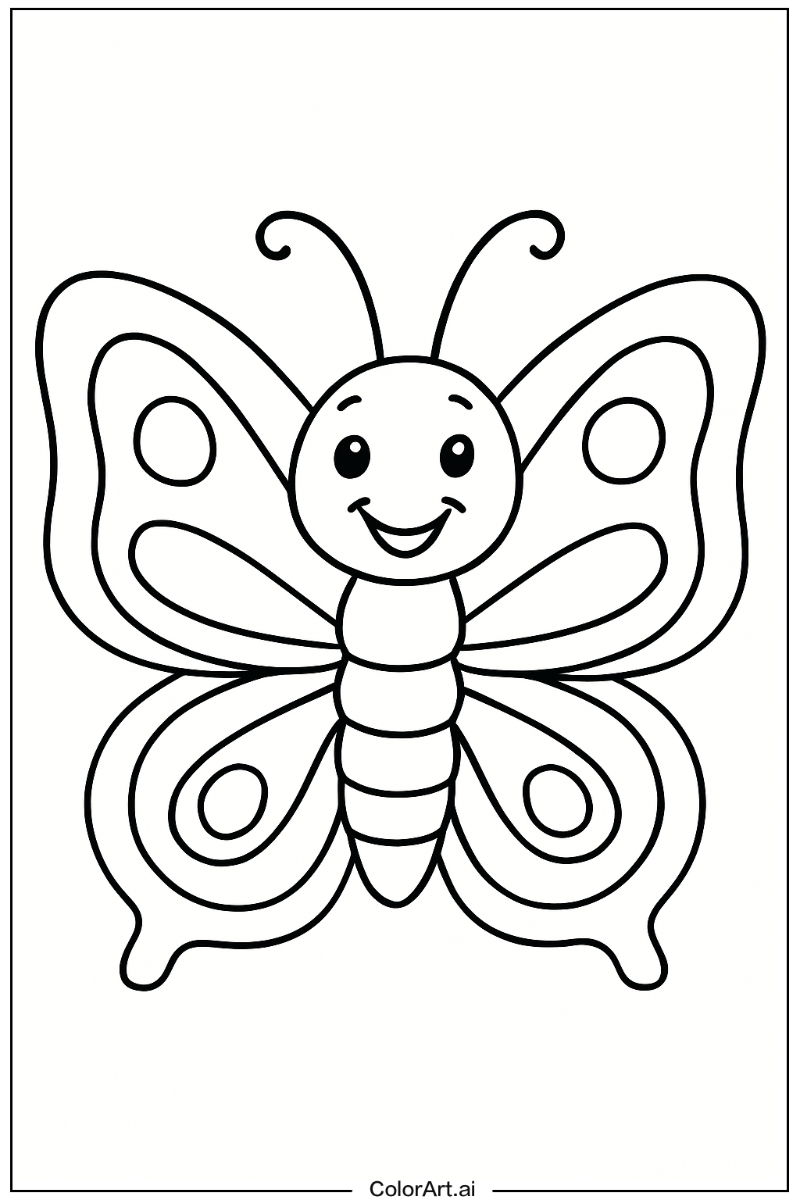
The gentle flutter of paper wings fills my art classroom as twenty-five excited third graders proudly display their freshly colored butterfly masterpieces. Little Sarah's monarch butterfly practically glows with vibrant oranges, while Miguel's swallowtail showcases an impressive attention to symmetrical patterns. After 15 years of teaching elementary art, I've found that free printable butterfly coloring pages consistently captivate students of all ages, sparking both creativity and meaningful learning moments. Whether you're a teacher, parent, or caregiver, butterfly coloring pages offer a perfect blend of artistic expression and natural science exploration that keeps children engaged while developing crucial skills.
Group Coloring Pages
 PDF
PDF
 PNG
PNG
 PNG
PNG
 PNG
PNG
 PNG
PNG
 PNG
PNG
 PNG
PNG
 PNG
PNG
 PNG
PNG
 PNG
PNG

 PNG
PNG
 PNG
PNG
 PNG
PNG
 PNG
PNG
 PNG
PNG
 PNG
PNG
 PNG
PNG
 PNG
PNG
 PNG
PNG

 PNG
PNG
 PNG
PNG

 PNG
PNG
 PNG
PNG

 PNG
PNG
 PNG
PNG
 PNG
PNG
 PNG
PNG
 PNG
PNG
 PNG
PNG
 PNG
PNG
 PNG
PNG
 PNG
PNG
 PNG
PNG
 PNG
PNG
 PNG
PNG
 PNG
PNG
 PNG
PNG
 PNG
PNG
 PNG
PNG
Before we dive into coloring techniques, let's explore what makes butterflies such fascinating subjects. These remarkable insects belong to the order Lepidoptera, with roughly 45,000 species worldwide. Their most distinctive feature - those stunning wings covered in tiny scales - makes them perfect for coloring activities. I'll never forget when my student James discovered that butterflies taste with their feet during our science-art fusion lesson! Each butterfly species has unique patterns and colors that serve various purposes, from camouflage to warning signals. The monarch butterfly's iconic orange and black pattern, for instance, warns predators of its toxicity - a fact that always amazes my students when we discuss color in nature.
The educational value of butterfly coloring pages extends far beyond simple entertainment. In my experience, these activities naturally support multiple developmental areas. Just last week, I watched Emma, a typically restless first grader, spend 20 focused minutes carefully coloring symmetrical patterns on her butterfly's wings - a breakthrough moment for her attention span! Butterfly coloring pages help develop fine motor skills as children navigate intricate wing patterns. They reinforce color recognition and basic math concepts through symmetrical designs. I've seen countless 'aha!' moments when students grasp bilateral symmetry through butterfly wing coloring. Additionally, these pages serve as excellent conversation starters about metamorphosis, pollination, and ecosystem relationships.
After guiding countless butterfly coloring sessions, I've developed some helpful strategies for success. Start with simpler butterfly outlines for younger children and gradually progress to more detailed designs. I encourage students to observe real butterfly photos for inspiration - you should have seen the amazement on their faces when they discovered the iridescent blue morpho butterfly! For best results, use high-quality colored pencils or markers, and remind children to color in the same direction within each wing section. Consider using metallic or glitter accents for special details, just as nature adds sparkle to real butterfly wings.
Recent research has brought butterfly conservation into sharp focus, with studies showing a concerning 22% decline in U.S. butterfly populations over the past two decades. In my classroom, we've transformed this sobering news into positive action through our 'Color and Conserve' initiative. Last month, my fourth graders colored detailed butterfly pages while learning about habitat preservation. They were so inspired that they convinced our principal to plant a butterfly garden! The growing awareness of butterfly conservation has led to an explosion of free printable butterfly coloring pages focused on species identification and life cycles, perfect for integrating science and art education.