Introduction to Cake Coloring Pages
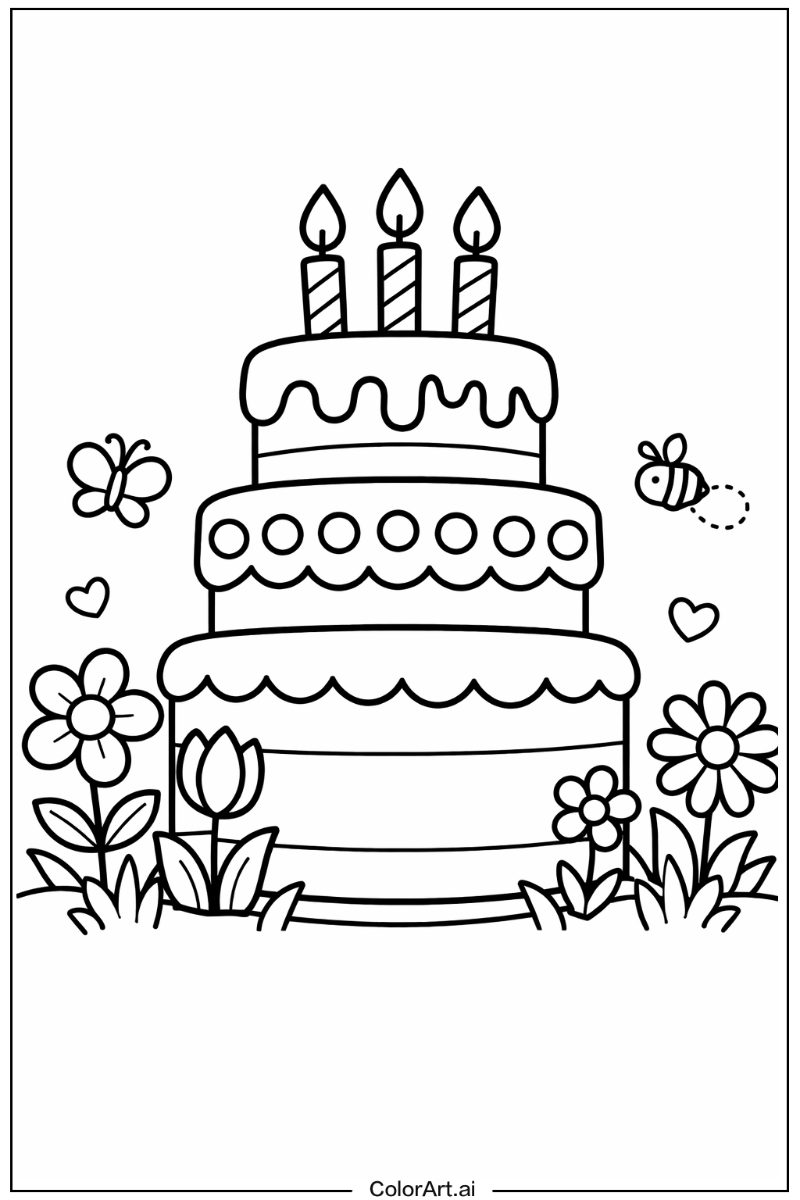
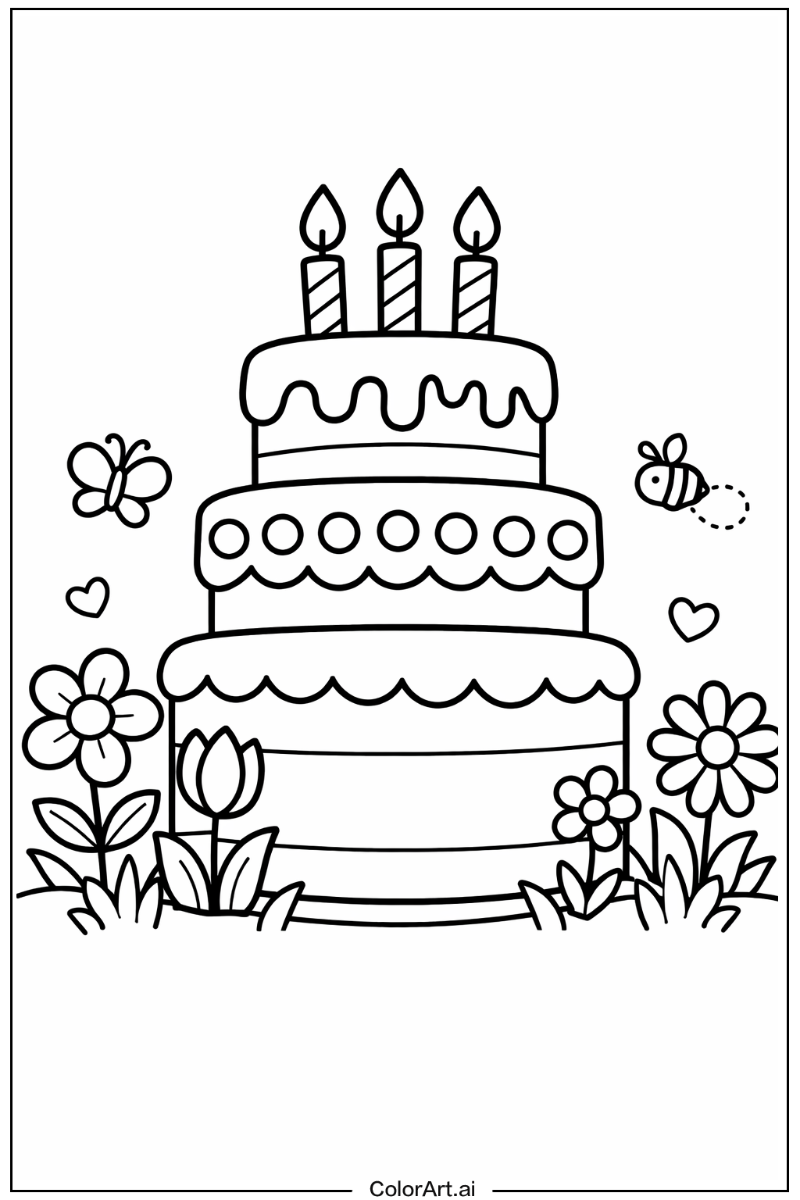
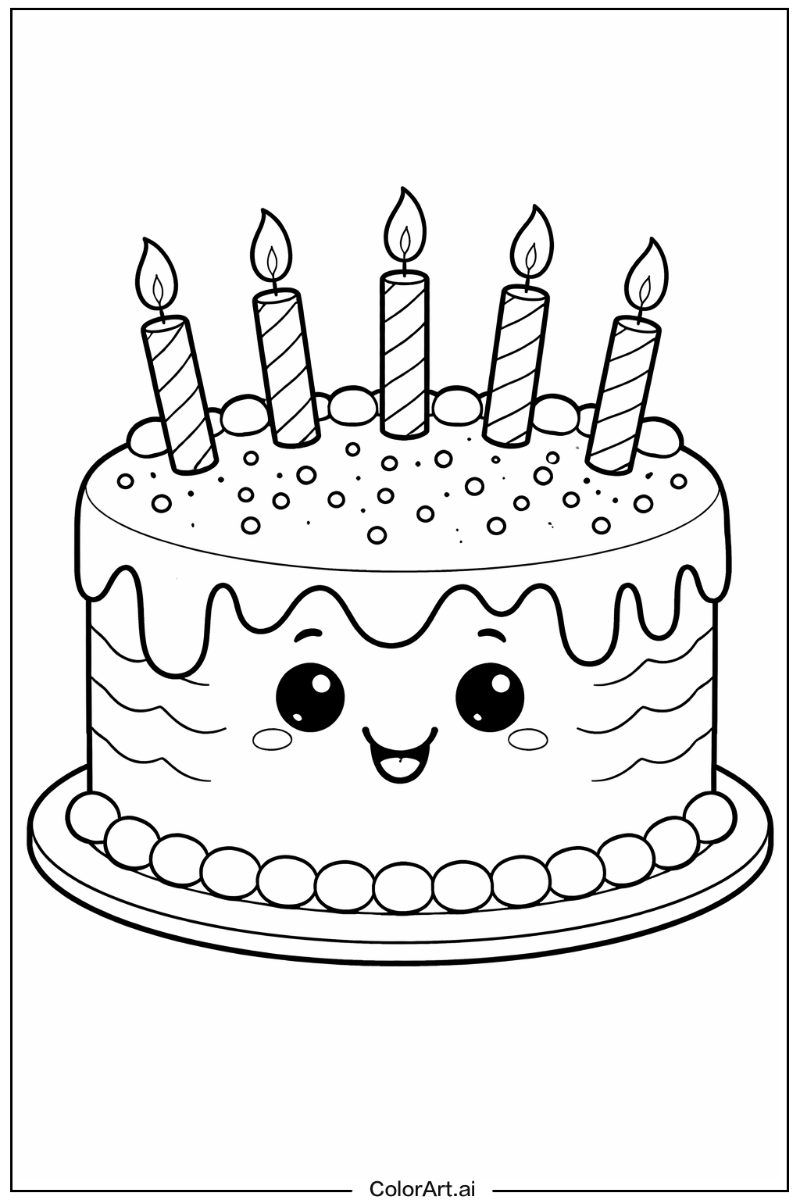
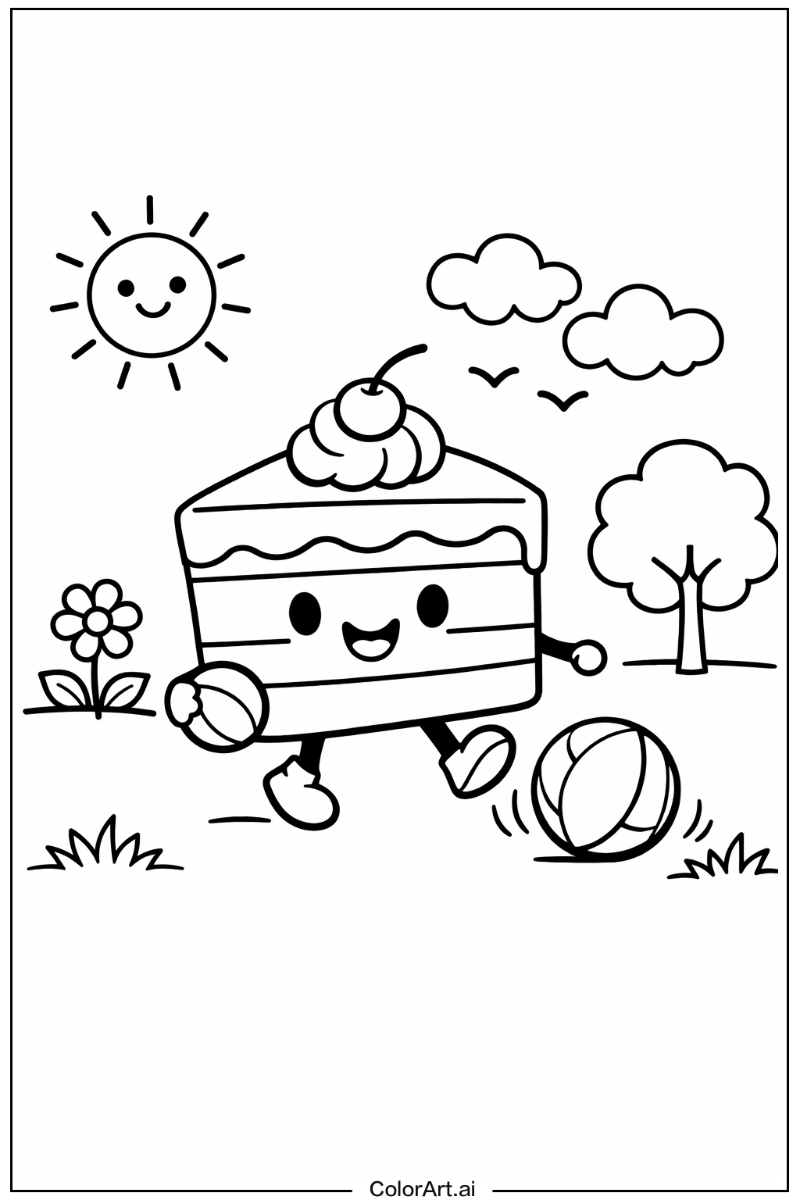
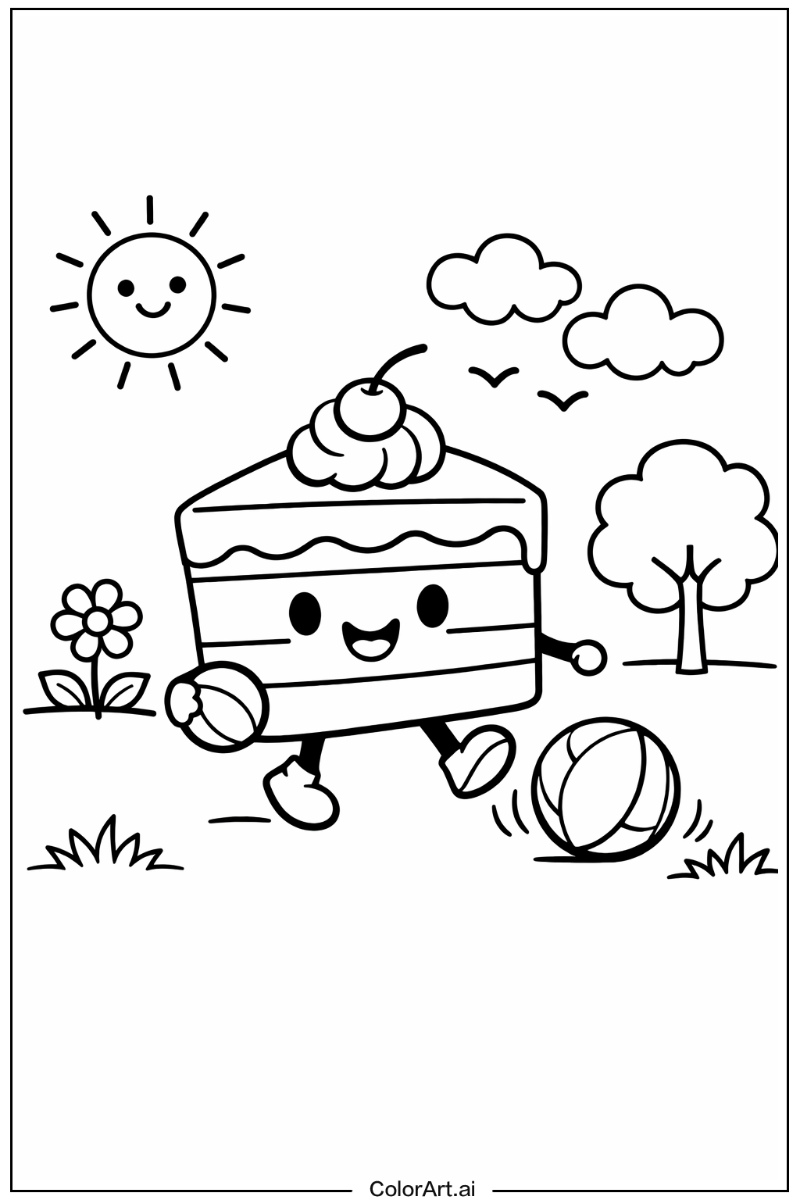
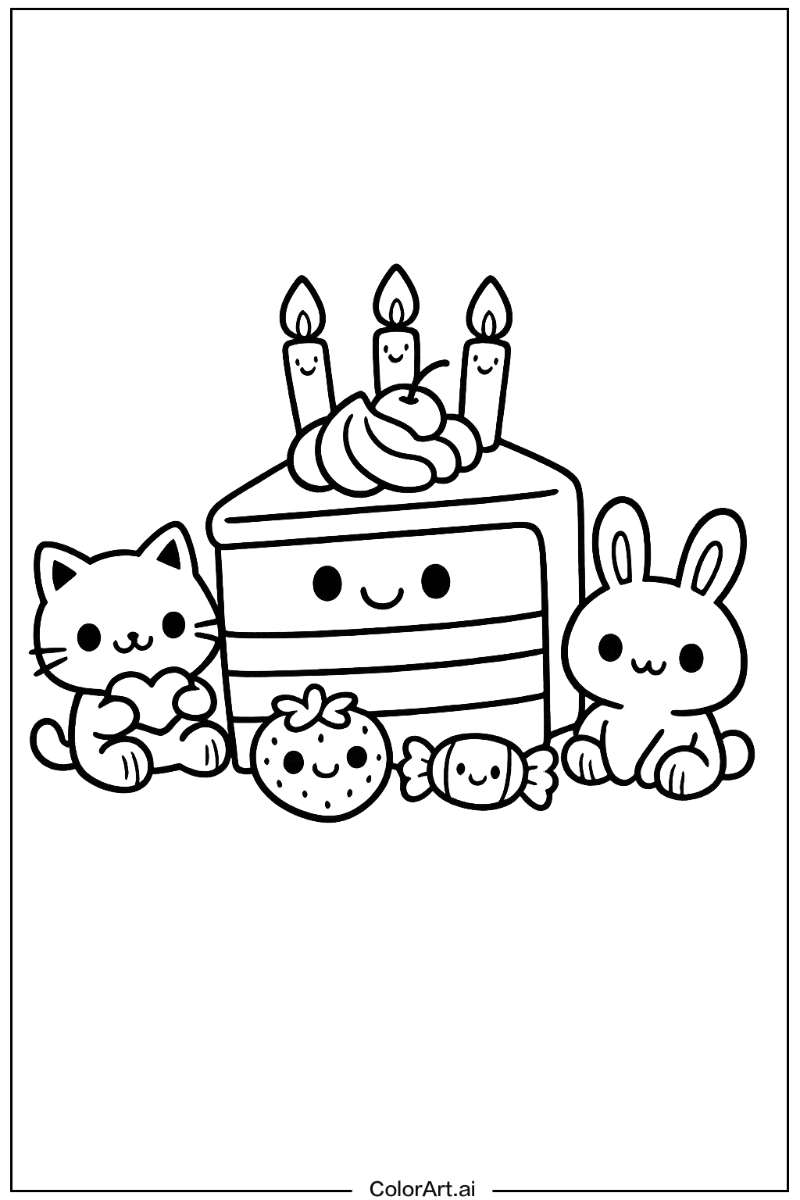
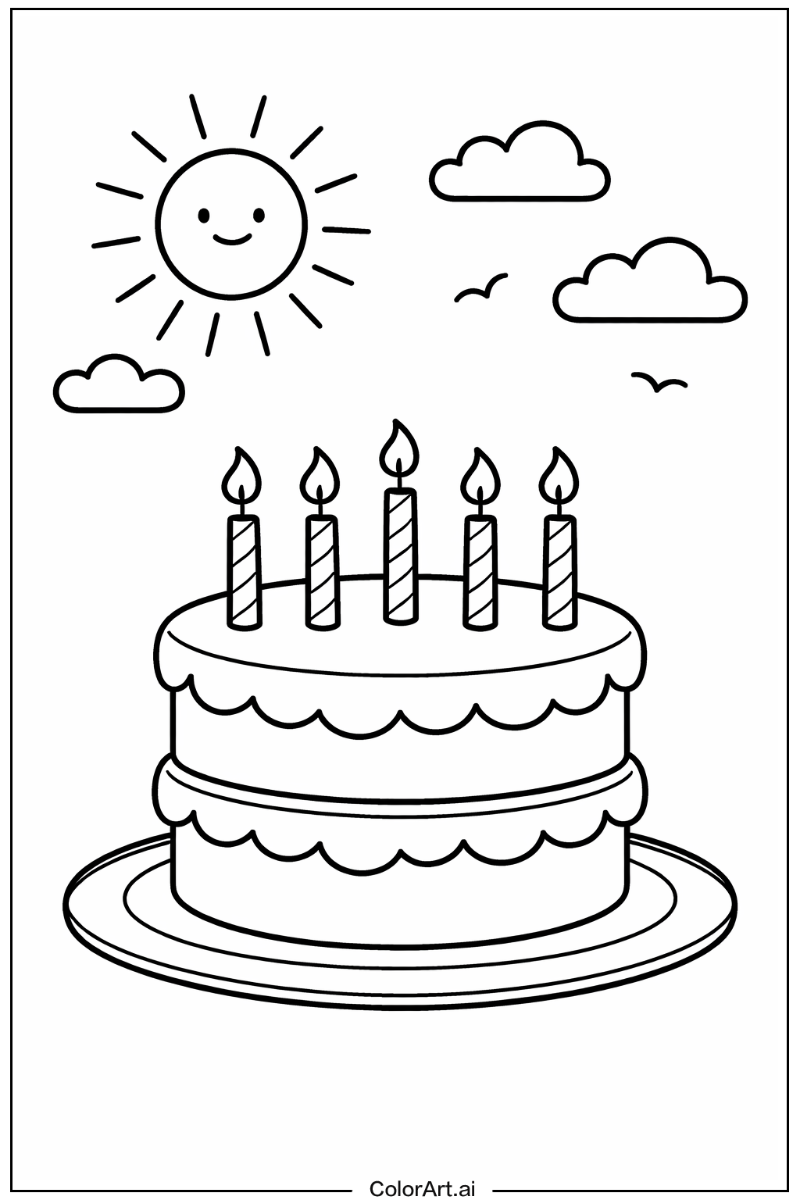
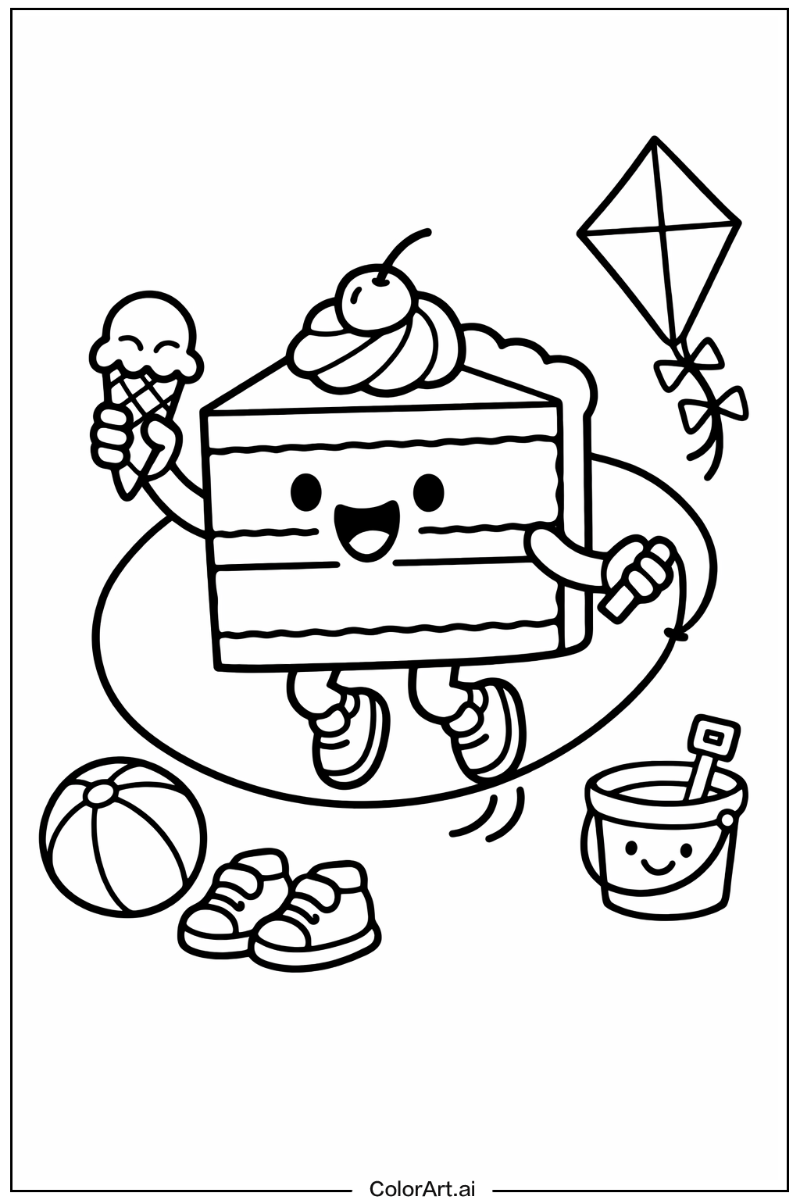
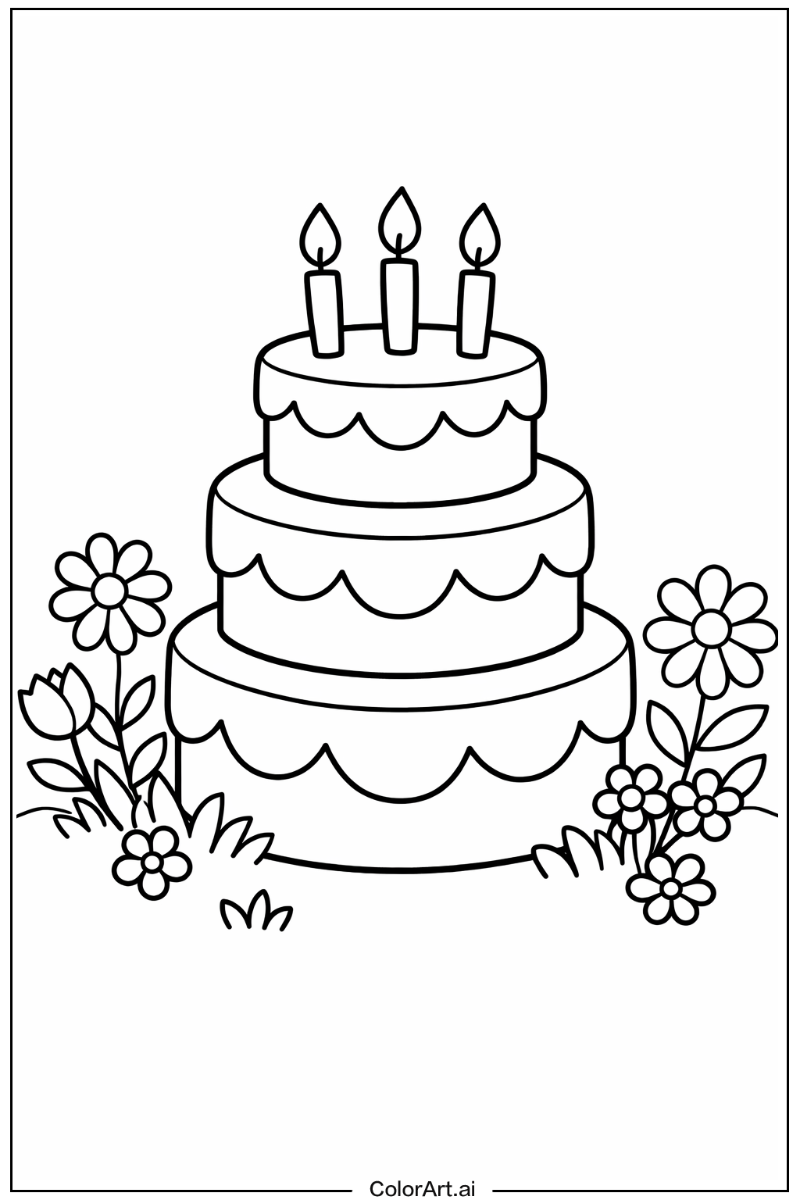
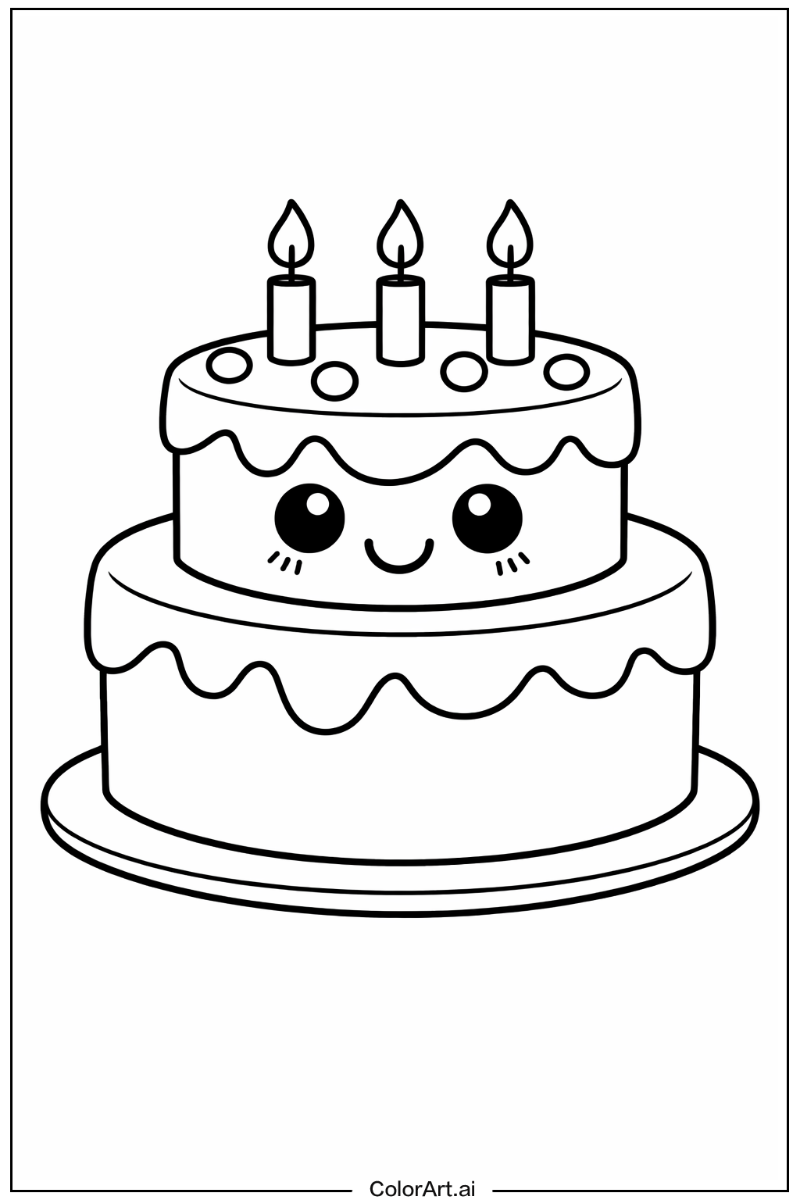
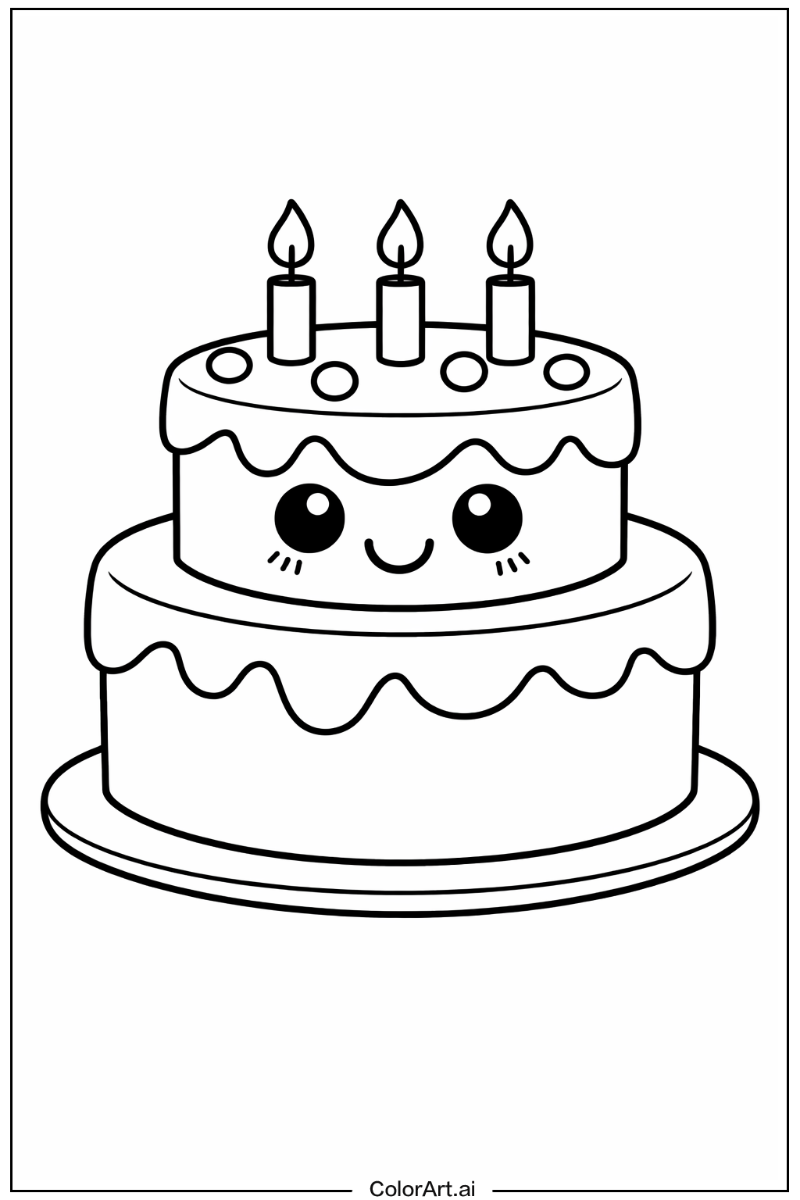
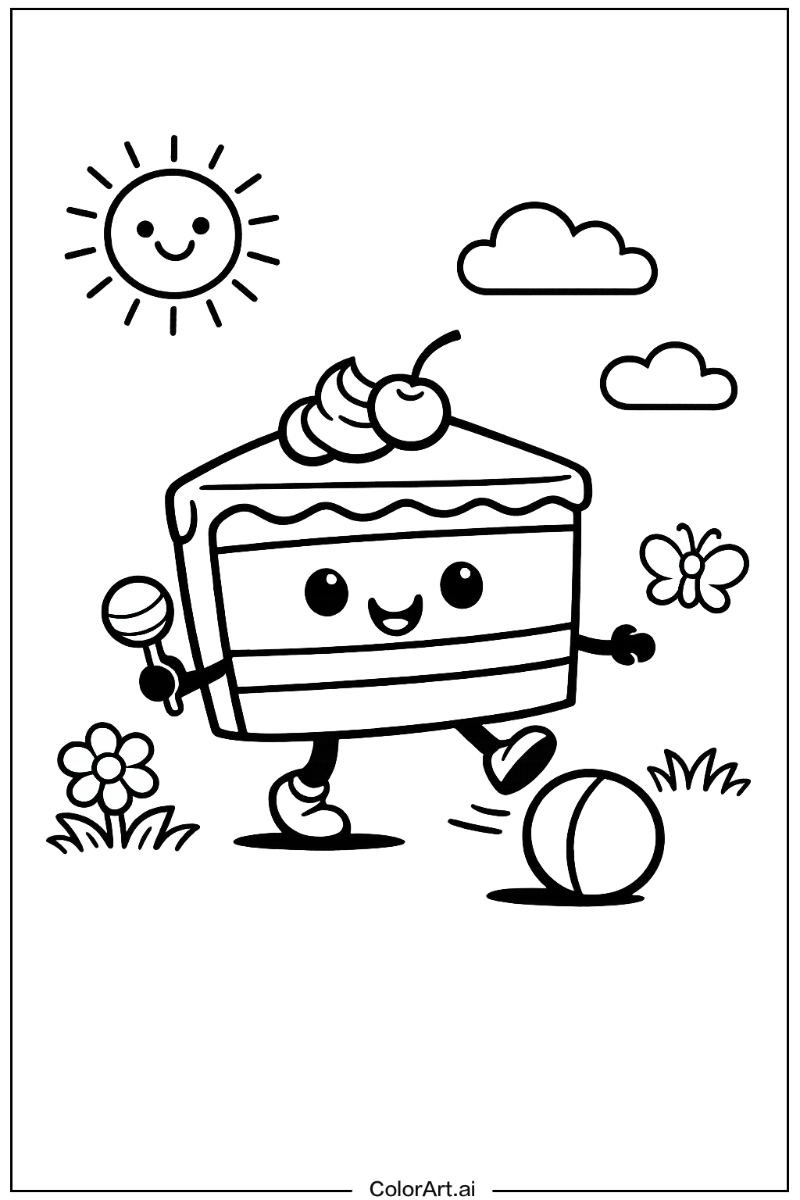
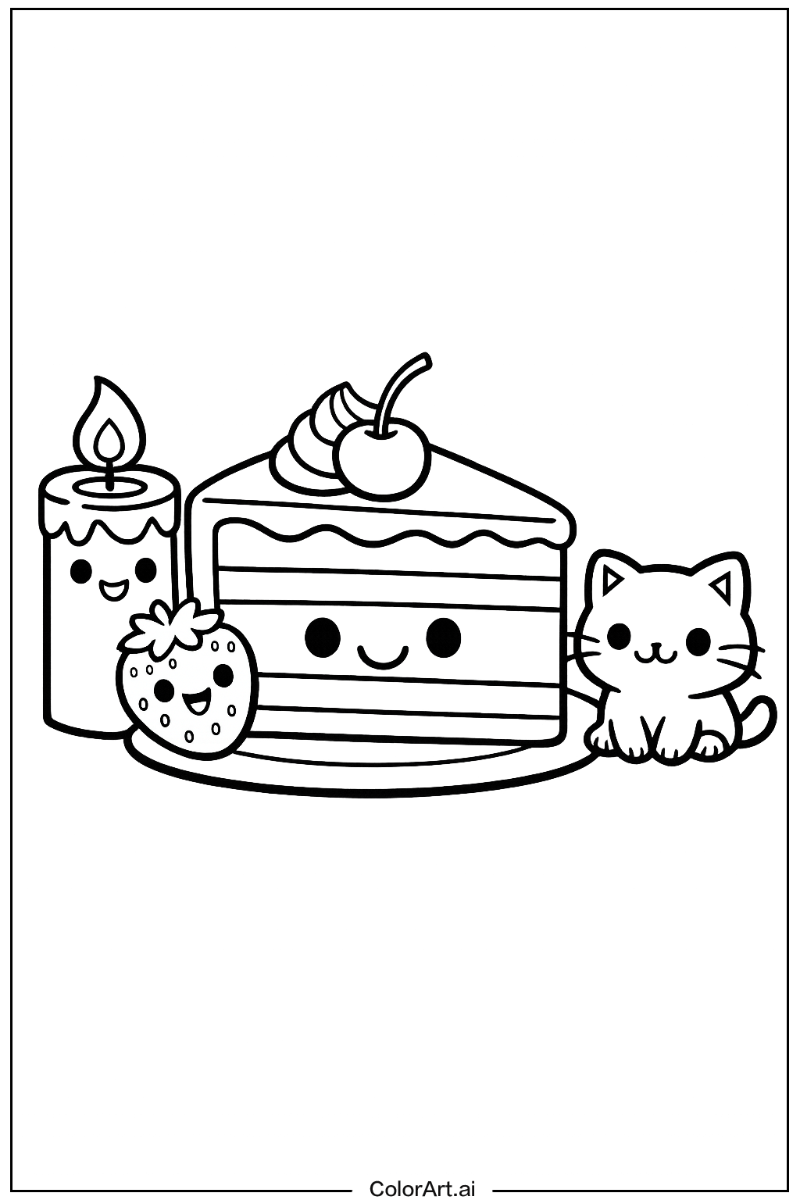
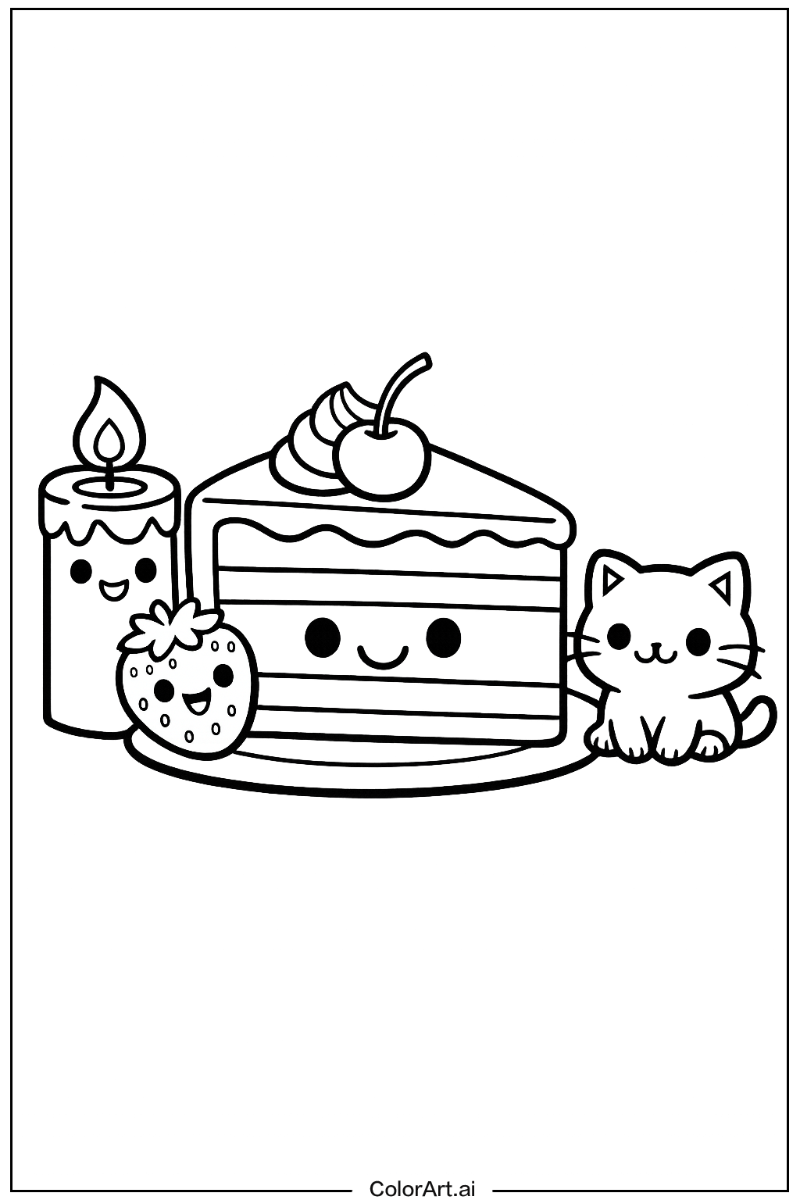
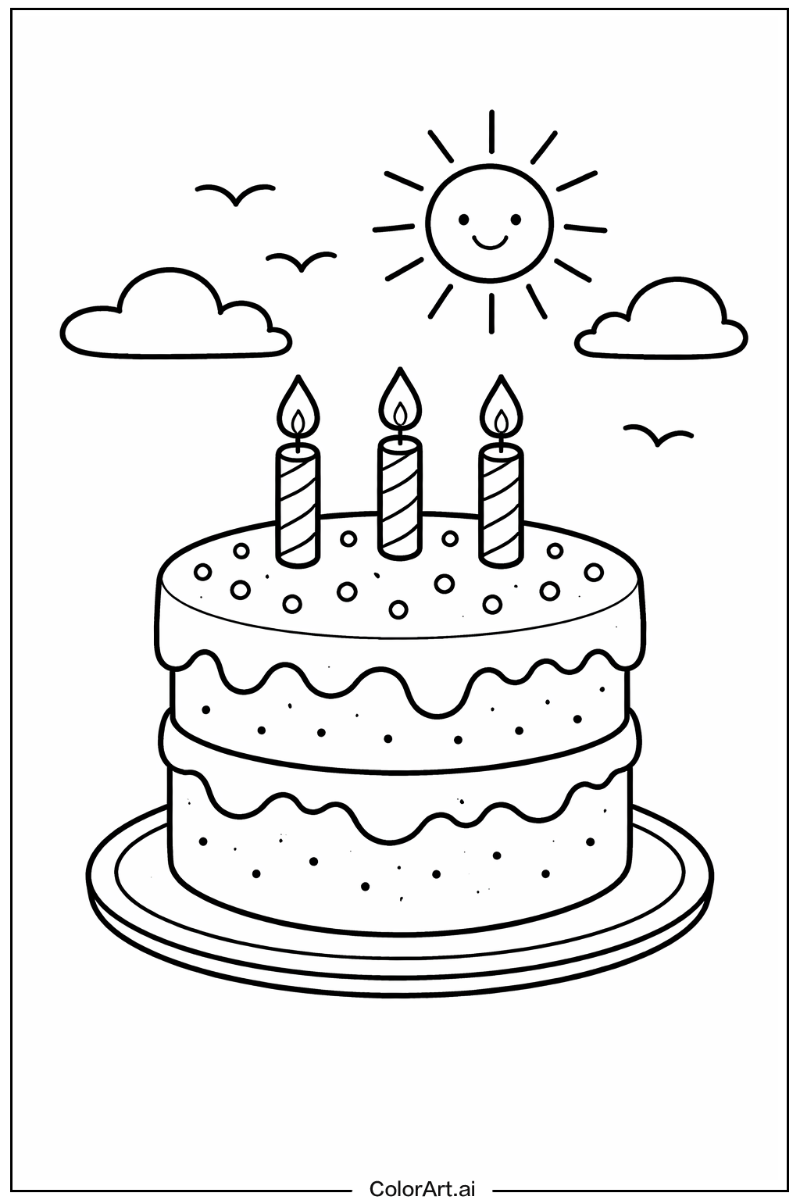
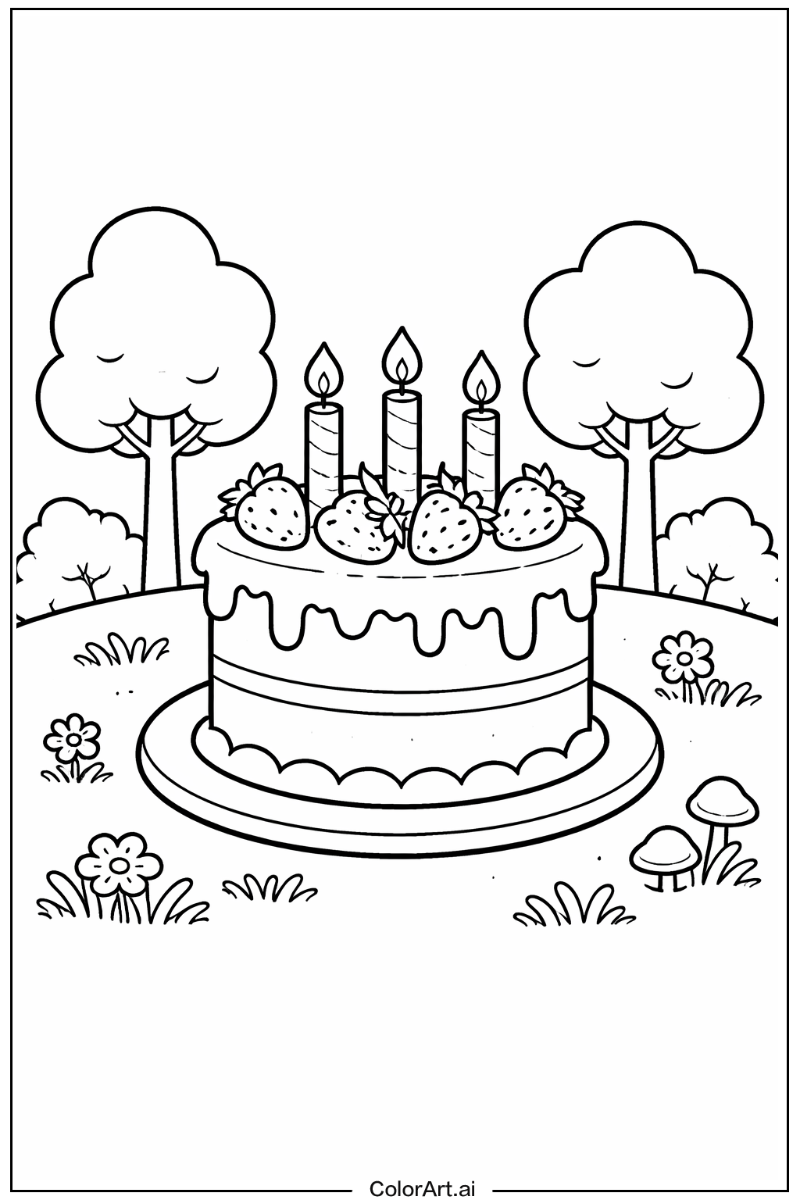
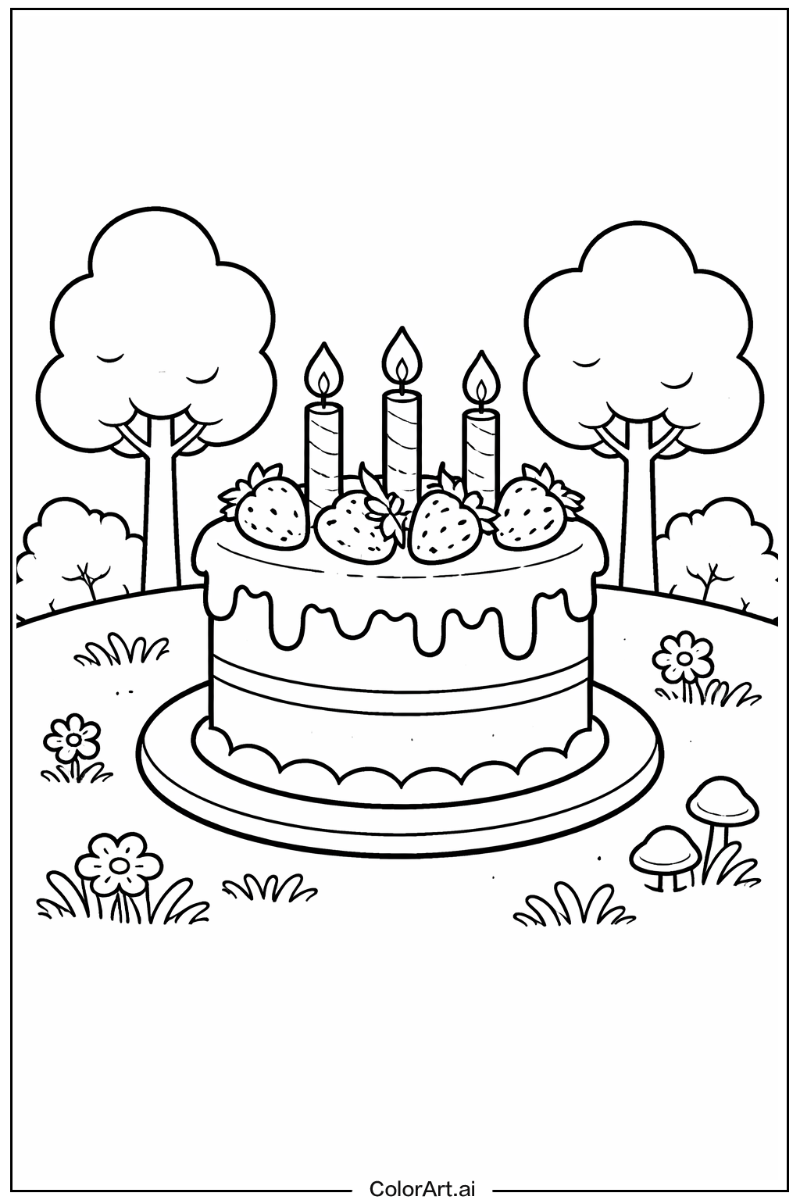
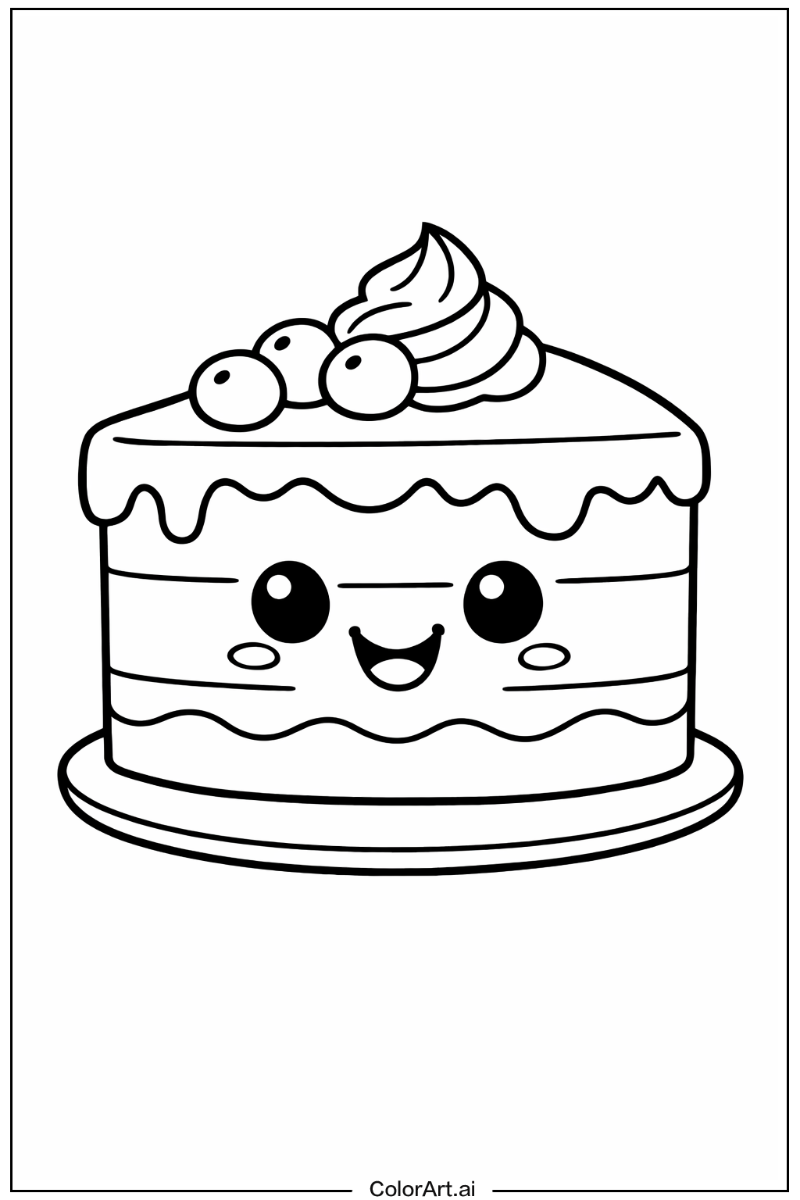
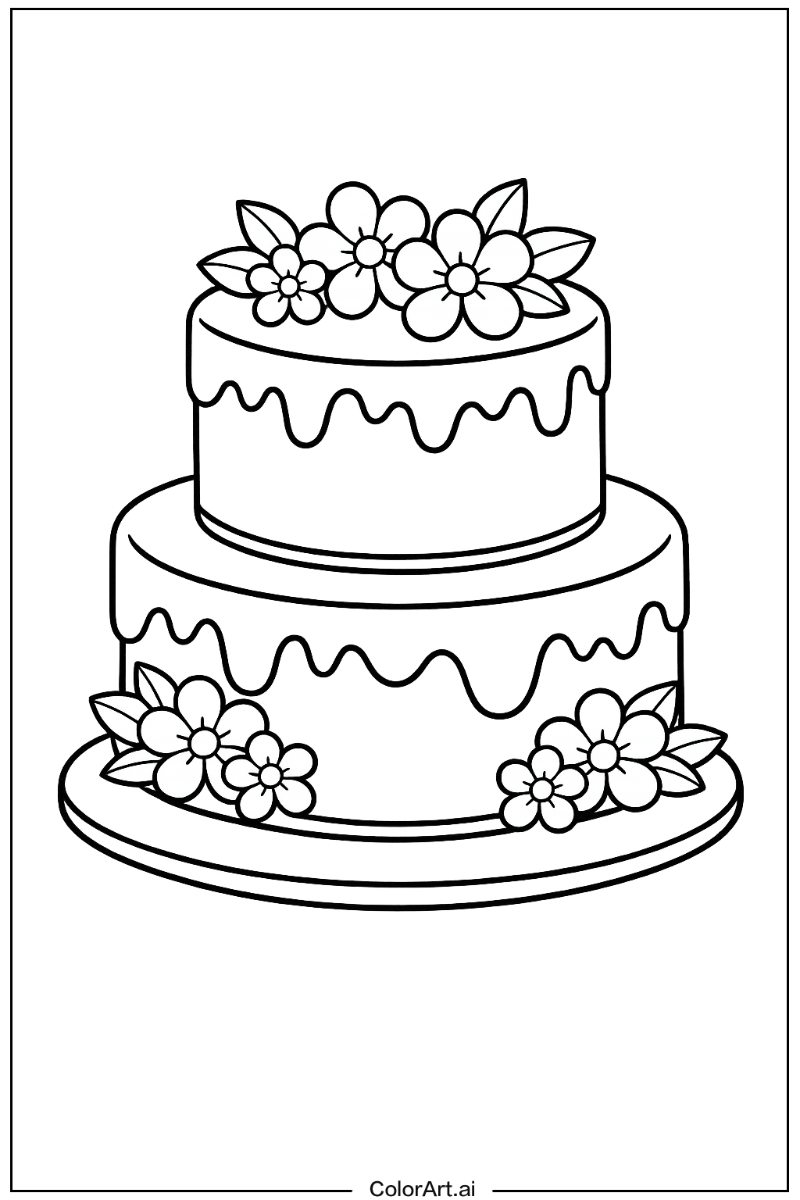
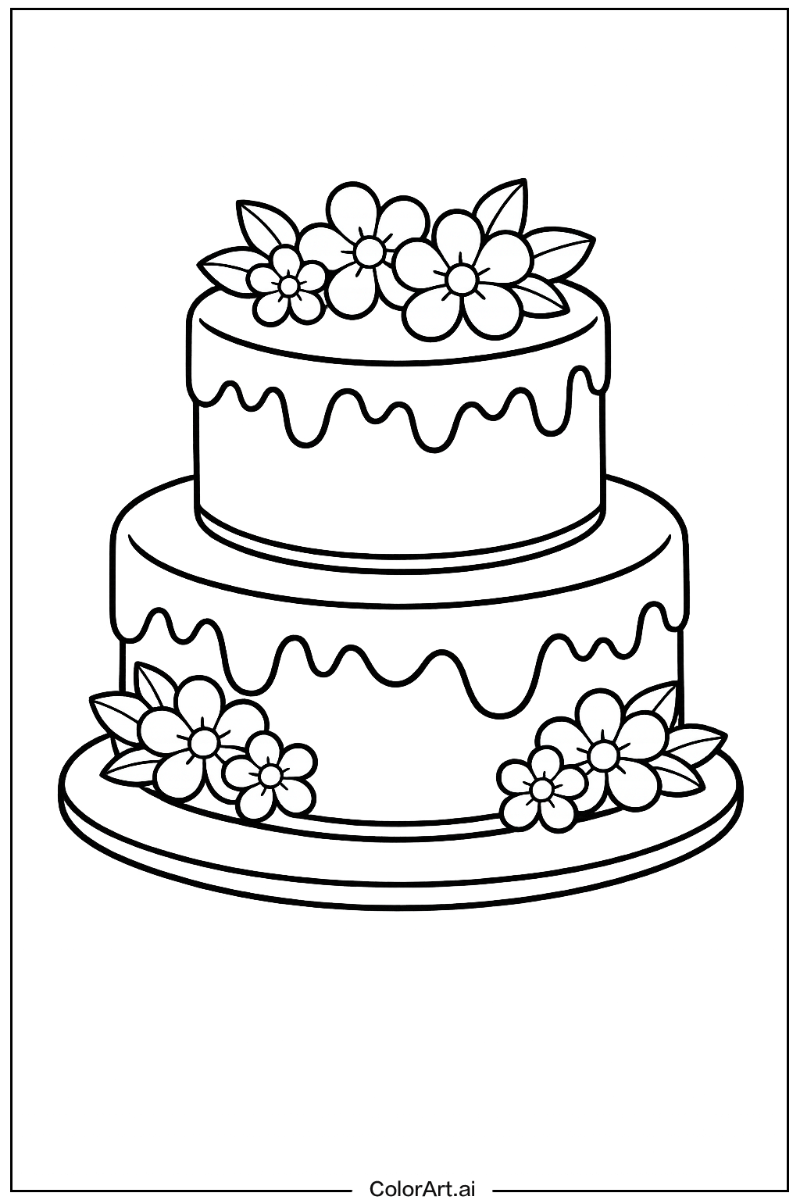
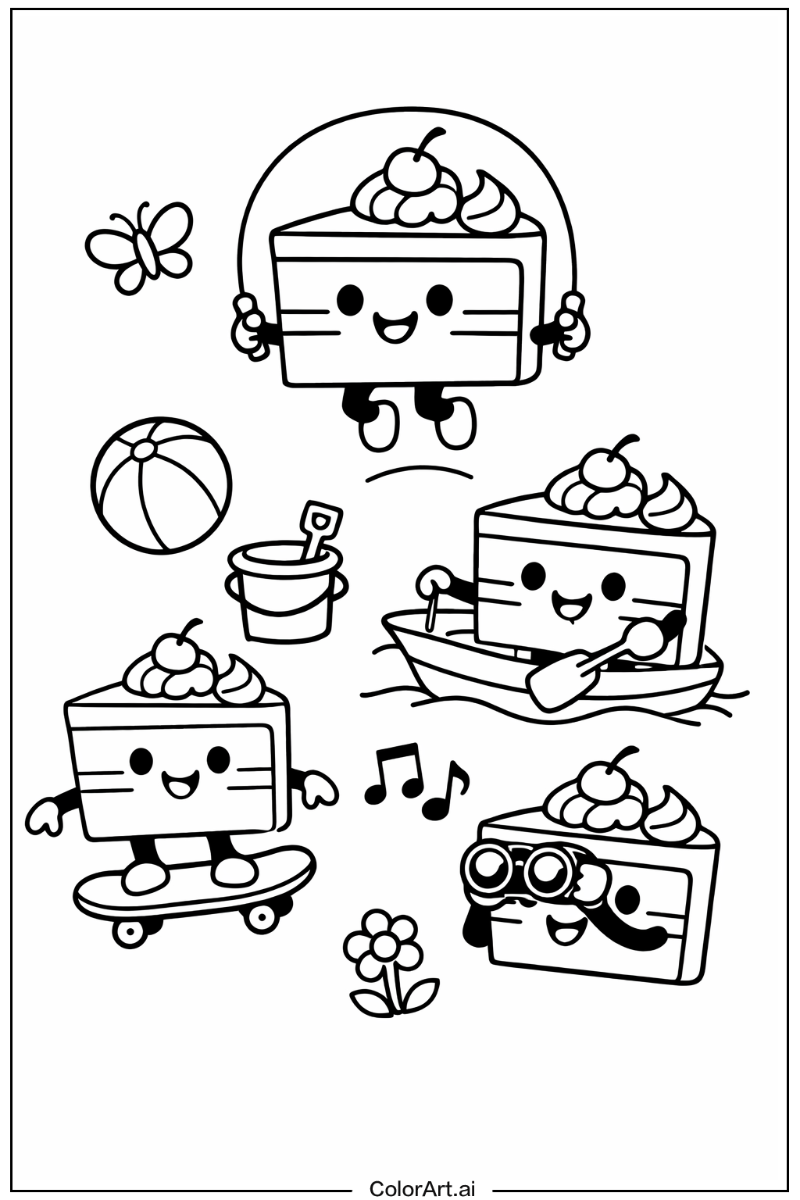
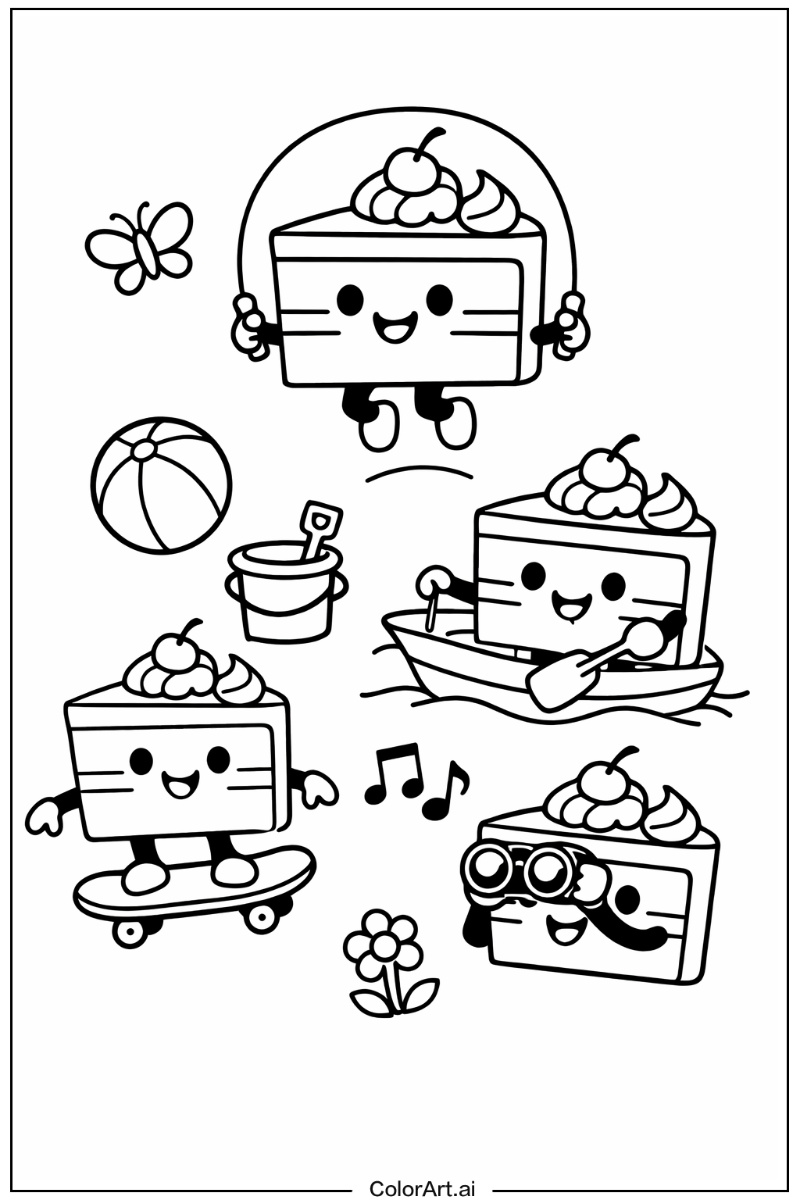
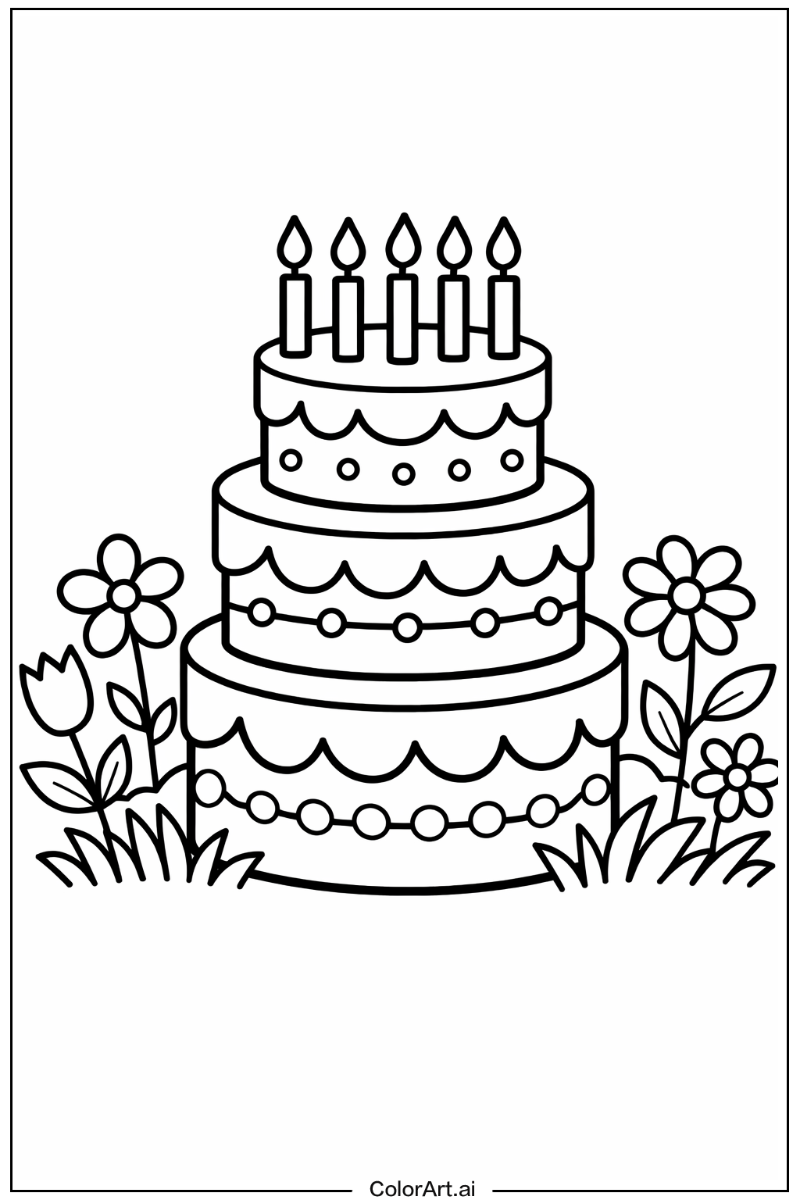
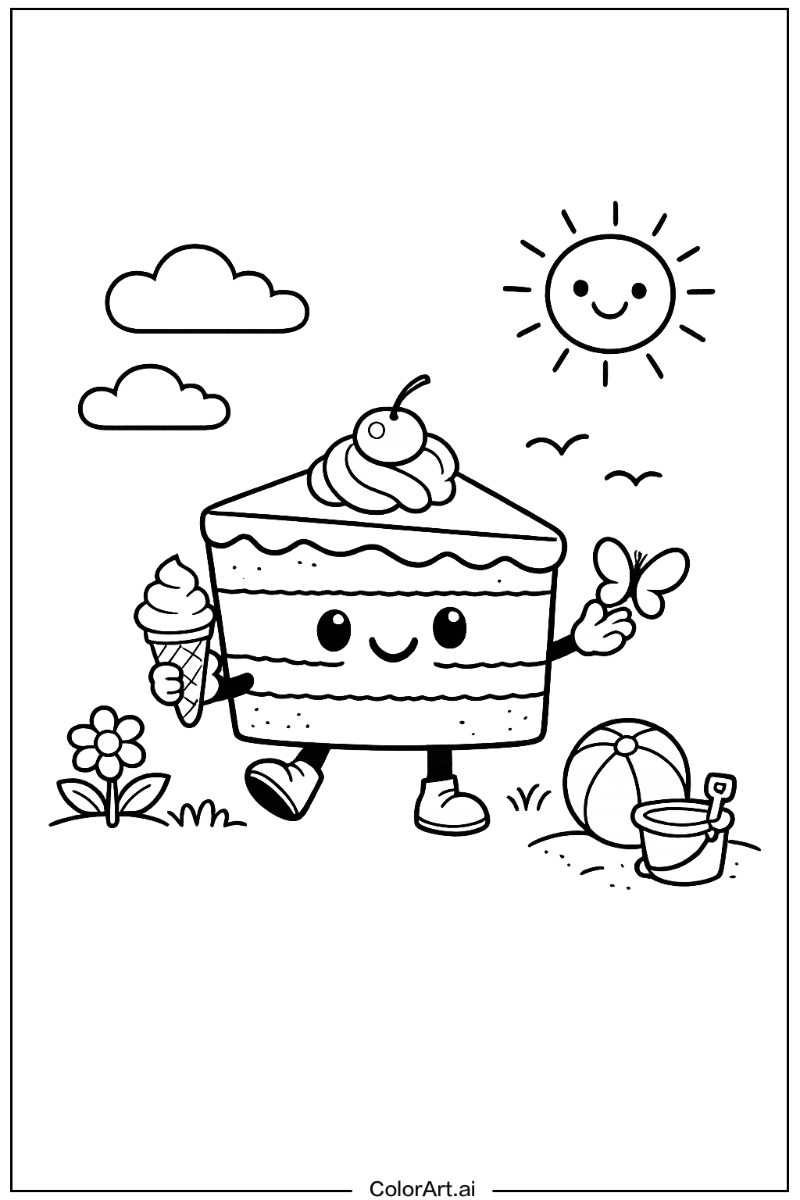
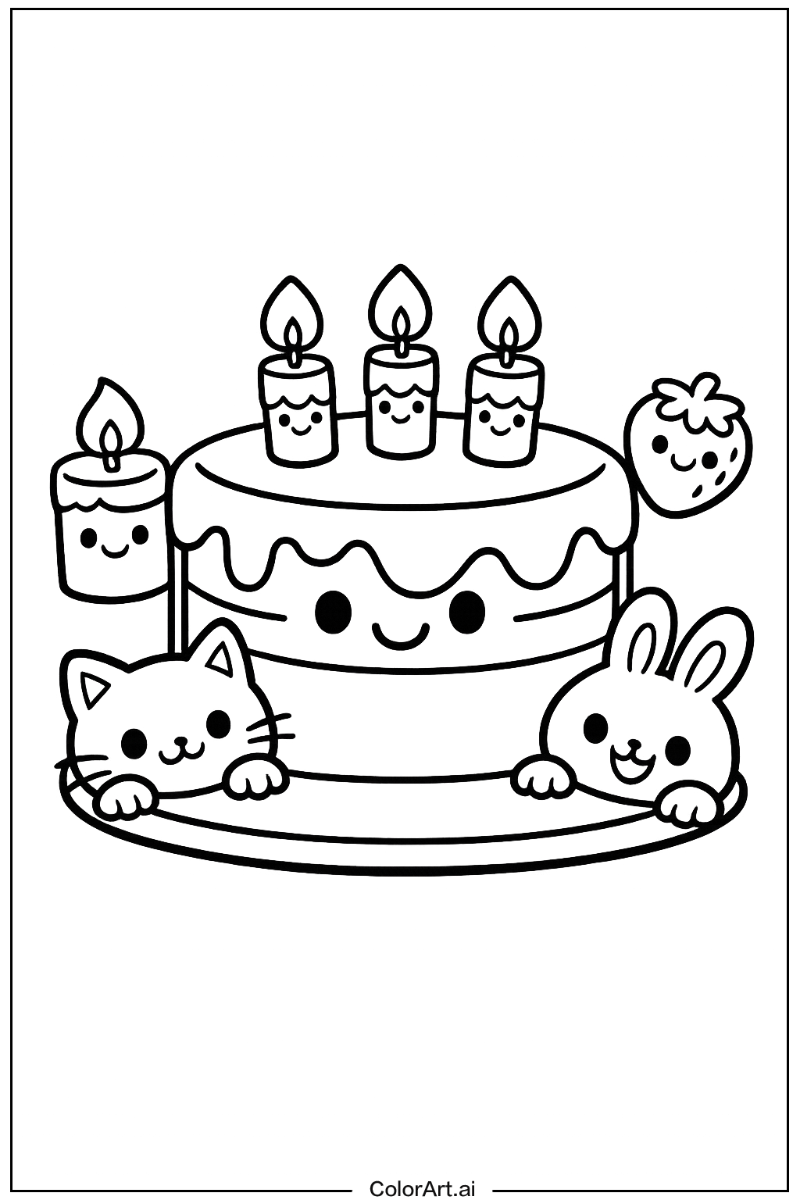
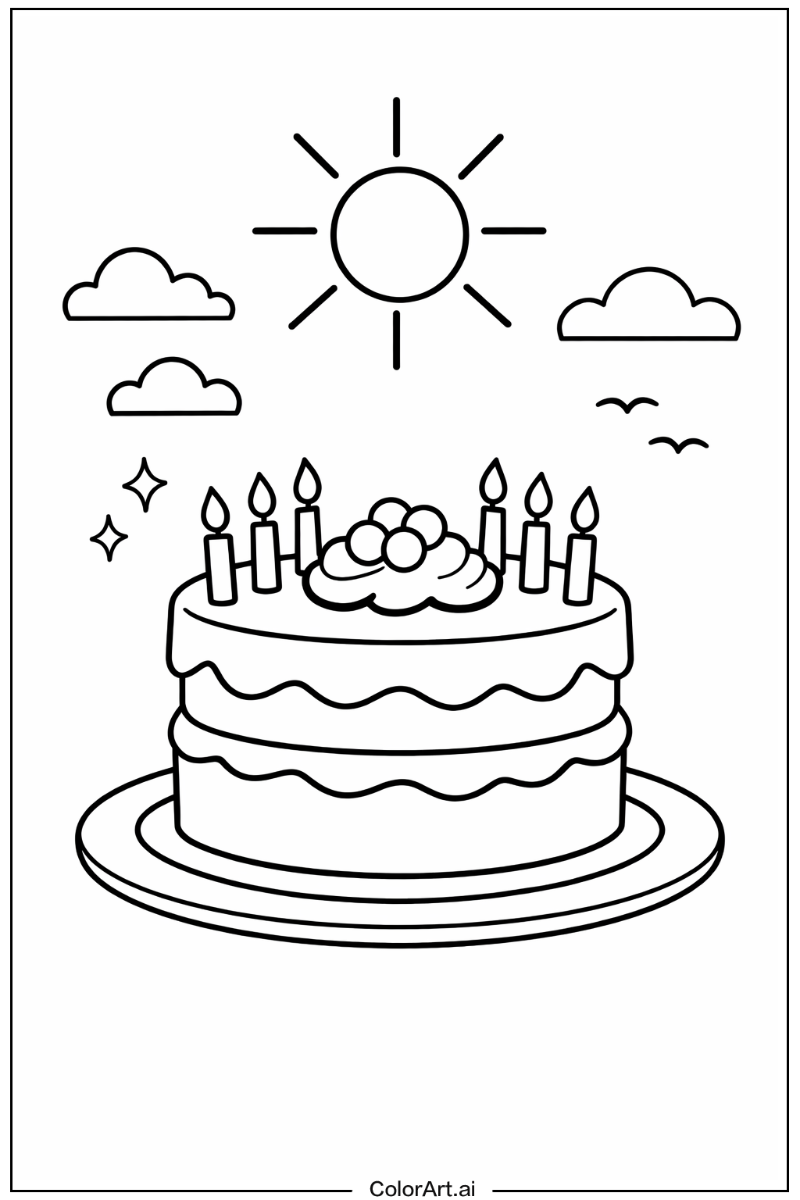
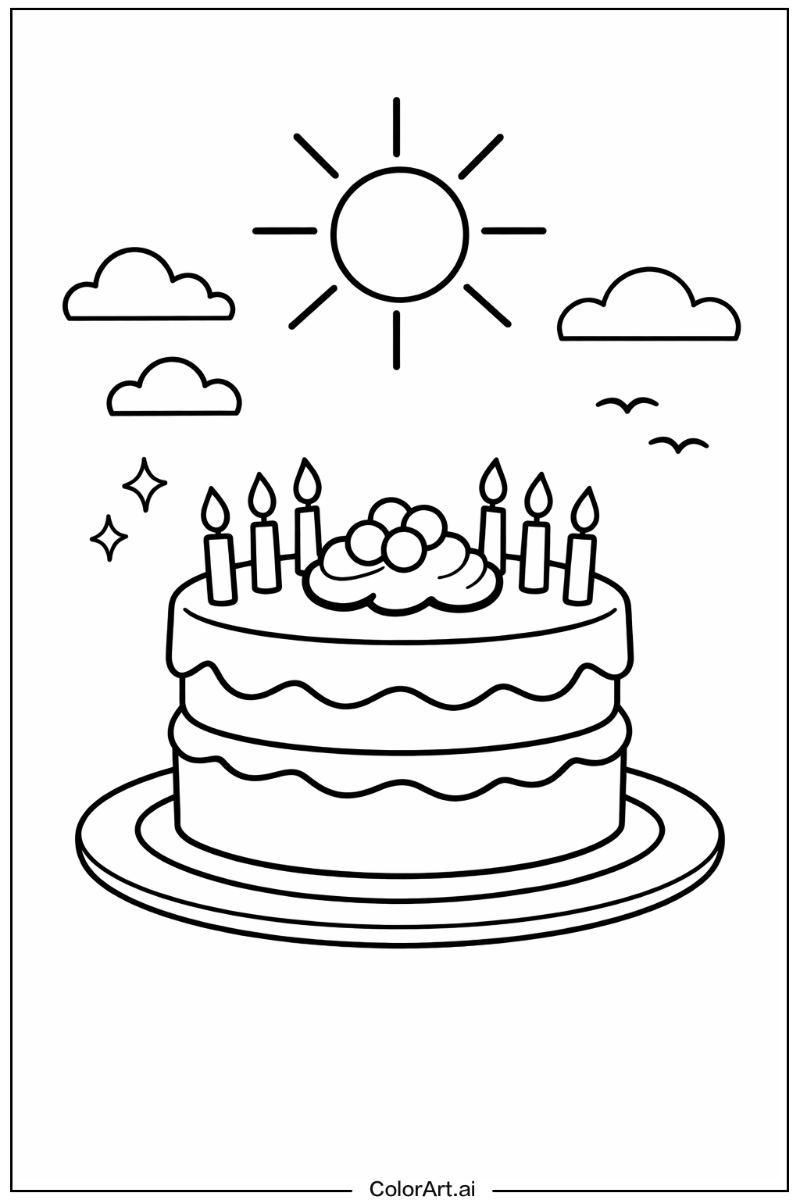
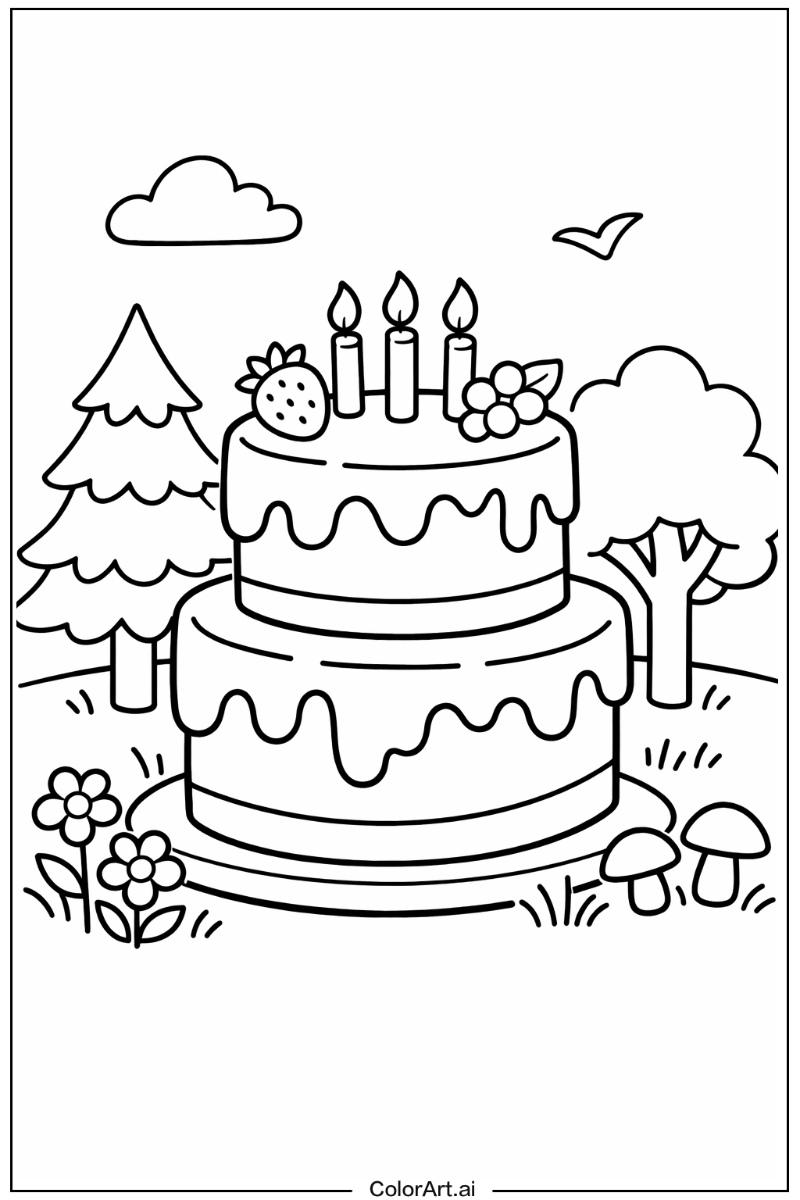
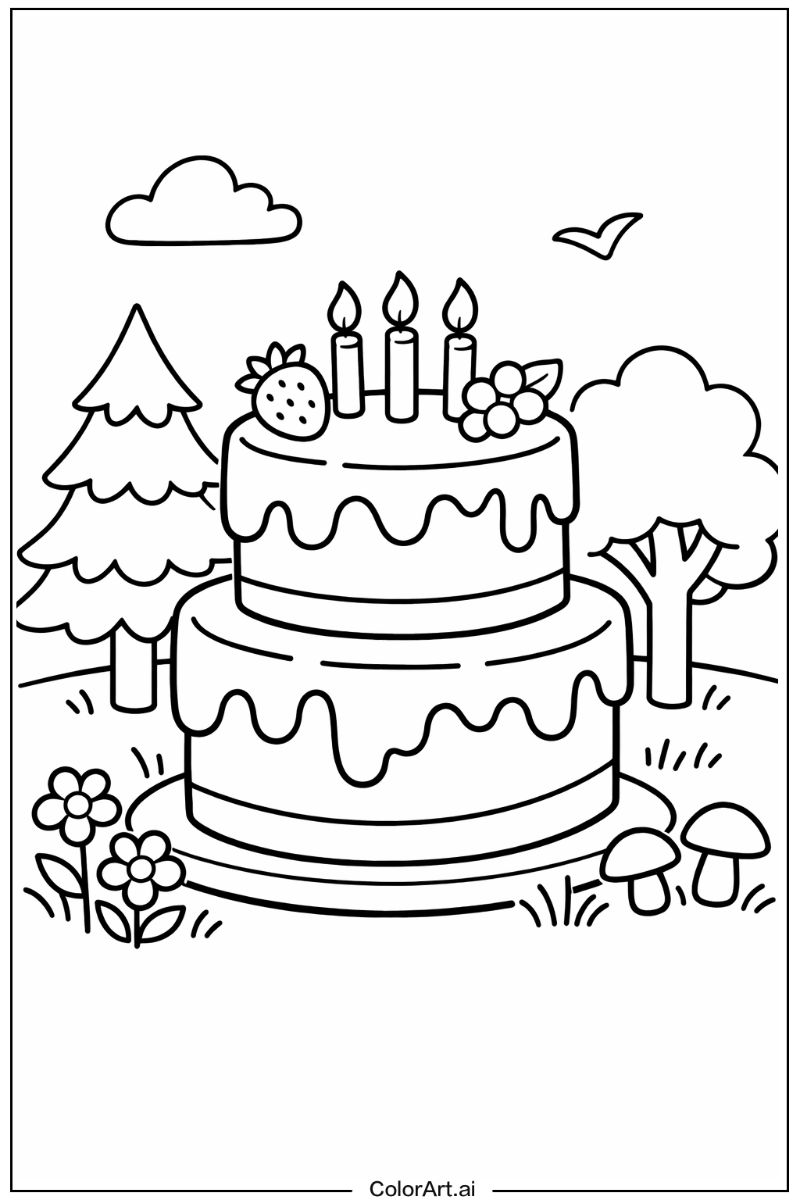
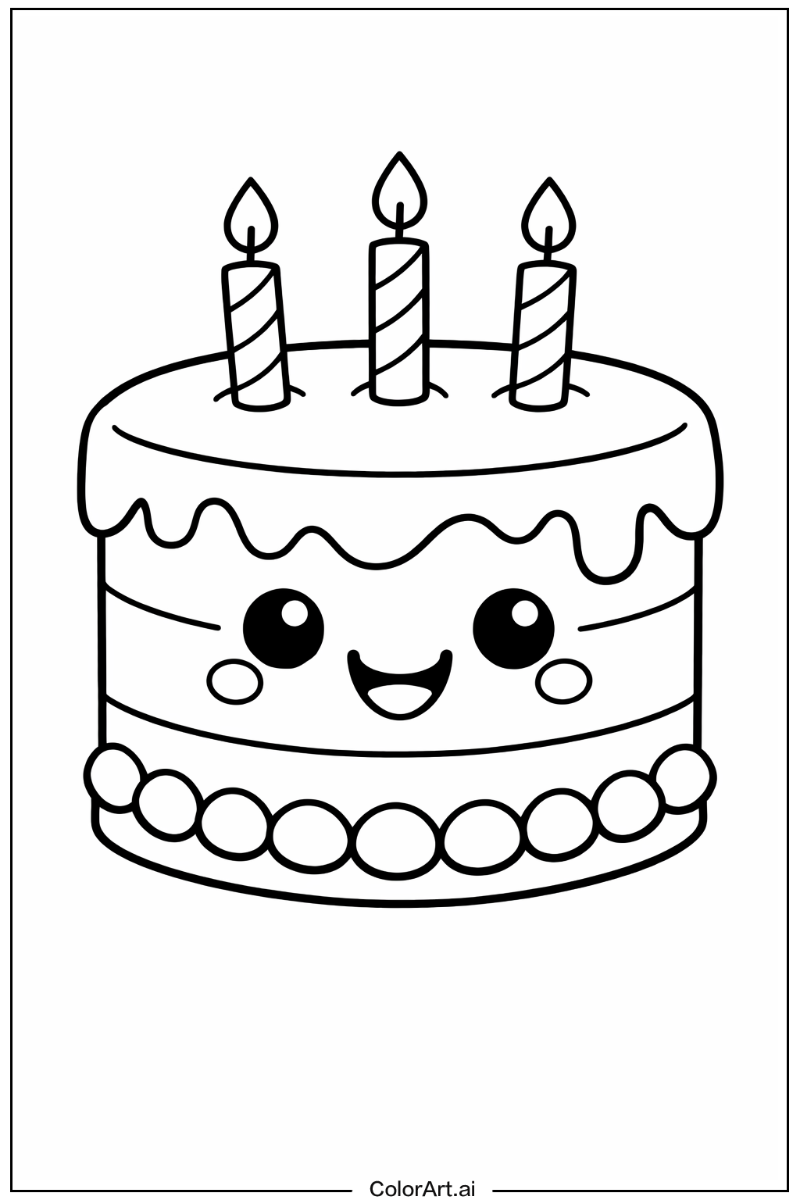
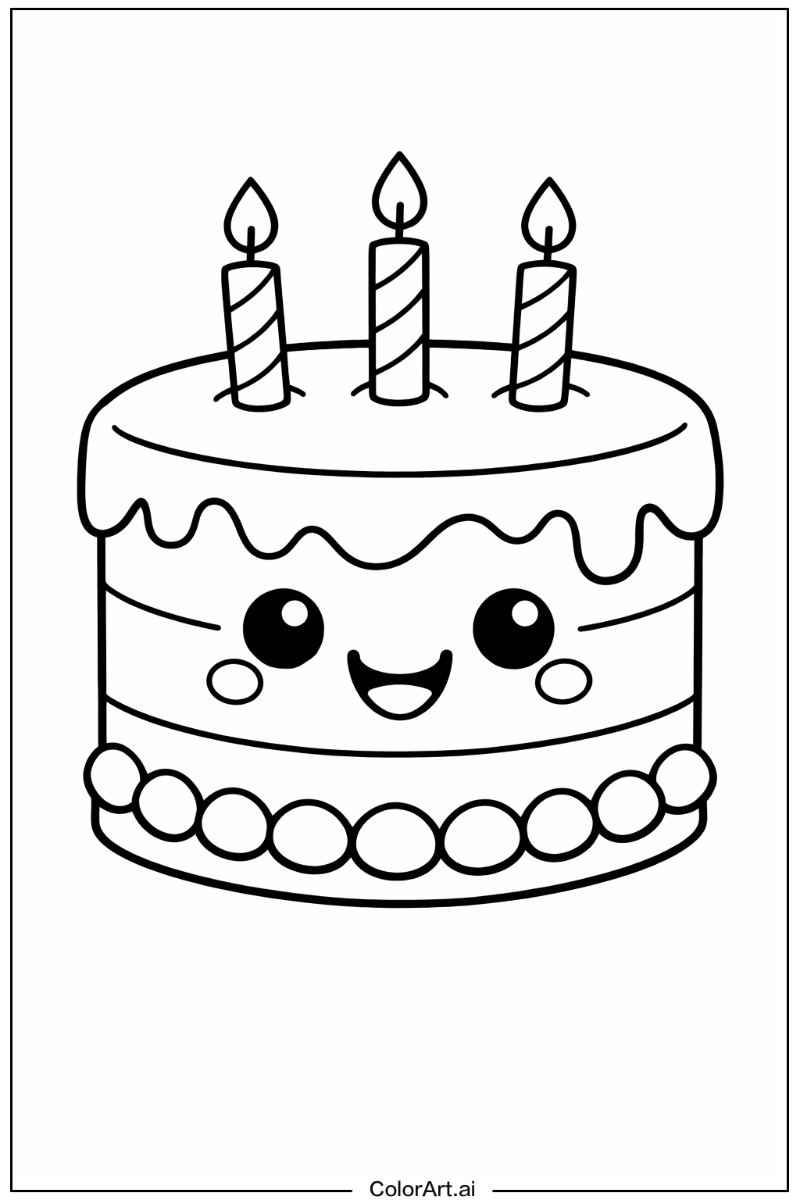
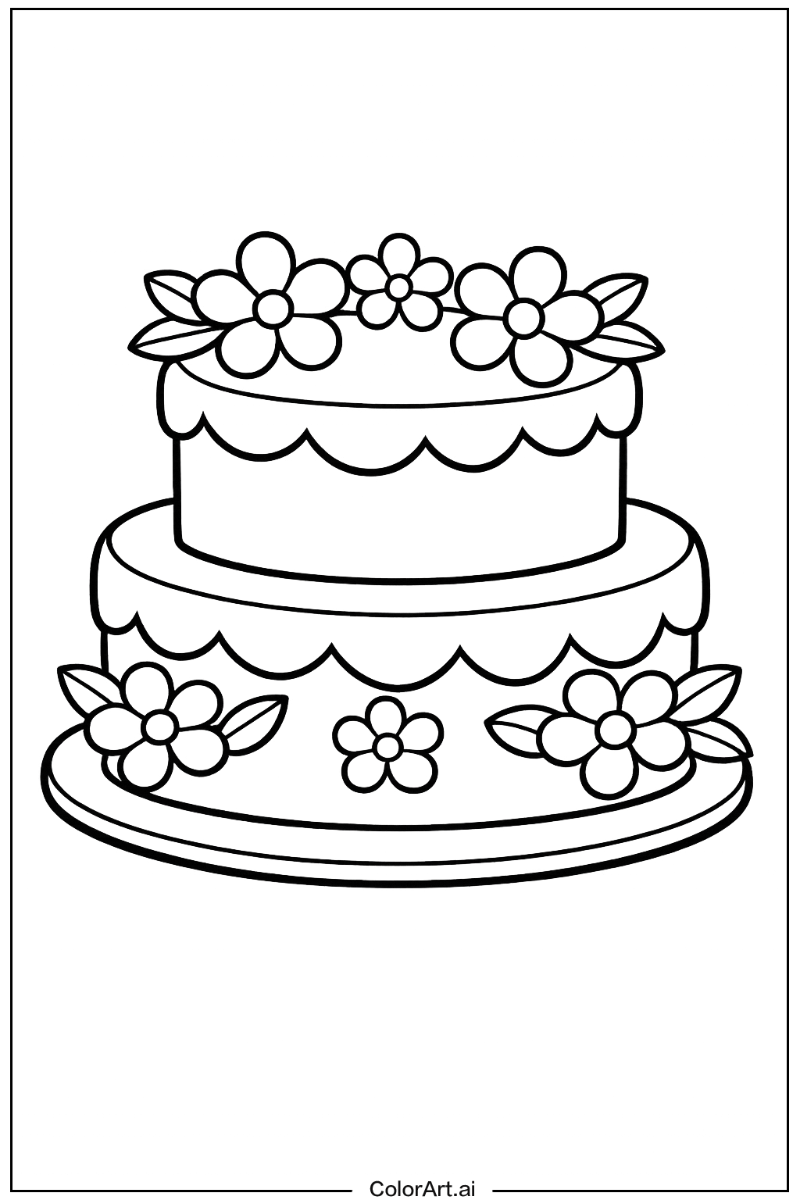
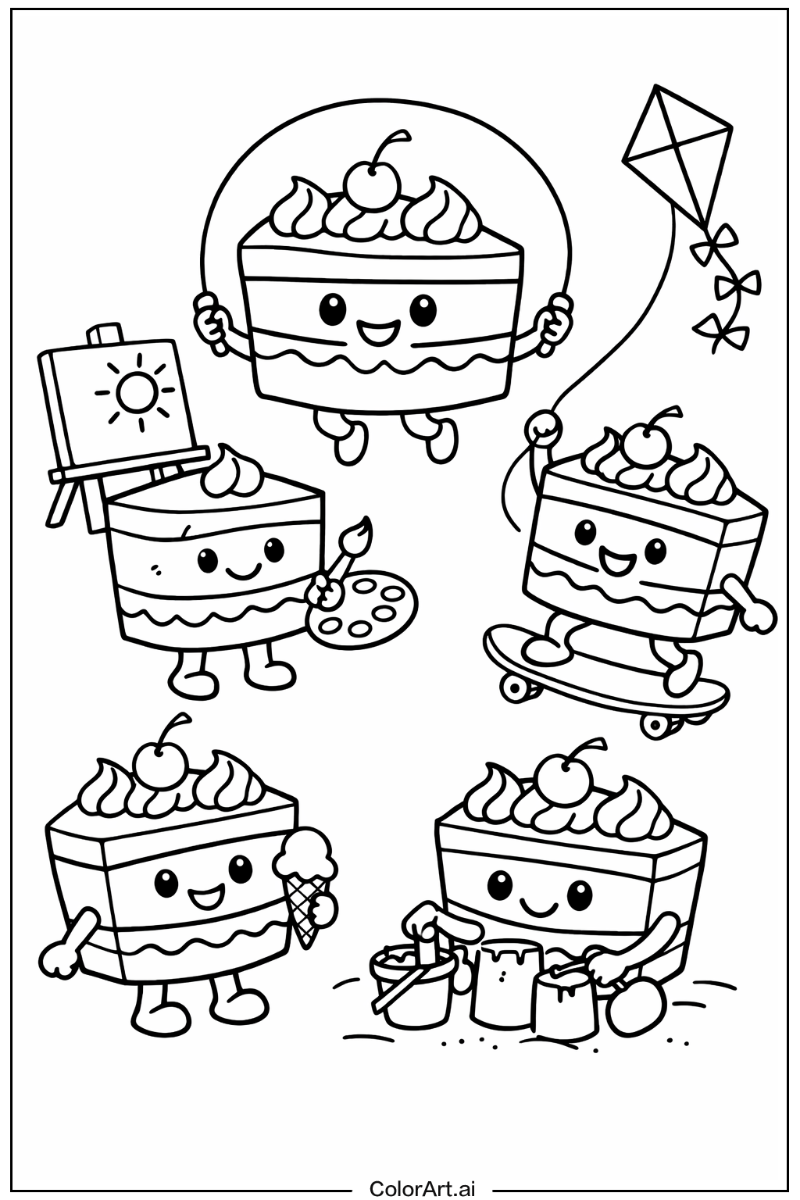
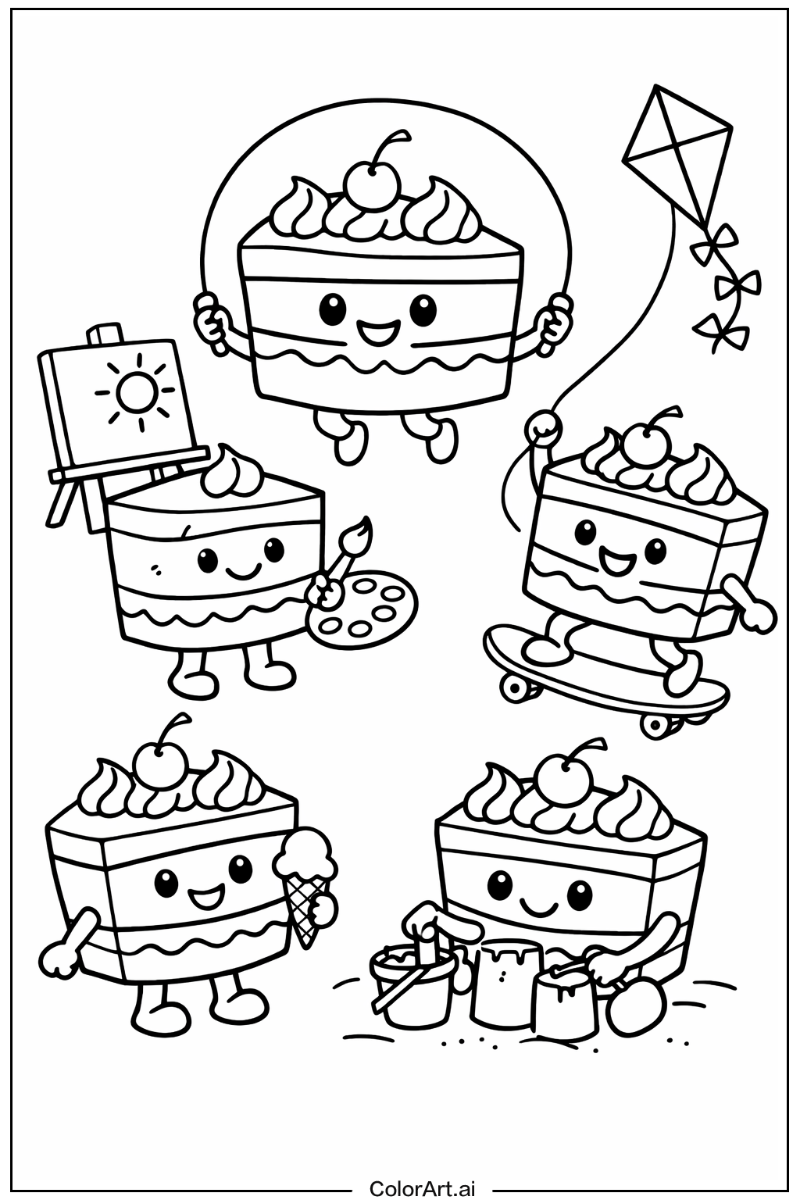
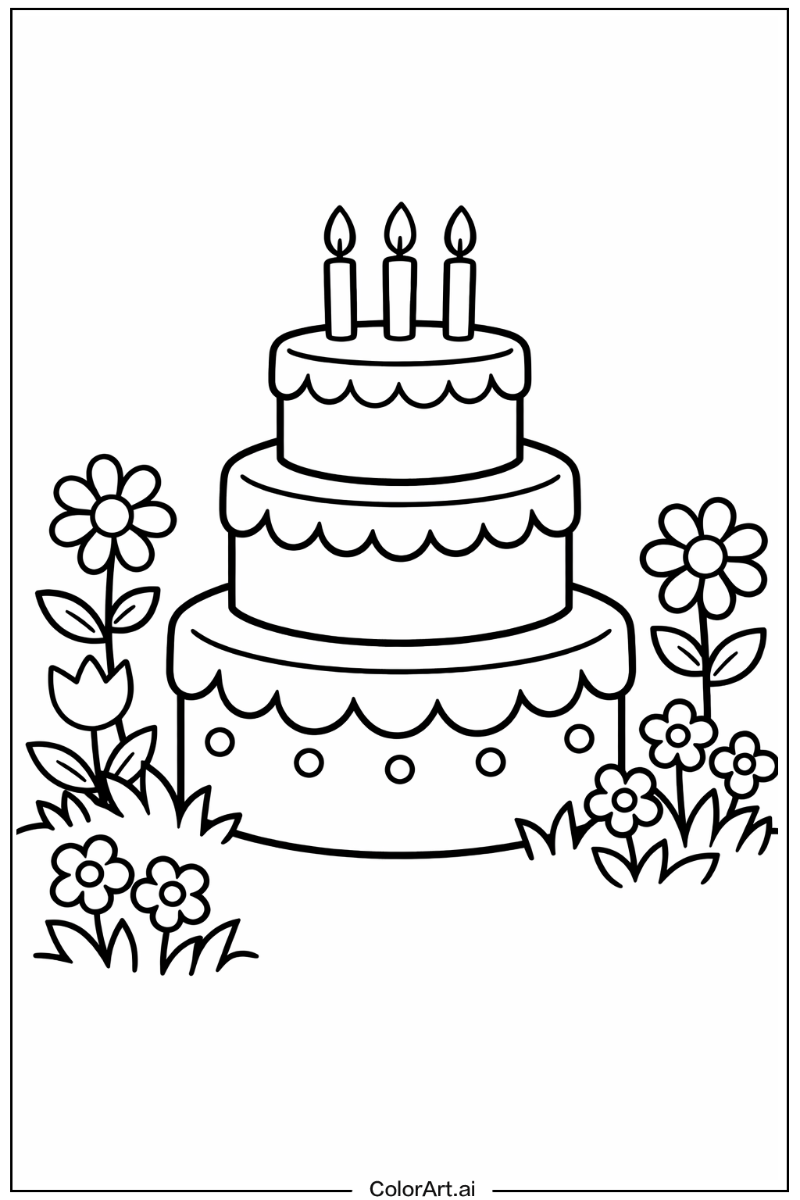
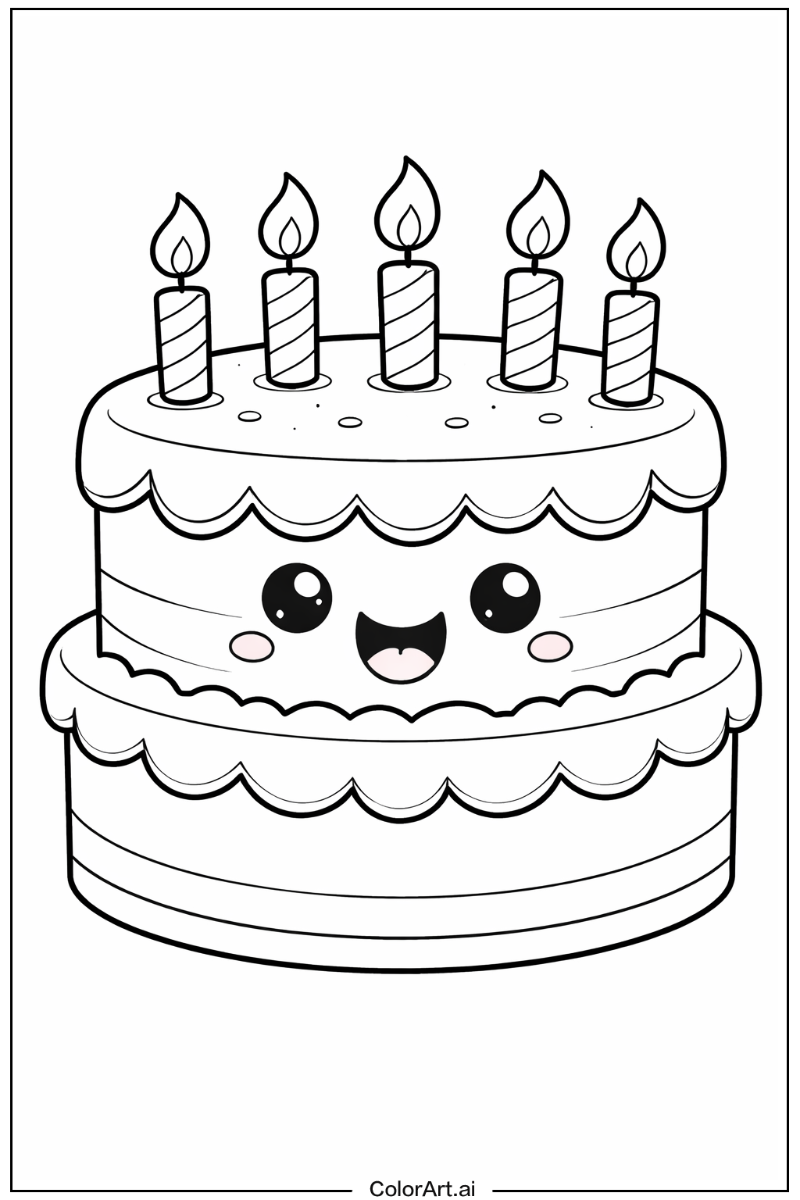
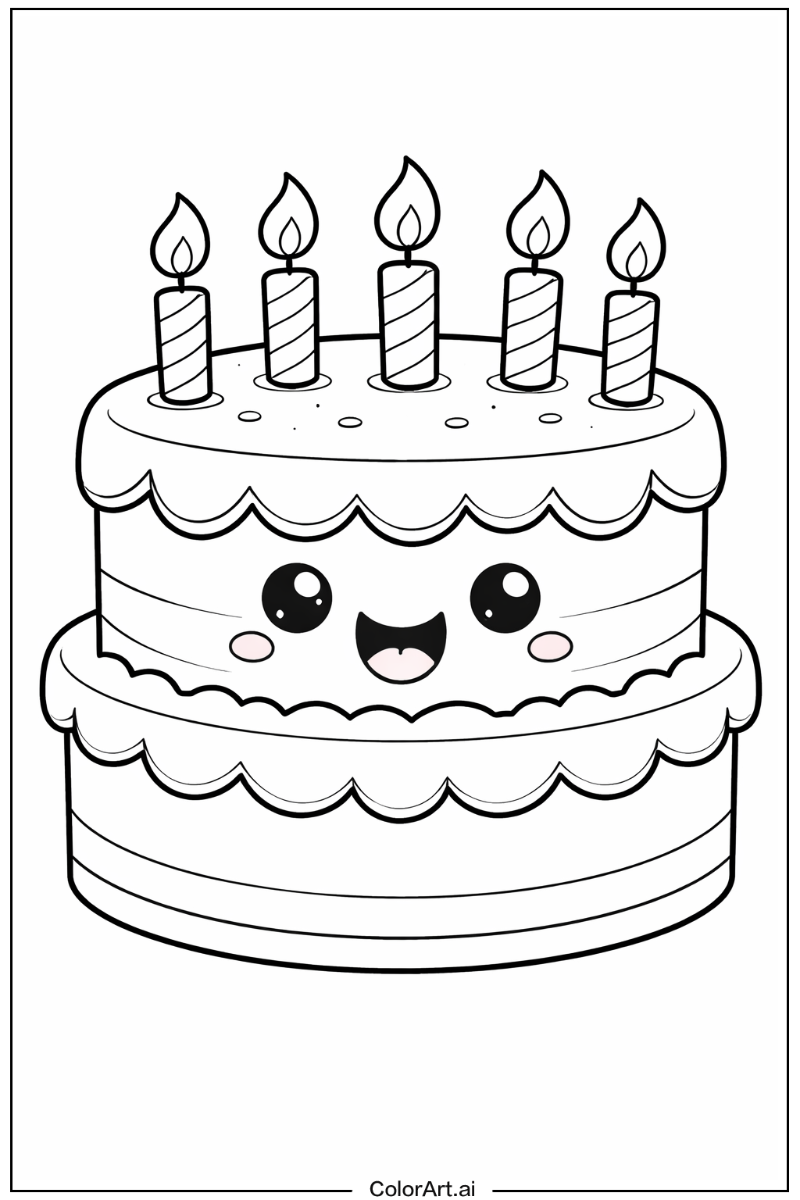
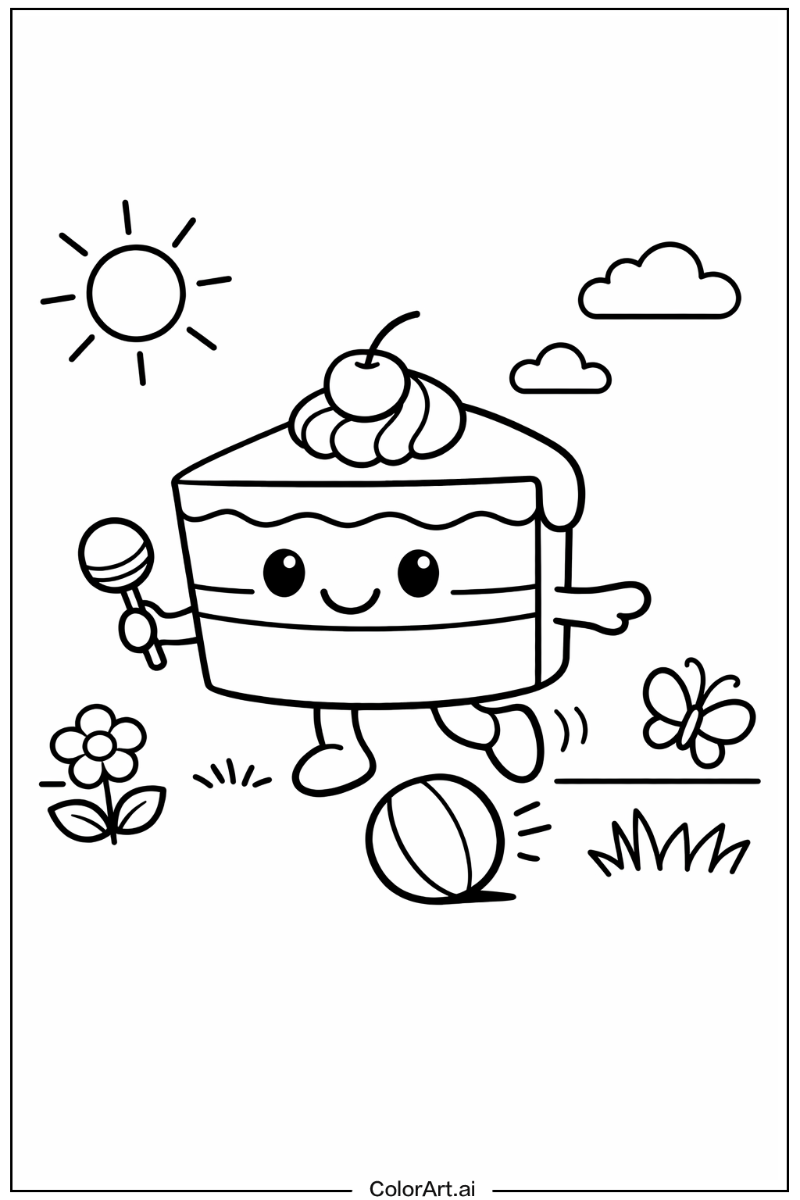
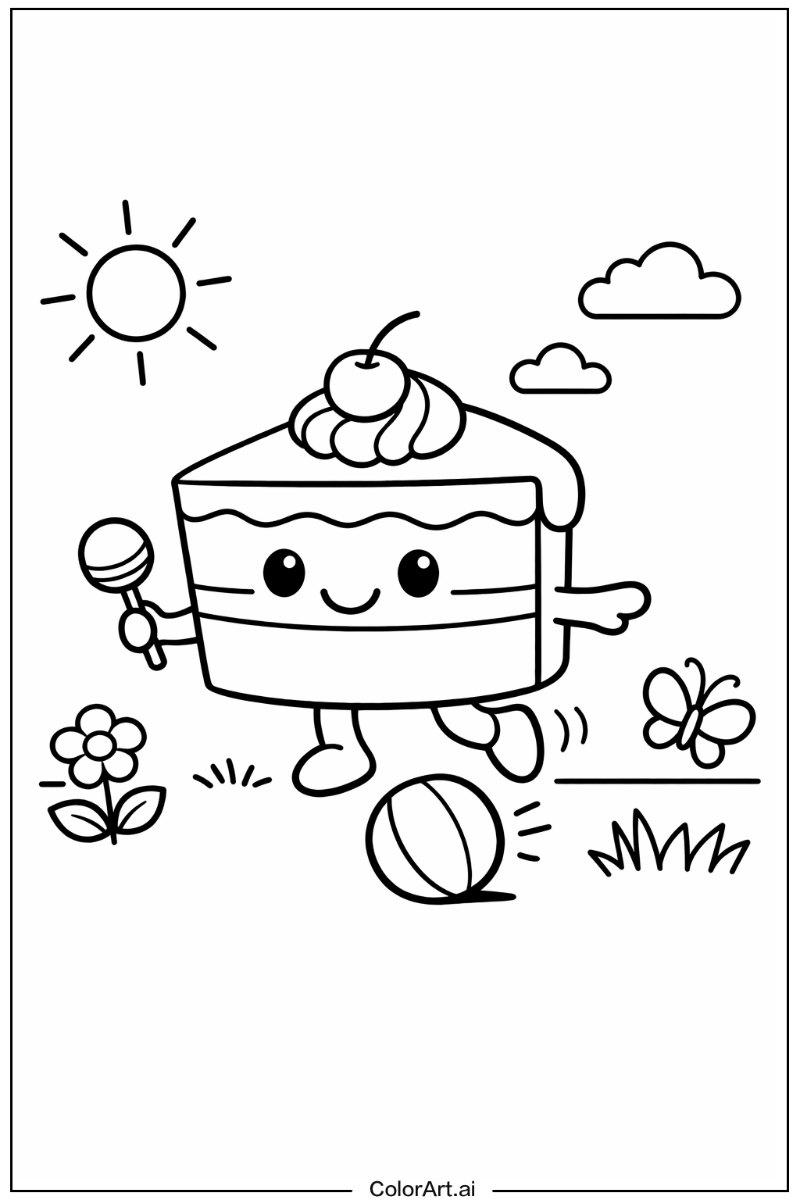
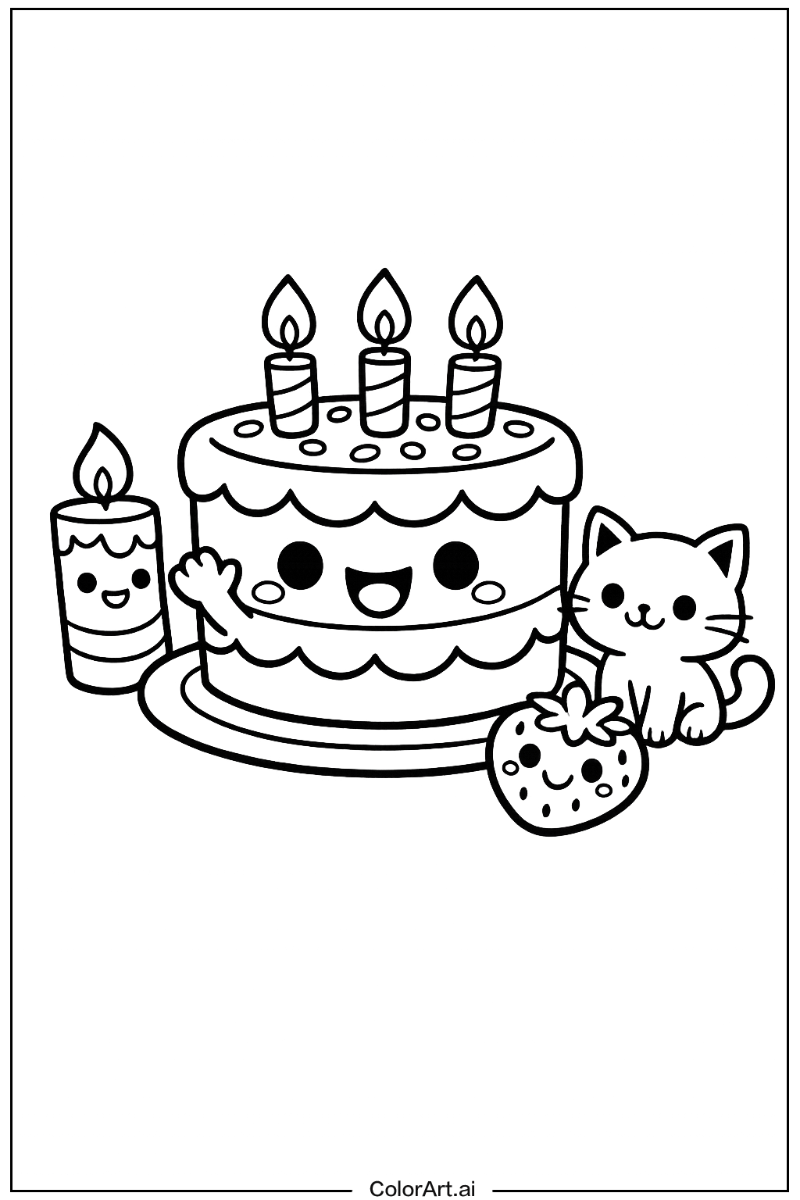
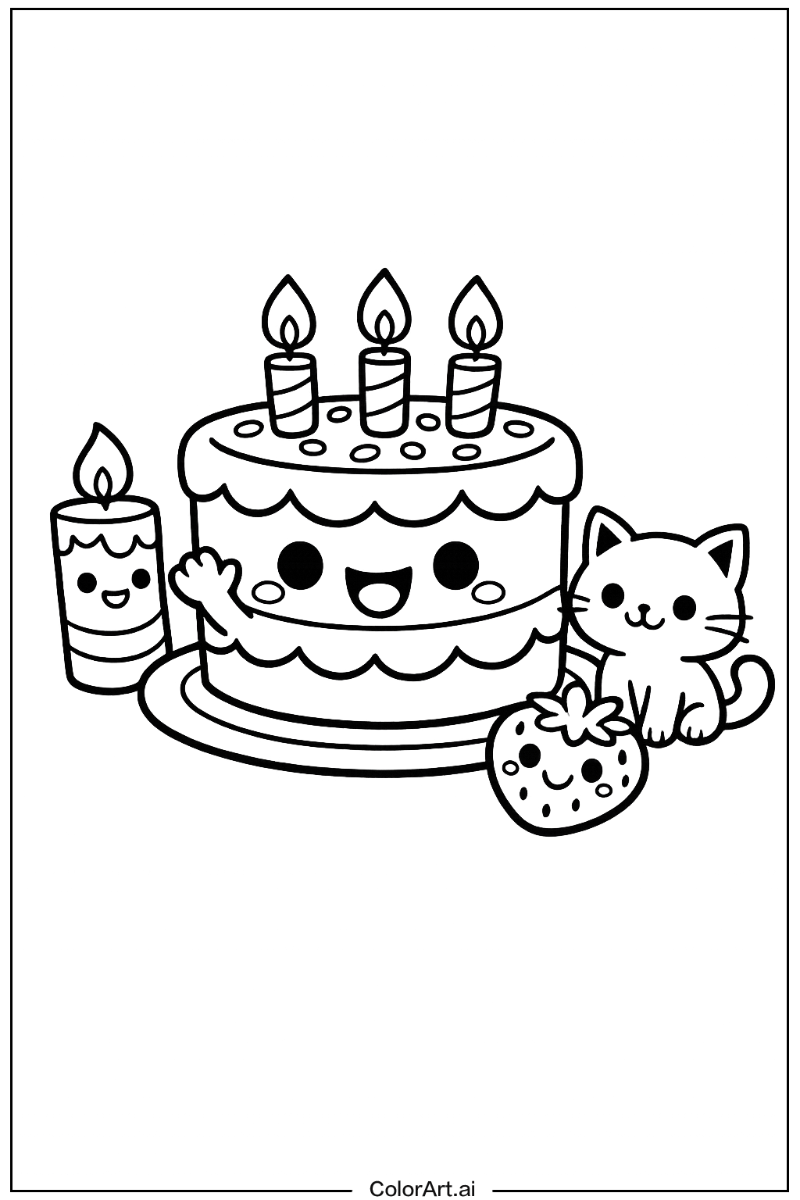
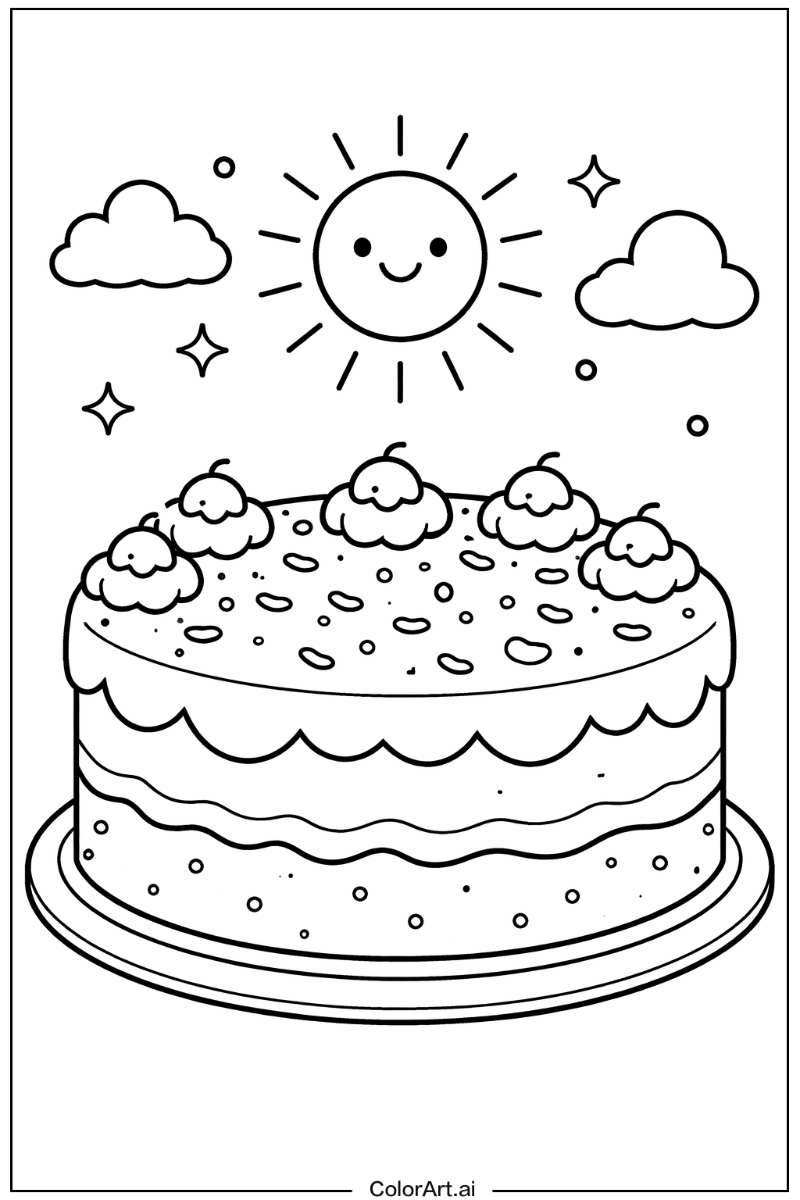
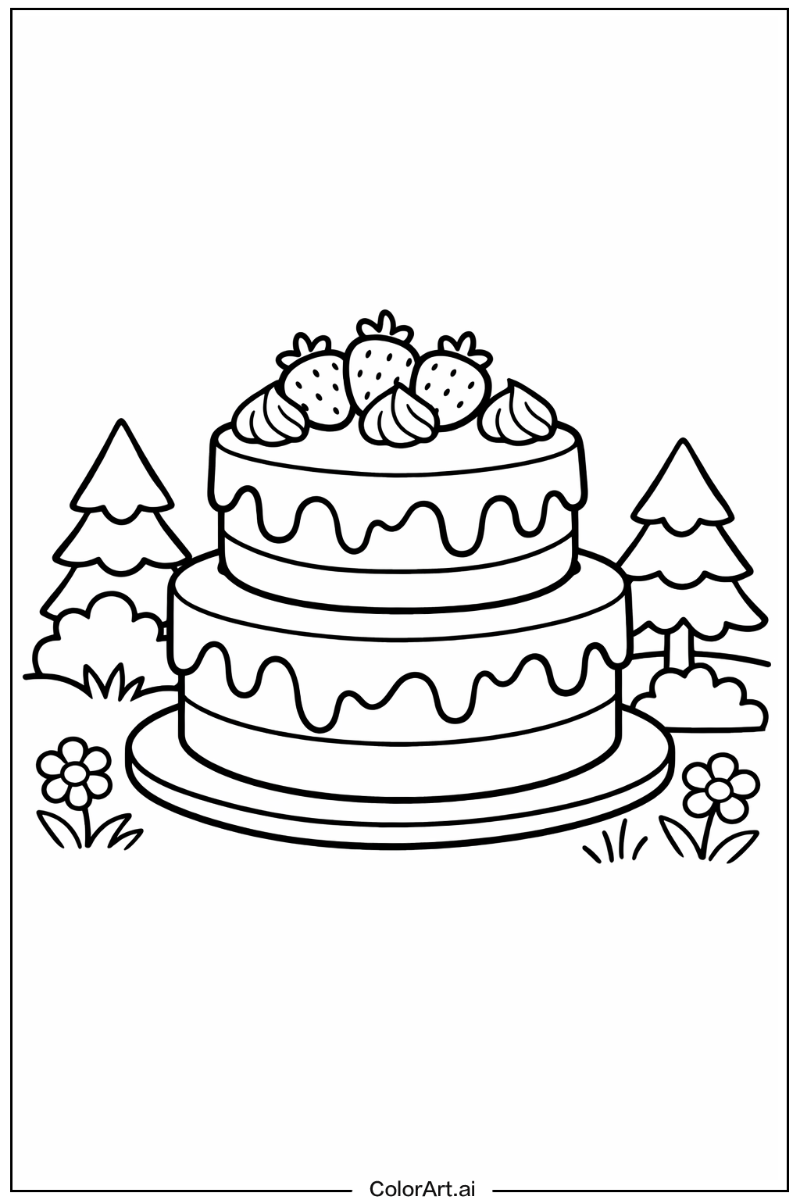
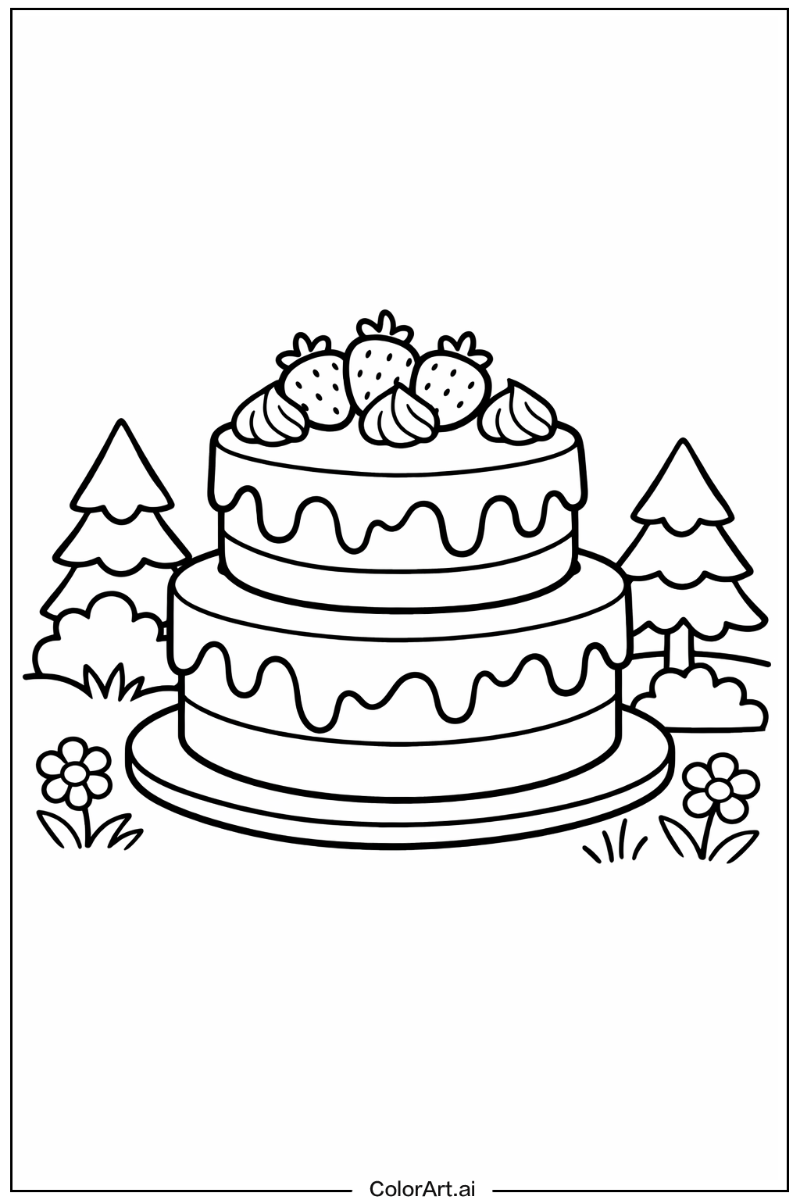
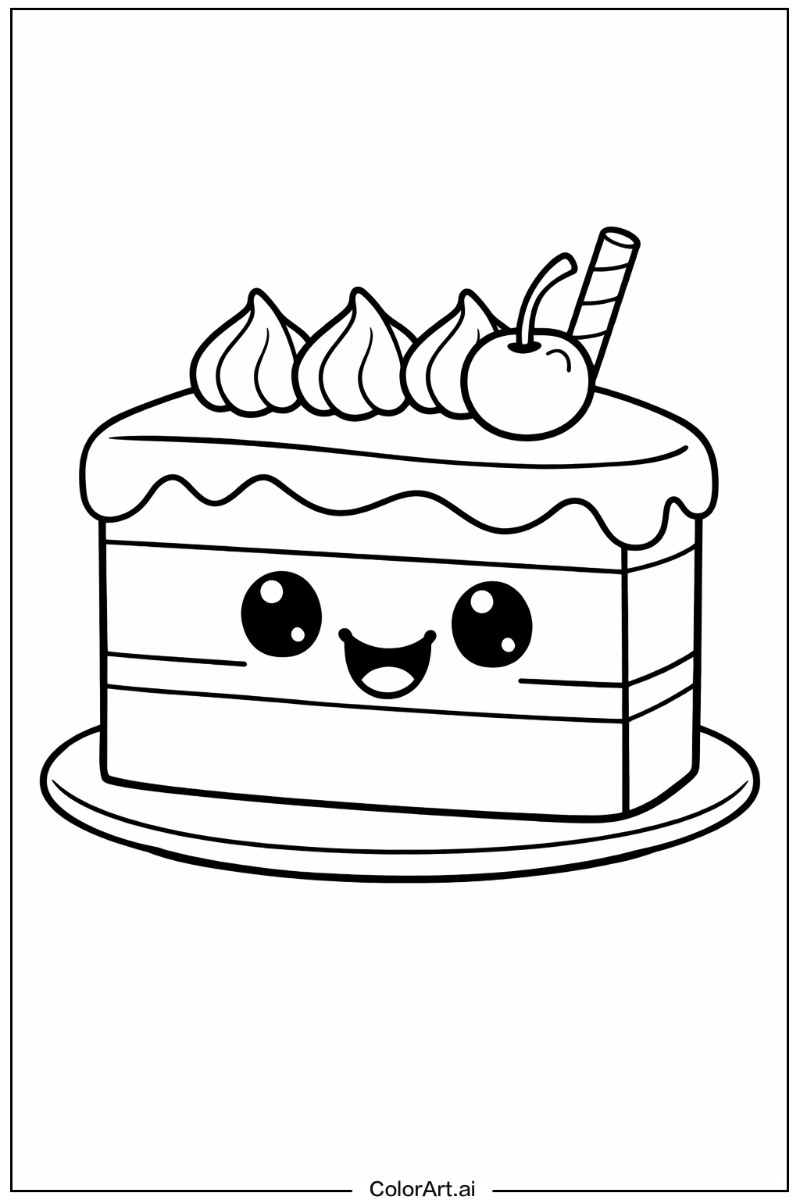
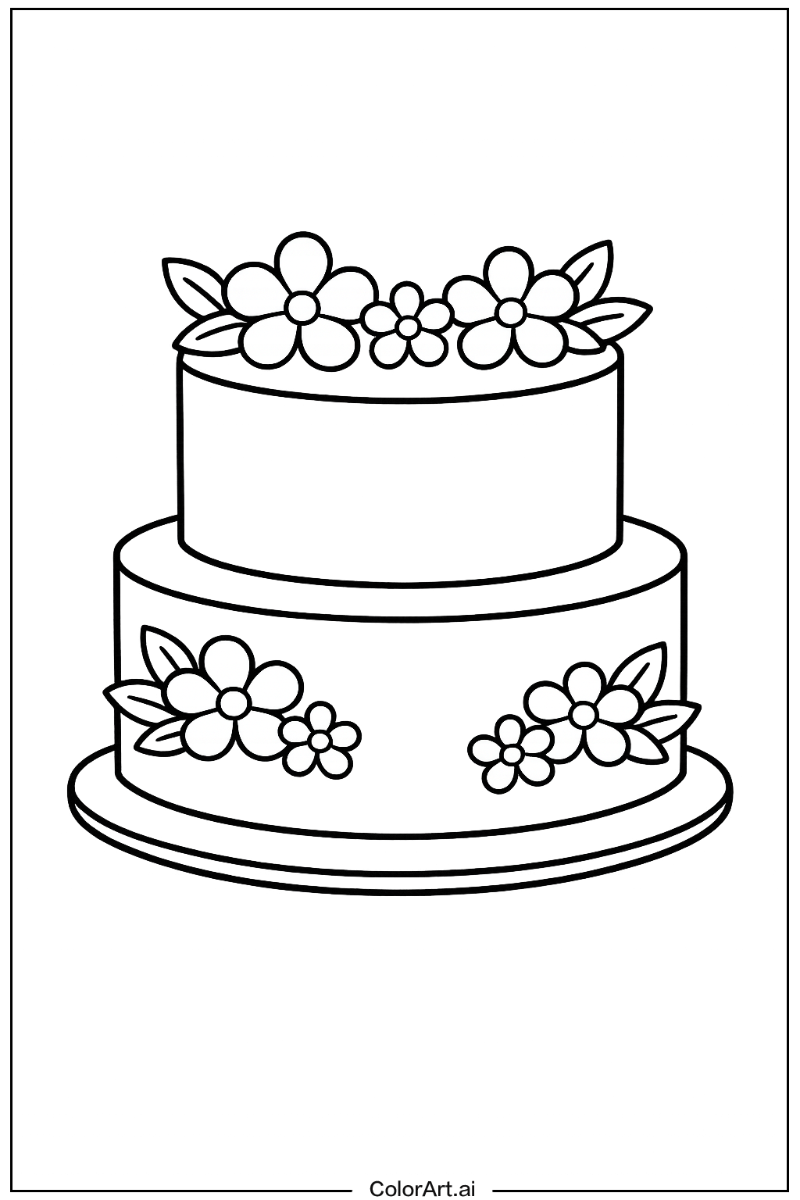
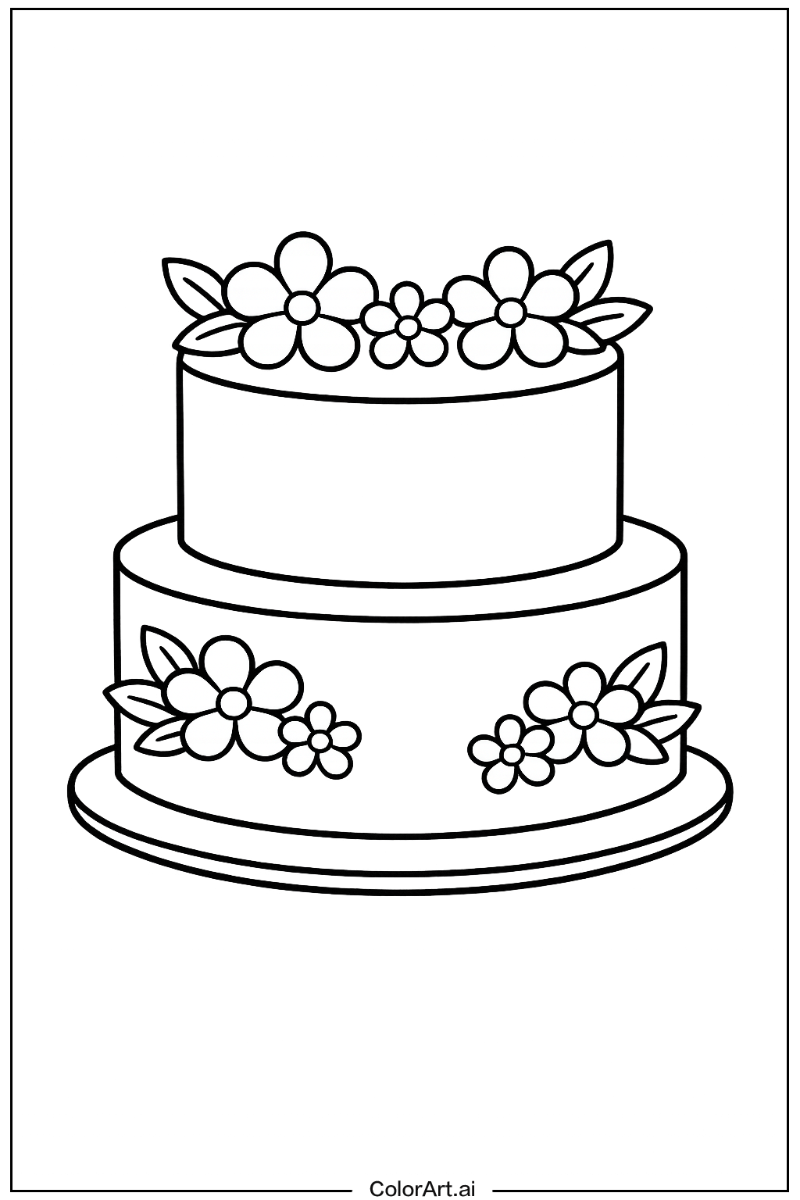
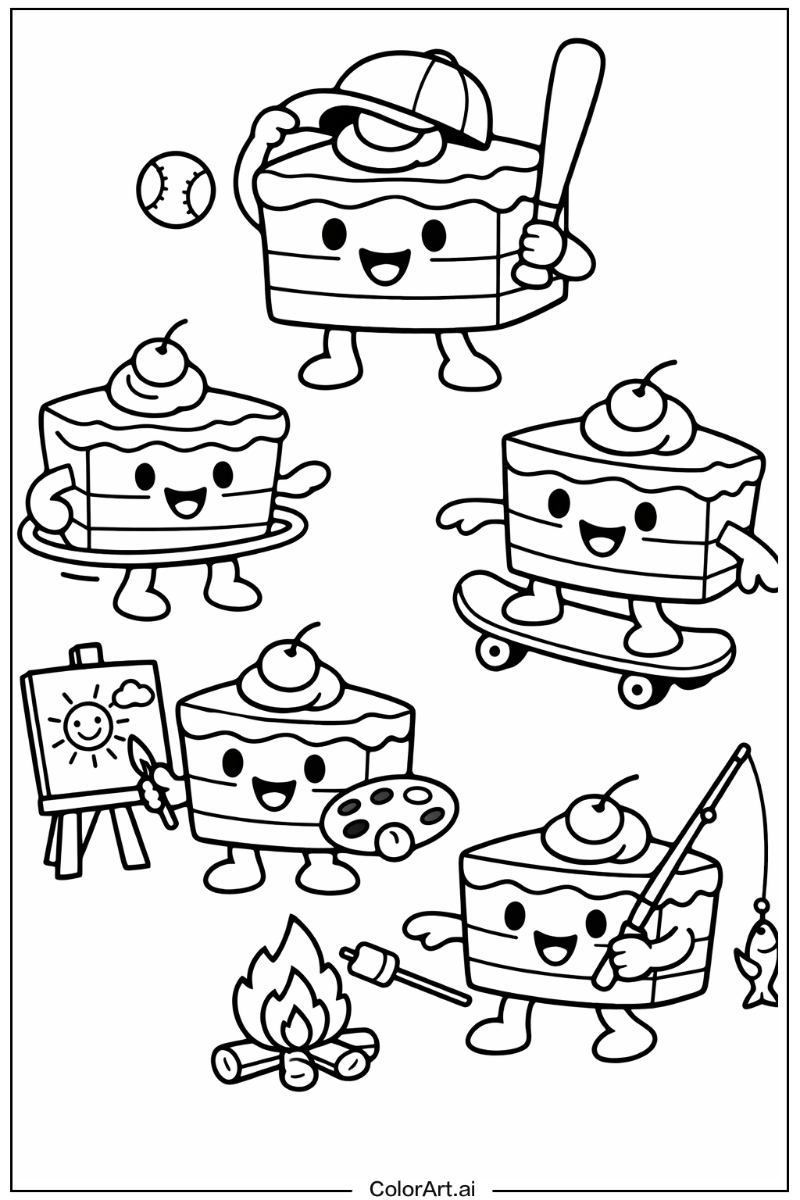
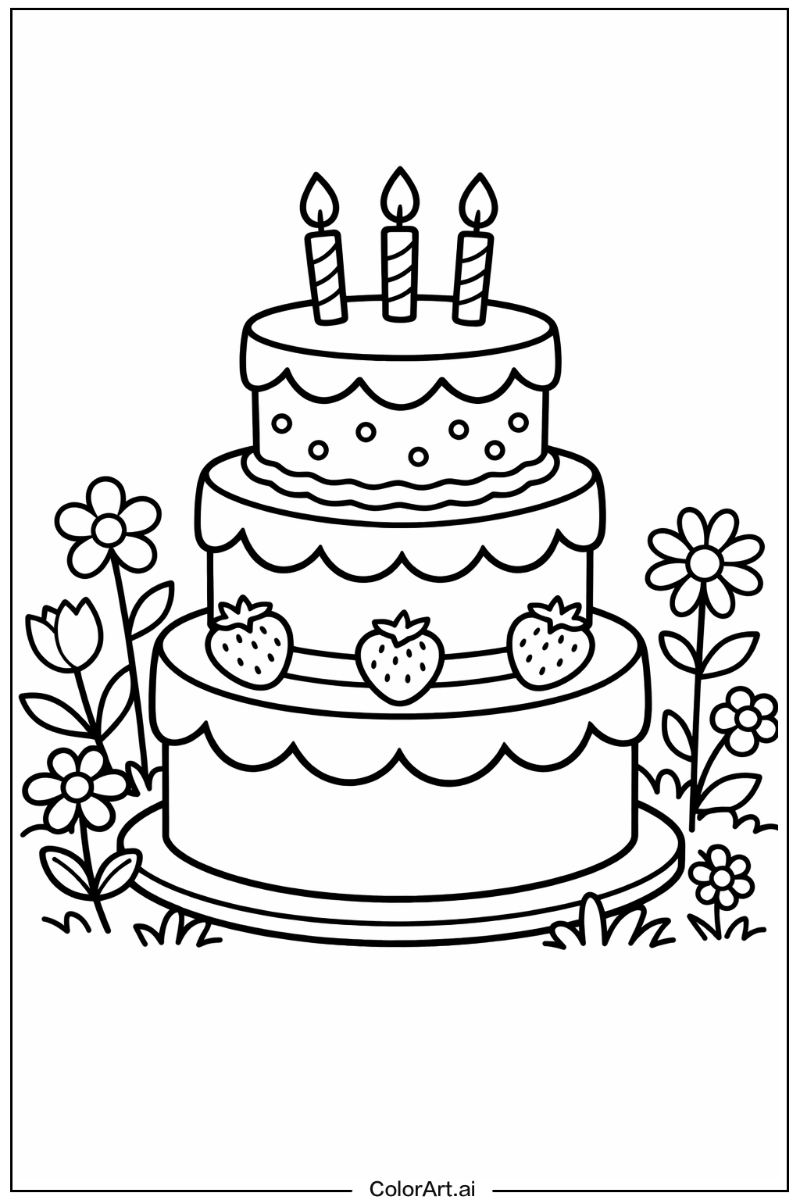
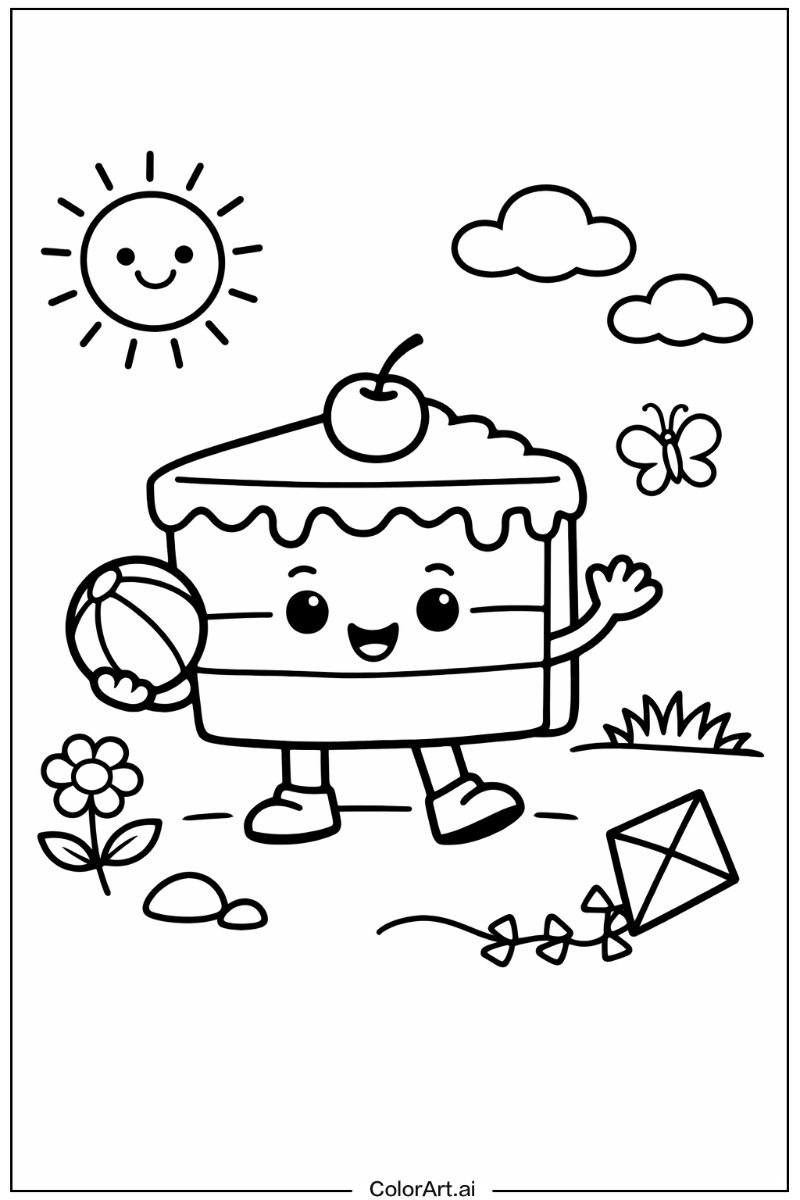
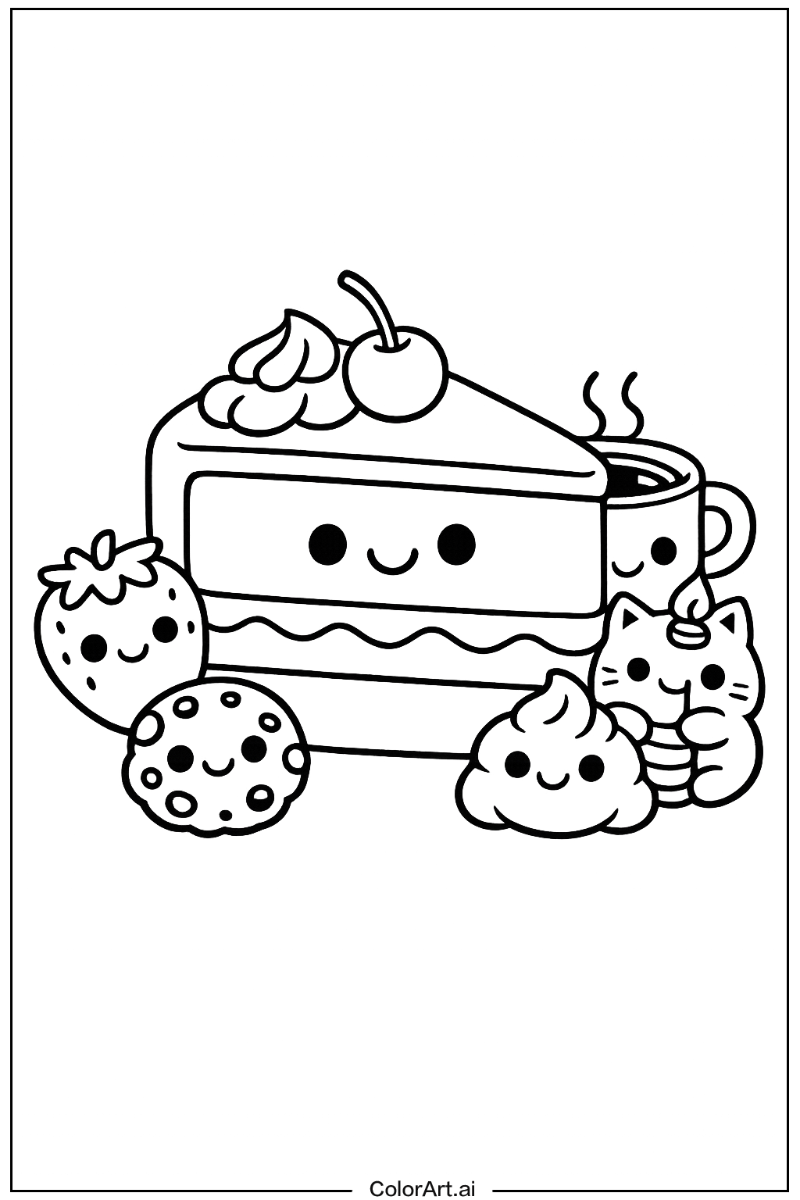
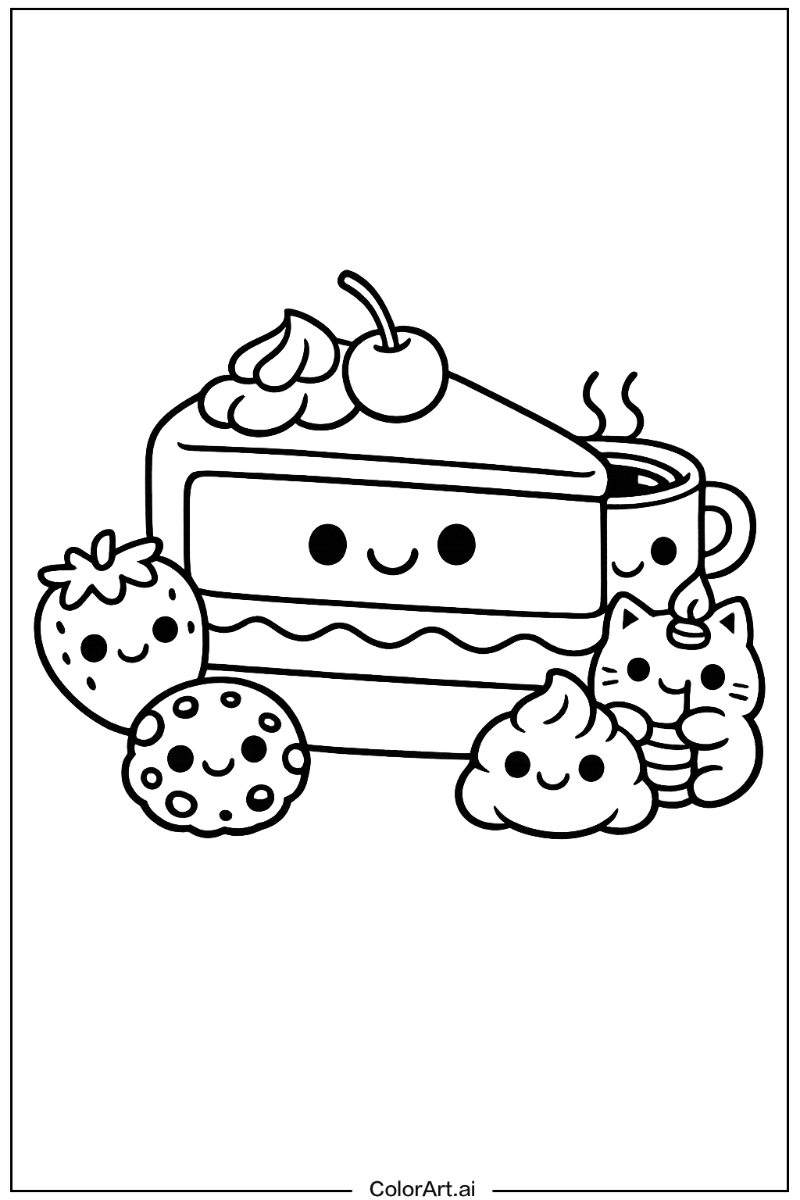
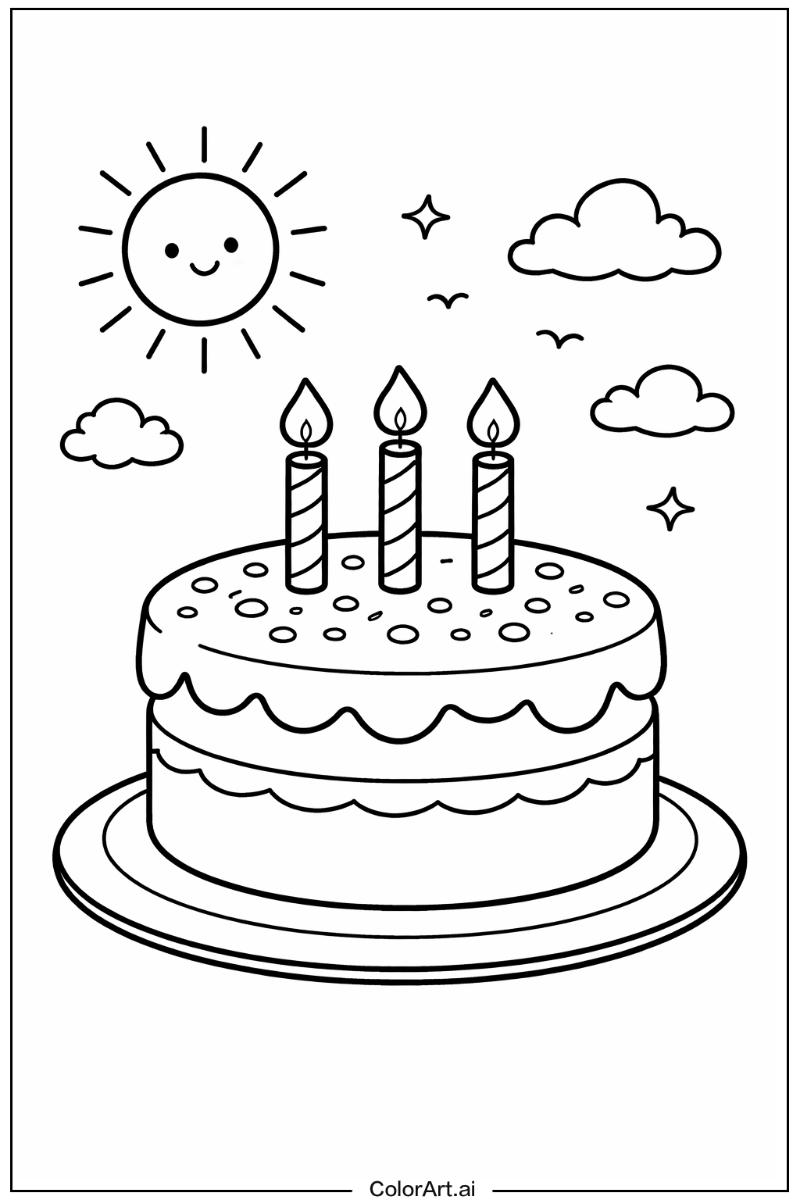
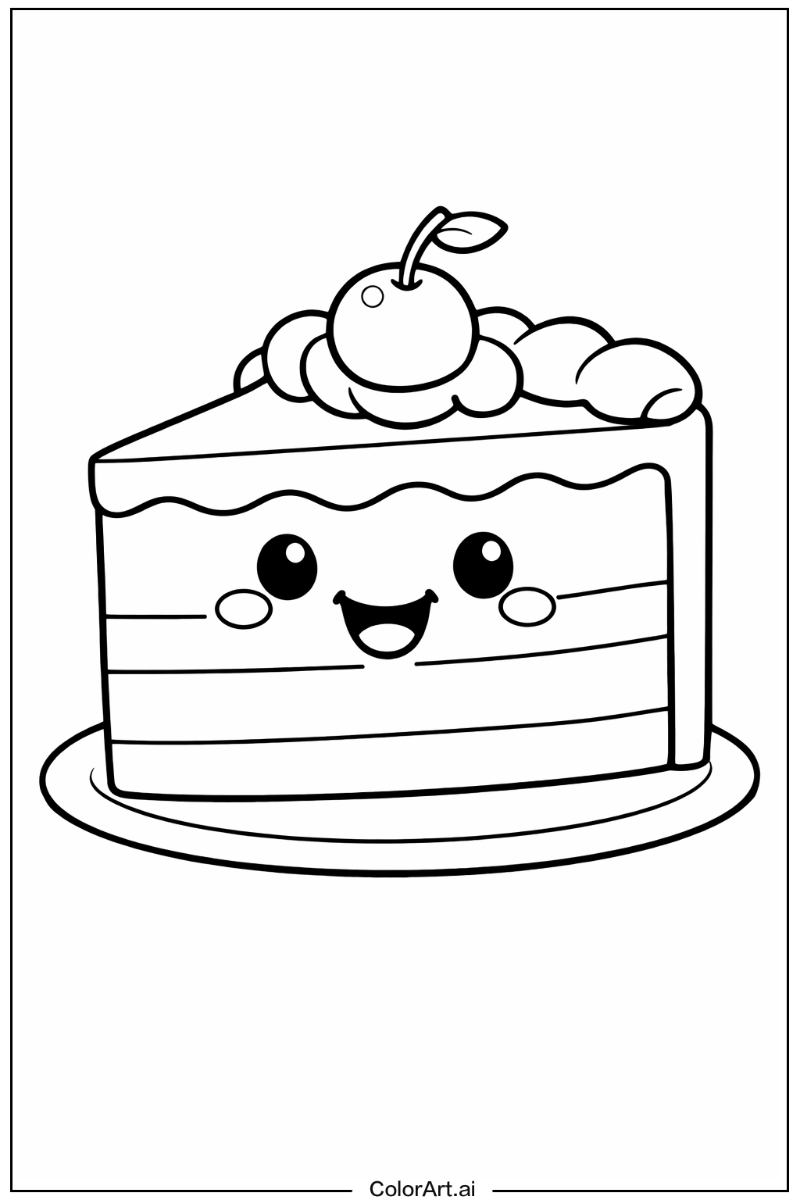
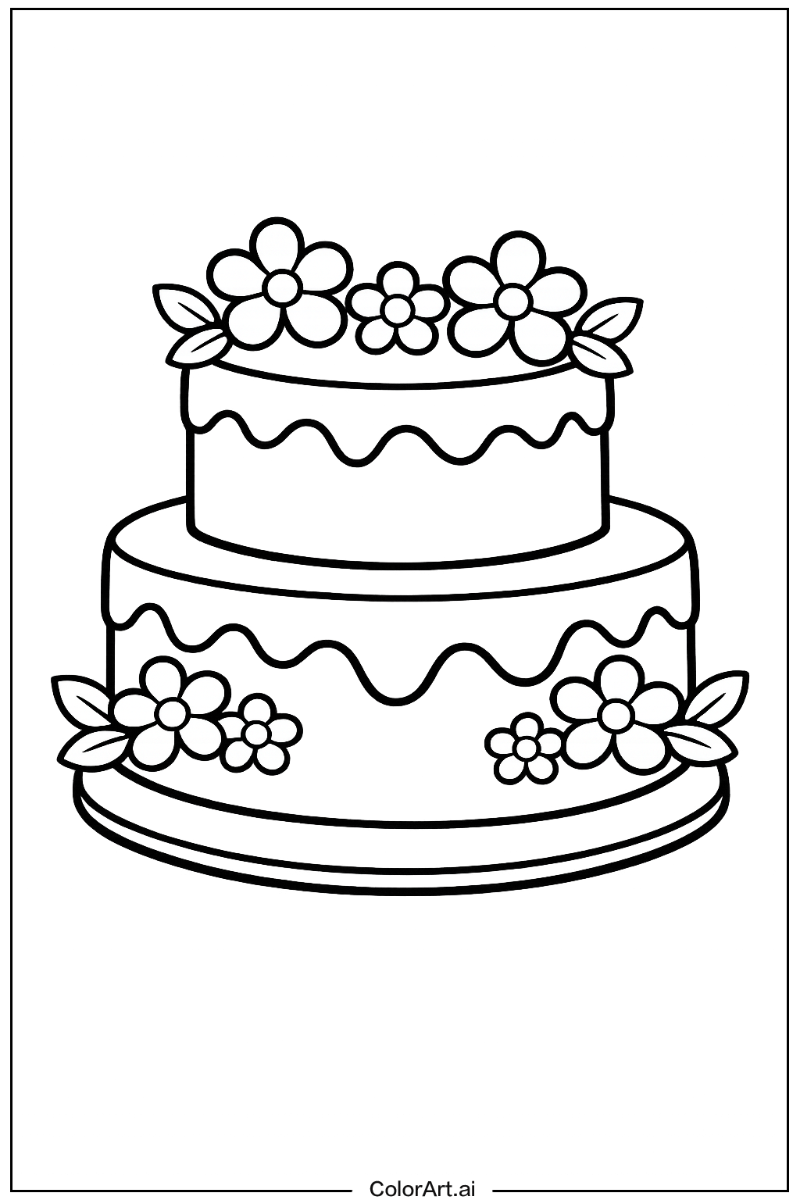
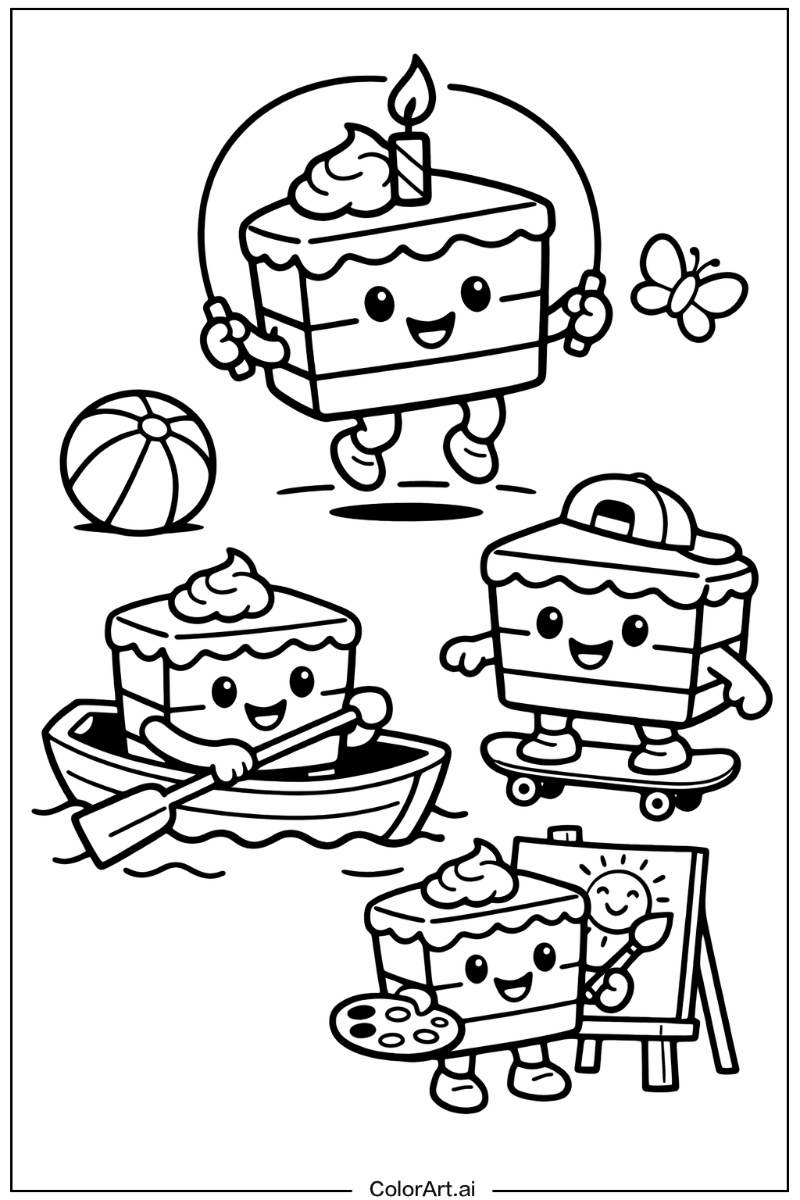
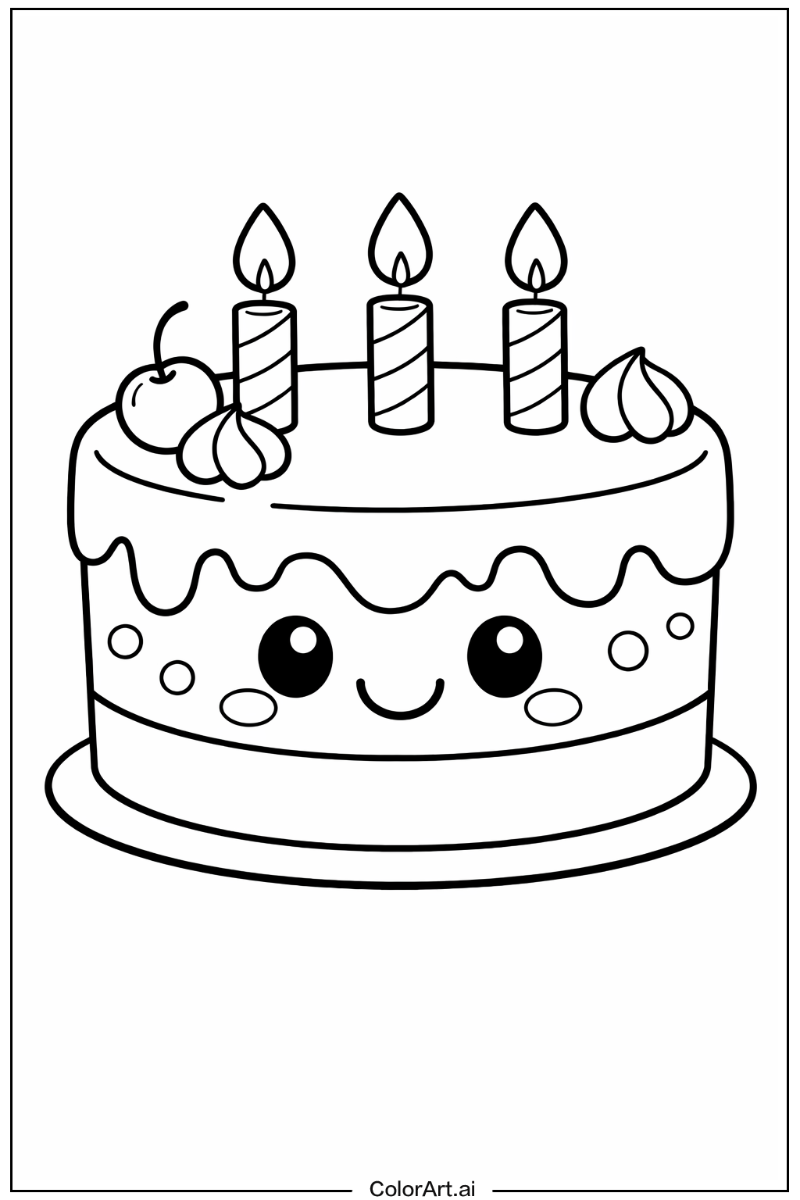
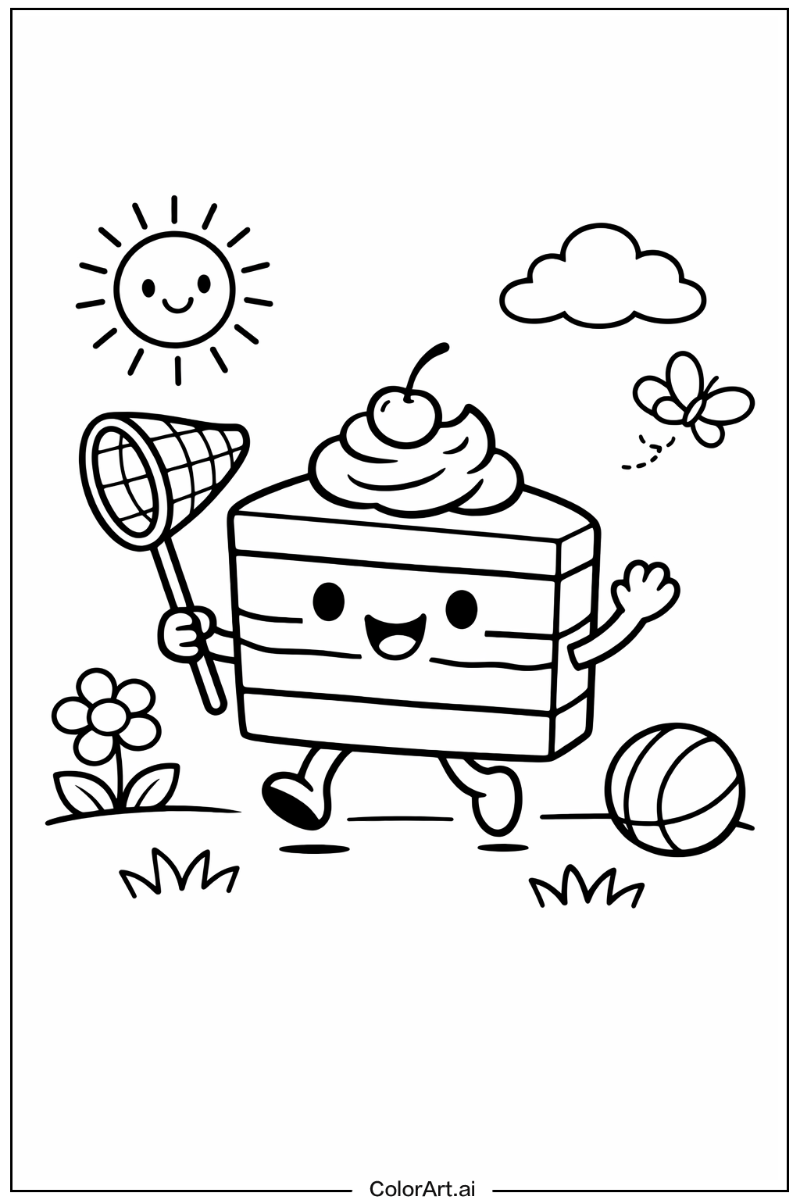
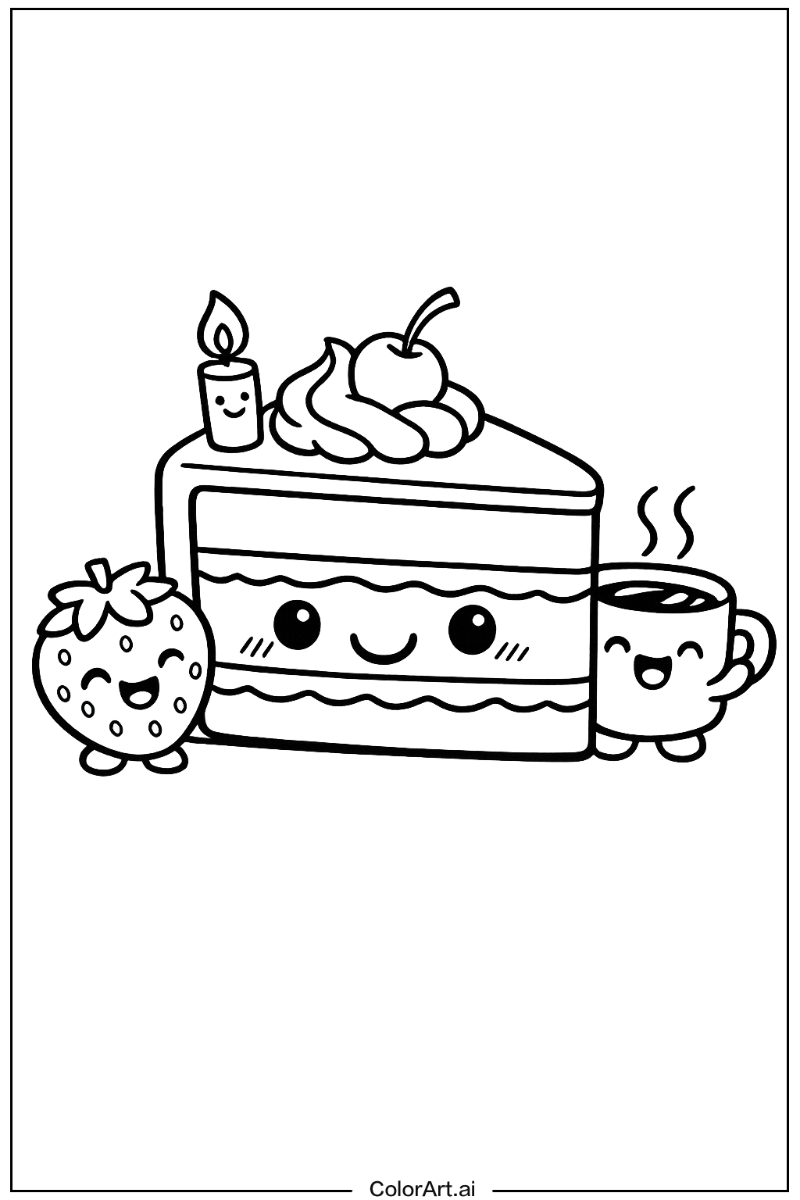
There’s something truly magical about cake, isn’t there? From the sweet aroma that fills the air when it’s baking to the vibrant colors and intricate designs that adorn the top, cake is a delight that brings joy to many. Over my years as an elementary art teacher, I've discovered that kids not only love eating cake but also enjoy learning about it through creative activities. One of my favorite ways to incorporate the theme of cake into the classroom is through free printable cake coloring pages. These coloring pages are not just fun; they also serve as an excellent tool for sparking creativity and engaging students in a variety of educational activities. I remember a time when my third graders, excited for a birthday celebration, colored their cake pages with such enthusiasm that it turned into a delightful lesson on colors and textures. Watching their faces light up as they shared their creative interpretations of cake sparked joy in my heart. Let’s dive deeper into the world of cake coloring pages and see how they can enrich the learning experience for our little artists.
Group Coloring Pages
 PDF
PDF
 PNG
PNG
 PNG
PNG
 PNG
PNG
 PNG
PNG
 PNG
PNG
 PNG
PNG
 PNG
PNG
 PNG
PNG
 PNG
PNG
 PNG
PNG
 PNG
PNG
 PNG
PNG
 PNG
PNG
 PNG
PNG
 PNG
PNG
 PNG
PNG
 PNG
PNG
 PNG
PNG
 PNG
PNG
 PNG
PNG
 PNG
PNG
 PNG
PNG
 PNG
PNG
 PNG
PNG
 PNG
PNG
 PNG
PNG
 PNG
PNG
 PNG
PNG
 PNG
PNG
 PNG
PNG
 PNG
PNG
 PNG
PNG
 PNG
PNG
 PNG
PNG
 PNG
PNG
 PNG
PNG
 PNG
PNG
 PNG
PNG
 PNG
PNG
 PNG
PNG
 PNG
PNG
 PNG
PNG
 PNG
PNG
 PNG
PNG
 PNG
PNG
 PNG
PNG
 PNG
PNG
 PNG
PNG
 PNG
PNG
Understanding Cake: A Brief Educational Background
Cake has a fascinating history that dates back to ancient civilizations, making it more than just a dessert; it’s a cultural symbol of celebration and community. The origin of cake can be traced back to sweetened breads made with honey in ancient Egypt, evolving over centuries into the delightful confections we know today. By the Middle Ages, as baking techniques advanced and sugar became more accessible, cakes transformed into the layered, frosted versions that we adore at birthday parties and celebrations.
Cakes hold significant cultural importance across various societies. For instance, in Indonesia, the traditional glutinous rice flour cake known as Sengkulun symbolizes community heritage. In the United States, the cakewalk, an entertaining dance competition, awarded cakes as prizes, showcasing the interplay of race and culture. Teaching students about these fascinating facts not only enhances their knowledge of cake but also encourages them to appreciate cultural diversity. I often use cake coloring pages as a springboard for discussions about these historical contexts, allowing students to learn through creativity.
Classroom Benefits of Cake Coloring Activities
Using cake coloring pages in the classroom offers a plethora of educational benefits. For young learners, these pages are perfect for developing fine motor skills and hand-eye coordination. I often tell my students that coloring is not just about filling in shapes; it's about training our hands for writing! During a recent lesson, I observed my kindergarteners working diligently to stay within the lines, their little fingers grasping crayons tightly as they colored their cakes, which led to improved dexterity over time.
Coloring also enhances cognitive skills like concentration and focus. I’ve seen students who tend to be easily distracted become deeply engrossed in their cake coloring activities, particularly when we discuss color theory and patterns. For instance, during a cake-themed art day, I introduced a simple challenge: “Color the frosting of your cake a color that represents your favorite flavor.” This not only engaged them creatively but also fostered discussions about flavors and colors, enriching their vocabulary.
Emotionally, coloring can be a powerful tool for self-expression and stress relief. I’ve found that students often share stories as they color, revealing their thoughts and feelings about celebrations and family traditions involving cake. It’s heartwarming to see how a simple coloring activity can open up avenues for emotional connection and understanding among classmates.
Practical Cake Coloring Techniques
When it comes to coloring cake pages, there are several techniques that can enhance the experience for students of all ages. First and foremost, I recommend using high-quality materials. For detailed work, colored pencils are fantastic, while markers can provide bold, vibrant colors that pop on the page. Crayons are always a classic choice for younger children, as they are easier to handle and great for developing fine motor skills.
Encouraging students to experiment with different color combinations can lead to stunning results. I often suggest they think outside the box—what if a cake could be blue or purple? This not only makes coloring fun but also allows them to express their creativity. Additionally, teaching them to blend colors can add depth to their cake designs. I remember a student named Lily who, during a cake coloring session, created a beautiful gradient effect on her cake frosting, blending pink and purple beautifully. Her excitement was contagious!
Lastly, remind students to take their time and enjoy the process. Coloring should be a relaxing activity, not a rushed task. I always tell my students, “It’s not about finishing first; it’s about creating something you love.” This approach fosters a positive mindset toward art and creativity, which is essential for their overall development.
Current Trends in Cake Art Education
The cake industry is evolving rapidly, and this transformation is reflected in educational trends as well. With the bakery products market projected to grow significantly in the coming years, there’s a rising interest in cake art, particularly among young learners. This demand for innovative and health-conscious cake options has opened up exciting avenues for teaching kids about nutrition and creativity in baking.
In my classroom, I’ve noticed an increasing trend towards using cake coloring pages as part of health education. By integrating themes of healthy ingredients into our coloring activities, I help students learn about balanced diets while they express their creativity. For example, we colored pages featuring fruits and vegetables on cakes, which not only made the activity fun but also educational. The connections between cake, health, and creativity are becoming increasingly relevant, and I believe that incorporating these elements into our lessons can inspire the next generation of artists and bakers.
Frequently Asked Questions about Cake Coloring Pages
What age group are Cake coloring pages suitable for? Cake coloring pages are designed for various age groups, typically ranging from preschoolers (3-5 years) to adults. We offer different complexity levels to match different skill levels.
What materials work best for coloring Cake pages? For best results with Cake coloring pages, we recommend colored pencils for detailed work, markers for bold colors, and crayons for younger children. Use high-quality paper or cardstock for professional-looking results.
How should I print Cake coloring pages for best quality? Print Cake coloring pages using high-quality or best print settings. Use standard A4 or Letter size paper, or upgrade to cardstock for more durable results. Ensure your printer has sufficient ink for clear, dark lines.