Celebrowanie dziewczynek poprzez kolorowanie
Kolorowanki zawsze zajmowały szczególne miejsce w moim sercu jako nauczyciela plastyki w szkole podstawowej. Stanowią one dla dziewczynek wyjątkową okazję do wyrażenia swojej kreatywności i indywidualności. Pamiętam słodką dziewczynkę o imieniu Lily z mojej klasy trzeciej, która uwielbiała kolorować obrazki przedstawiające silne postaci kobiece, od superbohaterek po księżniczki. Za każdym razem, gdy sięgała po kredki, czuła się, jakby mogła przekształcić pustą stronę w świat pełen możliwości. Dziewczynki, w szczególności, odnajdują radość i wzmocnienie w zajęciach plastycznych, które odzwierciedlają ich zainteresowania i aspiracje. Te kolorowanki nie tylko rozwijają ich umiejętności artystyczne, ale także oferują platformę do wyrażania siebie i opowiadania historii. W tym wpisie na blogu odkryjemy cudowny świat kolorowanek dla dziewczynek, od ich korzyści edukacyjnych po praktyczne wskazówki dla nauczycieli i rodziców. Dołącz do mnie w tej podróży, celebrując pełną energii kreatywność dziewczynek!
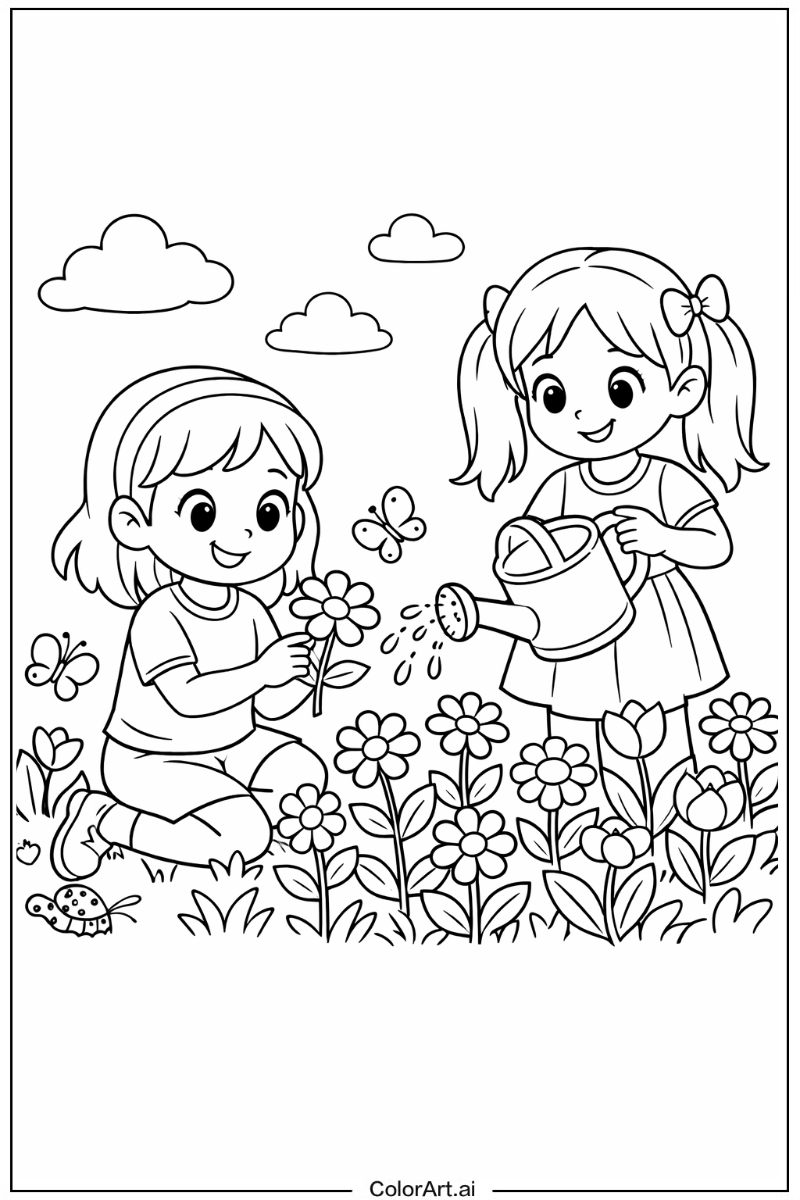
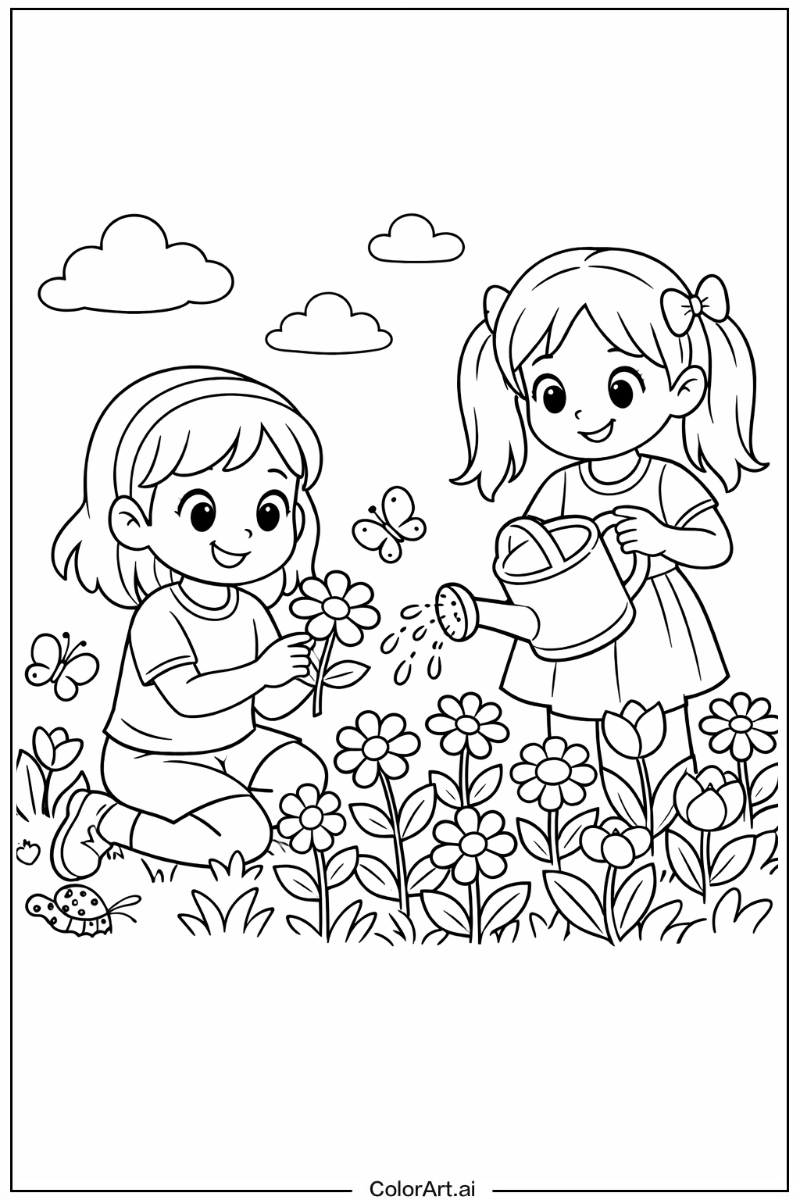
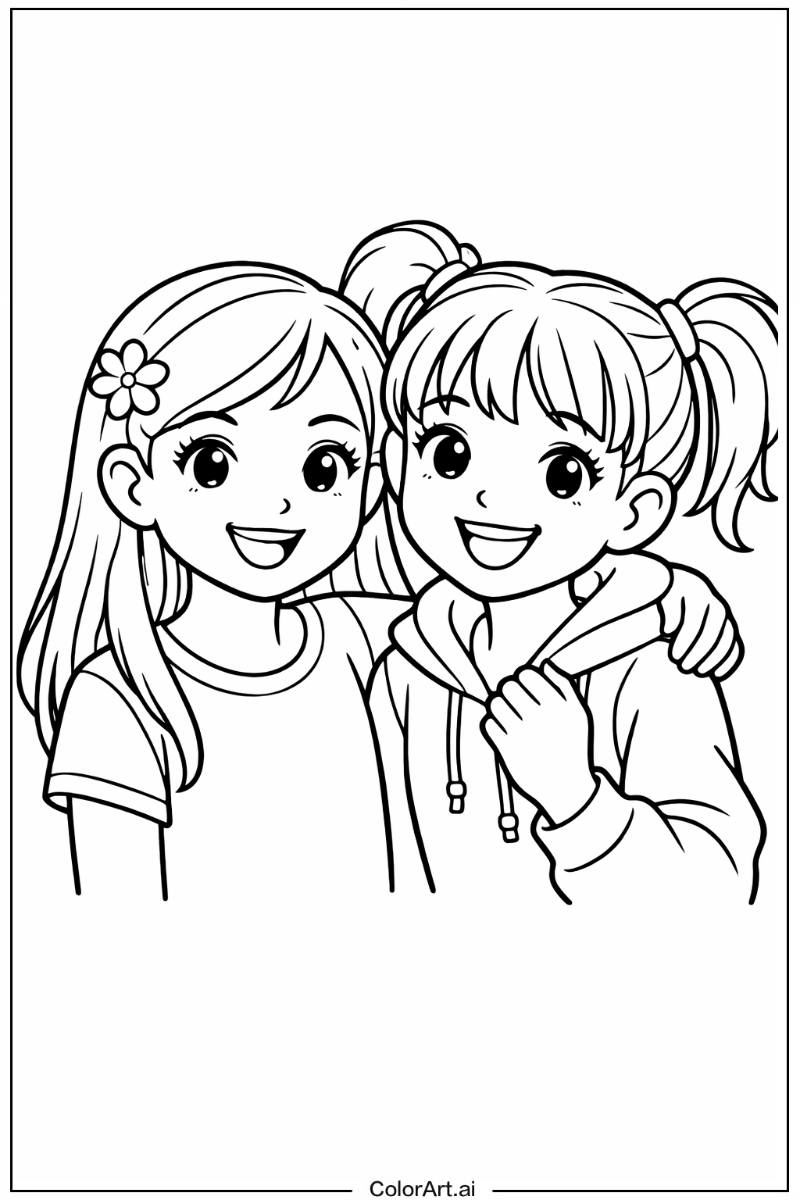
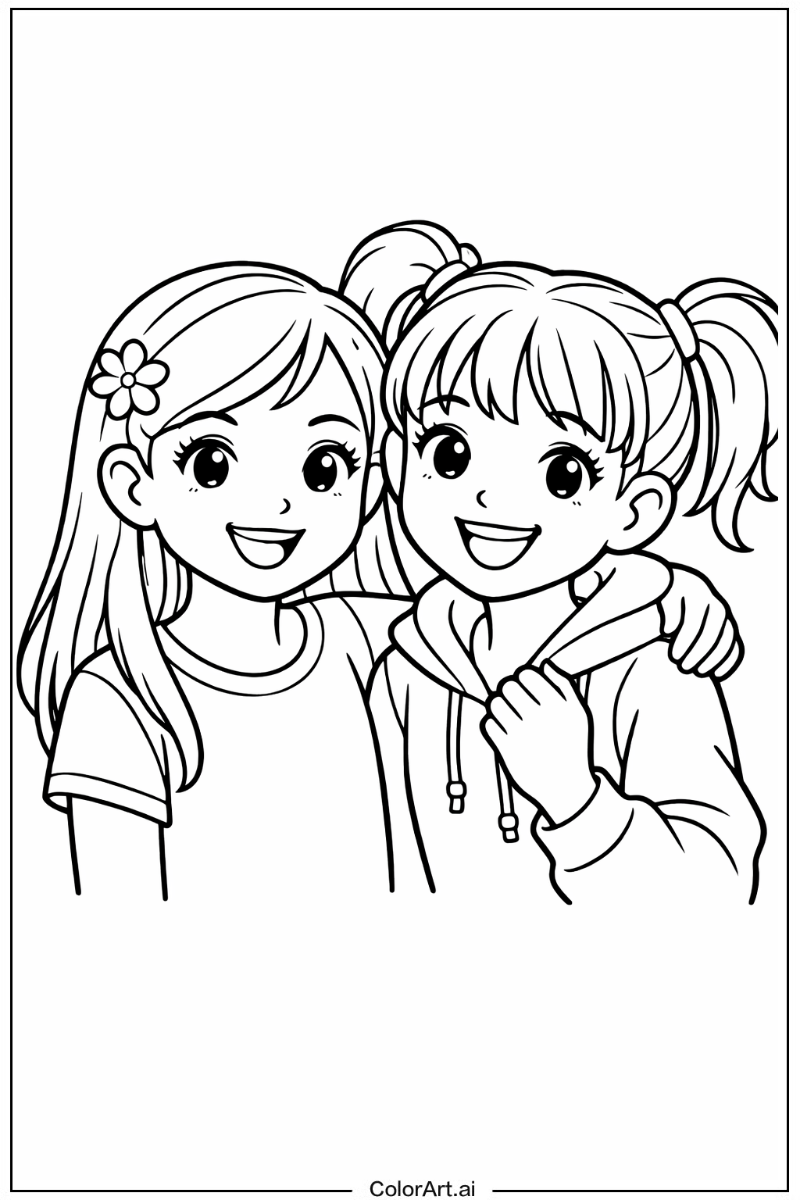
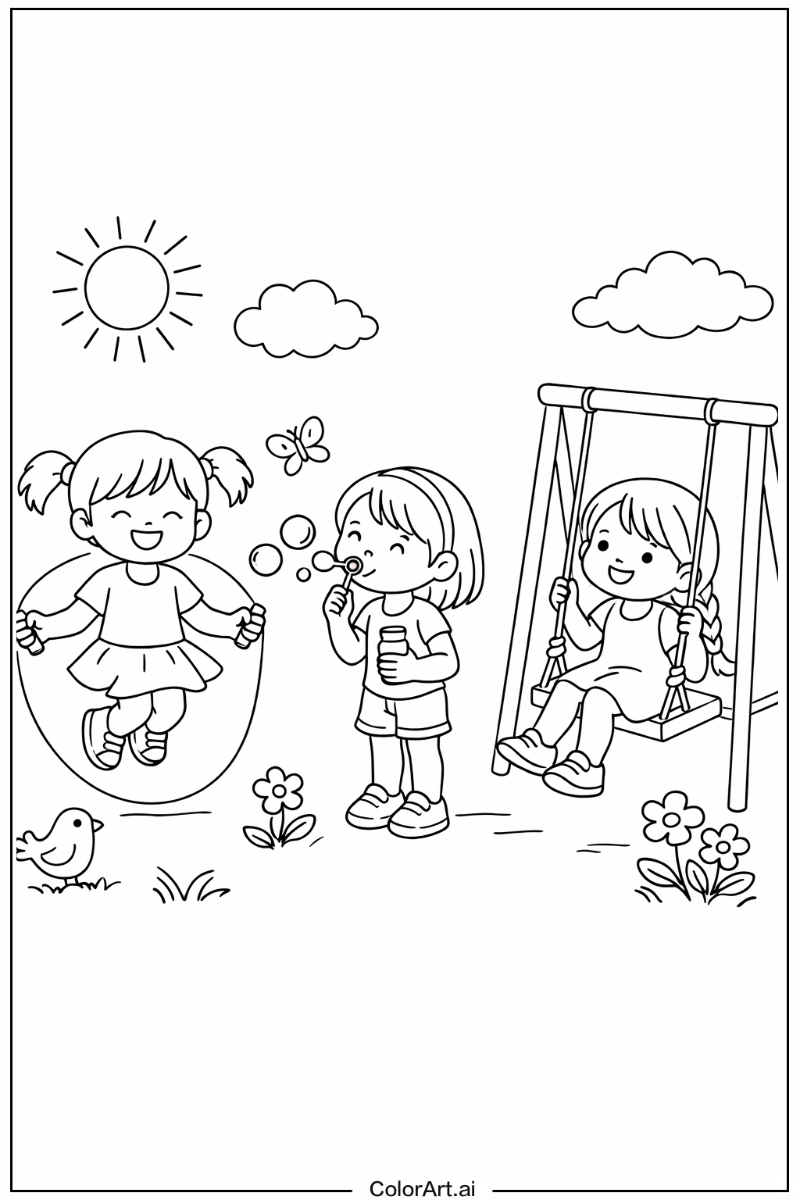
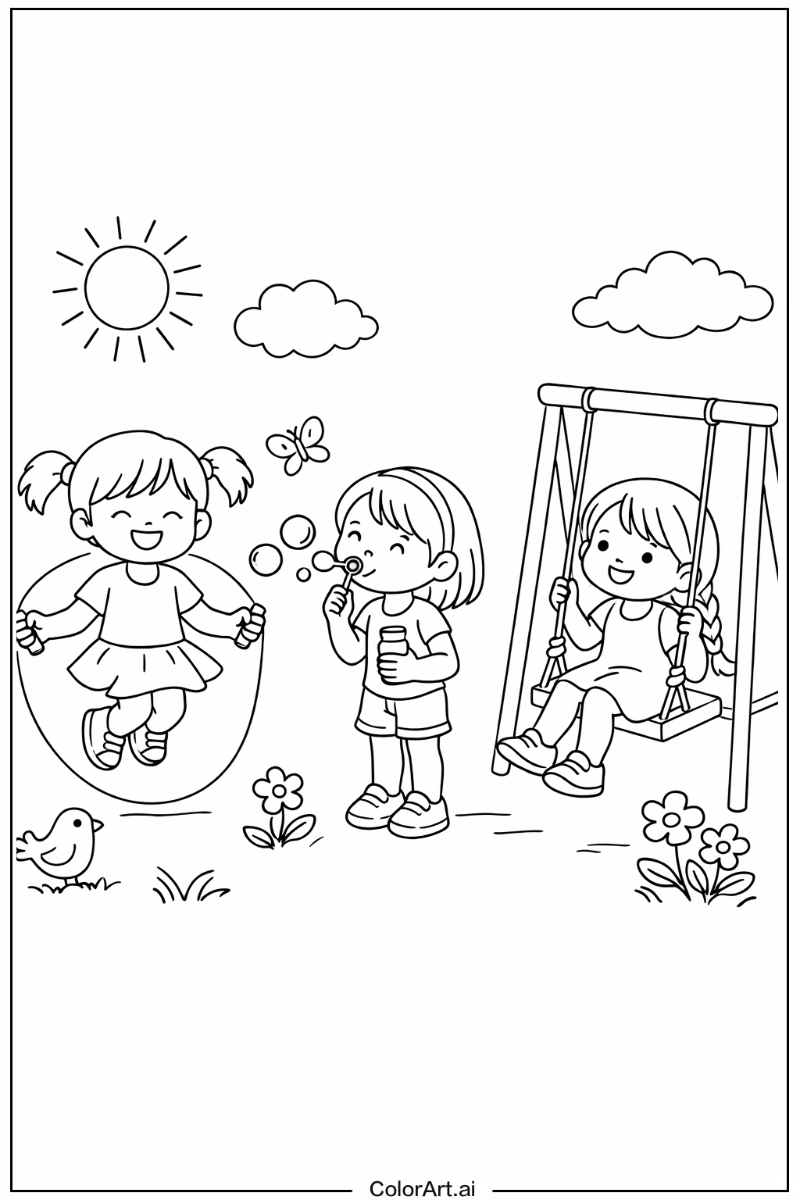
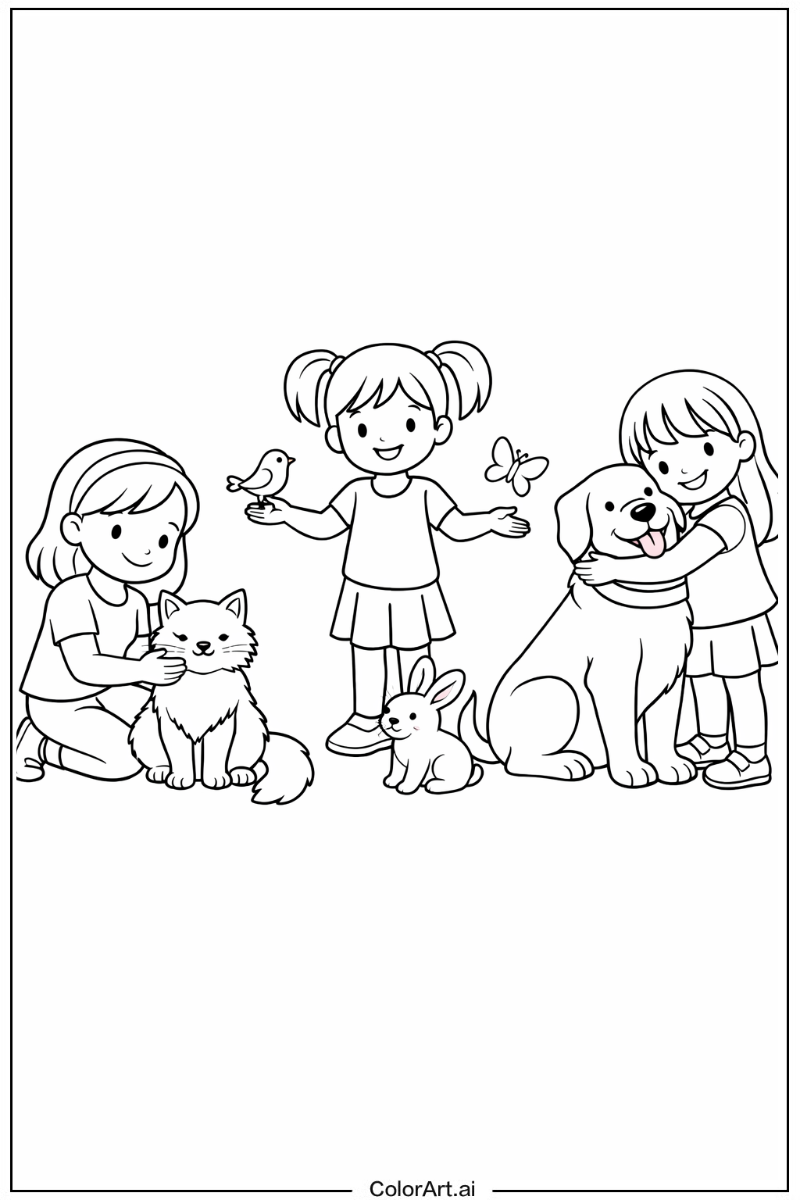
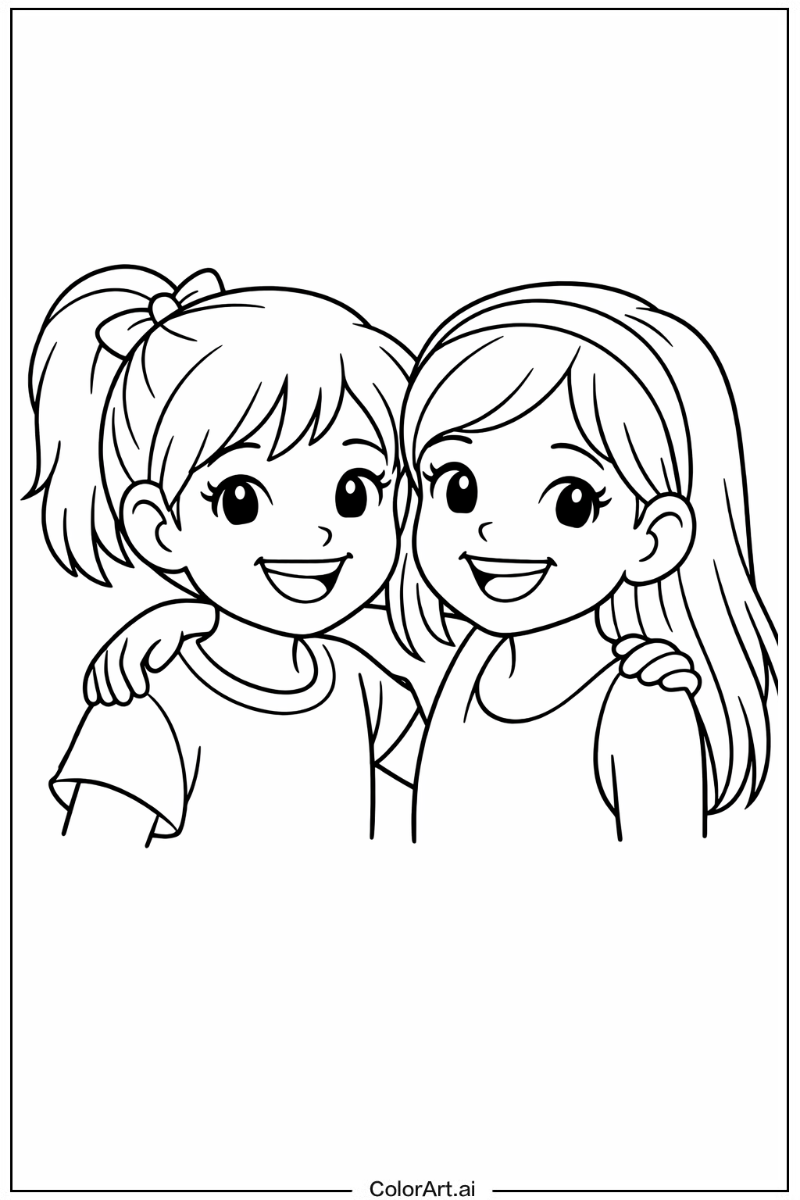
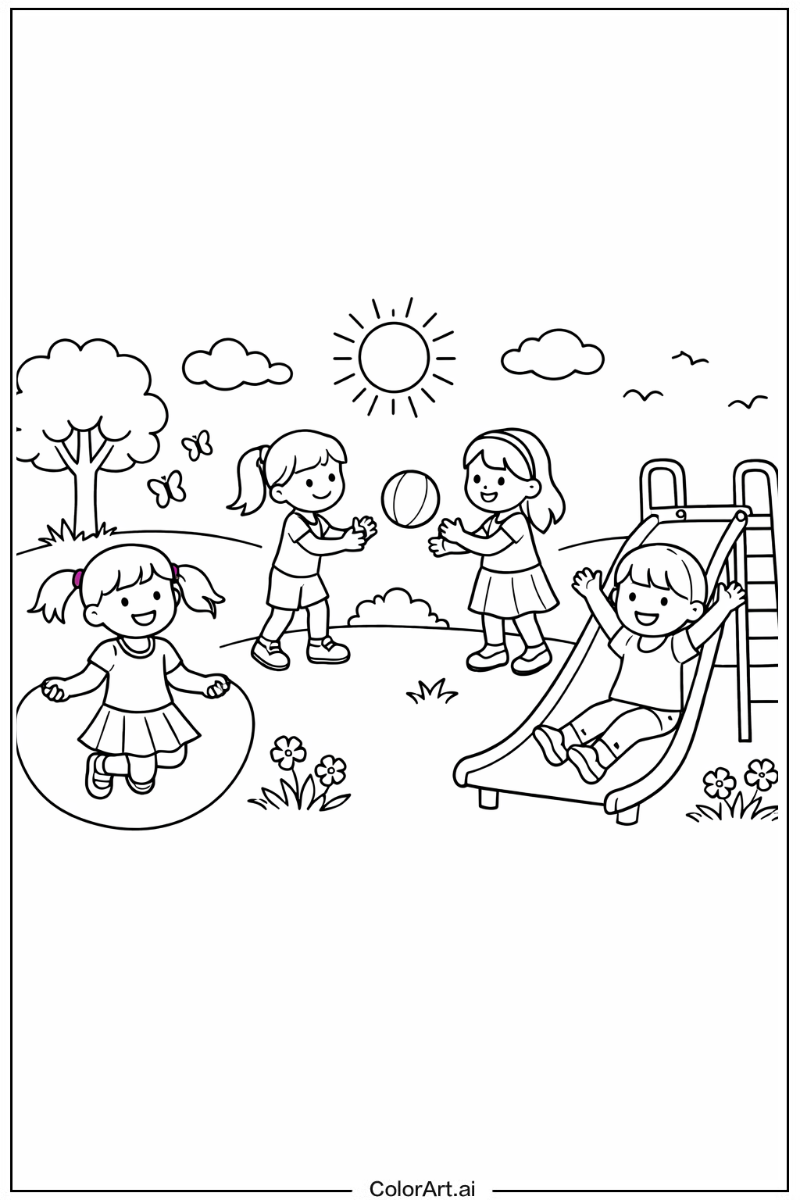
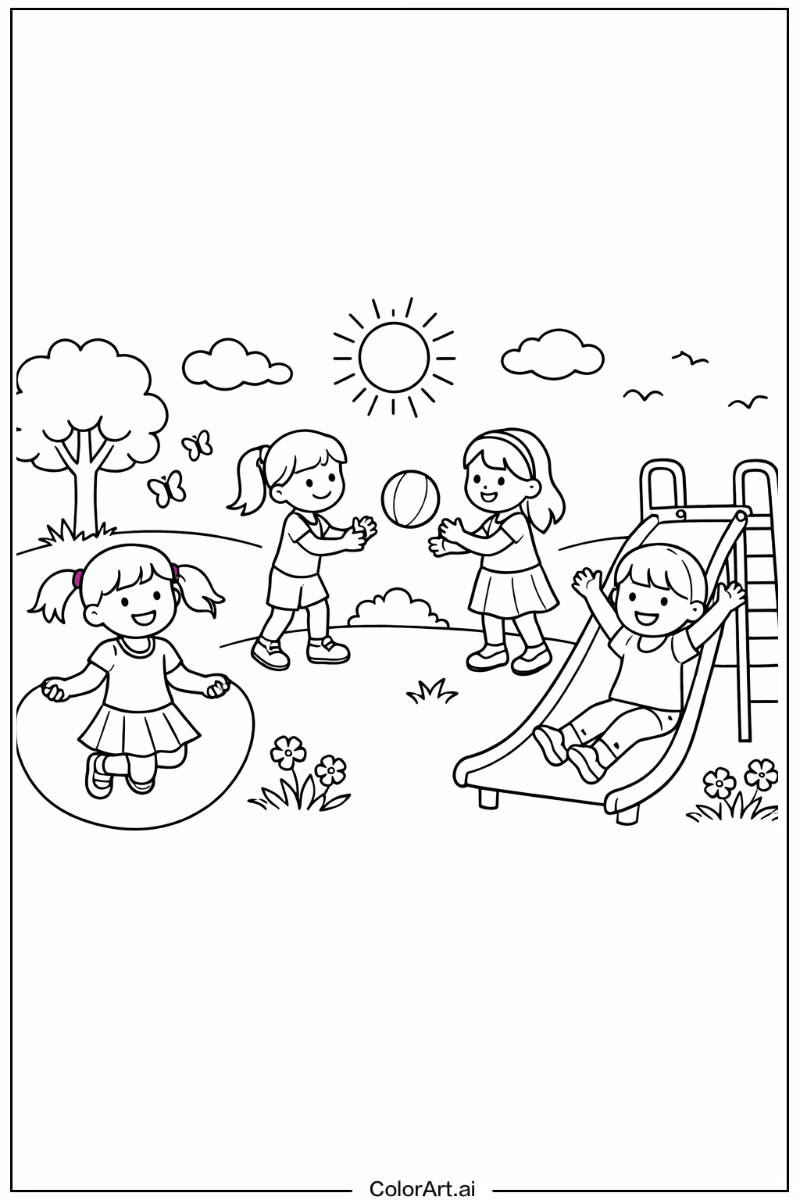
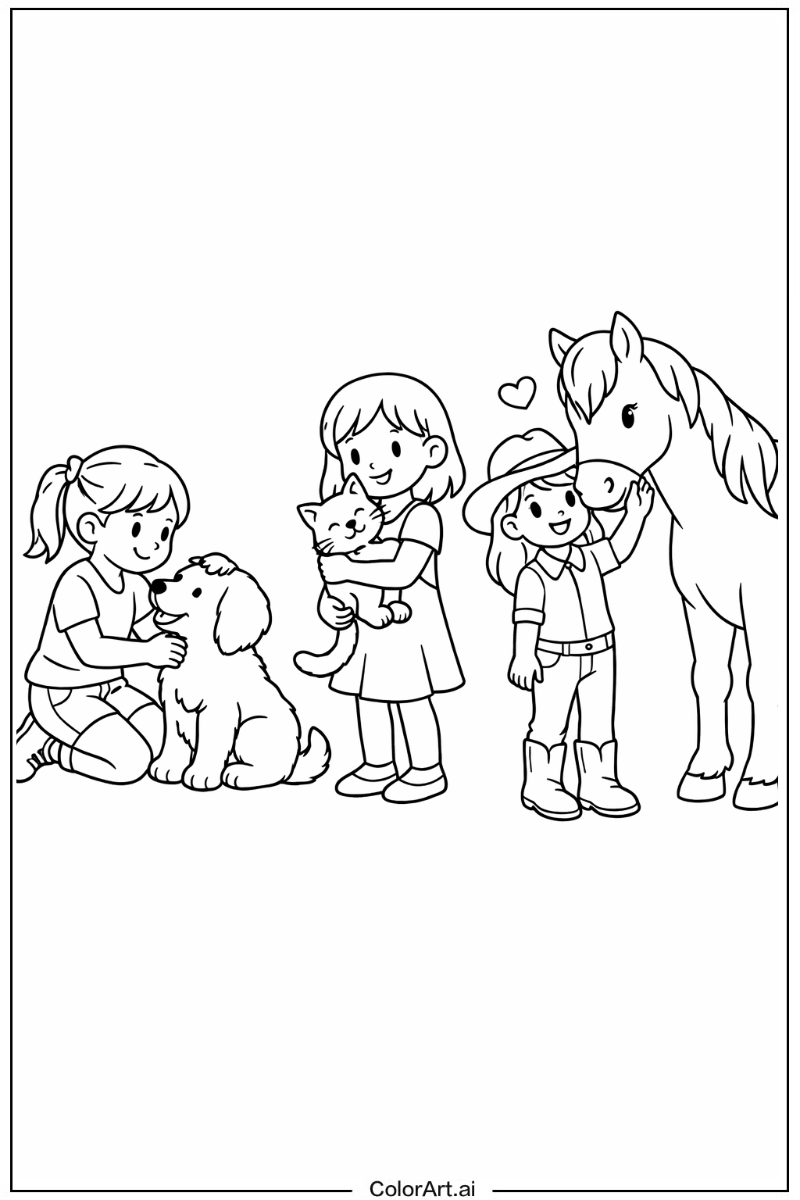
Grupowe kolorowanki
 PDF
PDF
 PNG
PNG
 PNG
PNG
 PNG
PNG
 PNG
PNG
 PNG
PNG
 PNG
PNG
 PNG
PNG
 PNG
PNG
 PNG
PNG
 PNG
PNG
 PNG
PNG
 PNG
PNG
 PNG
PNG
 PNG
PNG
 PNG
PNG
 PNG
PNG
 PNG
PNG
 PNG
PNG
 PNG
PNG
 PNG
PNG
 PNG
PNG
 PNG
PNG
 PNG
PNG
 PNG
PNG
 PNG
PNG
 PNG
PNG
 PNG
PNG
 PNG
PNG
 PNG
PNG
 PNG
PNG
 PNG
PNG
 PNG
PNG
 PNG
PNG
 PNG
PNG
 PNG
PNG
 PNG
PNG
Zrozumieć dziewczynki: perspektywa kulturowa i biologiczna
Dziewczynki to żeńskie dzieci, zazwyczaj poniżej 18 roku życia, z bogatym tłem historycznym i kulturowym. Biologicznie dziewczynki posiadają chromosomy XX i przechodzą różne kamienie milowe rozwoju, w tym dojrzewanie, które zazwyczaj występuje między 10 a 14 rokiem życia. Okres ten charakteryzuje się znaczącymi zmianami, zarówno fizycznymi, jak i emocjonalnymi. Ucząc moich uczniów o otaczającym ich świecie, często włączam dyskusje na temat znaczenia ról dziewczynek w historii. Wyjaśniam na przykład, jak koncepcja dziewczynek ewoluowała od uczestnictwa we wspólnej pracy w społeczeństwach rolniczych do stania się orędowniczkami edukacji i praw. Fascynujące jest obserwowanie, jak współczesne dziewczynki ucieleśniają siłę i odporność, co pokazują postacie takie jak Malala Yousafzai, która wspiera edukację dziewcząt. W mojej klasie zachęcam dziewczynki do odkrywania własnej tożsamości poprzez sztukę, używając kolorowanek, które przedstawiają ich unikalne historie i aspiracje.
Korzyści z zajęć z kolorowankami dla dziewczynek w klasie
Wprowadzenie kolorowanek do klasy może przynieść dziewczynkom ogromne korzyści. Jak zaobserwowałam w mojej własnej praktyce nauczycielskiej, kolorowanie wspomaga rozwój umiejętności motorycznych i koordynacji ręka-oko, szczególnie wśród młodszych dziewczynek. Pamiętam nieśmiałą uczennicę o imieniu Sophie, która miała trudności z chwytem; jednak po regularnych ćwiczeniach z kolorowankami, jej kontrola nad narzędziami pisarskimi znacznie się poprawiła. Korzyści poznawcze są równie imponujące, ponieważ kolorowanie zwiększa koncentrację i skupienie. Często widzę, jak moi uczniowie są głęboko zaangażowani w swoją pracę, co nie tylko rozwija dbałość o szczegóły, ale także poprawia ich samopoczucie emocjonalne. Badania sugerują, że zajęcia takie jak kolorowanie mogą redukować stres i promować uważność – co zauważyłam na własne oczy, gdy moi uczniowie używają kolorowanek z mandalami przed sprawdzianami. Włączenie kolorowanek do przedmiotów takich jak przyroda, historia i język polski również wzbogaca ich doświadczenie edukacyjne, pozwalając im twórczo wyrazić swoje zrozumienie tematu. Na przykład używanie kolorowanek dla dziewczynek przedstawiających postacie historyczne prowokuje ożywione dyskusje na temat ich wkładu w rozwój świata.
Praktyczne techniki kolorowania dla dziewczynek
Jeśli chodzi o kolorowanie, istnieje kilka technik, które mogą wzbogacić to doświadczenie. Przede wszystkim zawsze zachęcam moich uczniów do wybierania kolorów, które do nich osobiście przemawiają. Emma powiedziała mi kiedyś, że czuła się wzmocniona, gdy pokolorowała swoją stronę z księżniczką na odważne, niekonwencjonalne kolory. Ta swoboda wyboru sprzyja kreatywności i wyrażaniu siebie. Dodatkowo polecam różnicowanie używanych materiałów. Podczas gdy kredki to klasyczny wybór, wprowadzenie kredek ołówkowych, mazaków, a nawet akwareli może uczynić doświadczenie kolorowania bardziej dynamicznym. Młodszym dziewczynkom sugeruję zaczynanie od prostszych wzorów i stopniowe wprowadzanie bardziej skomplikowanych wzorów w miarę rozwoju ich umiejętności. Na koniec podkreślam znaczenie dzielenia się swoimi gotowymi pracami z klasą, co buduje pewność siebie i pozwala na wspólne docenienie wysiłku. Kiedy dziewczynki pokazują swoje prace, tak jak zrobiła to Mia ze swoim żywym przedstawieniem dziewczynki-astronautki, tworzy to poczucie wspólnoty i świętowanie talentów każdej z nich.
Aktualne trendy w edukacji artystycznej dziewcząt
W 2026 roku świat mody i edukacji artystycznej dla dziewczynek tętni ekscytującymi trendami. Czytając o najnowszych stylach mody typu "it-girl", zastanawiam się, jak te trendy wpływają na samoocenę i kreatywność dziewcząt. Marki takie jak Peachy Den i Miista robią furorę swoją zabawną estetyką, która zachęca dziewczynki do przyjęcia własnego, unikalnego stylu. Na moich zajęciach plastycznych często dostrzegam podobieństwa między tymi trendami a tematami, które zgłębiamy podczas naszych zajęć z kolorowankami. Na przykład podczas niedawnego projektu moi uczniowie kolorowali strony przedstawiające różnorodne reprezentacje dziewczynek w różnych zawodach, co odzwierciedla pozytywne podejście do ciała i pewność siebie widoczną w popkulturze. To krzepujące widzieć, jak moje uczennice, takie jak Emma i Ava, używają tych tematów do tworzenia żywych prac, które celebrują to, kim są. Te aktualne trendy nie tylko inspirują do kreatywności, ale także wzmacniają dziewczynki w wyrażaniu swojej indywidualności poprzez sztukę.
Najczęściej zadawane pytania dotyczące kolorowanek dla dziewczynek
P: Dla jakiego wieku są odpowiednie kolorowanki dla dziewczynek? Kolorowanki są wszechstronne i mogą być przeznaczone dla szerokiego przedziału wiekowego. Zazwyczaj są odpowiednie dla dziewczynek od 3 roku życia, z różnym stopniem złożoności. Na przykład często używam prostszych wzorów dla moich młodszych uczniów i bardziej skomplikowanych mandali dla starszych dziewczynek. To świetny sposób na zaangażowanie ich w zależności od poziomu umiejętności.
P: Ile czasu zajmuje pokolorowanie kolorowanki dla dziewczynek? Czas potrzebny na ukończenie kolorowanki może się znacznie różnić w zależności od stopnia skomplikowania i skupienia poszczególnego dziecka. Zauważyłam, że młodsze dziewczynki mogą potrzebować około 15-30 minut, podczas gdy starsze mogą spędzić ponad godzinę na dopracowywaniu swojej pracy. Ważne jest, aby dać im czas, którego potrzebują, aby w pełni wyrazić siebie.
P: Czy mogę używać kolorowanek dla dziewczynek do celów edukacyjnych? Absolutnie! Kolorowanki dla dziewczynek mogą być wspaniałymi narzędziami do celów edukacyjnych. Można je włączyć do lekcji historii, przyrody, a nawet języka polskiego, promując zaangażowanie i poprawiając zrozumienie materiału. Wykorzystanie kolorowania jako narzędzia edukacyjnego było przełomem w mojej klasie.