Świętowanie kreatywności dzięki kolorowankom z pisankami
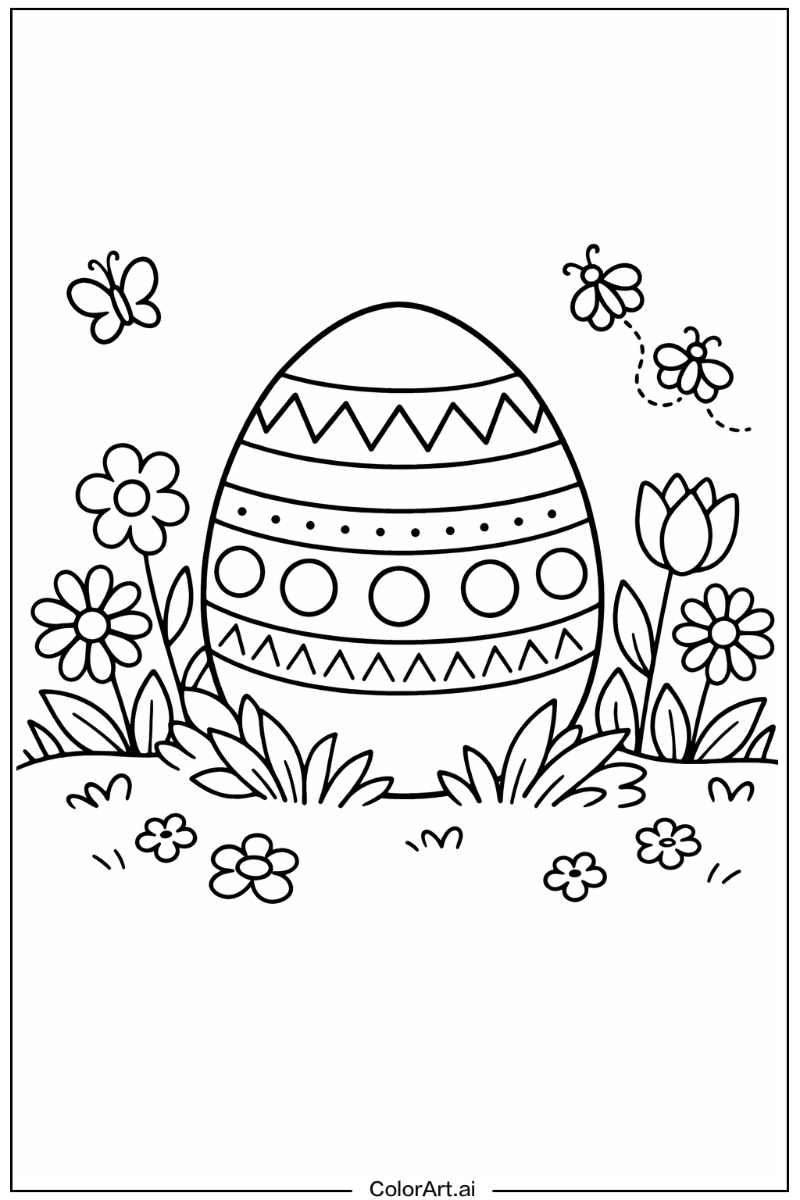
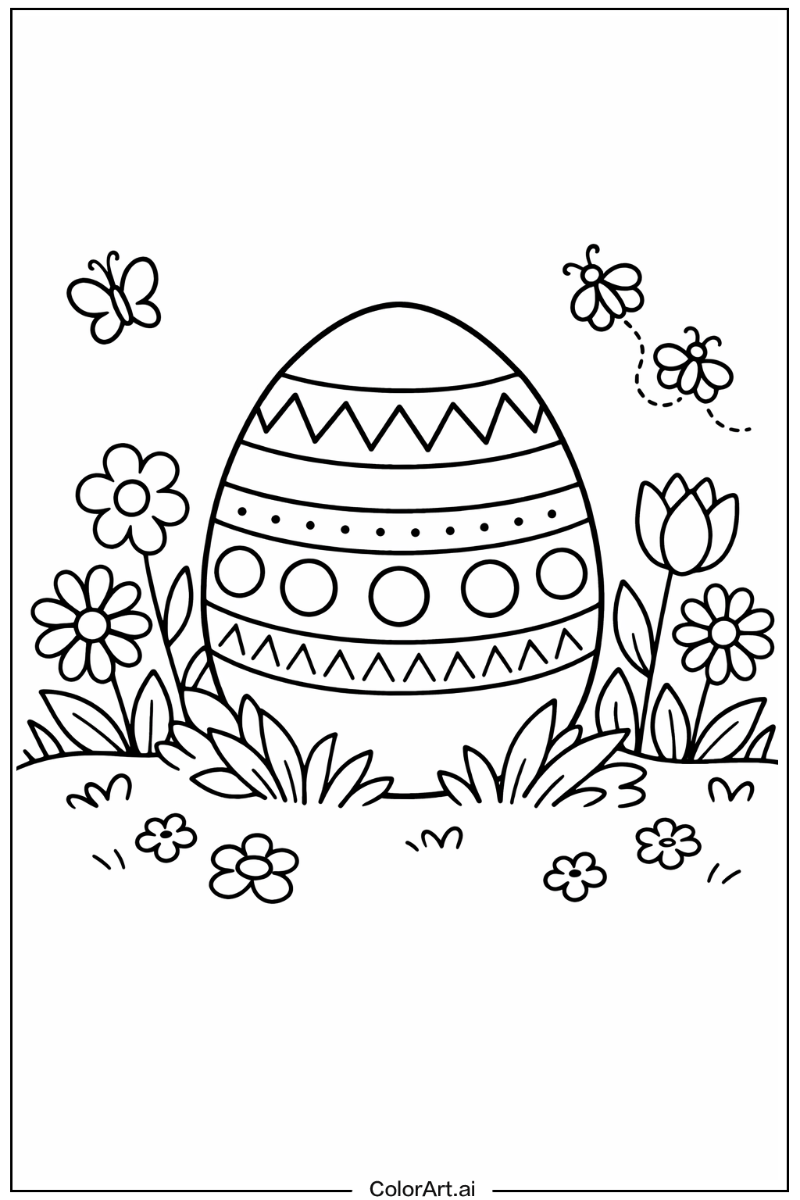
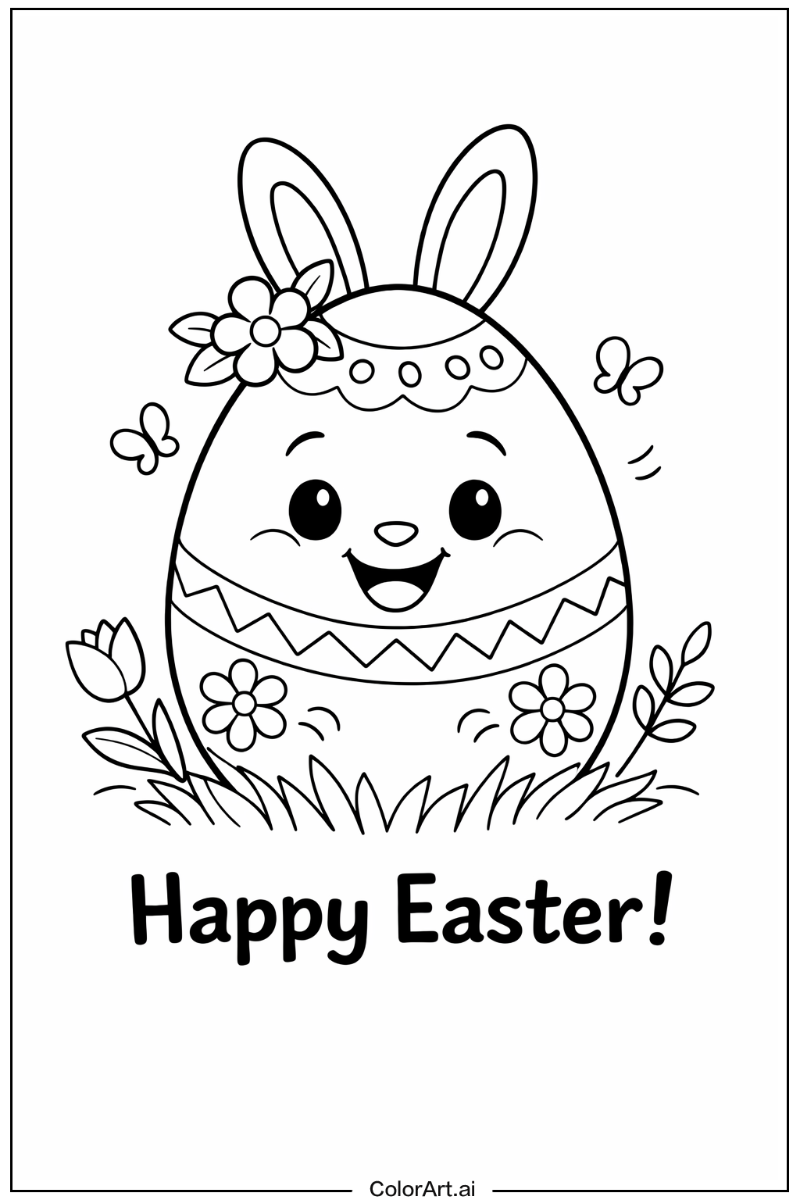
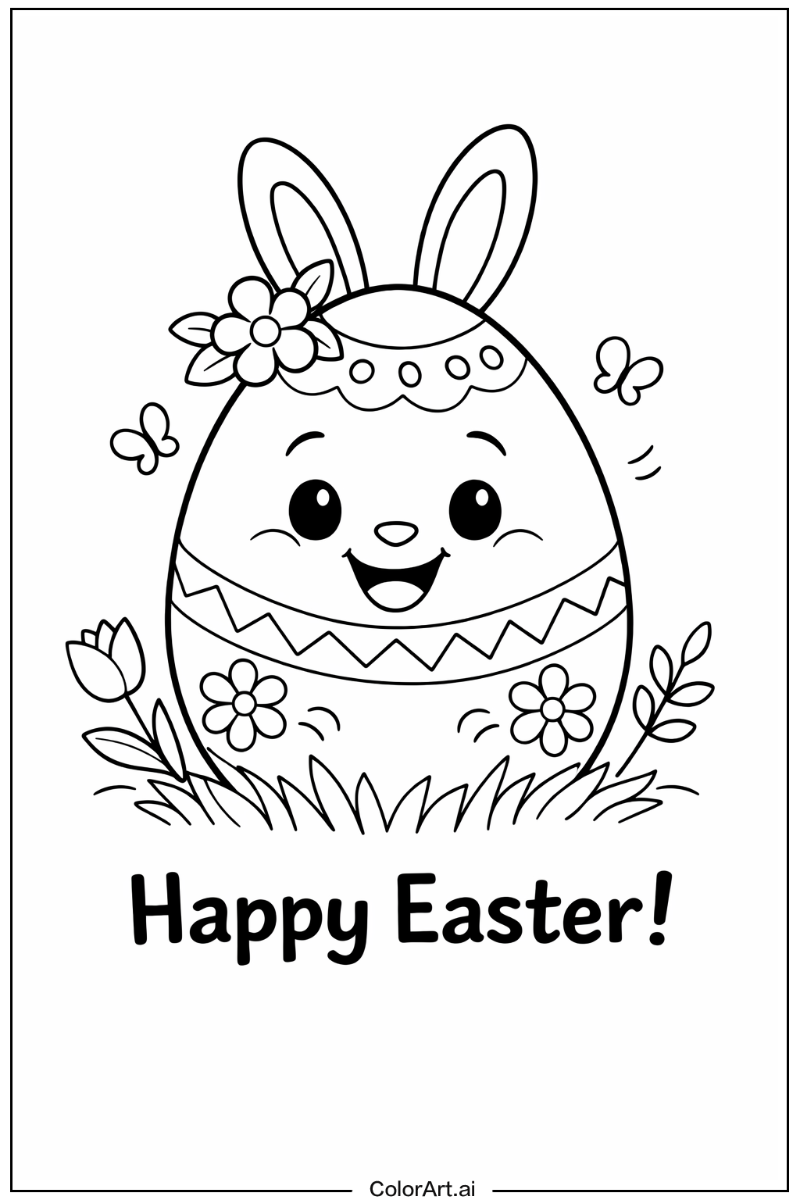
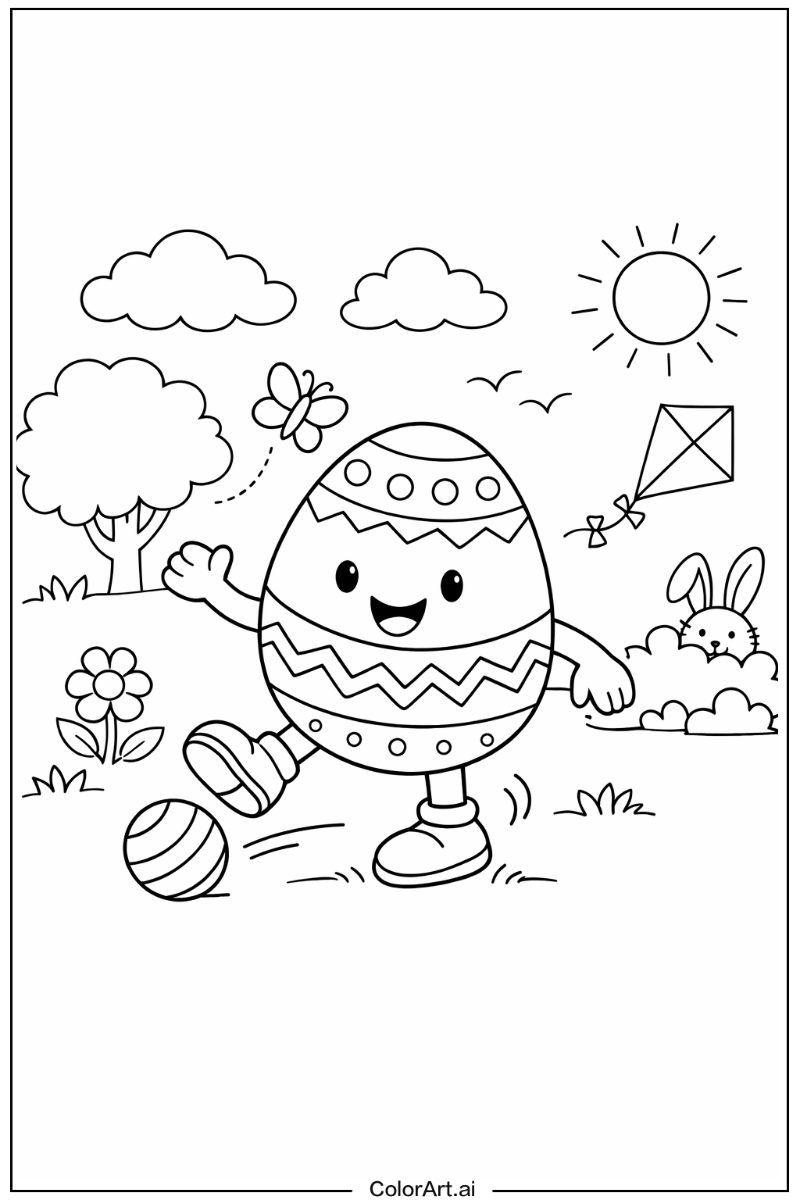
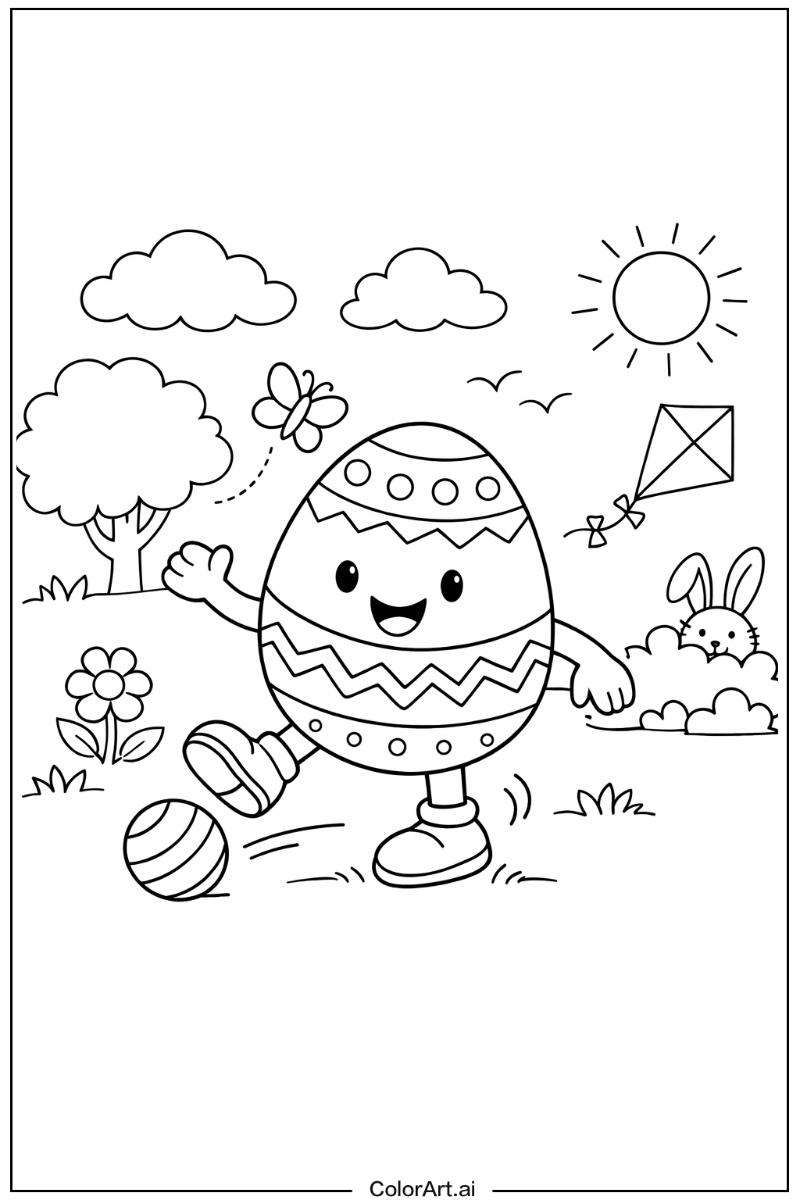
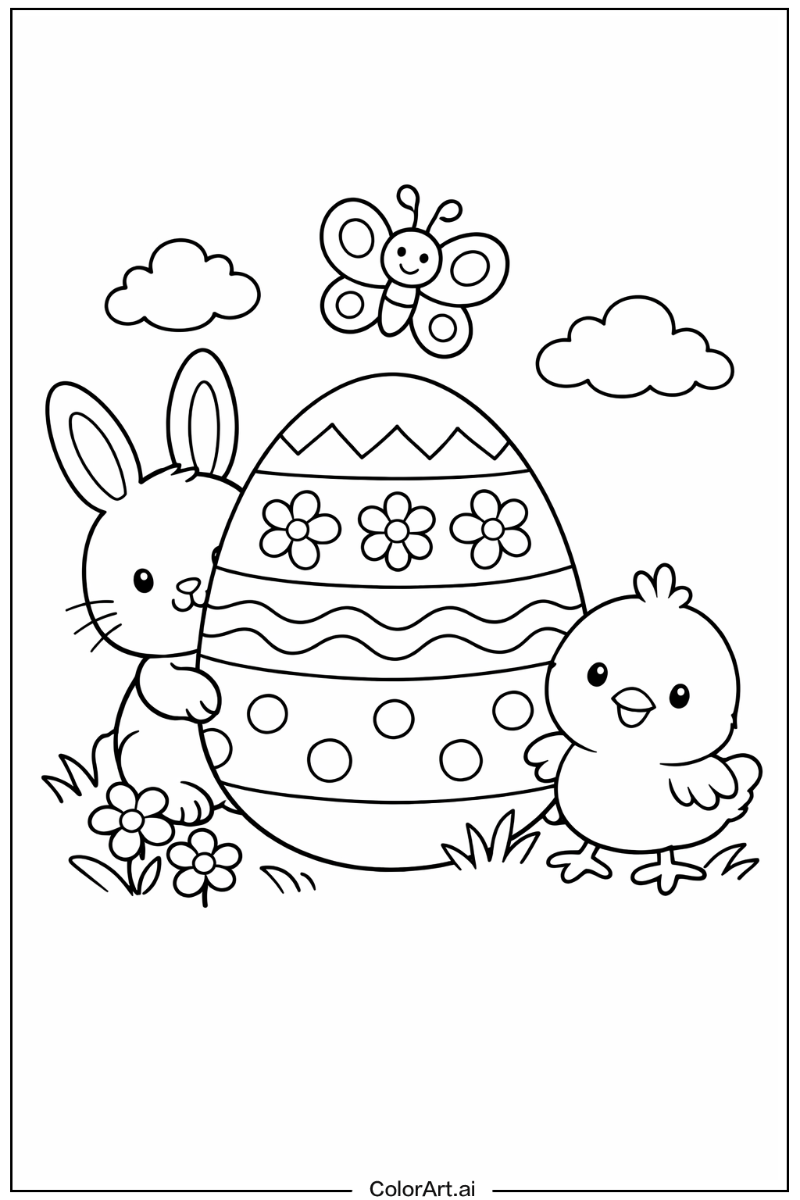
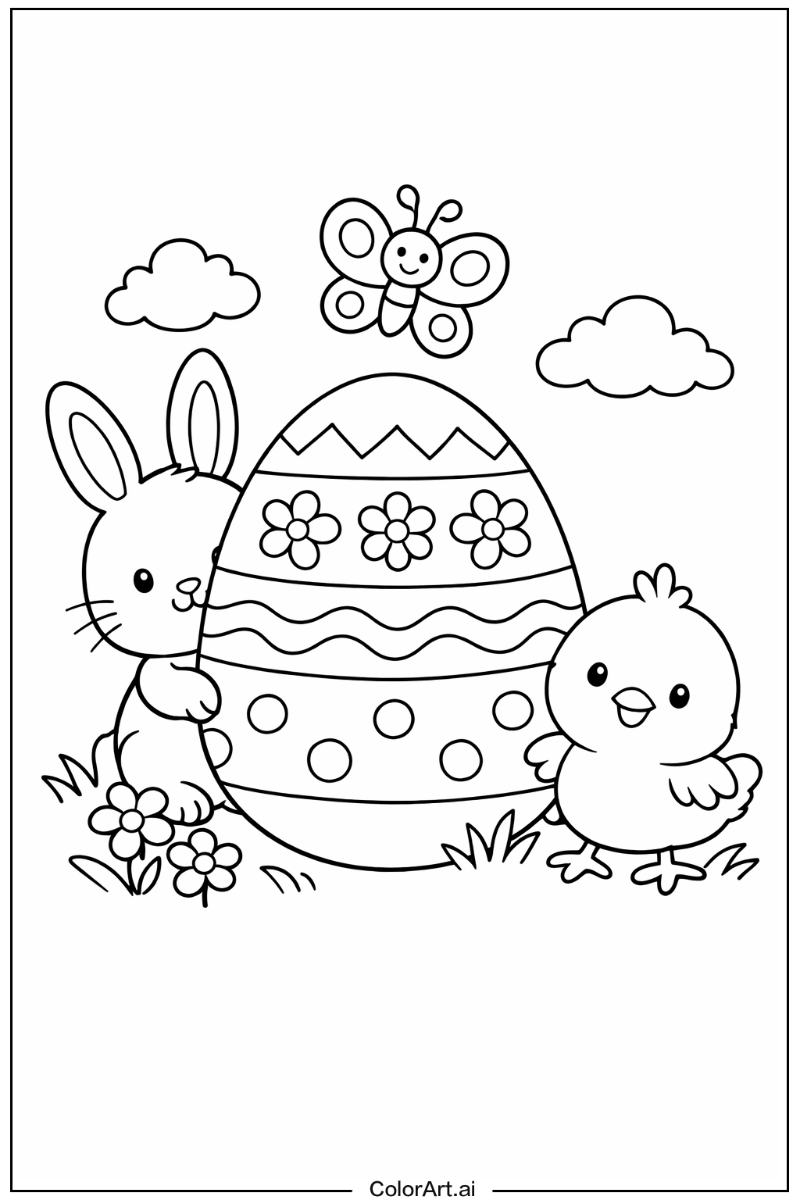
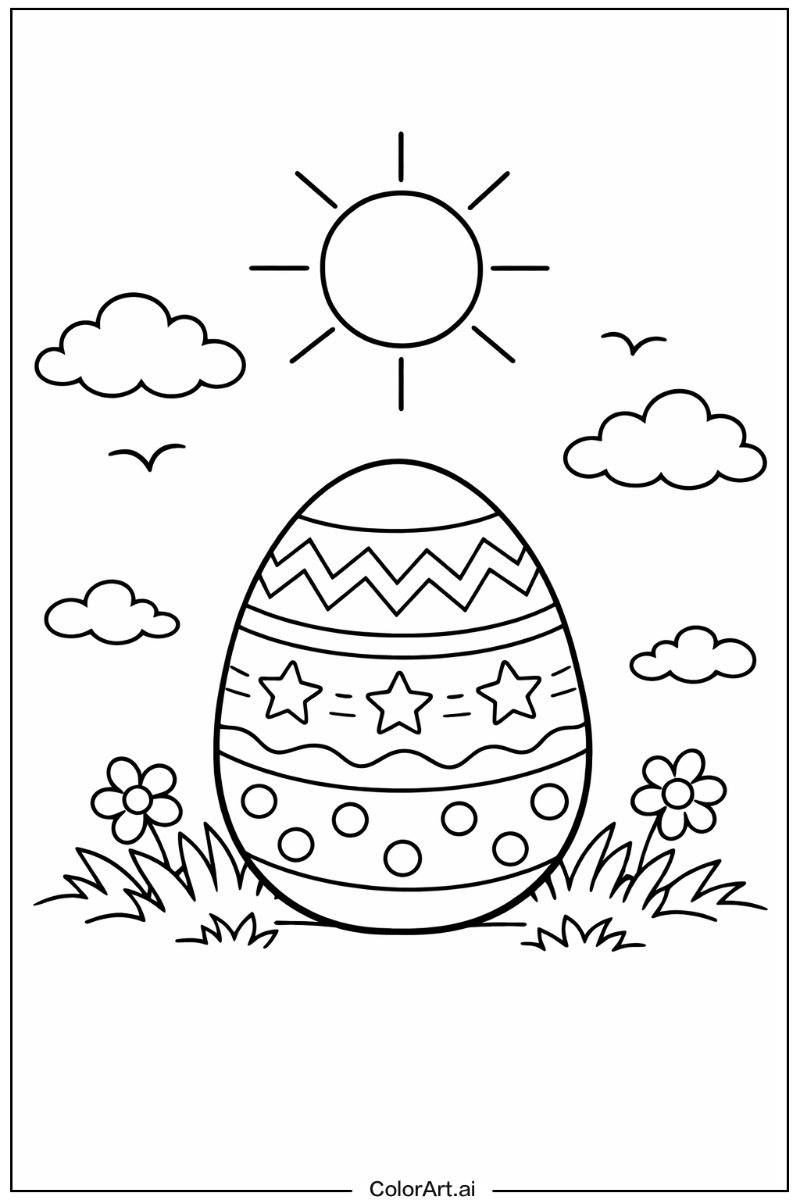
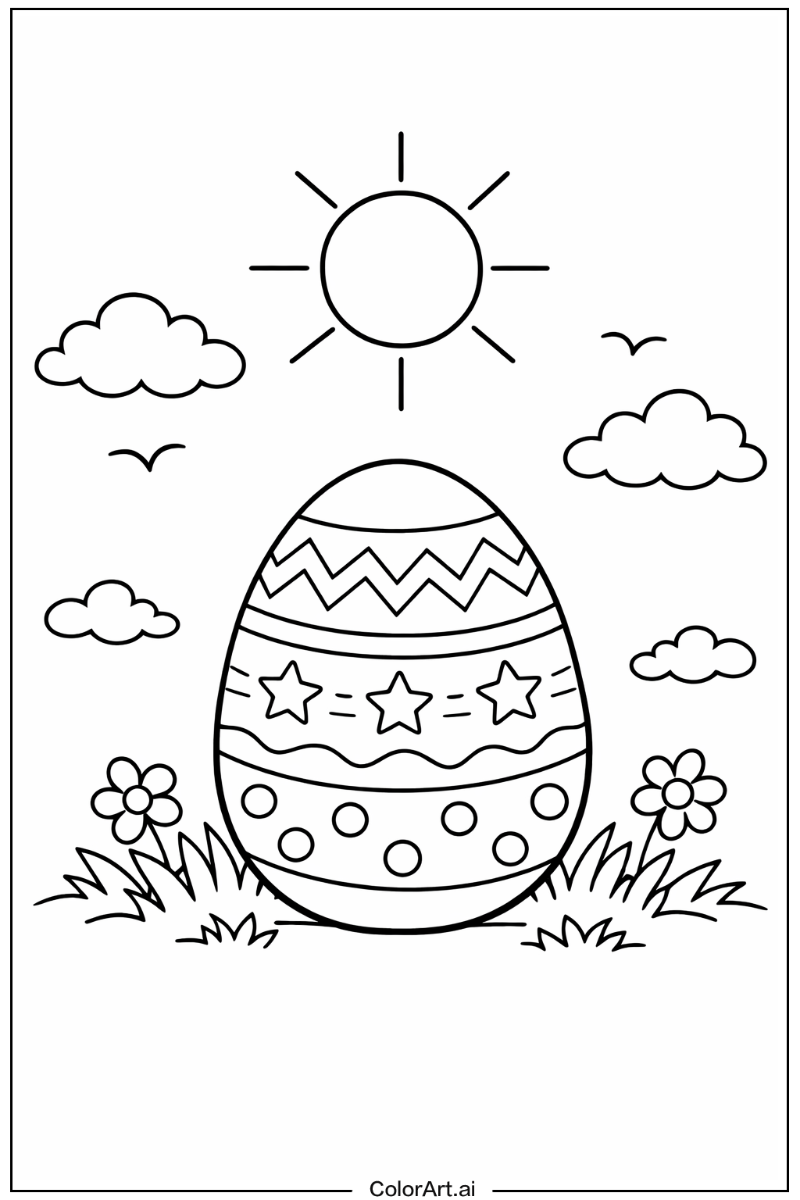
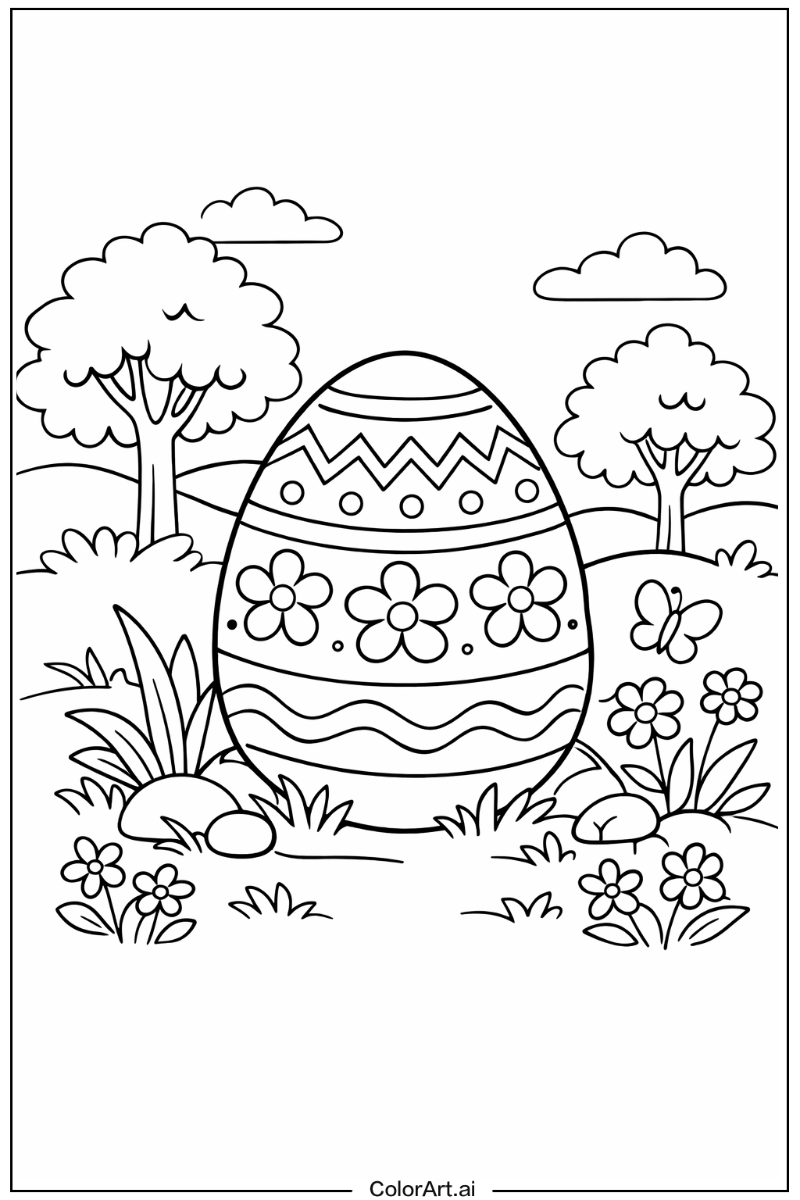
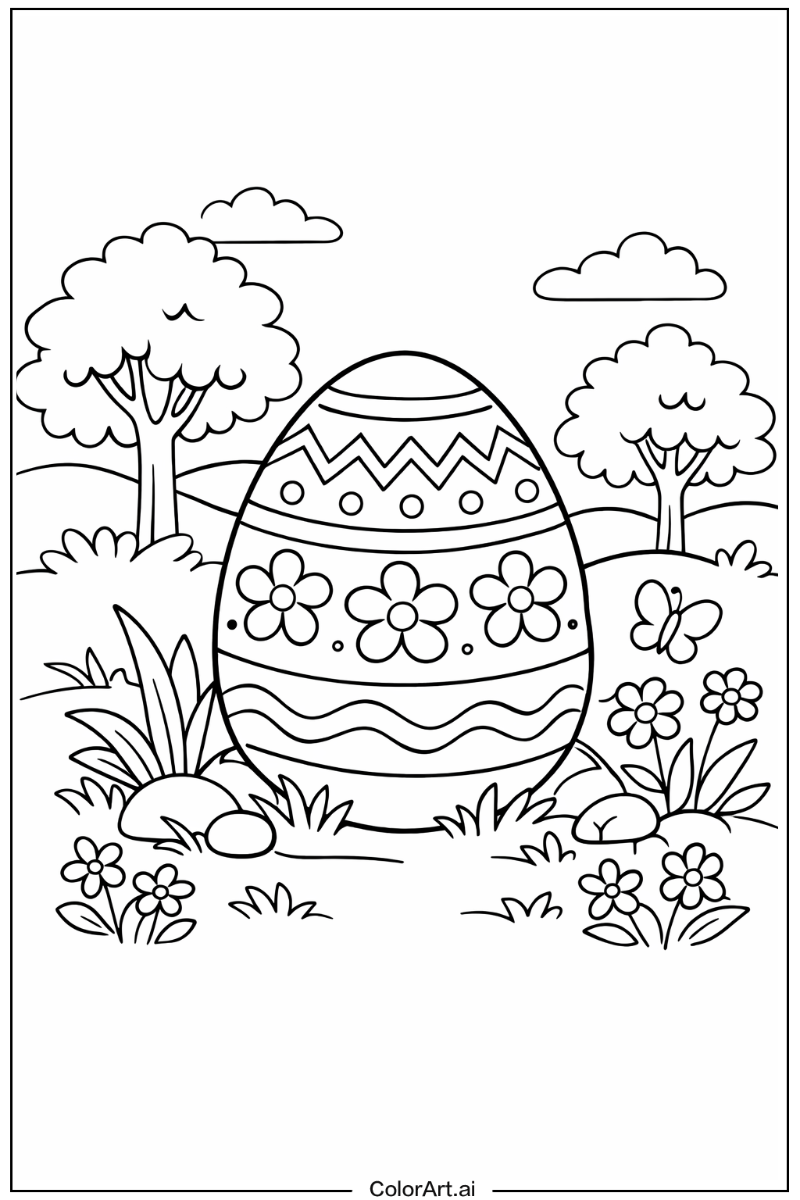
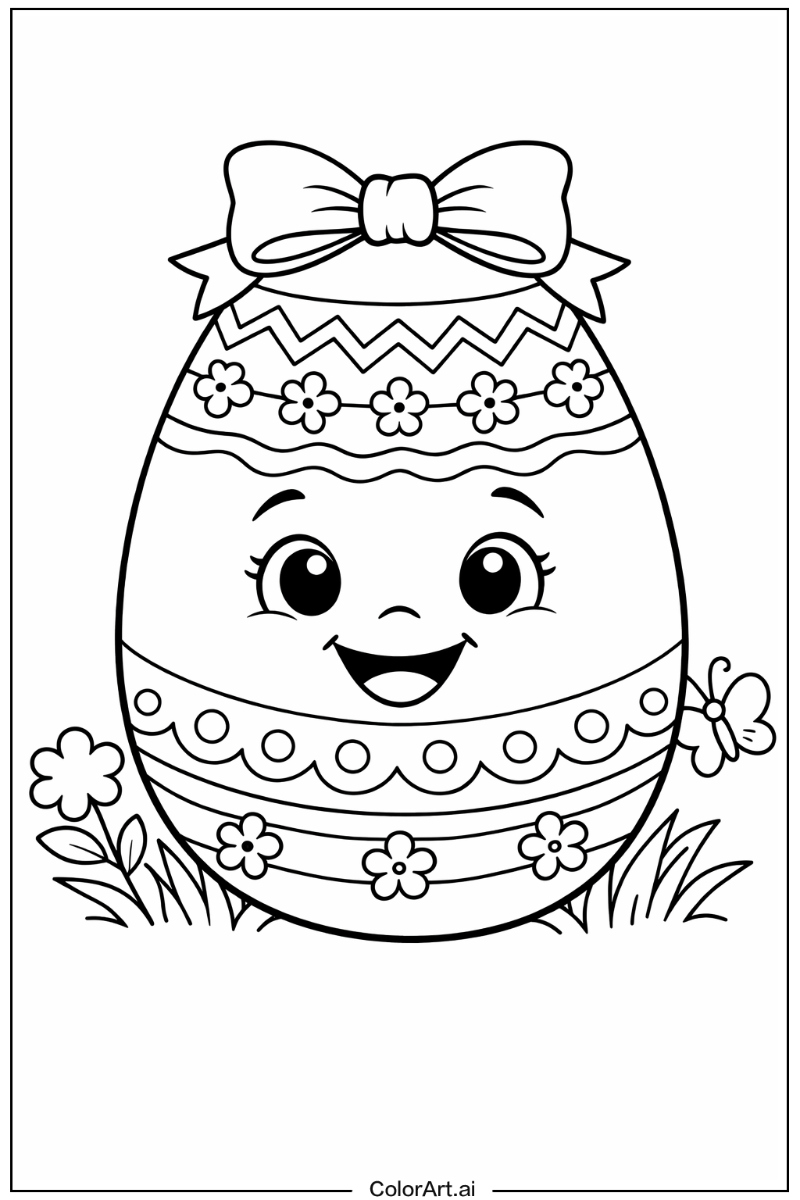
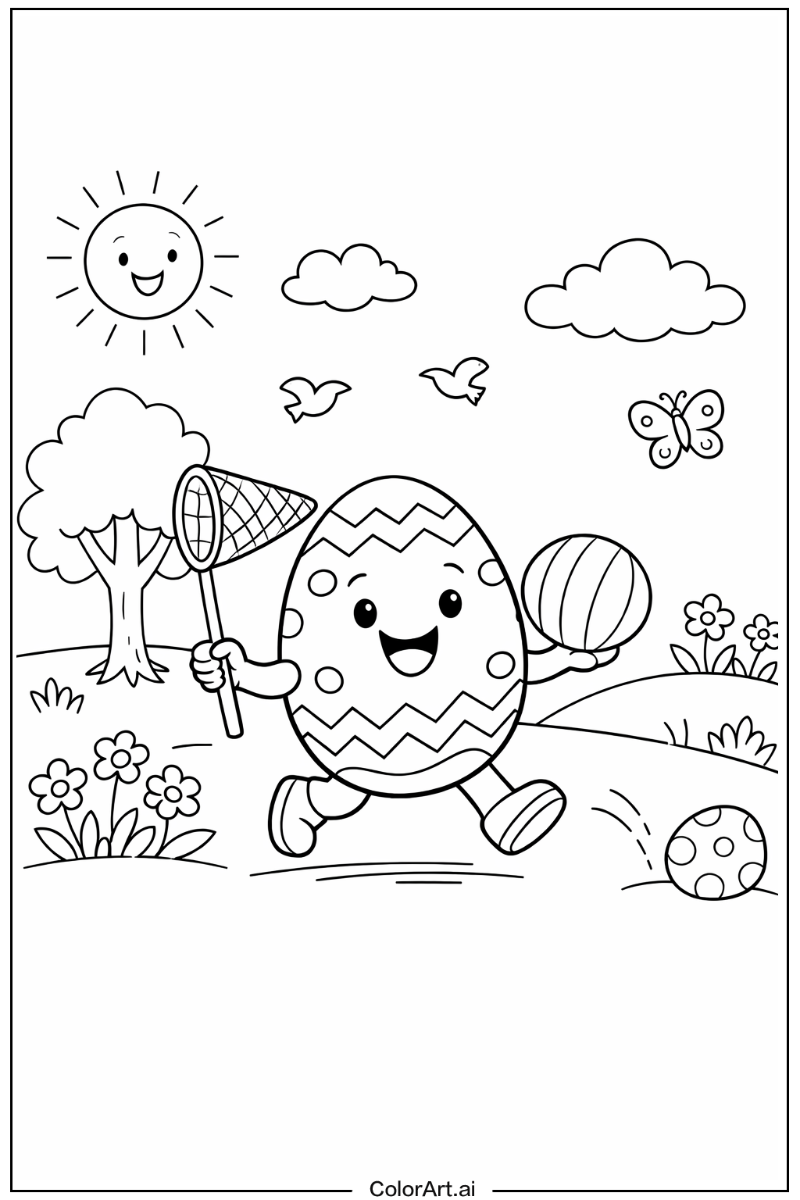
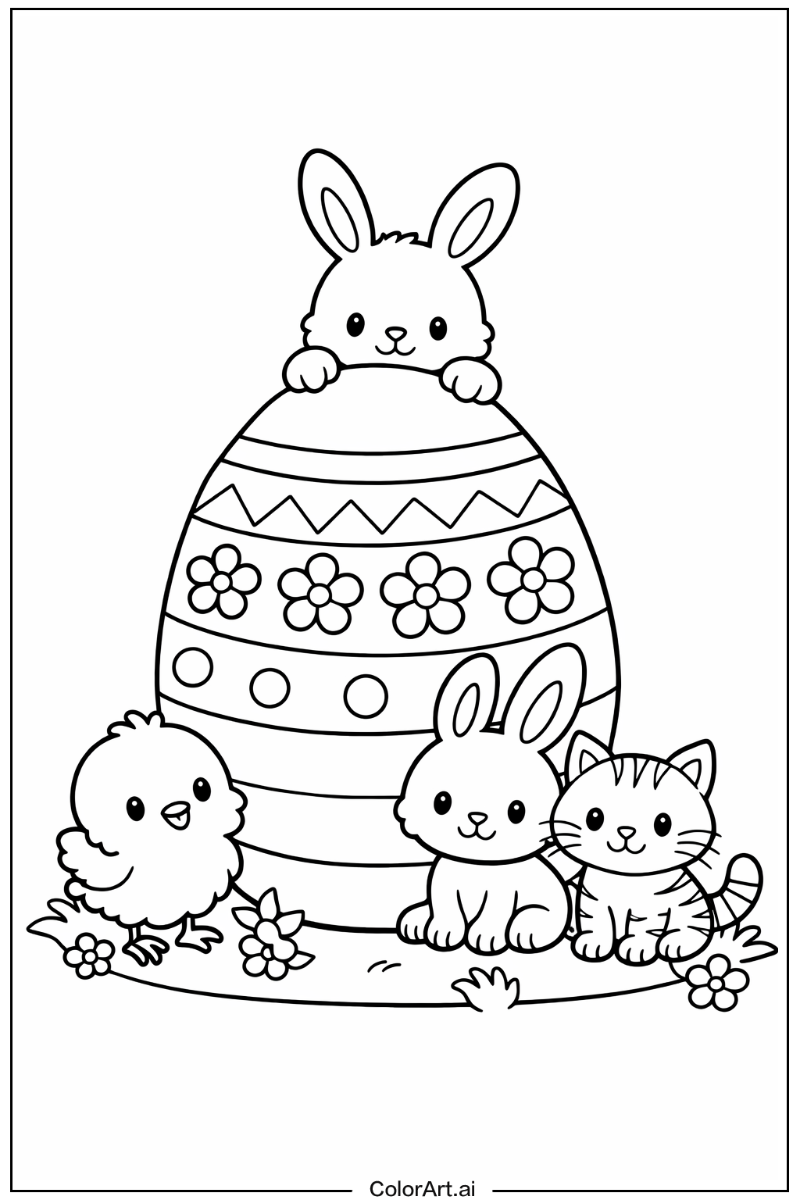
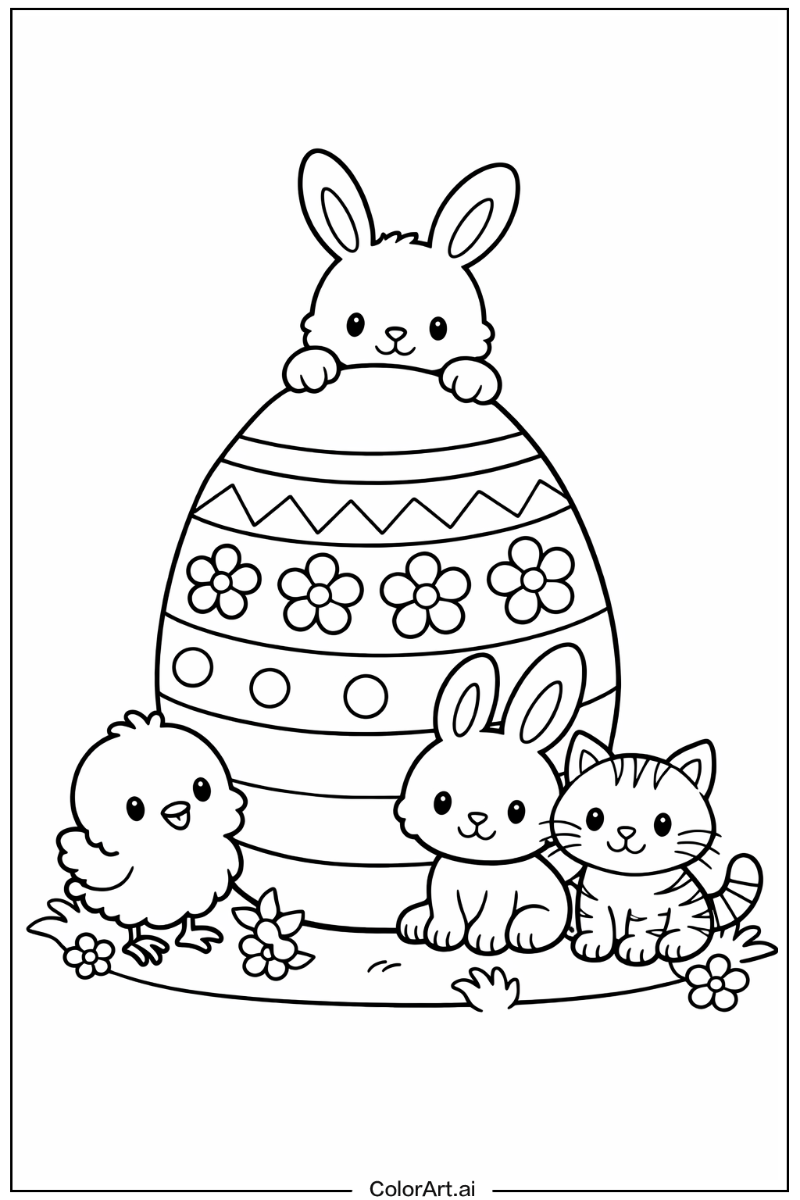
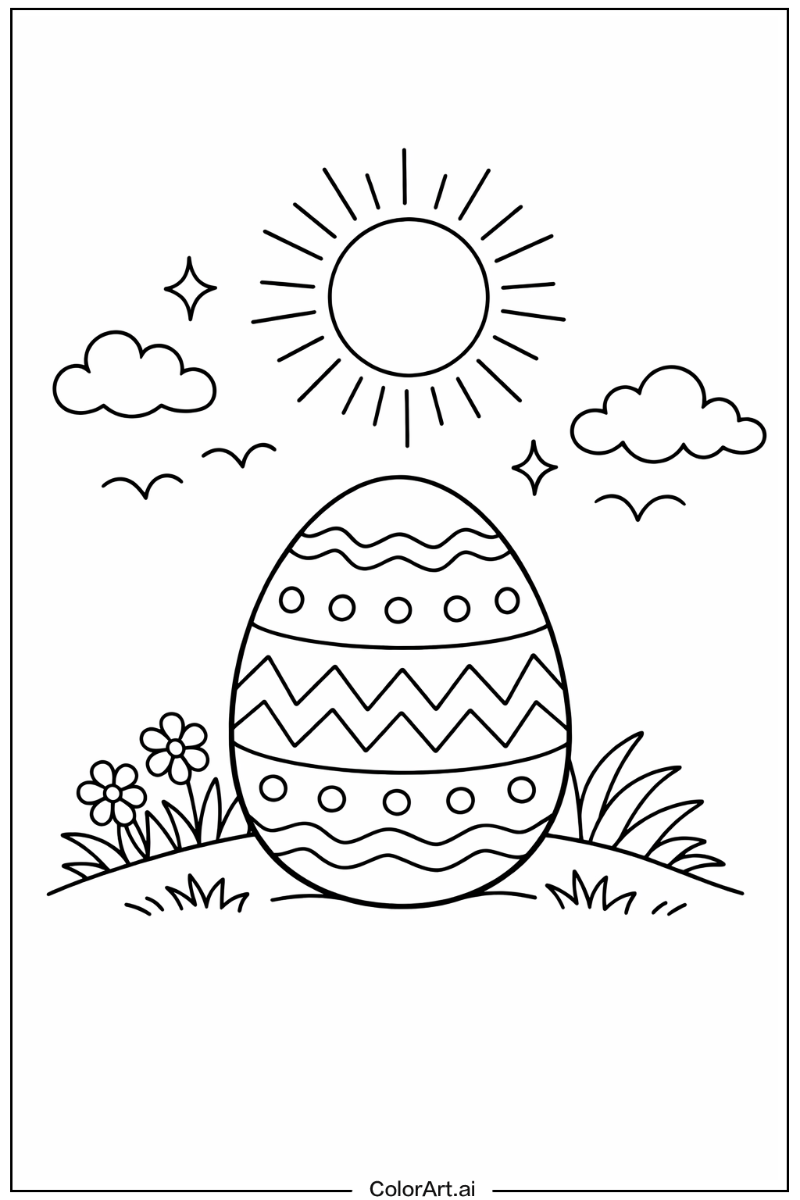
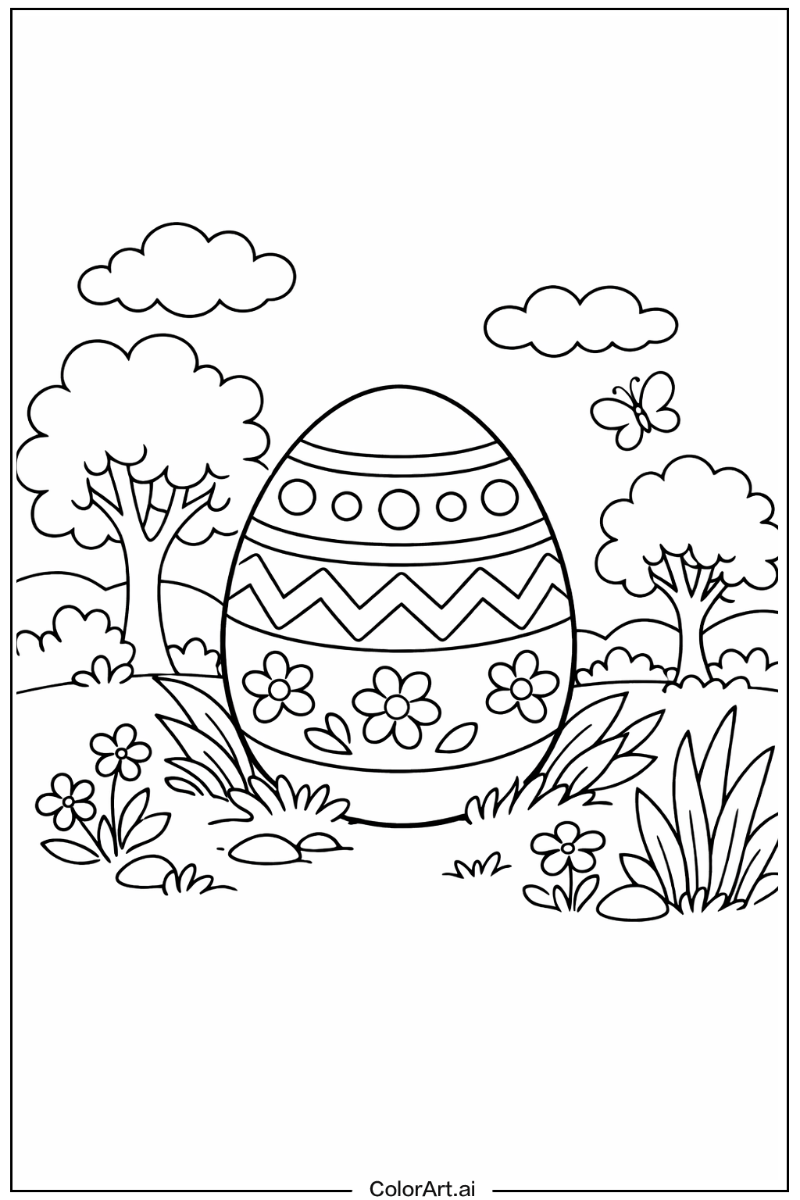
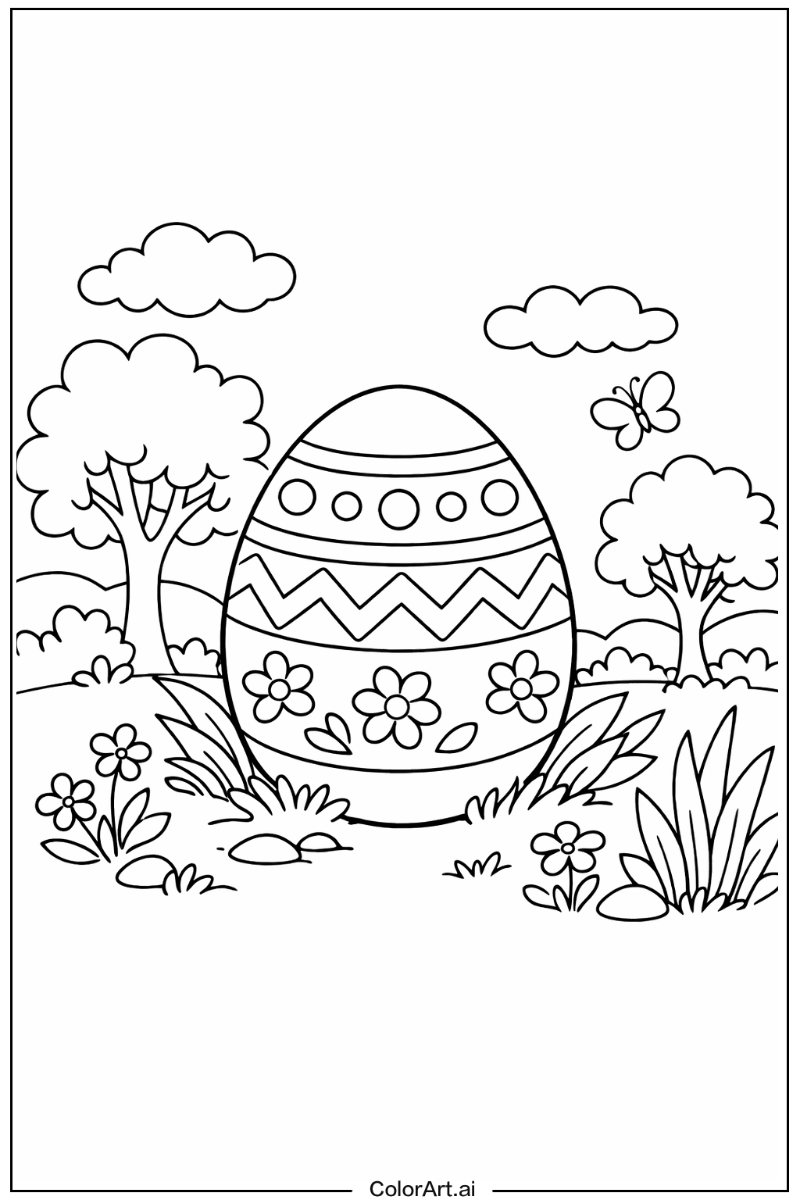
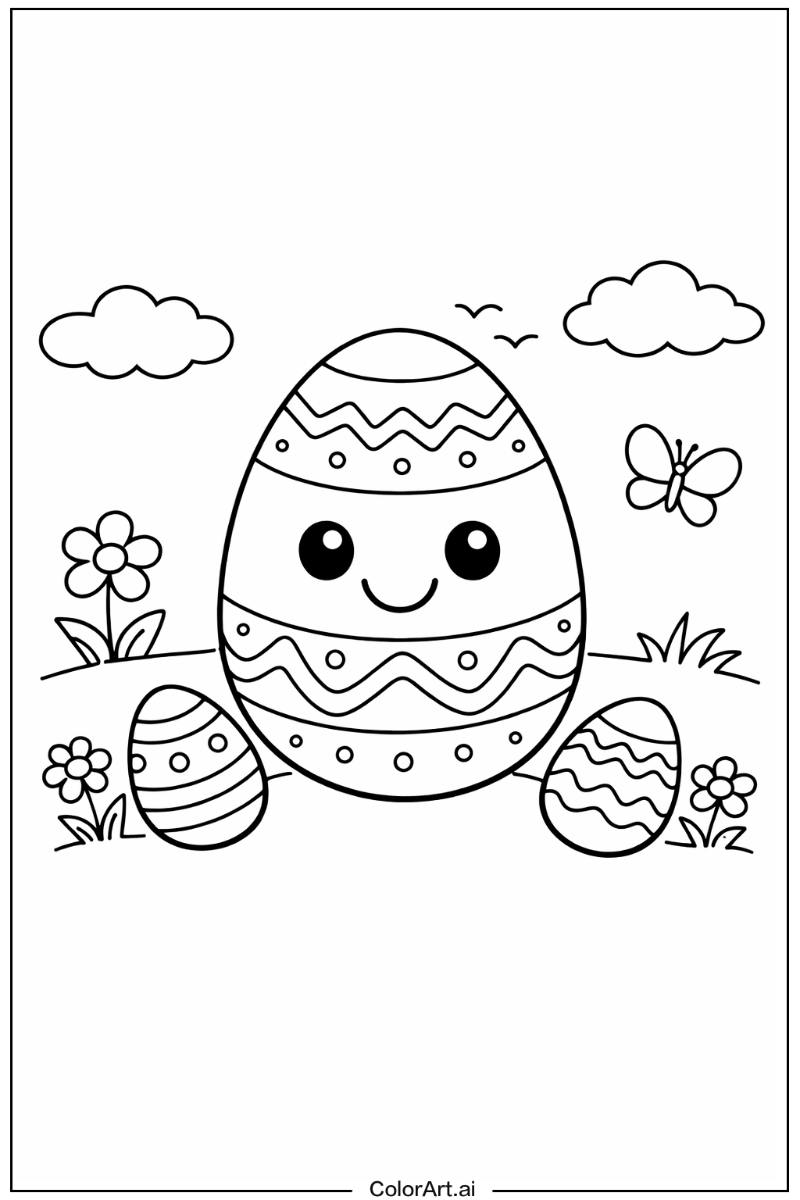
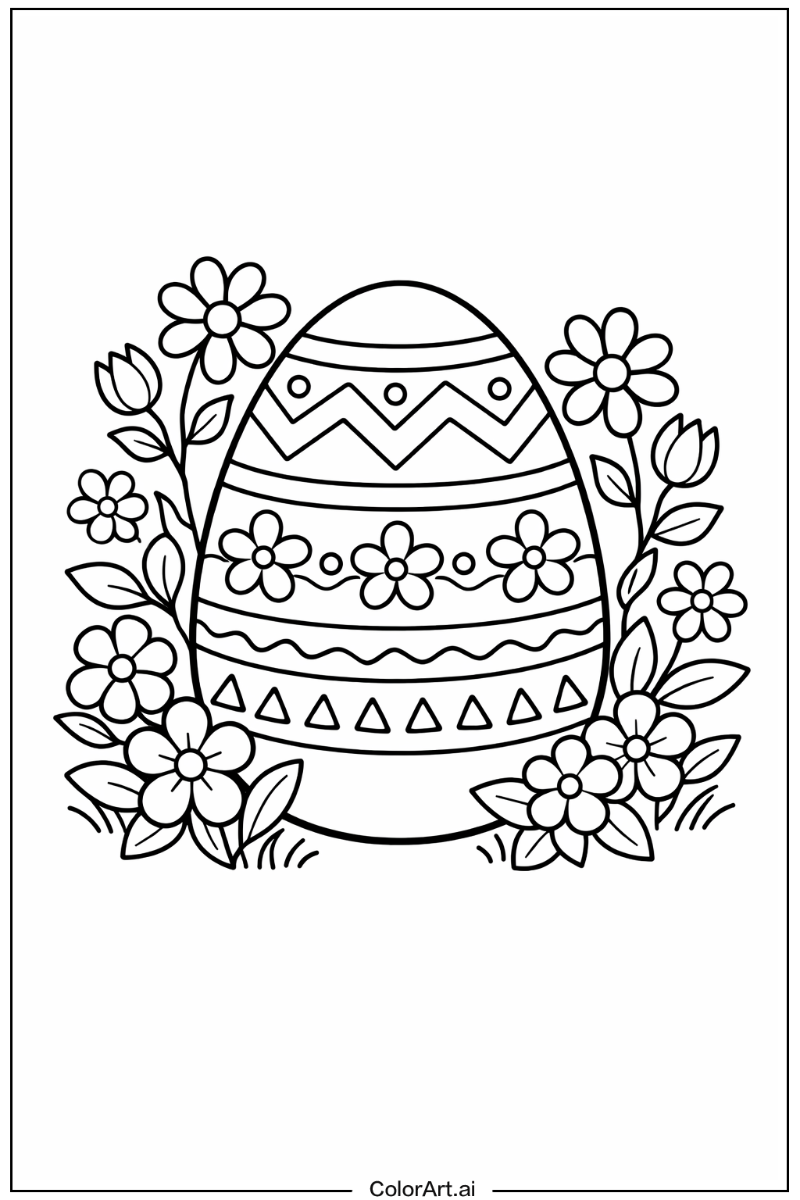
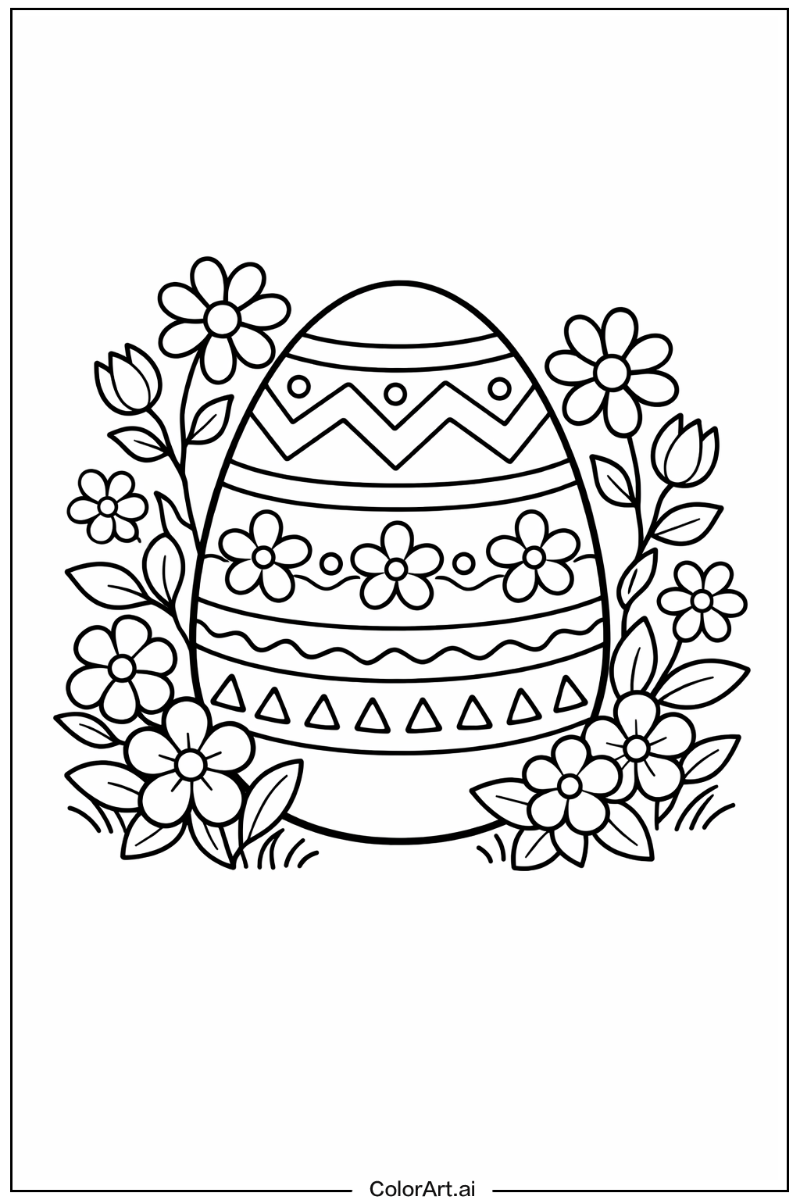
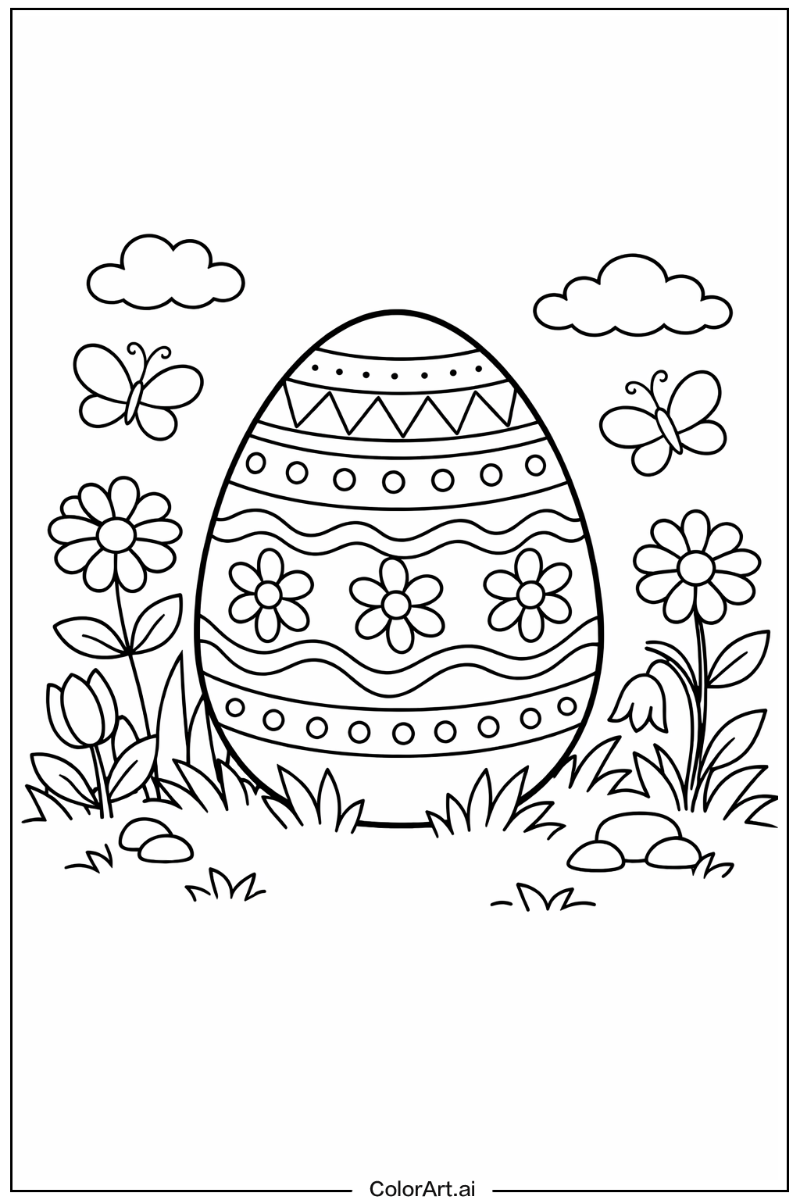
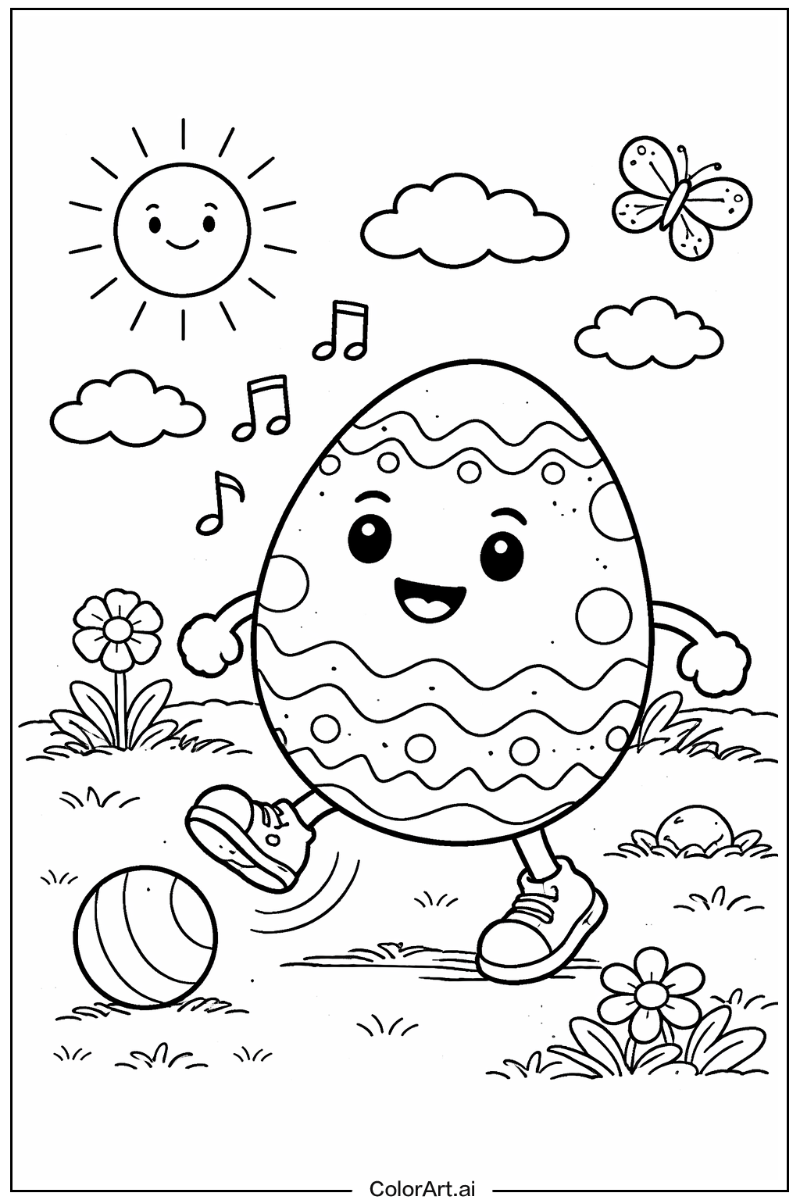
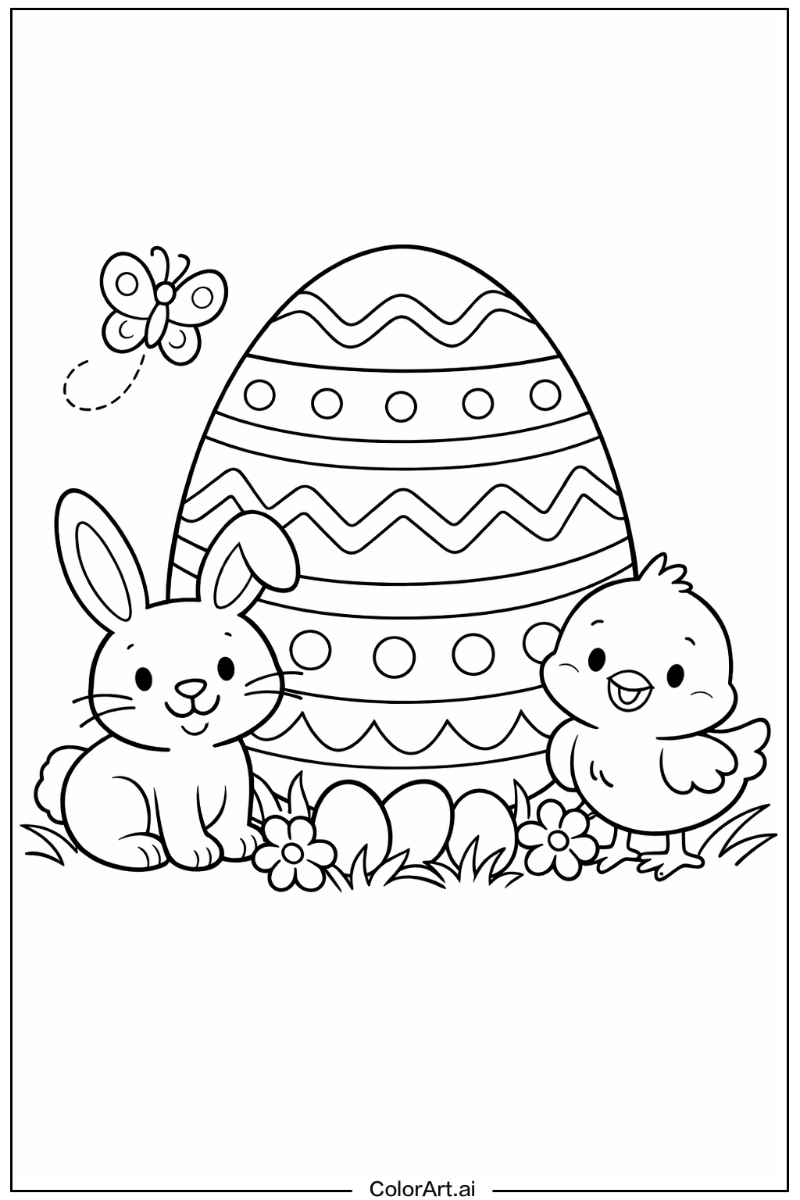
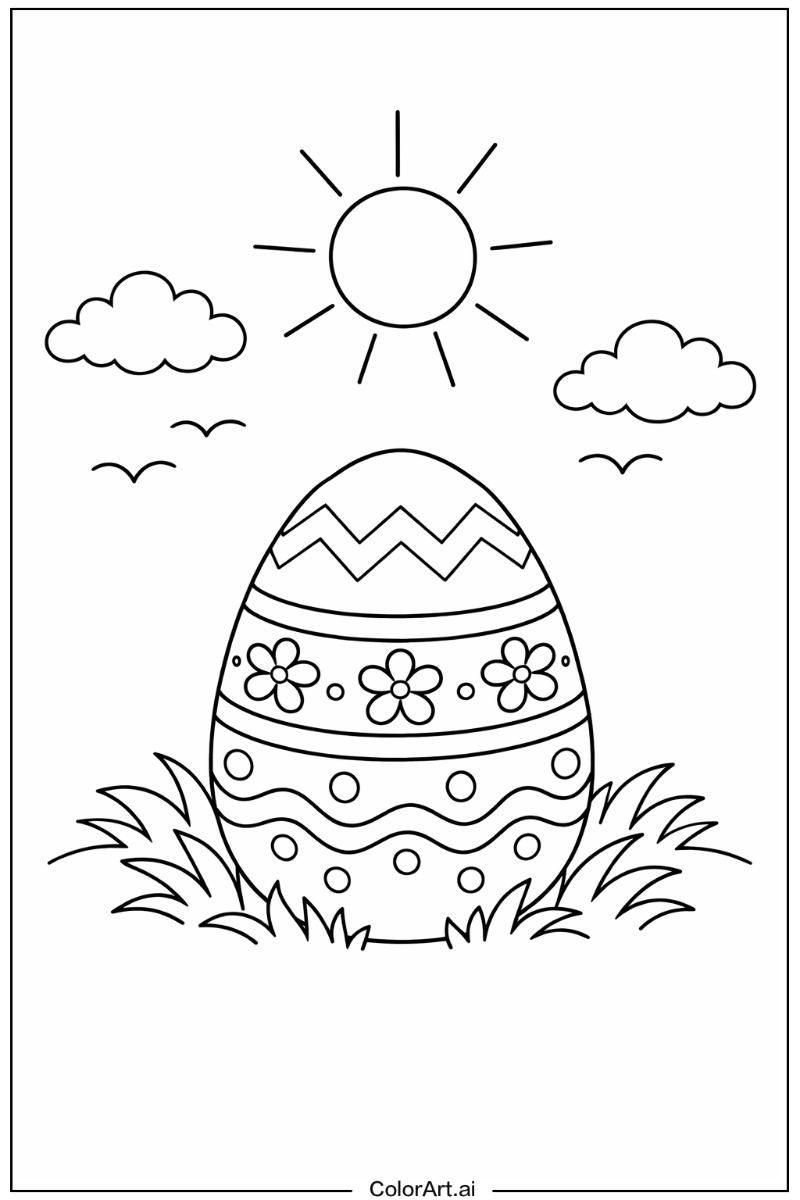
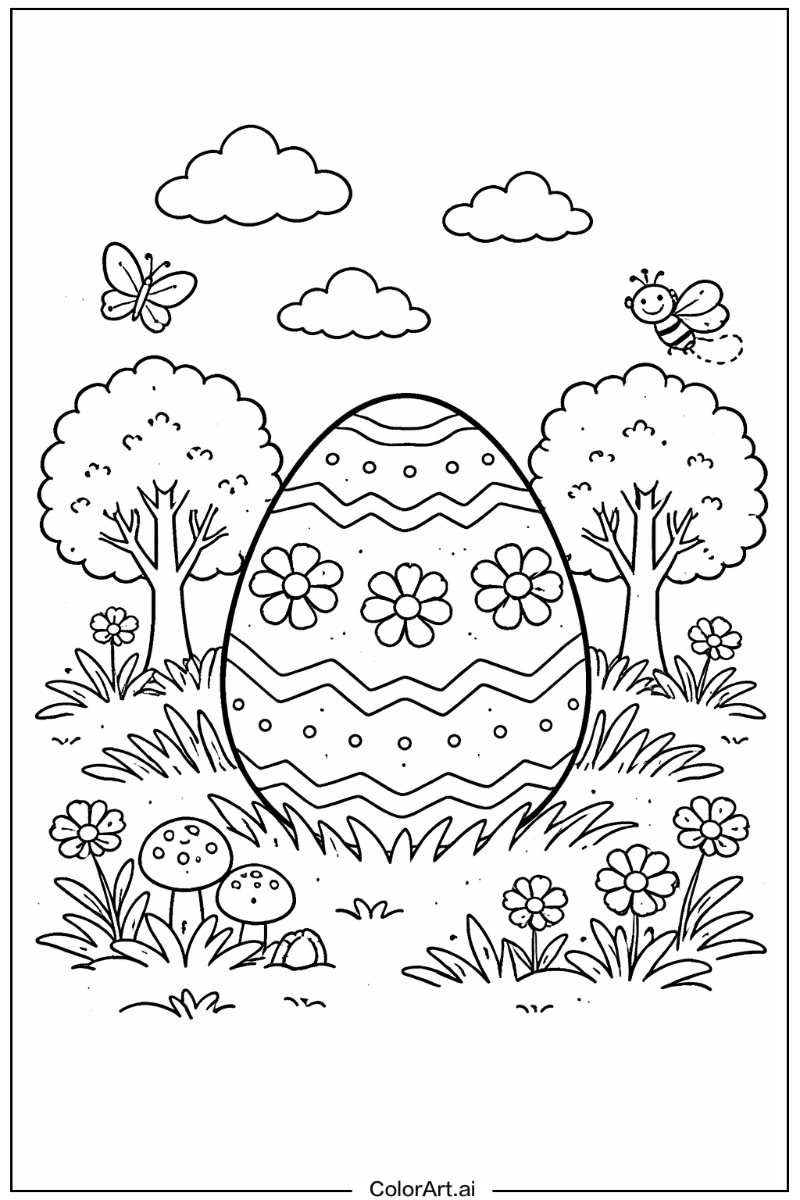
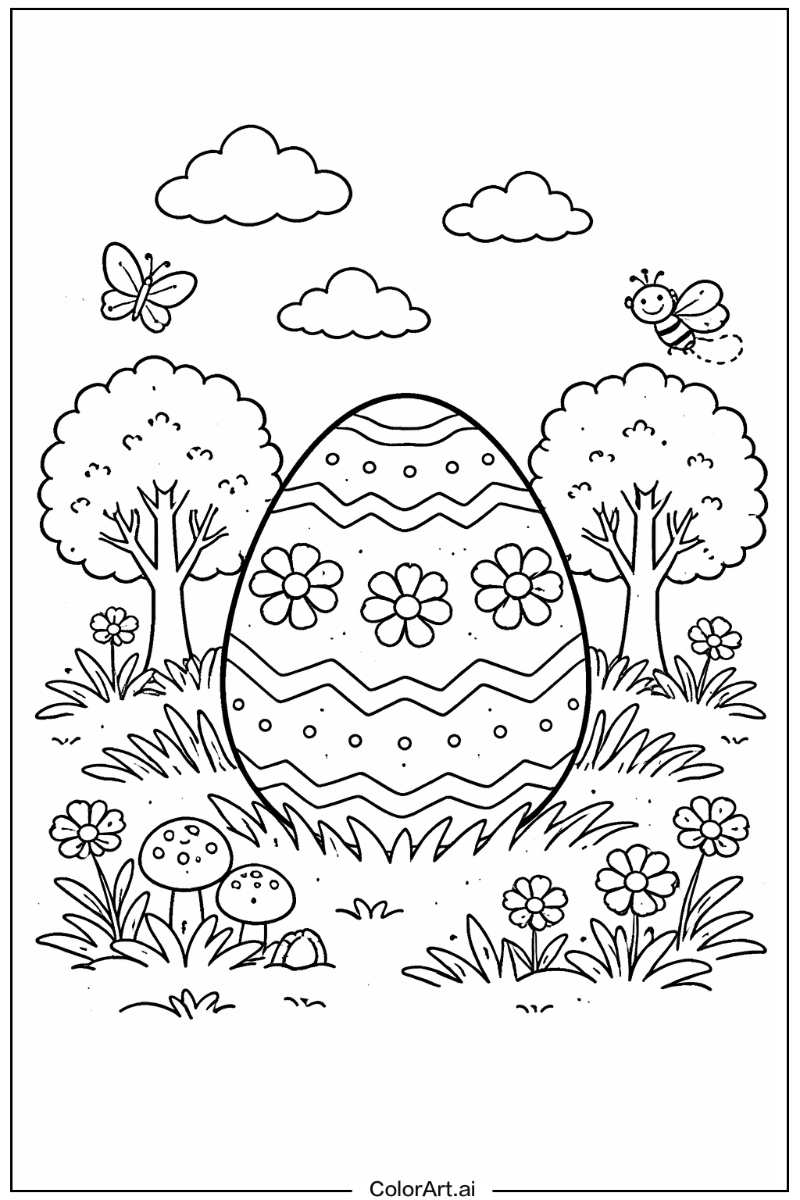
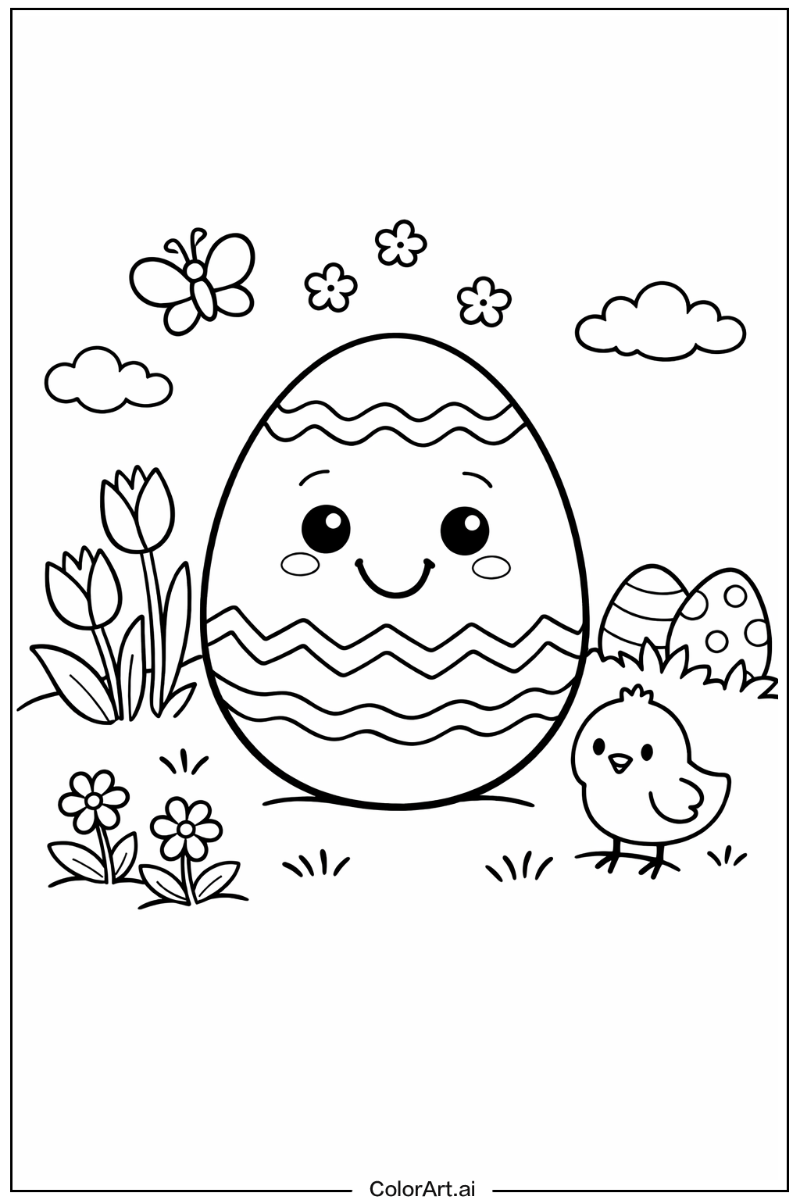
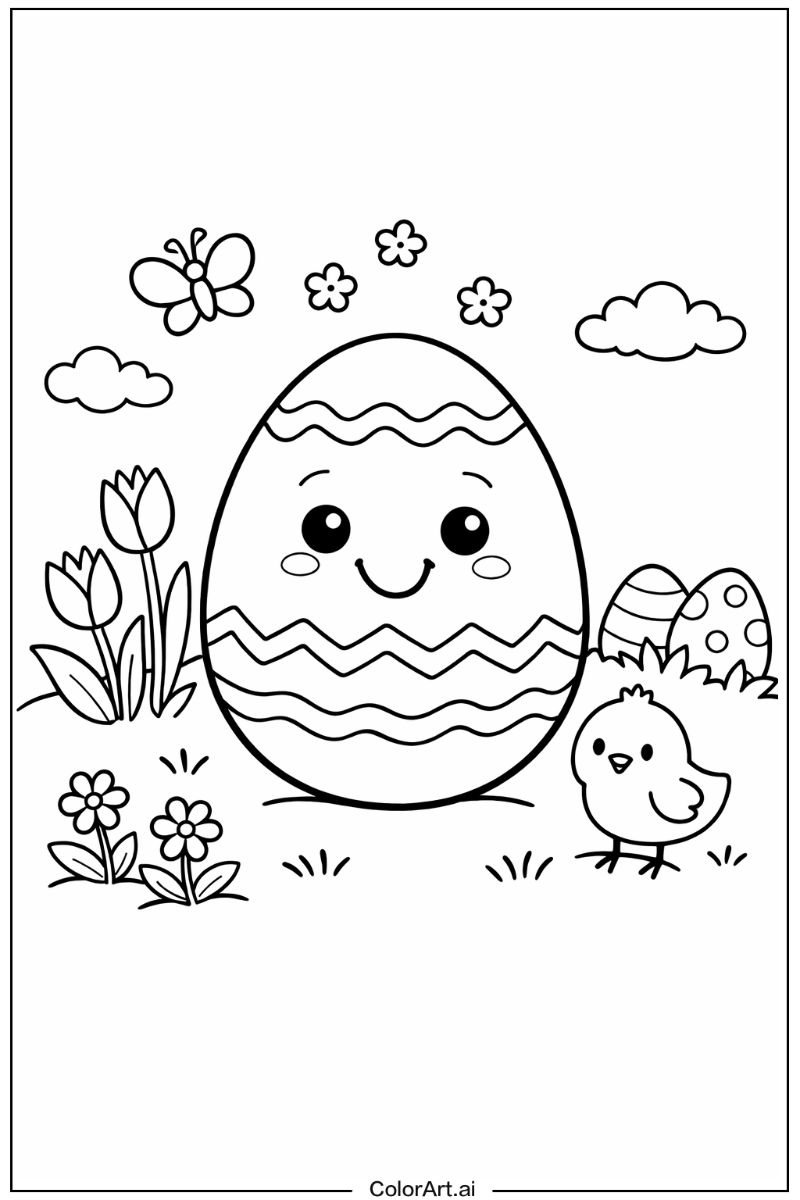
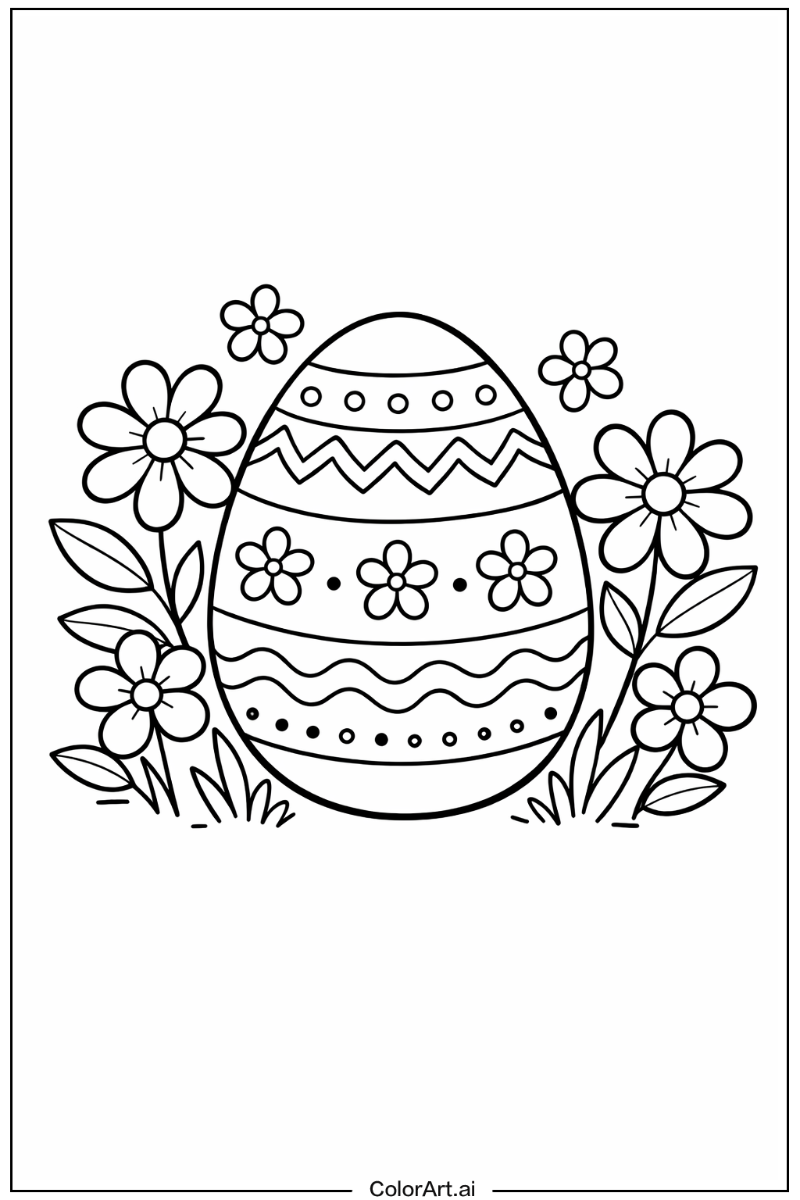
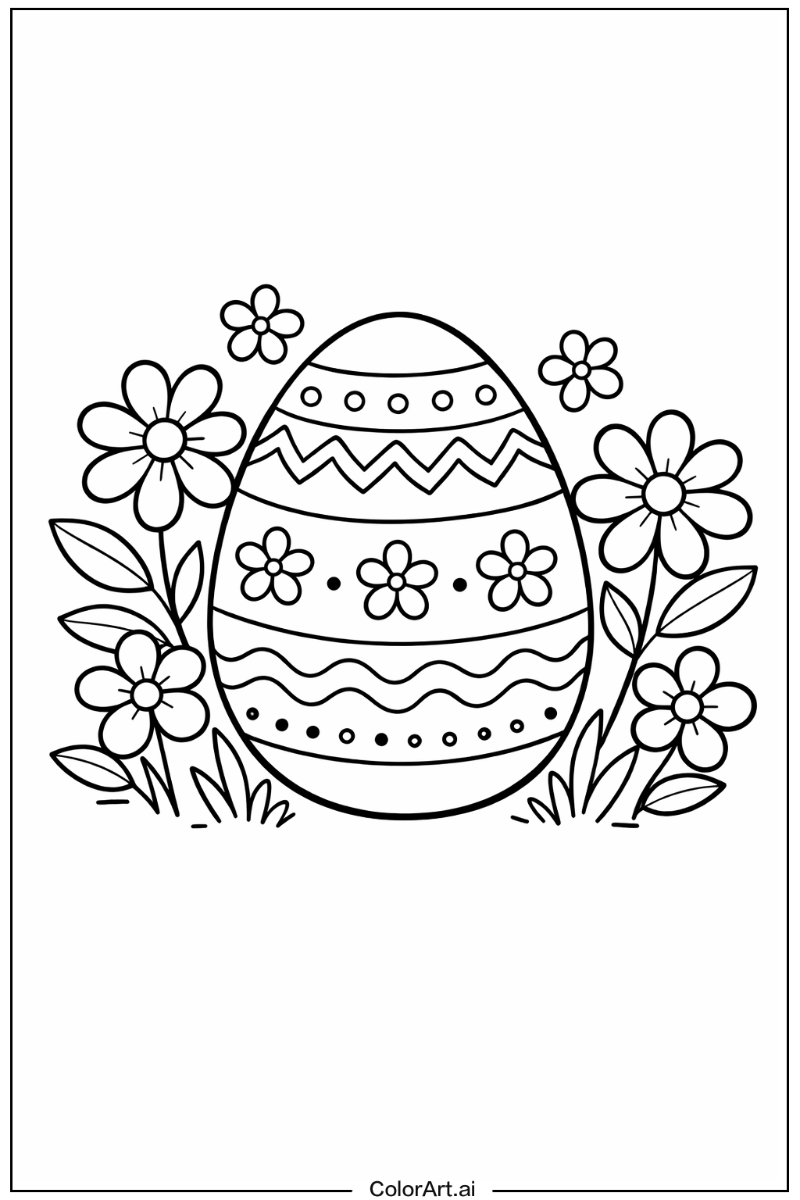
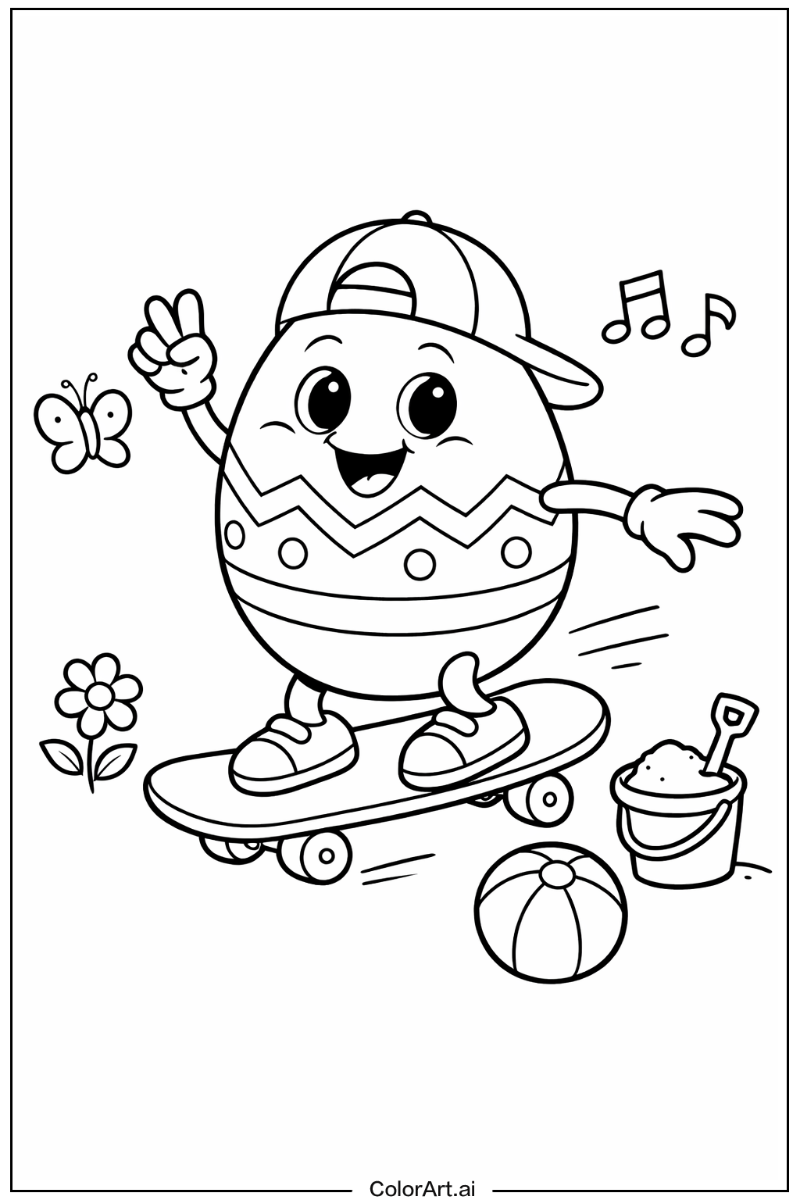
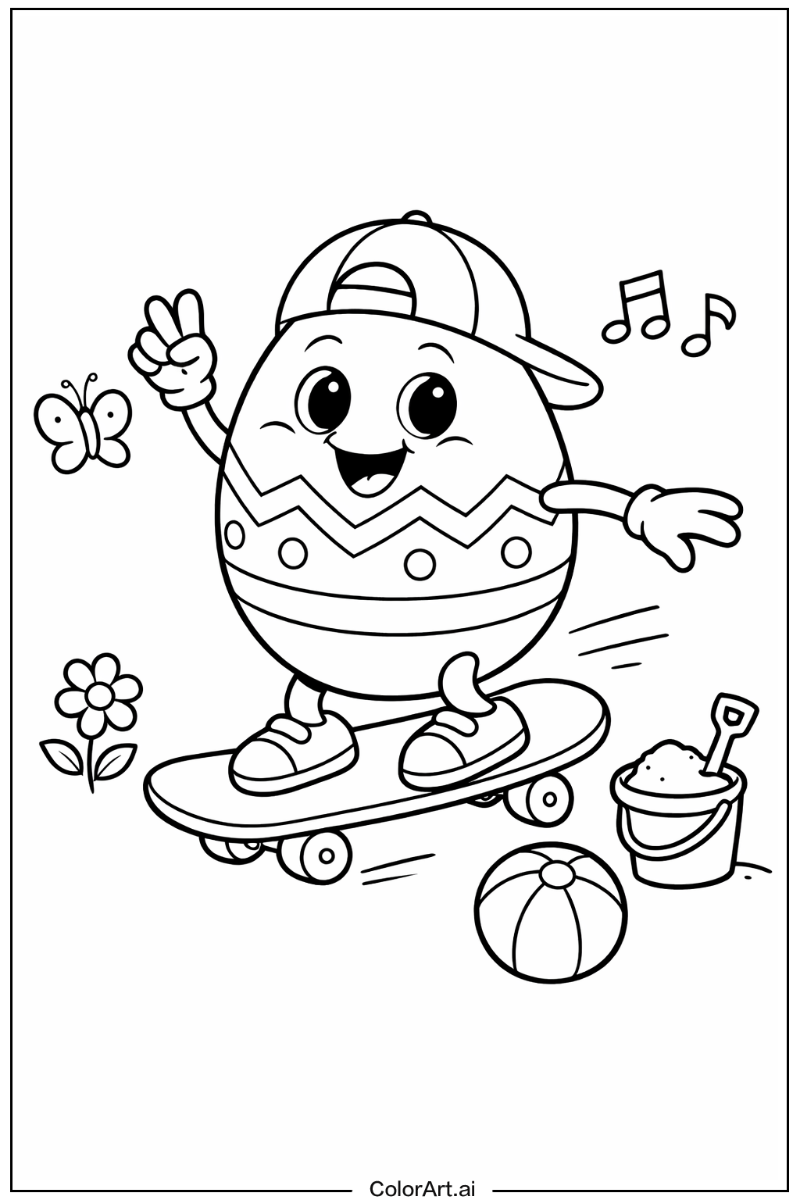
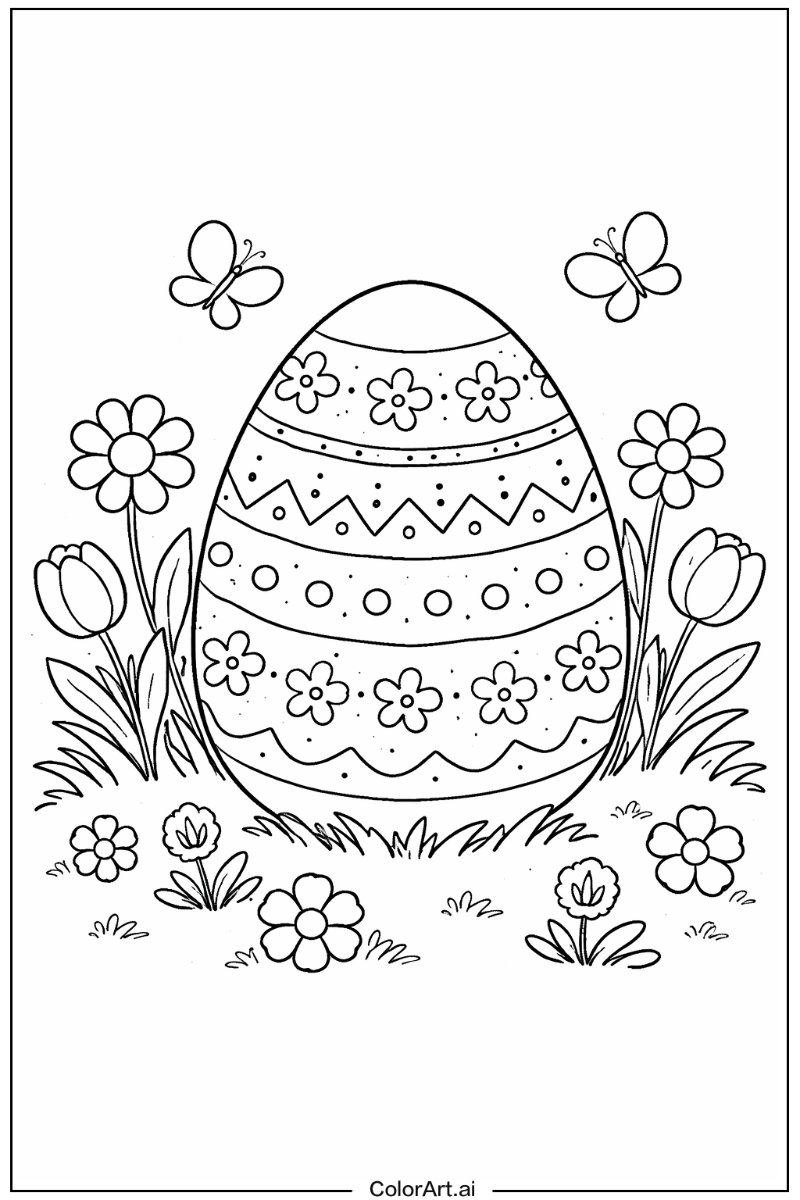
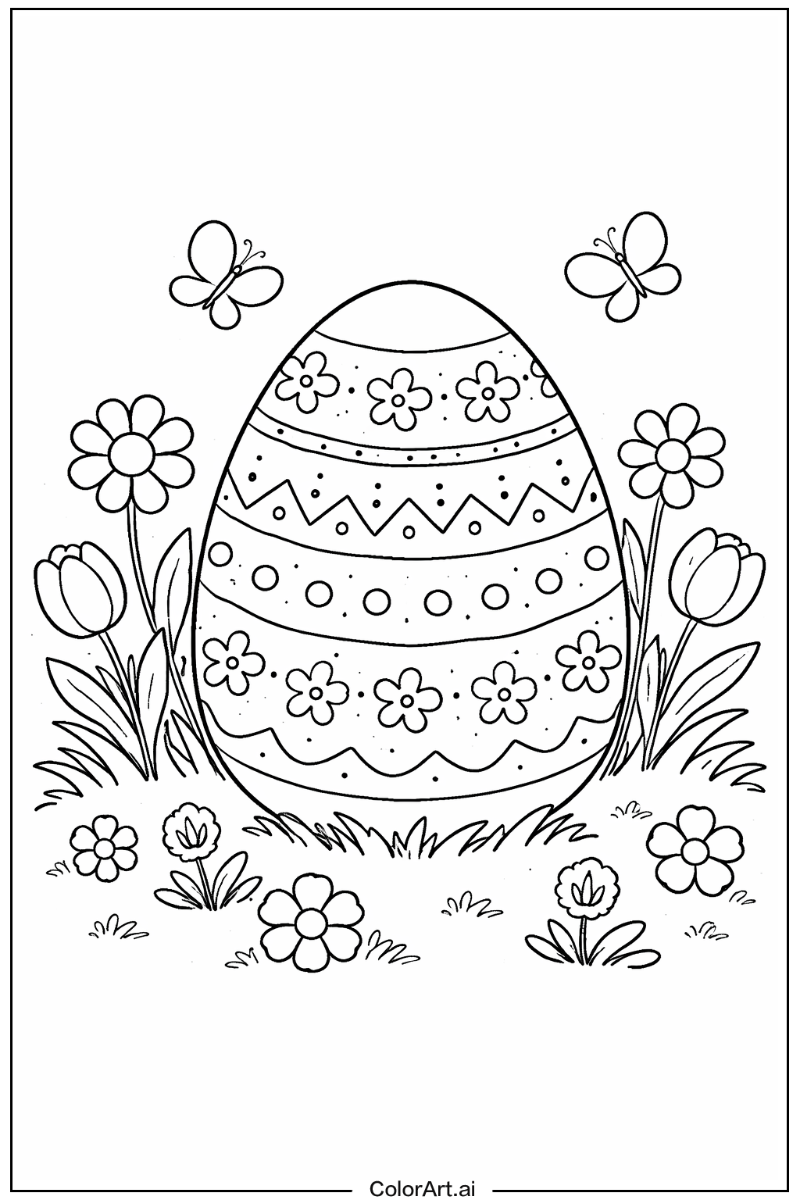
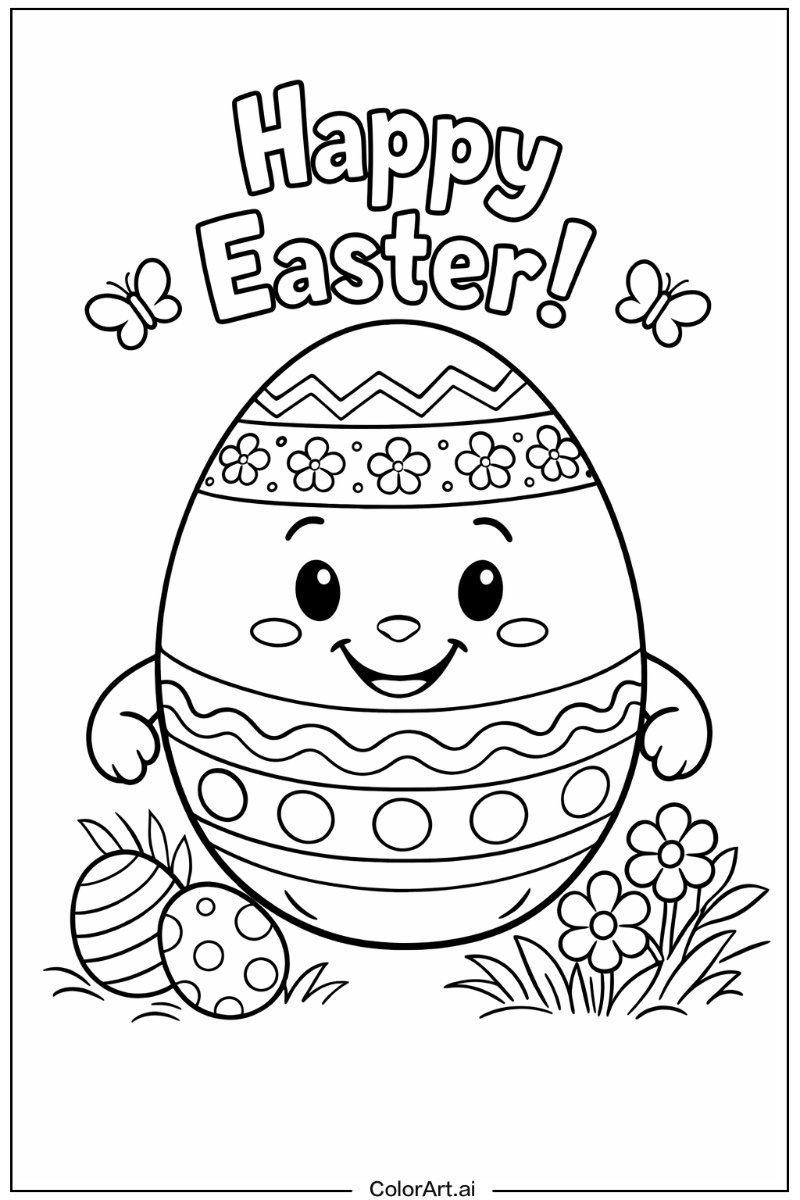
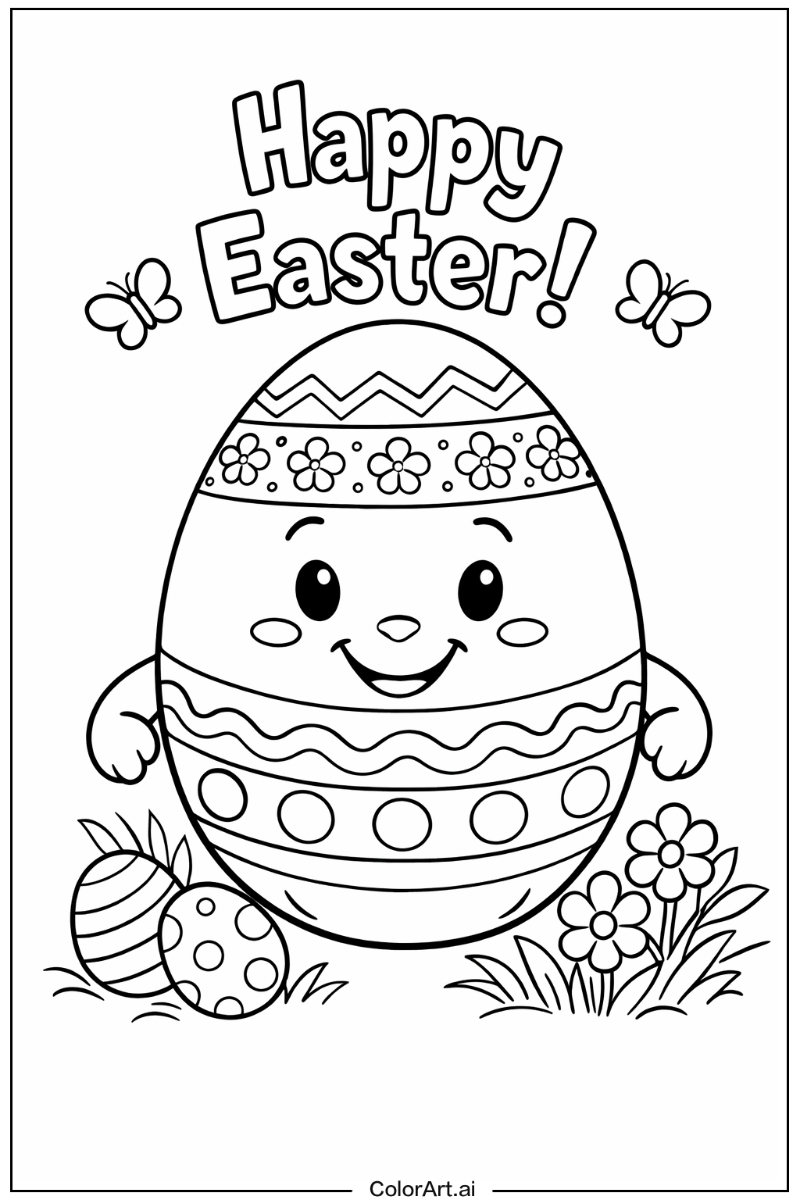
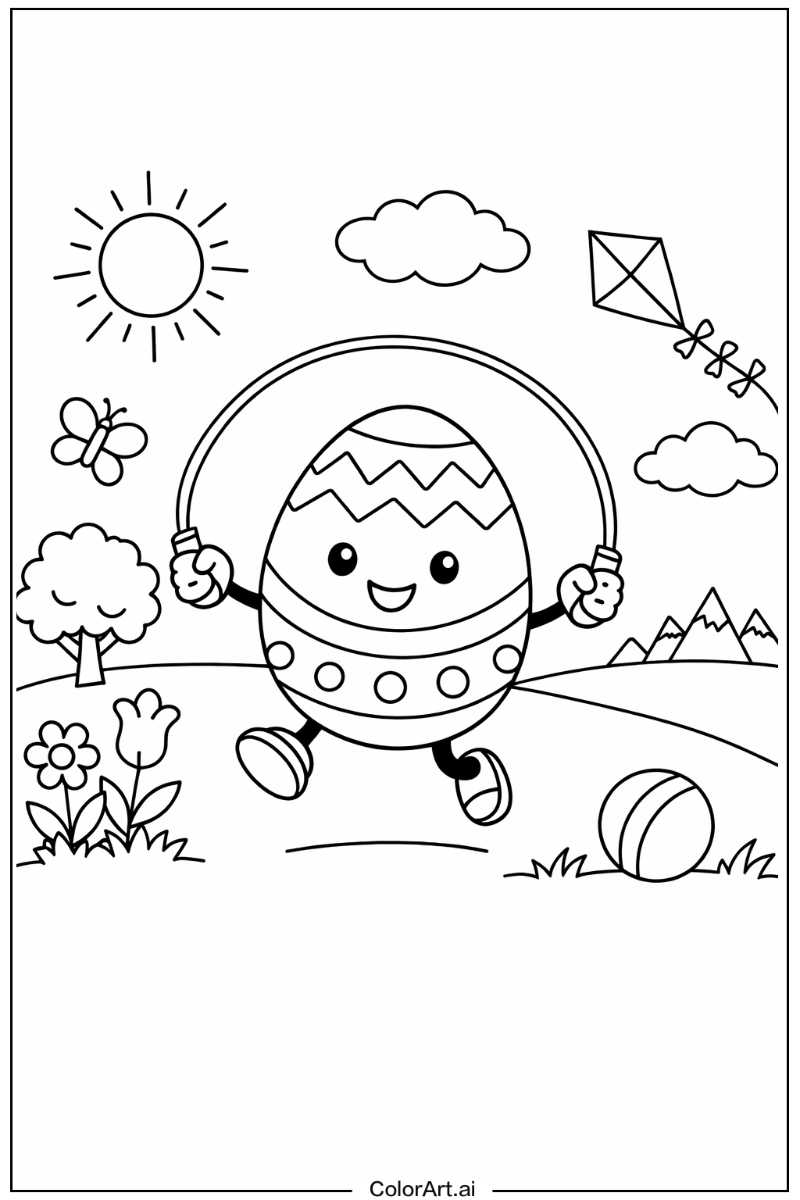
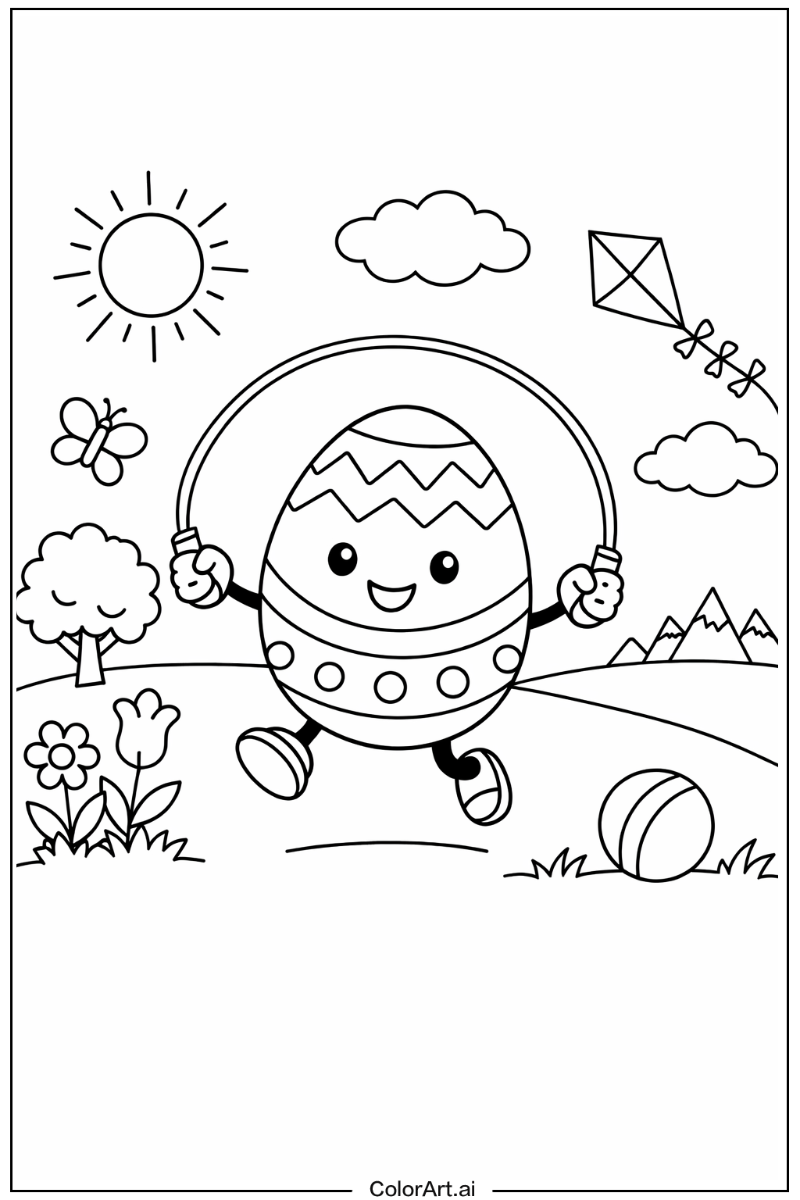
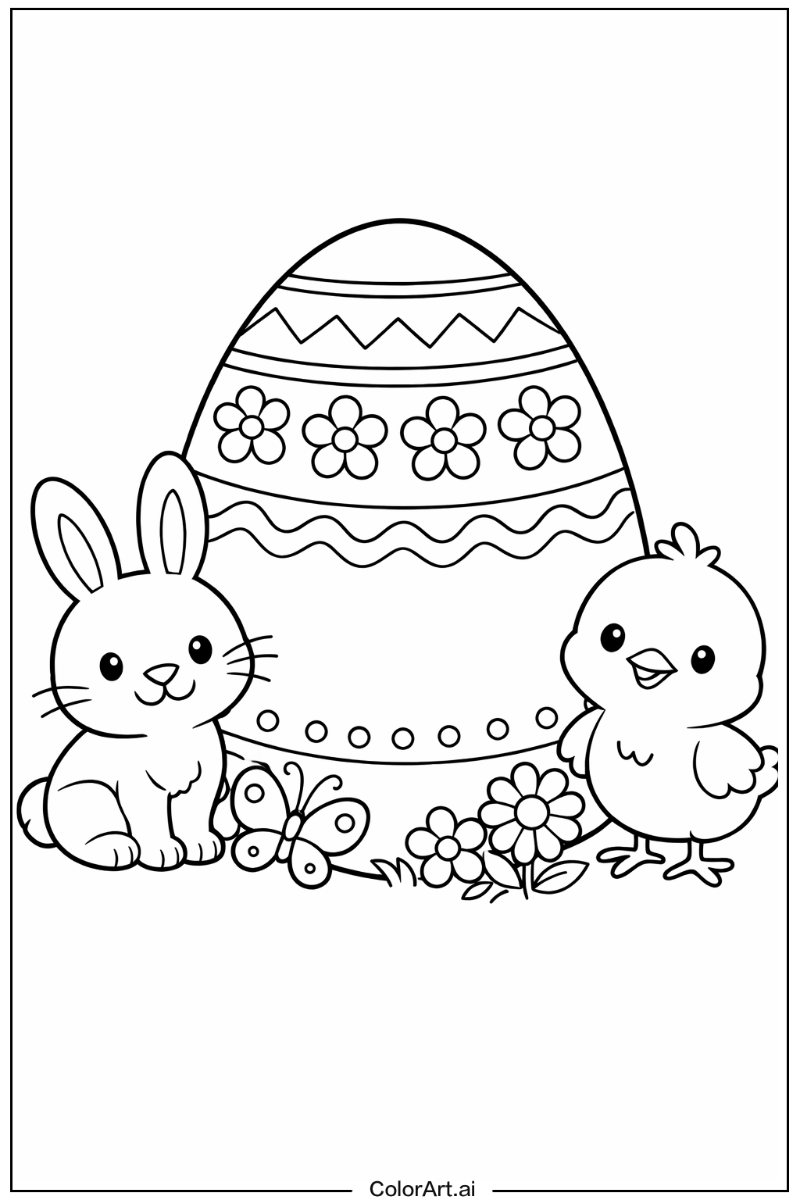
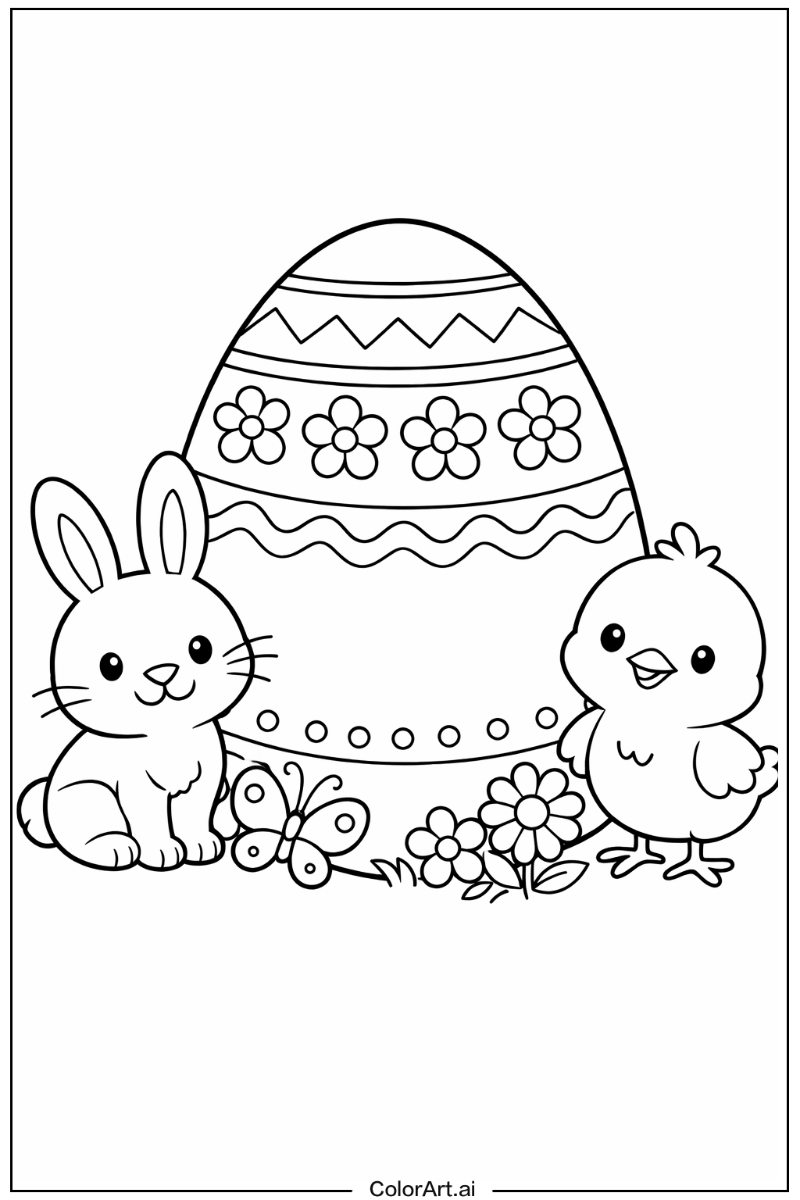
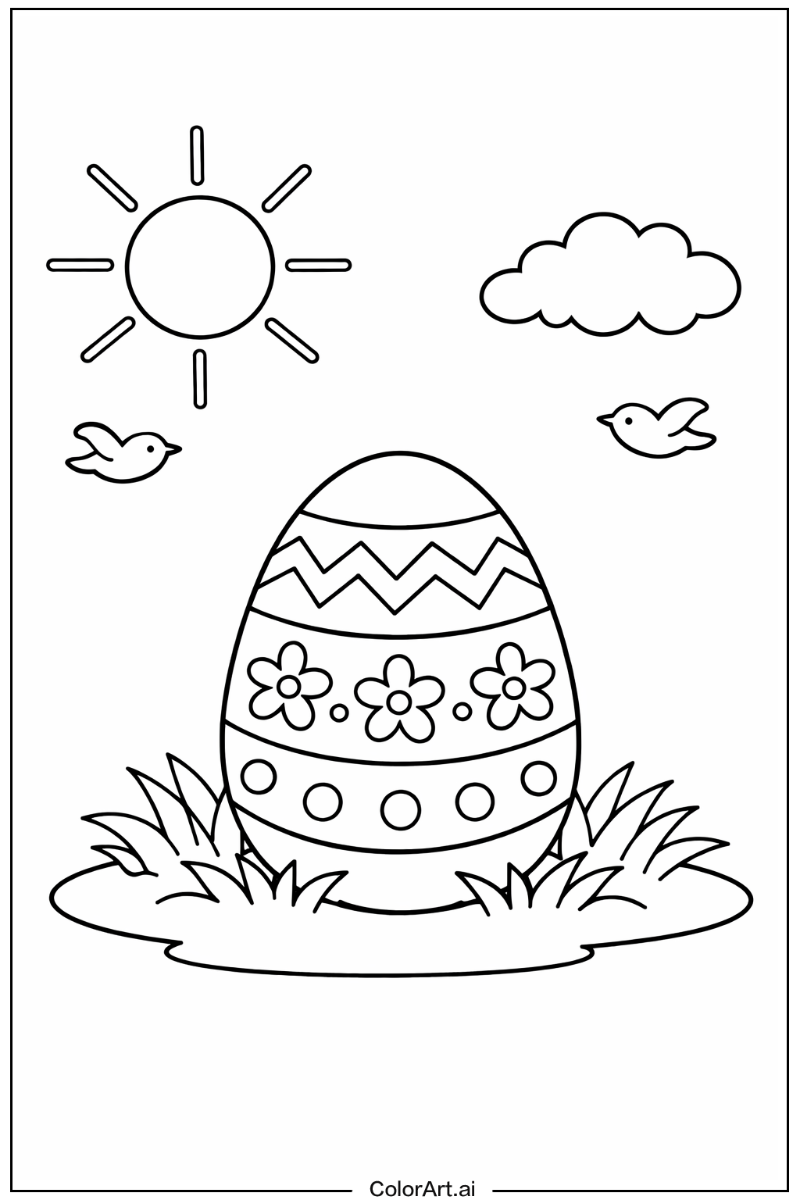
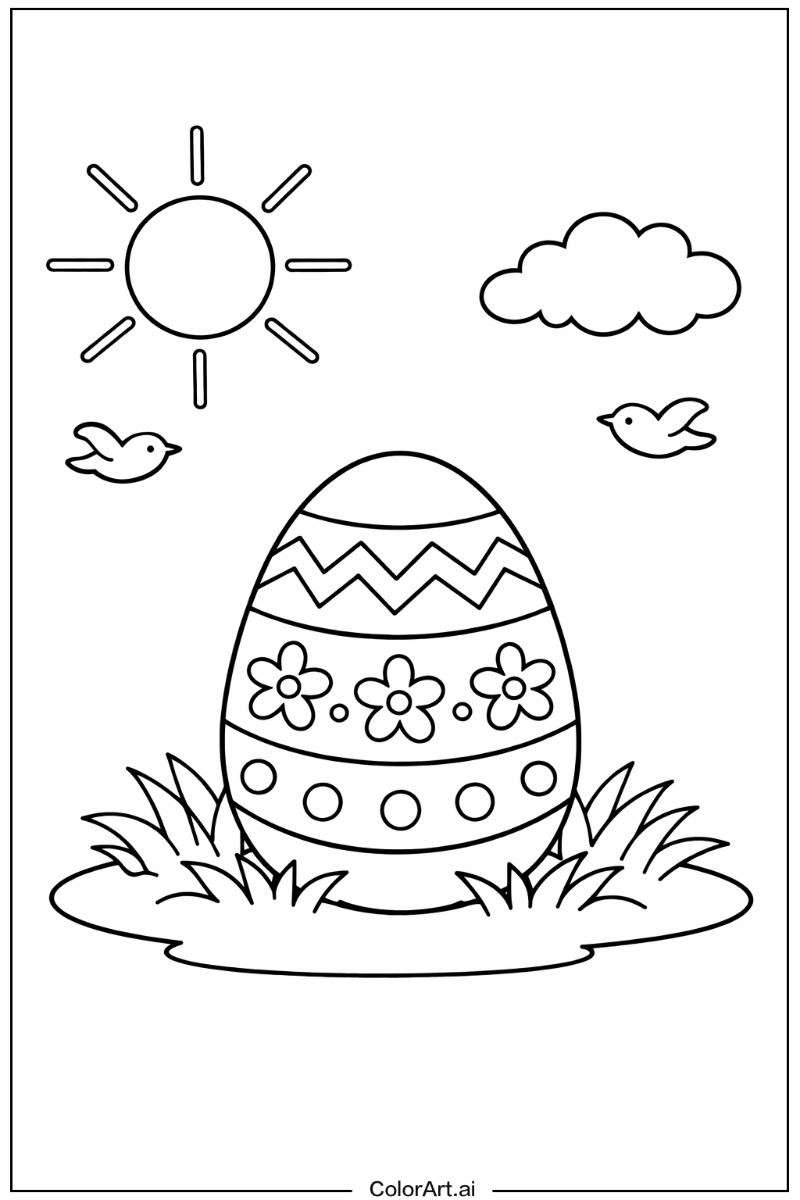
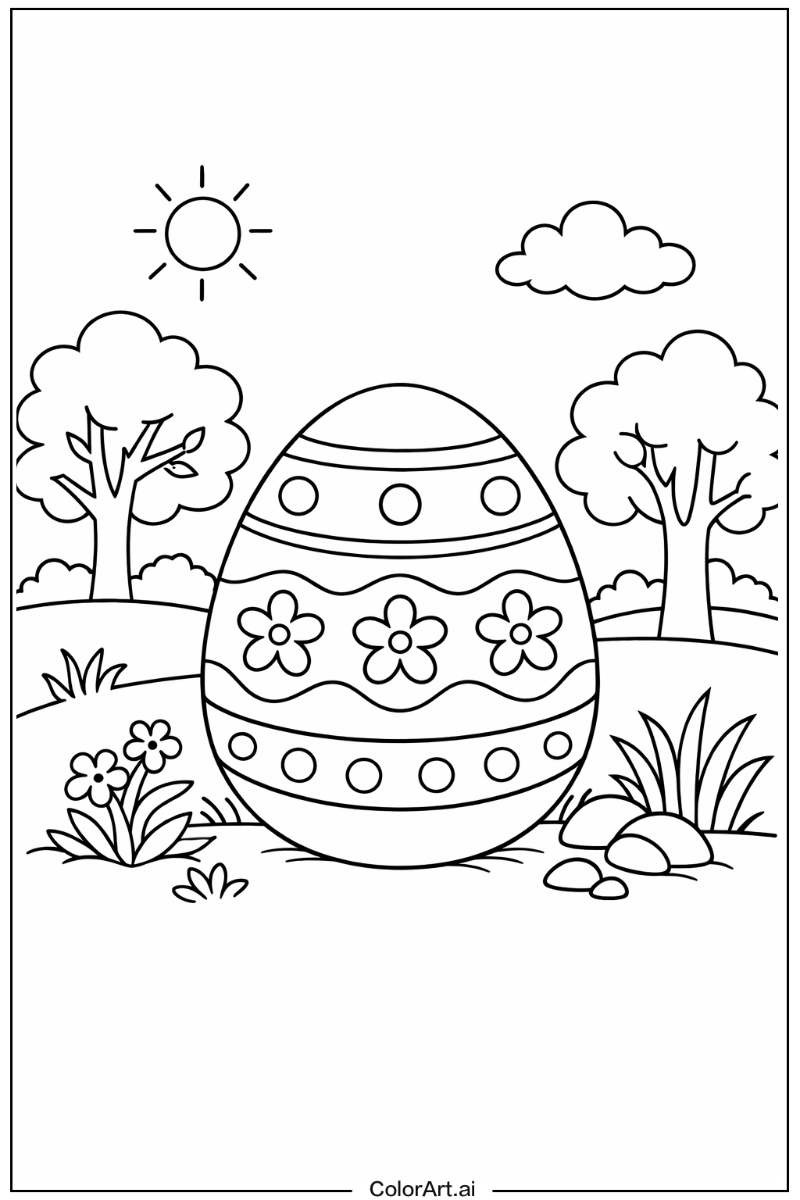
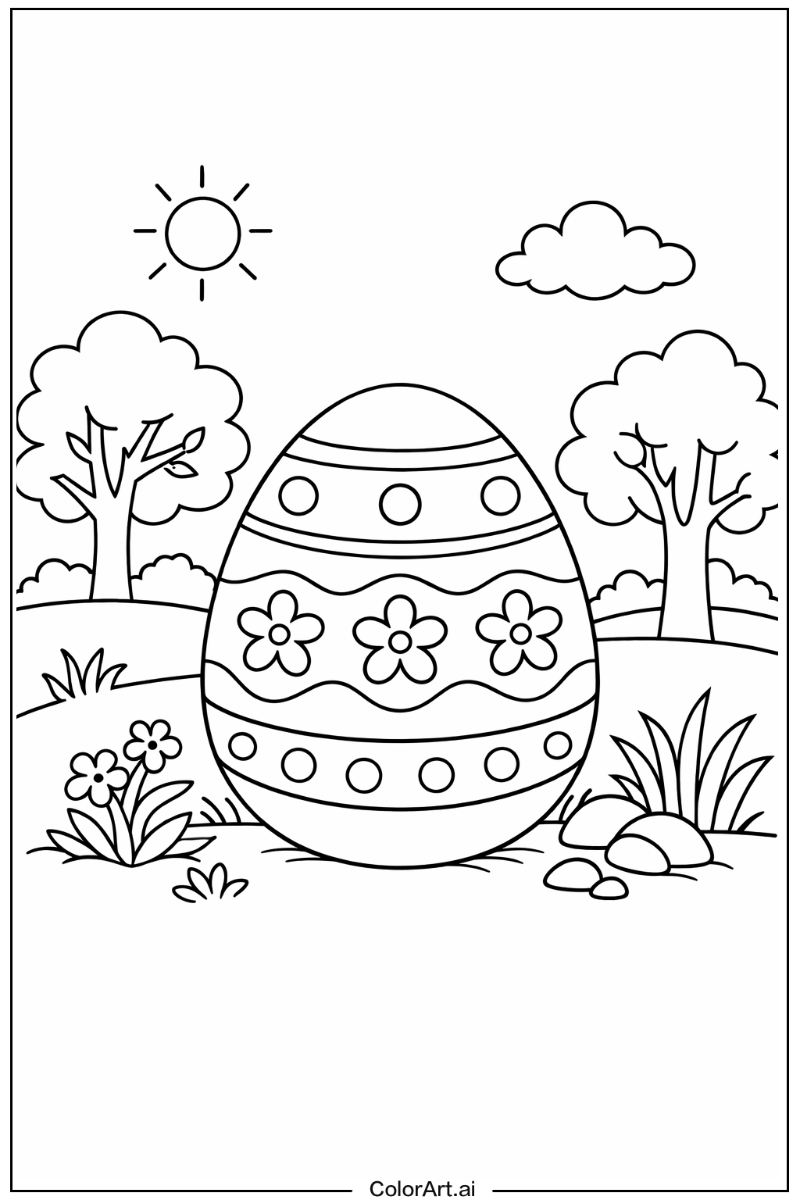
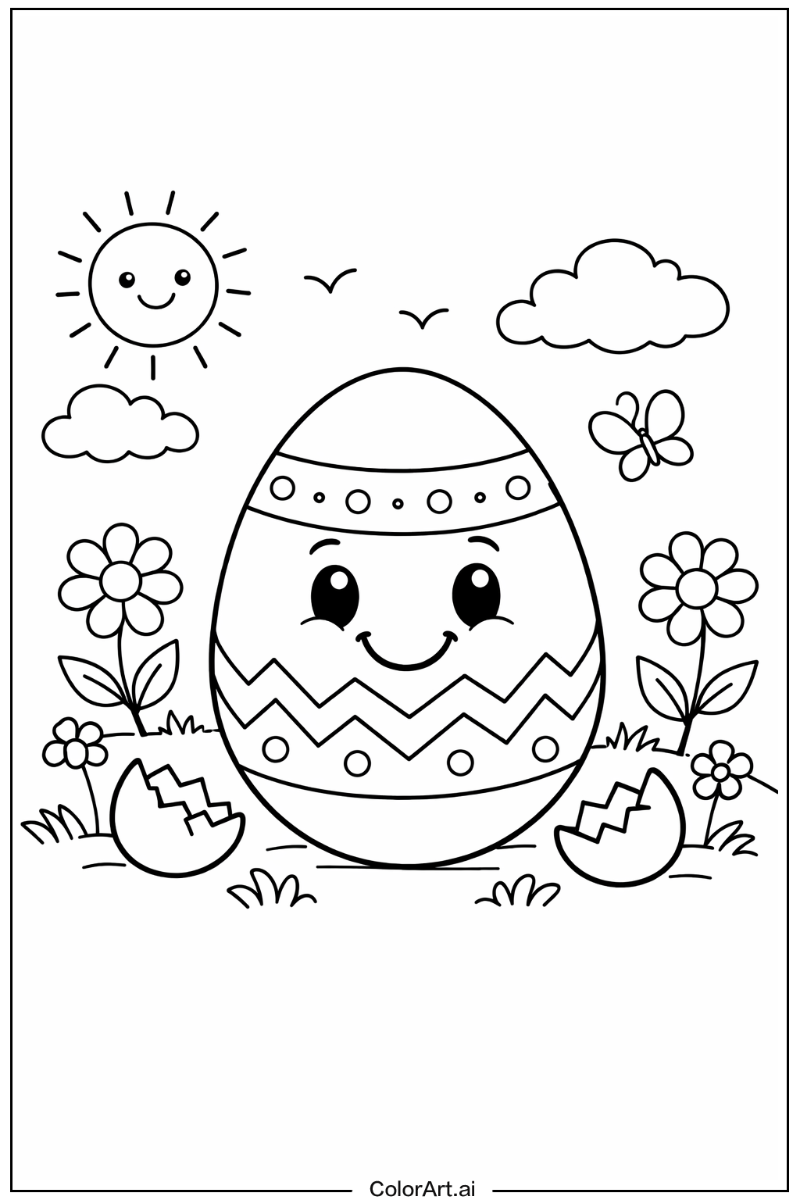
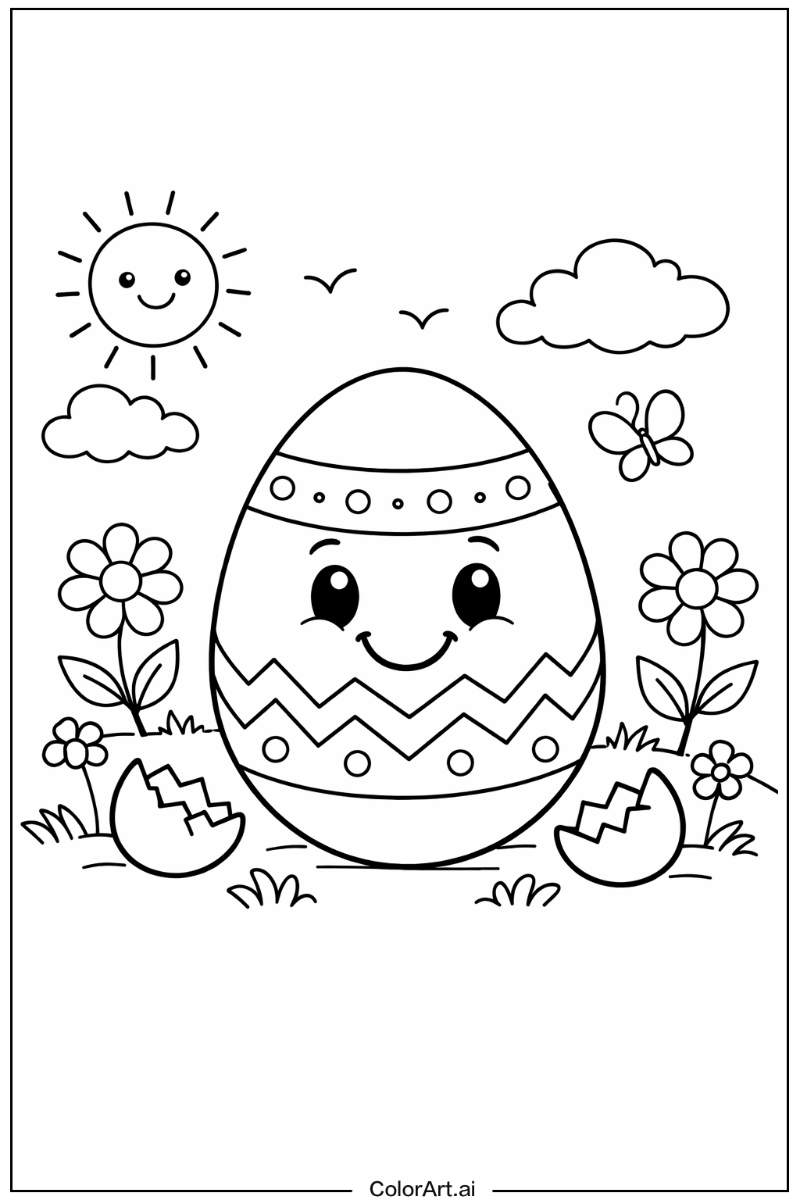
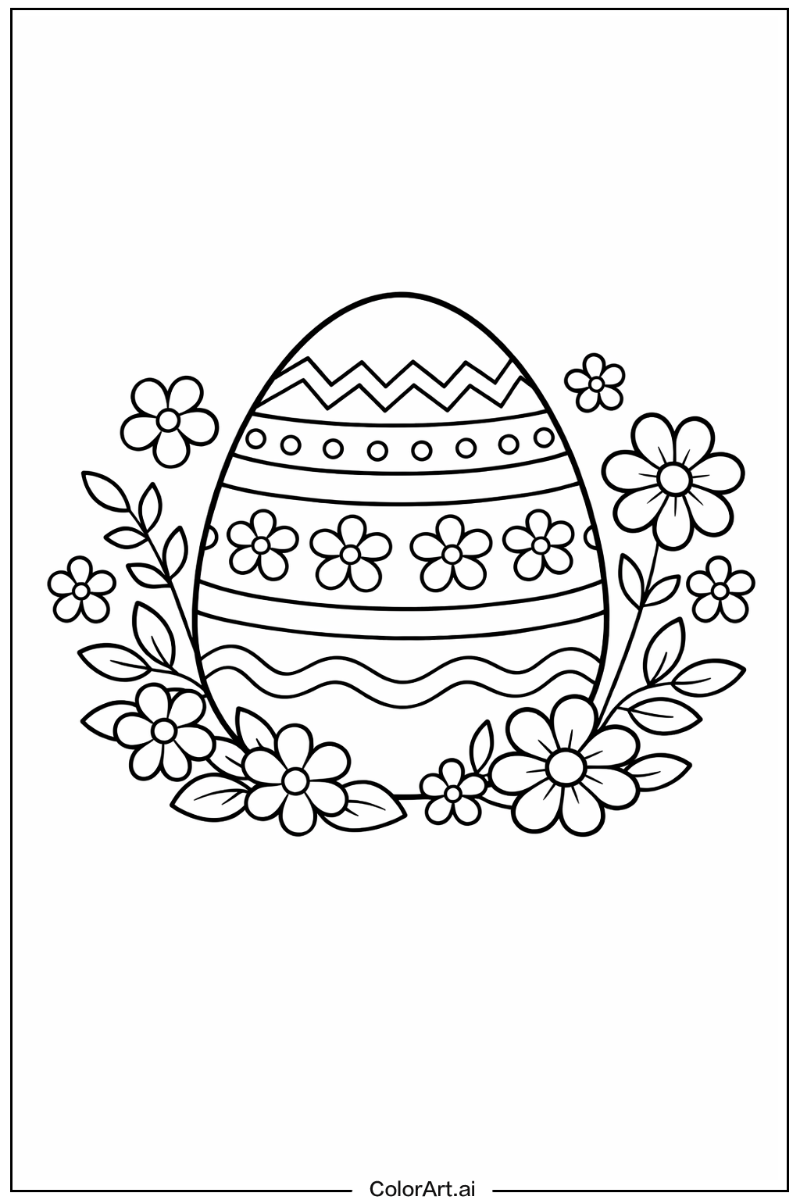
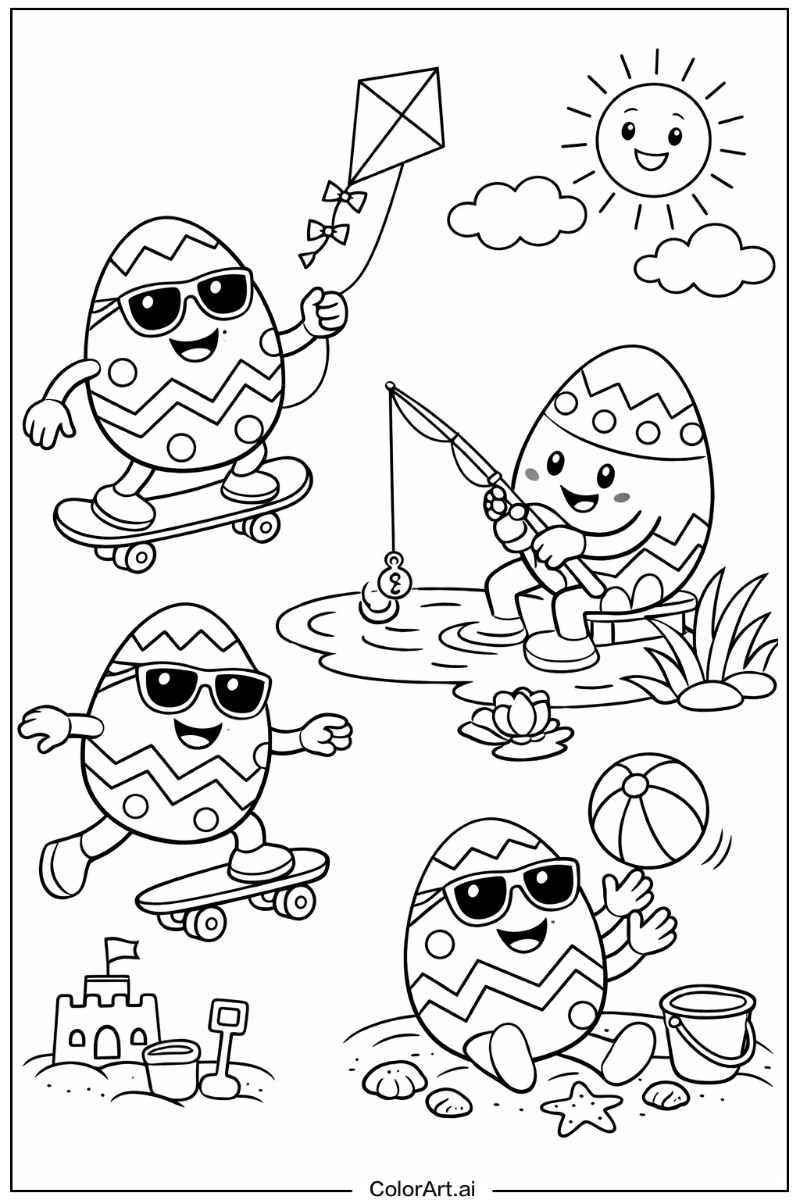
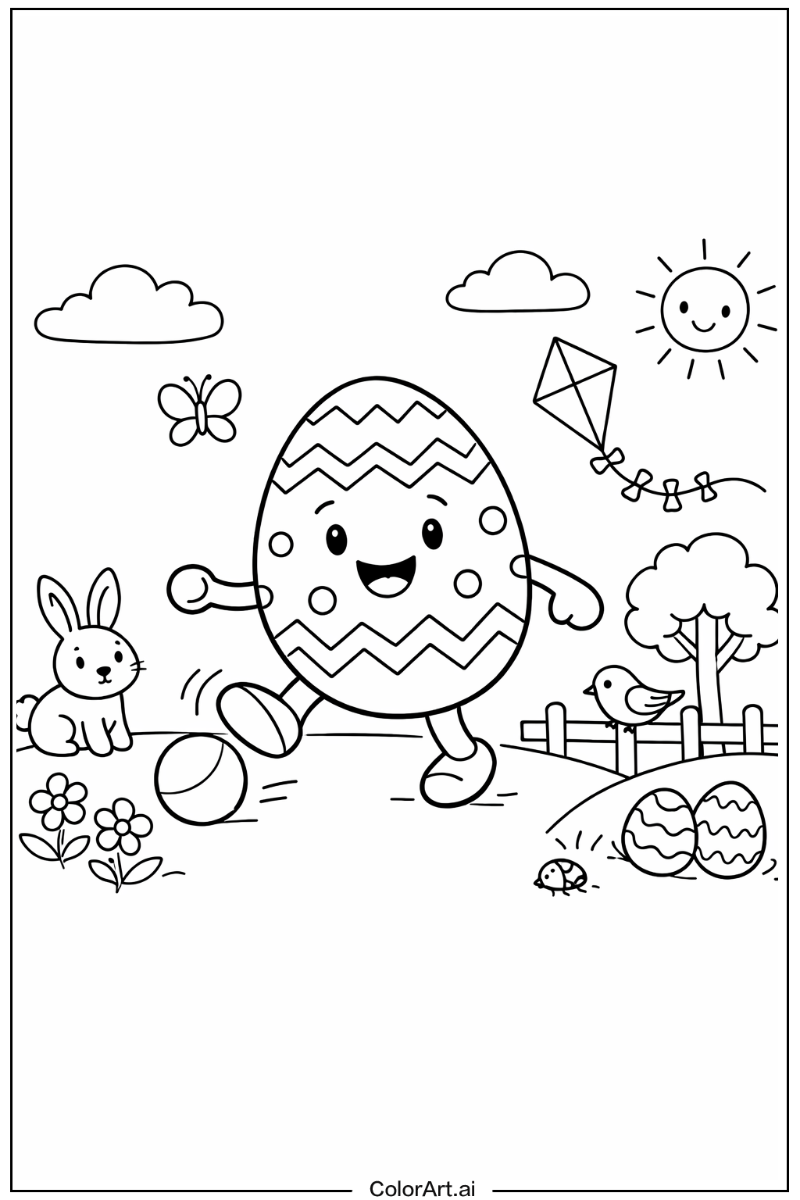
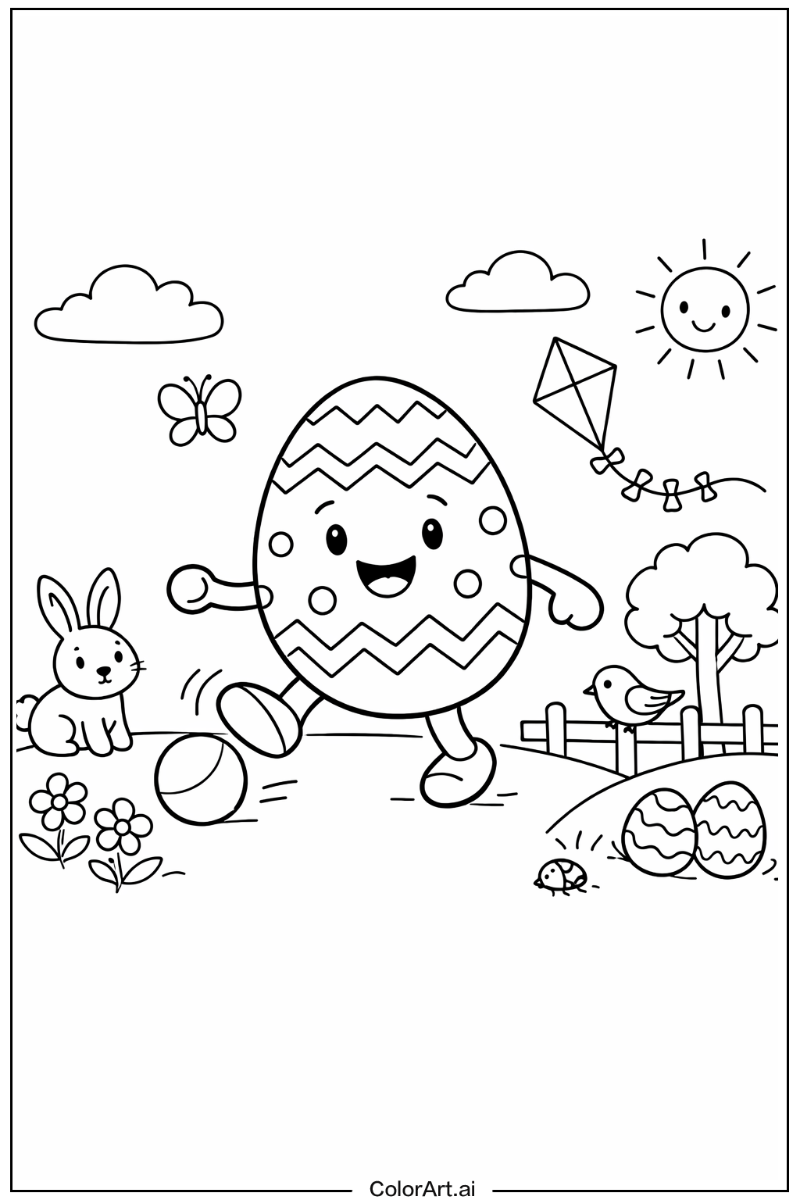
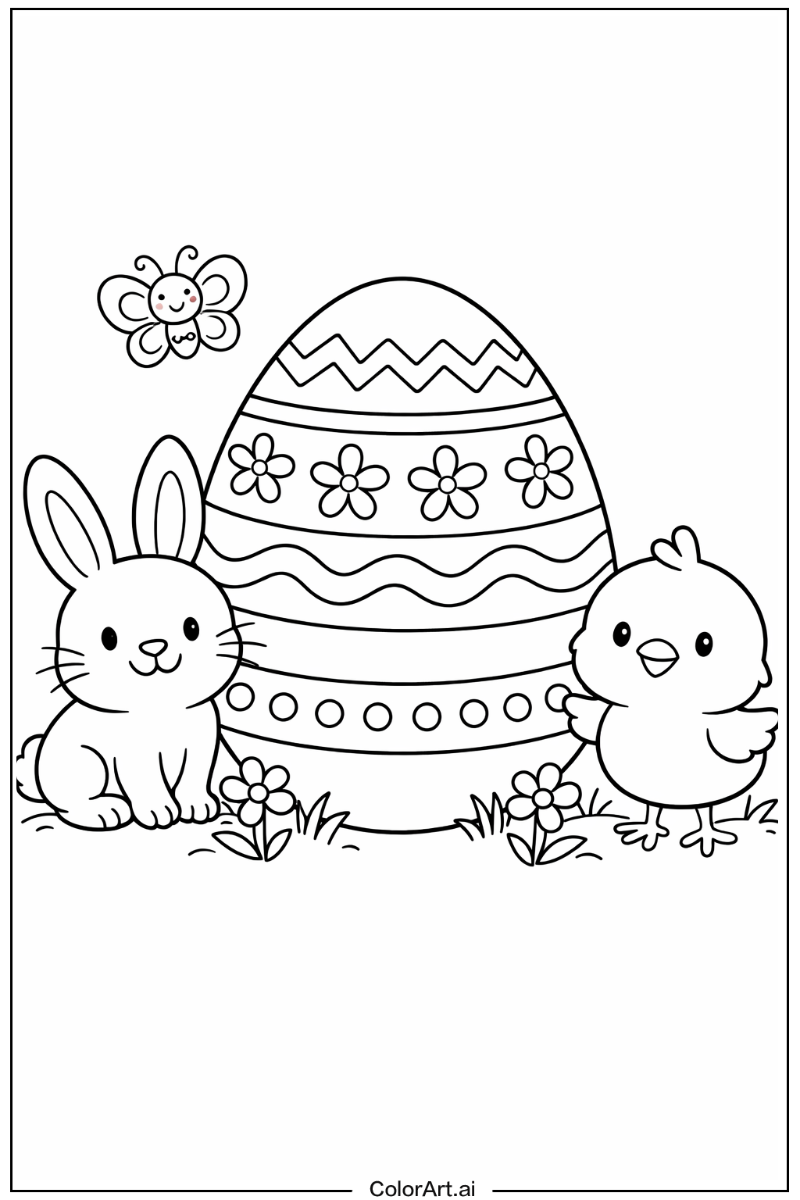
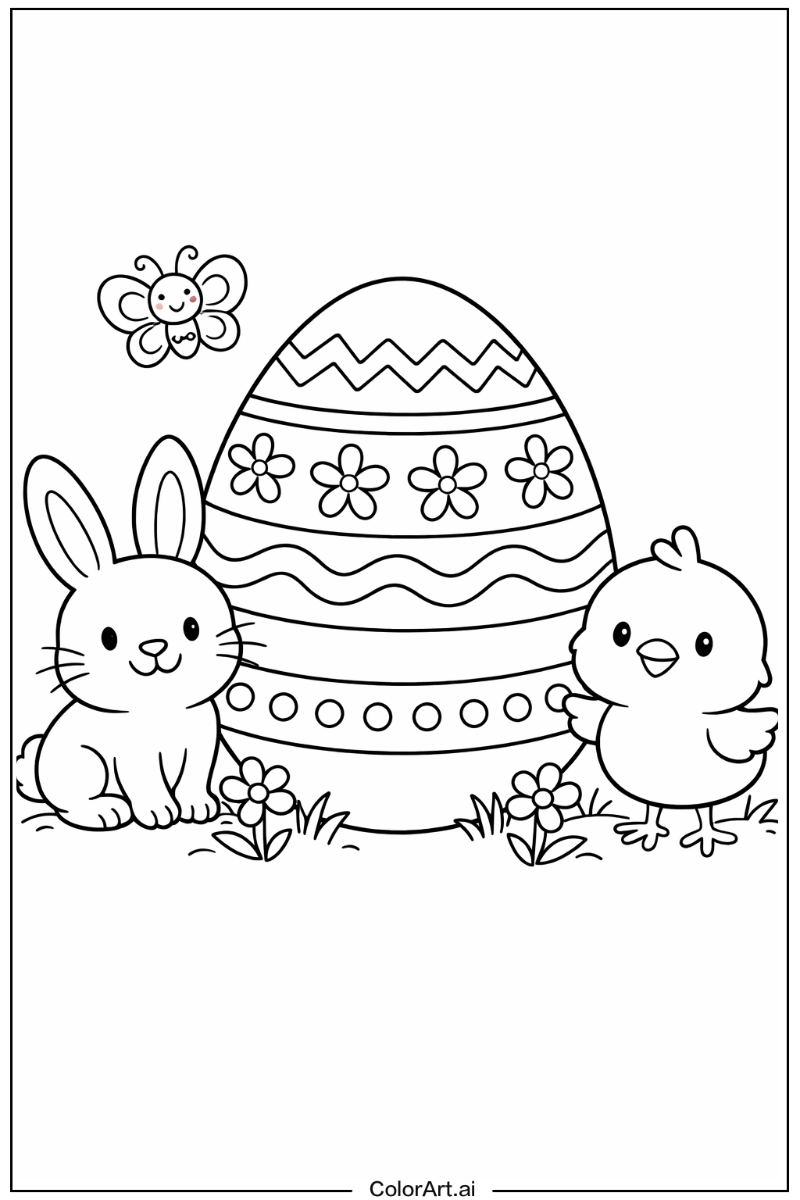
Gdy rozkwitają żywe kolory wiosny, jedną z moich ulubionych chwil jako nauczyciela jest wprowadzanie uczniów w świat pisanek do kolorowania. Każdego roku widok tych zachwycających jajek wnosi iskrę kreatywności do mojej klasy, gdzie dzieci mogą wyrażać siebie poprzez kolor i wzornictwo. Pamiętam szczególnie pamiętną Wielkanoc, kiedy moja klasa trzecia, uzbrojona w kredki i mazaki, przekształciła zwykłe szablony jajek w arcydzieła przepełnione osobowością. Od tęczowych zawijasów po misterne wzory kwiatowe – każde jajko opowiadało wyjątkową historię. Te proste kolorowanki nie tylko celebrują zabawę wielkanocną, ale także stanowią wspaniałą okazję do nauki i rozwoju. Niezależnie od tego, czy jesteś rodzicem szukającym angażujących zajęć, czy nauczycielem poszukującym nowych pomysłów, kolorowanki z pisankami mogą być wspaniałym sposobem na zainspirowanie kreatywności u dzieci w każdym wieku.
Grupowe kolorowanki
 PDF
PDF
 PNG
PNG
 PNG
PNG
 PNG
PNG
 PNG
PNG
 PNG
PNG
 PNG
PNG
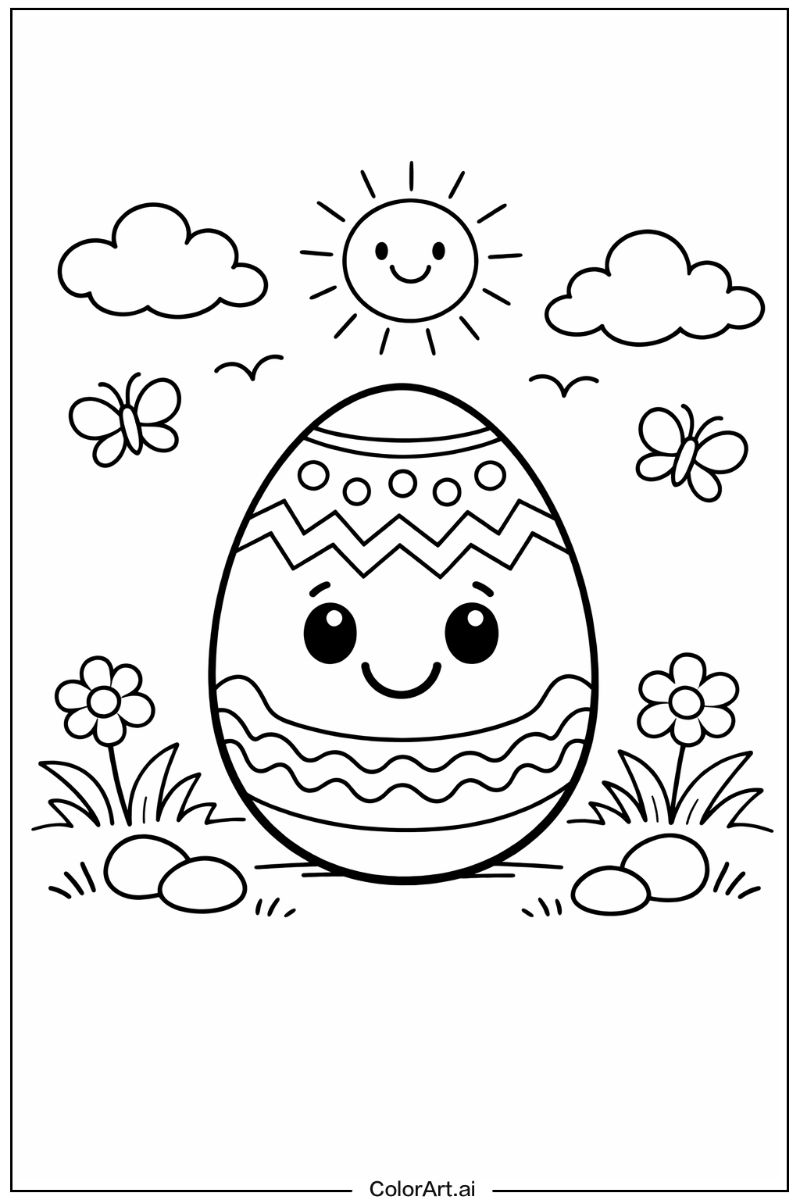
 PNG
PNG
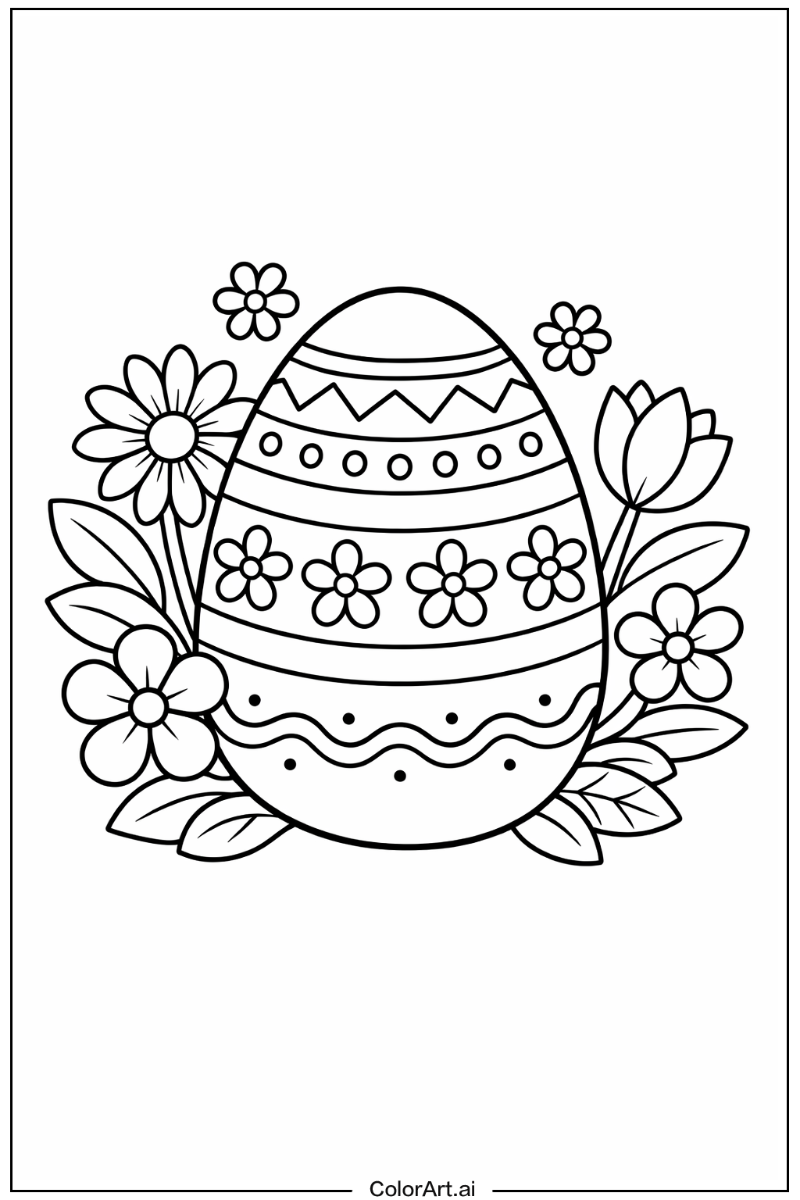
 PNG
PNG
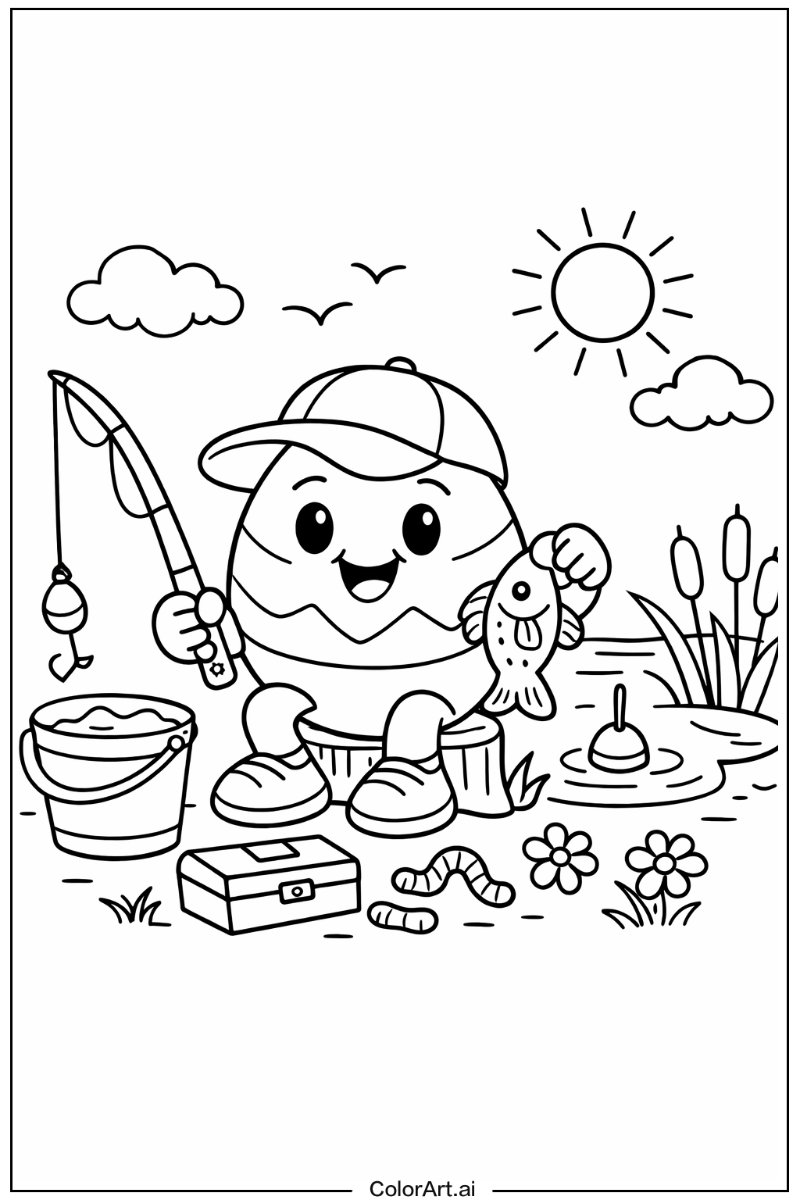
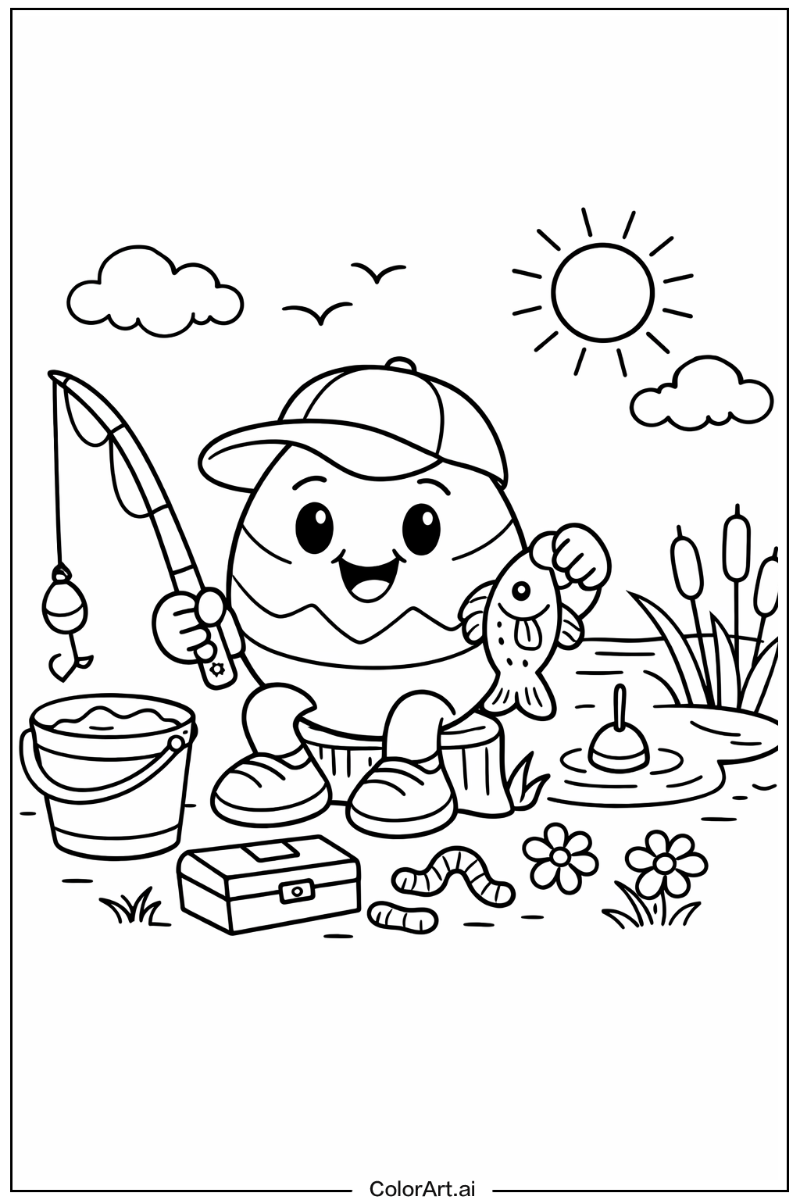 PNG
PNG
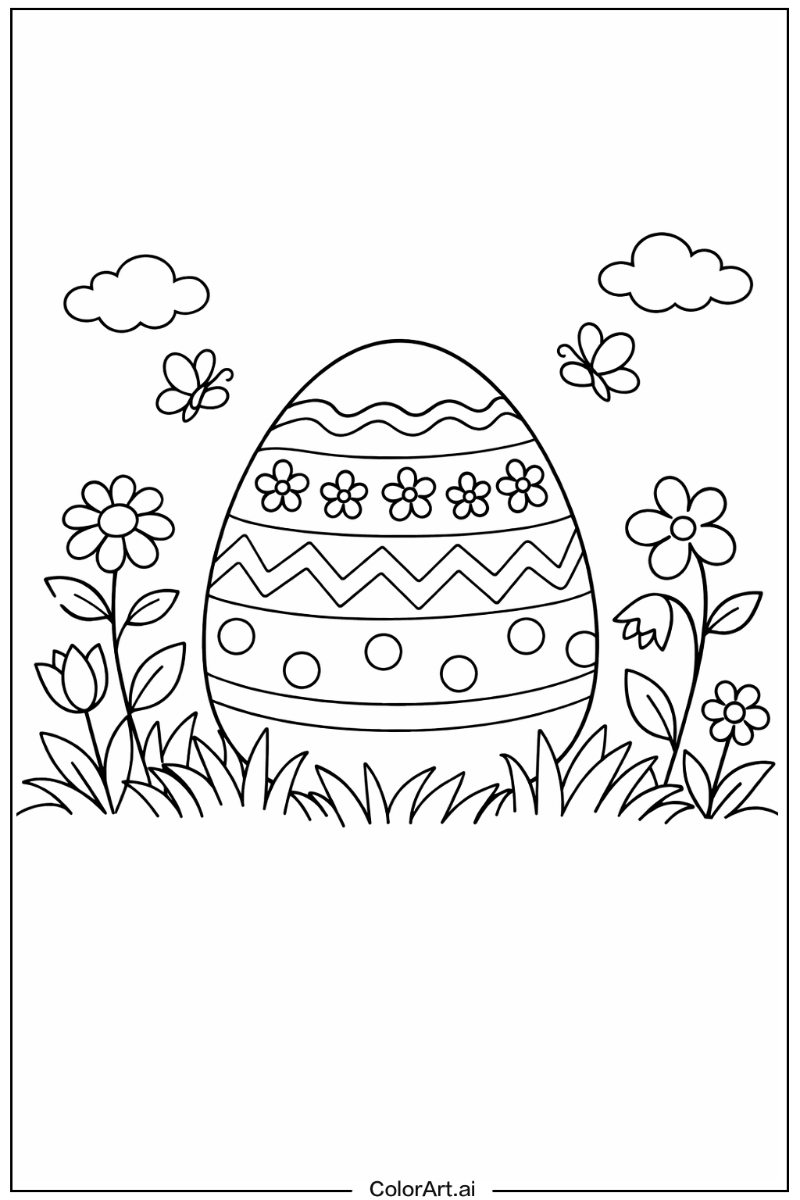
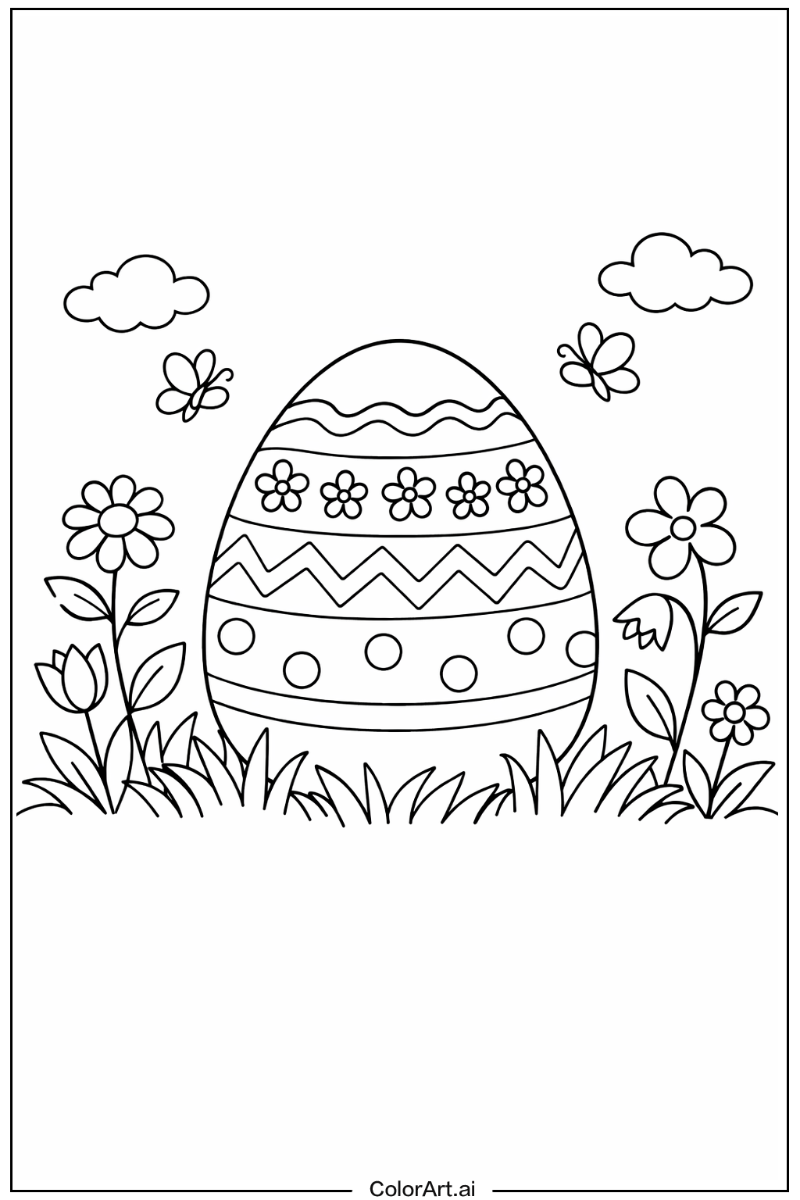 PNG
PNG

 PNG
PNG
 Pobierz PNG
 Pobierz PNG
 Pobierz PNG
 Pobierz PNG
 Pobierz PNG
 Pobierz PNG
 Pobierz PNG
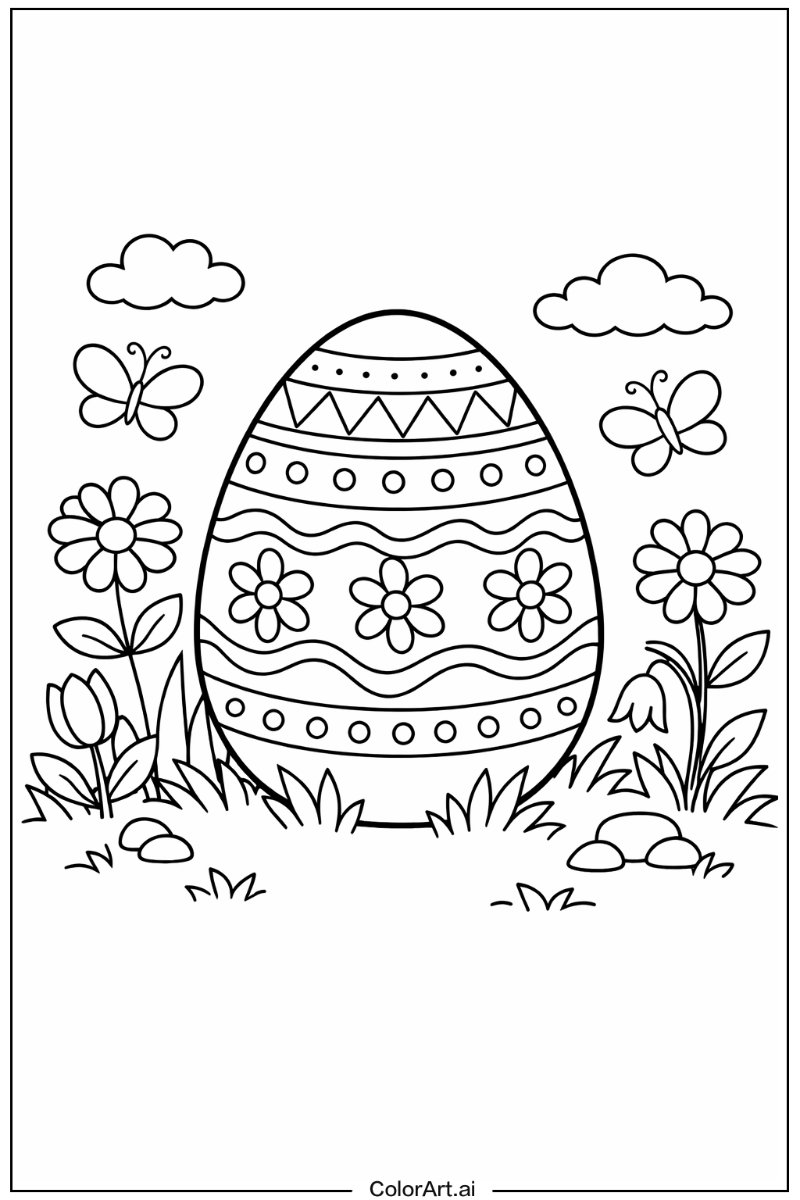 Pobierz PNG
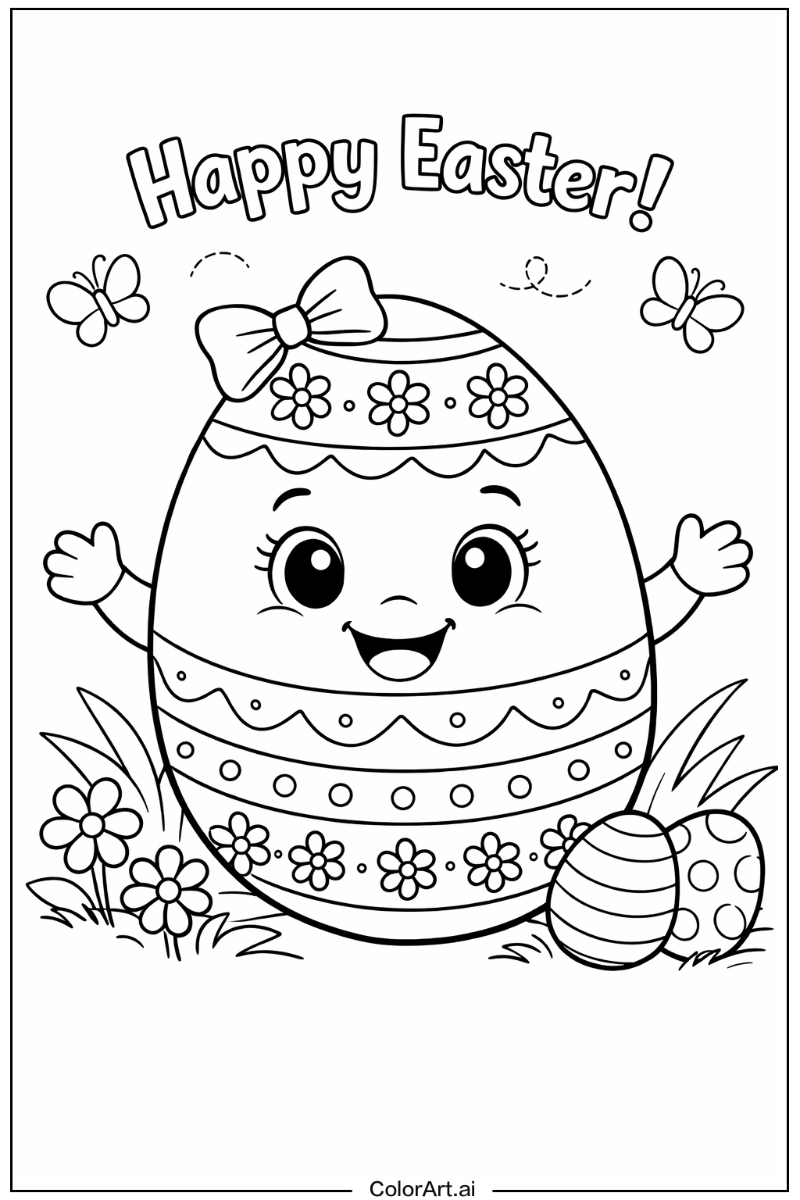
 Pobierz PNG
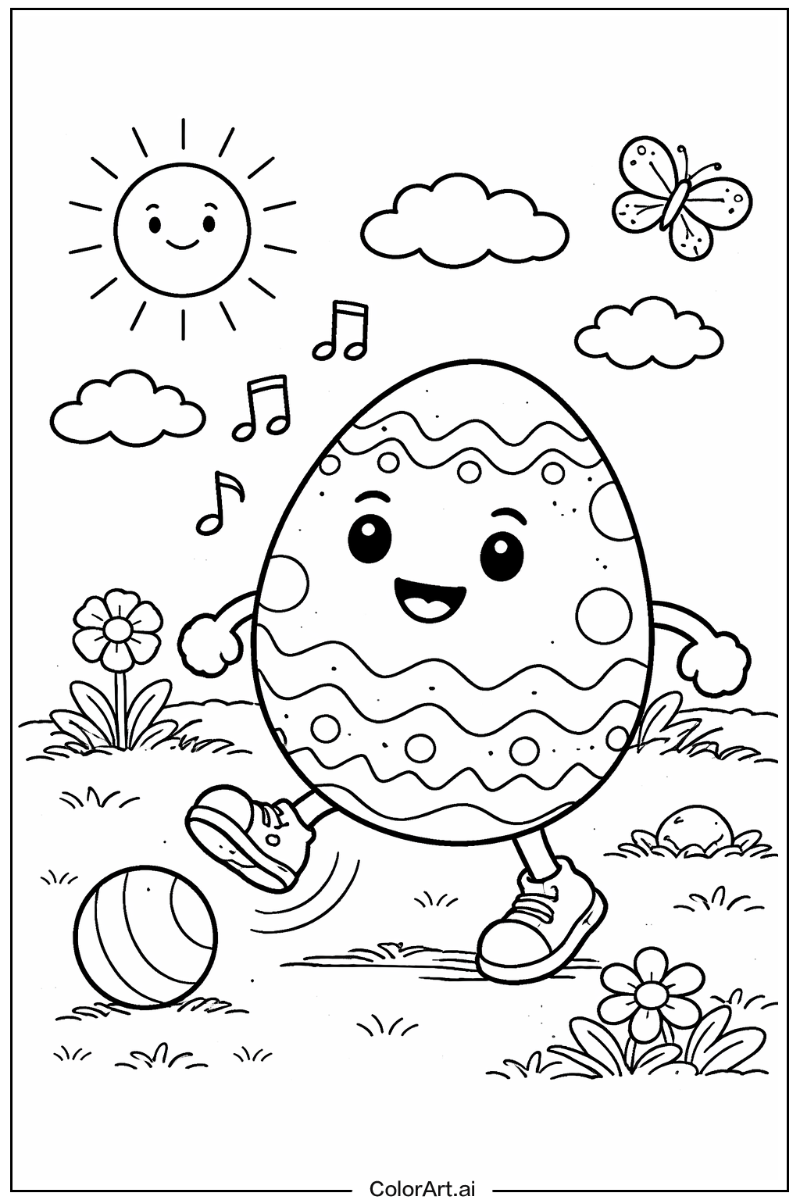
 Pobierz PNG

 Pobierz PNG
 PNG
PNG
 PNG
PNG
 PNG
PNG
 PNG
PNG
 PNG
PNG
 PNG
PNG
 PNG
PNG
 PNG
PNG
 PNG
PNG
 PNG
PNG
 PNG
PNG
 PNG
PNG

 PNG
PNG
 PNG
PNG

 PNG
PNG
 PNG
PNG
 PNG
PNG
 PNG
PNG
Bogata historia pisanek
Pisanki mają fascynującą historię przesiąkniętą tradycją i symboliką. Tradycyjnie te zdobione jajka reprezentują nowe życie, odrodzenie i szczęście, co ściśle łączy je ze świętami wielkanocnymi obchodzonymi przez chrześcijan. Korzenie pisanek sięgają wielu wieków wstecz i wiążą się z różnymi kulturami oraz rytuałami. Na przykład w Europie Wschodniej ukraińska tradycja pisania jajek (pisanki) obejmuje skomplikowane wzory i znaczenia symboliczne, odzwierciedlające tożsamość kulturową i historię. Ucząc moich uczniów o tych różnorodnych tradycjach, często opowiadam o tym, jak różne kultury obchodzą Wielkanoc, organizując polowania na jajka, dekorując je i wręczając jako prezenty. Wzbogaca to ich zrozumienie globalnych zwyczajów oraz znaczenie pisanek, wykraczające poza zwykłą zabawę w kolorowanie.
Edukacyjne korzyści z kolorowania wielkanocnych jajek
Zabawa z kolorowankami z wielkanocnymi jajkami przynosi wiele korzyści edukacyjnych dla młodszych uczniów. Kolorowanie usprawnia motorykę małą i koordynację ręka-oko, co jest niezbędne dla ich ogólnego rozwoju. Pamiętam cudowną chwilę, gdy moi uczniowie, zwłaszcza ci najmłodsi, zmagali się z trzymaniem kredek. Dzięki regularnym ćwiczeniom z naszymi kolorowankami do wydruku, obserwowałam, jak ich umiejętności rozkwitają. Uczniowie tacy jak Mia, która początkowo miała trudności z kolorowaniem w liniach, zaczęli tworzyć pięknie szczegółowe prace, co pokazało ich rosnącą kontrolę i pewność siebie. Dodatkowo te kolorowanki promują koncentrację i skupienie uwagi, ponieważ dzieci skupiają się na wypełnianiu skomplikowanych wzorów. Poza zdolnościami motorycznymi, kolorowanie jajek wprowadza dzieci w pojęcia takie jak symetria i wzory, kładąc fundamenty pod naukę wczesnoszkolnej matematyki.
Praktyczne wskazówki dotyczące kolorowania pisanek
Jeśli chodzi o kolorowanie pisanek, istnieje kilka technik, które mogą pomóc Twoim uczniom lub dzieciom osiągnąć zachwycające rezultaty. Często zachęcam dzieci do wyboru palety kolorów, która do nich przemawia. Dla młodszych dzieci świetną zabawą będą kolory podstawowe, podczas gdy starsi uczniowie mogą chcieć poeksperymentować z pastelami, a nawet metalicznymi odcieniami. Sugeruję posiadanie pod ręką różnych przyborów do kolorowania, takich jak kredki, flamastry i ołówki, aby zaspokoić różne preferencje. Do skomplikowanych wzorów flamastry często zapewniają czystsze linie. Pewnego roku wprowadziłam brokat do naszych sesji kolorowania, a blask dodał czarującego akcentu, który moi uczniowie absolutnie pokochali! Pamiętaj, aby stworzyć zrelaksowaną atmosferę, w której kreatywność płynie swobodnie — włącz spokojną muzykę i pozwól na odrobinę szczęśliwego bałaganu!
Aktualne trendy w edukacji plastycznej związanej z wielkanocnymi jajkami
W tym roku zauważyłam ekscytujący powrót popularności kolorowanek z wielkanocnymi jajkami, napędzany połączeniem tradycyjnych praktyk i nowoczesnych wpływów. Wielu nauczycieli włącza technologię do swoich klas, pozwalając uczniom korzystać z cyfrowych aplikacji do kolorowania obok tradycyjnych kolorowanek do wydruku. To połączenie doświadczeń fizycznych i cyfrowych przyciąga uwagę dzieci, które są coraz bardziej obeznane z technologią. Niedawno prowadziłam warsztaty, podczas których uczniowie mogli wybierać między kolorowaniem na papierze lub na tabletach, i fascynujące było obserwowanie, jak niektórzy preferowali wrażenia dotykowe podczas używania kredek, podczas gdy inni kochali natychmiastową gratyfikację kolorowania cyfrowego. Co więcej, wydarzenia społecznościowe, takie jak coroczne toczenie jajek w Białym Domu, nadal promują zaangażowanie rodziny poprzez działania związane z jajkami, podkreślając znaczenie tradycji w edukacji.
Często zadawane pytania dotyczące kolorowanek wielkanocnych
Dla jakiej grupy wiekowej odpowiednie są kolorowanki z wielkanocnymi jajkami? Kolorowanki z wielkanocnymi jajkami są odpowiednie dla szerokiego zakresu grup wiekowych, od przedszkolaków po dorosłych. Często dostosowuję poziom skomplikowania kolorowanek do umiejętności moich uczniów, zapewniając, że każdy może cieszyć się tą świąteczną aktywnością.
Jakie materiały najlepiej sprawdzają się do kolorowania pisanek? Dla uzyskania optymalnych rezultatów polecam kredki ołówkowe do szczegółowej pracy, flamastry dla wyrazistych kolorów i kredki świecowe dla młodszych dzieci. Wysokiej jakości papier lub karton może poprawić ostateczny wygląd pracy.
Jak najlepiej drukować kolorowanki, aby uzyskać najlepszą jakość? Użyj wysokiej jakości ustawień drukowania w swojej drukarce, standardowy papier A4 sprawdzi się bardzo dobrze. Dla uzyskania bardziej wykończonego efektu, karton jest świetnym wyborem.