Witaj w kocim świecie!
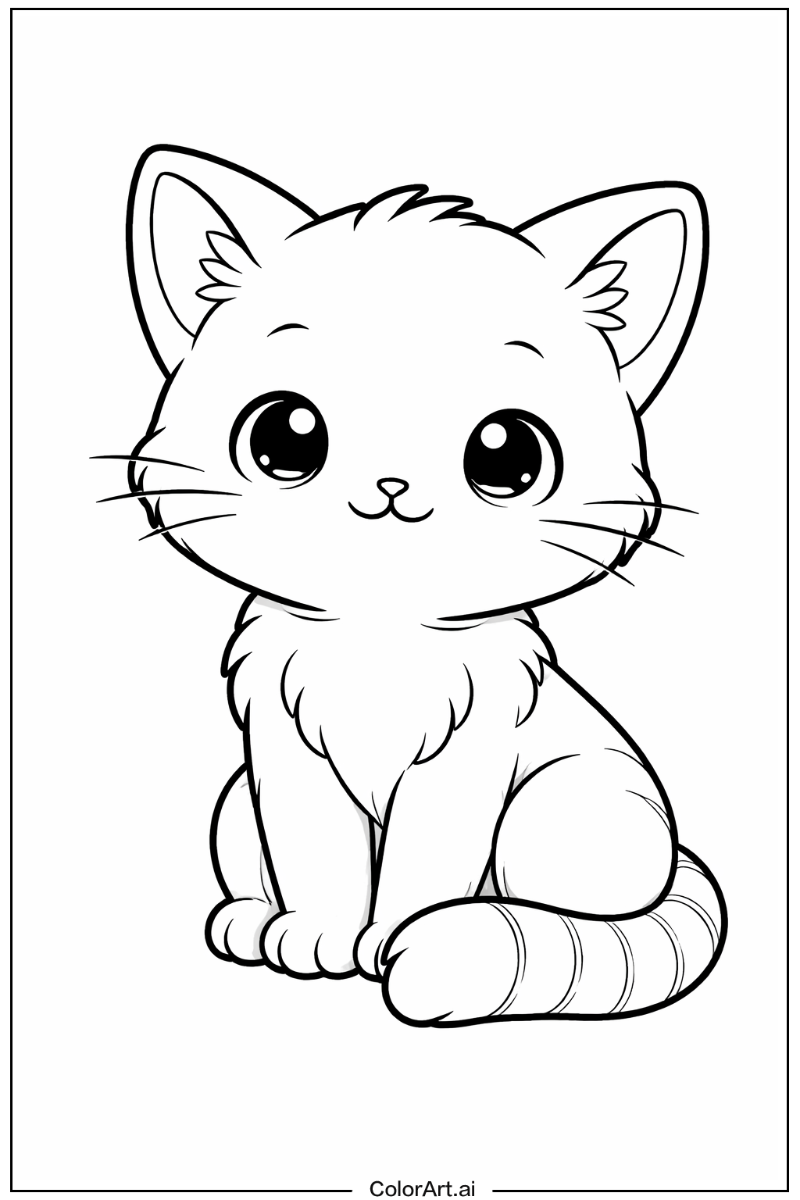
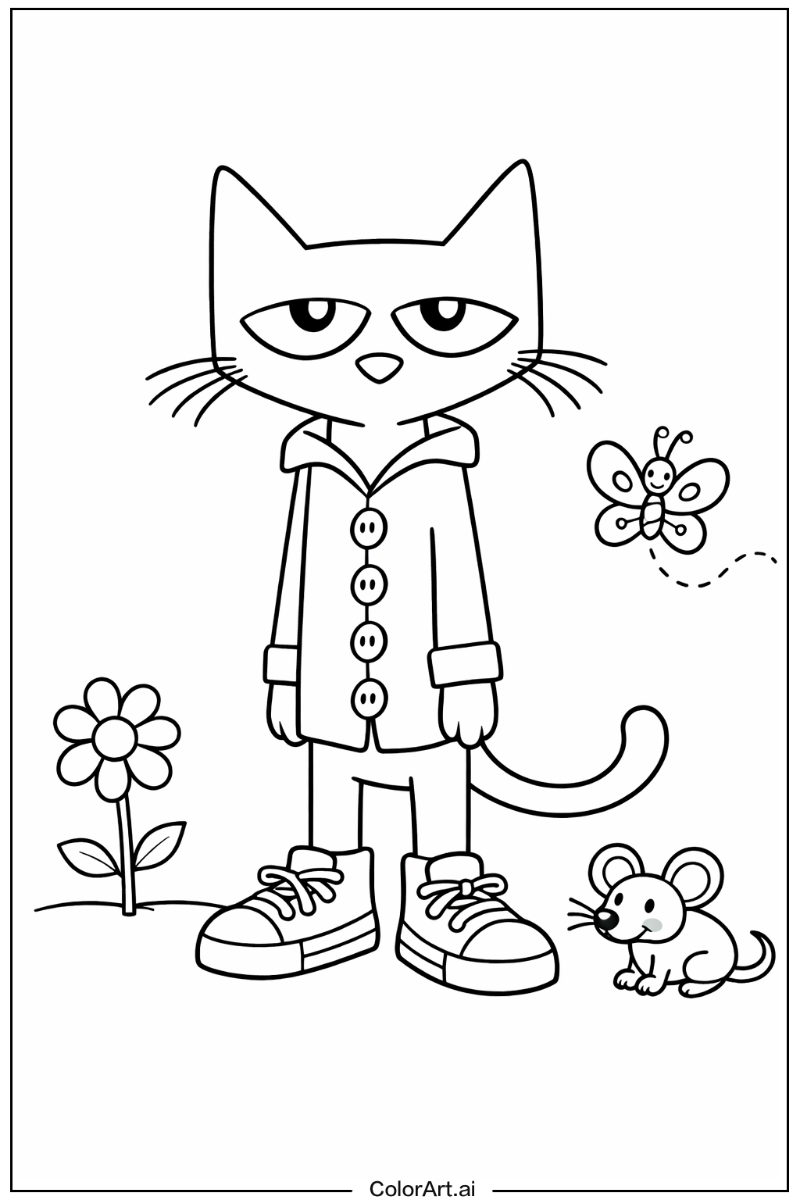
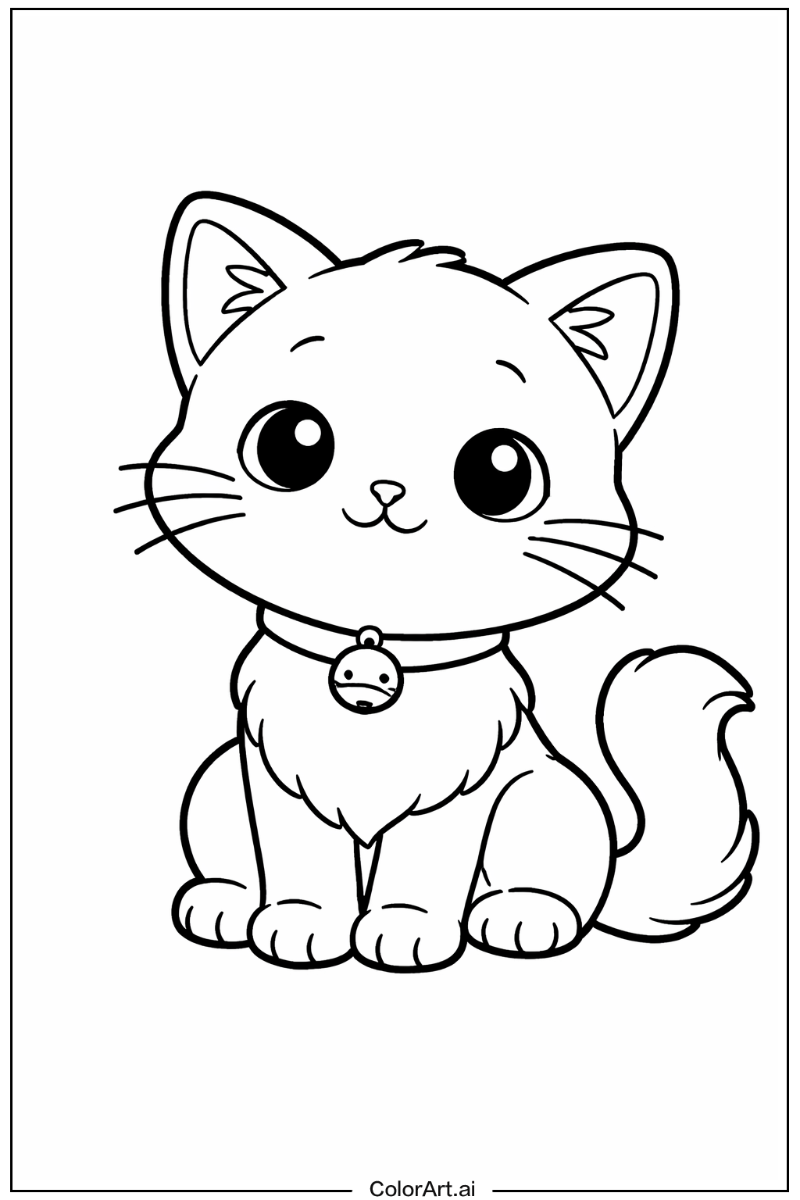
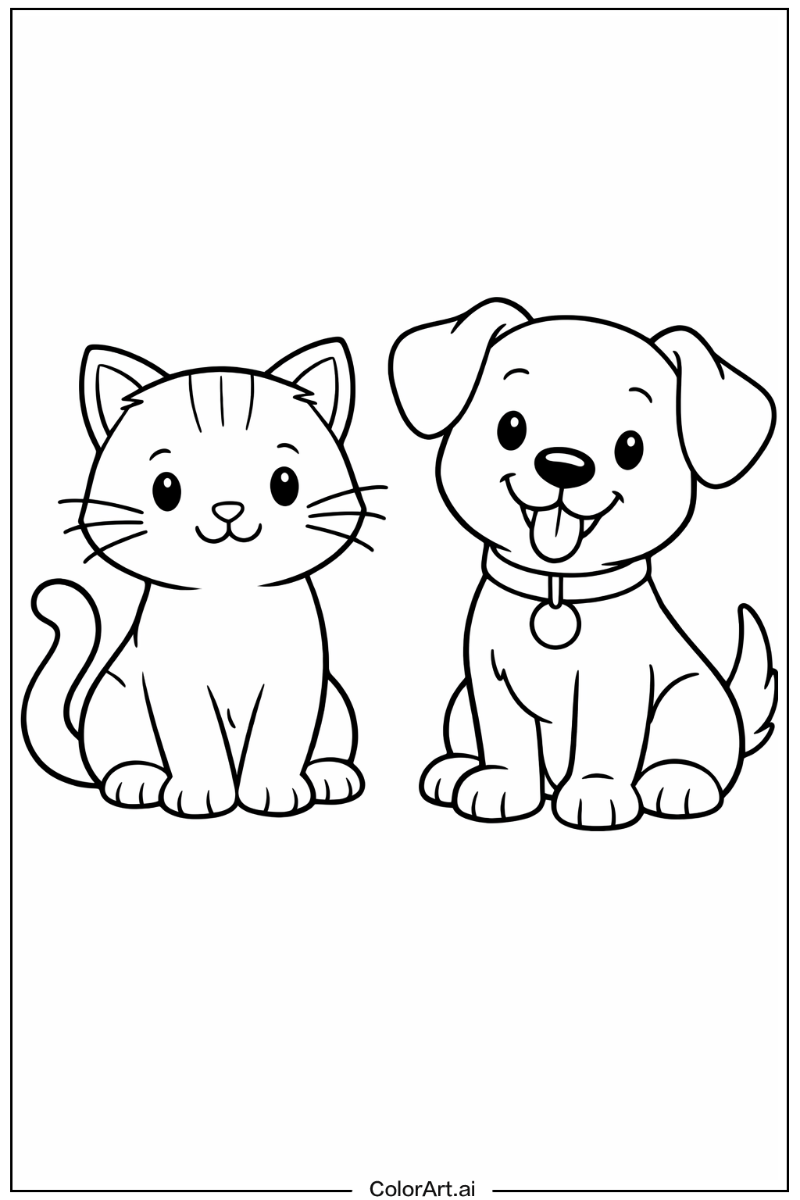
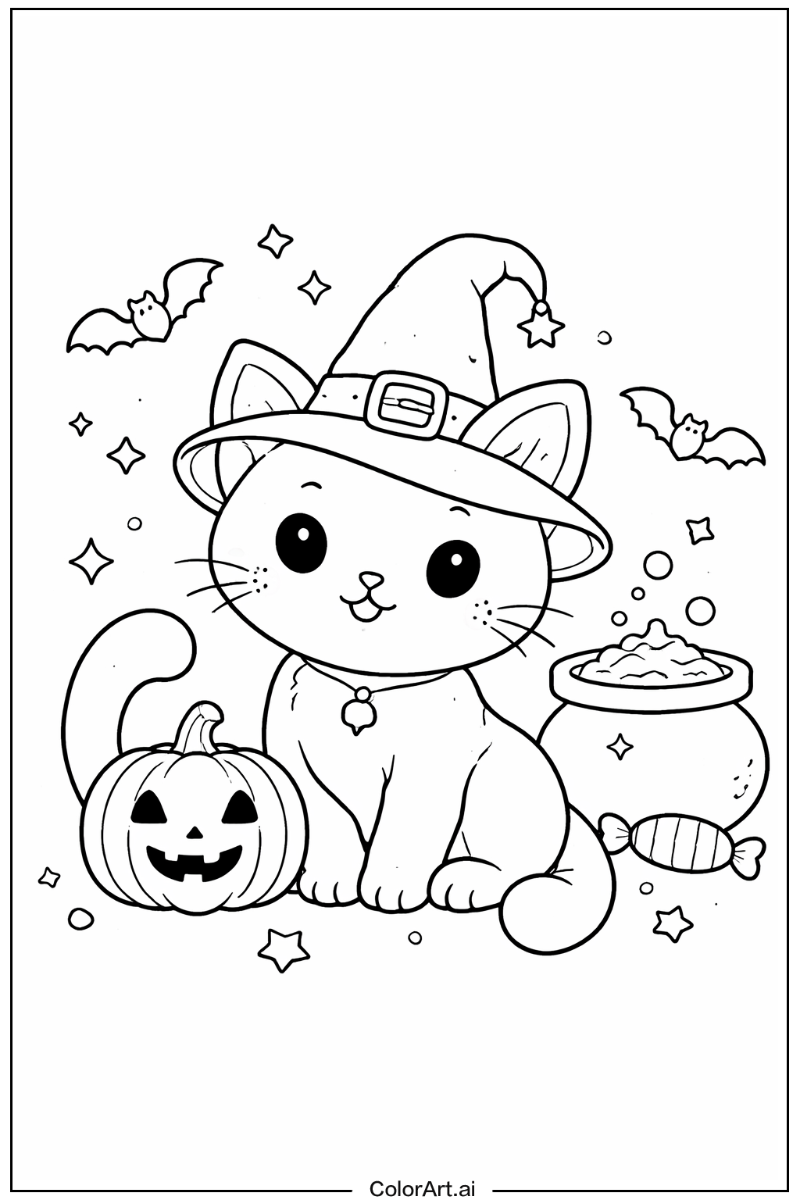
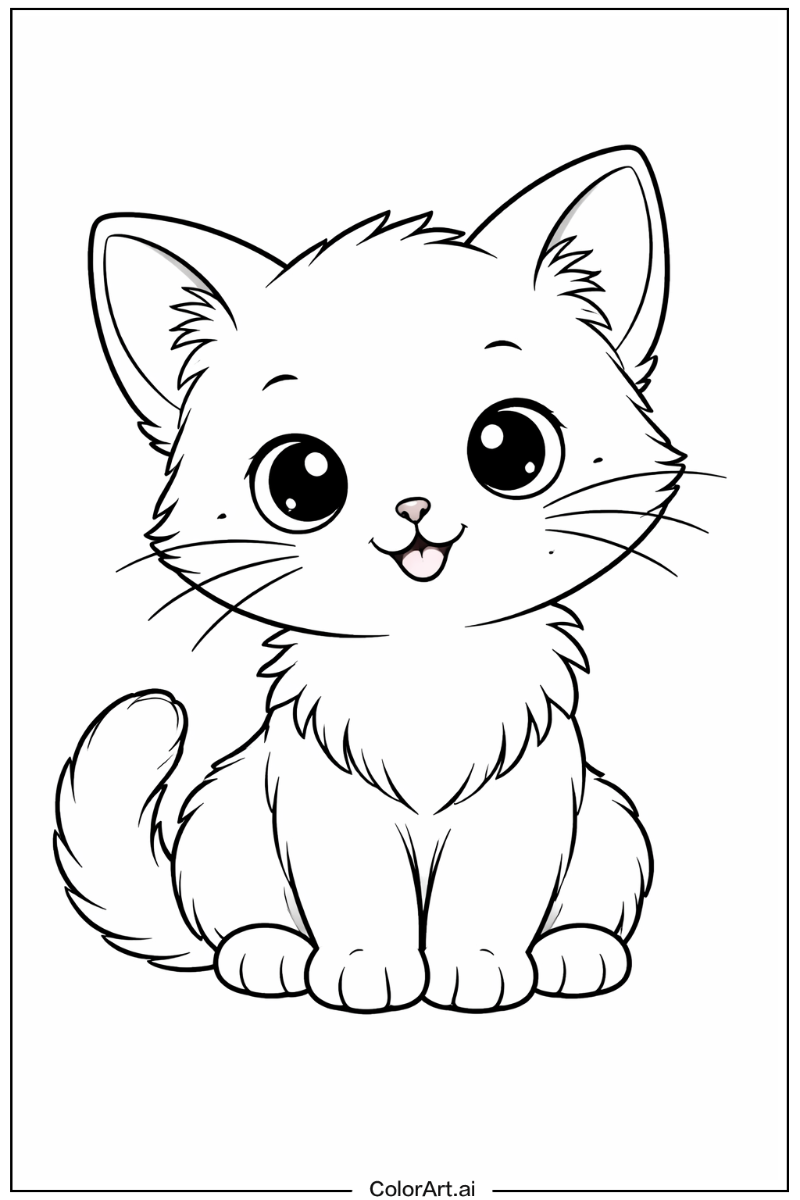
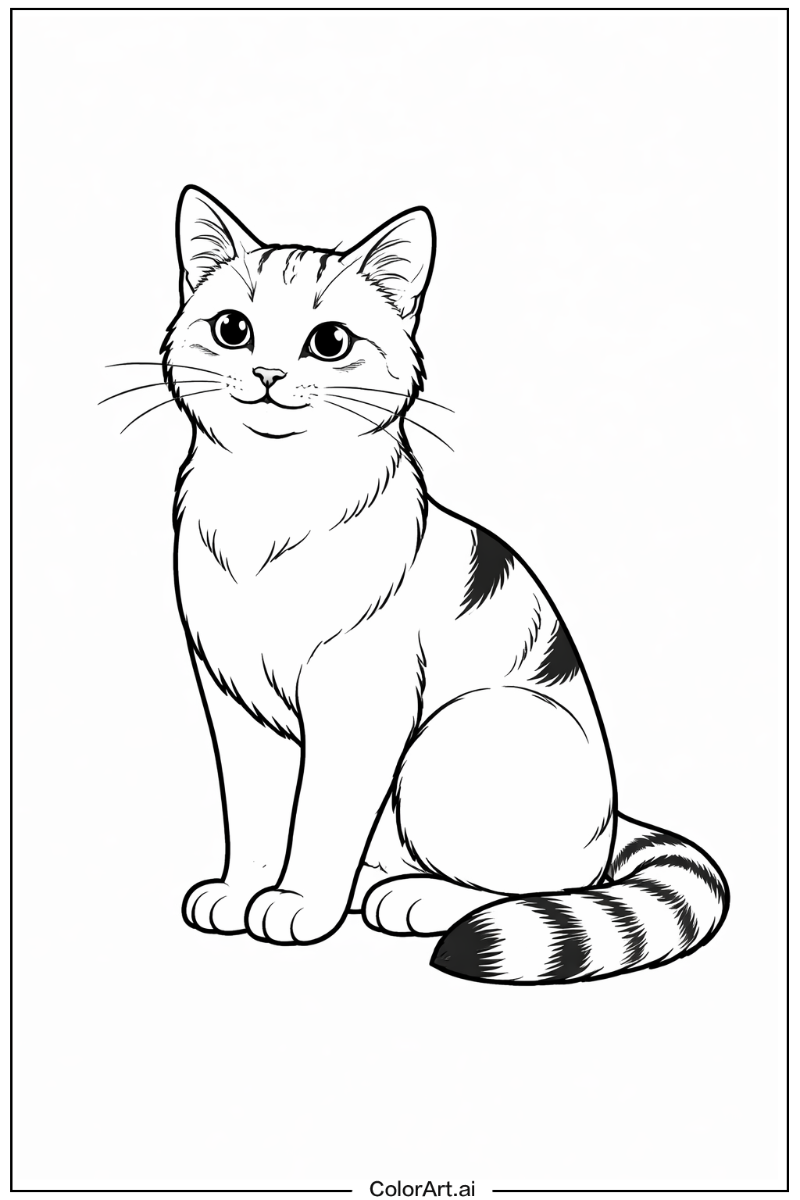
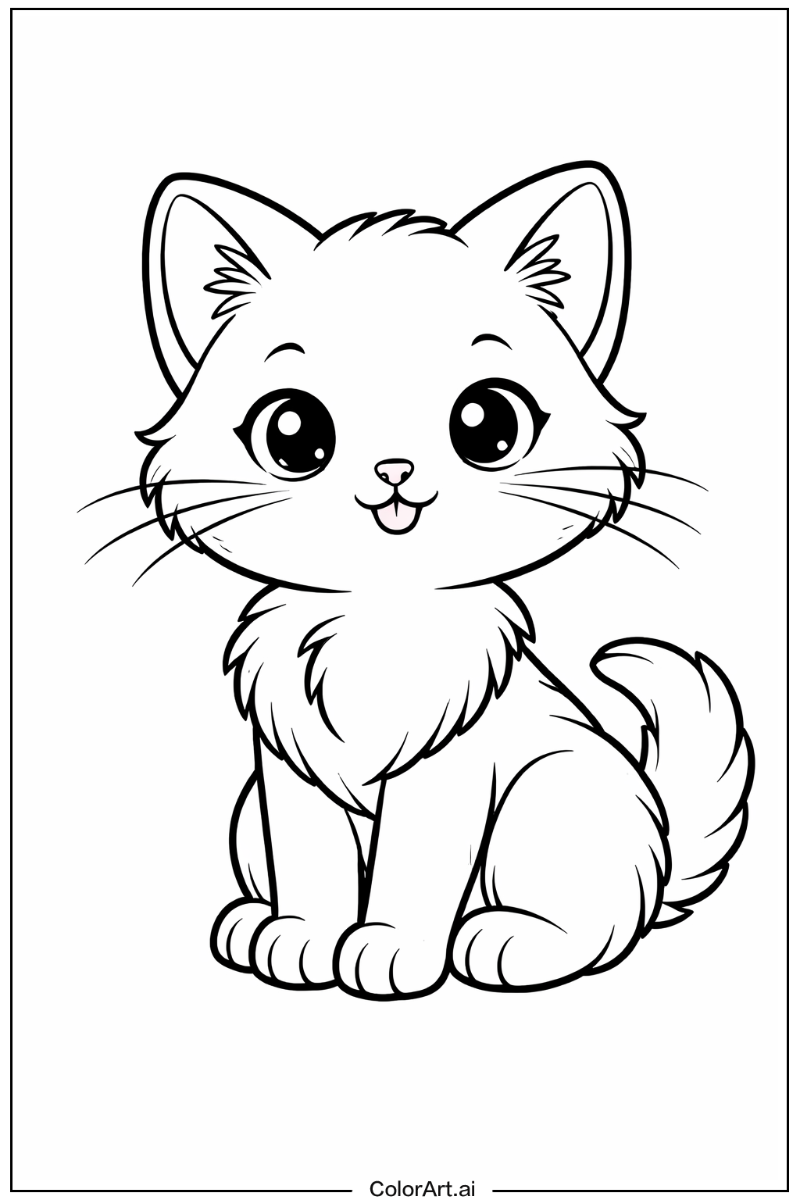
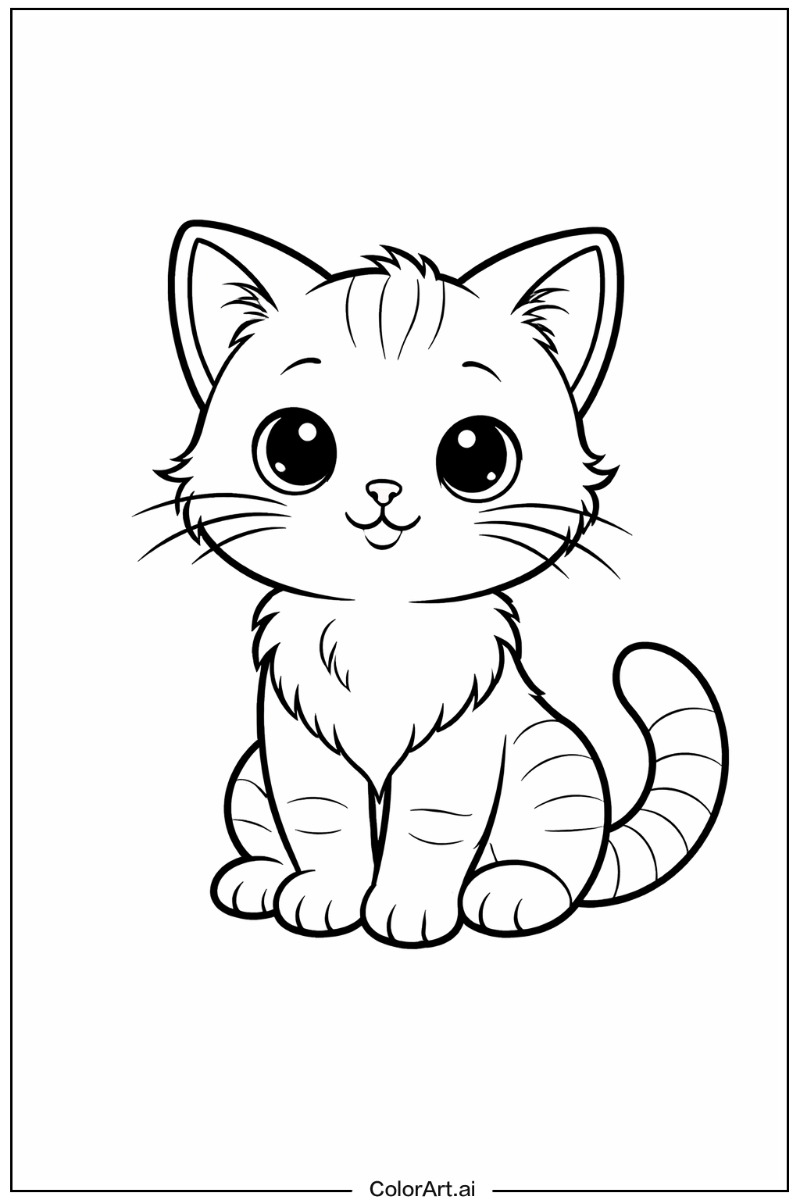
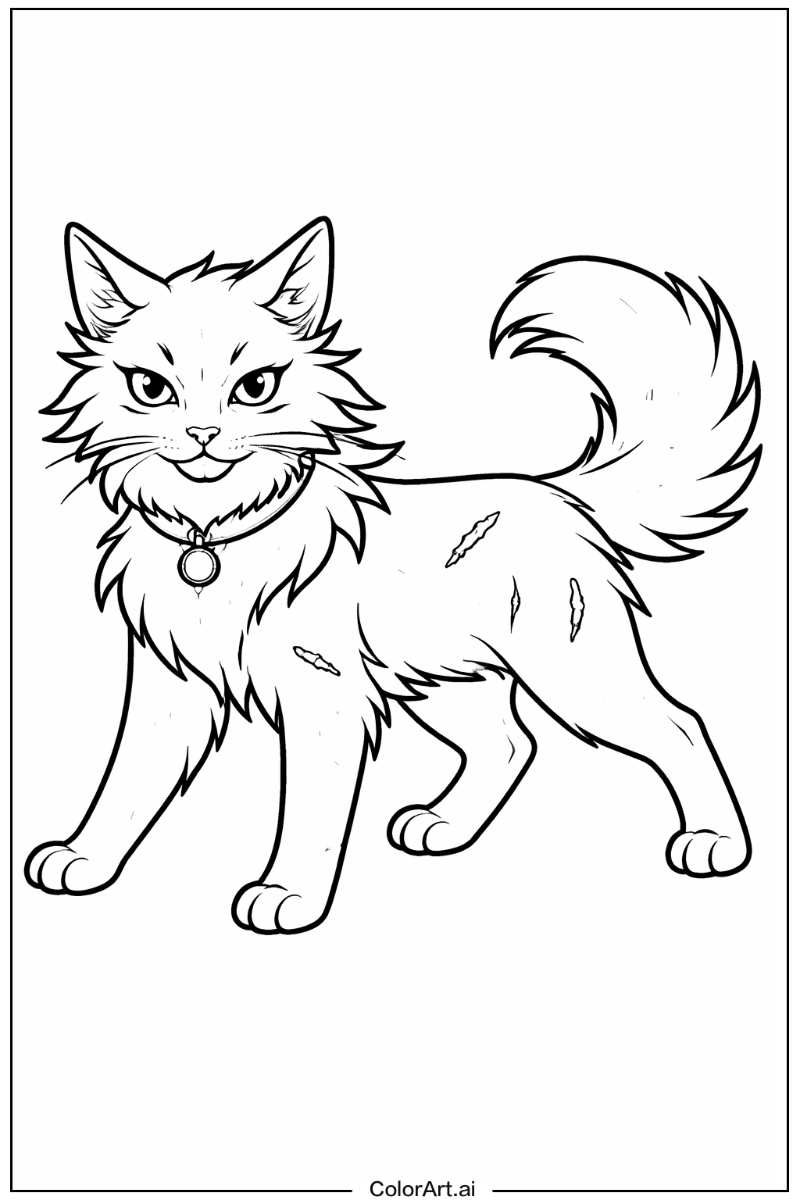
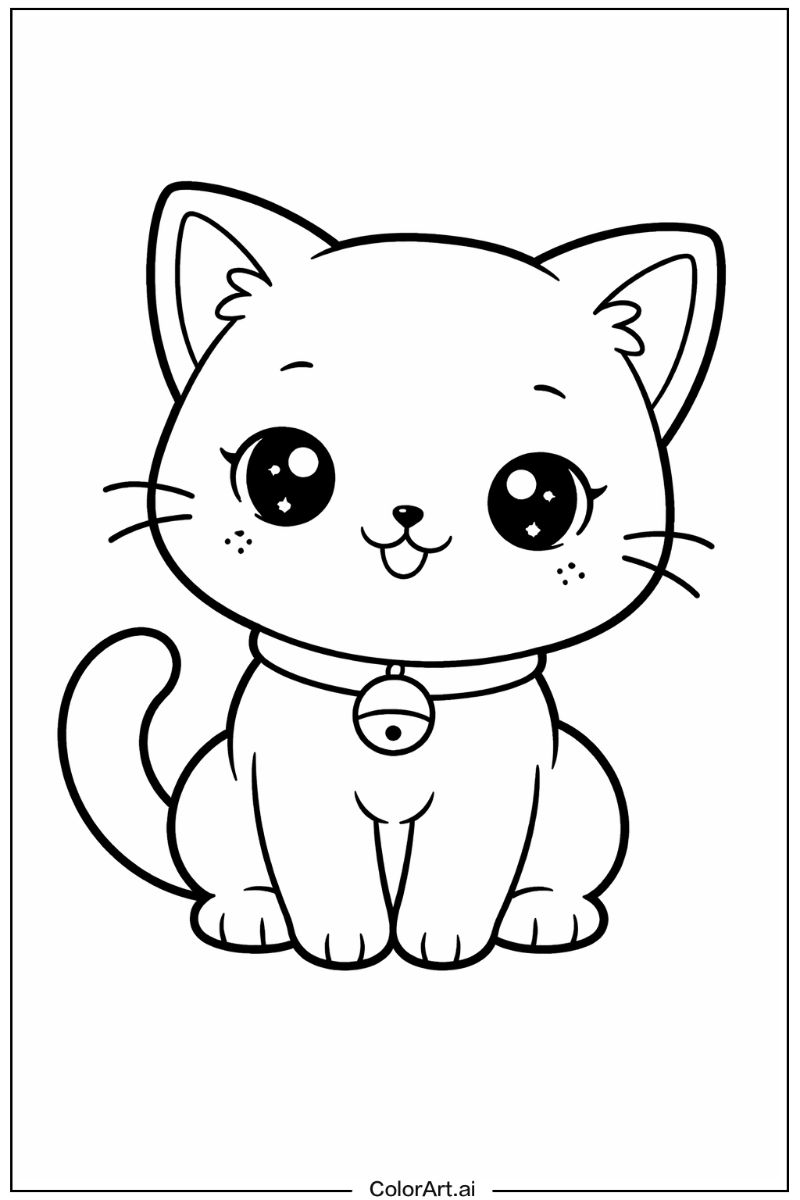
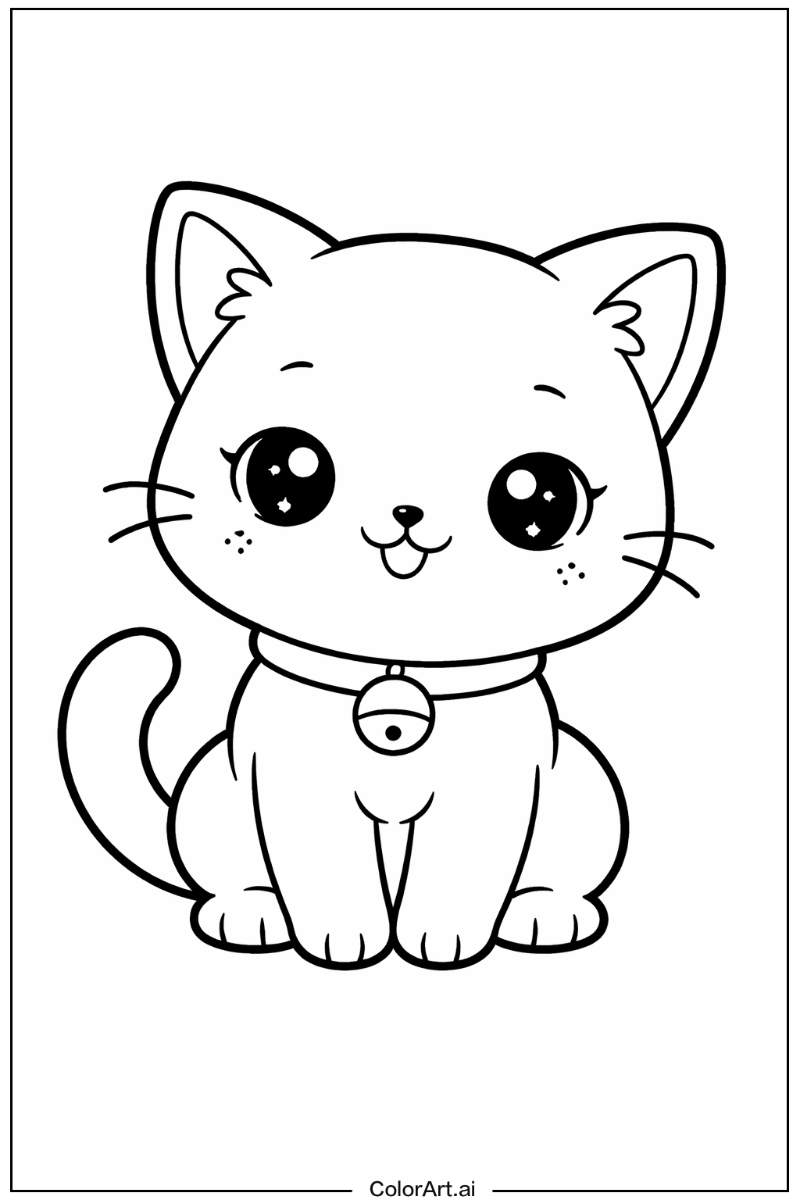
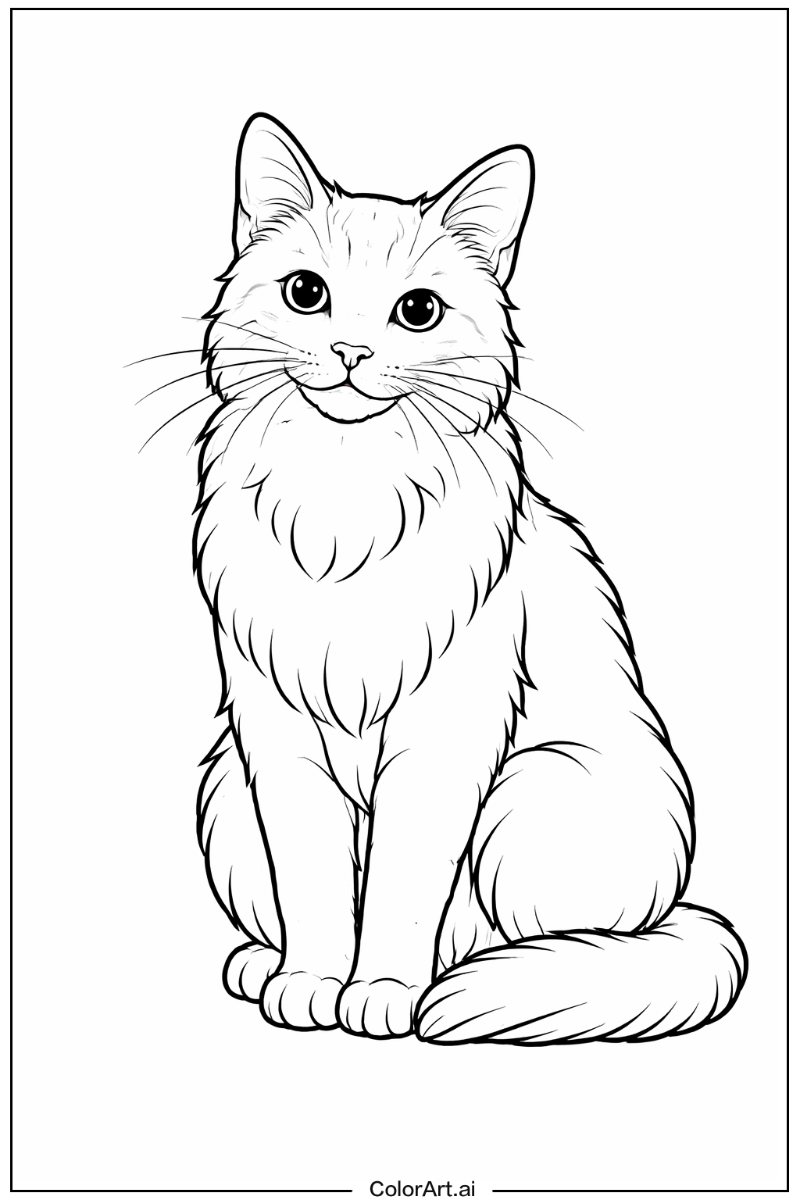
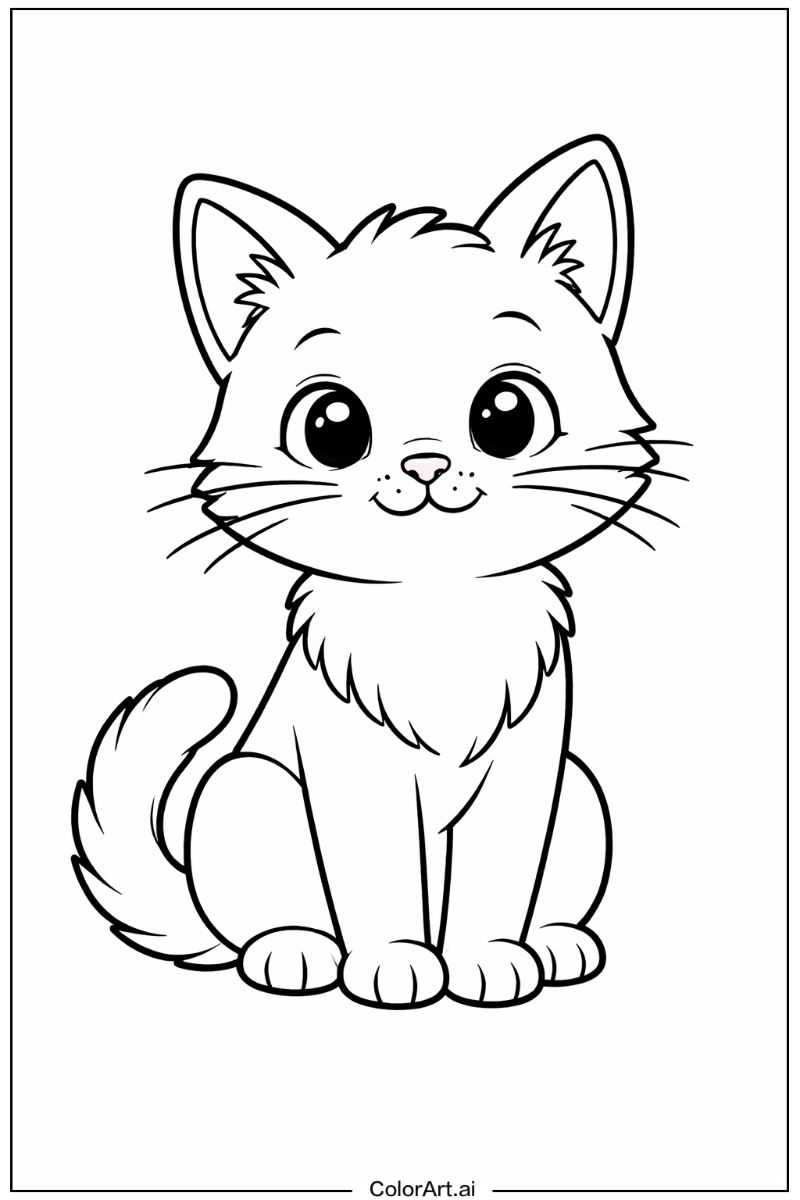
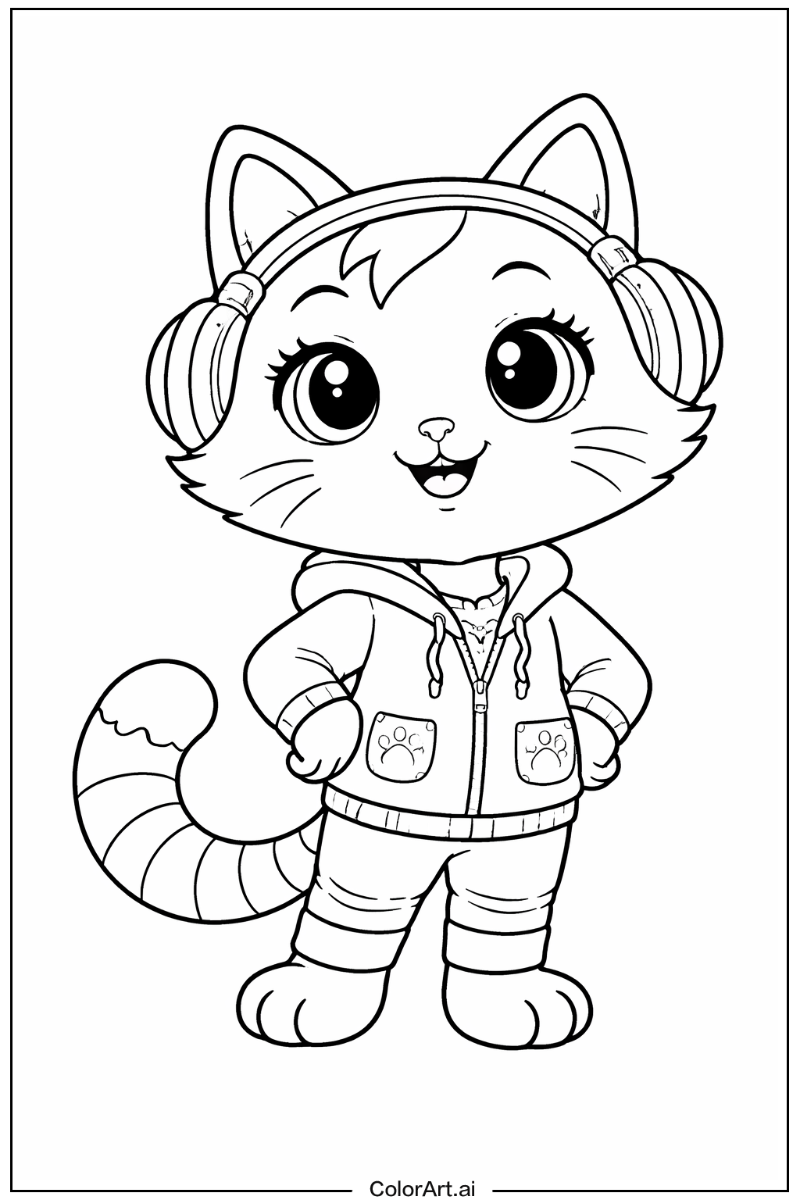
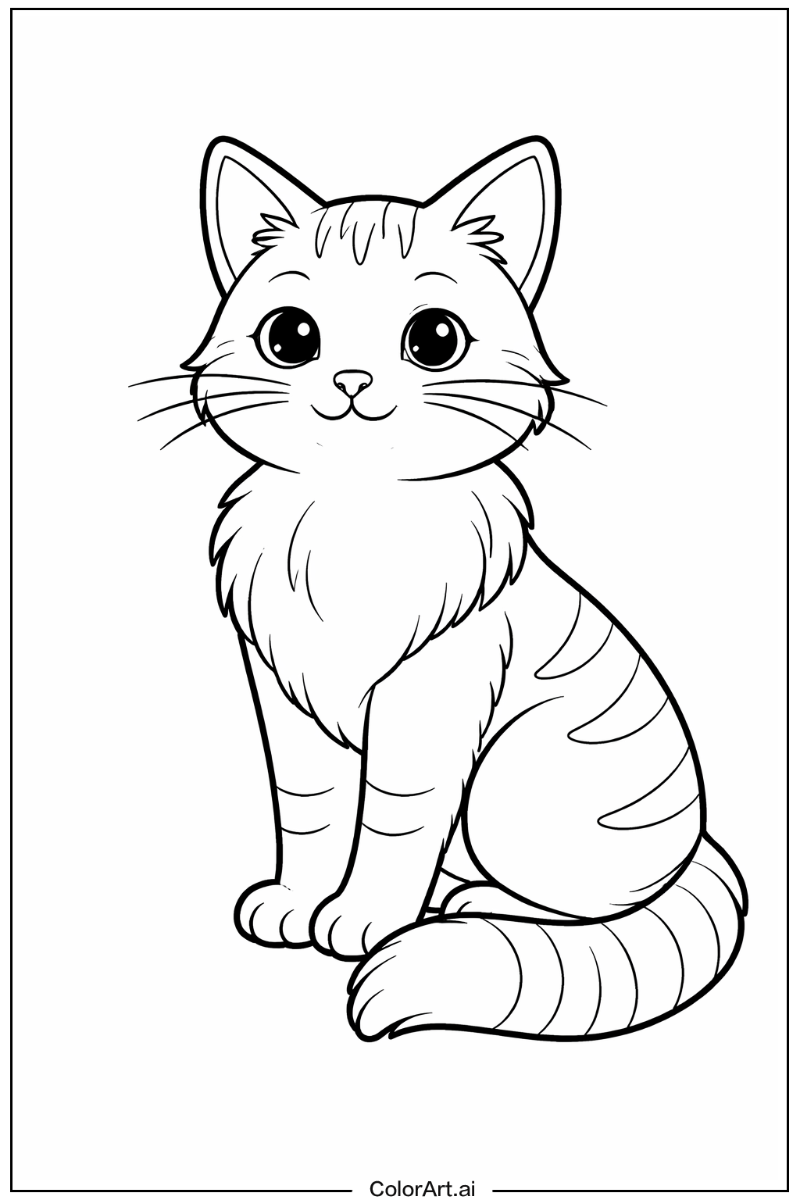
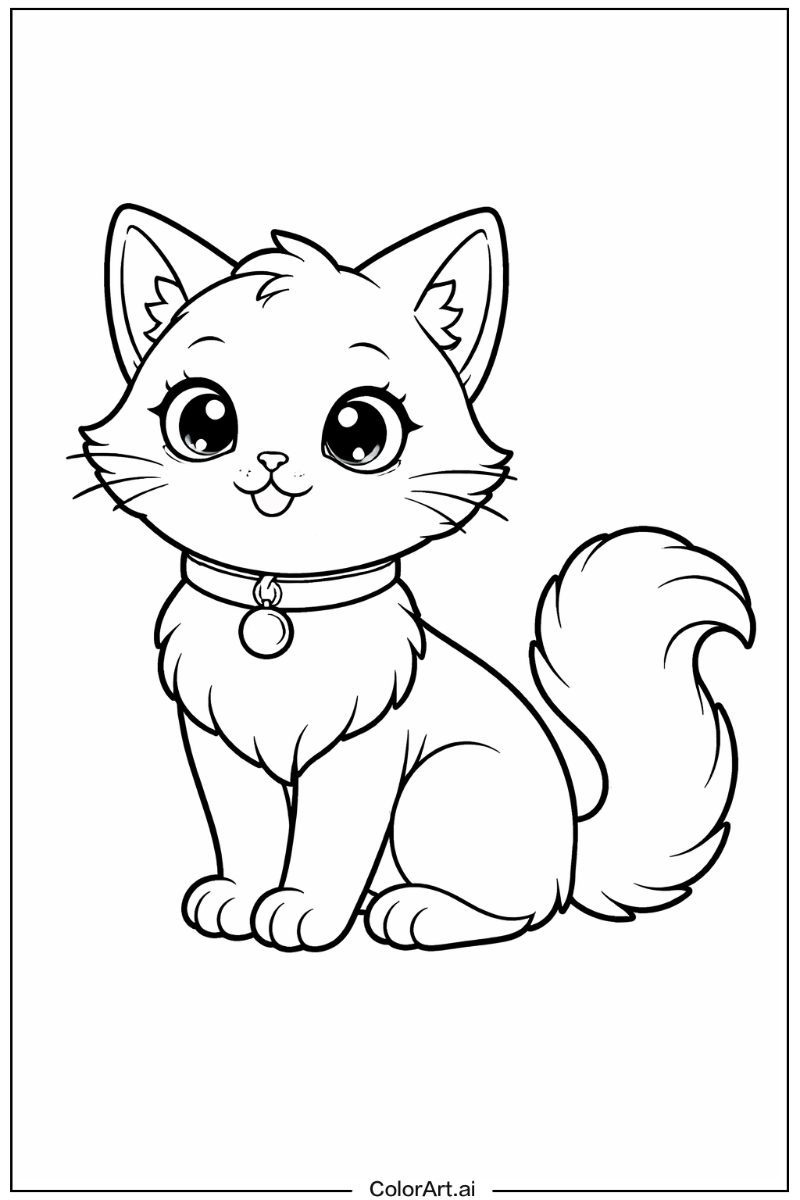
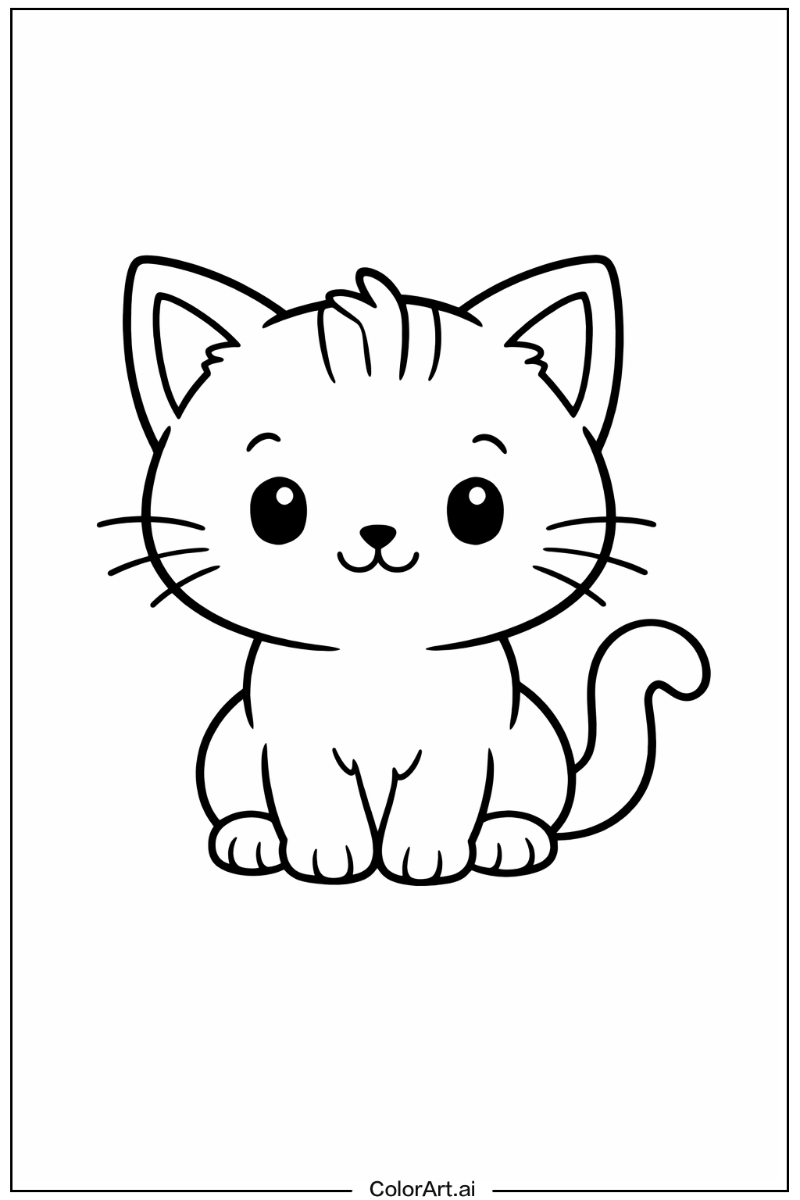
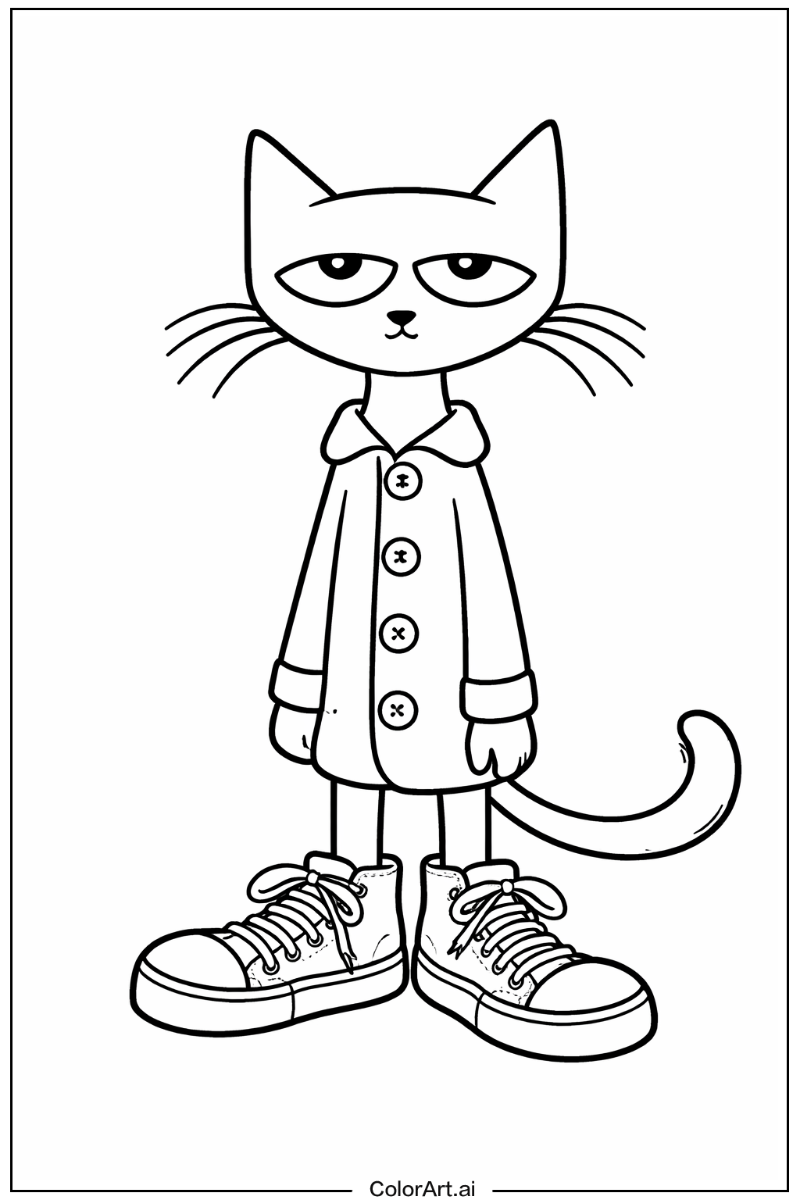
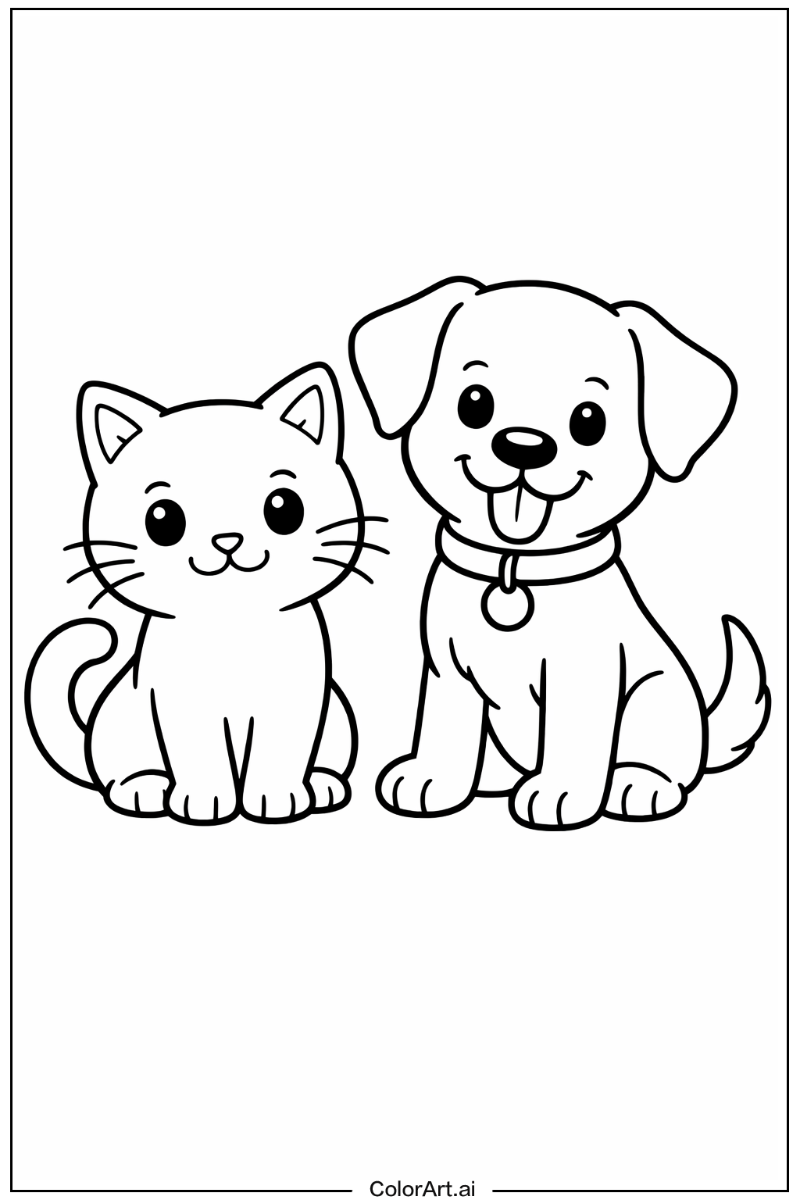
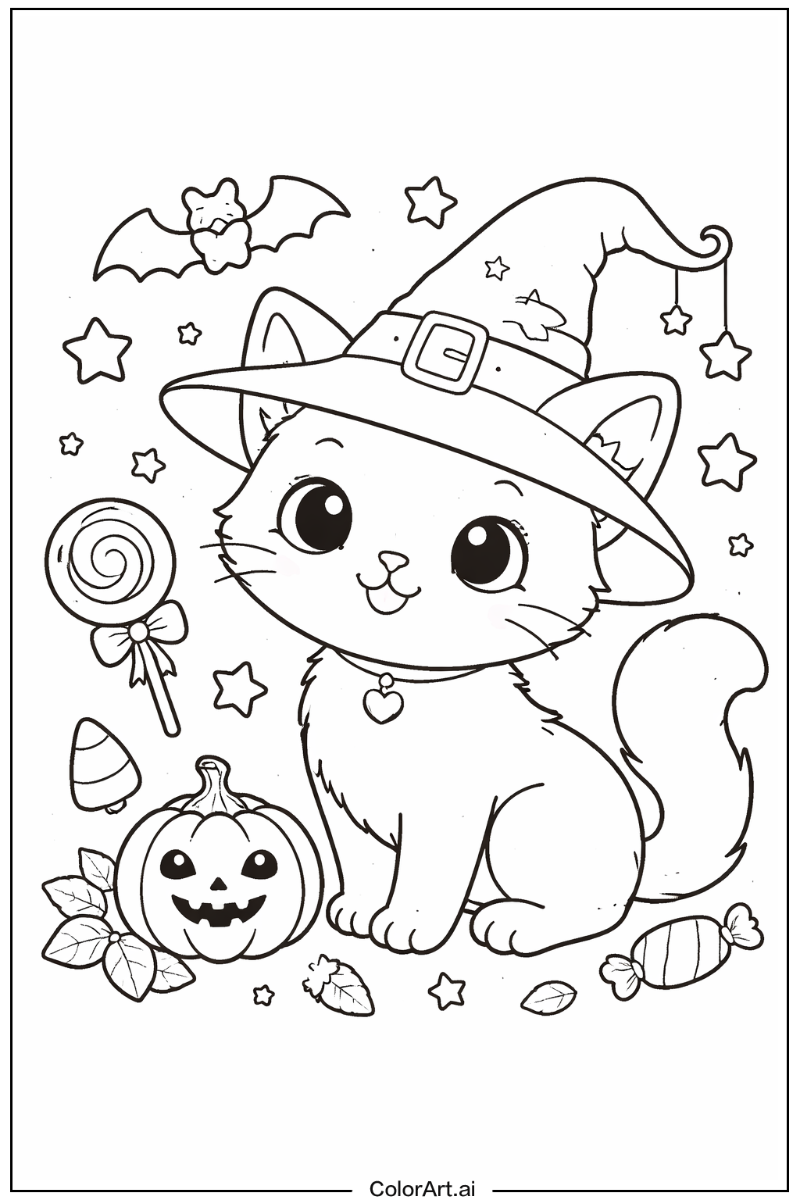
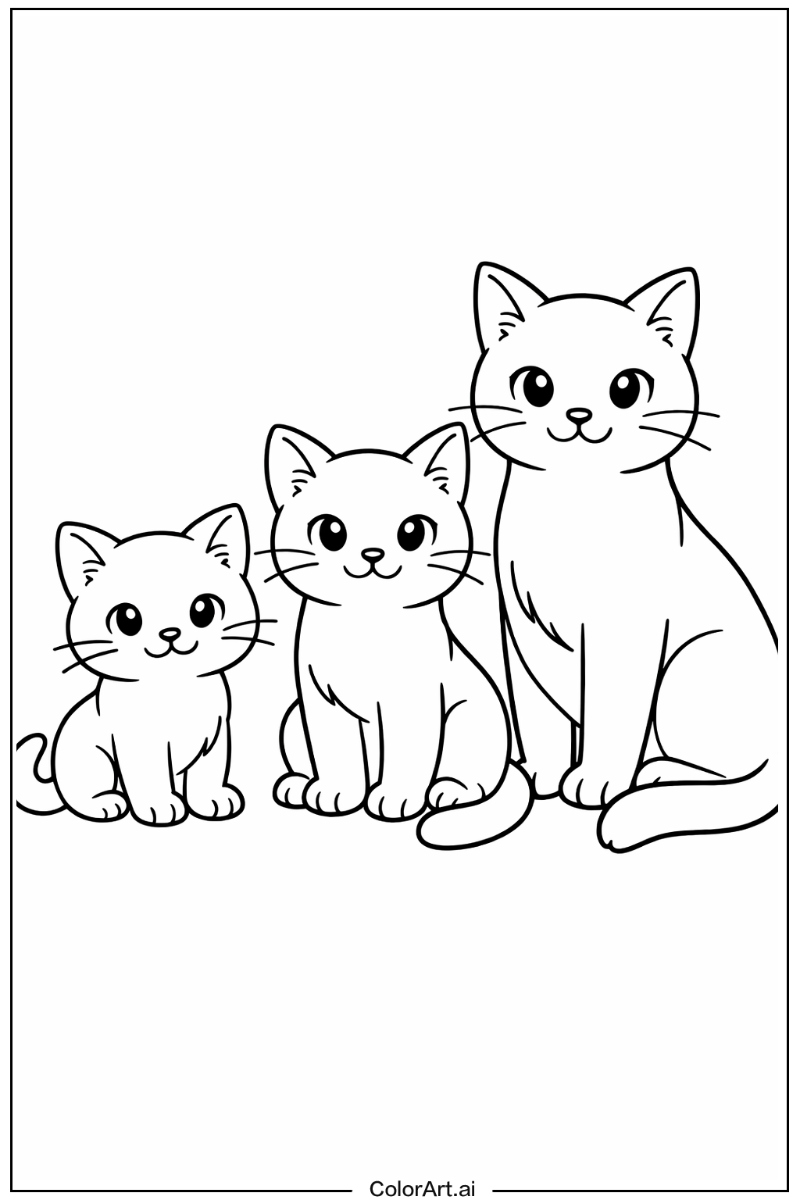
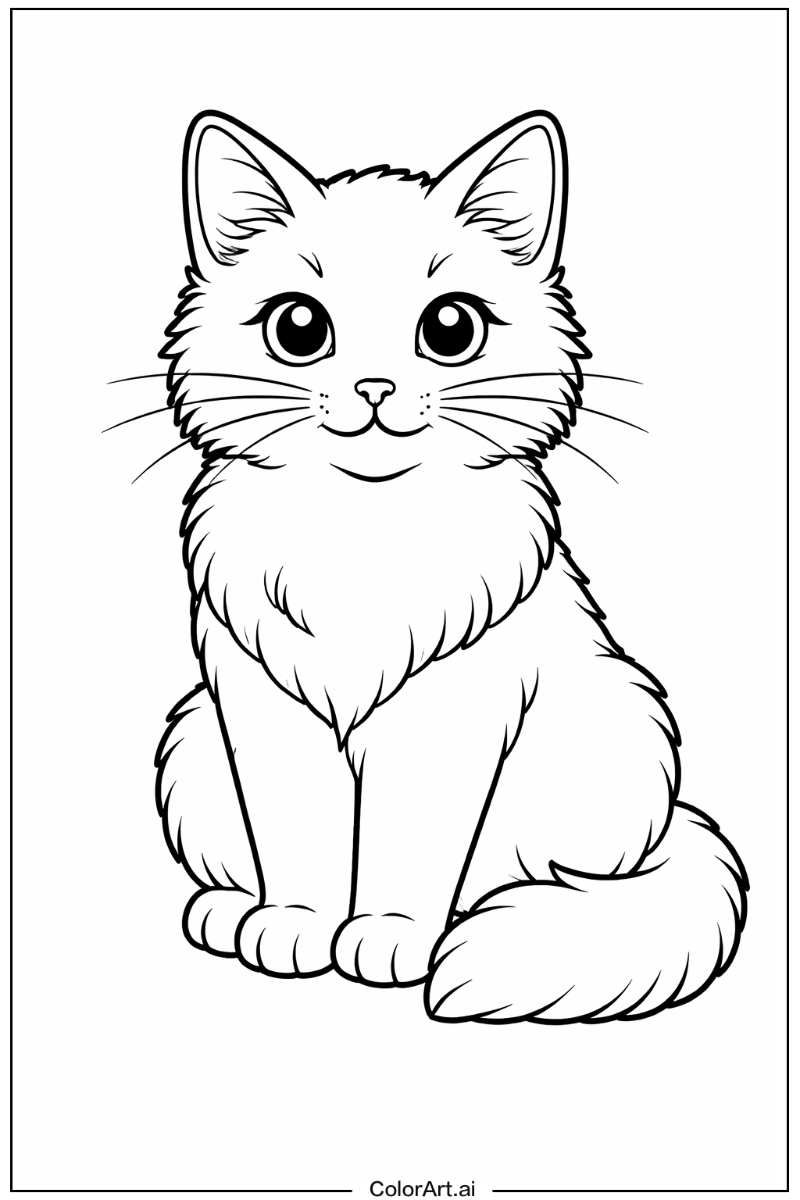
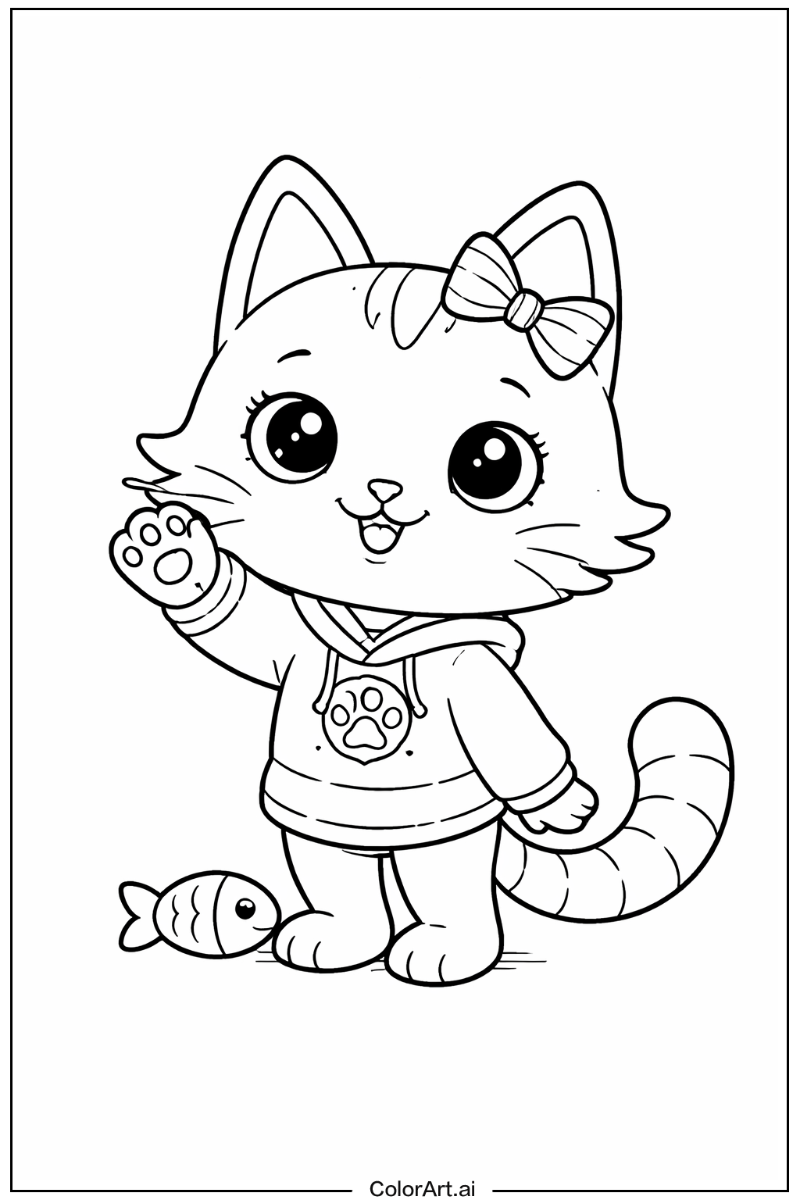
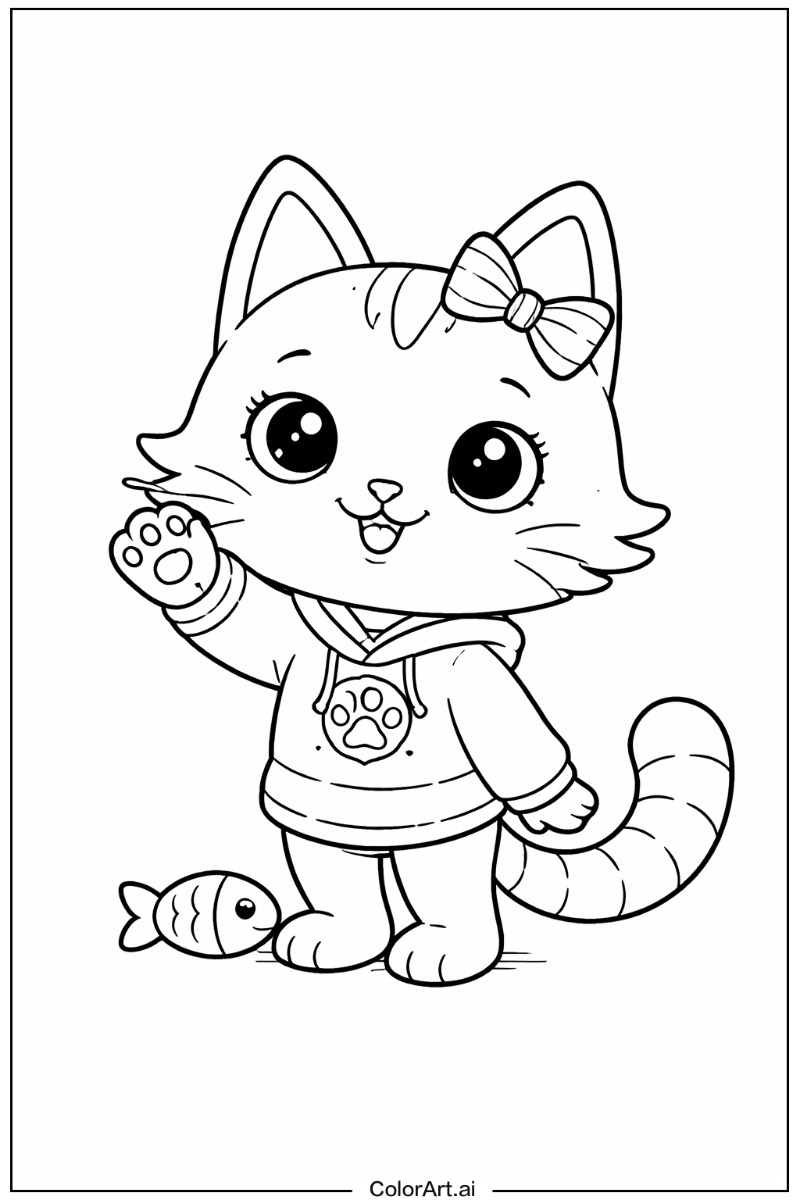
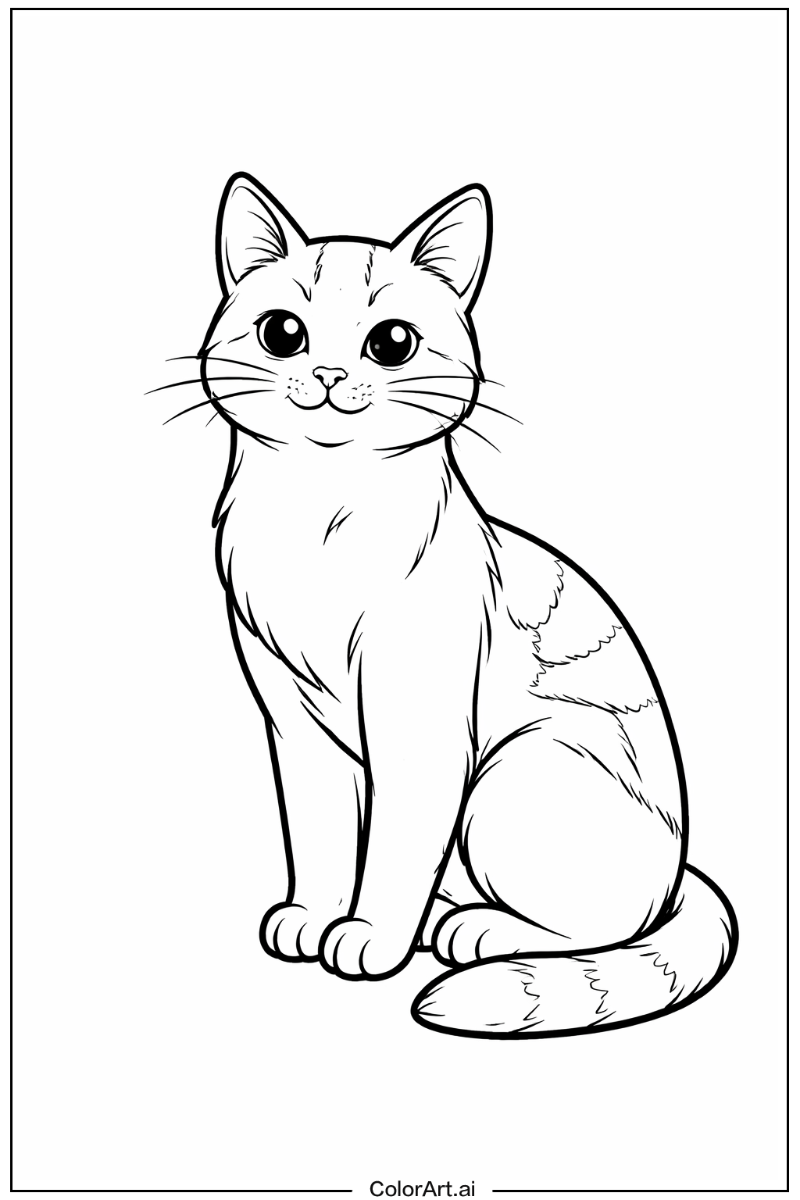
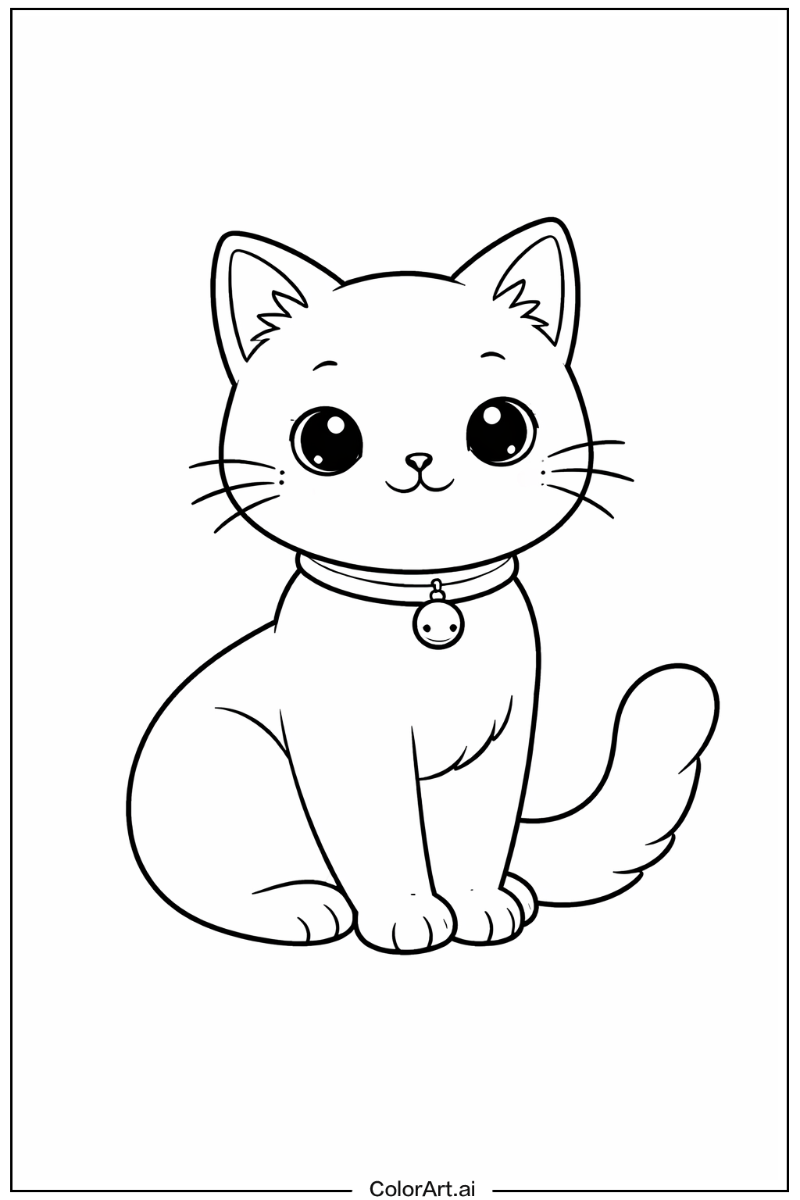
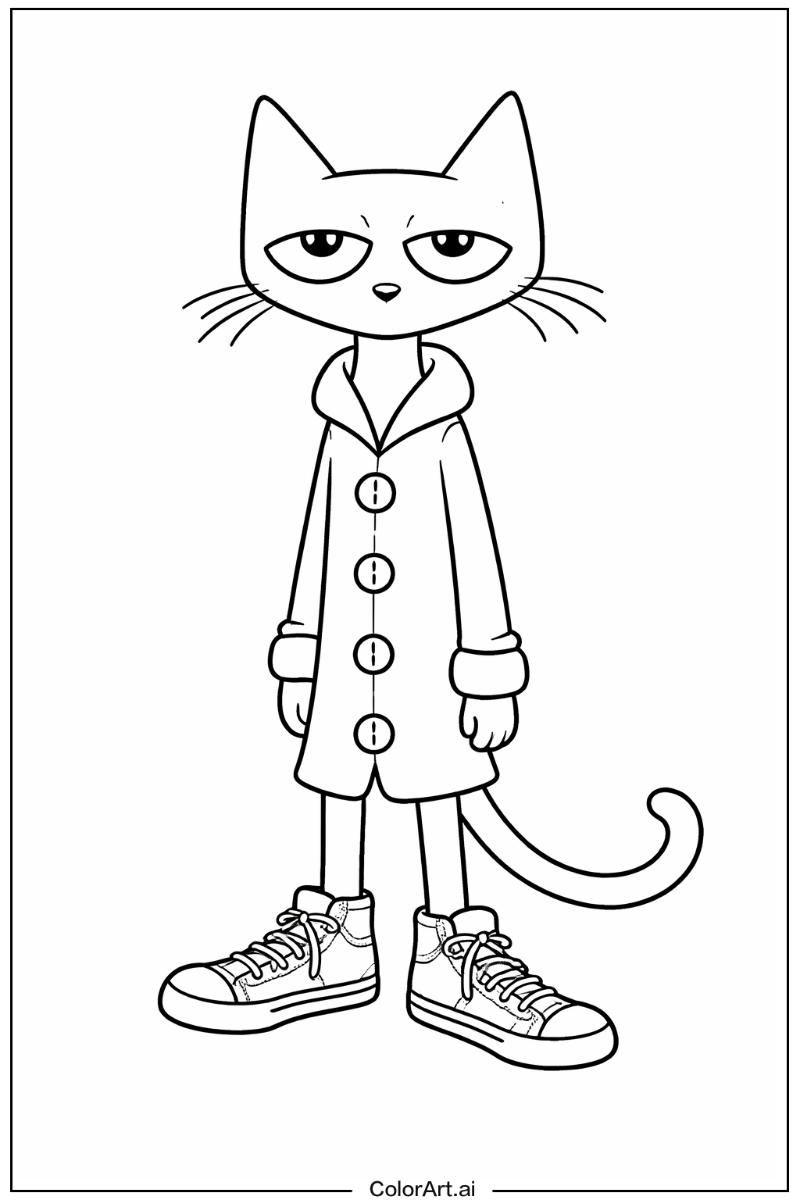
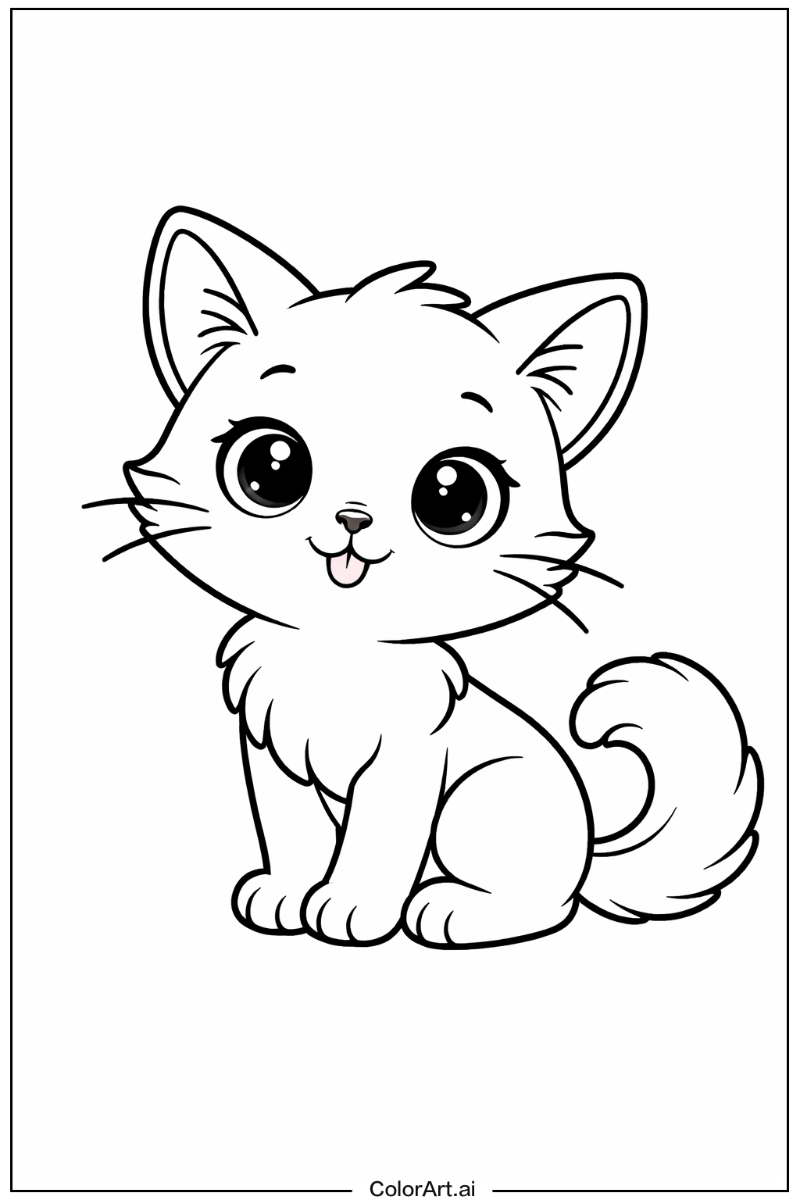
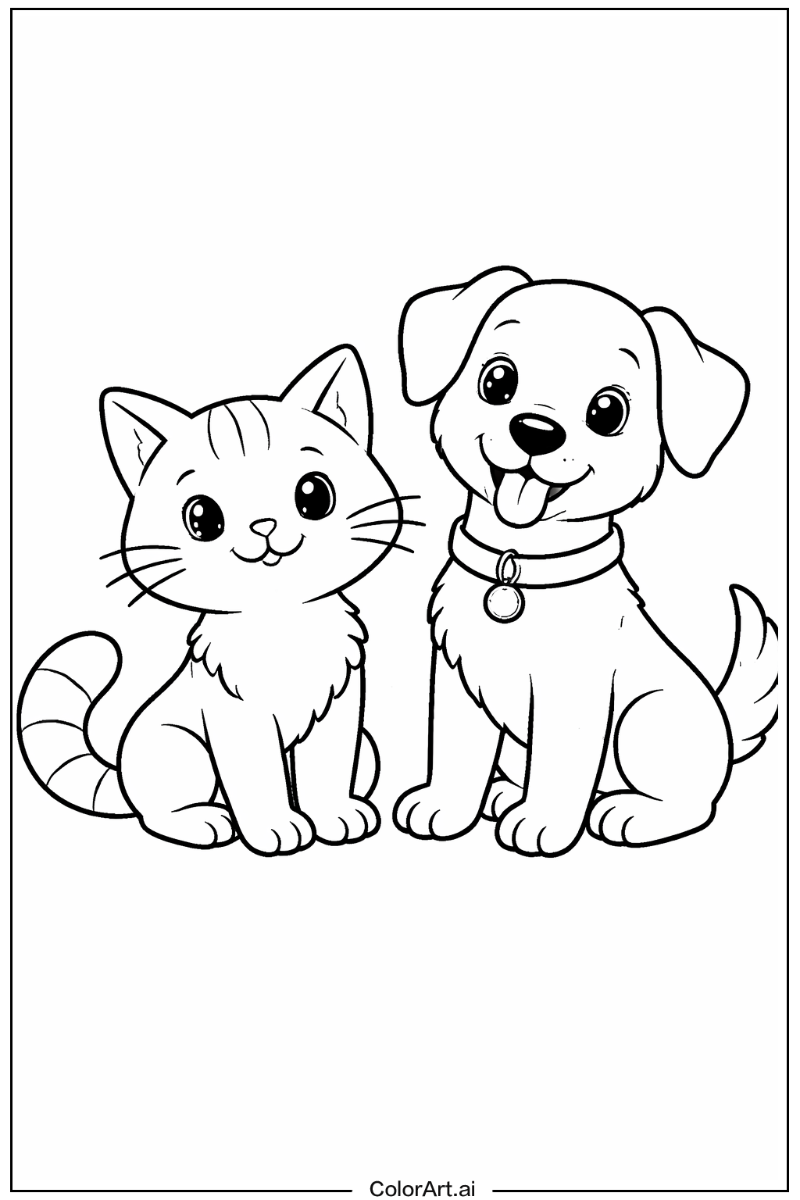
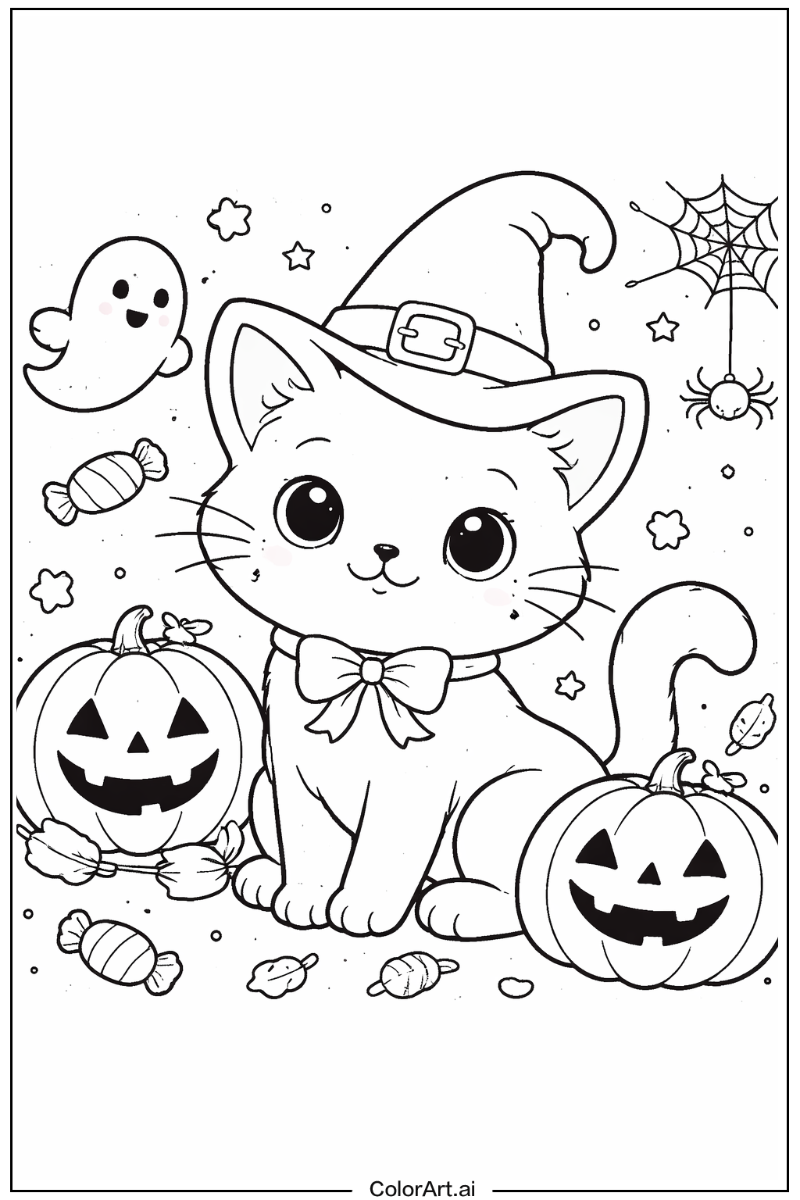
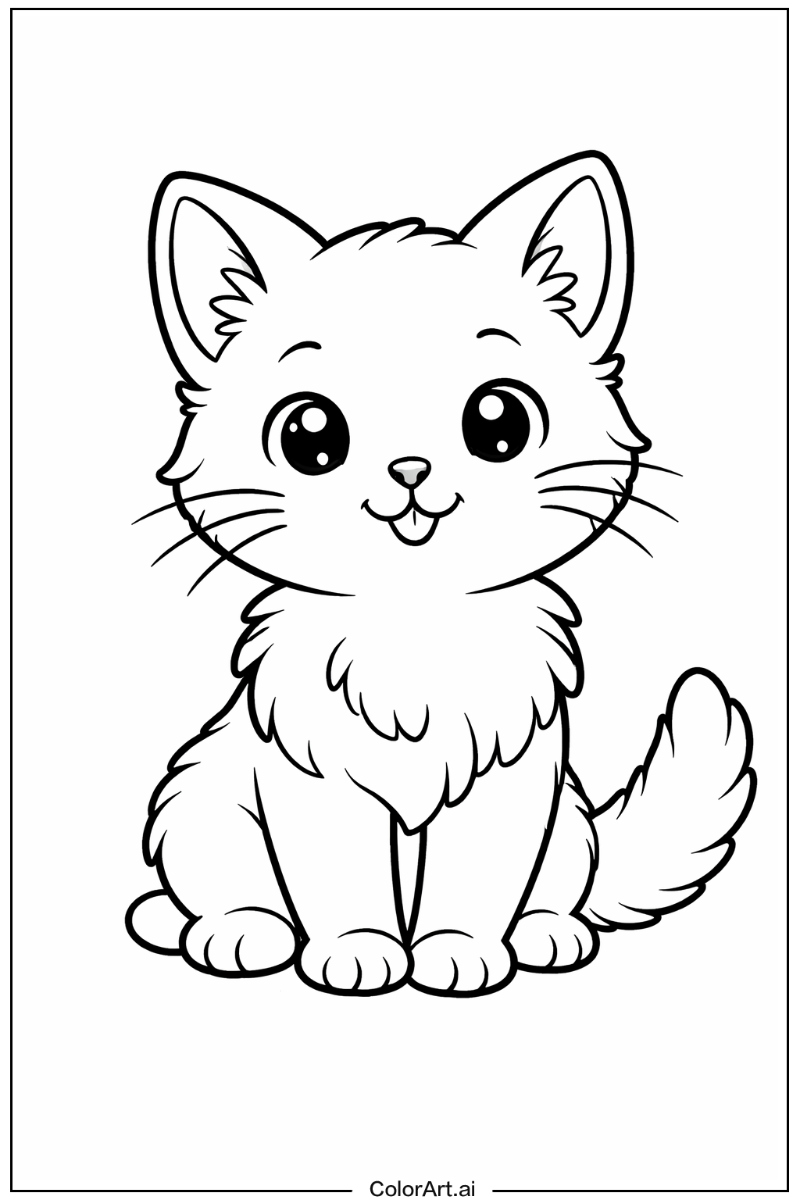
Kotach jest coś z natury zachwycającego. Niezależnie od tego, czy gonią wskaźnik laserowy, czy zwijają się w kłębek na słonecznym parapecie, te futrzaste towarzyszki mają w sobie coś, co zdobywa nasze serca. Jako nauczyciel plastyki widziałem na własne oczy, ile radości koty przynoszą dzieciom. Wyobraź sobie, jak rozpromieniają się ich twarze, gdy kolorują swoich ulubionych kocich przyjaciół! To nie tylko zabawa; kolorowanki z kotami to wspaniała okazja dla dzieci, aby wyrazić siebie, jednocześnie szlifując swoje umiejętności artystyczne. Dzisiaj chcę podzielić się tym, jak kolorowanki z kotami mogą stać się wartościowym dodatkiem w Twoim domu lub klasie, a także przedstawić kilka ciekawostek edukacyjnych o naszych wąsatych przyjaciołach.
Grupowe kolorowanki

 PDF
PDF
 PNG
PNG
 PNG
PNG
 PNG
PNG

 PNG
PNG
 PNG
PNG
 PNG
PNG

 PNG
PNG

 PNG
PNG
 PNG
PNG
 PNG
PNG
 PNG
PNG

 PNG
PNG
 PNG
PNG
 Pobierz PNG
 Pobierz PNG
 Pobierz PNG
 Pobierz PNG
 Pobierz PNG
 Pobierz PNG
 Pobierz PNG

 Pobierz PNG

 Pobierz PNG

 Pobierz PNG

 Pobierz PNG
 Pobierz PNG
 Pobierz PNG
 Pobierz PNG

 Pobierz PNG

 Pobierz PNG

 Pobierz PNG
 Pobierz PNG
 Pobierz PNG

 Pobierz PNG
 Pobierz PNG

 Pobierz PNG
 Pobierz PNG

 Pobierz PNG
 Pobierz PNG
 Pobierz PNG

 Pobierz PNG

 PNG
PNG
 PNG
PNG
 PNG
PNG

 PNG
PNG
 PNG
PNG
 PNG
PNG
 PNG
PNG
 PNG
PNG
 PNG
PNG
 PNG
PNG
 PNG
PNG

 PNG
PNG
 PNG
PNG

 PNG
PNG
 Pobierz

 Pobierz
Odkrywanie kotów: krótki przegląd
Kot domowy, znany naukowo jako Felis catus, jest jednym z najbardziej lubianych zwierząt domowych na całym świecie. Te małe drapieżne ssaki należą do rodziny kotowatych i zostały udomowione od żbika bliskowschodniego. W mojej klasie często korzystam z okazji, aby uczyć uczniów o fascynującej historii i biologii kotów. Czy wiesz, że koty mają doskonały wzrok w ciemności i są przede wszystkim zwierzętami zmierzchowymi, co oznacza, że są najbardziej aktywne o świcie i o zmierzchu? Ta informacja często budzi ciekawość moich uczniów, skłaniając ich do dzielenia się opowieściami o własnych kotach. Miałem kiedyś ucznia imieniem Leo, który przyniósł zdjęcia swojego kota, Wąsika, co przerodziło się w fajną dyskusję w klasie na temat różnych ras i zachowań kotów.
W wielu kulturach koty odgrywały znaczące role, od zwierząt świętych po symbole niezależności. Ta bogata historia może być punktem wyjścia do angażujących dyskusji o perspektywach kulturowych, zwłaszcza gdy włączy się do nich kolorowanki przedstawiające różne rasy i style kotów. Kolorowanie takich obrazków może pomóc dzieciom dowiedzieć się nie tylko o sztuce, ale także o otaczającym je świecie, co czyni to wzbogacającym doświadczeniem.
Korzyści z zajęć z kolorowankami z kotami w klasie
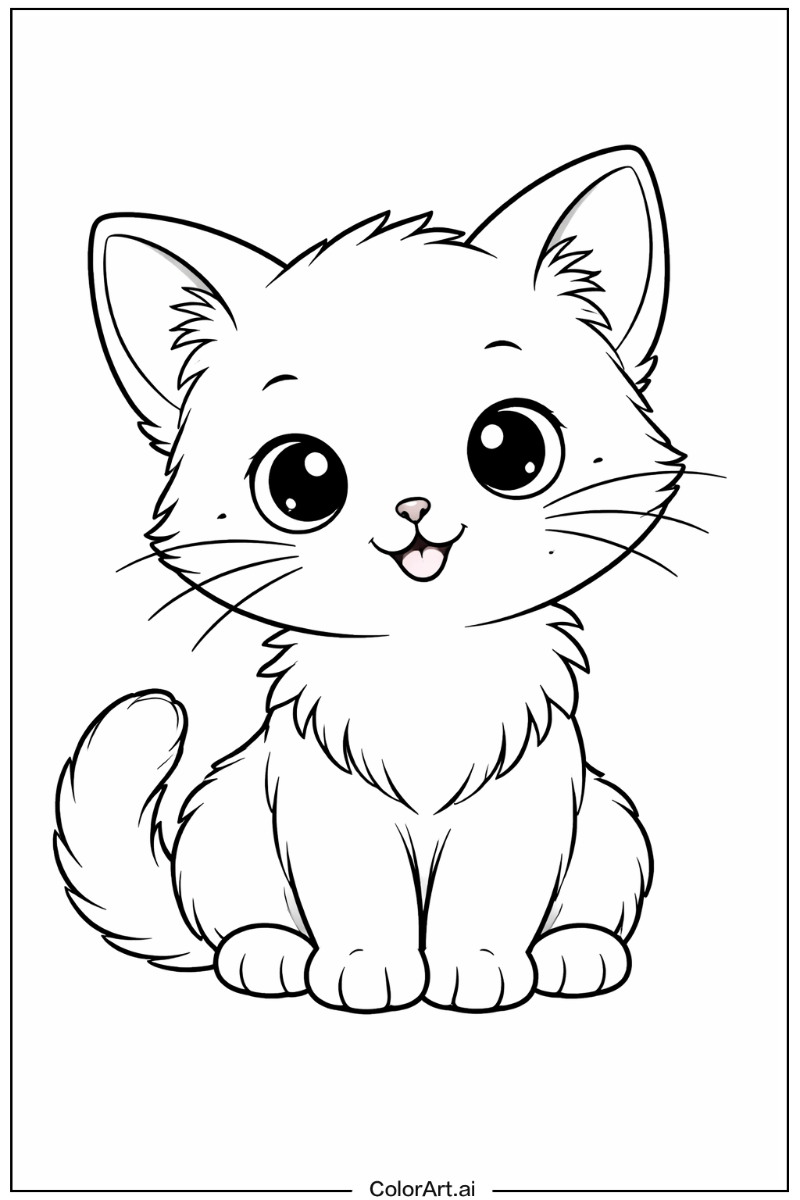
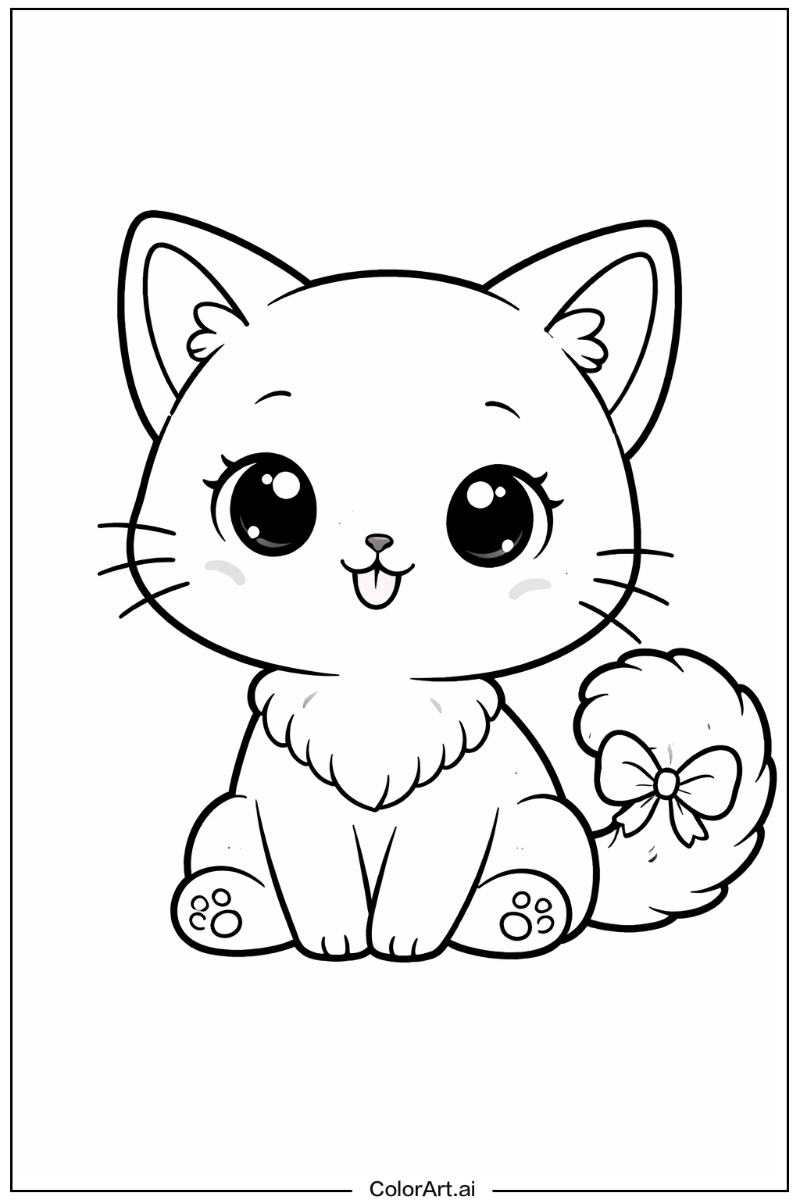
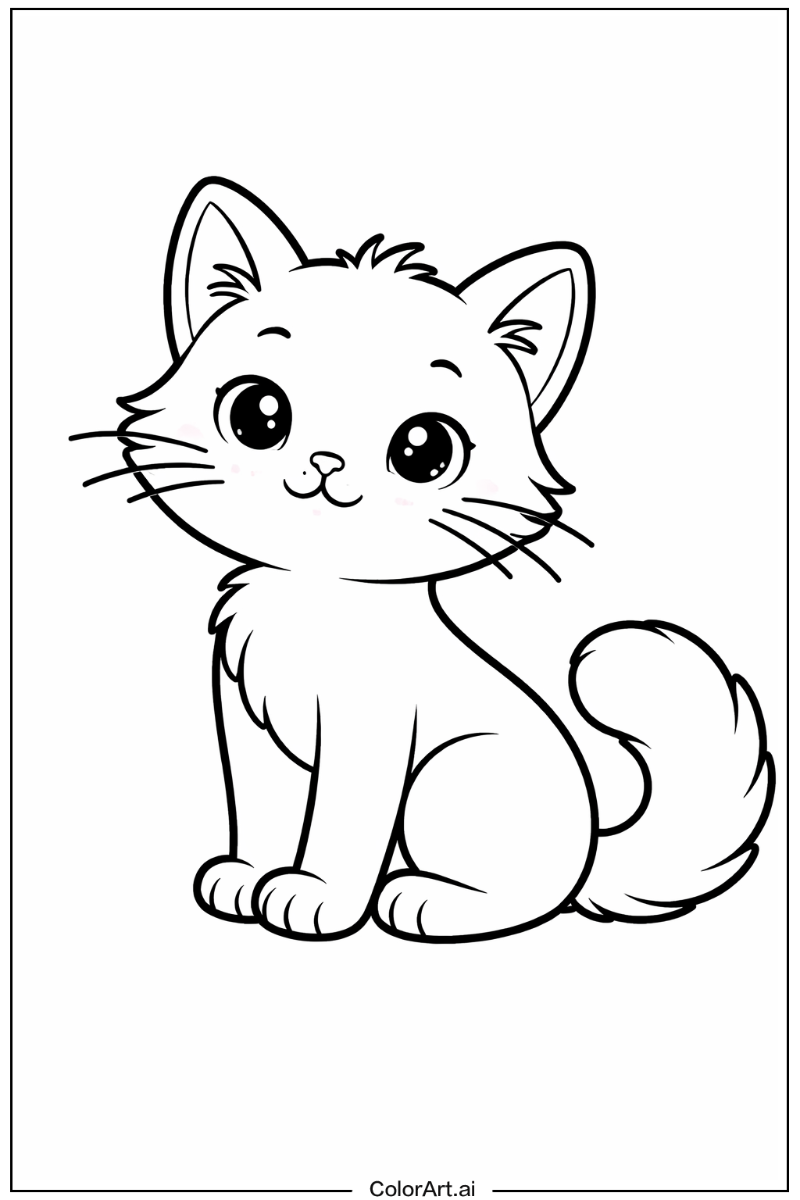
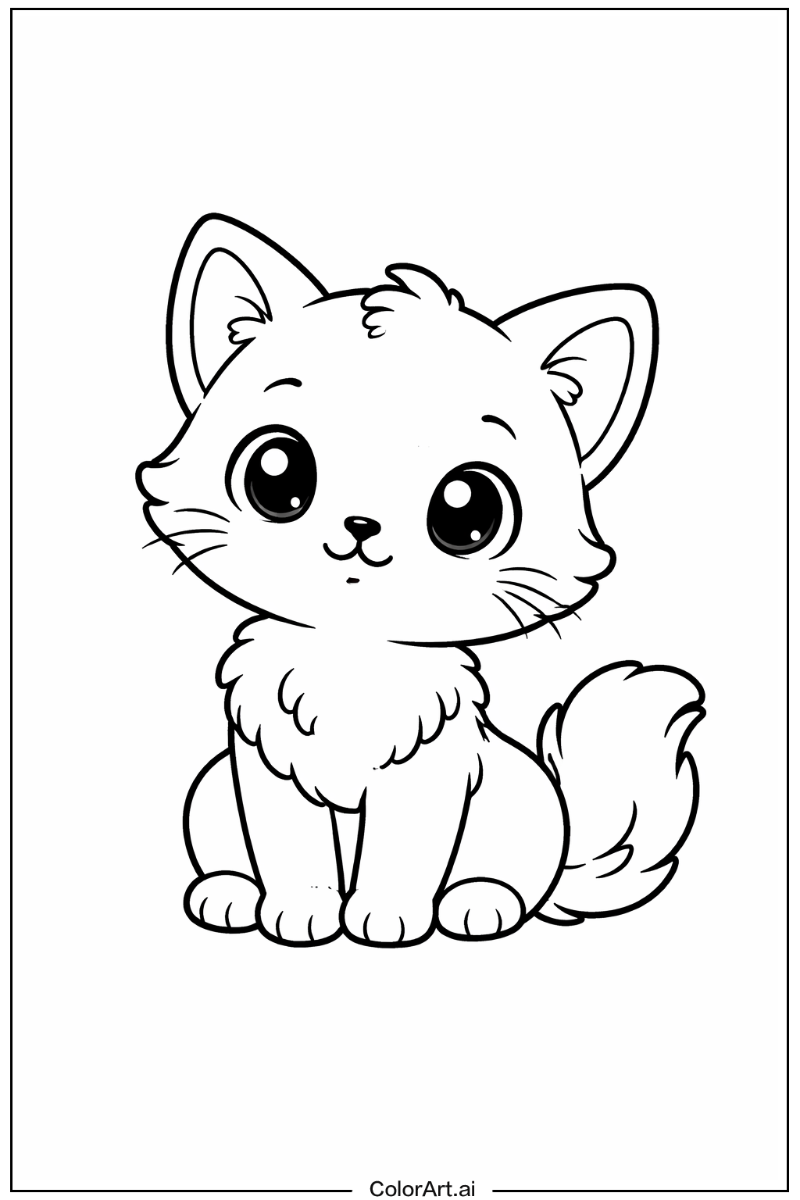
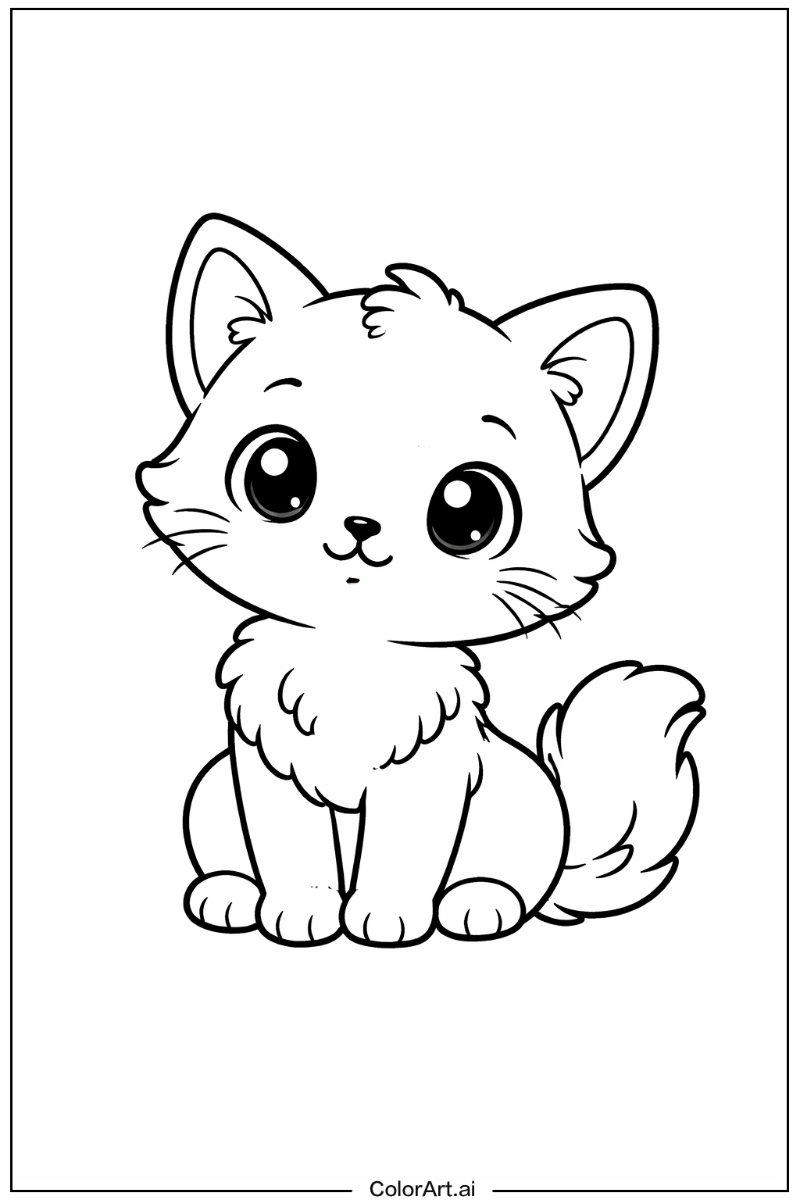
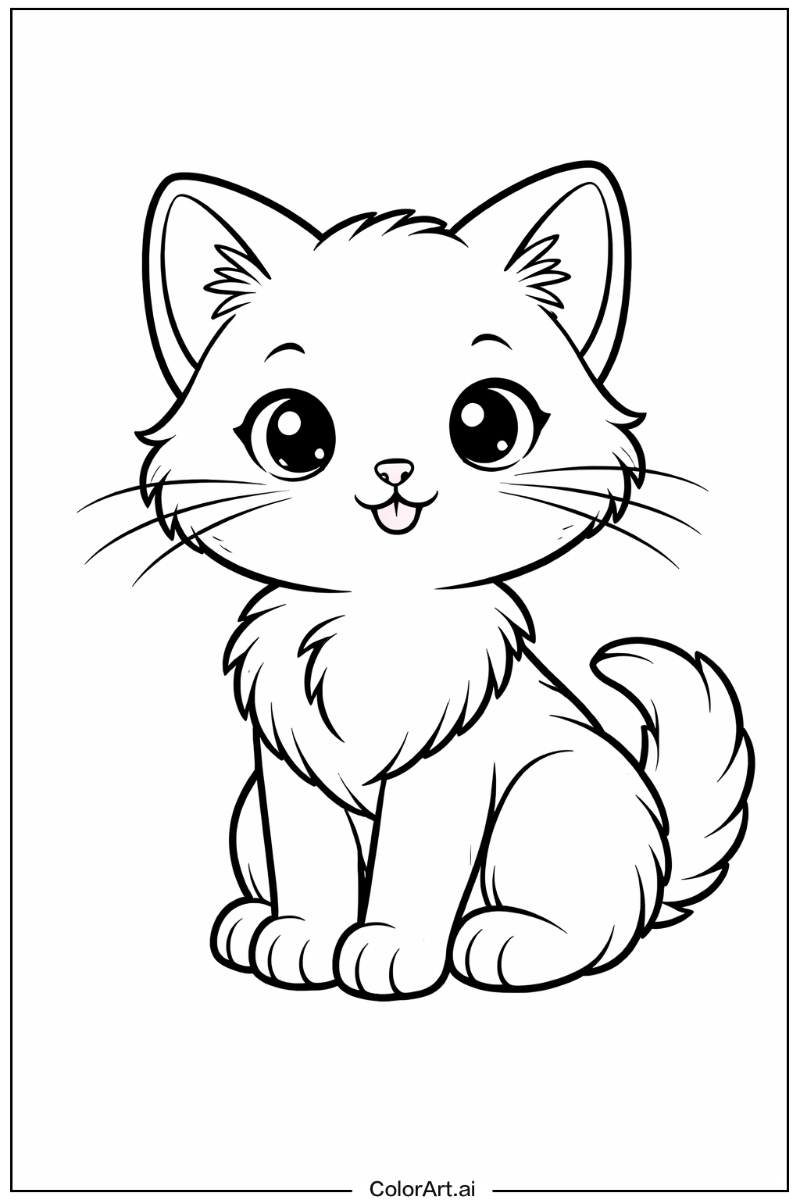
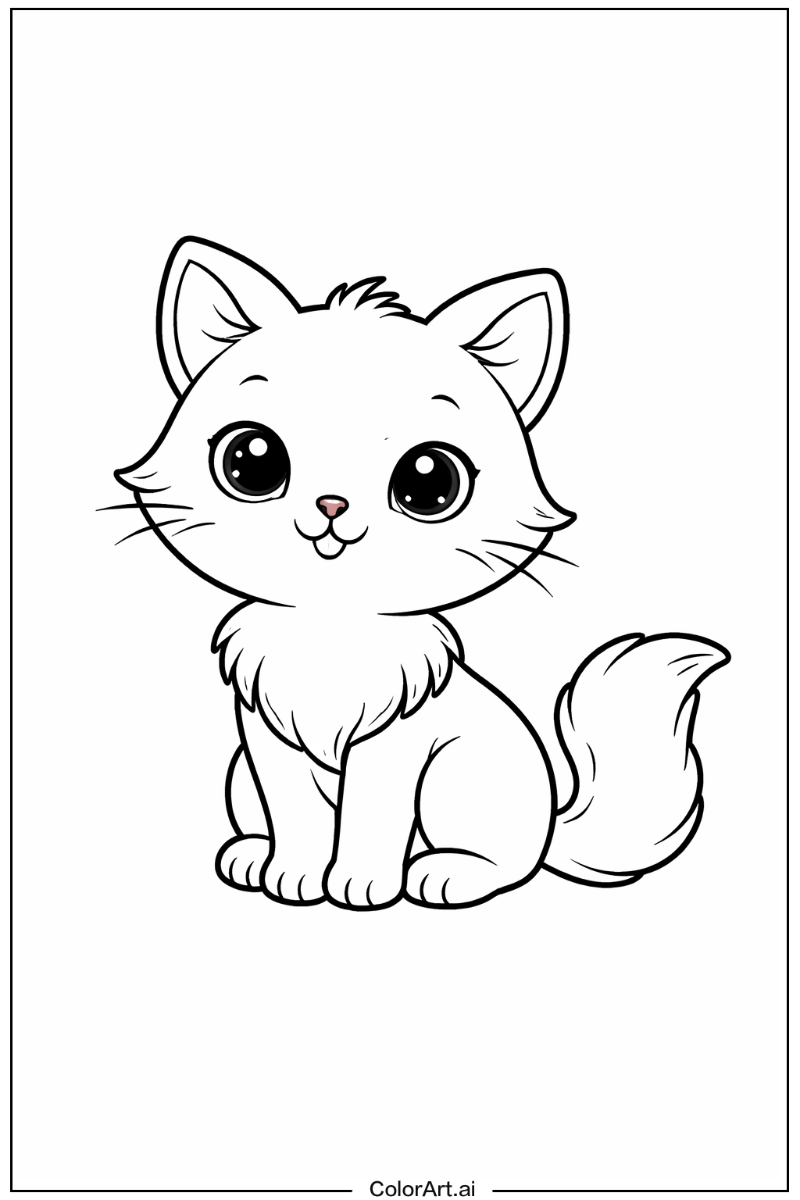
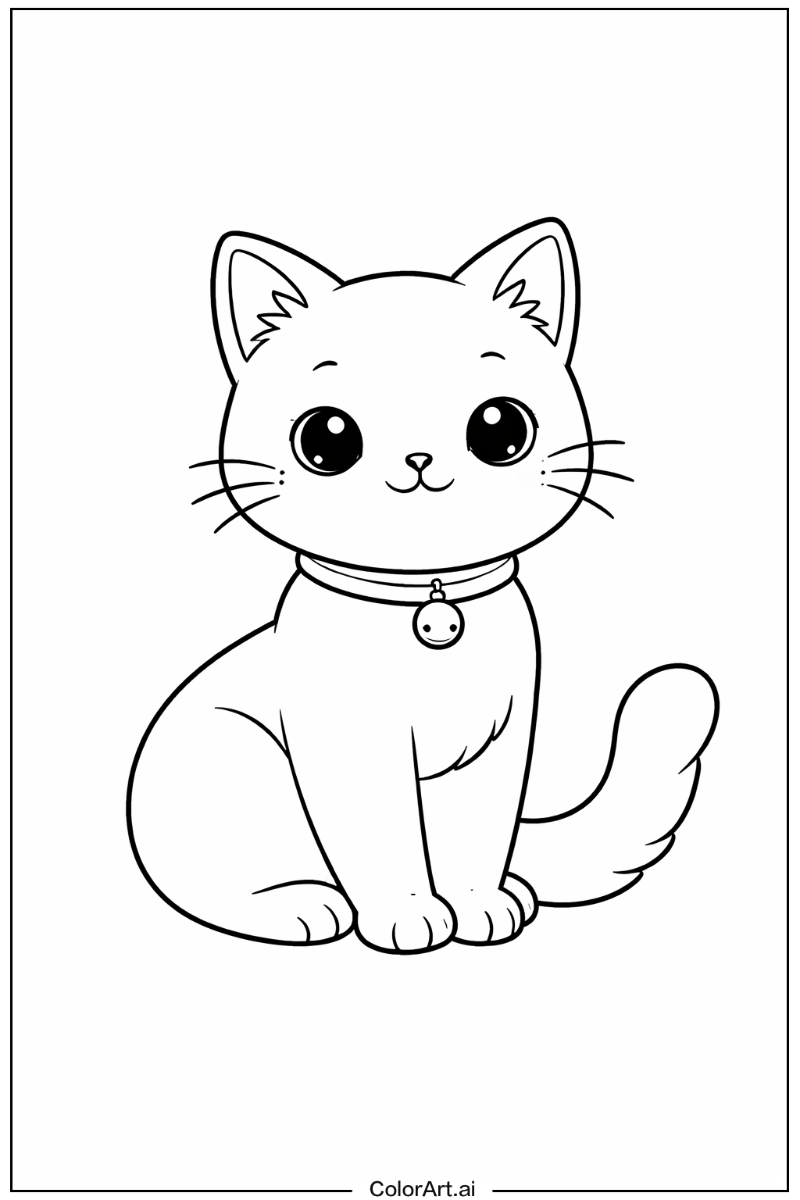
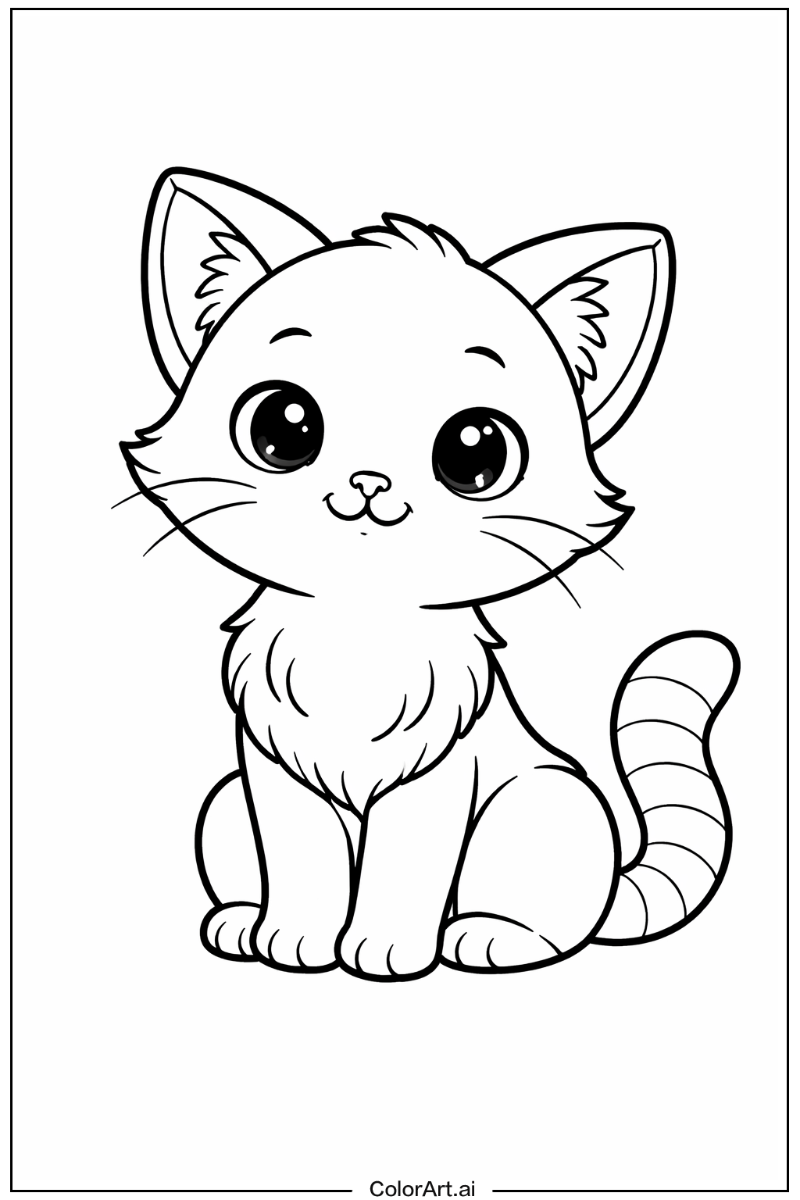
Włączanie kolorowanek z kotami do zajęć w klasie oferuje liczne korzyści edukacyjne. Po pierwsze, takie aktywności wspierają rozwój umiejętności motorycznych. Widziałam, jak młodsze uczennice, takie jak 5-letnia Sarah, poprawiały swój chwyt i kontrolę podczas kolorowania swojej uroczej kolorowanki z kotkiem. Umiejętność ta jest kluczowa, ponieważ stanowi podstawę późniejszych umiejętności pisania.
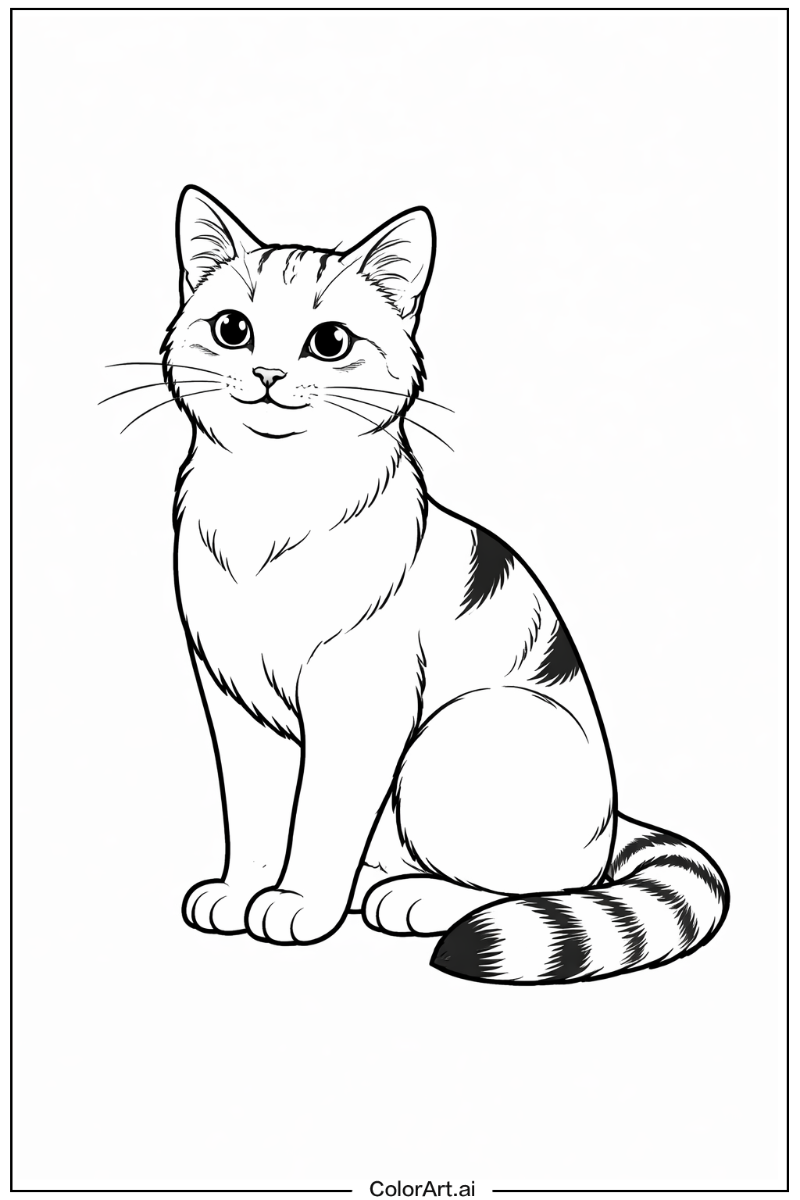
Dodatkowo, kolorowanie wspiera rozwój poznawczy. Gdy uczniowie wybierają kolory i starają się nie wyjeżdżać za linie, ćwiczą koncentrację i uwagę na szczegółach. Często łączę sesje kolorowania z lekcjami o biologii zwierząt, omawiając anatomię kota, wzory futra i zachowania. Takie zintegrowane podejście nie tylko czyni naukę zabawą, ale także wzmacnia utrwalanie wiedzy.
Emocjonalnie kolorowanie zapewnia poczucie osiągnięcia. Kiedy uczniowie kończą swoje kolorowanki z kotami, zachęcam ich do dzielenia się pracami. To buduje ich pewność siebie i pozwala na interakcję z rówieśnikami. Pamiętam raz, gdy cicha uczennica o imieniu Mia zaskoczyły nas wszystkich swoim żywym i pełnym wyobraźni podejściem do kolorowego kota. Duma w jej oczach, gdy pokazywała swoje dzieło, była bezcenna!
Praktyczne wskazówki dotyczące kolorowania kotów
Jeśli chodzi o kolorowanki z kotami, mam kilka wskazówek, które zapewnią uczniom jak najlepsze wrażenia. Po pierwsze, zachęcaj do używania różnorodnych materiałów. Kredki świecowe są fantastyczne dla młodszych dzieci, podczas gdy kredki ołówkowe pozwalają na bardziej skomplikowane cieniowanie dla starszych uczniów. Pisaki mogą być świetne dla wyrazistych kolorów, ale przypominam uczniom, aby uważali na przebijanie na cieńszym papierze.
Kolejną przydatną wskazówką jest nauka teorii koloru. Omów kolory dopełniające lub techniki mieszania kolorów, pozwalając uczniom odkrywać różne style artystyczne. Podczas jednych z moich zajęć przeprowadziliśmy mini-warsztaty z tworzenia gradientów, które zmieniły prostą ilustrację kota w żywe arcydzieło. Chodzi o eksperymentowanie i dobrą zabawę kolorami!
Aktualne trendy w edukacji artystycznej z motywem kotów
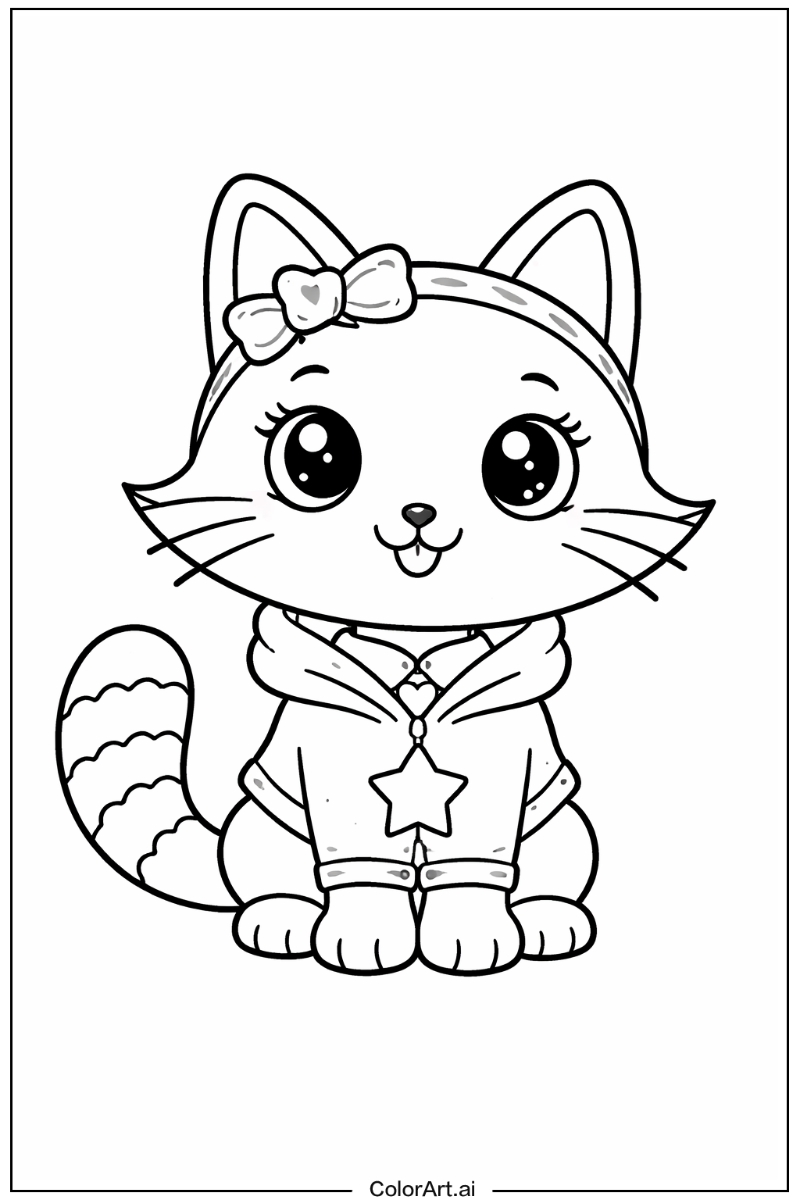
Wkraczając w 2024 rok, trendy dotyczące kotów w edukacji i sztuce rozkwitają. Wraz ze wzrostem popularności posiadania zwierząt, zajęcia z motywem kota są bardziej istotne niż kiedykolwiek. Wiele stron edukacyjnych oferuje teraz kolorowanki z kotami za darmo do wydruku, dostosowane do różnych grup wiekowych. Strony takie jak ColoringBook.ai udostępniają szereg wzorów kotów, które można łatwo pobrać w wysokiej jakości. Uwielbiam korzystać z tych materiałów w mojej klasie, ponieważ nie tylko odpowiadają różnym poziomom umiejętności, ale także rozwijają kreatywność.
Co więcej, wraz ze wzrostem popularności praktyk uważności, kolorowanki z kotami stały się narzędziem do relaksu i redukcji stresu. Z mojego doświadczenia wynika, że gdy uczniowie angażują się w kolorowanie, często wchodzą w stan spokojnego skupienia. Ten trend doskonale wpisuje się w rosnącą świadomość zdrowia psychicznego w edukacji, gdzie tworzenie sztuki może być terapeutycznym i przyjemnym ujściem dla dzieci.
Często zadawane pytania dotyczące kolorowanek z kotami
Dla jakiej grupy wiekowej odpowiednie są kolorowanki z kotami?
Kolorowanki z kotami są idealne dla różnych grup wiekowych, od przedszkolaków po dorosłych! Zapewniamy różne poziomy trudności, aby dopasować je do różnych umiejętności, zapewniając każdemu radość z kolorowania.
Jakie materiały najlepiej sprawdzają się przy kolorowaniu kolorowanek z kotami?
Dla uzyskania najlepszych rezultatów polecam kredki ołówkowe do szczegółów, pisaki do wyraźnych kolorów i kredki świecowe dla młodszych dzieci. Wysokiej jakości papier lub karton mogą również poprawić końcowy wygląd.
Jak najlepiej drukować kolorowanki z kotami, aby uzyskać wysoką jakość?
Upewnij się, że drukujesz swoje kolorowanki z kotami przy użyciu najlepszych ustawień druku. Standardowy papier A4 lub format listowy sprawdza się dobrze, ale karton jest świetny pod kątem trwałości. Po prostu upewnij się, że Twoja drukarka ma wystarczająco dużo tuszu, aby uzyskać wyraźne, ciemne linie!