Exploring the World of Anime Coloring Pages
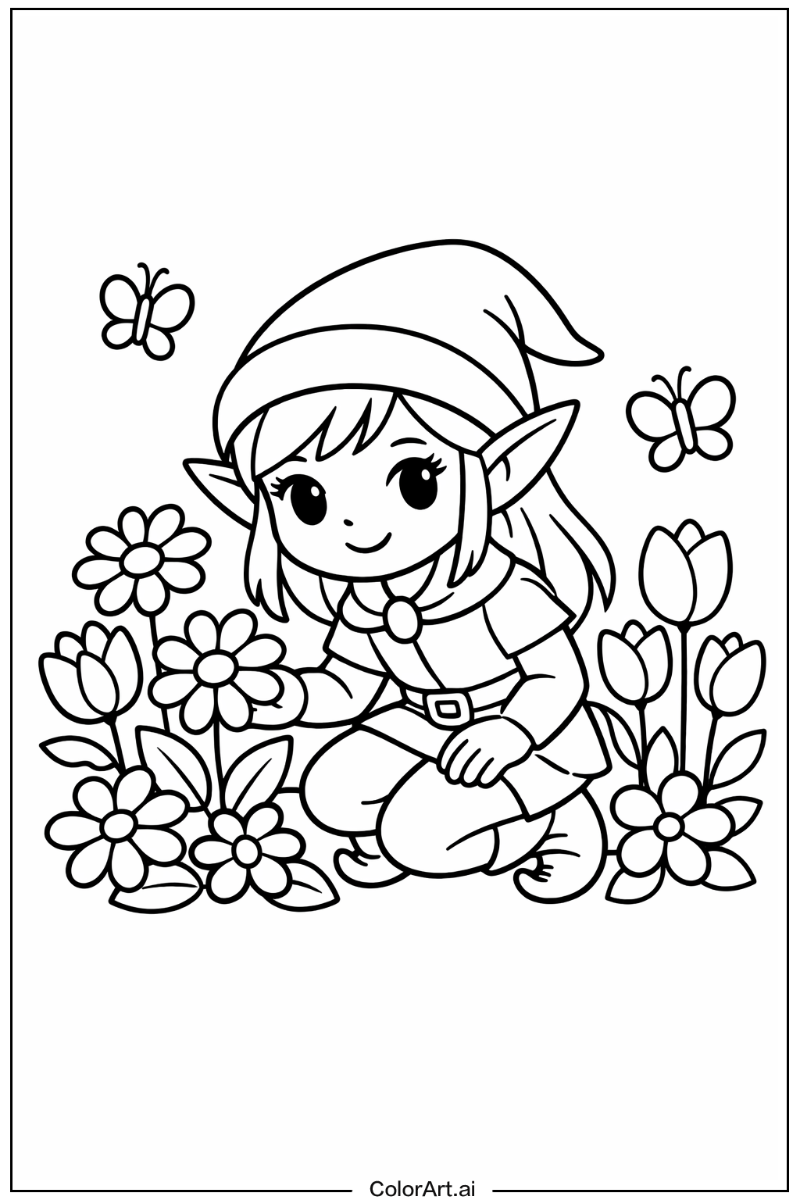
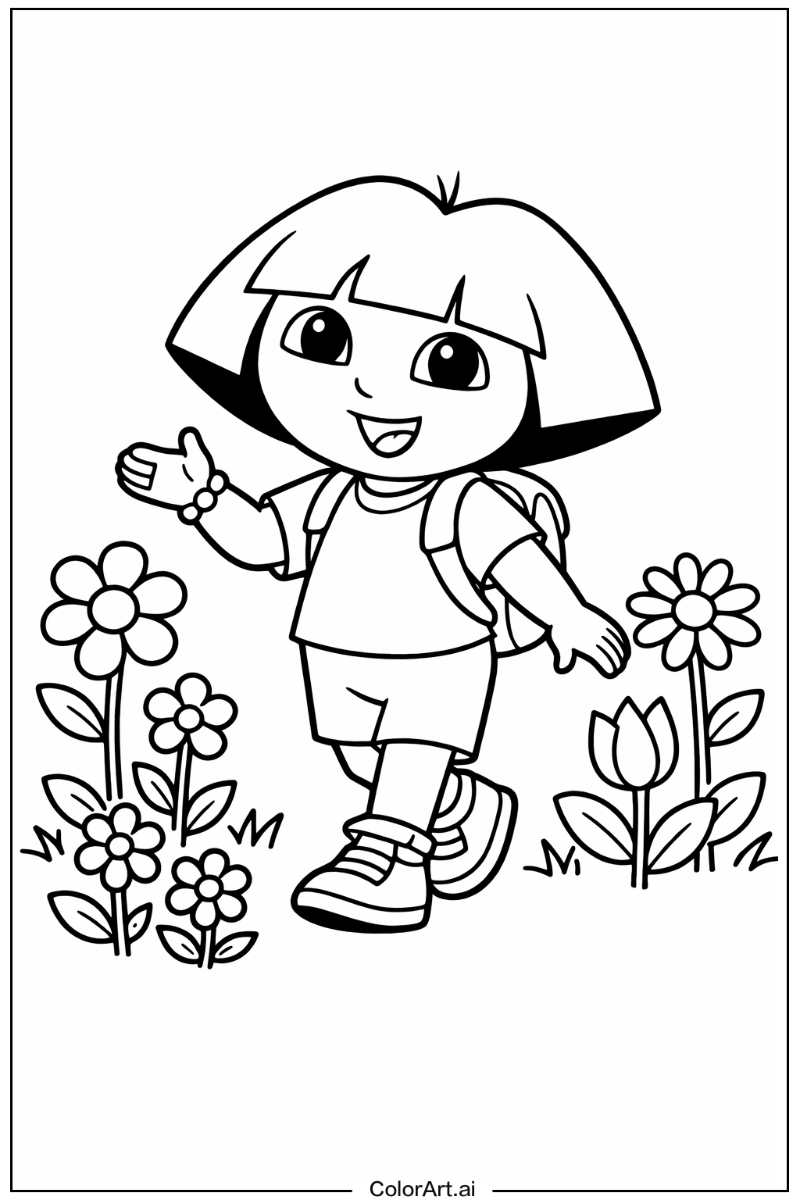
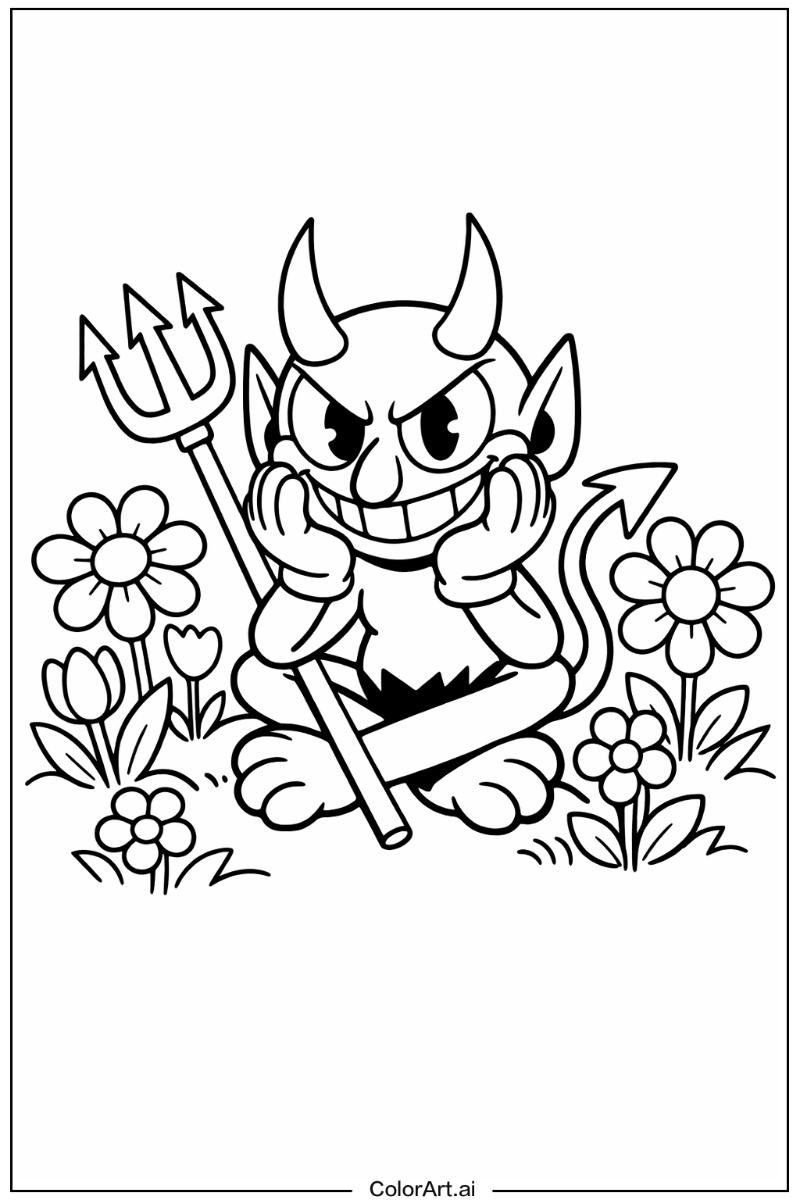
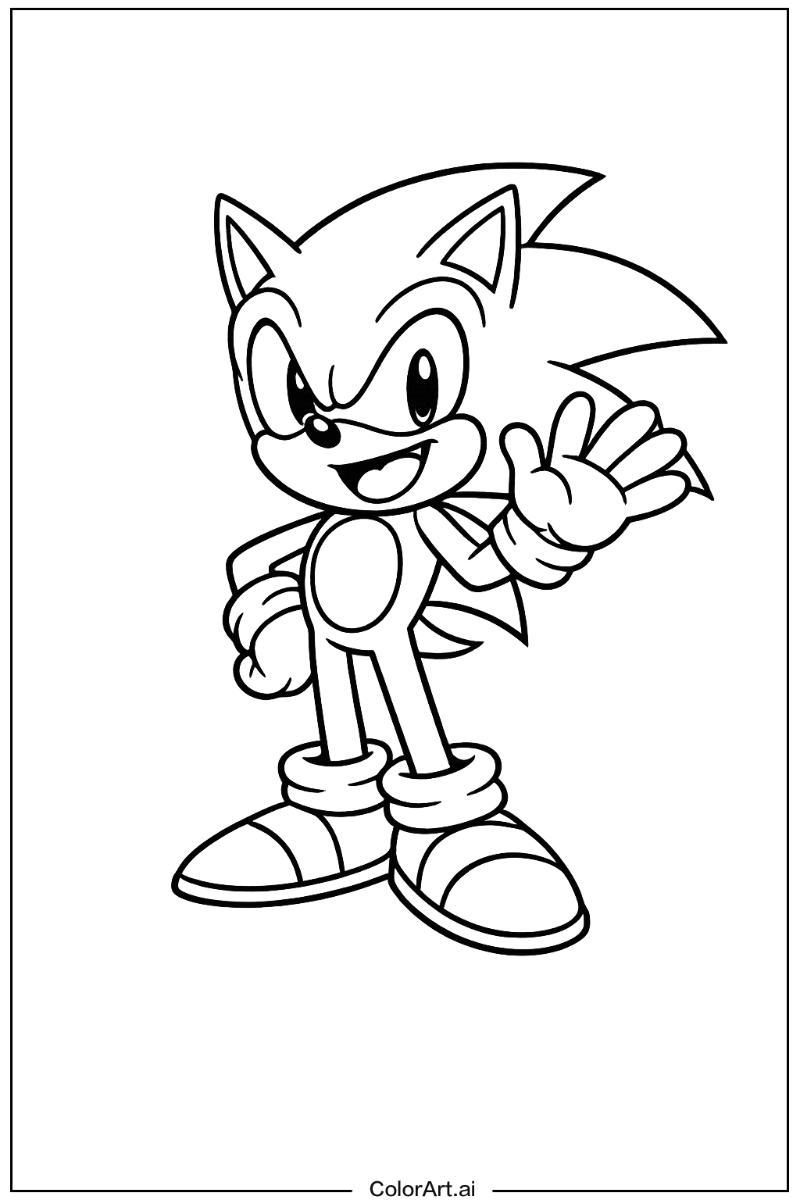
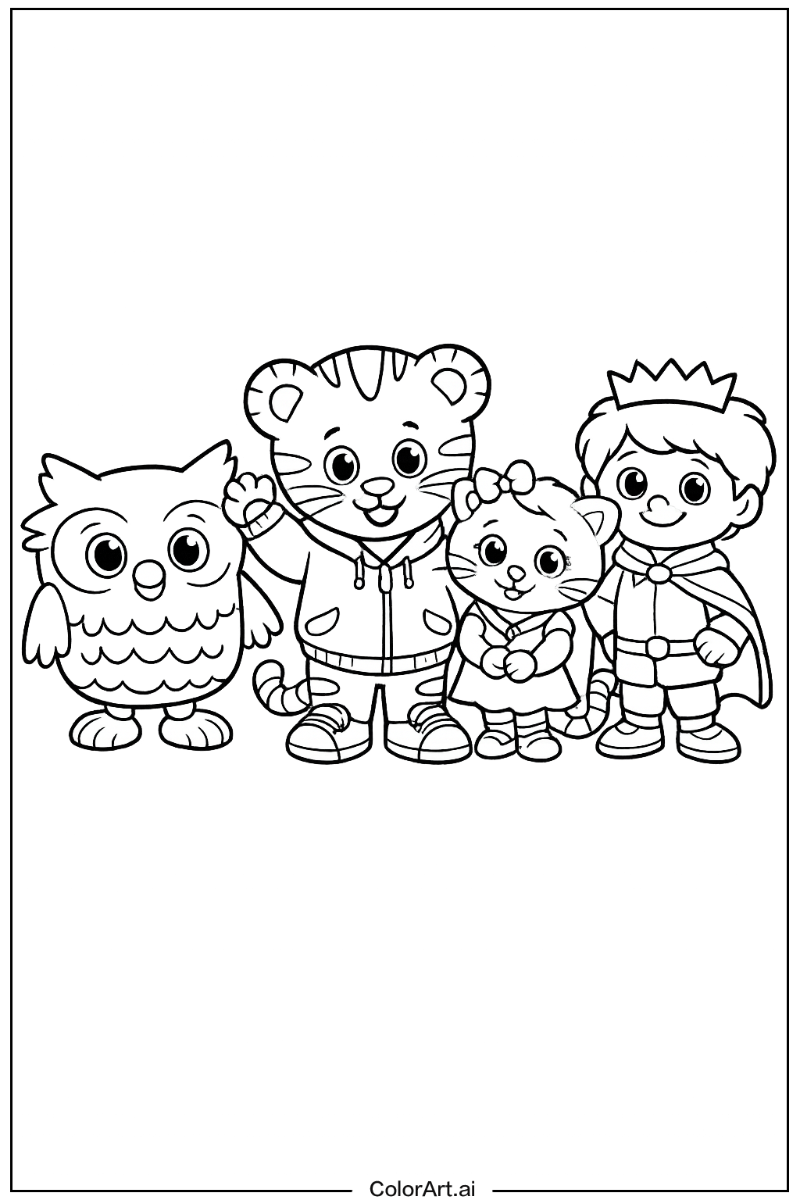
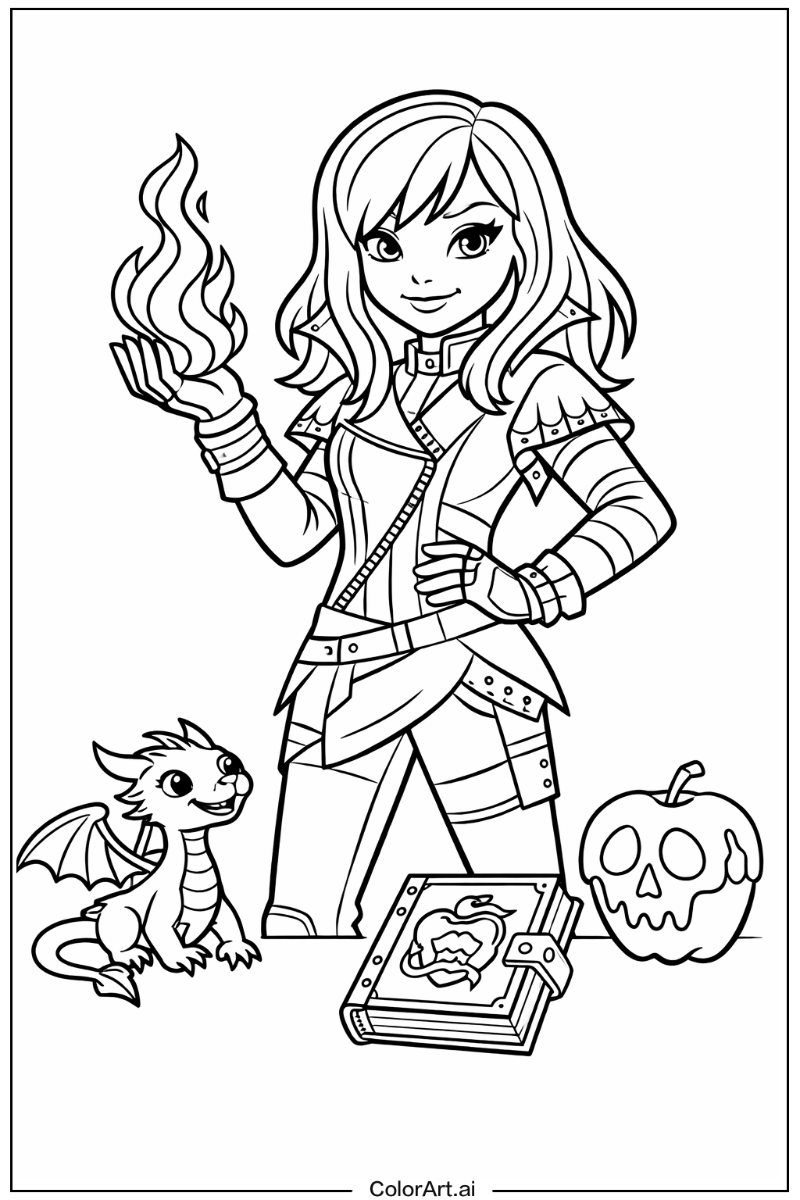
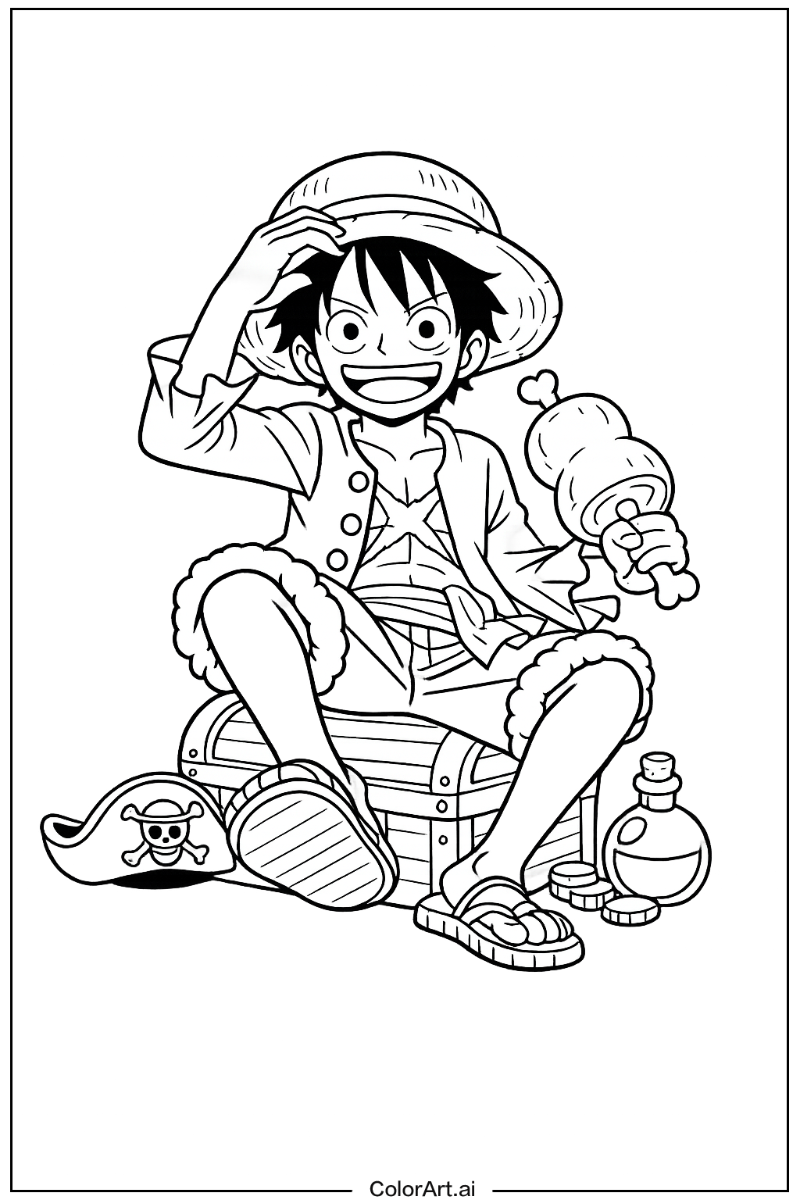
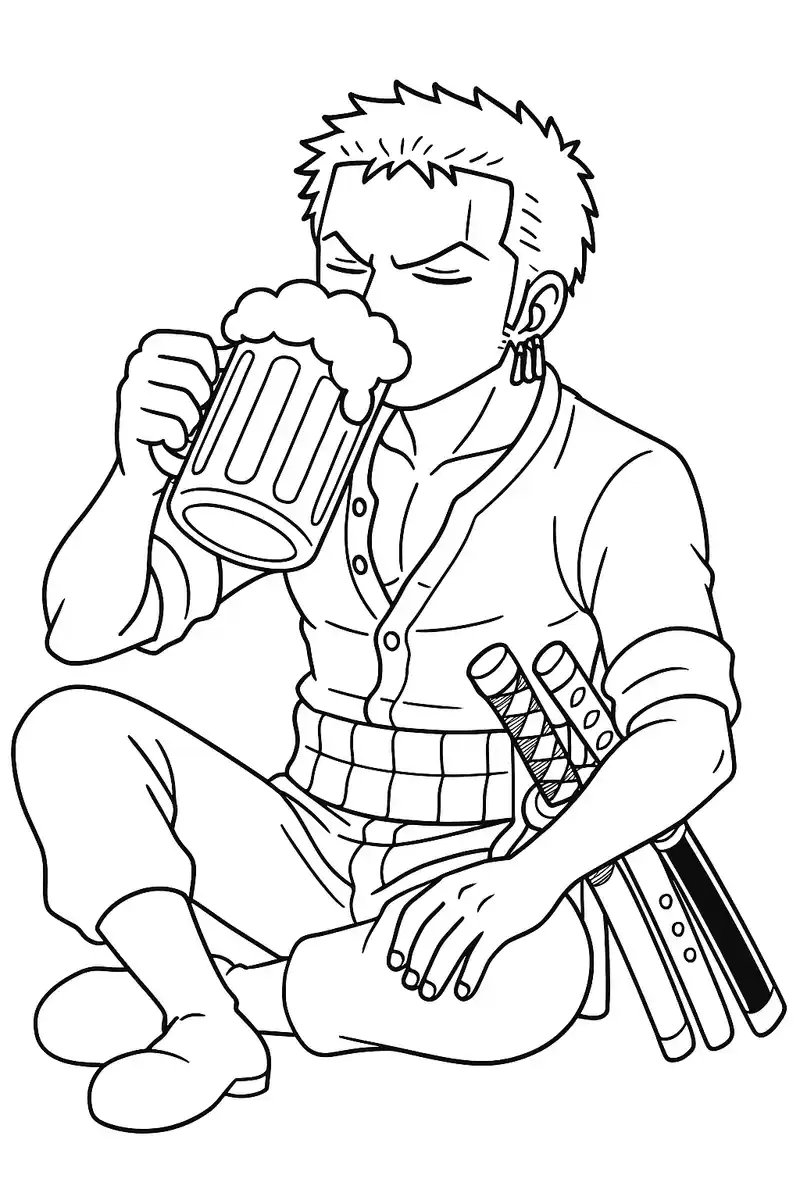
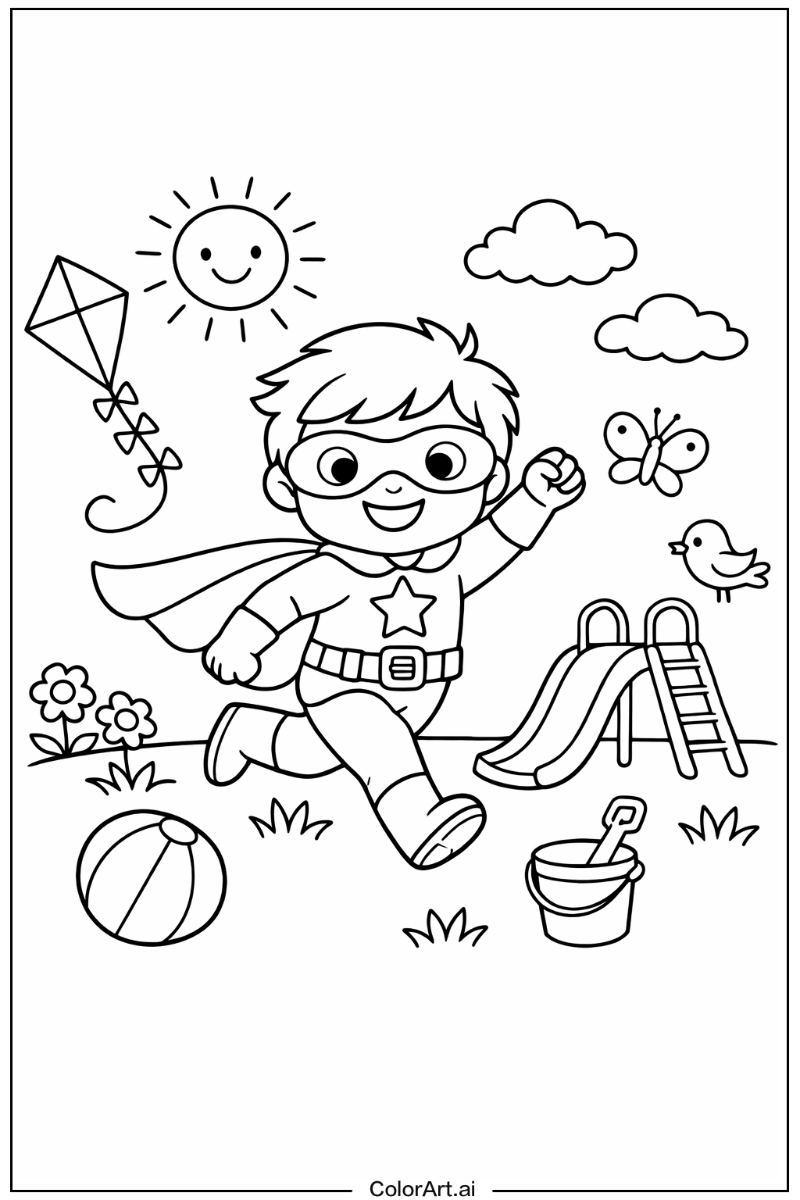
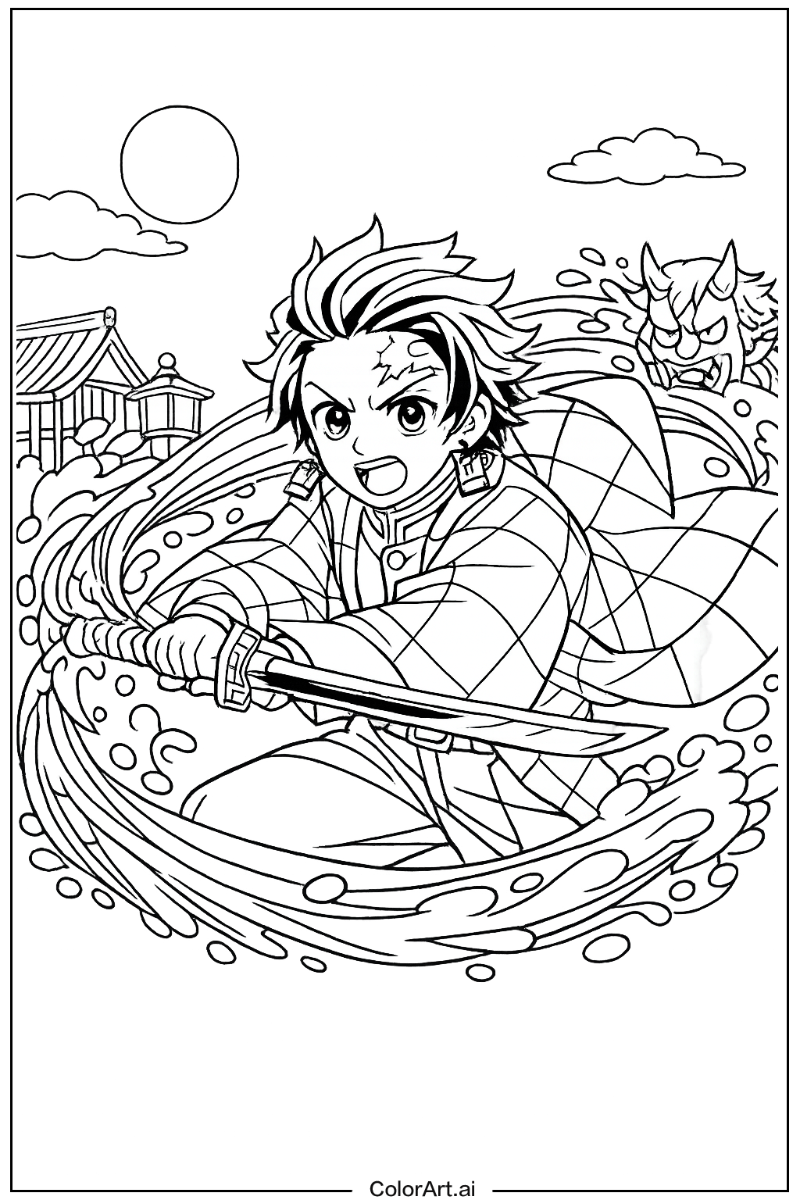
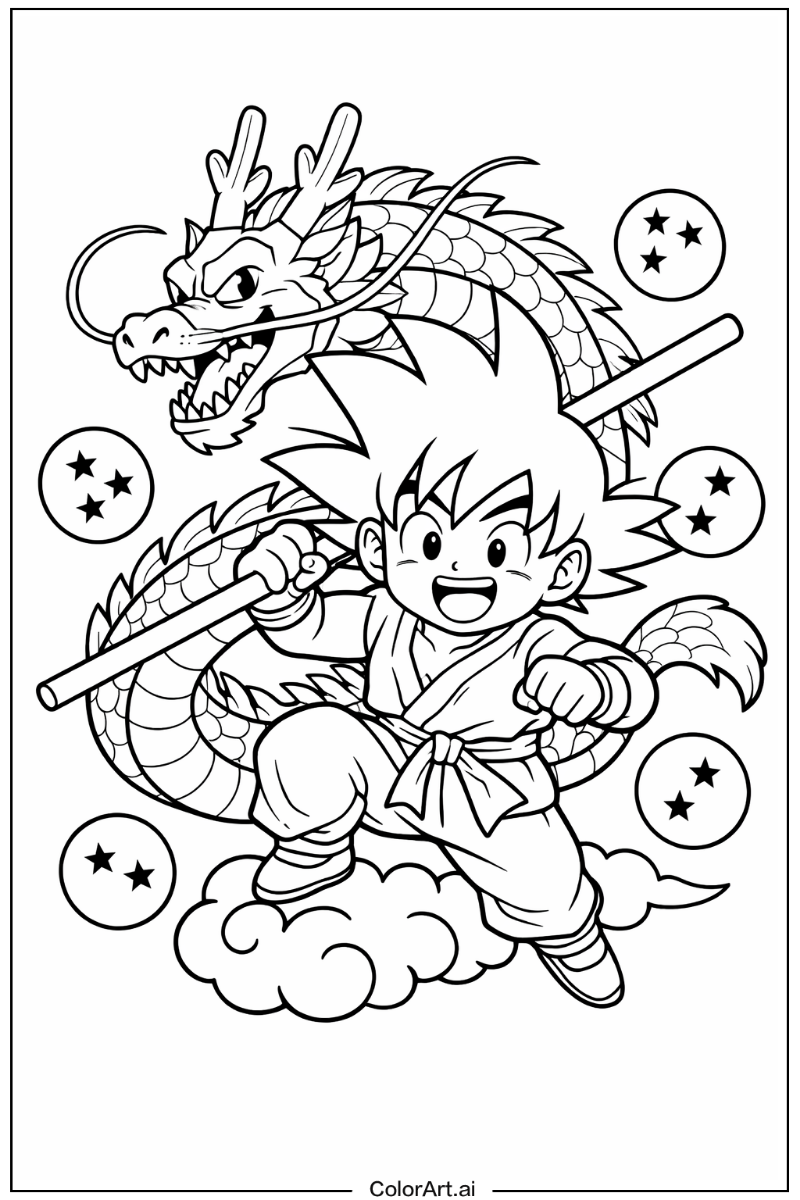
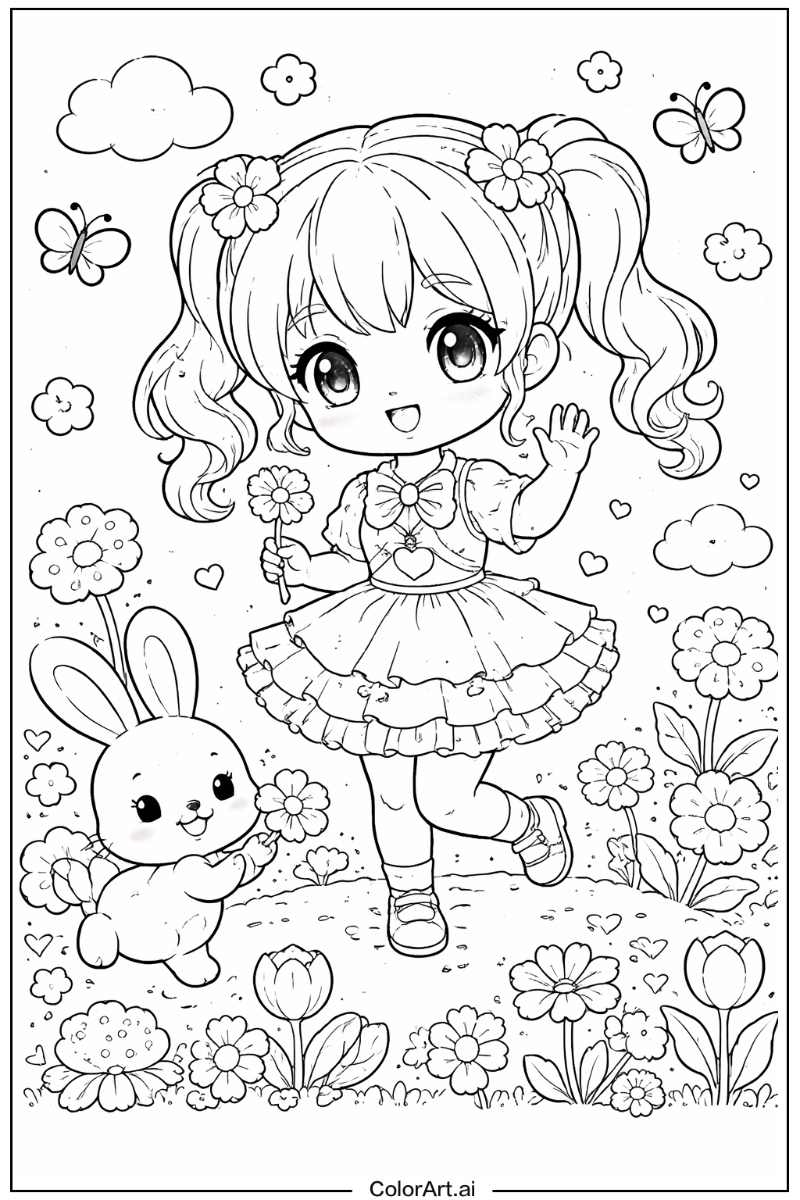
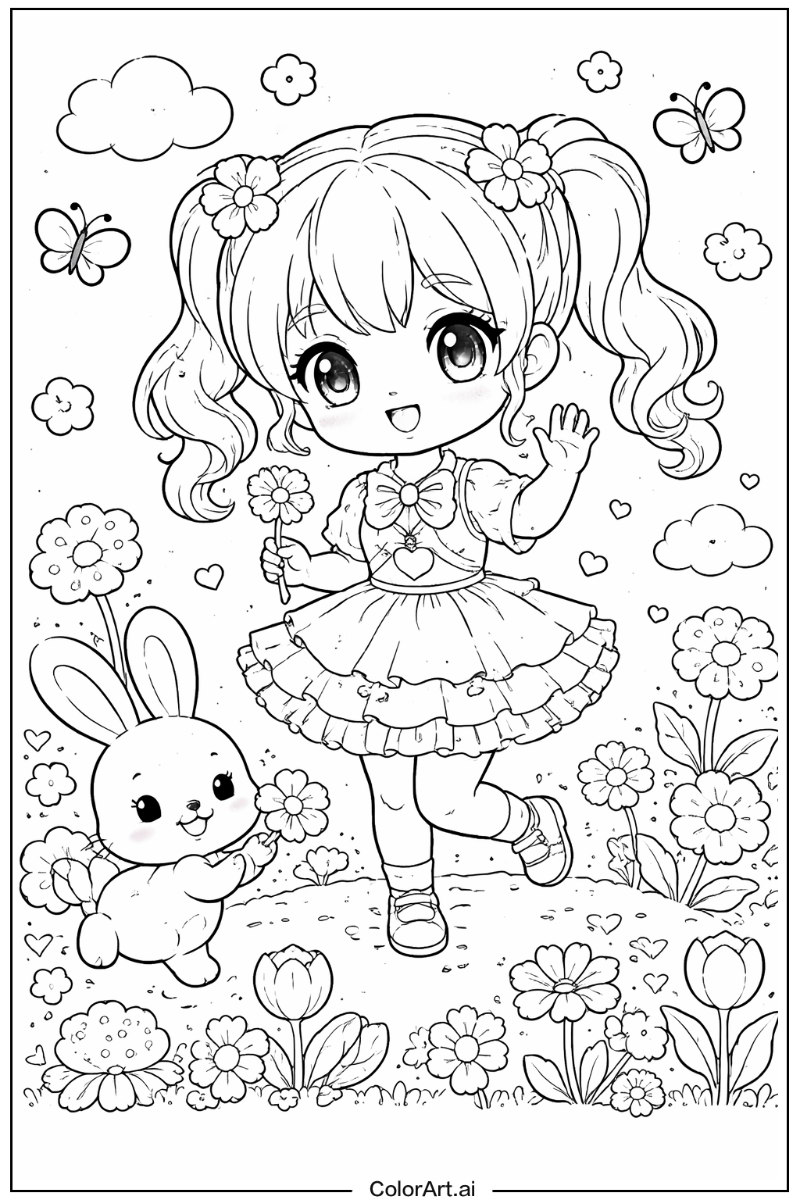
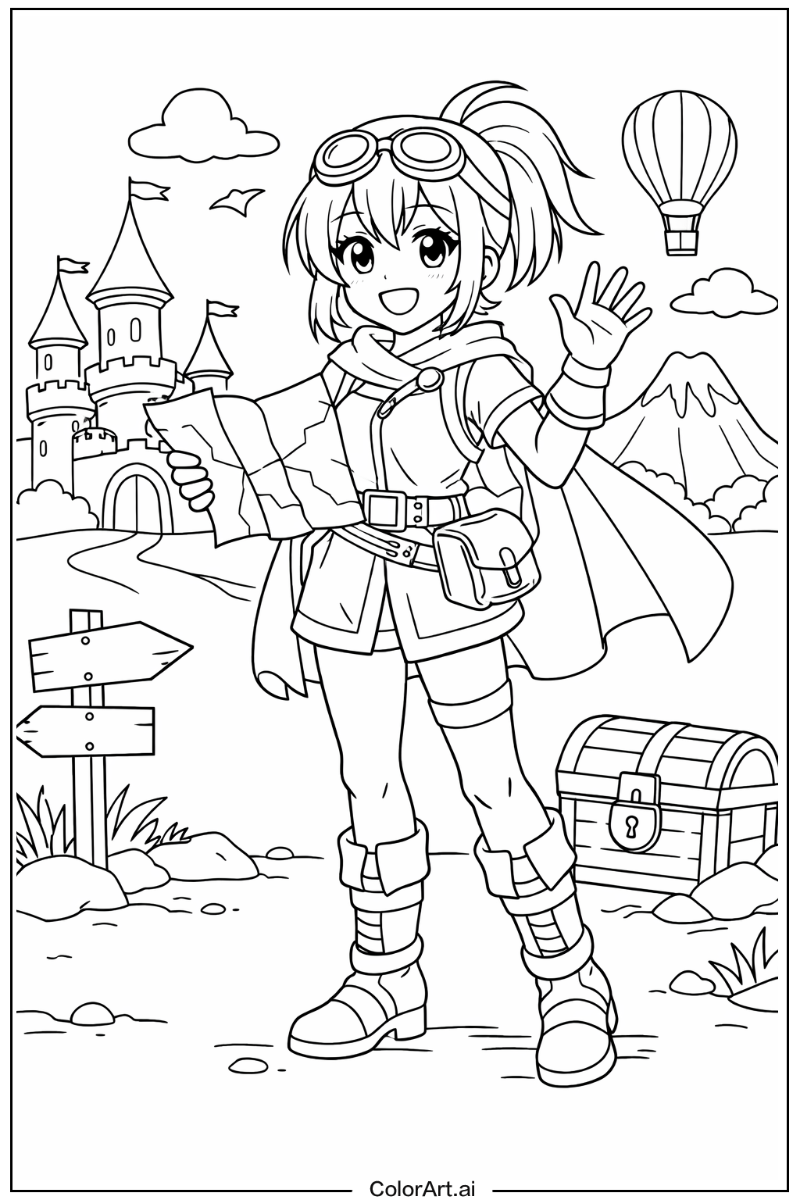
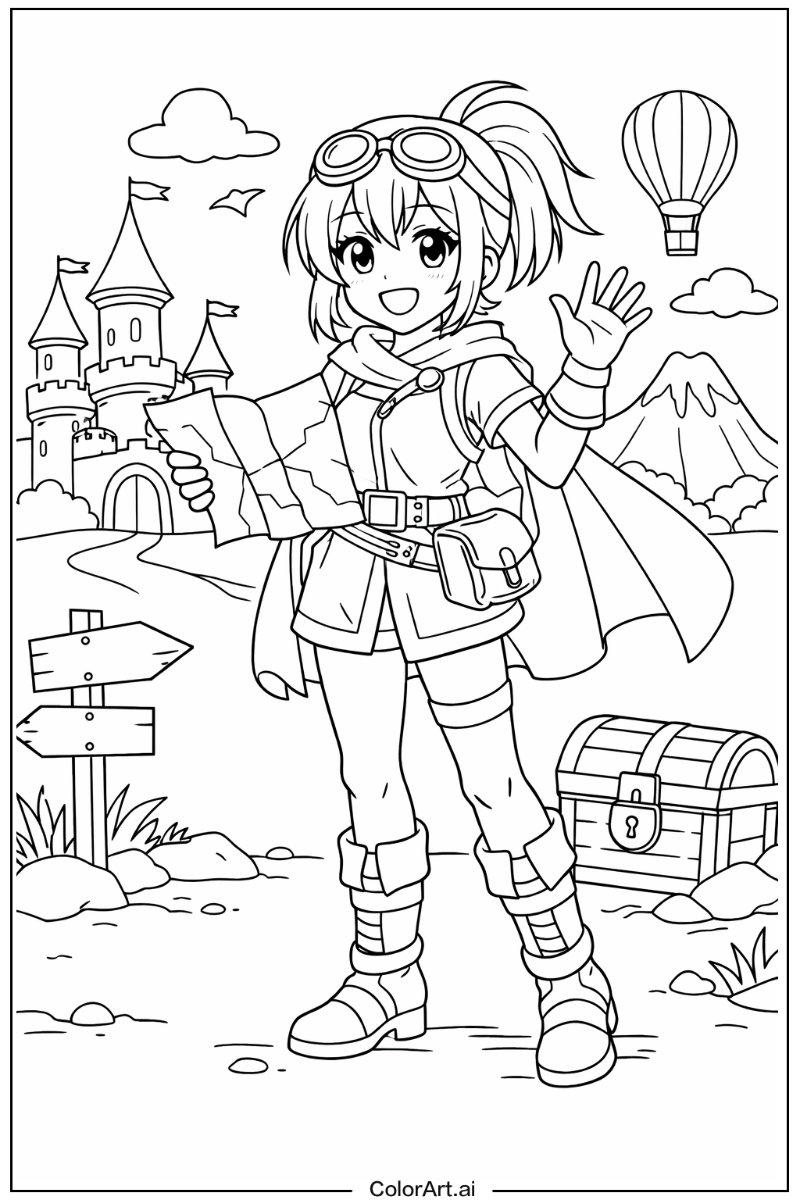
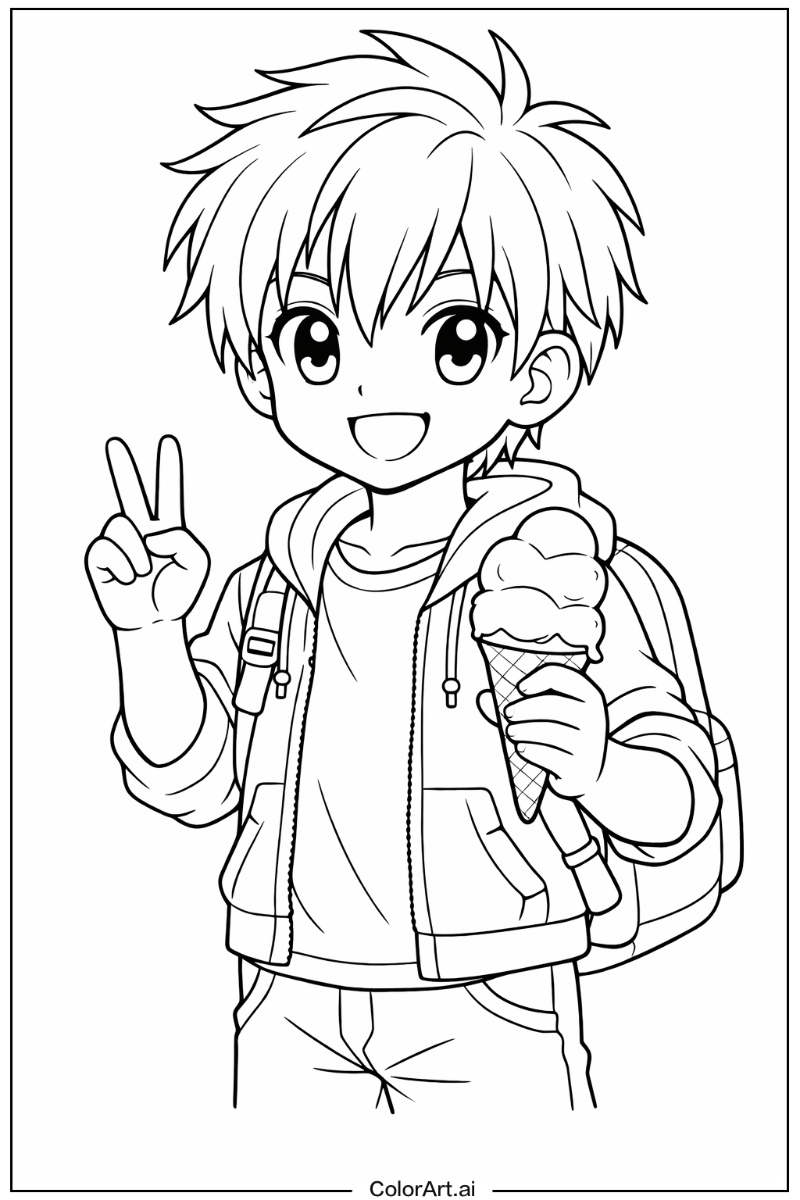
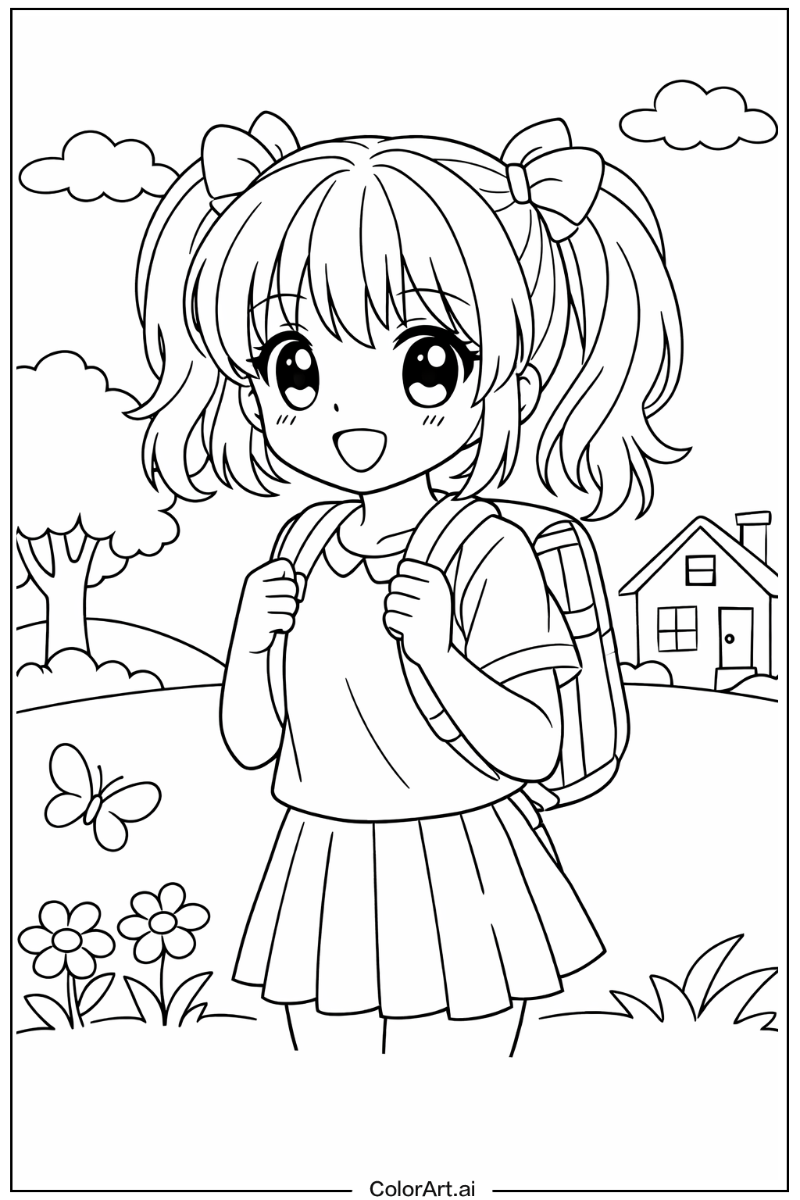
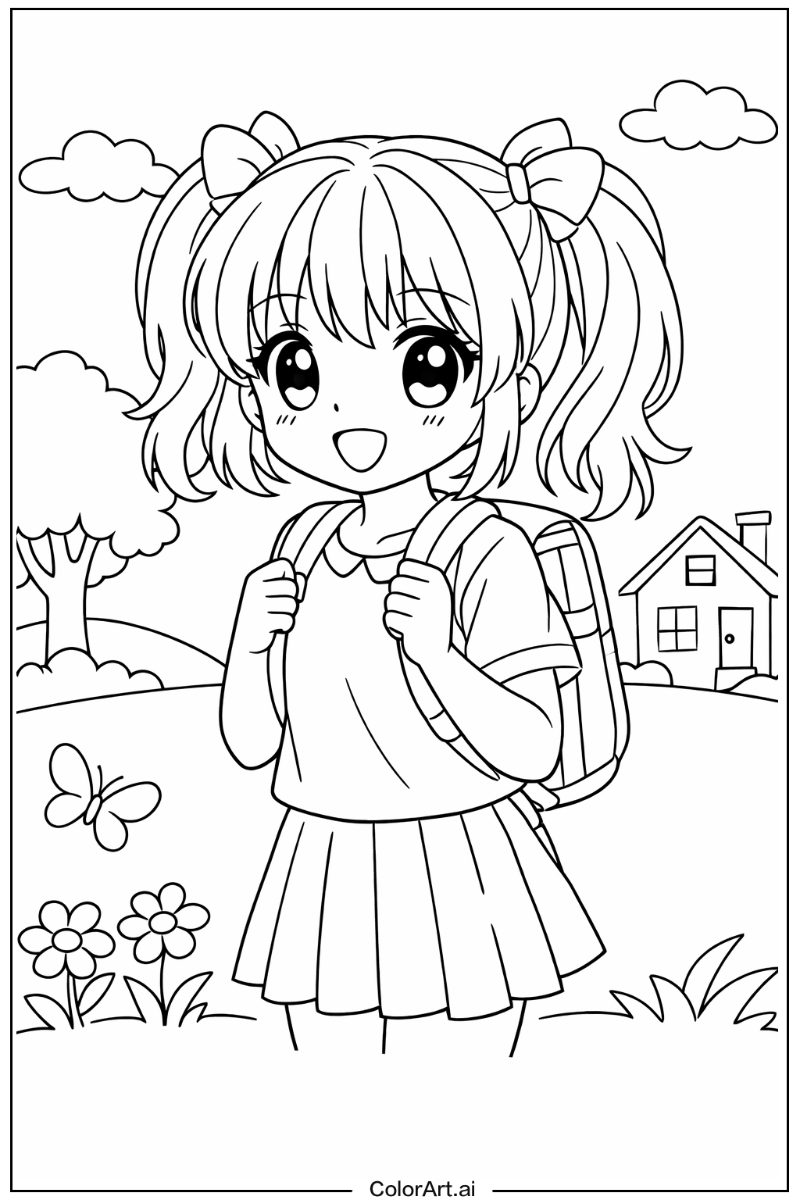
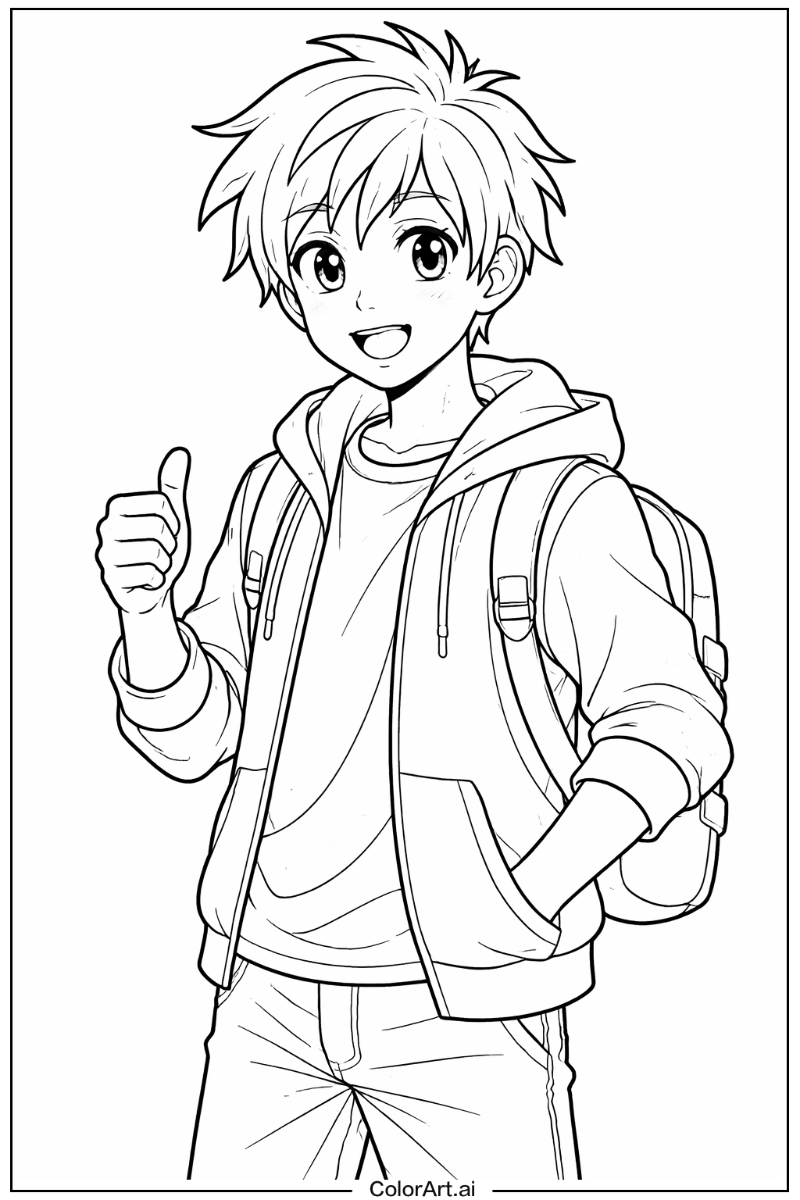
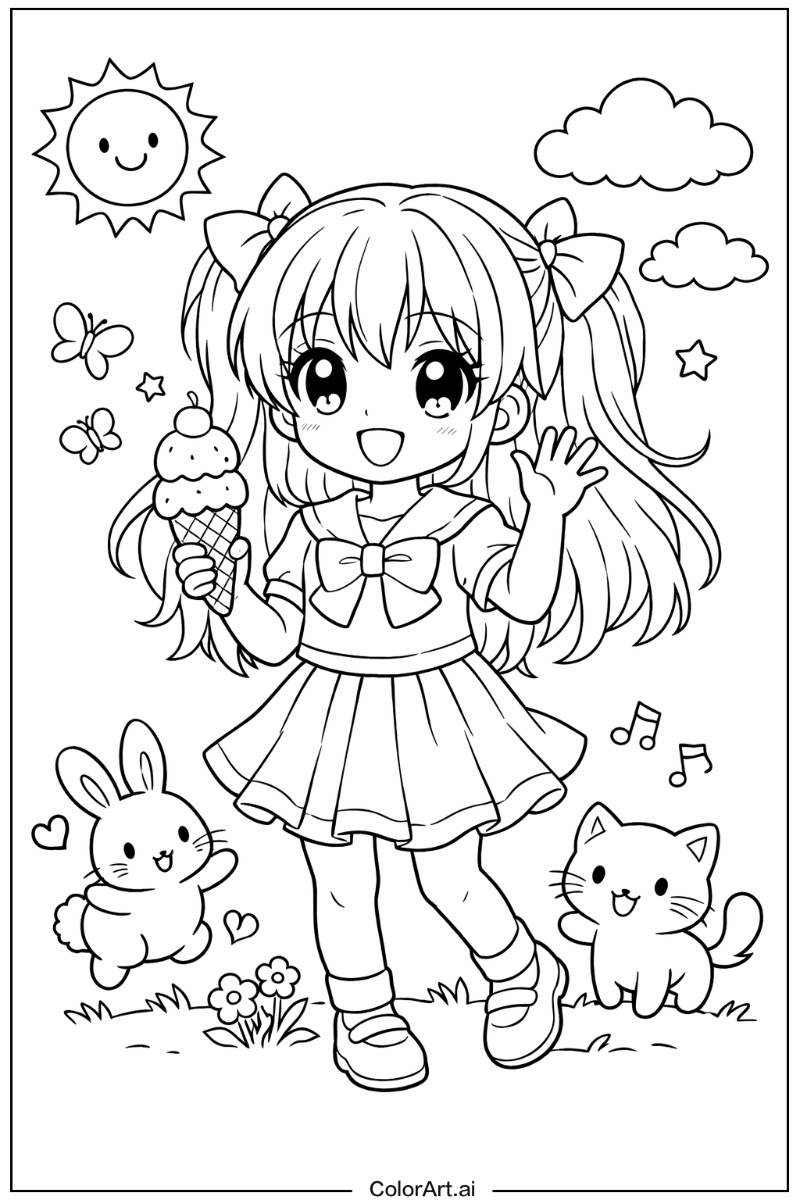
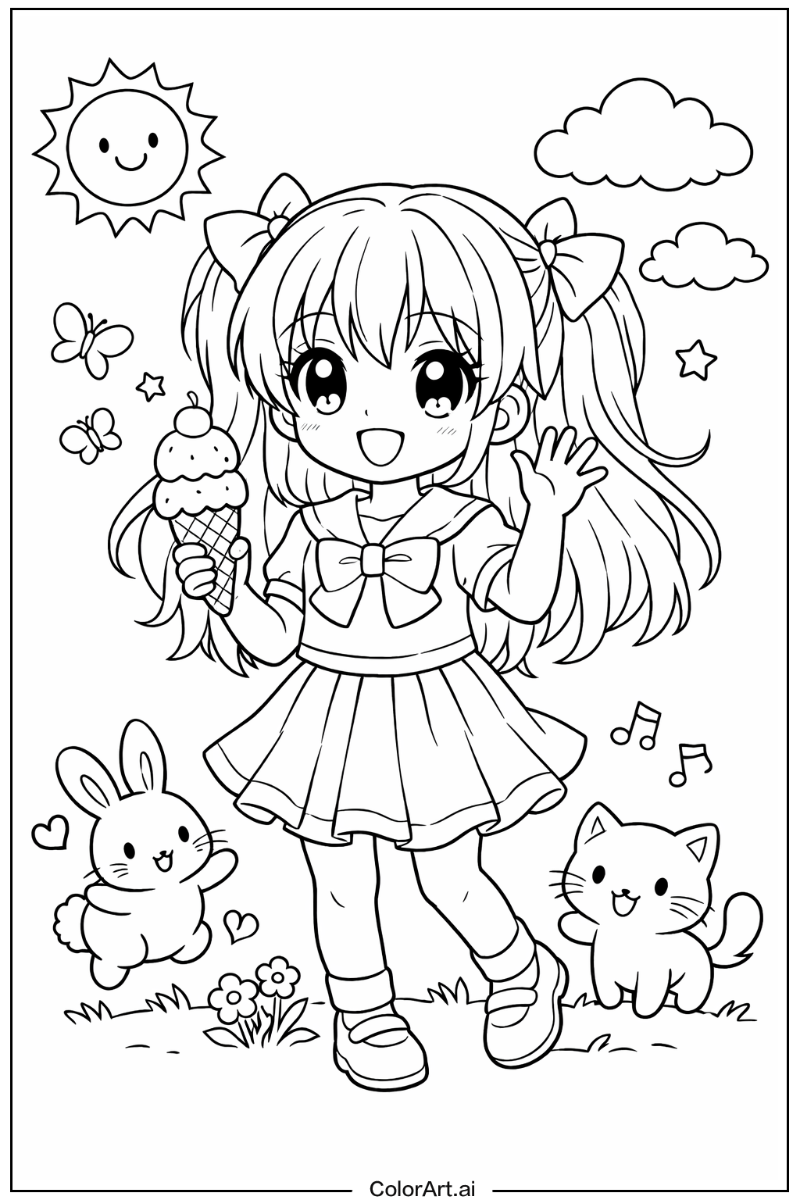
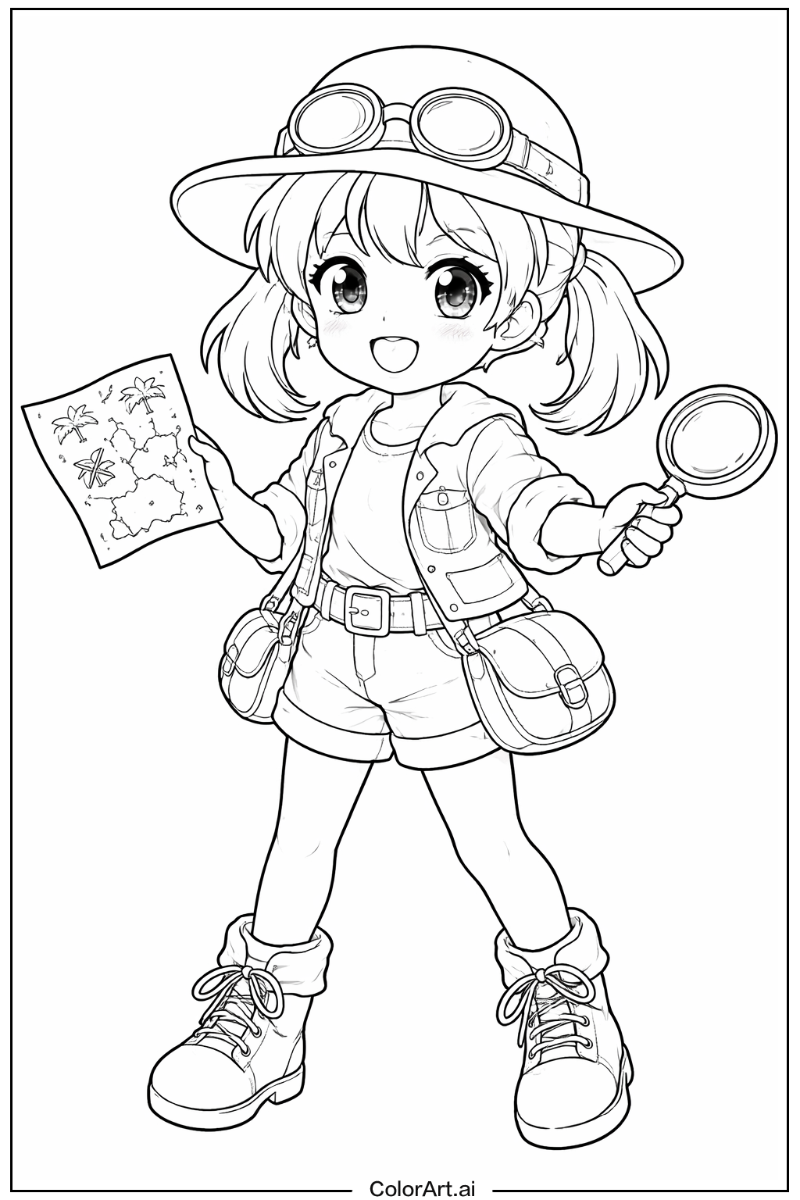
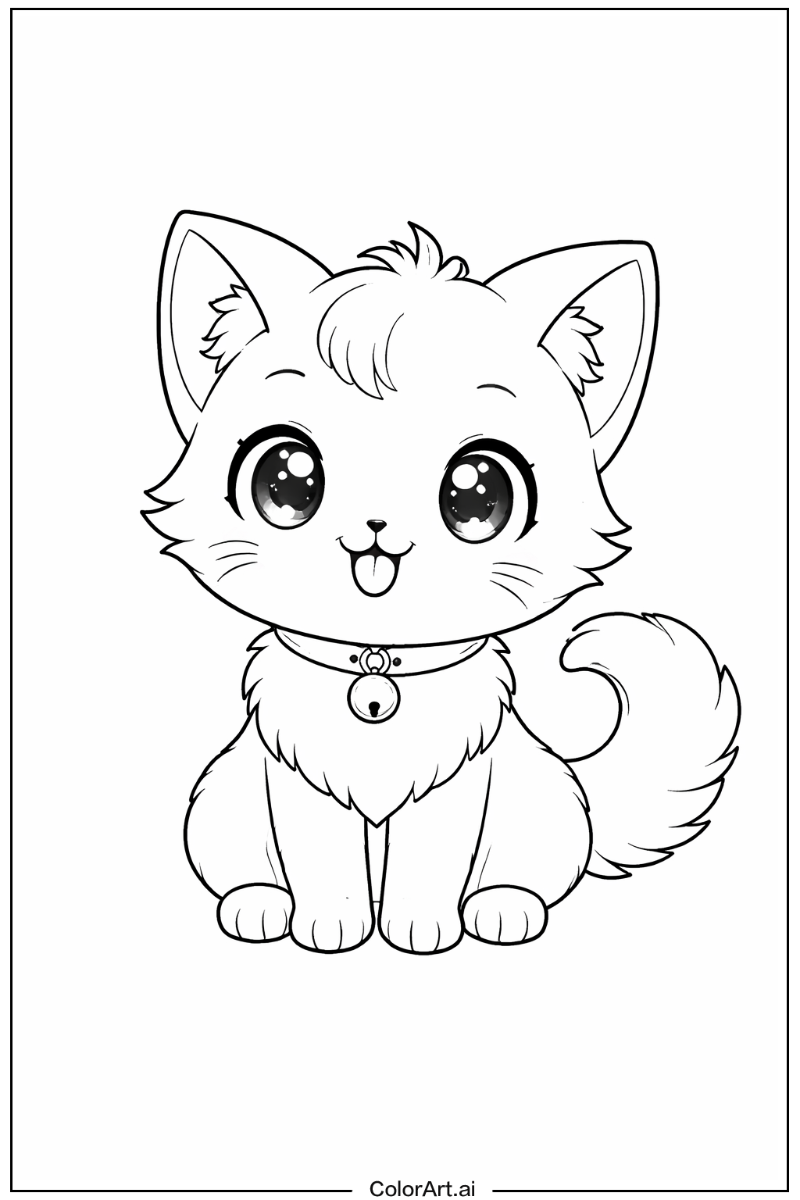
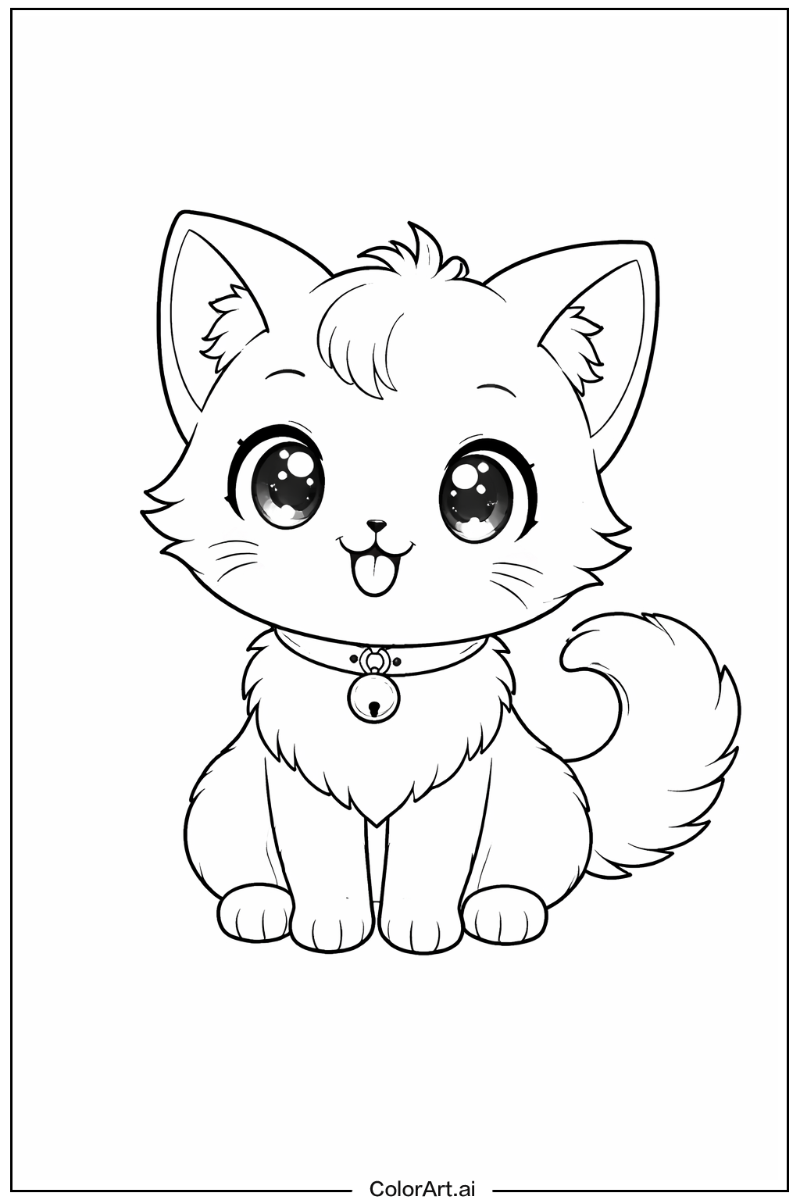
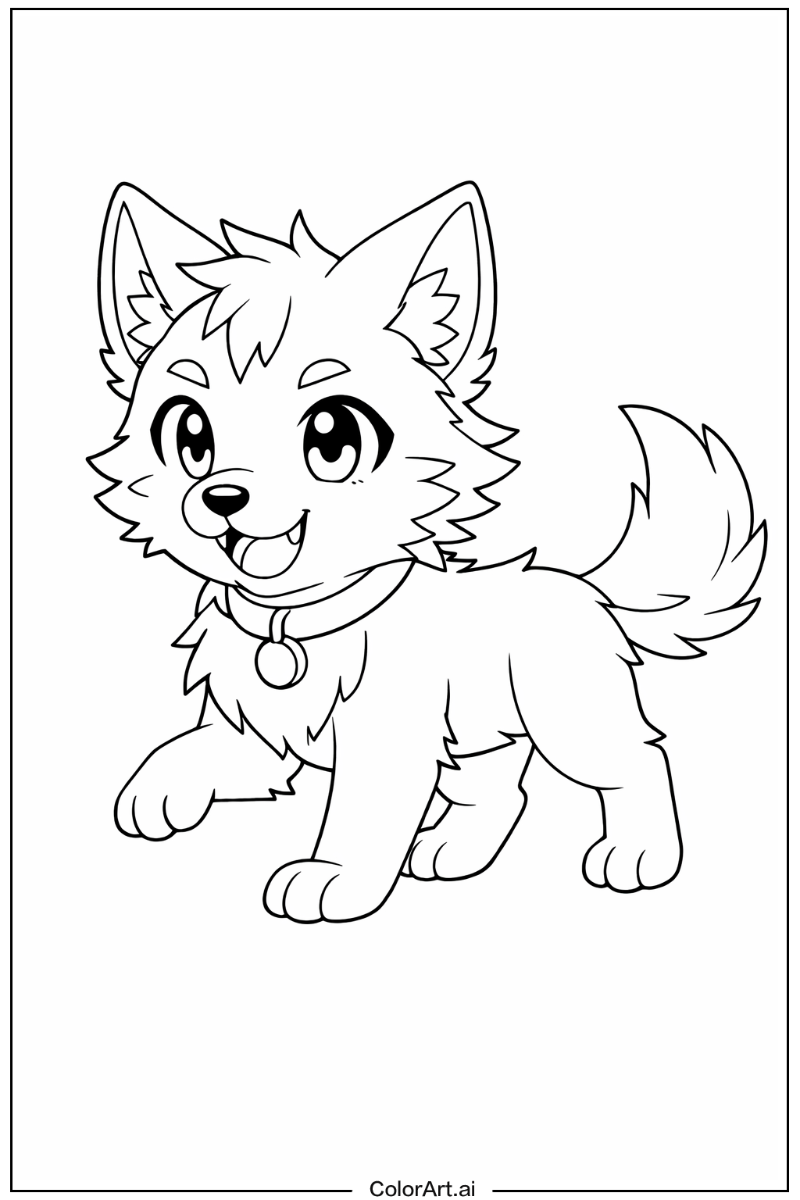
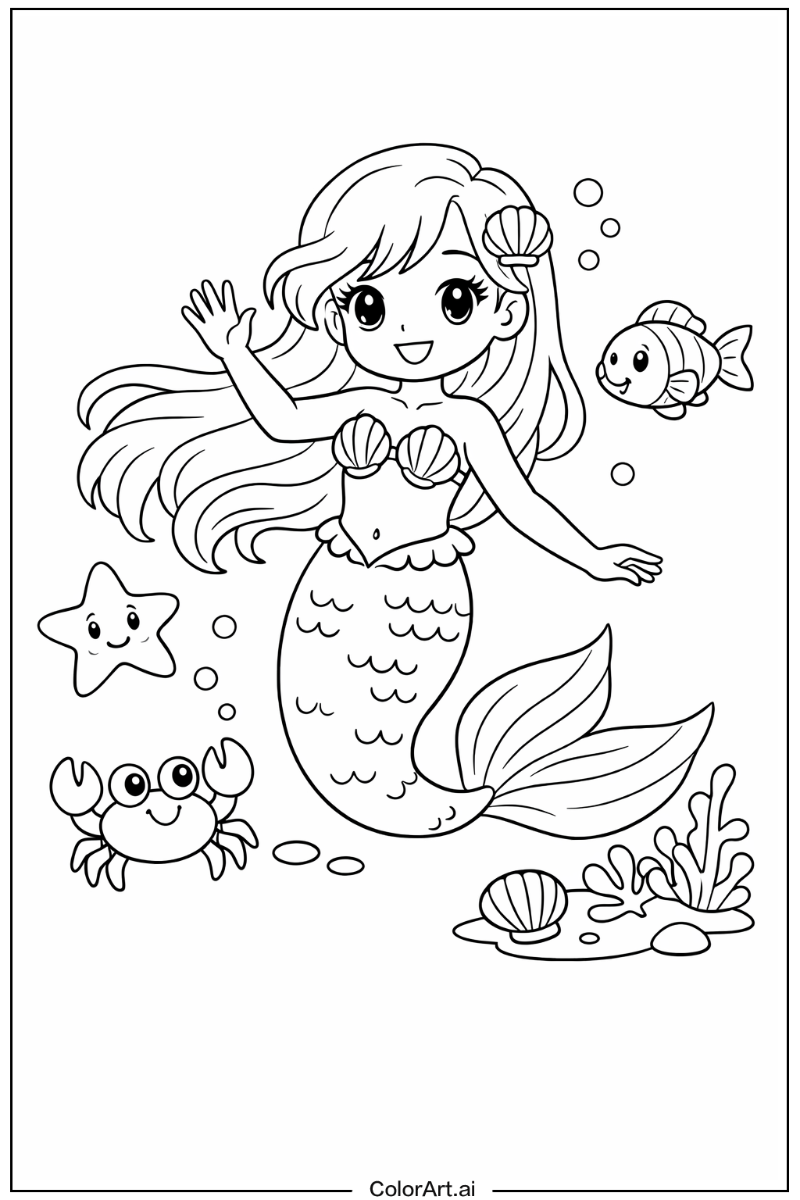
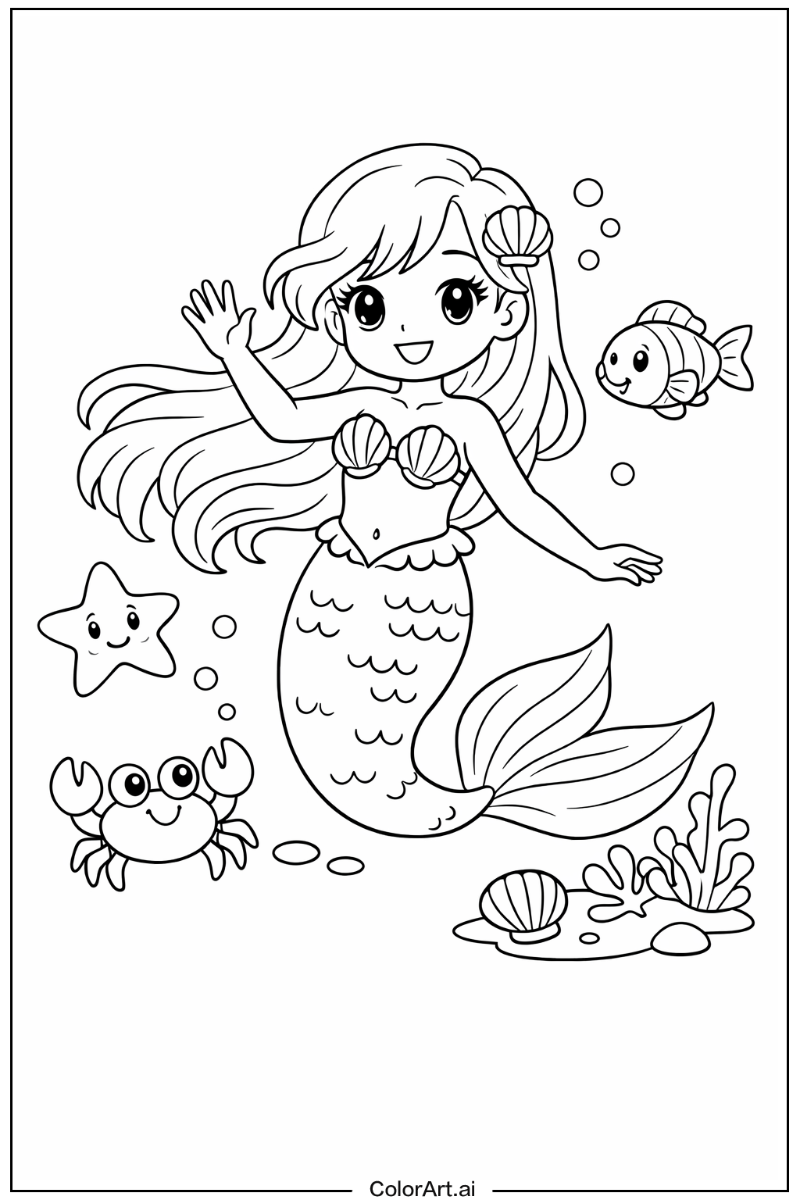
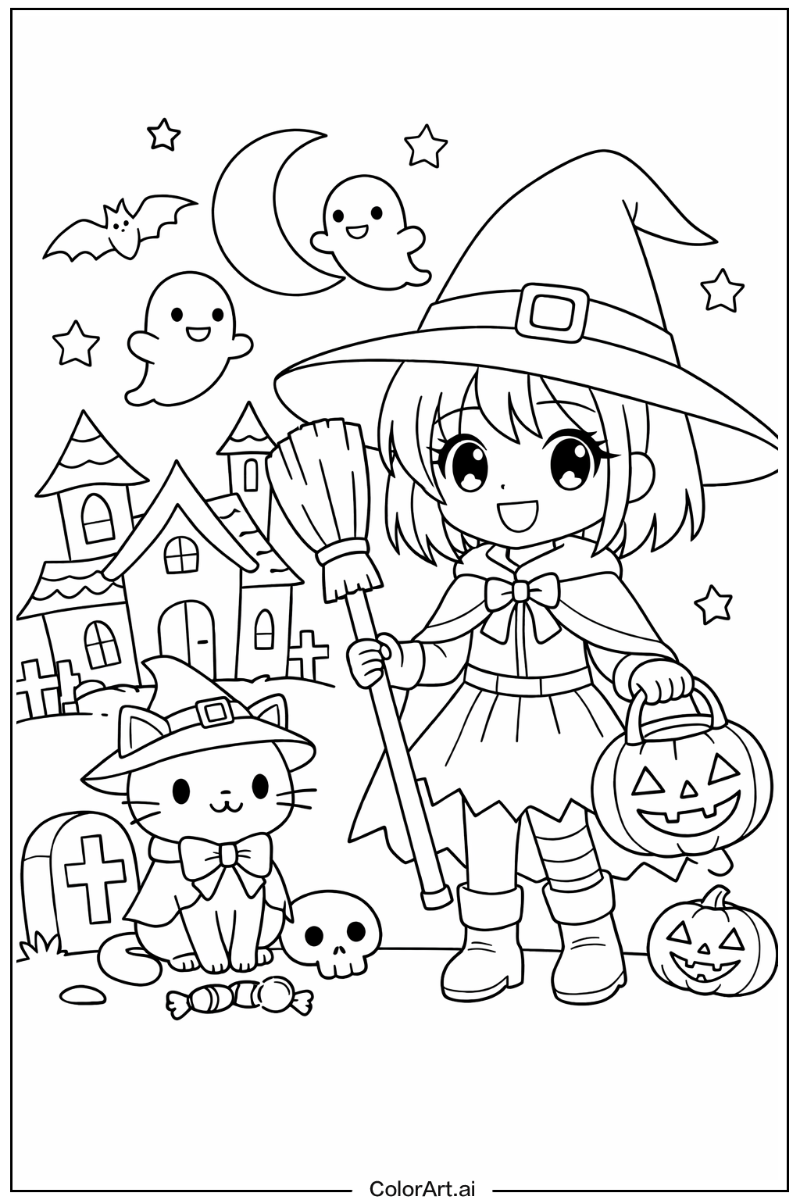
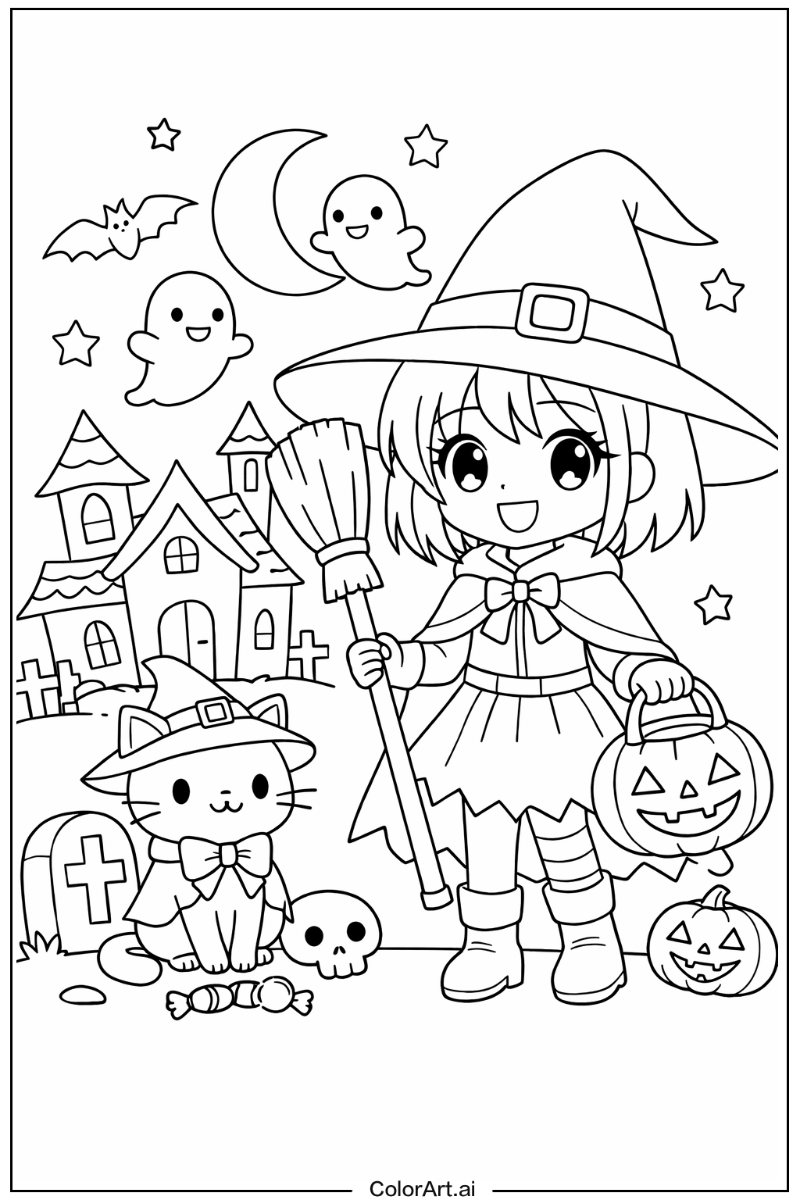
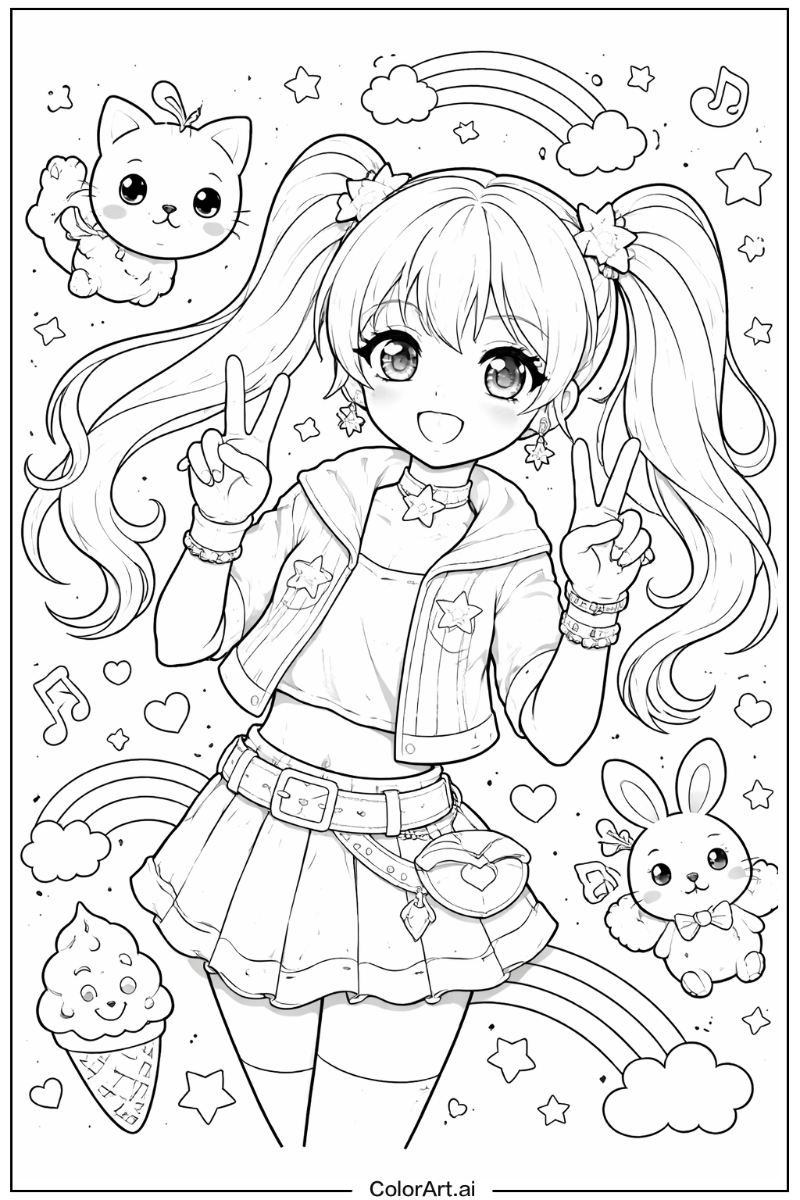
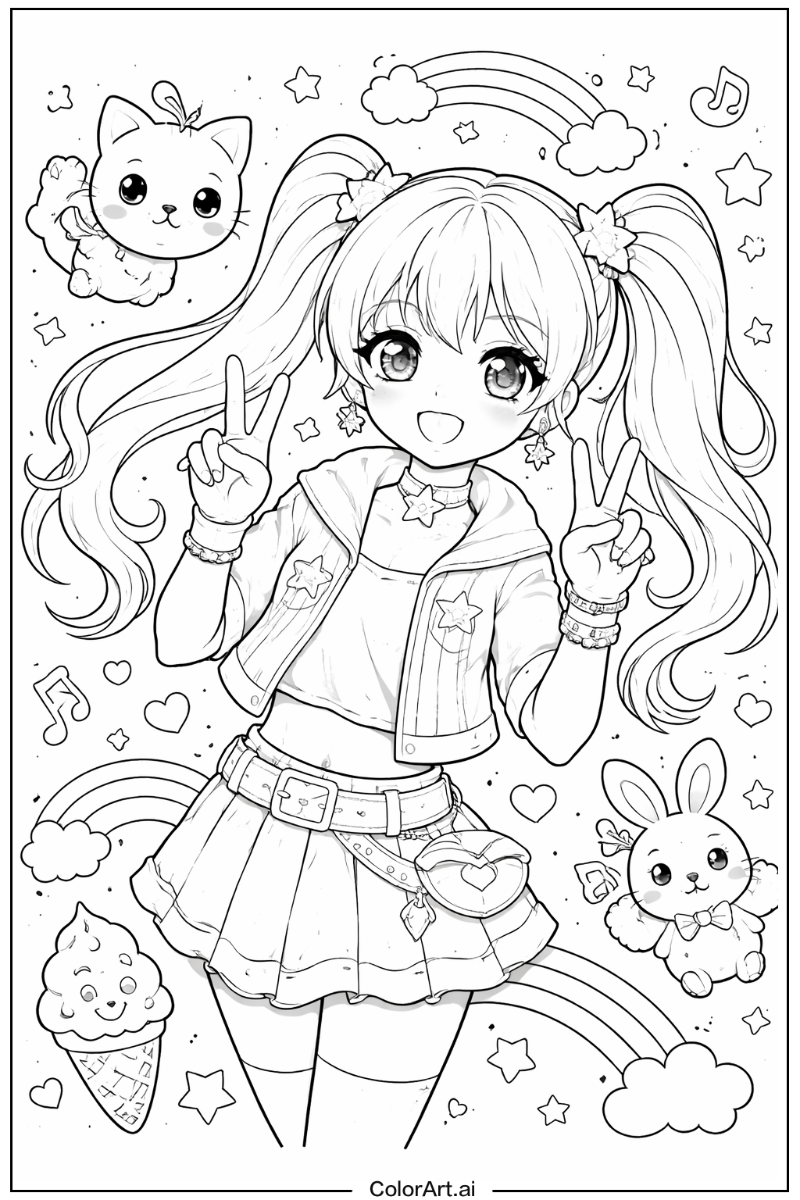
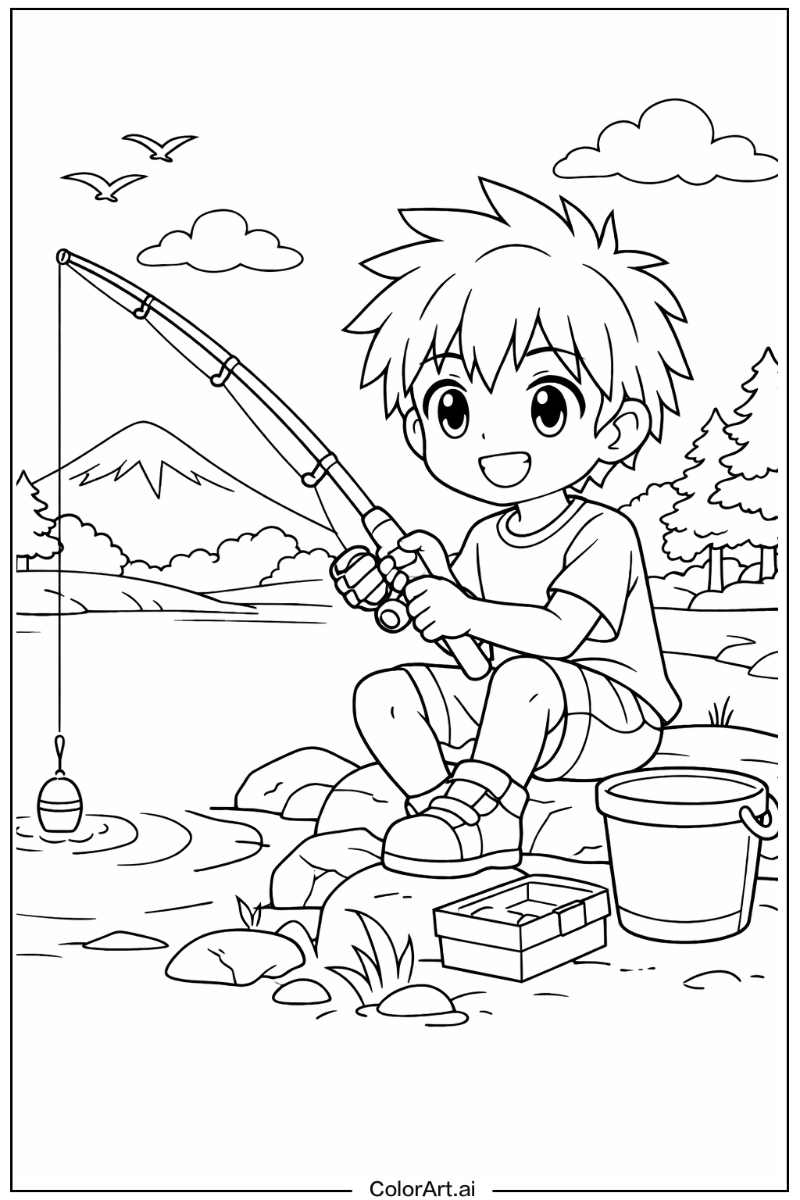
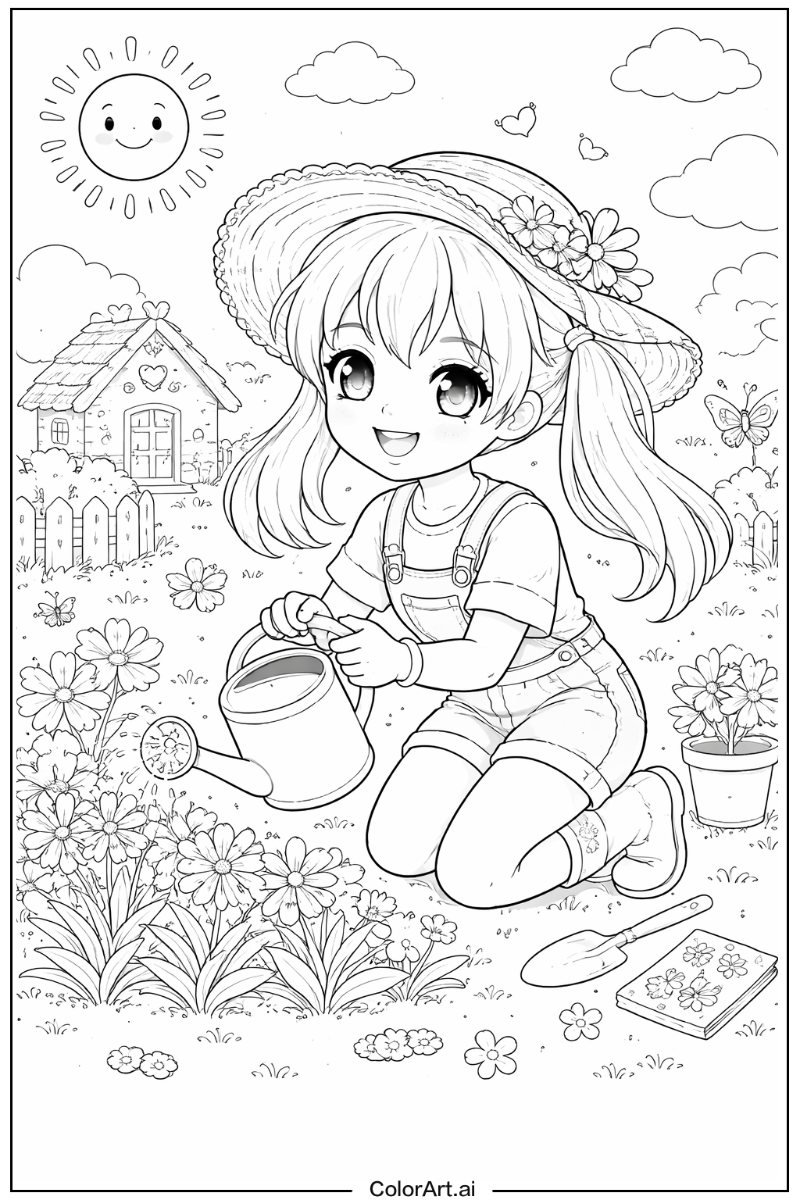
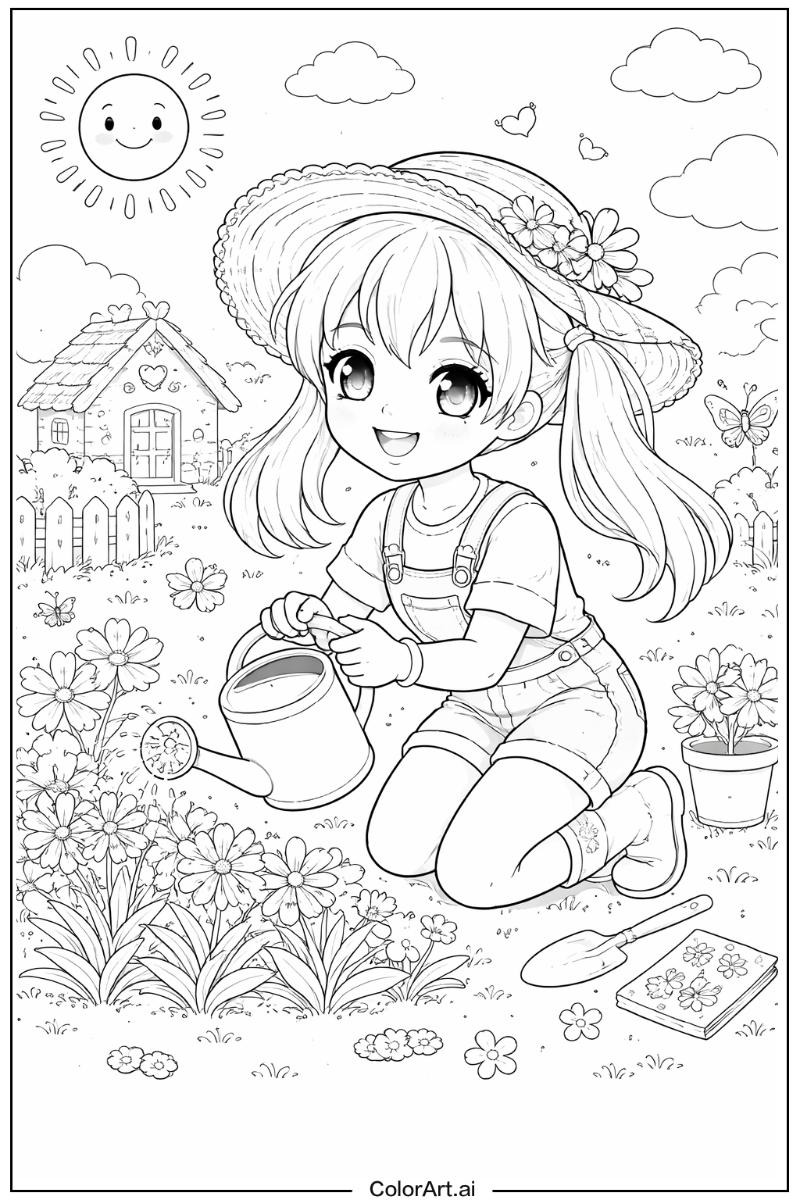
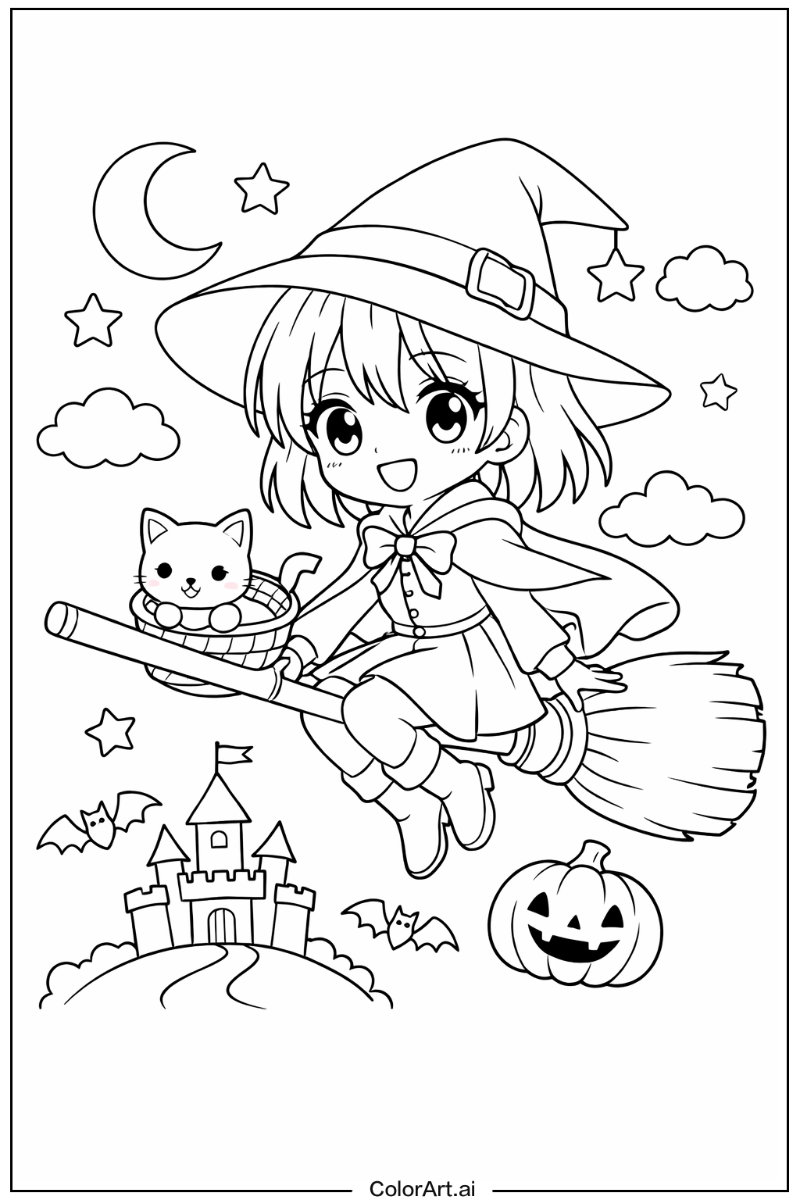
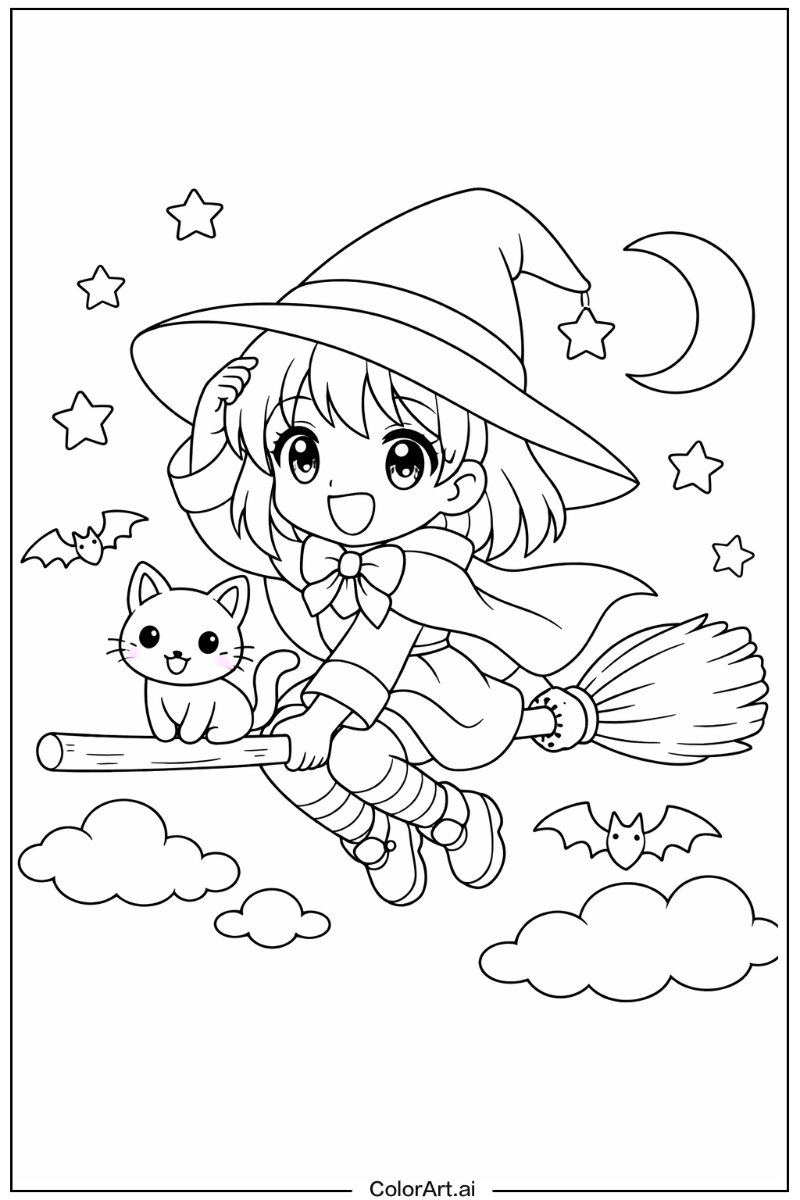
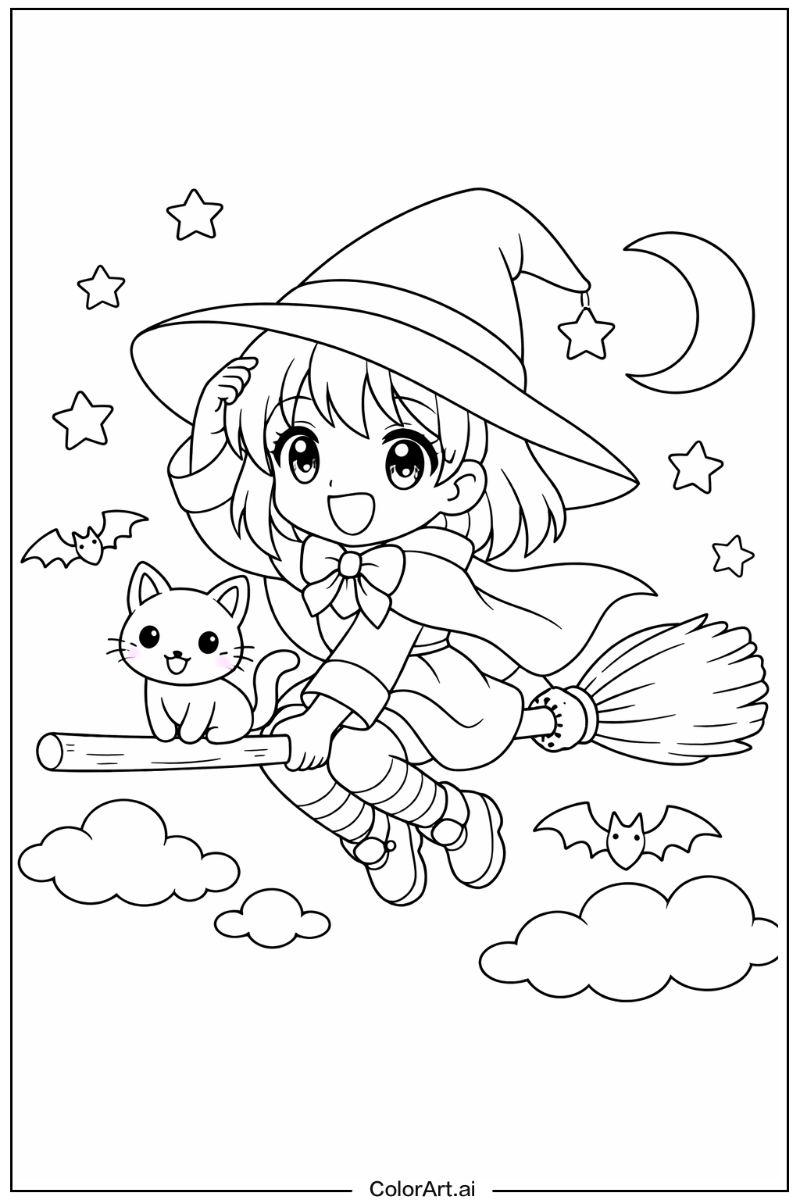
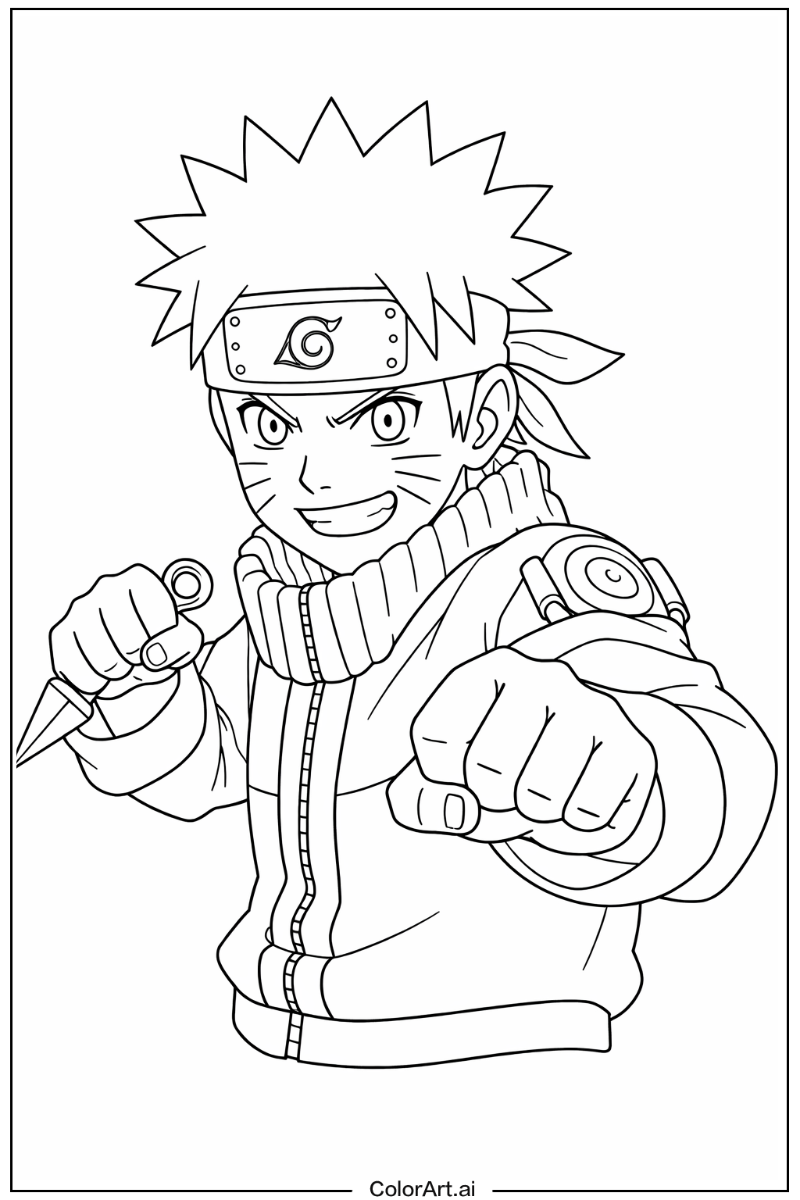
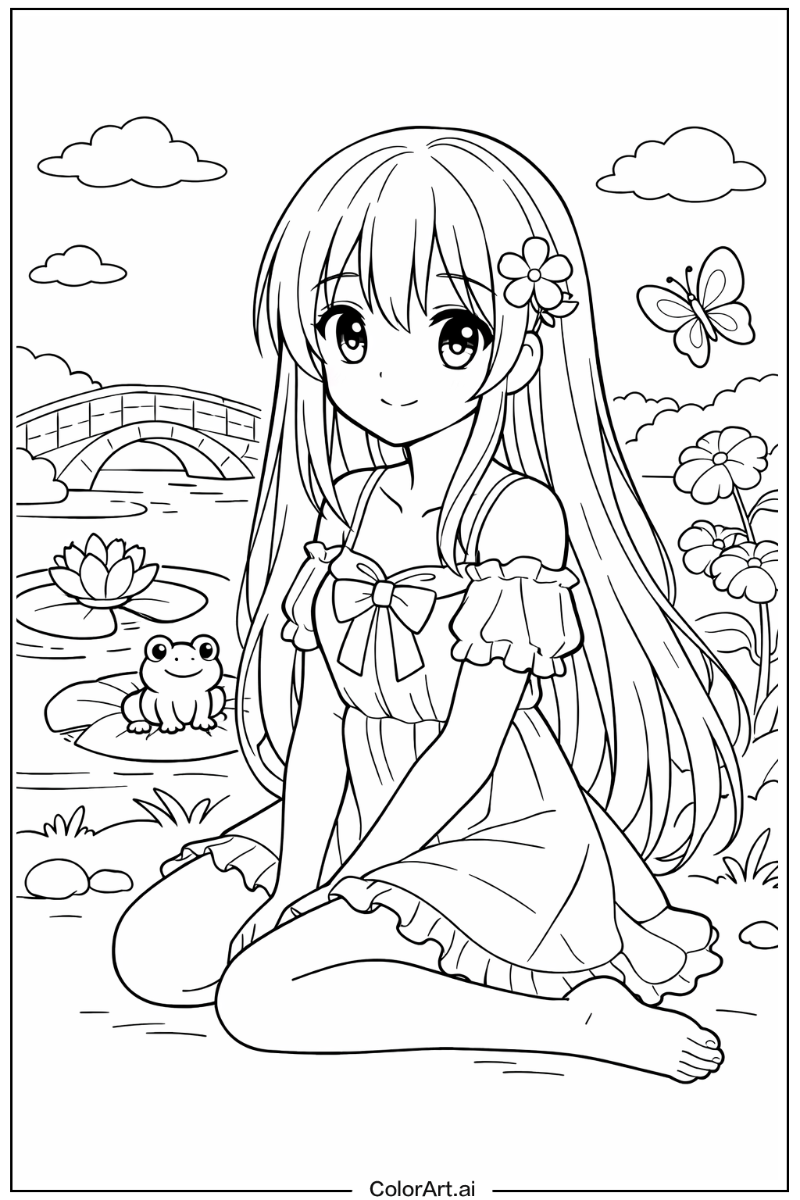
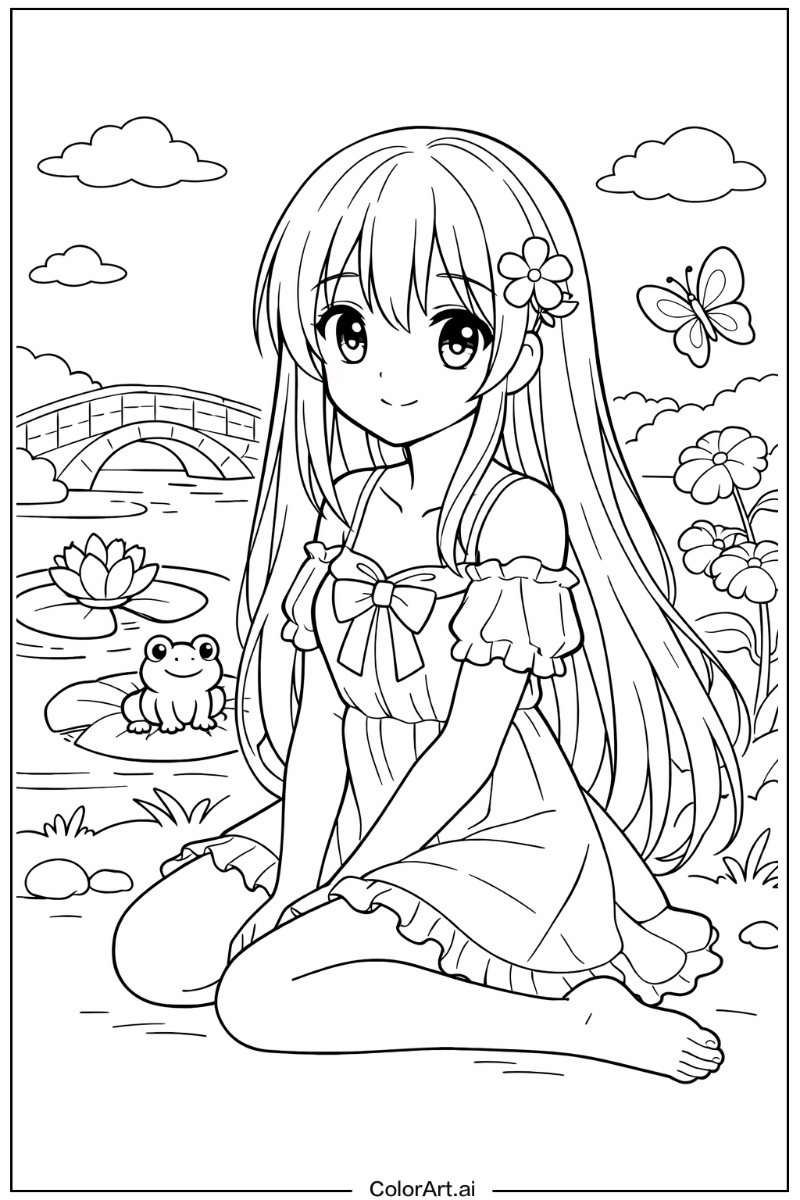
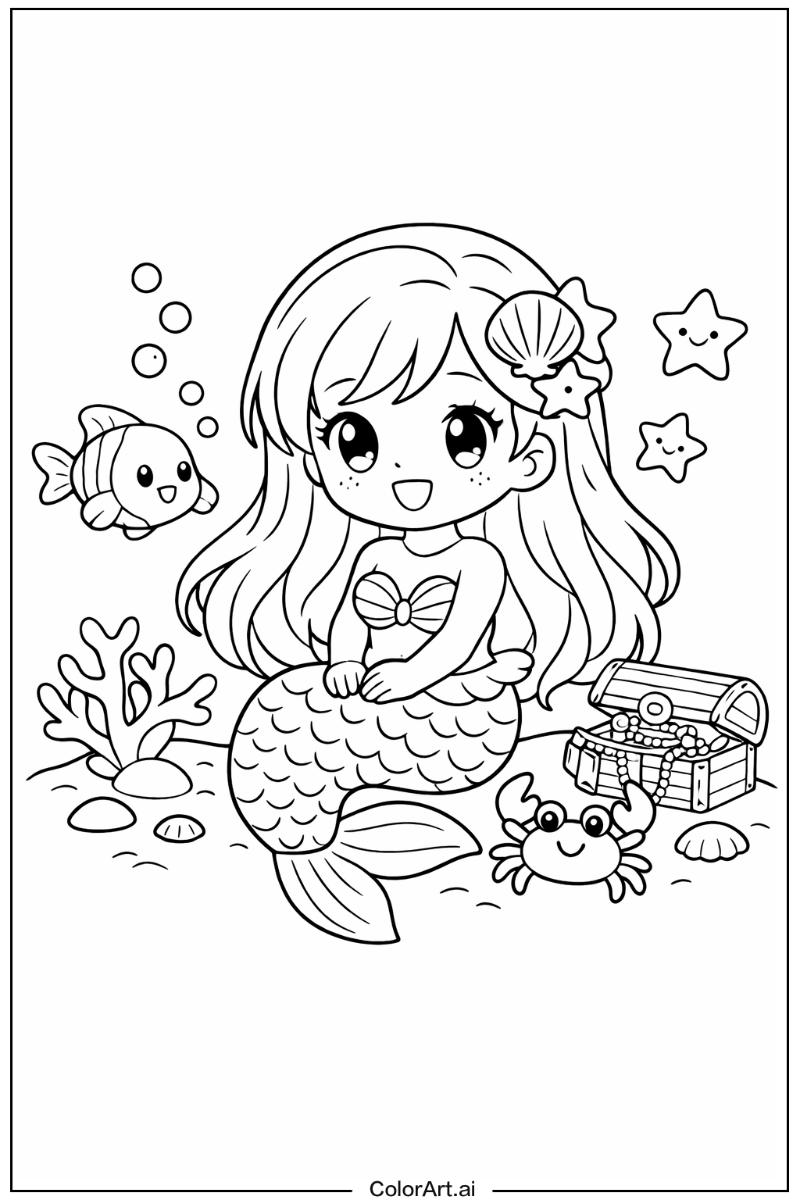
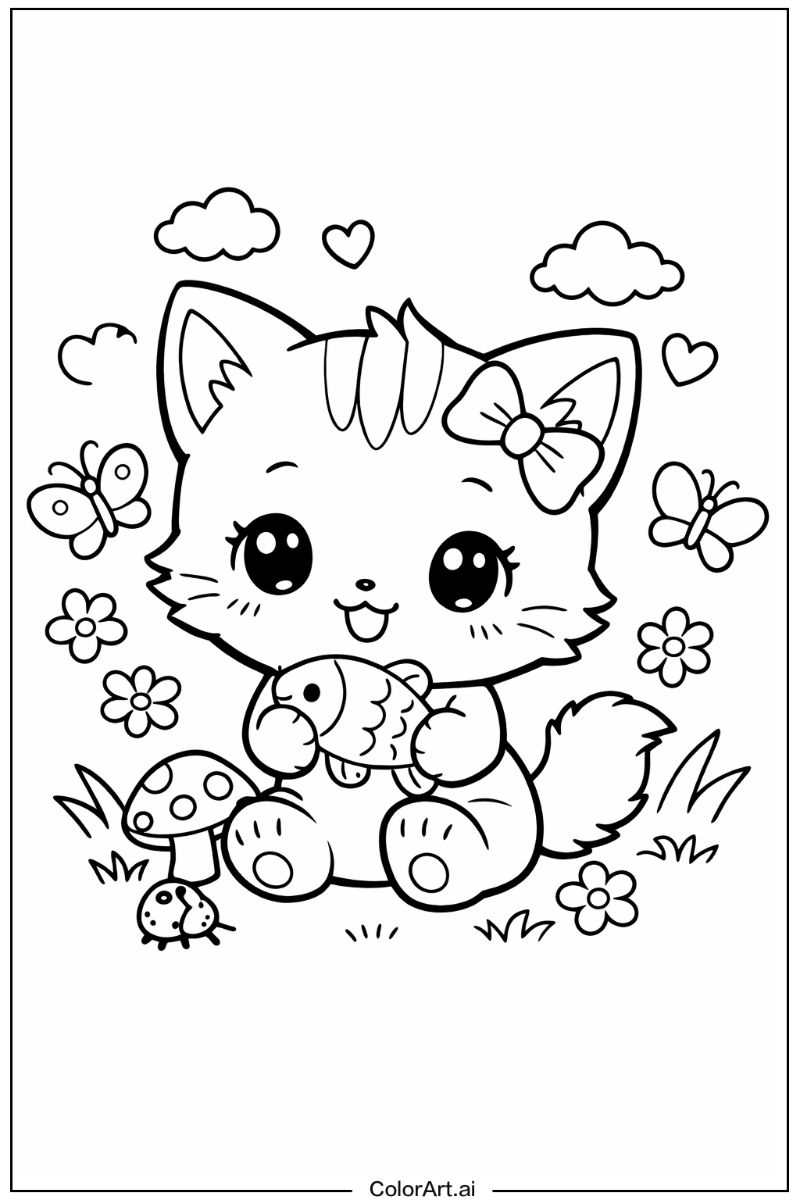
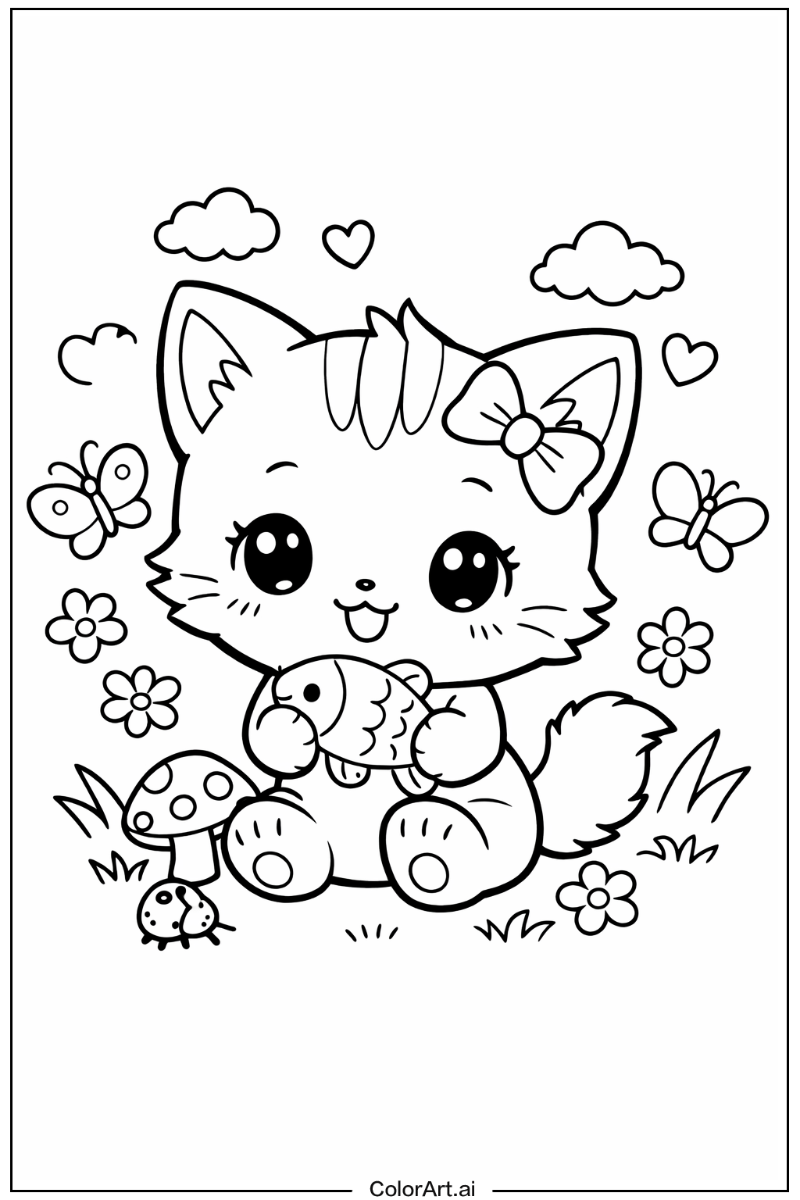
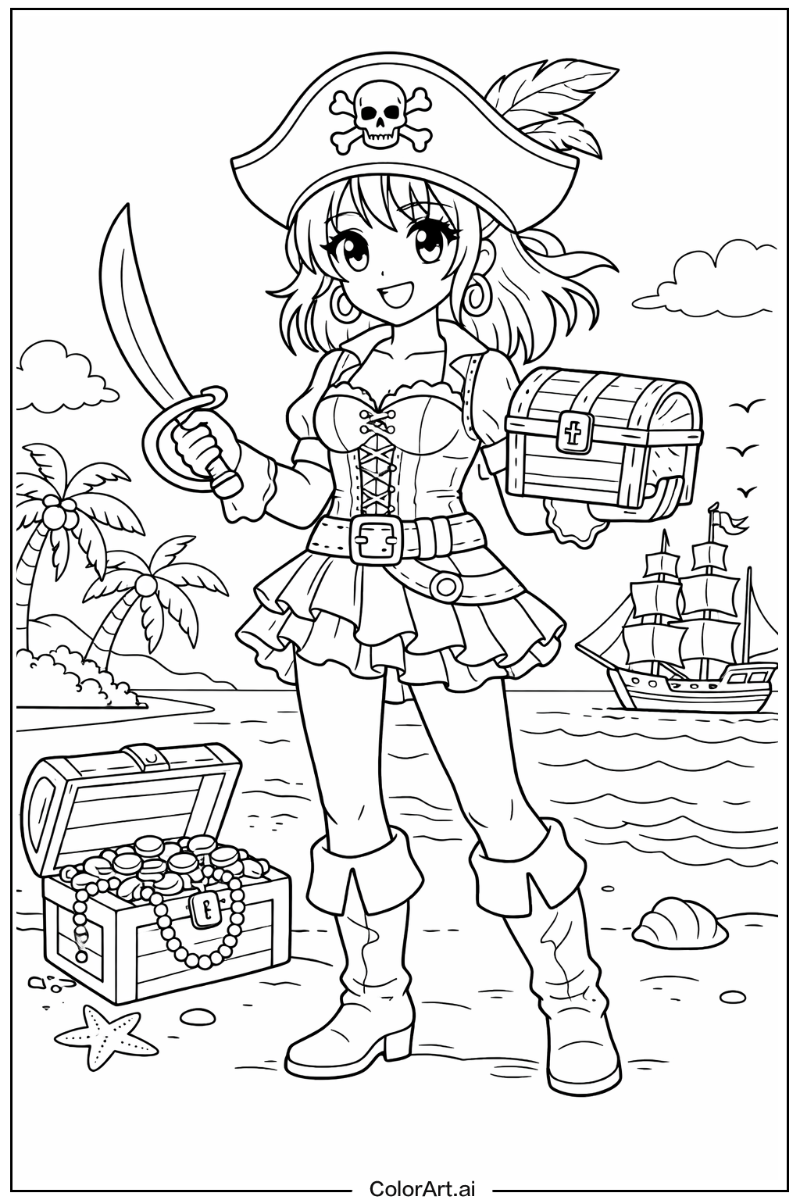
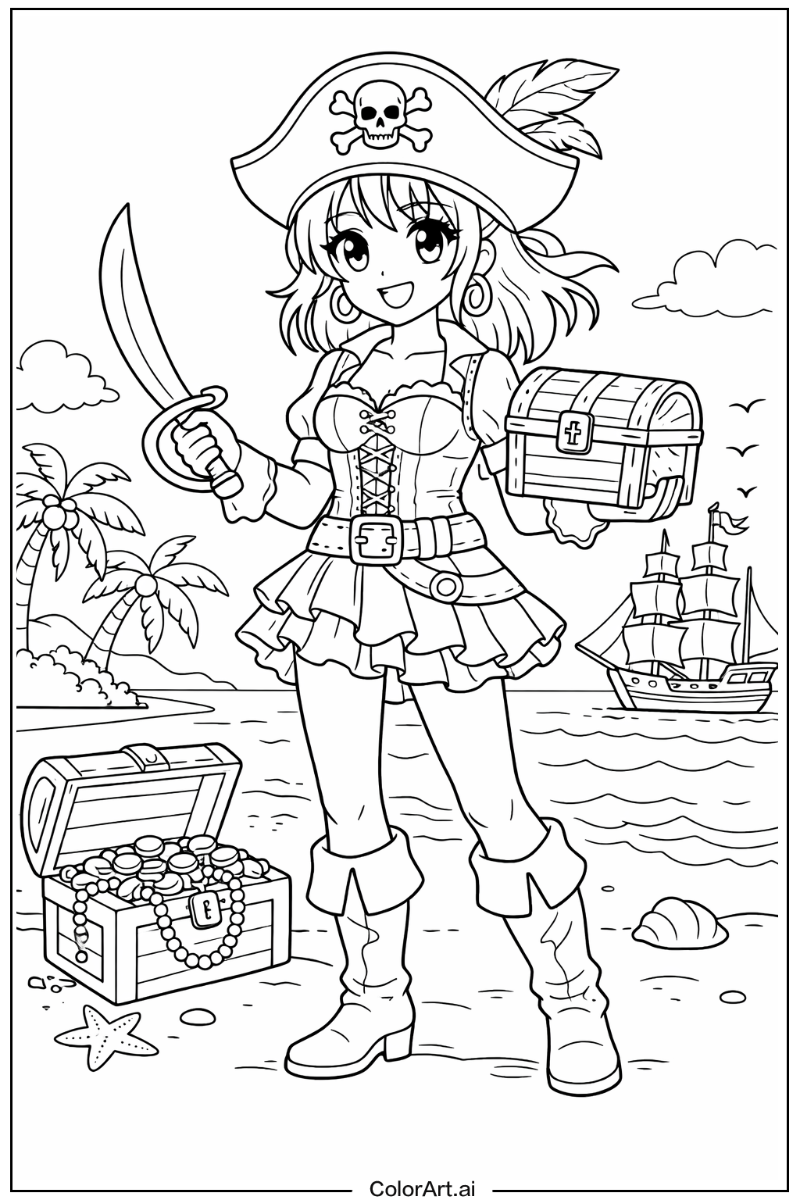
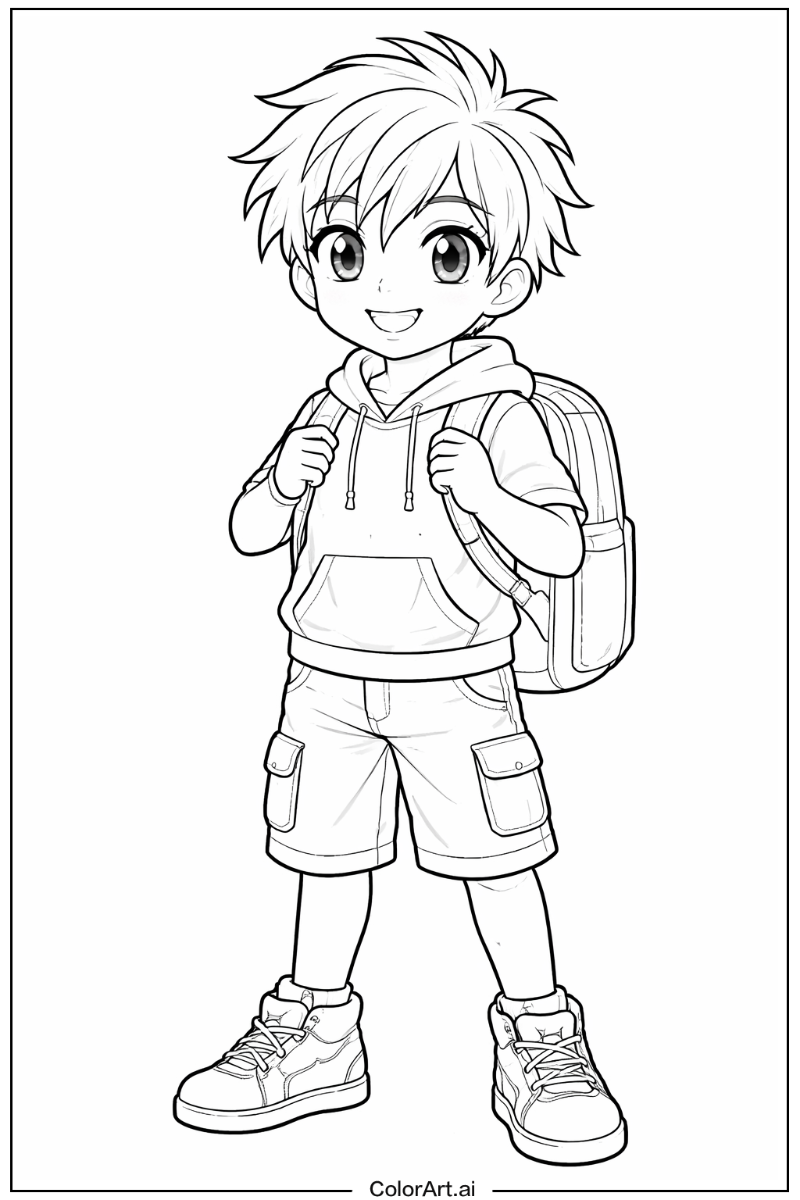
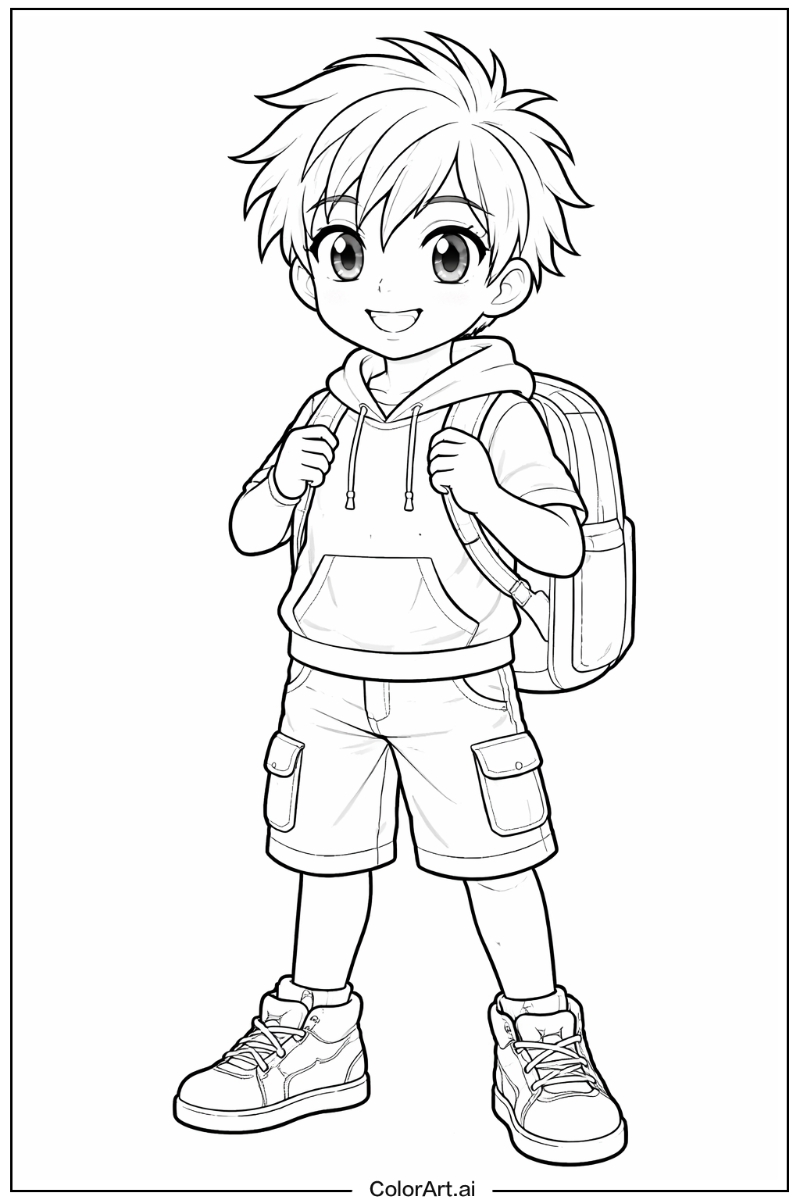
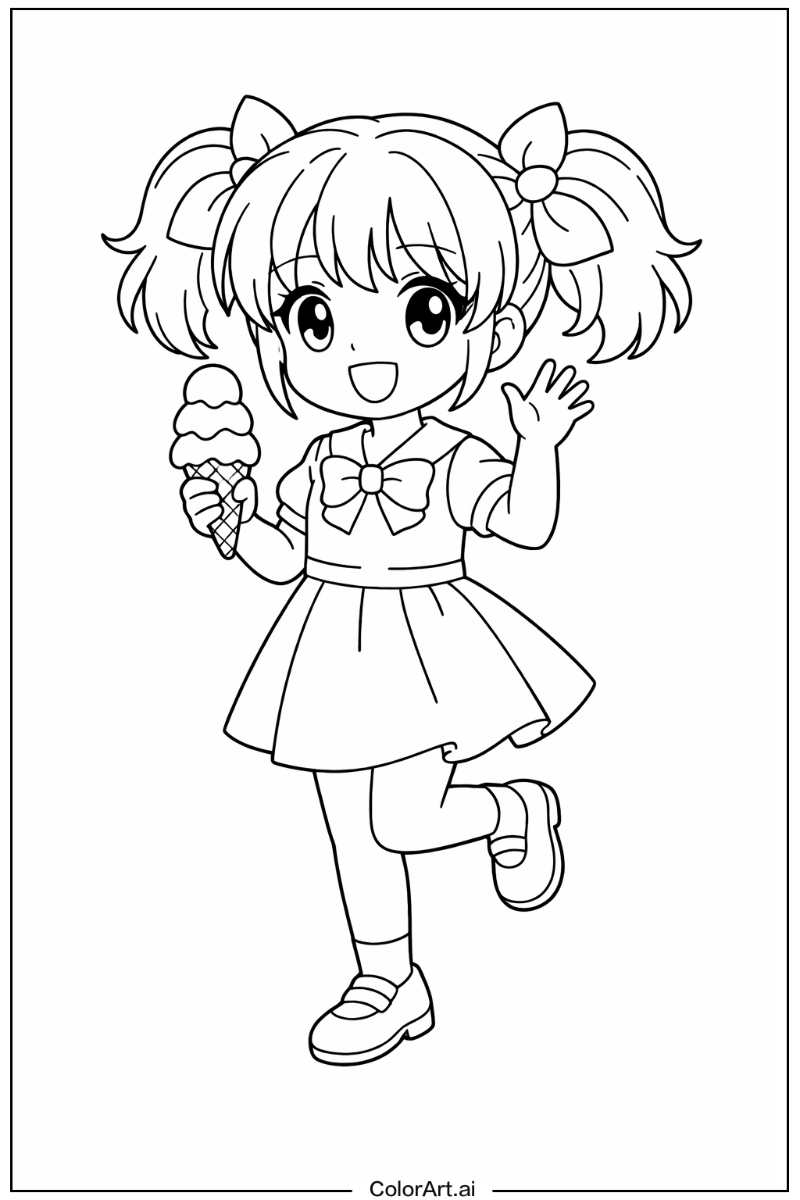
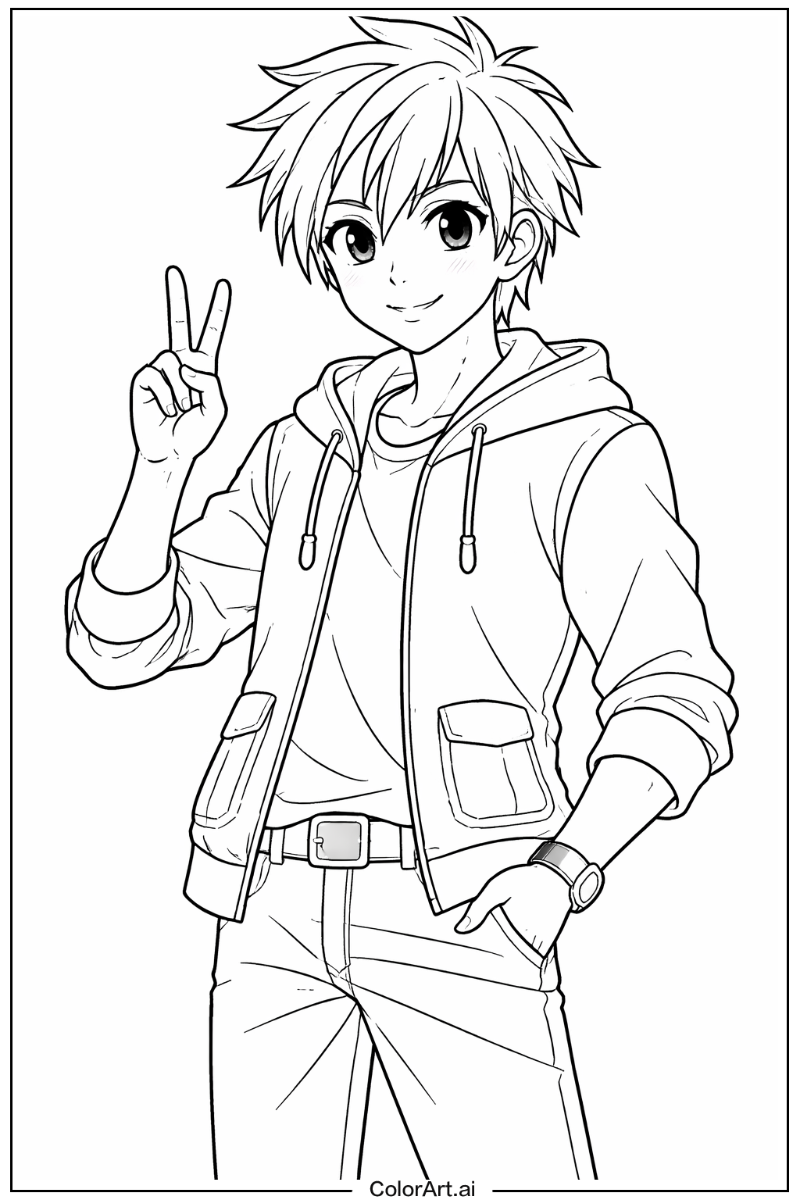
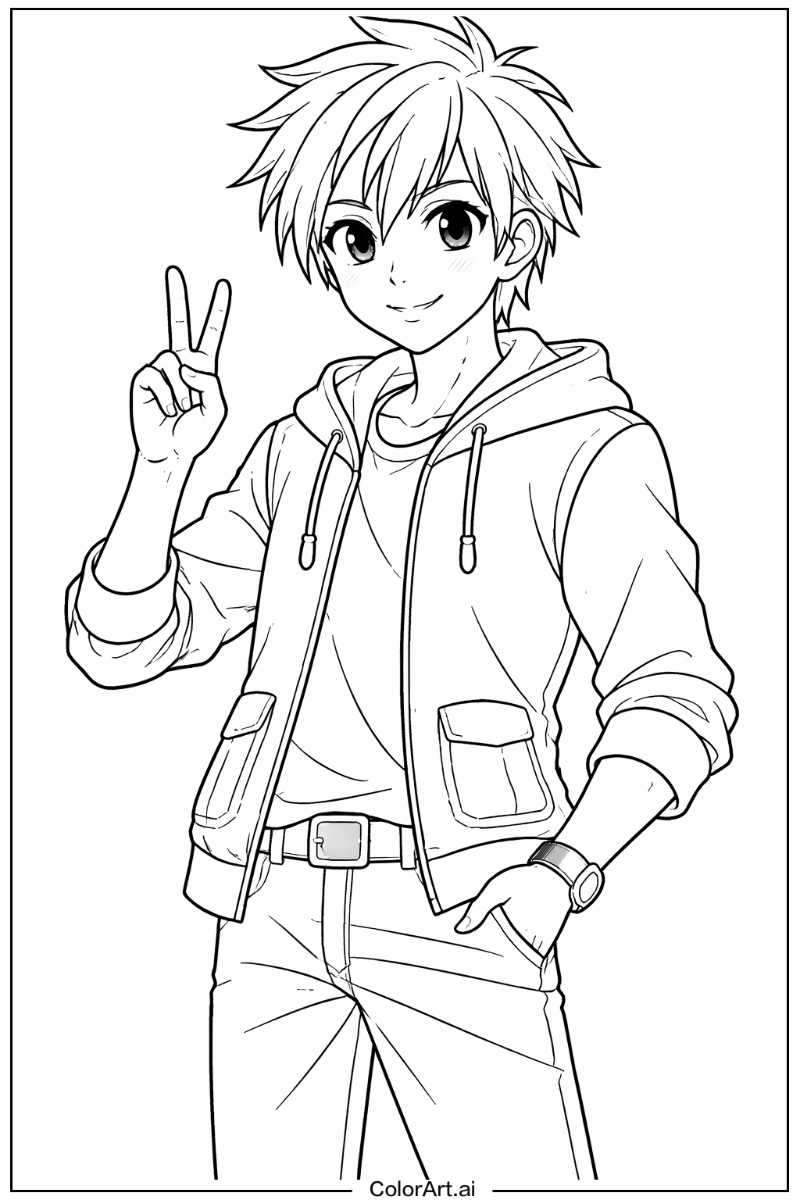
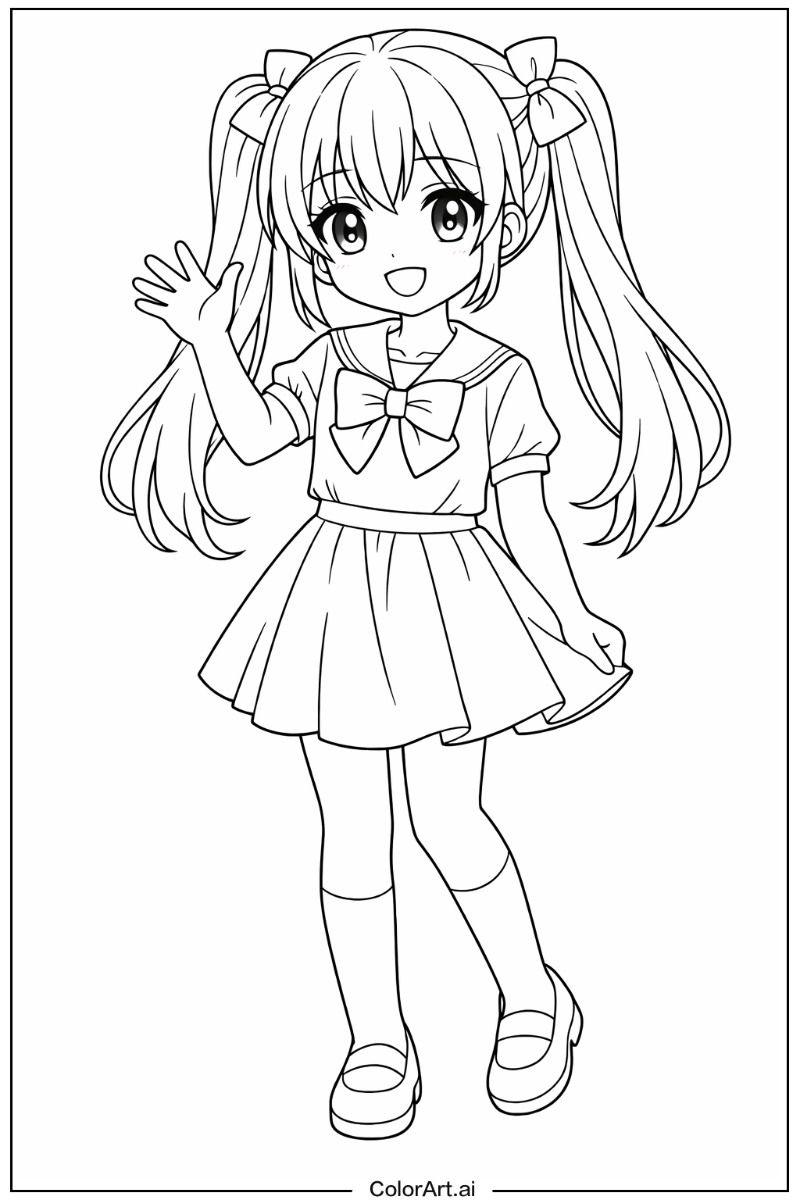
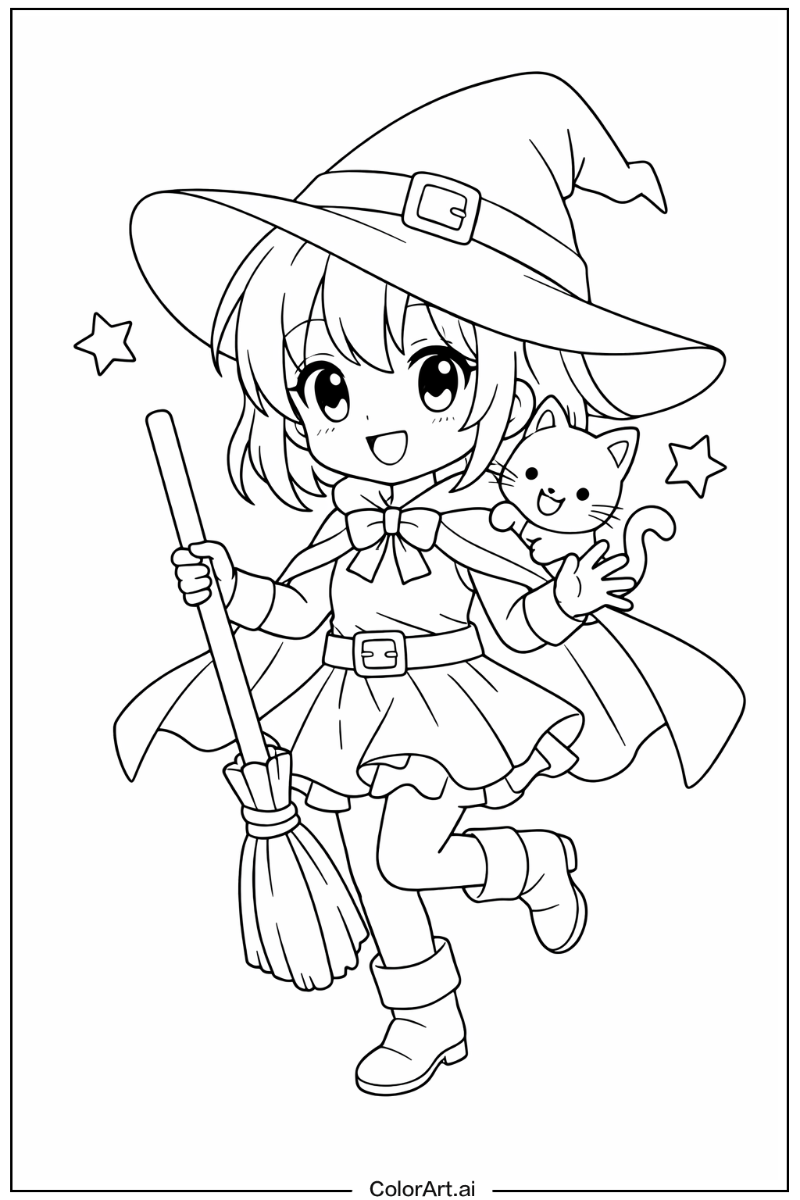
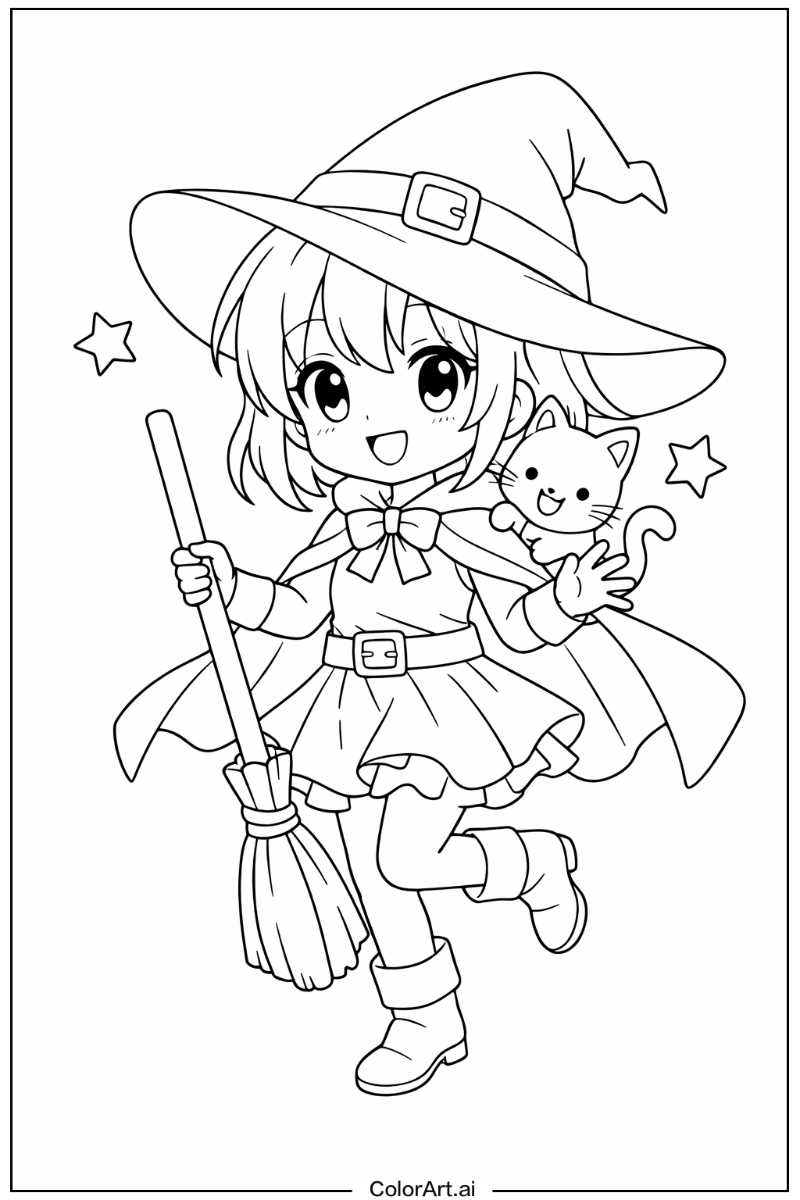
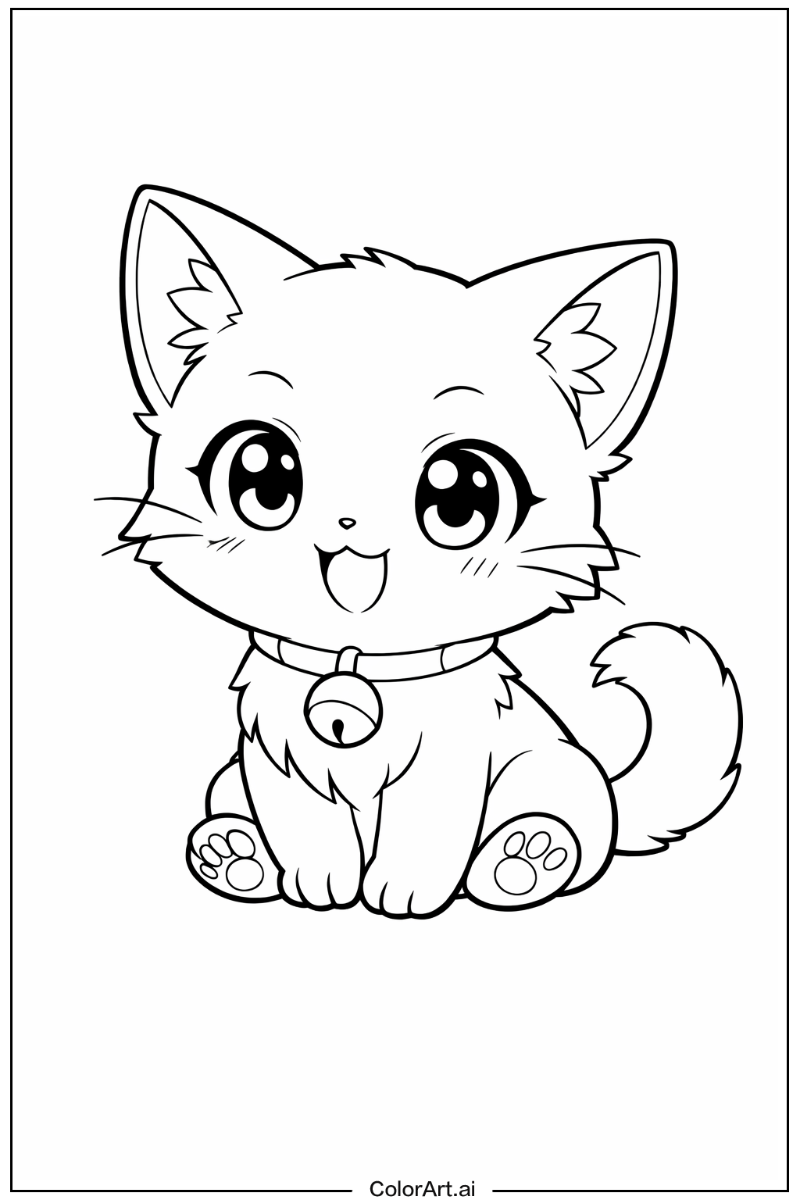
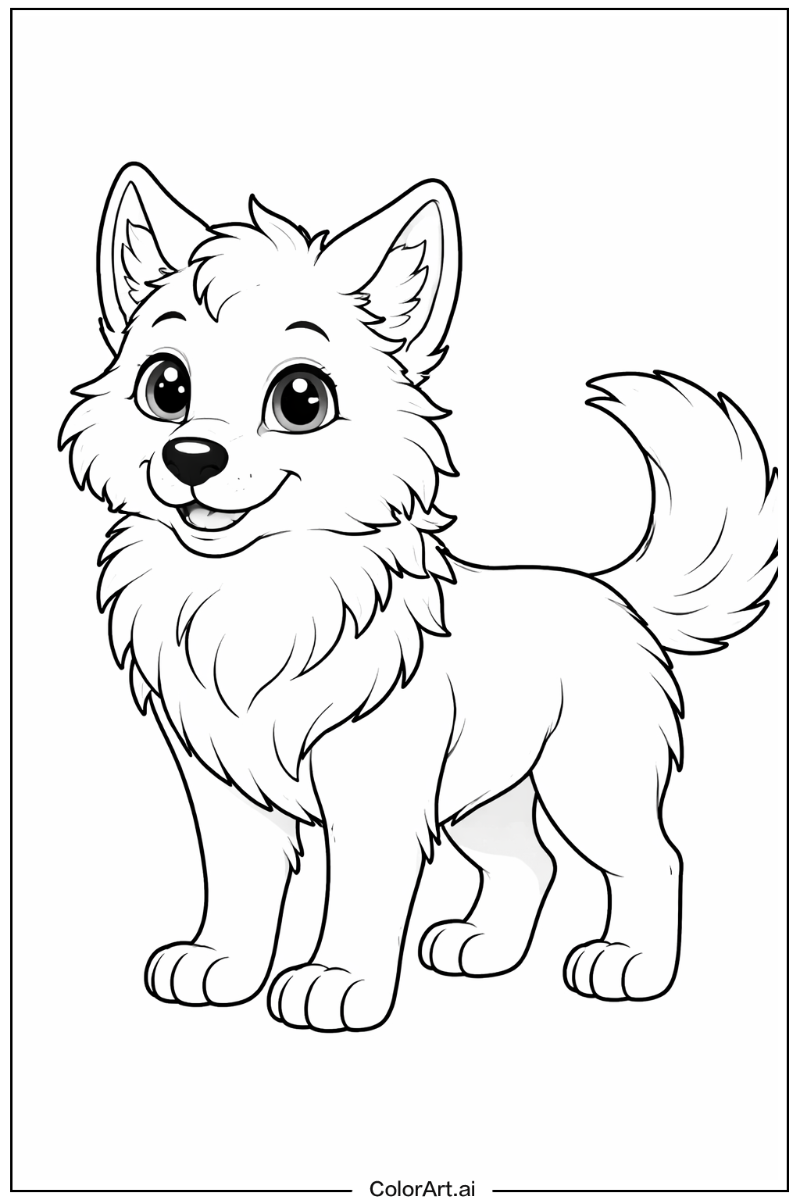
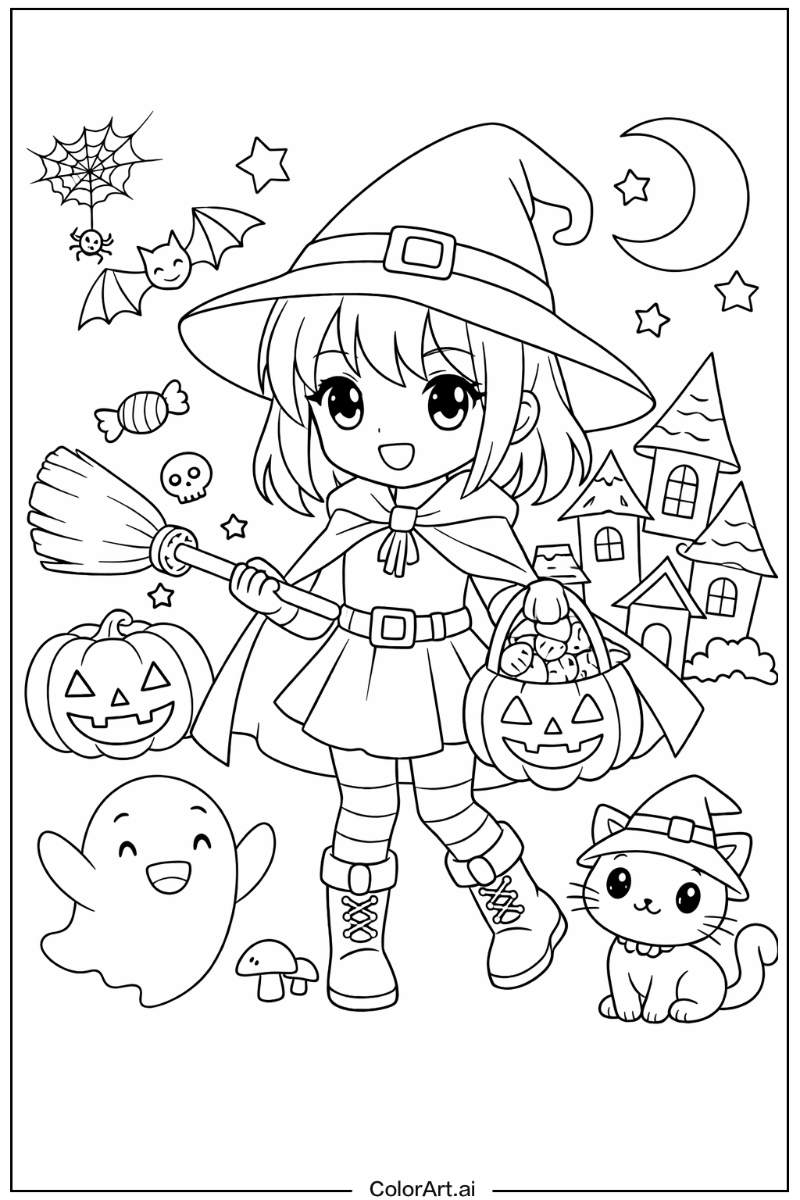
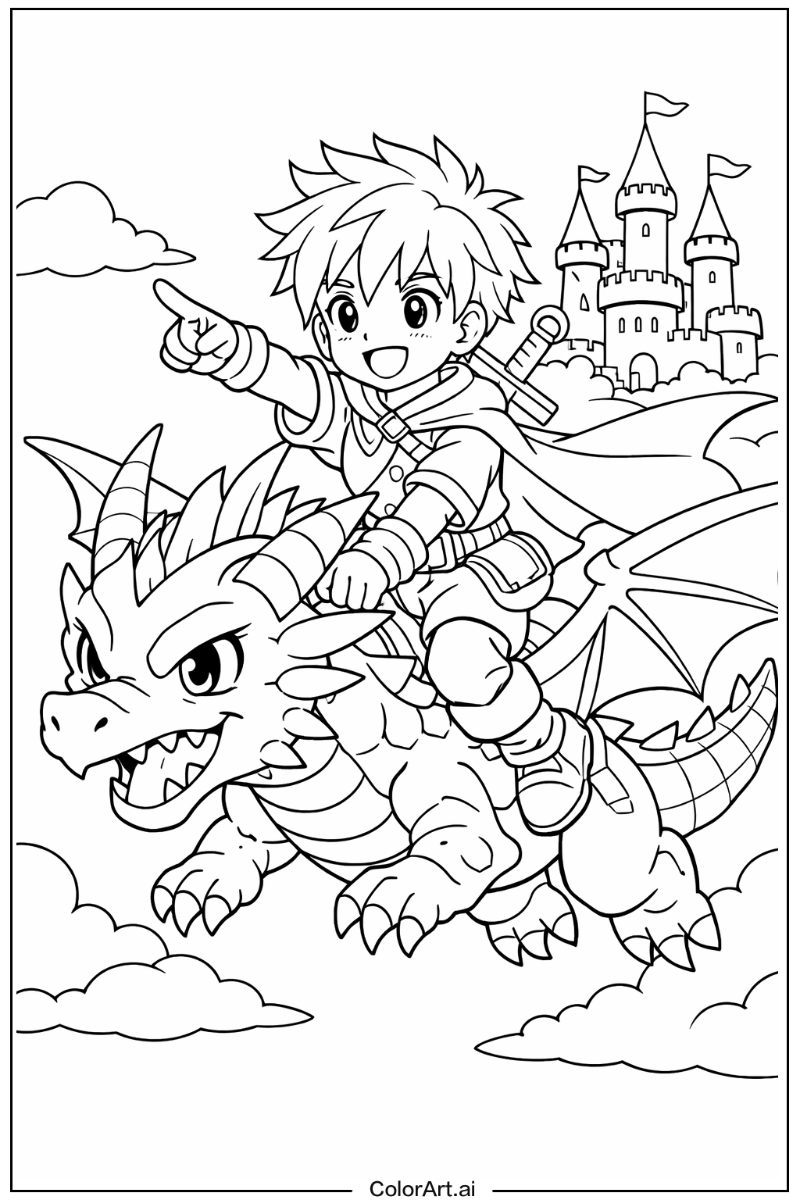
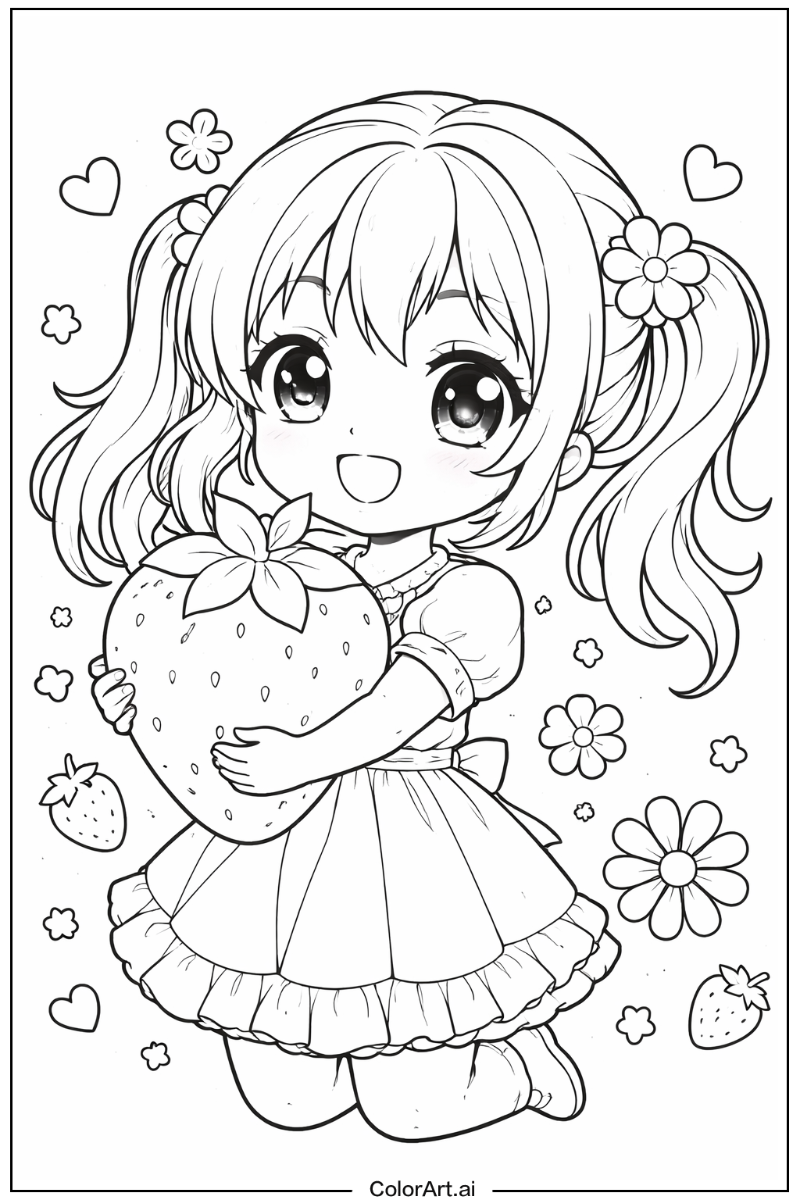
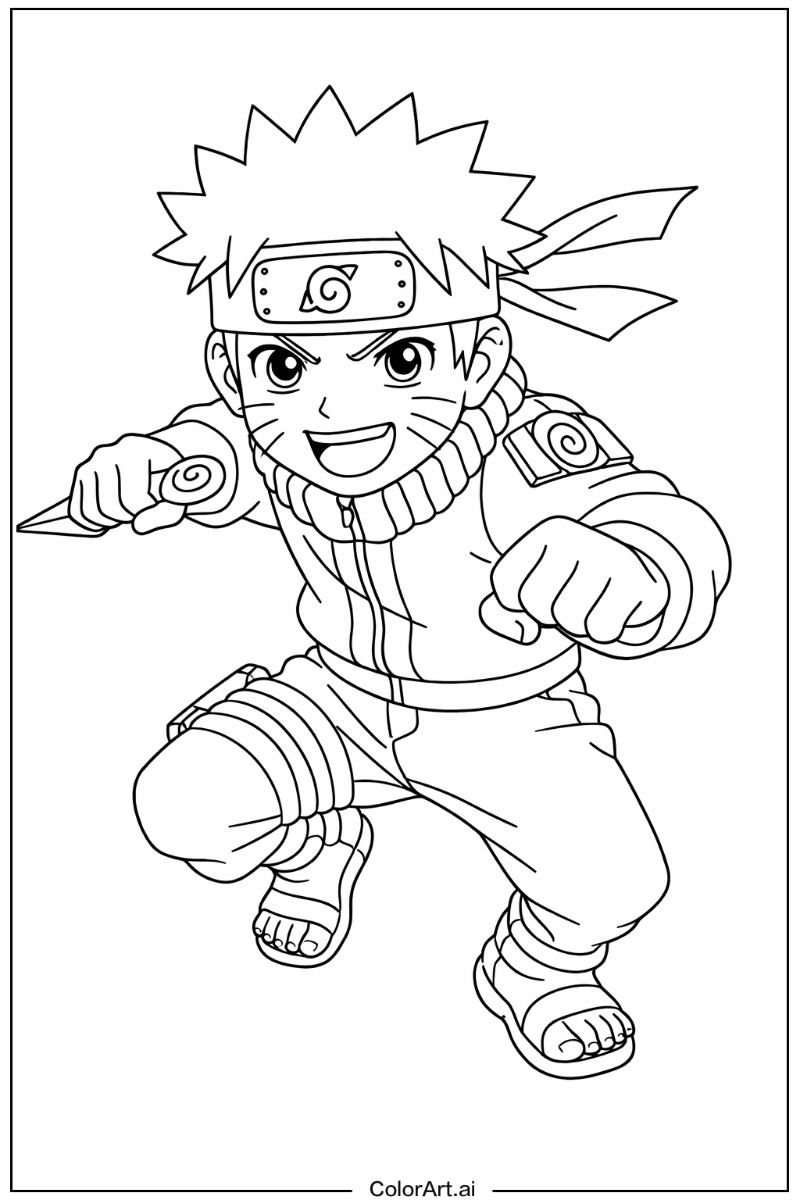
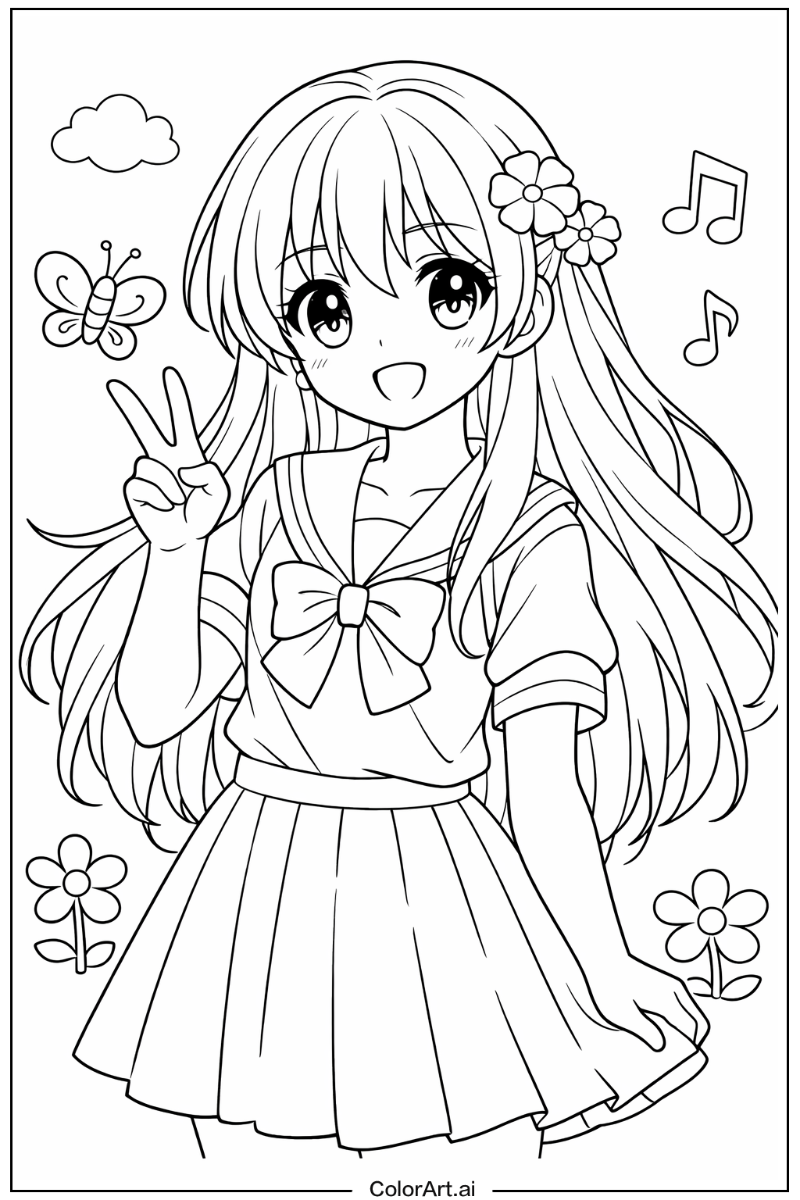
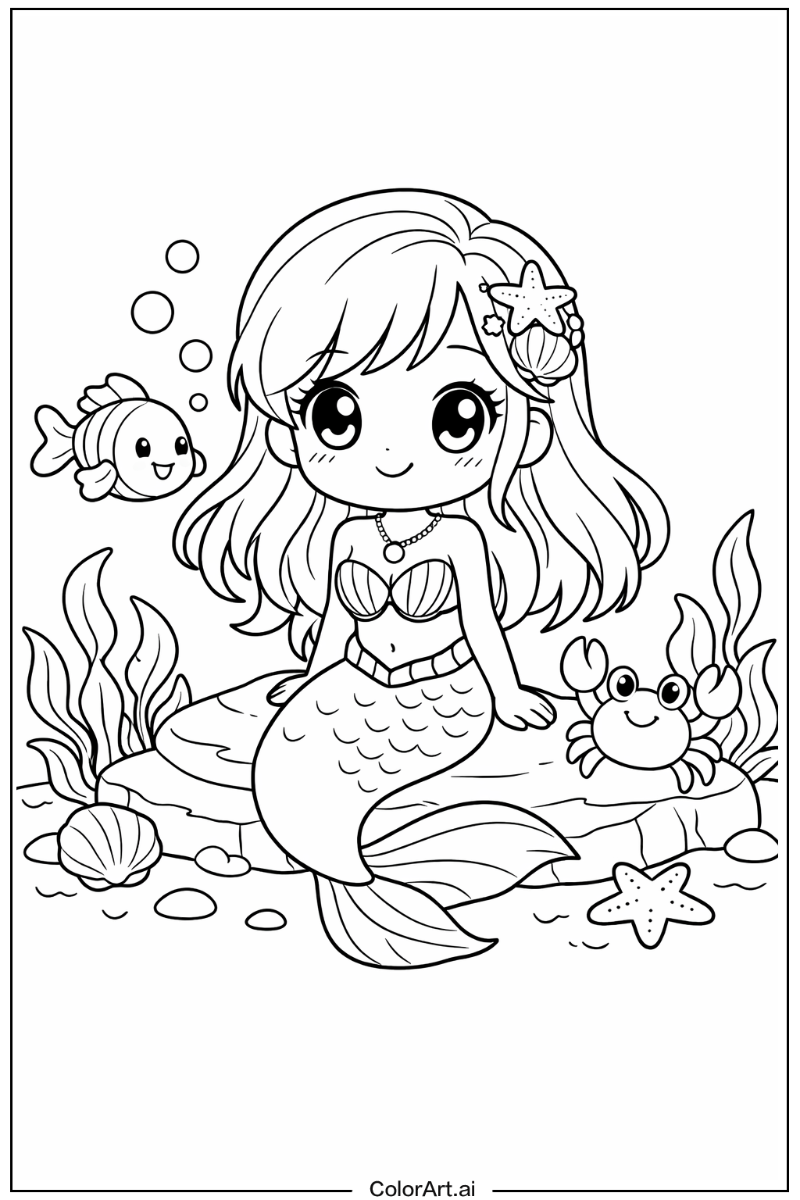
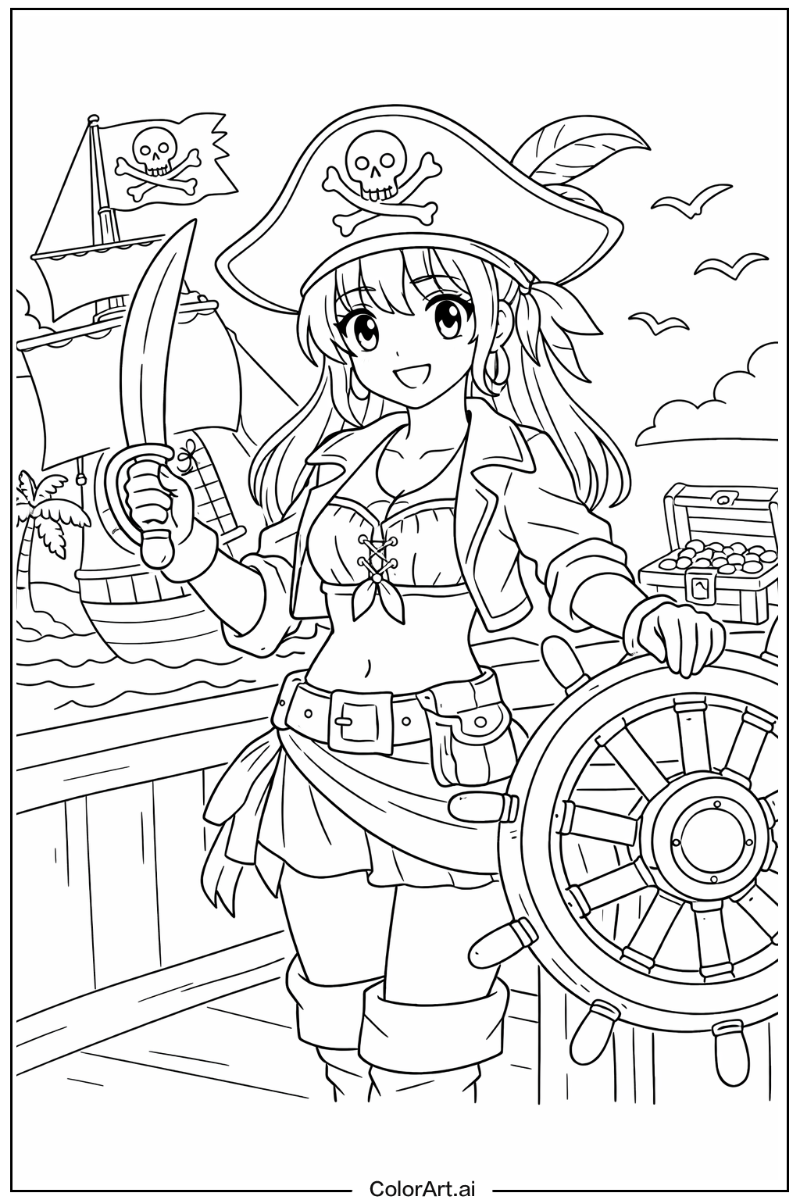
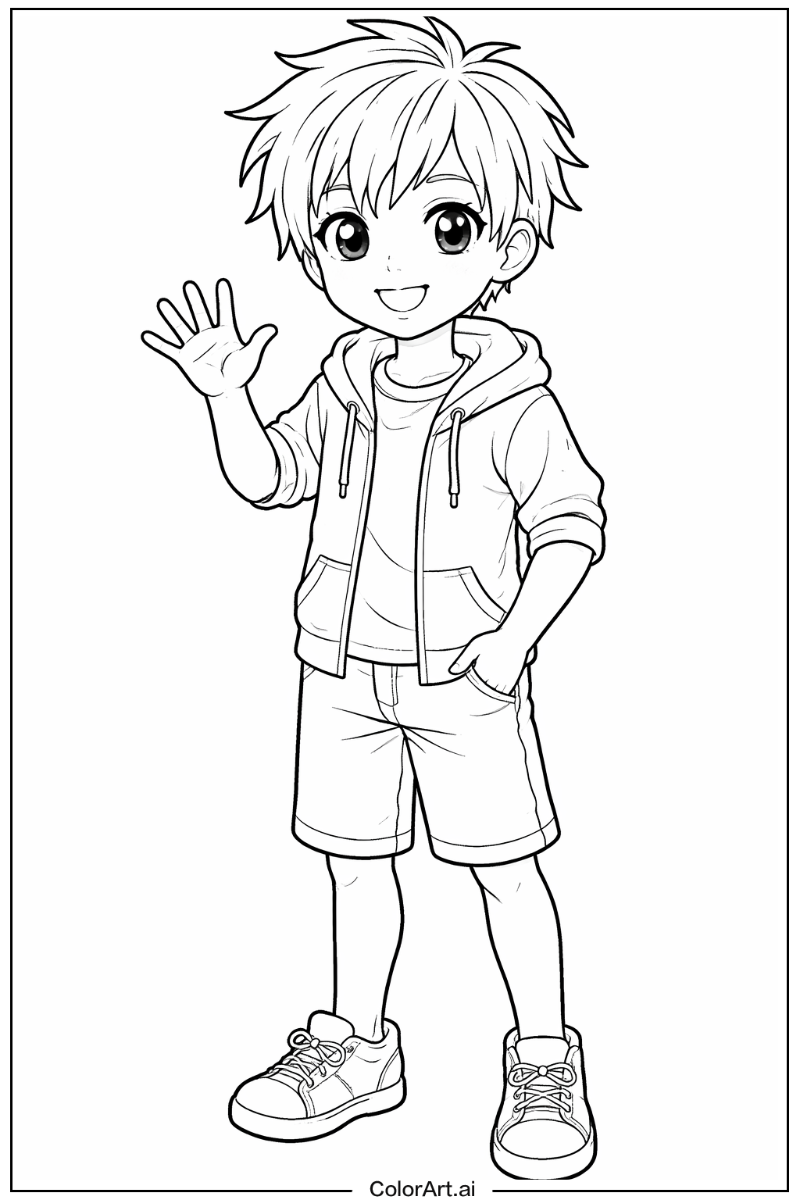
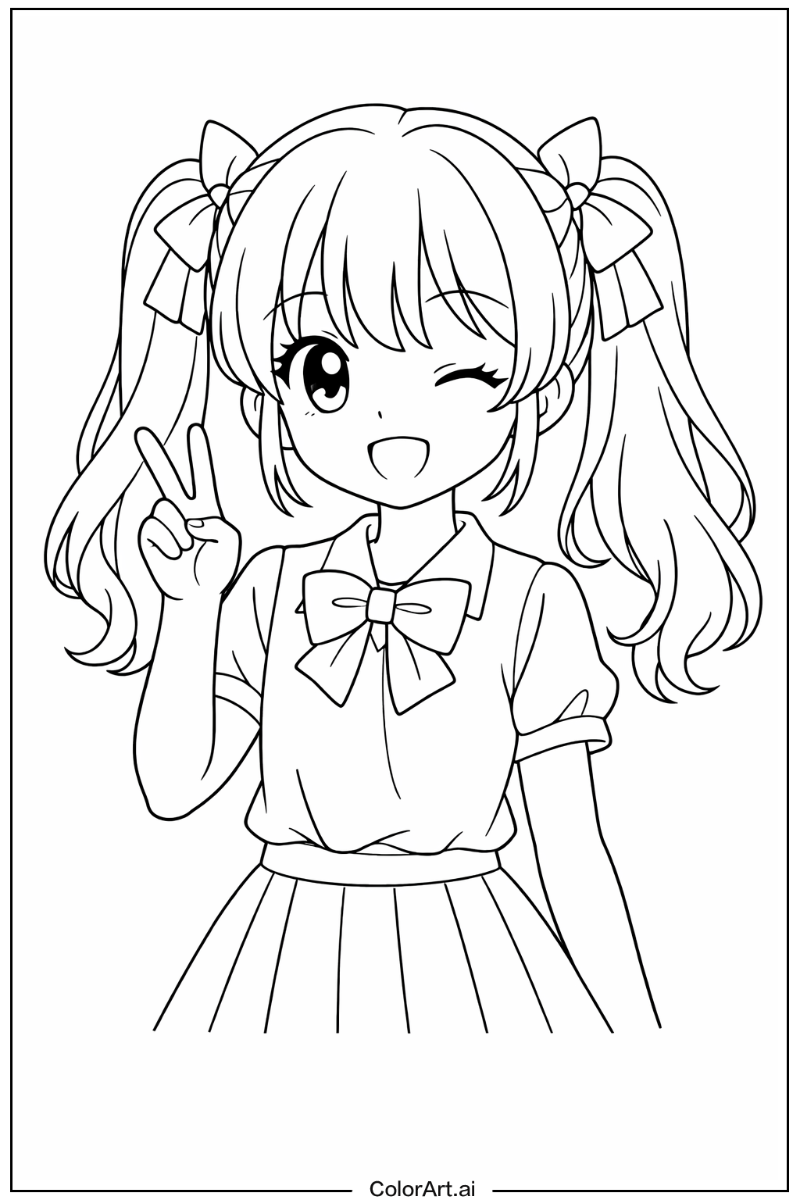
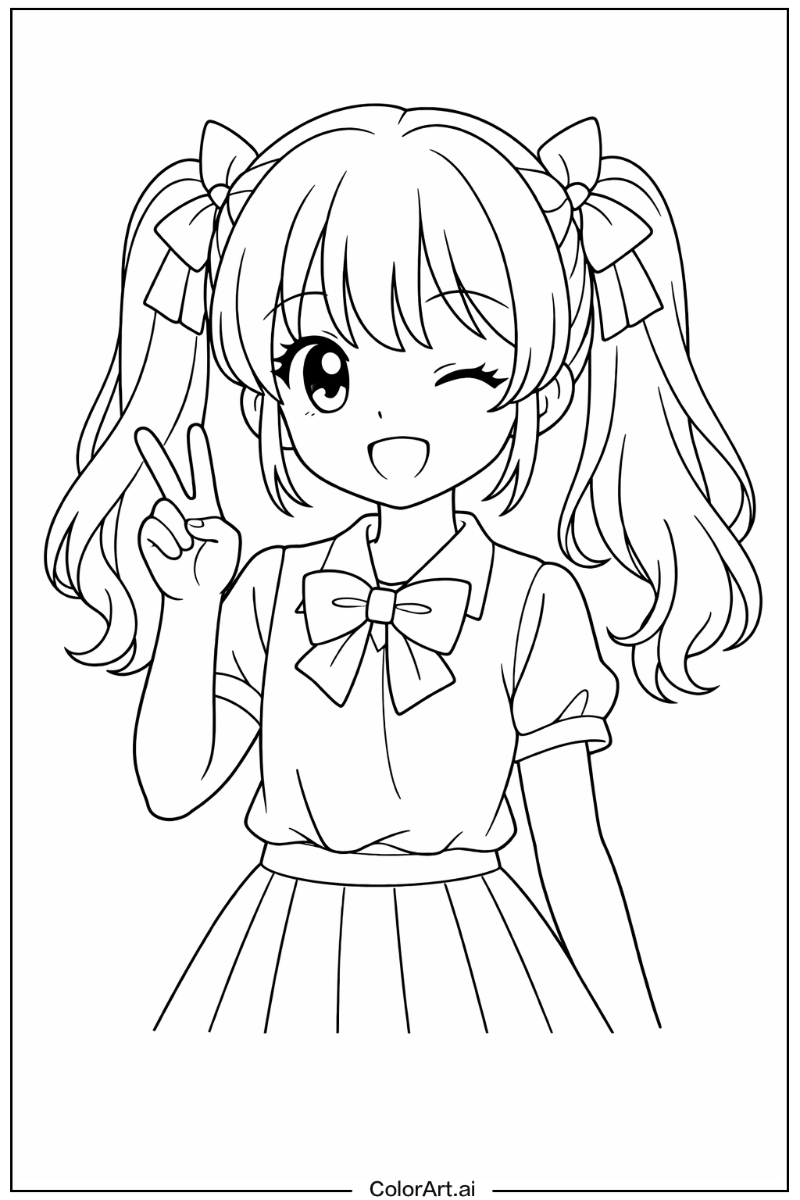
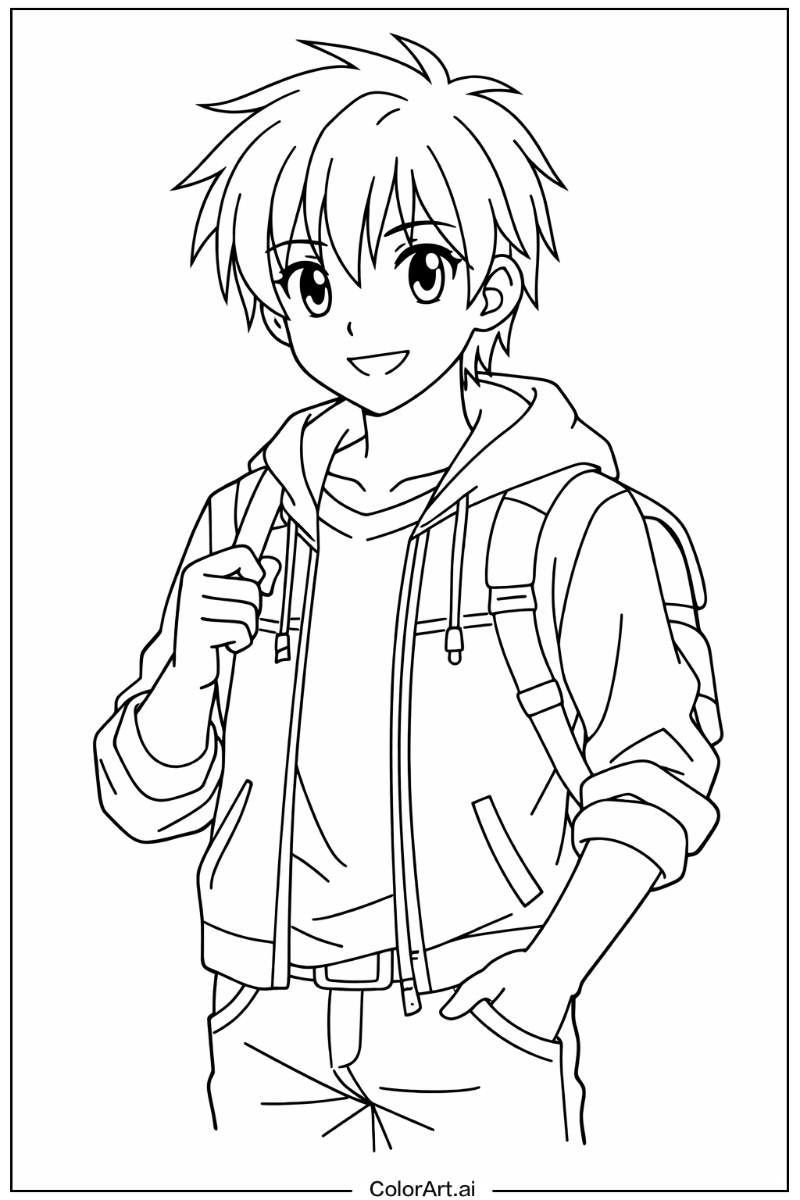
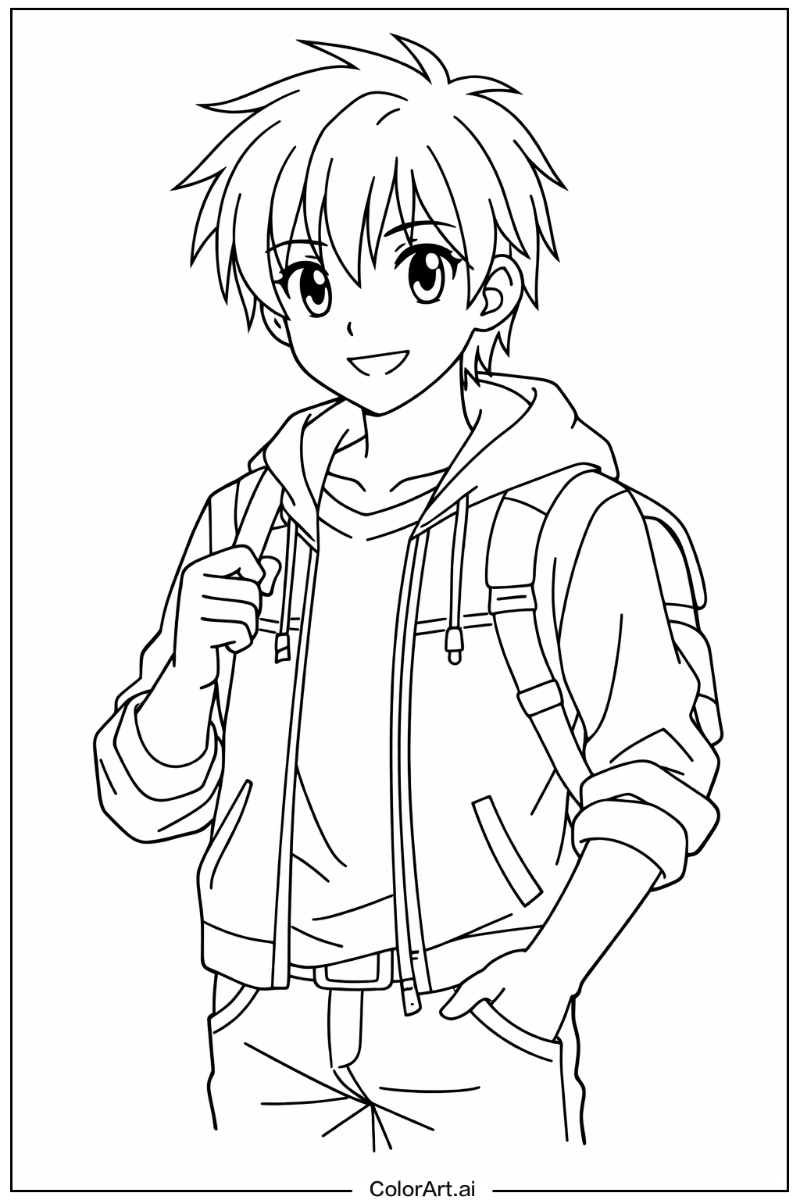
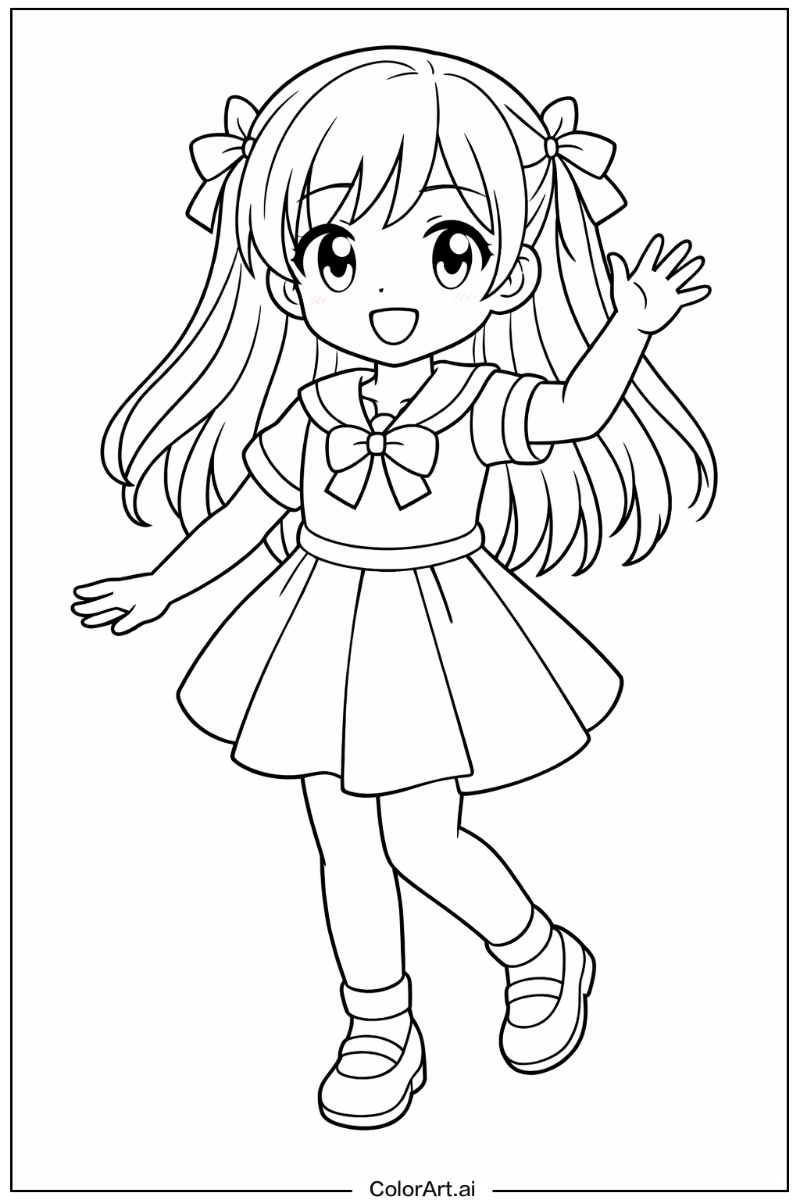
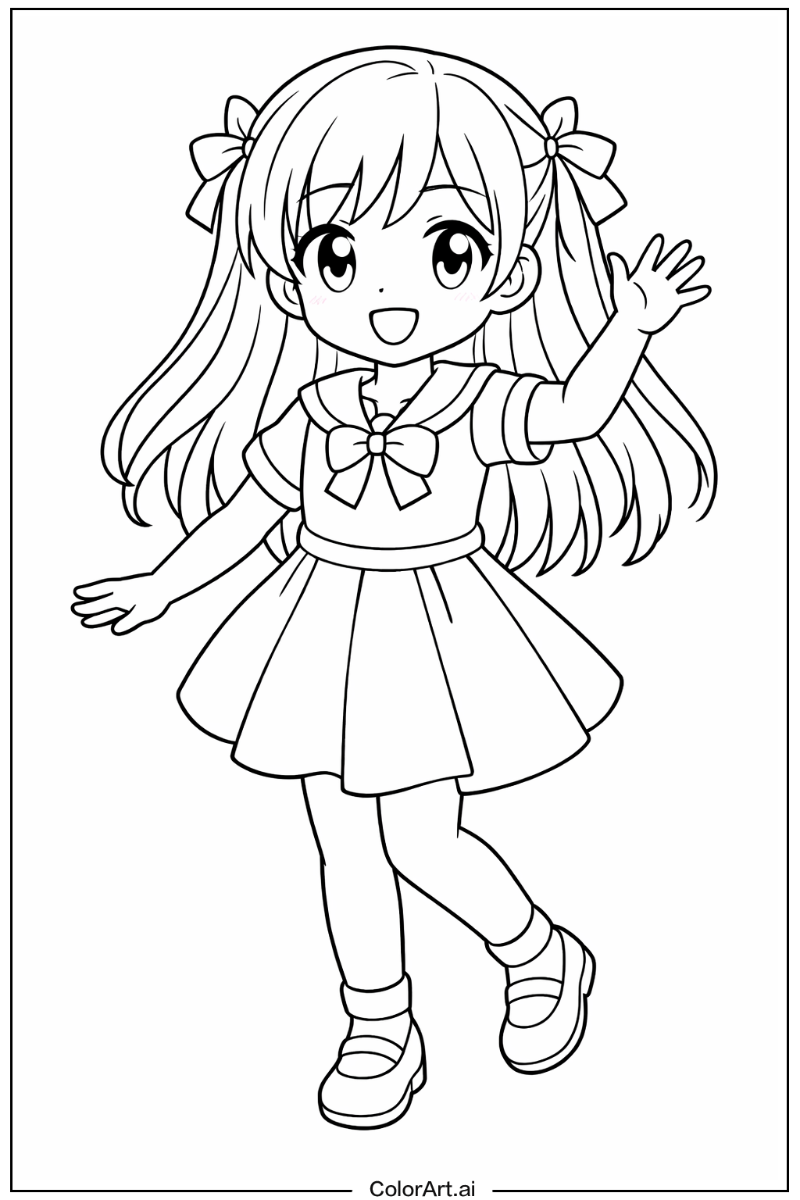
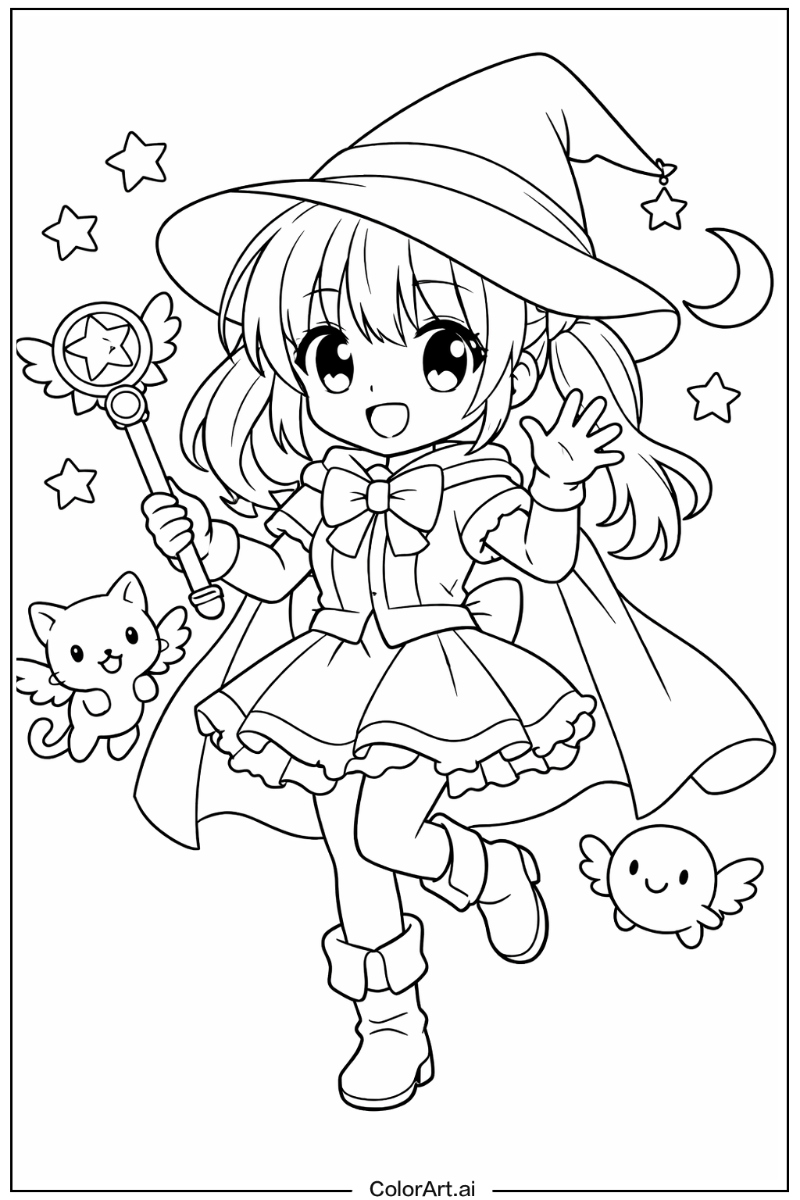
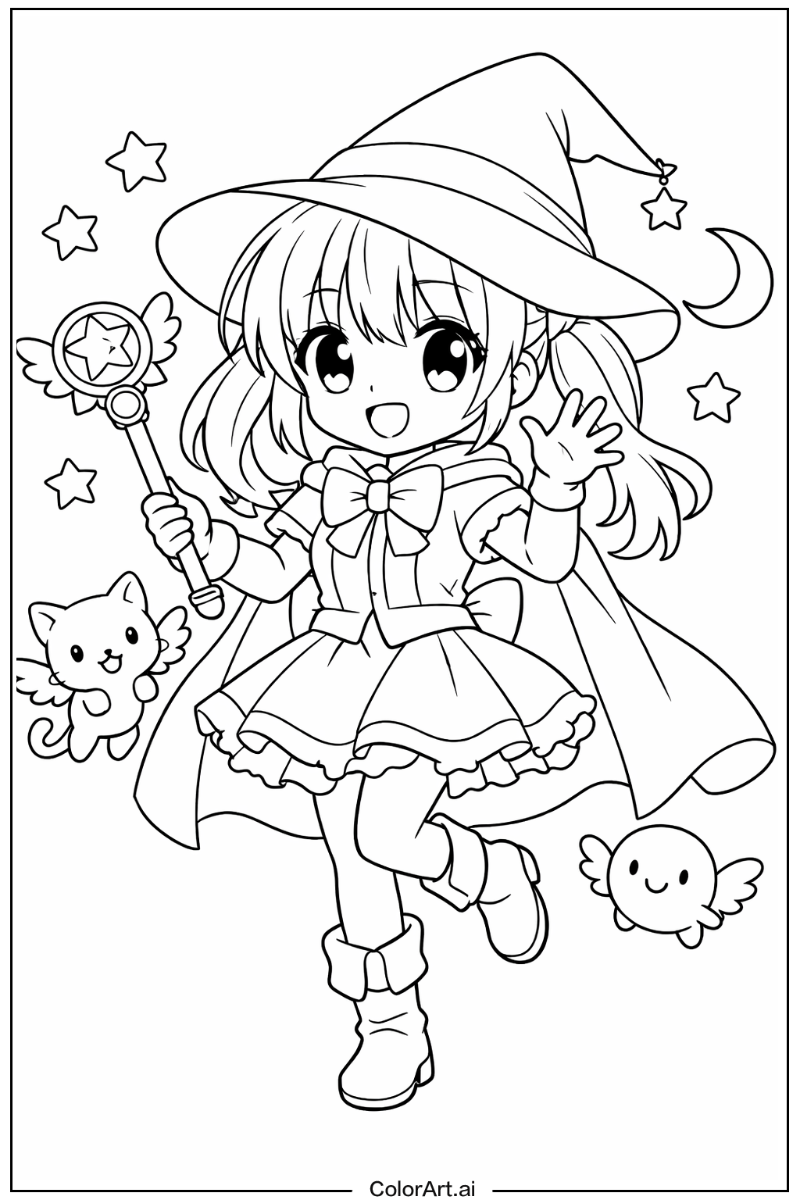
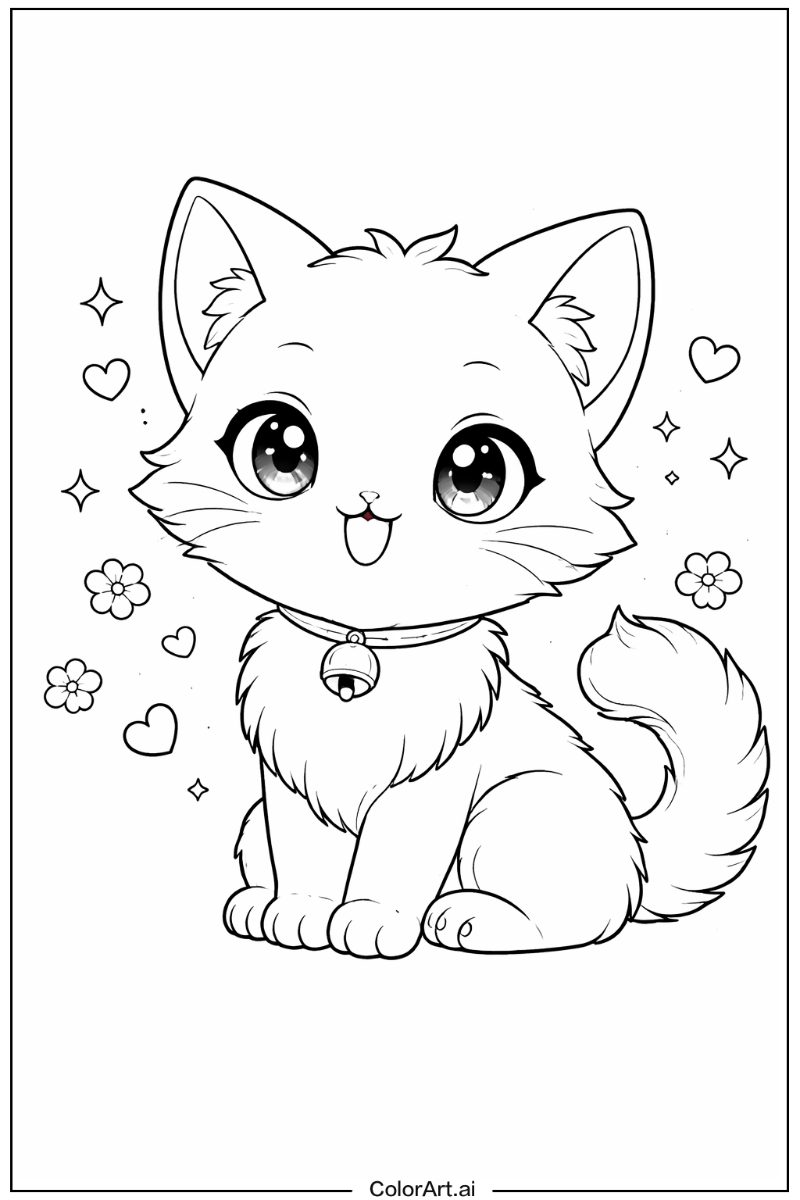
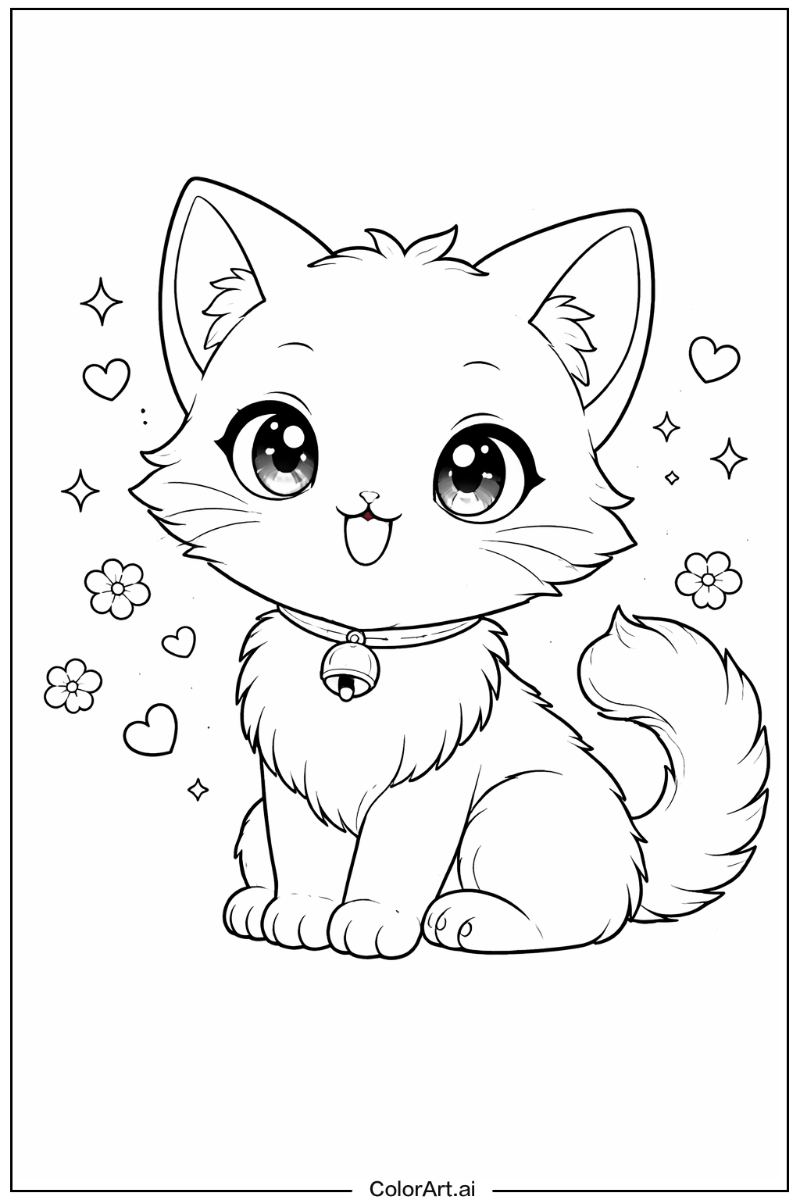
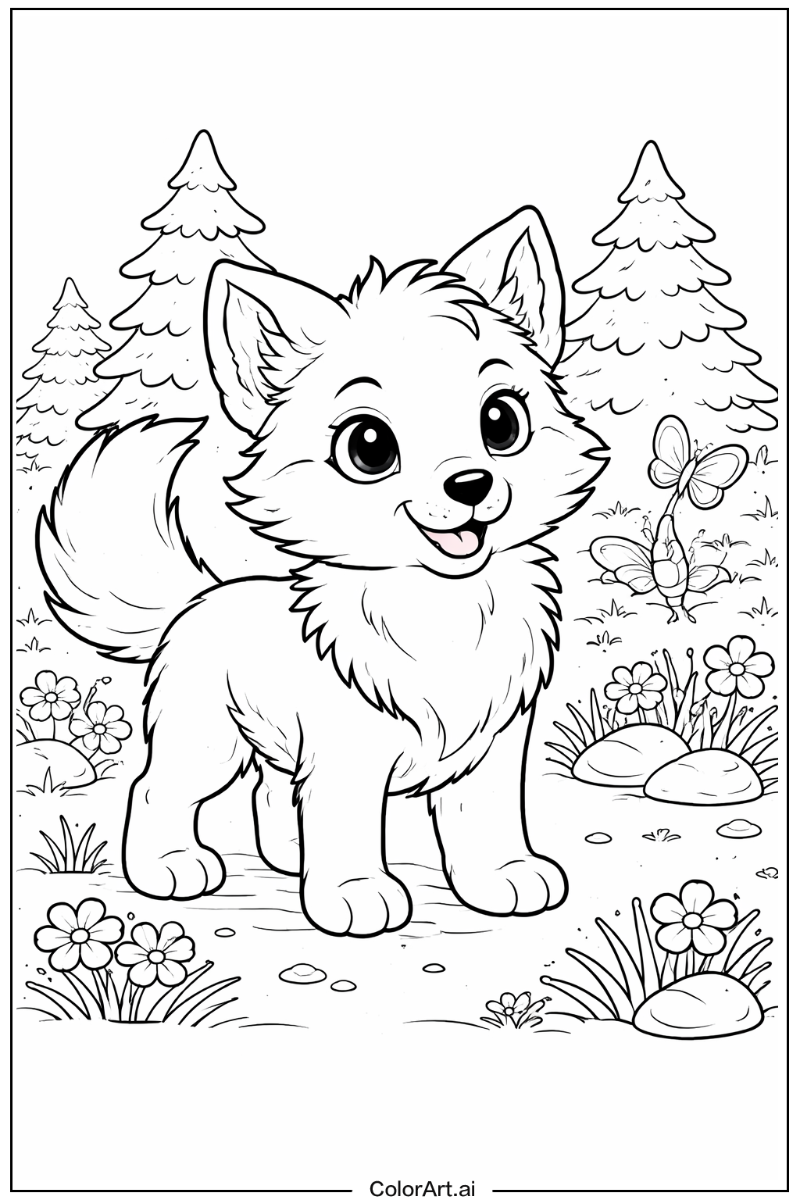
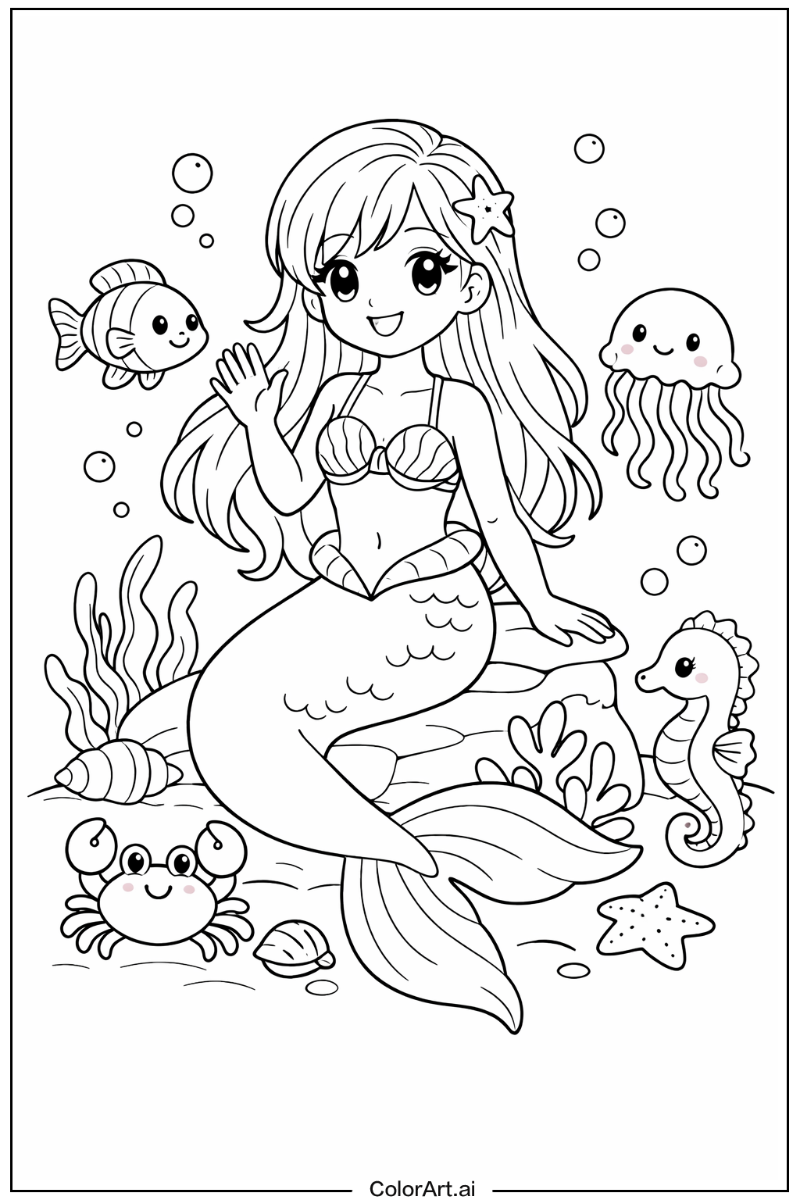
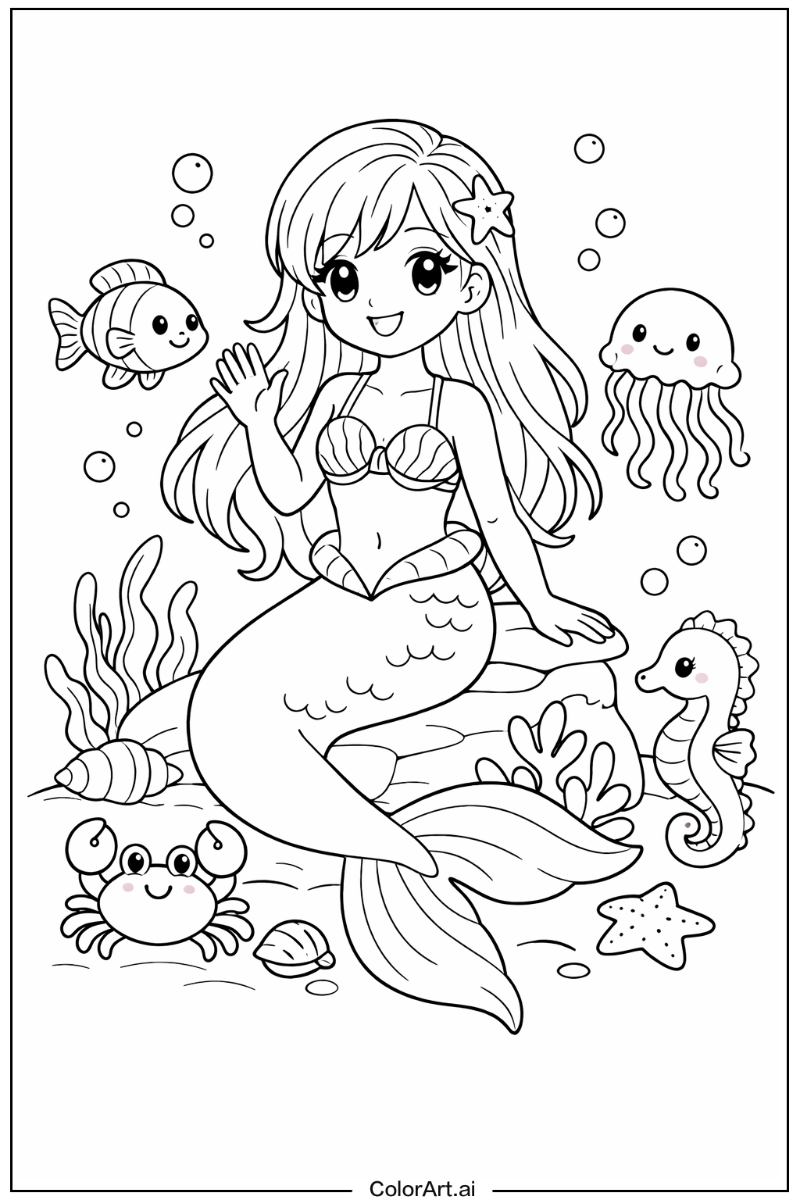
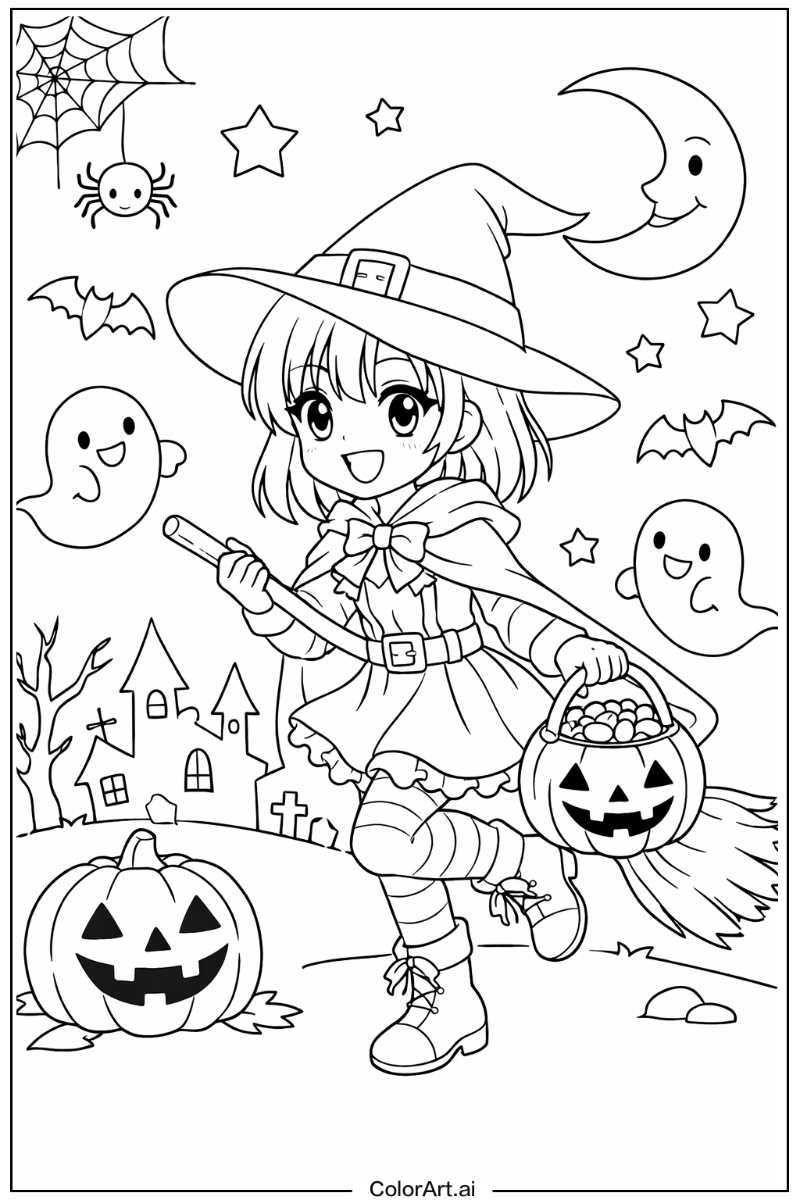
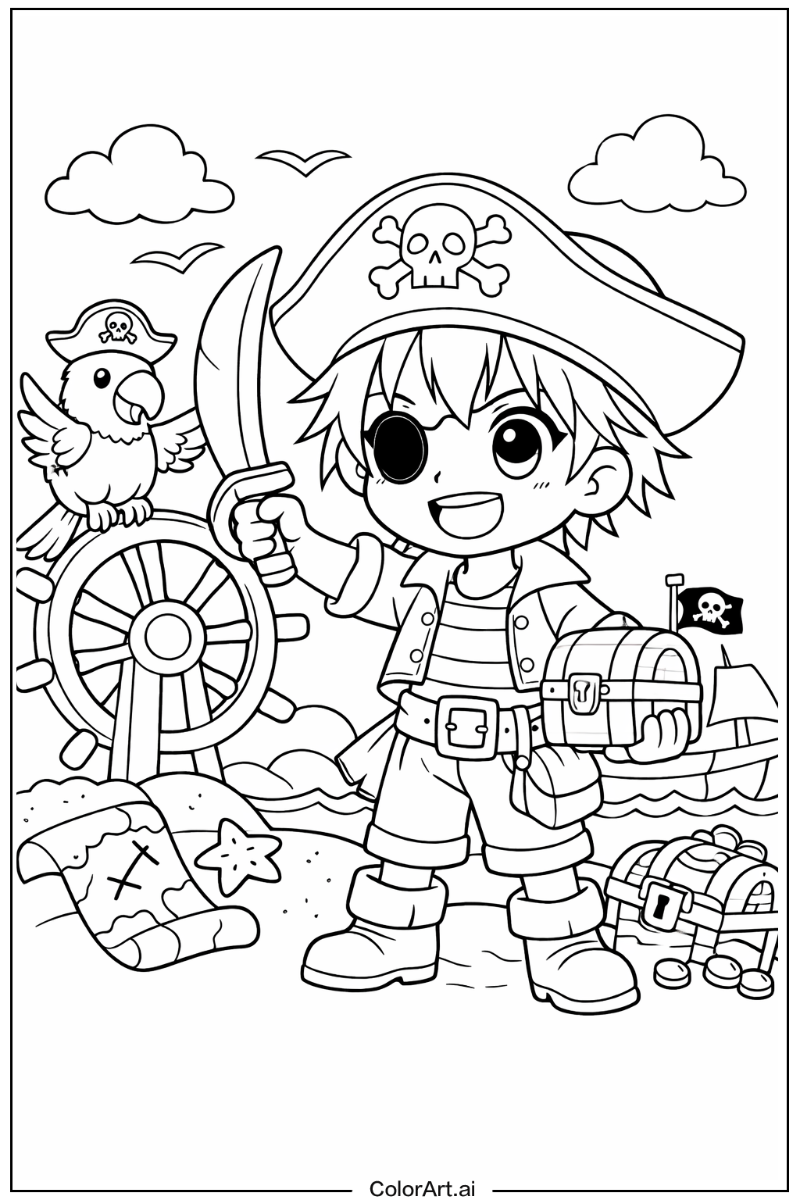
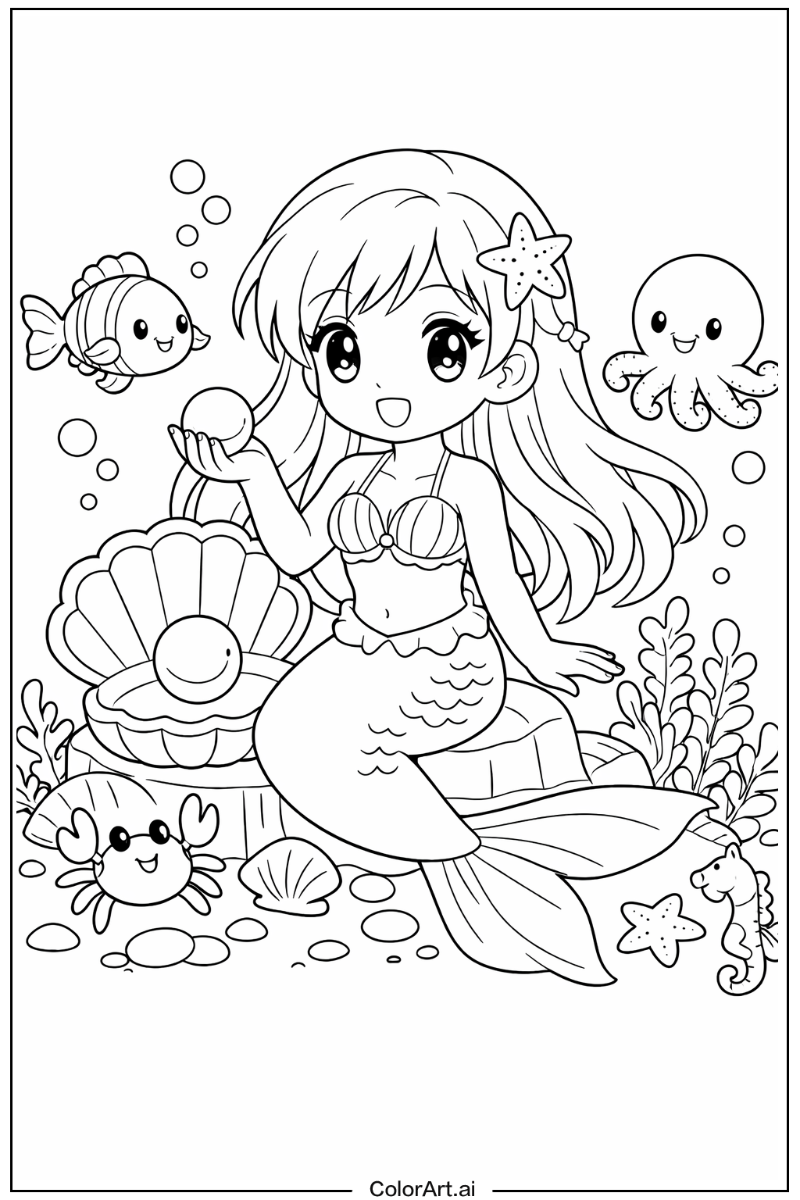
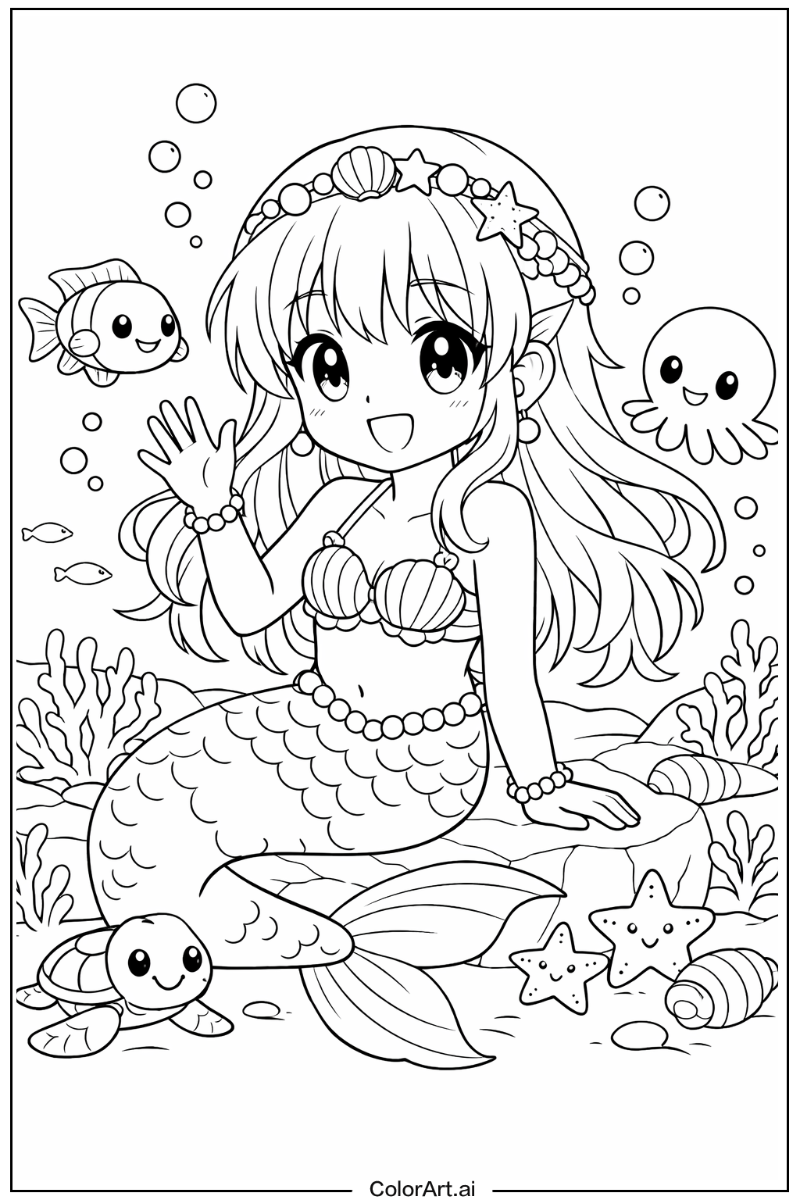
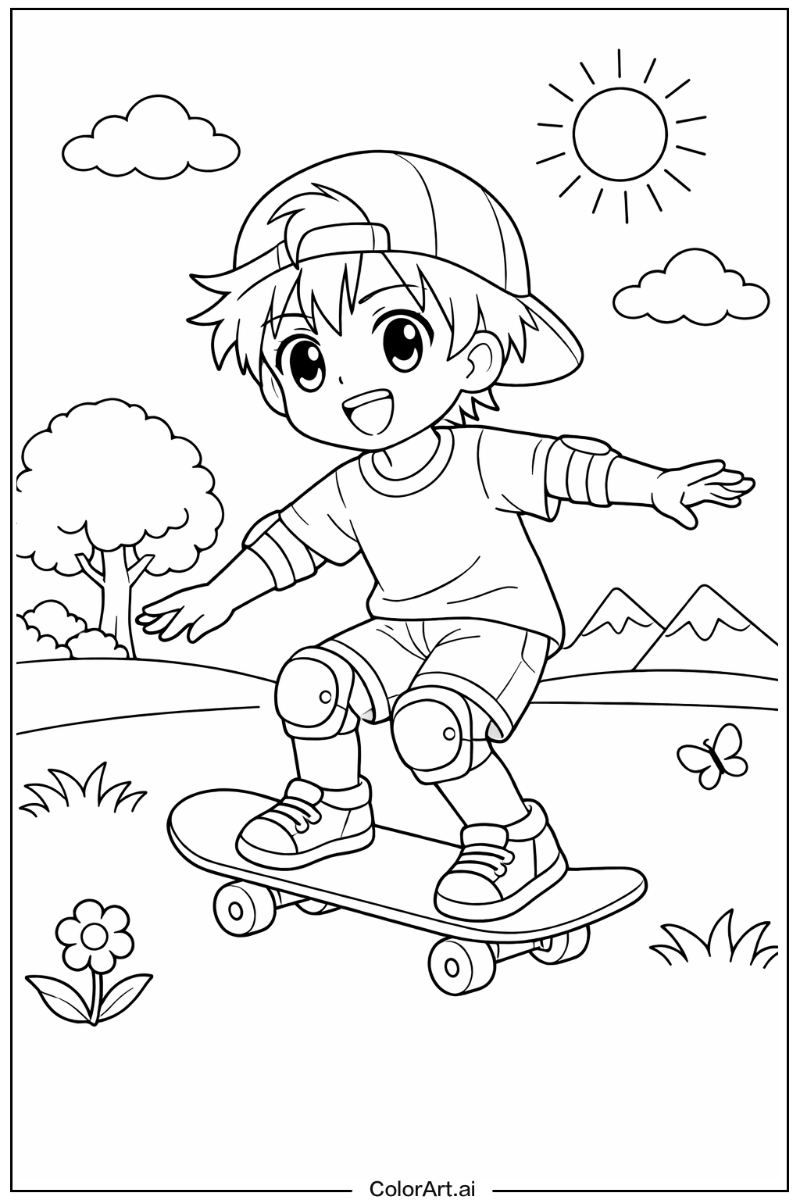
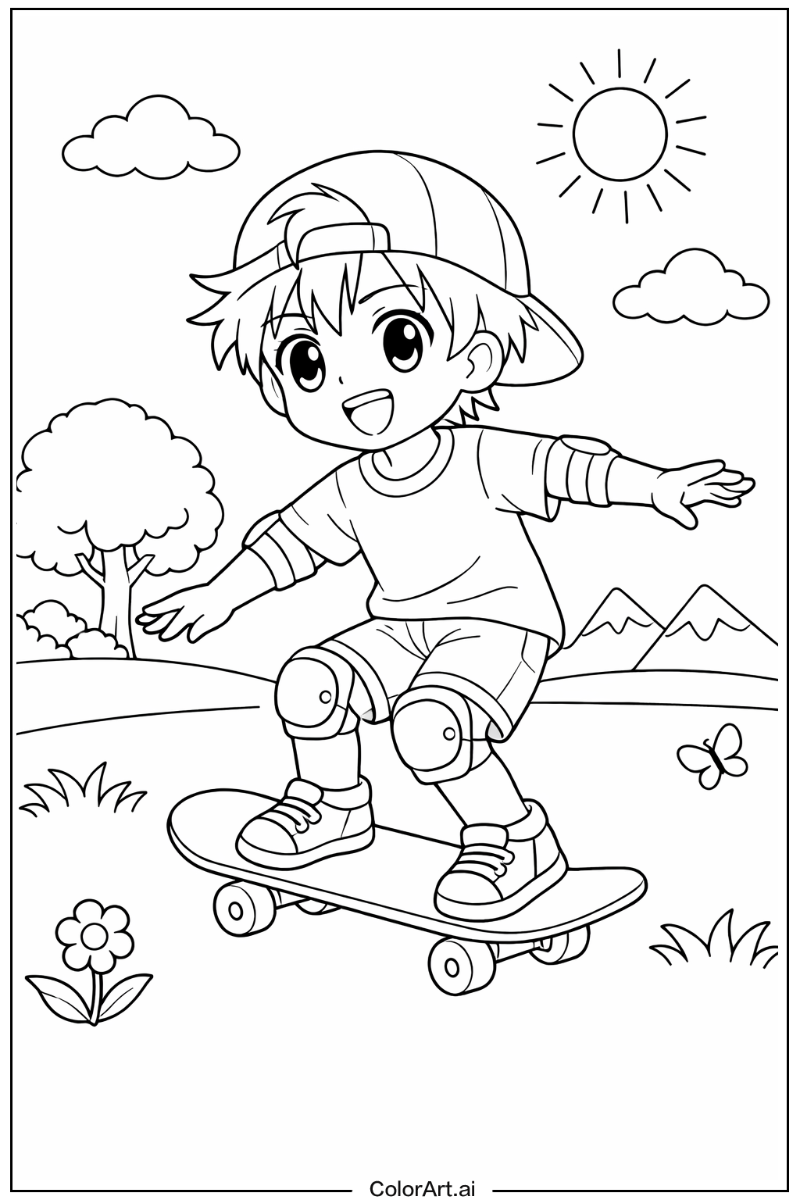
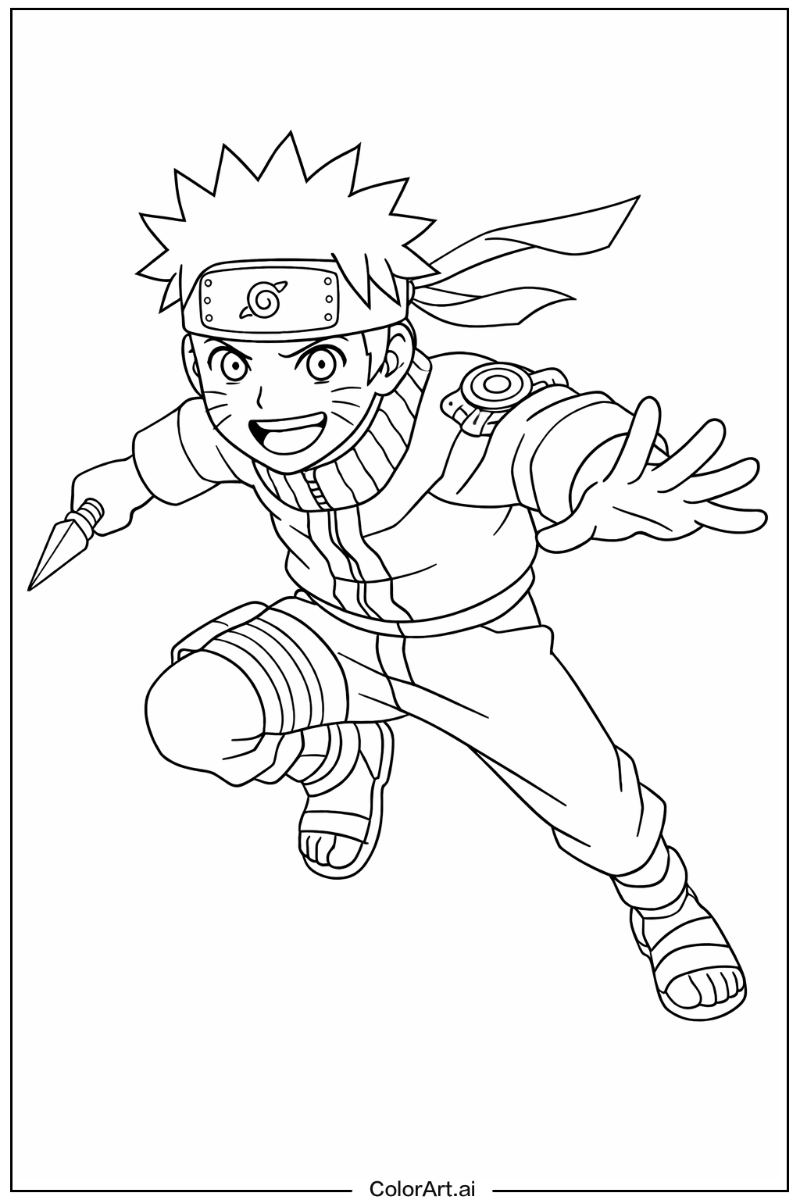
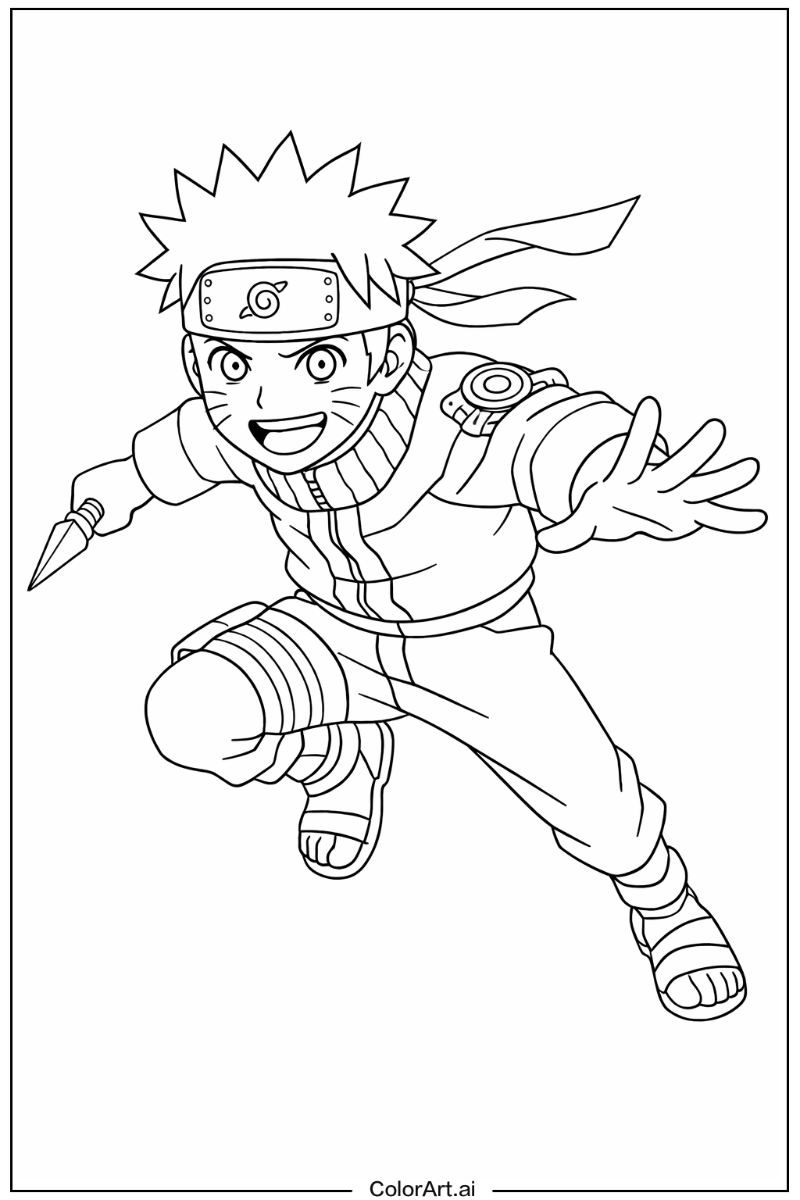
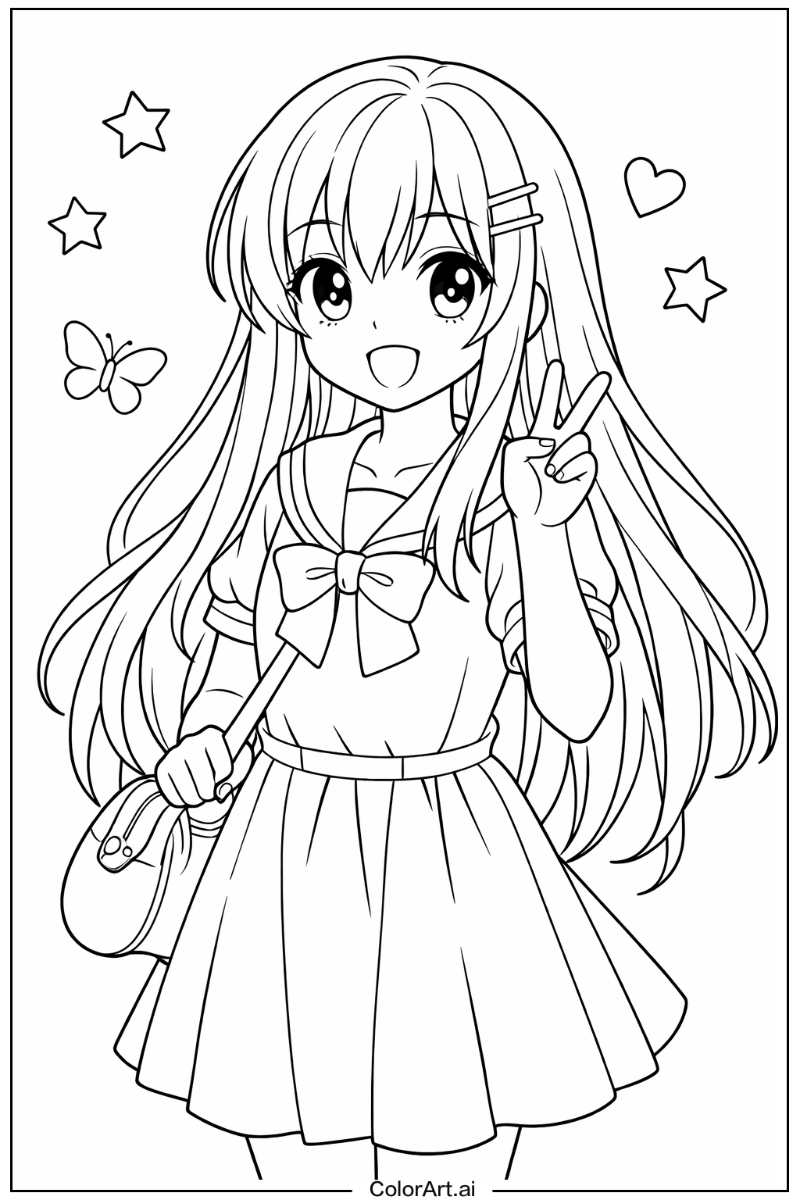
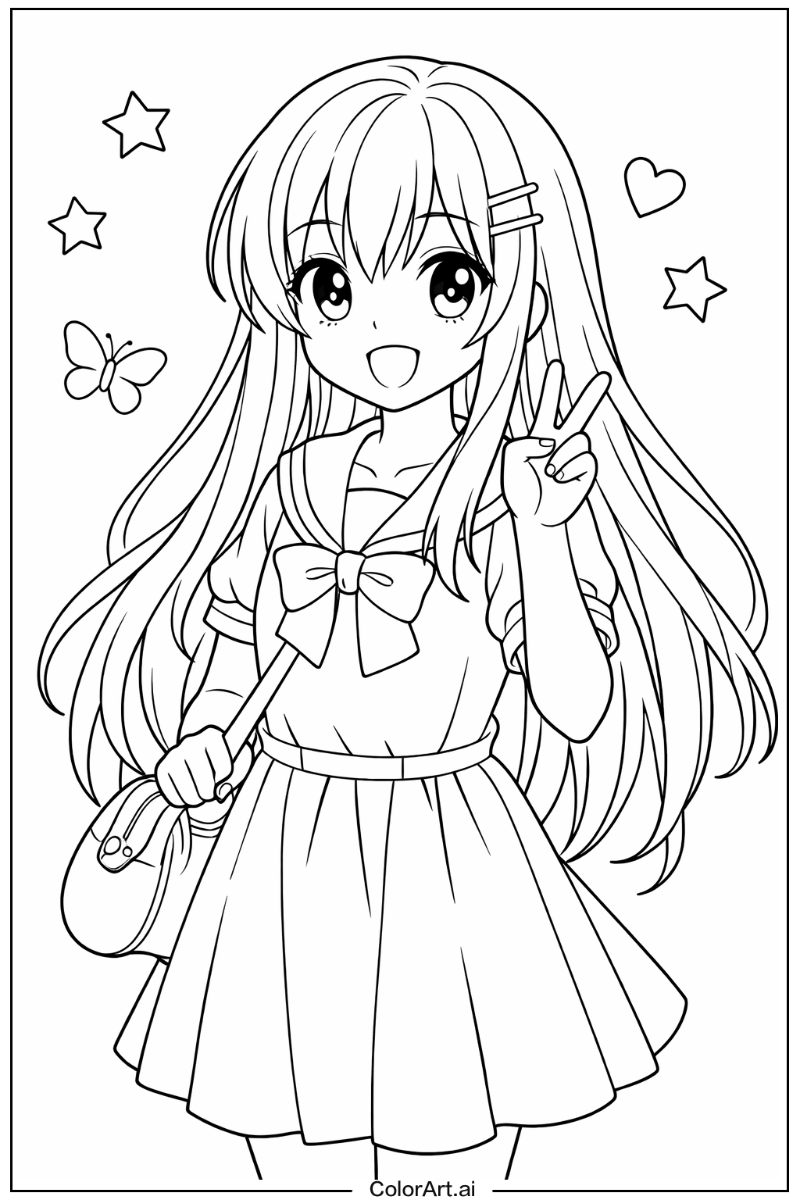
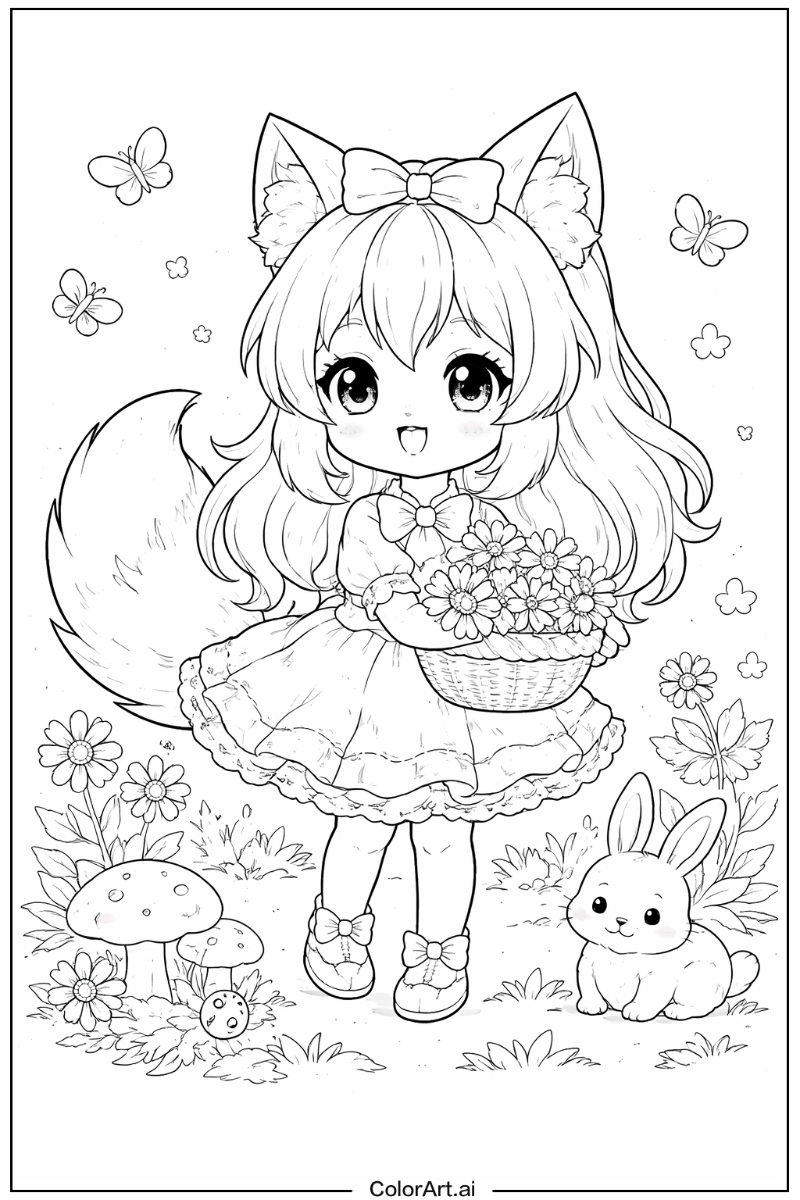
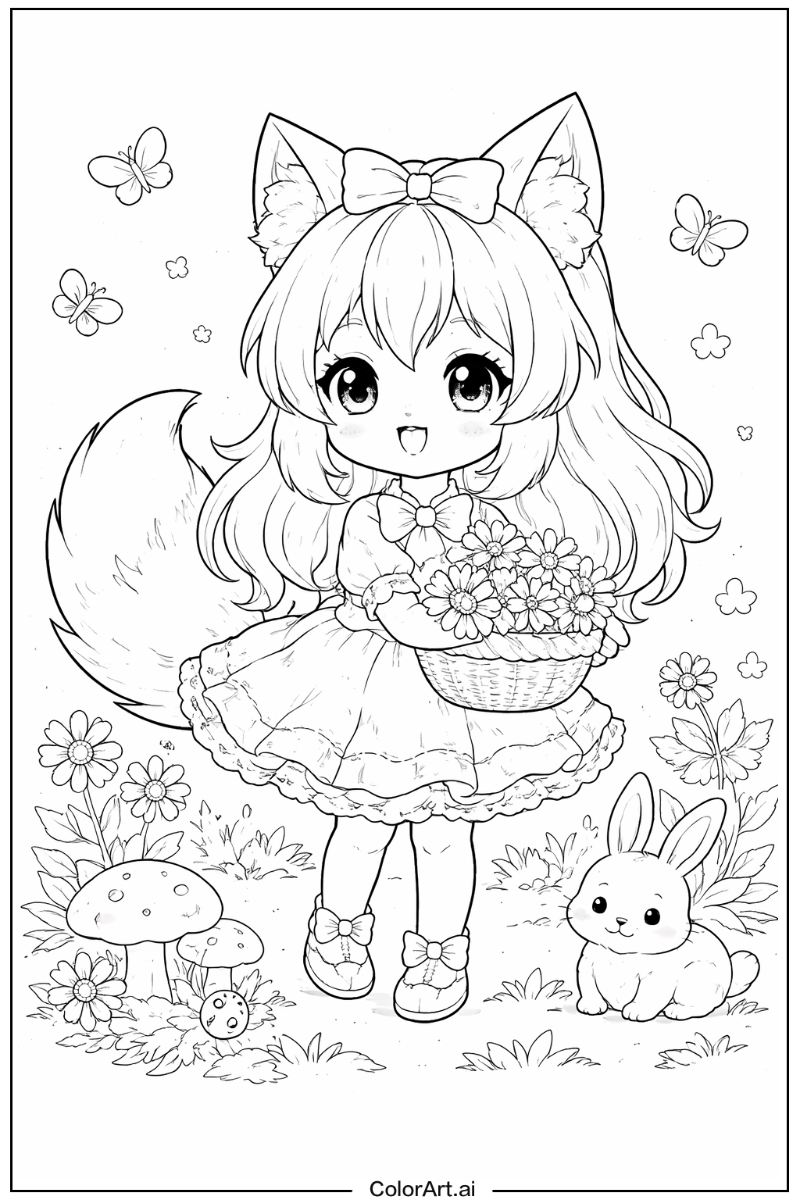
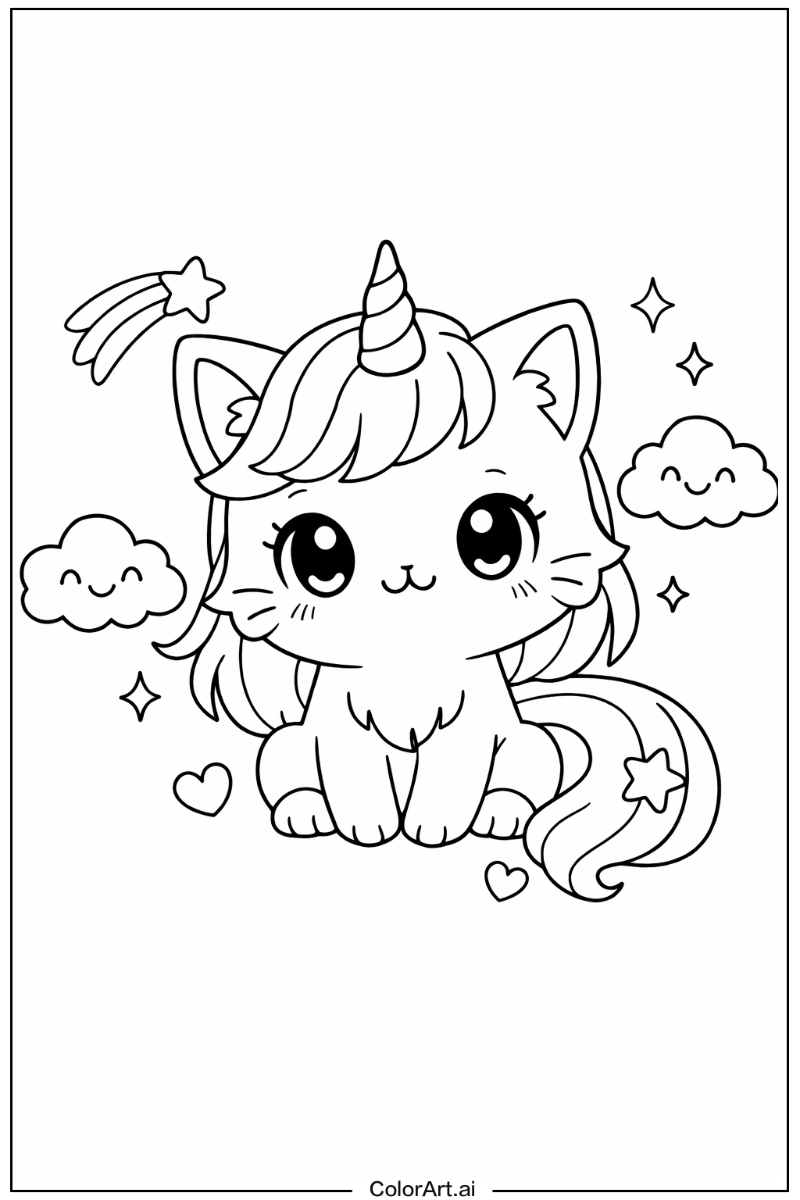
Anime has captured the hearts of children and adults alike with its vivid characters and imaginative stories. As an elementary art teacher, I’ve witnessed firsthand how the colorful and expressive world of Anime can inspire young artists. I remember the excitement in my classroom when we introduced Anime coloring pages as part of our art activities. Students like Mia, who was usually shy, transformed into a confident artist as she brought her favorite characters to life with color. These pages not only serve as a creative outlet but also promote fine motor skills and cognitive development. In this blog, we will dive into the wonderful world of Anime coloring pages, exploring their educational value, current trends in Anime art, and tips for maximizing the coloring experience.
Group Coloring Pages
 PDF
PDF
 PNG
PNG
 PNG
PNG
 PNG
PNG
 PNG
PNG
 PNG
PNG
 PNG
PNG
 PNG
PNG
 PNG
PNG
 PNG
PNG
 PNG
PNG
 PNG
PNG
 PNG
PNG
 PNG
PNG
 PNG
PNG
 PNG
PNG
 PNG
PNG
 PNG
PNG
 PNG
PNG
 PNG
PNG
 PNG
PNG
 PNG
PNG
 PNG
PNG
 PNG
PNG
 PNG
PNG
 PNG
PNG
 PNG
PNG
 PNG
PNG
 PNG
PNG
 PNG
PNG
 PNG
PNG
 PNG
PNG
 PNG
PNG
 PNG
PNG
 PNG
PNG
 PNG
PNG
 PNG
PNG
 PNG
PNG
 PNG
PNG
 PNG
PNG
 PNG
PNG
 PNG
PNG
 PNG
PNG
 PNG
PNG
 PNG
PNG
 PNG
PNG
 PNG
PNG
 PNG
PNG
 PNG
PNG
 PNG
PNG
 PNG
PNG
 PNG
PNG
 PNG
PNG
 PNG
PNG
 PNG
PNG
 PNG
PNG
 PNG
PNG
 PNG
PNG
 PNG
PNG
 PNG
PNG
The Fascinating Background of Anime
Anime is more than just a style of animation; it's a cultural phenomenon rooted in Japan that has gained global popularity. Originating in the early 20th century, Anime evolved from traditional Japanese art and Western animation influences. It blossomed post-World War II, with many of its narratives adapted from manga, or Japanese comics. This unique blend of storytelling and artistry creates an engaging medium for young audiences. As I often tell my students, watching Anime can be a fun way to learn about Japanese culture, language, and even history. Notably, series like *Attack on Titan* and *My Hero Academia* have resonated with international viewers, showcasing characters and stories that encourage discussions on bravery, friendship, and perseverance. When students color these characters, they connect not only with the art but also with the themes and messages embedded in the narratives.
Benefits of Anime Coloring Activities in the Classroom
Incorporating Anime coloring pages into our art curriculum has numerous educational benefits. Firstly, these pages help develop fine motor skills and hand-eye coordination, particularly for younger children. During a lesson focused on *Sailor Moon*, I observed how students like Emily improved their grip and control with crayons as they filled in the intricate designs. Moreover, coloring promotes concentration and mindfulness, allowing students to focus on details and patterns. In fact, I’ve often used coloring as a calming activity after a challenging lesson, and the students respond positively, returning to their work with fresh eyes. Coloring also encourages emotional expression and boosts confidence; students can choose their color palettes, which fosters creativity. Through discussions about color theory and shading techniques, we integrate art concepts into our lessons, making it a multifaceted learning experience.
Practical Tips for Coloring Anime Pages
Coloring Anime pages can be a delightful experience, and here are some practical tips to enhance that journey. First, encourage students to experiment with different coloring materials. While crayons are great for younger kids, markers and colored pencils can provide more detail and vibrancy for older students. I always remind my students, like Timmy, to test their colors on a scrap piece of paper first to see how they blend together. Additionally, layering colors can create depth in their work; for instance, using lighter shades first and then adding darker tones can make characters pop off the page. Lastly, don’t underestimate the power of creativity—encouraging students to create their own backgrounds for their colored characters can lead to imaginative scenes and storytelling opportunities.
Current Trends in Anime Art Education
The Anime industry is experiencing a significant boom, with a projected 14.8% market value increase expected this year. This surge is driven by an expansion in overseas merchandise licensing and streaming options, making Anime more accessible than ever. In my classroom, I’ve noticed an increase in students sharing their favorite series and characters, which has led to exciting discussions about character design and storytelling. One of my students, Jake, even created a presentation on *Demon Slayer*, highlighting the artistic styles that influence character development. As we adapt our lessons to include these popular series, we’re not just teaching coloring skills; we’re fostering a community of young artists who appreciate the artistry behind Anime. Additionally, the integration of technology, such as digital coloring apps, has made coloring Anime characters even more engaging for students.
Frequently Asked Questions about Anime Coloring Pages
What age group are Anime coloring pages suitable for?
Anime coloring pages are designed for various age groups, typically ranging from preschoolers (3-5 years) to adults. We offer different complexity levels to match different skill levels.
What materials work best for coloring Anime pages?
For best results with Anime coloring pages, I recommend colored pencils for detailed work, markers for bold colors, and crayons for younger children. Use high-quality paper or cardstock for professional-looking results.
How should I print Anime coloring pages for best quality?
Print Anime coloring pages using high-quality or best print settings. Use standard A4 or Letter size paper, or upgrade to cardstock for more durable results. Ensure your printer has sufficient ink for clear, dark lines.