Exploring the Ocean Through Coloring
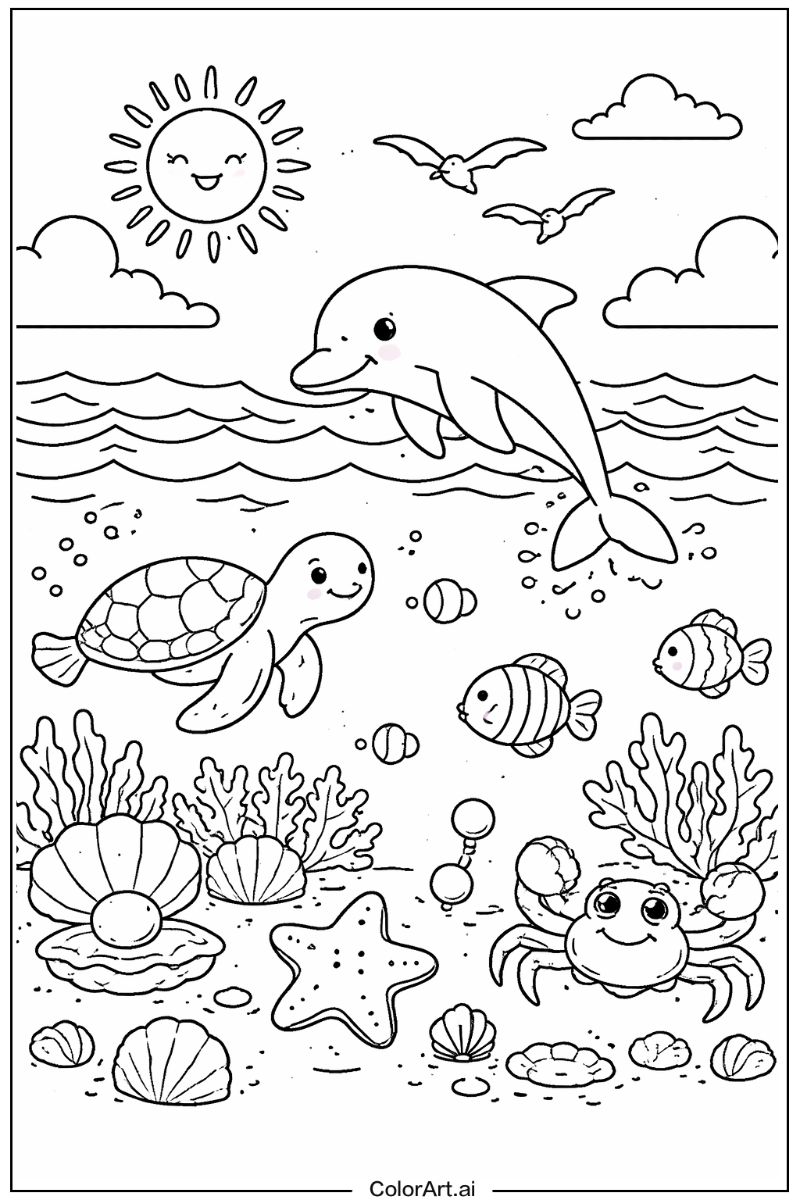
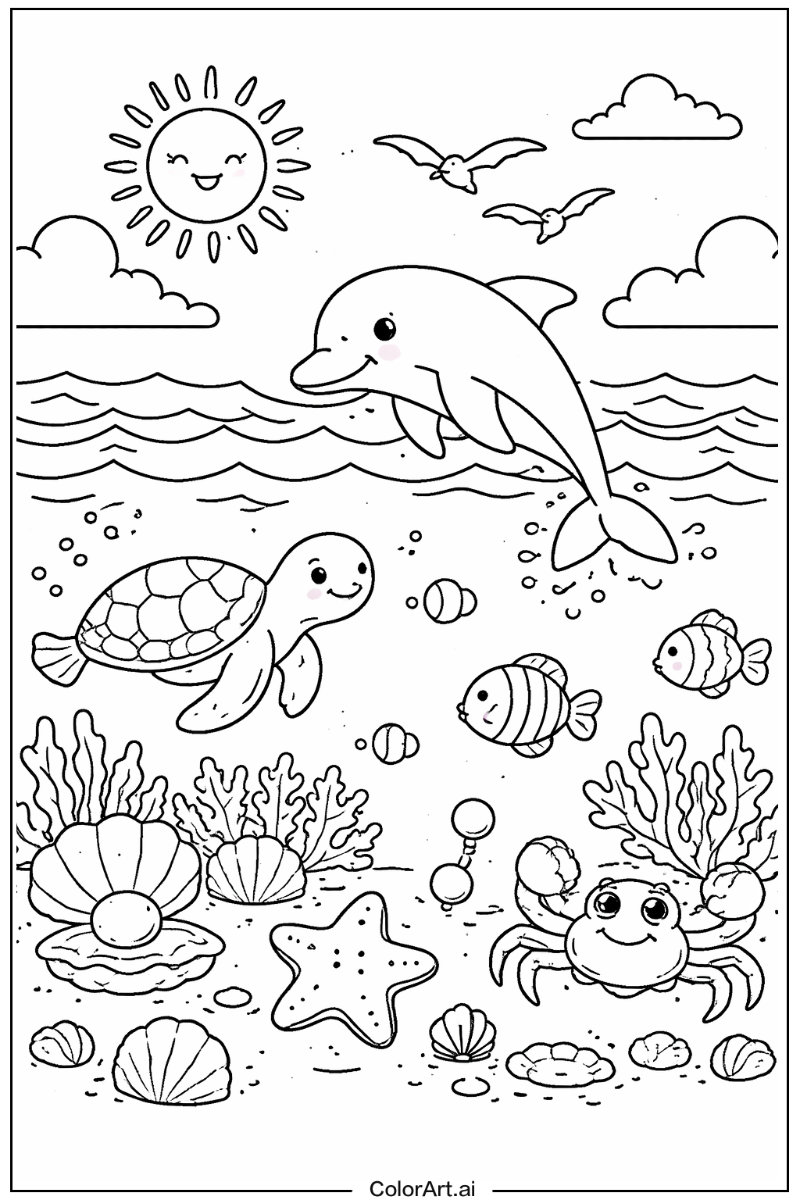
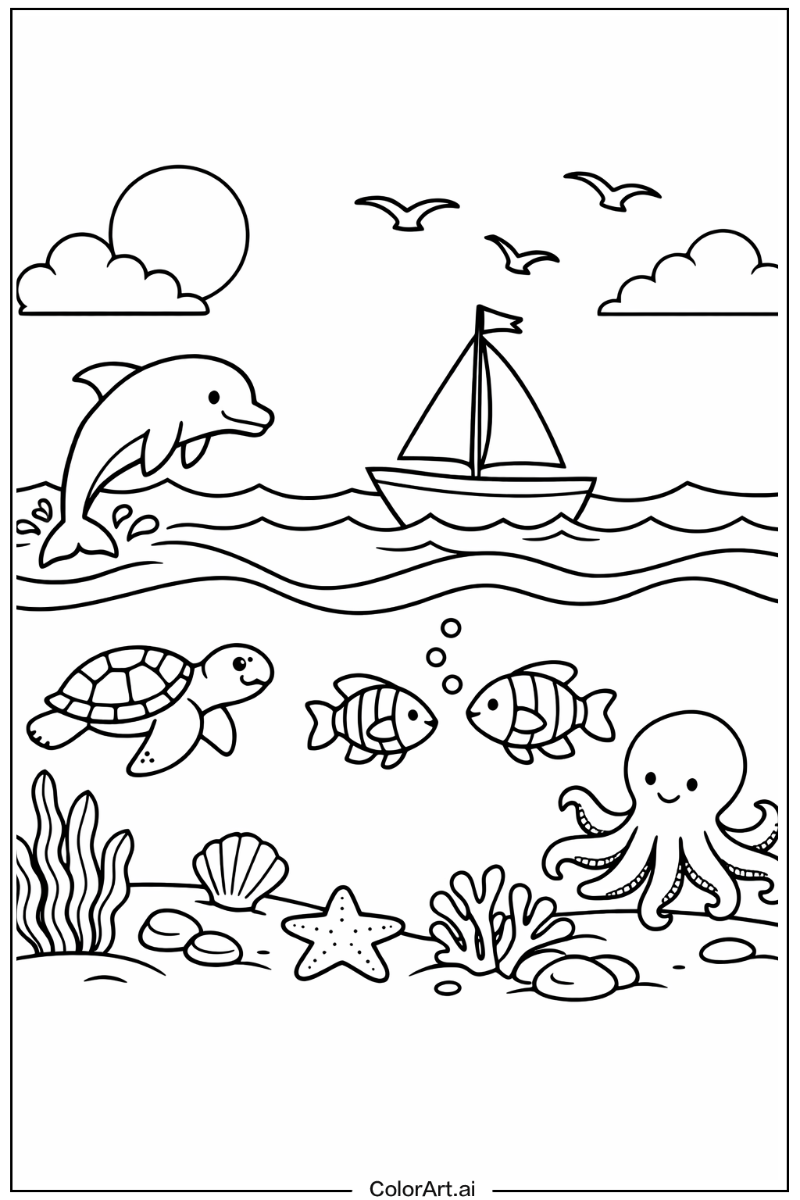
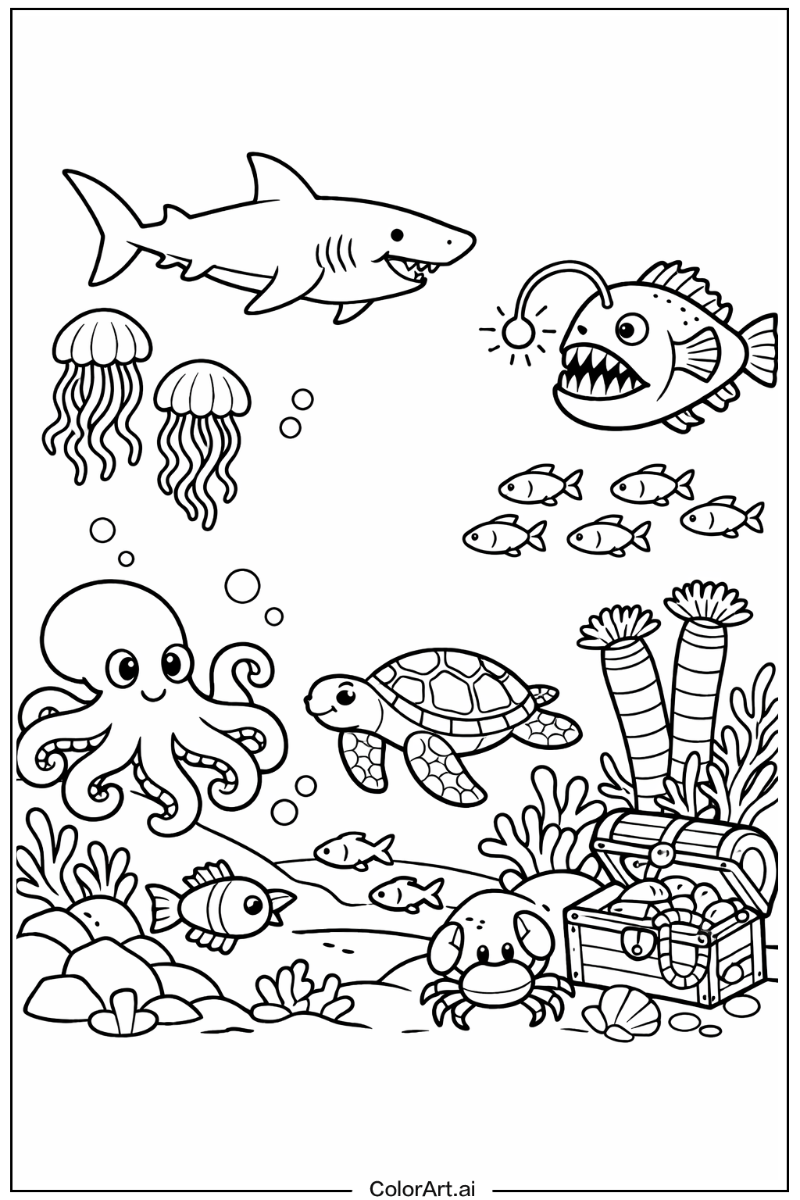
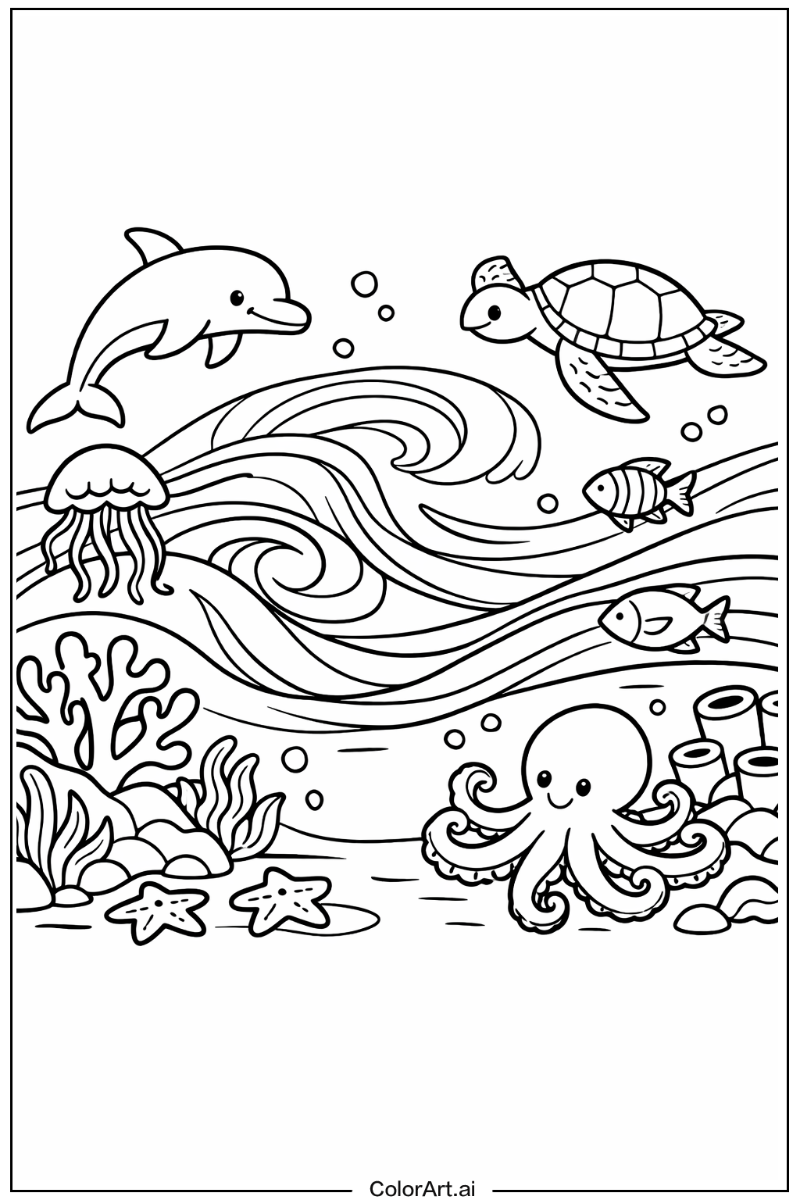
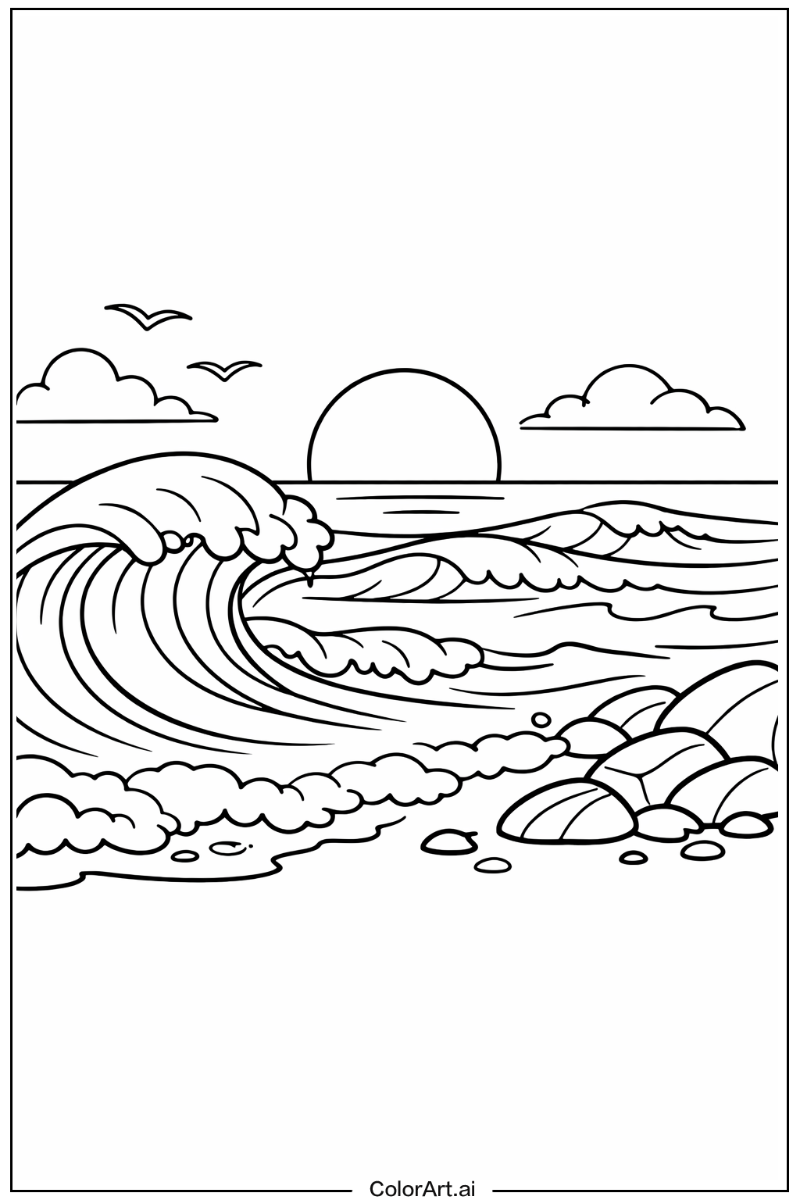
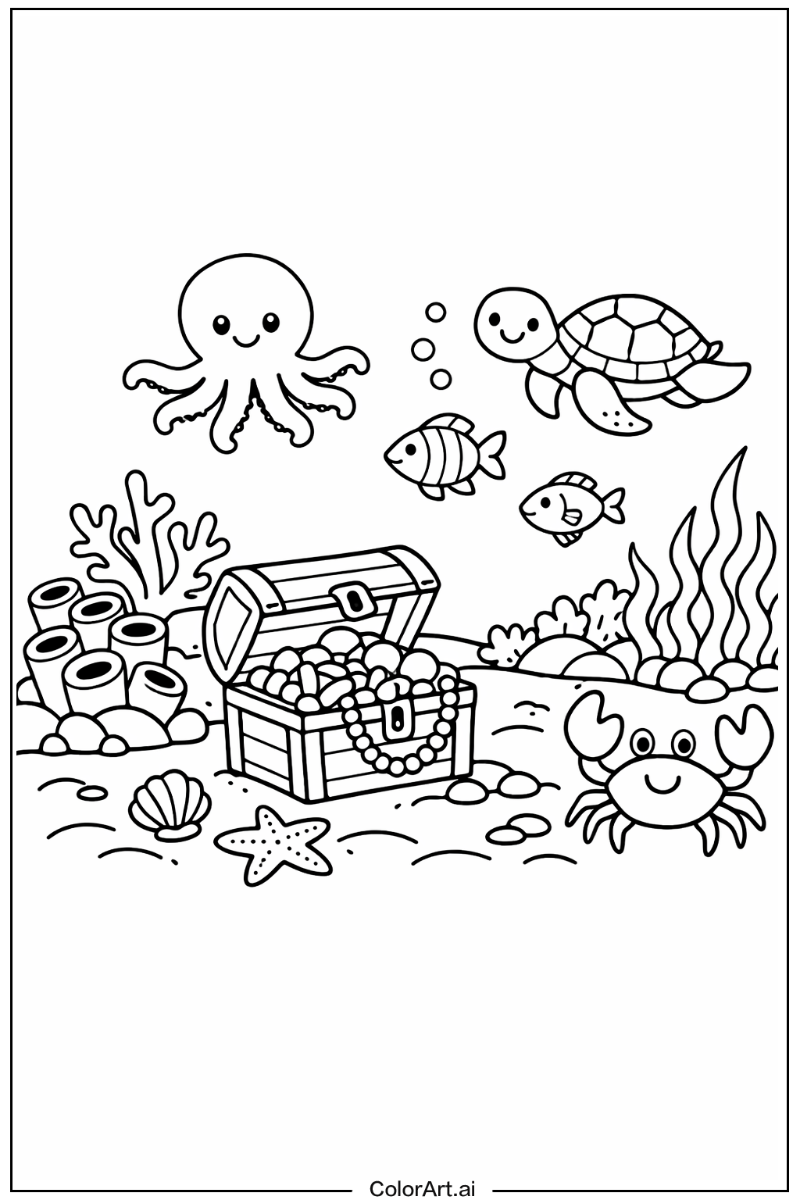
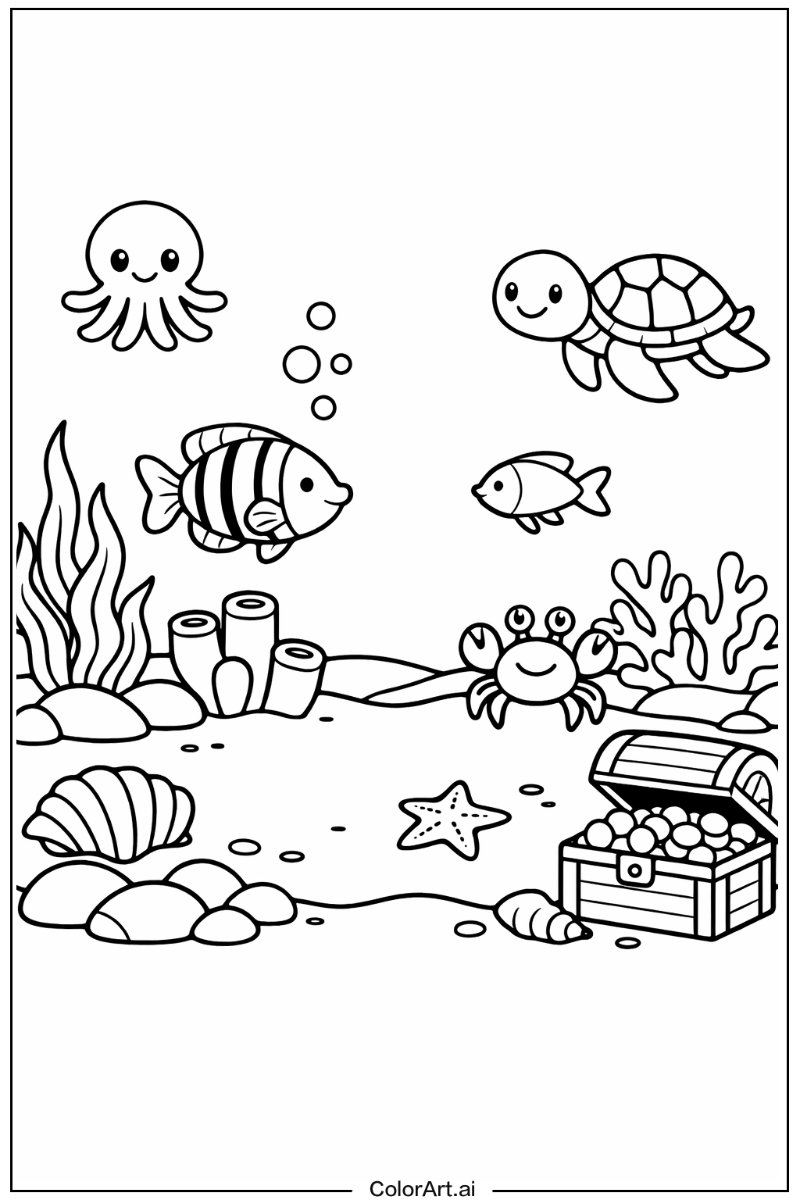
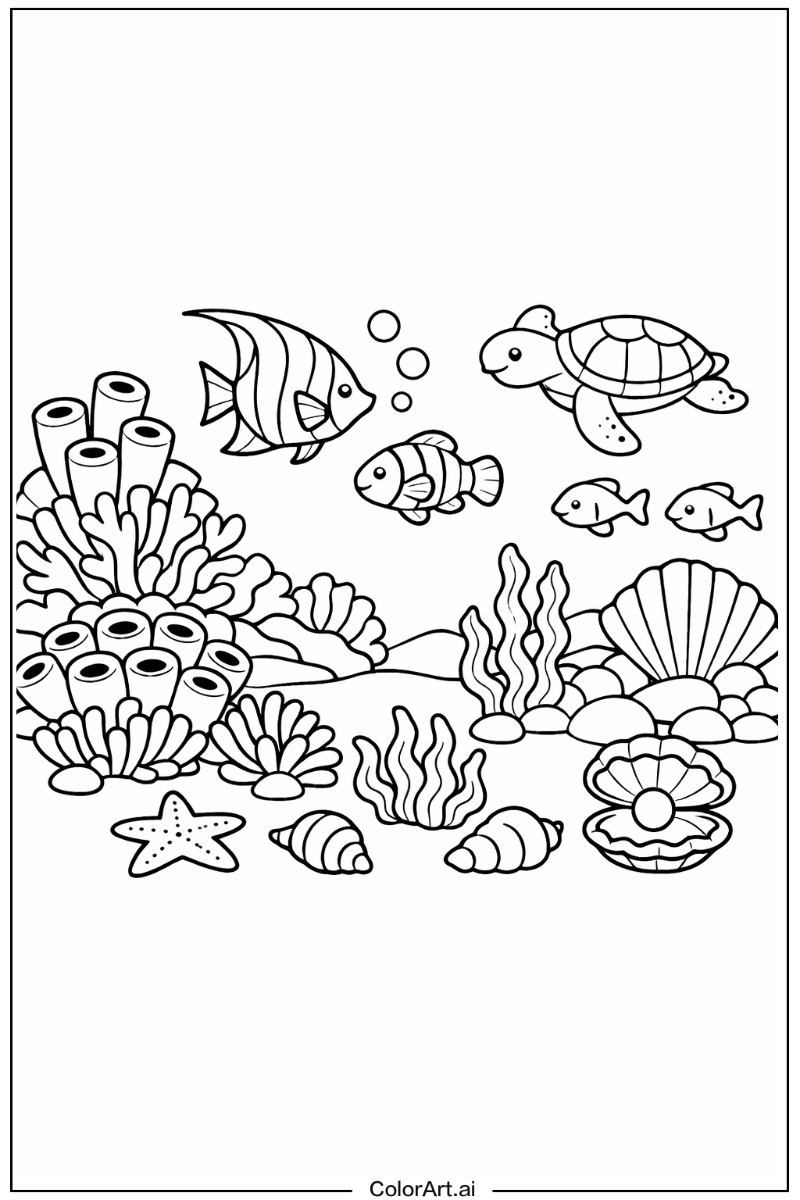
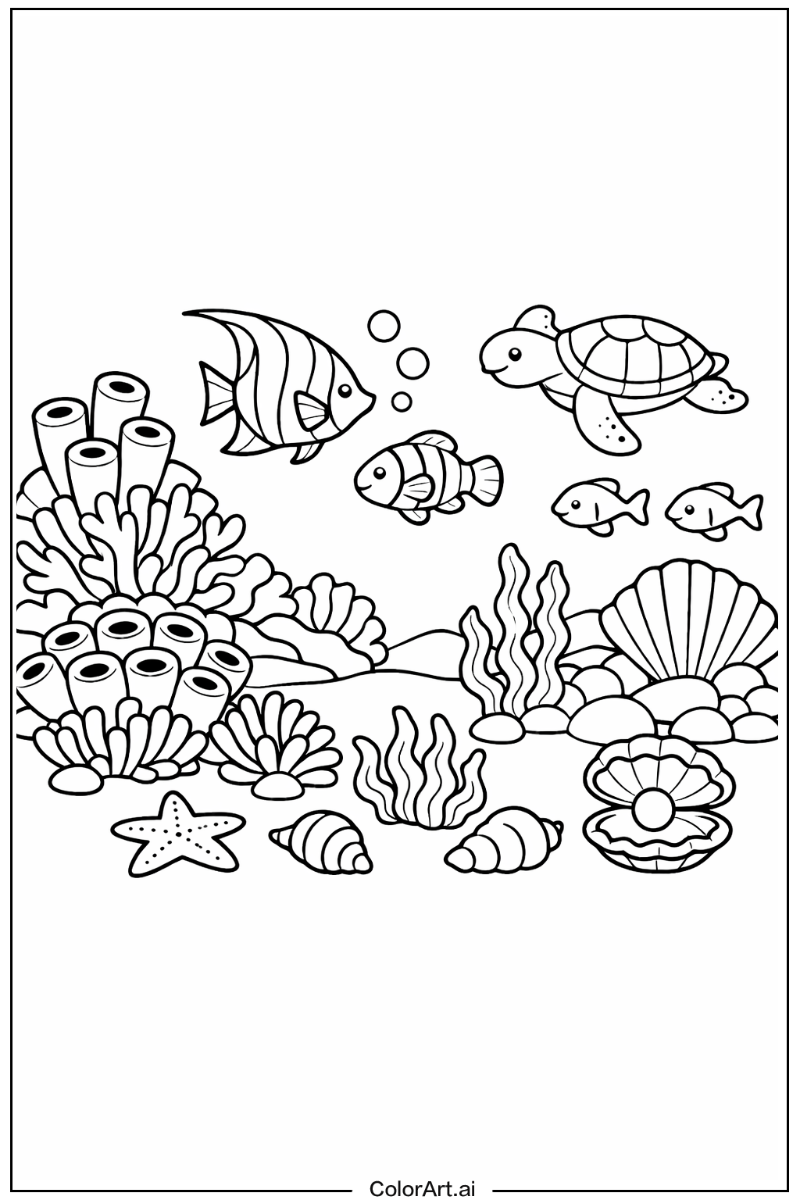
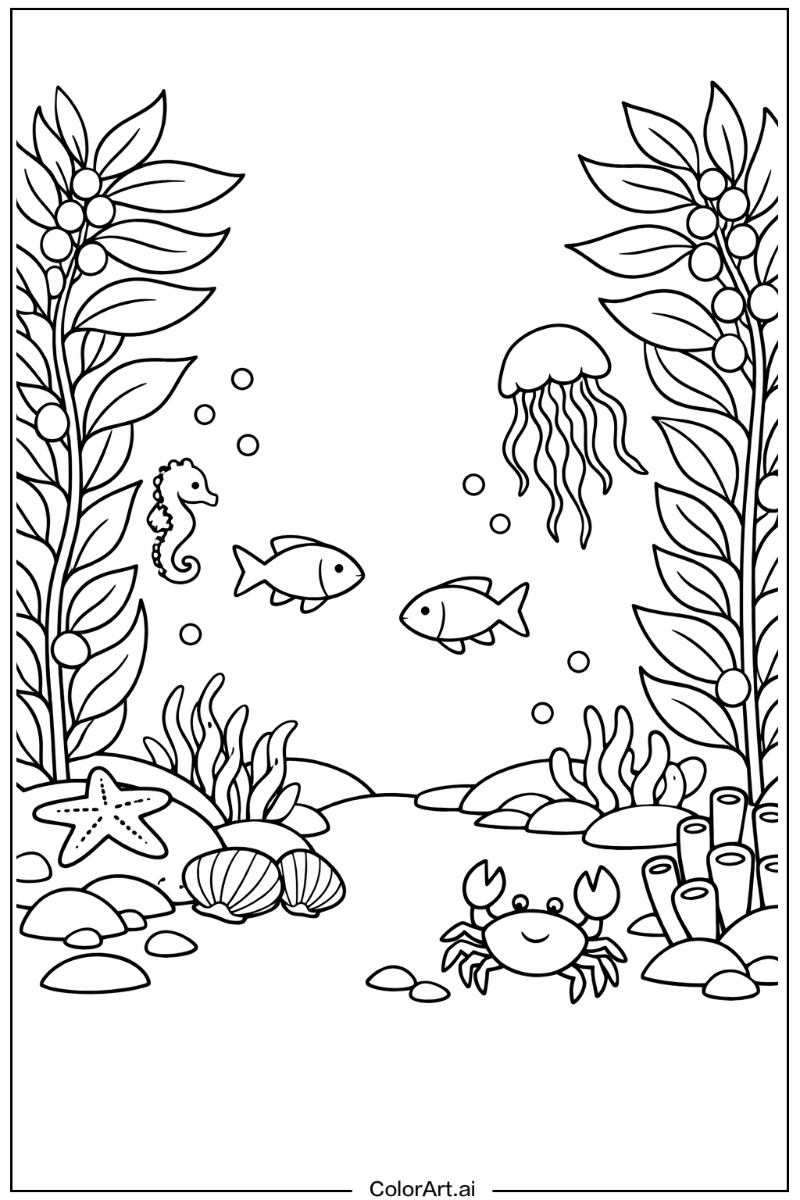
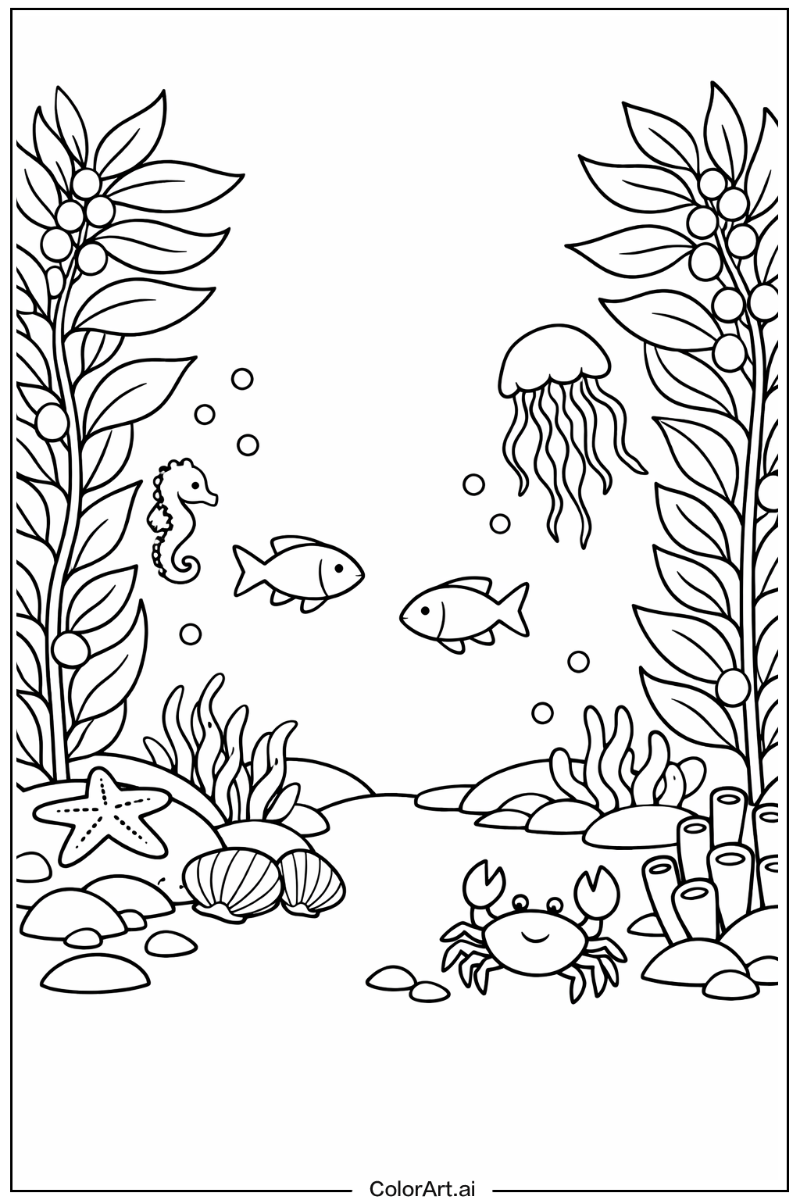
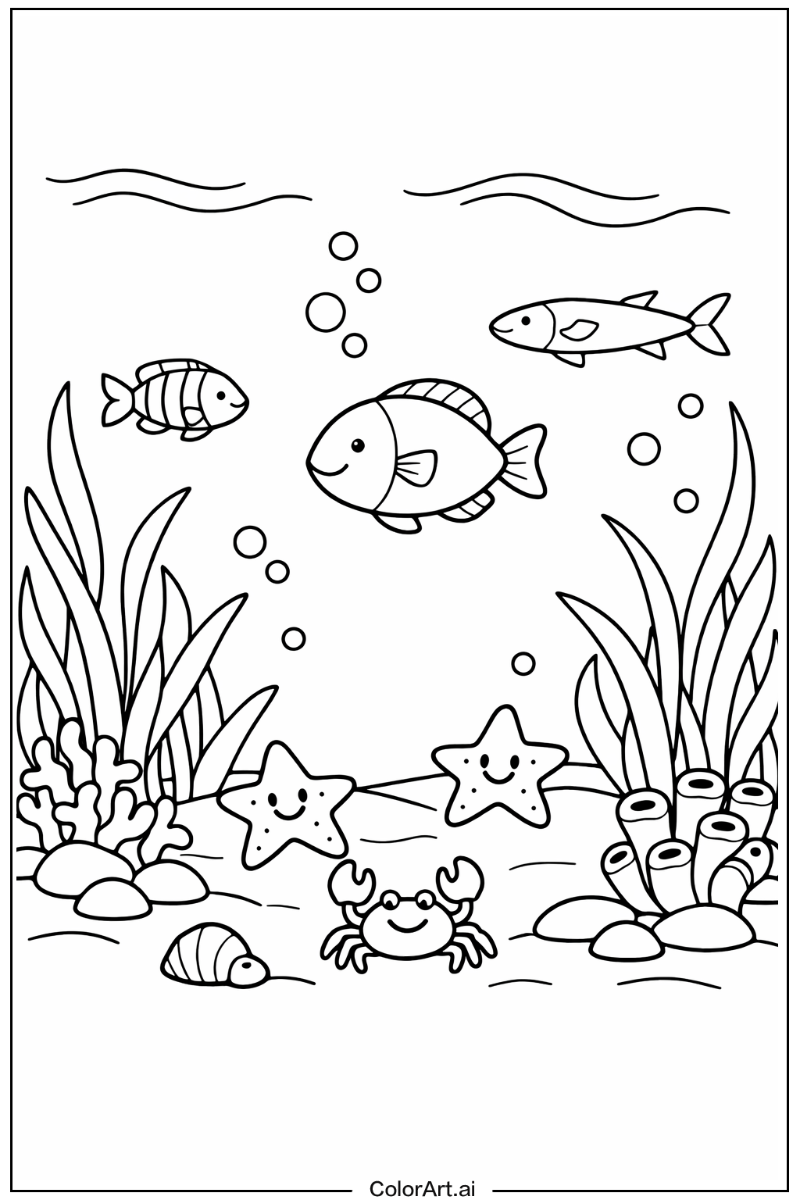
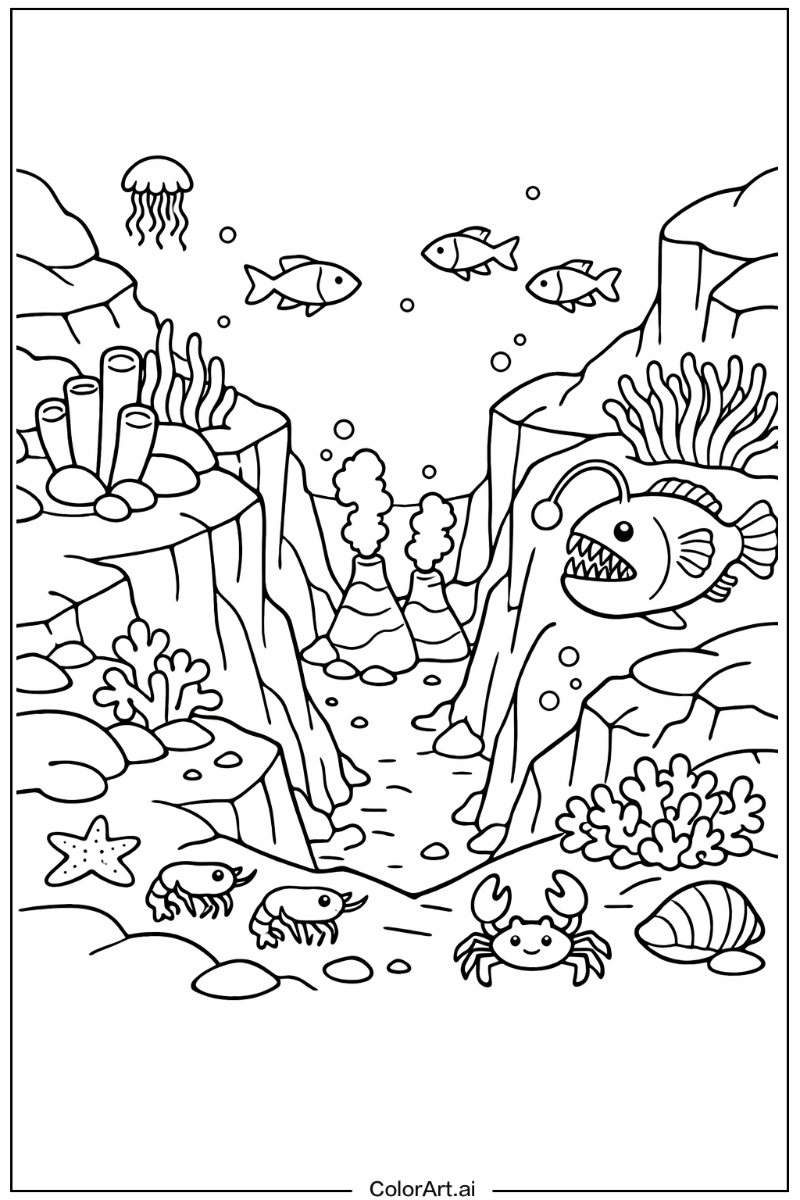
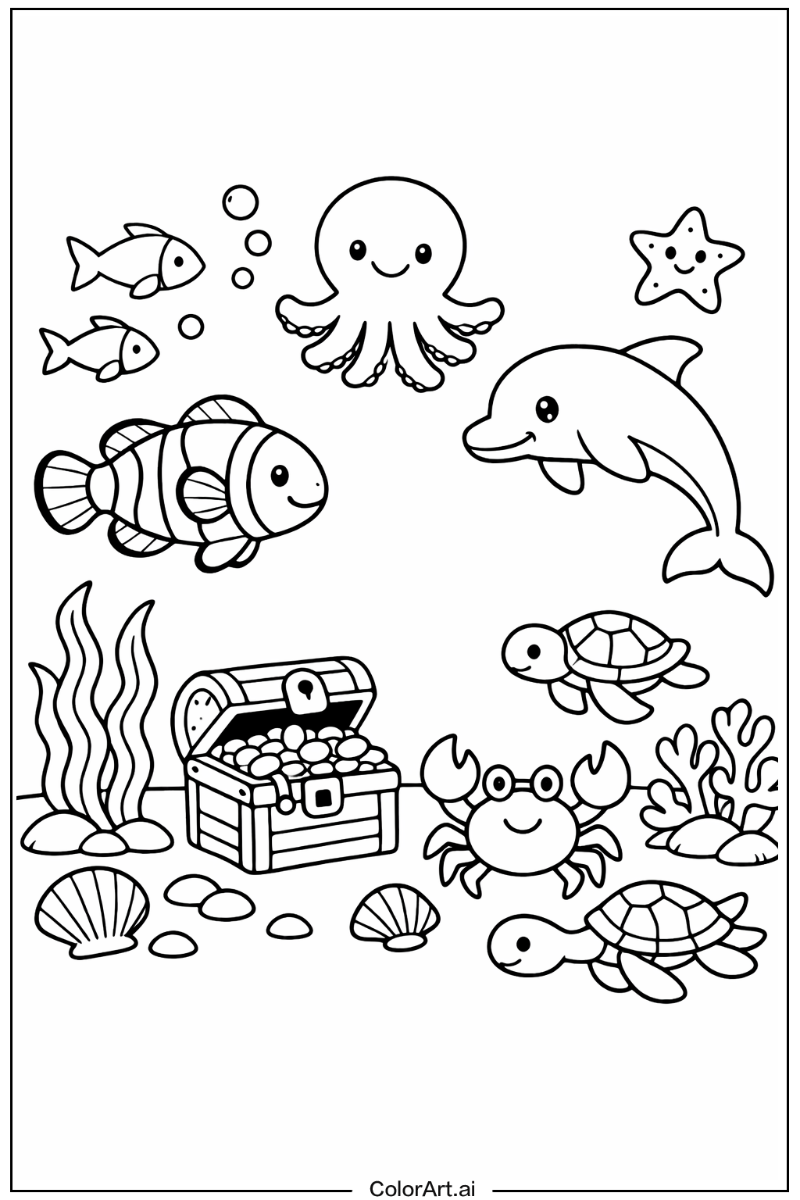
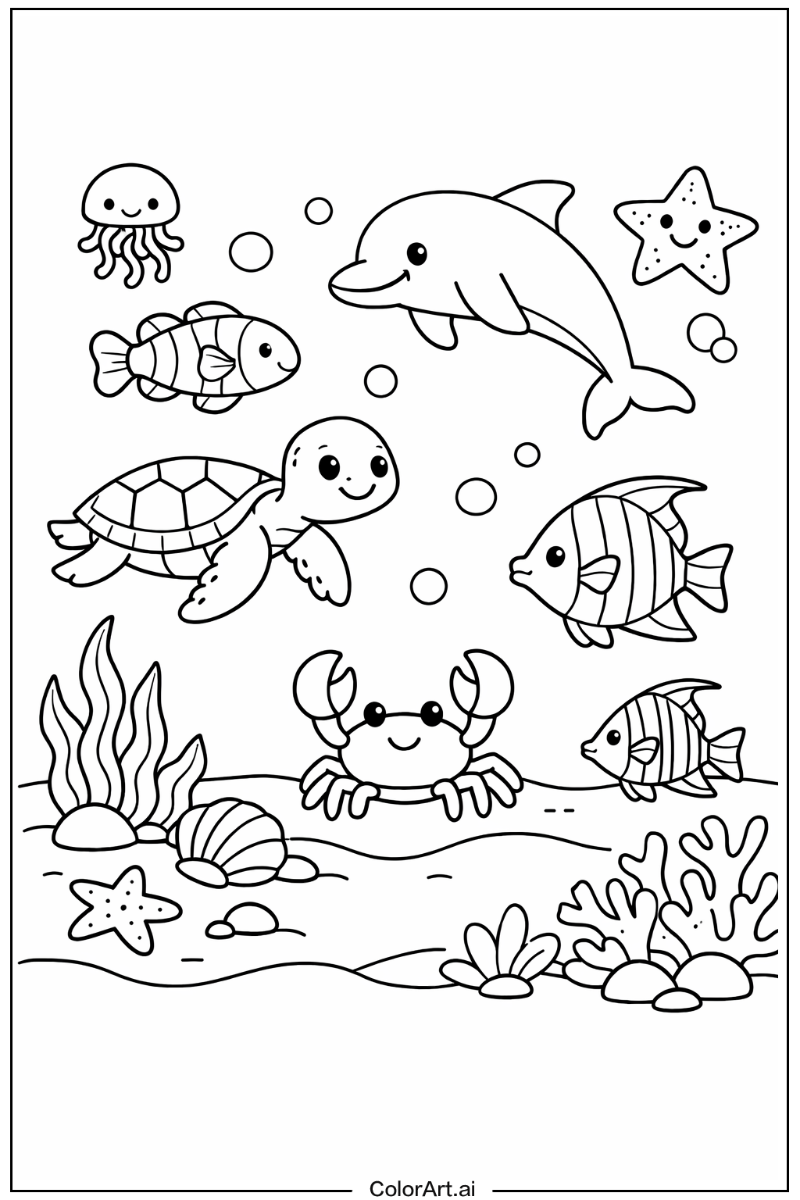
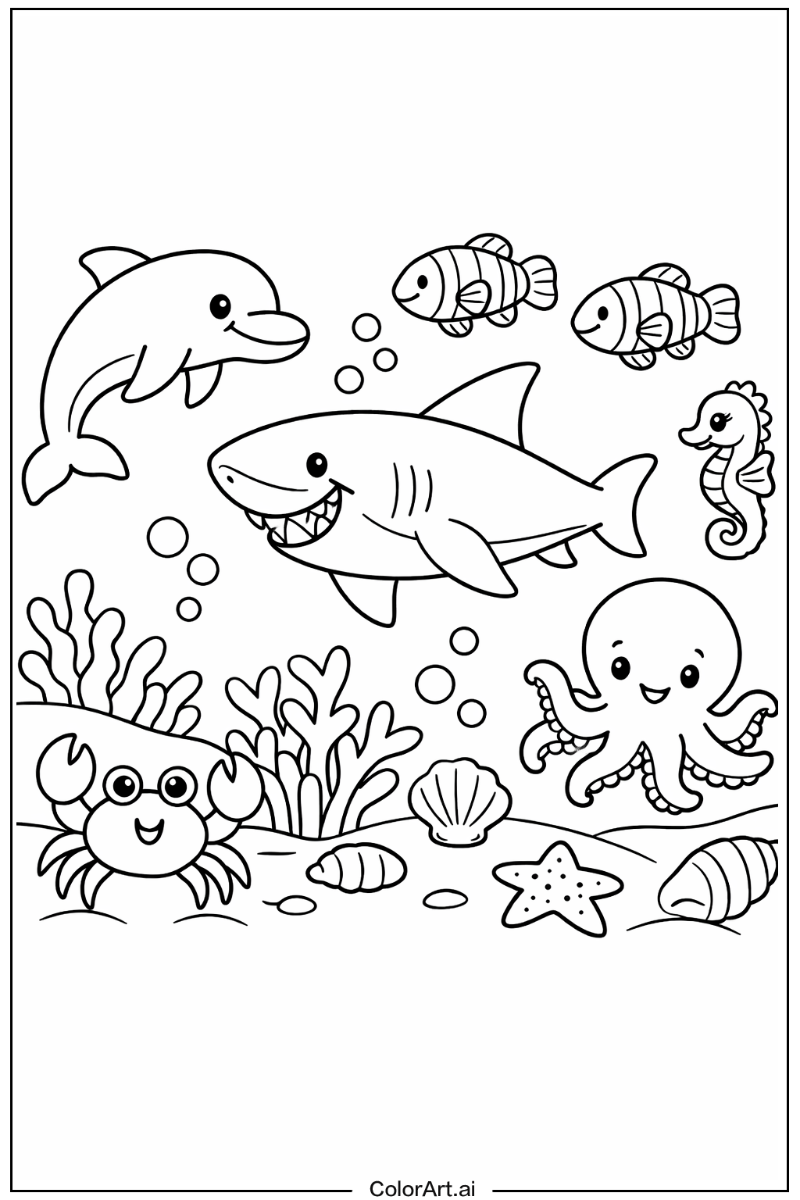
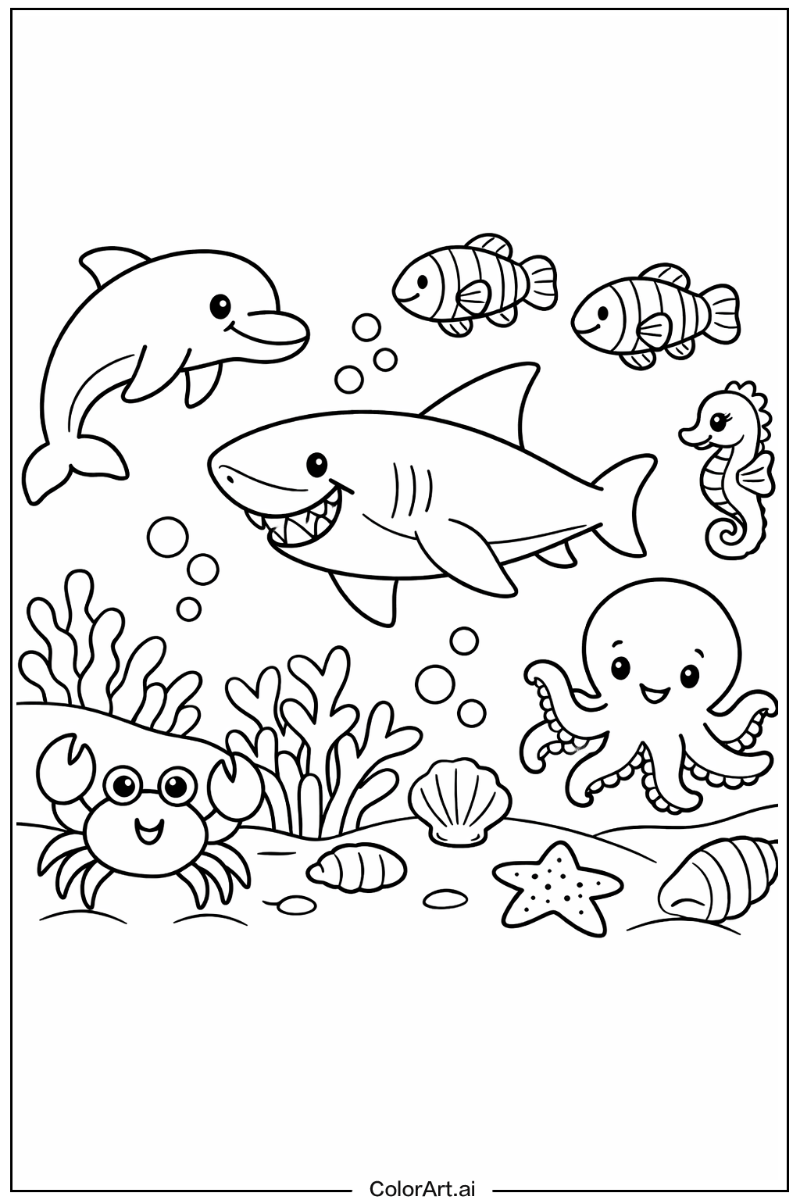
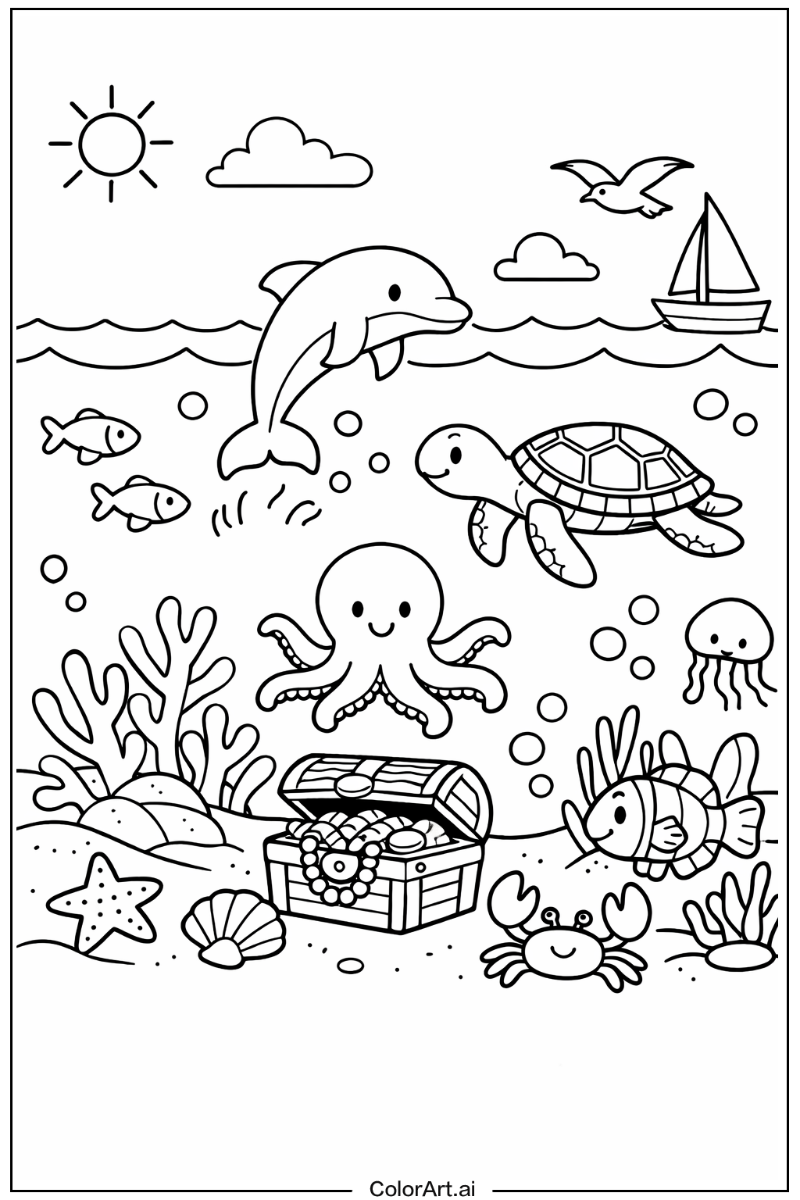
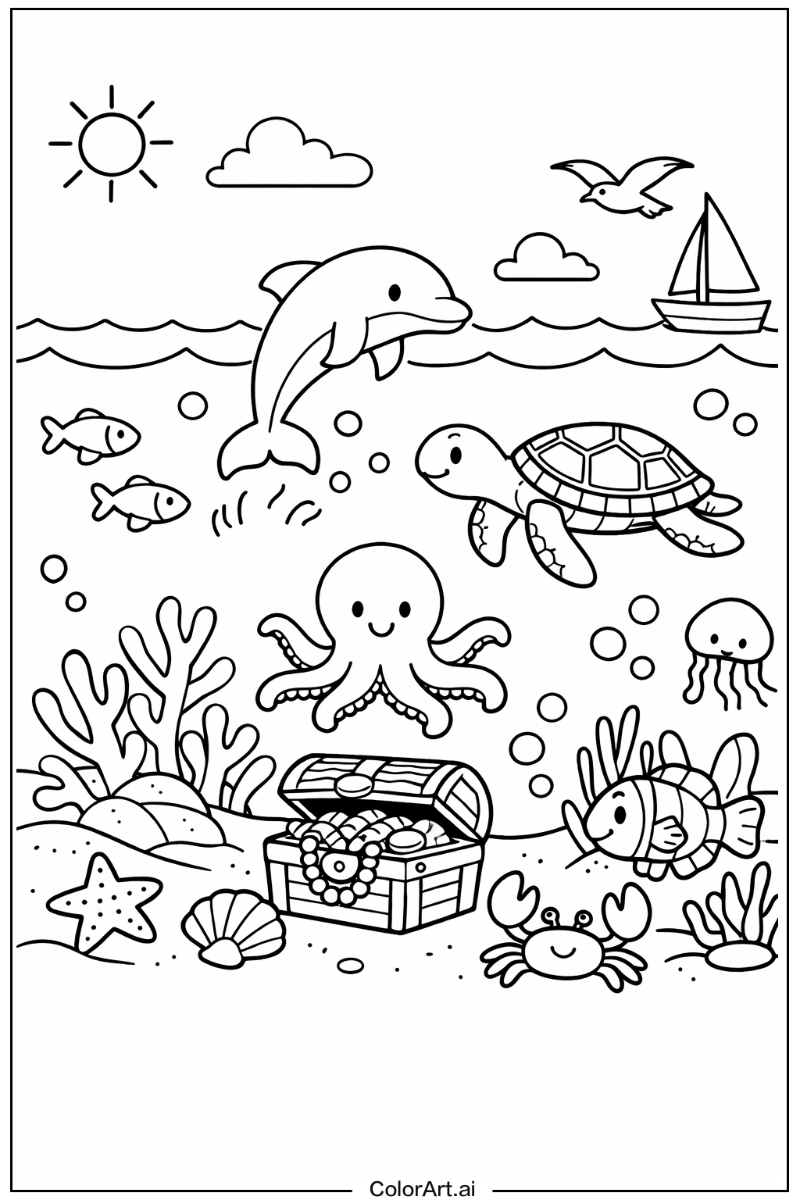
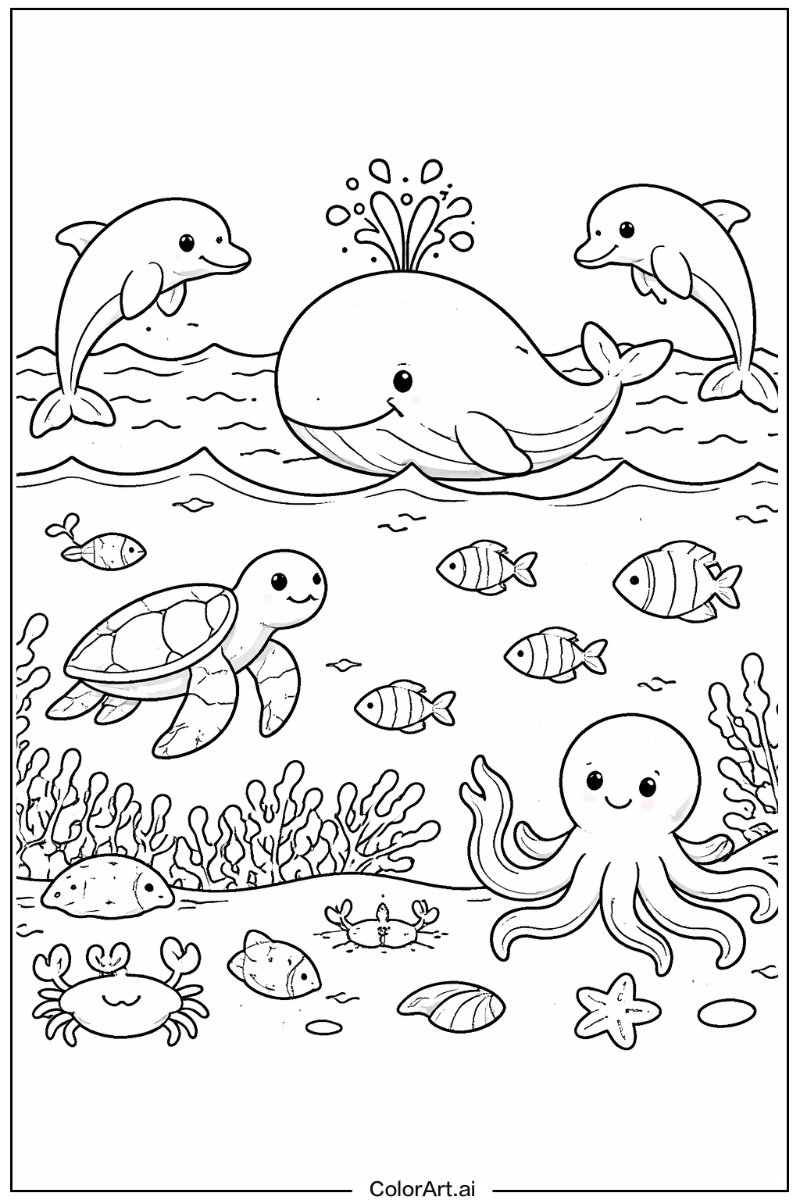
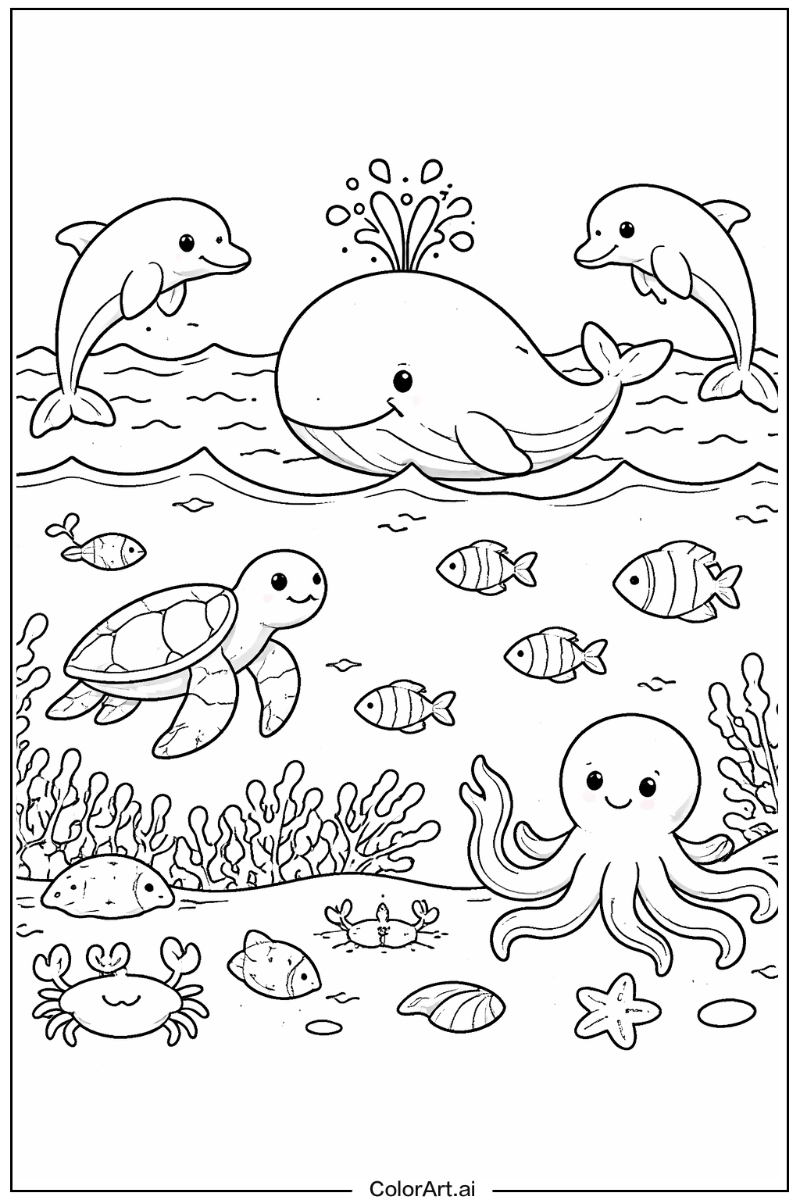
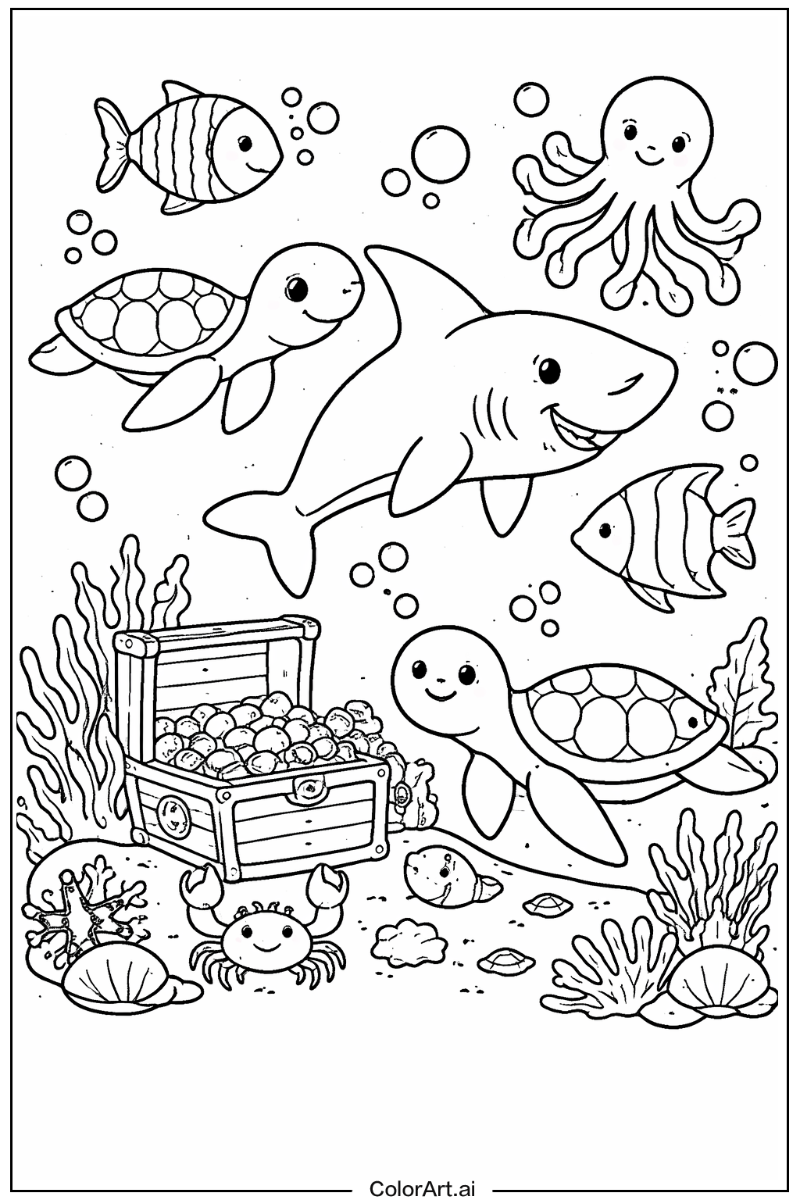
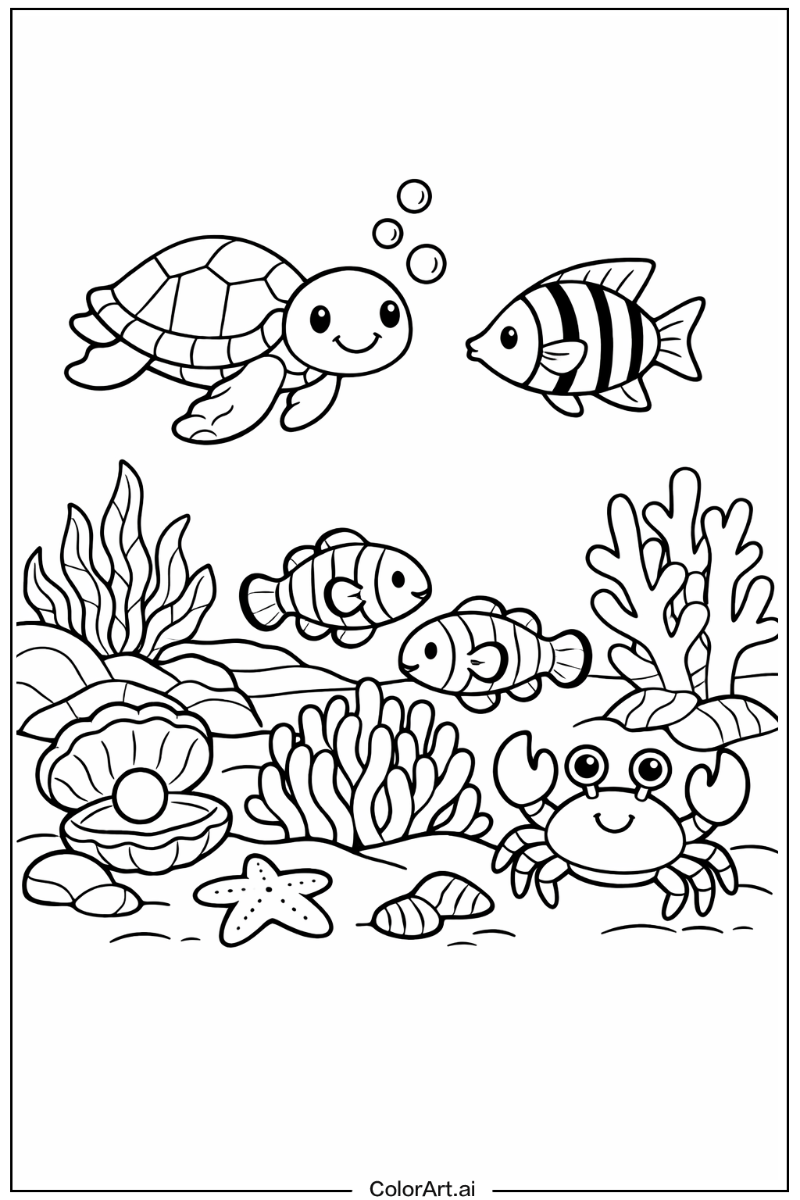
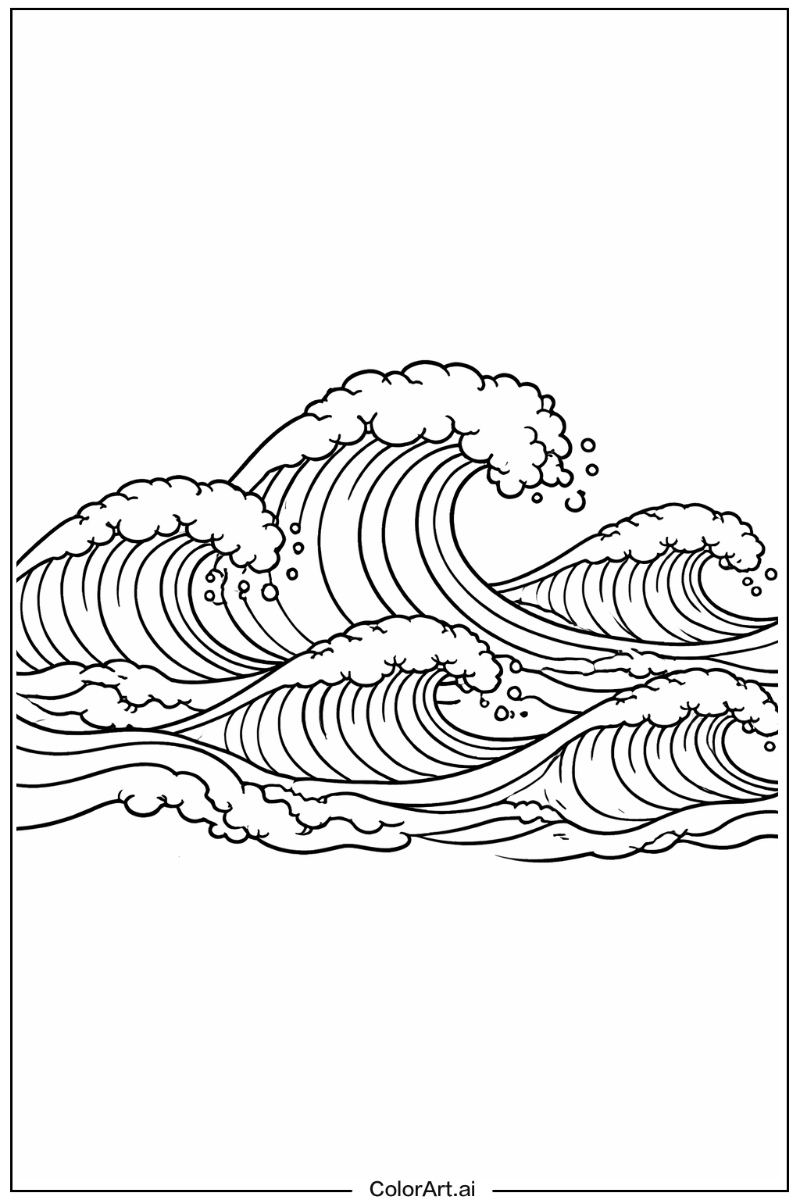
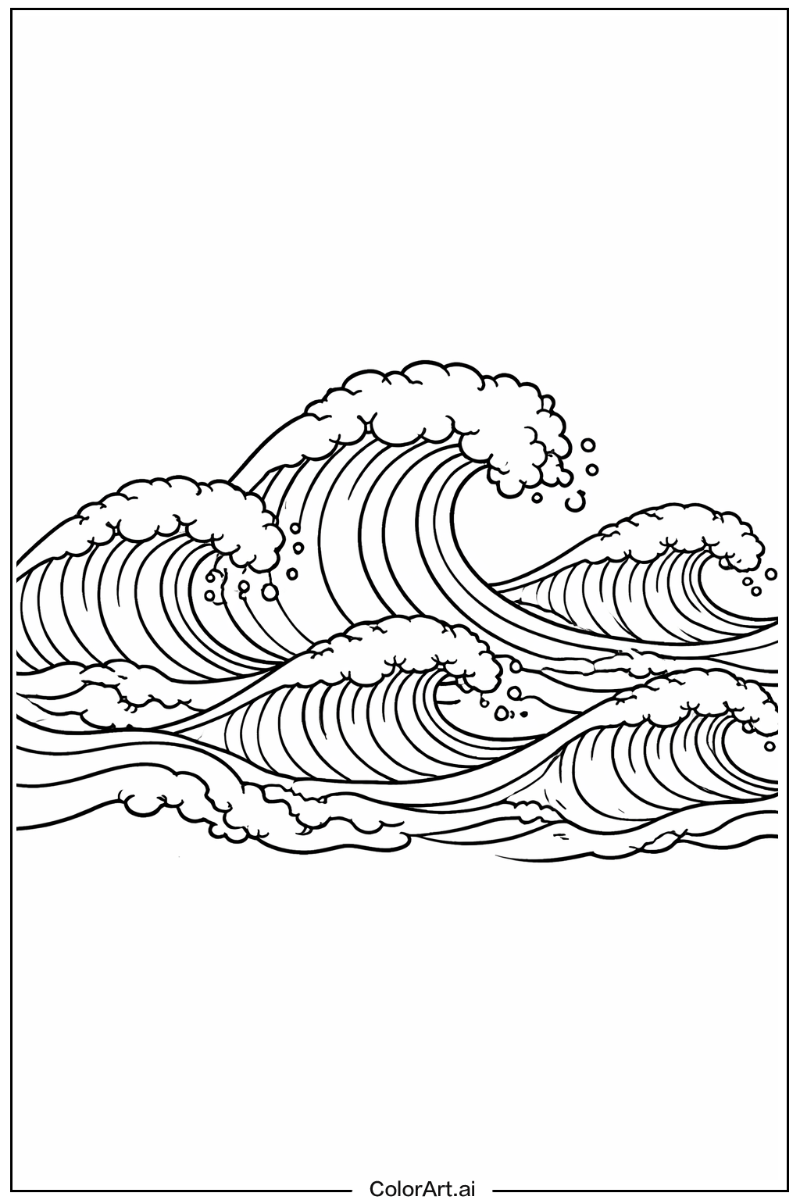
The ocean is a magical place, filled with vibrant colors and fascinating creatures. As an art teacher, I have always sought ways to bring the beauty of the ocean into my classroom. I remember one spring when my class, full of curious minds and eager hands, embarked on an ocean-themed project. We explored everything from the majestic whales to the tiny plankton that thrive beneath the waves. Through coloring pages, my students not only learned about marine life but expressed their creativity and imagination. The ocean is an endless source of inspiration, and coloring pages allow kids to dive deep into this underwater world, encouraging both artistic expression and environmental awareness.
Group Coloring Pages
 PDF
PDF
 PNG
PNG
 PNG
PNG
 PNG
PNG
 PNG
PNG
 PNG
PNG
 PNG
PNG
 PNG
PNG
 PNG
PNG
 PNG
PNG
 PNG
PNG
 PNG
PNG
 PNG
PNG
 PNG
PNG
 PNG
PNG
 PNG
PNG
 PNG
PNG
 PNG
PNG
 PNG
PNG
 PNG
PNG
 PNG
PNG
 PNG
PNG
 PNG
PNG
 PNG
PNG
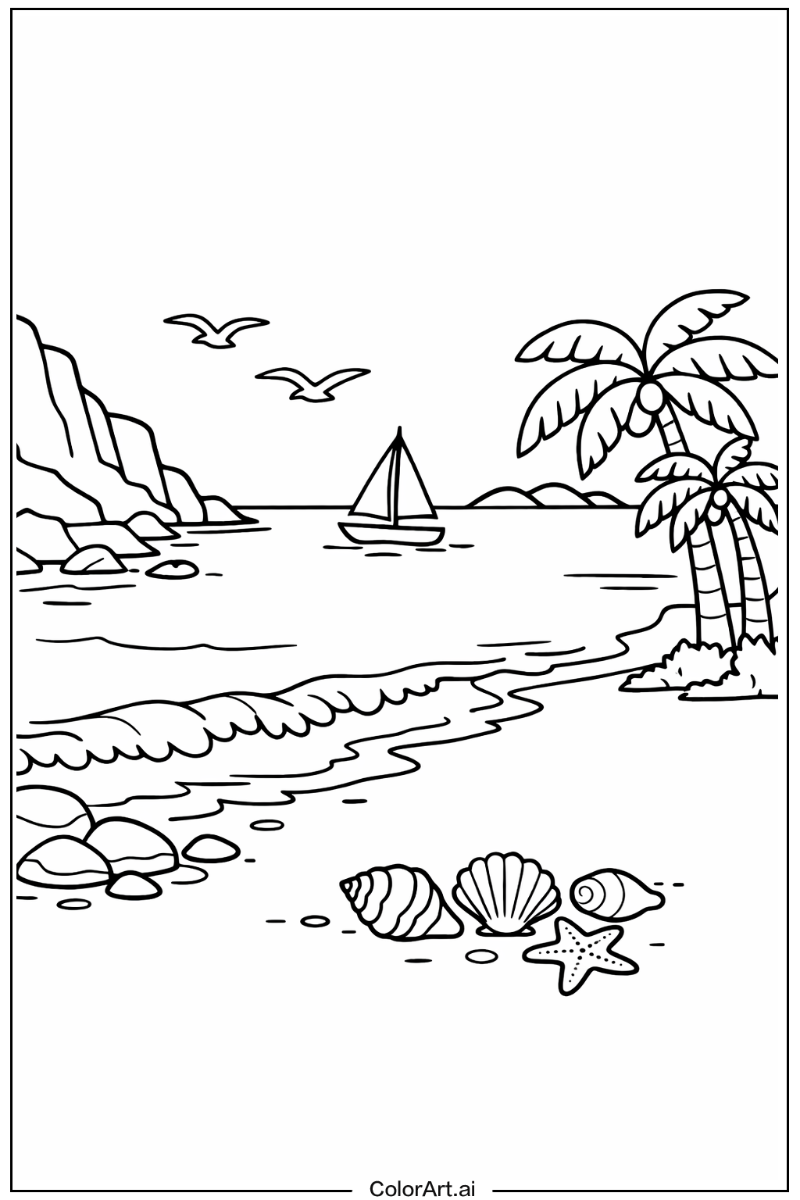
 PNG
PNG
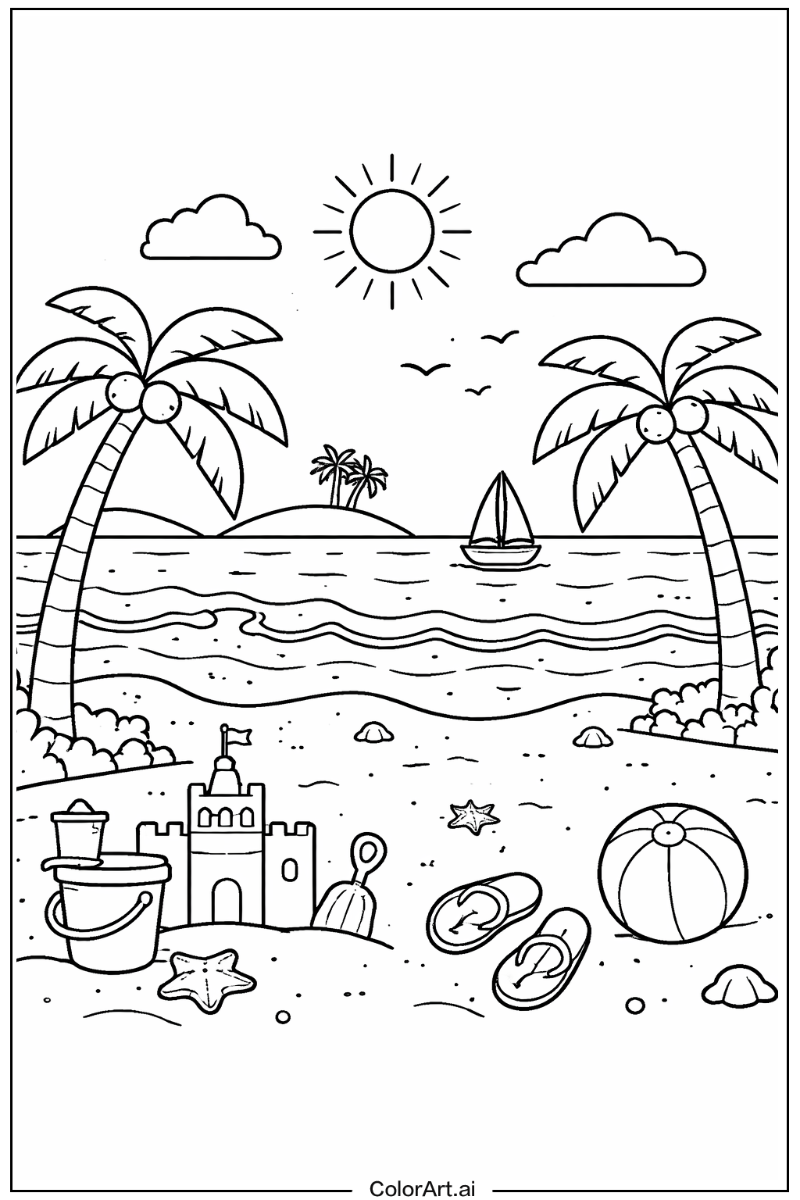
 PNG
PNG
 PNG
PNG
 PNG
PNG
 PNG
PNG
 PNG
PNG
 PNG
PNG
 PNG
PNG
 PNG
PNG
 PNG
PNG
 PNG
PNG
 PNG
PNG
 PNG
PNG
 PNG
PNG
 PNG
PNG
 PNG
PNG
 PNG
PNG
 PNG
PNG
 PNG
PNG
 PNG
PNG
 PNG
PNG
 PNG
PNG
 PNG
PNG
Understanding the Ocean: A Quick Dive into Facts
The ocean covers about 71% of our planet's surface and is home to an incredible diversity of life. From the depths of the Mariana Trench to the sunlit coral reefs, the ocean is a vast and complex ecosystem. Interestingly, the deep ocean, often unexplored, holds a treasure trove of mysteries, including thousands of species yet to be discovered. In my classroom, I often share these intriguing facts with my students, such as how oceans regulate the Earth’s climate or how they are vital for producing oxygen. With every ocean coloring page we use, I encourage kids to think about these wonders, fostering their curiosity about marine biology. This knowledge not only enriches their coloring experience but also instills a sense of responsibility towards ocean conservation.
The Educational Benefits of Ocean Activities
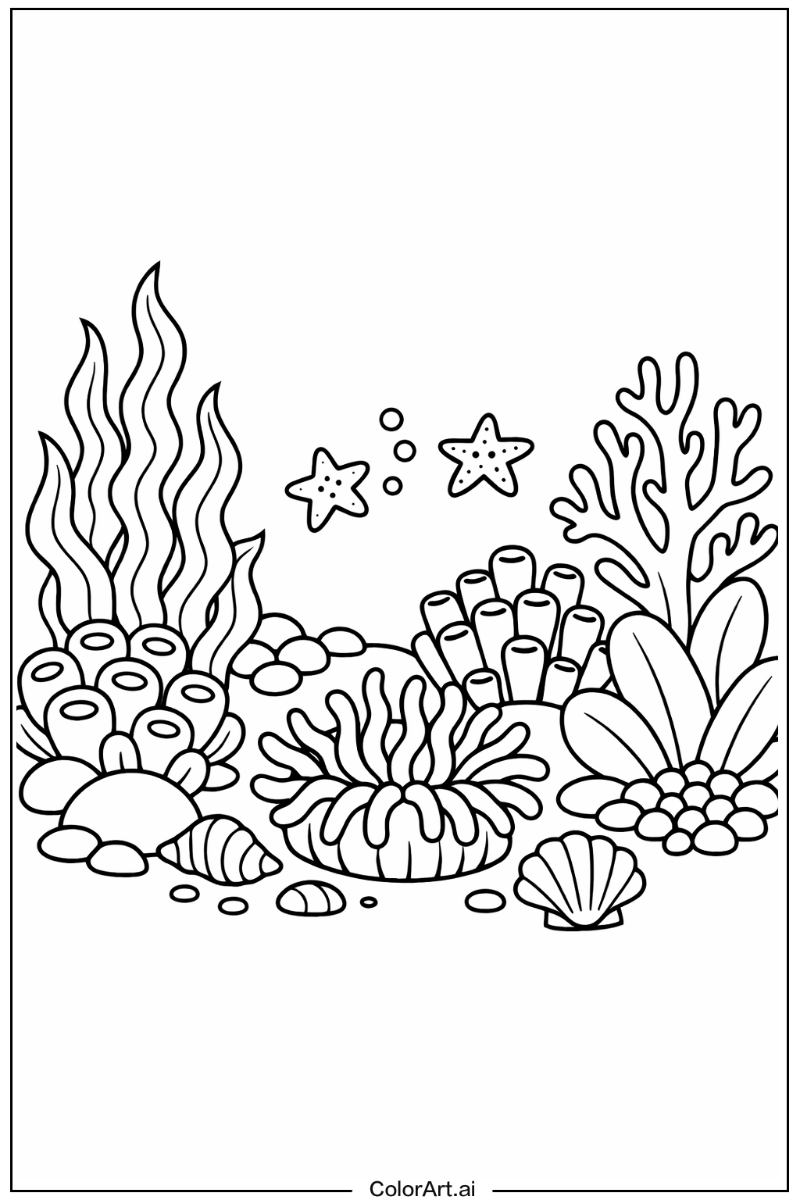
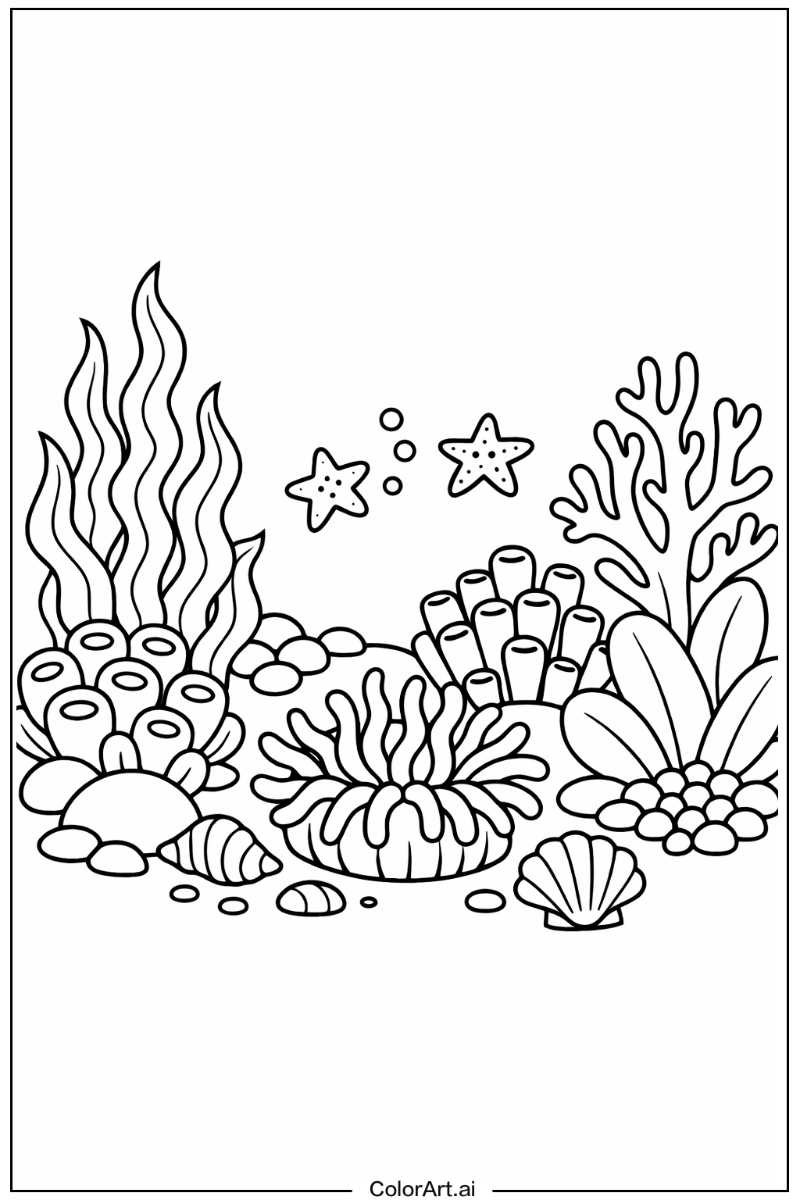
Coloring ocean-themed pages offers numerous educational benefits for children. From developing fine motor skills to enhancing cognitive functions, these activities play a crucial role in early education. In my classroom, I often notice how students like Mia, who struggles with fine motor control, thrive when working on ocean coloring pages. The detailed outlines of sea creatures encourage her to practice control and precision, which builds her confidence over time. Furthermore, coloring these pages helps enhance concentration, focus, and pattern recognition. While coloring the intricate designs of a coral reef, children learn about ecosystem layers and the importance of biodiversity. Integrating ocean coloring into lessons also promotes emotional well-being, as the calming blues and greens of the ocean can provide a sense of peace and relaxation. With each completed page, students not only express their creativity but also gain a deeper understanding of the ocean's significance.
Practical Ocean Coloring Techniques
To make the most of your ocean coloring pages, I have a few tips that I've gathered over my years in the classroom. First, encourage the use of various materials—colored pencils, markers, and crayons all bring different textures and vibrancy to ocean illustrations. For younger students, crayons are excellent for their ease of use and ability to create bold colors. For older students, markers can add precision and depth. Second, consider discussing color theory before starting. Talk about the colors of the ocean—how they can change from deep blues to vibrant turquoises, depending on the time of day or depth. Lastly, remind children that there are no right or wrong colors! The ocean can be whatever they envision it to be. This freedom encourages creativity and self-expression, allowing them to create their own unique ocean world.
Current Trends in Ocean Art Education
Recently, there has been a noticeable surge in interest around ocean-themed art education. With the growing awareness of climate issues affecting our oceans, educators are incorporating ocean coloring pages into their curricula as tools for both art and environmental education. For instance, I recently introduced a series of ocean coloring pages that depict endangered marine species, sparking discussions among my students about the importance of conservation. Resources like TeachersPayTeachers and Twinkl have made it easy to access free printable ocean coloring pages, which can be seamlessly integrated into lessons about marine ecosystems. This trend reflects a broader movement in education to connect art with real-world issues, making learning more relevant and impactful for our young learners.
Frequently Asked Questions About Ocean Coloring Pages
What age group are ocean coloring pages suitable for? Ocean coloring pages are designed for various age groups, typically ranging from preschoolers (3-5 years) to adults. We offer different complexity levels to match different skill levels.
What materials work best for coloring ocean pages? For best results with ocean coloring pages, I recommend colored pencils for detailed work, markers for bold colors, and crayons for younger children. Using high-quality paper or cardstock can enhance the overall look of the finished product.
How should I print ocean coloring pages for best quality? Print ocean coloring pages using high-quality settings. I find that standard A4 or Letter size paper works well, but cardstock can provide a more professional look. Ensuring your printer has sufficient ink will help maintain clear and dark lines.