Exploring the World of Wolves Through Coloring
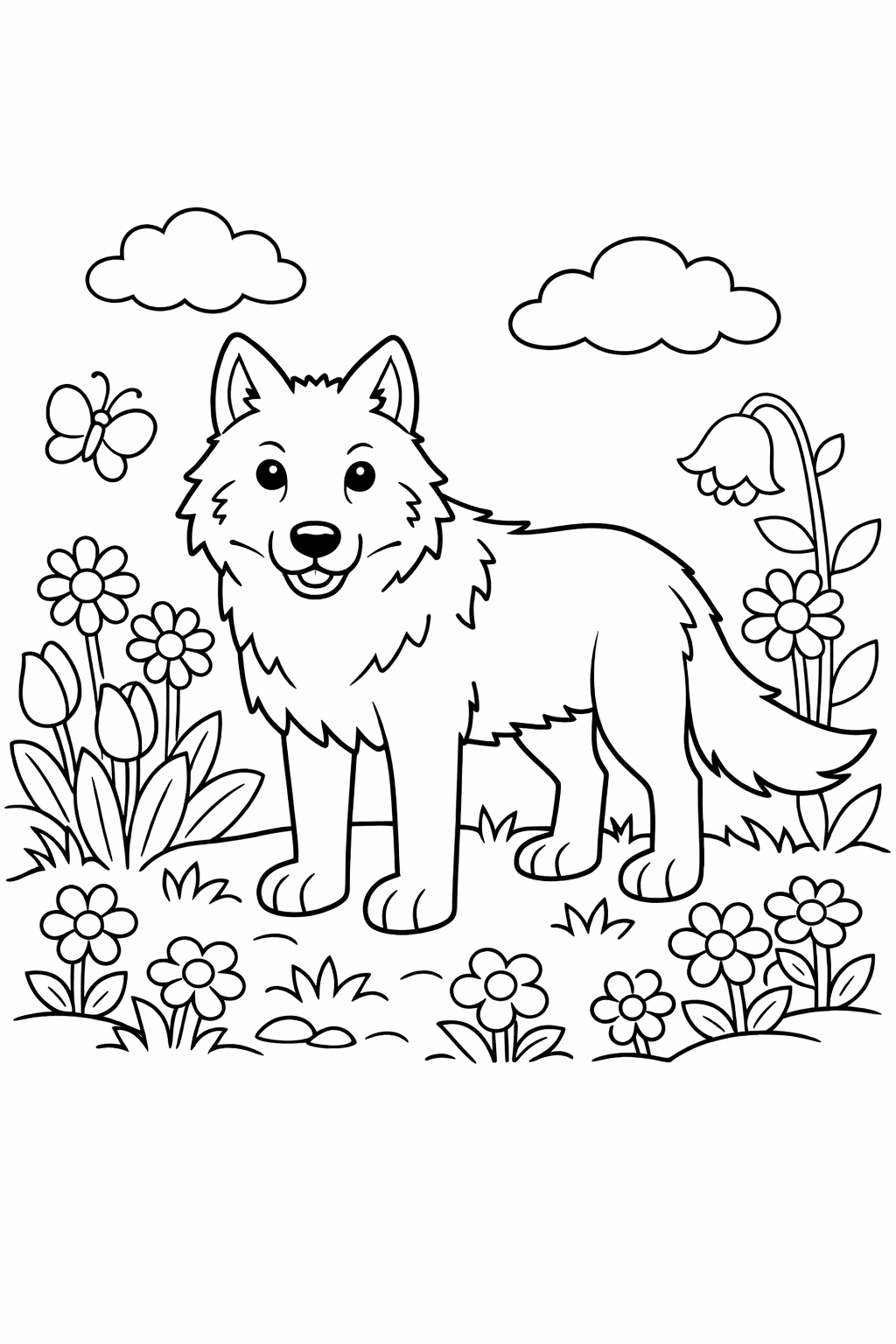
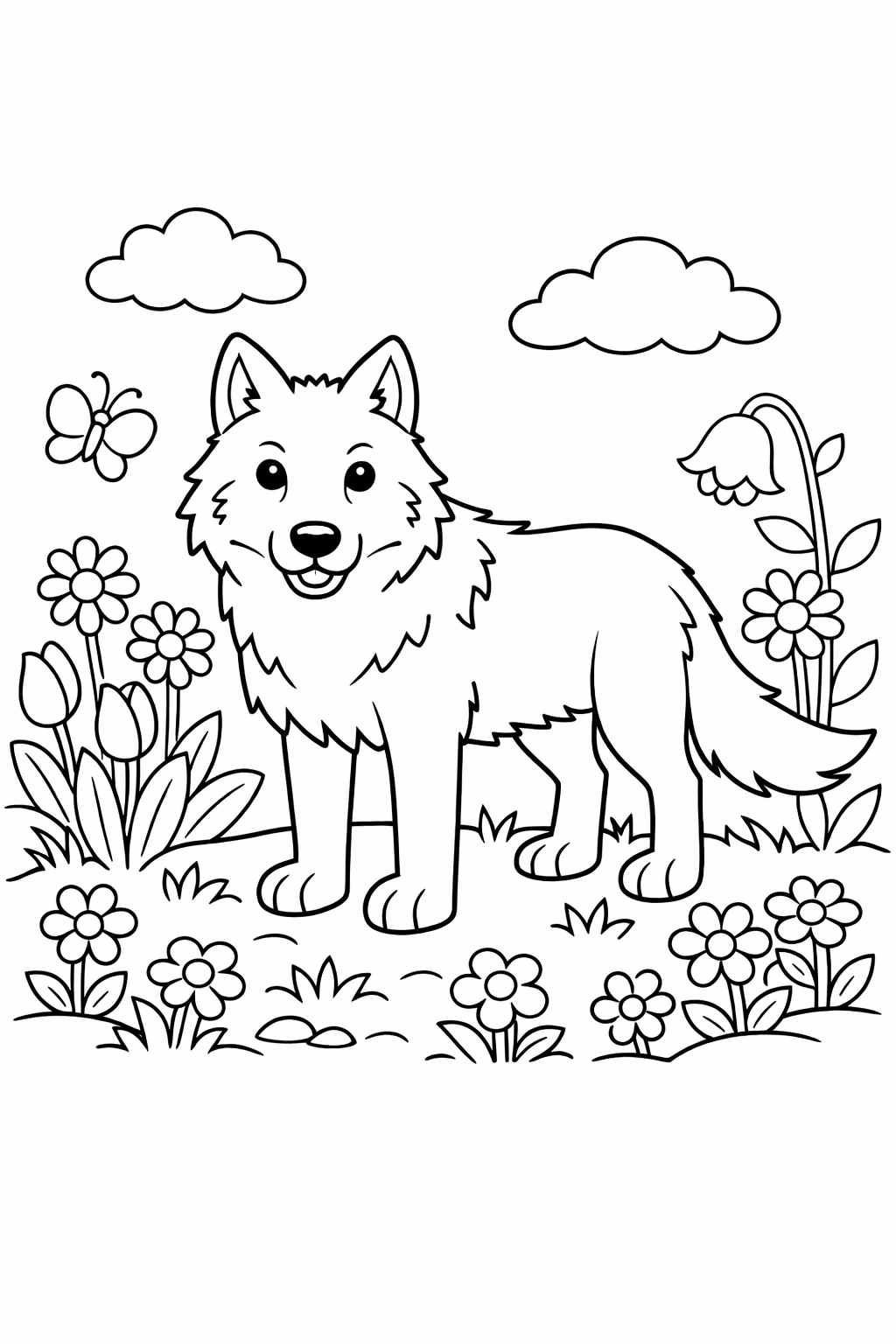
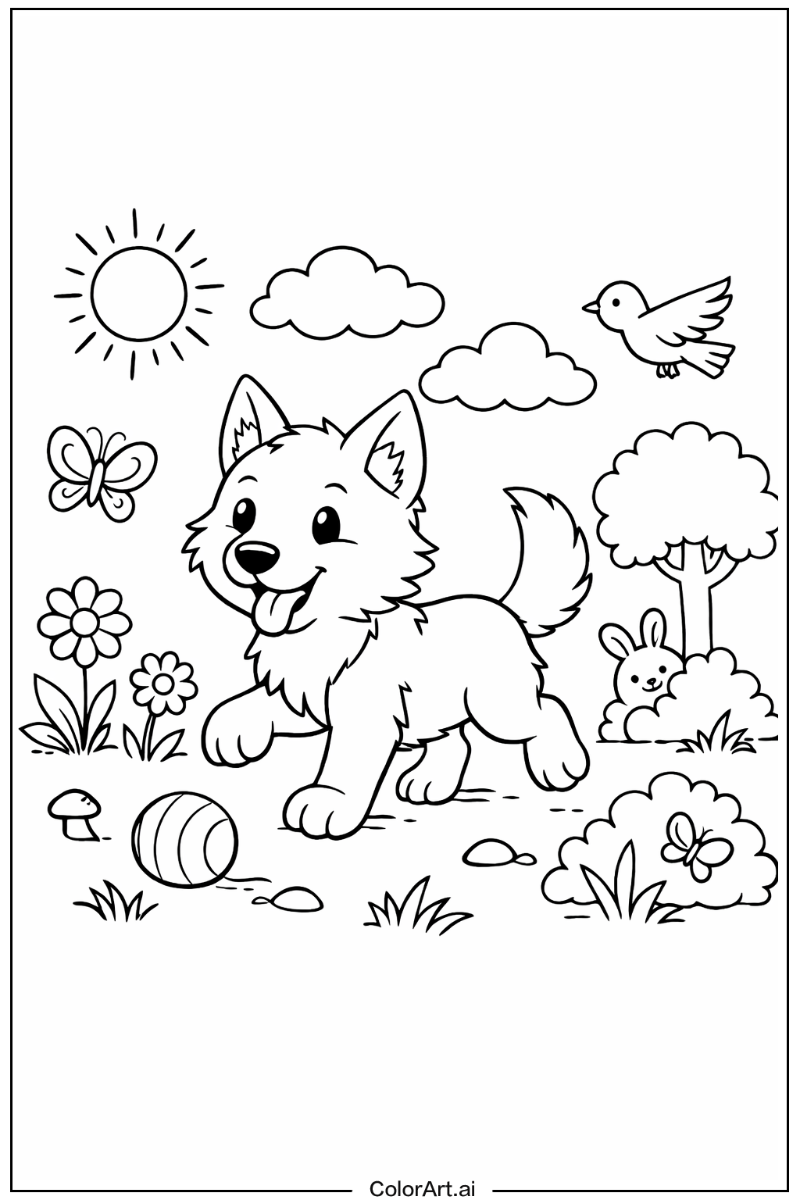
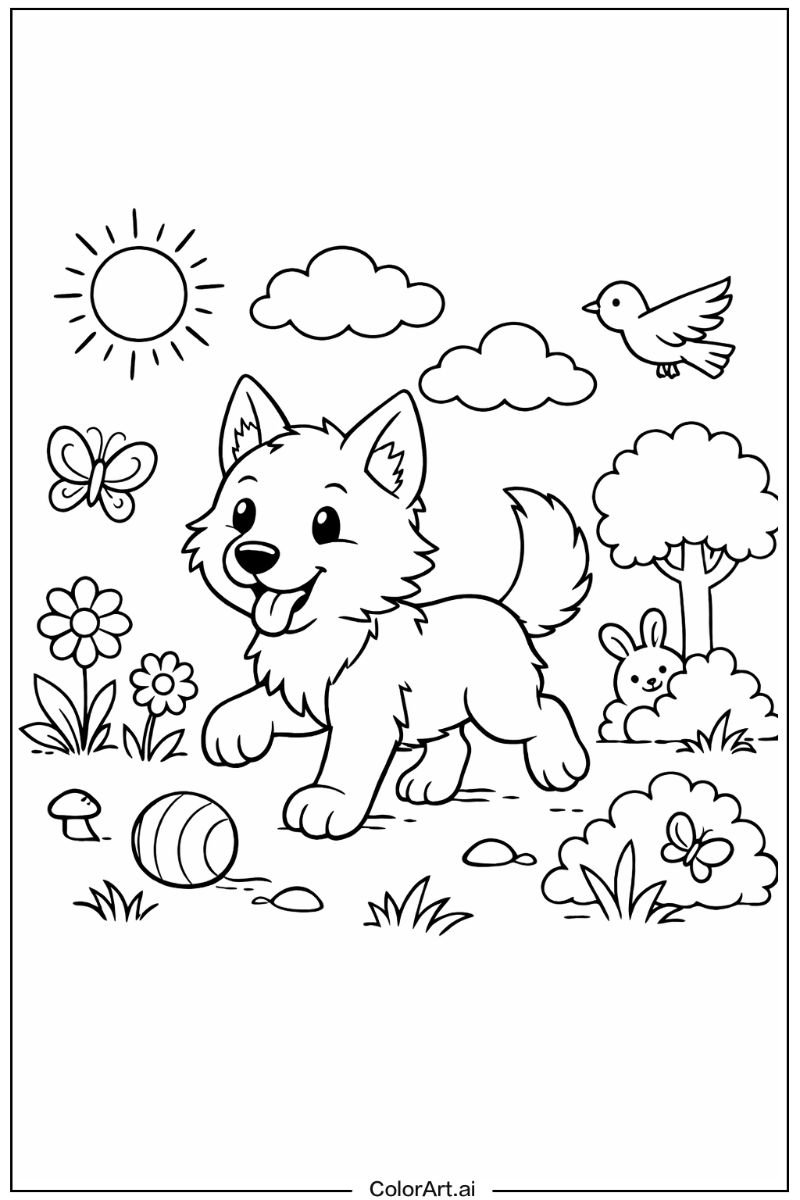
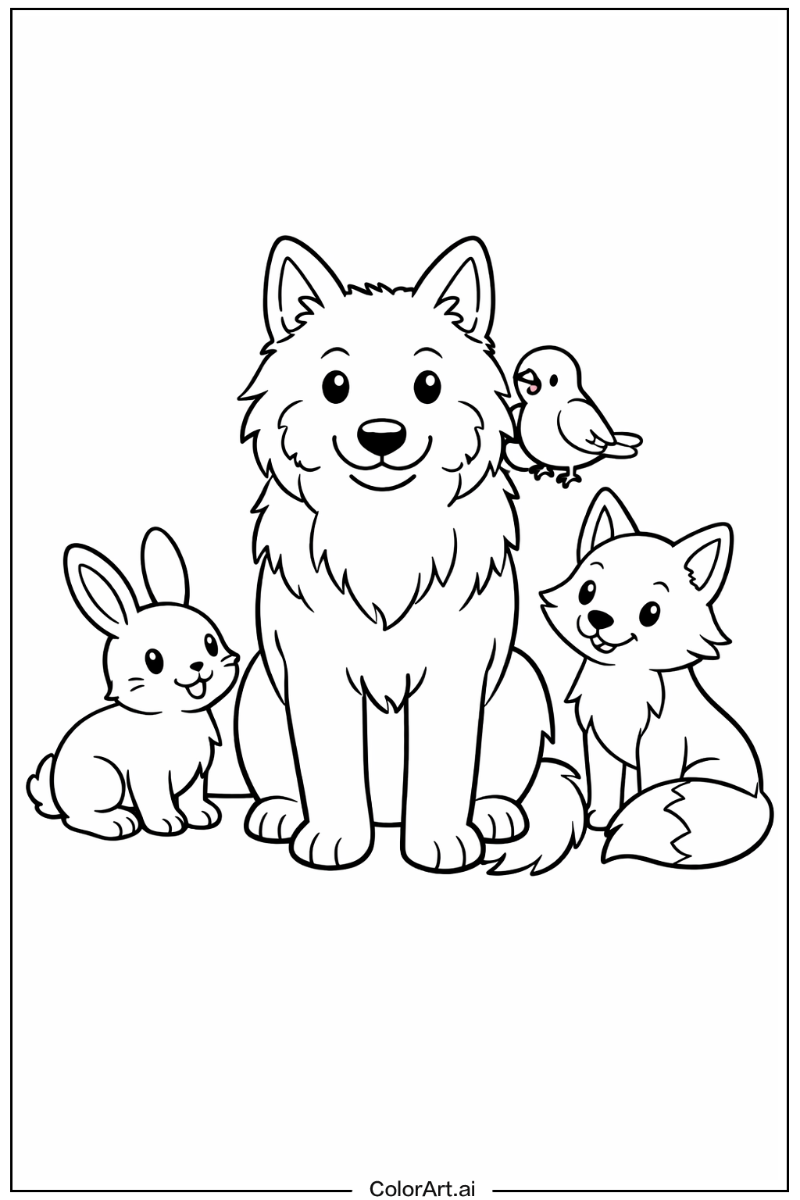
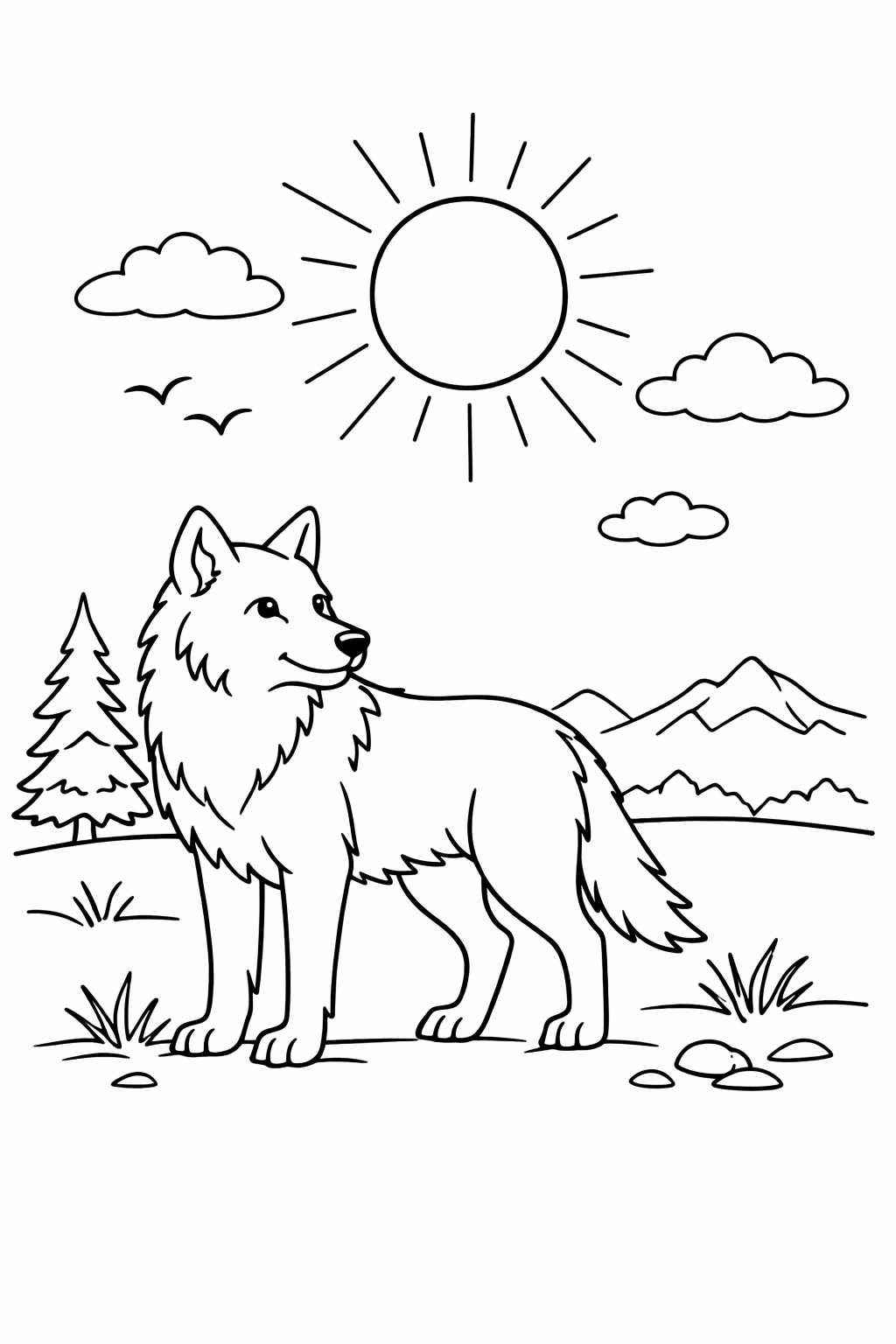
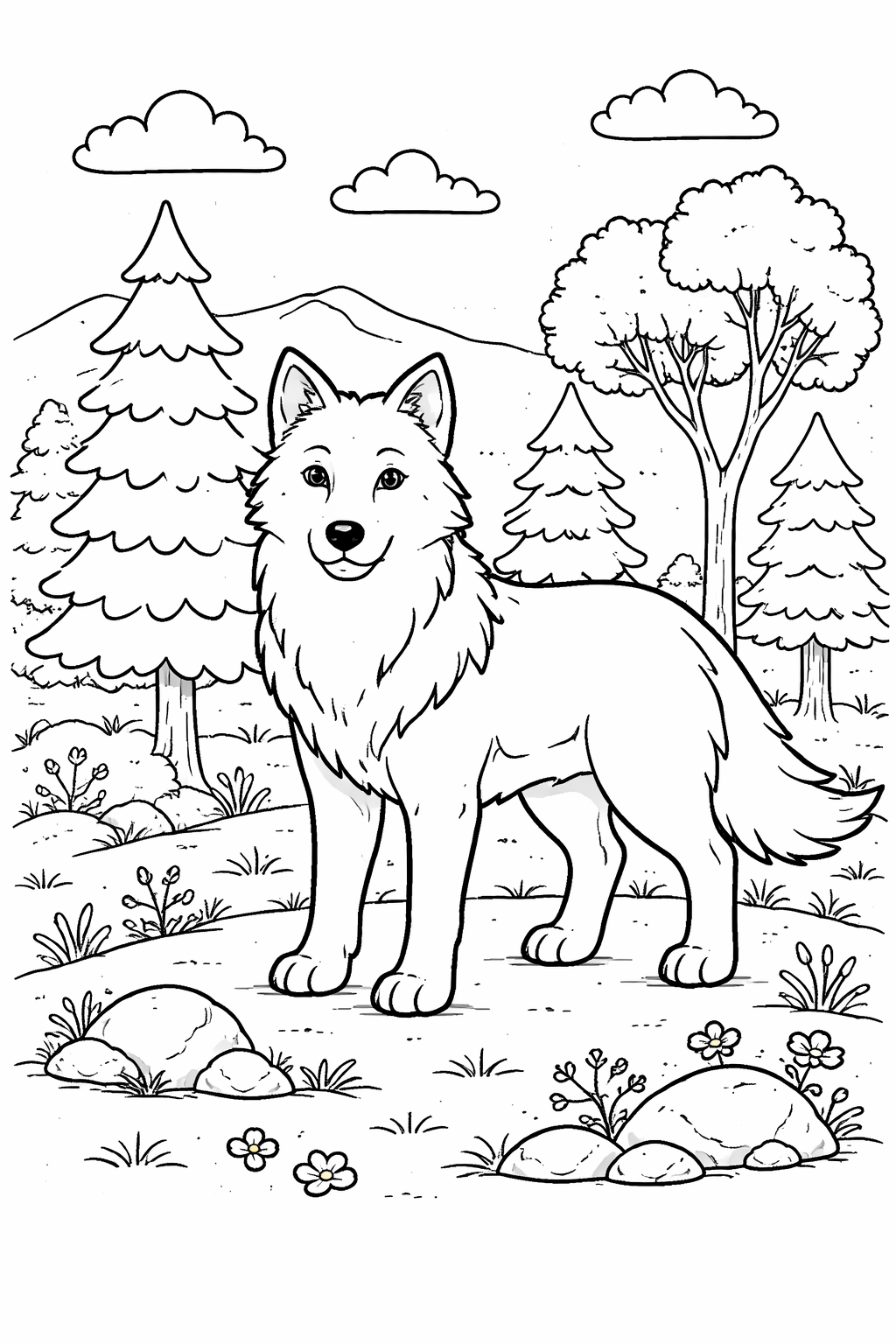
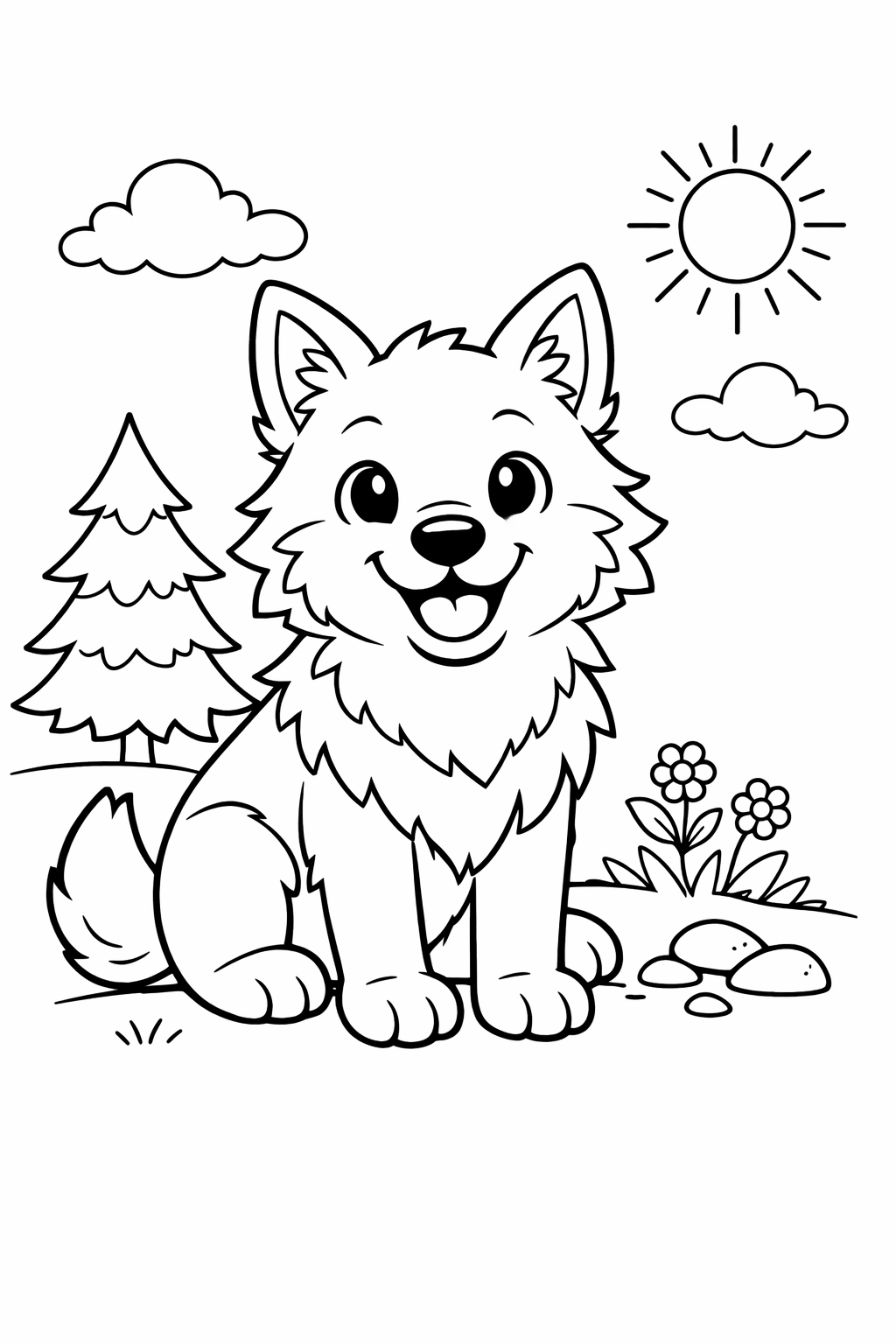
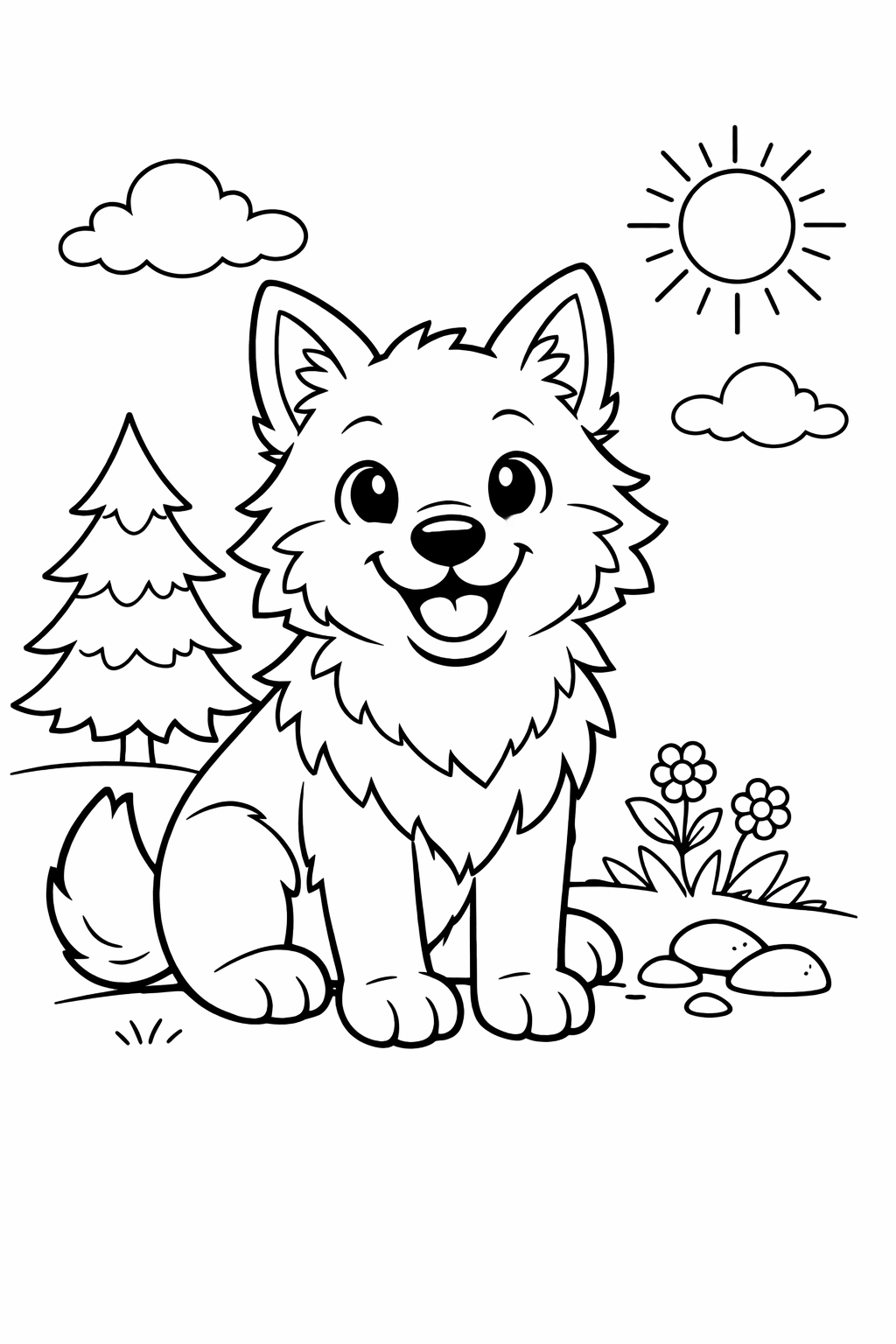
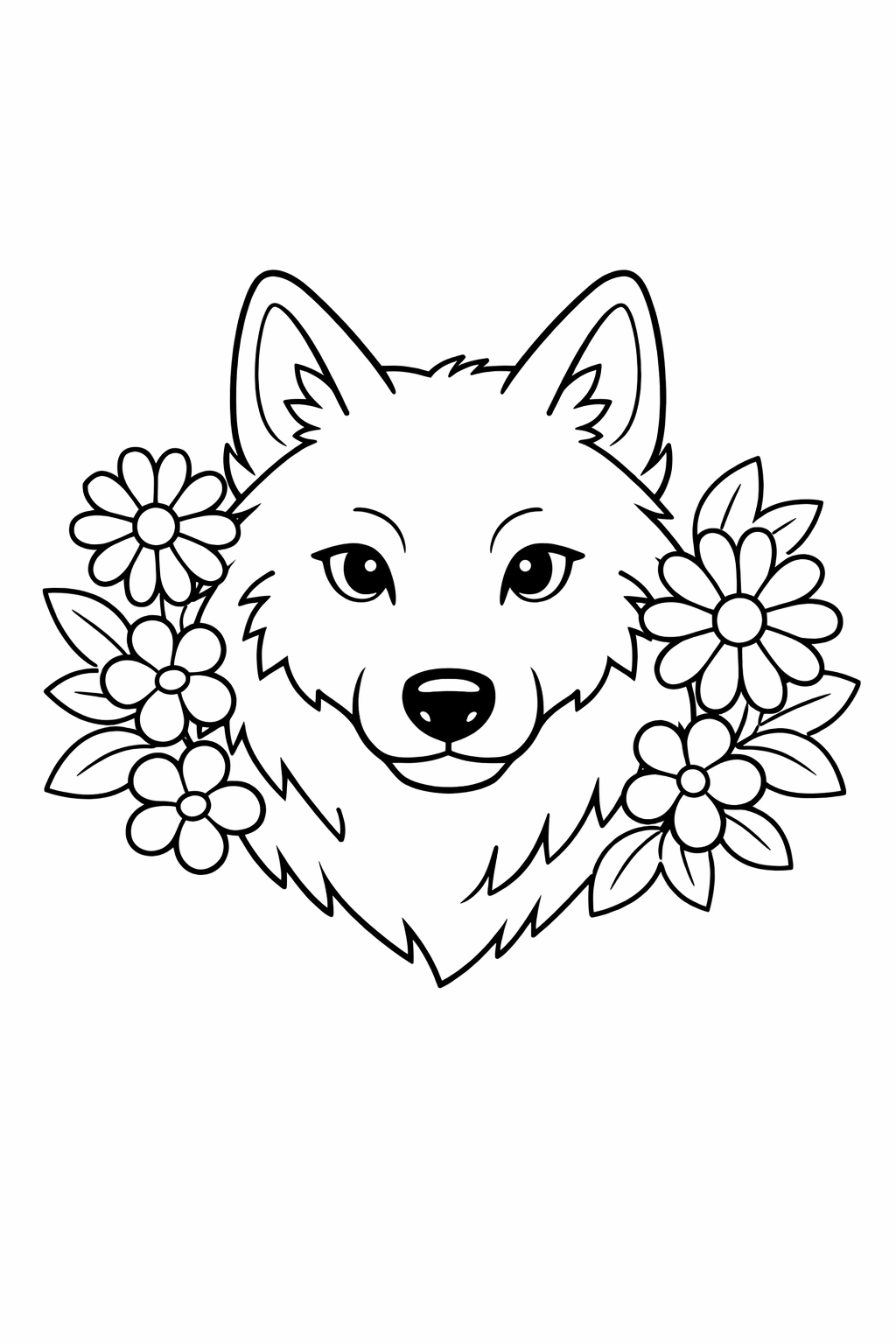
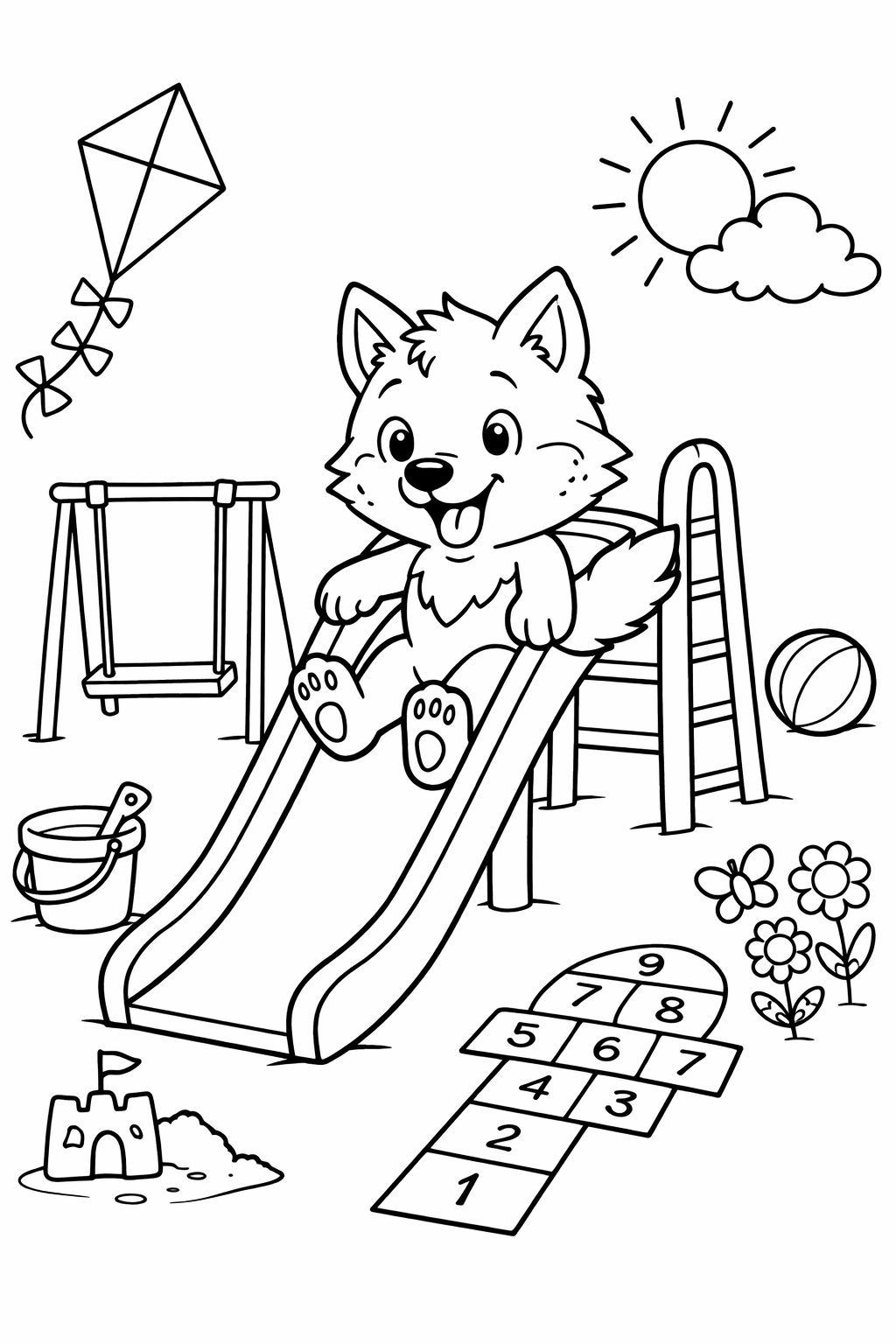
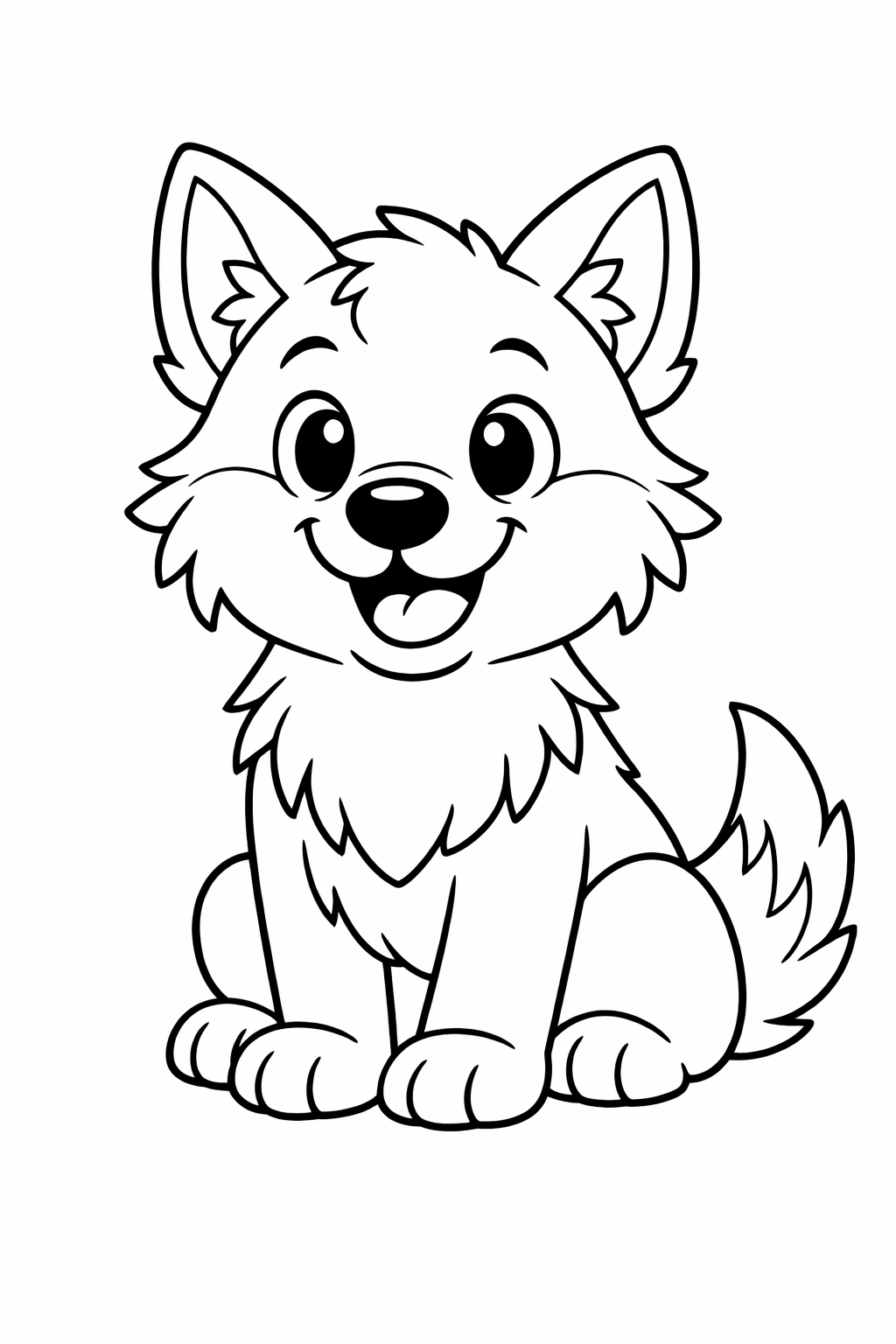
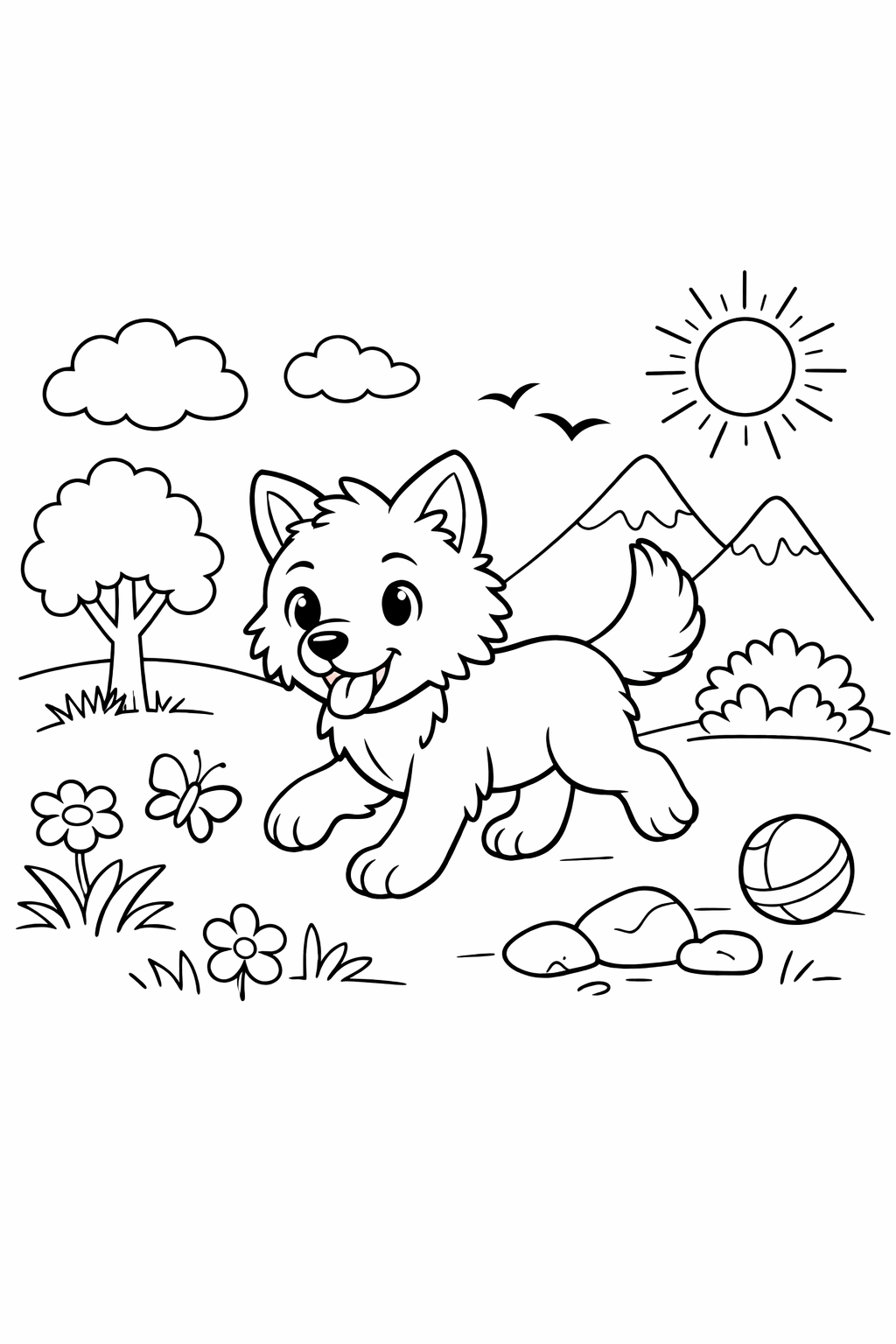
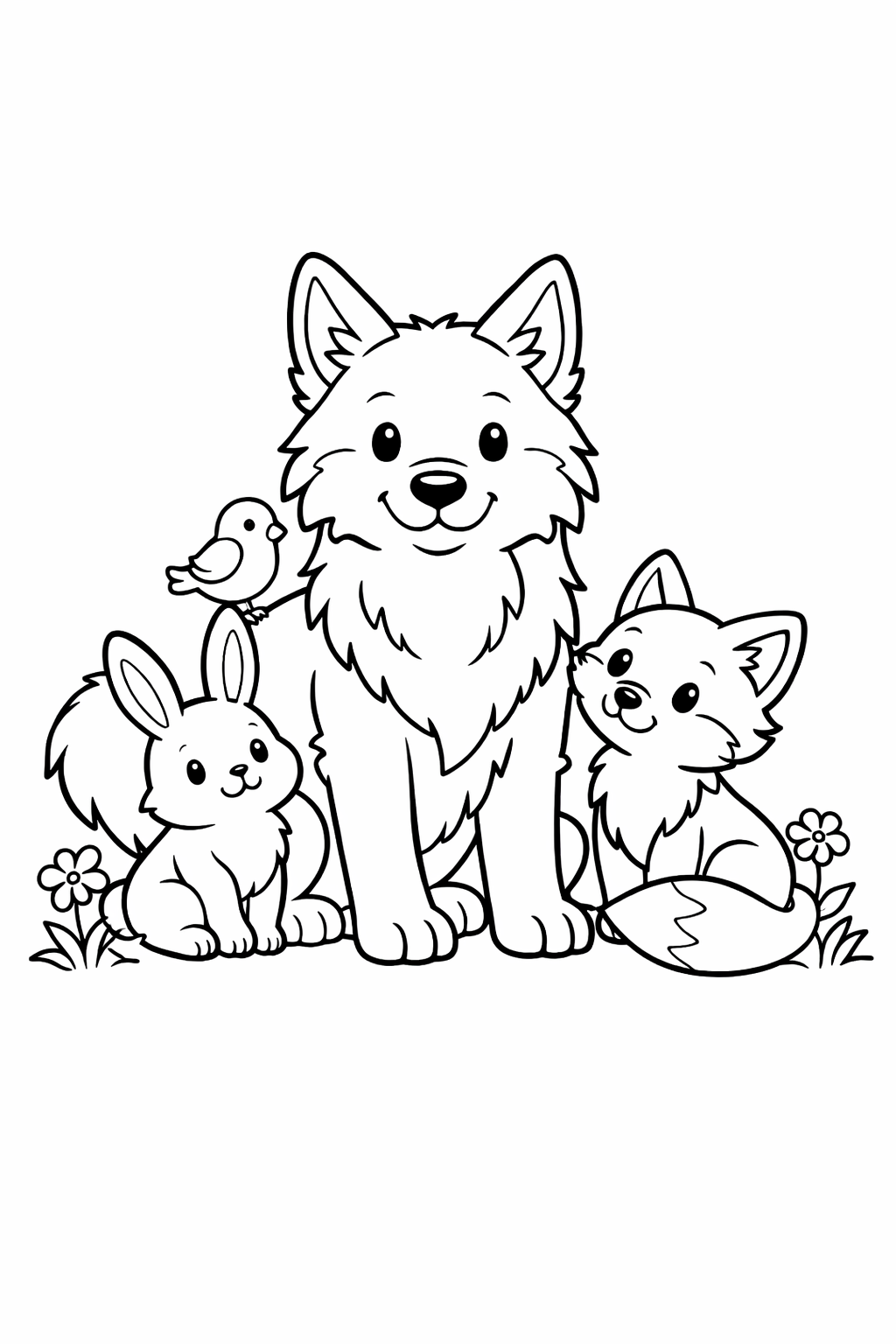
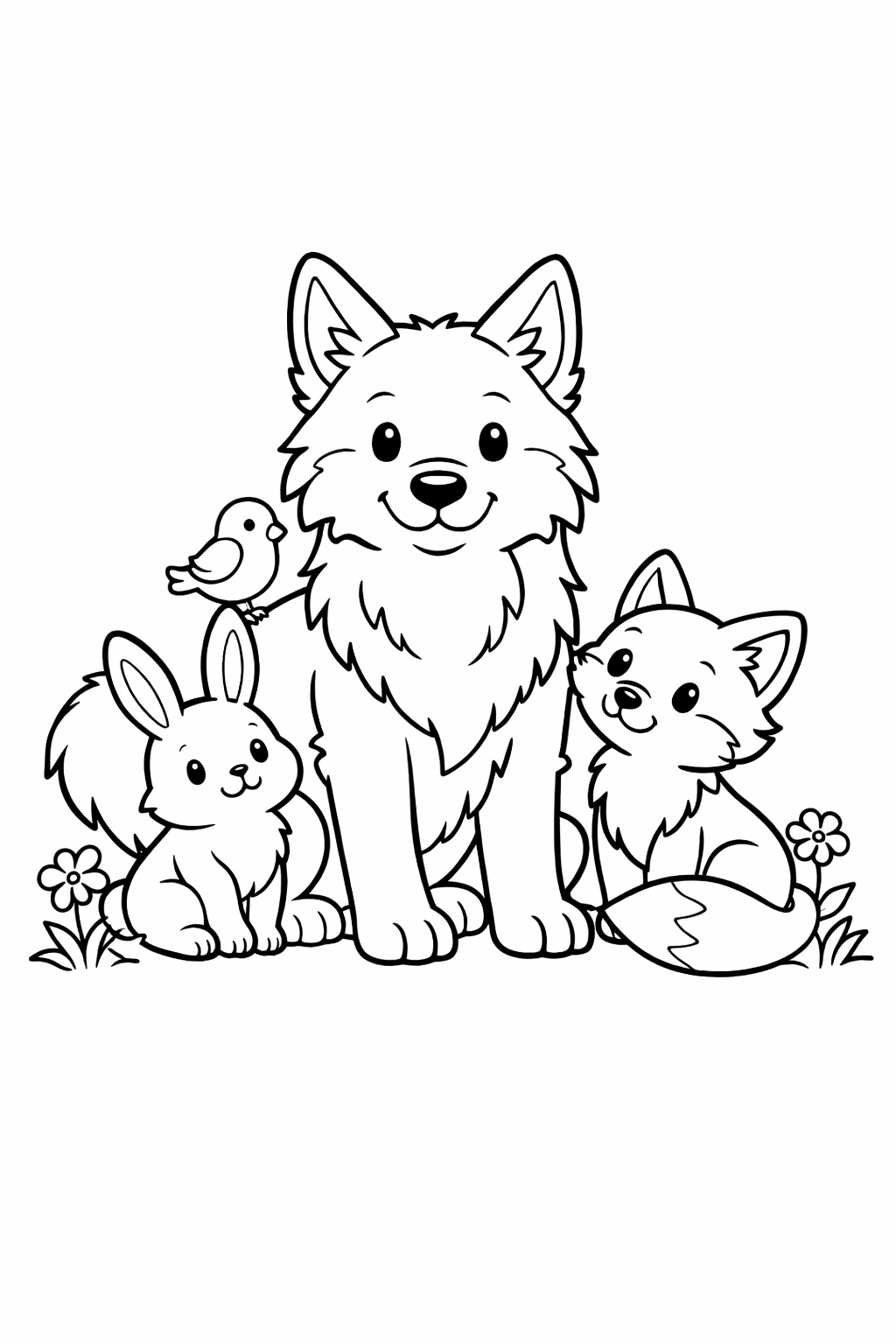
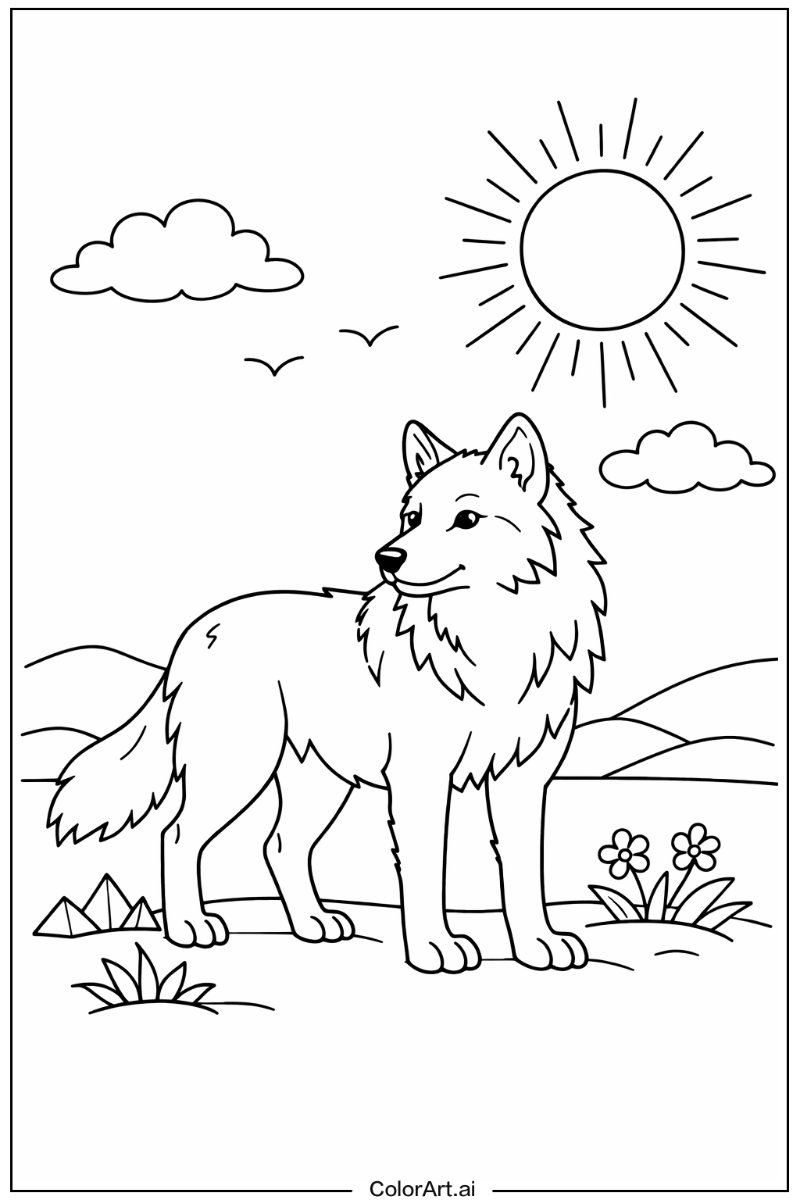
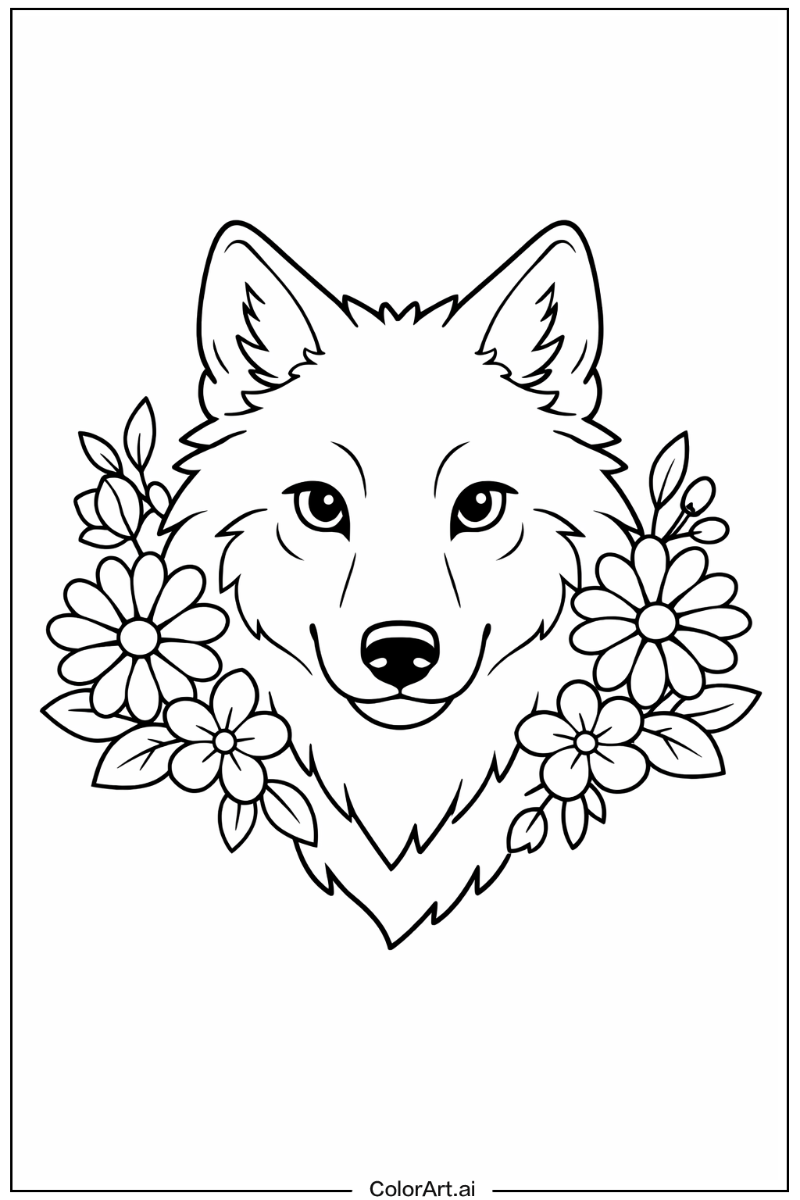
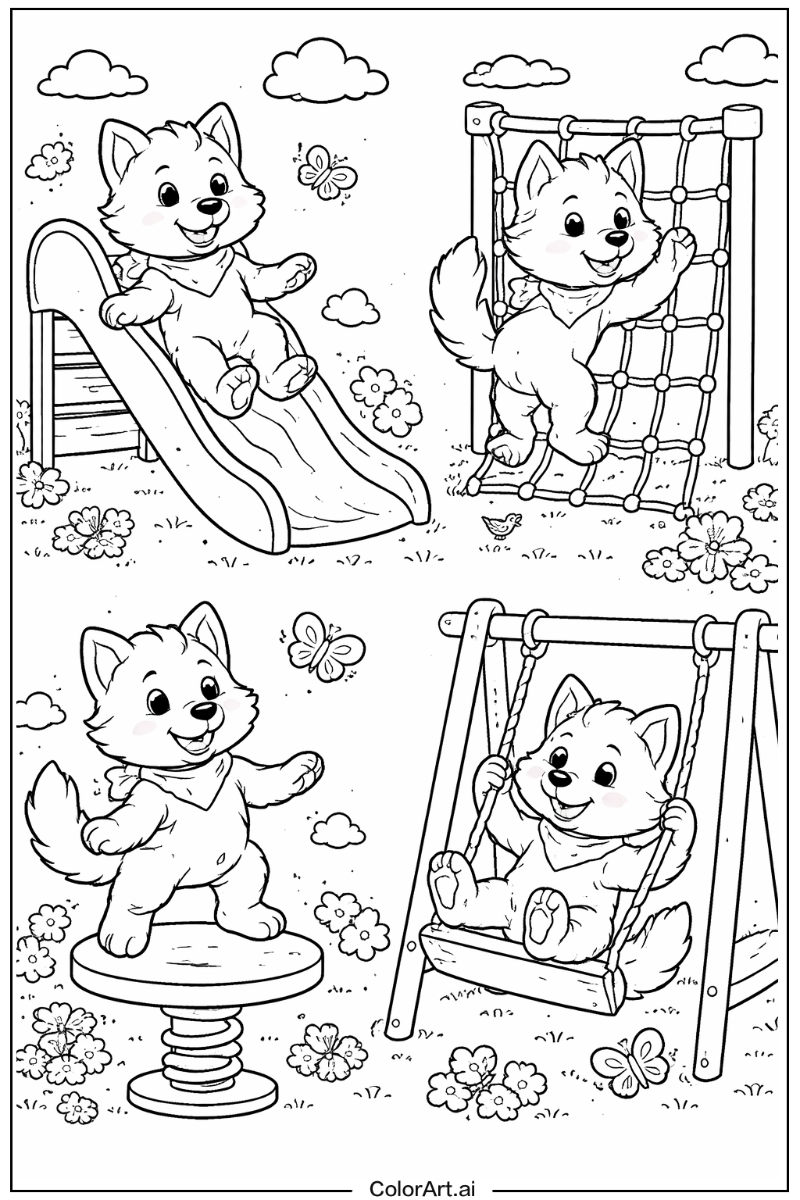
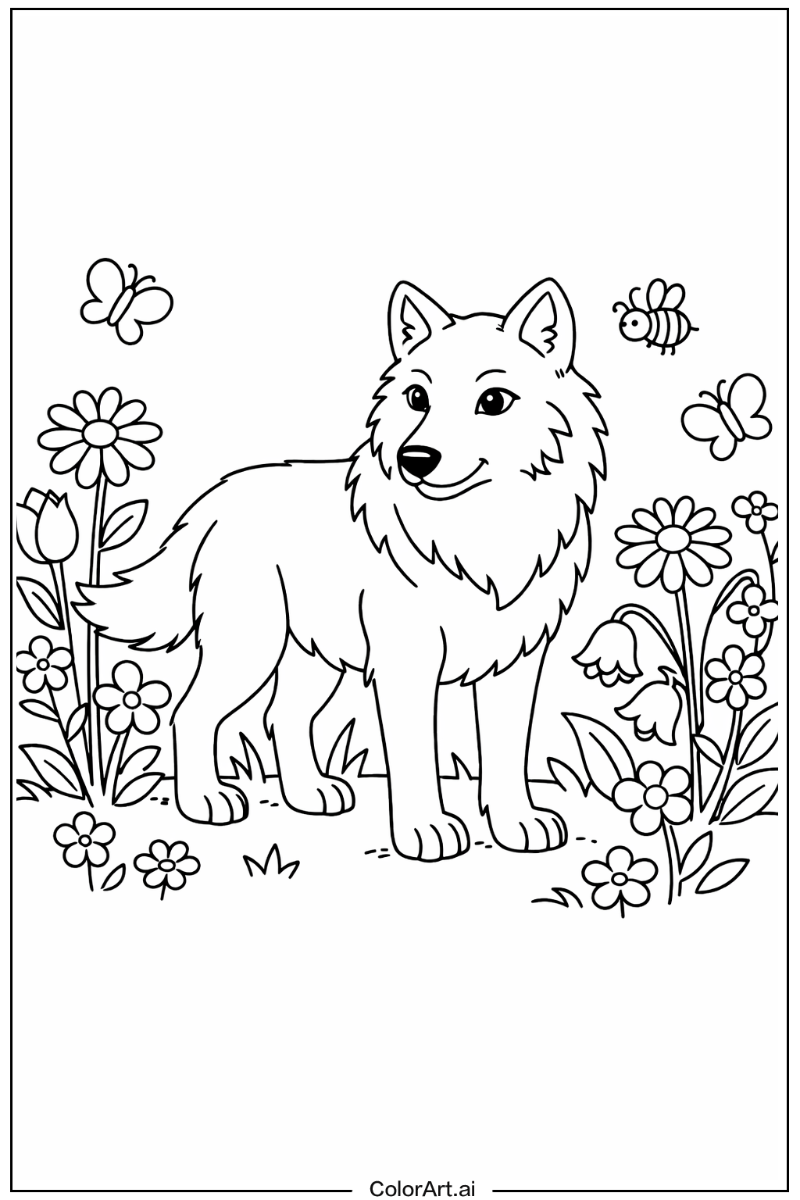
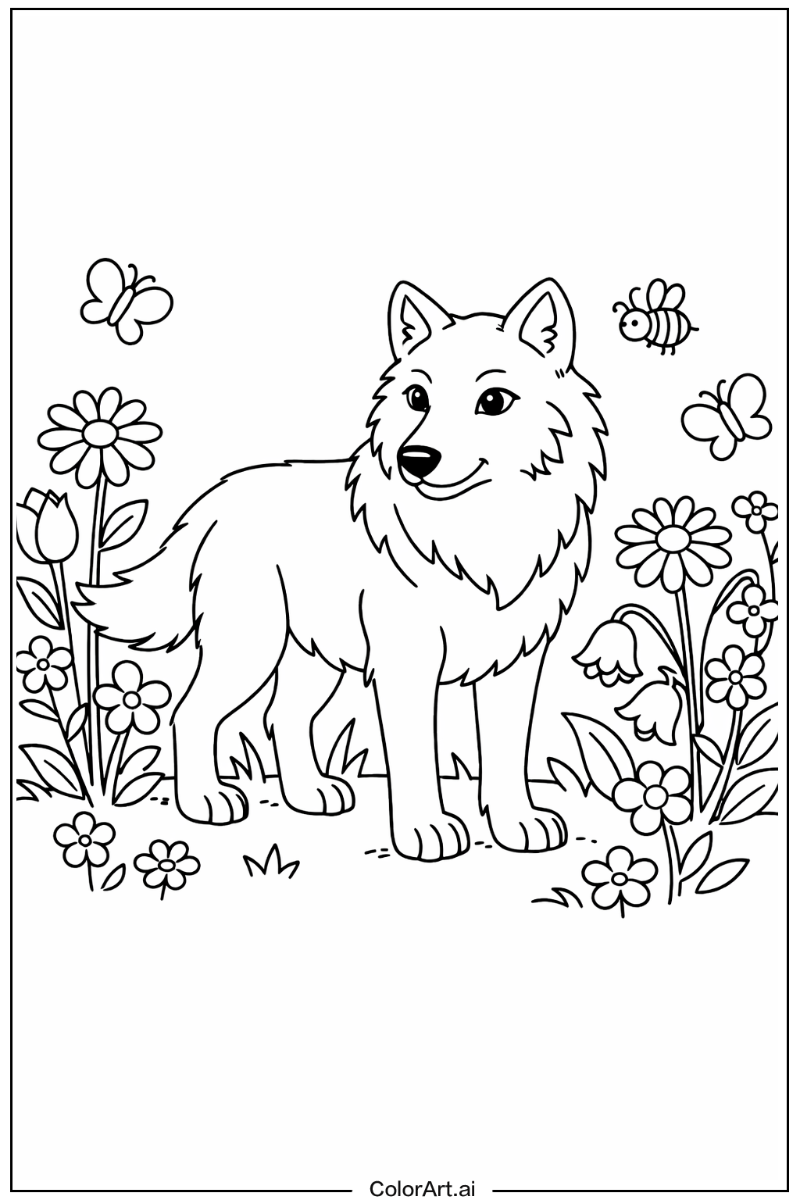
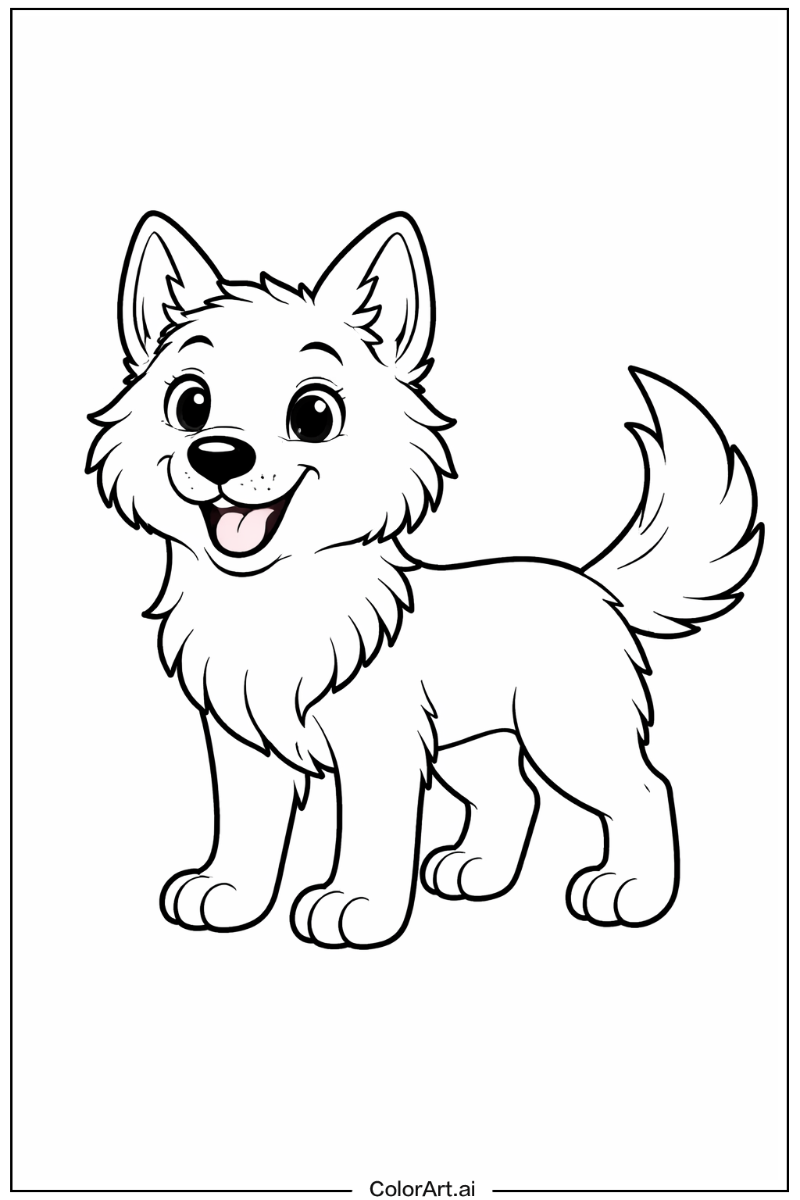
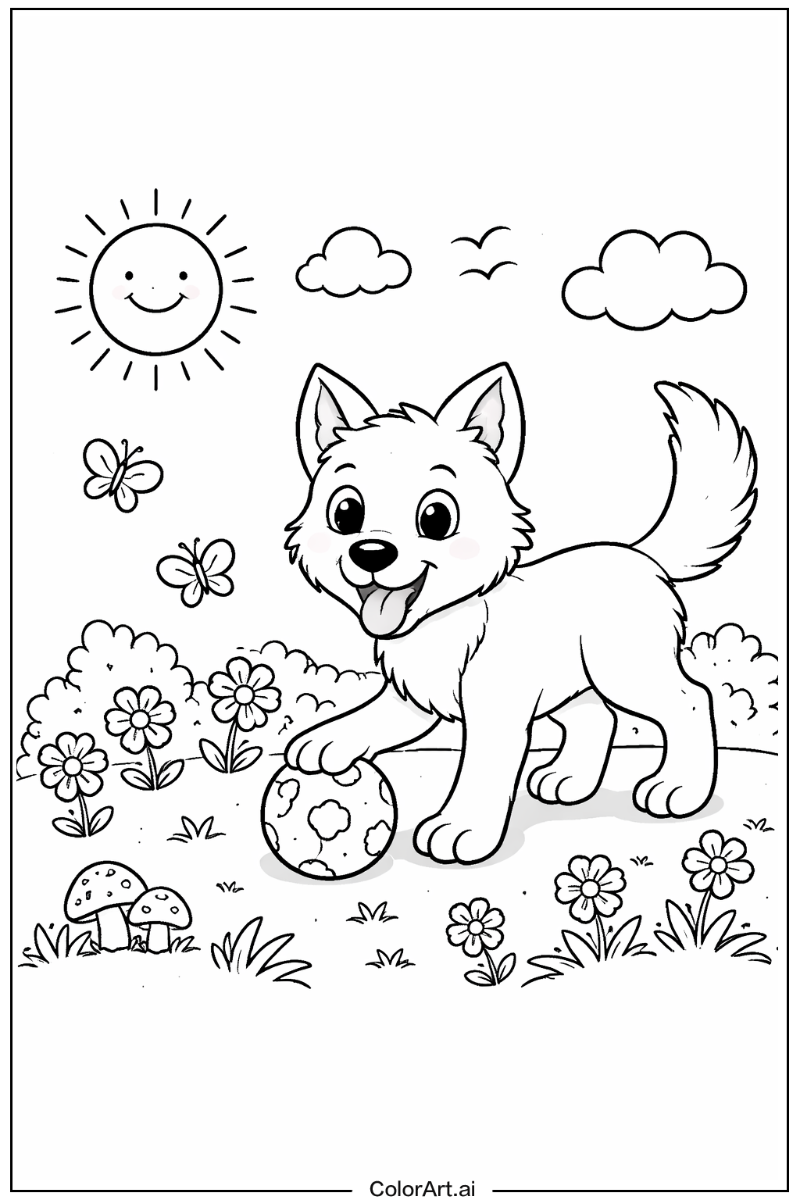
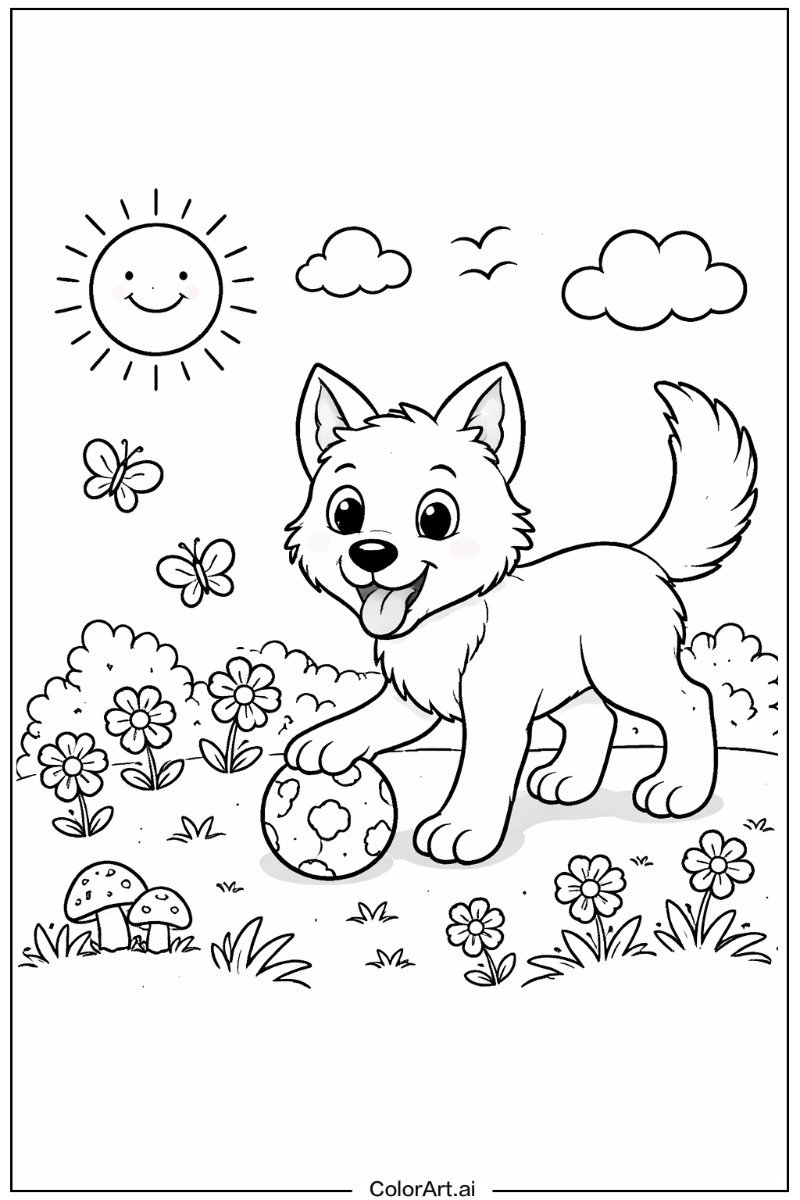
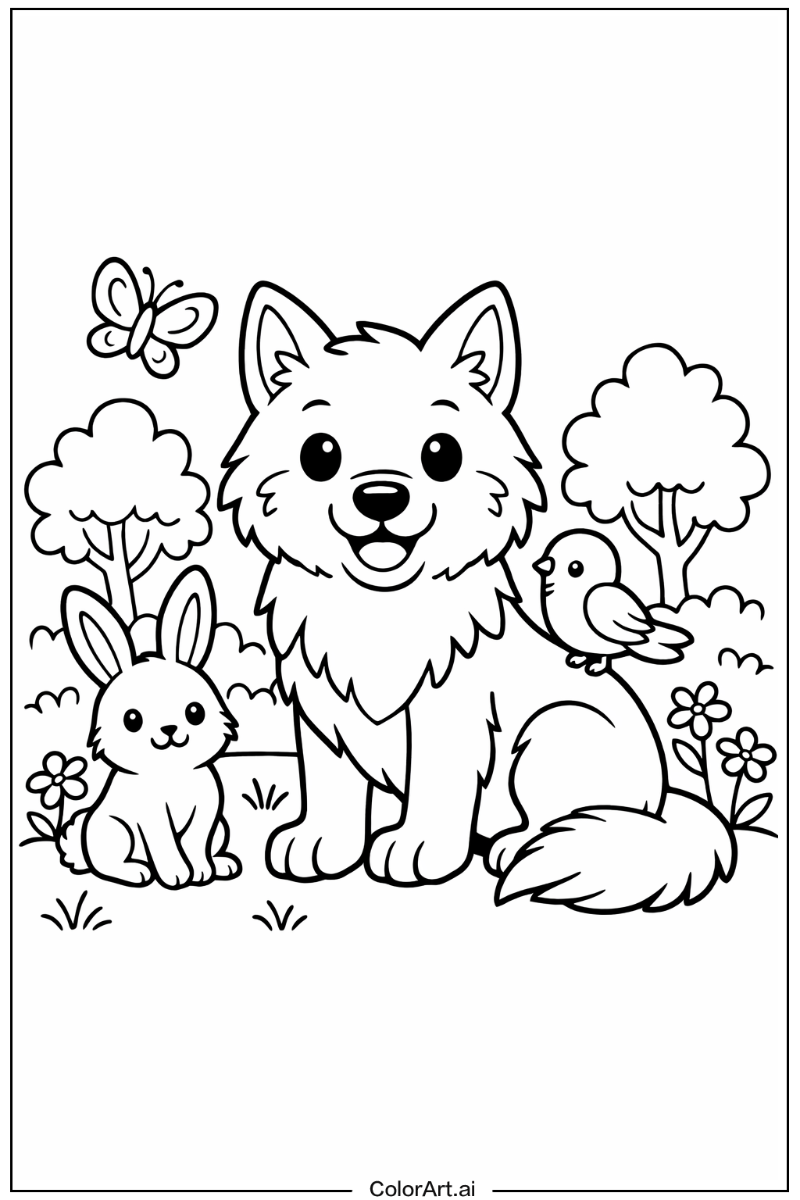
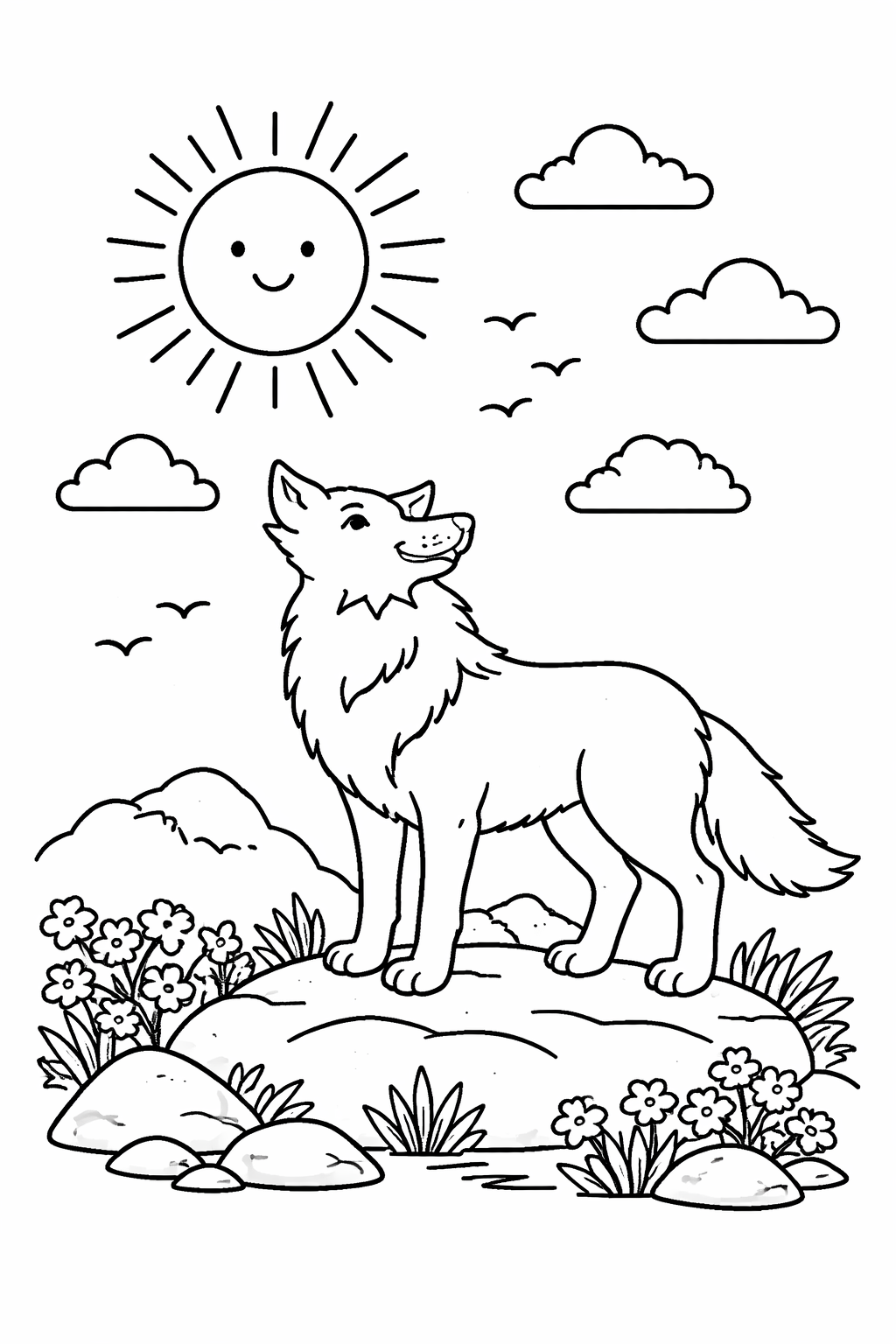
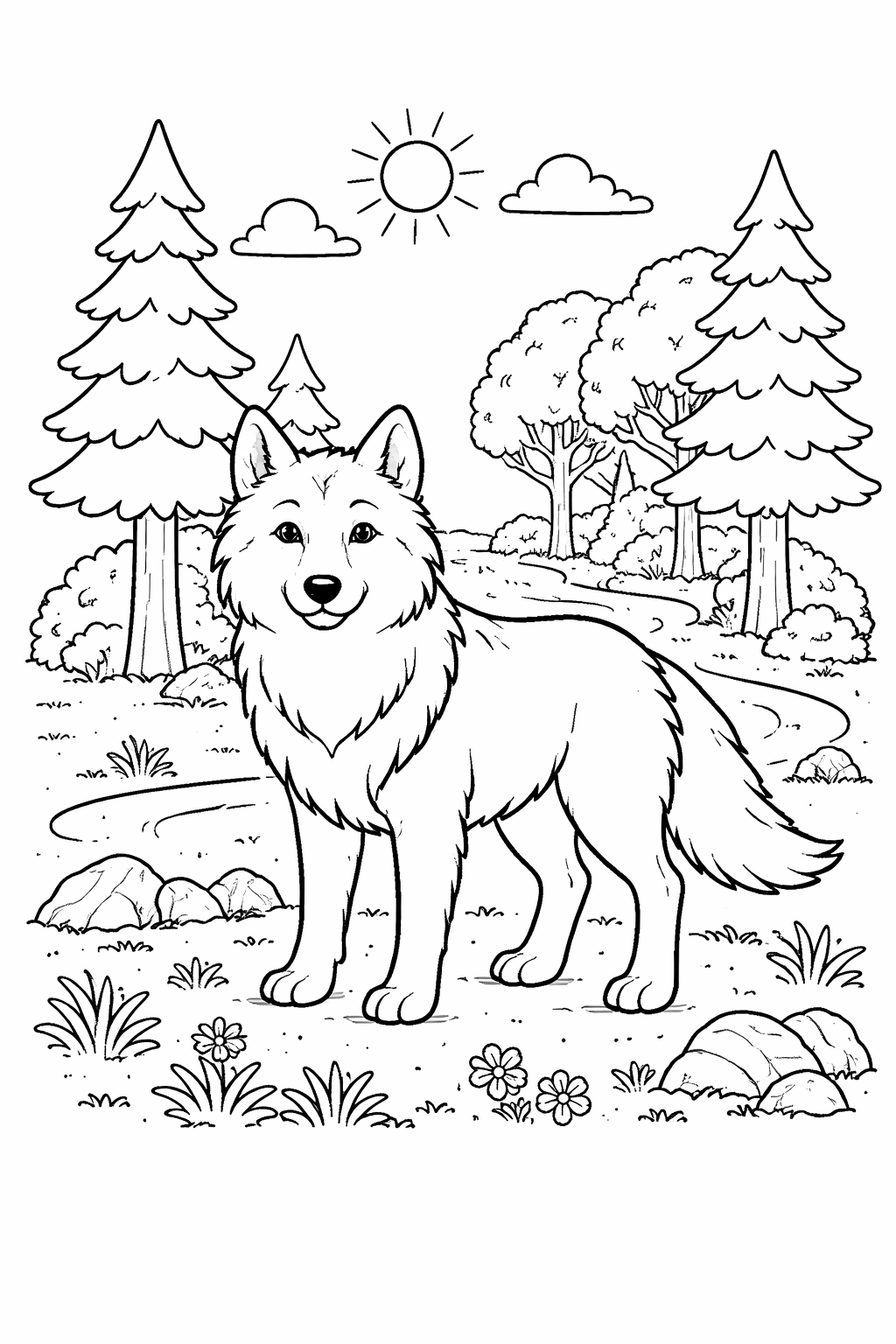
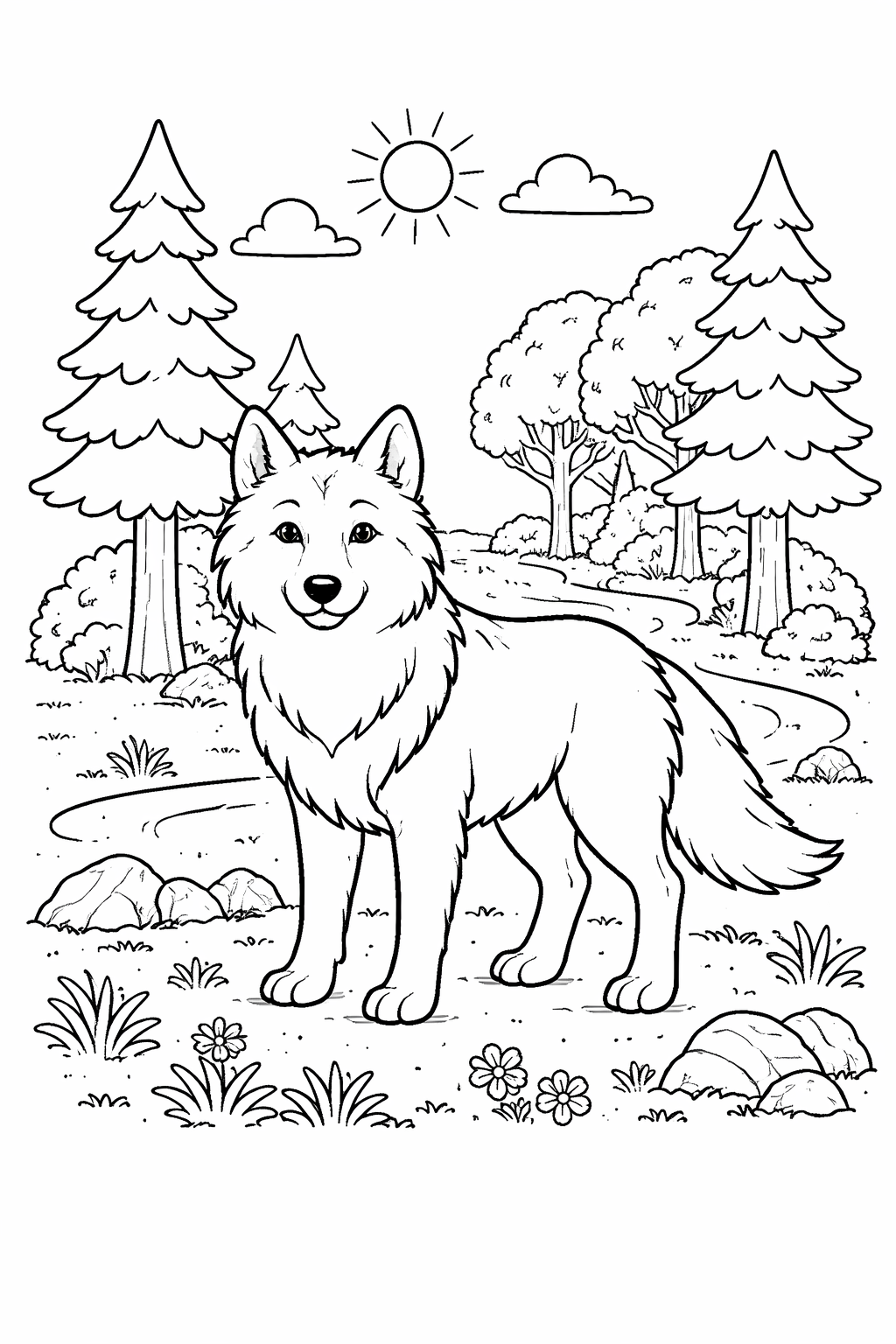
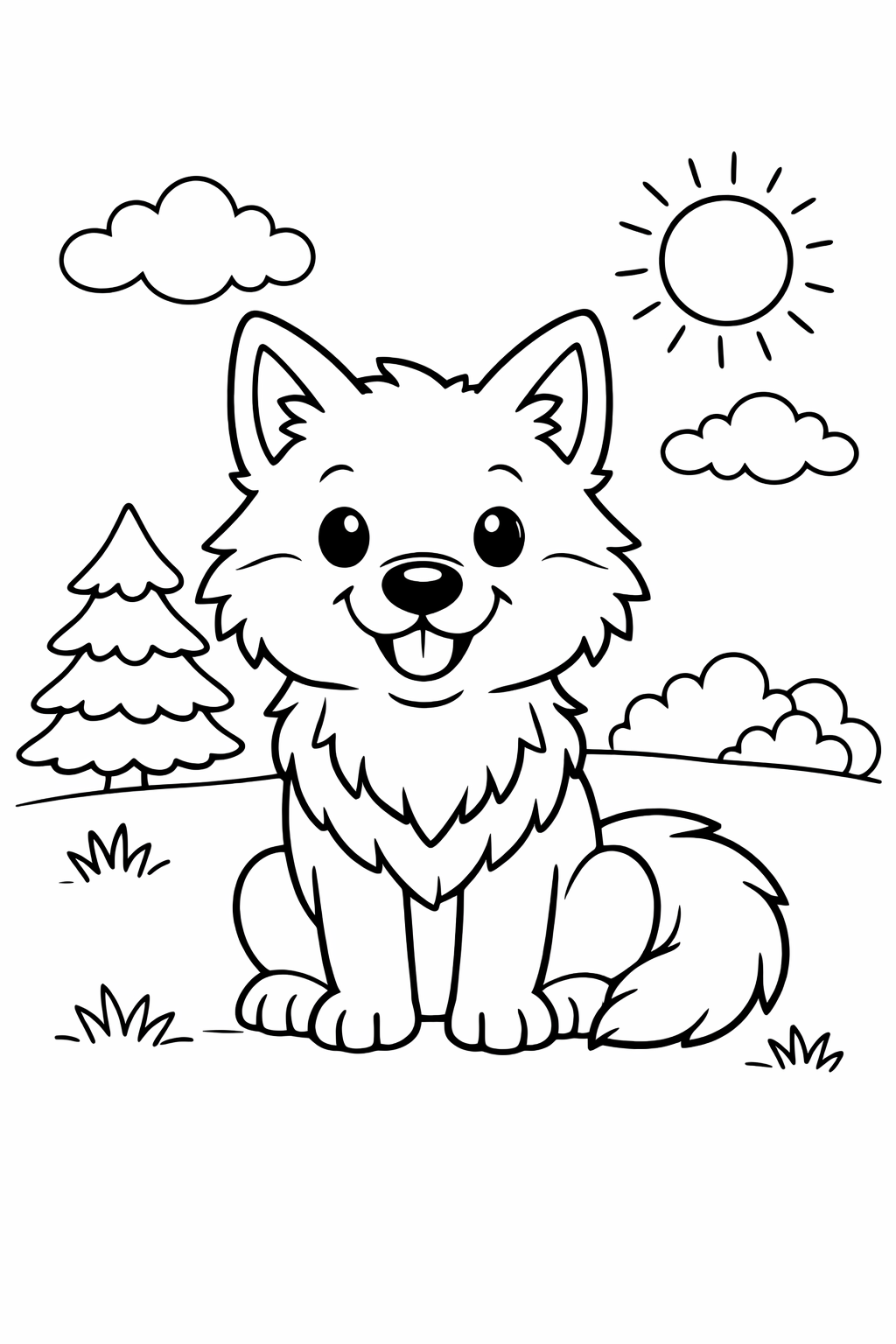
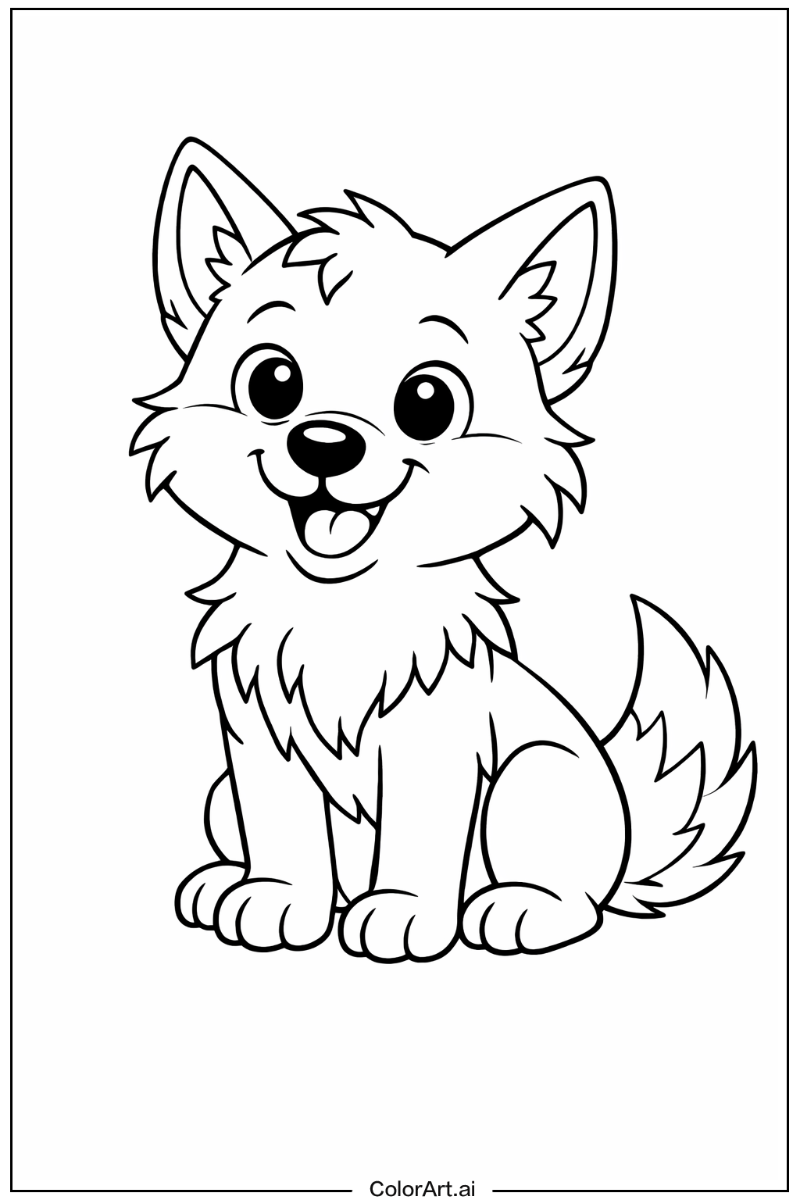
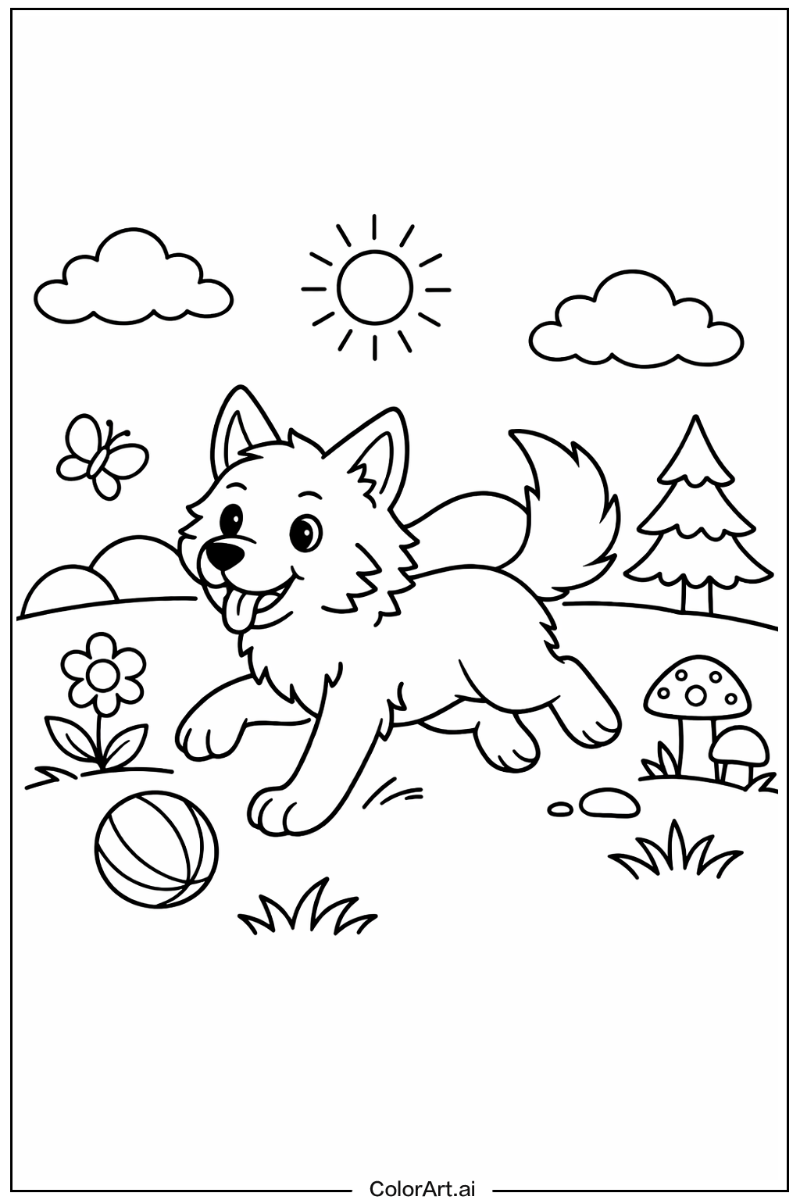
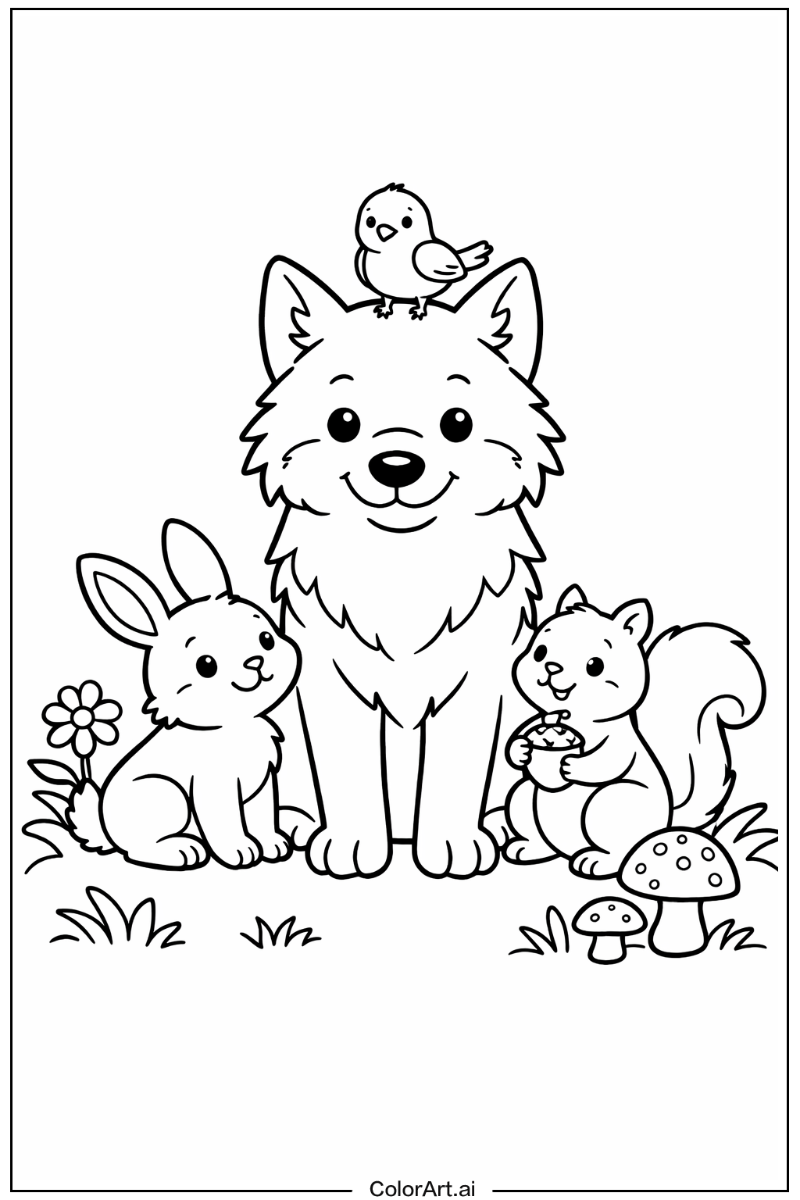
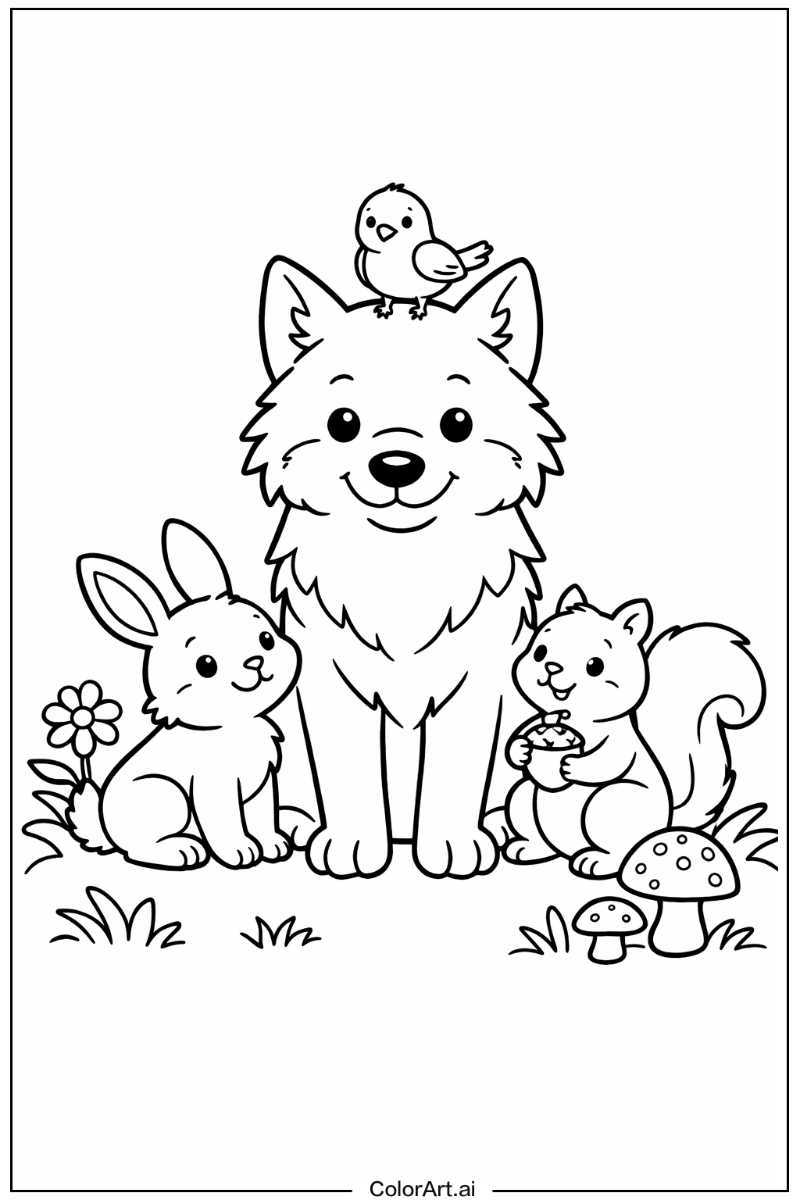
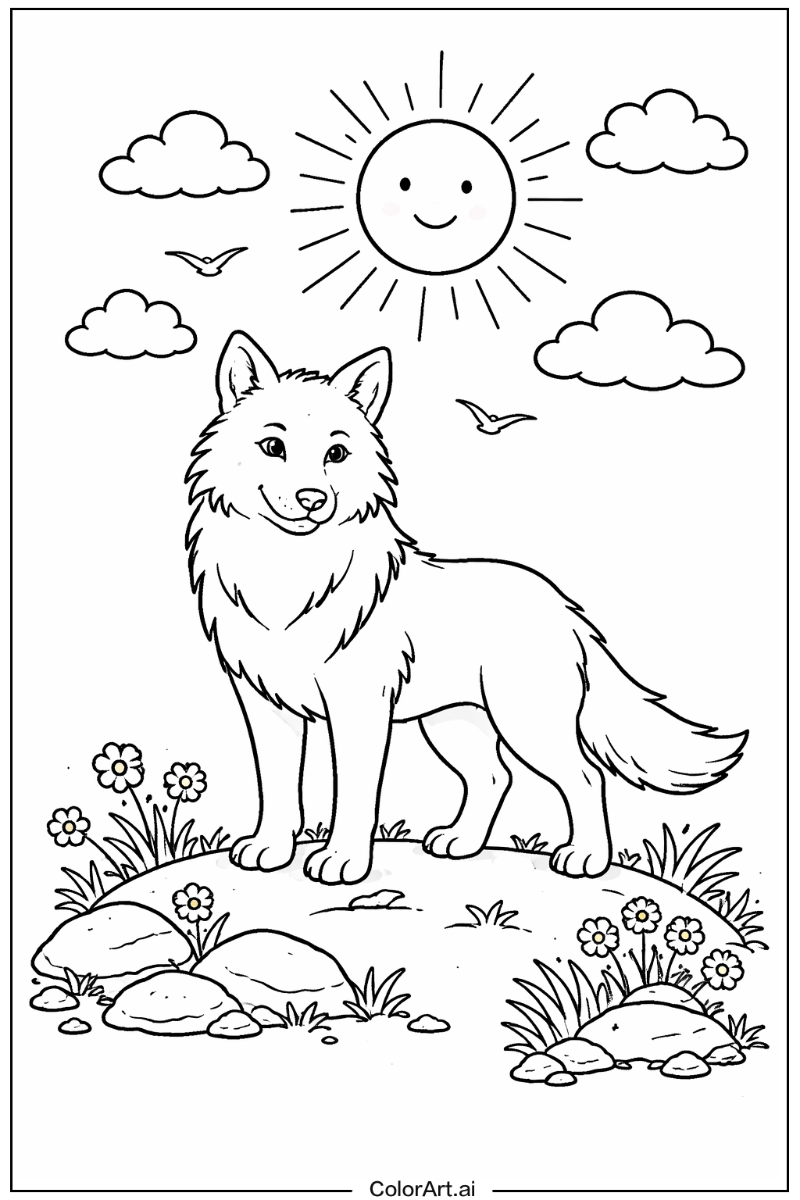
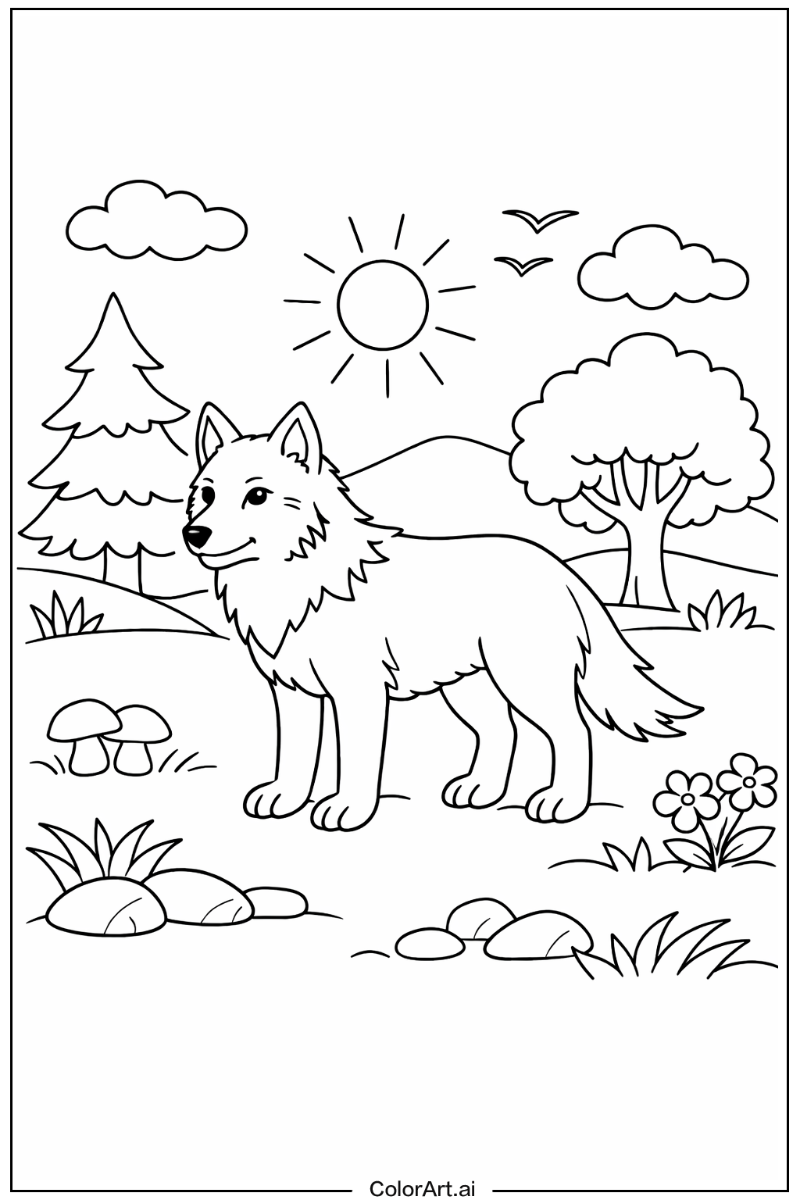
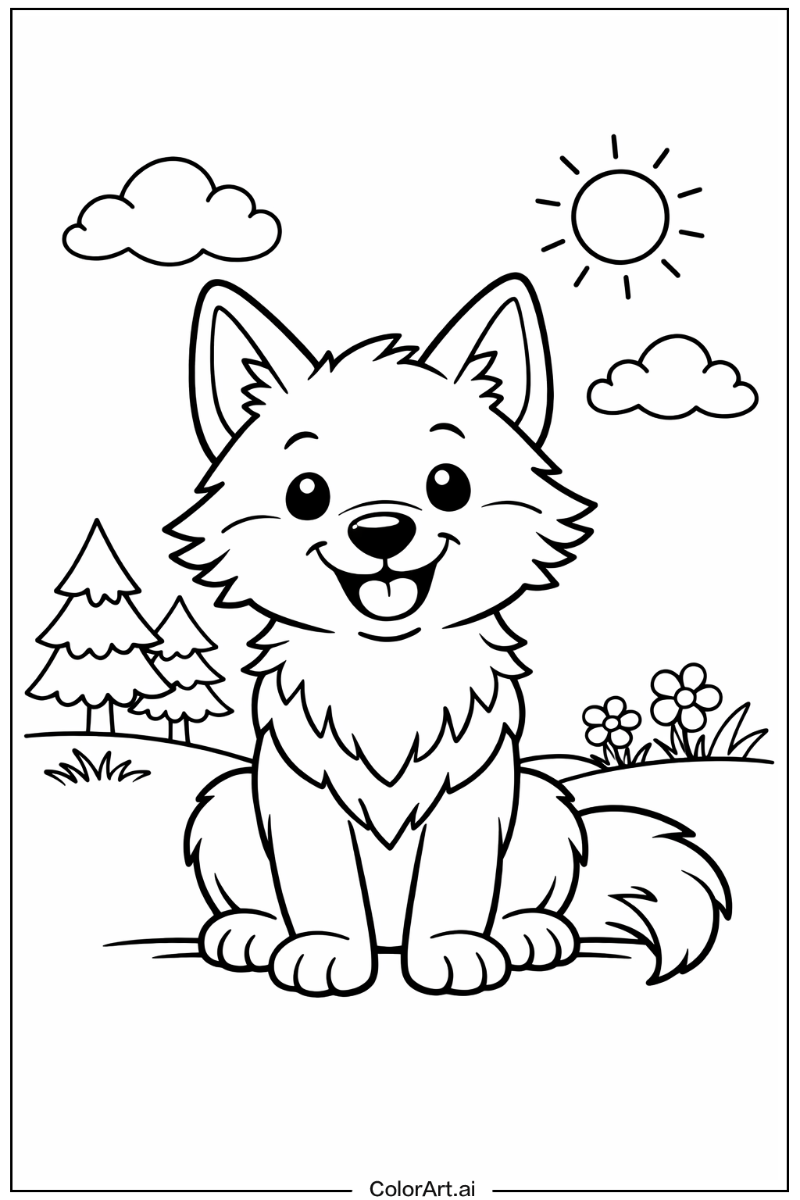
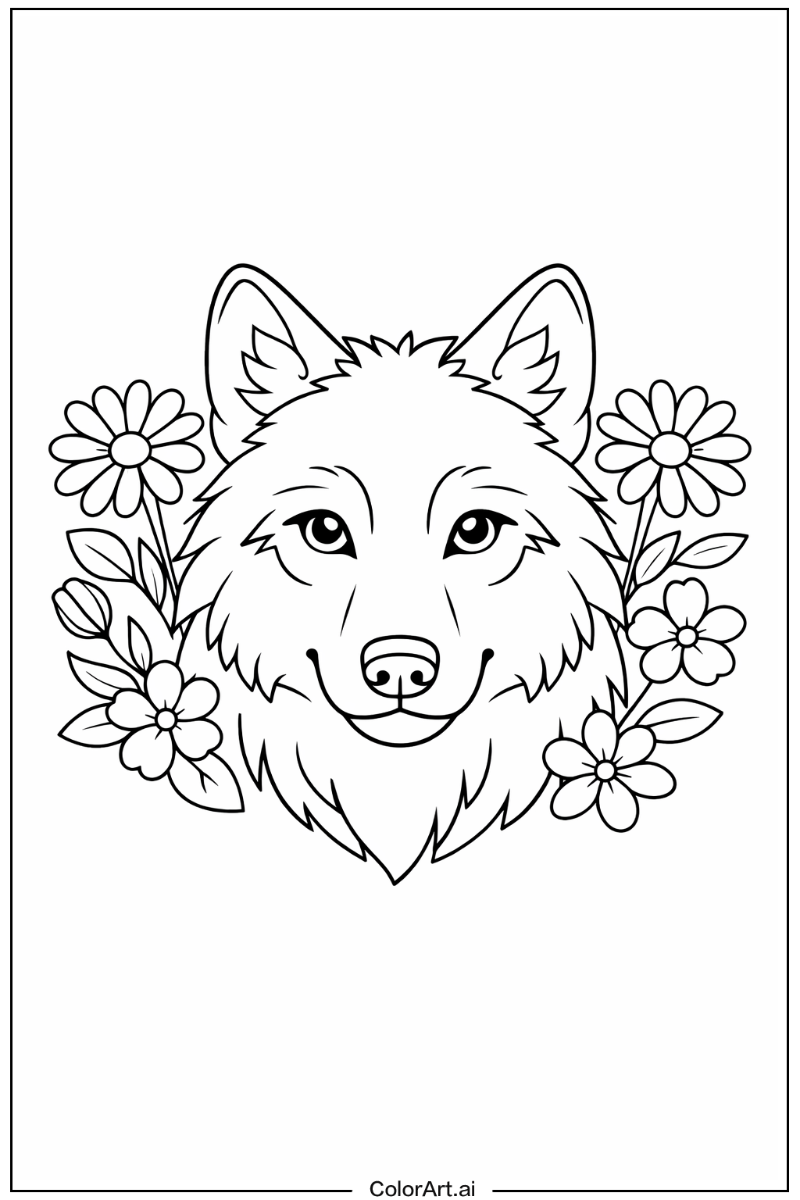
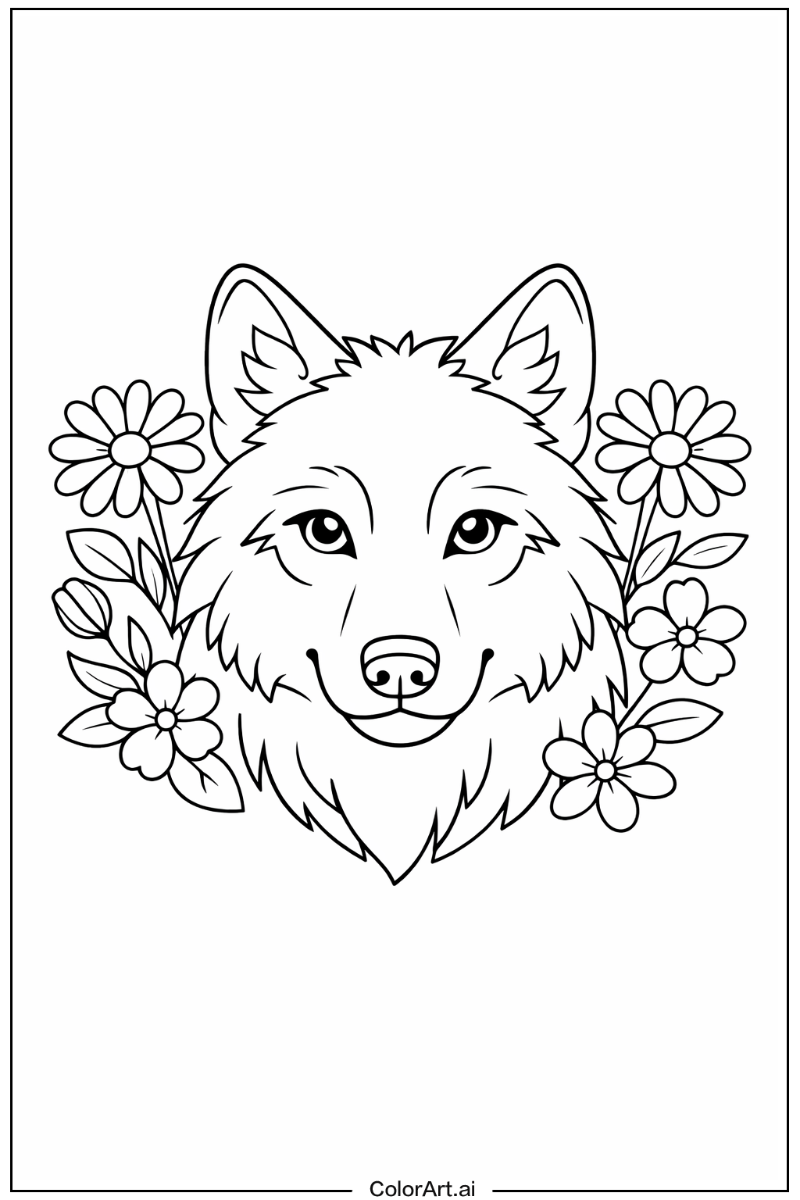
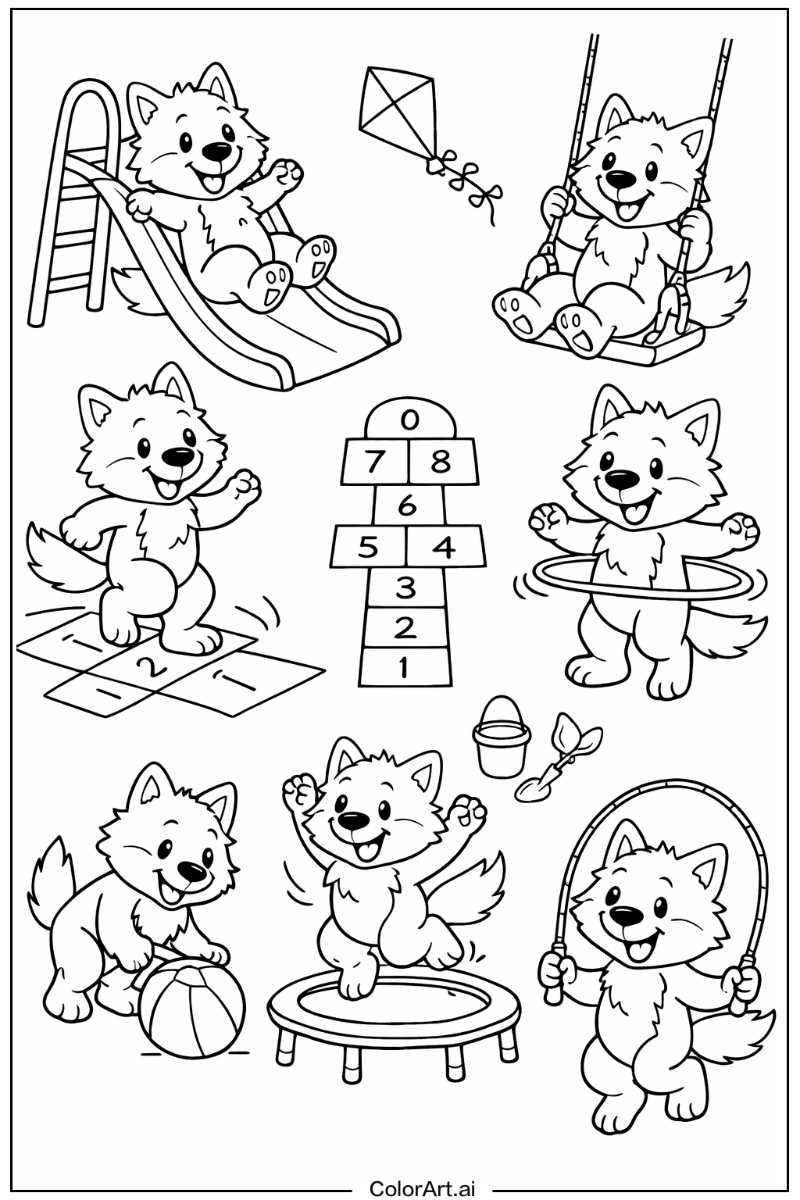
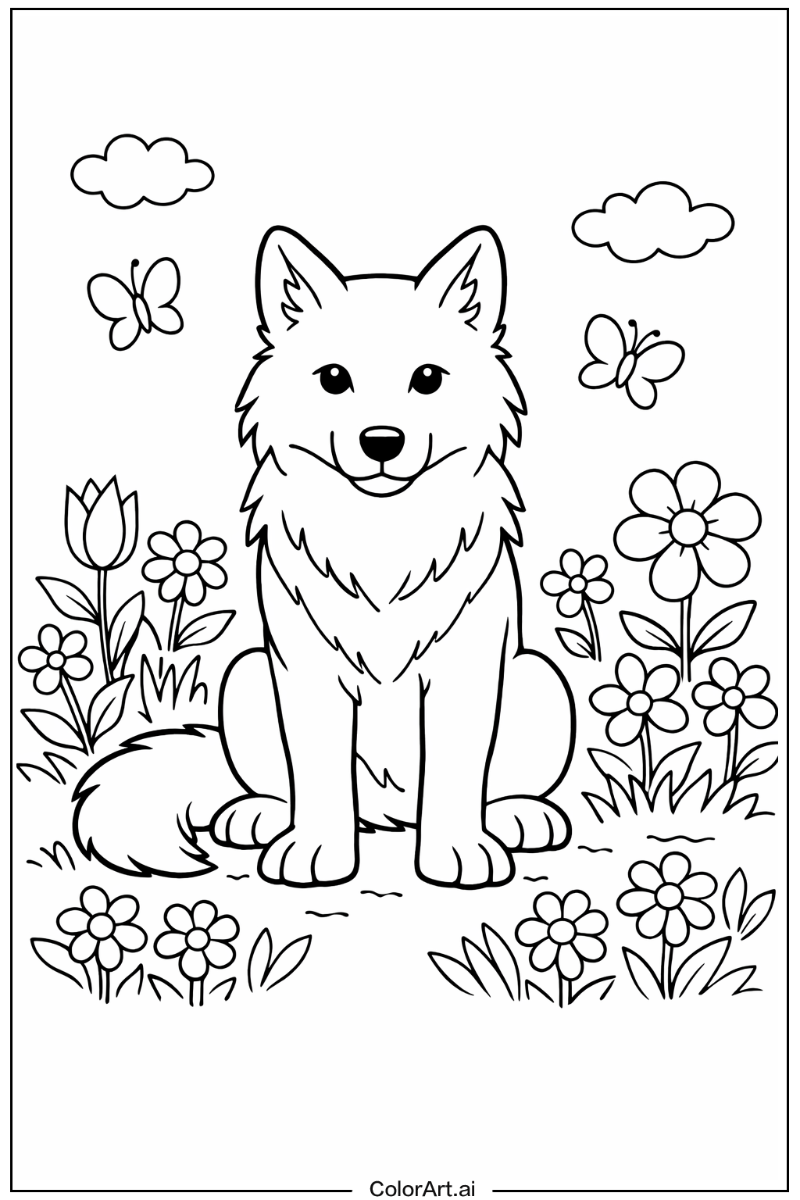
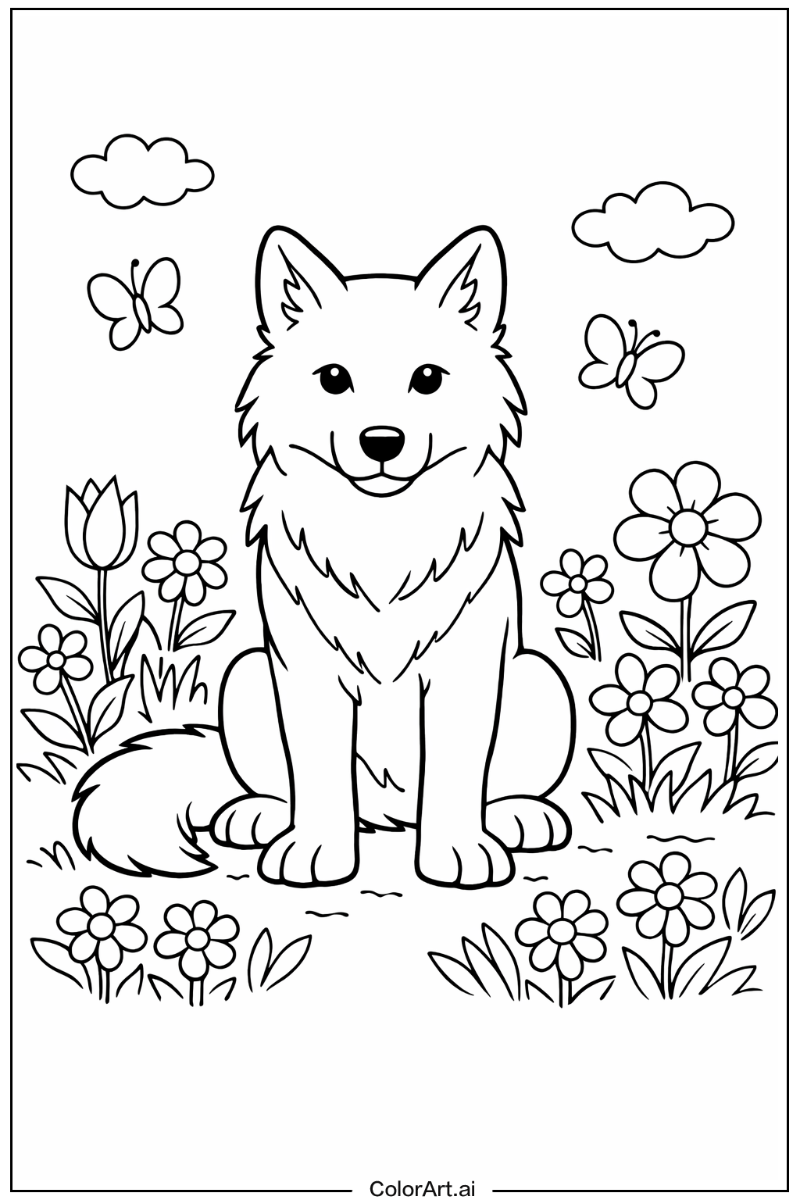
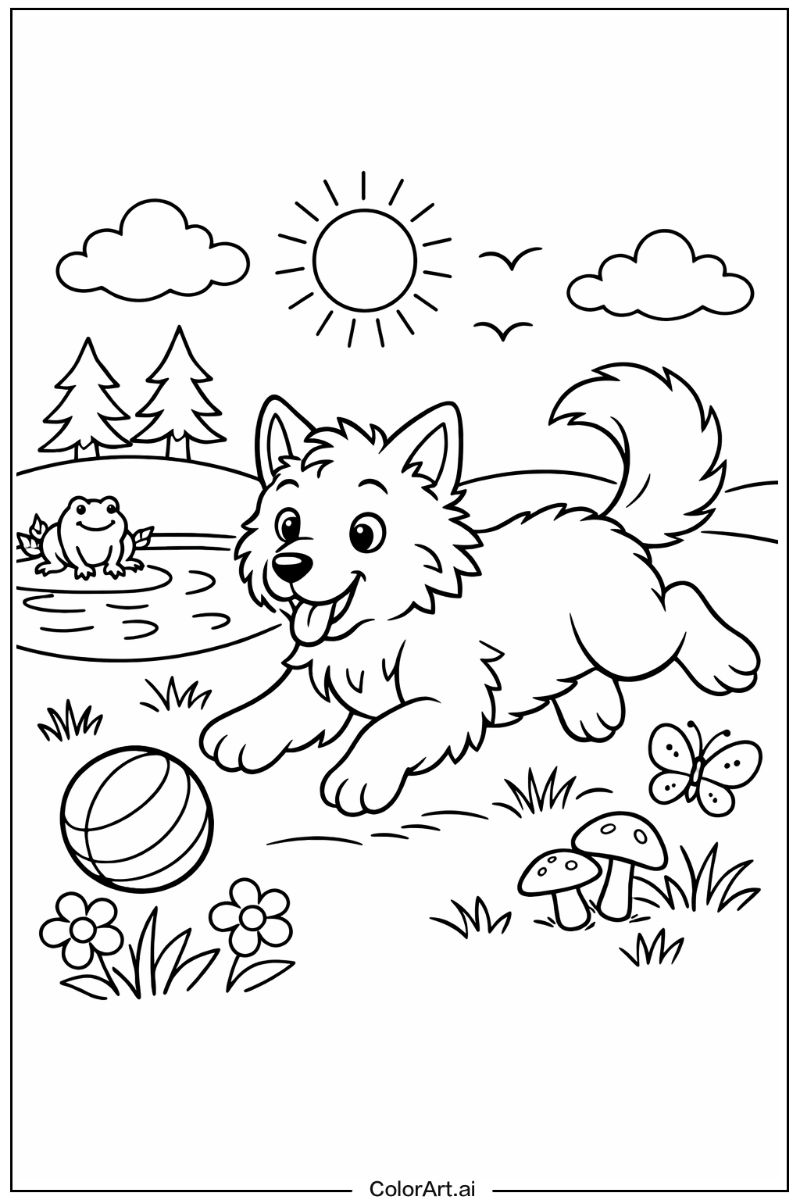
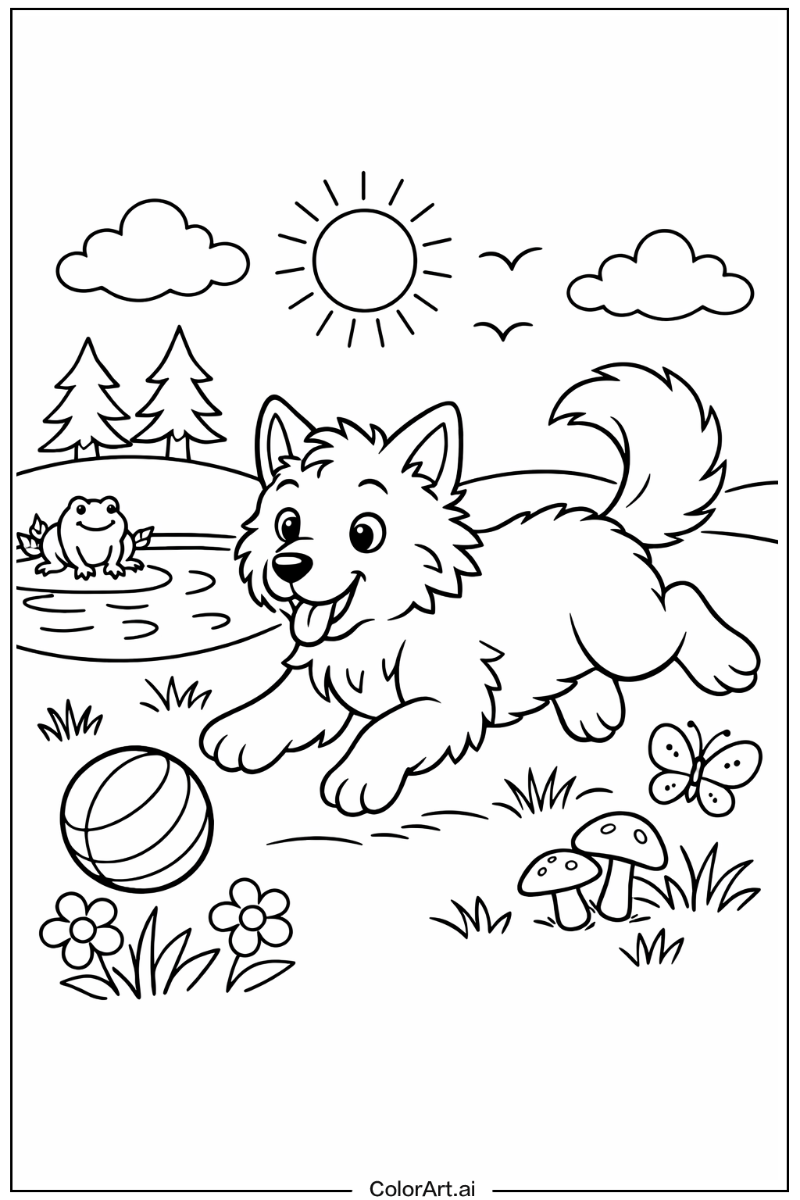
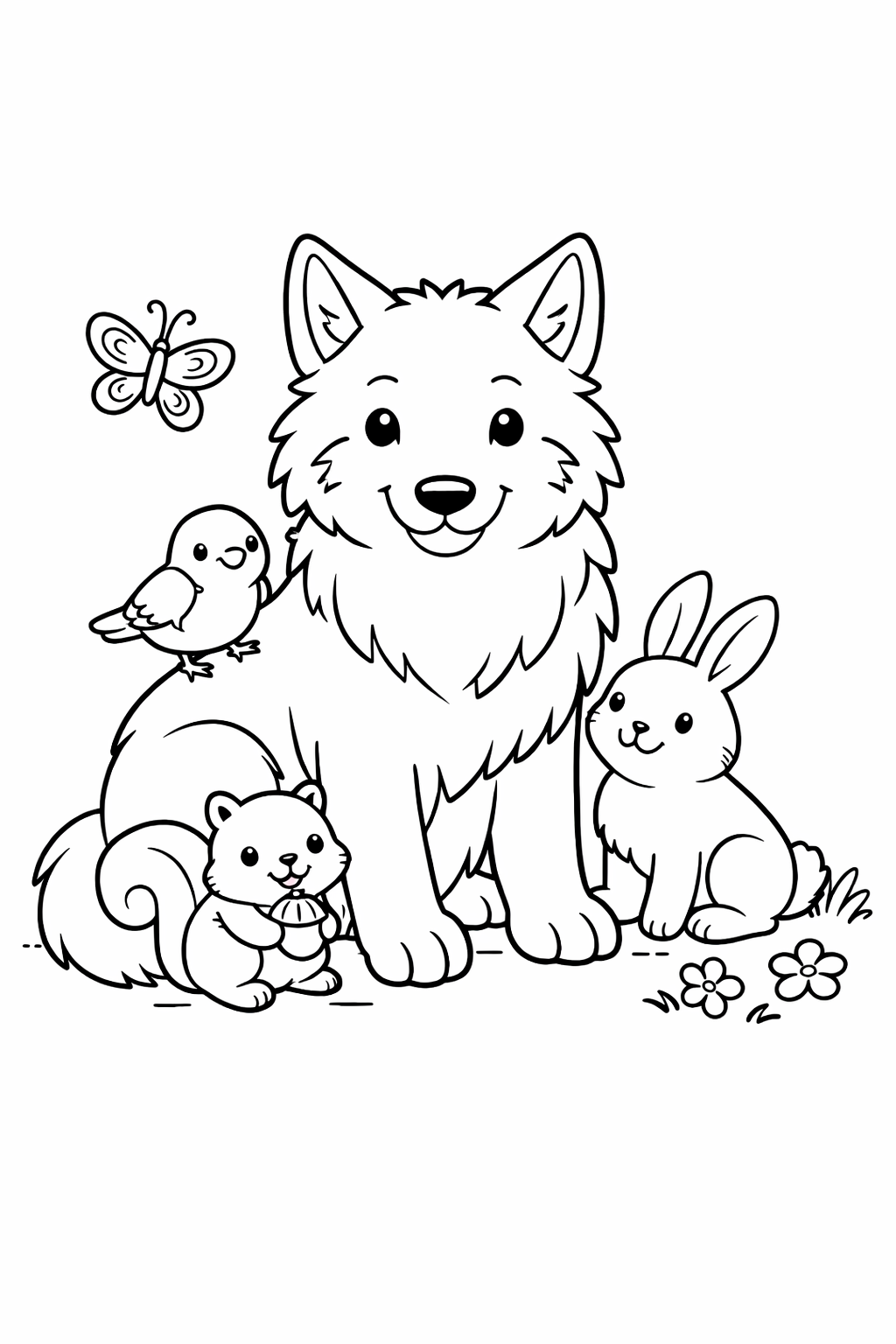
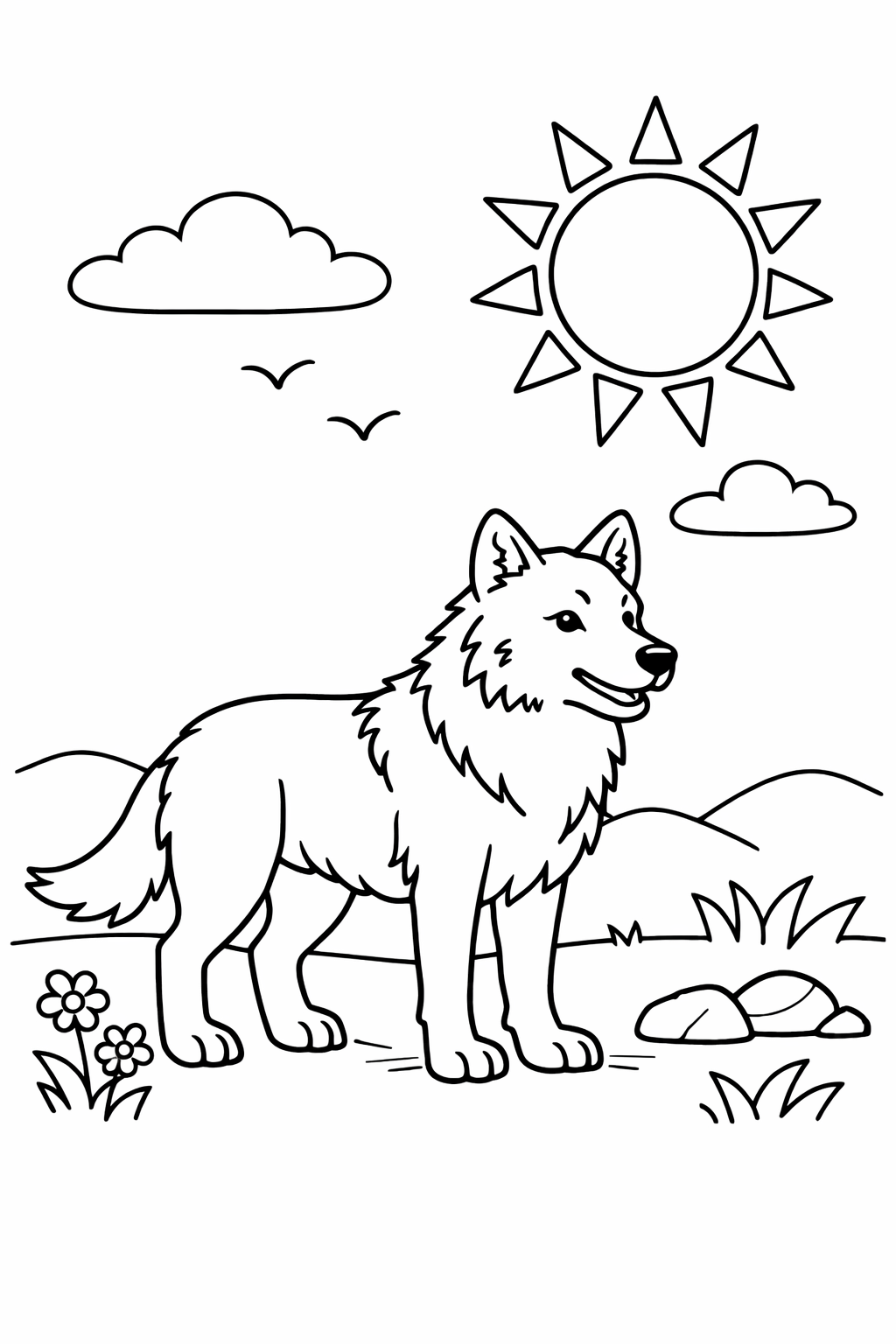
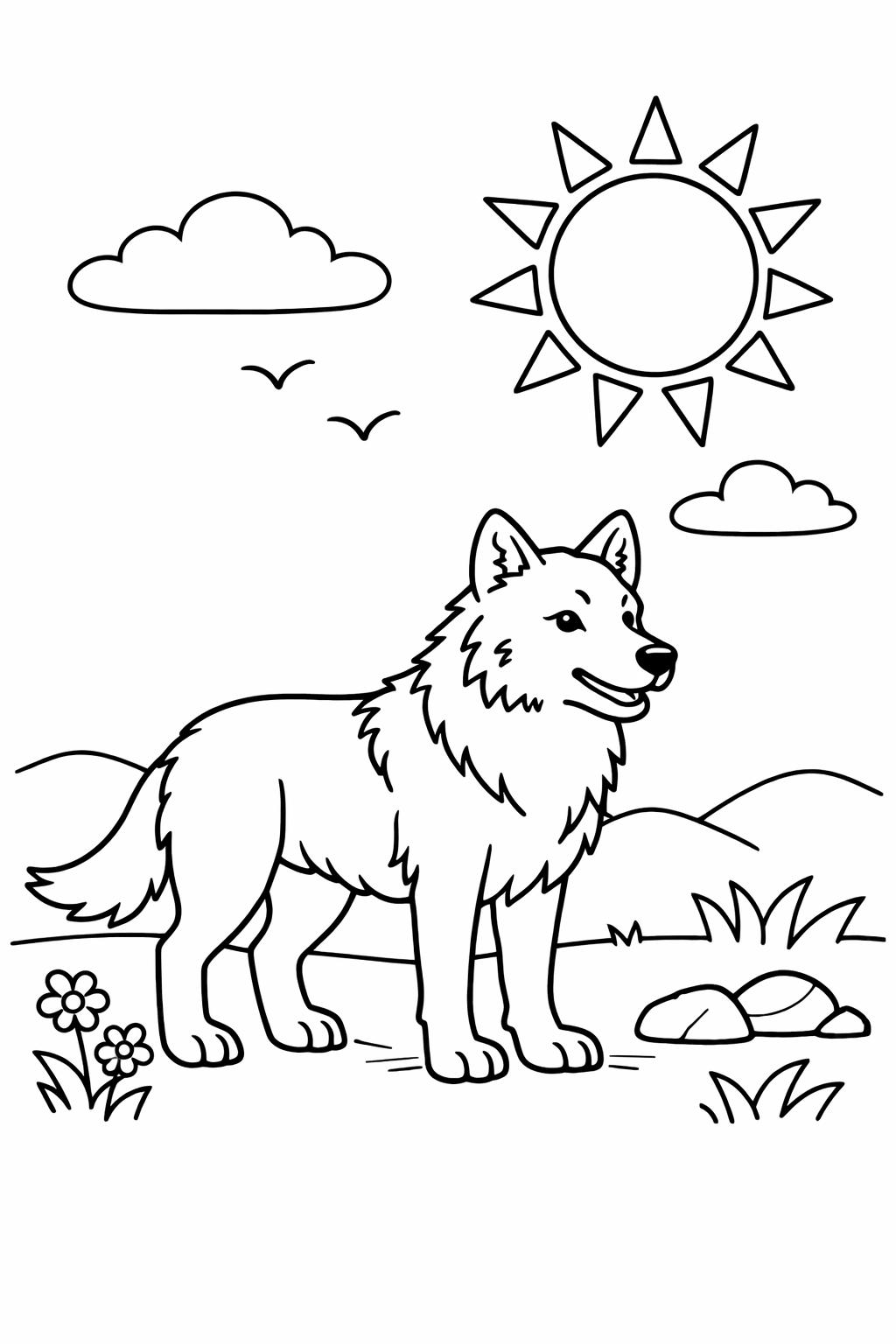
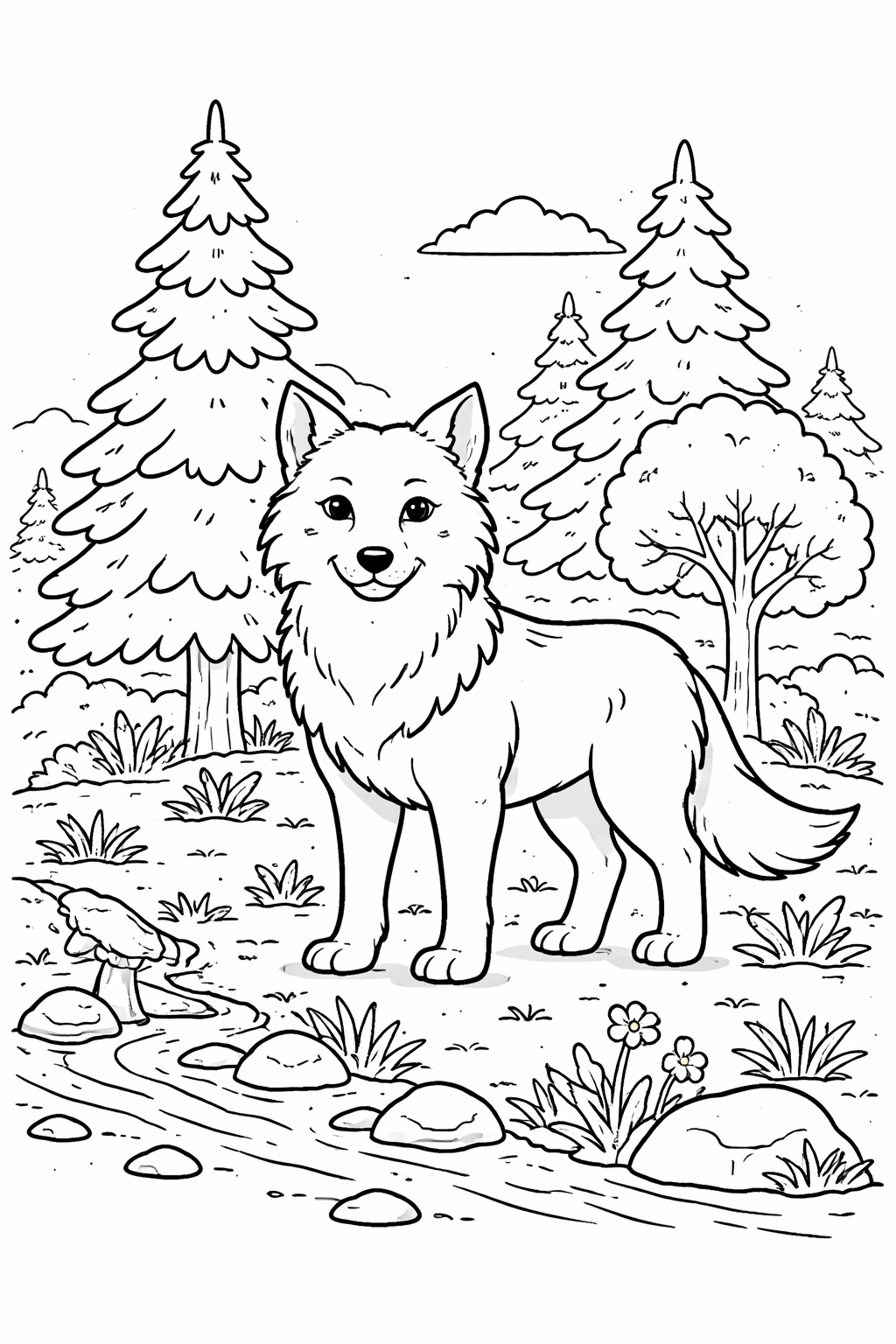
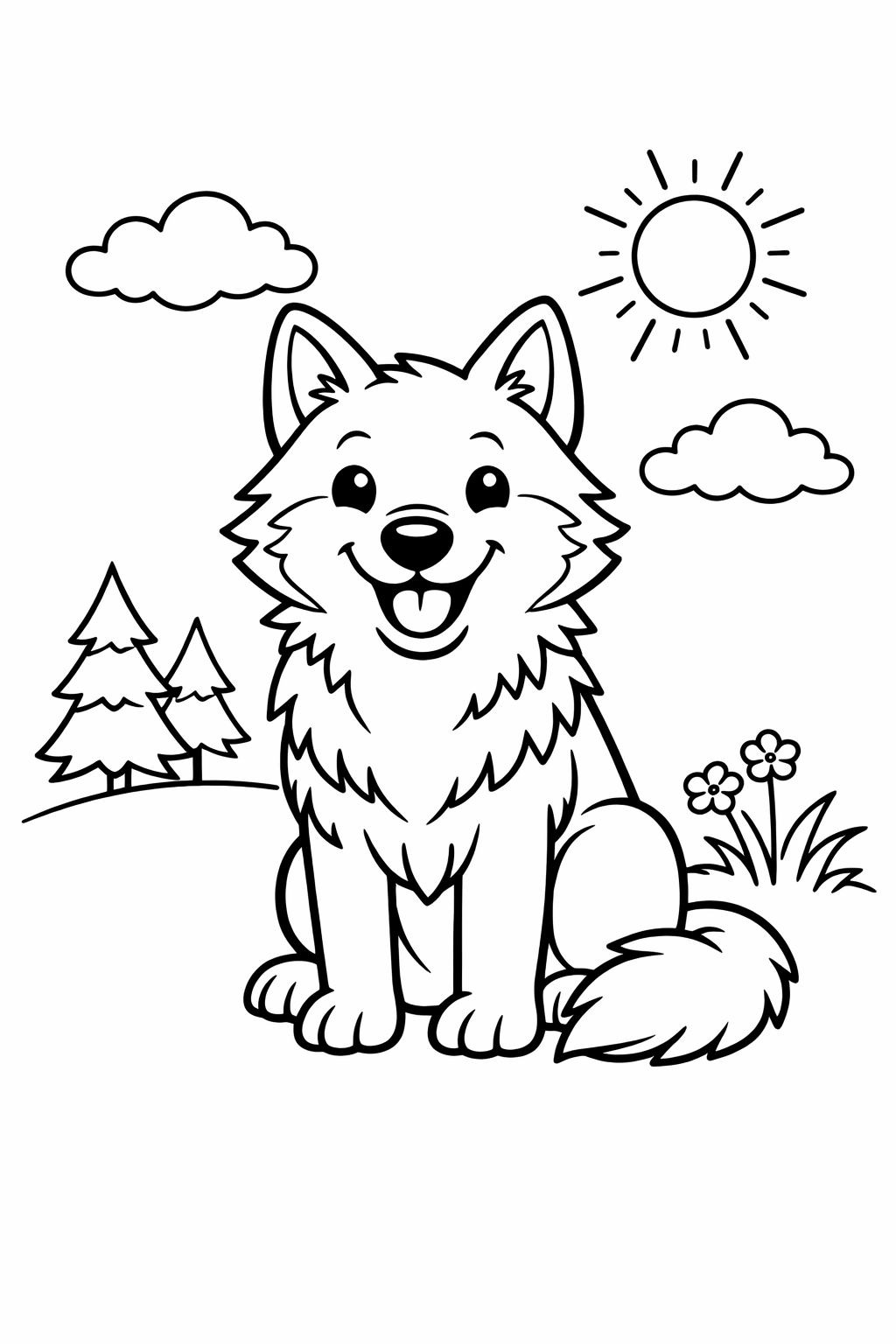
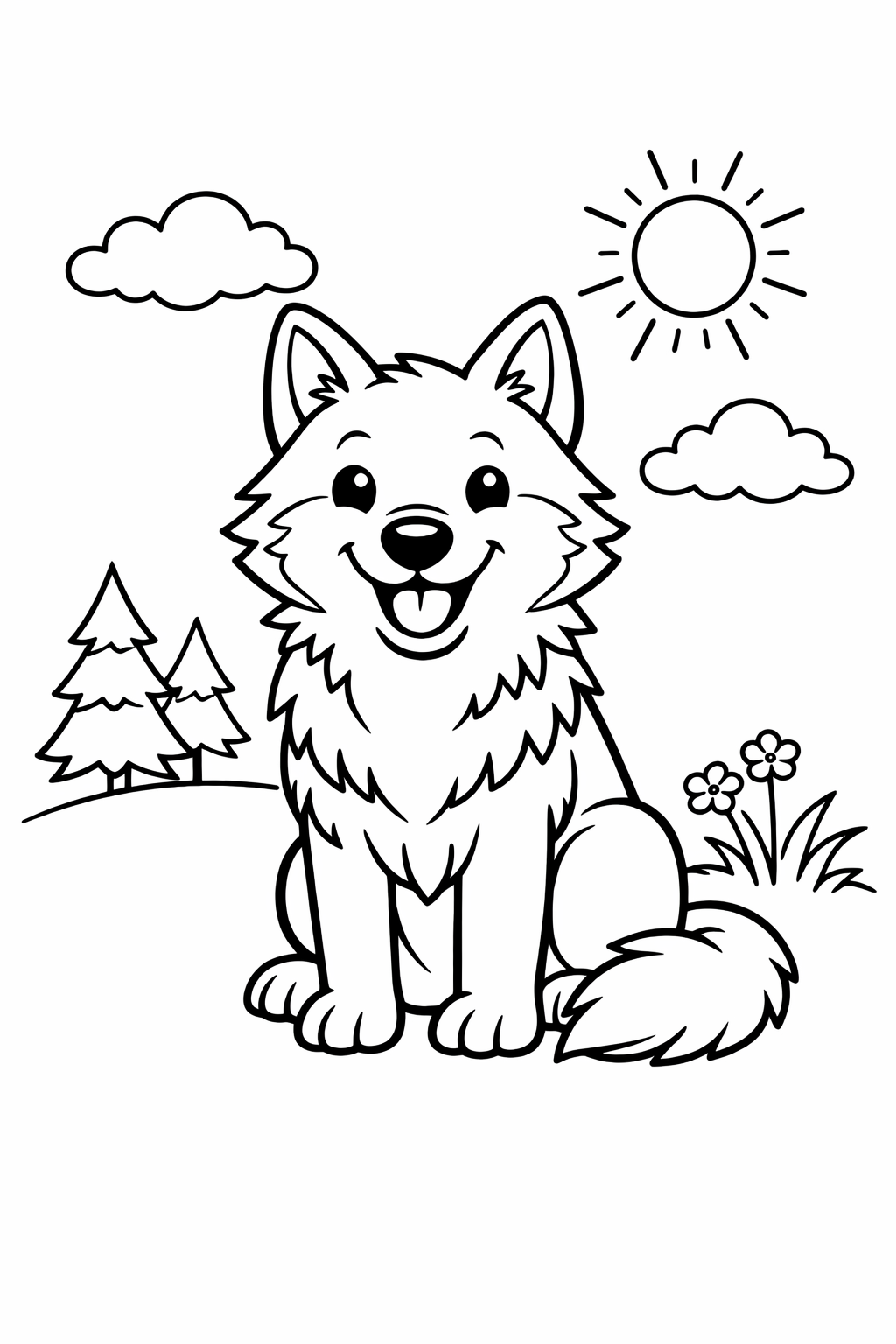
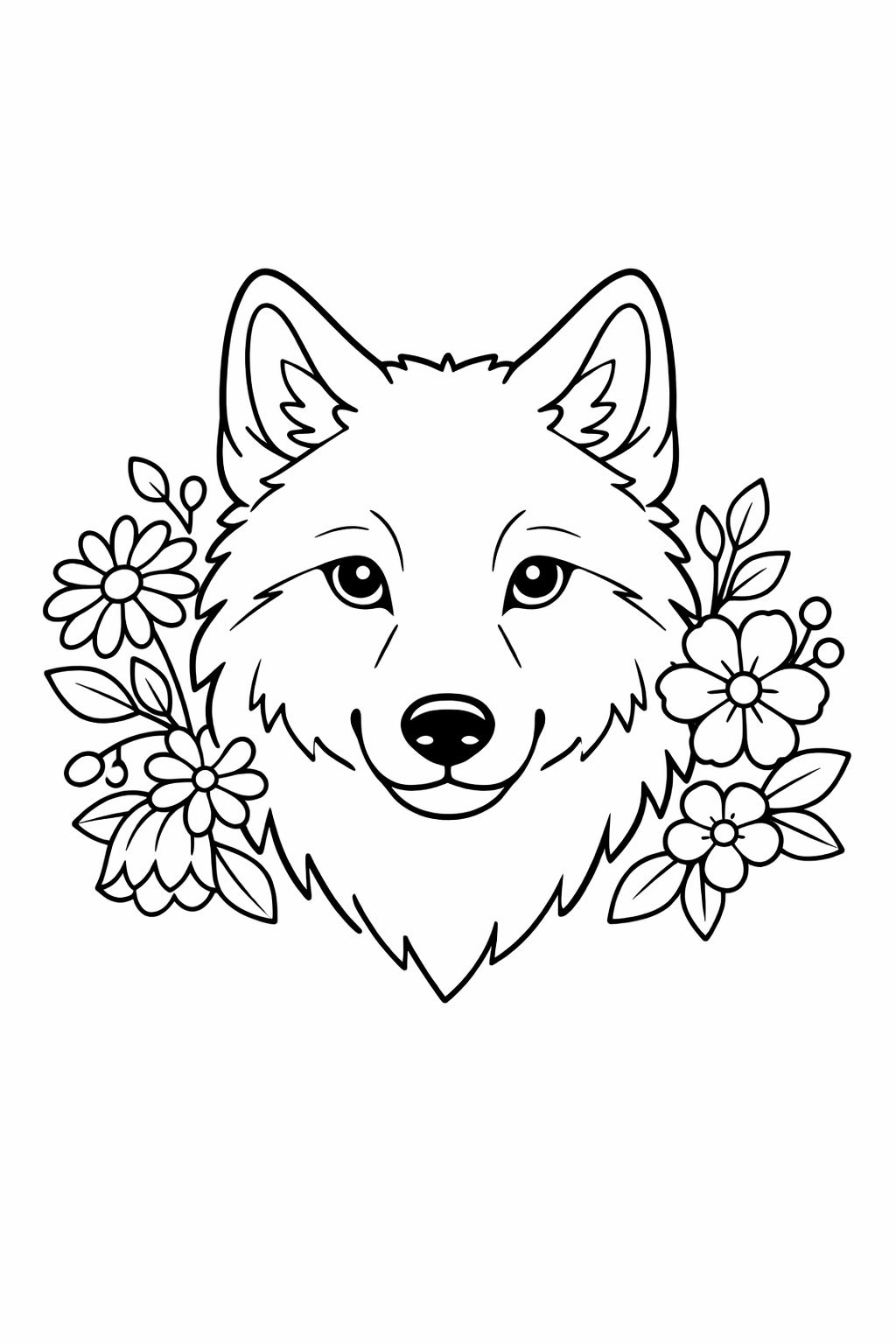
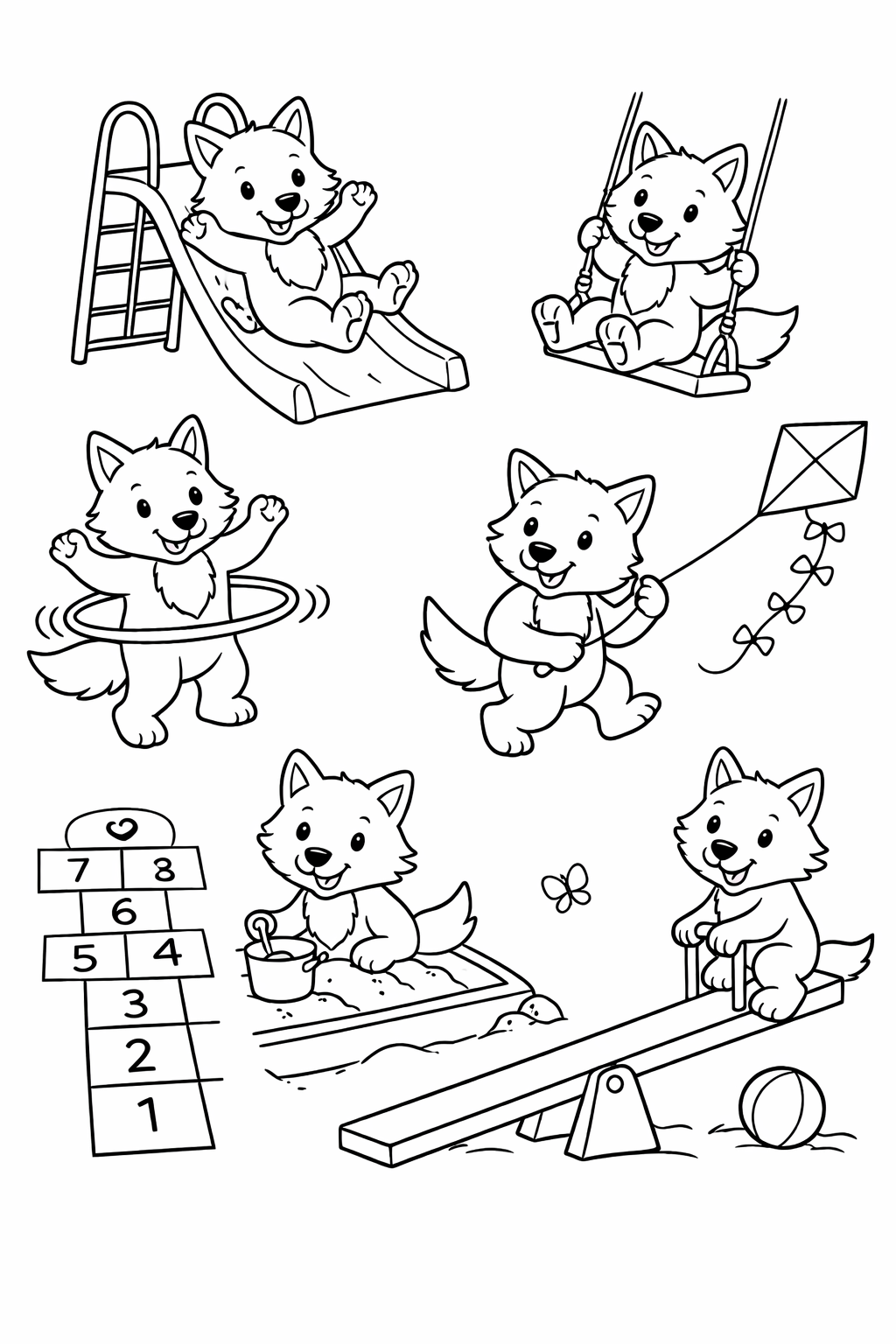
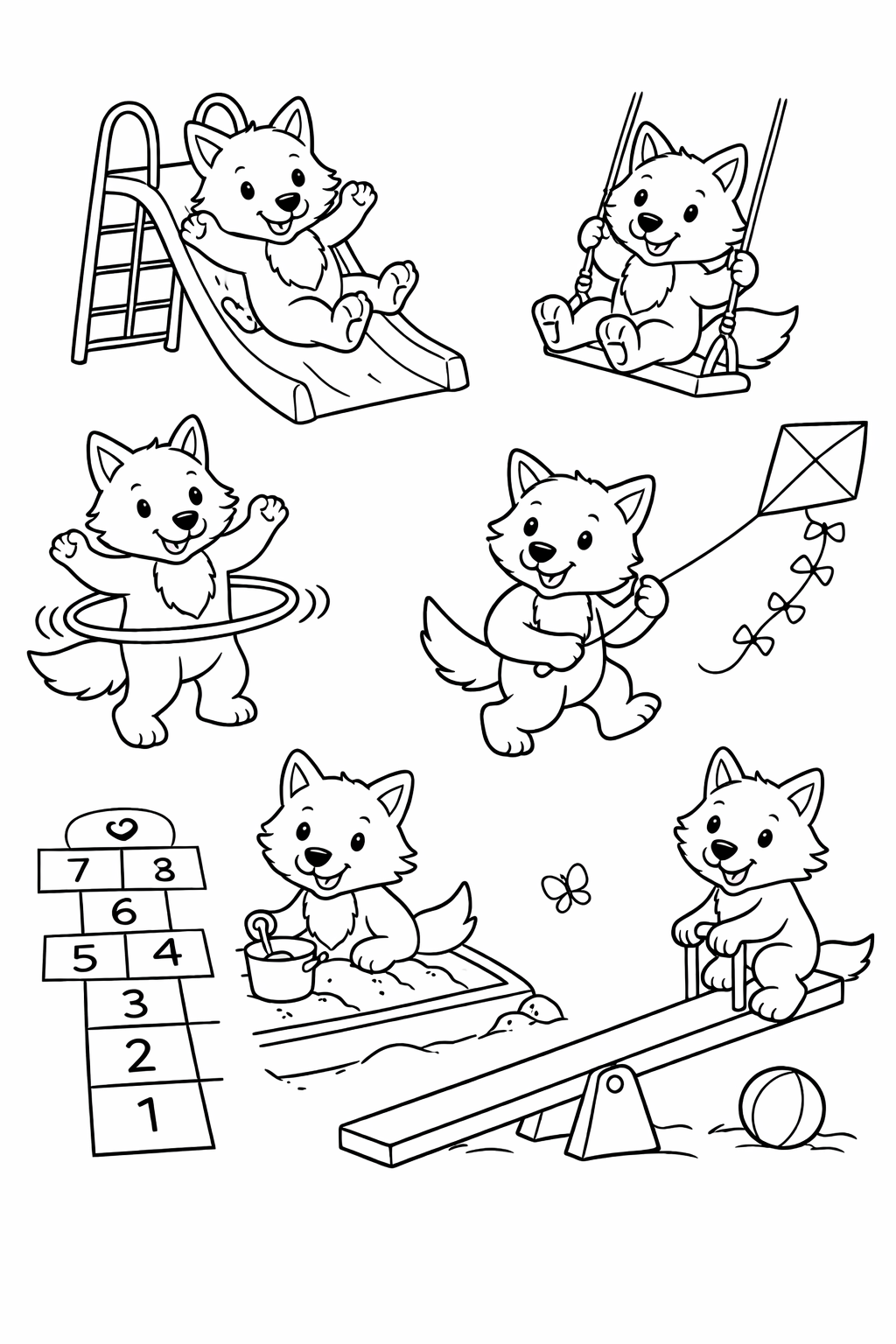
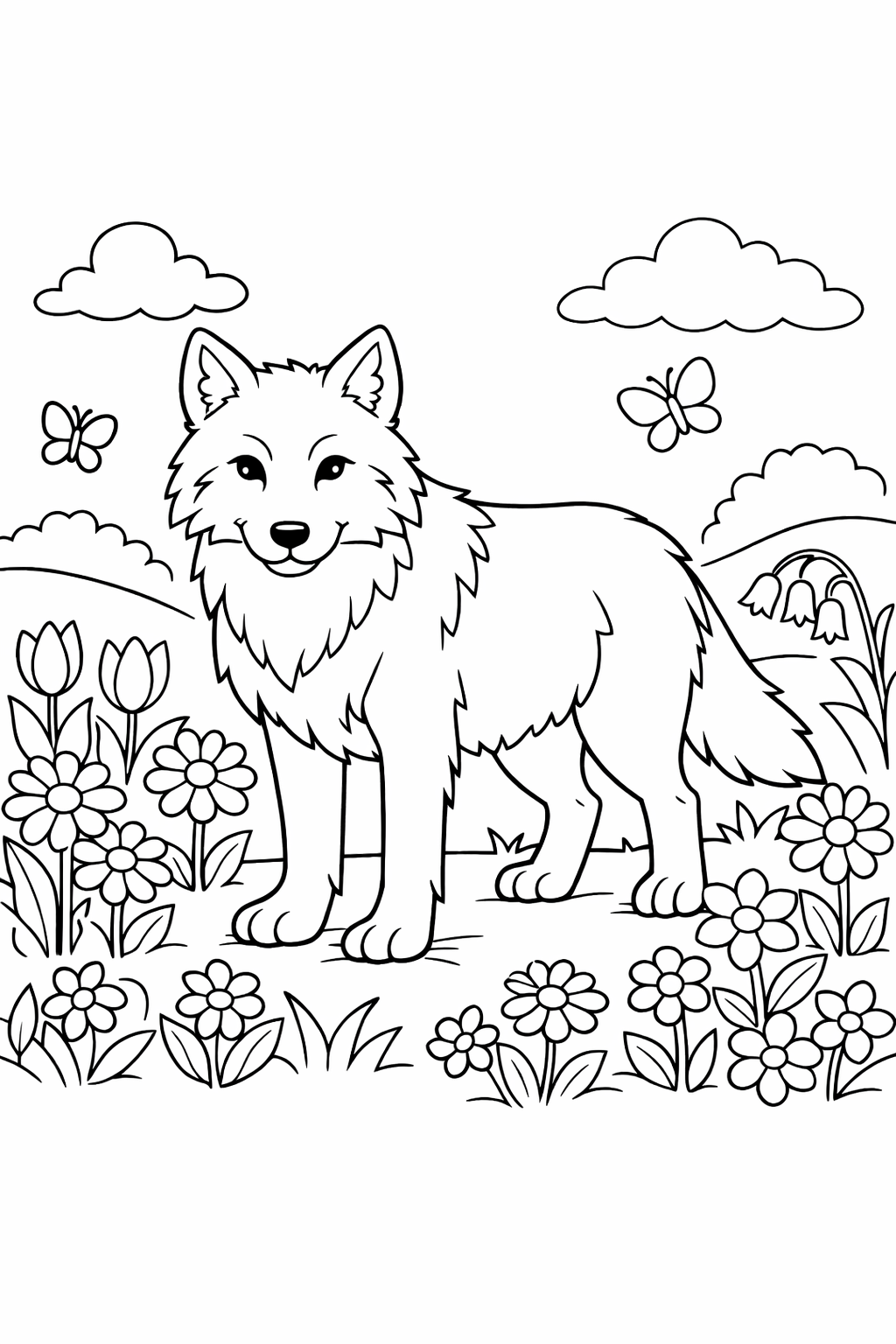
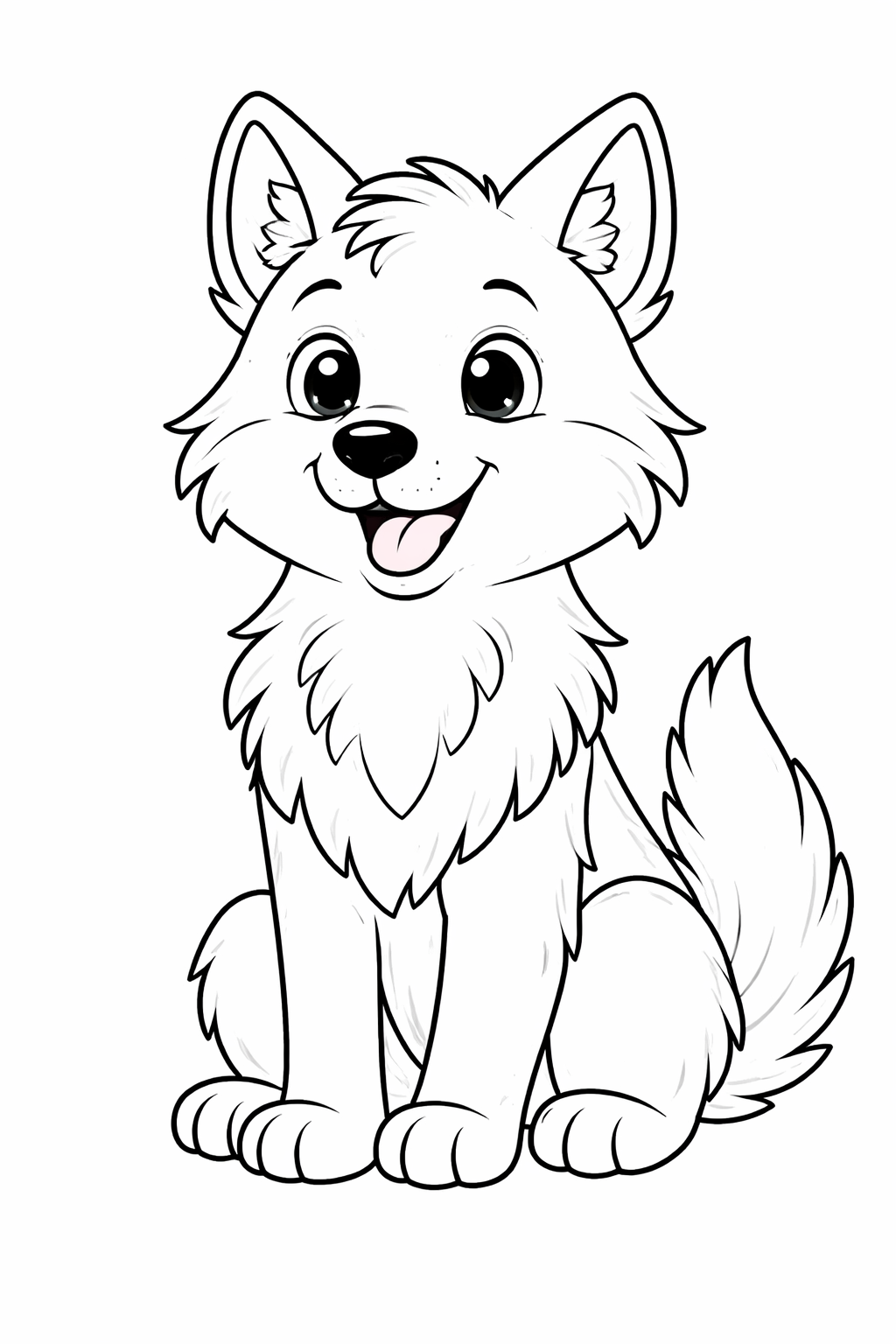
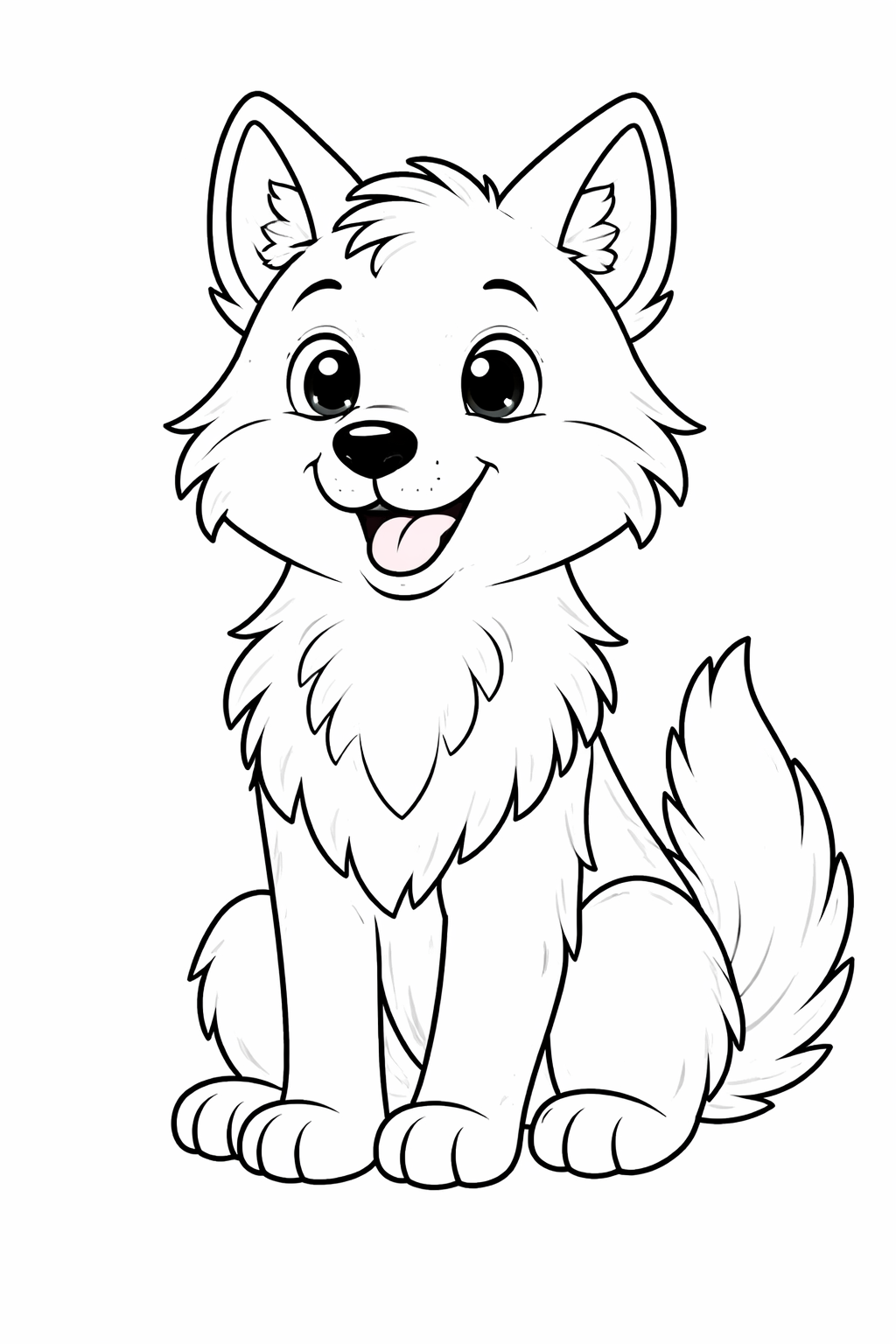
There's something captivating about wolves that sparks the imagination of children and adults alike. These majestic creatures symbolize strength, loyalty, and teamwork, making them the perfect subject for artistic exploration. In my classroom, I've witnessed how engaging with wolf coloring pages can ignite creativity and foster a love for nature. I remember a day when my student, Liam, transformed a simple wolf outline into a vibrant masterpiece, complete with shades of blue and purple that he said reminded him of the night sky. It was a moment that highlighted not just his artistic skills but also his ability to express emotions through colors. Coloring is more than just a fun activity; it can be a gateway to learning about wolves and the natural world.
Group Coloring Pages
 PDF
PDF
 PNG
PNG
 PNG
PNG
 PNG
PNG
 PNG
PNG
 PNG
PNG
 PNG
PNG
 PNG
PNG
 PNG
PNG
 PNG
PNG
 PNG
PNG
 PNG
PNG
 PNG
PNG
 PNG
PNG
 PNG
PNG
 PNG
PNG
 PNG
PNG
 PNG
PNG
 PNG
PNG
 PNG
PNG
 PNG
PNG
 PNG
PNG
 PNG
PNG
 PNG
PNG
 PNG
PNG
 PNG
PNG
 PNG
PNG
 PNG
PNG
 PNG
PNG
 PNG
PNG
 PNG
PNG
 PNG
PNG
 PNG
PNG
 PNG
PNG
 PNG
PNG
 PNG
PNG
 PNG
PNG
 PNG
PNG
 PNG
PNG
 PNG
PNG
 PNG
PNG
 PNG
PNG
 PNG
PNG
 PNG
PNG
 PNG
PNG
 PNG
PNG
 PNG
PNG
 PNG
PNG
The Fascinating World of Wolves
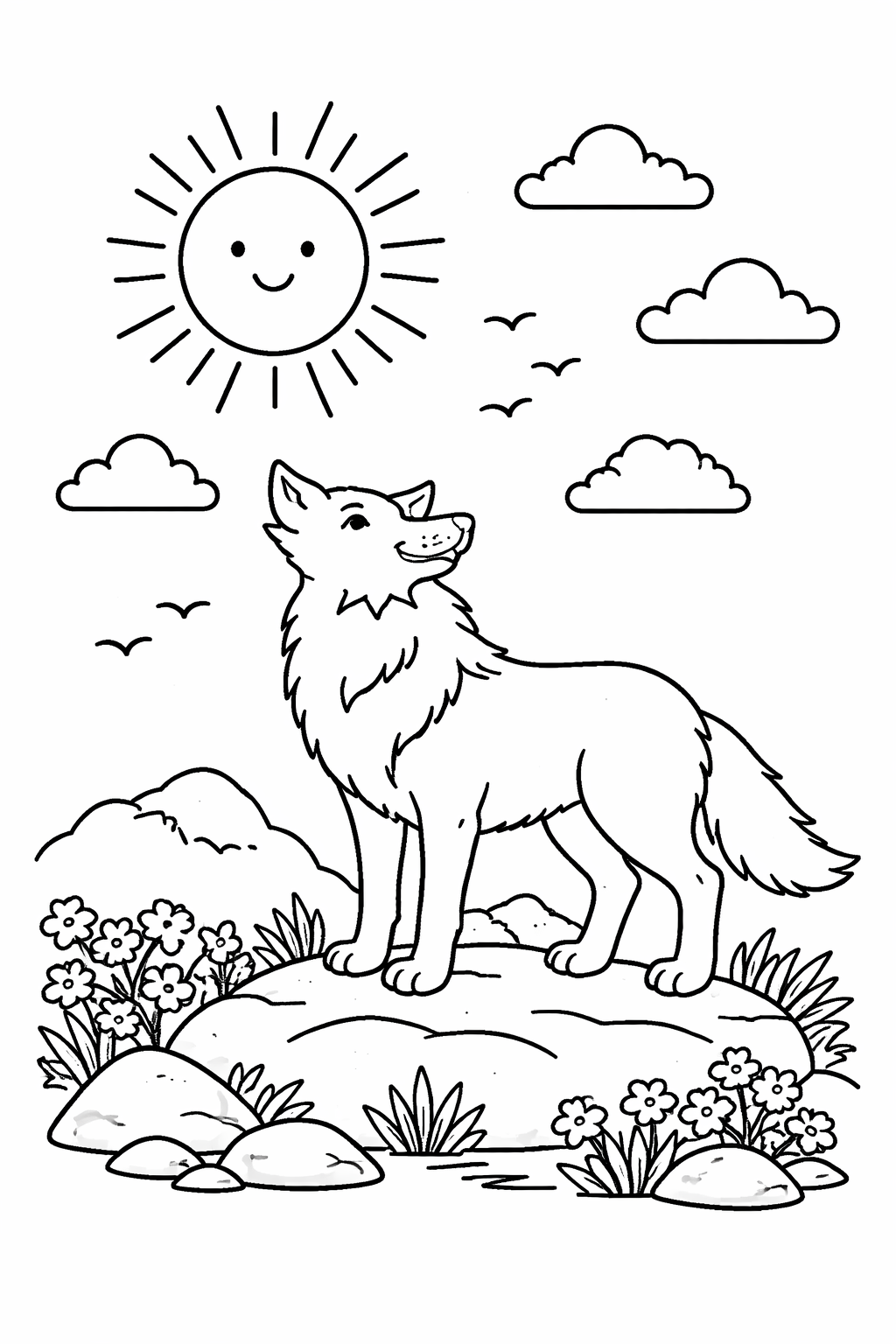
Wolves are fascinating creatures that have inspired countless stories, myths, and artworks throughout history. Belonging to the Canidae family, they are known for their social structure, often living and hunting in packs. This behavior makes them excellent symbols for teamwork and collaboration—qualities that are essential in both art and life. In my classroom, I often share interesting facts about wolves, such as how they communicate through vocalizations and body language. This knowledge enriches students' understanding while they color their wolf pages, encouraging them to think about the characteristics of these animals. For instance, when we colored a wolf howling at the moon, I asked the students to imagine what the wolf might be saying. This simple exercise not only made the coloring experience more engaging but also sparked discussions about wildlife and conservation.
The Benefits of Wolf Activities in the Classroom
Incorporating wolf coloring pages into classroom activities offers numerous educational benefits. First, it develops fine motor skills as students practice coloring within the lines and experimenting with different techniques. I’ve seen how students like Noah, who initially struggled with manual dexterity, improved significantly through consistent coloring practice. Additionally, these activities promote creativity and self-expression. When students choose their own colors and styles, they are making artistic decisions that reflect their personal views and feelings. Moreover, discussing wolves during coloring sessions fosters a deeper understanding of wildlife conservation and environmental issues. It encourages students to think critically about their role in preserving nature. By the end of a coloring session, many students, such as Mia, expressed a newfound respect for wolves and other wildlife, which is a vital lesson for our future generations.
Practical Tips for Coloring Wolves
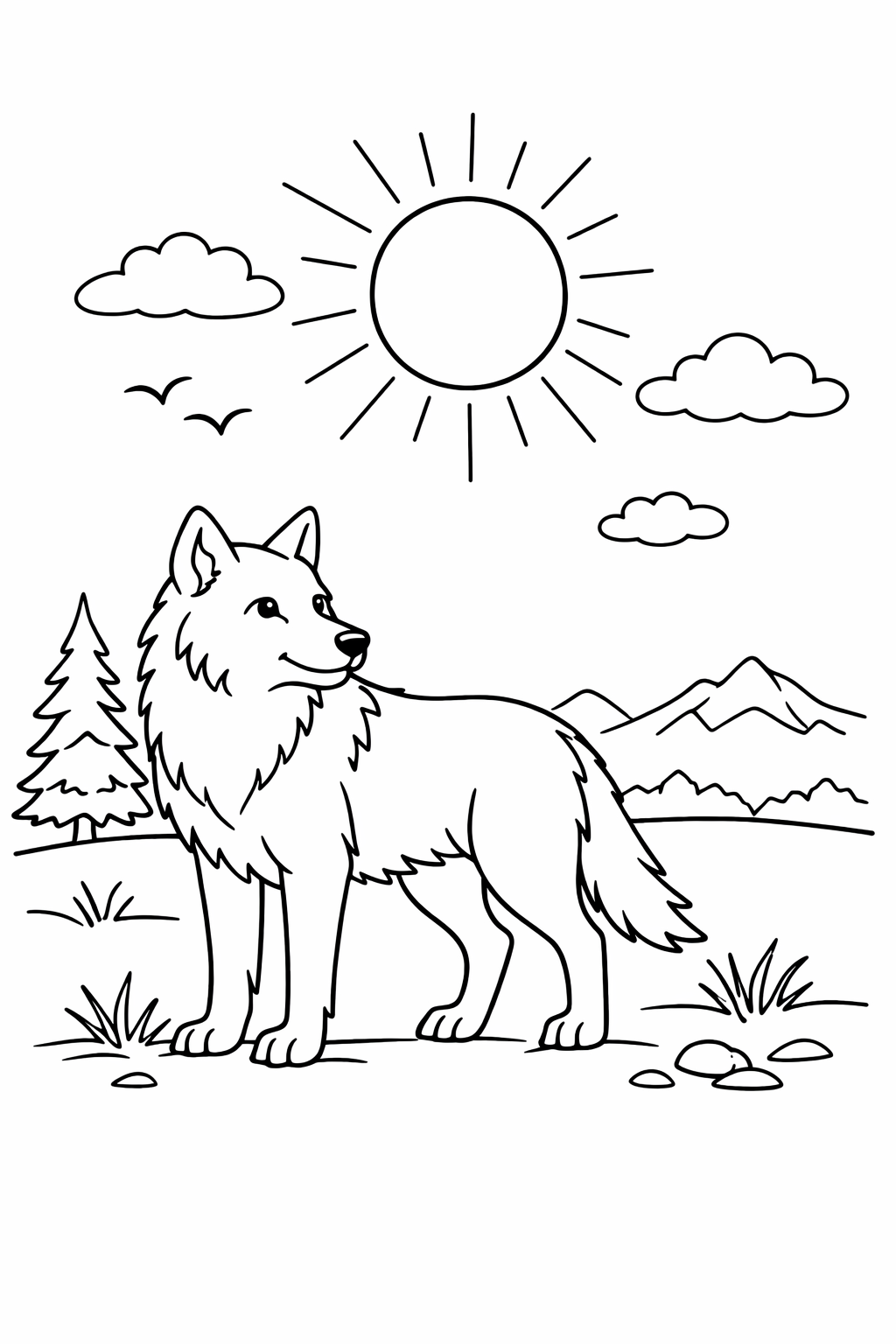
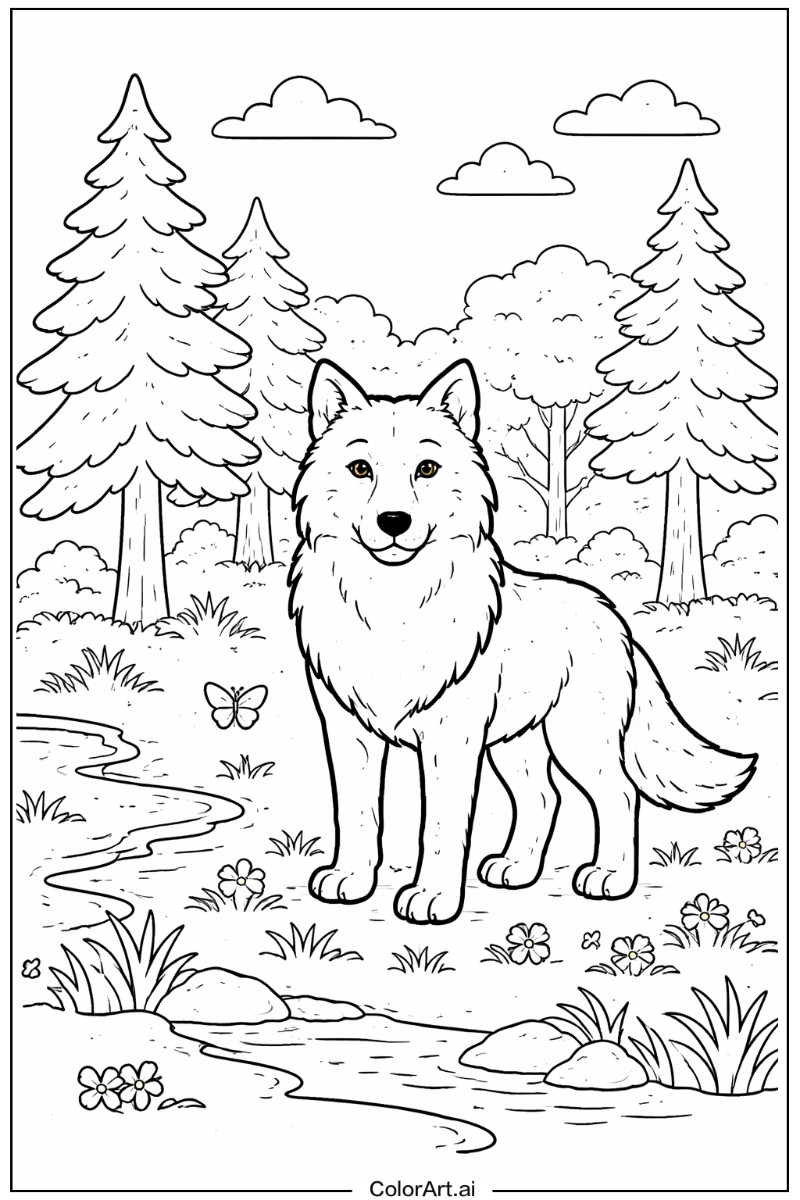
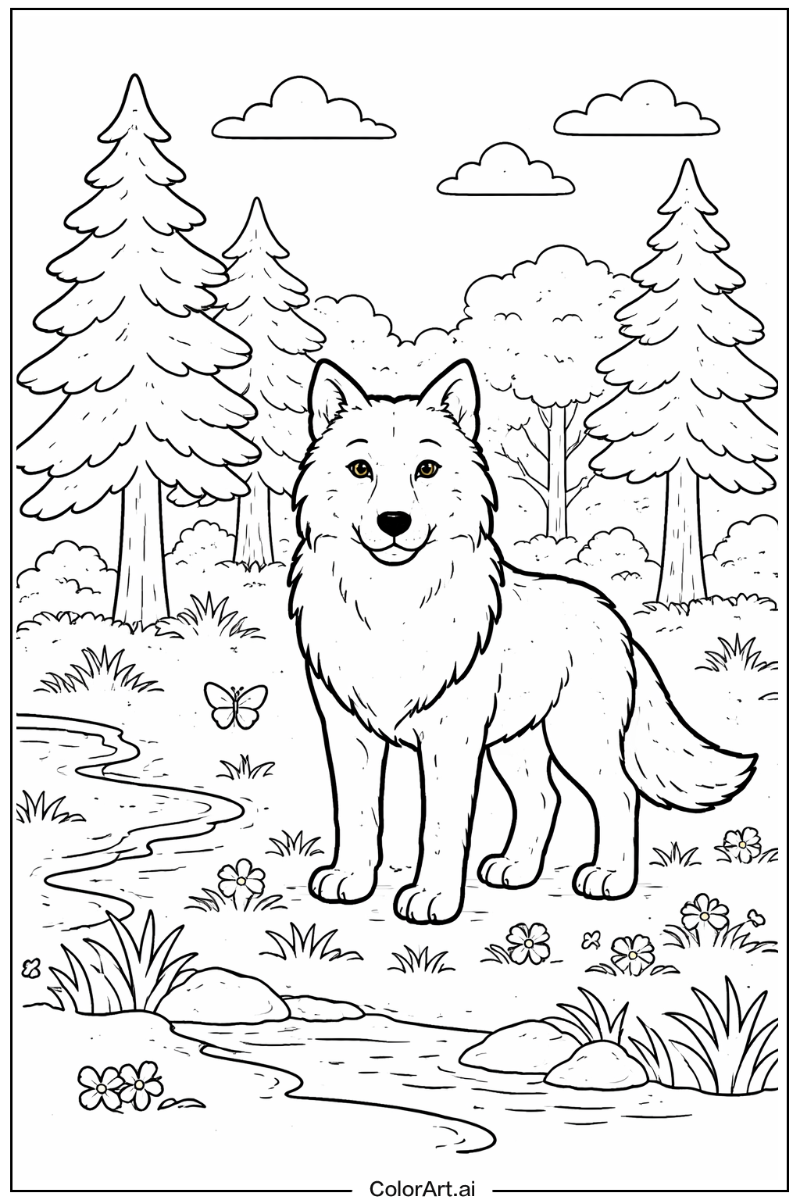
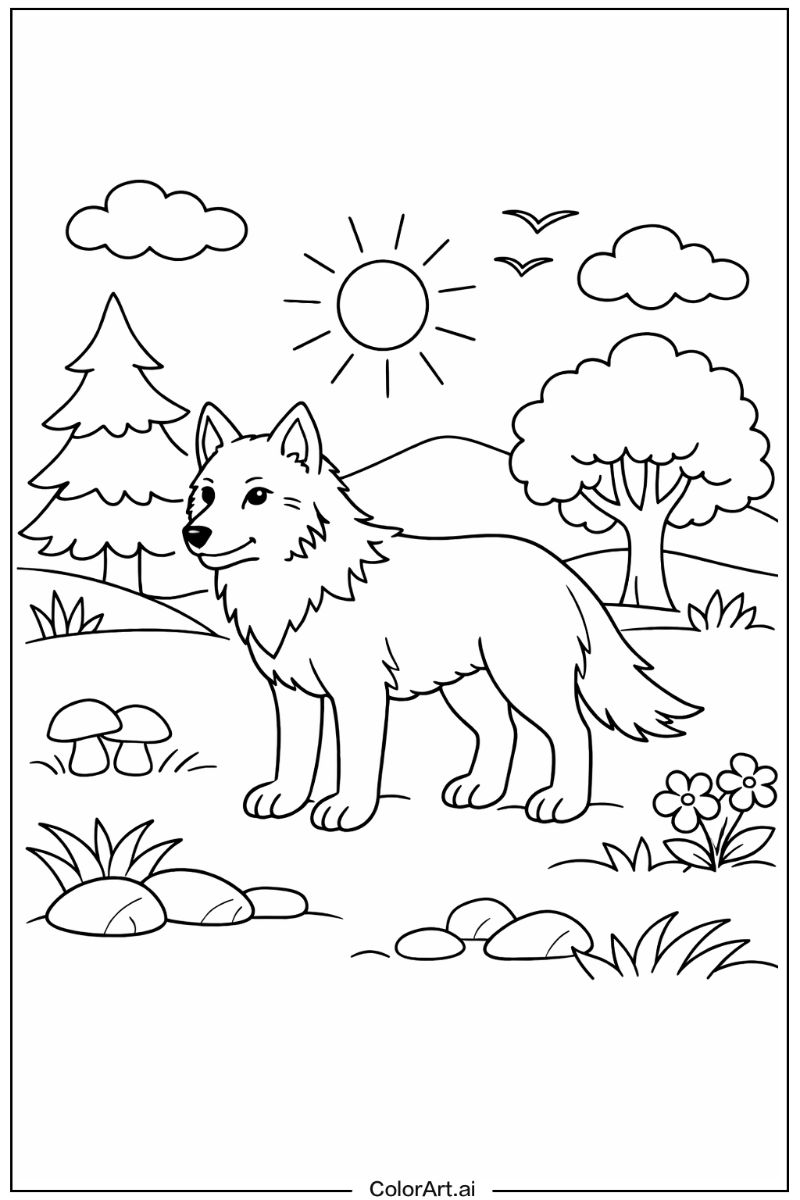
When it comes to coloring wolf pages, there are a few techniques that can enhance the overall experience. First, I encourage students to experiment with gradients. For instance, when coloring a wolf that is depicted in a forest, blending shades of gray and brown can create a more realistic effect. I often demonstrate how to layer colors, starting with lighter shades and gradually adding darker tones. Another fun technique is to use textures; students can create ‘fur’ by using short, quick strokes with colored pencils. Finally, I always remind my students to have fun and not be afraid to break the rules! After all, a purple wolf can be just as captivating as a gray one. Embracing creativity is what coloring is all about!
Current Trends in Wolf Art Education
As educators, it's essential to stay updated on trends that can enhance our teaching methods. Recently, there's been a surge in interest around animal-themed art projects, particularly focusing on wolves. Many teachers are integrating wolf coloring pages into their curriculums as a way to promote environmental awareness. I’ve noticed that students are increasingly curious about nature and wildlife, leading to projects that combine coloring with research and discussion. For example, last spring, we had a classroom project where students not only colored their wolf pages but also created presentations about the importance of wolves in their ecosystems. The excitement was palpable, especially when Emma shared her findings about wolf reintroduction programs and their positive impacts on biodiversity. It was a fantastic blend of creativity and education.
Common Questions About Wolf Coloring Pages
Many parents and educators often ask about the best resources for wolf coloring pages. A simple search online can yield a variety of free printable wolf coloring page options, perfect for classroom use or at home. Another common question is how to engage children while they color. I recommend incorporating storytelling elements—ask children to create a story around their colored wolf. This not only keeps them engaged but also helps develop their narrative skills. Lastly, some wonder about the age appropriateness of wolf coloring pages. I find that they are suitable for all ages, as they can be tailored to various skill levels, making them inclusive for everyone!