Velkommen til den fantastiske verdenen av fargeleggingsark med valper!
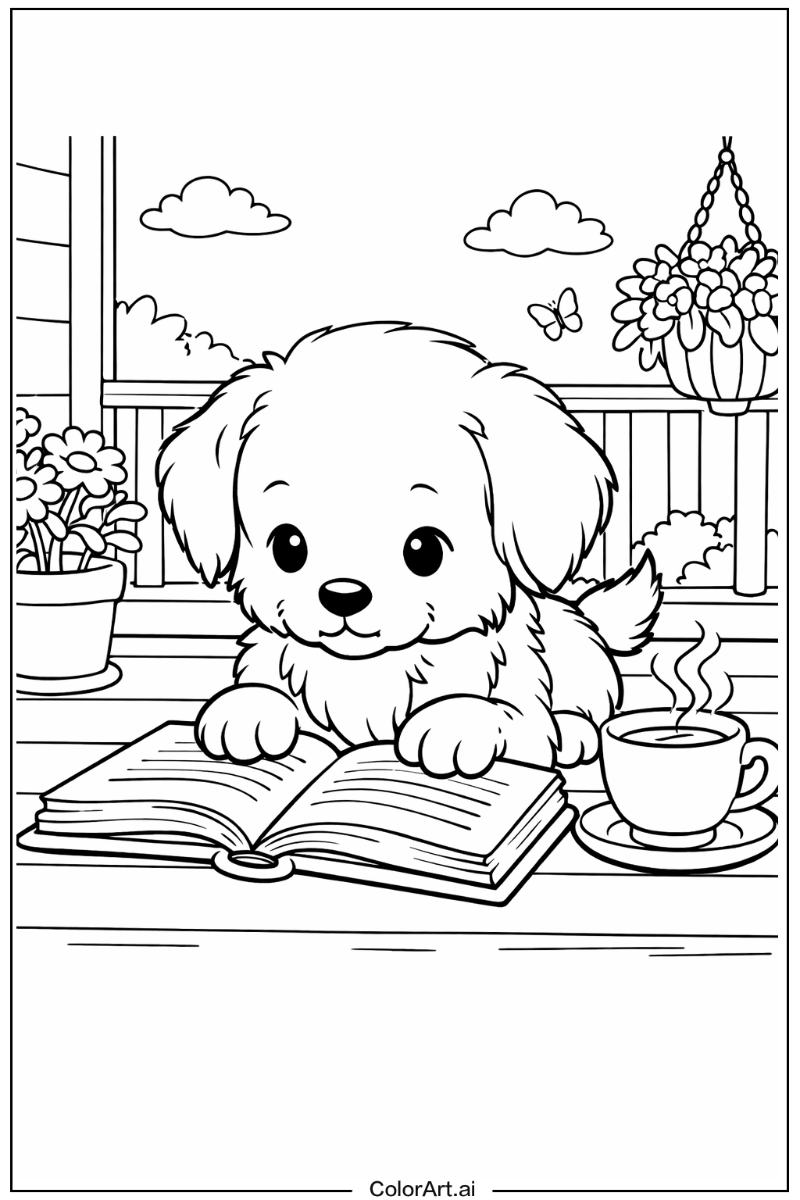
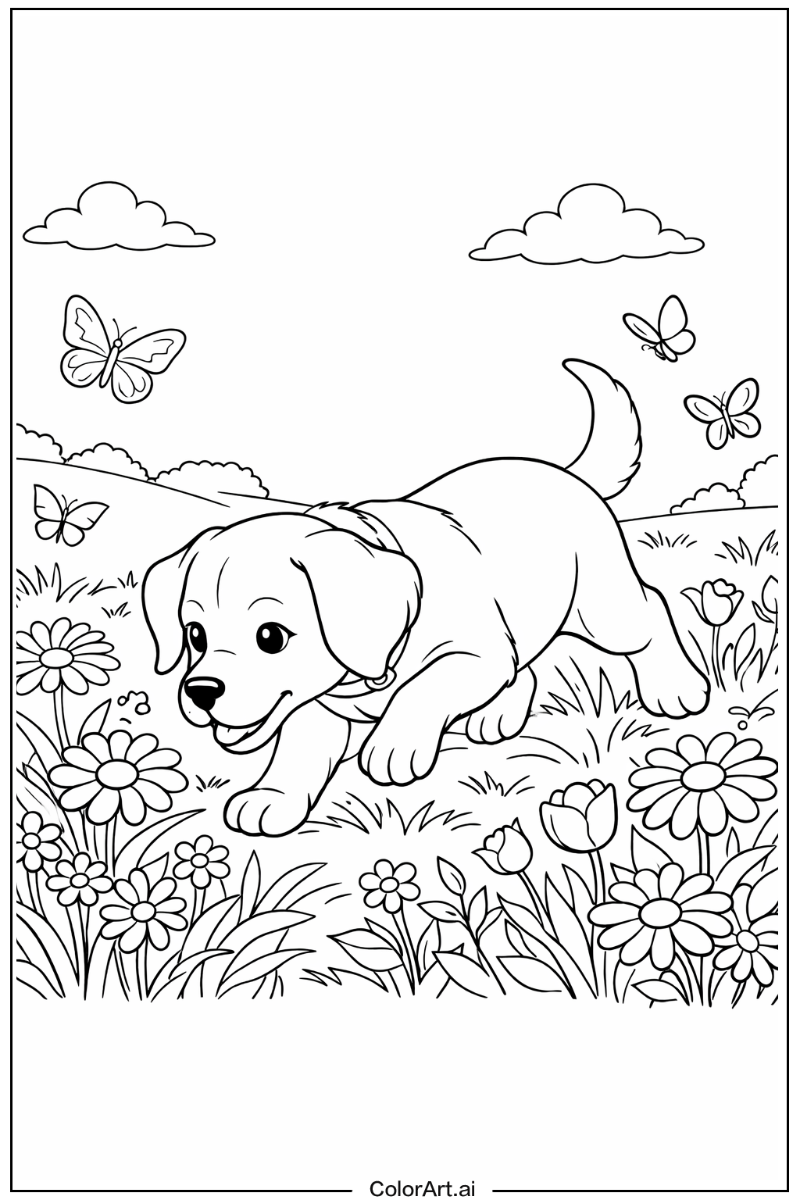
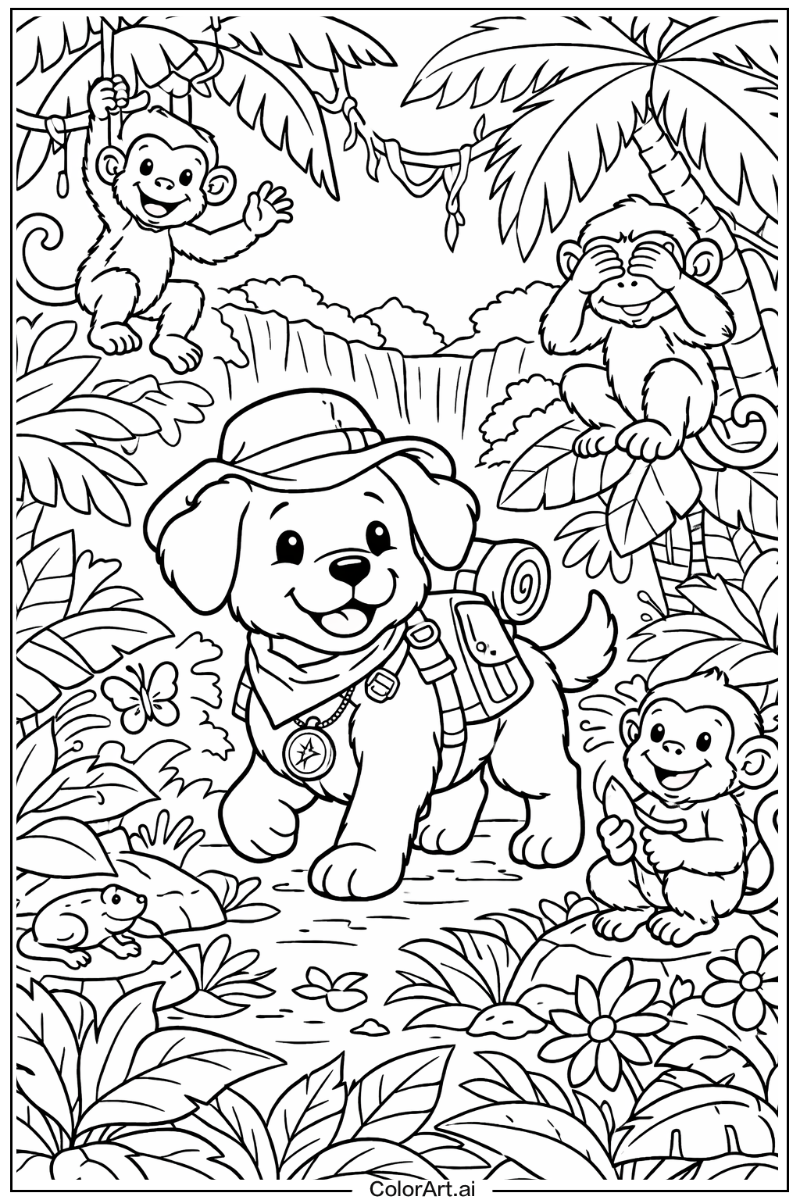
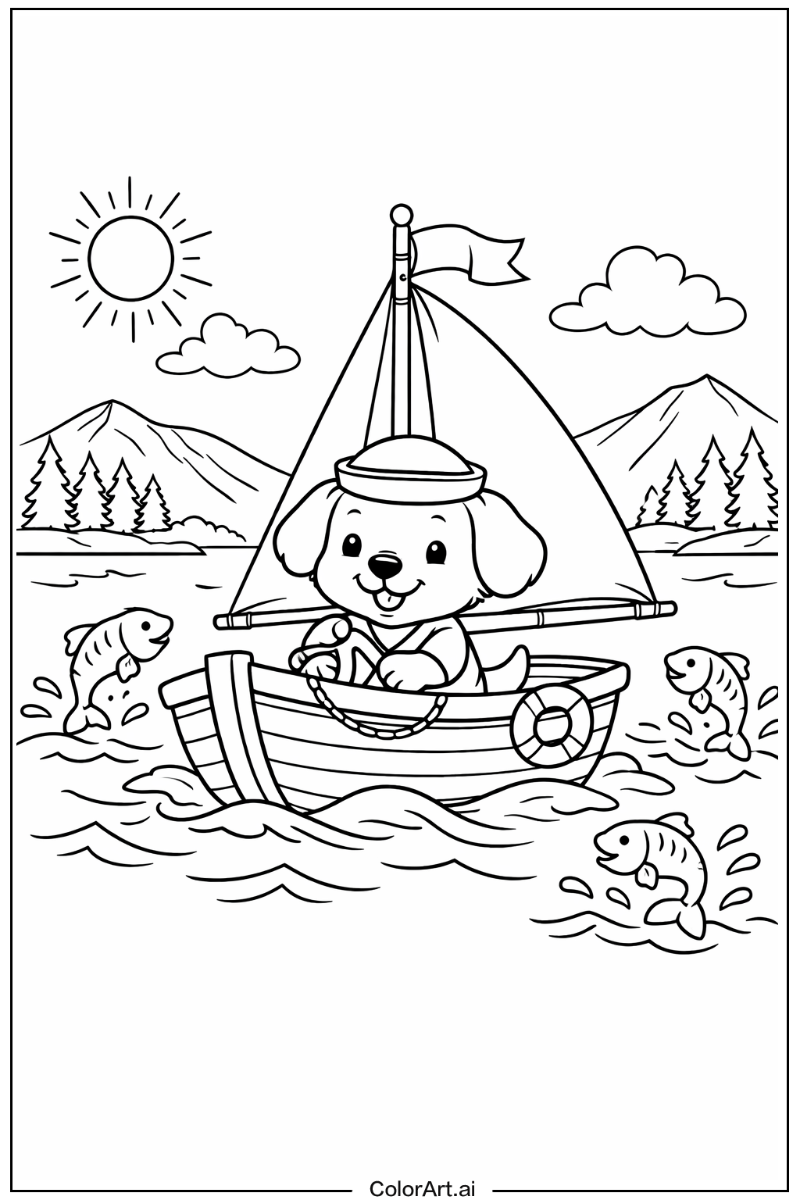
Det er noe helt uimotståelig hjertevarmt ved synet av en valp, med de slappe ørene sine, logrende hale og lekne vesen. I løpet av mine år som kunstlærer for små barn, har jeg oppdaget at det å inkludere temaer med valper i fargeleggingsaktivitetene våre ikke bare skaper begeistring, men også fremmer kreativitet og læring. Enten det er en rask ti-minutters oppvarmingsaktivitet eller en del av et større prosjekt, har fargeleggingsark med valper vært en fast bestanddel i klasserommet mitt. Jeg husker med glede dagen da eleven min, Jamie, tok med et bilde av sin egen valp som het Max, og det inspirerte en hel klasse med spirende kunstnere til å lage sine egne mesterverk med valper. Disse fargeleggingsarkene er ikke bare en morsom hobby; de gir mange pedagogiske fordeler som er perfekte for barn i alle aldre.
Fargeleggingsark for grupper
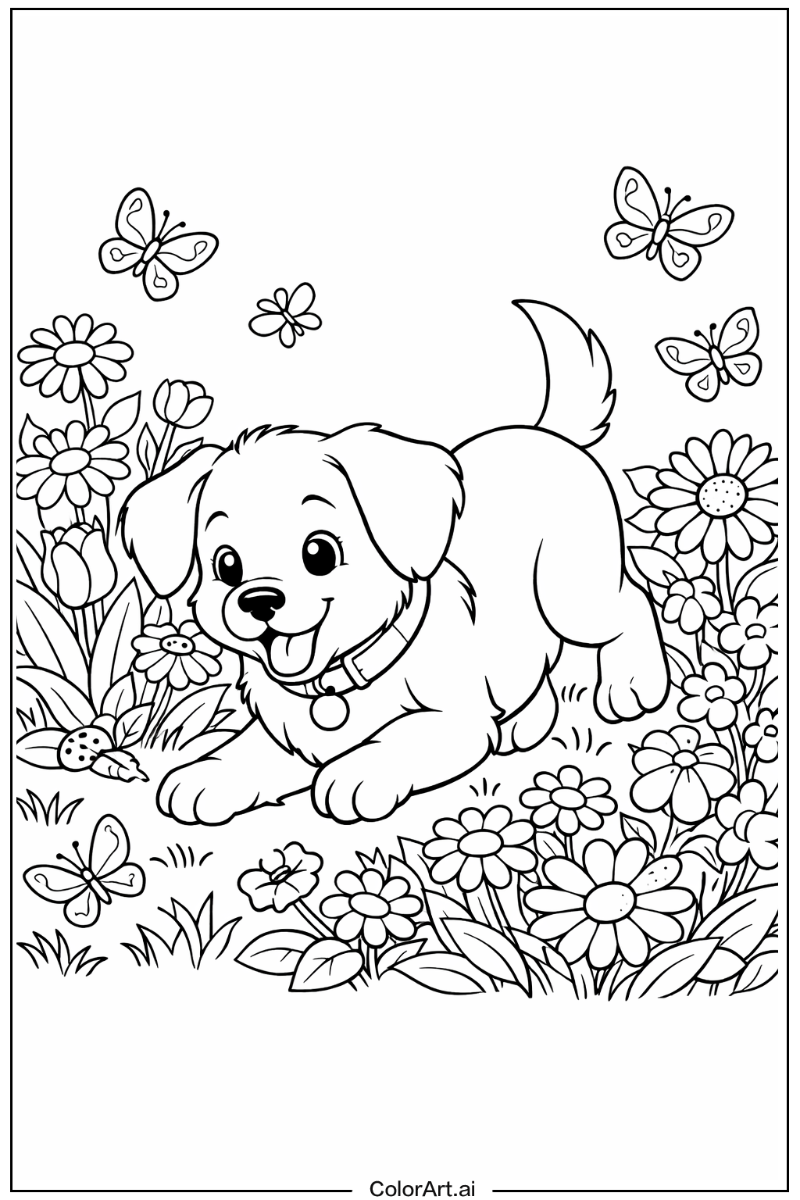
 Last ned PDF
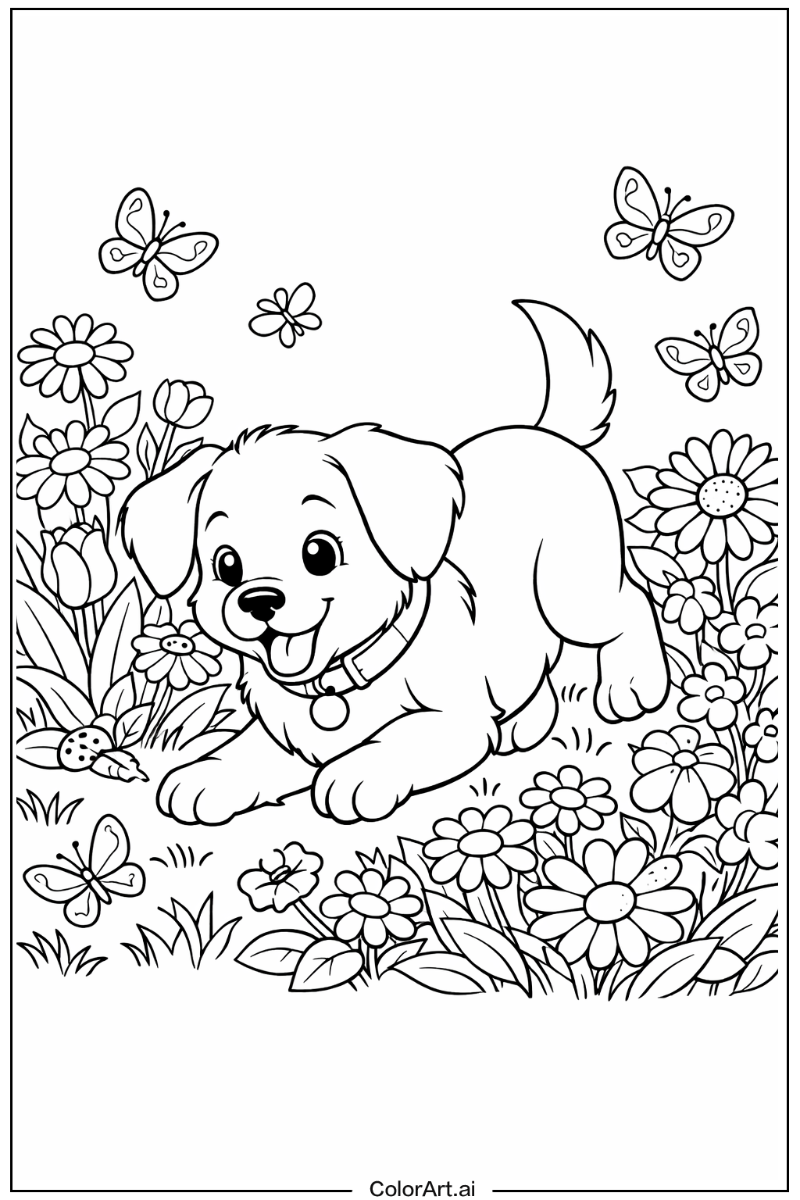 Last ned PNG
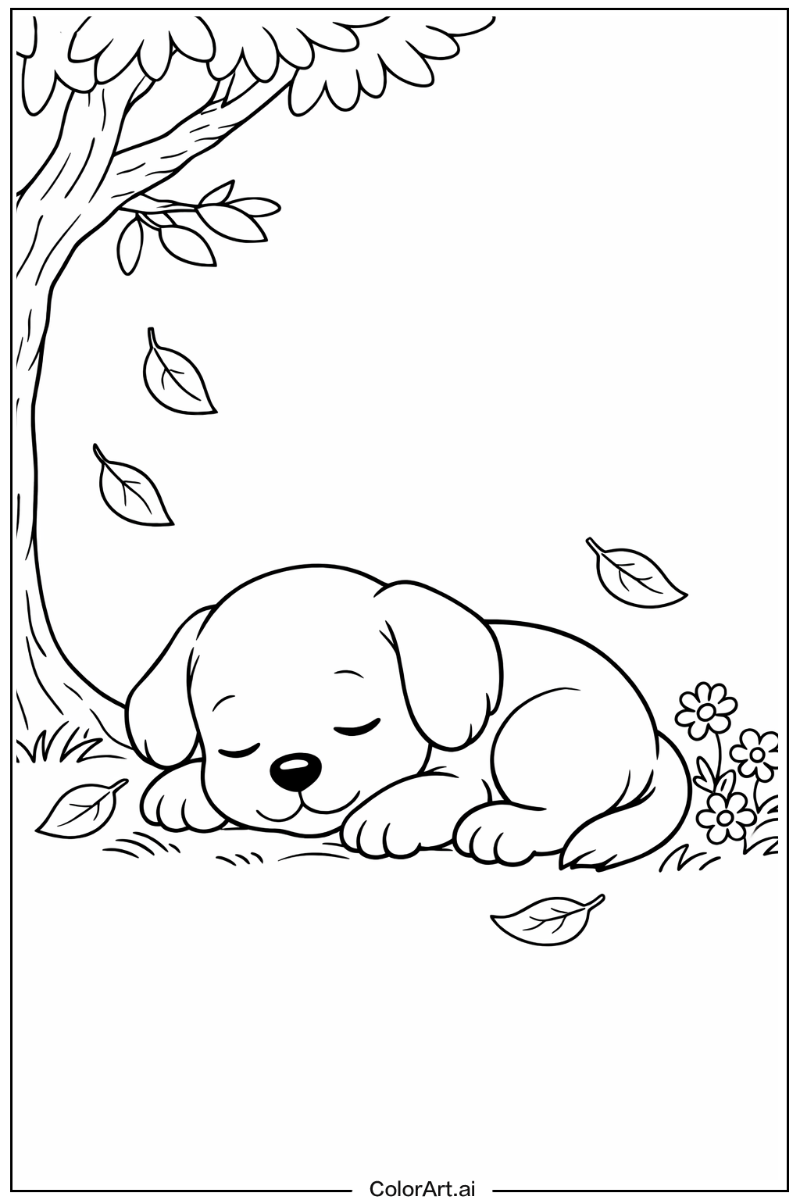
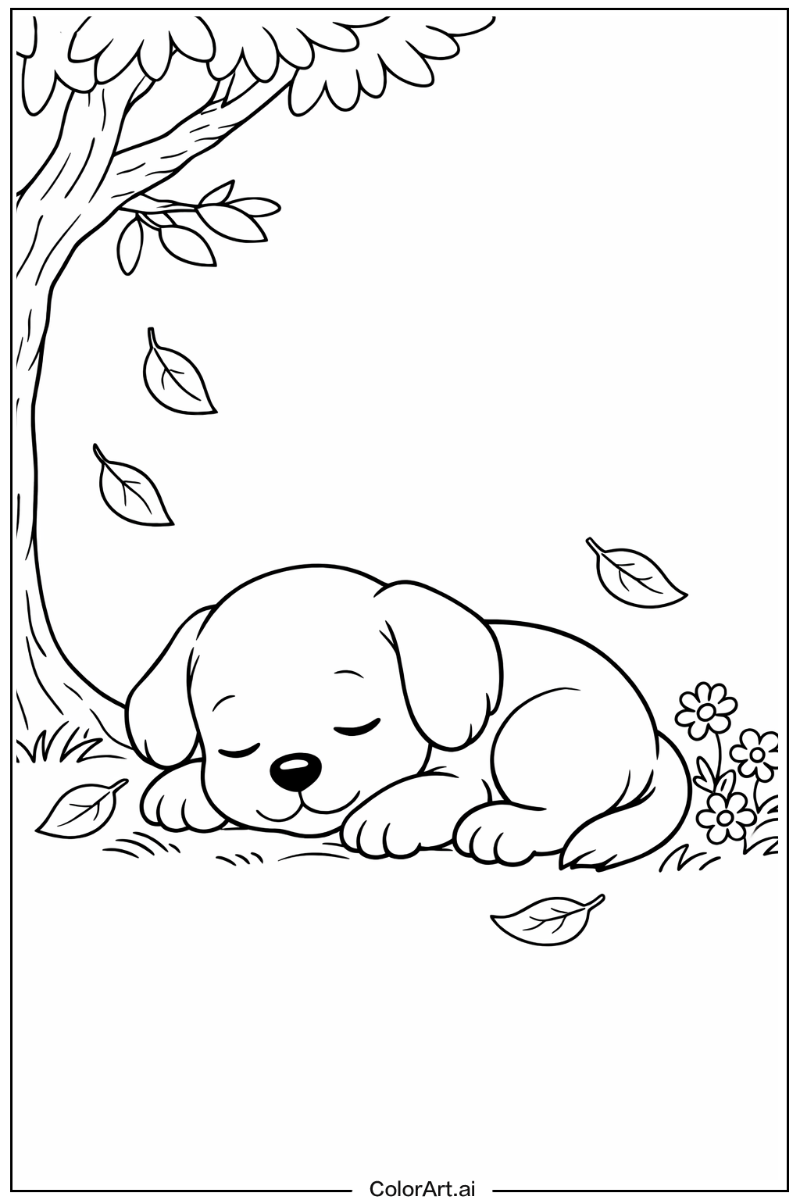 Last ned PNG
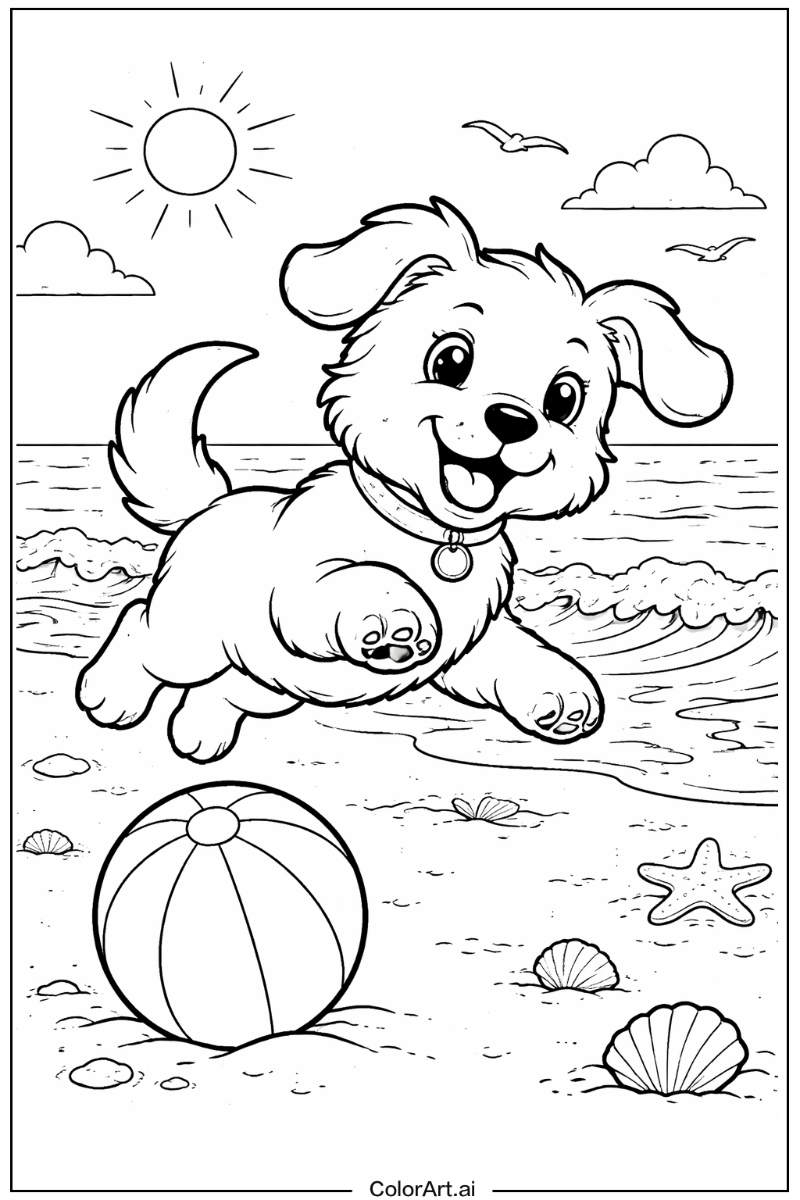
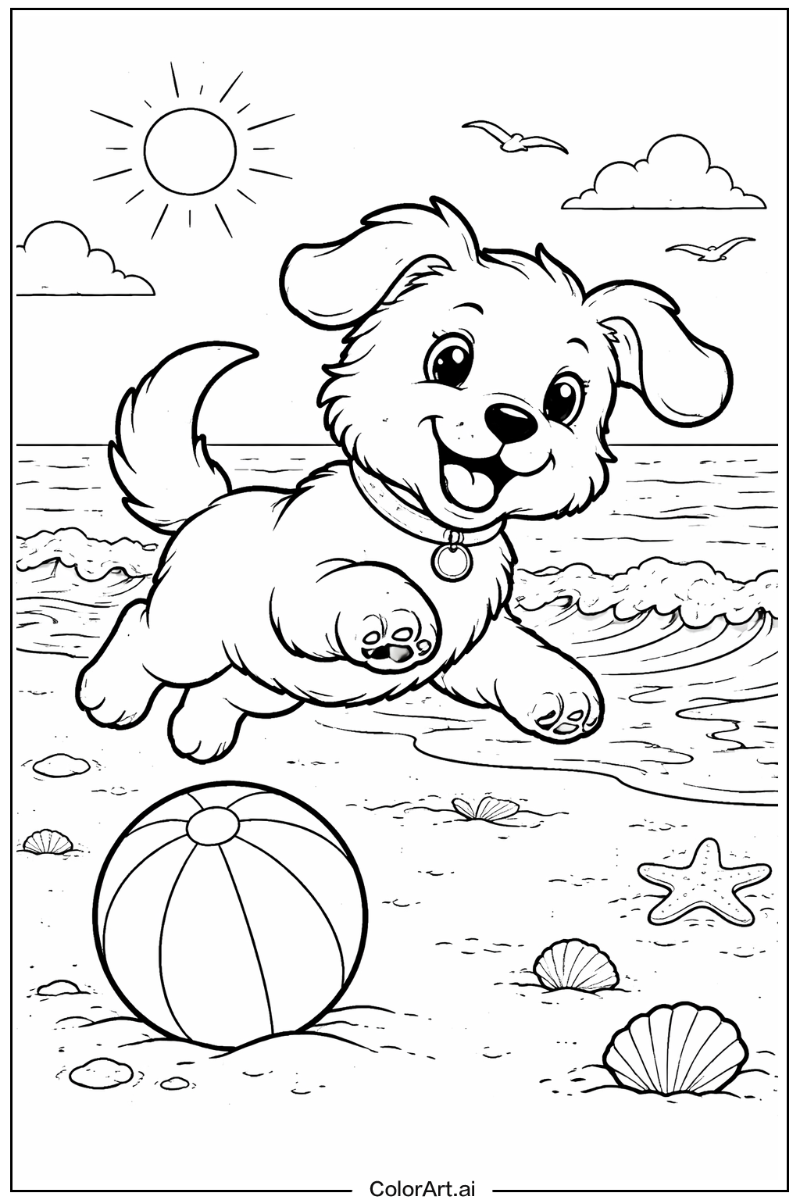 Last ned PNG
 Last ned PNG
 Last ned PNG
 Last ned PNG
 Last ned PNG
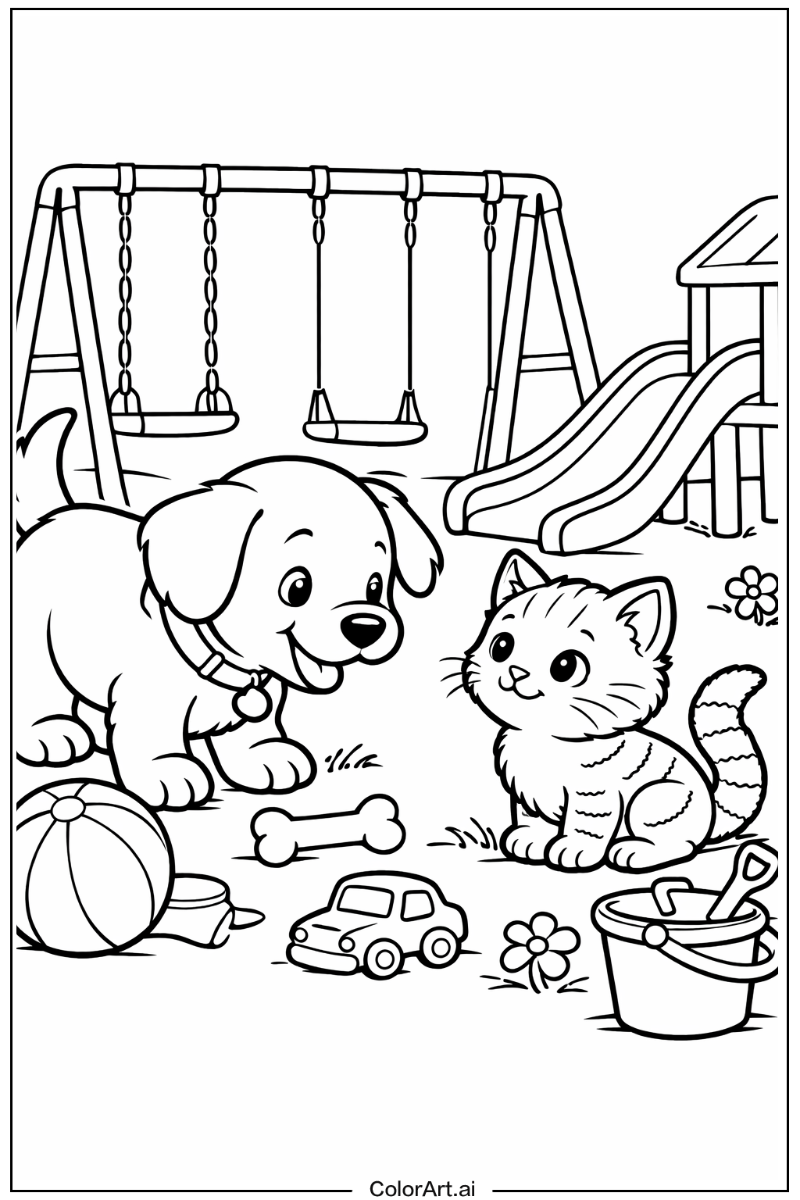
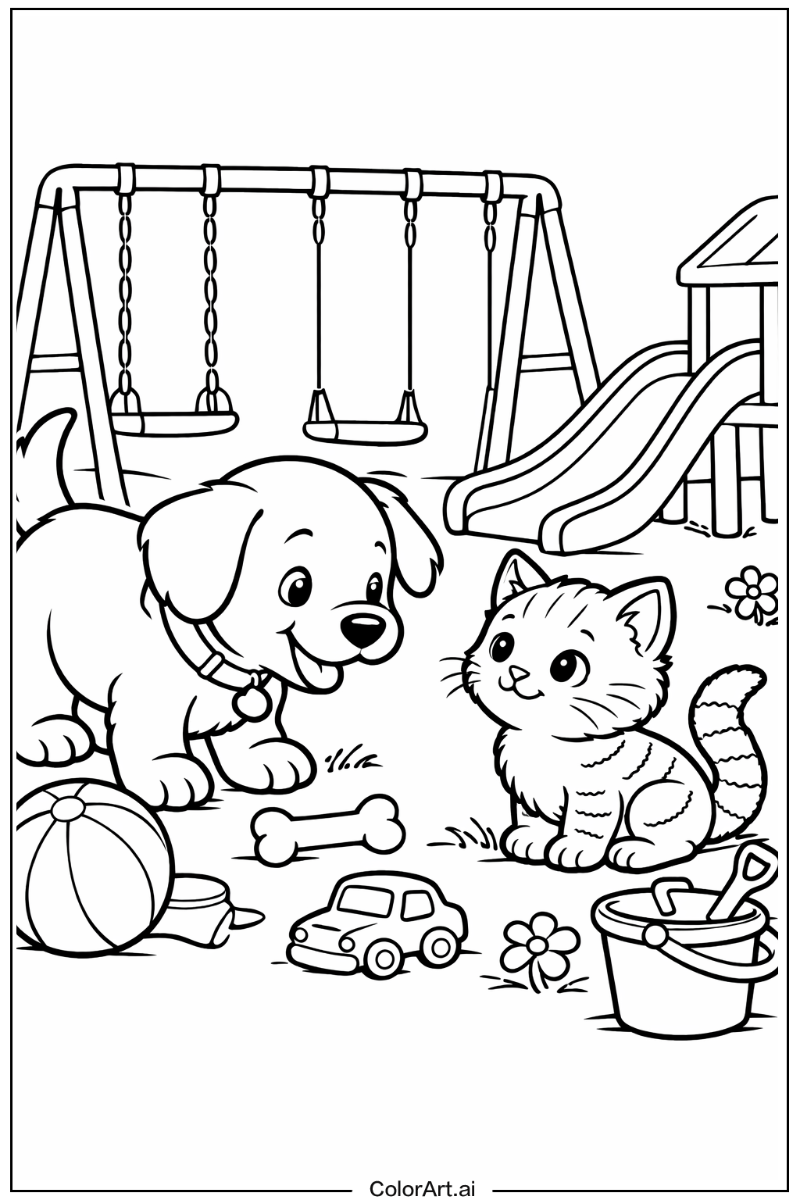 Last ned PNG
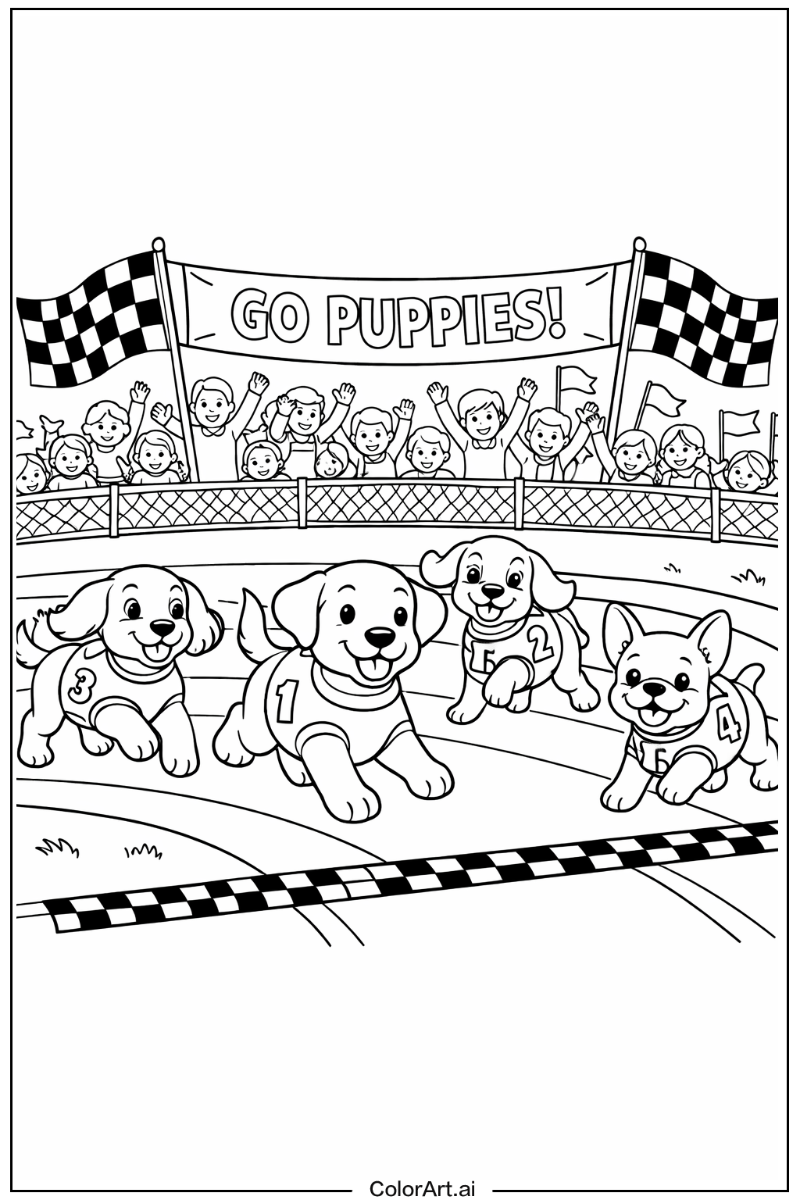
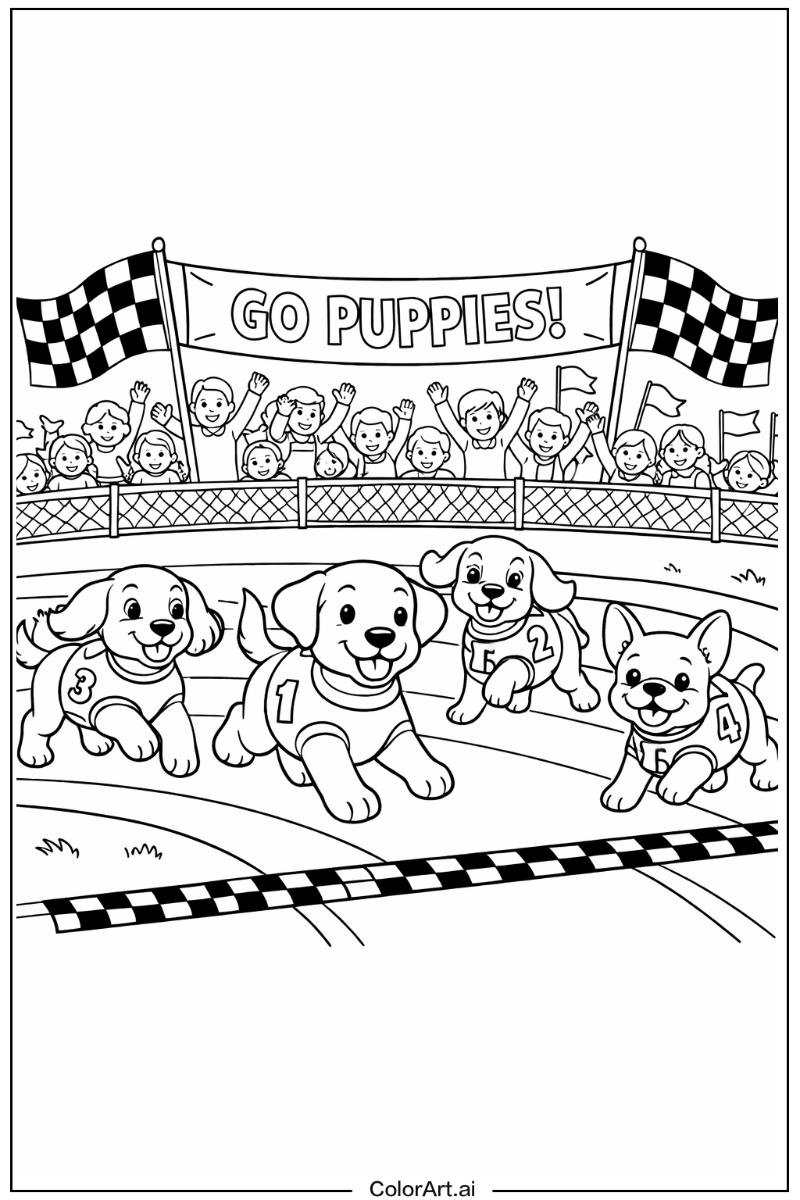 Last ned PNG
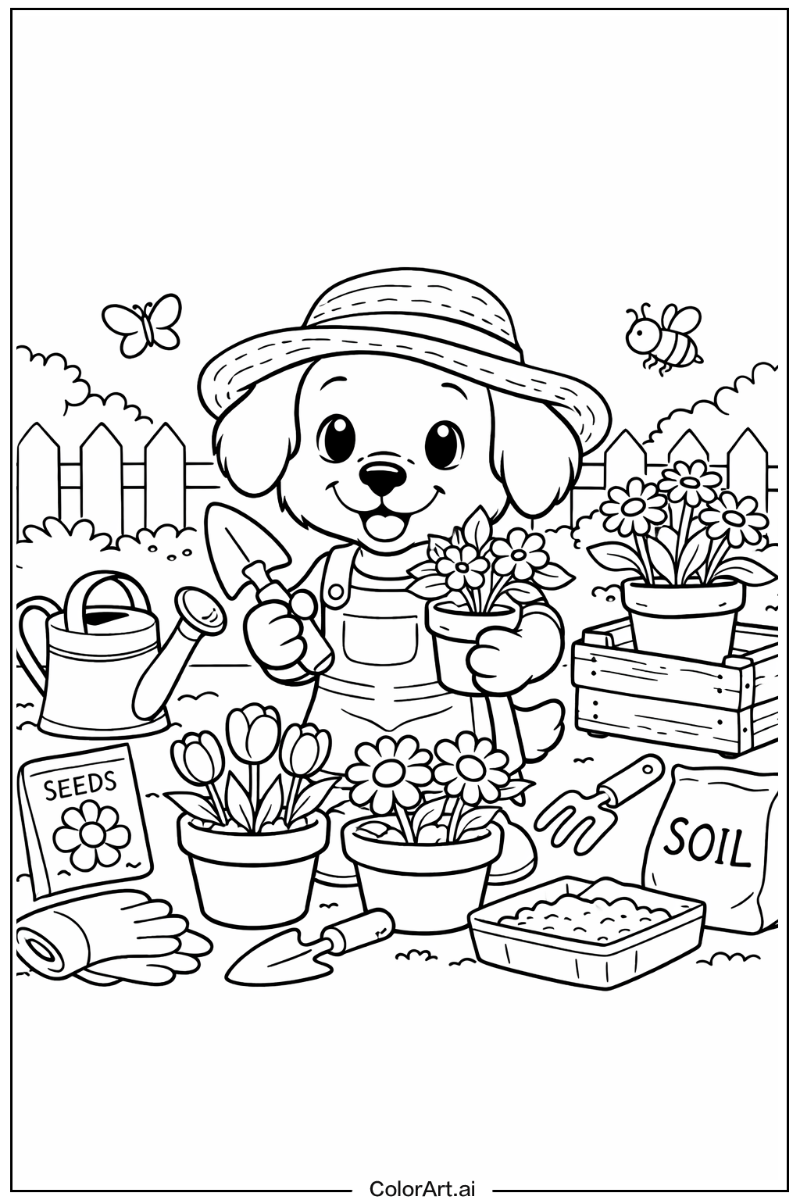
 Last ned PNG
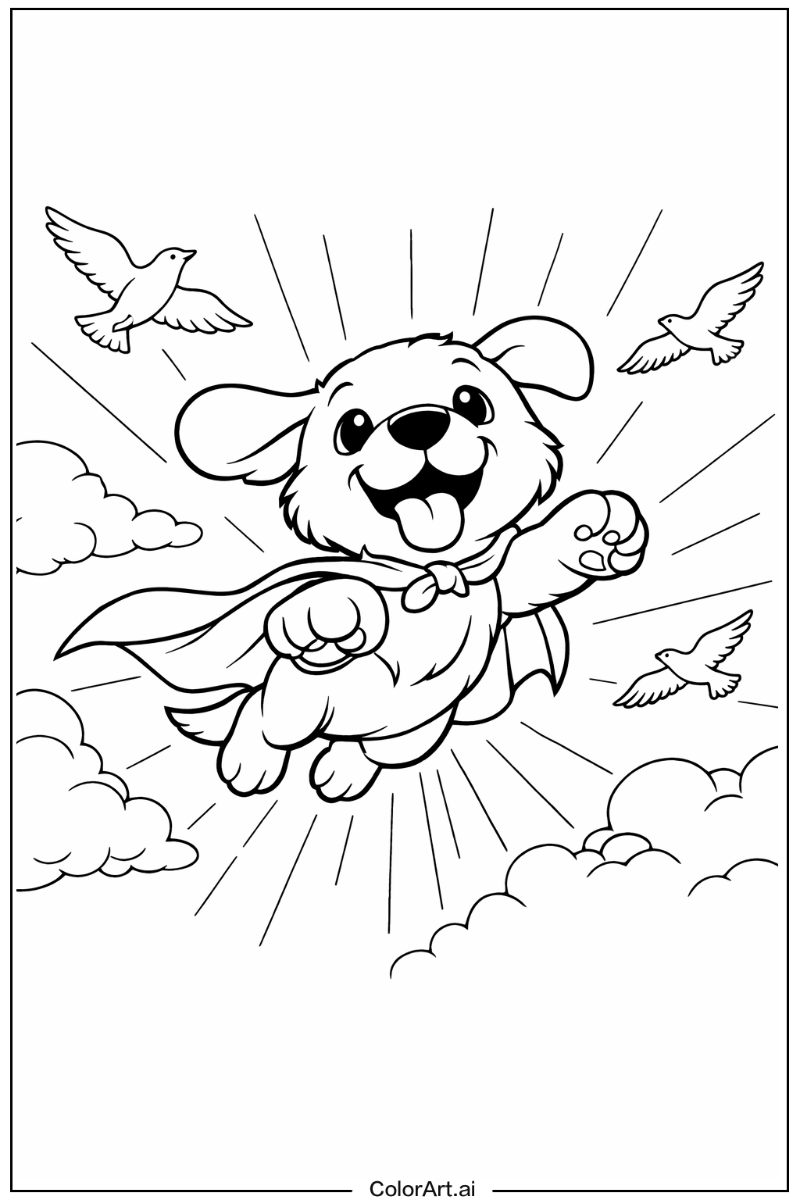
 Last ned PNG
 PNG
PNG
 PNG
PNG
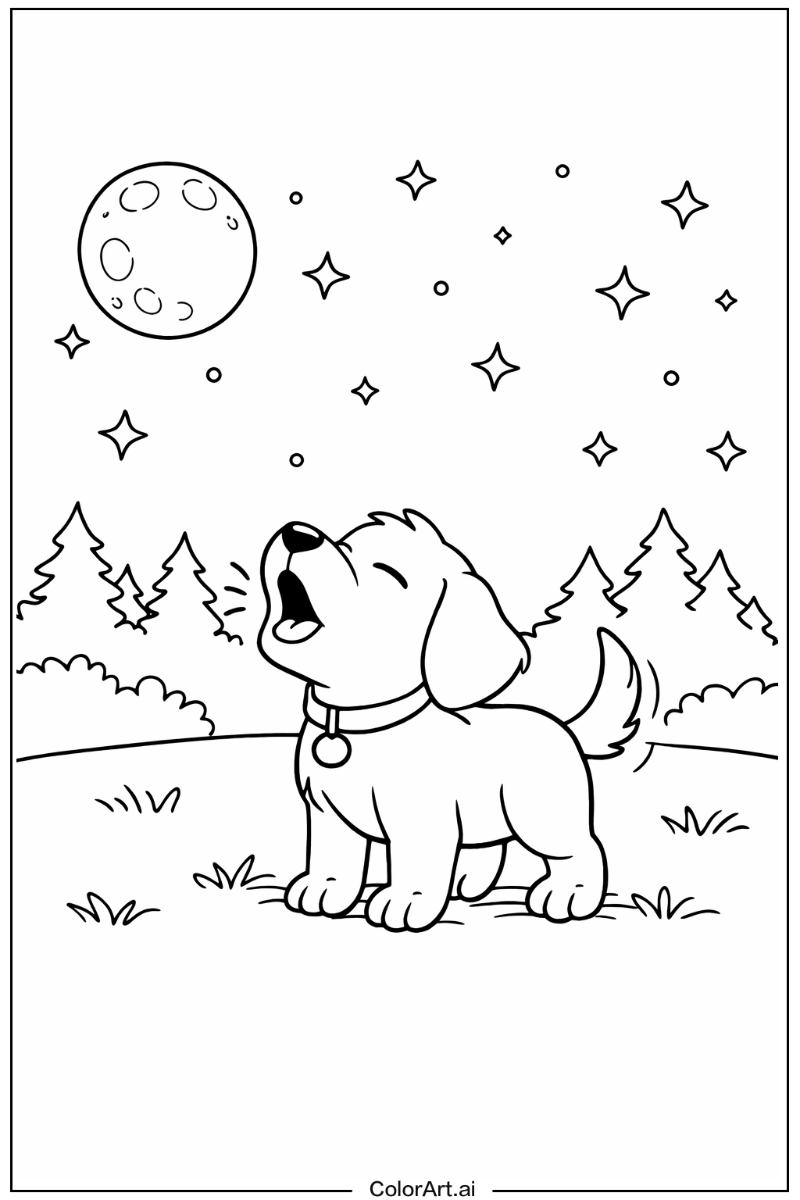
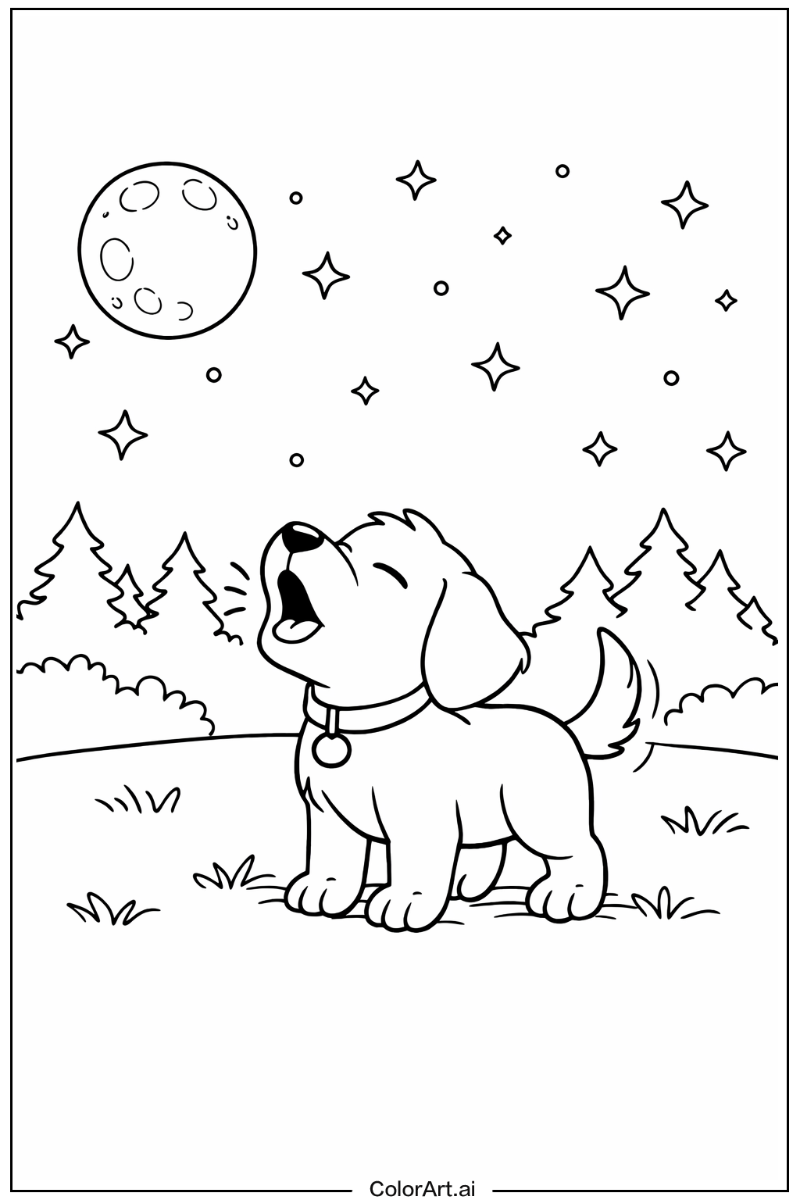 PNG
PNG
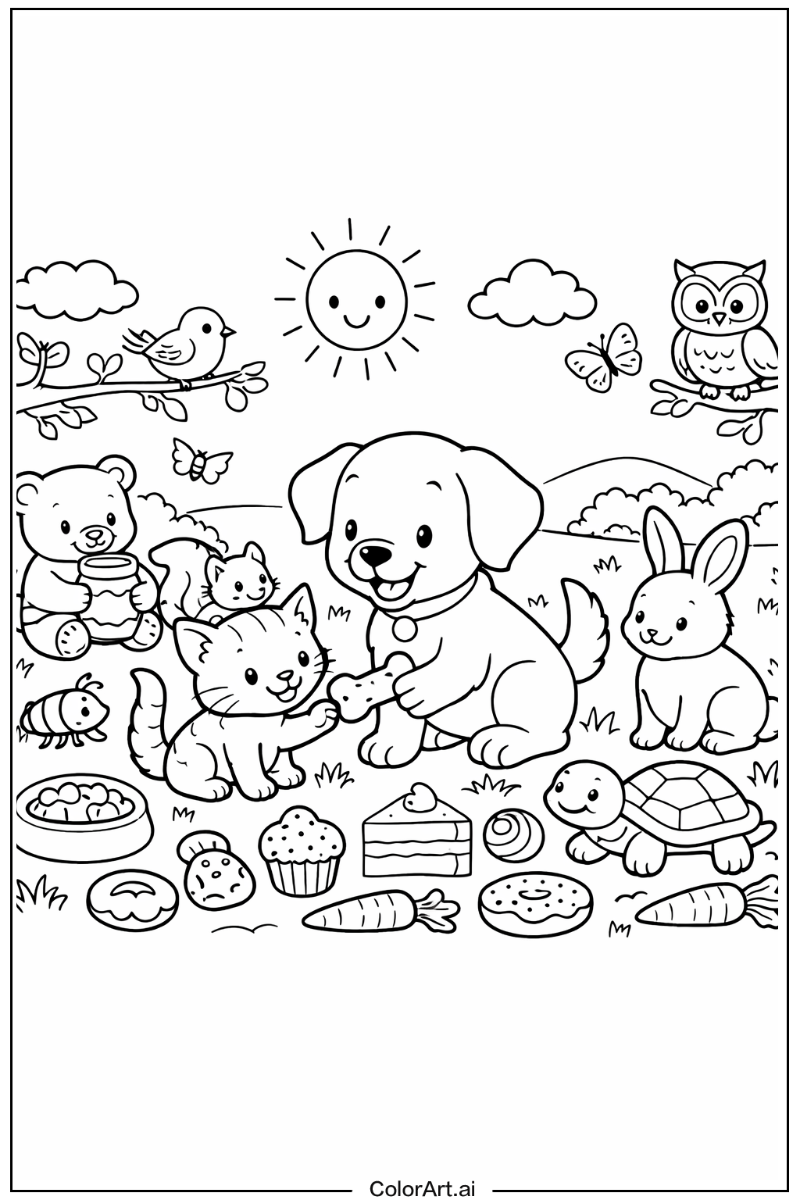
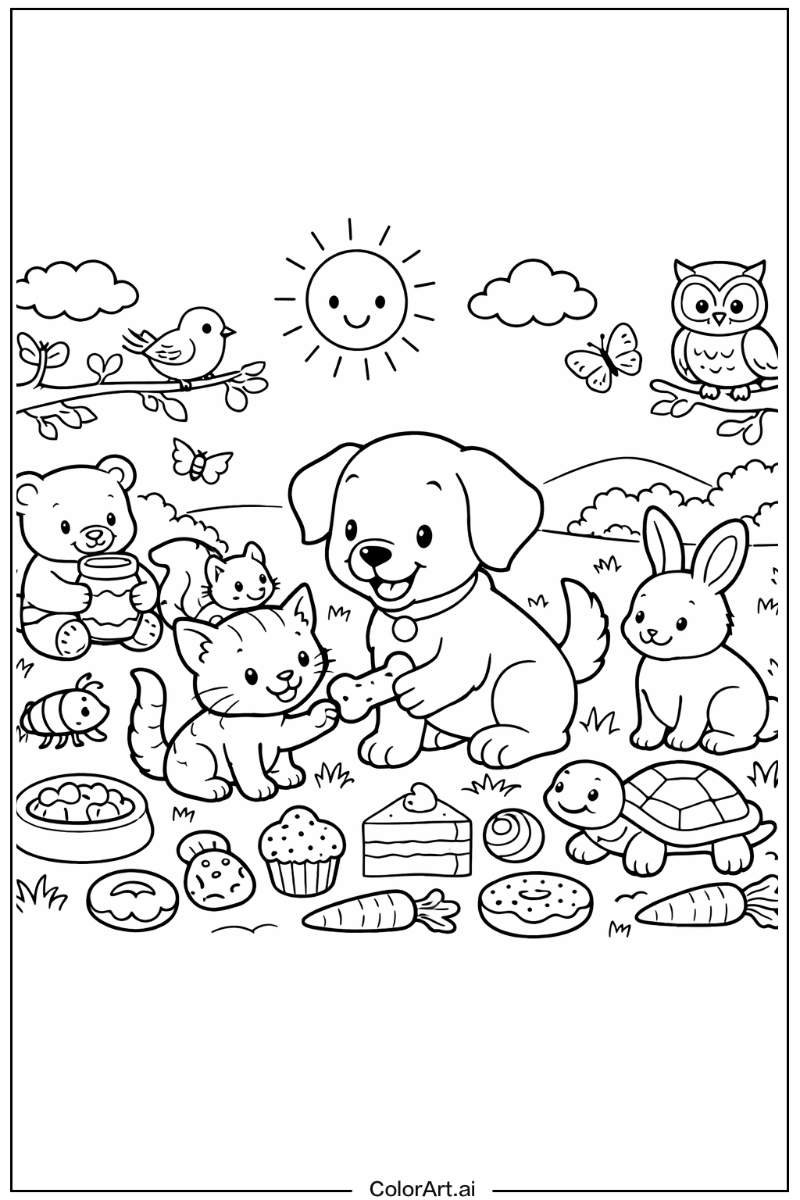 PNG
PNG
 PNG
PNG
 PNG
PNG
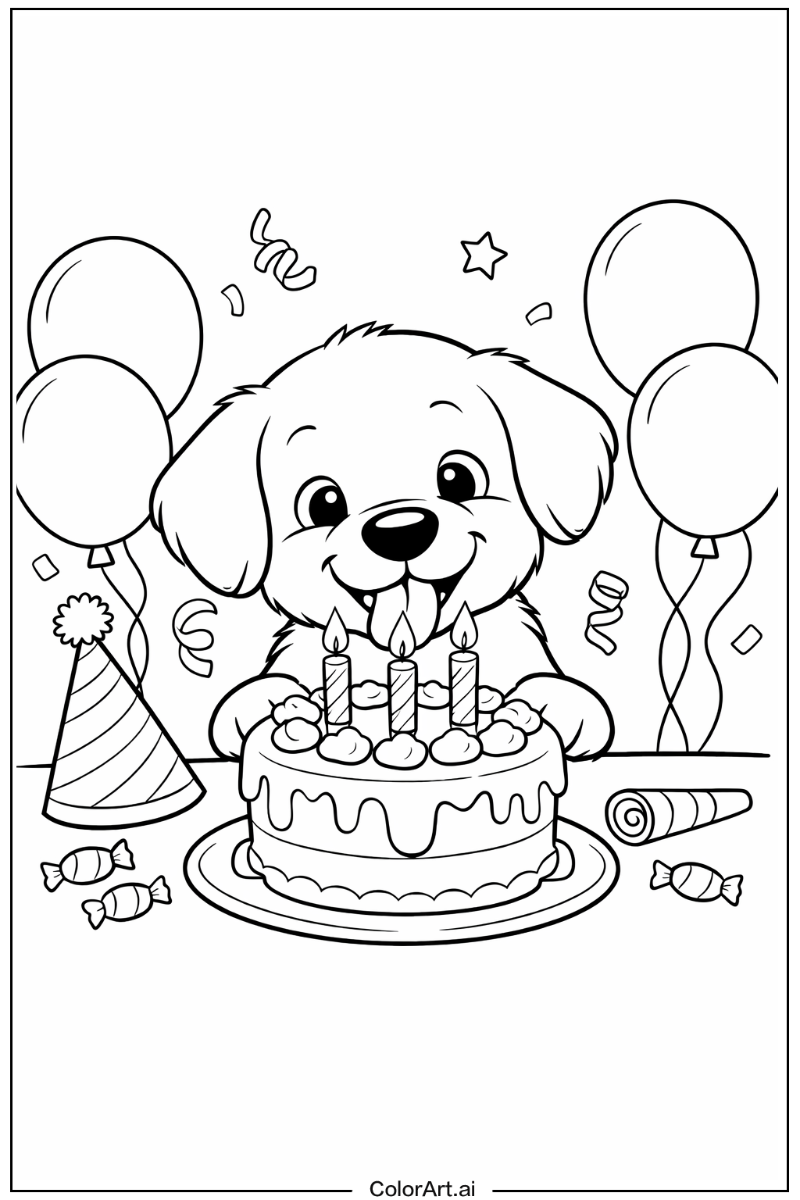
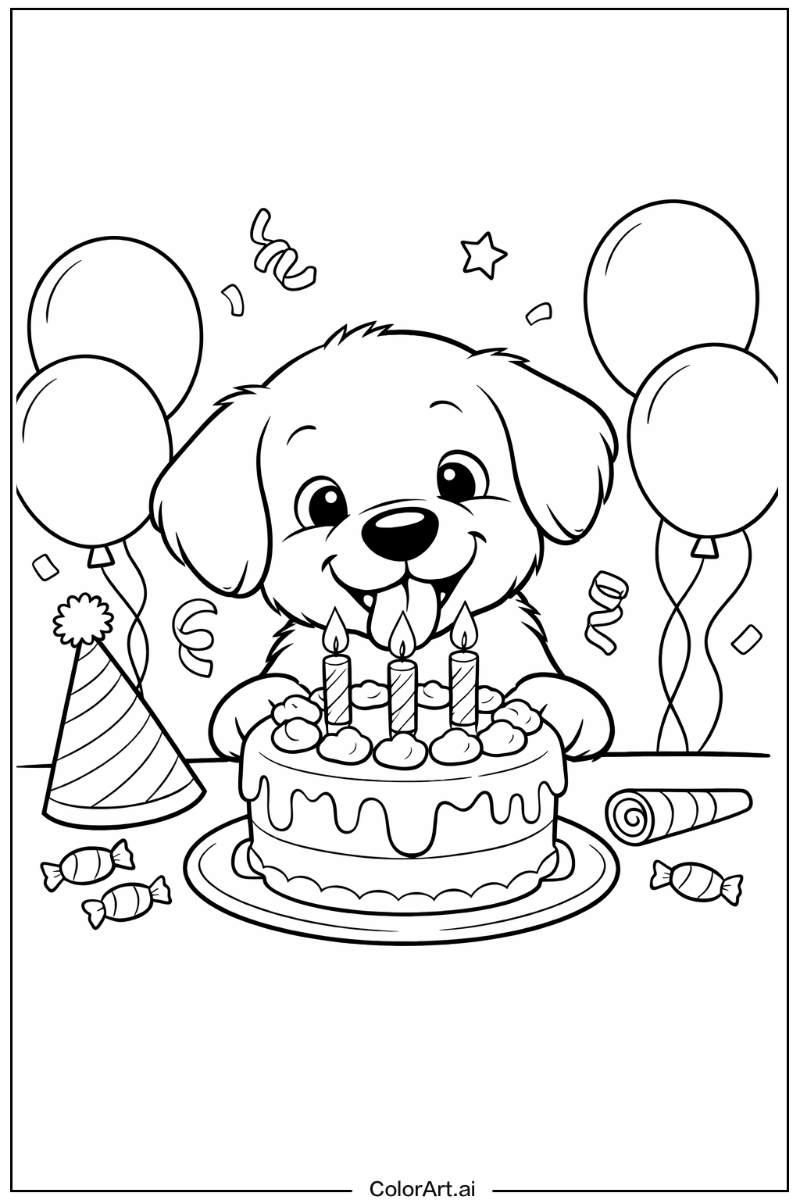 PNG
PNG
Litt bakgrunn om valper
Valper er mer enn bare bedårende følgesvenner; de har unike egenskaper som gjør dem til fascinerende motiver for fargeleggingsark. Forskning viser at personlighetstrekk hos valper kan komme til syne så tidlig som ved to måneders alder, og avsløre deres ekstroverte eller forsiktige natur. Dette er spesielt viktig når vi introduserer konseptet om hunderaser for barn under våre fargeleggingsøkter. For eksempel, når jeg fargelegger en labrador retriever, snakker jeg ofte om deres vennlige gemytt, noe som resonnerer godt hos elevene mine. I tillegg kan forståelse for helse og genetikk hos hunder føre til samtaler om ansvarlig dyrehold og viktigheten av å ta vare på dyr, noe jeg prøver å flette inn i kunsttimene. Ved å inkludere faktiske opplysninger om valper kan en enkel fargeleggingsøkt bli til en rik læringsopplevelse.
Pedagogiske fordeler med fargeleggingsark av valper
Etter min erfaring er fordelene med å bruke fargeleggingsark av valper i klasserommet mange. For det første forbedrer disse arkene finmotorikk og øye-hånd-koordinasjon betydelig. Når elevene mine, som lille Bella, fokuserer på å holde seg innenfor linjene mens de fargelegger en valp, utvikler de ubevisst viktig fingerferdighet. Utover fysiske ferdigheter, styrker fargelegging også konsentrasjon og kognitive evner. Jeg har observert at elevene blir helt oppslukt i detaljene i valpeillustrasjonene sine, noe som hjelper dem med å utvikle tålmodighet og fokus på detaljer. Følelsesmessig kan fargelegging være en beroligende aktivitet som gir stressavlastning og et utløp for selvuttrykk. For eksempel, i løpet av en spesielt travel uke merket jeg at elever som holdt på med fargeleggingsark av valper var roligere og mer fokuserte, og ivrige etter å dele sine fargerike kreasjoner. Å integrere valpetemaer i ulike fag, som naturfag og norsk, kan berike læringsopplevelsen ytterligere. Vi diskuterer ofte hunderaser mens vi fargelegger, noe som kobles til biologi og til og med historiefortelling, ettersom de lager sine egne valpeeventyr.
Praktiske teknikker for fargelegging av valper
For å få mest mulig ut av fargeleggingsøktene med valper, er her noen tips som har fungert utmerket i klasserommet mitt. Først anbefaler jeg å bruke en blanding av materialer. Fargeblyanter er fantastiske for detaljert arbeid på fargeleggingsark av valper, mens tusjer kan gi dristige, levende farger. For yngre barn er fargestifter et utmerket valg, da de er enklere å håndtere og rydde opp etter. Når du skriver ut fargeleggingsarkene dine, kan bruk av papir av høy kvalitet som kartong forbedre fargeleggingsopplevelsen, og sikre at fargene kommer frem og linjene forblir skarpe. I tillegg oppmuntrer jeg alltid elevene mine til å eksperimentere med farger som gjenspeiler valpens personlighet. For eksempel, under vår «valpedag»-feiring, lot jeg elevene fargelegge en valp med regnbuefargede flekker, noe som viste frem kreativiteten og individualiteten deres. Ikke glem å skape en koselig og innbydende atmosfære under disse aktivitetene, da det kan inspirere kreativiteten ytterligere!
Aktuelle trender innen kunstopplæring med valper
Når vi går inn i det nye året, fortsetter kjærligheten til valper å blomstre i både hjem og klasserom. American Kennel Club rapporterte nylig at labrador retrievere forblir den mest populære rasen, og denne trenden har påvirket hva vi ser på våre fargeleggingsark. Jeg har merket at elevene er spesielt begeistret for å fargelegge ark med labrador-tema, noe som reflekterer deres lengsel etter vennskap og glede. Dessuten har fremveksten av digitale plattformer gjort det enklere for lærere og foreldre å få tilgang til gratis fargeleggingsark med valper til utskrift. Nettsteder som ColoringBook.ai tilbyr nå et vell av alternativer i ulike formater, noe som gjør det enkelt for oss å inkludere disse arkene i læreplanen vår. Populariteten til valper strekker seg også til trender innen dyrehold, ettersom familier i økende grad ser på kjæledyr som integrerte medlemmer av familien, noe som skaper en fantastisk mulighet til å diskutere empati og ansvar i klasserommet vårt.
Ofte stilte spørsmål om fargeleggingsark av valper
Hvilken aldersgruppe passer fargeleggingsark av valper for?
Fargeleggingsark av valper er designet for ulike aldersgrupper, fra førskolebarn (3-5 år) til voksne. Vi tilbyr ulike kompleksitetsnivåer for å matche ulike ferdighetsnivåer, slik at alle kan være med på moroa!
Hvilke materialer fungerer best til fargelegging av ark med valper?
For optimale resultater er fargeblyanter ideelle for detaljert arbeid, mens tusjer fungerer best for dristige farger. Fargestifter er perfekte for yngre barn. Bruk av papir av høy kvalitet eller kartong kan også forbedre det endelige resultatet.
Hvordan bør jeg skrive ut fargeleggingsark av valper for best kvalitet?
For å oppnå best resultat, bruk skriverinnstillinger med høy kvalitet og standard A4-papir eller brevstørrelse. For holdbarhet, vurder å bruke kartong, og sørg for at skriveren har nok blekk for klare linjer.