Unlocking Creativity with Alphabet Coloring Pages
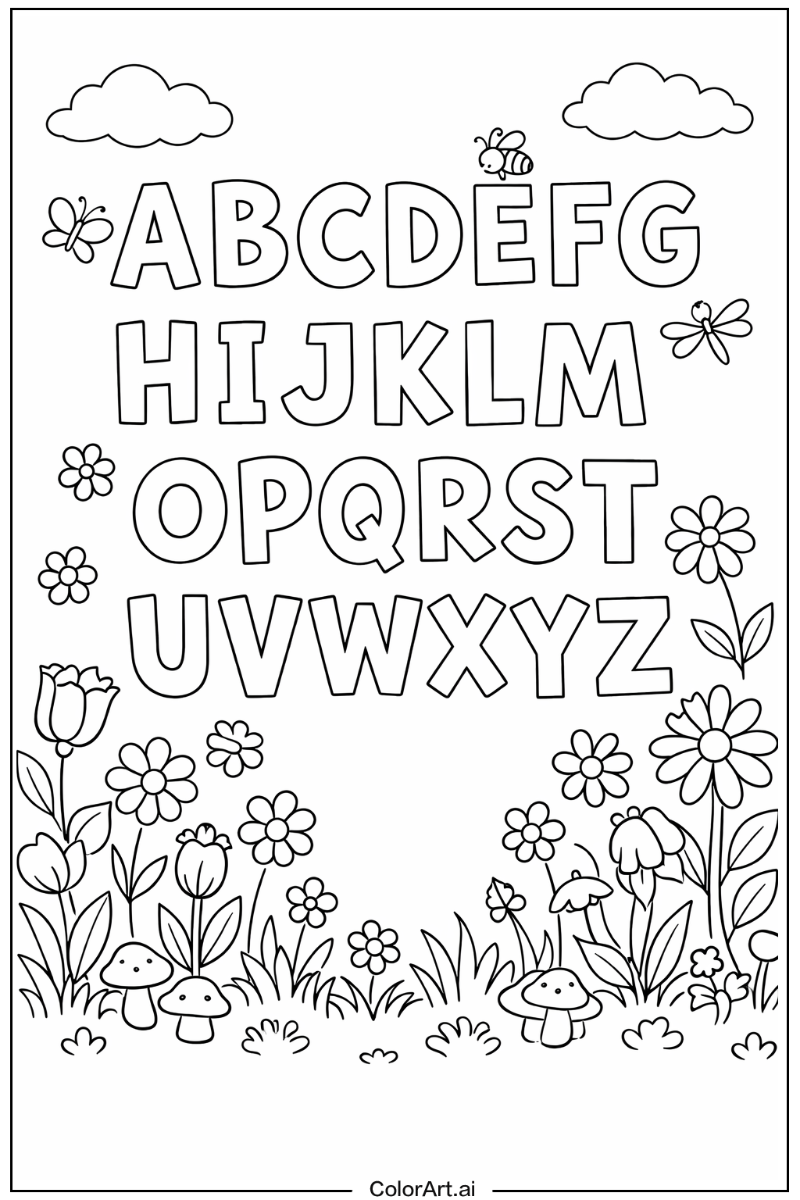
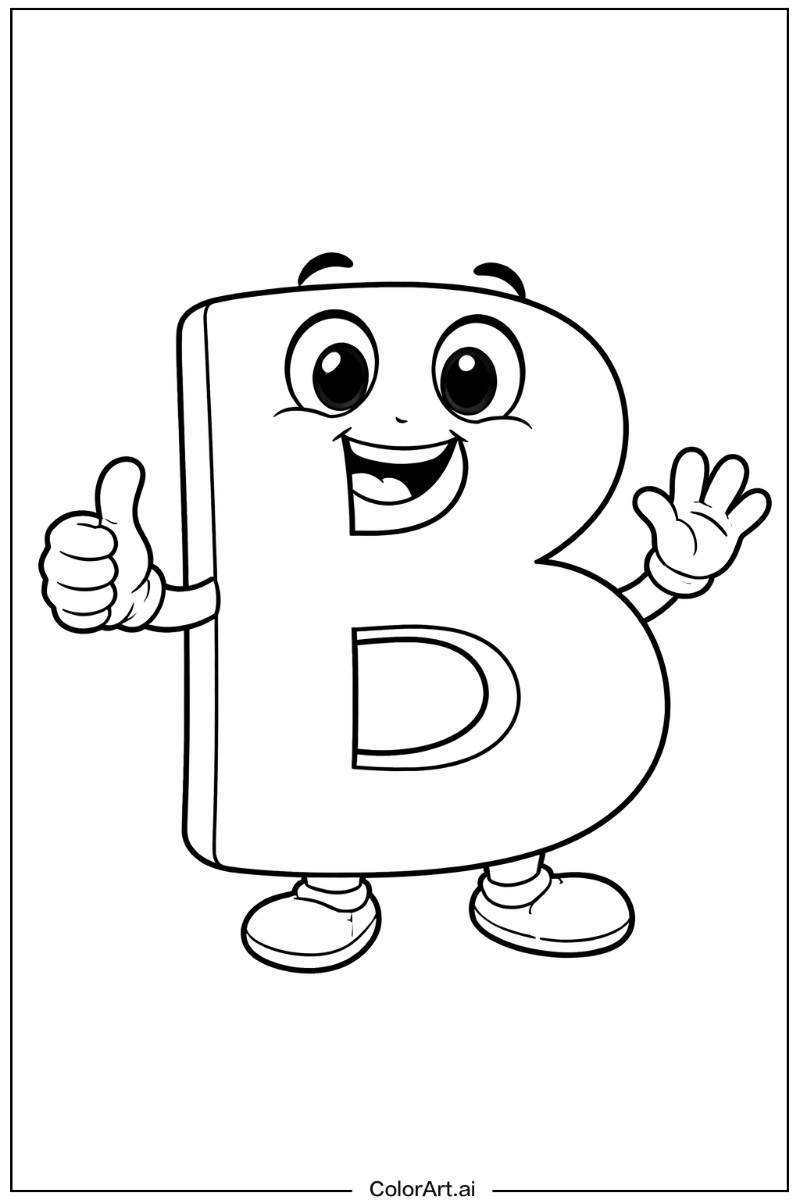
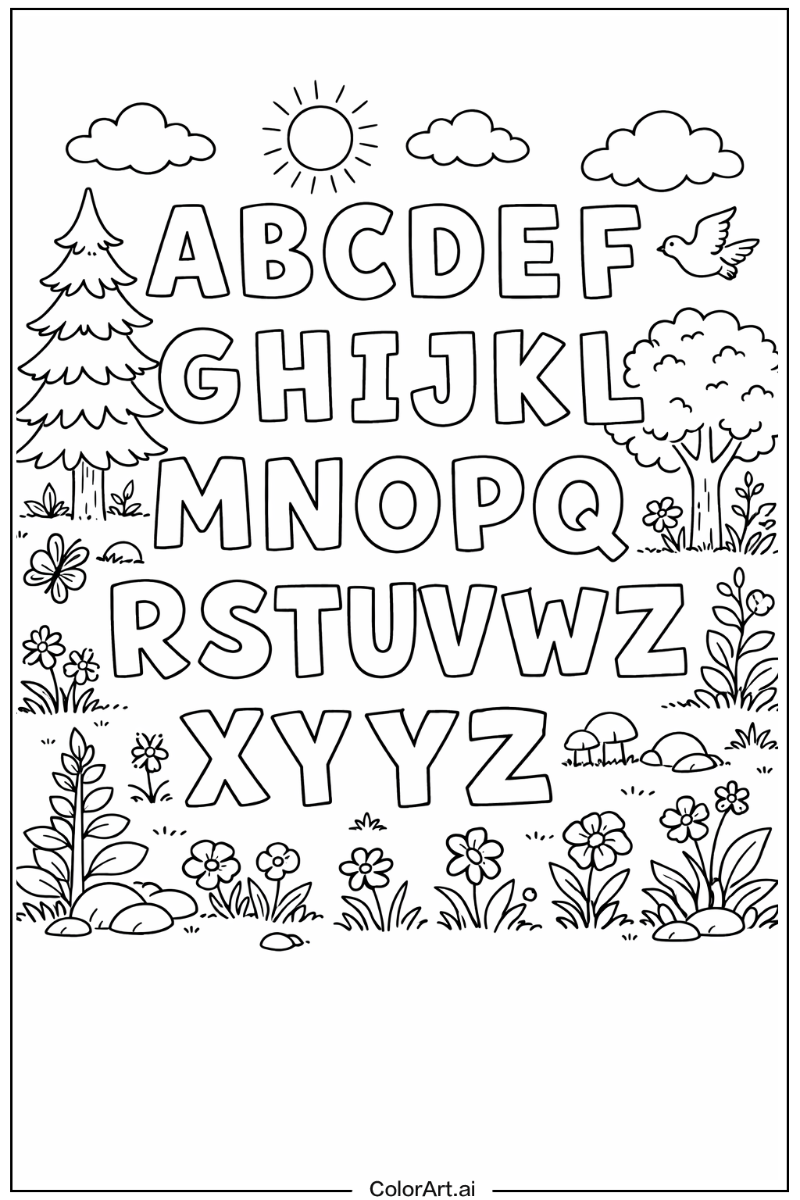
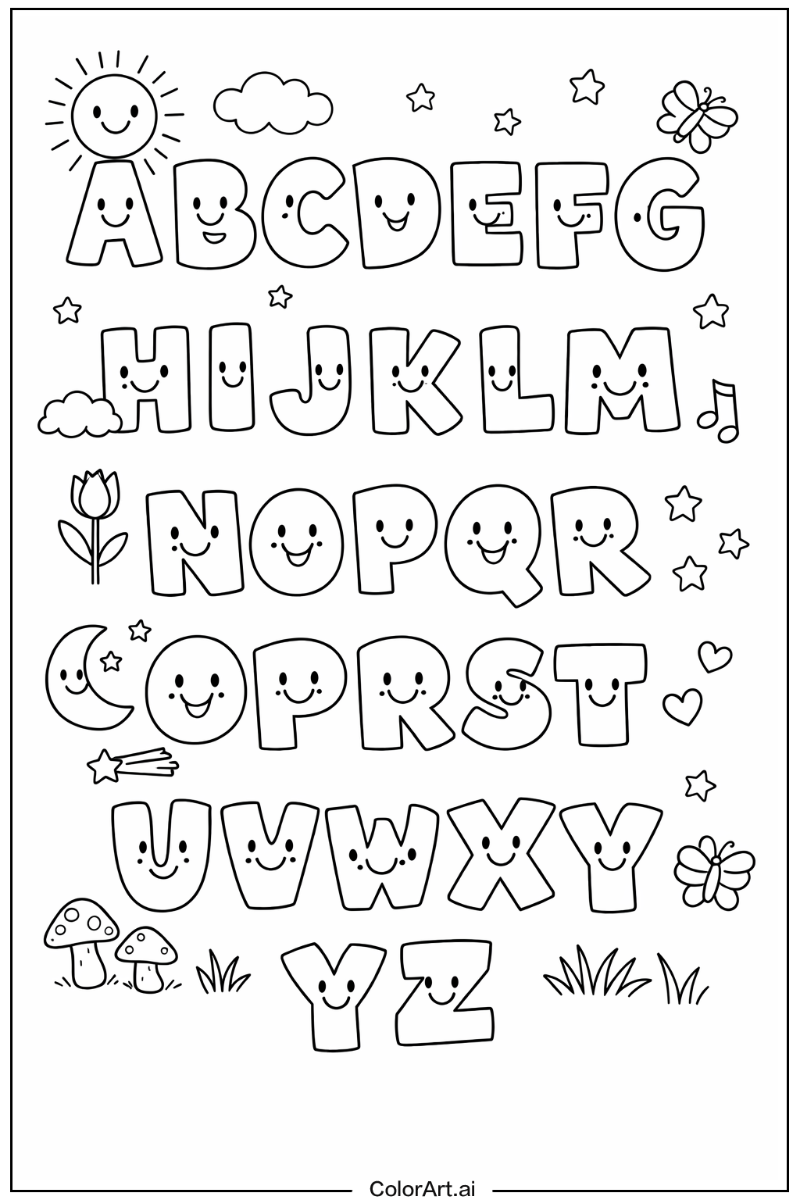
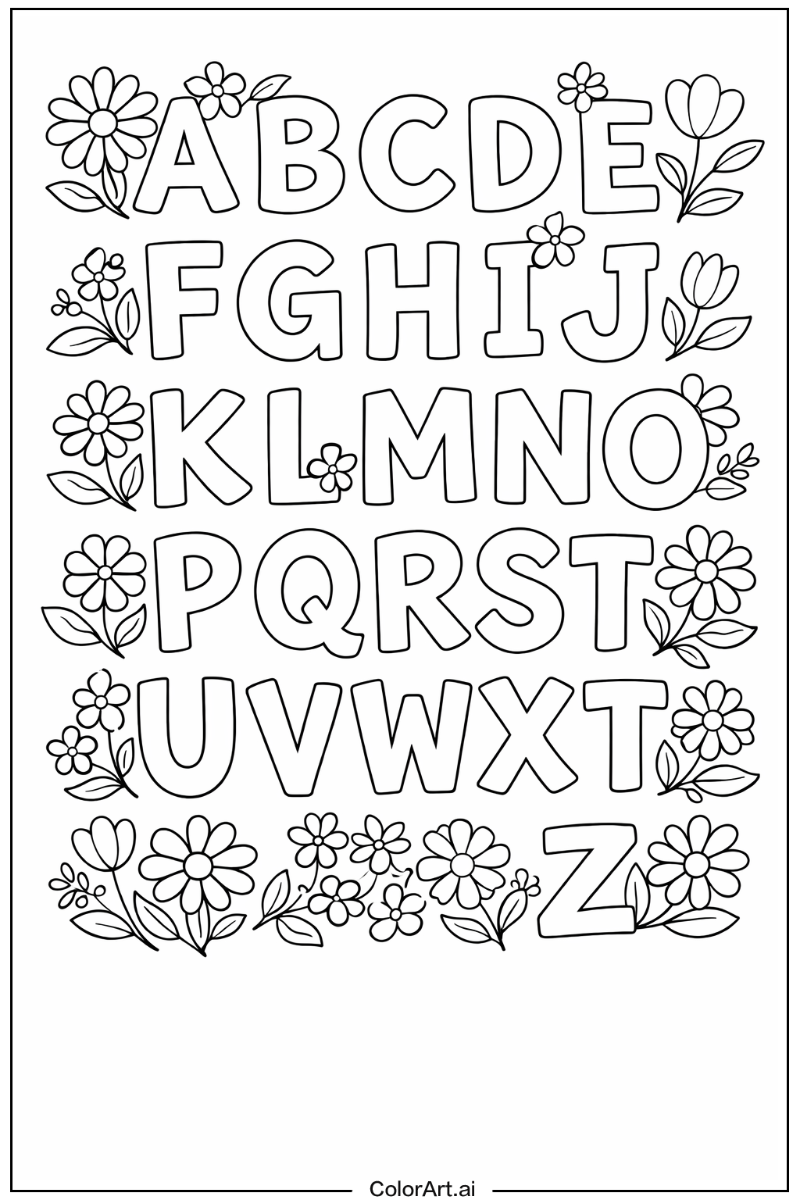
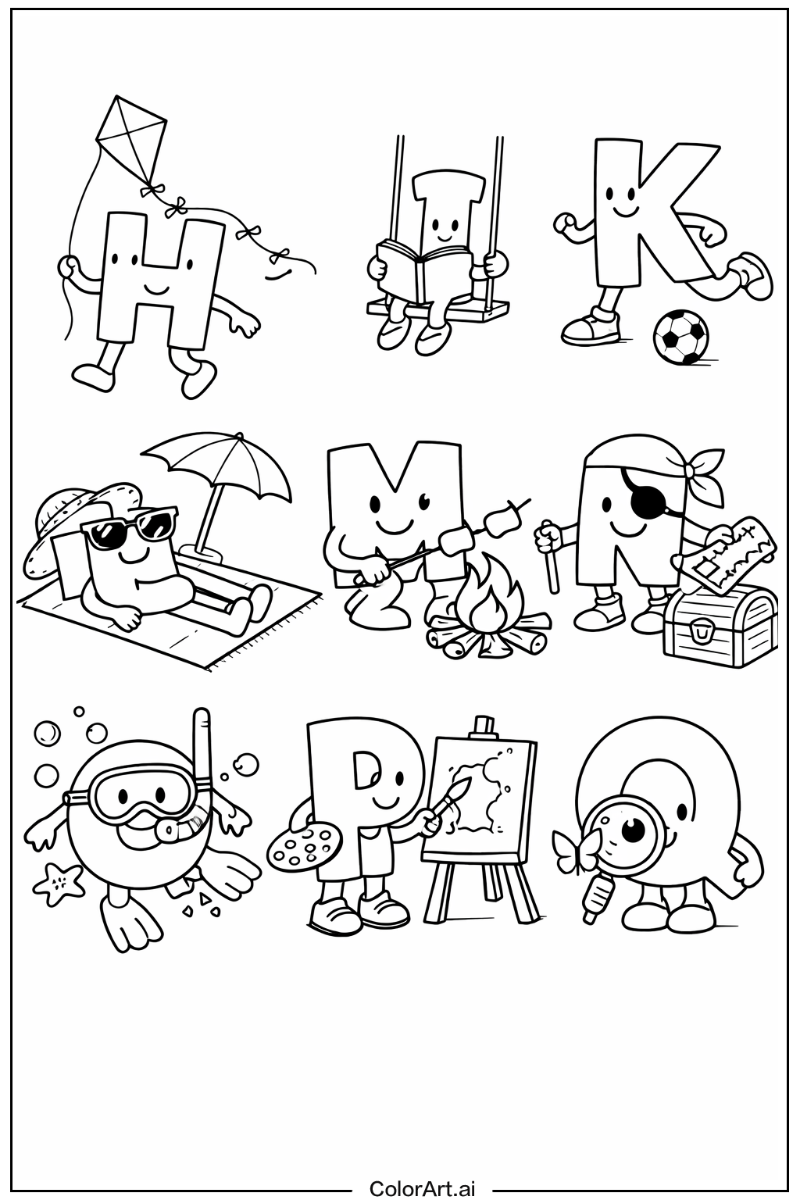
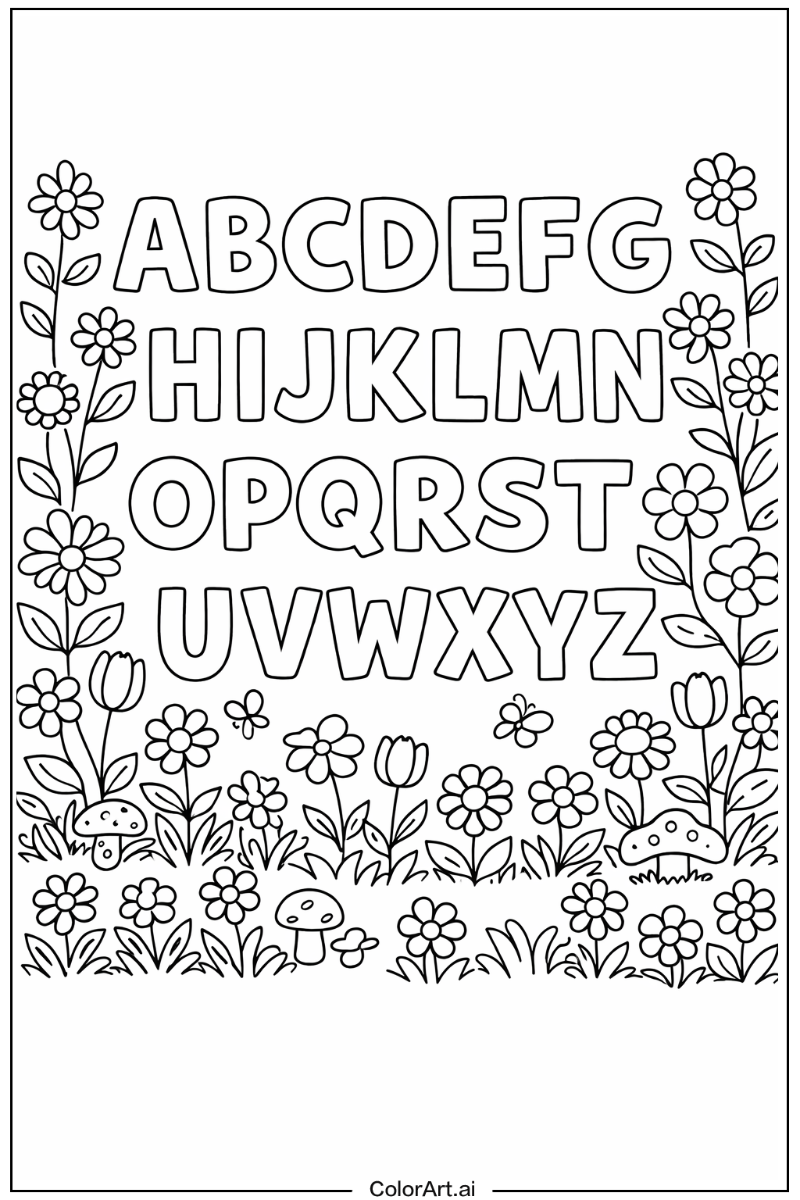
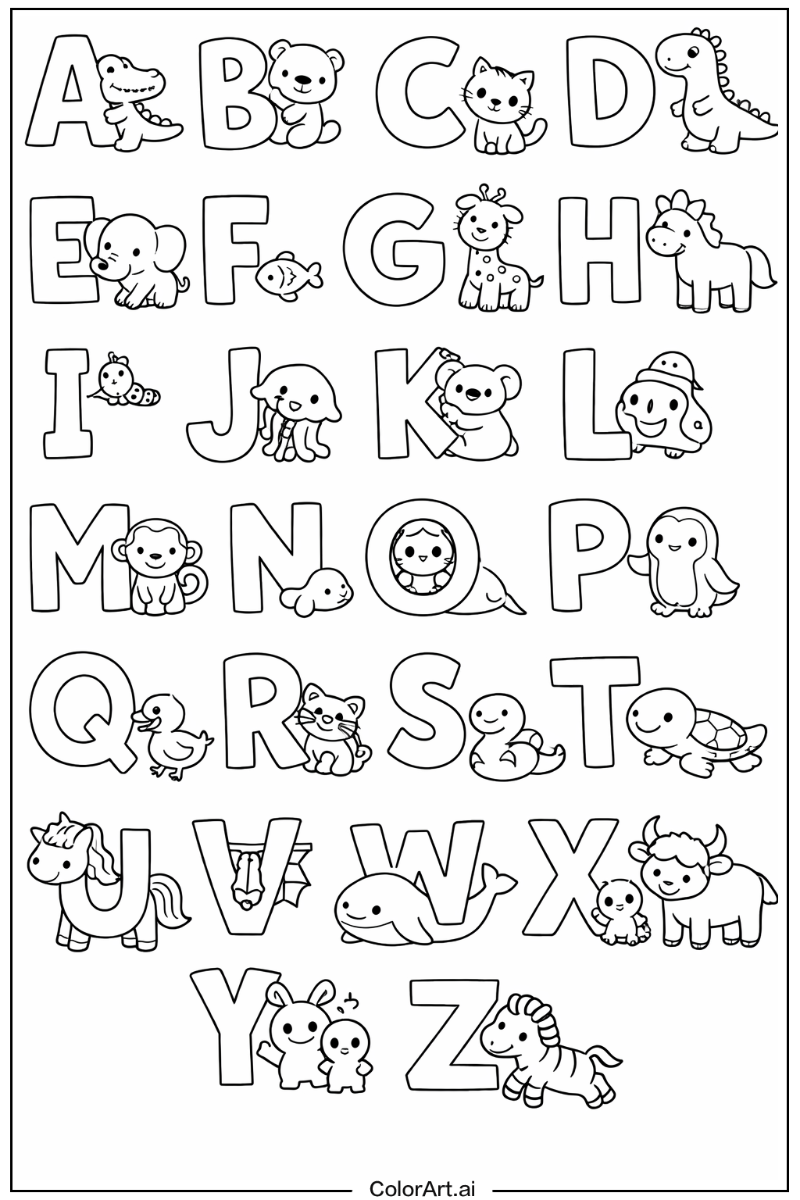
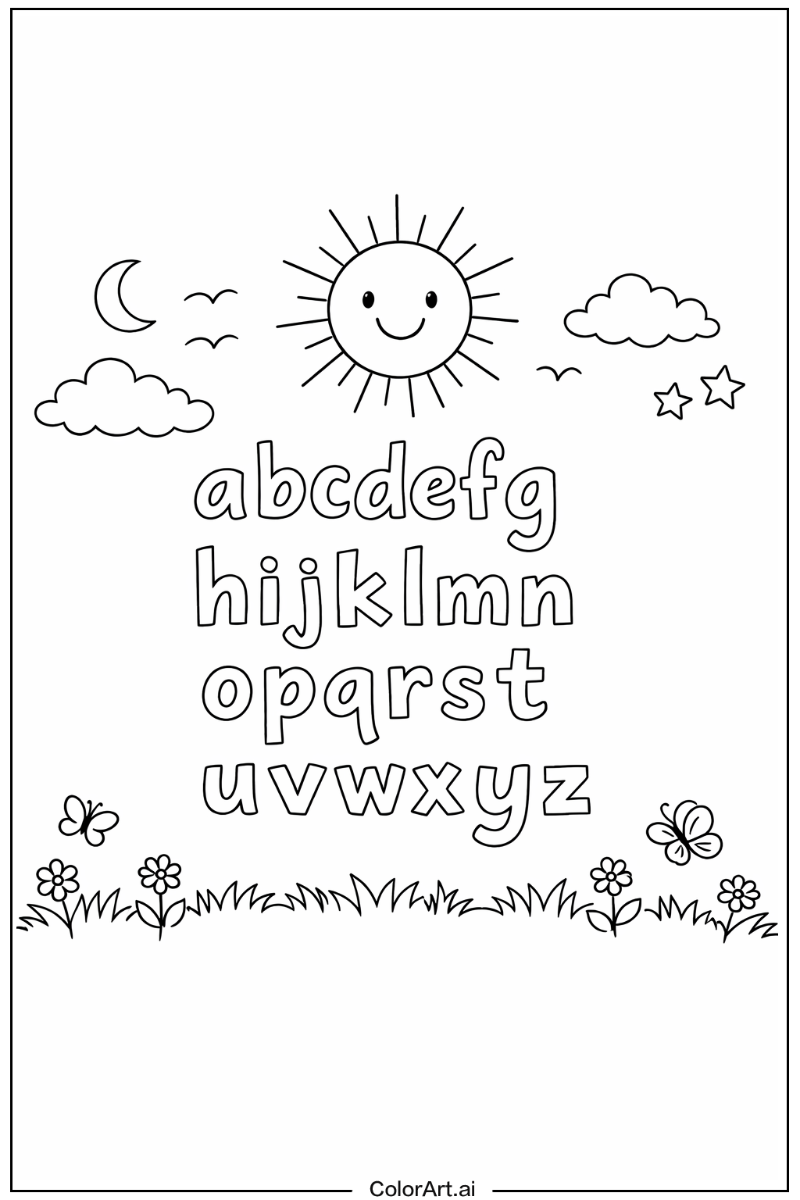
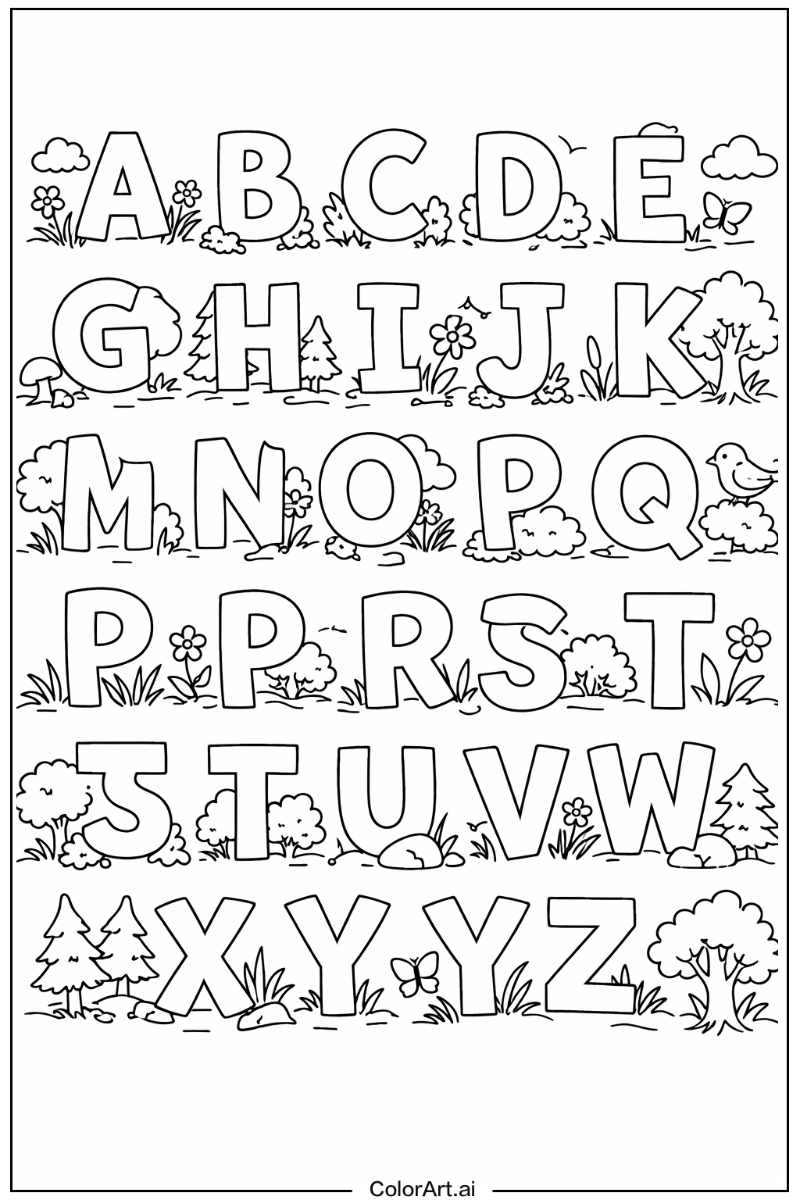
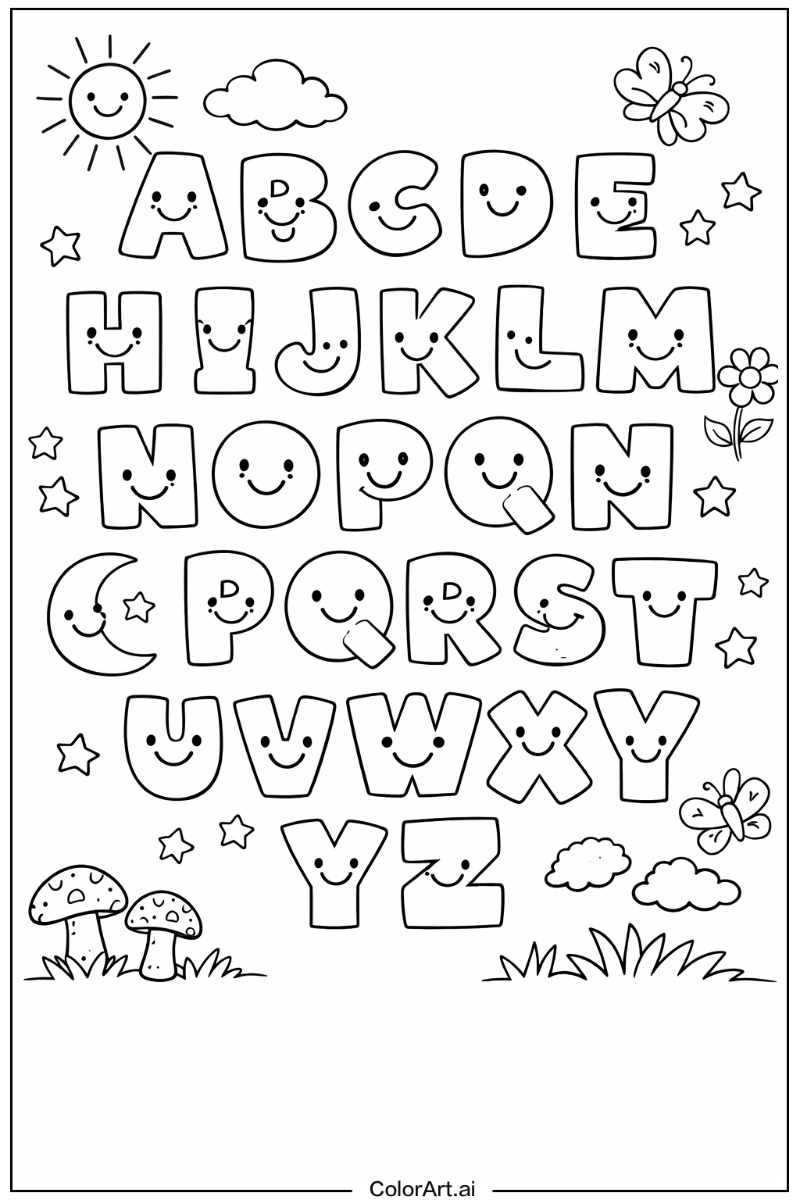
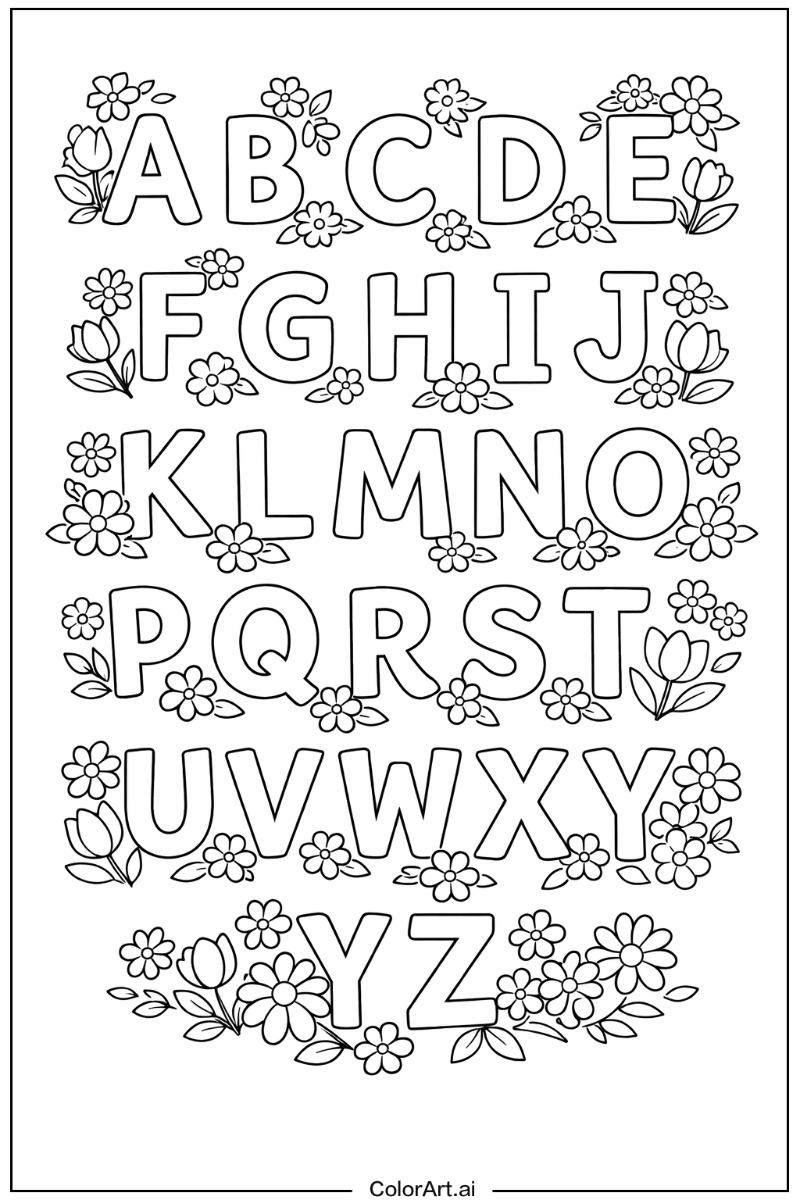
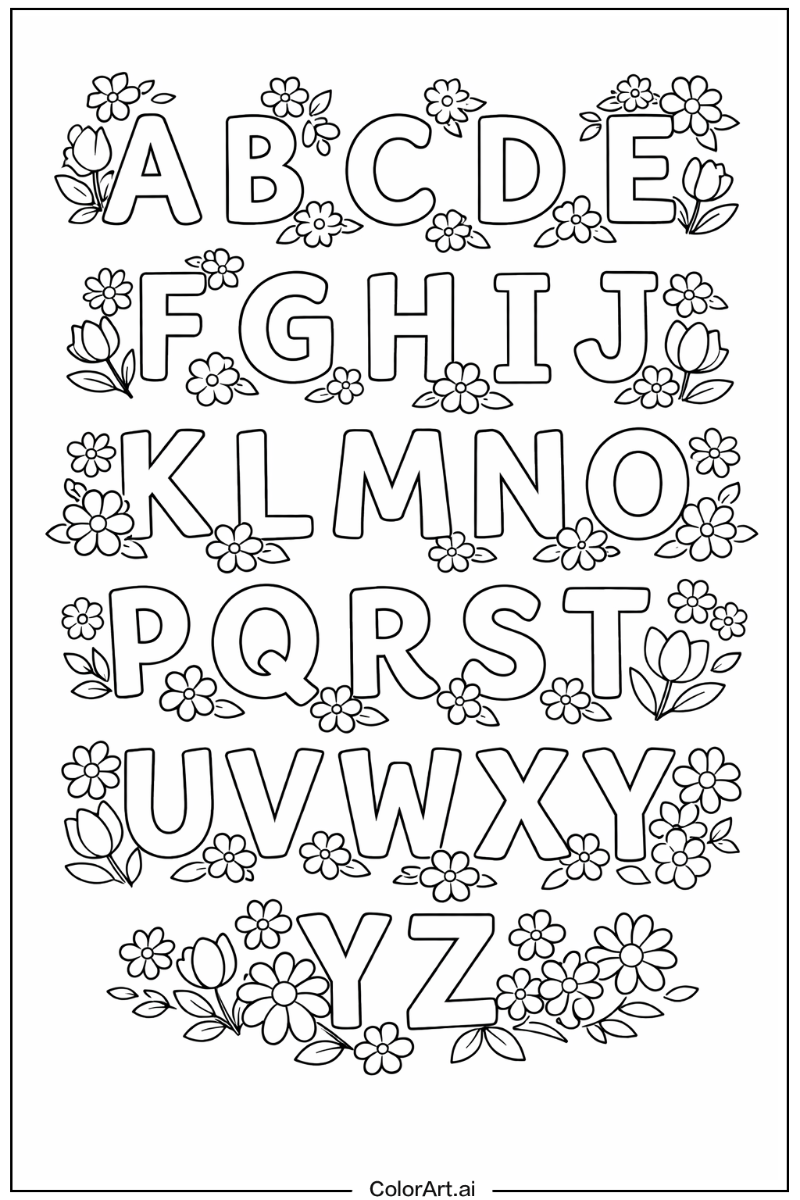
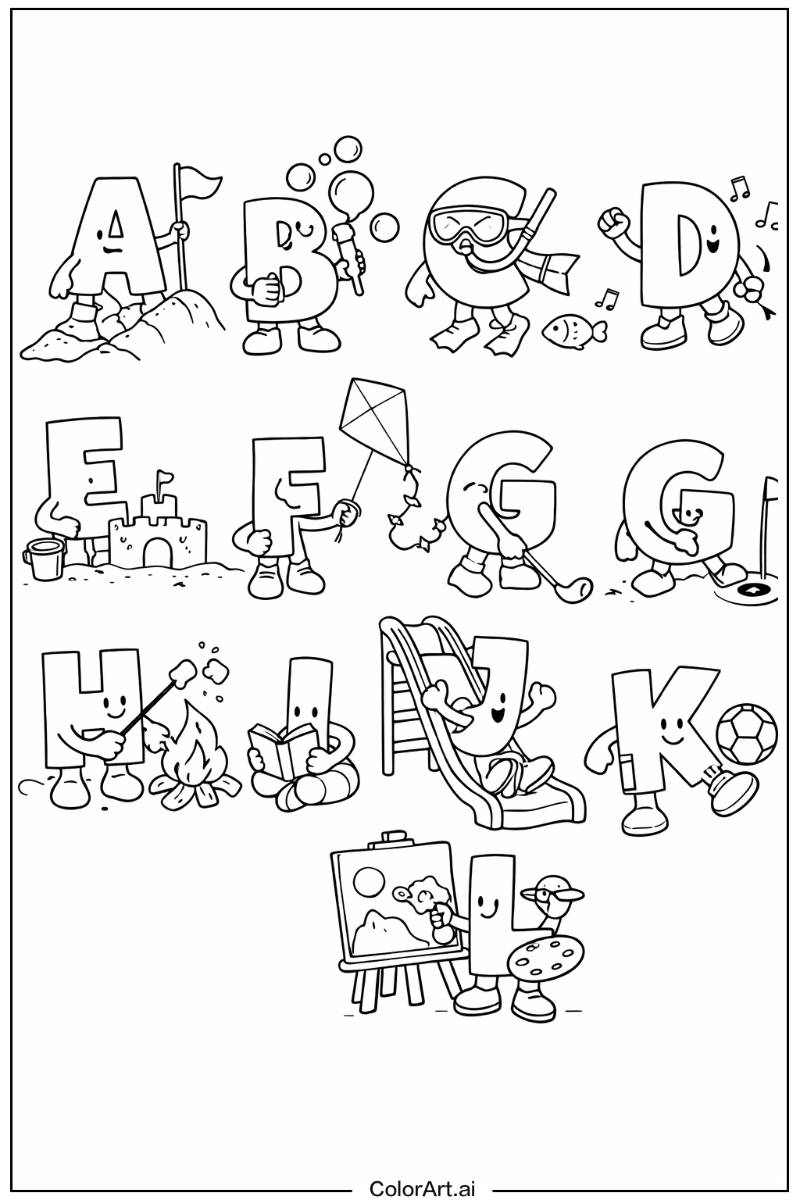
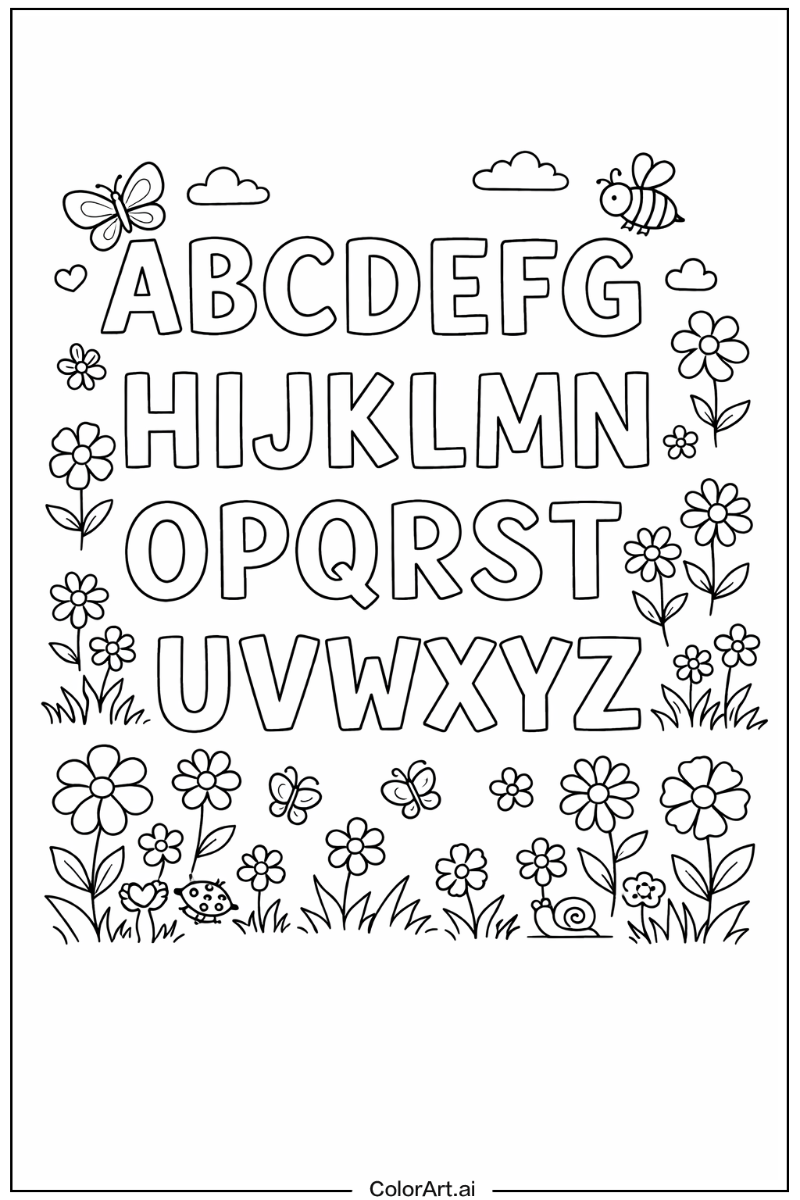
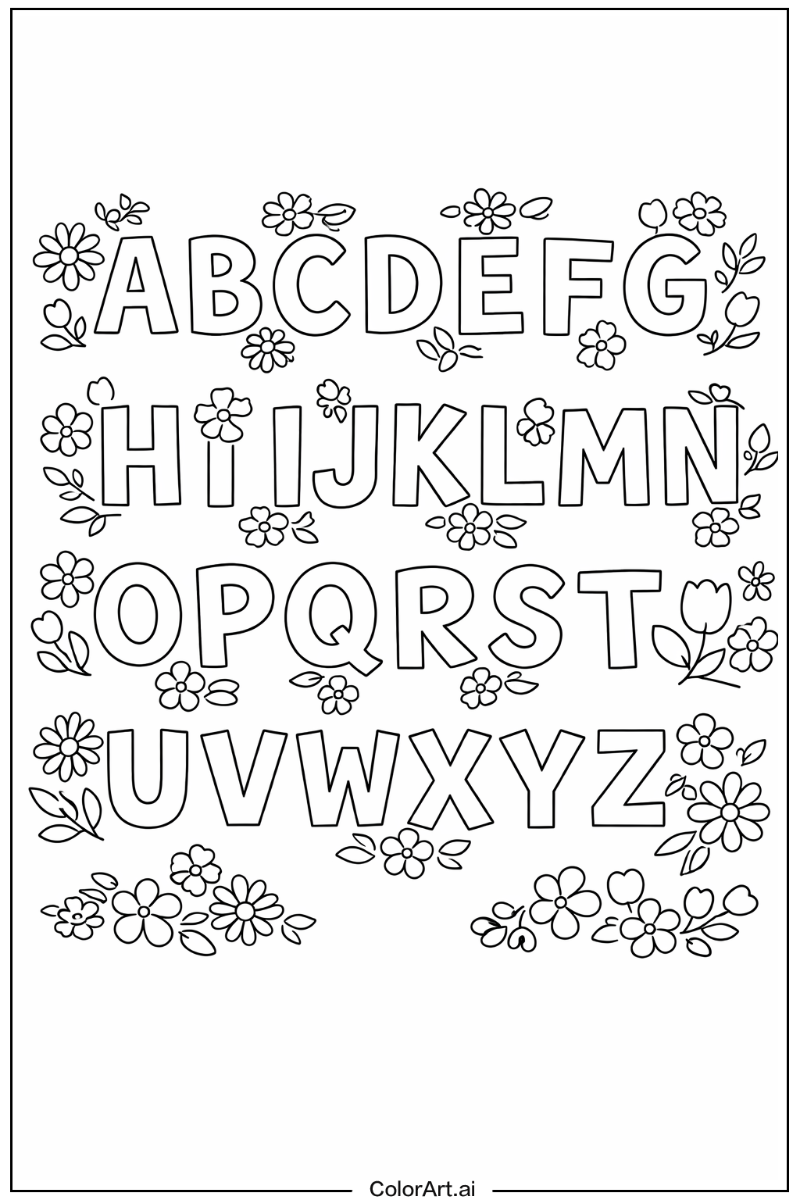
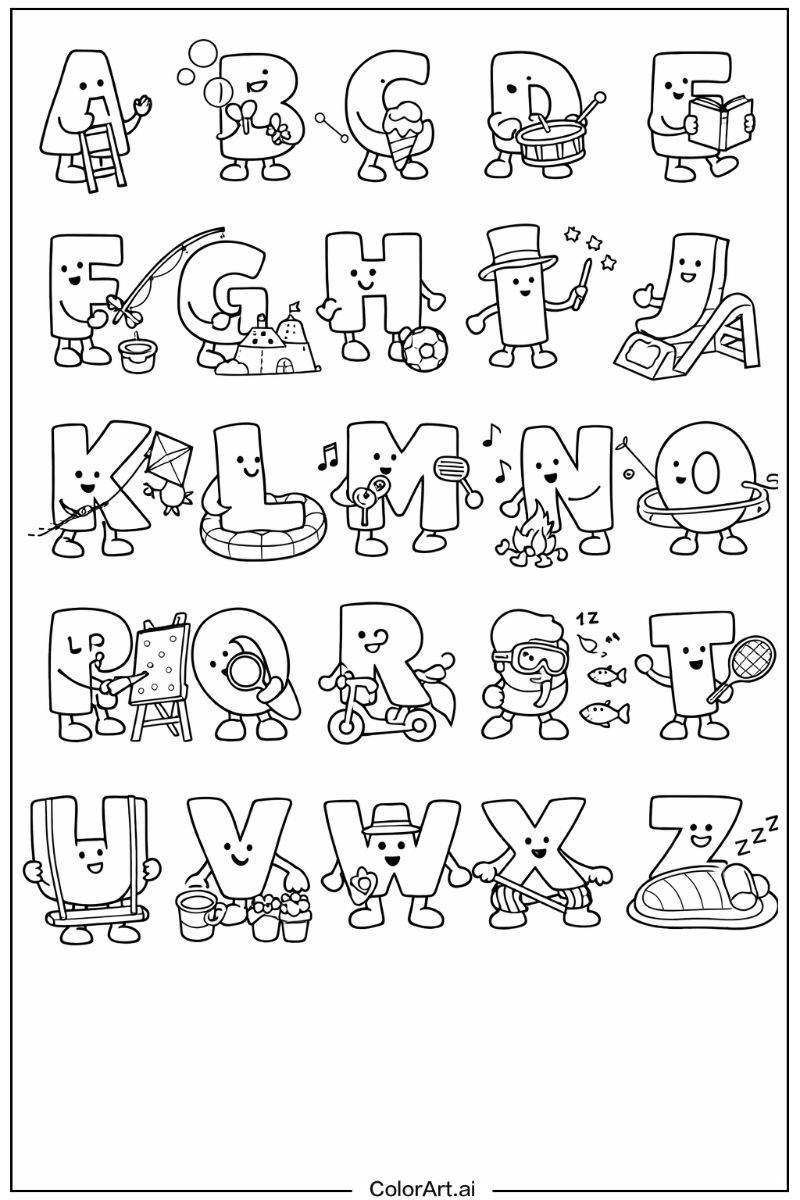
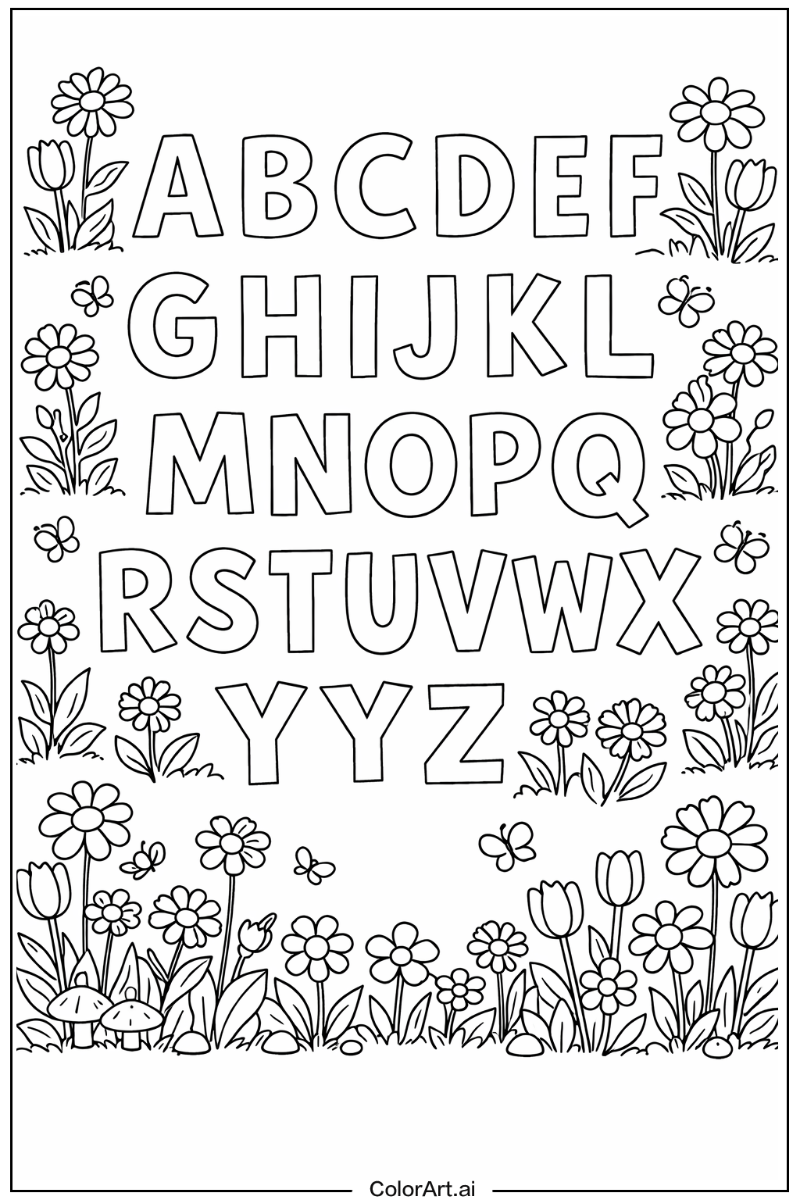
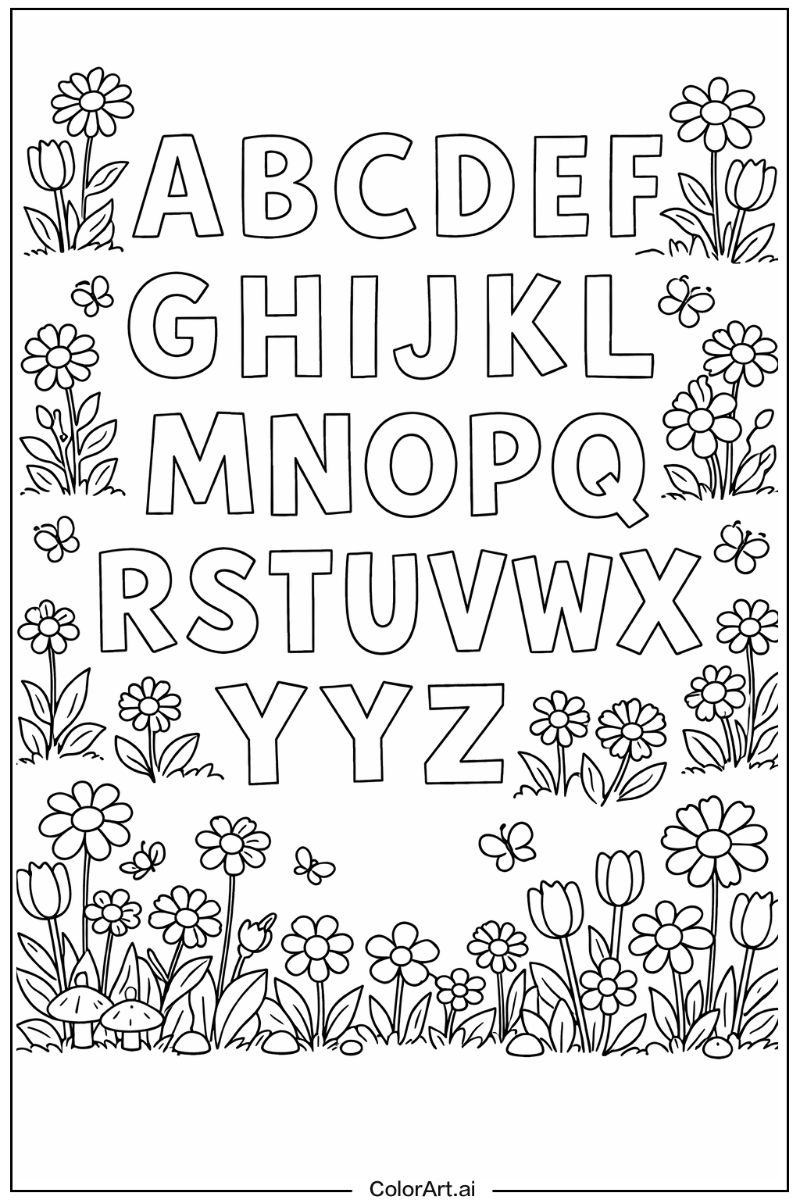
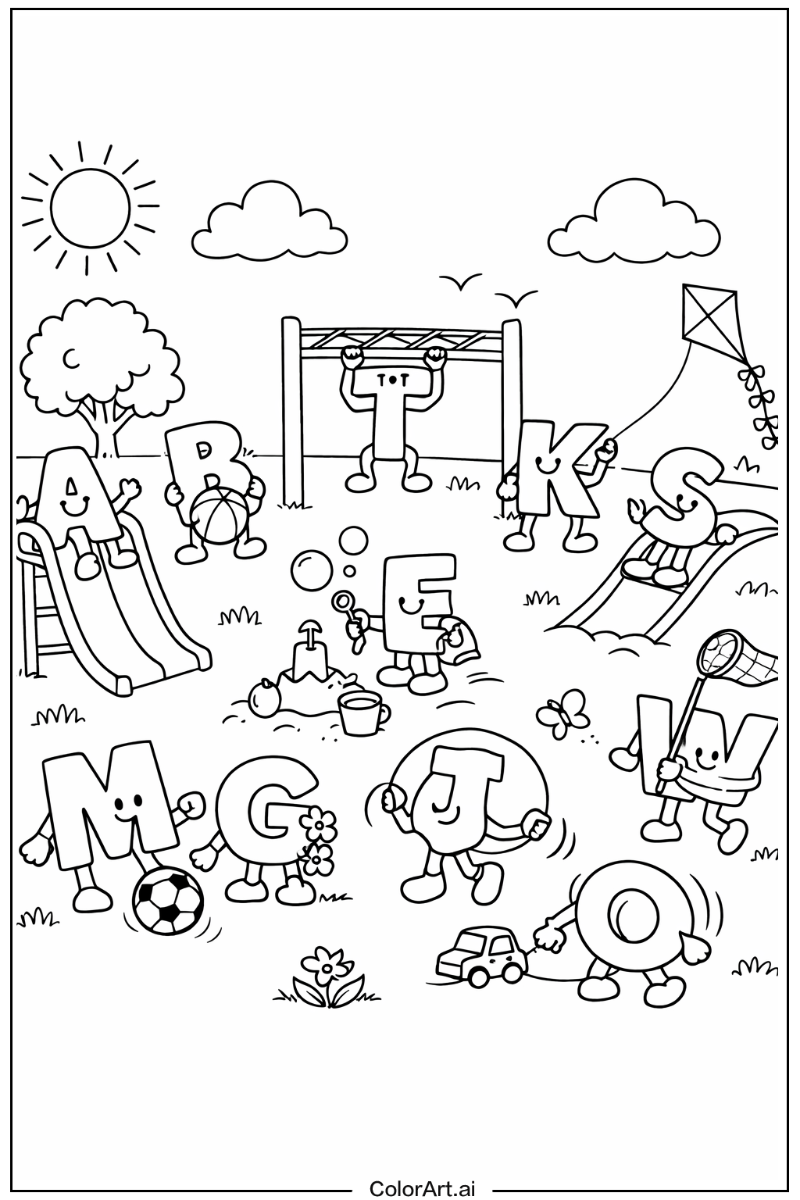
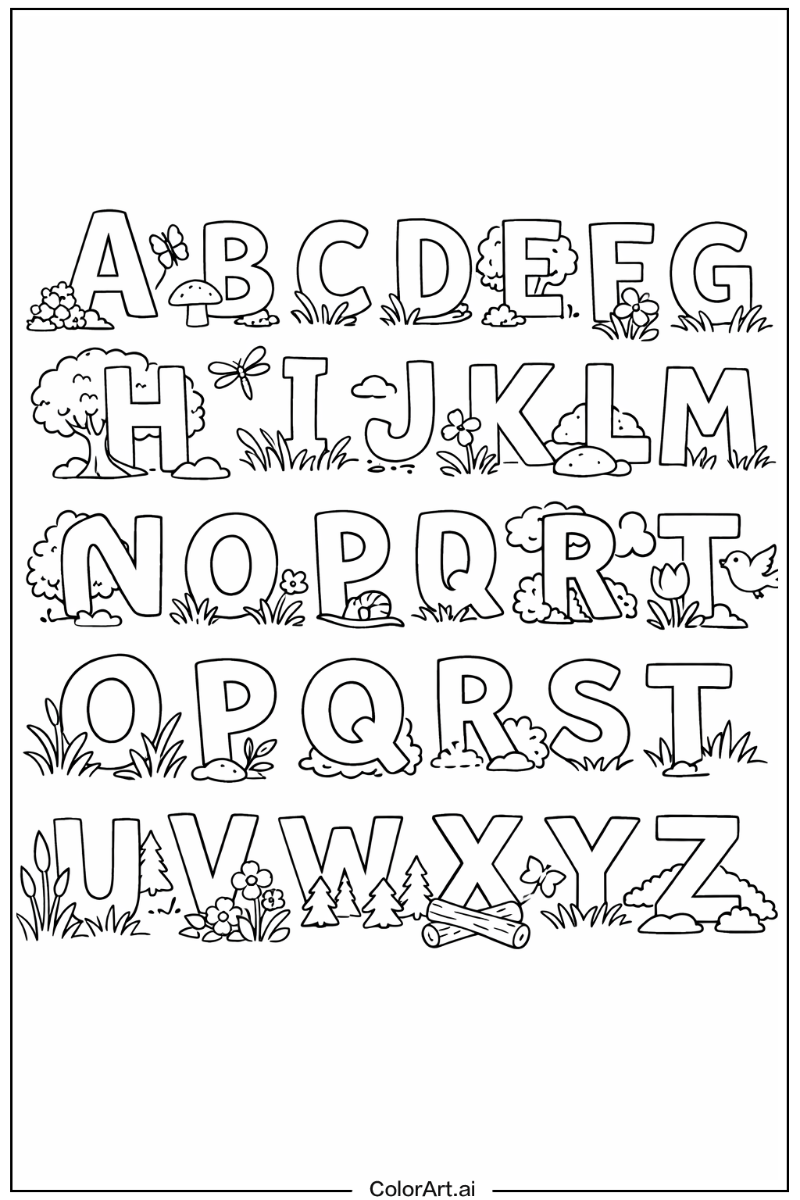
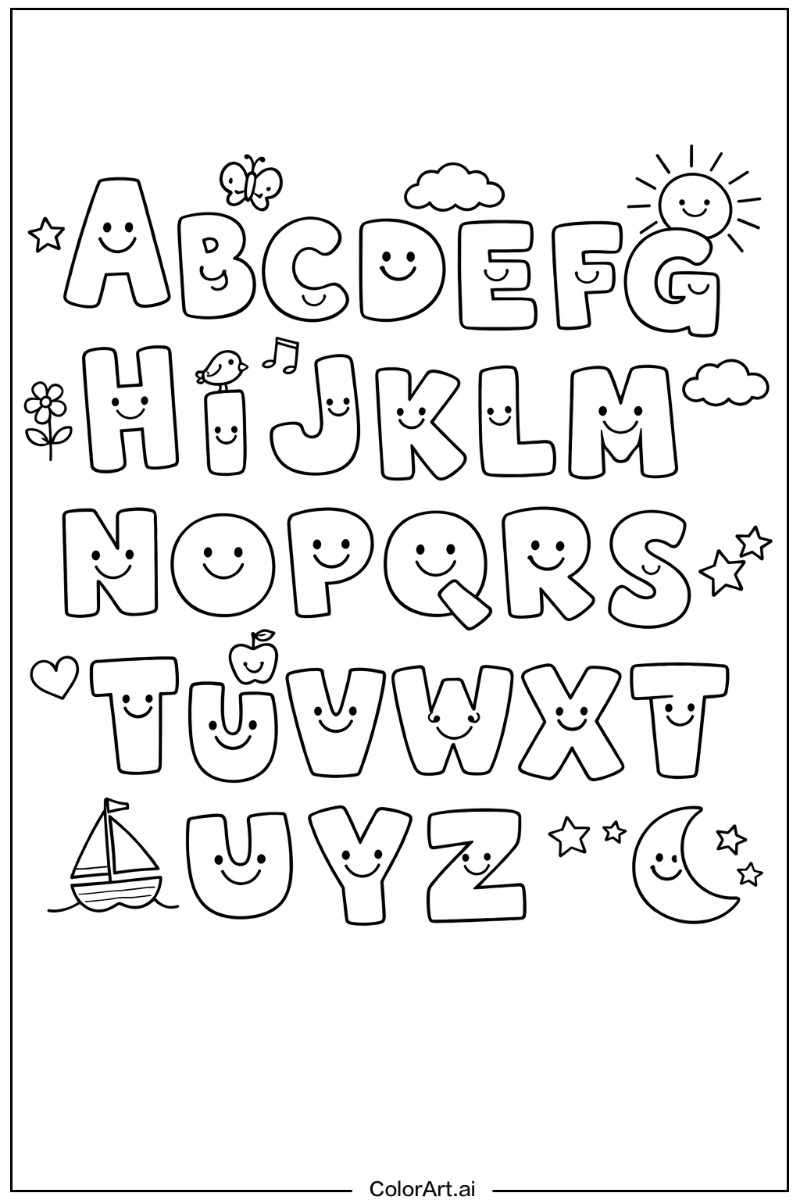
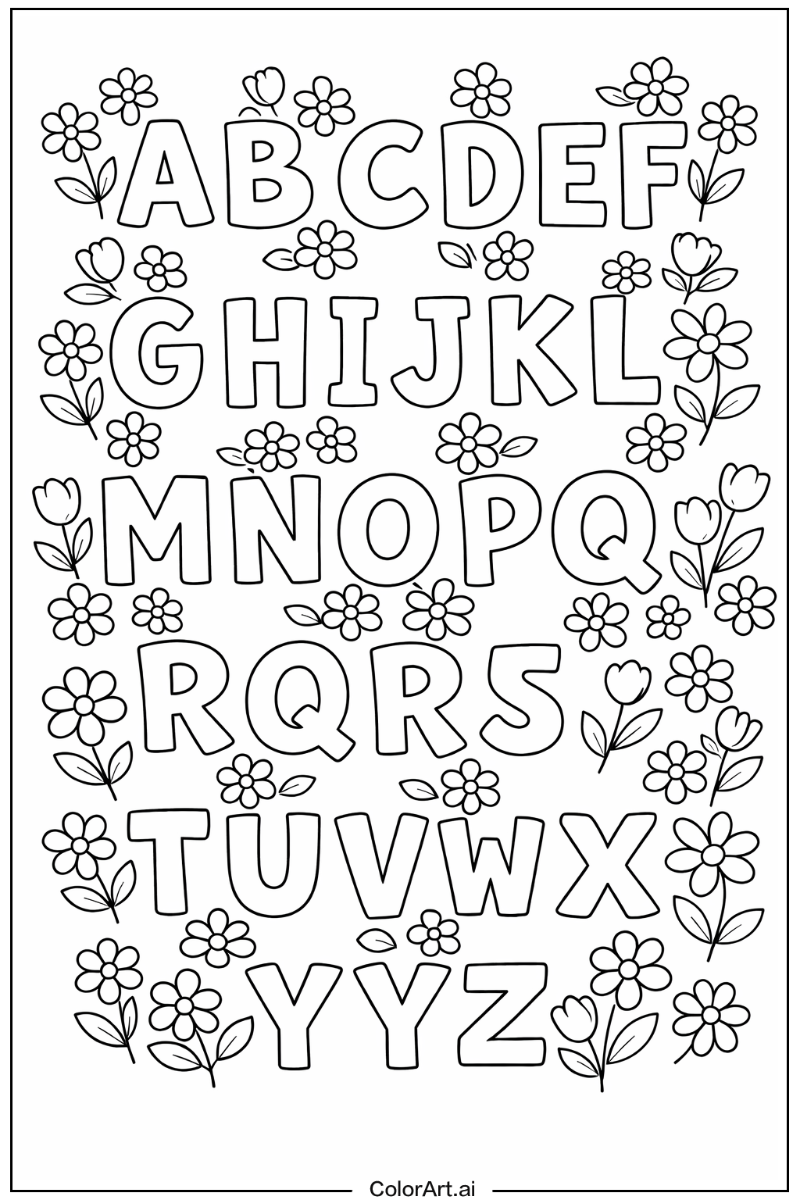
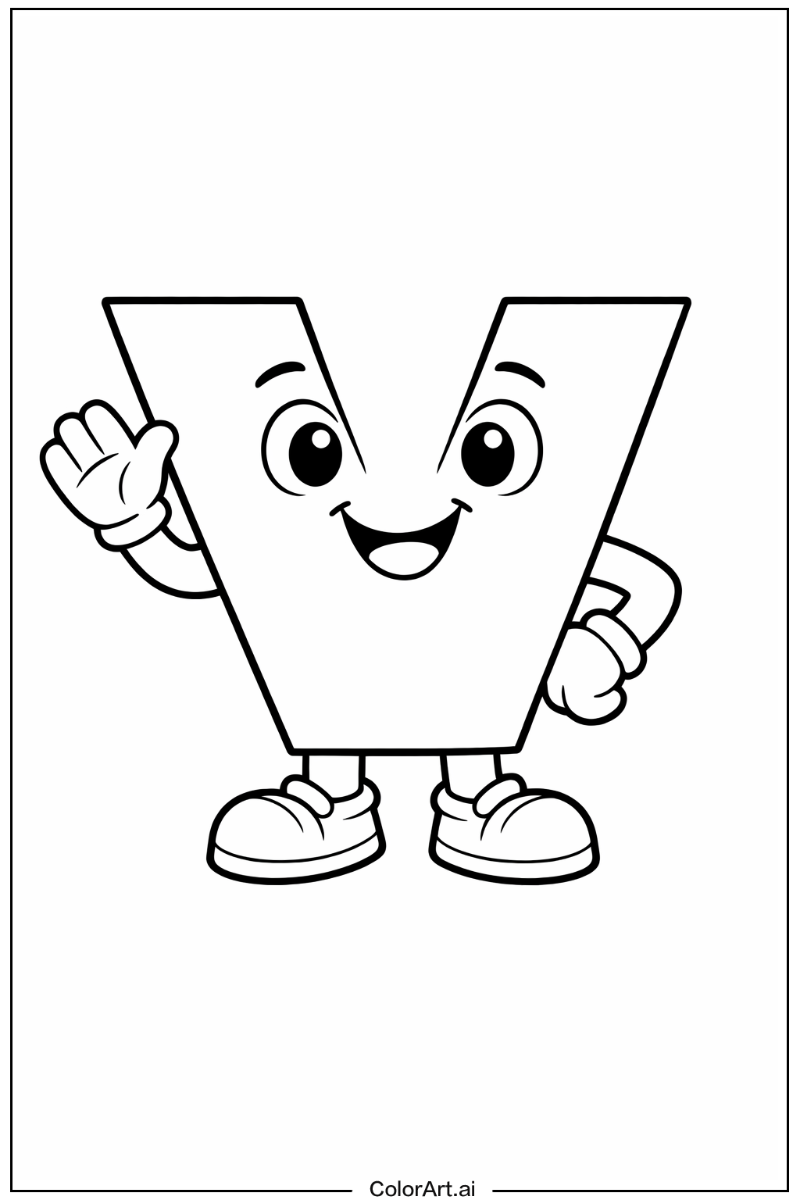
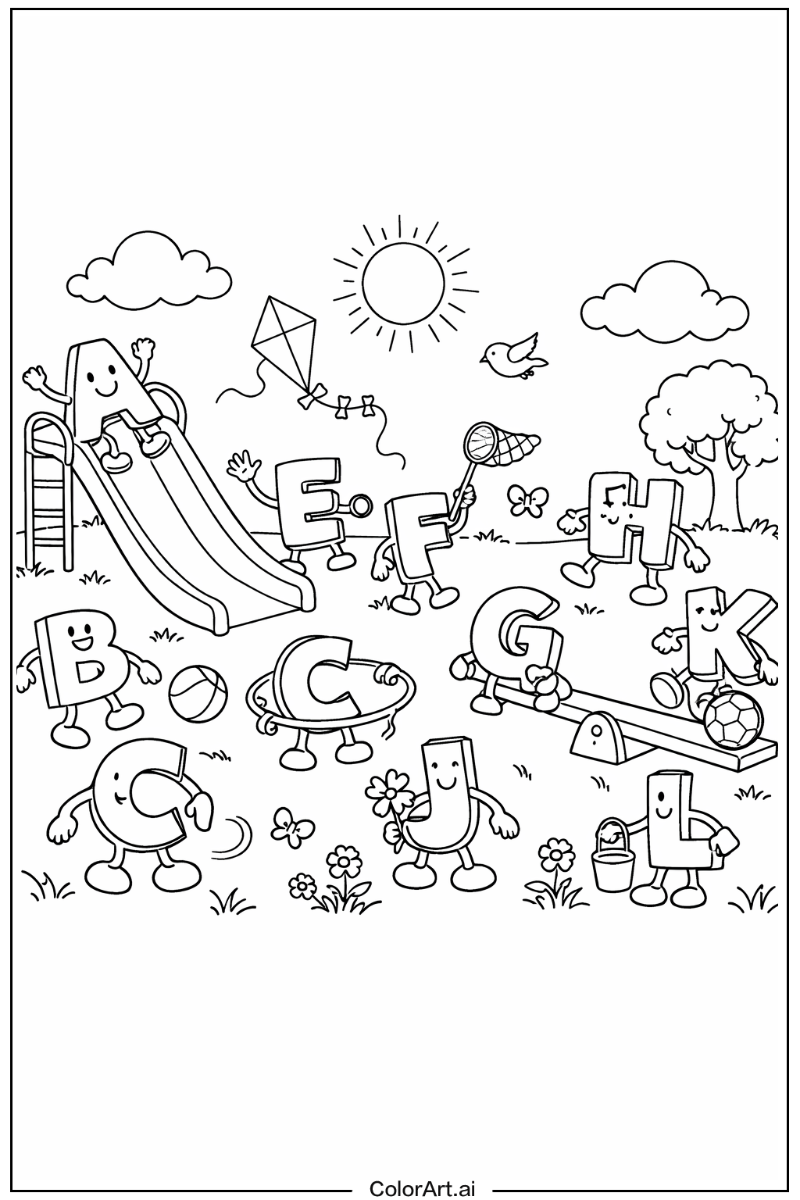
Coloring has always been a wonderful way for young minds to express their creativity, but when it comes to Alphabet coloring pages, it becomes even more than that. These pages serve as a bridge between artistic expression and literacy development, an engaging tool that can help children learn their letters while having fun. I remember a bright, sunny afternoon in my classroom when little Mia, a kindergartner, proudly displayed her colorful 'B' page adorned with vibrant blues, yellows, and greens. "Look, Ms. Johnson! It's a butterfly!" she exclaimed, her eyes sparkling with pride. It was in that moment I realized the power of Alphabet coloring pages—not only do they allow for artistic freedom, but they also help solidify the foundational skills needed for reading and writing. In this post, I'll share insights on Alphabet coloring pages, their educational value, recent trends, and practical tips for integrating them into your teaching or home environment.
Group Coloring Pages
 PDF
PDF
 PNG
PNG
 PNG
PNG
 PNG
PNG

 PNG
PNG

 PNG
PNG
 PNG
PNG
 PNG
PNG
 PNG
PNG
 PNG
PNG

 PNG
PNG

 PNG
PNG
 PNG
PNG
 PNG
PNG
 PNG
PNG
 PNG
PNG

 PNG
PNG
 PNG
PNG

 PNG
PNG
 PNG
PNG
 PNG
PNG
 PNG
PNG

 PNG
PNG
 PNG
PNG
 PNG
PNG
 PNG
PNG
 PNG
PNG
 PNG
PNG
 PNG
PNG
 PNG
PNG

 PNG
PNG
 PNG
PNG
 PNG
PNG

 PNG
PNG

 PNG
PNG
 PNG
PNG
 PNG
PNG
 PNG
PNG
 PNG
PNG
 PNG
PNG
 PNG
PNG
 PNG
PNG
 PNG
PNG

 PNG
PNG
 PNG
PNG

 PNG
PNG

 PNG
PNG
 PNG
PNG

 PNG
PNG
 PNG
PNG
 PNG
PNG
 PNG
PNG

 PNG
PNG
 PNG
PNG
 PNG
PNG
 PNG
PNG
Understanding the Alphabet
The Alphabet is a fundamental component of written language, consisting of a set of standardized symbols (letters) that represent the basic sounds of a language in a specific order. The first true alphabet is believed to have originated from the Phoenician script around 1050 BCE, influencing many modern alphabets including the Greek and Latin alphabets. The significance of the Alphabet extends beyond mere communication; it plays a crucial role in literacy, education, and cultural identity. Each letter not only serves as a tool for reading and writing but also as a symbol of knowledge and learning. In my classroom, I often incorporate fun facts about the Alphabet into our coloring activities. For instance, I tell my students about how many letters are in the English Alphabet (26) and how we use these letters to form words that carry meaning. This simple connection helps them appreciate the Alphabet even more as they color!
Benefits of Alphabet Activities
Using Alphabet coloring pages in the classroom offers numerous educational benefits. Firstly, they promote fine motor skills and hand-eye coordination. When children color within the outlines of letters, they practice grip and control, which are essential for later writing. For example, during a recent activity, my students colored letters while tracing them with their fingers. This dual engagement helped reinforce their understanding of the letter shapes. Secondly, Alphabet coloring pages enhance cognitive development. Studies show that letter knowledge is a strong predictor of reading proficiency. By combining Alphabet letters with corresponding sounds and images—like 'A' for 'Apple'—children gain repeated exposure to letter-sound relationships in a fun and low-pressure setting. Furthermore, coloring can serve as a calming activity, fostering emotional regulation and self-expression. When I introduced a new set of coloring pages, I noticed how the children would settle into a focused, peaceful state, allowing them to express themselves creatively. This balance of learning and emotional development is truly invaluable in early education.
Practical Alphabet Coloring Techniques
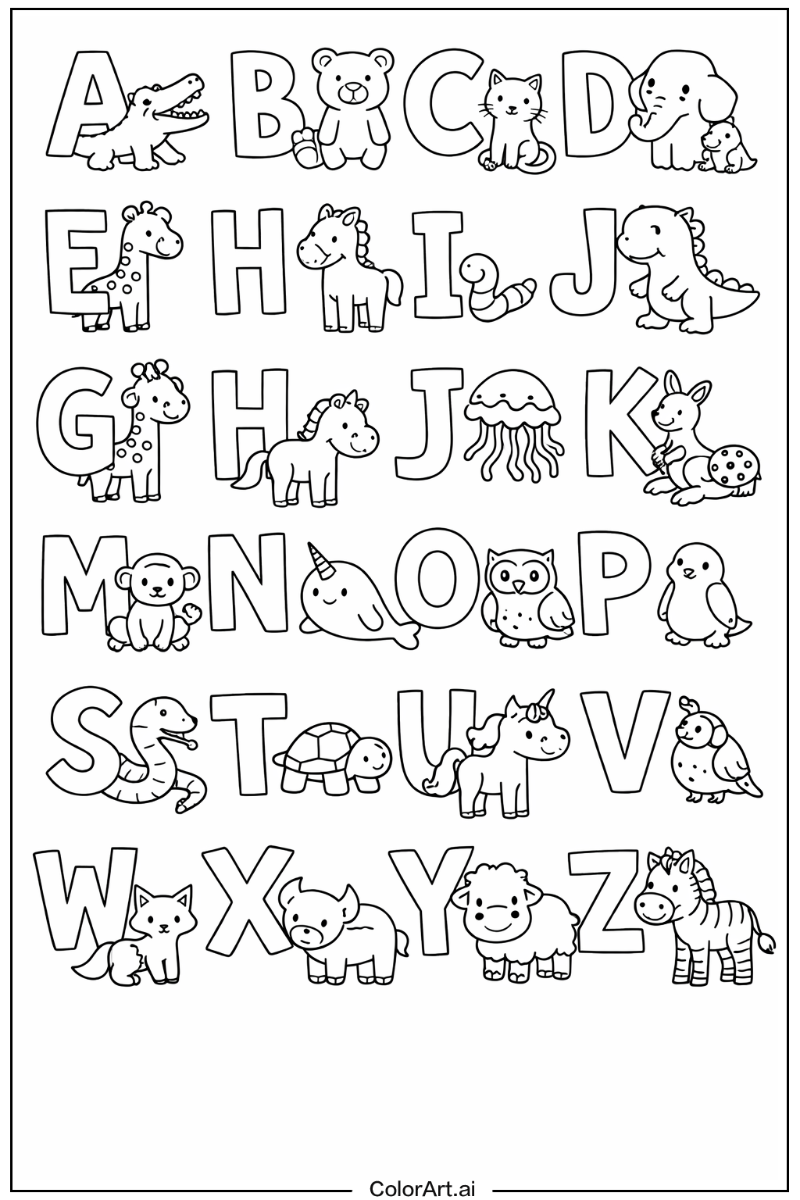
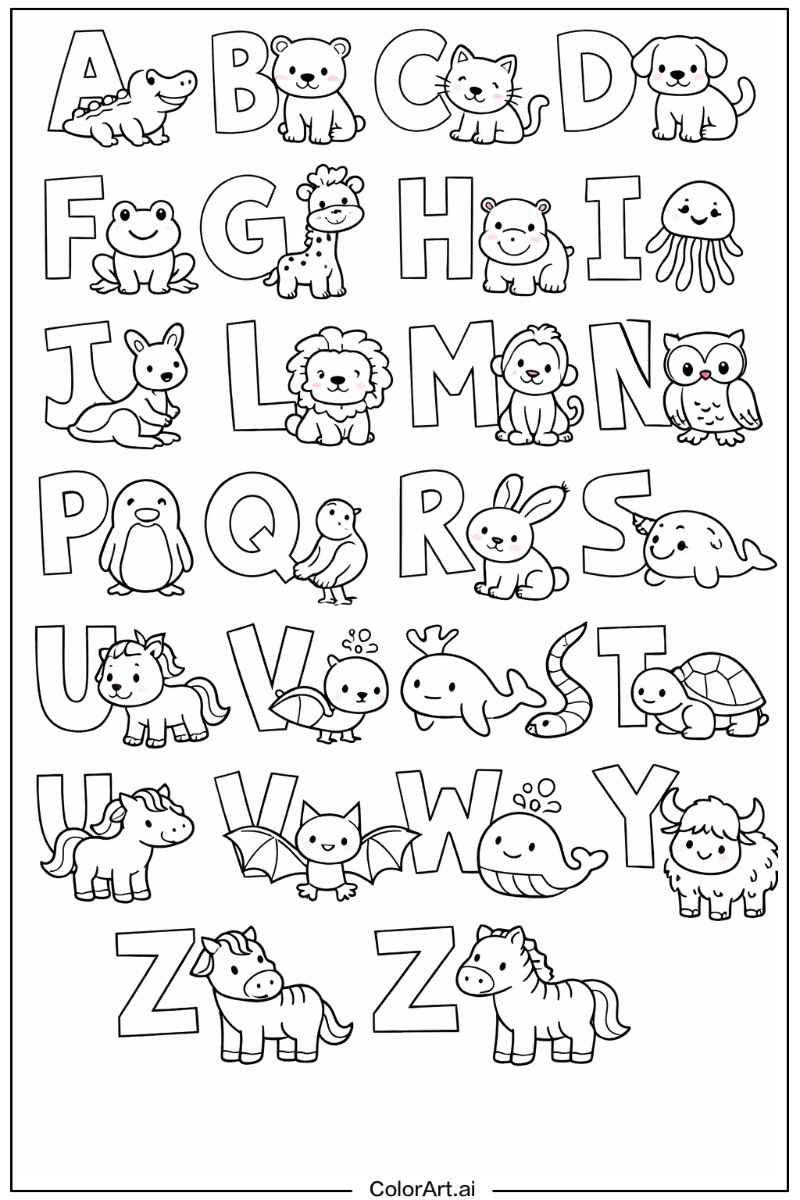
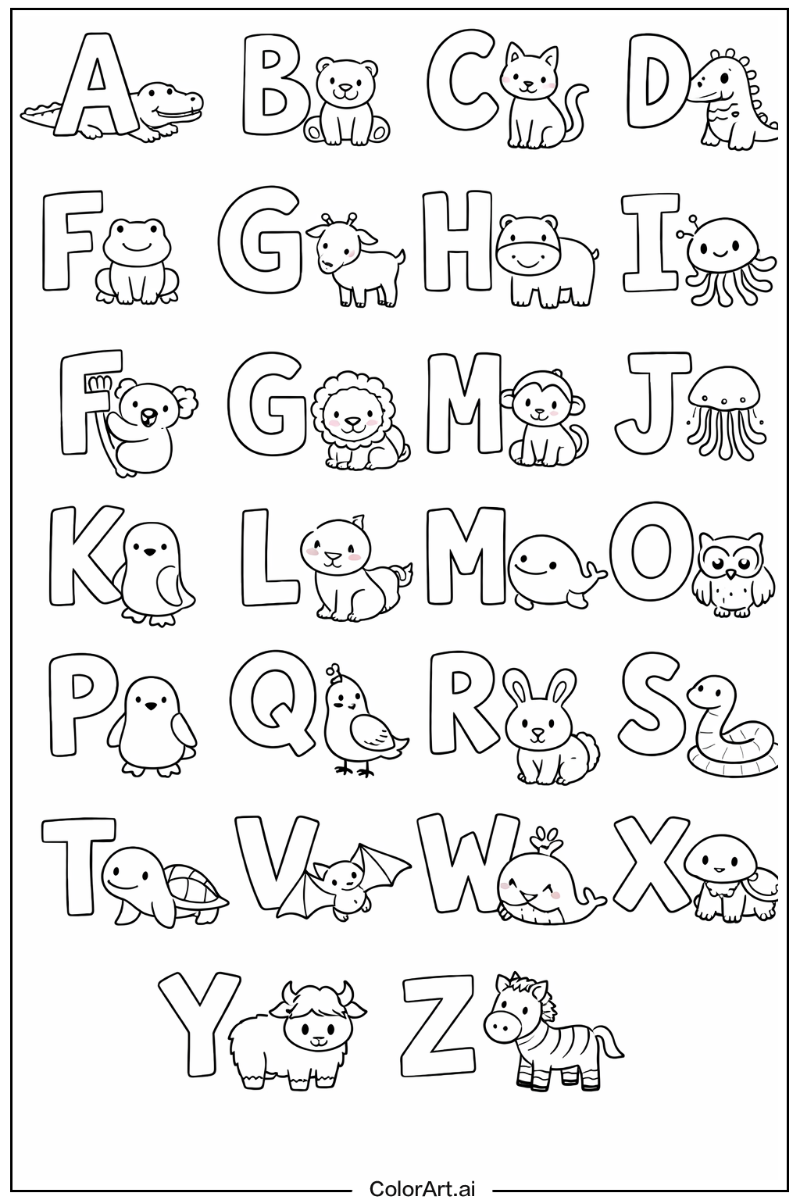
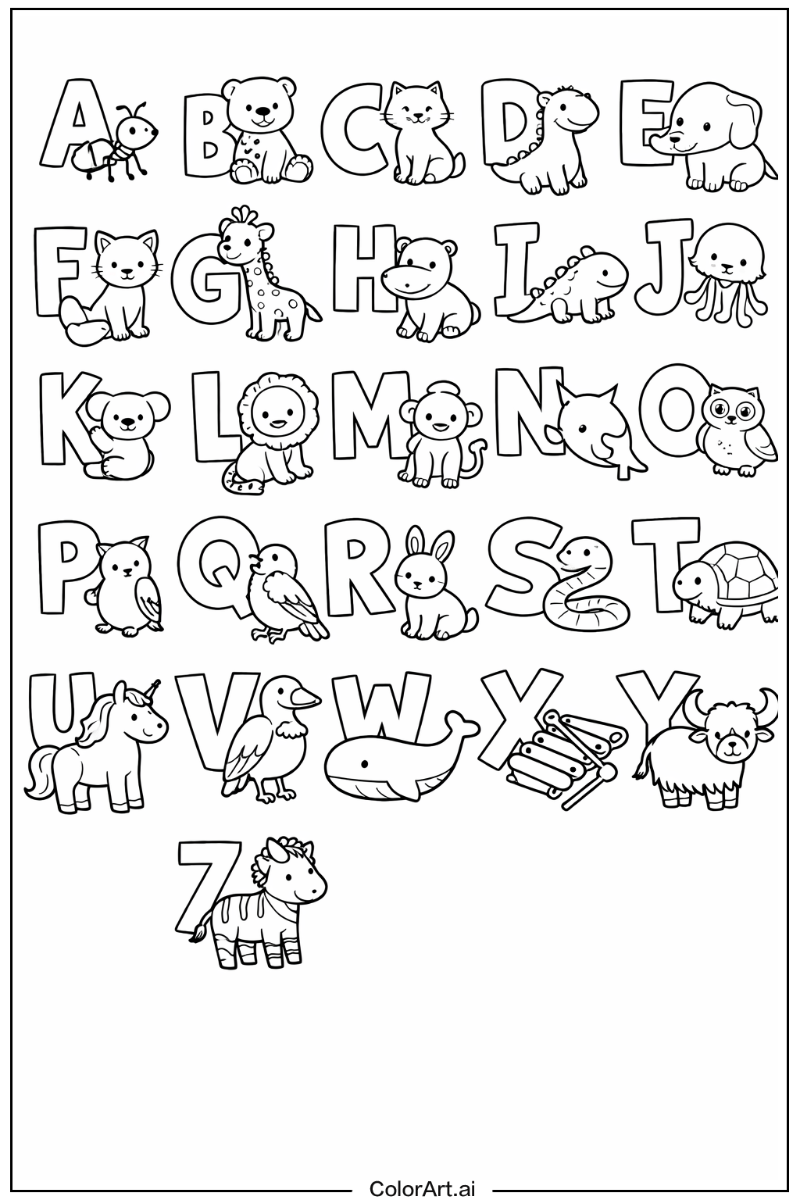
To get the most out of Alphabet coloring pages, consider implementing some practical techniques. Start by choosing the right materials: colored pencils offer precision, markers provide bold colors, and crayons are perfect for younger children. In my classroom, I often set up a station with various coloring tools, allowing students to choose what they feel comfortable with. Next, create a structured approach to the coloring activity. Encourage students to verbally express the letter they are working on and its corresponding sound while they color. For instance, when coloring the letter 'D,' they might say, "D is for Dog!" This not only reinforces letter recognition but also builds vocabulary. Additionally, consider integrating themes into your Alphabet pages. For example, during our animal week, I provided coloring pages that featured animals starting with each letter. It was a fun way to tie in science and literacy as we discussed the animals while coloring!
Current Trends in Alphabet Art Education
As we progress into a new era of education, the integration of technology and creative resources has become increasingly important. Recent trends highlight a growing emphasis on Alphabet coloring pages as a tool for fostering both artistic skills and literacy. Educational websites are now offering a plethora of free printable Alphabet coloring pages that can be easily downloaded and printed at home or in the classroom. For example, platforms like ColoringBook.ai provide themed Alphabet pages that feature large letters paired with kid-friendly illustrations, making them perfect for young learners. In my experience, I've noticed that children are more engaged when they can relate their coloring activities to other subjects, such as science or social studies. For instance, while working on the letter 'C,' we might color a picture of a cat or a cloud, integrating vocabulary into our learning. This kind of cross-curricular integration is a powerful way to enhance the educational value of Alphabet coloring.
Frequently Asked Questions About Alphabet Coloring Pages
What age group are Alphabet coloring pages suitable for?
Alphabet coloring pages are designed for various age groups, typically ranging from preschoolers (3-5 years) to adults. We offer different complexity levels to match different skill levels, making them accessible for everyone.
What materials work best for coloring Alphabet pages?
For best results with Alphabet coloring pages, we recommend colored pencils for detailed work, markers for bold colors, and crayons for younger children. Using high-quality paper or cardstock will yield more professional-looking results.
How should I print Alphabet coloring pages for best quality?
Print Alphabet coloring pages using high-quality or best print settings. Use standard A4 or Letter size paper, or upgrade to cardstock for more durable results. Ensuring your printer has sufficient ink for clear, dark lines will enhance the quality of your coloring pages.