Why Bat Coloring Pages Captivate Young Artists
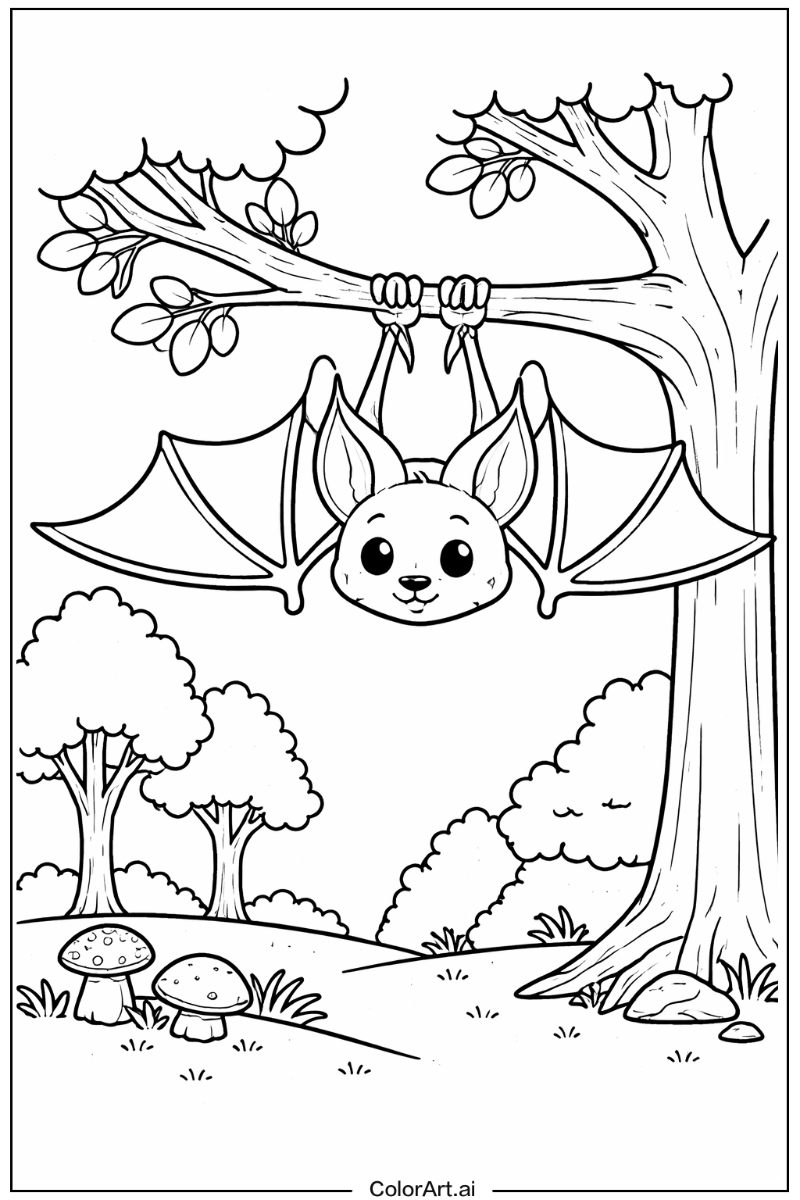
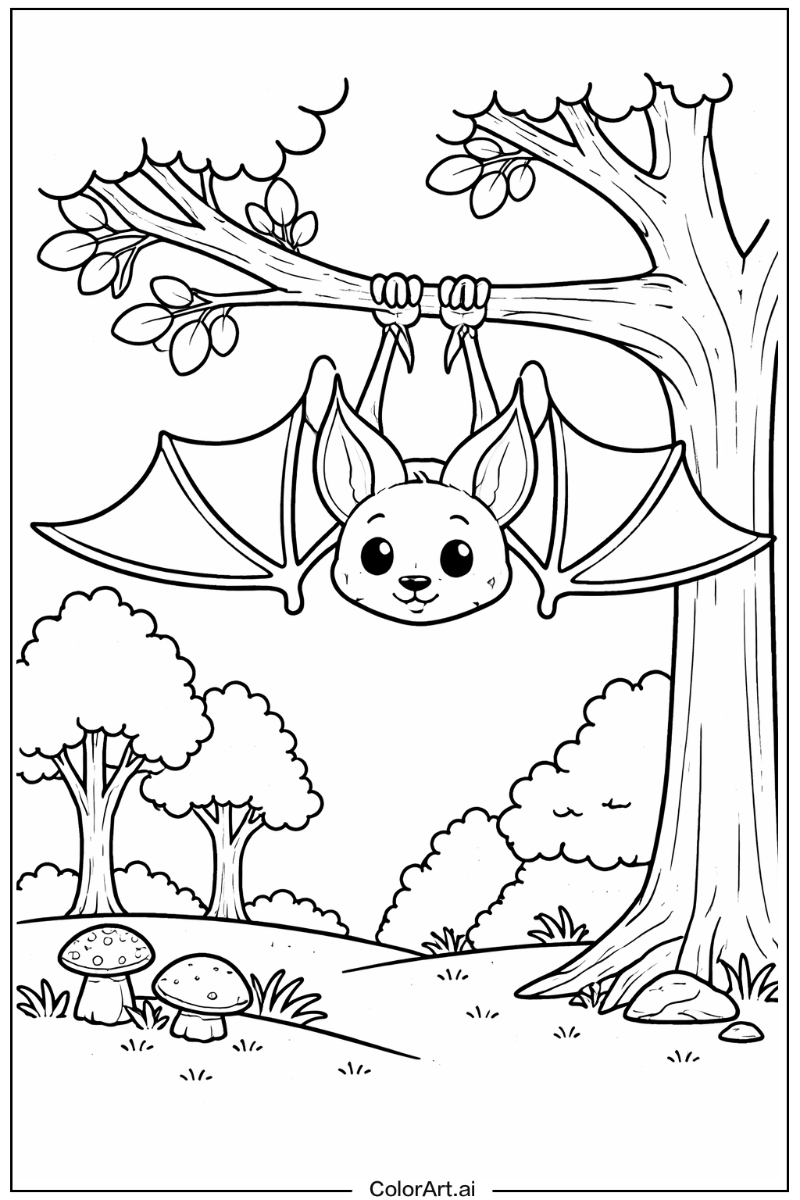
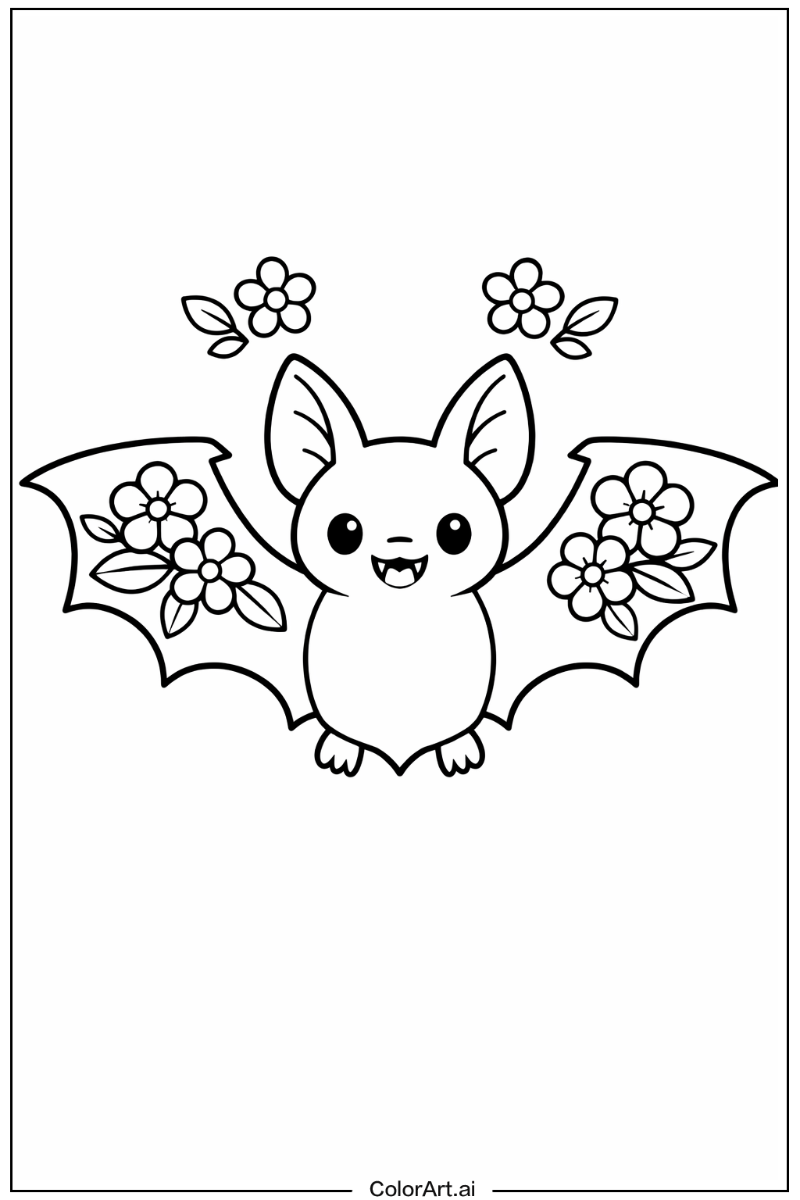
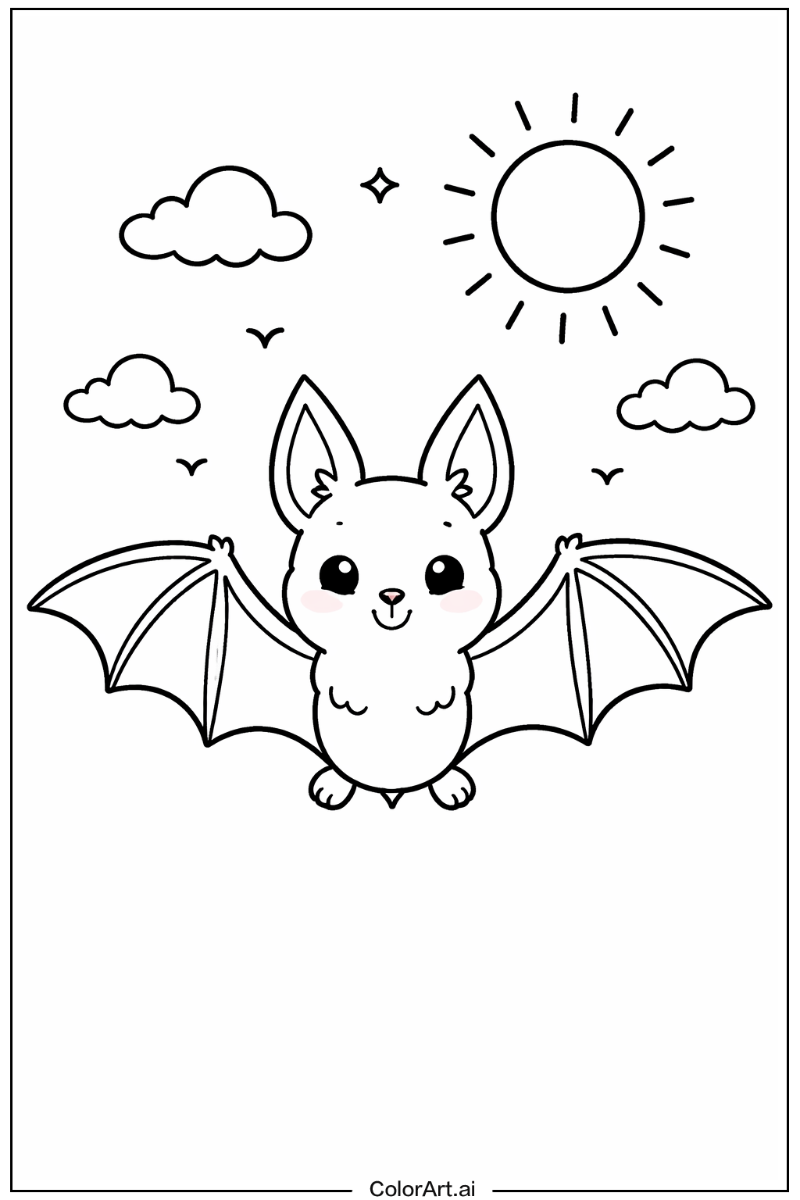
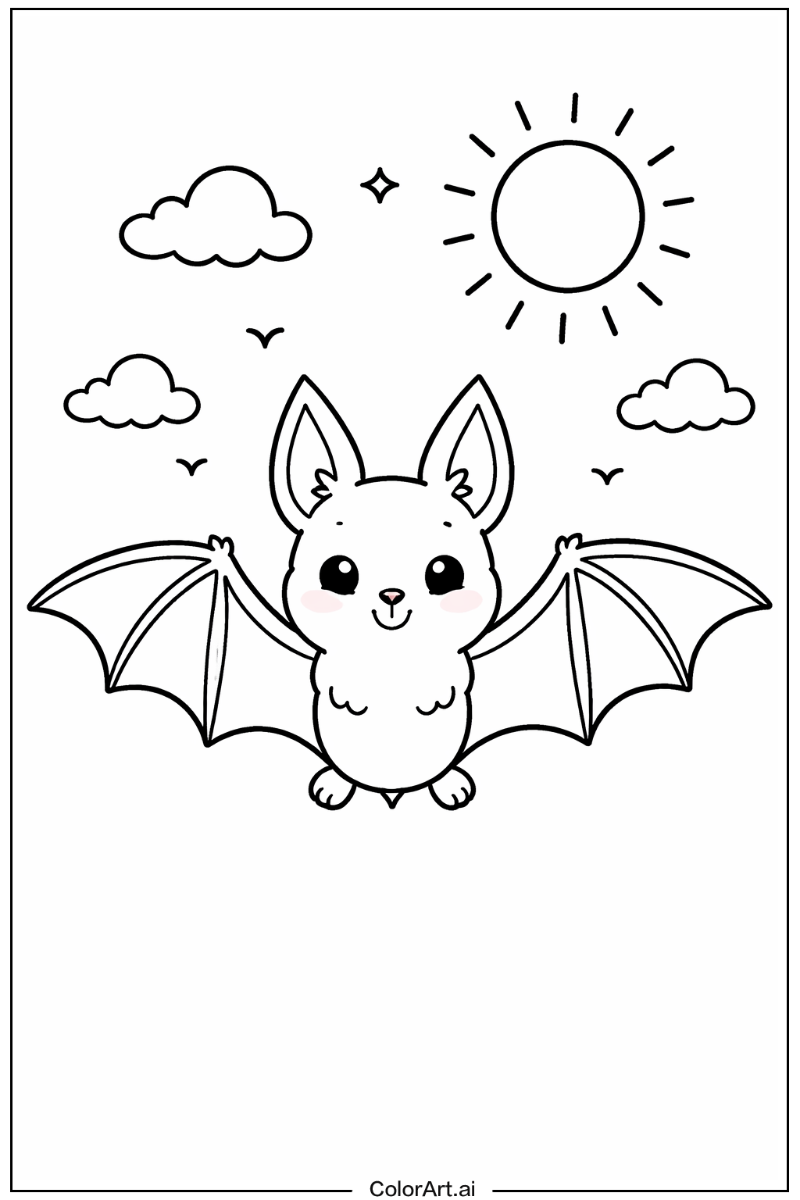
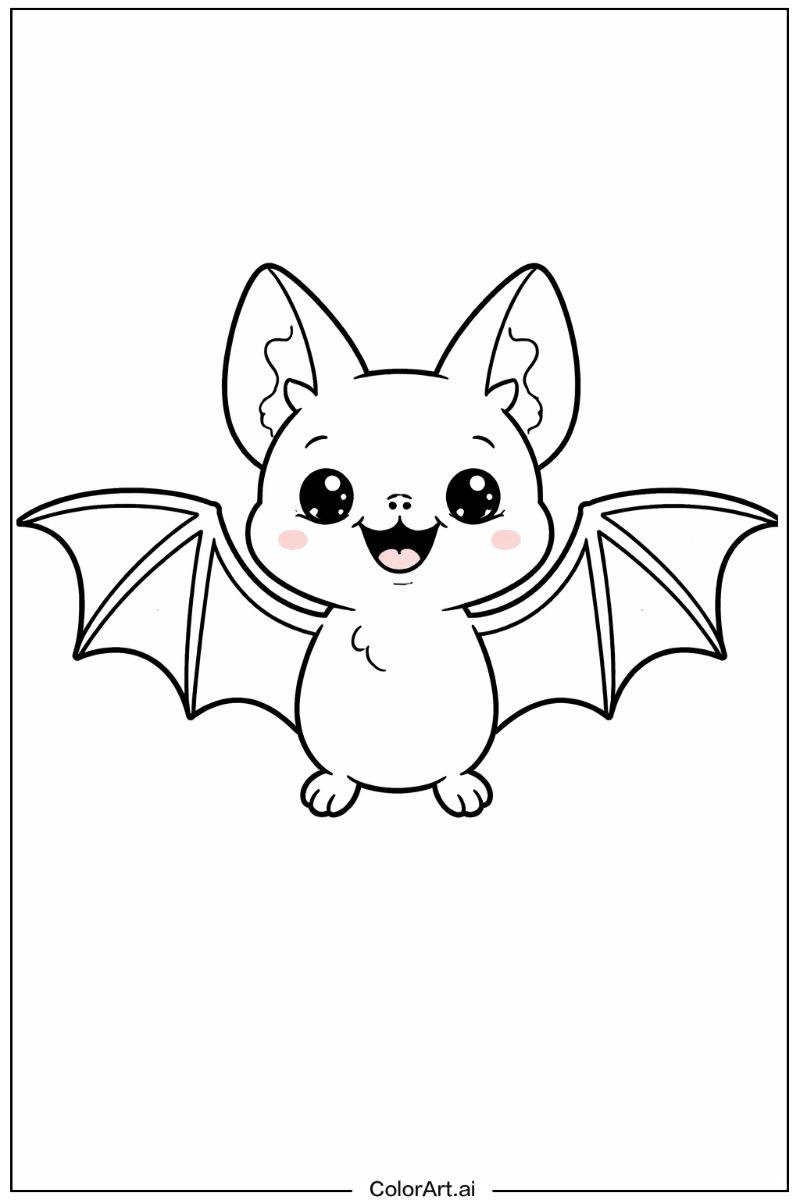
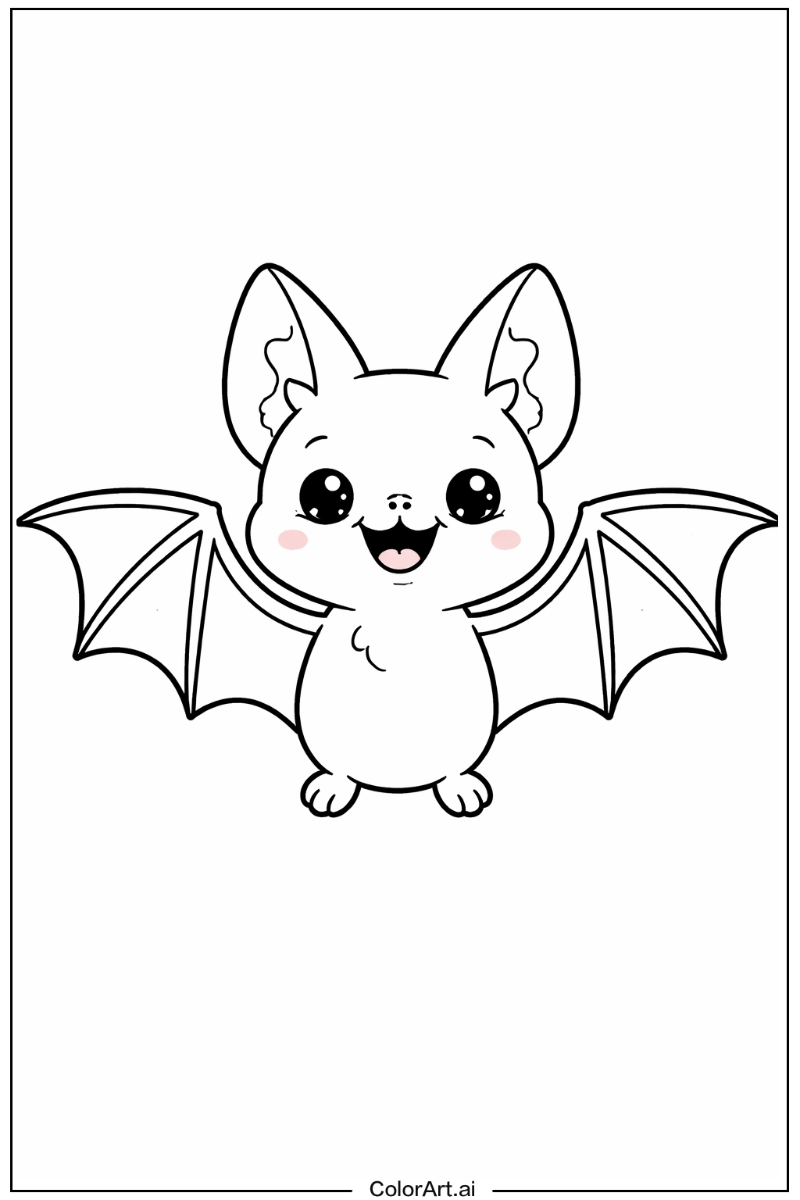
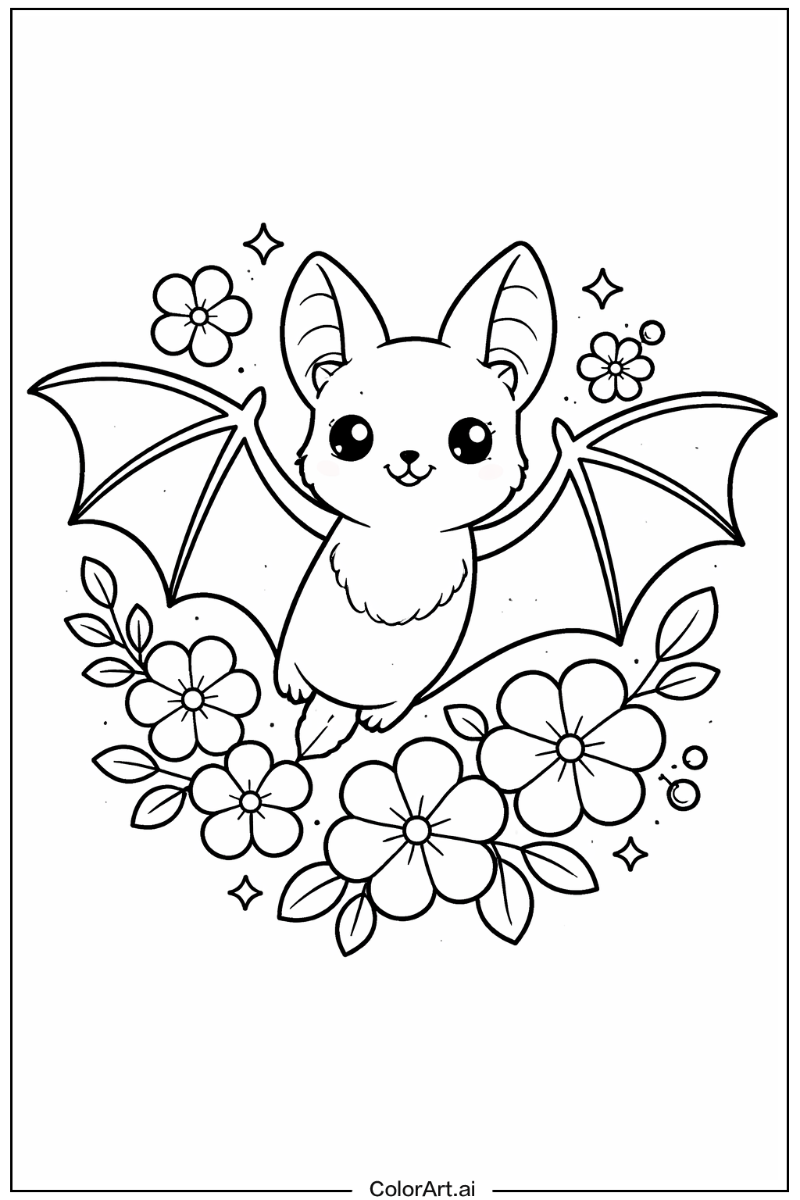
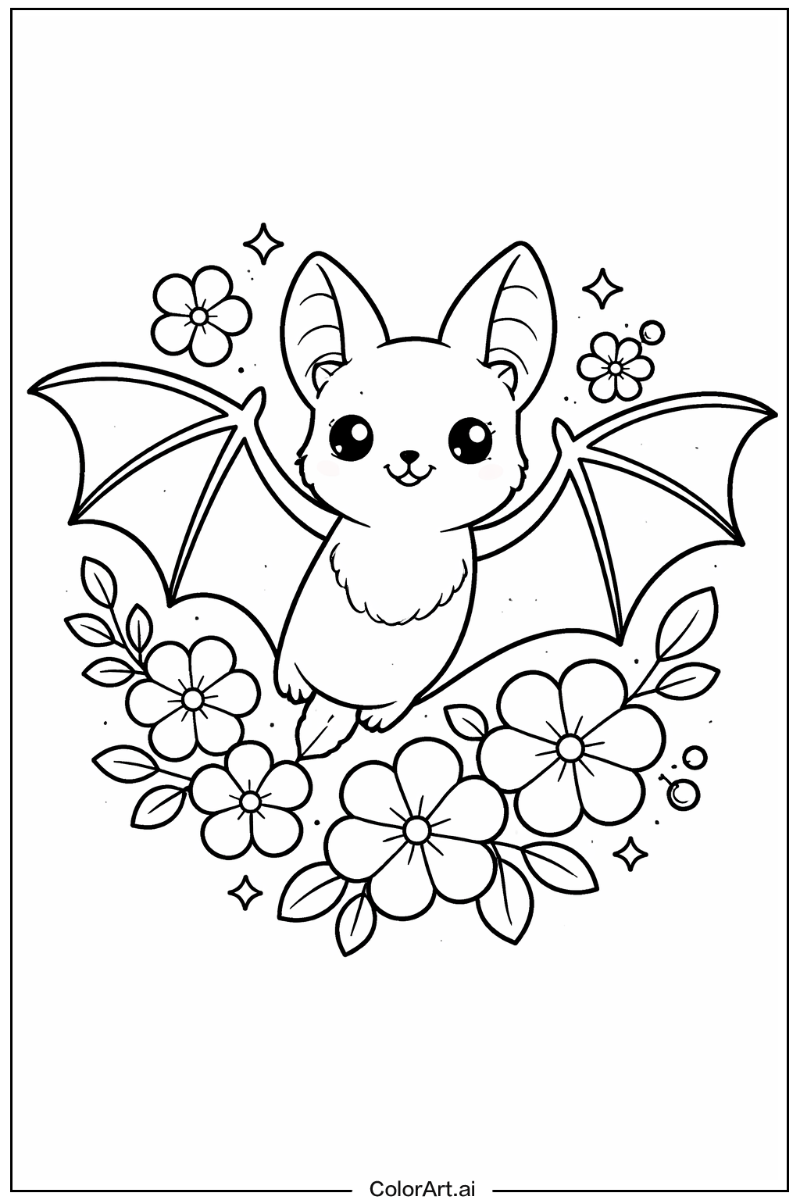
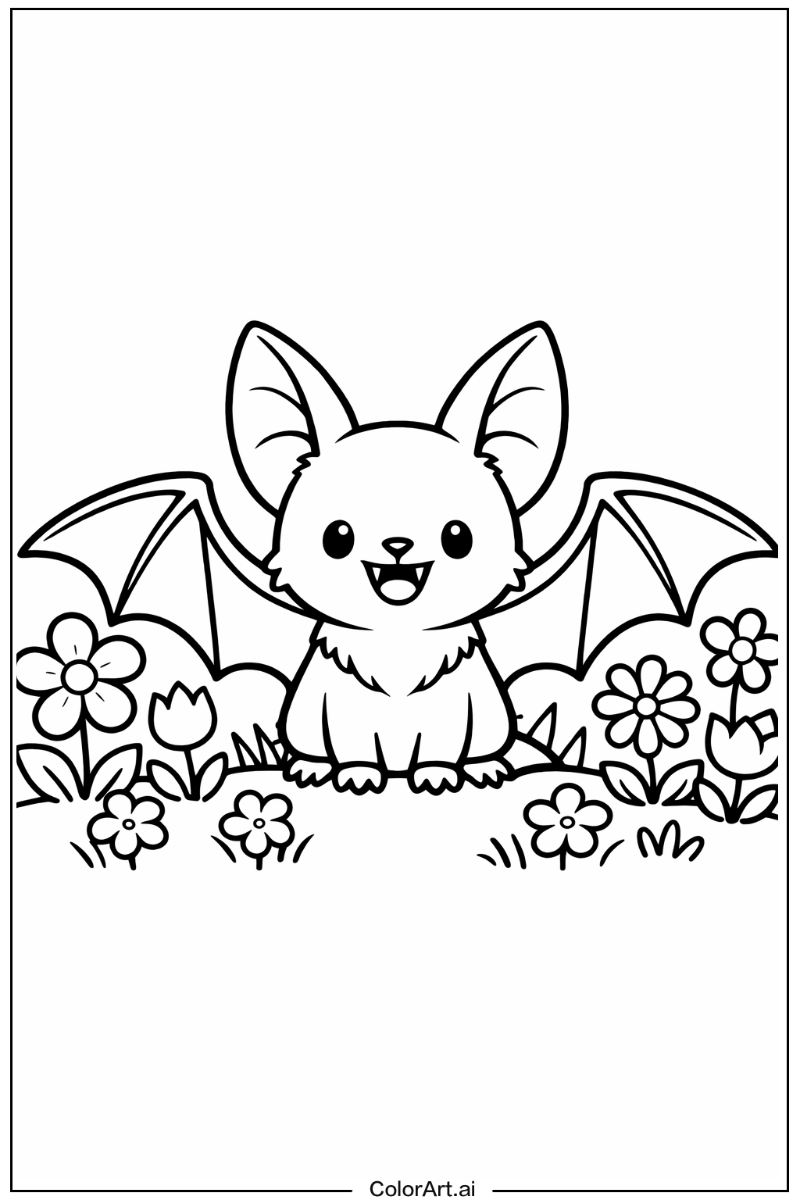
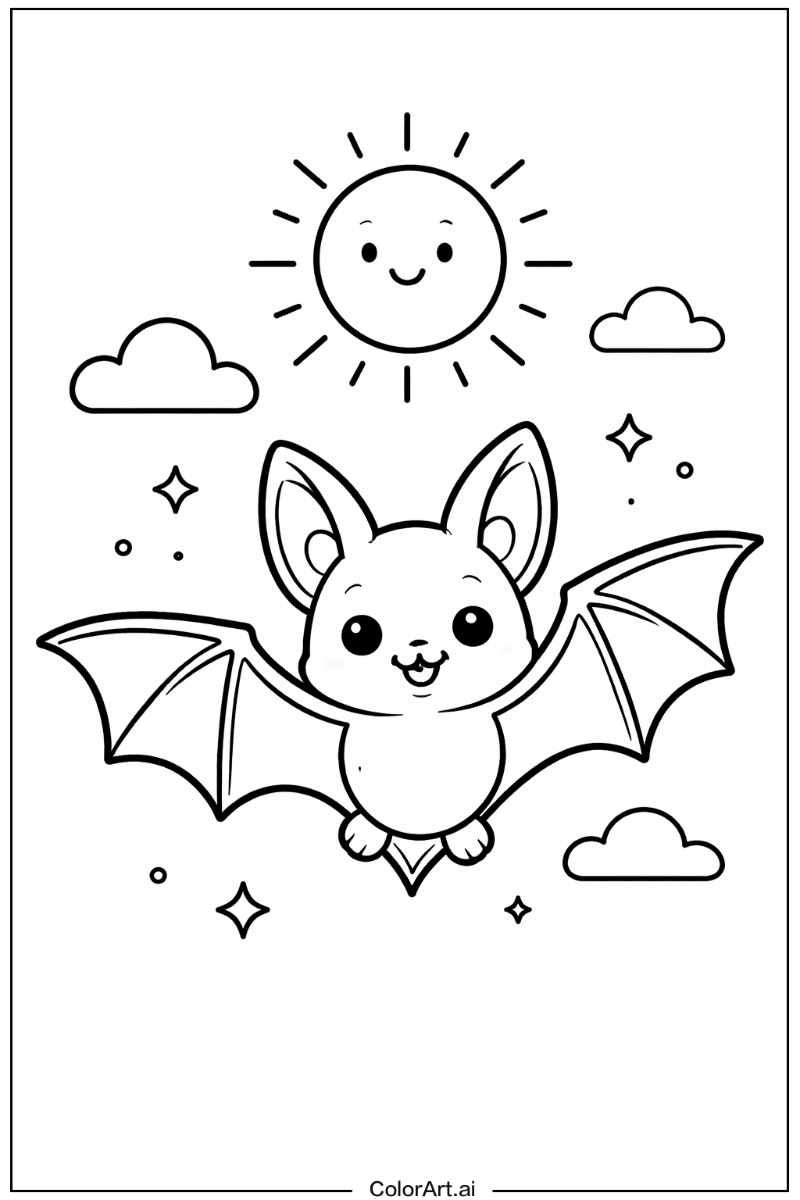
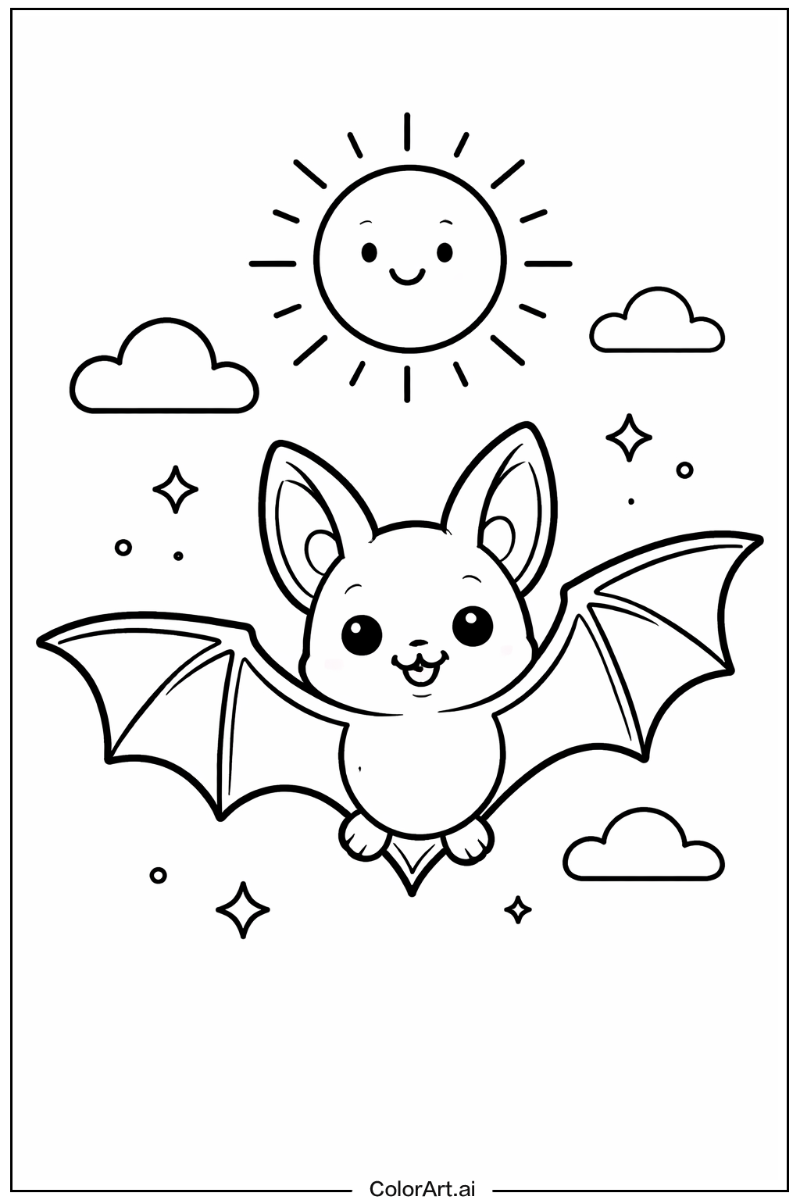
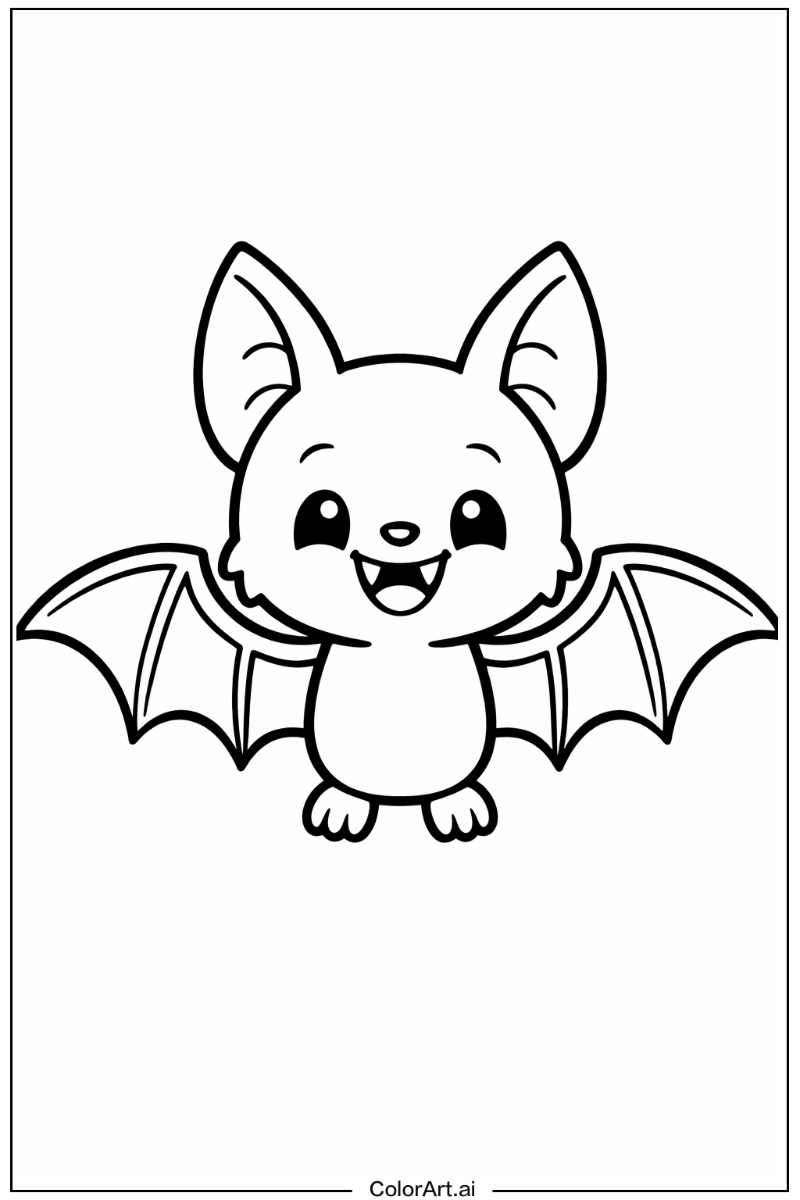
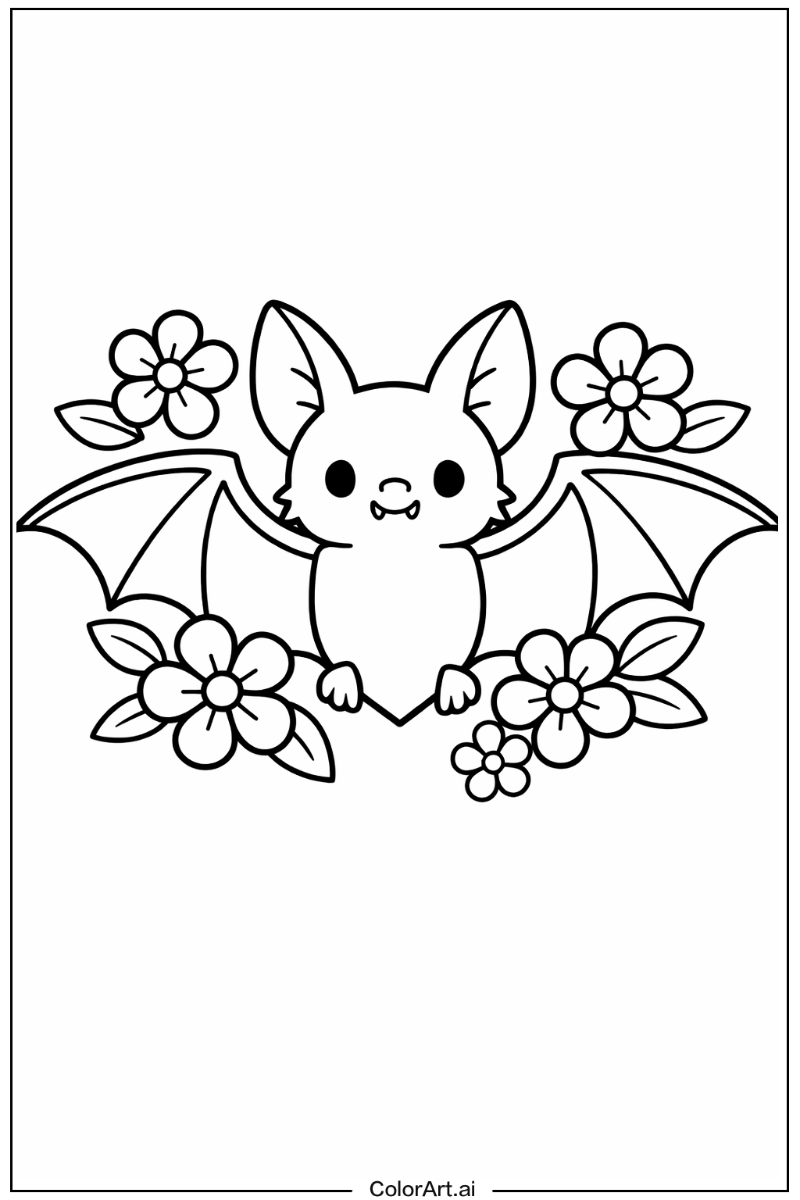
As the leaves start to fall and Halloween approaches, there’s an undeniable excitement in the air. One of the most fascinating themes that my students love to explore is the world of bats. These creatures, often misunderstood, play a vital role in our ecosystem, and what better way to introduce them to children than through bat coloring pages? In my classroom, I’ve found that coloring not only sparks creativity but also serves as an engaging tool for education. From the little ones like Emma, who gets lost in the intricacies of her bat's wings, to older students like Jake, who enjoys adding his own twist to the designs, each child finds joy in expressing themselves through these coloring pages. In this post, I’ll delve into the educational value of bat coloring pages, their relevance in current trends, and some practical tips for making the most of these activities in your classroom or at home.
Group Coloring Pages
 PDF
PDF
 PNG
PNG
 PNG
PNG
 PNG
PNG
 PNG
PNG
 PNG
PNG
 PNG
PNG
 PNG
PNG
 PNG
PNG
 PNG
PNG
 PNG
PNG
Understanding Bats: A Fascinating Overview
Bats belong to the order Chiroptera, which means 'hand-wing' in Greek, and they are the only mammals capable of true flight. With over 1,200 species worldwide, bats play a crucial role in pollination and pest control. They can be divided into two suborders: Megachiroptera (fruit bats) and Microchiroptera (insect-eating bats). I often tell my students to imagine a world without bats, where insects could thrive unchecked! This sparks their imagination and curiosity. For instance, during a recent lesson, my students learned about the nocturnal habits of bats, and we discussed their unique adaptations, such as echolocation, which allows them to navigate in the dark. As they colored their bat pages, I encouraged them to think about the different environments bats inhabit, from lush forests to urban areas, and how that could influence their coloring choices. This way, coloring becomes a bridge to learning about biology and conservation.
The Educational Benefits of Bat Coloring Activities
Coloring isn't just a fun activity; it provides numerous educational benefits. When my students engage with bat coloring pages, they develop fine motor skills and enhance their hand-eye coordination. For example, during a recent project, I noticed that Sophie, who was initially hesitant, gained confidence as she colored her bat, focusing intensely on the details. This attention to detail helps improve concentration and patience, essential skills for their overall development. Additionally, integrating bat coloring pages into science lessons allows students to make connections between art and biology. We often discuss how bats contribute to pest control and pollination while coloring, reinforcing the concept that art can be a powerful tool in learning. Furthermore, these activities can serve as a springboard for discussions about the environmental challenges bats face, promoting awareness and empathy in young minds.
Practical Tips for Bat Coloring Success
When it comes to coloring, there are a few techniques that can elevate the experience for students. First, I always recommend using colored pencils for detailed work on bat coloring pages, as they allow for precision and blending. Markers can be great for bold colors, while crayons are perfect for younger children who are still developing their grip. I often set up a variety of materials during our coloring sessions, allowing each student to choose what they feel most comfortable with. Another tip is to encourage students to think outside the box—perhaps they want to create a rainbow bat or a bat with polka dots! This creative freedom fosters self-expression, and I love seeing the unique interpretations of bats my students come up with.
Current Trends in Bat Art Education
In the ever-evolving landscape of educational resources, bat-themed activities have gained popularity, especially around Halloween. Recently, platforms like Freepik and Monday Mandala have made it easier than ever to access free printable bat coloring pages. These pages often feature intricate designs that cater to various age groups, making them versatile tools for teachers and parents alike. I recently downloaded some fantastic bat illustrations from Freepik for my class. The students loved the spooky yet fun designs, and it inspired them to create their own bat-themed artwork. What’s great is that these resources are not only suitable for Halloween but can also be integrated into lessons about biodiversity and the importance of bats in our ecosystem. The trend toward mindful coloring has also found its way into classrooms, as teachers recognize the calming effects that coloring can have on students, especially after a long day of learning.
Frequently Asked Questions About Bat Coloring Pages
What age group are bat coloring pages suitable for?
Bat coloring pages are designed for various age groups, ranging from preschoolers (3-5 years) to adults. We offer different complexity levels to match different skill levels, ensuring that everyone can enjoy the activity.
What materials work best for coloring bat pages?
For best results with bat coloring pages, I recommend colored pencils for detailed work, markers for bold colors, and crayons for younger children. Using high-quality paper or cardstock can also enhance the overall results.
How should I print bat coloring pages for best quality?
To get the best quality prints of bat coloring pages, use high-quality printer settings and standard A4 or Letter size paper. If possible, use cardstock for more durable results, especially if students want to display their artwork.