As an elementary art teacher for over 15 years, I've discovered that our '12' coloring page collection holds a special magic in my classroom. Just last week, little Emma's eyes lit up when she saw all 12 dreamy bedroom scenes laid out on our art table. 'Ms. Johnson, there are exactly 12 - I can color one each month!' she exclaimed. This kind of enthusiasm is exactly why I love sharing our carefully curated set of 12 coloring pages with my students.
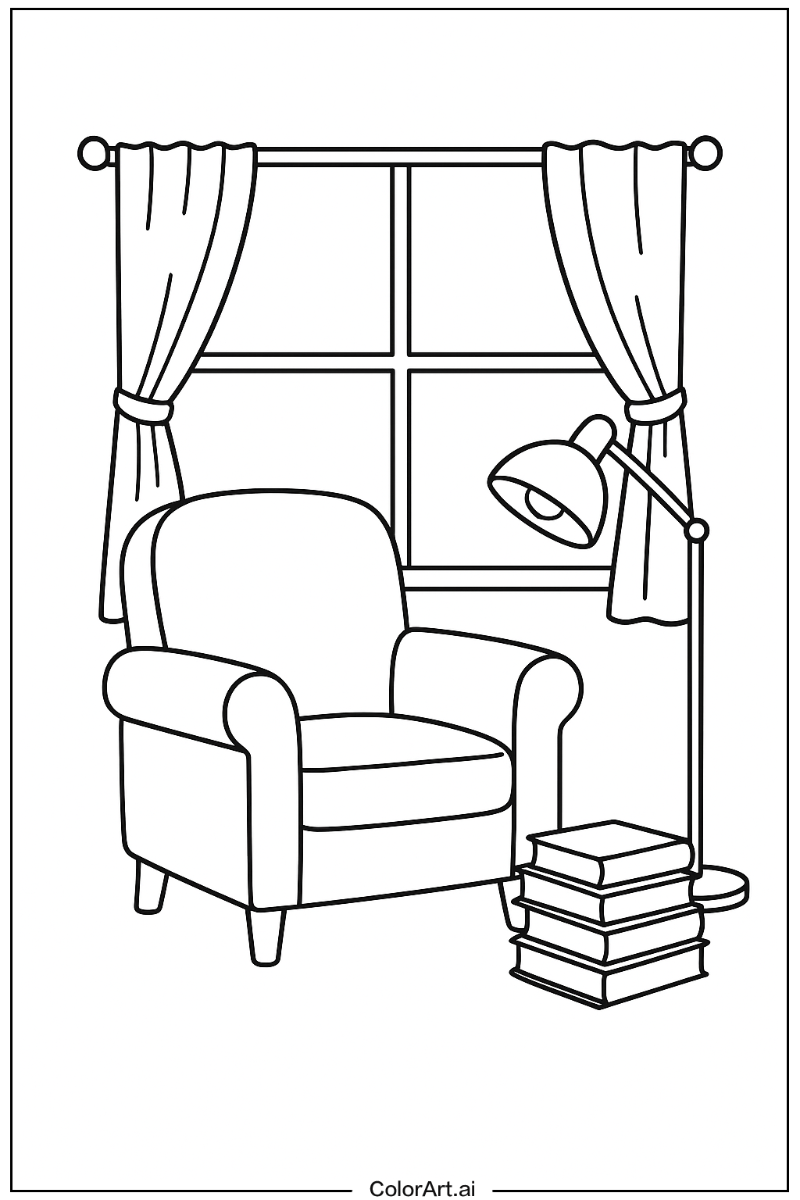
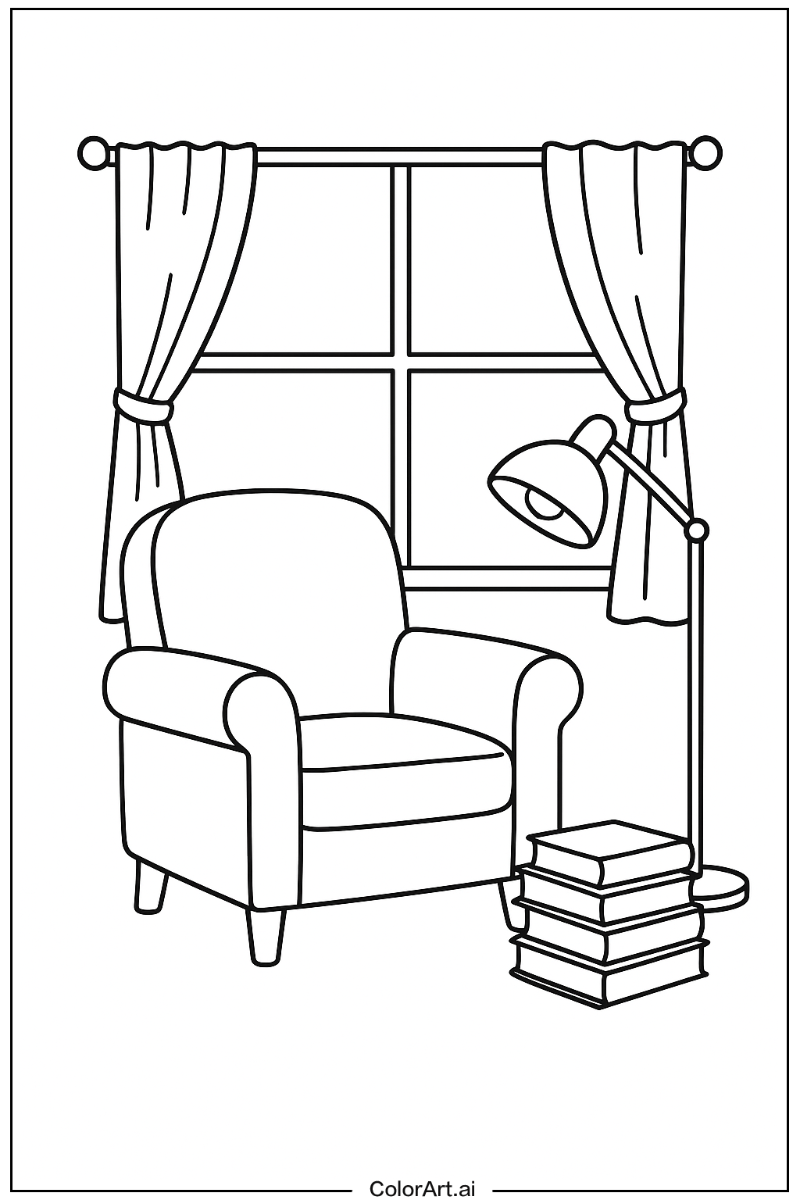
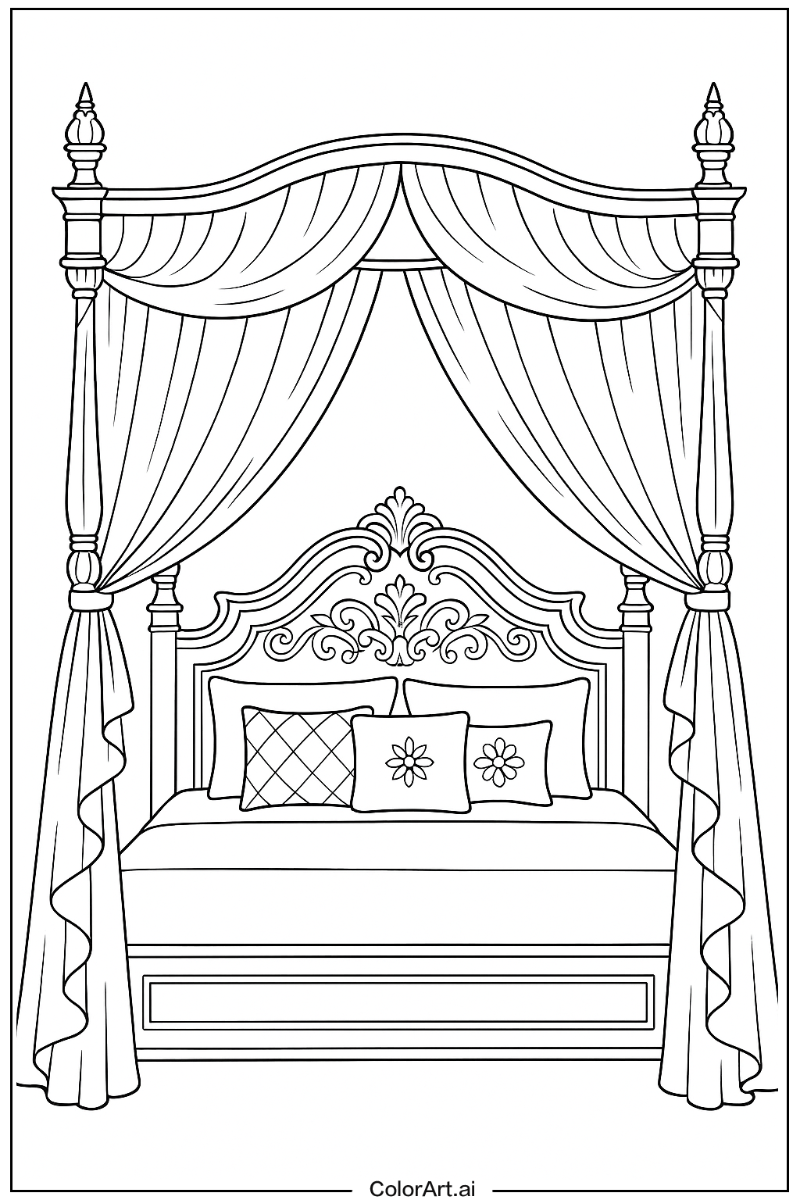
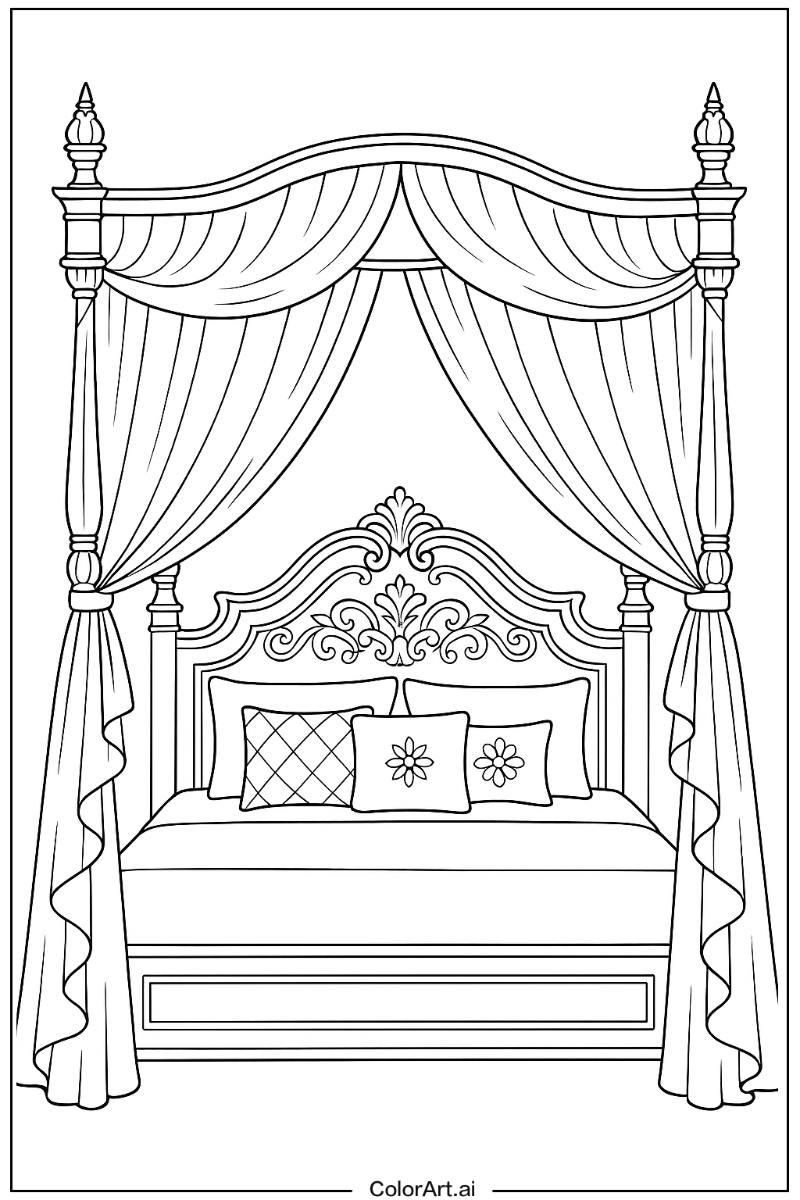
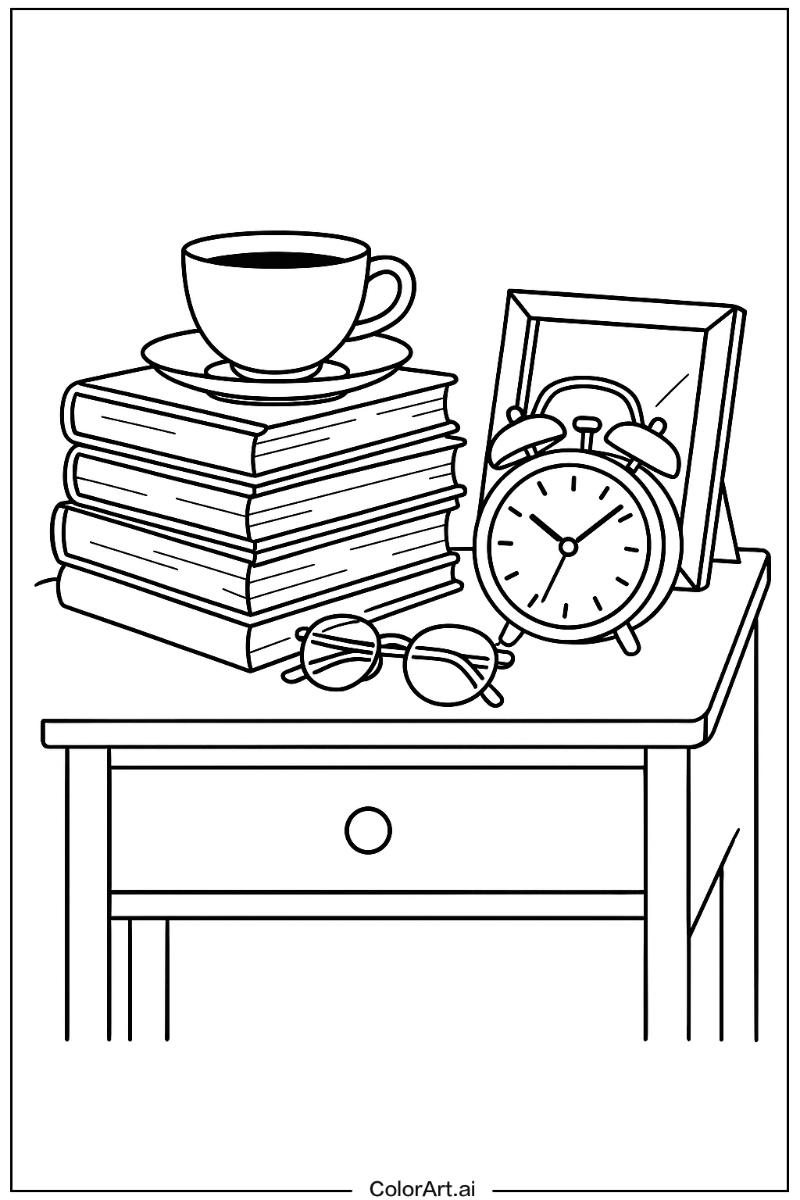
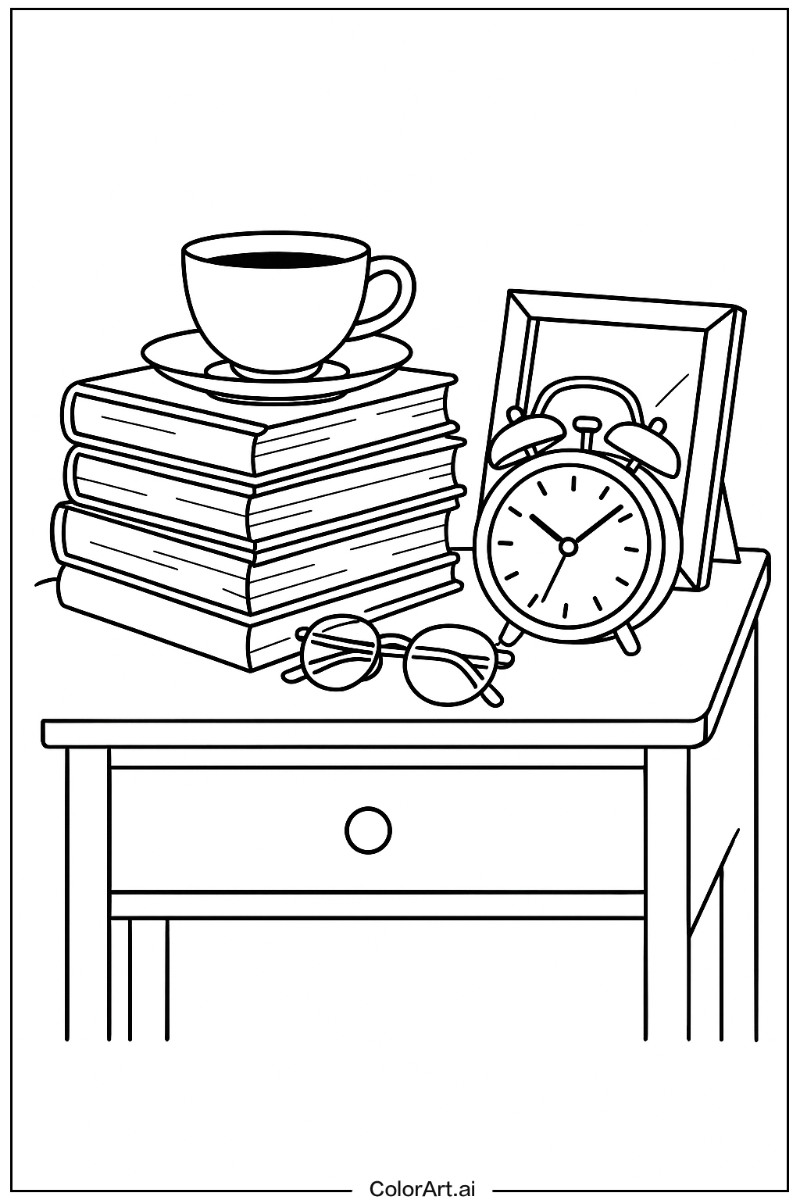
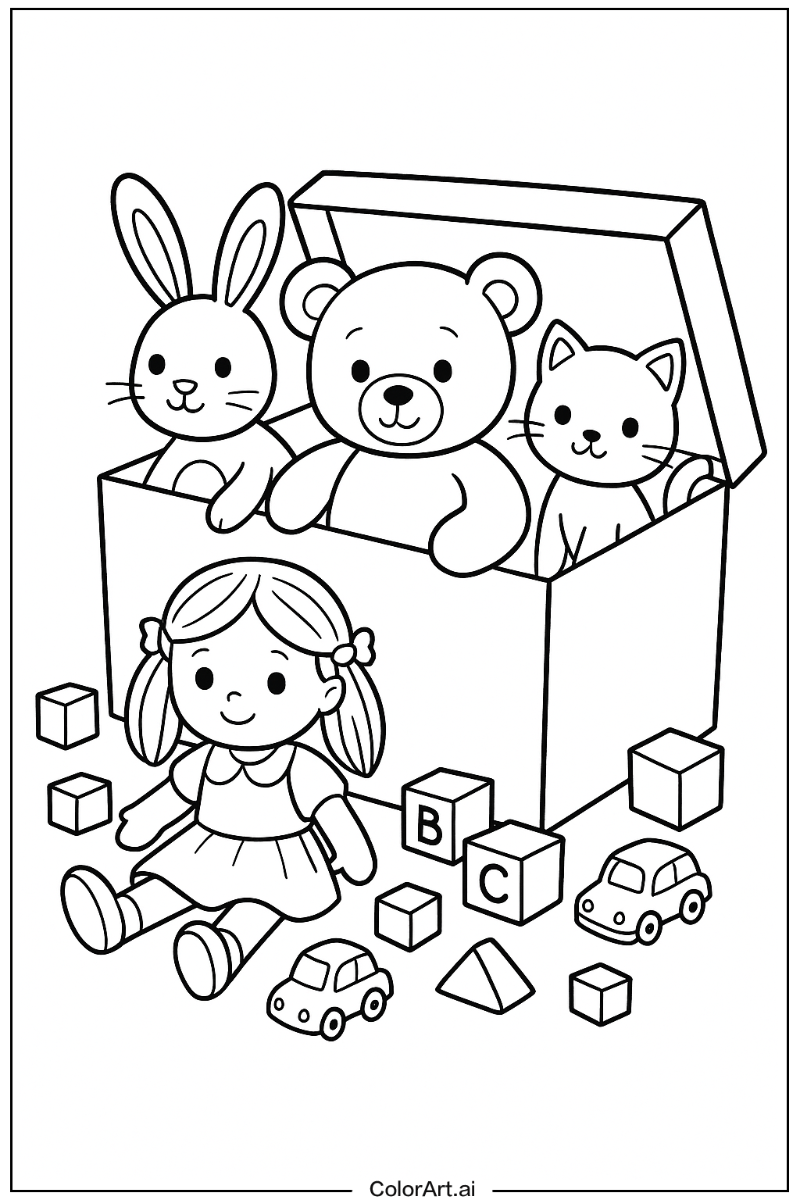
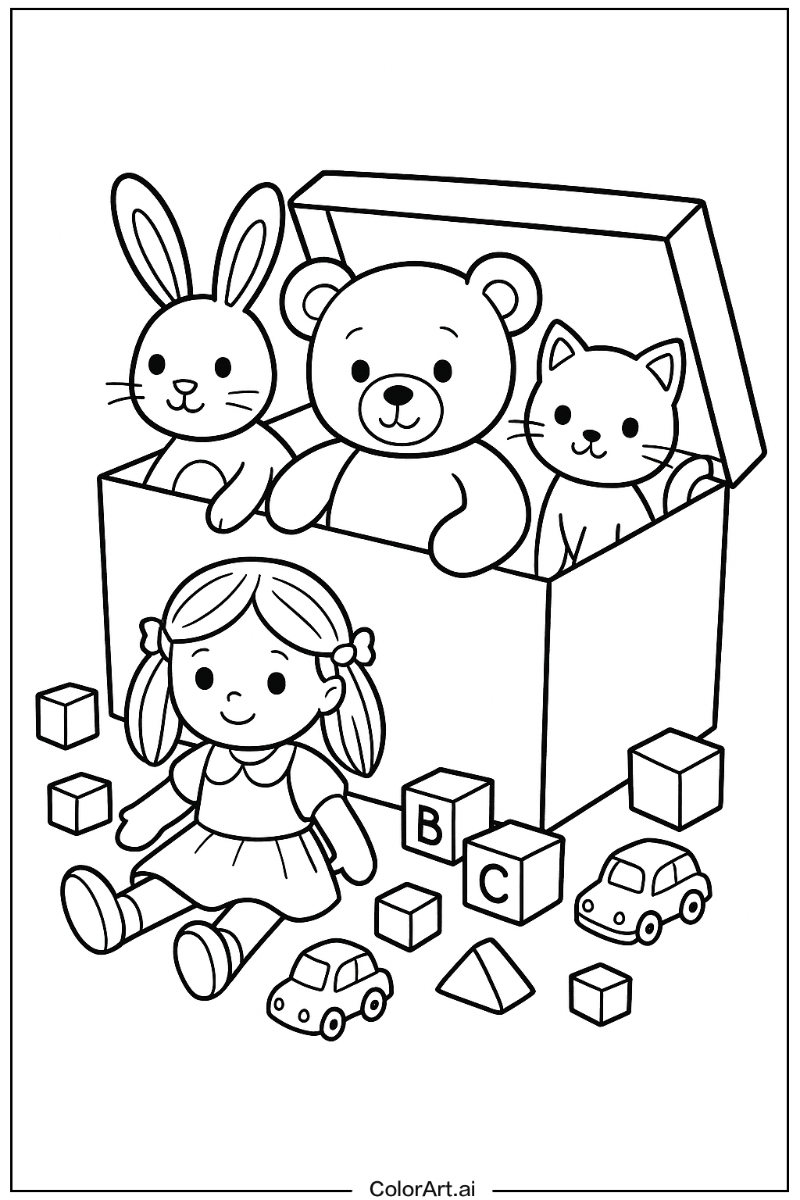
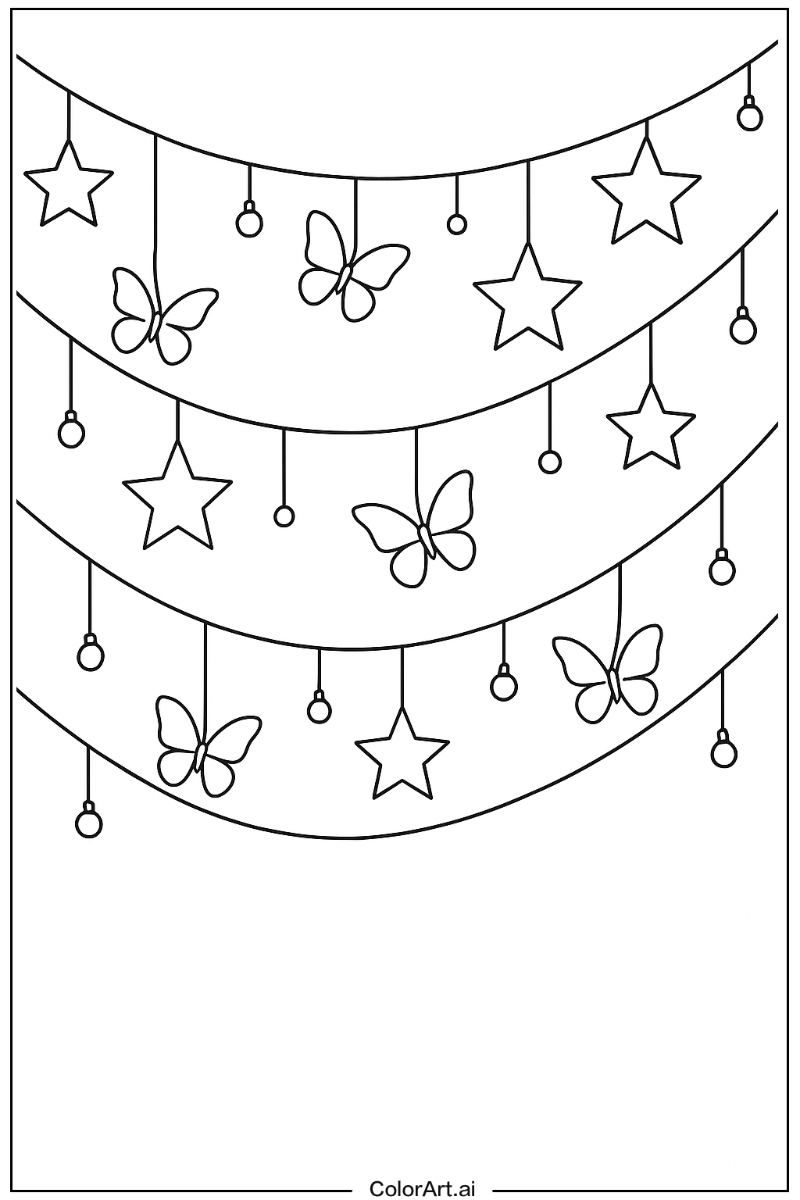
From the cozy reading nook to the enchanted canopy bed, these 12 designs spark imagination while building essential artistic skills. I've watched countless students find their creative voice through these specific pages, whether they're carefully shading the toy box treasures or adding their personal touch to the string lights design.
Group Coloring Pages
 PDF
PDF
 PNG
PNG
 PNG
PNG
 PNG
PNG
 PNG
PNG
 PNG
PNG
 PNG
PNG
 PNG
PNG
 PNG
PNG
 PNG
PNG
 PNG
PNG
 PNG
PNG
 PNG
PNG
Encyclopedia Knowledge
The educational significance of our 12 coloring pages stems from their thoughtful development and proven classroom success. Each of the 12 designs was specifically chosen to represent different aspects of a cozy bedroom environment, from peaceful sleeping spaces to whimsical play areas. In my experience, this carefully selected dozen provides the perfect balance of variety and focus.
I remember when Carlos, one of my third graders, spent several art periods working through all 12 pages in sequence. He told me, 'Each one teaches me something new about drawing furniture!' This systematic approach to exploring all 12 designs helped him develop a deeper understanding of perspective and spatial relationships - concepts that can be challenging for young artists to grasp.
Educational Benefits
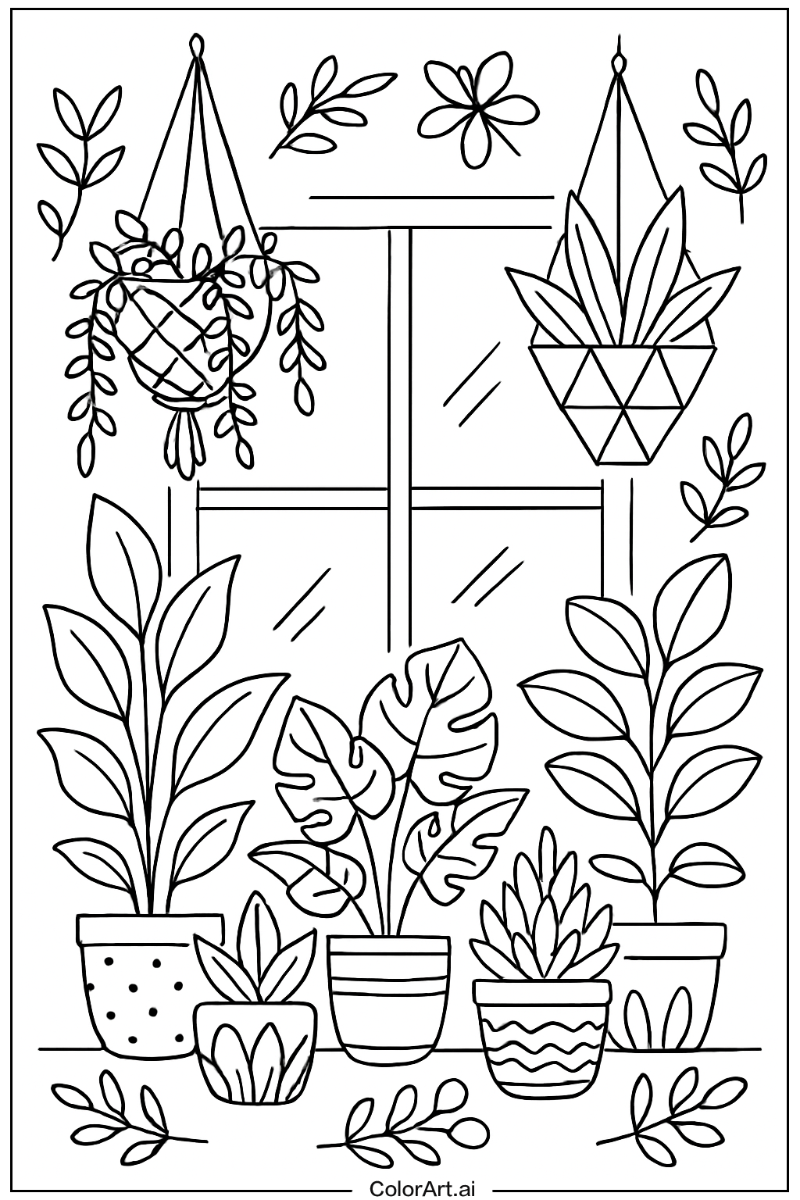
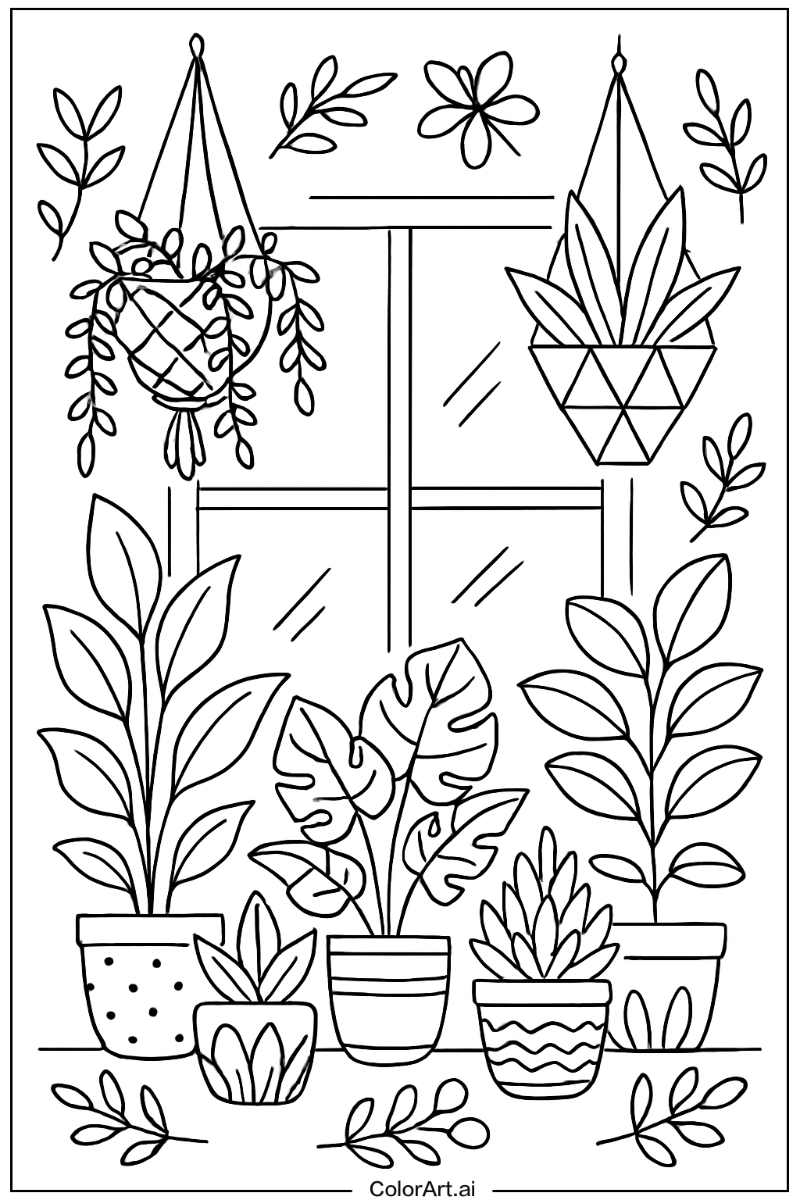
The educational impact of our 12 coloring pages extends far beyond basic art skills. Each page in the dozen serves as a gateway to different learning opportunities. For example, when my class worked on the plant paradise design (number 7 of 12), we integrated science by discussing photosynthesis and plant care.
One of my favorite success stories involves a shy student named James who struggled with fine motor skills. By working through all 12 designs over a semester, his confidence and control improved dramatically. The progression from simple to more complex designs within our set of 12 allowed him to build skills at his own pace.
Coloring Tips & Techniques
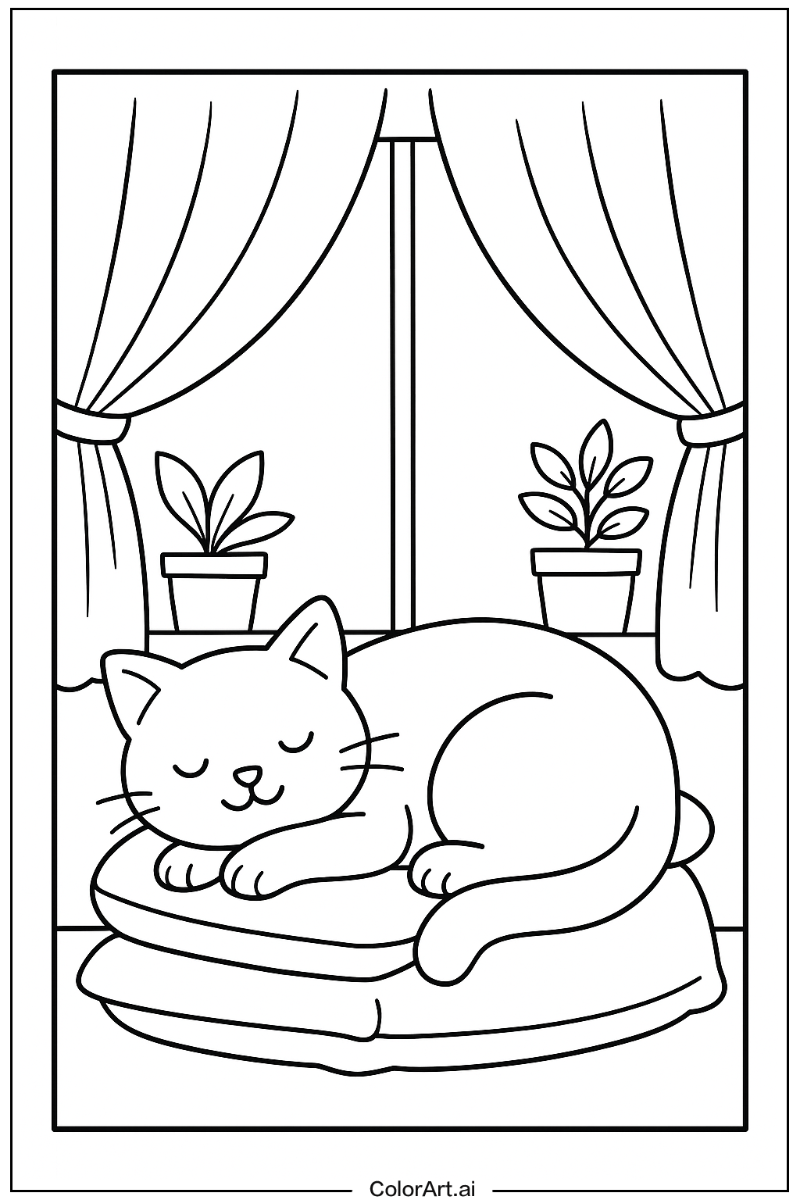
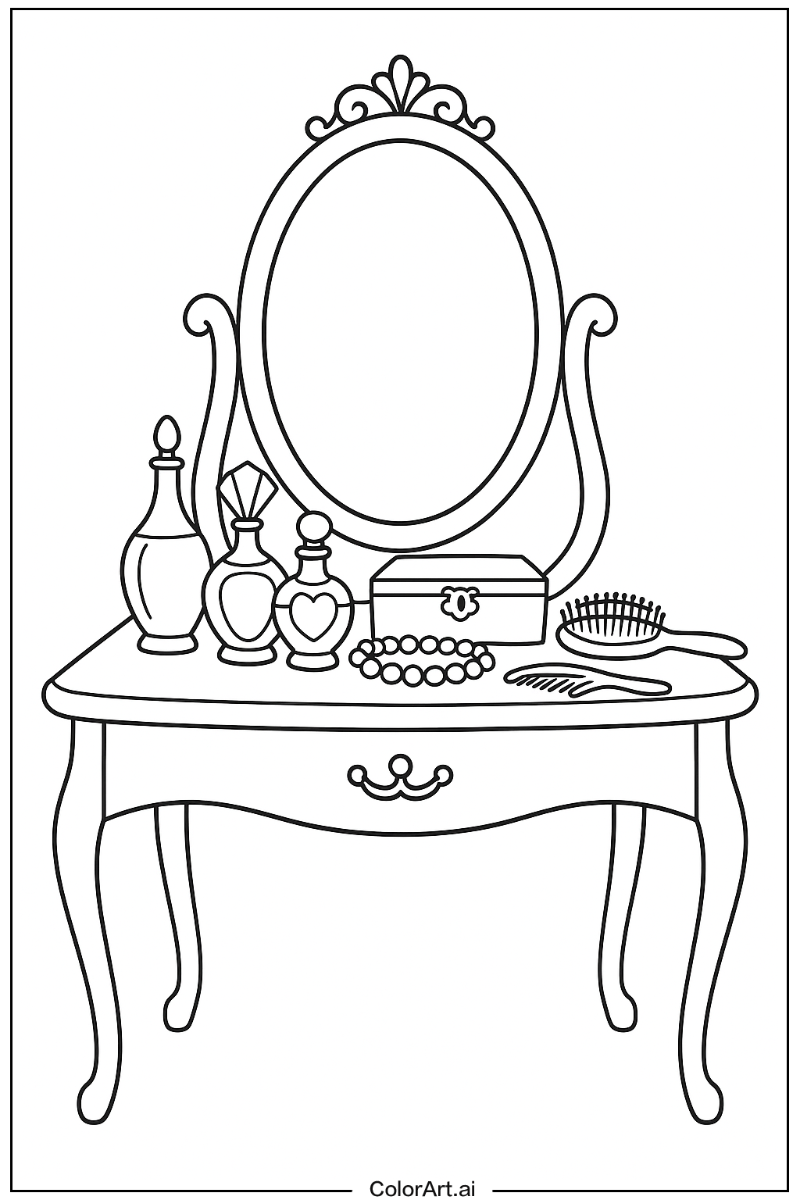
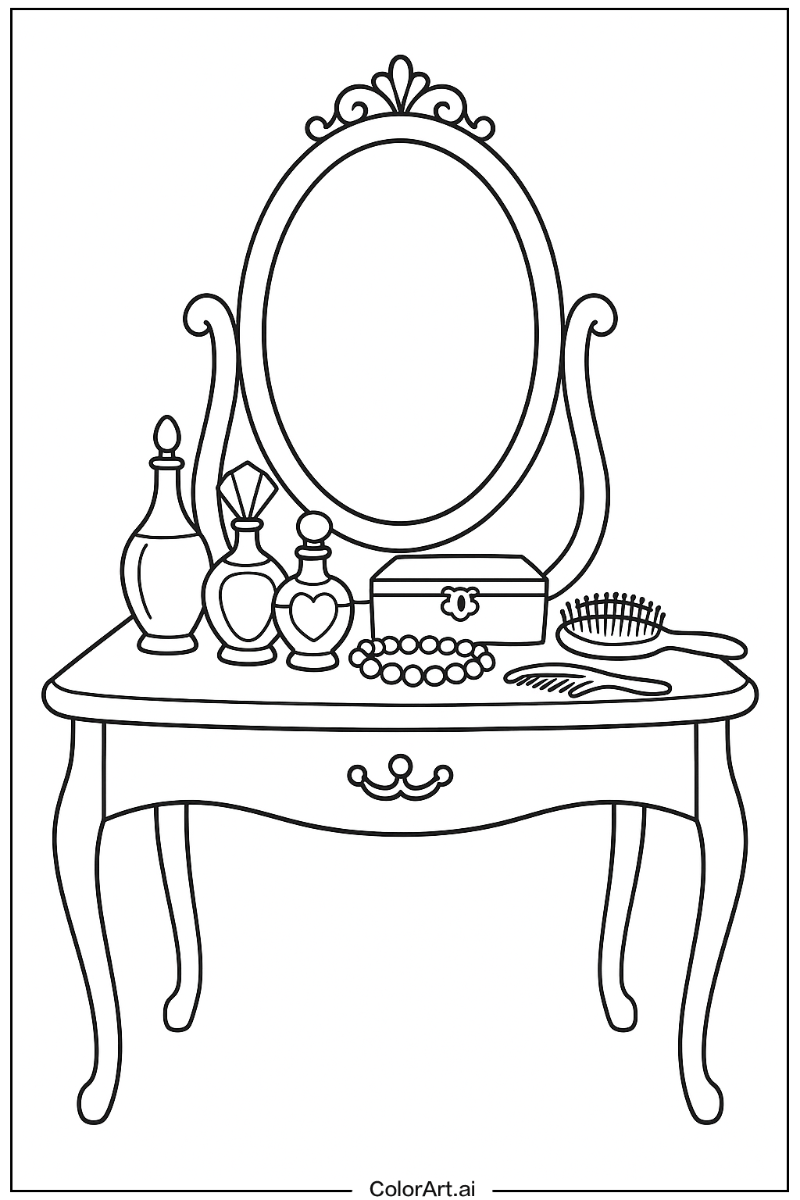
After years of teaching these 12 coloring pages, I've developed some tried-and-true tips for success. First, I always suggest starting with the simpler designs (like the sleeping cat or string lights) before tackling more detailed ones like the vanity table. When working through all 12, I encourage students to experiment with different coloring tools on each page.
My students particularly love our '12 Colors Challenge' where they select exactly twelve different colors to use on a single page. This helps them think strategically about color choices while maintaining the special connection to our collection of 12.
Latest News & Trends
Recent trends in art education have highlighted the value of our 12 coloring page approach. More teachers are discovering how this specific collection helps students develop mindfulness and focus. Last month at our district art meeting, several colleagues asked about implementing the complete set of 12 in their own classrooms after seeing my students' successful projects.
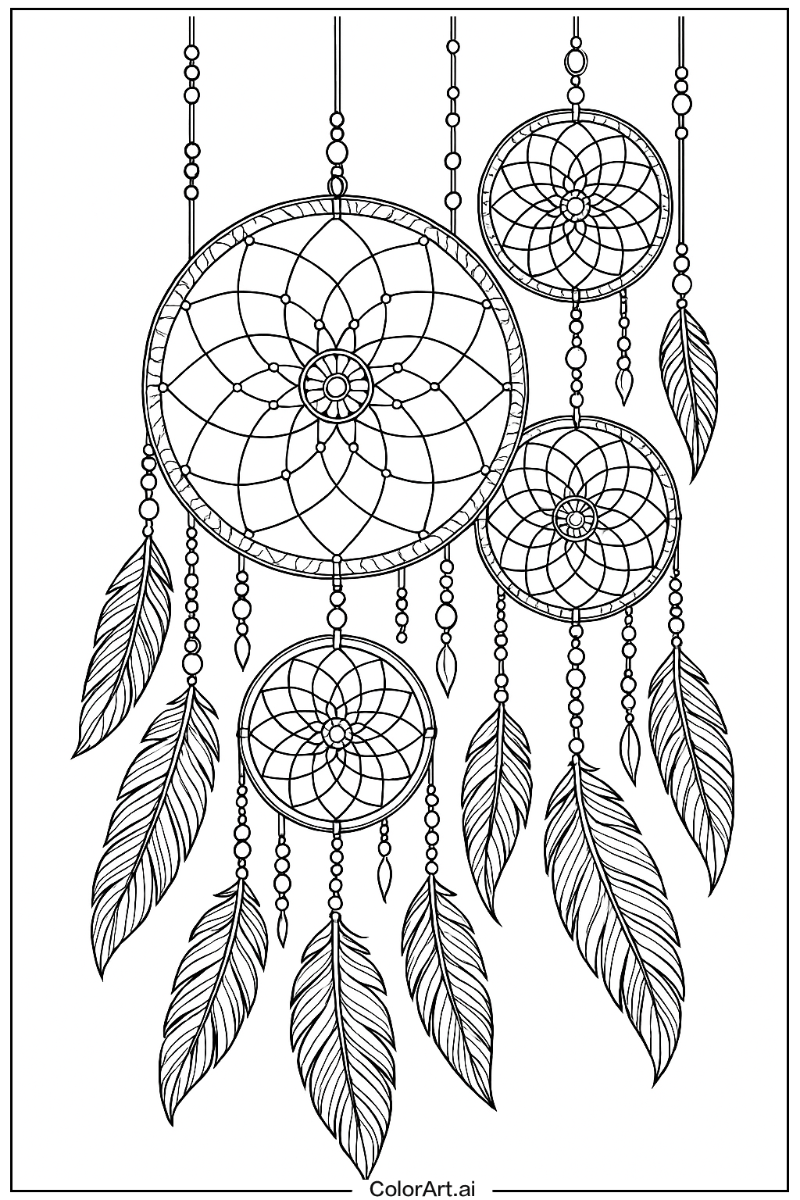
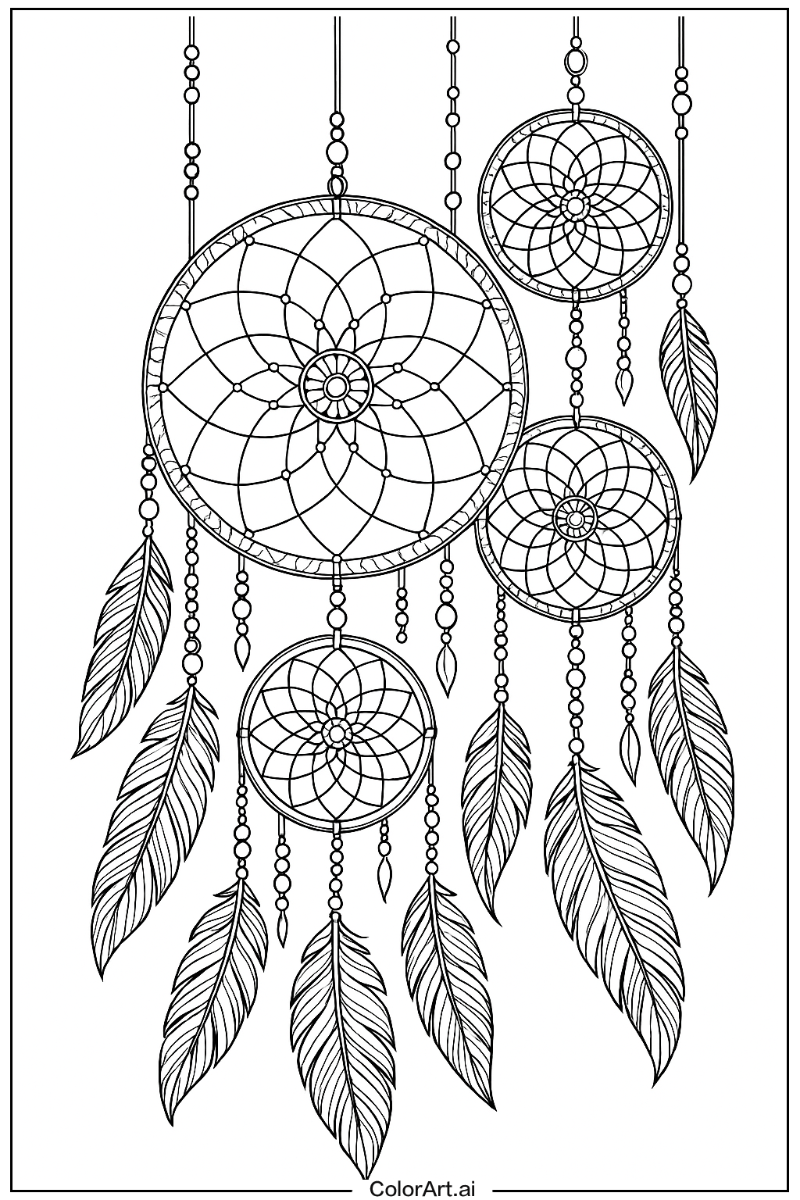
I've noticed that the dream catcher and string lights pages from our 12 have become particular favorites this year. Just yesterday, Maria spent her entire art period adding intricate patterns to the dream catcher design, demonstrating the current trend toward detailed, meditative coloring experiences.
Frequently Asked Questions
Parents often ask me about our 12 coloring pages, so here are the most common questions:
Q: Should my child complete all 12 pages in order?
A: While there's no strict sequence, I find that starting with simpler designs builds confidence.
Q: How long should each of the 12 pages take?
A: Every child works at their own pace - some finish a page in one session, others enjoy spreading it out over several.
Q: Can we print extra copies of the 12 pages?
A: Absolutely! Having multiple copies allows for practice and experimentation.