Embracing the Majesty of Tigers Through Coloring
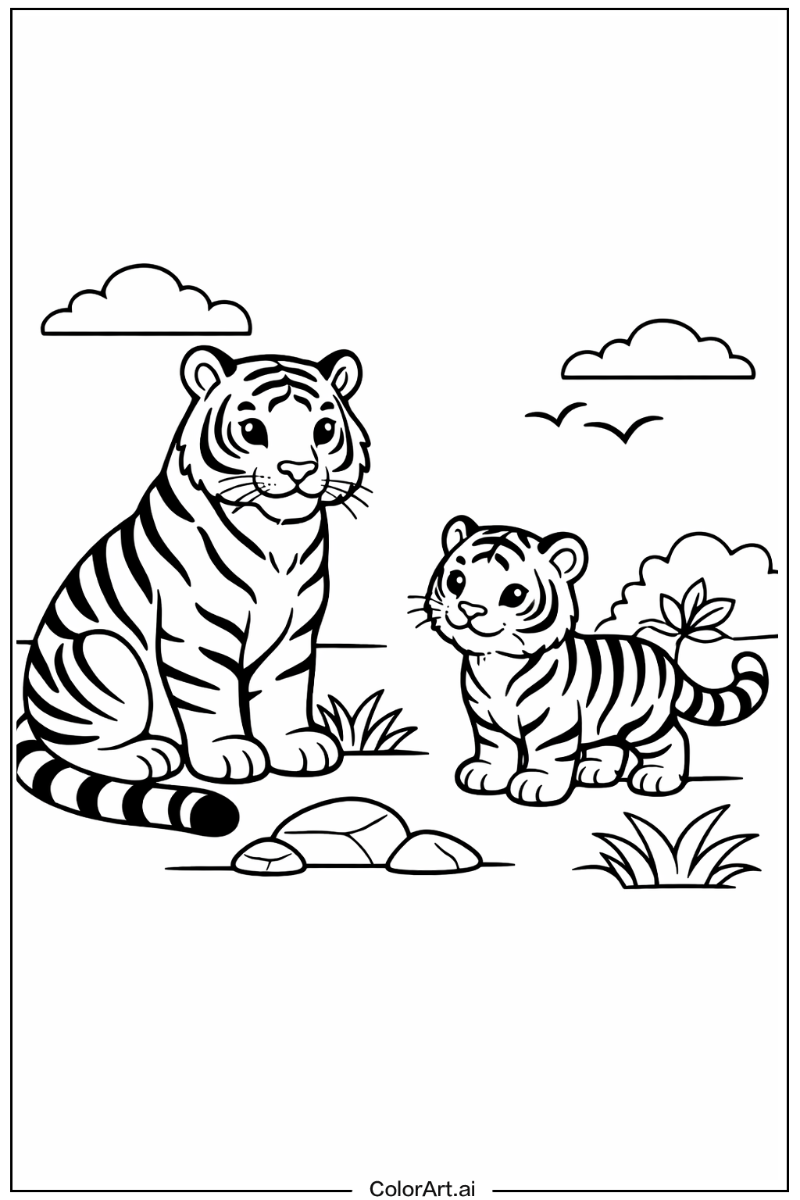
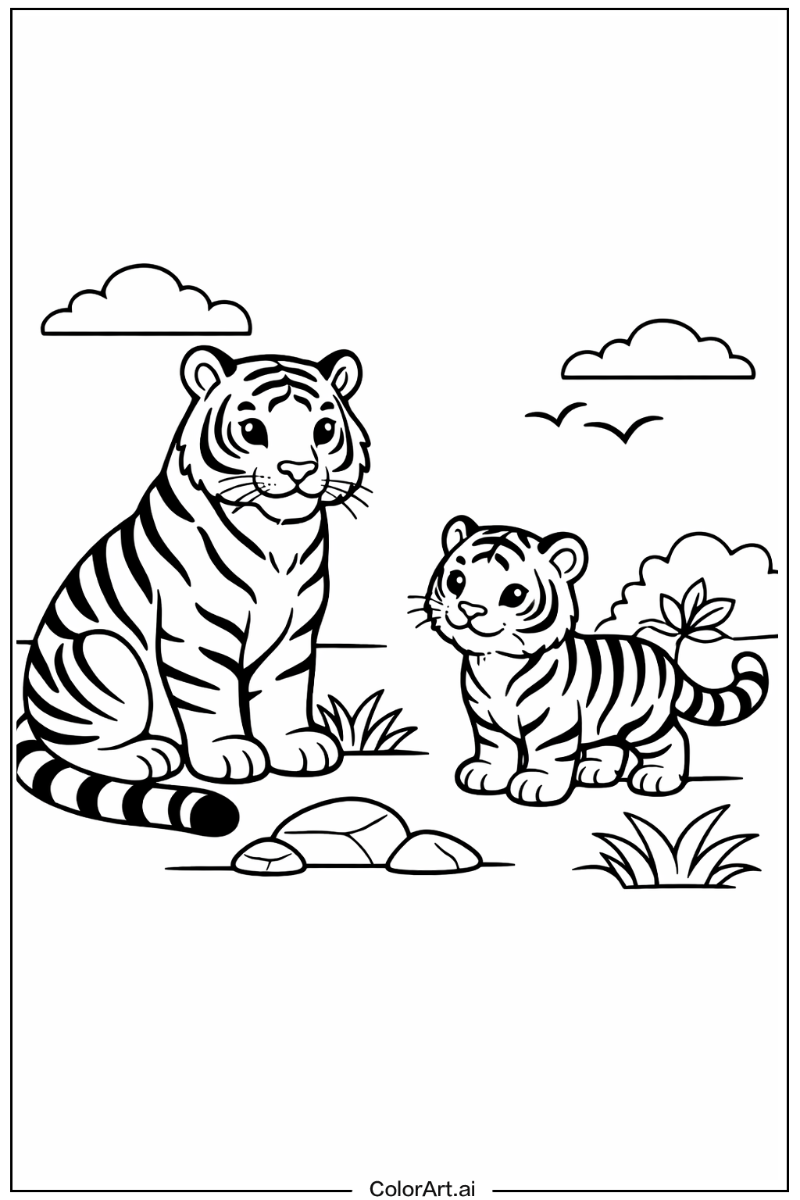
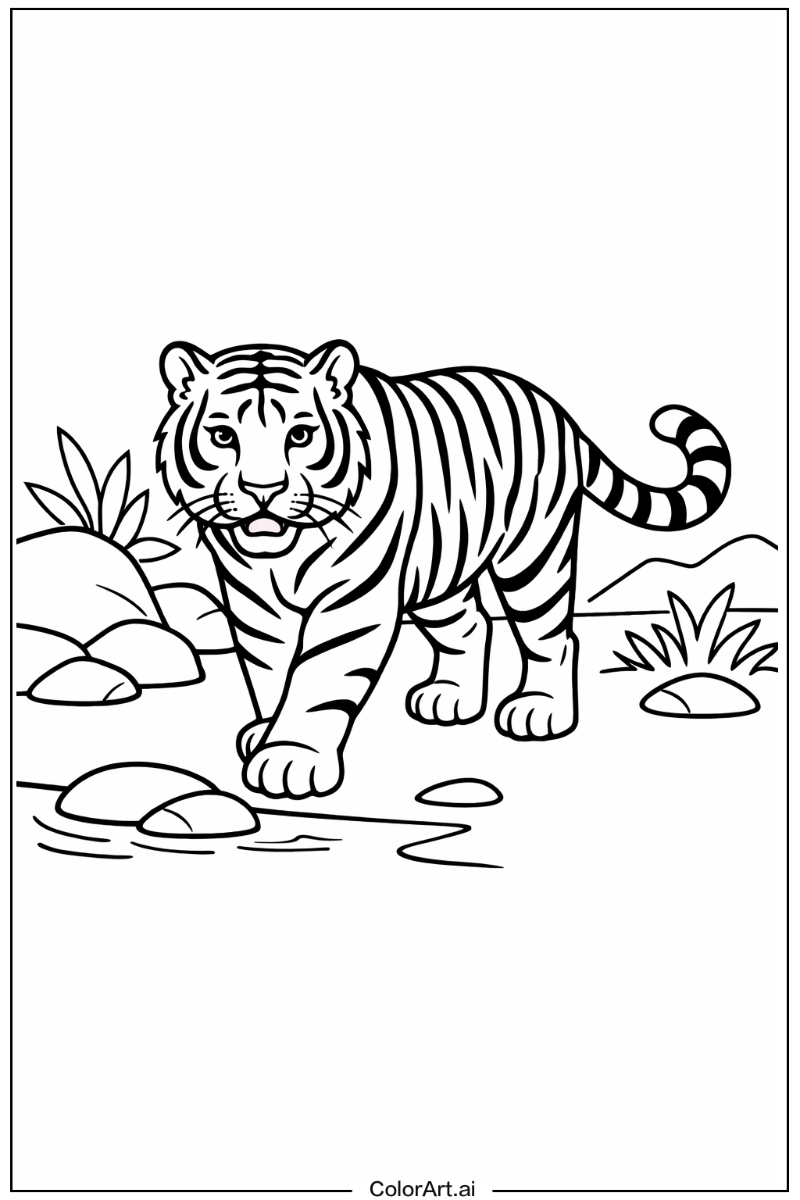
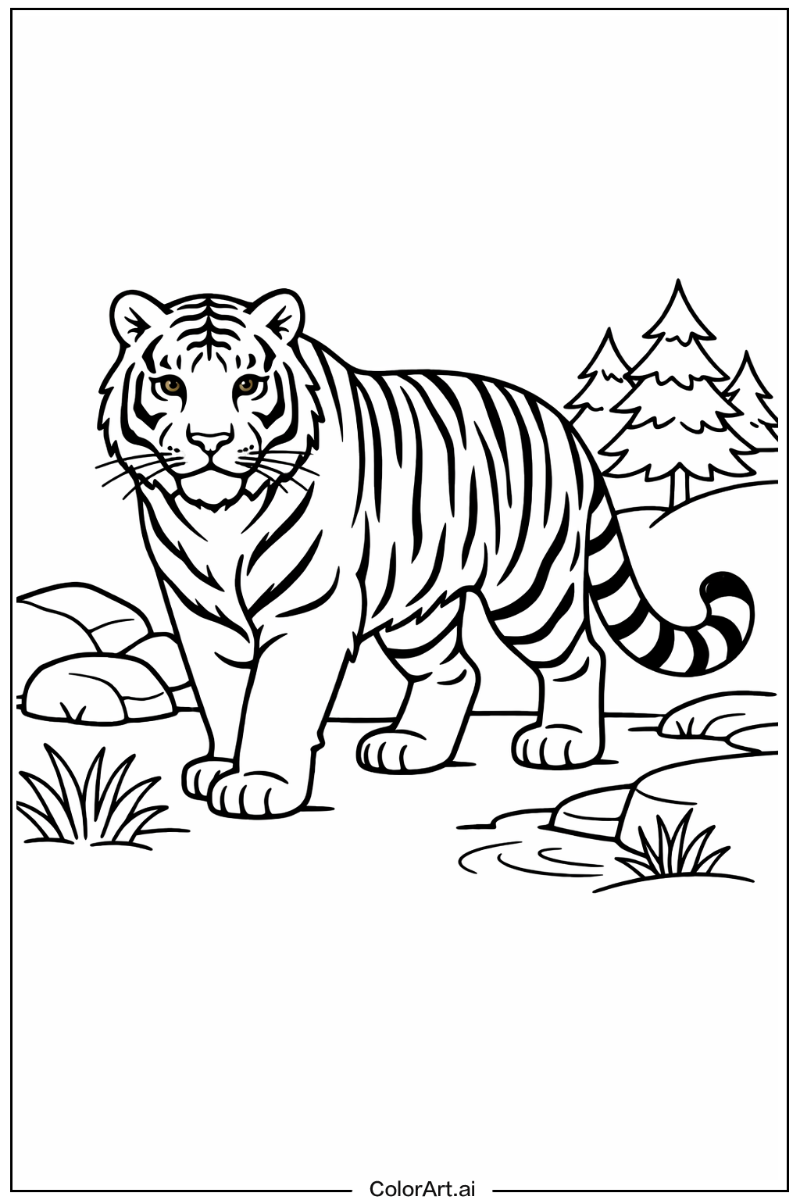
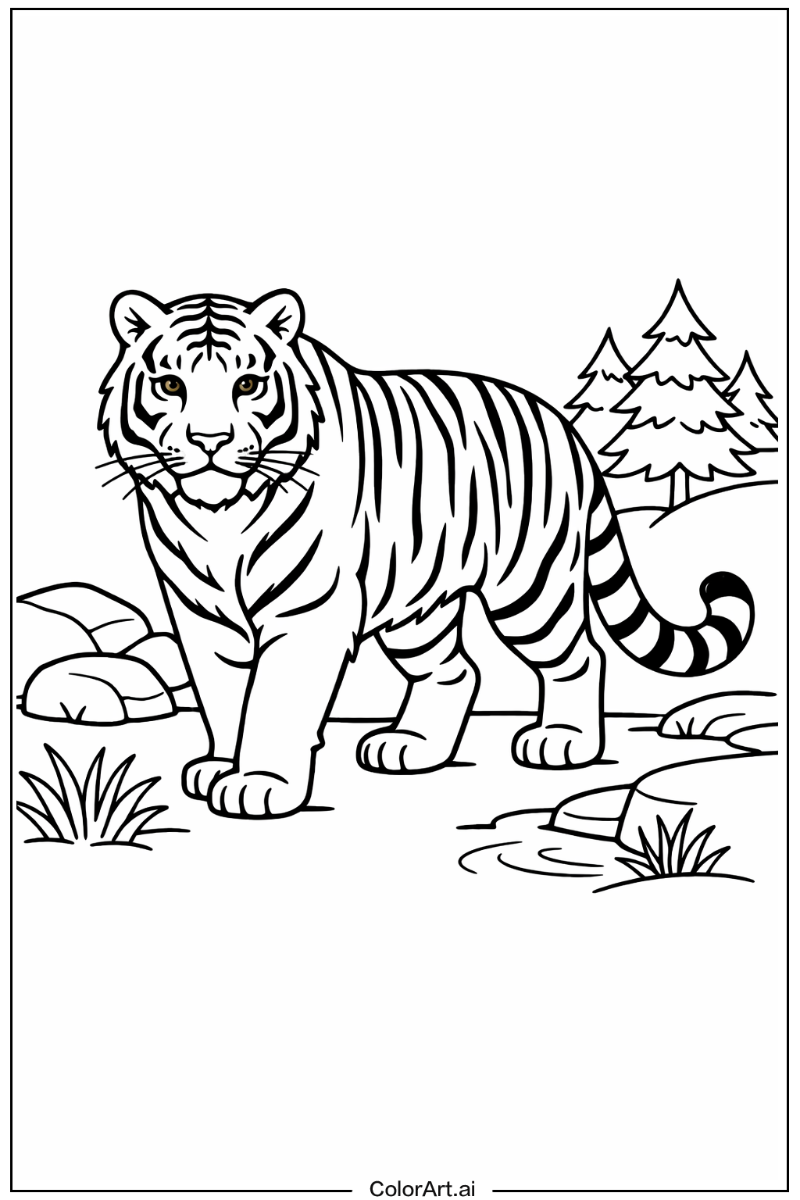
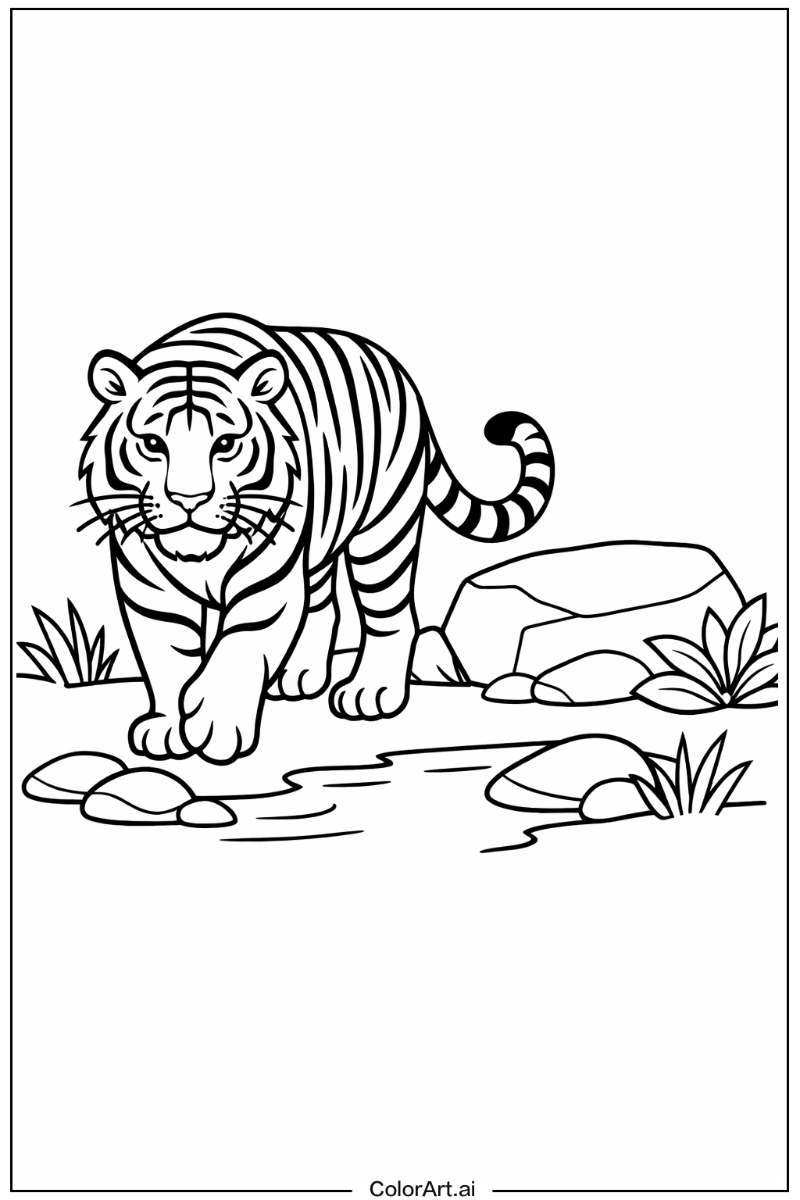
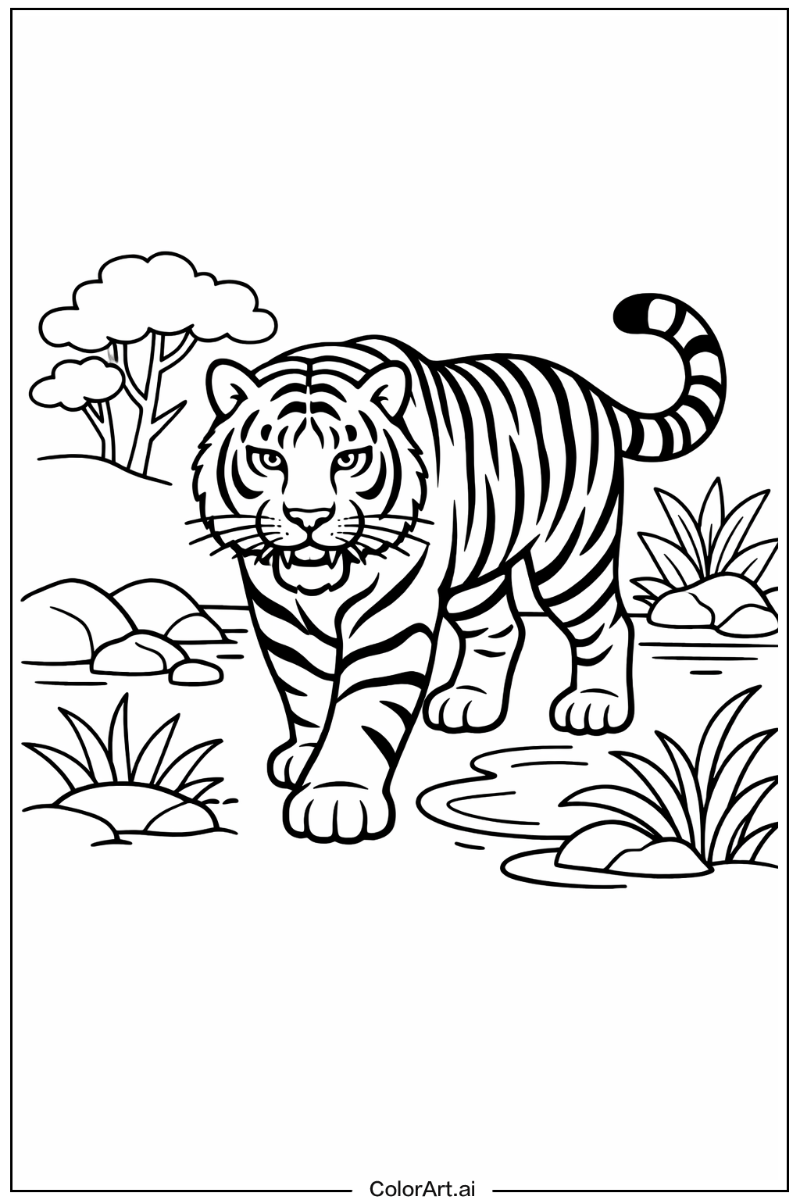
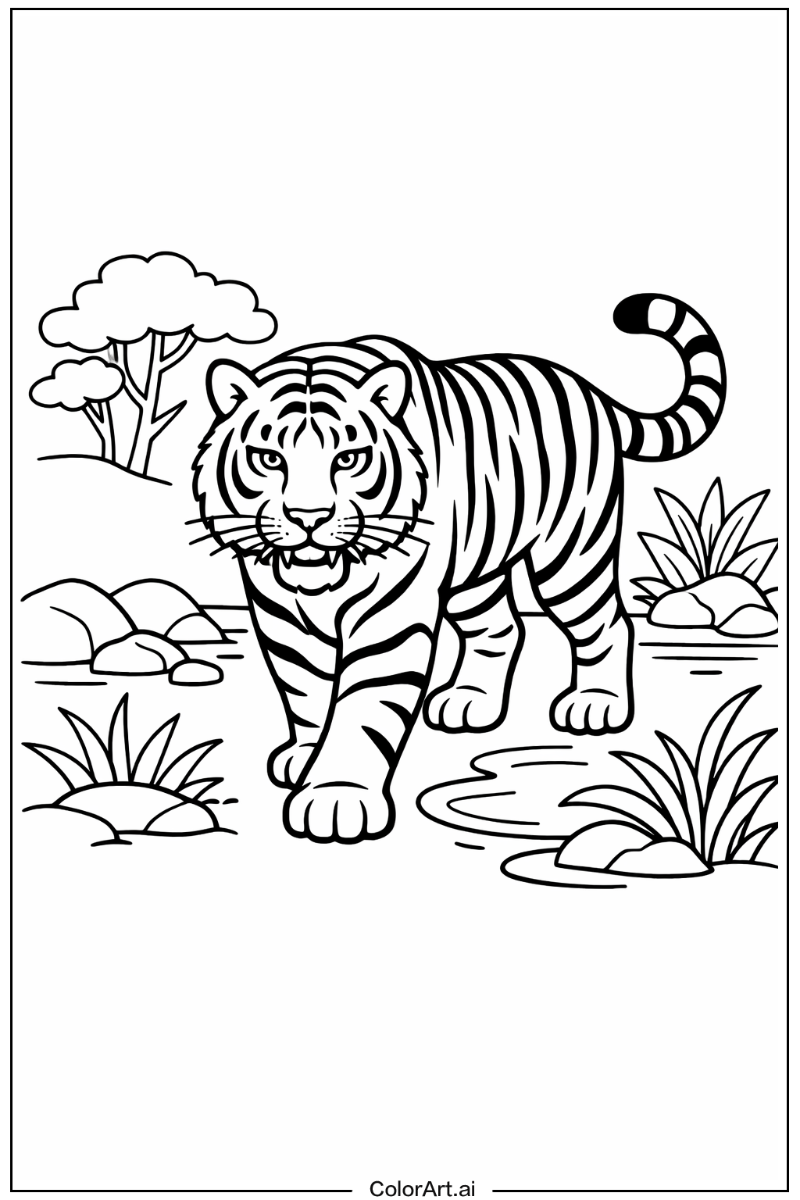
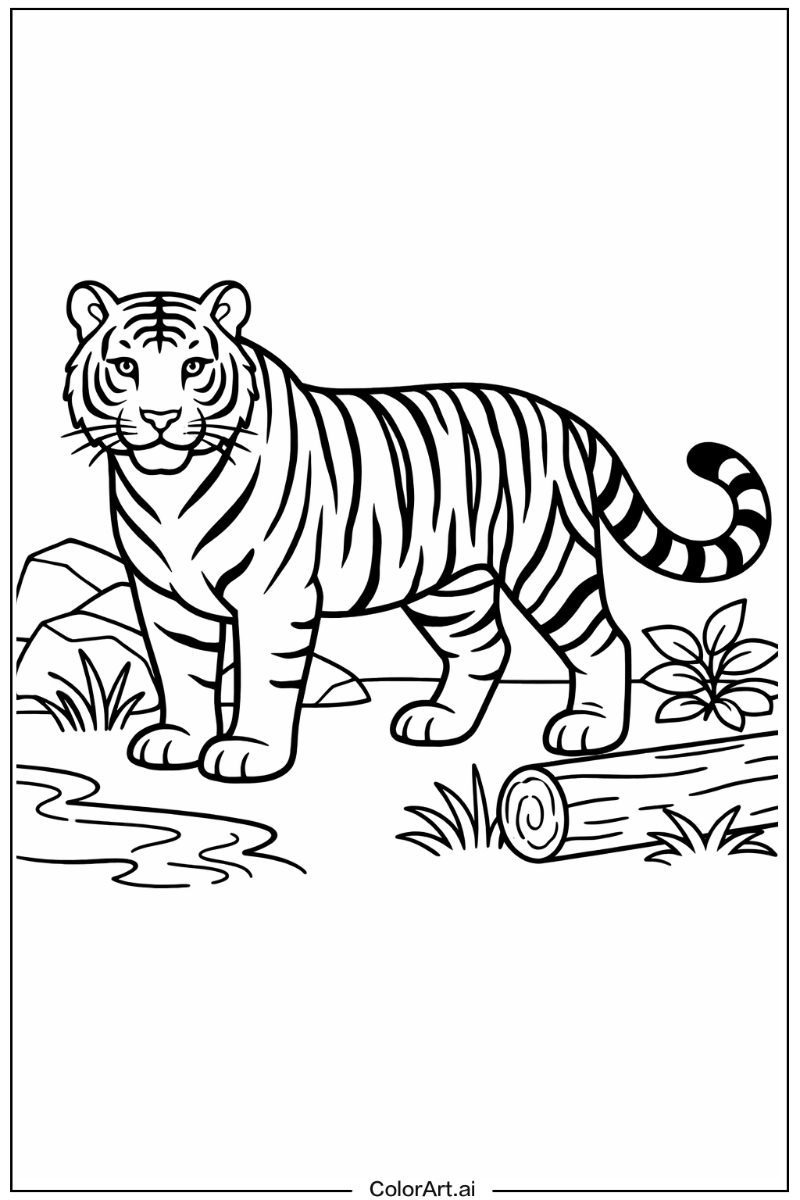
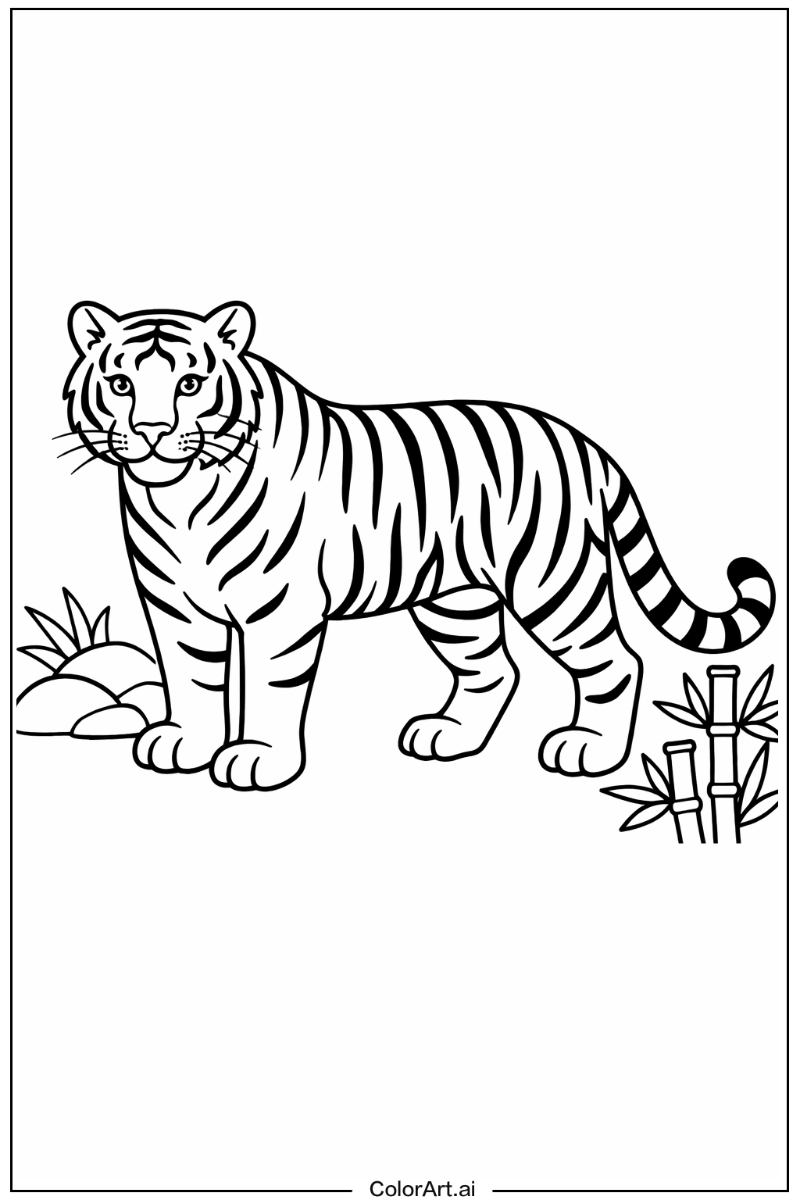
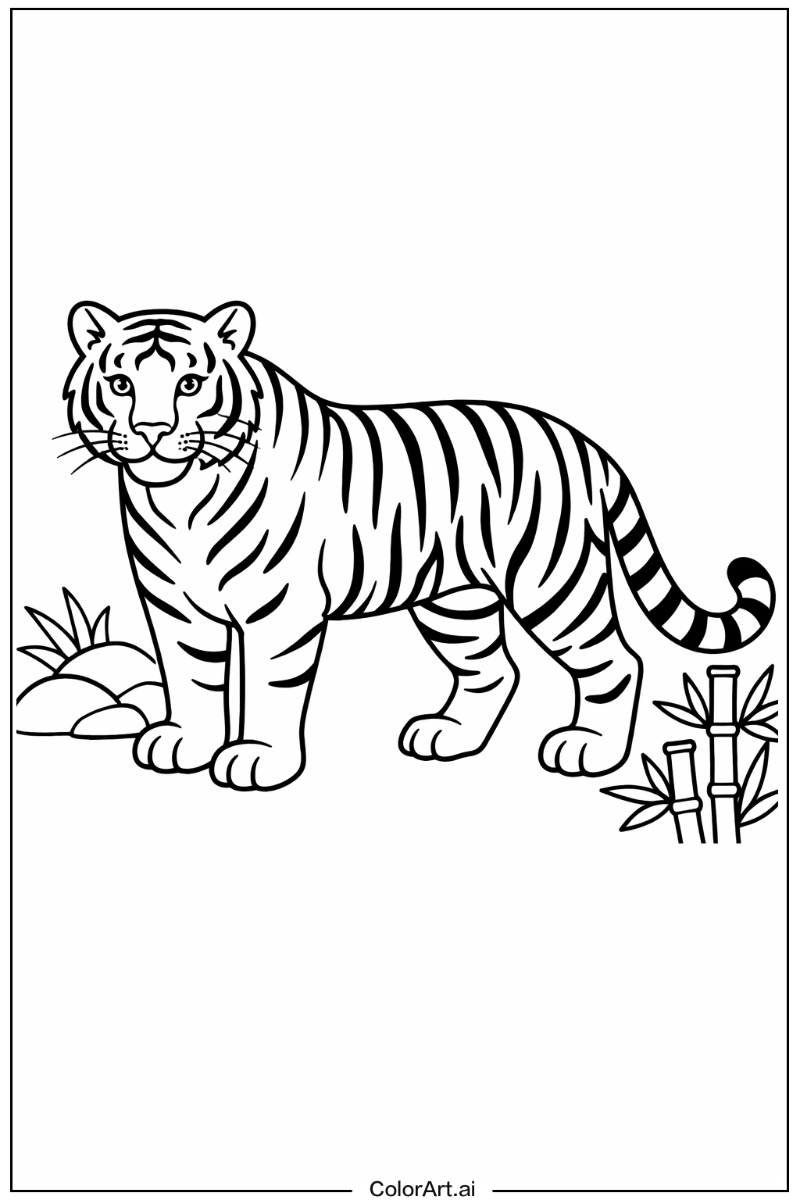
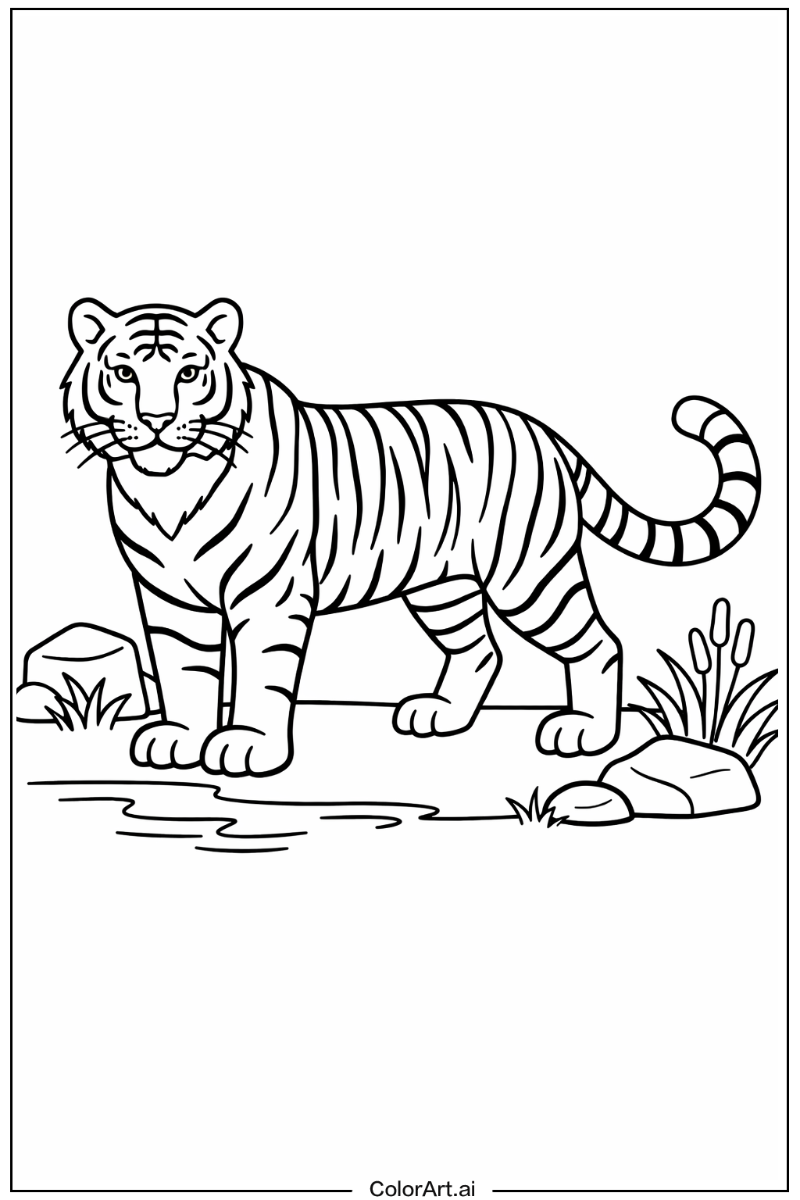
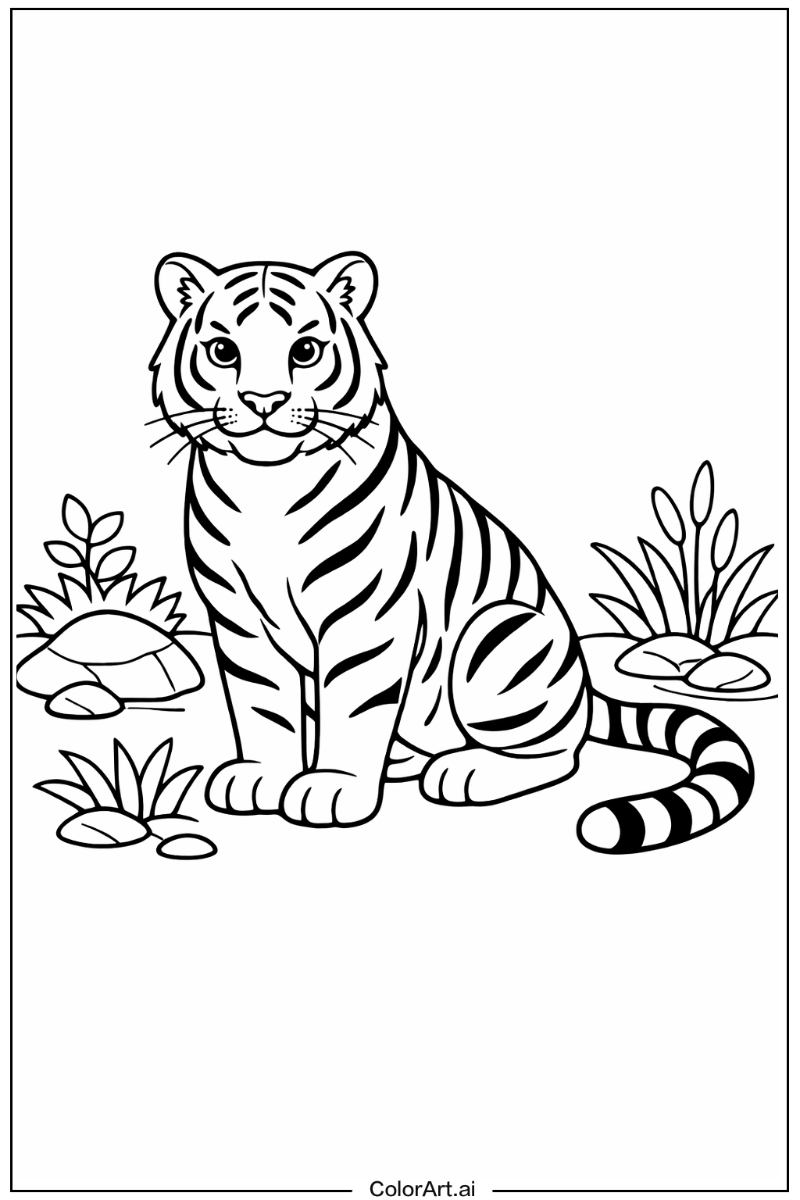
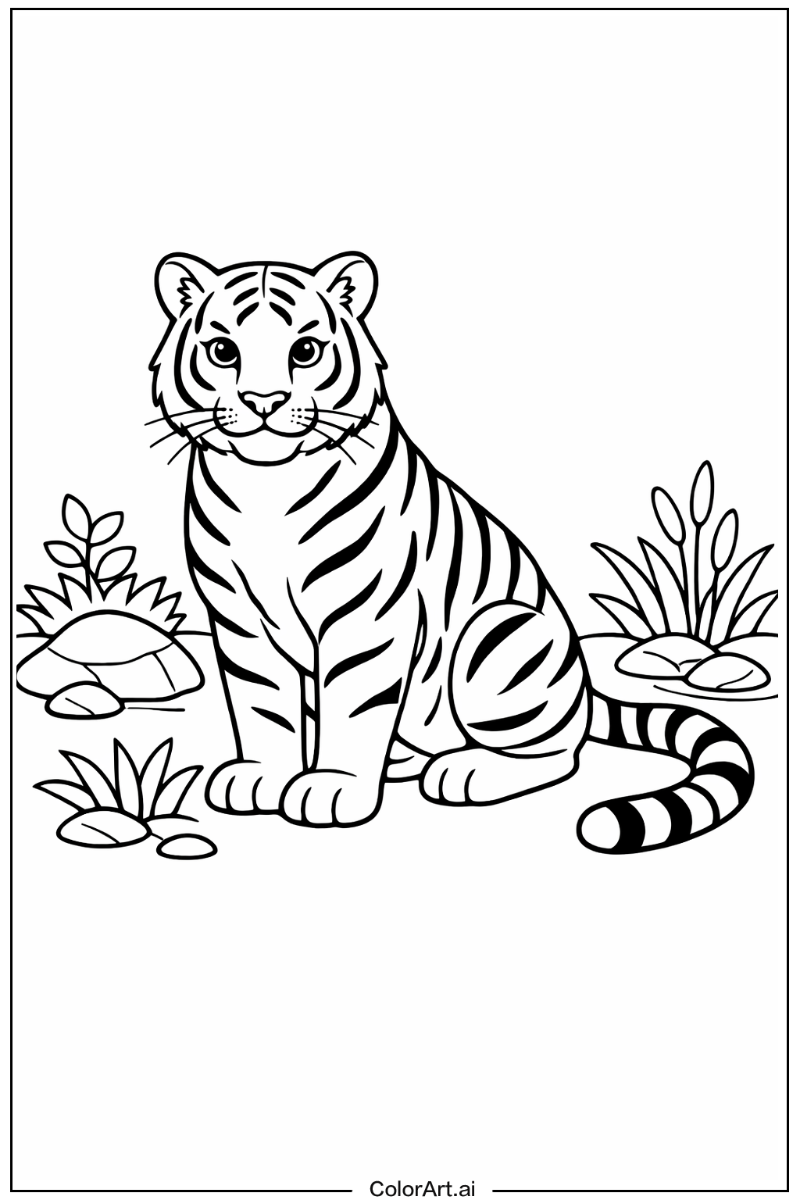
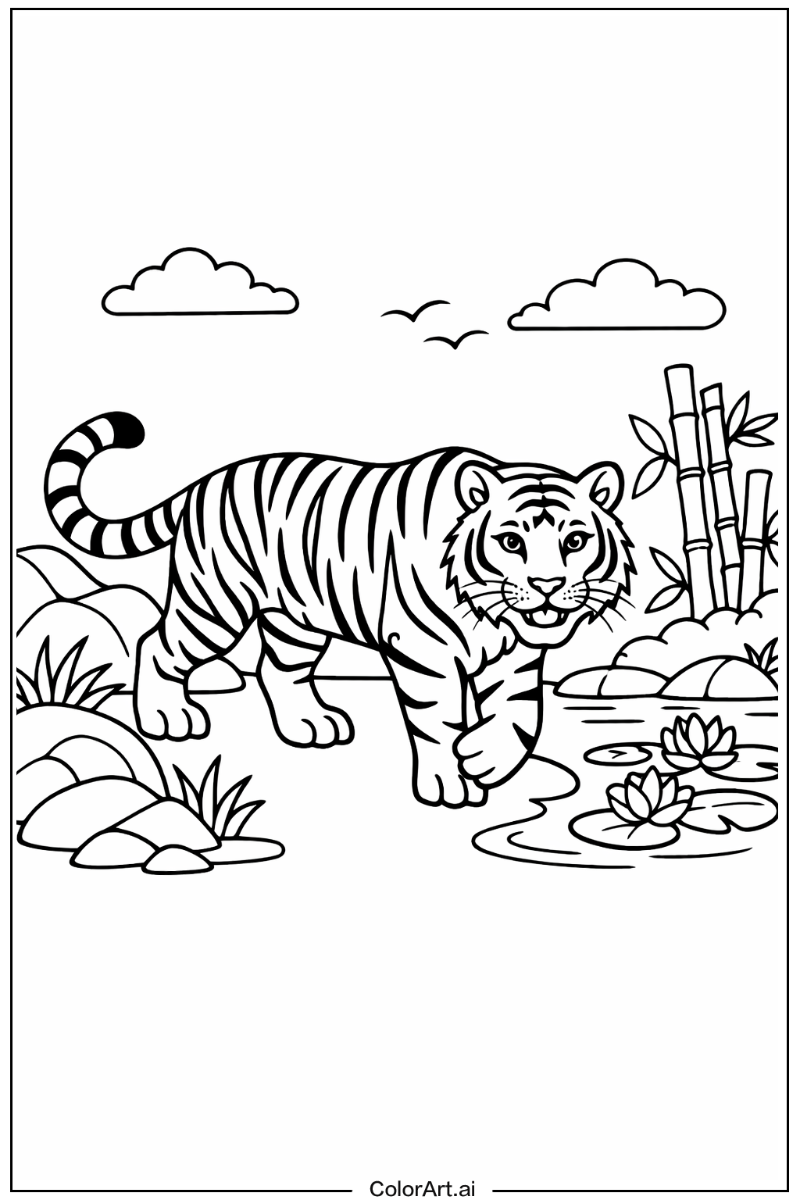
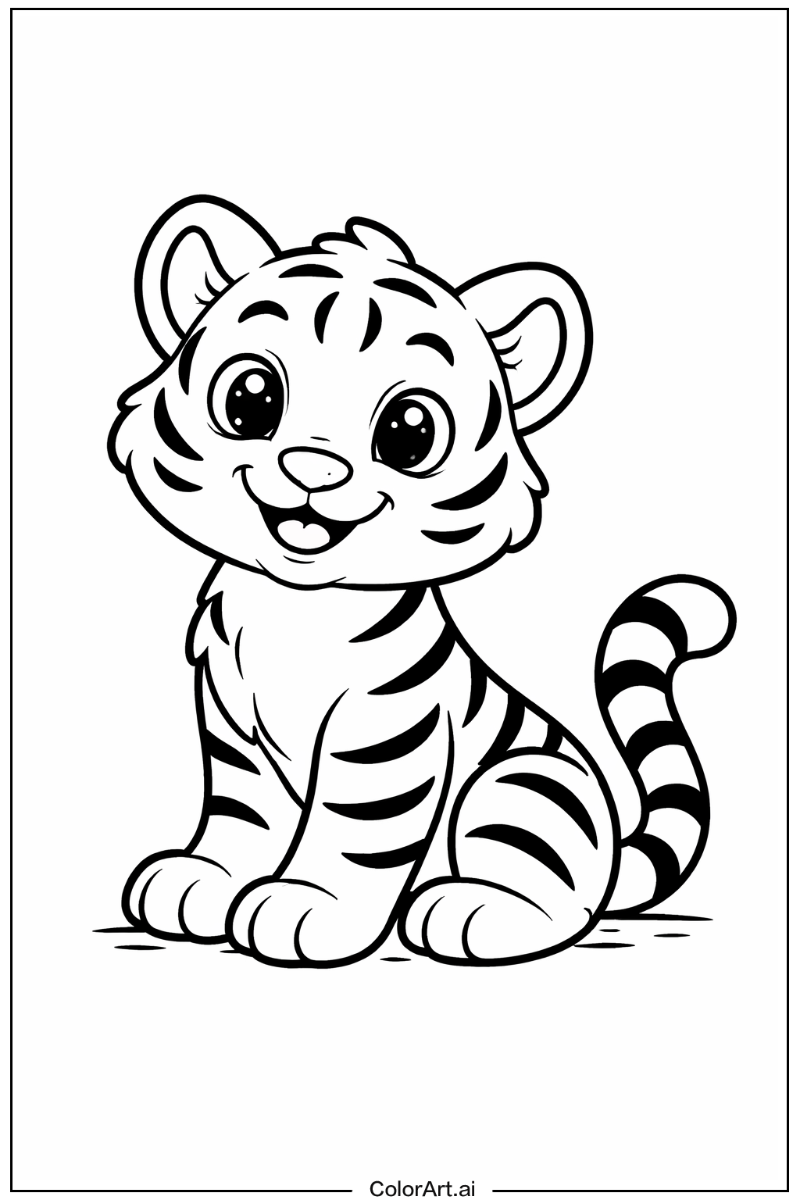
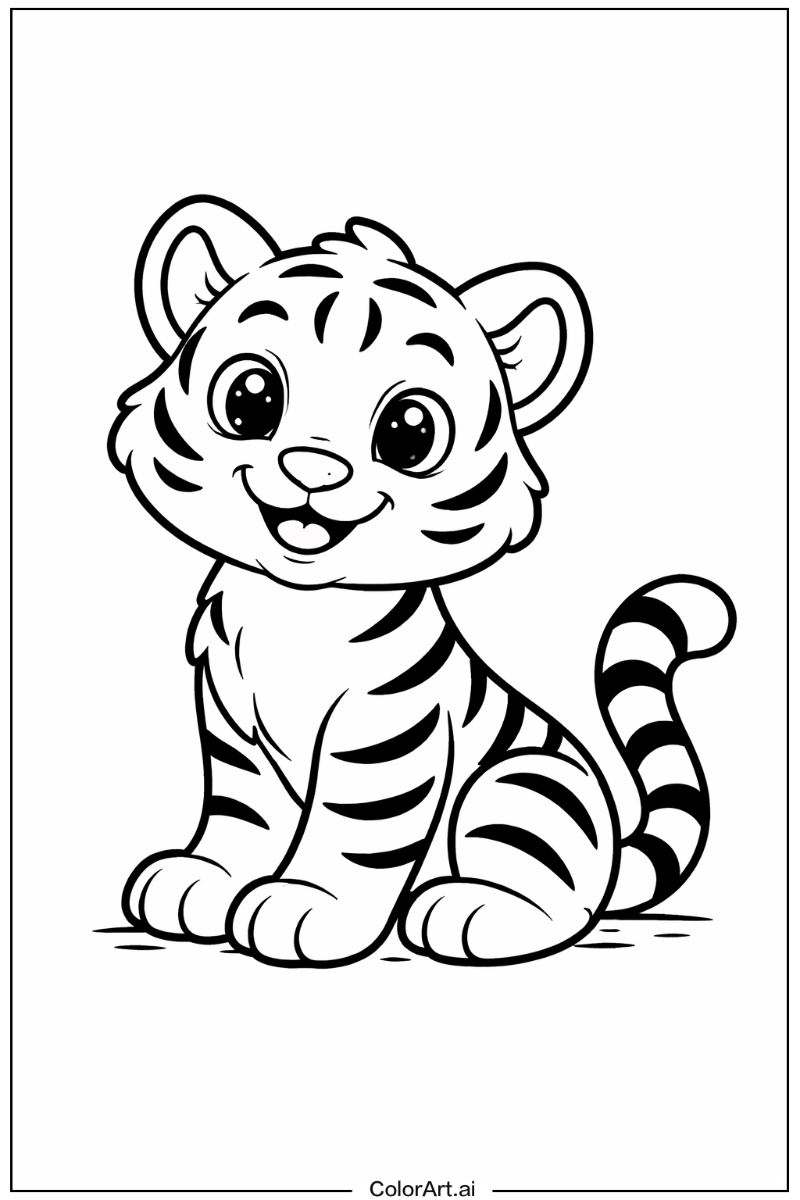
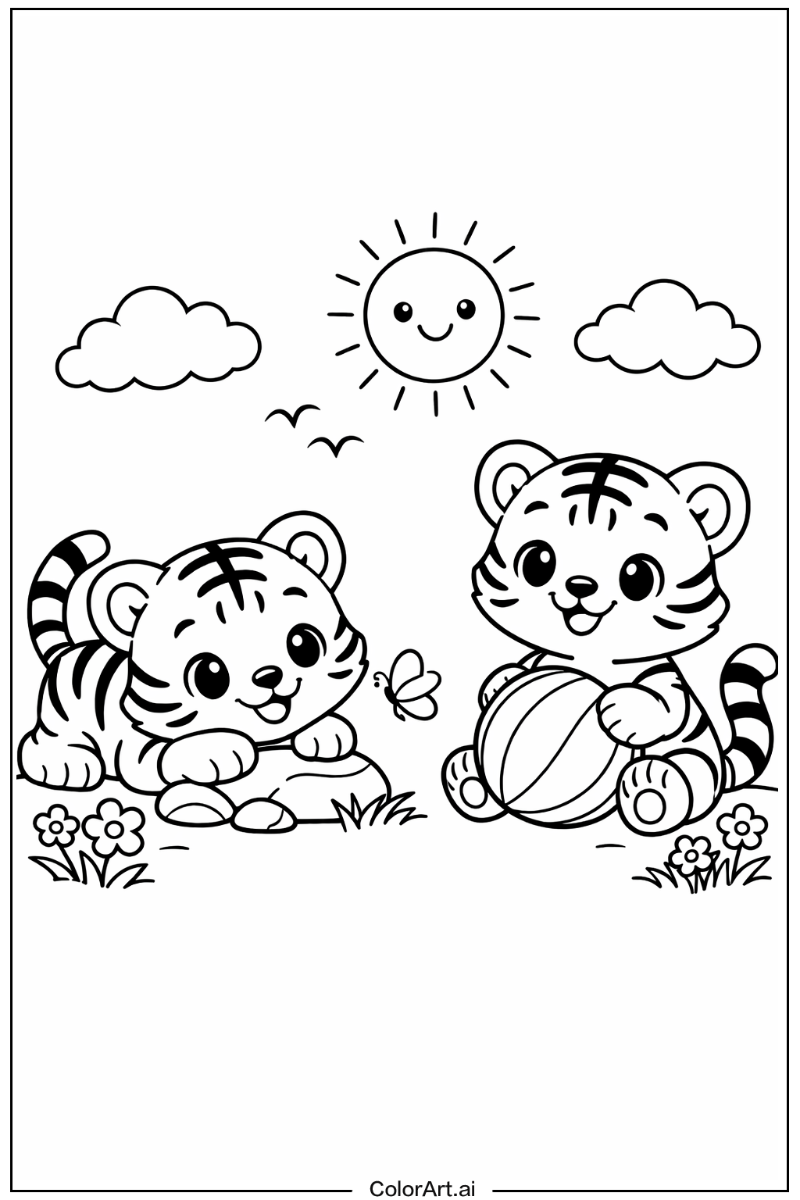
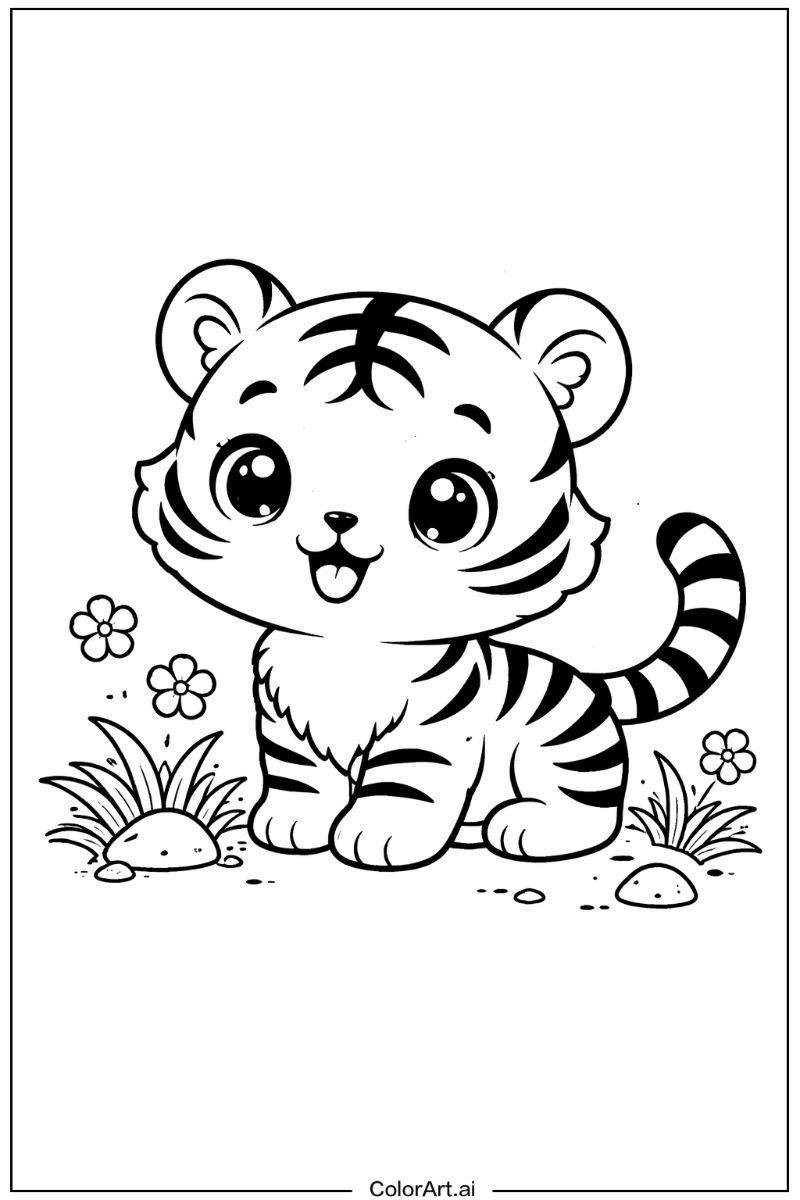
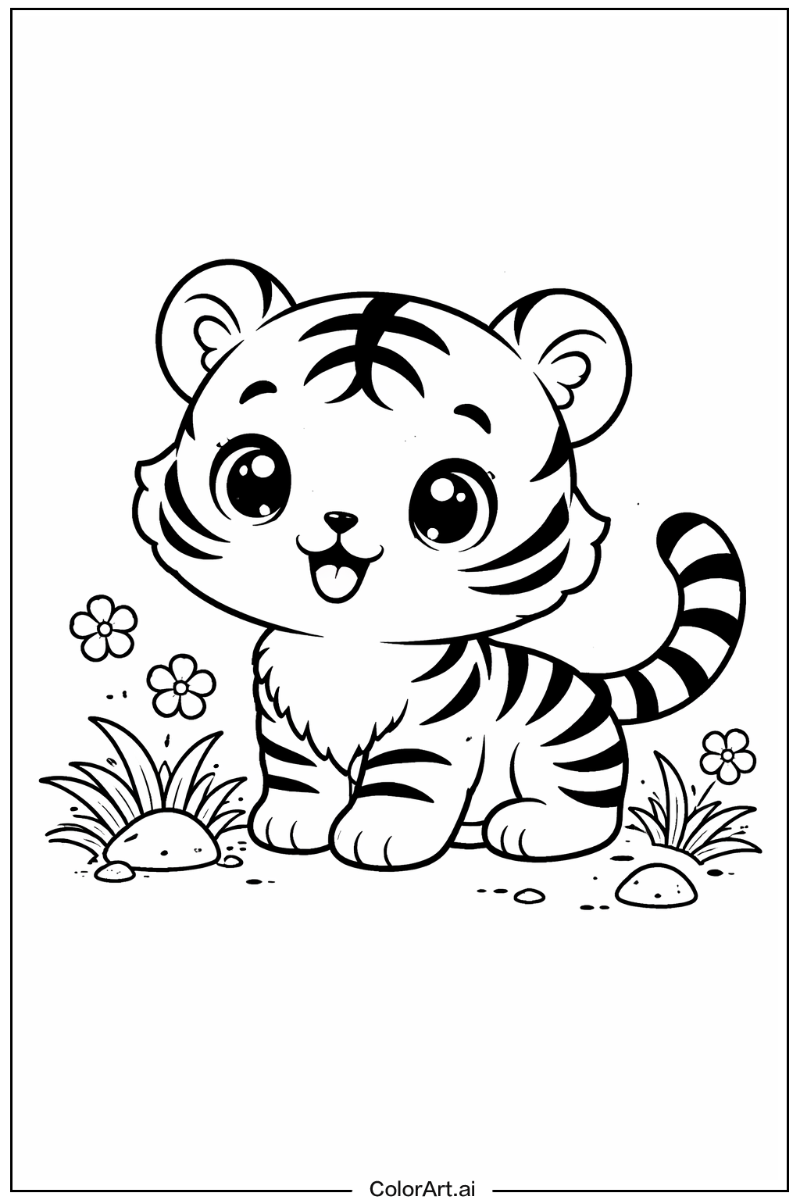
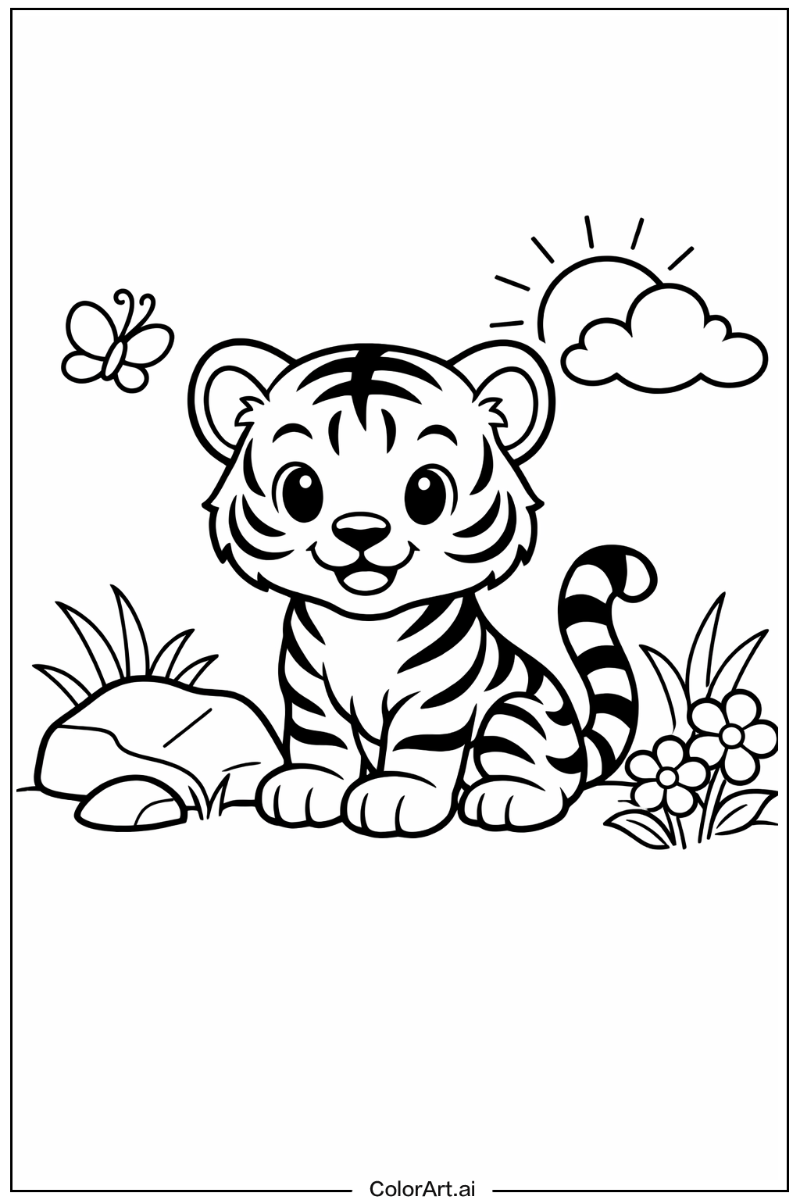
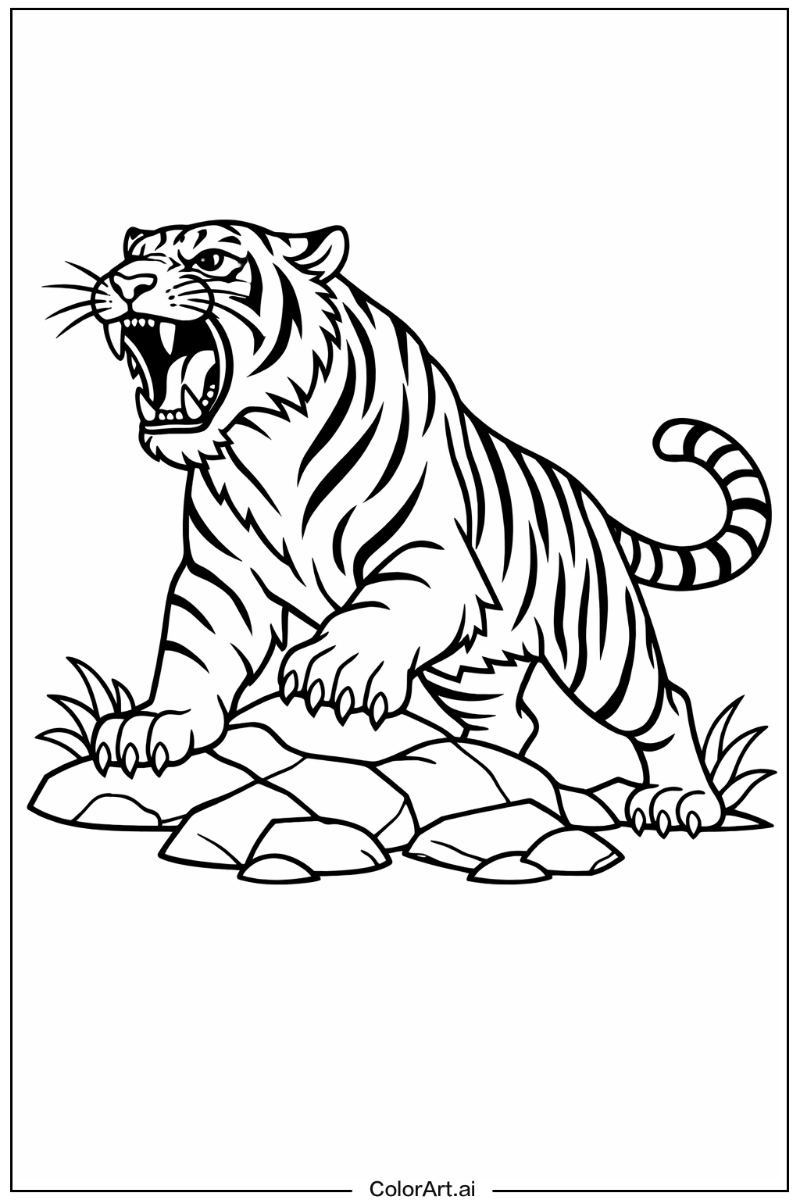
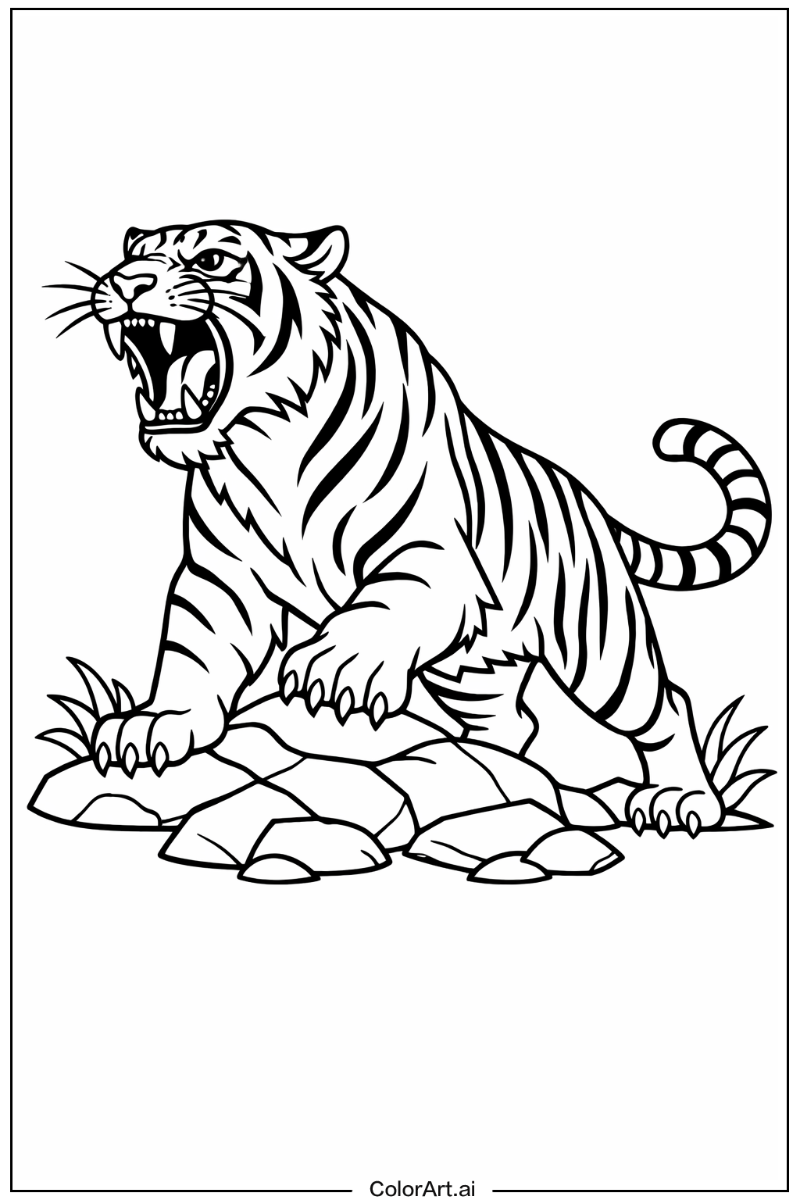
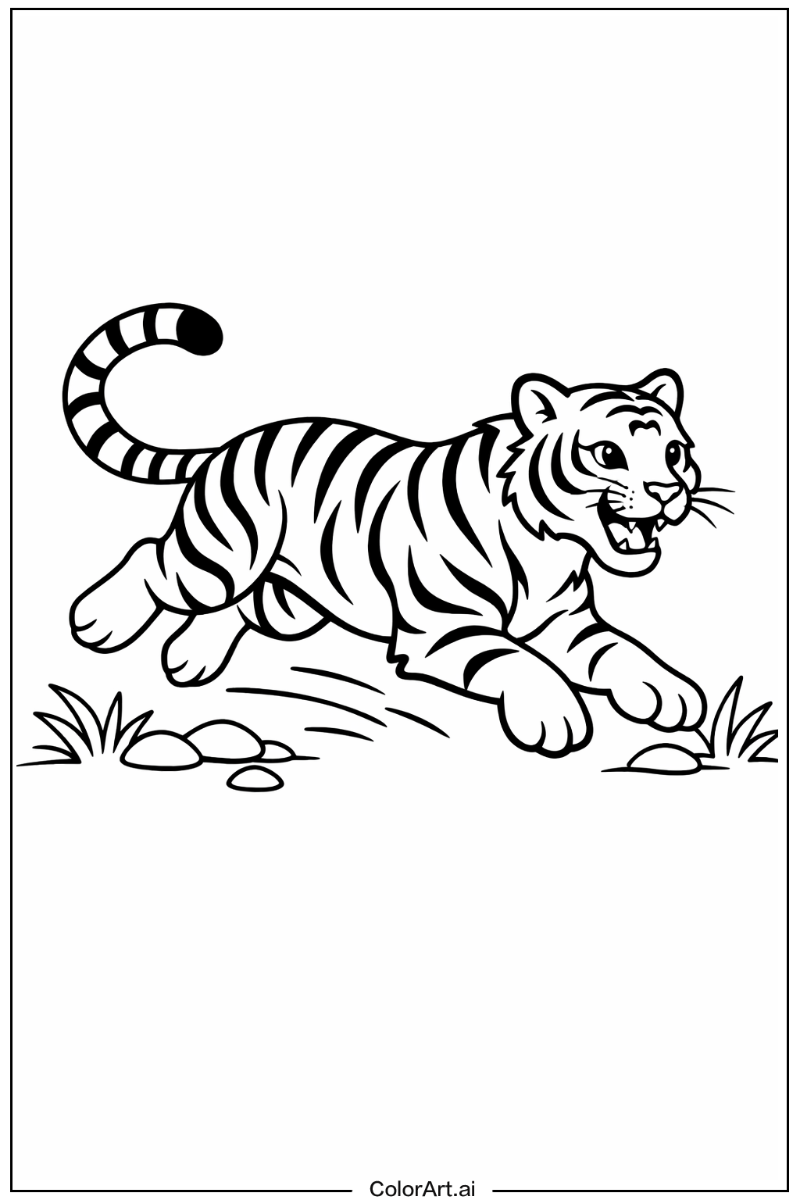
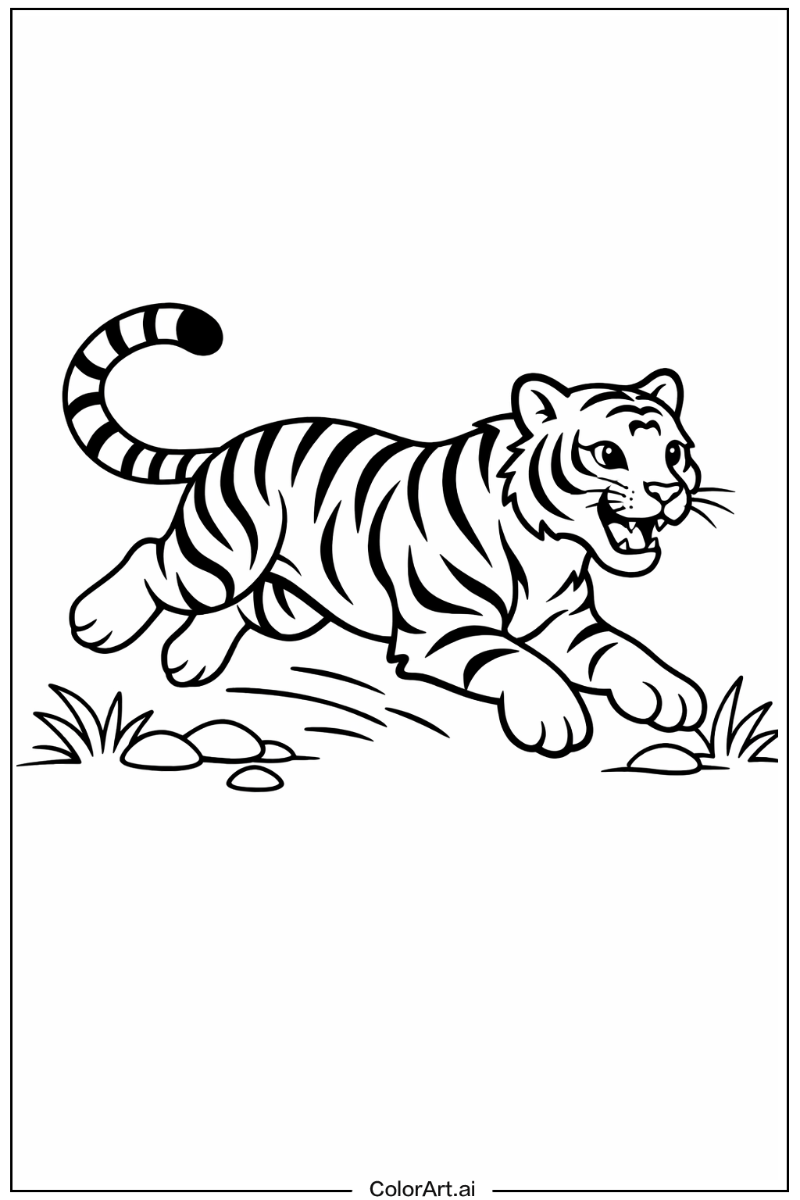
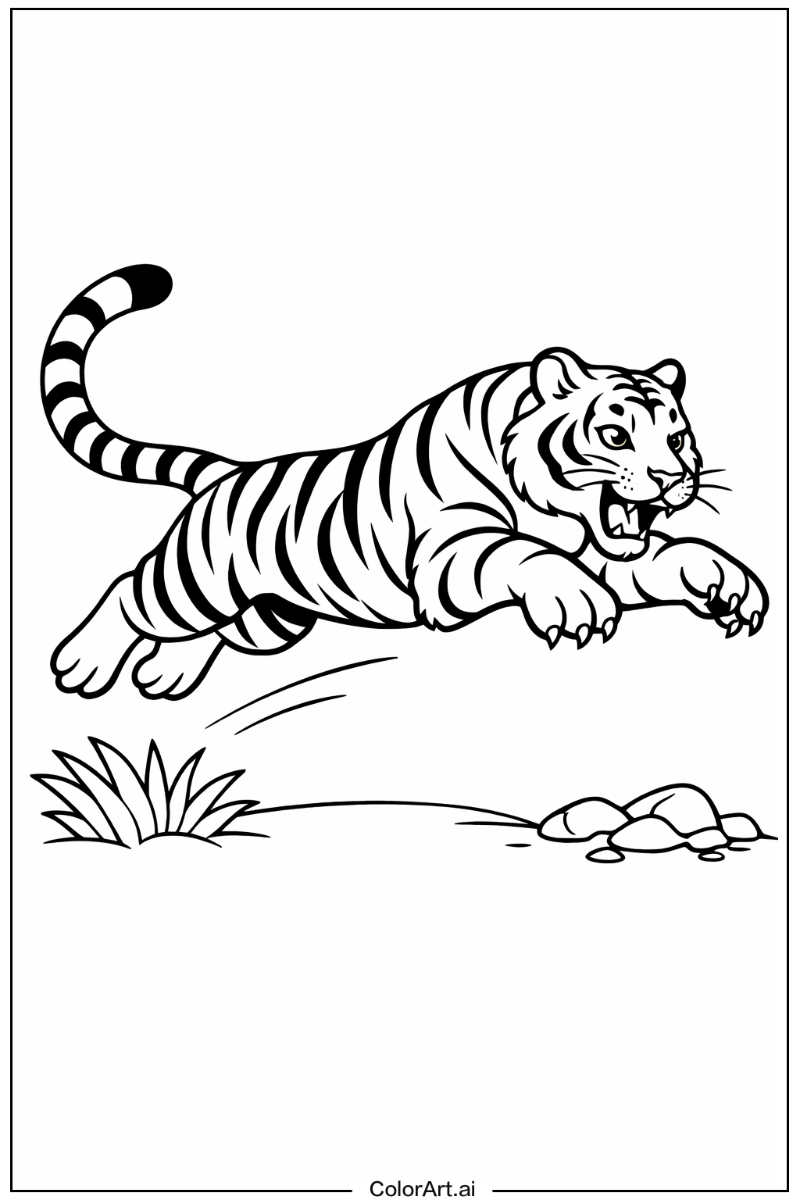
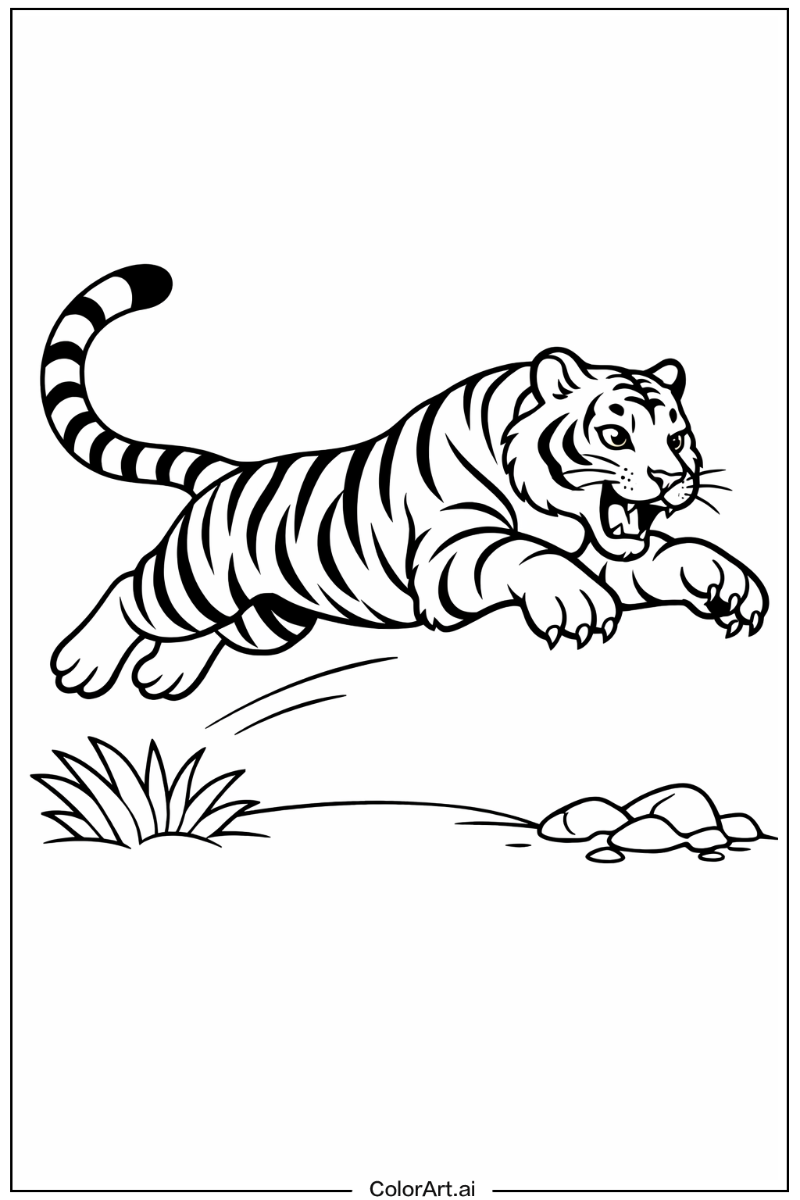
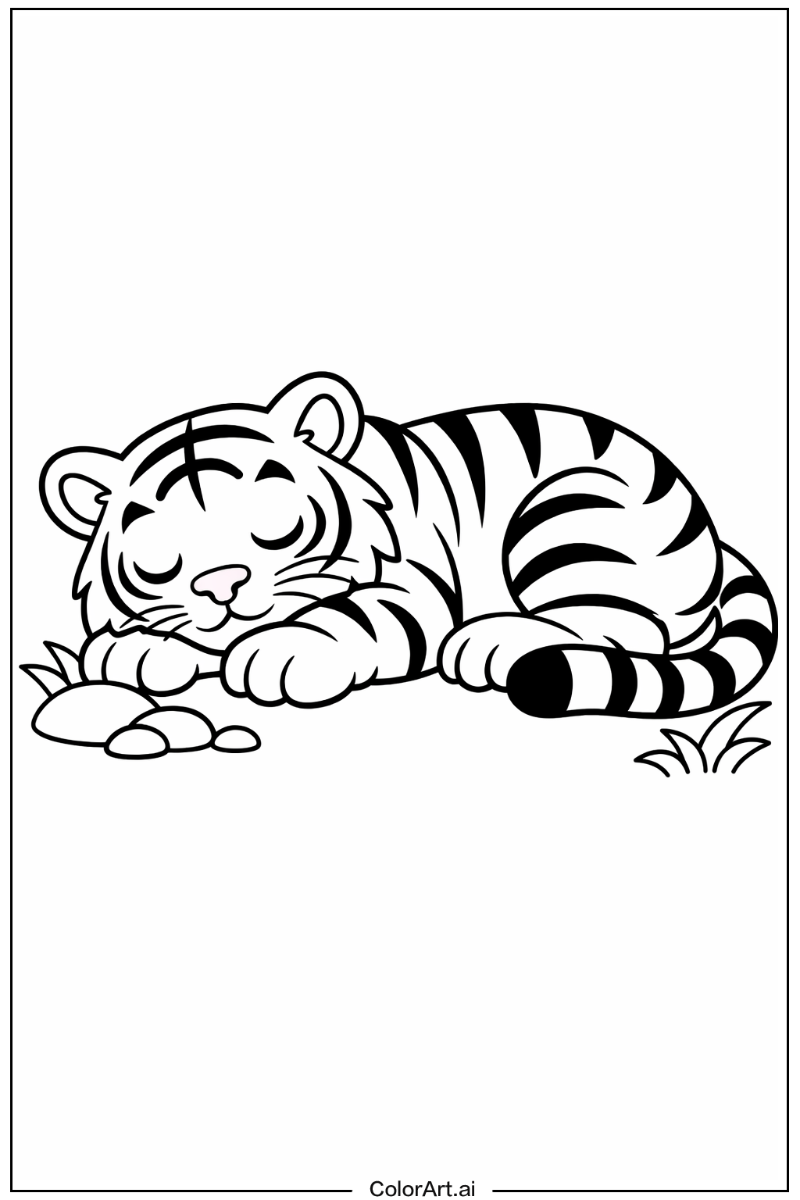
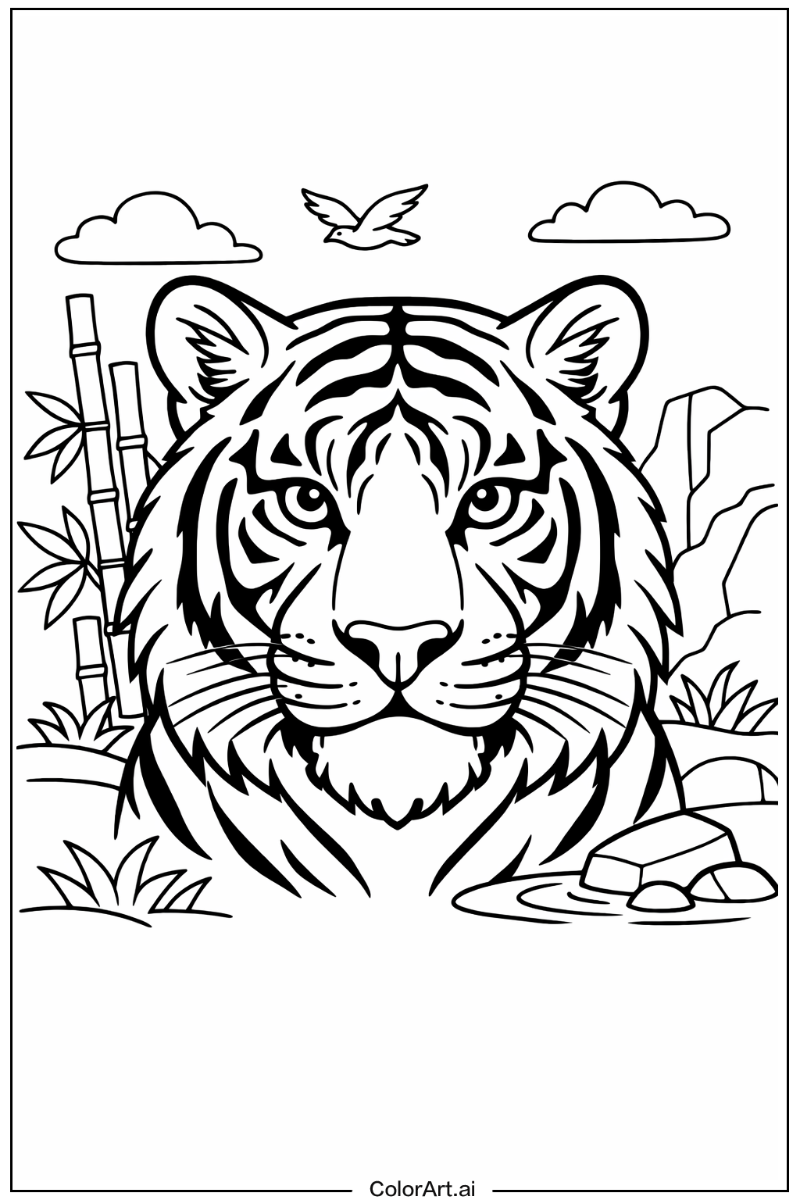
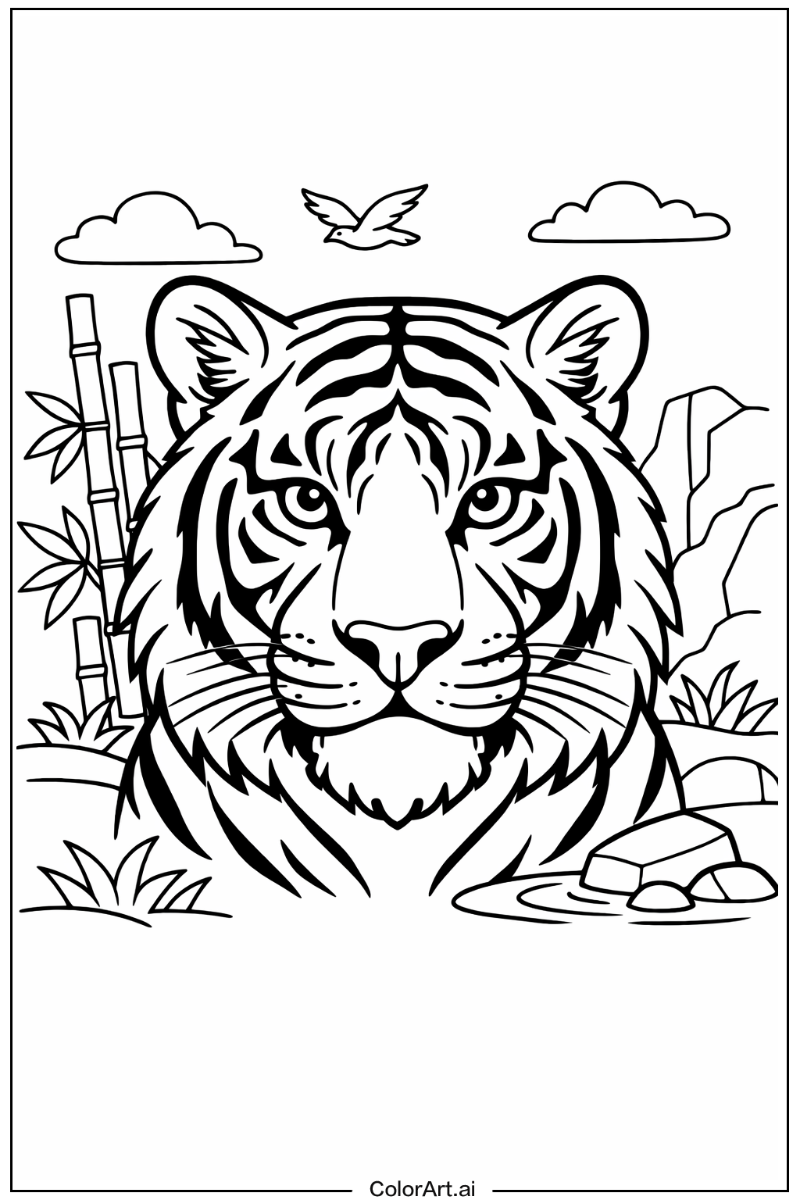
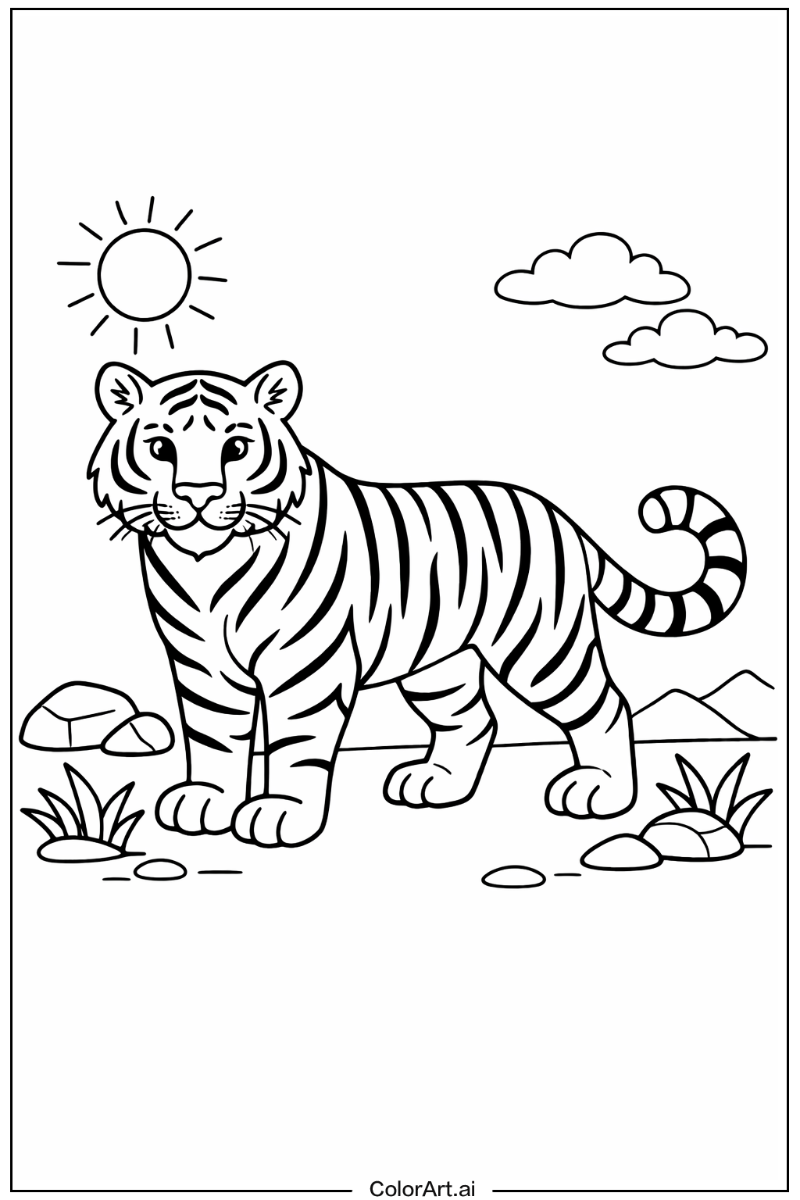
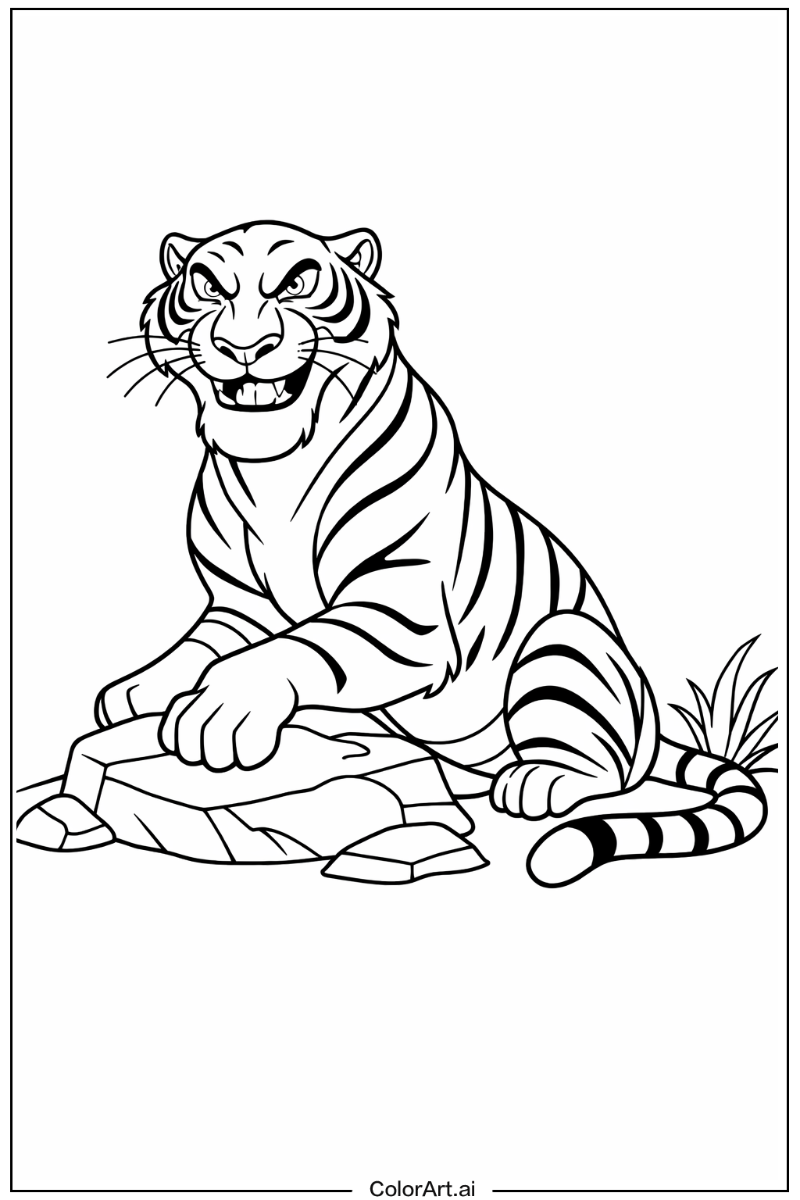
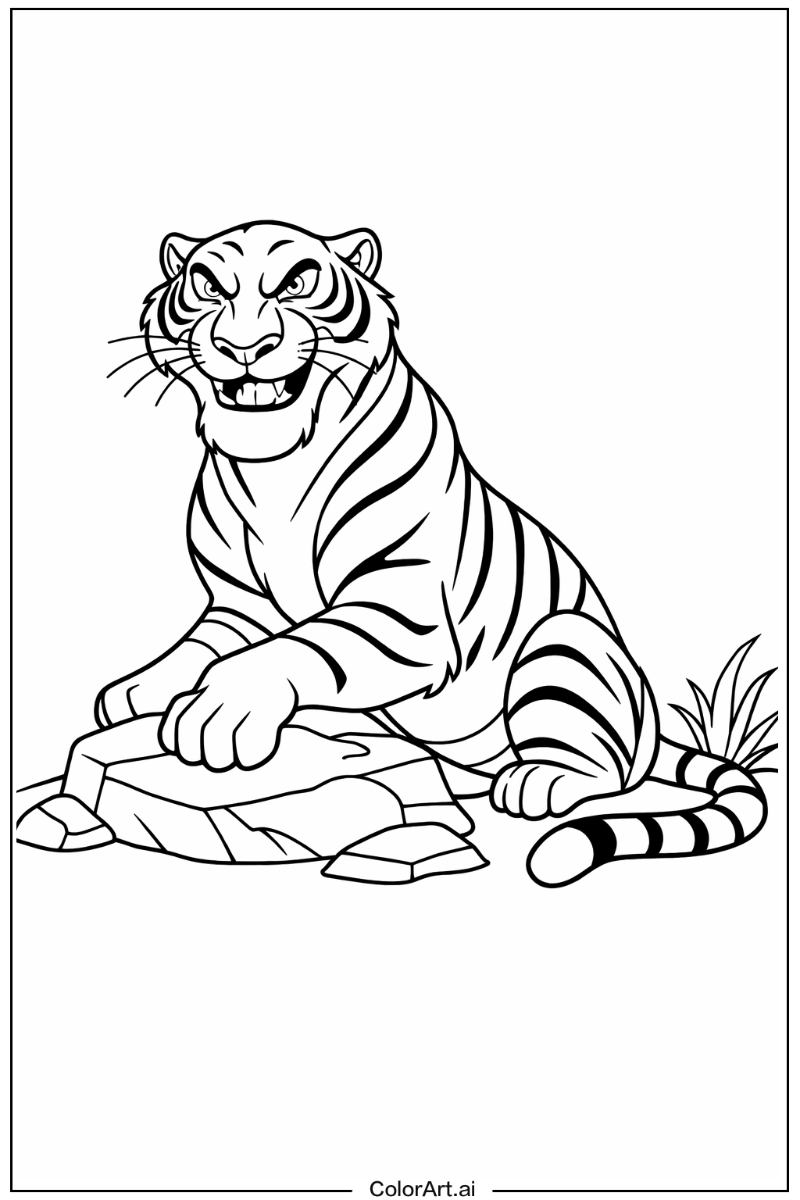
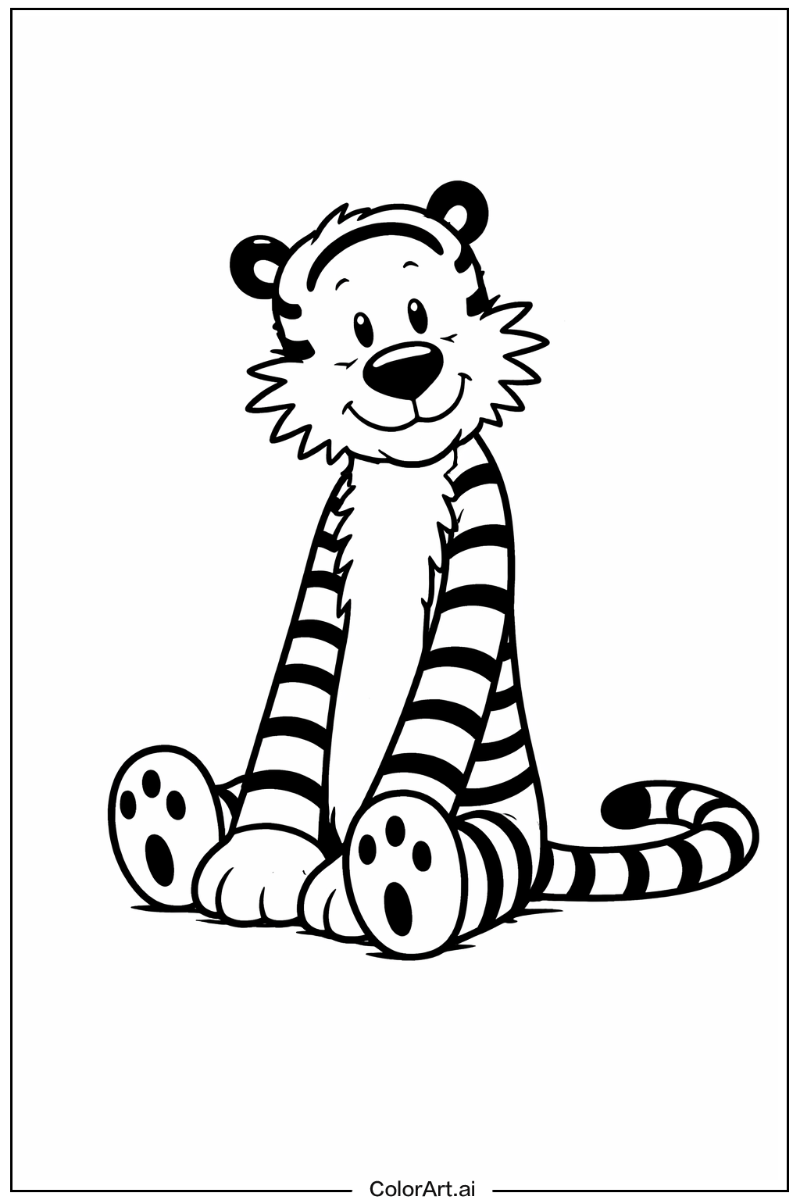
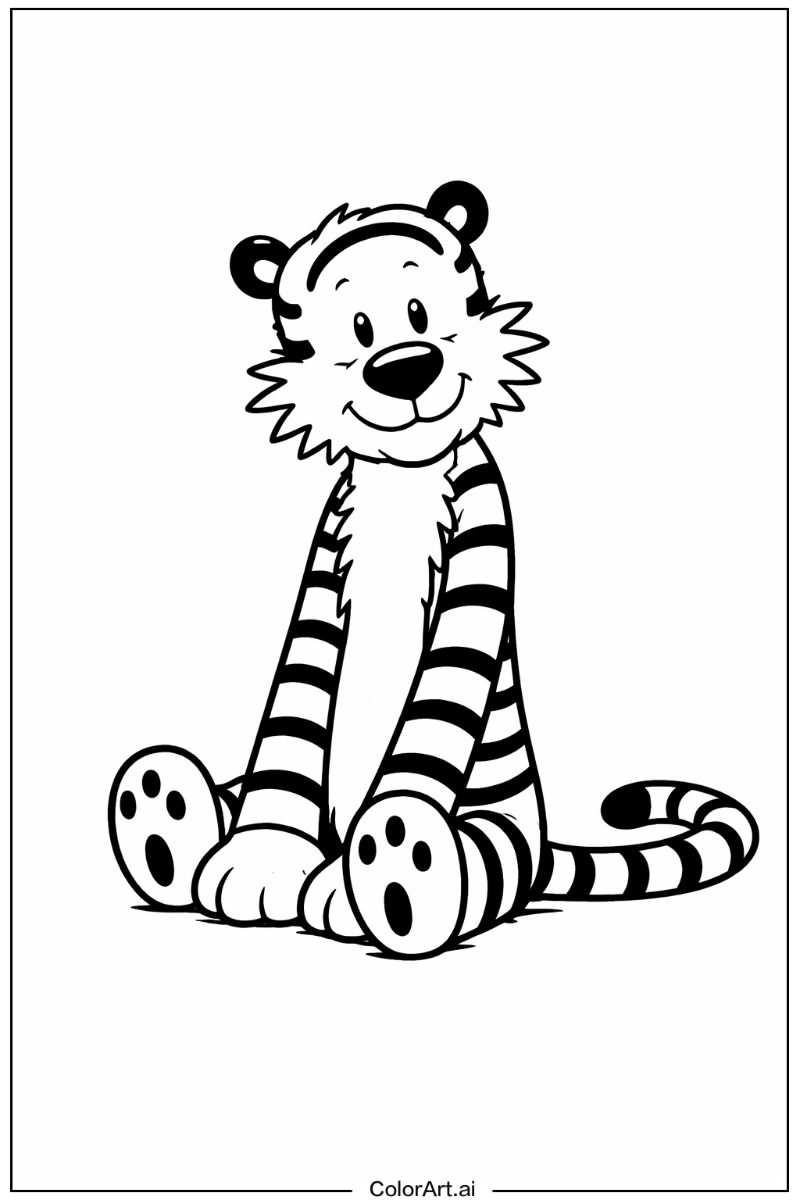
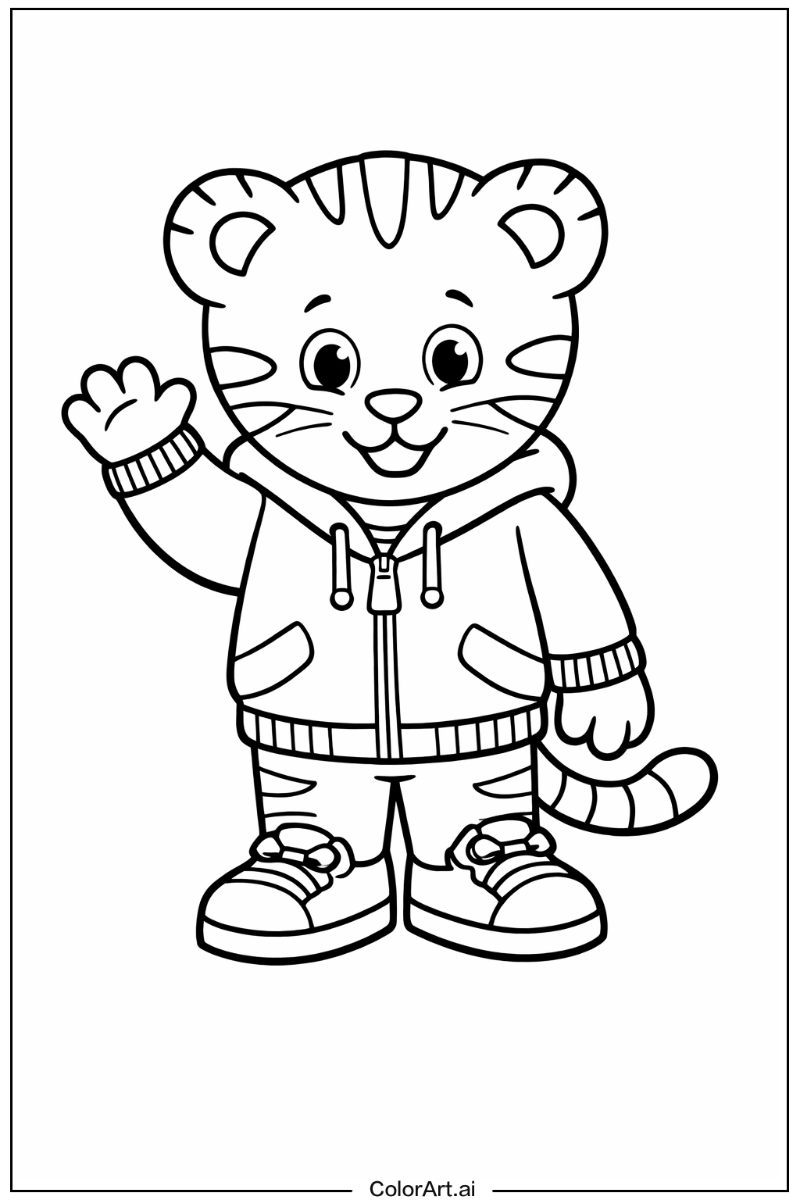
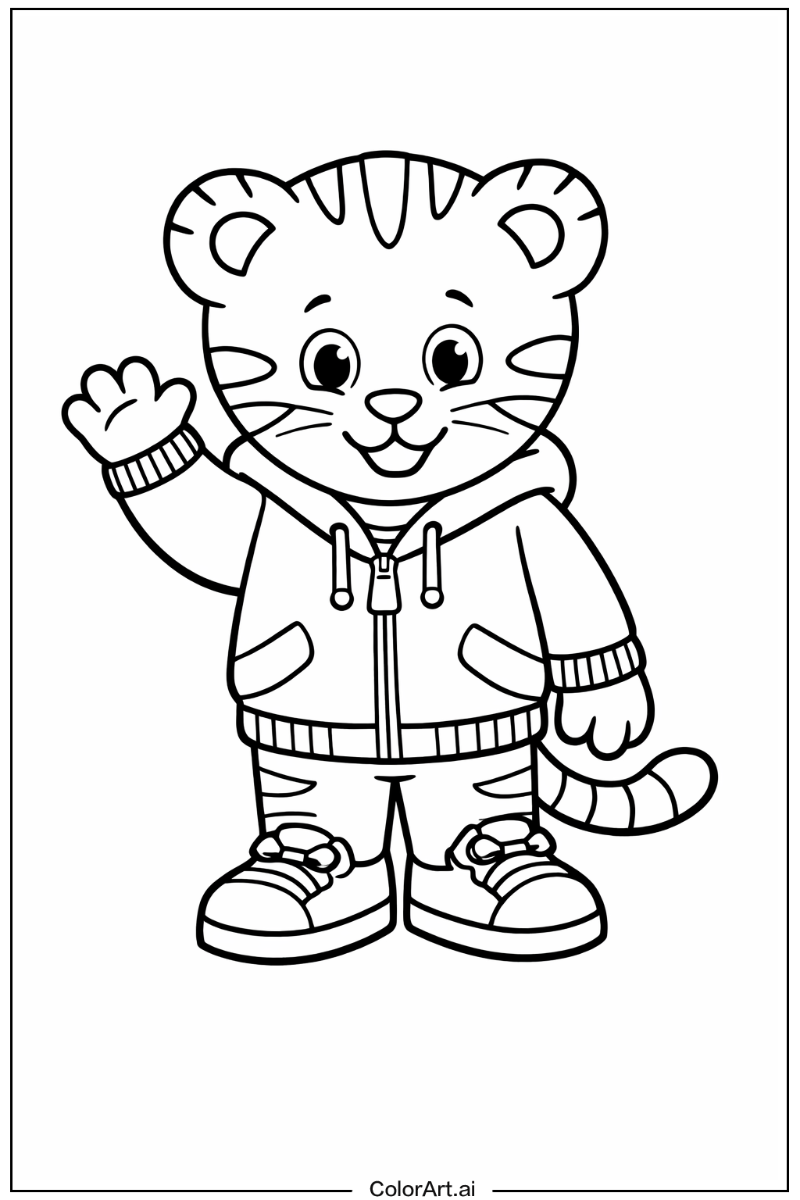
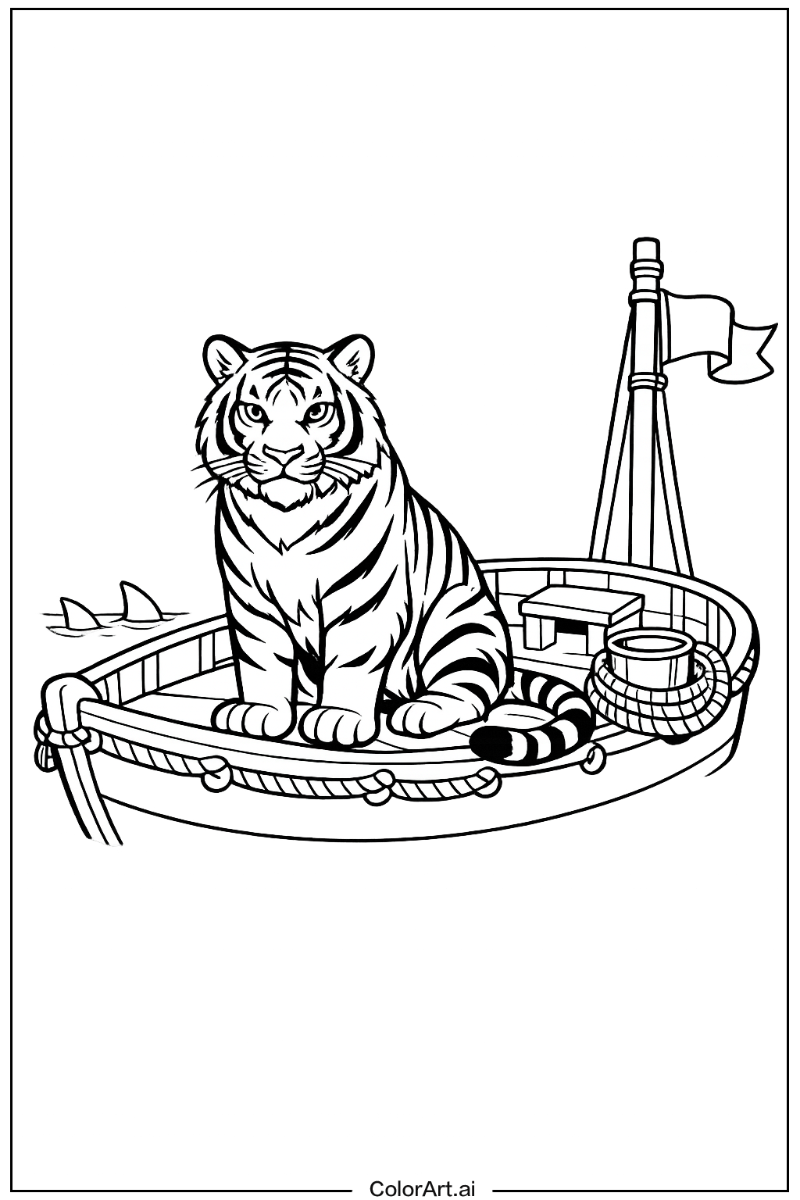
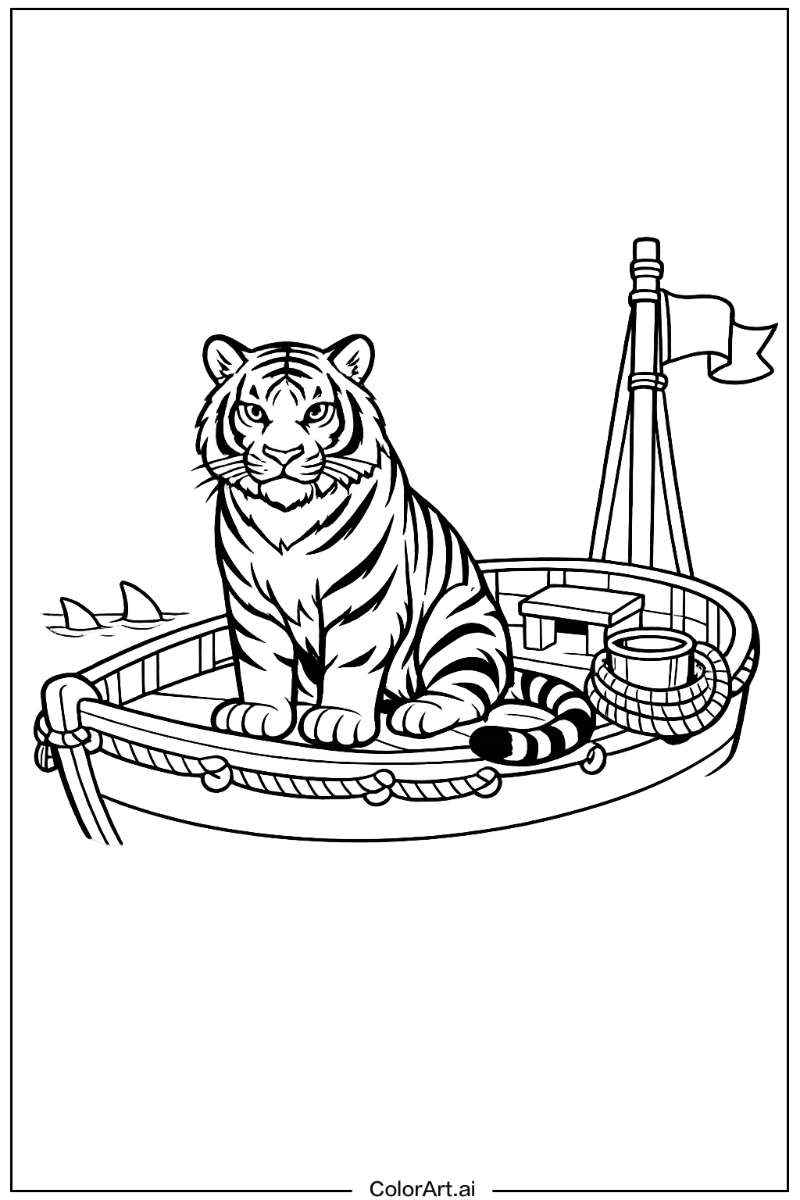
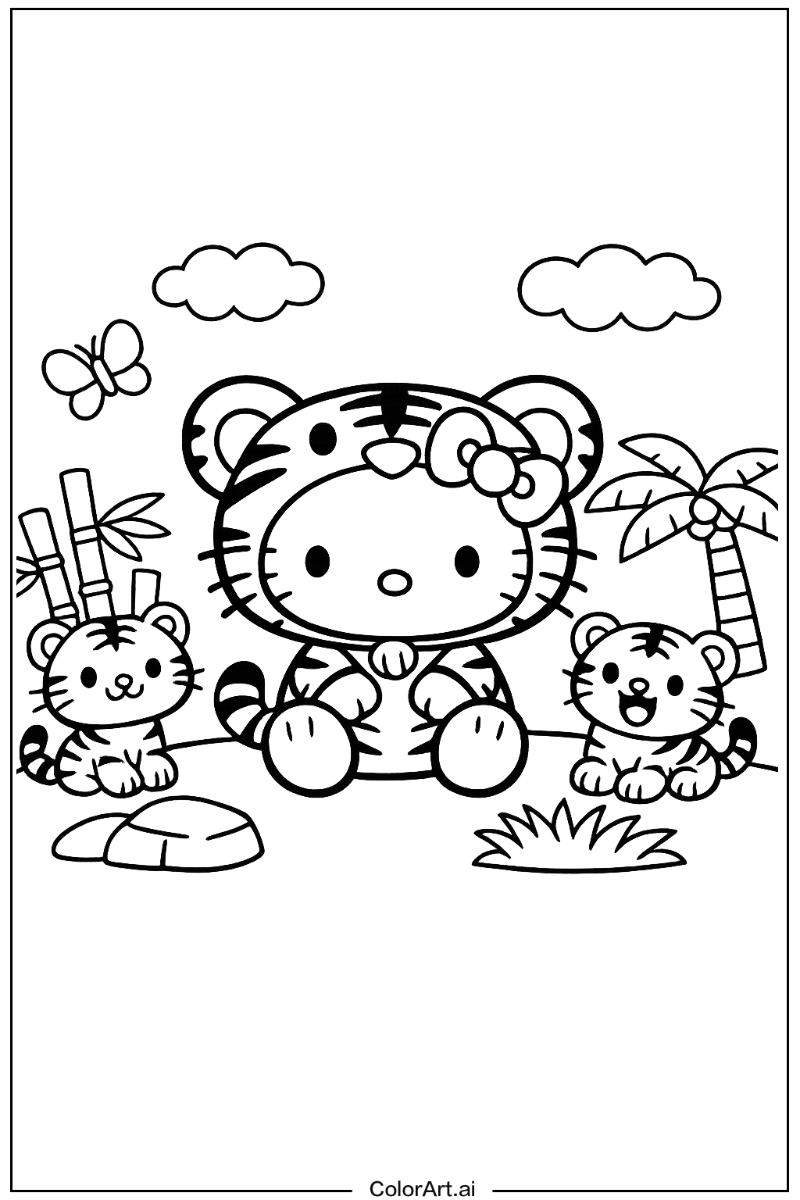
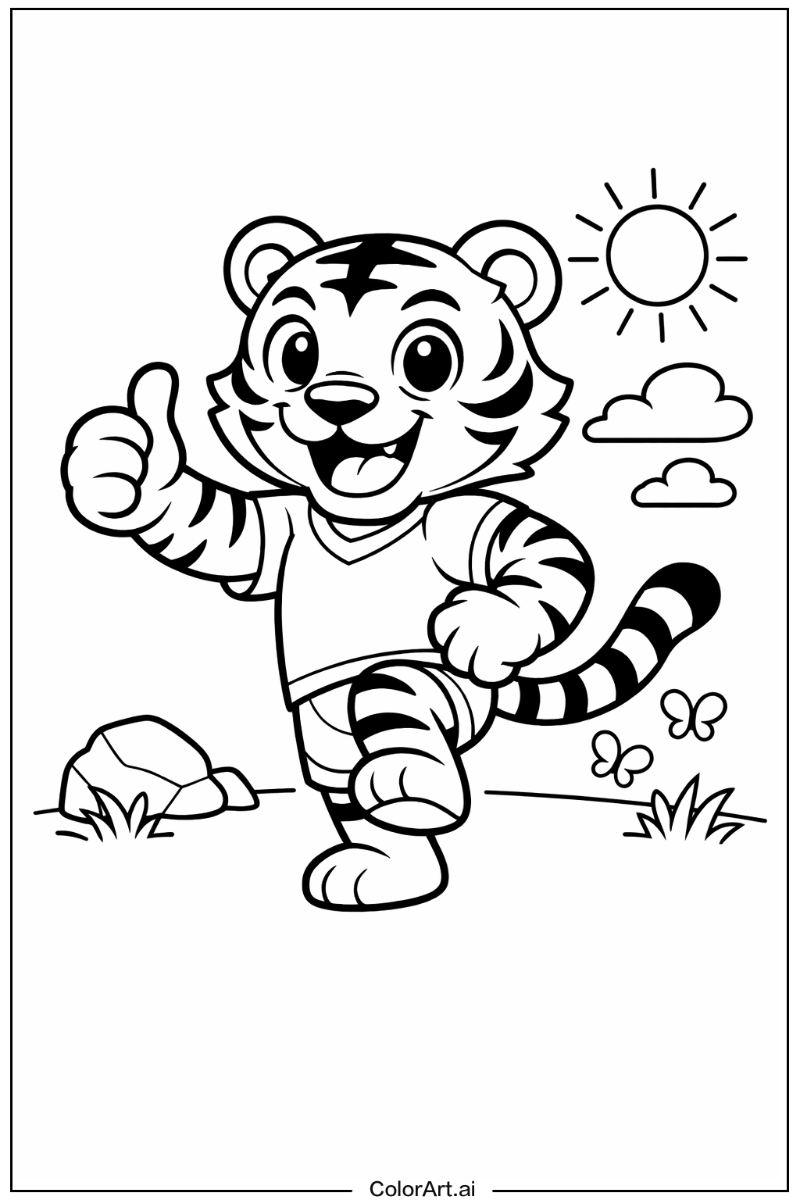
The Tiger is one of nature’s most magnificent creatures. With their striking stripes and powerful presence, tigers captivate the hearts and imaginations of both children and adults alike. As an art teacher, I’ve witnessed firsthand how engaging with Tiger coloring pages can spark creativity and curiosity in my students. Whether it's a vibrant depiction of a Tiger prowling through a jungle or a whimsical version of a Tiger wearing a crown, these coloring pages allow students to explore their artistic skills while learning about this incredible animal. I remember when little Emma, a shy first grader, came alive while coloring a fierce Tiger with bright orange stripes and a joyful expression. She shared facts about tigers she had learned in class, showcasing how art can intertwine with education in meaningful ways.
Group Coloring Pages
 PDF
PDF
 PNG
PNG
 PNG
PNG
 PNG
PNG
 PNG
PNG
 PNG
PNG
 PNG
PNG
 PNG
PNG
 PNG
PNG
 PNG
PNG
 PNG
PNG
 PNG
PNG
 PNG
PNG
 PNG
PNG
 PNG
PNG
 PNG
PNG
 PNG
PNG
 PNG
PNG
 PNG
PNG
 PNG
PNG
 PNG
PNG
 PNG
PNG

 PNG
PNG
 PNG
PNG
 PNG
PNG
 PNG
PNG
 PNG
PNG
 PNG
PNG
 PNG
PNG
 PNG
PNG
Understanding Tigers: Facts and Insights
The Tiger is scientifically classified under the species Panthera tigris. Known for their beauty and strength, six commonly recognized subspecies exist today, including the Bengal tiger, Sumatran tiger, and Amur tiger. Each of these subspecies has unique adaptations that allow them to thrive in their specific habitats, from the tropical forests of India to the icy landscapes of Siberia. In my classroom, we often explore the fascinating biology of the Tiger, discussing how their iconic stripes not only make them beautiful but also serve a practical purpose: camouflage in their natural habitat. This topic always leads to enthusiastic discussions among my students, who delight in comparing their own unique artwork to the distinct patterns on a Tiger's coat. It’s a wonderful opportunity to teach about biodiversity and the importance of conservation.
The Benefits of Coloring Tigers in the Classroom
Utilizing Tiger coloring pages in the classroom offers numerous educational benefits that extend beyond just artistic expression. For young learners, coloring activities enhance fine motor skills and hand-eye coordination. I often observe my students, like little Noah, who struggled with pencil grip, improving their dexterity while carefully coloring a Tiger. Additionally, the act of coloring can enhance concentration, improve color recognition, and even serve as a therapeutic outlet for emotional expression. Moreover, integrating Tiger themes into lessons allows us to cover important subjects such as biology, geography, and cultural significance, linking art to real-world applications. For instance, during a recent lesson, we discussed the cultural symbolism of tigers in various societies, further enriching their learning experiences.
Practical Tips for Coloring Tiger Pages
When it comes to coloring Tiger pages, there are a few practical techniques that can elevate the artwork. First, I always recommend starting with light colors and gradually building up to darker shades. This way, students can experiment with different tones without overwhelming their pages. Using colored pencils can help achieve fine details, especially when coloring stripes on a Tiger. Markers are great for bold colors but can bleed through paper, so I suggest using high-quality cardstock for better results. I also encourage my students to think outside the box; for example, what if a Tiger had purple stripes? This creative exploration sparks their imagination and allows for personal expression.
Current Trends in Tiger Art Education
As we move into 2024, conservation efforts for the Tiger are more important than ever. Reports indicate that poaching rates have declined due to intensified patrols in areas like Sumatra's Leuser Ecosystem. This surge in awareness has sparked a growing interest in Tiger art projects in schools. Educators are increasingly incorporating Tiger themes into their art curriculums, using coloring pages as a way to teach students about wildlife conservation. In my recent classes, we’ve also embraced mindful coloring techniques while learning about Tiger habitats, which promotes relaxation and focus. As we color, I encourage my students to think about the ecosystems that support these majestic creatures, fostering a sense of responsibility towards conservation.
Frequently Asked Questions About Tiger Coloring Pages
What age group are Tiger coloring pages suitable for?
Tiger coloring pages are suitable for a wide range of ages, from preschoolers to adults. I often adjust complexity based on the skill levels of my students, ensuring everyone can participate. What materials work best for coloring Tiger pages?
I recommend colored pencils for detailed work, markers for vibrant shades, and crayons for younger children. High-quality paper enhances the coloring experience, making the colors pop. How should I print Tiger coloring pages for best quality?
For optimal results, print using high-quality settings on standard A4 or Letter size paper. Ensuring your printer has enough ink will help maintain clear lines in the illustrations.