Embracing the Joy of Rainbows in the Classroom
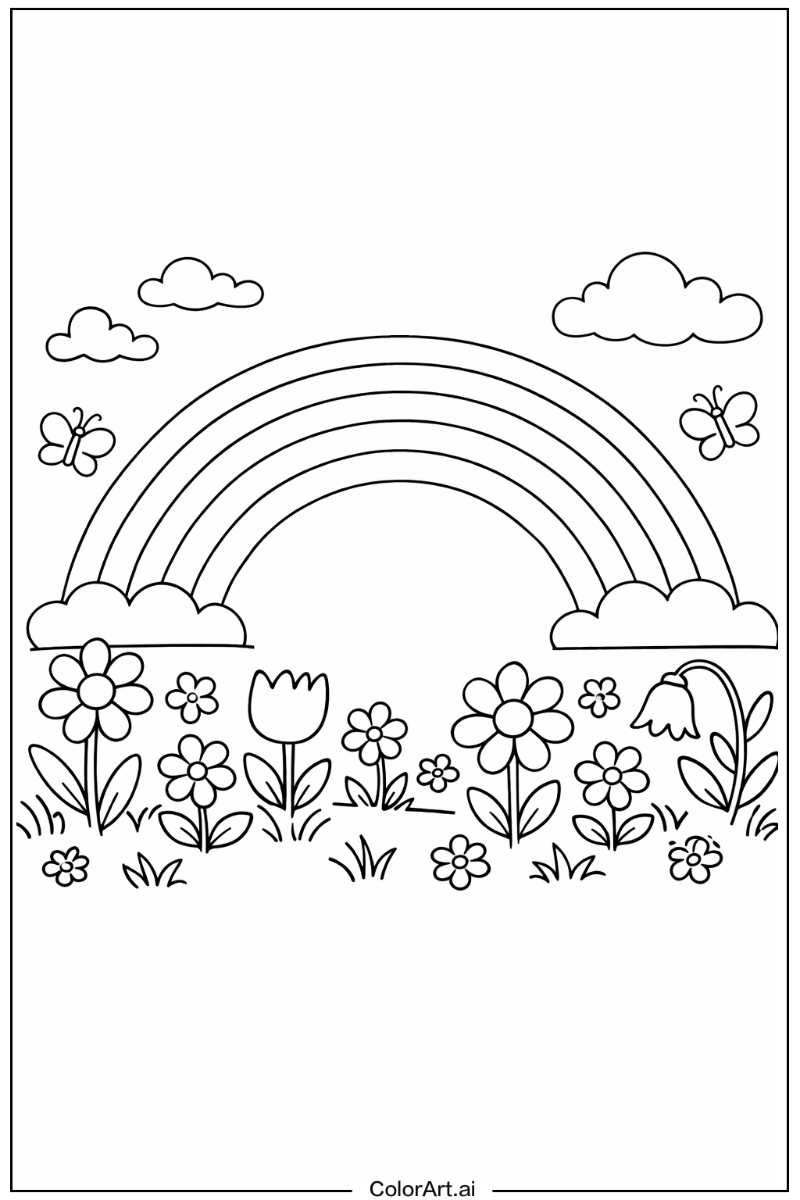
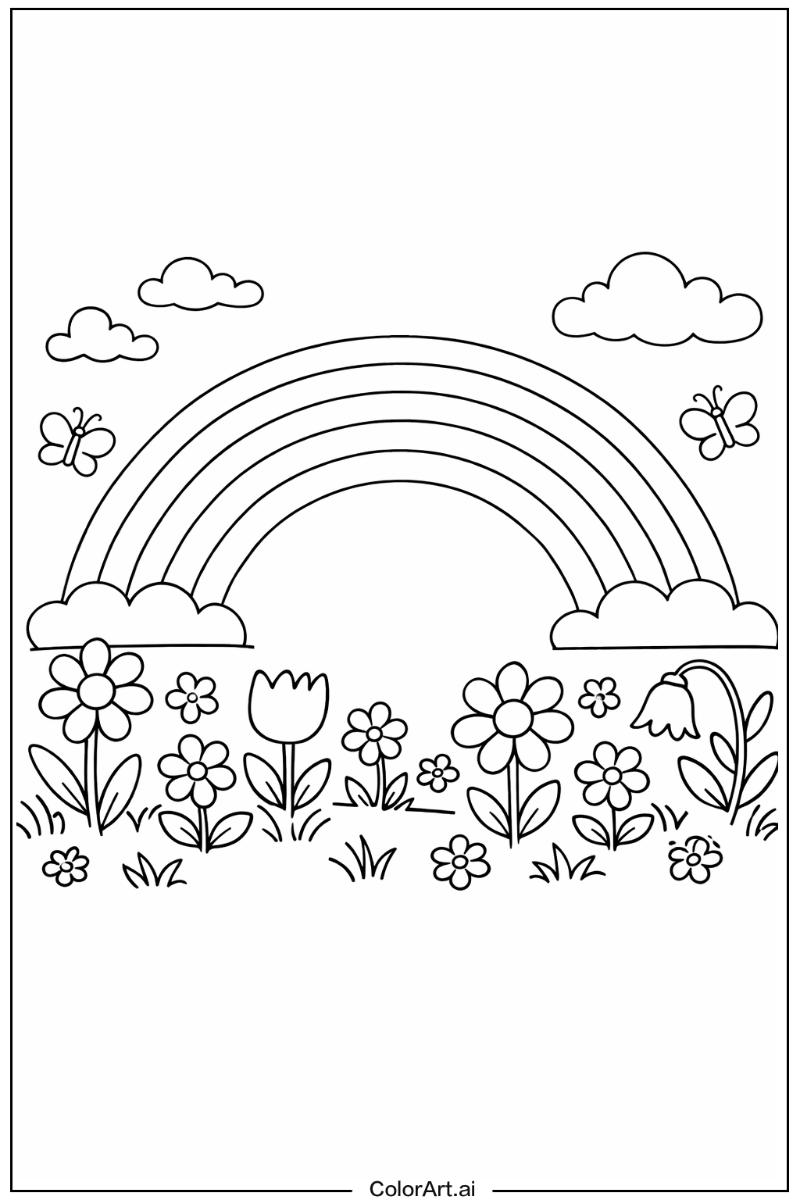
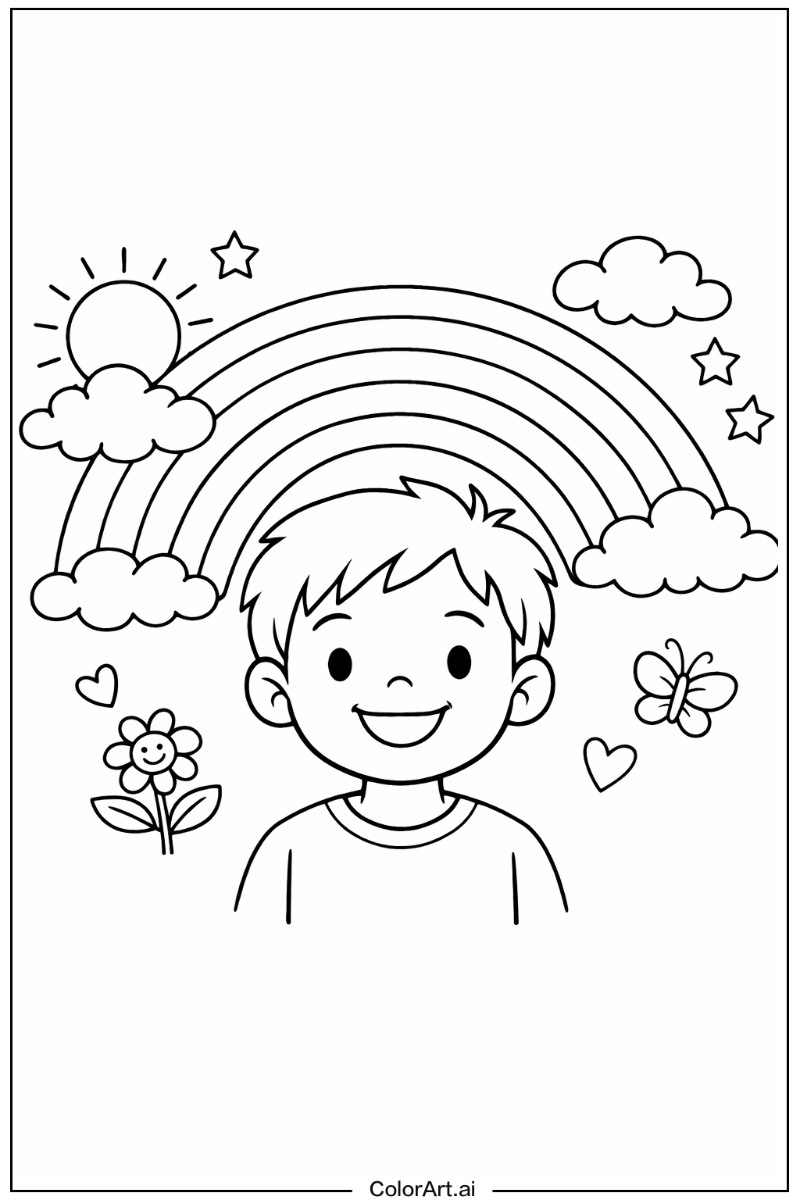
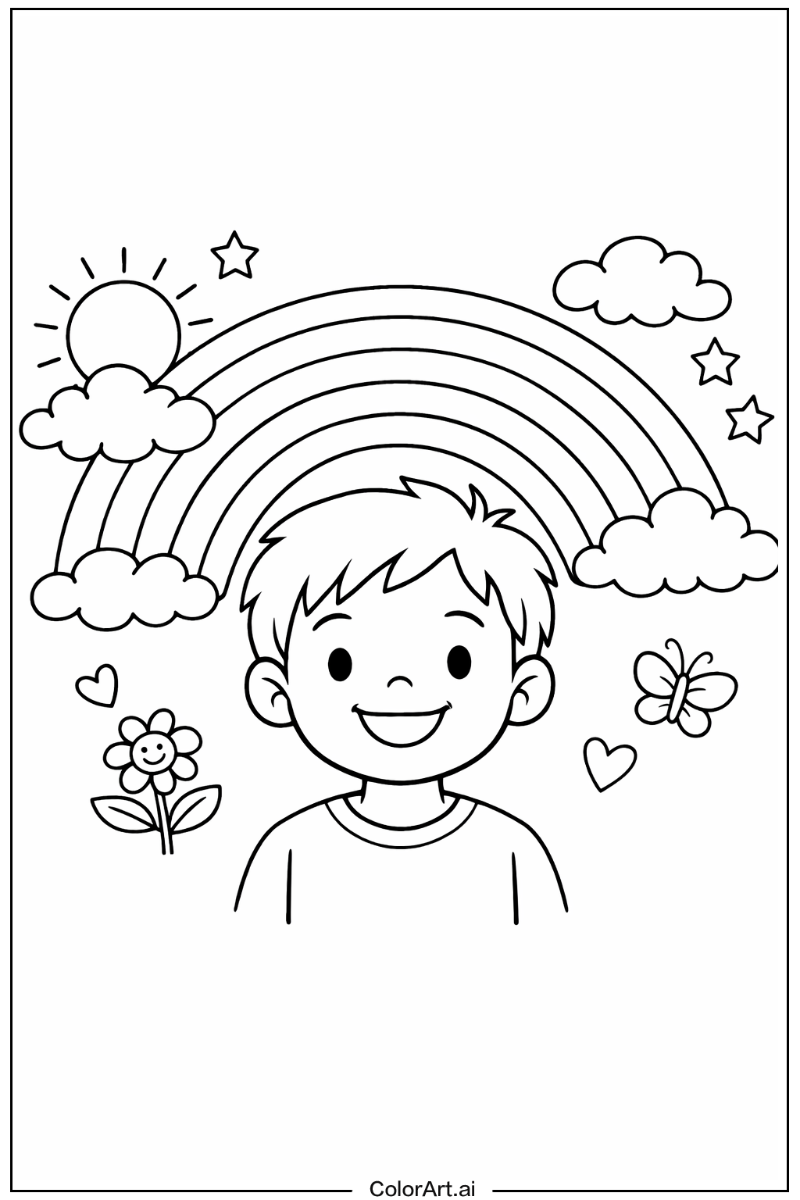
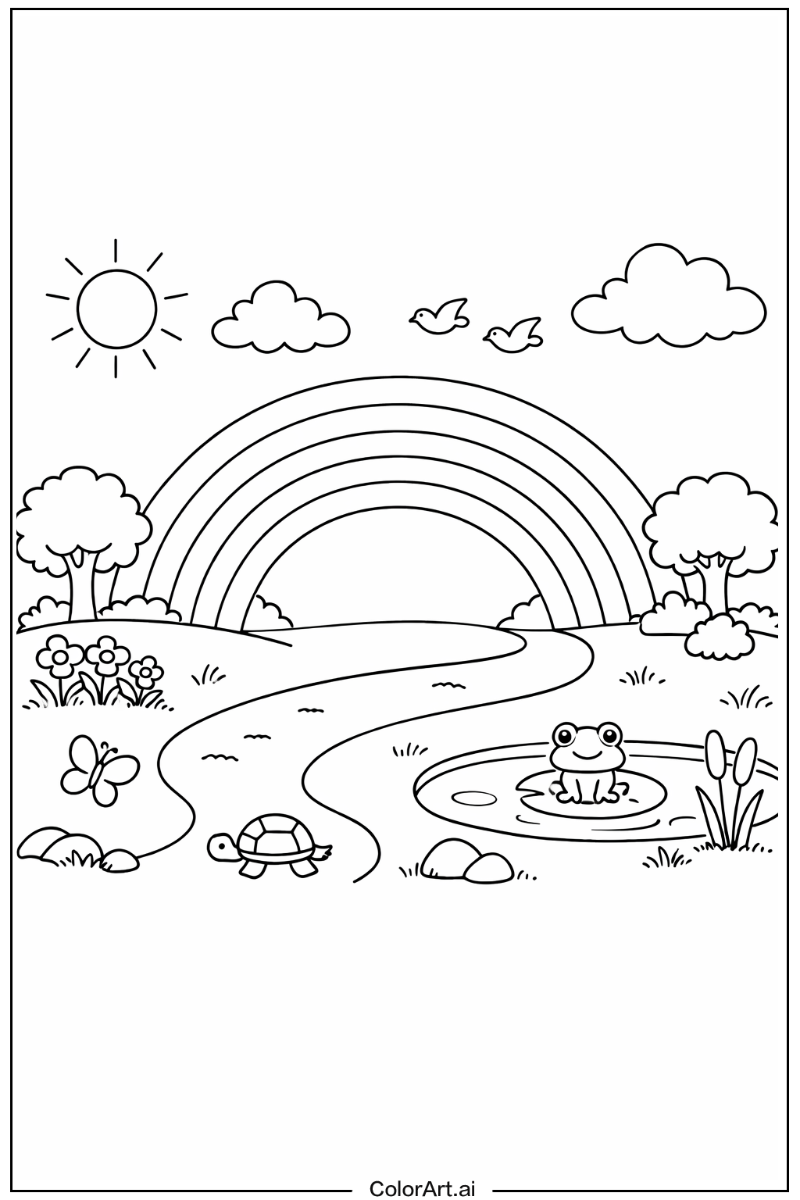
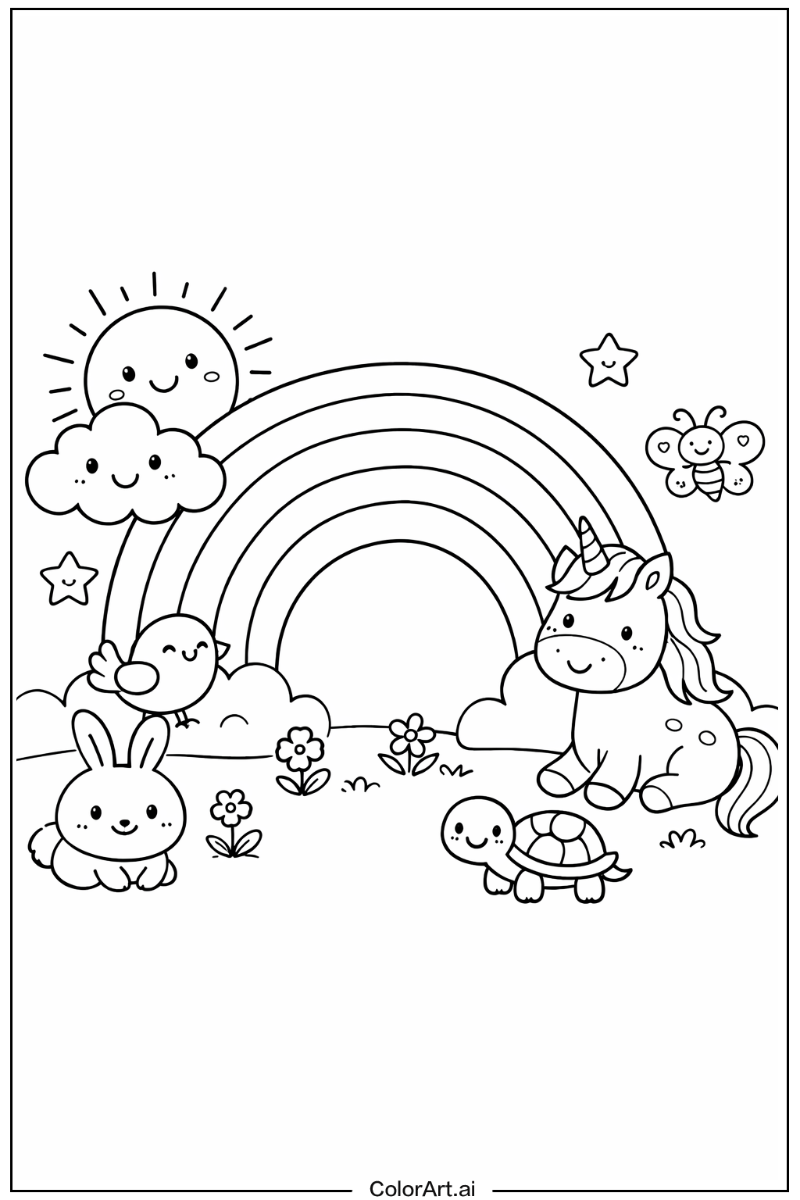
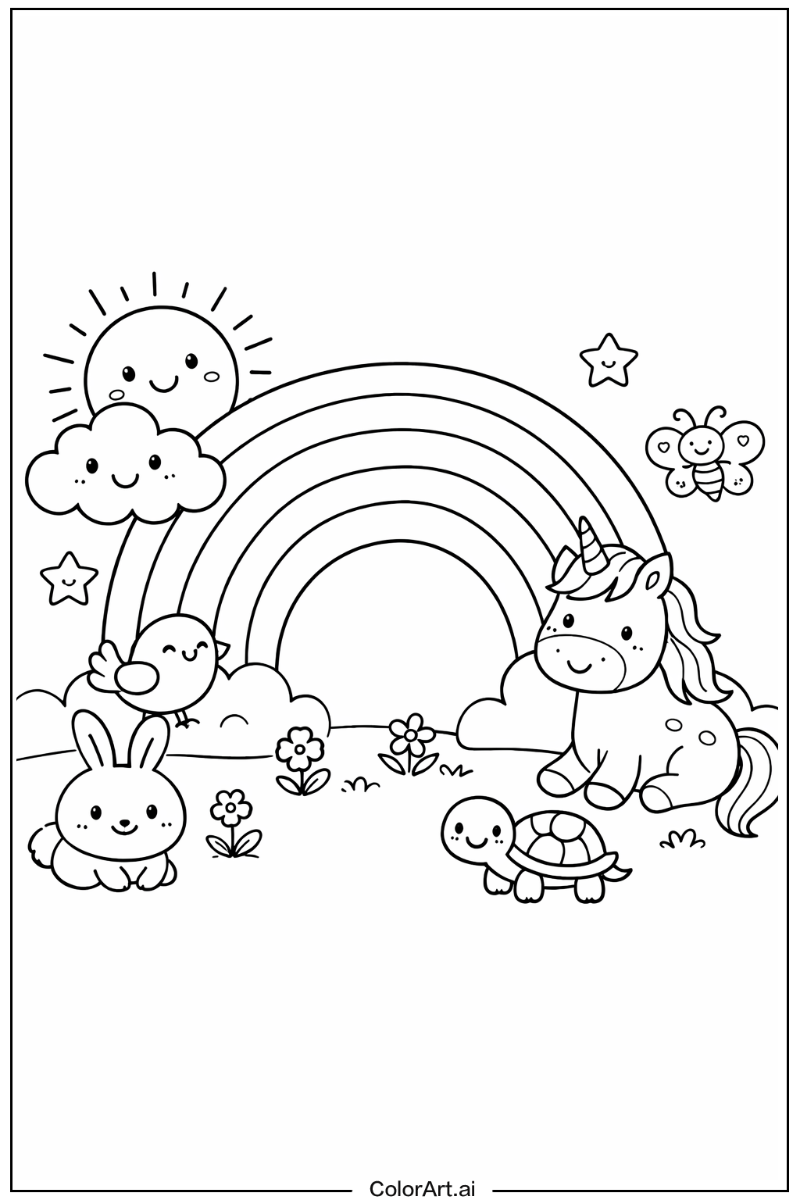
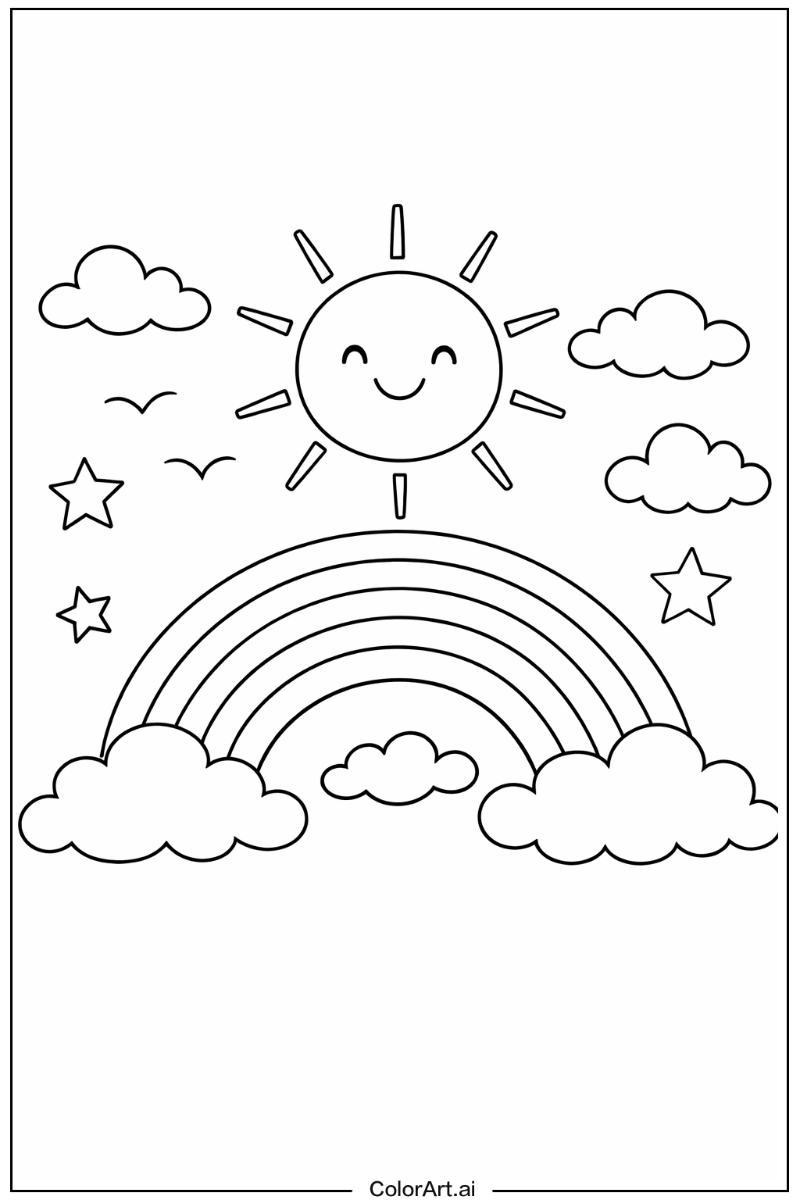
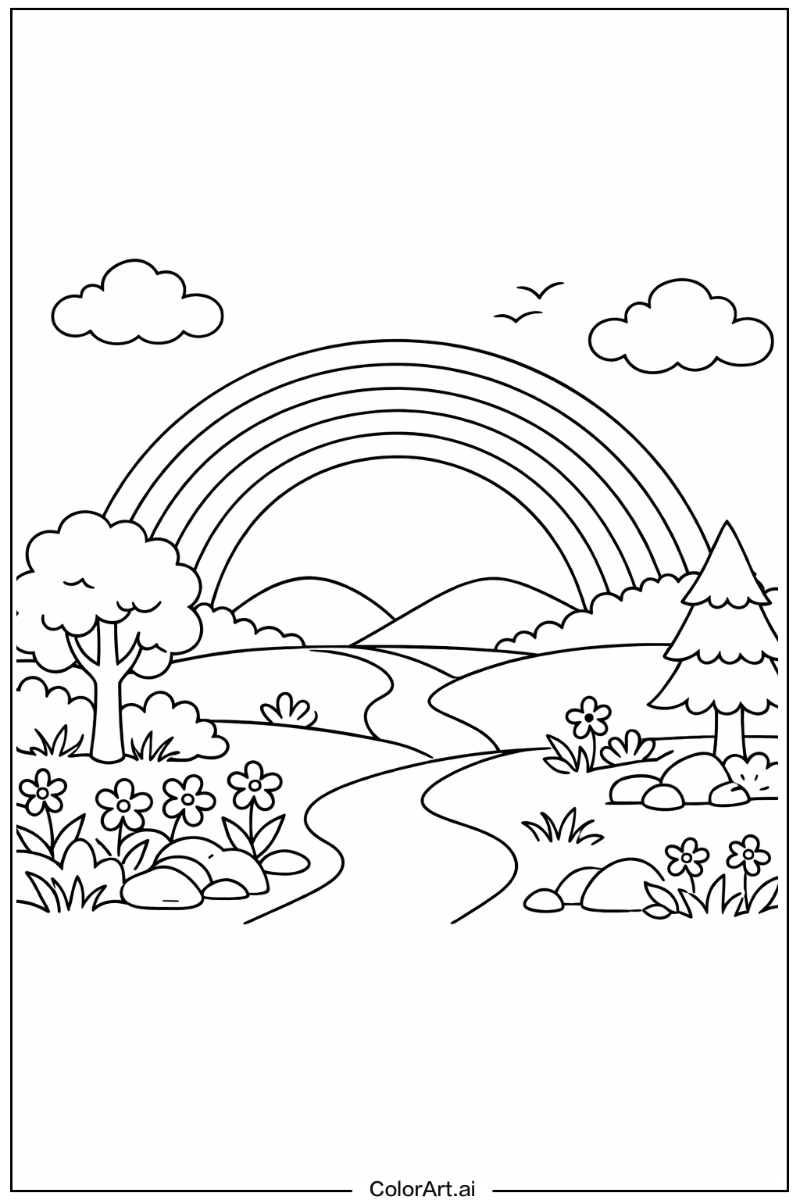
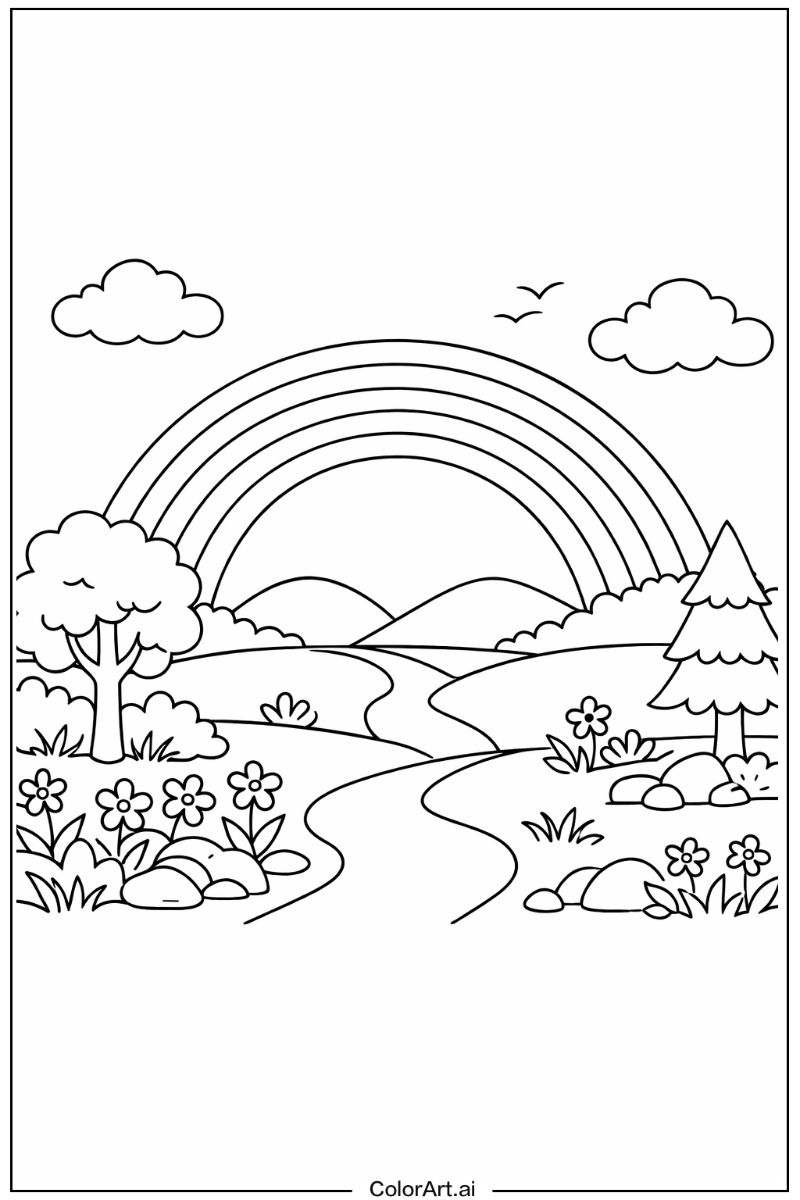
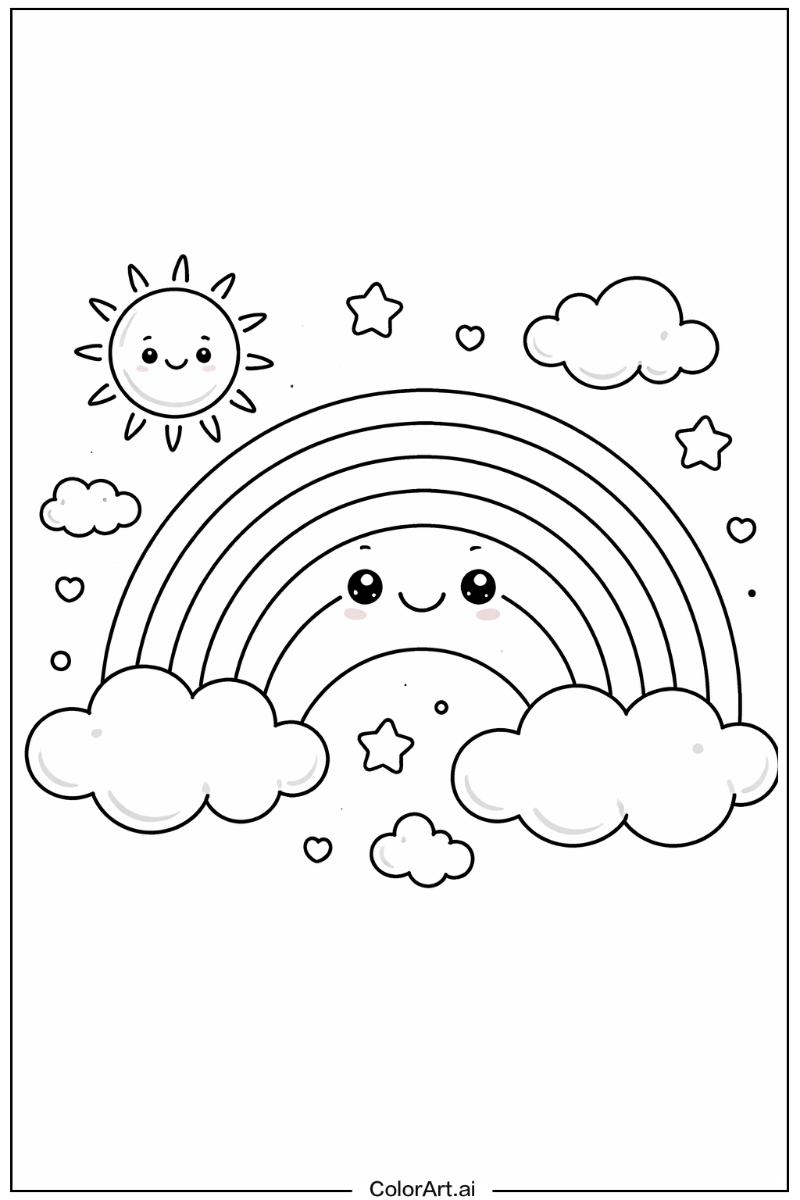
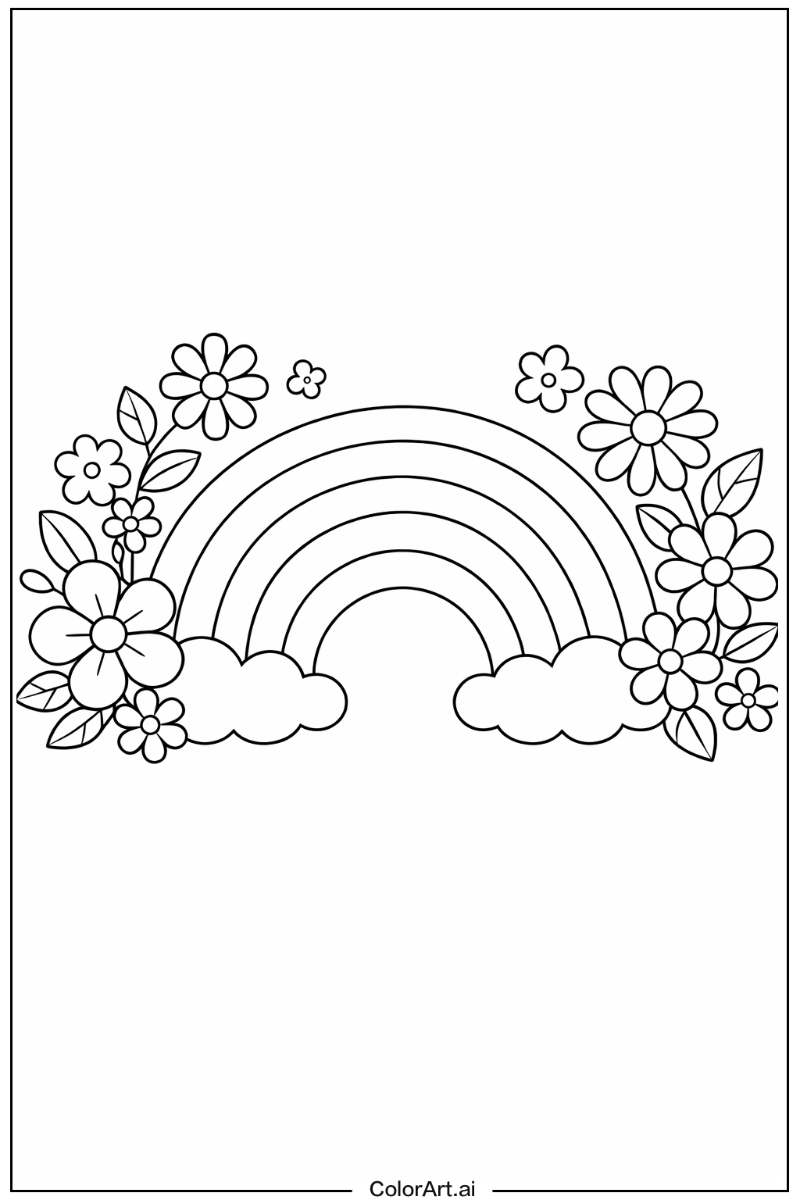
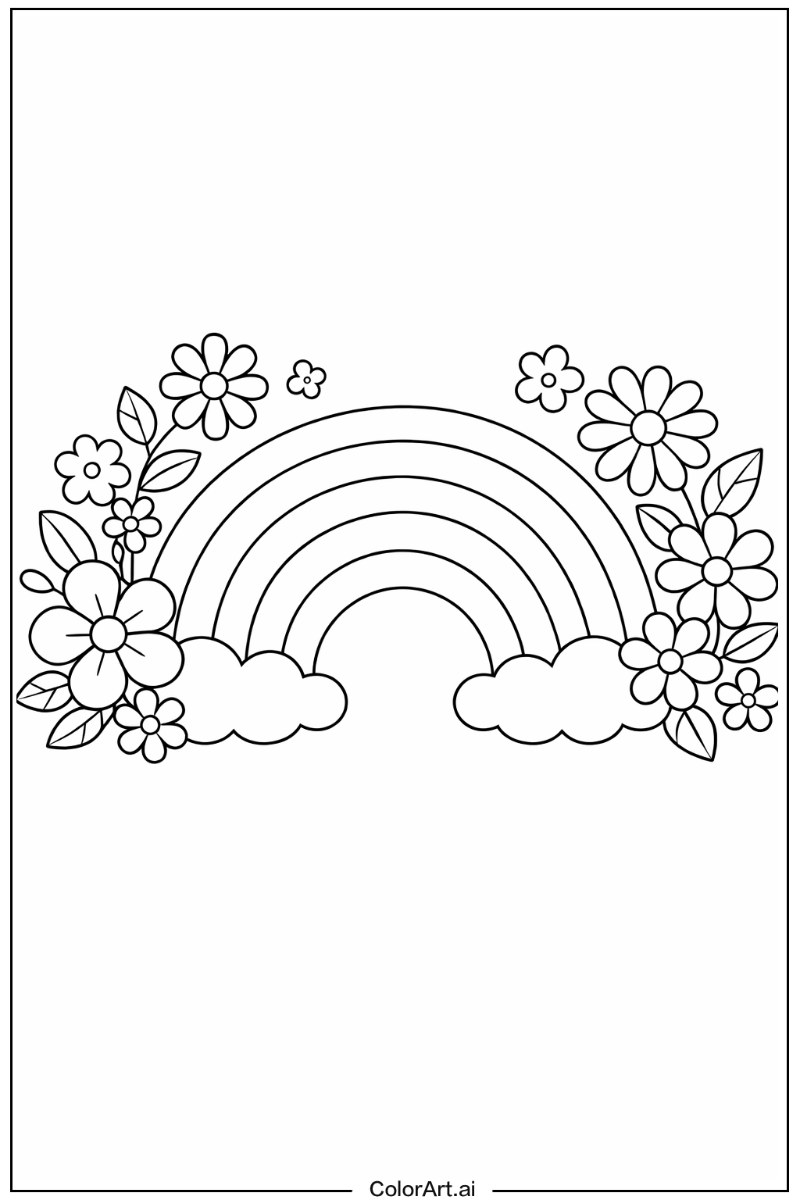
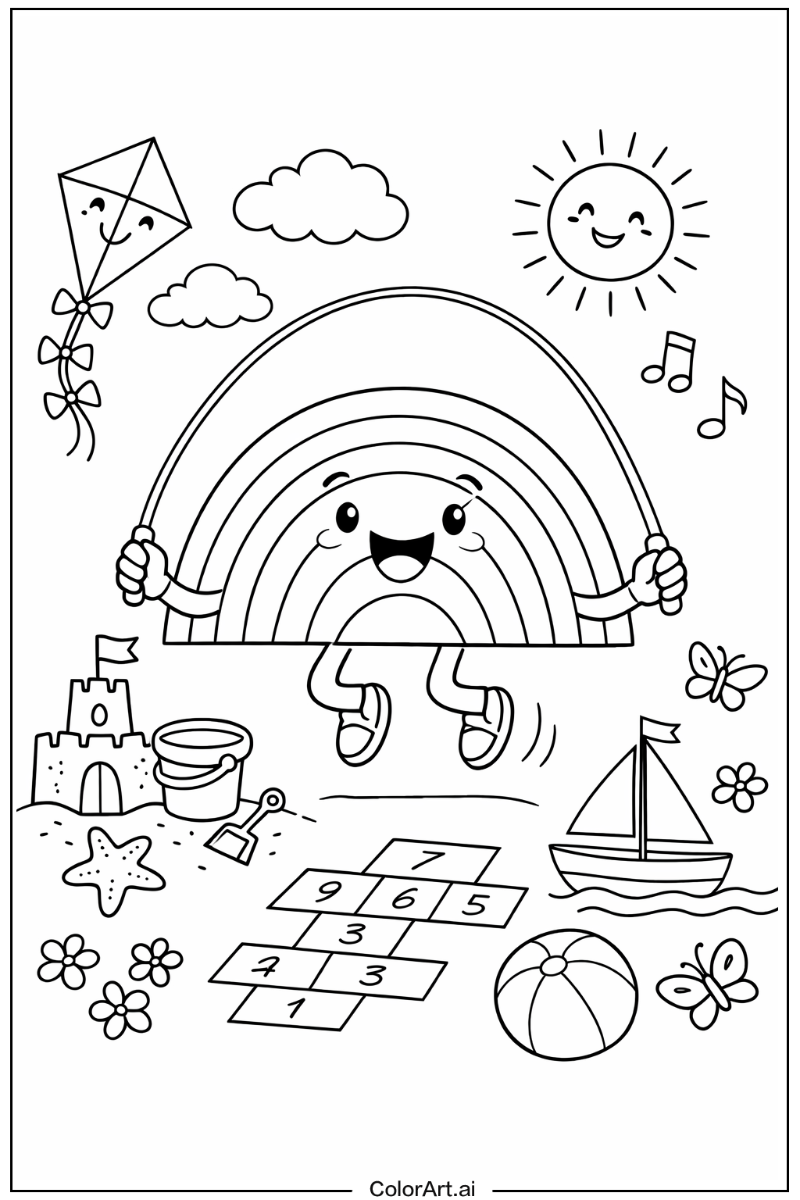
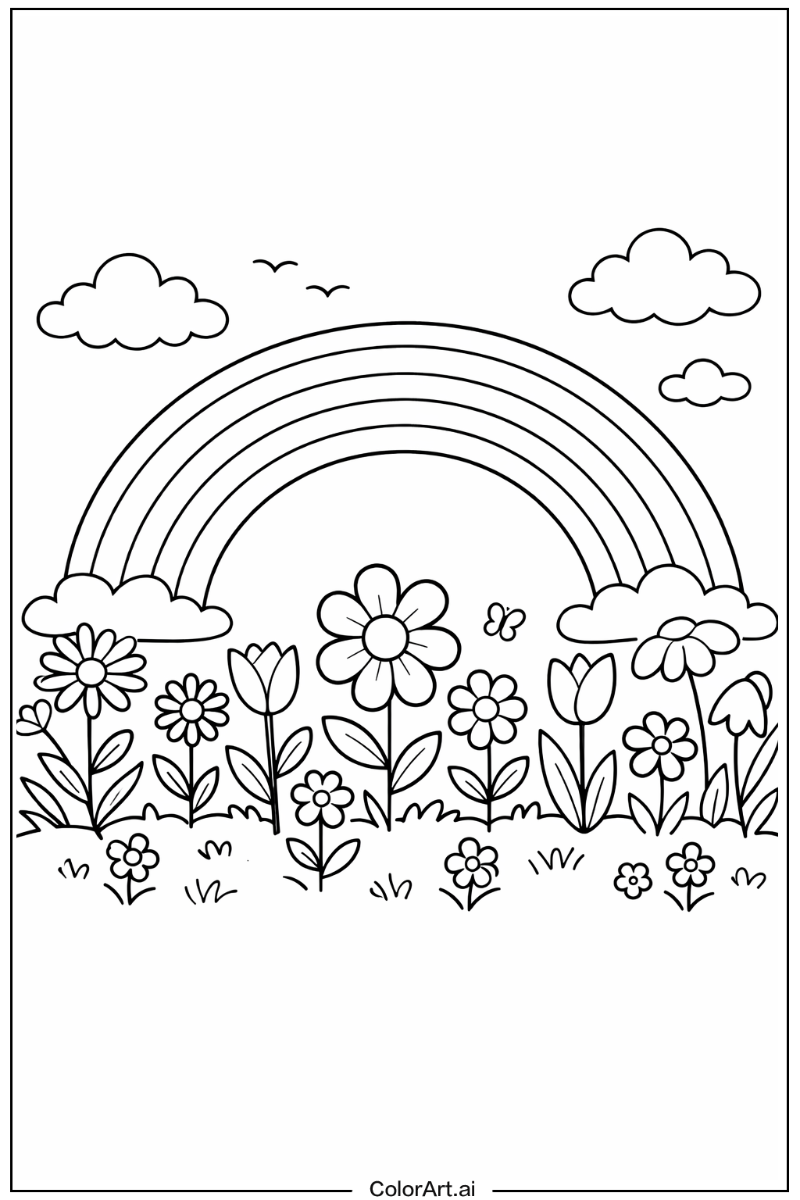
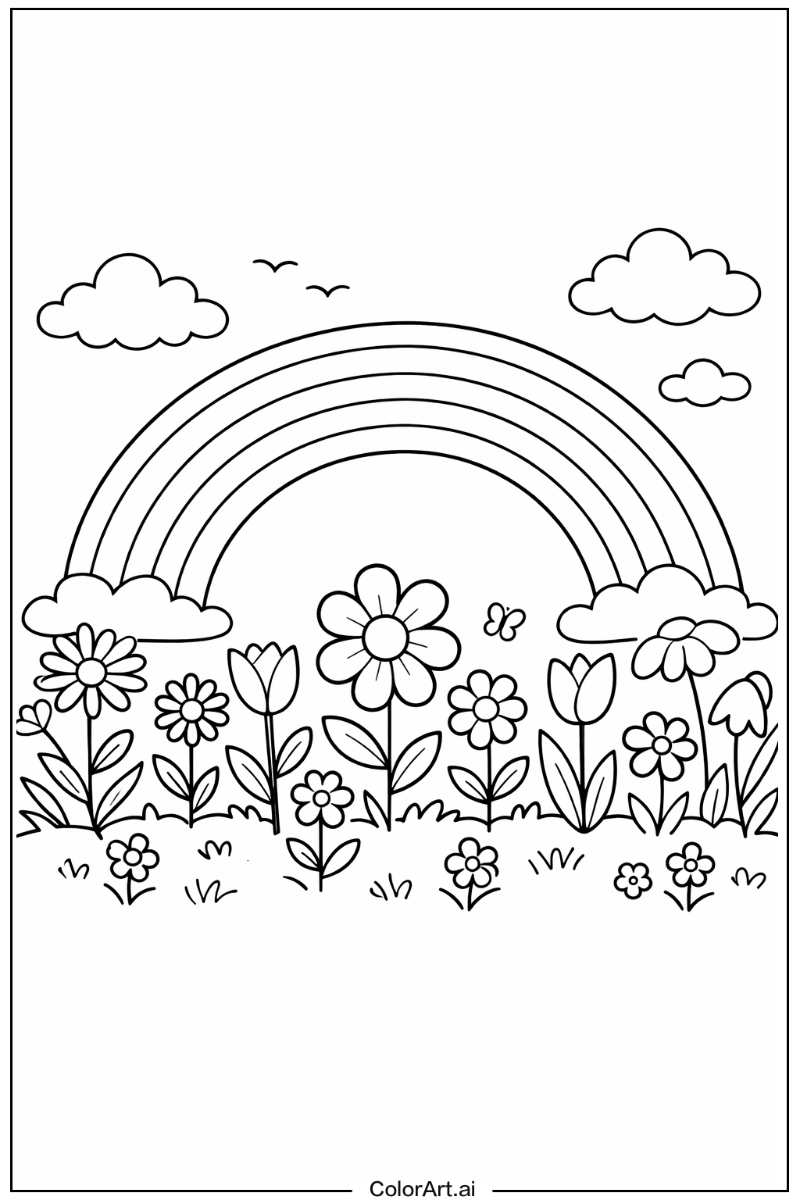
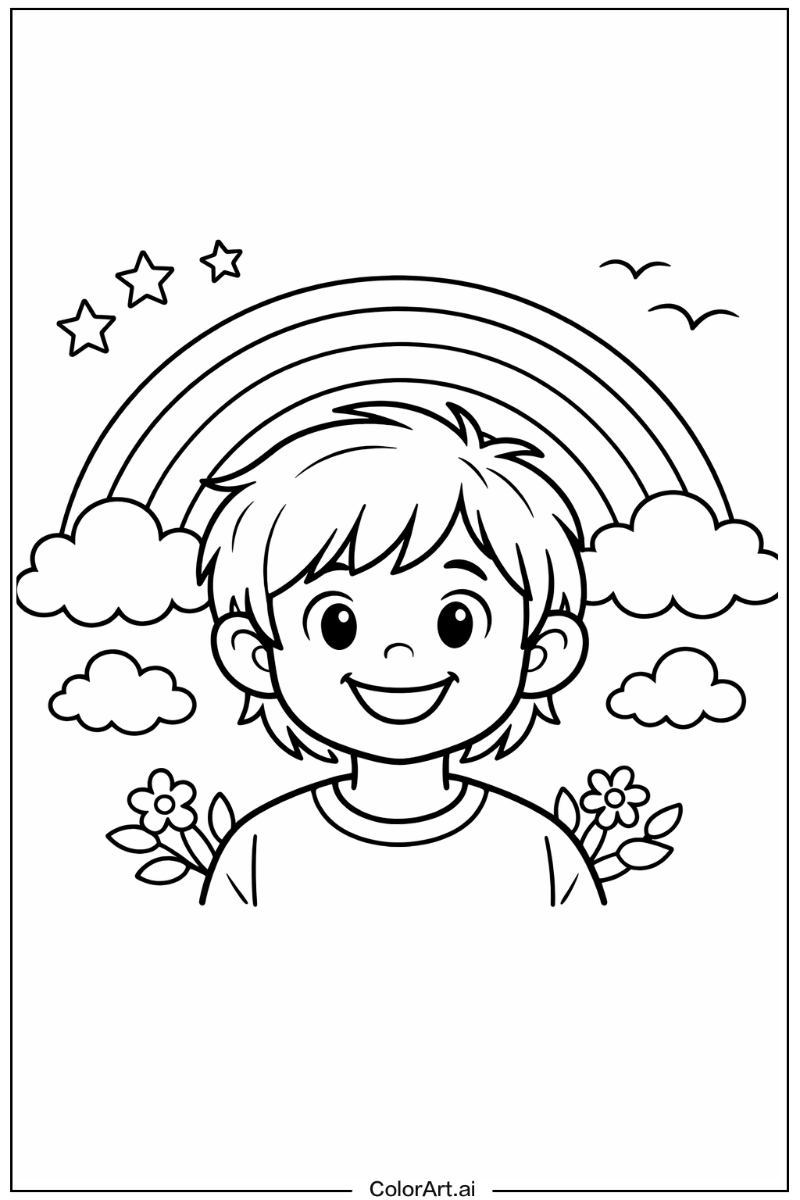
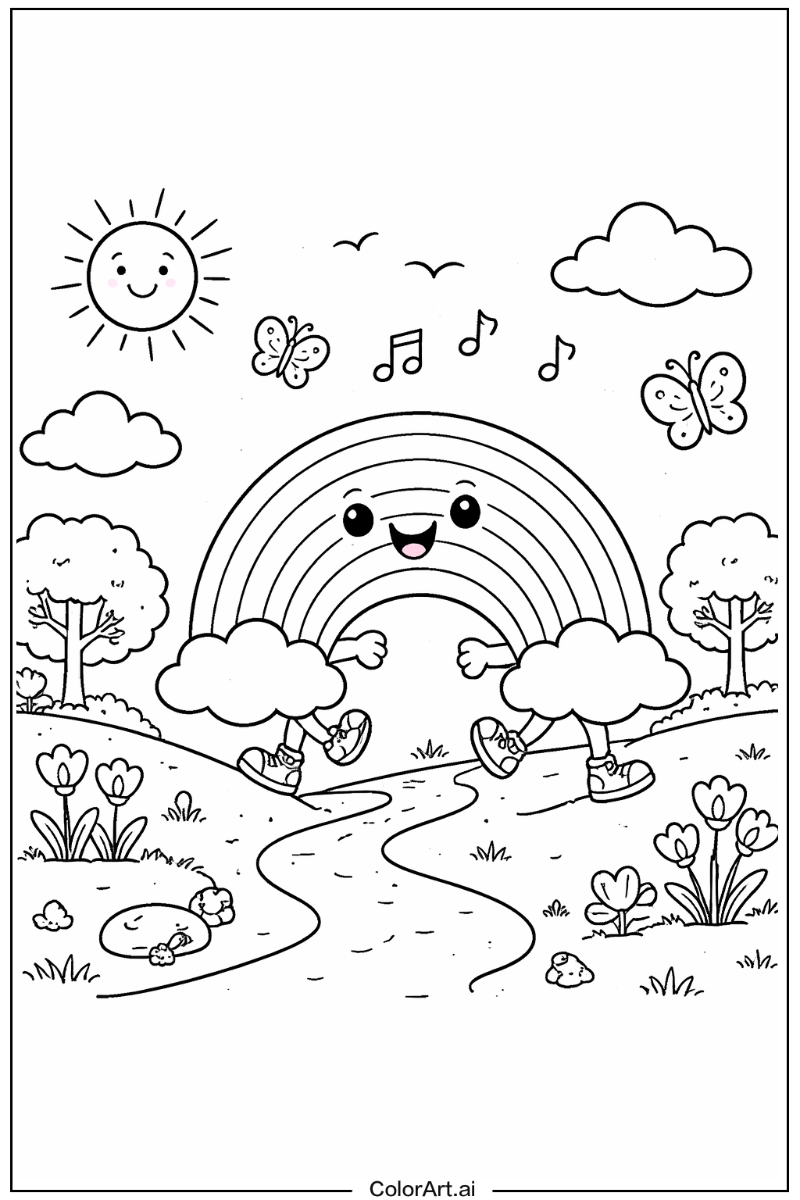
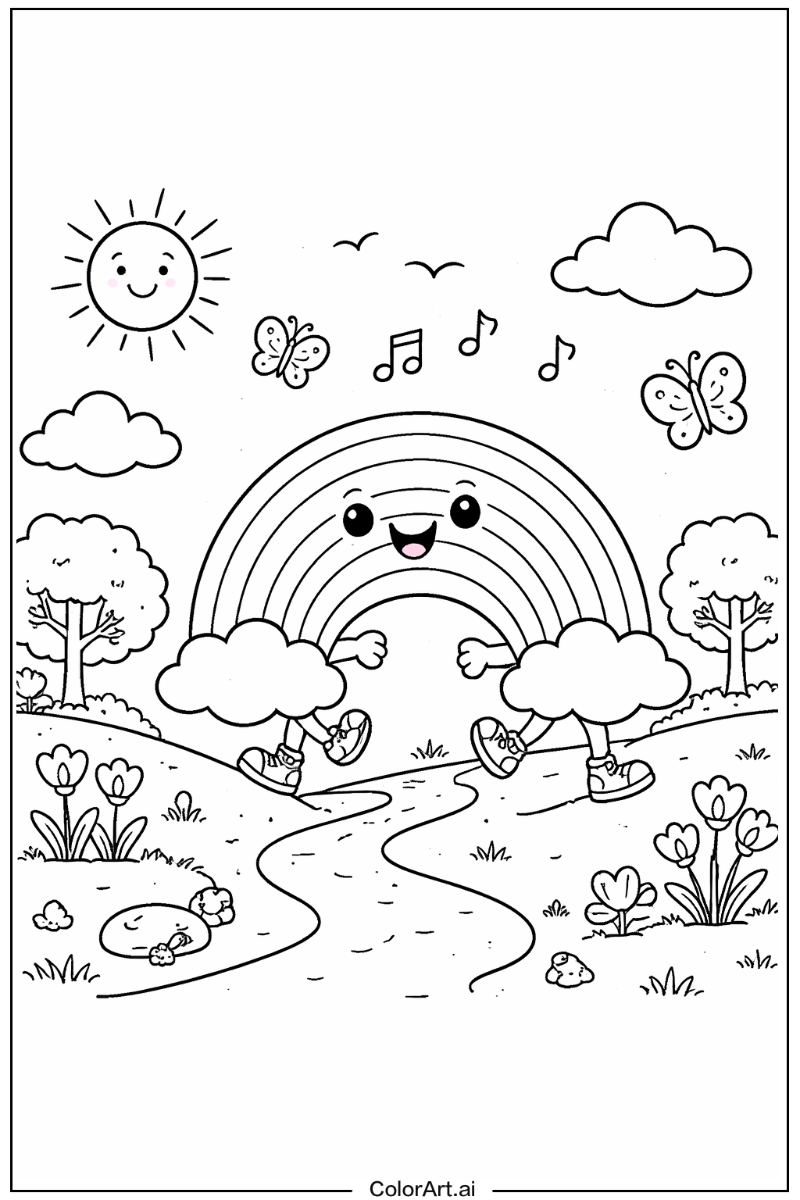
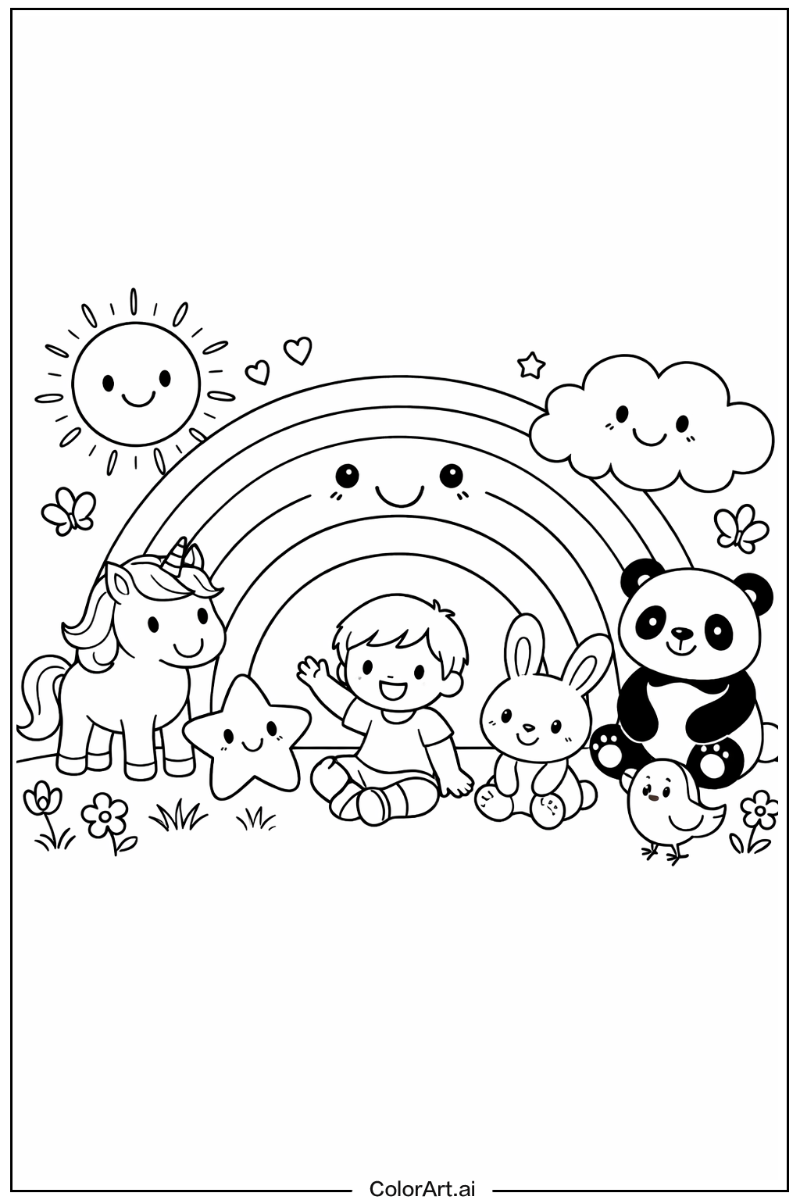
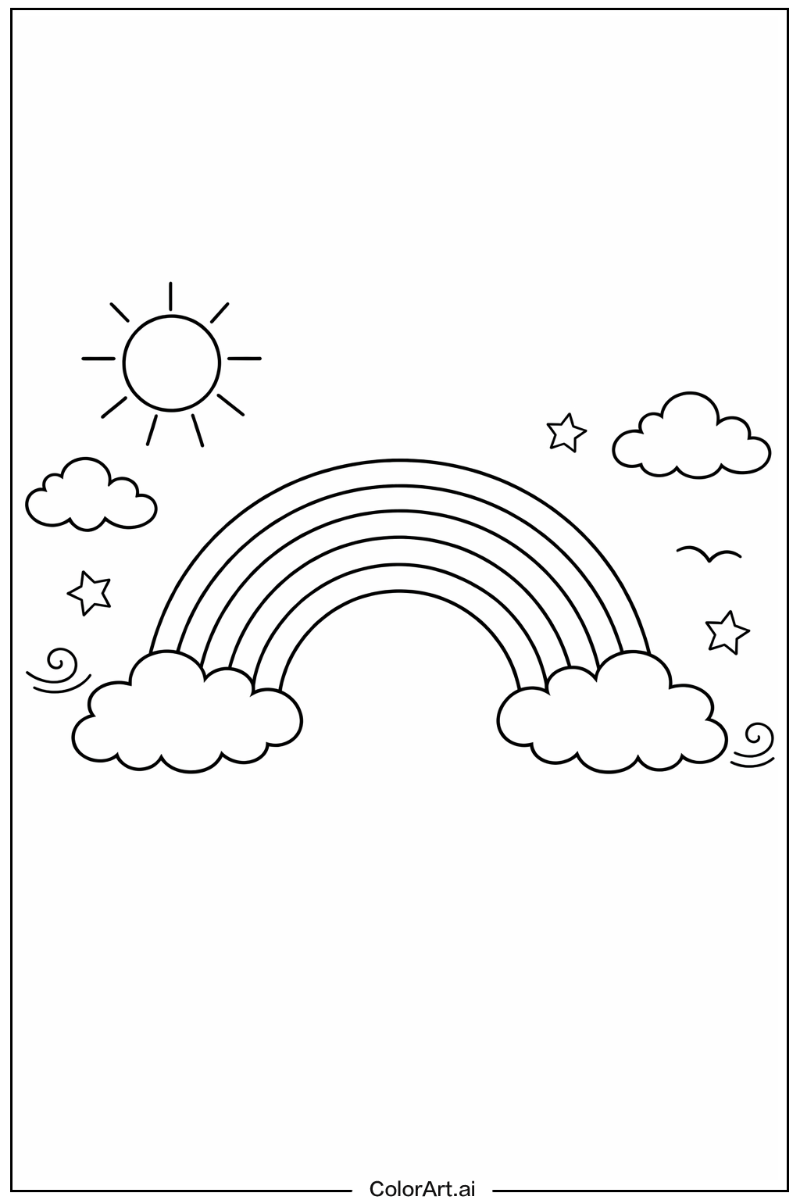
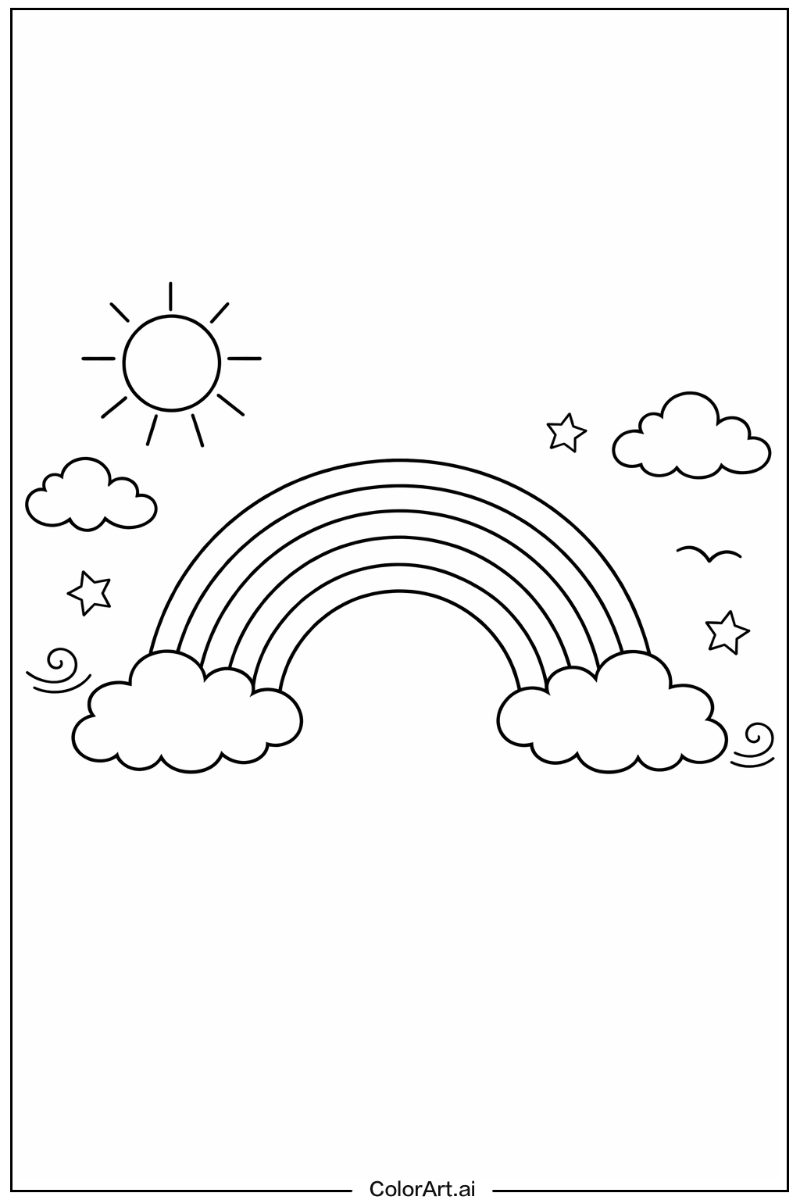
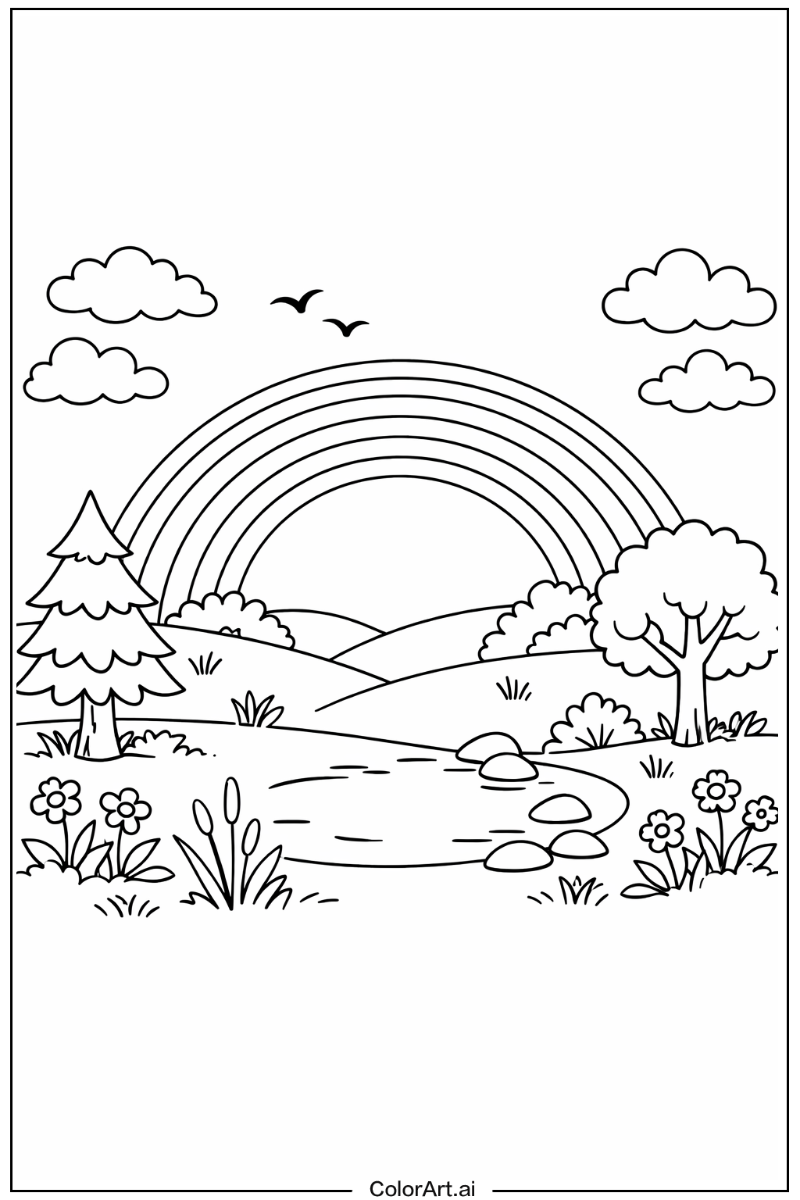
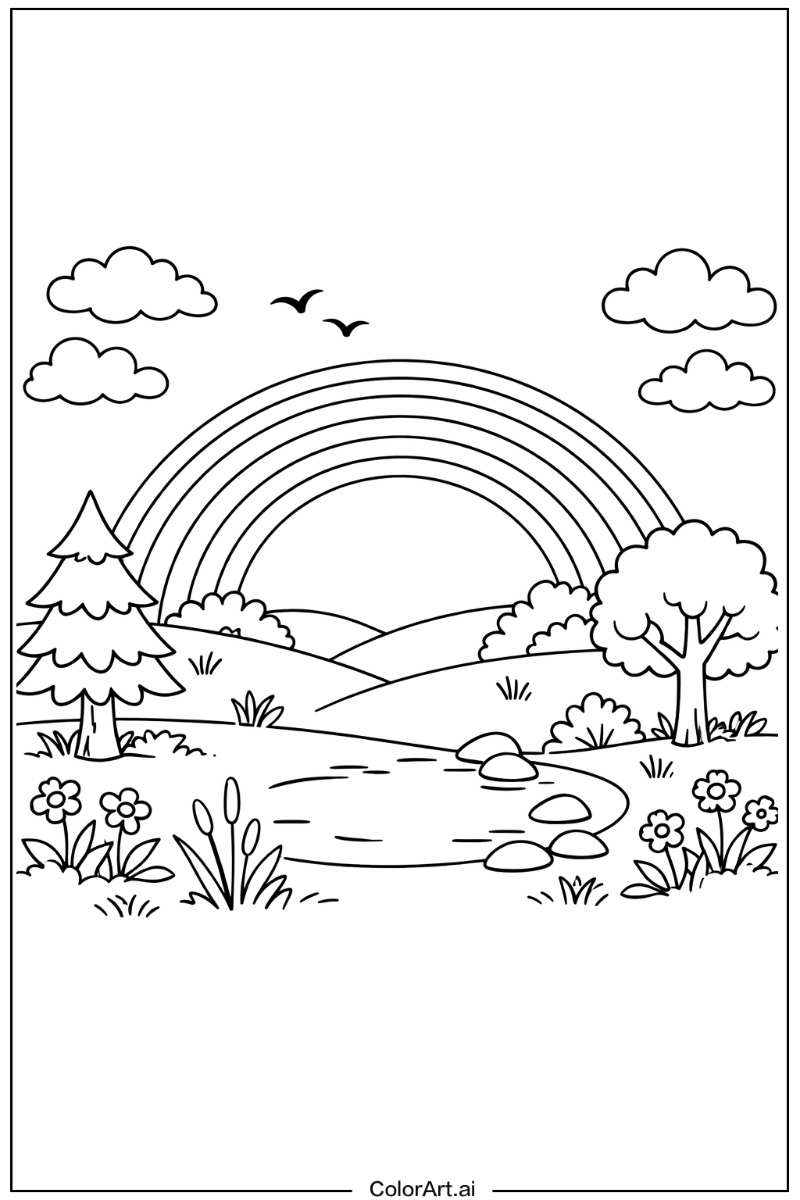
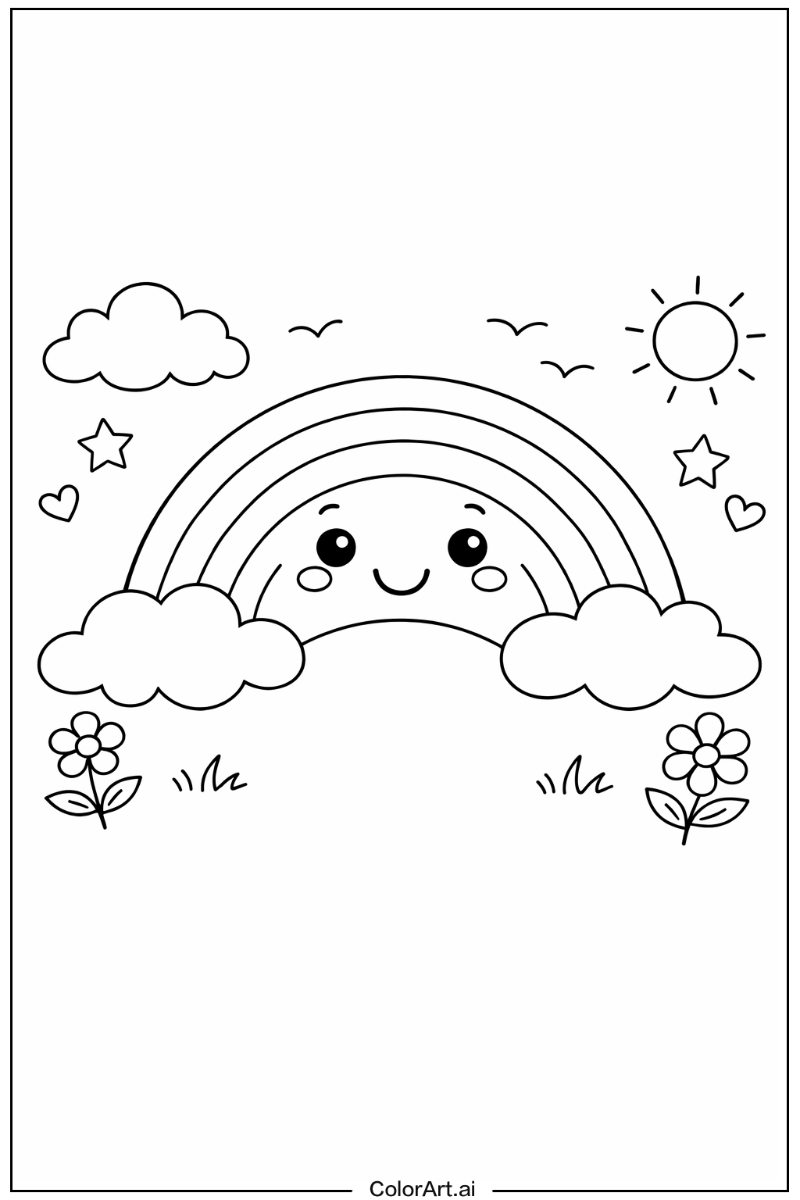
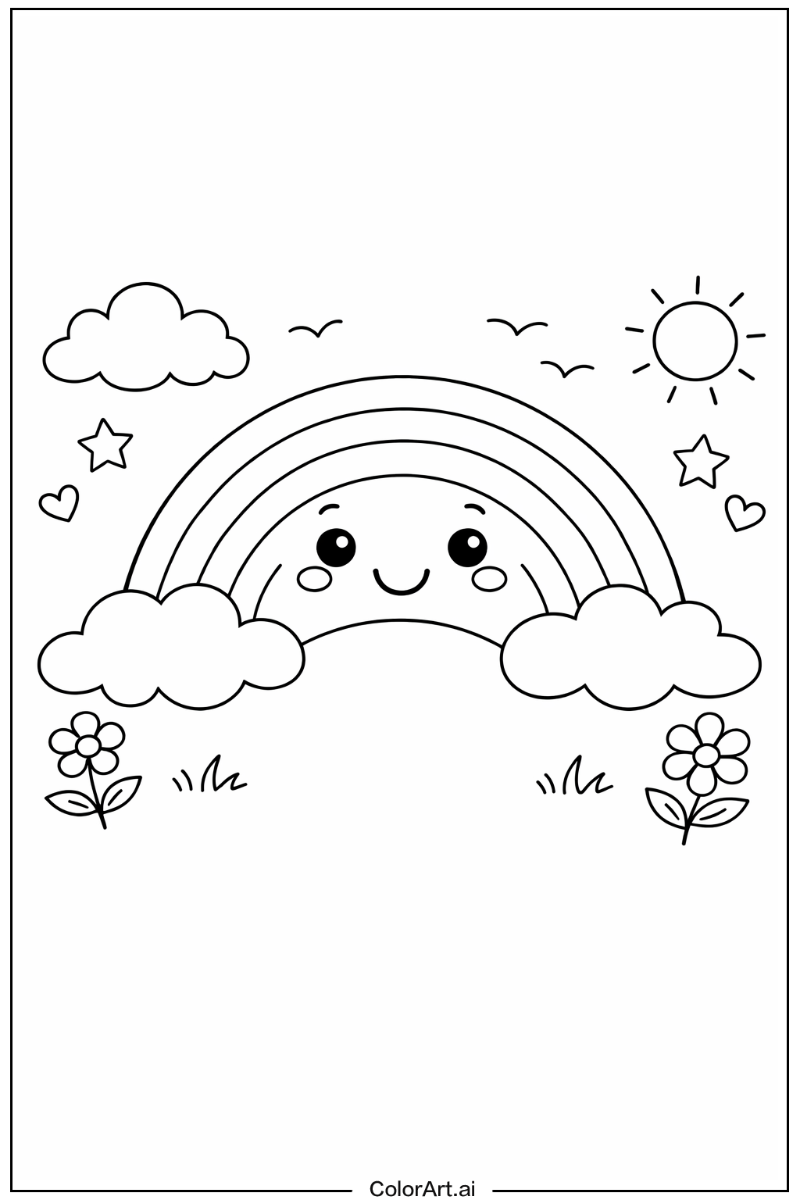
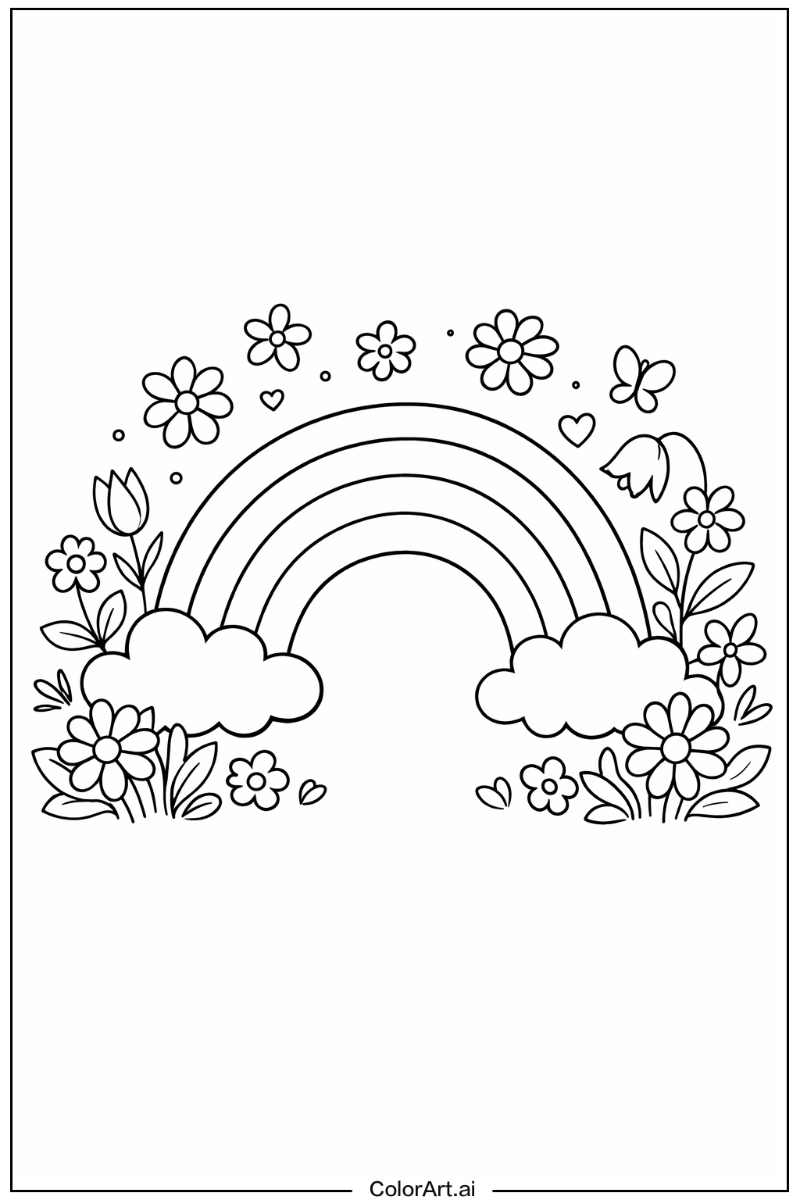
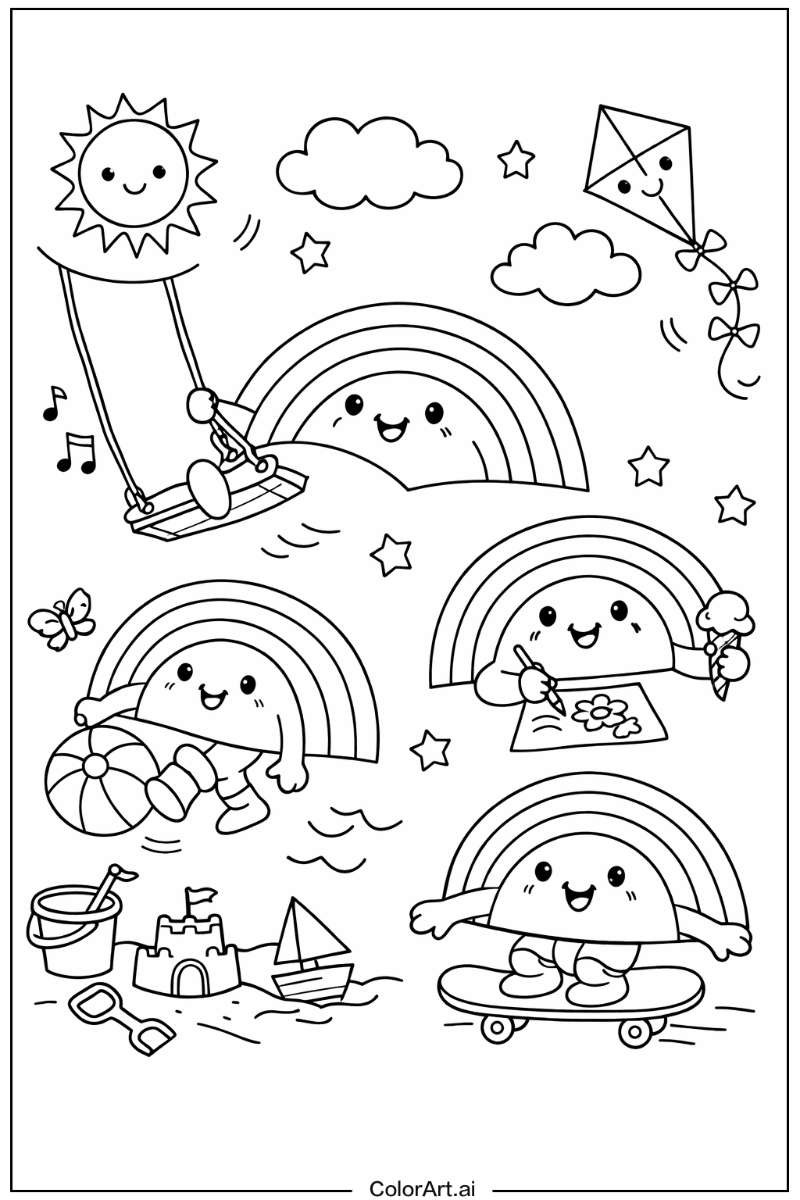
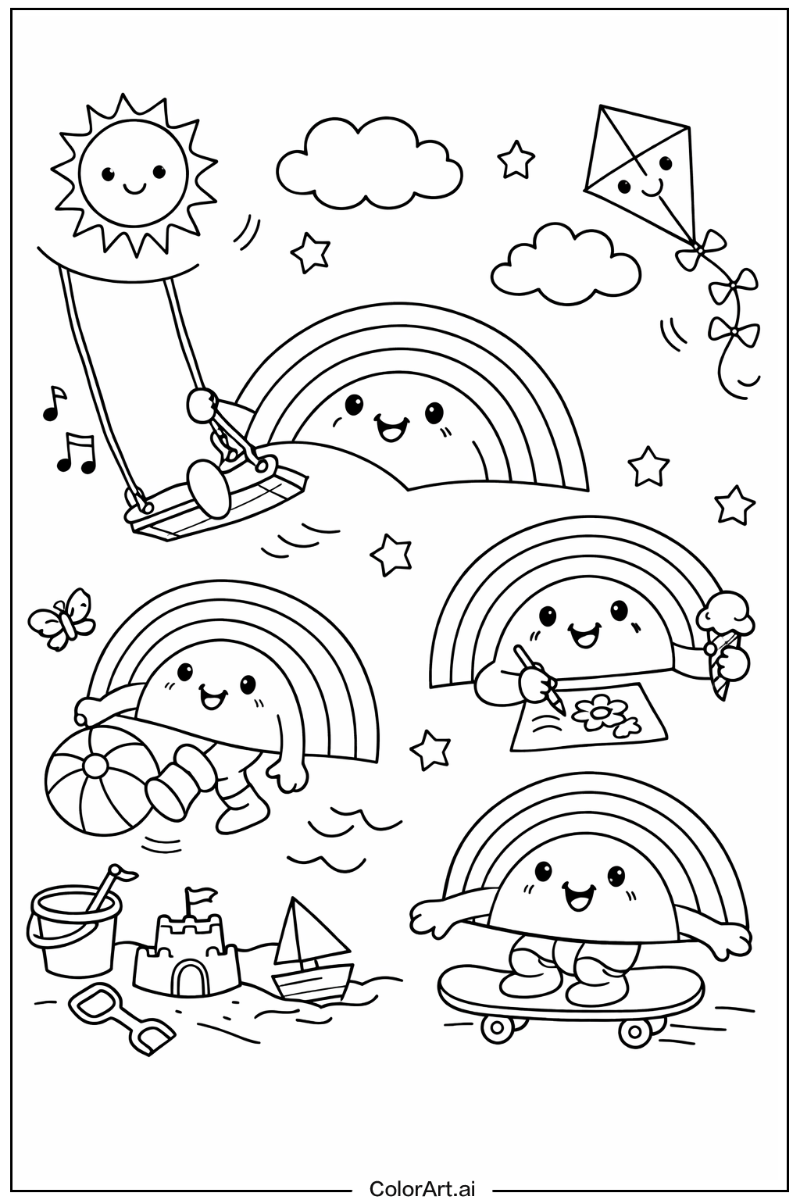
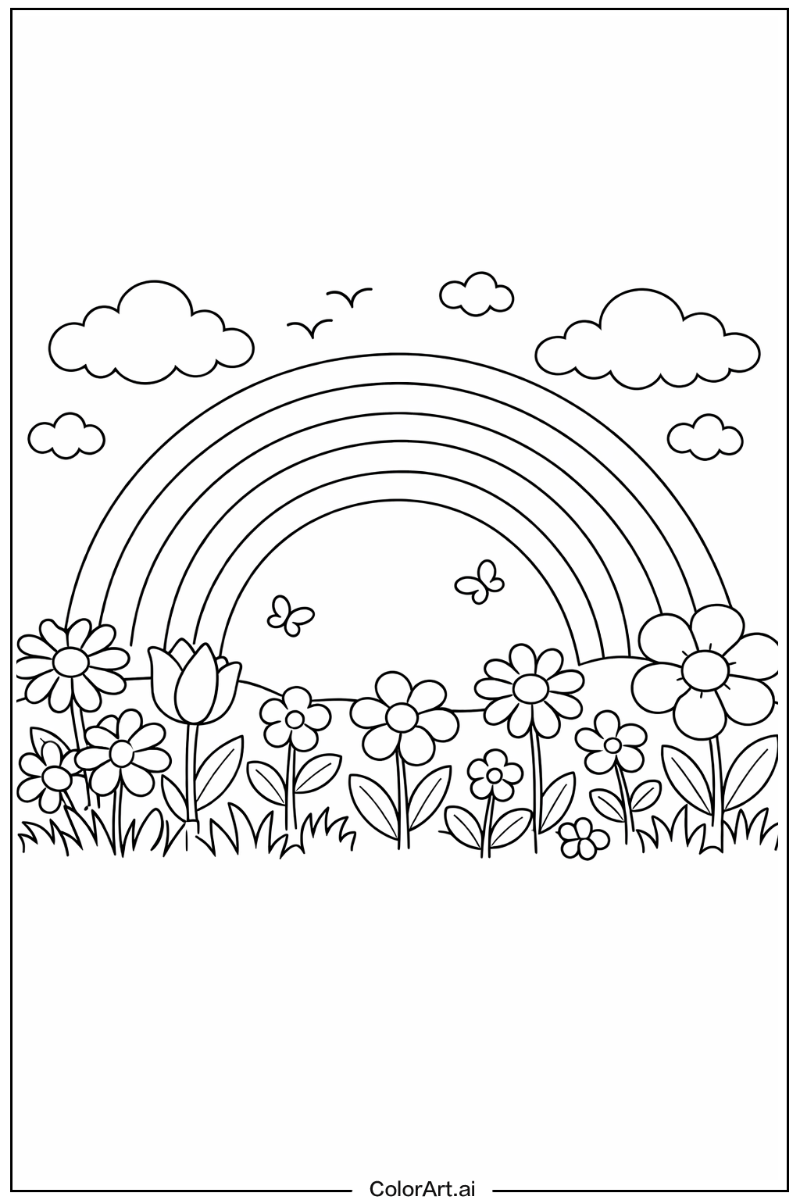
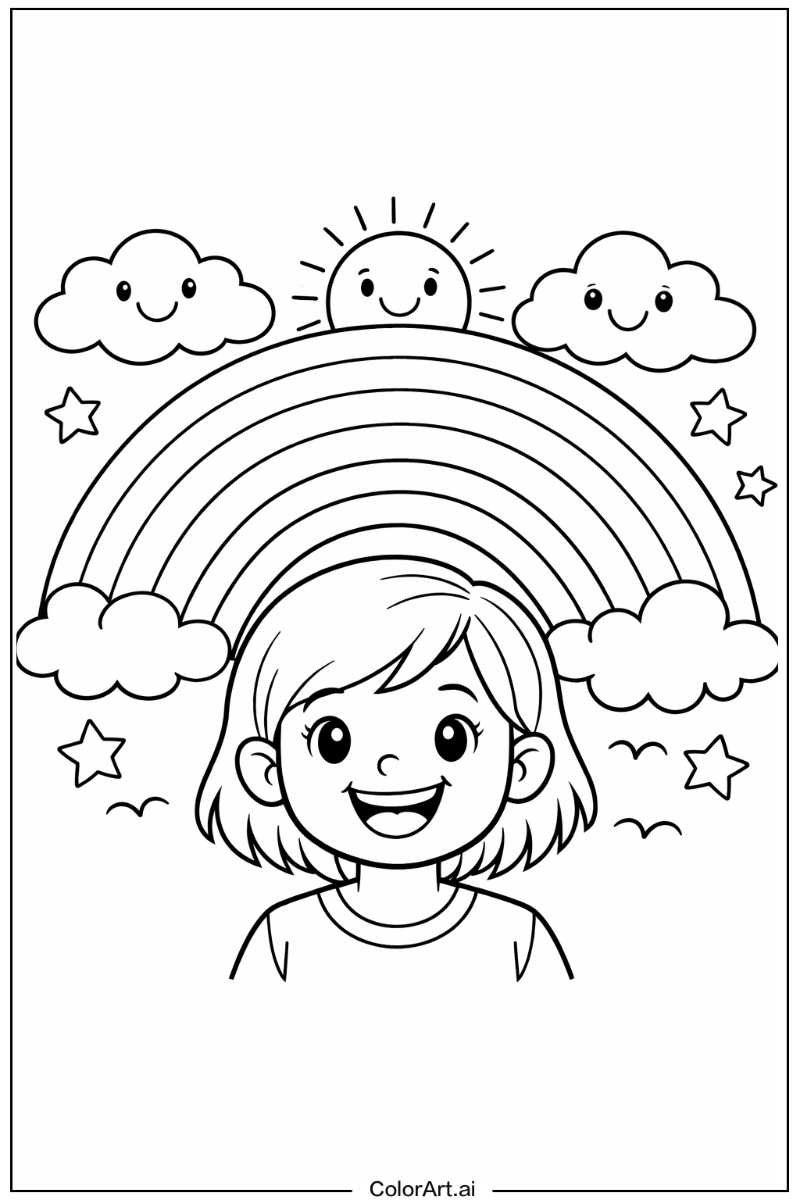
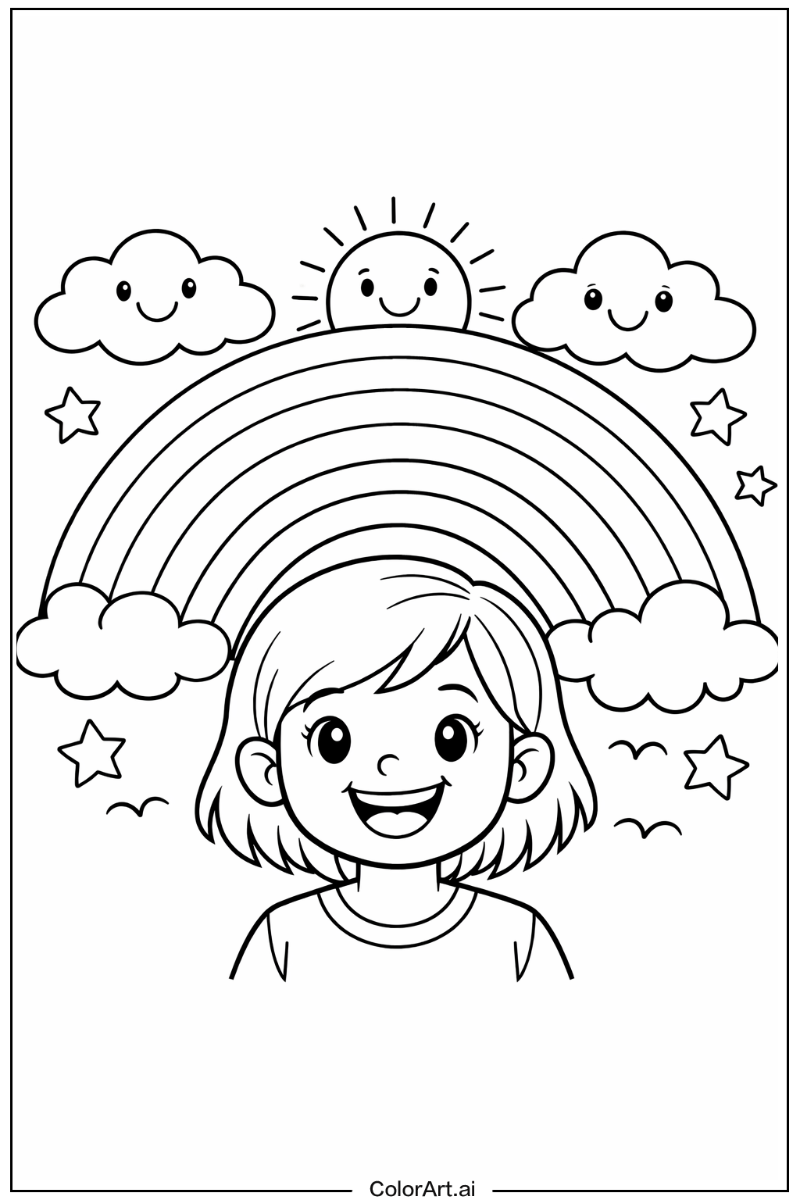
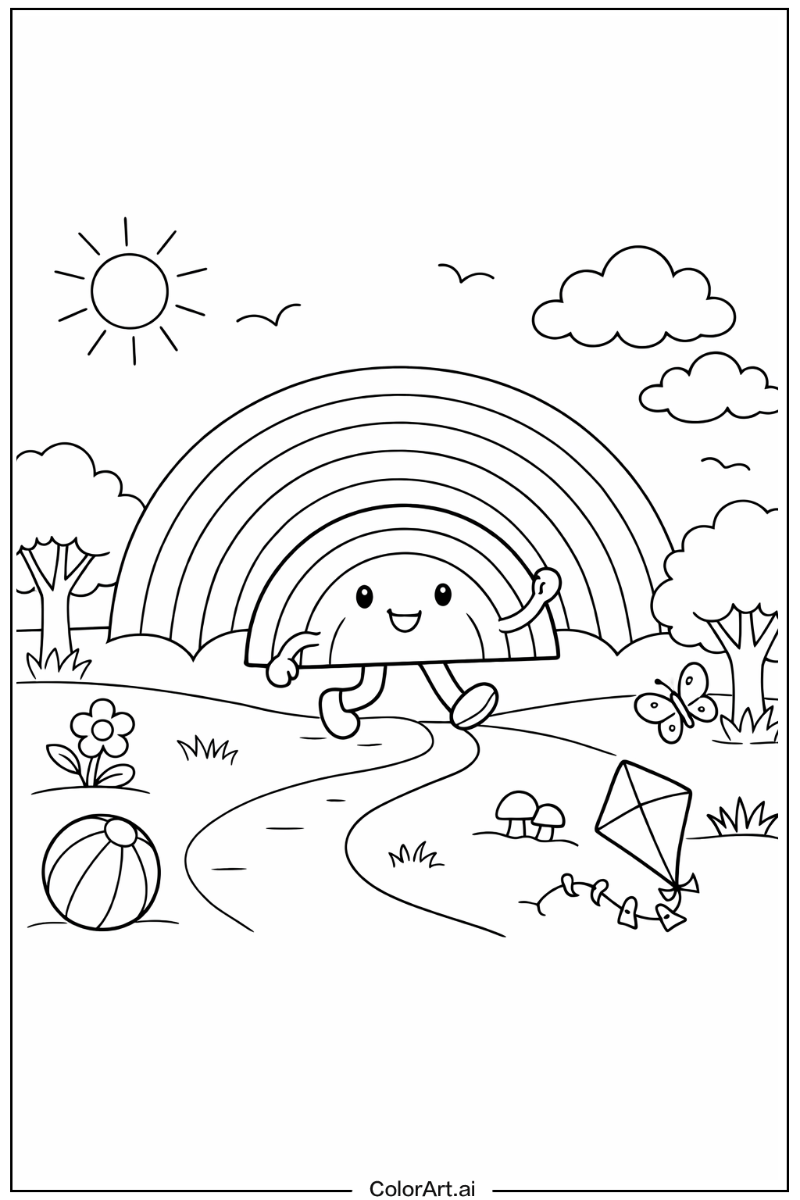
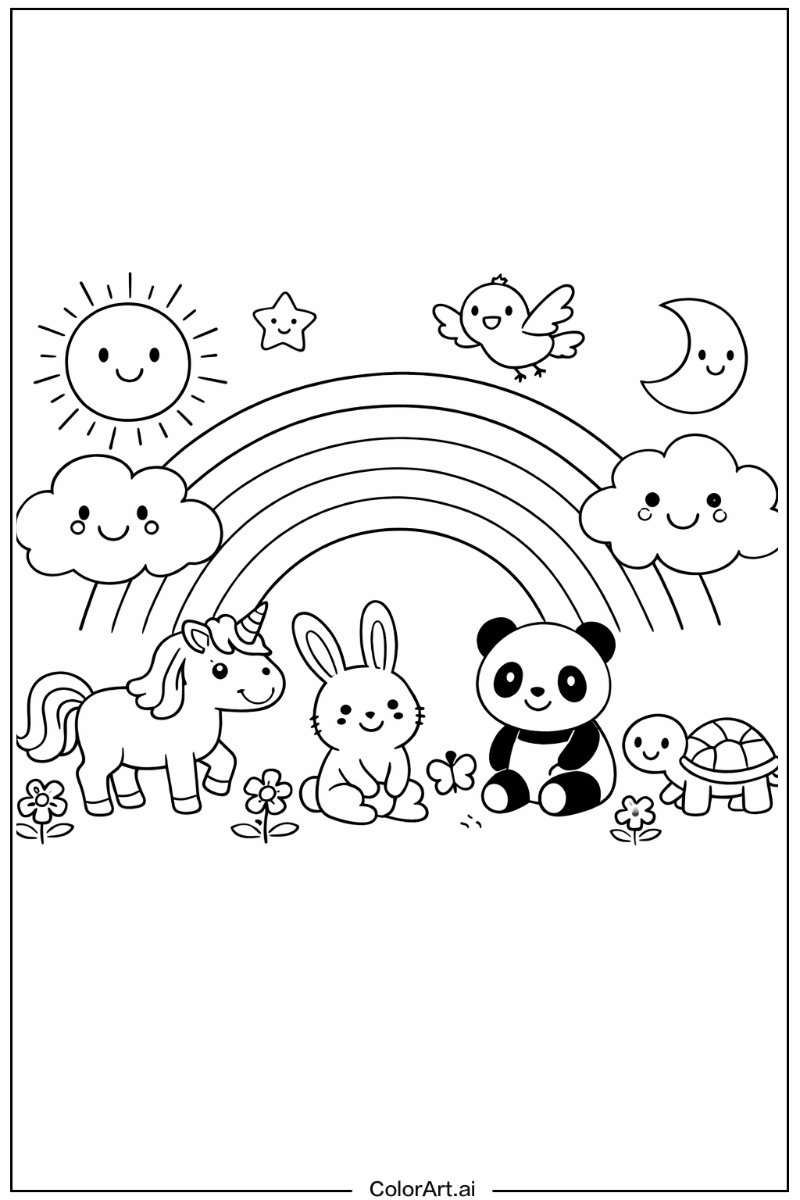
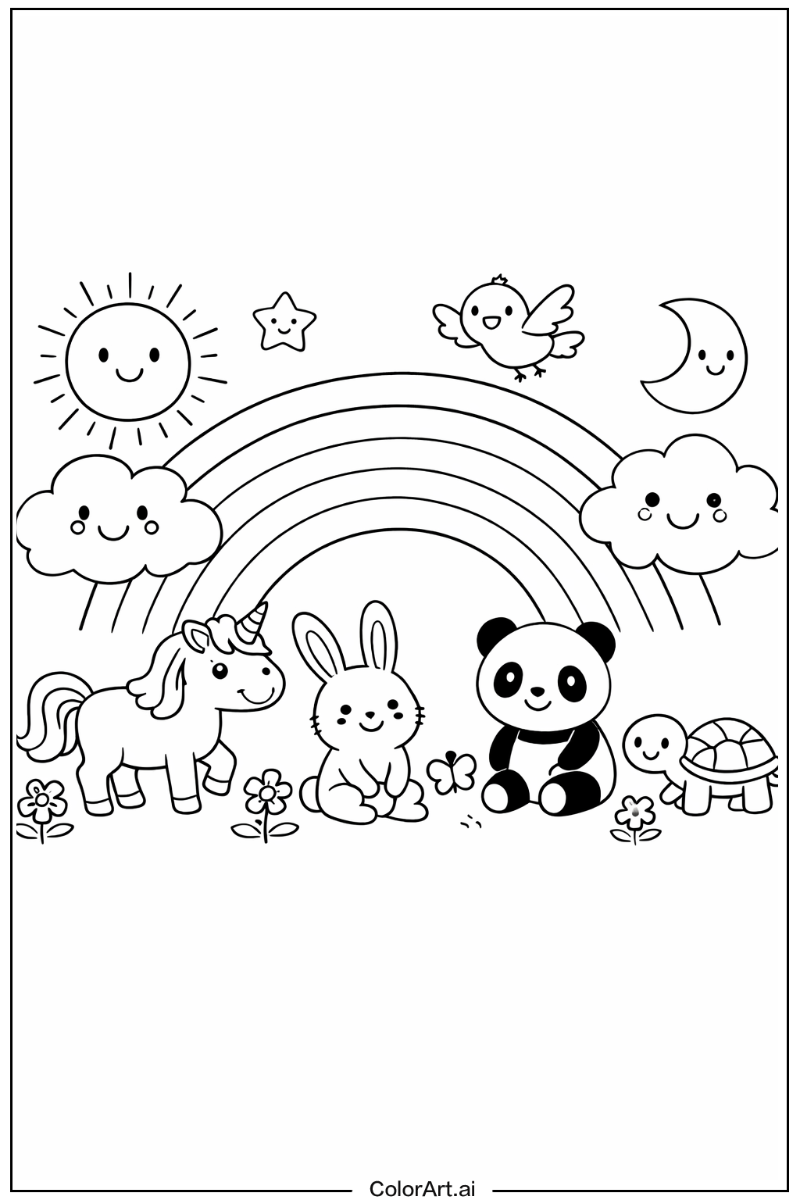
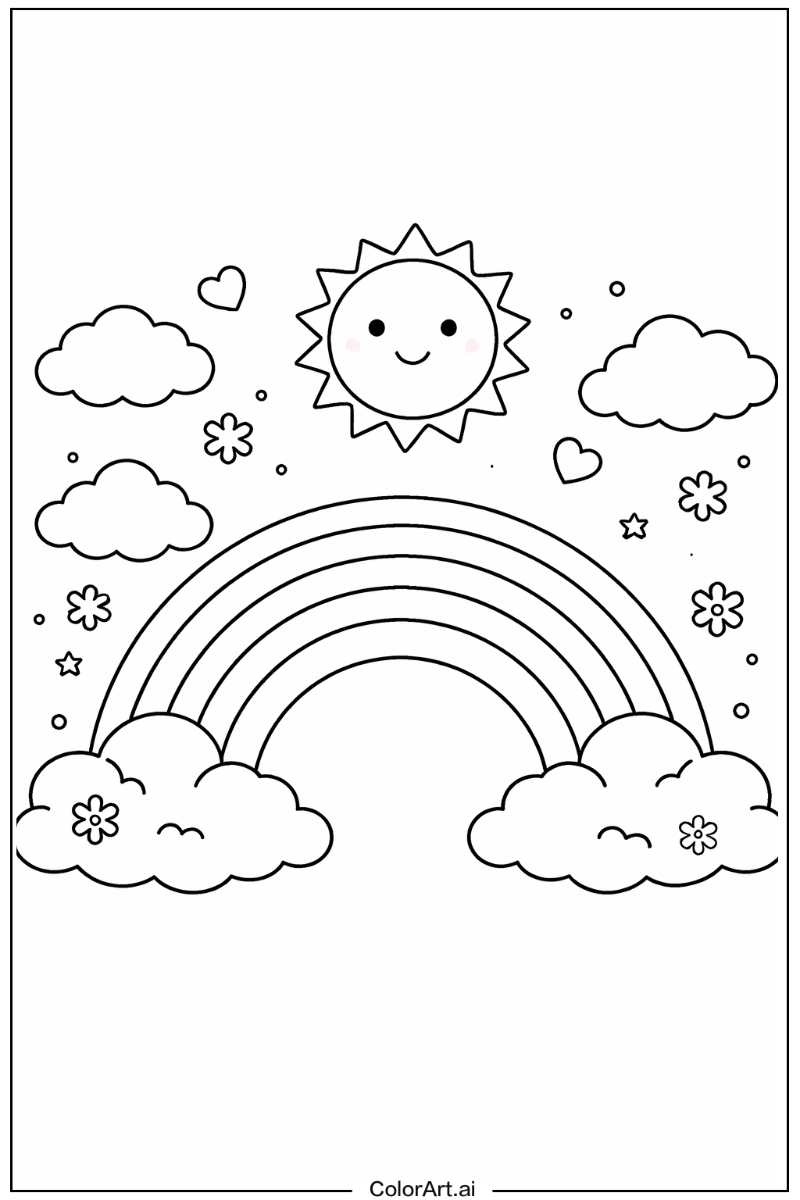
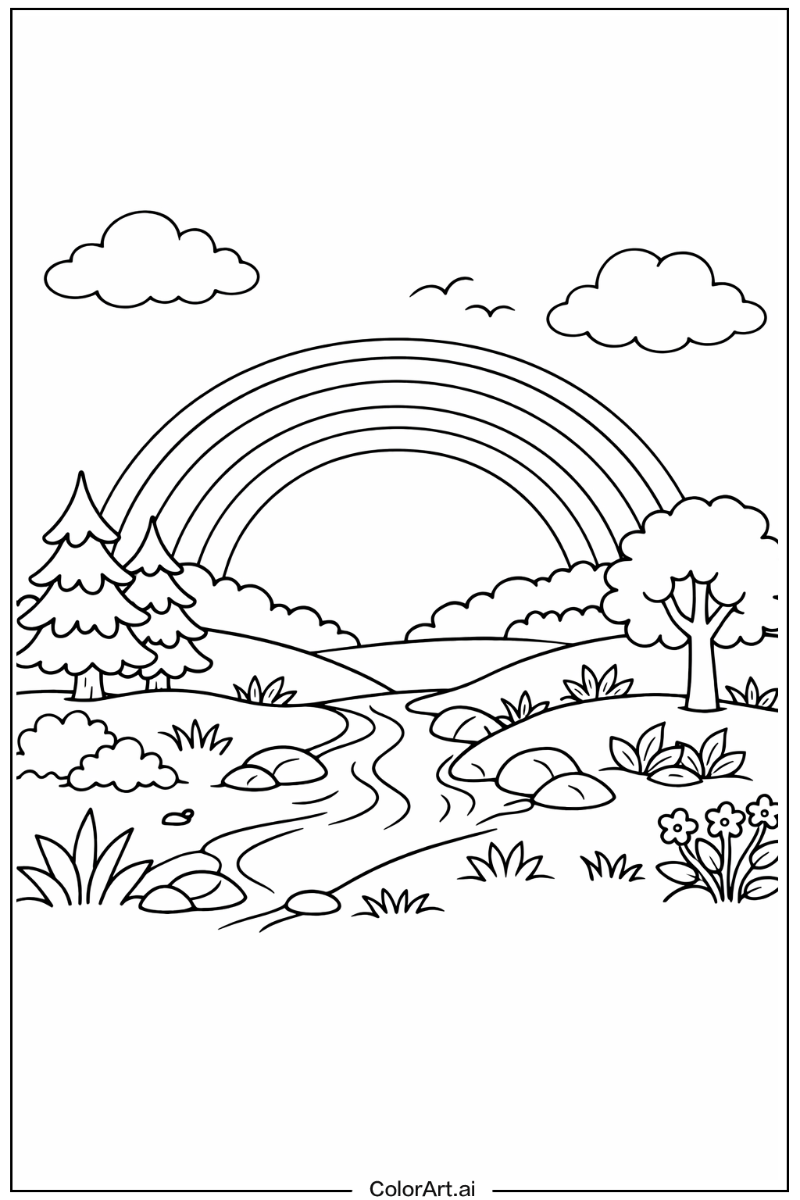
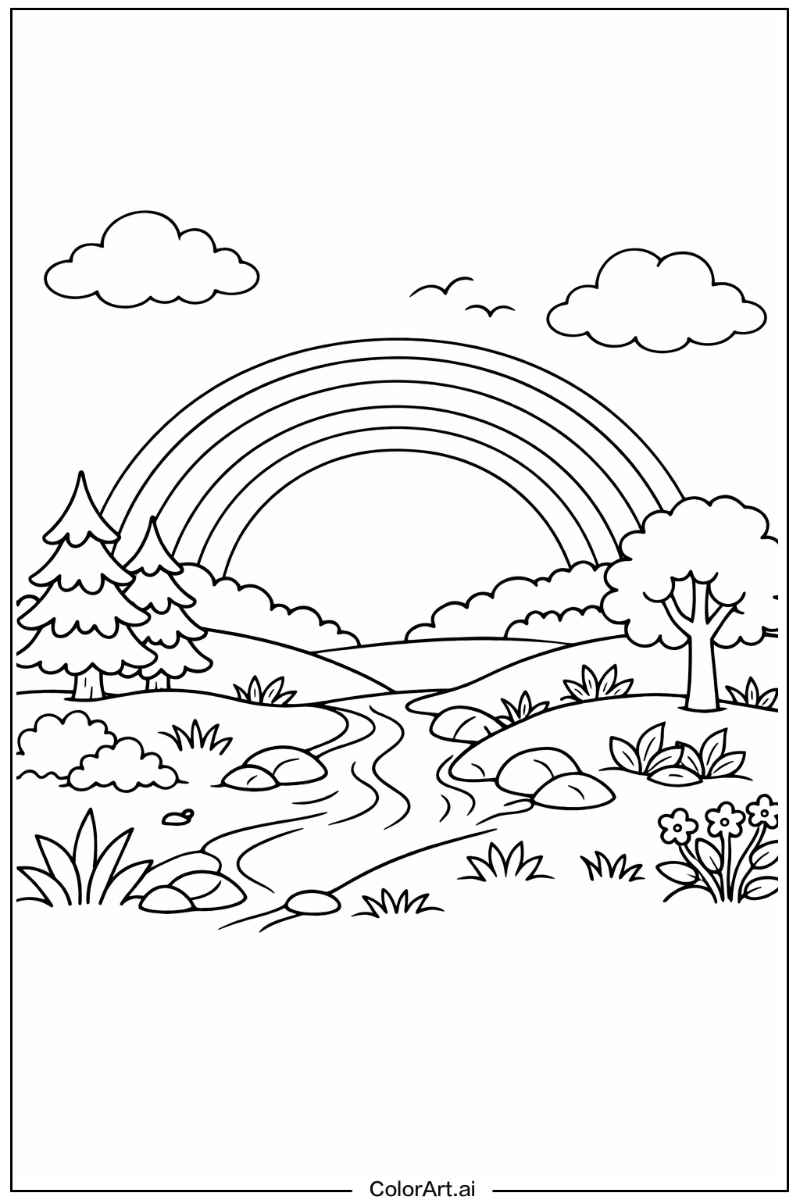
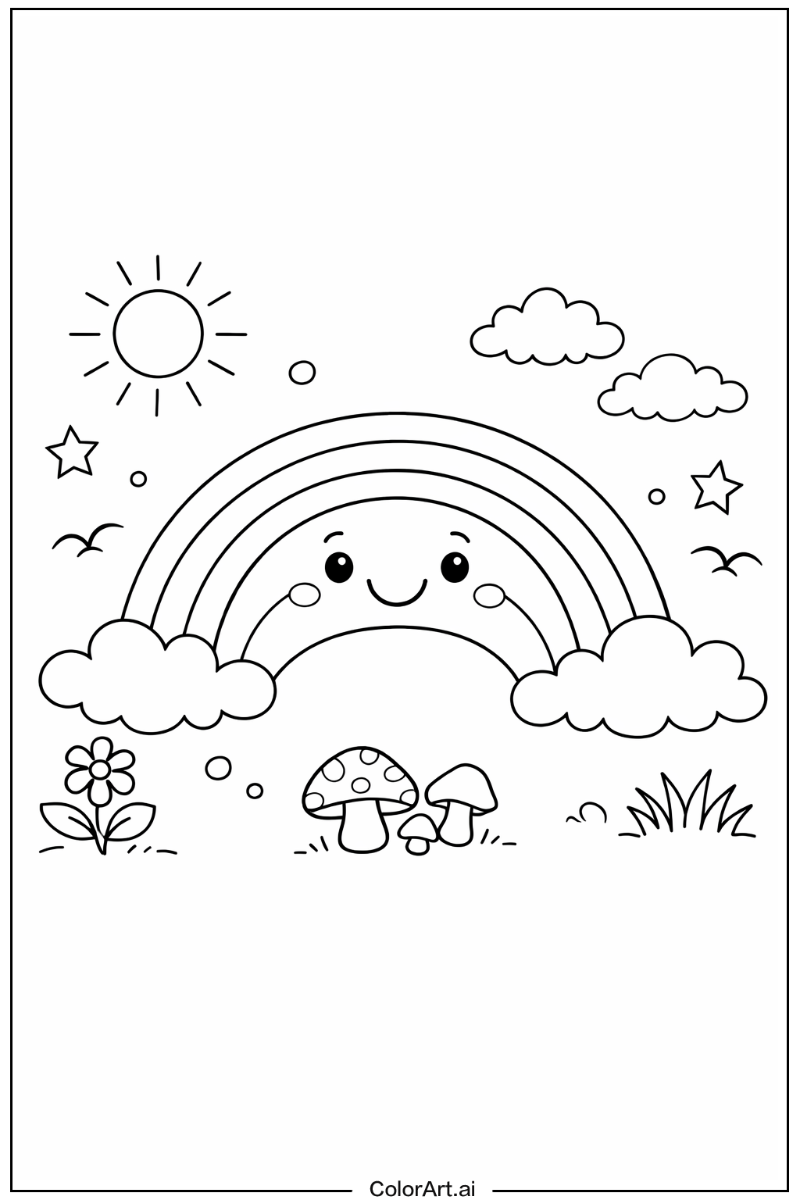
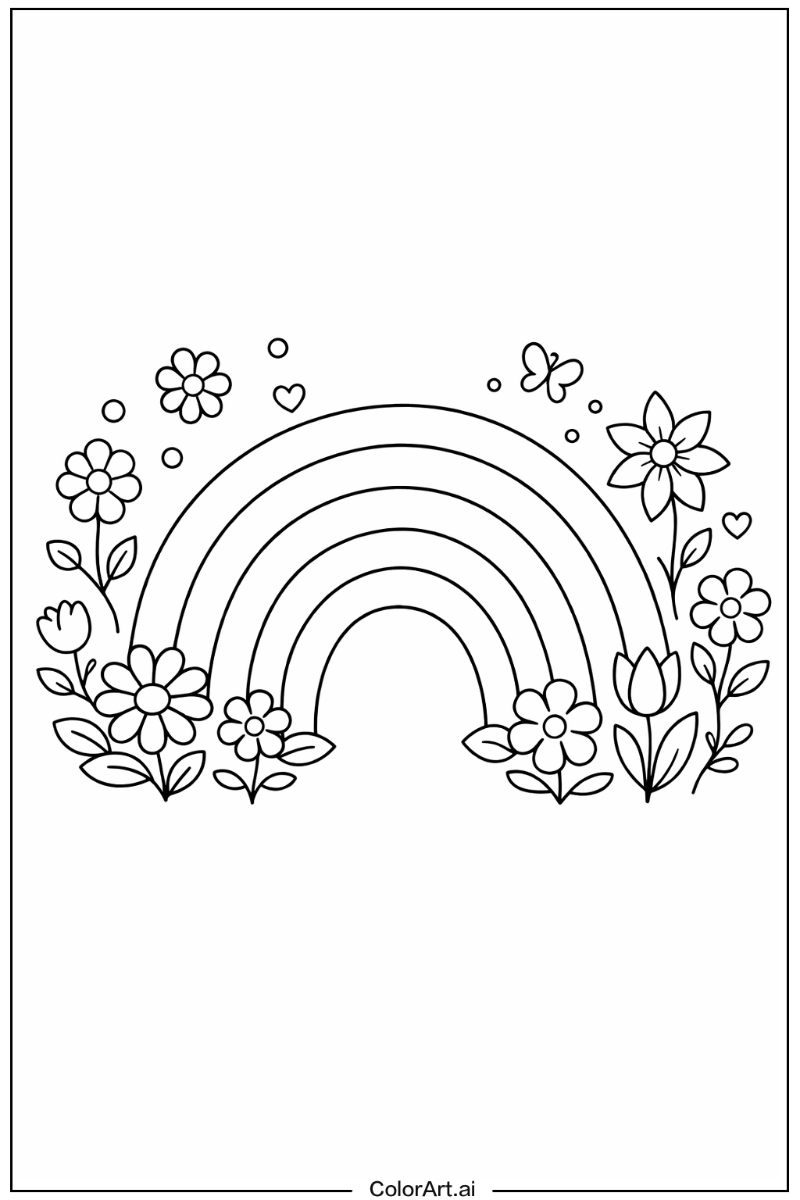
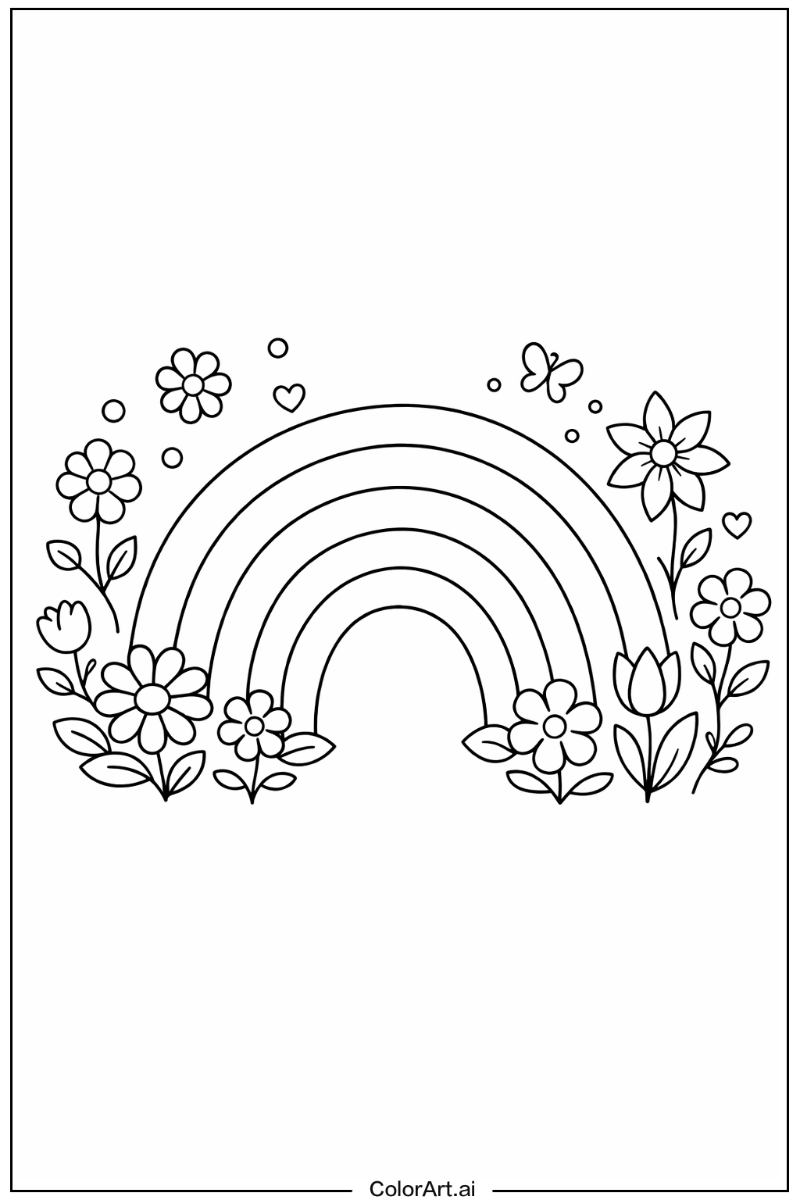
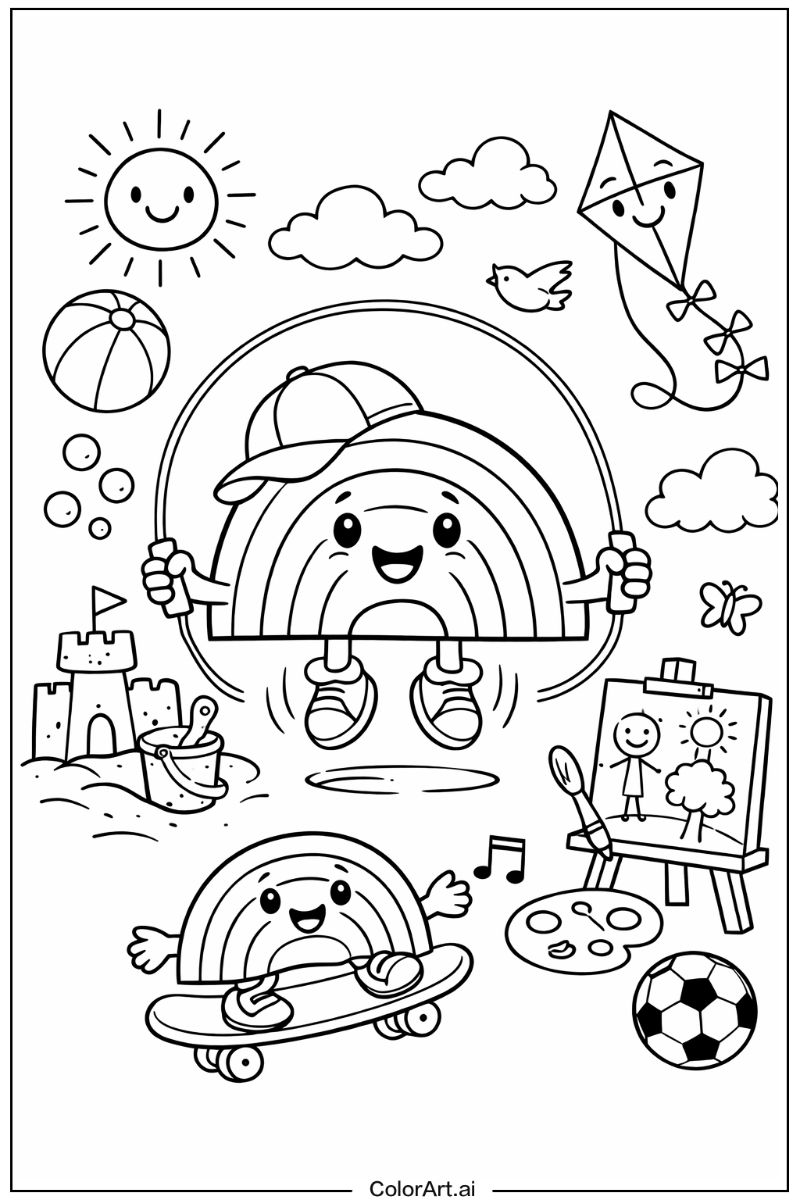
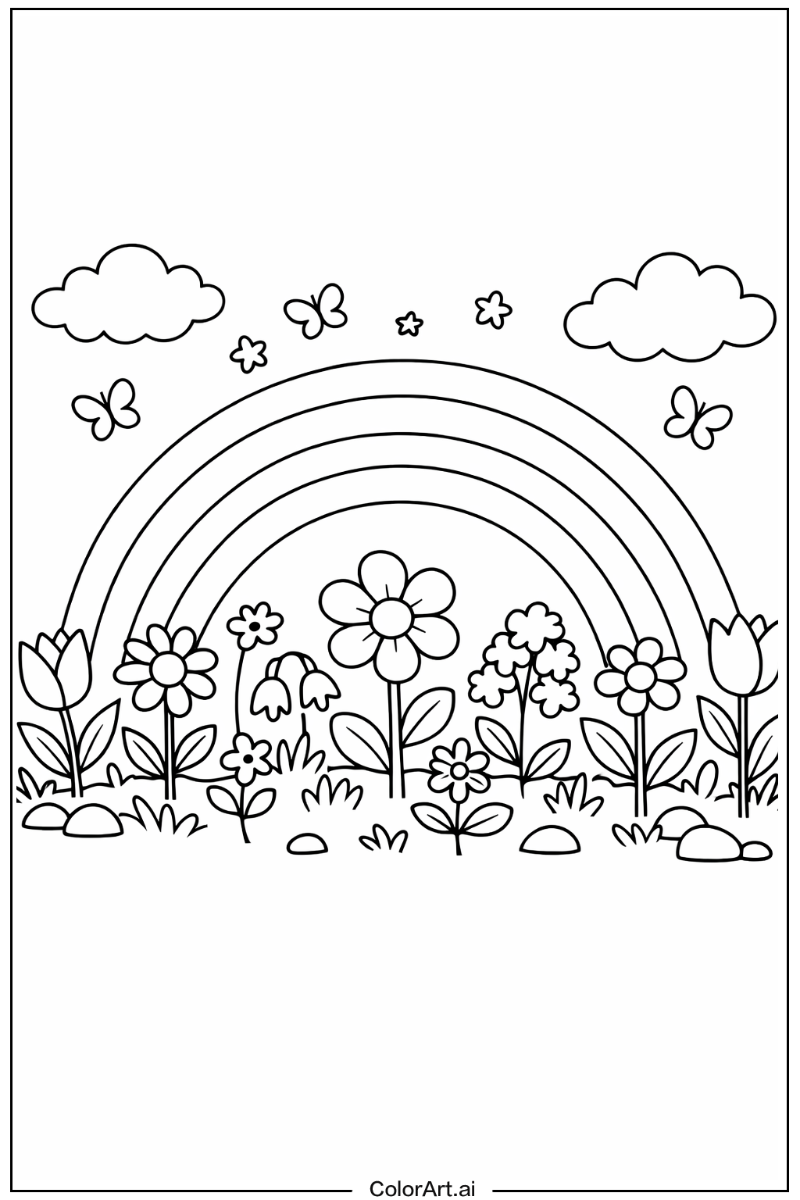
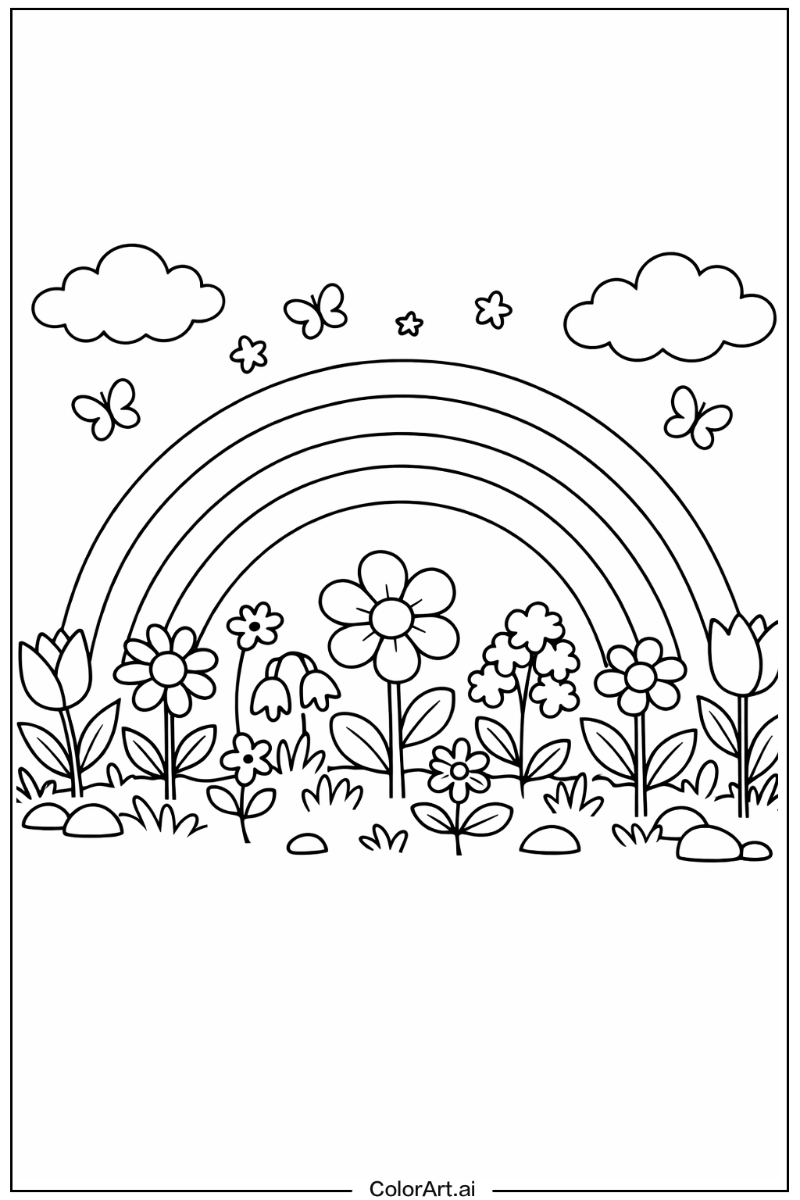
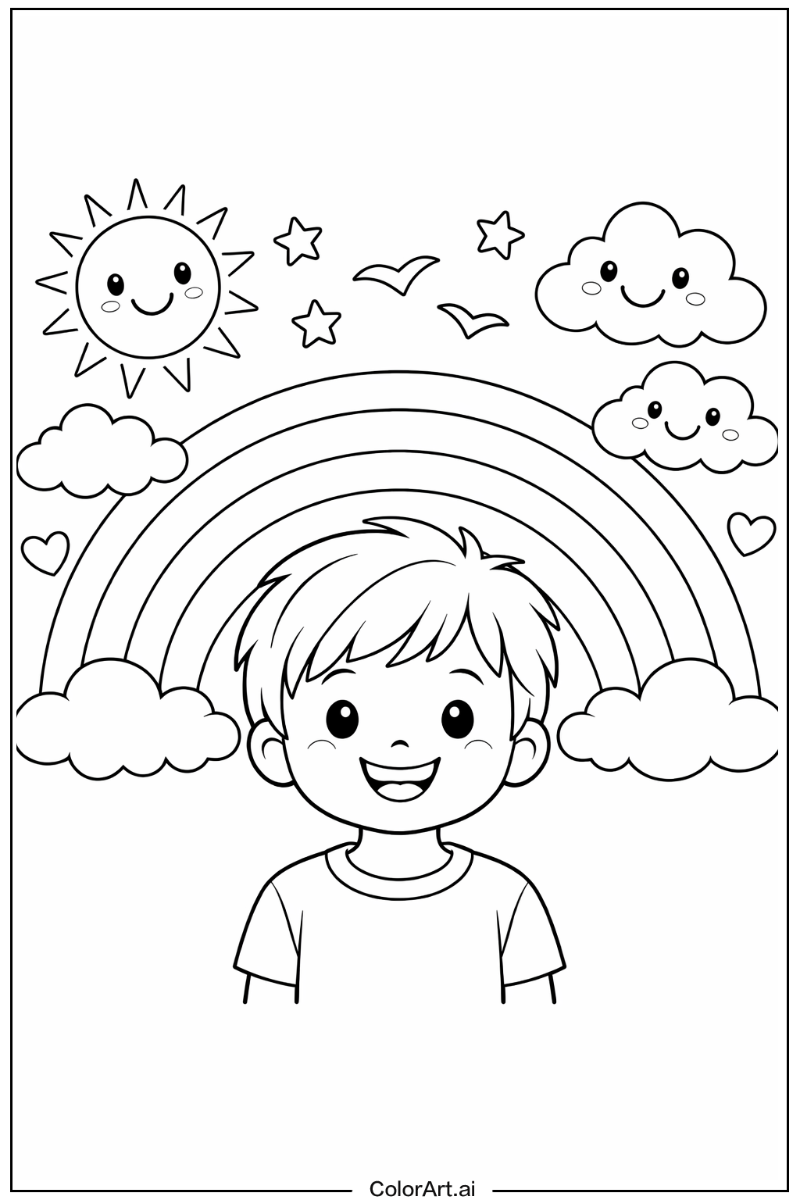
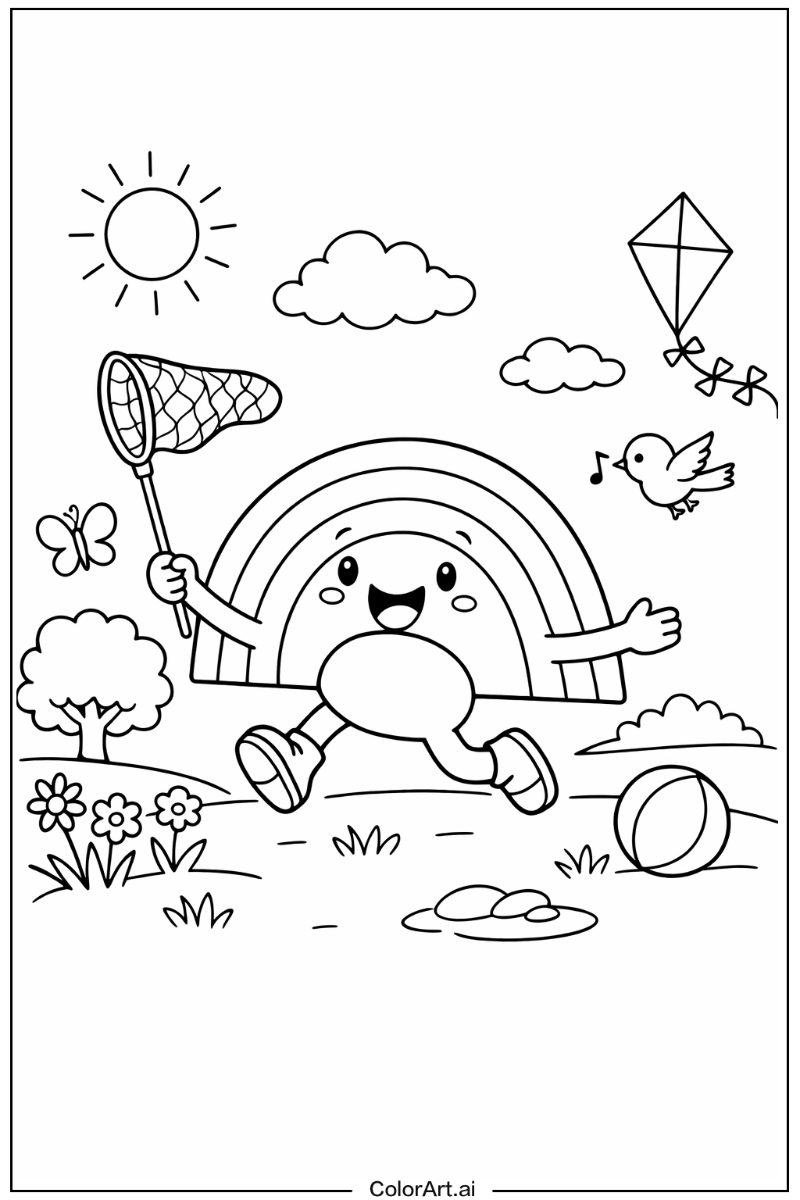
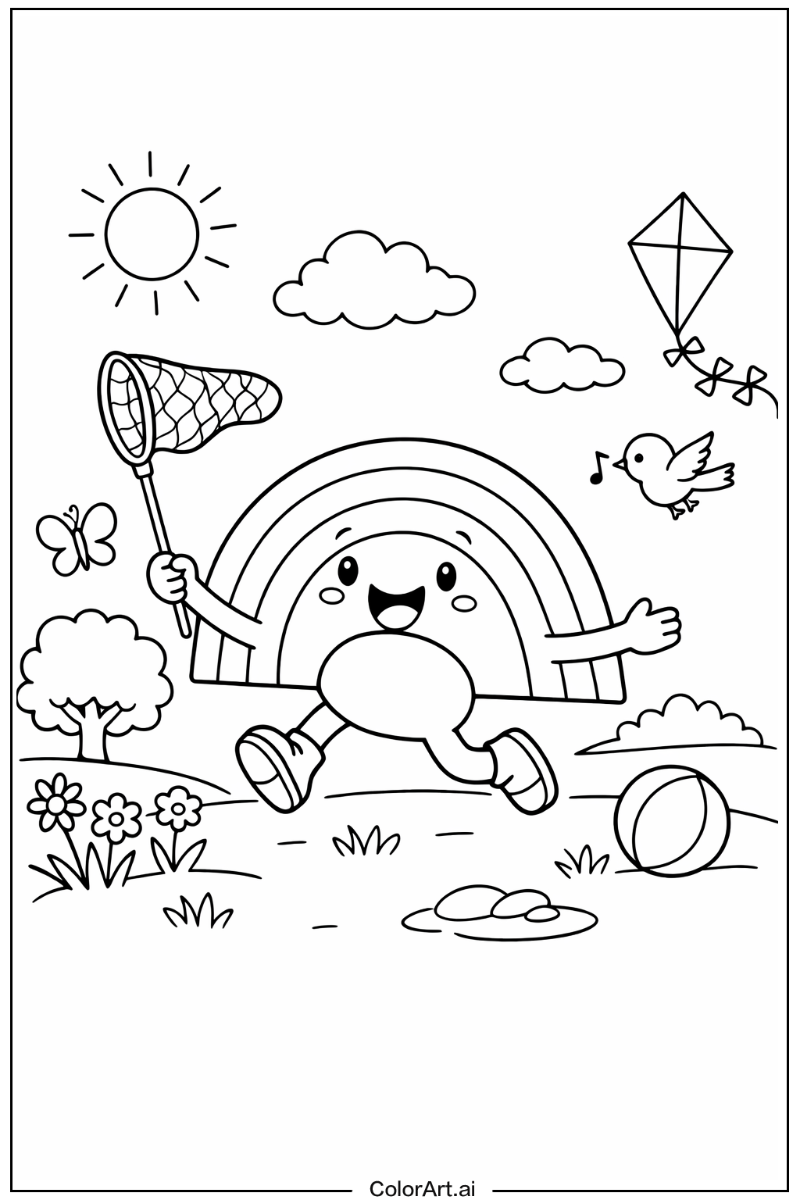
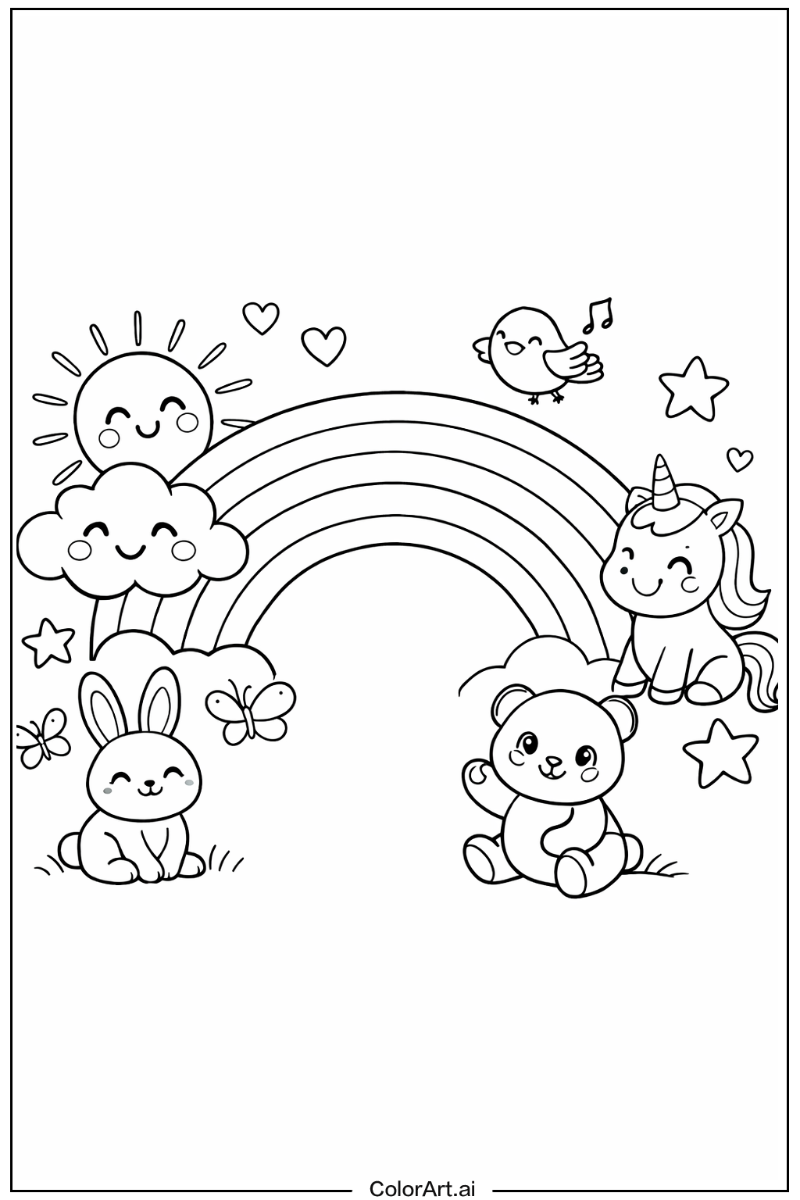
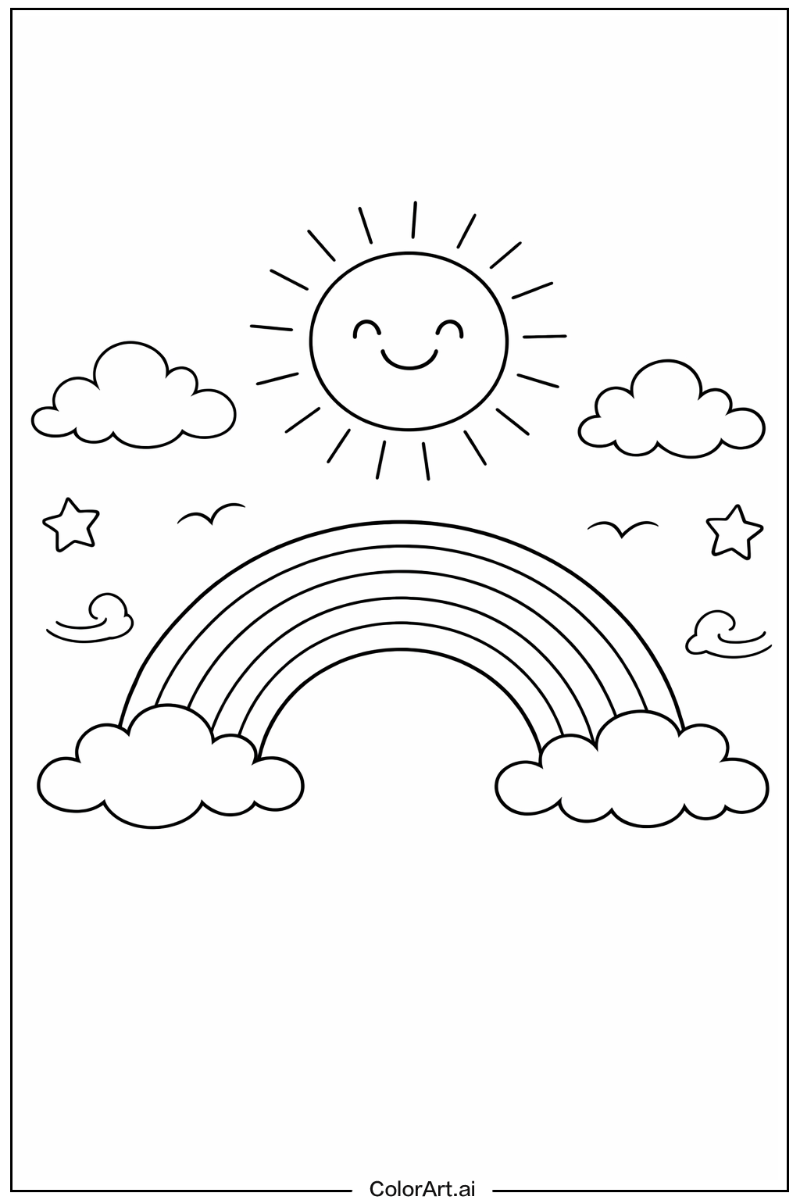
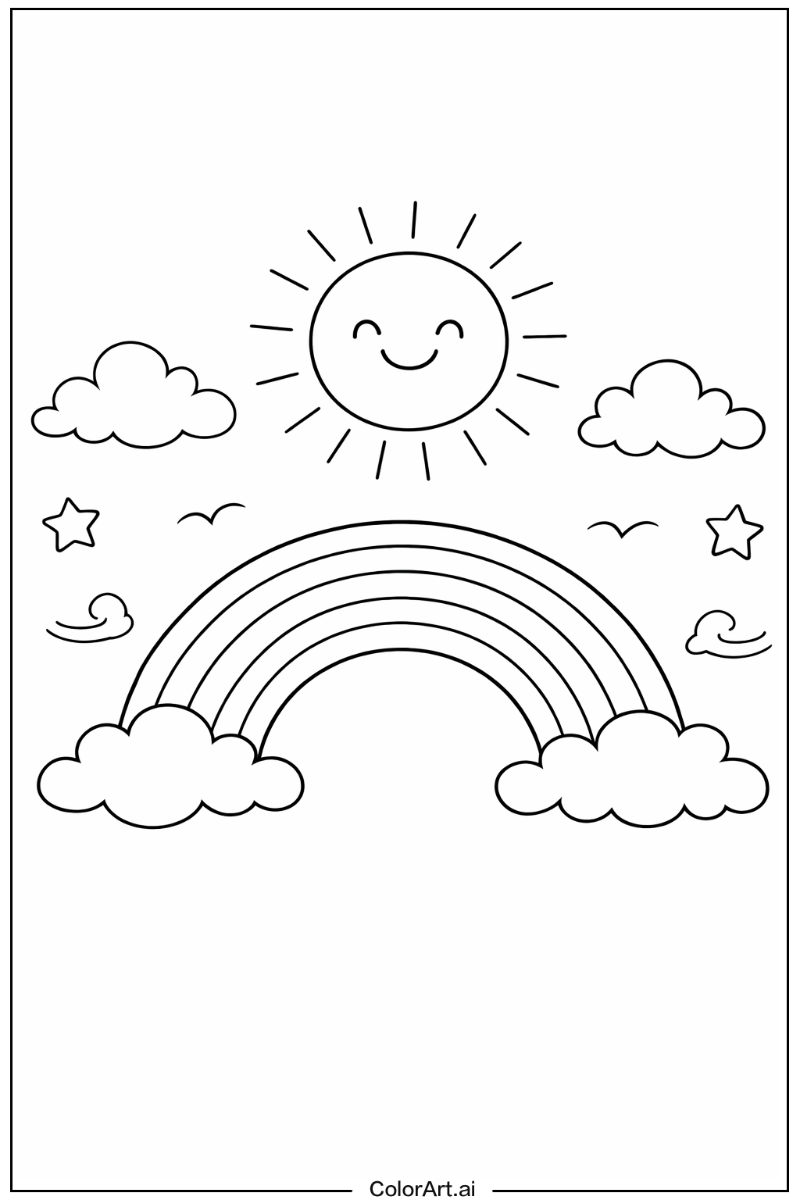
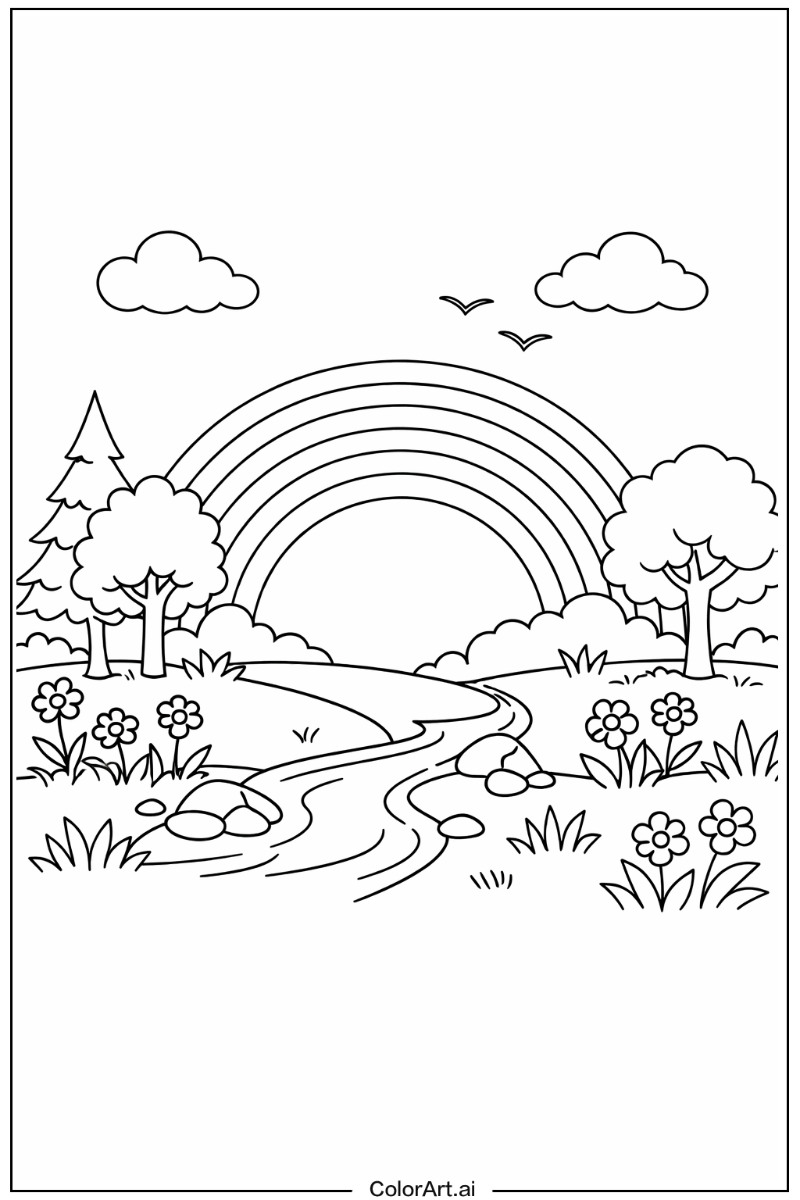
There's something magical about rainbows that captivates both children and adults alike. As I watch my students, their eyes light up at the sight of a vibrant rainbow, I’m reminded of the joy it brings. Rainbows symbolize hope, diversity, and creativity—qualities we cherish in our art classroom. When I introduce rainbow coloring pages, I see the excitement and enthusiasm in my students. Just last week, during a particularly rainy day, I handed out some free printable rainbow coloring pages. The room filled with laughter as my students, like little artists, transformed simple outlines into colorful masterpieces. Each stroke of crayon not only brought the rainbows to life but also sparked conversations about weather and light. It’s these moments that remind me how powerful and interactive rainbow coloring can be!
Group Coloring Pages
 PDF
PDF
 PNG
PNG
 PNG
PNG
 PNG
PNG
 PNG
PNG
 PNG
PNG
 PNG
PNG
 PNG
PNG
 PNG
PNG
 PNG
PNG
 PNG
PNG
 PNG
PNG
 PNG
PNG
 PNG
PNG
 PNG
PNG
 PNG
PNG
 PNG
PNG
 PNG
PNG
 PNG
PNG
 PNG
PNG
 PNG
PNG
 PNG
PNG
 PNG
PNG
 PNG
PNG
 PNG
PNG
 PNG
PNG
 PNG
PNG
 PNG
PNG
 PNG
PNG
 PNG
PNG
 PNG
PNG
 PNG
PNG
 PNG
PNG
 PNG
PNG
Understanding the Science Behind Rainbows
Rainbows are not just beautiful; they are fascinating optical phenomena. Formed by the refraction and reflection of sunlight through water droplets, rainbows display a spectrum of colors: red, orange, yellow, green, blue, indigo, and violet—often referred to by the acronym ROYGBIV. In our classroom, we often discuss the science behind rainbows, integrating fun facts into our coloring sessions. For example, did you know that ancient Greeks were some of the first to study rainbows? Aristotle proposed early theories on light refraction, which still hold true today! As we color, I encourage my students to think about how light interacts with water and how they can see this natural wonder in their everyday lives. This connection between art and science enriches their understanding and appreciation for both subjects.
The Educational Benefits of Rainbow Activities
Rainbow coloring pages offer a multitude of educational benefits that extend beyond mere creativity. They are excellent tools for developing fine motor skills and hand-eye coordination, especially for younger children. In my classes, I’ve observed that when students engage with rainbow coloring pages, they are not only honing their crayon control but also boosting their concentration and focus. For instance, during a recent lesson, I noticed that my student Lily, who typically struggles with attention, was completely absorbed while coloring her rainbow. The vibrant colors and structured patterns helped her stay engaged for an extended period. Moreover, these activities promote emotional well-being by allowing students to express themselves freely. The act of choosing colors and bringing their rainbows to life fosters a sense of accomplishment, enhancing their confidence. By integrating rainbows into various subjects, such as science, art, and geography, we create a holistic learning experience that resonates with students of all ages.
Practical Tips for Coloring Rainbows
When it comes to coloring rainbow pages, a few techniques can elevate the creative experience. Here are my top tips that I often share with my students: First, I encourage them to start with lighter colors and gradually layer in darker shades. This not only creates depth but also helps in understanding color blending. Using high-quality colored pencils or markers can make a significant difference in the final outcome. For younger students, thick crayons work best, as they are easier to grip and control. I also remind my students to take their time and enjoy the process; there's no rush in creating a perfect rainbow! Lastly, creating mixed media rainbows using watercolor or pastels can add an exciting twist. Just last week, my students experimented with watercolors on their rainbow pages, and the results were stunning!
Current Trends in Rainbow Art Education
In 2025, the Italian entertainment company Rainbow, known for its iconic Winx Club, made headlines by acquiring the Geronimo Stilton IP. This expansion indicates a growing trend in integrating colorful and imaginative themes, including rainbows, into educational resources for children. Additionally, there’s a rising movement in classrooms to celebrate diversity through rainbow-themed projects, especially during Pride Month. Just this past June, my students created rainbow banners as part of a collaborative art project, blending lessons on inclusivity with creative expression. It was heartwarming to see how they connected with the theme, showcasing their understanding of rainbows as symbols of unity and acceptance. These trends highlight the importance of embracing rainbows, not just in coloring, but as part of broader educational narratives.
Common Questions About Rainbow Coloring Pages
What age group are rainbow coloring pages suitable for? Rainbow coloring pages cater to a wide range of age groups, from preschoolers to adults. I often adapt the complexity of the designs based on the students’ ages and skill levels.
What materials work best for coloring rainbow pages? For the best results, I recommend using colored pencils for detailed work, markers for bold colors, and crayons for younger children. Using high-quality paper can also enhance the coloring experience.
How should I print rainbow coloring pages for best quality? When printing, ensure you use high-quality settings and standard paper or cardstock for a more durable finish. This way, the vibrant colors will pop, making the rainbows even more engaging!