Welcome to the World of Bugs!
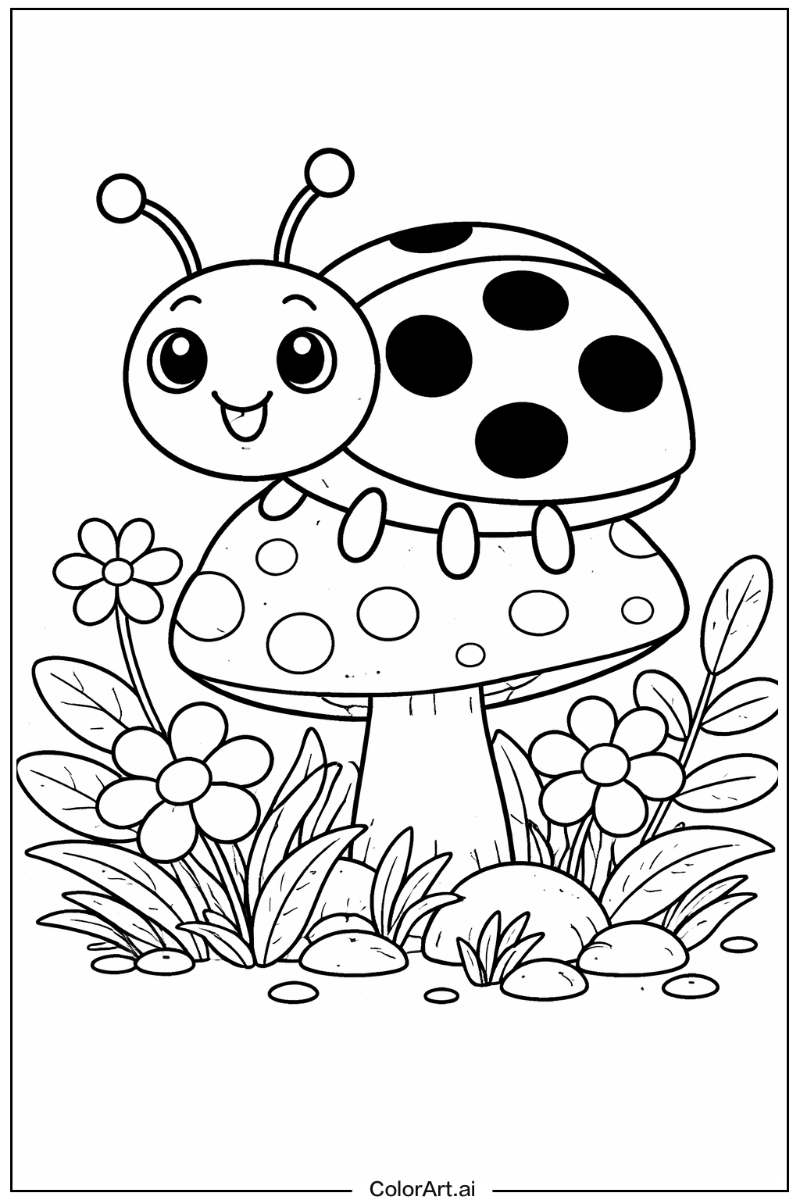
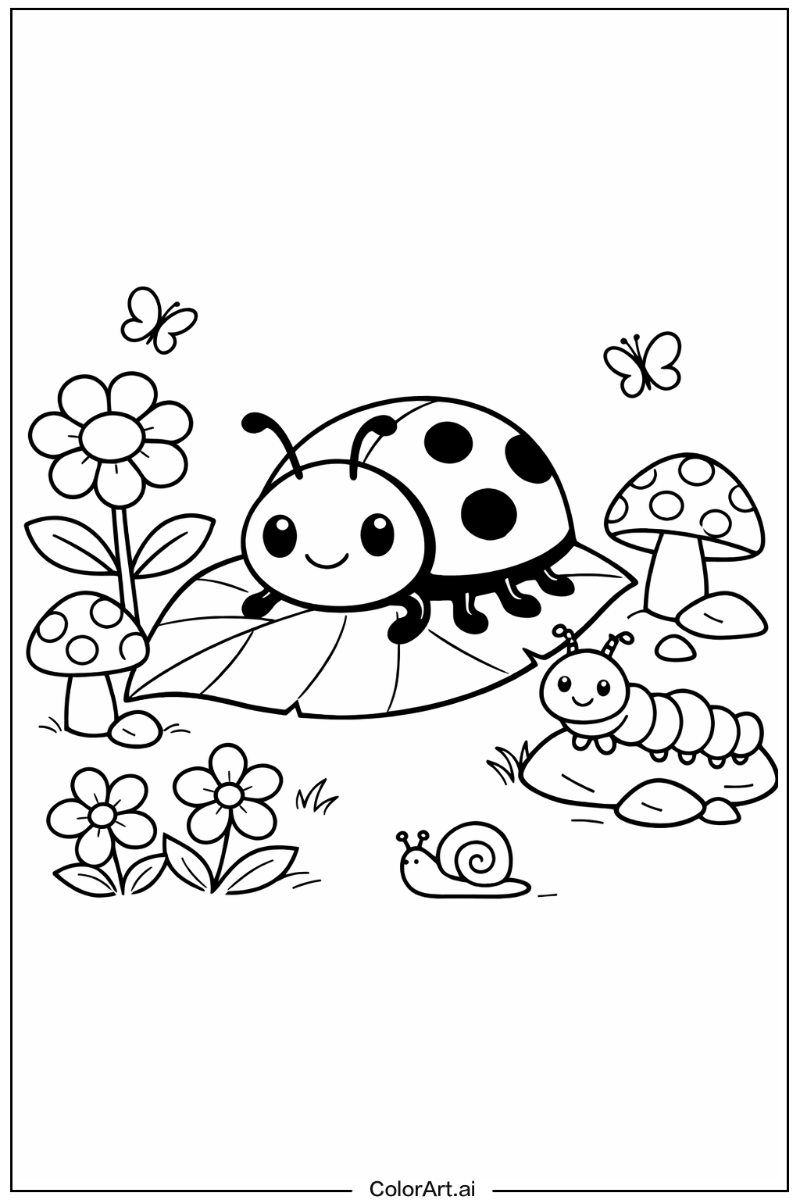
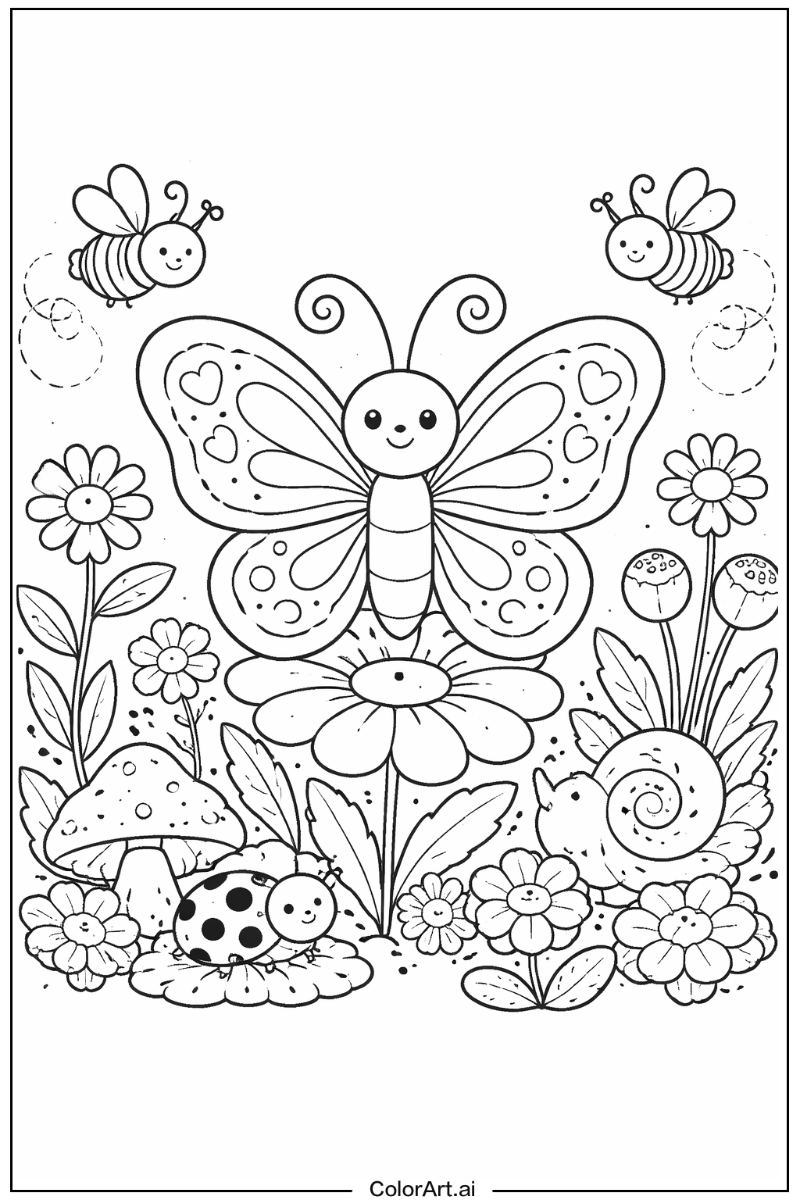
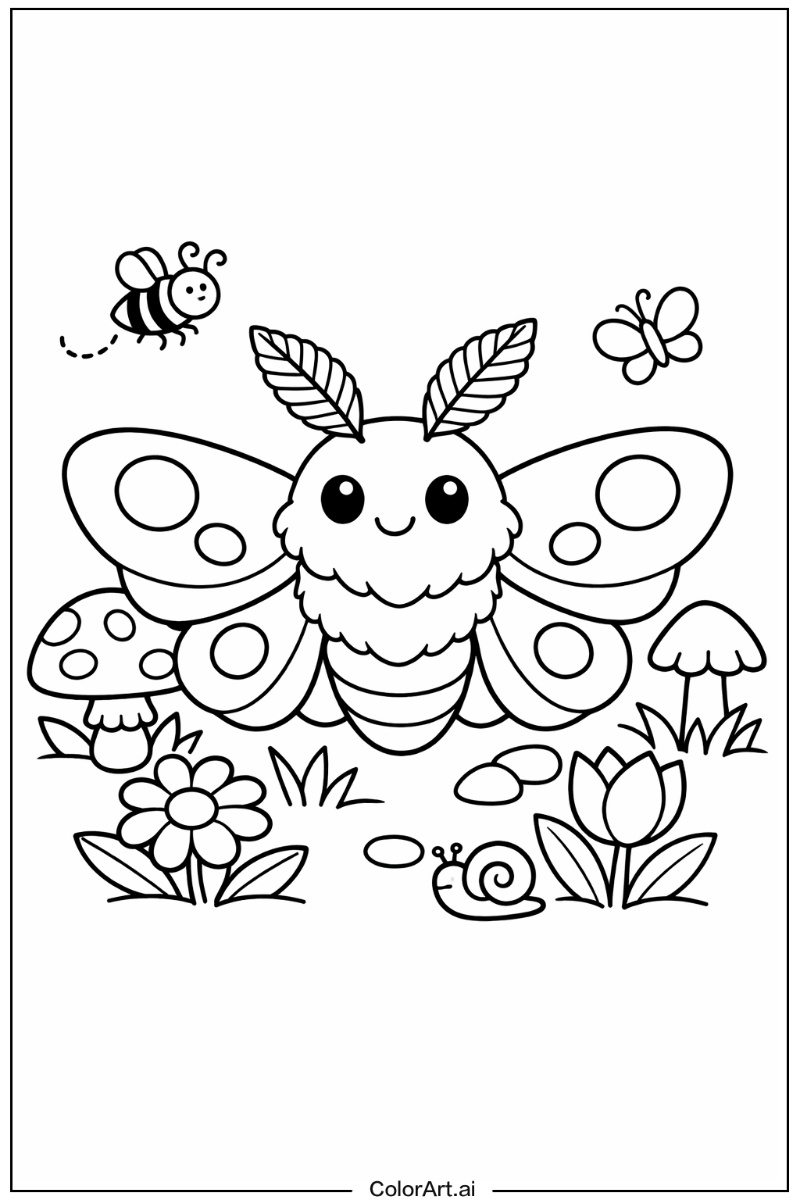
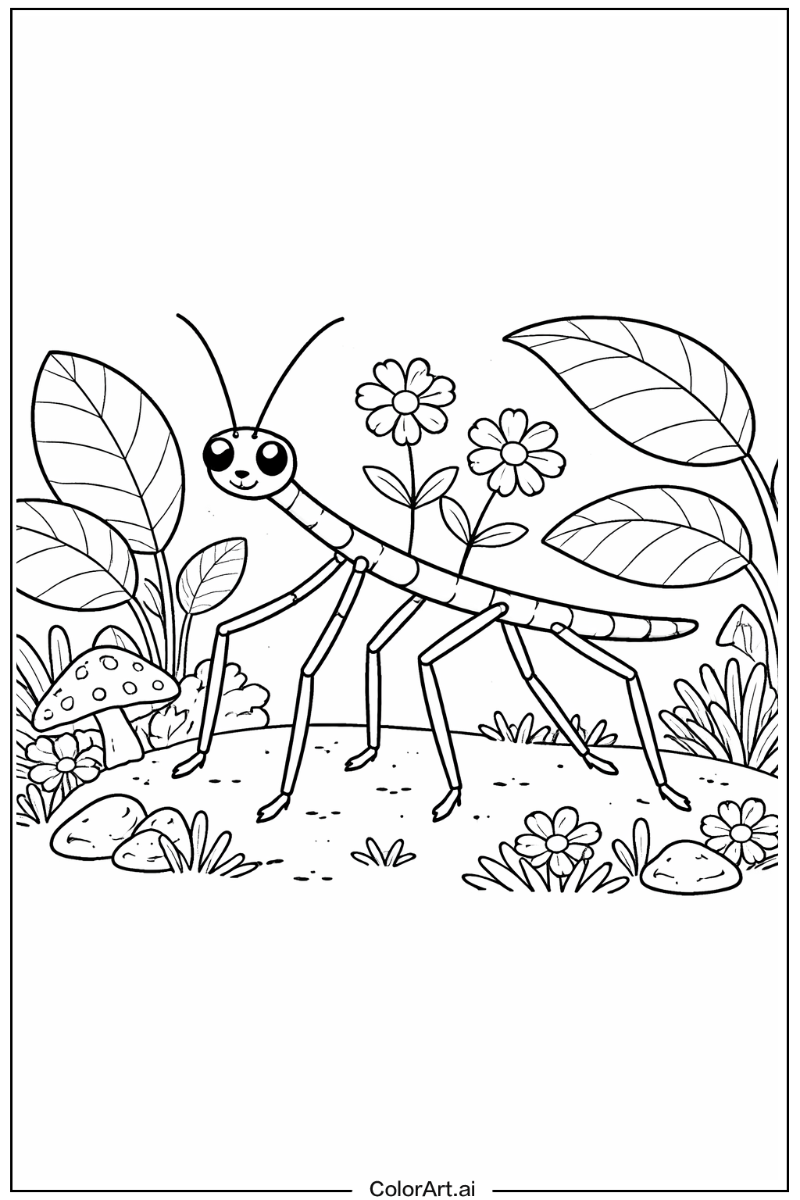
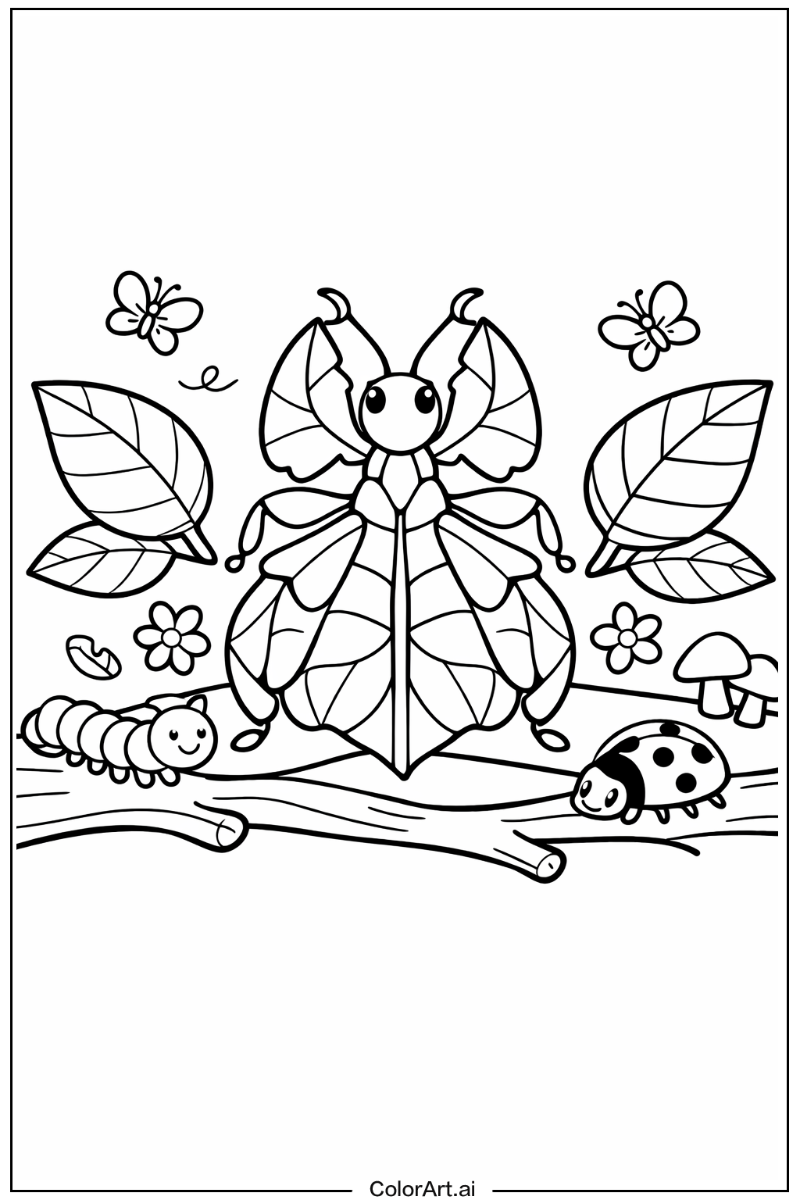
Bugs have always been a source of fascination and curiosity for children. From the fluttering wings of butterflies to the crawling legs of ants, these tiny creatures populate our gardens and play a vital role in the ecosystem. As an elementary art teacher, I’ve found that introducing bug coloring pages not only sparks creativity among my students but also serves as a gateway to learning about nature. I still remember the day my kindergartners, led by little Emma, erupted into a chorus of excitement when we started our bug unit. They couldn’t wait to color in their favorite bugs, and it was heartwarming to see how their imaginations took flight with every crayon stroke. Today, let’s explore the joy and educational value of bug coloring pages!
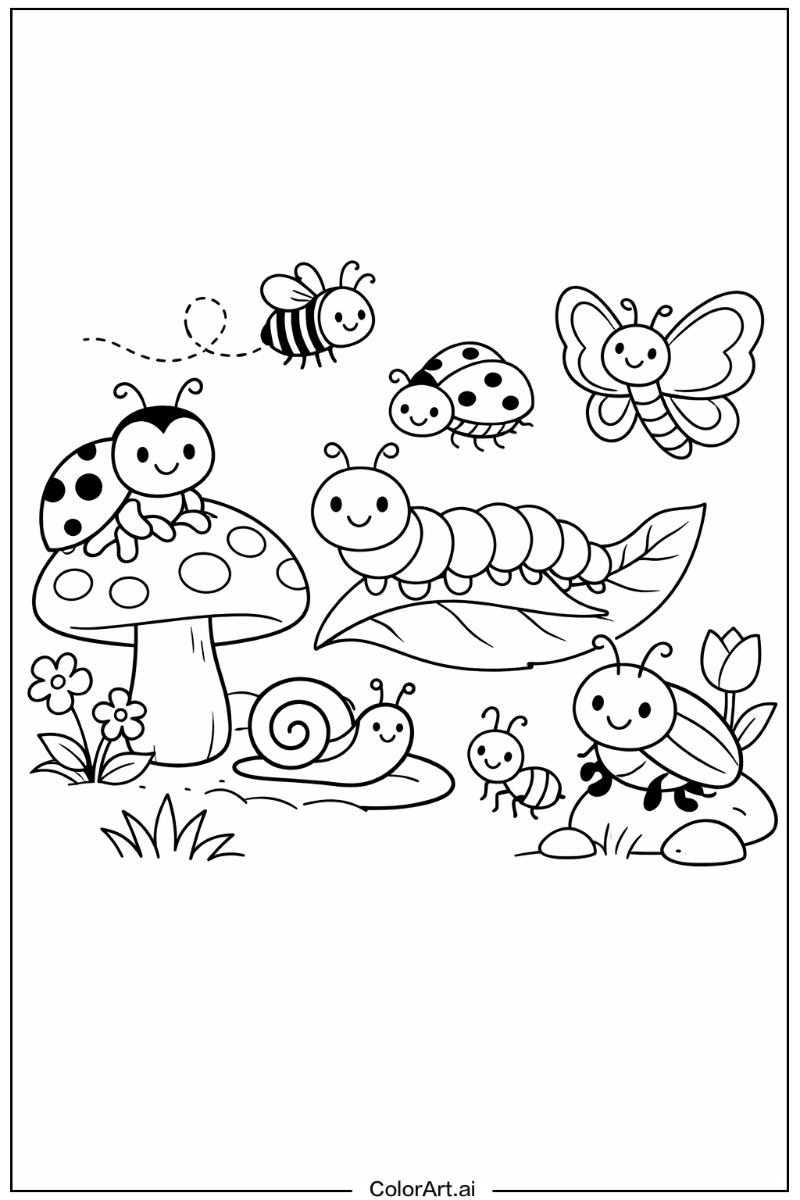
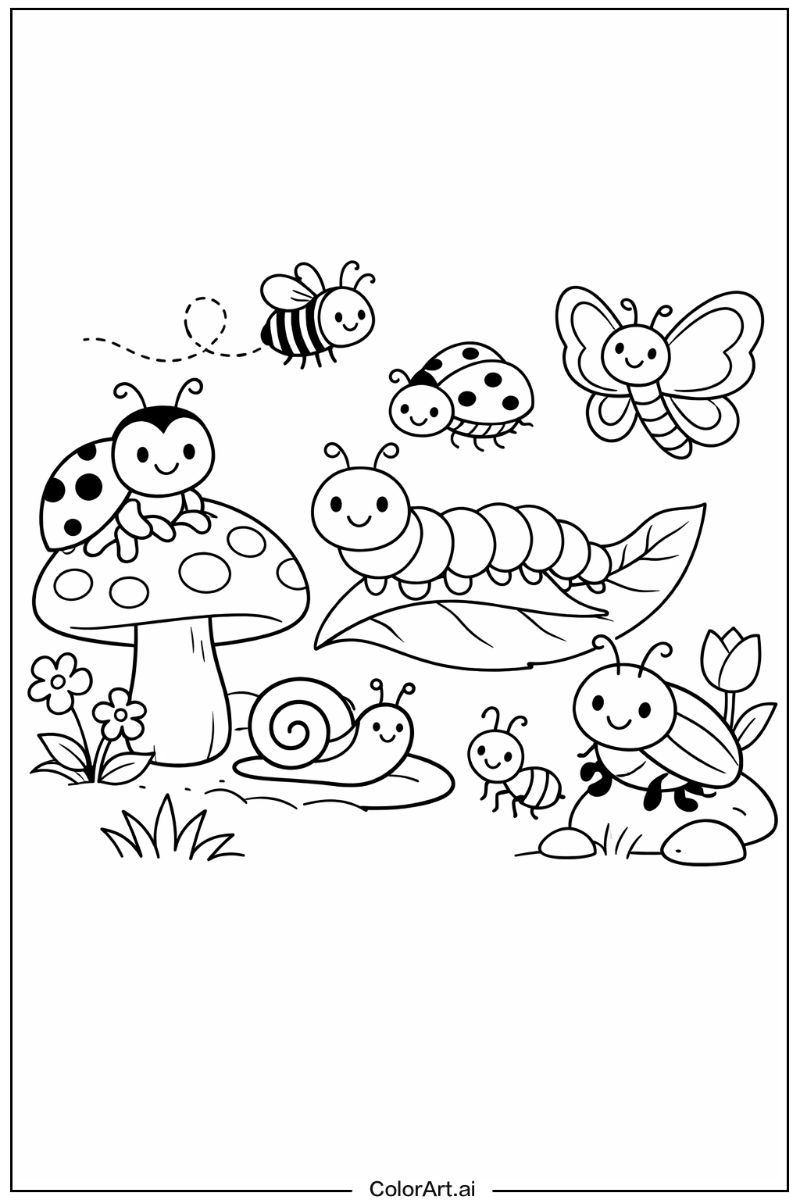
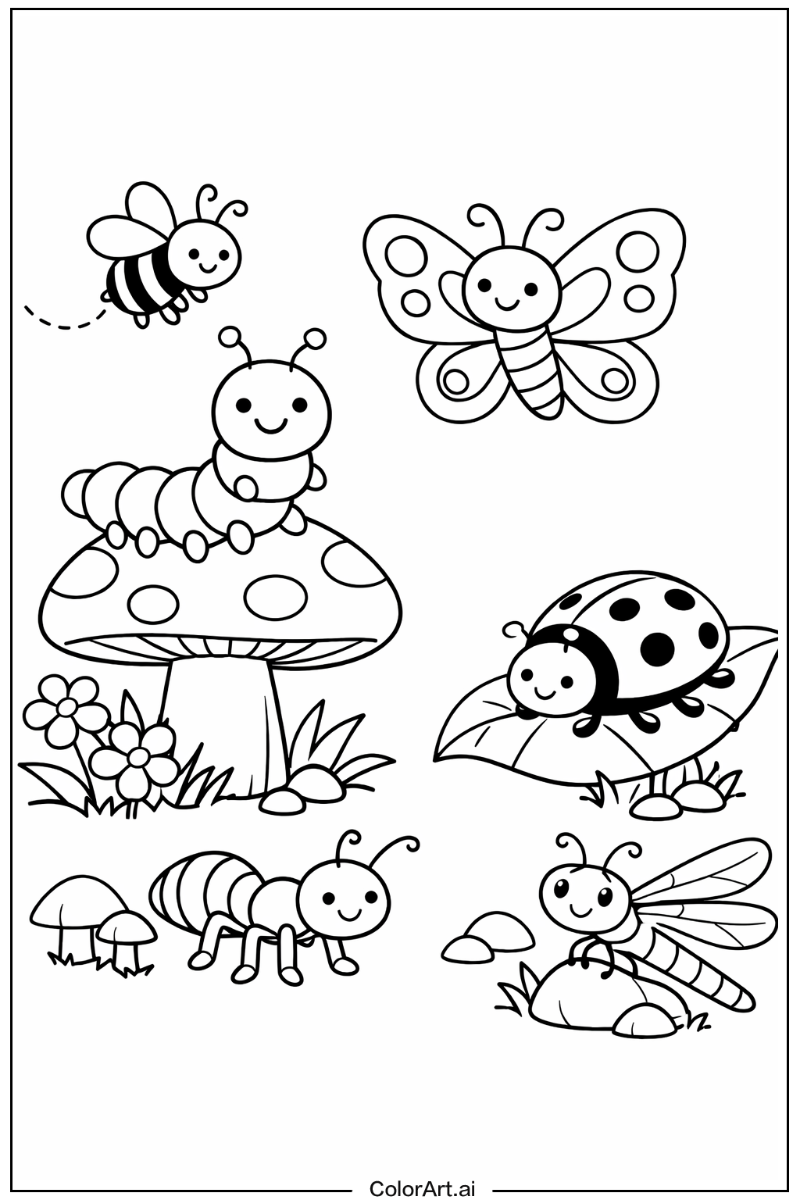
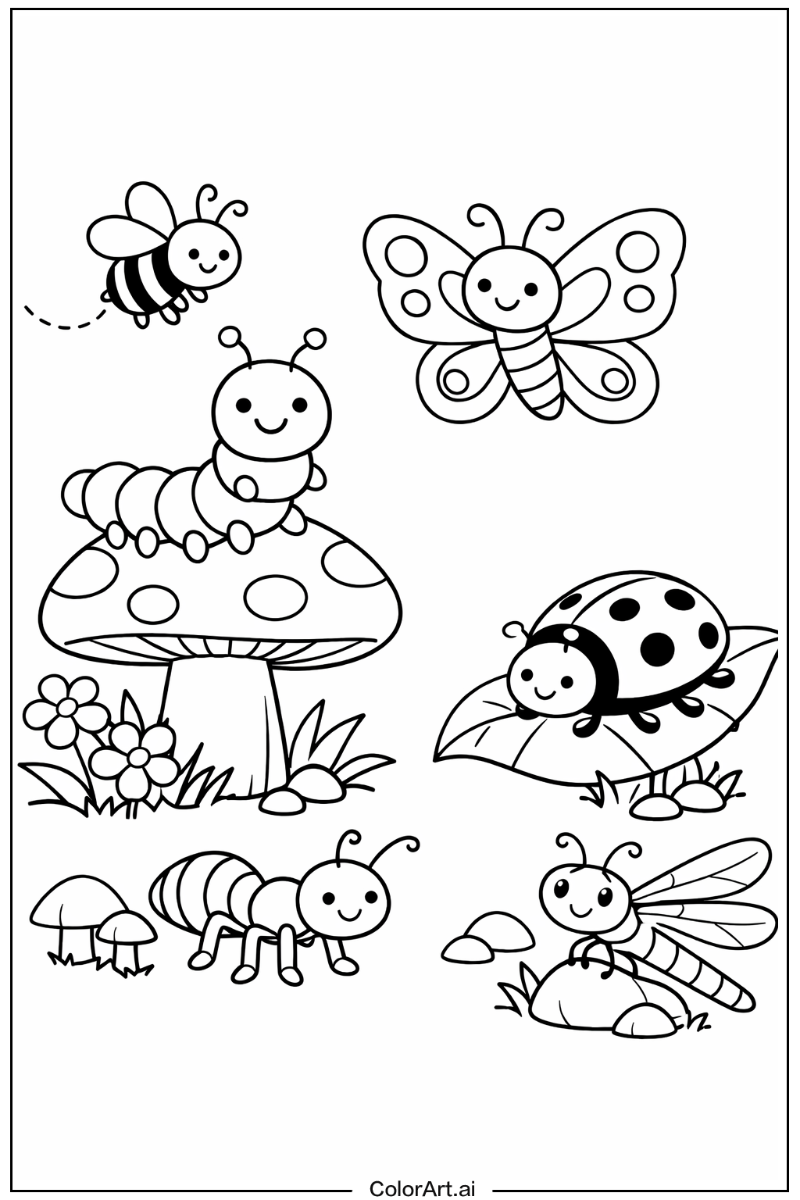
Group Coloring Pages
 PDF
PDF
 PNG
PNG
 PNG
PNG
 PNG
PNG
 PNG
PNG
 PNG
PNG
 PNG
PNG
 PNG
PNG
 PNG
PNG
 PNG
PNG
 PNG
PNG
 PNG
PNG
 PNG
PNG
 PNG
PNG
 PNG
PNG
 PNG
PNG
 PNG
PNG
 PNG
PNG
 PNG
PNG
 PNG
PNG
 PNG
PNG
 PNG
PNG
 PNG
PNG
 PNG
PNG
 PNG
PNG
 PNG
PNG
 PNG
PNG
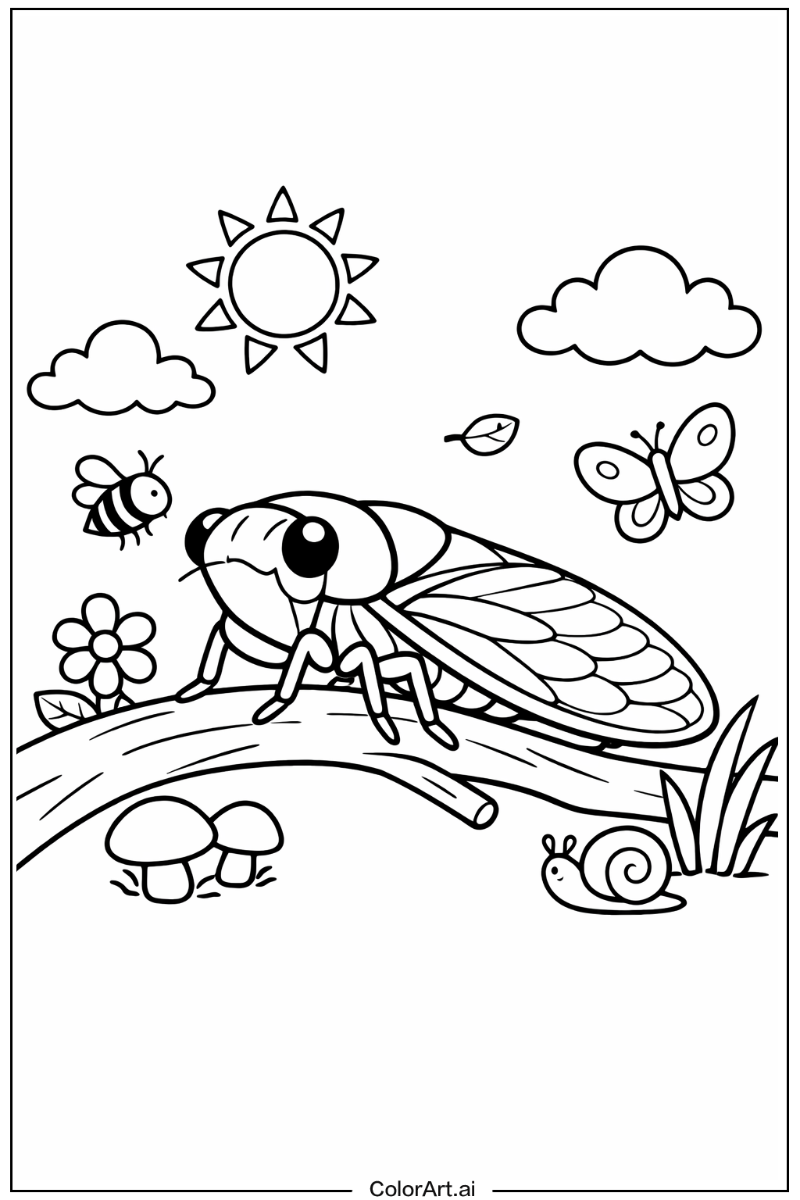
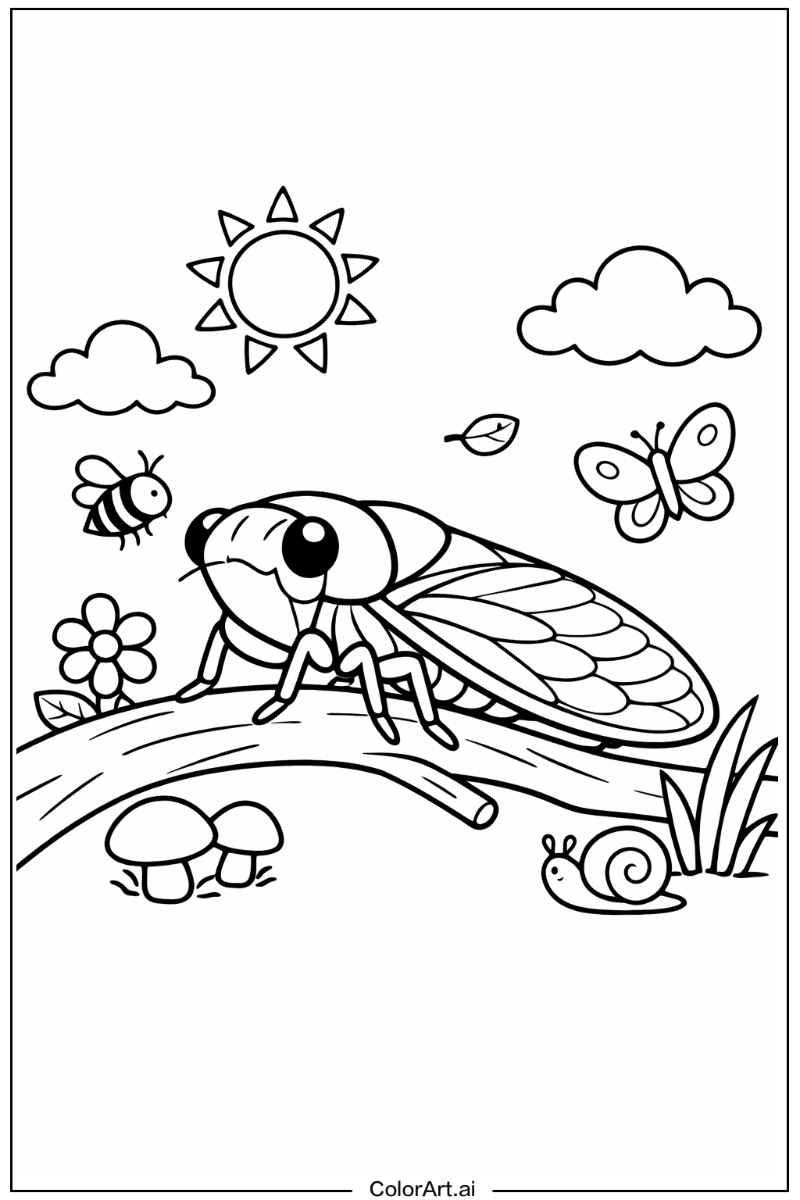 PNG
PNG
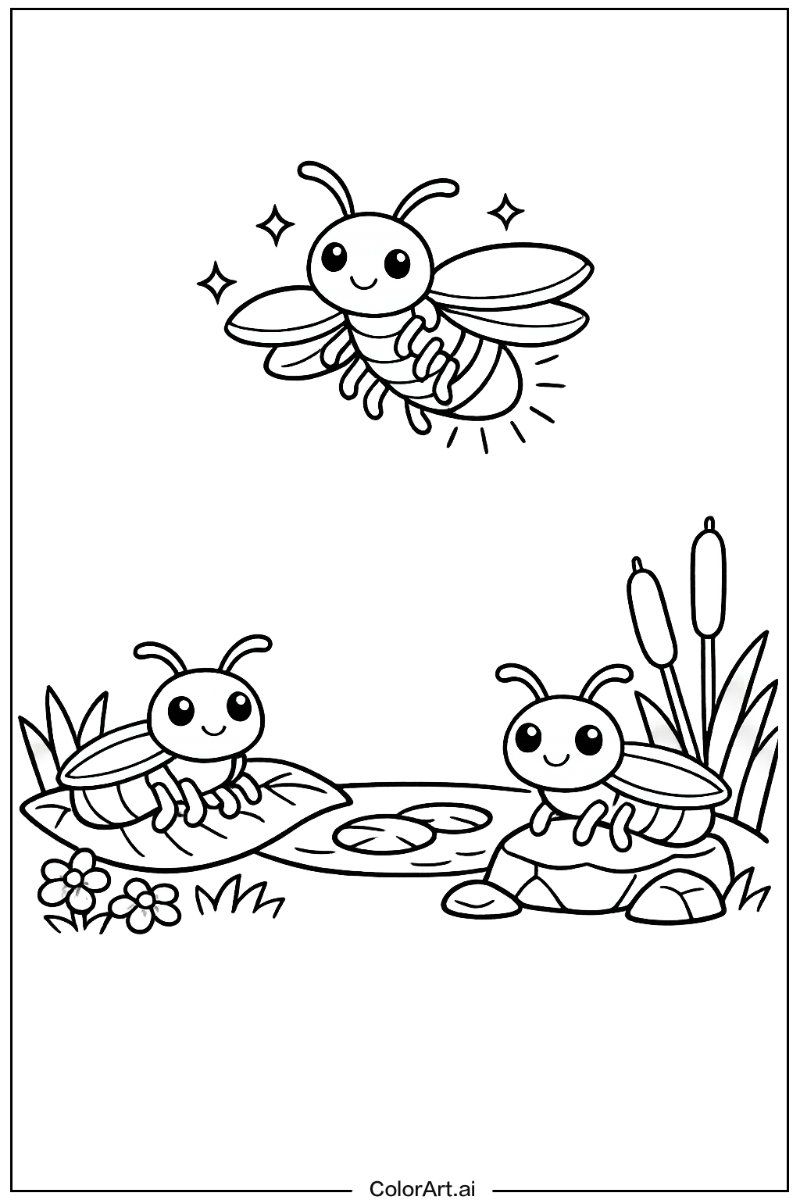
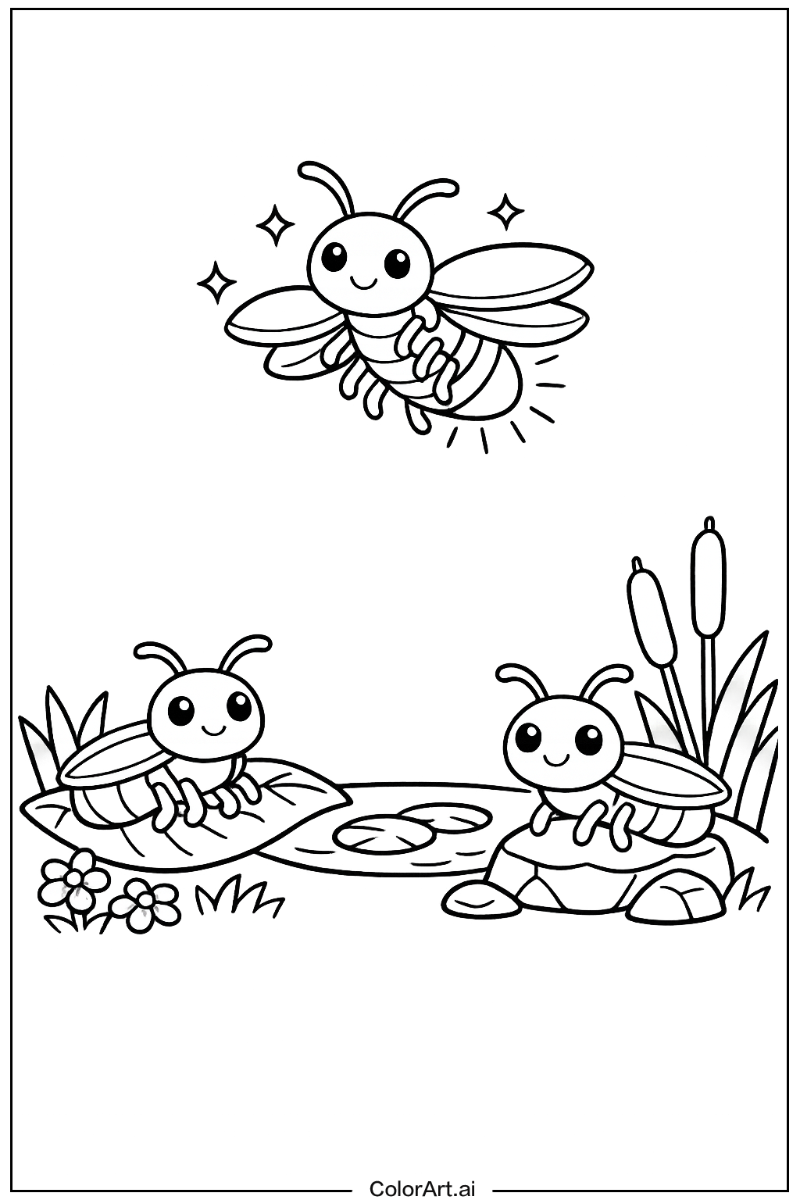 PNG
PNG
 PNG
PNG
 PNG
PNG
 PNG
PNG
 PNG
PNG
 PNG
PNG
 PNG
PNG
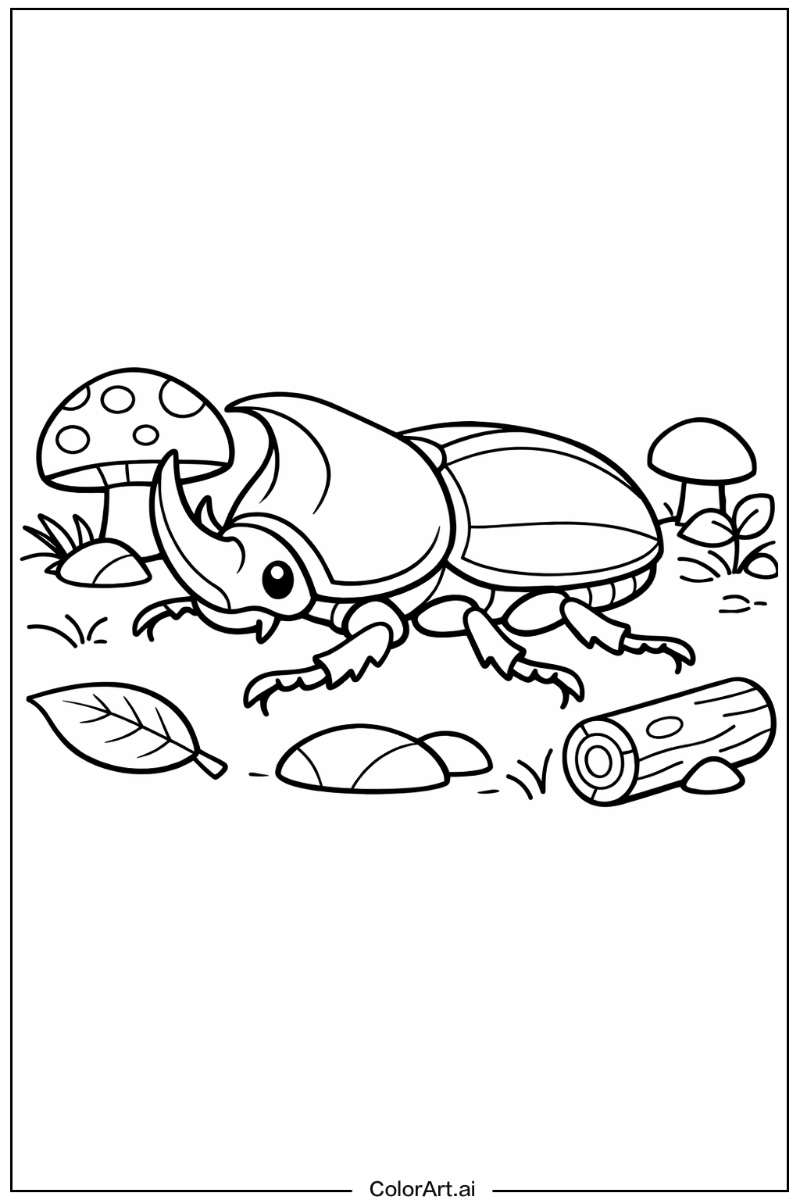
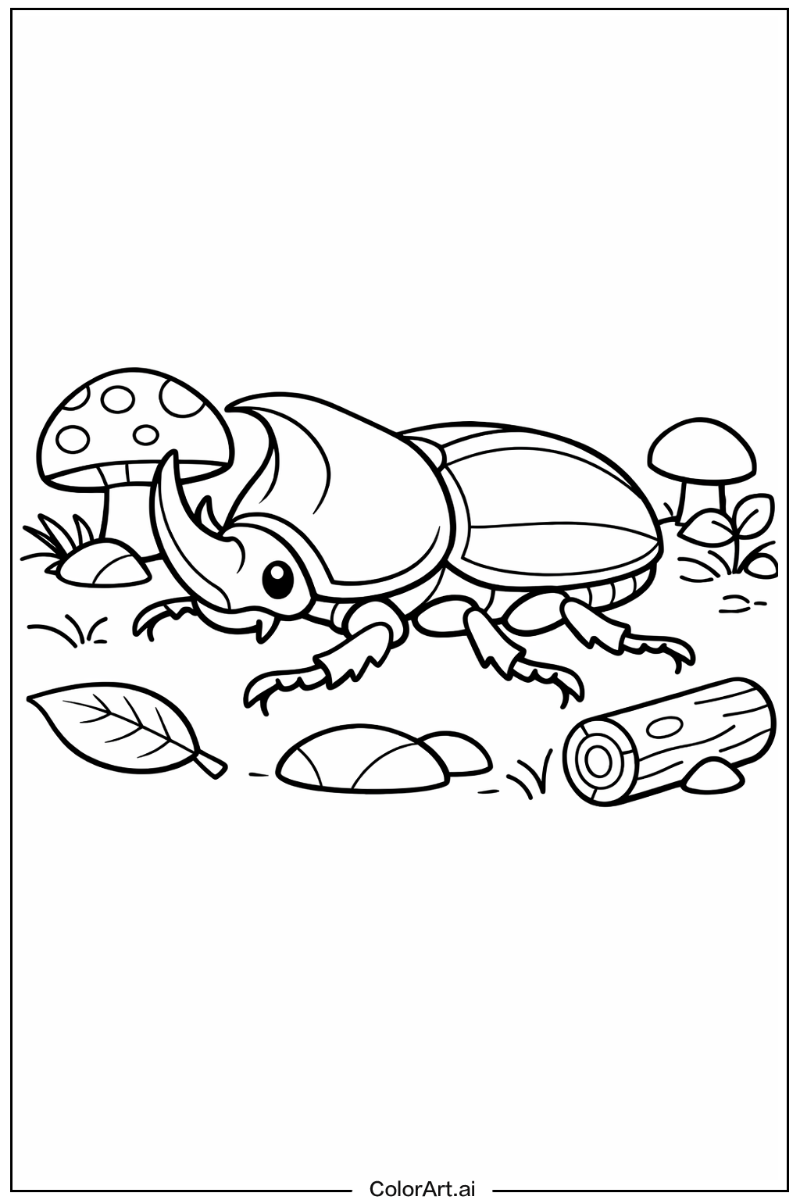 PNG
PNG
Understanding Bugs: What We Can Learn
Bugs, also known as insects, belong to the class Insecta and are characterized by their segmented bodies, exoskeletons, and jointed legs. Wikipedia offers a comprehensive look into the world of bugs, including their scientific classification and biological significance. Bugs can be found in diverse environments, playing crucial roles as pollinators, decomposers, and even as food for other animals. In my classroom, we often look at interesting Wikipedia articles about bugs to inspire discussions among students. They love discovering unique facts, like how ladybugs can eat up to 5,000 aphids in their lifetime! These engaging facts make bug coloring pages not just fun but educational as well, as they connect art to real-world science.
The Classroom Benefits of Bug Activities
Bug coloring pages can significantly enhance educational outcomes in various ways. For one, they help develop fine motor skills and hand-eye coordination—both crucial for young learners. When my first graders color in the intricate patterns of a butterfly’s wings, I notice their grip on crayons improves, and they become more adept at staying within the lines. Furthermore, coloring activities encourage concentration and focus. During our bug-themed week, I observed that students were able to maintain attention longer while coloring than during traditional lesson formats. They were immersed in the details of their bugs, learning about anatomy and colors naturally. Incorporating science lessons into our coloring sessions fosters a deeper understanding of biodiversity, making it a multi-sensory learning experience.
Practical Bug Coloring Techniques
When it comes to coloring bugs, I always encourage my students to explore various techniques to enhance their creations. Here are some of my favorite tips that I share with them:
- Start with a Light Base: Encourage kids to first color with lighter shades. This allows them to build layers and add depth to their bug designs.
- Experiment with Patterns: Bugs often have intricate designs. I suggest students look closely at pictures of real bugs and try to replicate those patterns, which not only improves their artistic skills but also helps them observe details in nature.
- Use Mixed Media: Don’t limit coloring to crayons! In my classroom, we often use colored pencils, markers, and even watercolors to bring our bugs to life. Each medium offers a different texture and look!
One memorable moment was when my students combined watercolors with oil pastels for a vibrant bug project. The results were stunning and showcased their creativity!
Current Trends in Bug Art Education
In recent years, the awareness of insect populations and their ecological significance has surged. Bug coloring pages have become an essential tool in classrooms, especially as studies reveal alarming declines in insect abundance due to climate change and habitat loss. I recently read a report predicting that bumblebee populations in North America have declined by nearly 46%. This reality emphasizes the importance of teaching our students about bugs and their ecosystems. In my class, we now incorporate discussions on why we need to protect these creatures while we color. We’ve even started a 'bug of the week' project where students research and present information about different bugs, making our coloring sessions more meaningful. As we color, we talk about the roles these bugs play in our environment, blending art with critical conservation topics.
Common Questions About Bug Coloring Pages
Q: What ages are bug coloring pages suitable for?
A: Bug coloring pages can be enjoyed by children of all ages! I’ve seen preschoolers as young as three engage with simple bug shapes, while older kids can tackle more detailed designs. They’re also great for adults who want to relax or explore their artistic side.
Q: How long does it take to complete a bug coloring page?
A: It typically depends on the complexity of the page and the age of the child. Younger kids may spend 15-20 minutes, while older children and adults might take longer, especially if they decide to add intricate details.
Q: Can I use bug coloring pages for educational purposes?
A: Absolutely! Bug coloring pages are perfect for educational use. They can be integrated into science lessons about insects, ecosystems, and biodiversity.