Celebrating the Grace of Ballet Through Coloring
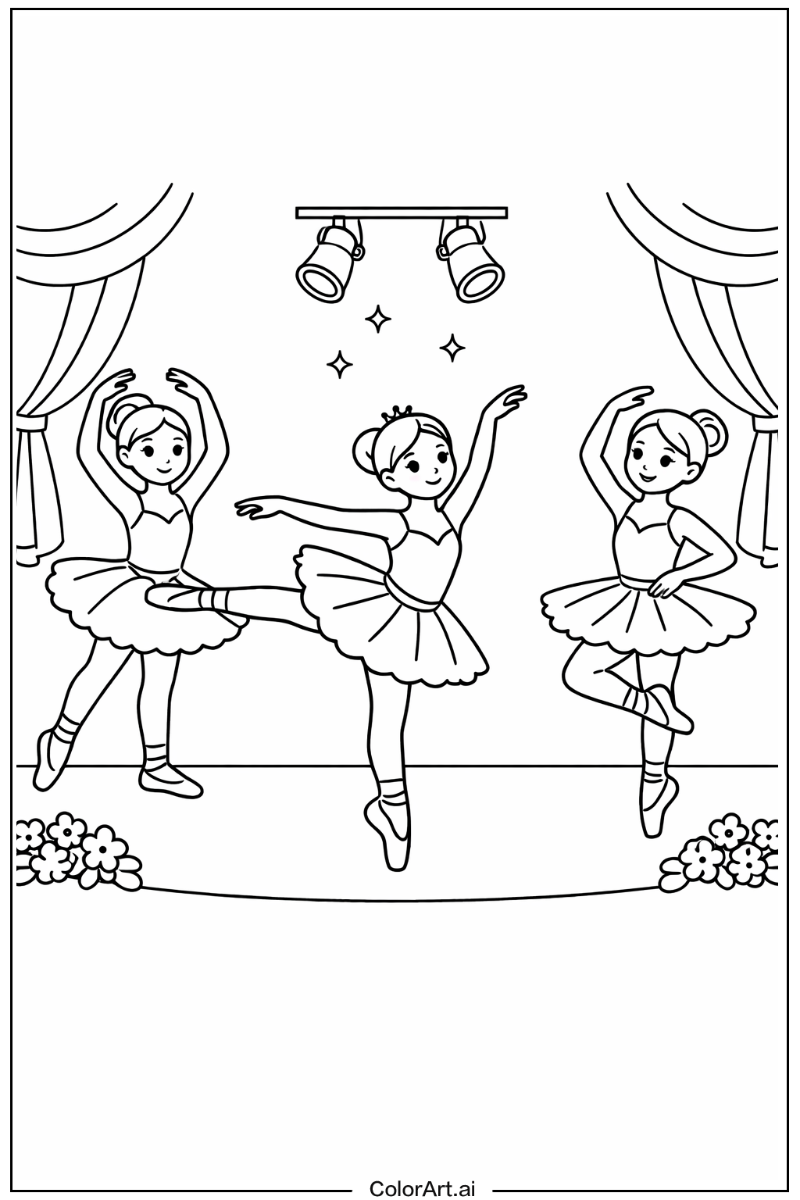
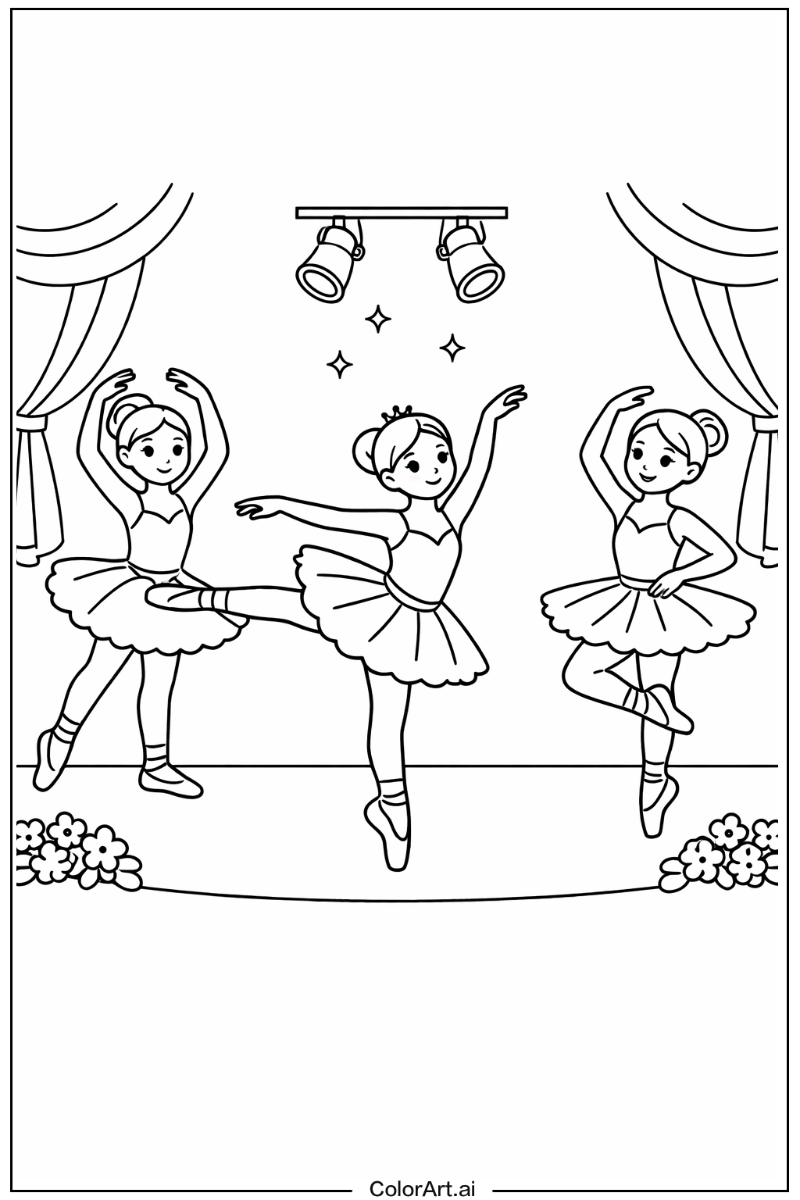
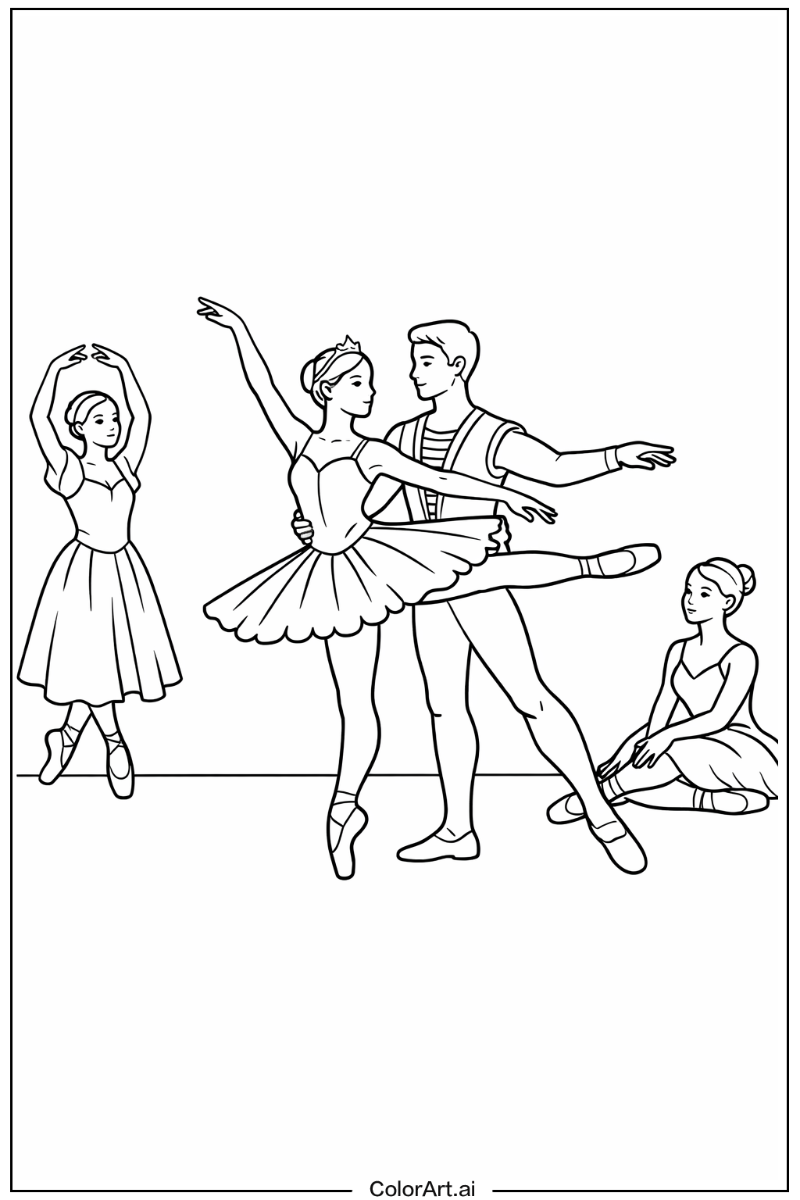
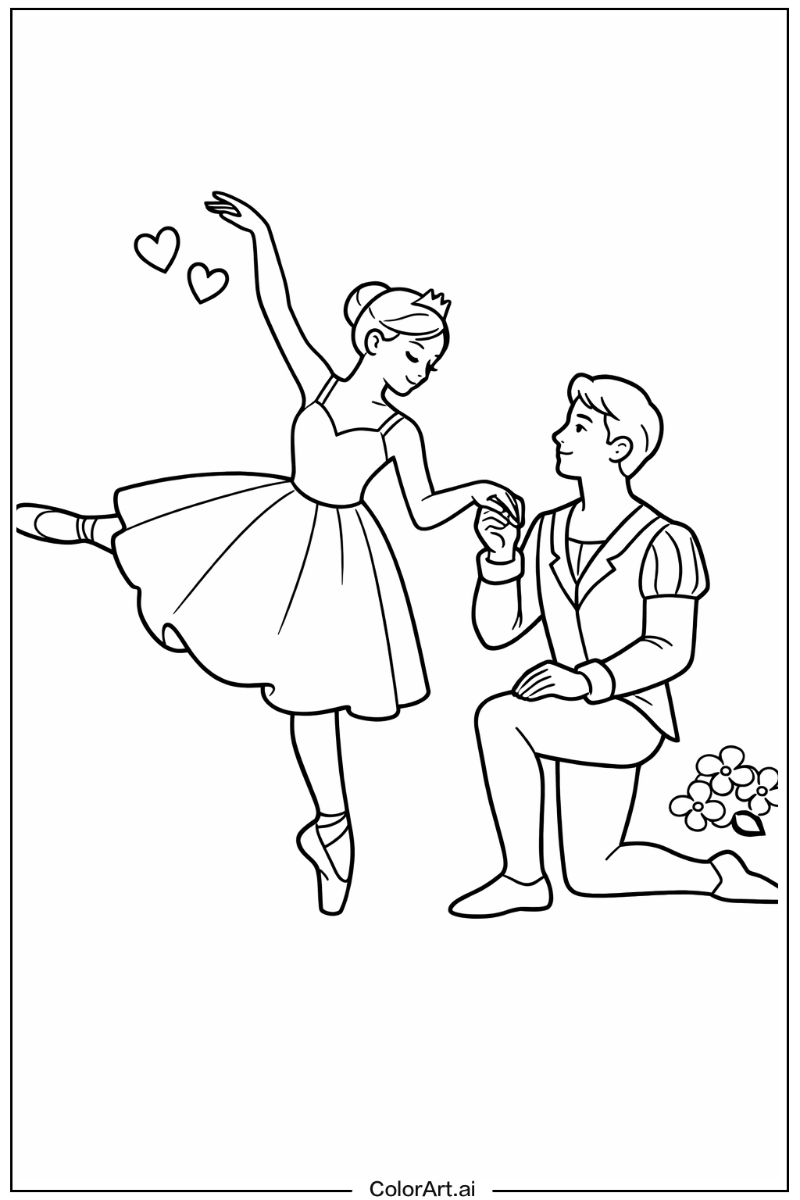
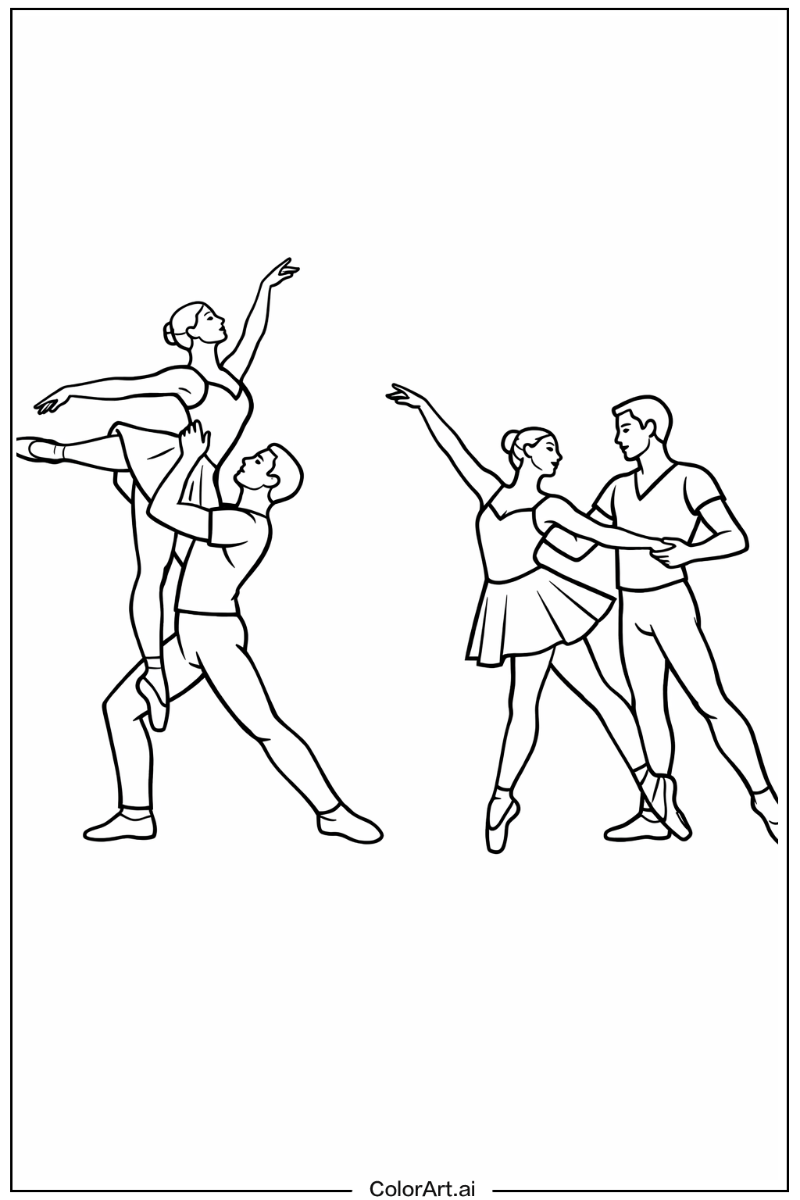
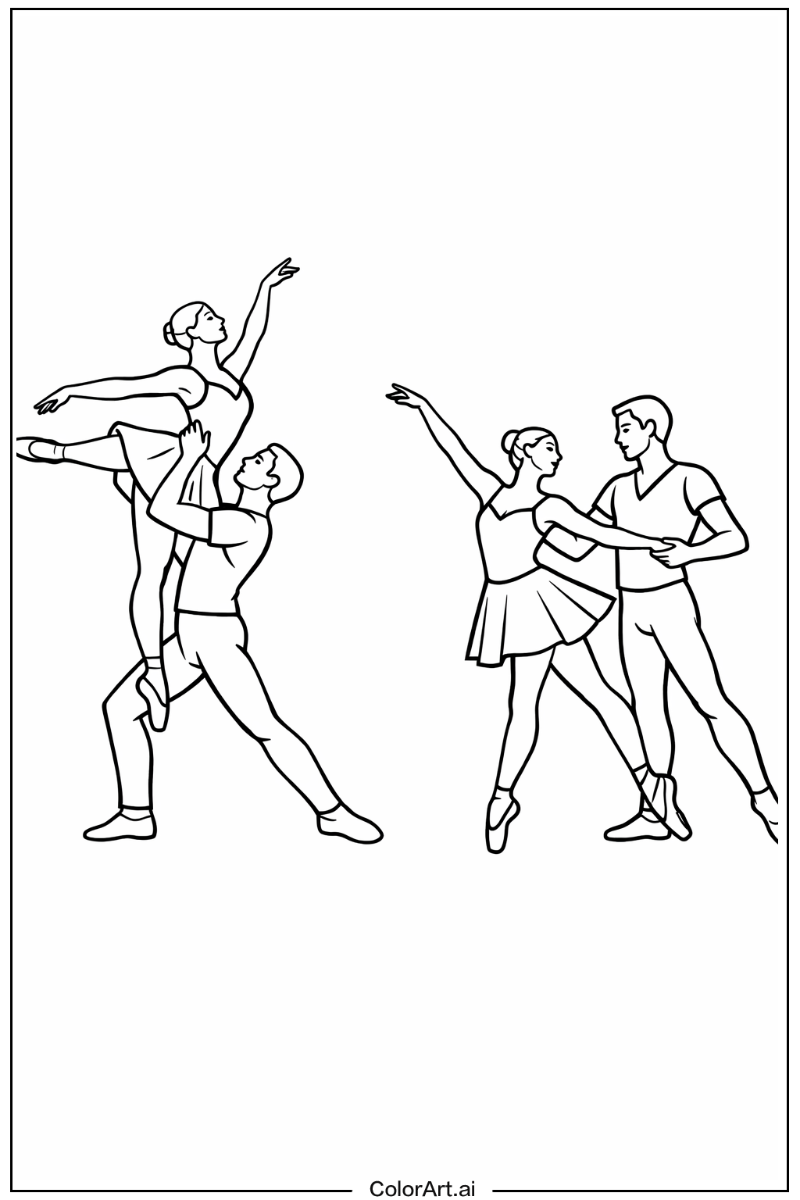
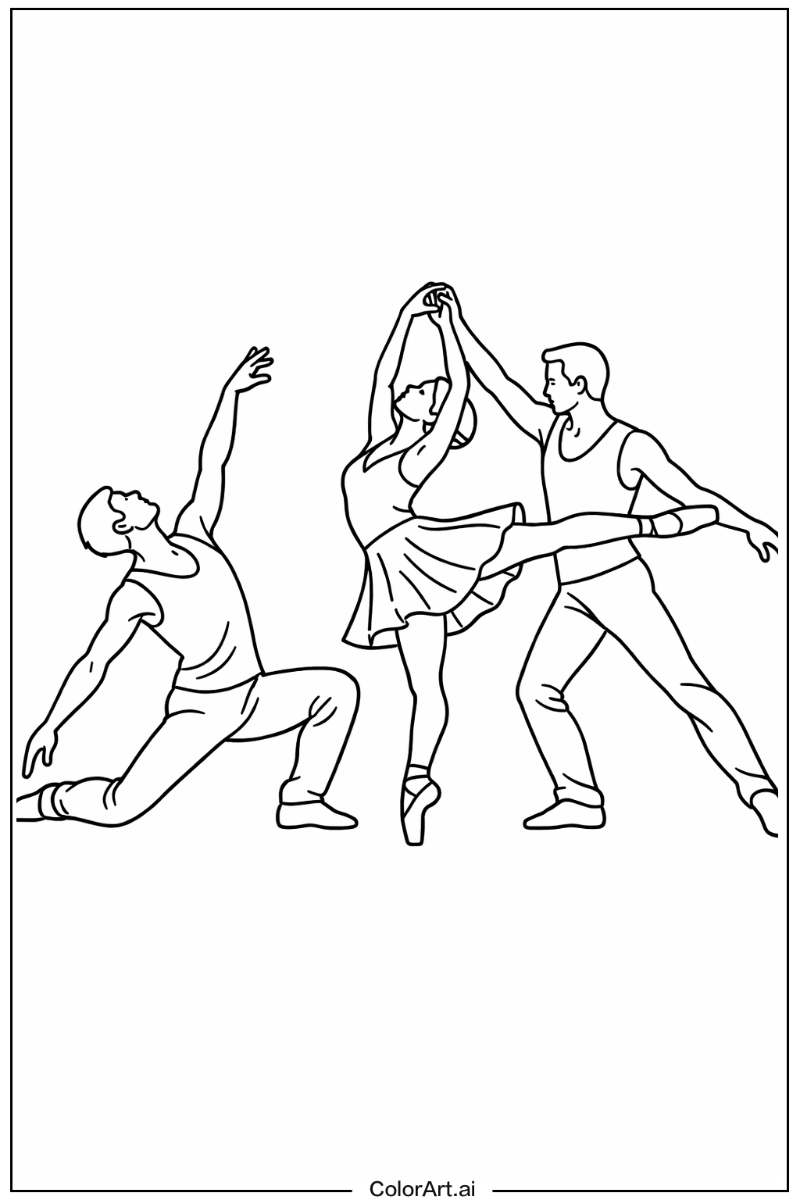
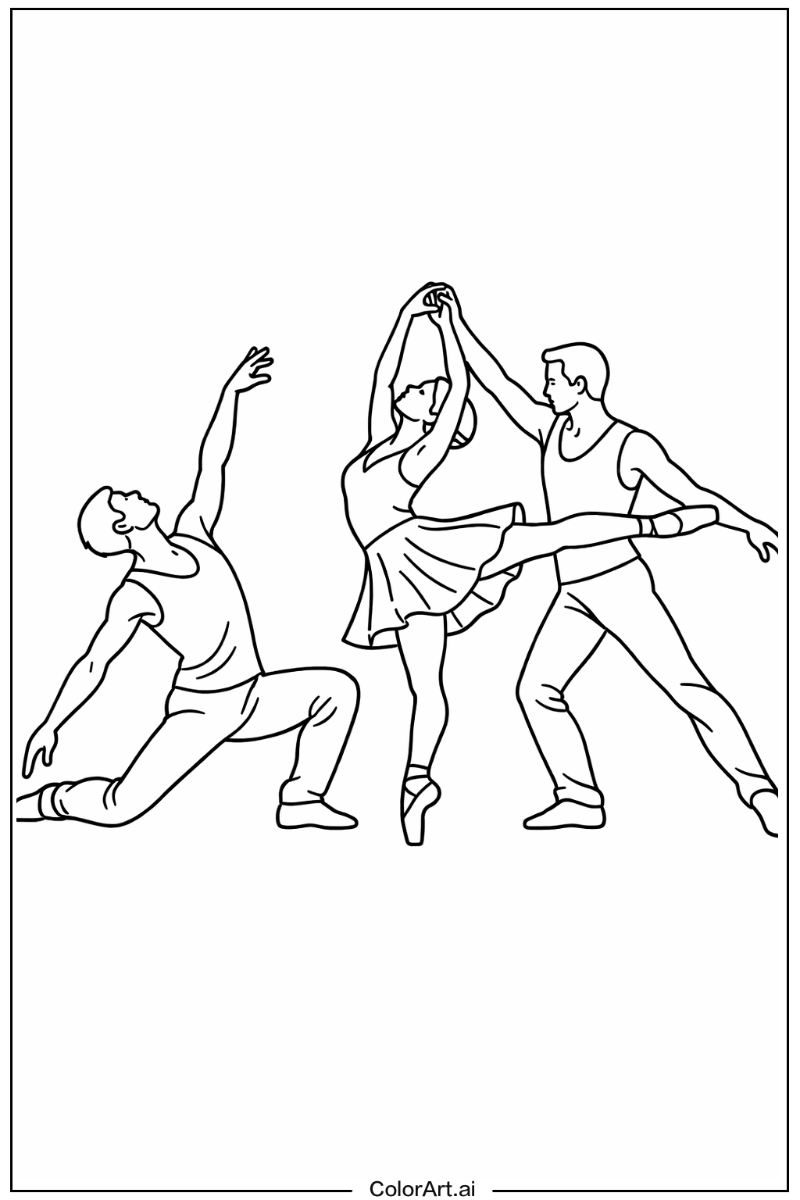
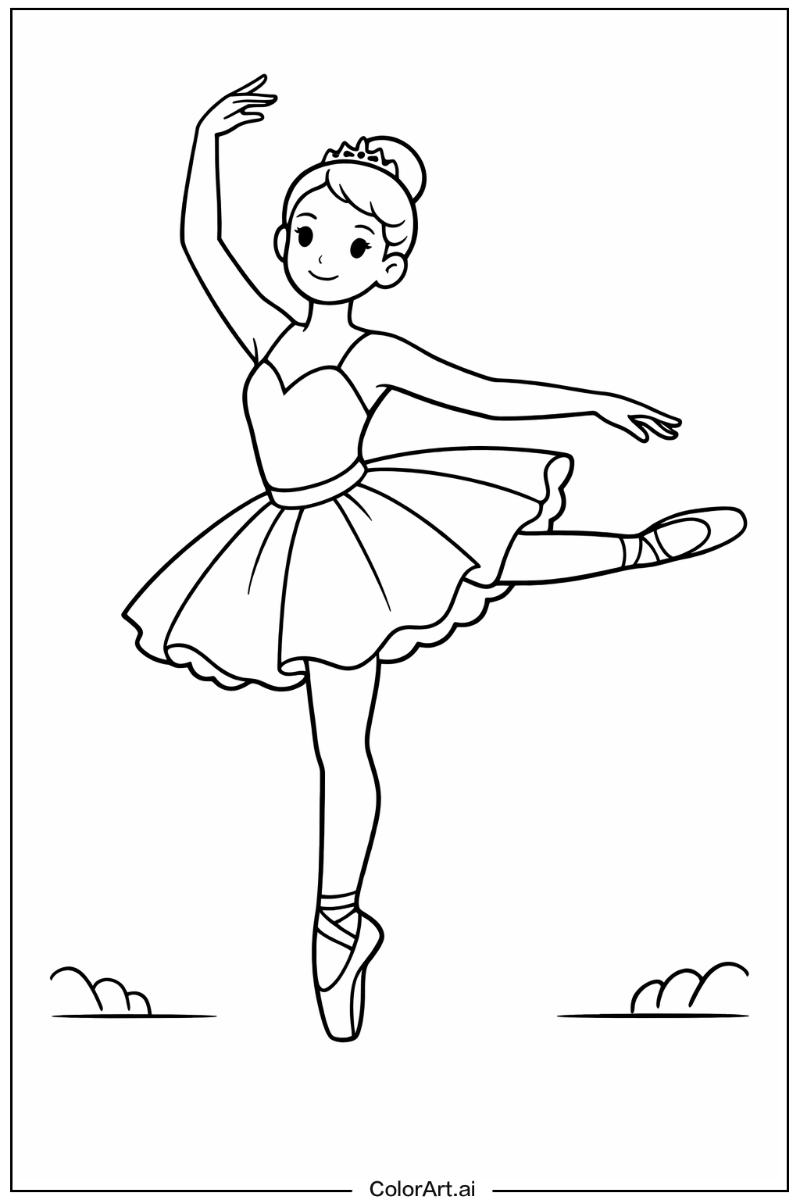
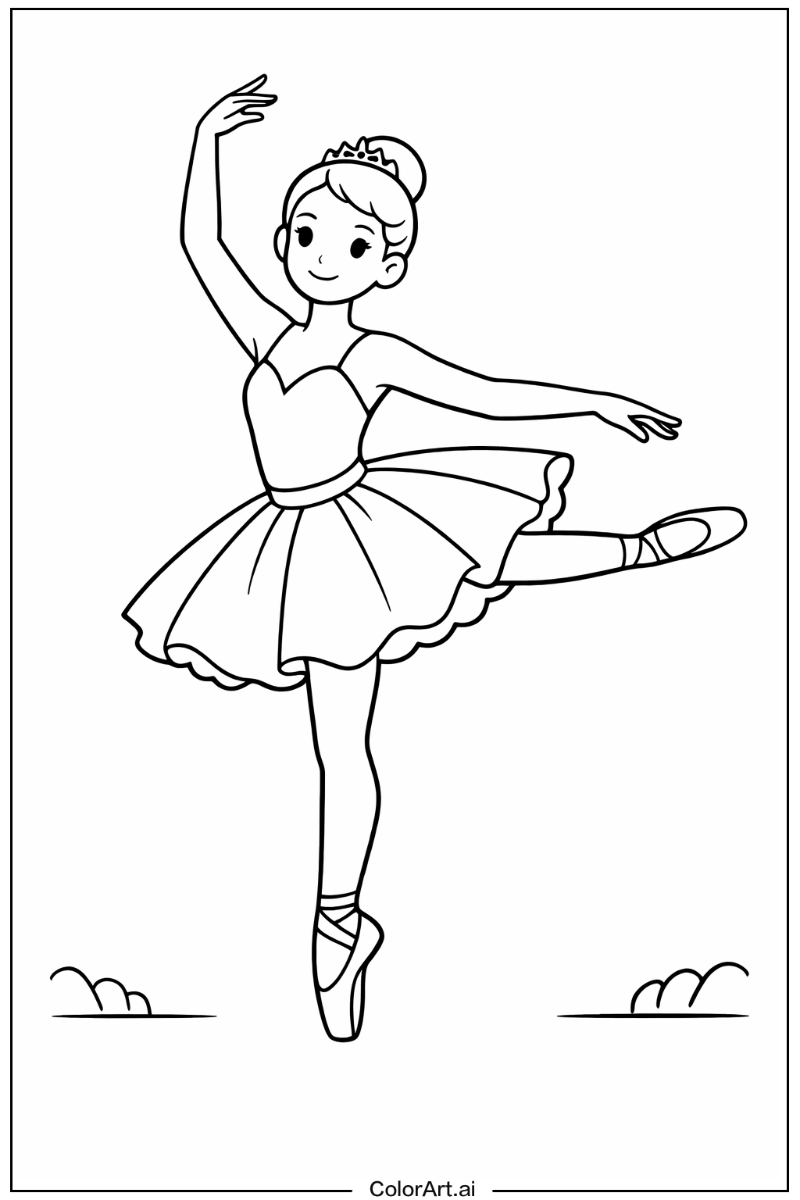
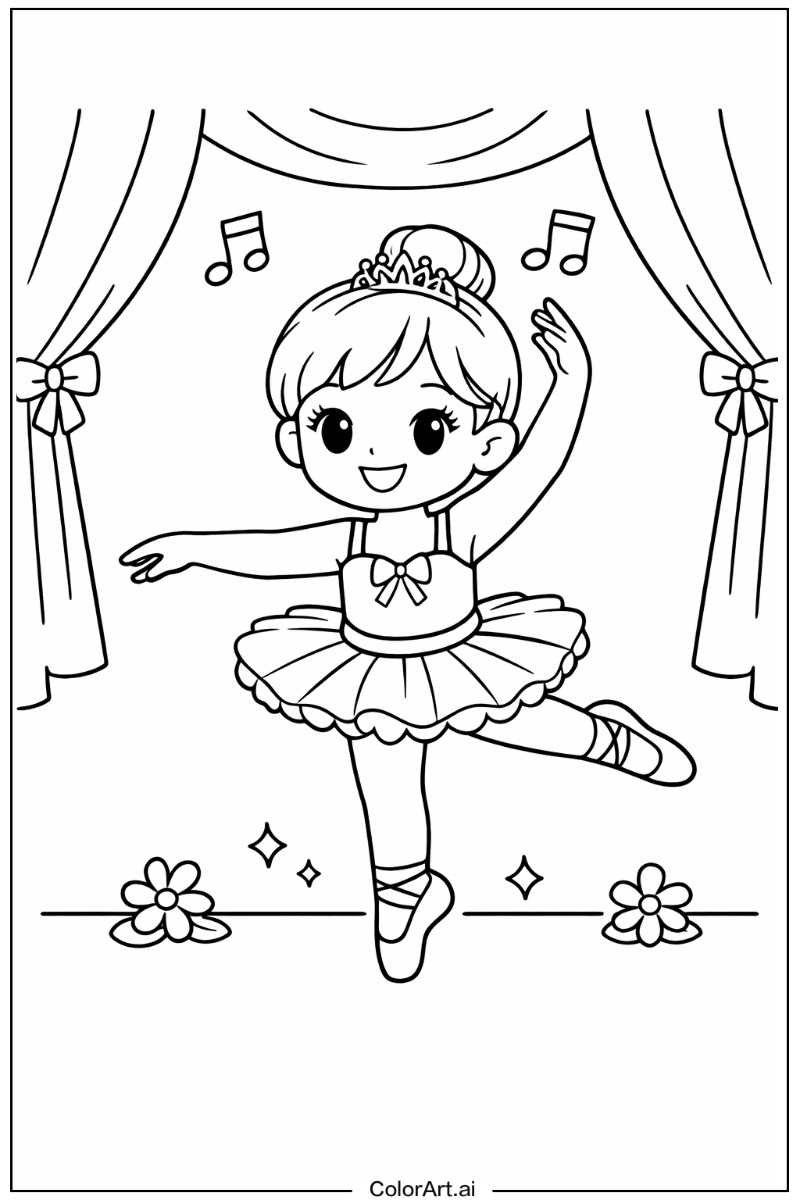
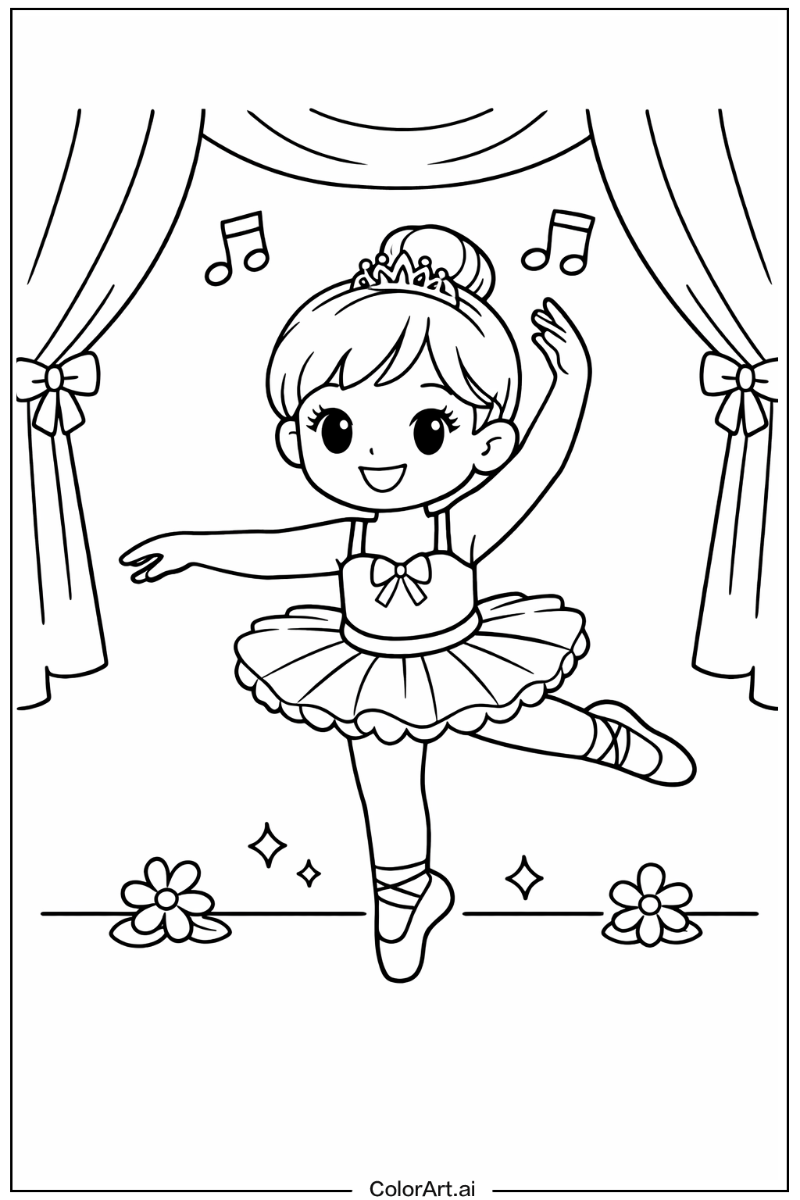
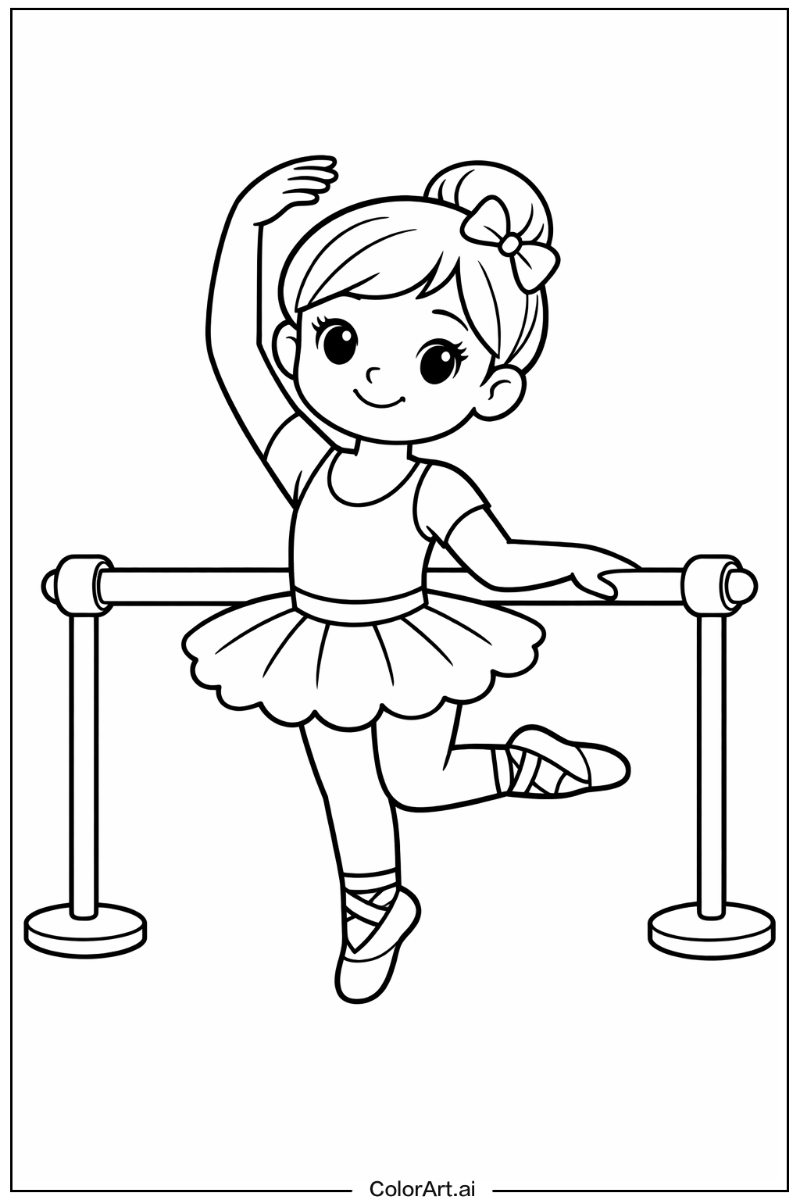
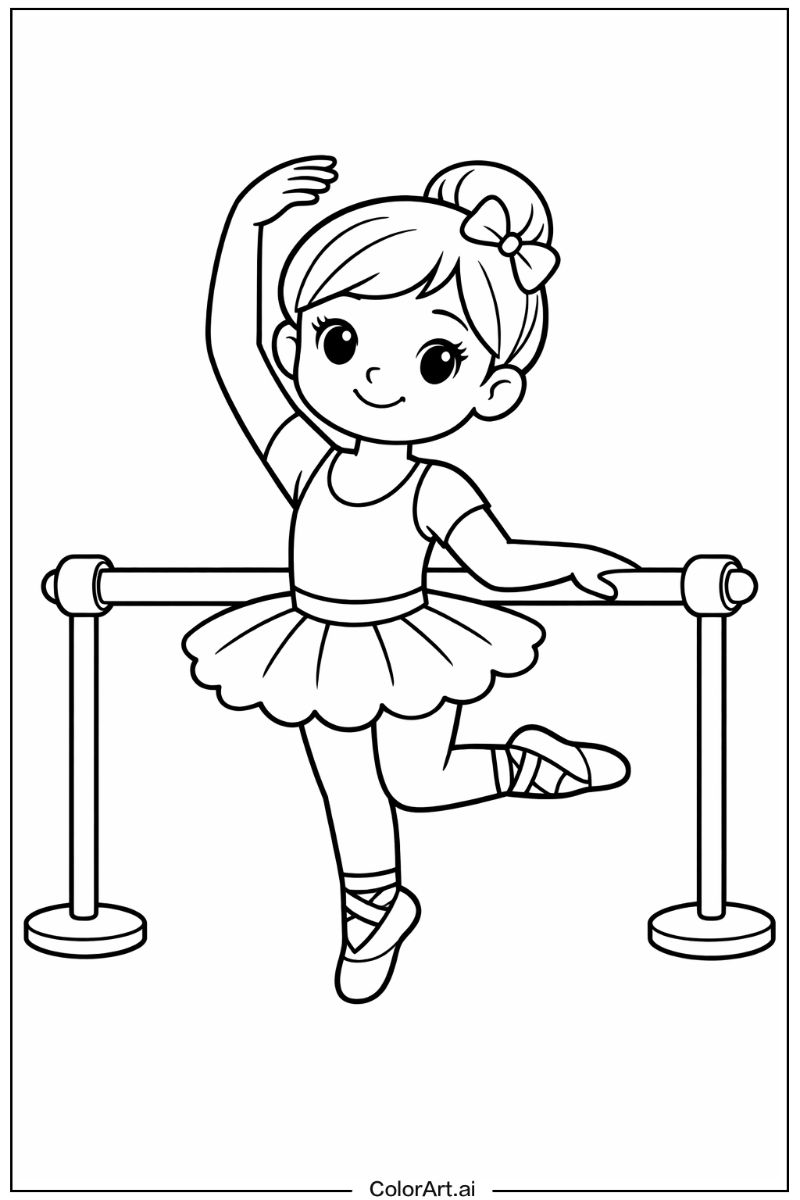
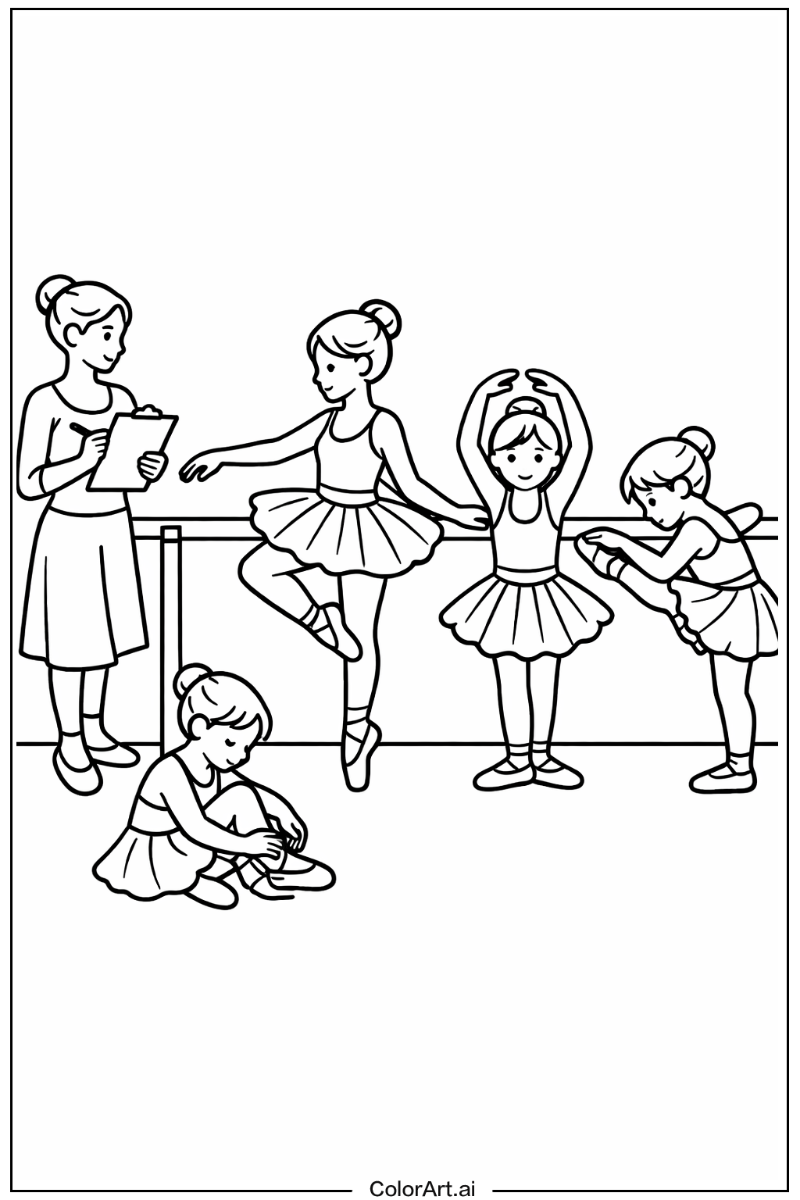
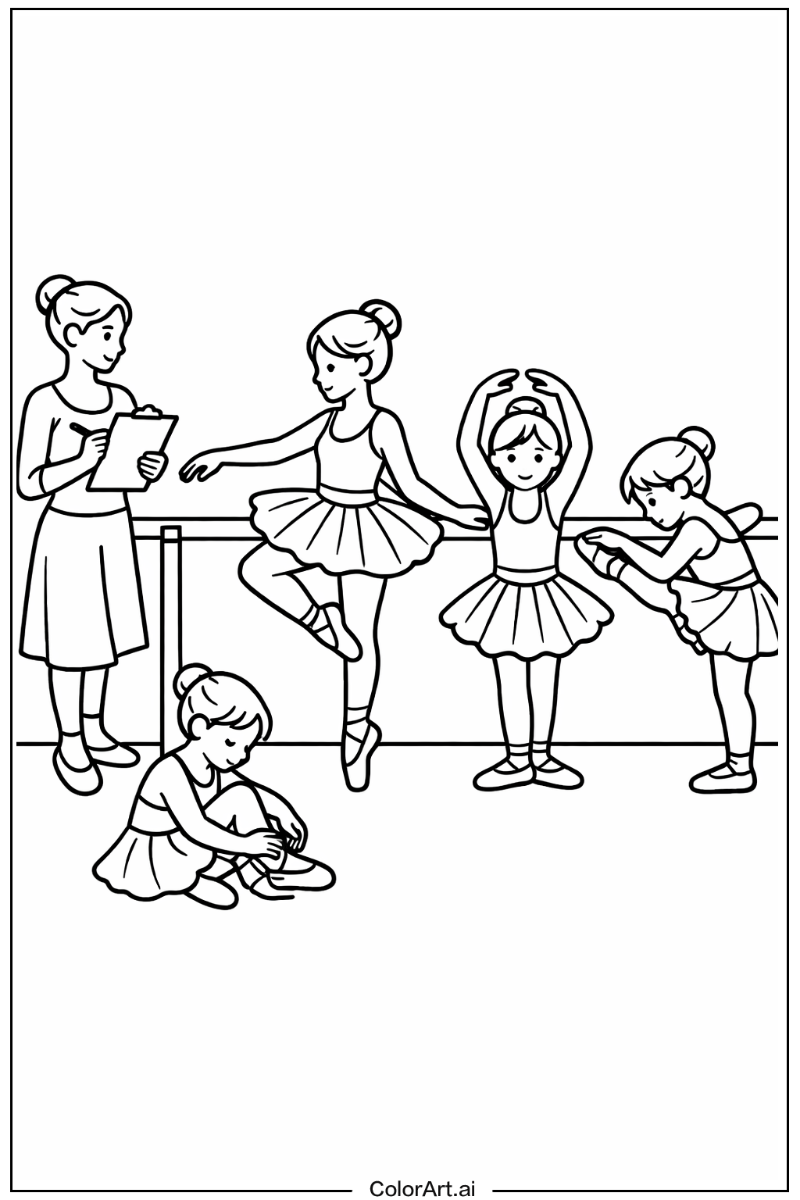
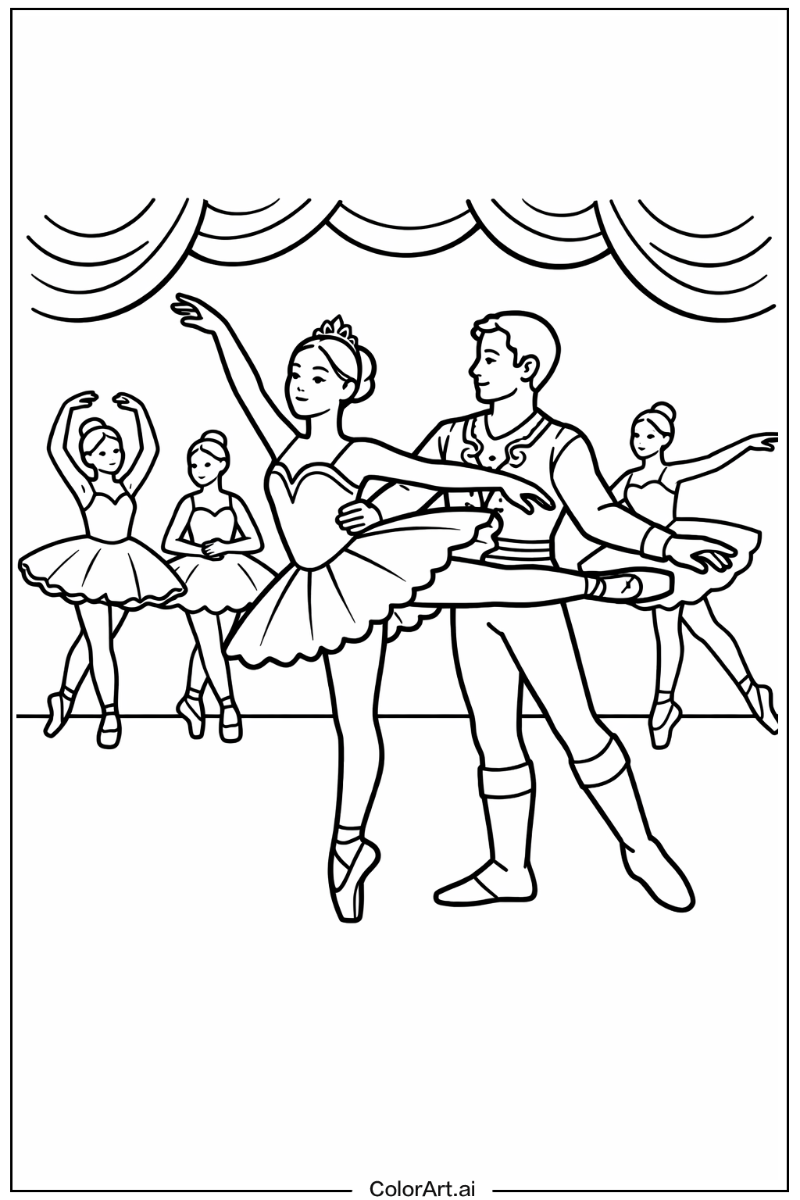
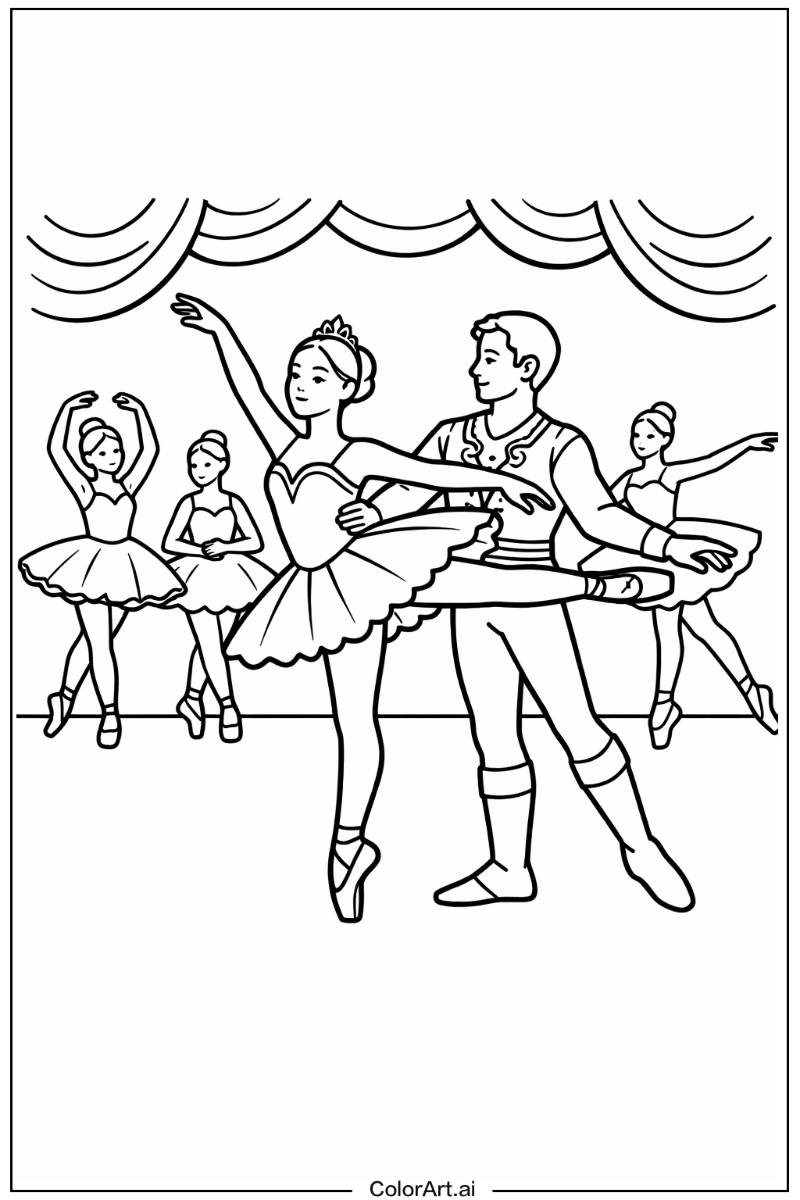
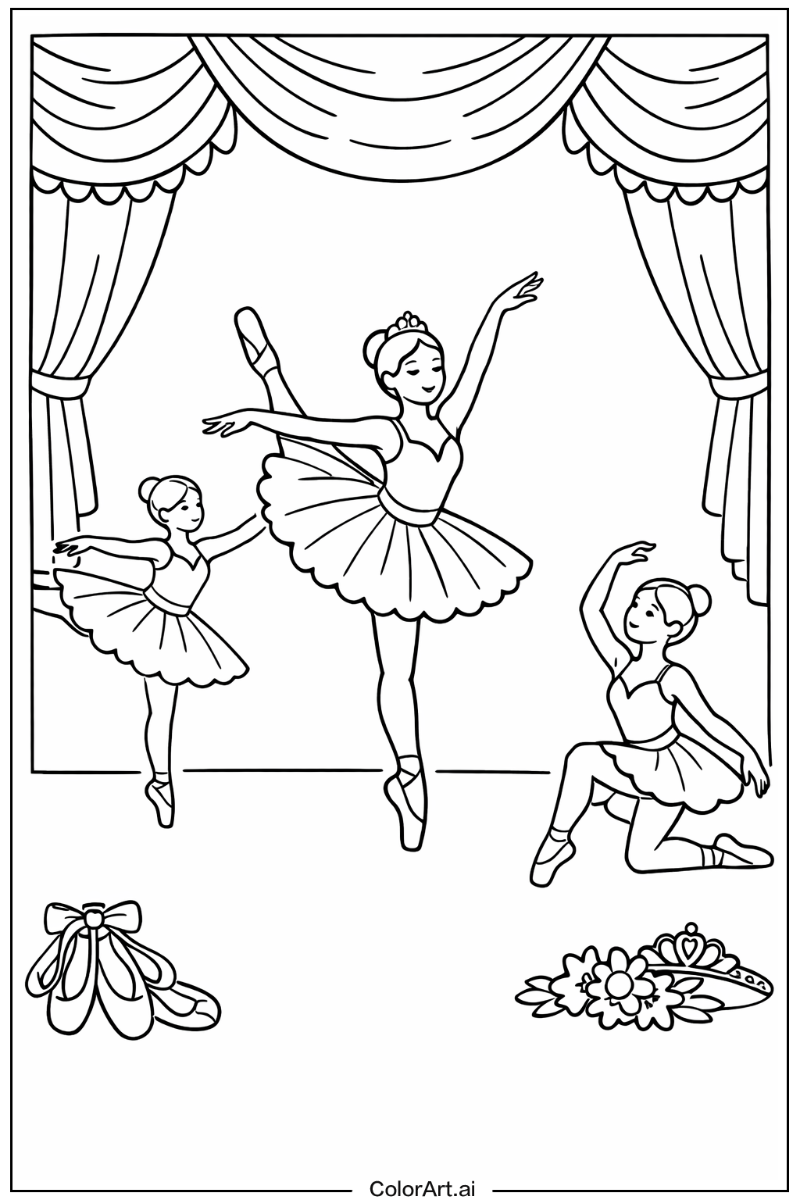
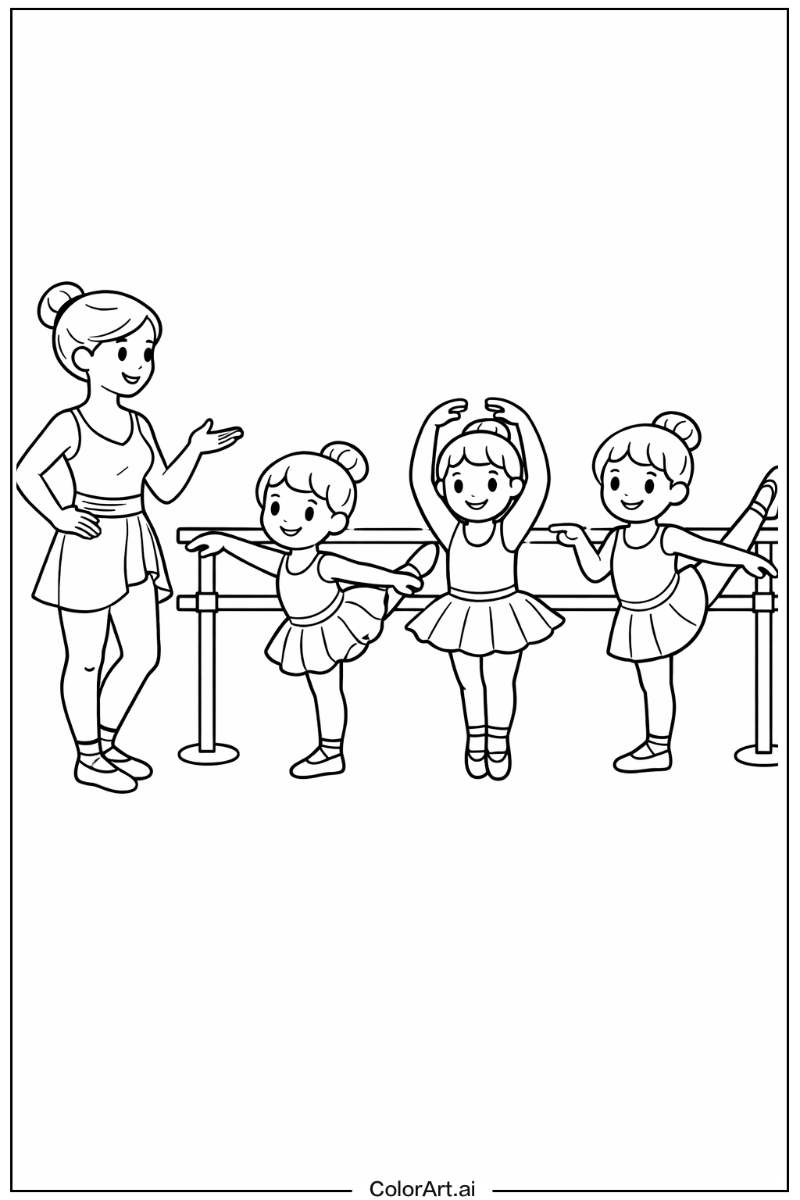
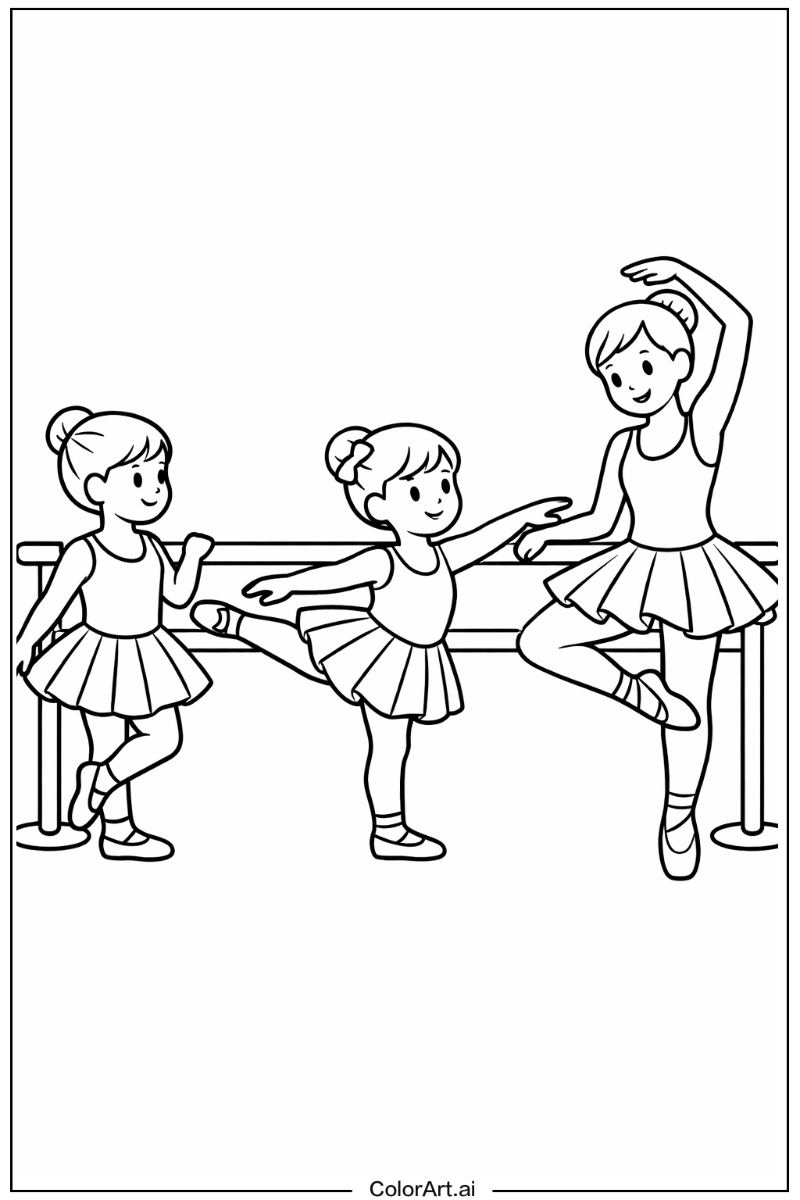
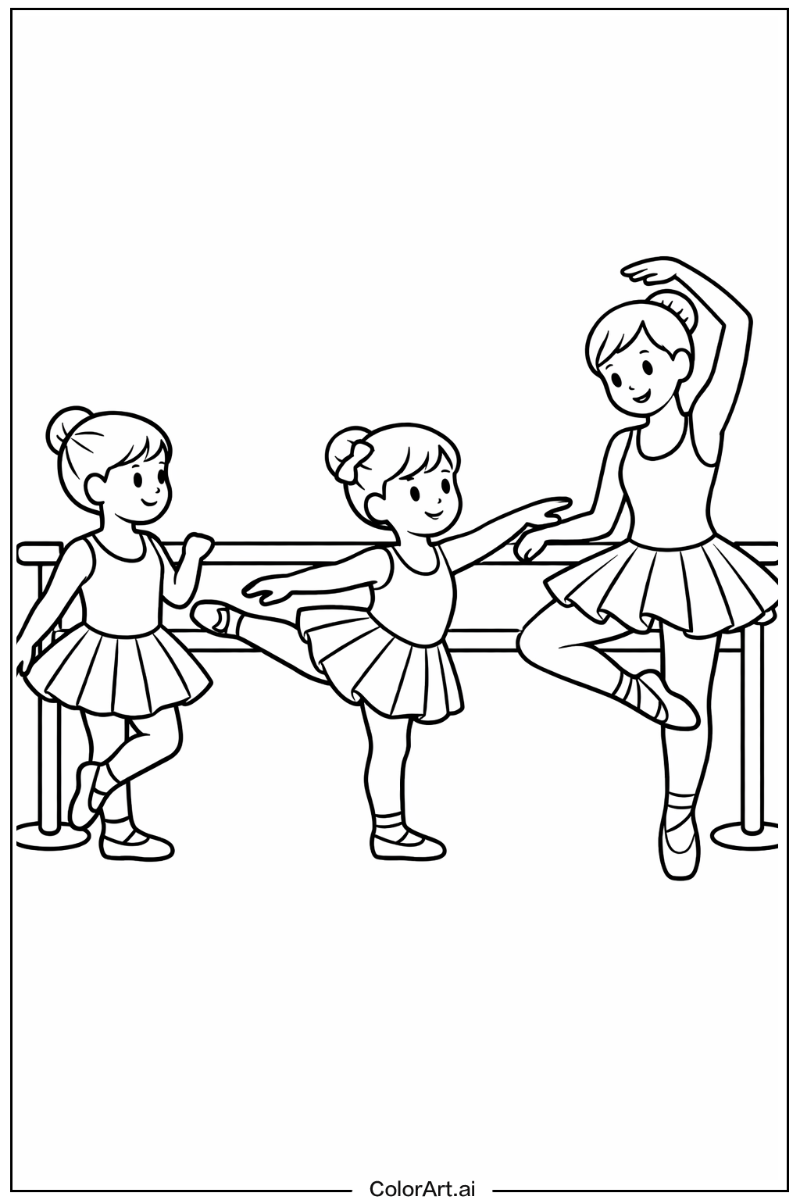
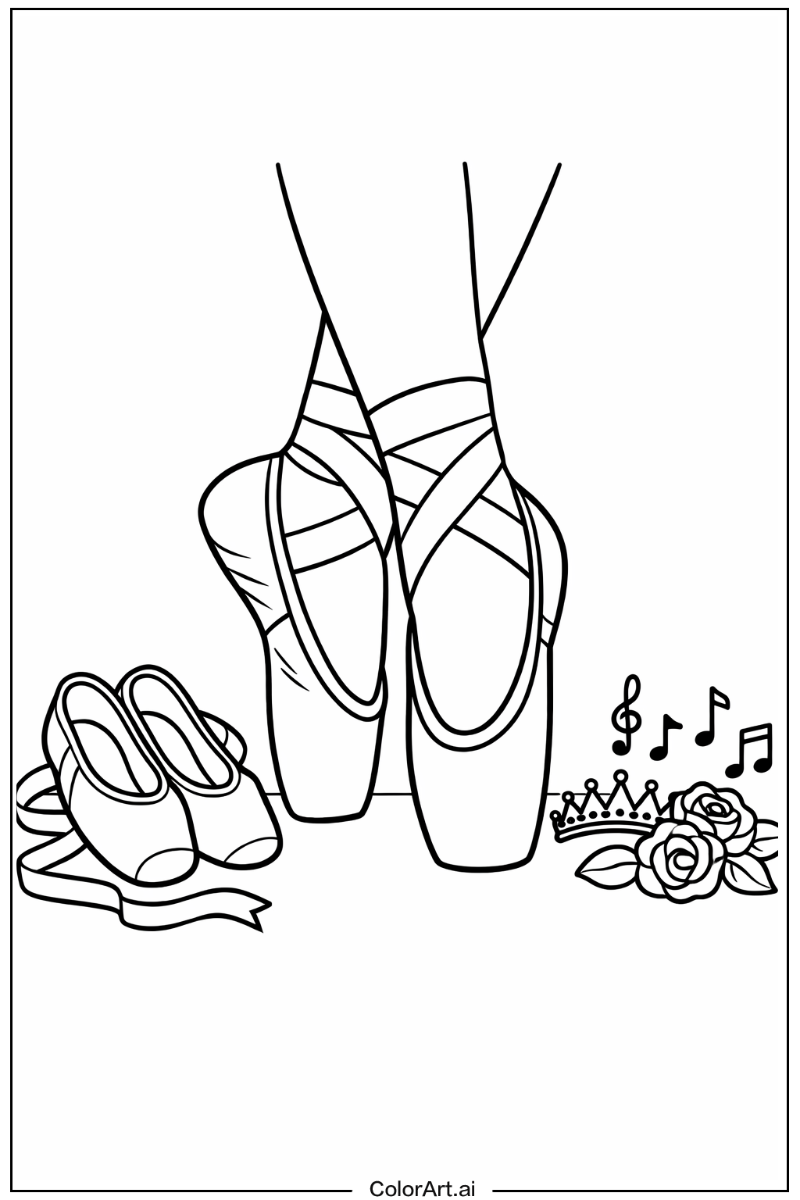
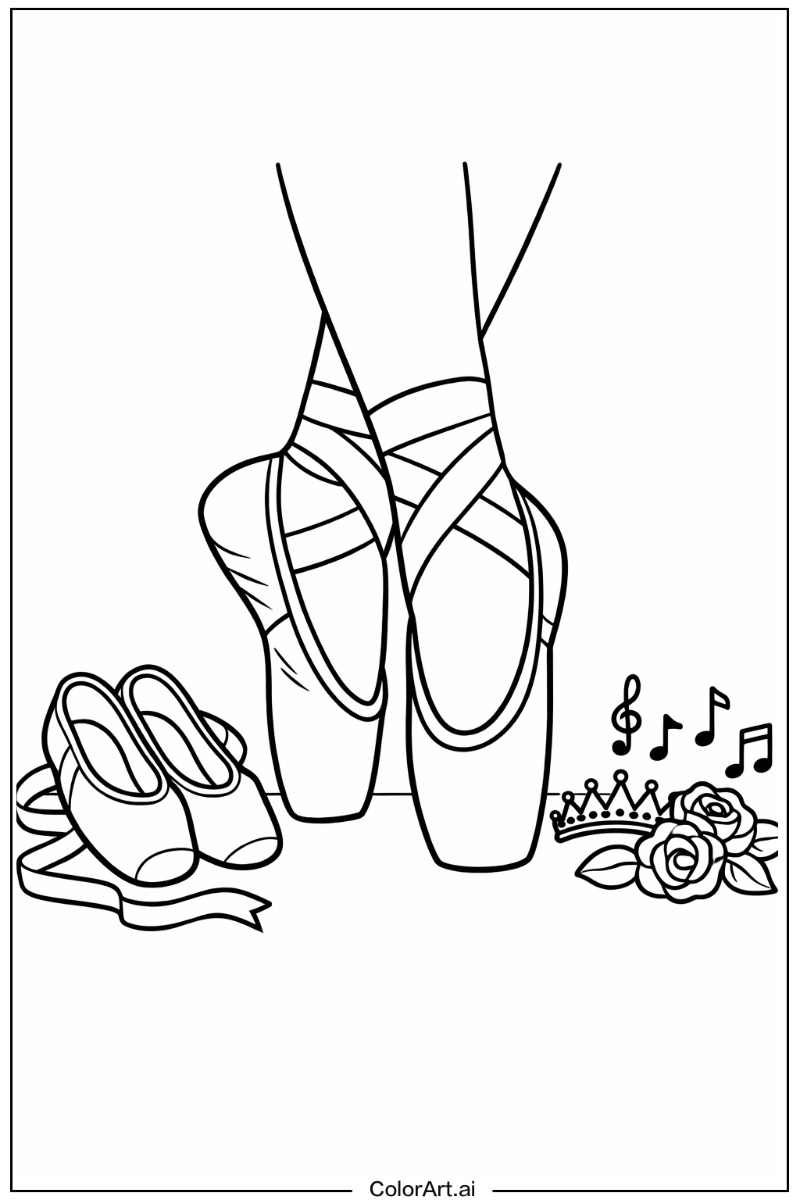
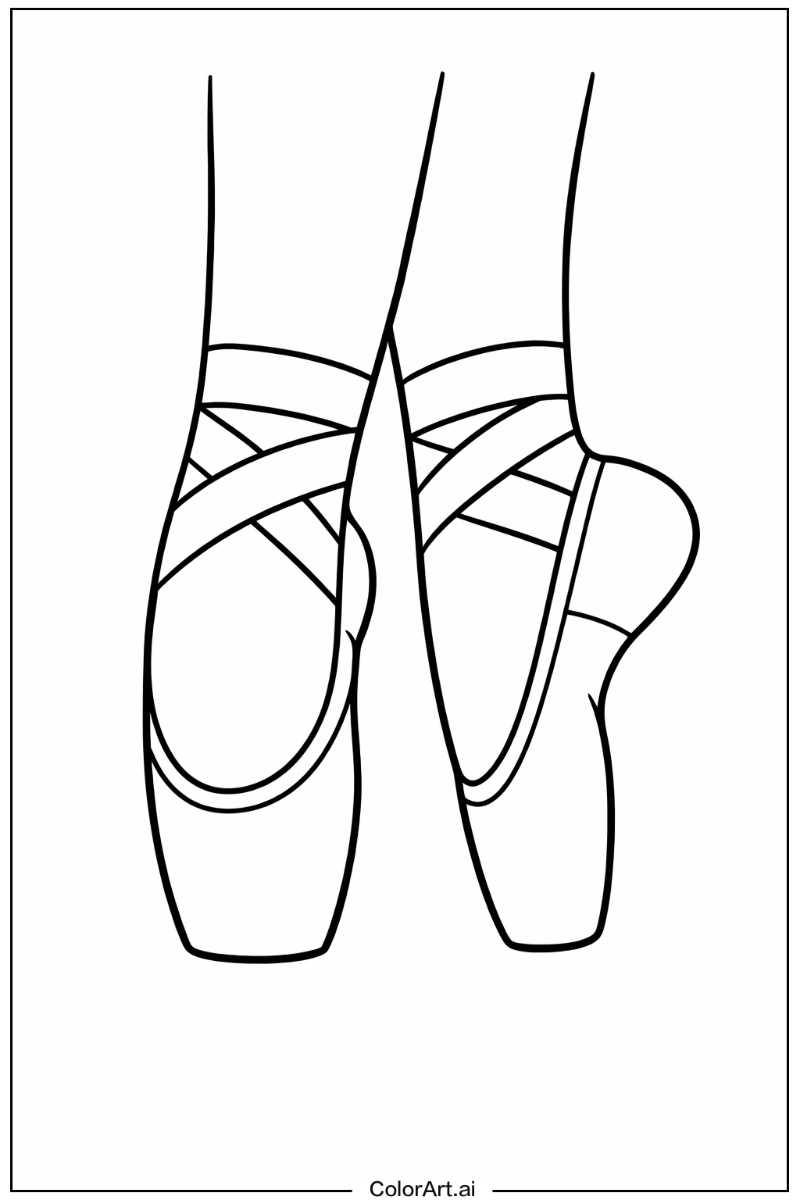
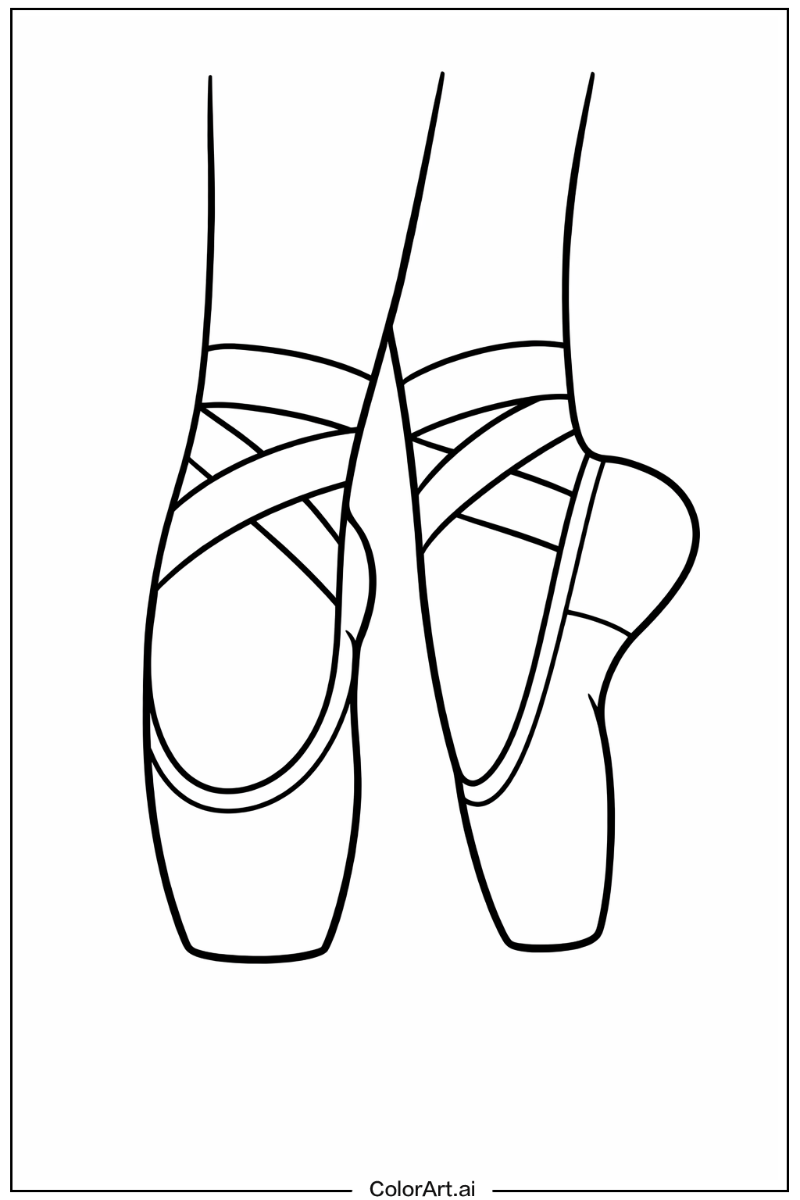
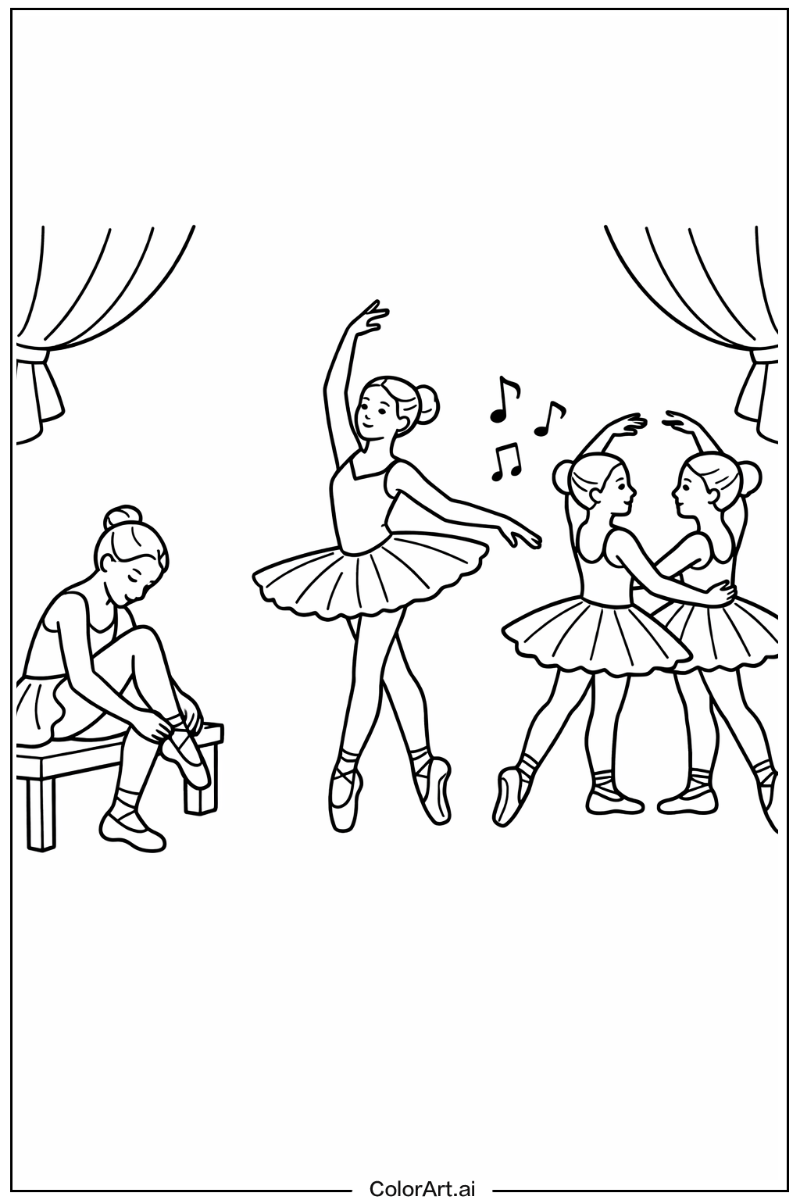
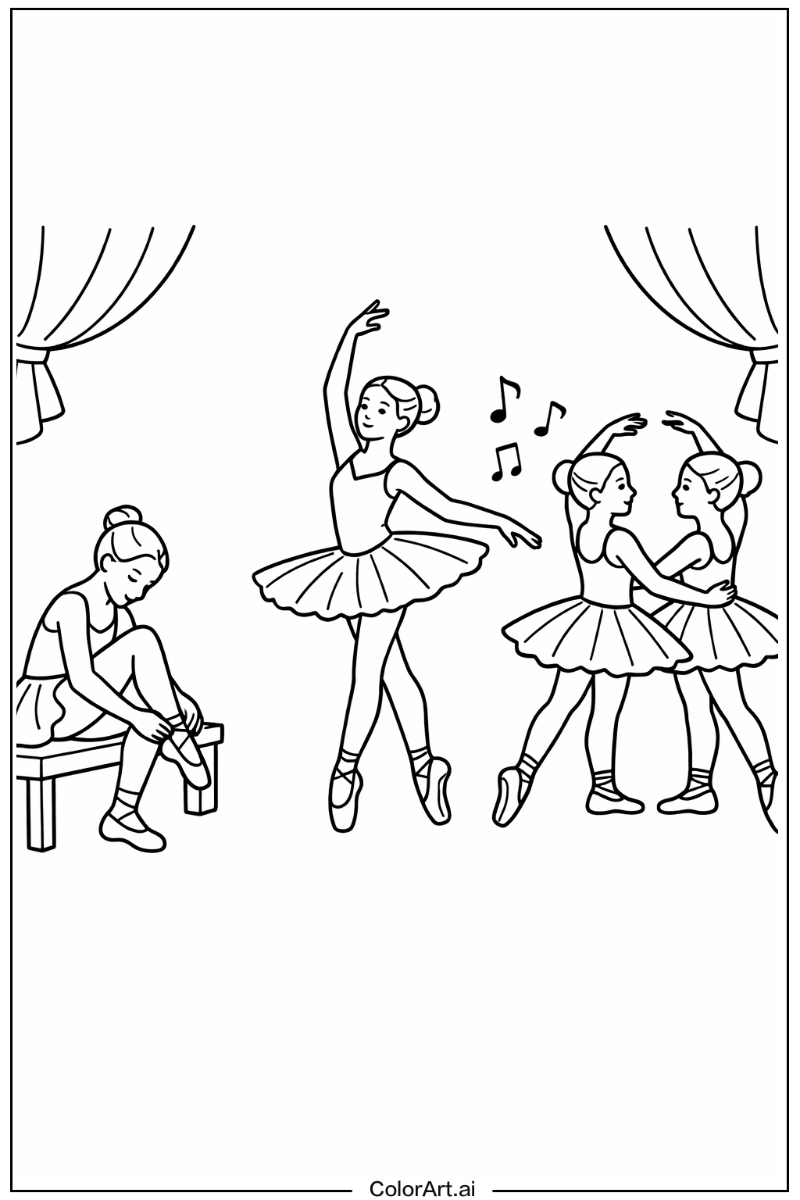
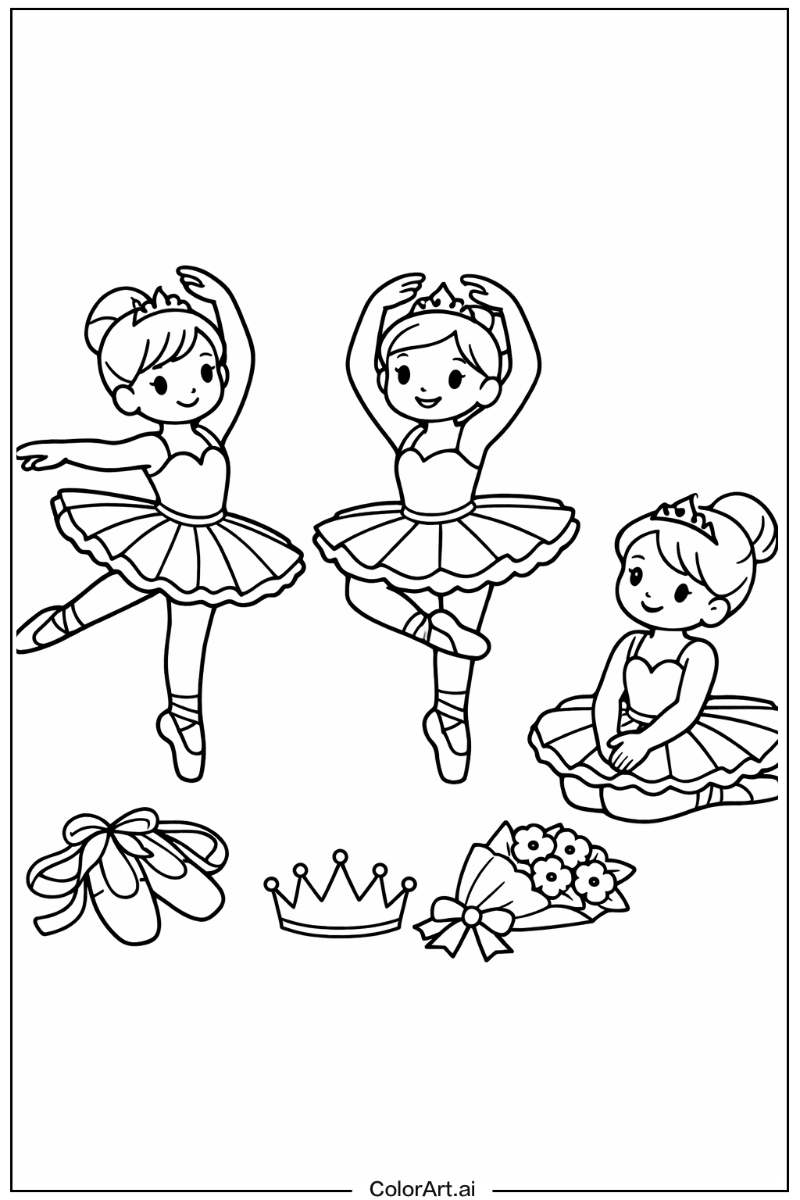
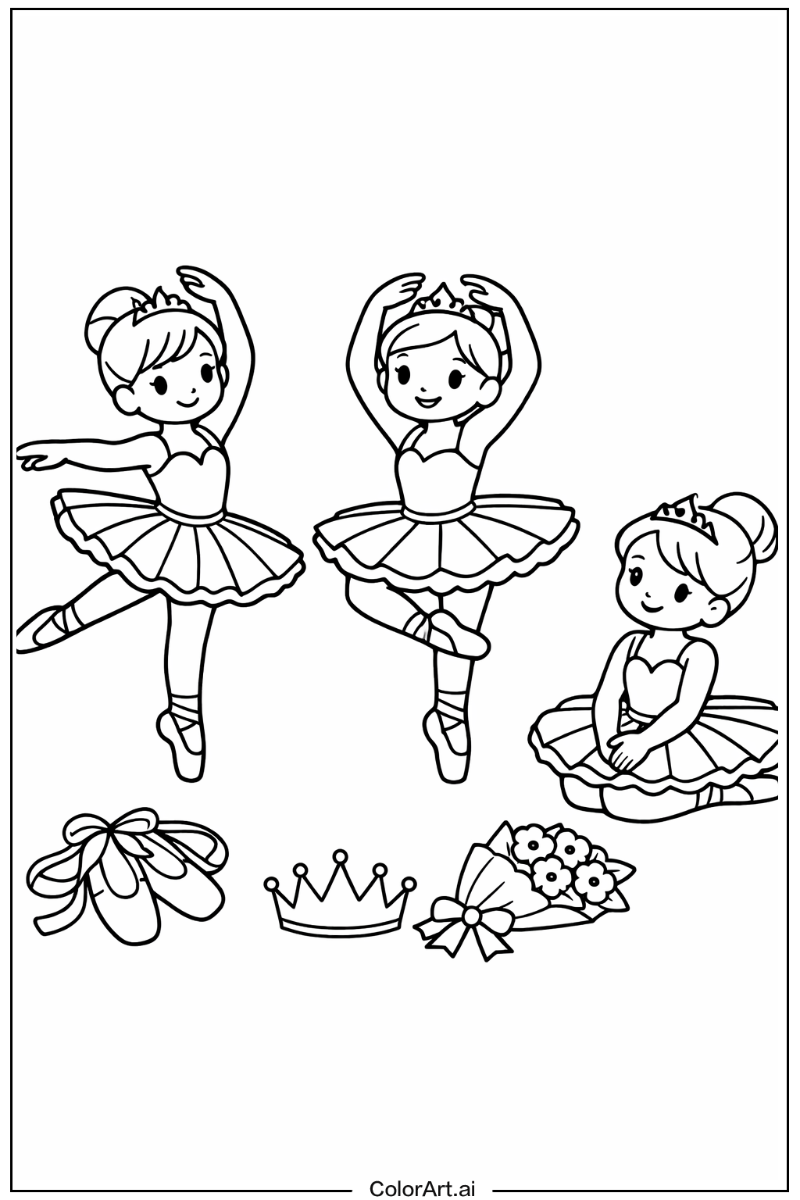
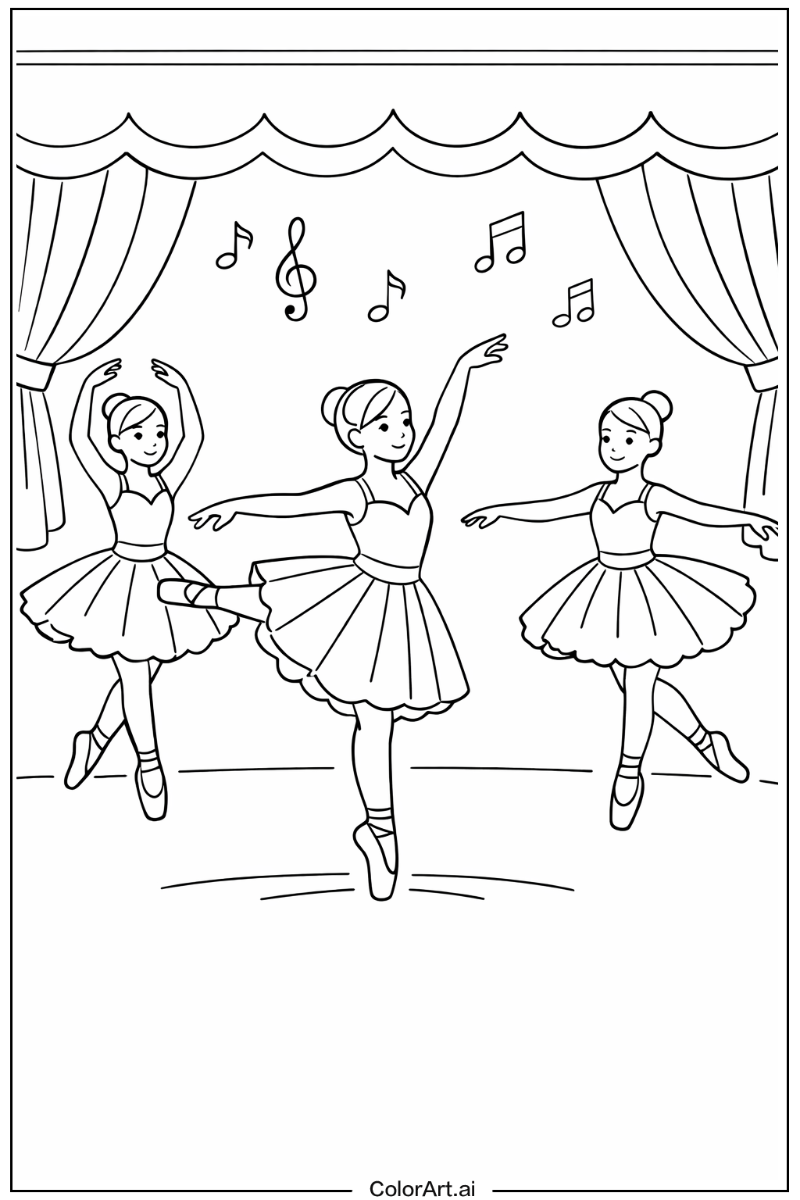
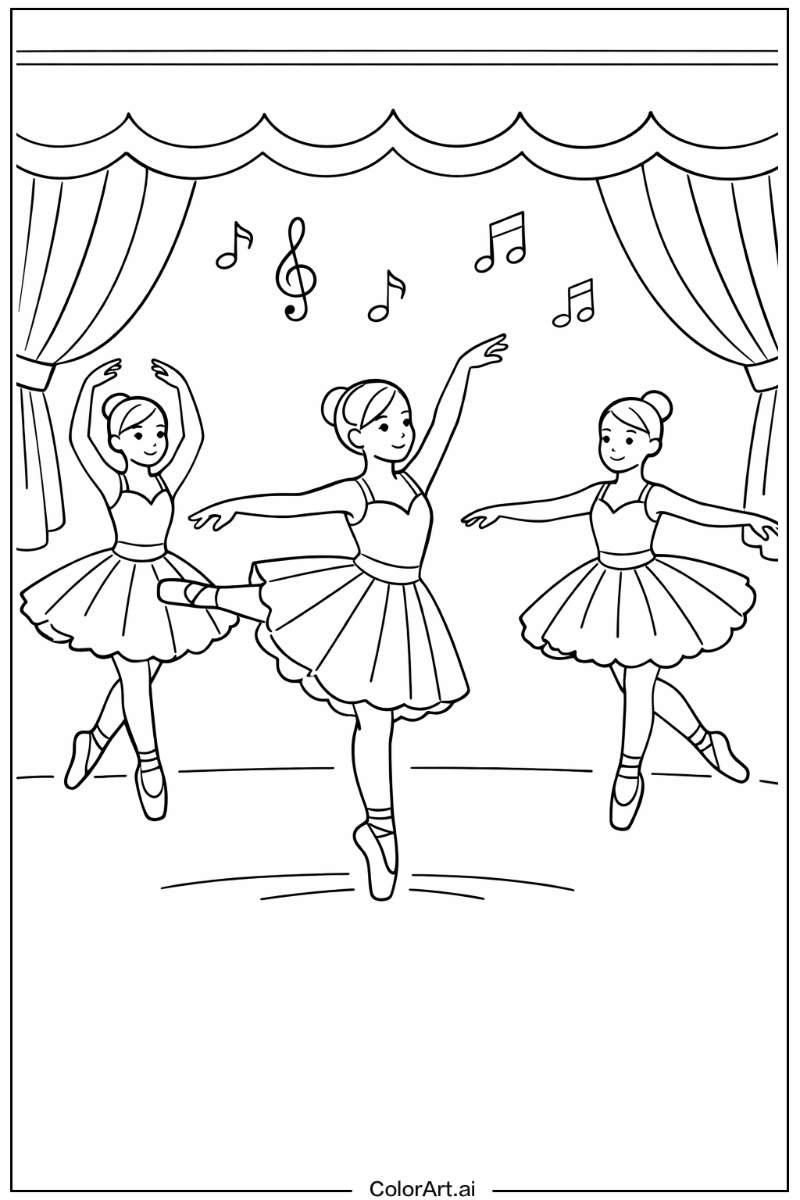
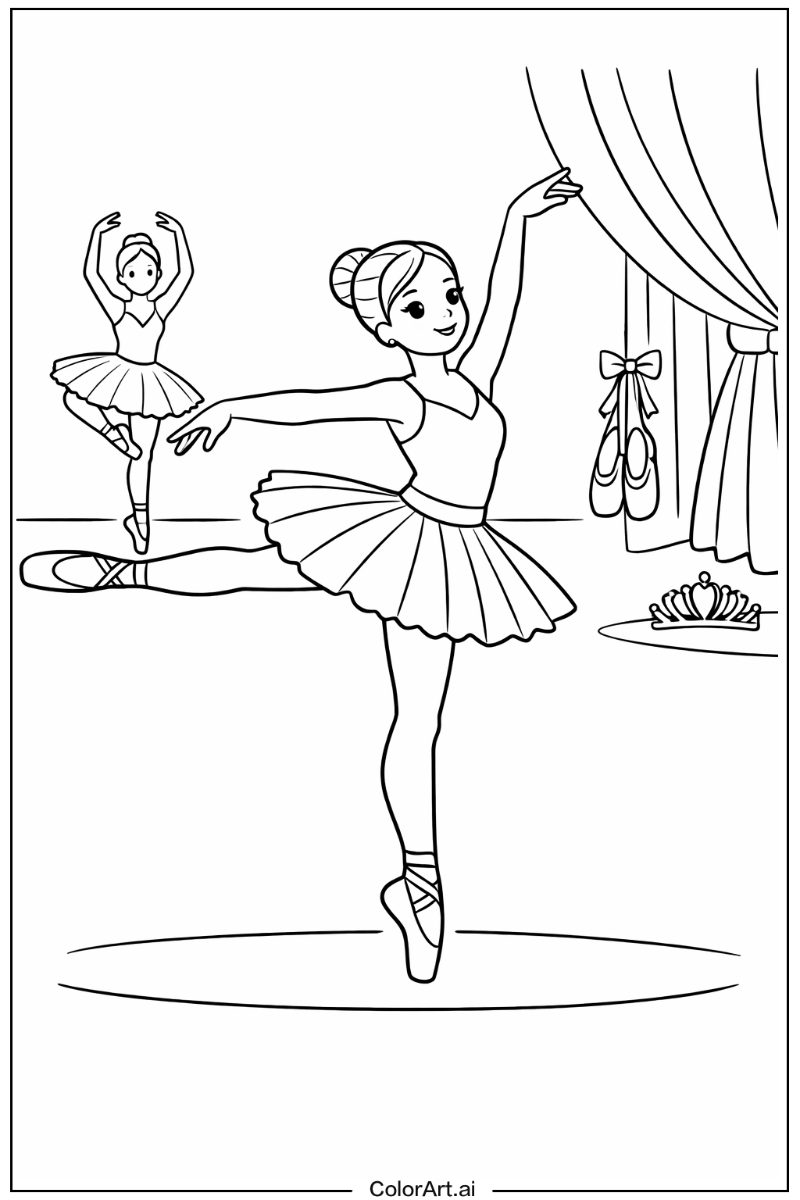
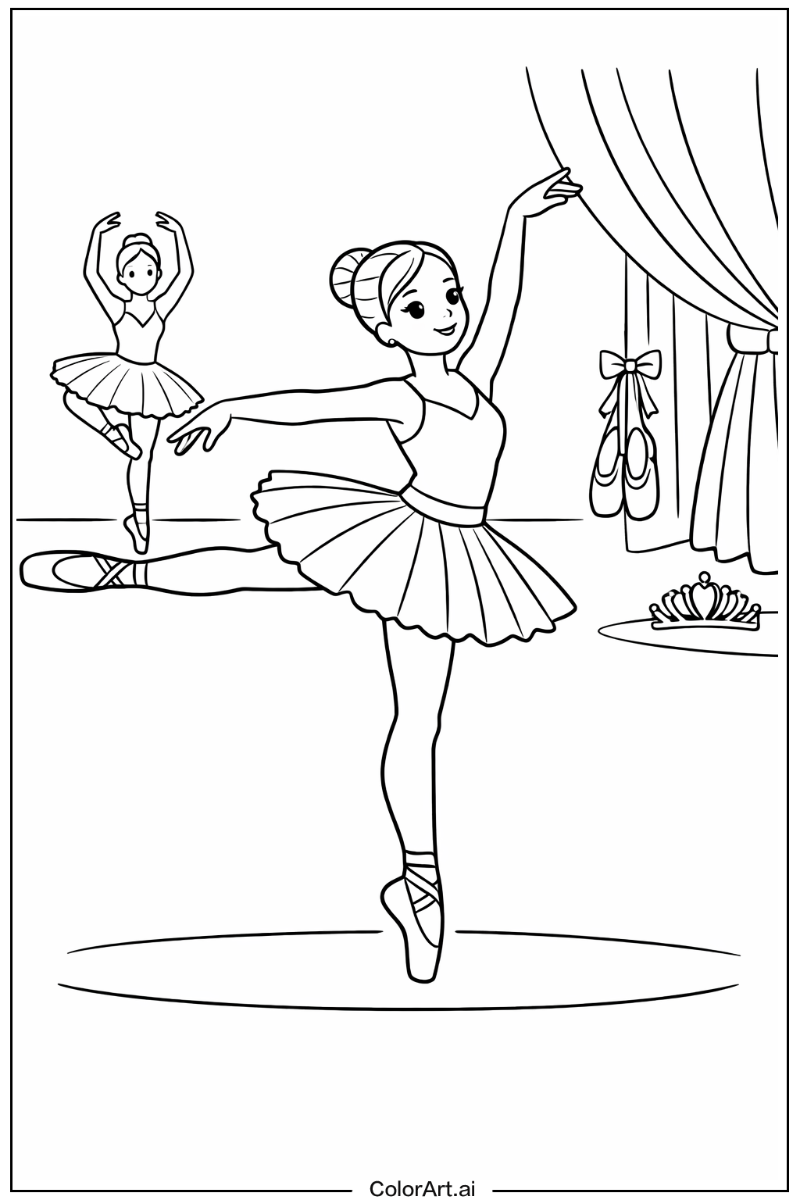
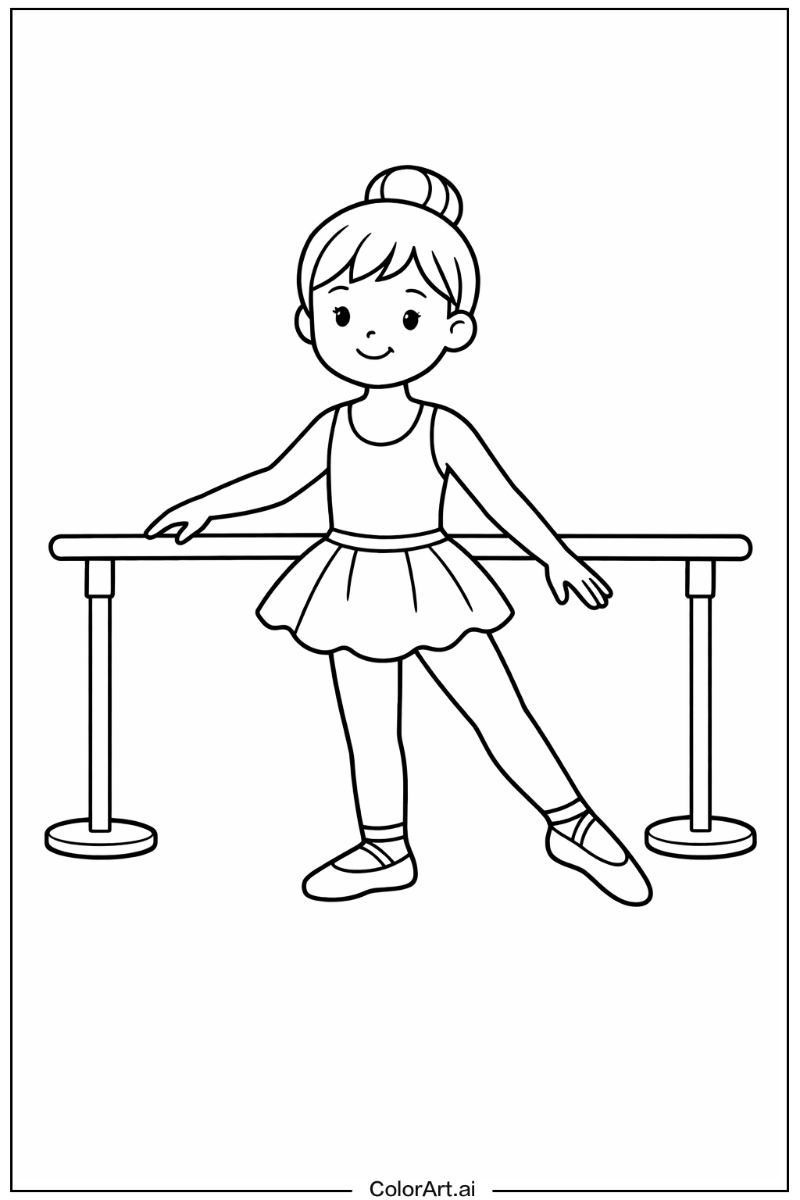
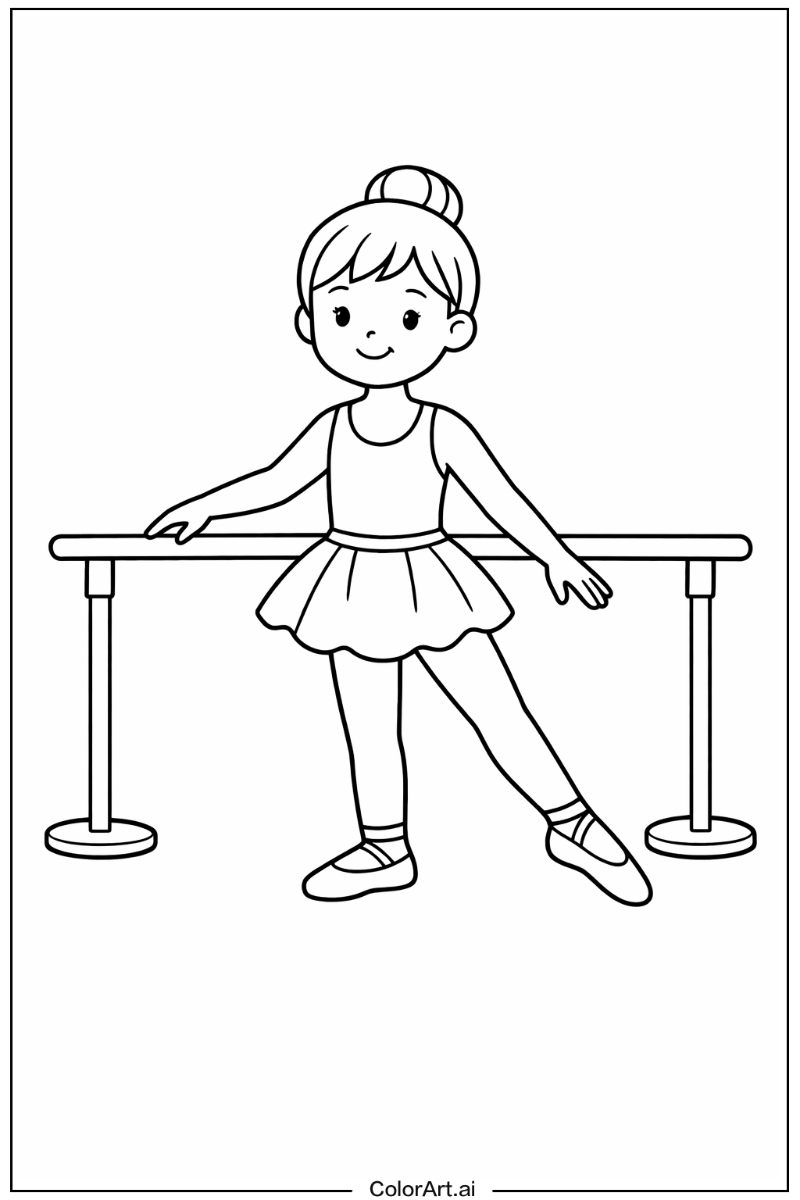
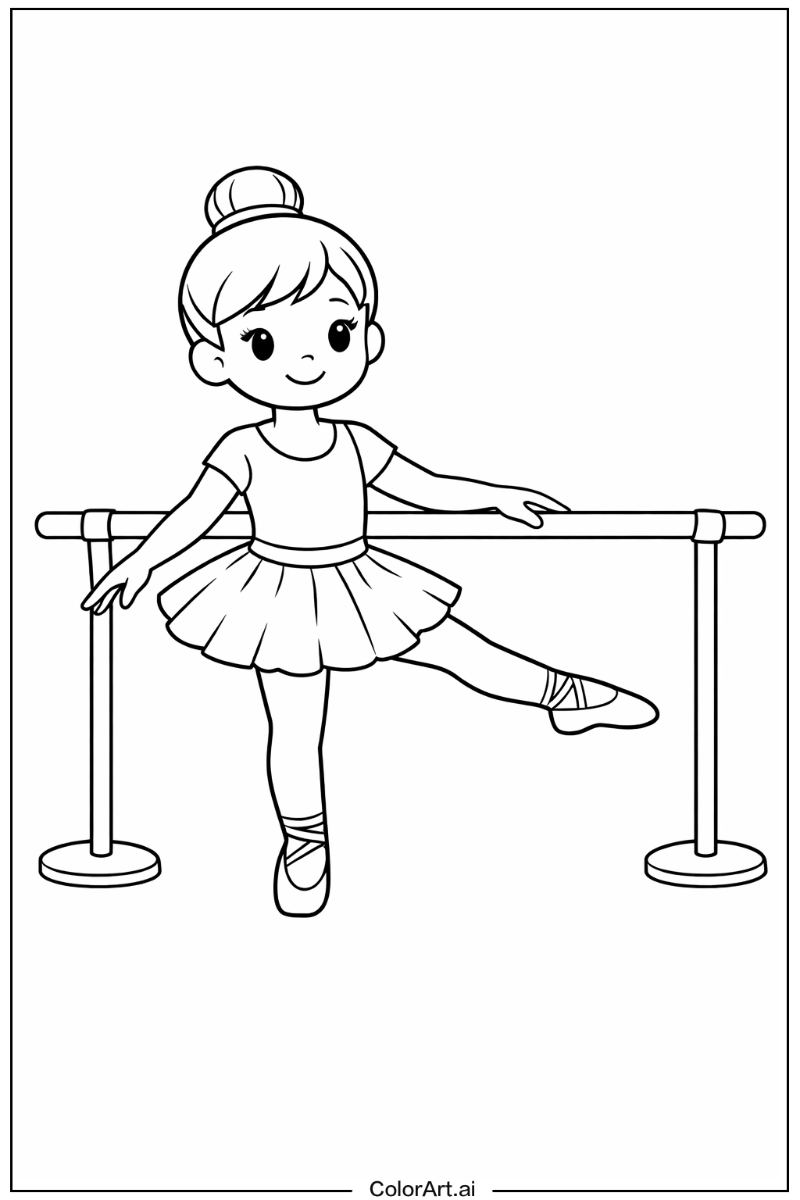
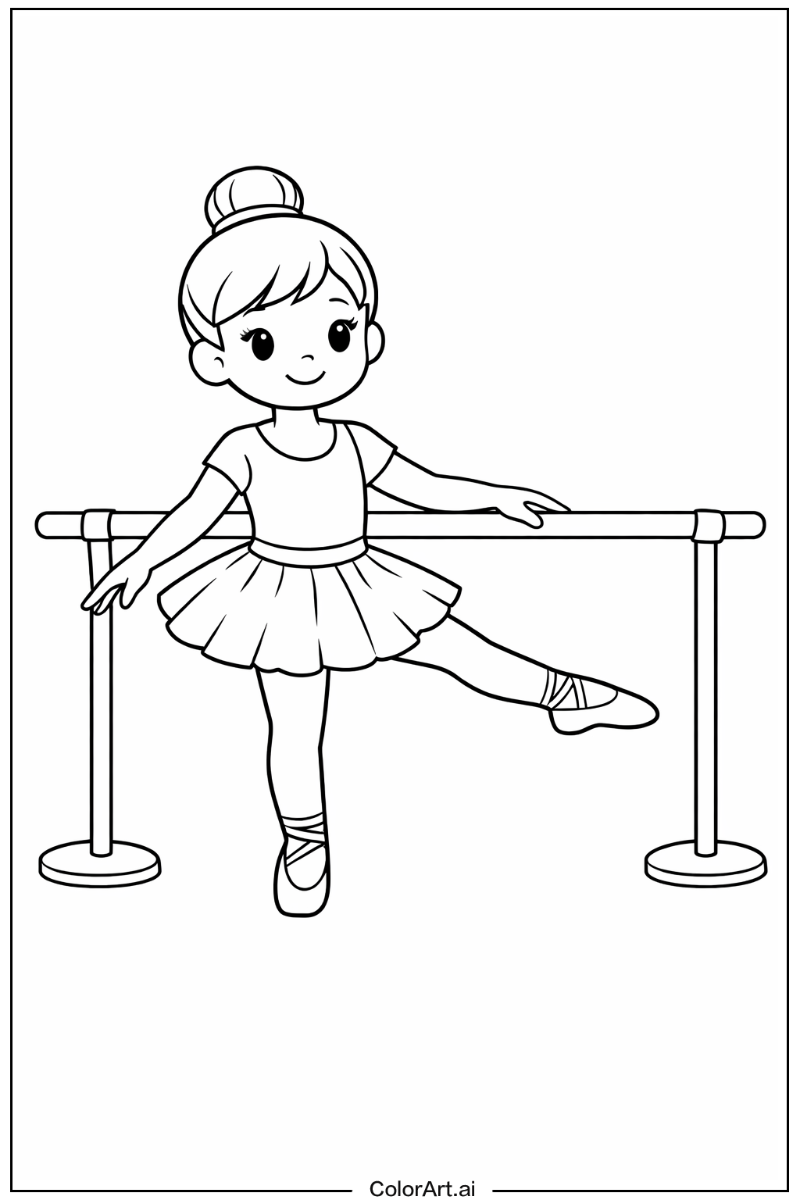
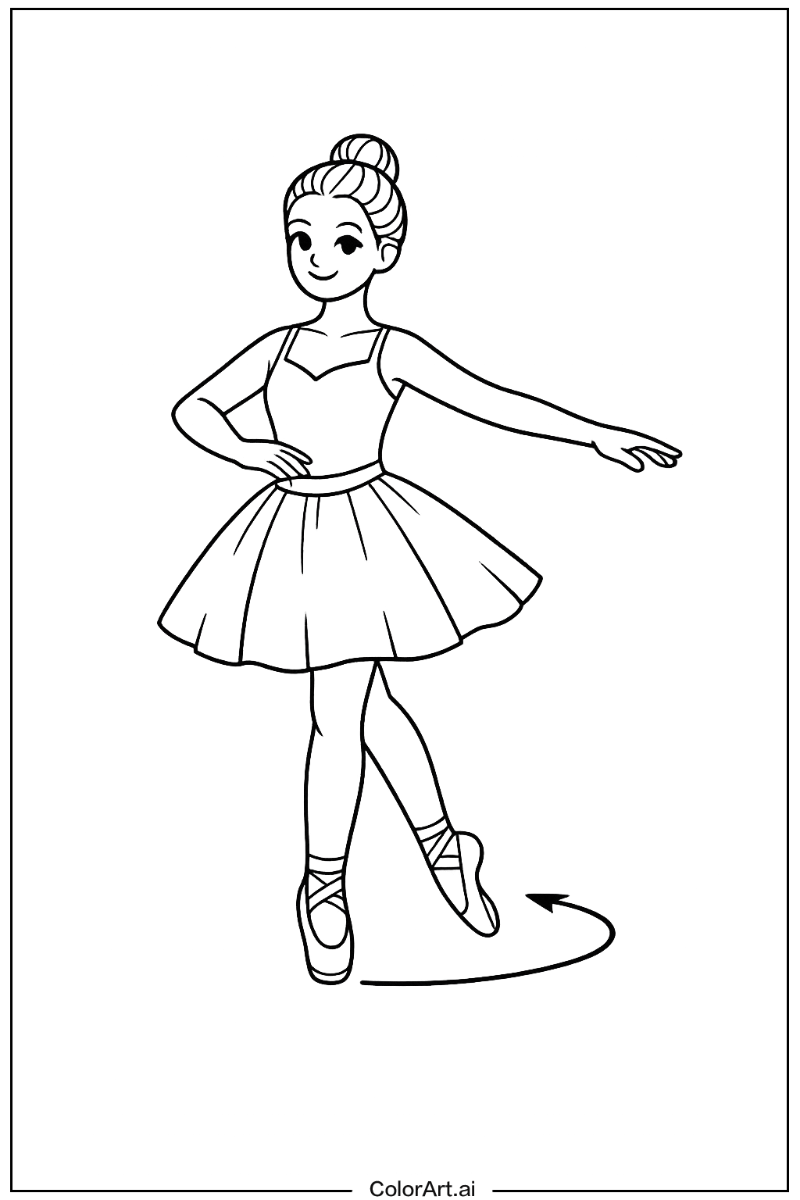
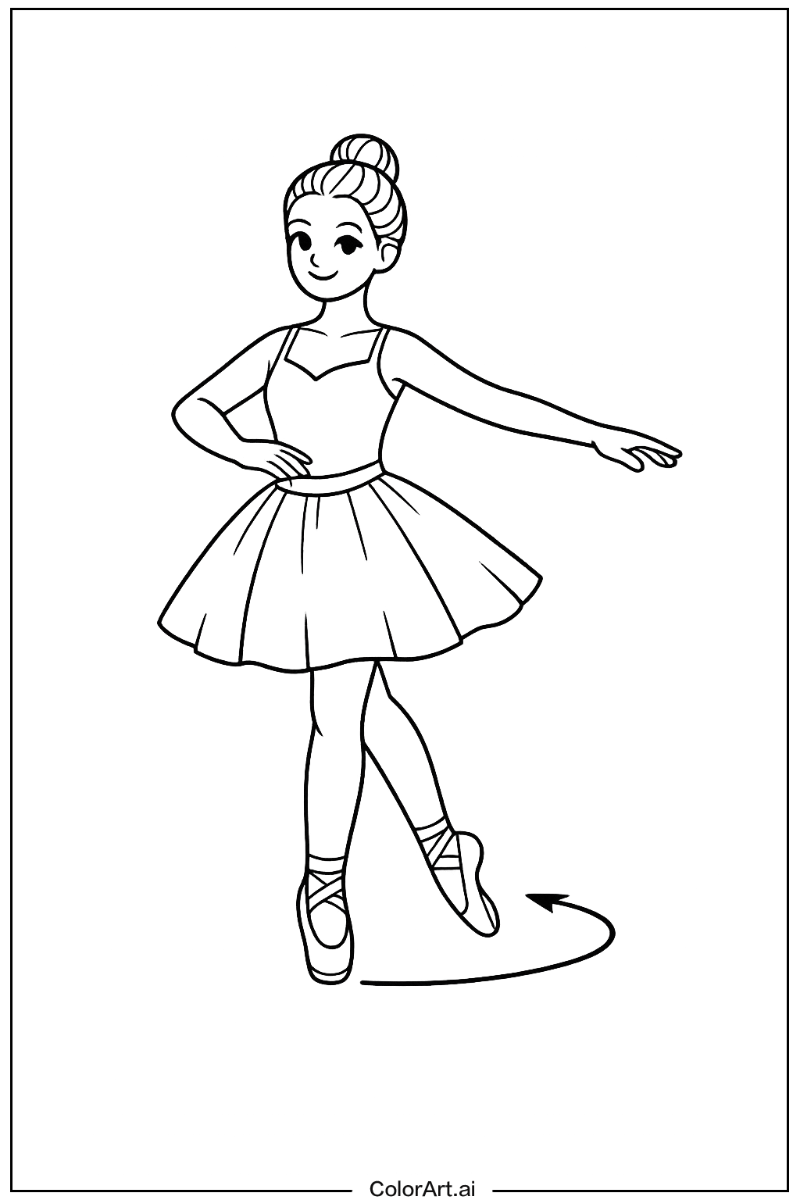
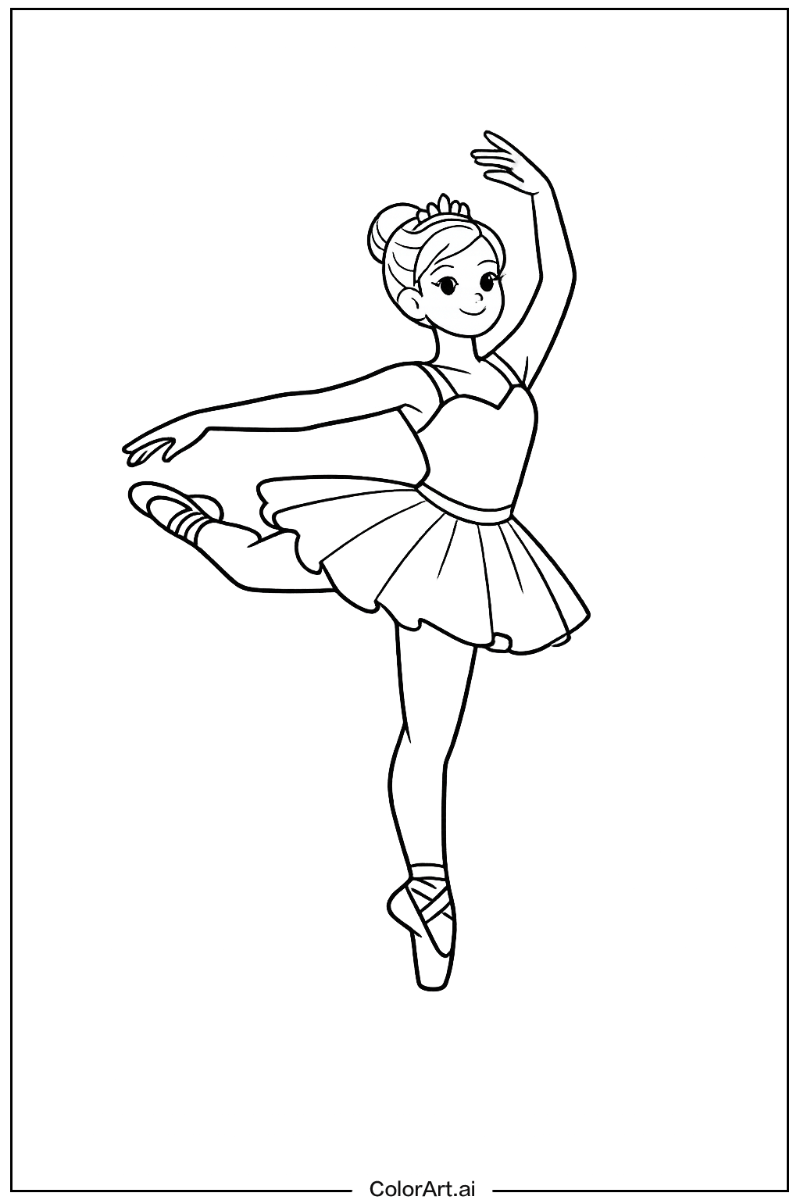
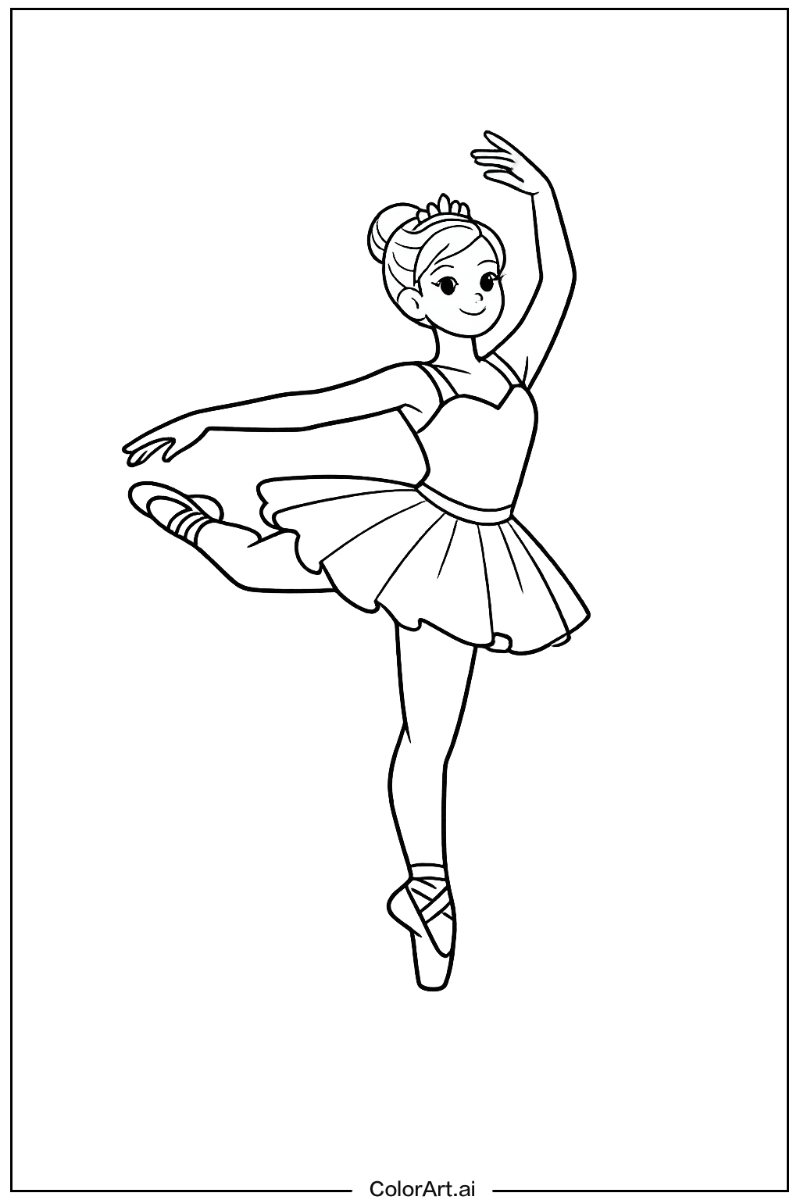
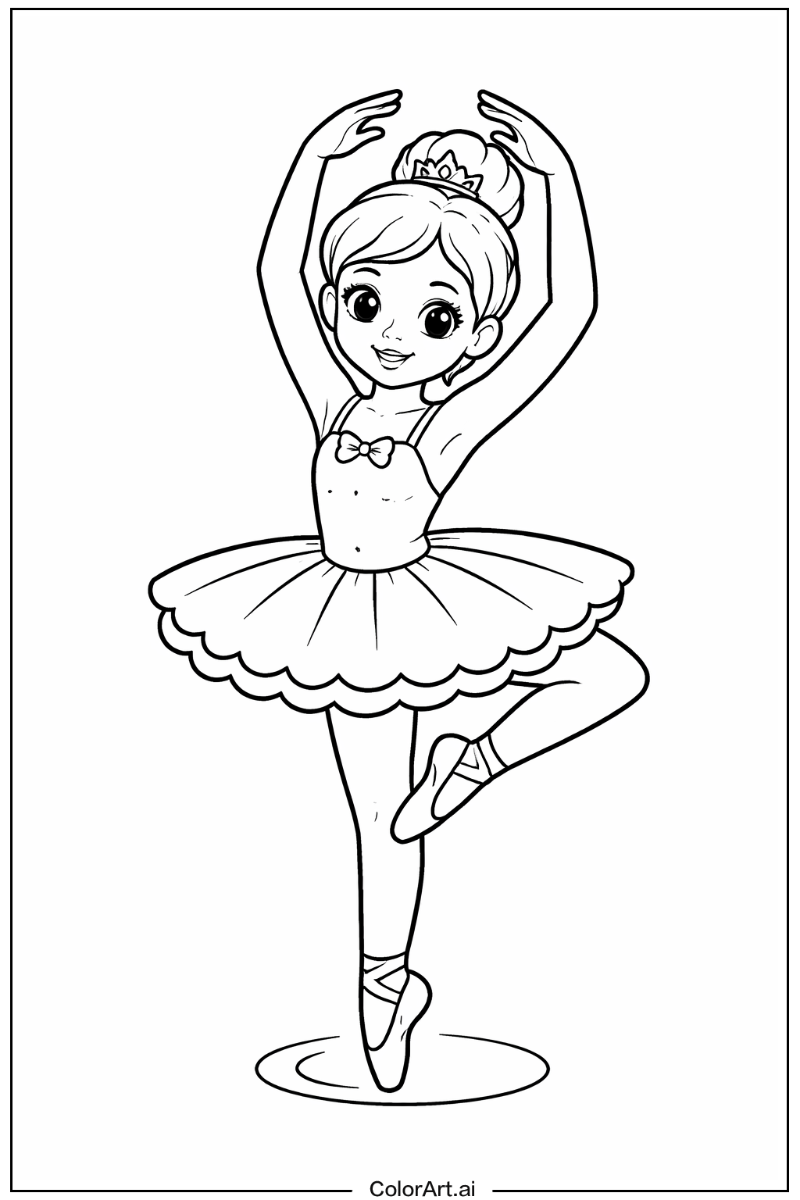
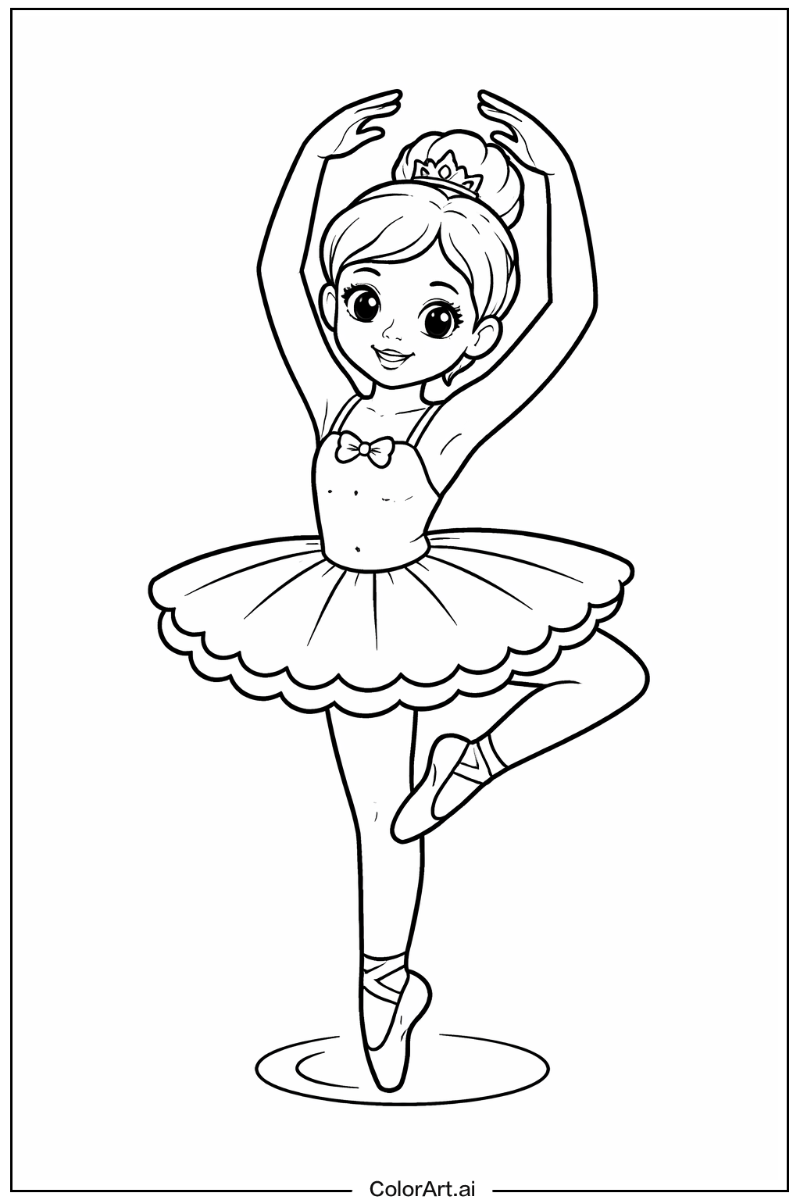
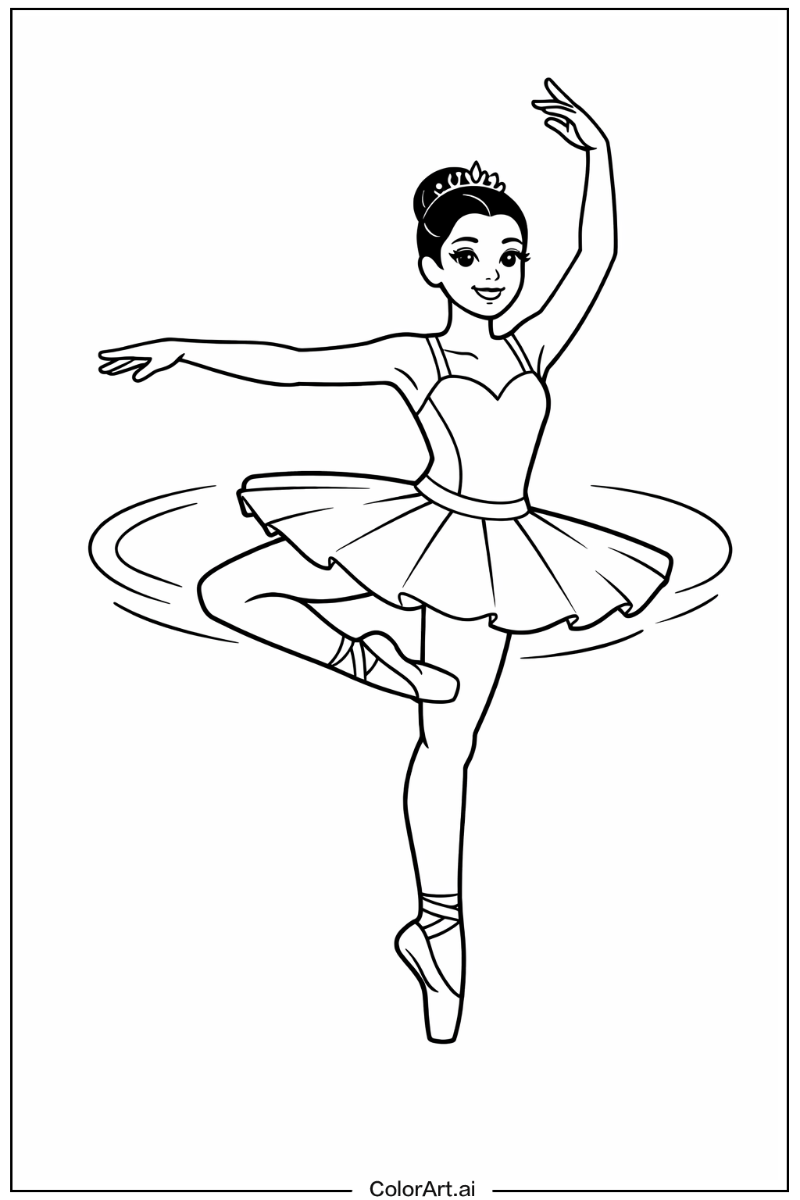
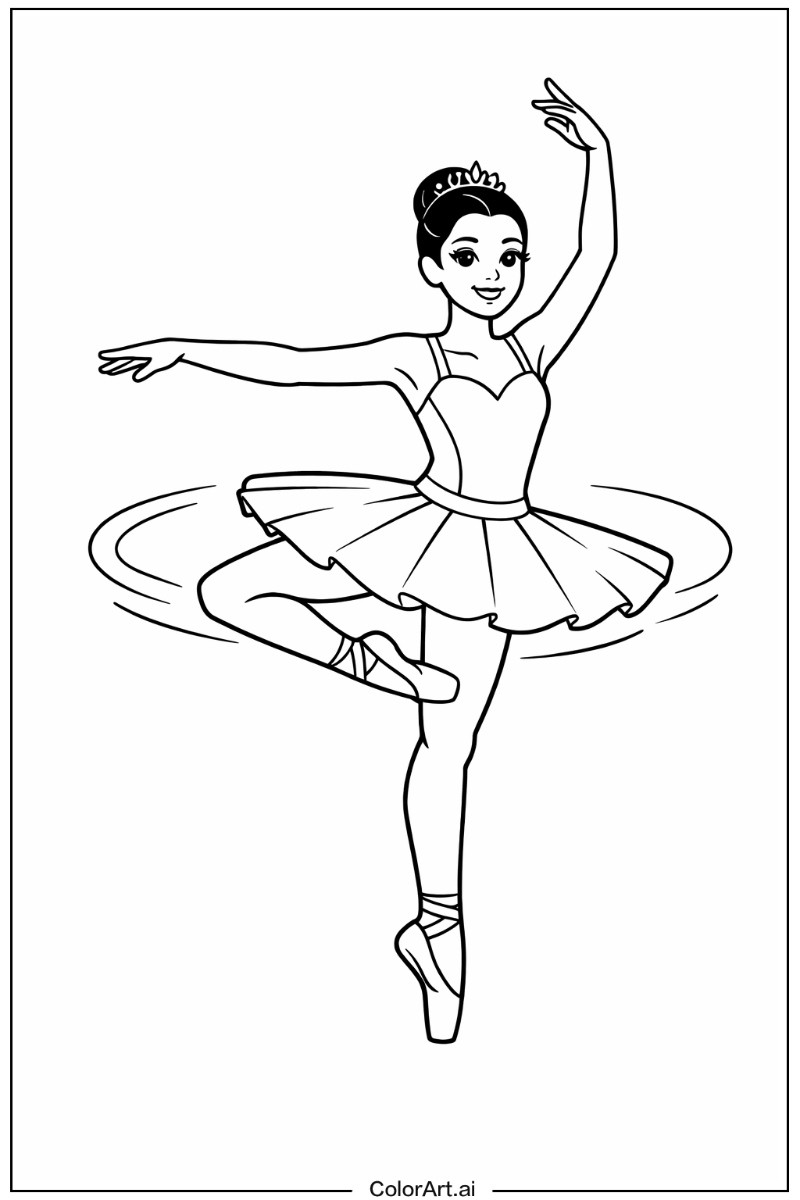
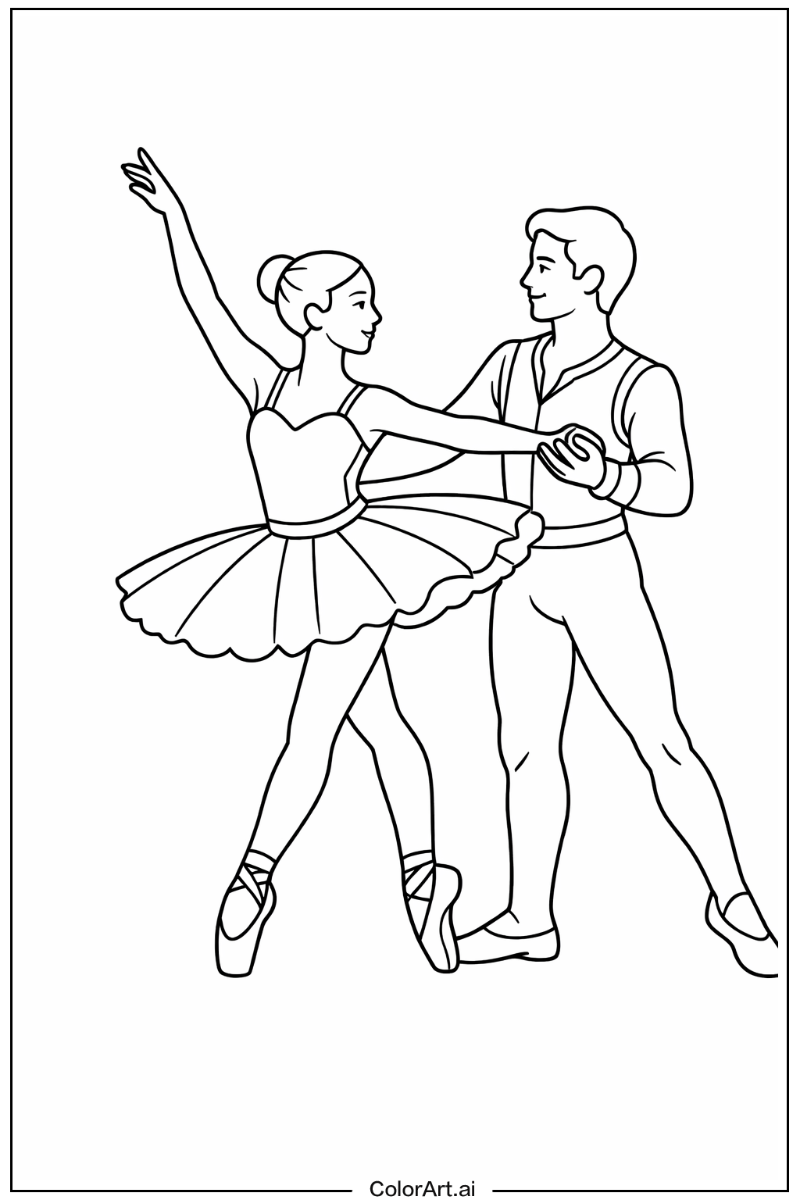
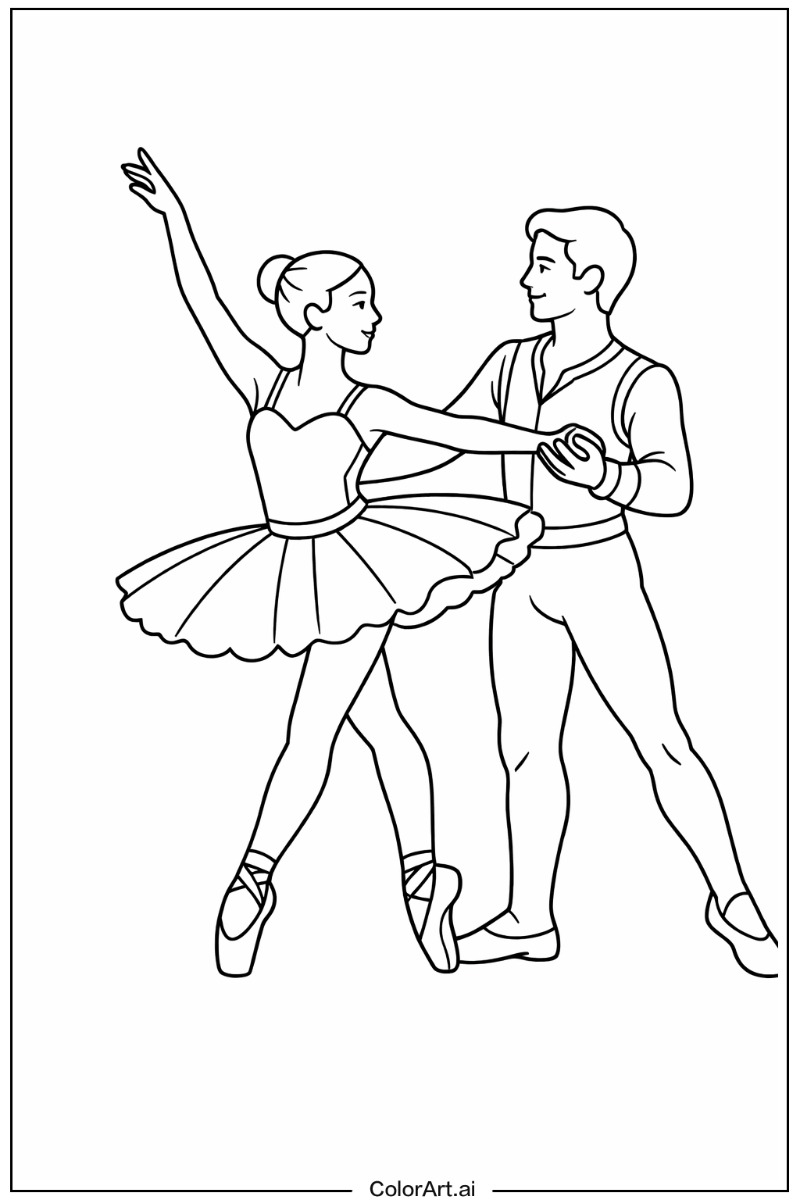
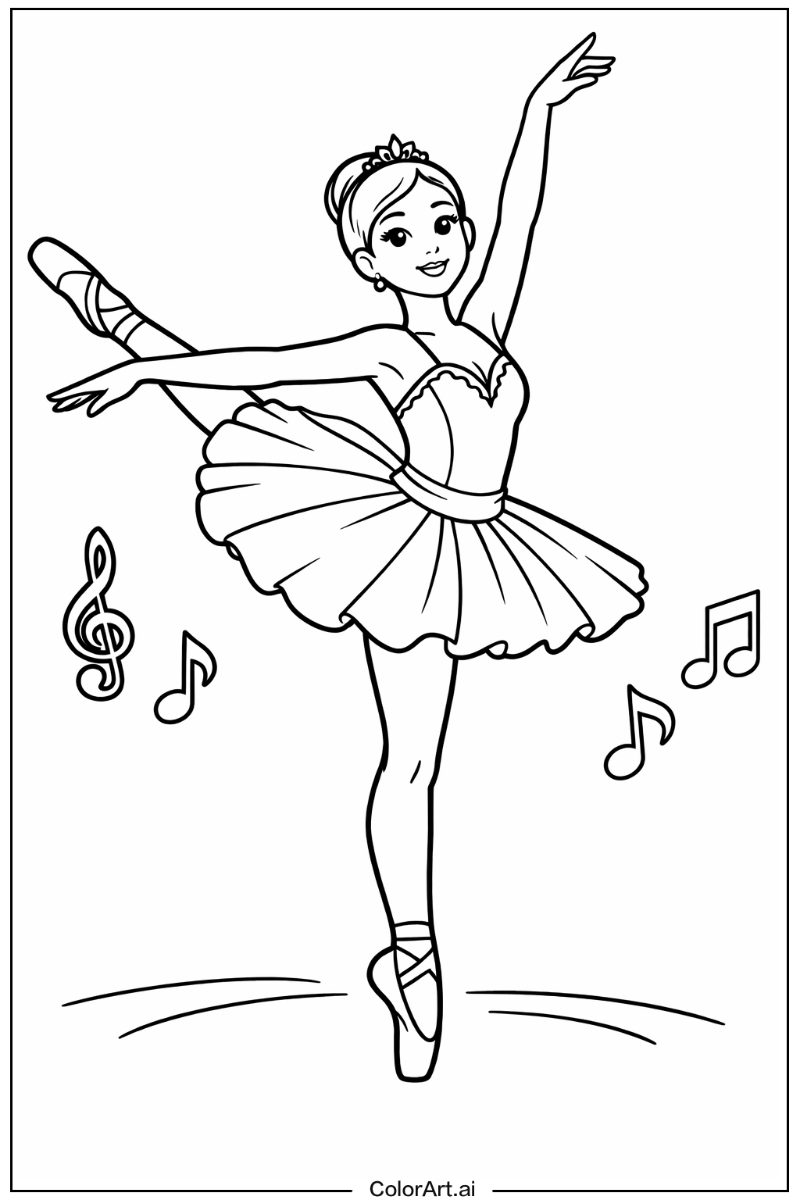
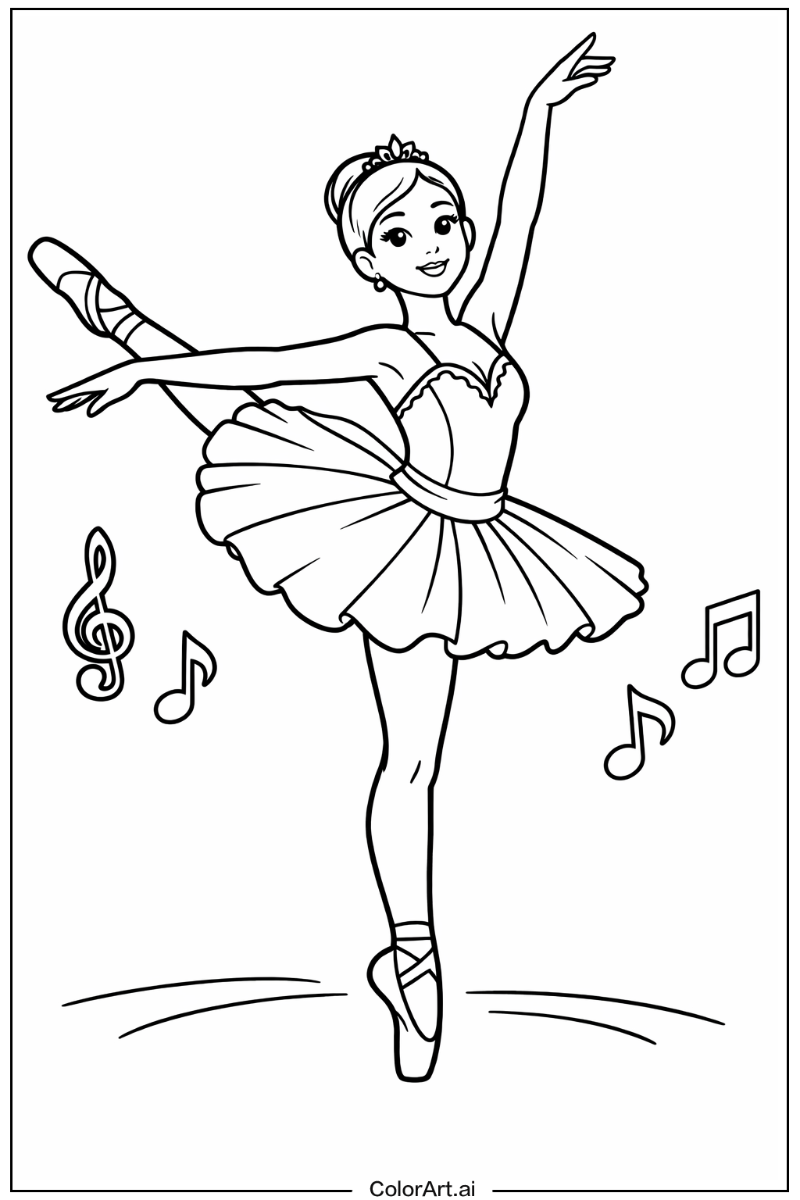
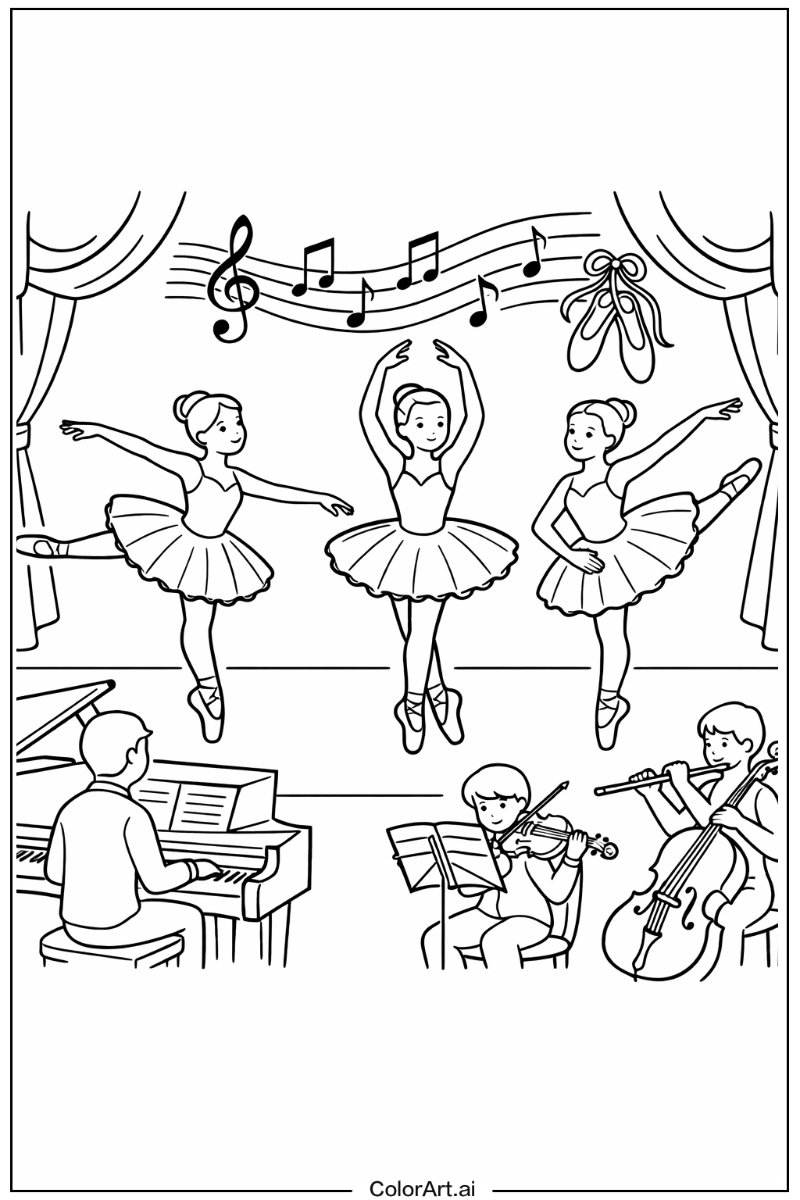
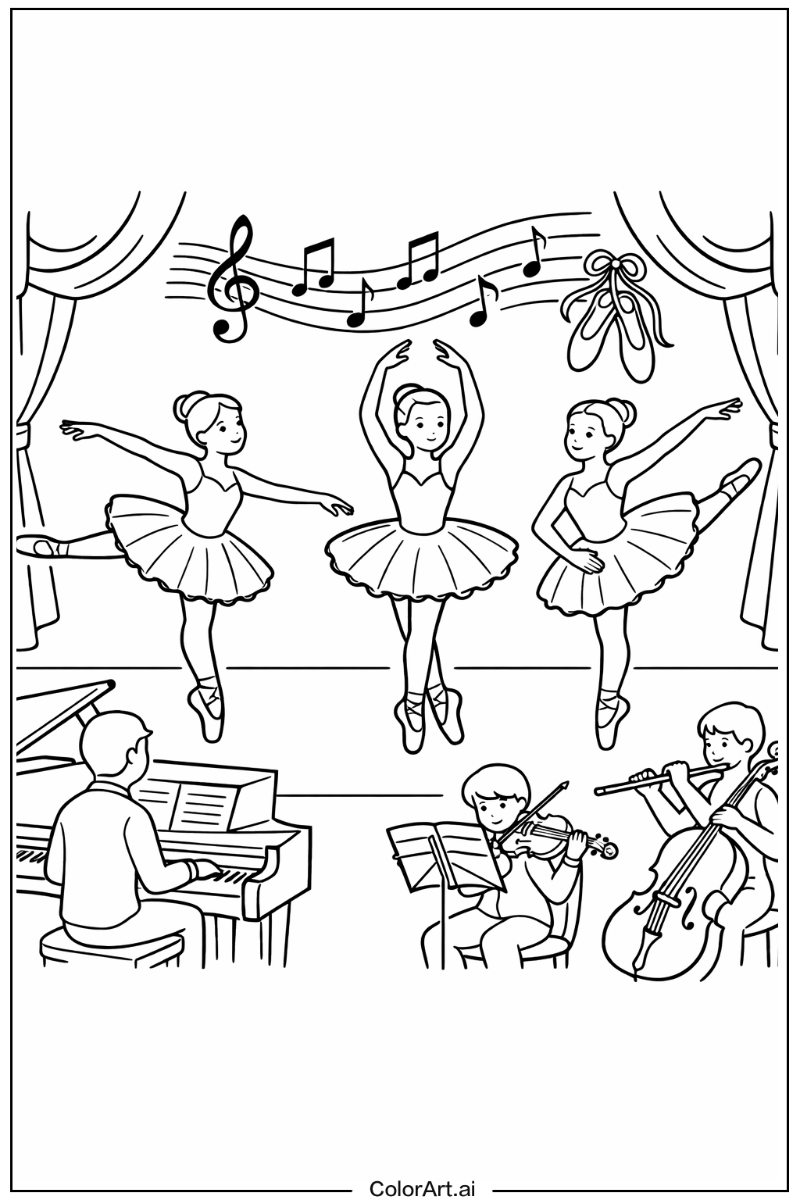
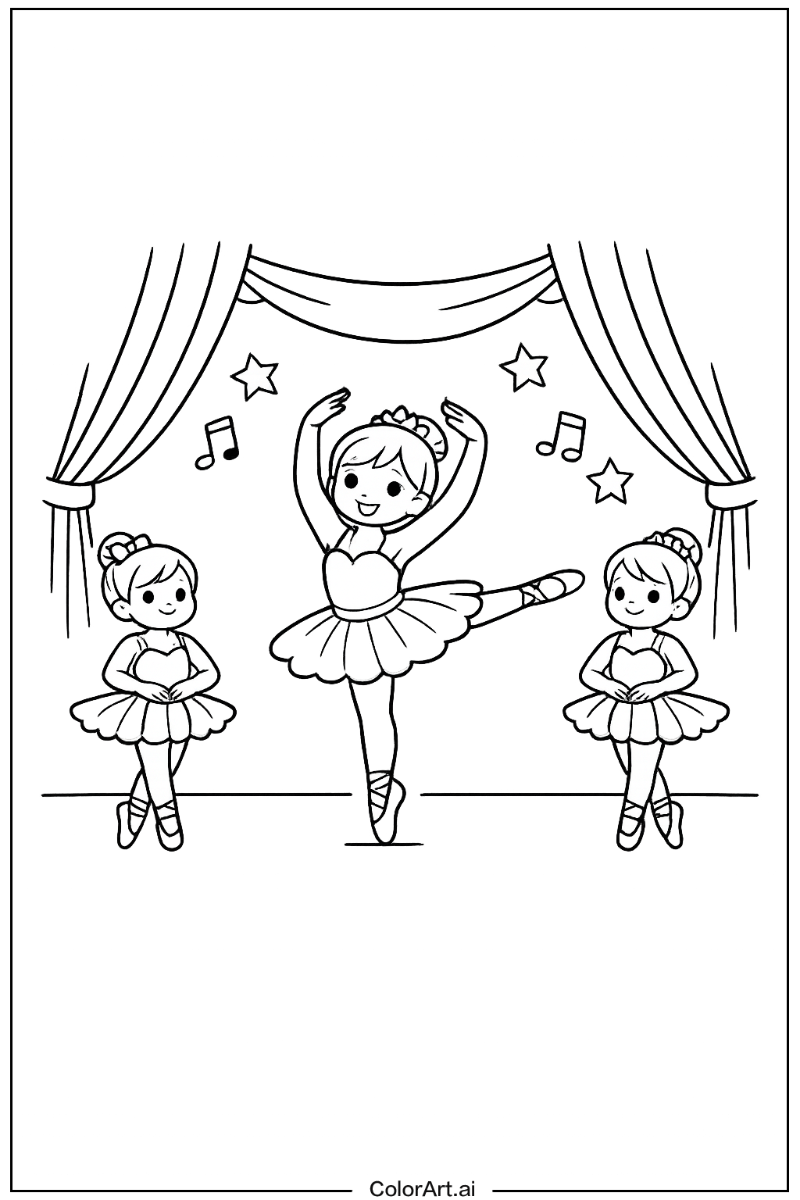
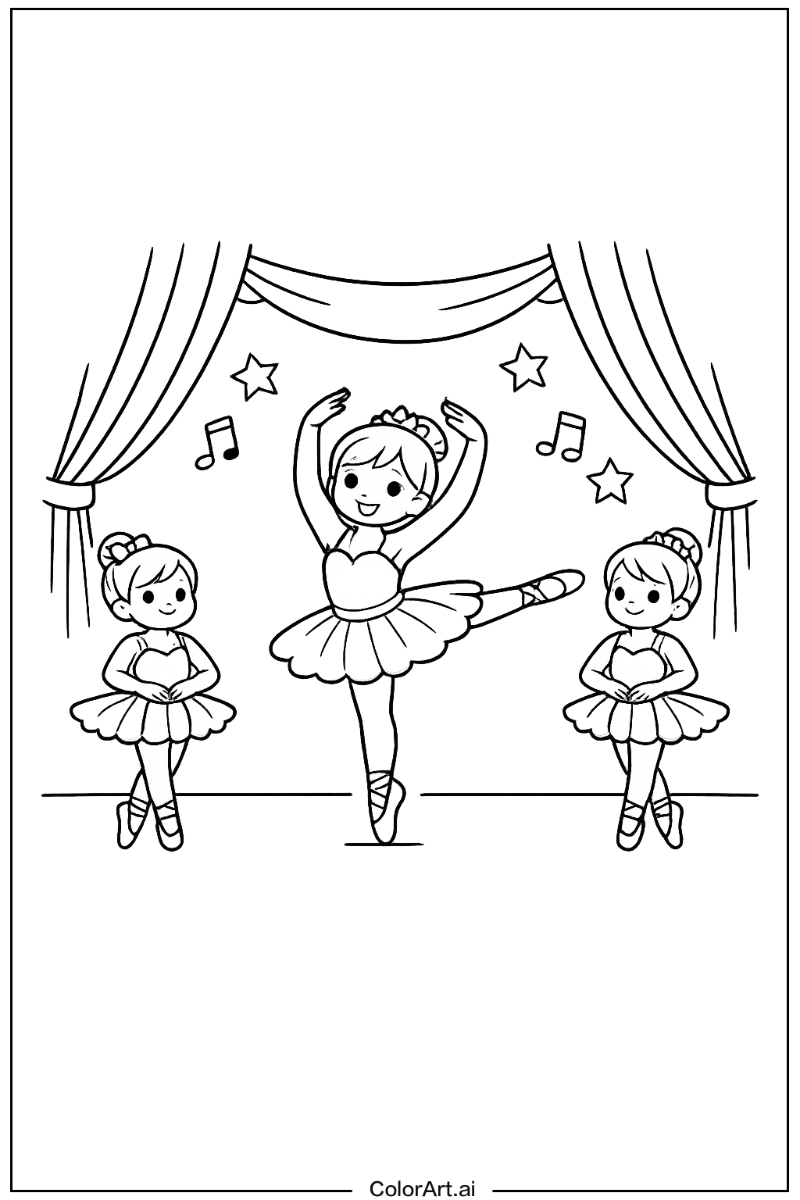
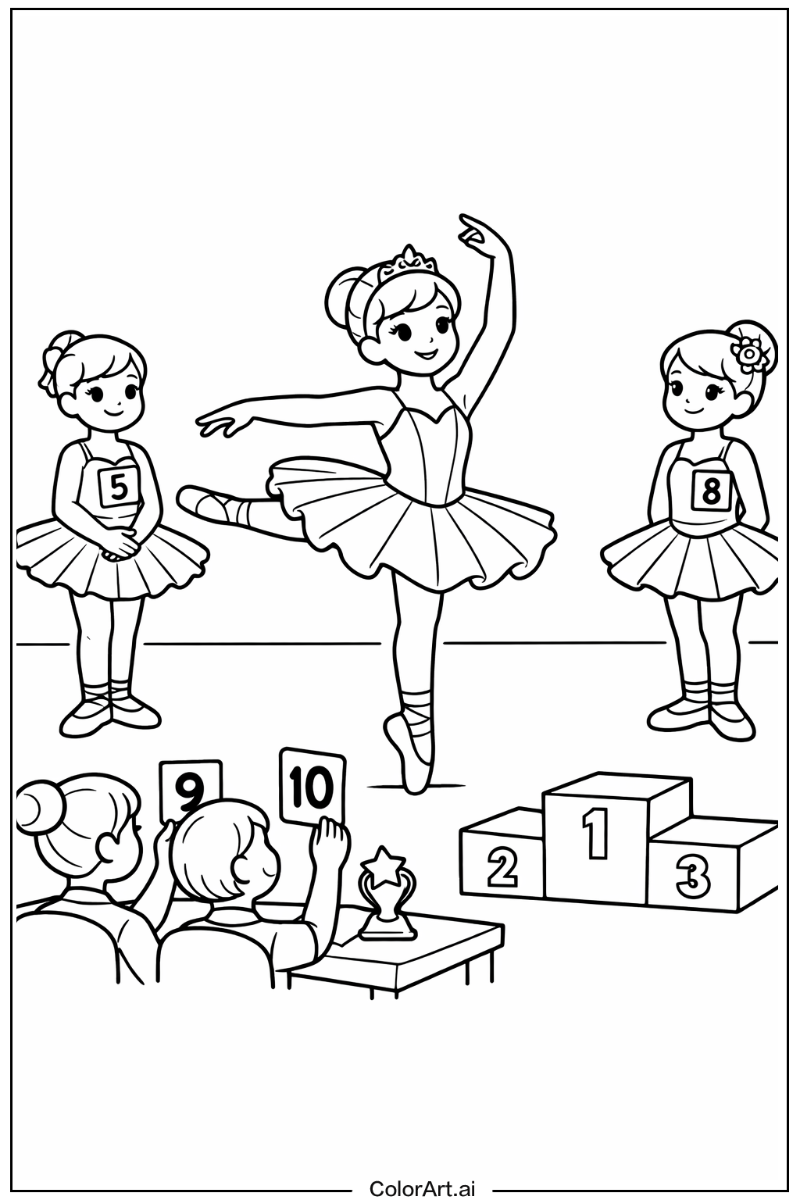
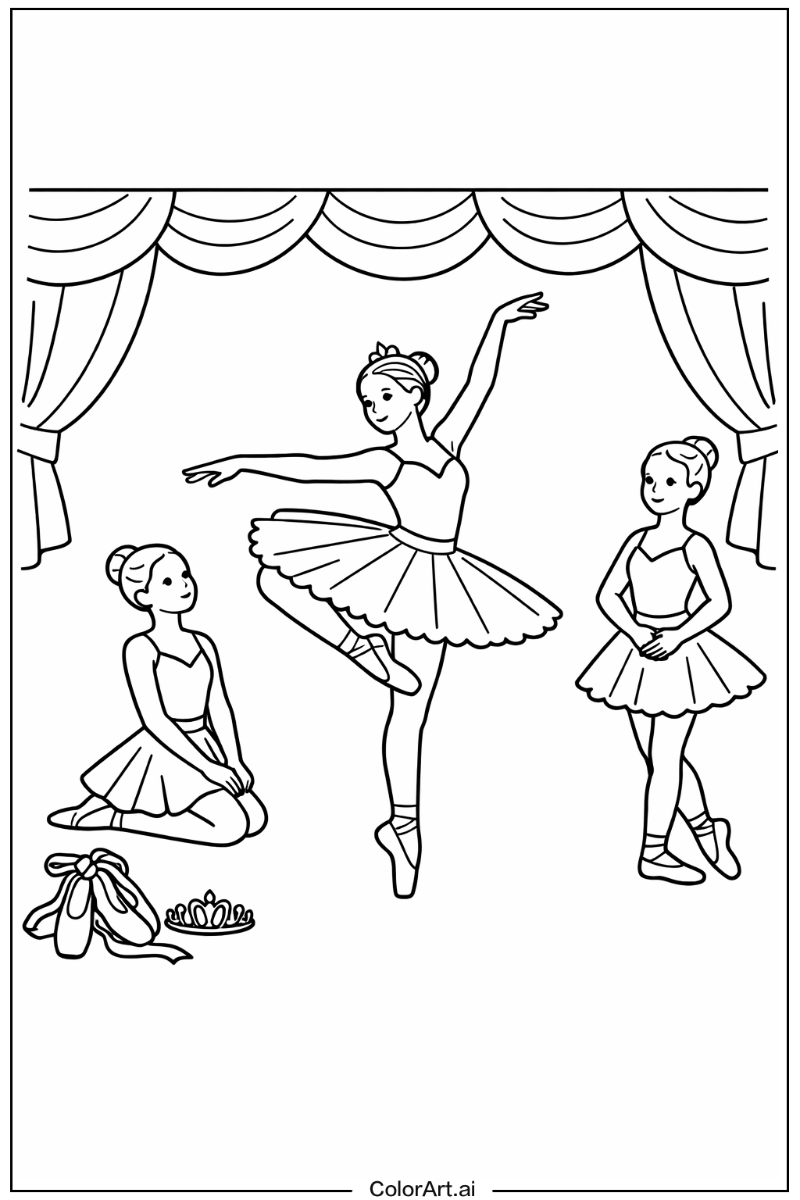
Ballet has a unique way of capturing the imagination of both young and old. The elegance of a ballerina in mid-pirouette, the softness of tutus, and the delicate pointe shoes all evoke a sense of beauty and grace that many of my students adore. In my classroom, I often see the magic of ballet inspire creativity and joy. Just last week, I watched as Sofia, a bright-eyed third grader, meticulously colored in a ballet dancer, choosing a rainbow palette for her tutu. The twinkling excitement in her eyes reminded me of my own childhood ballet classes where I learned to appreciate not just the dance but the art behind it. Ballet coloring pages offer a fantastic way to bring this art form into our daily lives, providing a creative outlet while introducing children to the elegance and discipline that ballet embodies.
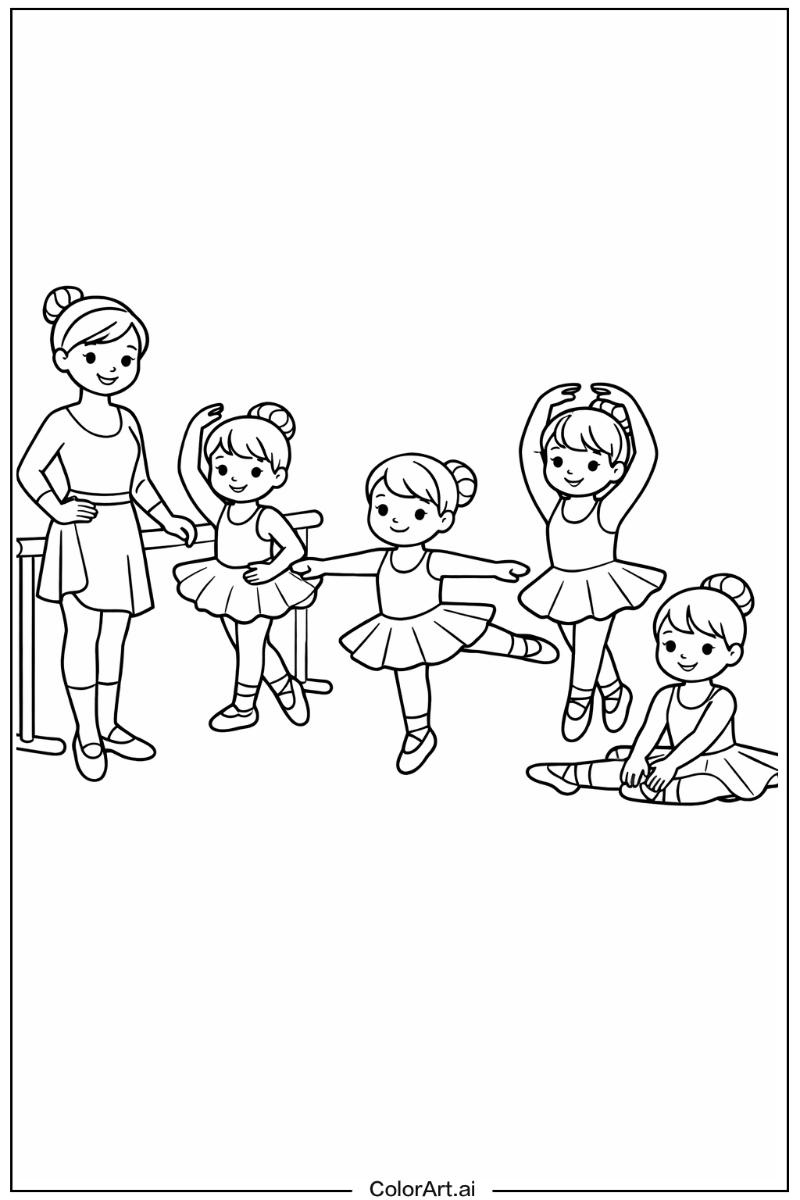
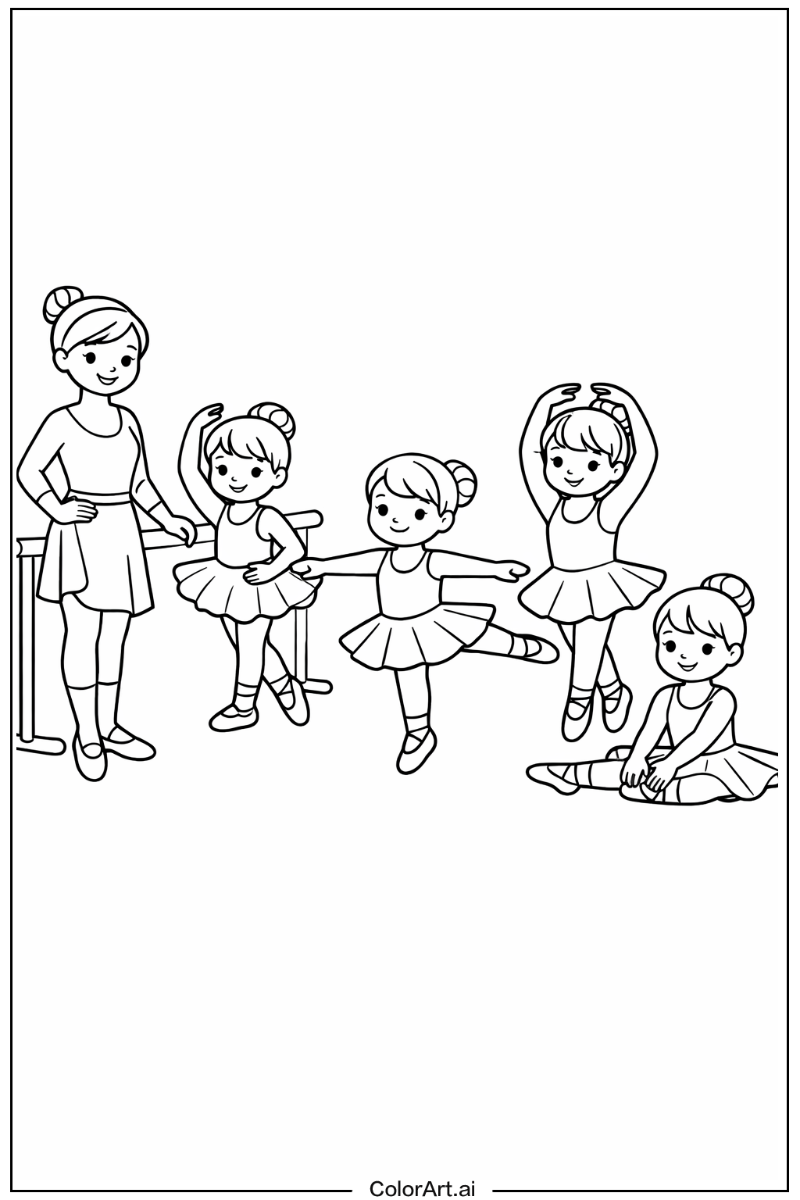
Group Coloring Pages
 PDF
PDF
 PNG
PNG
 PNG
PNG
 PNG
PNG
 PNG
PNG
 PNG
PNG
 PNG
PNG
 PNG
PNG
 PNG
PNG
 PNG
PNG
 PNG
PNG
 PNG
PNG
 PNG
PNG
 PNG
PNG
 PNG
PNG
 PNG
PNG
 PNG
PNG
 PNG
PNG
 PNG
PNG
 PNG
PNG
 PNG
PNG
 PNG
PNG
 PNG
PNG
 PNG
PNG
 PNG
PNG
 PNG
PNG
 PNG
PNG
 PNG
PNG
 PNG
PNG
 PNG
PNG
 PNG
PNG
 PNG
PNG
 PNG
PNG
 PNG
PNG
 PNG
PNG
 PNG
PNG
 PNG
PNG
 PNG
PNG
 PNG
PNG
 PNG
PNG
The Rich History of Ballet
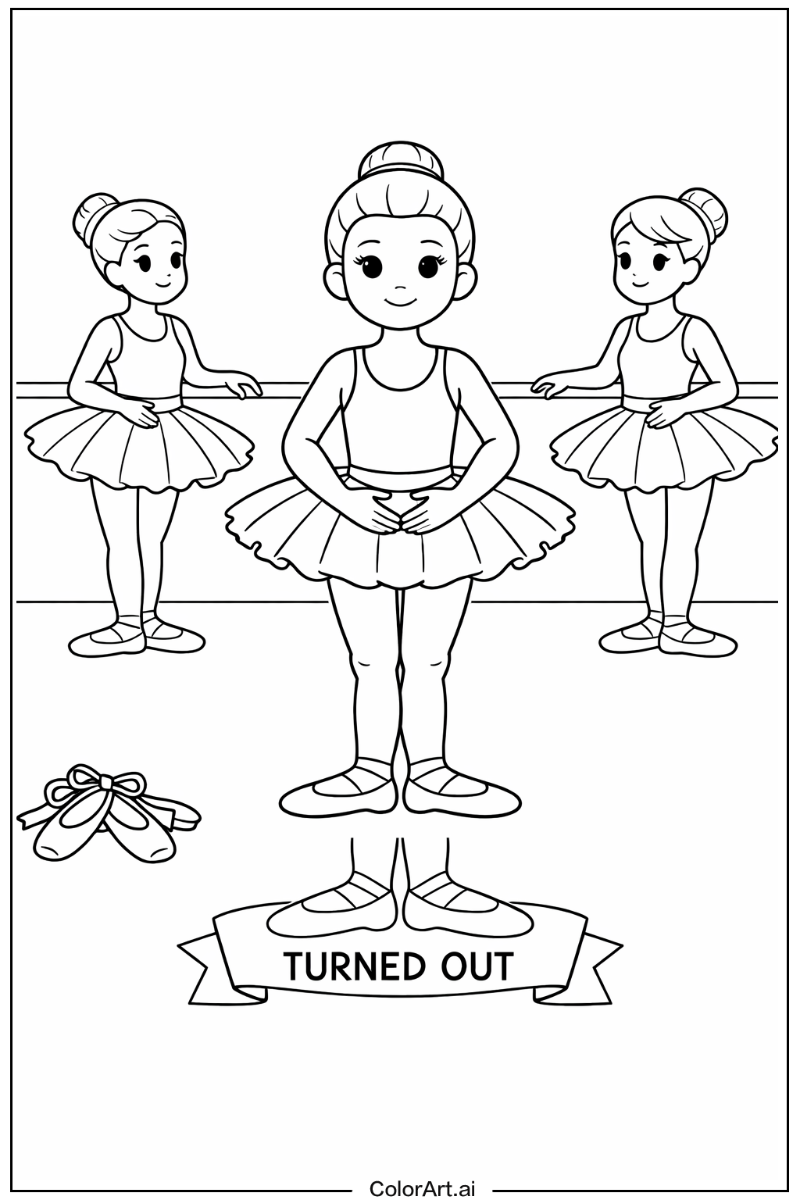
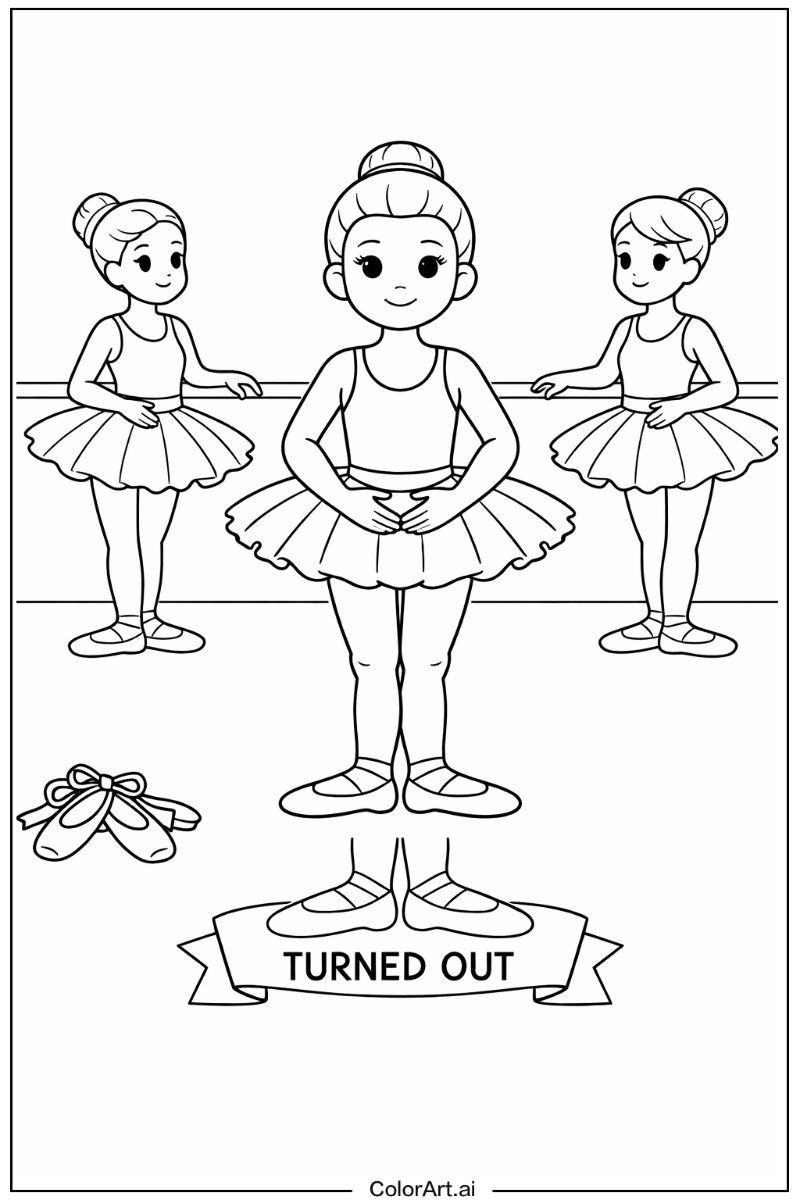
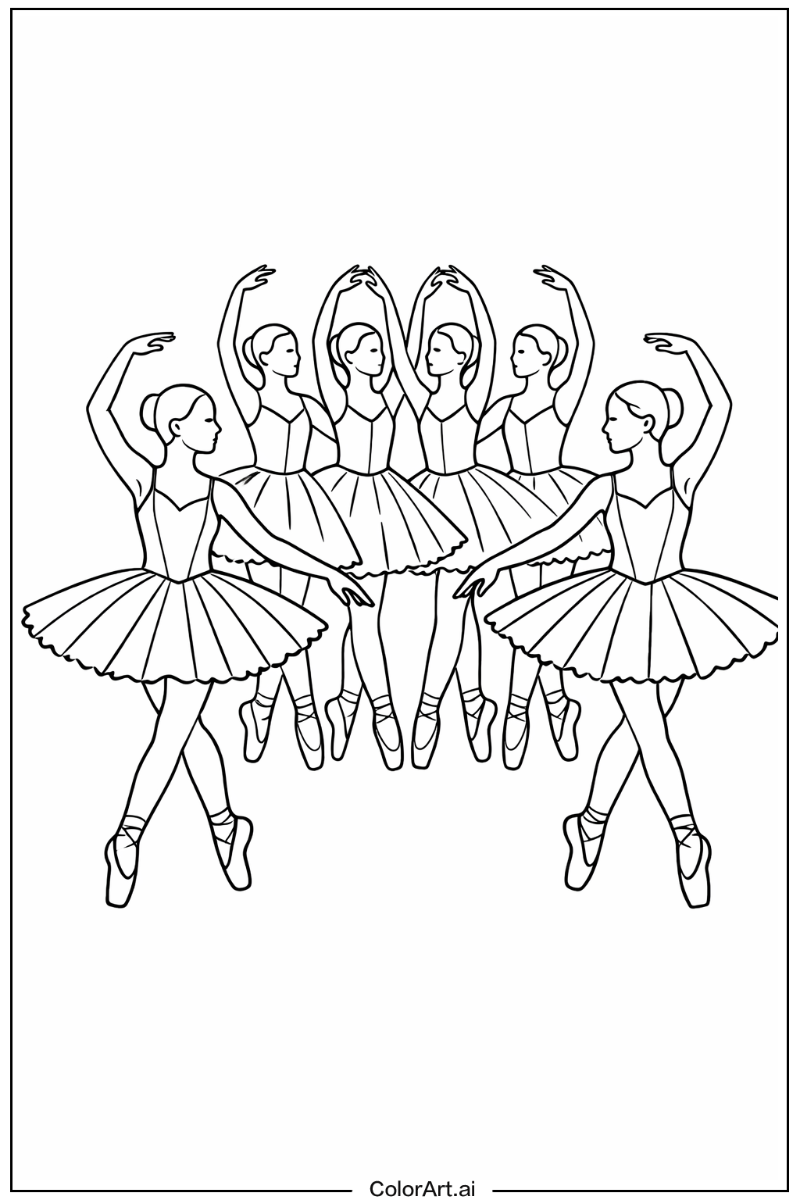
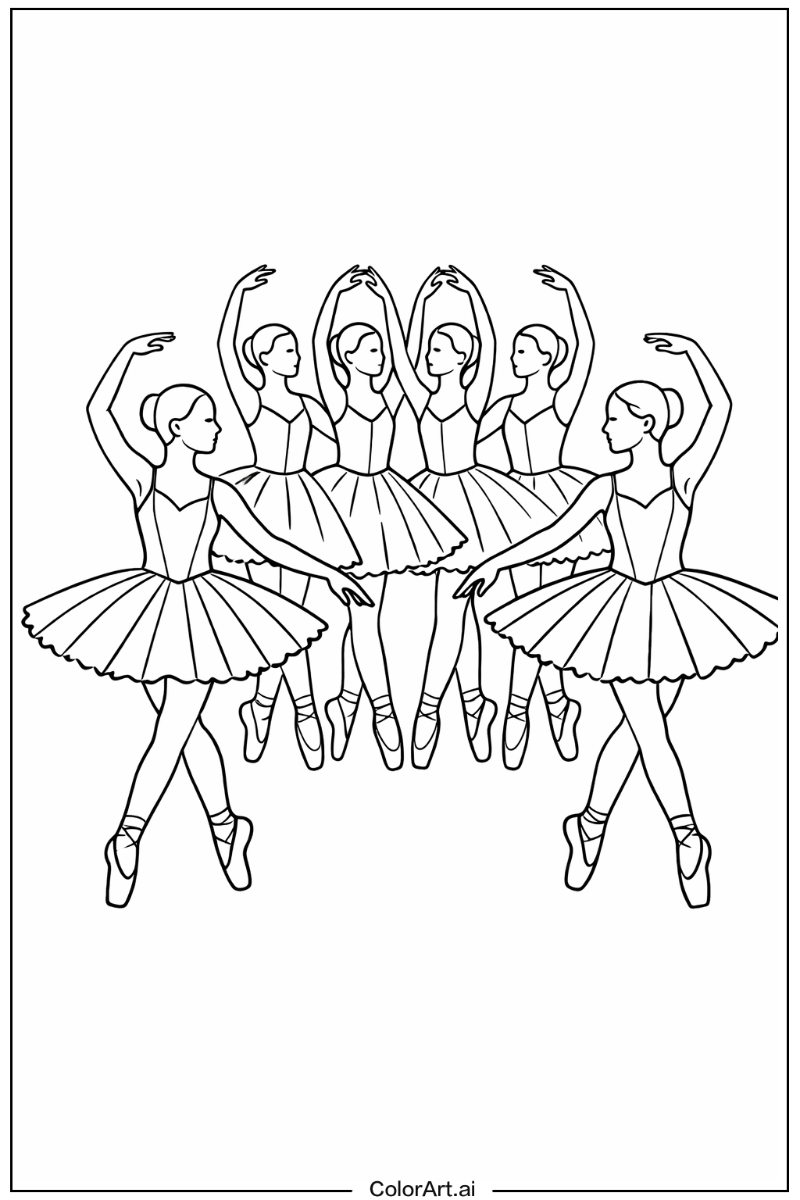
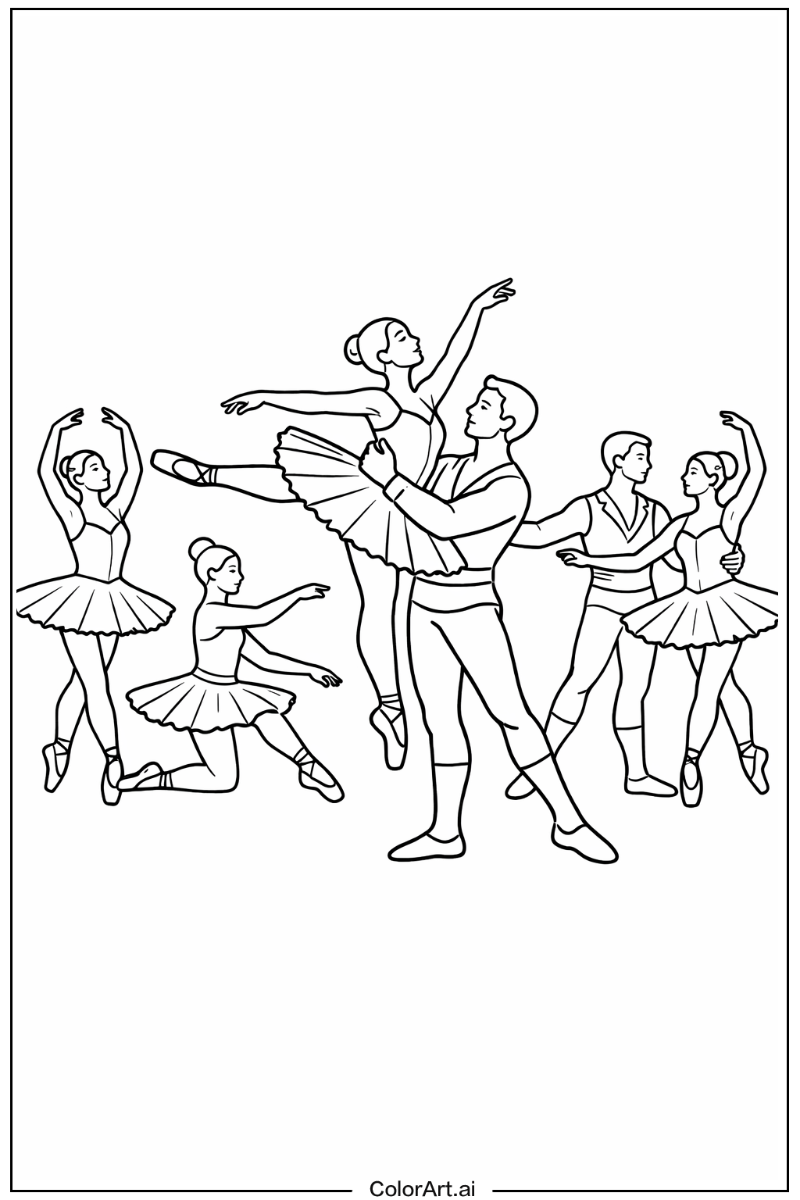
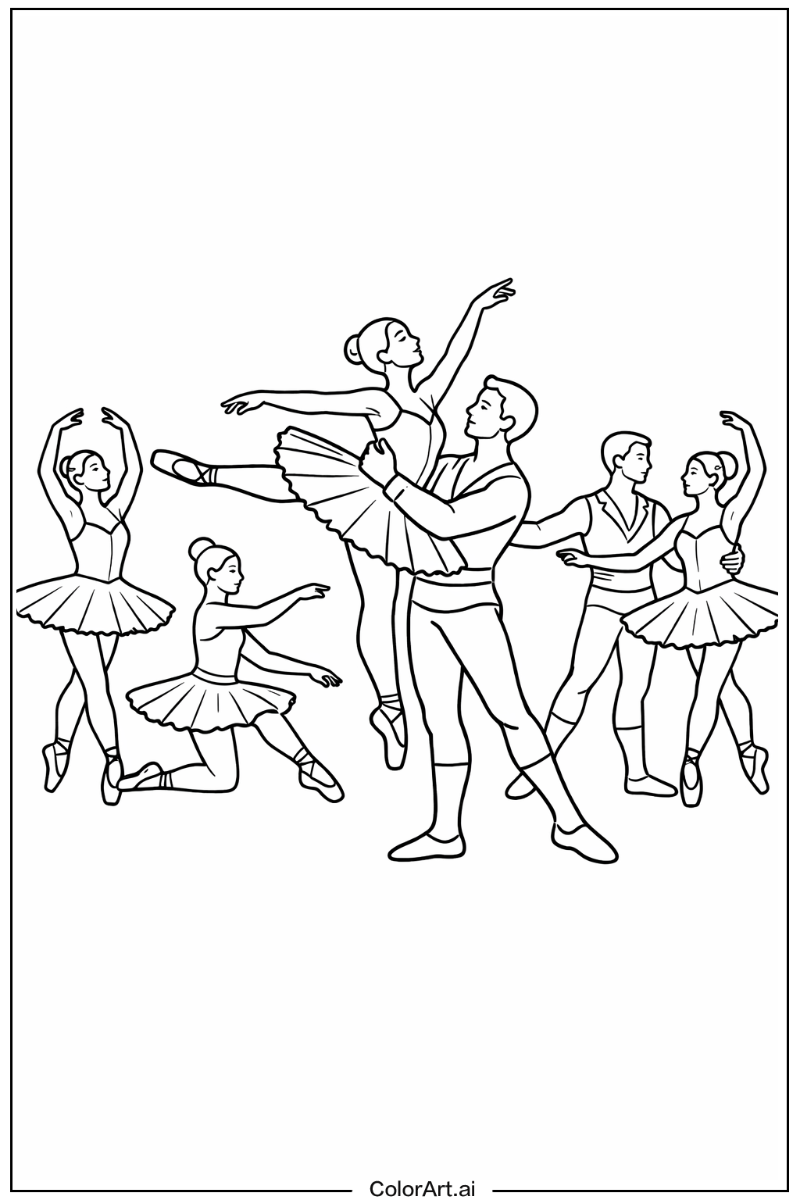
Ballet originated in the 16th and 17th centuries as a form of court entertainment in Europe, particularly in France and Italy. It evolved from festive dances and theatrical performances, serving as a means for nobility to display their grace and elegance. As I teach my students about the history of ballet, I often share how, in the early days, these performances were grand spectacles filled with costumes and music that united people. One memorable lesson involved grouping the students to create their own mini ballet performances. They learned about iconic figures like Marie Taglioni and Sergei Diaghilev, sparking their creativity as they imagined themselves as part of a historical ballet troupe. Understanding the cultural significance of ballet not only enriches their art education but also fosters respect for the dedication that ballet demands.
The Educational Benefits of Ballet Coloring Pages
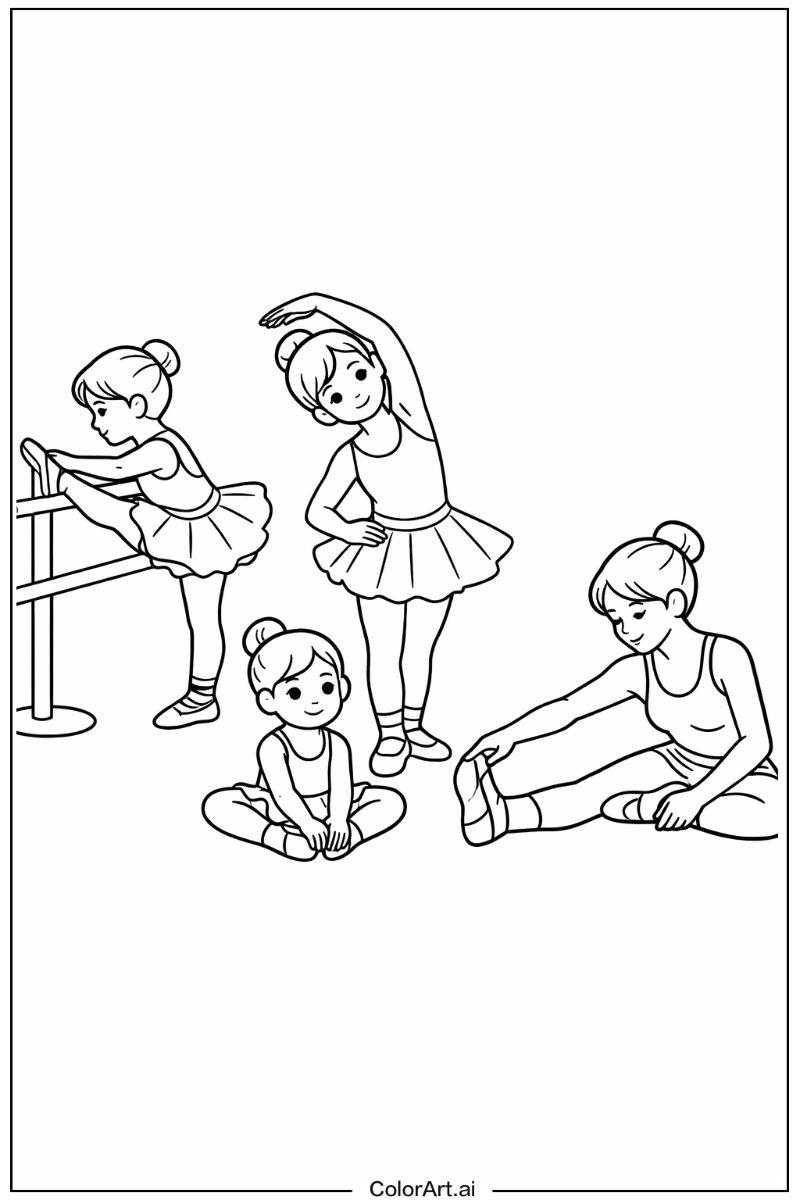
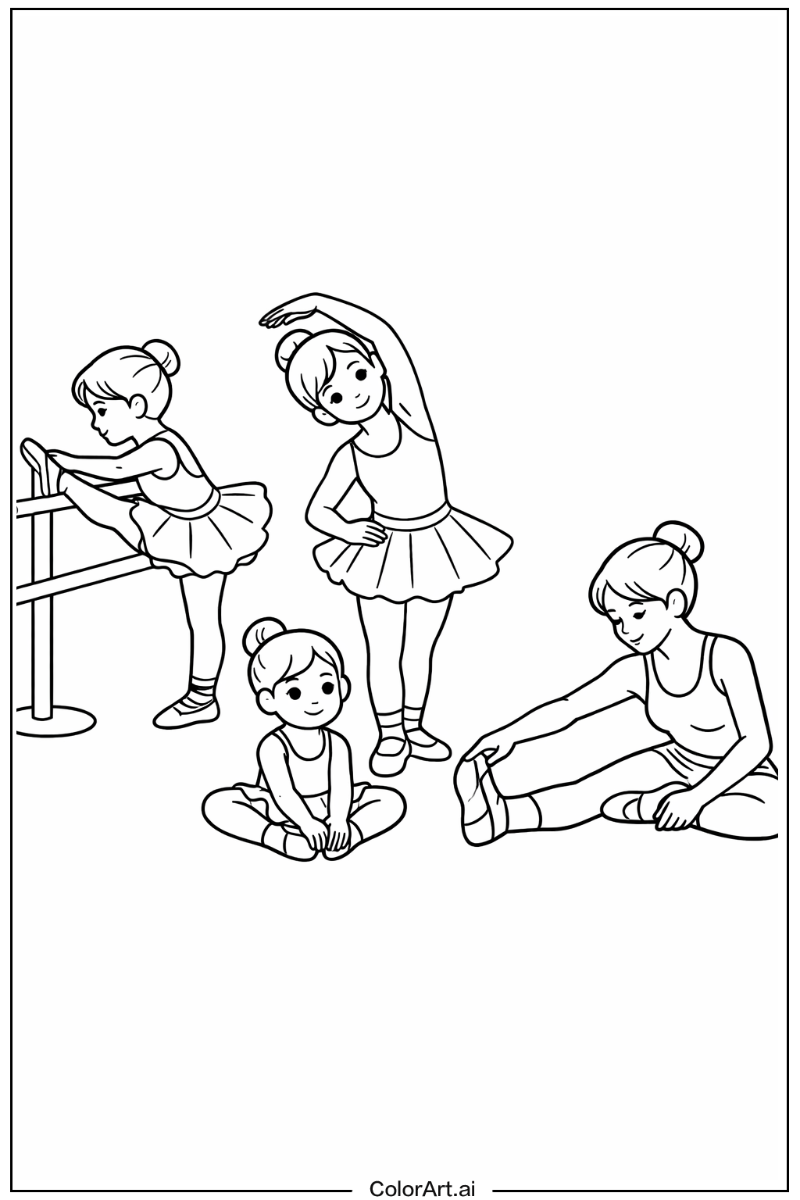
Ballet coloring pages provide a wealth of educational benefits for children. First and foremost, they support fine motor skills and hand-eye coordination, crucial for young learners aged 3-11. When coloring intricate designs of ballet poses or tutus, children practice precision and control. I often assign coloring ballet pages as a warm-up activity before our dance lessons, allowing students to practice their grip strength and dexterity. Furthermore, these pages enhance concentration and focus, as students must pay attention to the details of their ballet figures. I once had a student named Lucas, who struggled with focus during lessons; however, he thrived when given ballet coloring pages, which helped him improve his attention span significantly. The joy of coloring also promotes emotional well-being, providing an avenue for stress relief and self-expression. By encouraging students to choose their colors and patterns, they experience a sense of accomplishment and pride in their work.
Practical Tips for Coloring Ballet Pages
When it comes to coloring ballet pages, I have a few tips that have worked wonders for my students. First, I recommend using colored pencils for detailed work; they allow for precision without the risk of oversaturation. Markers can be great for bold colors, while crayons are excellent for younger children who may not have the fine motor skills yet to control pencils. I always encourage my students to experiment with colors; after all, ballet doesn't have to be just pink and white! One day, I witnessed a student, Emma, color her ballerina in vibrant greens and blues, transforming a traditional figure into something uniquely her own. Additionally, using high-quality paper or cardstock can elevate the finished product, giving it a more professional look. This attention to detail can encourage students to take pride in their work!
Current Trends in Ballet Art Education
As we step into the future, ballet is experiencing a resurgence in popularity, with recent trends indicating a shift towards integrating ballet into broader wellness and fitness programs. Major institutions like the American Ballet Theatre and the Royal Ballet are now collaborating with fitness centers, making ballet accessible to a wider audience. In my own classroom, I've noticed that students are increasingly drawn to ballet-themed activities. For example, during our recent 'Ballet Week,' we incorporated simple ballet movements into our art lessons, encouraging students to express their interpretations of ballet through movement and color. This integration of physical activity into the arts has proven to be beneficial, promoting both mental and physical well-being among my students.
Frequently Asked Questions About Ballet Coloring Pages
What age group are ballet coloring pages suitable for?
Ballet coloring pages are designed for various age groups, typically ranging from preschoolers (3-5 years) to adults. We offer different complexity levels to match different skill levels.
What materials work best for coloring ballet pages?
For best results, we recommend colored pencils for detailed work, markers for bold colors, and crayons for younger children. Use high-quality paper or cardstock for professional-looking results.
How should I print ballet coloring pages for best quality?
Print ballet coloring pages using high-quality or best print settings. Use standard A4 or Letter size paper, or upgrade to cardstock for more durable results. Ensure your printer has sufficient ink for clear, dark lines.