Celebrating Earth Day Through Coloring
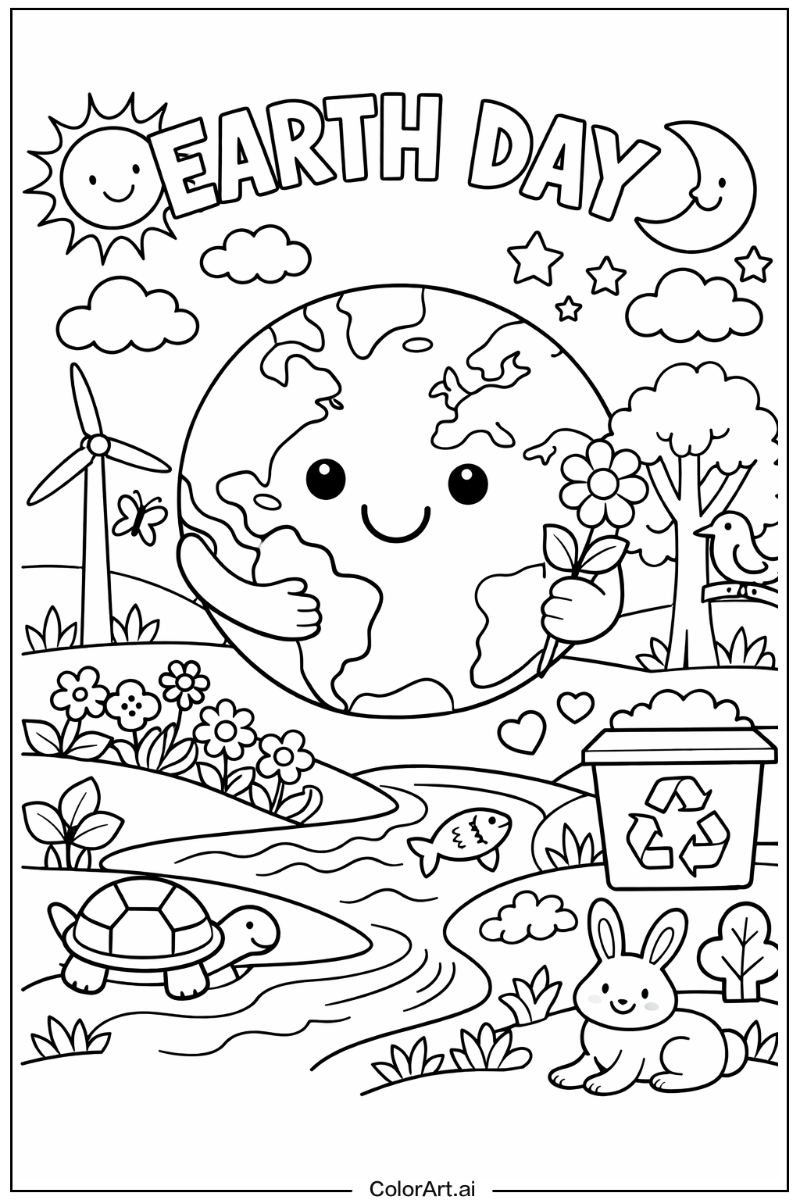
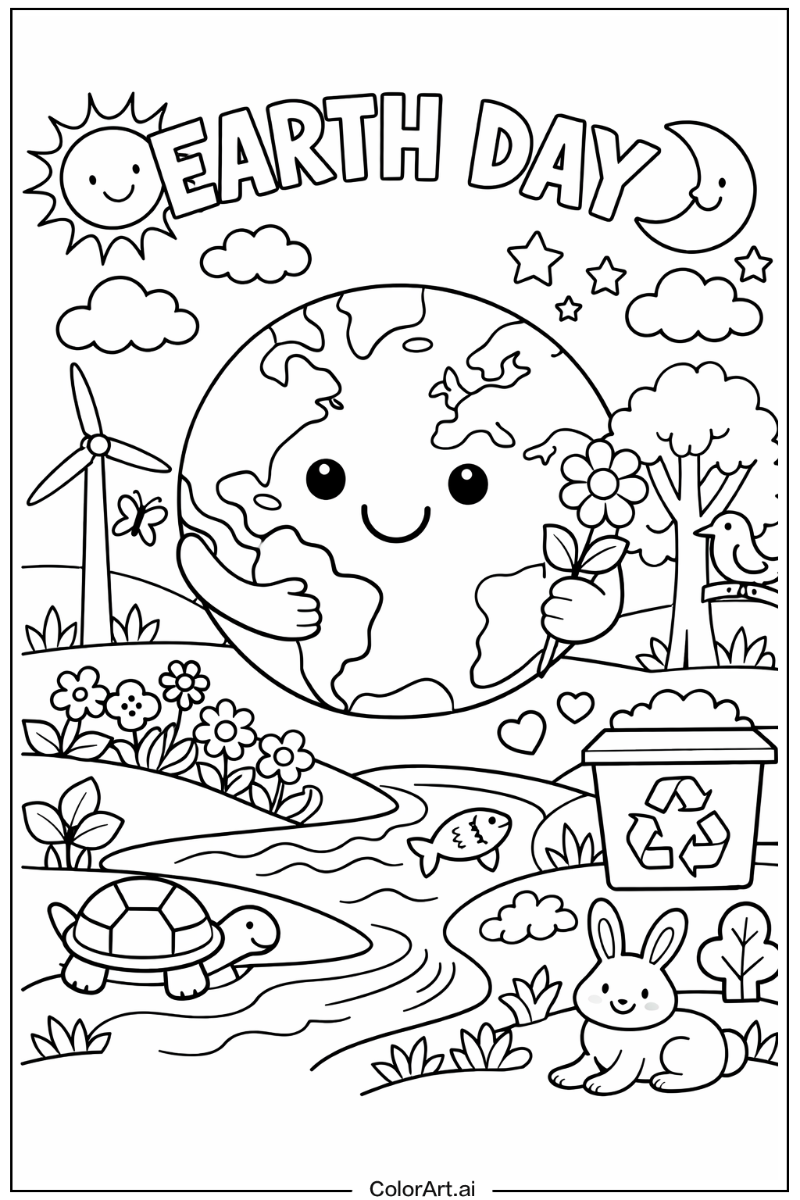
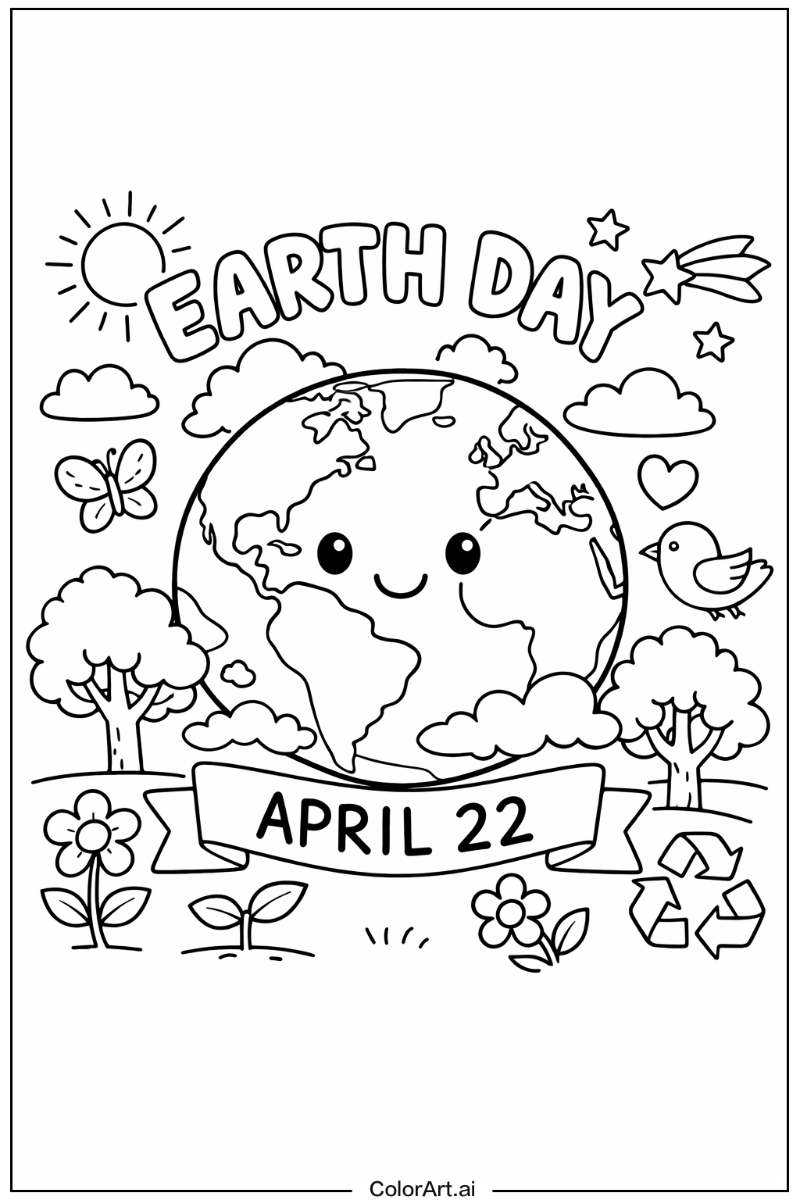
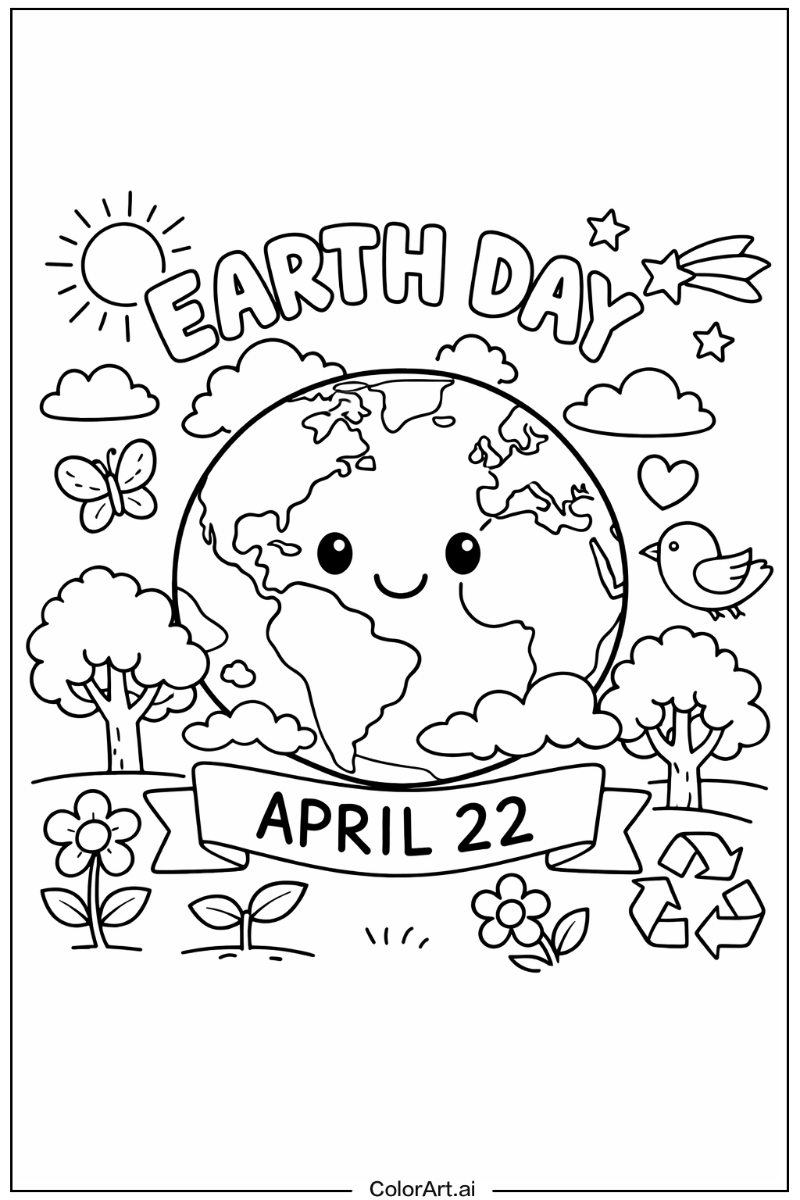
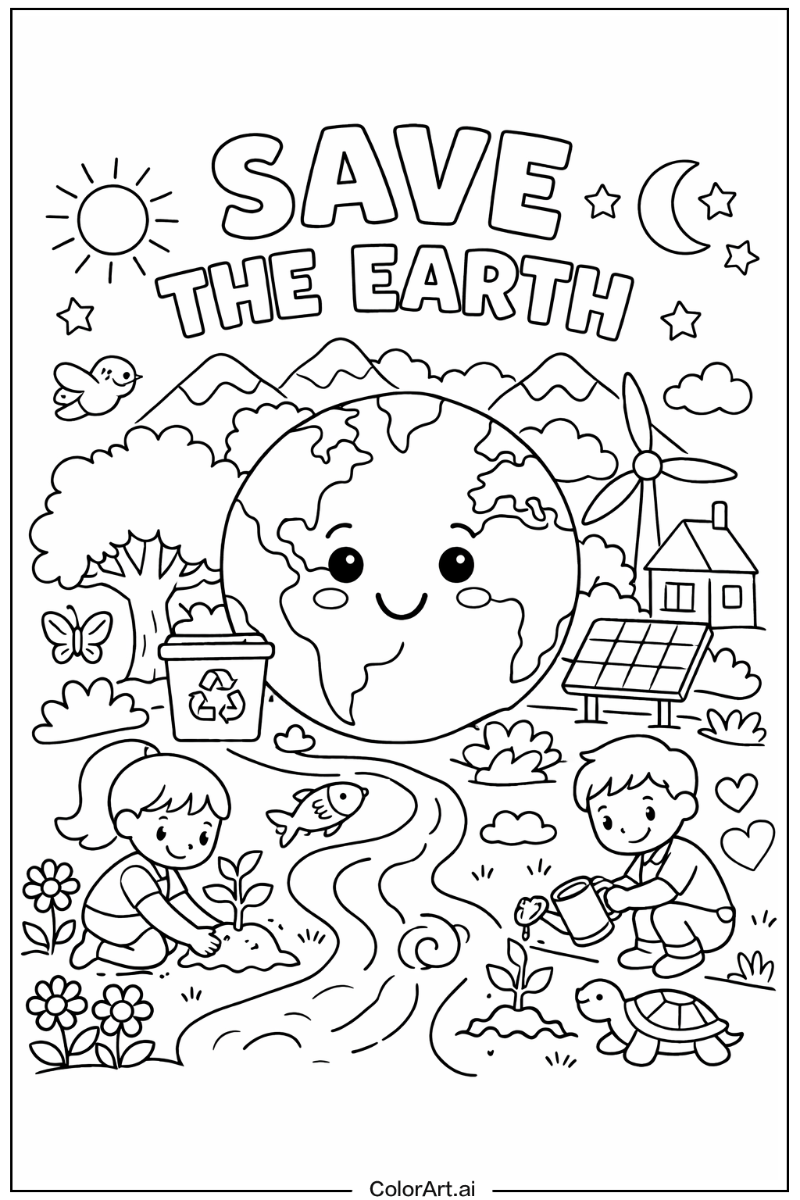
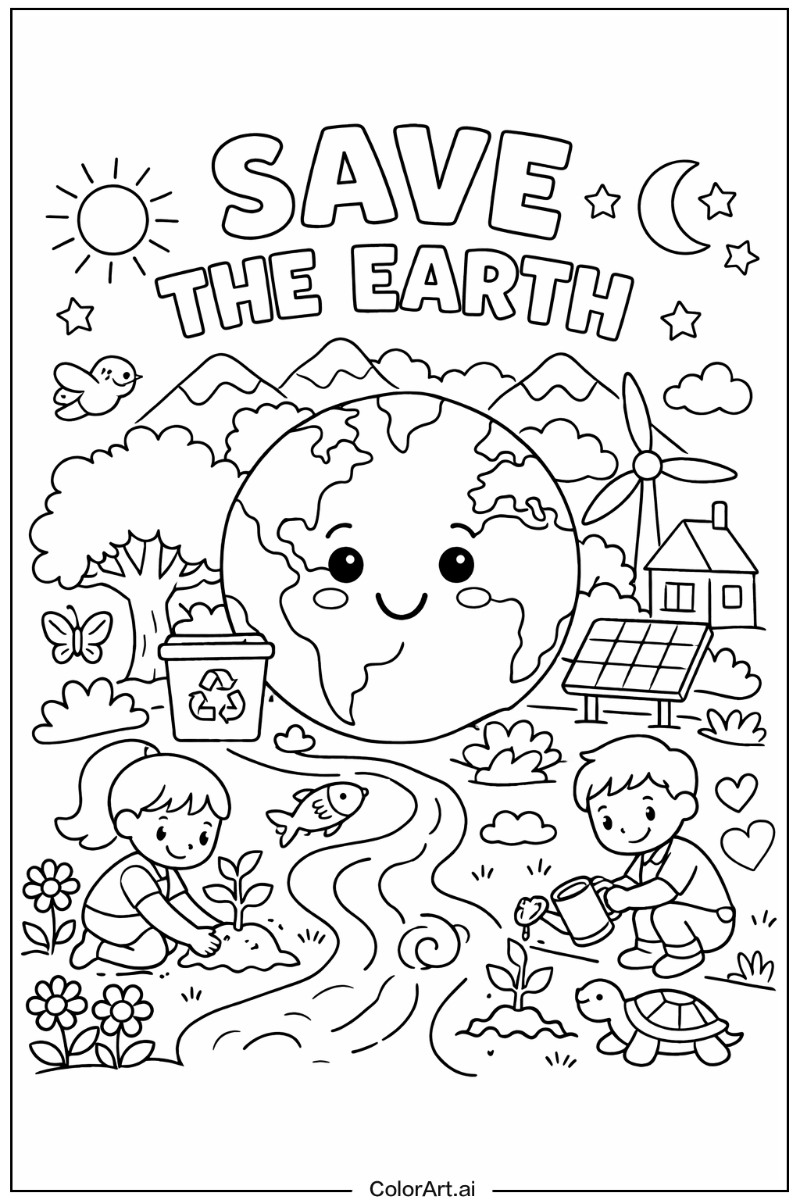
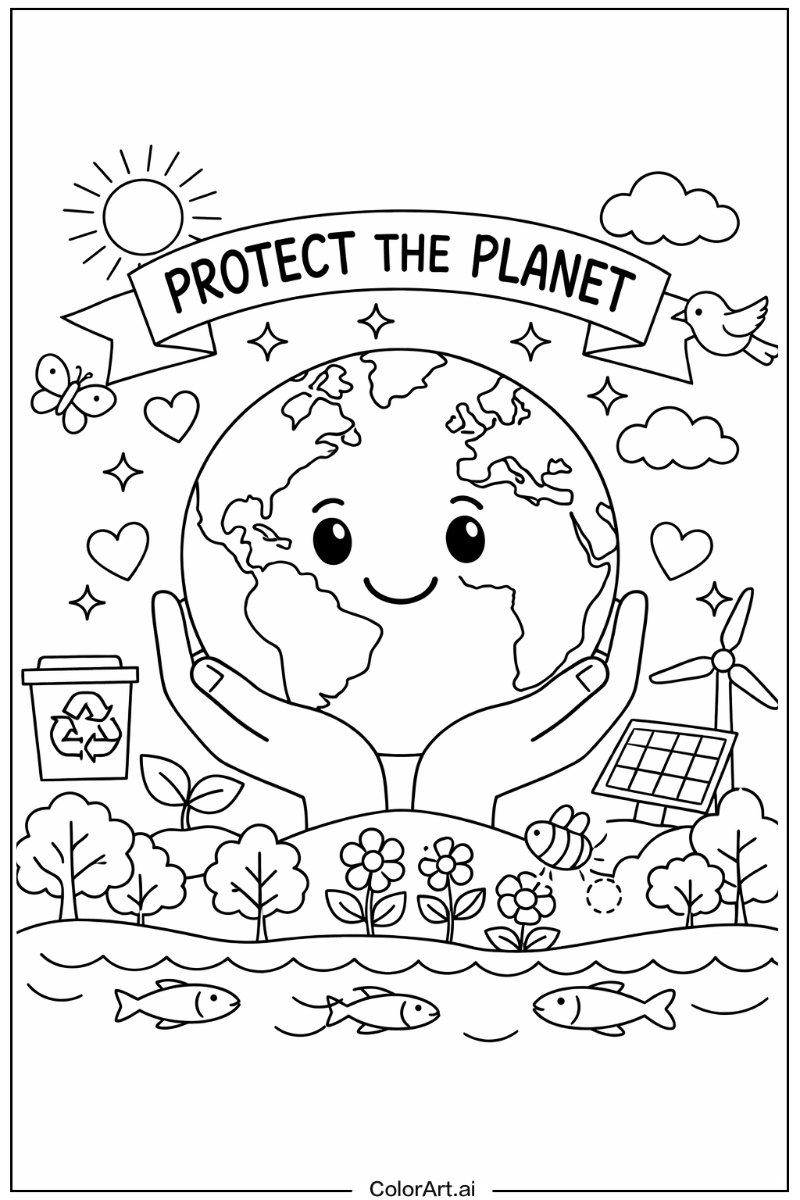
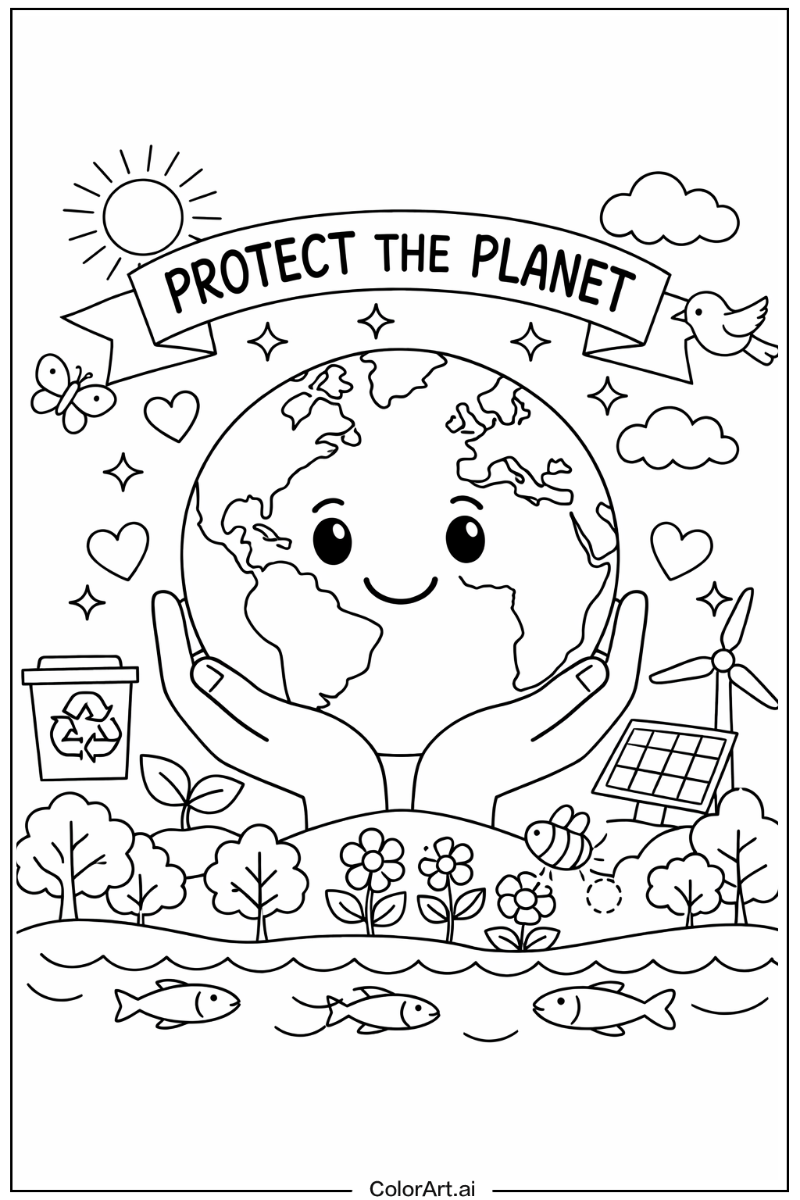
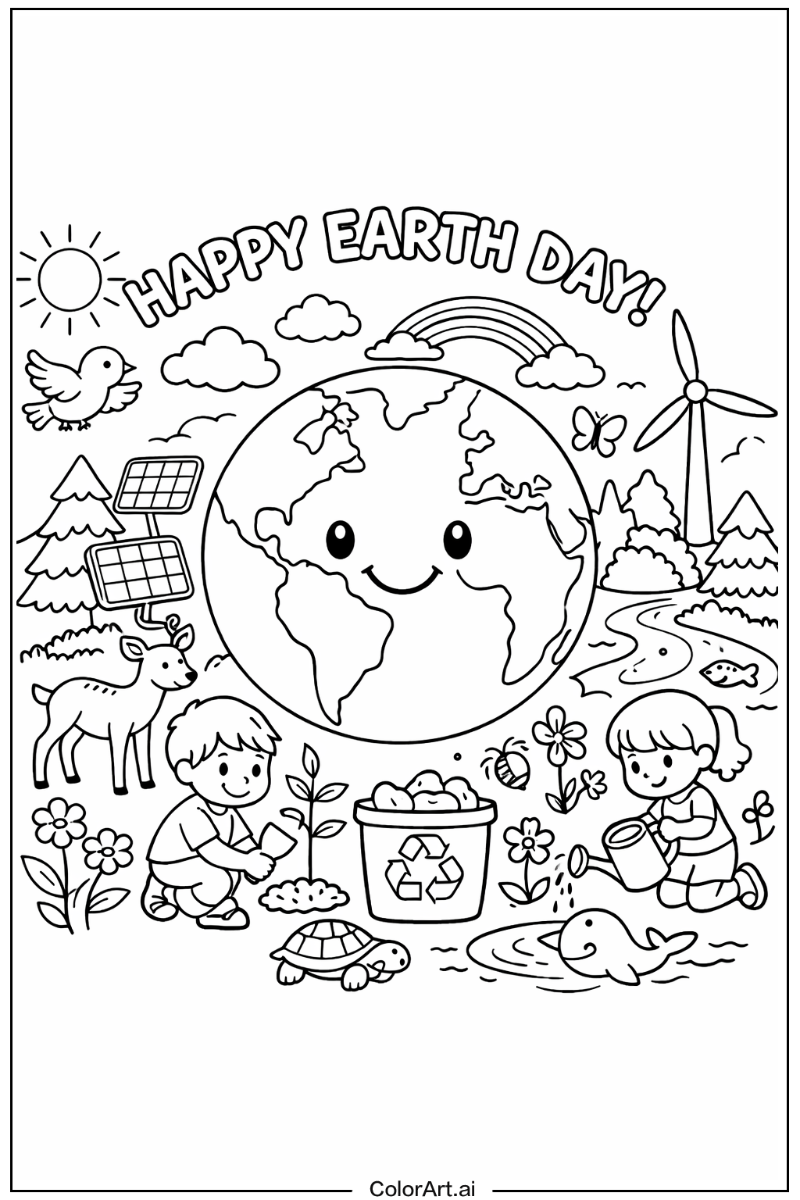
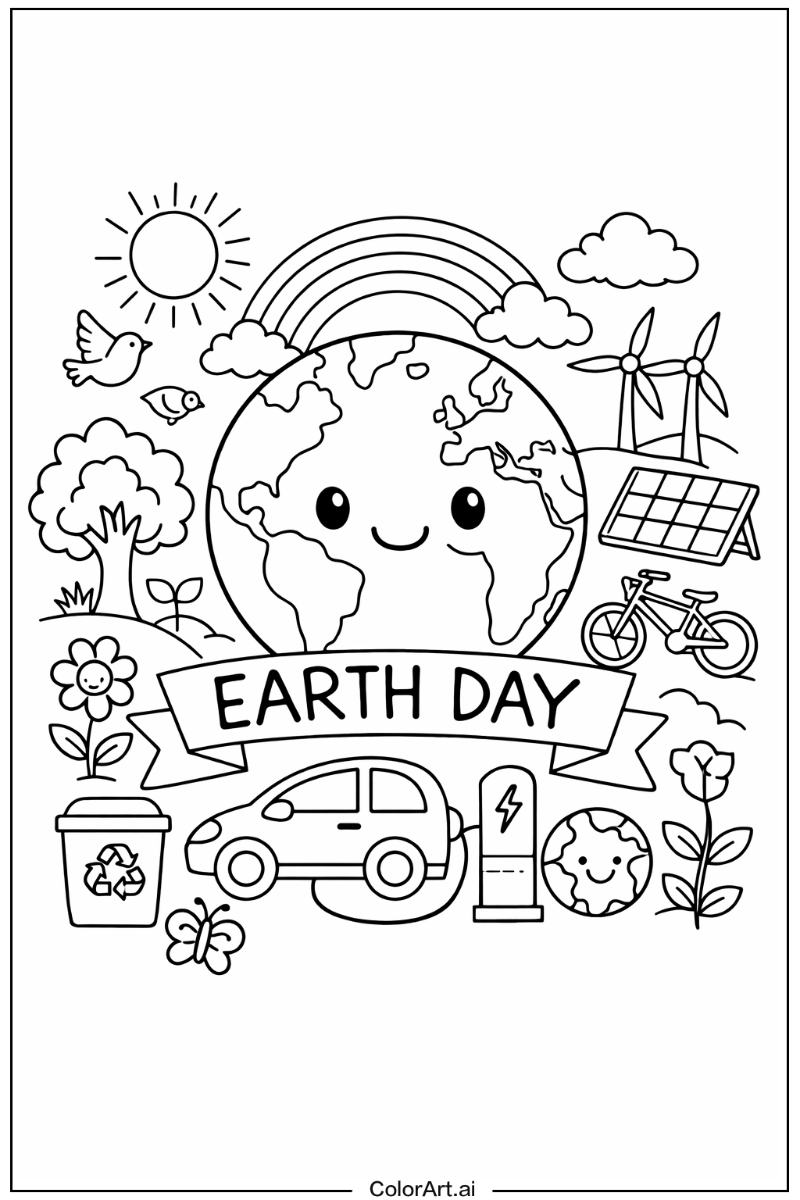
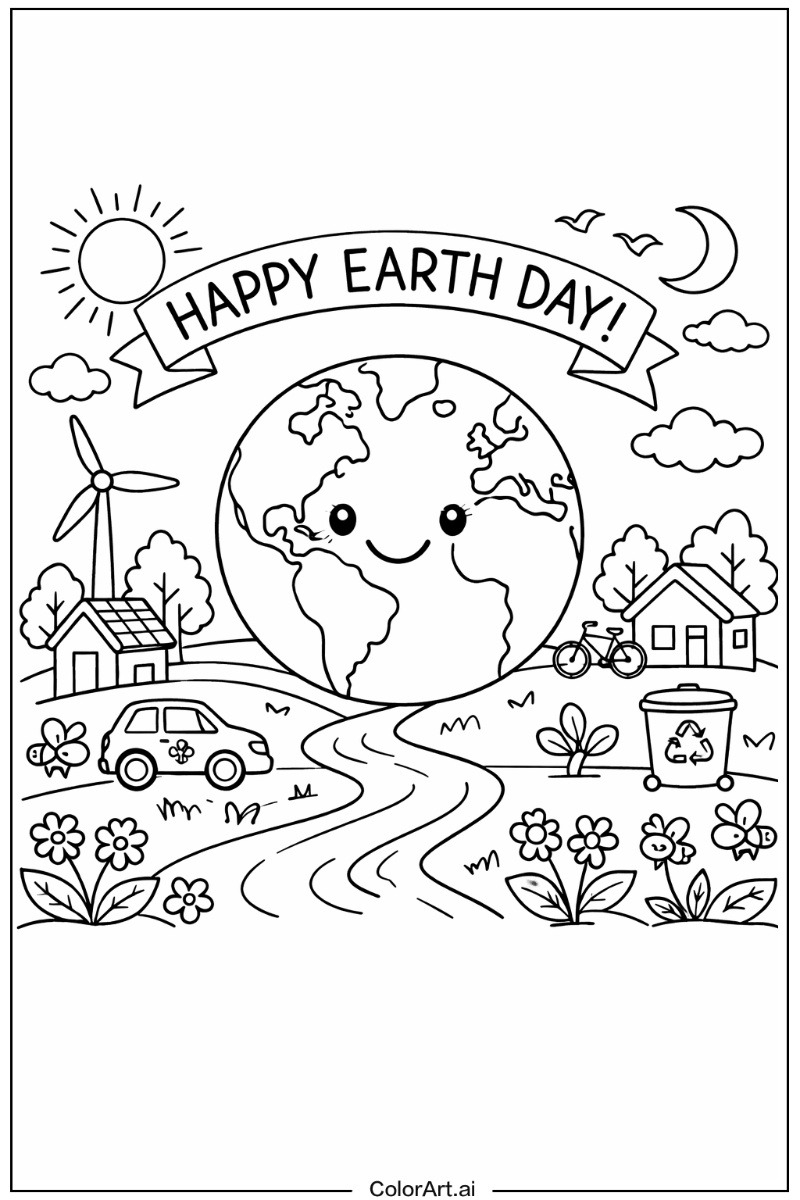
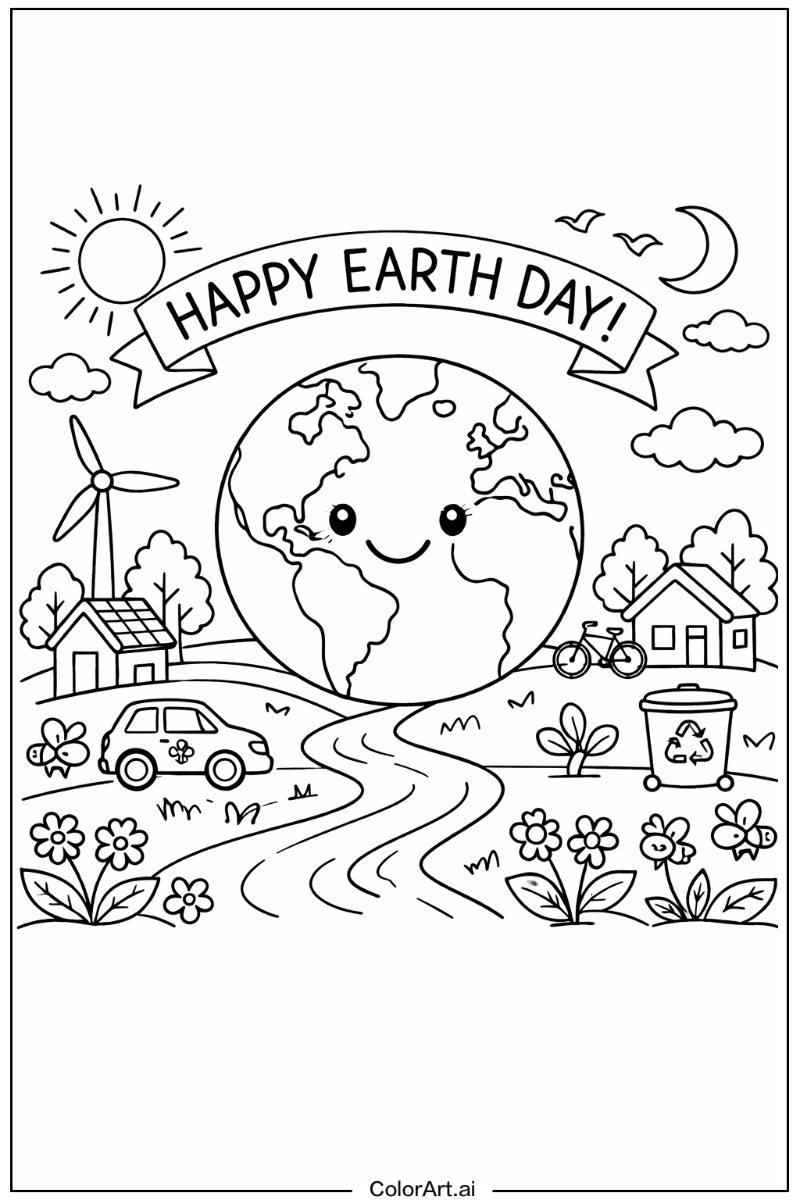
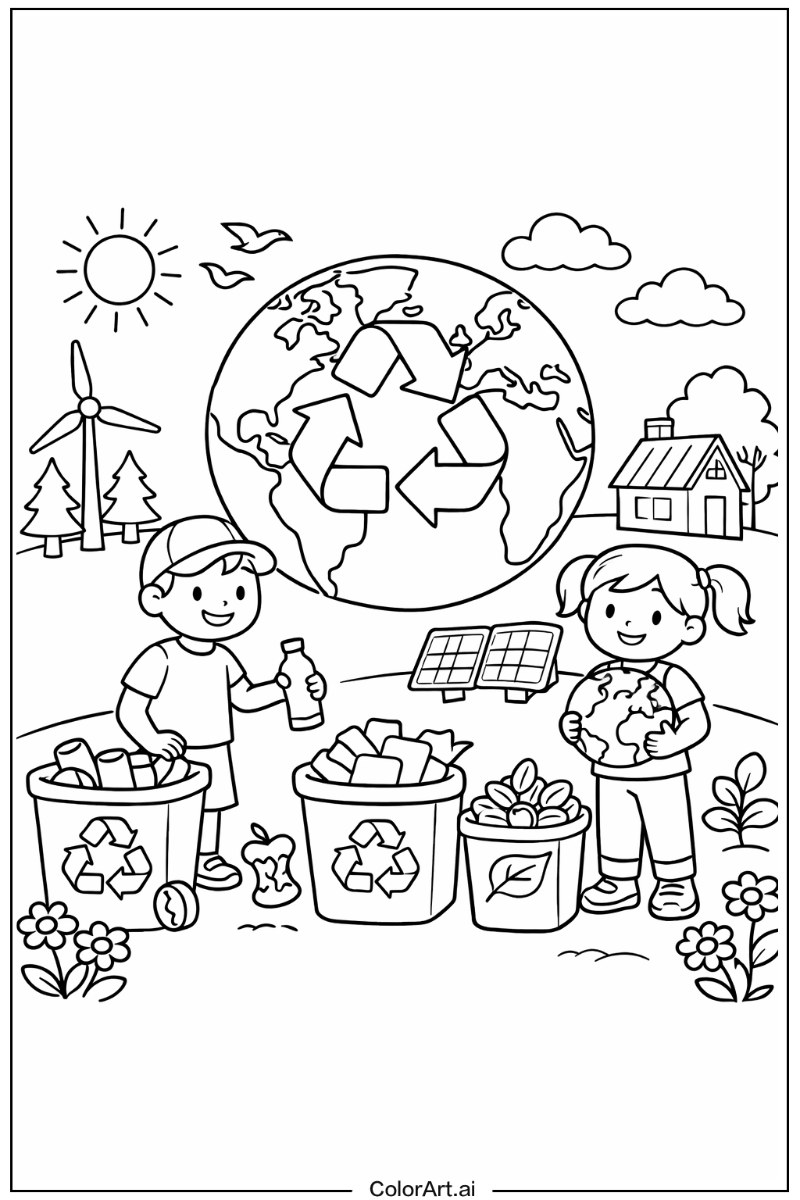
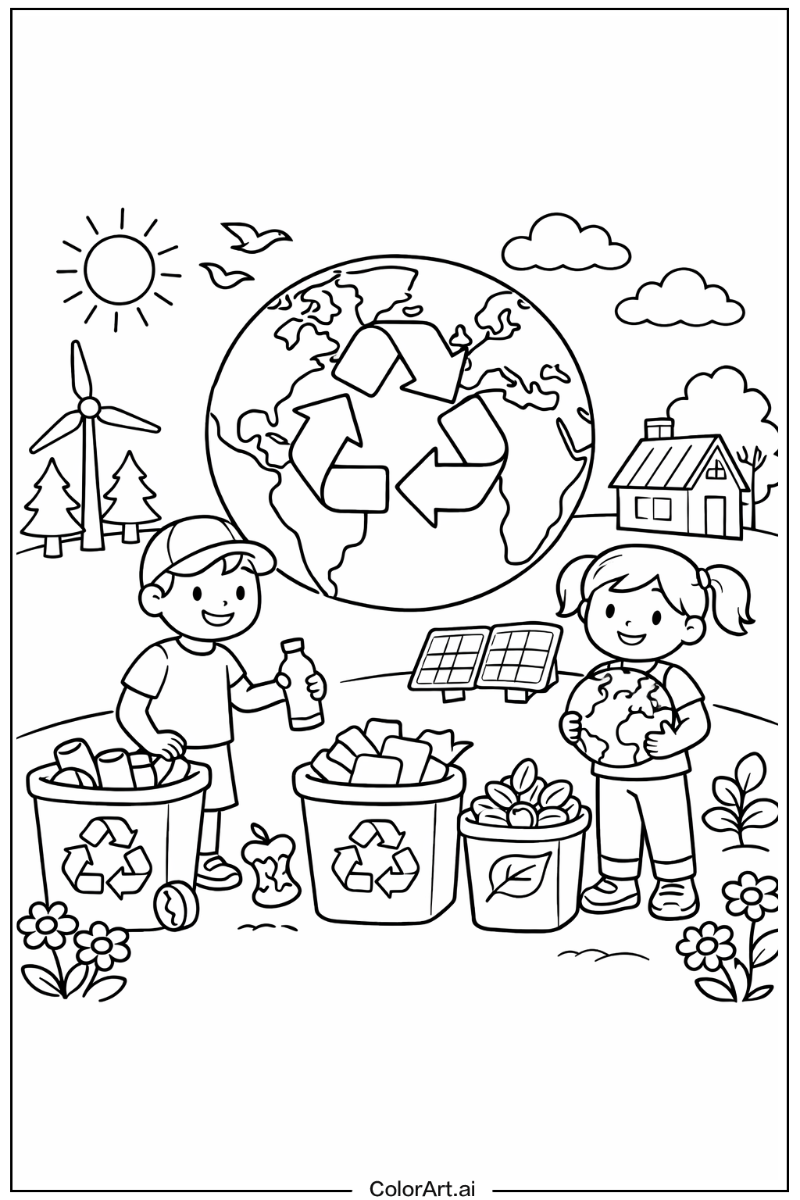
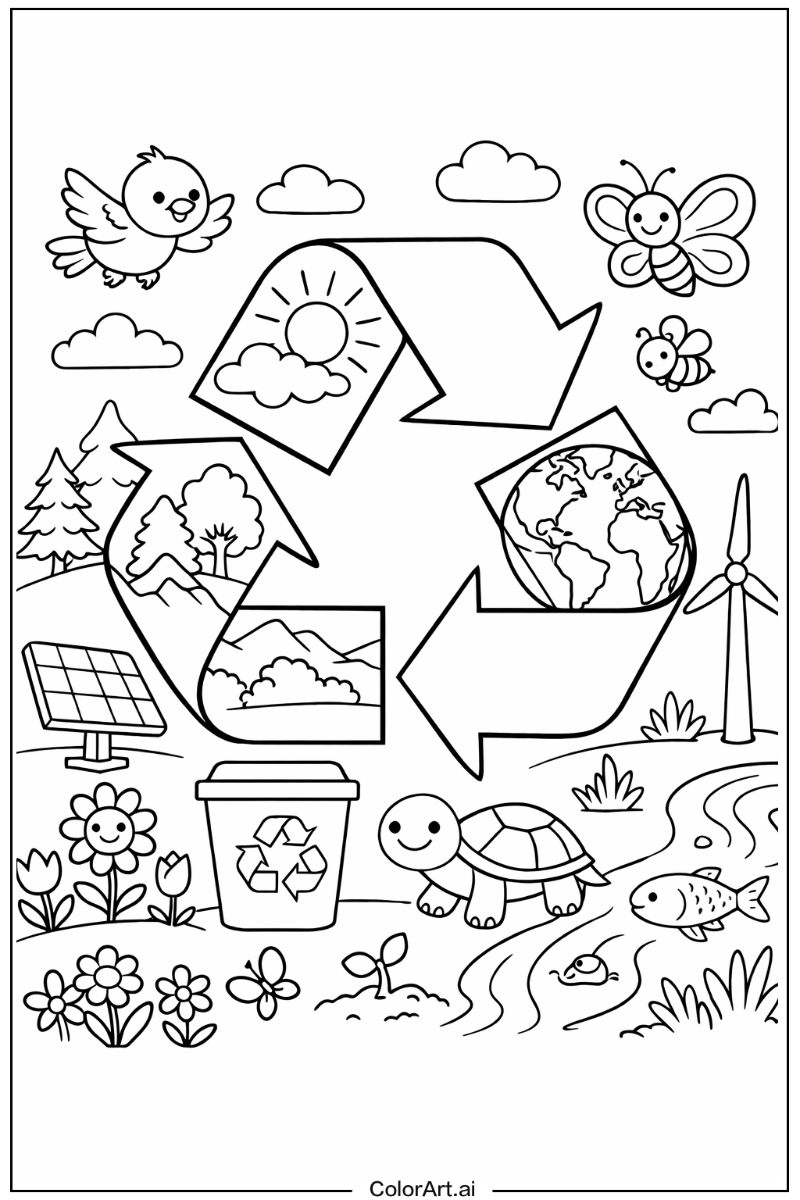
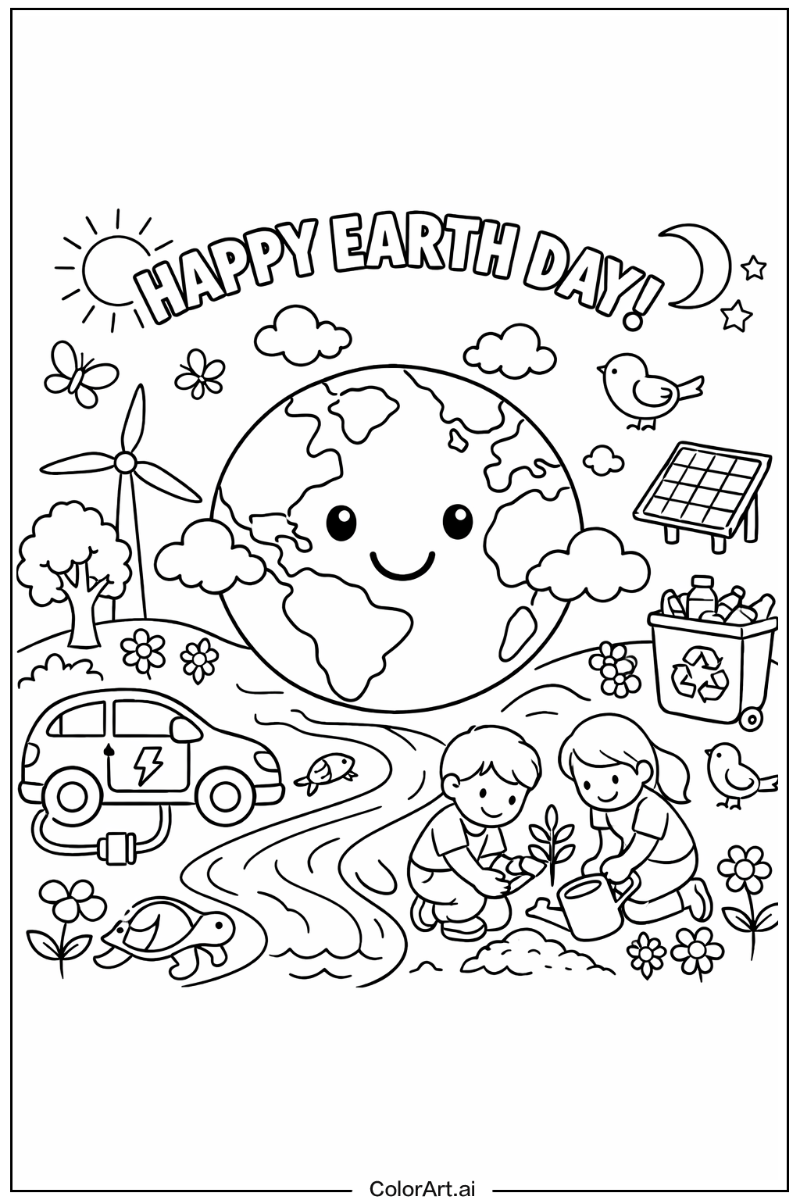
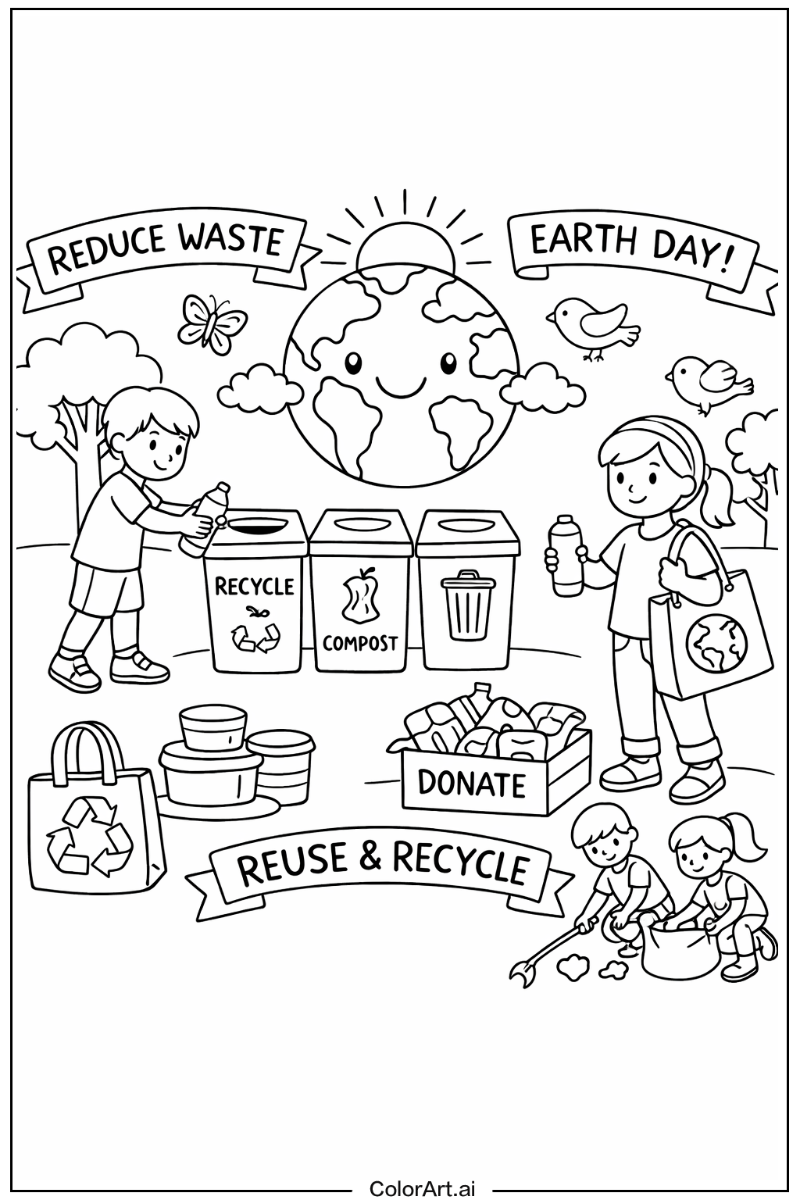
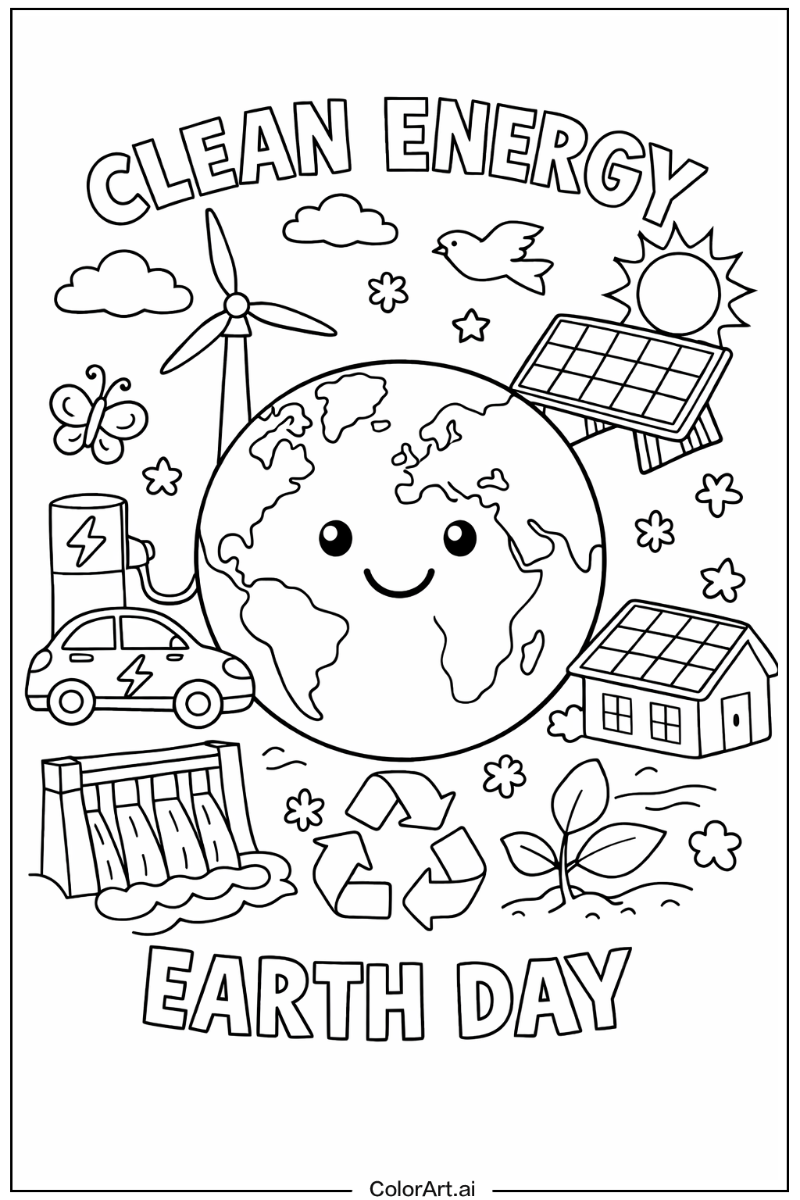
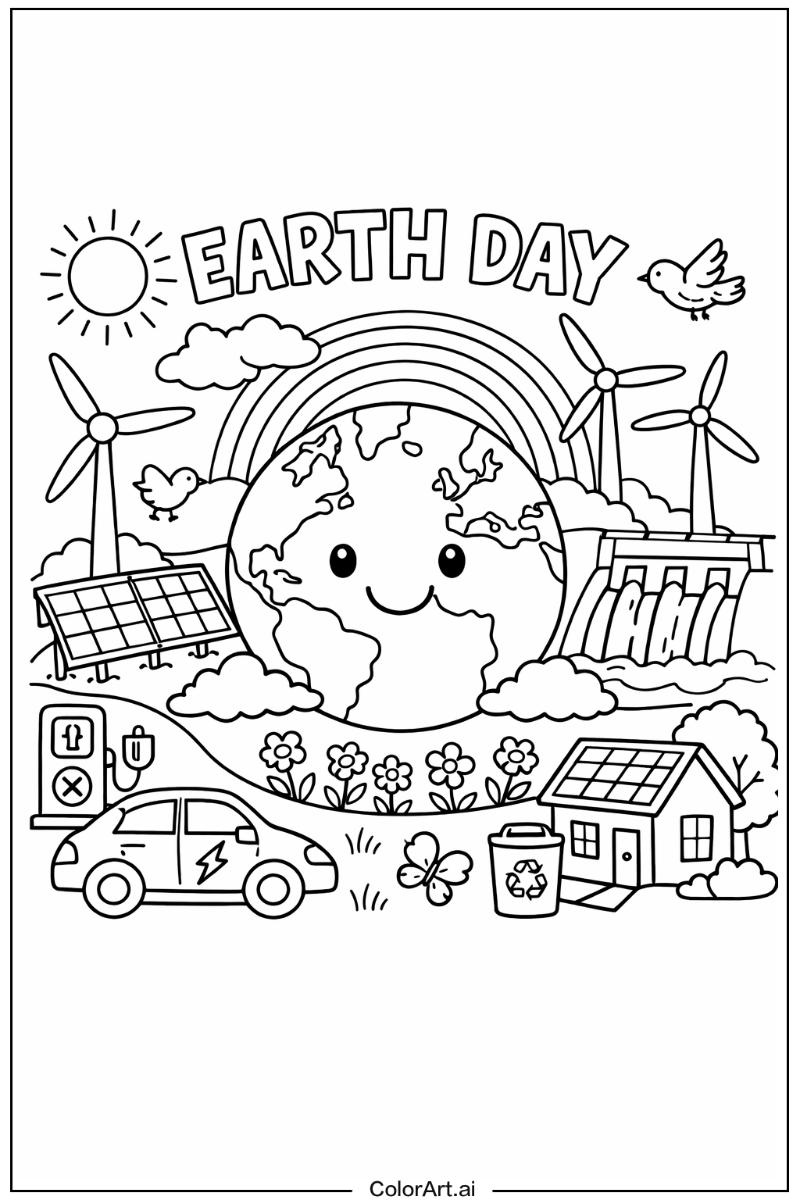
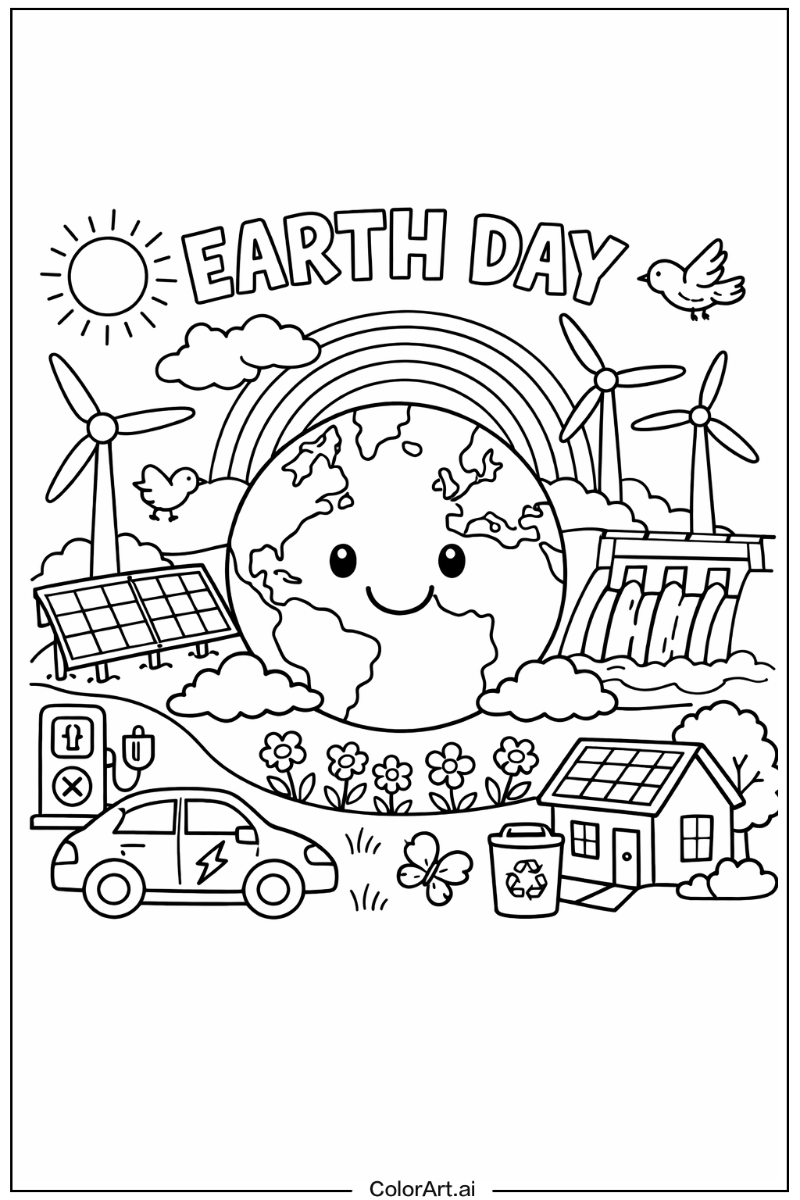
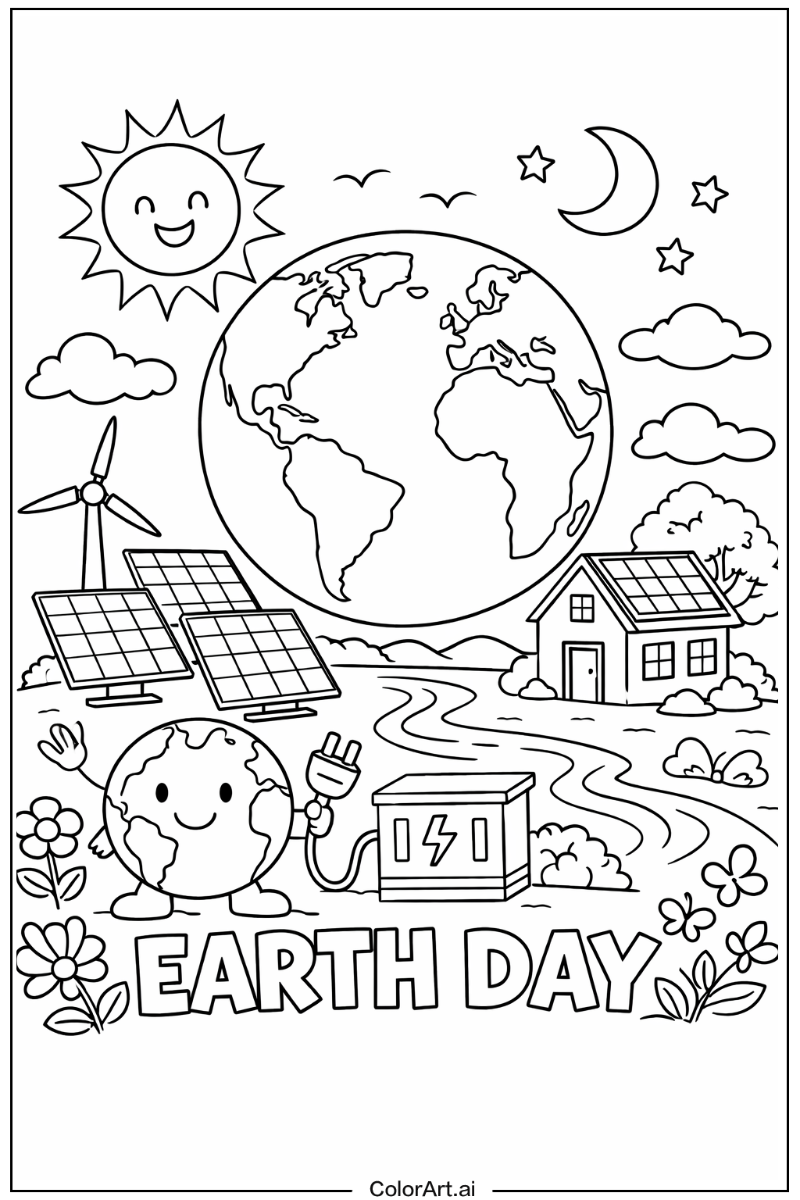
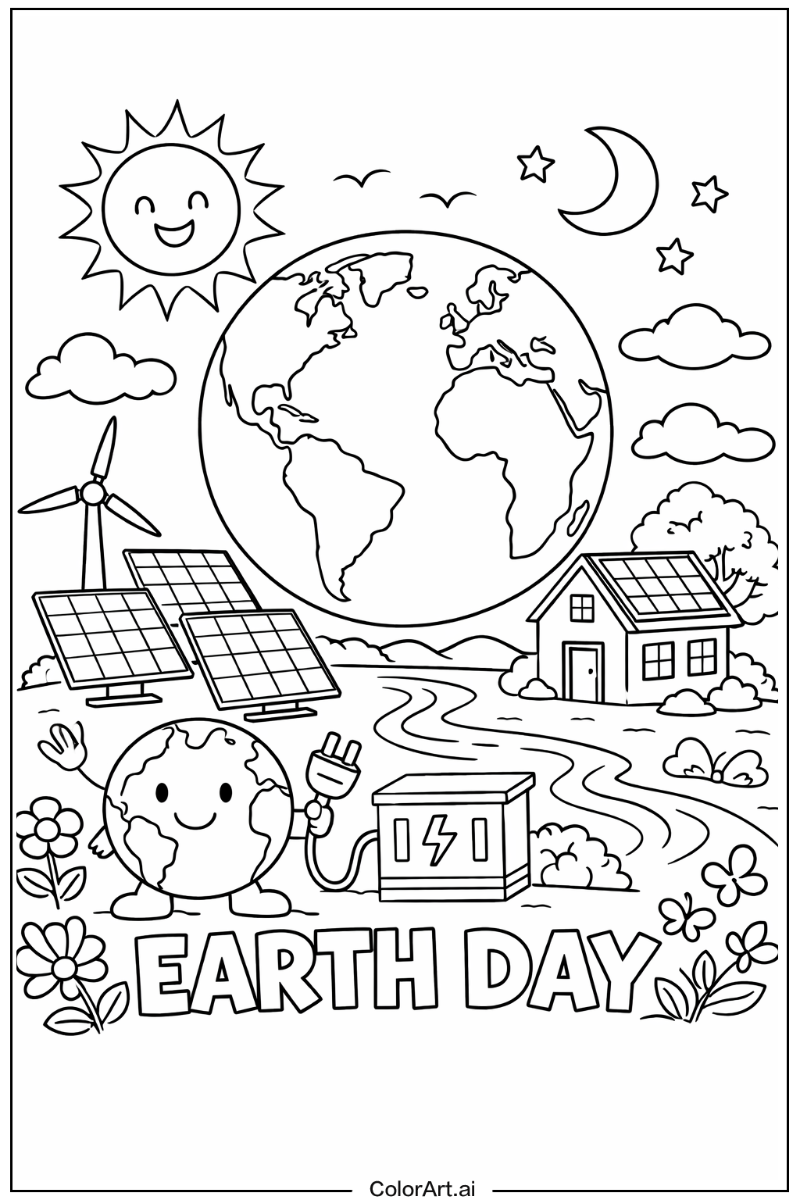
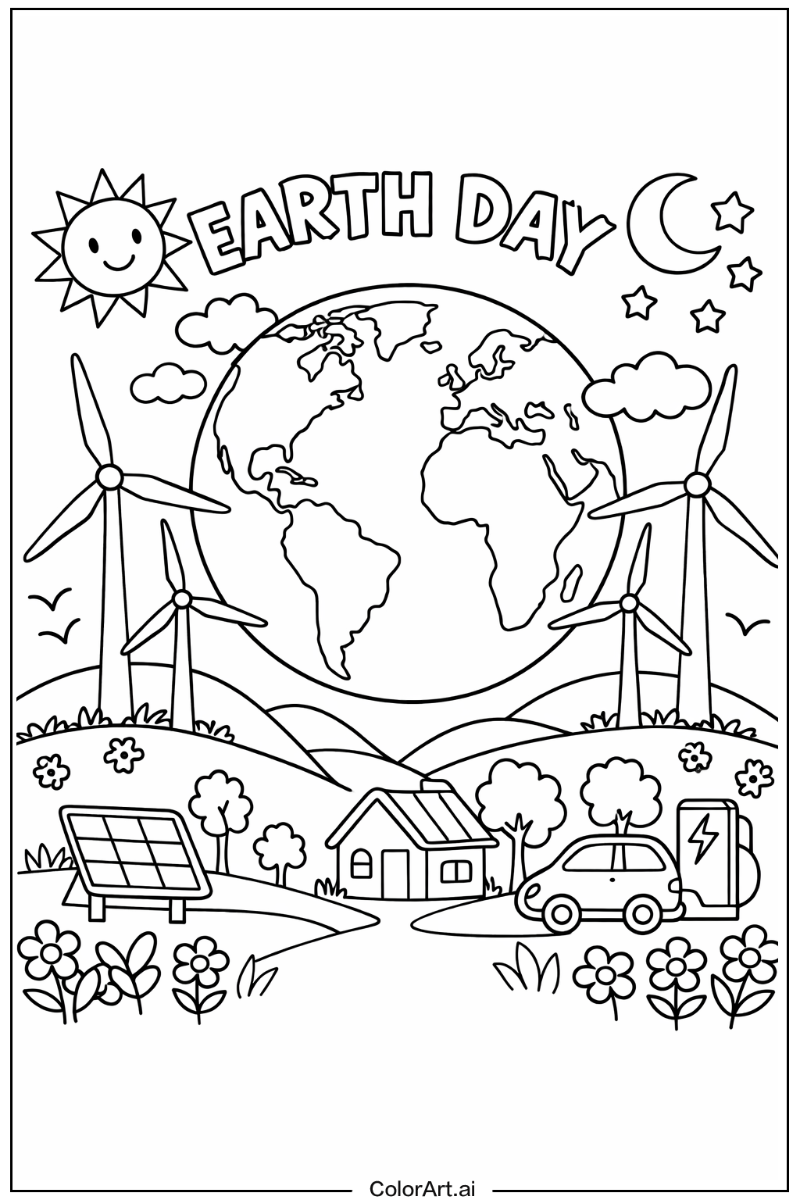
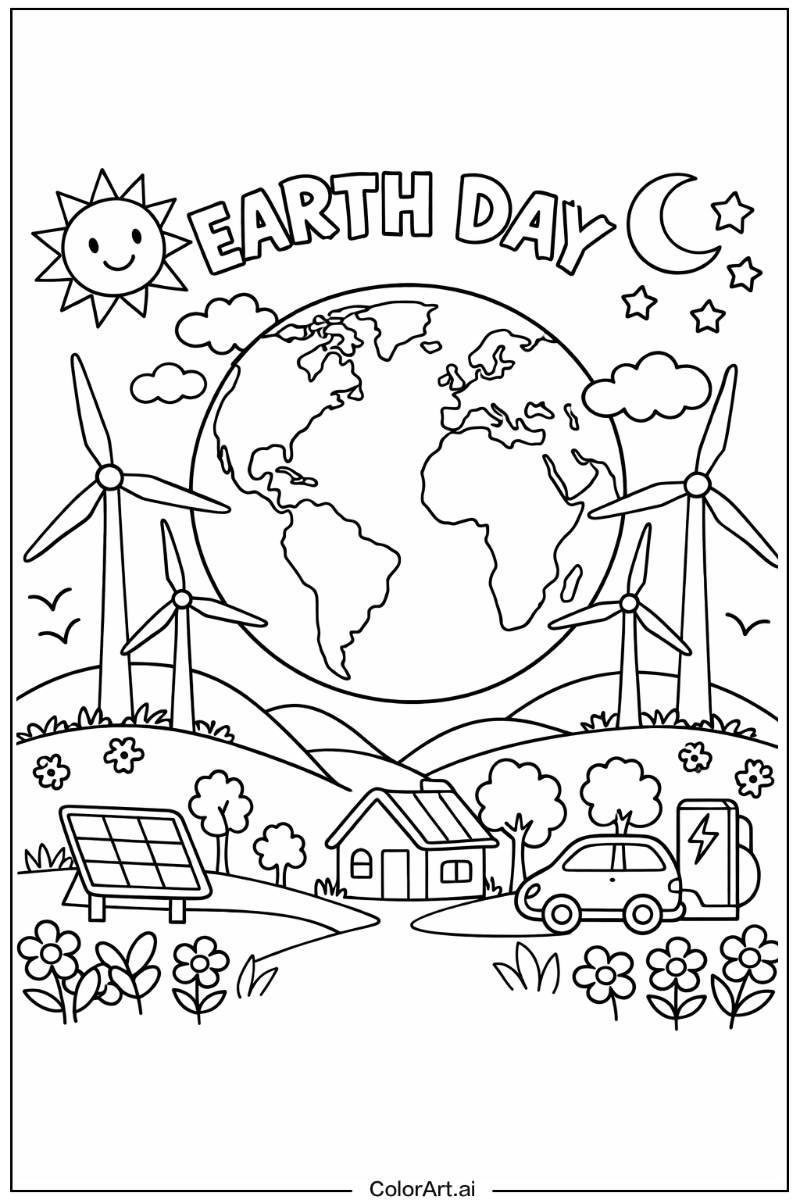
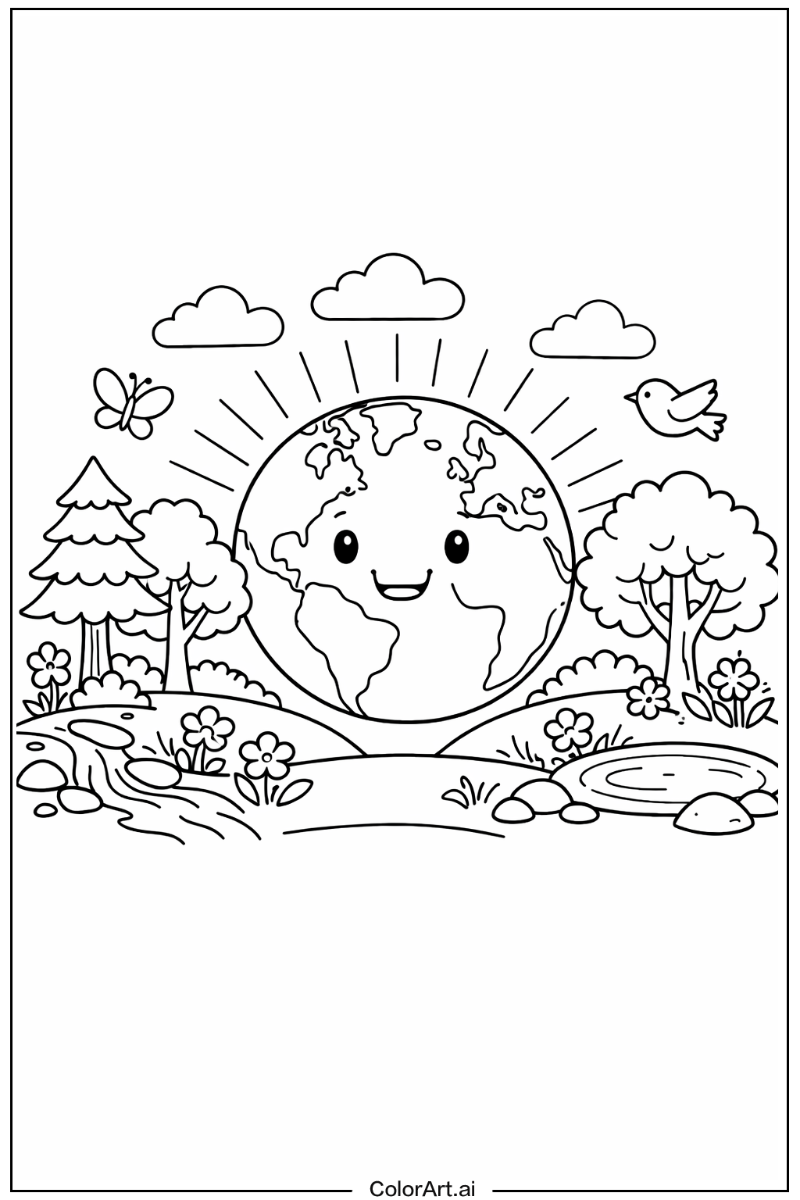
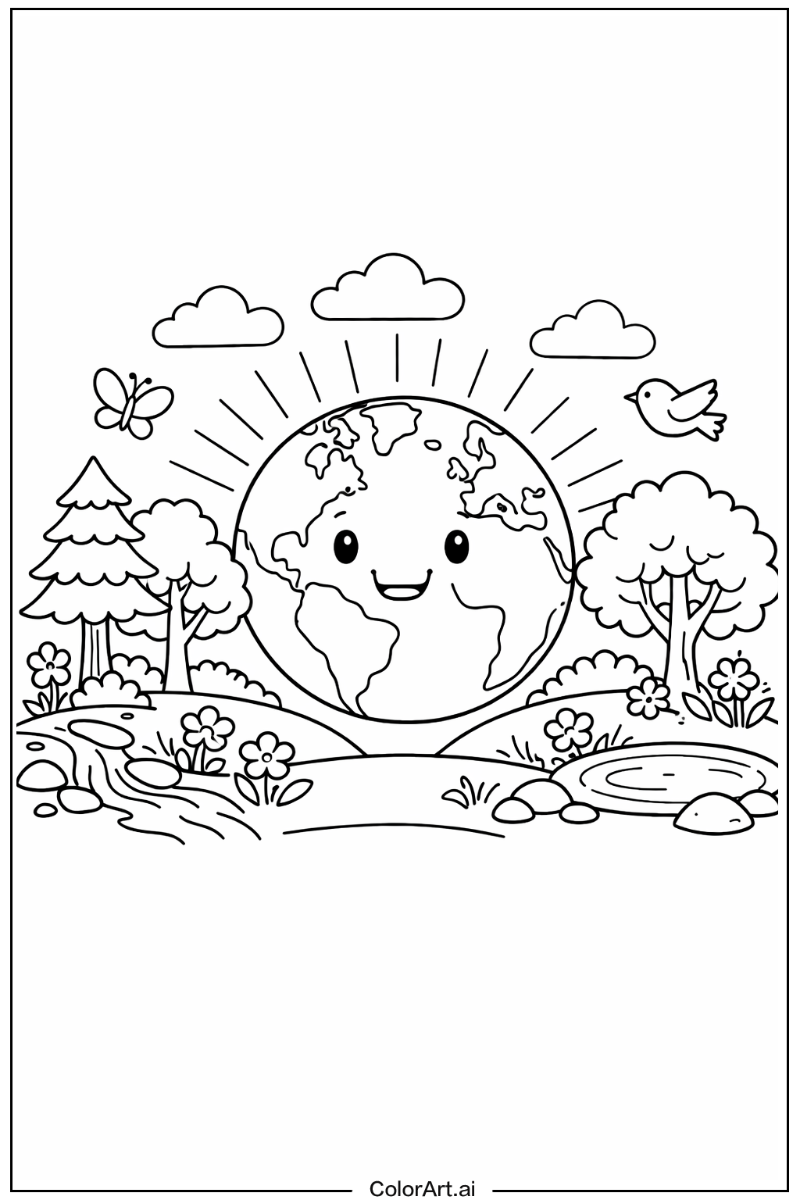
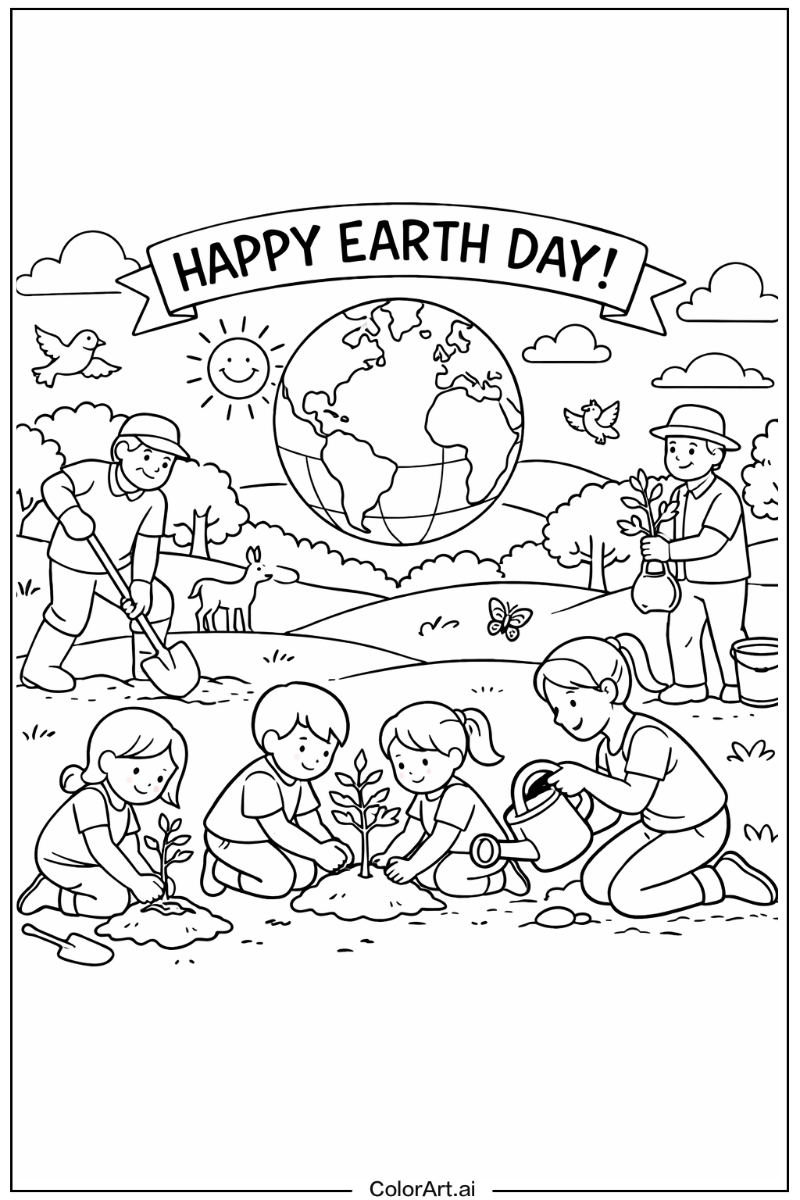
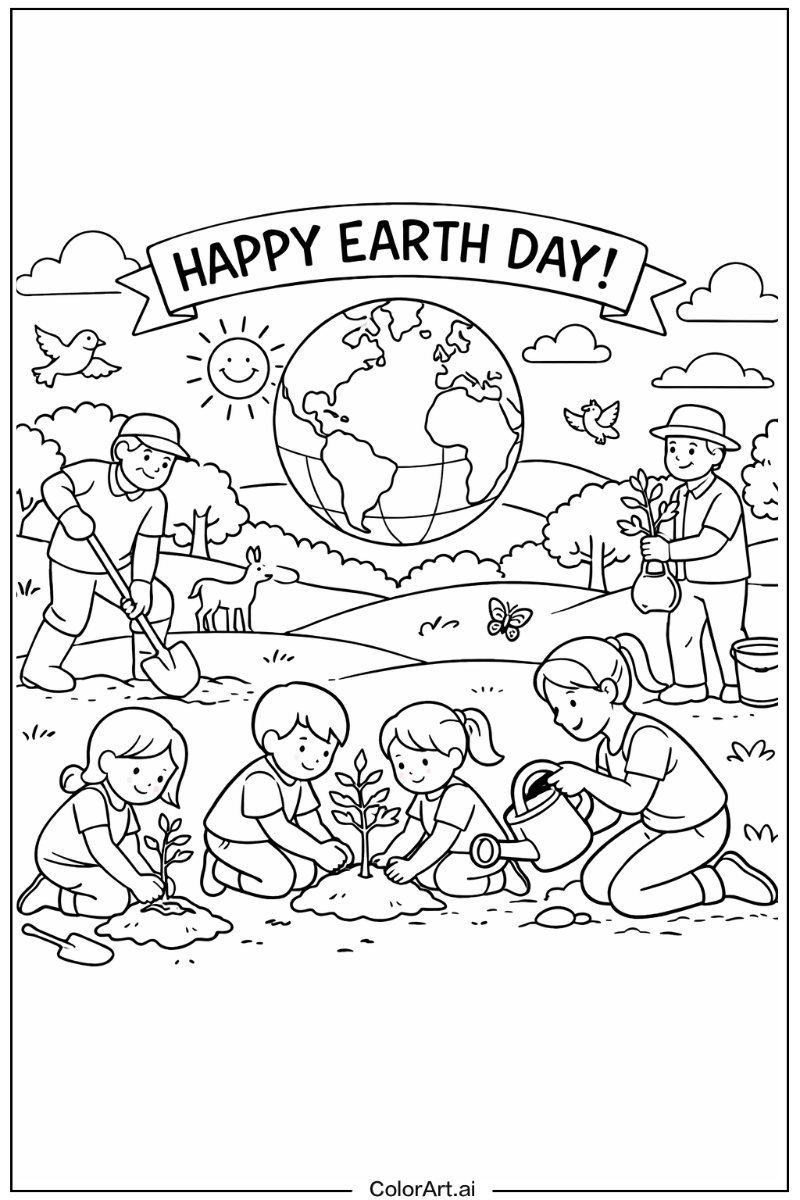
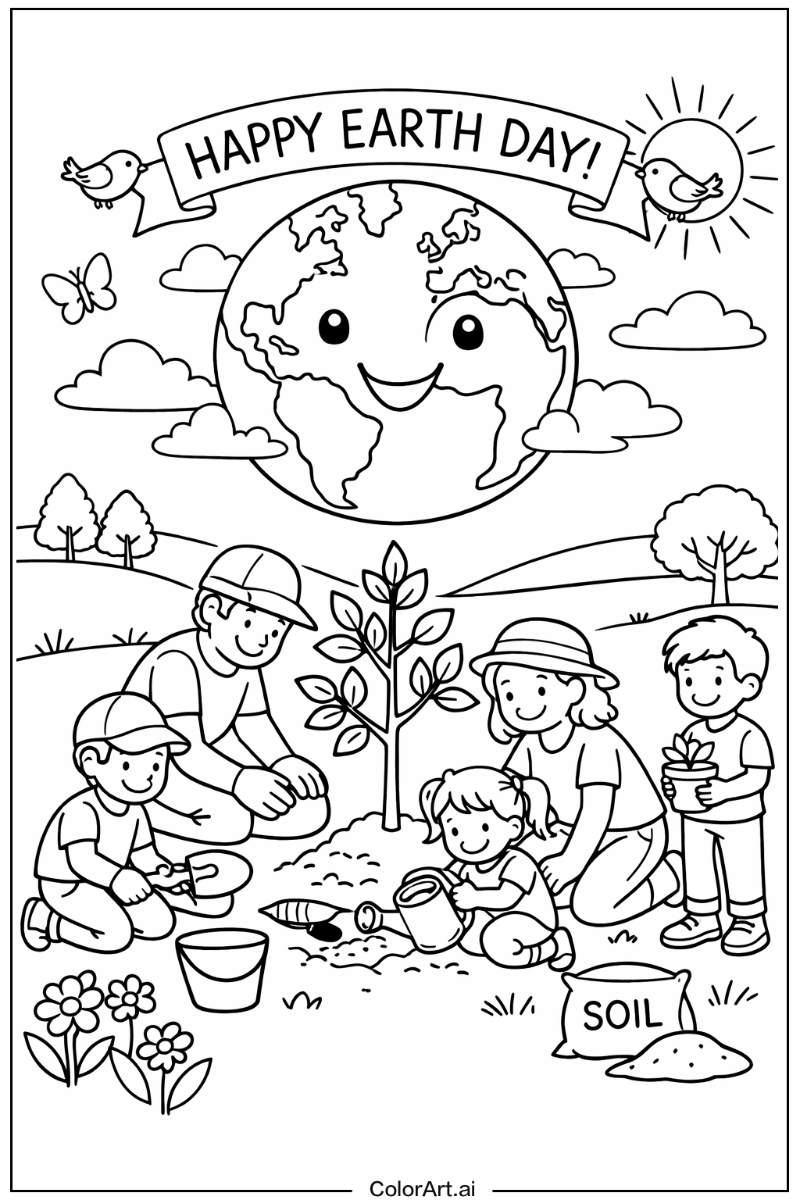
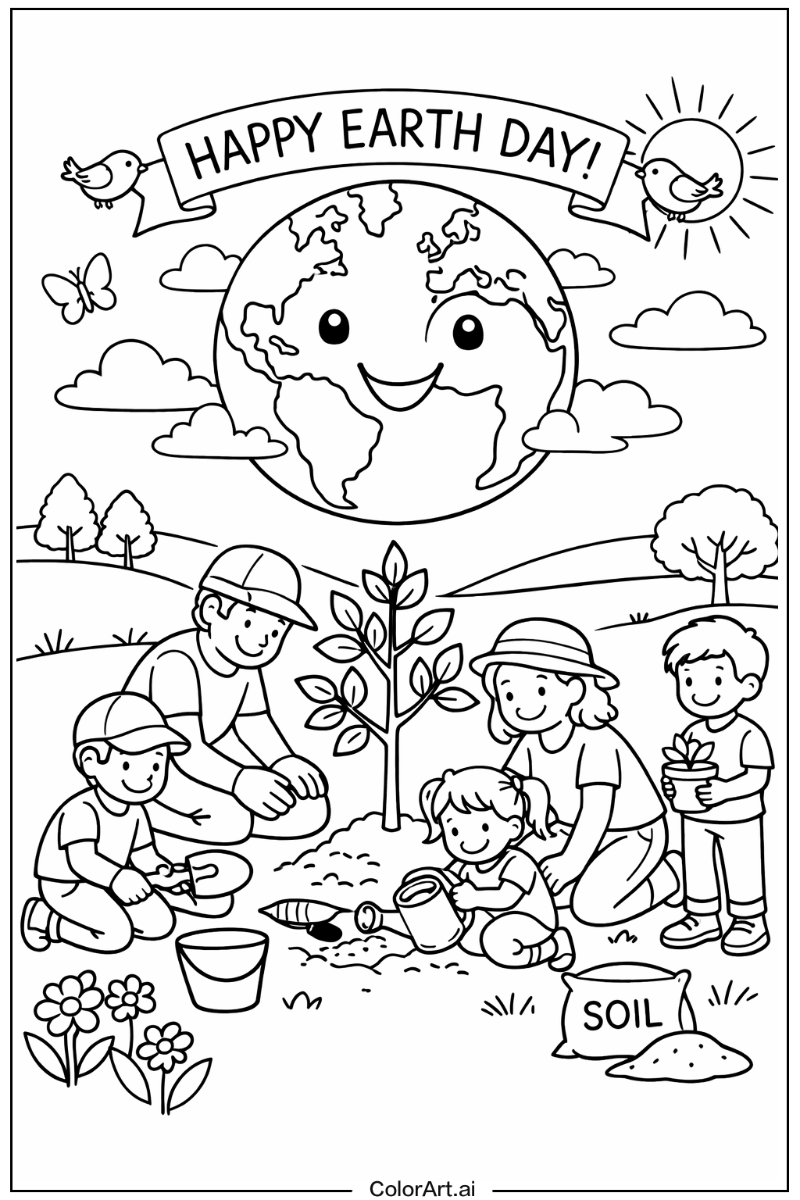
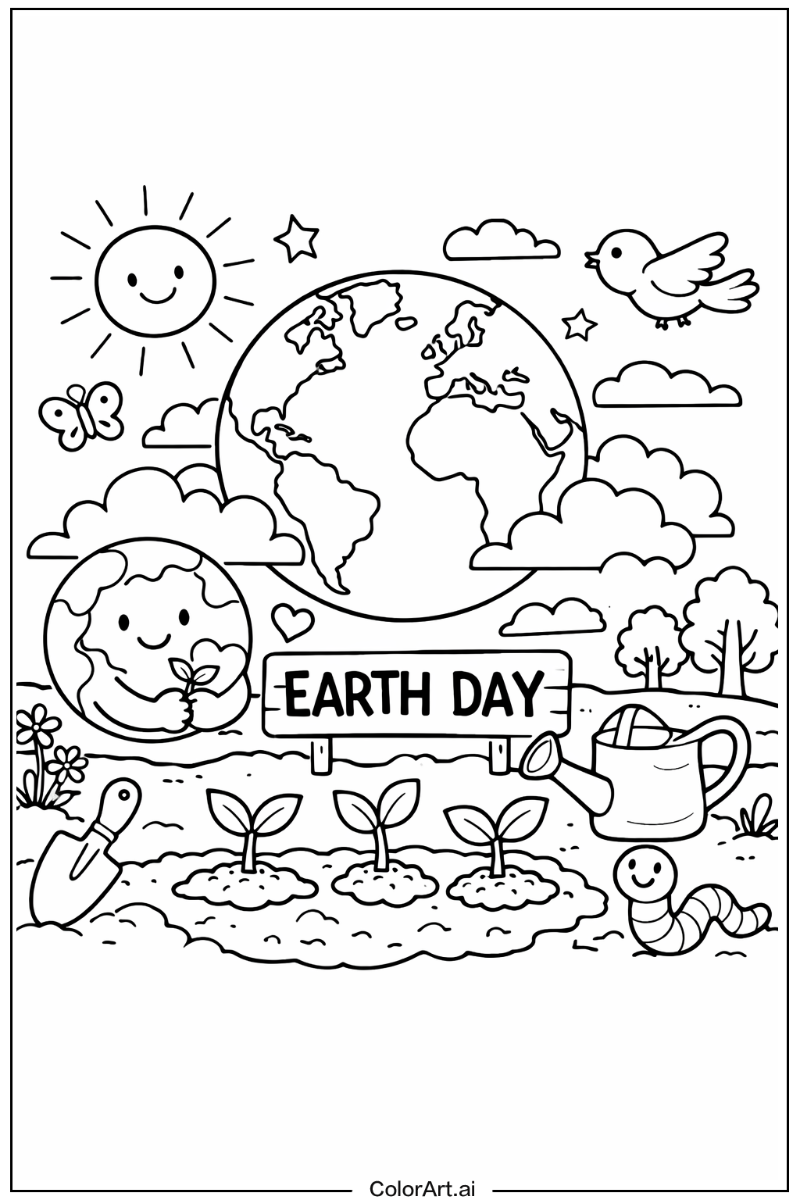
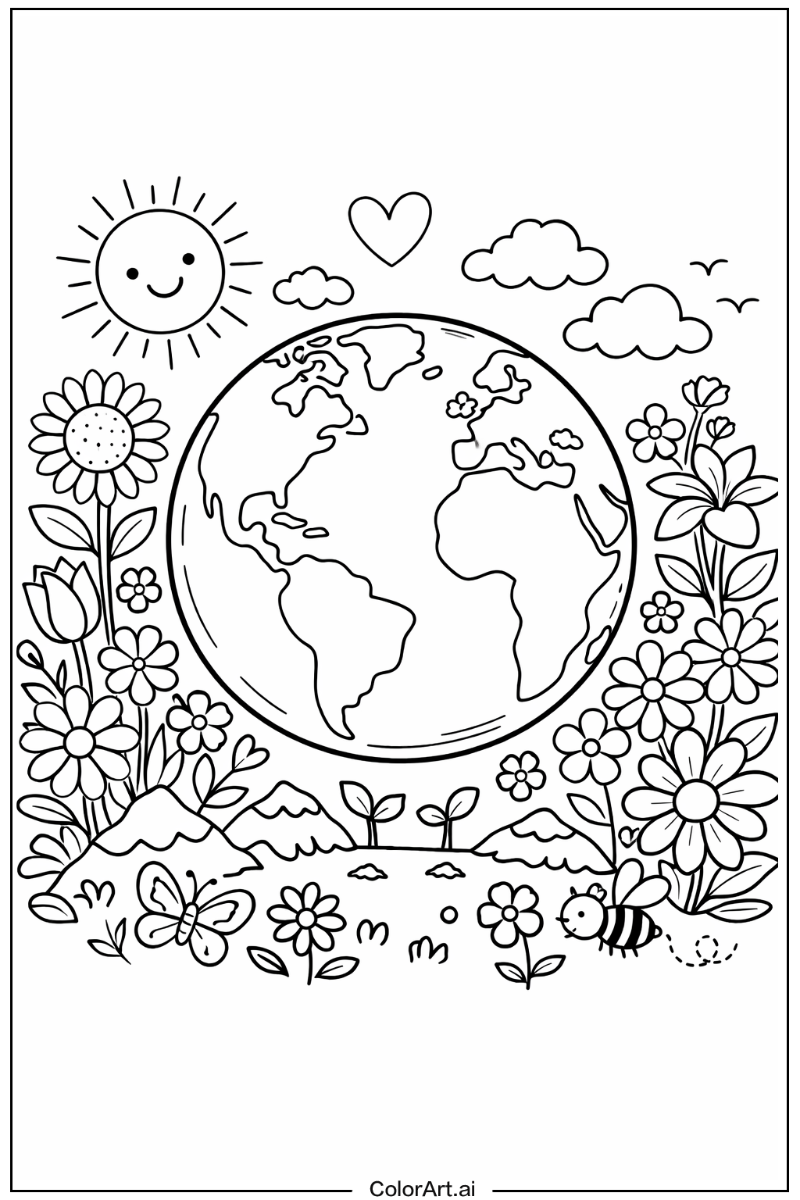
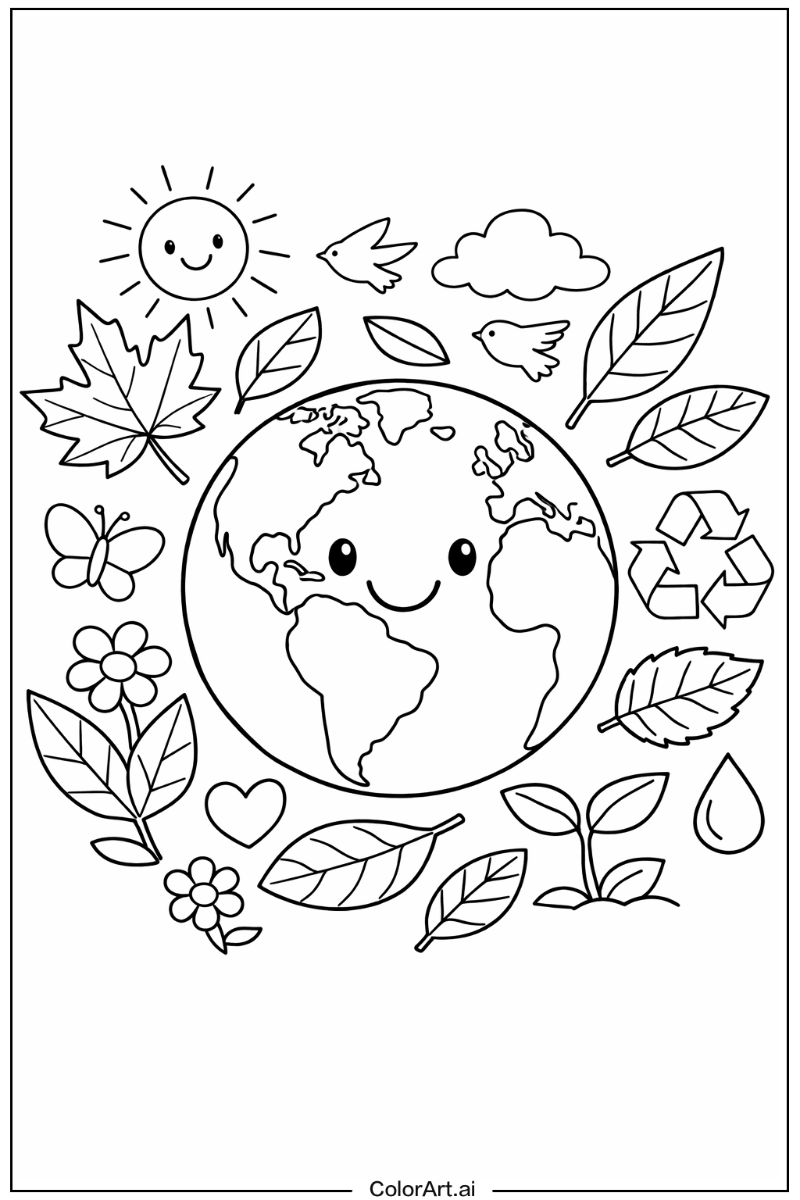
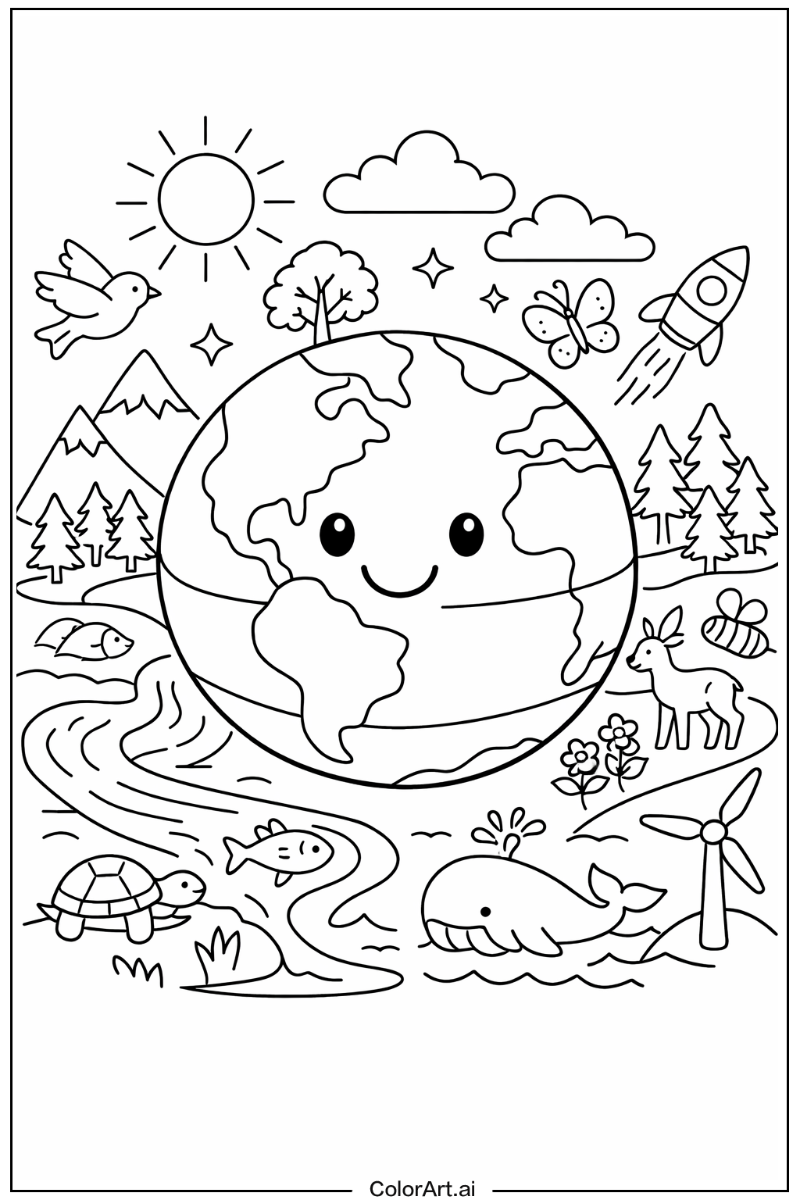
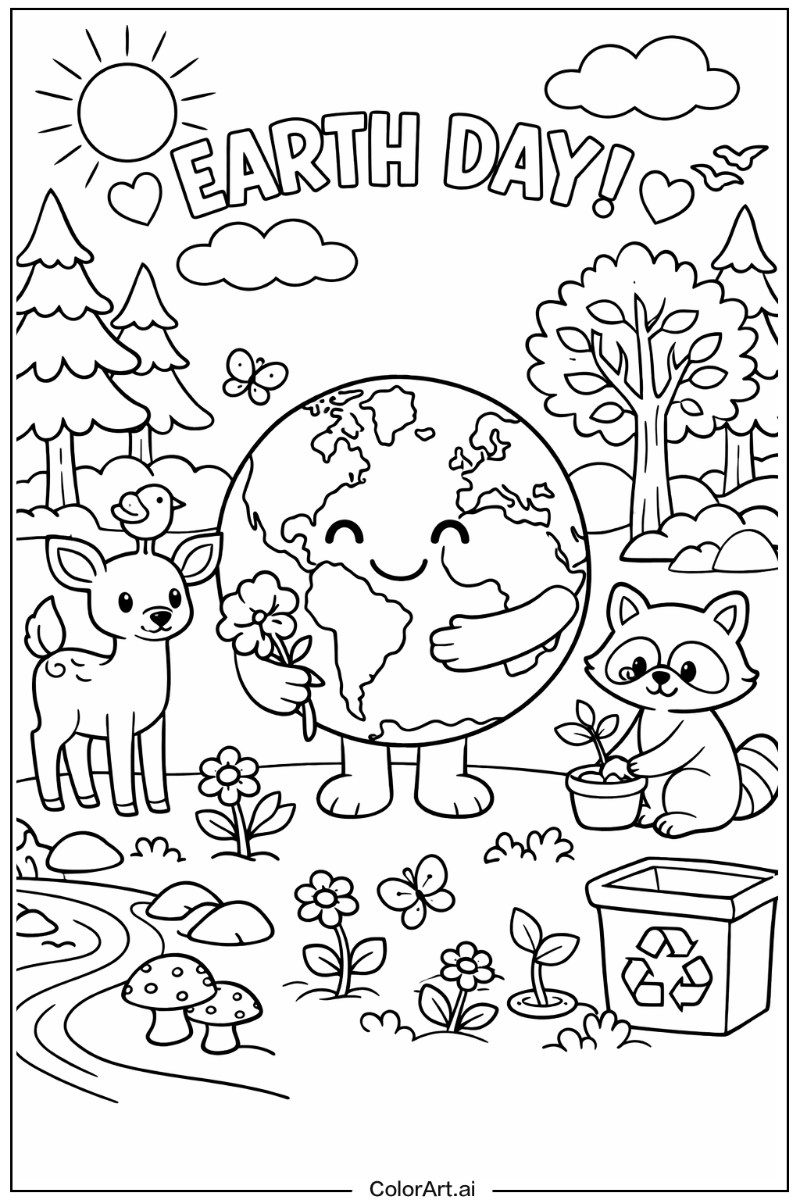
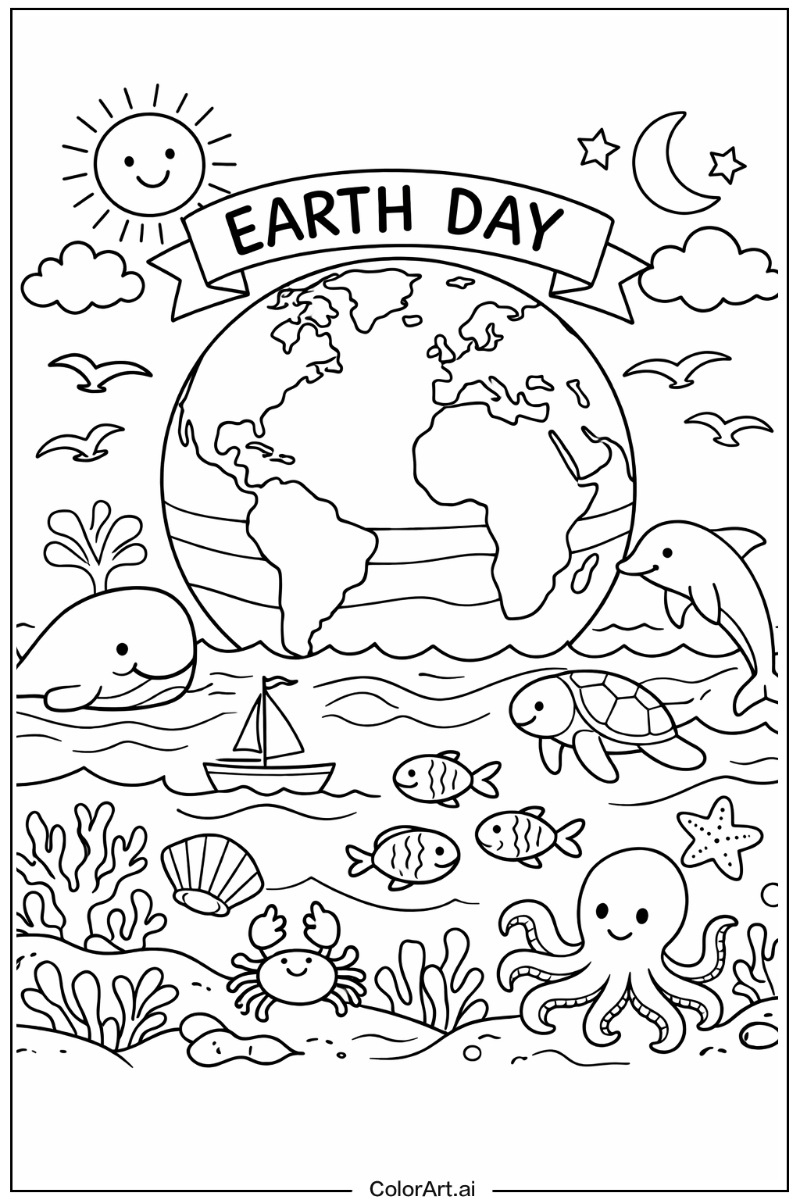
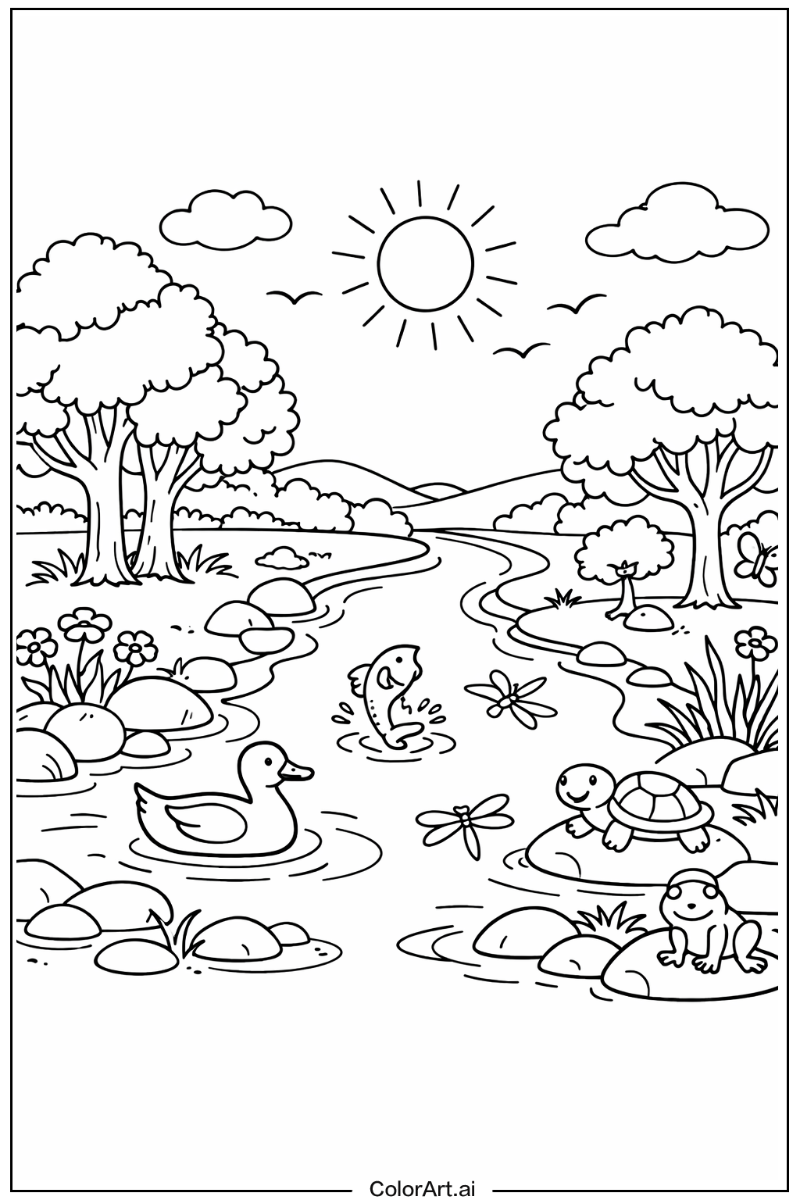
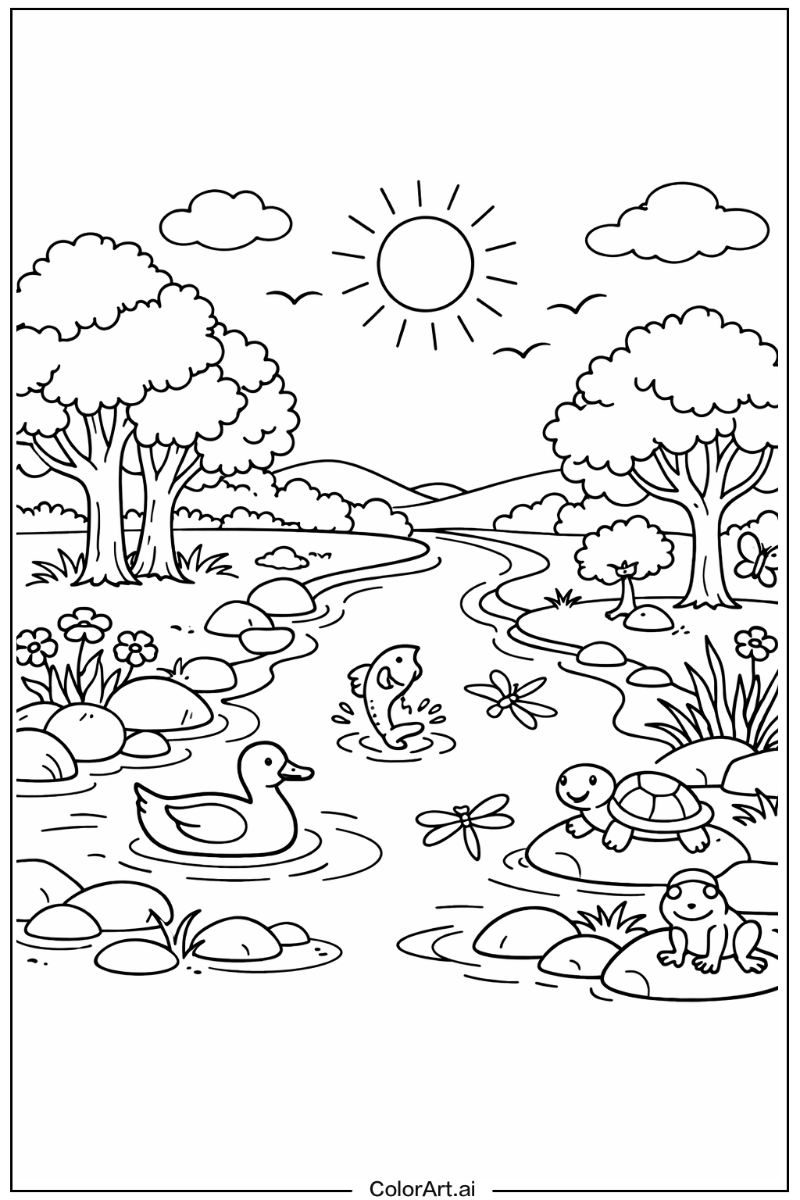
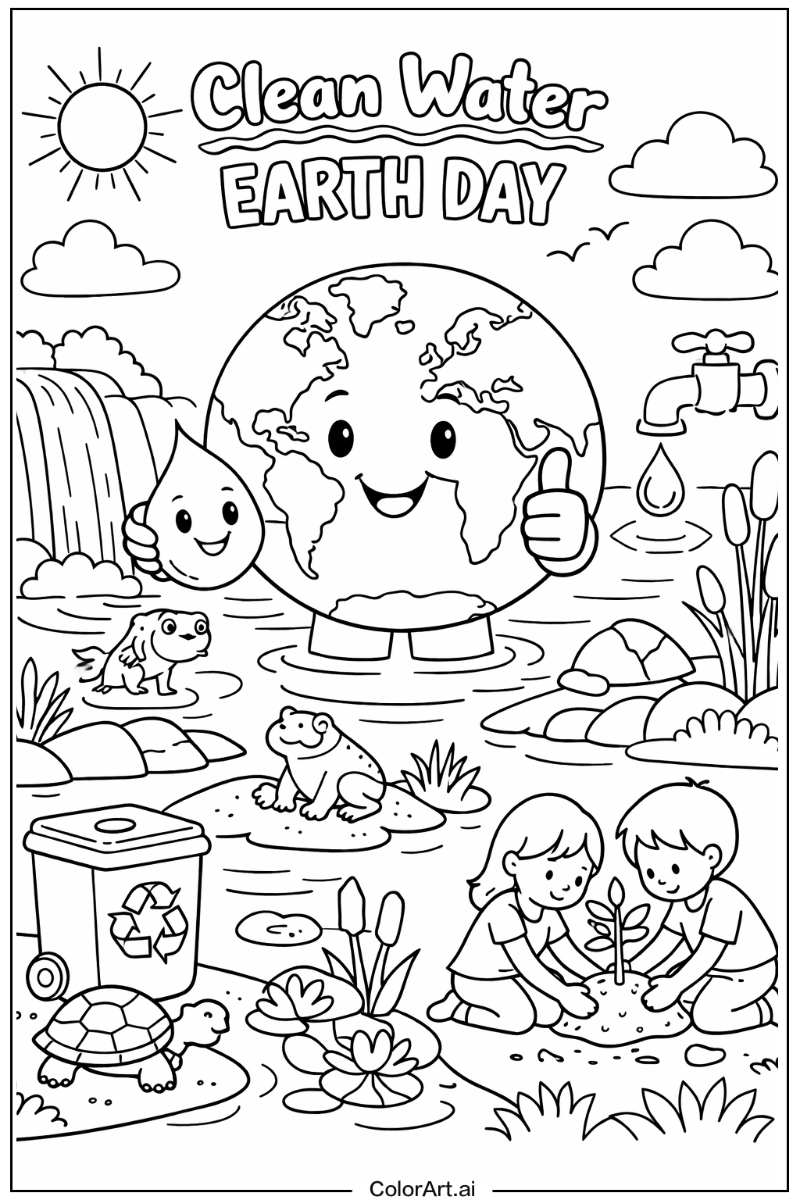
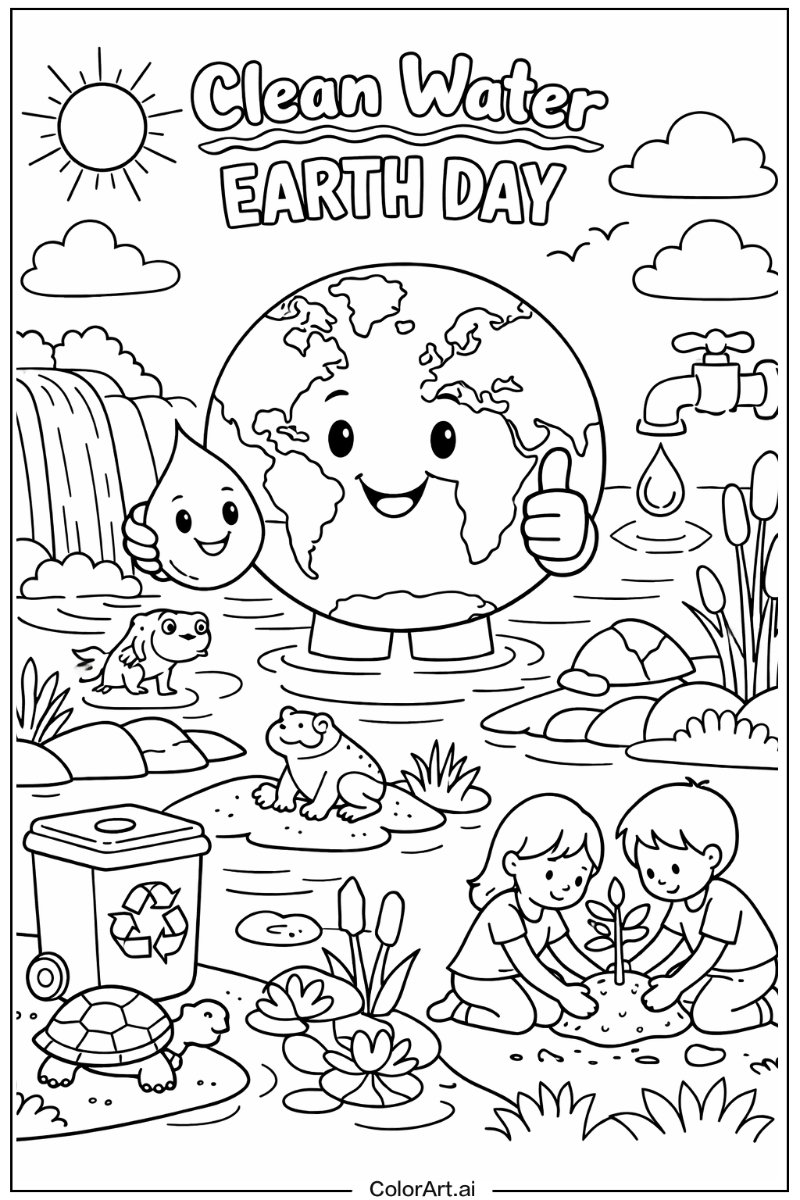
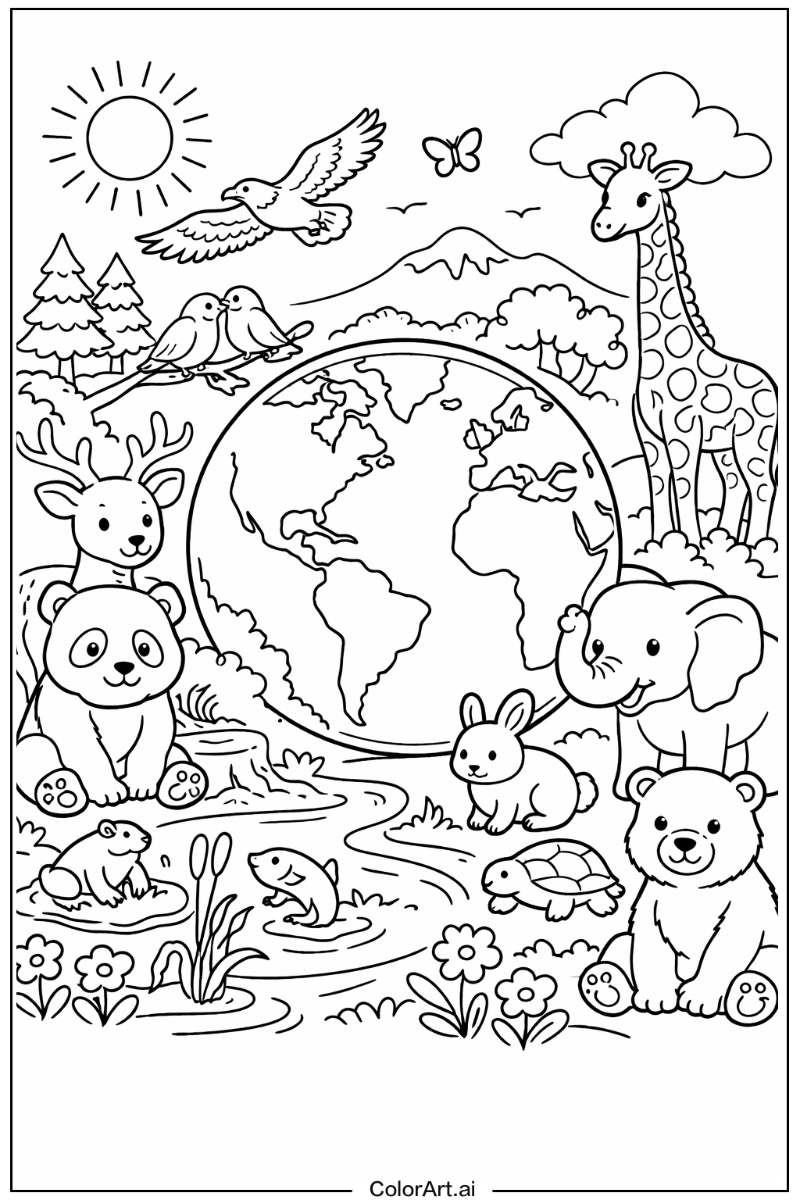
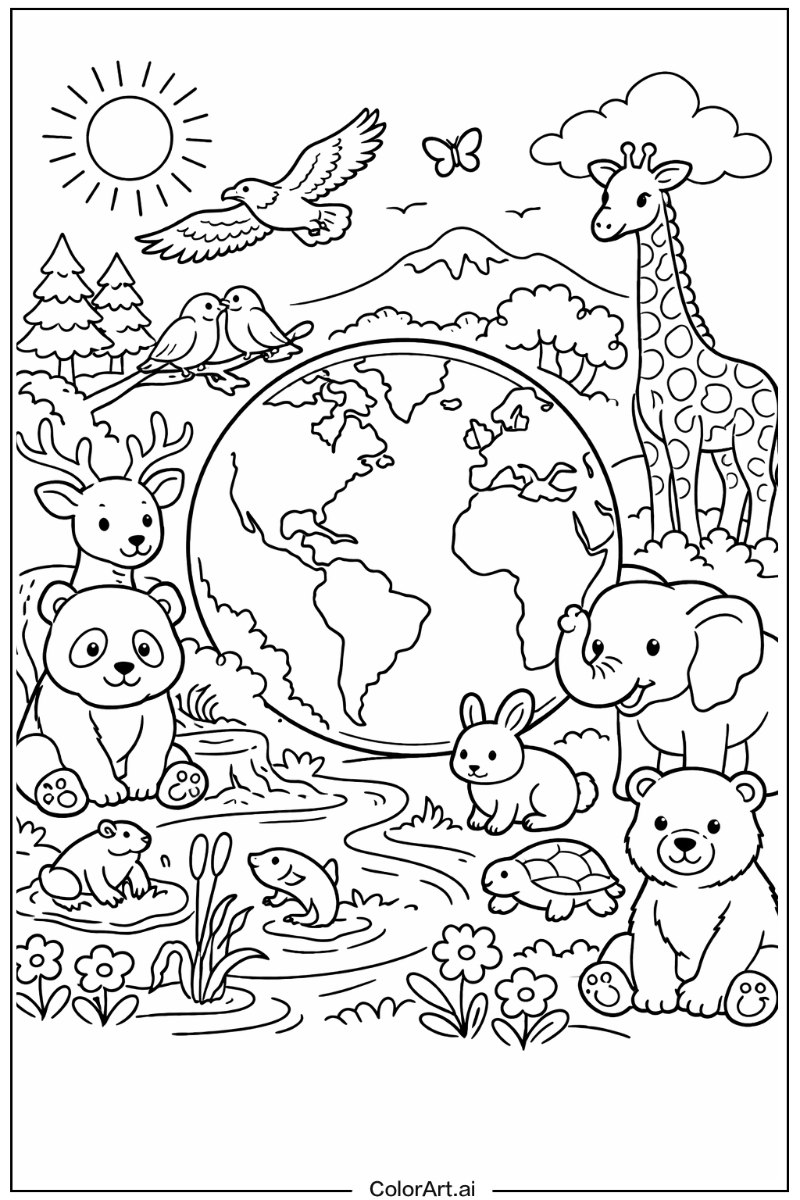
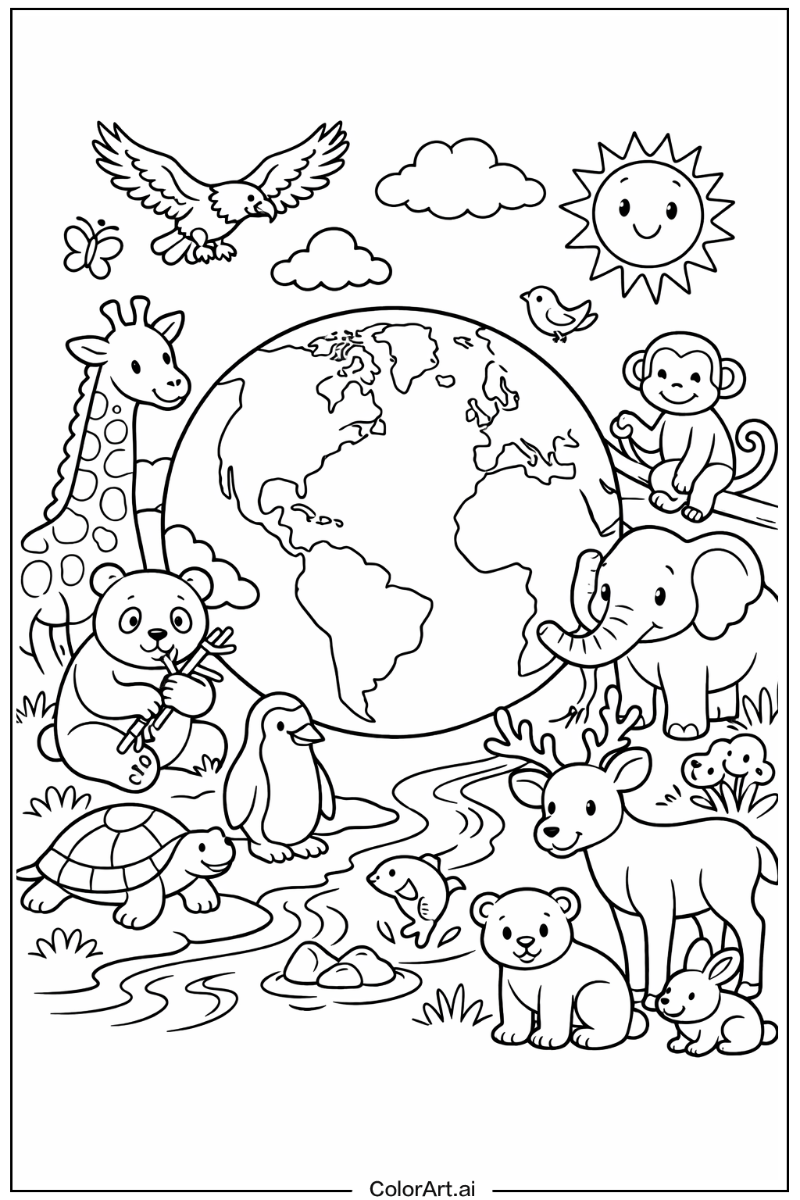
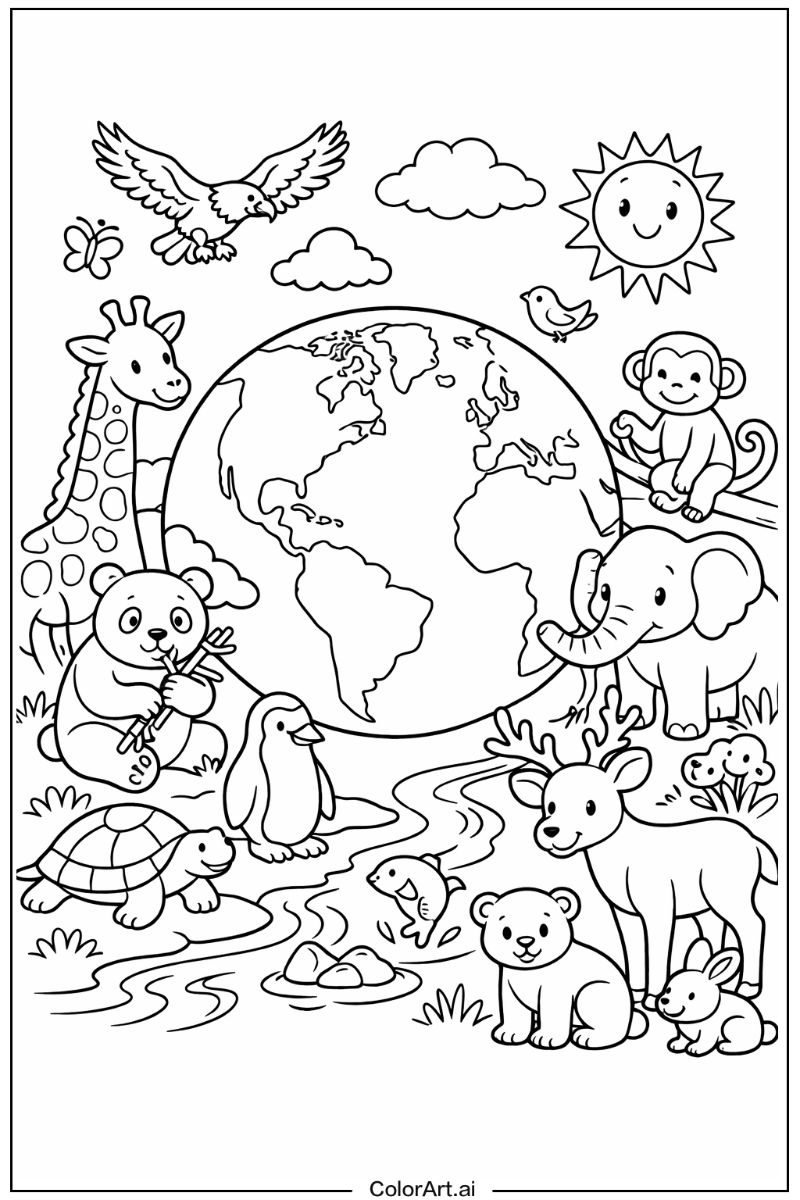
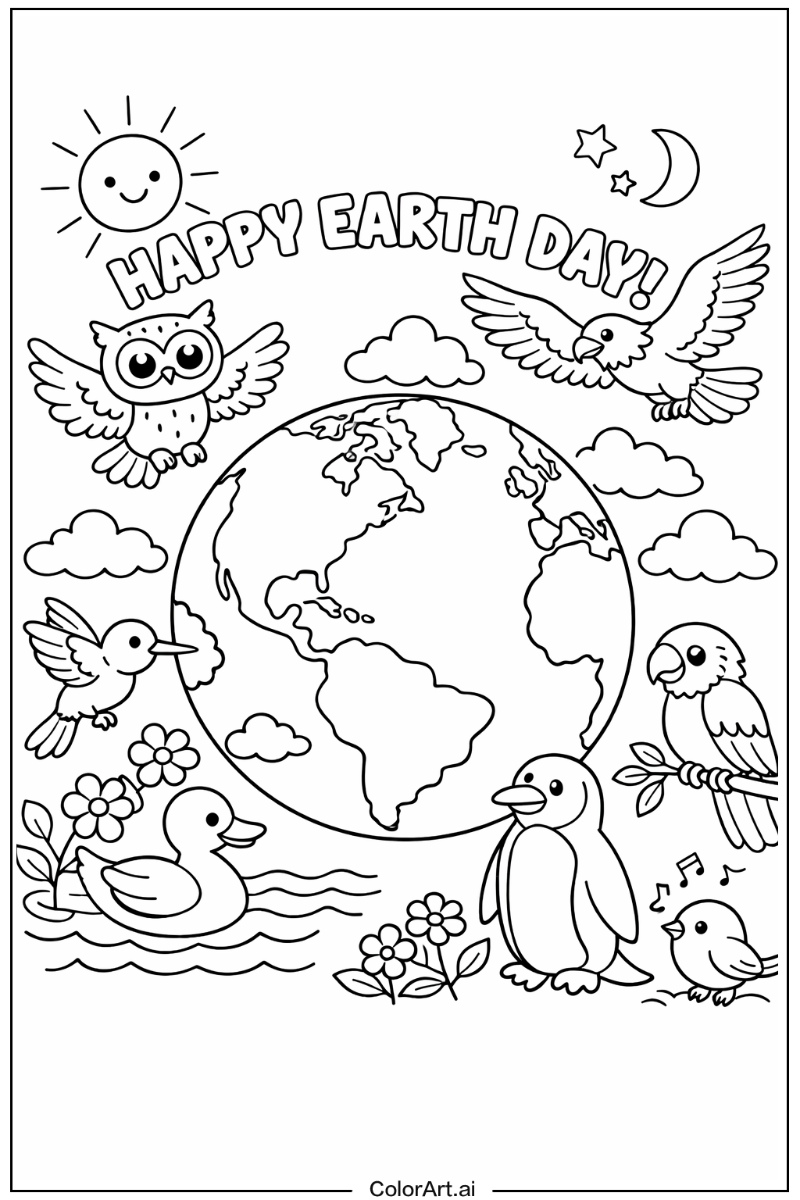
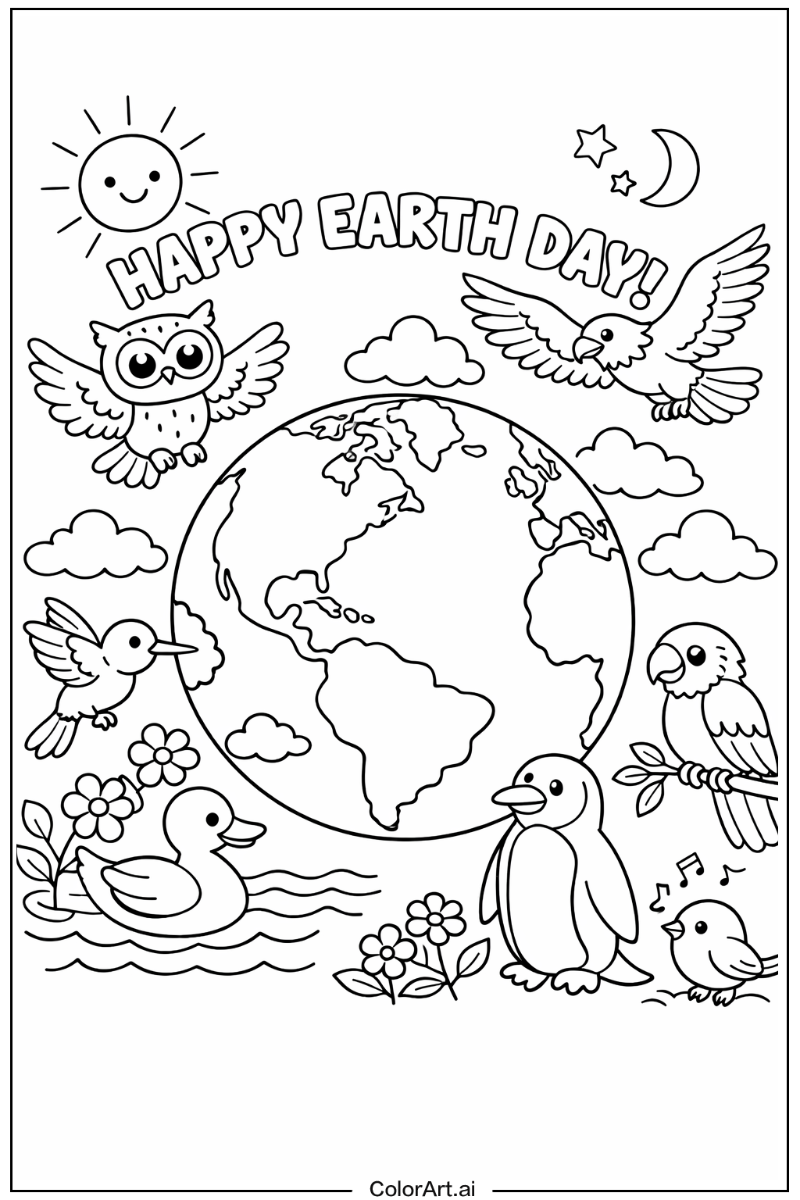
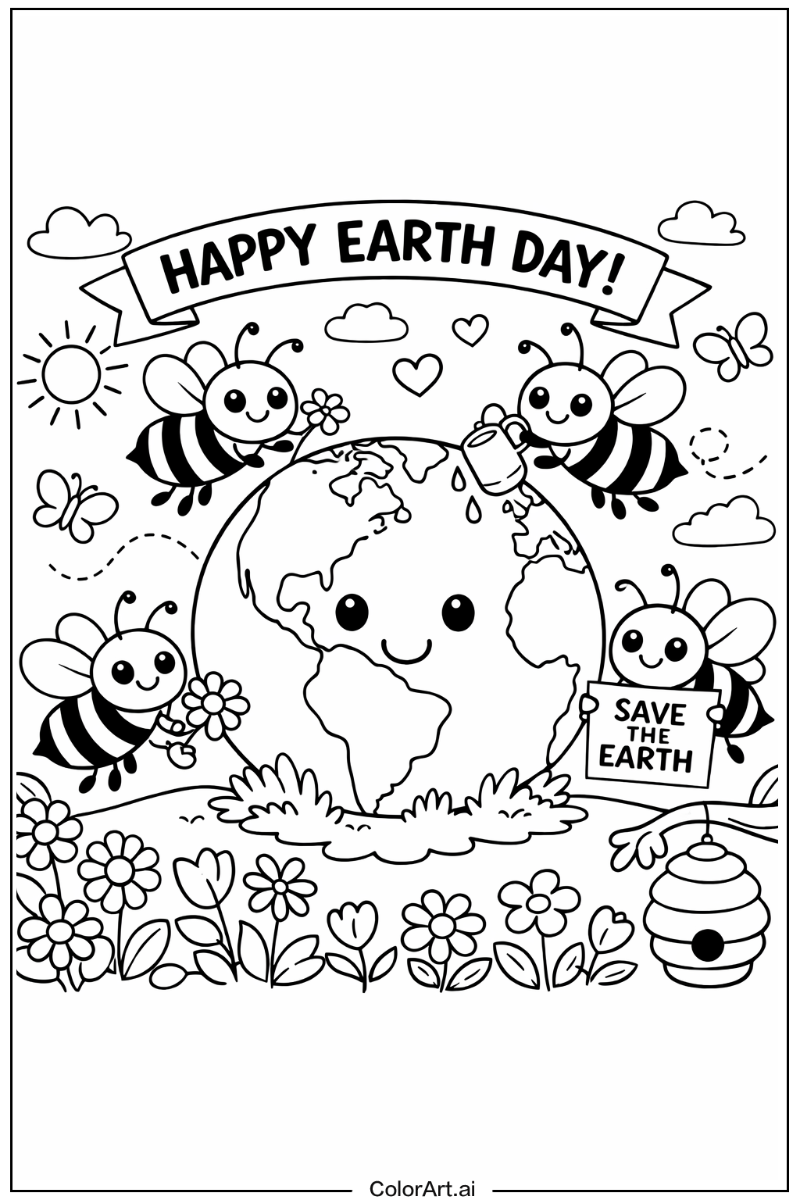
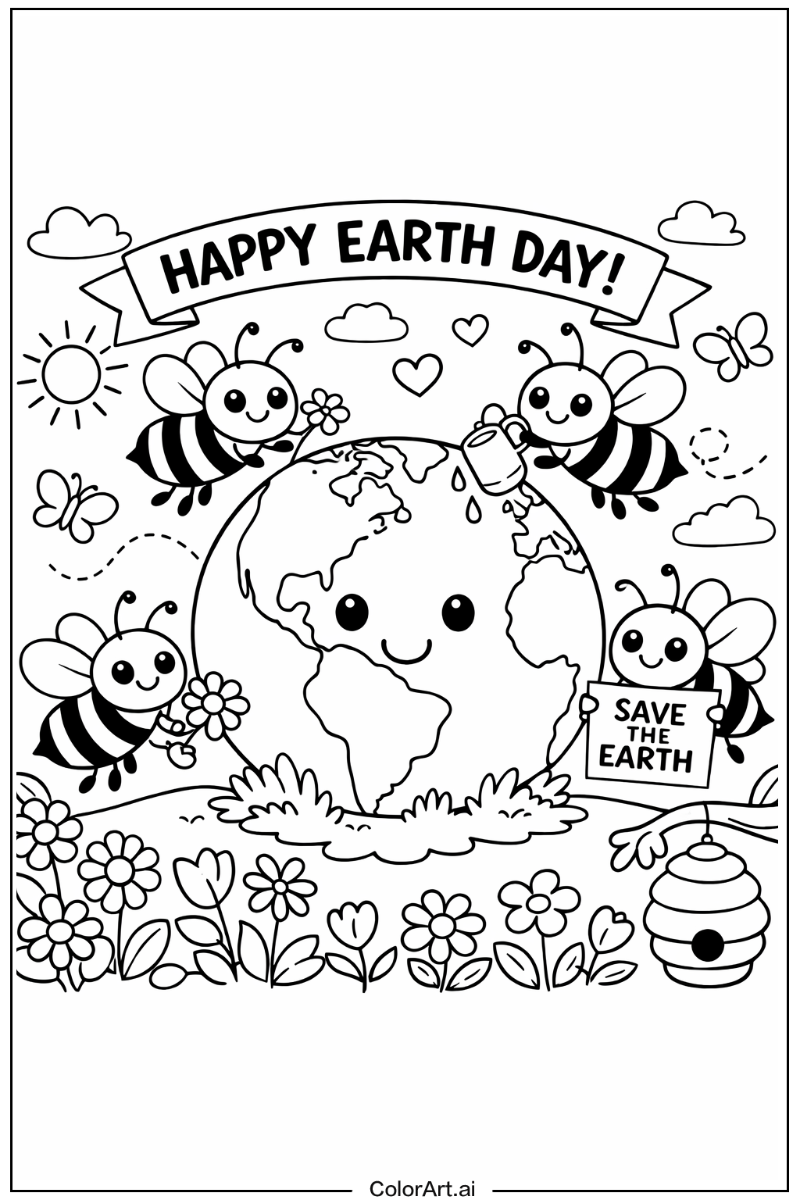
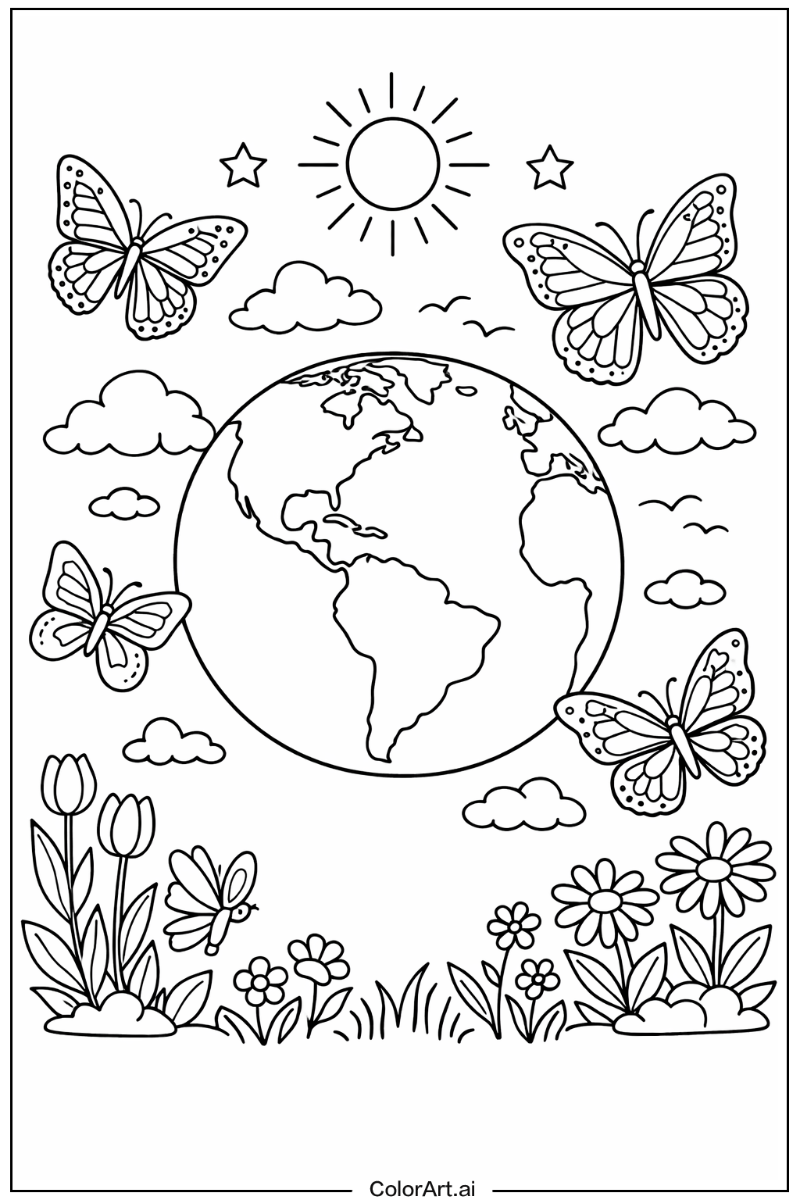
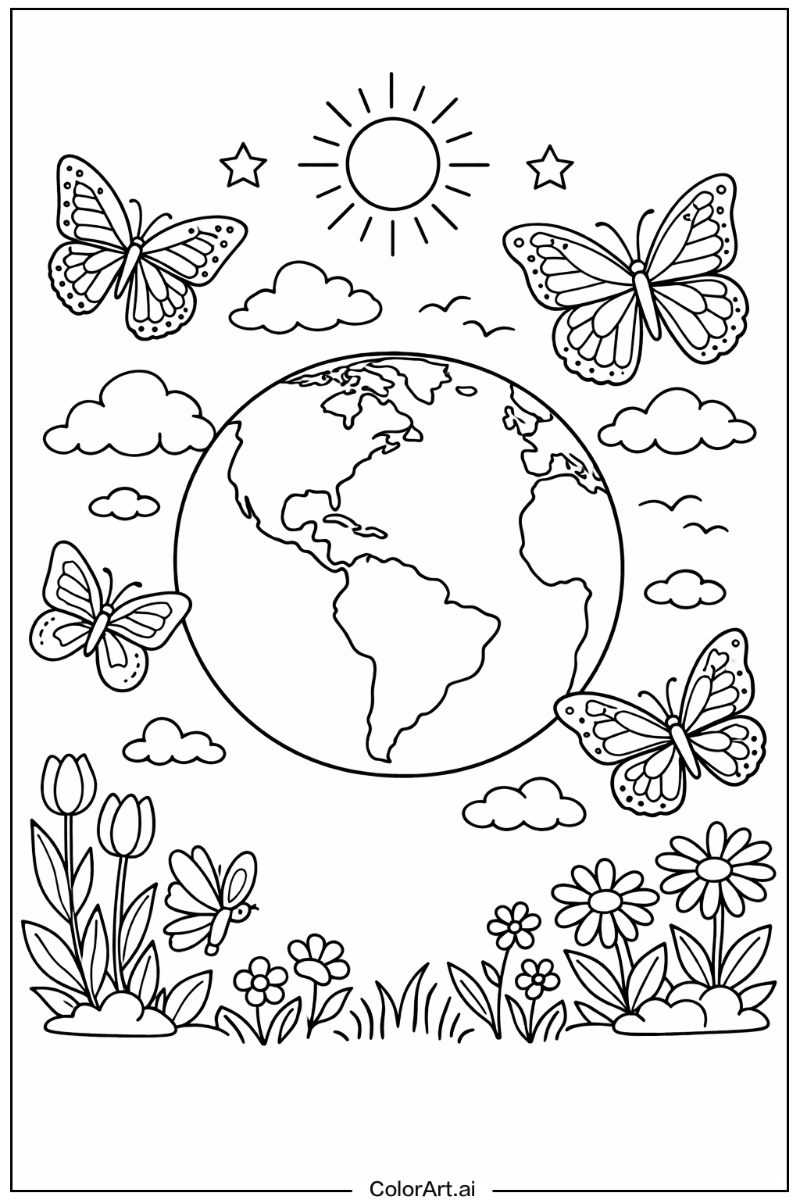
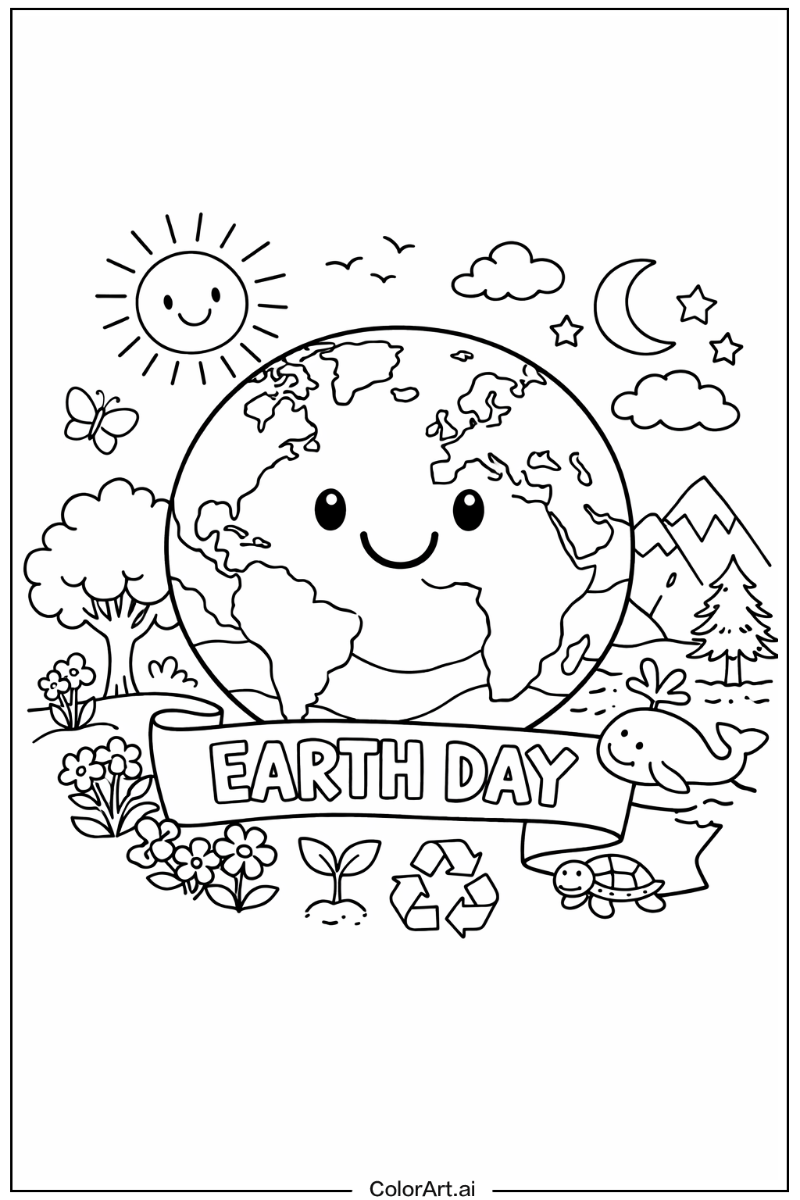
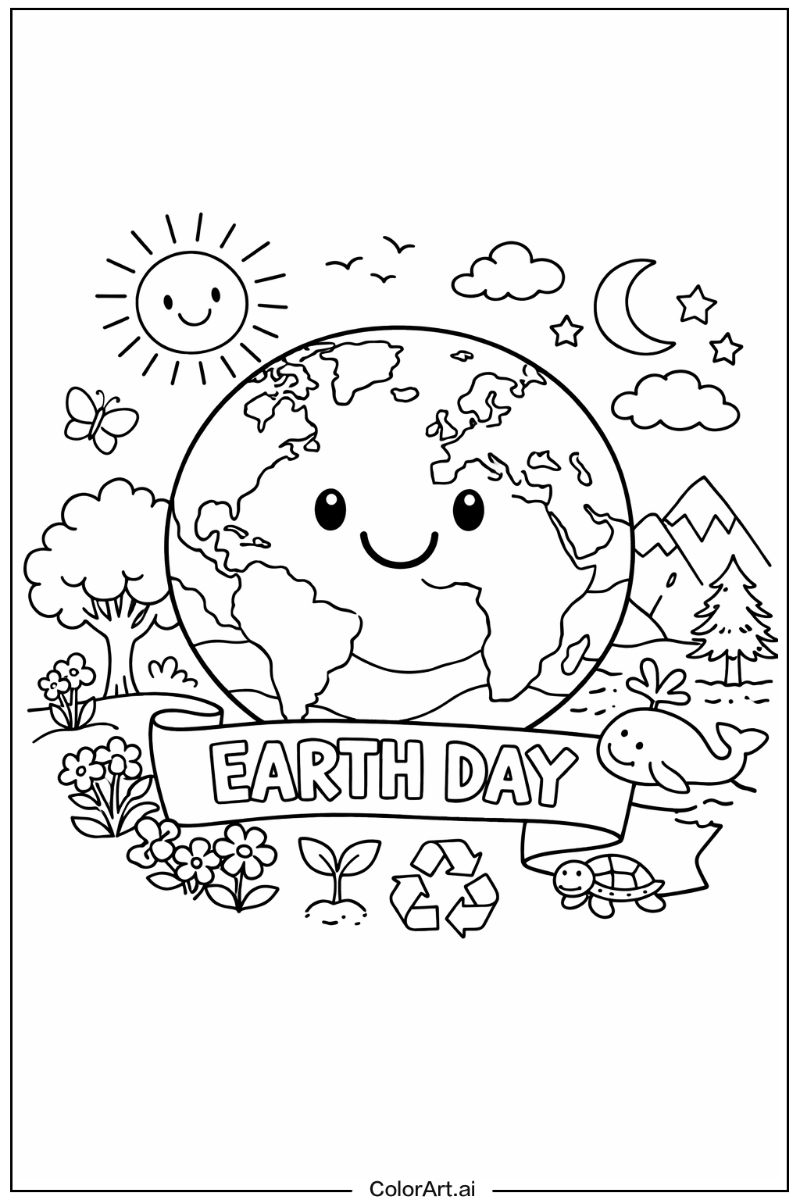
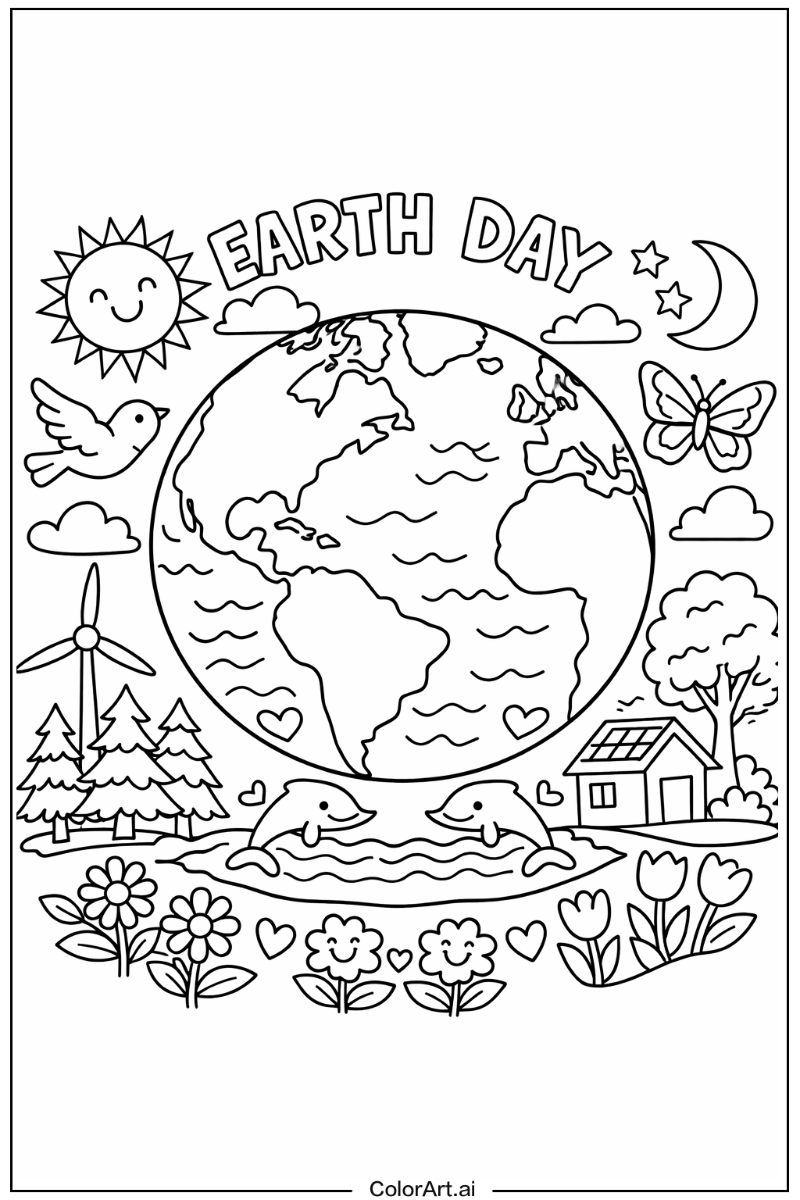
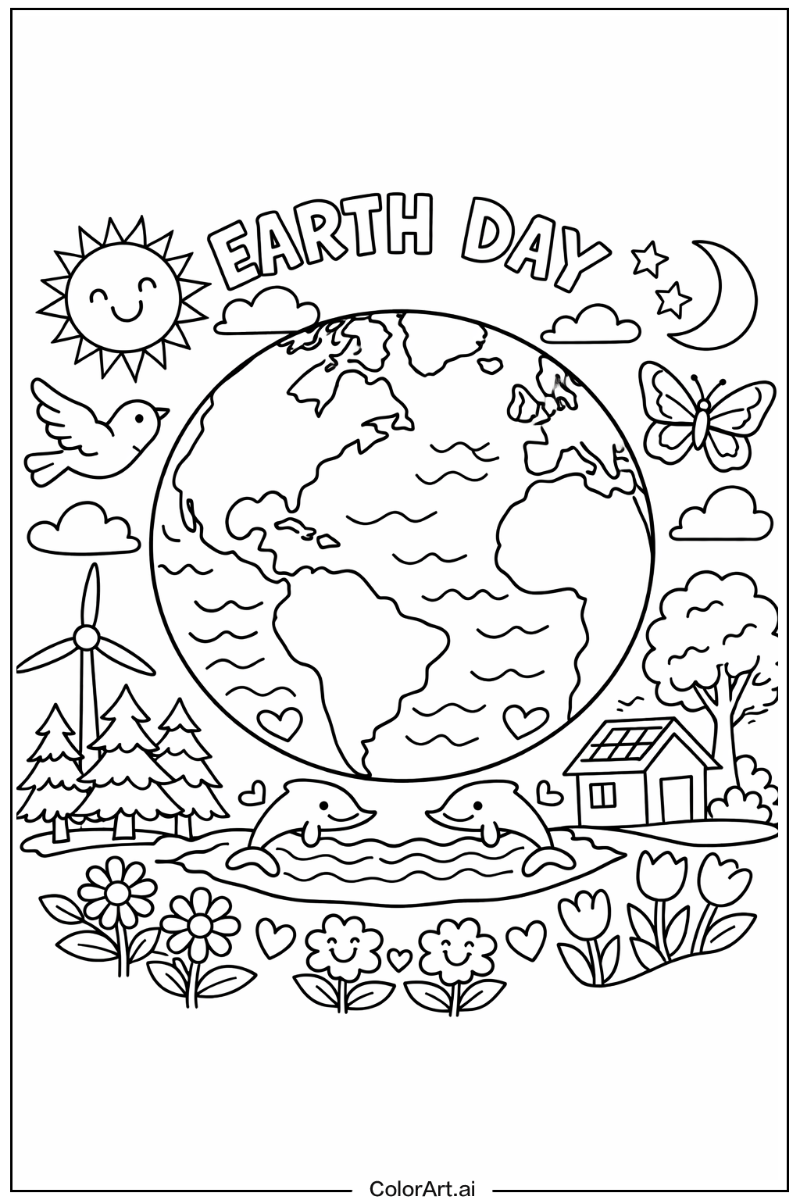
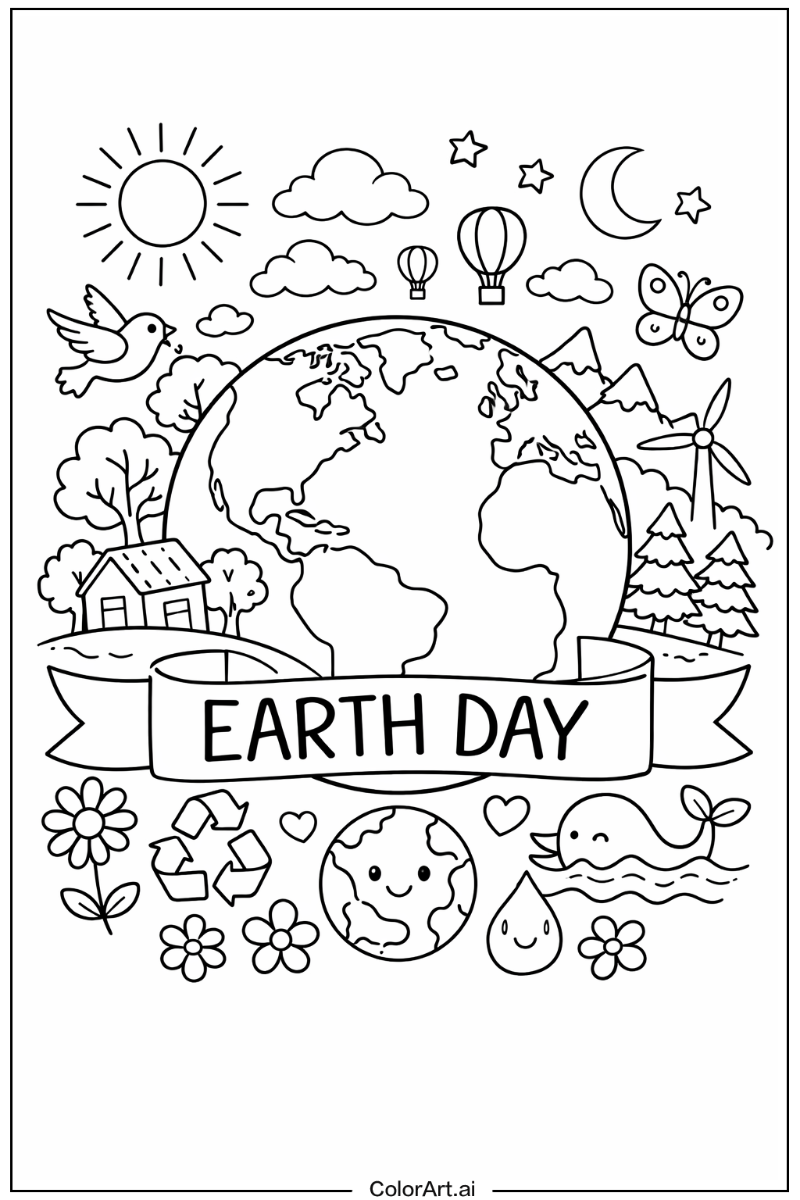
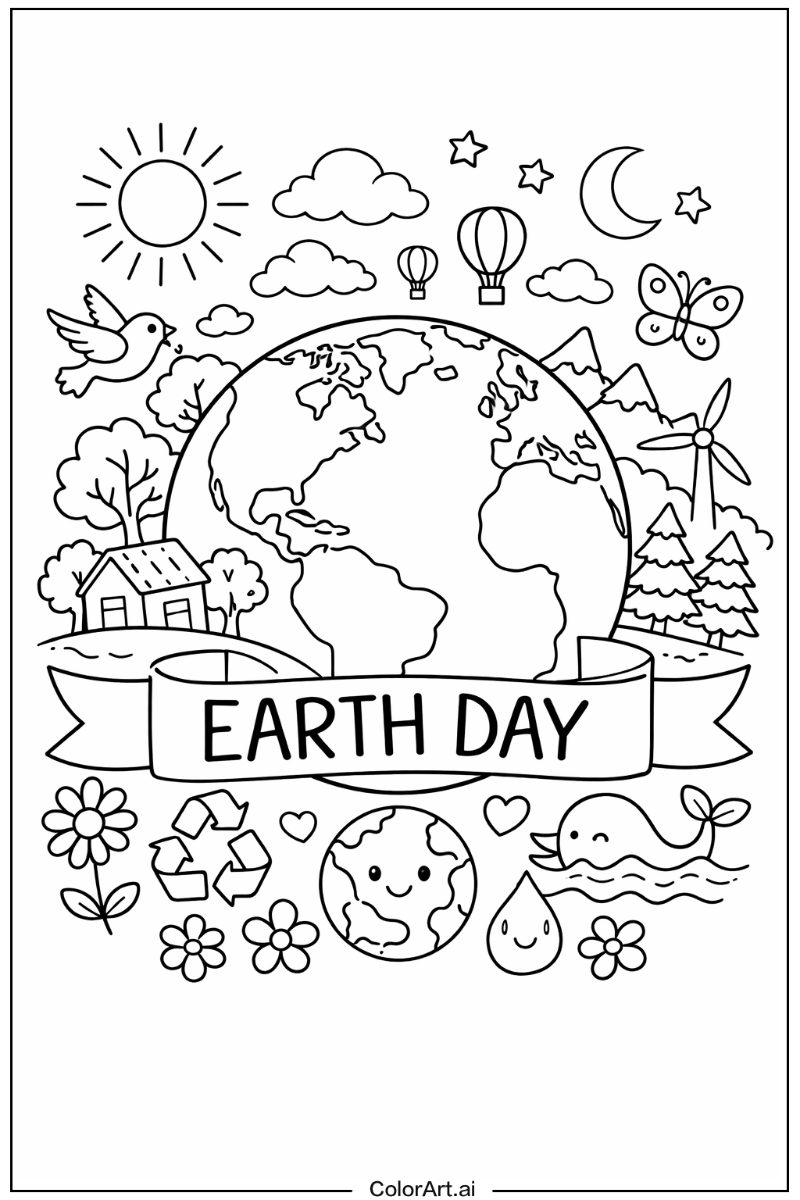
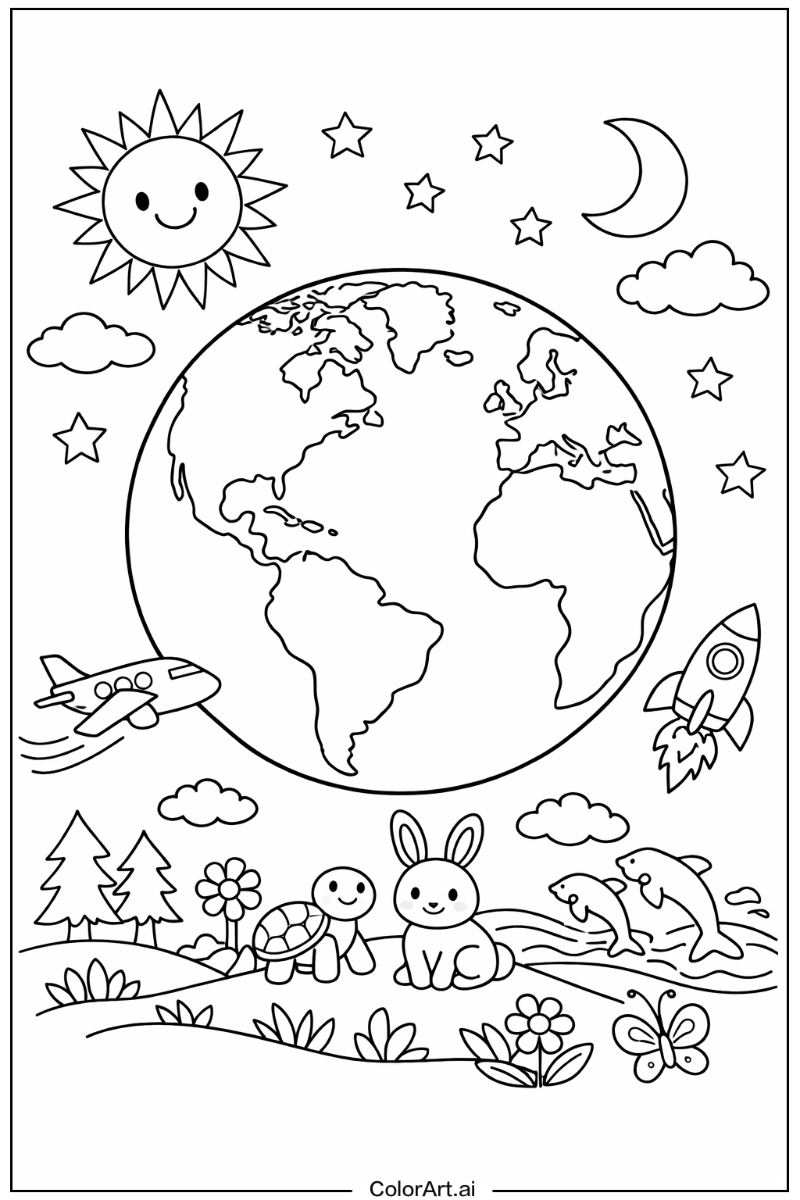
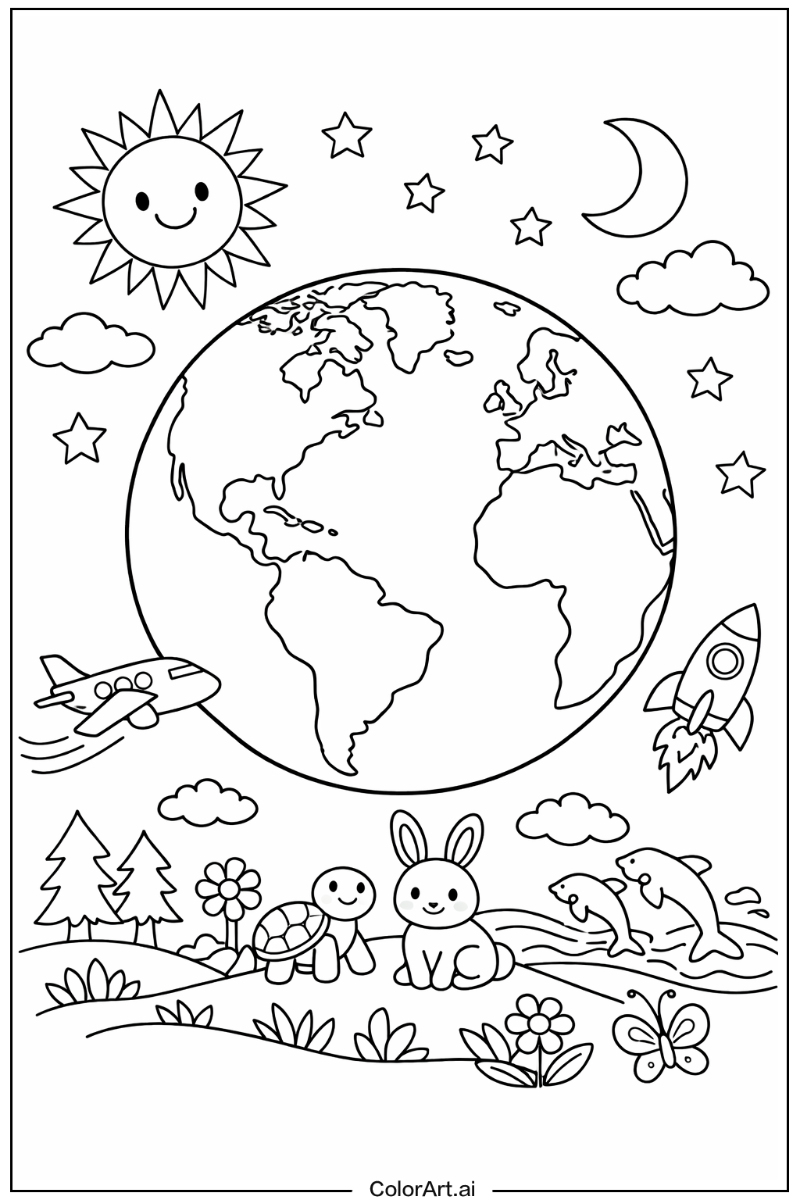
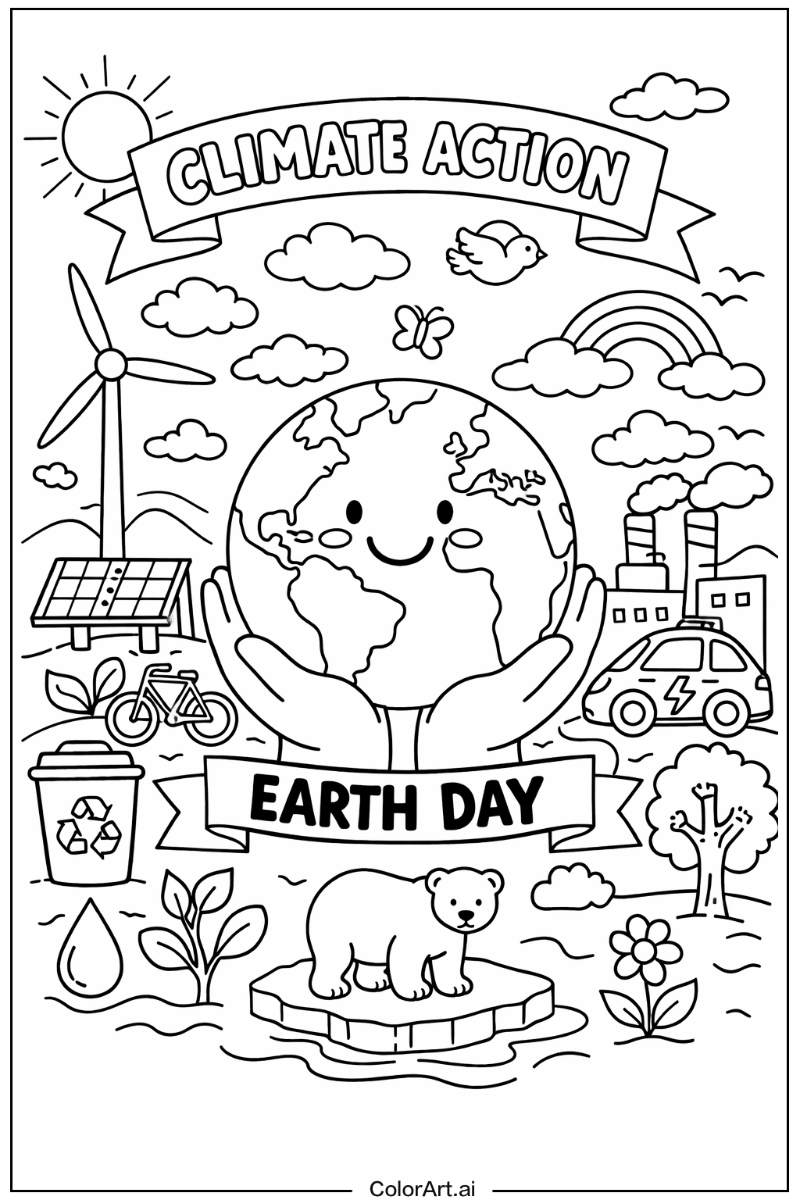
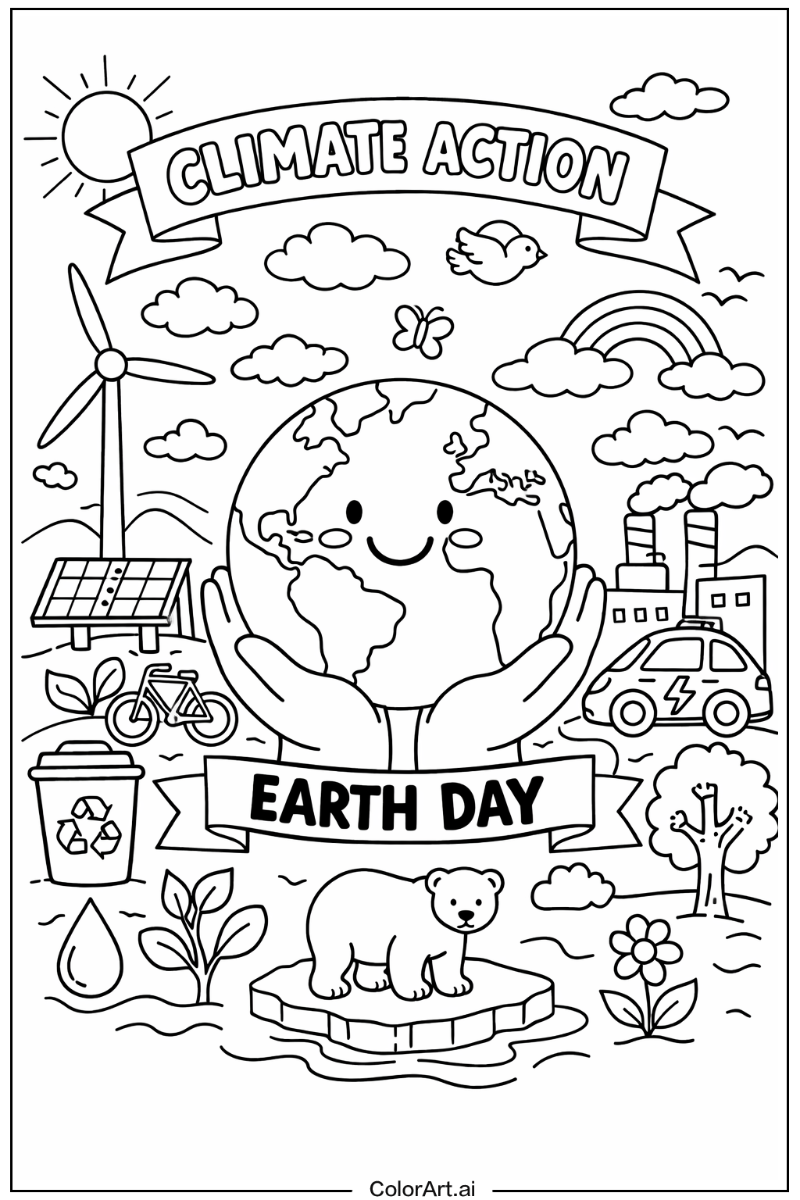
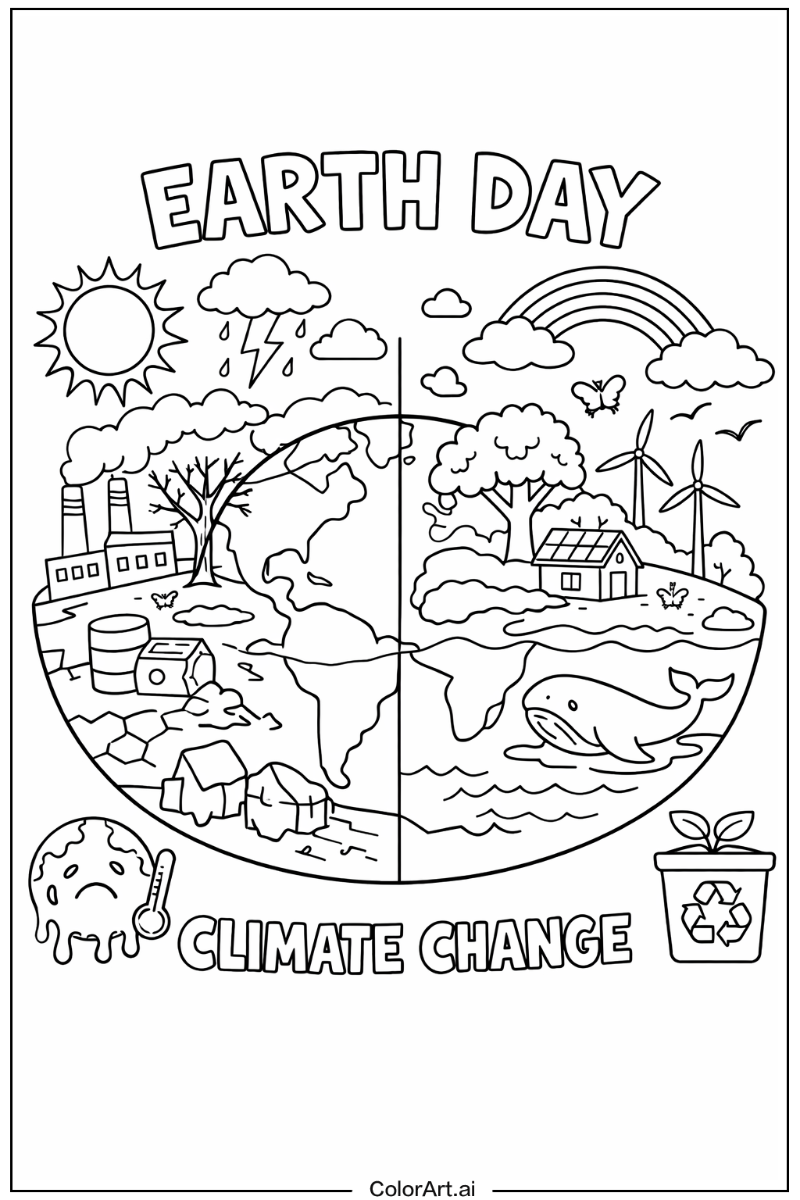
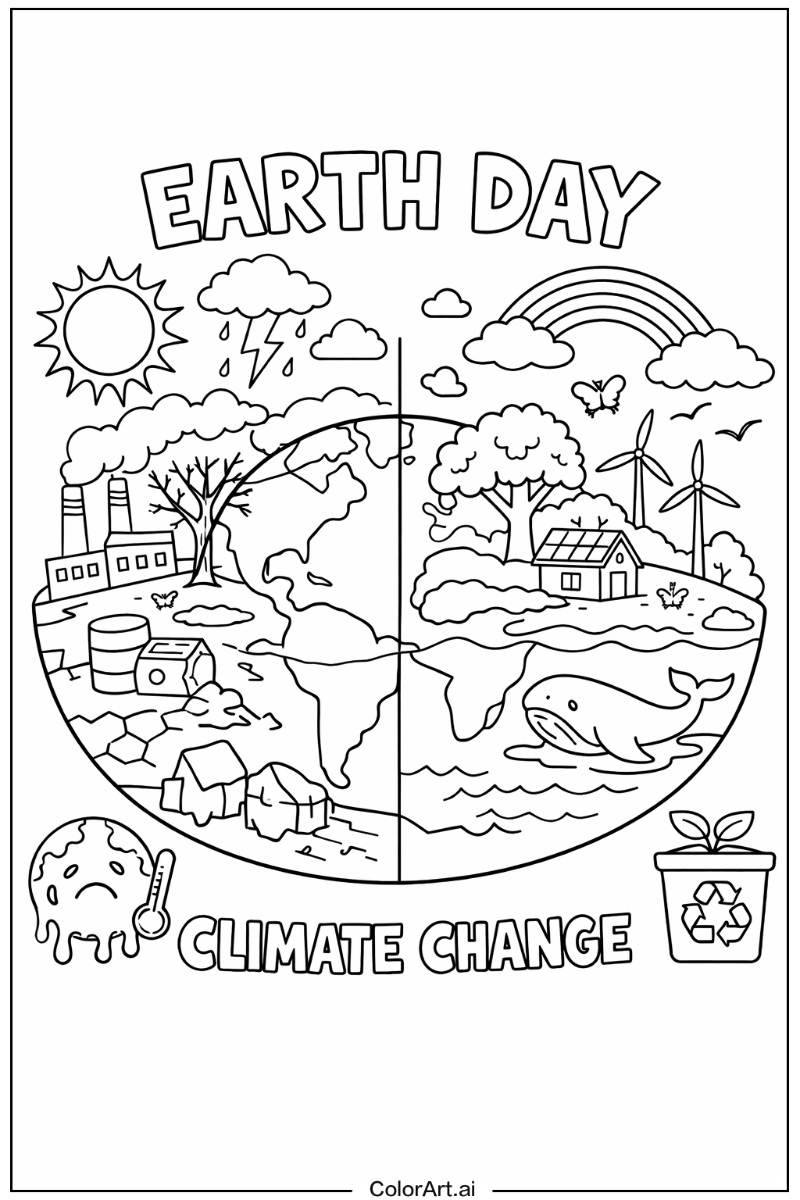
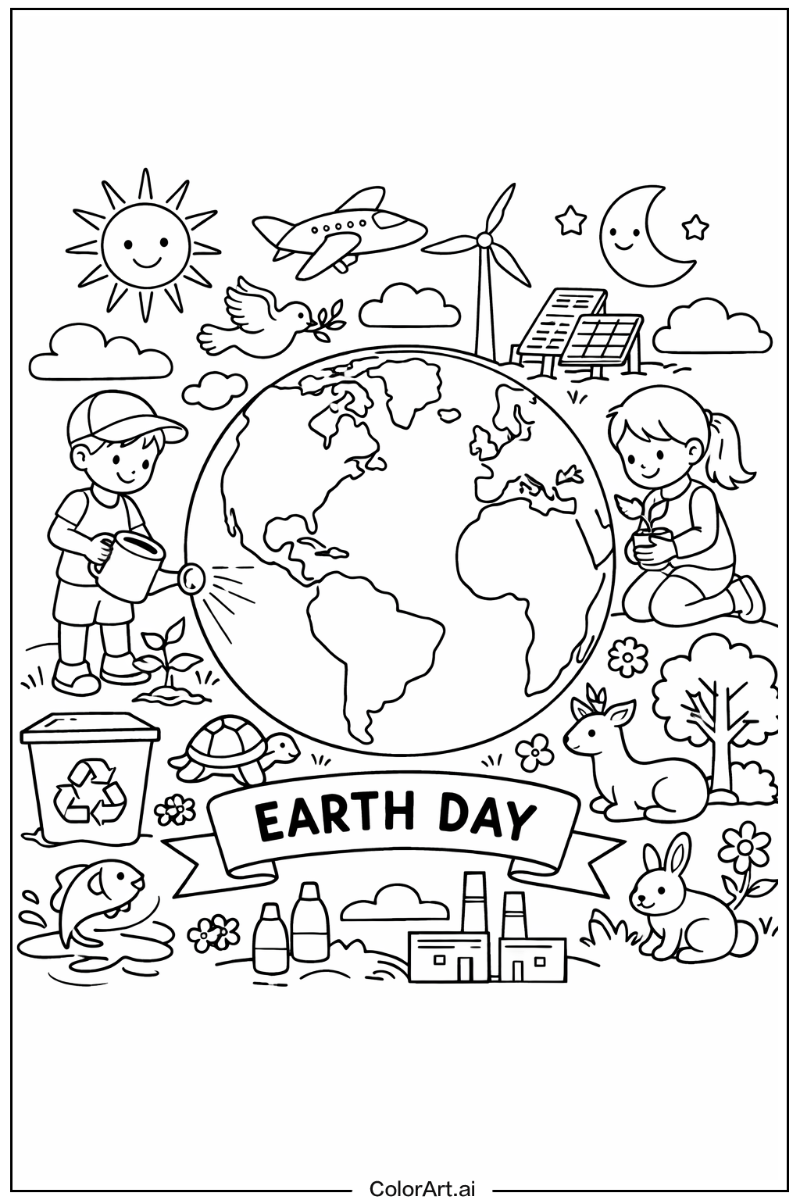
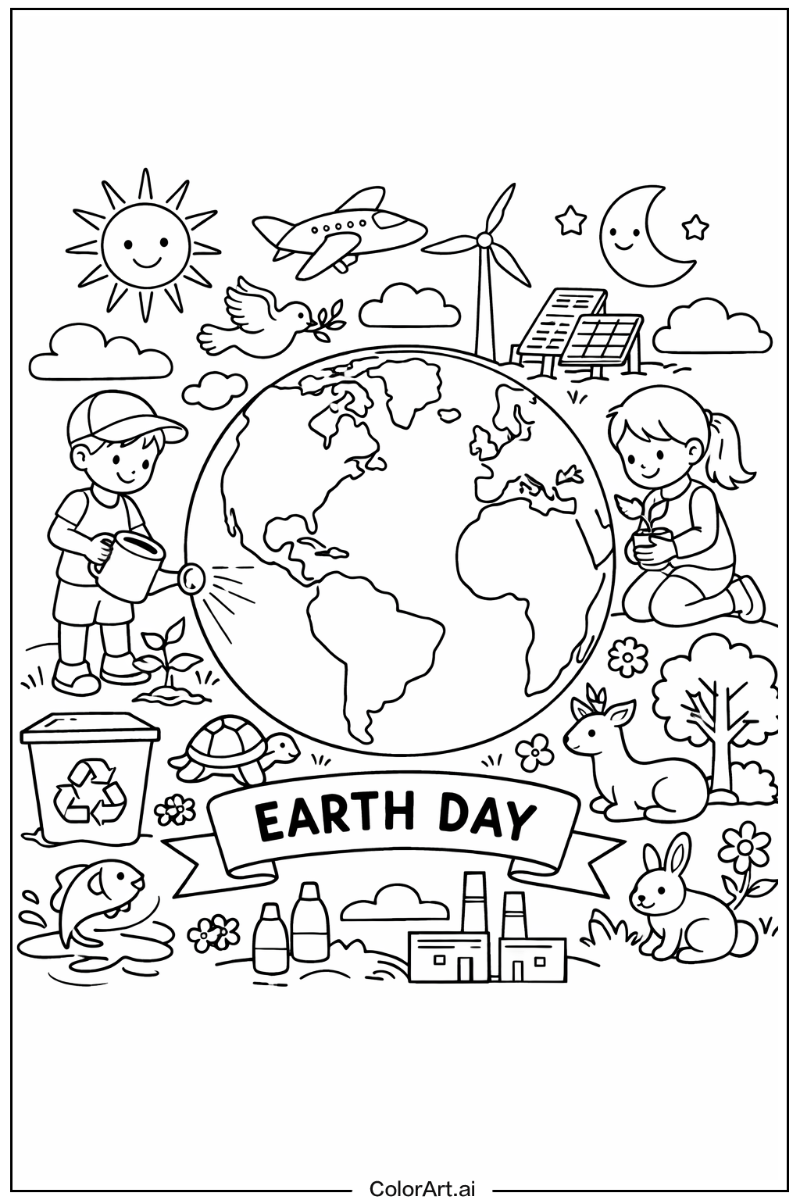
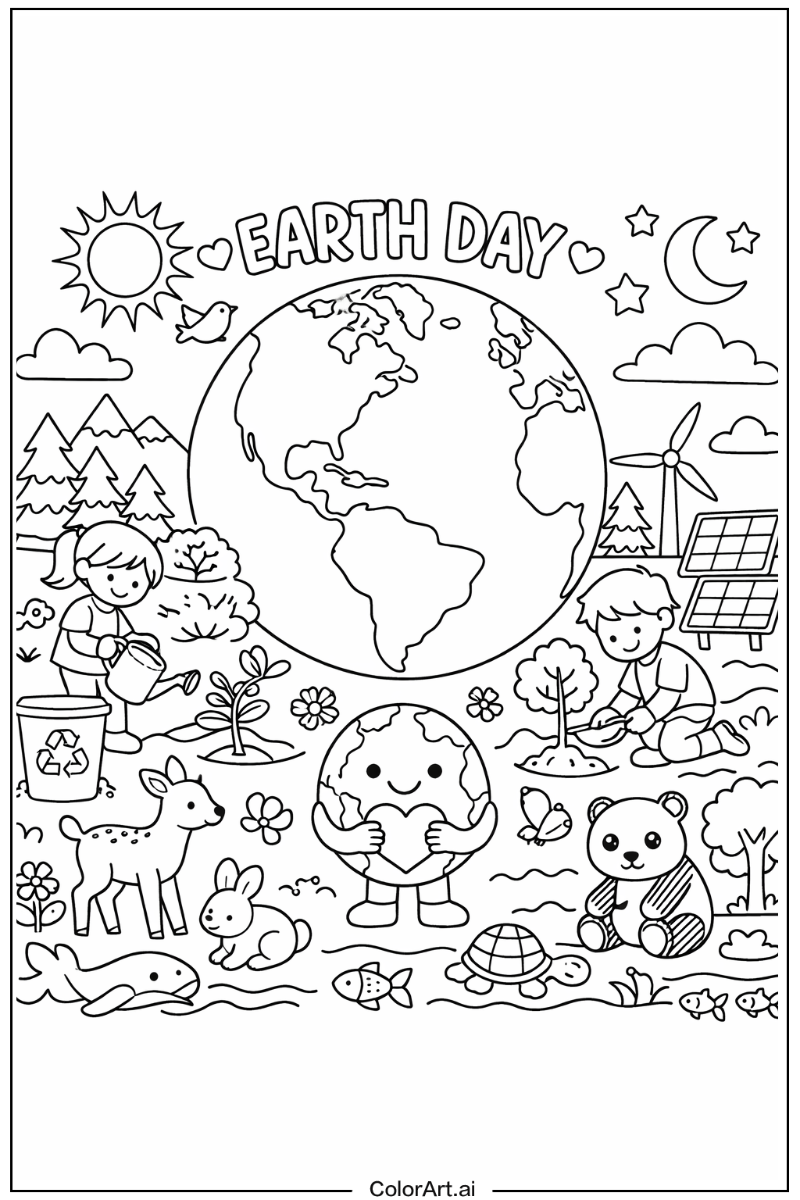
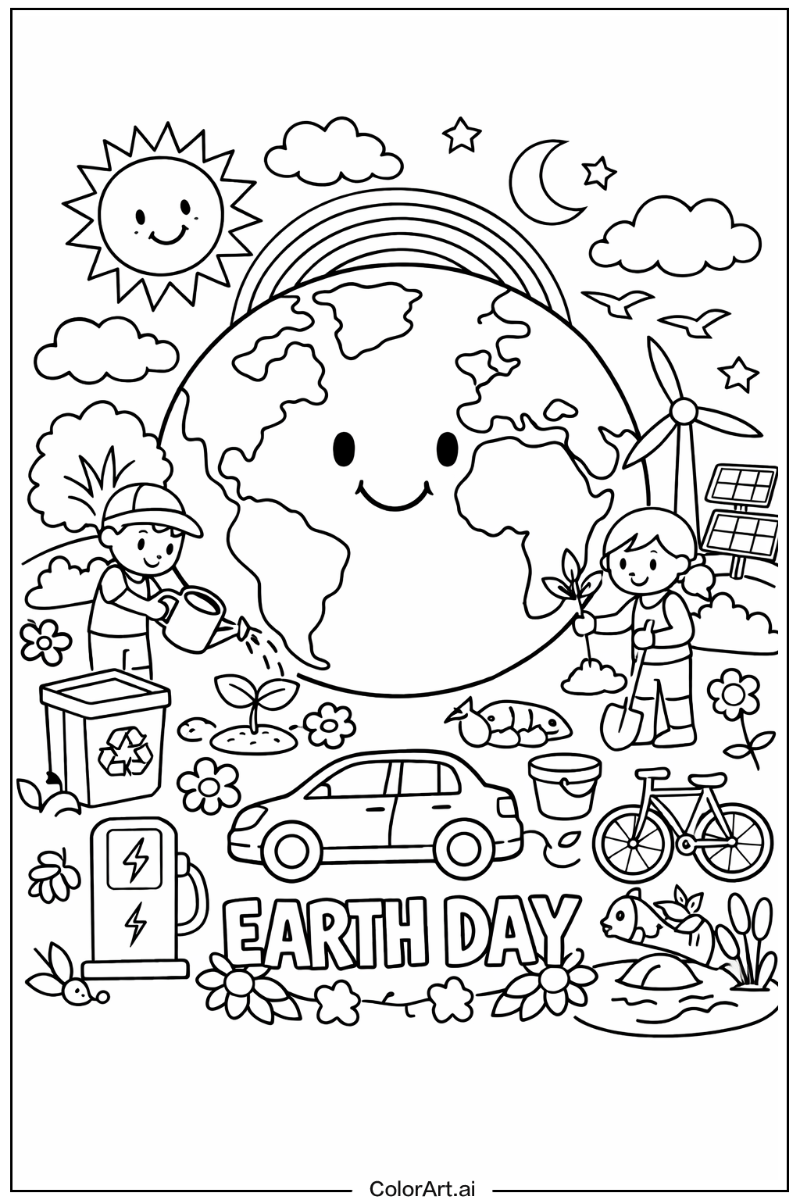
As we approach Earth Day each year, I feel a special excitement in my classroom. It’s a day that reminds us all of our responsibility to protect our beautiful planet. Earth Day happens every April 22nd and is not just about appreciating nature; it’s a call to action for environmental awareness. In my experience as a teacher, I’ve seen how engaging students with Earth Day activities can foster a deeper connection with the environment. One of the most beloved activities in our classroom is using earth day coloring pages. These pages allow students to express their creativity while learning about the themes of conservation, biodiversity, and our planet’s ecosystems. I remember one year when my second graders, inspired by the earth day theme, created a stunning mural filled with their colored drawings of trees, oceans, and animals. It was a beautiful representation of how they visualize a healthy planet, and it sparked fantastic discussions about what we can do to help protect it.
Group Coloring Pages
 PDF
PDF
 PNG
PNG
 PNG
PNG
 PNG
PNG
 PNG
PNG
 PNG
PNG
 PNG
PNG
 PNG
PNG
 PNG
PNG
 PNG
PNG
 PNG
PNG
 PNG
PNG
 PNG
PNG
 PNG
PNG
 PNG
PNG
 PNG
PNG
 PNG
PNG
 PNG
PNG
 PNG
PNG
 PNG
PNG
 PNG
PNG
 PNG
PNG
 PNG
PNG
 PNG
PNG
 PNG
PNG
 PNG
PNG
 PNG
PNG
 PNG
PNG
 PNG
PNG
 PNG
PNG
 PNG
PNG
 PNG
PNG
 PNG
PNG
 PNG
PNG
 PNG
PNG
 PNG
PNG
 PNG
PNG
 PNG
PNG
 PNG
PNG
 PNG
PNG
 PNG
PNG
The Significance of Earth Day
Earth Day is an annual event celebrated on April 22, marking the birth of the modern environmental movement. The first Earth Day in 1970 was significant, mobilizing millions of people to advocate for a healthier planet. It was a period of social and political upheaval in the United States, and the collective efforts on that day were revolutionary; the events were approximately 80 times larger than the Woodstock festival. This massive gathering brought together diverse groups united by a common goal: to protect our environment. Over the decades, Earth Day has grown in scale and impact, evolving to address complex environmental issues like climate change and sustainability. In my classroom, I emphasize the importance of Earth Day not just as a day of celebration, but as a reminder of our ongoing responsibility to conserve our planet. I often share this historical context with my students; it helps them understand that every small action counts in the larger fight for environmental justice.
The Benefits of Earth Day Activities in the Classroom
Engaging students in Earth Day activities, particularly through coloring pages, has numerous educational benefits. Firstly, these activities support fine motor skills and hand-eye coordination, which are crucial for young learners. For example, while coloring in intricate designs of ecosystems, my third graders develop control and dexterity with their crayons. Additionally, coloring fosters concentration and focus, as students must match colors with thematic elements of their drawings, such as using green for trees or blue for oceans. I’ve observed that this simple task can significantly enhance their ability to pay attention to detail.
Moreover, Earth Day coloring pages serve as a powerful medium for emotional expression. When students color images that reflect their feelings about the environment, they often share their thoughts and concerns. I remember a heartfelt moment when a student, Lily, colored a page of a polar bear on a melting iceberg and expressed her worries about climate change. This opened the floor for a rich discussion about global issues and personal responsibility. Finally, these activities can integrate seamlessly with subjects such as science, geography, and history, enriching the overall educational experience. By discussing the importance of biodiversity while coloring, students not only learn about art but also gain a deeper understanding of our world's complexities.
Practical Tips for Earth Day Coloring
To make the most of earth day coloring pages in your classroom or at home, consider these practical tips. First, provide a variety of coloring materials. I find that colored pencils, markers, and crayons each offer unique benefits. For younger children, crayons are great for grip and control, while older kids might prefer the precision of colored pencils. Next, consider the printing quality; use high-resolution files for clear lines and vibrant colors. I encourage my students to use cardstock, which holds up better than standard paper.
Furthermore, create a calm and inviting atmosphere for coloring. This can enhance focus and allow the children to immerse themselves in their creations. I often play soft instrumental music during coloring sessions to foster a serene environment. Lastly, after completing their earth day pages, encourage students to share their artwork with the class. This not only builds confidence but also promotes discussions about the themes represented in their work, reinforcing the learning objectives.
Current Trends in Earth Day Art Education
In recent years, Earth Day has become more than just an event; it has transformed into a global movement that incorporates various forms of creative expression, including art education. Many educators are now integrating art projects that highlight environmental themes, and I’ve noticed an uptick in the use of earth day coloring pages as a tool for teaching. Platforms like Crayola and Coloring Pages 101 now offer a plethora of free downloadable Earth Day coloring pages, making it easier for teachers and parents to incorporate these activities into their lessons. I came across a beautiful design featuring endangered species that sparked a lively discussion in my class about conservation efforts. Students were eager to learn more about how they could help protect these animals. Additionally, the trend of using technology in art education is on the rise; apps and online platforms provide customizable earth day coloring pages, allowing children to explore their creativity in new ways while learning about environmental issues.
Frequently Asked Questions About Earth Day Coloring Pages
What age group are Earth Day coloring pages suitable for? Earth Day coloring pages are designed for various age groups, typically ranging from preschoolers (3-5 years) to adults. We offer different complexity levels to match different skill levels.
What materials work best for coloring Earth Day pages? For best results with Earth Day coloring pages, we recommend colored pencils for detailed work, markers for bold colors, and crayons for younger children. Use high-quality paper or cardstock for professional-looking results.
How should I print Earth Day coloring pages for best quality? Print Earth Day coloring pages using high-quality or best print settings. Use standard A4 or Letter size paper, or upgrade to cardstock for more durable results. Ensure your printer has sufficient ink for clear, dark lines.