Buzzing into Creativity with Bumblebee Coloring Pages
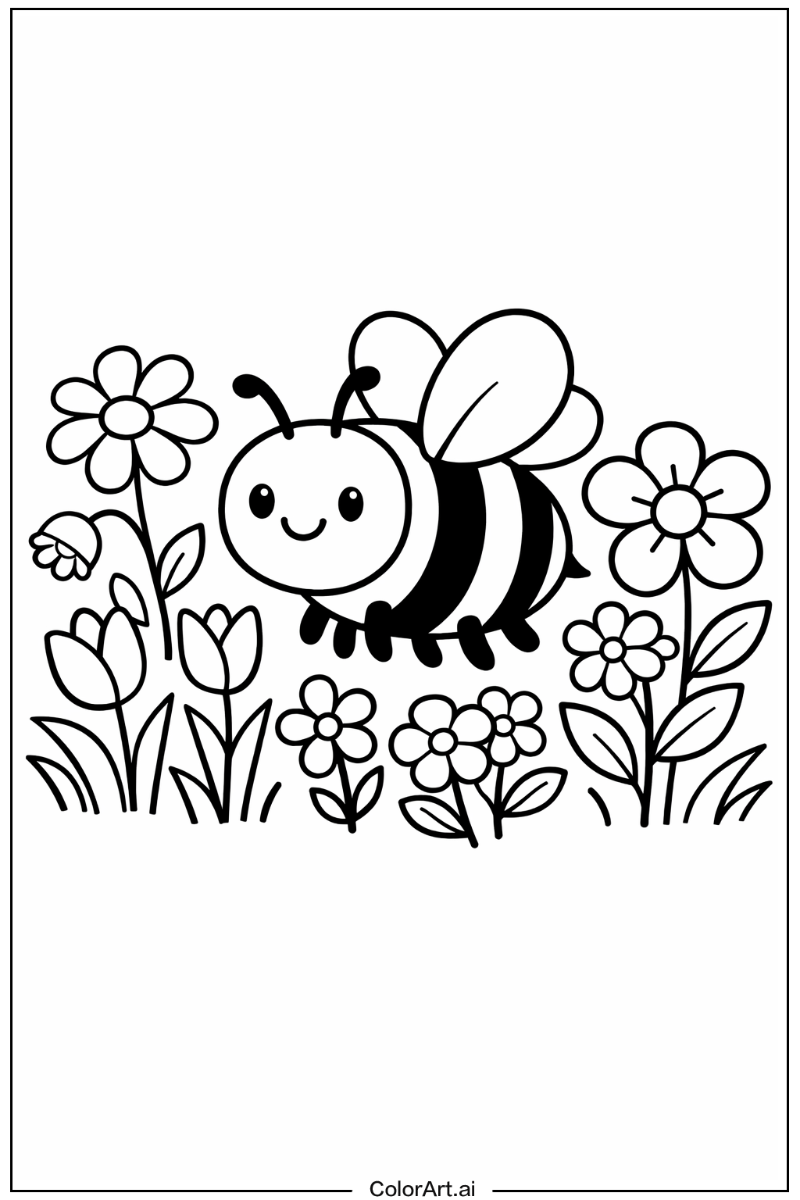
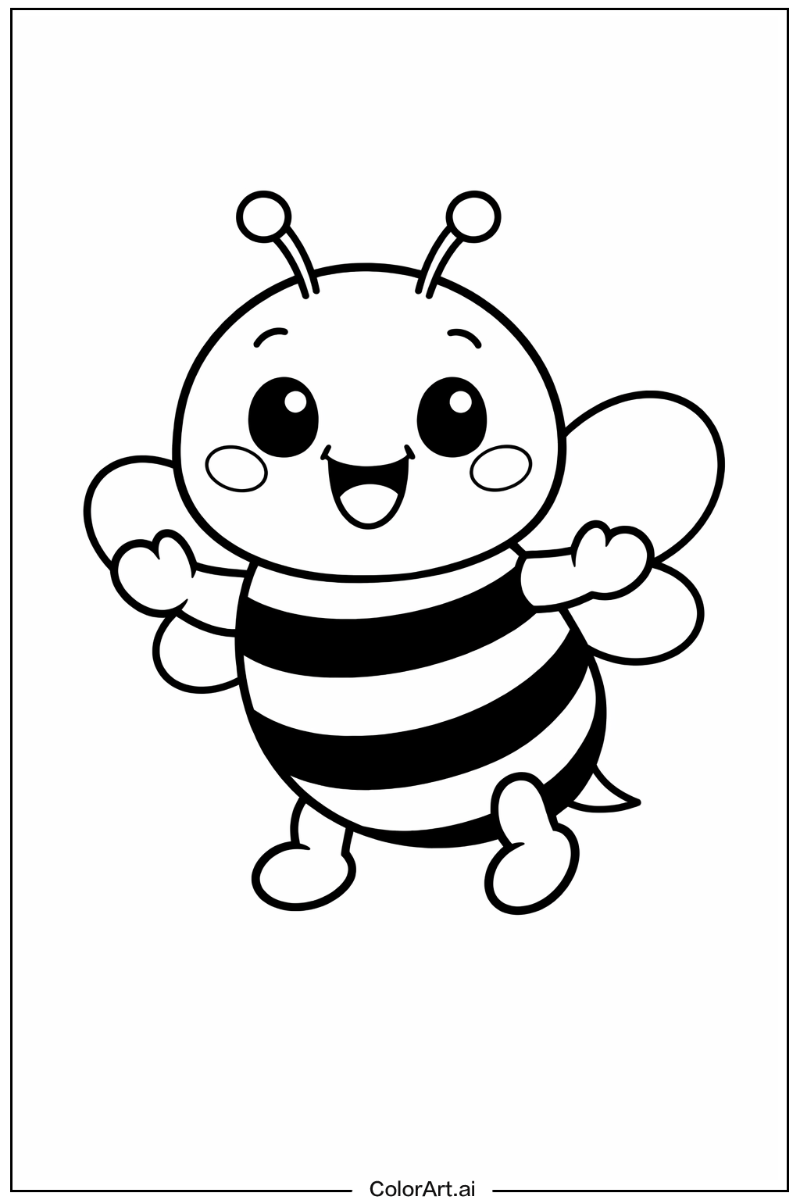
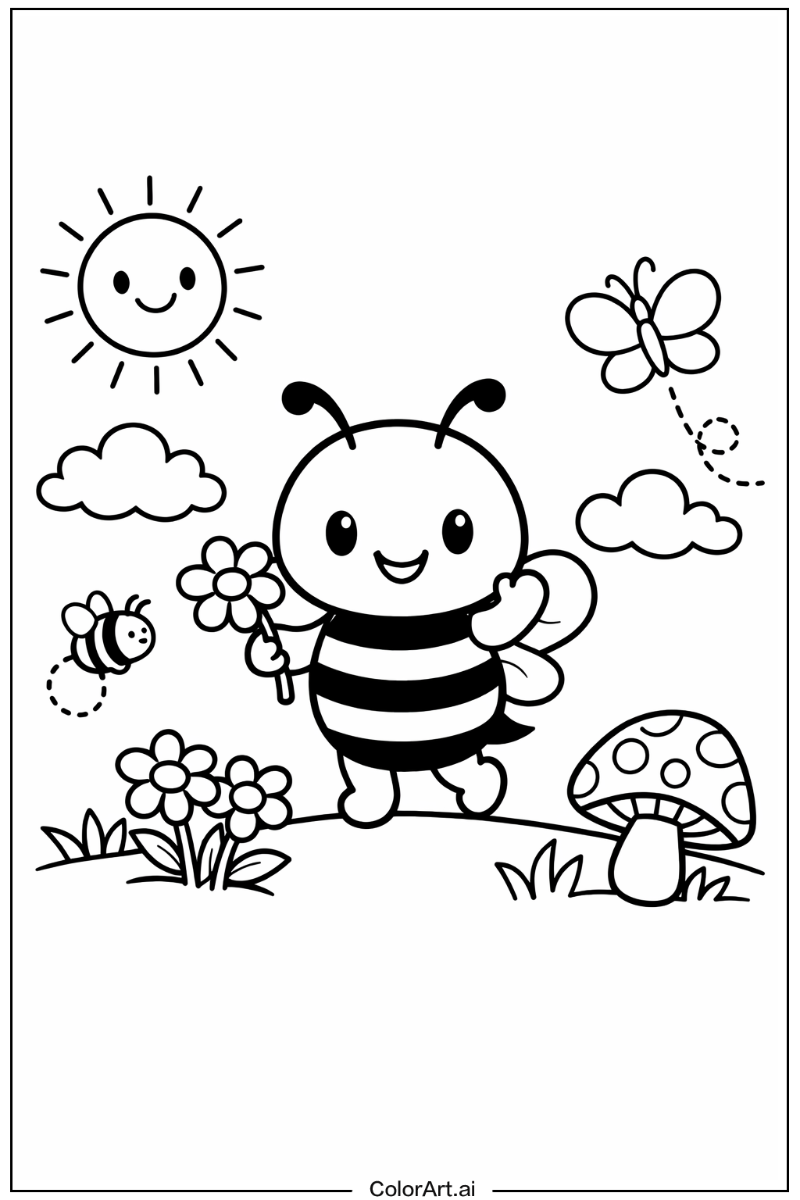
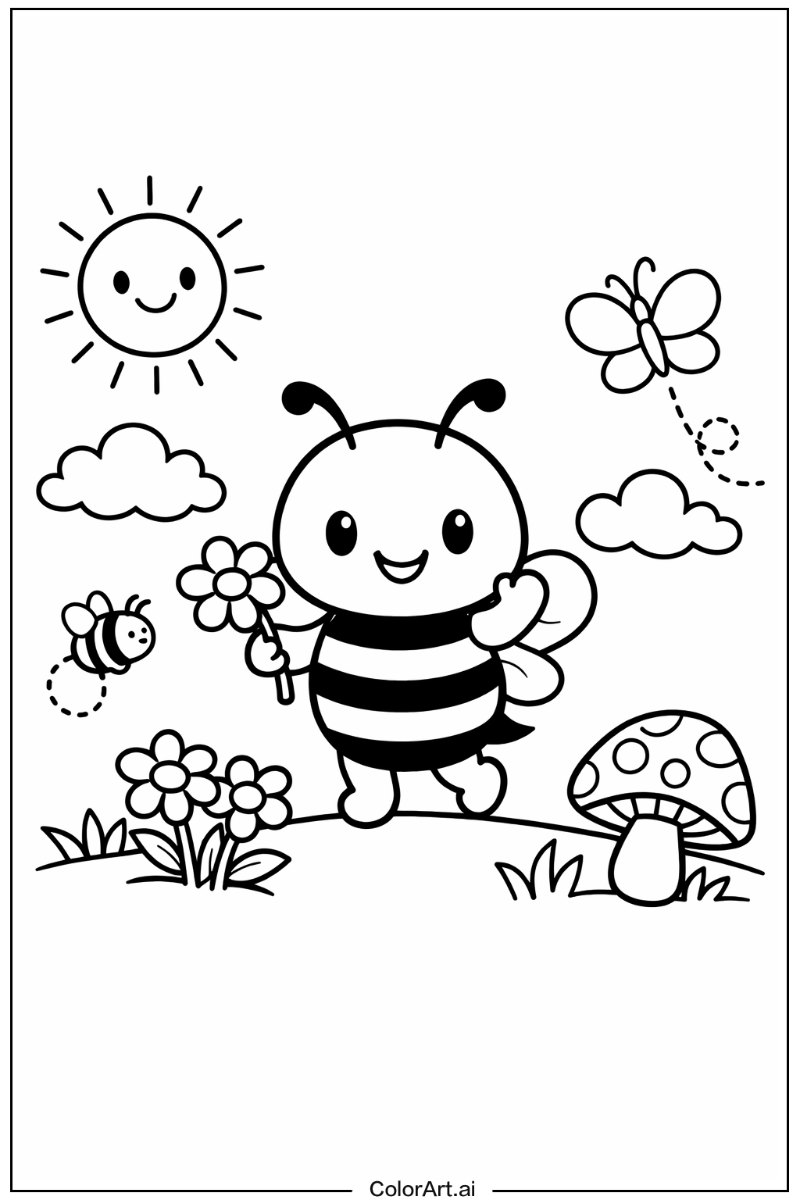
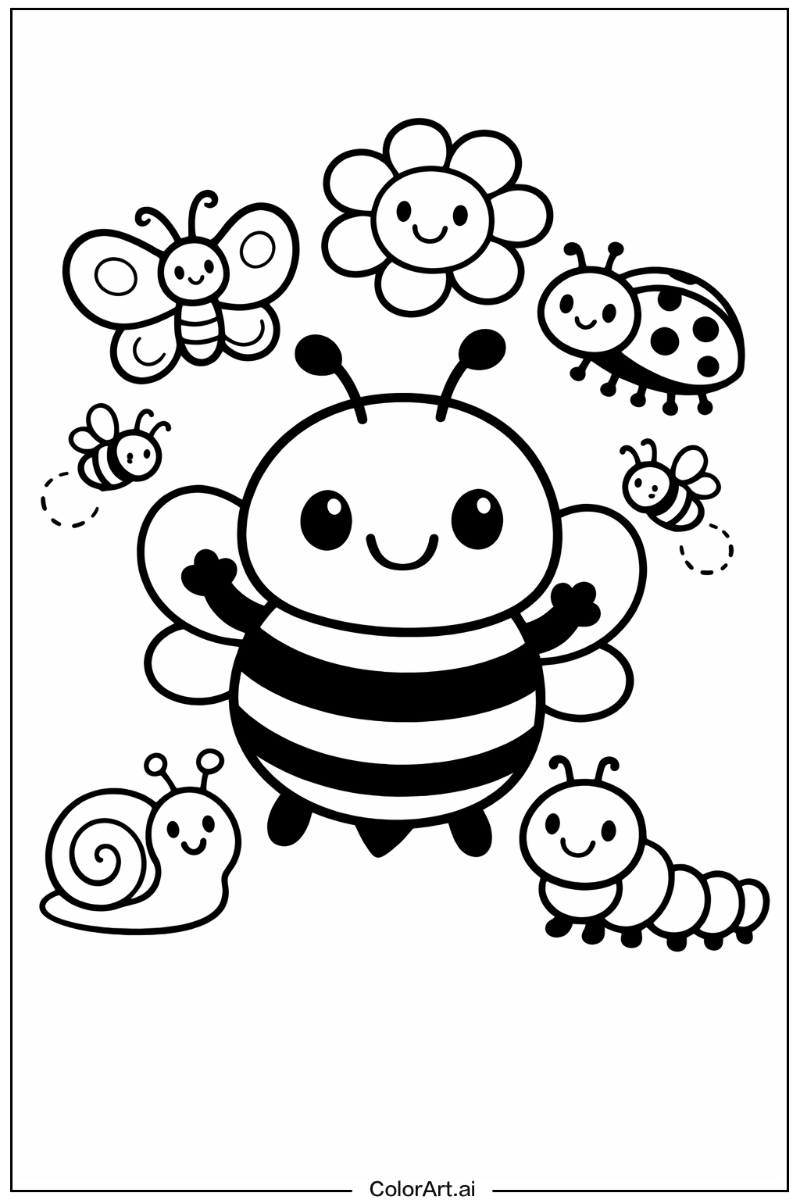
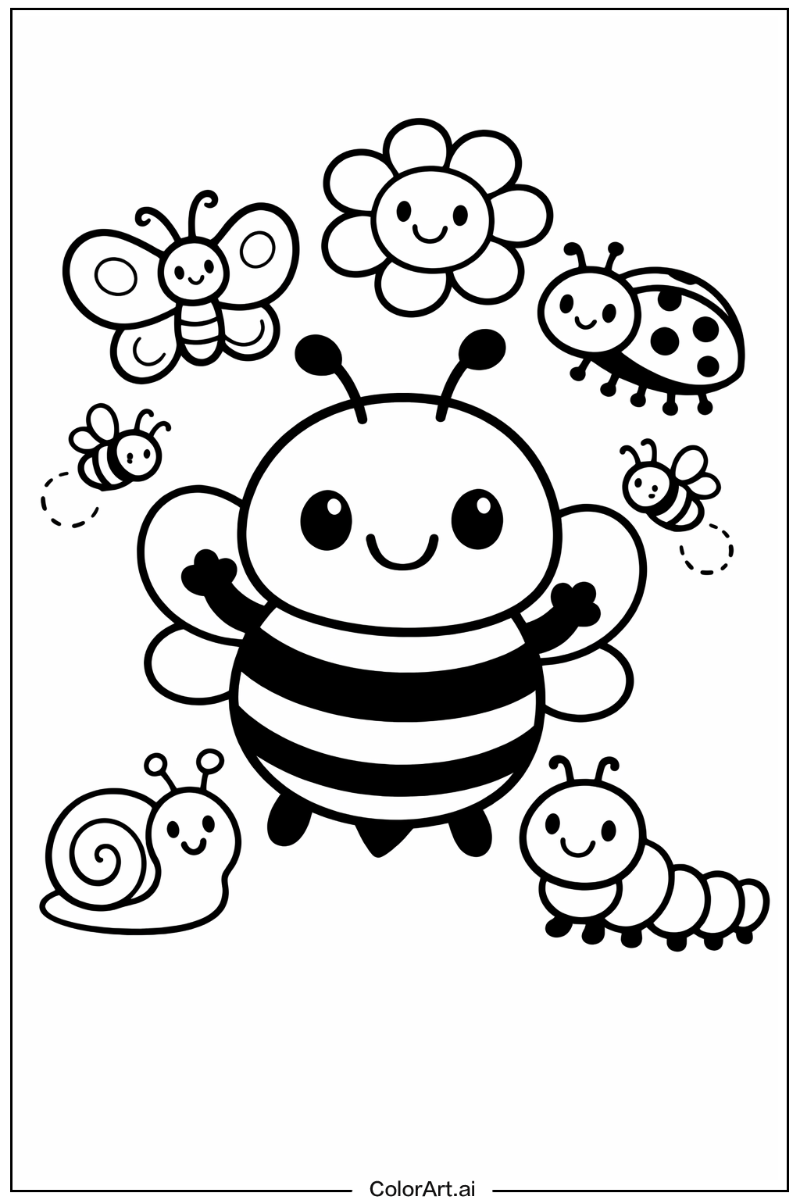
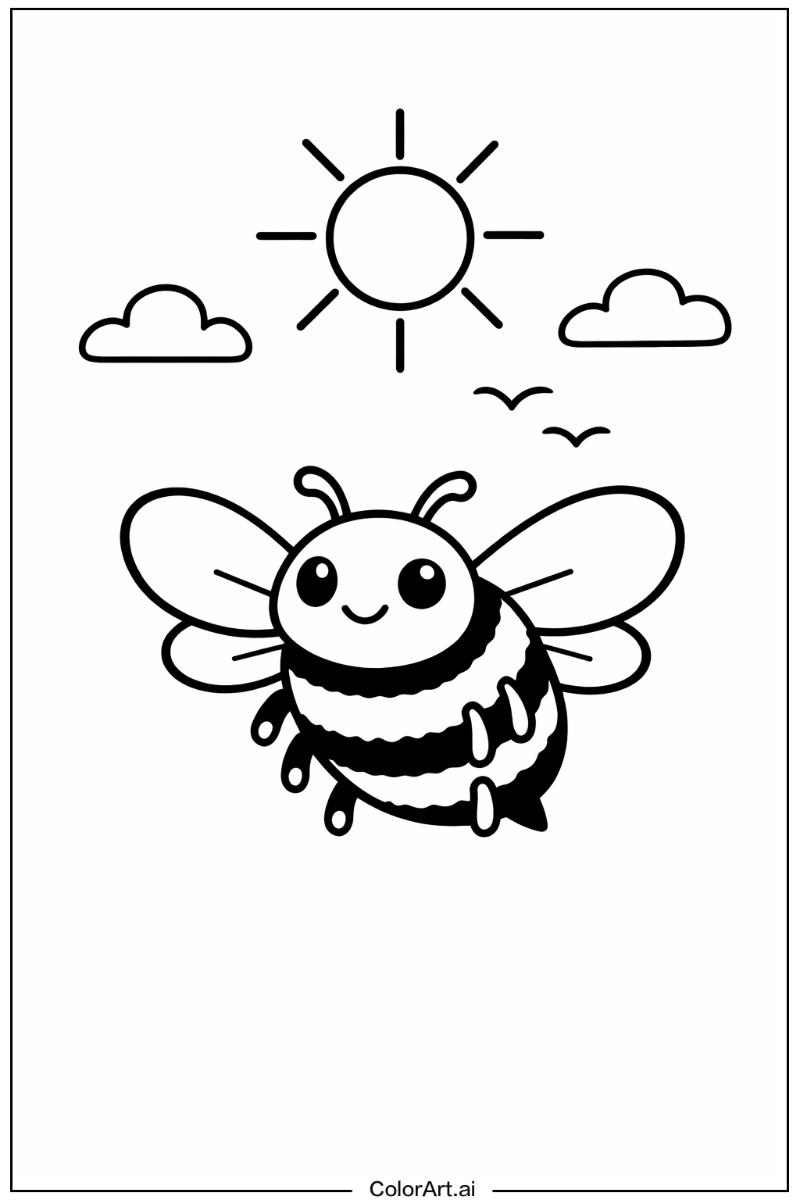
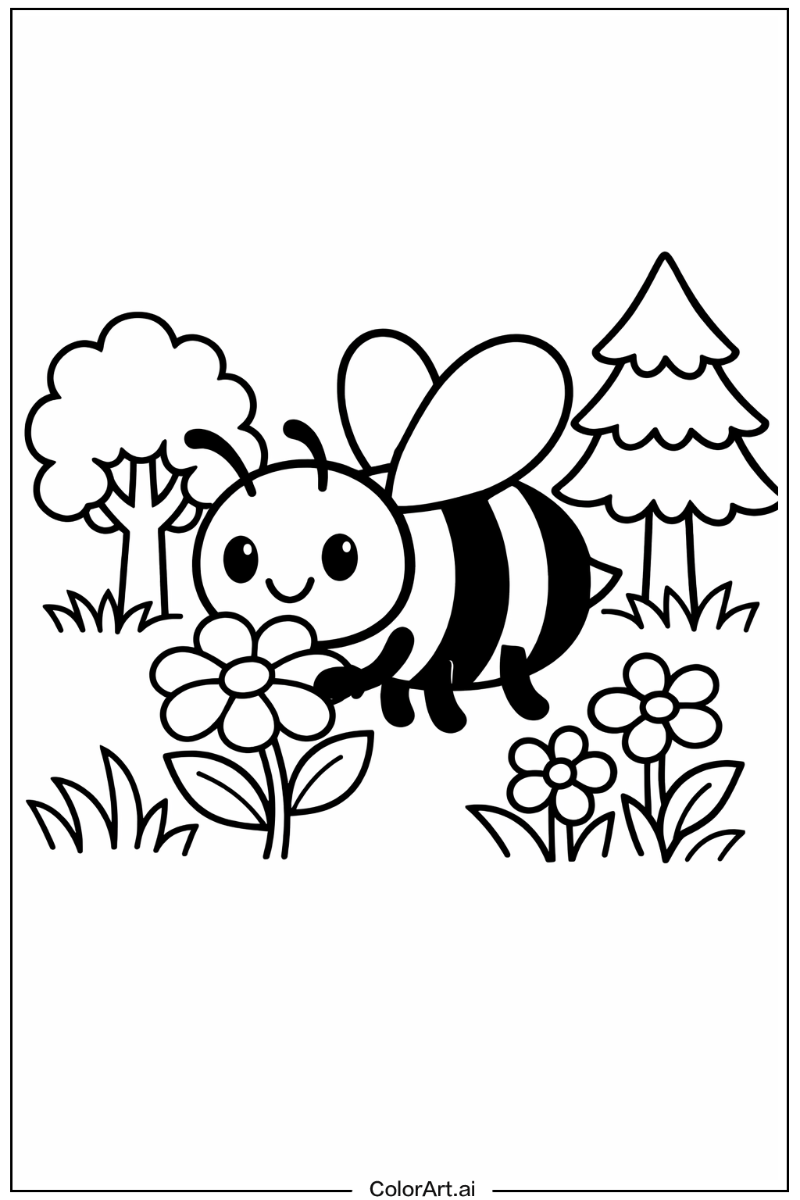
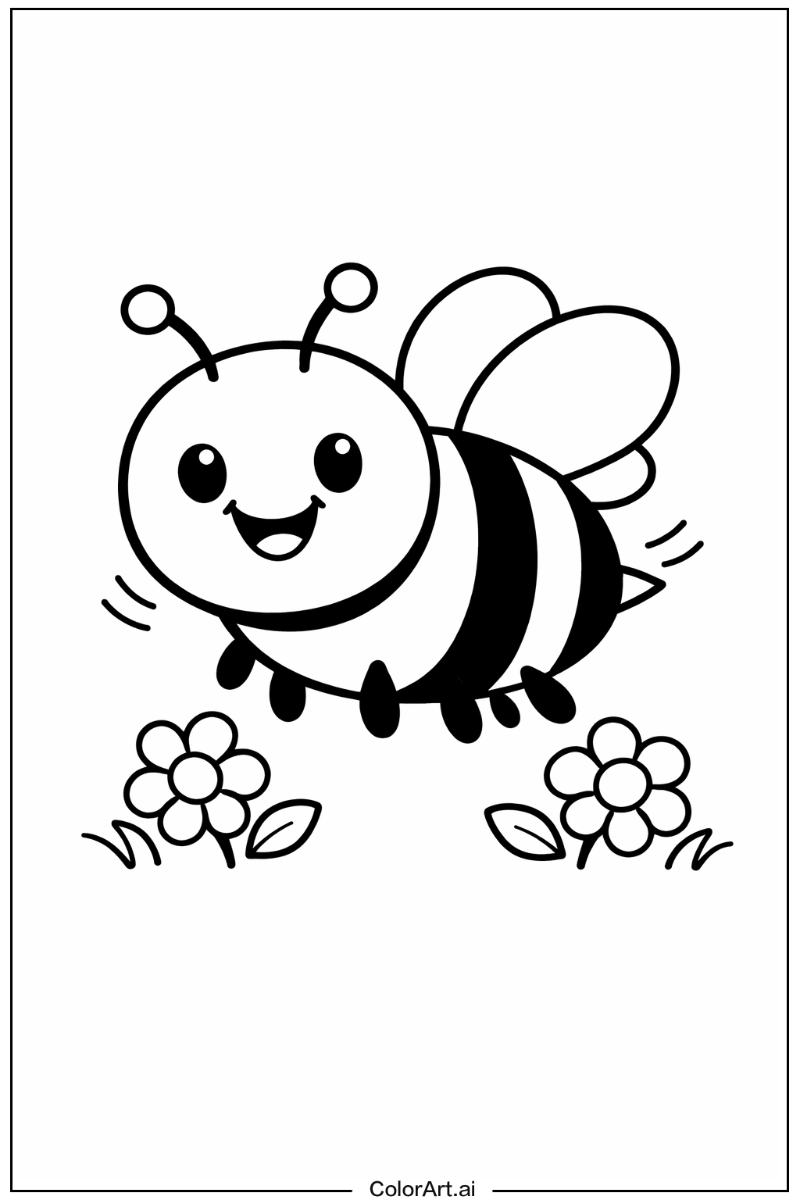
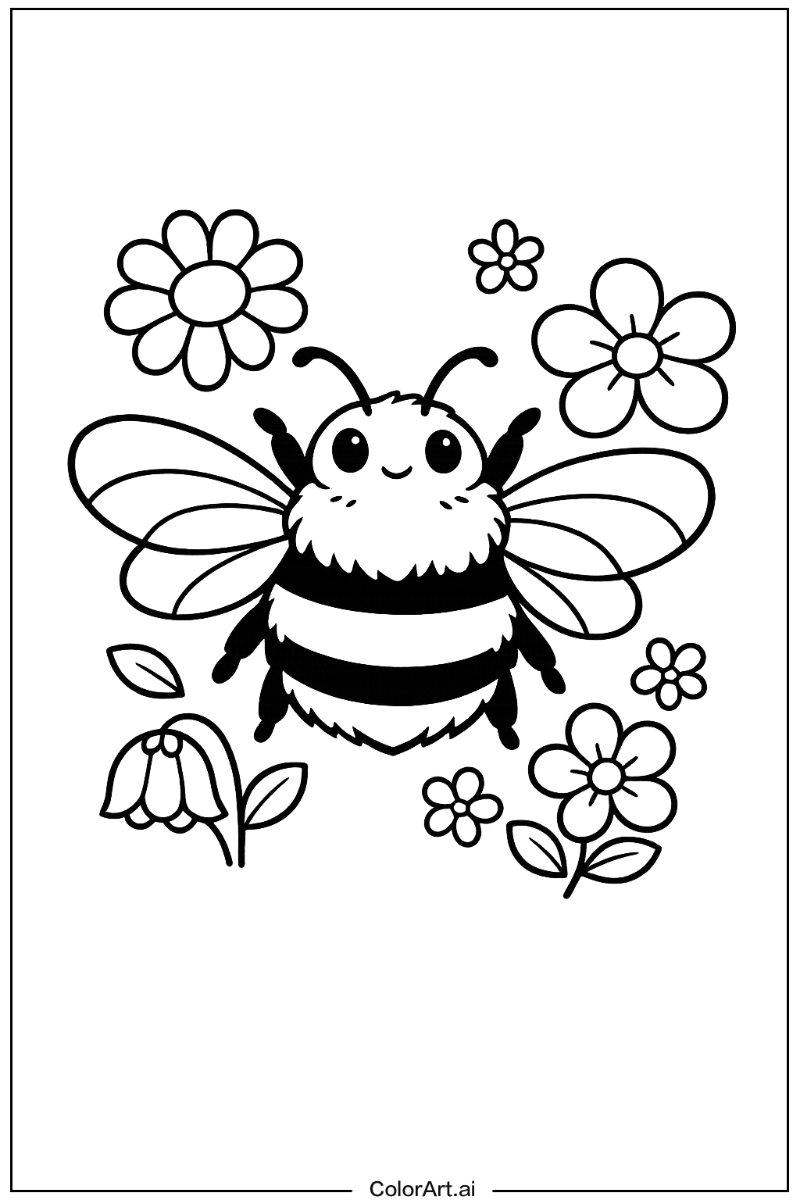
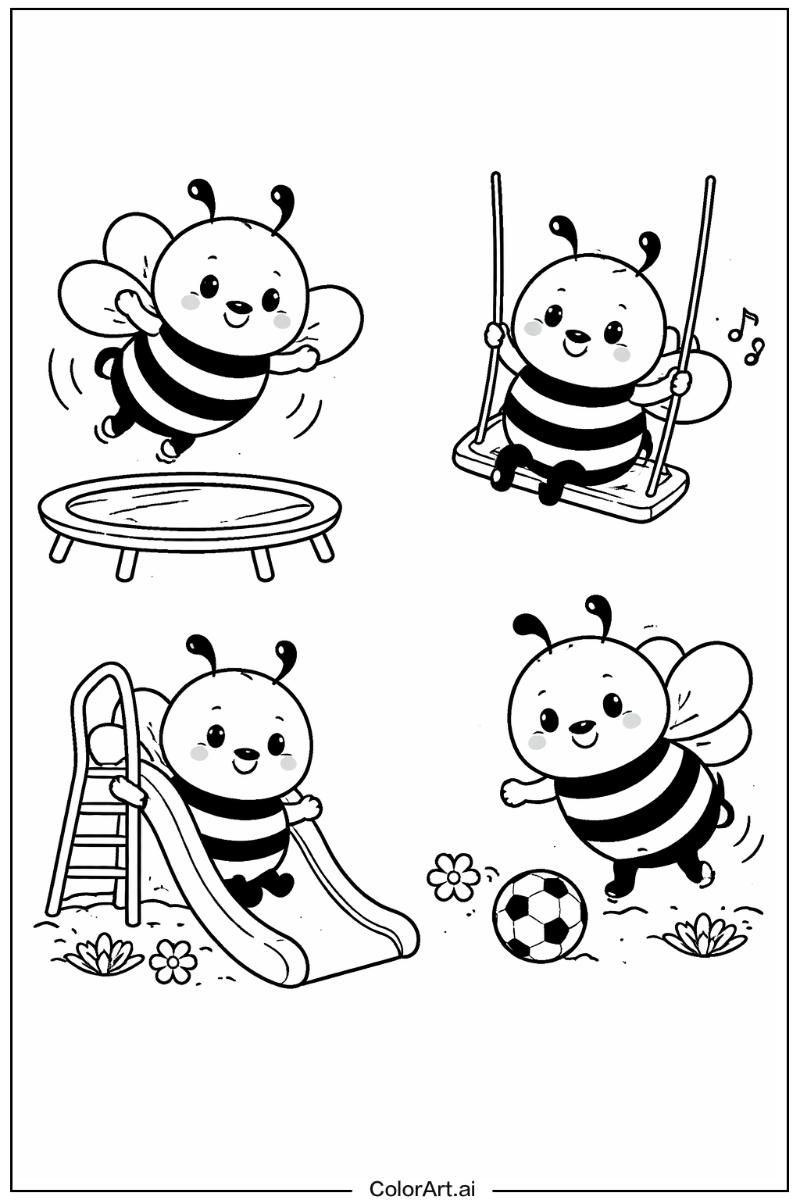
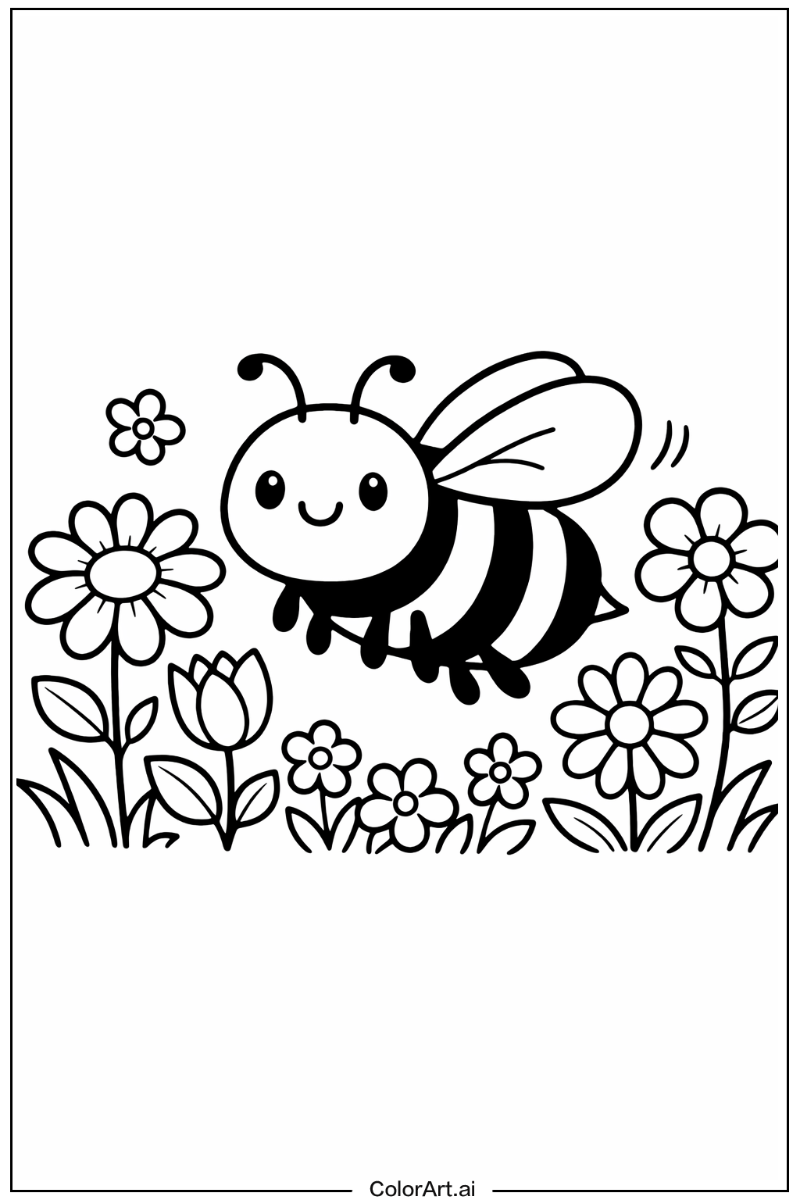
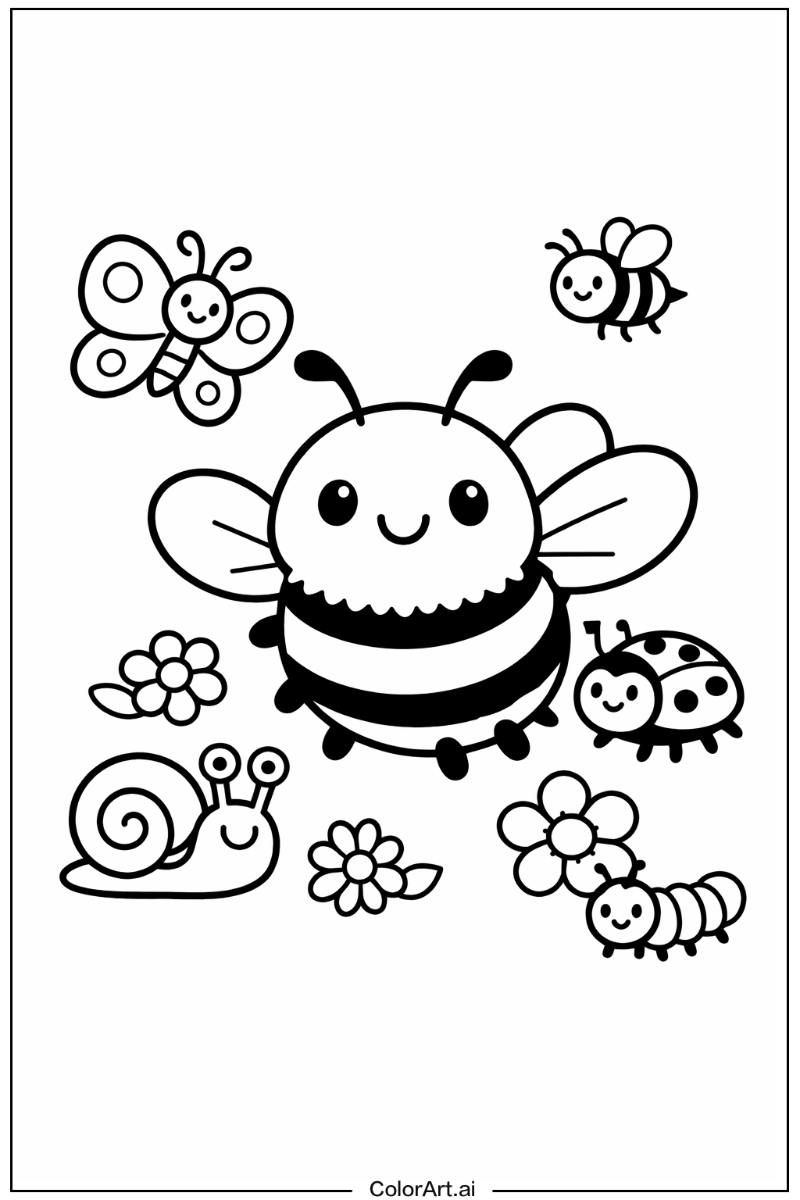
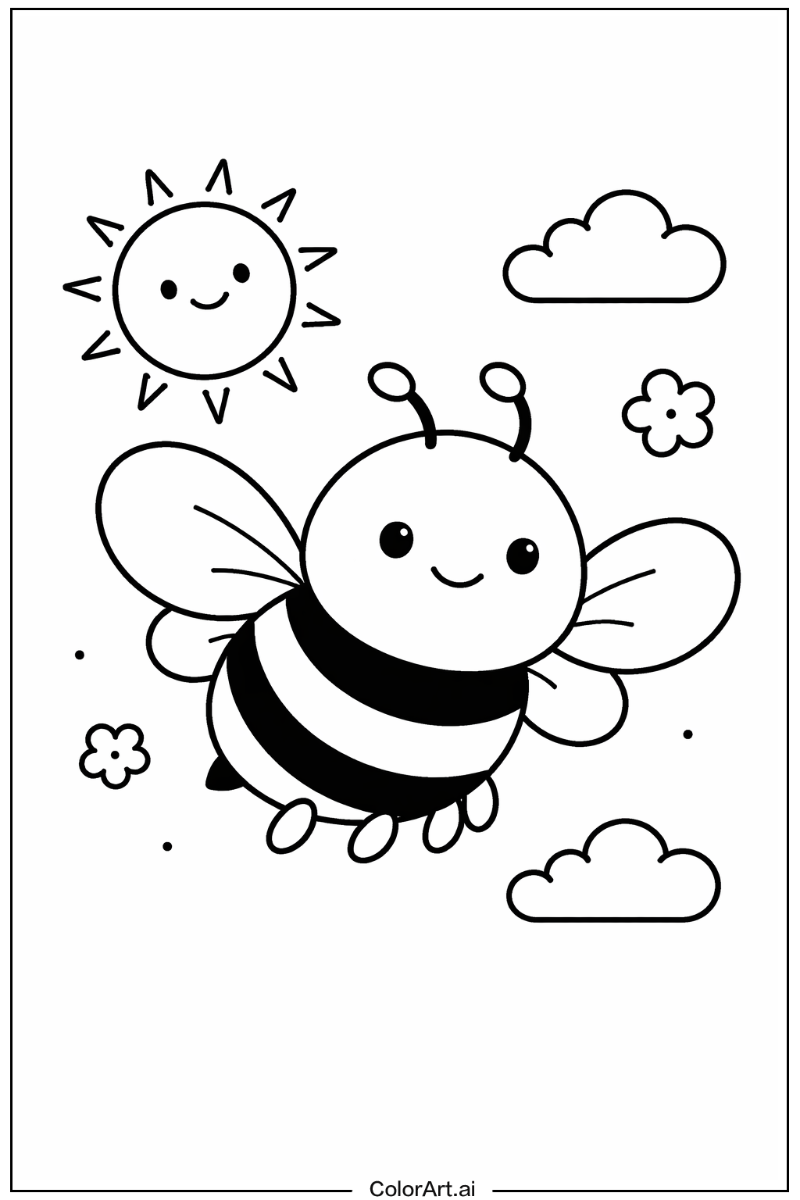
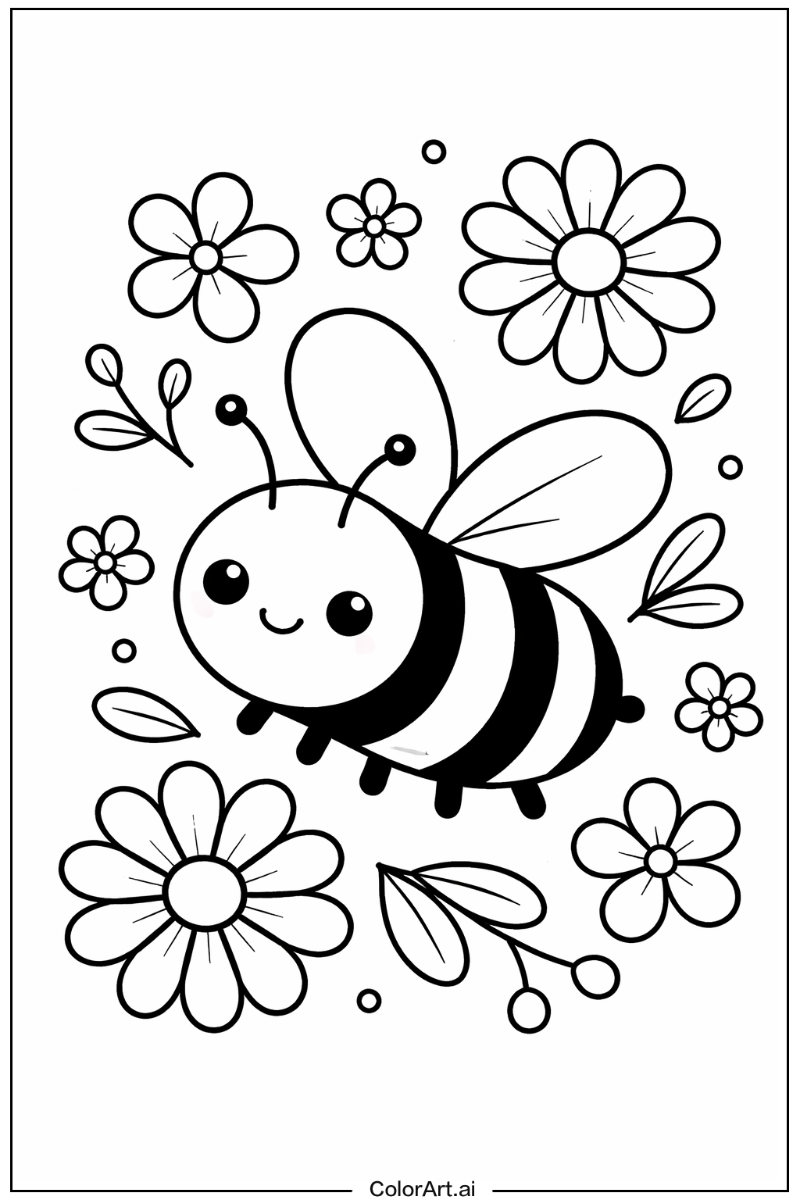
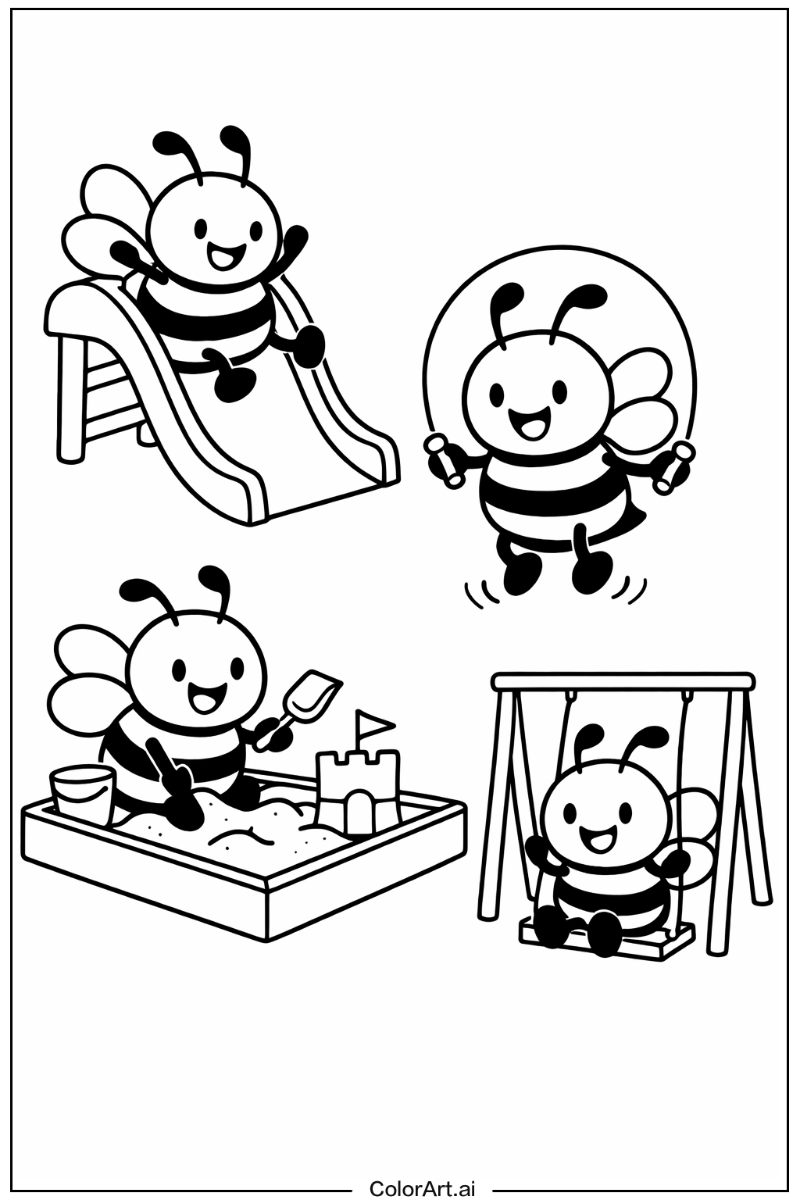
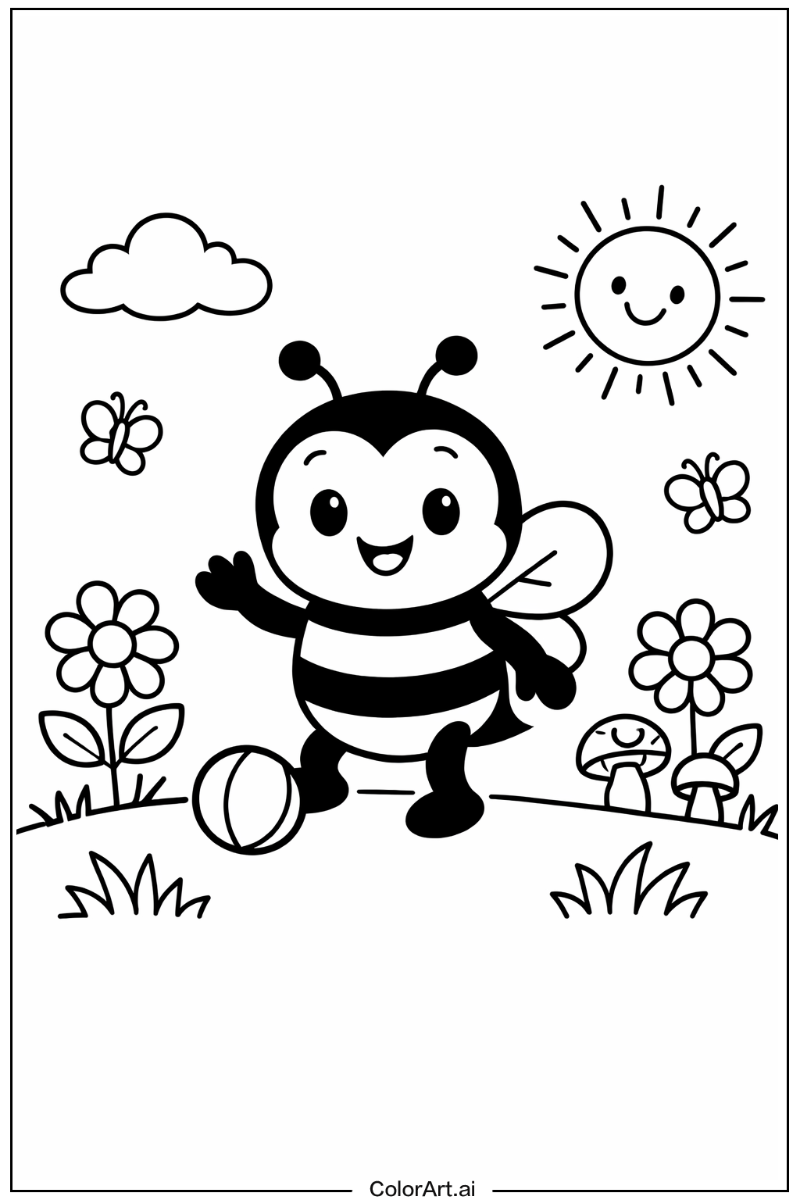
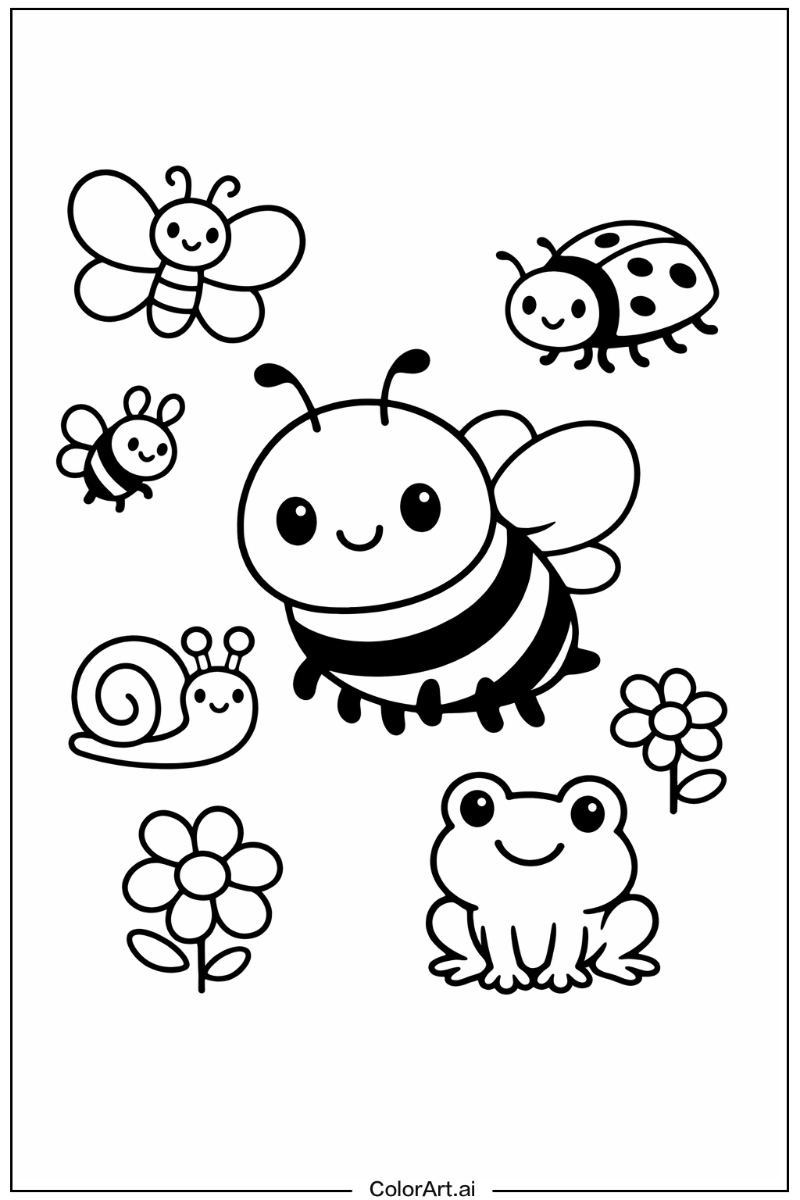
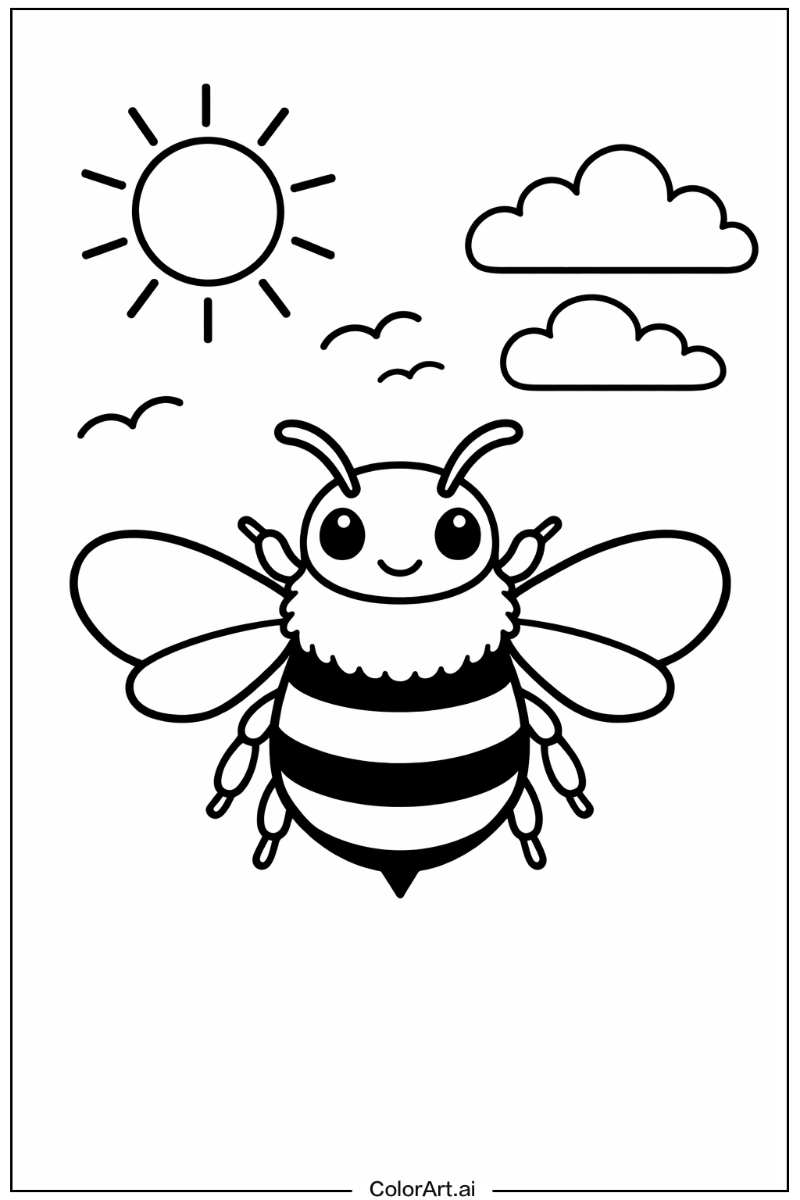
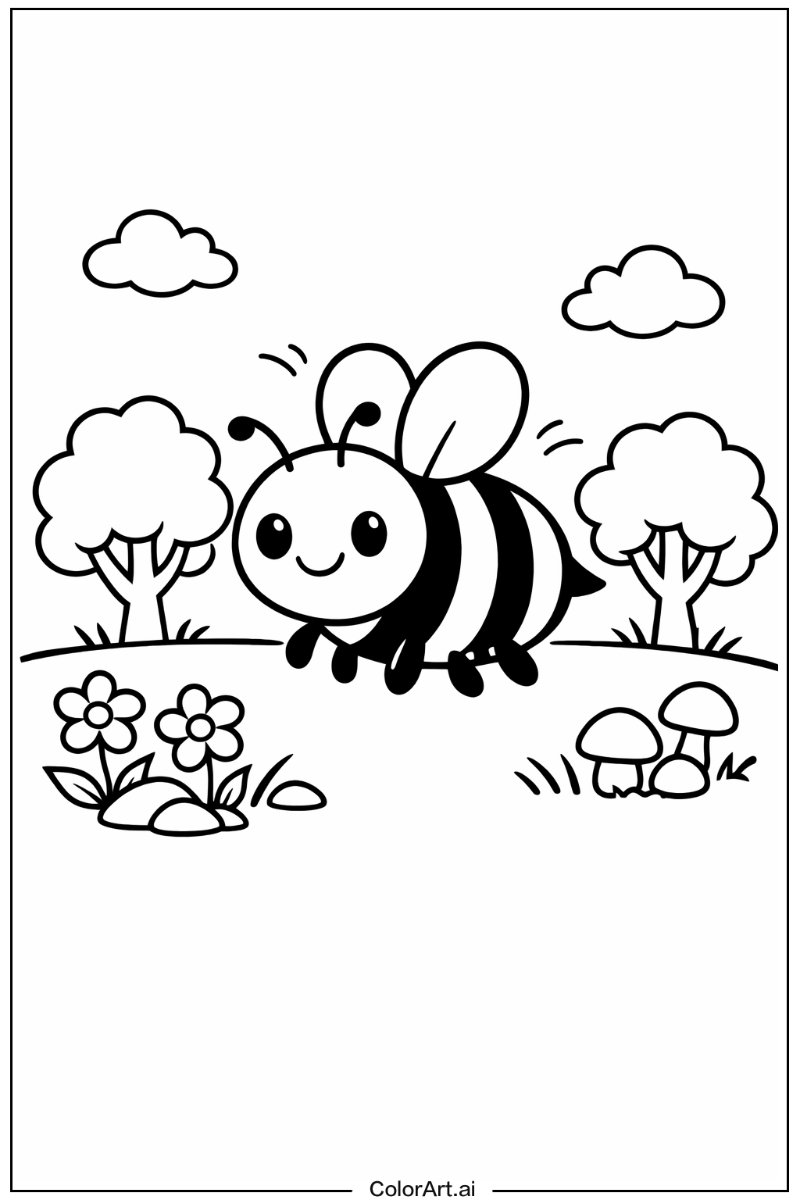
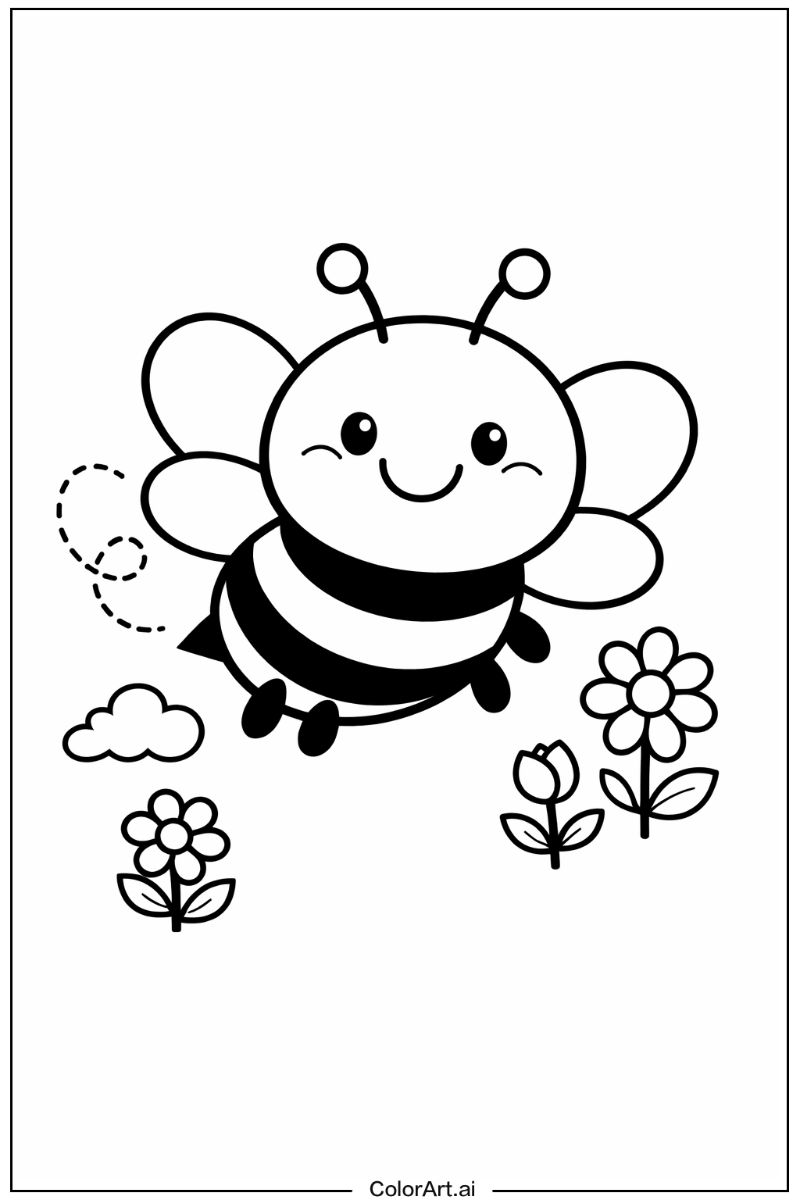
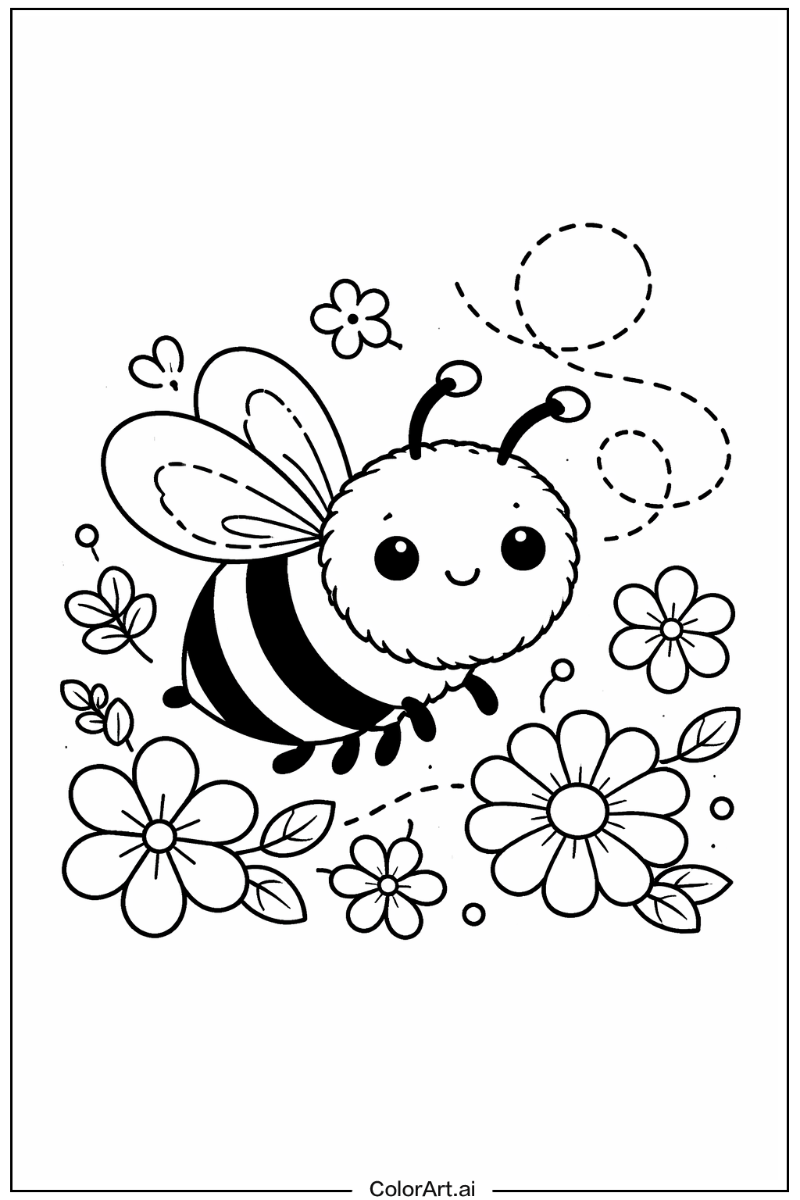
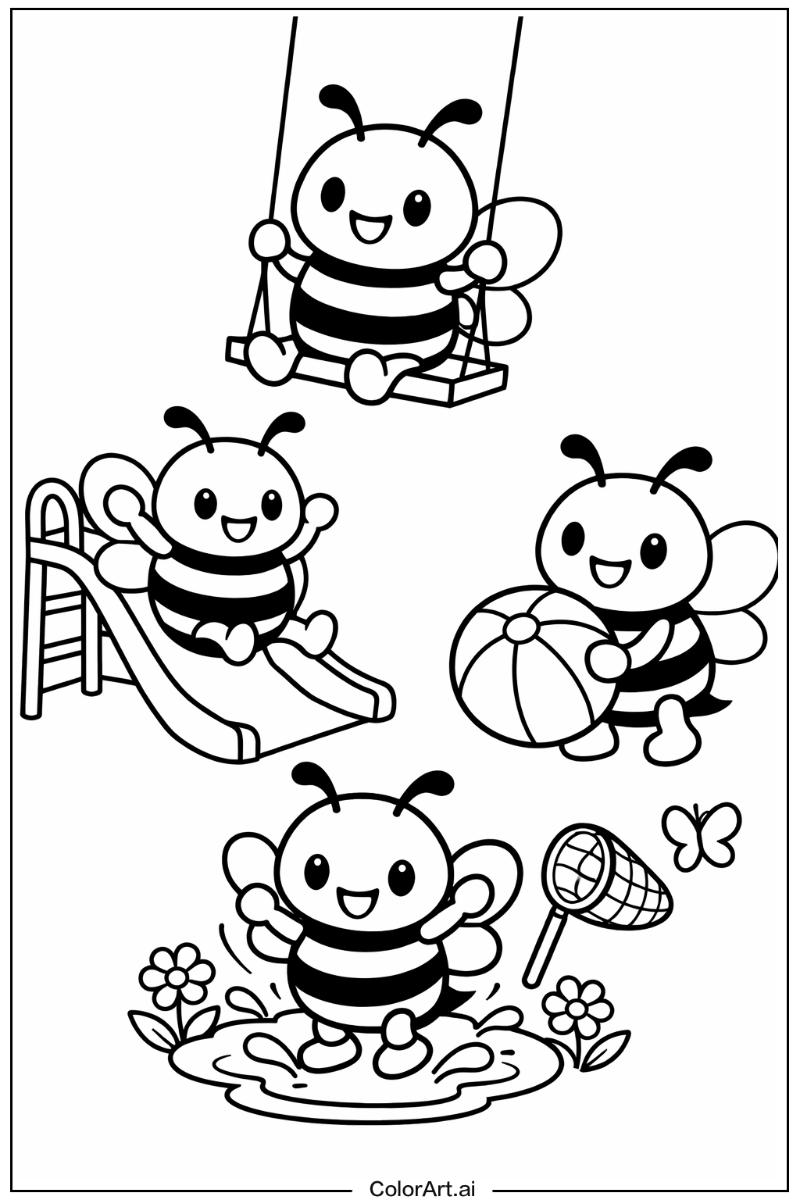
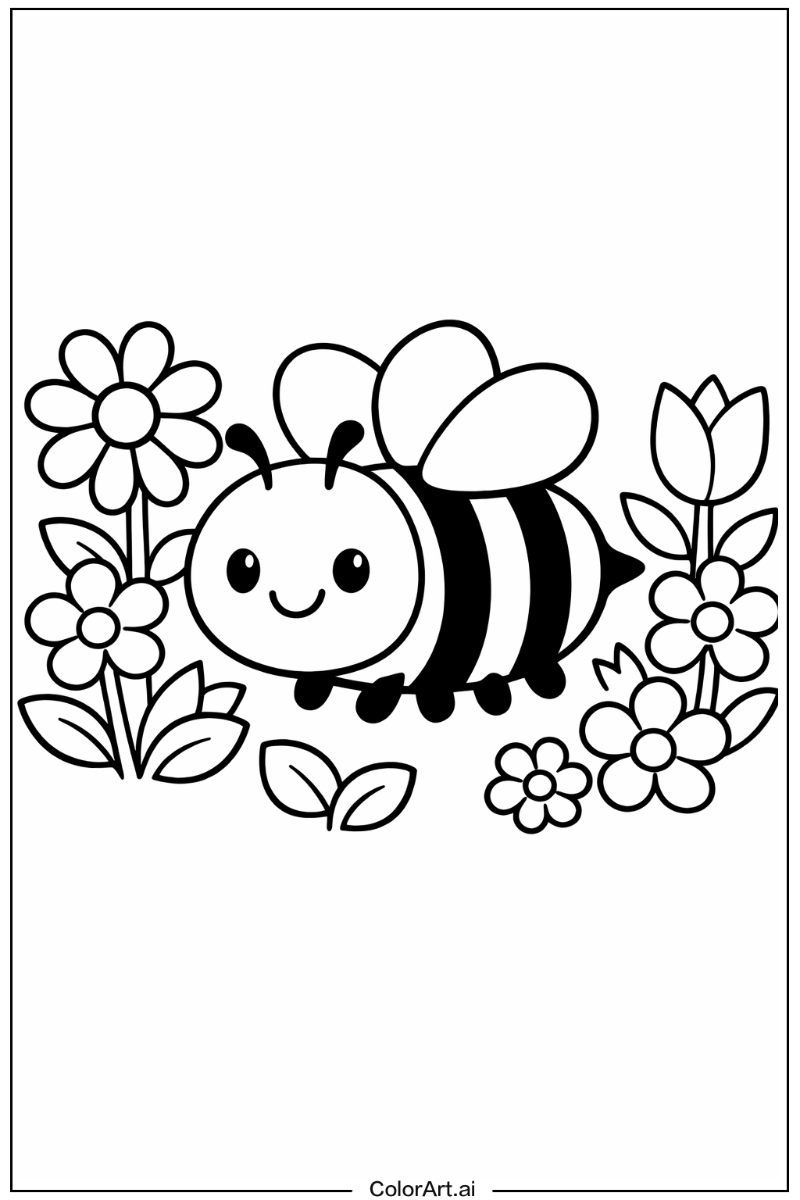
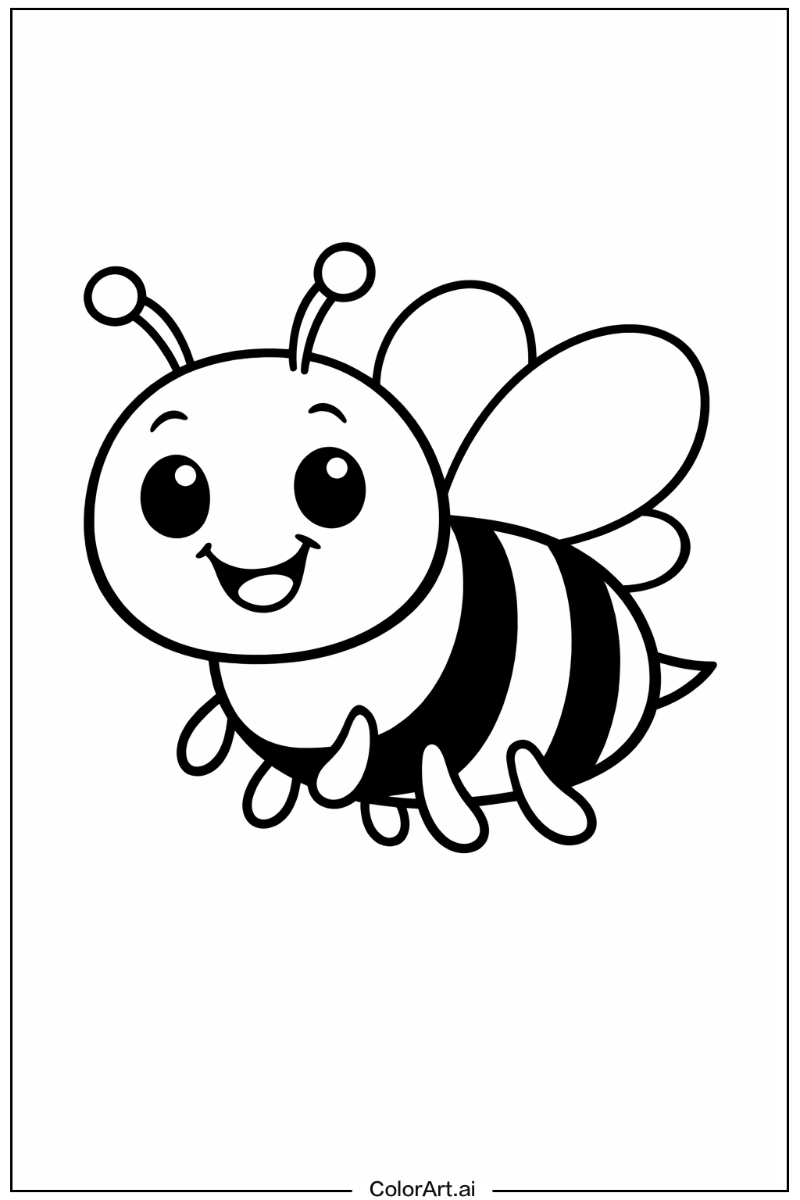
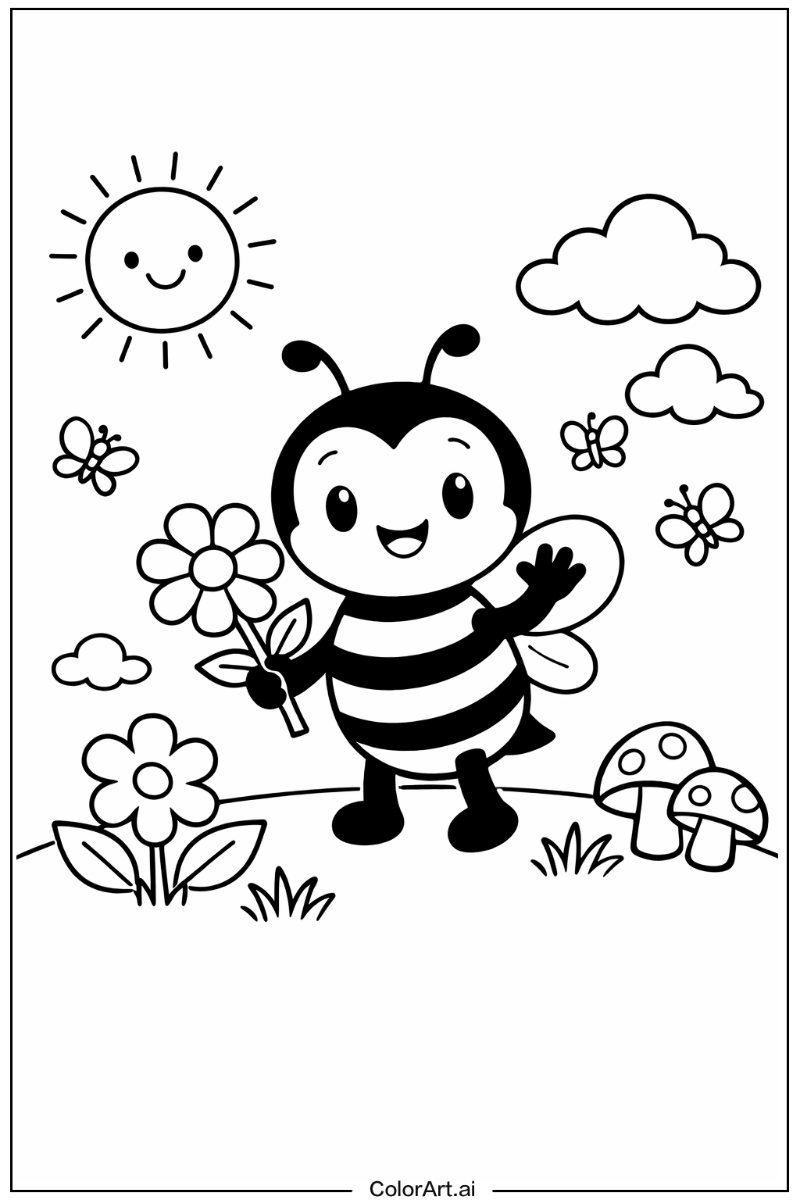
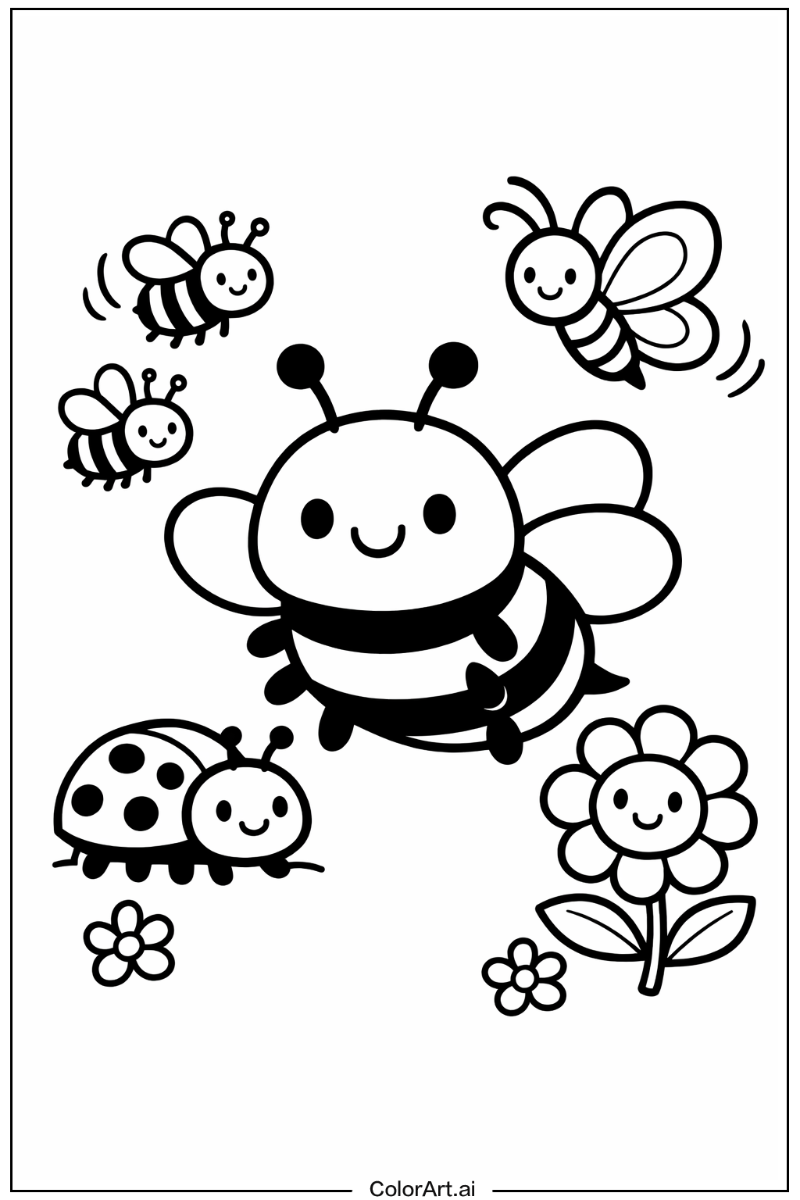
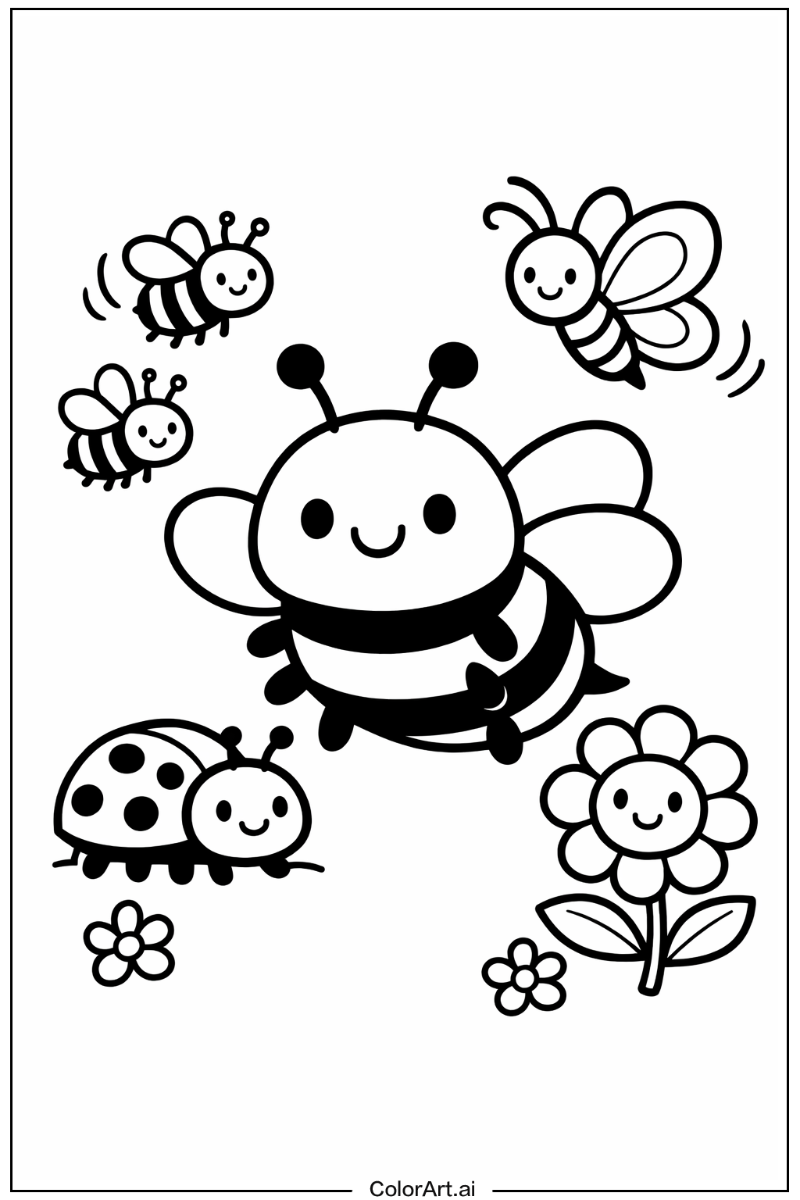
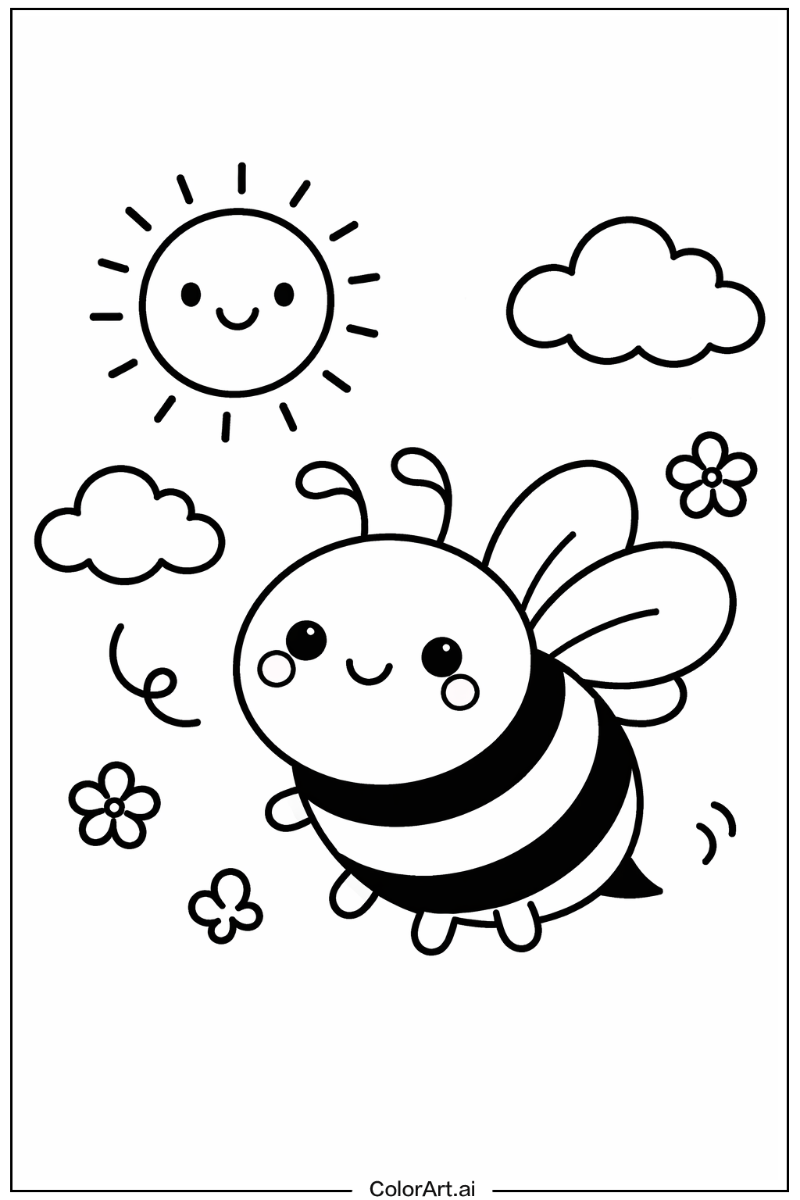
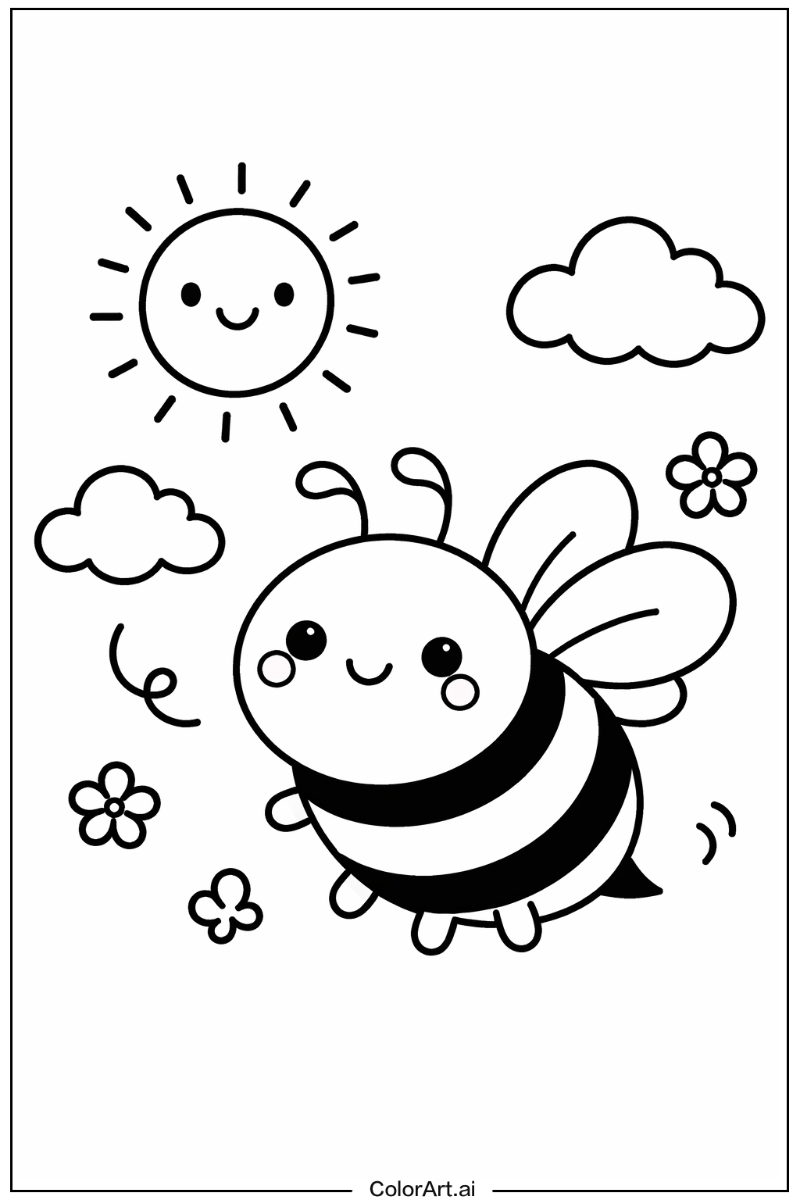
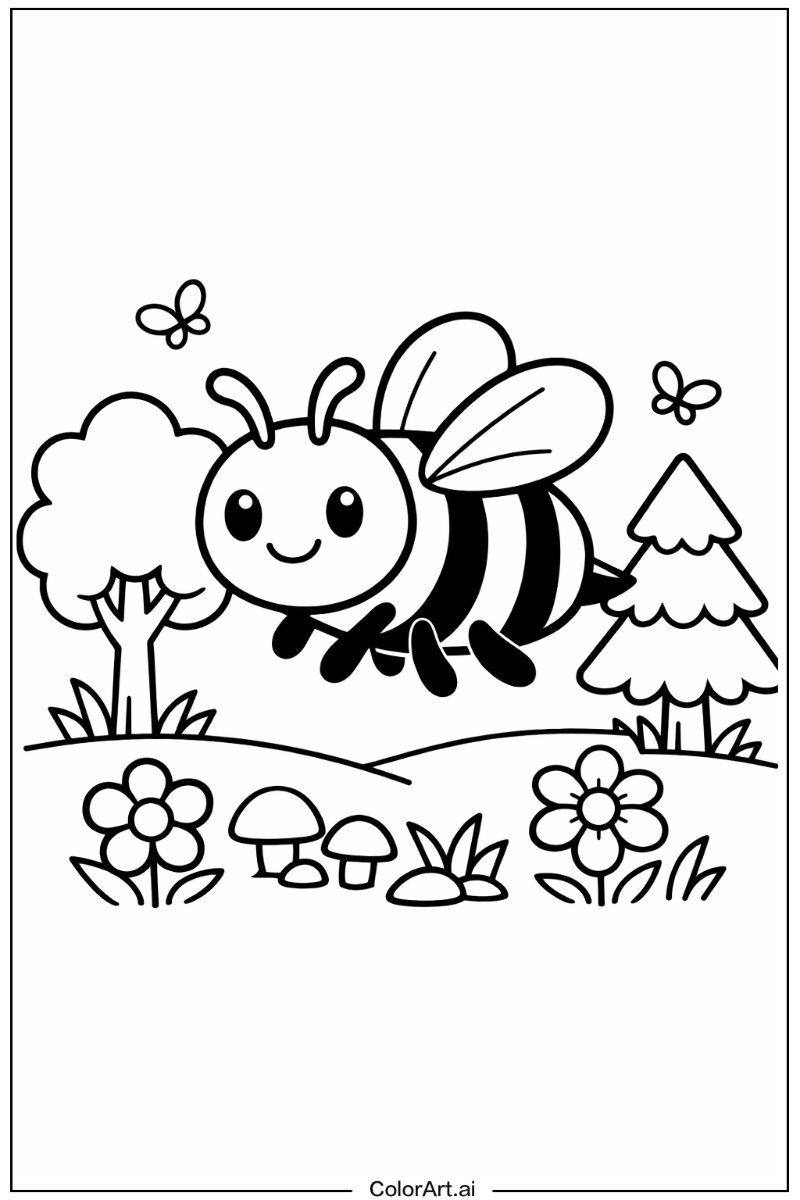
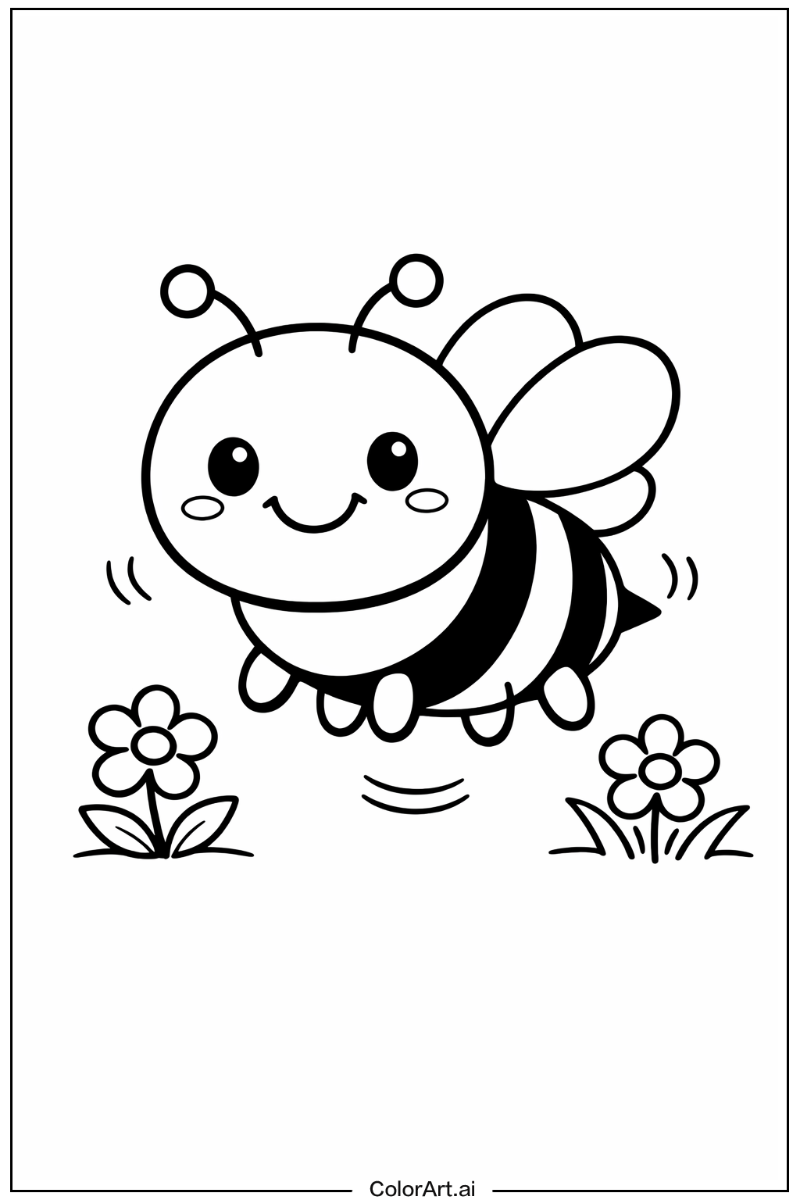
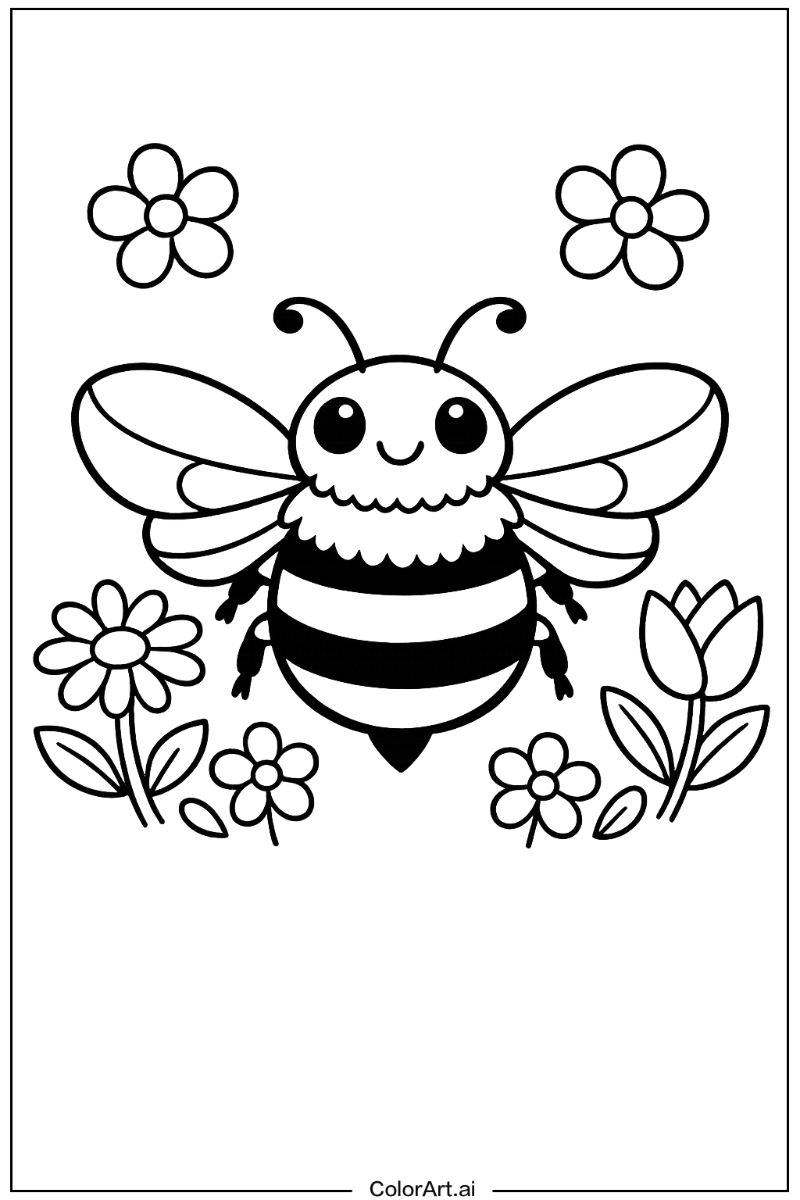
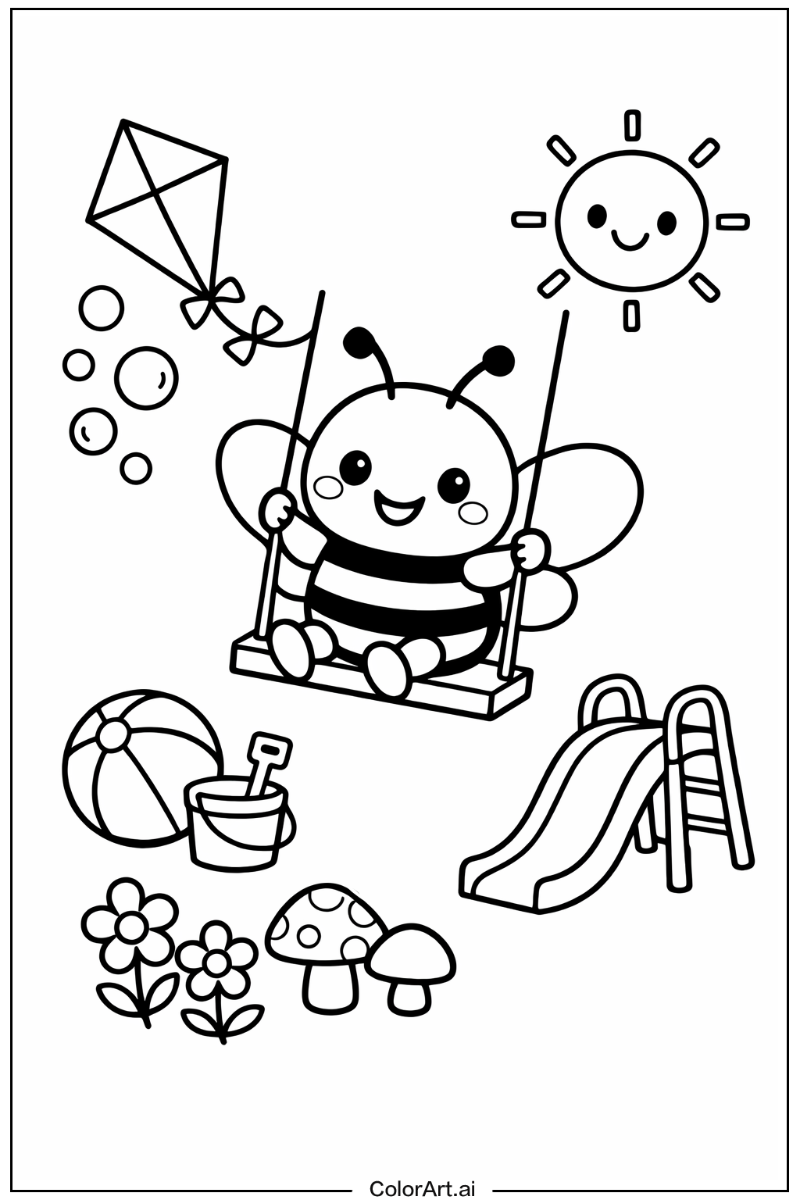
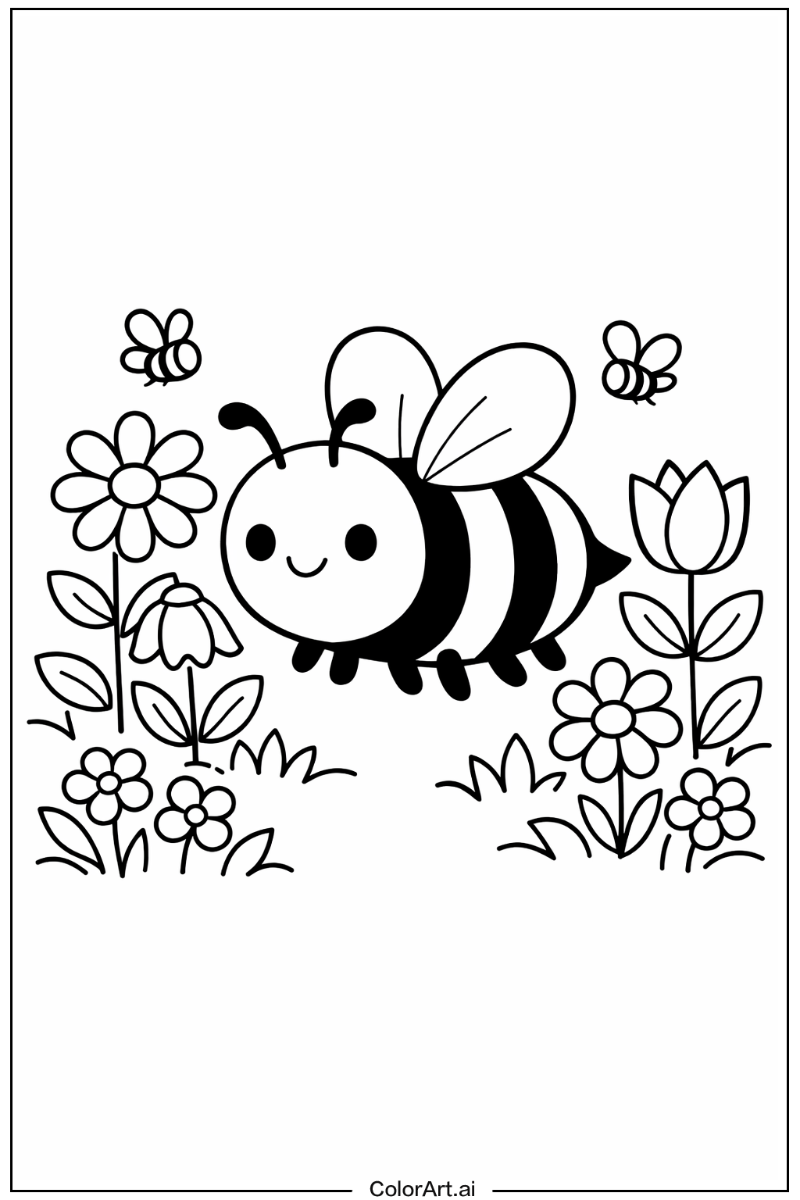
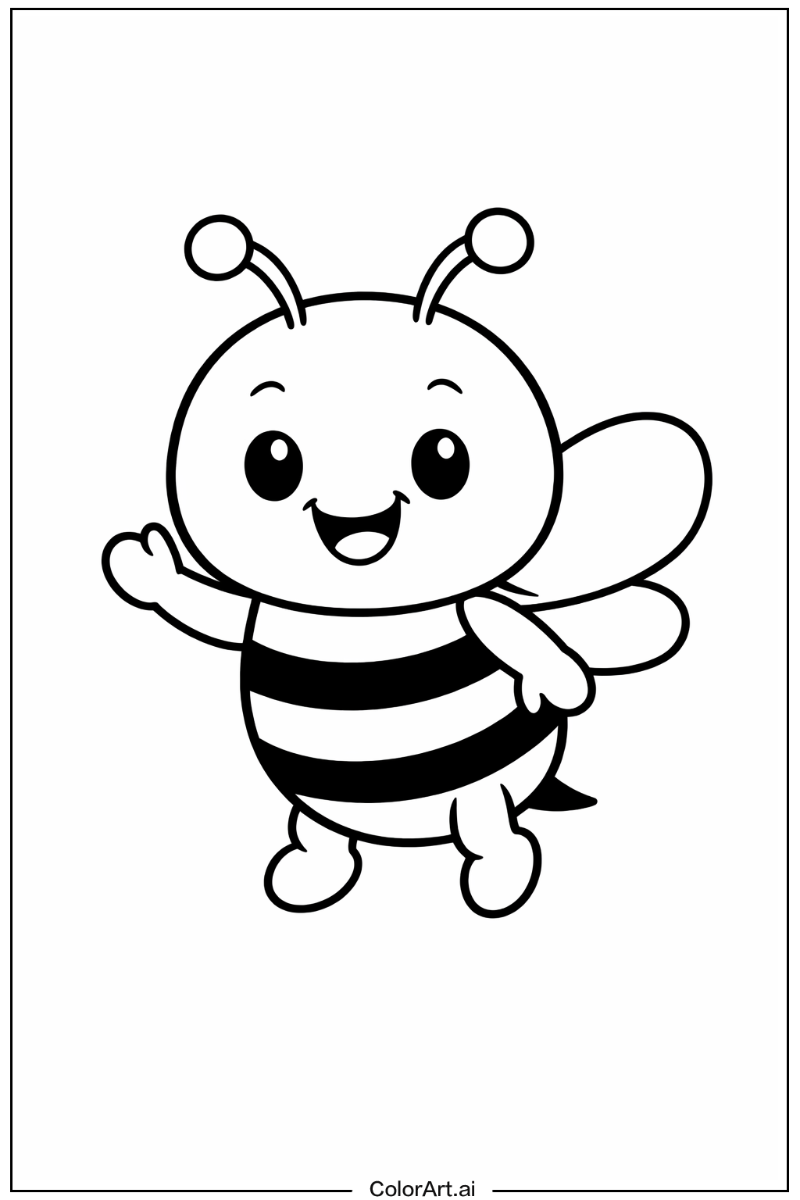
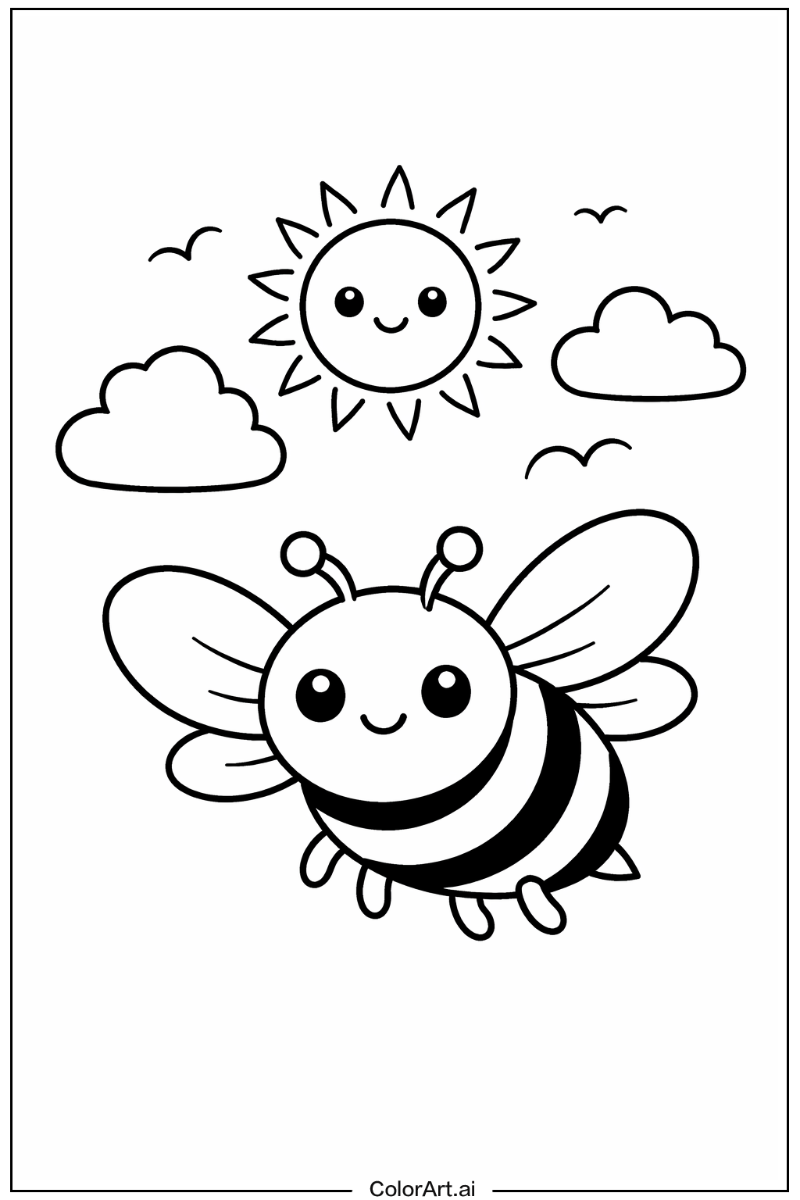
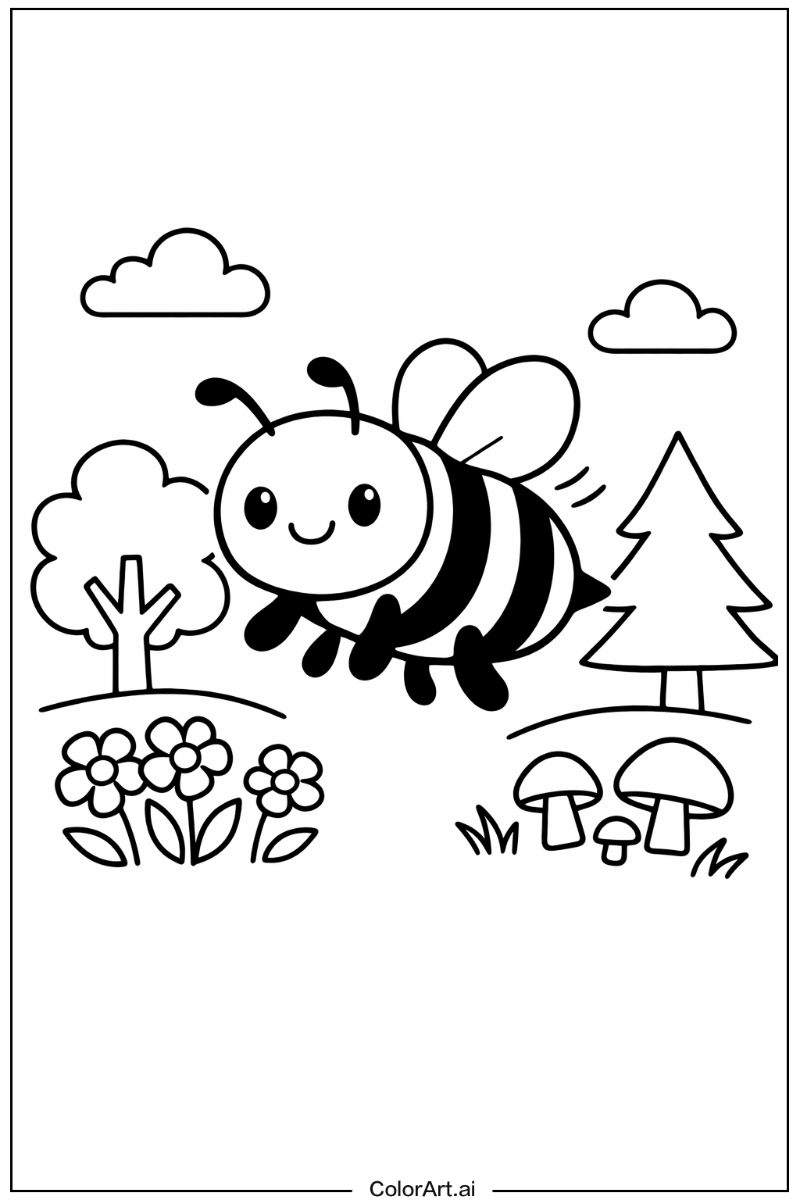
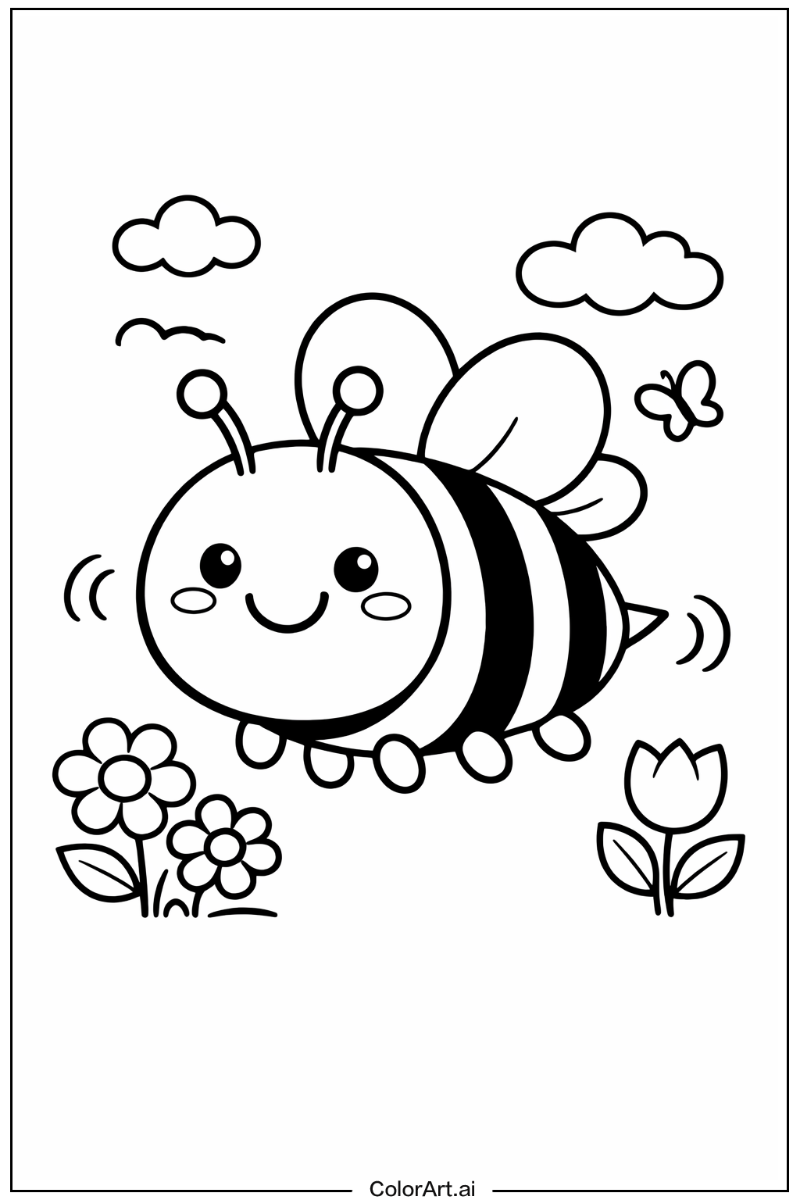
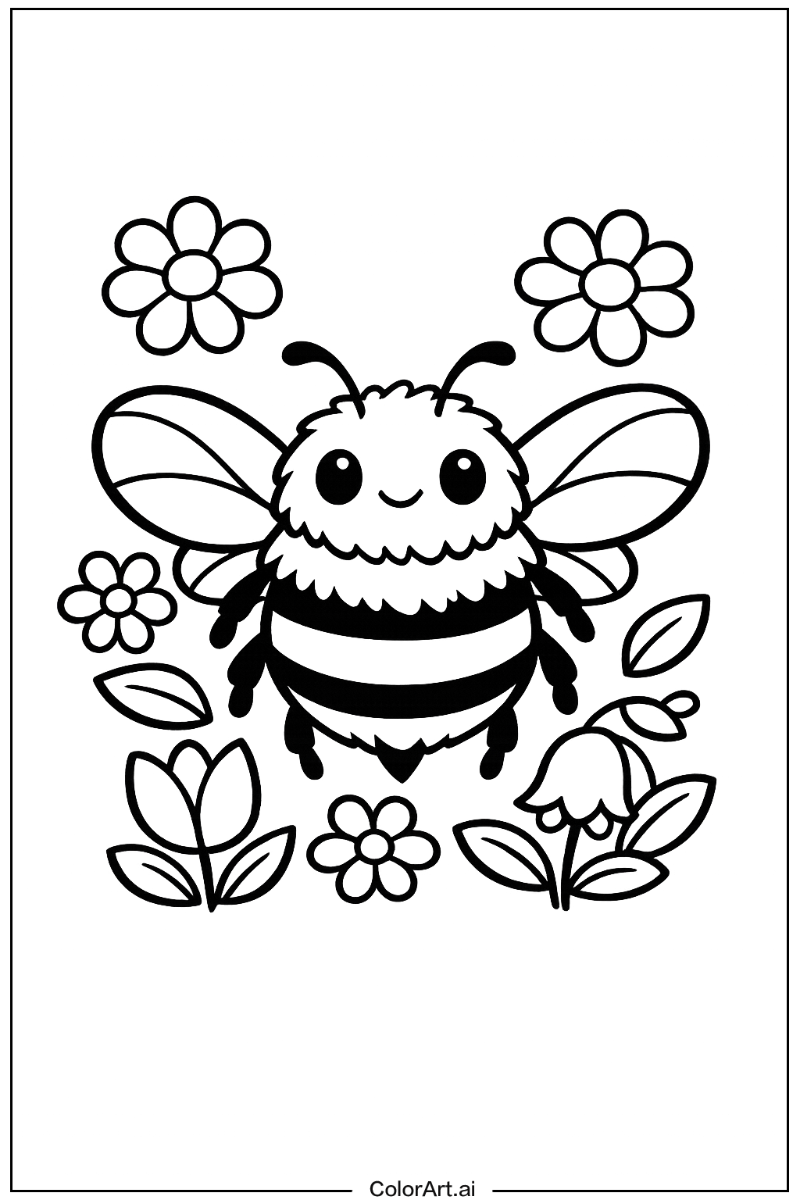
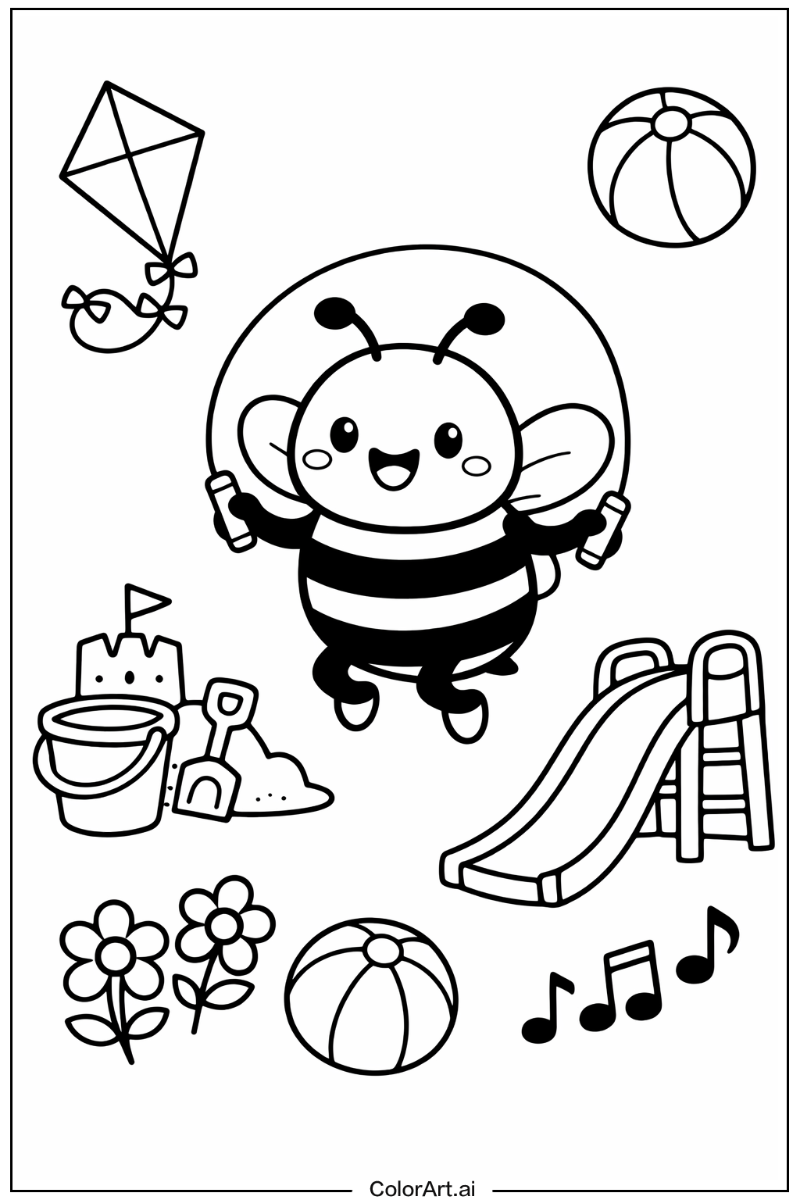
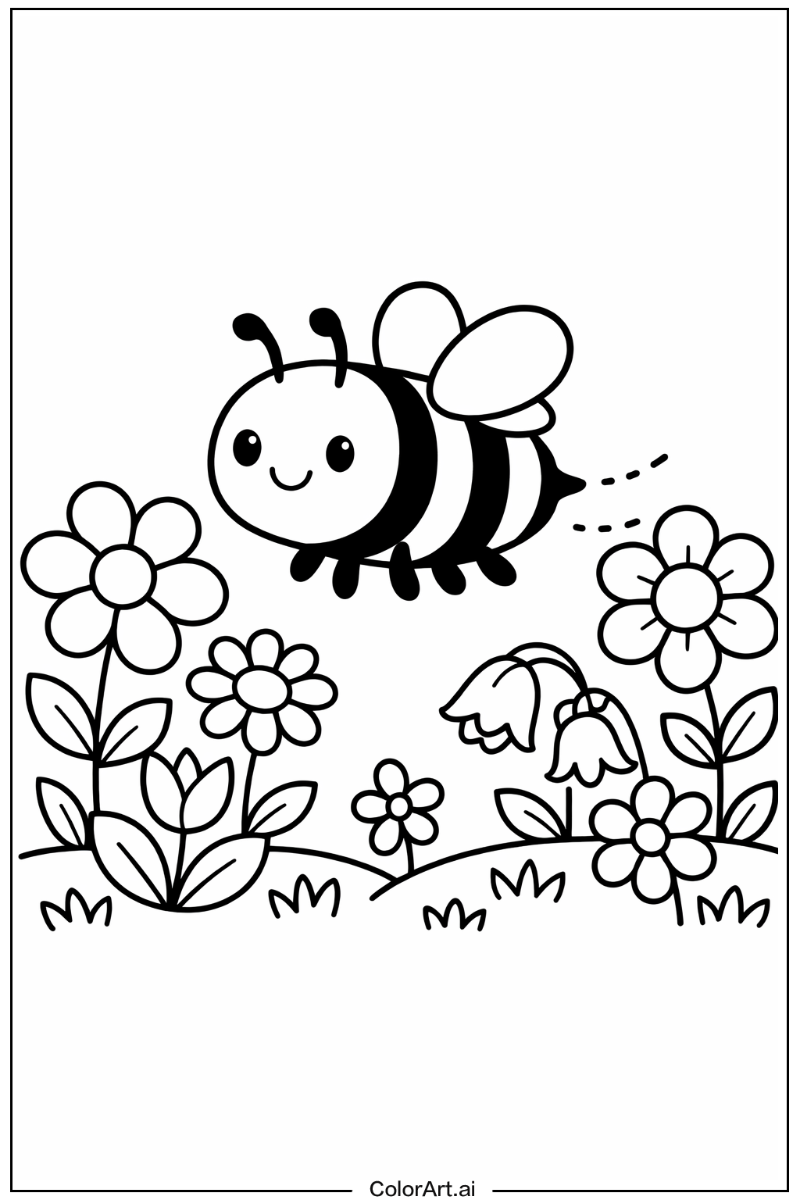
There's something magical about bumblebees, isn't there? These fuzzy little creatures not only play a vital role in our ecosystem, but they also capture the imagination of children and adults alike. As an art teacher, I love to introduce my students to the world of bumblebees through coloring pages. Not only do these pages offer a fun and engaging way for kids to express their creativity, but they also provide fantastic opportunities to learn about these fascinating insects. I remember one sunny afternoon in my classroom when my students were buzzing with excitement as we explored the different species of bumblebees. Young minds, like those of my student Emma, were eager to know why bumblebees are so important for flowers. It was a delightful moment that showed me how art and education can come together in the most delightful ways.
Group Coloring Pages
 PDF
PDF
 PNG
PNG
 PNG
PNG
 PNG
PNG
 PNG
PNG
 PNG
PNG
 PNG
PNG
 PNG
PNG
 PNG
PNG
 PNG
PNG
 PNG
PNG
 PNG
PNG
 PNG
PNG
 PNG
PNG
 PNG
PNG
 PNG
PNG
 PNG
PNG
 PNG
PNG
 PNG
PNG
 PNG
PNG
 PNG
PNG
 PNG
PNG
 PNG
PNG
 PNG
PNG
 PNG
PNG
 PNG
PNG
 PNG
PNG
 PNG
PNG
 PNG
PNG
 PNG
PNG
 PNG
PNG
 PNG
PNG
 PNG
PNG
 PNG
PNG
 PNG
PNG
 PNG
PNG
 PNG
PNG
 PNG
PNG
 PNG
PNG
 PNG
PNG
 PNG
PNG
 PNG
PNG
 PNG
PNG
 PNG
PNG
 PNG
PNG
 PNG
PNG
 PNG
PNG
 PNG
PNG
 PNG
PNG
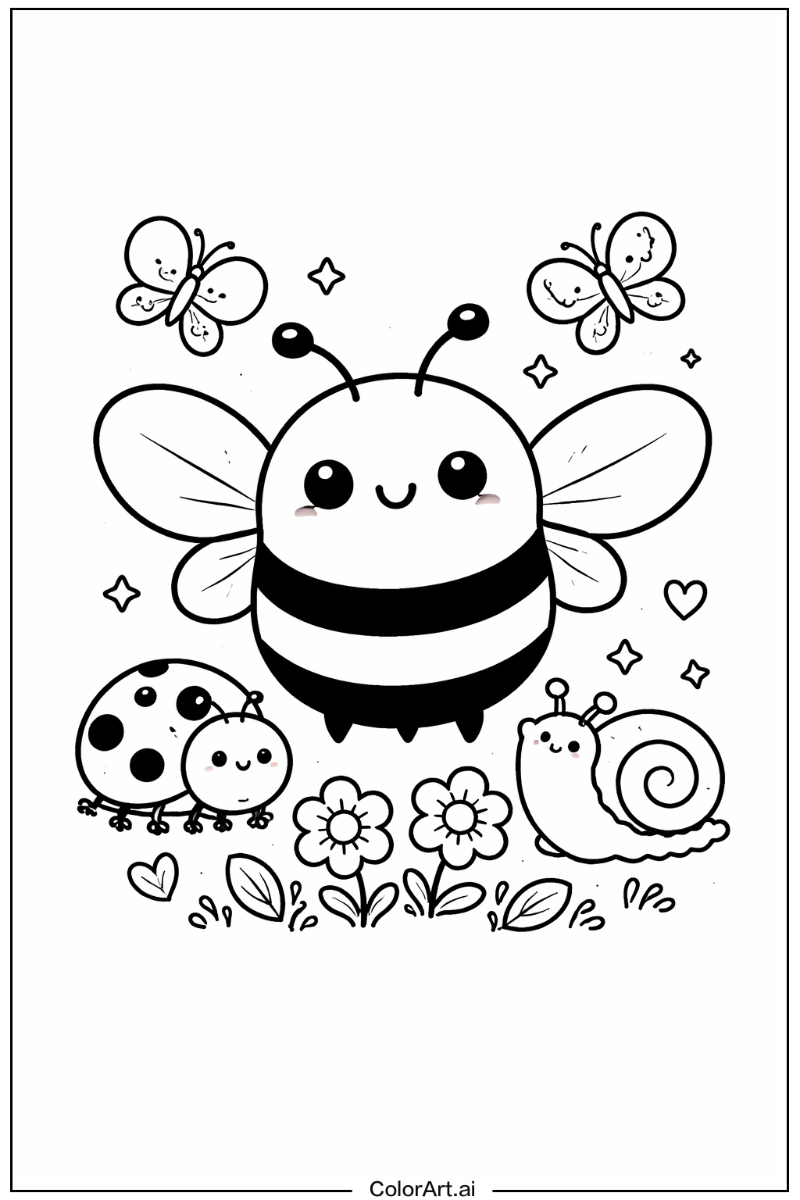
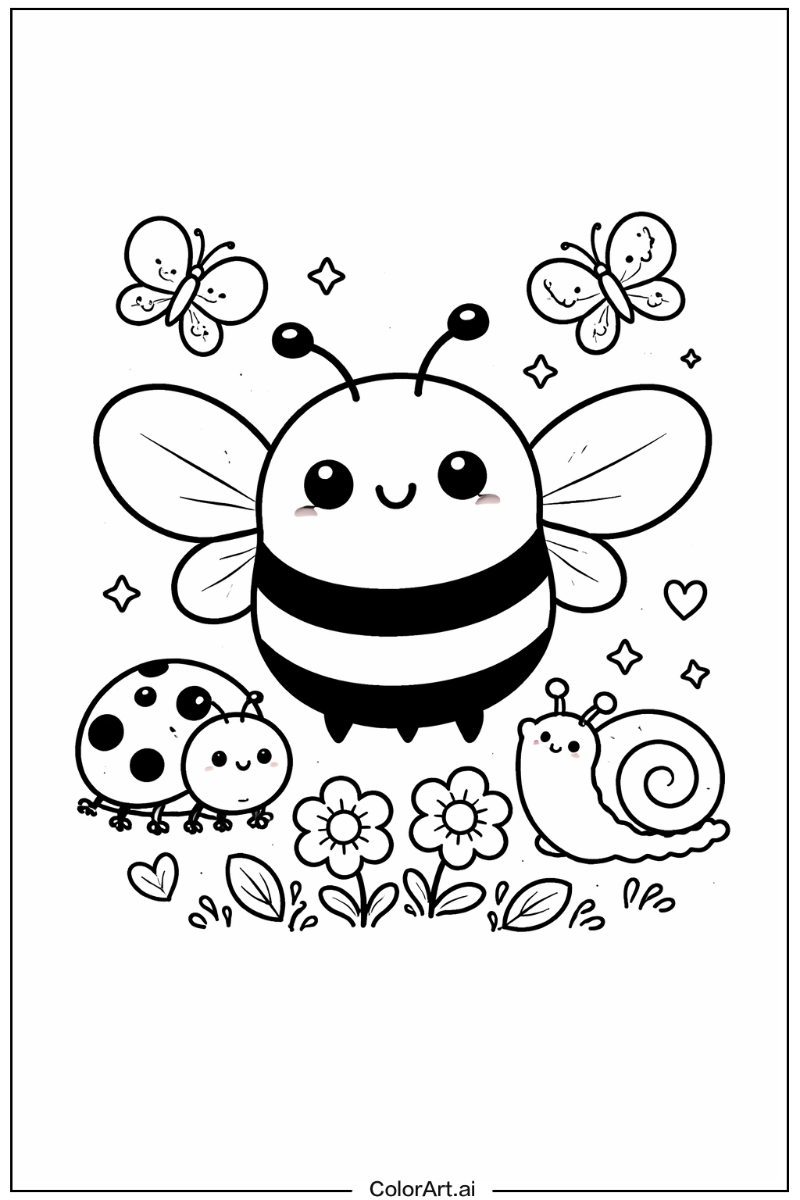 PNG
PNG
Understanding Bumblebees: A Dive into Their World
Bumblebees belong to the genus Bombus, encompassing around 260 species of these uniquely social insects. They thrive primarily in temperate and alpine ecosystems around the northern hemisphere. One of the fascinating things about bumblebees is their robust, hairy bodies that help them collect pollen effectively. This makes them exceptional pollinators, which is crucial for the growth of many plants. In fact, when I taught my students about bumblebee biology, we learned that these creatures have a fascinating social structure, living in colonies led by a queen. The bumblebee lifecycle—from the queen overwintering to the colony's seasonal growth—sparked curiosity among my students, who were eager to draw their favorite stages as they colored their bumblebee pages.
Why Bumblebee Coloring Pages Are Great for Learning
Coloring bumblebee pages offers numerous educational benefits that extend beyond mere fun. For young children, engaging with bumblebee coloring helps develop fine motor skills and hand-eye coordination. I’ve seen this firsthand in my preschool class. For example, little Sarah struggled with holding crayons at first, but as she worked on her bumblebee coloring pages, I noticed her grip improving significantly. Additionally, coloring fosters concentration and focus. When my second graders colored their bumblebee designs, they were immersed in the task, paying close attention to details like the bumblebee's stripes and patterns. It was a beautiful sight to witness them practicing mindfulness through their artwork.
Moreover, bumblebee coloring can be integrated into various subjects, such as science, where we discuss pollination and the importance of biodiversity. By linking creative activities with learning objectives, my students have become more enthusiastic about both art and science. I often encourage them to share what they’ve learned about bumblebees while they color. This not only builds their confidence but also reinforces their knowledge about these incredible insects.
Techniques for Mastering Bumblebee Coloring
When it comes to coloring bumblebee pages, there are a few techniques that can help elevate your students' artwork. Start by encouraging them to choose colors that reflect the natural coloring of bumblebees—yellows, blacks, and browns. I always remind my students that bumblebees come in various shades, so they can get creative with their color choices. Using colored pencils offers better control for younger artists, while markers can provide bold colors for older students. I recommend using high-quality paper or cardstock to ensure that colors pop and the final artwork looks polished. During one of our art sessions, I introduced the idea of blending colors to create shadows, which led to amazing results in my students' bumblebee drawings. They were thrilled to see how a little technique could add depth to their work!
Current Trends in Bumblebee Art Education
As we step into 2024, the conversation around bumblebees and their significance continues to grow, especially in light of recent environmental changes impacting their populations. I recently read about how bumblebee numbers have faced sharp declines due to climate change and habitat loss. This has prompted various conservation initiatives, including educational programs that emphasize the importance of bumblebees in our ecosystems. In my classroom, I've seen an increase in interest from students wanting to engage with this topic. We now incorporate bumblebee-themed coloring activities that help raise awareness and encourage eco-friendly attitudes in our young learners. It is inspiring to see students like Liam take initiative in projects that not only allow them to express their creativity but also help them understand the vital role of bumblebees in our world.
Frequently Asked Questions About Bumblebee Coloring Pages
What age group are bumblebee coloring pages suitable for?
Bumblebee coloring pages are designed for various age groups, typically ranging from preschoolers (3-5 years) to adults. We offer different complexity levels to match different skill levels, ensuring everyone can enjoy coloring bumblebees!
What materials work best for coloring bumblebee pages?
For best results with bumblebee coloring pages, I recommend colored pencils for detailed work, markers for bold colors, and crayons for younger children. Using high-quality paper or cardstock will give a more professional look to the final results.
How should I print bumblebee coloring pages for best quality?
To print bumblebee coloring pages, use high-quality print settings on A4 or Letter size paper. If you want something more durable, consider cardstock. Make sure your printer has enough ink to ensure clear, dark lines!