Embracing the Spirit of Candy Canes in the Classroom
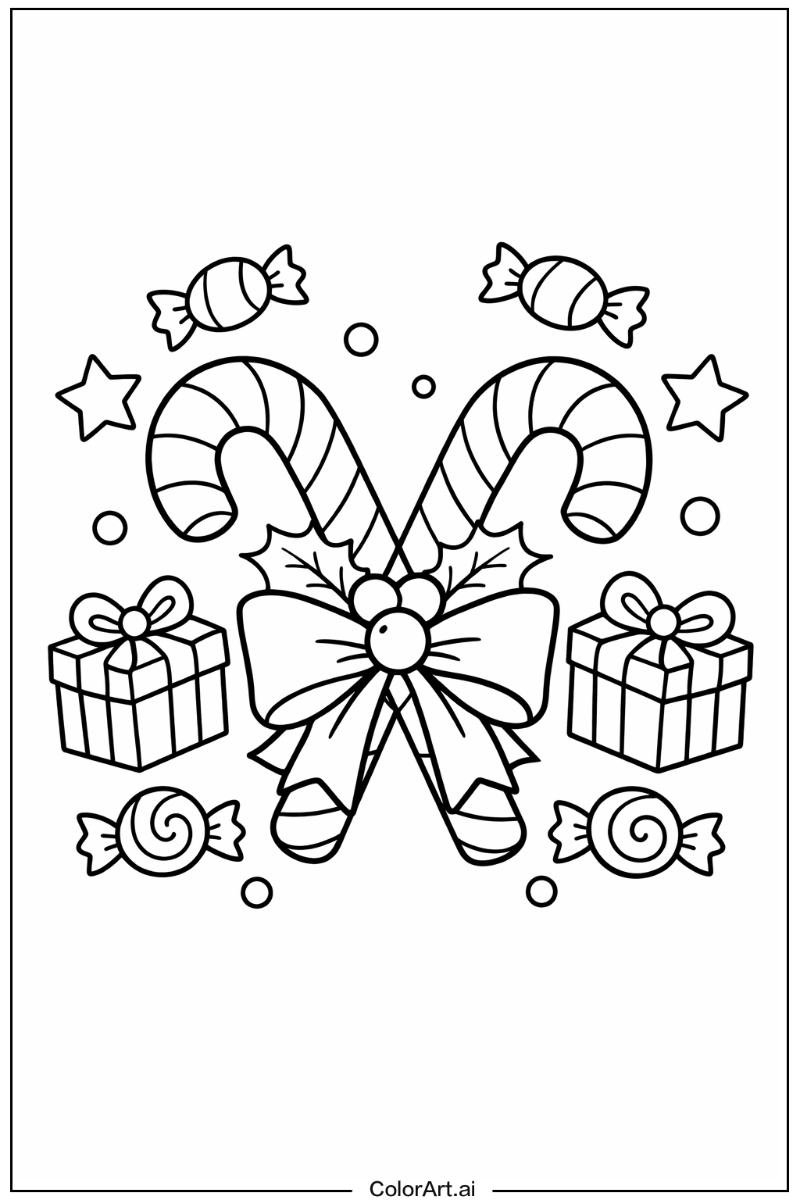
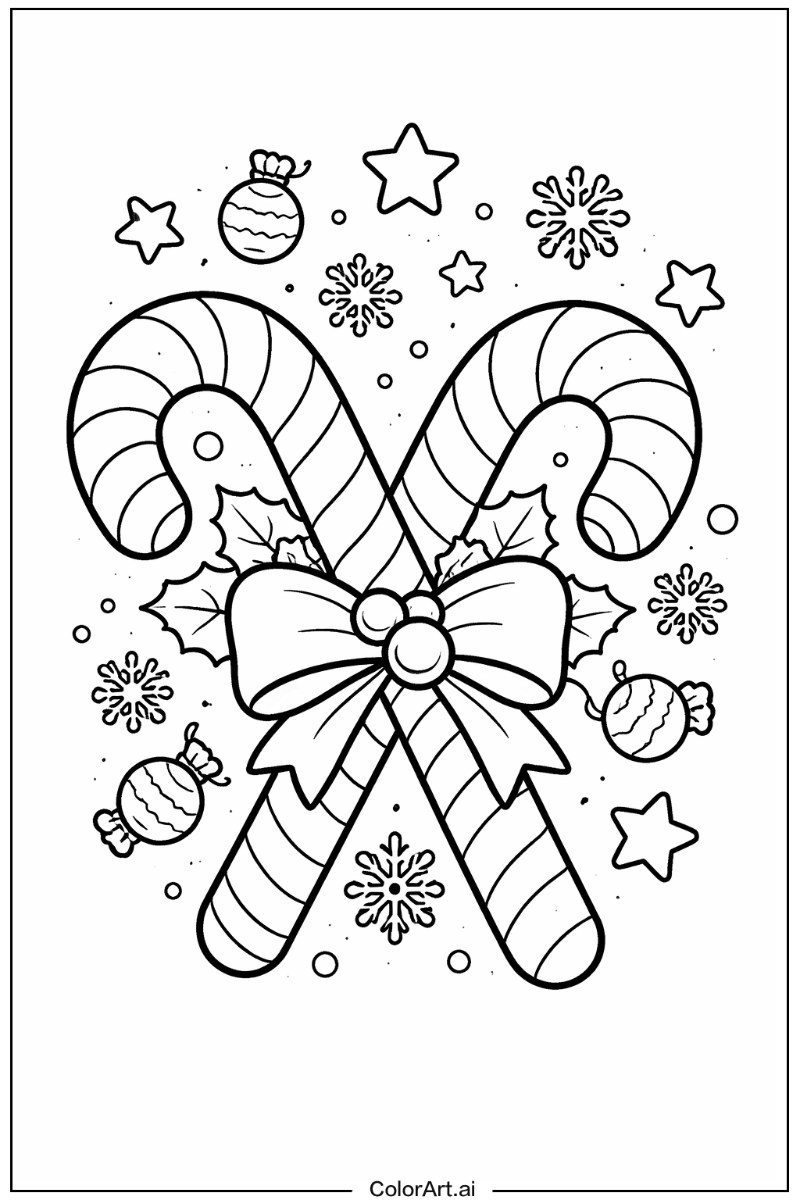
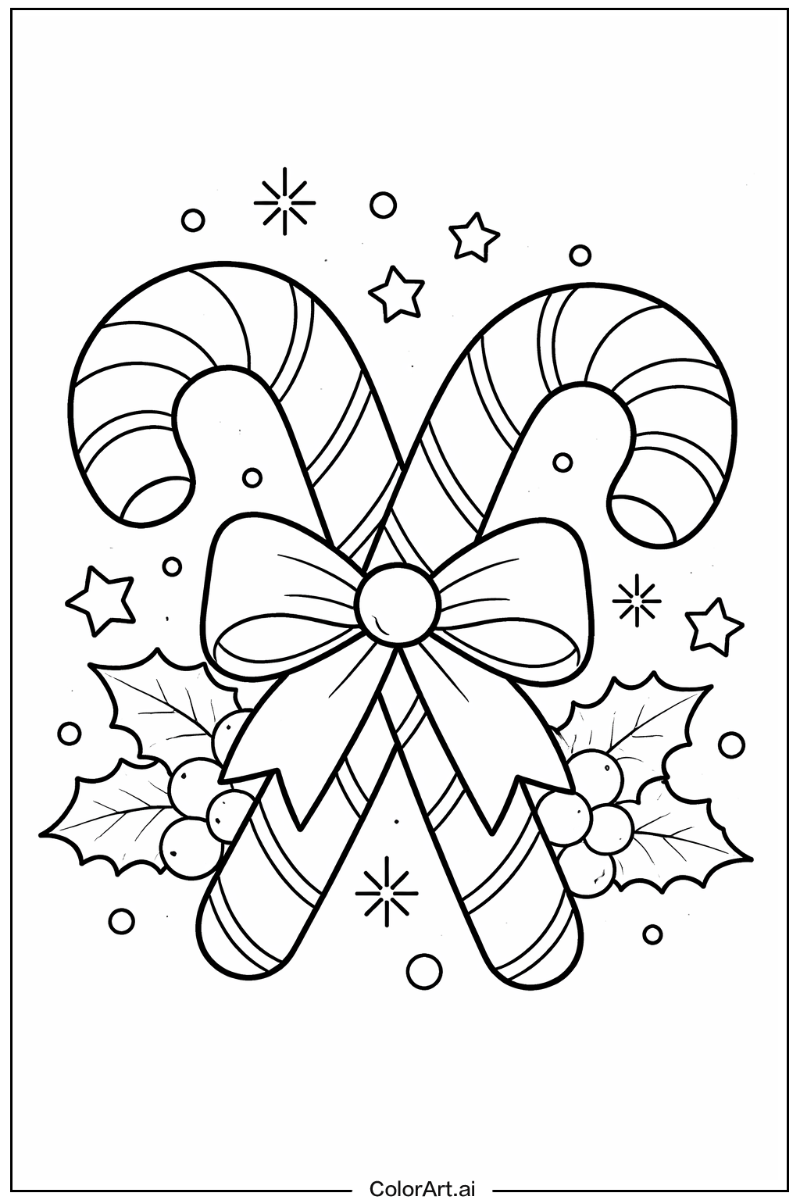
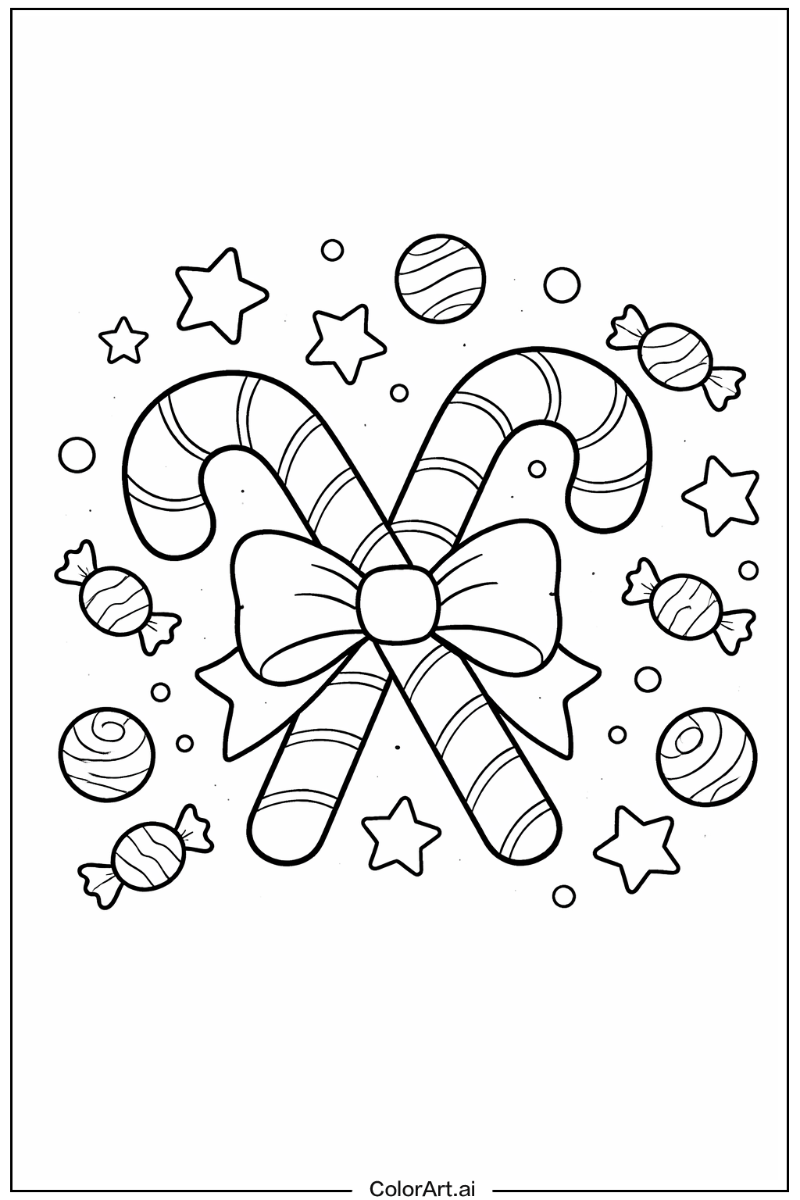
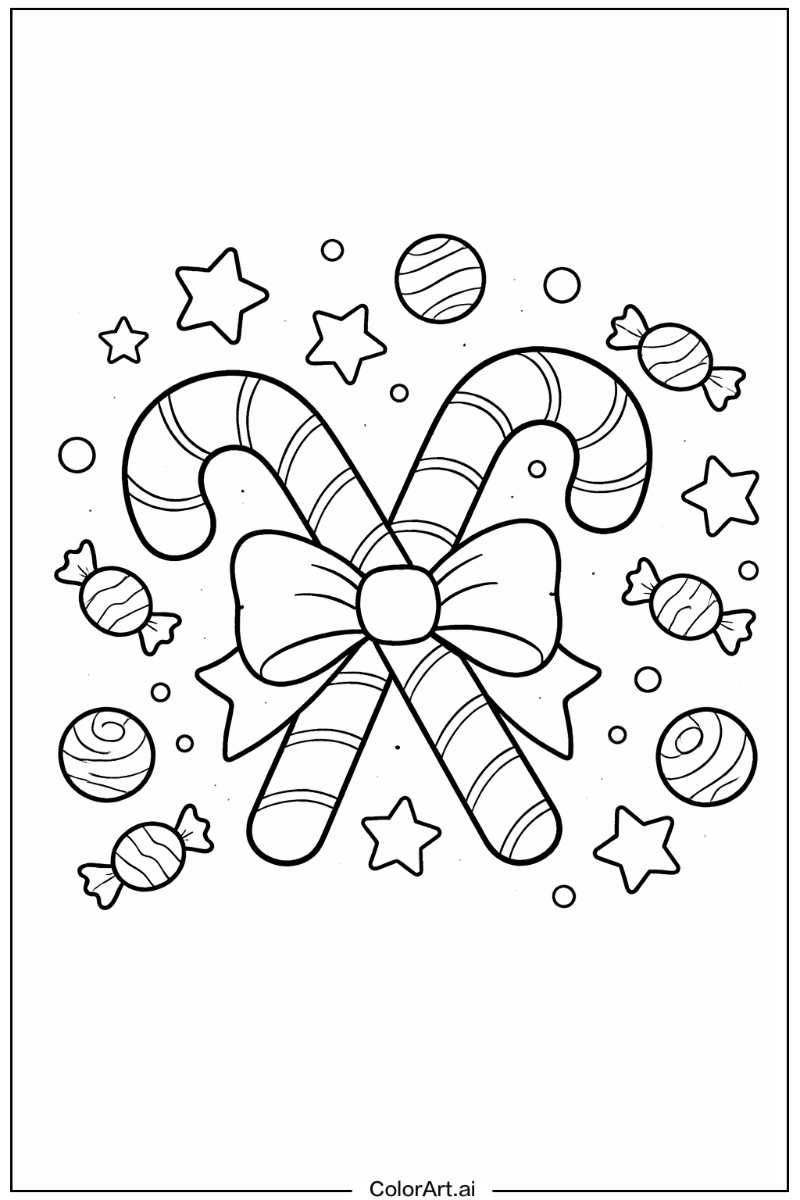
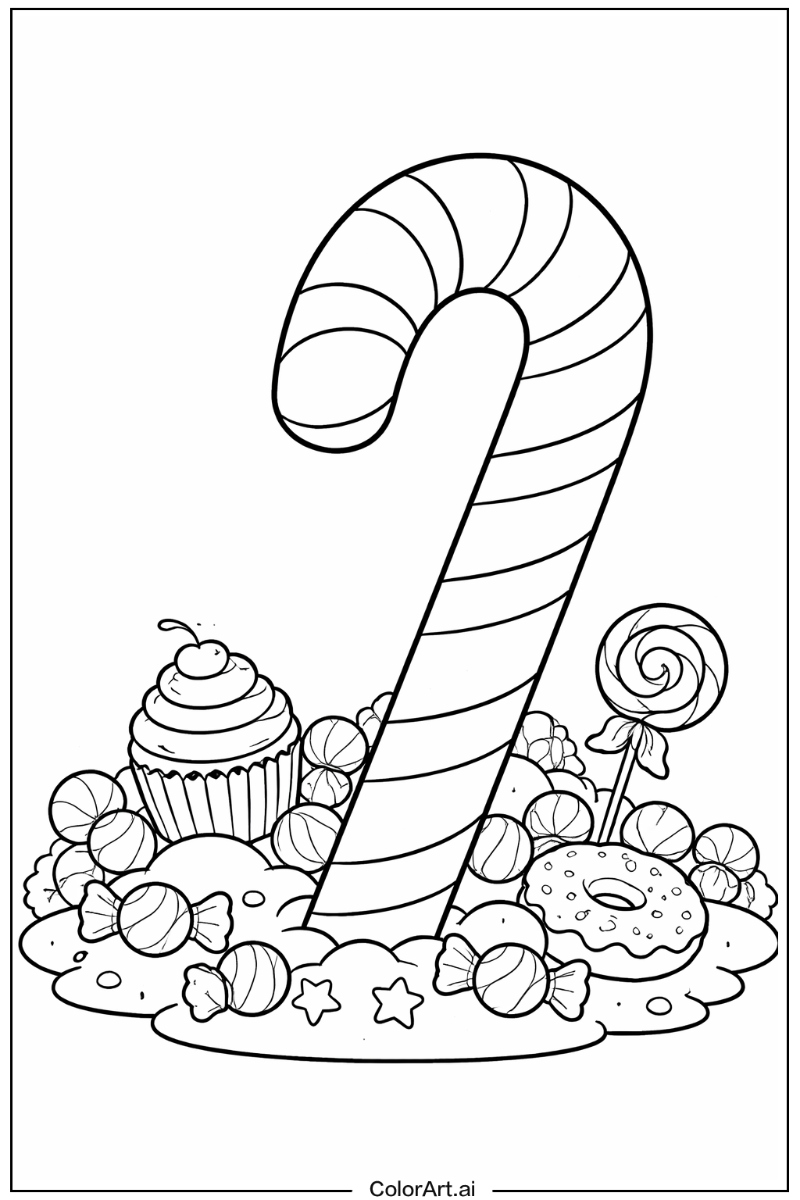
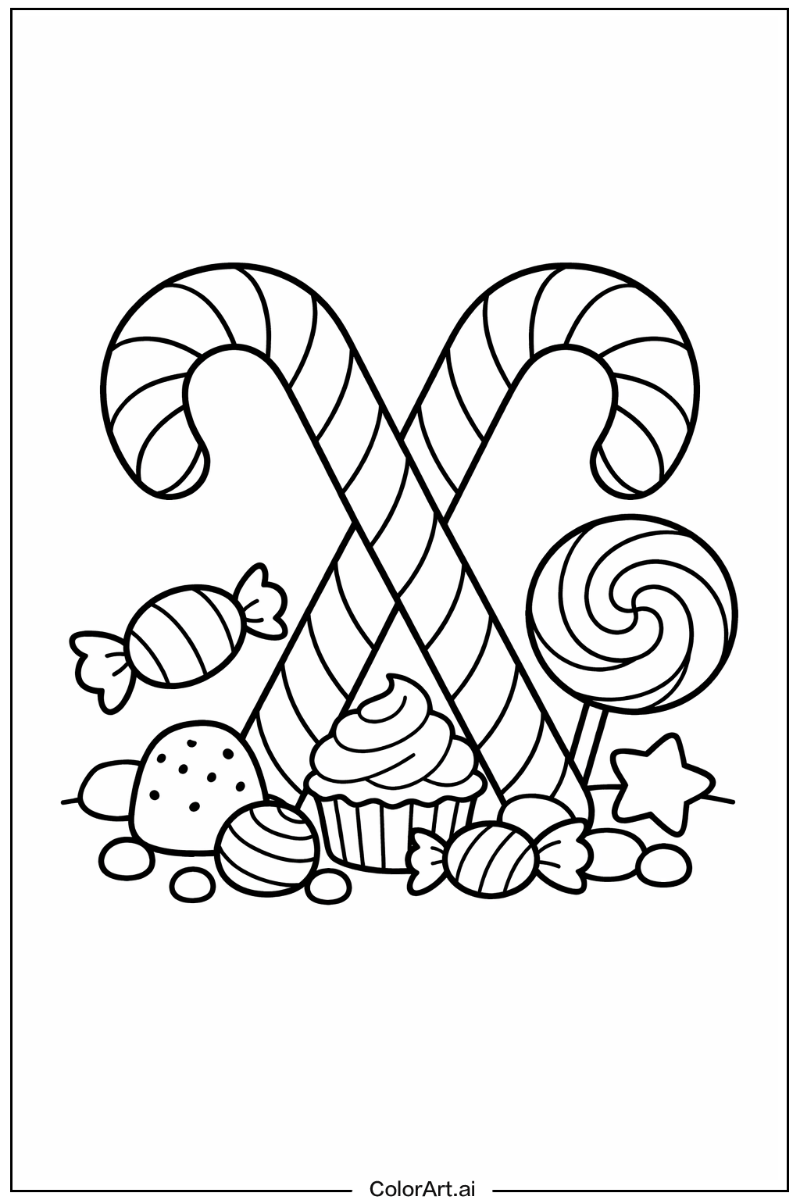
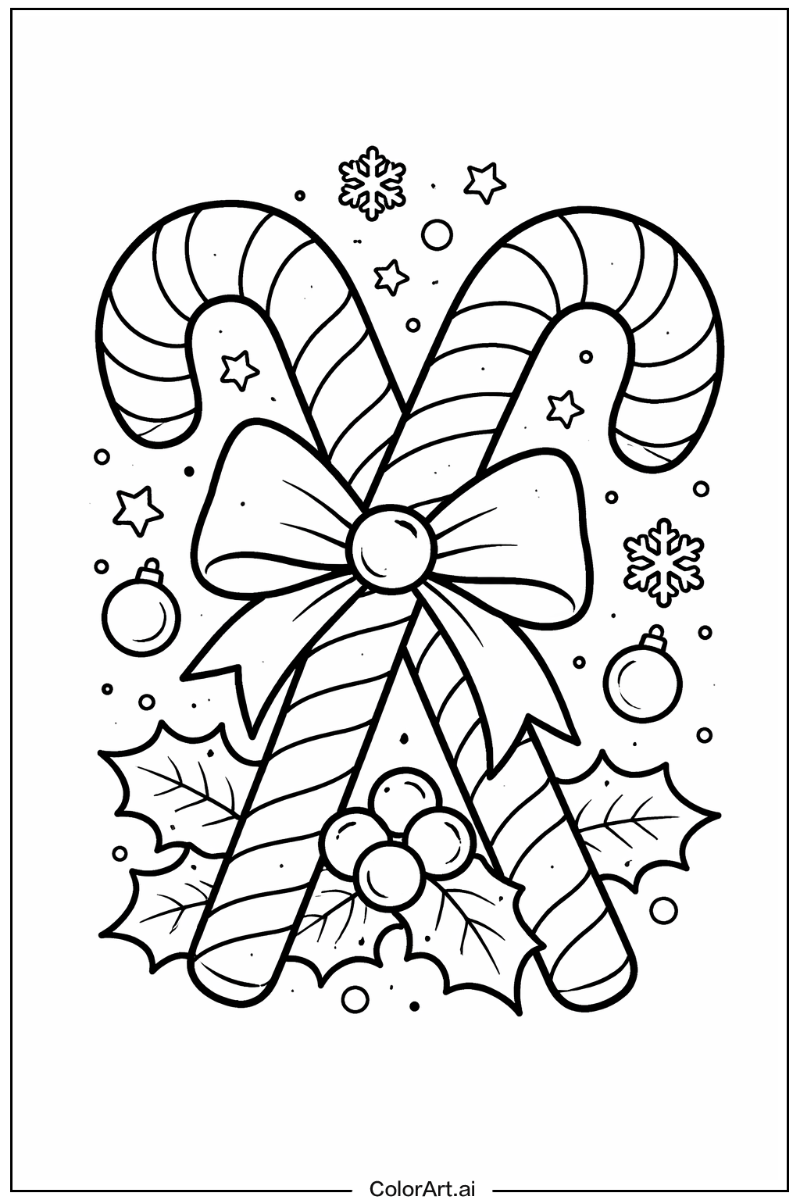
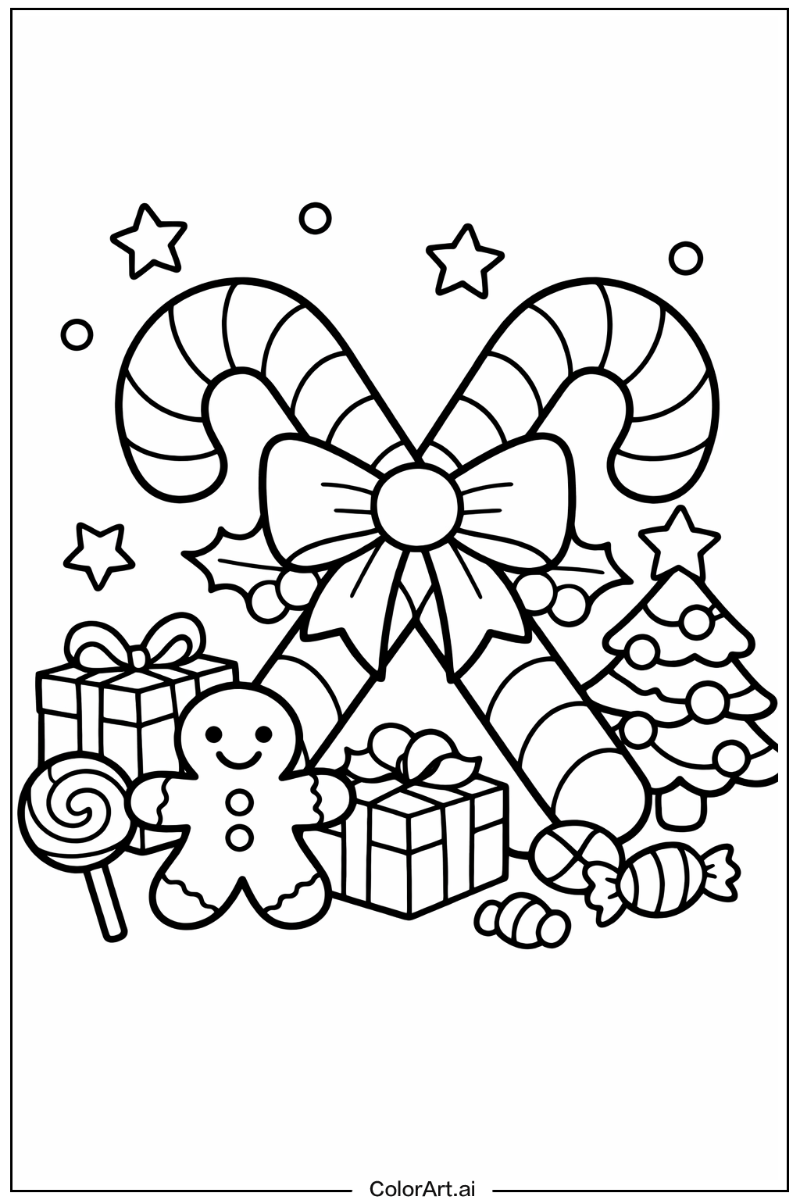
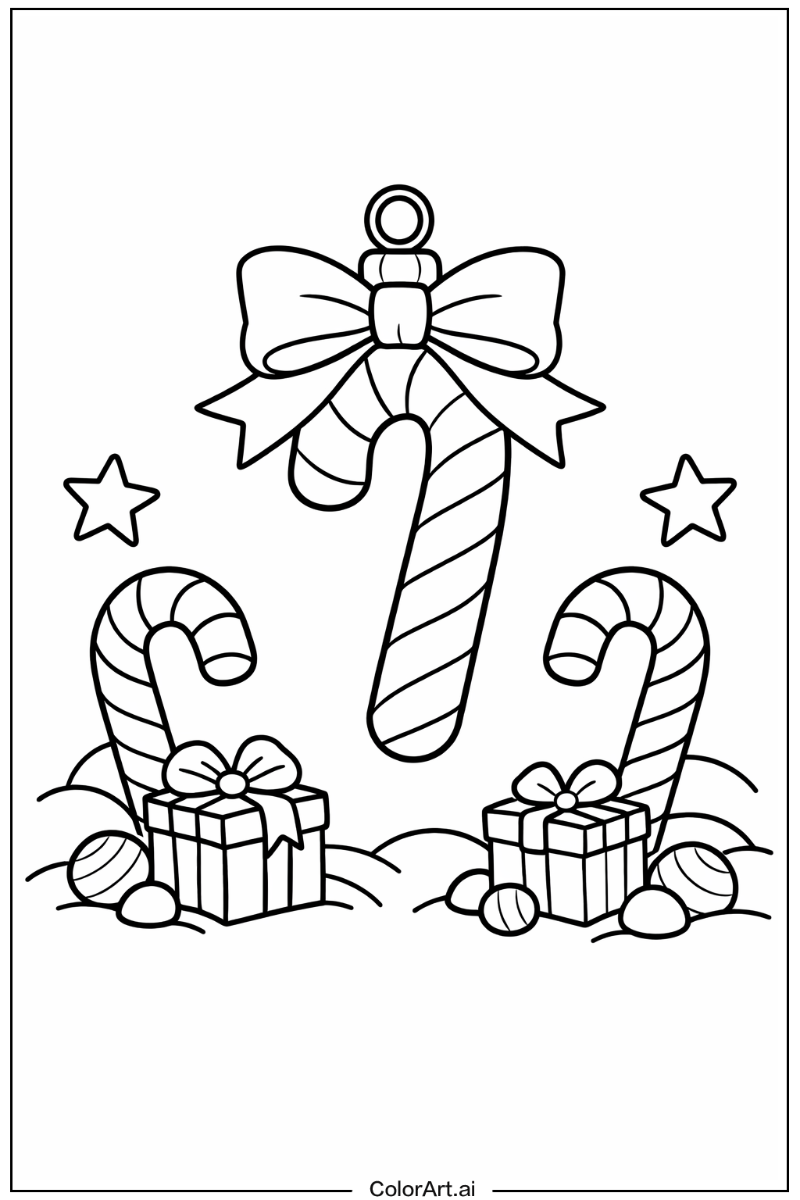
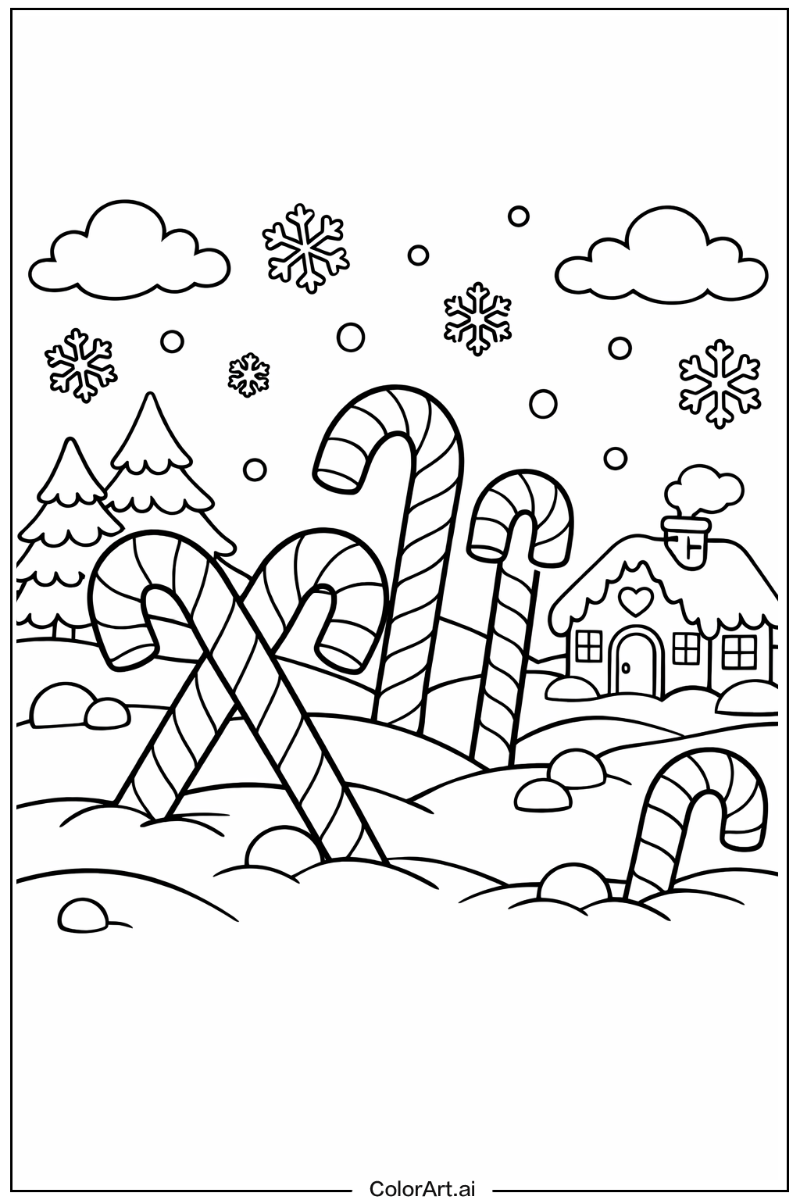
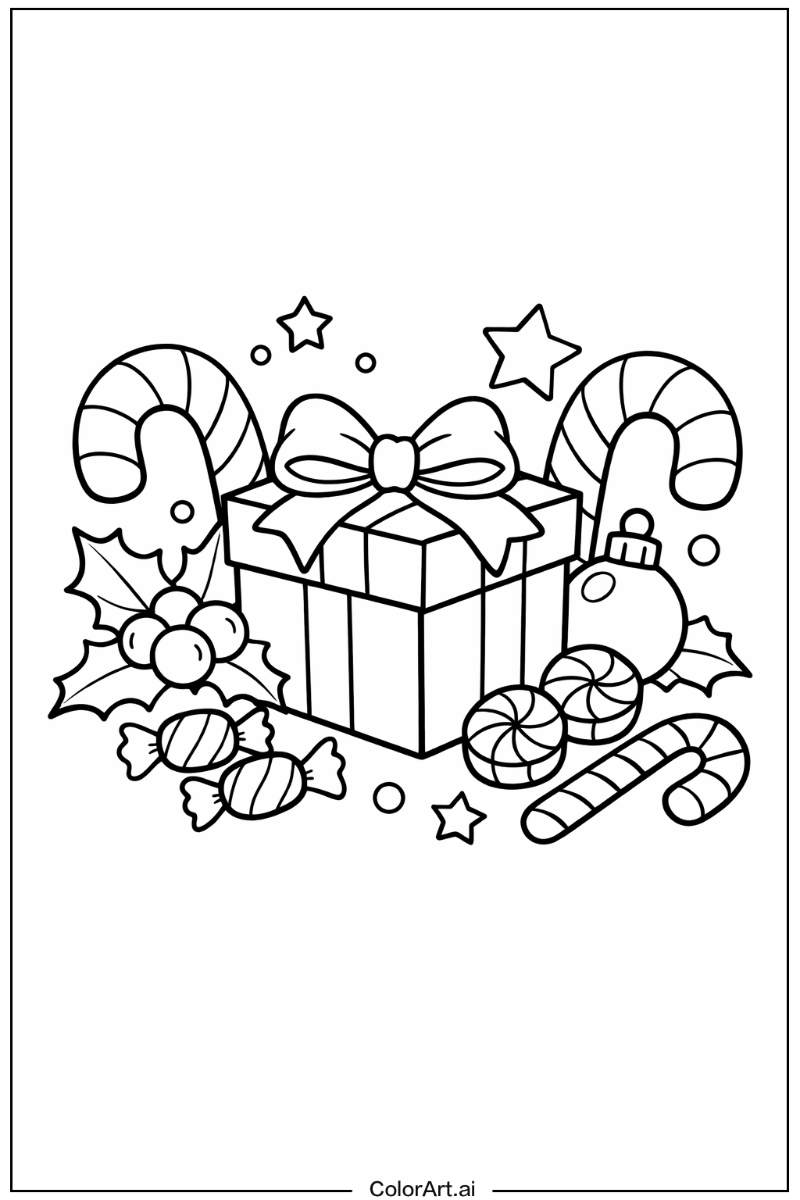
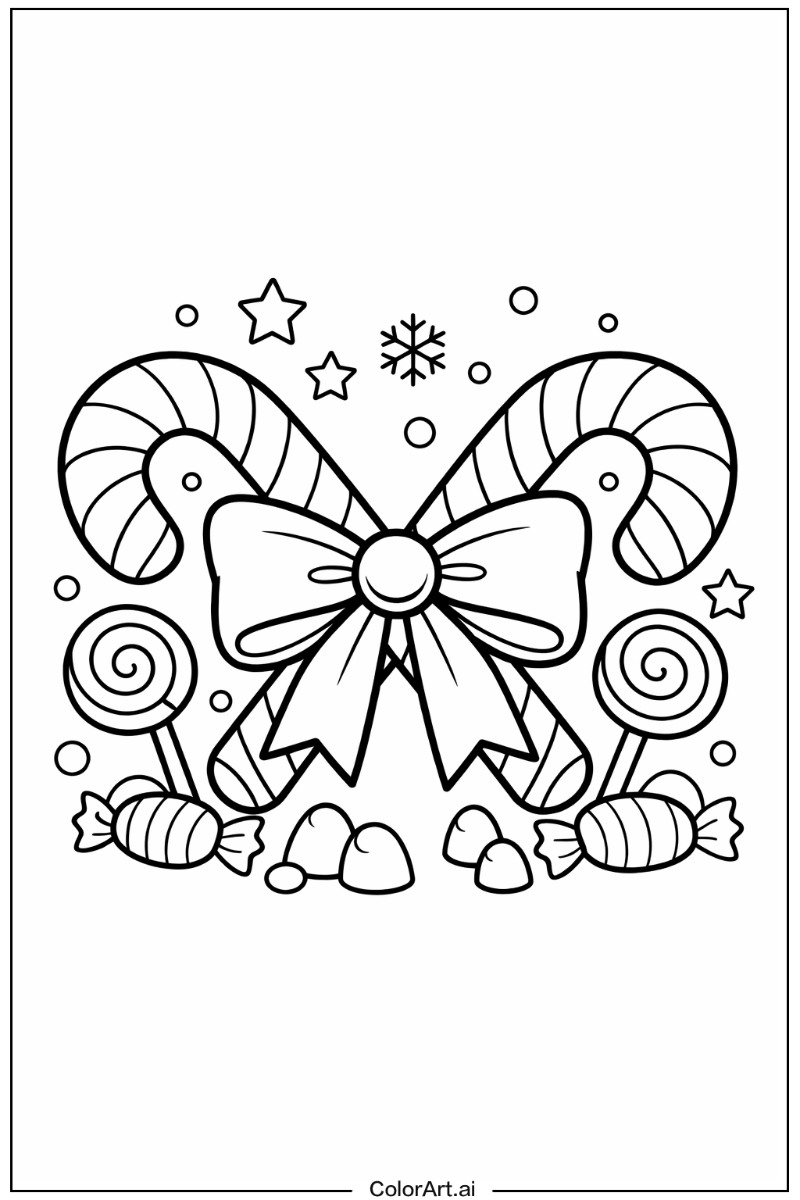
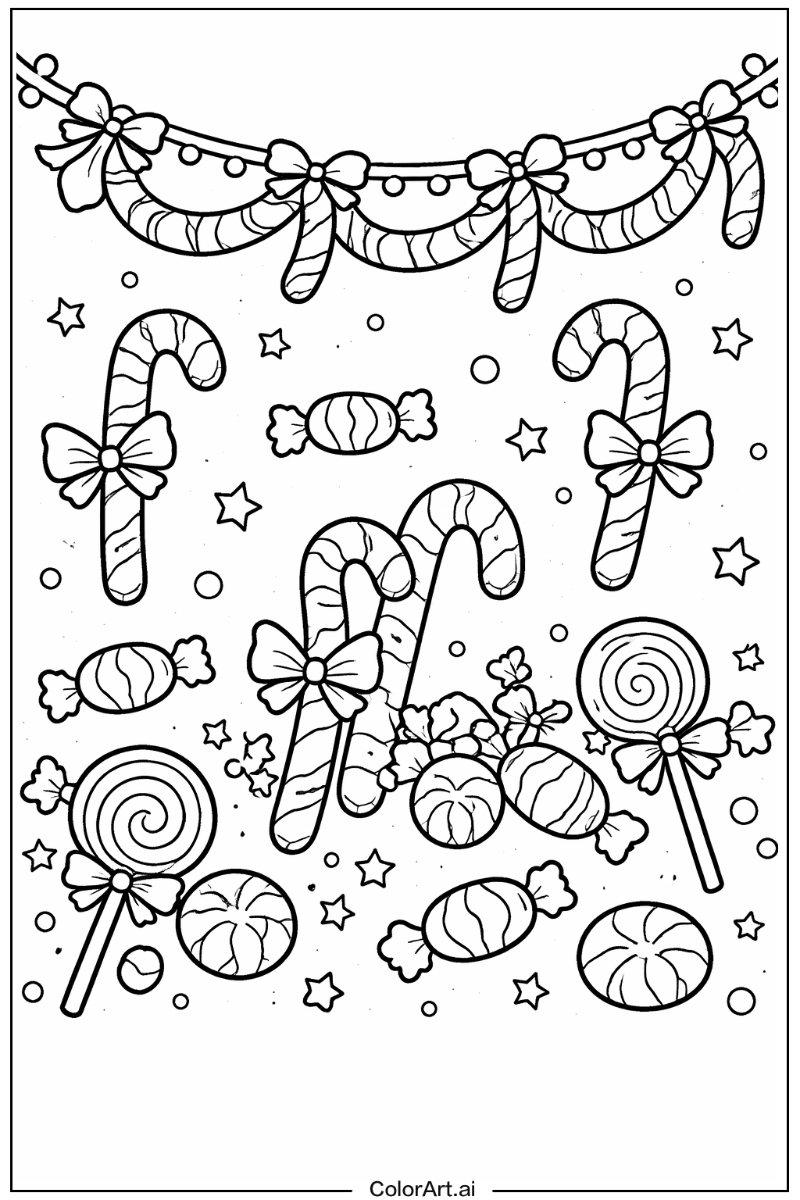
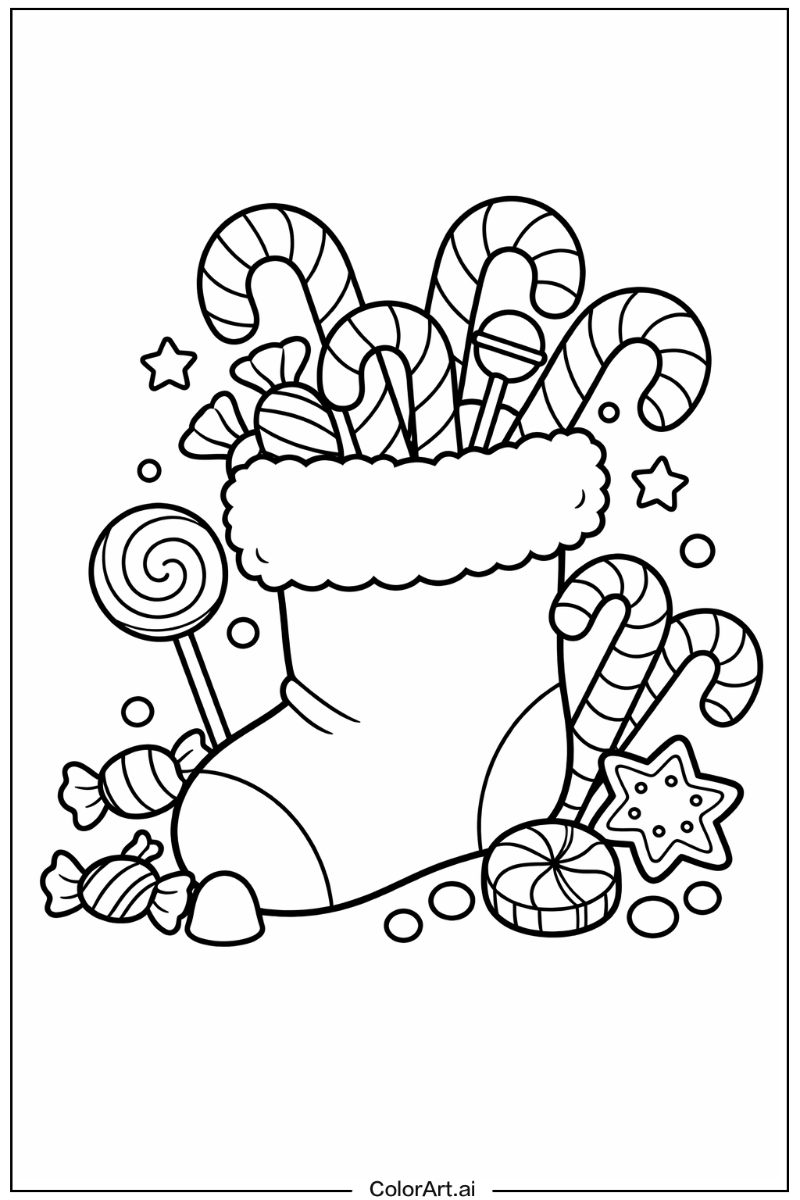
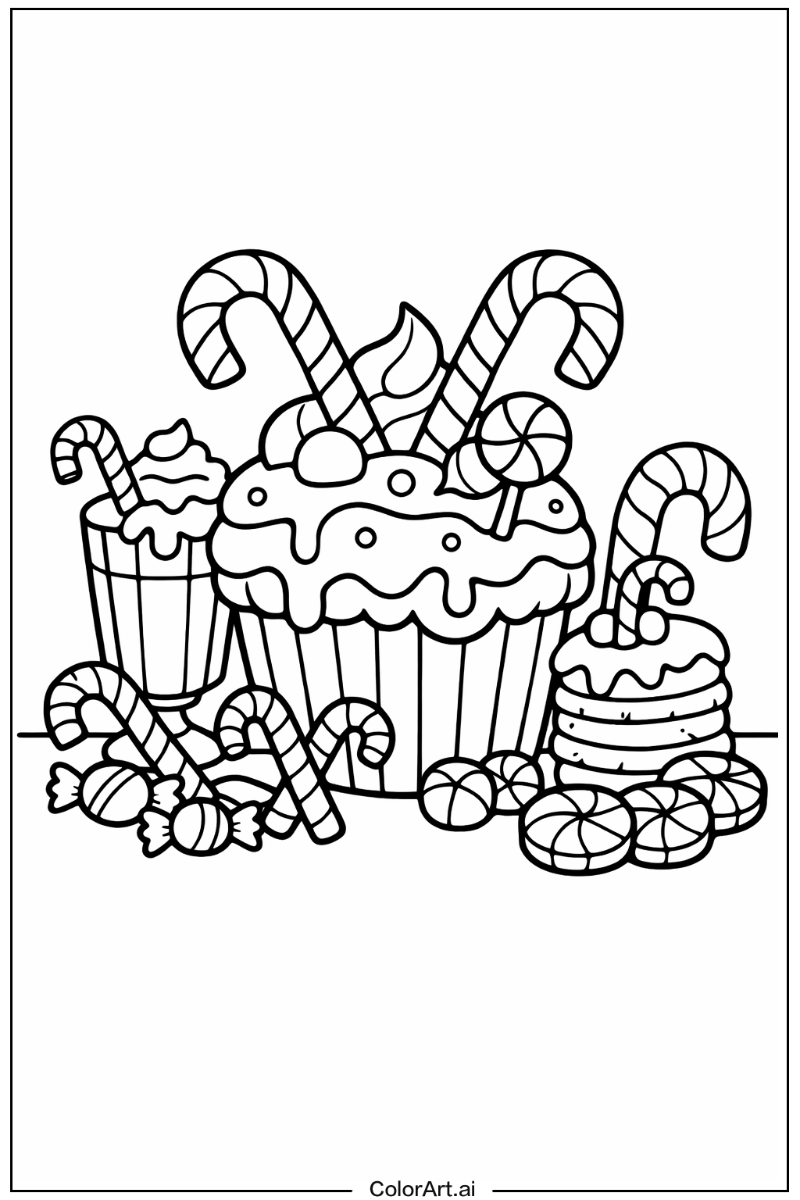
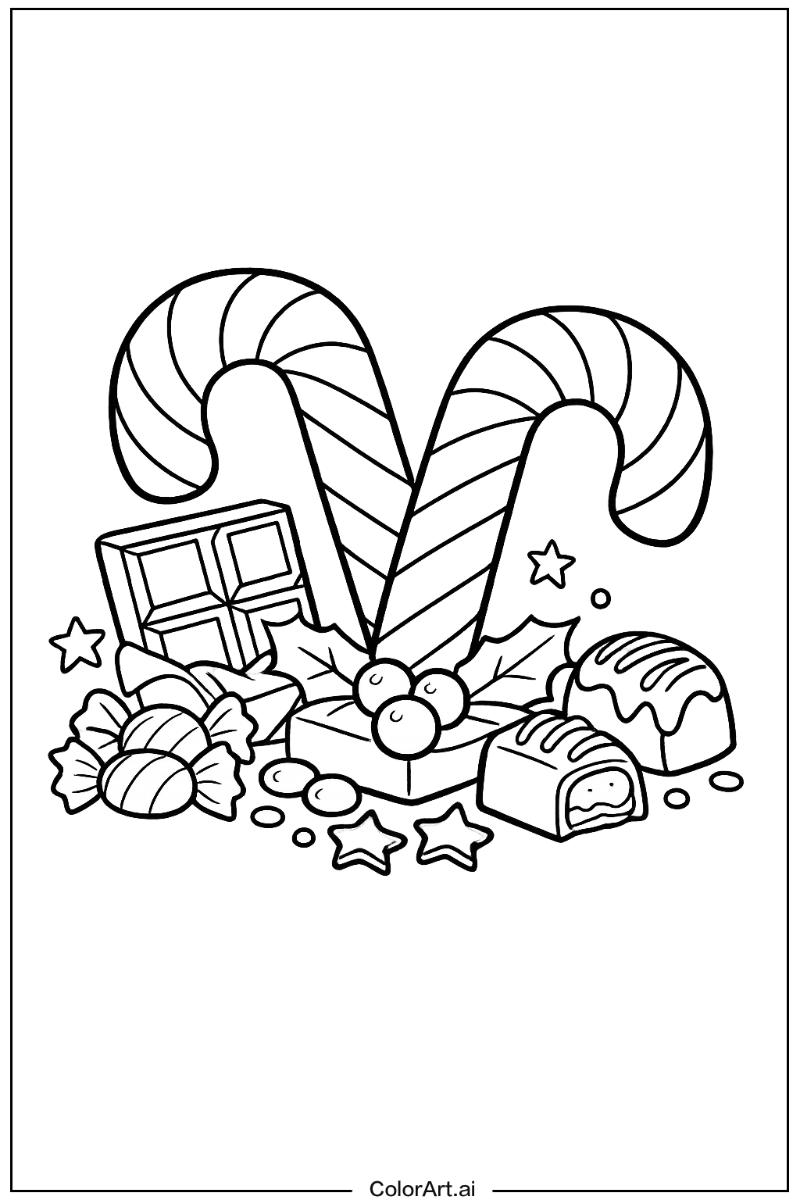
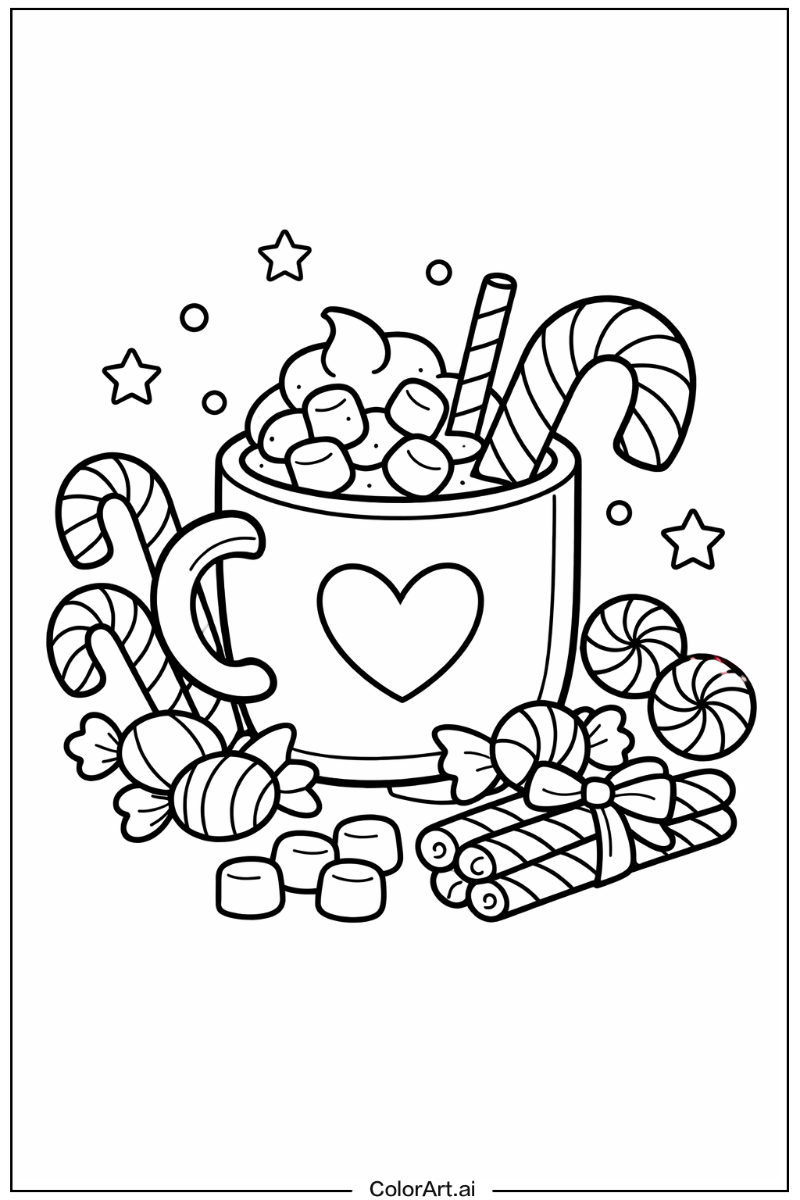
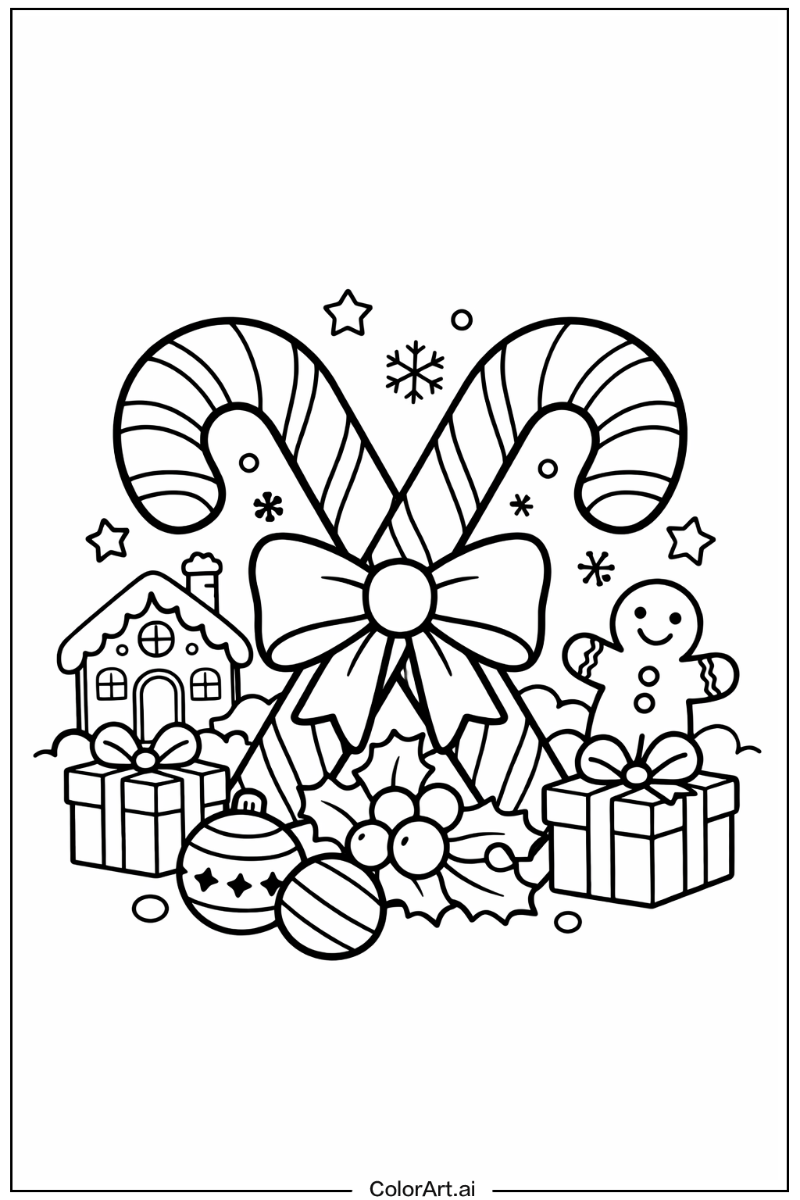
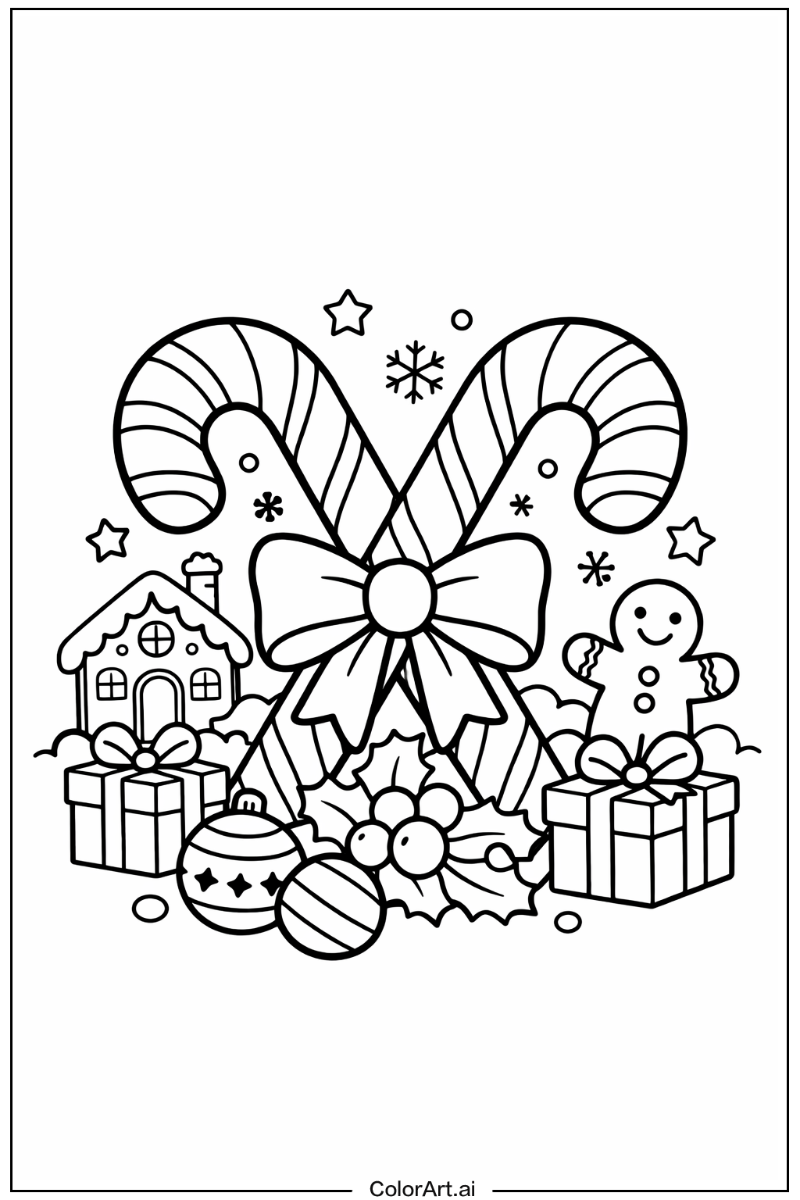
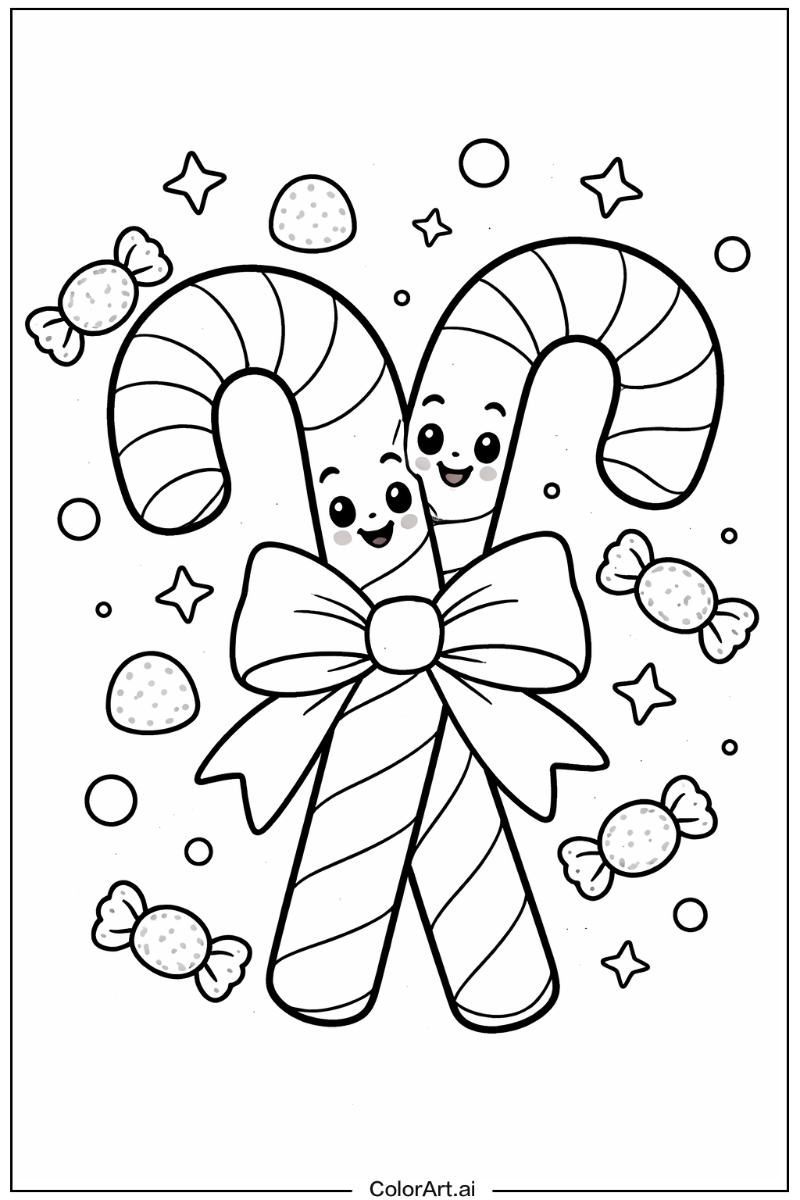
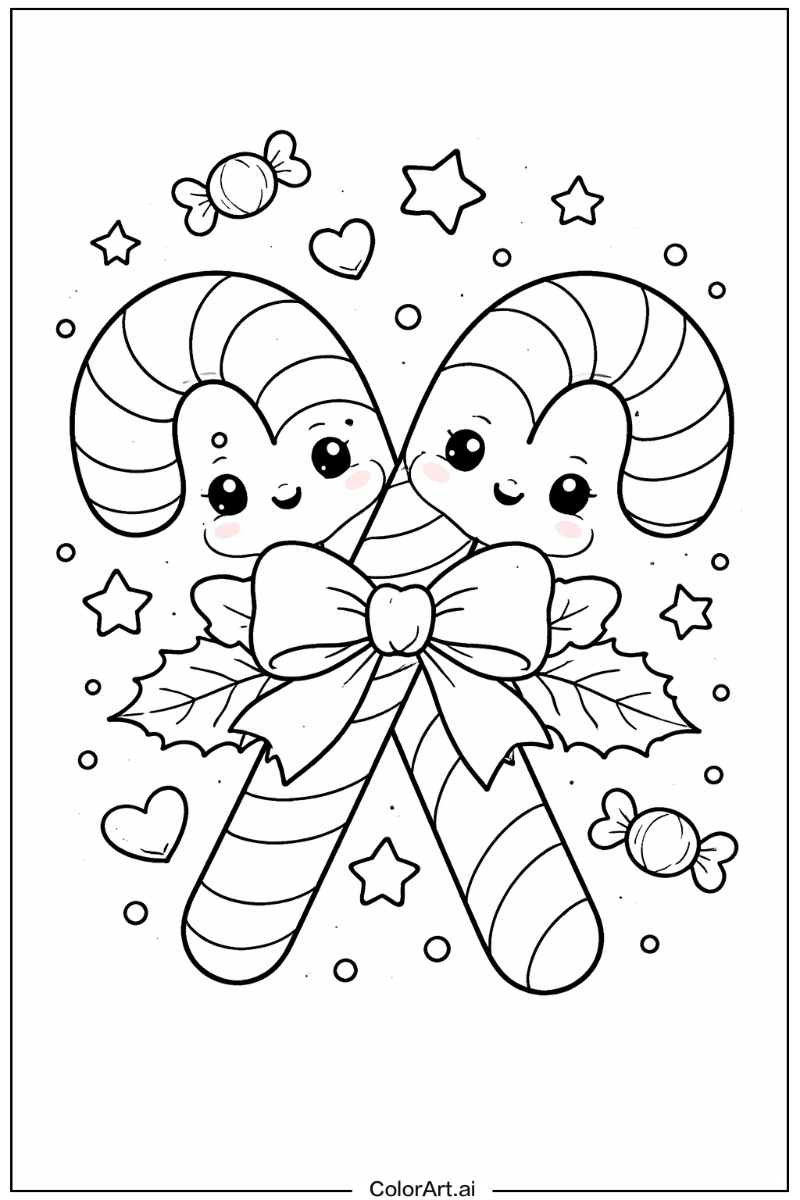
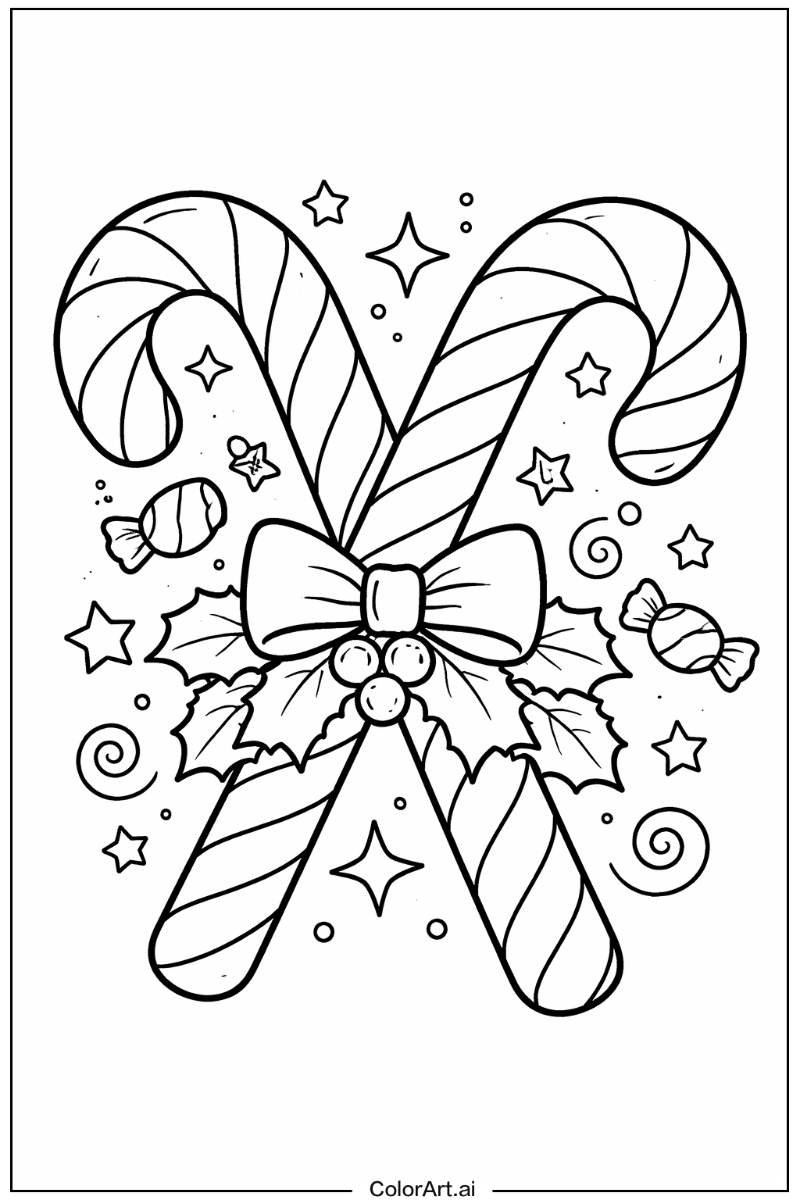
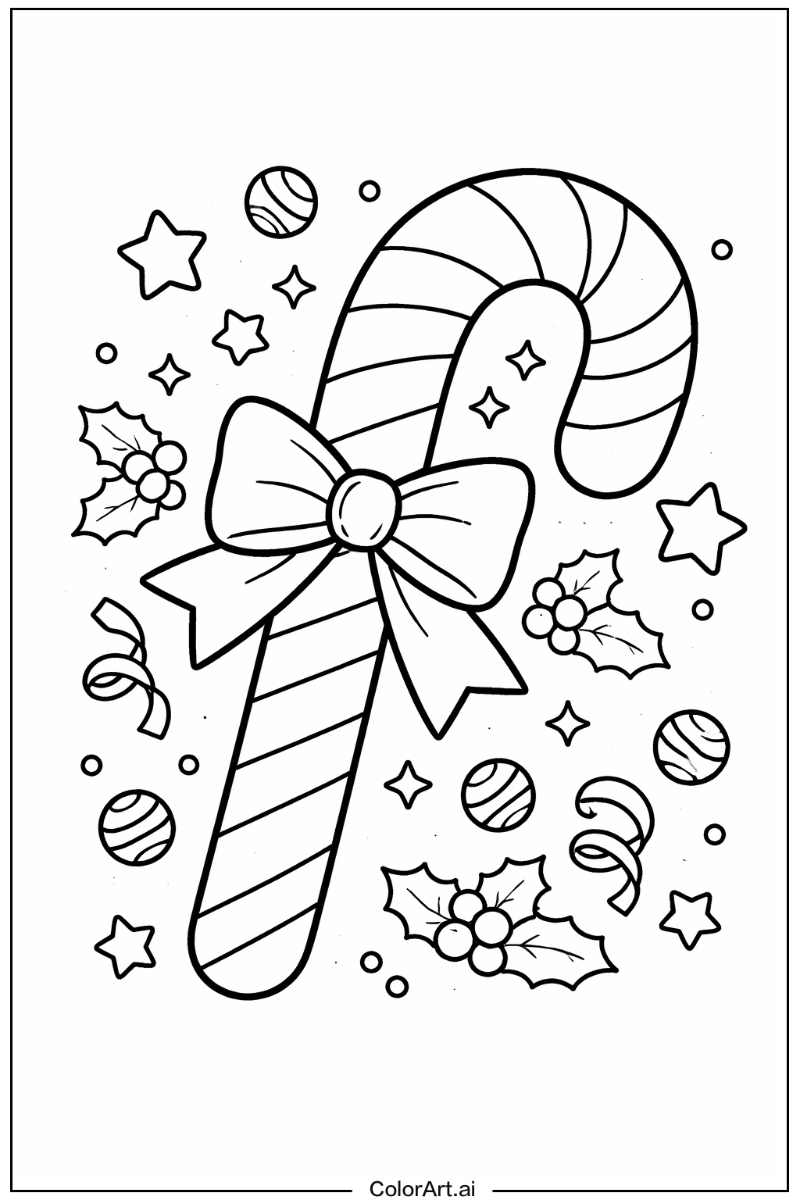
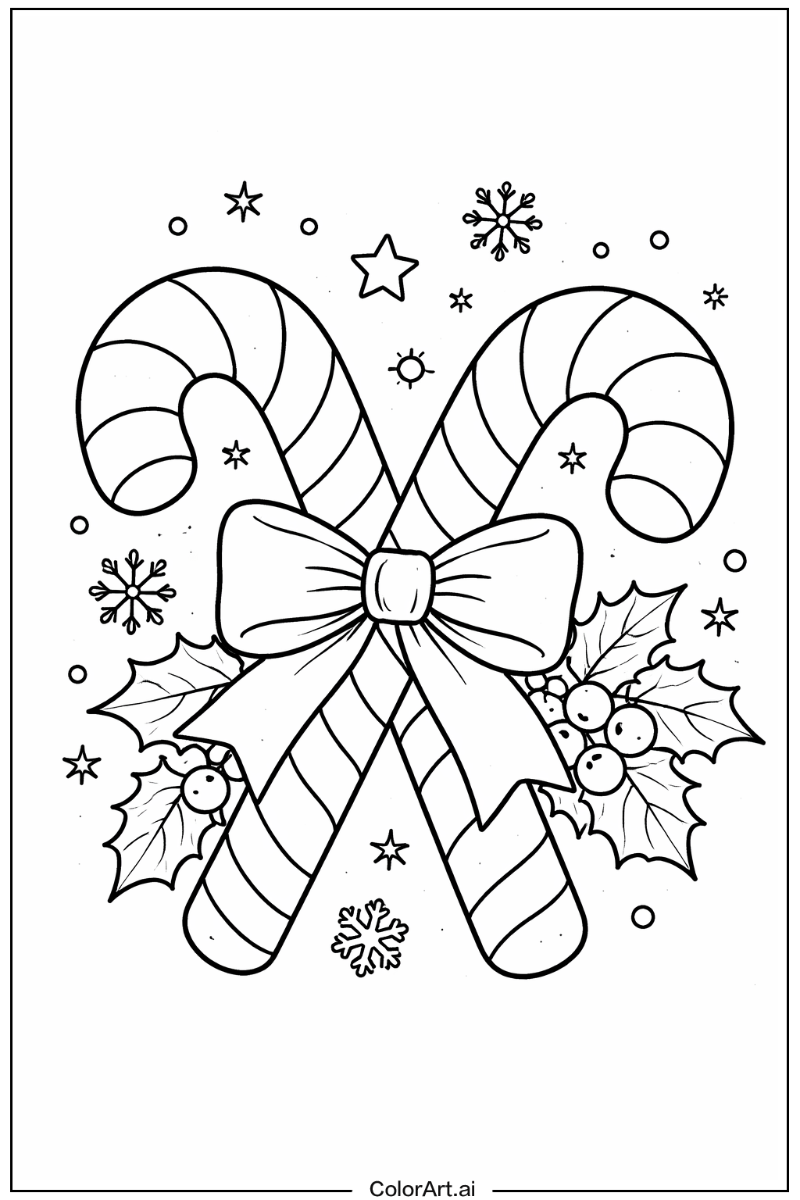
The holiday season is a magical time, especially in the elementary art classroom. One of my favorite traditions is introducing students to the delightful world of candy cane coloring pages. Every year, I watch my students' faces light up as they transform these iconic festive symbols into bursts of color. Candy canes have a unique ability to bridge the gap between fun and education, making them a perfect theme for creative projects. From preschoolers to older kids, the candy cane serves as a canvas for exploration, learning, and artistic expression. As we gather around our tables, armed with an array of coloring supplies, I can't help but feel the warmth of the season enveloping our shared experience.
Group Coloring Pages
 PDF
PDF
 PNG
PNG
 PNG
PNG
 PNG
PNG
 PNG
PNG
 PNG
PNG
 PNG
PNG
 PNG
PNG
 PNG
PNG
 PNG
PNG
 PNG
PNG
 PNG
PNG
 PNG
PNG
 PNG
PNG
 PNG
PNG
 PNG
PNG
 PNG
PNG
 PNG
PNG
 PNG
PNG
 PNG
PNG
 PNG
PNG
 PNG
PNG
 PNG
PNG
 PNG
PNG
 PNG
PNG
 PNG
PNG
 PNG
PNG
 PNG
PNG
 PNG
PNG
 PNG
PNG
 PNG
PNG
 PNG
PNG
 PNG
PNG
 PNG
PNG
 PNG
PNG
 PNG
PNG
 PNG
PNG
 PNG
PNG
 PNG
PNG
 PNG
PNG
 PNG
PNG
 PNG
PNG
 PNG
PNG
 PNG
PNG
 PNG
PNG
 PNG
PNG
 PNG
PNG
 PNG
PNG
 PNG
PNG
 PNG
PNG
The Sweet History of Candy Canes
Understanding the candy cane goes beyond its sugary allure; it’s a journey through history. Originating in Germany around 1670, these delightful treats were initially crafted as straight sticks to quiet children during Christmas services. It wasn't until later that they were bent into the iconic hook shape we recognize today, symbolizing the shepherds from the nativity story. By the 19th century, candy canes made their way to the United States, where they became a staple of holiday celebrations. Each candy cane is composed primarily of sugar, peppermint oil, and often features red stripes on a white background. These colors hold deeper meanings, with red representing sacrifice and white symbolizing purity. My students love learning this history, especially when we connect it to our art projects, making each candy cane they color a piece of festive storytelling.
Educational Benefits of Candy Cane Activities
Integrating candy cane coloring pages into our curriculum provides numerous educational benefits. For starters, coloring is a fantastic way to develop fine motor skills. I often observe my students, like little Ava, who struggles with pencil grip. When she picks up her crayons to color a candy cane, I see her hand-eye coordination improve with every stroke. Additionally, coloring promotes emotional well-being. I’ve noticed that during the busy holiday season, students can become overwhelmed. Engaging in candy cane coloring allows them a moment to focus and unwind. It's a therapeutic activity that fosters mindfulness, even for my fifth graders who sometimes feel the weight of academic pressures. Furthermore, through our candy cane projects, students learn about color theory and artistic expression, enhancing their creativity as they mix and match colors to create their ideal festive designs.
Tips for Coloring Candy Canes
To make the most out of candy cane coloring pages, I love sharing practical tips with my students. First, I encourage them to choose their materials wisely. Crayons are perfect for younger children, while colored pencils offer more detail for older students. Markers can add bold colors, but I remind them to be careful about bleeding through the paper! I often demonstrate how to use darker colors around the edges of the candy cane to create depth and dimension. Additionally, I suggest they think about the color combinations—traditional red and white are lovely, but what if they want a blue and silver candy cane? This creative freedom allows for personal expression. Lastly, I always encourage my students to share their finished candy cane art with the class. It fosters community and celebration of our unique artistic voices!
Current Trends in Candy Cane Art Education
Recently, I've noticed a fascinating trend in the world of candy cane art education. Beyond traditional coloring pages, candy canes are becoming a fashionable motif, inspiring everything from oversized accessories to holiday-themed costumes. This aligns perfectly with our classroom activities as we embrace festive creativity. Students are not only coloring candy canes but also incorporating them into mixed media projects and digital art. For example, my third graders recently created a vibrant candy cane mural, showcasing their unique interpretations of this holiday treat. The growing interest in health-conscious alternatives is also reflected in our projects, where we discuss the symbolism of candy canes while creating art that respects our health choices. As manufacturers are innovating with flavors and designs, I encourage my students to think outside the box when coloring their candy cane pages, envisioning new patterns and colors.
Frequently Asked Questions About Candy Cane Coloring Pages
What age group are candy cane coloring pages suitable for?
Candy cane coloring pages are designed for various age groups, typically ranging from preschoolers (3-5 years) to adults. We offer different complexity levels to match different skill levels.
What materials work best for coloring candy cane pages?
For best results with candy cane coloring pages, we recommend colored pencils for detailed work, markers for bold colors, and crayons for younger children.
How should I print candy cane coloring pages for best quality?
Print candy cane coloring pages using high-quality or best print settings. Ensure your printer has sufficient ink for clear, dark lines.