Embracing Mindfulness Through Coloring
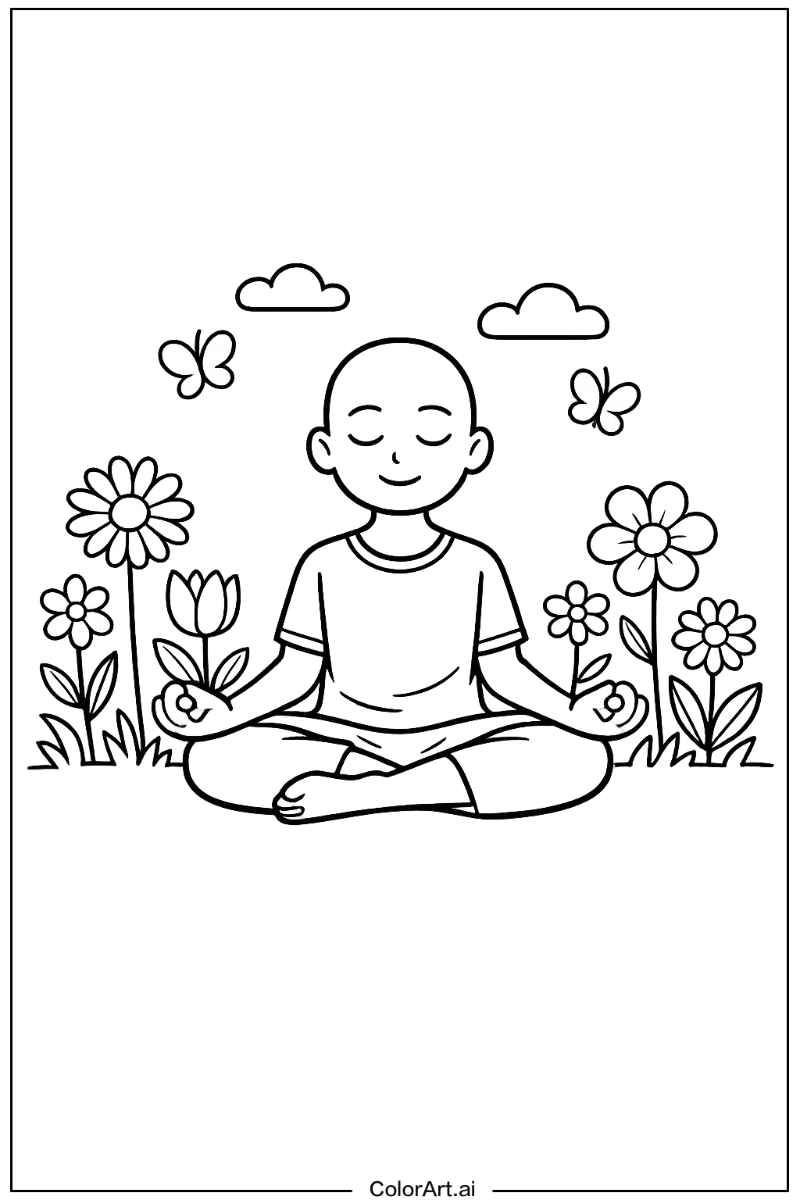
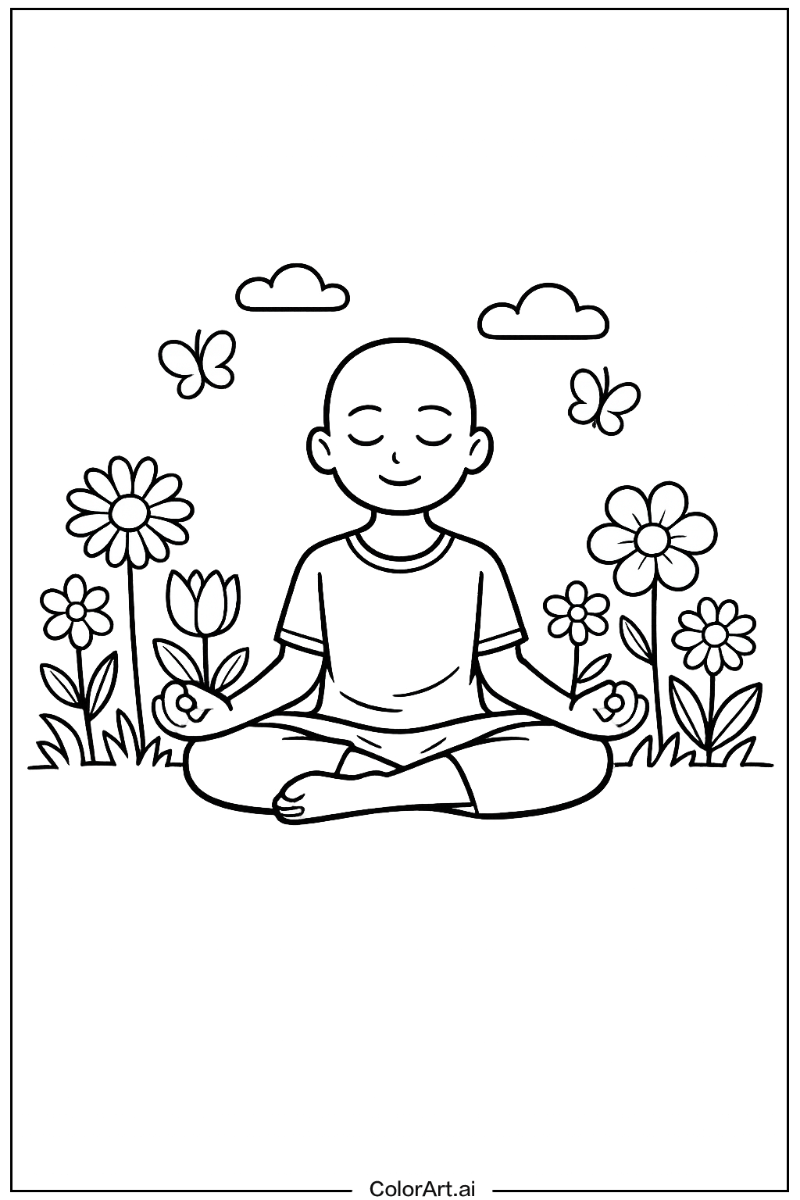
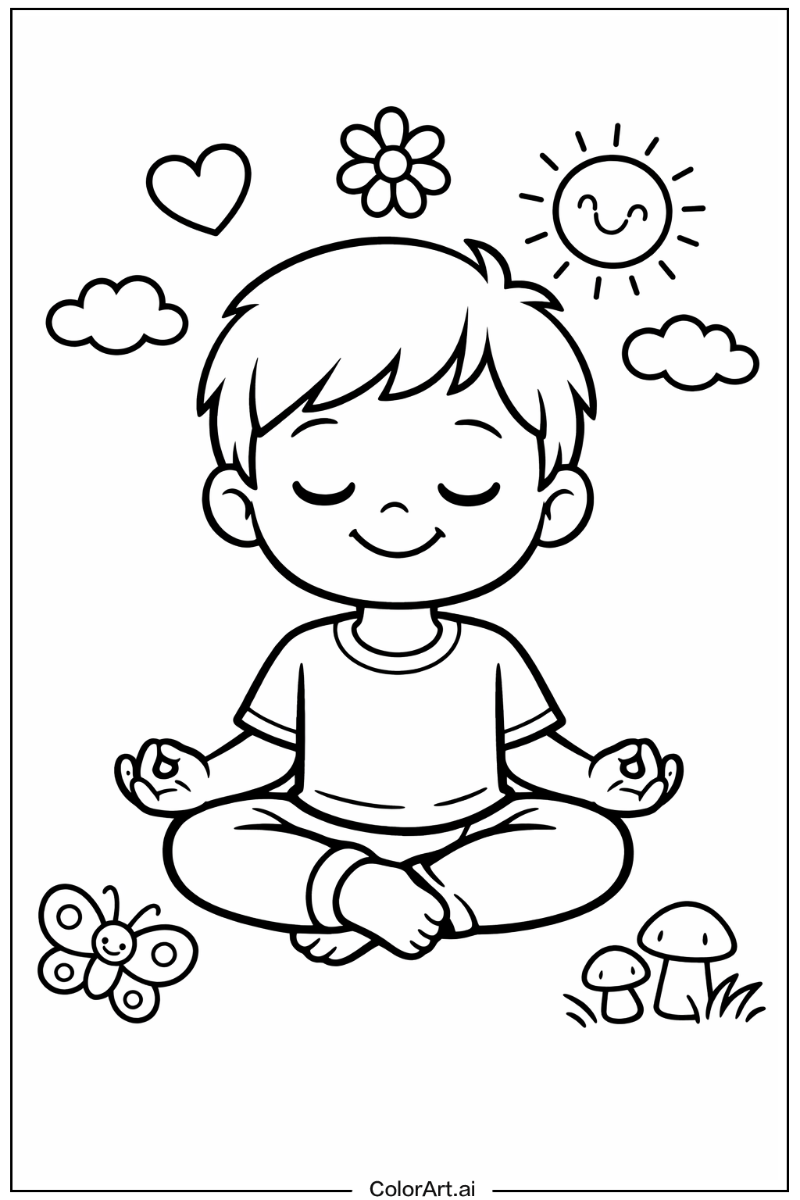
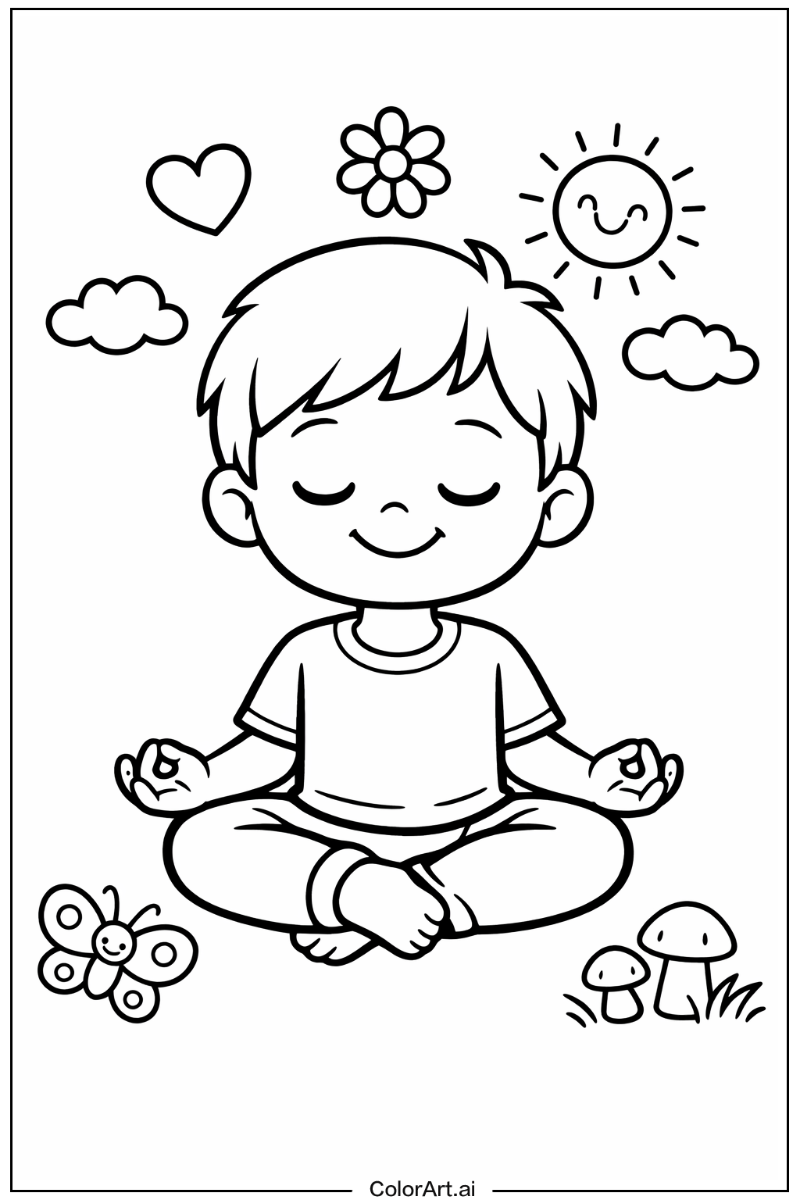
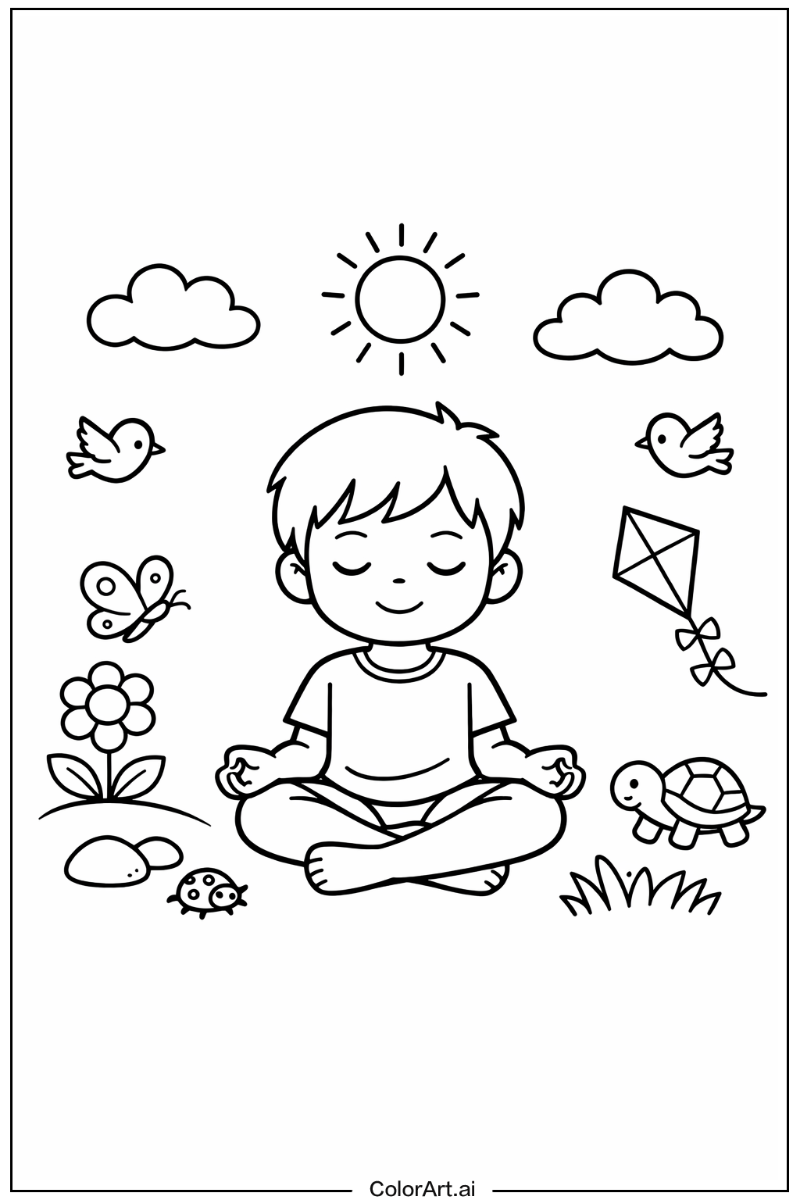
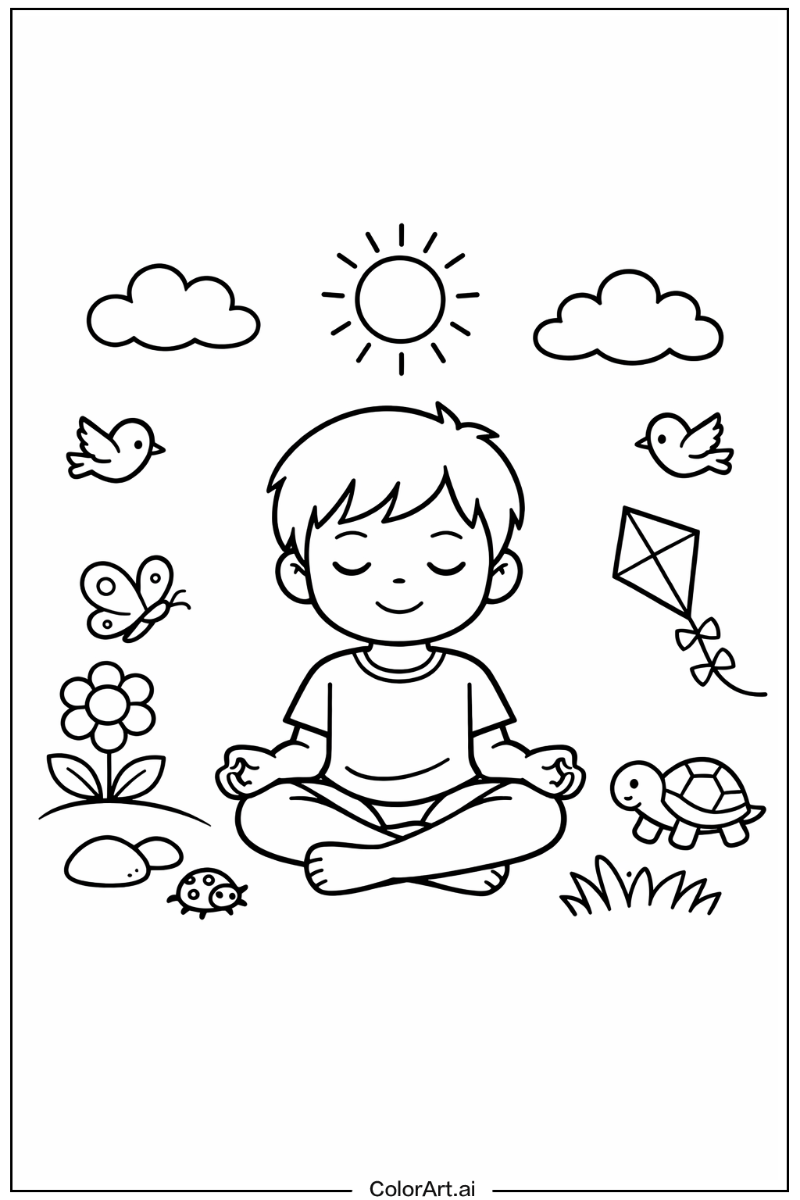
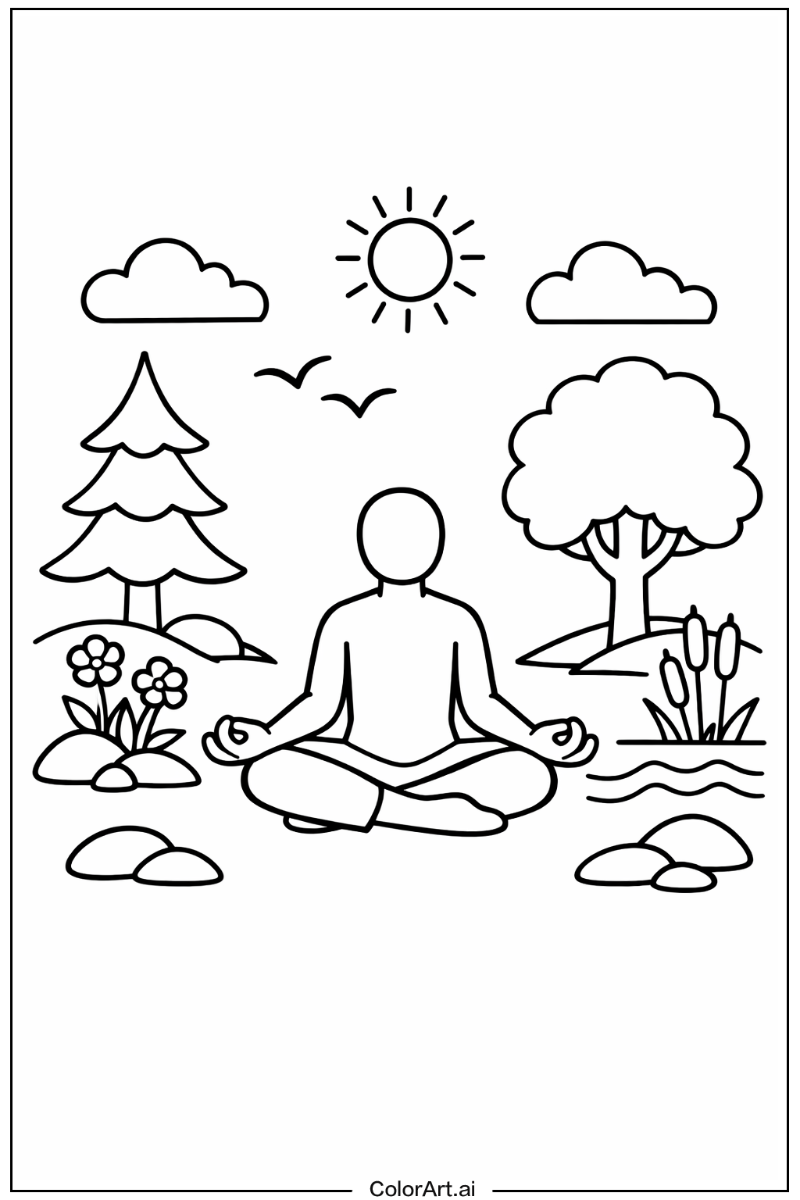
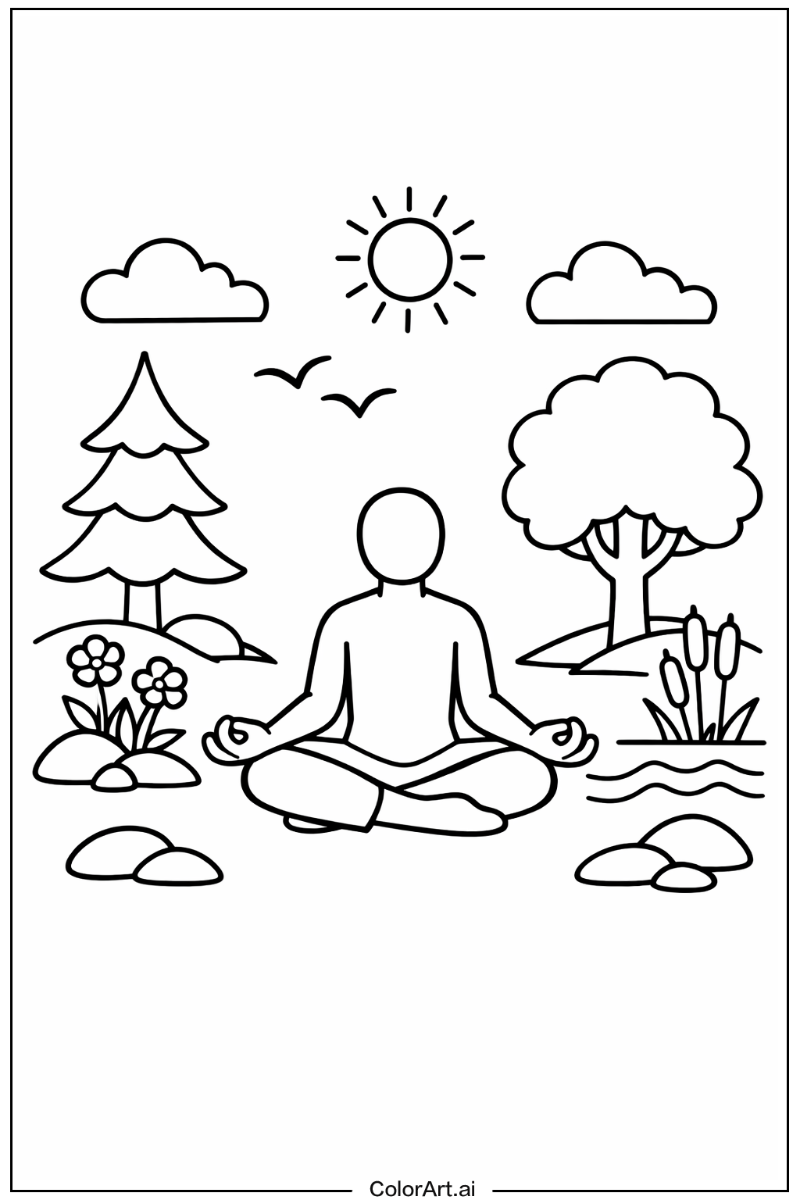
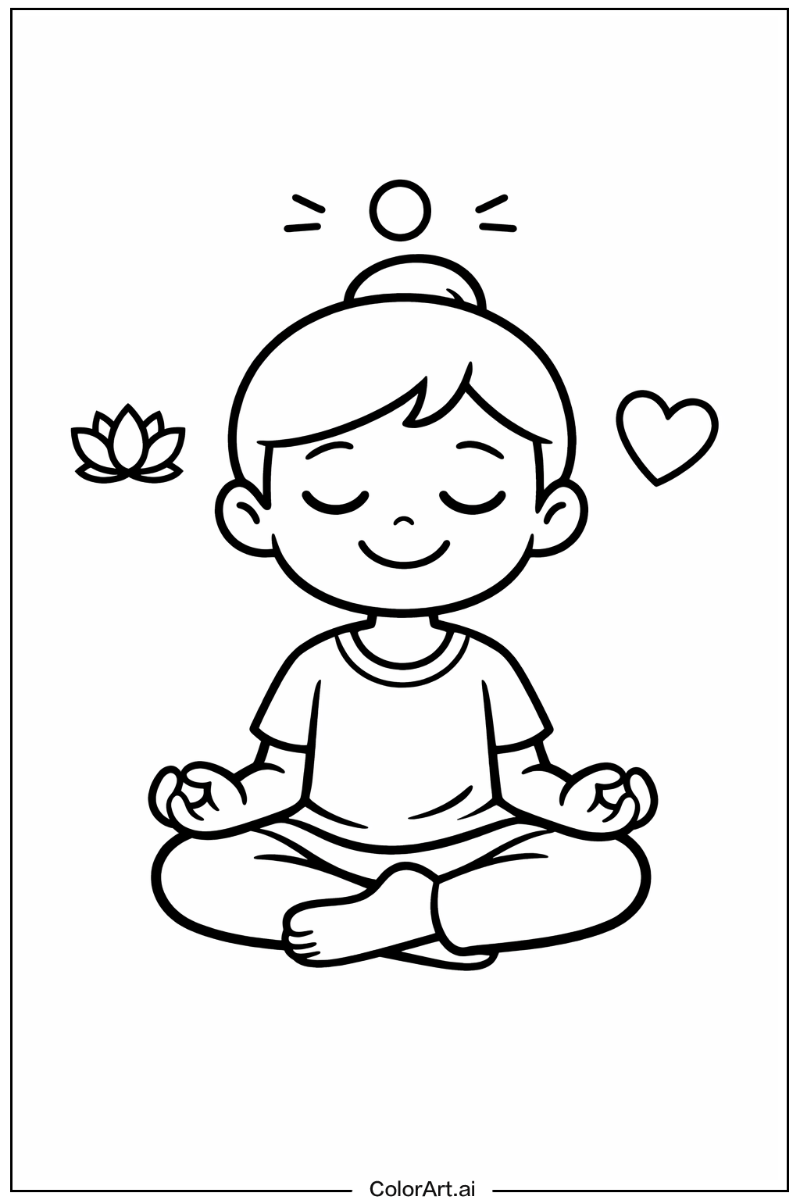
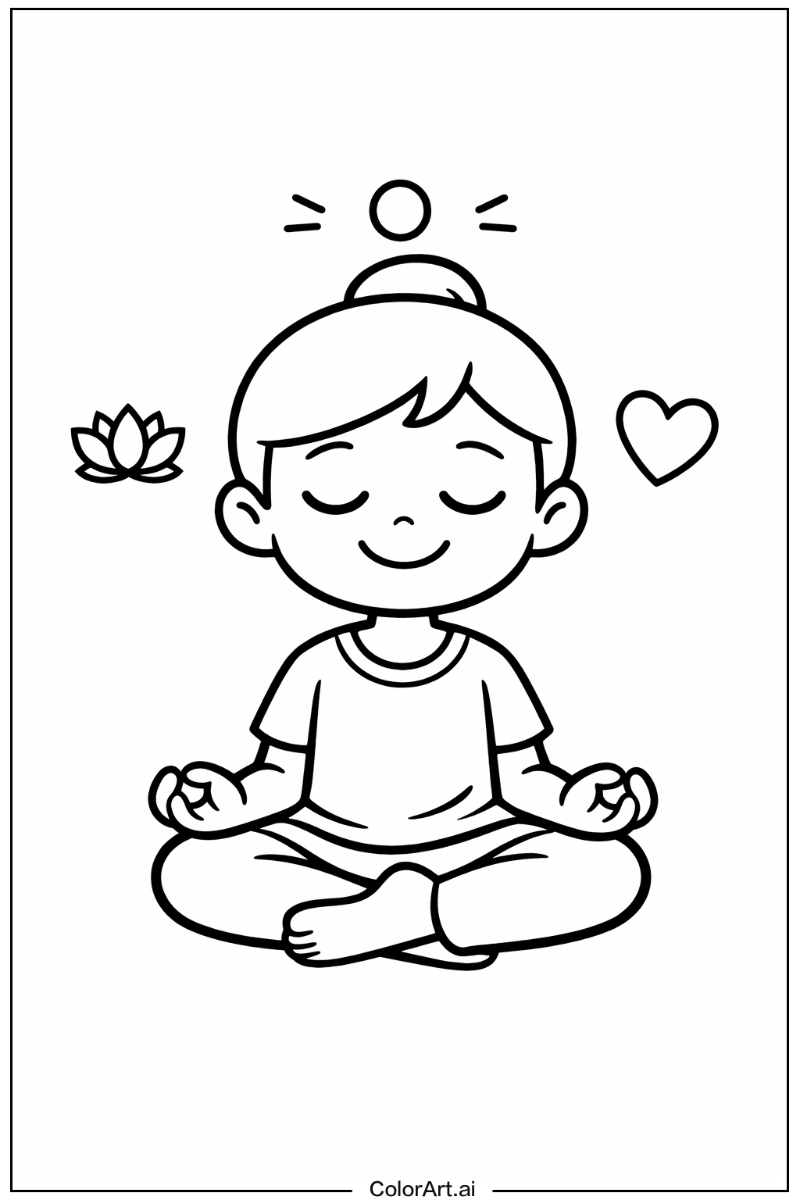
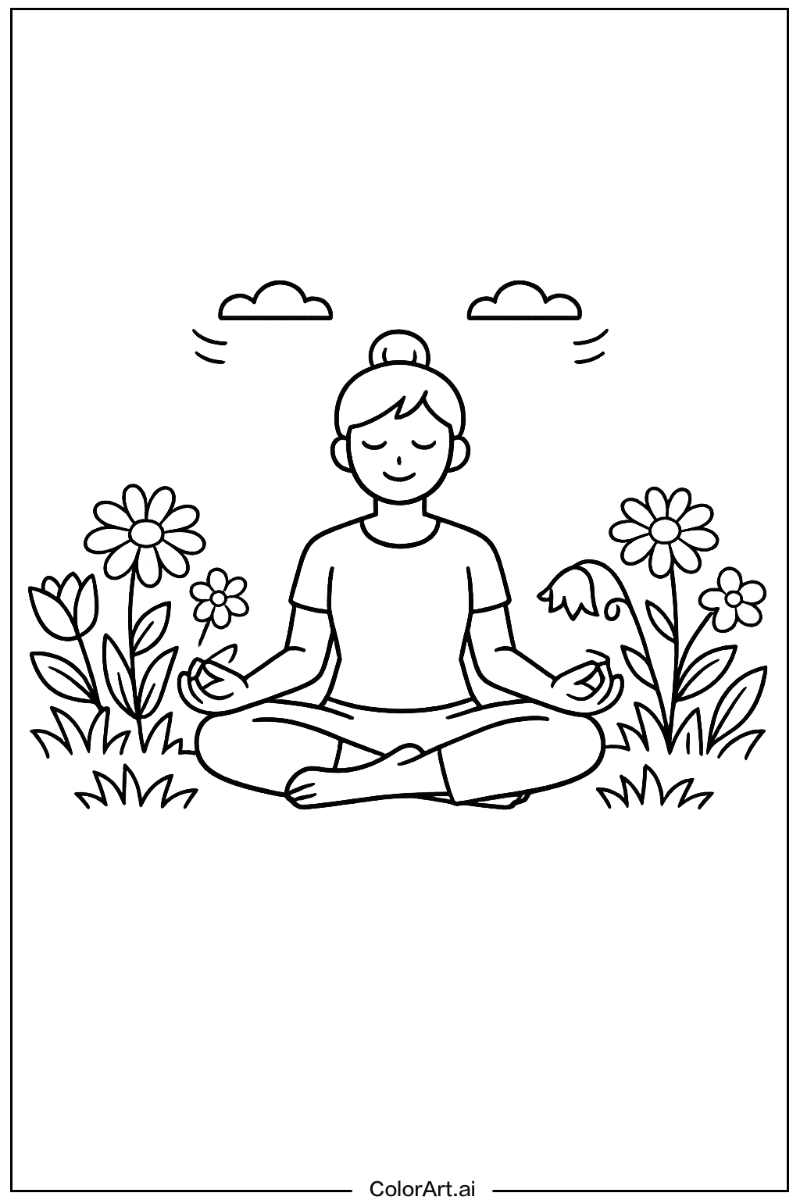
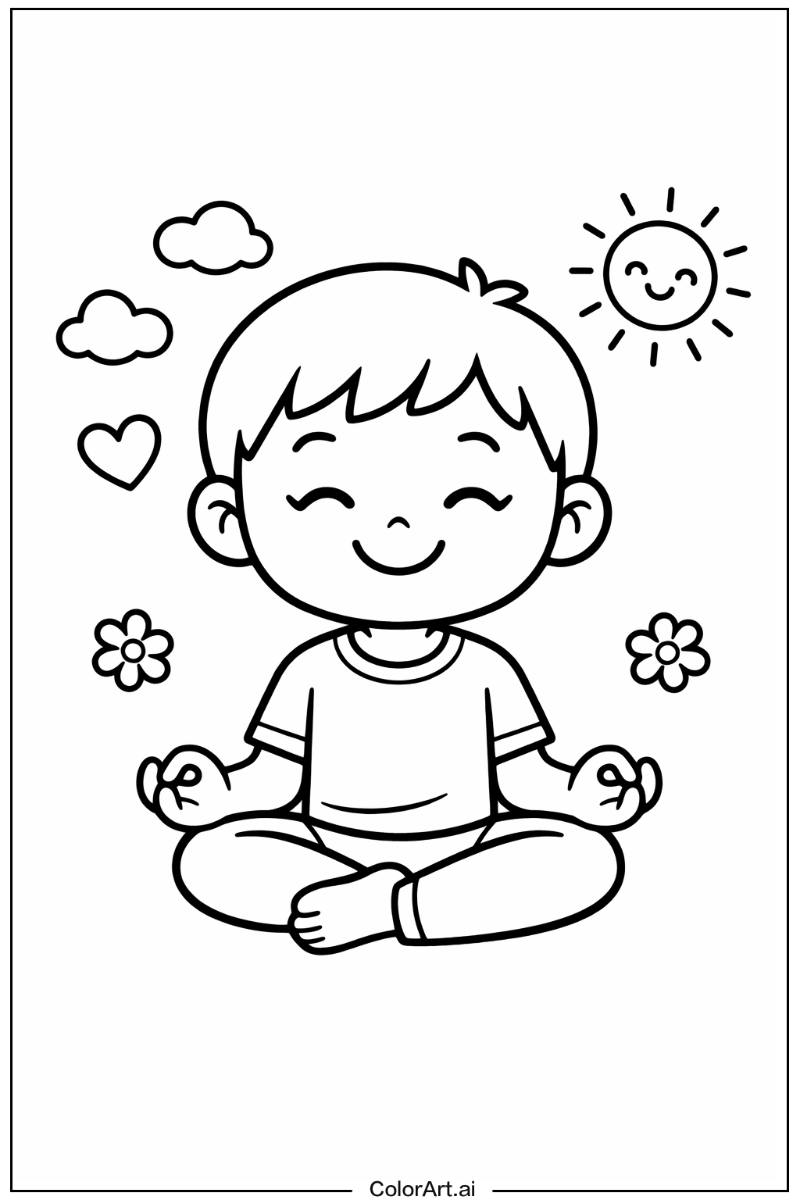
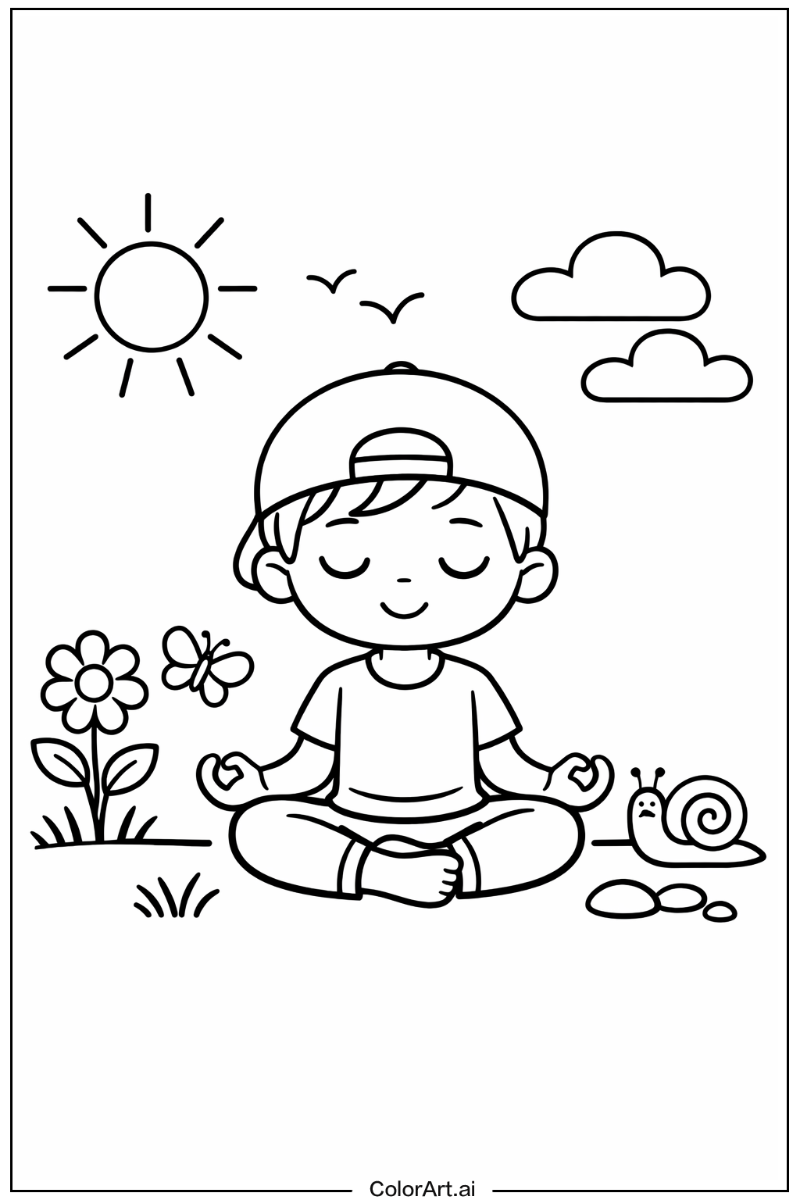
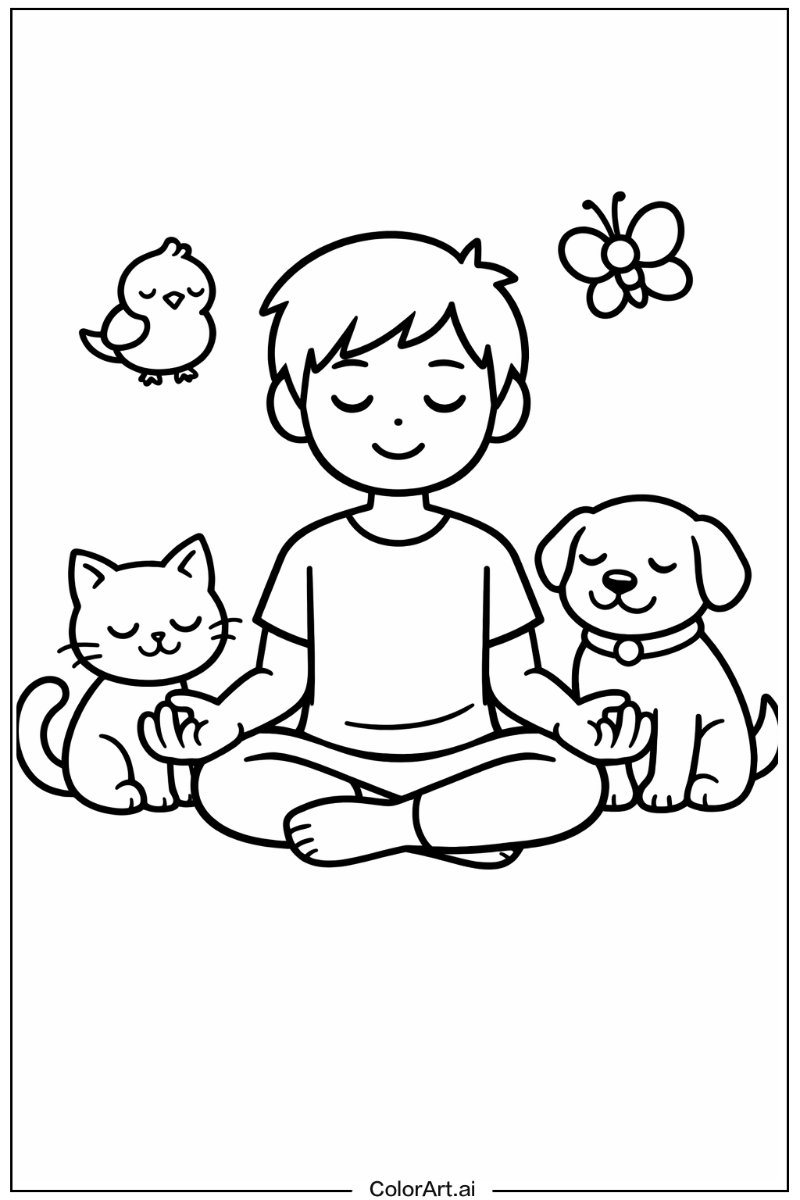
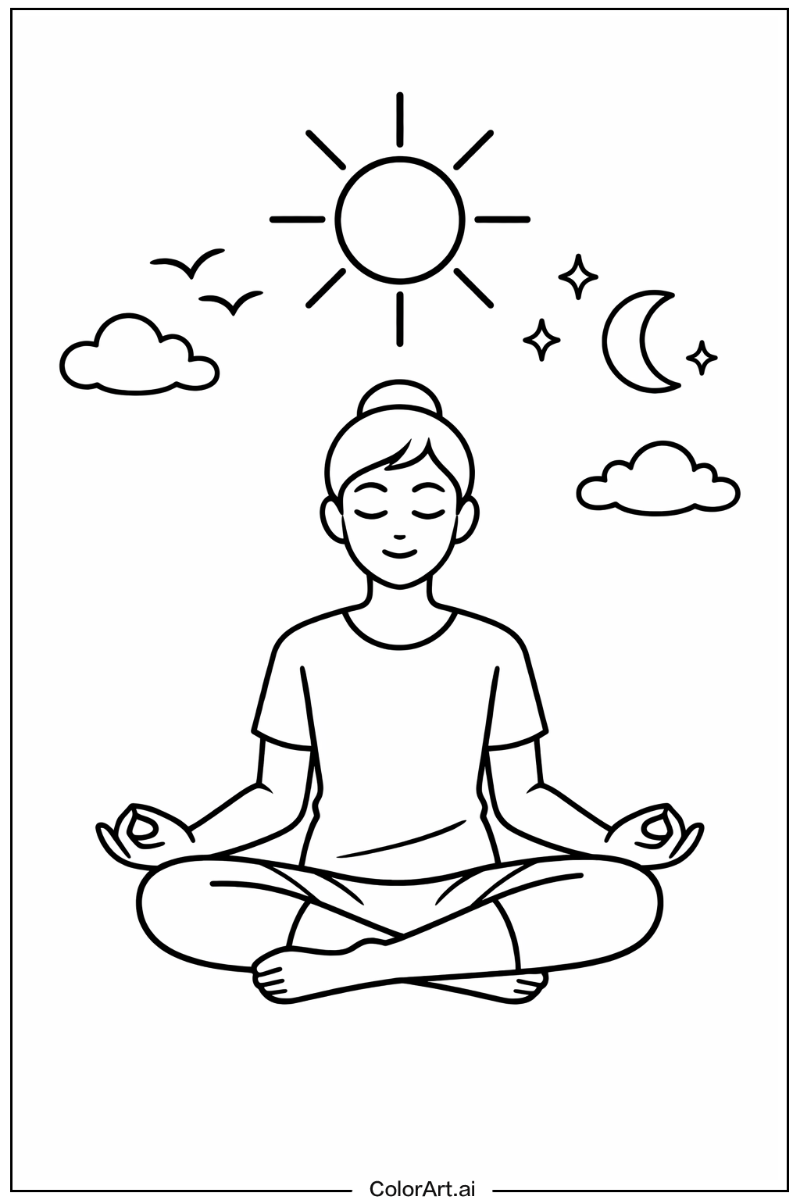
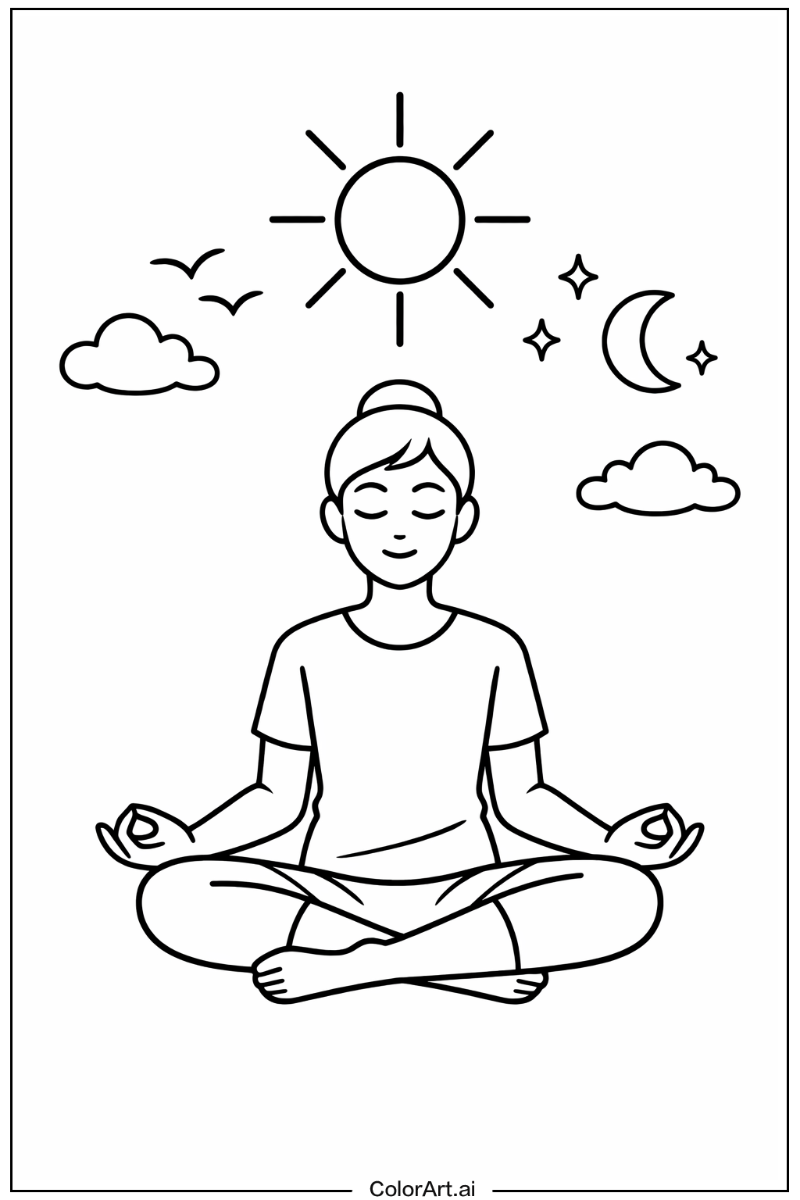
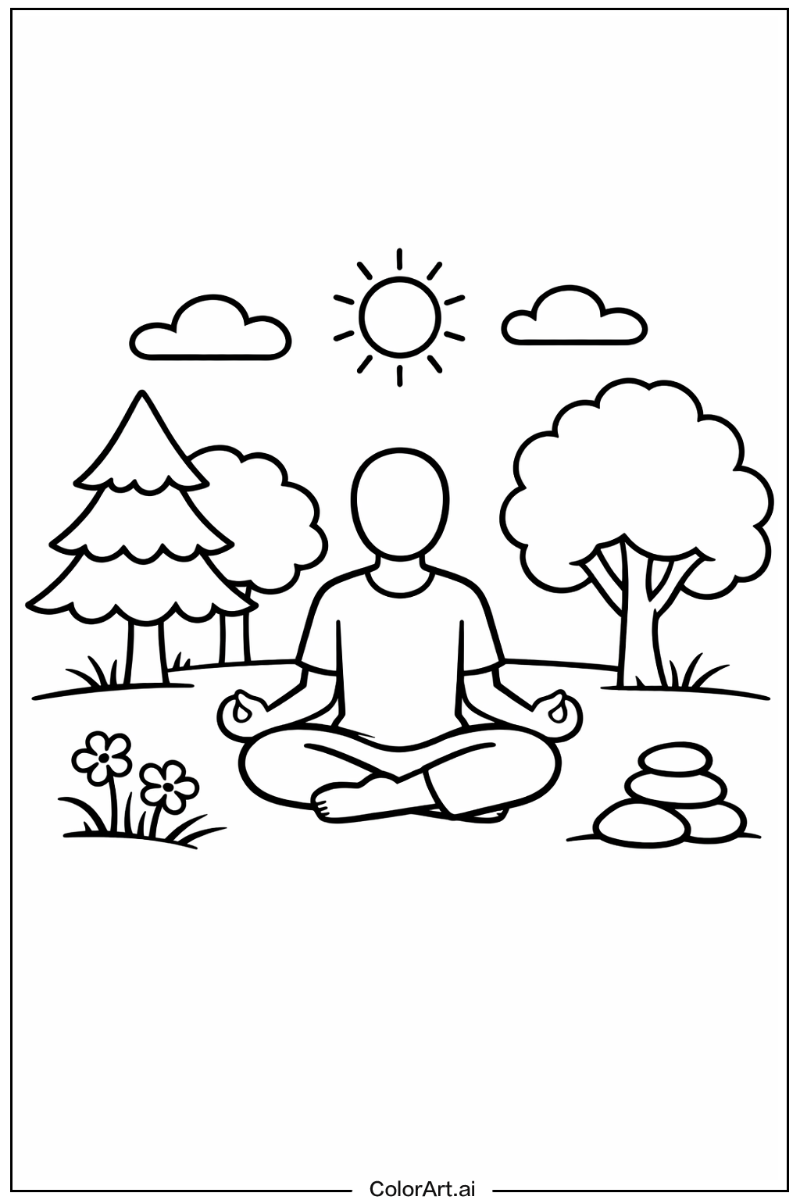
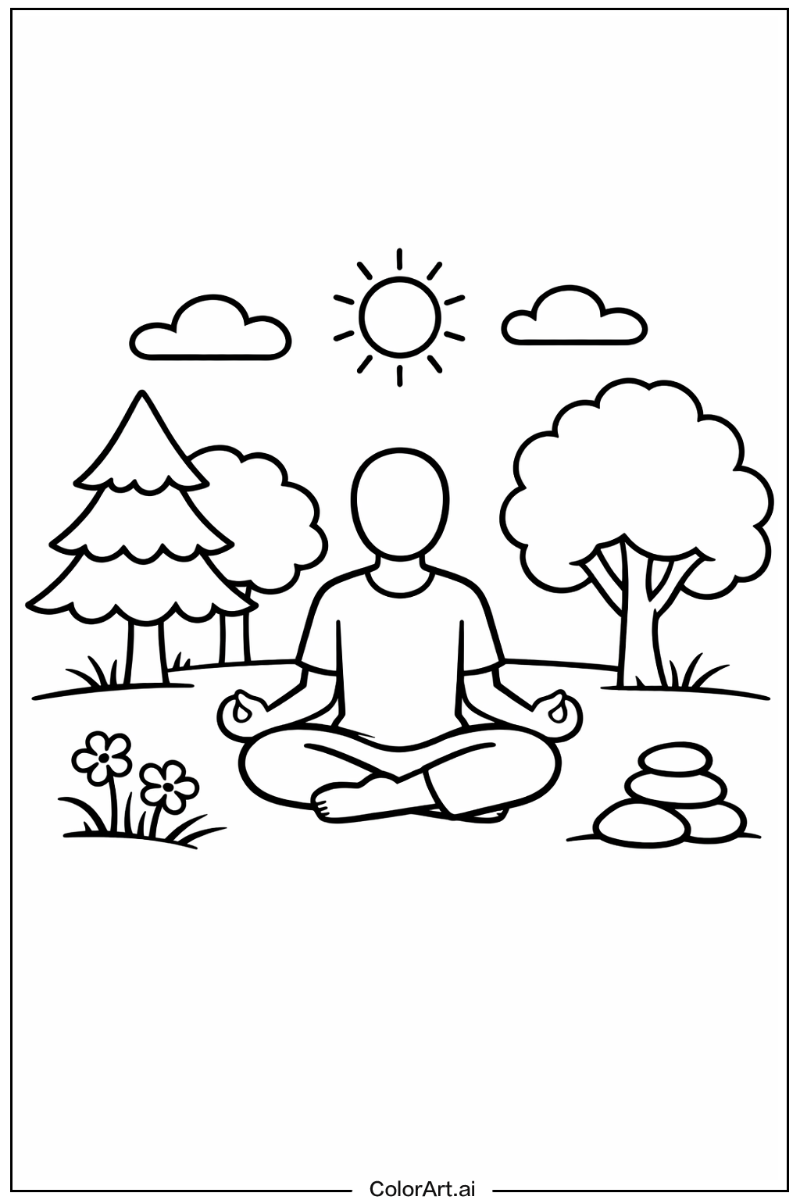
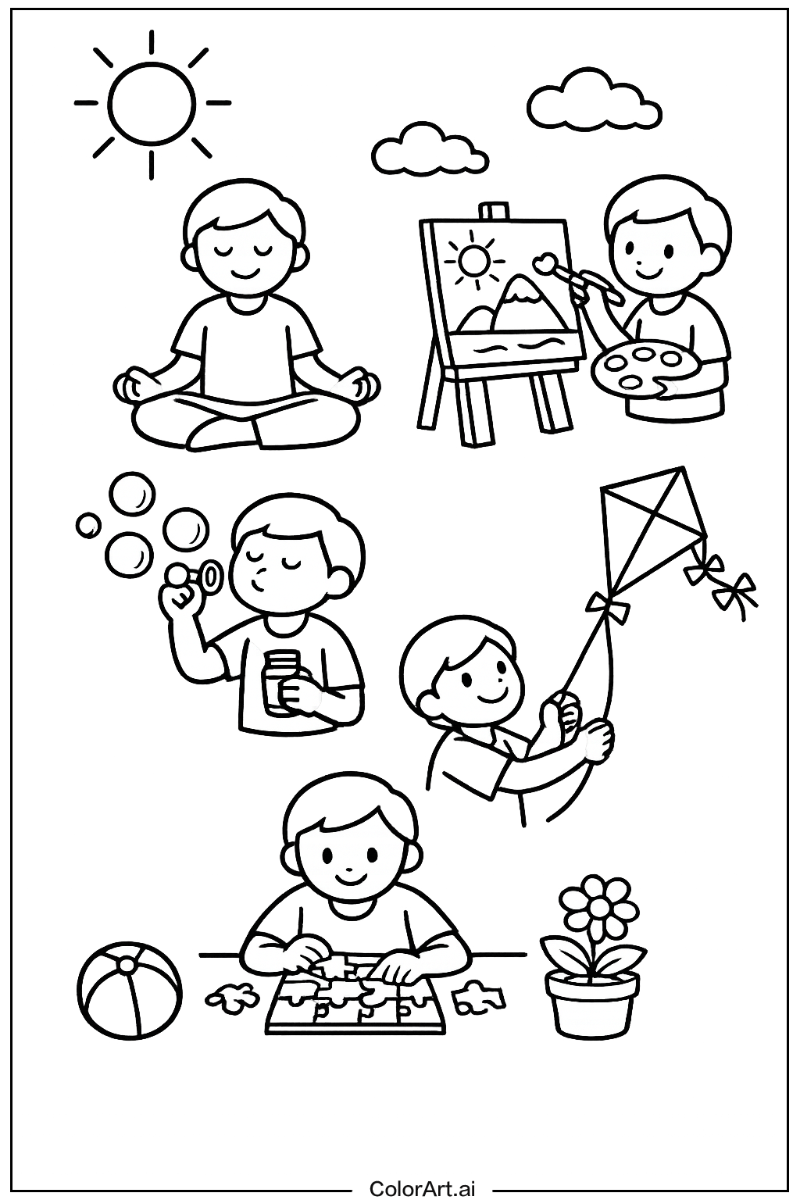
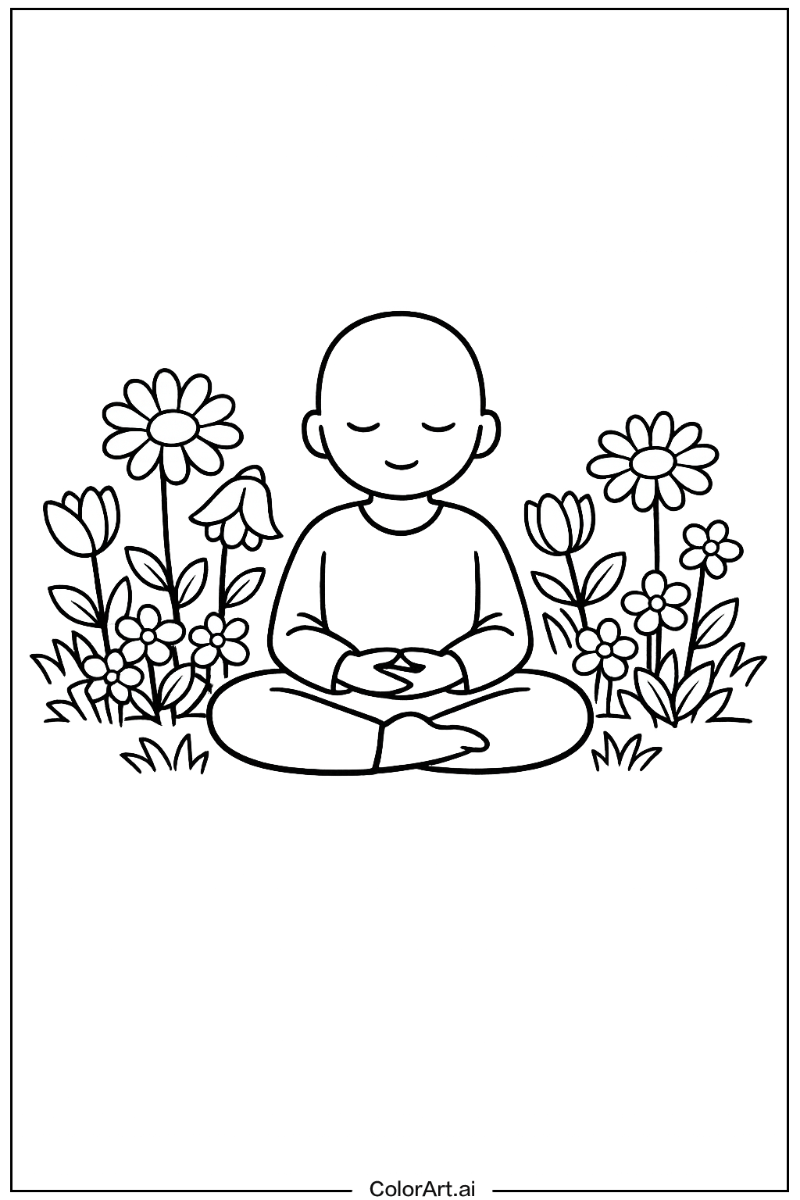
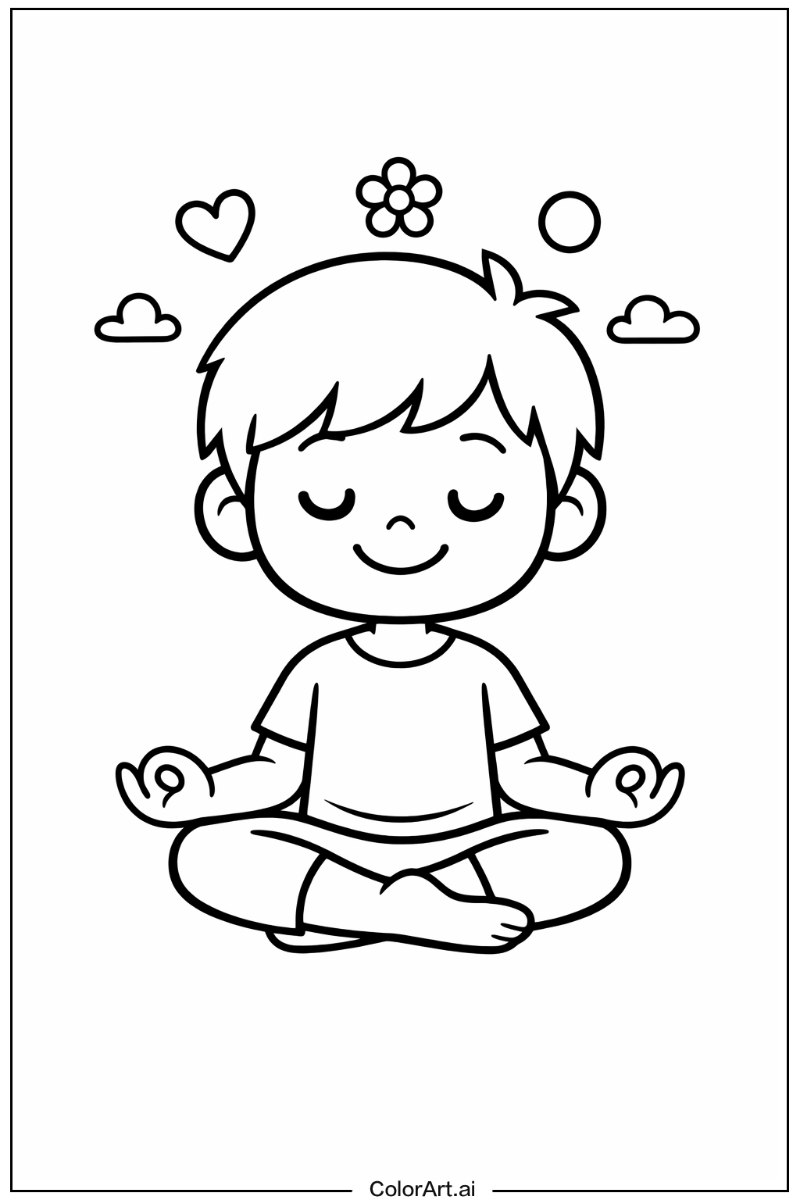
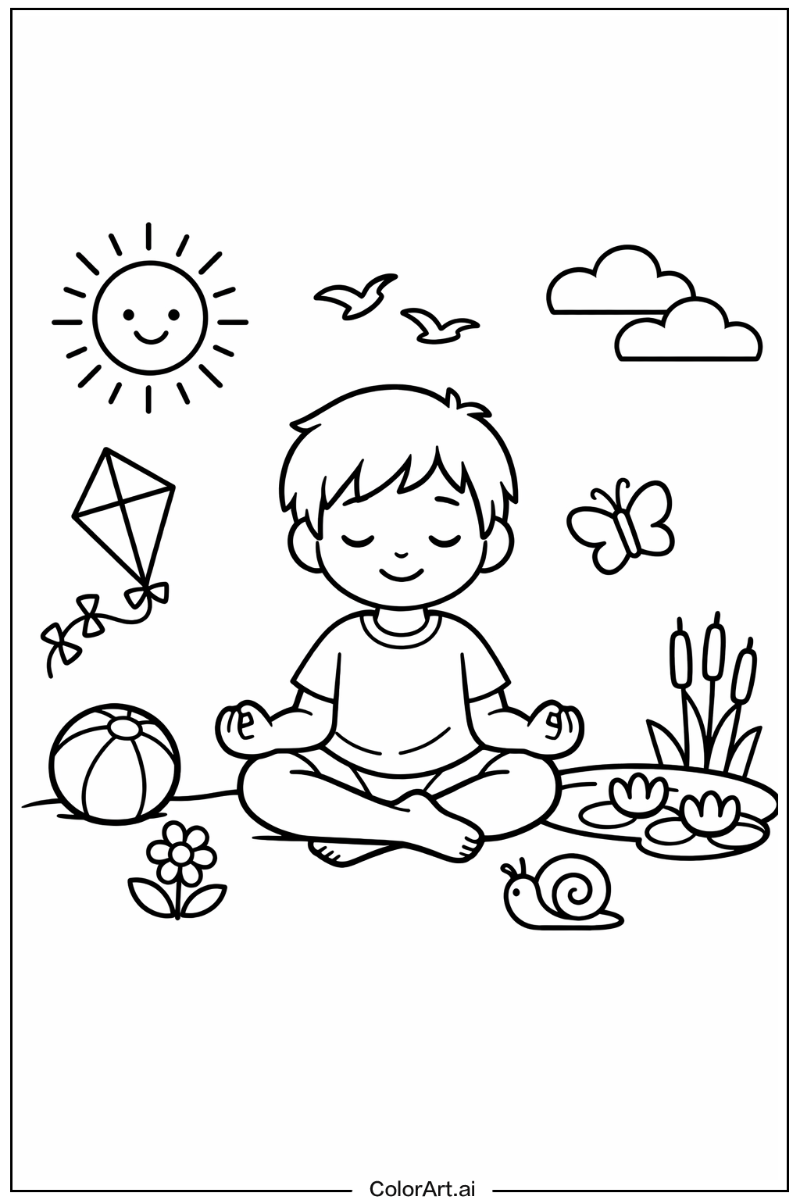
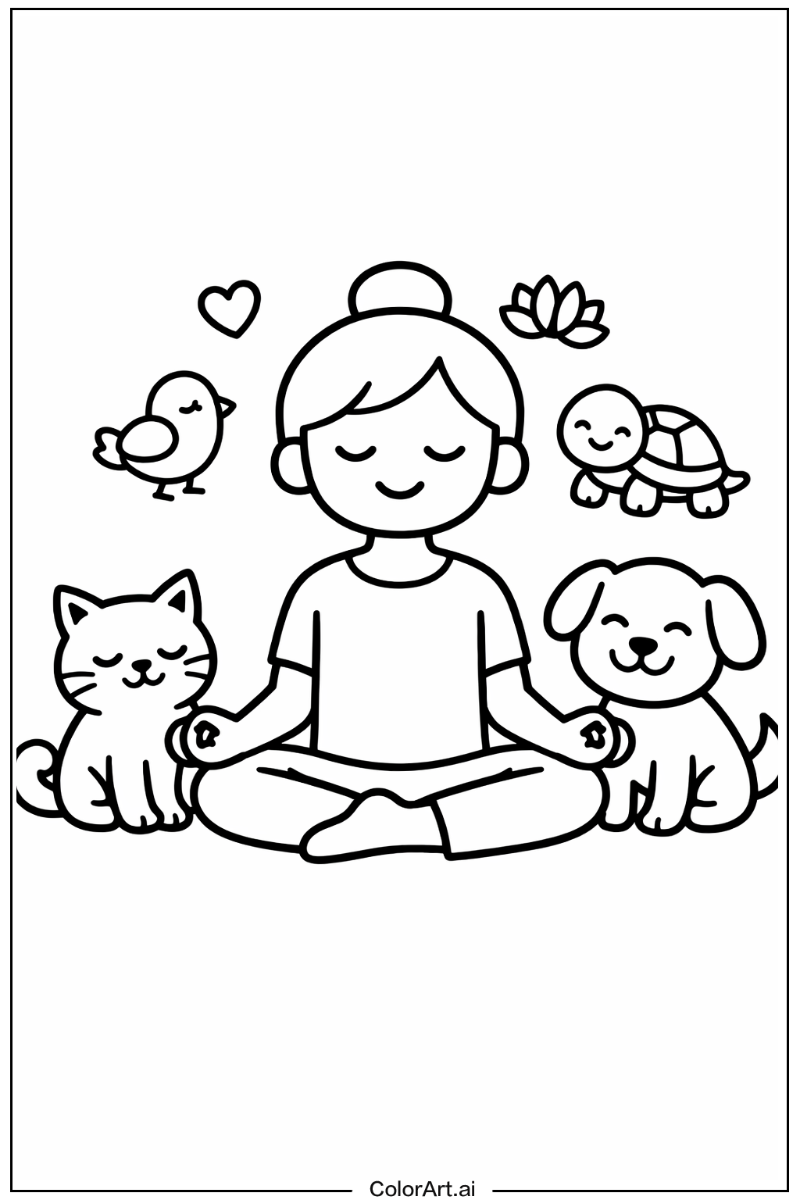
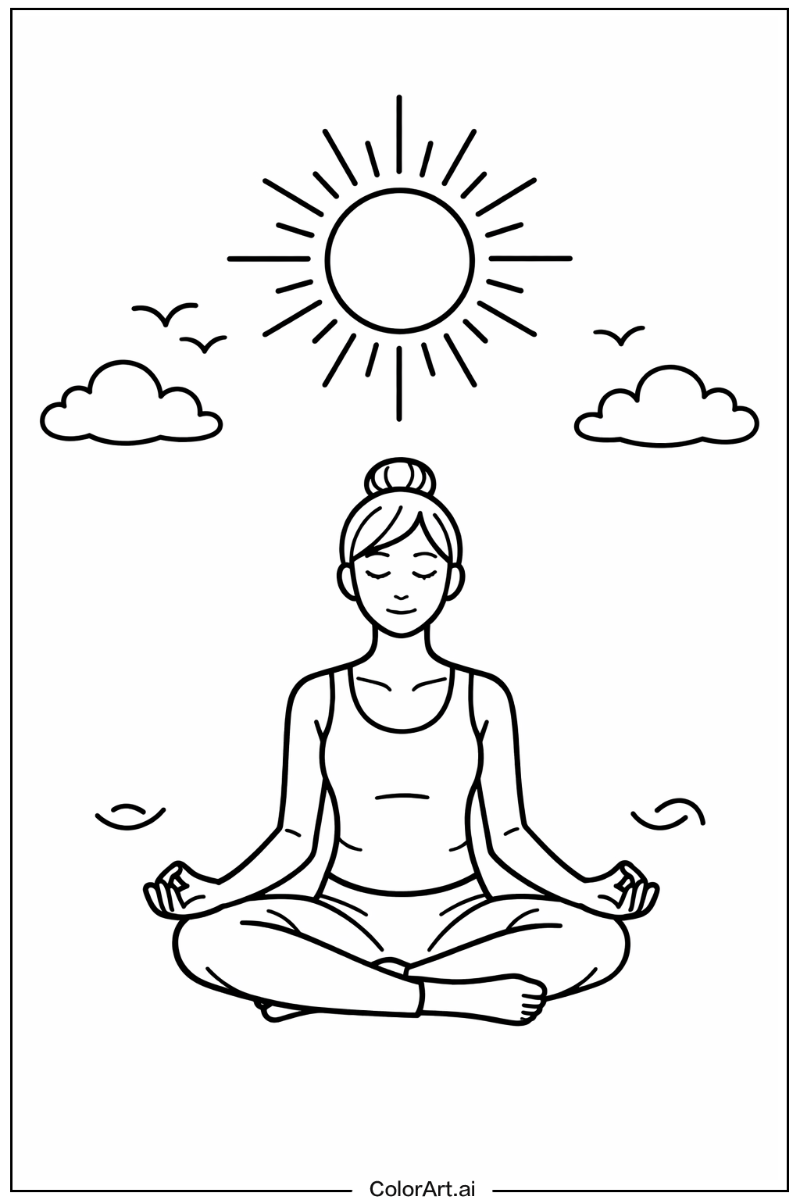
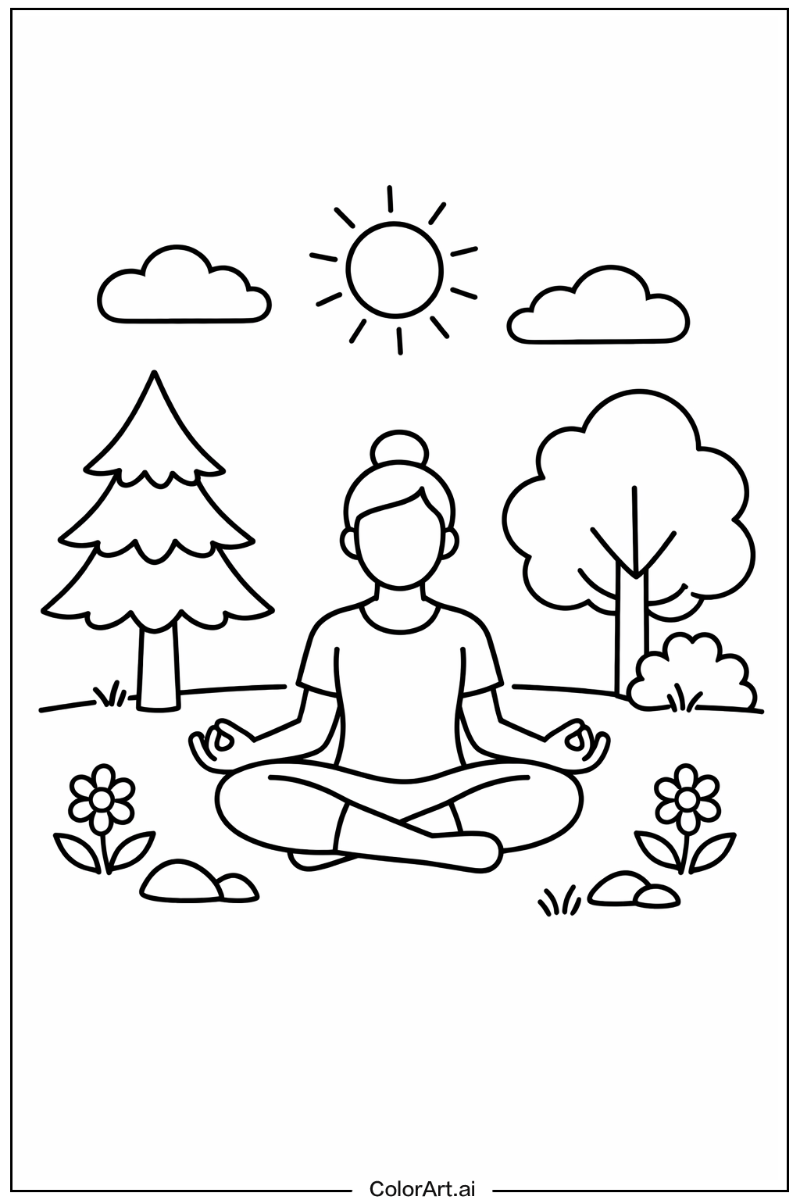
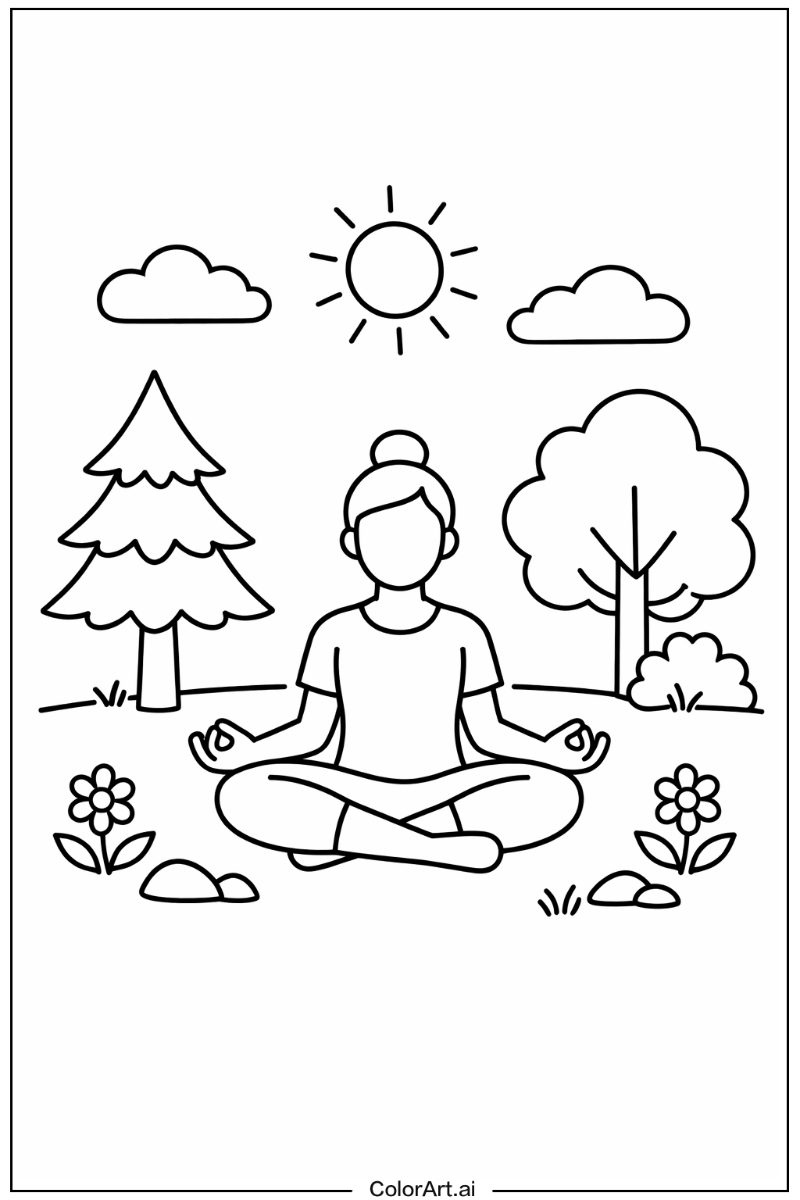
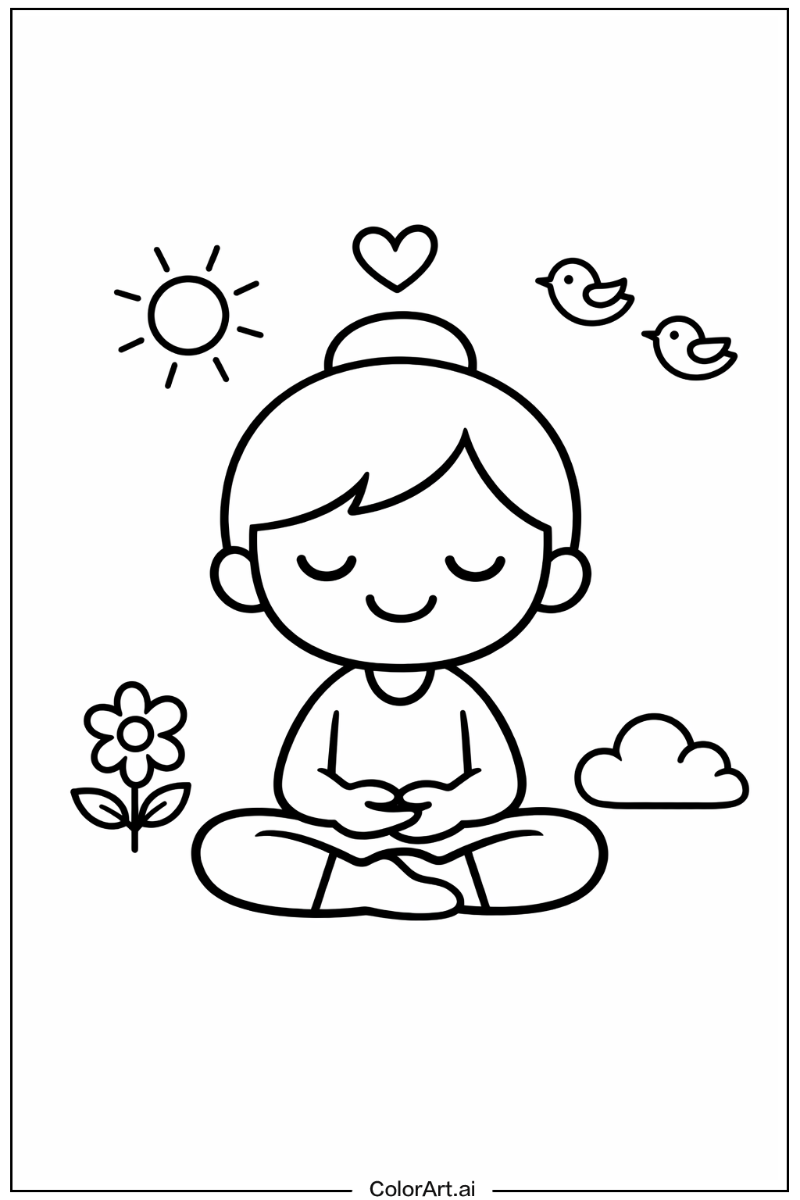
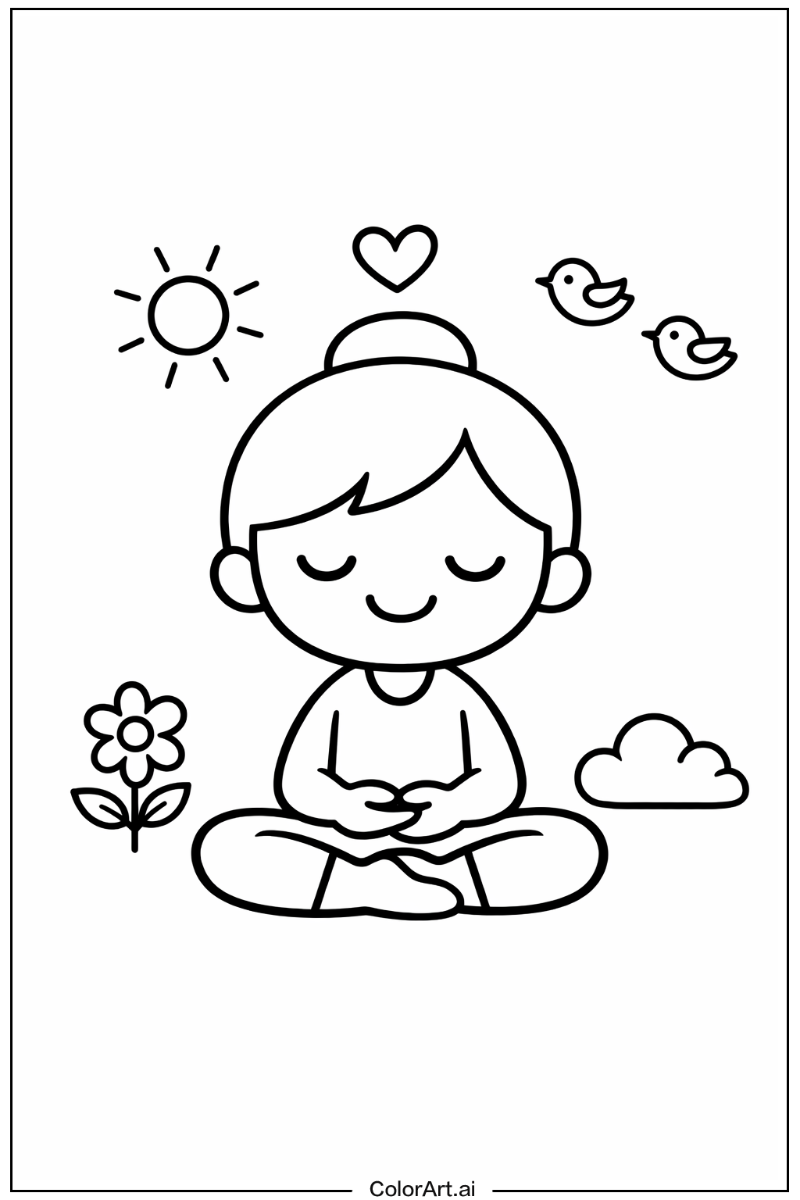
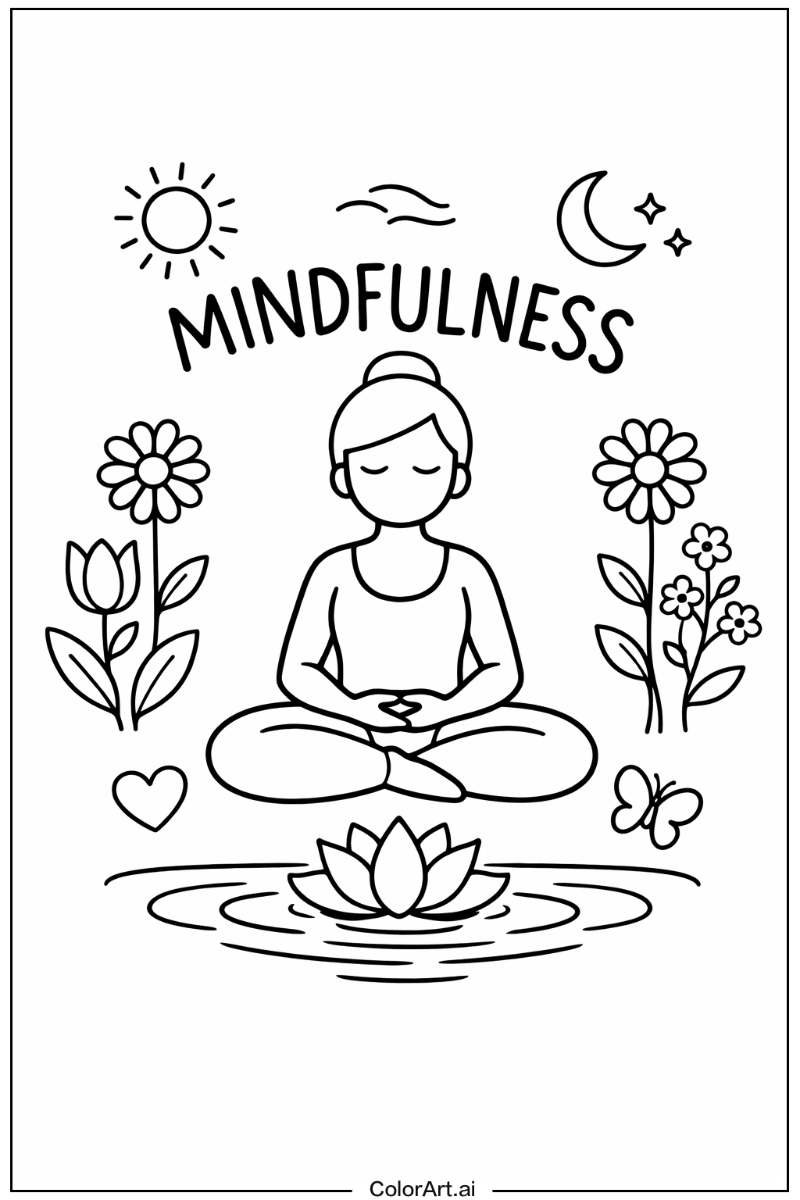
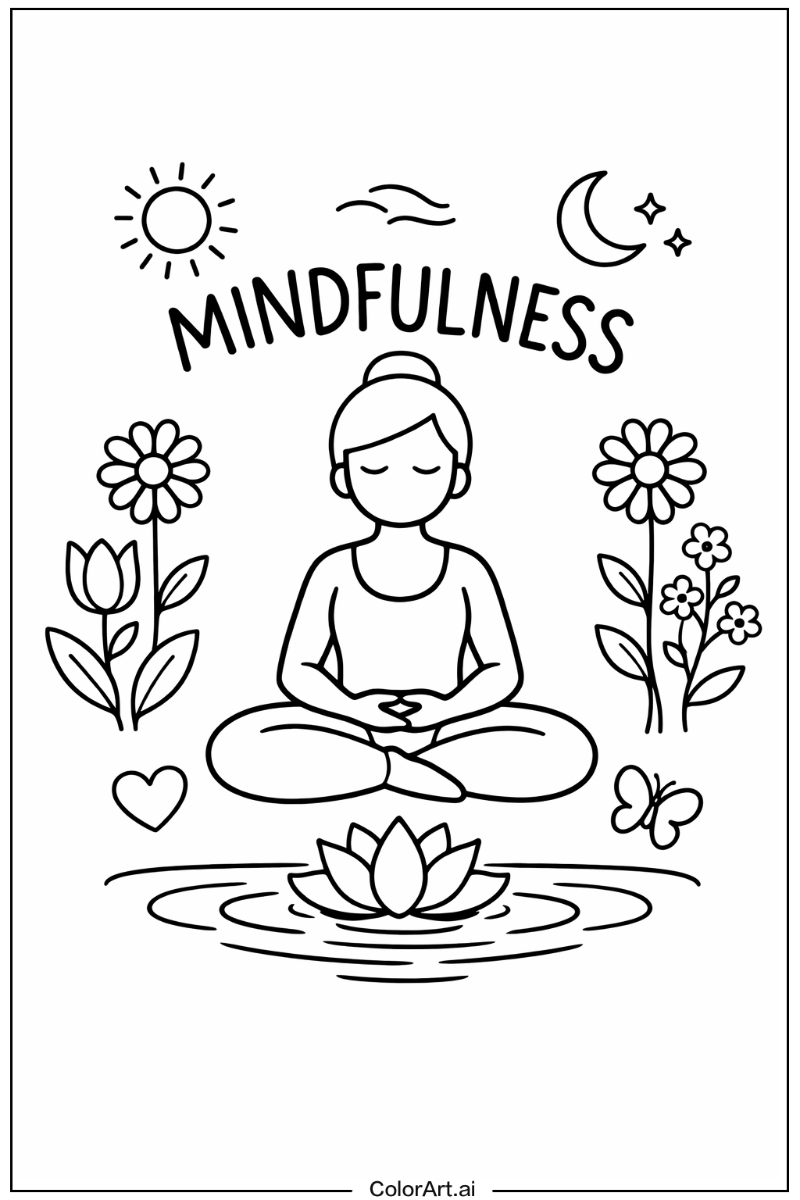
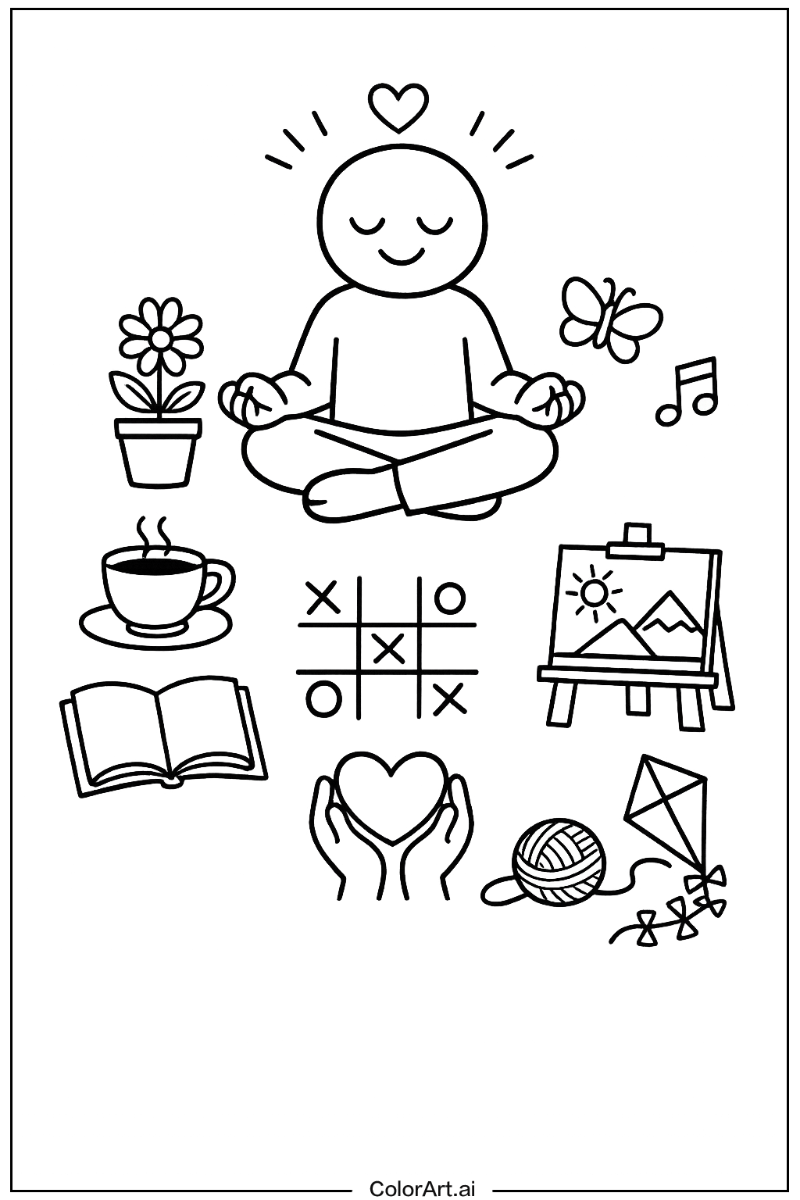
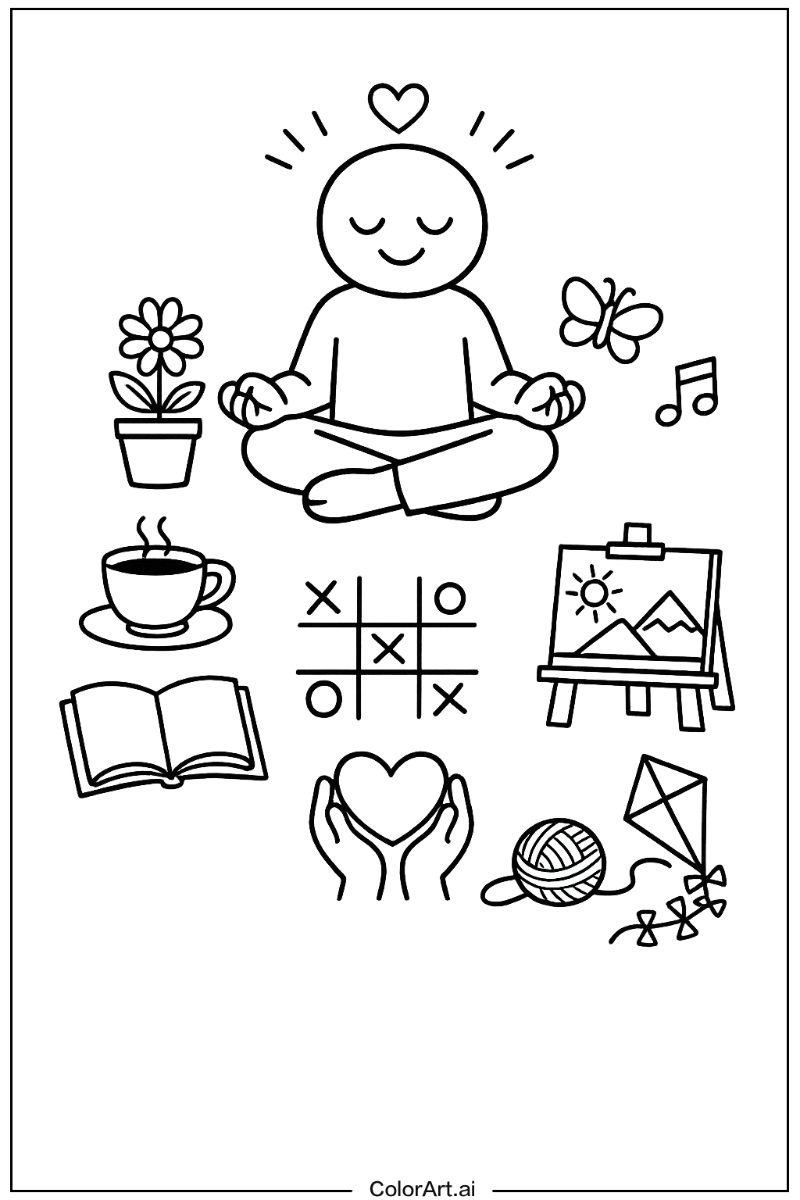
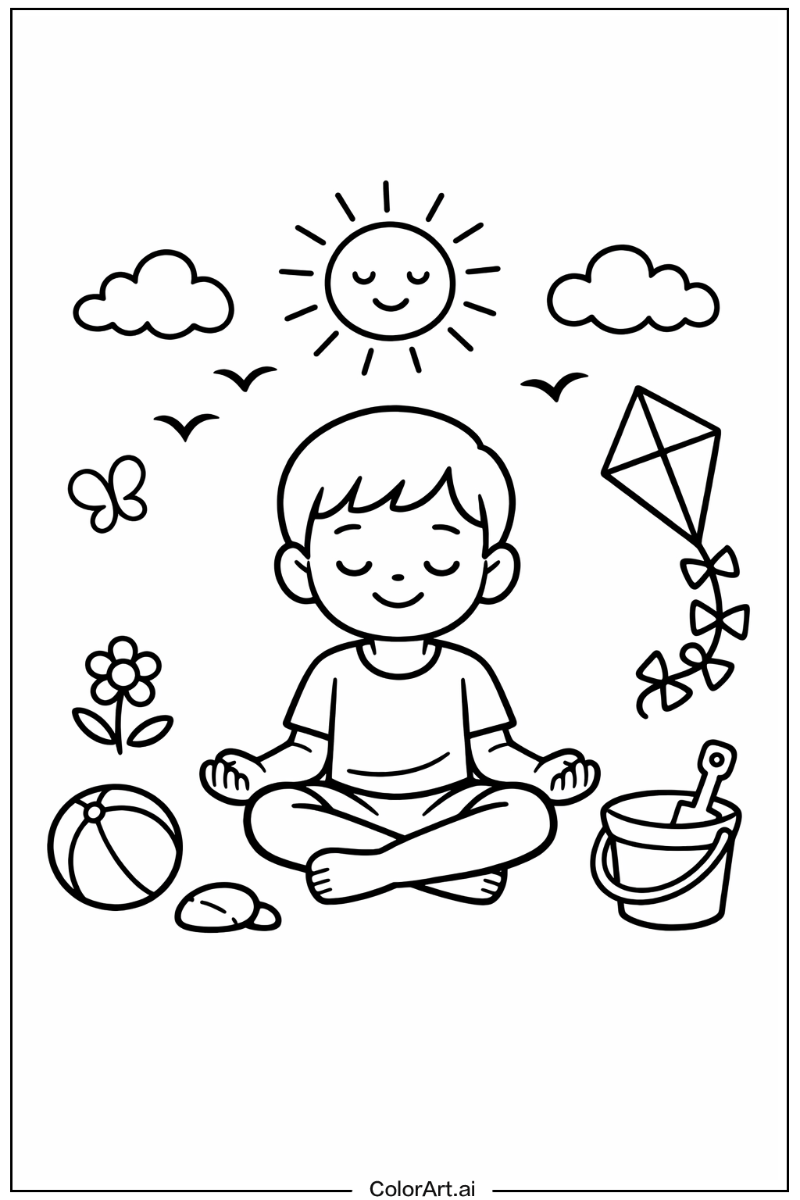
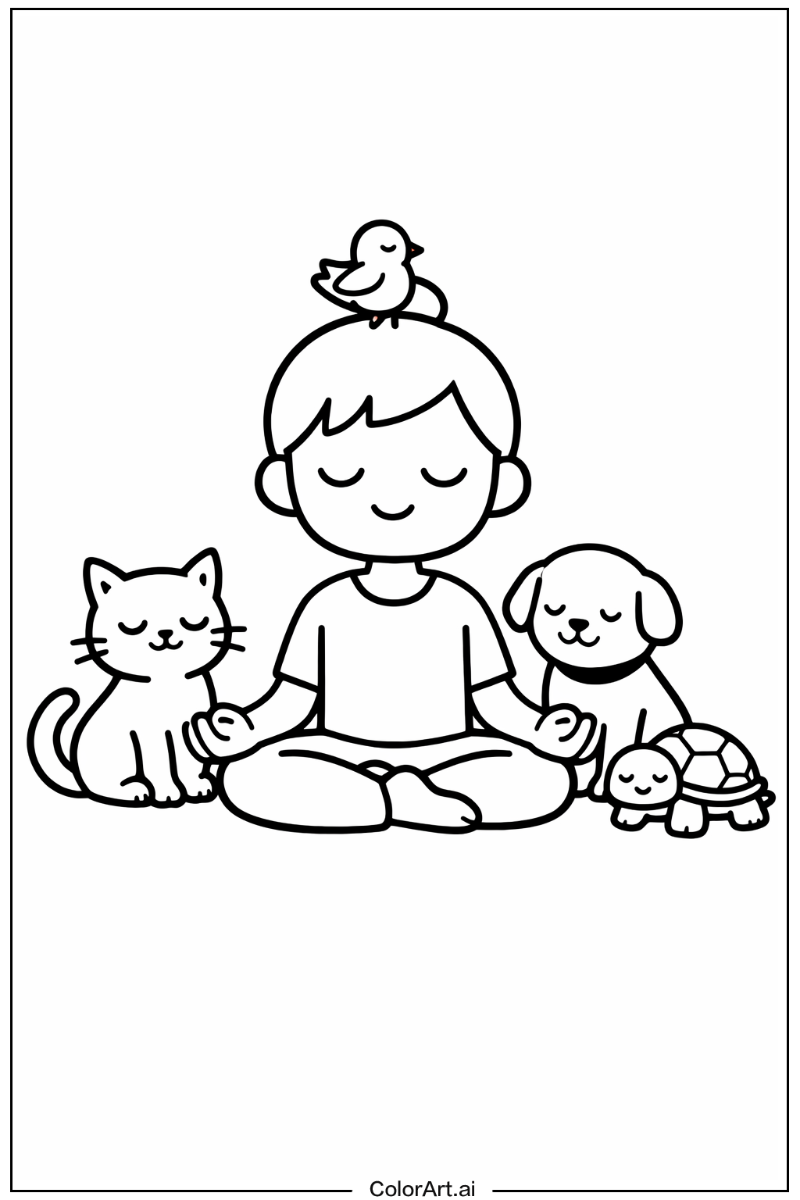
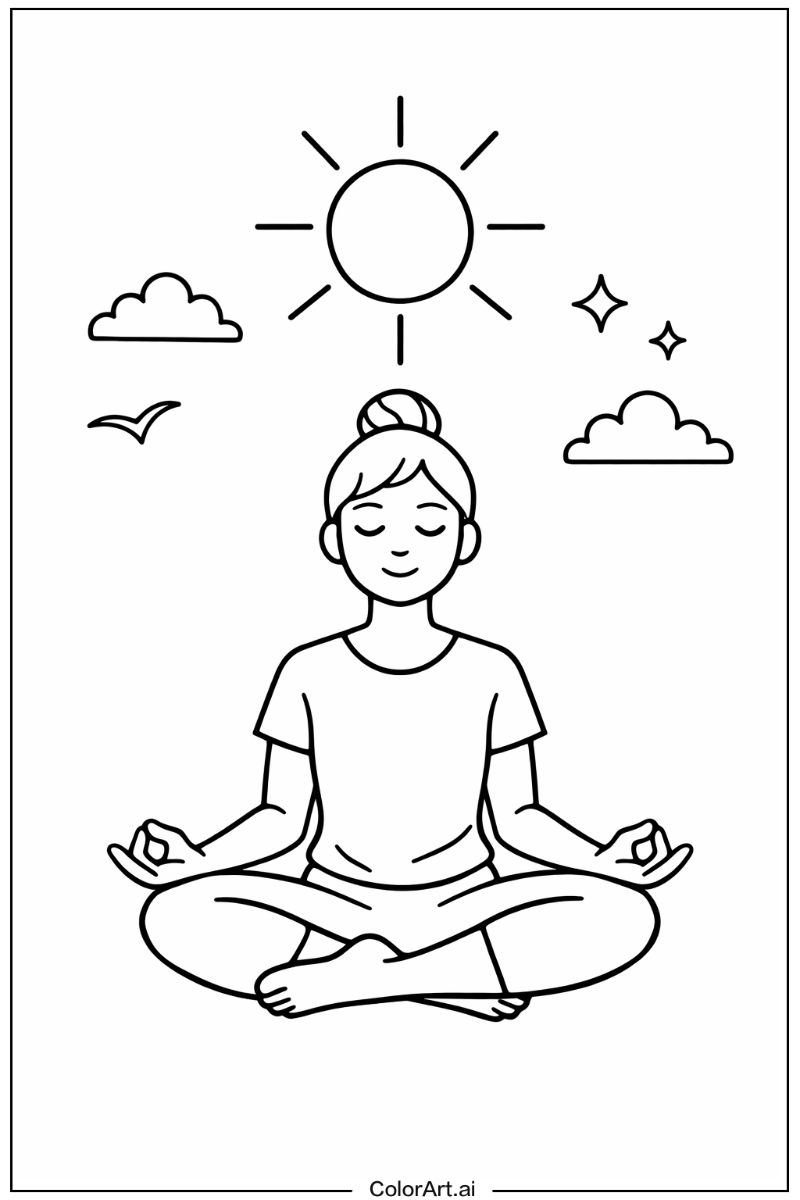
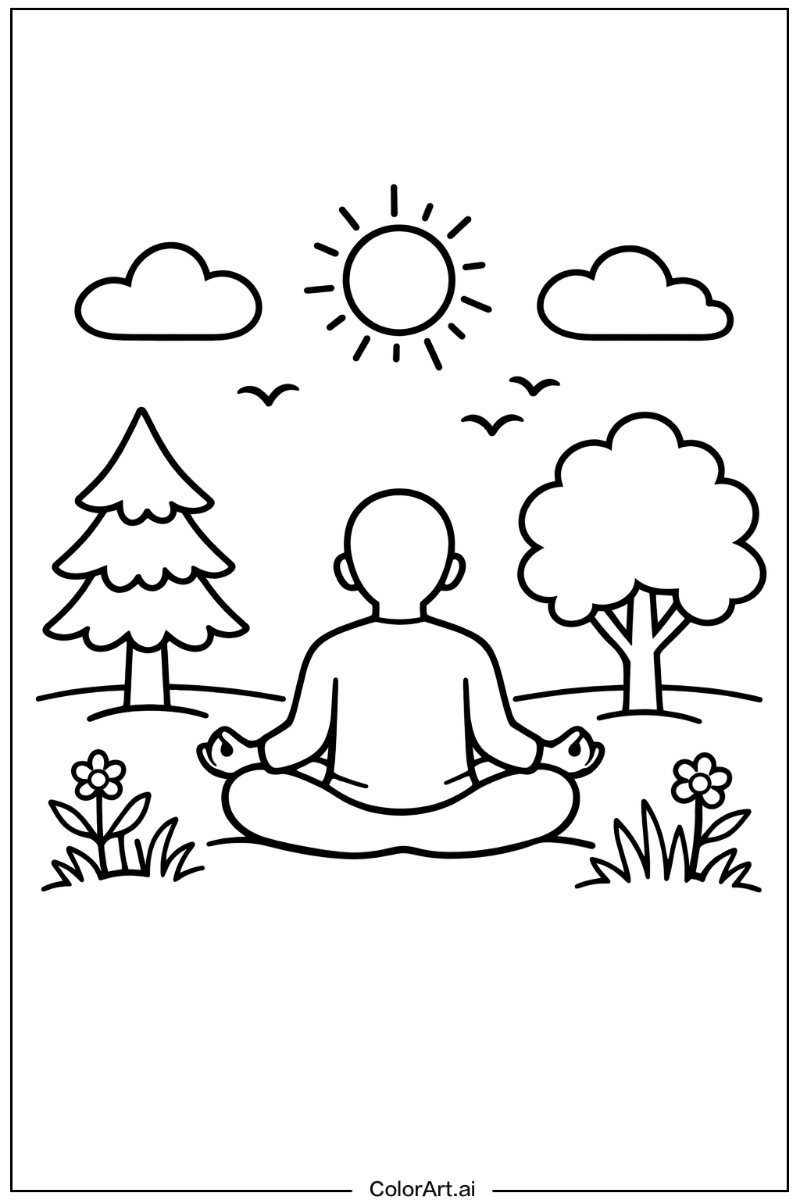
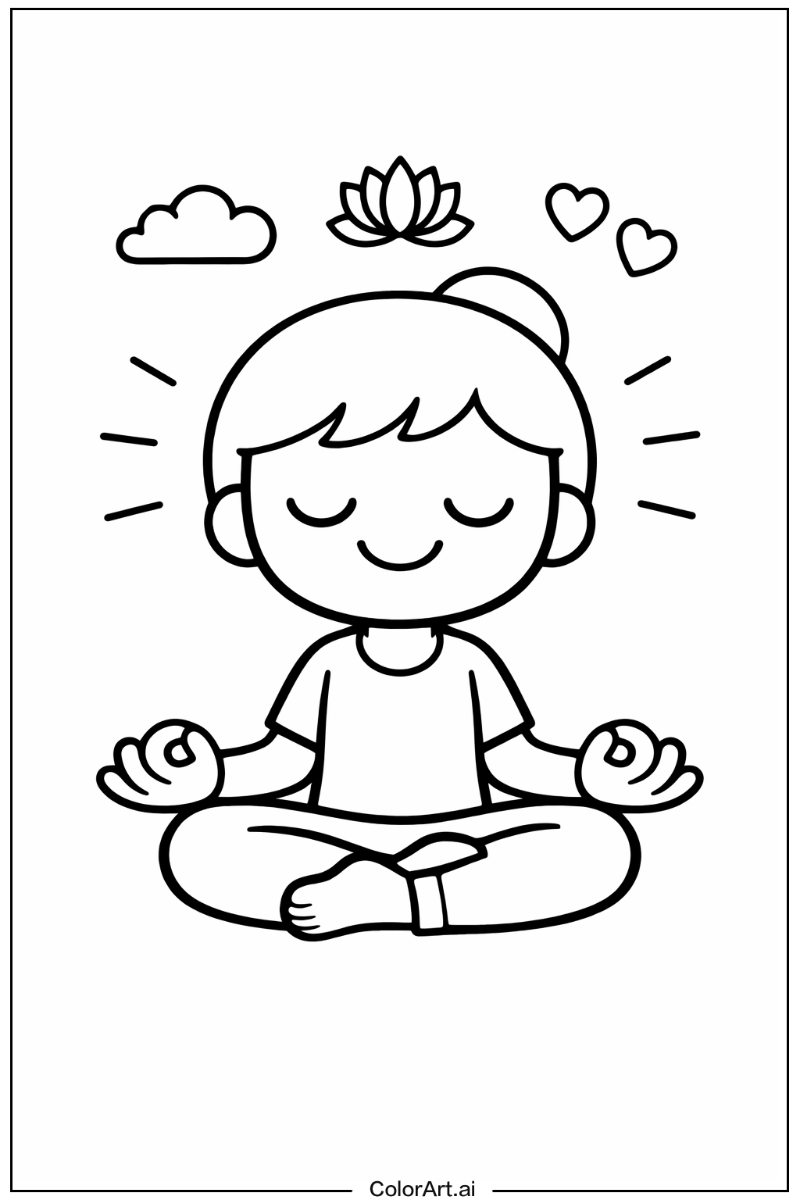
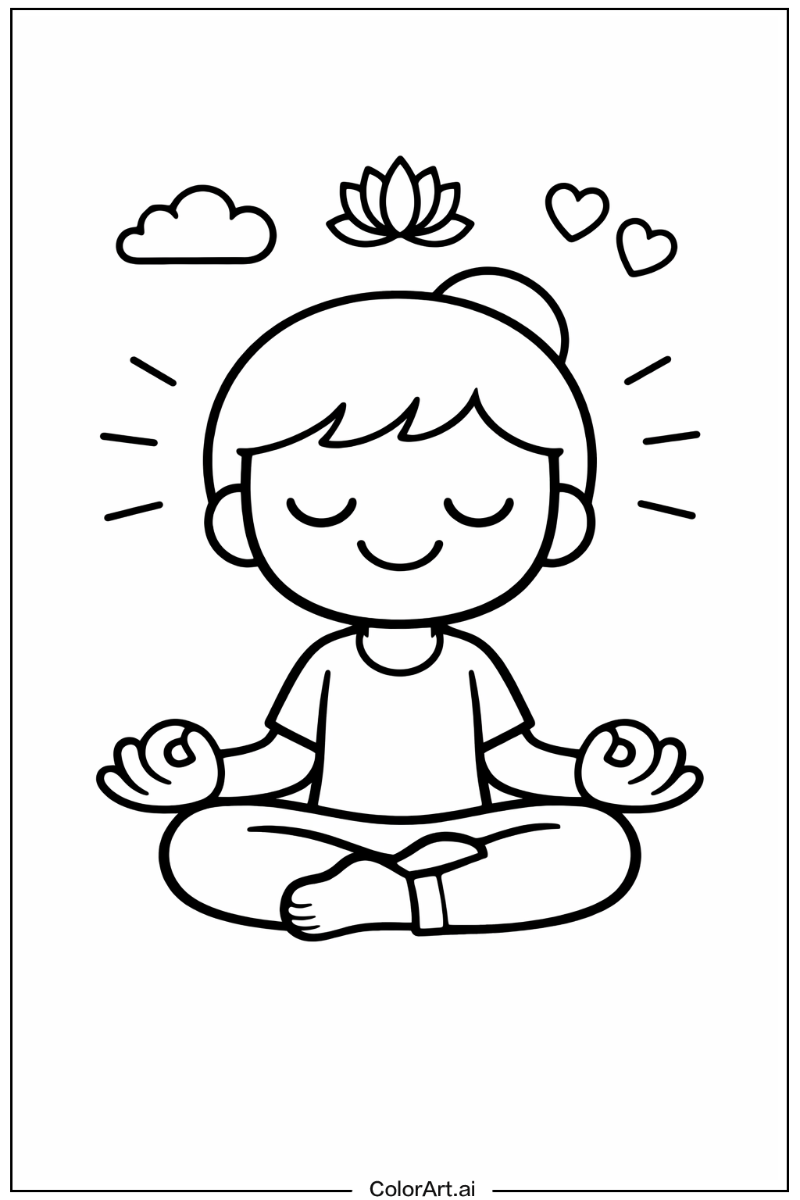
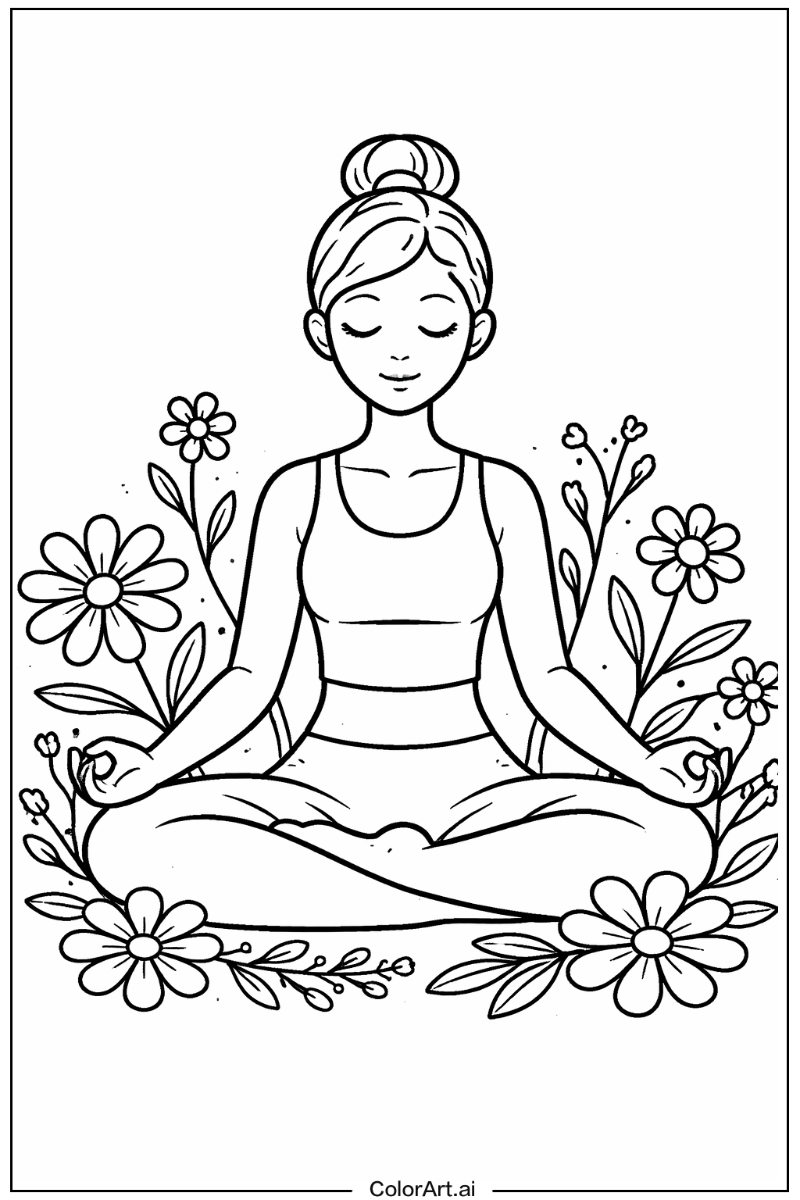
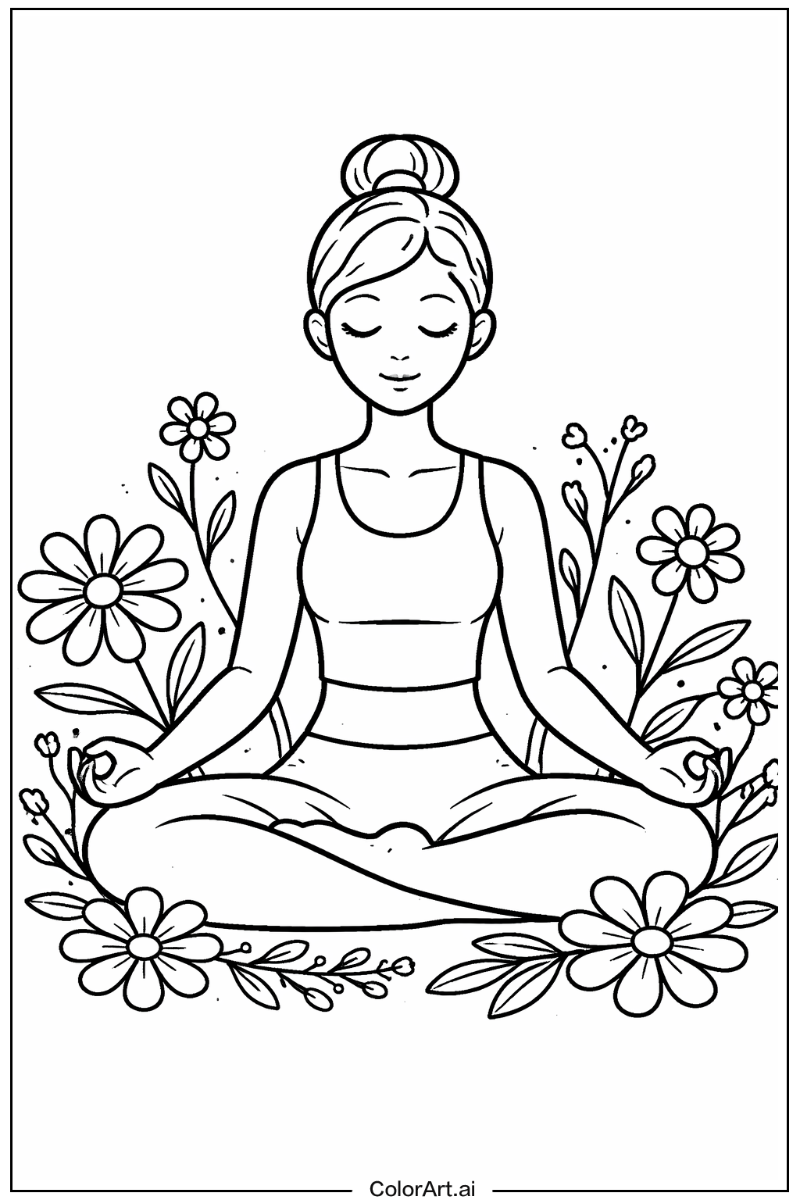
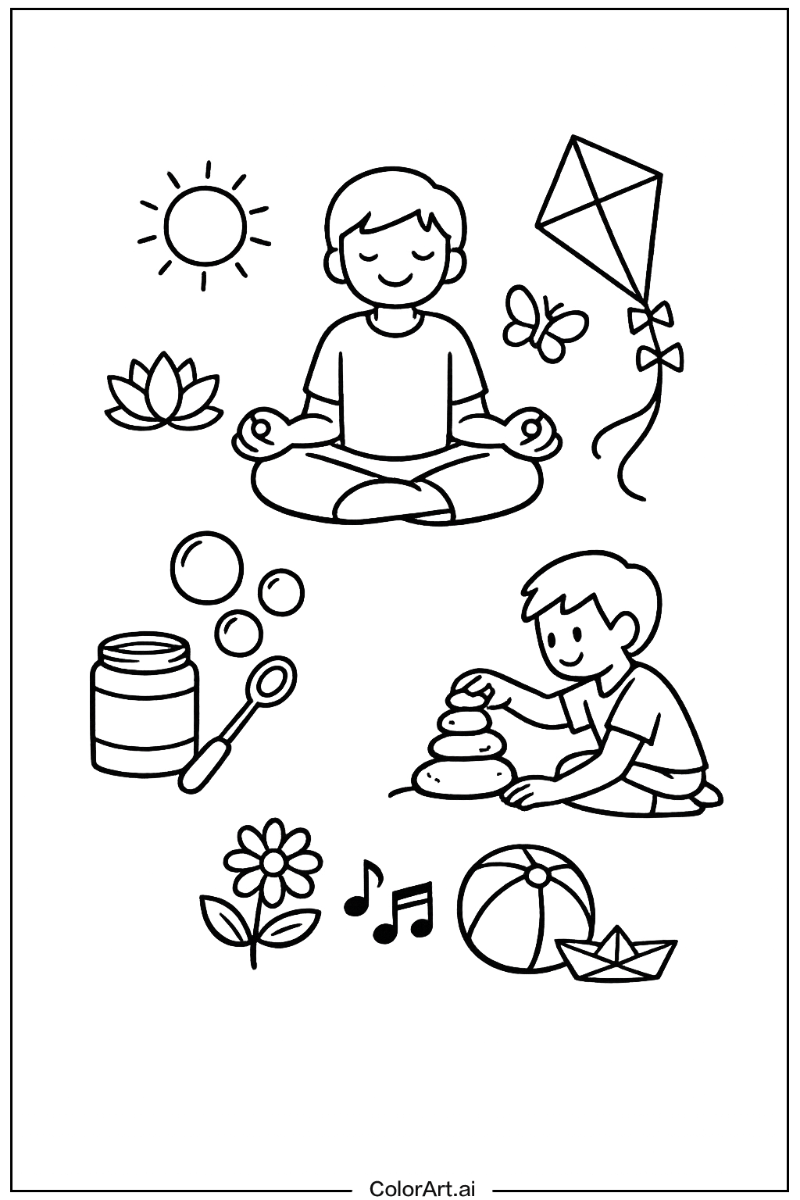
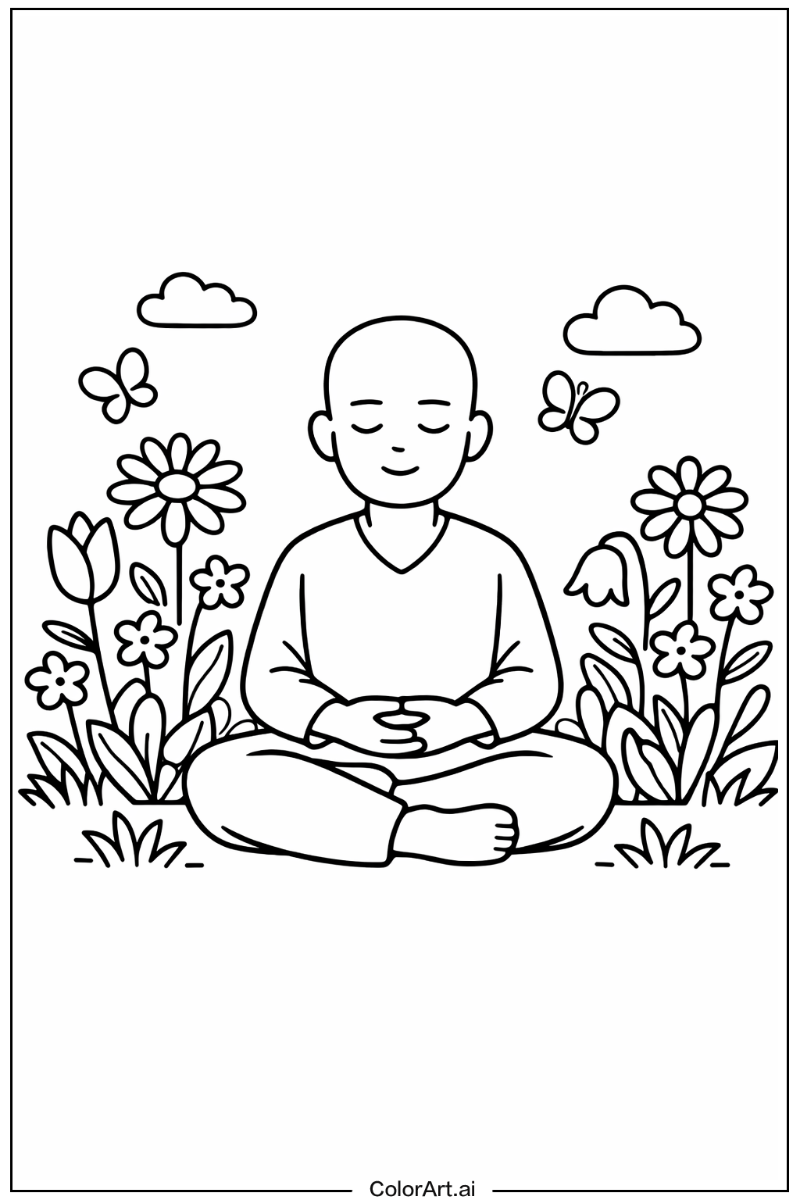
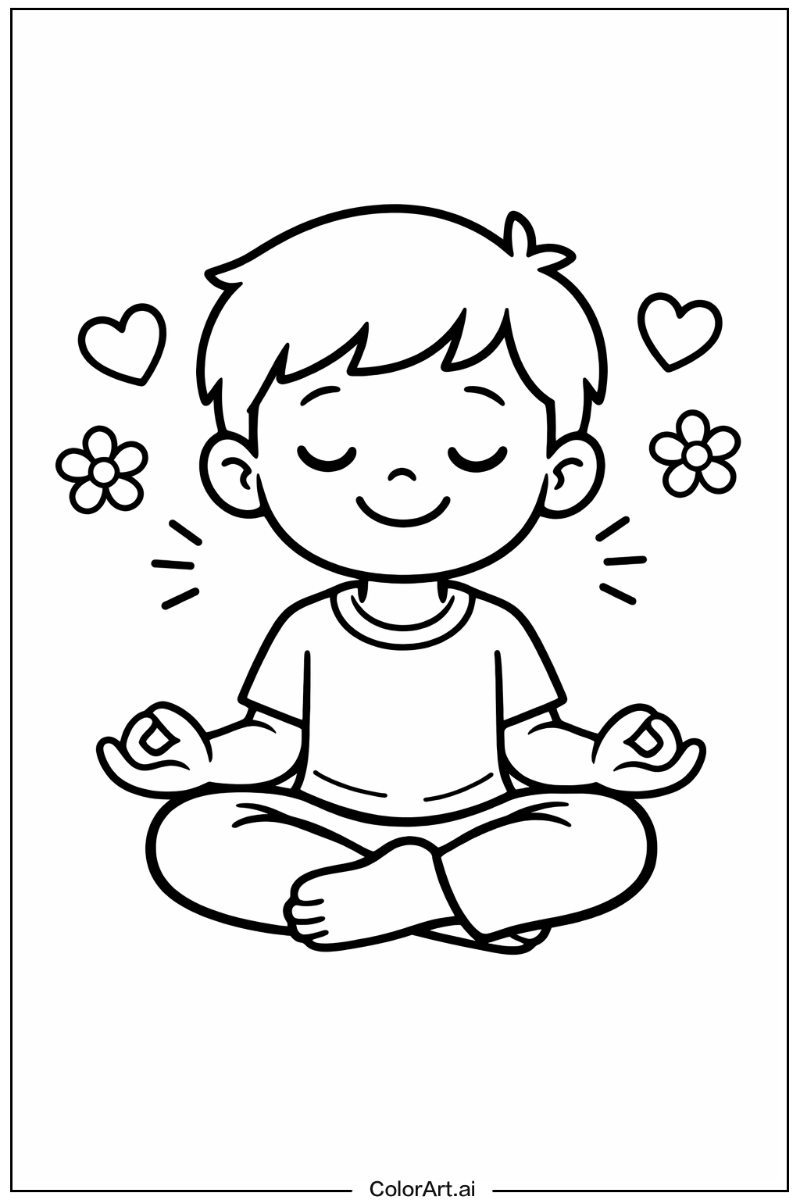
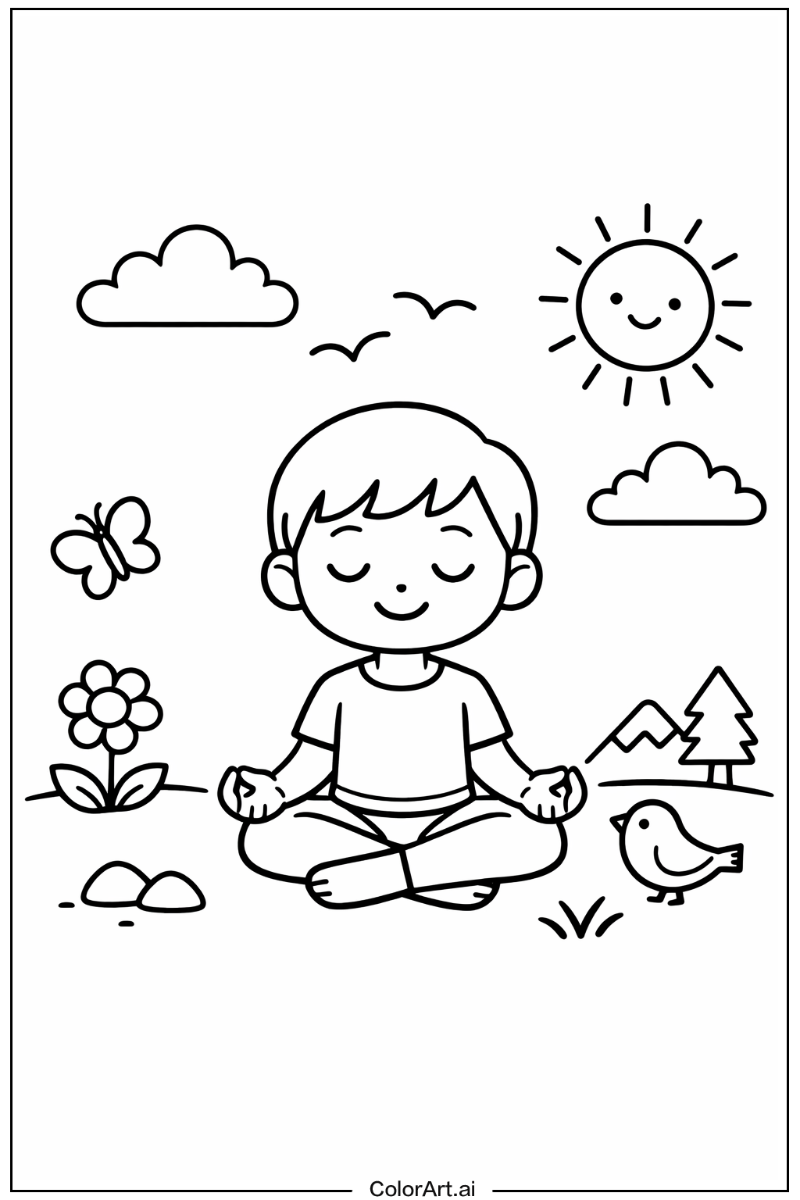
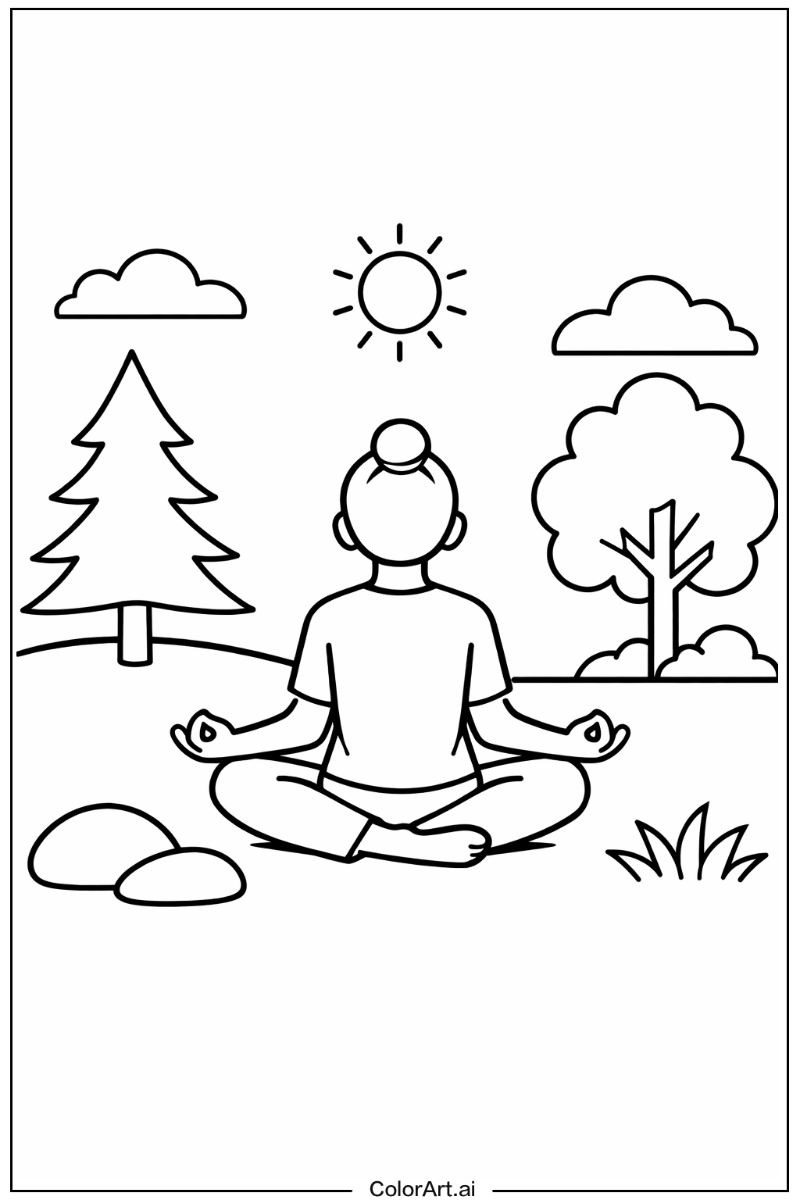
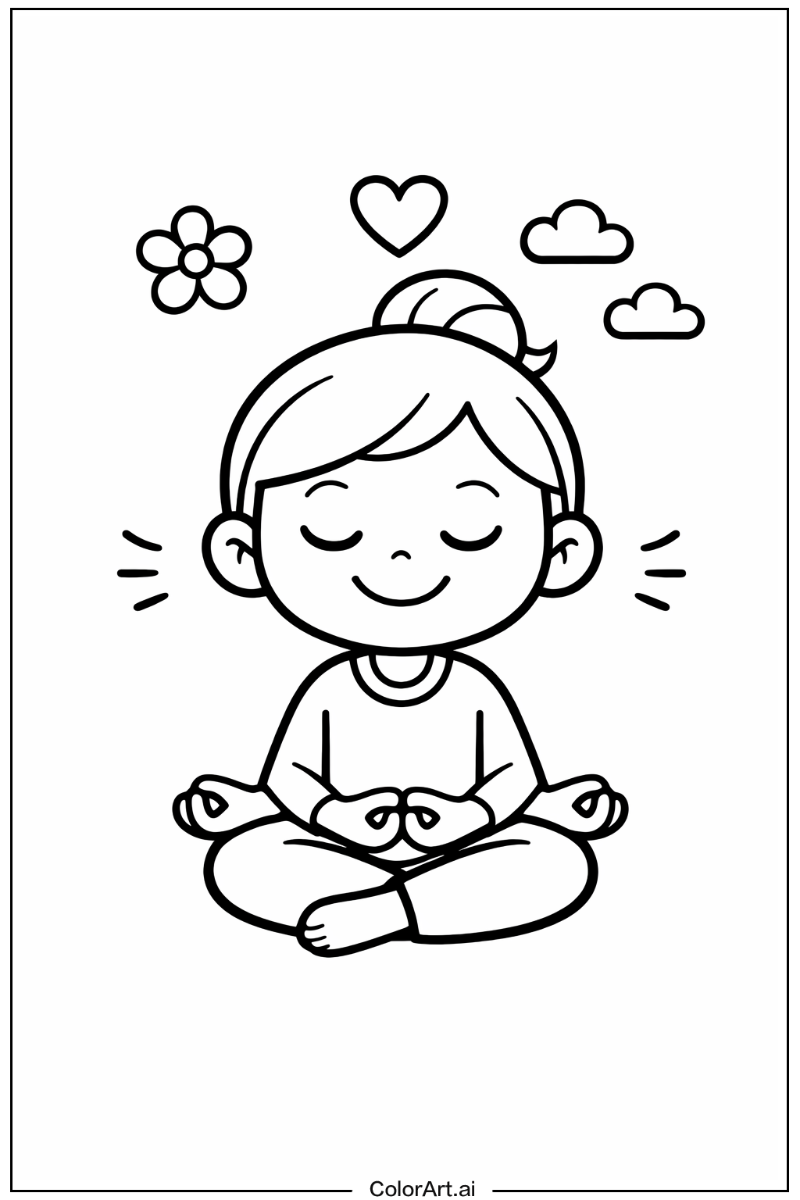
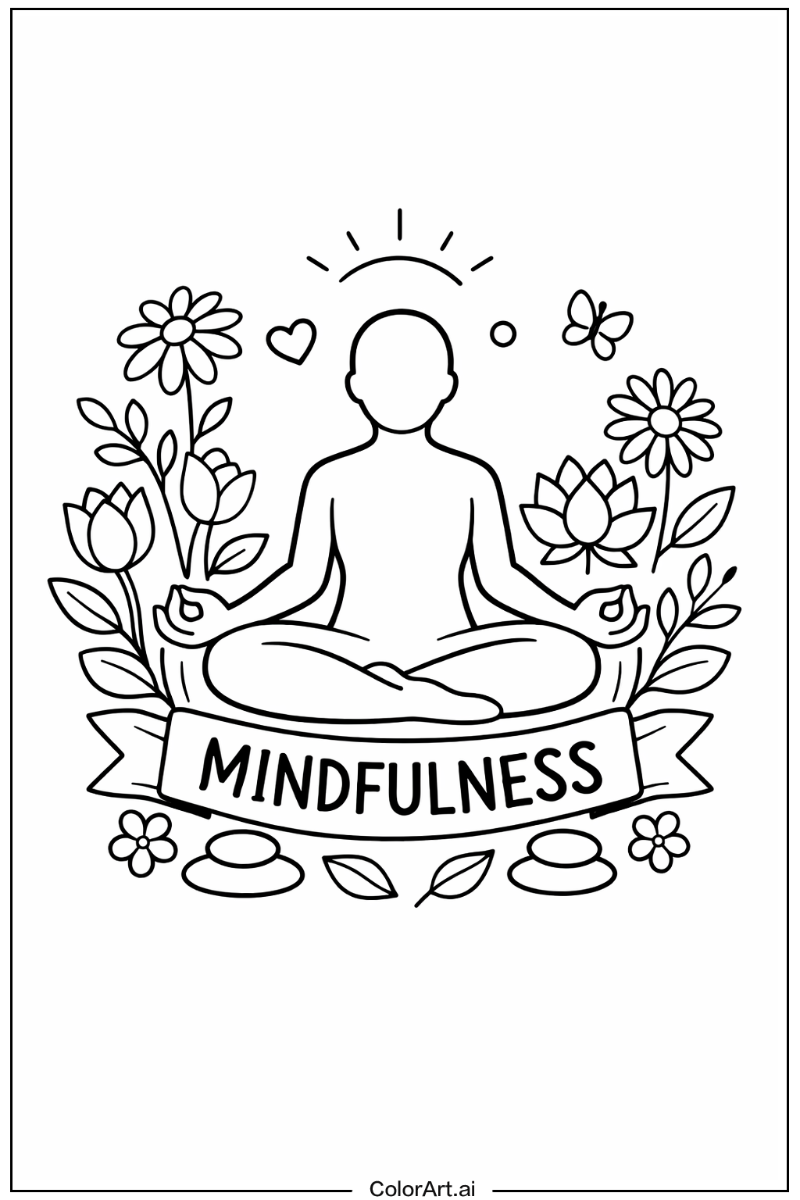
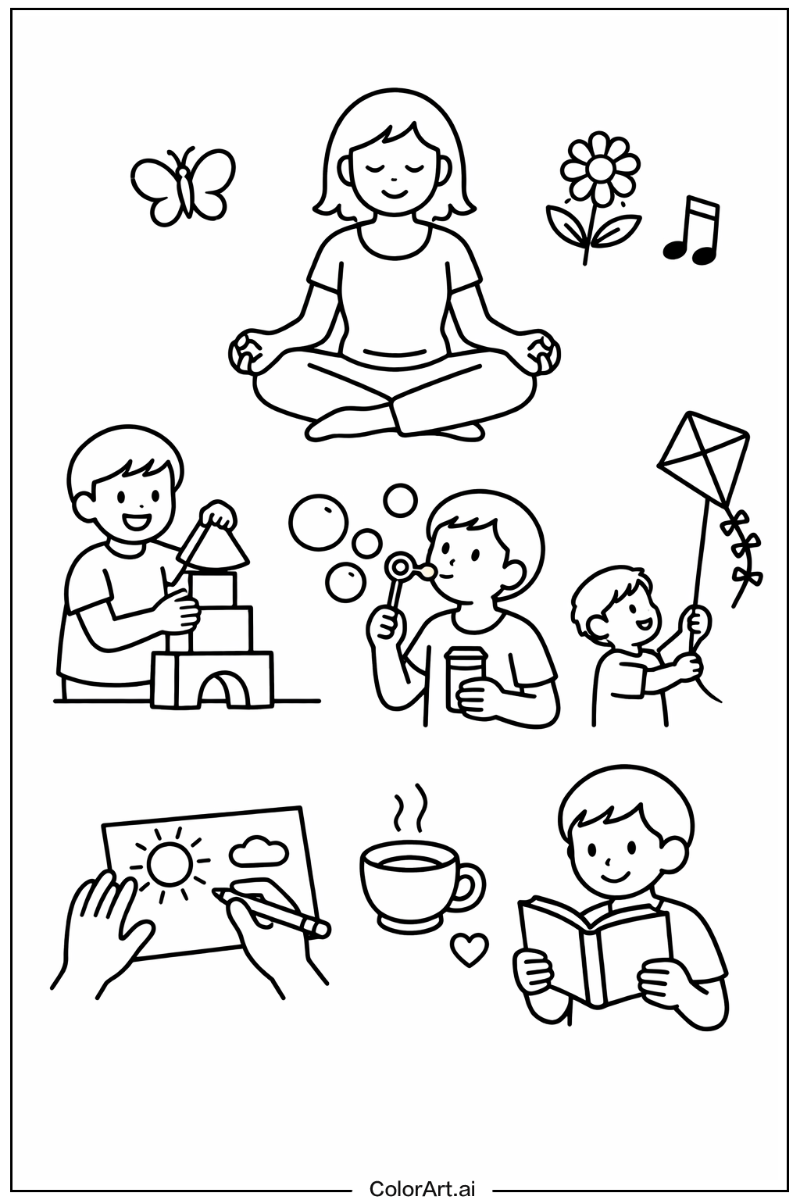
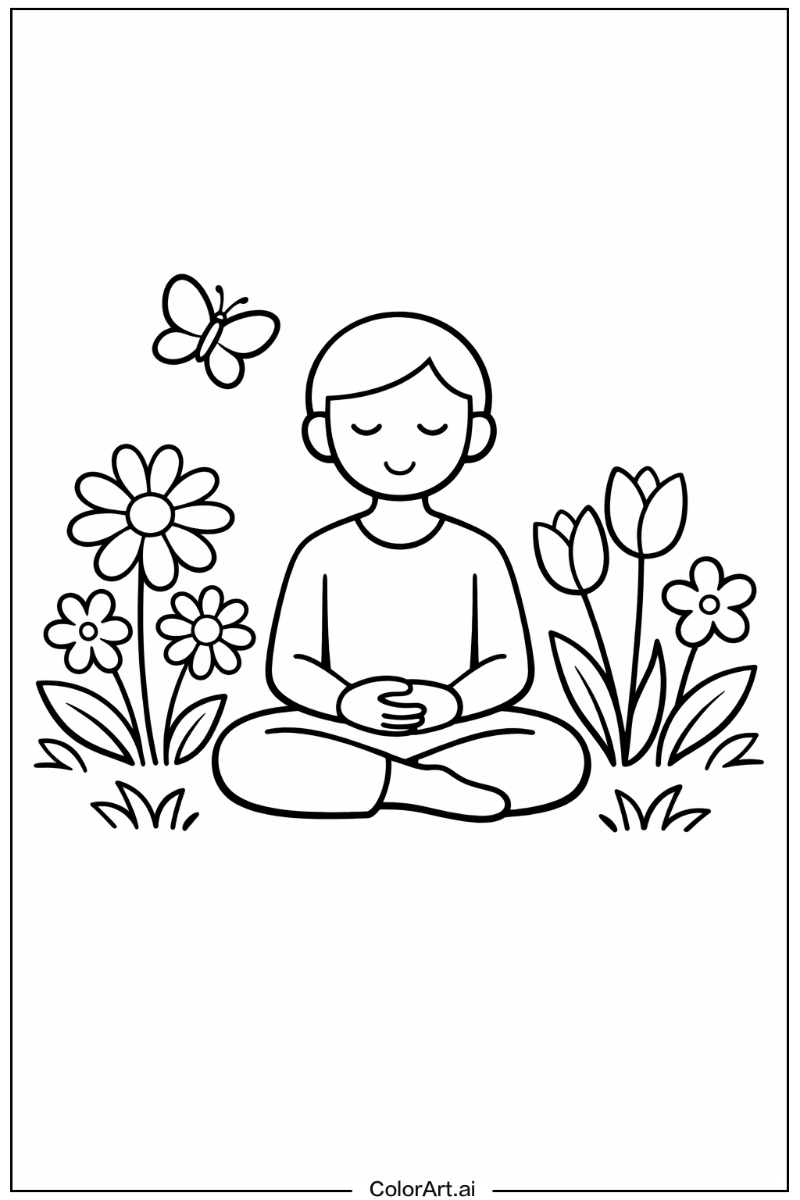
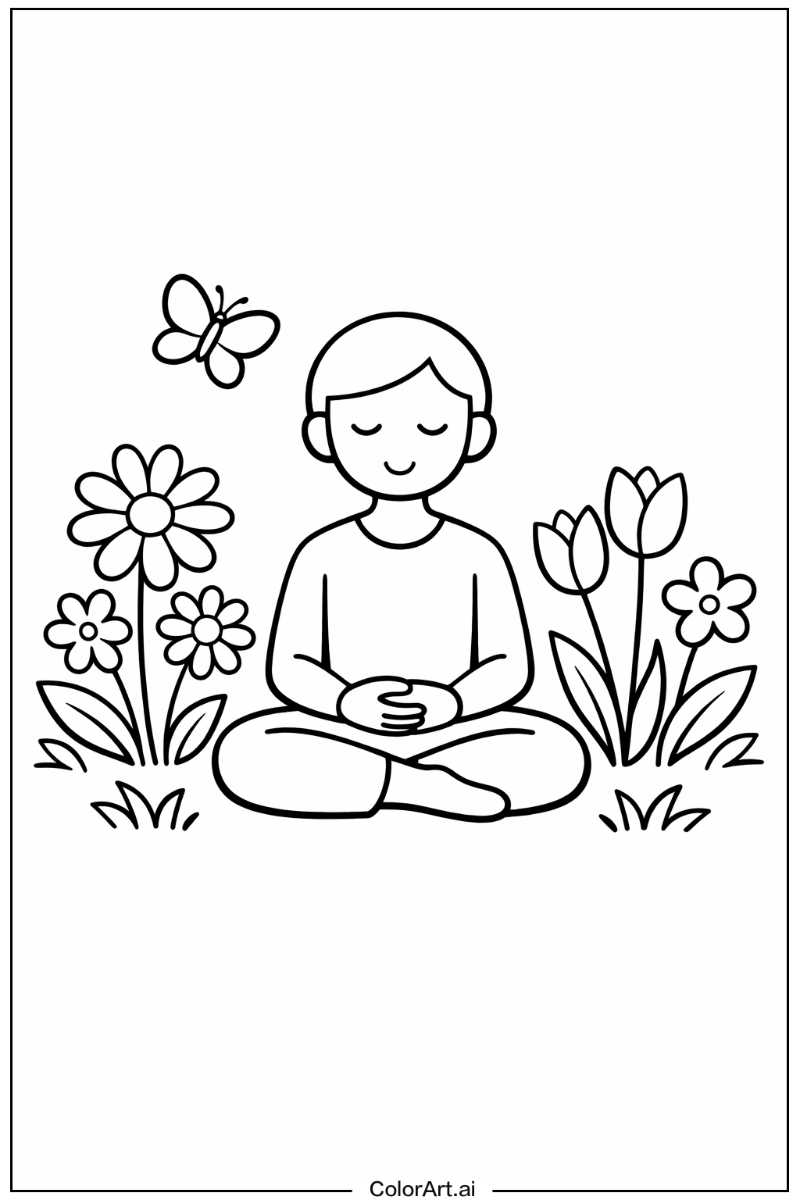
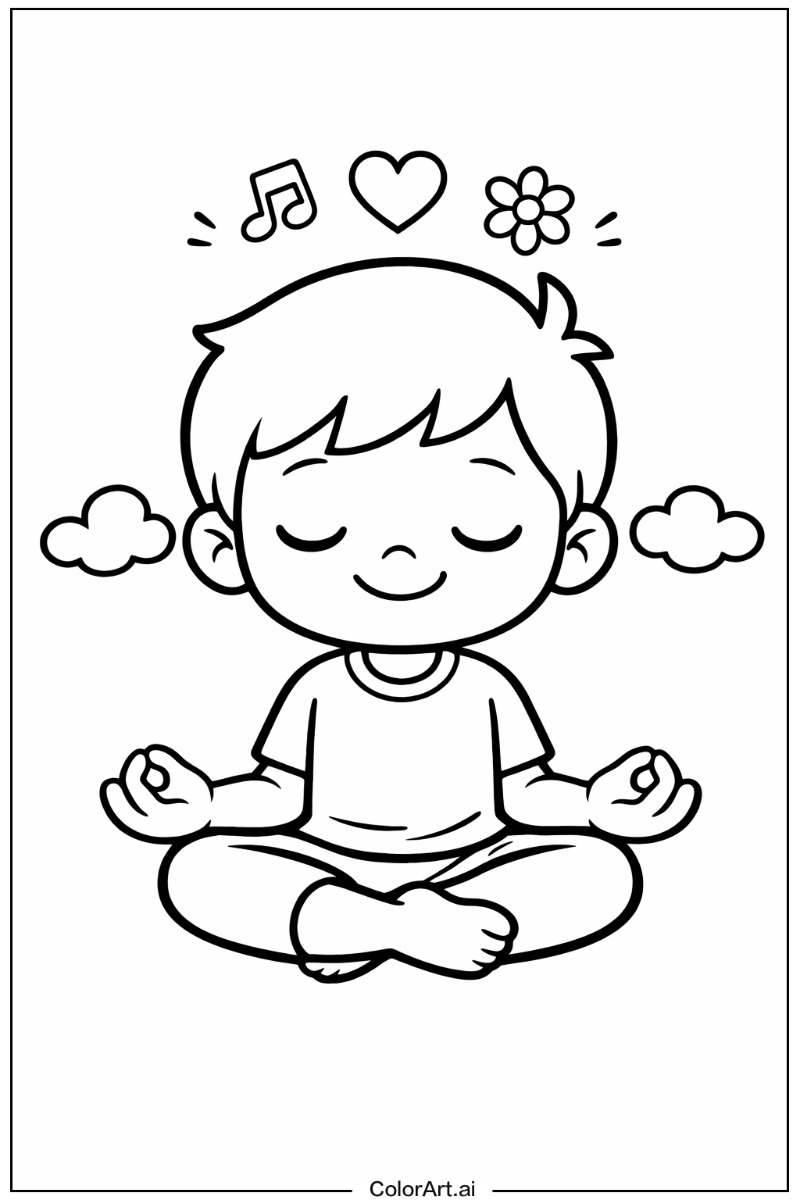
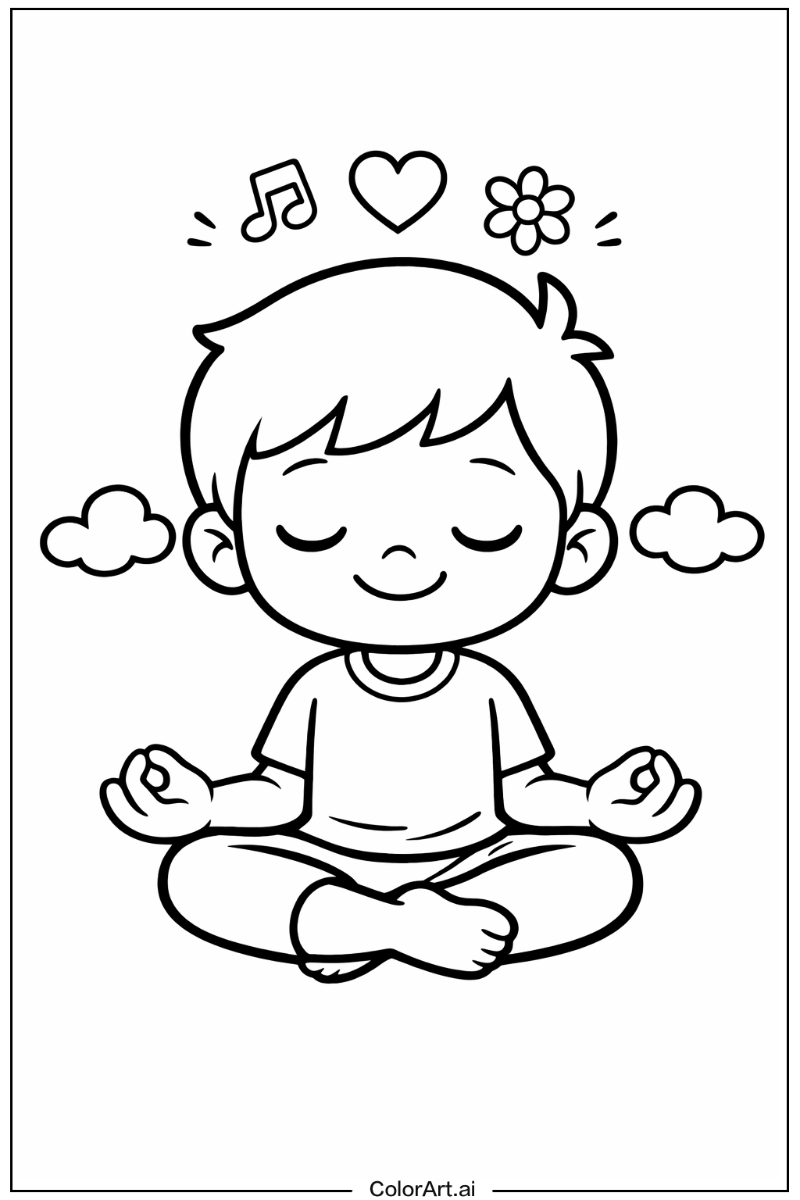
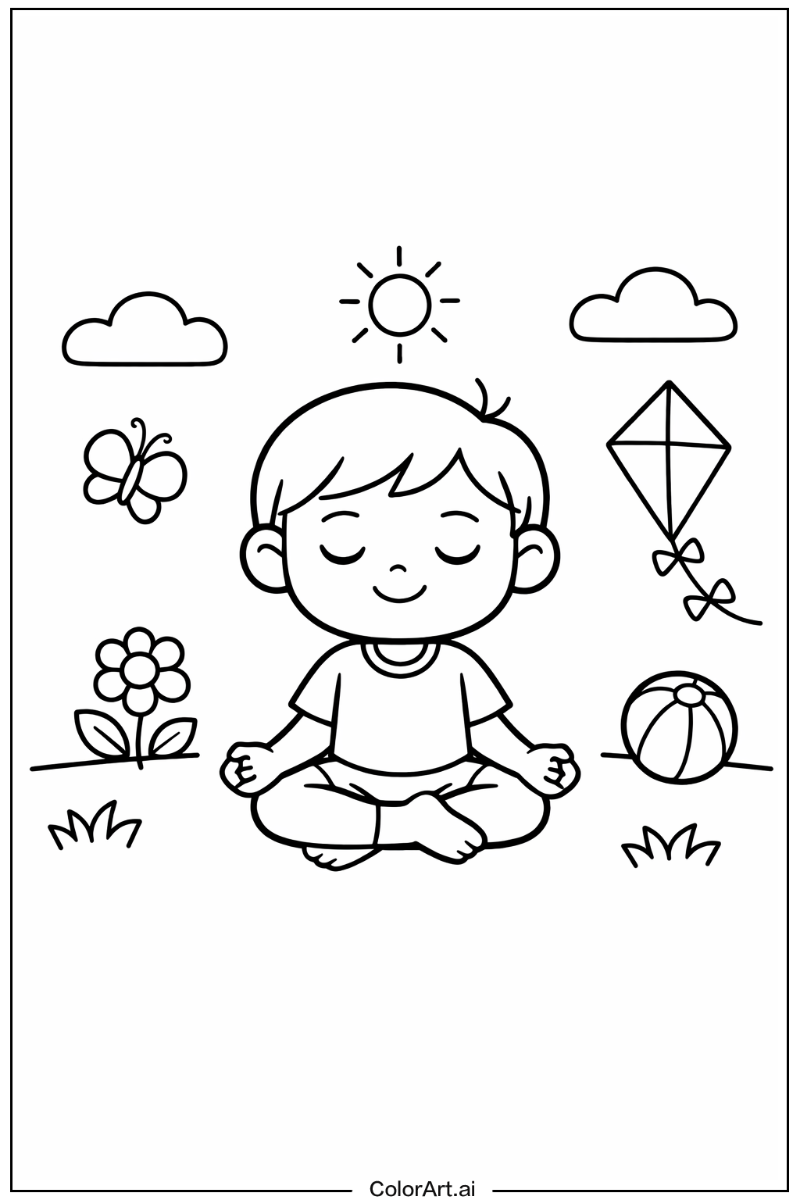
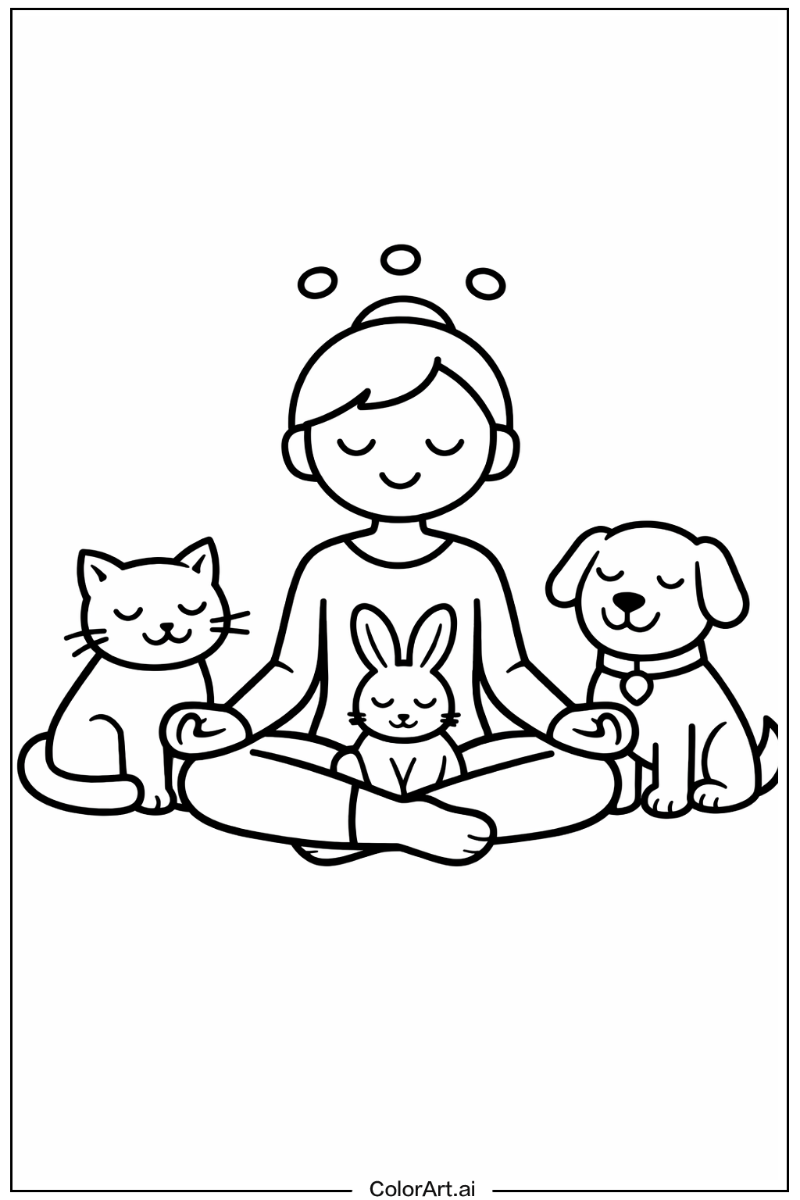
In our fast-paced world, it’s essential to carve out moments of calm, especially for our children. Mindfulness has emerged as a powerful practice that encourages us to focus on the present moment, unburdened by distractions. I’ve witnessed firsthand how mindfulness activities, particularly mindfulness coloring pages, can transform the atmosphere in my classroom. One day, as we gathered for our usual art session, I noticed that my students were buzzing with excitement and energy. It was then that I introduced them to the concept of mindfulness coloring. As they began to color intricate designs, I saw them gradually shift from chaotic energy to a serene focus. The colors brought to life their imaginations, while the repetitive motion of coloring encouraged a sense of calm. This moment highlighted for me the invaluable role mindfulness can play in our artistic expression and emotional well-being.
Group Coloring Pages
 PDF
PDF
 PNG
PNG
 PNG
PNG
 PNG
PNG
 PNG
PNG
 PNG
PNG
 PNG
PNG
 PNG
PNG
 PNG
PNG
 PNG
PNG
 PNG
PNG
 PNG
PNG
 PNG
PNG
 PNG
PNG
 PNG
PNG
 PNG
PNG
 PNG
PNG
 PNG
PNG
 PNG
PNG
 PNG
PNG
 PNG
PNG
 PNG
PNG
 PNG
PNG
 PNG
PNG
 PNG
PNG
 PNG
PNG
 PNG
PNG
 PNG
PNG
 PNG
PNG
 PNG
PNG
 PNG
PNG
 PNG
PNG
 PNG
PNG
 PNG
PNG
 PNG
PNG
 PNG
PNG
 PNG
PNG
 PNG
PNG
 PNG
PNG
 PNG
PNG
 PNG
PNG
 PNG
PNG
 PNG
PNG
 PNG
PNG
 PNG
PNG
 PNG
PNG
 PNG
PNG
 PNG
PNG
 PNG
PNG
 PNG
PNG
Understanding Mindfulness
Mindfulness, rooted in ancient Buddhist traditions, refers to the psychological practice of present-centered awareness and non-judgmental attention. The Pali term *sati* translates to memory or awareness, emphasizing the importance of being aware of our thoughts, feelings, and surroundings in the moment. In my class, I often explain mindfulness to my students using simple terms. I tell them it’s like noticing the clouds in the sky float by without trying to catch them. This simple analogy helps my young learners grasp the concept of being present without judgment. As we engage in mindfulness coloring, we not only practice our fine motor skills but also learn to embrace our thoughts and emotions, allowing them to flow freely without interruption. Many educational sources now recognize mindfulness as a vital tool in classrooms, especially in helping students manage stress and anxiety.
Benefits of Mindfulness Coloring in the Classroom
Integrating mindfulness coloring pages into the classroom brings numerous educational benefits. Research shows that mindfulness-guided coloring activities enhance executive functioning and attention in young learners. When I observed my students engage in these activities, I noticed remarkable improvements in their focus and behavior. For instance, during one session, Amy, a shy second grader, began to open up as she colored. She shared her thoughts about the colors she chose and how they made her feel, demonstrating the emotional benefits of mindfulness. Moreover, coloring provides a structured way to reduce anxiety, particularly beneficial for students facing test-related stress. Incorporating mindfulness coloring into our lessons has helped create a more inclusive environment, accommodating diverse learning styles and promoting self-regulation skills. It’s a wonderful way to blend creativity with essential life skills.
Practical Tips for Mindfulness Coloring
To get the most out of mindfulness coloring, consider these tips for you and your students. First, create a calm environment. Dim the lights, play soft music, and encourage deep breathing before starting. This sets the tone for a mindful coloring experience. Second, remind students to focus on the colors they choose and how they feel during the process. Encourage them to take their time, appreciating each stroke of their coloring tools. Third, use high-quality coloring materials like colored pencils or markers that allow for rich textures and shades. Lastly, provide a variety of designs, from simple mandalas to intricate patterns, to cater to different age groups and skill levels. These techniques can help foster a deeper connection to the mindfulness practice, making it a rewarding experience.
Current Trends in Mindfulness and Coloring Education
In 2024, mindfulness practices are gaining traction within educational settings, moving towards community-driven approaches that blend mindfulness with therapeutic techniques. One trend I’ve noticed is the integration of mindfulness-based cognitive therapy (MBCT), which has become popular for its effectiveness in managing anxiety and improving focus among students. Schools are starting to adopt mindfulness coloring pages as part of their curricula, recognizing their potential to enhance emotional regulation. For instance, last year, a fellow teacher, Ms. Thompson, introduced mindfulness coloring during exam week. She found that her students were calmer and more focused, allowing them to approach their tests with a clearer mindset. The mindfulness movement is also being propelled by social media, where challenges encourage individuals to share their mindfulness coloring experiences, further promoting creative expression and mental wellness.
Frequently Asked Questions about Mindfulness Coloring Pages
What age group are mindfulness coloring pages suitable for? Mindfulness coloring pages are designed for various age groups, from preschoolers to adults. We offer different complexity levels to match different skill levels.
What materials work best for coloring mindfulness pages? For best results, we recommend colored pencils for detailed work, markers for bold colors, and high-quality paper for professional-looking results.
How should I print mindfulness coloring pages for best quality? Print using high-quality settings on standard A4 or Letter size paper, or upgrade to cardstock for durability. Ensure your printer has enough ink for clear lines.