Embracing Creativity with Notebook Paper Coloring Pages
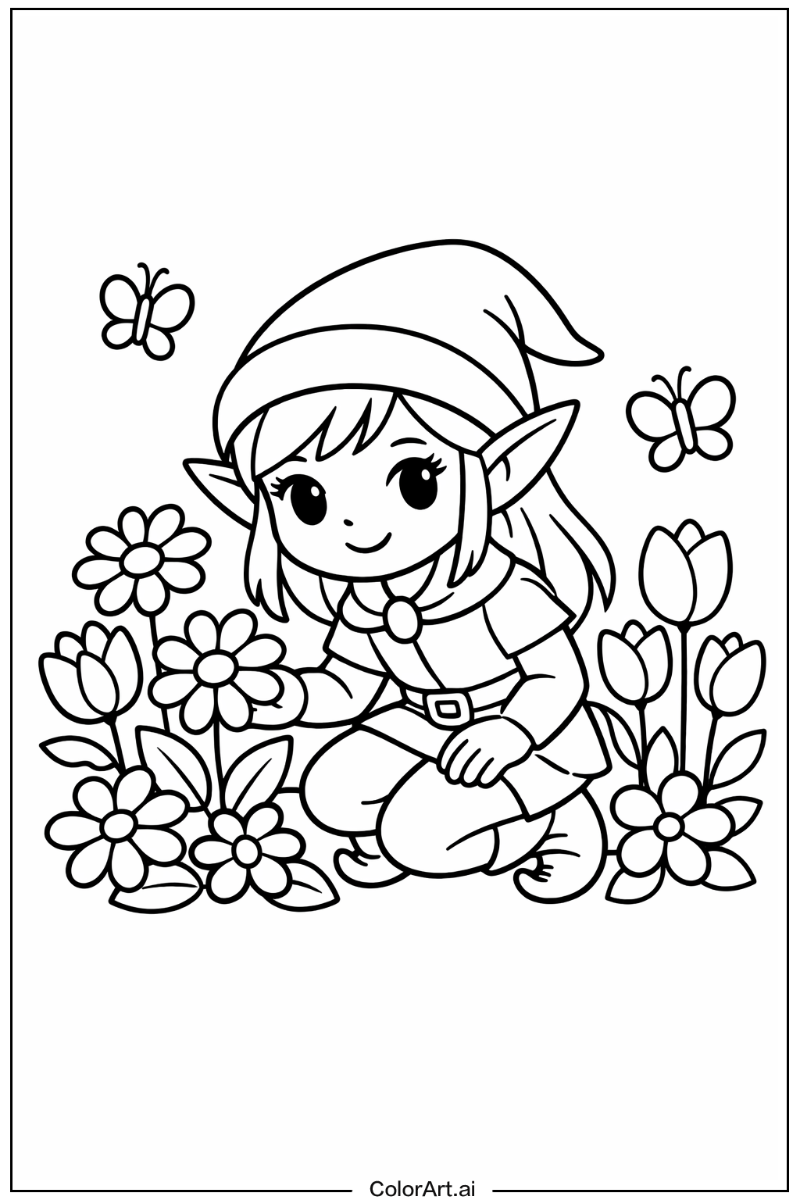
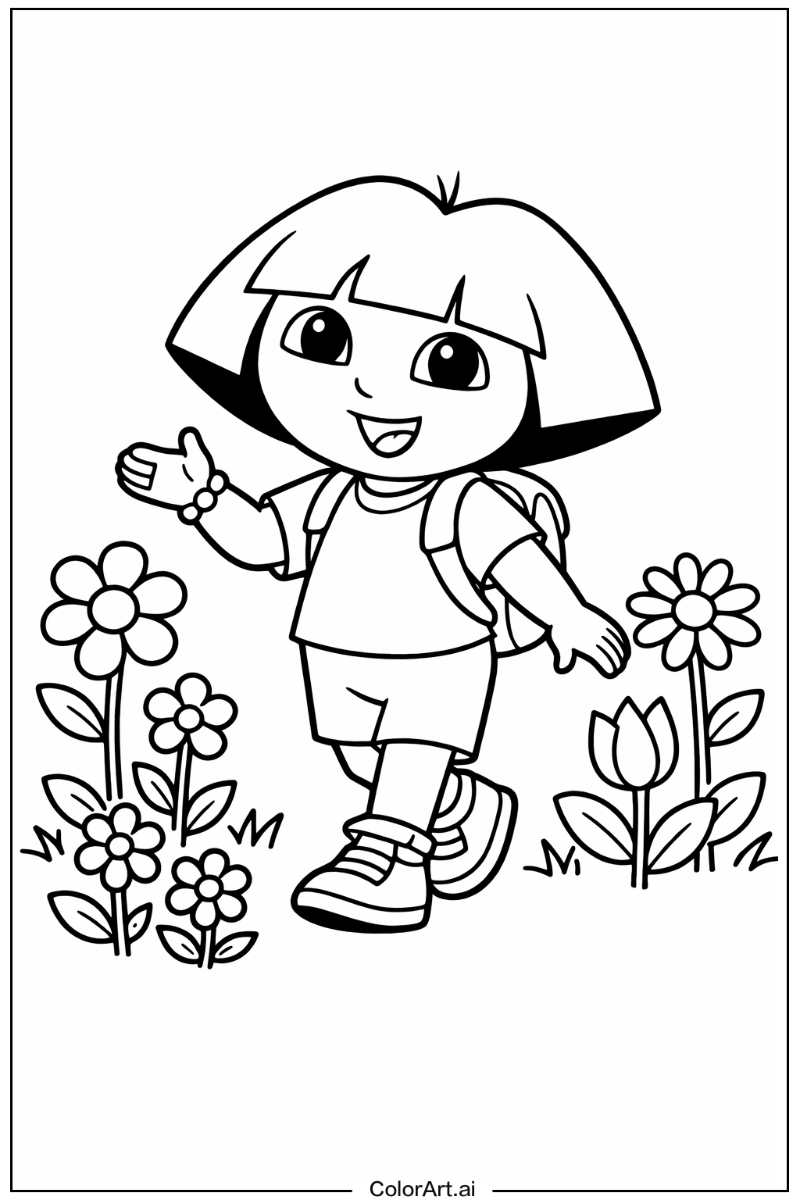
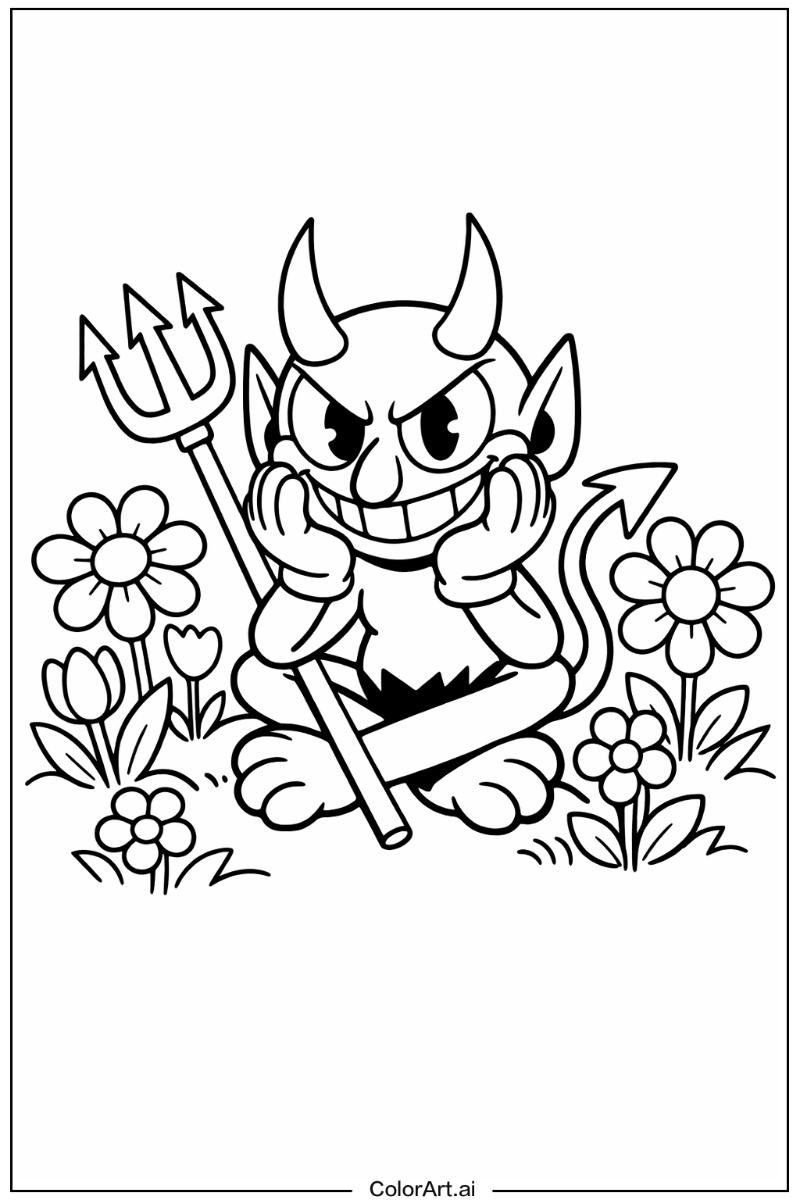
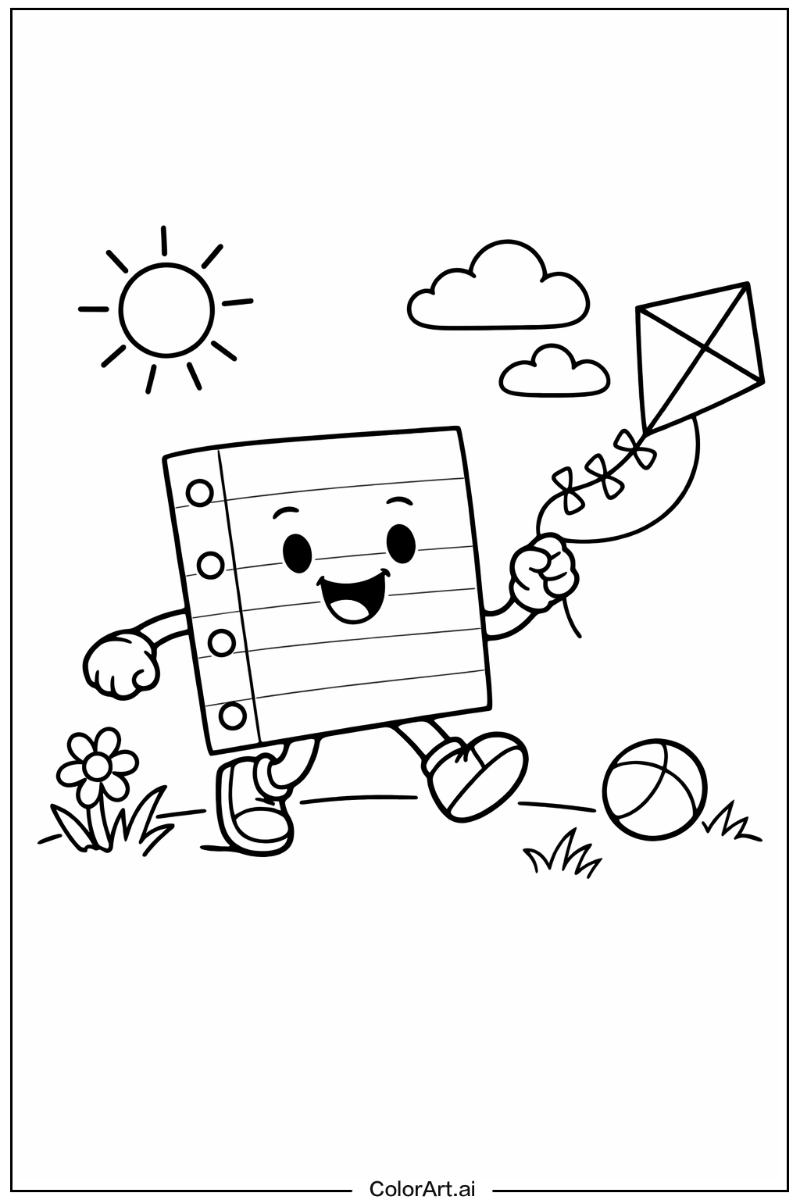
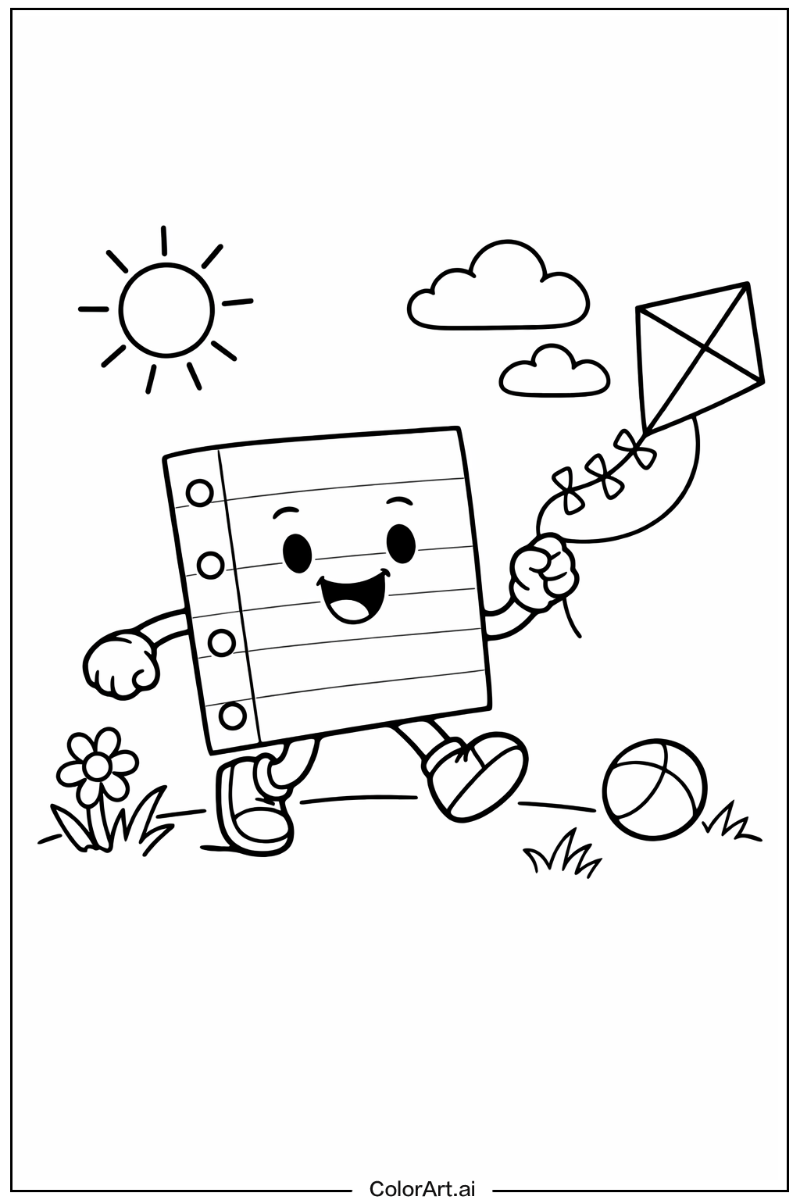
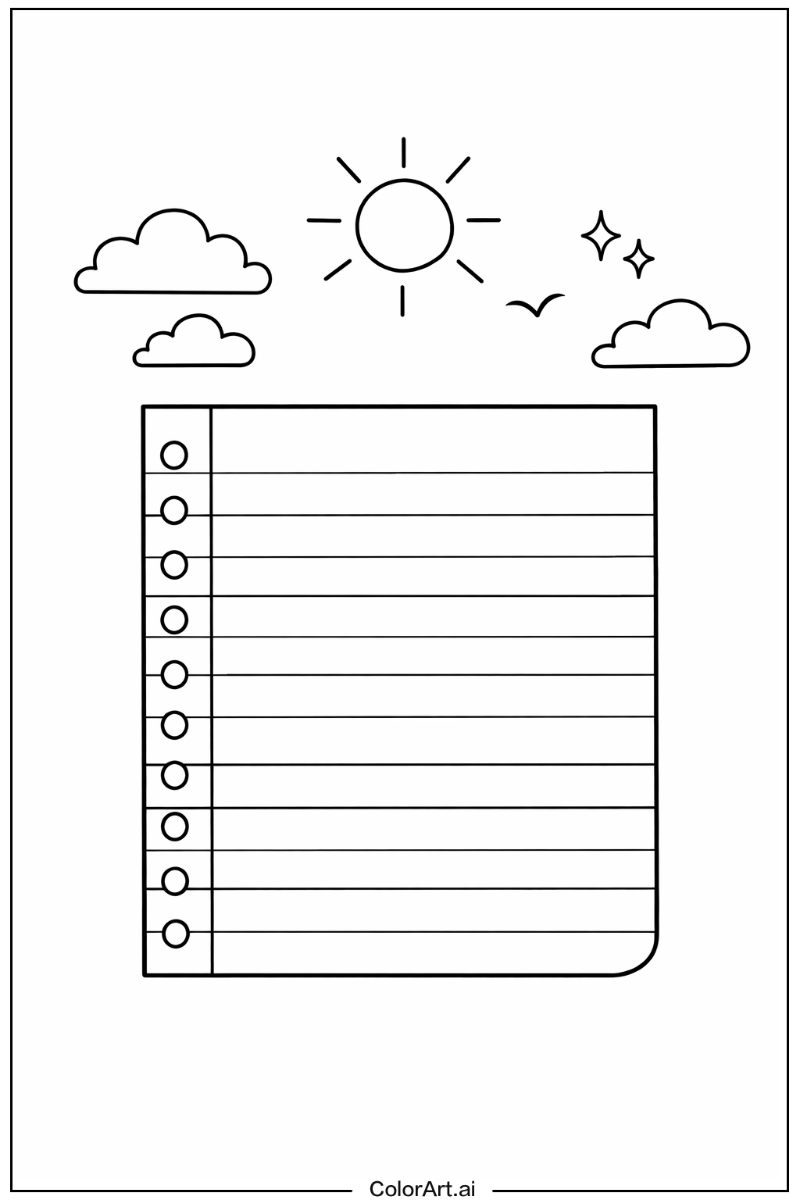
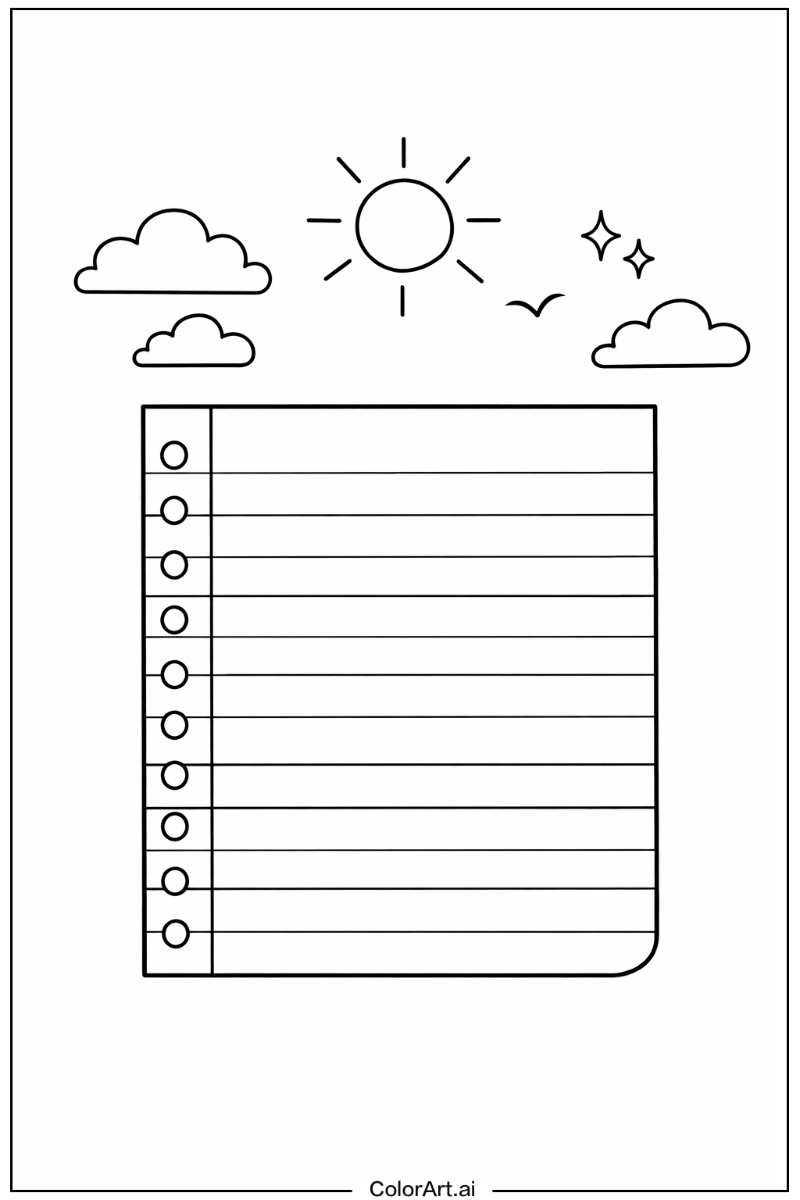
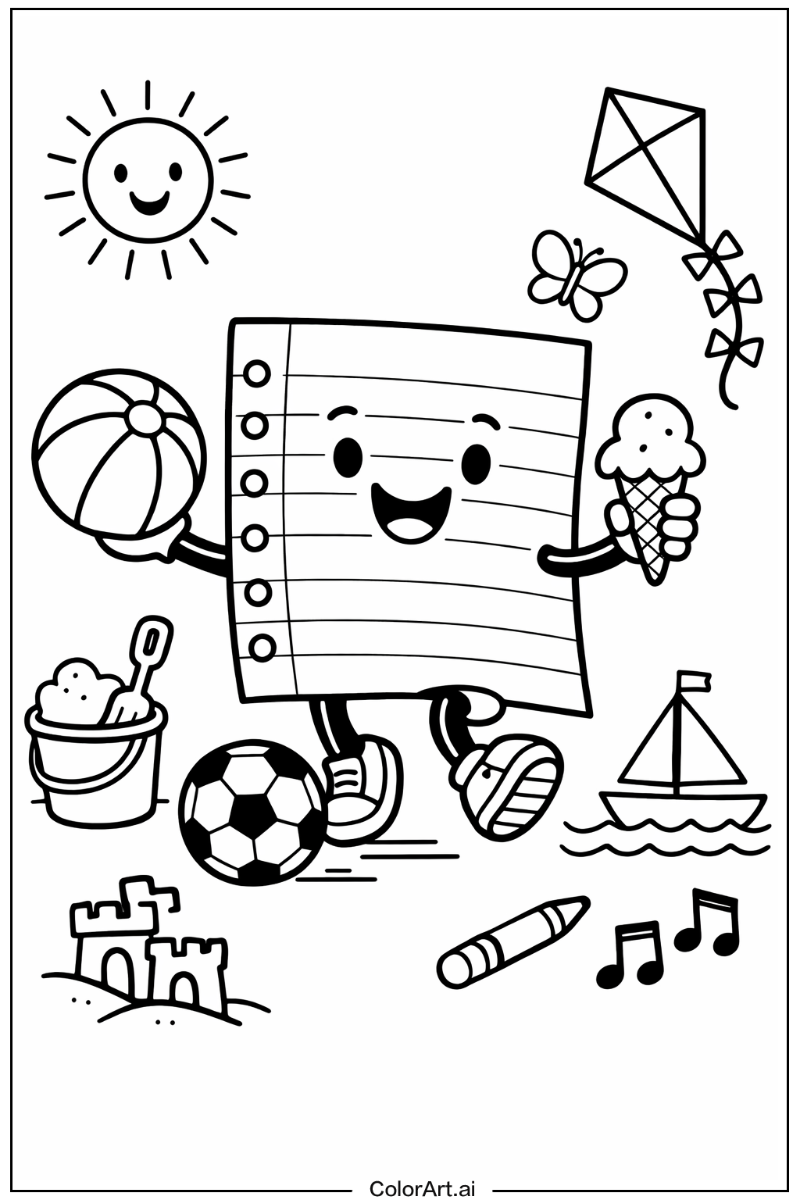
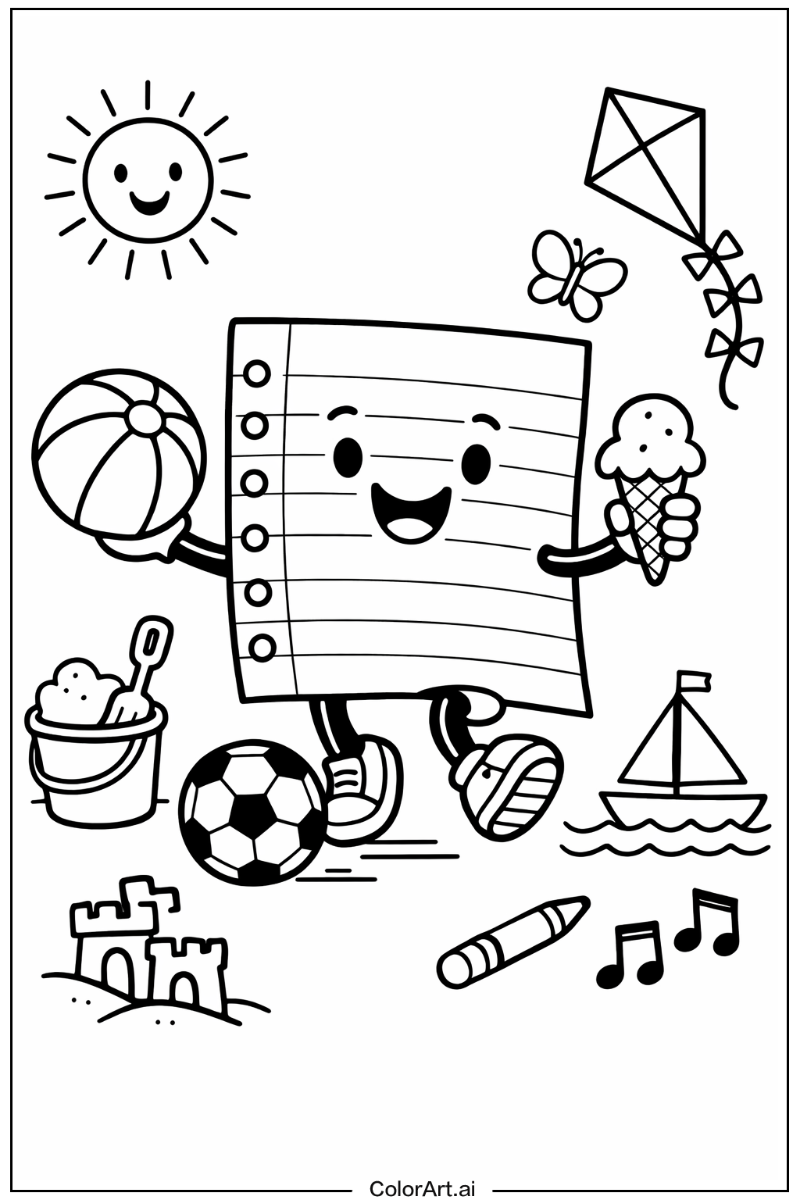
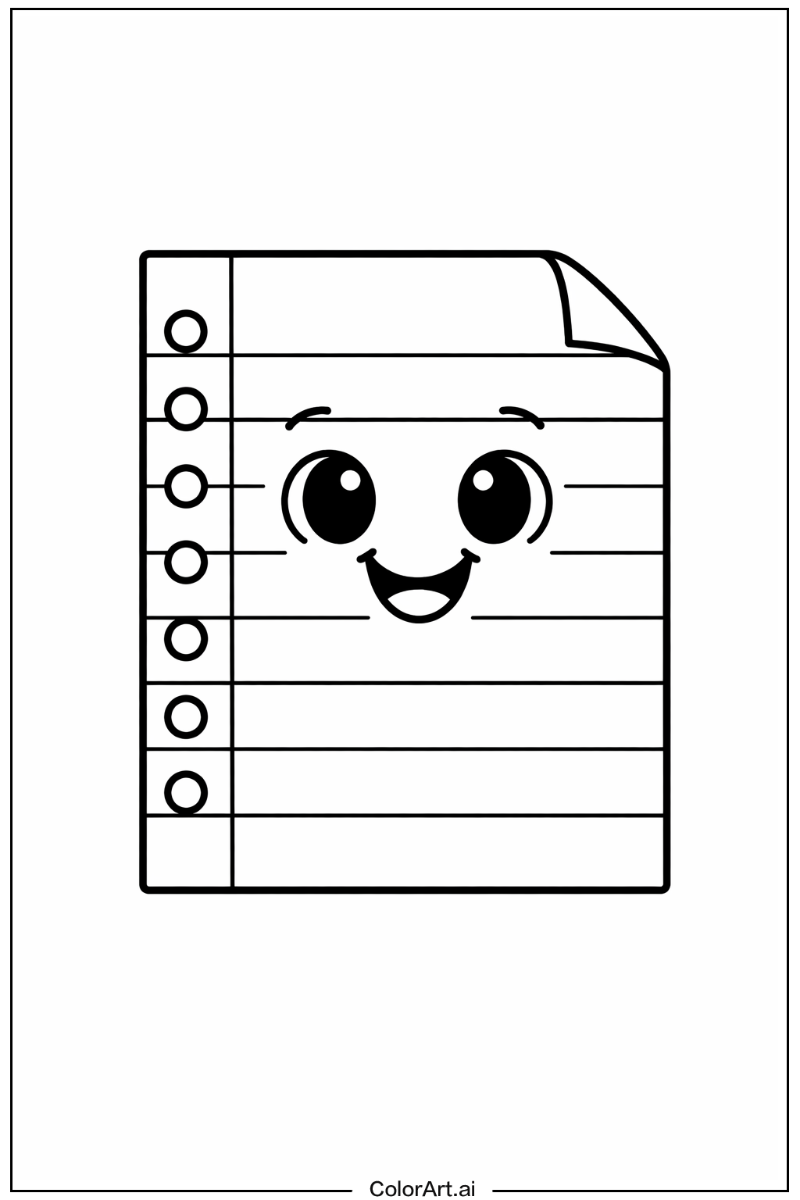
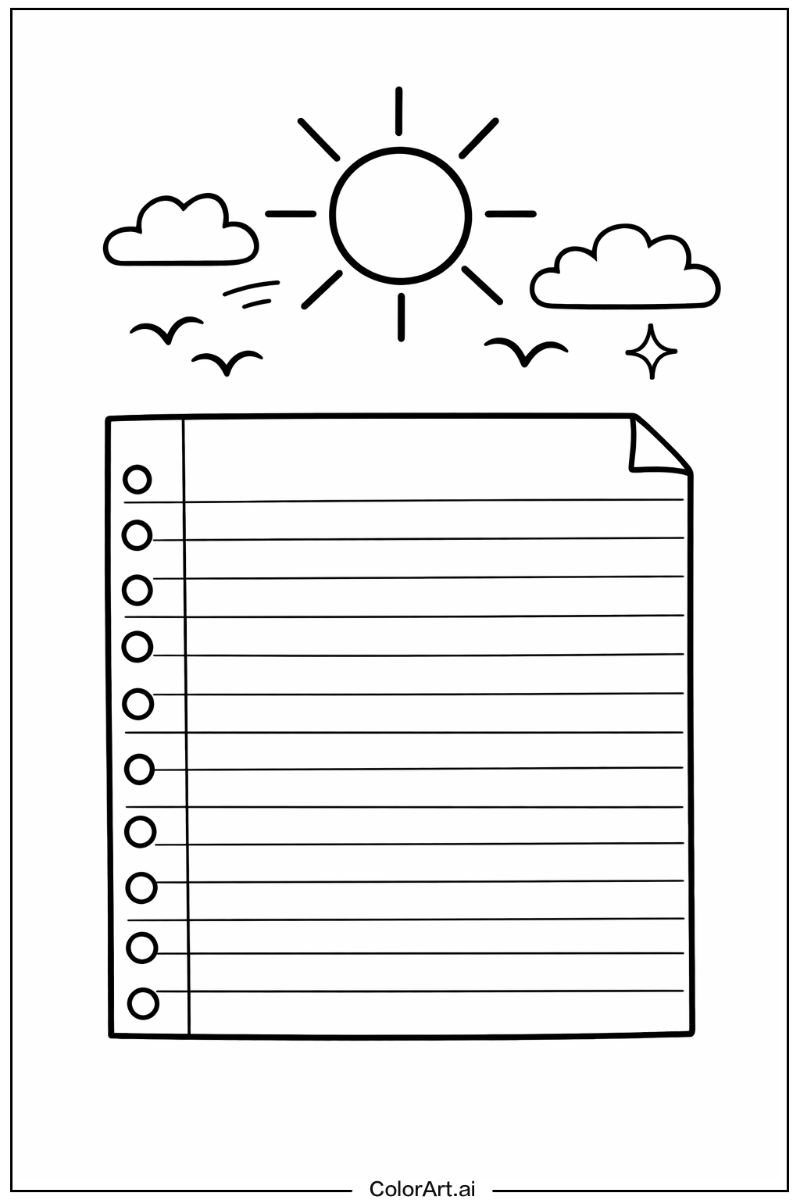
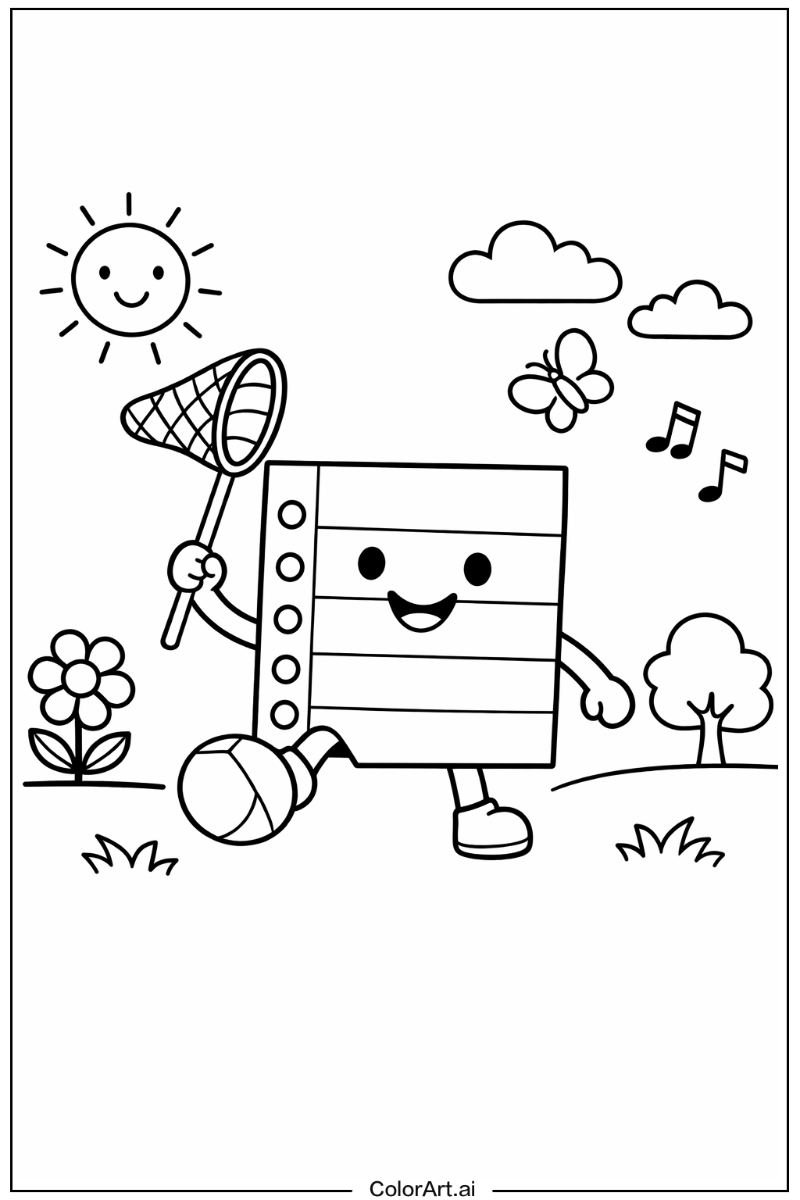
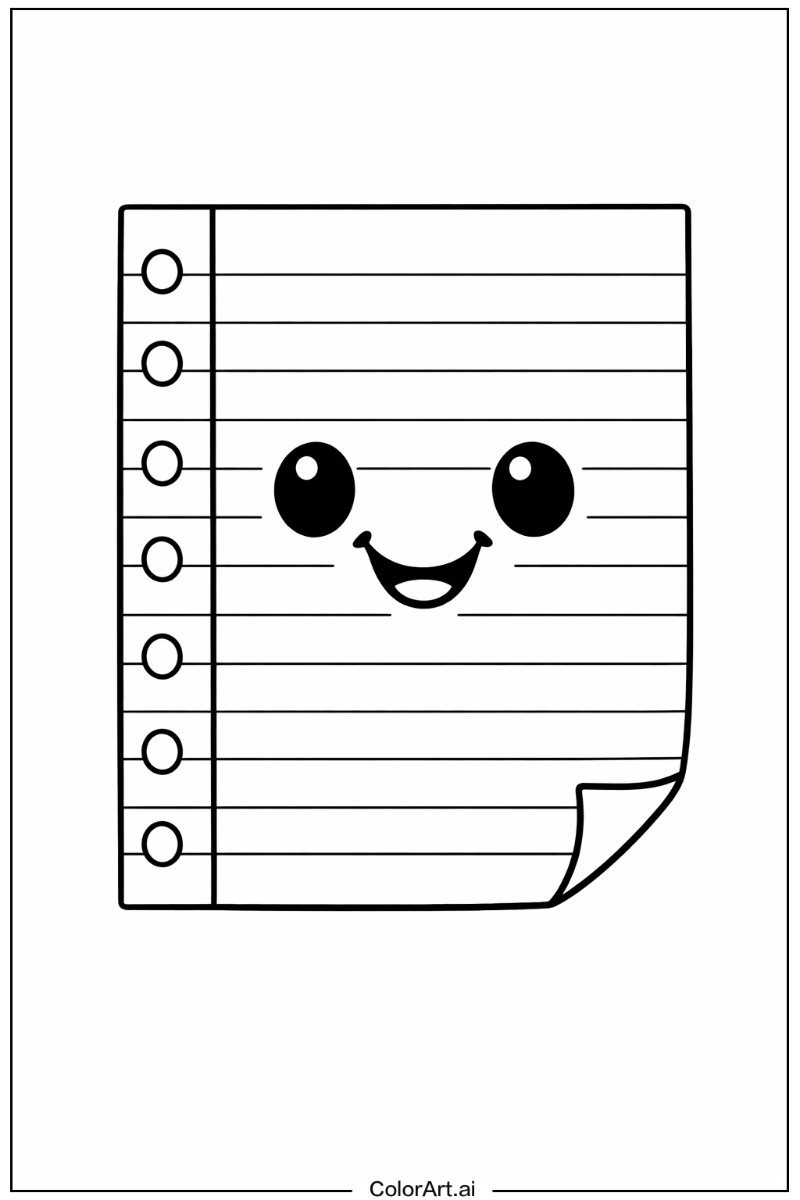
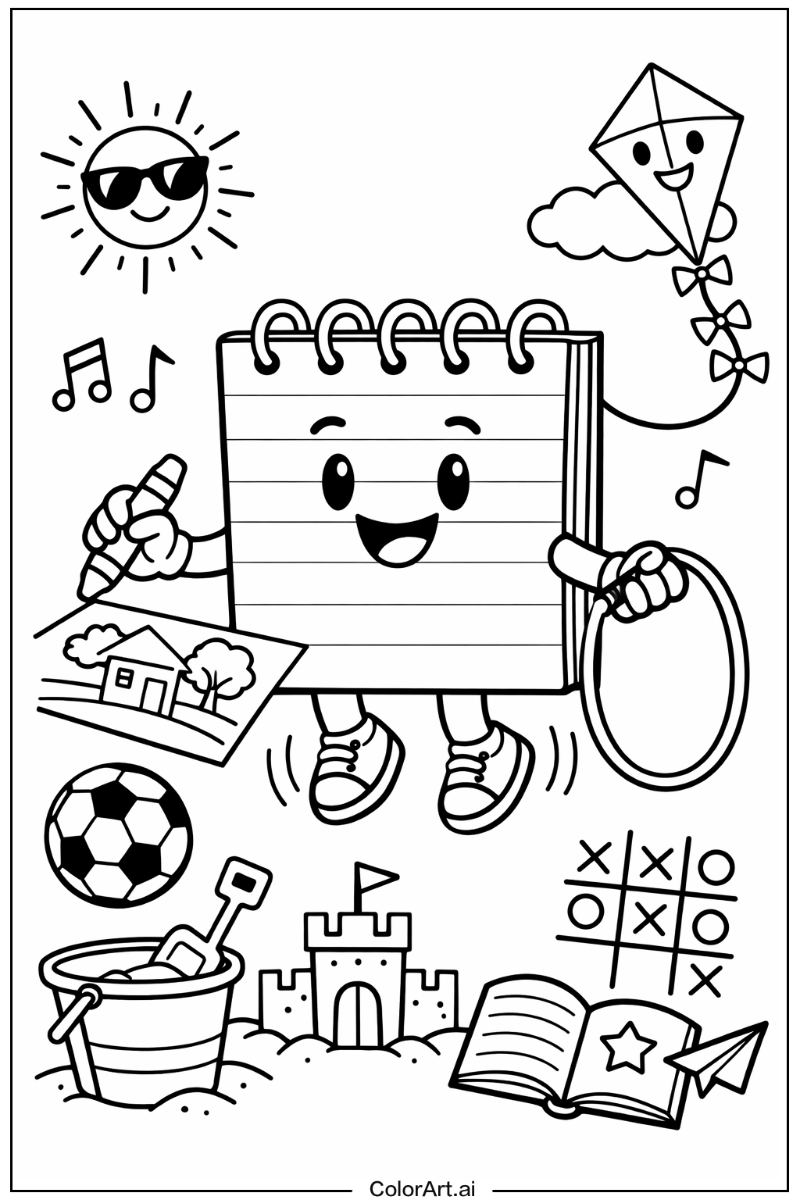
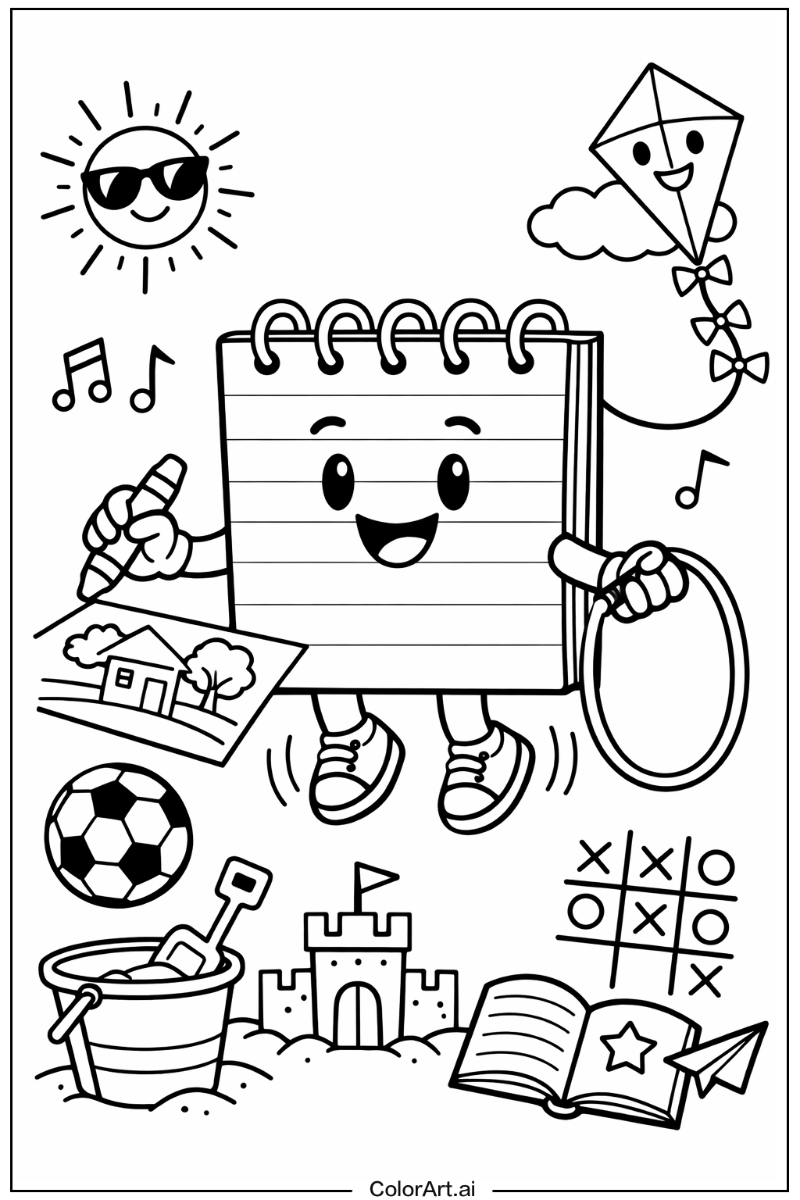
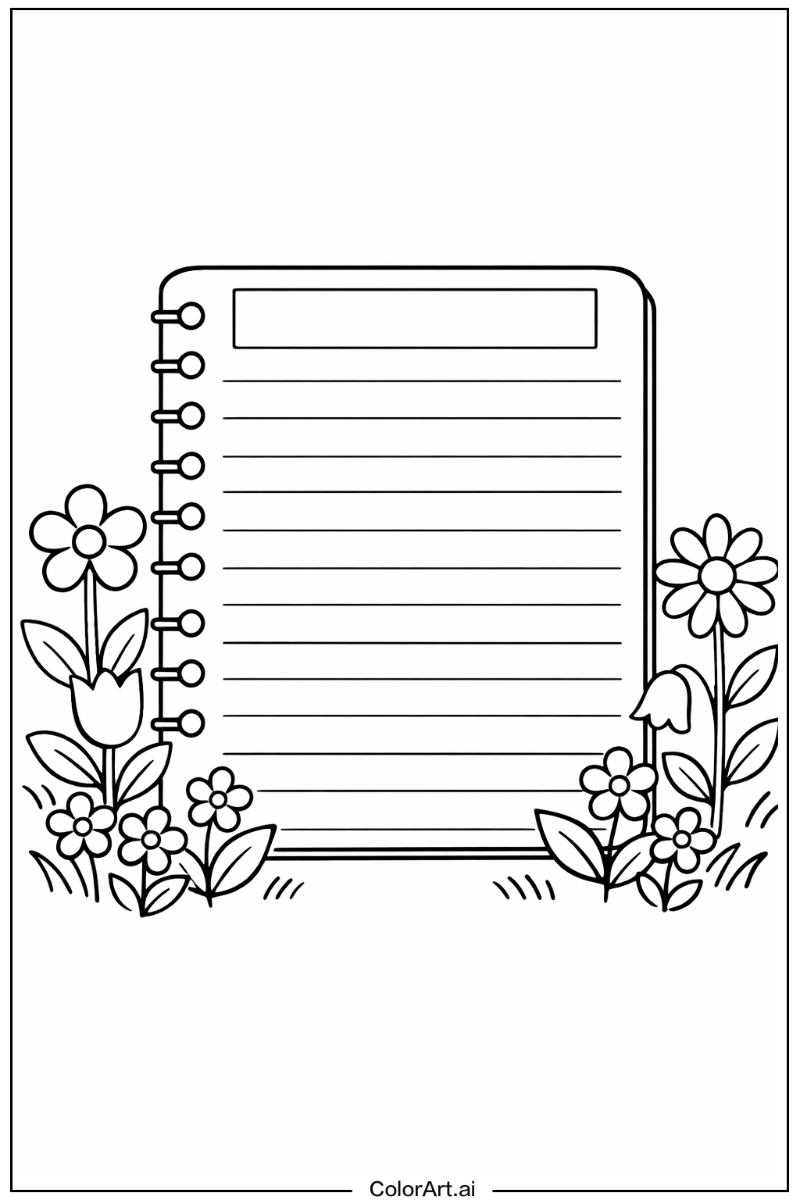
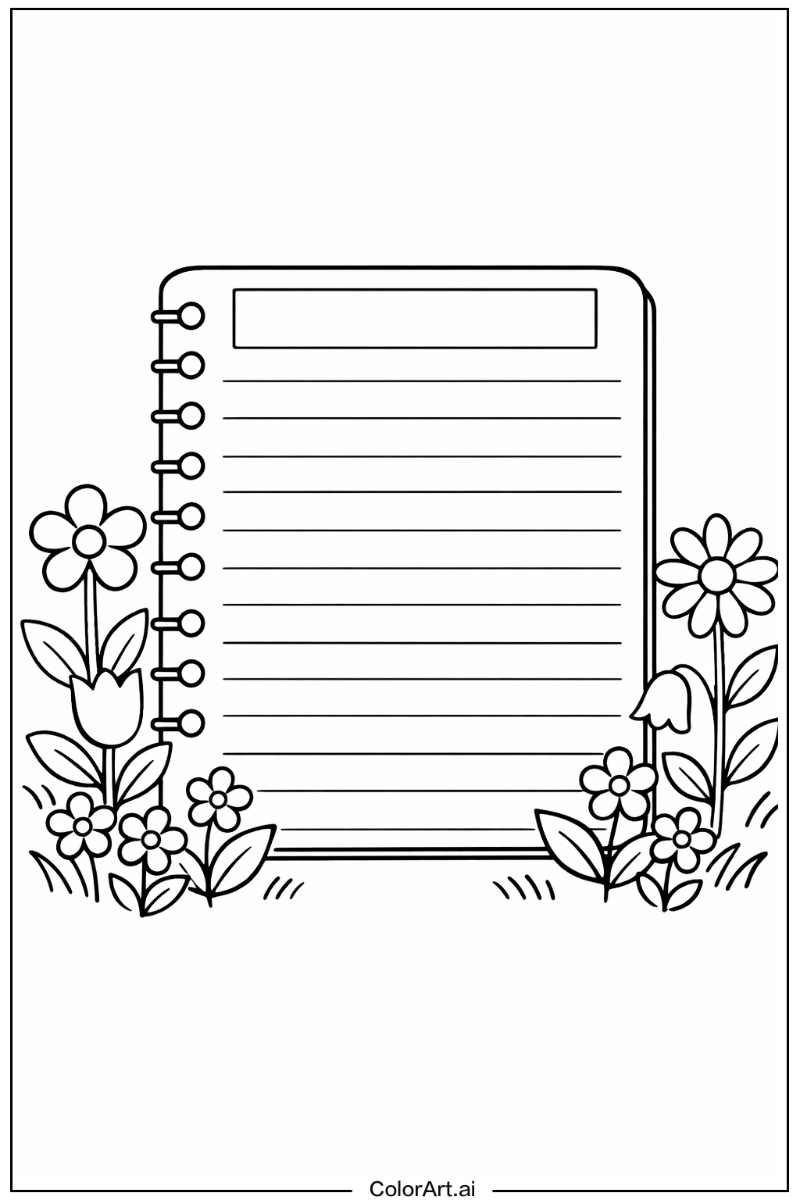
As I walk into my art classroom each day, I am reminded of the simple yet profound beauty of notebook paper. It’s more than just a tool for note-taking; it serves as a canvas for creativity and exploration. With each coloring page designed to mimic the familiar lined notebook paper, I’ve watched my students discover a new love for coloring, transforming what is typically a blank slate into a vibrant expression of their thoughts and feelings. For many children, coloring on notebook paper is an enjoyable way to practice their fine motor skills while also providing a moment of calm amidst the school day hustle. I remember when Emily, a shy second grader, first colored on a lined notebook paper page adorned with whimsical designs. As she carefully chose her colors and filled in the lines, her confidence blossomed, and she shared stories about her artwork with her classmates. It’s these moments that remind me of the power of notebook paper as a medium for self-expression.
Group Coloring Pages
 PDF
PDF
 PNG
PNG
 PNG
PNG
 PNG
PNG
 PNG
PNG
 PNG
PNG
 PNG
PNG
 PNG
PNG
 PNG
PNG
 PNG
PNG
 PNG
PNG
 PNG
PNG
 PNG
PNG
 PNG
PNG
 PNG
PNG
 PNG
PNG
 PNG
PNG
 PNG
PNG
 PNG
PNG
 PNG
PNG
 PNG
PNG
 PNG
PNG
 PNG
PNG
 PNG
PNG
 PNG
PNG
 PNG
PNG
 PNG
PNG
 PNG
PNG
 PNG
PNG
 PNG
PNG
 PNG
PNG
 PNG
PNG
 PNG
PNG
 PNG
PNG
 PNG
PNG
 PNG
PNG
 PNG
PNG
 PNG
PNG
 PNG
PNG
 PNG
PNG
 PNG
PNG
 PNG
PNG
 PNG
PNG
 PNG
PNG
 PNG
PNG
 PNG
PNG
 PNG
PNG
 PNG
PNG
 PNG
PNG
 PNG
PNG
The Rich History Behind Notebook Paper
Notebook paper, also known as loose-leaf or filler paper, has a fascinating history that intertwines with educational development. Originating from the early bound notebooks of the 19th century, it evolved significantly by the early 20th century. The introduction of standardized loose-leaf formats and the invention of binders by Edwin Nay in 1899 revolutionized how we organize our thoughts and notes. In the United States, brands like Mead and Oxford popularized this essential school supply, adapting European traditions for practical use in classrooms.
Today, notebook paper comes in standard sizes, primarily 8.5 x 11 inches in the U.S. and A4 internationally. It features various ruling types, with college-ruled paper often used by older students and wide-ruled paper designed for younger ones. The tactile experience of writing or coloring on this textured surface is irreplaceable, making it an ideal medium for creativity. I often remind my students that when they color on these pages, they’re not just filling in lines; they are participating in a long-standing tradition of students expressing themselves on paper!
Educational Benefits of Notebook Paper Activities
Utilizing notebook paper coloring pages in the classroom offers numerous educational benefits that support the development of essential skills in children. Engaging in these activities fosters fine motor skills and hand-eye coordination, particularly for younger students. For instance, during our coloring sessions, I often observe how children like Ethan, who struggled with grip strength, improved significantly as he focused on staying within the lines. This practice is crucial for their overall writing development.
Furthermore, coloring encourages concentration and focus, which are vital skills in any academic setting. When students select their colors and work on intricate patterns, they learn the importance of patience and detail—traits that will serve them well in various subjects. I’ve seen firsthand how these activities can provide stress relief and boost self-esteem, especially for students who may feel overwhelmed by traditional learning methods. Through coloring on notebook paper, students like Mia can express their creativity in a low-pressure environment, which I find invaluable.
Practical Tips for Notebook Paper Coloring Techniques
When diving into notebook paper coloring activities, here are a few tips to enhance the experience:
1. Choose the Right Tools
Encourage students to use a variety of coloring tools such as crayons, colored pencils, or markers. Each medium offers a different texture and effect on notebook paper. I’ve found that colored pencils work especially well for detailed designs.
2. Experiment with Patterns
Let students create their own patterns or doodles within the lines of the notebook paper. This not only fosters creativity but also helps them feel ownership over their work.
3. Combine Subjects
Integrate coloring with other subjects. For instance, use notebook paper coloring pages to illustrate vocabulary words in language arts or to create timelines in history. This multi-disciplinary approach keeps students engaged and reinforces their learning.
4. Celebrate the Finished Work
Make sure to display their notebook paper creations around the classroom. It boosts their confidence to see their artwork showcased and encourages a sense of community.
Current Trends in Notebook Paper Art Education
In recent years, there has been a resurgence of interest in notebook paper among educators and parents alike. The projected growth of the A4 paper market, for instance, is indicative of a broader appreciation for traditional stationery, with a focus on sustainability and educational demand. As I engage with fellow teachers, I’ve noticed a growing trend toward incorporating notebook paper coloring activities into lesson plans.
For example, integrating coloring pages that resemble notebook paper not only captivates students’ attention but also enhances their learning experience. Activities that involve coloring on themed notebook paper—like historical figures for history class or scientific diagrams for science—allow students to connect creatively with the material. When I introduced a project where students could color their own 'notebook notes' on historical events, I was thrilled to see their engagement and enthusiasm soar!
Frequently Asked Questions About Notebook Paper Coloring Pages
Q: What ages are notebook paper coloring pages suitable for?
A: Notebook paper coloring pages are suitable for a wide age range, typically from preschoolers to middle school students. They can be adapted to different skill levels, making them versatile for various educational settings.
Q: Can I use notebook paper coloring pages for educational purposes?
A: Absolutely! These coloring pages can be integrated into lesson plans across subjects, helping students reinforce what they’ve learned creatively.
As an art teacher, I encourage parents and educators to embrace the simplicity and joy of notebook paper coloring pages. It’s a wonderful way to foster creativity and learning in children.