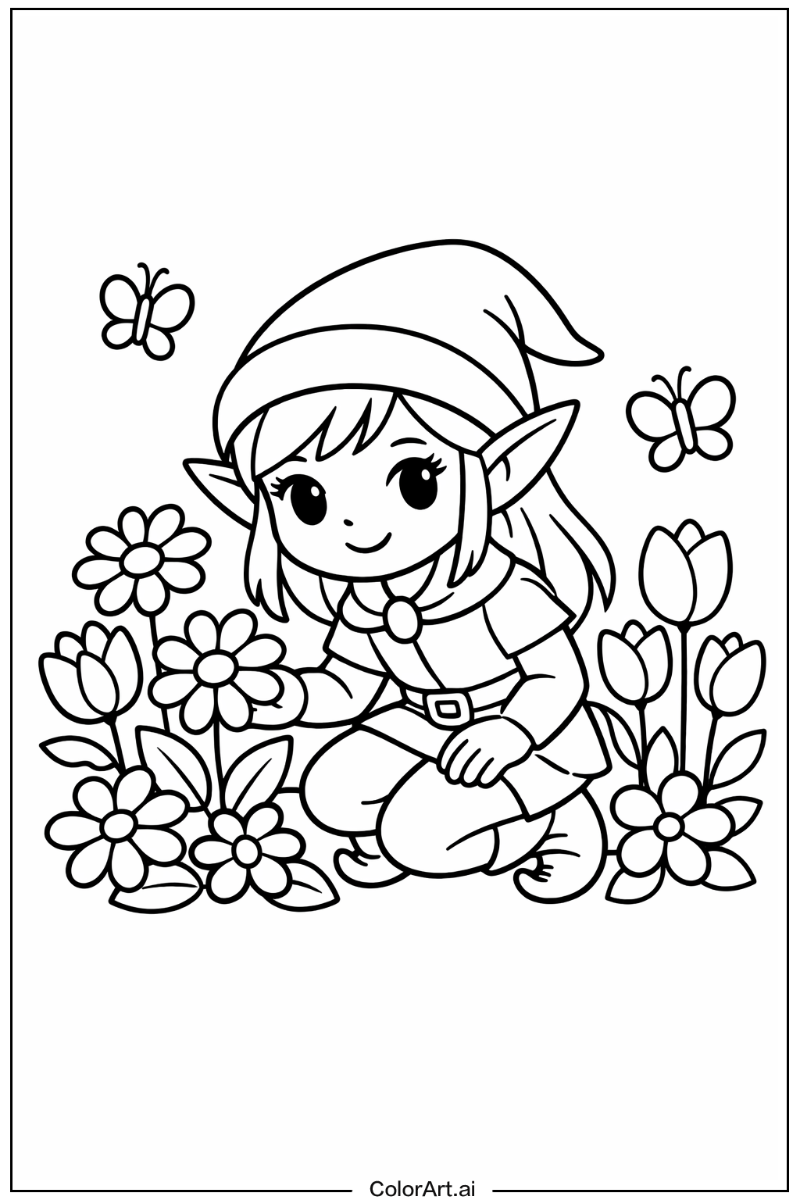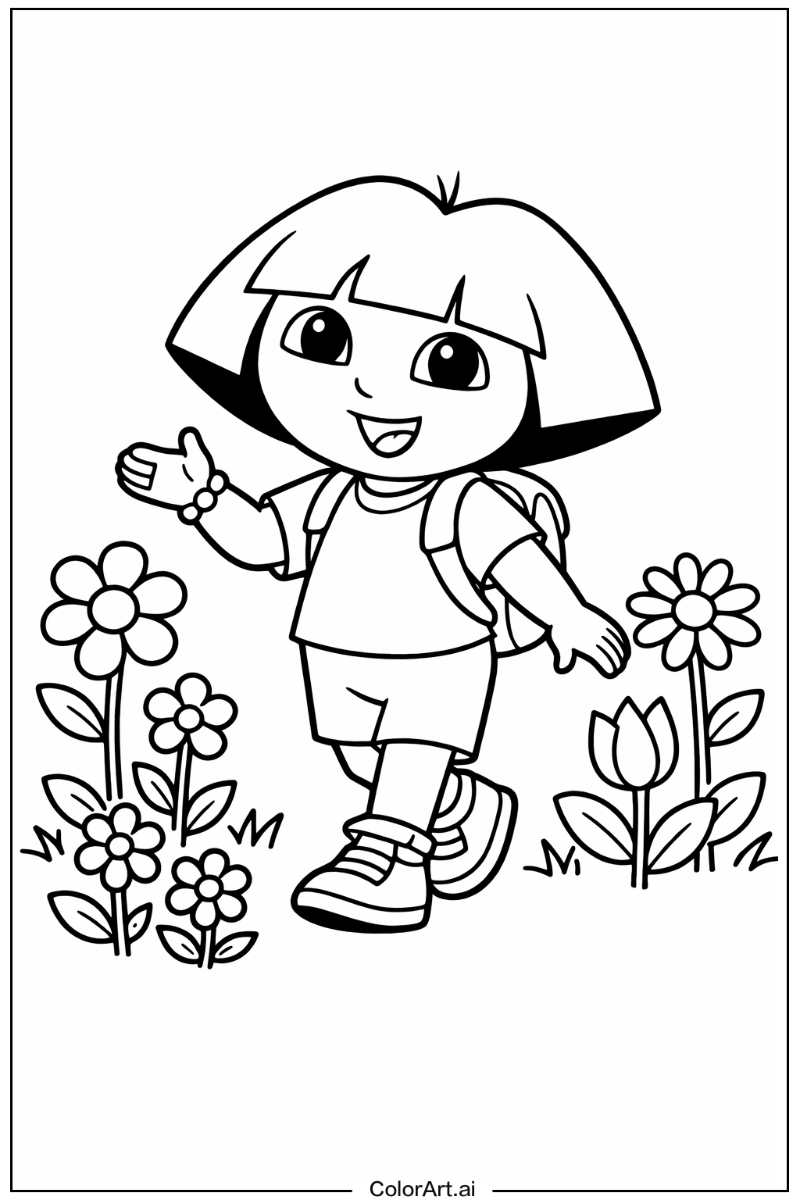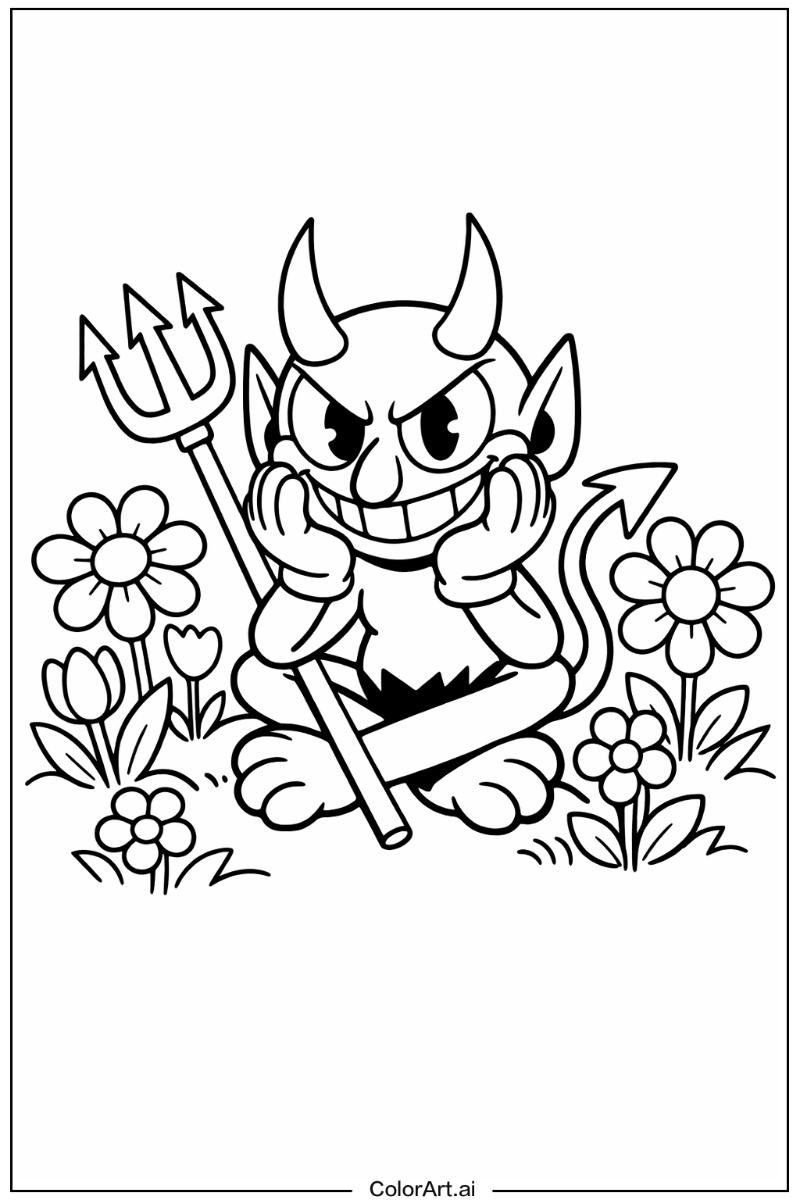
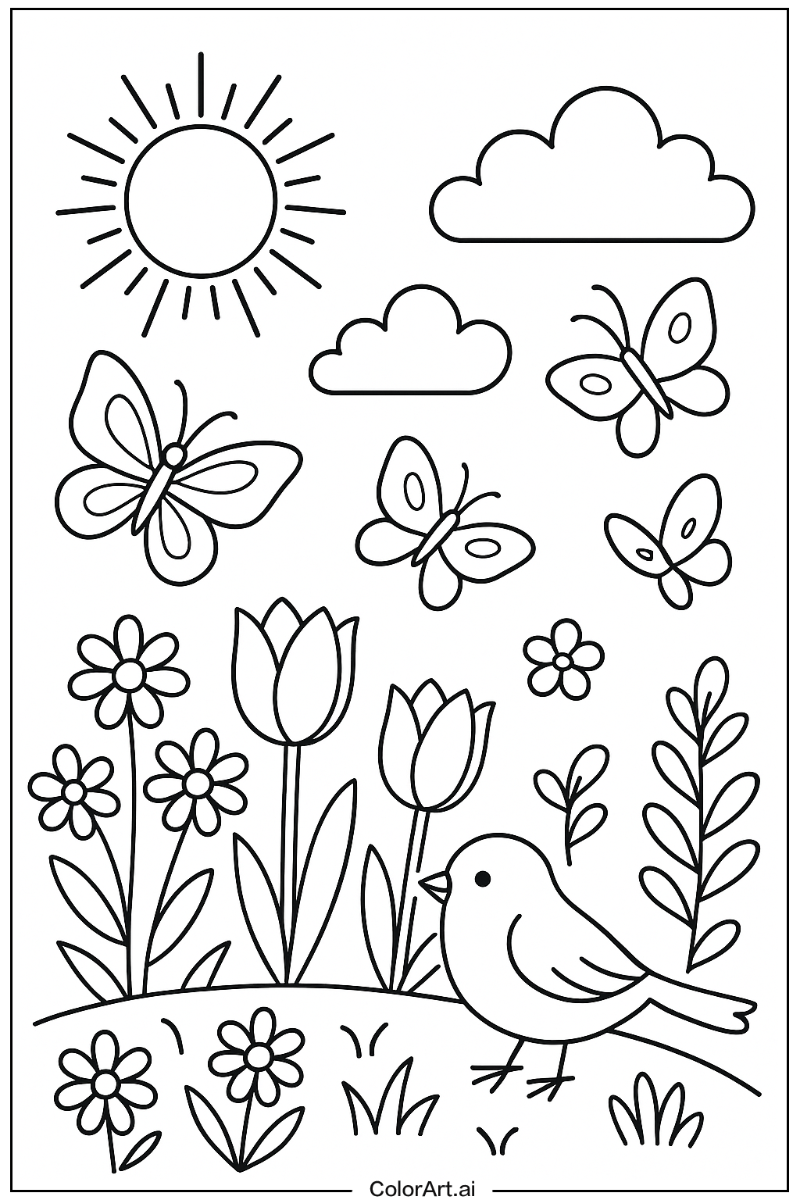
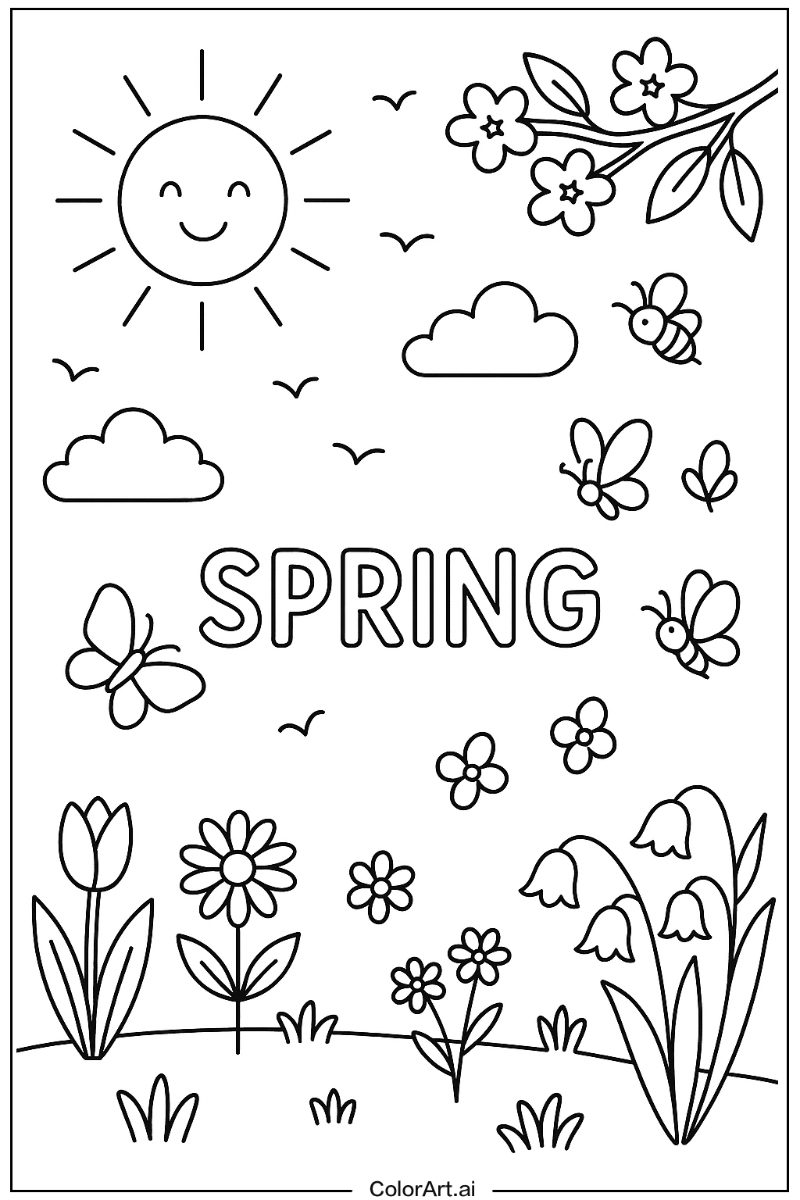
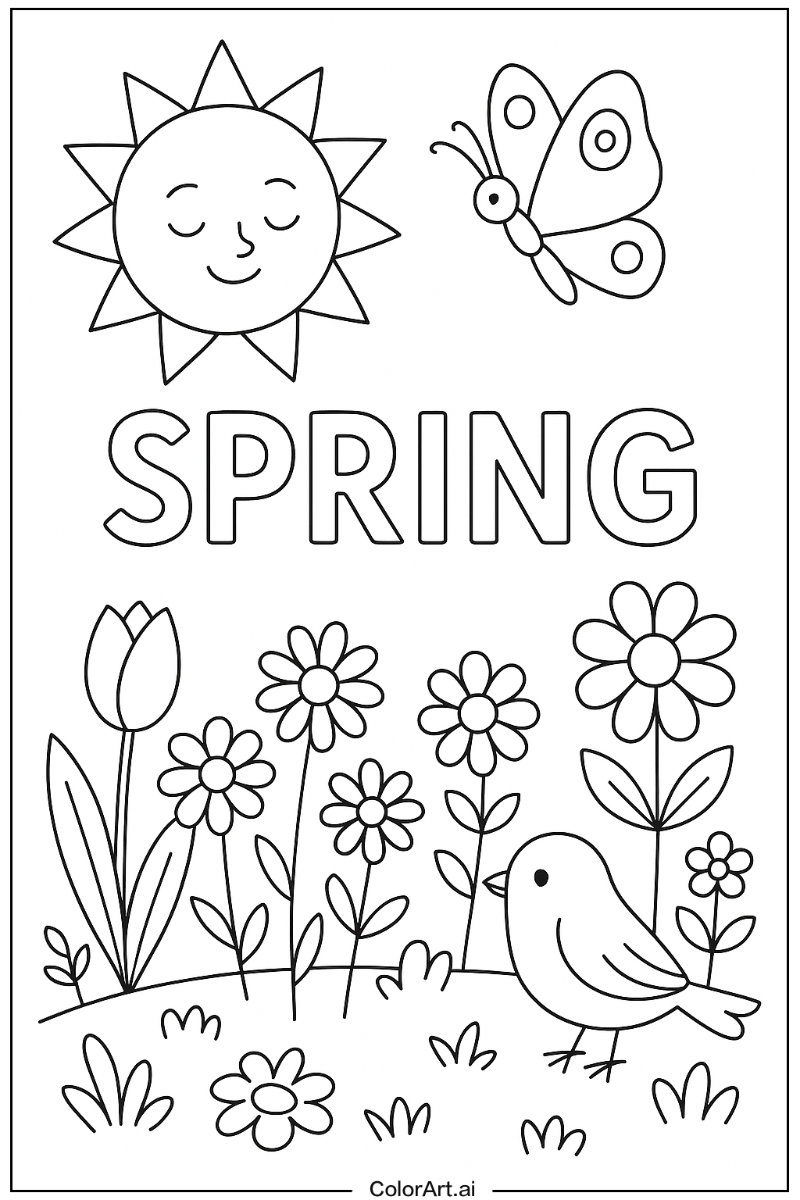
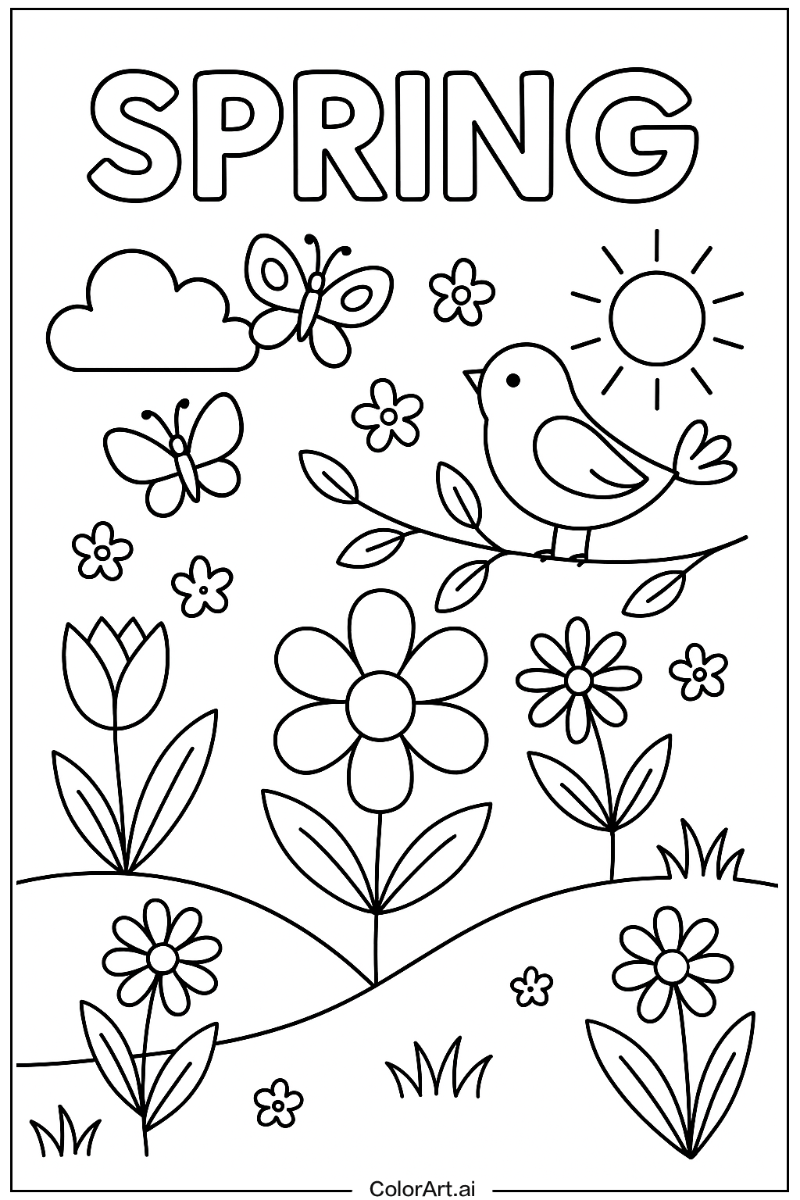
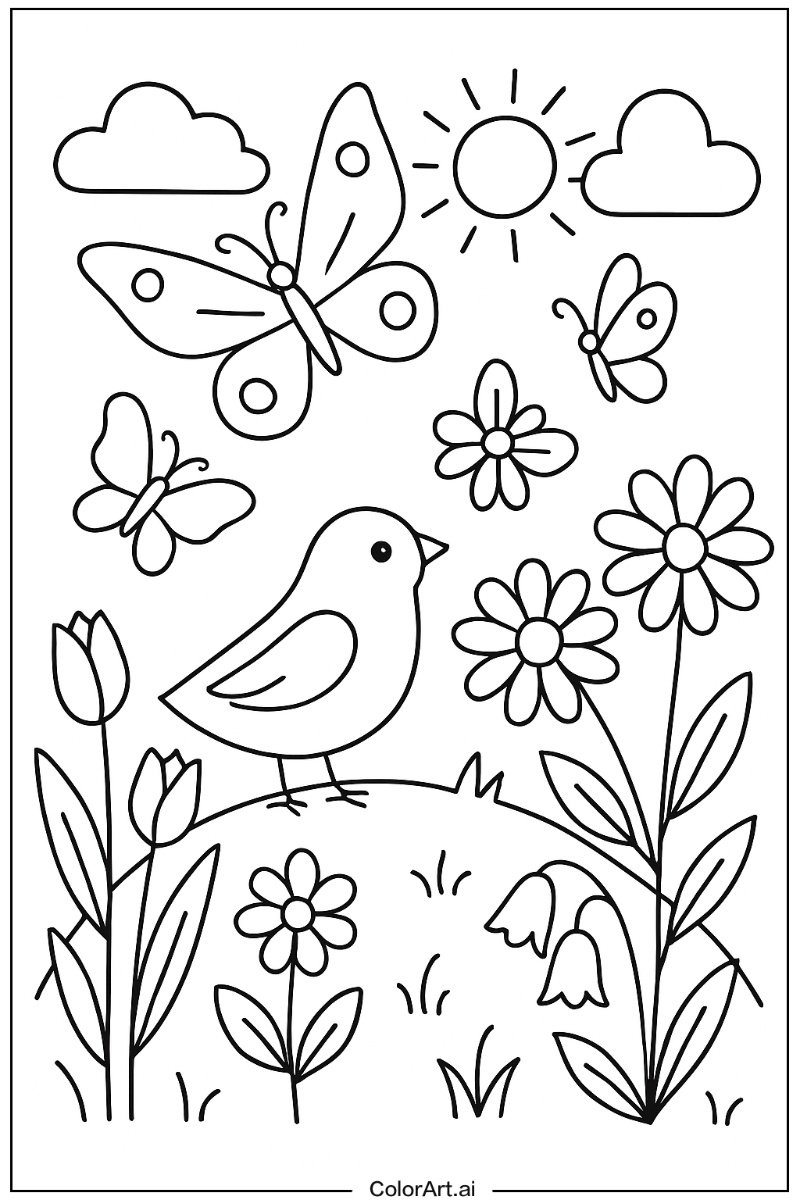
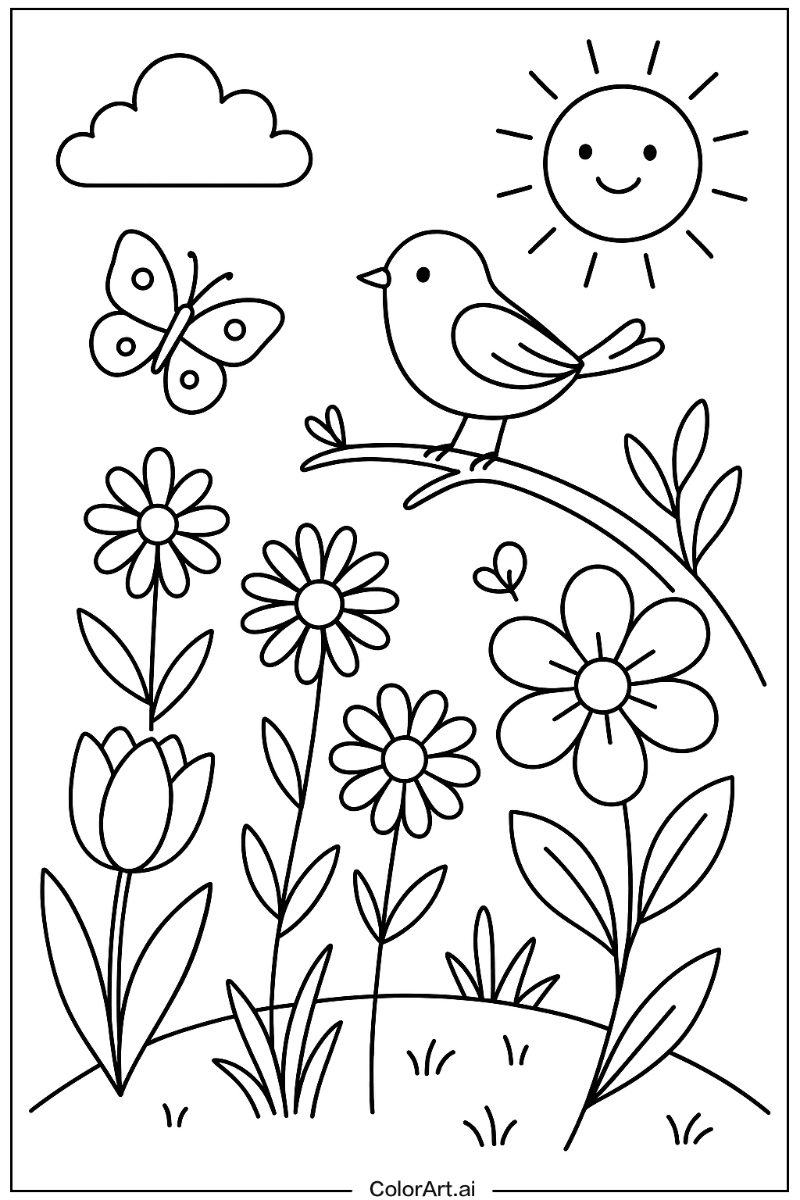
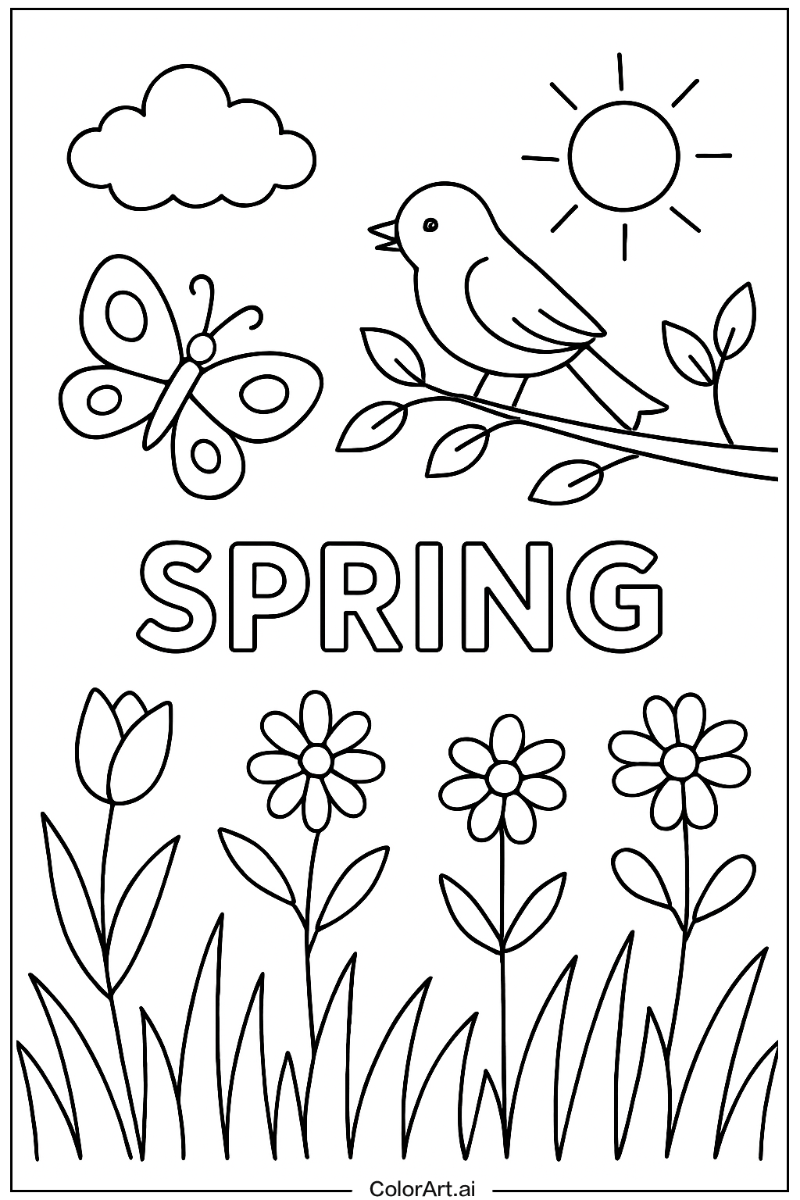
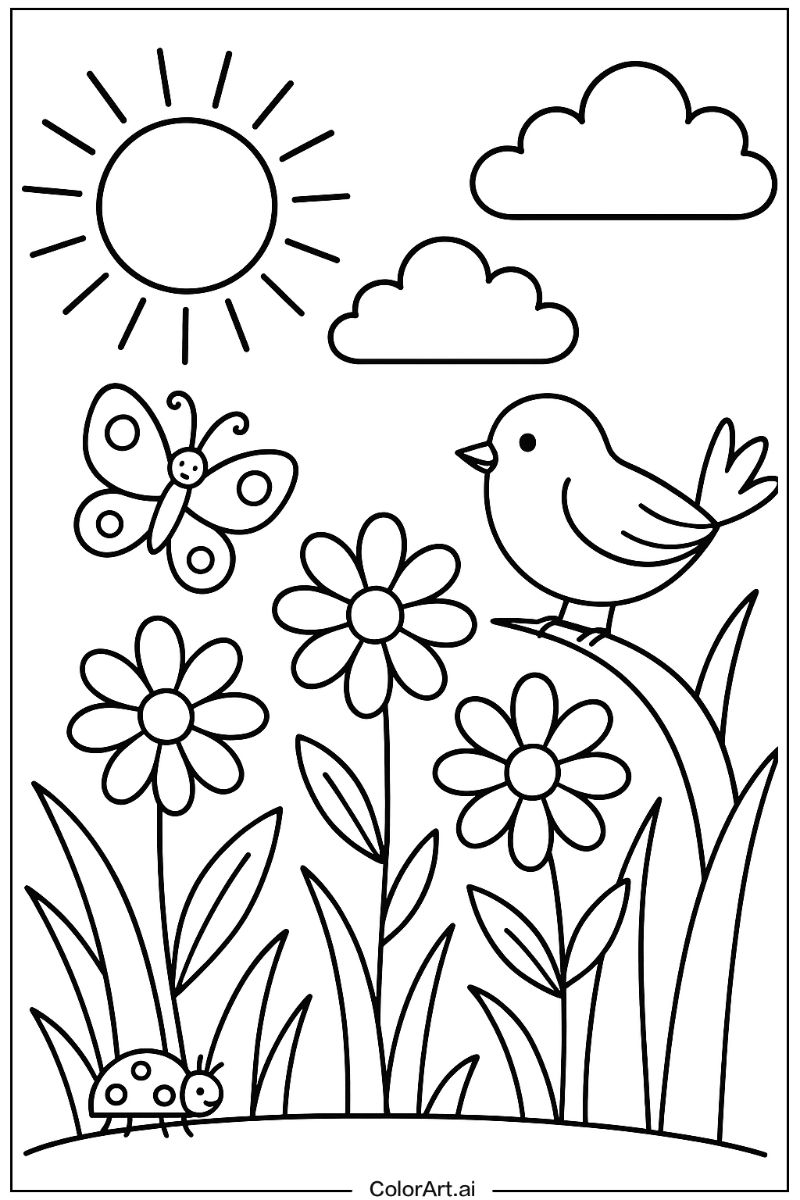
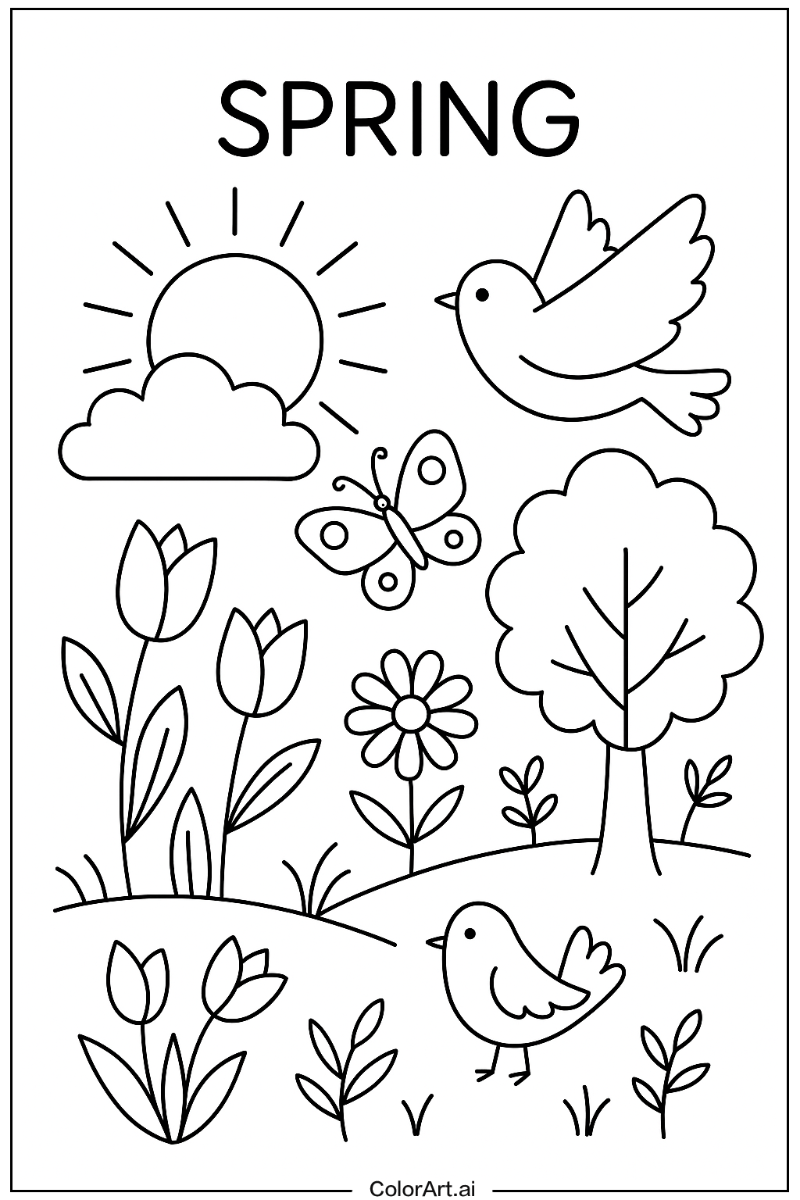
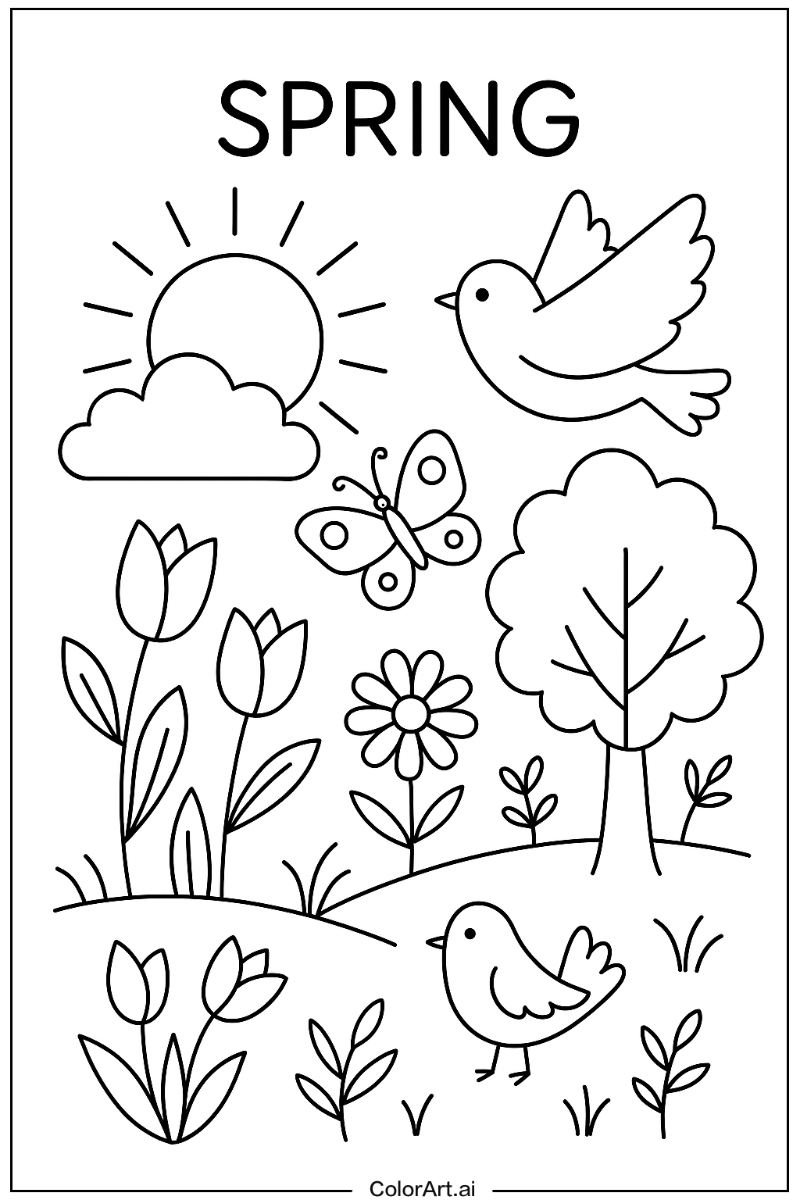
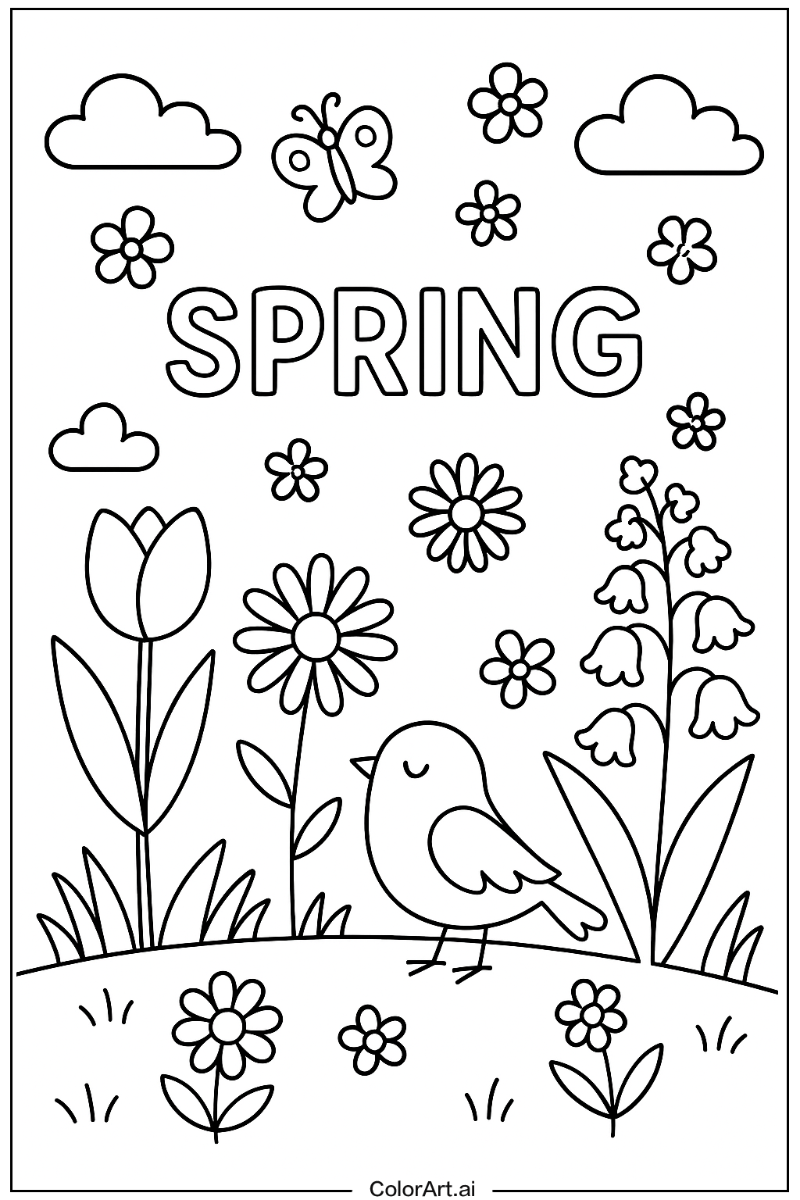
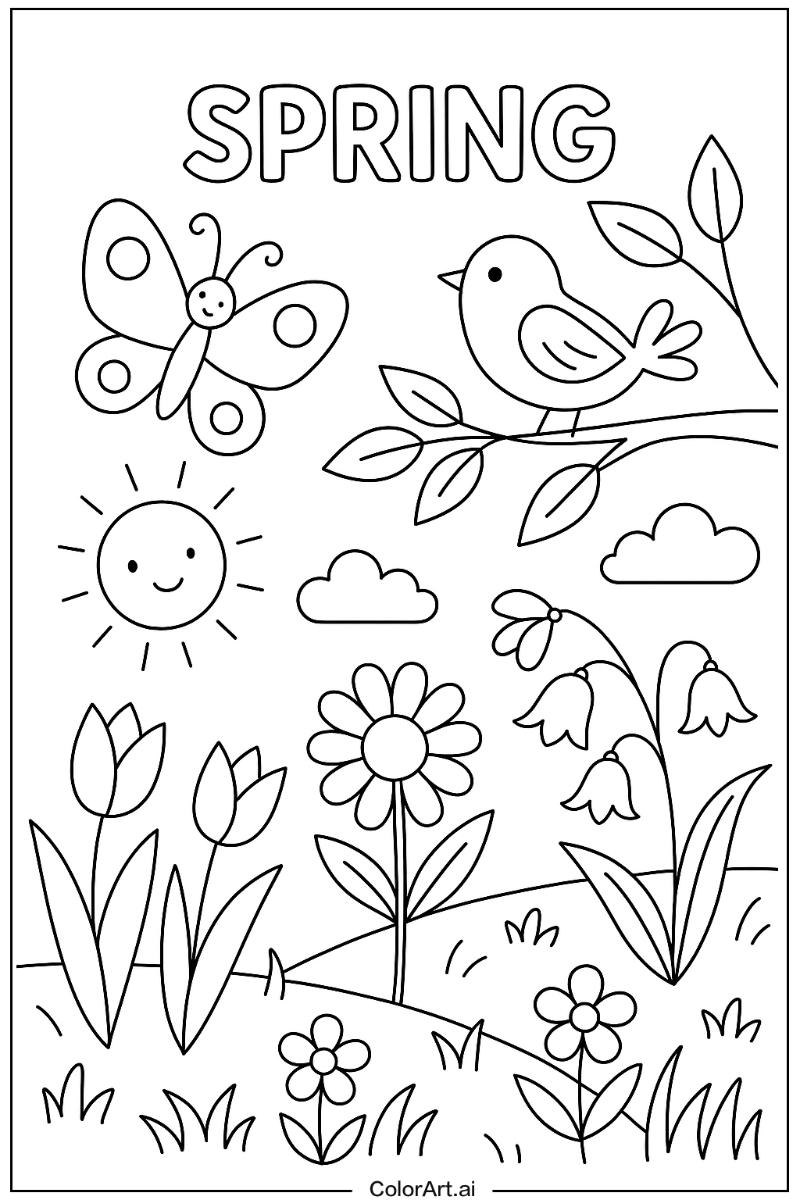
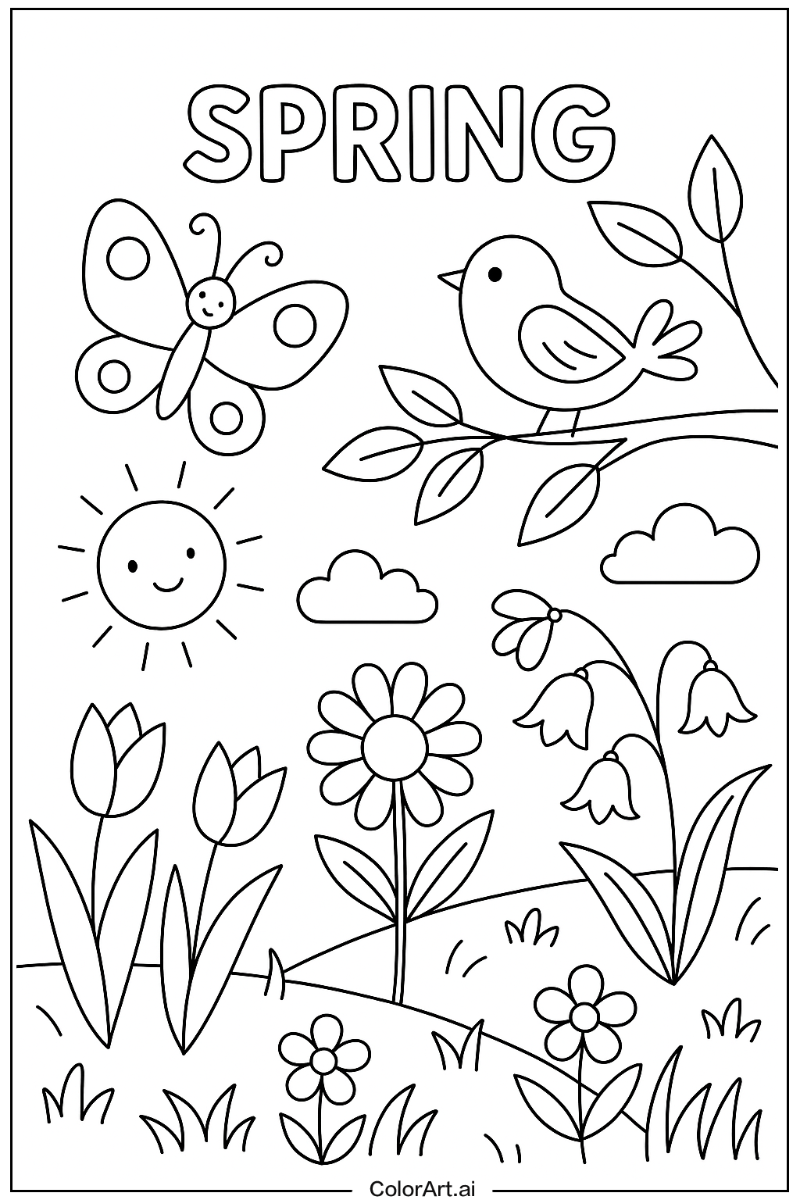
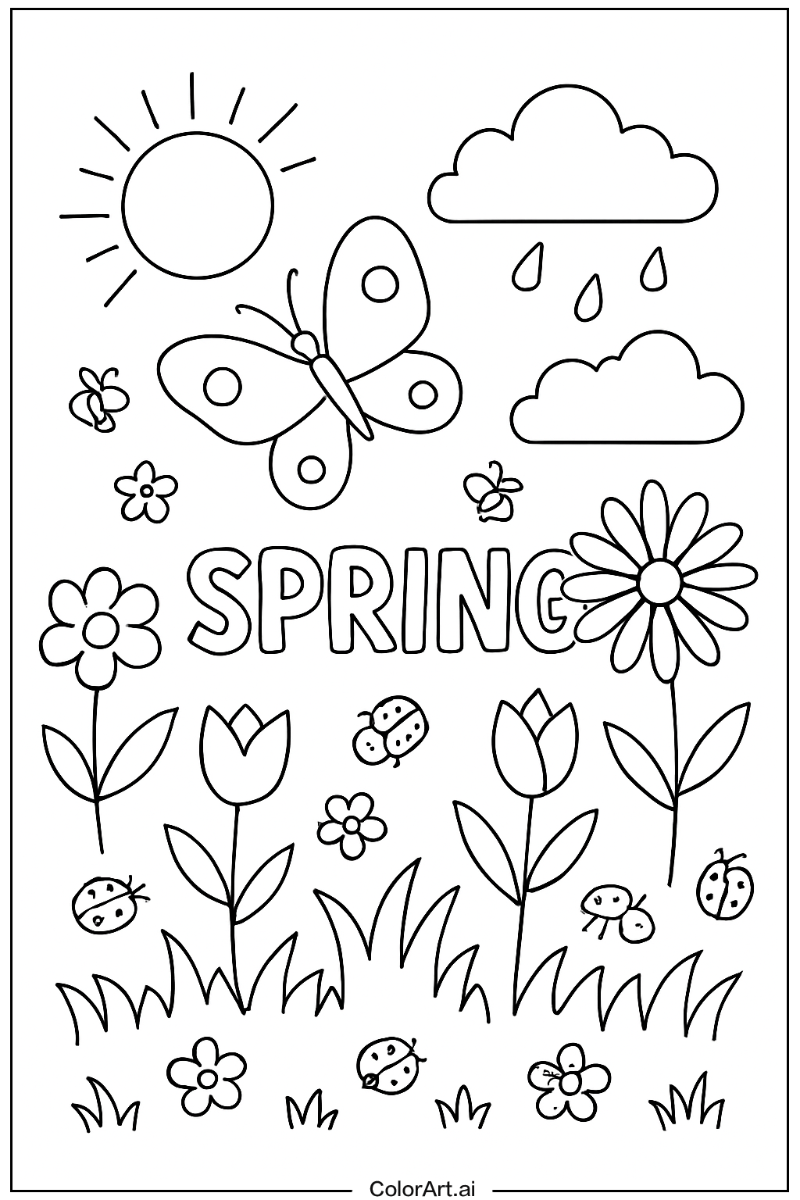
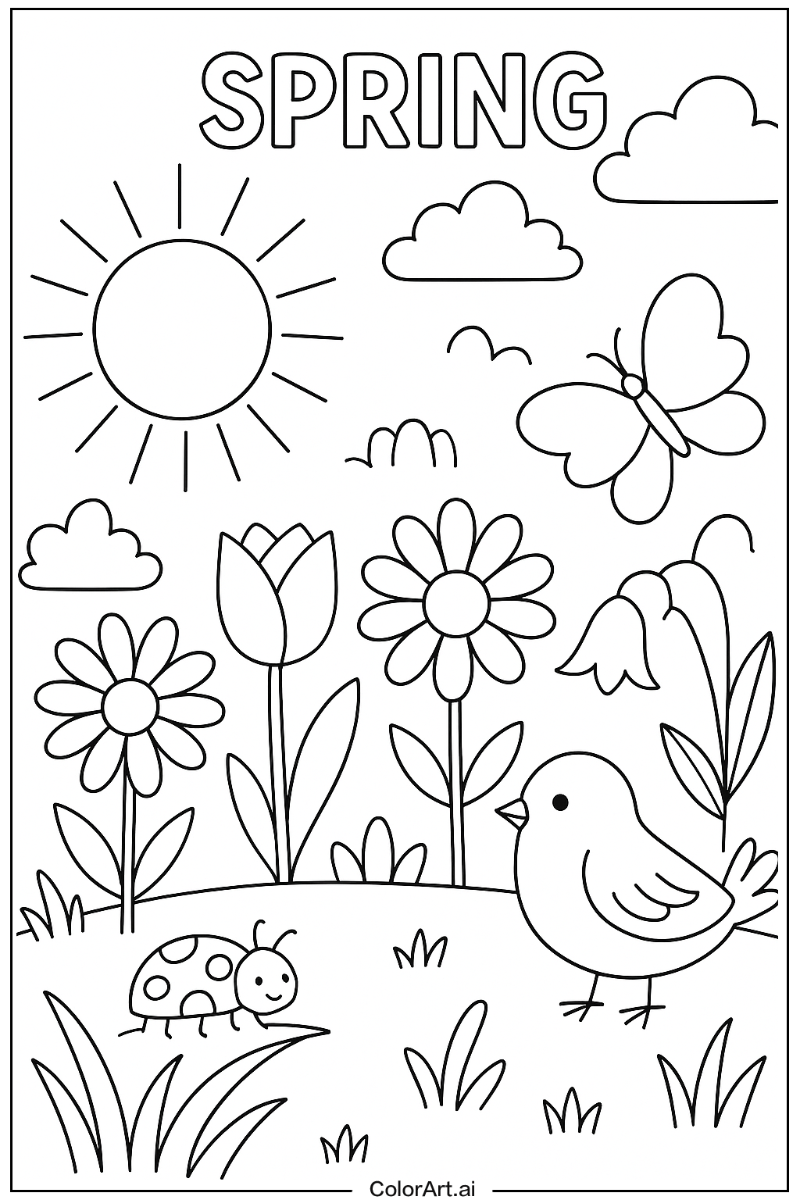
The gentle breeze through my classroom window signals one of my favorite times of year - Spring coloring season! Last week, little Emma's eyes lit up as she spotted the first daffodil outside our art room window, inspiring a whole class discussion about Spring colors and renewal. As we transition from winter's muted palette to Spring's vibrant hues, I love introducing my students to free printable Spring coloring pages that capture this magical season. After 15 years of teaching elementary art, I've discovered that Spring-themed coloring activities offer the perfect blend of seasonal learning and creative expression. From detailed garden scenes to simple Spring flowers, these pages help my students connect with nature's awakening while developing crucial fine motor skills.
Group Coloring Pages
 PDF
PDF
 PNG
PNG
 PNG
PNG
 PNG
PNG
 PNG
PNG
 PNG
PNG
 PNG
PNG
 PNG
PNG
 PNG
PNG
 PNG
PNG
 PNG
PNG
 PNG
PNG
 PNG
PNG
 PNG
PNG
 PNG
PNG
 PNG
PNG
 PNG
PNG
 PNG
PNG
 PNG
PNG
 PNG
PNG
 PNG
PNG
 PNG
PNG
 PNG
PNG
 PNG
PNG
 PNG
PNG
 PNG
PNG
 PNG
PNG
 PNG
PNG
 PNG
PNG
 PNG
PNG
 PNG
PNG
 PNG
PNG
 PNG
PNG
 PNG
PNG
 PNG
PNG
 PNG
PNG
 PNG
PNG
 PNG
PNG
 PNG
PNG
 PNG
PNG
 PNG
PNG
 PNG
PNG
 PNG
PNG
 PNG
PNG
 PNG
PNG
 PNG
PNG
 PNG
PNG
 PNG
PNG
 PNG
PNG
 PNG
PNG
 PNG
PNG
 PNG
PNG
 PNG
PNG
Spring has always fascinated my young artists with its dramatic transformation from winter's sleep to nature's rebirth. During our morning art circles, we often discuss how Spring begins at the vernal equinox, when day and night share equal length. My second graders particularly enjoy learning about how different cultures celebrate Spring - from Japan's cherry blossom festivals to India's colorful Holi celebrations. Just yesterday, Carlos asked why trees bloom in Spring, leading to an impromptu science lesson about how plants respond to warmer temperatures and longer daylight hours. I've found that incorporating these natural Spring phenomena into our coloring activities helps students understand the season's significance while creating meaningful artwork. The way my students' faces light up when they learn about Spring migration patterns or the science behind April showers makes every lesson worthwhile.
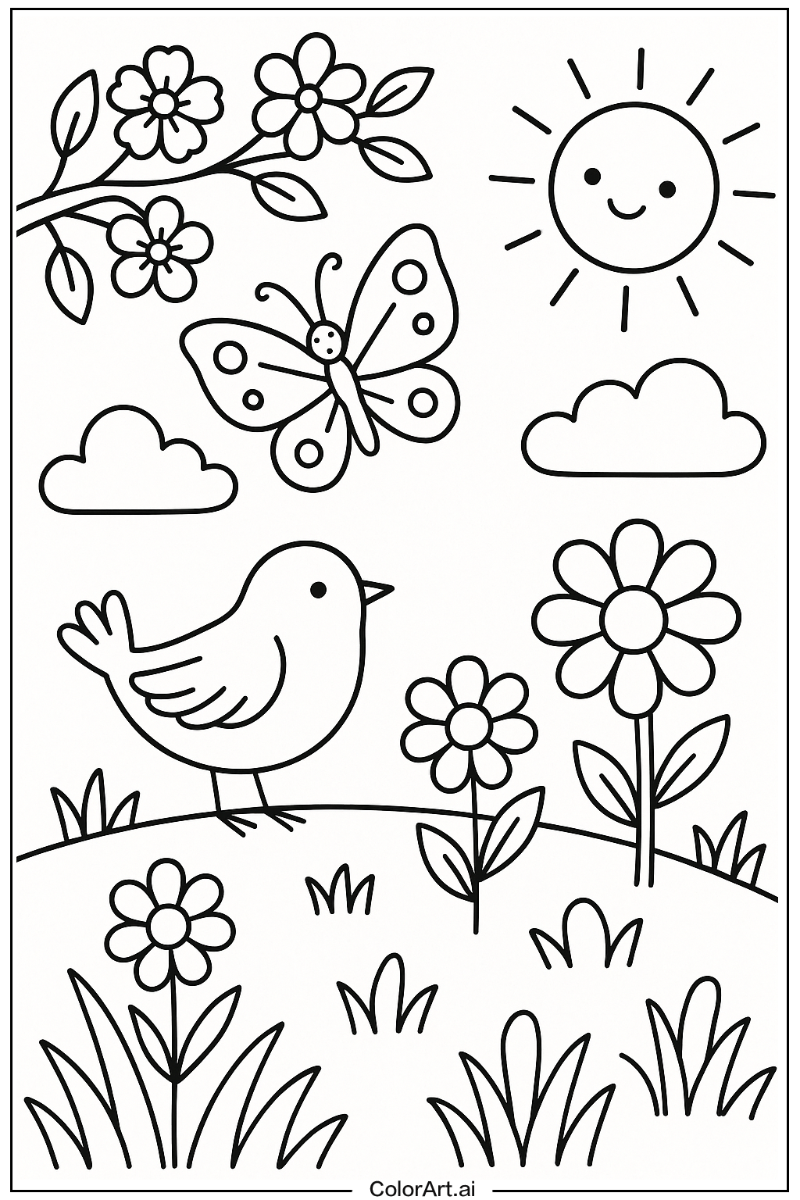
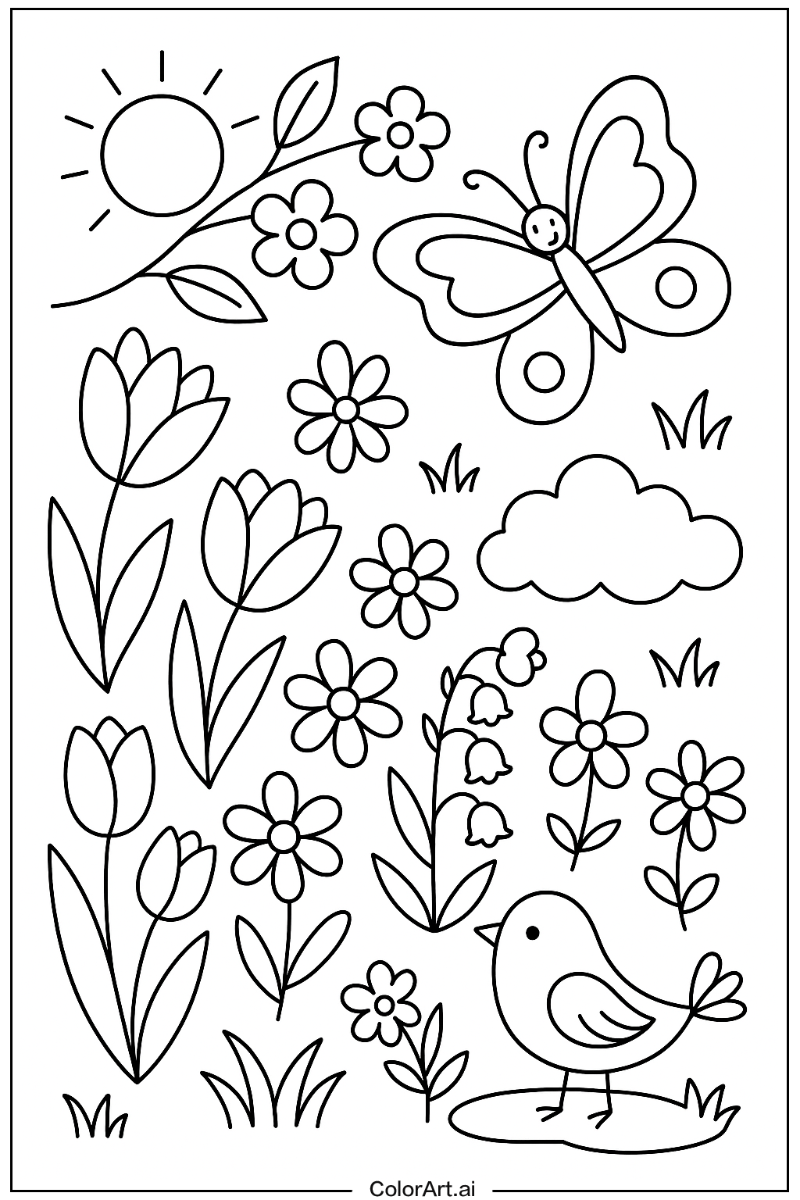
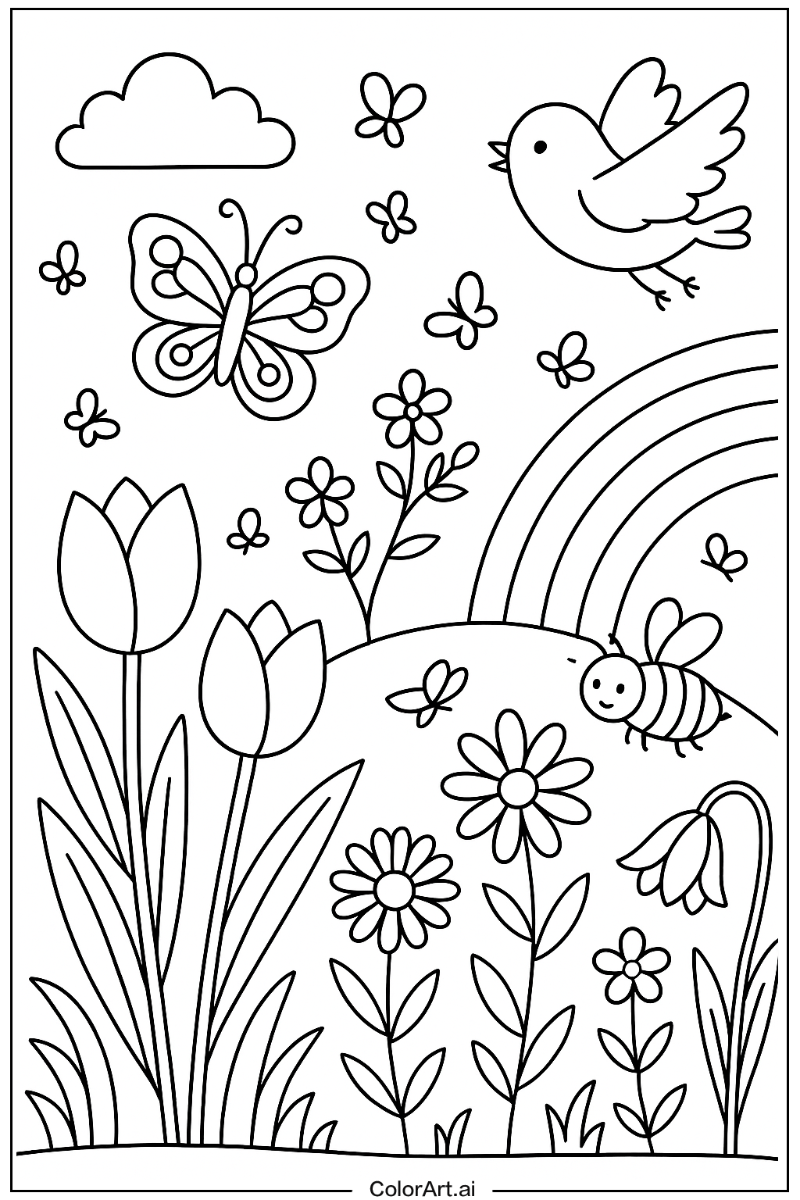
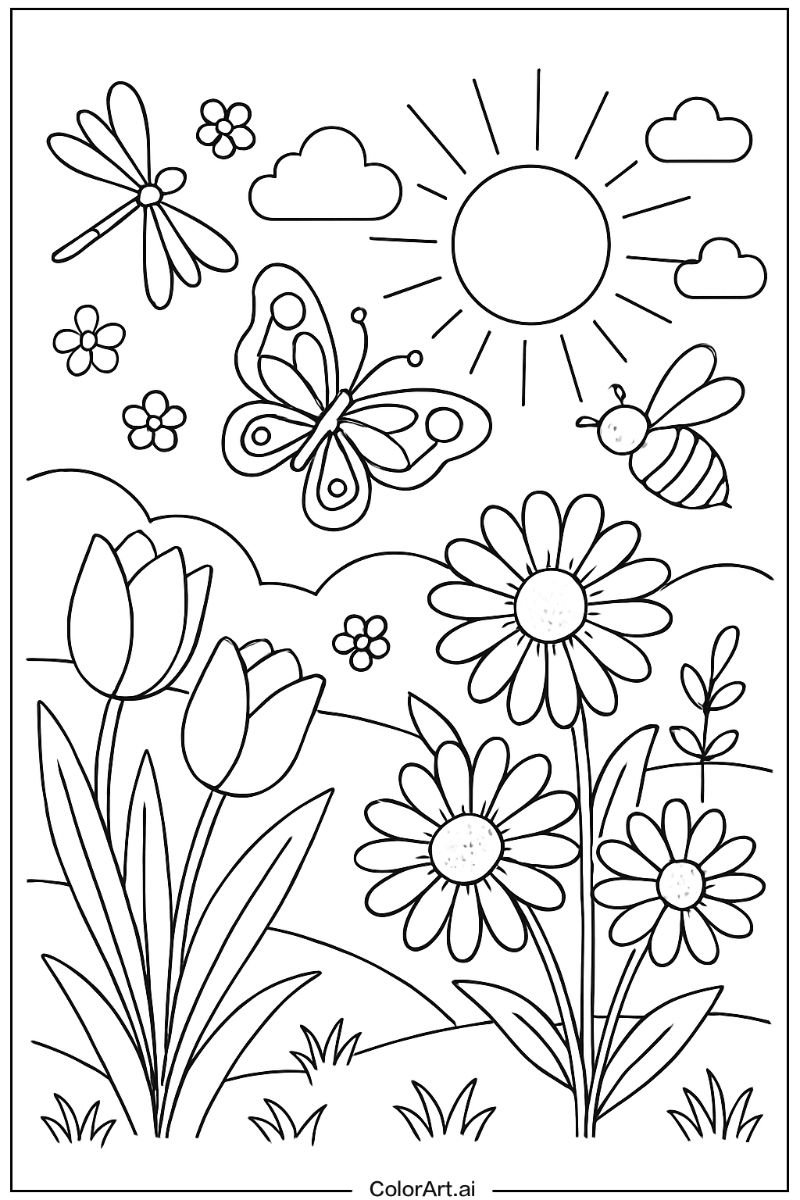
The educational impact of Spring coloring pages extends far beyond artistic development. In my classroom, I've witnessed remarkable growth in students' fine motor skills as they carefully color intricate Spring flower petals and butterfly wings. Last month, shy Timothy found his voice during our Spring coloring sessions, confidently explaining the life cycle of a tadpole he was coloring. These pages naturally integrate with our science curriculum - we use them to learn about Spring weather patterns, plant growth, and animal life cycles. I've noticed that Spring-themed coloring activities also help develop vocabulary as students discuss concepts like 'germination,' 'migration,' and 'pollination.' The seasonal focus makes these learning moments feel organic and engaging rather than forced.
After years of guiding young artists through Spring coloring activities, I've developed some helpful techniques. First, I encourage students to observe real Spring elements before coloring - we often take 'Spring walks' around the school garden for inspiration. When working with free printable Spring coloring pages, I suggest starting with lighter colors and gradually building to darker shades, just like how Spring flowers naturally deepen their colors. For younger students, I recommend chunky crayons for Spring scenes with larger areas, while older students might prefer colored pencils for detailed Spring garden patterns. Remember to rotate the paper as you color - just like how a flower turns toward the sun!
This Spring, I'm excited to share some fresh approaches to seasonal coloring activities that are trending in art education. Many of my colleague teachers are incorporating digital elements alongside traditional Spring coloring pages, creating hybrid experiences that combine hands-on creativity with technology. For instance, my class recently used free printable Spring coloring sheets as inspiration for digital nature journals on their tablets. We're also seeing a wonderful movement toward mindfulness-based Spring coloring sessions, where students practice peaceful reflection while working on detailed Spring garden scenes. The most heartwarming trend I've noticed is the increasing focus on environmental awareness through Spring coloring activities - my students now love adding native pollinators and local Spring wildflowers to their artwork.
Q: What age group are Spring coloring pages best suited for? A: In my experience, Spring coloring pages work wonderfully for ages 3 through adult, with varying complexity levels available. Q: How can I make Spring coloring more educational? A: I love incorporating seasonal vocabulary and nature facts while students color. We often discuss Spring phenomena like migration and plant growth. Q: What's the best way to store completed Spring coloring pages? A: I create a special 'Spring Gallery' wall in my classroom, but you can also compile them into seasonal portfolios or create a Spring-themed scrapbook.