Embracing Nature Through Coloring
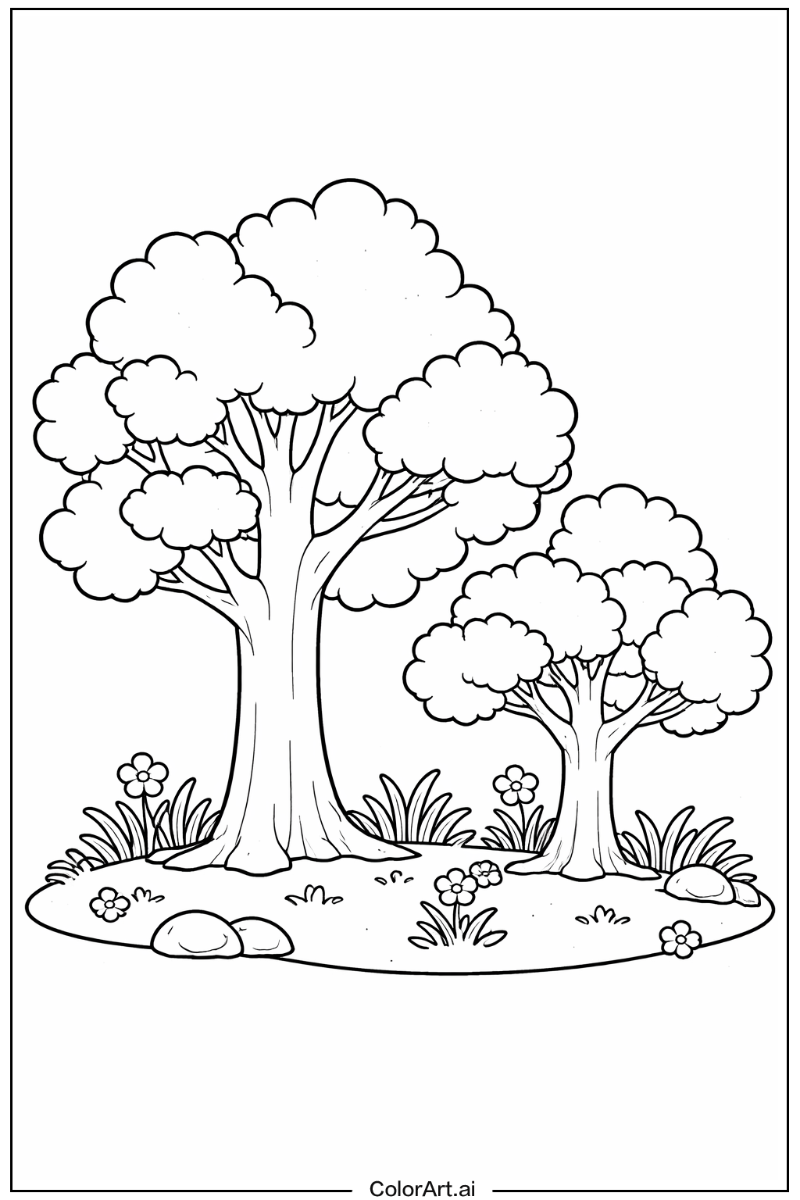
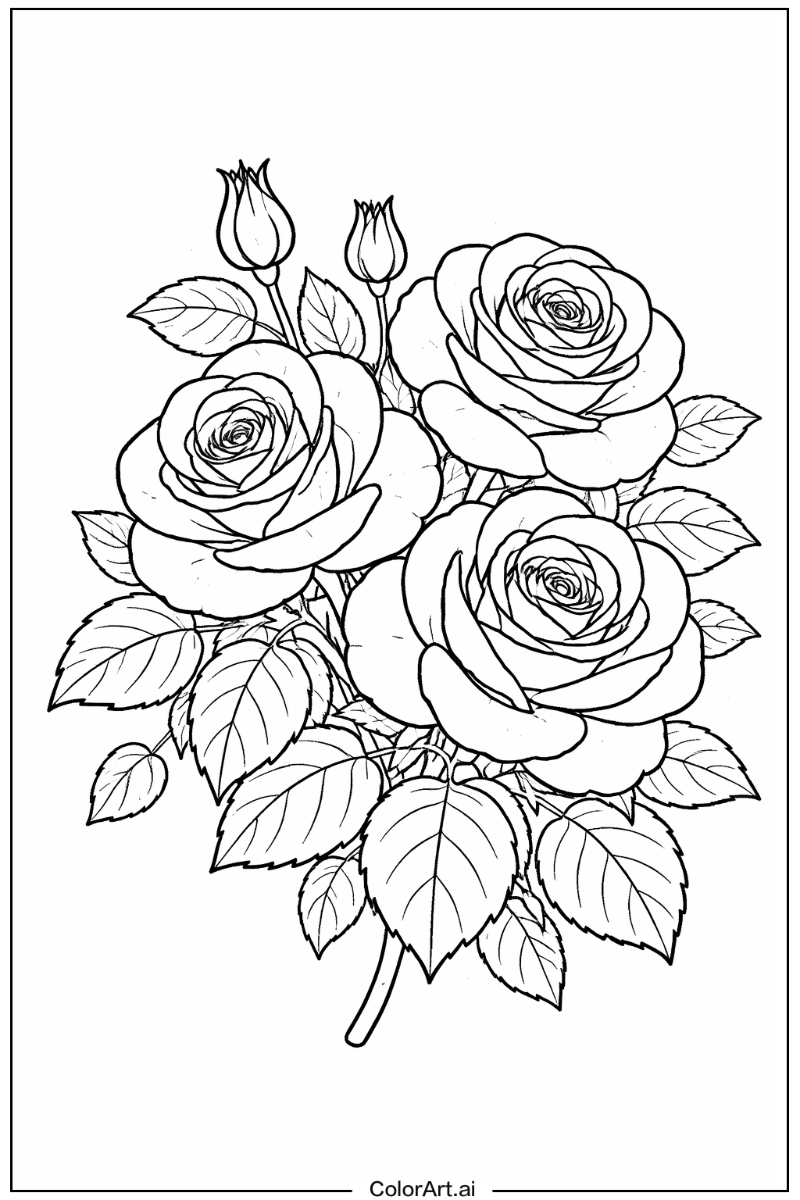
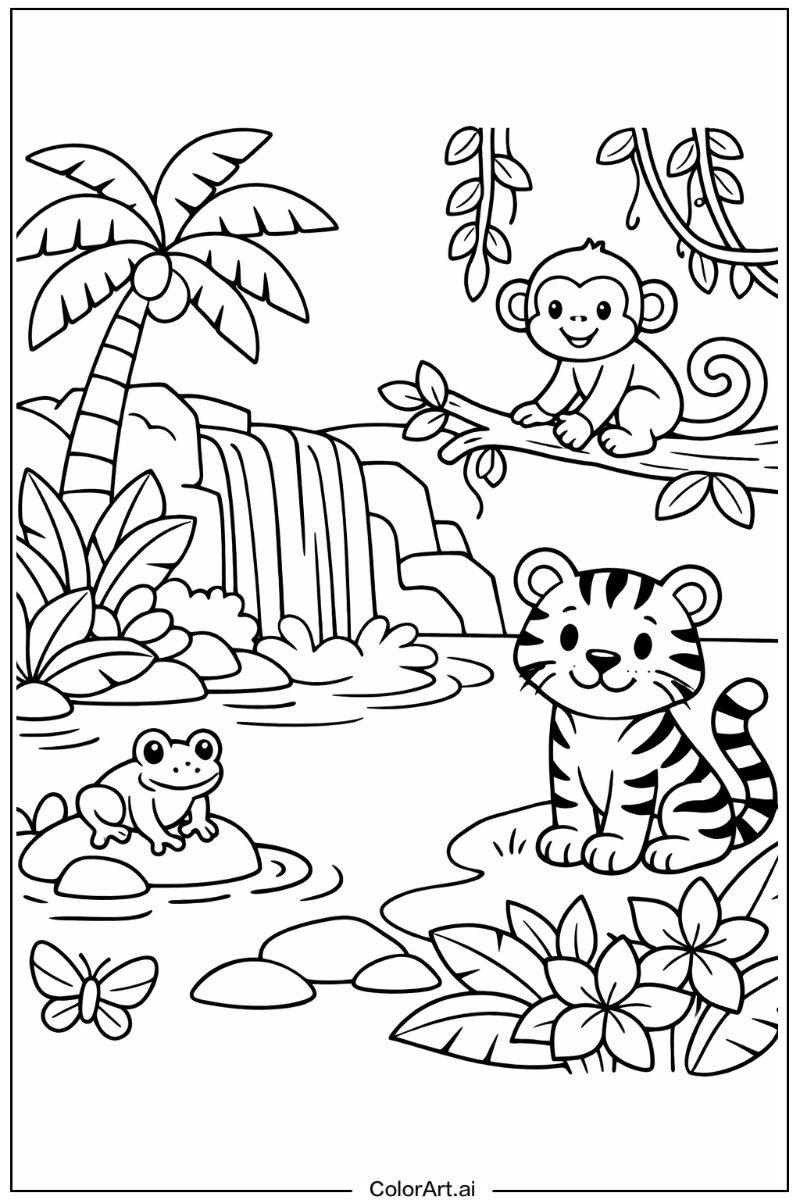
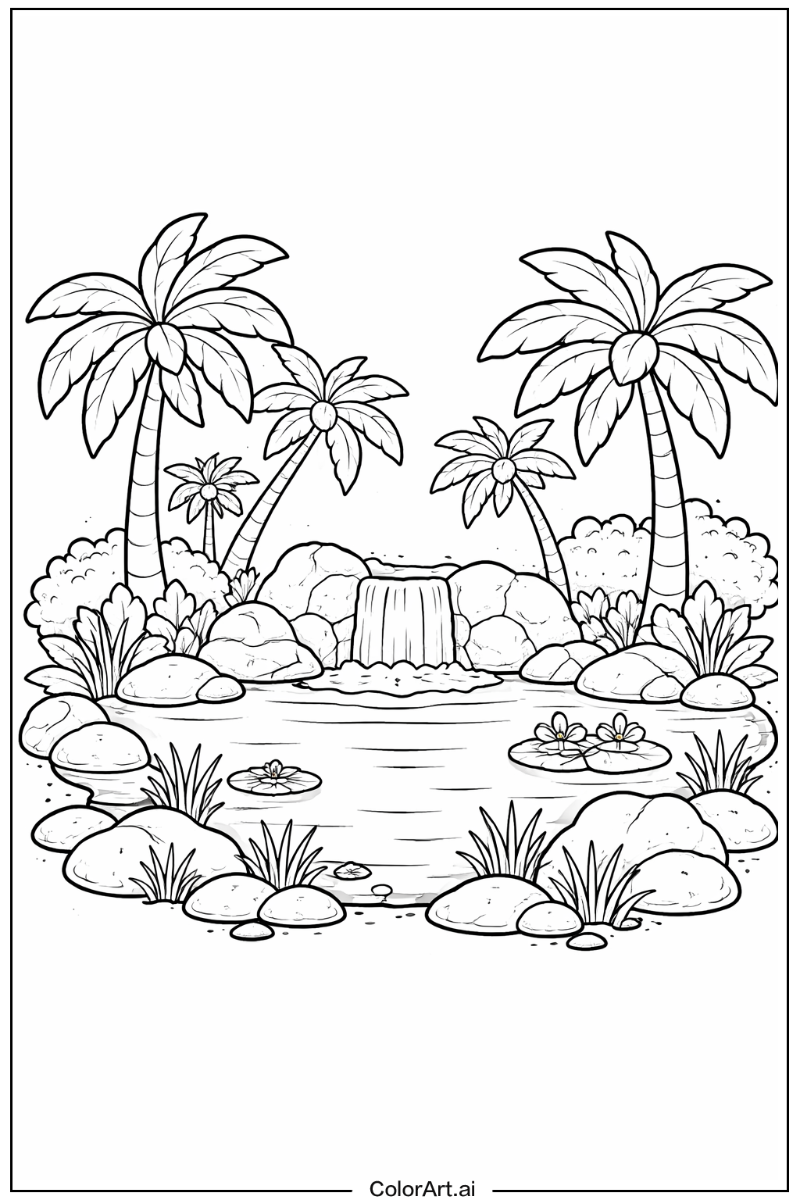
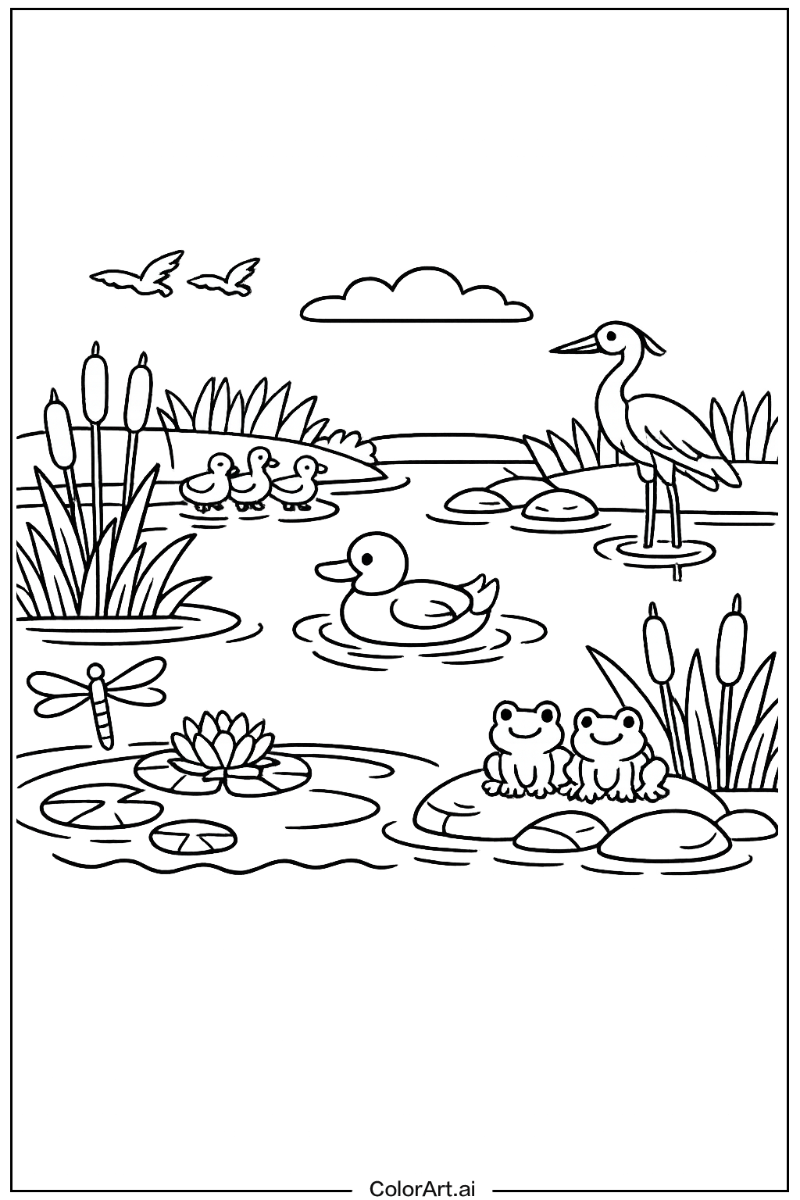
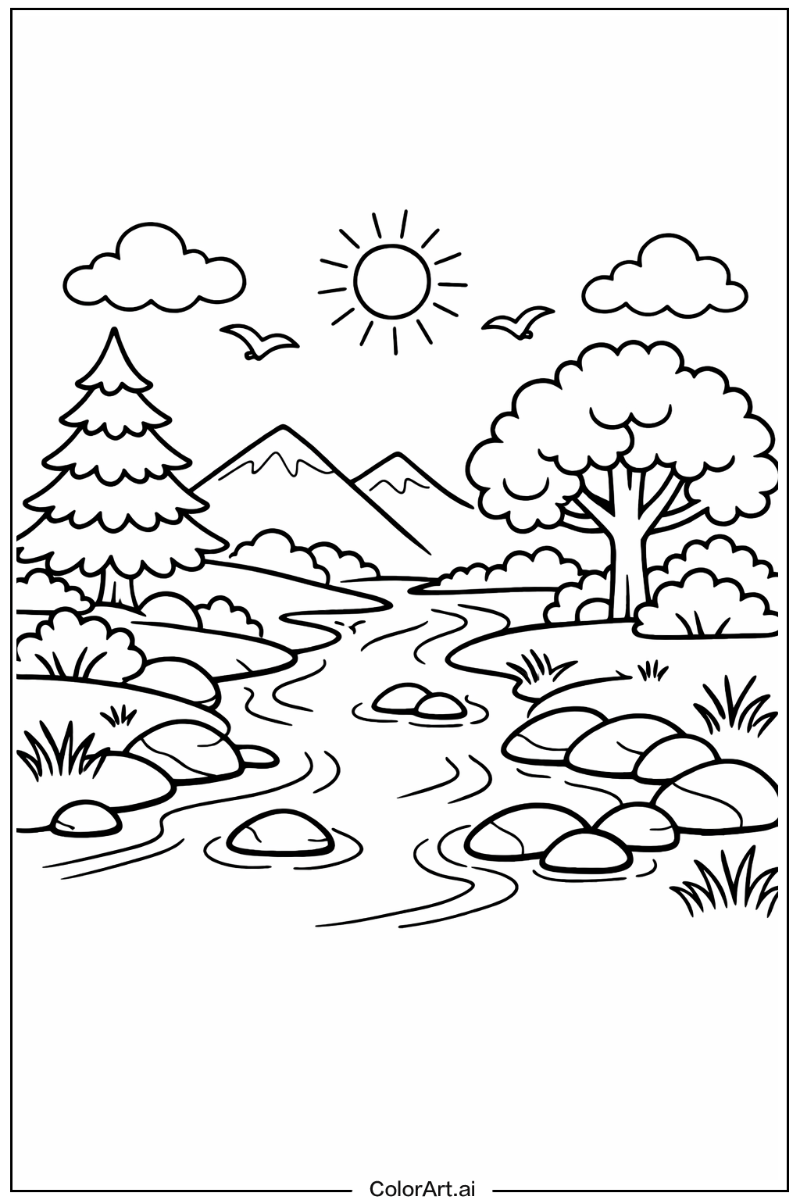
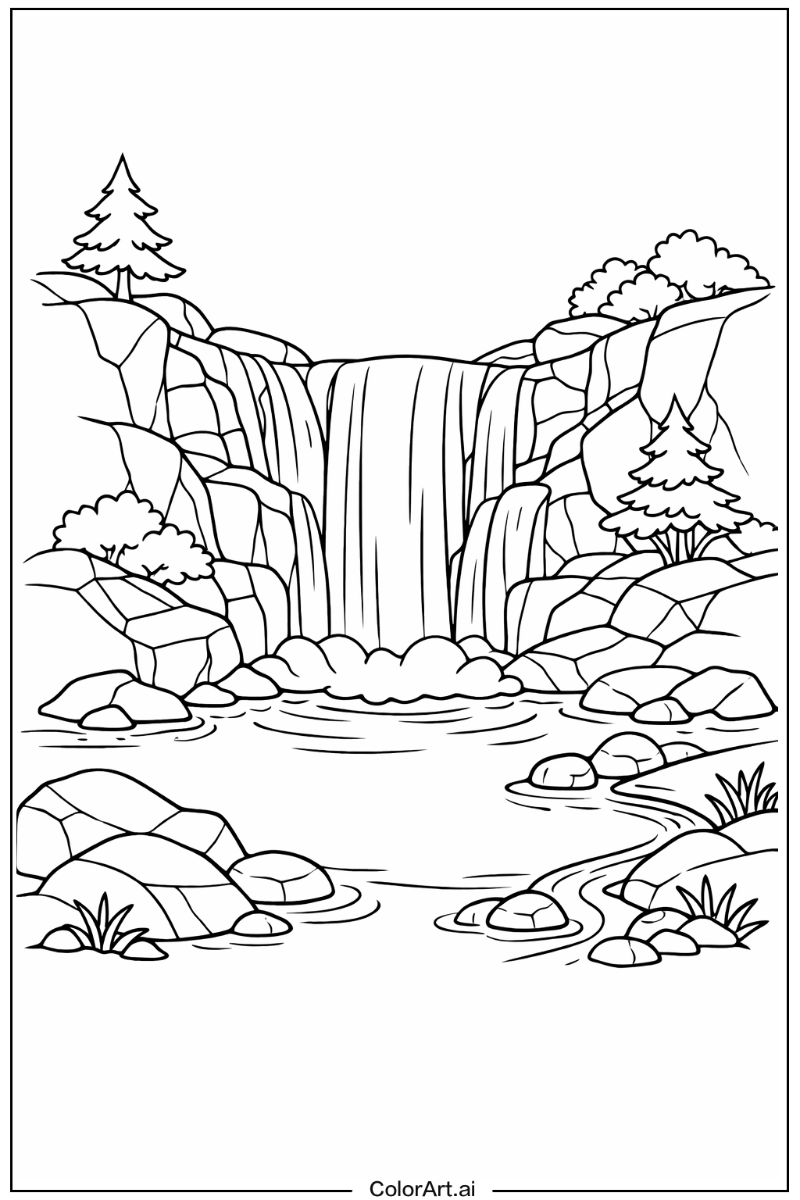
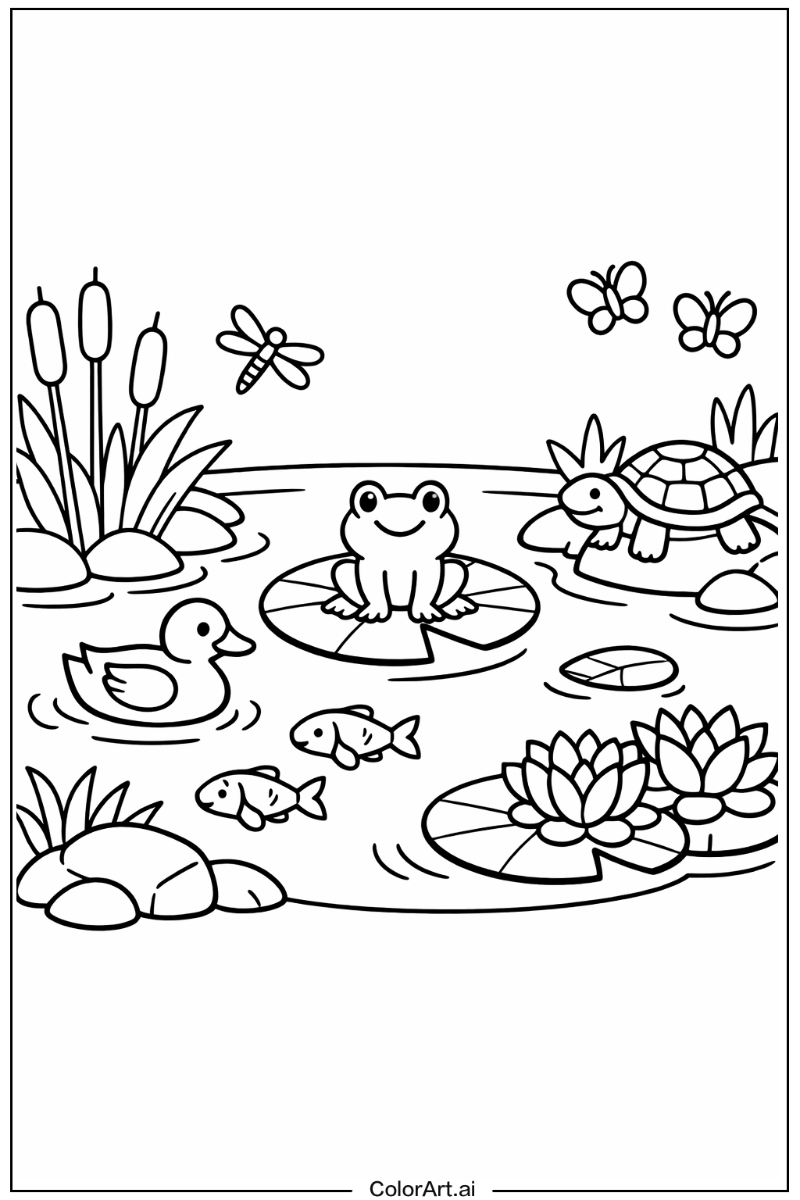
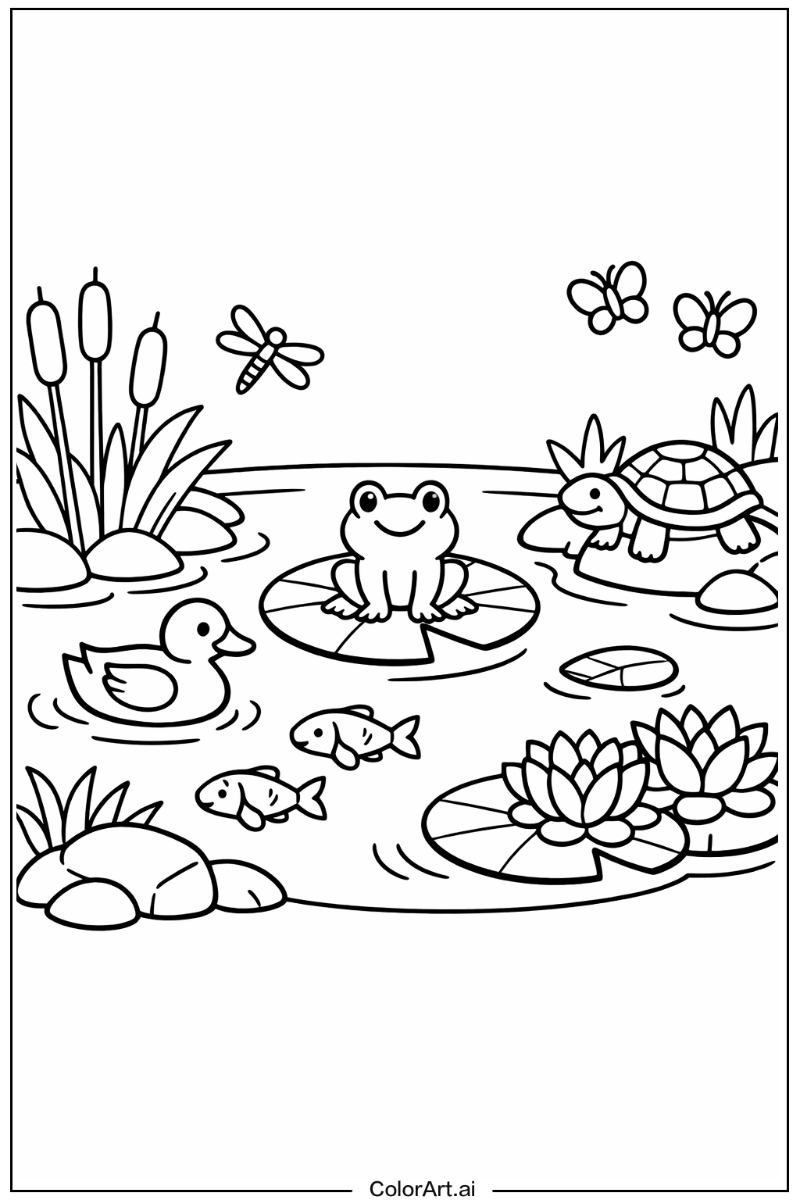
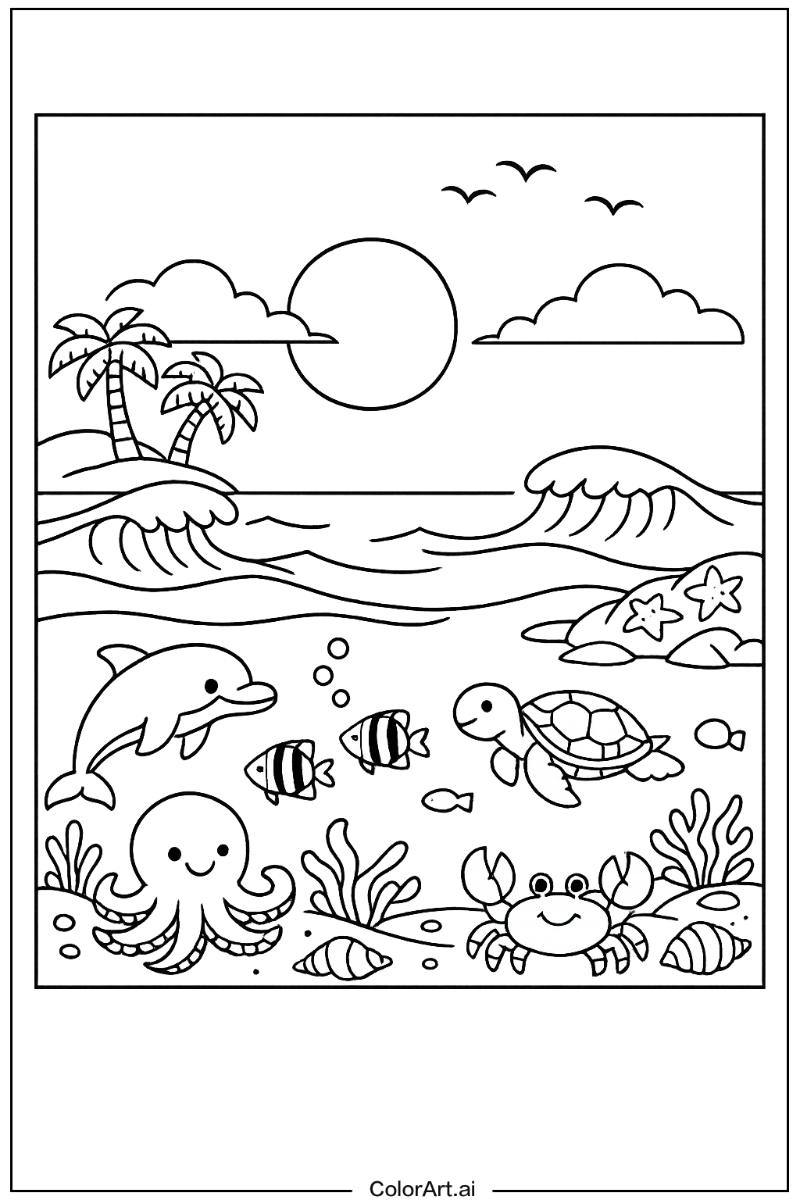
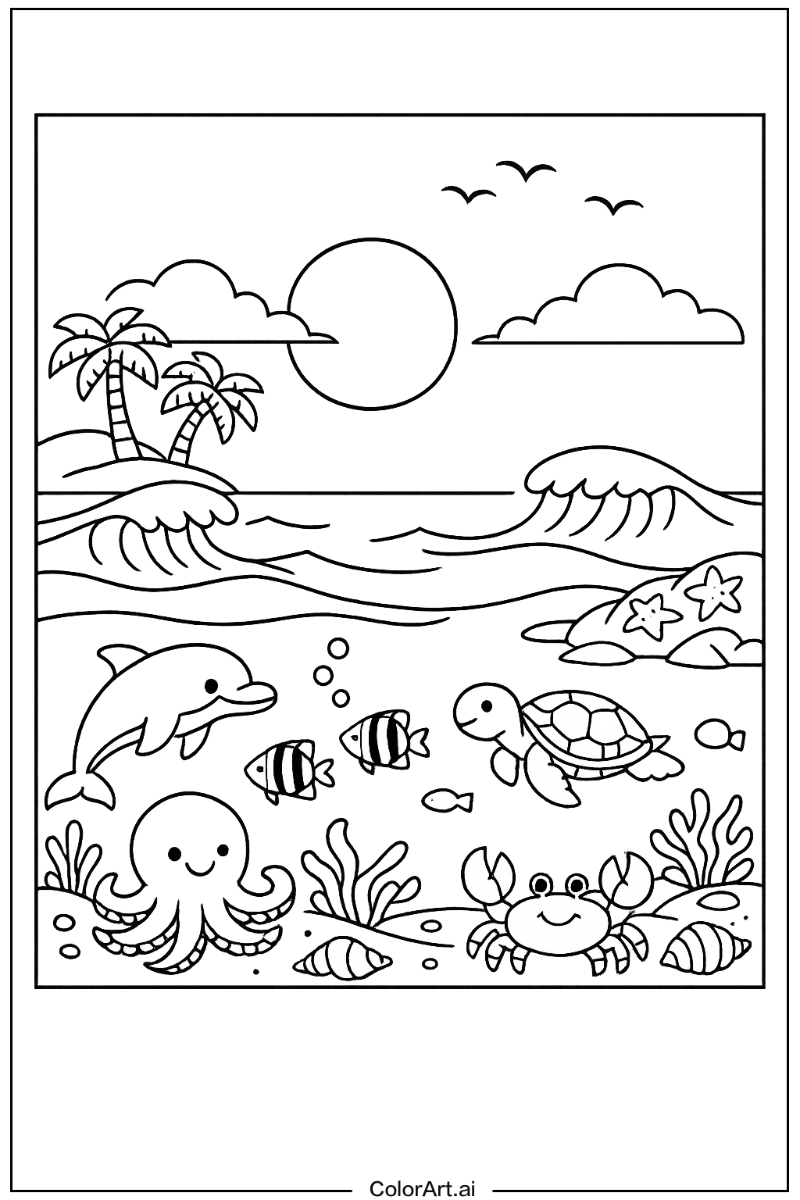
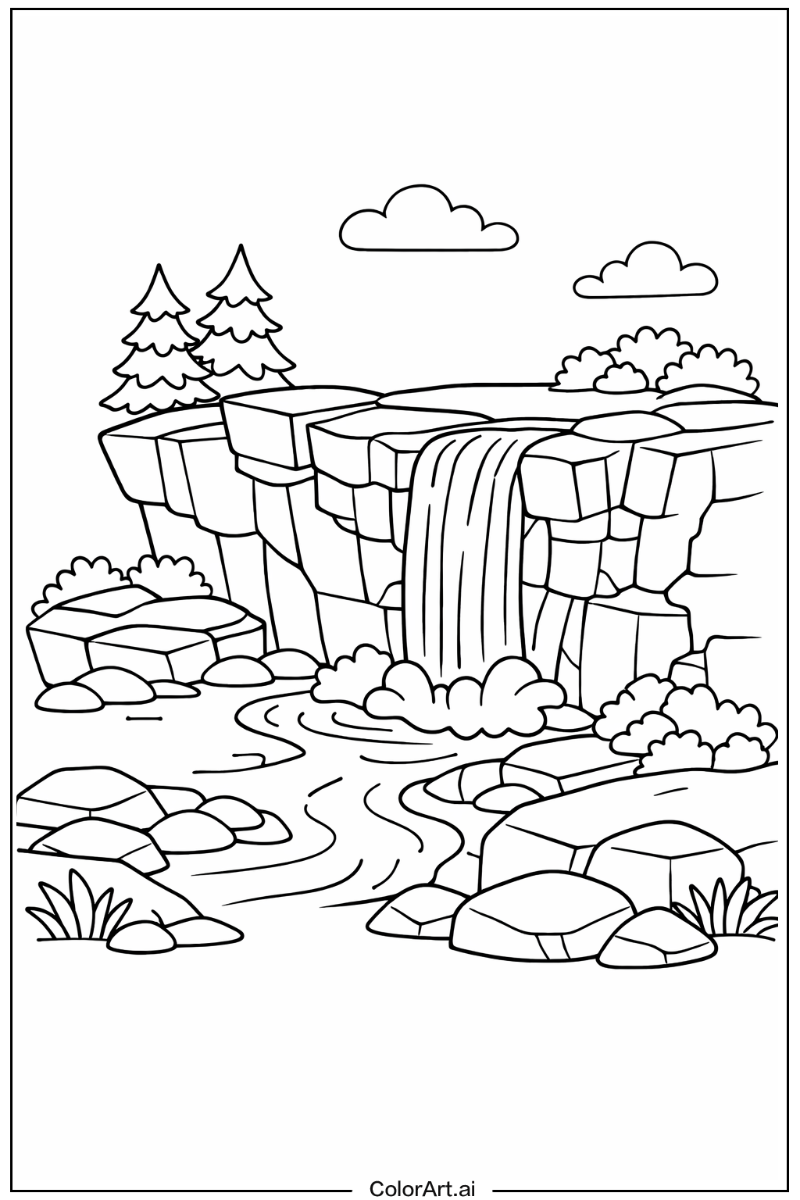
There's something magical about immersing ourselves in the world of Nature. As an art teacher, I constantly witness how my students connect with Nature through creative expression. Just last week, during our Nature coloring activity, I saw little Mia's eyes light up as she colored a vibrant butterfly landing on a flower. The way she mixed colors, creating a delightful blend of yellows and oranges, sparked a conversation about the real-life butterflies we might see in our school garden. Nature coloring pages offer a wonderful opportunity for children to explore the beauty surrounding them while developing their artistic skills. They not only provide a canvas for creativity but also serve as a gateway to learning about the environment.
Group Coloring Pages
 PDF
PDF
 PNG
PNG
 PNG
PNG
 PNG
PNG
 PNG
PNG
 PNG
PNG
 PNG
PNG
 PNG
PNG
 PNG
PNG
 PNG
PNG
 PNG
PNG
 PNG
PNG
 PNG
PNG
 PNG
PNG
 PNG
PNG
 PNG
PNG
 PNG
PNG
 PNG
PNG
The Fascinating World of Nature
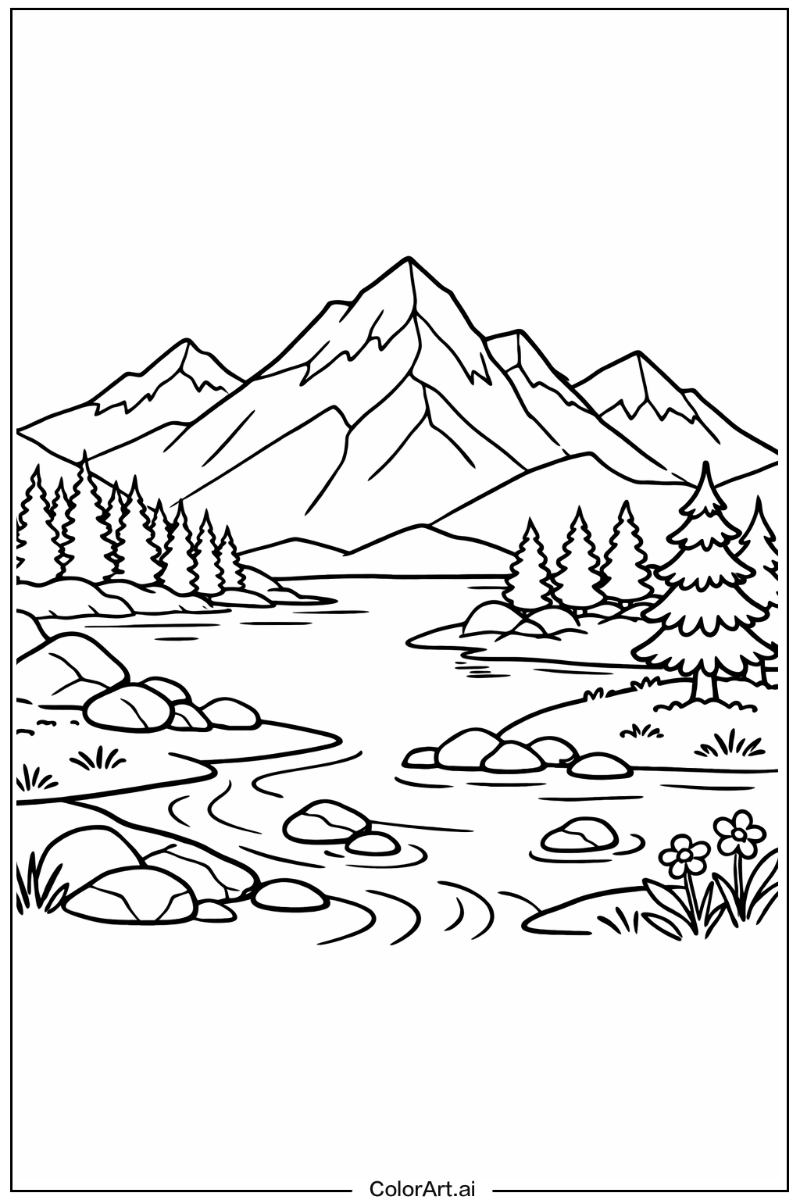
Nature encompasses everything around us, from towering mountains to the tiniest insects. The study of Nature involves observing and experimenting with the physical world, enriching our understanding of ecosystems and the delicate balance that sustains them. For instance, in a recent lesson, I introduced my third graders to the concept of biodiversity through Nature coloring pages featuring various plants and animals. We explored how each element contributes to the overall health of our environment. The excitement in their voices as they discussed the roles of bees in pollination was truly inspiring. Nature is not just a subject; it's a living, breathing entity that we are all a part of. This interconnectedness is crucial for fostering a sense of responsibility in young learners.
Educational Benefits of Nature Coloring
Incorporating Nature coloring pages into the curriculum provides numerous benefits for students. One of the key advantages is the development of fine motor skills. During our coloring sessions, I've observed how children like Ethan enhance their hand-eye coordination and dexterity as they navigate around intricate designs. These skills are essential for young learners, especially those aged 3-8, as they lay the foundation for future artistic endeavors. Furthermore, coloring Nature themes encourages concentration and focus. I often use Nature coloring pages as a calming activity at the beginning of class, which allows students to center their minds before diving into more complex projects. It’s amazing to see how a simple coloring page can foster emotional development and self-expression, helping children articulate their feelings about the world around them.
Practical Nature Coloring Techniques
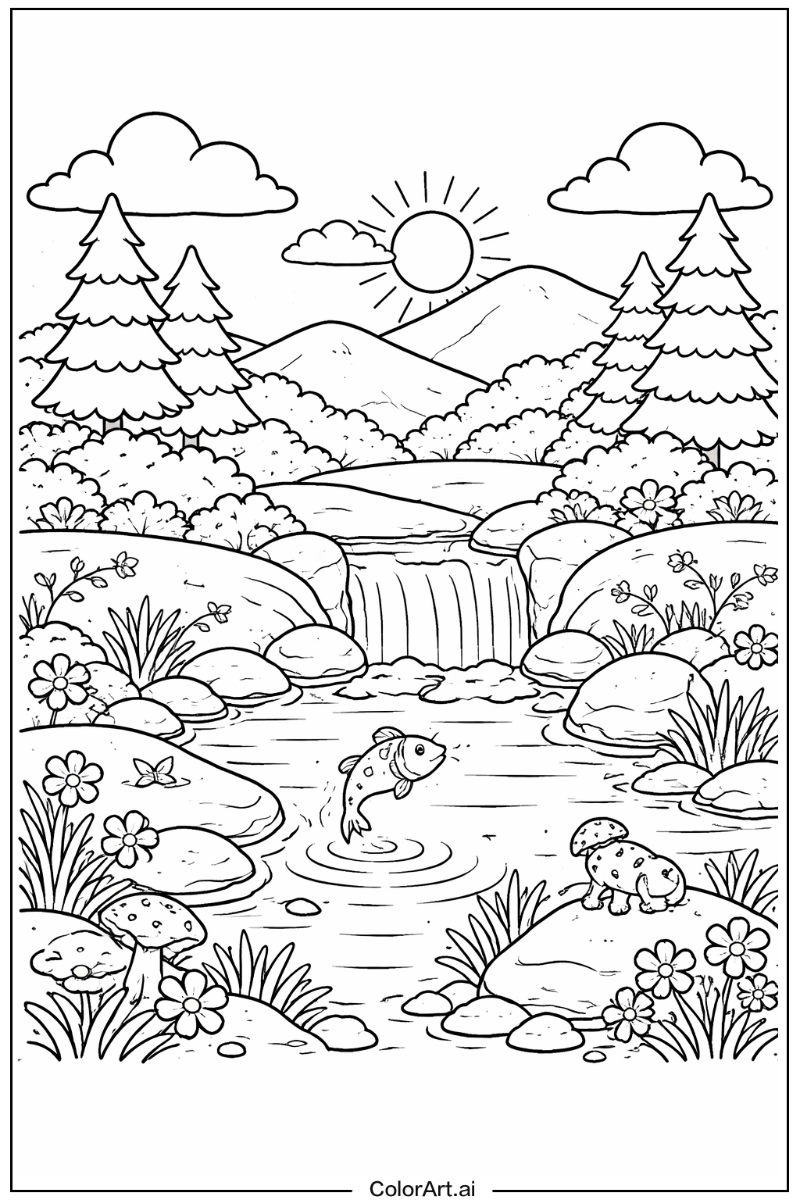
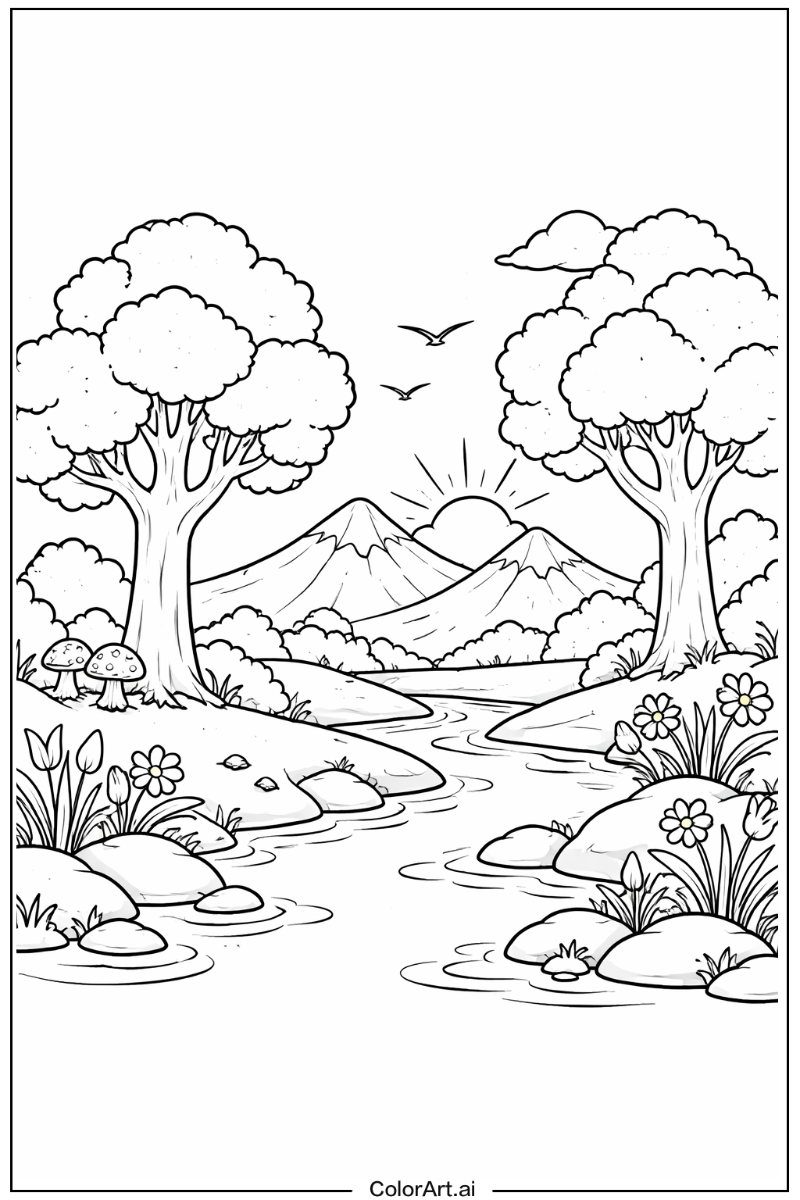
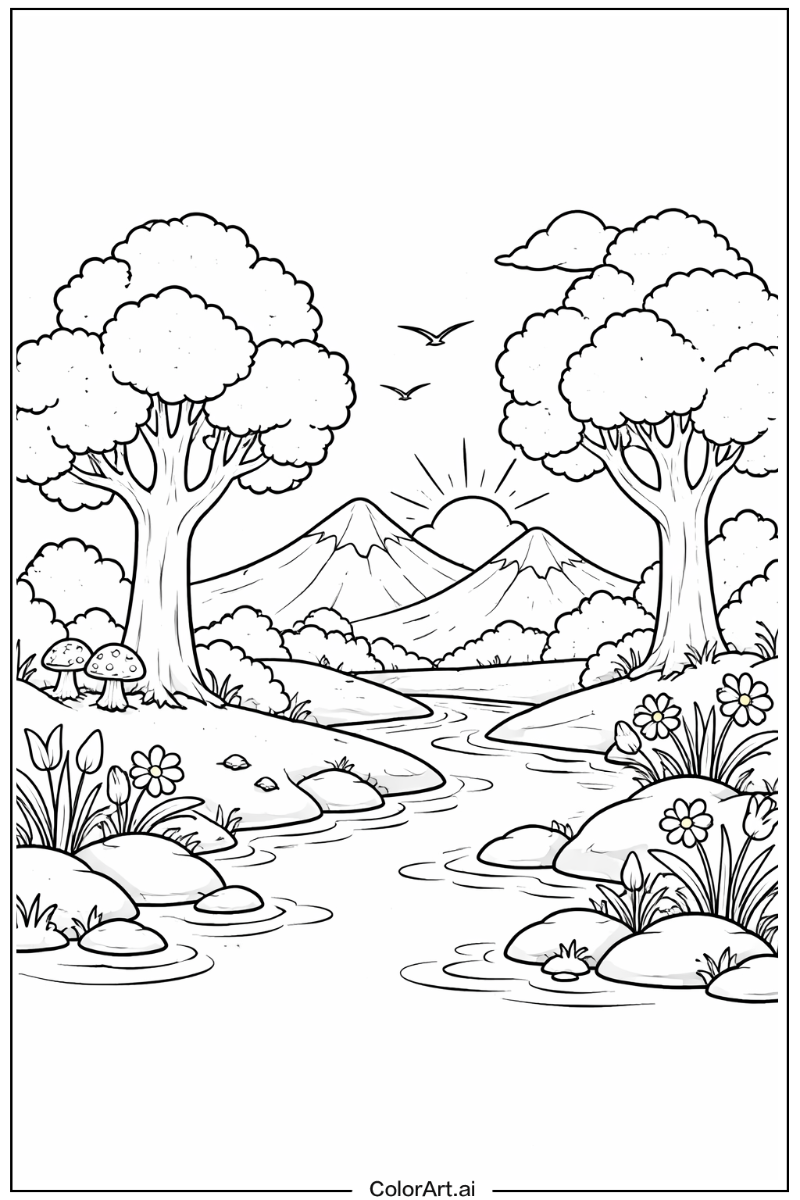
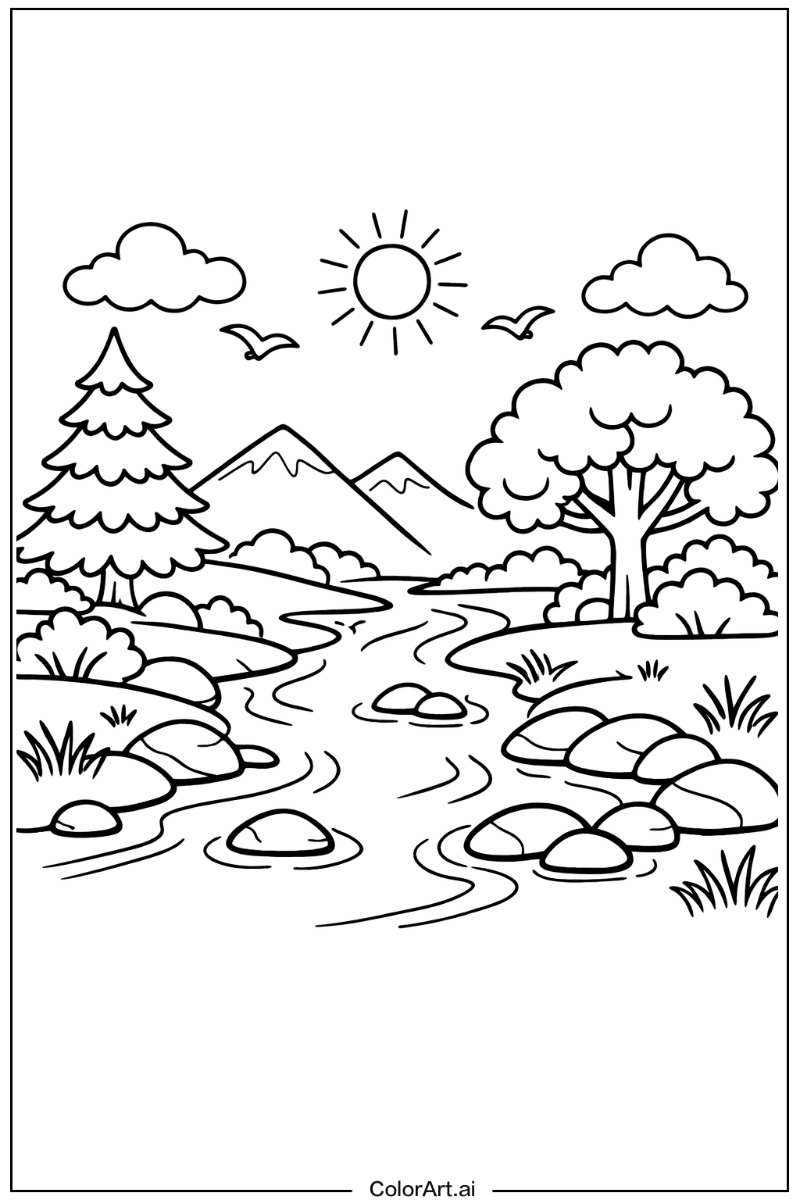
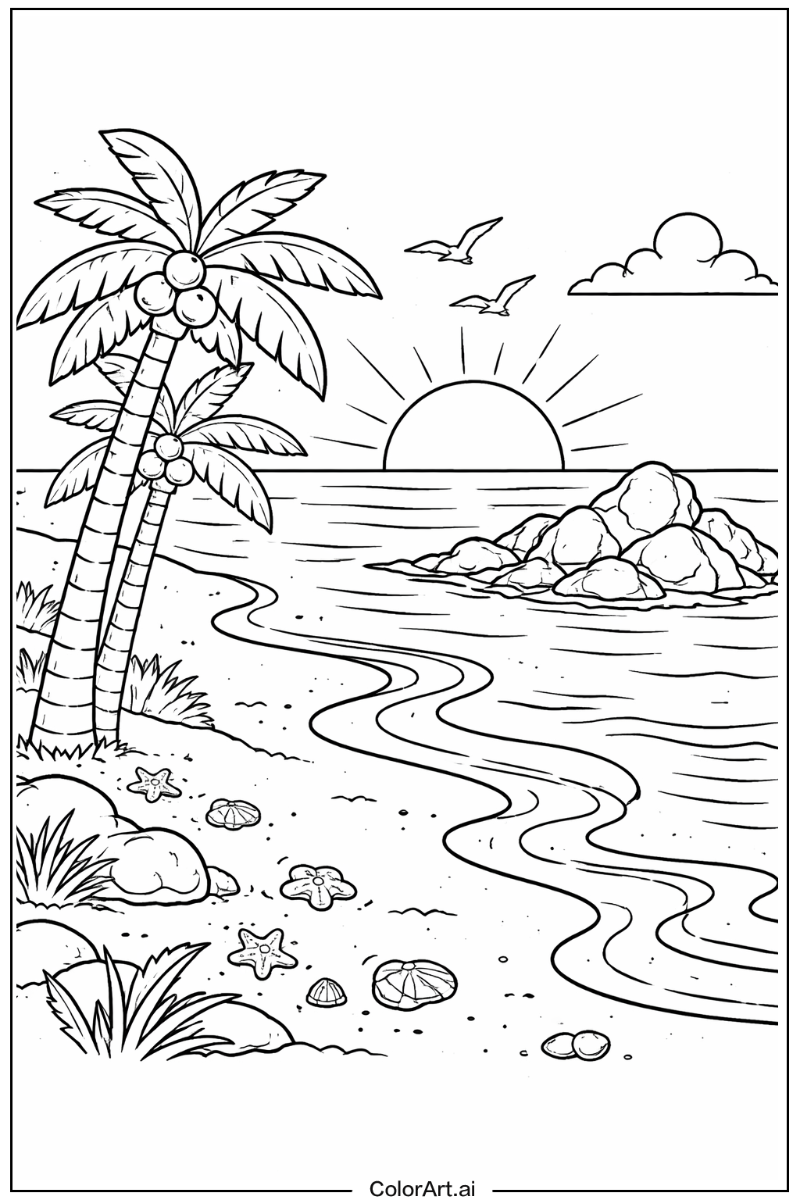
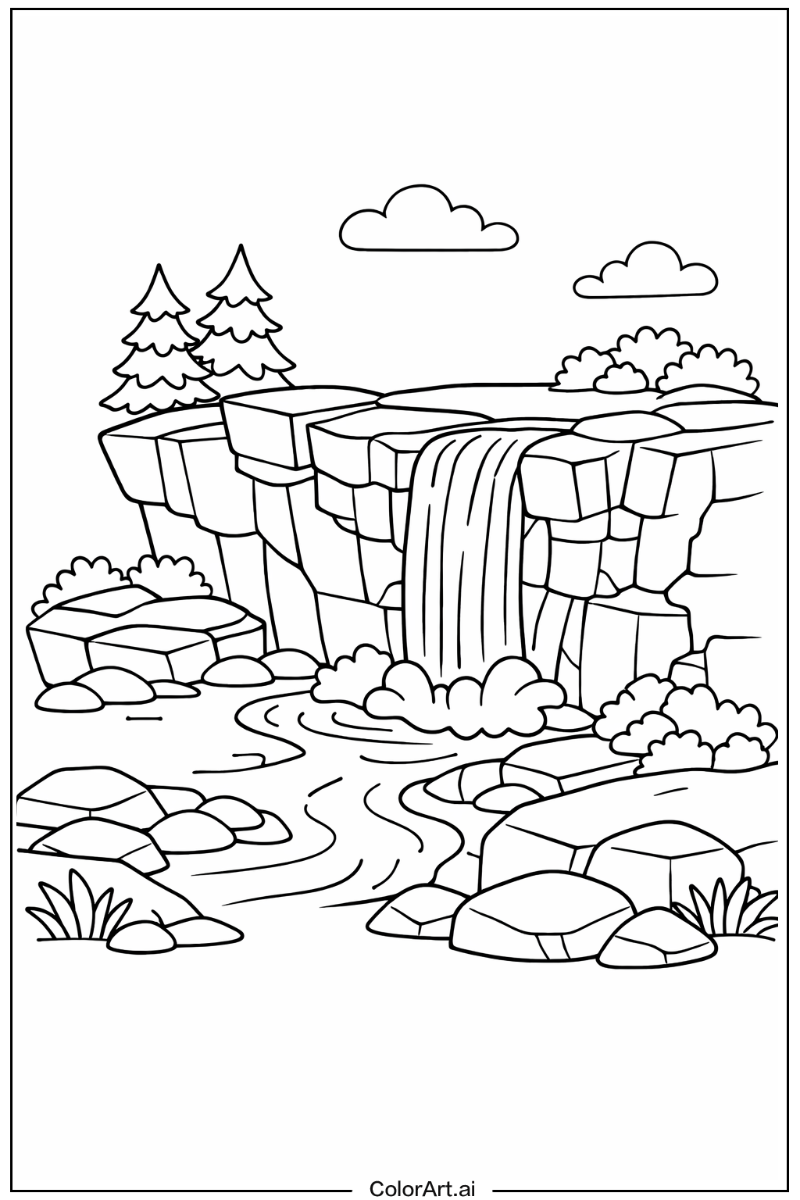
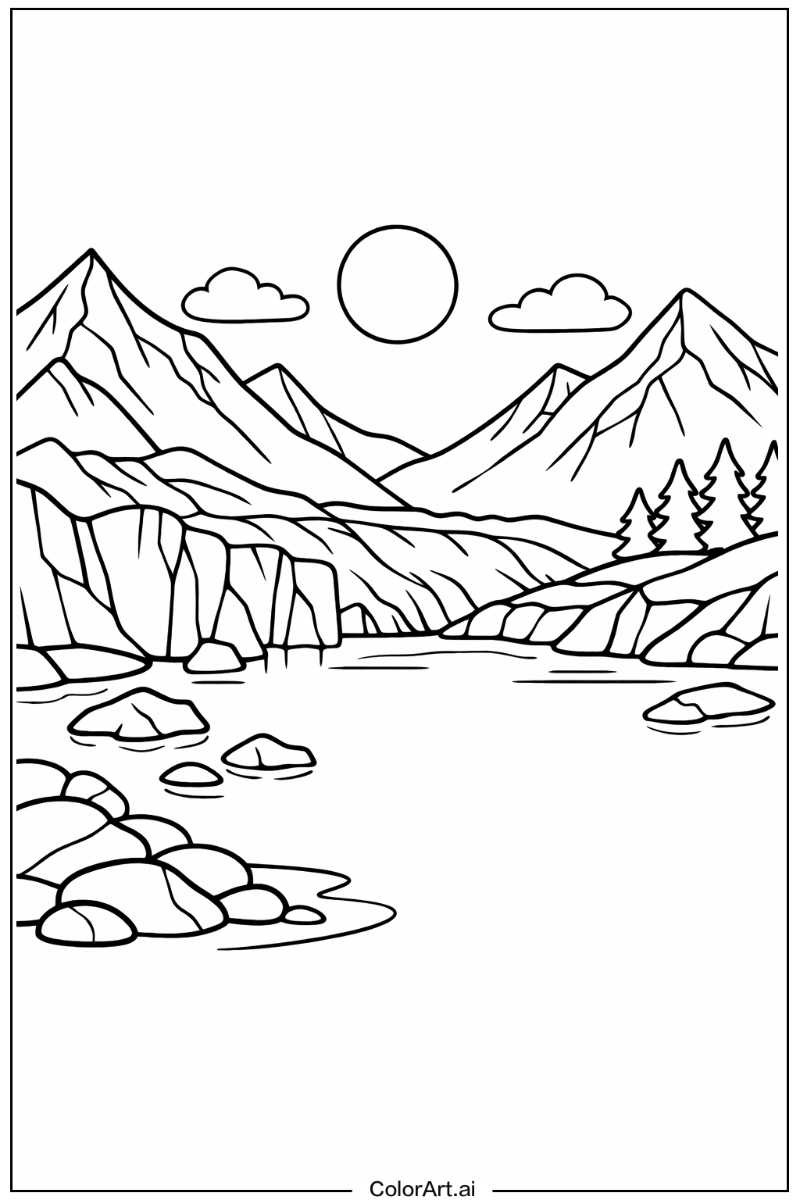
When it comes to coloring Nature pages, there are a few techniques that can enhance the experience. First, I always encourage my students to explore different color combinations. This not only boosts their creativity but also teaches them about color theory. For instance, while coloring a sunset over a forest, I suggest using warm colors like reds and yellows blended with cooler tones like greens to create depth. Additionally, I recommend using textured materials, such as colored pencils or watercolor paints, to add dimension to their Nature scenes. Last week, I introduced watercolor techniques to my students, and the results were stunning! The way the colors blended on the paper mimicked the beauty of real landscapes.
Current Trends in Nature Art Education
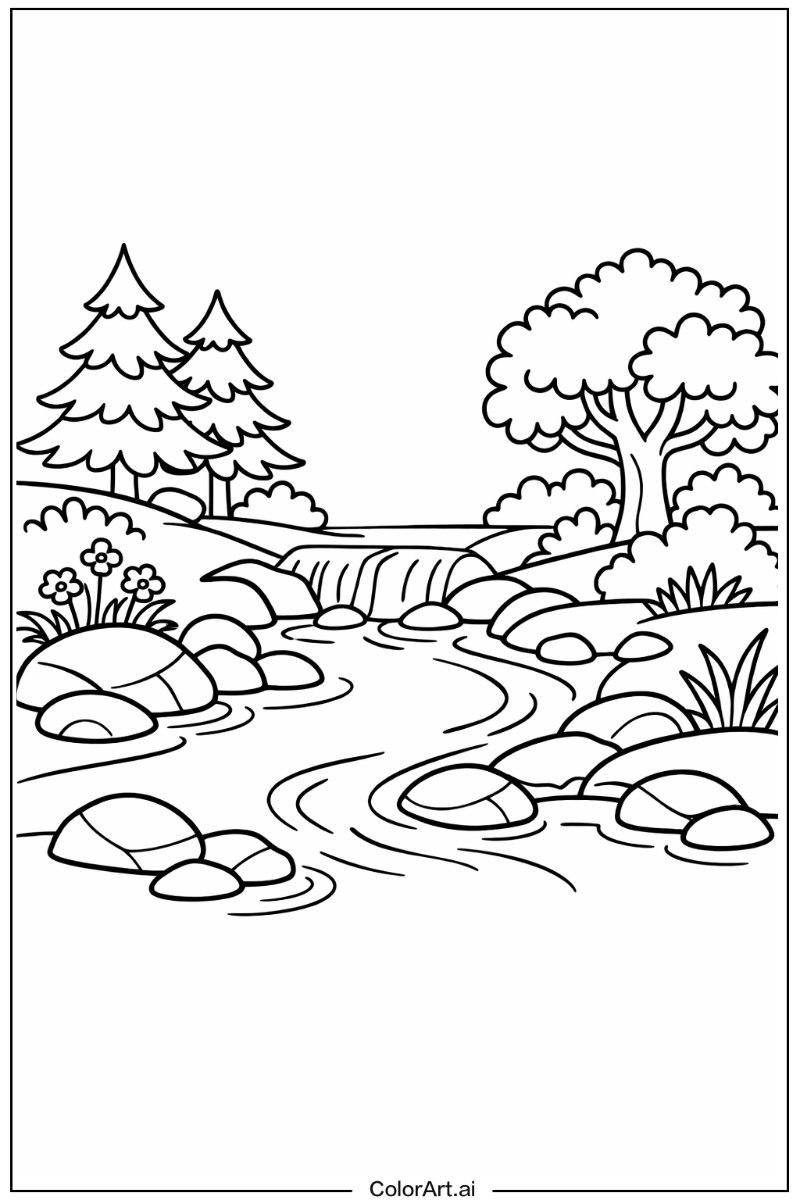
As we step into the new year, it's clear that Nature art education continues to grow and evolve. Recent trends underscore the importance of incorporating environmental themes into our art lessons. In my classroom, I've noticed a surge of interest in projects that emphasize sustainability. For example, I recently organized a collaborative mural project where students created their interpretations of local ecosystems using Nature coloring pages as inspiration. The excitement was palpable as they painted trees, rivers, and wildlife, discussing how these elements work together to create a healthy environment. Additionally, tools like augmented reality (AR) are being utilized to bring Nature to life, allowing students to engage with their surroundings in new and innovative ways. This blend of technology and traditional coloring techniques keeps the lessons fresh and relevant.
Common Questions About Nature Coloring Pages
**Q: What ages are Nature coloring pages suitable for?**
A: Nature coloring pages are great for all ages! Young children, aged 3-5, can enjoy simple designs, while older kids and even adults can tackle more intricate patterns. I often adapt the complexity of the pages based on the skill levels in my classroom. This way, everyone can participate and enjoy the benefits of coloring.
Other common questions include how long it takes to complete a Nature coloring page, which can vary based on the design and the child's attention span, and whether these pages can be used for educational purposes, to which I wholeheartedly say yes!