Introduction to Drawing Coloring Pages
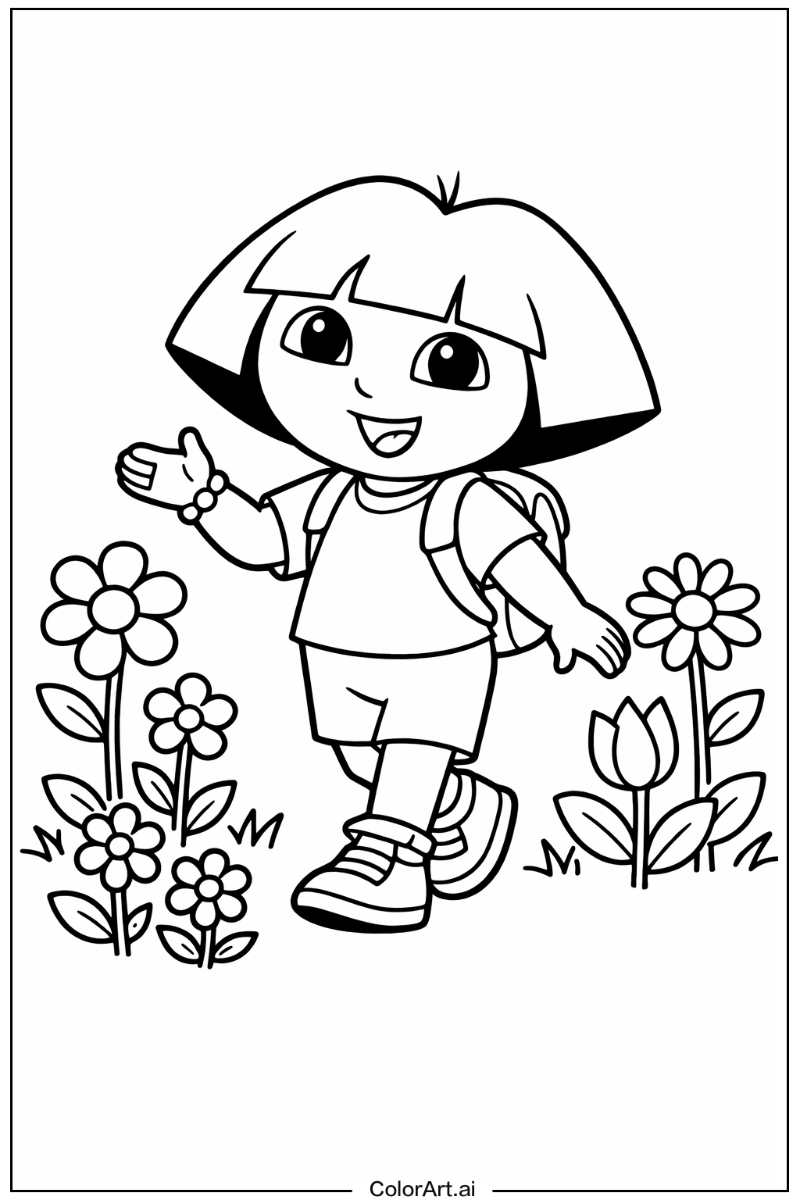
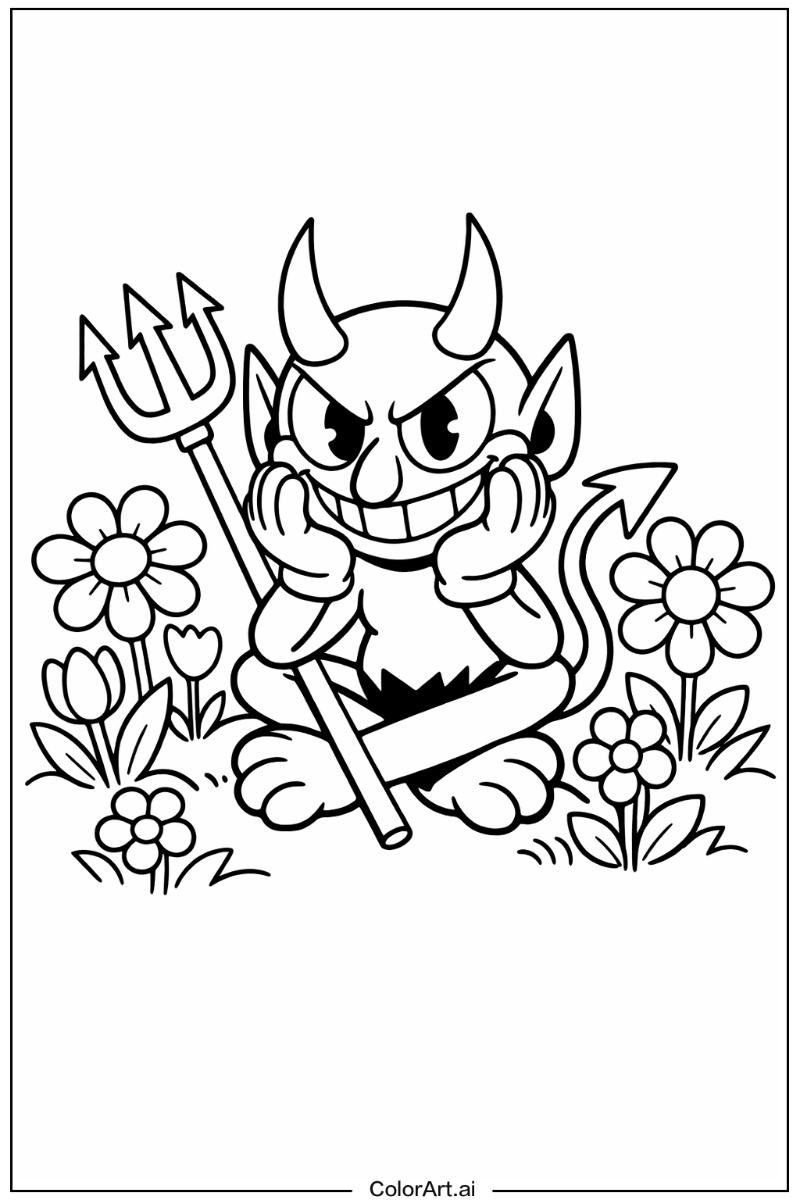
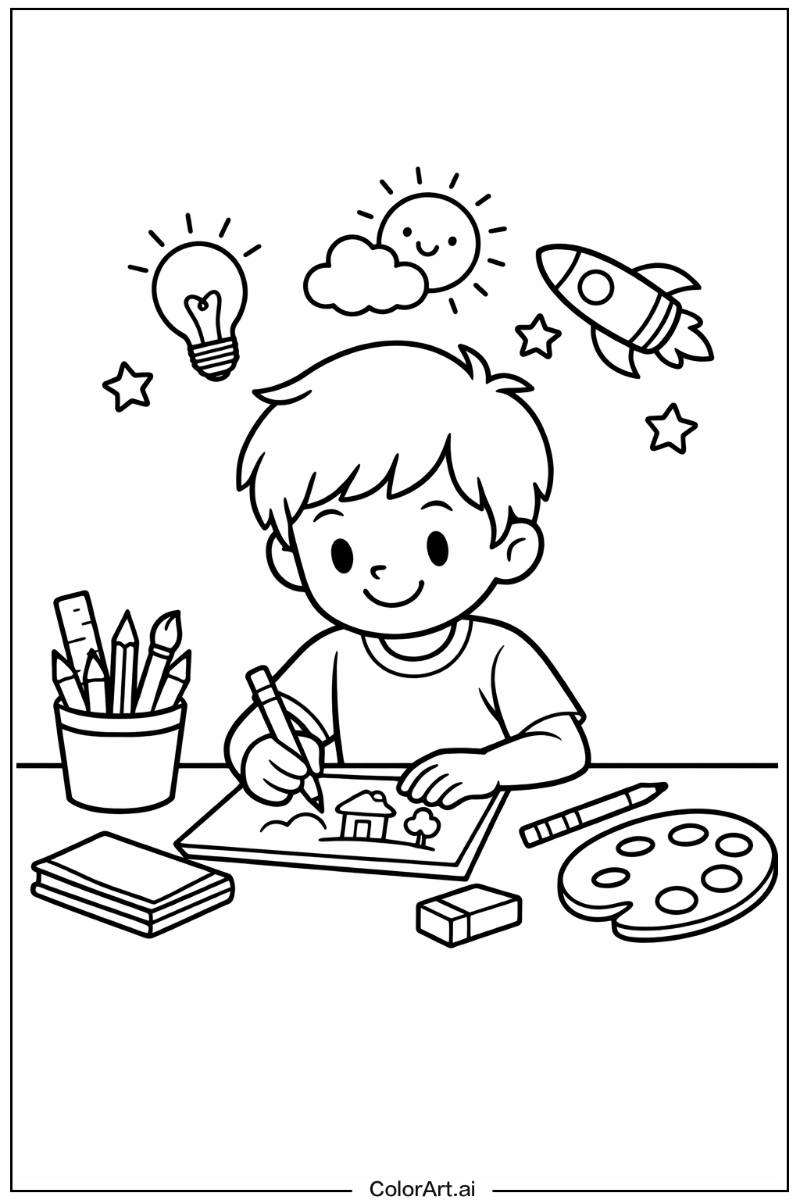
There's something magical about drawing. From the moment my students pick up a crayon or pencil, I can see their imaginations come to life. Drawing coloring pages serve as a delightful bridge between creativity and education, allowing young artists to explore their artistic skills while having fun. Whether it's a whimsical unicorn or a detailed mandala, these pages invite children to express their thoughts and feelings through their drawings. I remember a particularly bright day in my classroom when Mia, a shy second grader, picked up a drawing coloring page of a dragon. As she began to color, her eyes sparkled with excitement. She shared her own dragon story with the class, and for that moment, drawing transformed her from a quiet observer to a confident storyteller. This blog post will explore the world of drawing coloring pages, their educational benefits, and how we can make the most of this engaging activity.
Group Coloring Pages
 PDF
PDF
 PNG
PNG
 PNG
PNG
 PNG
PNG
 PNG
PNG
 PNG
PNG
 PNG
PNG
 PNG
PNG
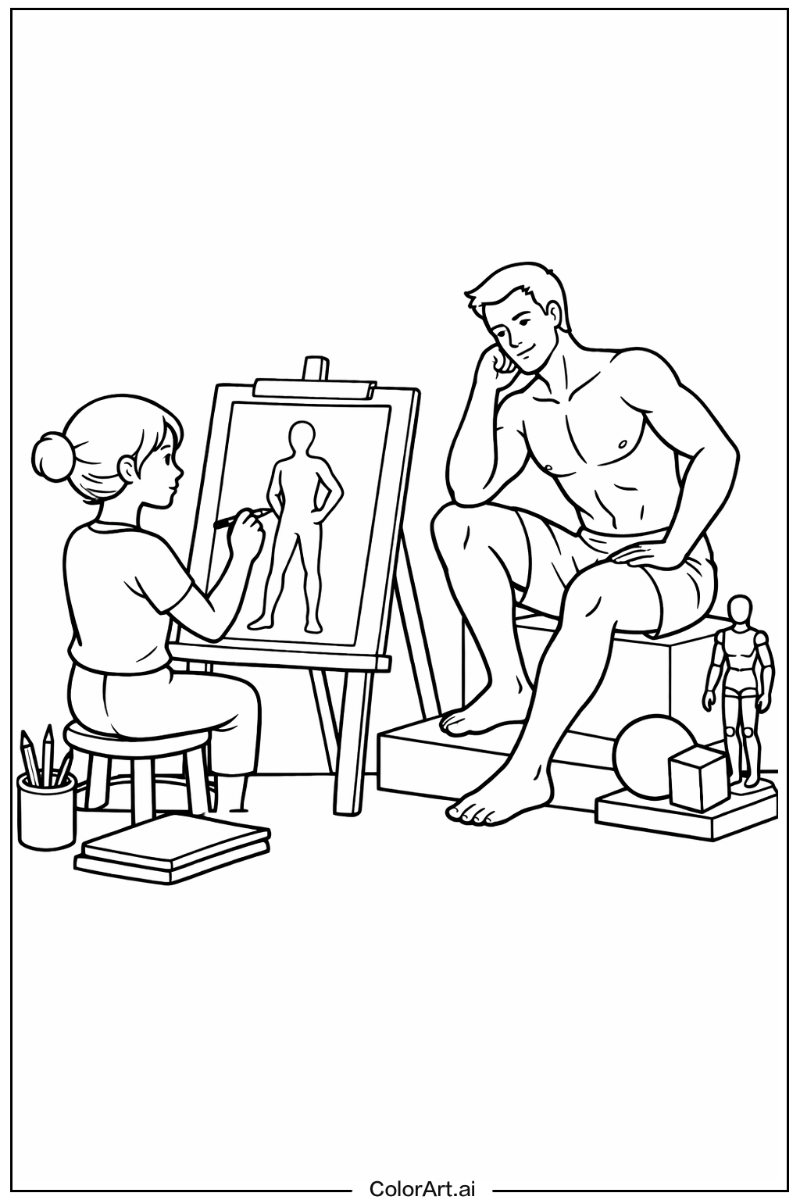
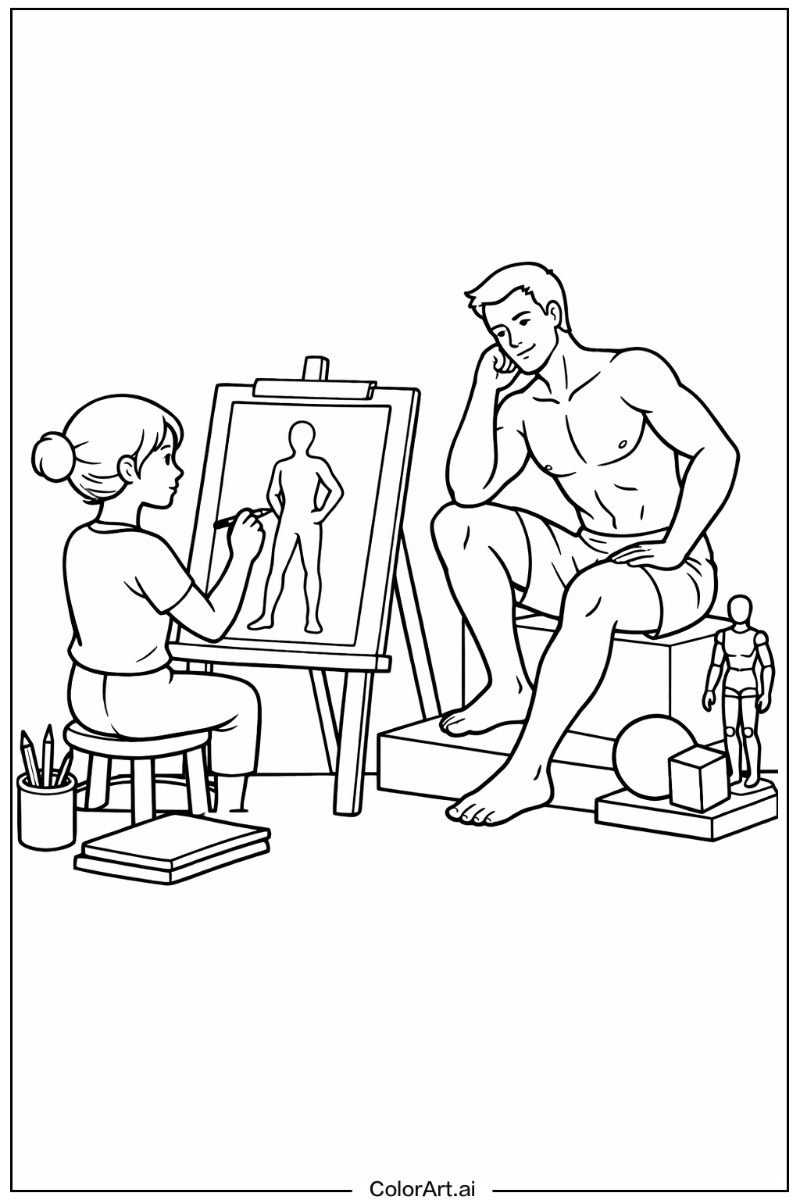 PNG
PNG
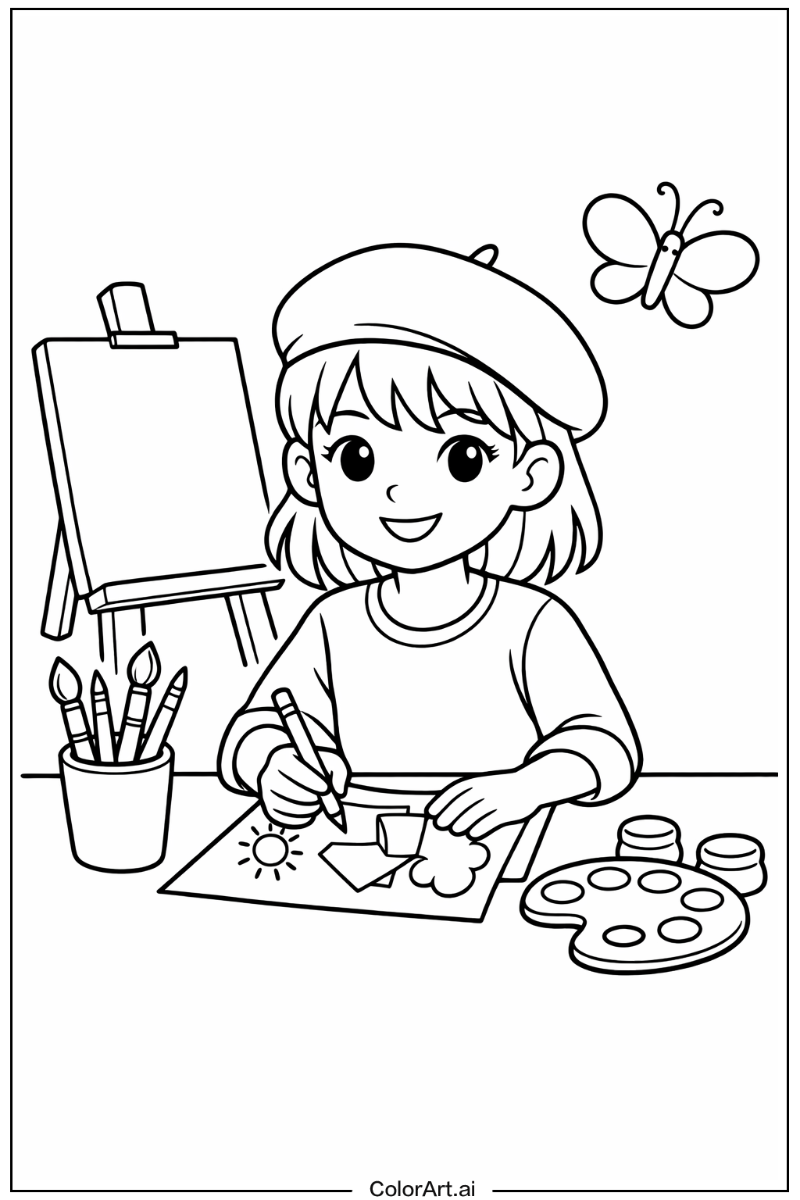
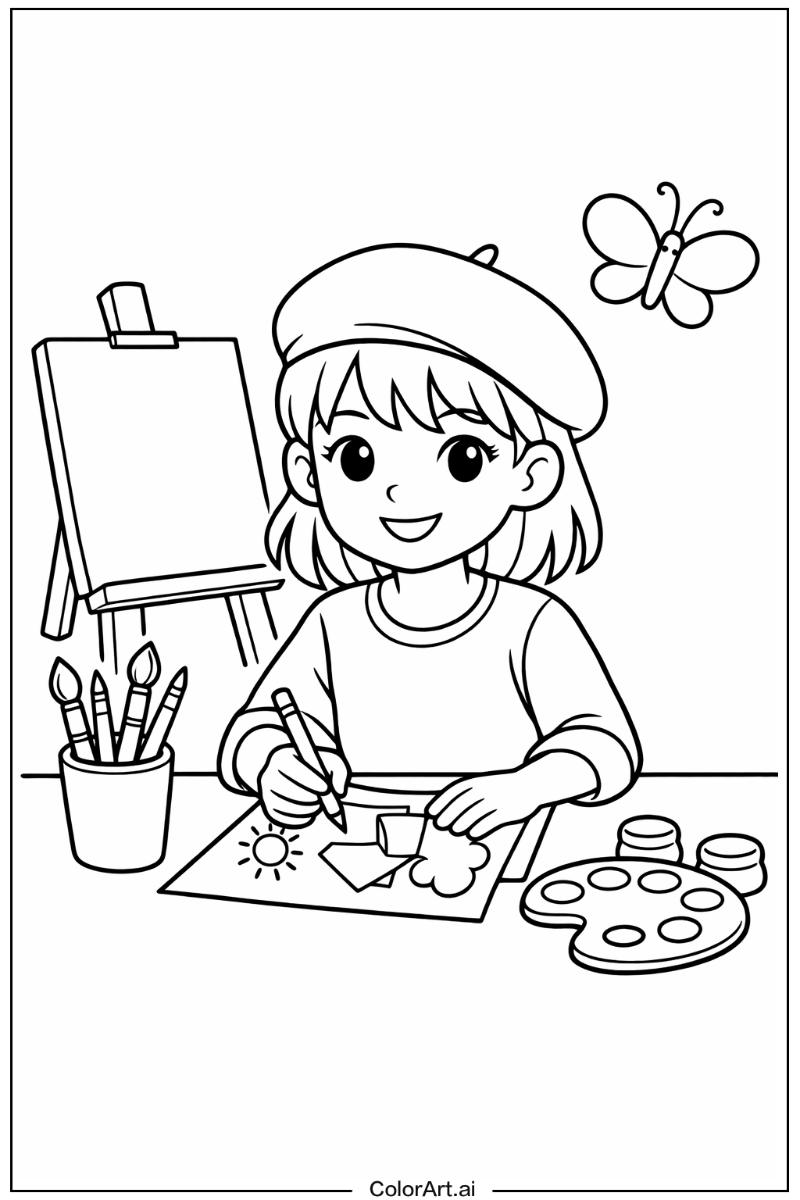 PNG
PNG
 PNG
PNG
 PNG
PNG
 PNG
PNG
 PNG
PNG
 PNG
PNG
 PNG
PNG
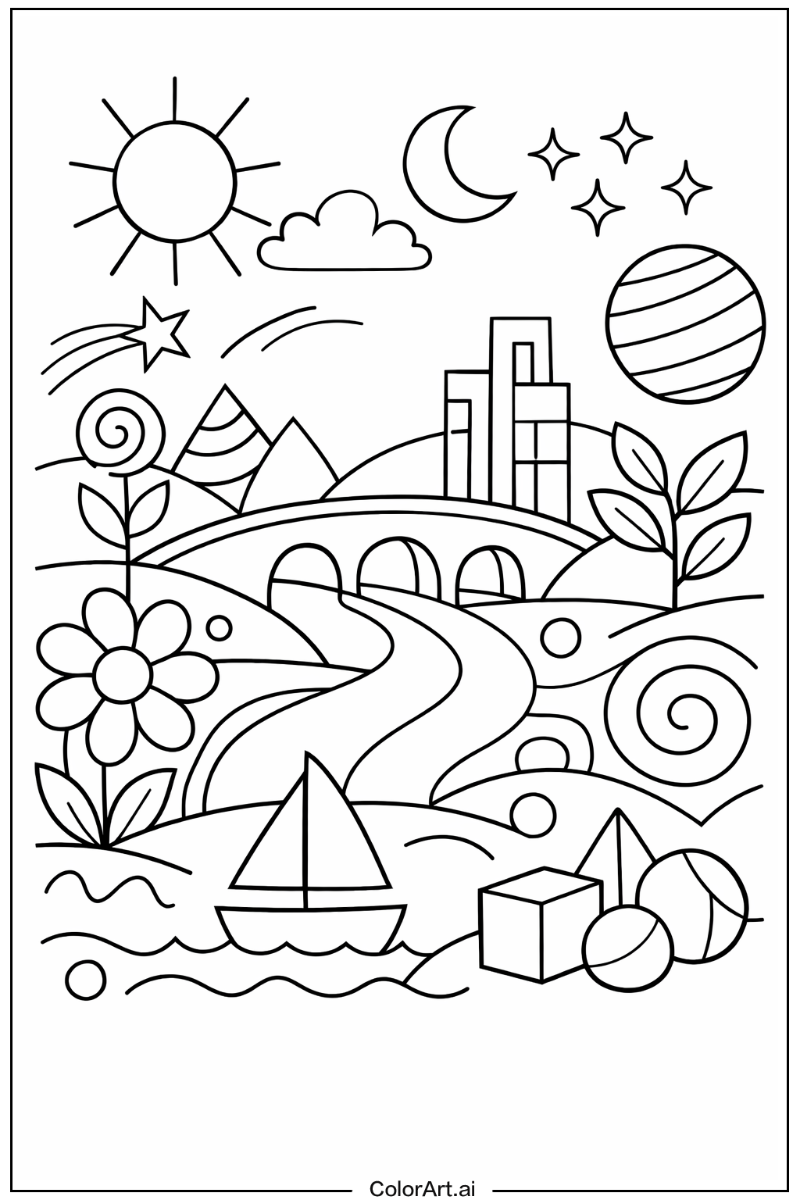
 PNG
PNG
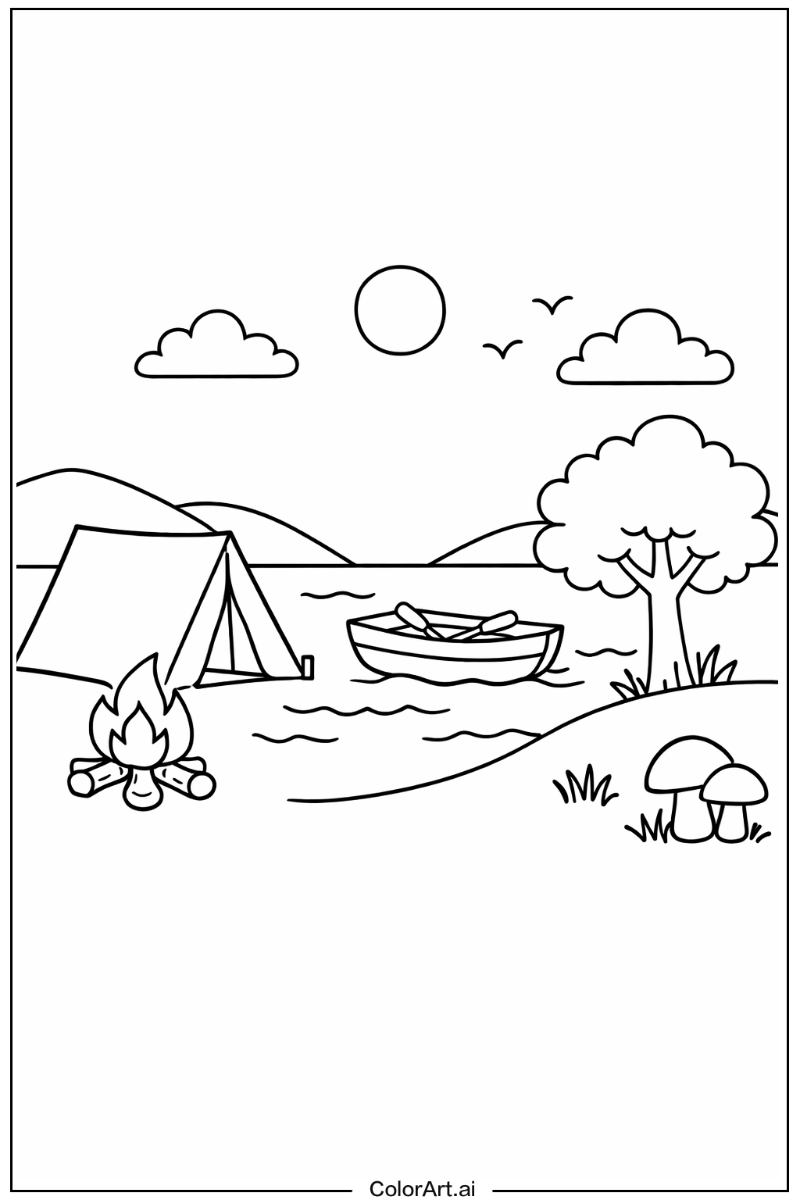
 PNG
PNG
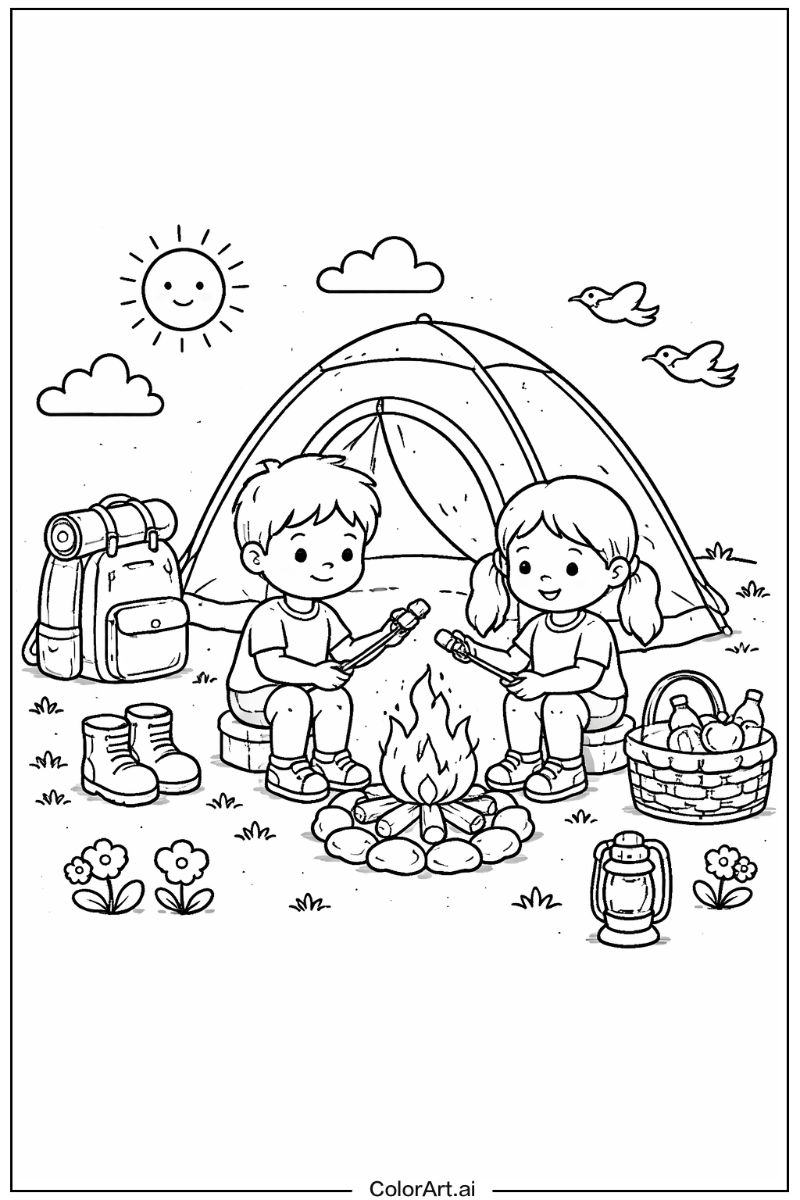
 PNG
PNG
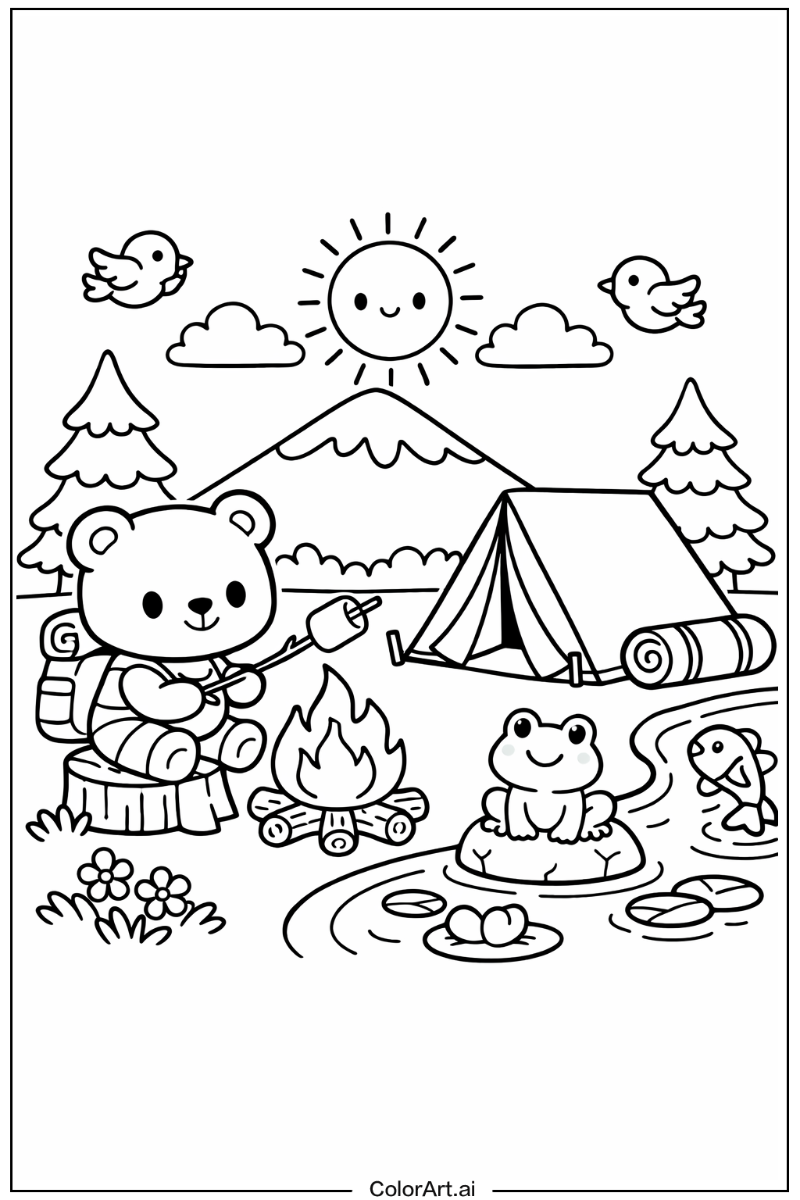
 PNG
PNG
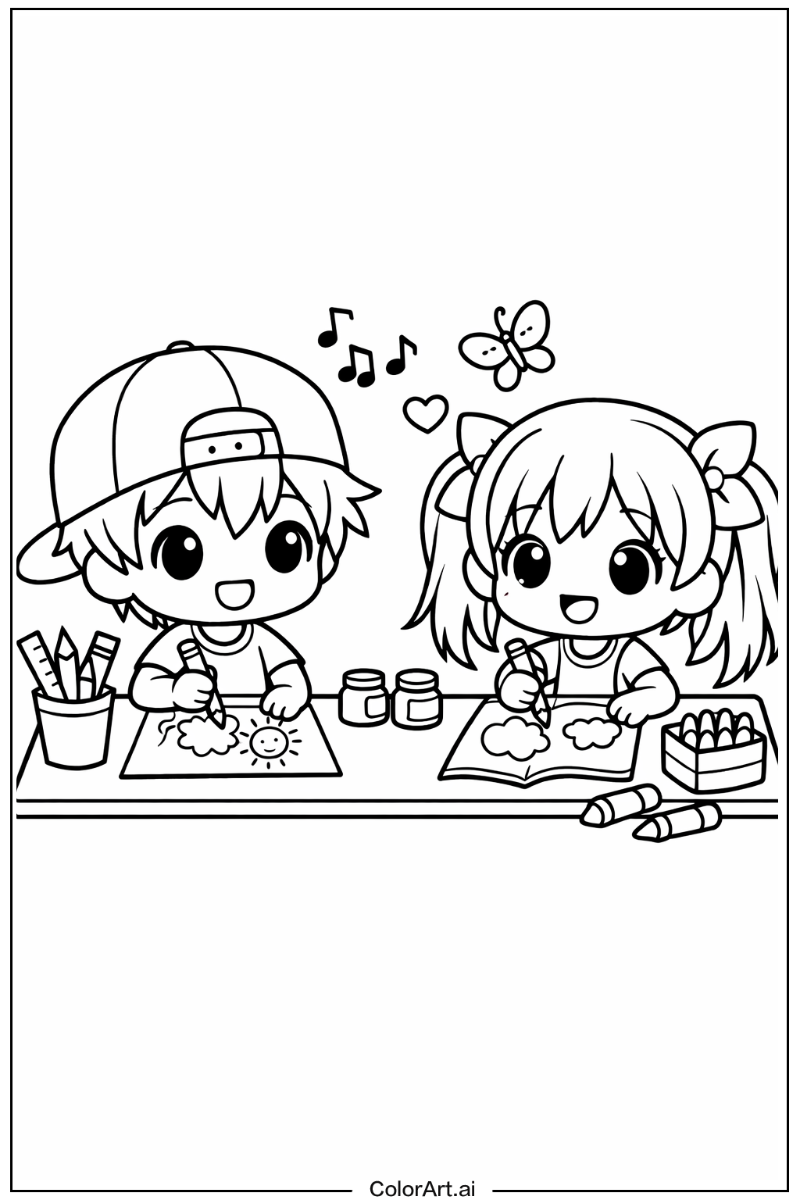
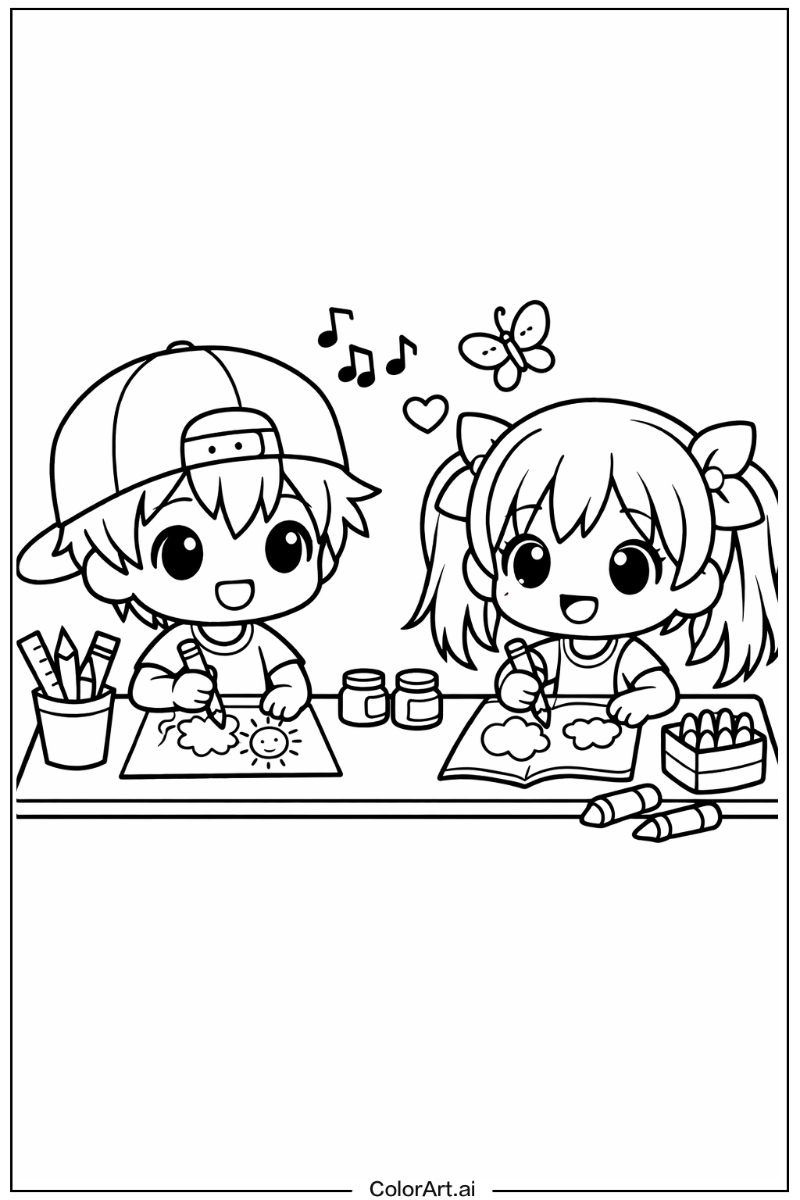 PNG
PNG
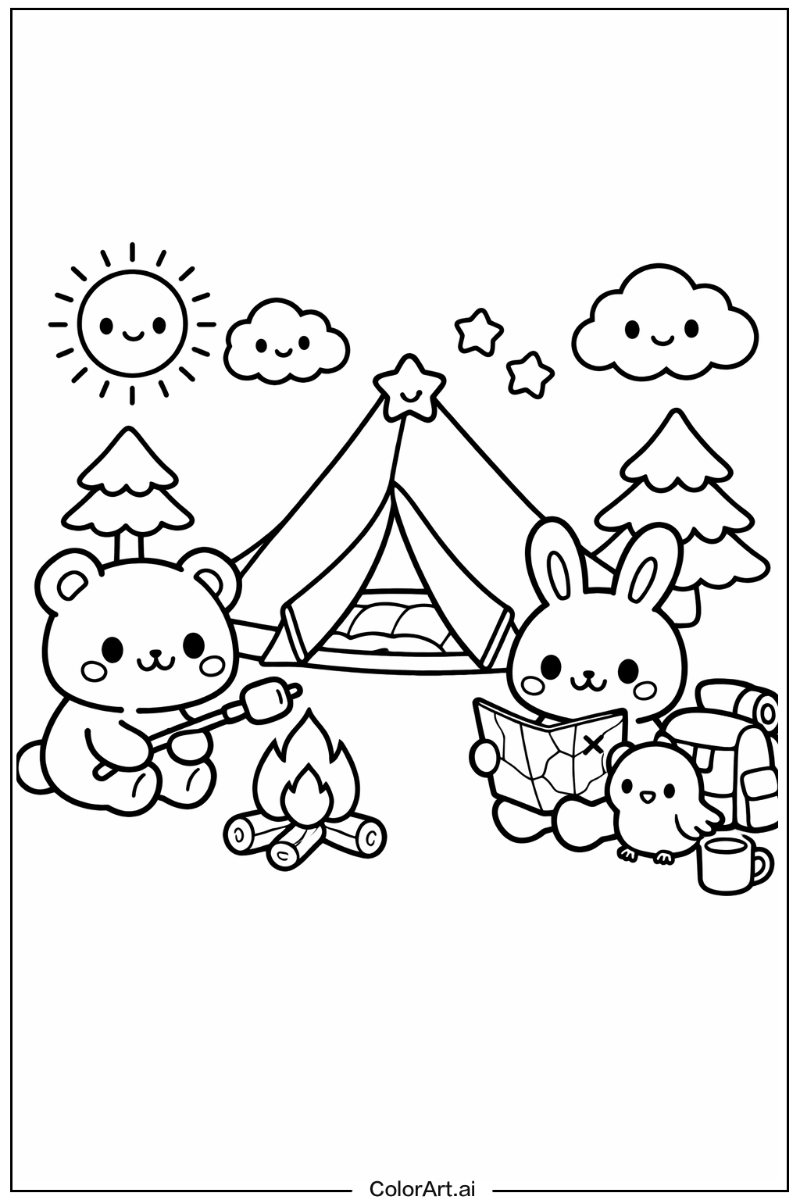
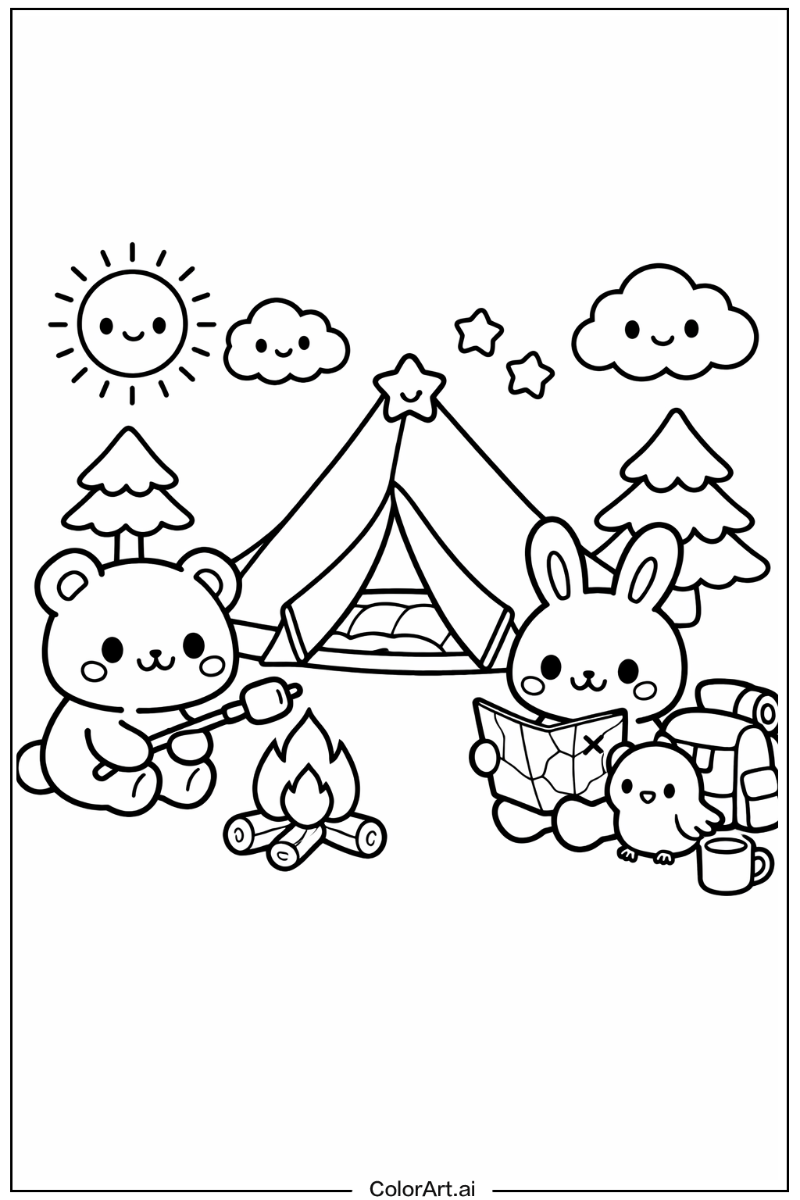 PNG
PNG
 PNG
PNG
 PNG
PNG
 PNG
PNG
 PNG
PNG
 PNG
PNG
 PNG
PNG
 PNG
PNG
 PNG
PNG
 PNG
PNG
 PNG
PNG
 PNG
PNG
 PNG
PNG

 PNG
PNG
The Educational Background of Drawing
Drawing is more than just a fun activity; it is a fundamental skill that has been cultivated throughout history. Defined as the technique of representing objects or ideas on a surface, drawing encompasses various methods and tools, from pencils to digital mediums. Historically, drawing has served many purposes—from scientific illustrations to artistic expressions. In my classroom, I often emphasize that drawing is a way to visualize thoughts and concepts. For example, when studying nature, I encourage students to draw what they observe outside. This not only enhances their observation skills but also deepens their understanding of the subject matter.
Interestingly, studies show that children's drawings can reveal their emotional states, and I’ve witnessed this firsthand with my students. During one art class, I noticed that James, who was usually cheerful, created a dark and stormy drawing. When I asked him about it, he opened up about feeling overwhelmed with schoolwork. This connection between drawing and emotional expression is a powerful aspect of why we should encourage drawing in educational settings.
Classroom Benefits of Drawing Activities
The benefits of drawing activities in the classroom extend far beyond enhancing creativity. Drawing and coloring pages are essential tools for developing fine motor skills and hand-eye coordination. As students manipulate crayons and colored pencils, they enhance their dexterity—skills that are critical for writing and other academic tasks. I remember the joy on little Oliver's face when he successfully colored within the lines of a complex drawing page. His pride in completing the task fueled his determination to tackle even more challenging drawings.
Moreover, drawing serves as a powerful educational tool. It fosters cognitive development and encourages visual thinking. When students like Sarah draw what they’ve learned in science, I can assess their understanding of concepts much more effectively than through a traditional test. For instance, after a lesson on the water cycle, I had my students create a drawing that depicted the process. This not only reinforced their learning but also gave them a creative outlet to express their newfound knowledge.
Finally, drawing provides emotional benefits. It can act as a stress reliever and a means of emotional expression. In one lesson, I introduced mindfulness drawing, where students could color freely without worrying about the outcome. I observed that many students, including shy Emma, began to open up about their feelings while drawing, showcasing how drawing can be a therapeutic experience.
Practical Drawing Coloring Techniques
When it comes to drawing coloring pages, having the right techniques can enhance the experience for both students and educators. Here are a few practical tips that I've found beneficial in my classroom:
- Use quality materials: Encourage students to use good-quality colored pencils or markers. In my experience, this can make a significant difference in how vibrant their drawings turn out. For intricate designs, I recommend fine-tip markers or colored pencils for precision.
- Explore different styles: Introduce students to various drawing styles, such as mandalas, cartoon characters, or abstract doodles. This diversity keeps them engaged and allows them to experiment with their personal styles.
- Set the mood: Create a relaxed atmosphere during drawing sessions. Soft music can help students focus and feel comfortable expressing themselves. I often play calming tunes while we draw, which seems to enhance concentration and creativity.
- Encourage storytelling: After completing their drawings, have students share the stories behind them. This not only boosts their confidence but also fosters communication skills.
Current Trends in Drawing Art Education
As we move through 2024-2026, the landscape of drawing education is evolving, especially with the integration of technology. Digital drawing tools have become increasingly popular, allowing students to create art in innovative ways. In my school, we’ve started incorporating tablets into our drawing sessions, and I’ve seen students like Lucy, who usually hesitated with traditional tools, flourish digitally. The ability to undo mistakes and experiment freely has given her the confidence to explore her creativity.
Furthermore, styles like doodle art and ultra-vertical paintings are gaining traction in both classrooms and galleries. These trends highlight the importance of blending traditional drawing techniques with modern aesthetics. I often encourage my students to experiment with doodling as a warm-up exercise, which not only loosens their hands but also ignites their imaginations, preparing them for more structured drawing tasks.
Common Questions About Drawing Coloring Pages
What age group are drawing coloring pages suitable for? Drawing coloring pages are designed for various age groups, ranging from preschoolers to adults. They can be tailored to different skill levels, ensuring everyone can enjoy the benefits of drawing.
What materials work best for coloring drawing pages? For the best results, I recommend using colored pencils for detailed work, markers for bold colors, and crayons for younger children. High-quality paper or cardstock will yield the best results and make the drawings stand out.
How should I print drawing coloring pages for the best quality? Always print drawing coloring pages using high-quality settings. Standard A4 or Letter size paper works well, but upgrading to cardstock can enhance durability. Ensure your printer has enough ink for crisp, clear lines.