Welcome to the World of Letter Coloring Pages!
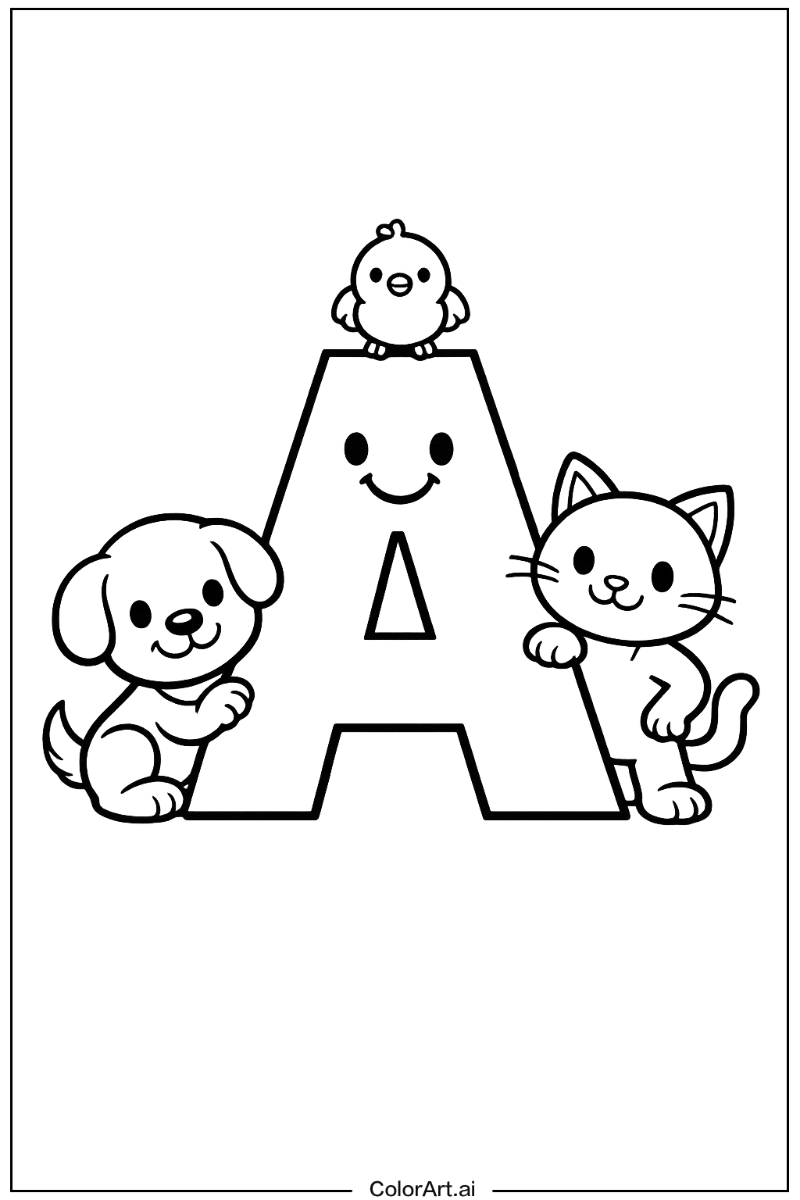
Coloring pages featuring letters are not just a fun activity; they are an incredible tool for learning and development. As a seasoned art teacher, I've witnessed firsthand how these pages can spark creativity in my students while helping them grasp essential literacy skills. Each time a child picks up a crayon and begins to color a letter, they are not just filling in shapes; they are engaging with the building blocks of language. I remember a particularly spirited student named Mia, who, during our Letter coloring session, transformed the letter 'B' into a beautiful butterfly, declaring it her favorite letter because it started the word 'beautiful.' Moments like these remind me of the profound impact that simple activities can have on young minds.
Group Coloring Pages
 PDF
PDF
 PNG
PNG
 PNG
PNG
 PNG
PNG
 PNG
PNG
 PNG
PNG
 PNG
PNG
 PNG
PNG
 PNG
PNG
 PNG
PNG
 PNG
PNG
 PNG
PNG
 PNG
PNG
 PNG
PNG
 PNG
PNG
 PNG
PNG
 PNG
PNG
 PNG
PNG
 PNG
PNG
 PNG
PNG
 PNG
PNG
 PNG
PNG
 PNG
PNG
 PNG
PNG
 PNG
PNG
 PNG
PNG
 PNG
PNG
 PNG
PNG
 PNG
PNG
 PNG
PNG
 PNG
PNG
 PNG
PNG
 PNG
PNG
 PNG
PNG
 PNG
PNG
 PNG
PNG
 PNG
PNG
 PNG
PNG
 PNG
PNG
 PNG
PNG
 PNG
PNG
 PNG
PNG
 PNG
PNG
 PNG
PNG
 PNG
PNG
 PNG
PNG
 PNG
PNG
 PNG
PNG
 PNG
PNG
Understanding the Significance of Letters
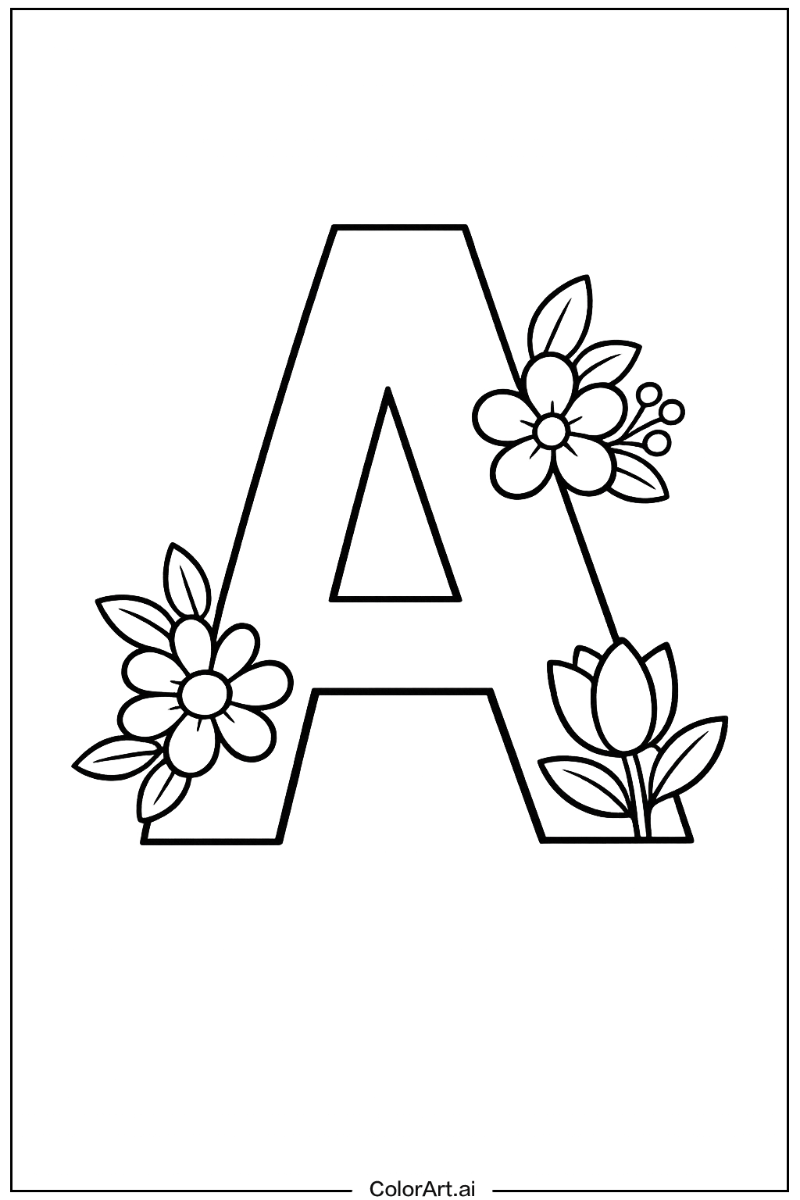
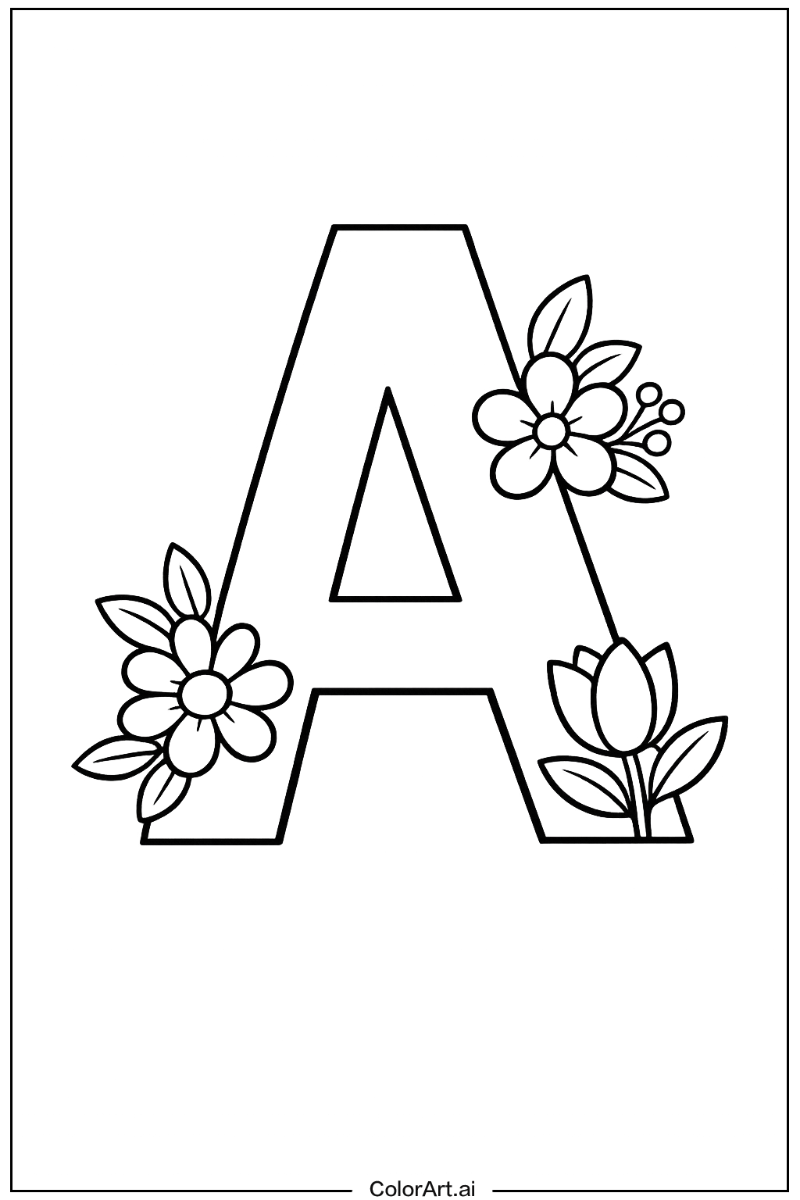
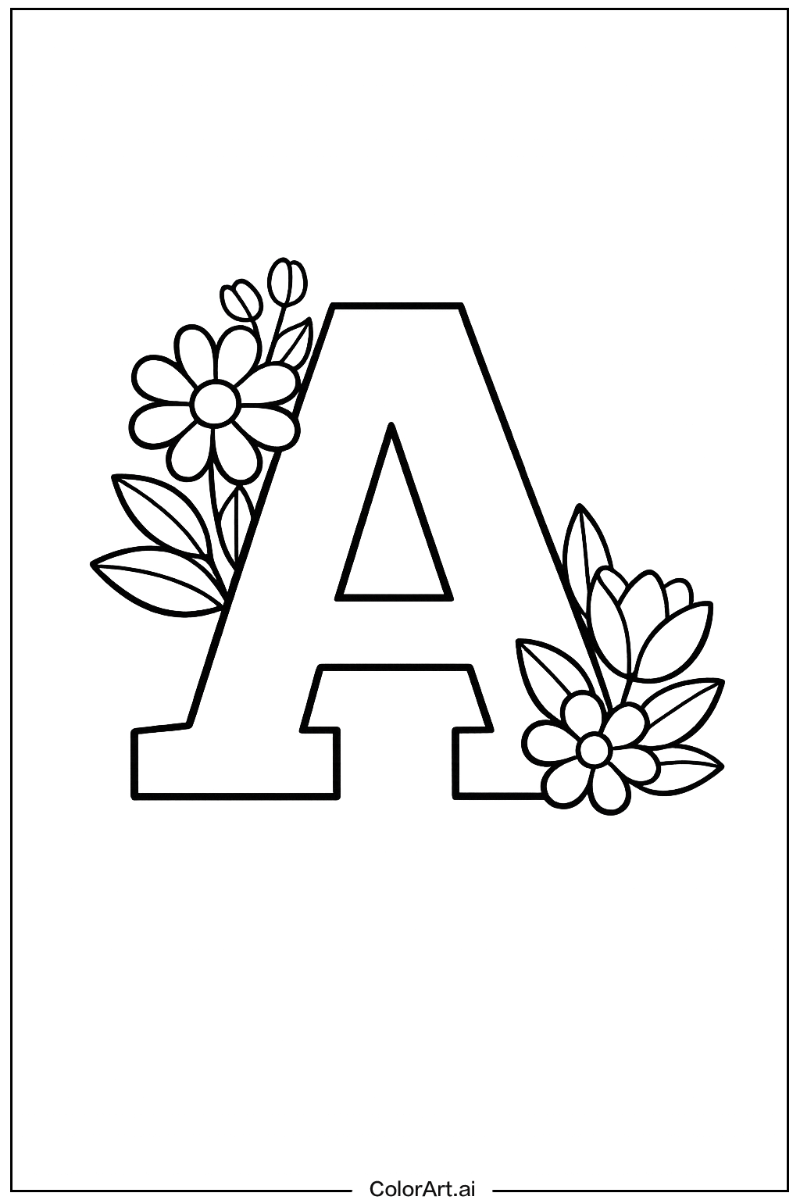
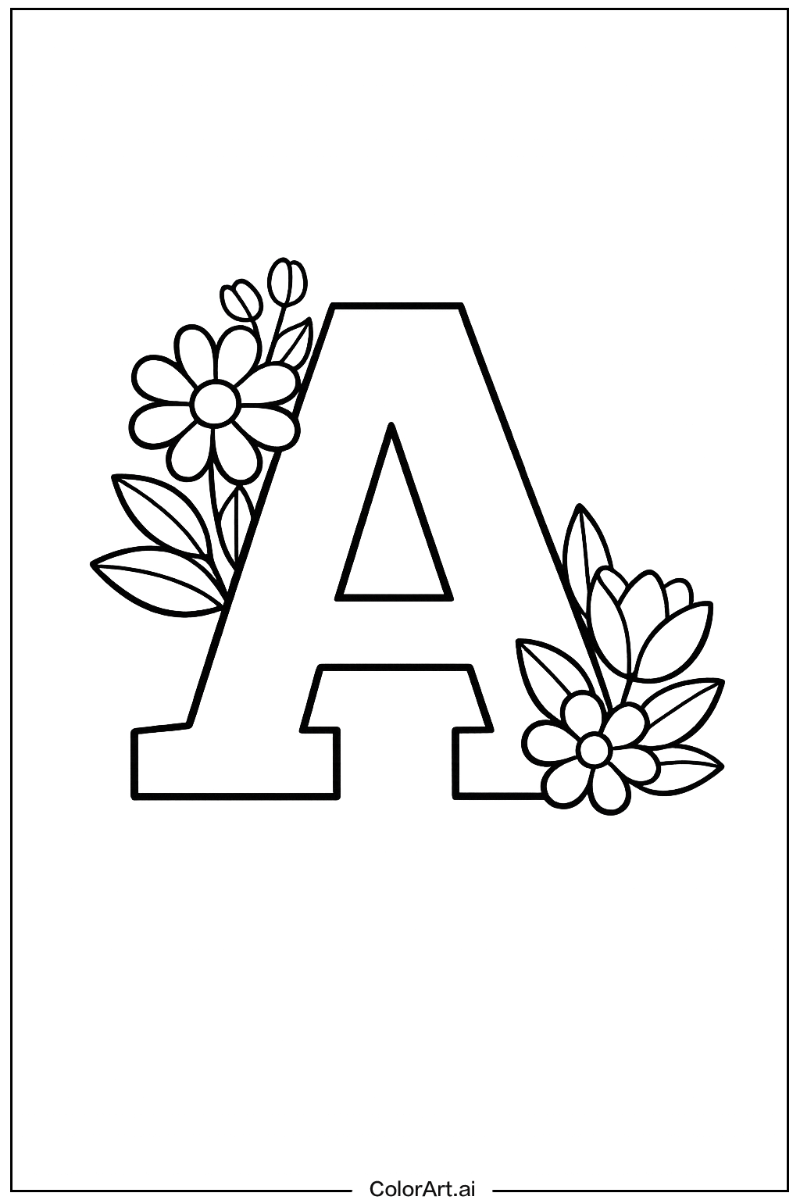
A Letter is more than just a character; it represents sounds in our alphabet and forms the fundamental components of written language. The English alphabet consists of 26 letters, including 5 vowels and 21 consonants, which we use to communicate, share stories, and express our thoughts. Letters have evolved over centuries, originating from ancient scripts and continuing to play a crucial role in our daily interactions. In the classroom, we often explore these letters through various activities, including coloring pages that allow children to connect visually with the symbols they are learning. By integrating fun with education, we make literacy an enjoyable experience!
The Classroom Benefits of Letter Activities
Engaging with Letter coloring pages can lead to numerous educational benefits. Firstly, they significantly enhance fine motor skills and hand-eye coordination. Children learn to control their crayons and markers while staying within the lines of letters, which is crucial for their developmental milestones. For instance, during one session, I observed my student Sam, who usually struggled with fine motor tasks, focusing intently on coloring the letter 'S.' His determination not only resulted in a beautifully colored page but also improved his grip and control. Secondly, Letter coloring promotes cognitive skills such as concentration and pattern recognition. As kids match colors to letters, they enhance their ability to recognize shapes and sounds, solidifying their understanding of the alphabet. Lastly, these activities offer emotional benefits, providing a creative outlet for self-expression and reducing stress. I often notice that when my students express themselves through coloring, they feel a sense of accomplishment, which fosters their confidence and motivation.
Practical Tips for Coloring Letters
To make the most out of your Letter coloring experience, here are some practical tips: 1. **Choose the Right Materials**: Use high-quality paper and coloring tools to ensure vibrant results. I recommend using 110 lb cardstock and markers or crayons that won’t bleed through. 2. **Encourage Creativity**: Let children explore colors outside the 'traditional' palette. For instance, during a recent class, I encouraged kids to color the letter 'C' in rainbow hues, and the results were stunning! 3. **Introduce Themes**: Pair Letter coloring with themes. For example, when coloring 'D,' we discussed 'dogs,' making the experience educational and fun. 4. **Provide Guidance**: For younger children, model how to color within the lines while explaining the letter's sound and shape to reinforce their learning. 5. **Make It Interactive**: After coloring, have students share their pages with the class, explaining their color choices and the words that start with that letter. This not only boosts their speaking skills but also builds community.
Current Trends in Letter Art Education
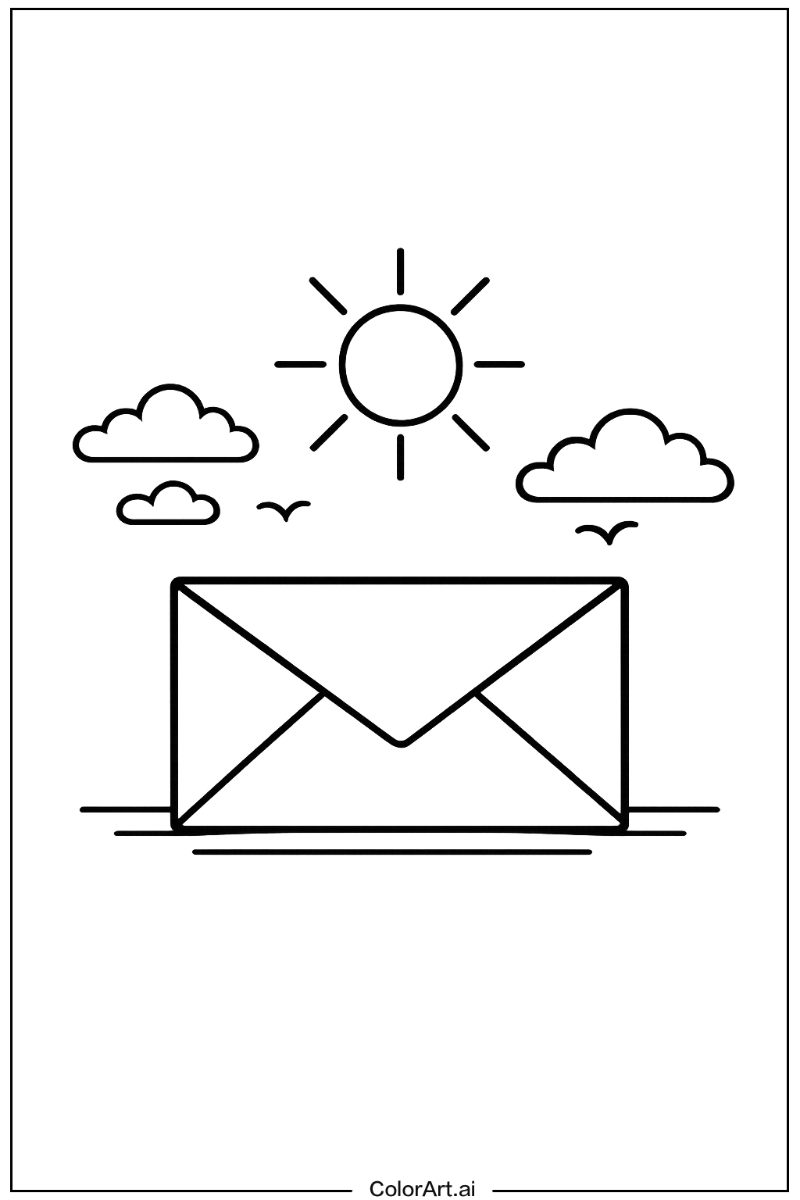
In the modern classroom, Letter coloring pages are gaining popularity as educators seek innovative ways to engage students. Recent trends emphasize the importance of kindness through letters, as seen in initiatives like Allison Bond's Kindness Through Letters Mission. Students are encouraged to express themselves through written words, nurturing emotional connections. This trend aligns beautifully with coloring pages, allowing children to personalize their creations while learning about the significance of communication. Additionally, the revival of personal correspondence as a wellness practice is encouraging educators to incorporate more Letter activities into their curricula, promoting both creativity and emotional well-being. As I introduce these activities, I often see my students, like little Noah, excitedly sharing their colorful letters with one another, reinforcing their understanding and appreciation of written communication.
Frequently Asked Questions About Letter Coloring Pages
### Age Appropriateness and Skill Levels
Letter coloring pages are ideal for preschoolers, kindergarteners, and early learners aged 2-6. They can be a fun way to introduce letters and sounds to younger children while keeping them engaged.
### What are the best colors for Letter coloring pages?
There are no right or wrong colors! Encourage kids to use whatever colors they love. This fosters creativity!
### How long does it take to complete a Letter coloring page?
This can vary; some children may finish a page in 10-15 minutes, while others may take longer. It’s all about the process, not the speed!
### Can I use Letter coloring pages for educational purposes?
Absolutely! They are fantastic for reinforcing letter recognition and phonetic sounds while allowing for creative expression.