Welcome to the World of Robot Coloring Pages!
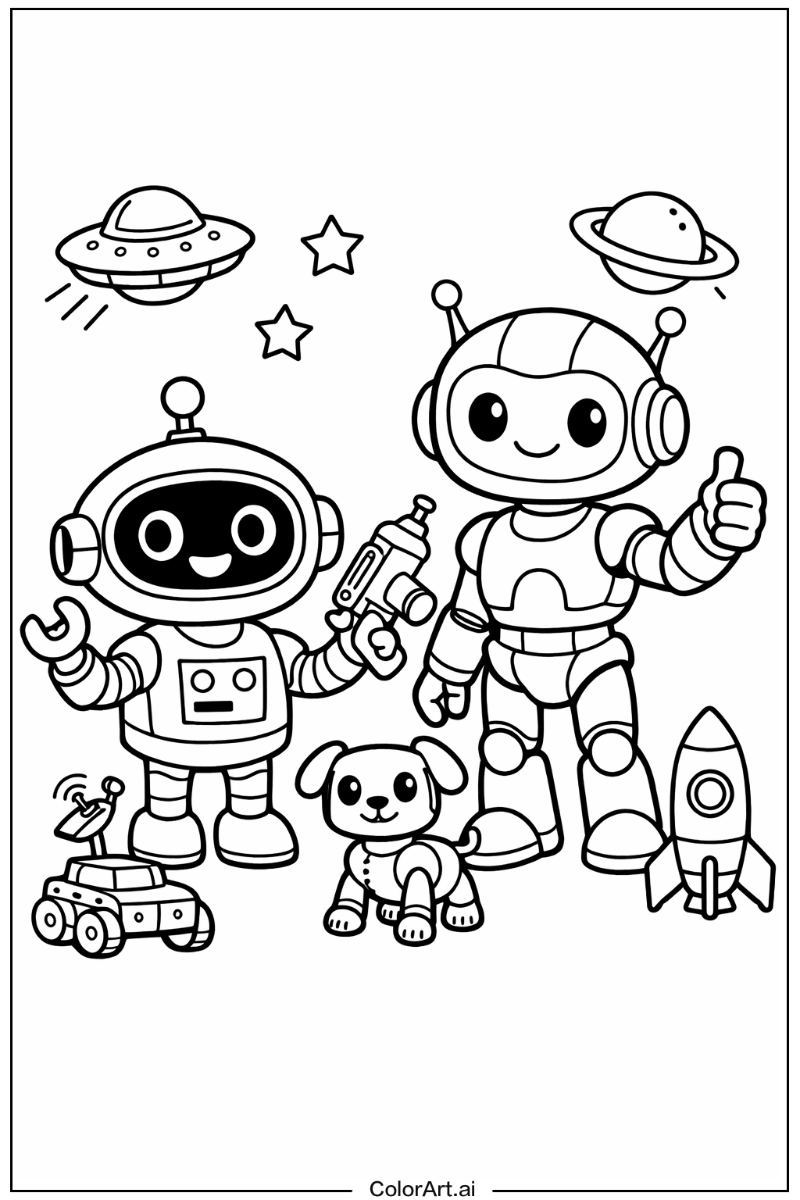
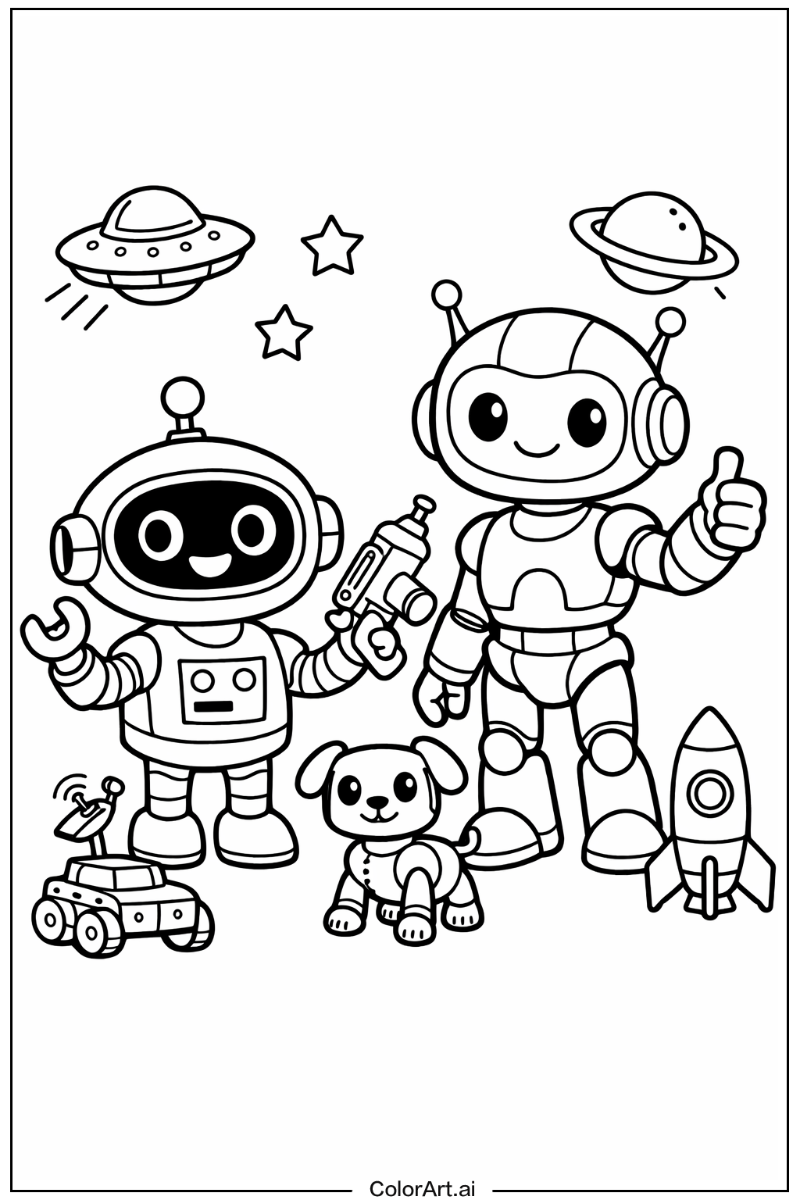
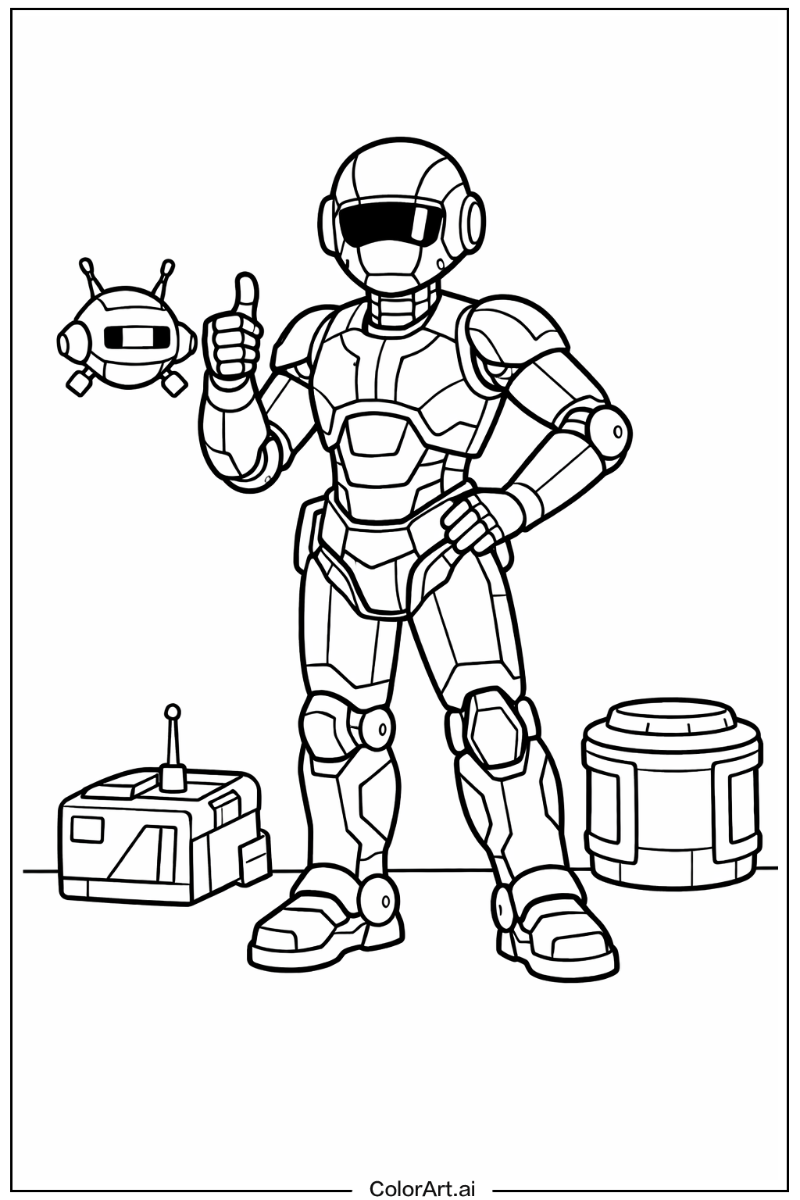
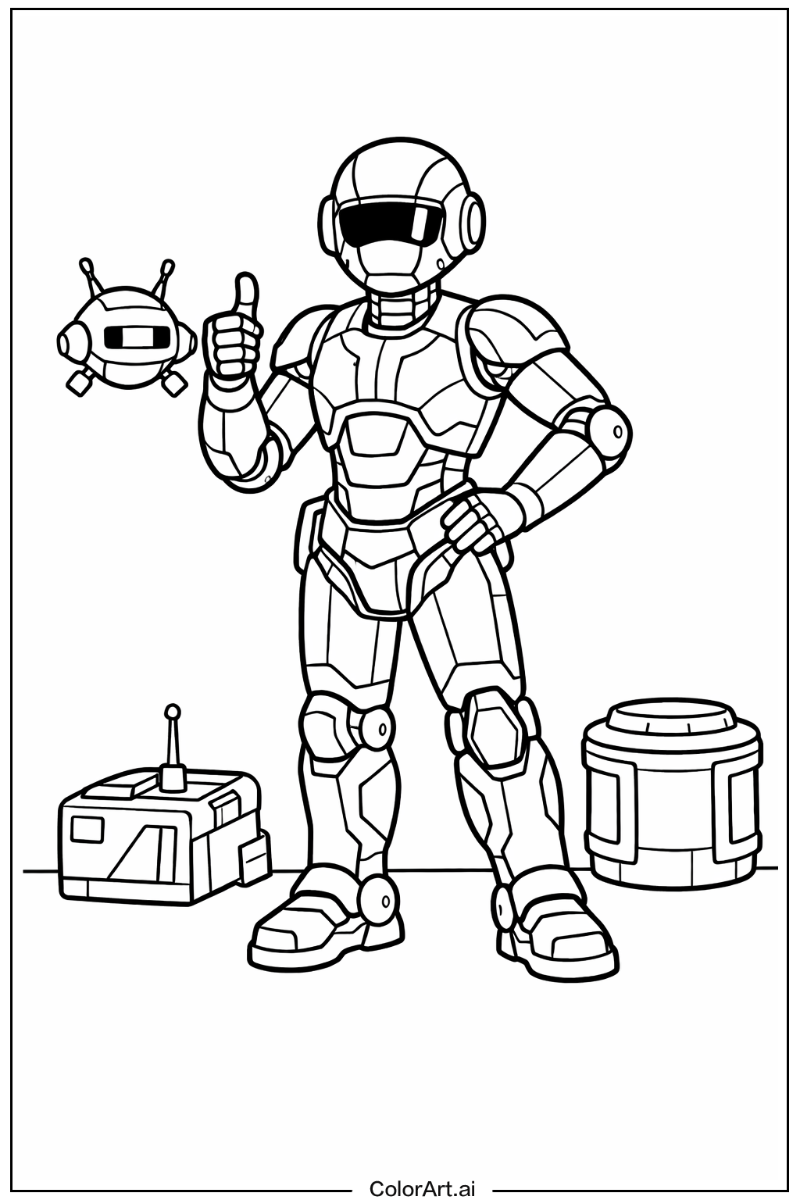
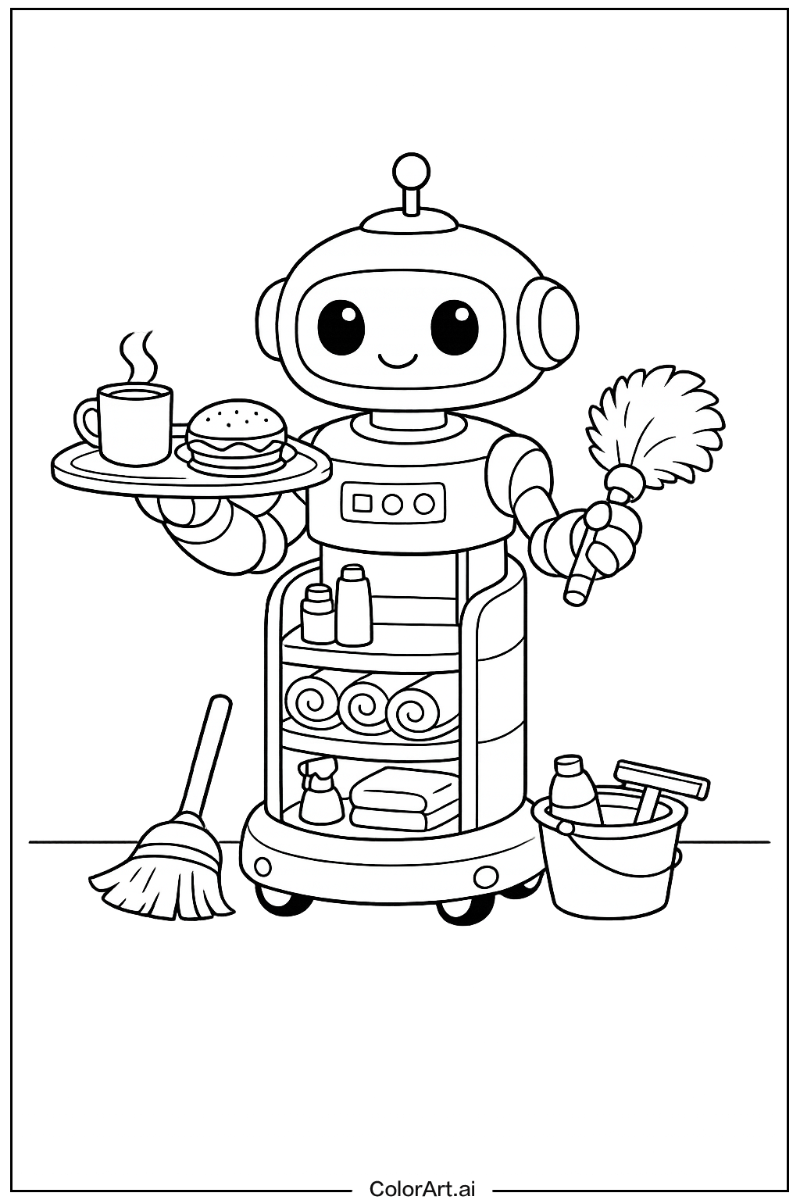
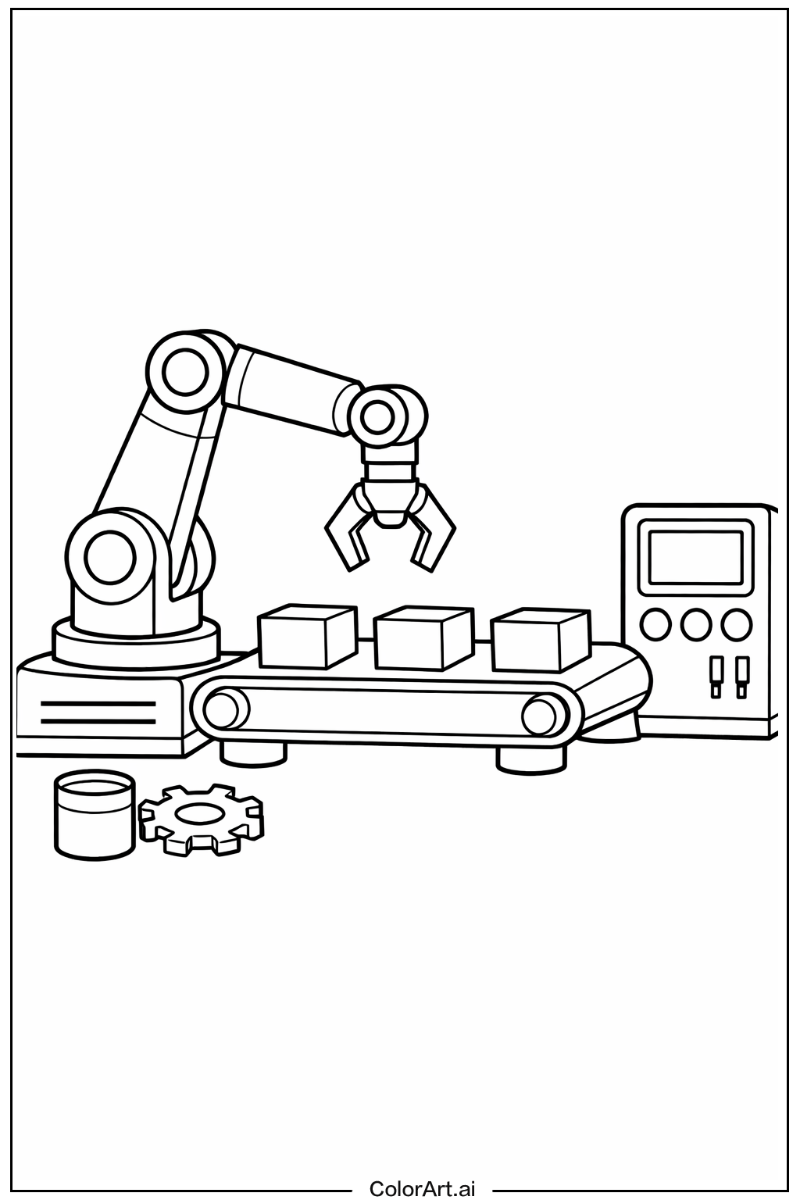
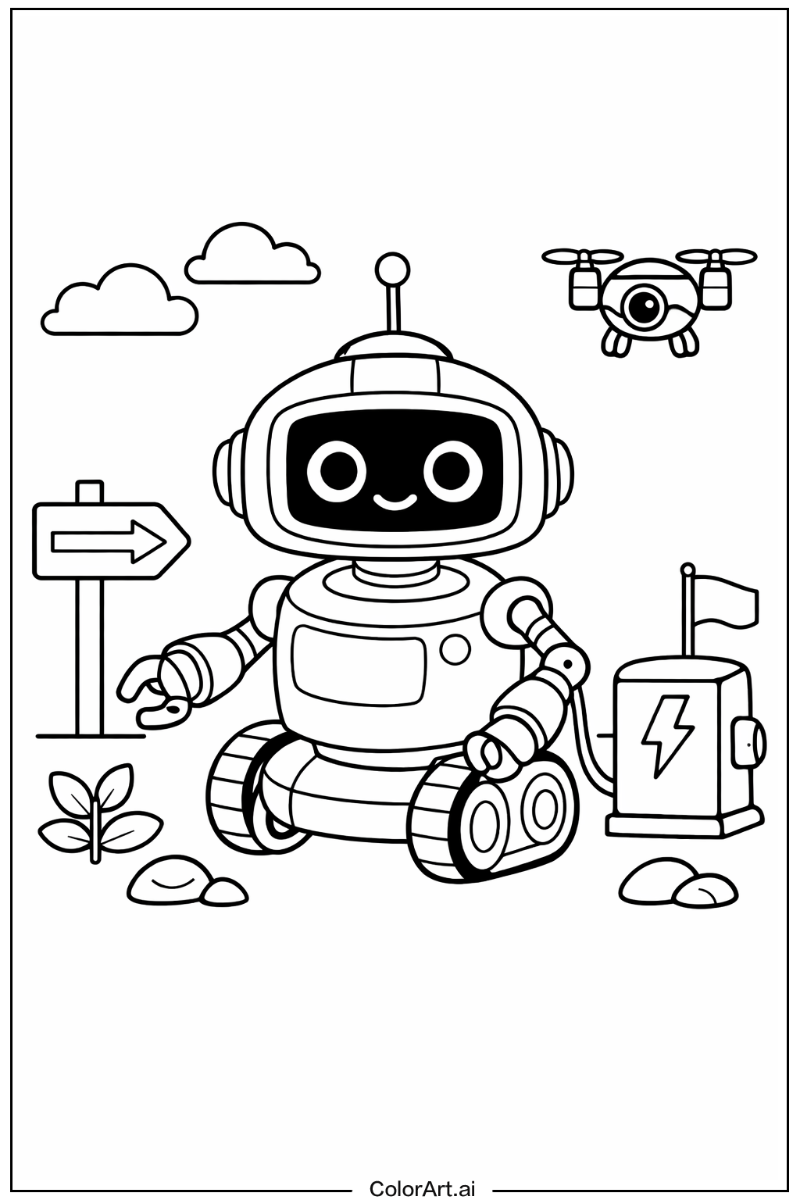
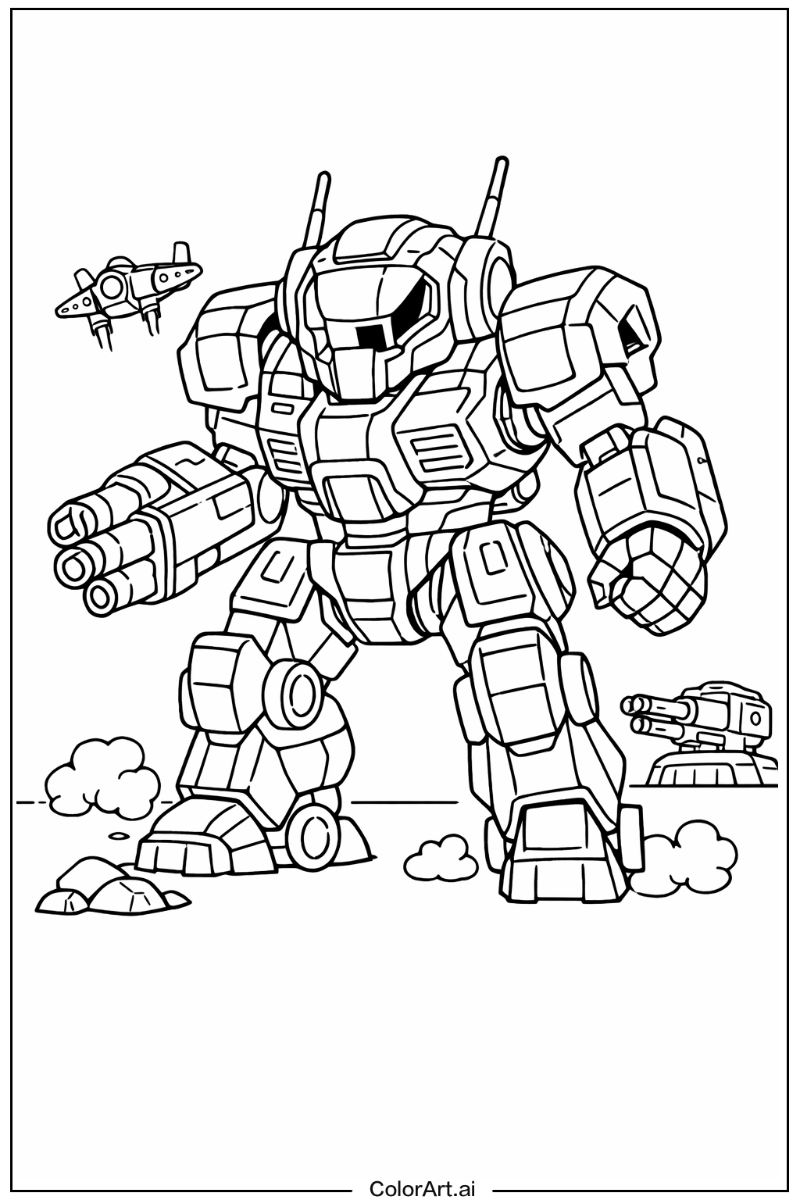
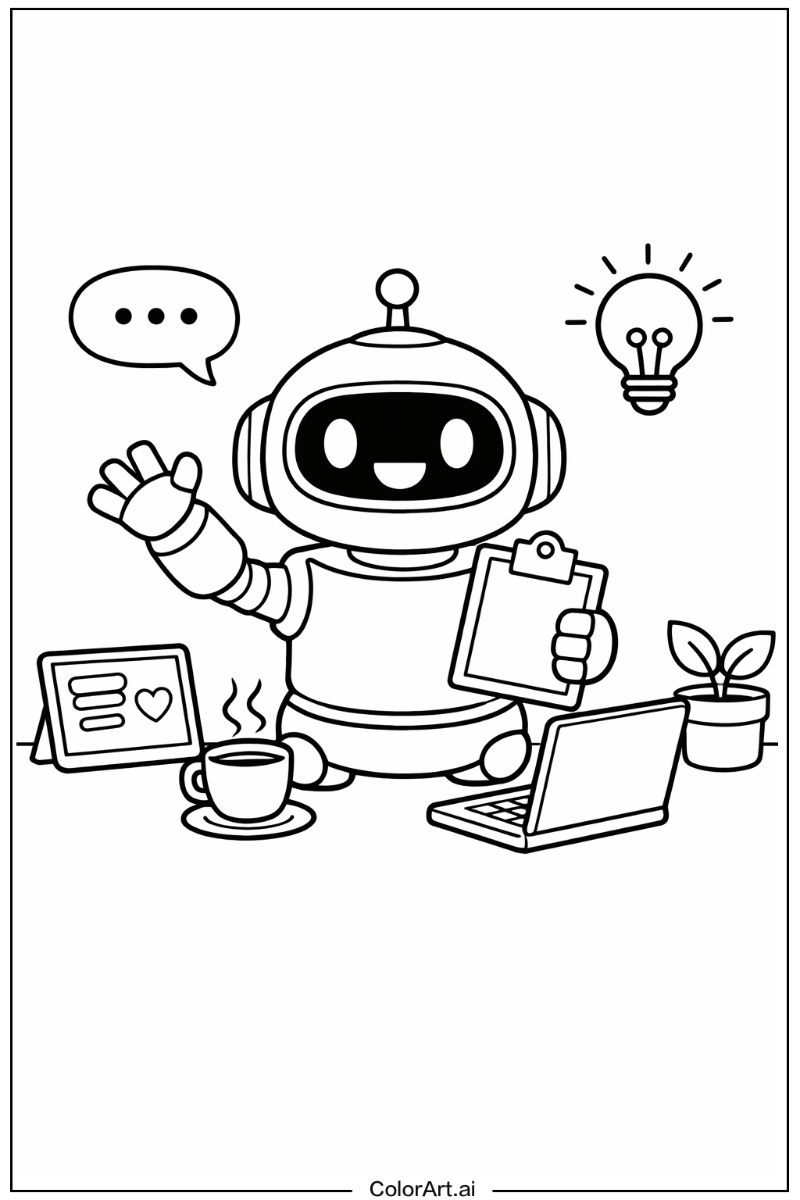
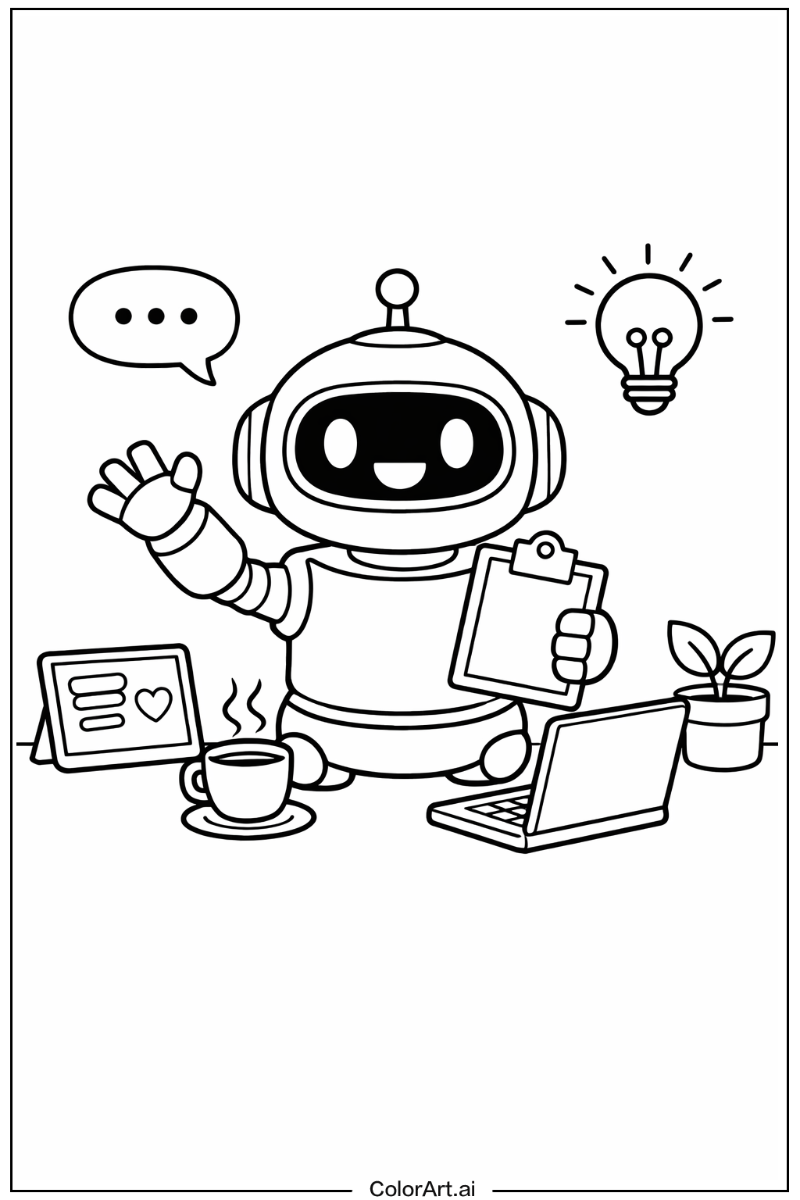
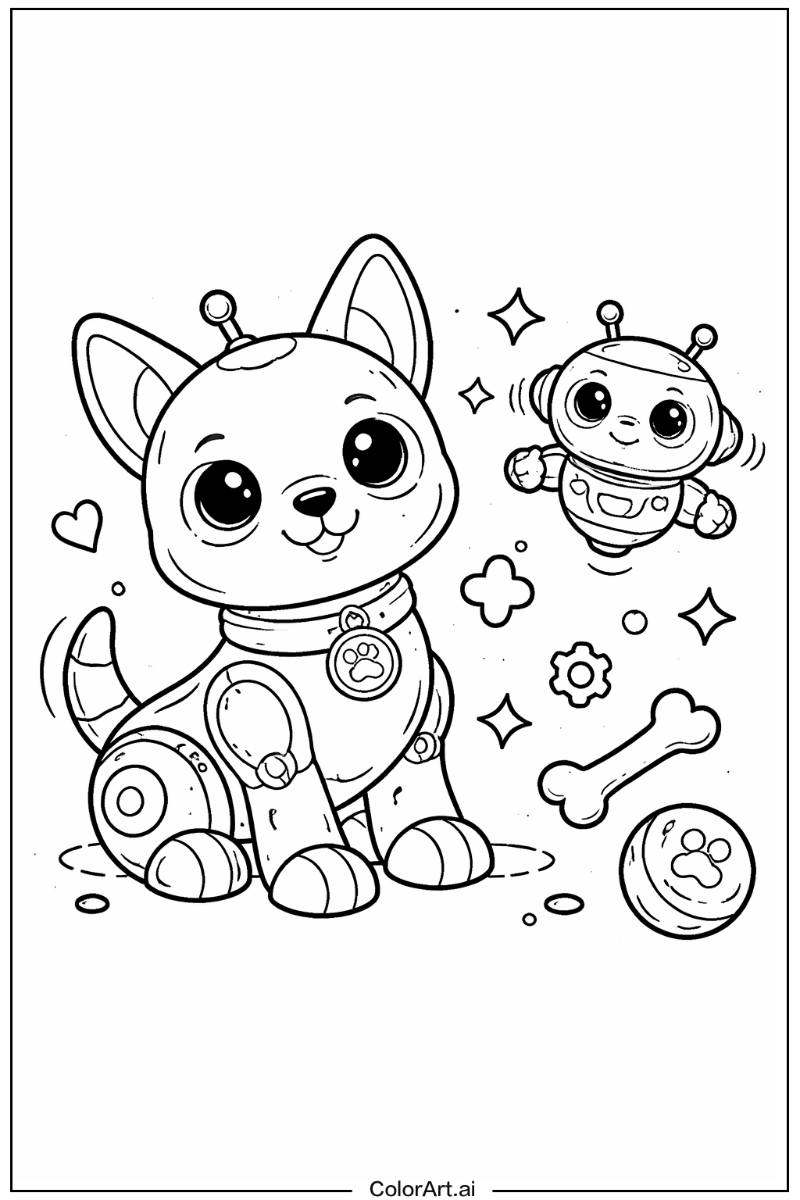
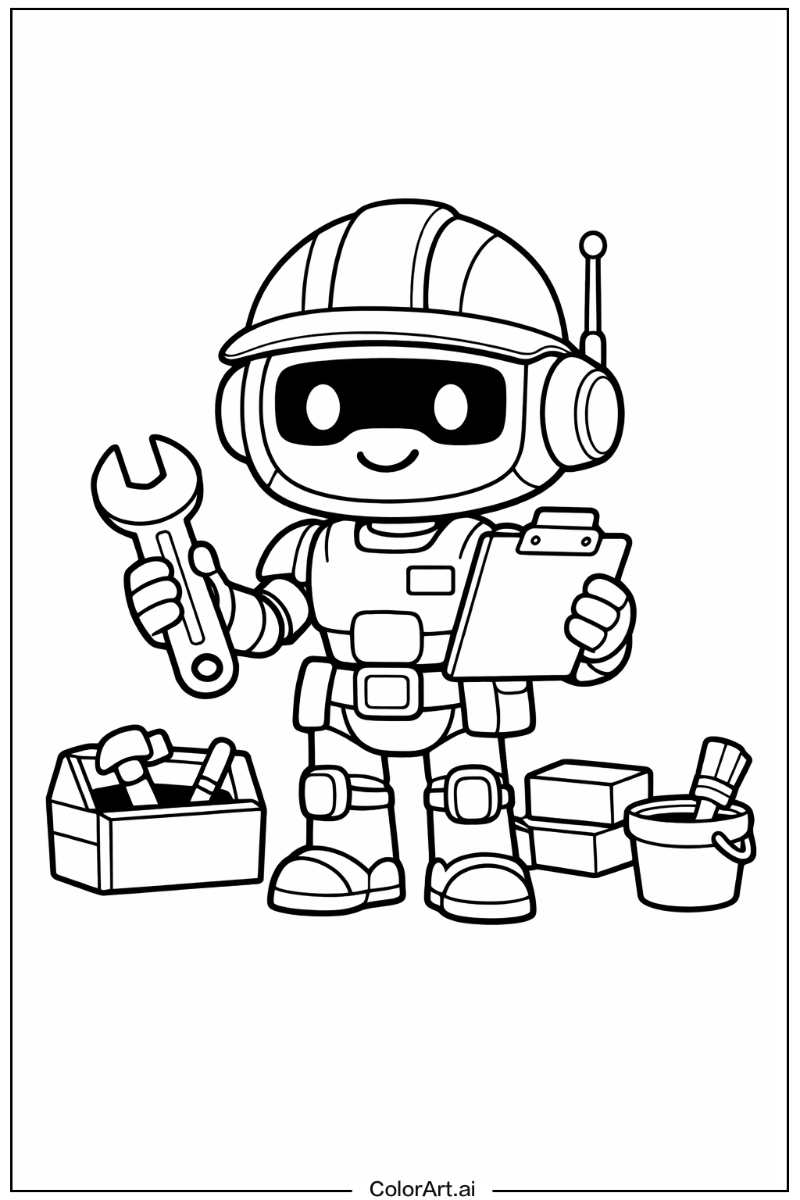
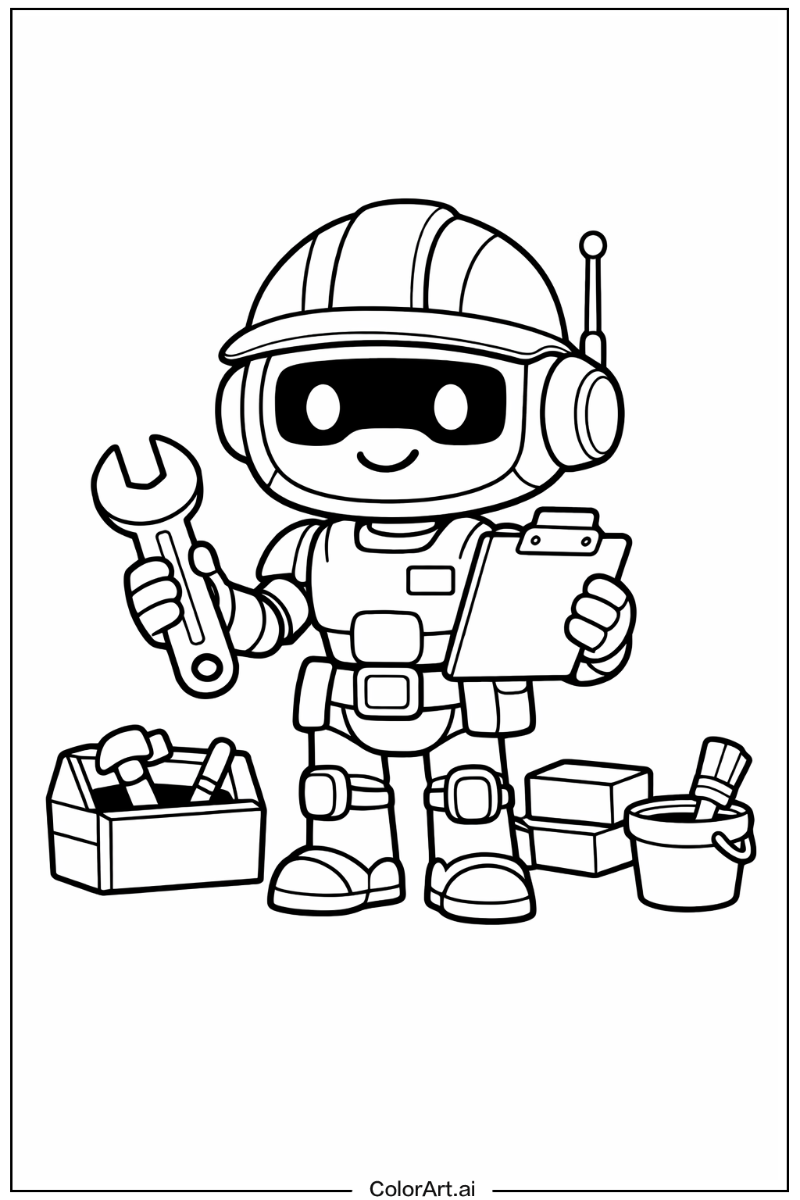
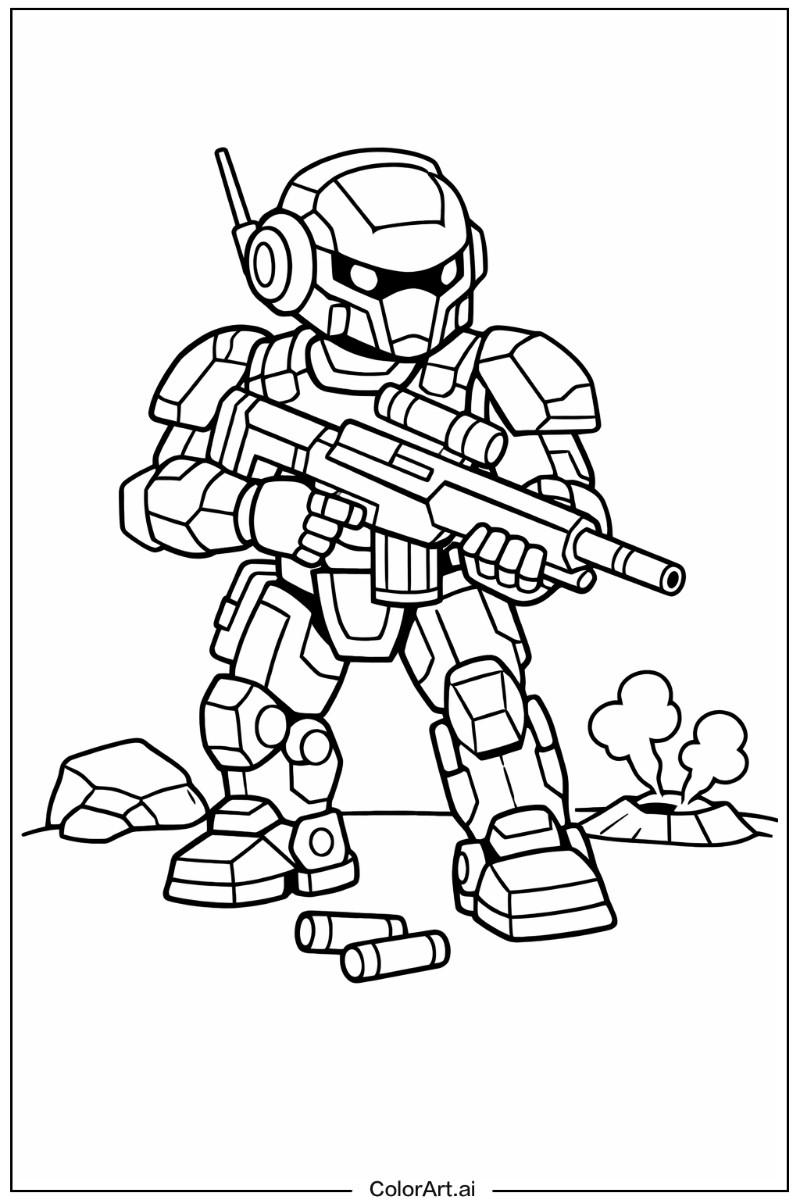
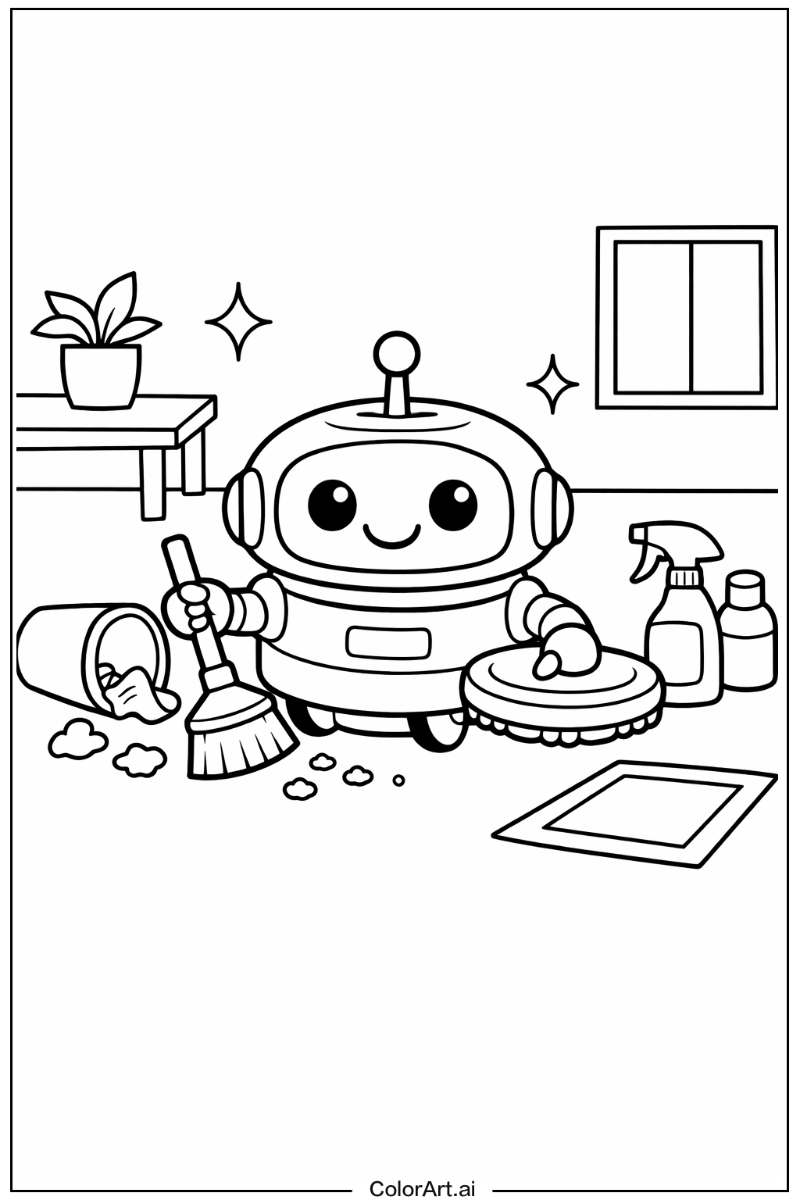
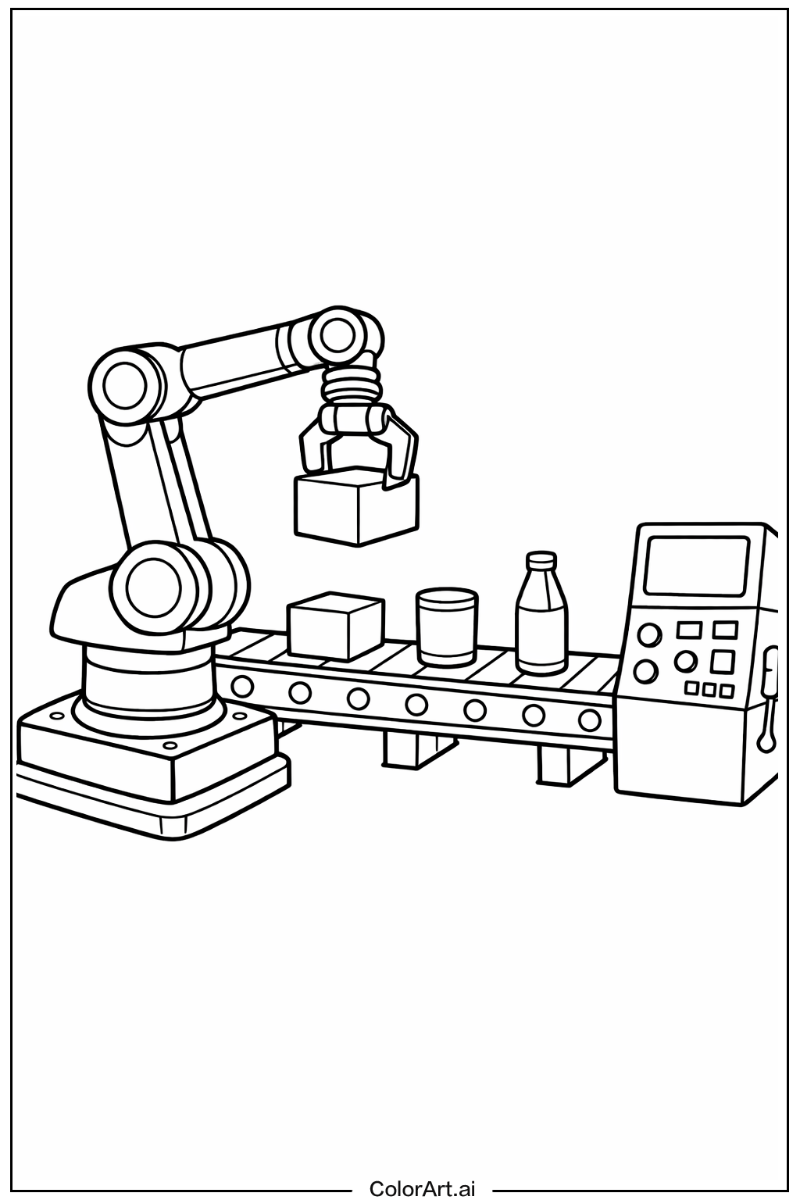
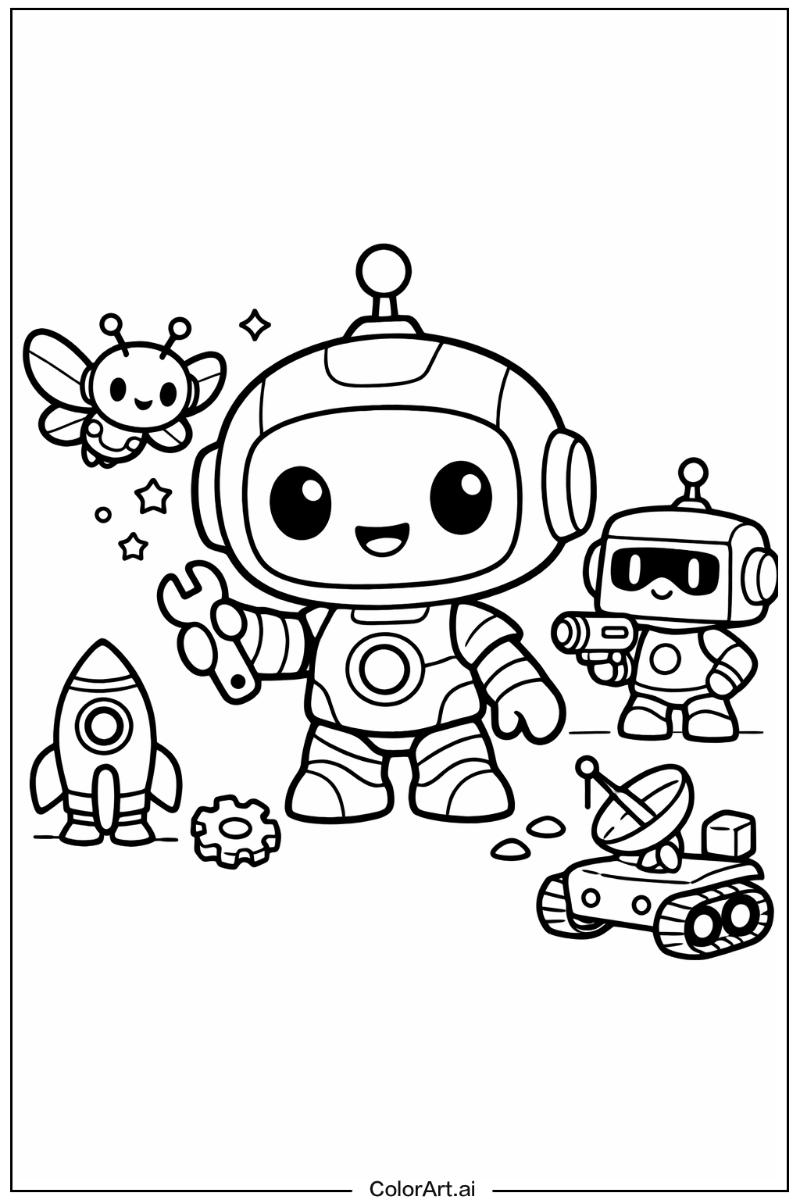
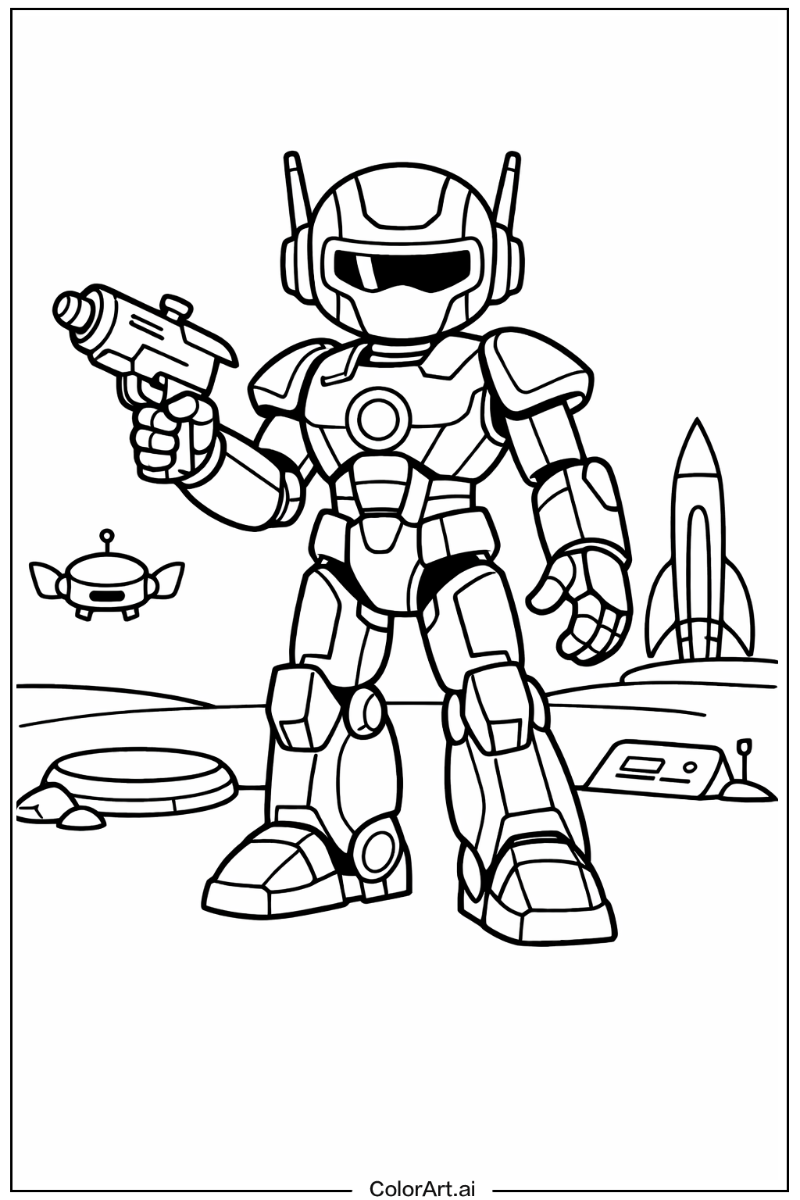
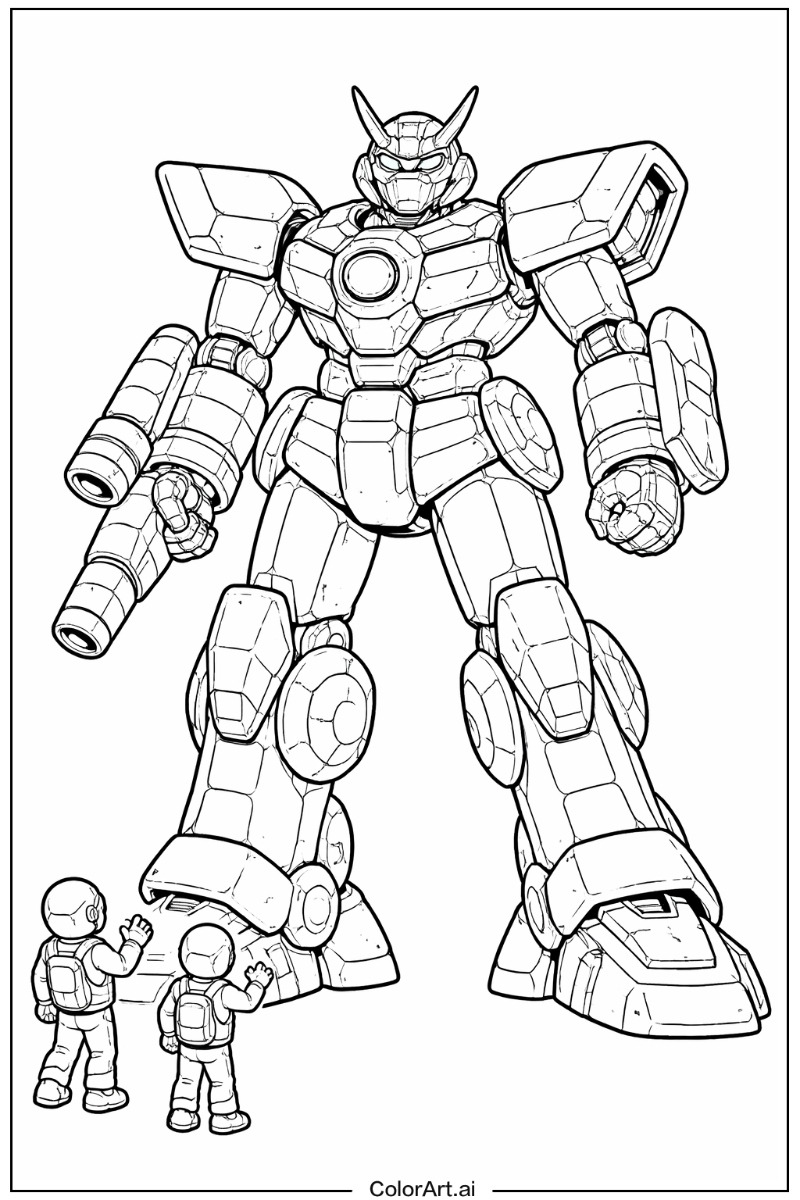
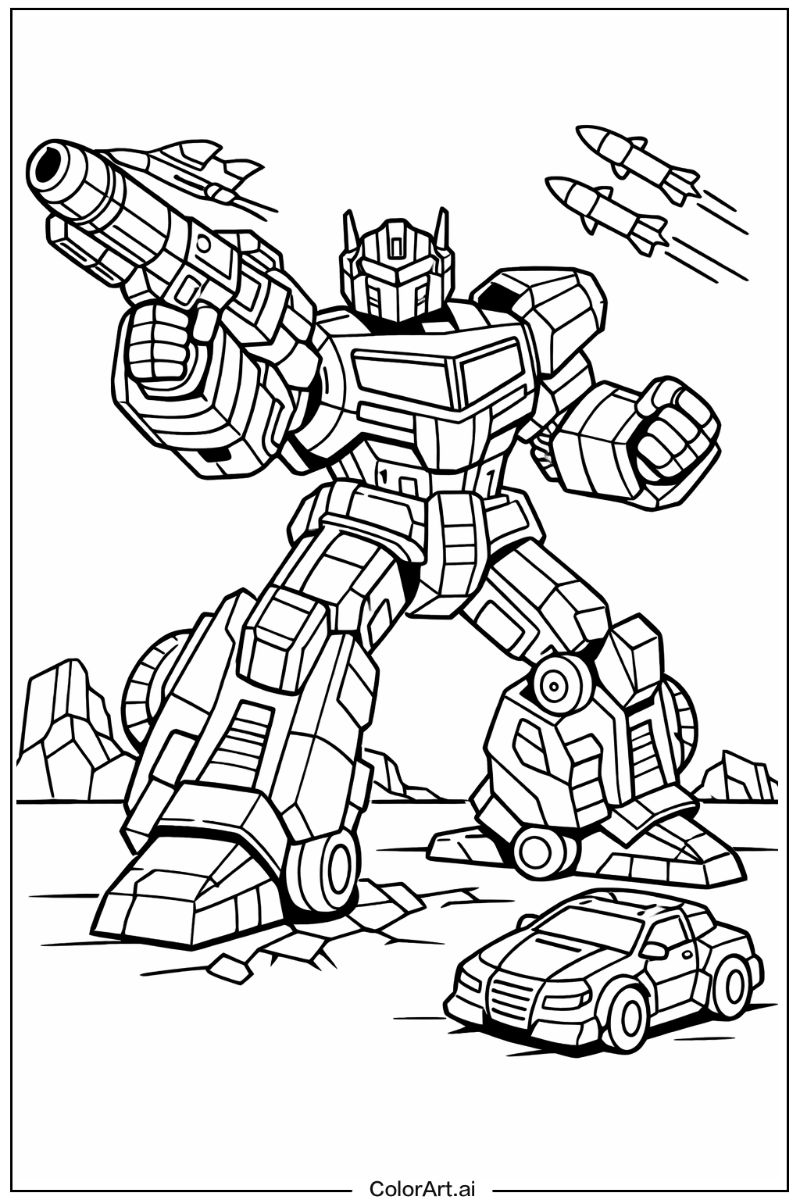
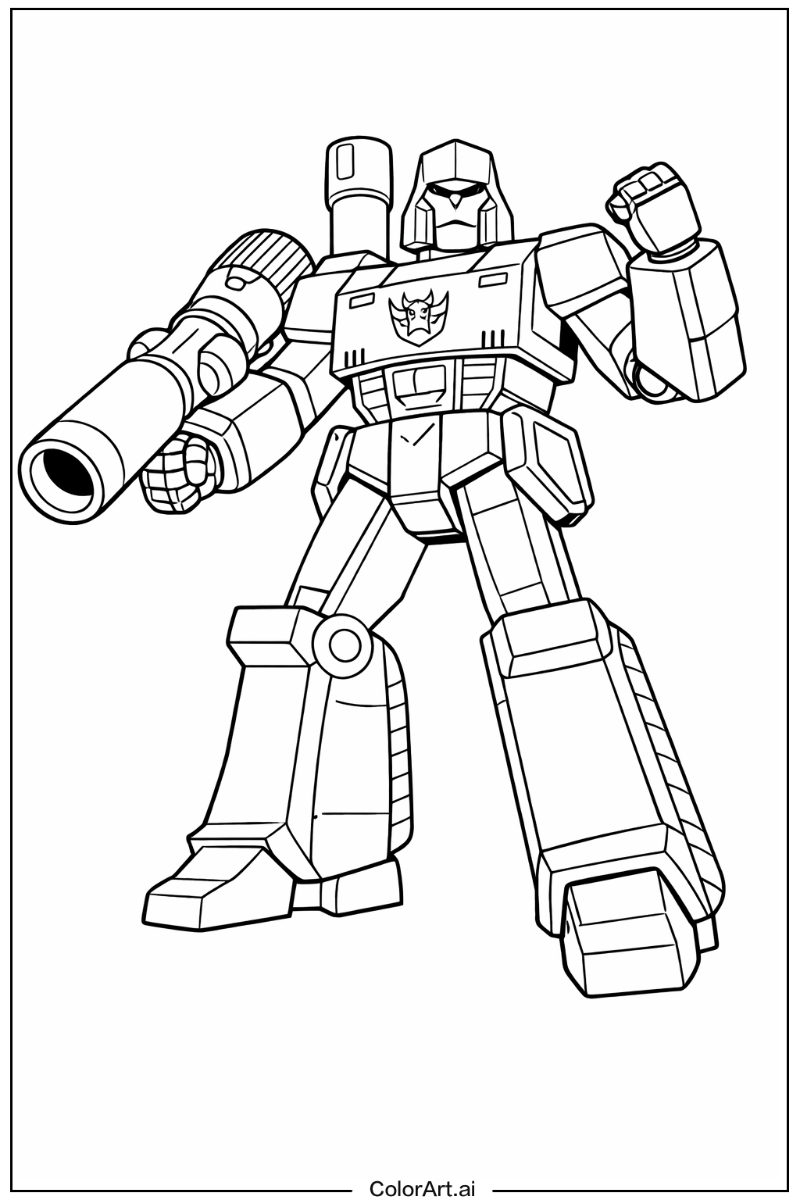
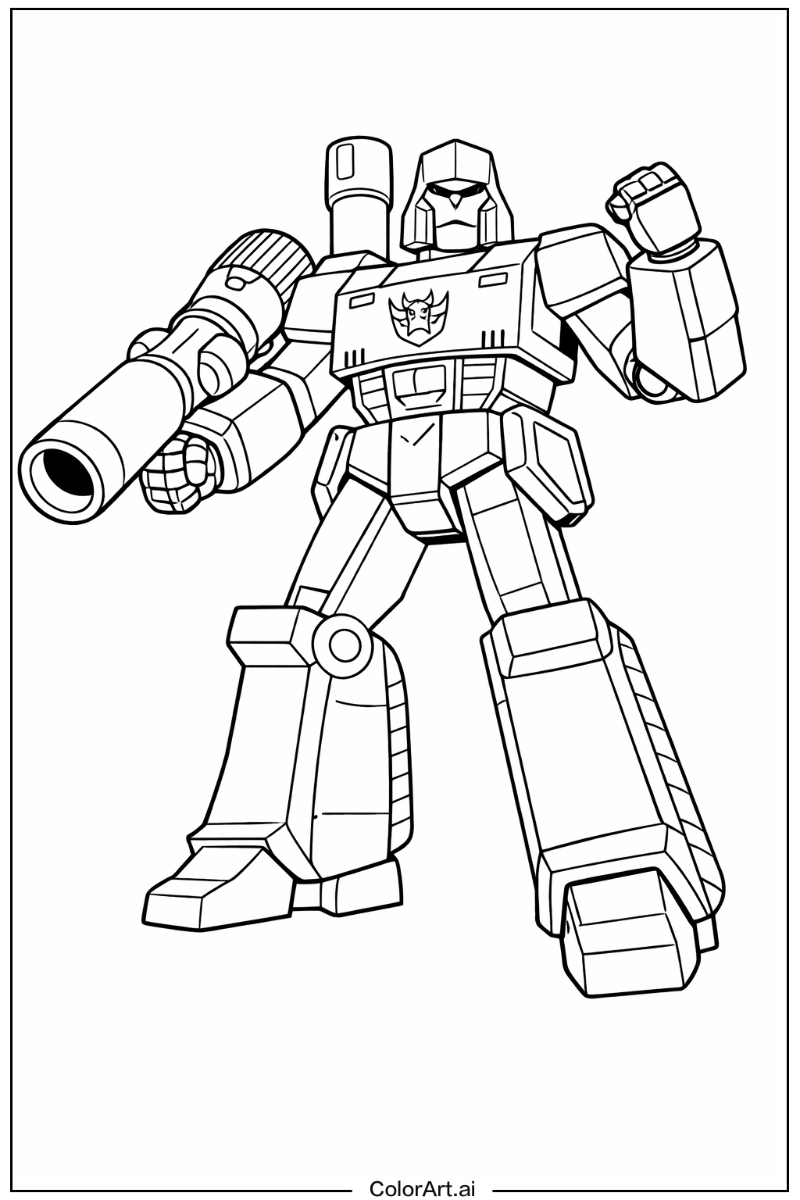
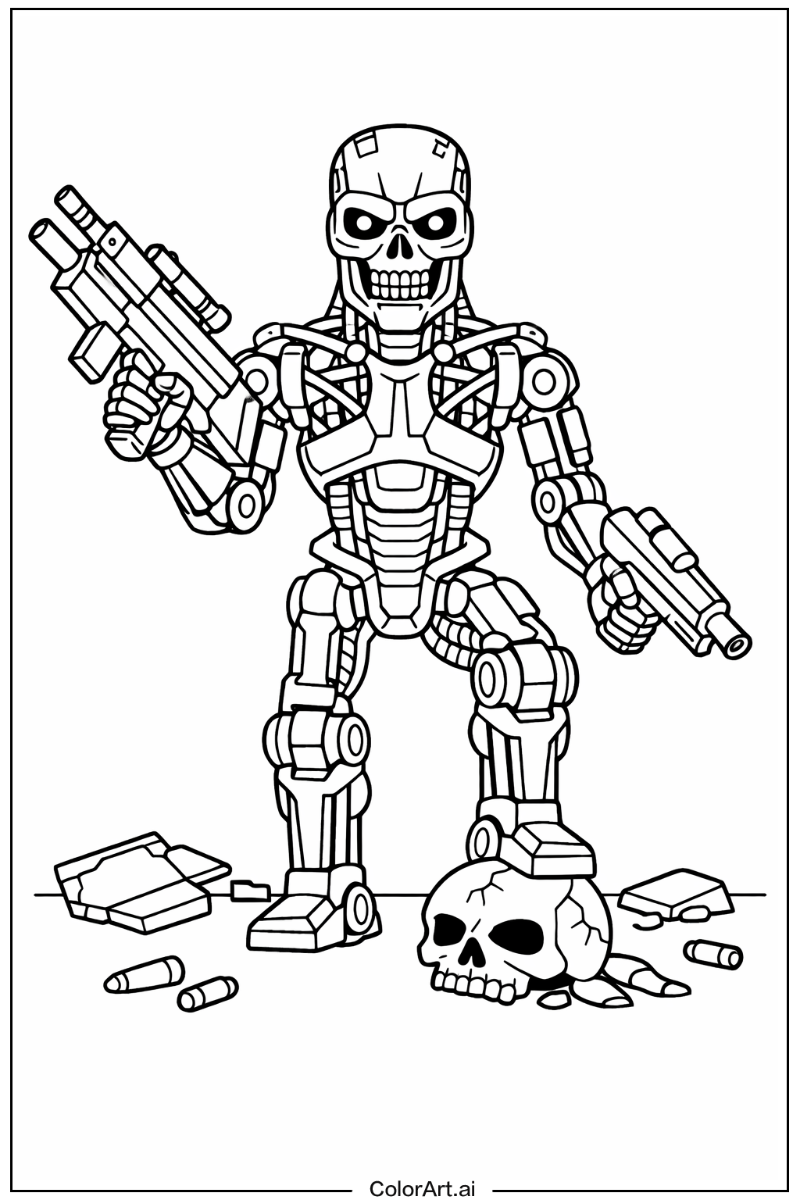
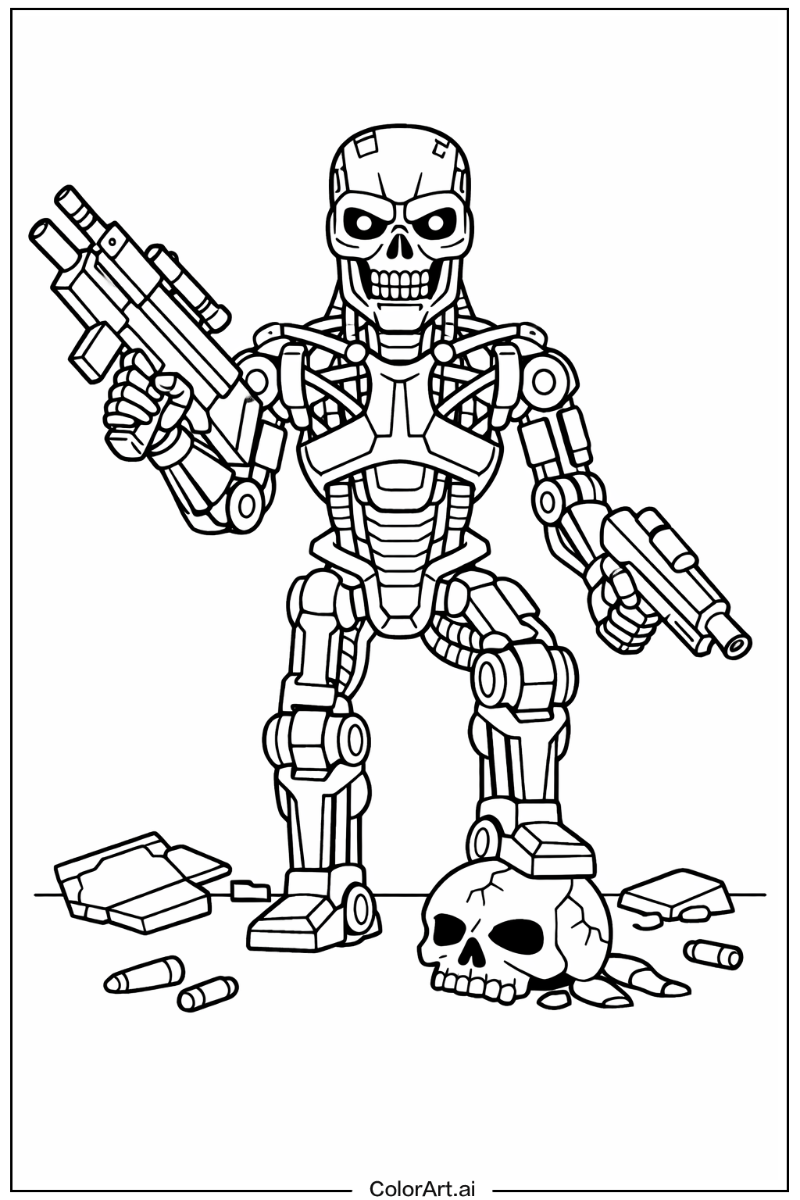
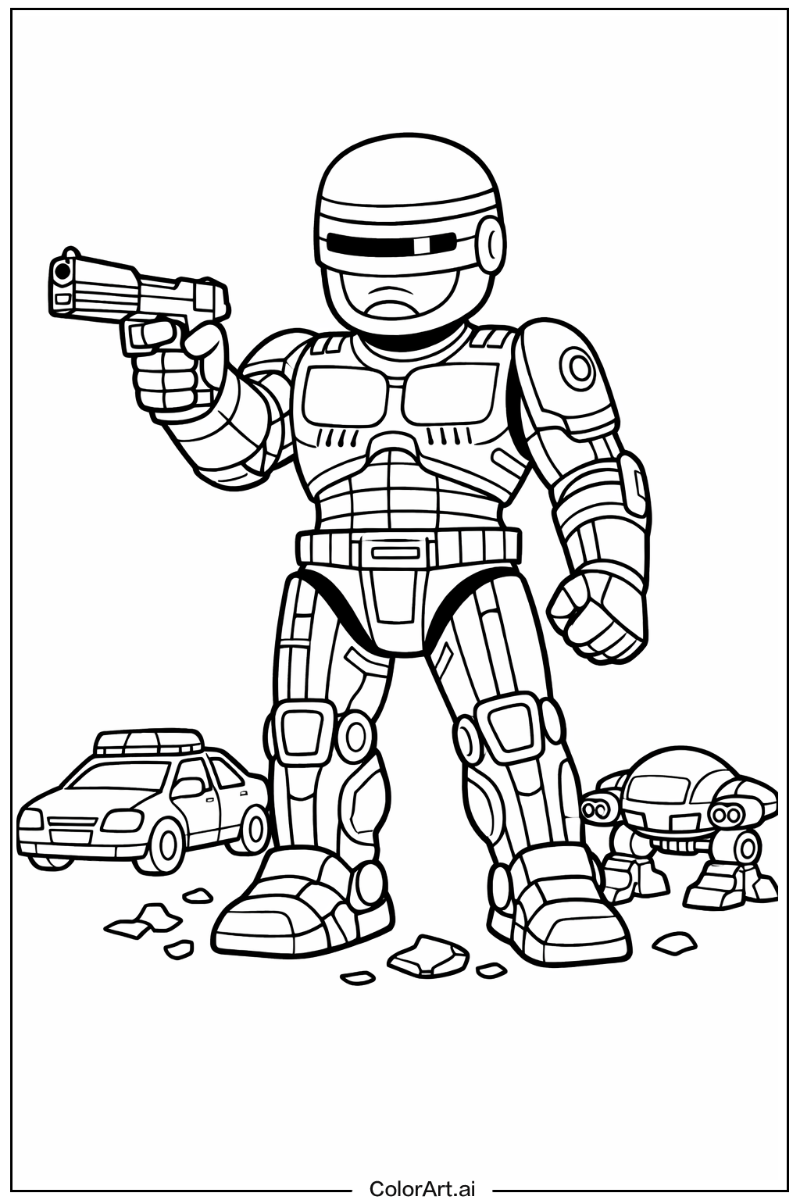
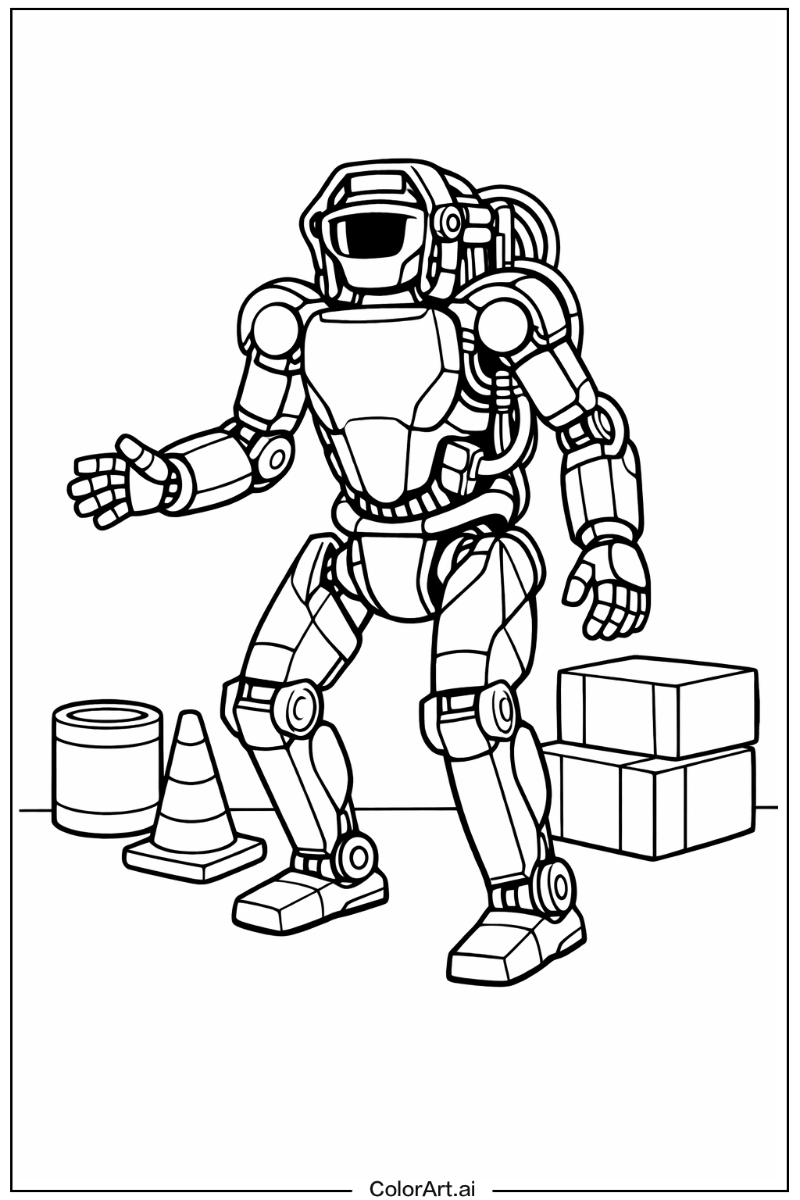
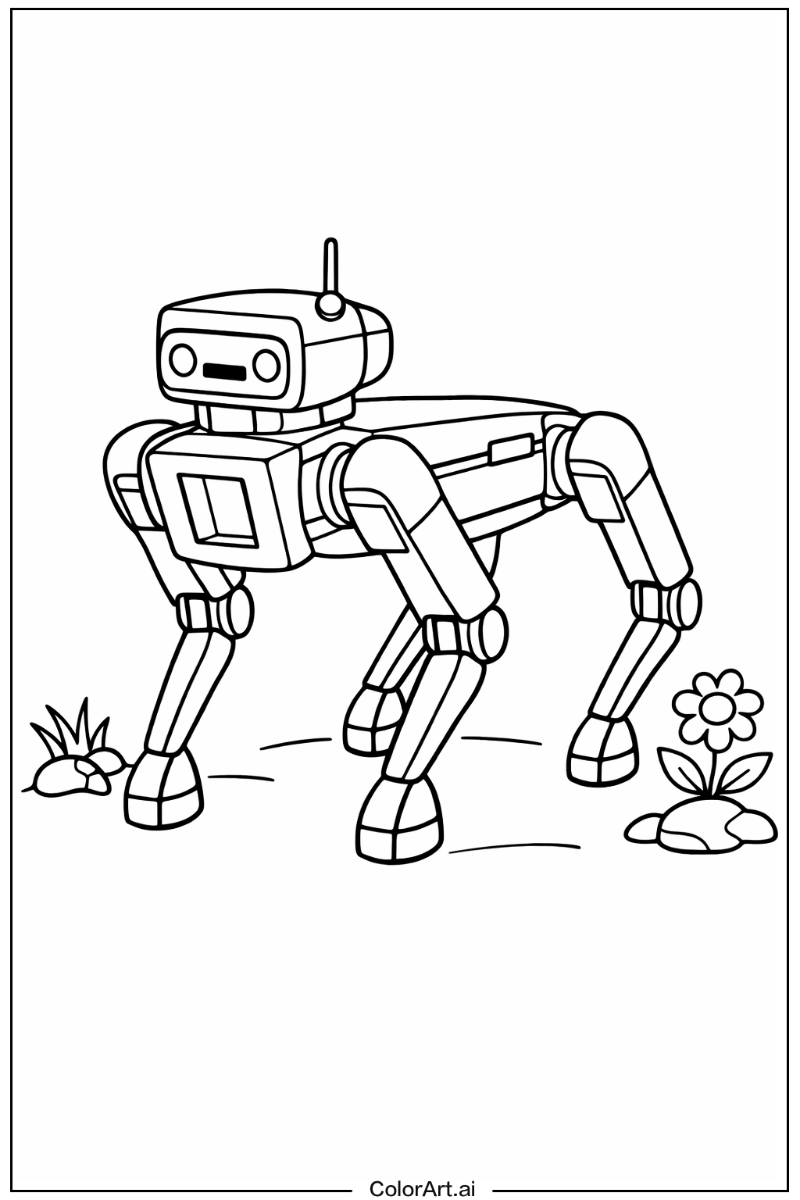
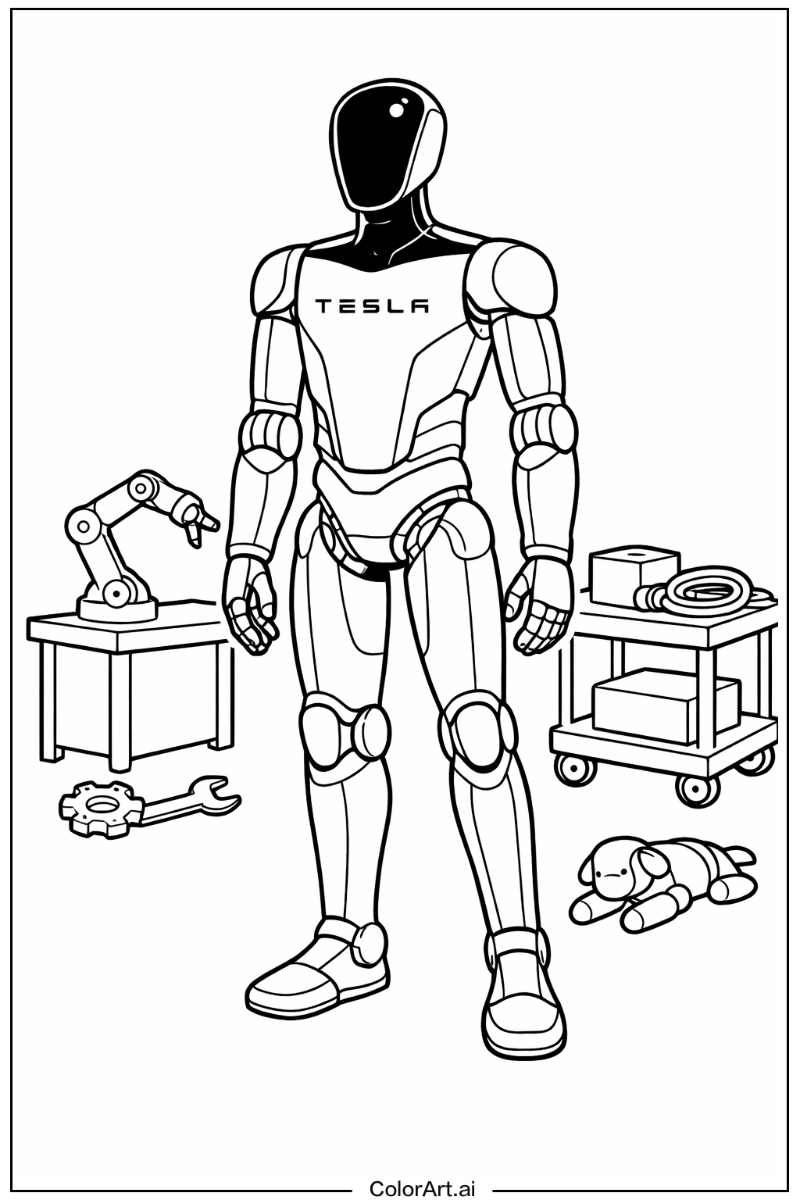
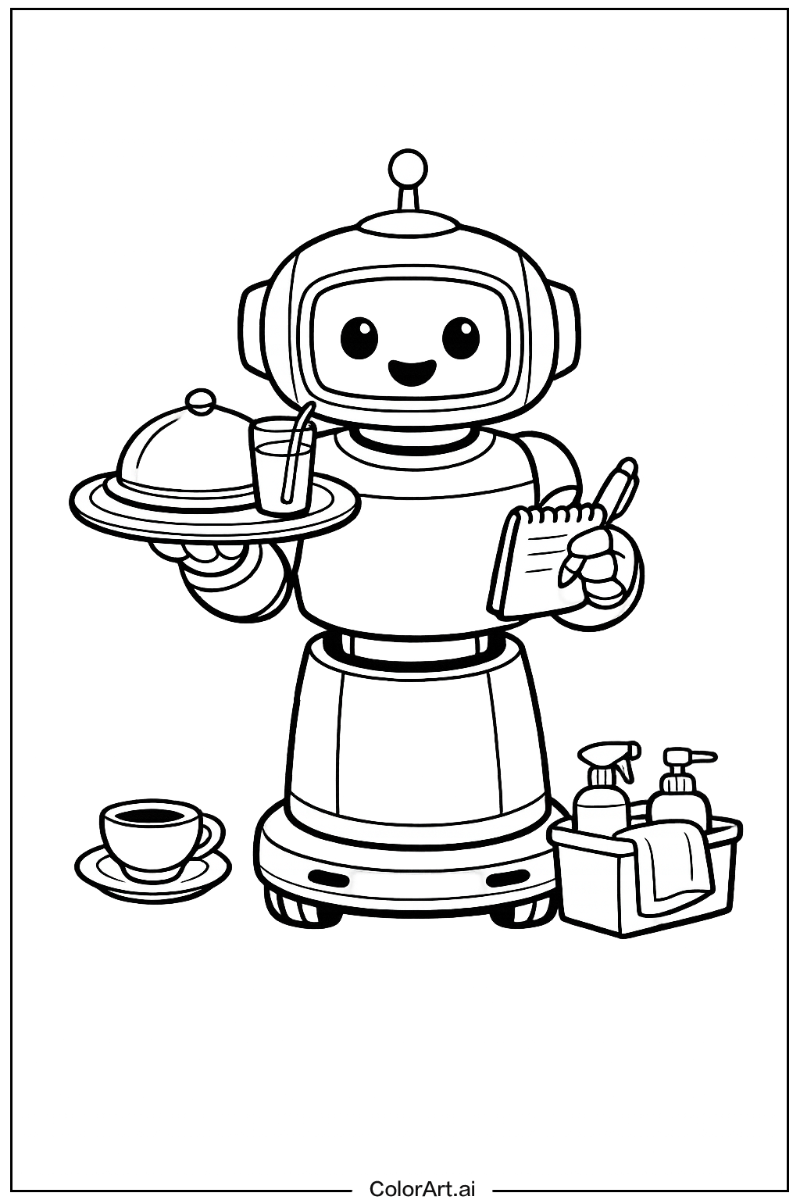
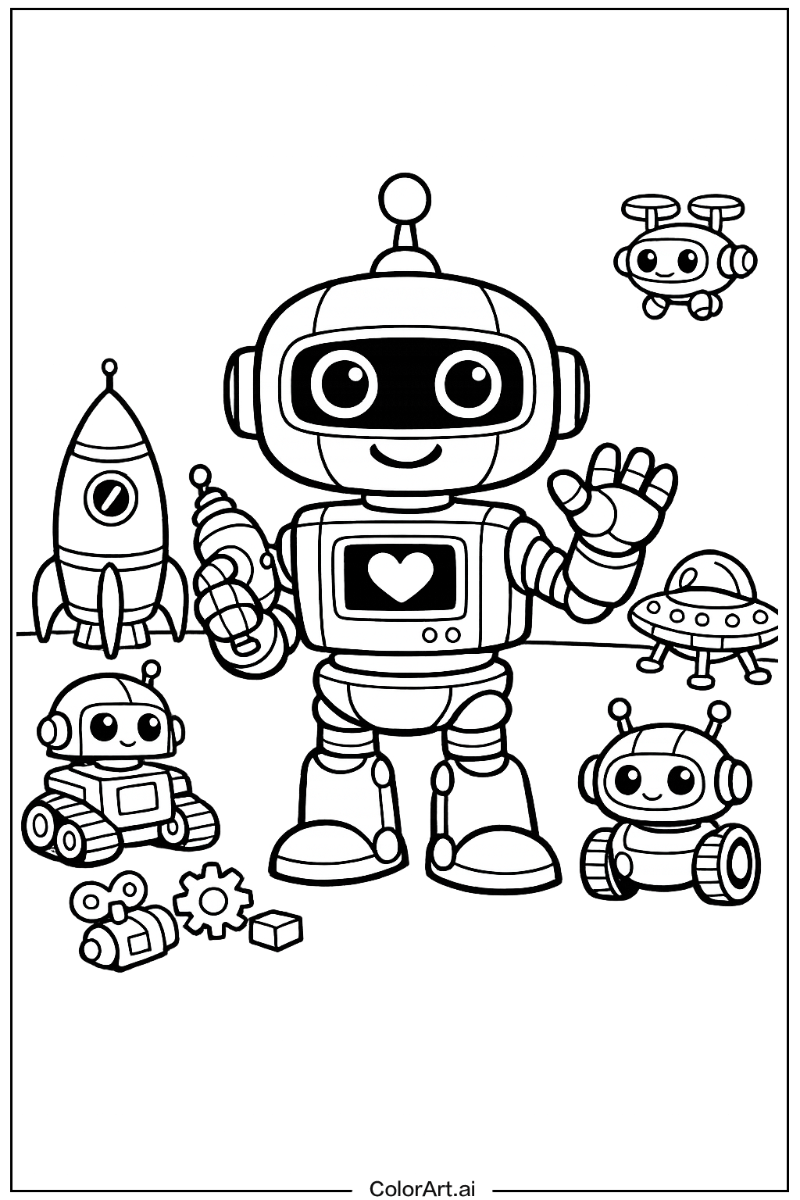
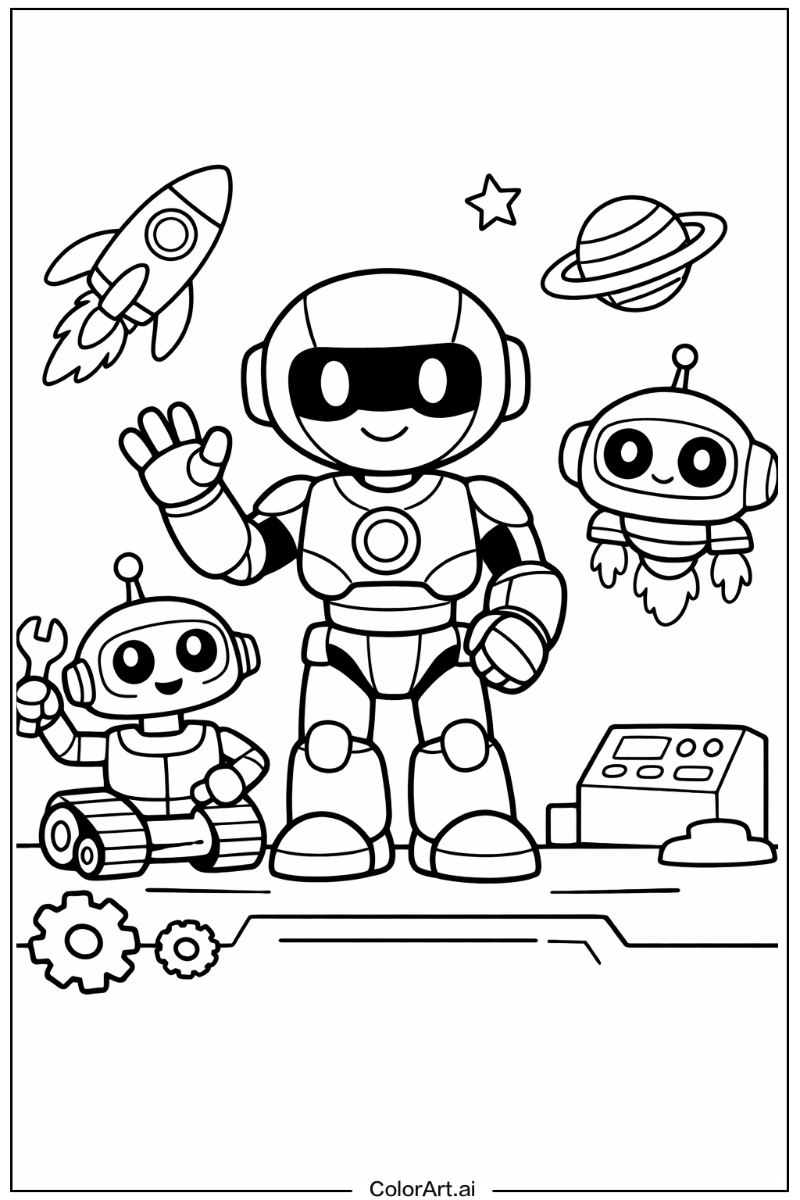
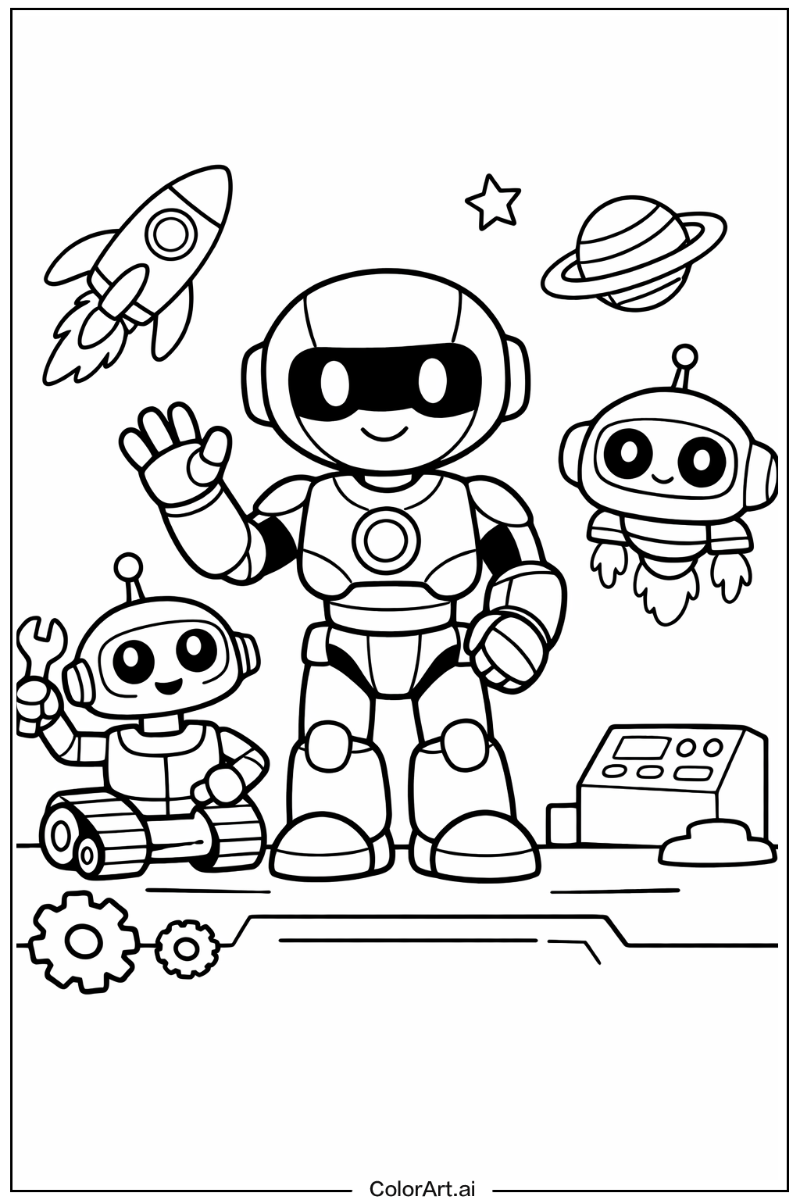
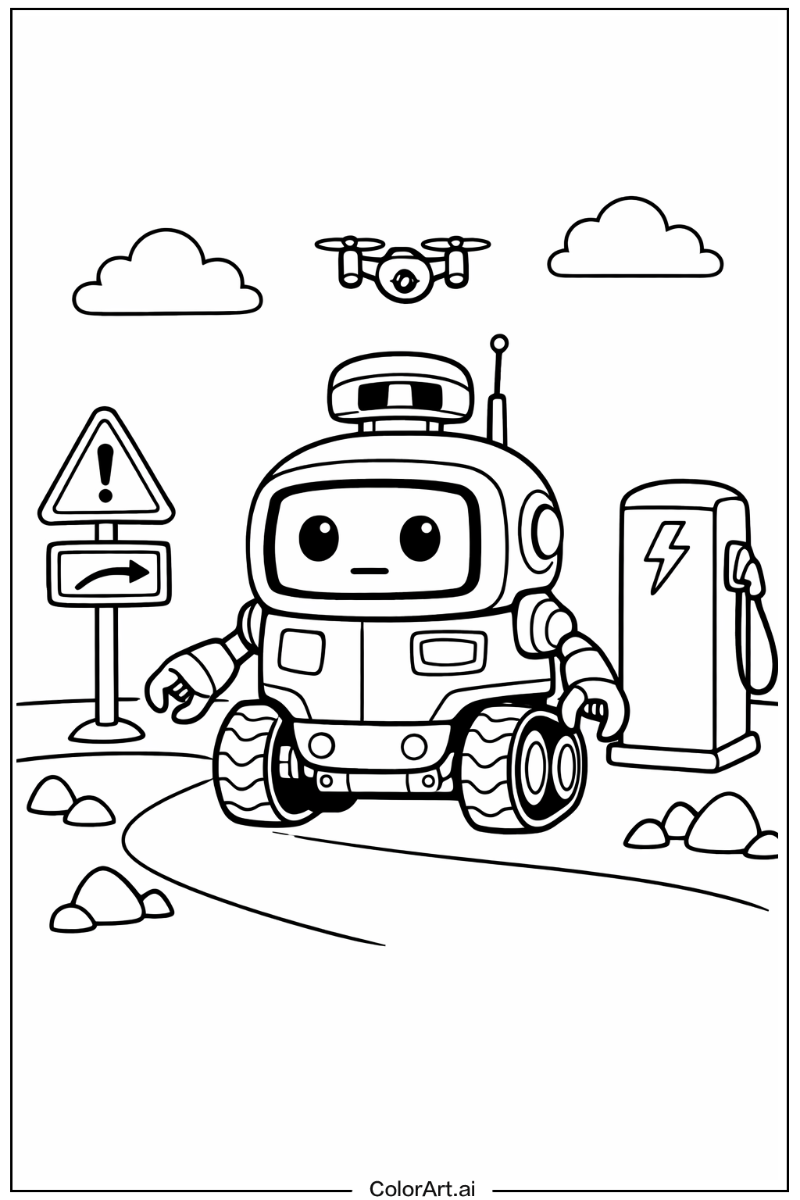
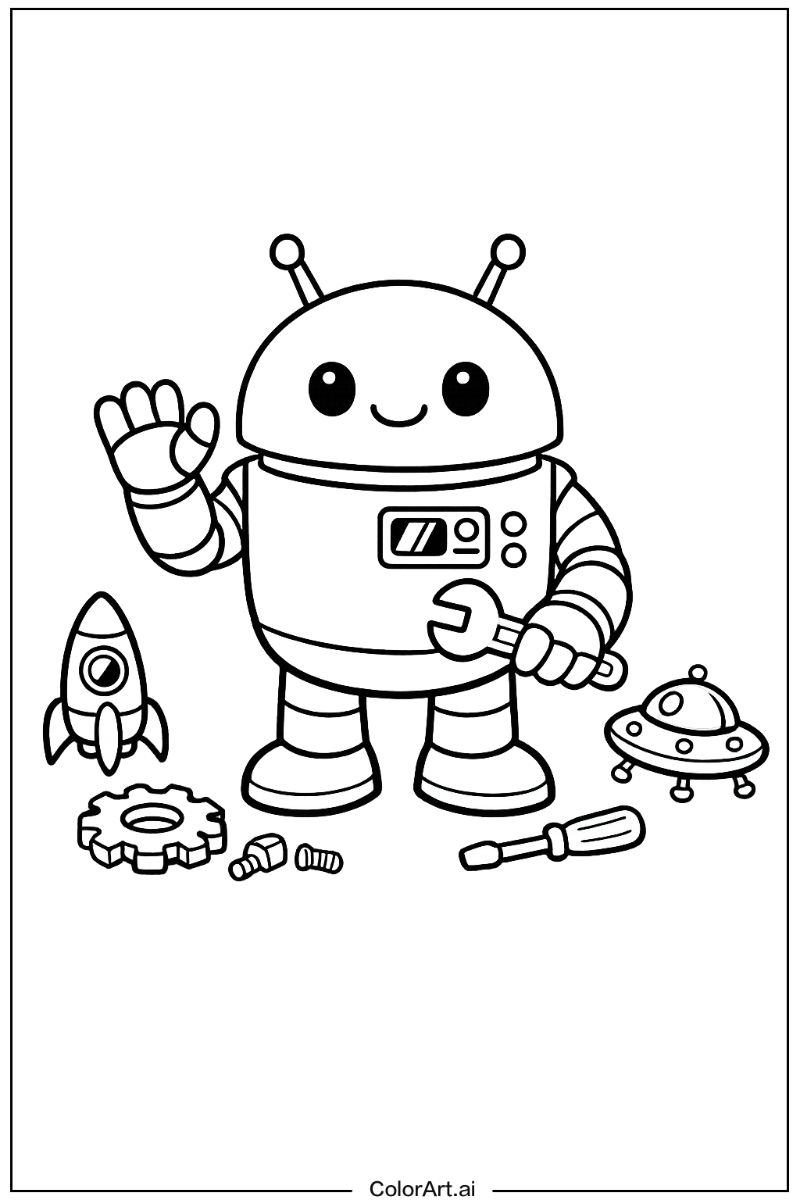
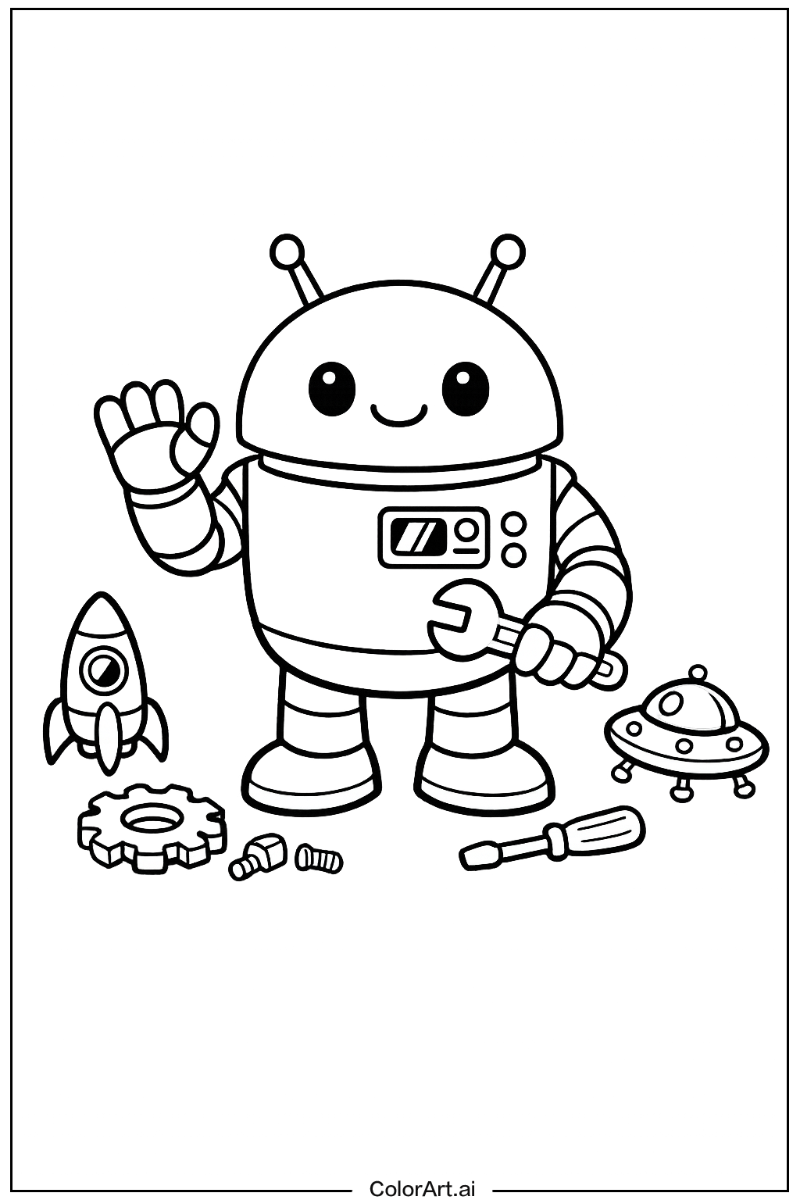
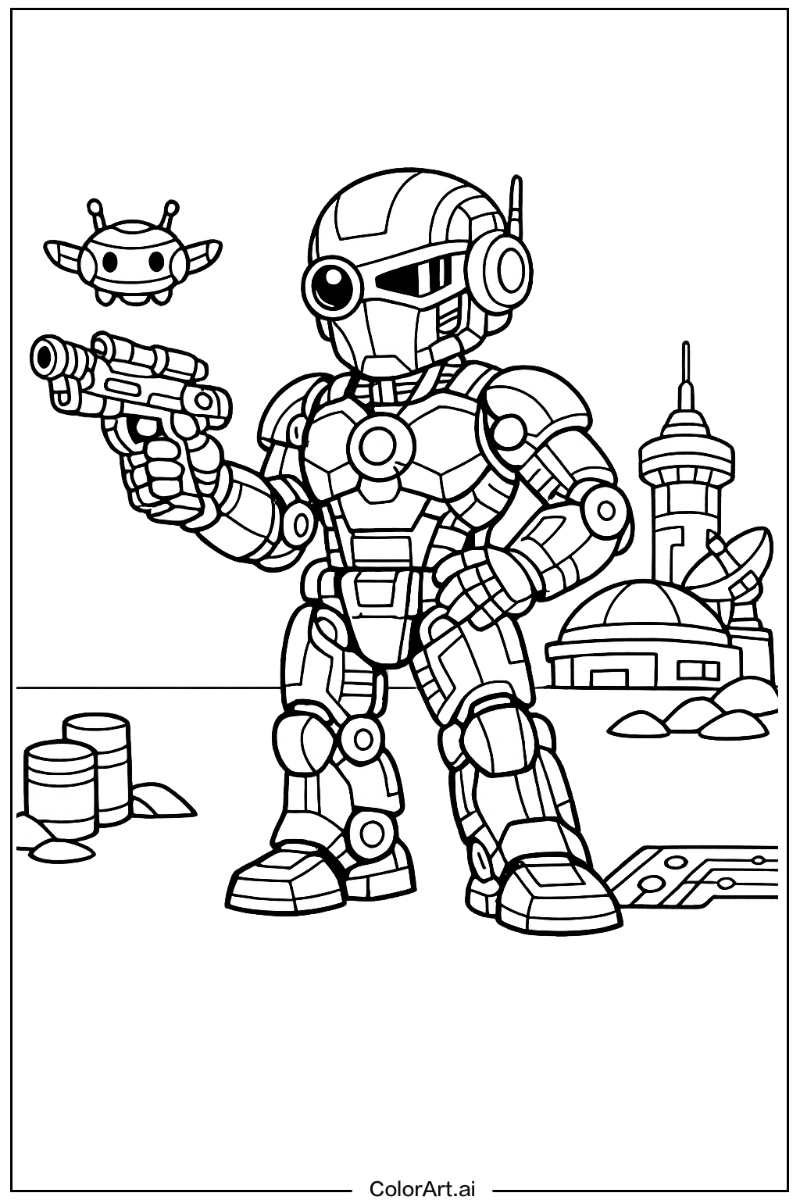
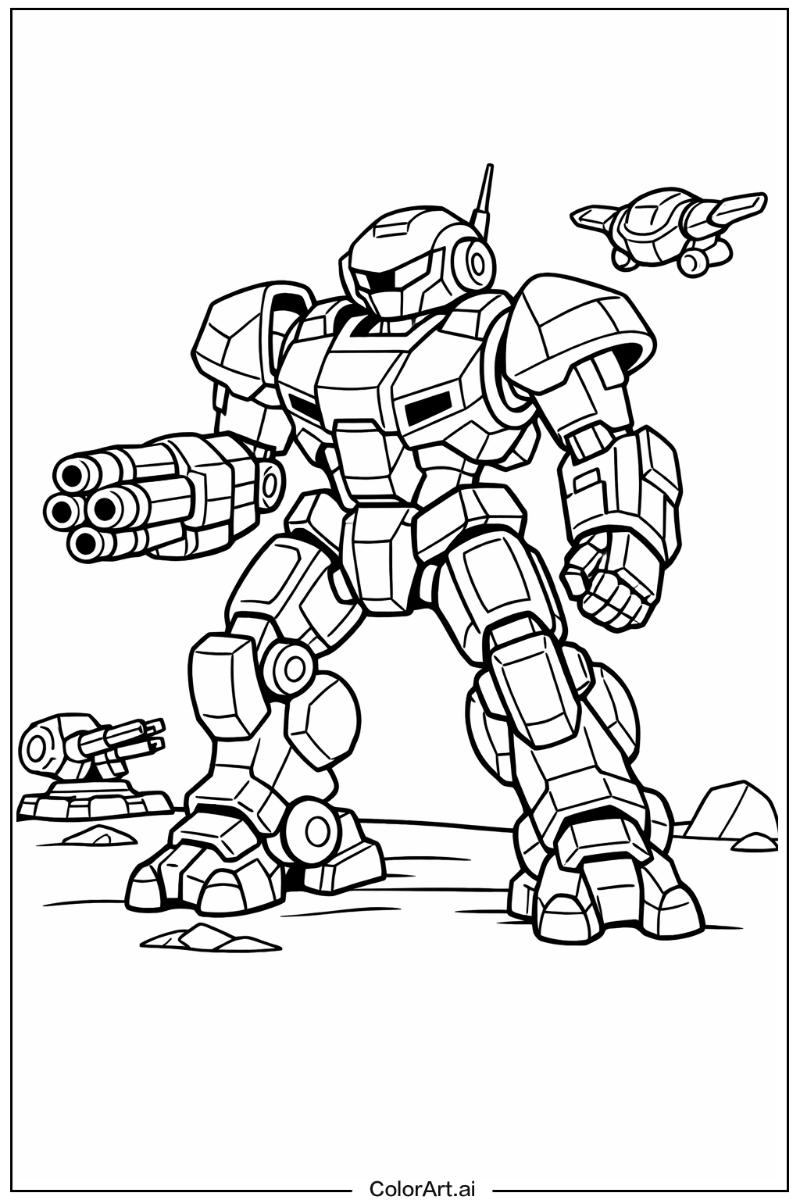
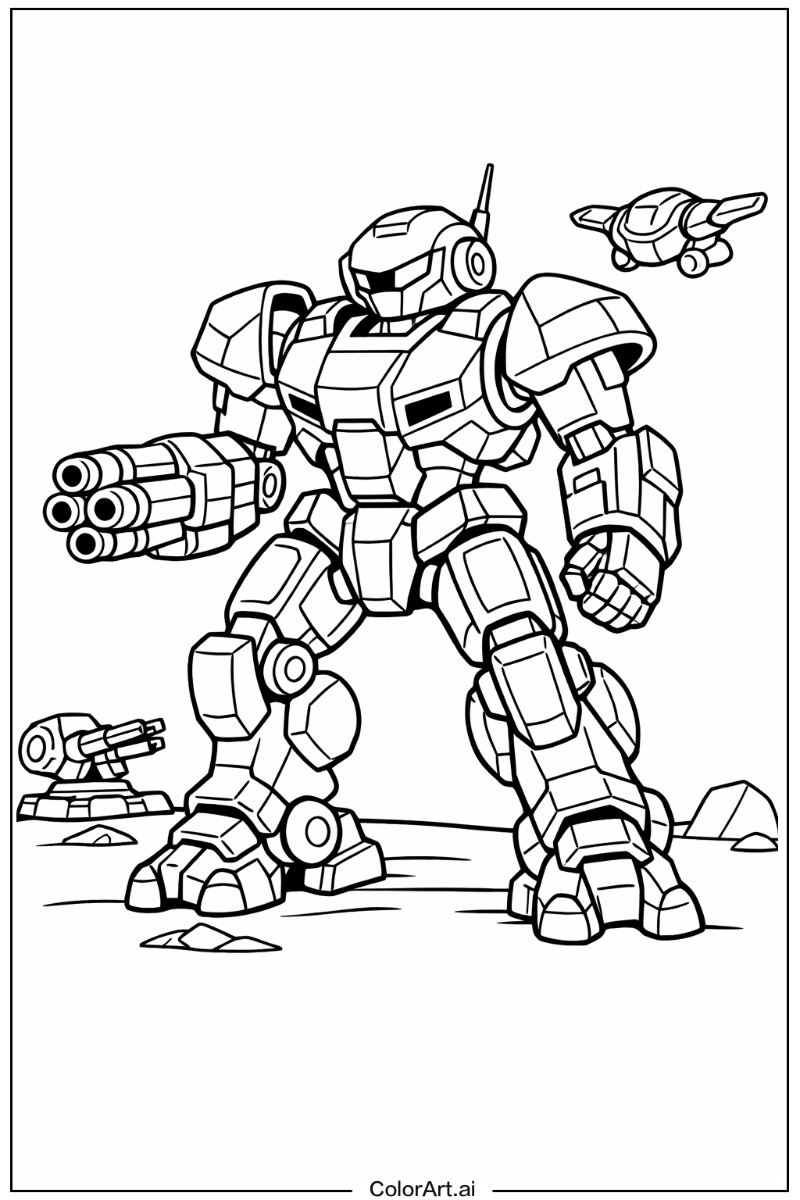
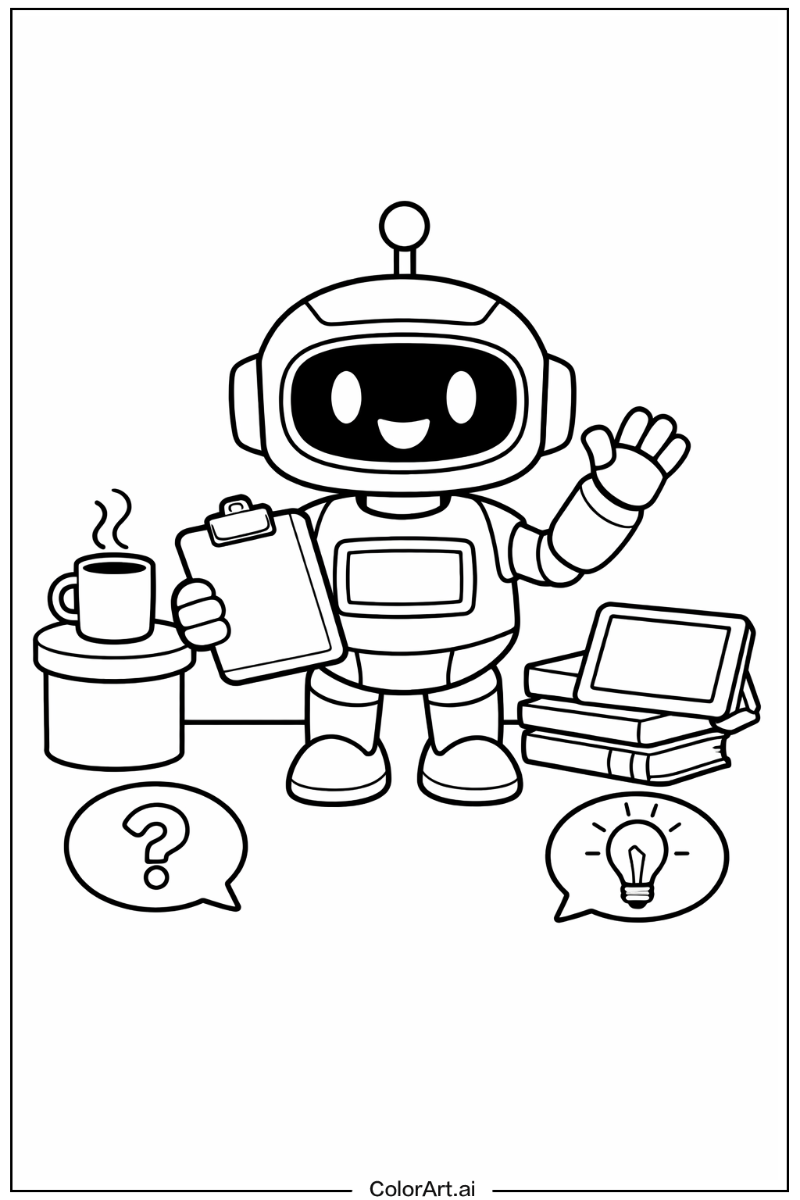
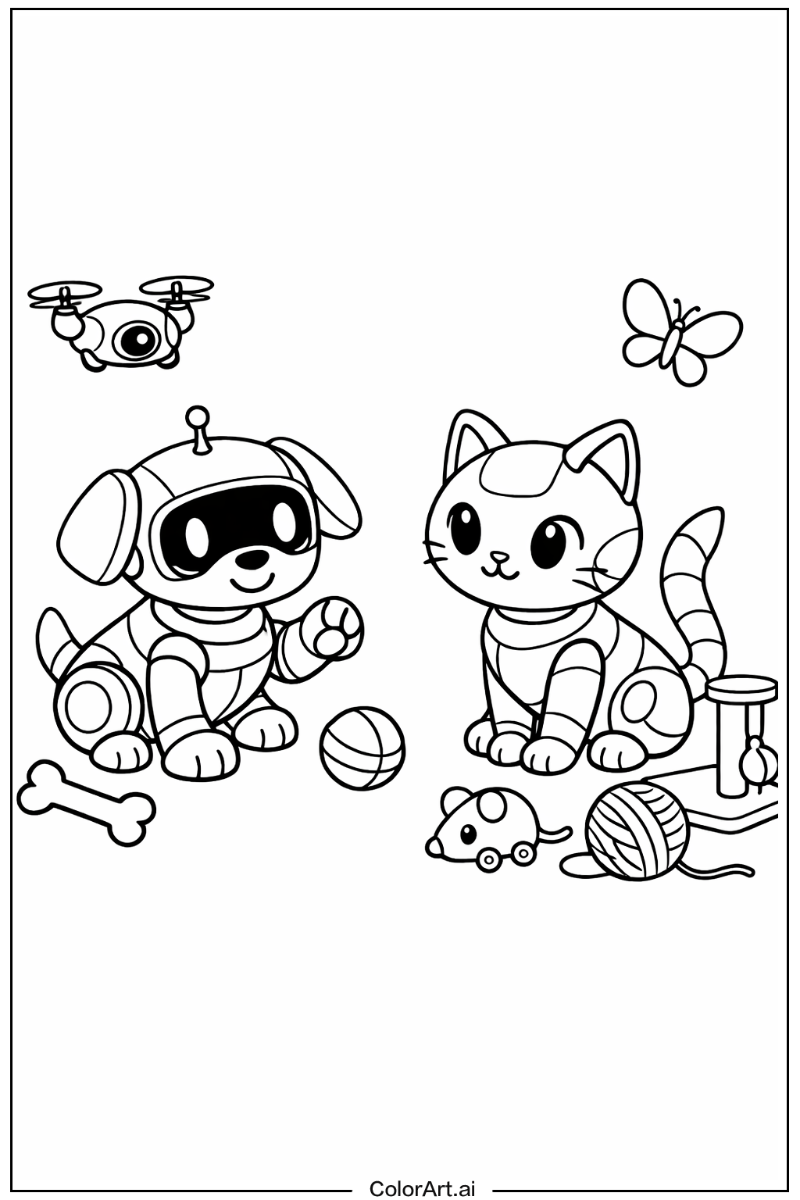
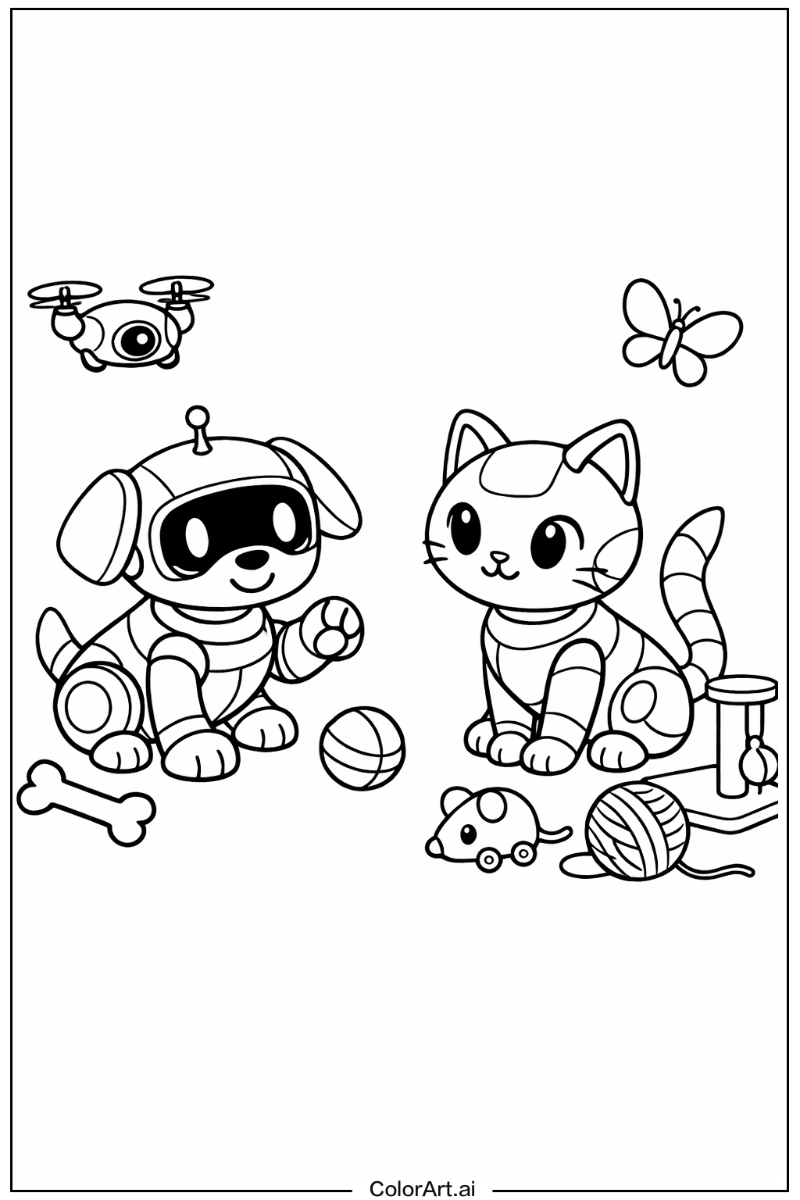
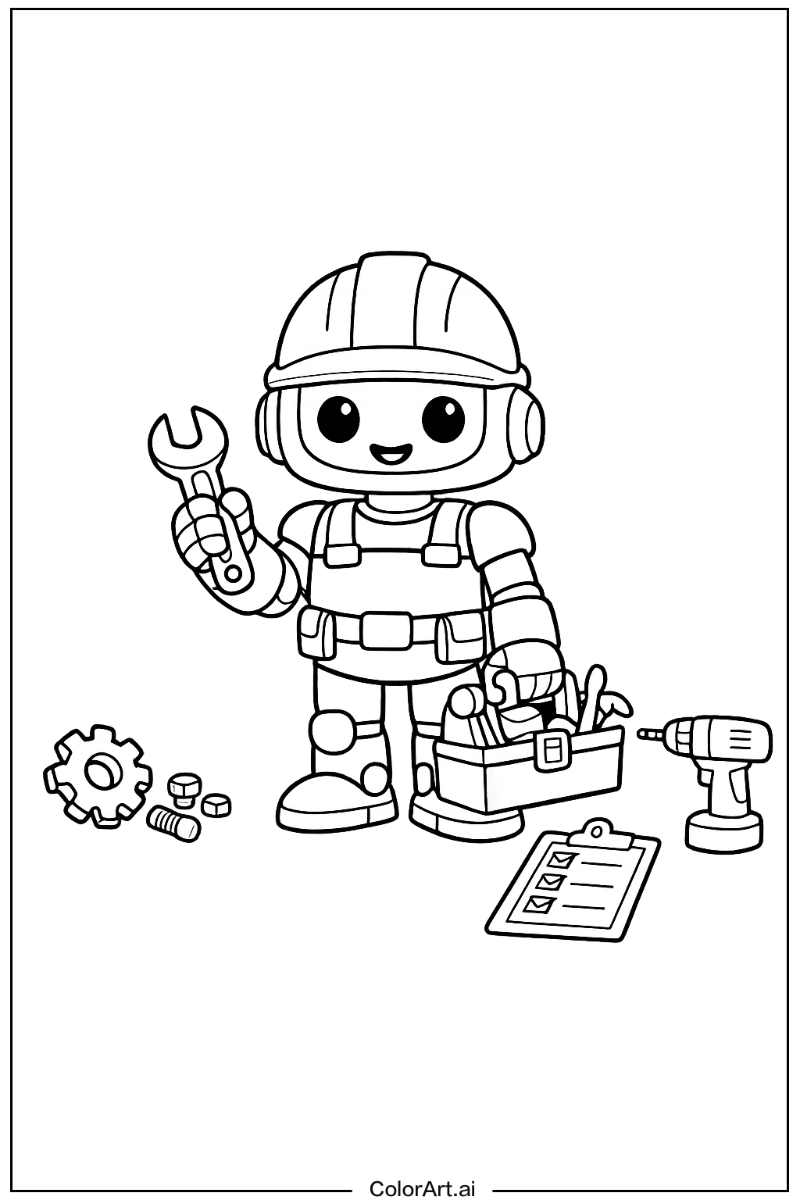
There's something magical about the world of robots that captivates both the young and the young at heart. As an art teacher, I have seen firsthand how robot-themed activities can ignite the imagination of my students. Just last week, I introduced a new robot coloring page in my classroom, and the excitement was palpable. Kids like Ethan and Mia eagerly gathered their crayons, ready to bring their futuristic robots to life with vibrant colors. There’s a special kind of joy when children see their own interpretations of robots, each one unique and bursting with creativity. These robot coloring pages serve as a fantastic gateway for children to learn about robotics while exercising their artistic skills. In this blog post, we'll explore the educational benefits, current trends, and creative tips for using robot coloring pages in the classroom and at home.
Group Coloring Pages
 PDF
PDF
 PNG
PNG
 PNG
PNG
 PNG
PNG
 PNG
PNG
 PNG
PNG
 PNG
PNG
 PNG
PNG
 PNG
PNG
 PNG
PNG
 PNG
PNG
 PNG
PNG
 PNG
PNG
 PNG
PNG
 PNG
PNG
 PNG
PNG
 PNG
PNG
 PNG
PNG
 PNG
PNG
 PNG
PNG
 PNG
PNG
 PNG
PNG
 PNG
PNG
 PNG
PNG
 PNG
PNG
 PNG
PNG
 PNG
PNG
 PNG
PNG
 PNG
PNG
 PNG
PNG
 PNG
PNG
 PNG
PNG
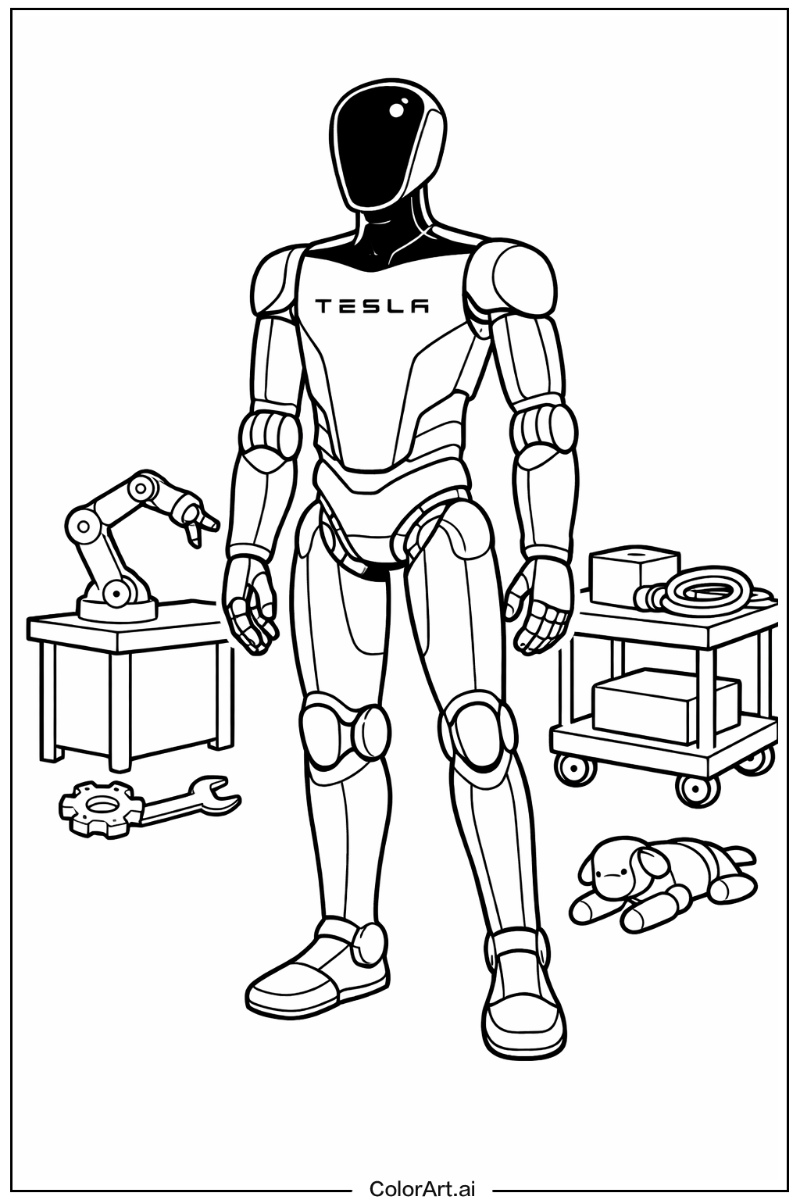 PNG
PNG
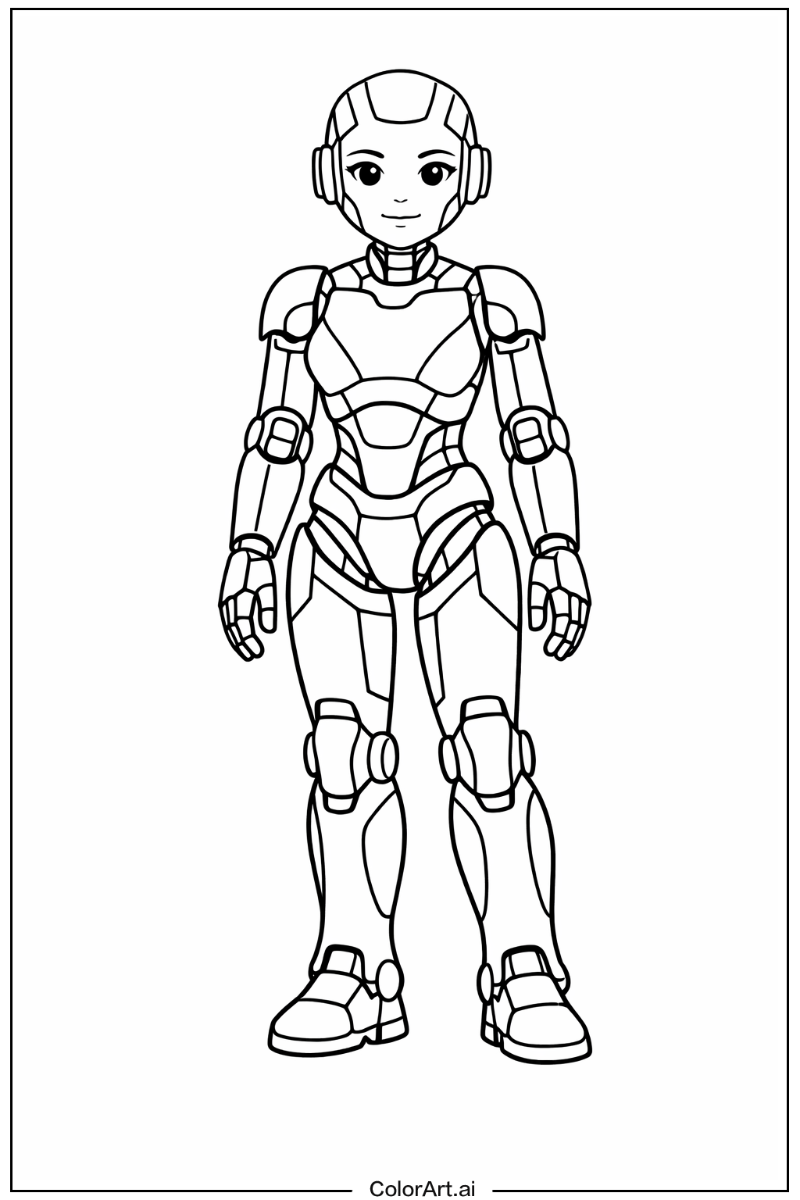
 PNG
PNG
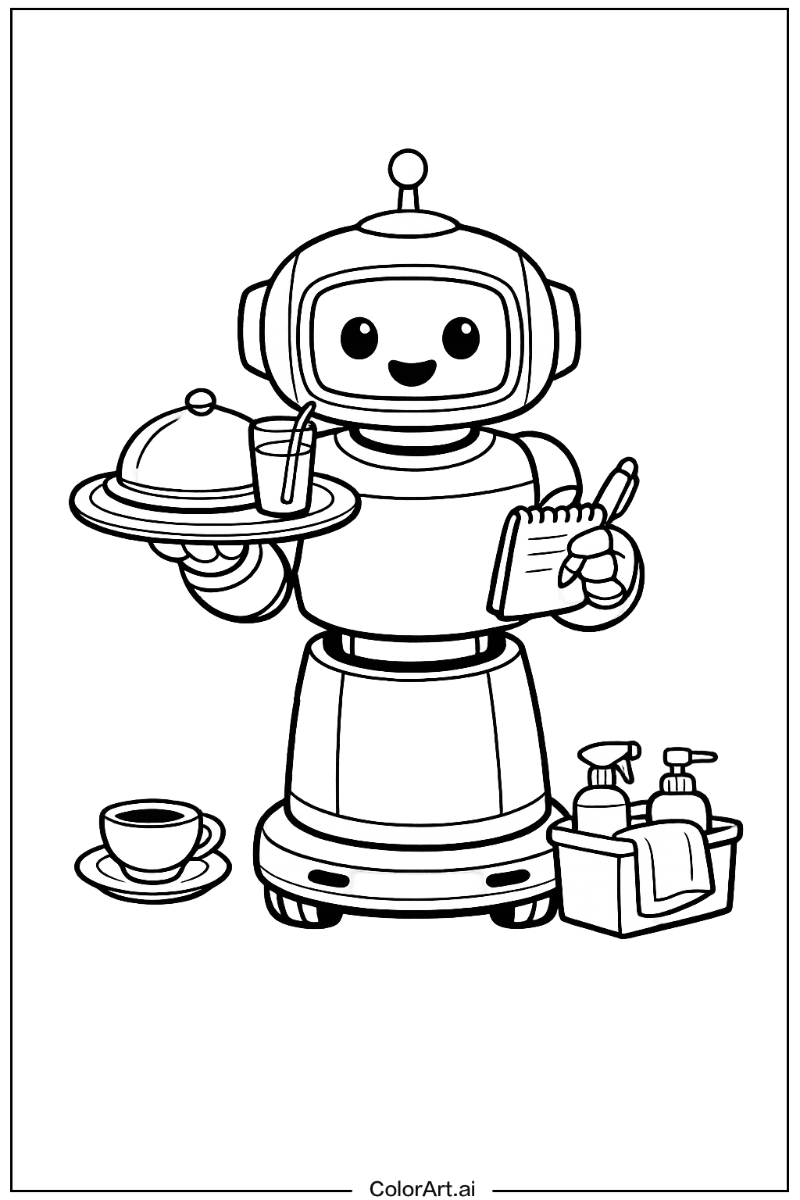
 PNG
PNG
 PNG
PNG
 PNG
PNG
 PNG
PNG
 PNG
PNG
 PNG
PNG
 PNG
PNG
 PNG
PNG
 PNG
PNG
 PNG
PNG
The Fascinating World of Robots
Robots have a rich history and a profound impact on our culture. The term "robot" originates from the Czech word "robota," meaning forced labor, introduced by Karel Čapek in his play *Rossum’s Universal Robots*. This concept has evolved dramatically over the years, especially with Isaac Asimov's contributions in the 1940s, which shaped our modern understanding of robotics. Today, a robot is defined as a programmable machine capable of carrying out complex tasks automatically, often controlled by a computer.
In my classroom, we often discuss the various forms of robots, from humanoids that help in healthcare to autonomous vehicles navigating our streets. Kids are fascinated to learn that robots can be anything from functional machines to characters in their favorite movies and books. This integration of storytelling and education amplifies their engagement. For instance, during a recent project, students created their own robot designs, and it was amazing to see them incorporate elements from their favorite stories into their coloring pages.
The Educational Benefits of Robot Coloring Activities
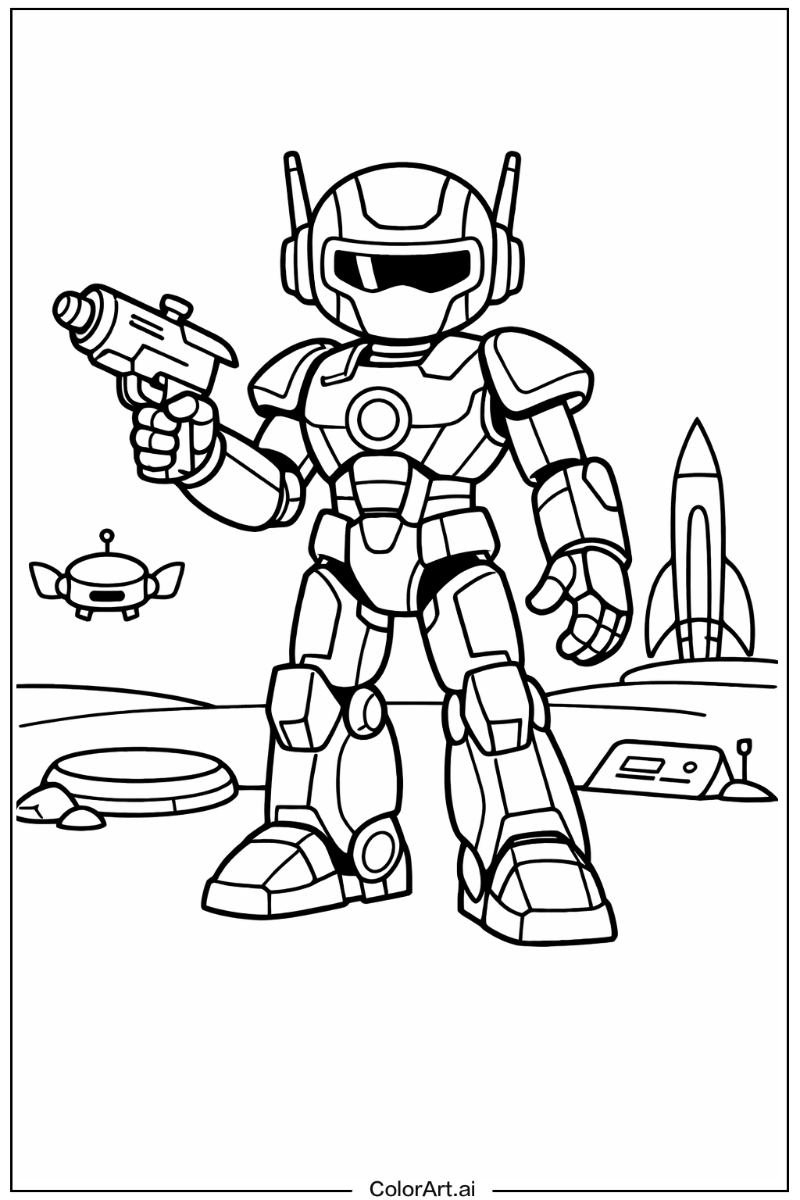
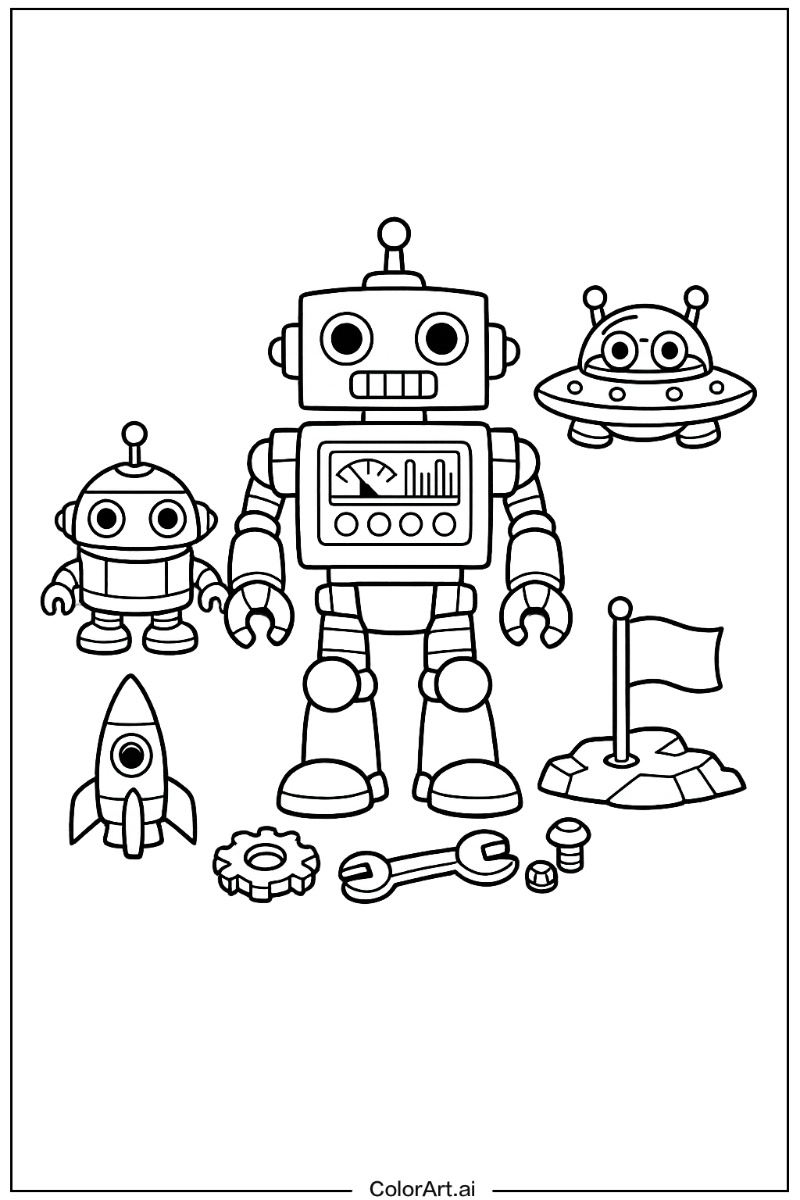
Integrating robot coloring pages into the classroom offers numerous educational benefits. Firstly, these pages enhance fine motor skills and hand-eye coordination among young learners. I’ve noticed that when my students color robots, they develop better control over their crayons, which in turn helps with their overall writing skills. For example, during a lesson with 5-year-olds, we used simple robot outlines that encouraged grip strength and precision, which is crucial at that developmental stage.
Cognitive skills are also significantly enhanced through coloring activities. As children focus on filling in robot designs, they practice concentration and pattern recognition. This mirrors the focus required in robotics education, where attention to detail is essential. In one of my classes, we even linked a coloring lesson to a discussion about how robots recognize patterns, making the learning experience more cohesive and engaging.
Moreover, coloring robots serves as a fantastic tool for emotional development. Kids express themselves through color choices and designs, which boosts their confidence as they complete intricate images. I recall a student named Lucas, who struggled with self-esteem but flourished when he colored a robot with bright colors and unique accessories. Seeing his pride in his artwork was a rewarding moment for both of us.
Practical Tips for Coloring Robot Pages
To get the most out of your robot coloring pages, here are some practical tips that I’ve found helpful in my classroom:
1. Choose the Right Materials
For detailed coloring, I recommend using colored pencils, which allow for precision. Markers can be great for bold colors, while crayons work well for younger children. Quality paper can make a difference too; using cardstock can help prevent bleeding through the page.
2. Experiment with Techniques
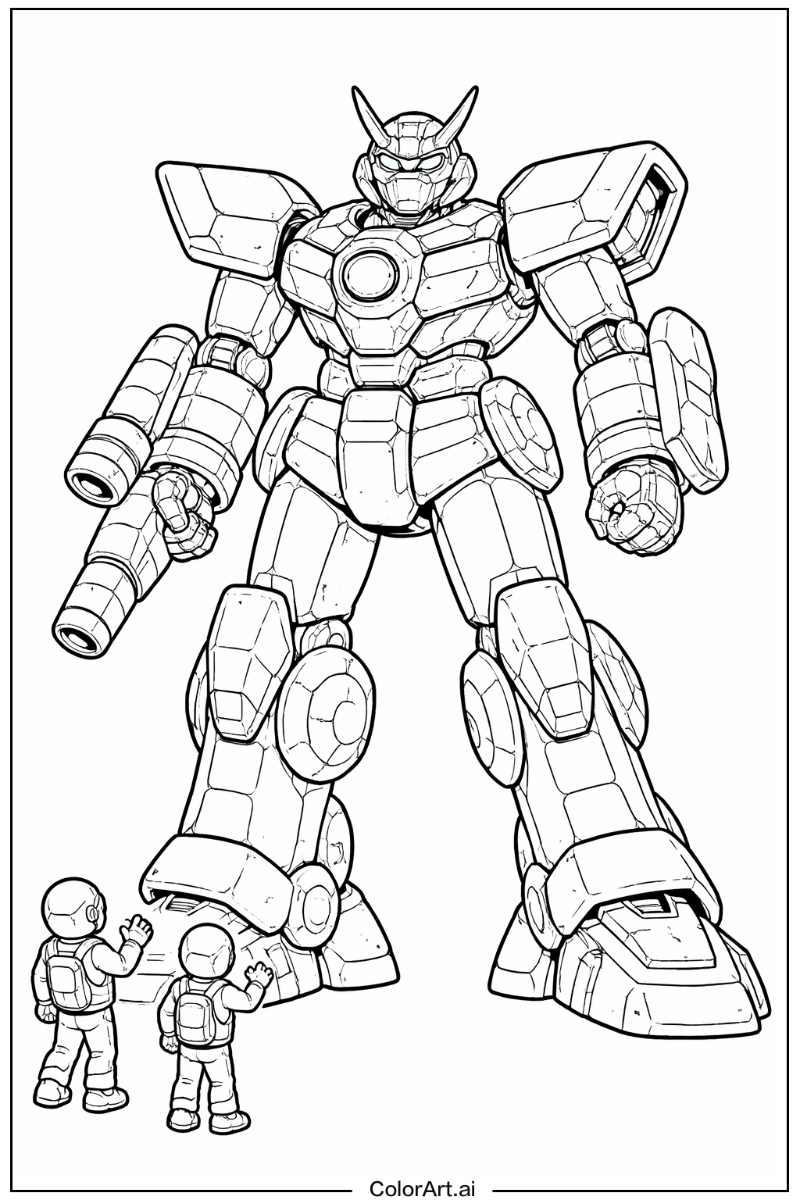
Encourage students to explore different coloring techniques. They can blend colors to create shadows or use patterns to fill in sections. I often challenge my students to color a robot in metallic hues to mimic real-life robotics.
3. Encourage Creativity
Let kids personalize their robots! I often ask my students to add accessories or unique features, making their robots truly one-of-a-kind. This not only enhances their creativity but also makes the activity more engaging.
Current Trends in Robot Art Education
The landscape of robot art education is evolving, with exciting developments occurring every day. Recently, events like the World Robot Olympiad have sparked global interest, engaging youth in robotics-themed competitions. Students are not just learning to build robots; they are also expressing their creativity through art. This trend has led to an increase in the popularity of robot coloring pages, especially digital versions that allow children to color robots interactively using apps.
Social media platforms are buzzing with trends like the #RobotTakeover on TikTok, where kids are mimicking robot movements and dances. This cultural phenomenon has made robots more relatable and fun for children. In my art class, we’ve embraced this trend by incorporating robot designs into our coloring activities, encouraging students to share their creations online. It’s been delightful to see kids excitedly posting their colored robots, fostering a sense of community and collaboration among them.
Frequently Asked Questions About Robot Coloring Pages
What age group are robot coloring pages suitable for?
Robot coloring pages are designed for various age groups, typically ranging from preschoolers (3-5 years) to adults. We offer different complexity levels to match different skill levels.
What materials work best for coloring robot pages?
For best results with robot coloring pages, we recommend colored pencils for detailed work, markers for bold colors, and crayons for younger children. Use high-quality paper or cardstock for professional-looking results.
How should I print robot coloring pages for best quality?
Print robot coloring pages using high-quality or best print settings. Ensure your printer has sufficient ink for clear, dark lines. I also suggest using standard A4 or Letter size paper for optimal results.