Exploring the Wonderful World of Insects Through Coloring
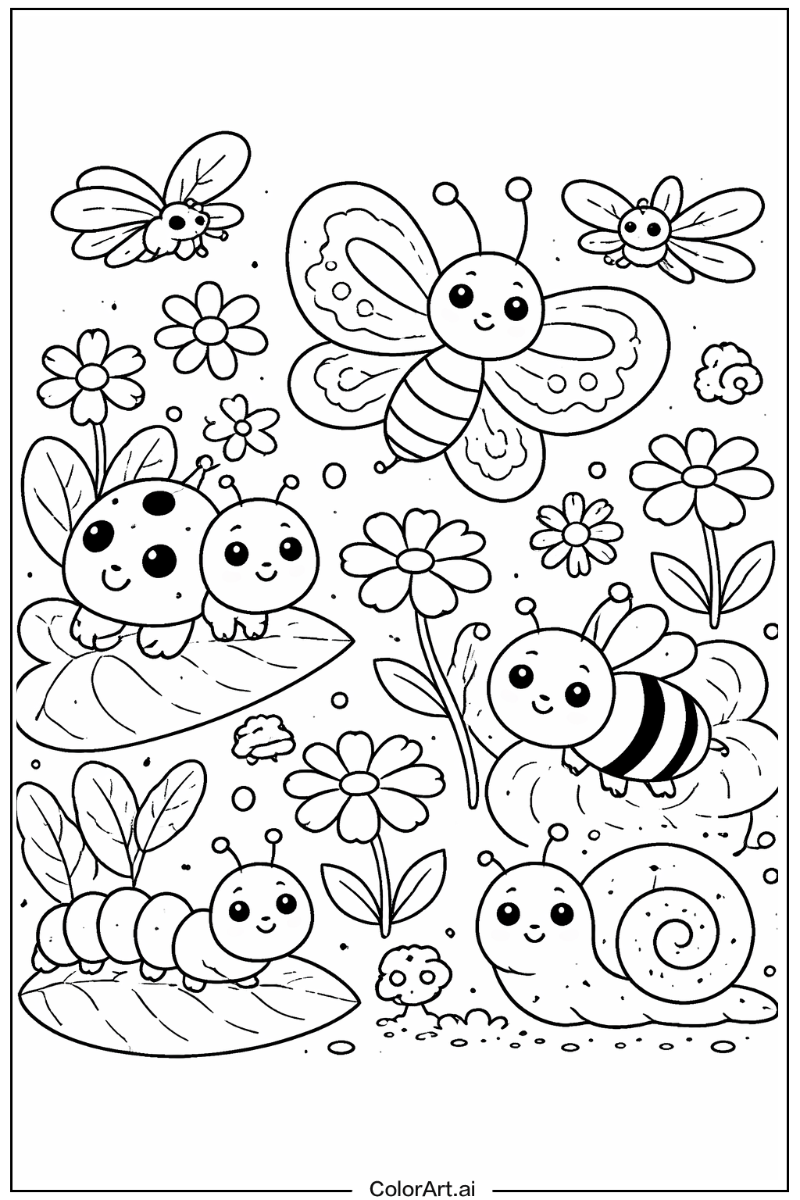
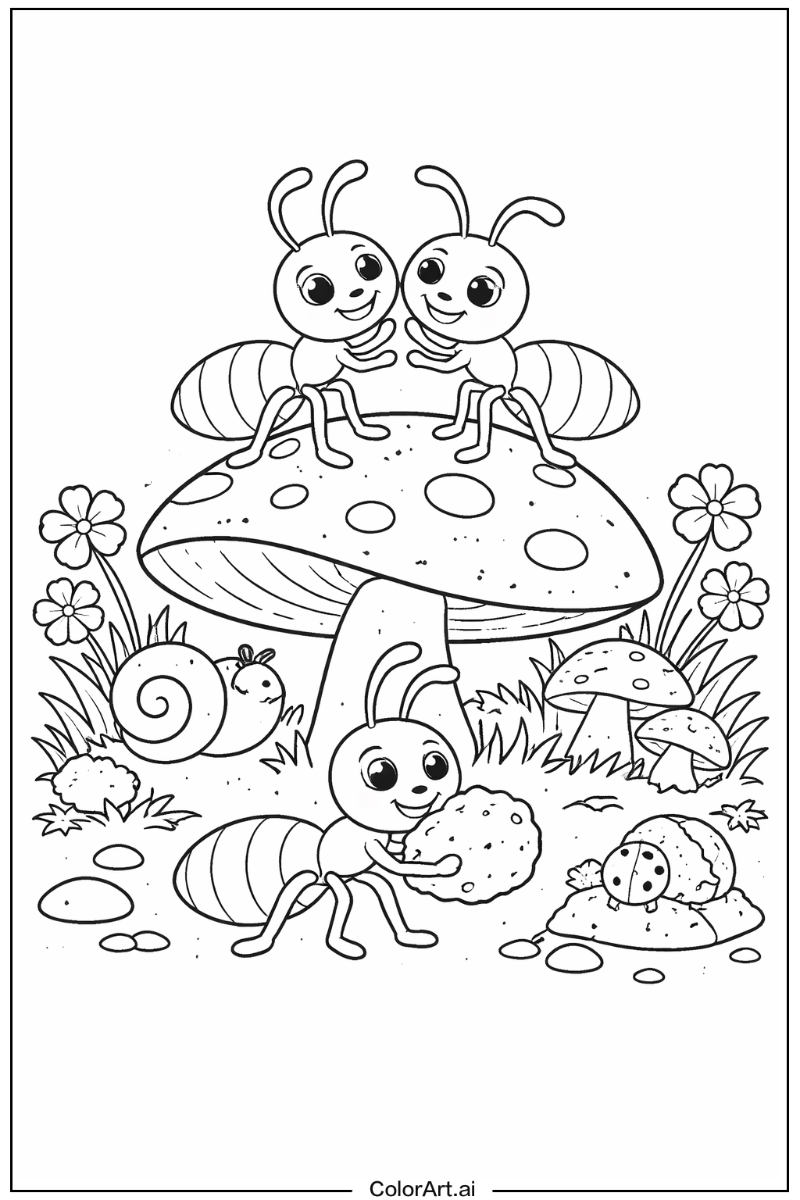
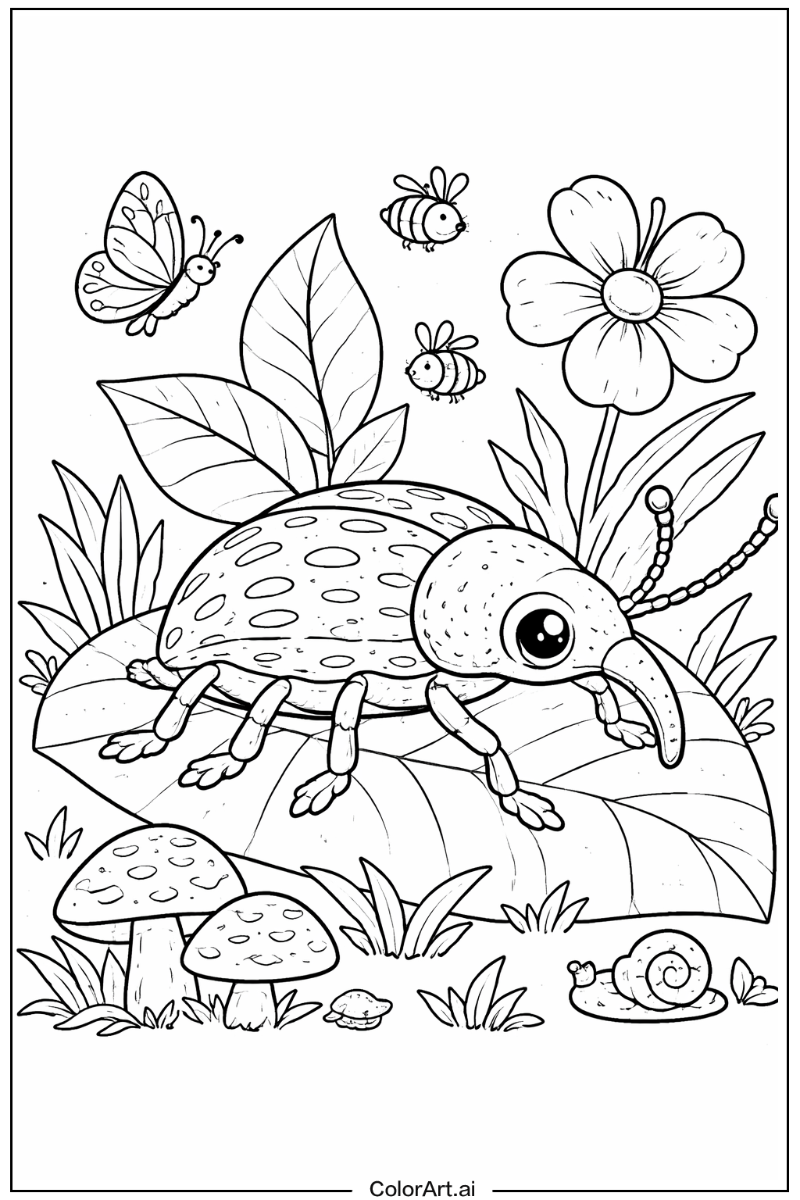
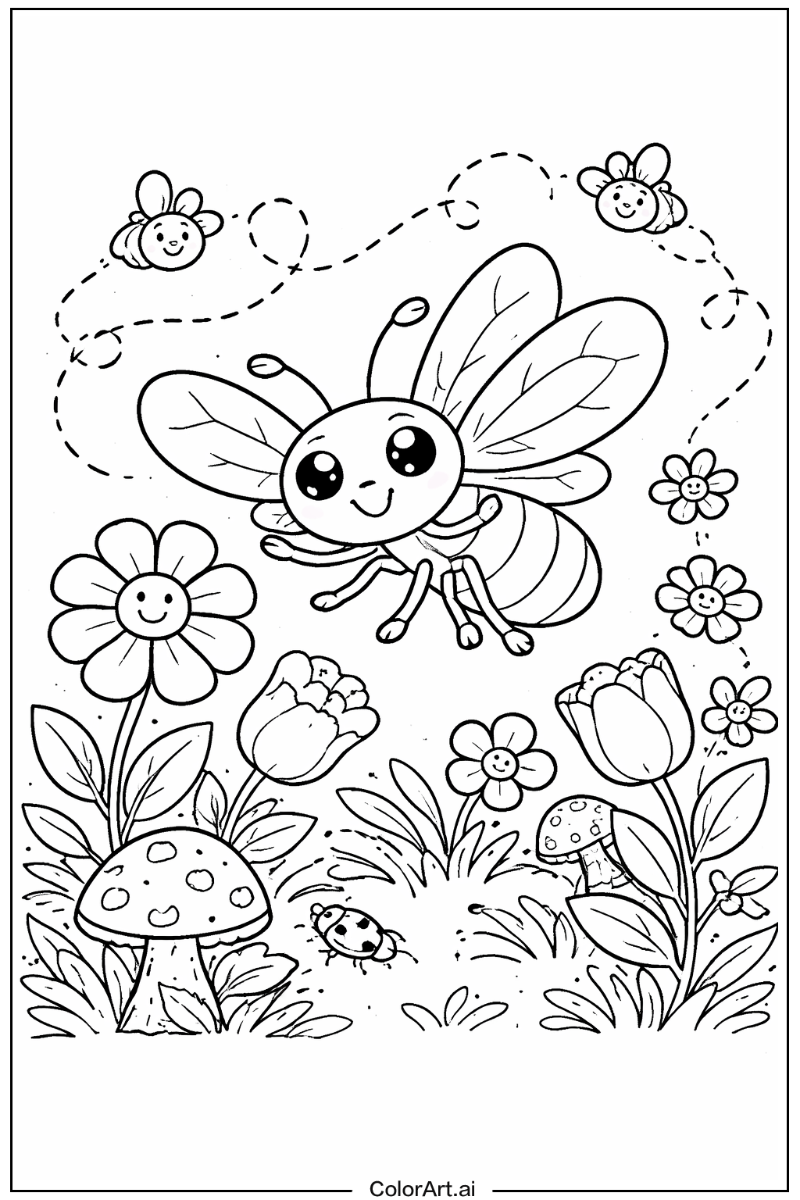
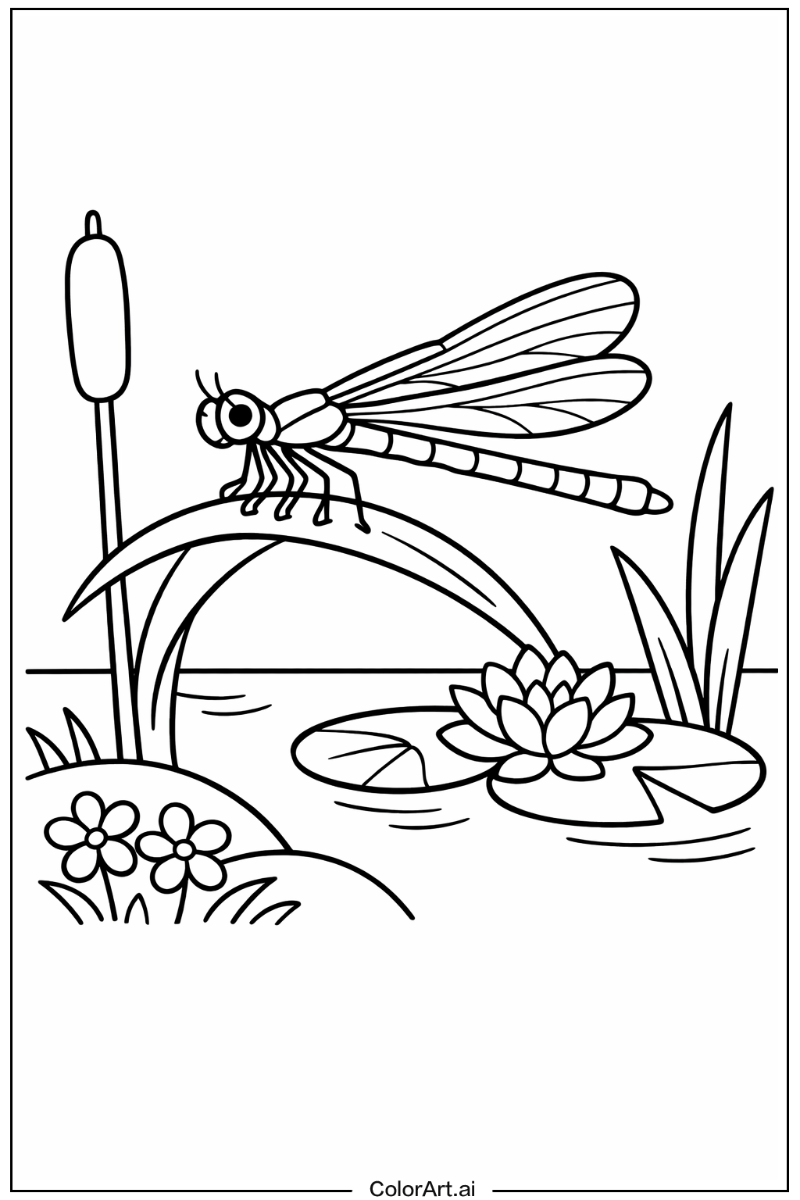
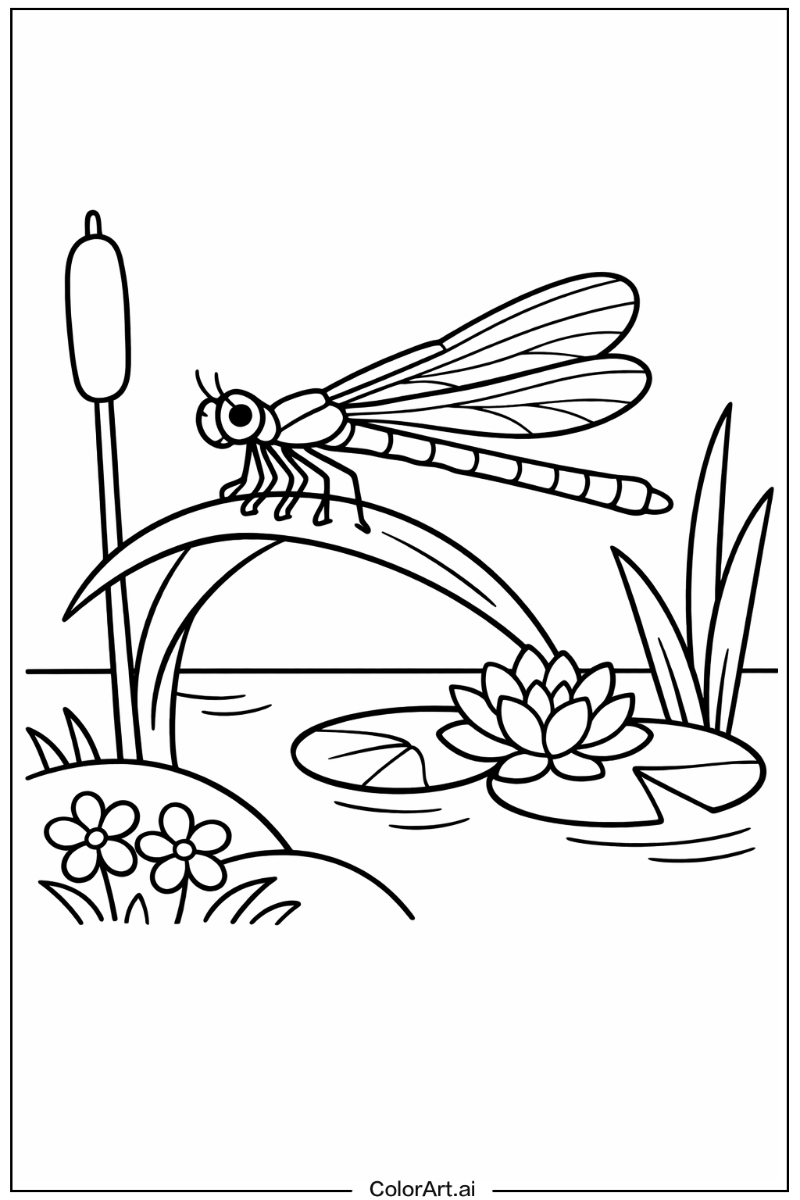
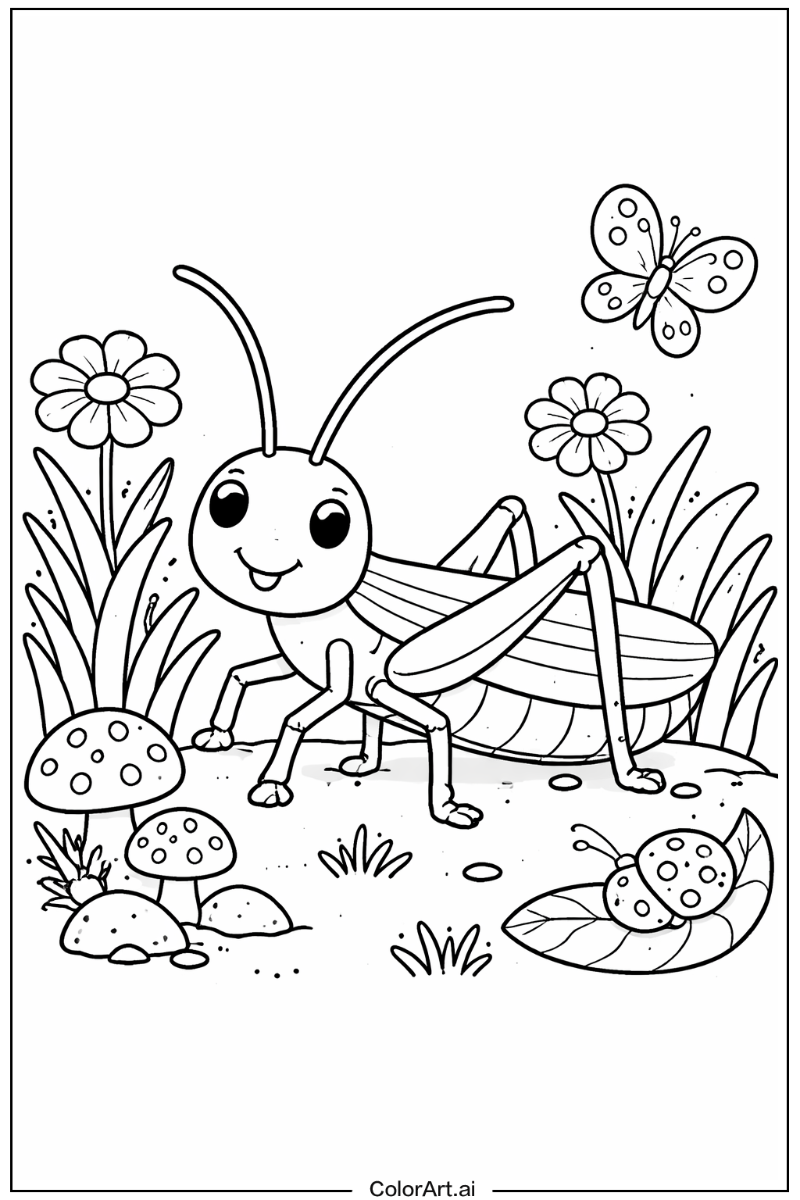
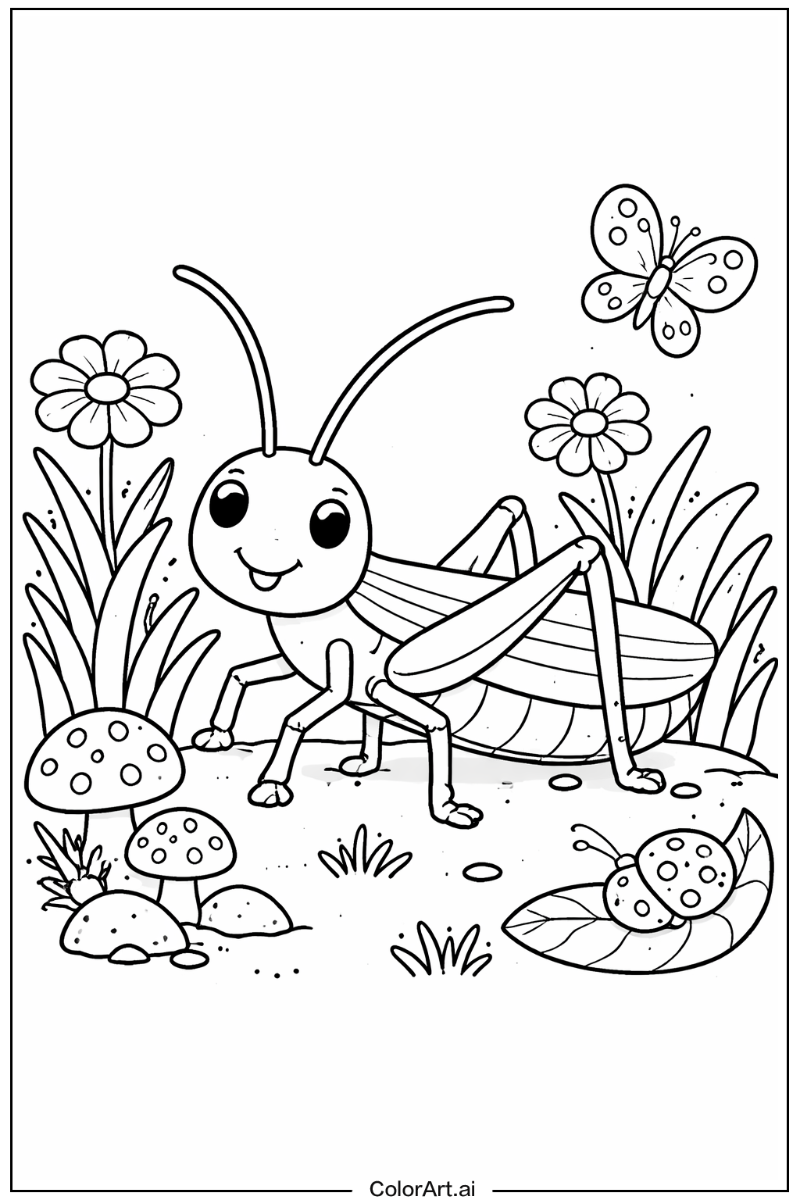
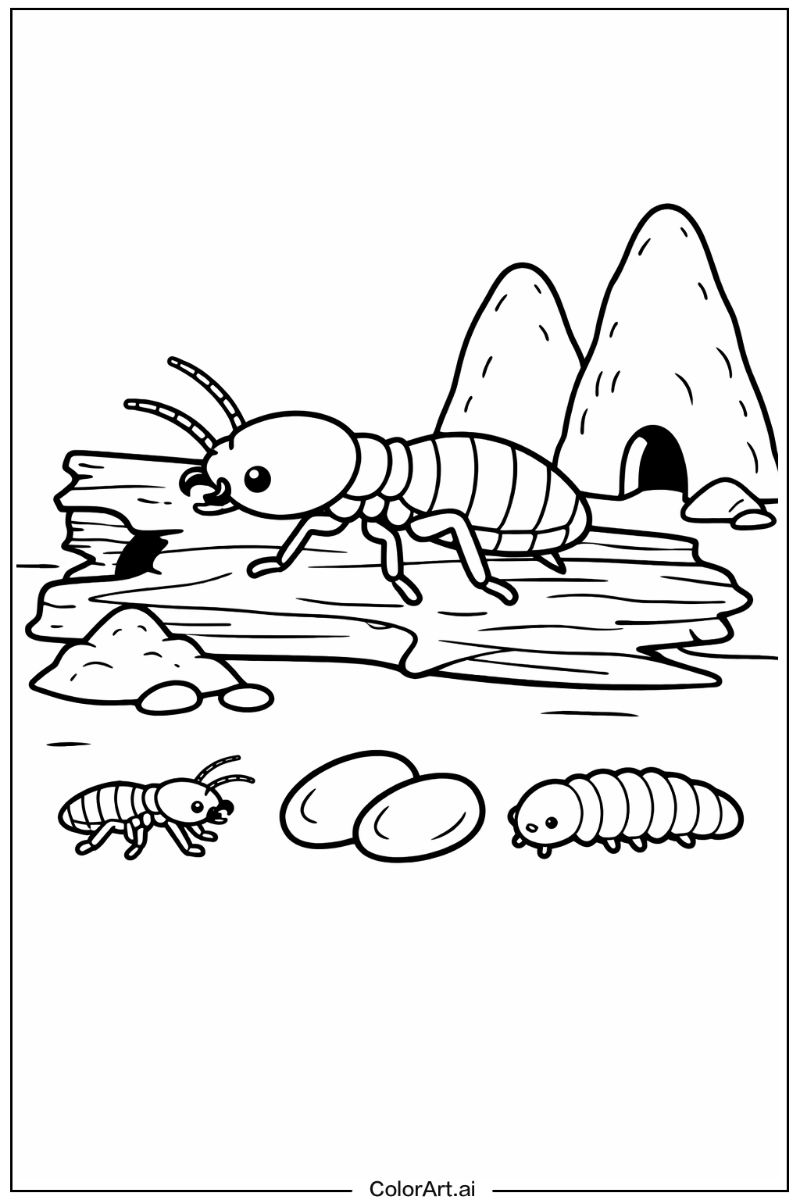
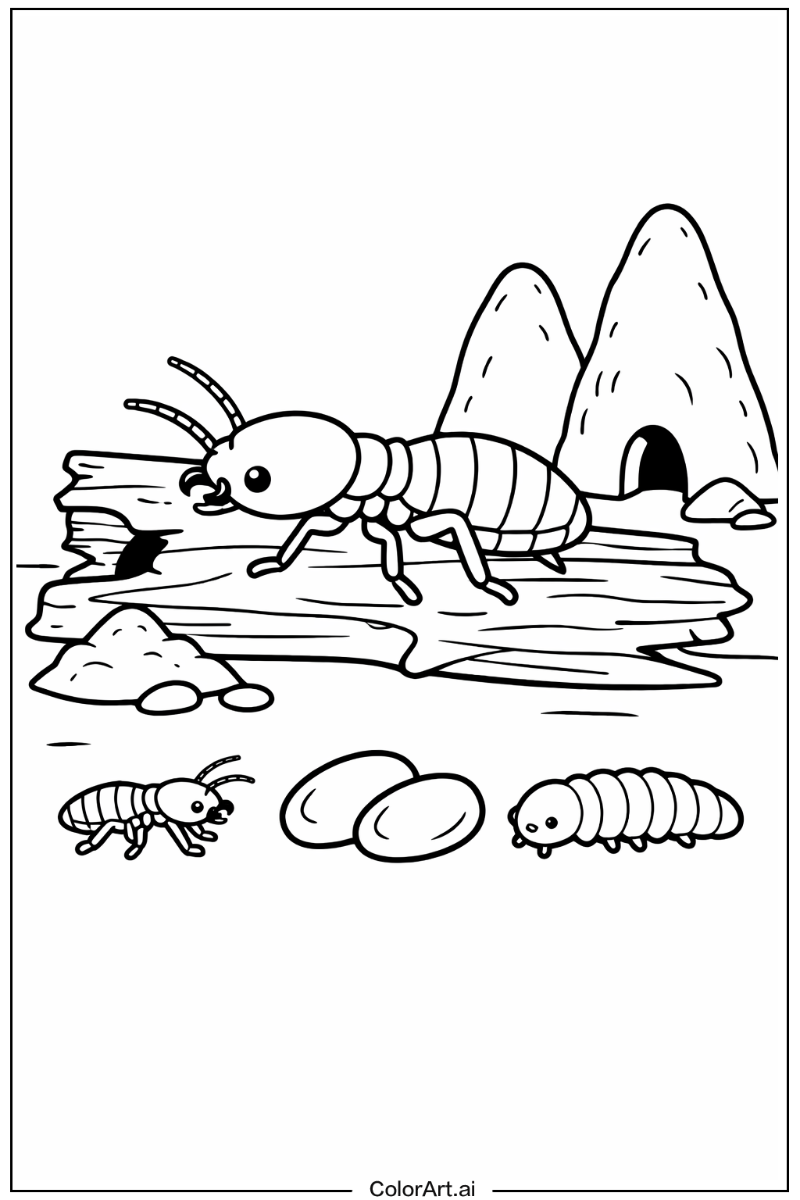
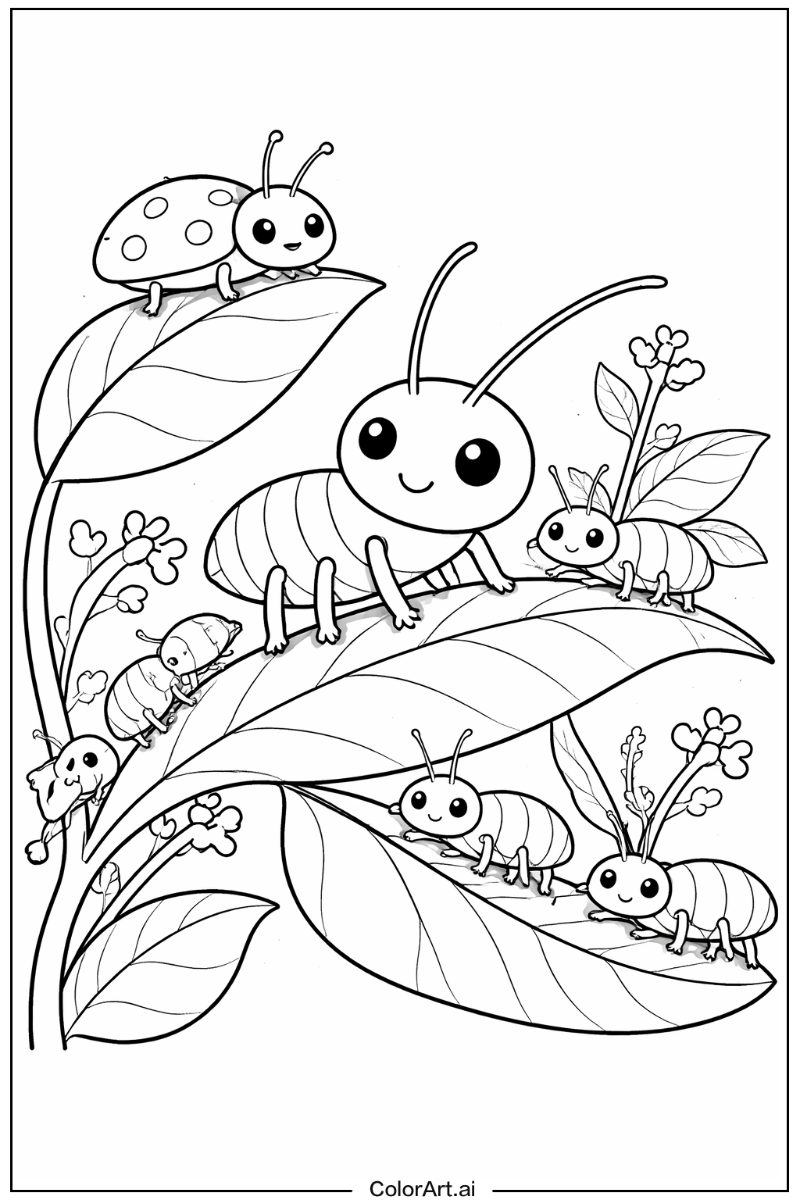
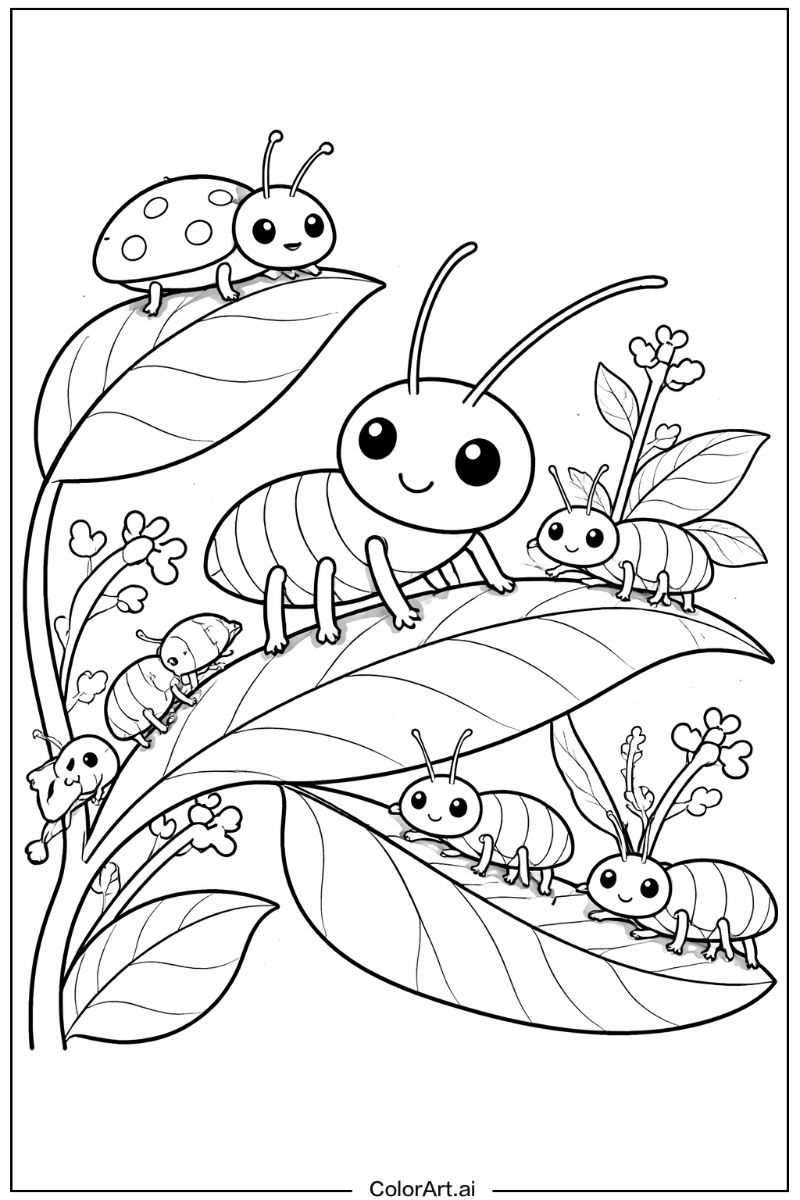
Insects are fascinating creatures that inhabit every corner of our planet. From the tiniest ants marching in a line to the majestic butterflies fluttering in gardens, these little beings are not just essential for our ecosystem but also incredibly fun to learn about. As an art teacher, I have seen how much excitement and curiosity insects can spark in young minds. One of my favorite classroom activities involves using insect coloring pages to merge art with education. Coloring allows children to express their creativity while learning about different insect species and their roles in nature. It's a joyous experience when students like Emma, a shy third grader, proudly show off her beautifully colored ladybug, declaring, "I never knew they could be this colorful!"
Group Coloring Pages
 PDF
PDF
 PNG
PNG
 PNG
PNG
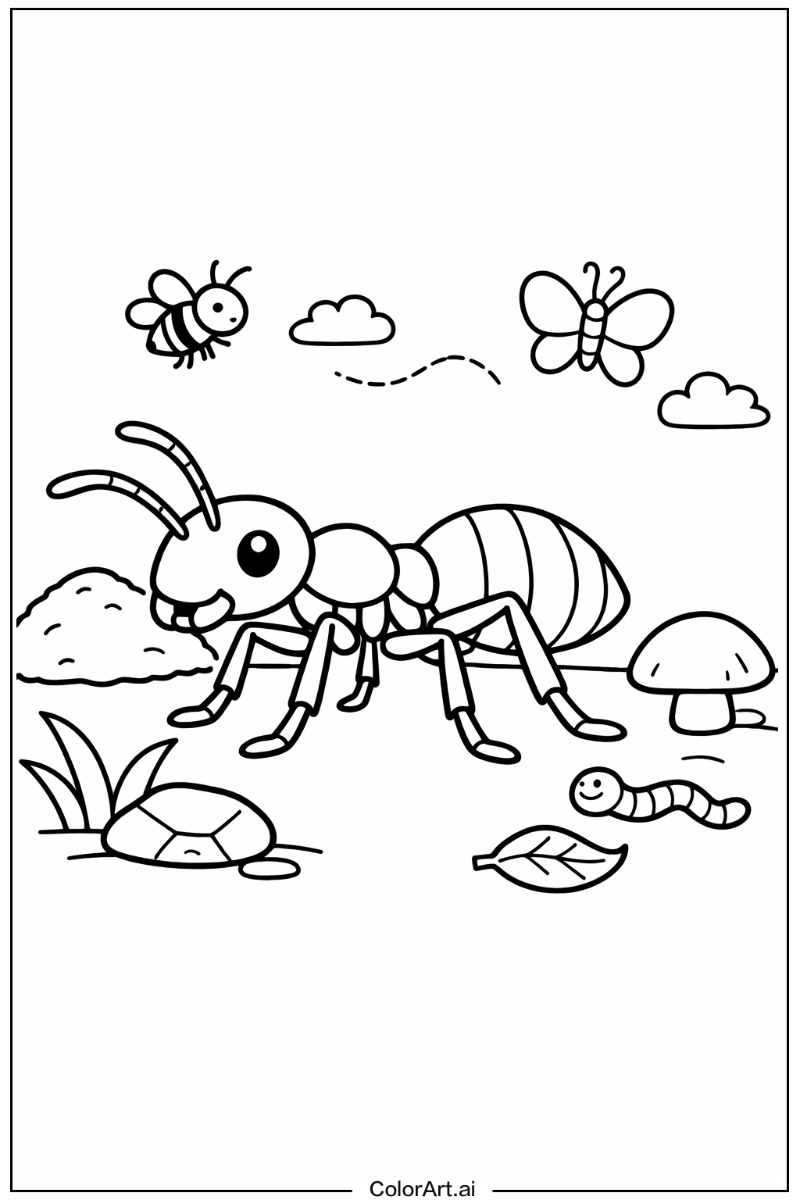
 PNG
PNG
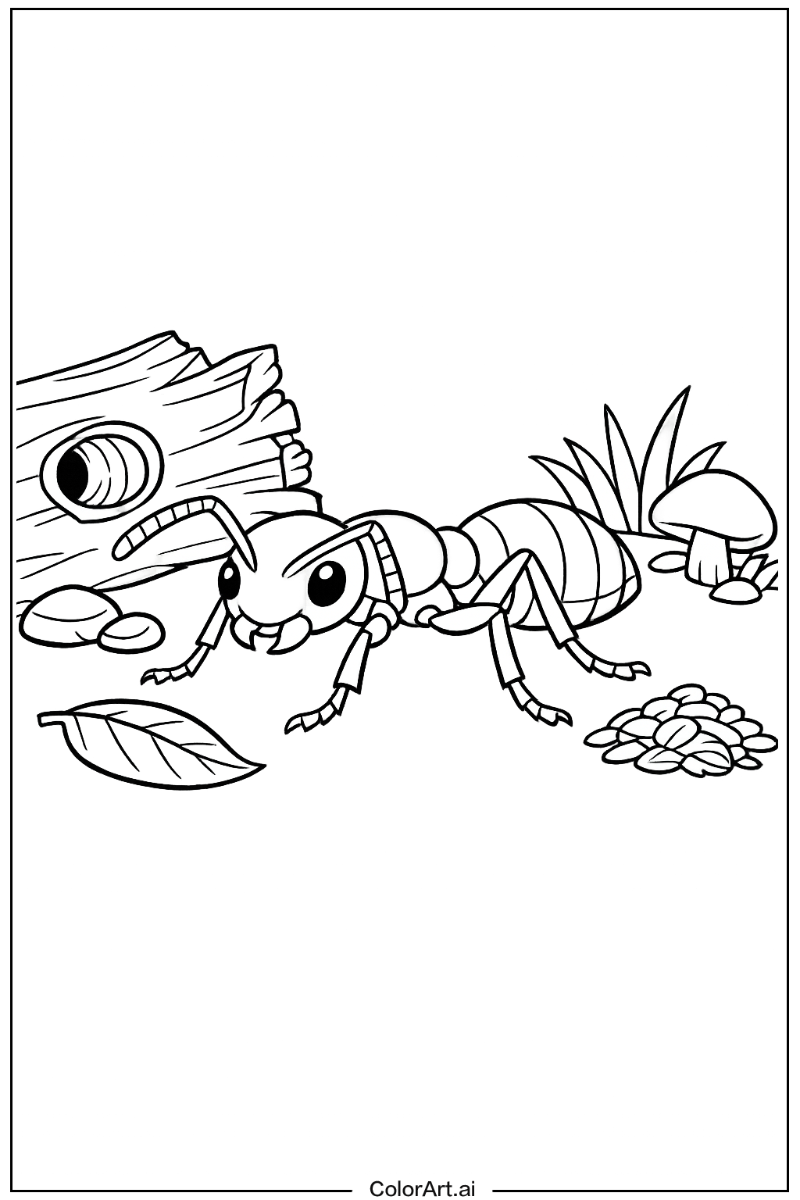
 PNG
PNG
 PNG
PNG
 PNG
PNG
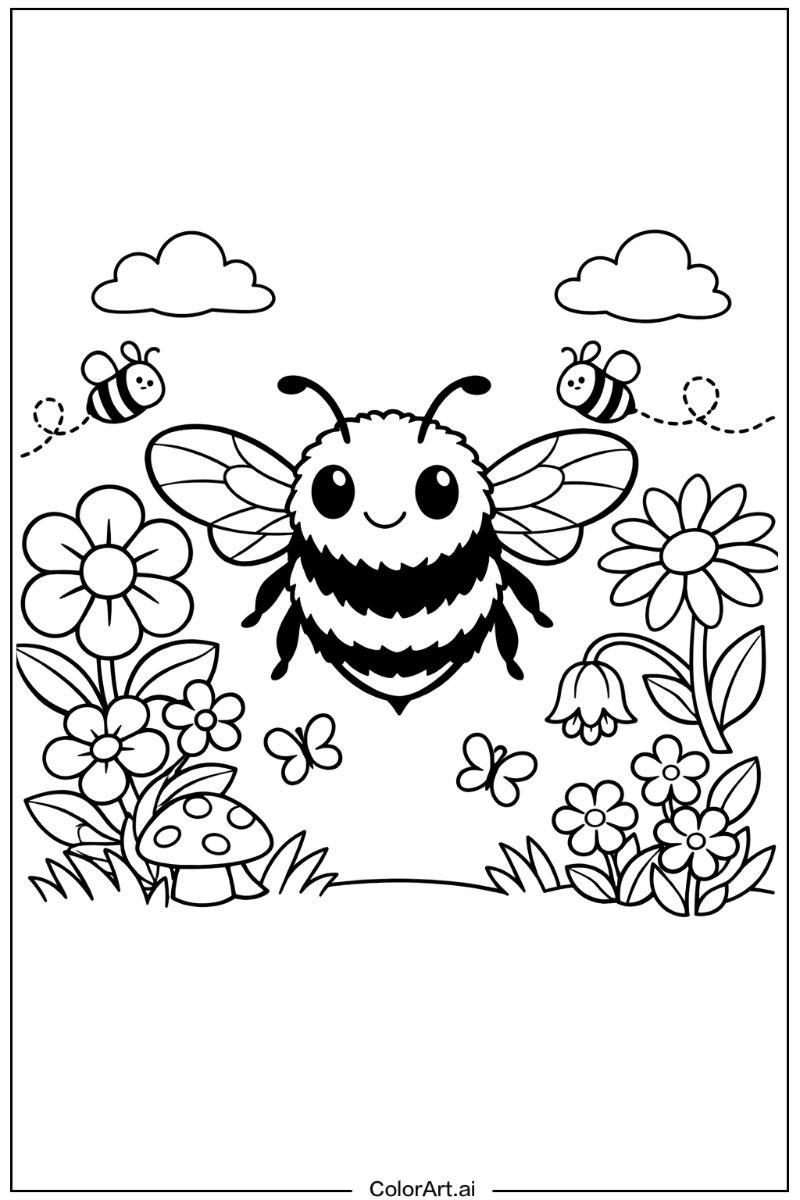
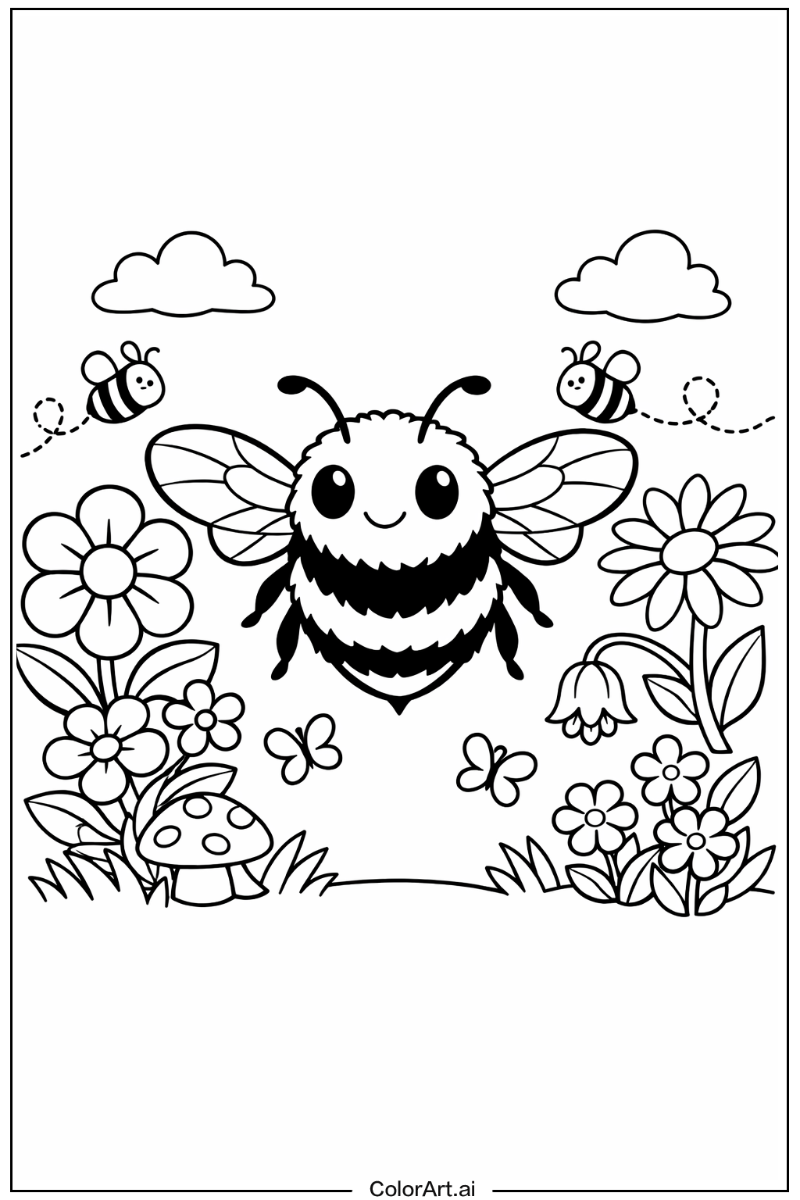 PNG
PNG
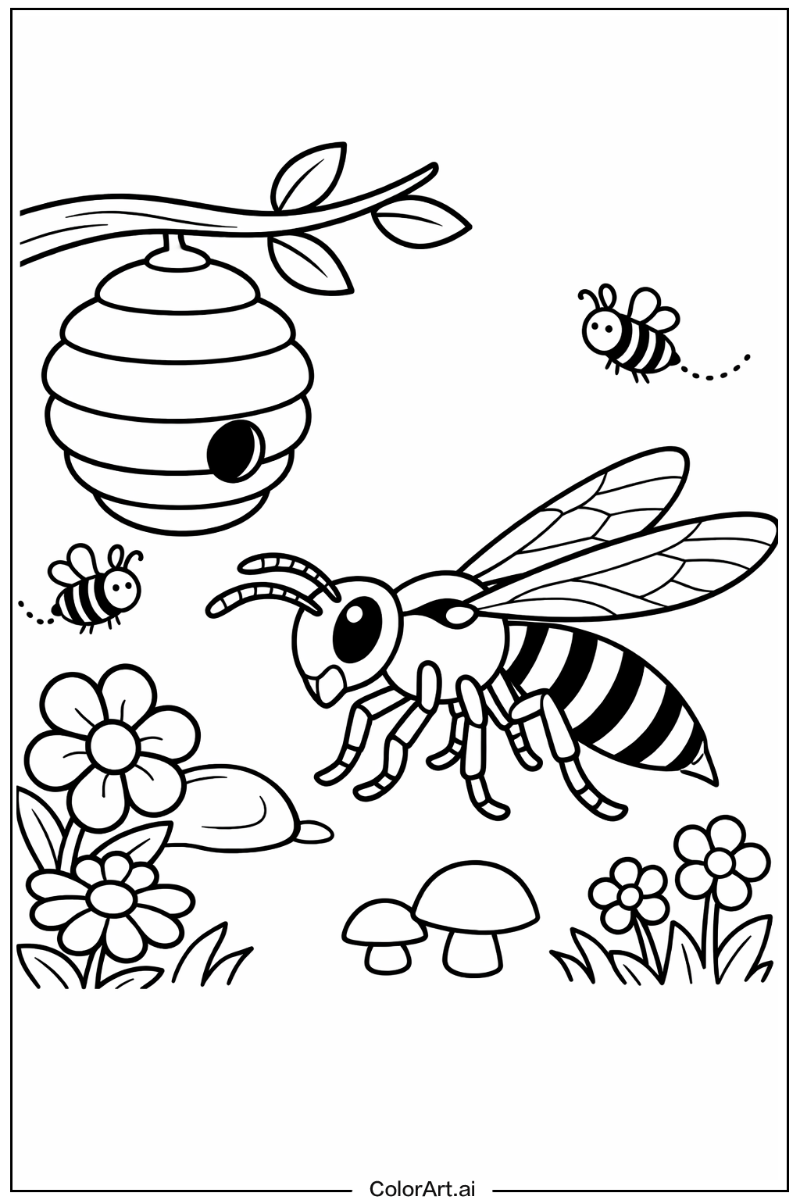
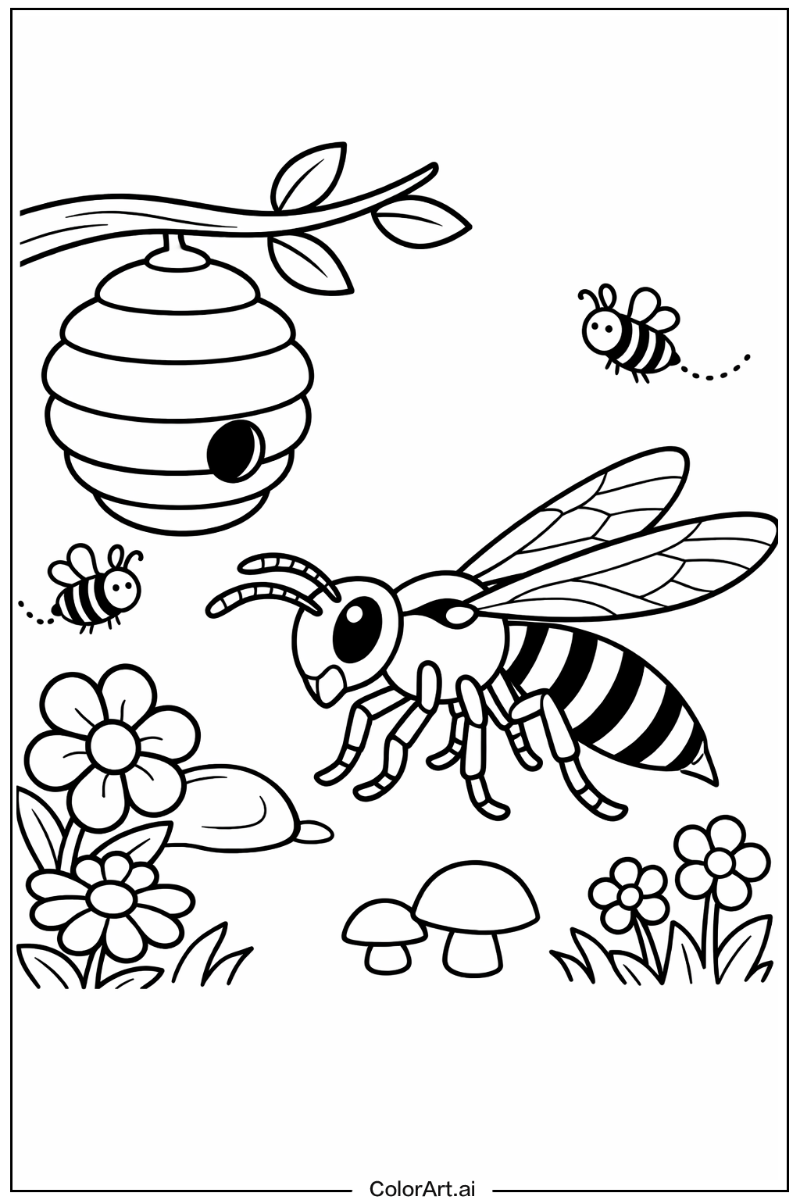 PNG
PNG
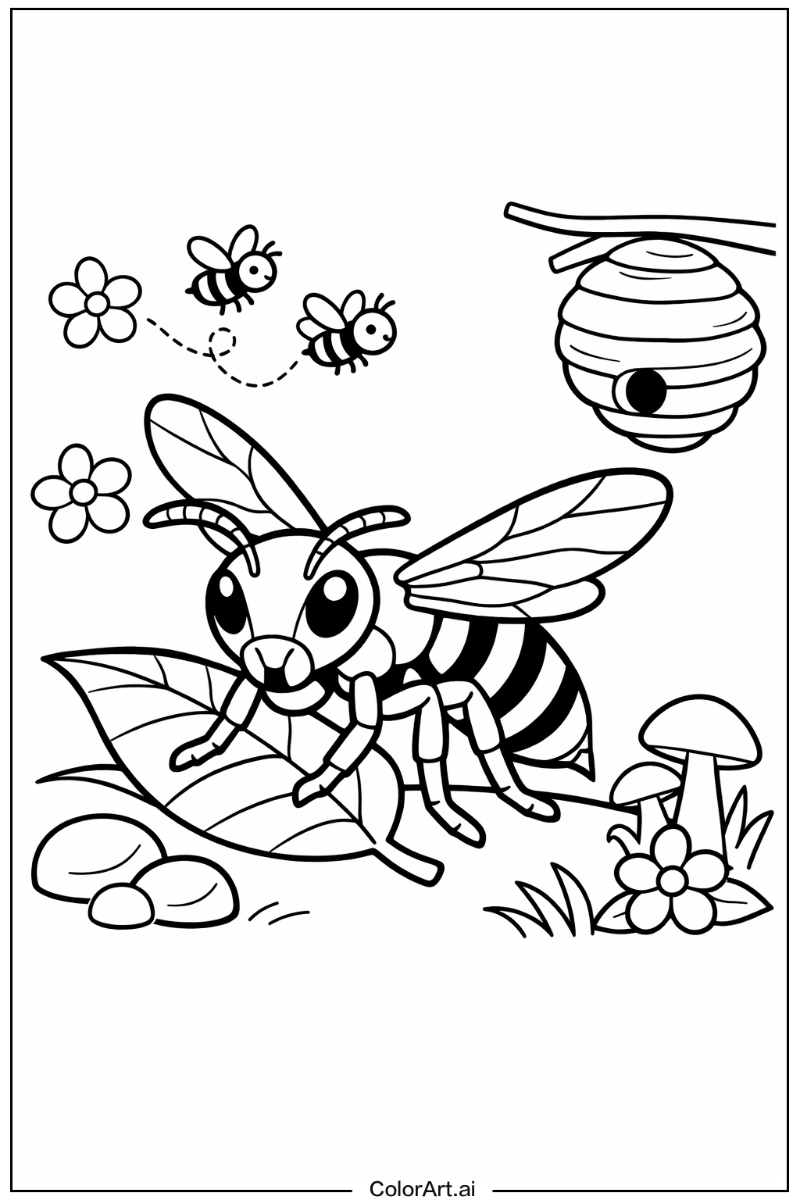
 PNG
PNG
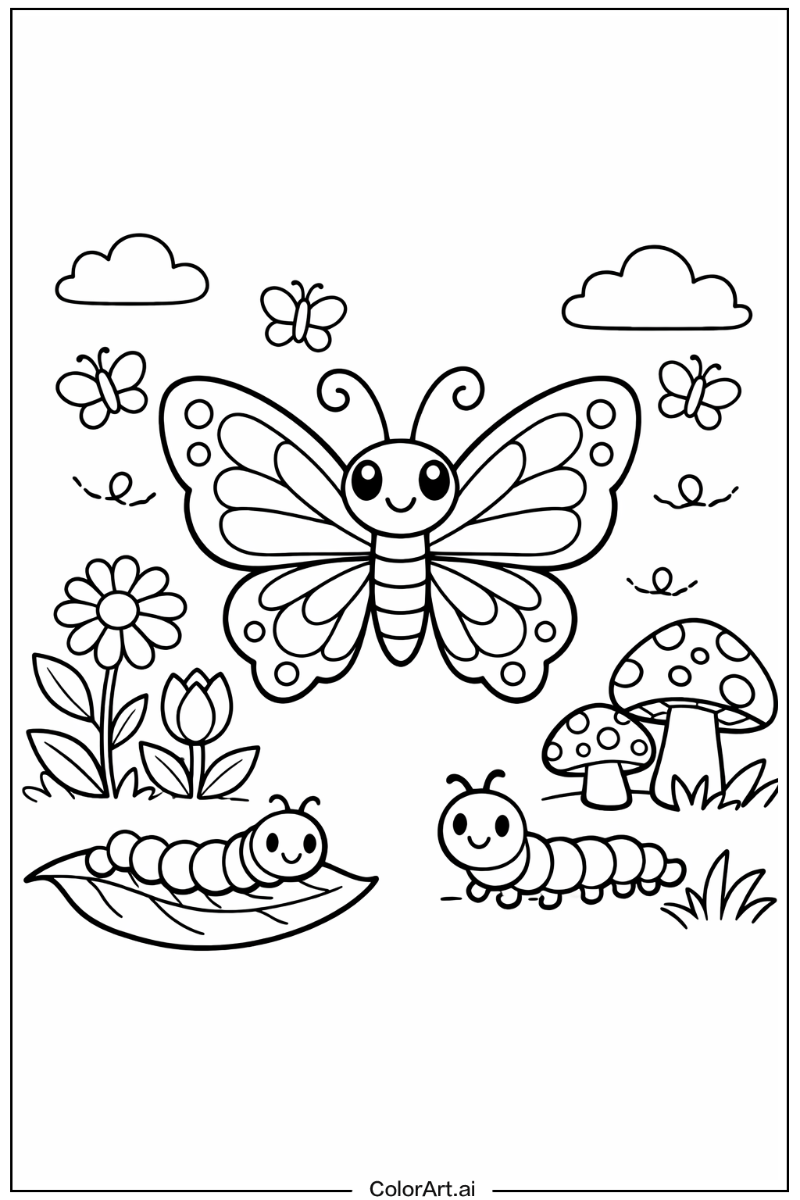
 PNG
PNG
 PNG
PNG
 PNG
PNG
 PNG
PNG
 PNG
PNG
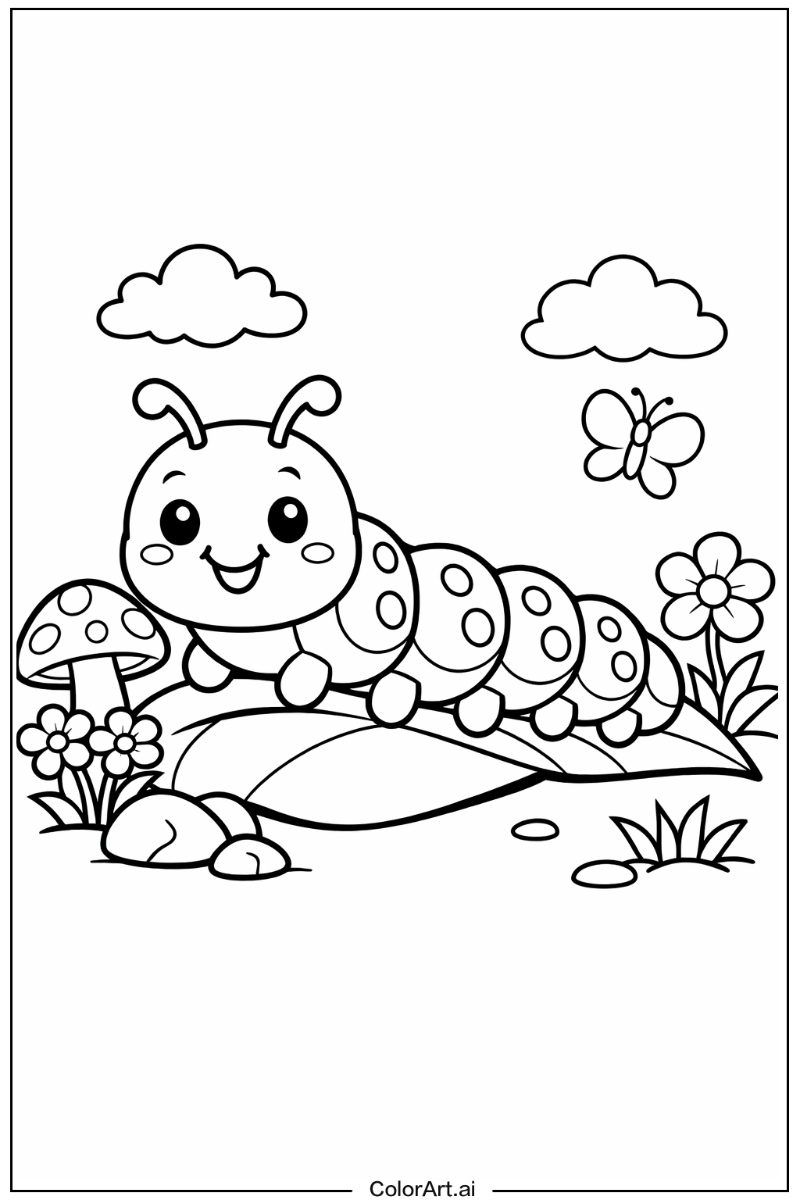
 PNG
PNG
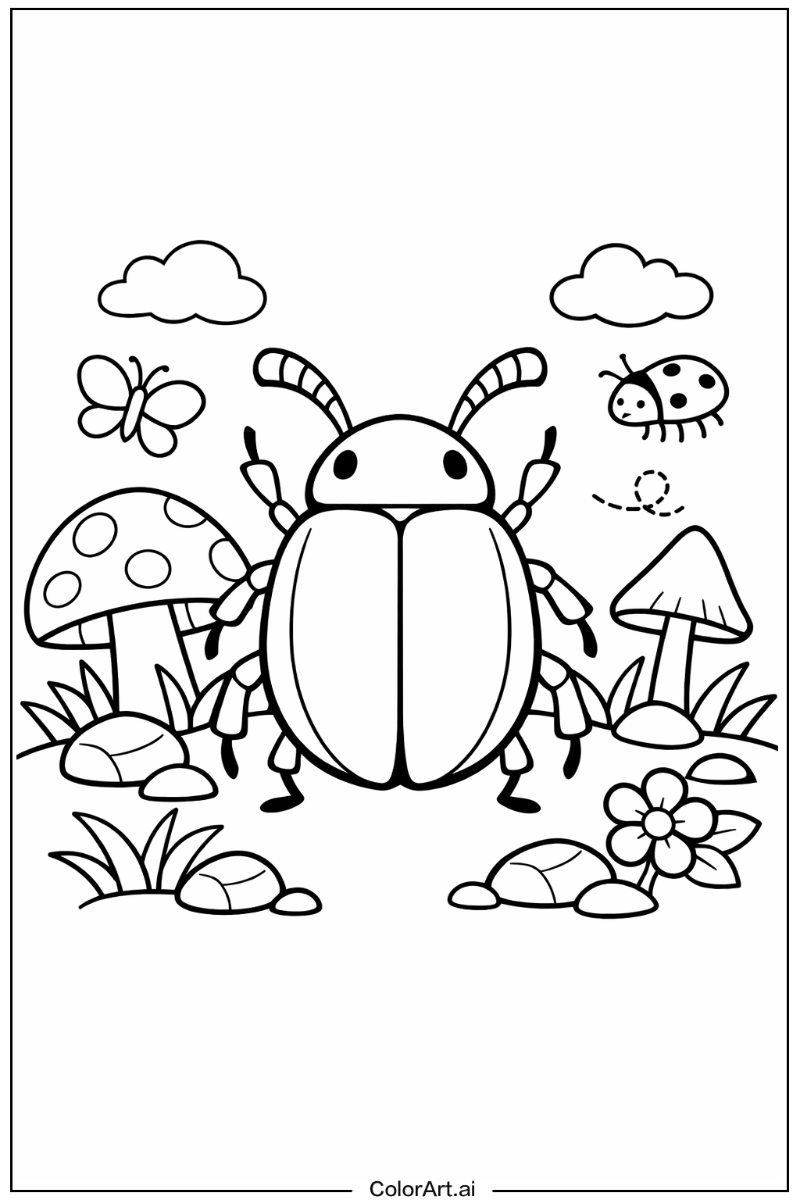
 PNG
PNG
 PNG
PNG
 PNG
PNG
 PNG
PNG
 PNG
PNG
 PNG
PNG
 PNG
PNG
 PNG
PNG
 PNG
PNG
 PNG
PNG
 PNG
PNG
 PNG
PNG
 PNG
PNG
 PNG
PNG
 PNG
PNG
 PNG
PNG
 PNG
PNG
 PNG
PNG
 PNG
PNG
 PNG
PNG
 PNG
PNG
 PNG
PNG
 PNG
PNG
 PNG
PNG
 PNG
PNG
 PNG
PNG
 PNG
PNG
 PNG
PNG
 PNG
PNG
 PNG
PNG
 PNG
PNG
 PNG
PNG
 PNG
PNG
Understanding Insects: The Basics
Insects belong to the class Insecta within the phylum Arthropoda, and they represent the most diverse group of animals on Earth. With over 1 million recorded species, it is estimated that there could be up to 5.5 million total species worldwide. Insects account for approximately 80% of all animals and half of all living species, showcasing their incredible adaptability across various environments. Insects play vital roles in pollination, decomposition, and nutrient recycling, which are essential for maintaining ecological balance. In my classroom, I often share these fascinating facts with students, encouraging them to appreciate the beauty and complexity of the insect world.
Benefits of Insect Coloring Activities in the Classroom
Incorporating insect coloring pages into classroom activities offers numerous educational benefits. For young children aged 3-8, coloring supports the development of fine motor skills and hand-eye coordination. During an insect-themed week, I noticed that my kindergarteners, while coloring different insect species, were also improving their grip strength and dexterity without even realizing it! For older students aged 9-12, detailed insect patterns encourage sustained precision and focus, which can bridge into secondary science activities involving insect observation and classification.
Moreover, coloring promotes cognitive benefits by enhancing concentration and pattern recognition. My students often delight in matching colors to realistic features, such as the vibrant stripes of a tiger beetle or the intricate wing patterns of a butterfly. This not only cultivates their artistic skills but also fosters a deeper understanding of insect morphology and biodiversity.
In addition to cognitive growth, coloring provides emotional benefits. It serves as a low-pressure creative outlet, allowing children to express themselves while building confidence through completed artwork. Last semester, I had a student, Mia, who struggled with anxiety. I introduced her to insect coloring as a calming activity, and I was thrilled to see her transformation as she became more engaged and relaxed while coloring.
Practical Tips for Coloring Insects
When working with insect coloring pages, here are some practical tips to enhance the experience for students:
- Choose the Right Materials: For best results, I recommend using colored pencils for detailed work, markers for bold colors, and crayons for younger children. Each medium brings its own unique quality, and I often let students experiment to find their favorite.
- Print on Quality Paper: Using high-quality paper or cardstock can make a significant difference in the final product. I always advise my students to print their free printable insect coloring pages using high-resolution settings to capture all the details.
- Encourage Creativity: Remind students that there are no strict rules when it comes to coloring insects. Allowing them to use unconventional colors can lead to surprising and delightful results. Just last week, a student named Kevin colored a butterfly with neon green wings, proclaiming, "This is a superhero butterfly!"
Current Trends in Insect Art Education
As we move into 2024 and beyond, there is a growing trend in integrating insects into art education, particularly through coloring activities. Insect art has become increasingly popular as educators recognize the importance of biodiversity and conservation. Coloring pages featuring insects not only engage young learners but also introduce them to important environmental themes. Recently, I introduced a series of insect coloring pages that highlighted endangered species, prompting students to discuss their importance. This sparked a lively conversation in class where students like Lucas suggested ways to help protect these insects. By blending art with awareness, we can foster a sense of stewardship in our young artists.
Frequently Asked Questions About Insect Coloring Pages
What age group are insect coloring pages suitable for? Insect coloring pages cater to a variety of age groups, from preschoolers (3-5 years) to adults. We offer different complexity levels, ensuring everyone can find something enjoyable.
What materials work best for coloring insect pages? For the best results with insect coloring pages, I recommend colored pencils for detailed work, markers for bold colors, and crayons for younger children. Each material offers a different coloring experience.
How should I print insect coloring pages for best quality? Print insect coloring pages using high-quality settings. I suggest using standard A4 or Letter size paper, or upgrading to cardstock for more durable results. Make sure to check your printer’s ink levels for clear, vibrant images.