Embracing the Beauty of Mandala Coloring Pages
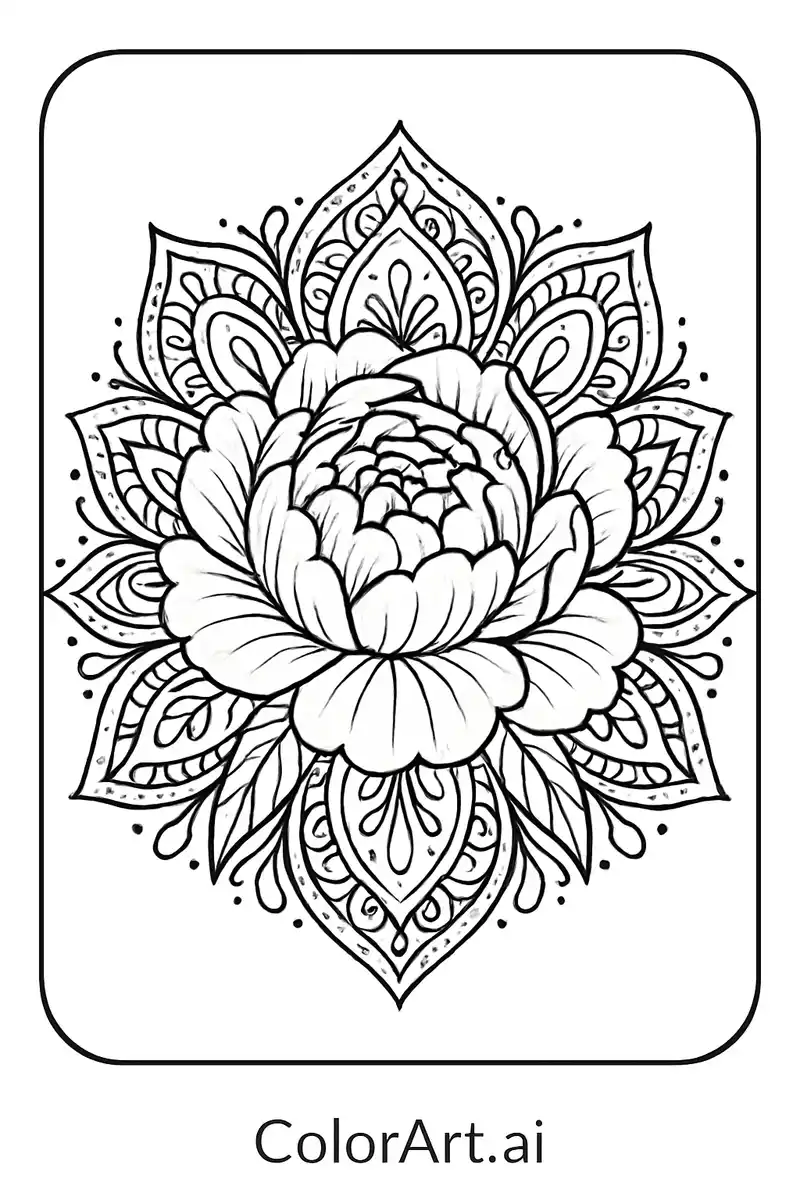
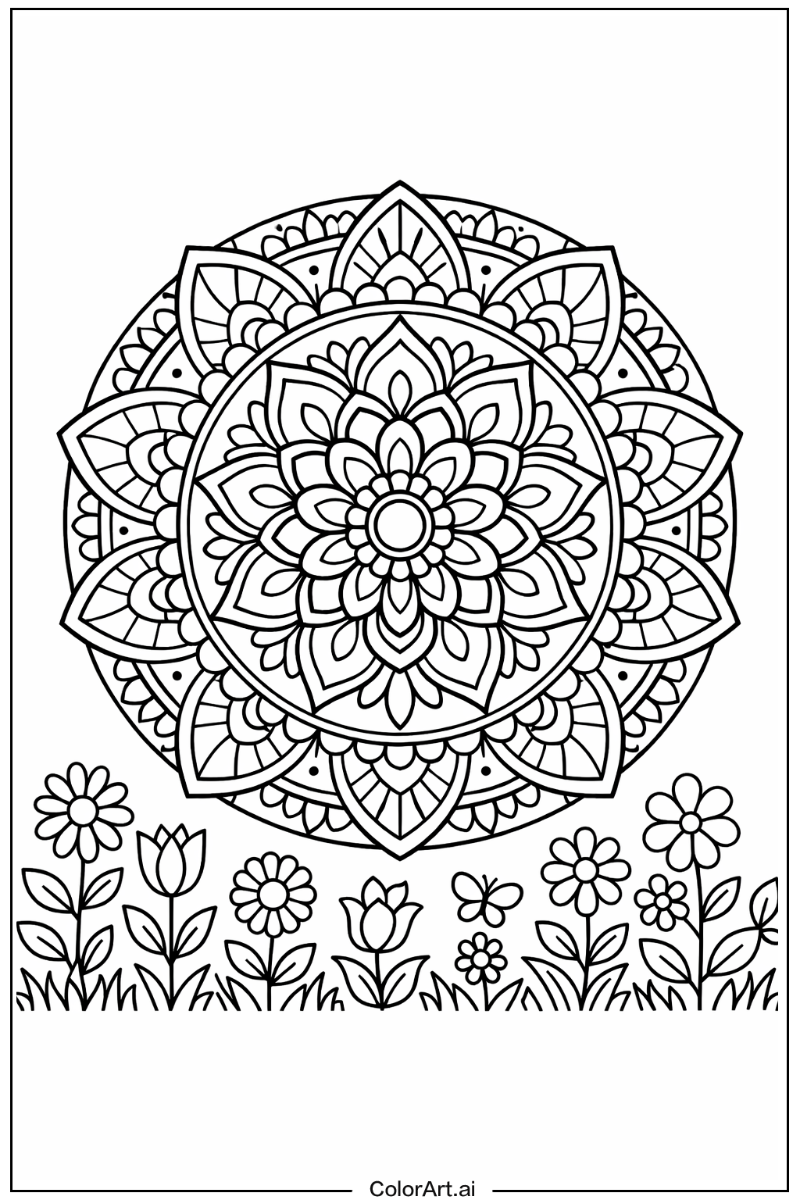
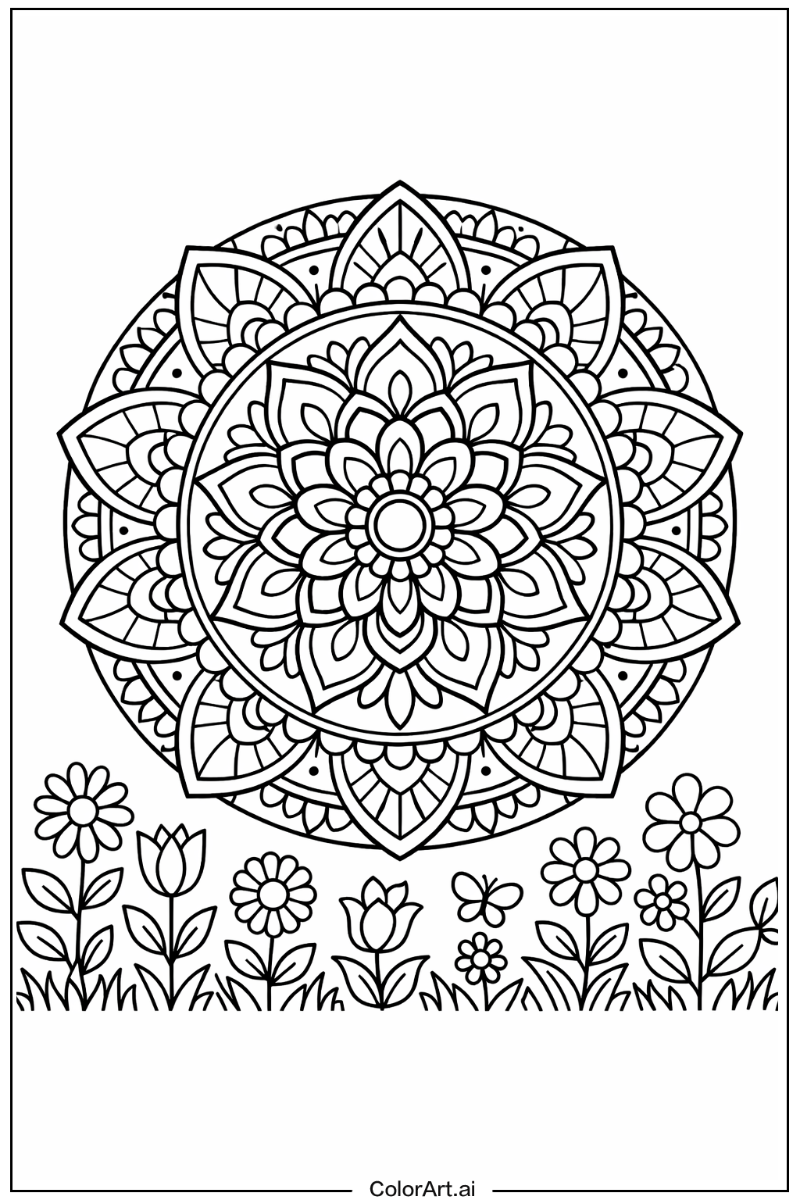
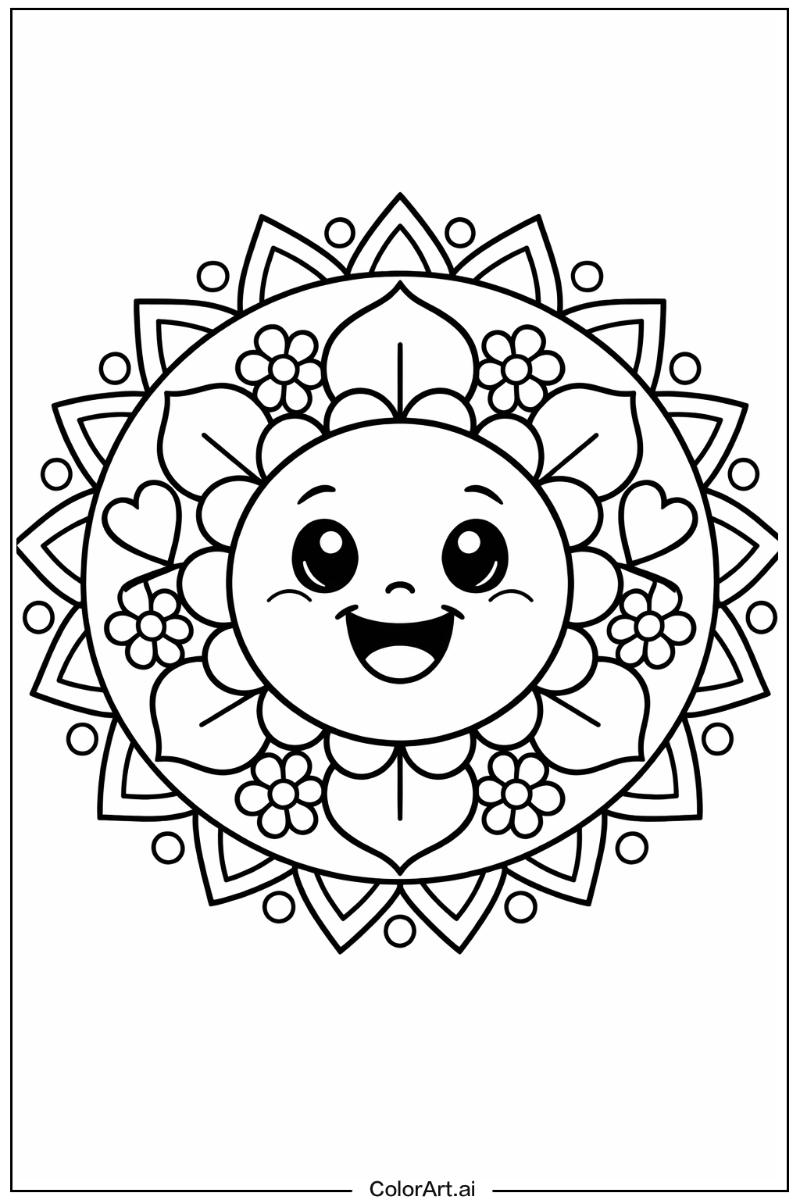
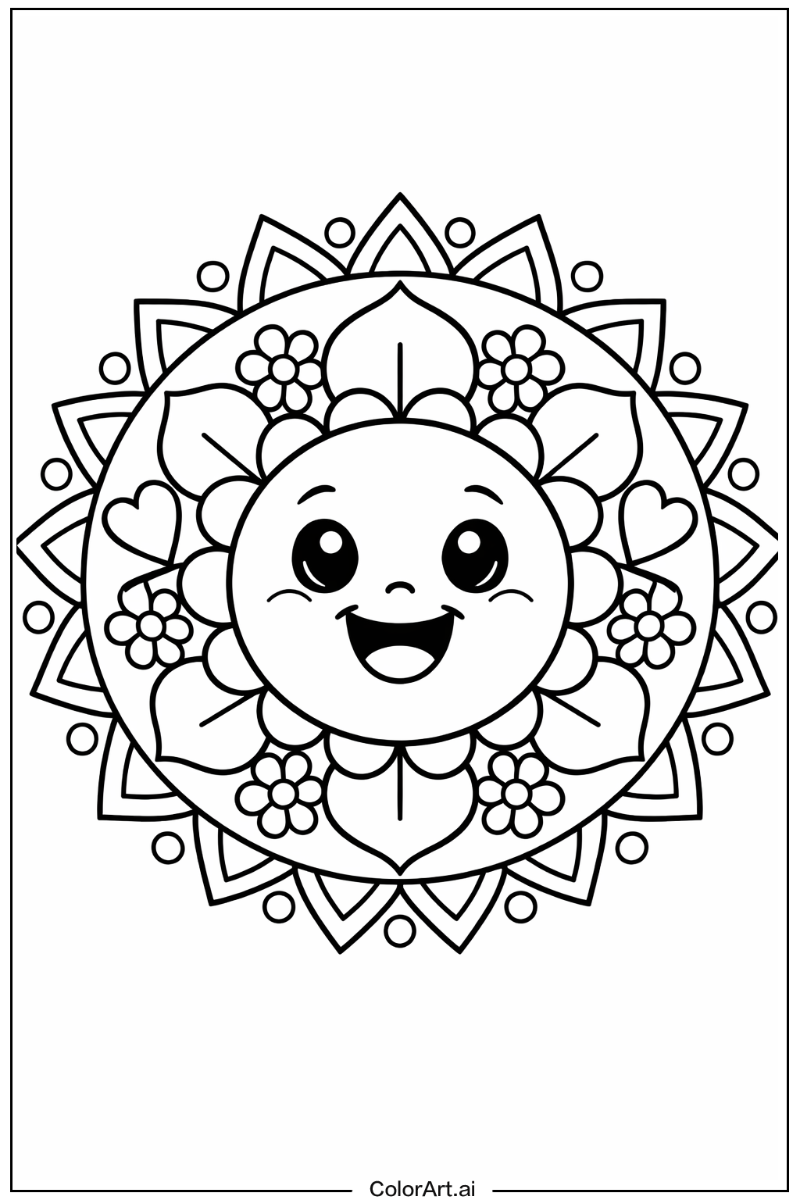
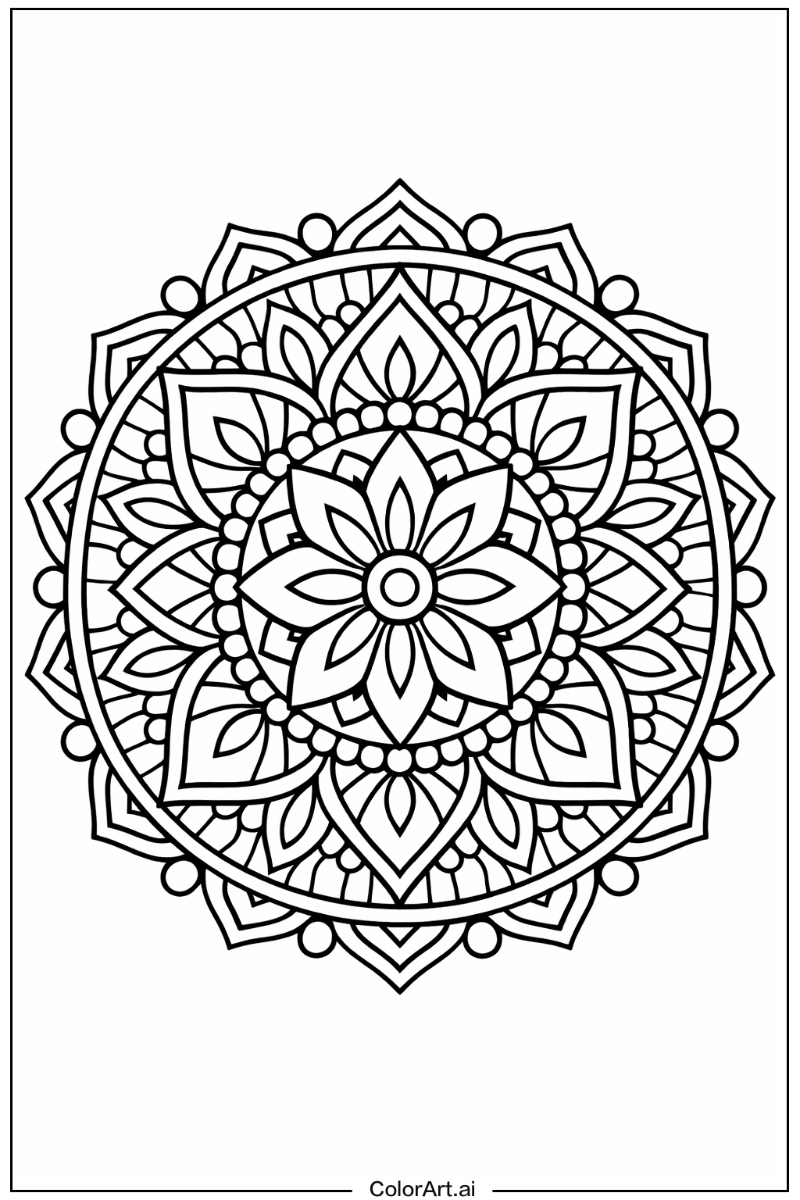
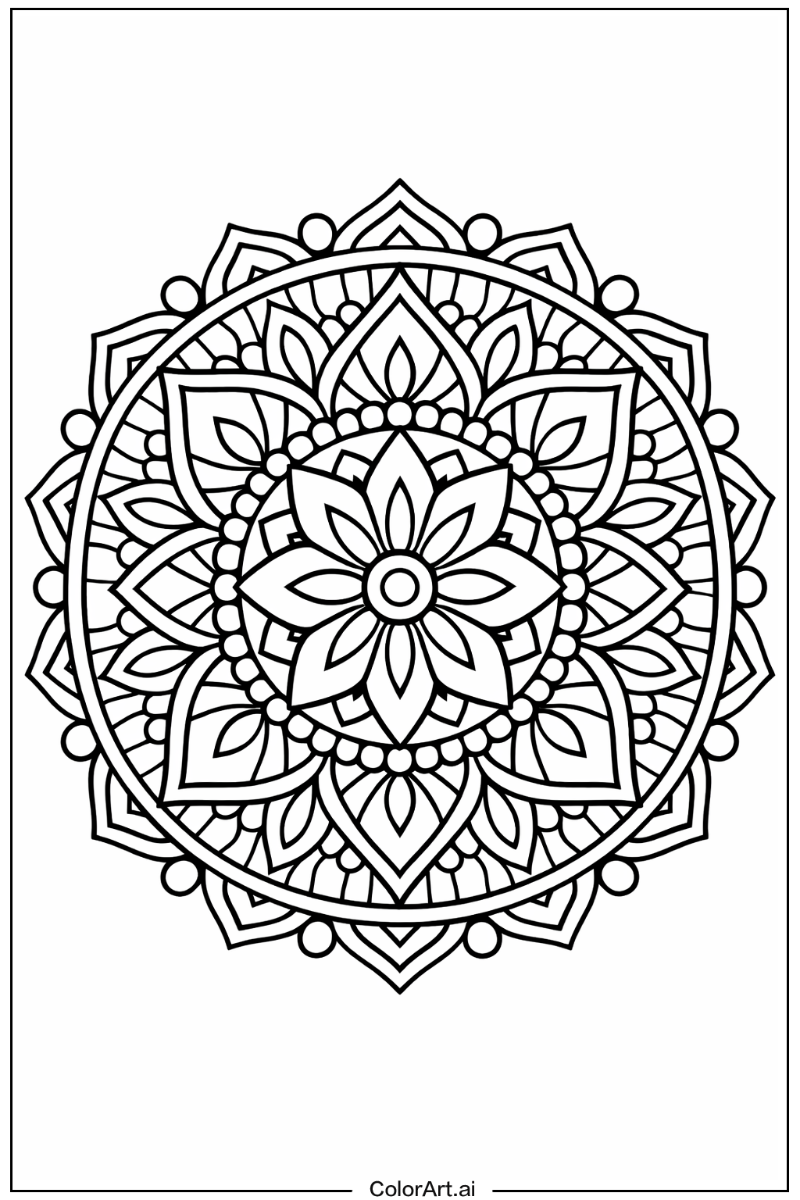
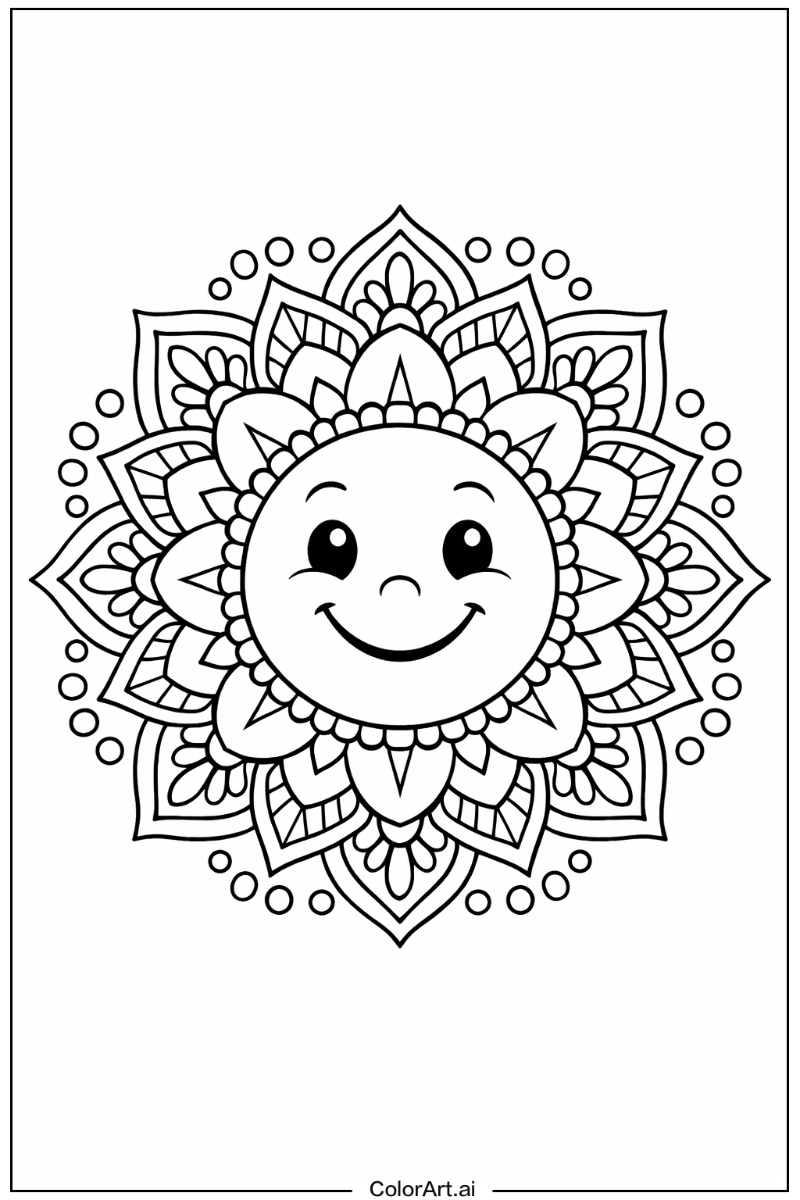
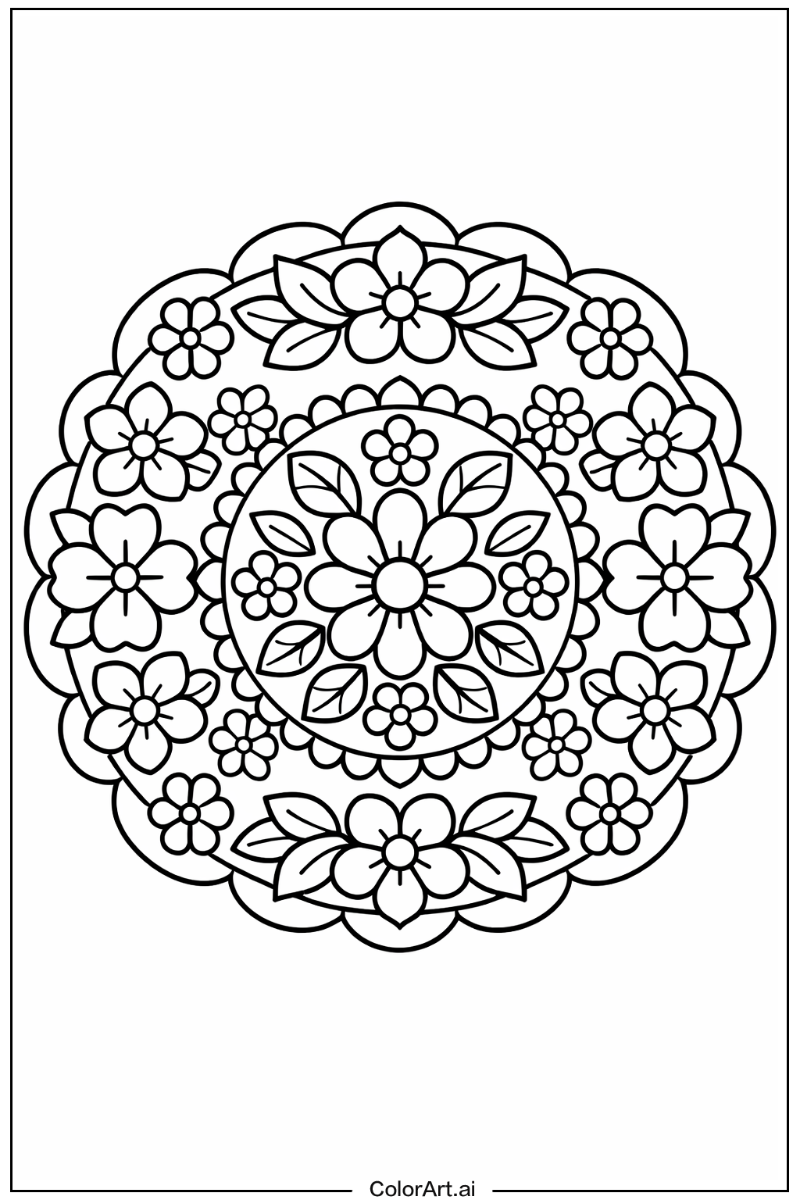
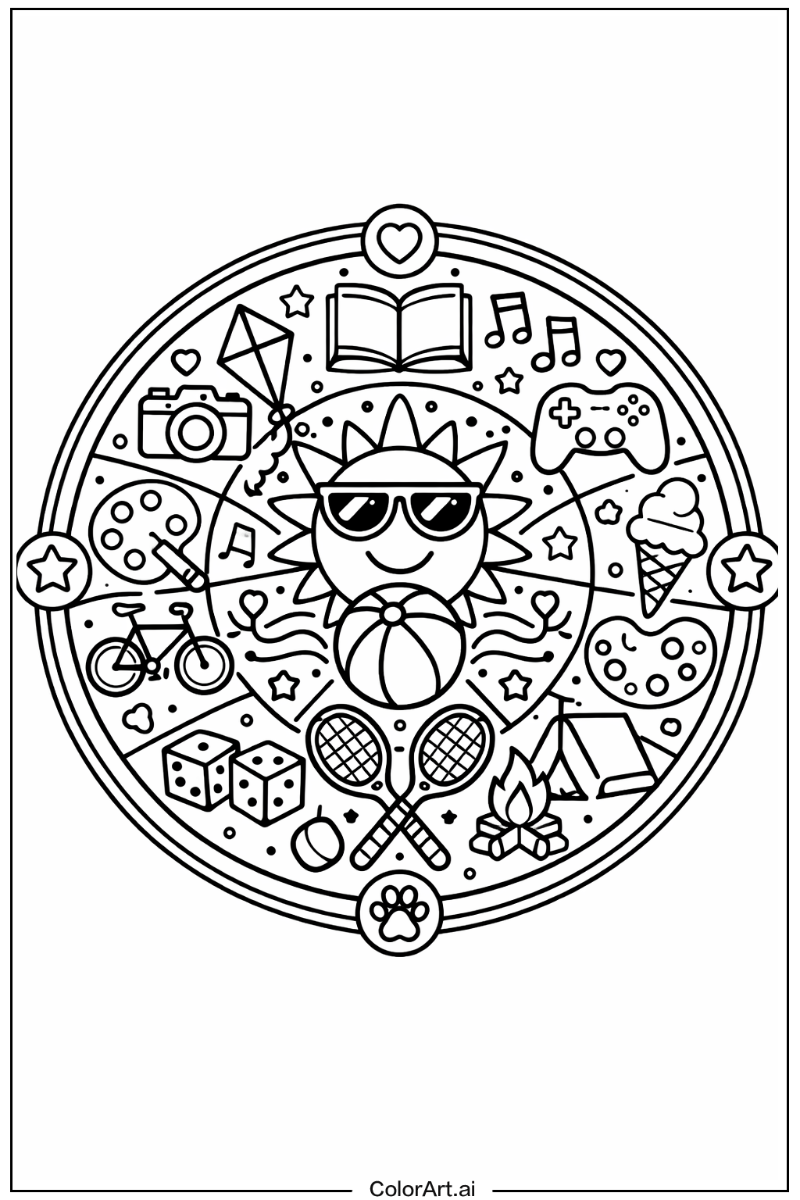
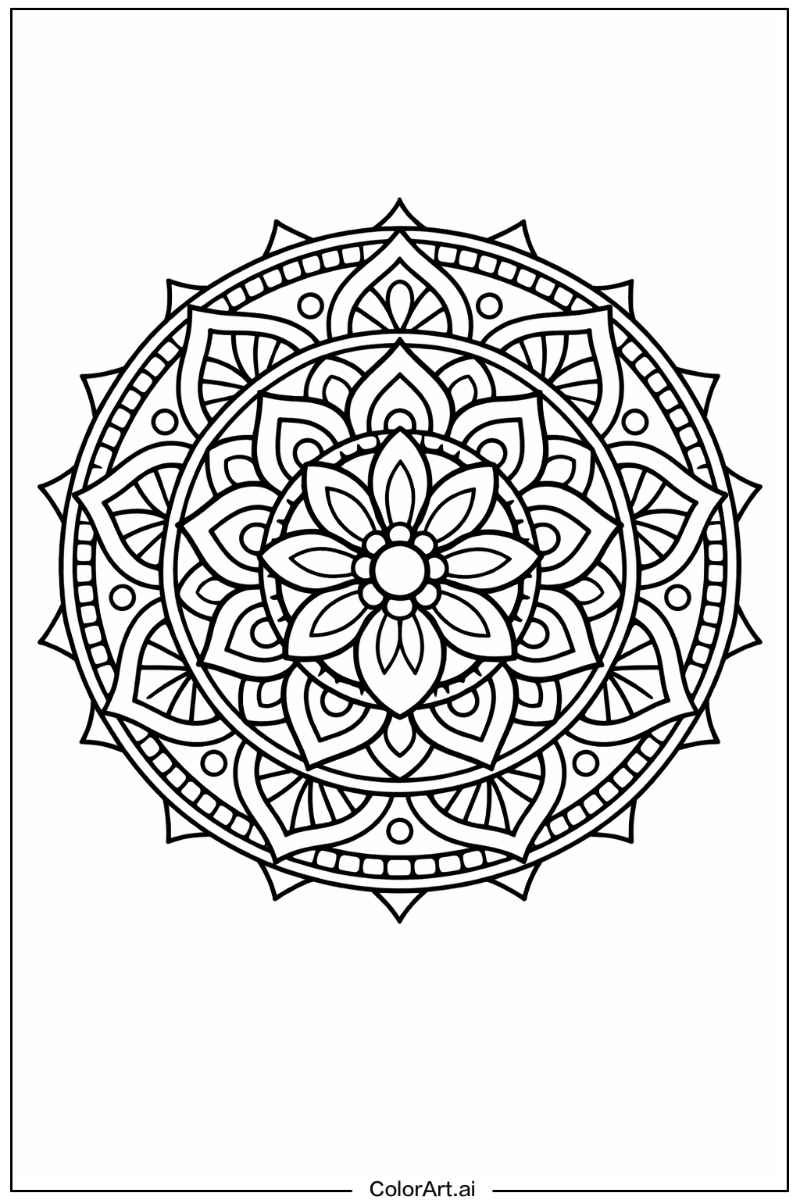
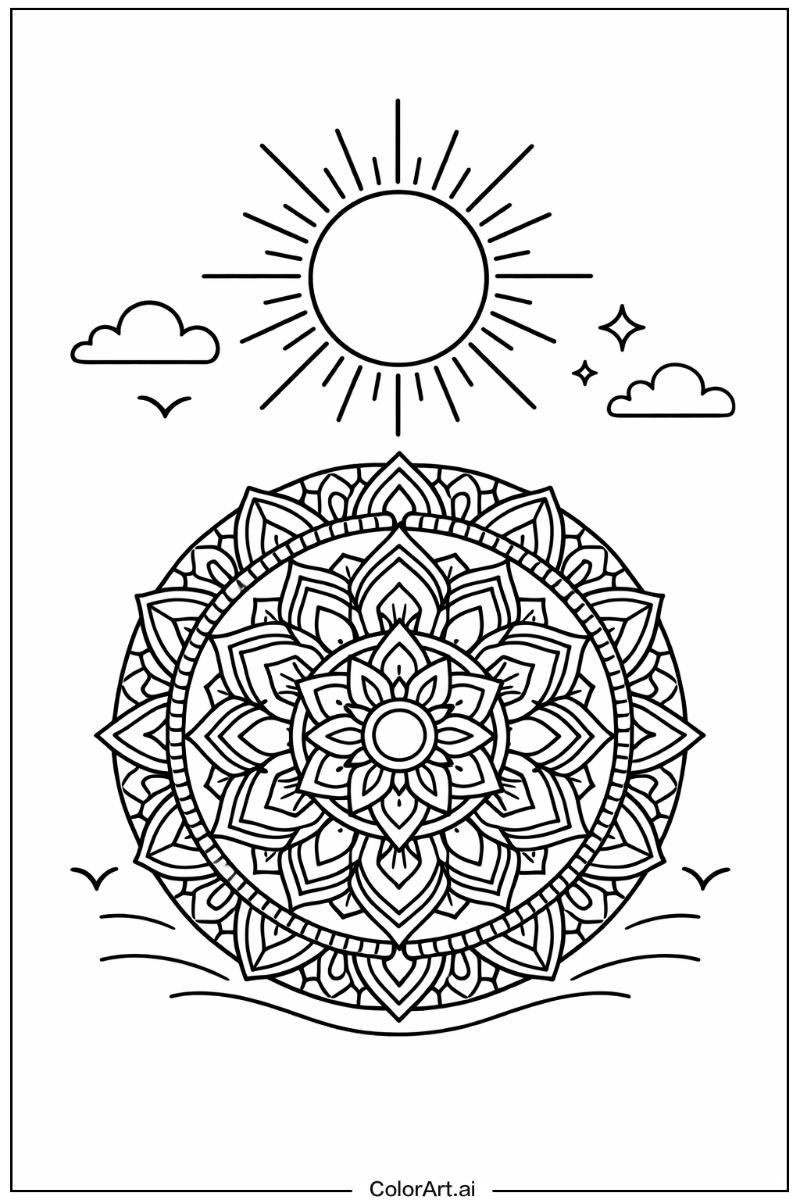
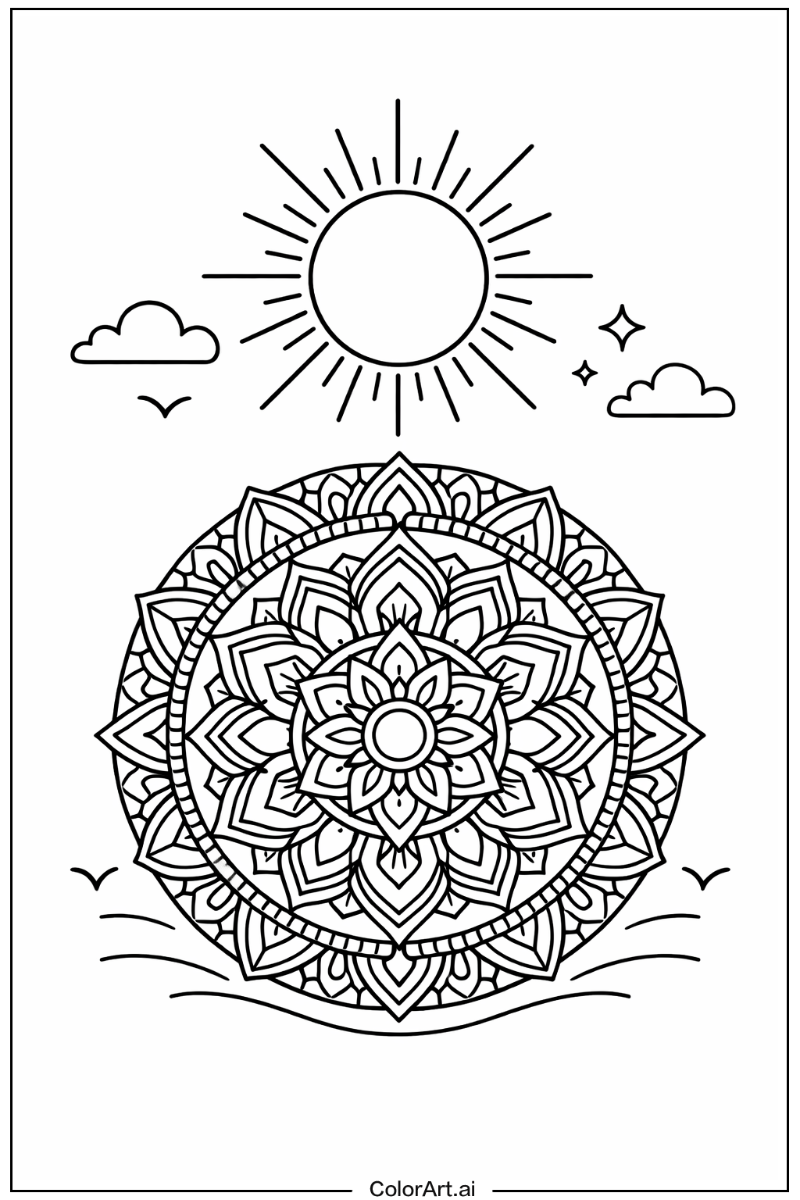
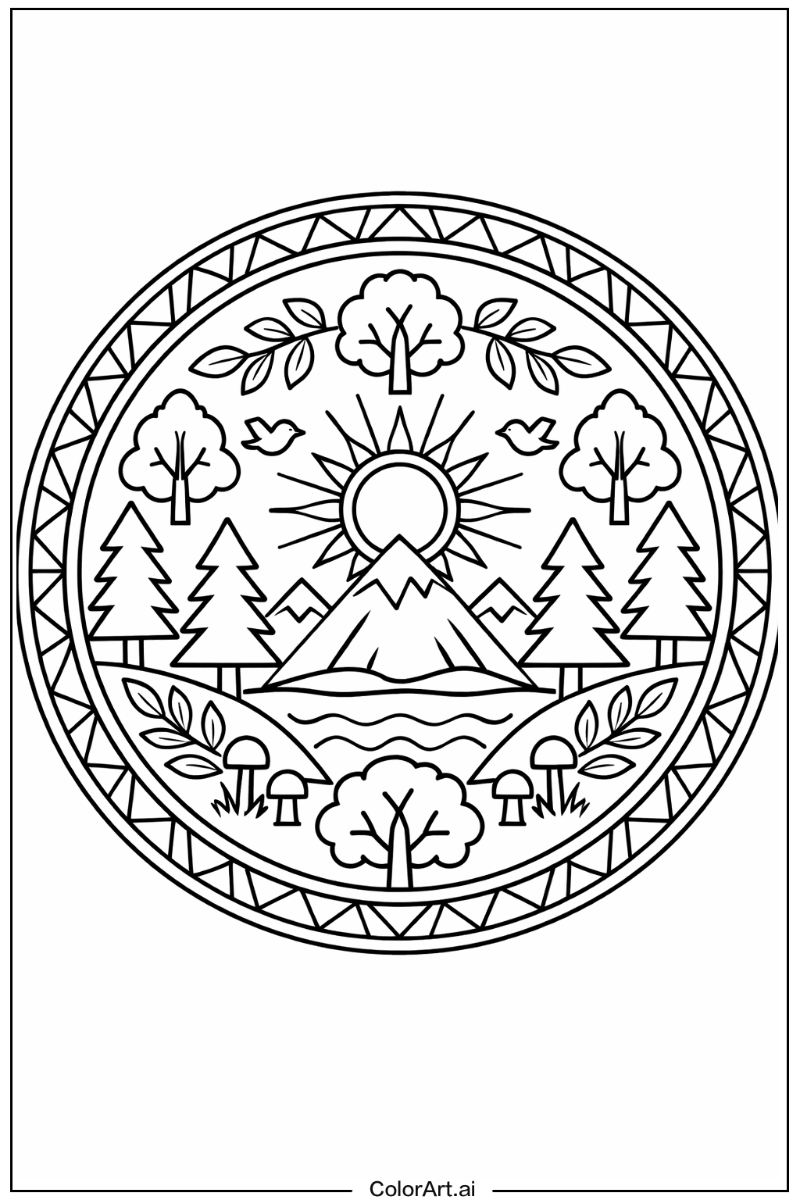
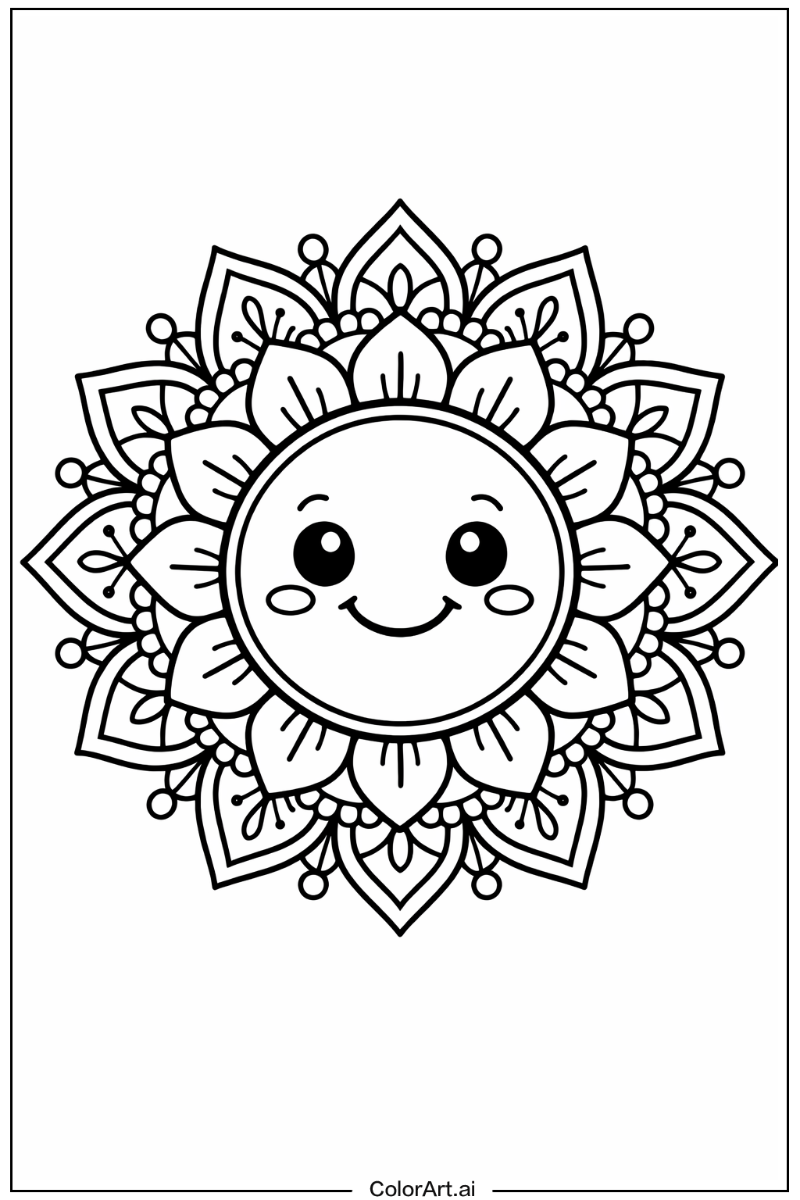
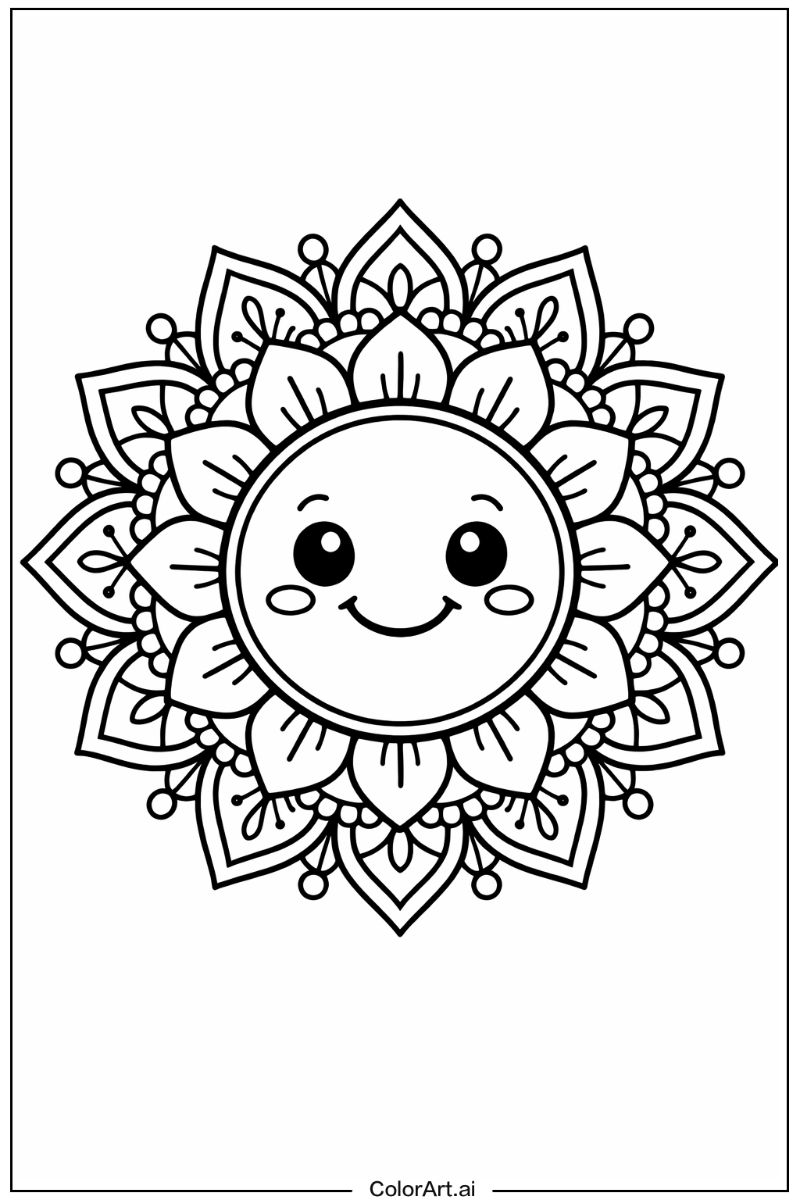
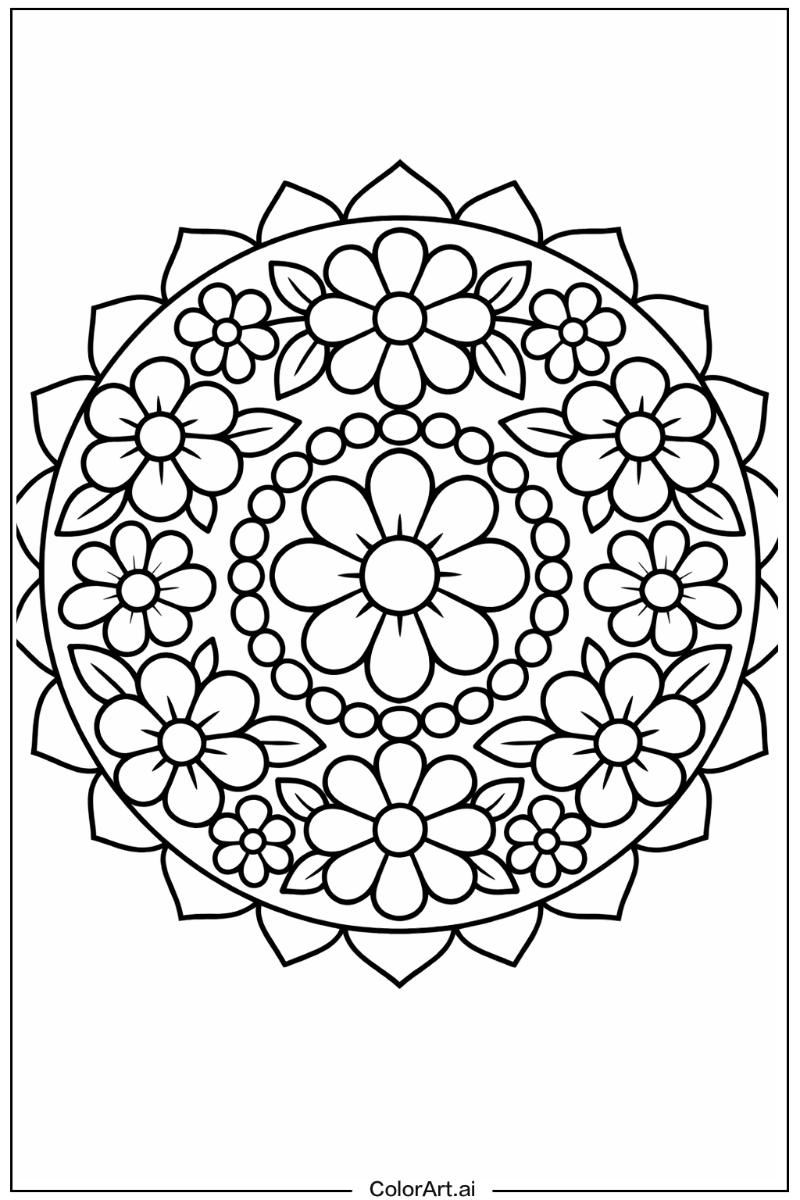
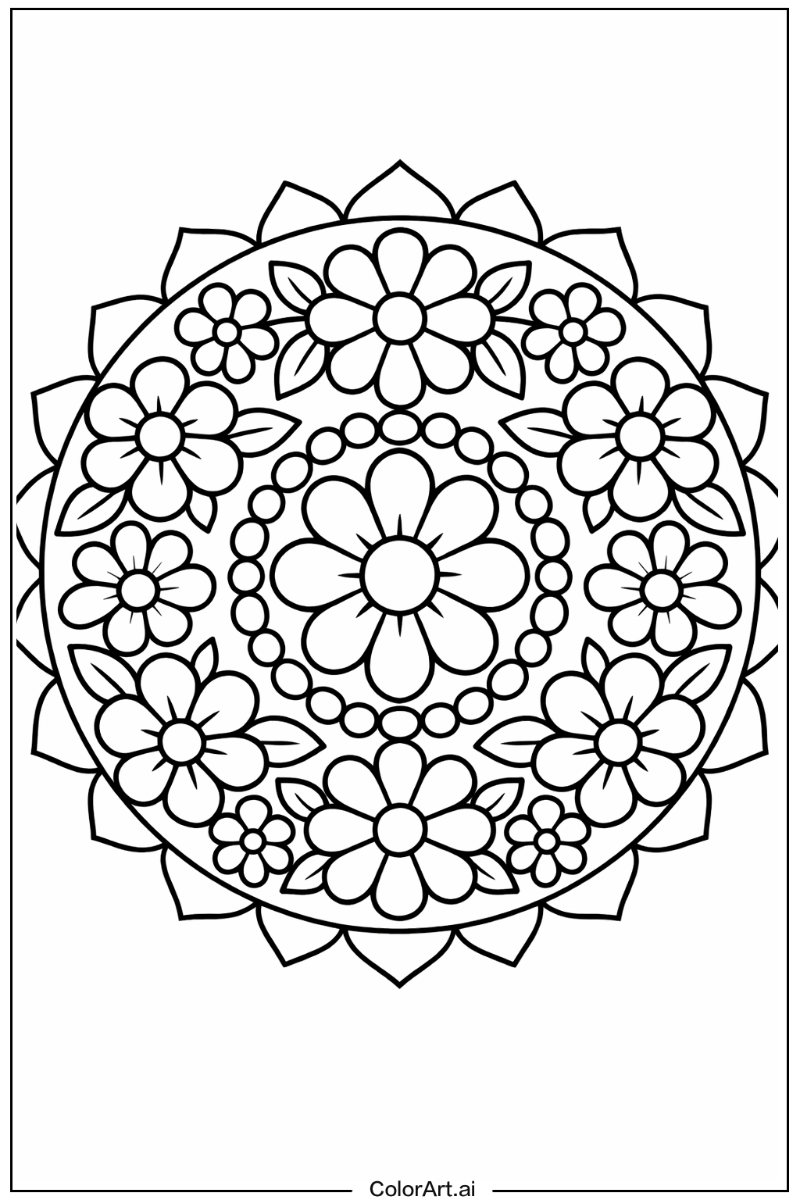
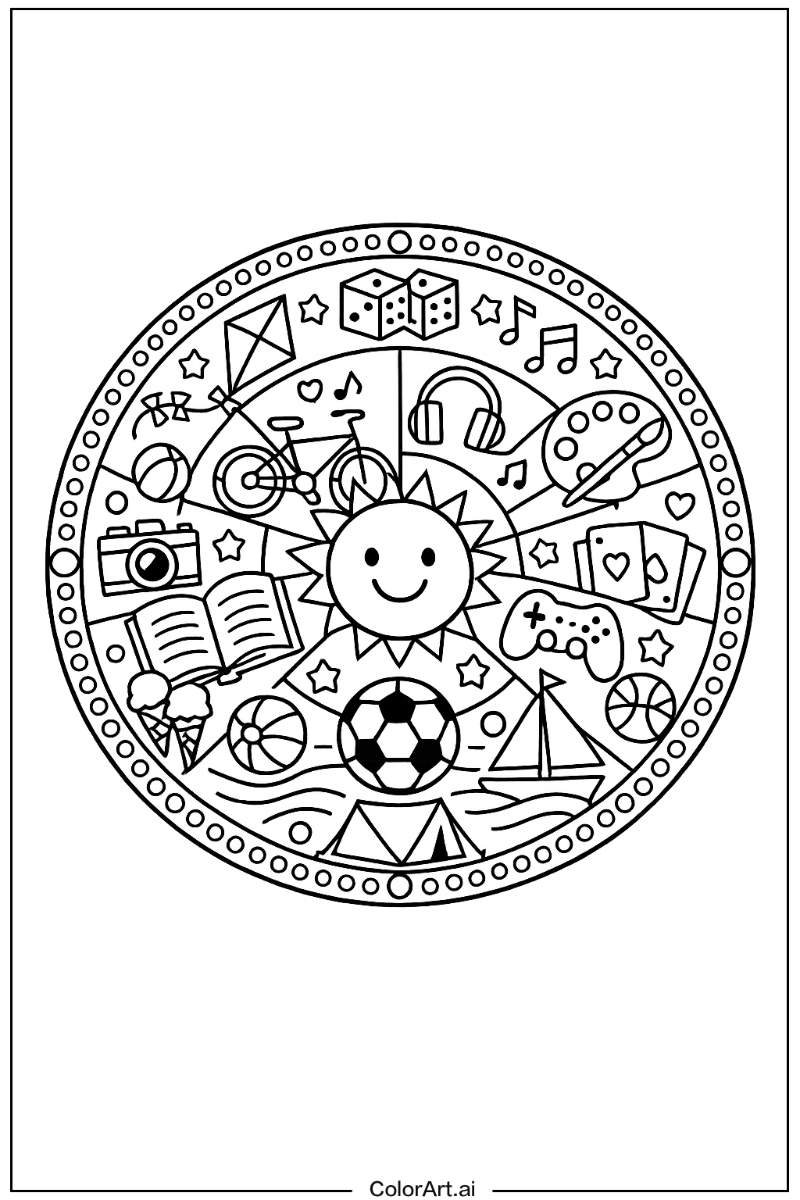
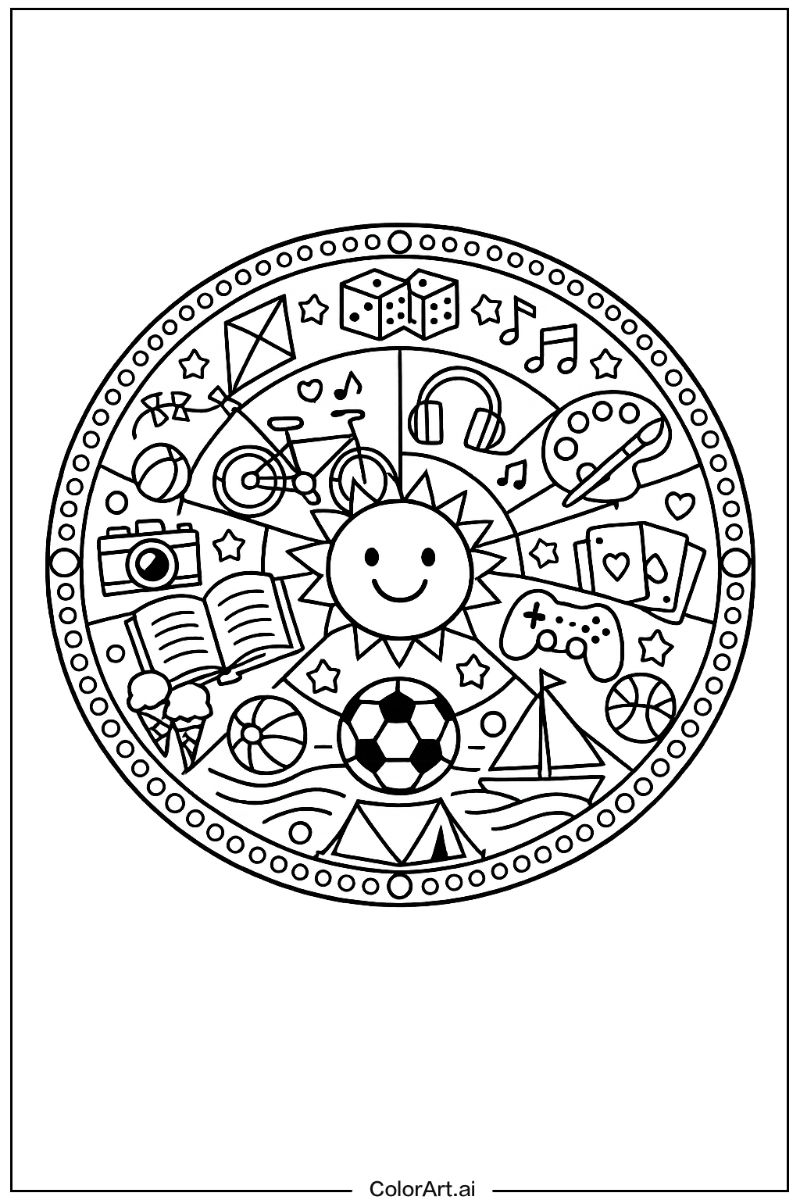
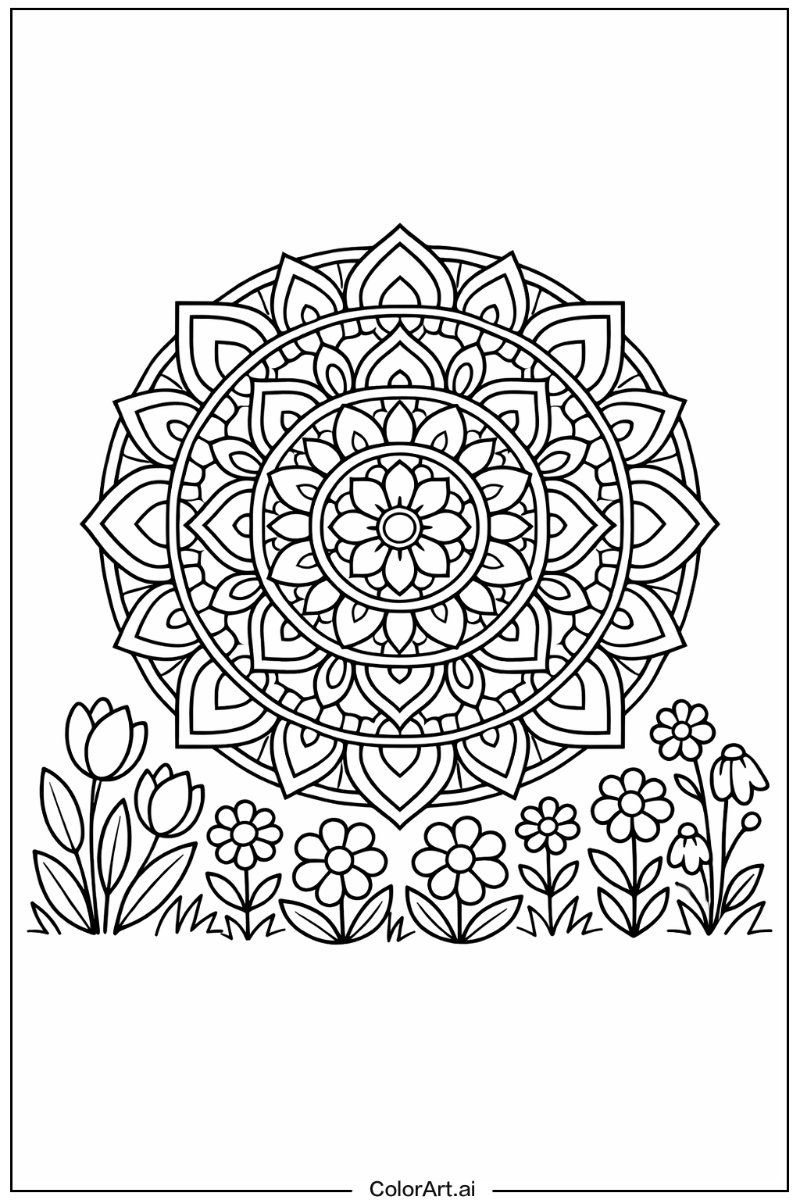
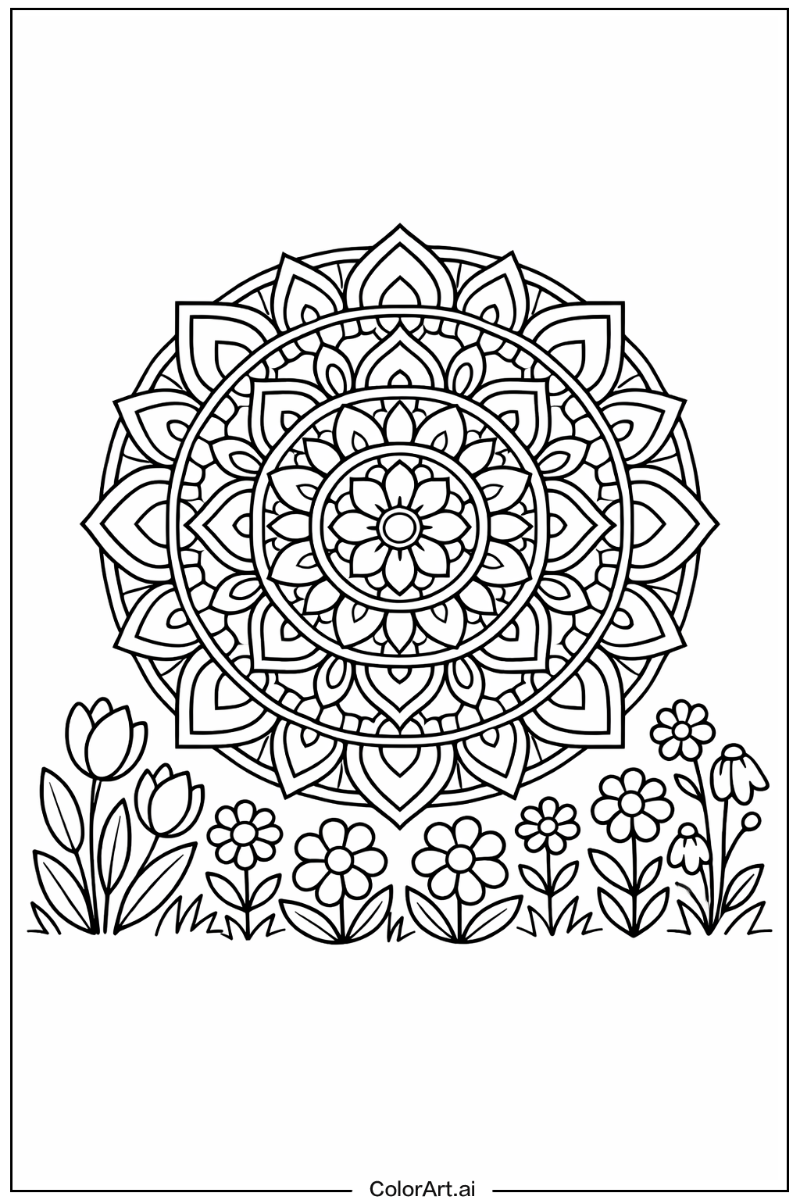
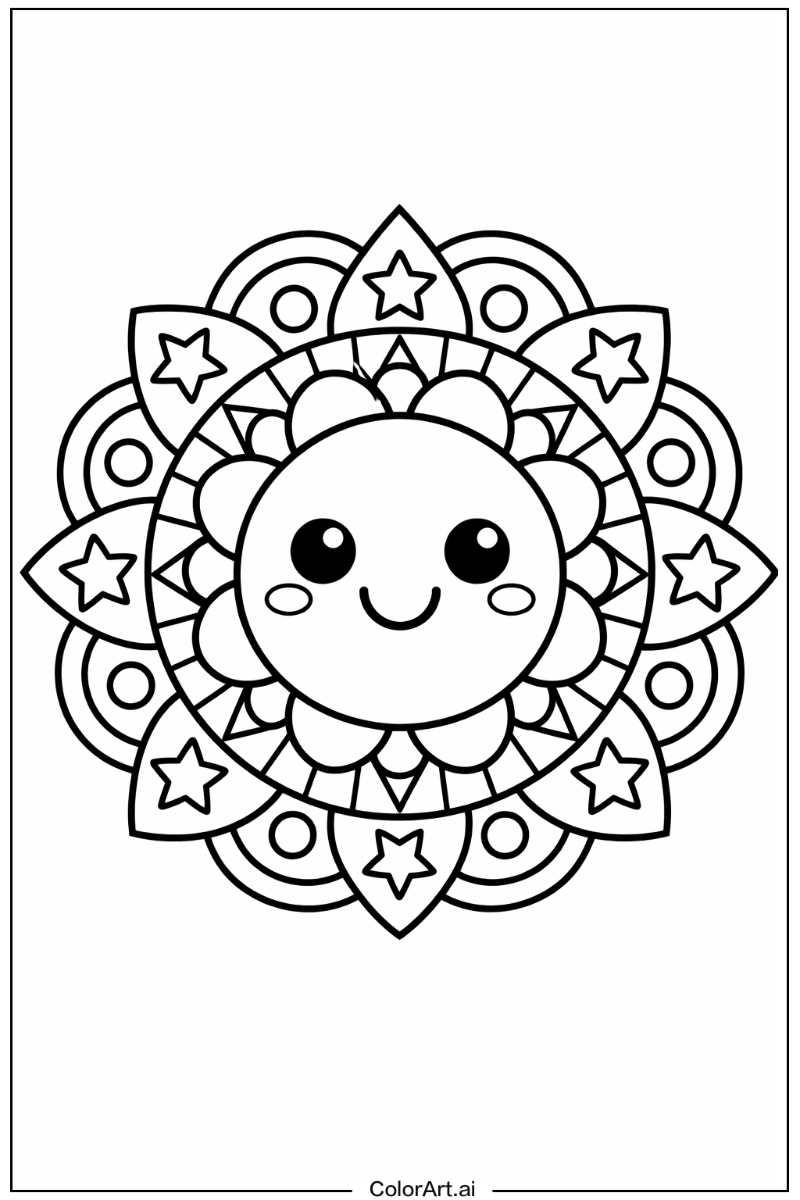
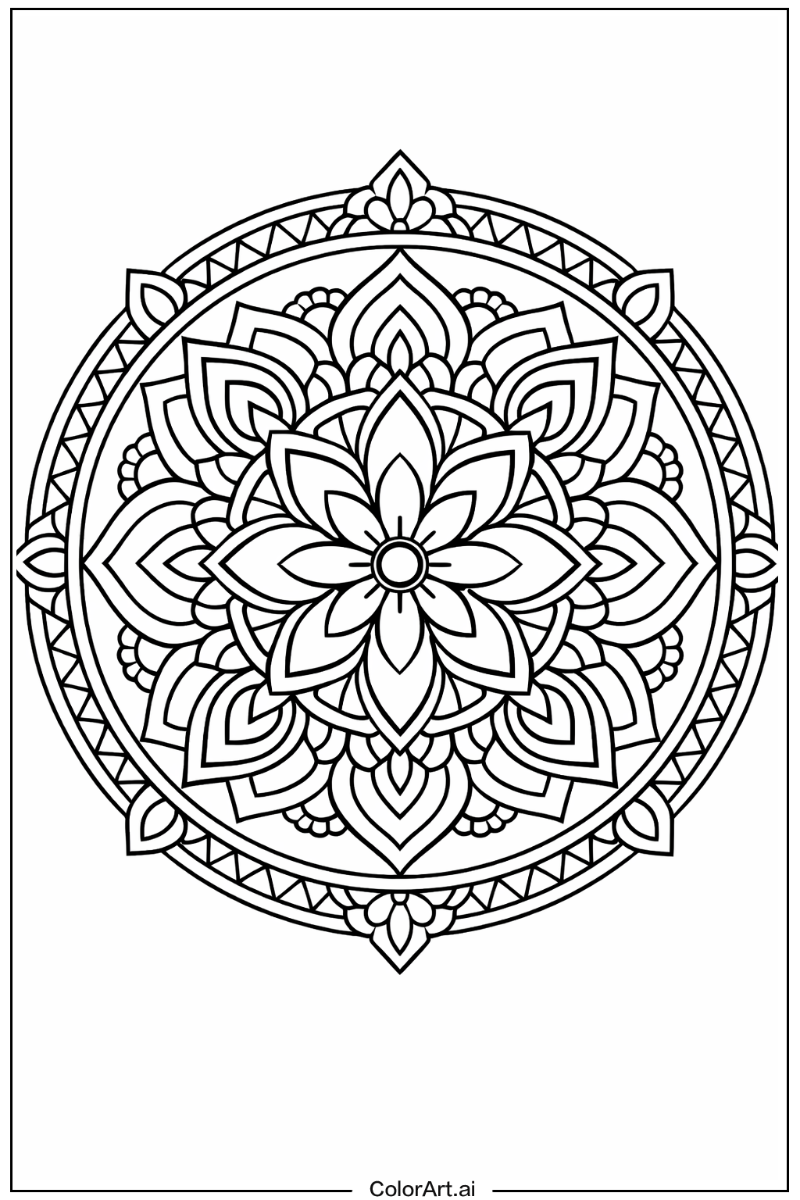
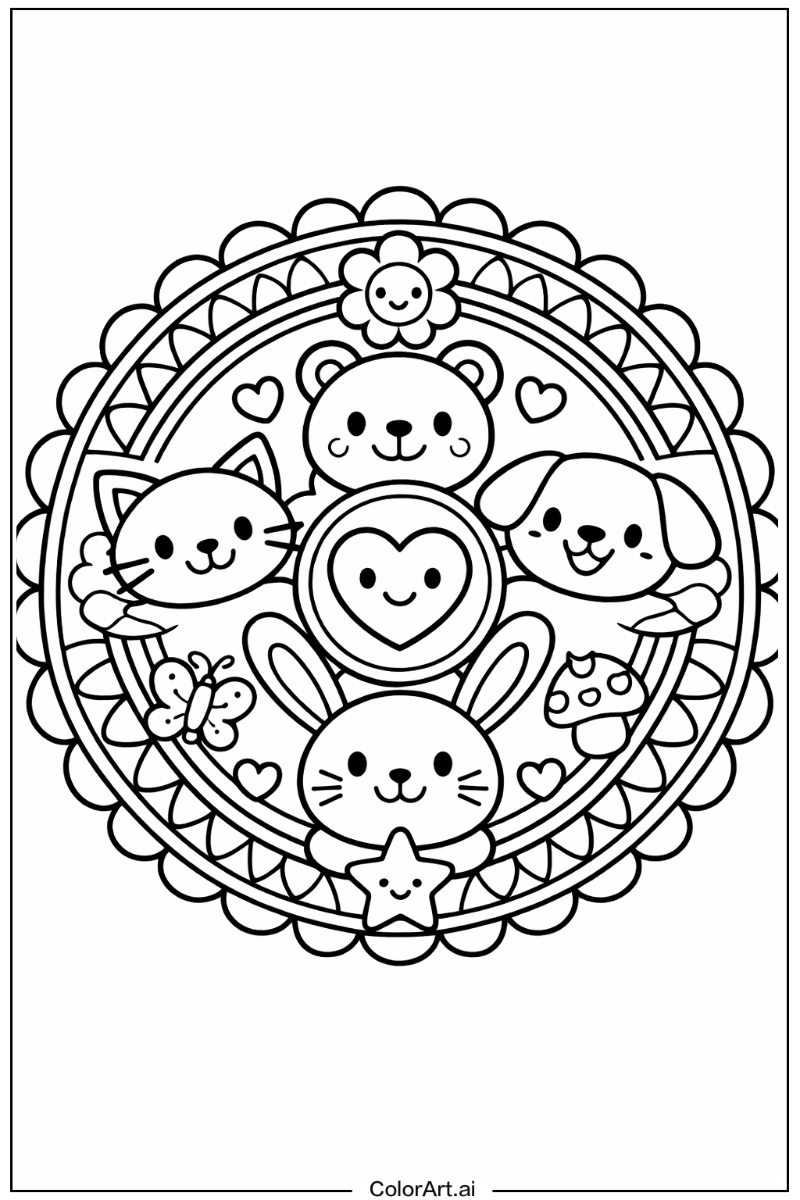
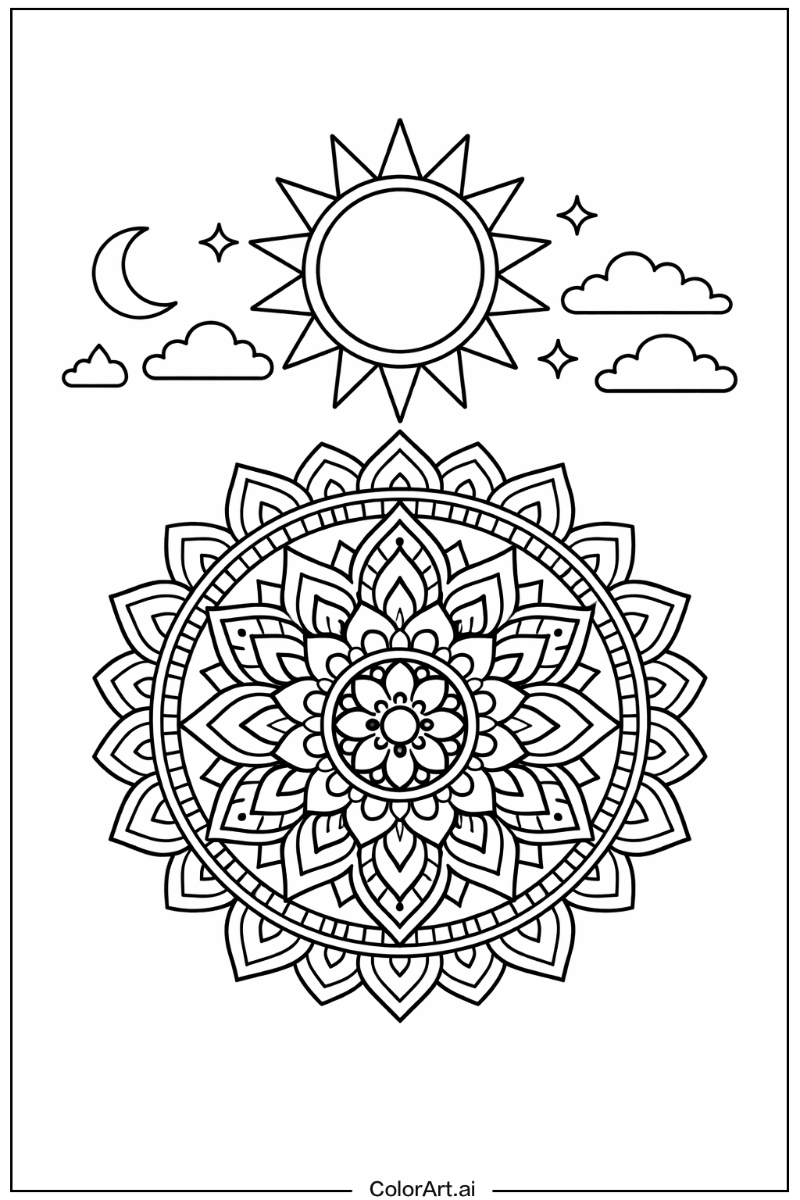
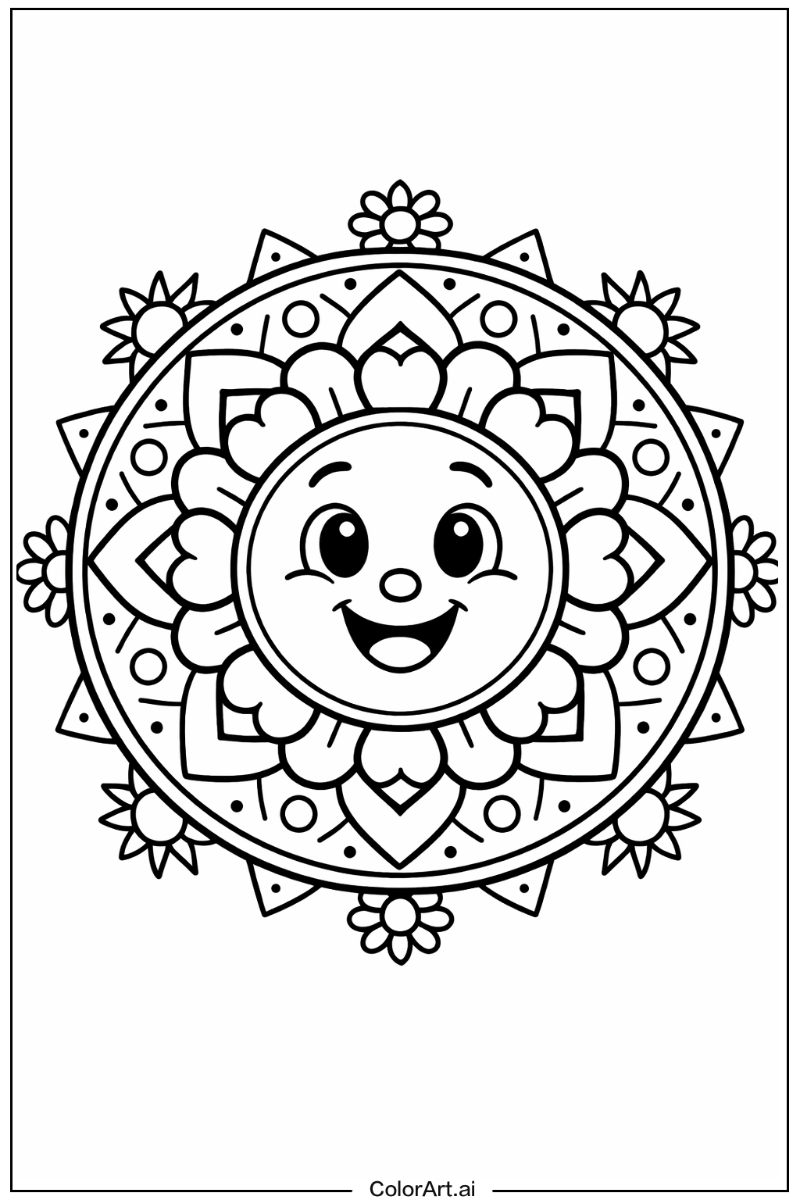
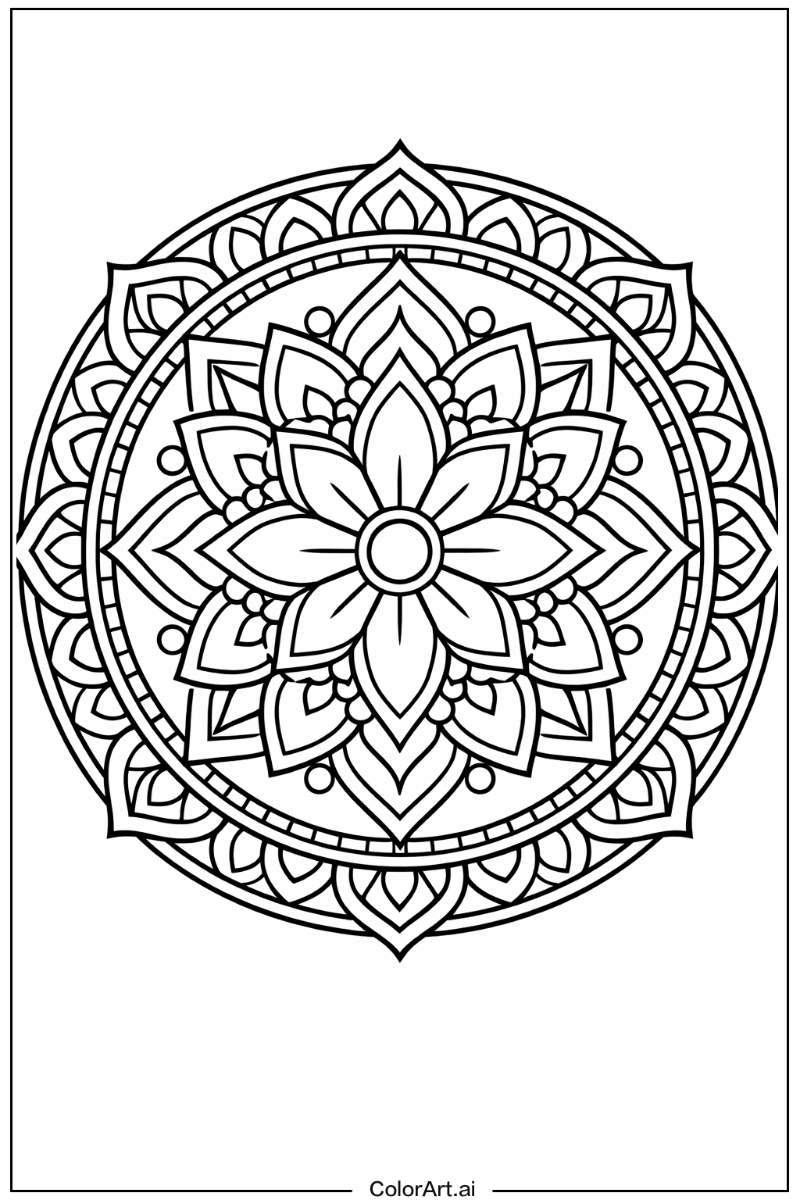
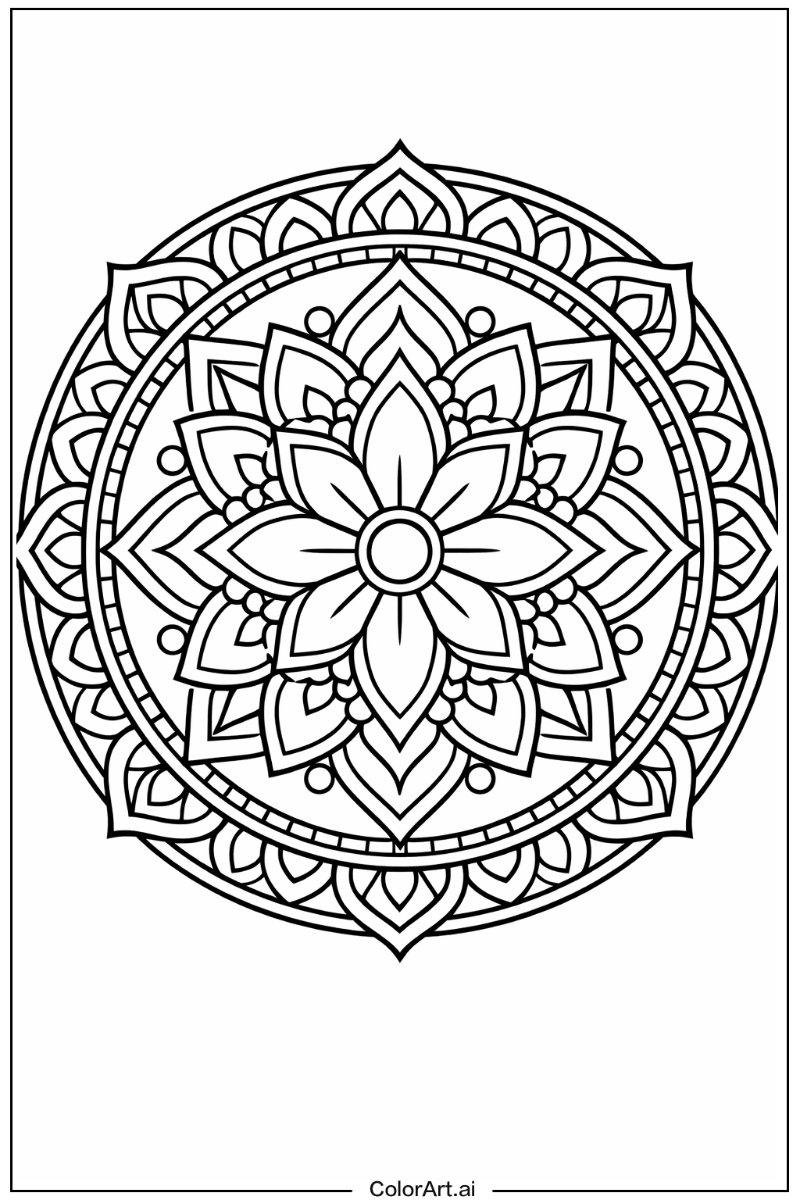
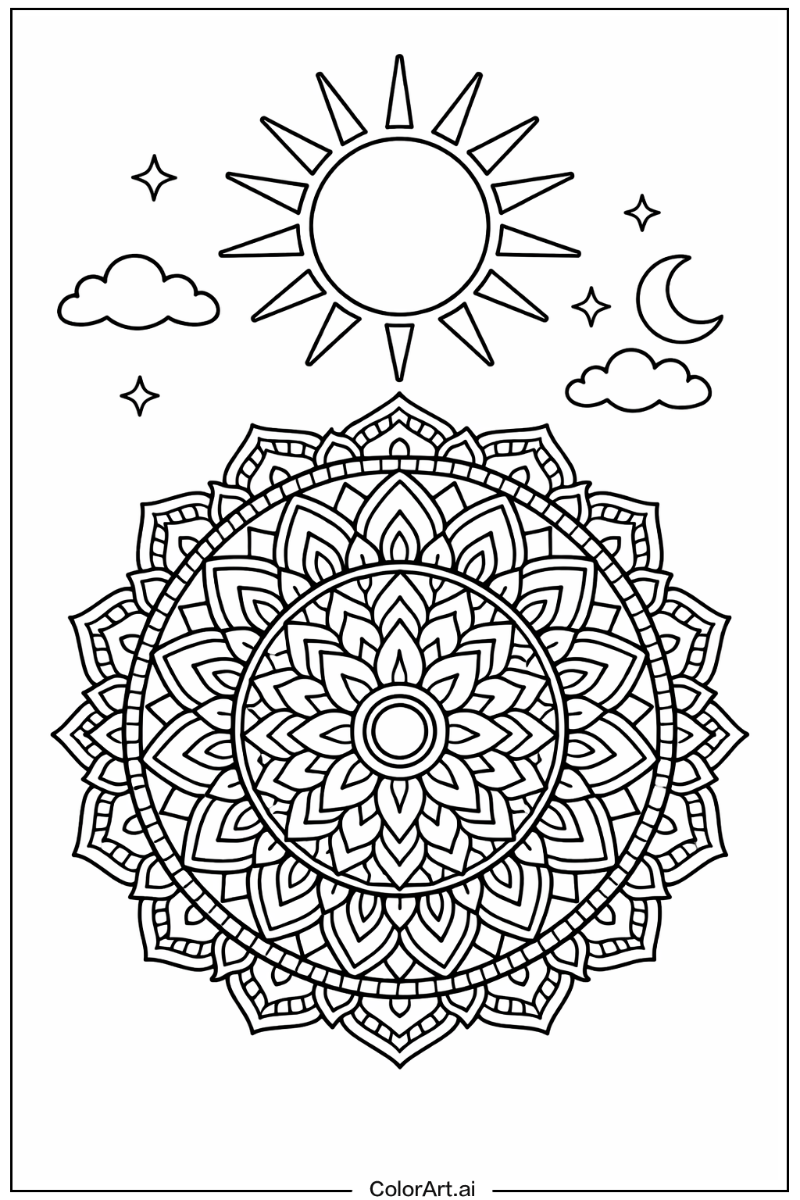
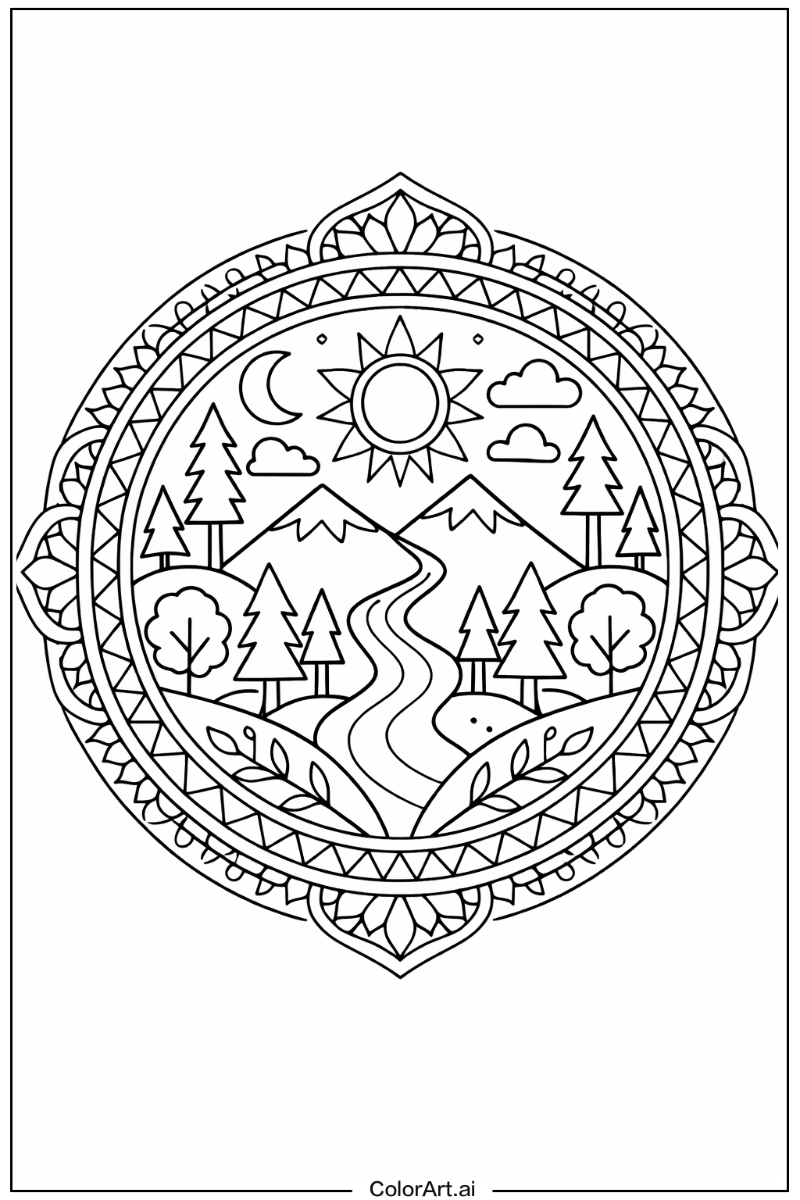
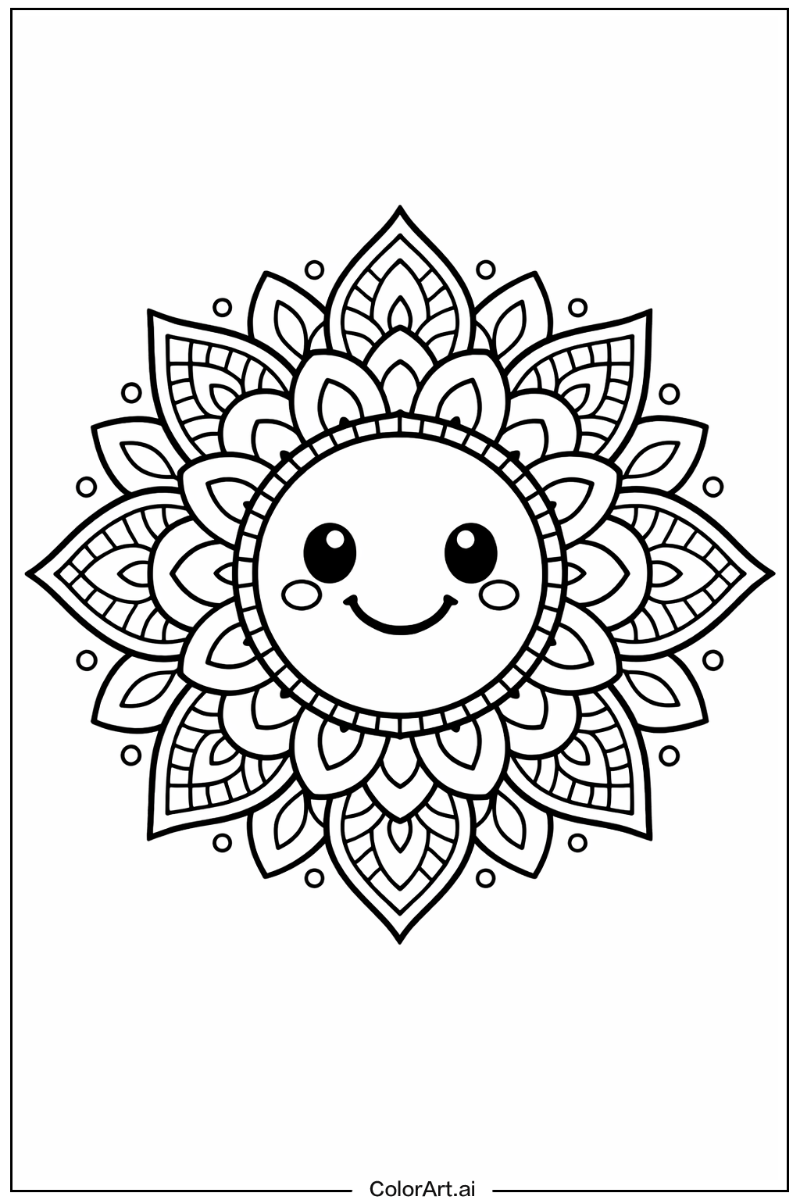
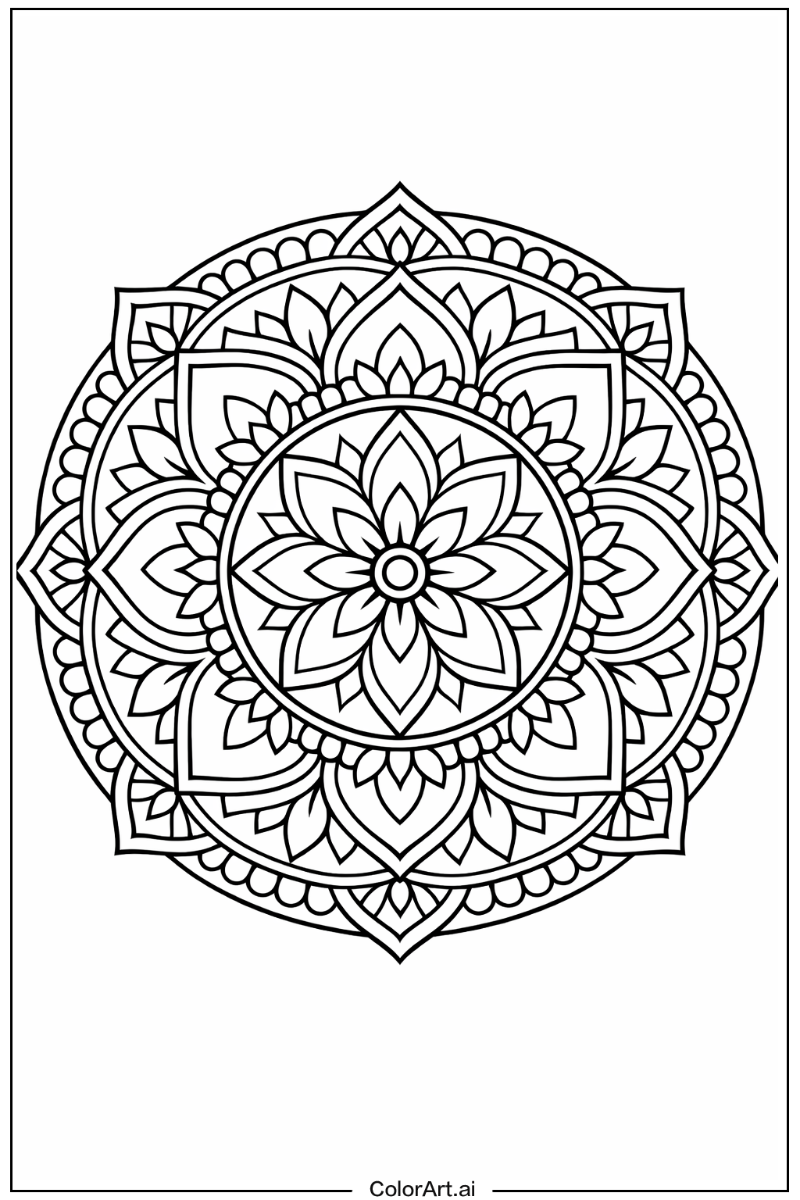
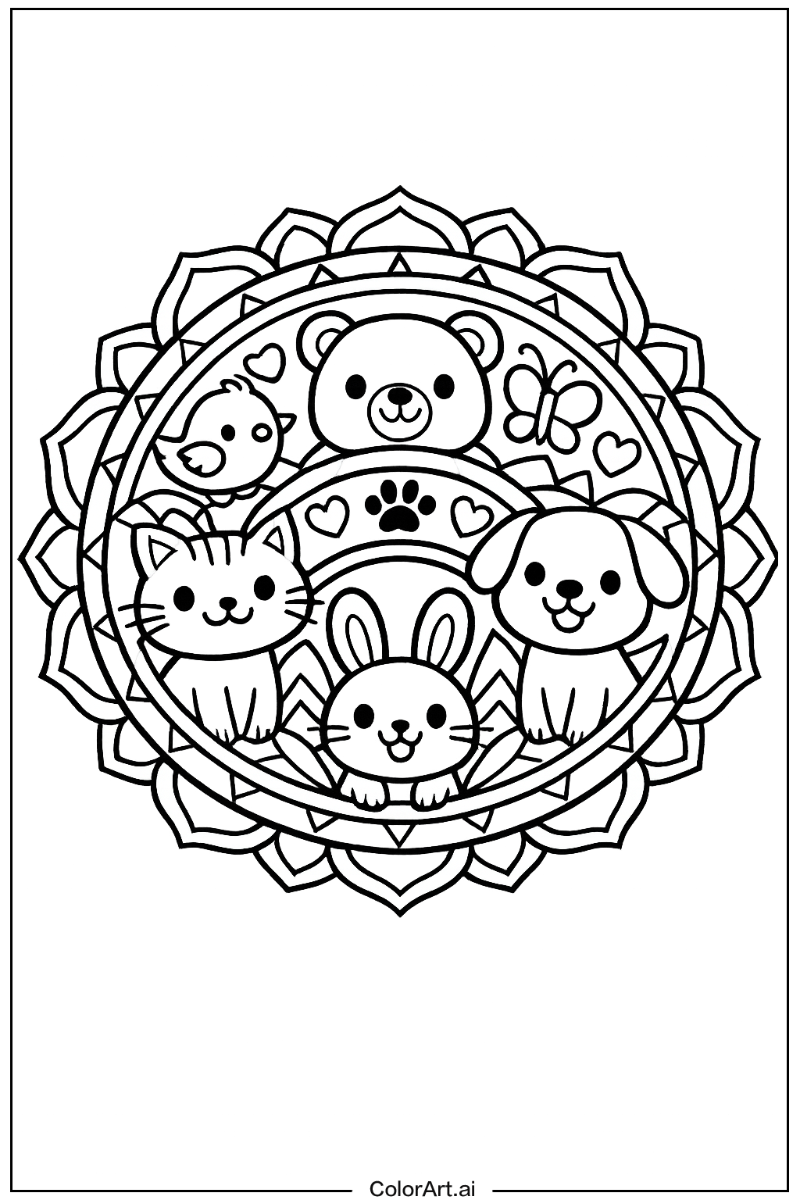
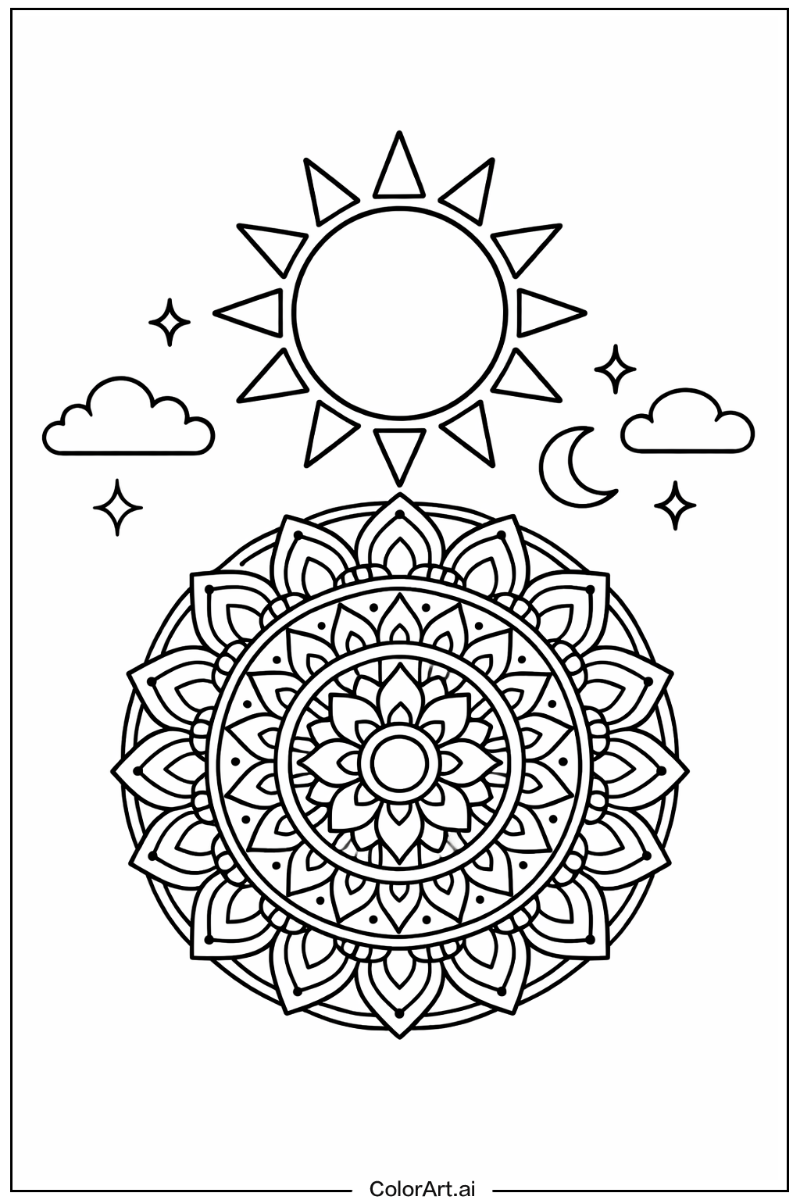
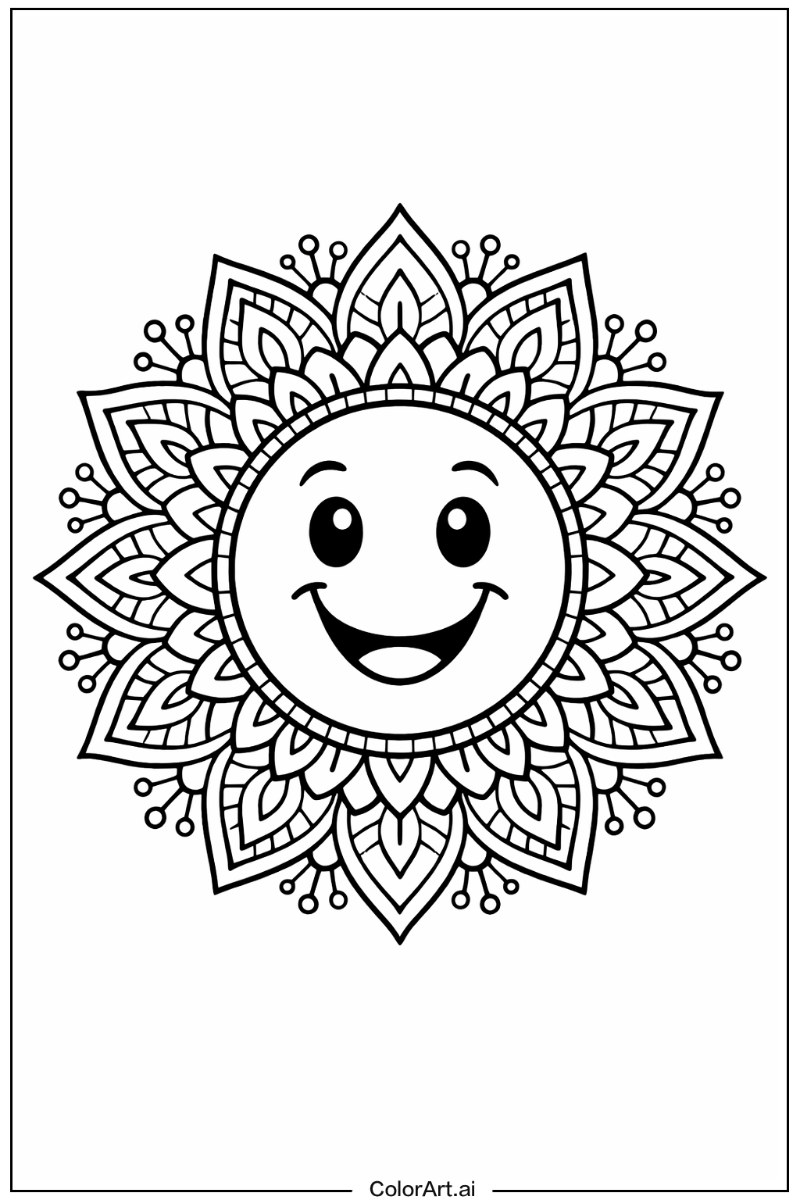
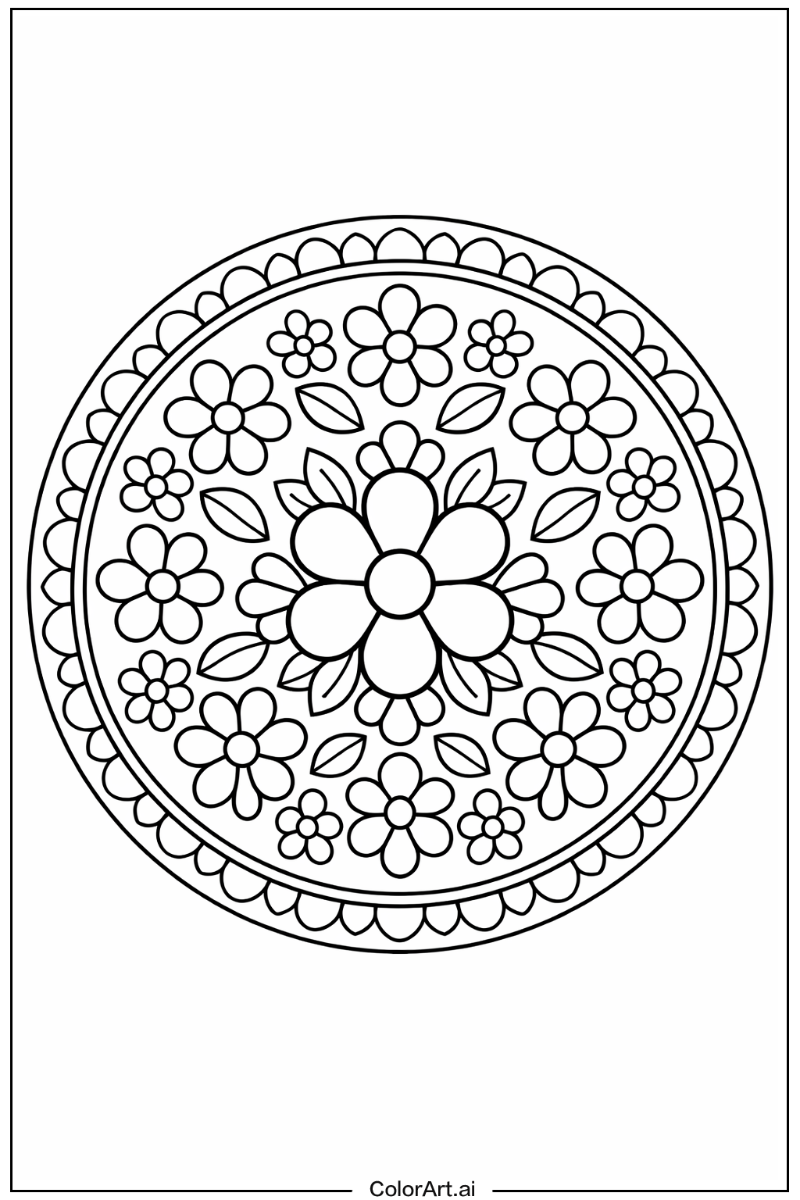
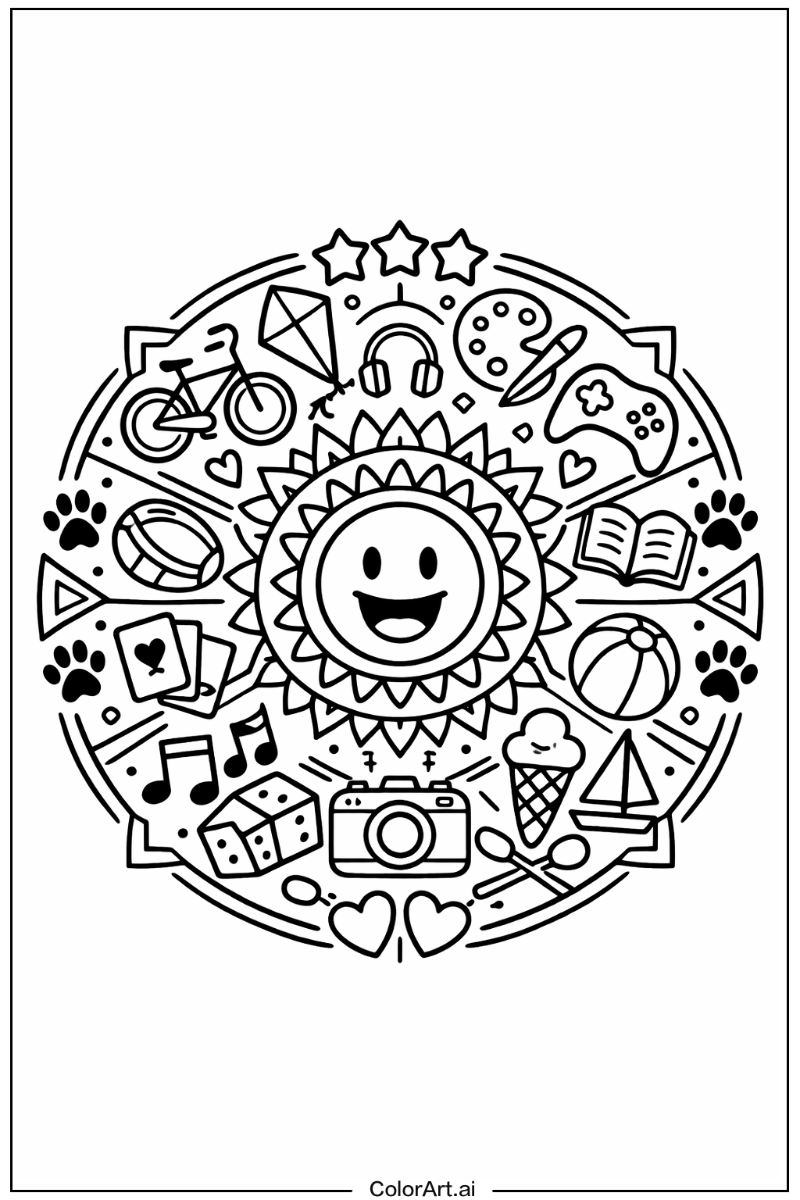
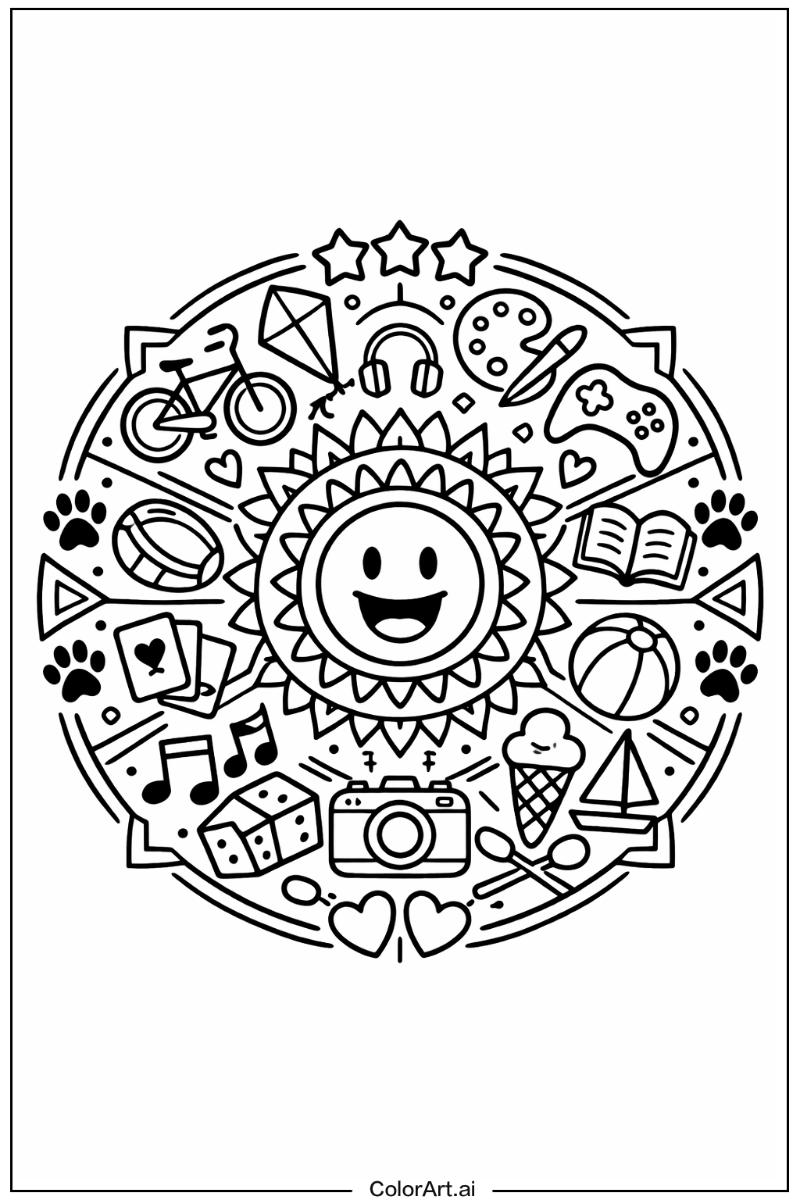
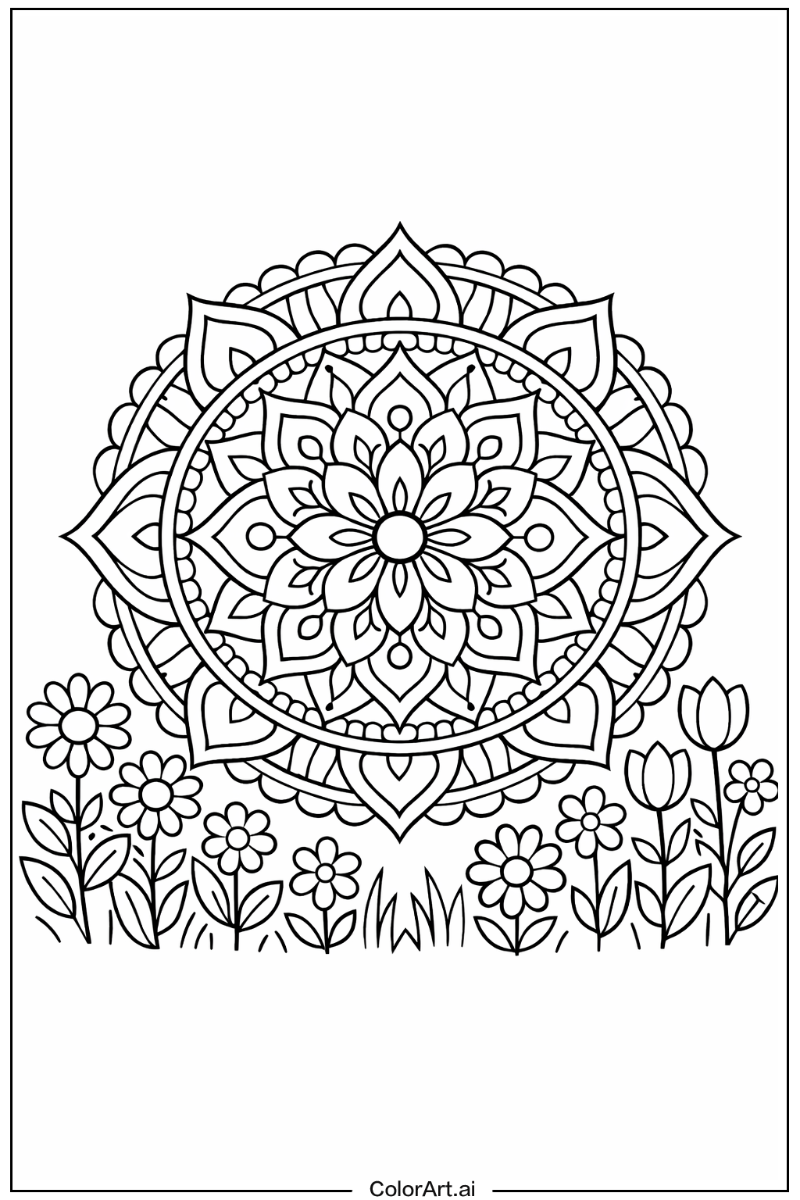
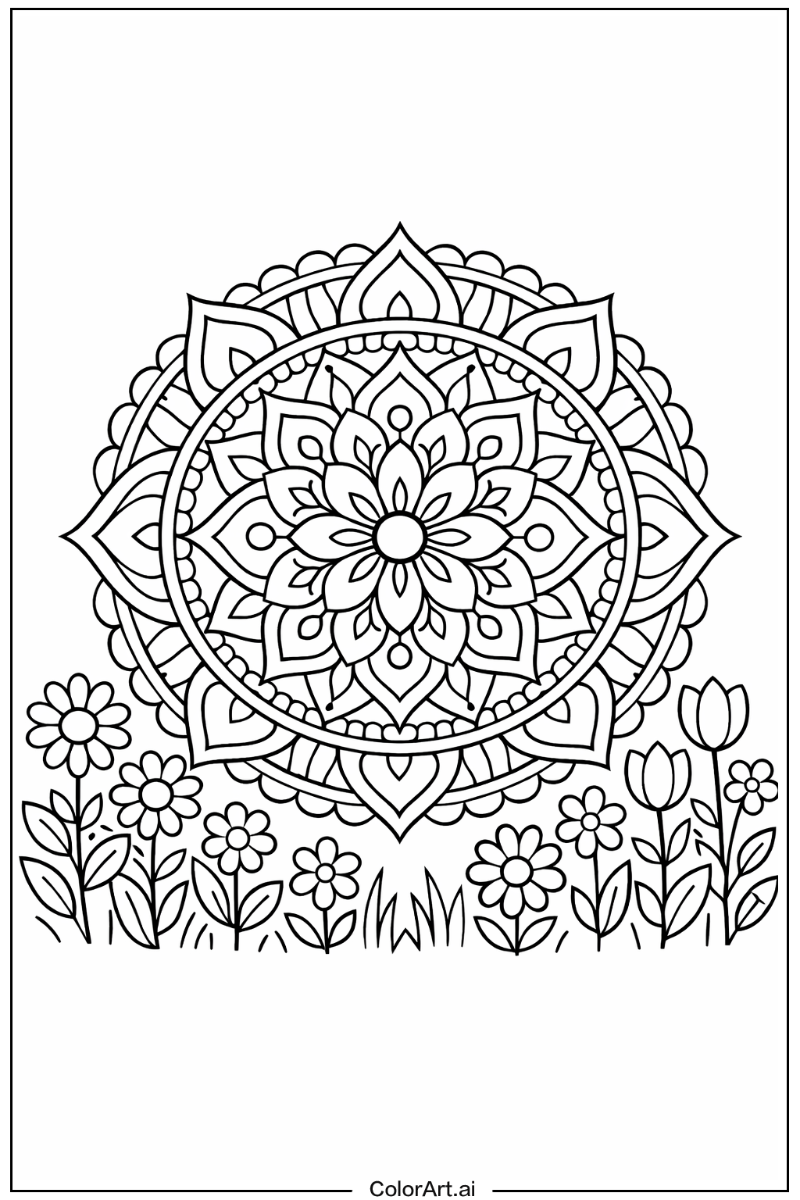
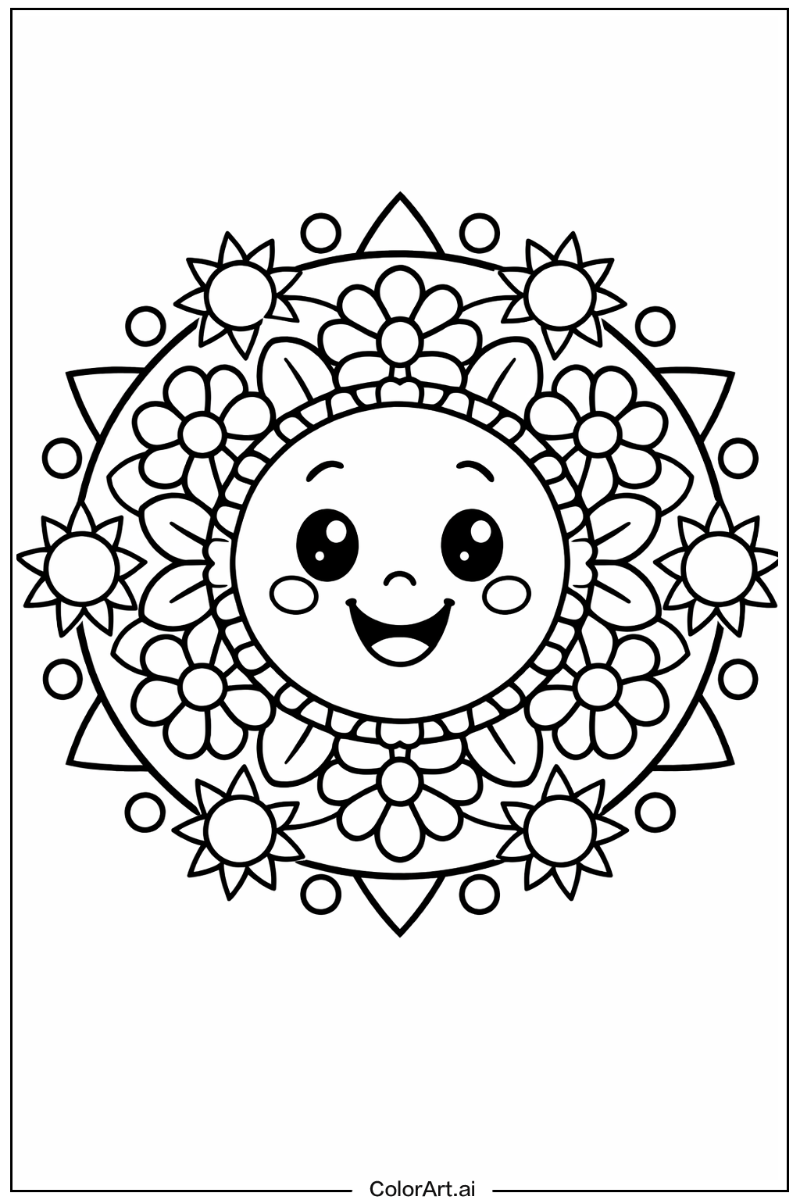
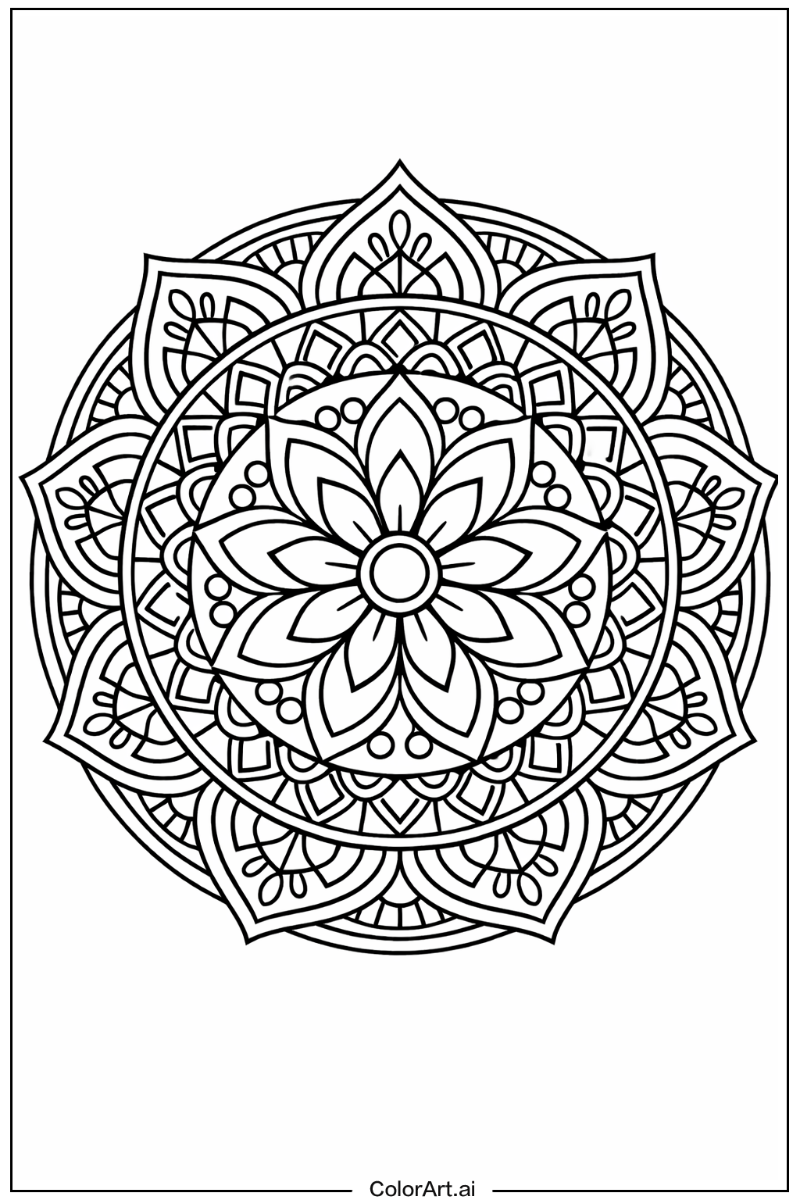
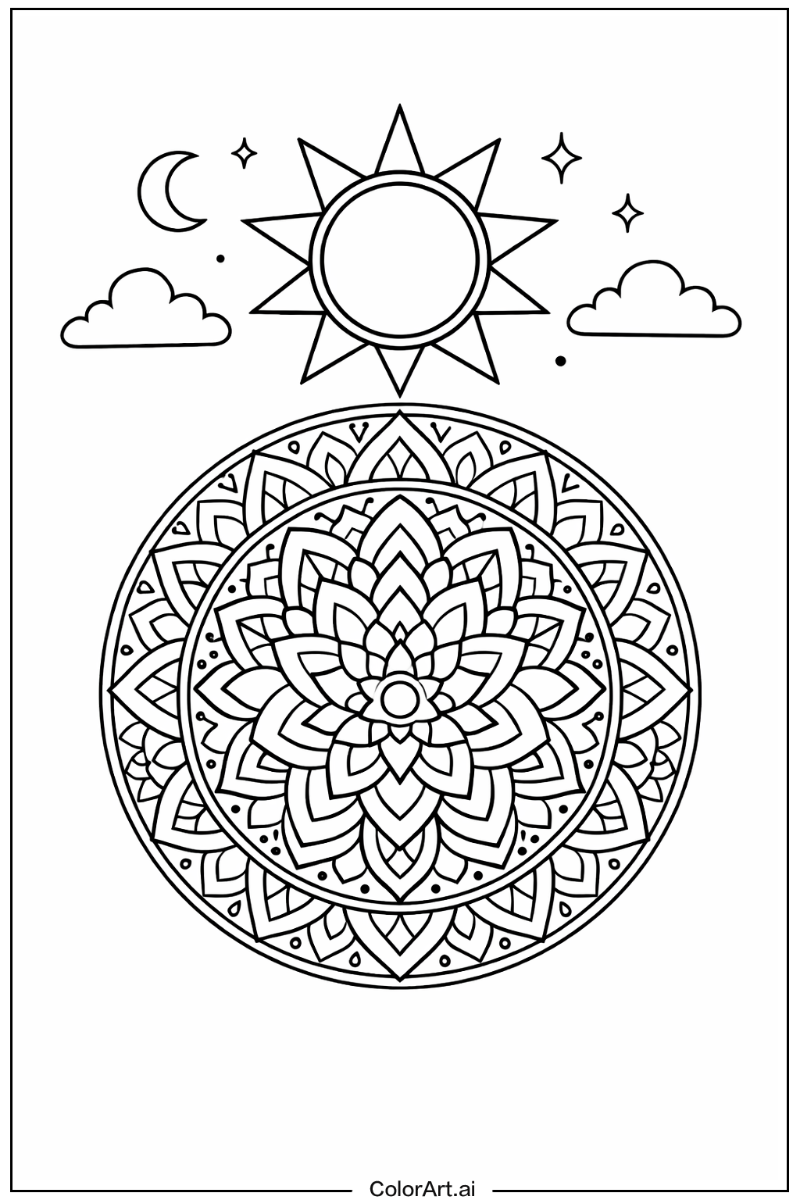
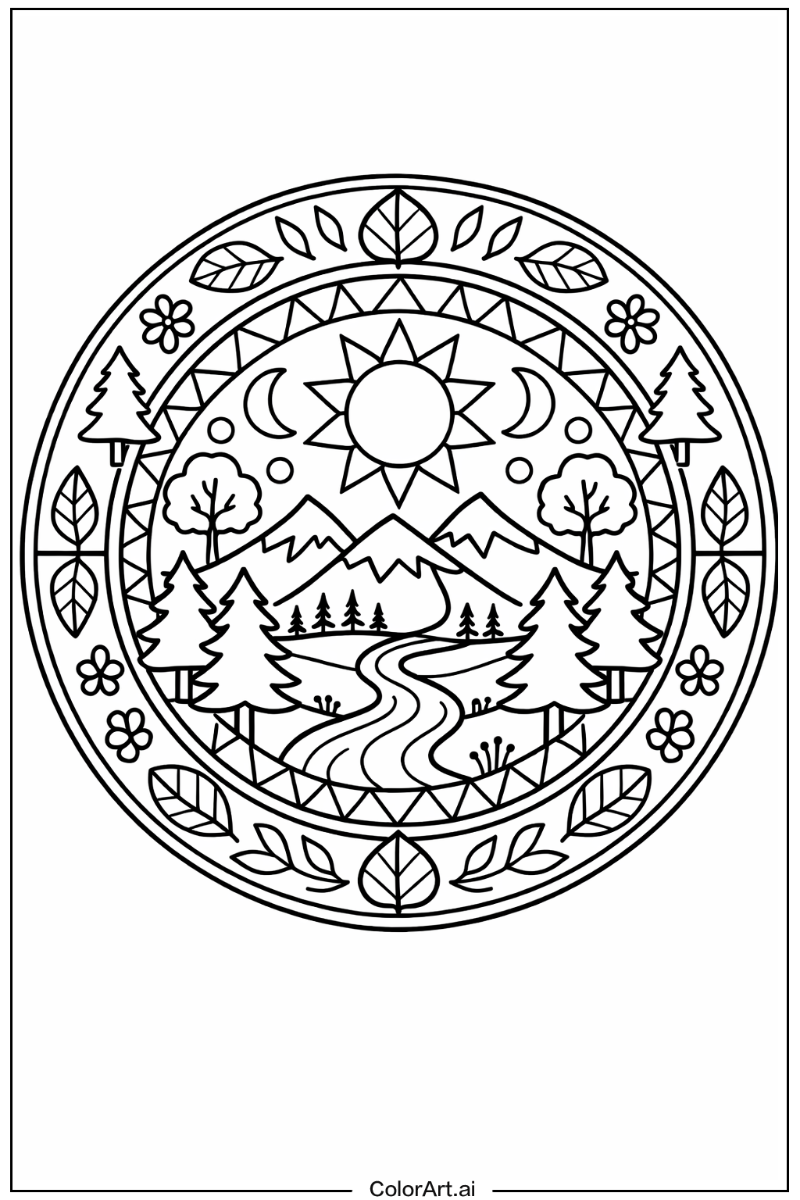
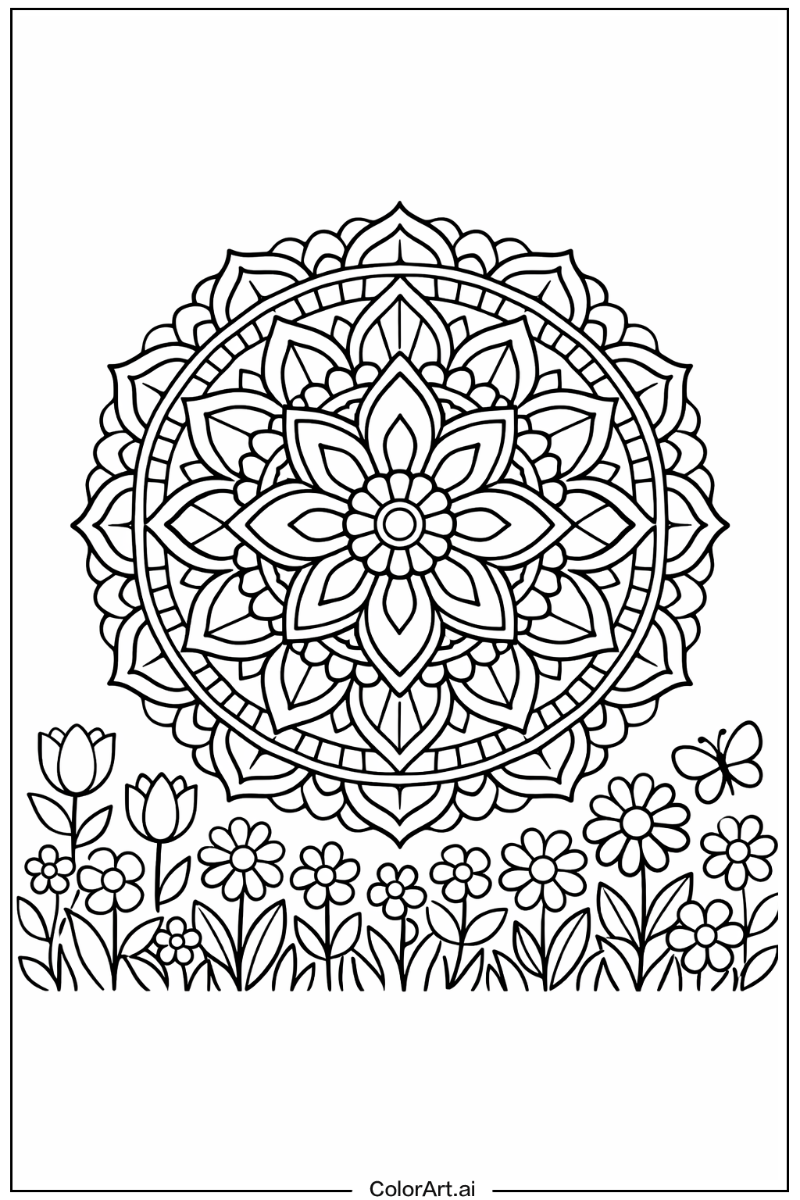
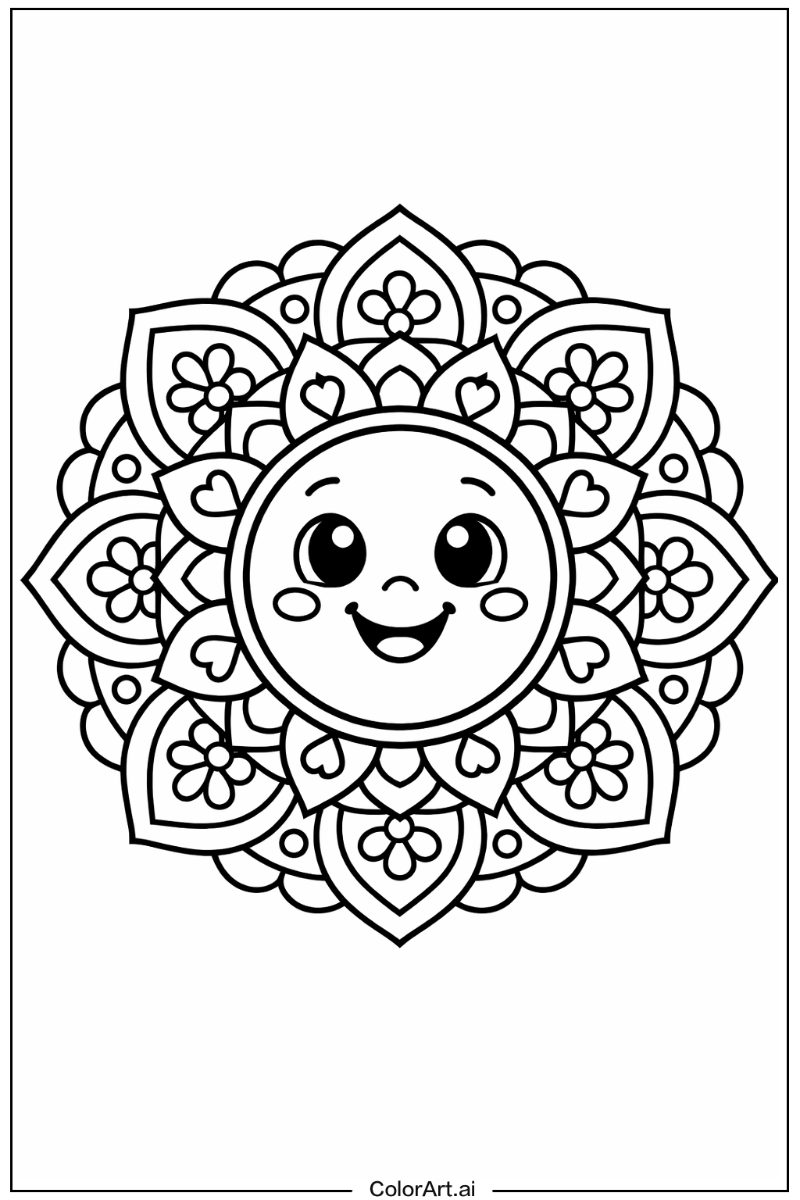
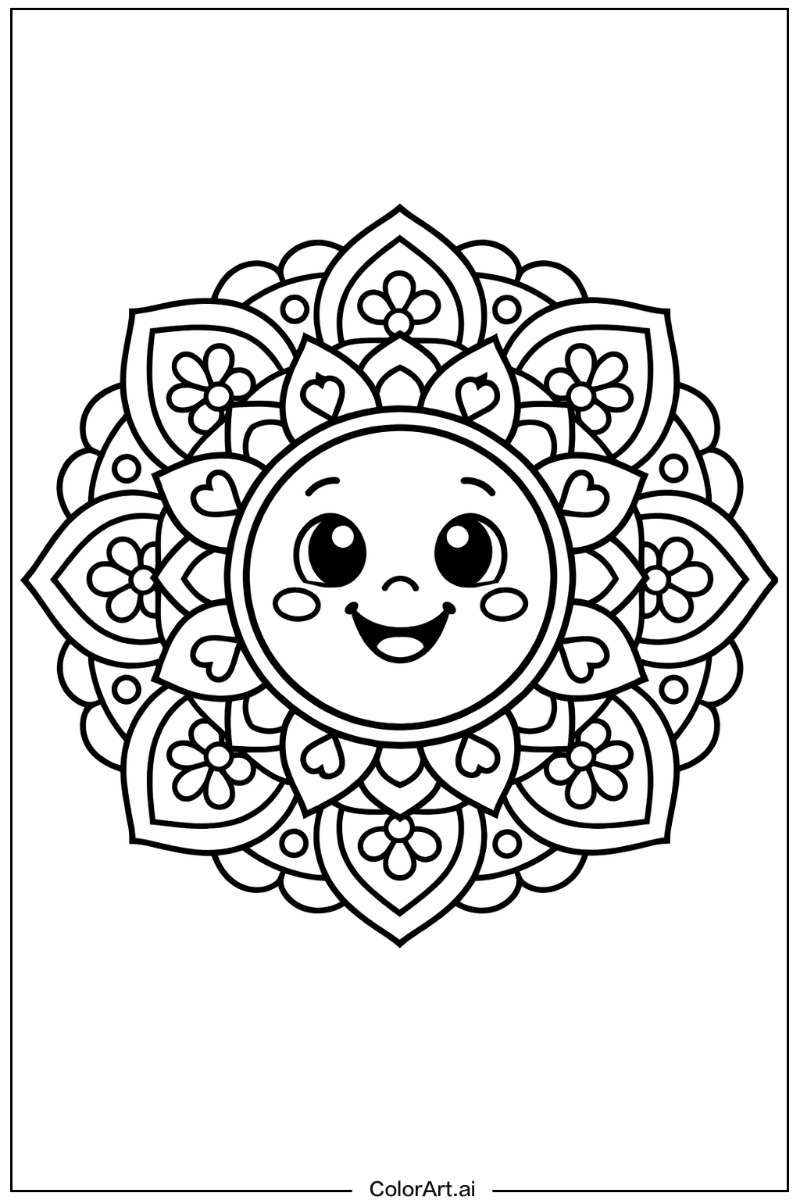
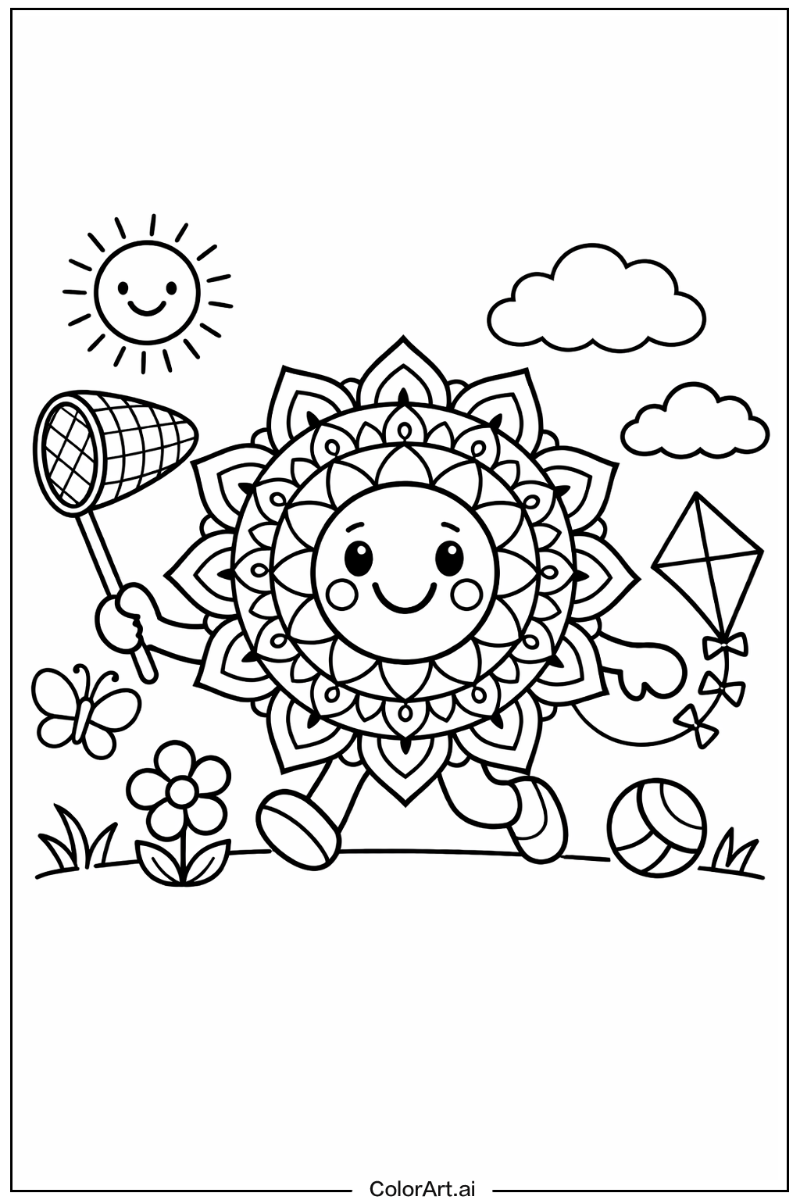
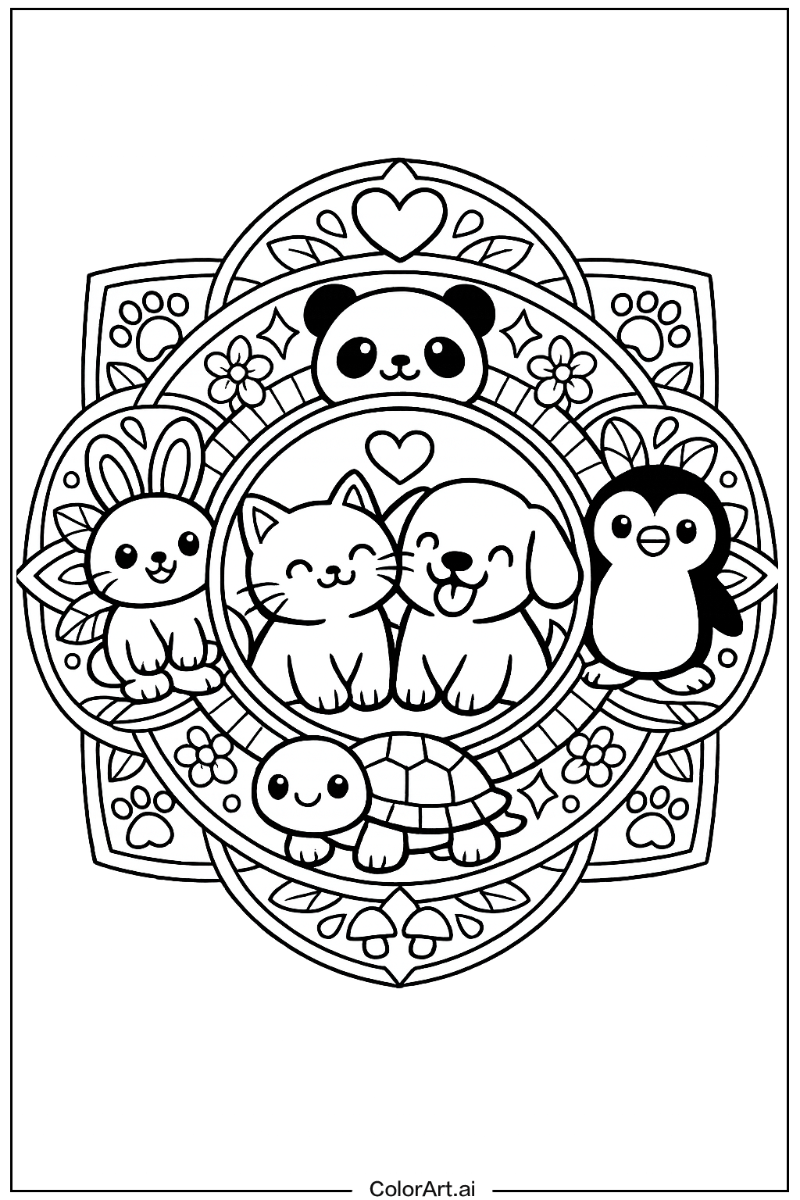
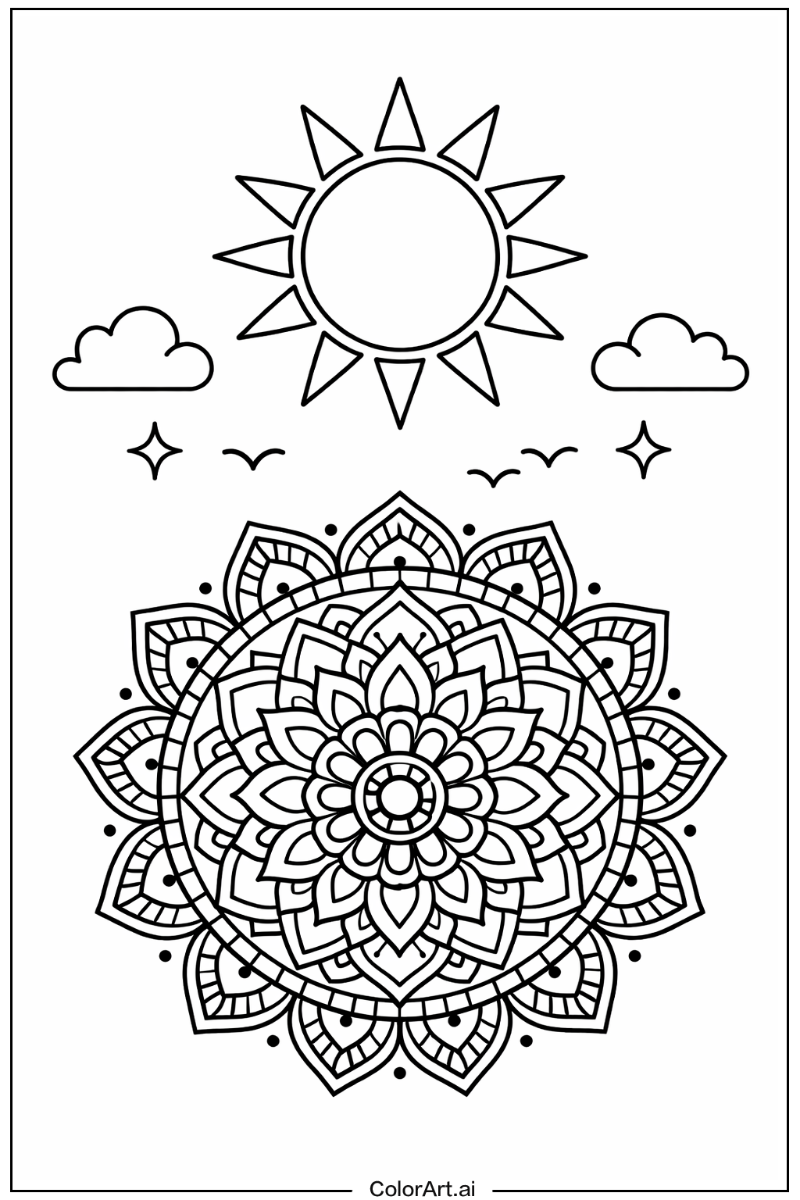
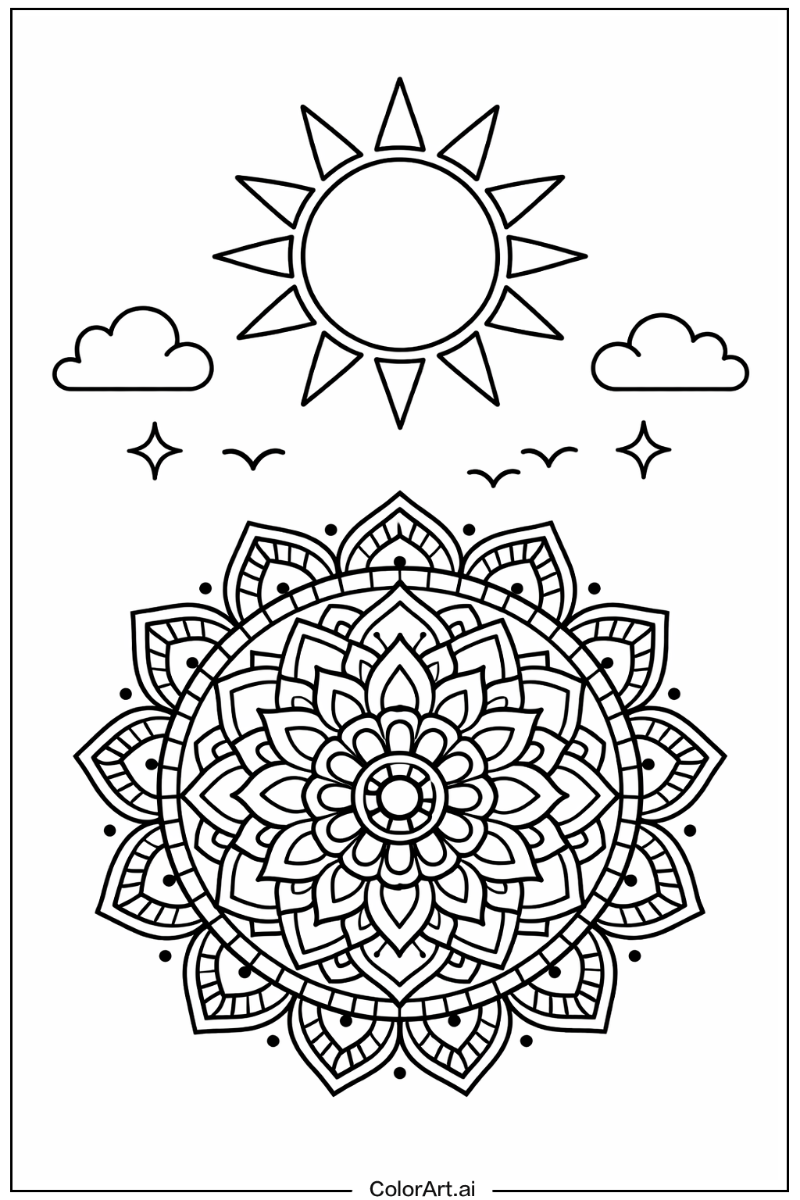
In my years as an elementary art teacher, I’ve discovered that mandala coloring pages hold a special place in the hearts of my students. The intricate, circular designs not only captivate their imaginations but also provide a unique avenue for self-expression and mindfulness. One particular afternoon, I set up a mandala coloring station in my classroom, and I remember watching as a shy student named Mia, who often struggled to engage, found her confidence while coloring a vibrant mandala. The way her face lit up as she chose colors was a beautiful reminder of the joy that mandalas can bring to children. These coloring pages are not just a fun activity; they are a powerful tool for learning, creativity, and emotional growth.
Group Coloring Pages
 PDF
PDF
 PNG
PNG
 PNG
PNG
 PNG
PNG
 PNG
PNG
 PNG
PNG
 PNG
PNG
 PNG
PNG
 PNG
PNG
 PNG
PNG
 PNG
PNG
 PNG
PNG
 PNG
PNG
 PNG
PNG
 PNG
PNG
 PNG
PNG
 PNG
PNG
 PNG
PNG
 PNG
PNG
 PNG
PNG
 PNG
PNG
 PNG
PNG
 PNG
PNG
 PNG
PNG
 PNG
PNG
 PNG
PNG
 PNG
PNG
 PNG
PNG
 PNG
PNG
 PNG
PNG
 PNG
PNG
 PNG
PNG
 PNG
PNG
 PNG
PNG
 PNG
PNG
 PNG
PNG
 PNG
PNG
 PNG
PNG
 PNG
PNG
 PNG
PNG
 PNG
PNG
 PNG
PNG
 PNG
PNG
 PNG
PNG
 PNG
PNG
 PNG
PNG
 PNG
PNG
 PNG
PNG
 PNG
PNG
 PNG
PNG
 PNG
PNG
 PNG
PNG
 PNG
PNG
 PNG
PNG
 PNG
PNG

 PNG
PNG
 PNG
PNG
 PNG
PNG
 PNG
PNG
 PNG
PNG
 PNG
PNG
 PNG
PNG
 PNG
PNG
 PNG
PNG
 PNG
PNG
 PNG
PNG
The Cultural Significance of Mandalas
The term mandala originates from the Sanskrit word for "circle," indicating its deep-rooted connection to various Eastern spiritual traditions. Historically, mandalas have been integral to religions such as Hinduism and Buddhism, where they are used as meditation tools. In my classroom, I often share with students that mandalas symbolize wholeness and unity. They can represent the universe in a single design. During a recent lesson, I introduced my students to the rich history of mandalas, and we discussed how these designs can be found in temples, art, and even in nature. This background not only enriches their understanding but also motivates them to create their own mandalas, recognizing the cultural significance behind these beautiful designs.
Benefits of Mandala Activities in the Classroom
Integrating mandala coloring into my lessons has proven to have numerous benefits for my students. Research shows that these activities enhance fine motor skills and improve hand-eye coordination, particularly for younger children. For instance, last year, I had a student named Alex who struggled with focus and often found it difficult to stay engaged during art projects. However, when we introduced mandalas, I noticed a significant improvement in his concentration and attention to detail. The repetitive nature of coloring within the intricate patterns helped him develop patience and encouraged mindfulness. Moreover, mandalas can also support emotional regulation, providing students with a means to express themselves creatively. I often use mandala coloring as a calming activity, especially before tests, and the positive feedback from my students confirms its effectiveness.
Practical Tips for Coloring Mandalas
When it comes to mandala coloring, certain techniques can elevate the experience for students. First and foremost, I recommend using colored pencils for detailed work; they allow for precision and layering of colors. During our mandala sessions, I often encourage students to experiment with color theory—mixing warm and cool colors to see how they interact. Additionally, creating a calming atmosphere with soft music can enhance the mindfulness aspect of coloring. I remember a particular session where we played gentle instrumental music, and the room was filled with a focused silence as students immersed themselves in their mandalas. This not only allowed them to express their creativity but also helped them unwind and connect with their inner thoughts.
Current Trends in Mandala Art Education
As we step into 2024, the fascination with mandala coloring continues to grow, especially within educational settings. I’ve noticed a surge in the use of mandalas for mindfulness practices in both therapeutic and classroom environments. Recently, there have been exciting developments in digital mandala experiences, with apps that allow kids to create 3D mandalas in augmented reality. During an after-school workshop, I introduced my students to a simple digital mandala app, and the excitement was palpable. They were amazed at how they could manipulate their designs in real-time! Additionally, social media platforms like TikTok and Instagram are filled with creative mandala challenges that inspire community participation, and I encourage my students to share their masterpieces online. This blending of tradition with modern technology makes mandalas even more relevant today.
Frequently Asked Questions About Mandala Coloring Pages
Q: What age group are mandala coloring pages suitable for?
A: Mandala coloring pages cater to various age groups, from preschoolers to adults. I often provide different complexity levels to match the skill sets of my students, ensuring everyone can enjoy the process.
Q: What materials work best for coloring mandala pages?
A: I recommend using colored pencils for fine details, markers for bold colors, and crayons for younger children. High-quality paper enhances the final results, making the colors pop.