Welcome to the World of Roses!
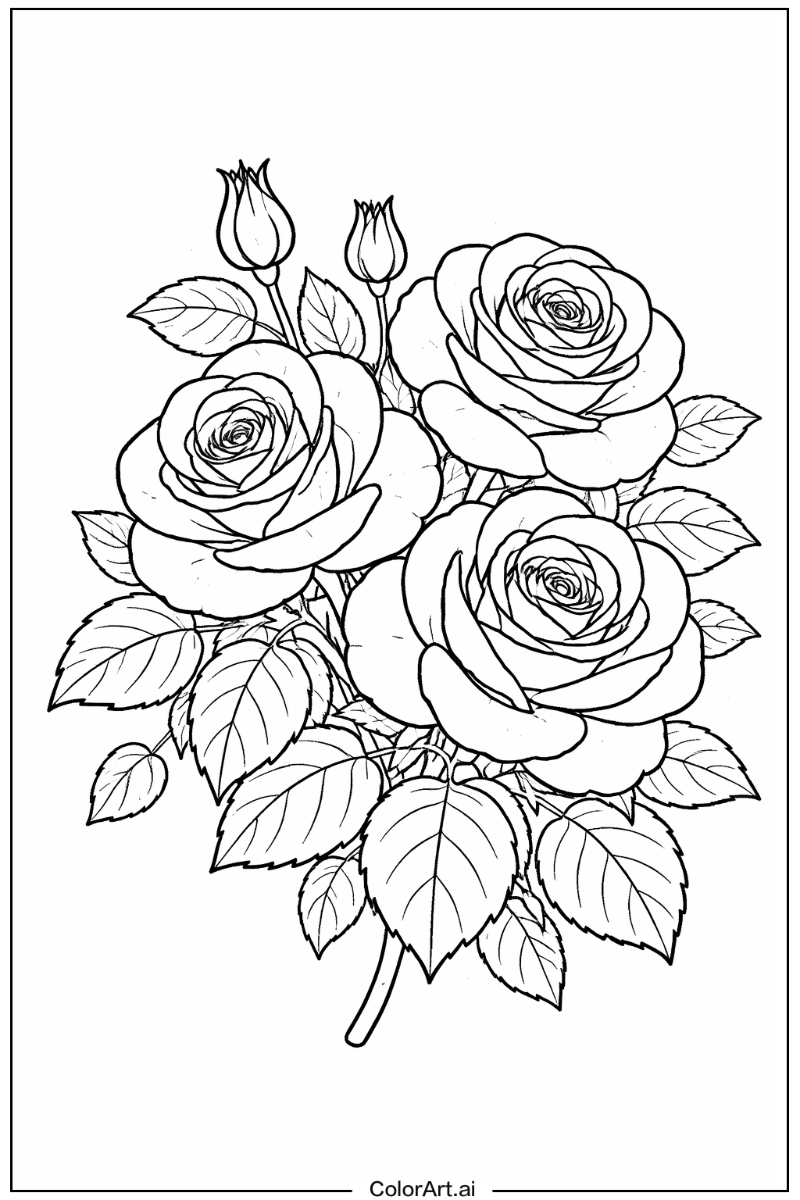
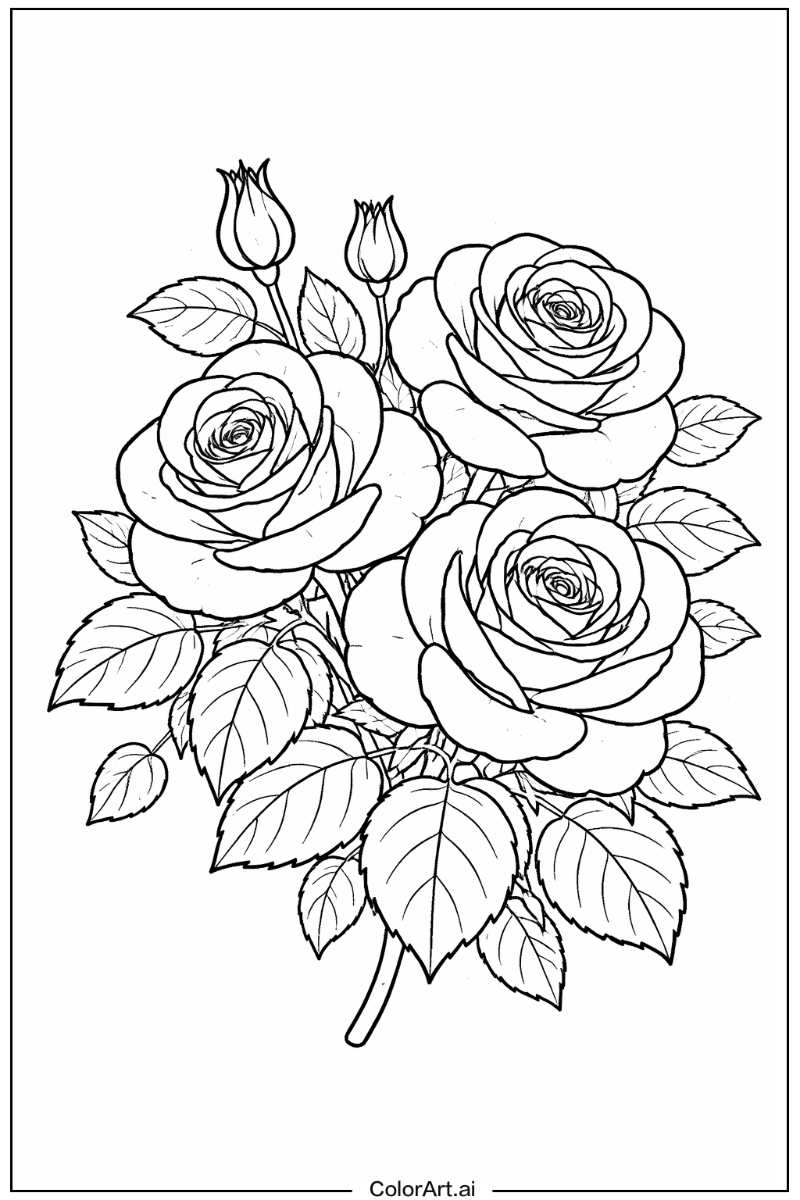
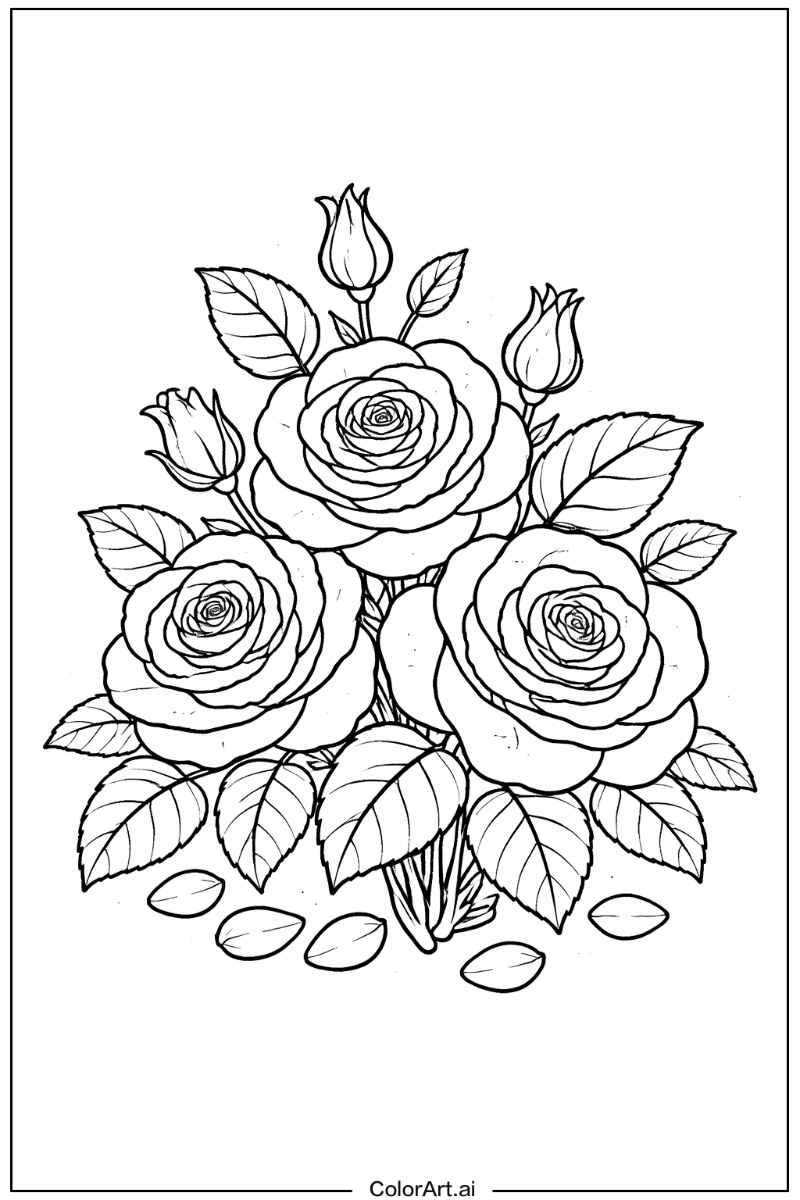
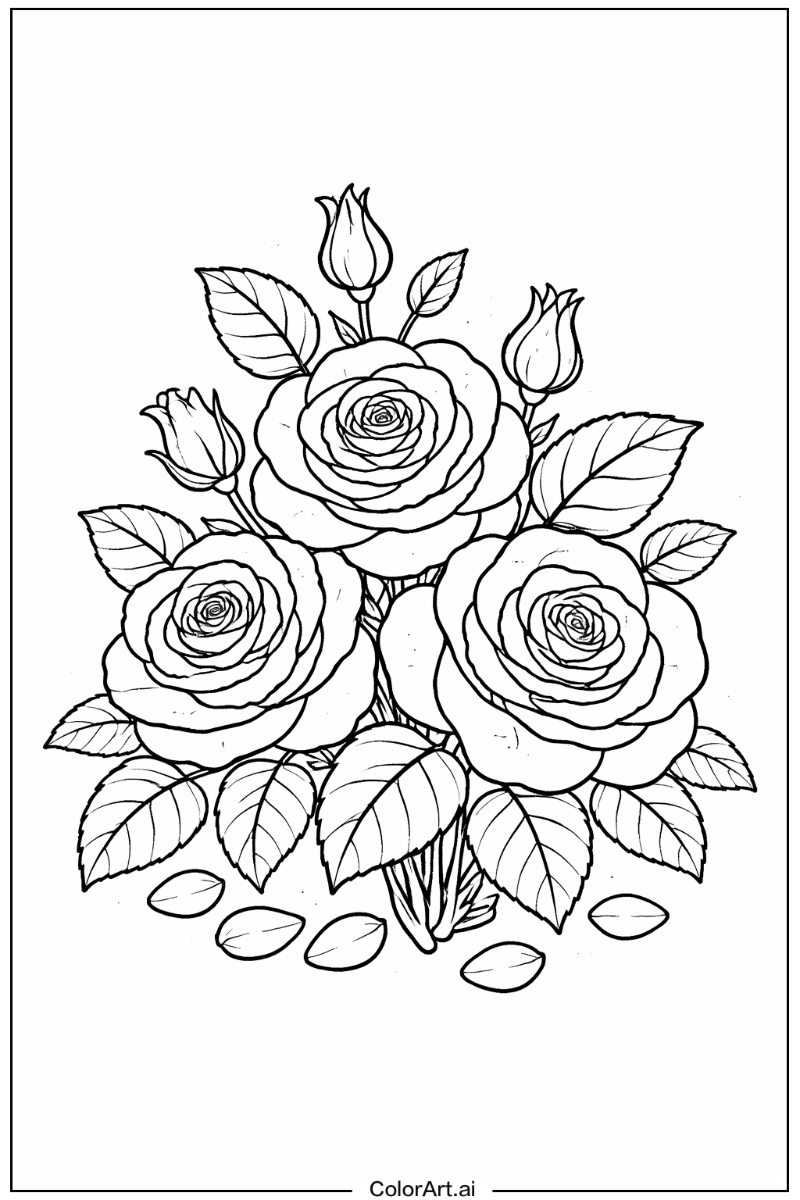
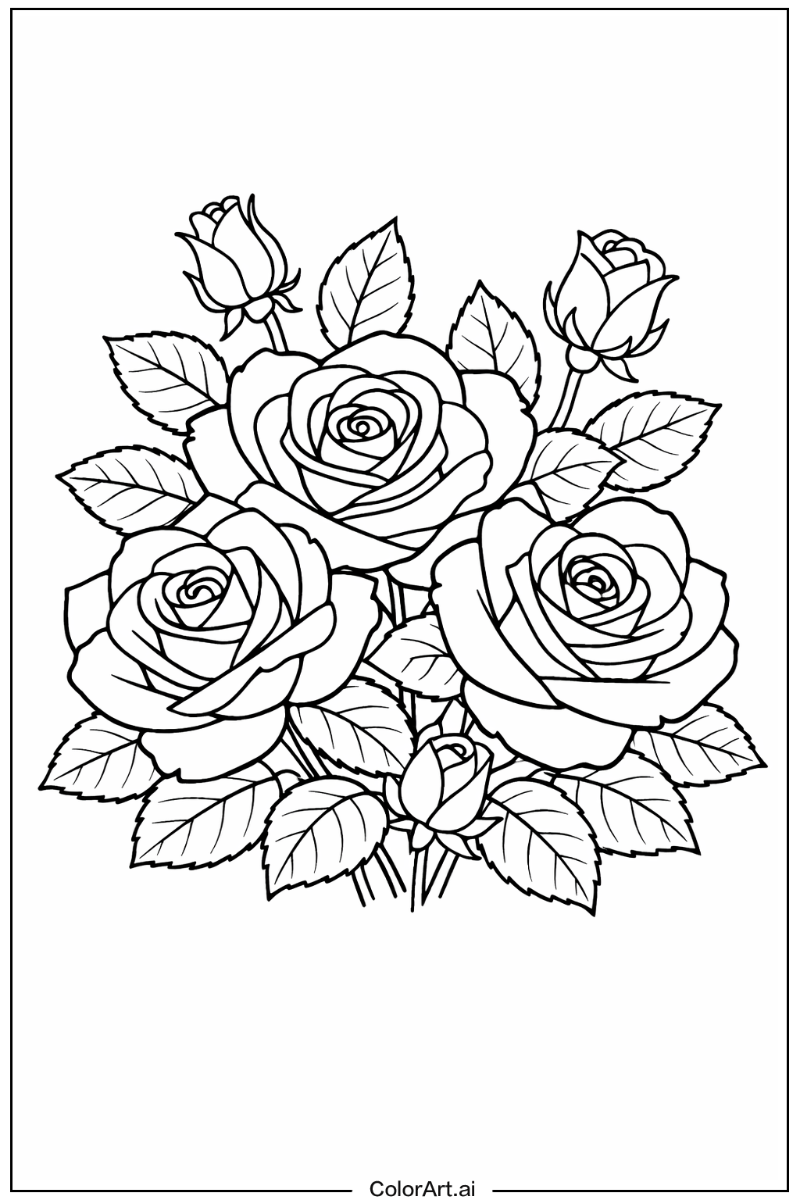
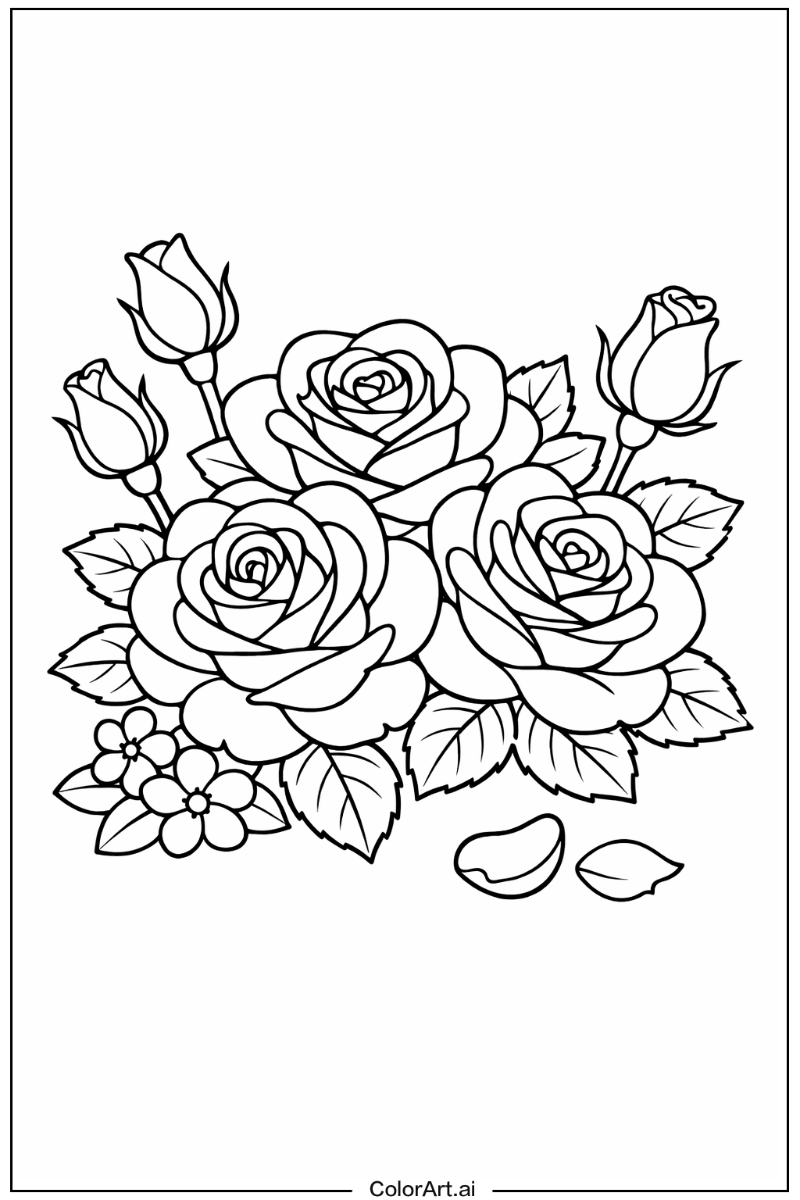
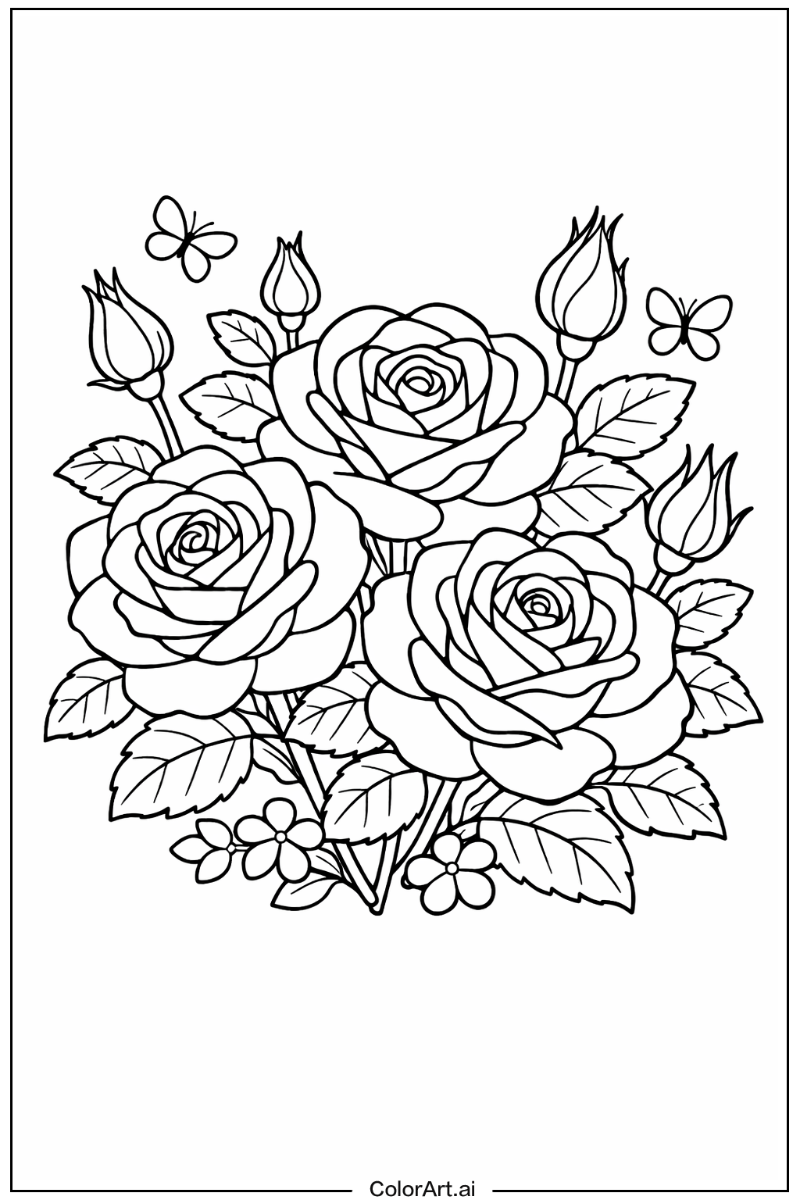
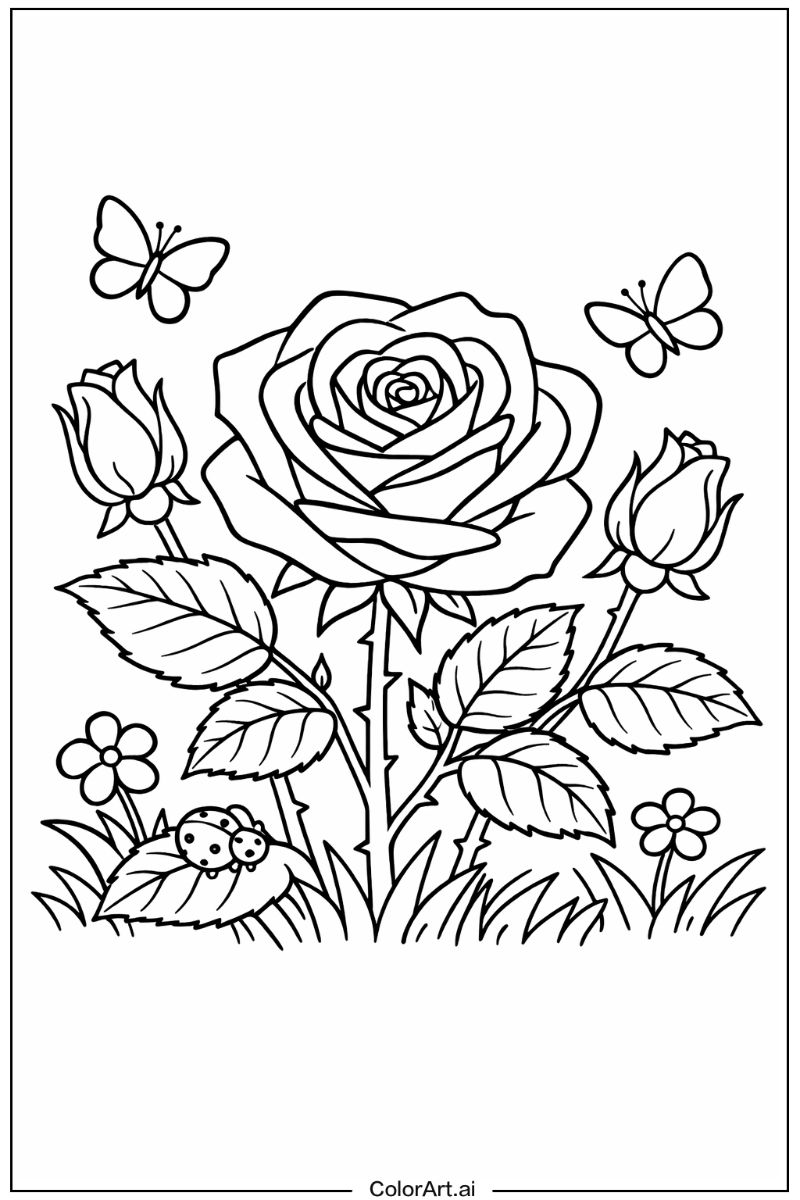
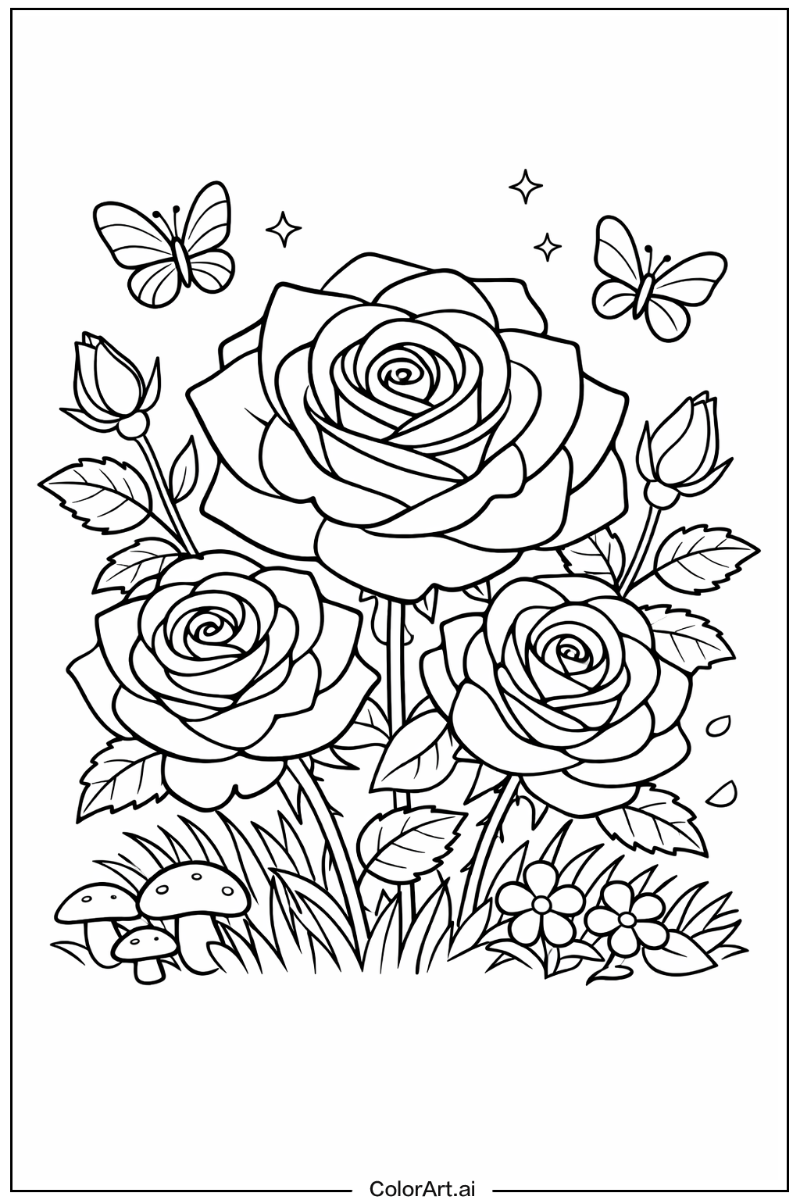
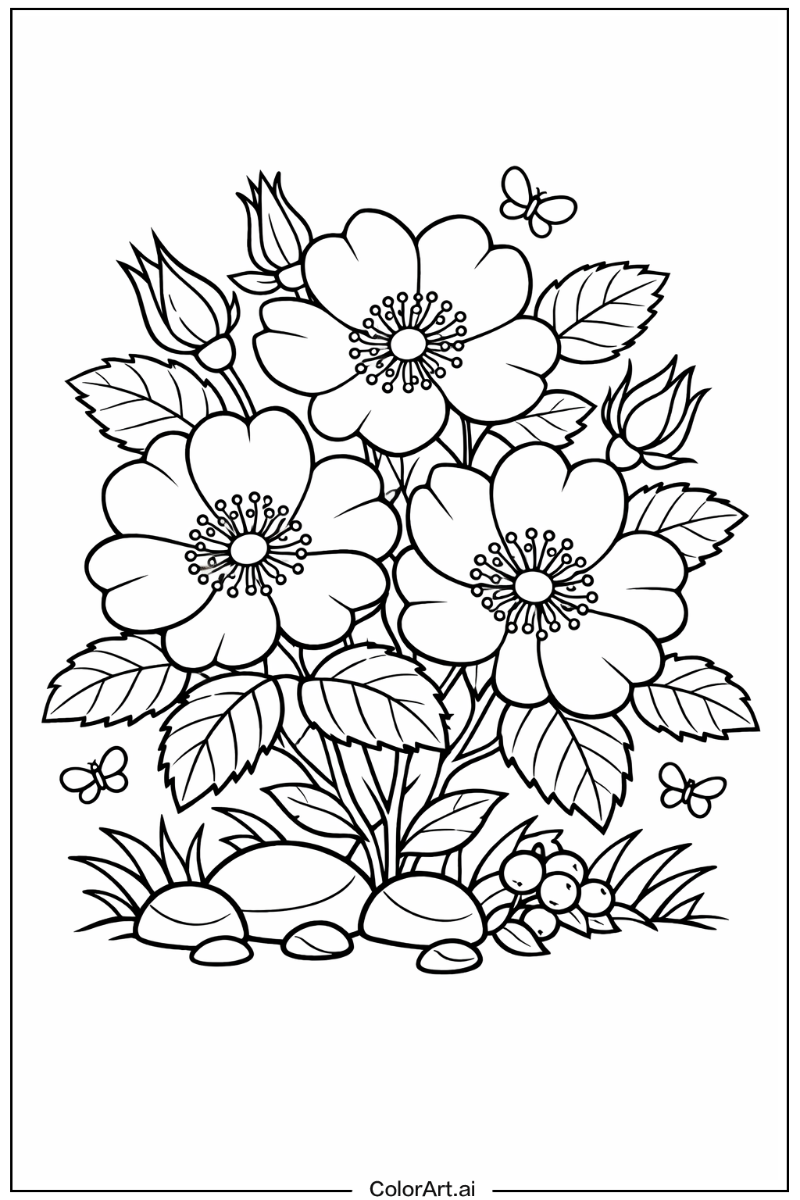
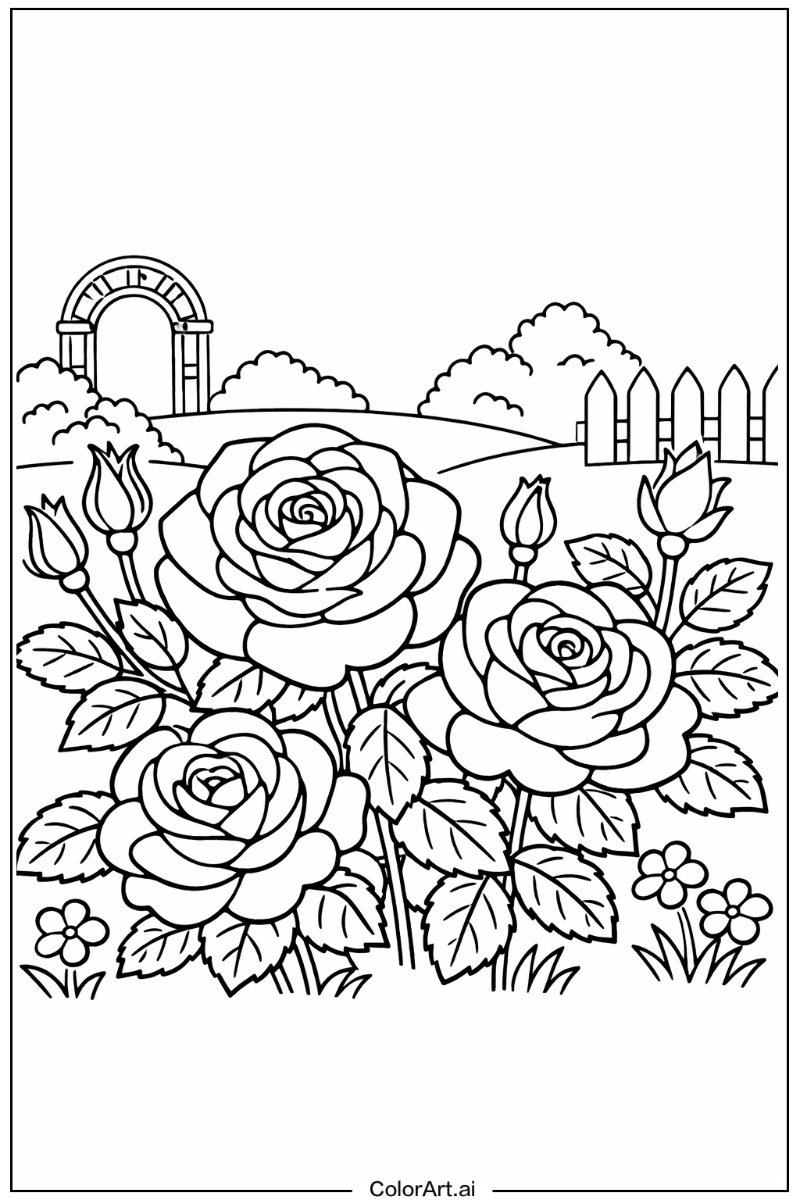
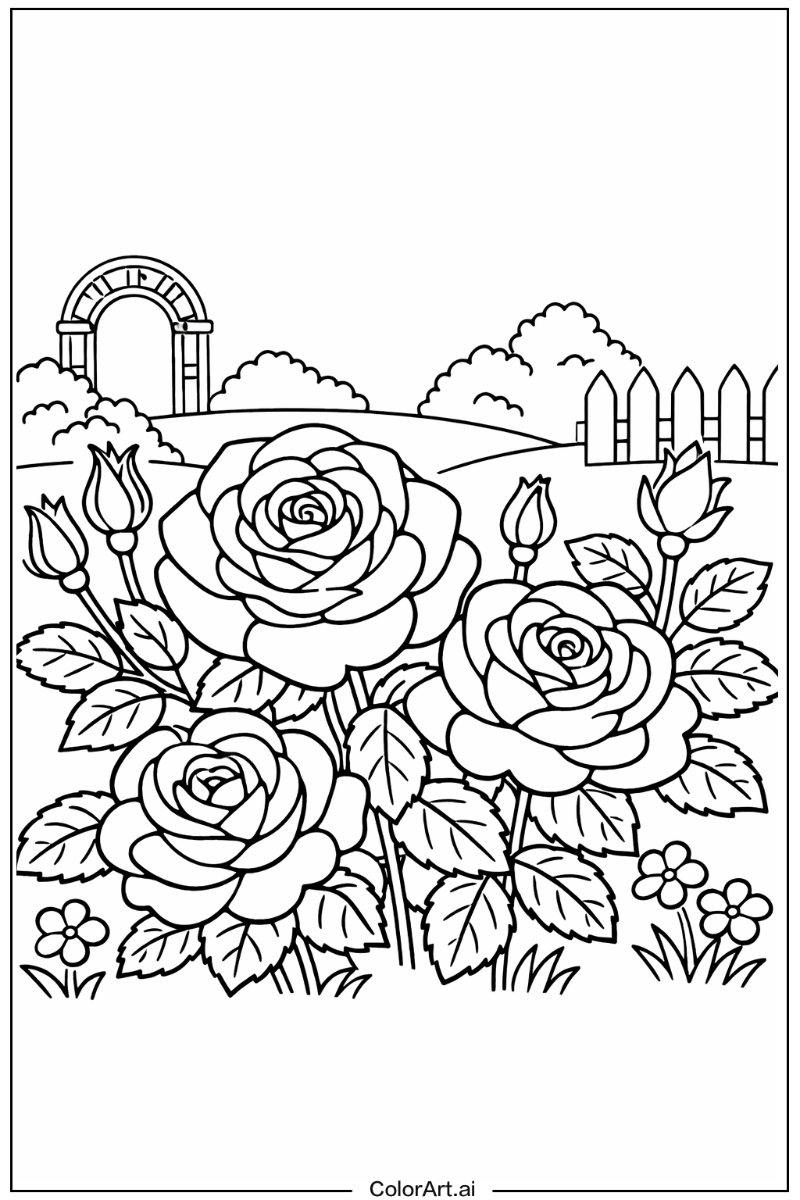
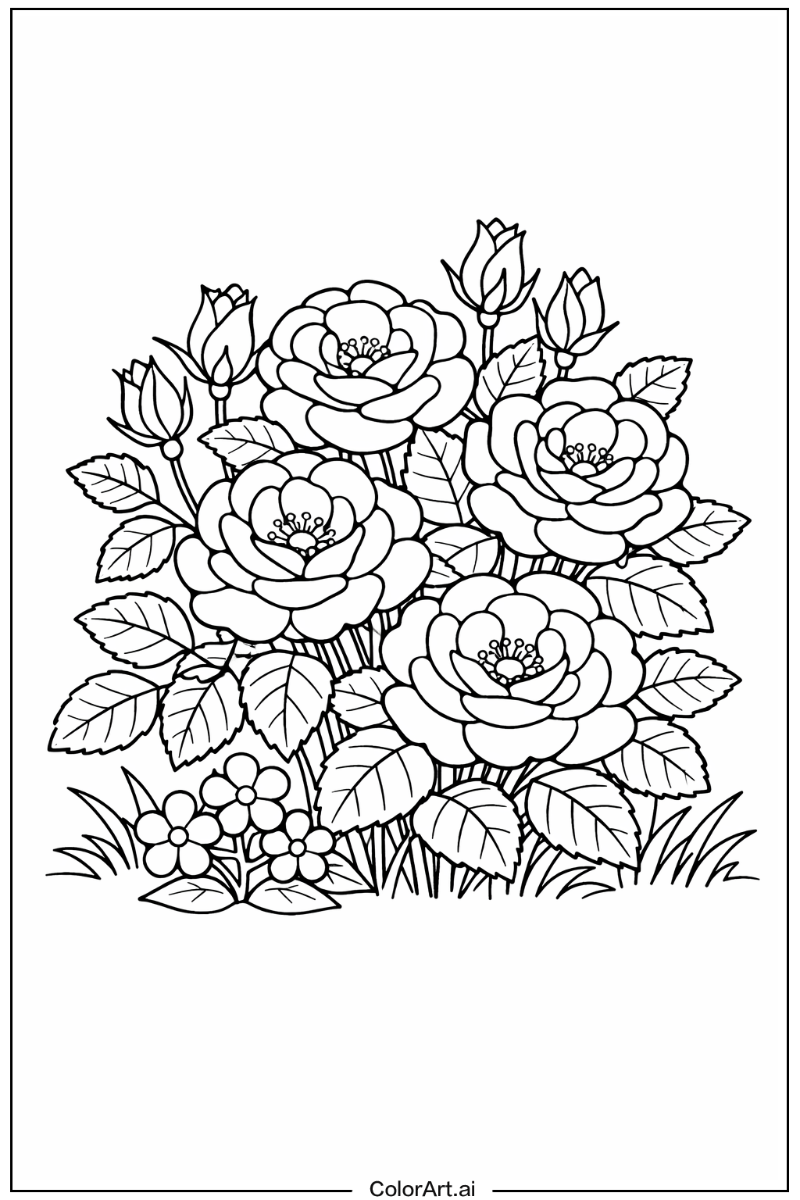
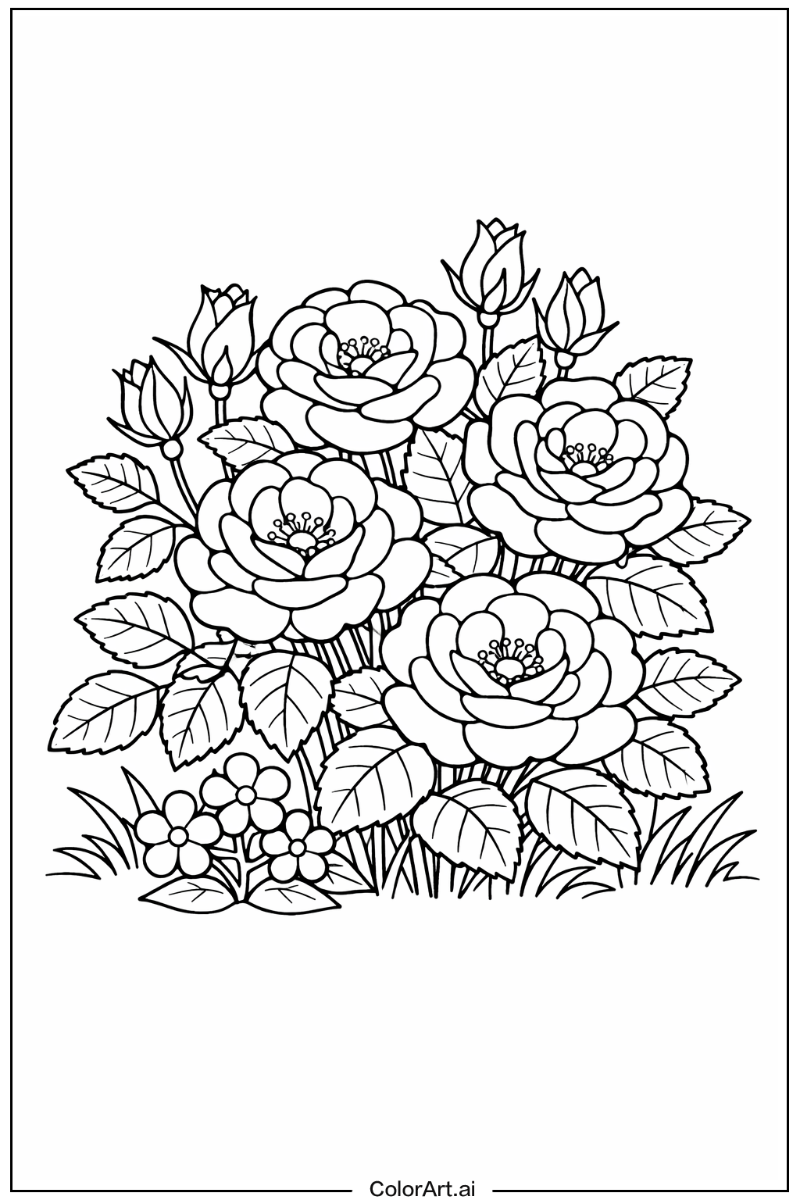
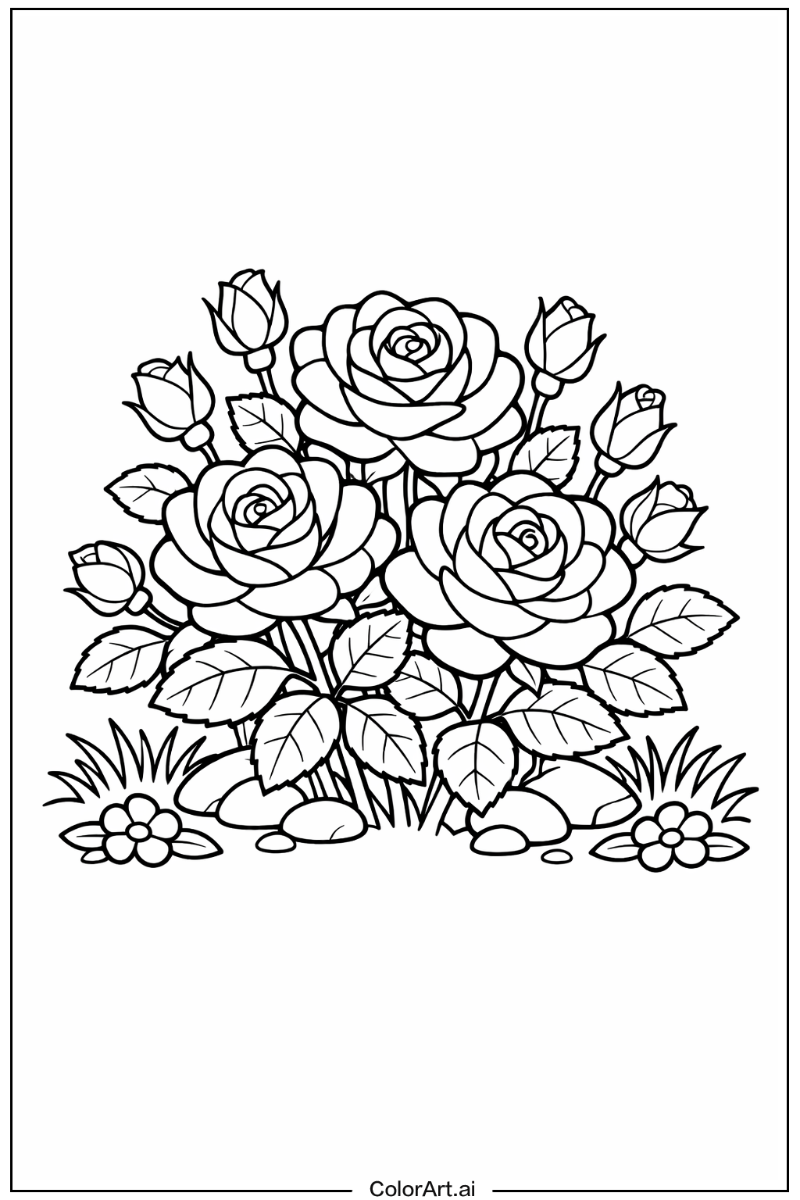
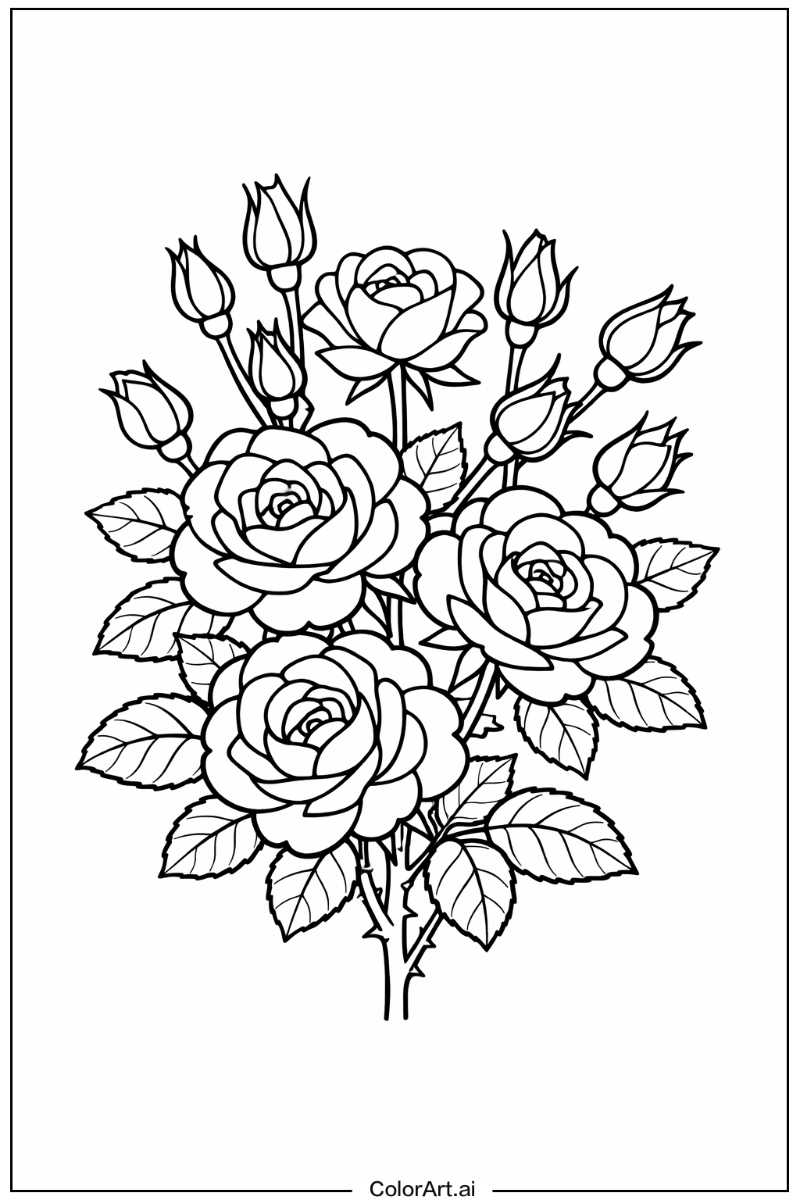
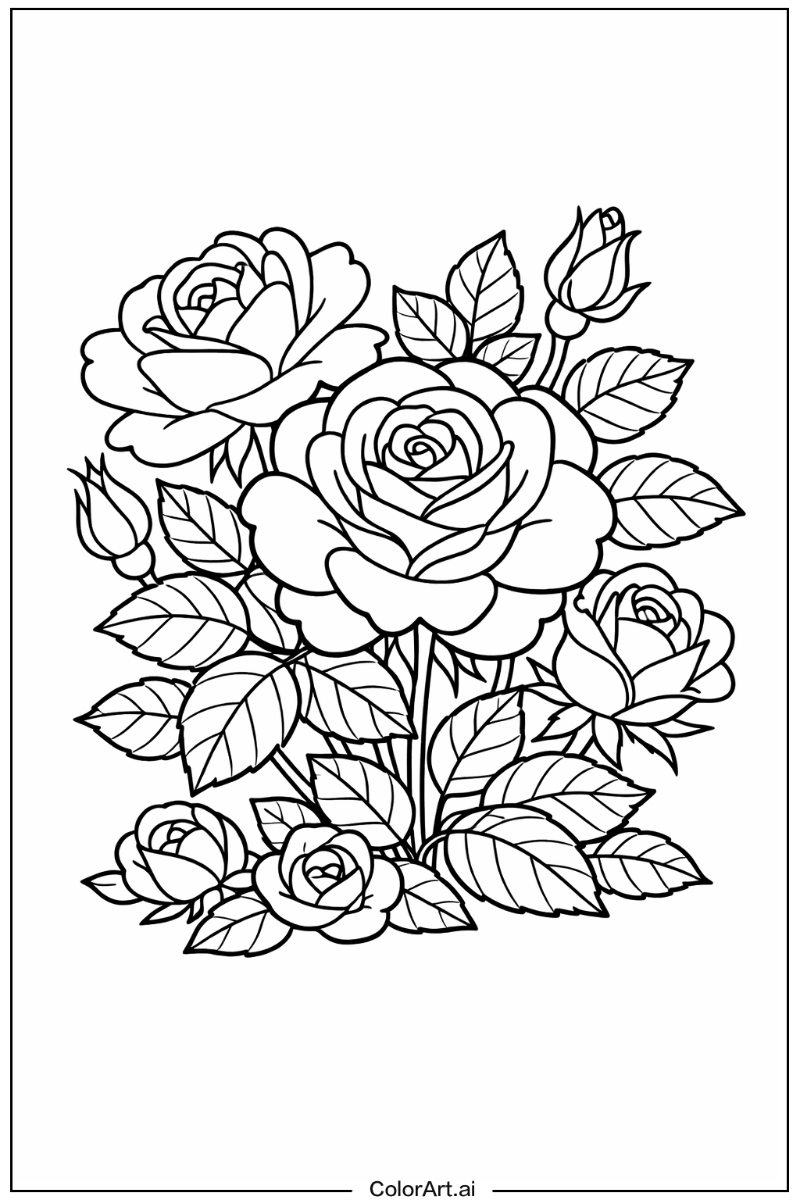
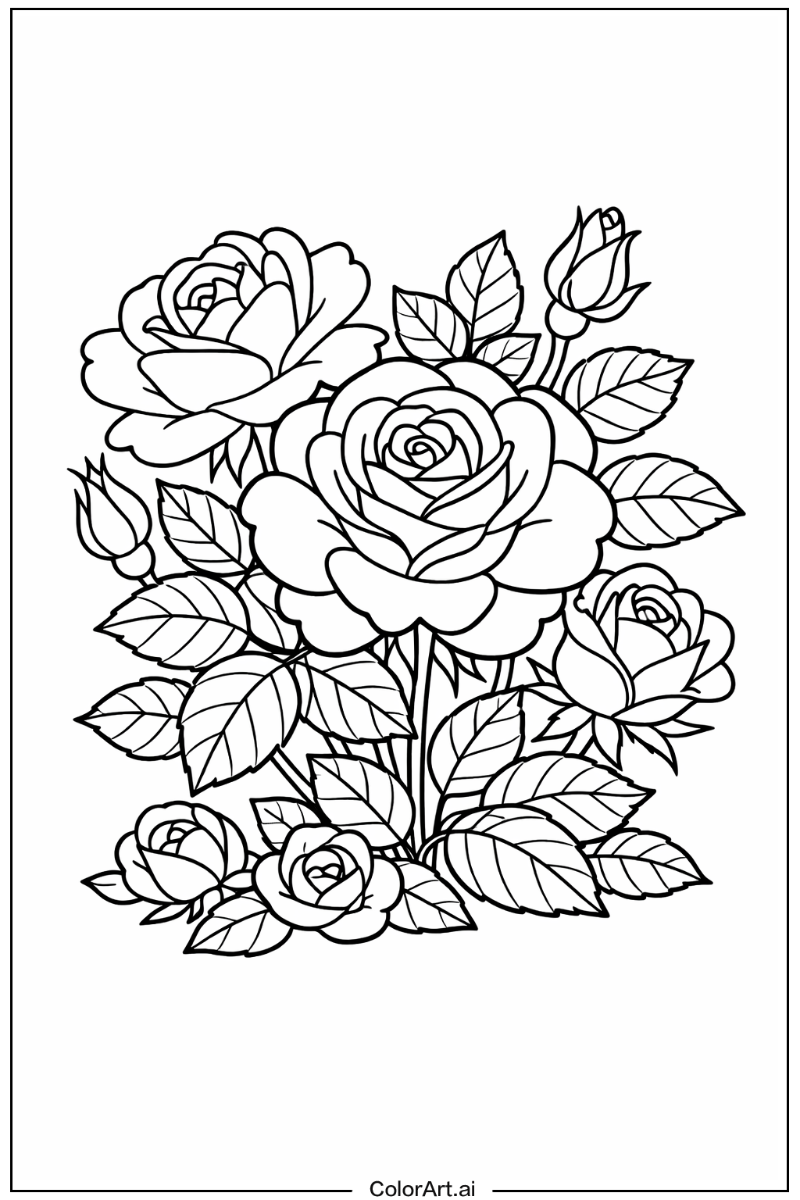
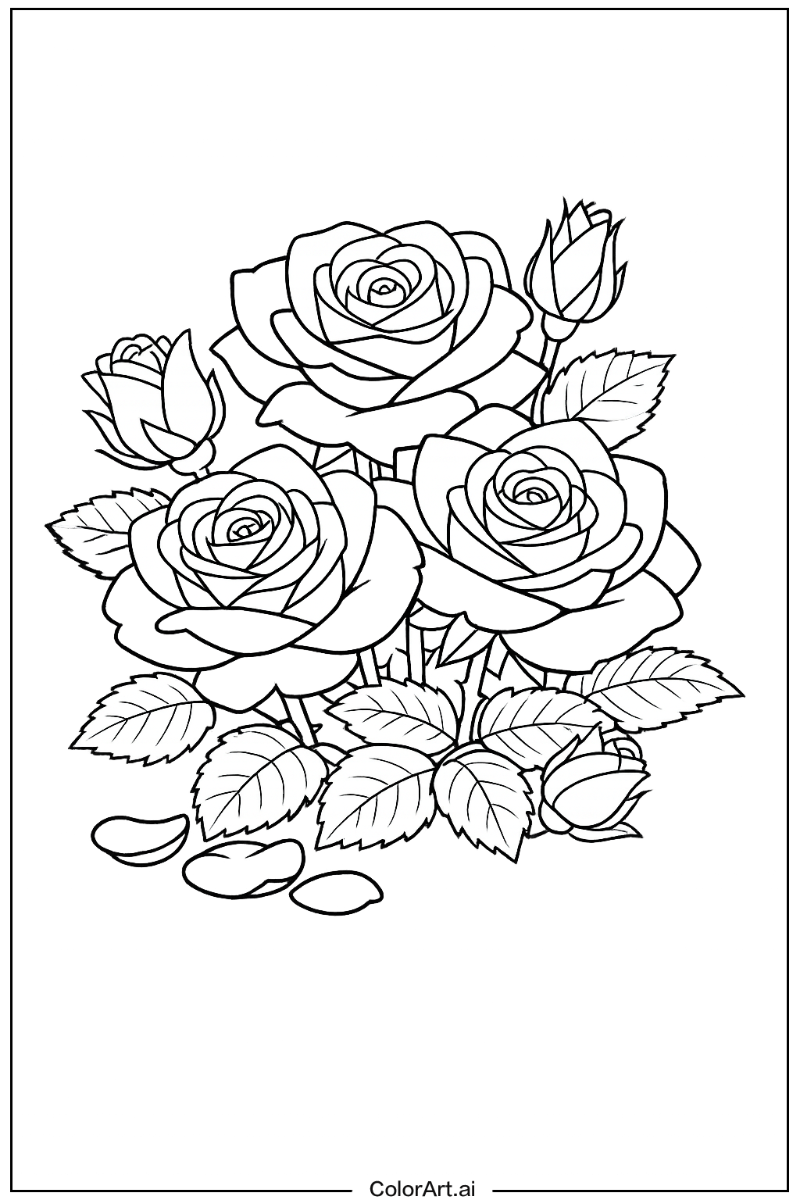
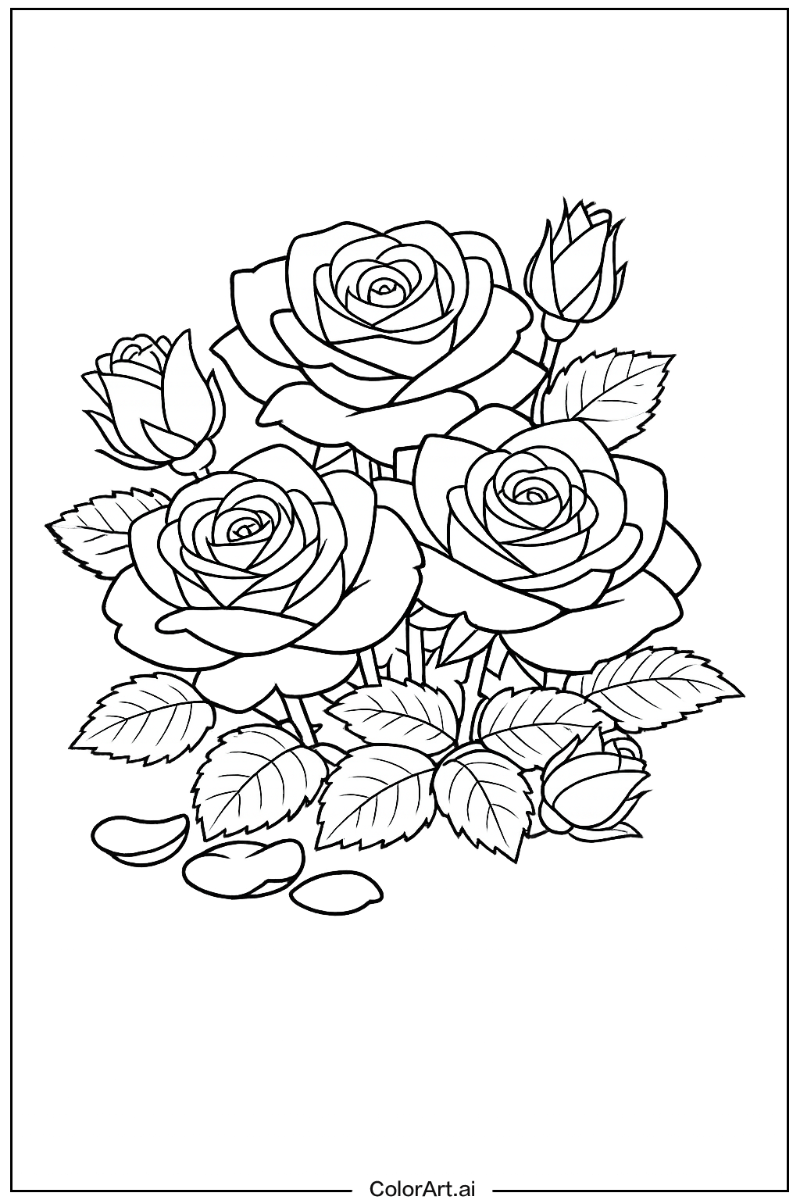
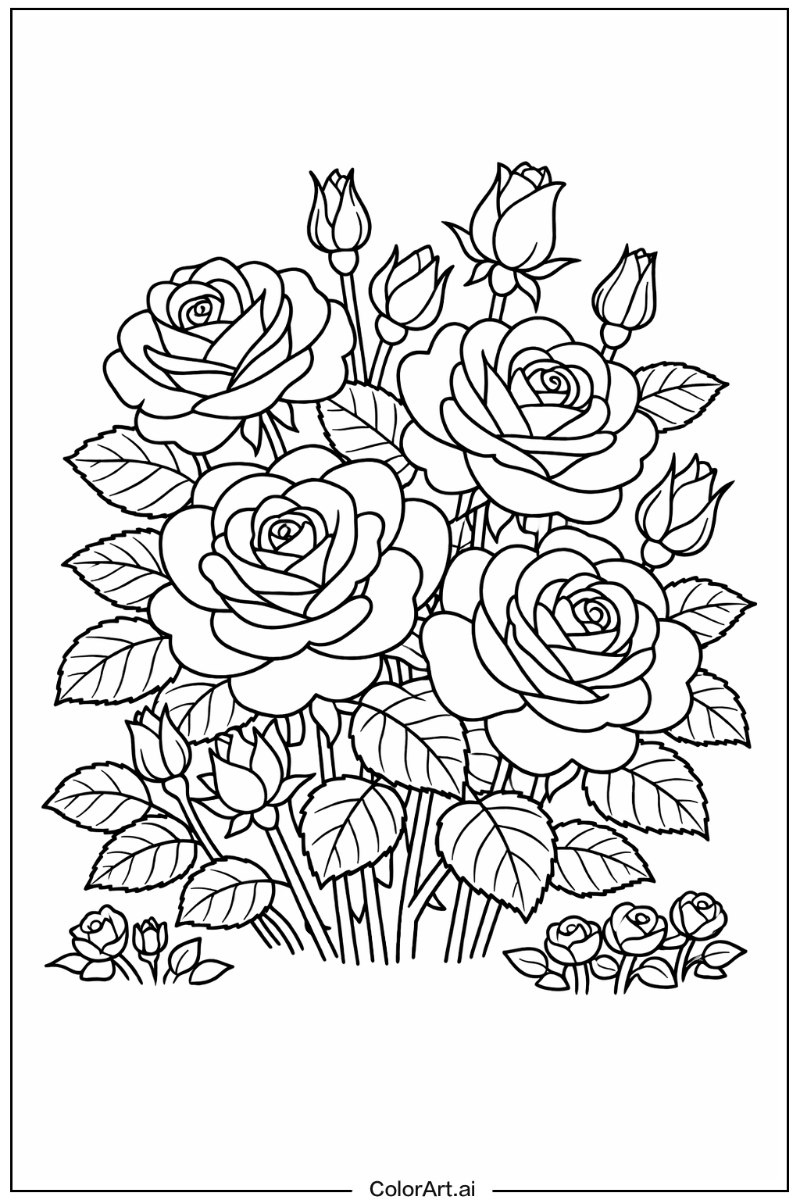
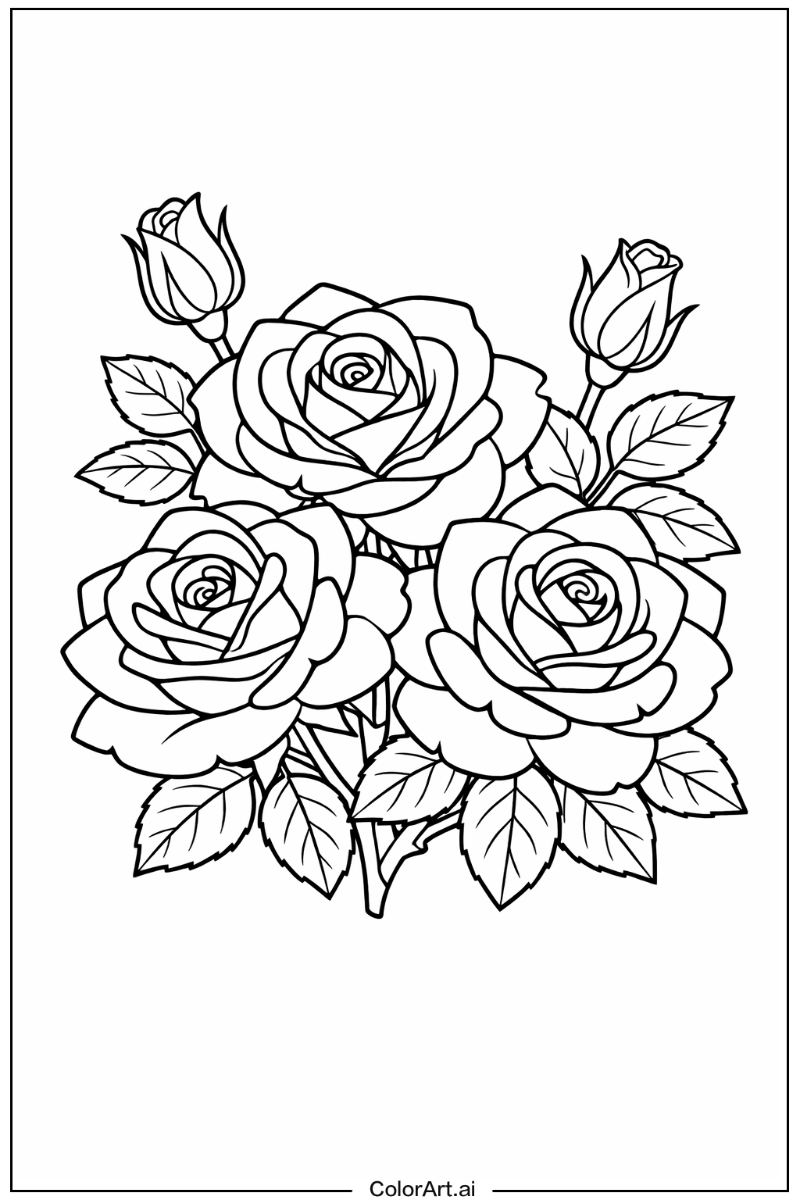
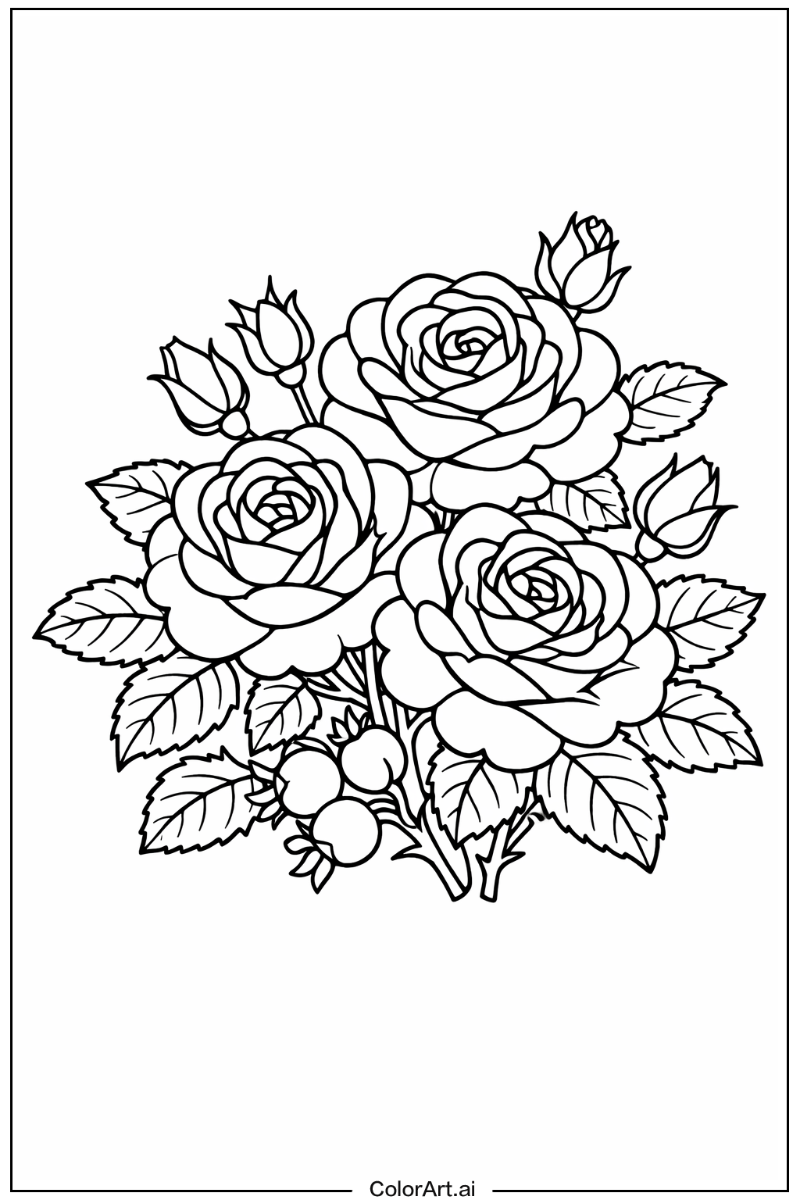
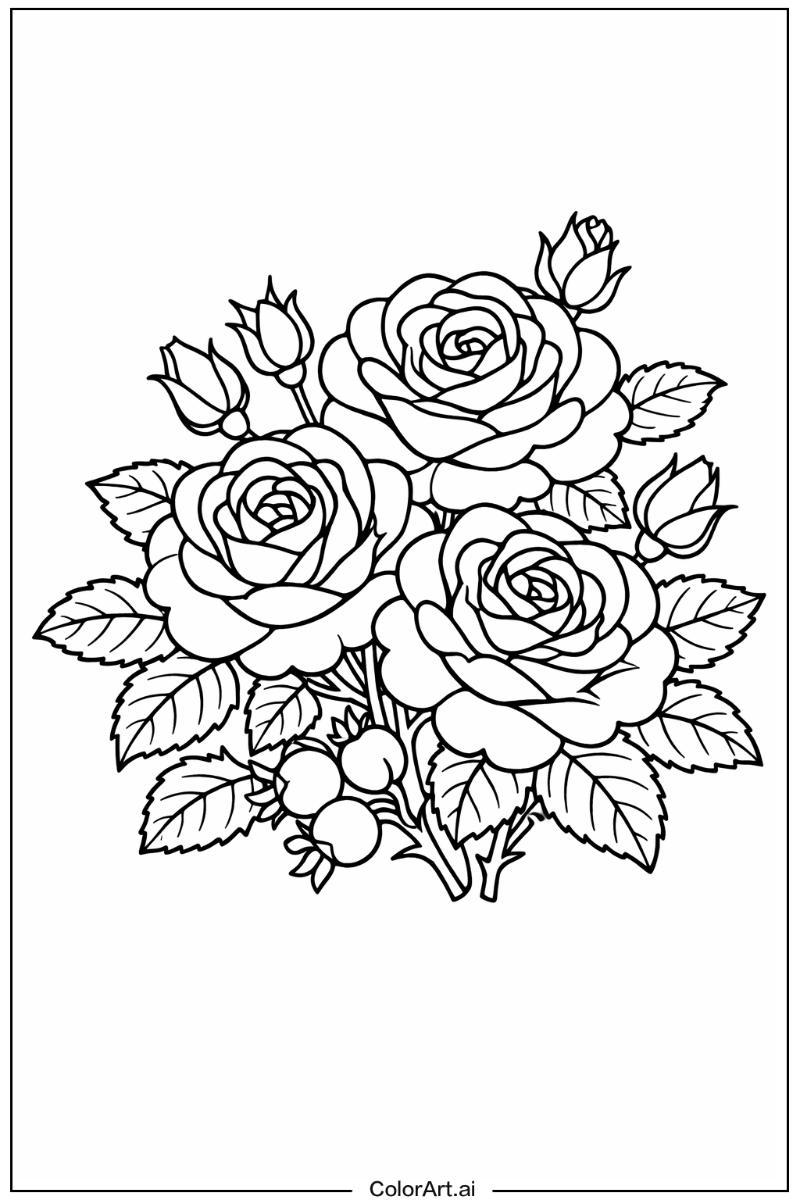
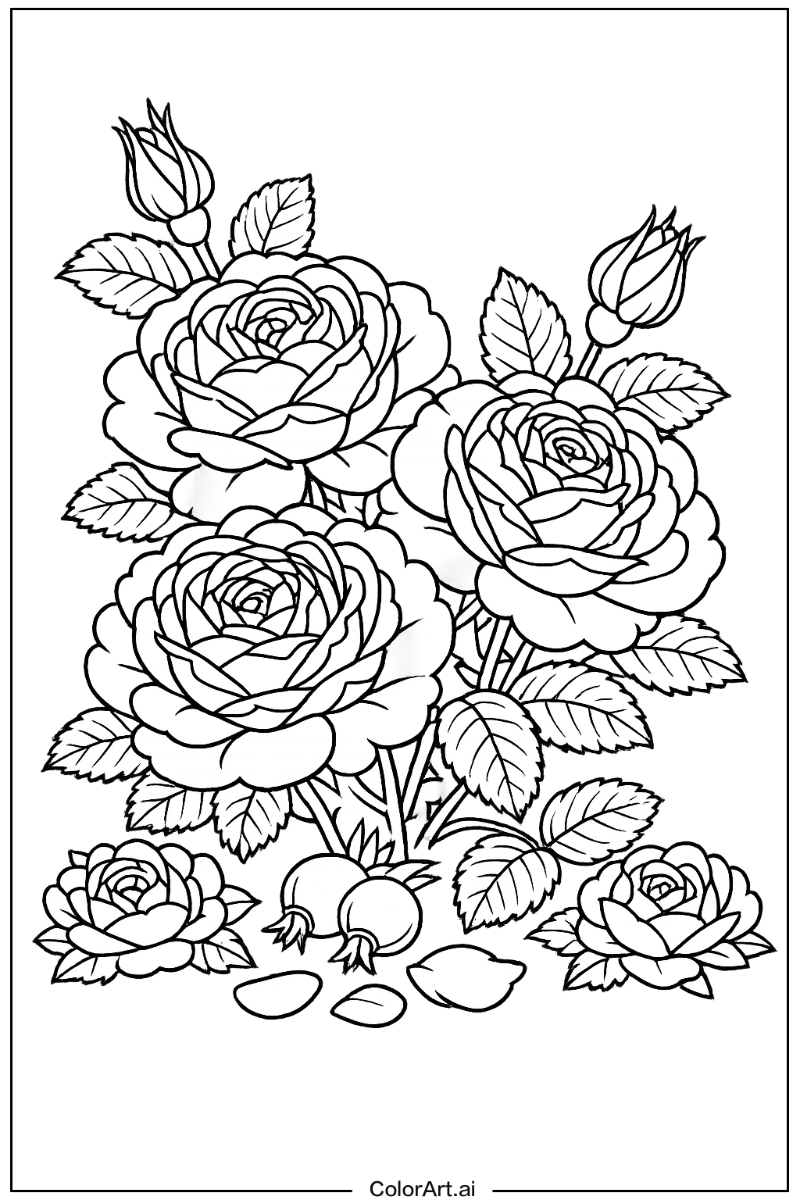
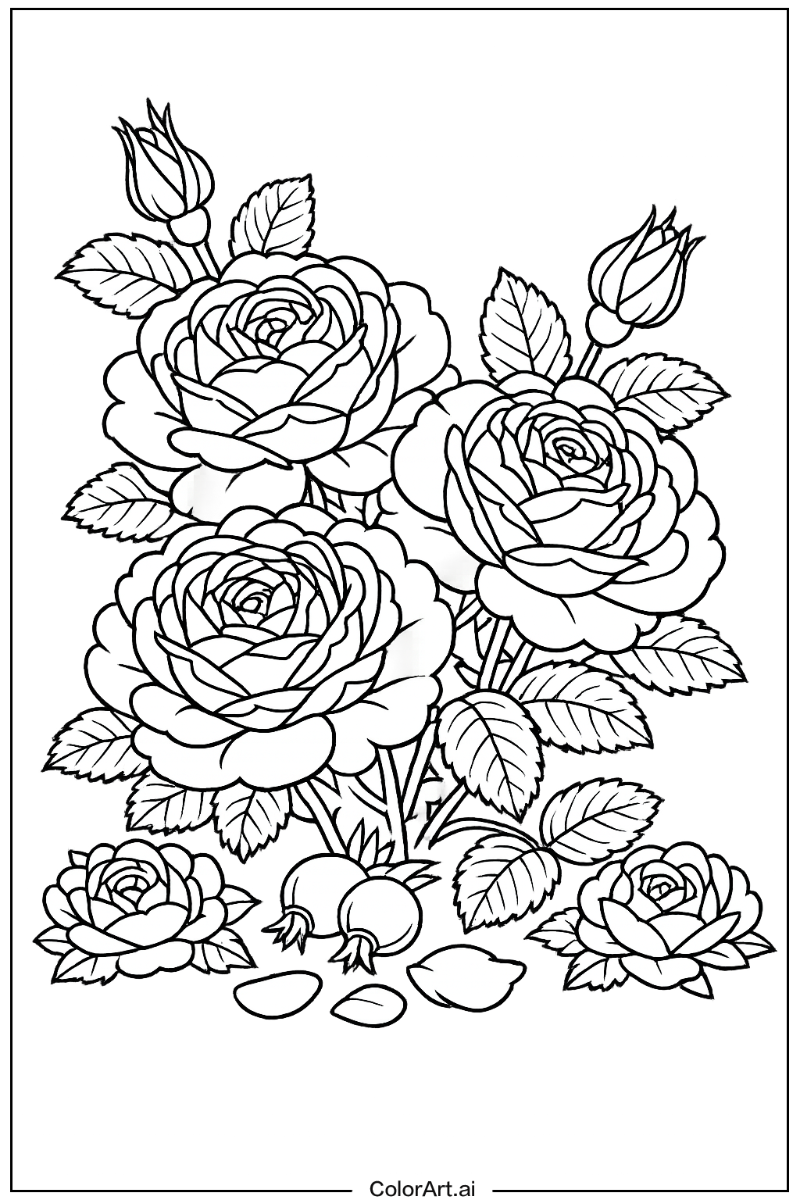
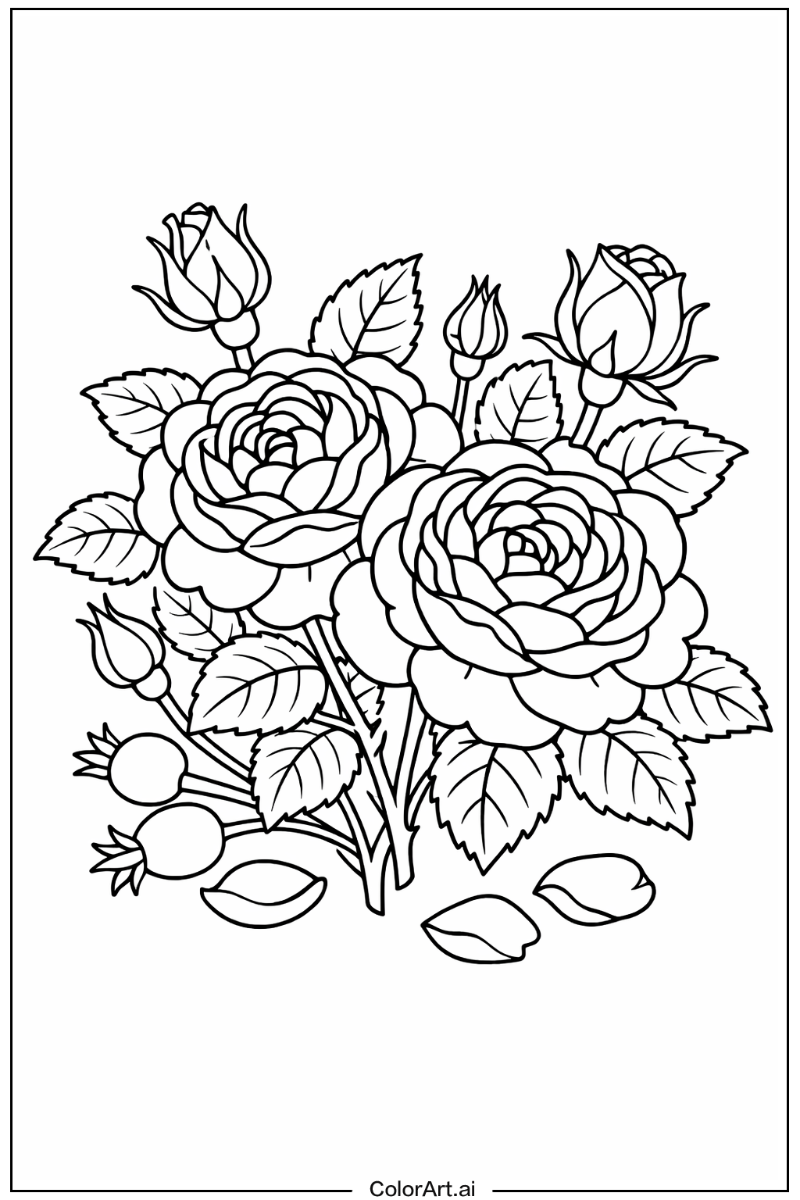
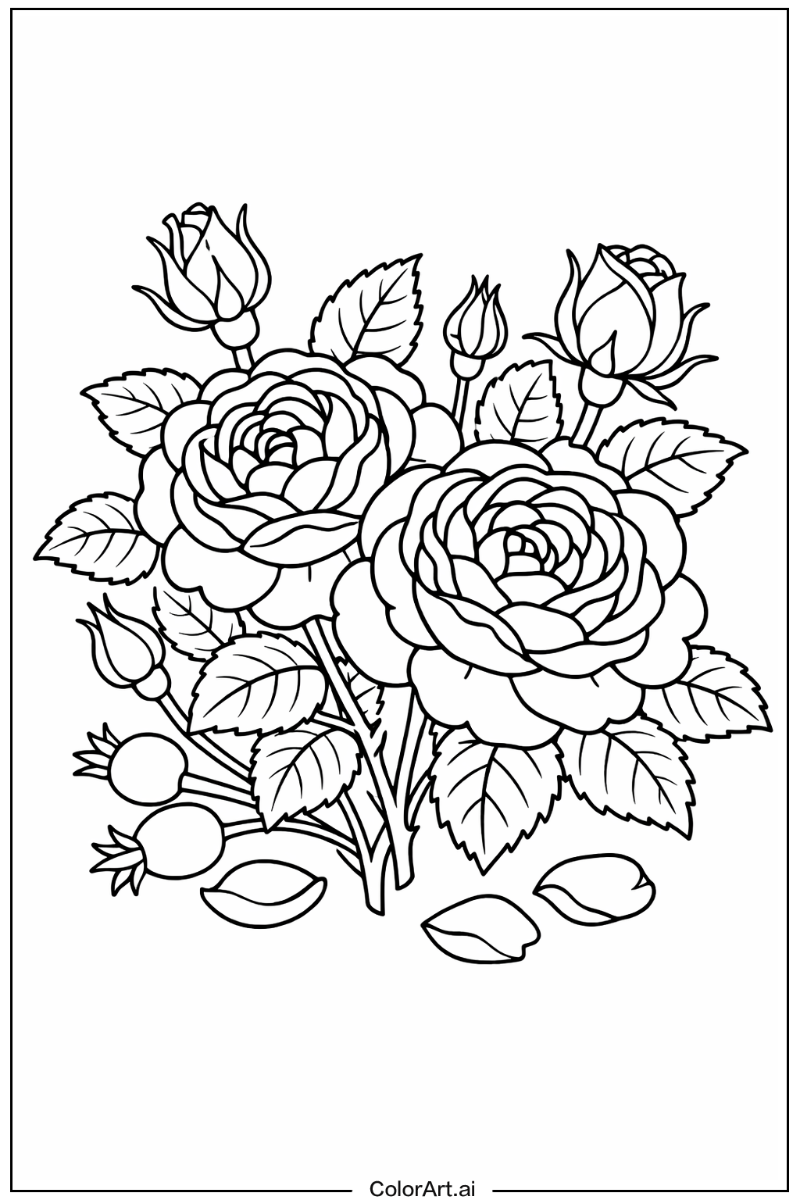
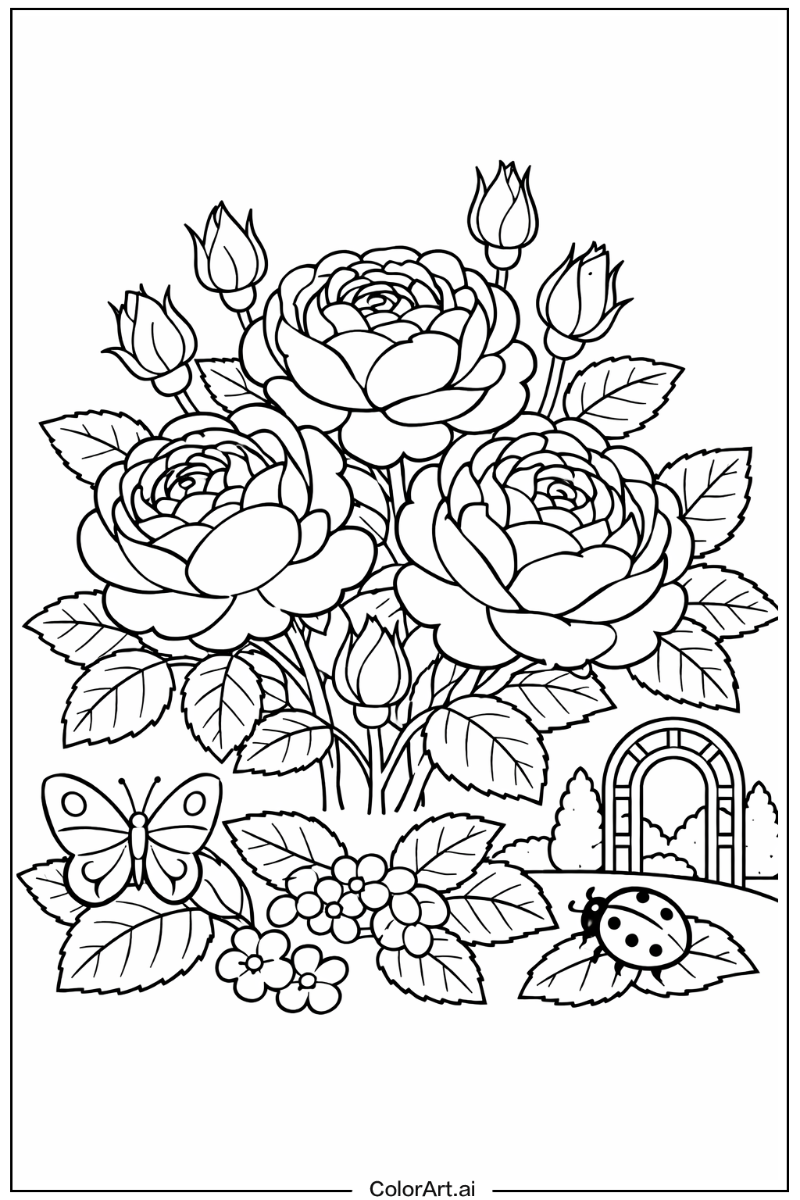
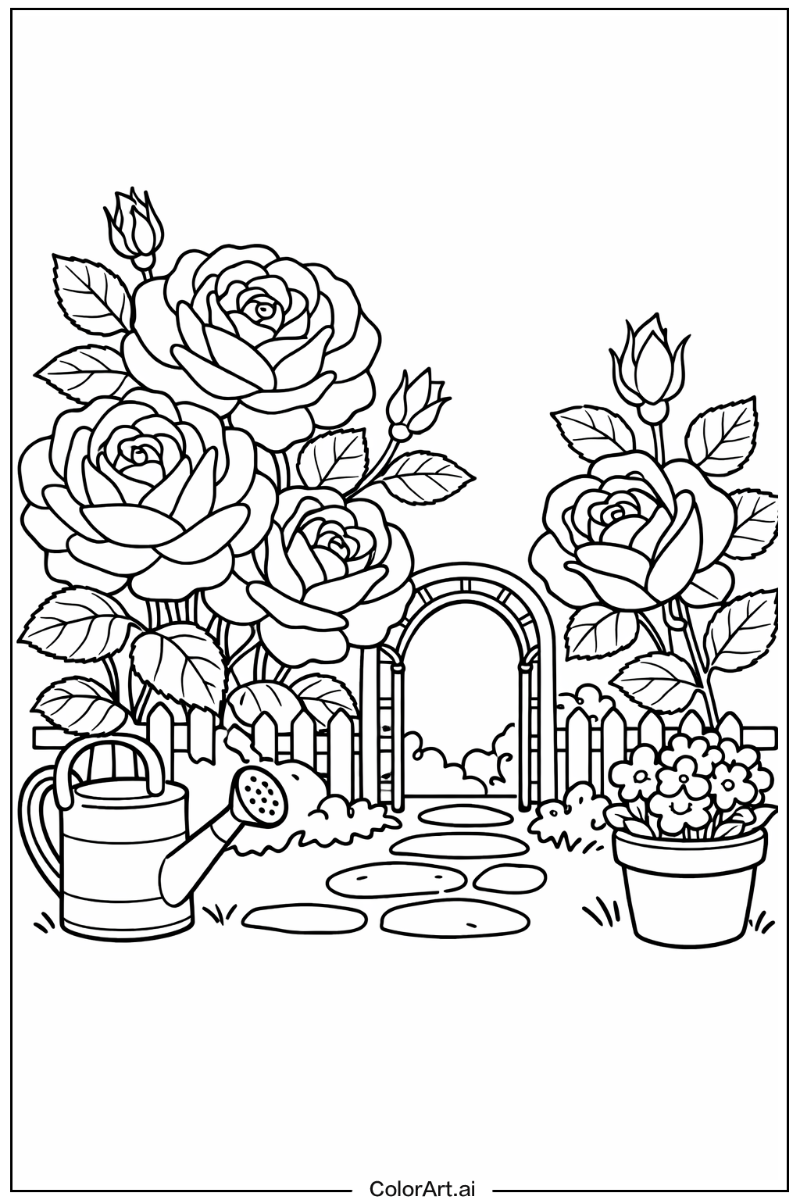
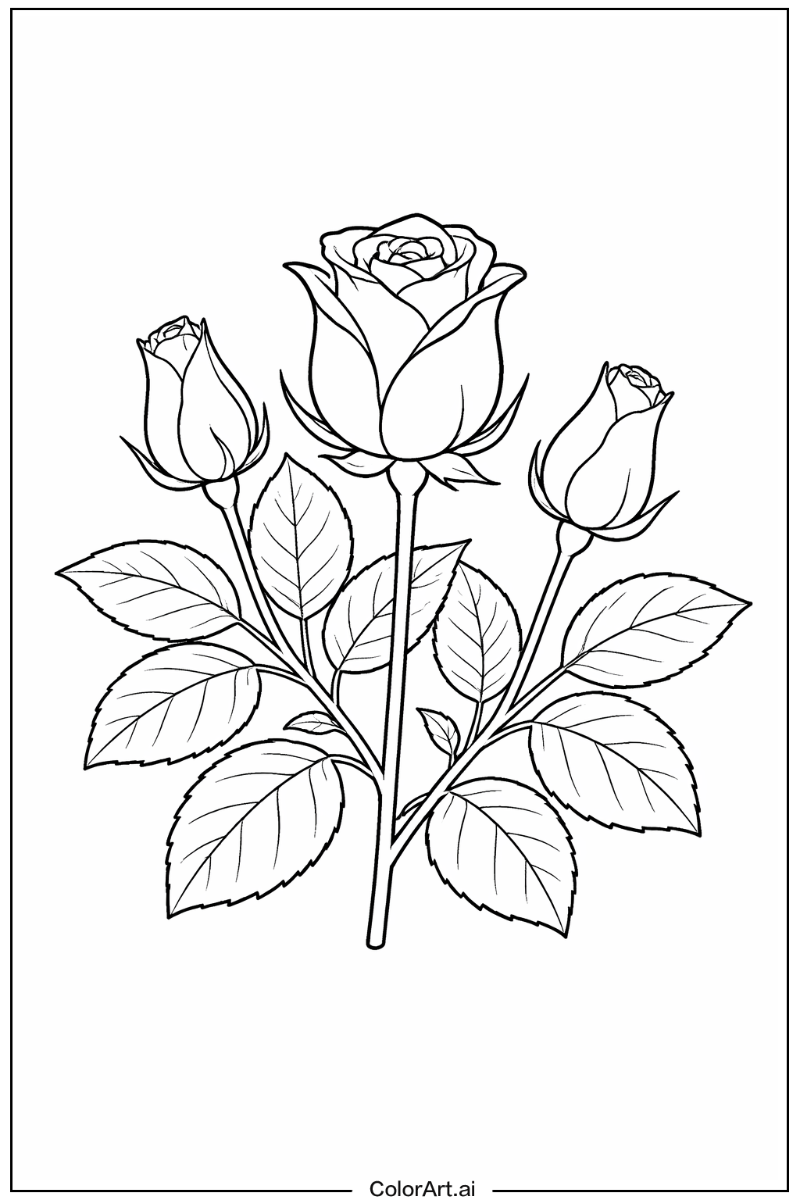
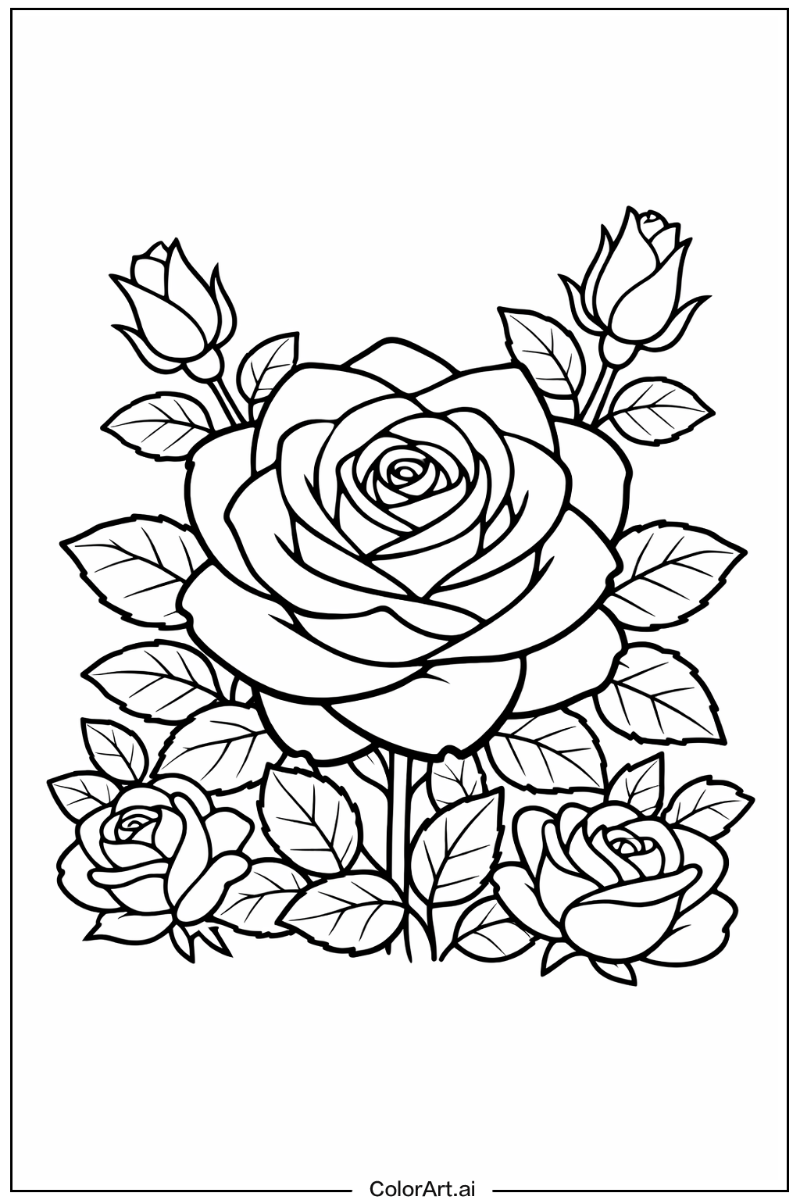
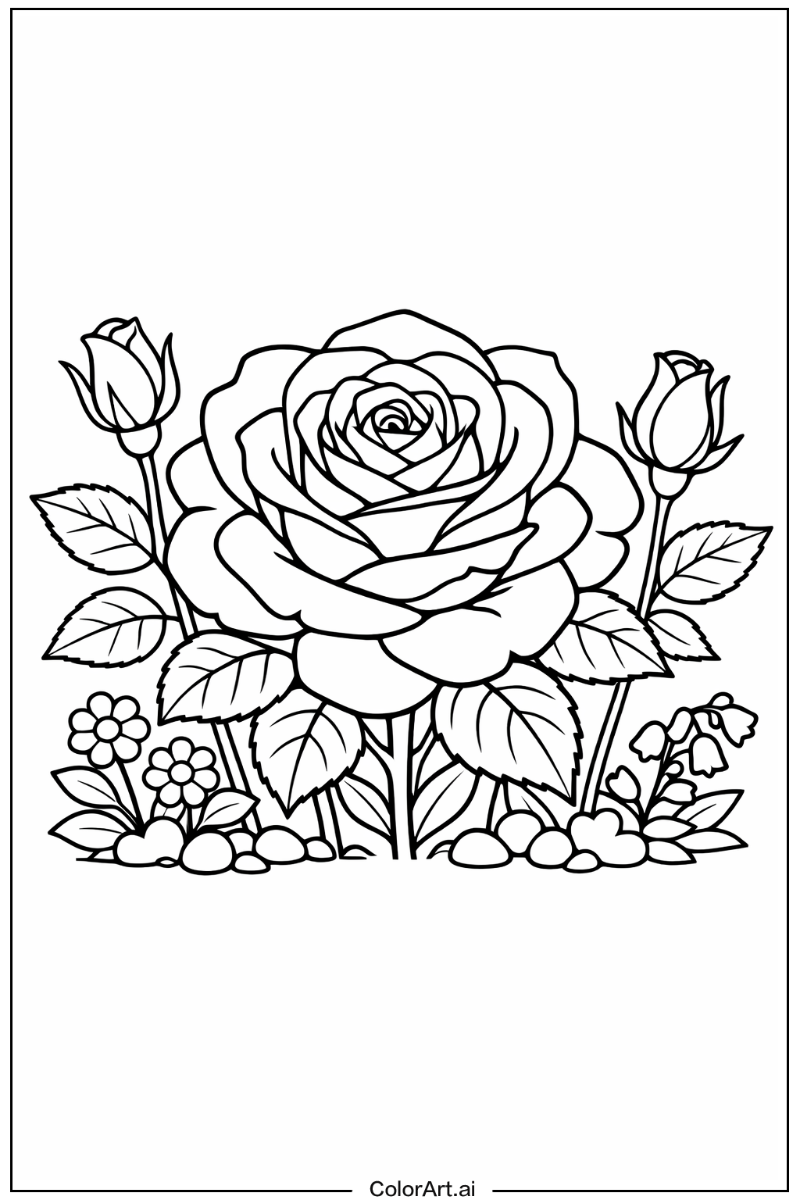
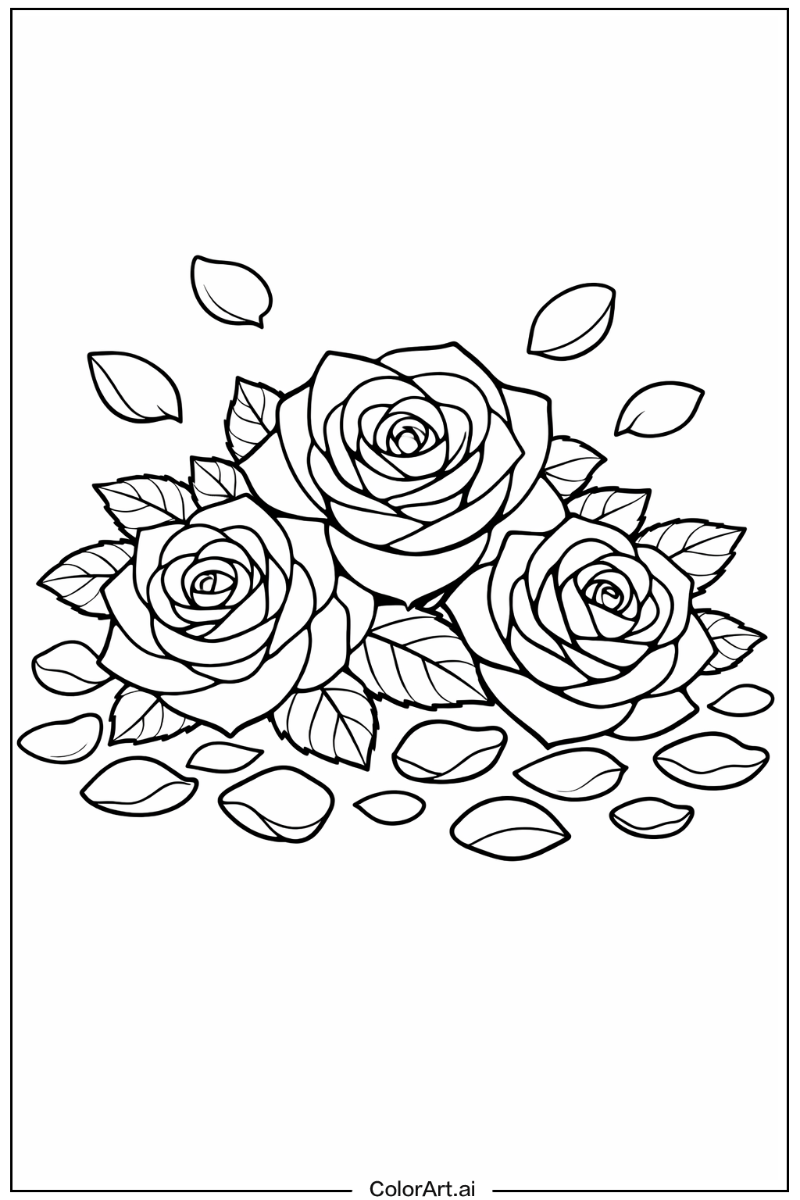
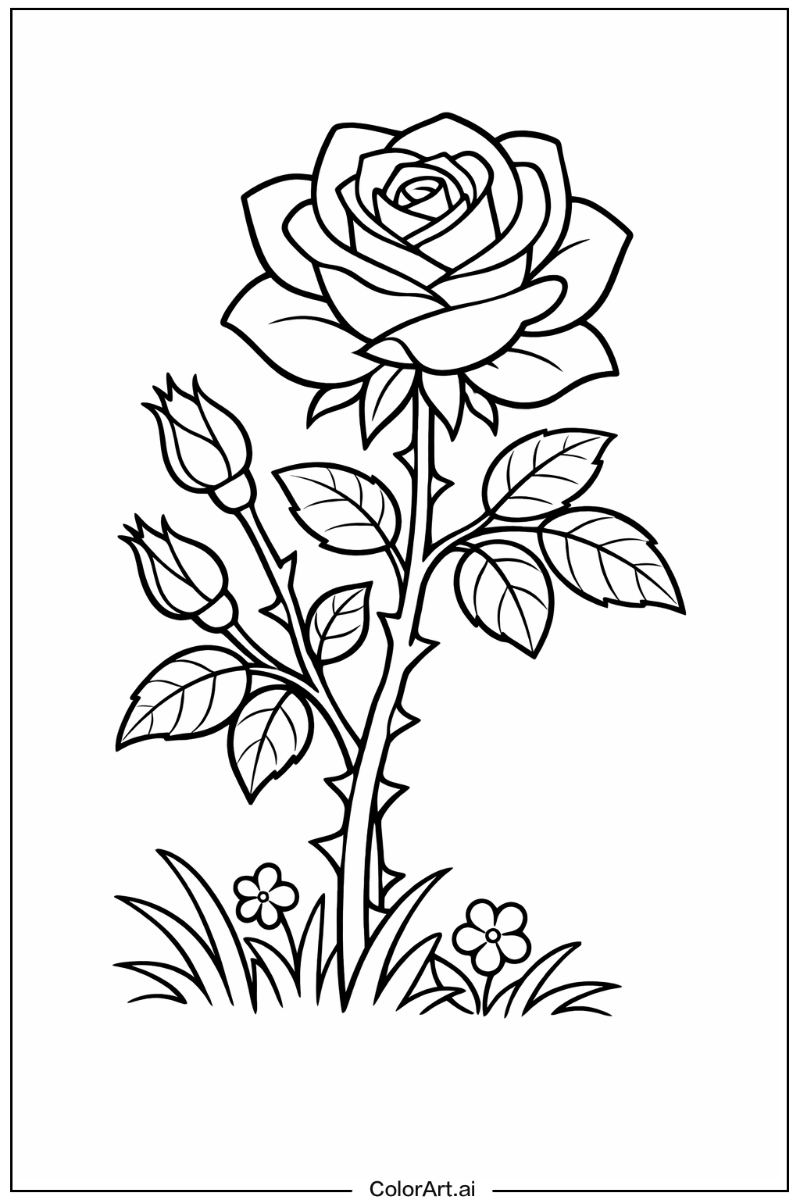
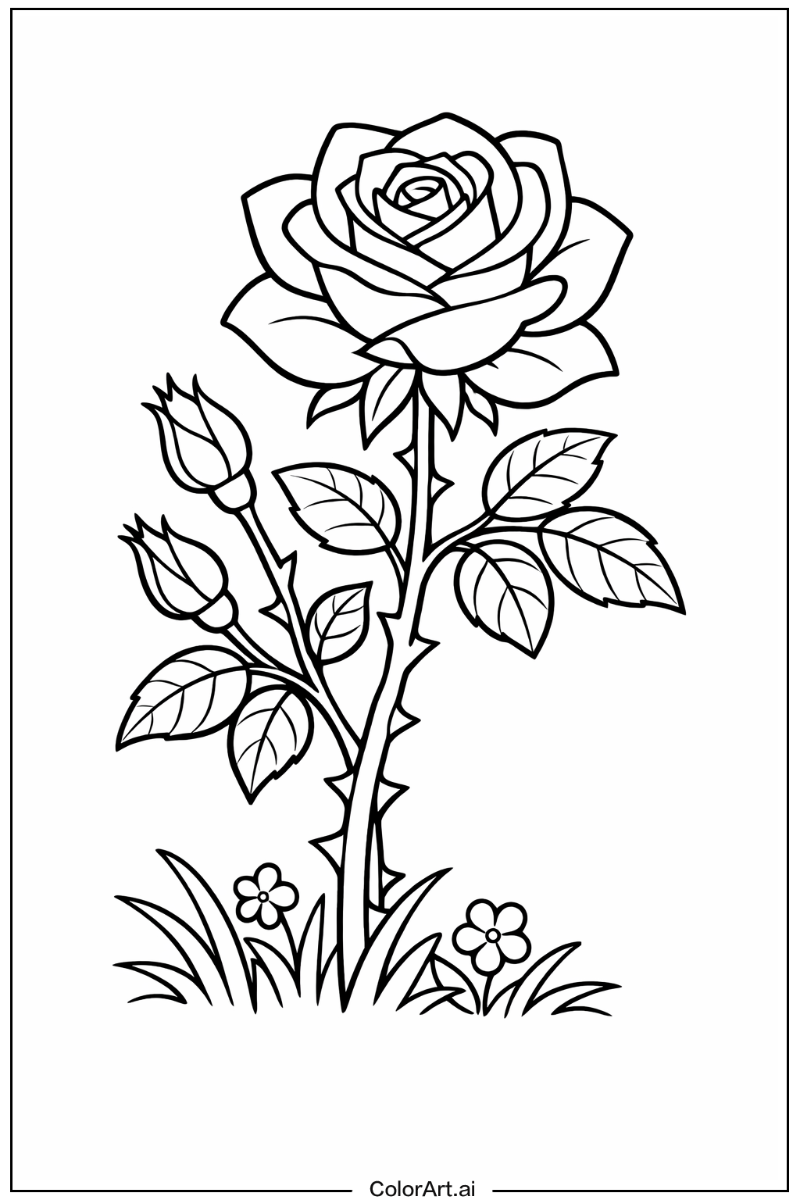
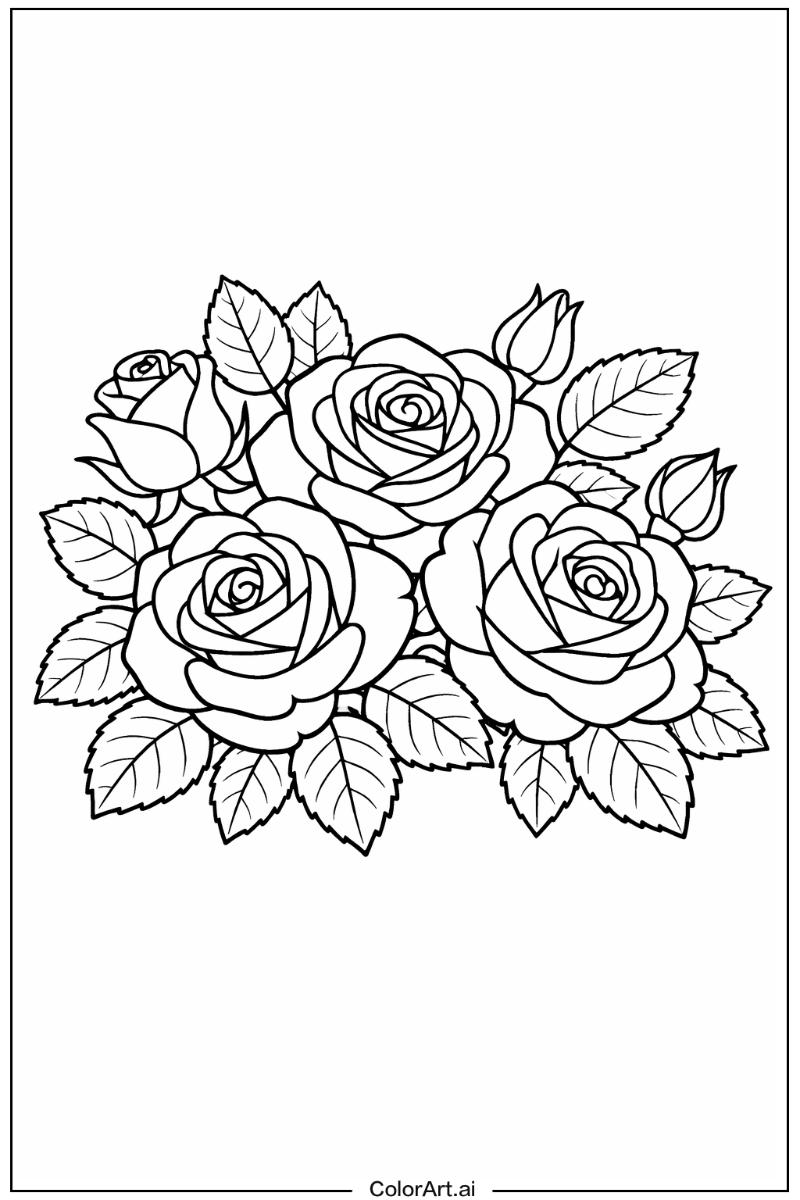
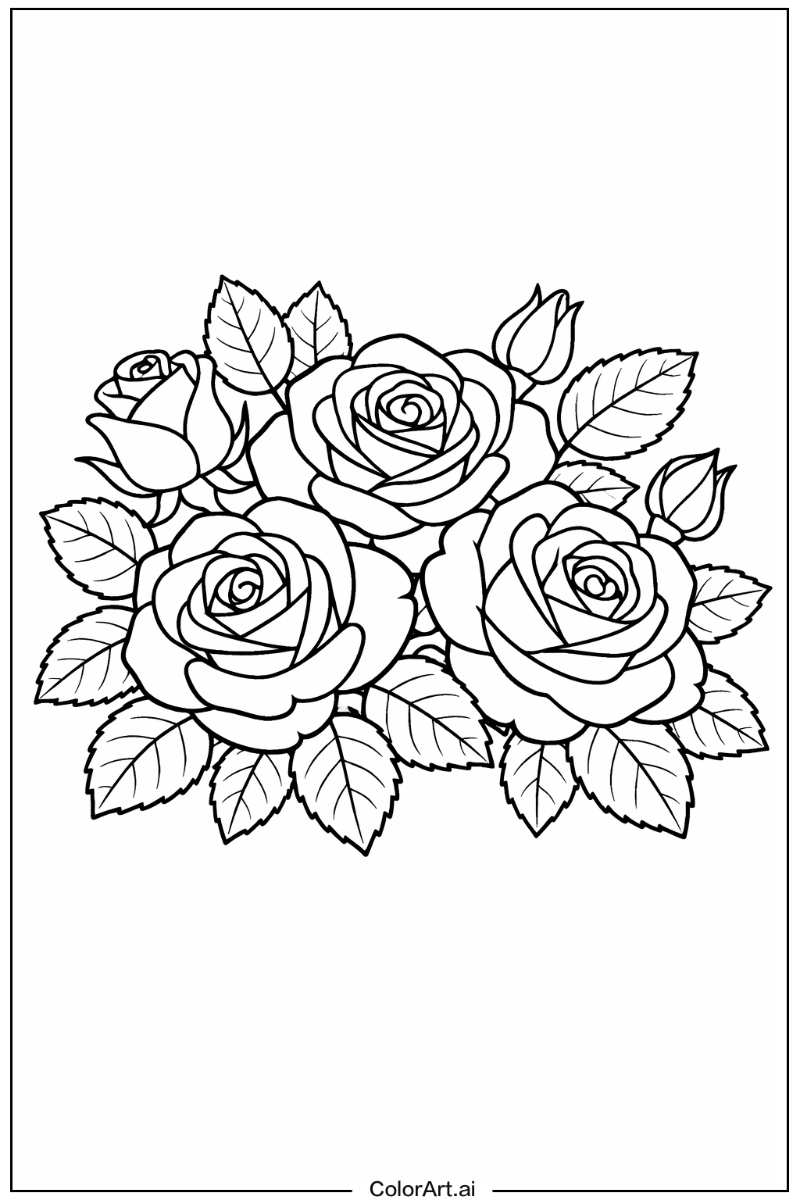
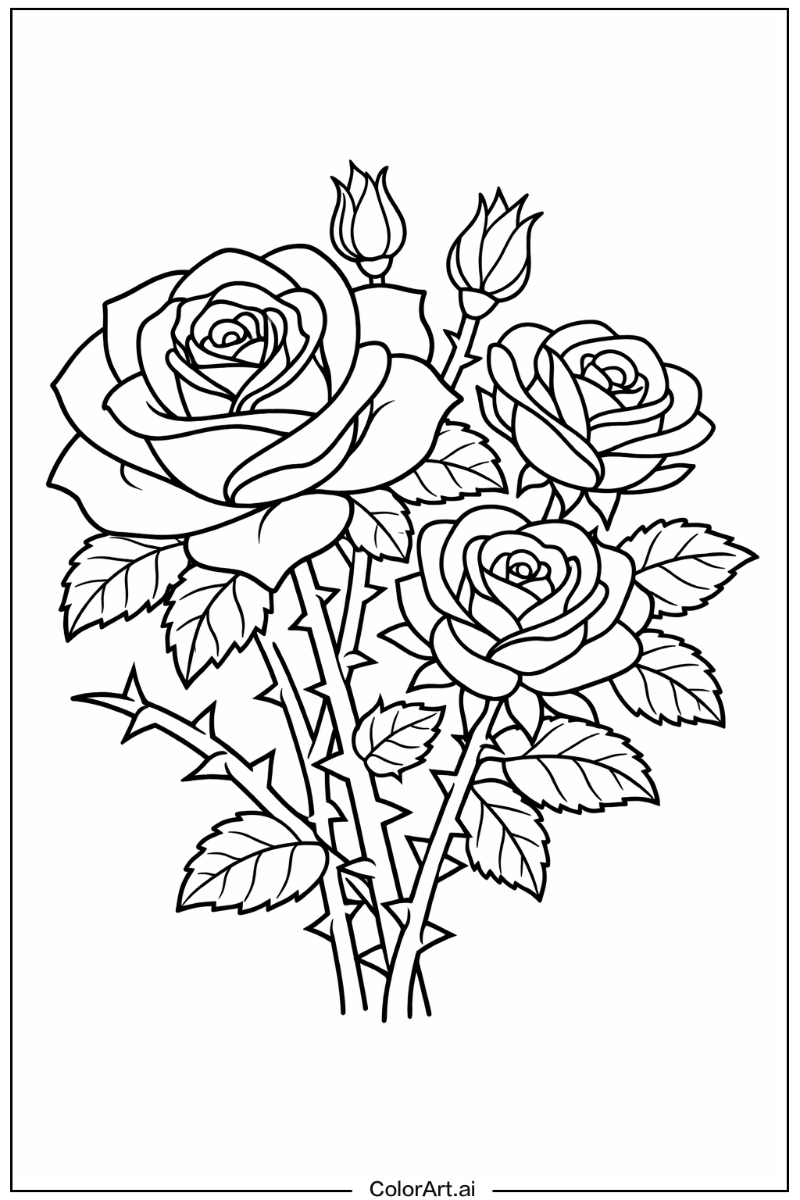
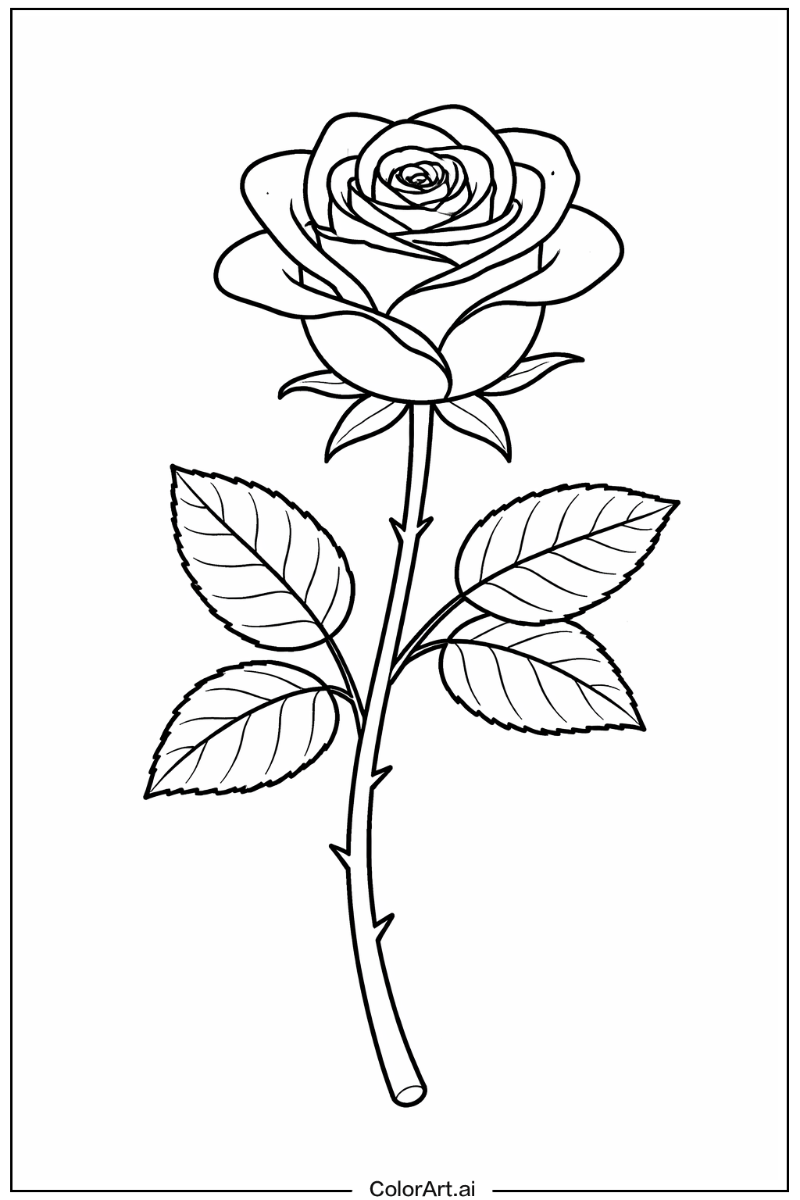
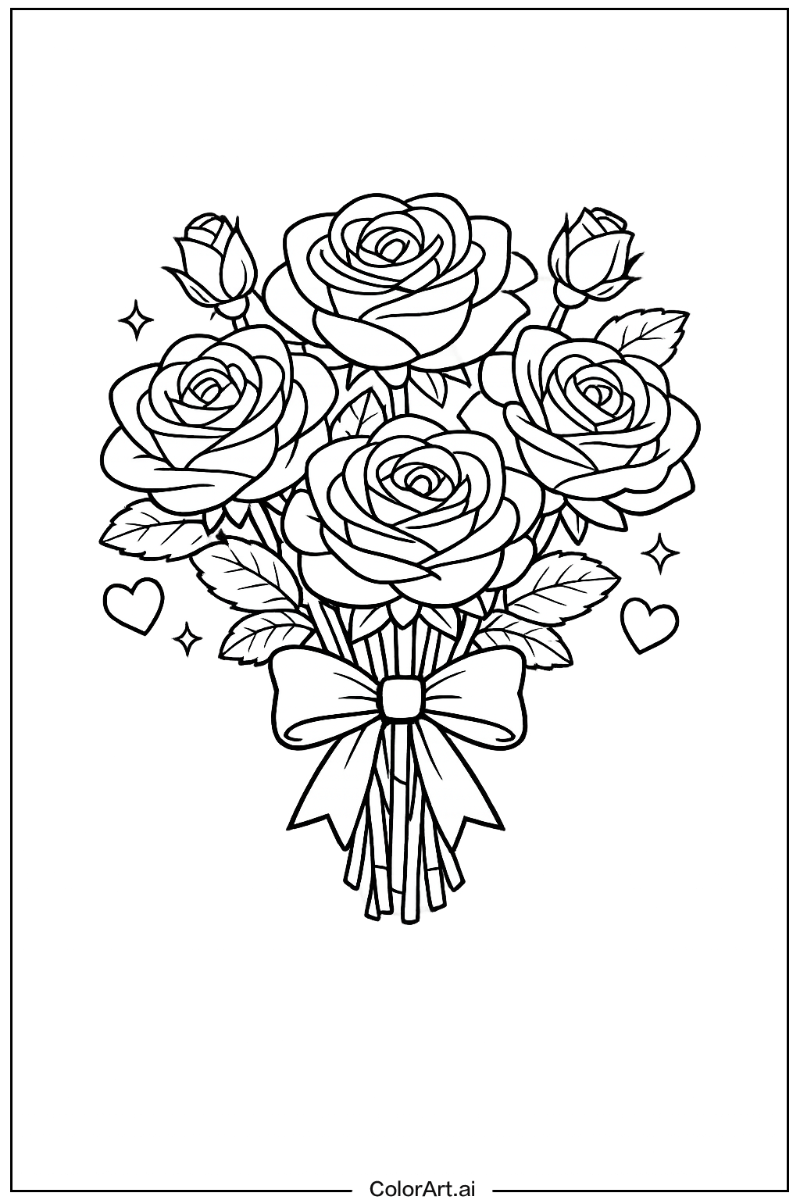
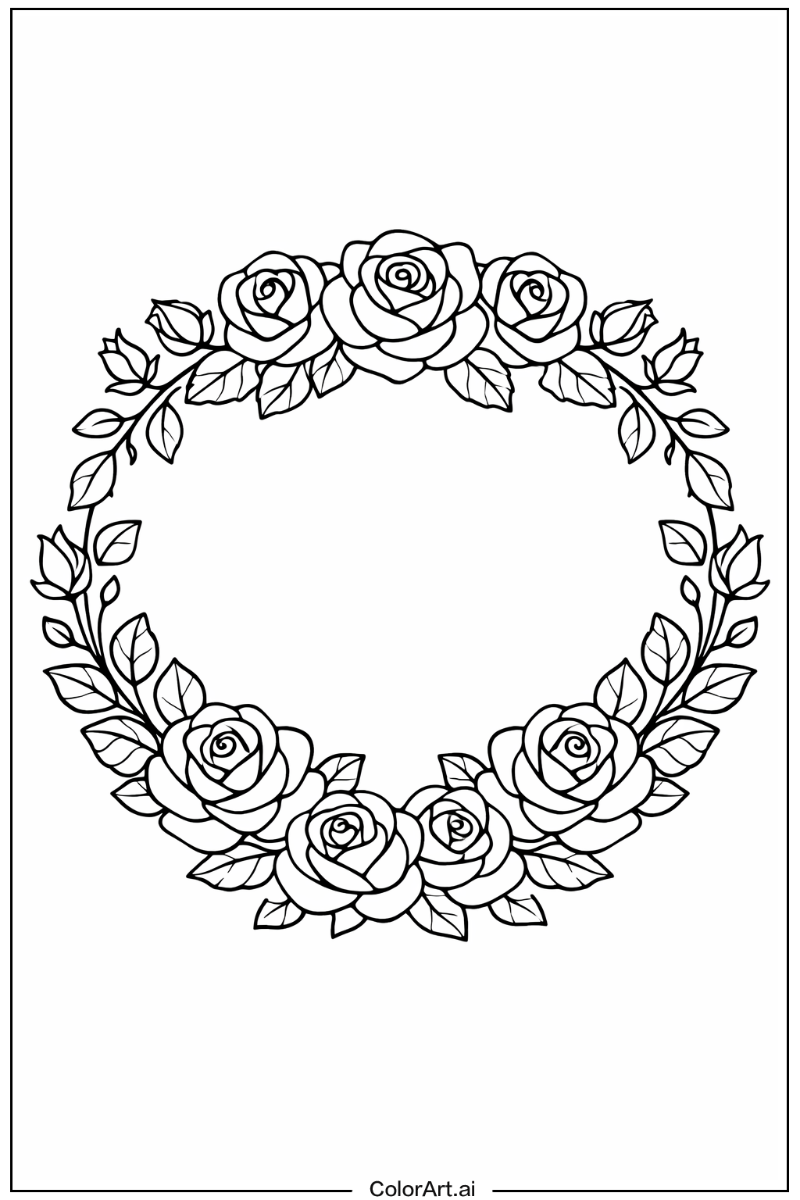
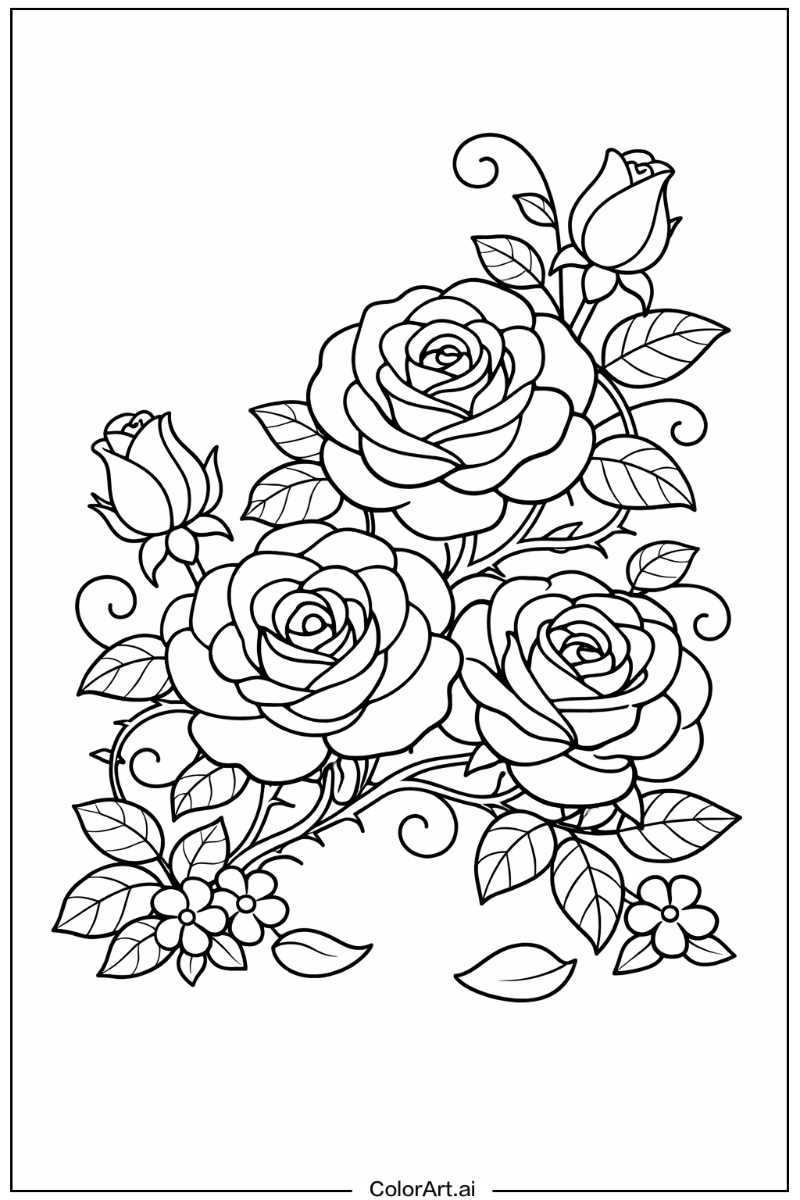
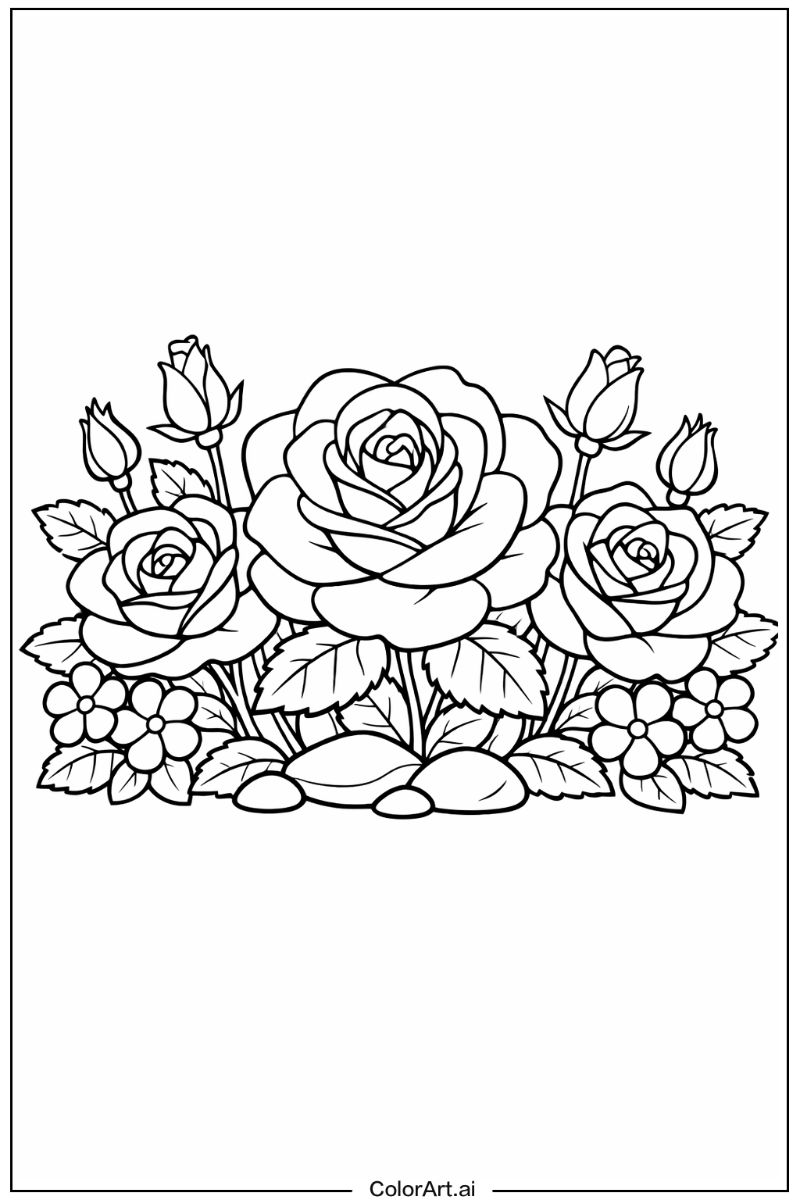
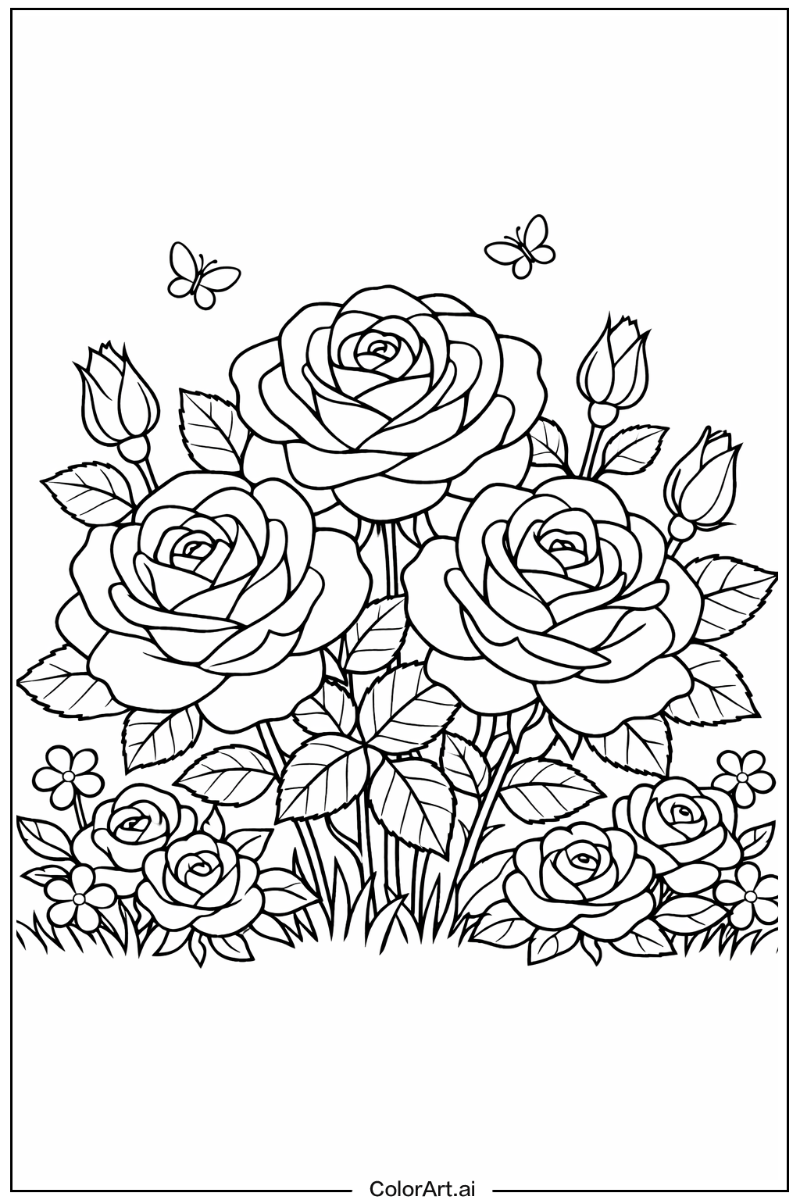
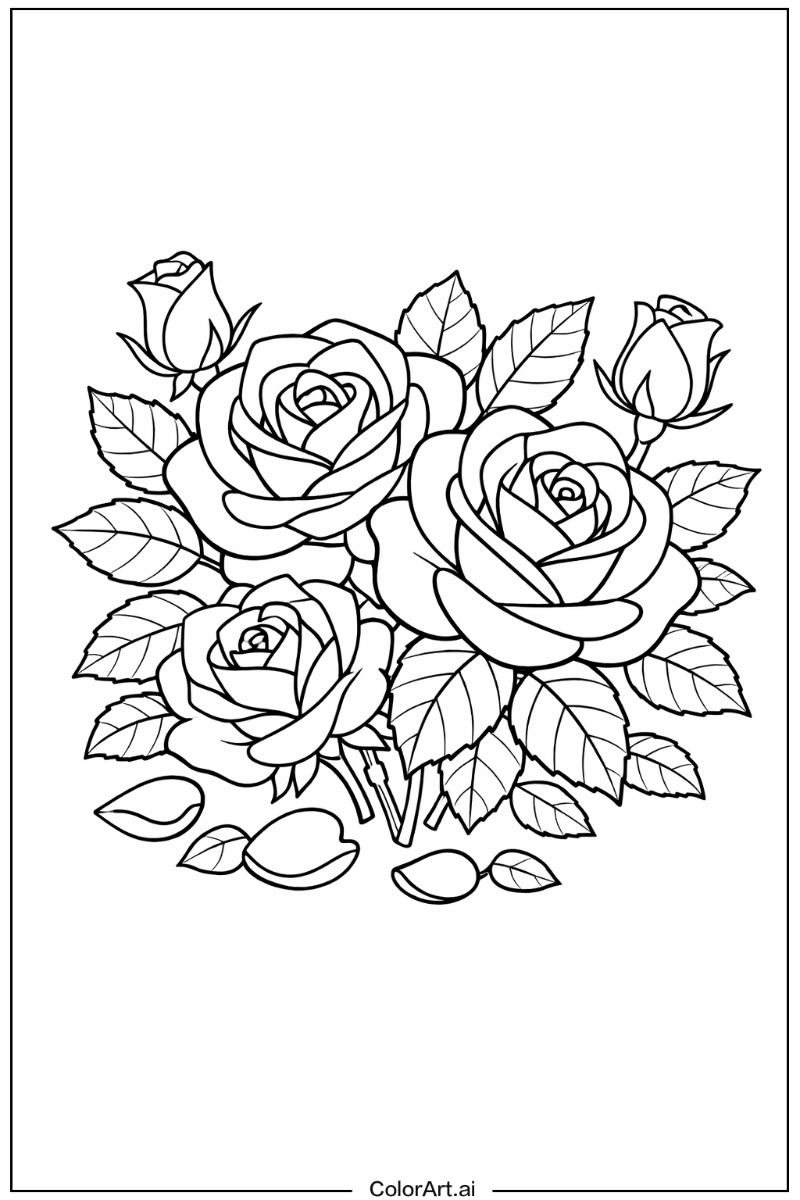
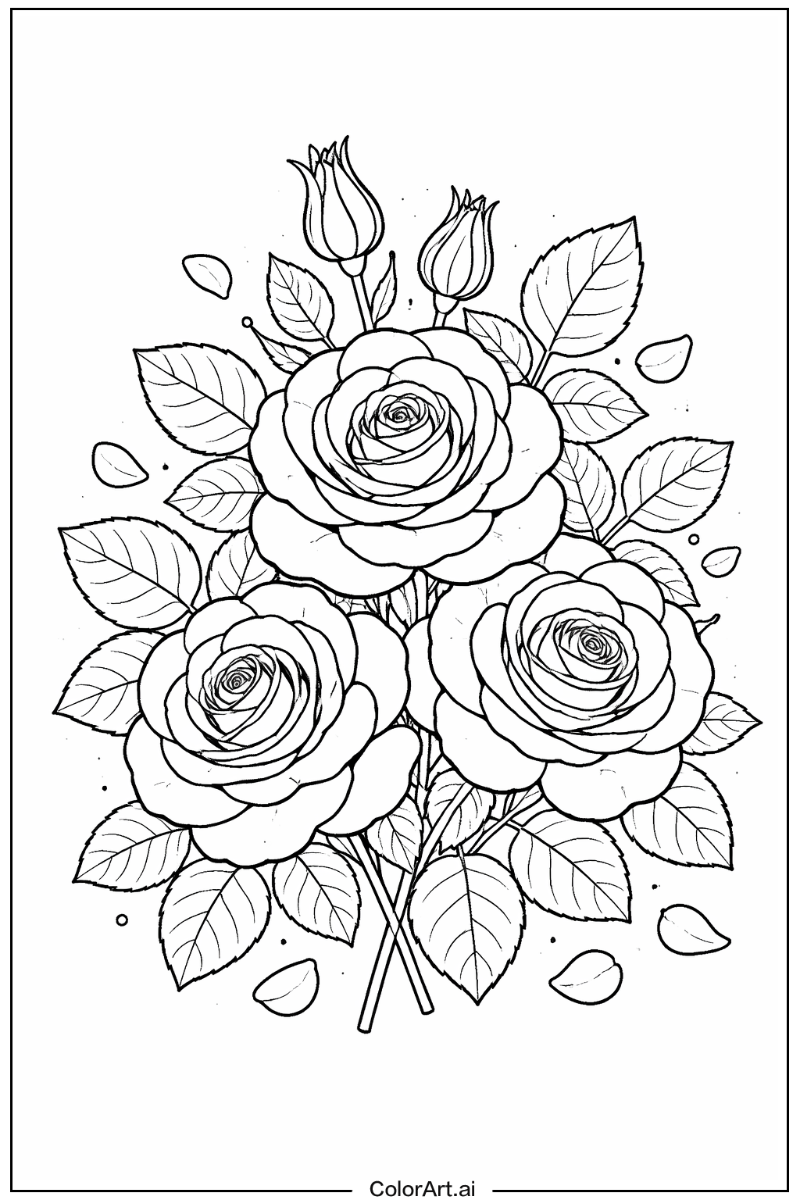
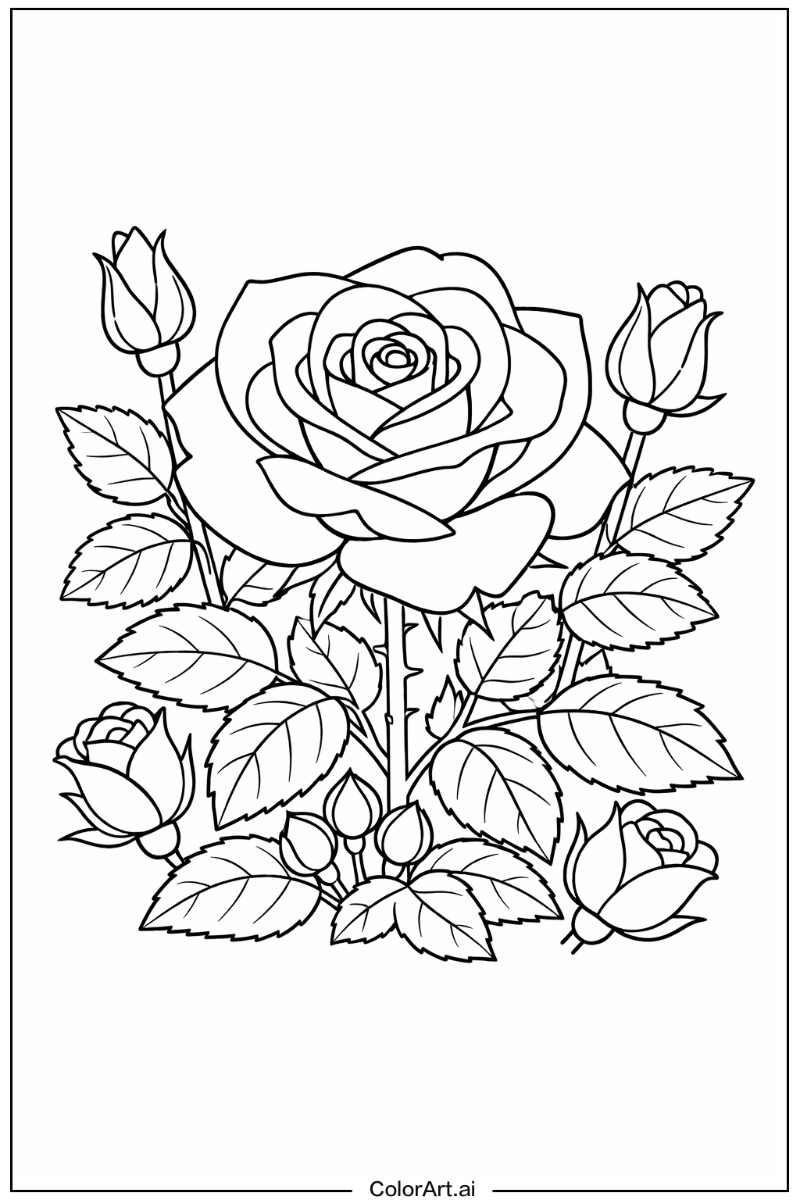
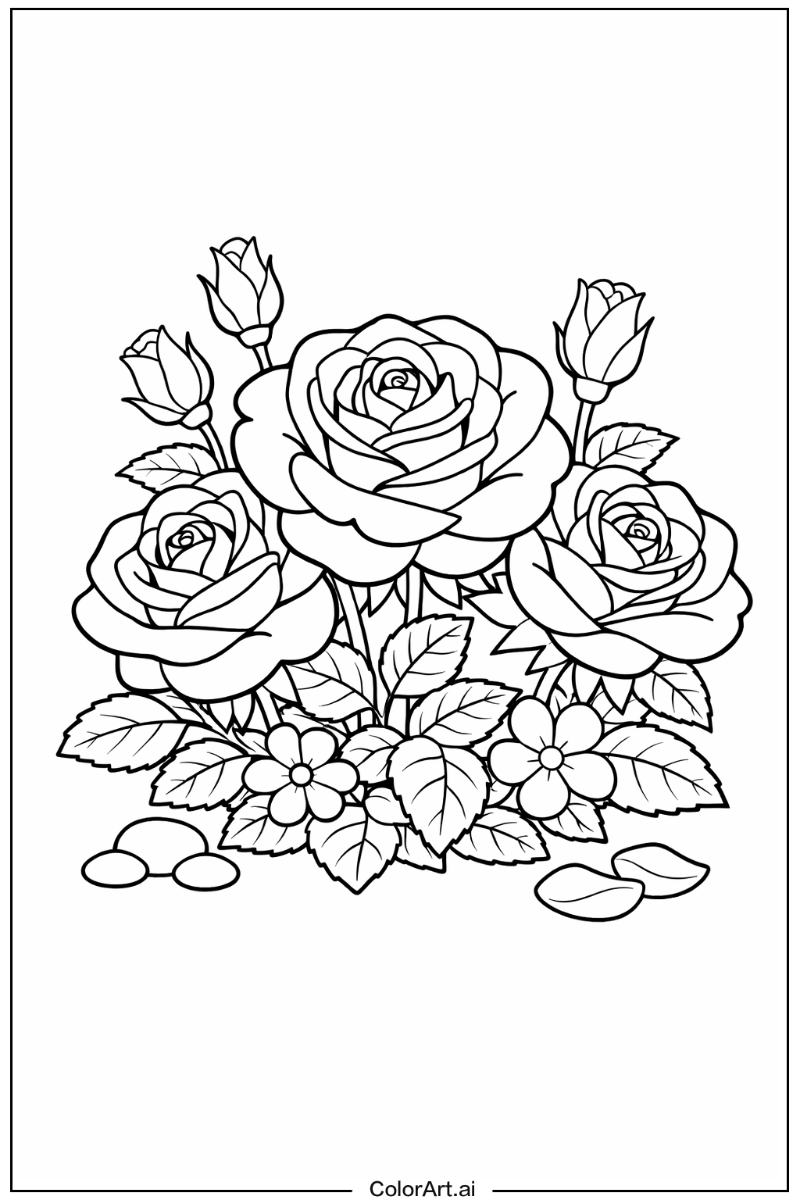
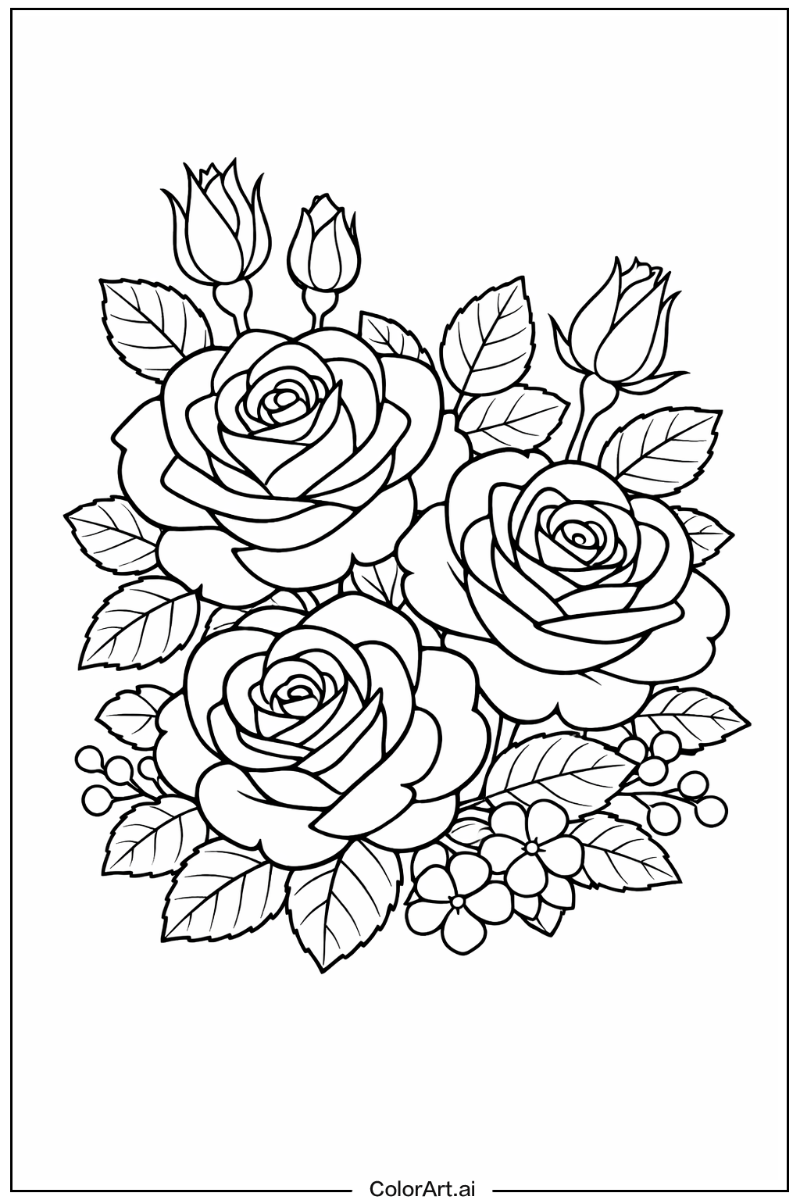
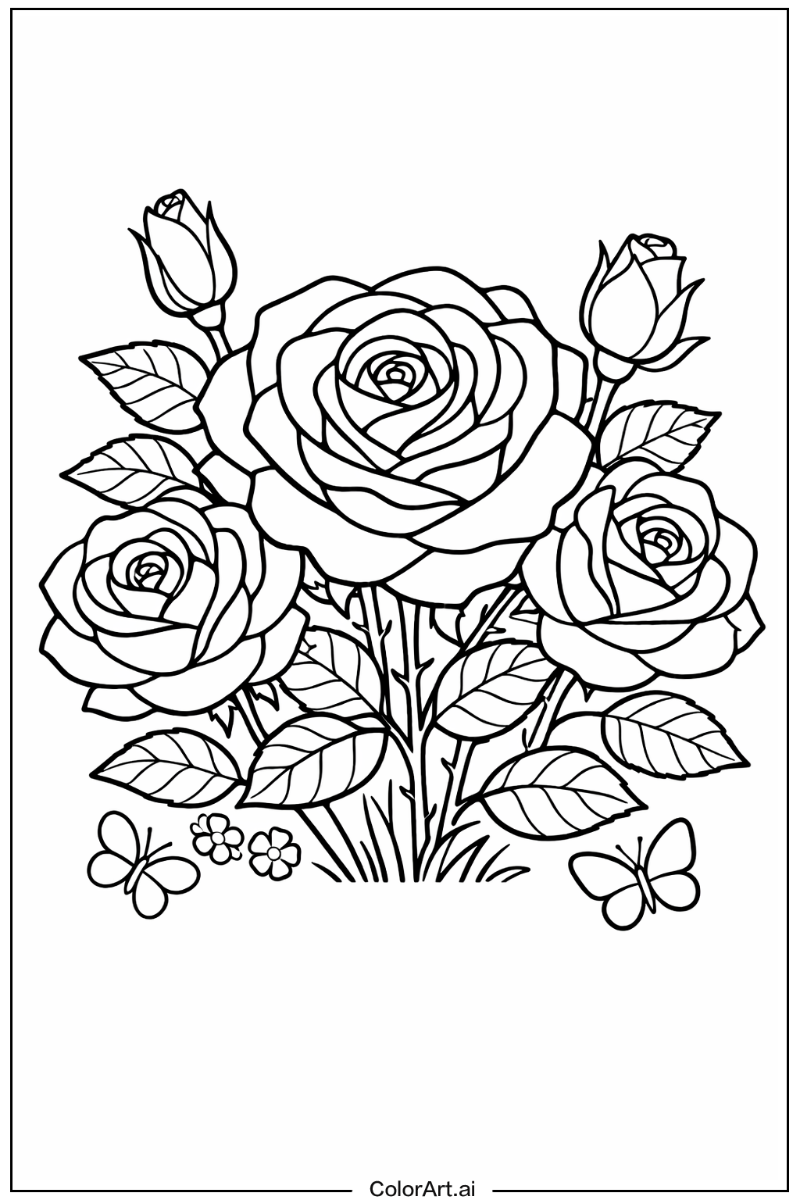
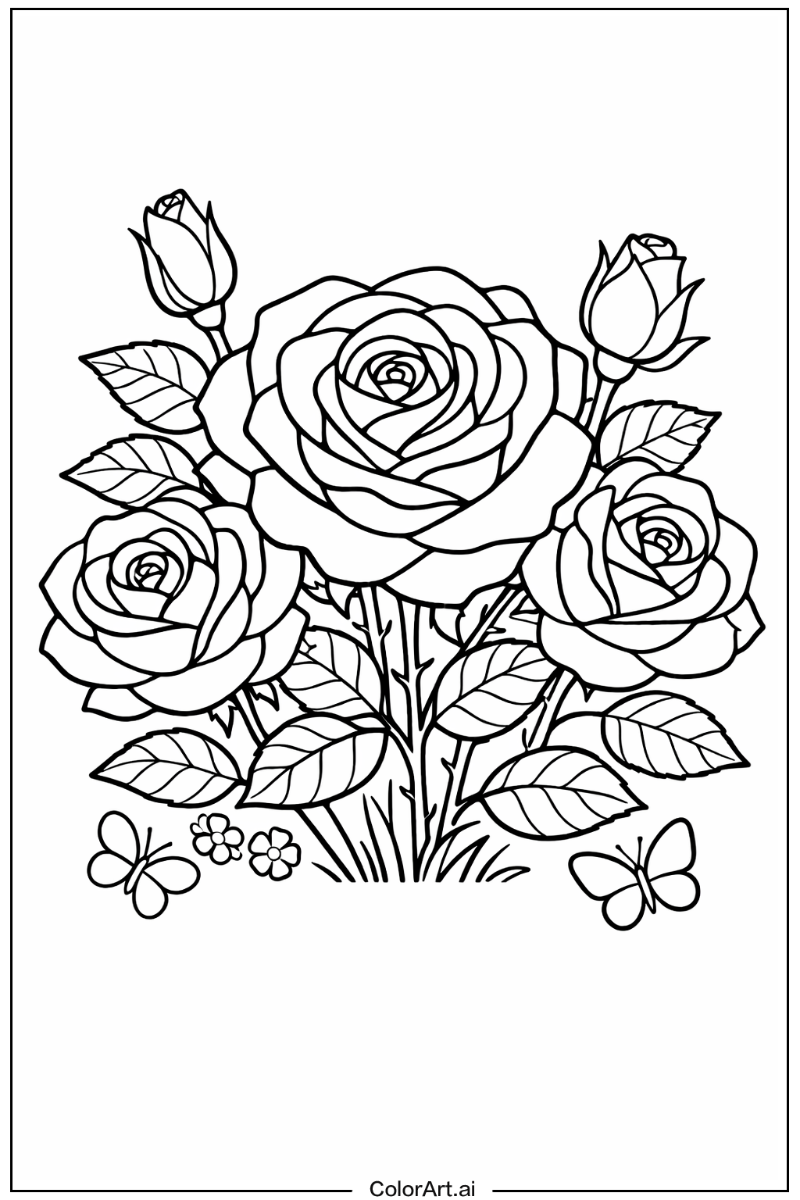
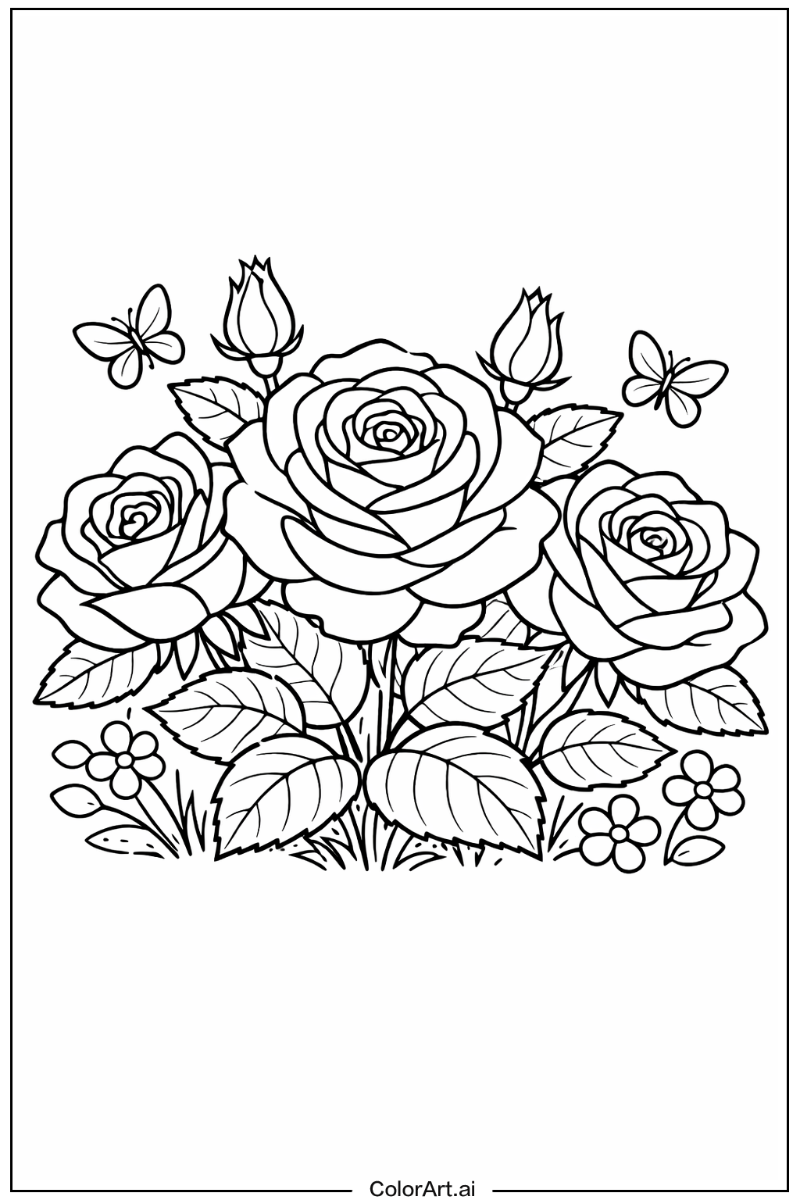
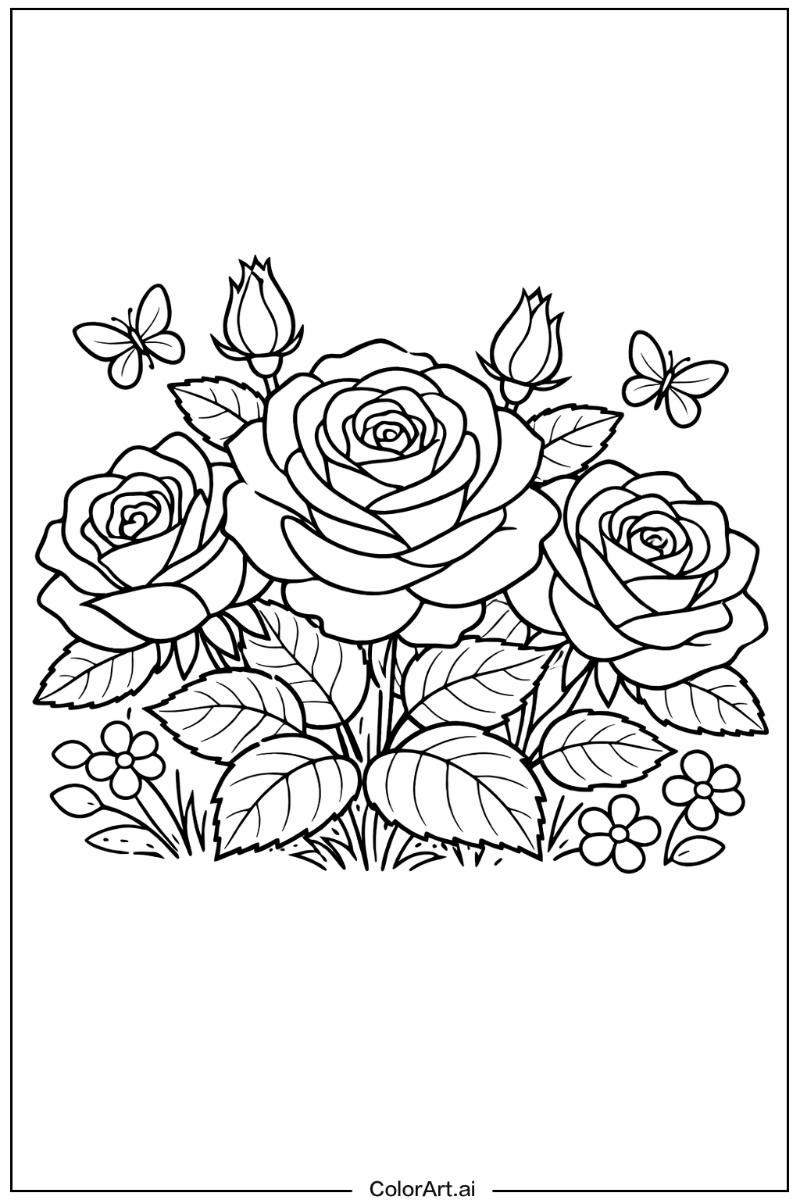
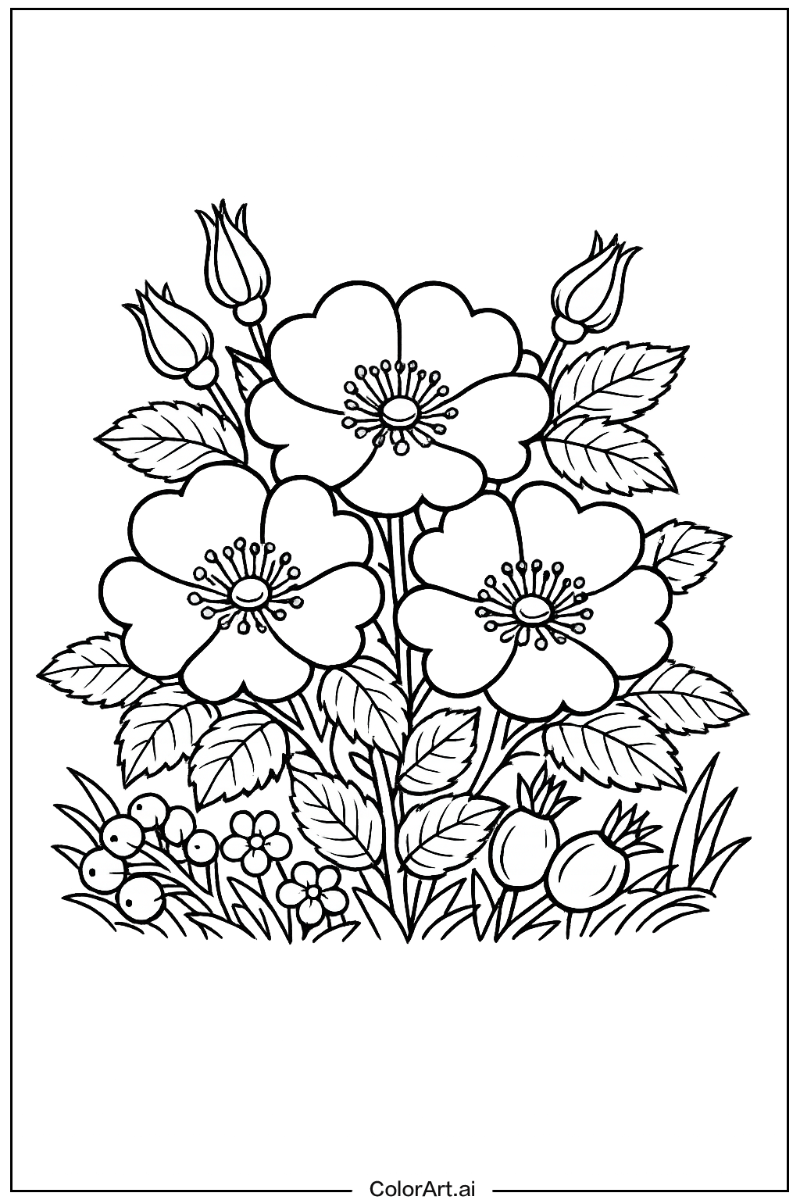
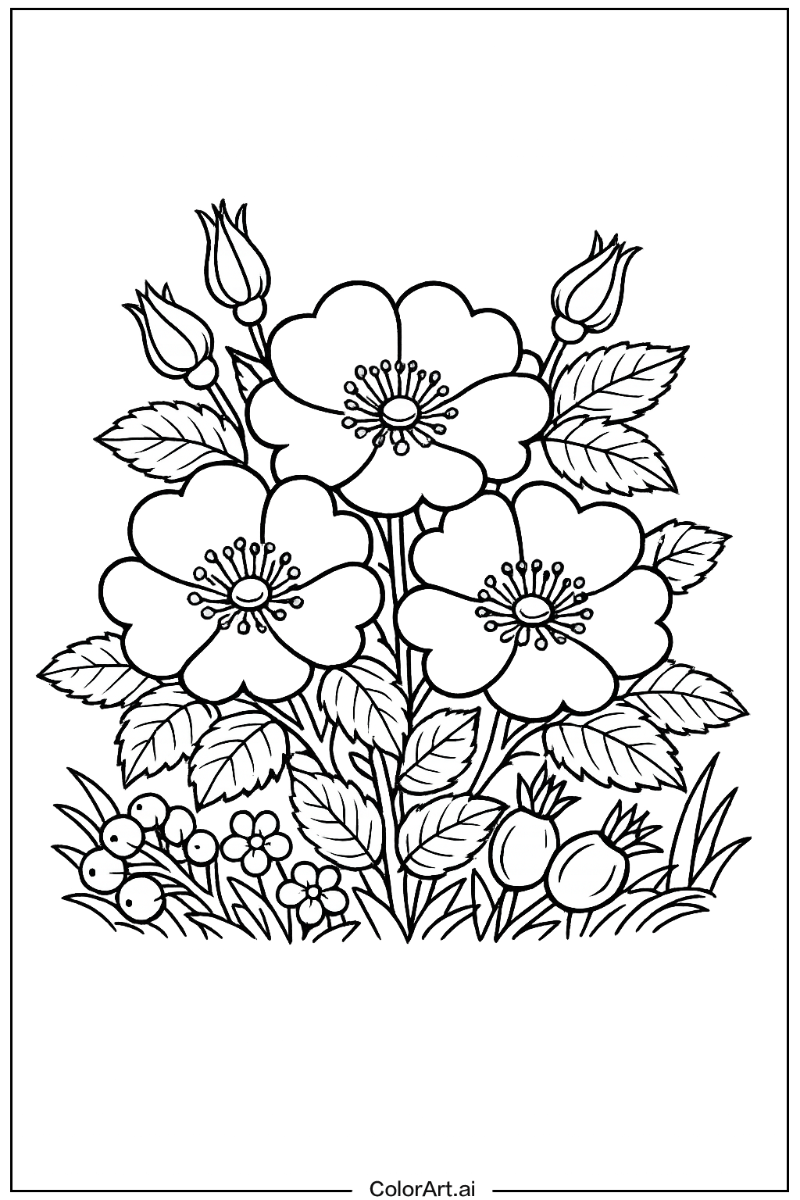
There's something magical about roses. Their vibrant colors and delightful scents have captivated hearts for centuries. As an art teacher, I've seen firsthand how roses can inspire creativity in the classroom. One of my favorite memories is when my students, armed with crayons and colored pencils, transformed simple rose outlines into vibrant masterpieces. Each student brought a unique perspective, showcasing their individuality through their choice of colors and styles. It's moments like these that remind me of the power of roses—not just as a symbol of beauty, but as a gateway to personal expression and learning.
Group Coloring Pages
 PDF
PDF
 PNG
PNG
 PNG
PNG
 PNG
PNG
 PNG
PNG
 PNG
PNG
 PNG
PNG
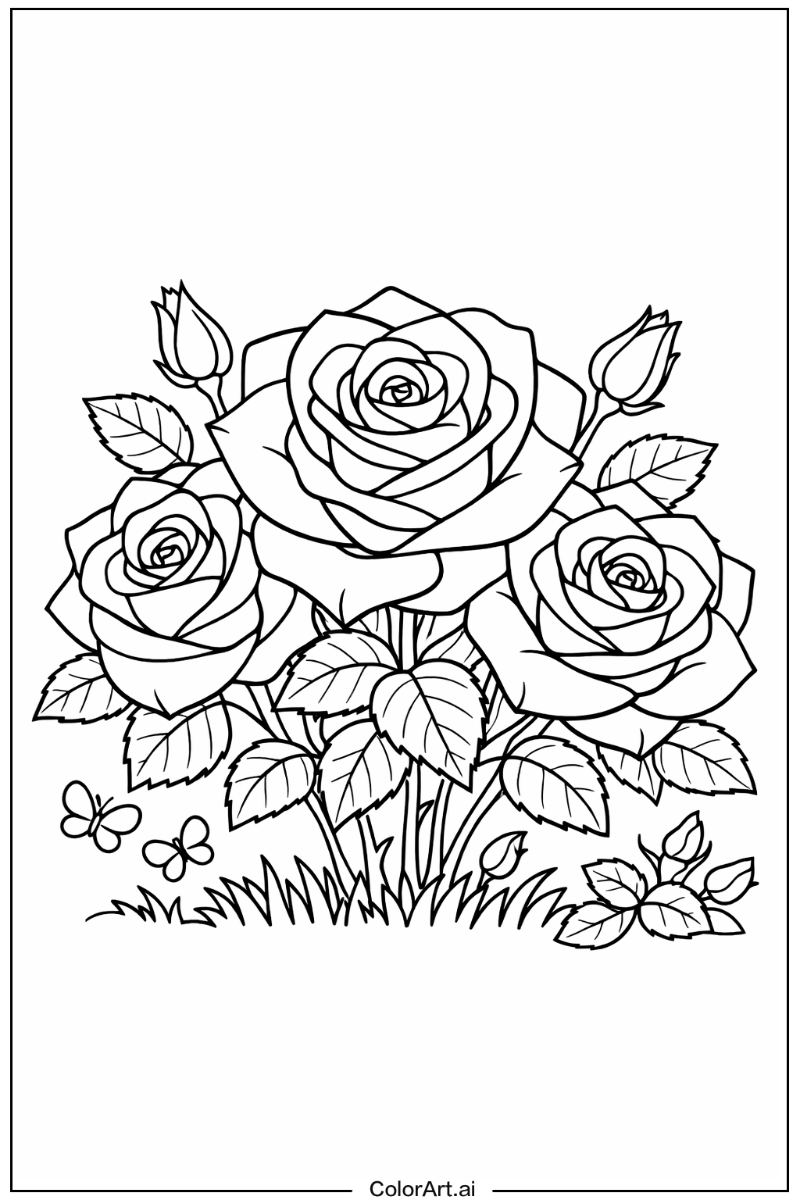
 PNG
PNG
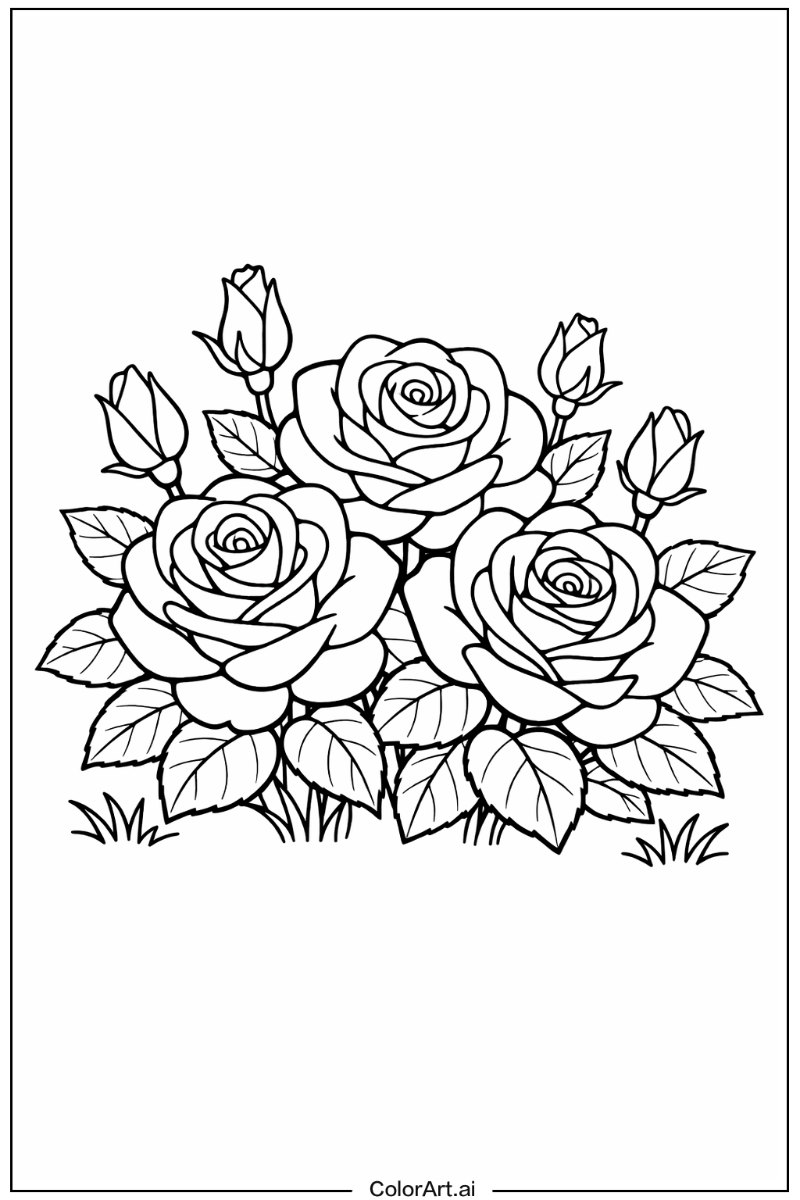
 PNG
PNG
 PNG
PNG
 PNG
PNG
 PNG
PNG
 PNG
PNG
 PNG
PNG
 PNG
PNG
 PNG
PNG
 PNG
PNG
 PNG
PNG
 PNG
PNG
 PNG
PNG
 PNG
PNG
 PNG
PNG
 PNG
PNG
 PNG
PNG
 PNG
PNG
 PNG
PNG
 PNG
PNG
 PNG
PNG
 PNG
PNG
 PNG
PNG
 PNG
PNG
 PNG
PNG
 PNG
PNG
 PNG
PNG
 PNG
PNG
 PNG
PNG
 PNG
PNG
 PNG
PNG
 PNG
PNG
 PNG
PNG
 PNG
PNG
 PNG
PNG
 PNG
PNG
 PNG
PNG
 PNG
PNG
 PNG
PNG
 PNG
PNG
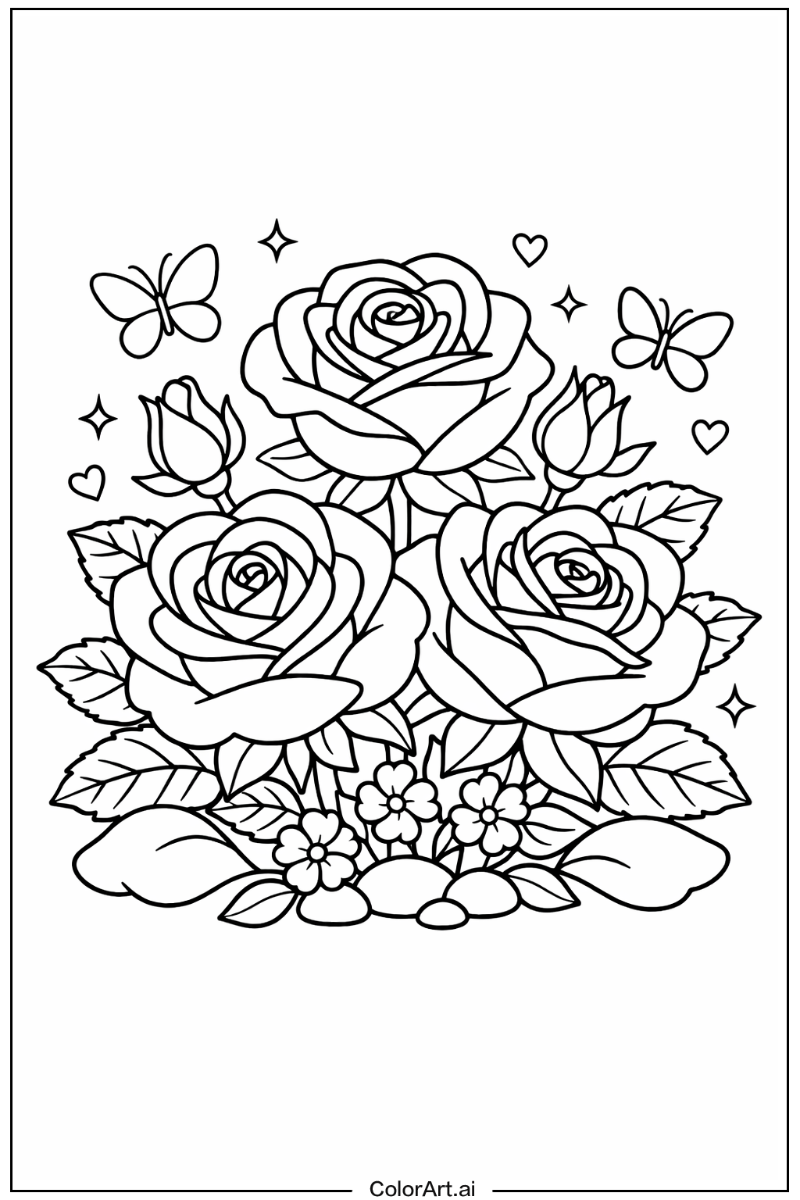
 PNG
PNG
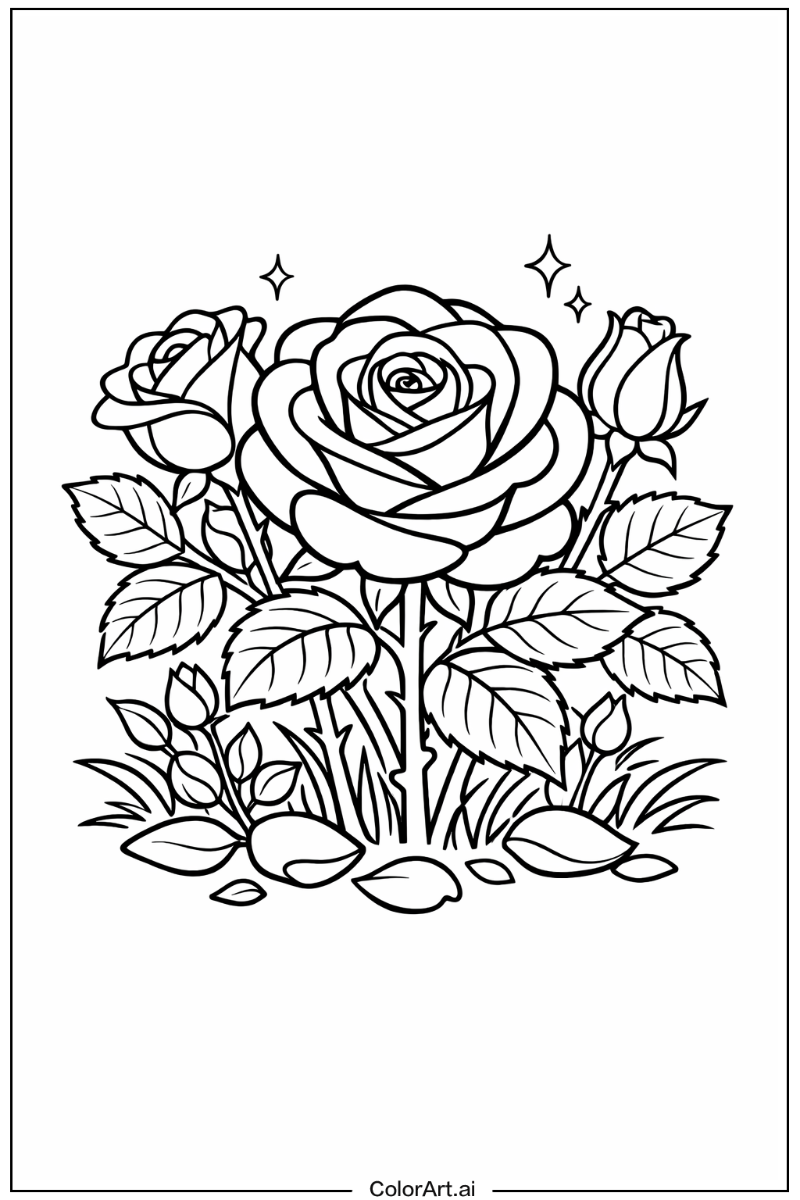
 PNG
PNG
 PNG
PNG
Educational Background on Roses
Roses belong to the genus Rosa in the family Rosaceae, encompassing a plethora of species that vary in color, shape, and aroma. From the cultivated Rosa hybrida to the wild Rosa multiflora, roses have been adored across cultures for centuries. Historically, roses have been utilized not only for their beauty but also for their scent in perfumes and essential oils. This rich heritage offers a wonderful opportunity to integrate scientific knowledge into our rose coloring activities. Exploring the biology behind roses can deepen students' appreciation for these flowers and enhance their artistic endeavors. Did you know that roses can also symbolize different emotions? For instance, a red rose represents love, while a yellow rose signifies friendship—perfect themes for our coloring pages!
Benefits of Rose Coloring Activities
Incorporating rose coloring pages in the classroom offers myriad educational benefits. Firstly, it aids in developing fine motor skills in young learners. I noticed a distinct improvement in my students' dexterity after they spent time coloring roses. For example, during a spring unit, my kindergarteners worked on rose coloring pages that required them to stay within the lines, which significantly enhanced their control and coordination.
Beyond physical skills, coloring roses fosters cognitive abilities. It encourages focus and concentration, essential traits for academic success. When my students engage in coloring activities, the classroom atmosphere shifts; they become more focused and attentive. Additionally, integrating discussions about the historical and cultural significance of roses during these sessions enriches their learning experience. It allows them to connect their artistic expression to broader themes in science and history, creating a holistic educational approach.
Practical Tips for Coloring Roses
When it comes to coloring roses, a few practical tips can enhance the experience for both teachers and students. Firstly, I recommend using high-quality colored pencils or markers for vivid results. In my experience, students find satisfaction in seeing their roses come to life with bright colors.
Additionally, consider introducing shading techniques. Show students how to apply a darker shade at the base of rose petals and a lighter shade at the tips to create depth. This simple technique has transformed ordinary rose coloring pages into stunning artworks in my classroom. Lastly, encourage students to experiment with color combinations. A few weeks ago, I had a student named Mia who decided to color her rose petals with gradients of pink and orange. The result was breathtaking! Letting students express their creativity through color choice can lead to unexpected and delightful outcomes.
Current Trends in Rose Art Education
The world of rose art education is blossoming with new trends! As we embrace technology, many educators are integrating digital rose coloring pages into their lesson plans. Apps like Calm have introduced rose mandala coloring, encouraging mindfulness and creativity among students. Additionally, 2024 saw a surge in rose-themed community projects, demonstrating how art can serve as a bridge between education and social engagement. In my classroom, I've begun to notice a trend of students sharing their rose artwork online, inspired by platforms like TikTok and Instagram. This not only showcases their talents but also helps them connect with a wider community of fellow young artists. Engaging with roses through various mediums—be it traditional coloring or digital platforms—opens up a world of creativity for our students.
Frequently Asked Questions about Rose Coloring Pages
What age group are rose coloring pages suitable for?
Rose coloring pages are great for various age groups, from preschoolers to adults. We offer different complexity levels to match skill levels, ensuring that everyone can enjoy the beauty of roses.
What materials work best for coloring rose pages?
For optimal results, I recommend using colored pencils for fine details, markers for bold colors, and crayons for younger children. Using high-quality paper or cardstock can also enhance the overall quality of the colored rose.
How should I print rose coloring pages for best quality?
When printing rose coloring pages, use high-quality settings on your printer. Standard A4 or Letter-size paper works well, and using cardstock can provide a more durable option for students to color on.