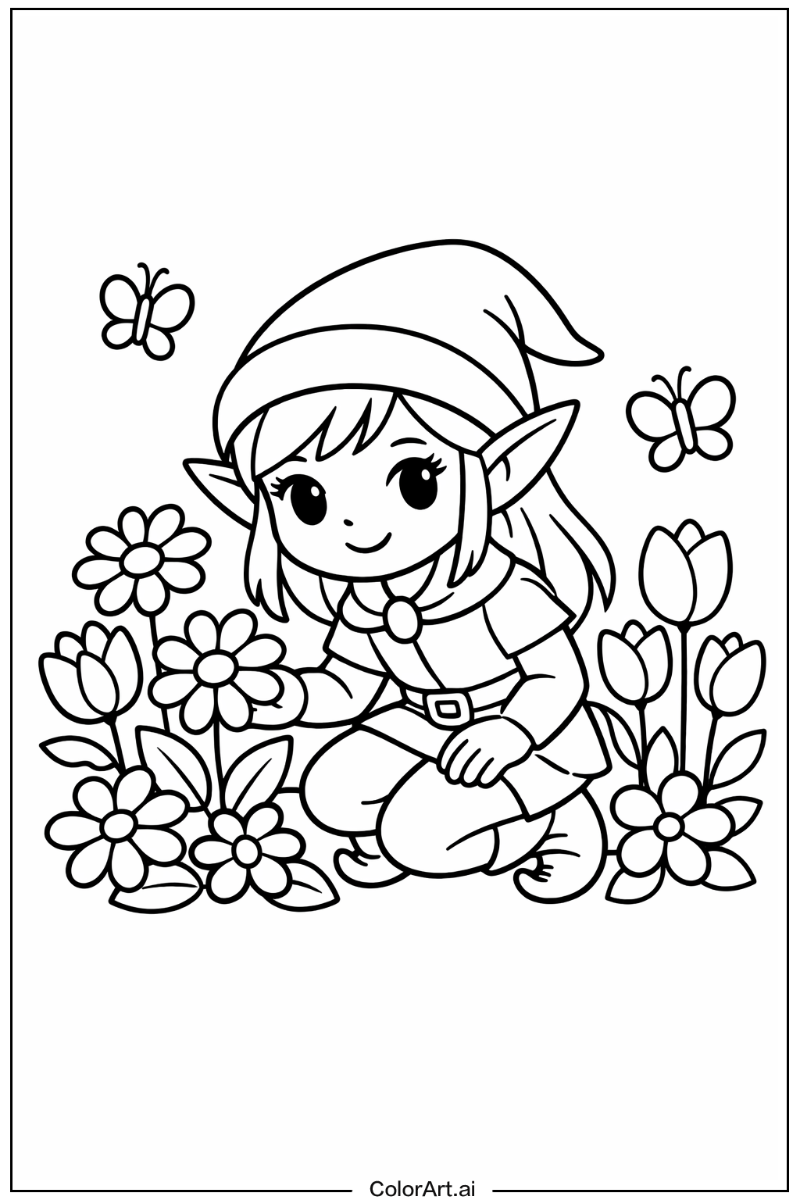
Welcome to the World of Floral Coloring Pages
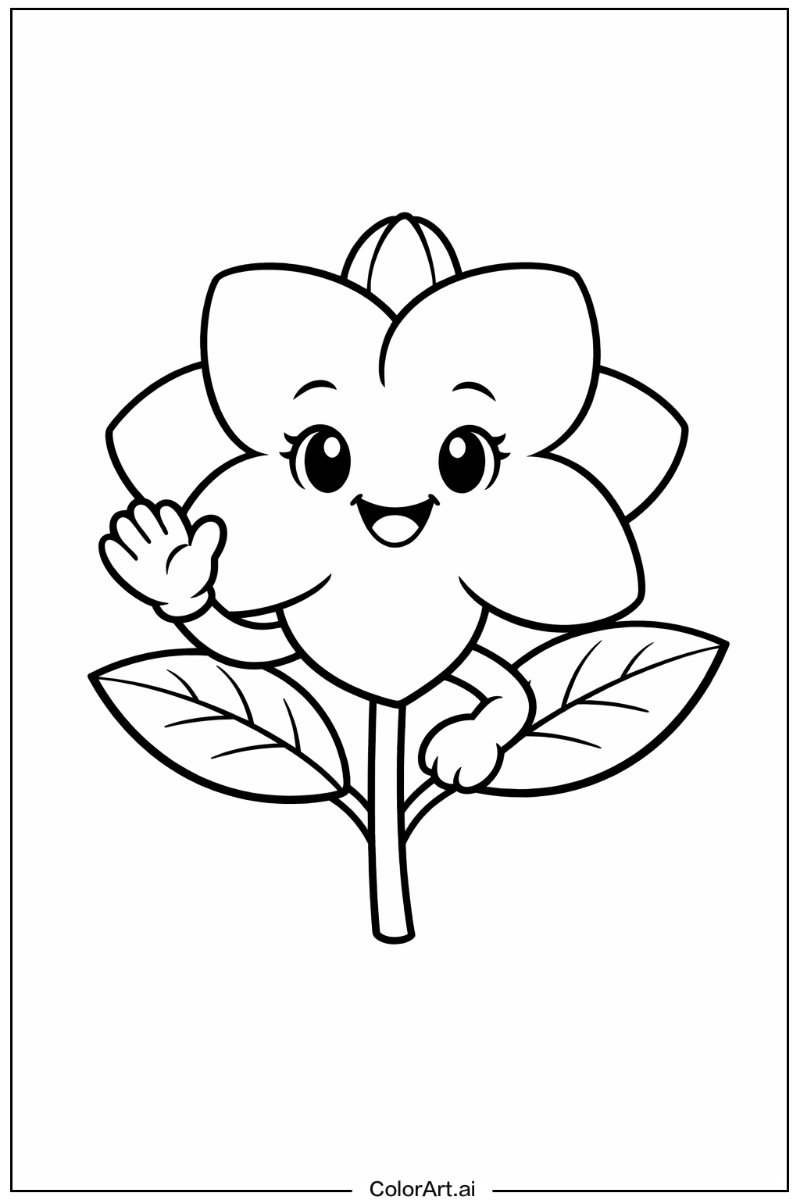
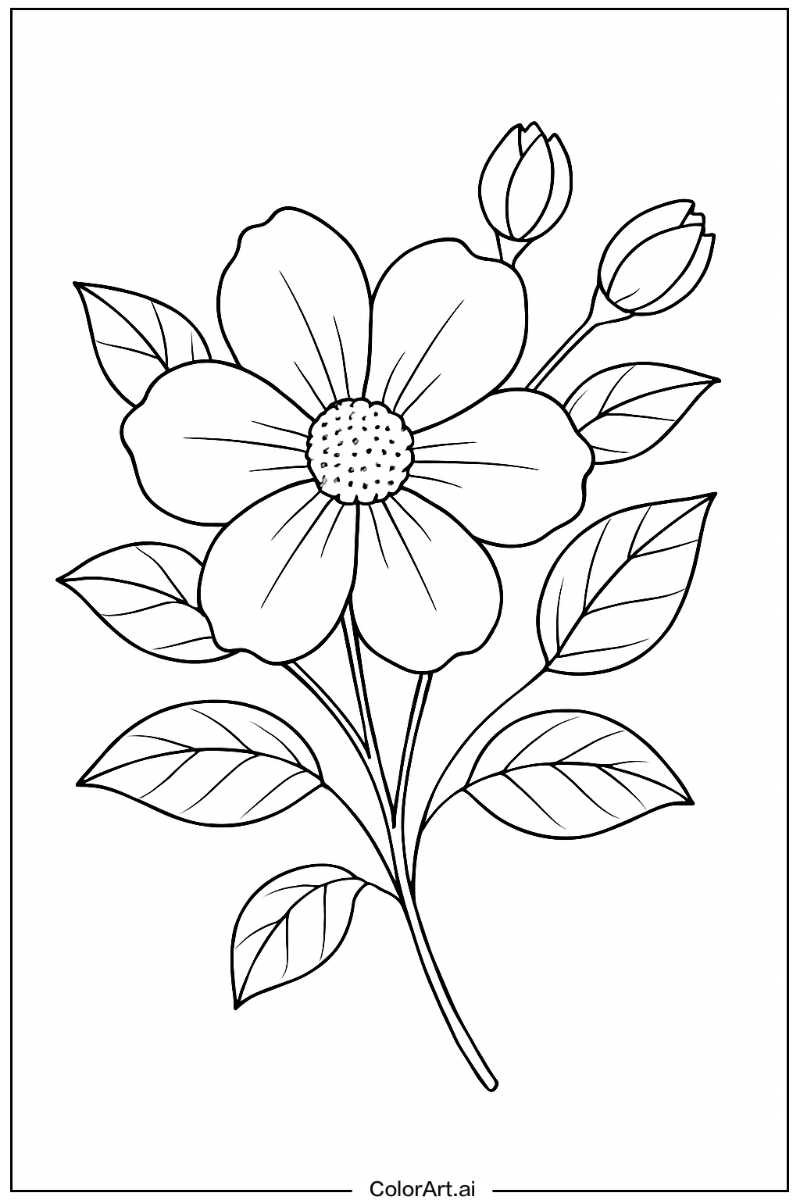
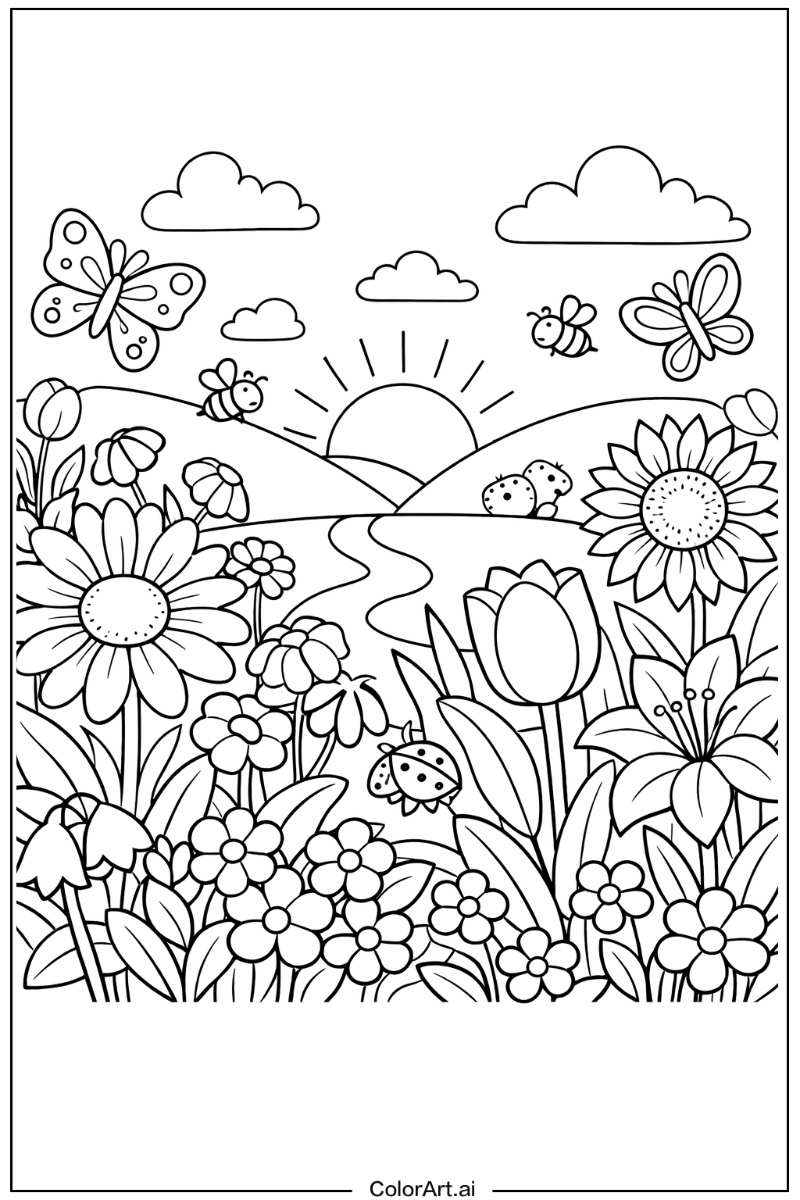
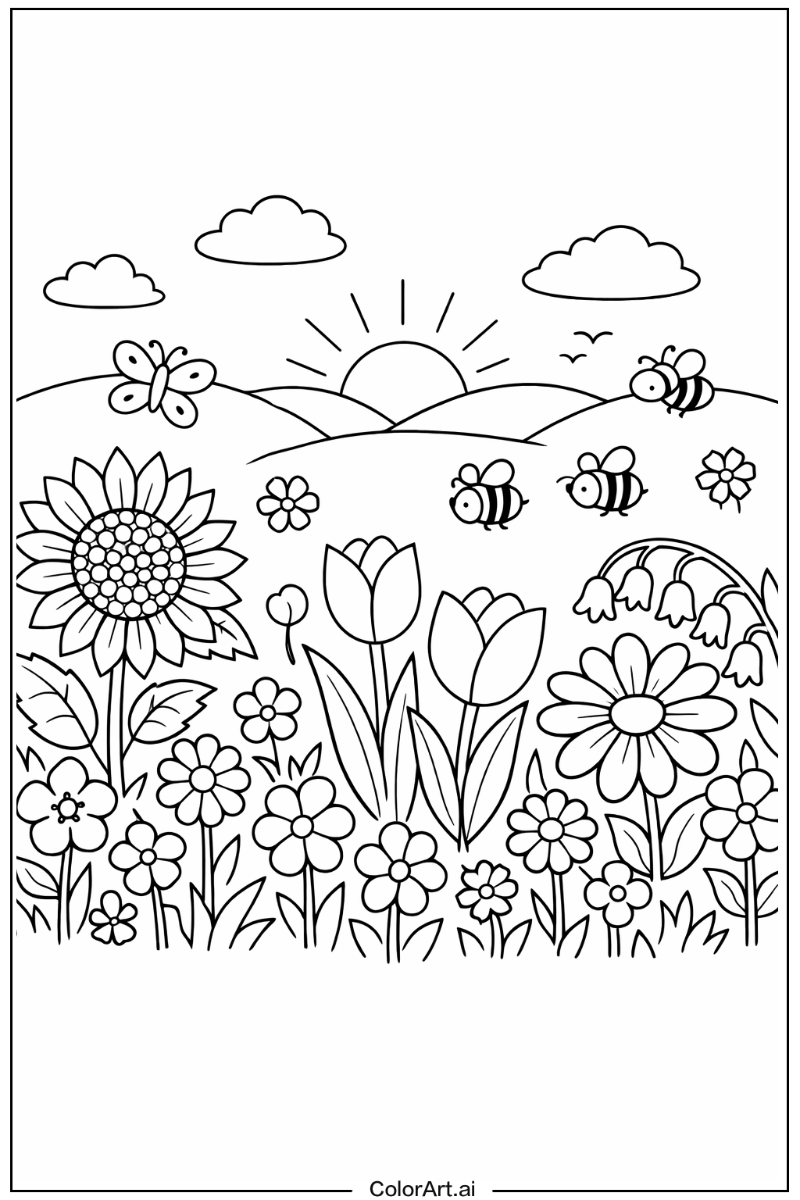
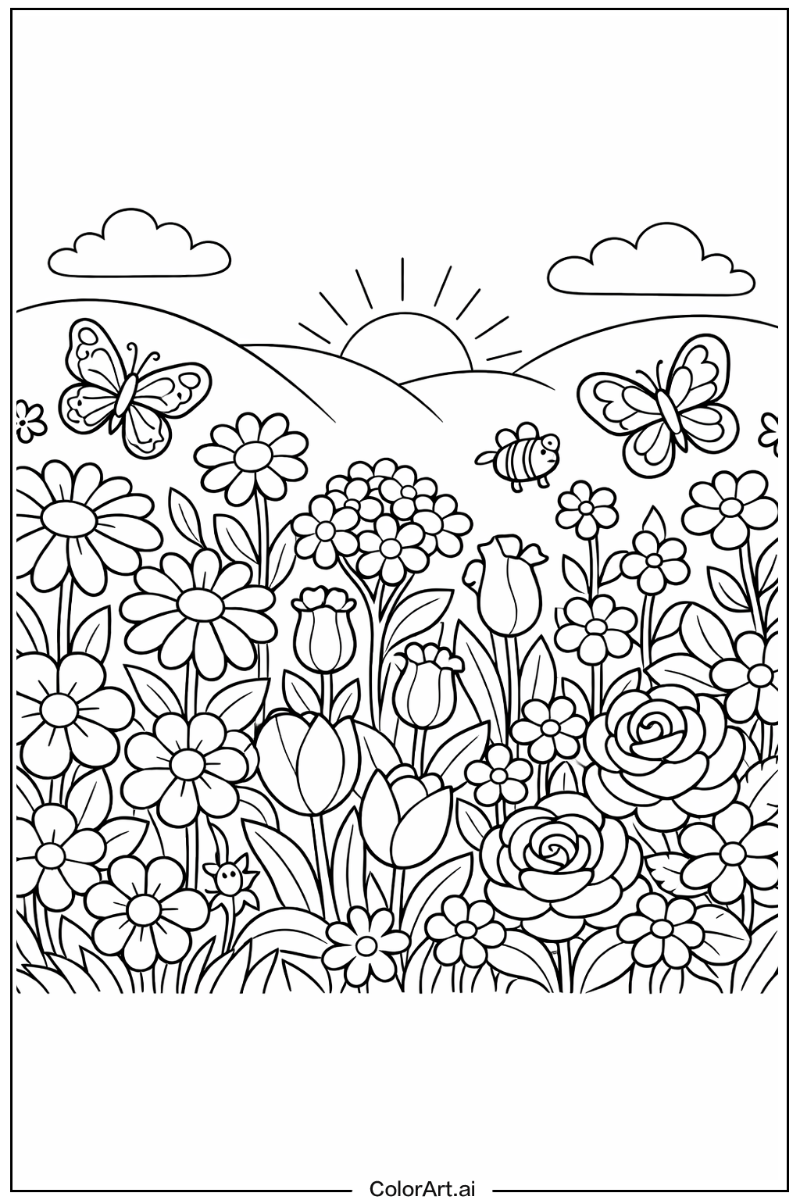
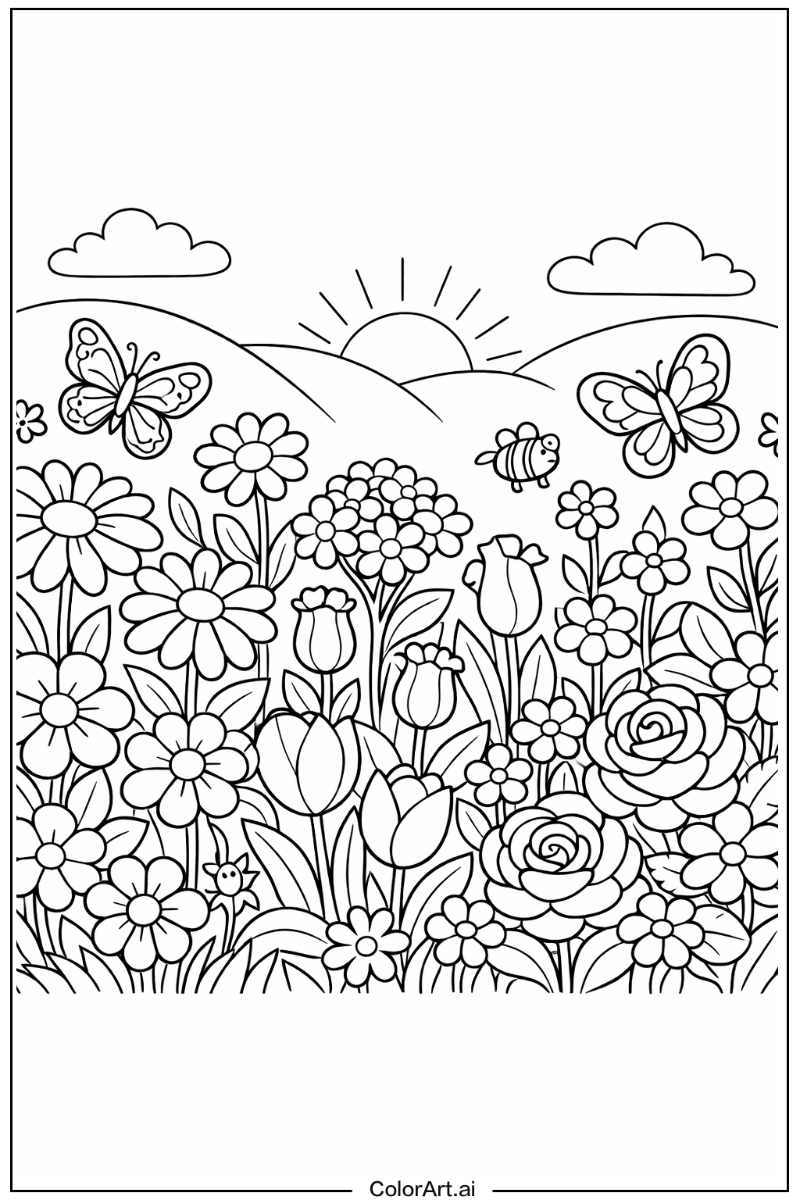
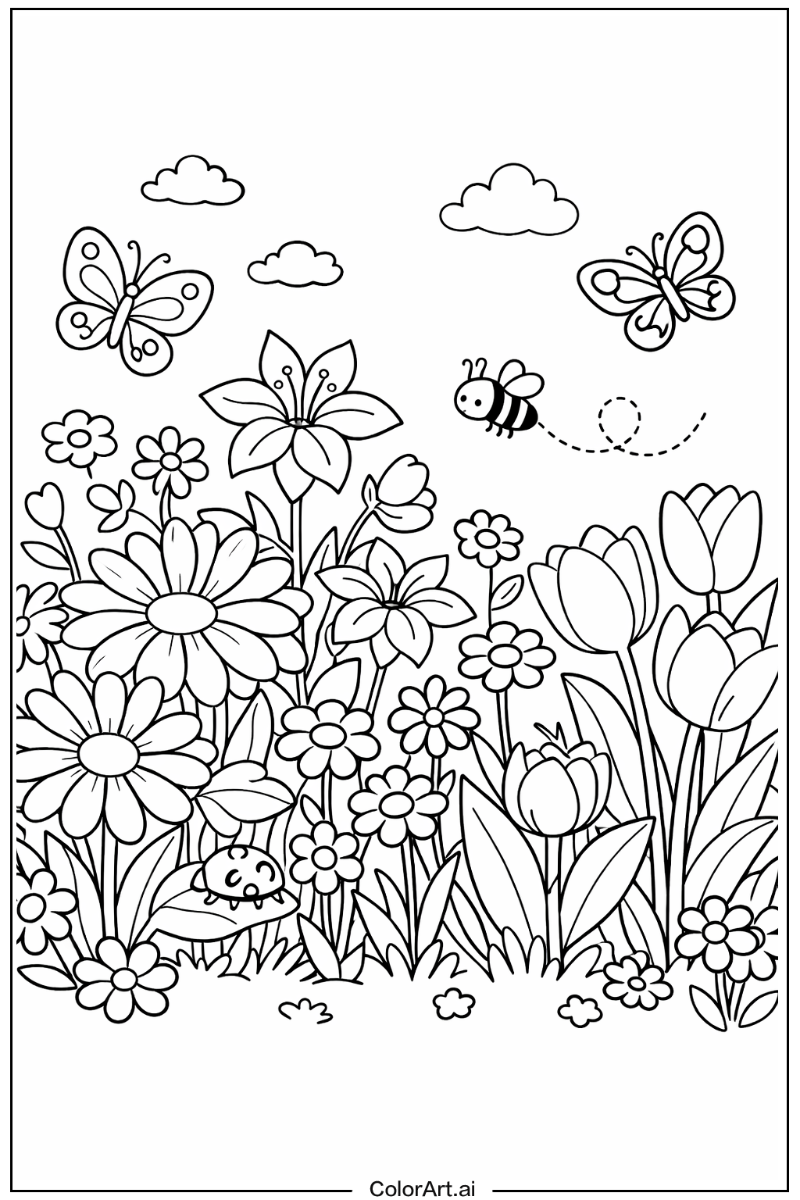
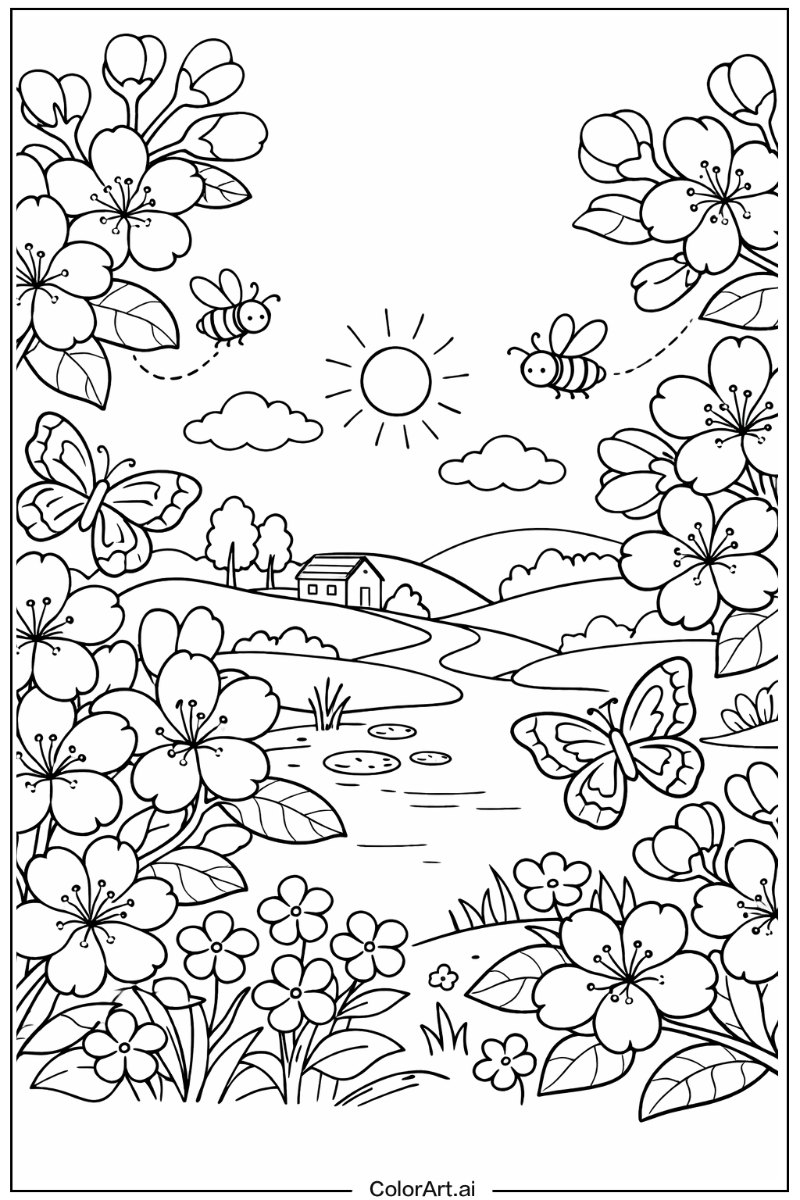
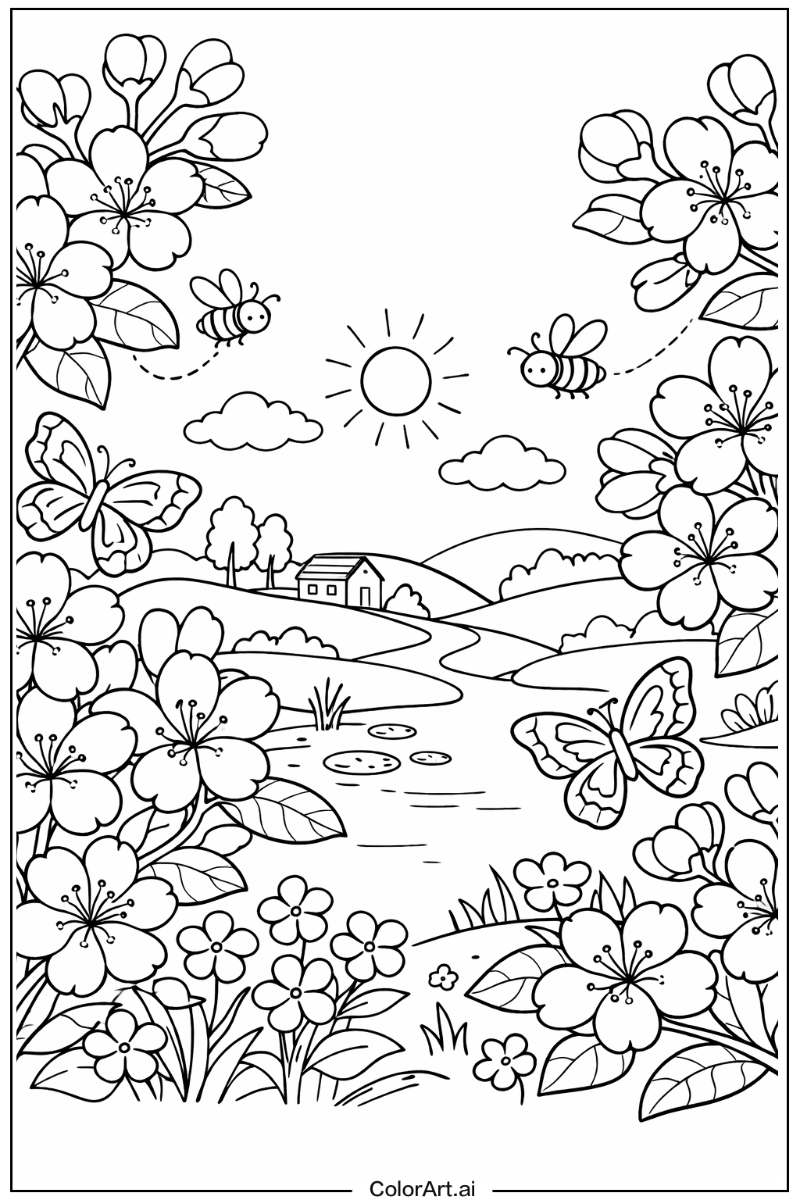
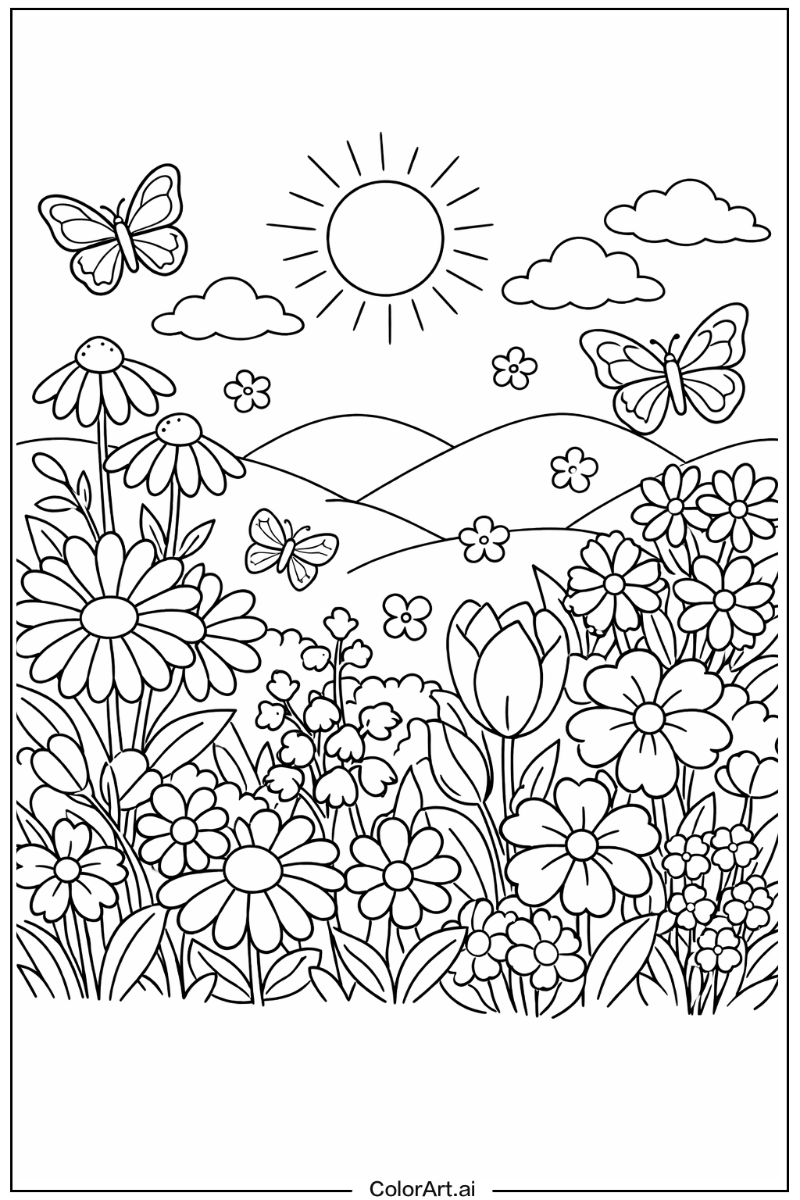
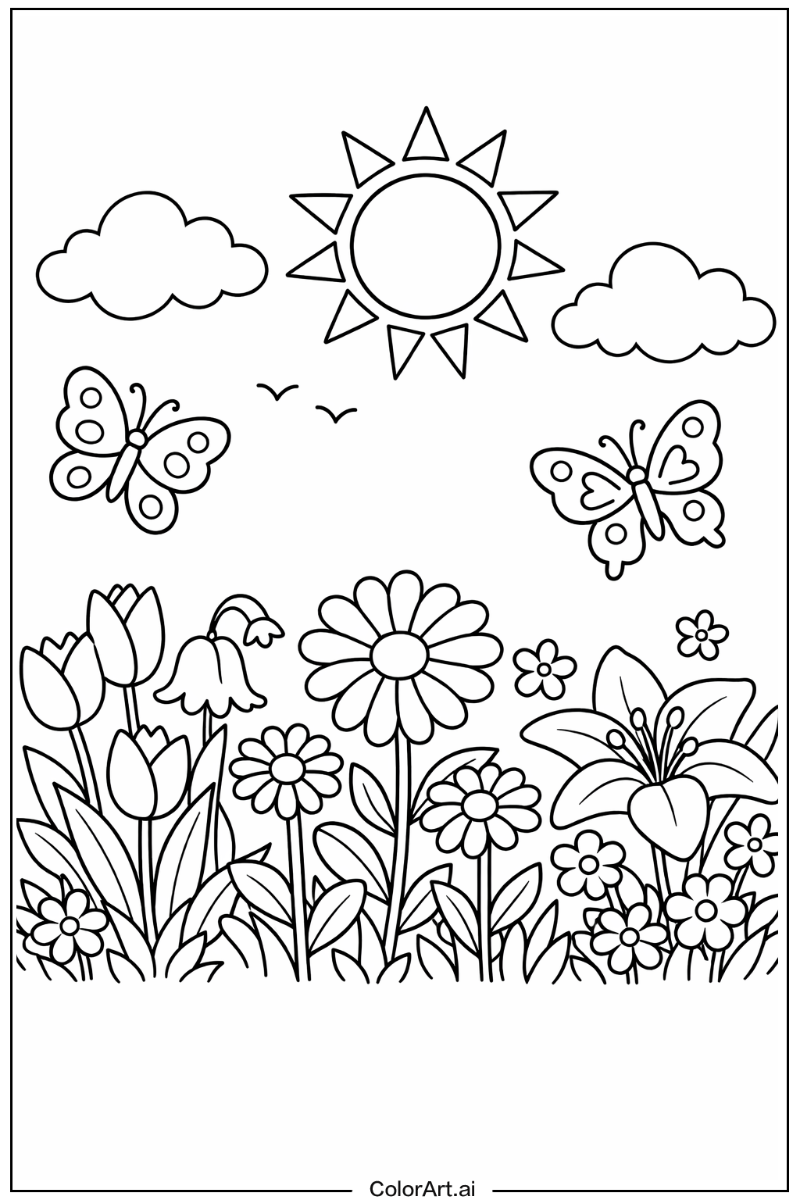
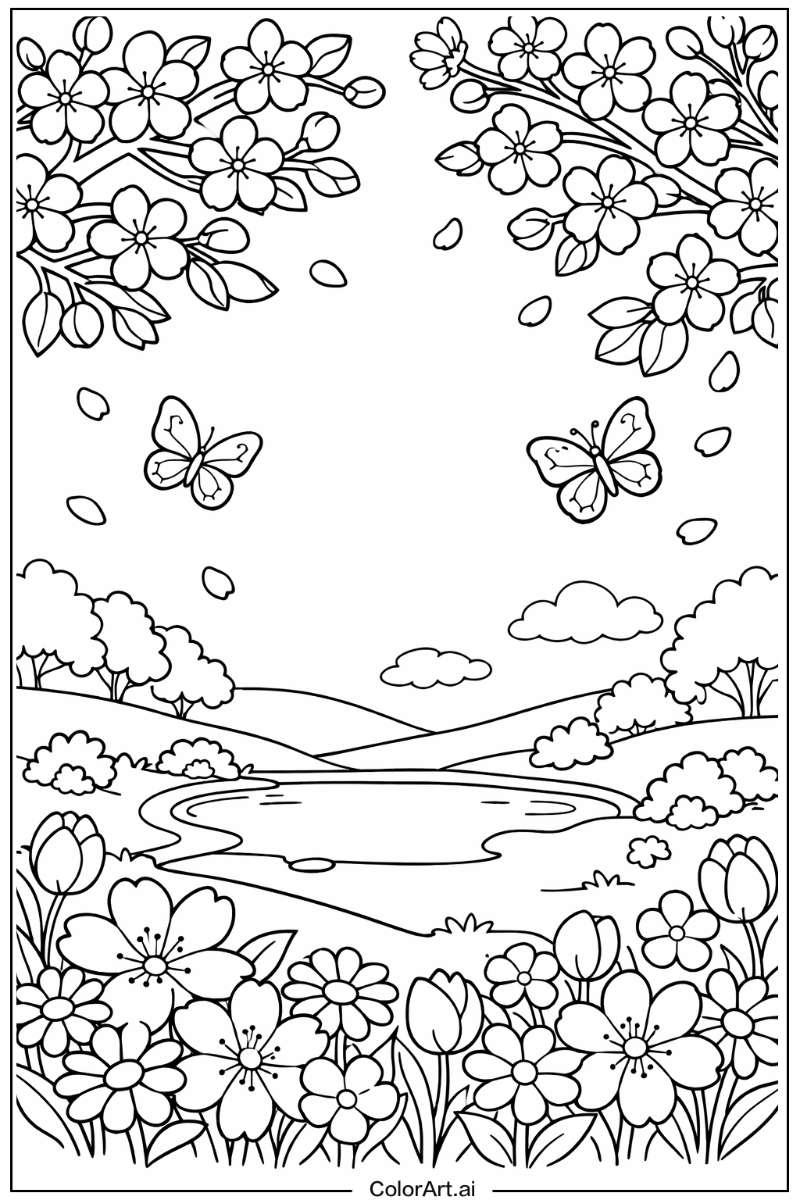
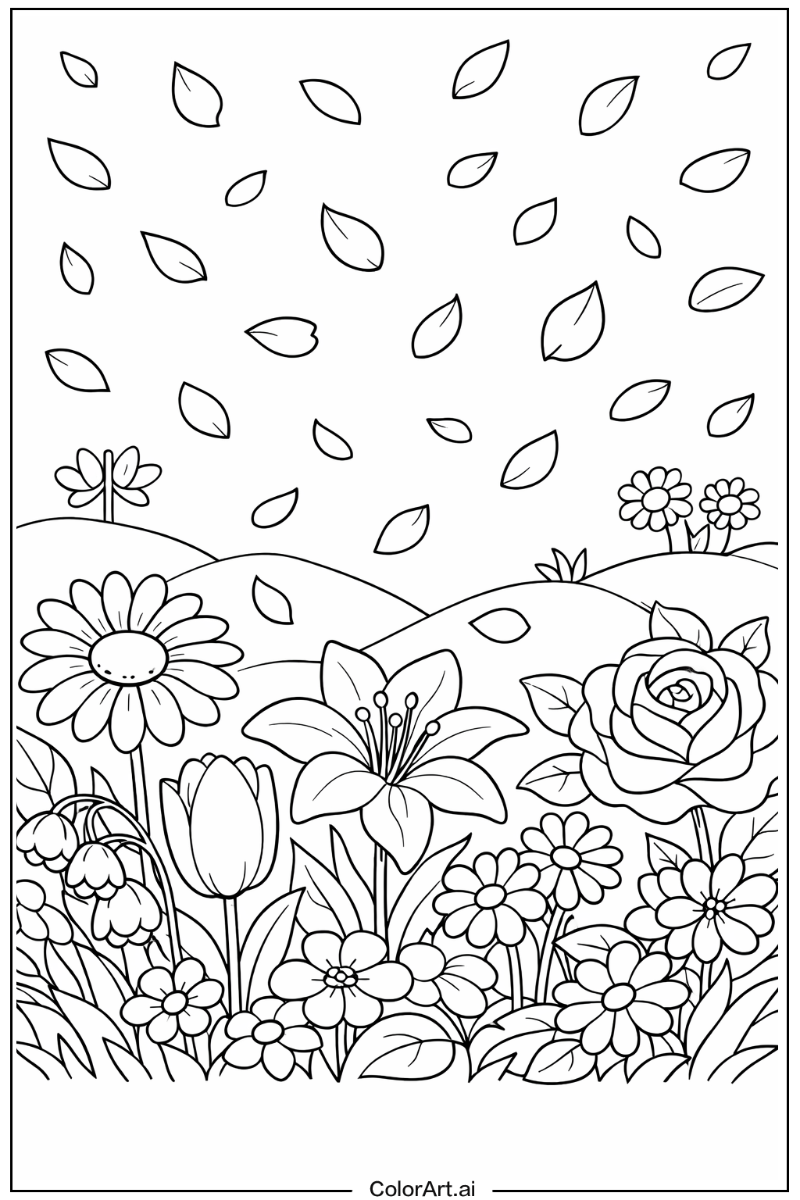
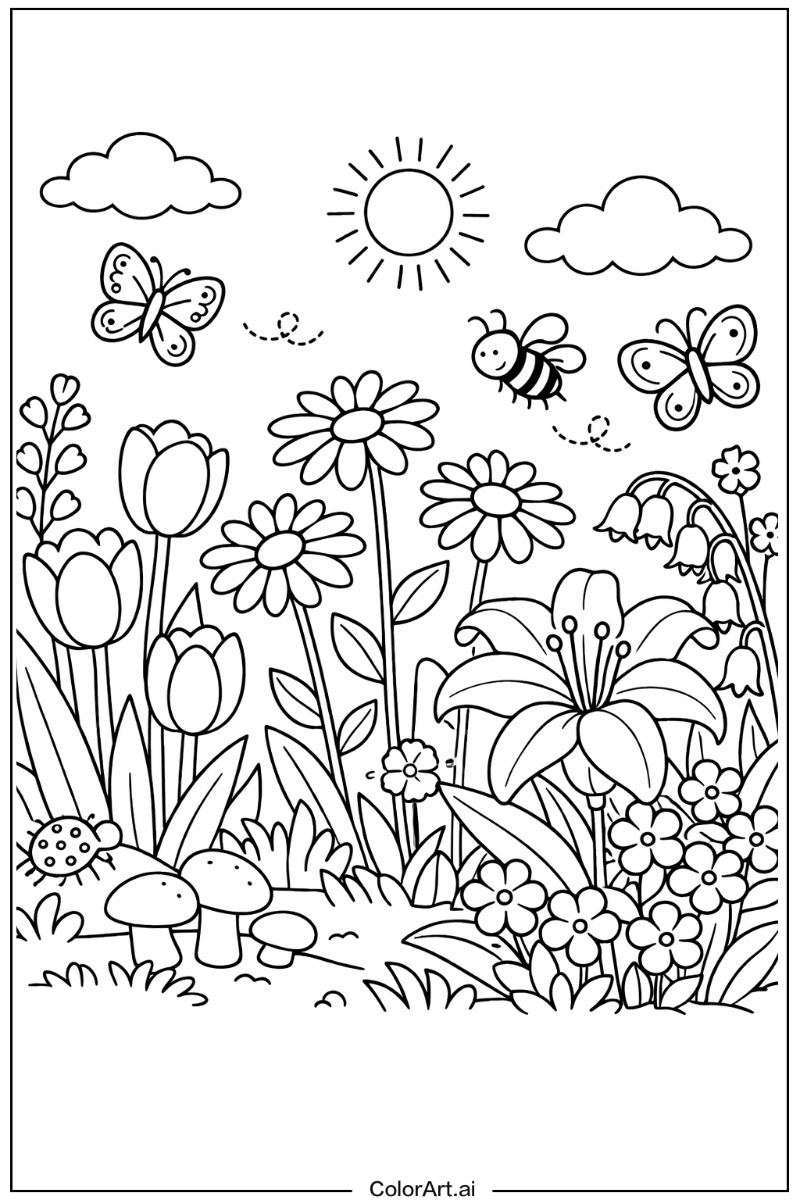
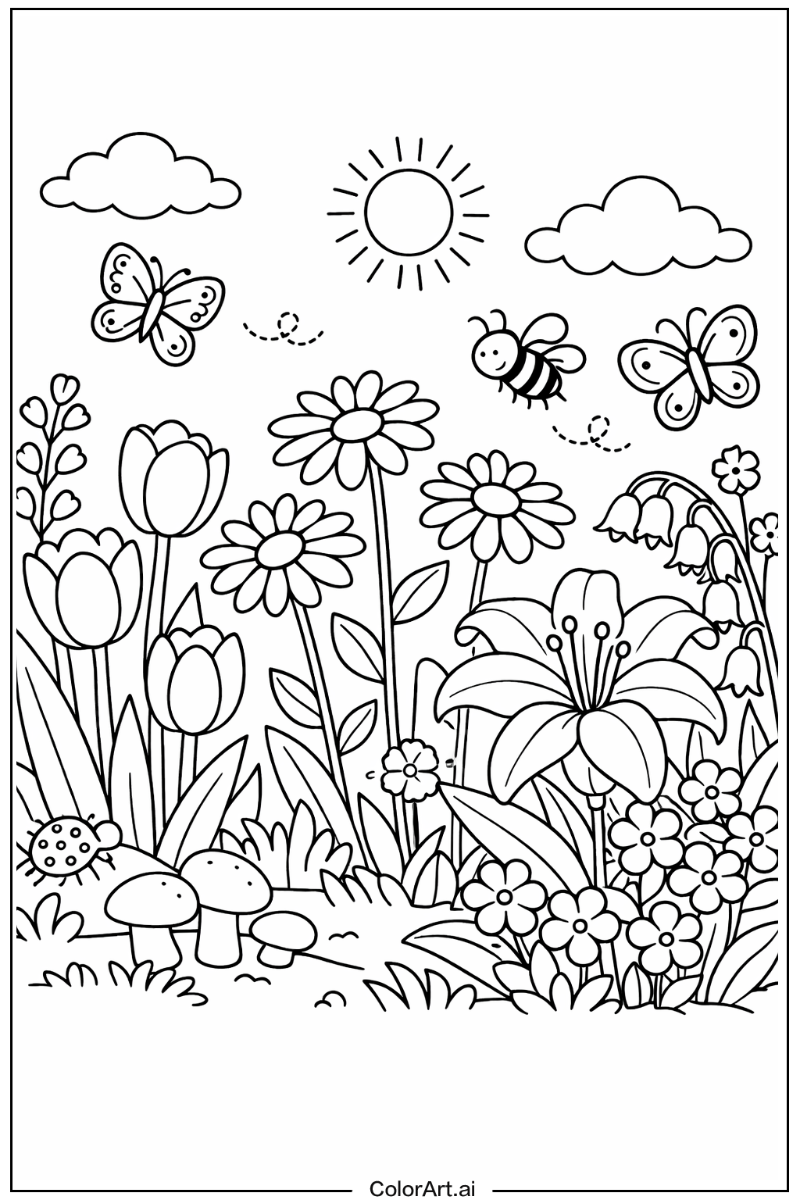
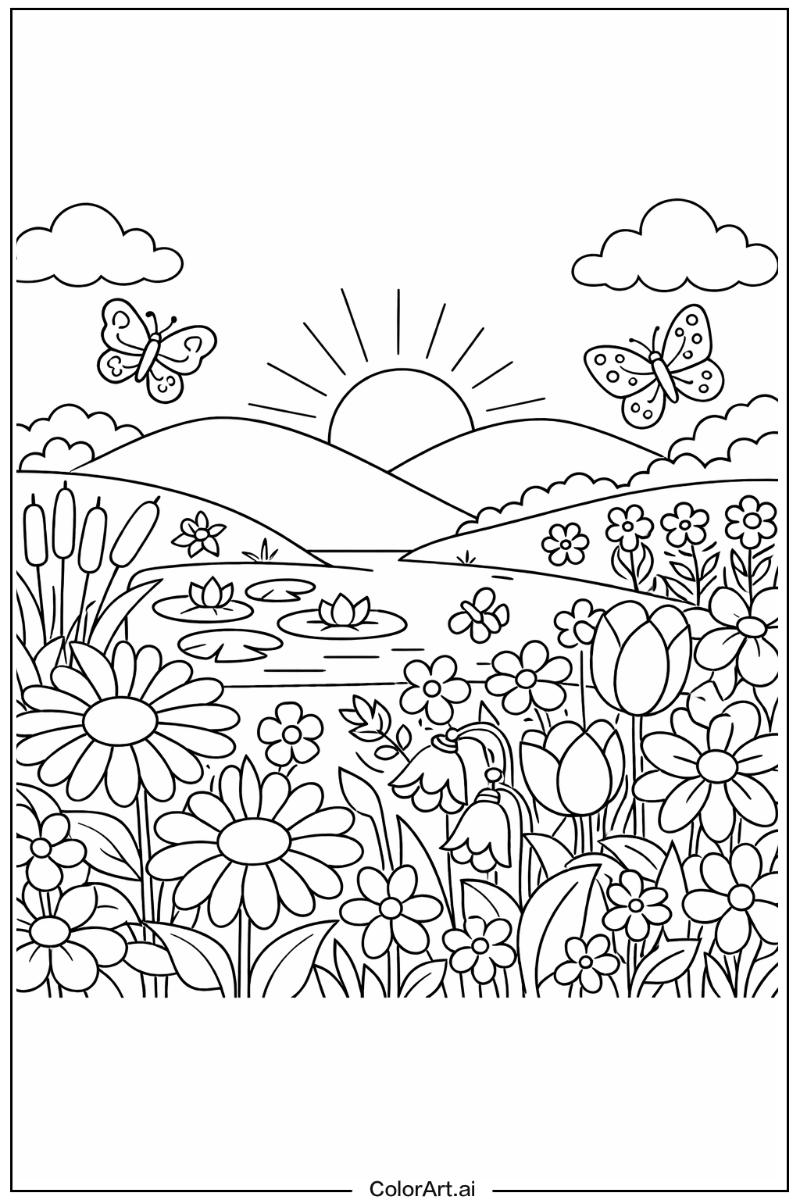
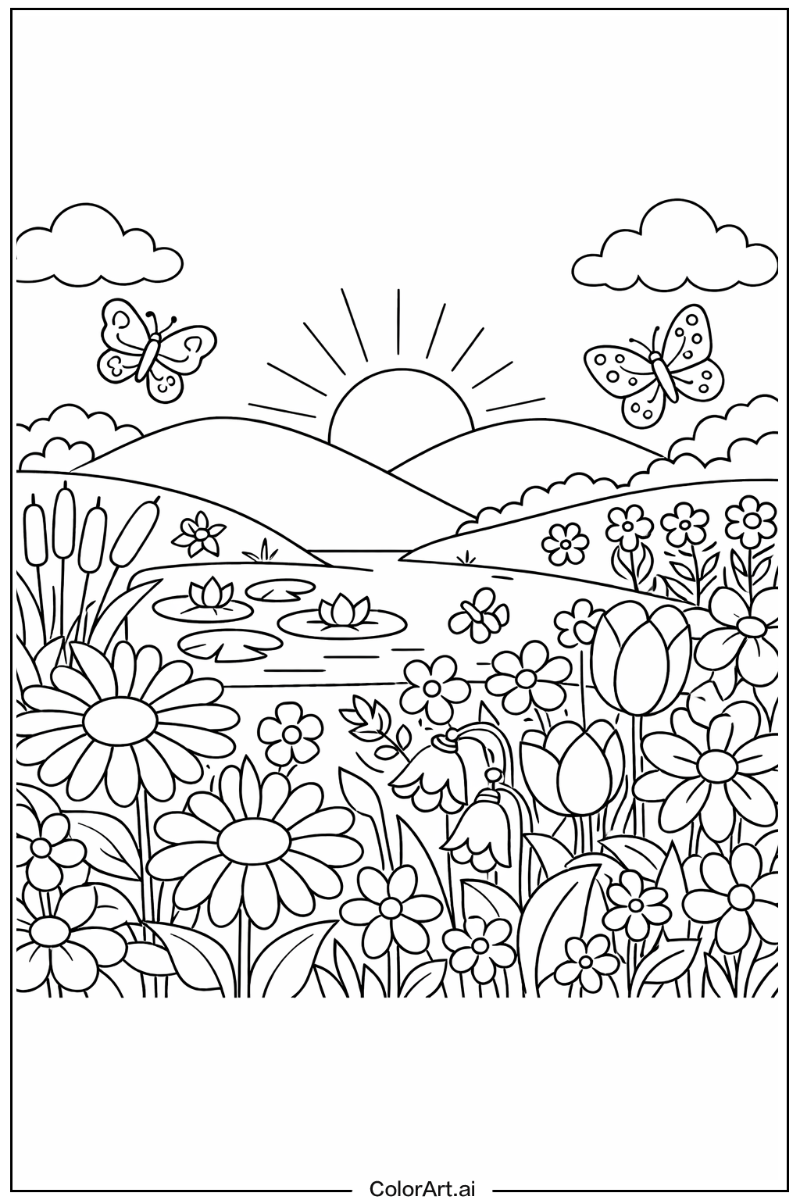
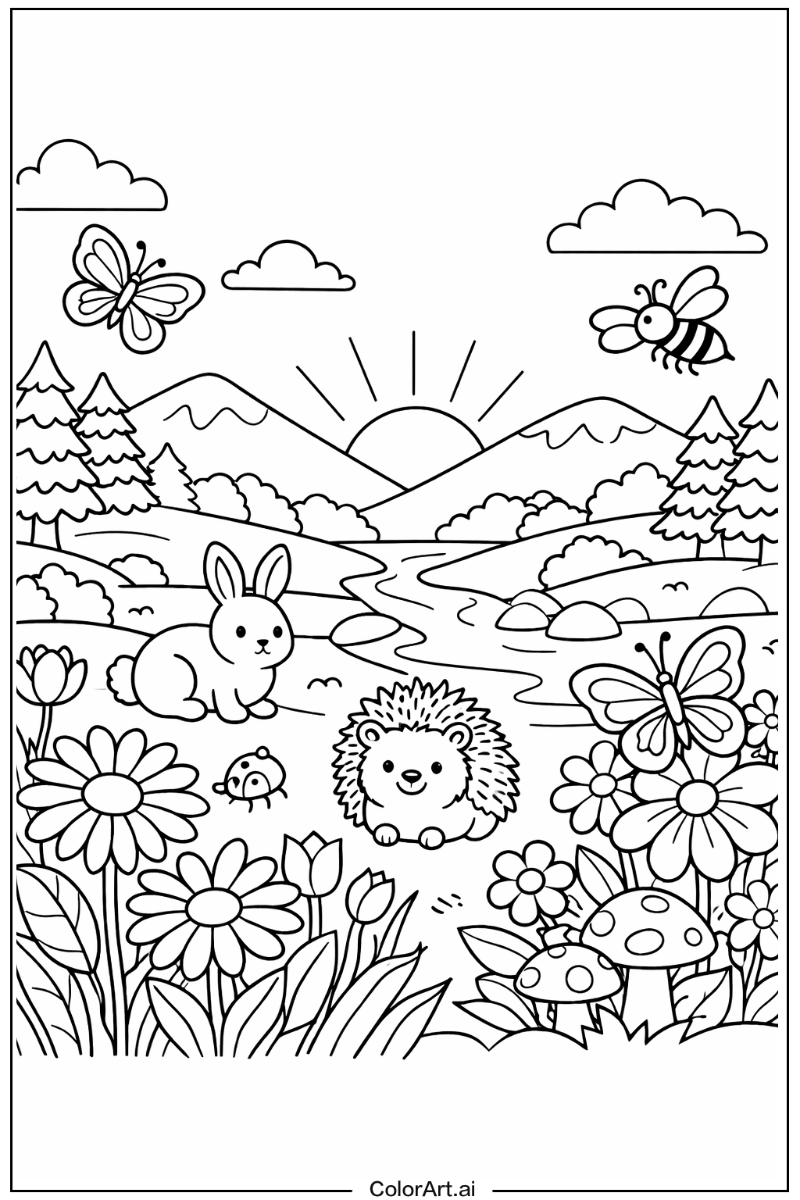
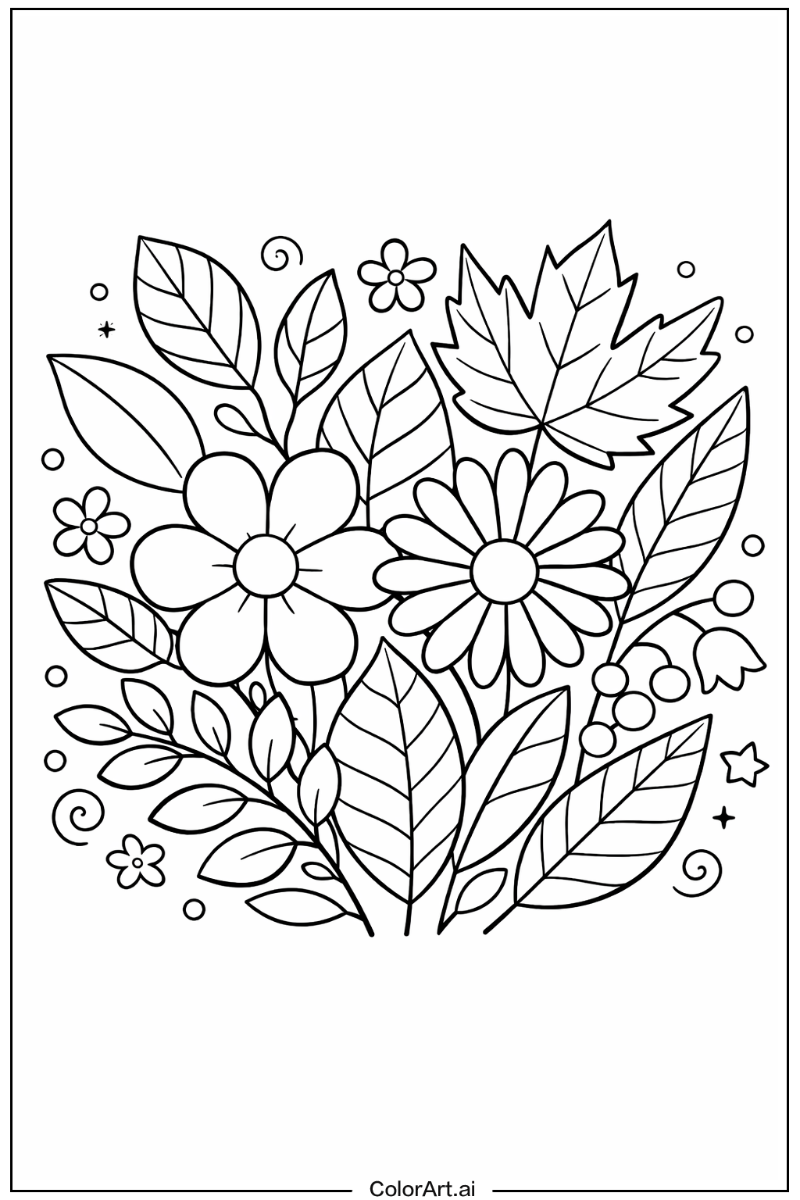
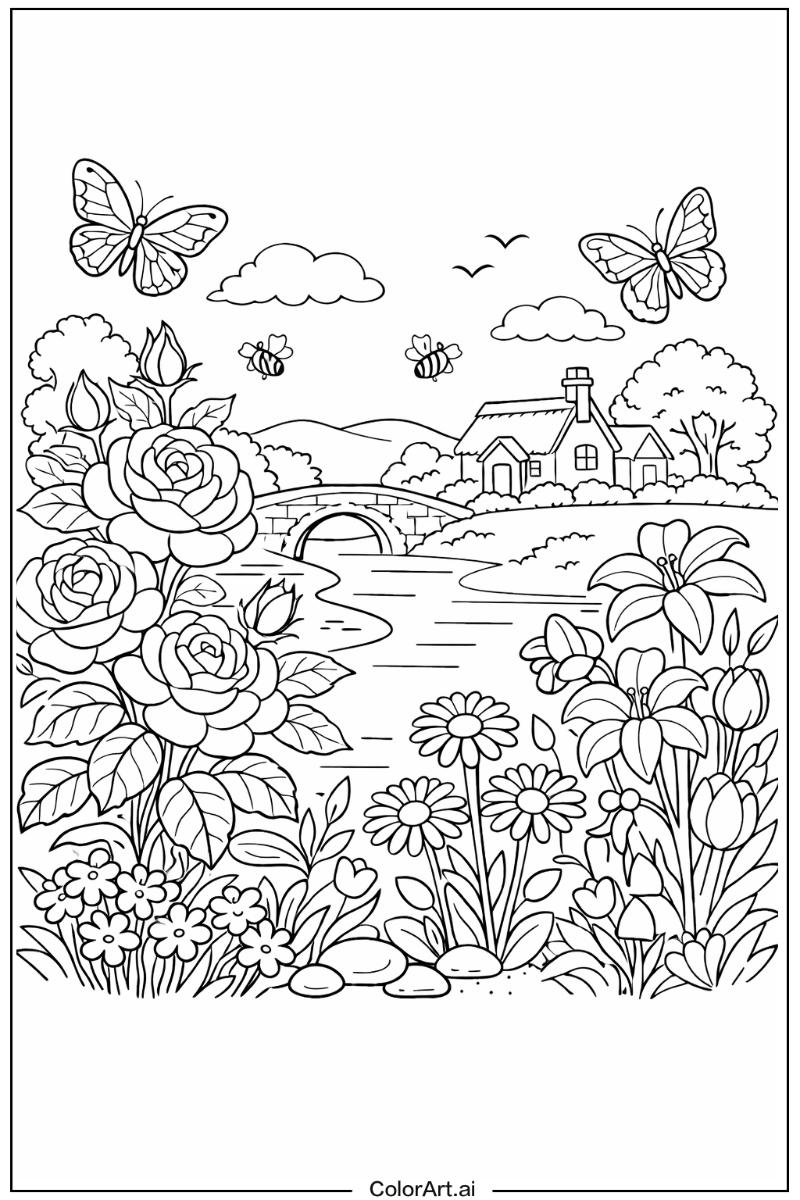
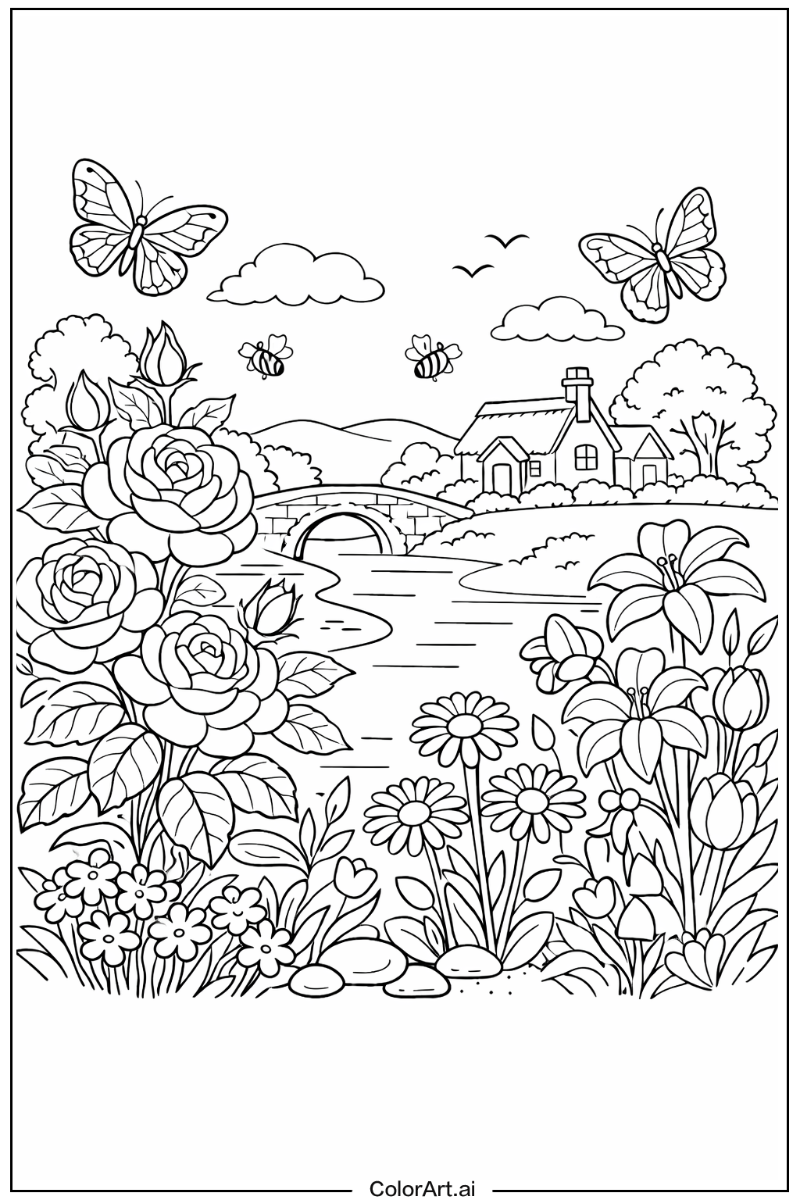
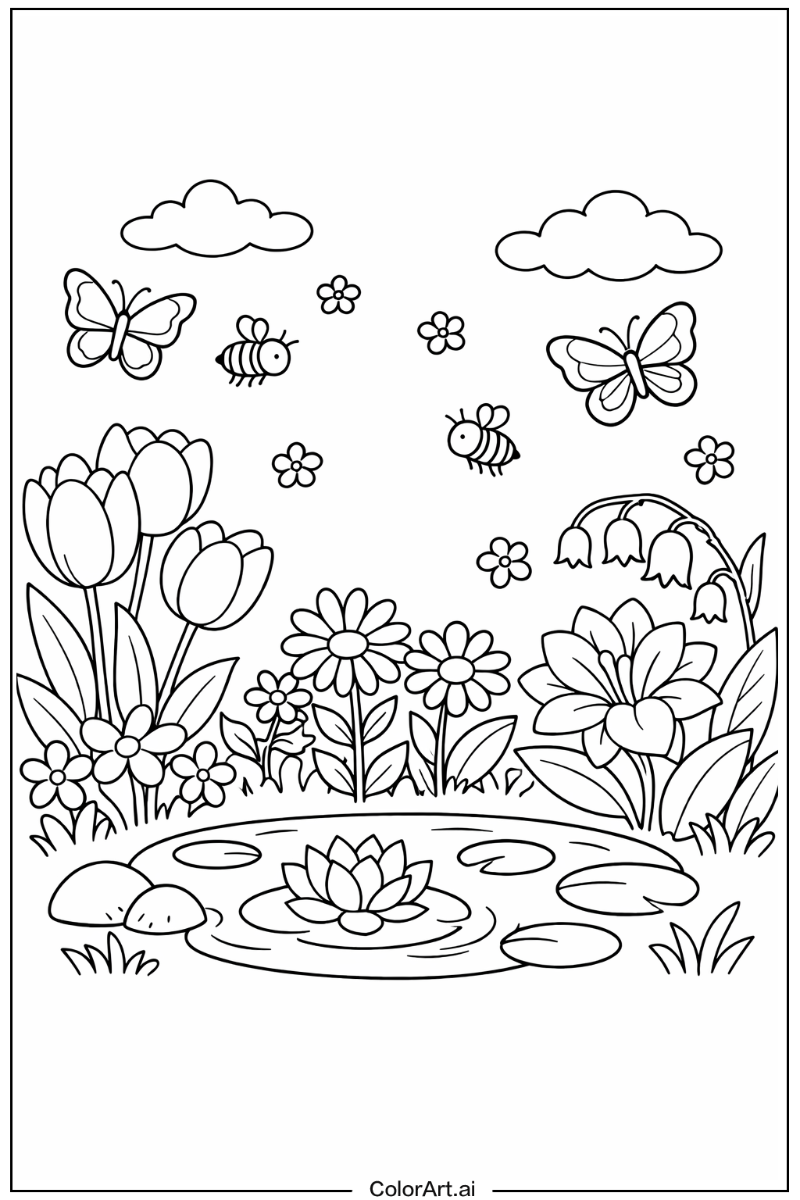
Floral coloring pages are a delightful way for children and adults alike to engage with nature while expressing their creativity. I remember the first time I introduced floral coloring pages in my classroom. It was a sunny Tuesday morning, and I had just returned from the local botanical garden, filled with inspiration. I brought back some beautiful floral sketches, and the excitement bubbled up in the room. My students, especially little Mia, who usually shied away from coloring, lit up at the variety of flowers they could choose from. Floral designs opened up a world of color and expression in ways I had never anticipated.
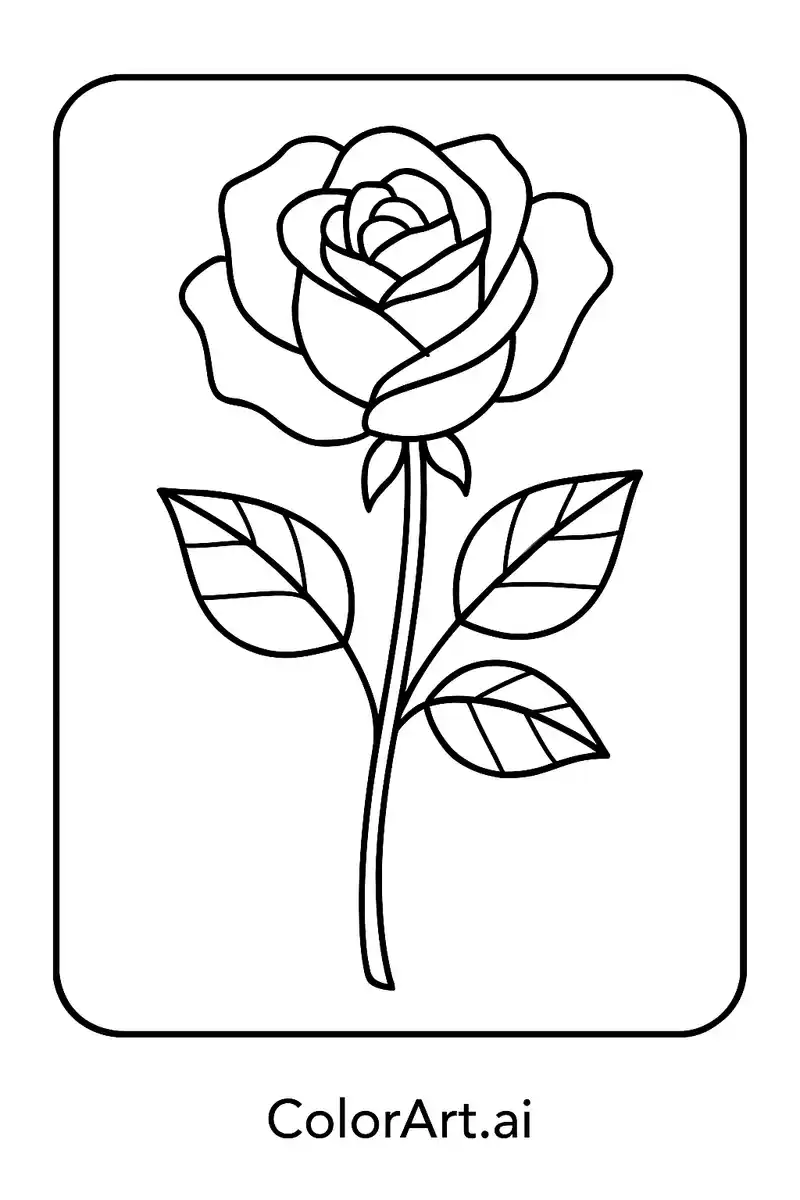
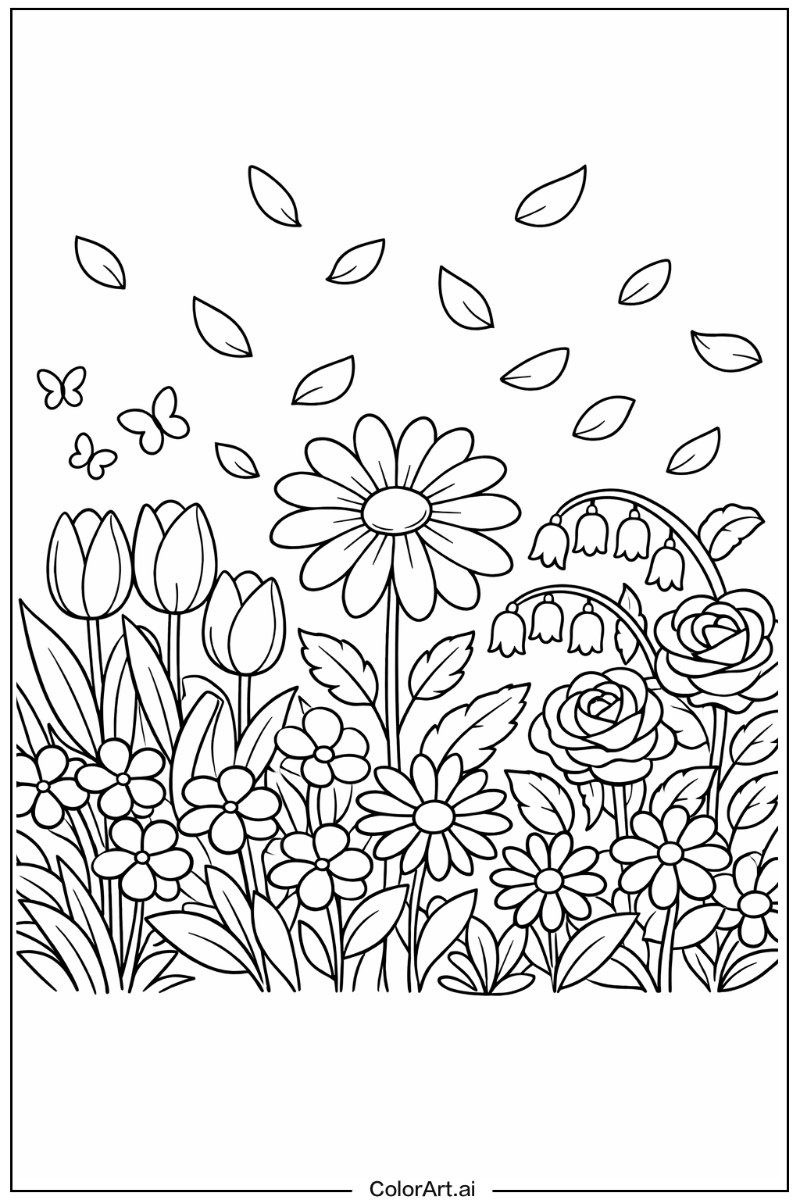
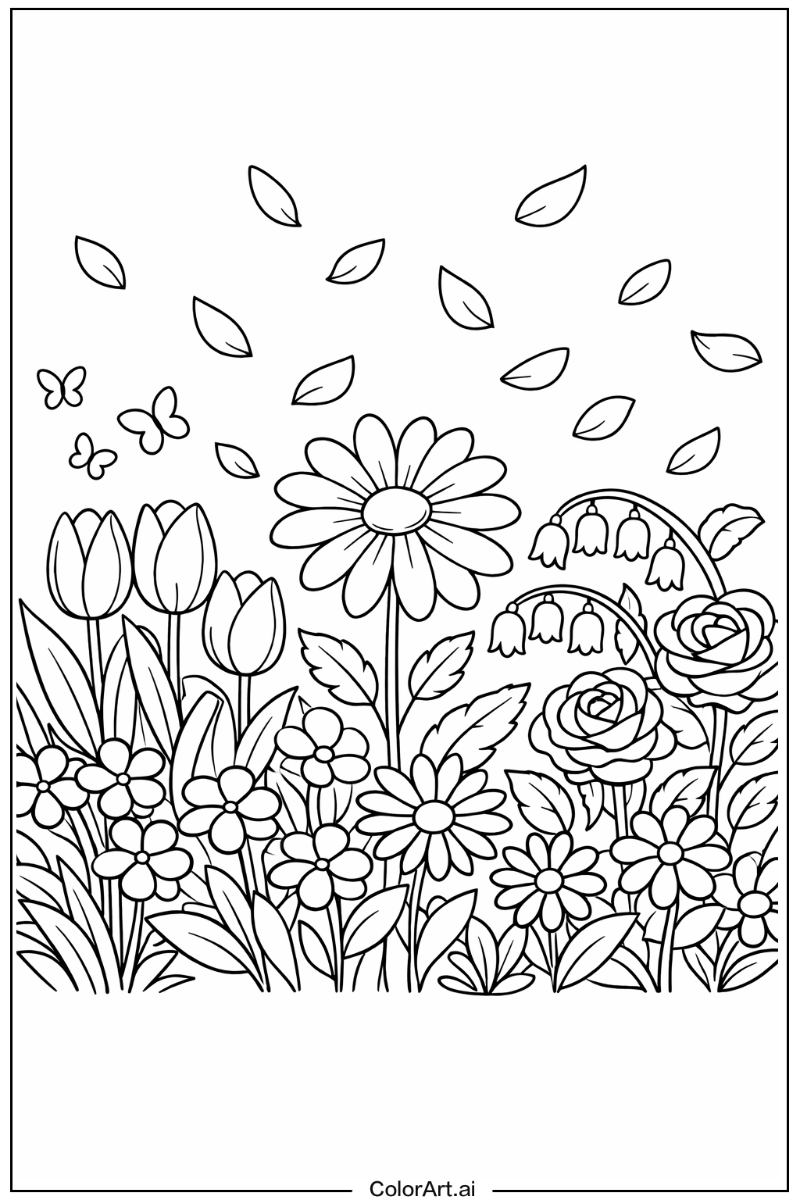
Coloring can be much more than just a fun pastime; it can be a therapeutic activity that encourages mindfulness, focus, and artistic development. Whether it’s a simple daisy or an intricate rose, floral coloring pages offer a canvas for self-expression, making them a perfect choice for art activities in the classroom or at home. Join me as we explore the educational benefits, current trends, and practical tips for incorporating floral coloring pages into your teaching or parenting.
Group Coloring Pages
 PDF
PDF
 PNG
PNG
 PNG
PNG
 PNG
PNG
 PNG
PNG
 PNG
PNG
 PNG
PNG
 PNG
PNG
 PNG
PNG
 PNG
PNG
 PNG
PNG
 PNG
PNG
 PNG
PNG
 PNG
PNG
 PNG
PNG
 PNG
PNG
 PNG
PNG
 PNG
PNG
 PNG
PNG
 PNG
PNG
 PNG
PNG
 PNG
PNG
 PNG
PNG
 PNG
PNG
 PNG
PNG
 PNG
PNG
 PNG
PNG
 PNG
PNG
 PNG
PNG
 PNG
PNG
 PNG
PNG
 PNG
PNG
 PNG
PNG
 PNG
PNG
 PNG
PNG
 PNG
PNG
 PNG
PNG
 PNG
PNG
 PNG
PNG
 PNG
PNG
 PNG
PNG
 PNG
PNG
 PNG
PNG
 PNG
PNG
 PNG
PNG
 PNG
PNG
 PNG
PNG
 PNG
PNG
 PNG
PNG
Understanding Floral Art
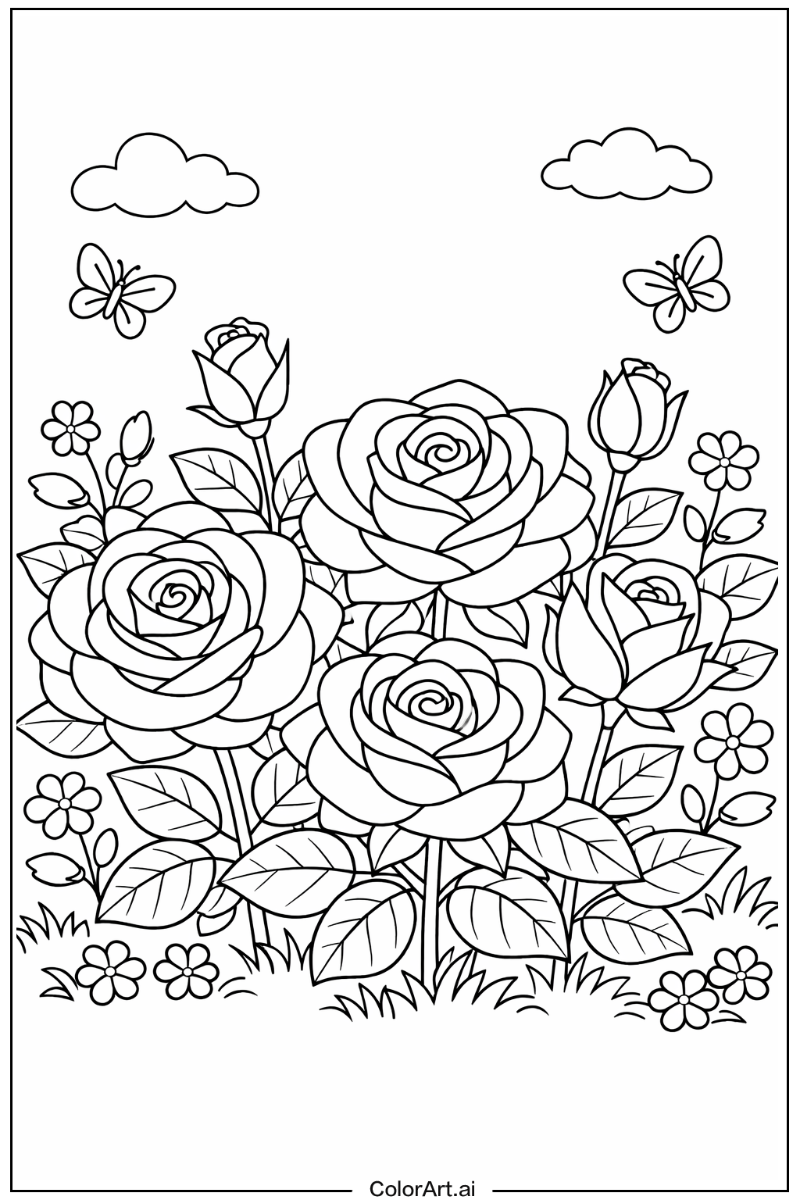
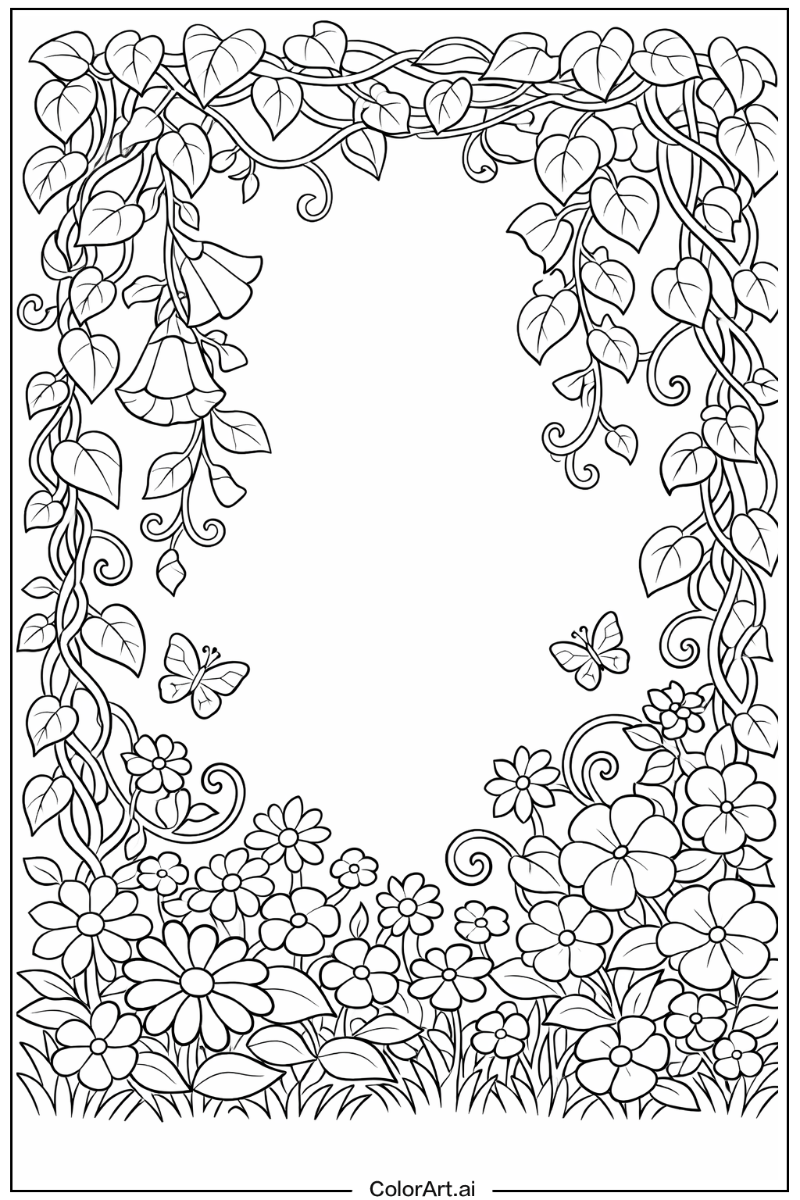
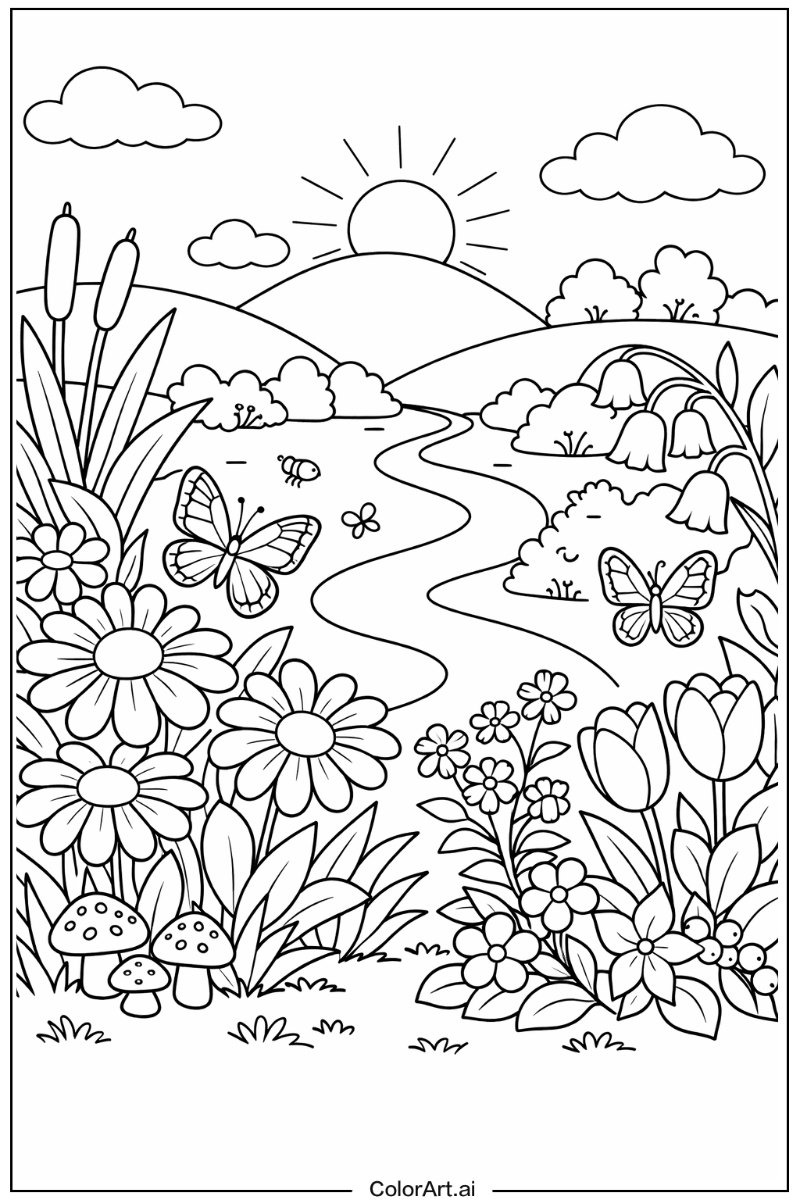
The term 'floral' relates not only to flowers but also encompasses the art of arranging and illustrating them. Floral designs have been a significant theme in art throughout history, symbolizing beauty, nature, and even emotion. In the context of coloring pages, floral designs can range from simple outlines suitable for younger children to intricate patterns that challenge older kids and adults. For instance, last spring, I introduced a series of floral mandalas to my fifth graders, which sparked an incredible interest in symmetry and design. Each student approached the floral patterns with unique perspectives, showcasing their individual styles. While some opted for vibrant colors to reflect the lively energy of spring, others chose more muted tones, creating a calm and serene atmosphere on their pages.
Benefits of Floral Activities in the Classroom
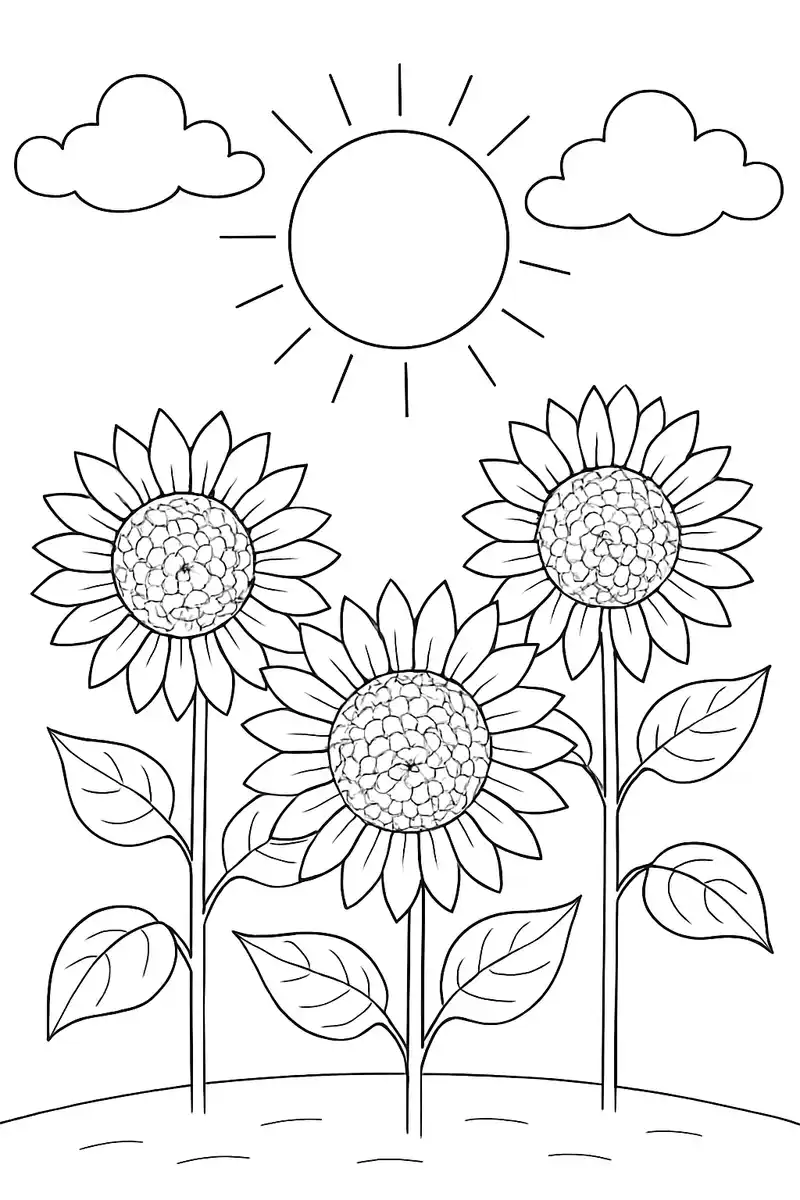
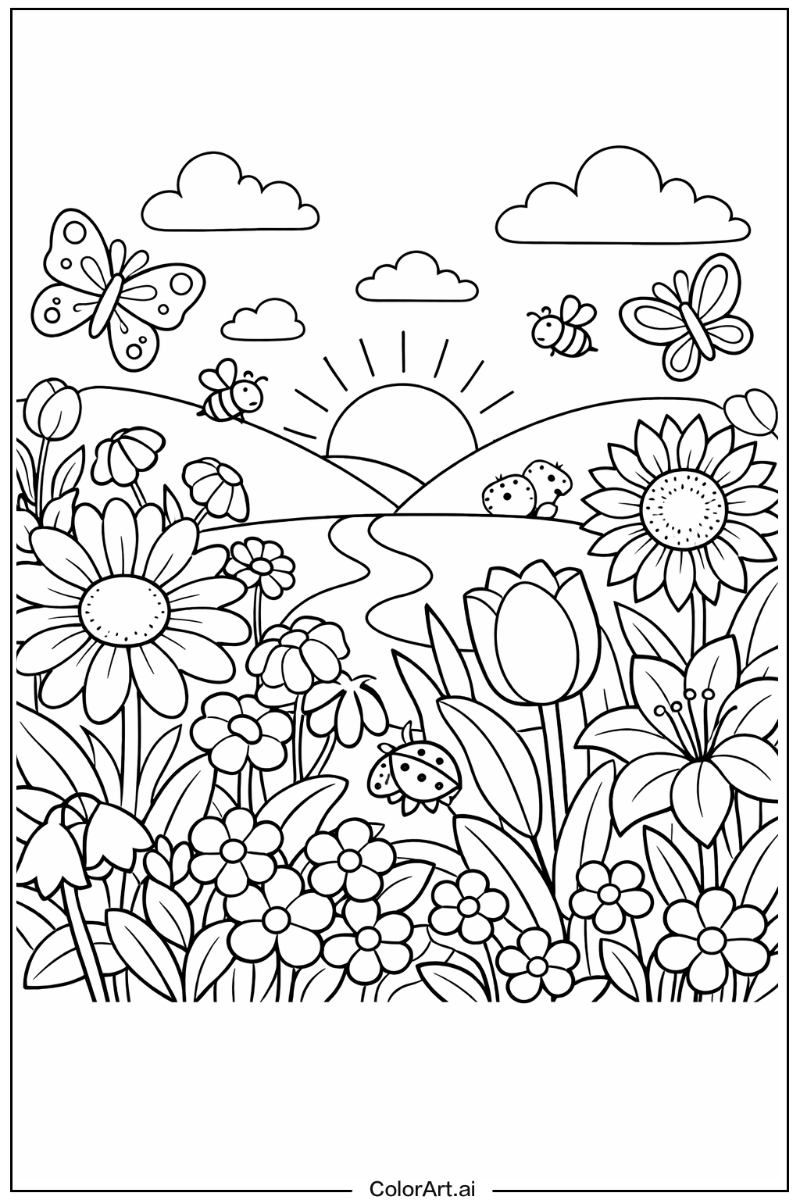
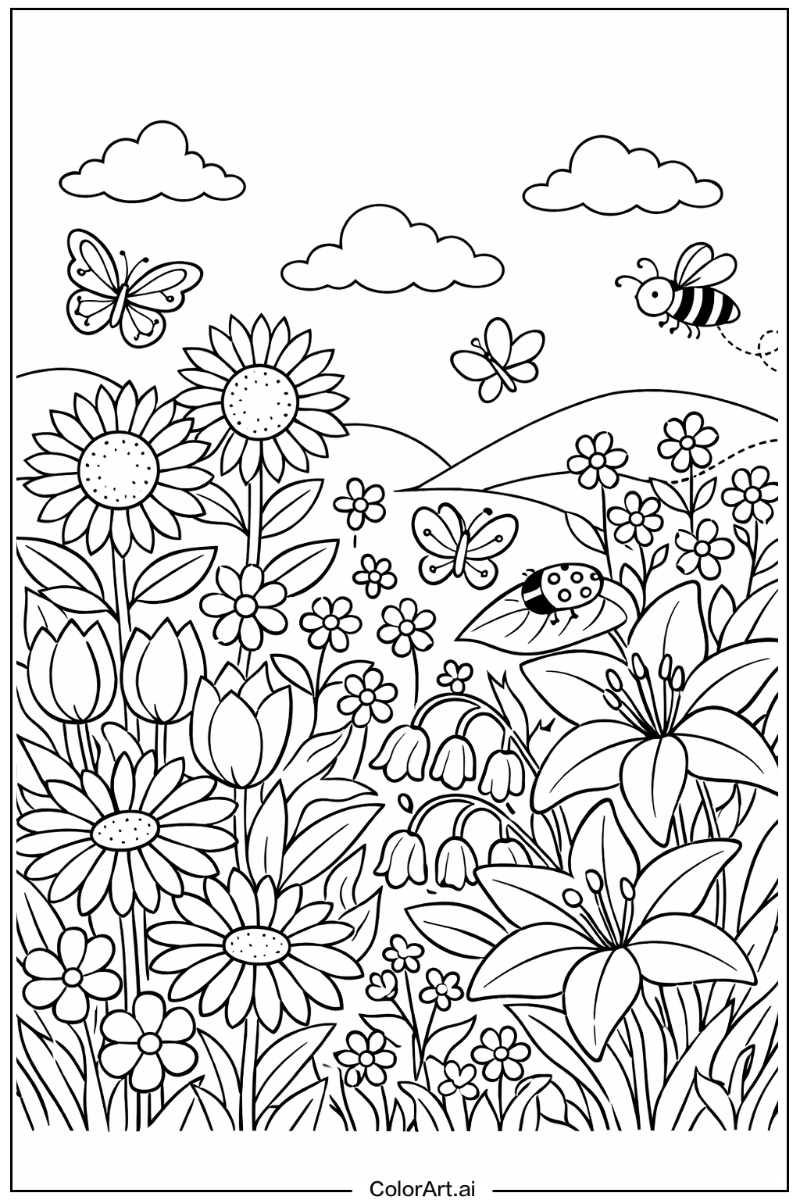
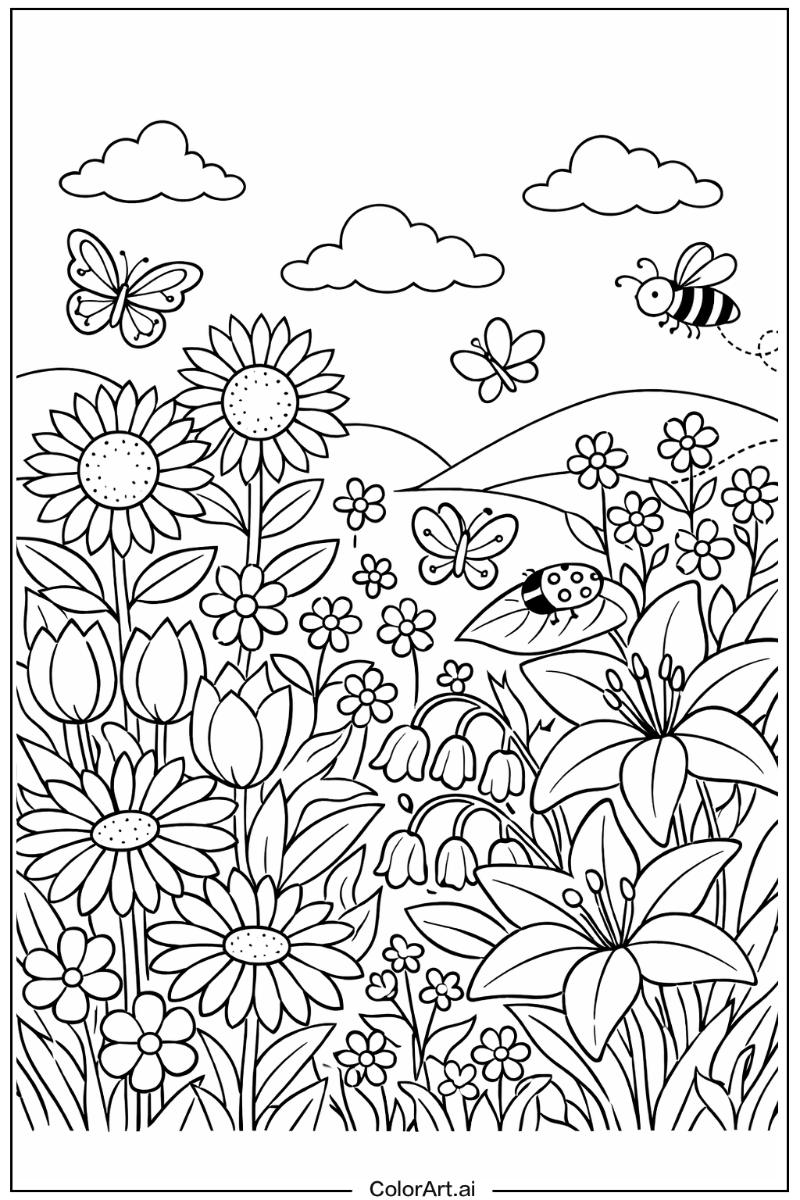
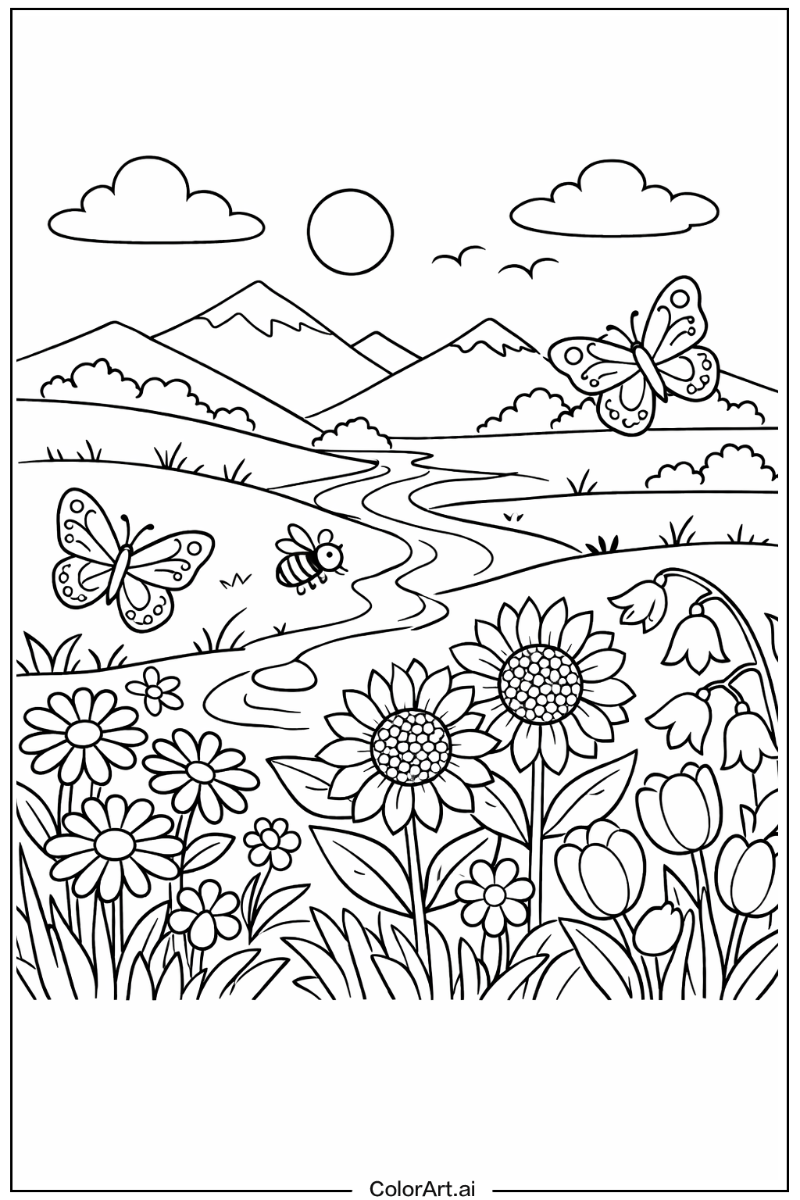
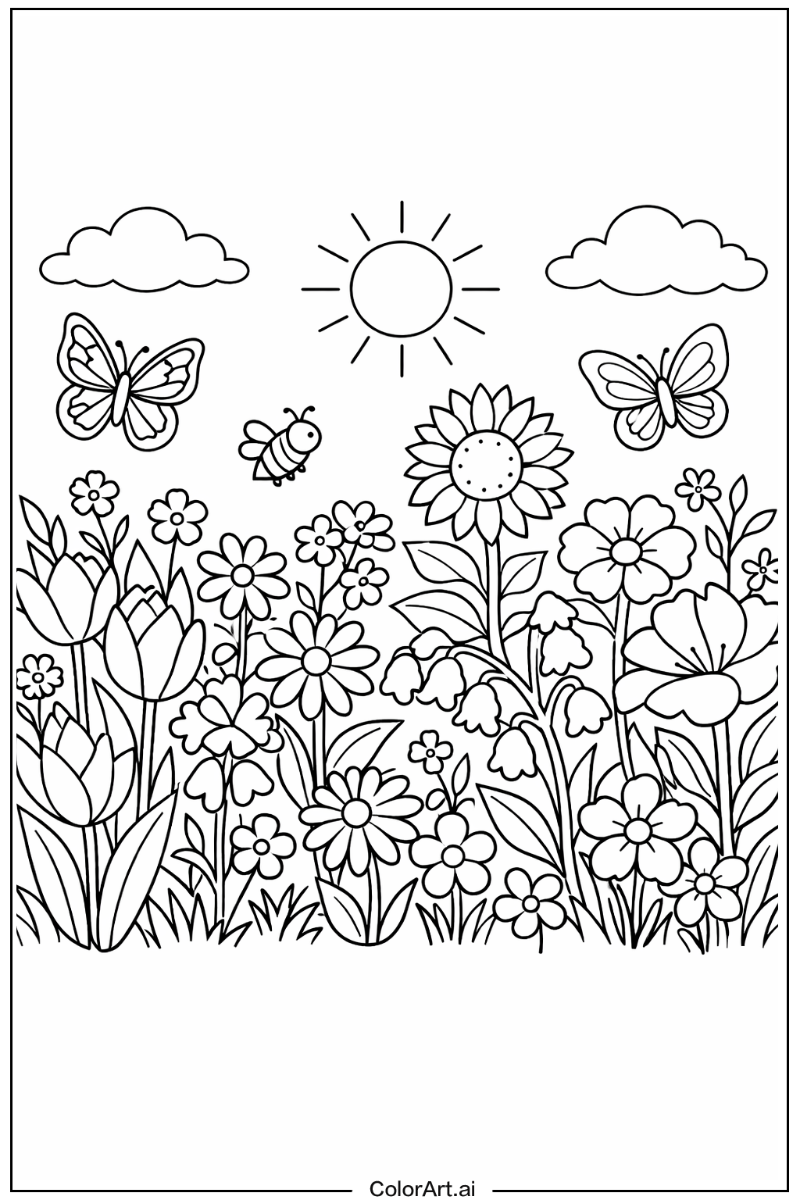
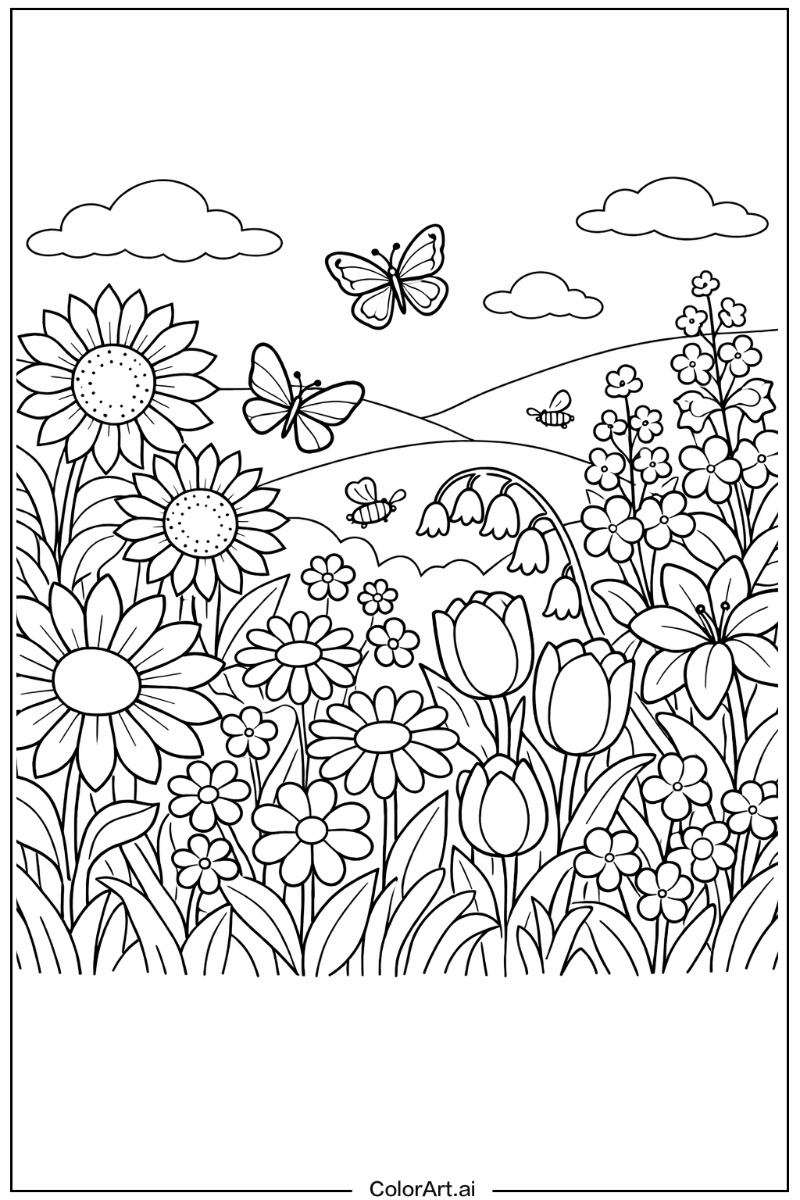
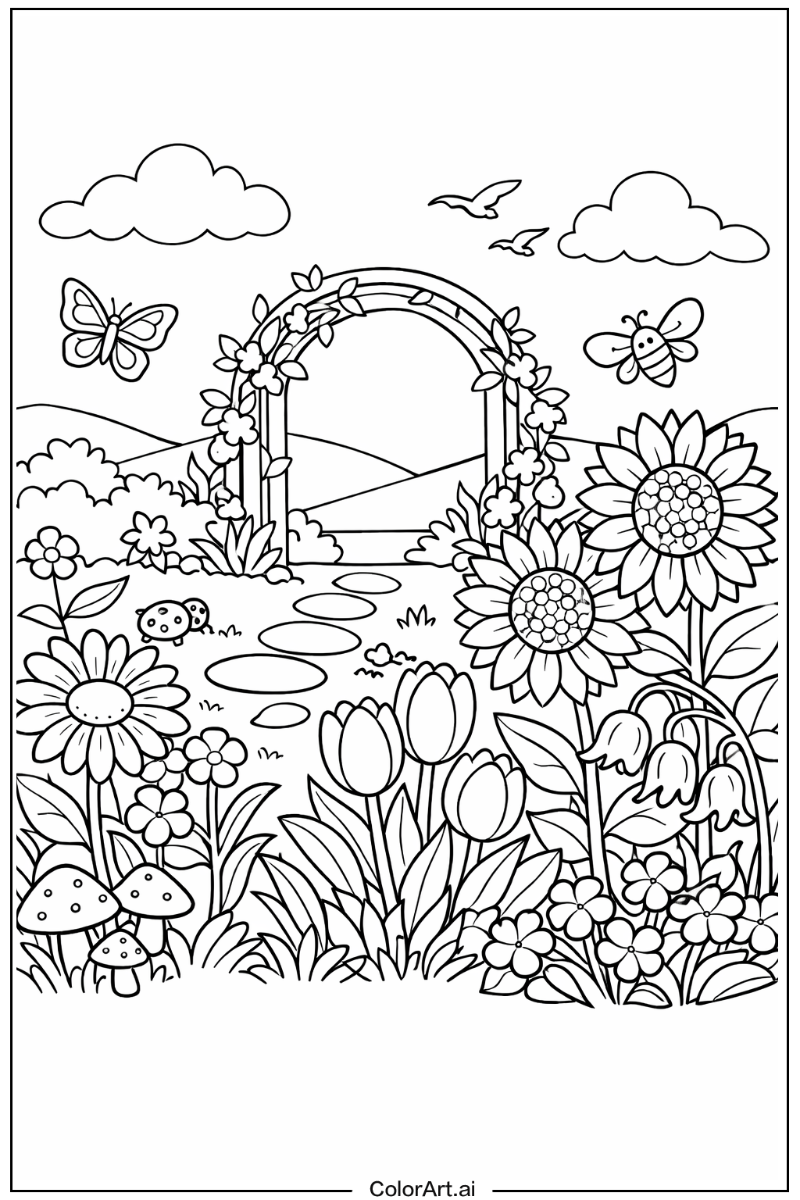
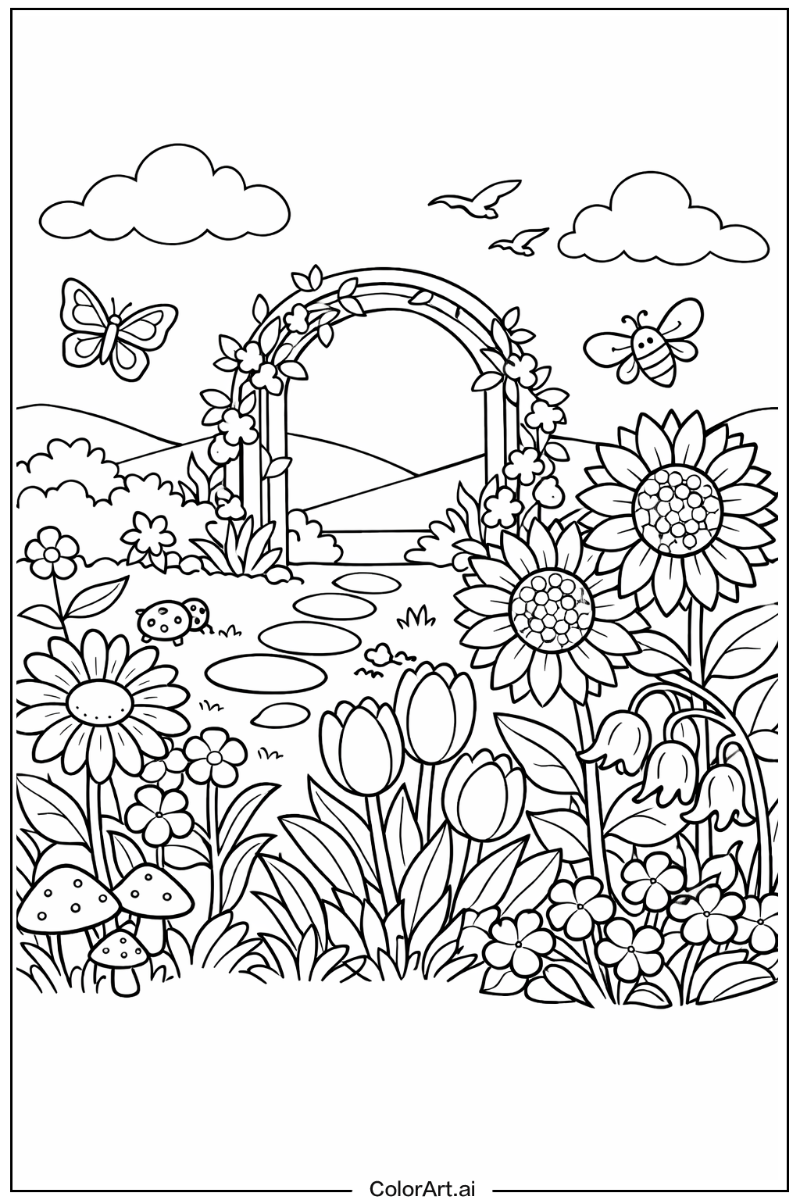
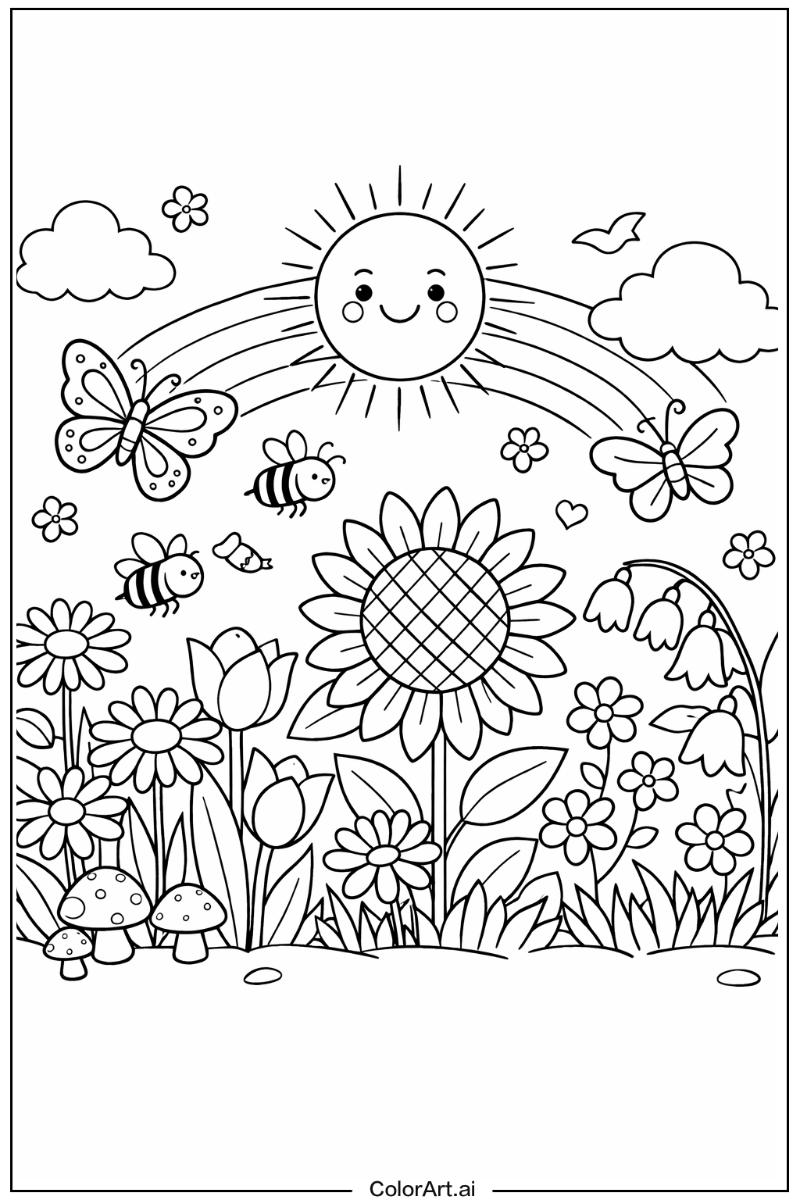
Incorporating floral coloring pages into classroom activities offers numerous educational benefits. First and foremost, they foster fine motor skills as children learn to control their coloring tools while filling in the intricate details of each flower. I recall a moment with my kindergartners during a floral coloring session. Little Ethan, who was still developing his grip, showed remarkable improvement as he colored his giant sunflower. Watching him concentrate on the petals and the seeds was a joy, as he told me about how sunflowers turn to follow the sun.
Floral coloring also encourages creativity and self-expression. When I assigned a floral project where students could create their own unique flower by mixing elements from various real-life flowers, I was amazed at the diversity of designs my students came up with. It’s fascinating how a simple floral coloring page can ignite their imagination and inspire them to think outside the box. Additionally, floral themes can help teach about biodiversity and the importance of plants in our ecosystems, making these pages not just fun but also educational.
Practical Tips for Floral Coloring
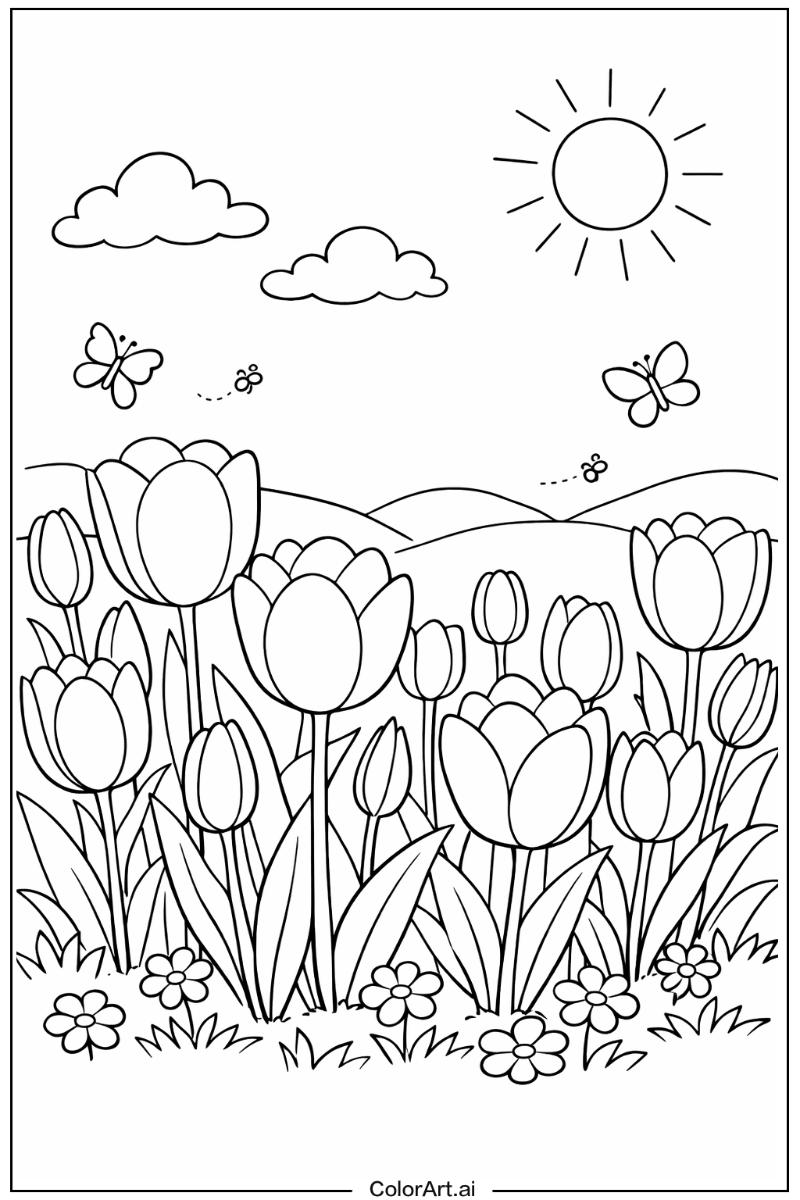
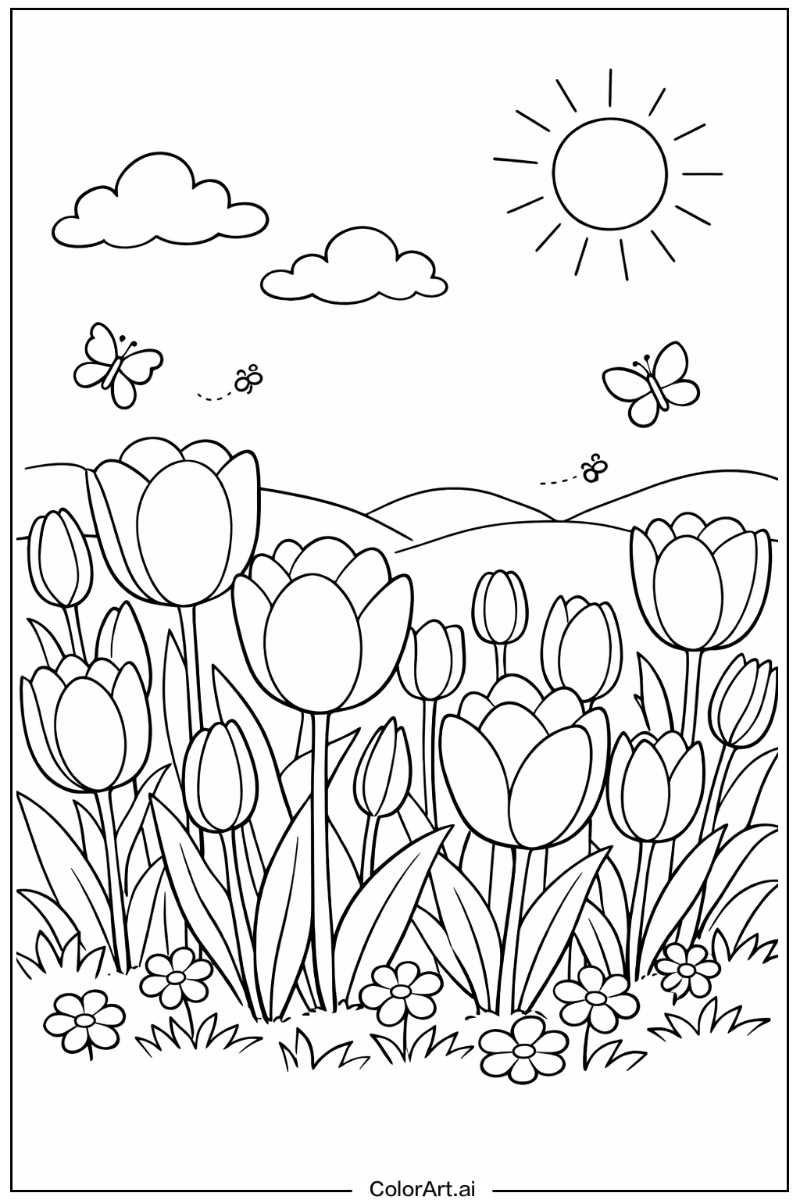
When it comes to coloring floral pages, a few techniques can help enhance the experience. First, encourage your kids to experiment with color blending. Using colored pencils, they can layer lighter colors beneath darker ones to create depth and dimension, especially on floral petals. During one class session, I observed how Zoe used this technique on her tulips, and the results were stunning! It’s all about encouraging students to embrace their creativity and not fear making mistakes.
Another tip is to explore different coloring mediums. While crayons and markers are traditional, watercolors can add a beautiful wash effect to floral designs. One rainy day, I set up a watercolor station for my students, which turned out to be an enlightening experience. They learned how to control the water to achieve softer or bolder floral shades, leading to some breathtaking results. Lastly, suggest that they consider the background of their floral coloring pages. A simple wash or pattern can elevate their work and create a more cohesive piece of art.
Current Trends in Floral Art Education
Floral coloring pages have seen a resurgence in popularity, especially with the rise of mindfulness practices among both adults and children. Teachers are increasingly integrating floral themes into their lesson plans for various subjects—ranging from science to art. Recently, I participated in a workshop where we explored how floral patterns can be used to teach symmetry and geometry. It was fascinating to see how students like Jake and Lily, who generally struggled with math, thrived when they could visualize concepts through floral designs. Furthermore, digital floral coloring apps are becoming popular, allowing kids to experiment with colors without the mess of traditional coloring tools. This combination of technology and creativity is opening new doors for engagement in the classroom!
Frequently Asked Questions about Floral Coloring Pages
Q: Where can I find free printable floral coloring pages?
A: There are numerous websites dedicated to providing free downloadable floral coloring pages suitable for all ages. You can find a variety of designs, from simple outlines for children to intricate patterns for adults.
Q: Are floral coloring pages suitable for all age groups?
A: Absolutely! Floral coloring pages can be adapted for different skill levels, making them perfect for kids, teens, and even adults looking for a relaxing activity.