Easter Coloring Pages
Spring has arrived, and what better way to celebrate than with a fresh set of easter coloring pages for the whole family? This collection features 90 cheerful designs — from fluffy bunnies and decorated eggs to blooming flowers and baby chicks — so every child can find a favorite scene to bring to life with color. Whether you're planning a quiet afternoon activity at home or looking for something fun to keep little hands busy before the holiday, these easter coloring pages are ready whenever you are. Every image is available as a high-quality PNG, so the lines stay crisp and clean no matter what size you print. Simply pick a design, download it in seconds, and send it straight to your printer — no sign-up required. Parents who prefer to plan ahead can save any page as a PDF and build a small coloring booklet to pull out on Easter morning. With 90 pages to choose from, there's plenty of variety to suit toddlers discovering crayons for the first time and older kids who love adding intricate detail. We hope these free easter coloring pages bring a little extra joy and creativity to your family's holiday celebrations this season.
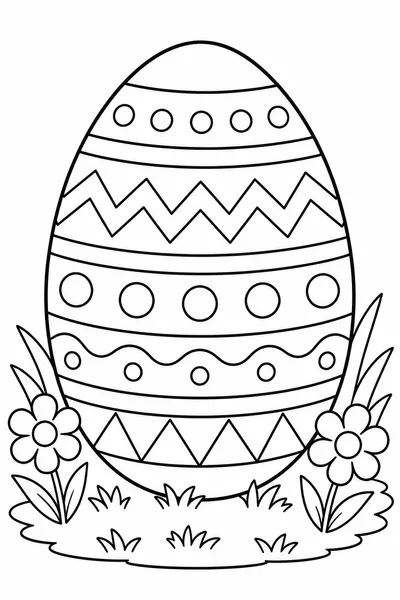
Easter Egg Coloring Pages – Large Decorated Egg with Stripes, Dots, and Zigzags
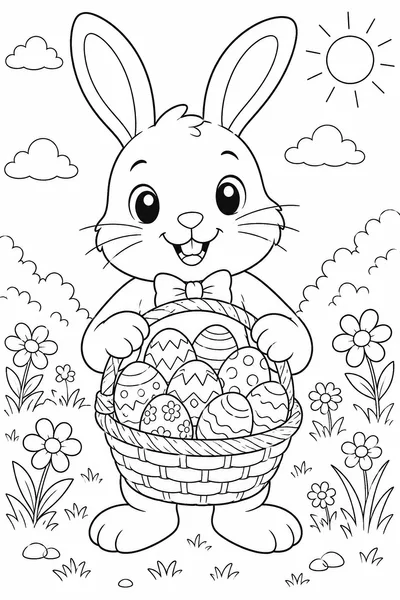
Easter Bunny Coloring Pages – Cheerful Bunny with Basket of Decorated Eggs
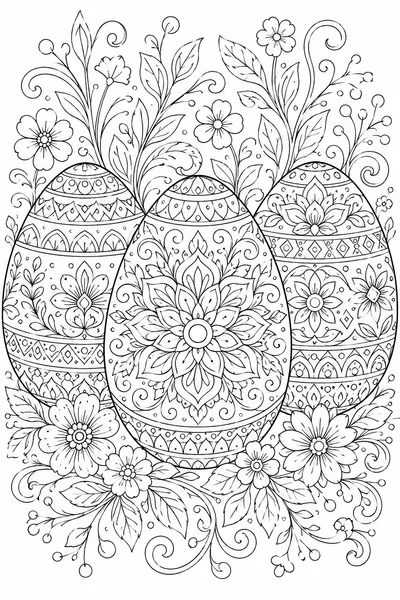
Easter Egg Printable Coloring Pages – Three Eggs with Floral and Geometric Patterns
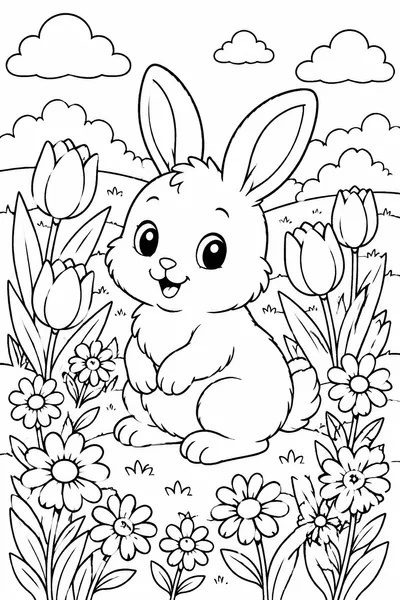
Easter Rabbit Coloring Pages – Fluffy Bunny Among Tulips and Daisies
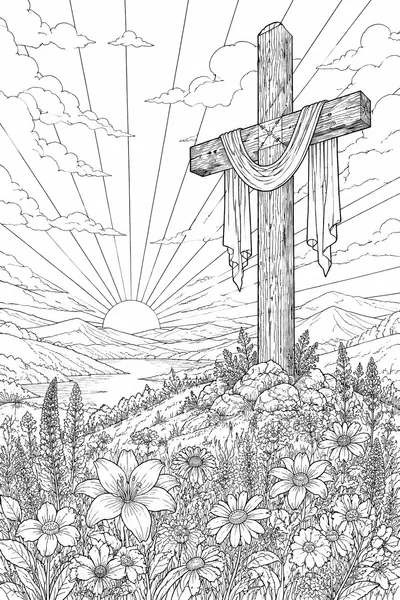
Religious Easter Coloring Pages – Wooden Cross on a Hill at Sunrise
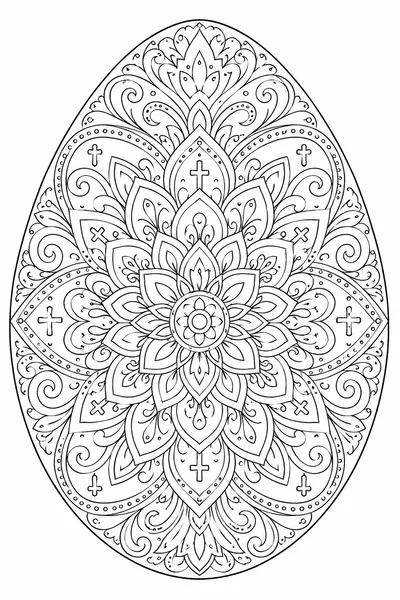
Easter Egg Coloring Book – Single Egg Filled with a Symmetrical Mandala Design
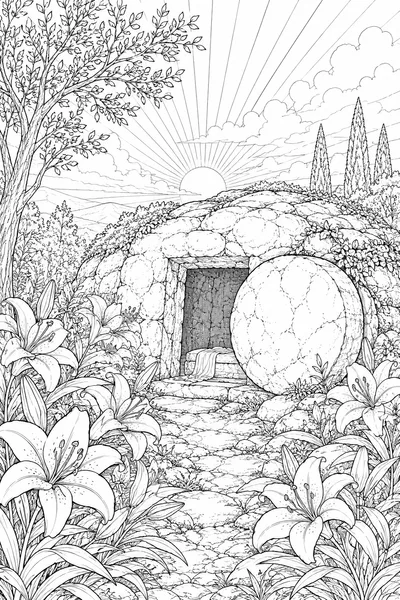
Christian Easter Coloring Pages – Open Stone Tomb with Rolled Boulder and Easter Lilies
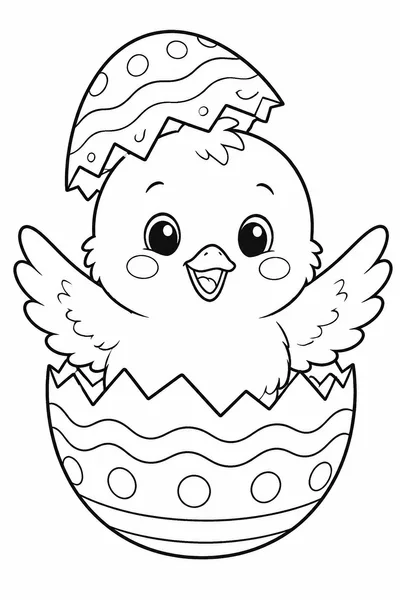
Cute Easter Coloring Pages – Baby Chick Hatching from a Cracked Easter Egg
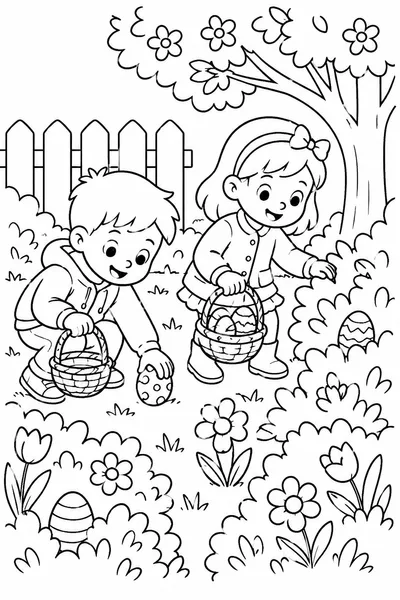
Easter Coloring Pages for Kids – Two Children Hunting Eggs Among Flowers and Bushes
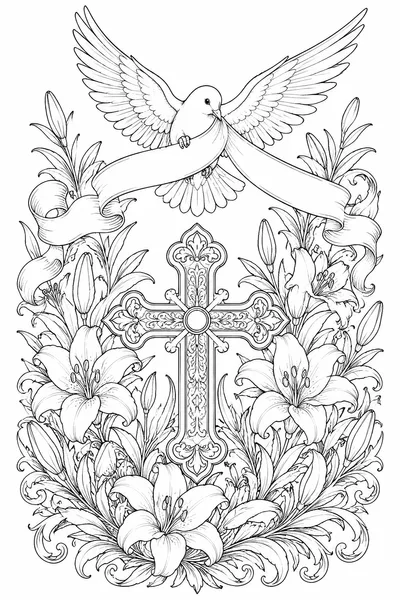
Religious Easter Coloring Book – Dove in Flight with Ribbon Banner Over an Ornate Cross
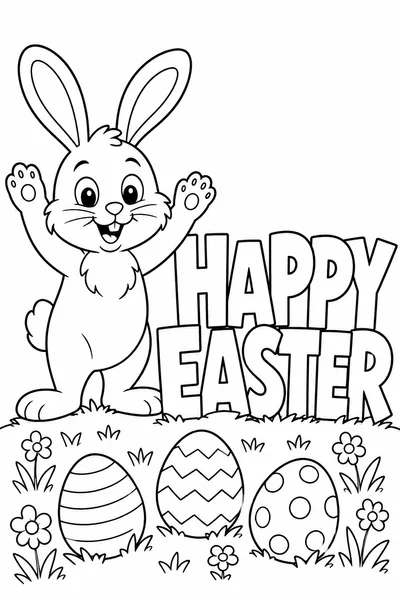
Happy Easter Coloring Pages – Waving Bunny Beside Bold HAPPY EASTER Letters
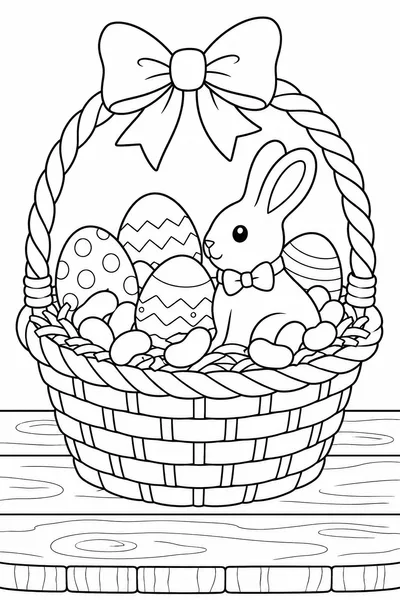
Easter Basket Coloring Page – Woven Basket with Eggs, Chocolate Bunny, and Jelly Beans
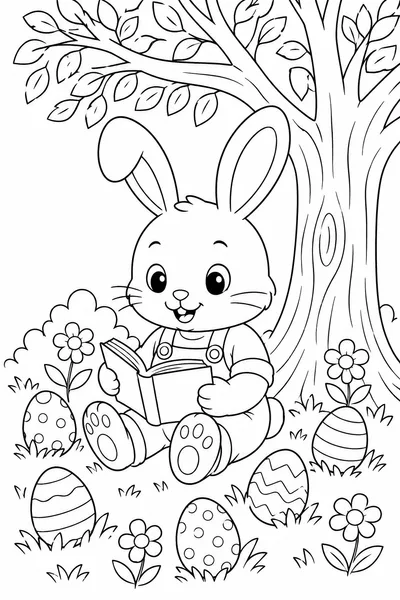
Easter Bunny Coloring Book Pages – Bunny in Overalls Reading Under a Tree with Eggs Nearby
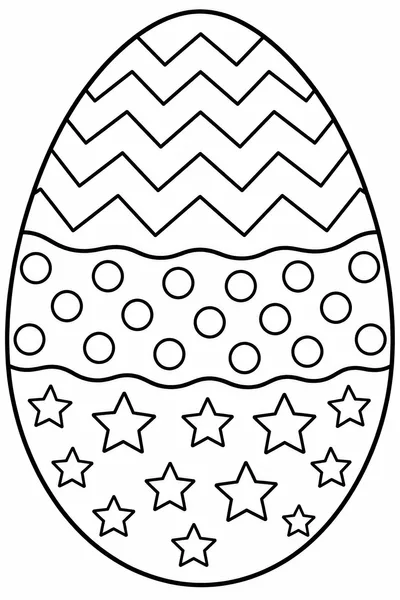
Easter Egg Color Page – Oversized Egg with Chevrons, Polka Dots, and Stars
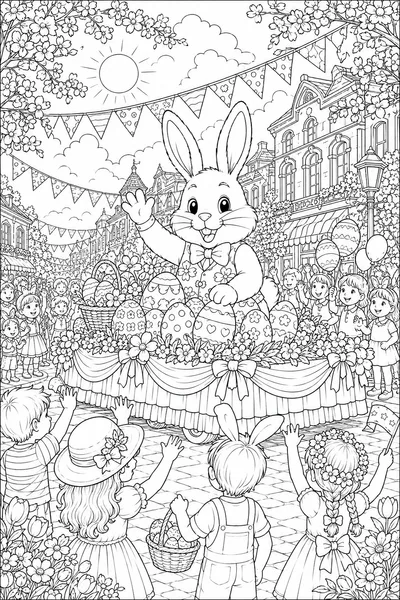
Easter Day Coloring Pages – Festive Parade with Bunny Float, Children, and Banners
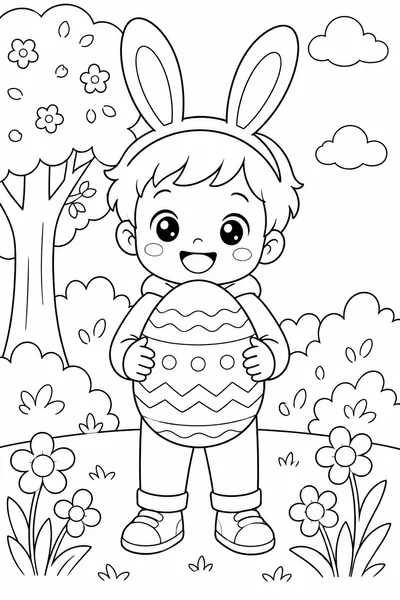
Children's Easter Coloring Pages – Small Child in Bunny Ears Holding a Large Easter Egg
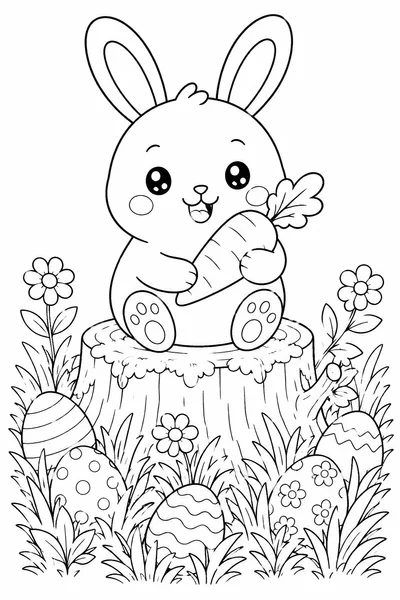
Easter Bunny Color Page – Round Bunny on a Mossy Stump Holding a Carrot
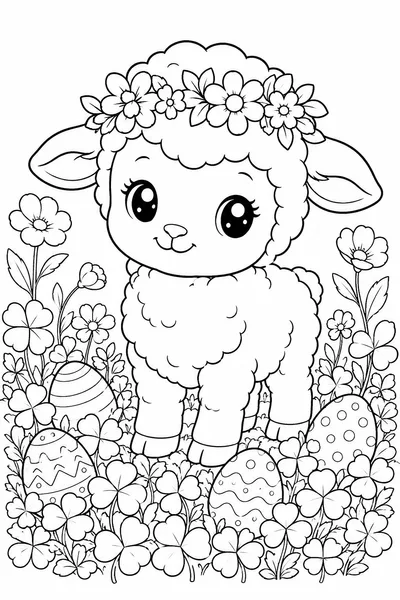
Spring Lamb with Flower Crown and Easter Eggs Coloring Page
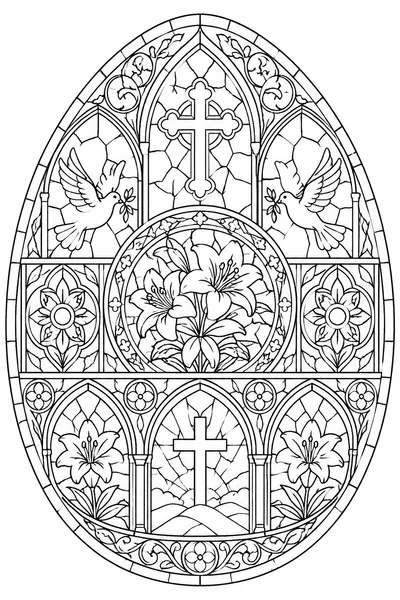
Stained Glass Easter Egg Coloring Page
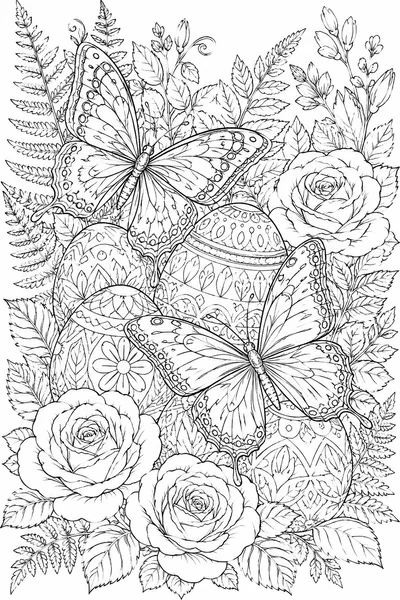
Butterflies on Easter Eggs Garden Coloring Page
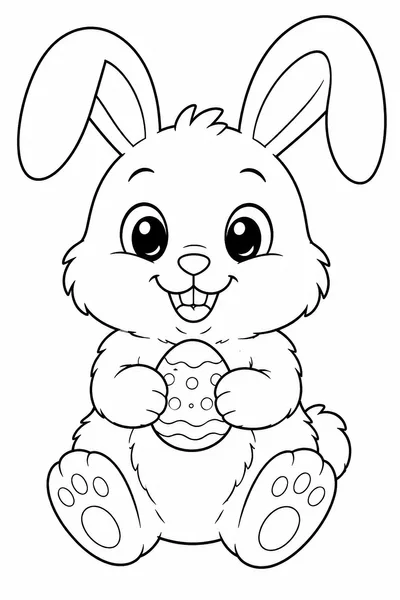
Coloring Pages of the Easter Bunny – Smiling Fluffy Bunny with Egg
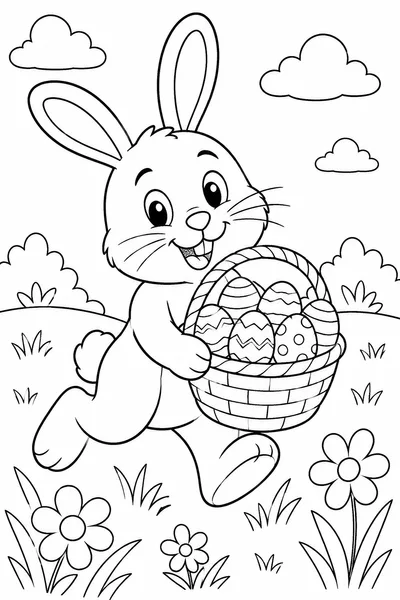
Easter Bunny Coloring Page Printable – Bunny Hopping with Egg Basket
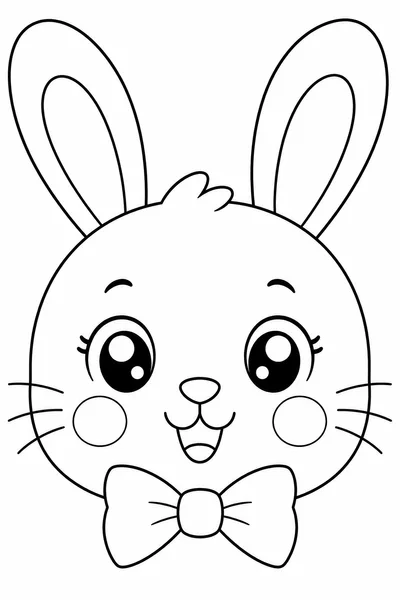
Cute Easy Easter Coloring Pages – Big Bunny Face with Bow Tie
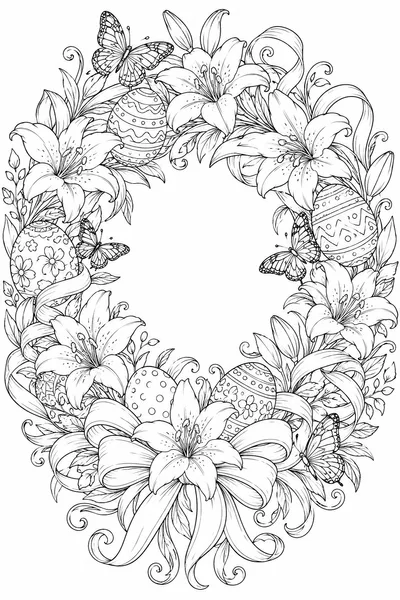
Easter Adult Coloring Pages – Ornate Wreath with Lilies and Butterflies
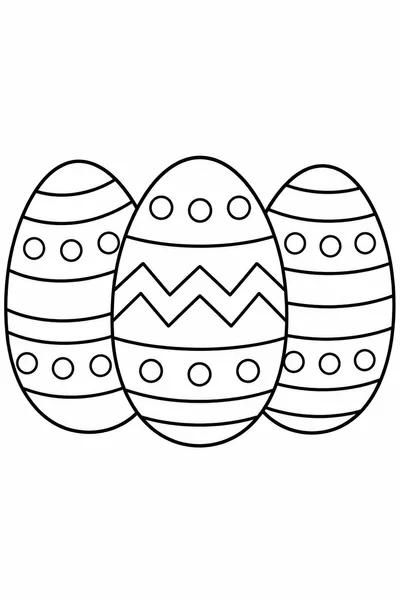
Easy Easter Coloring Pages – Three Bold Striped and Dotted Easter Eggs
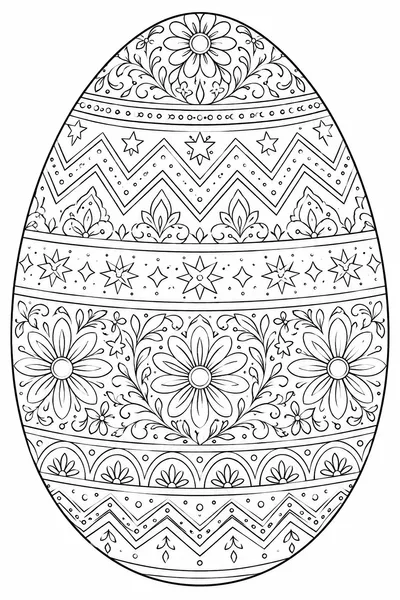
Easter Egg Coloring Pages Free Printable – Oversized Decorative Panel Egg
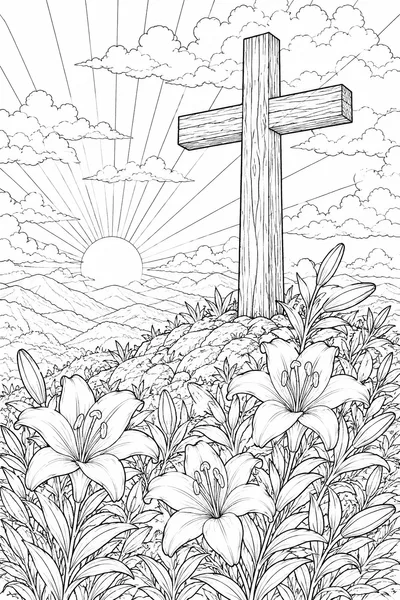
Easter Jesus Coloring Pages – Wooden Cross on Hillside with Easter Lilies
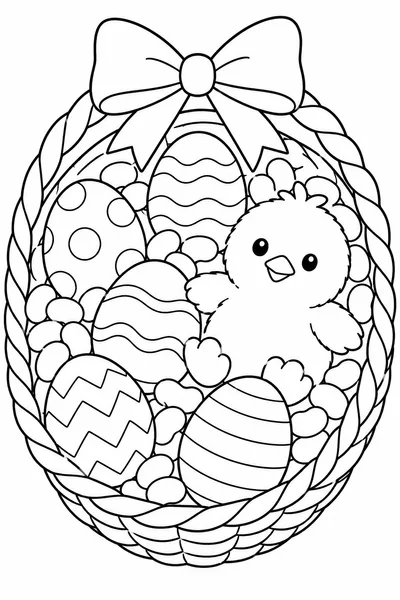
Easter Basket Coloring Book – Wicker Basket with Eggs, Chick, and Jelly Beans
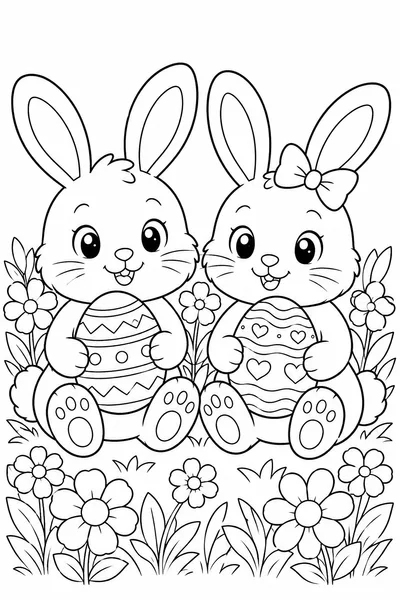
Easter Bunnies Coloring Pages – Two Bunnies Holding Decorated Eggs in a Flower Patch
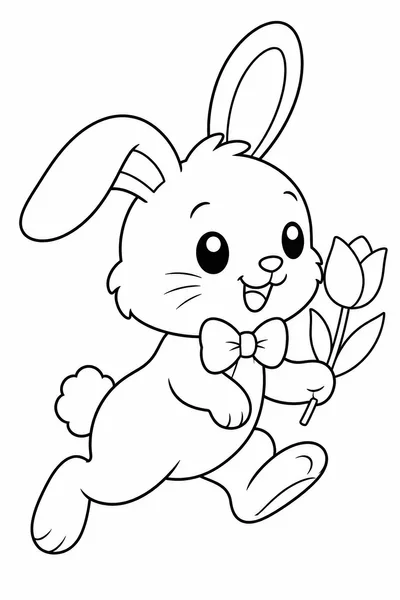
Coloring Page of Easter Bunny – Side Profile Bunny with Bow Tie and Tulip
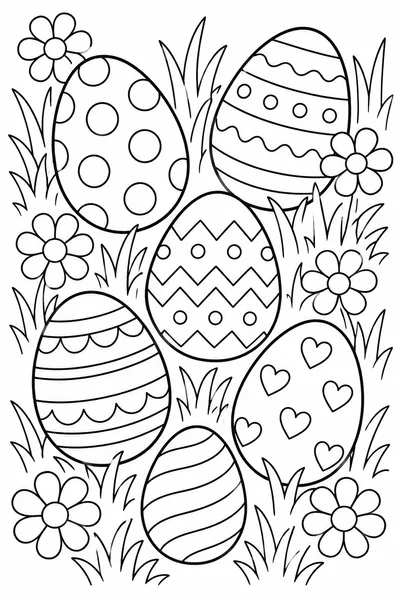
Free Easter Egg Coloring Pages – Six Patterned Eggs Scattered Among Daisies
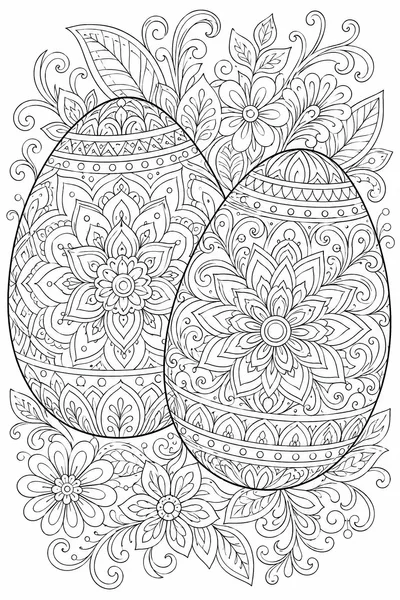
Free Printable Easter Egg Color Pages – Two Mandala-Style Geometric Eggs
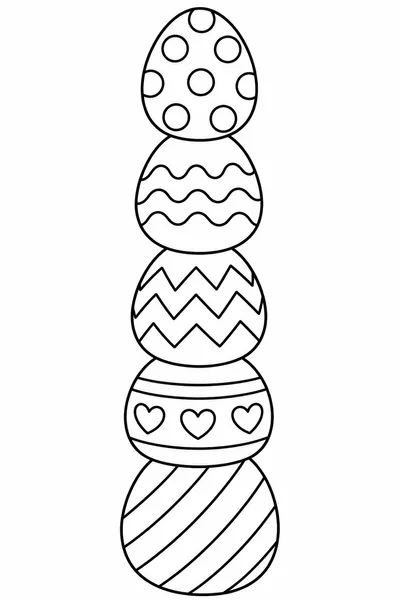
Easter Eggs to Coloring Pages – Tall Tower of Five Stacked Patterned Eggs
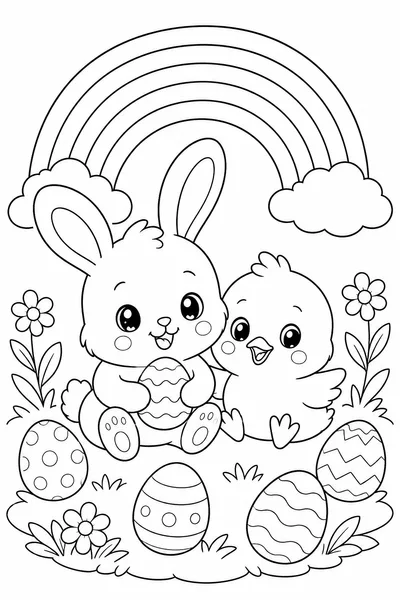
Free Printable Cute Easter Coloring Pages – Bunny and Chick Under a Rainbow
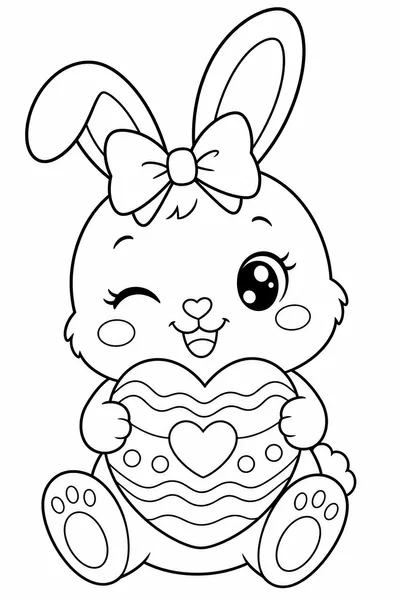
Cute Easter Bunny Coloring Pages – Winking Bunny with Big Bow and Heart Egg
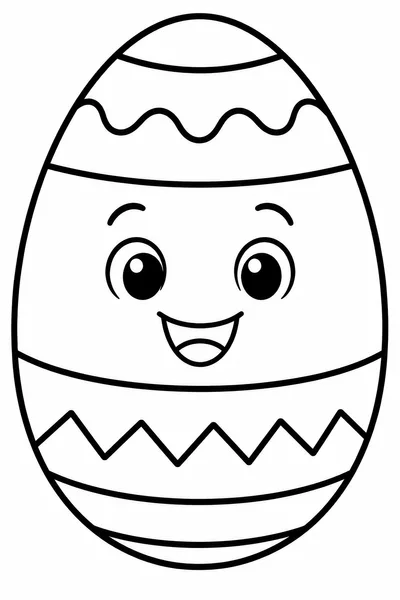
Preschool Easter Egg Coloring Pages – Giant Simple Egg with Happy Face
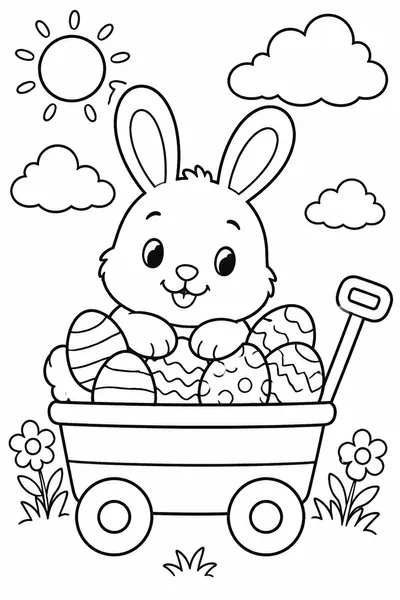
Preschool Easter Coloring Pages – Cartoon Bunny in a Wagon with Easter Eggs
Blank Easter Egg Coloring Pages – Six Plain Egg Outlines Ready to Decorate
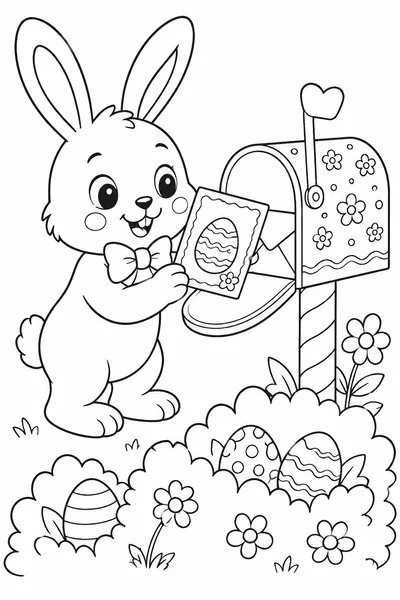
Coloring Pages for Easter Bunny – Bunny at a Decorated Mailbox with Hidden Eggs
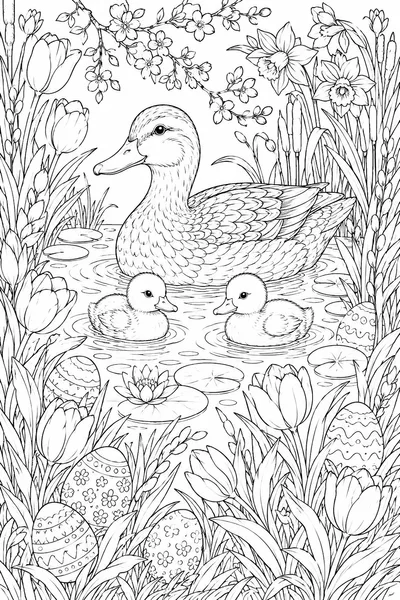
Spring Pond Duck Family Coloring Page
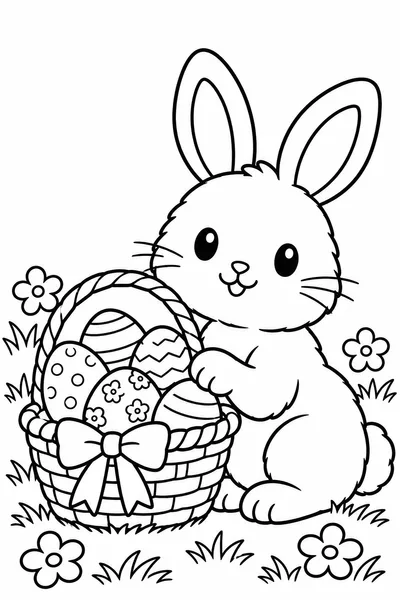
Easter Bunny and Eggs Coloring Pages – Fluffy Bunny with Wicker Basket
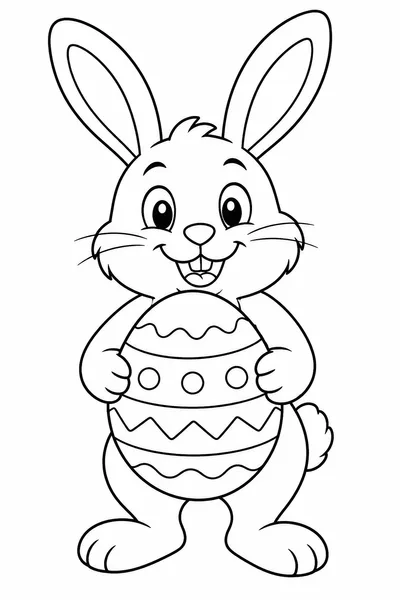
Easter Bunny with Eggs Coloring Page – Bunny Holding a Decorated Egg
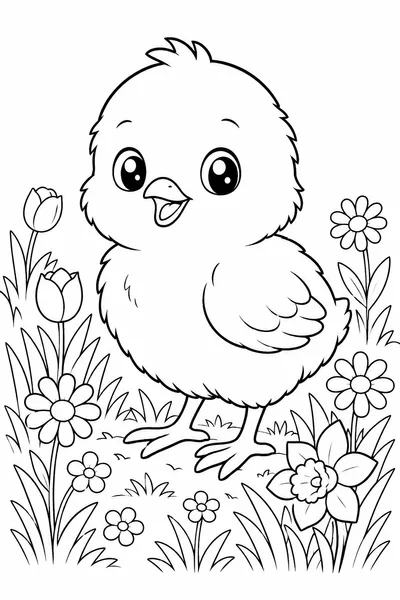
Easter Chick Coloring Pages – Baby Chick in Spring Grass with Flowers
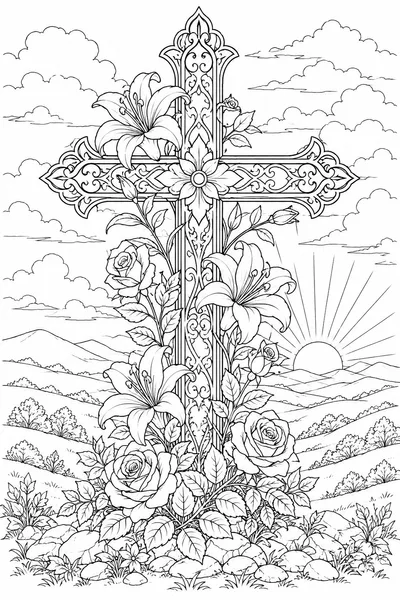
Easter Cross Coloring Pages – Ornate Cross with Lilies and Roses at Dawn
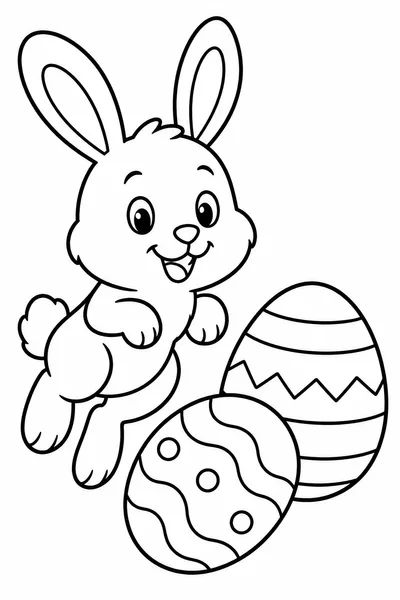
Easter Coloring Pages for Preschoolers – Simple Bunny Hopping with Eggs
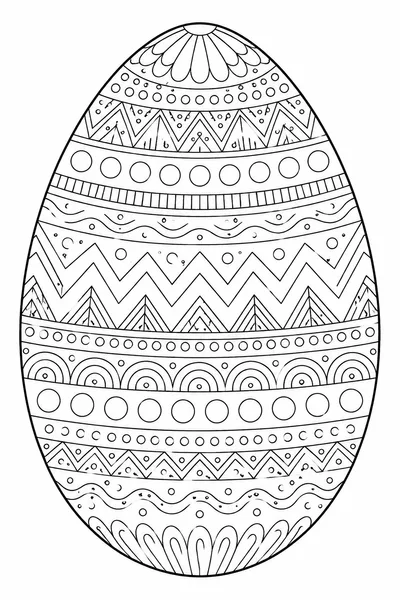
Cute Easter Egg Coloring Pages – Large Patterned Egg with Stripes and Dots
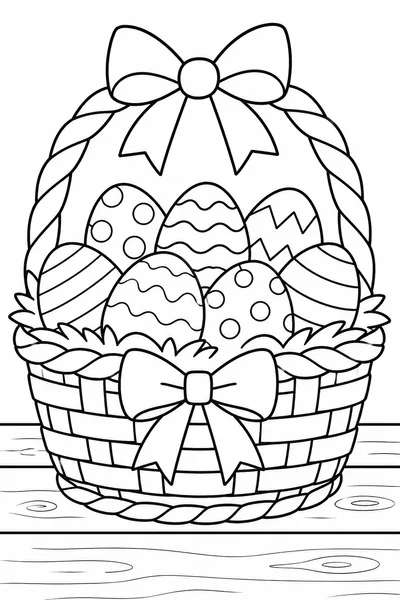
Coloring Pages of Easter Baskets – Wicker Basket with Eggs and Bow
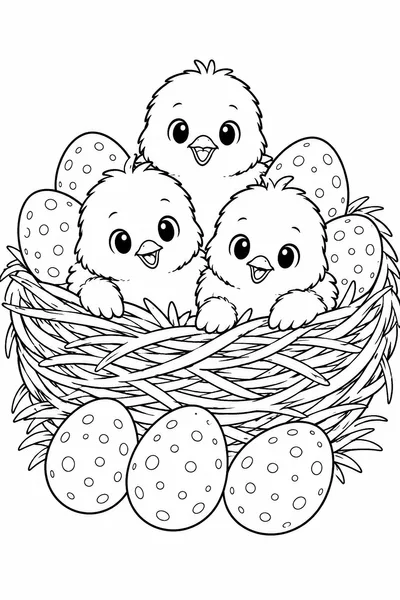
Coloring Pages for Easter Chicks – Three Fluffy Chicks Peeking from a Nest
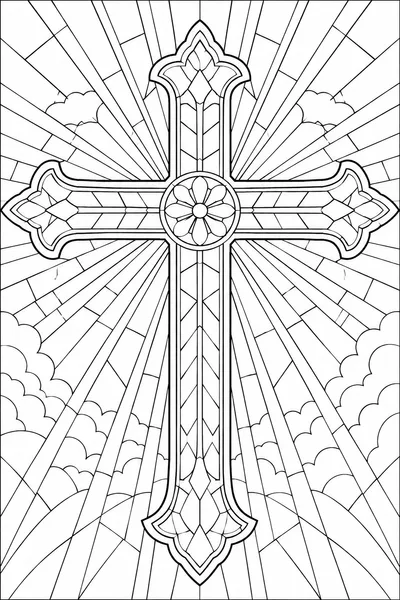
Free Christian Easter Coloring Pages – Stained-Glass Cross Radiating Light
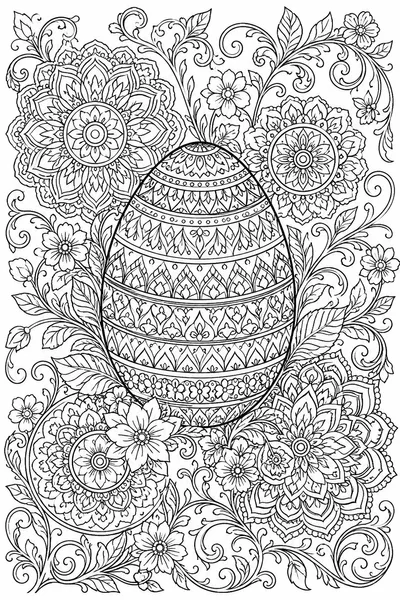
Easter Coloring Pages for Adults – Intricate Mandala and Floral Egg Design
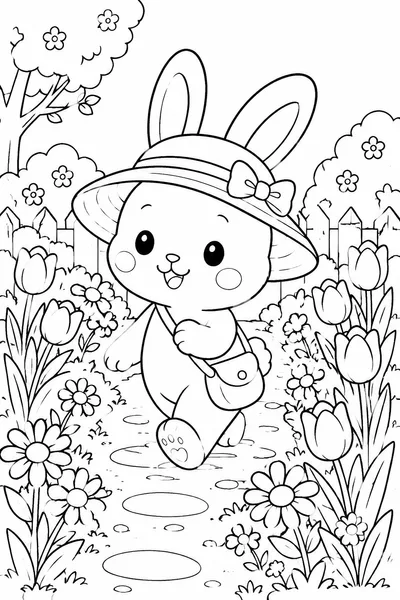
Cute Easter Bunnies Coloring Pages – Bunny in Sun Hat Walking a Garden Path
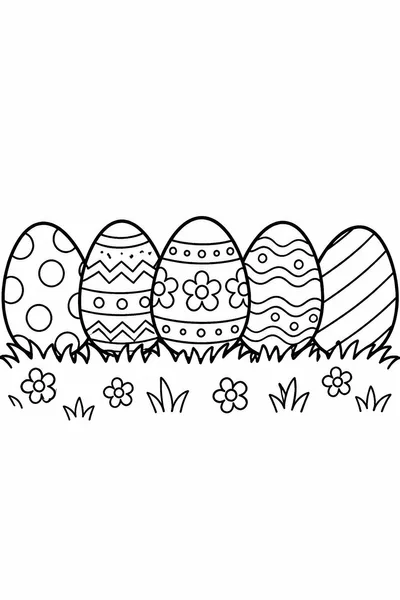
Easter Egg Coloring Pages to Print – Row of Five Patterned Easter Eggs
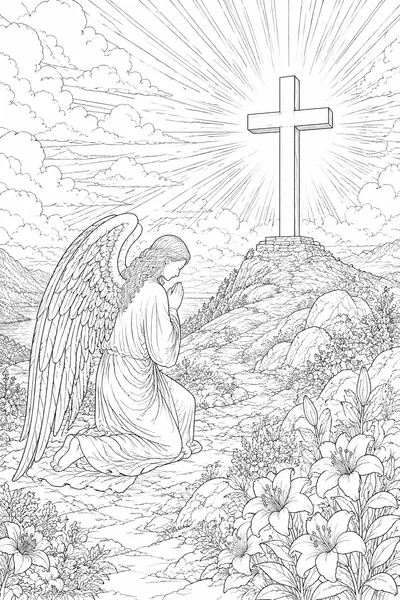
Religious Free Printable Religious Easter Coloring Pages – Angel Kneeling Before a Radiant Cross
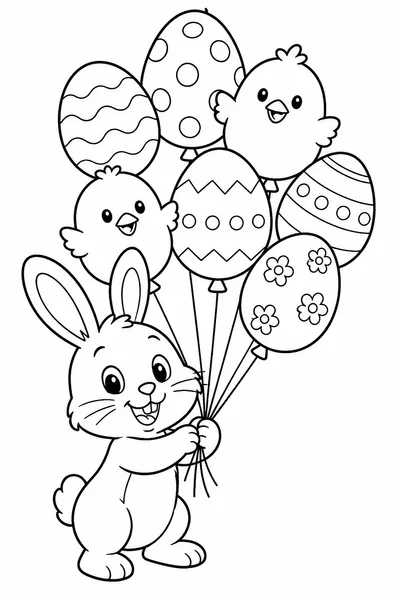
Kids Easter Coloring Pages – Cheerful Bunny Holding Egg and Chick Balloons
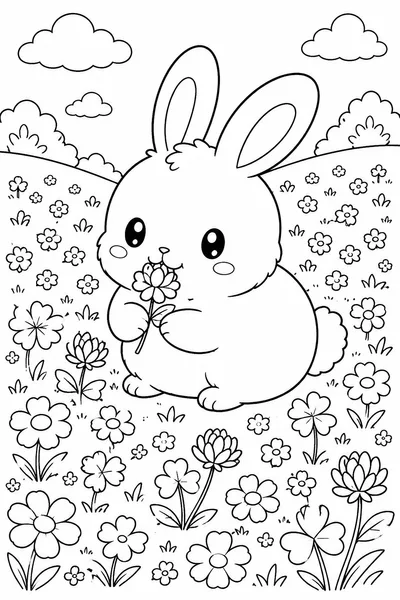
Coloring Pages of Bunnies for Easter – Fluffy Bunny Nibbling Clover in a Meadow
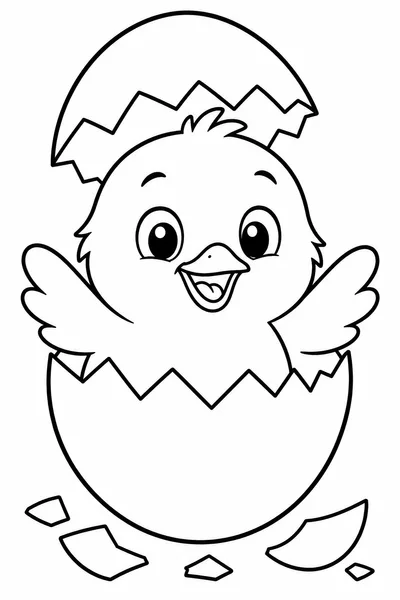
Easter Coloring Pages for Preschool – Baby Chick Hatching from a Cracked Egg
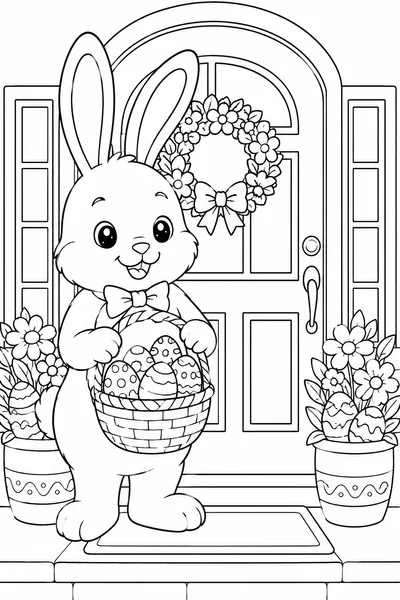
Free Printable Easter Bunny Coloring Pages – Tall Bunny with Basket at a Decorated Door
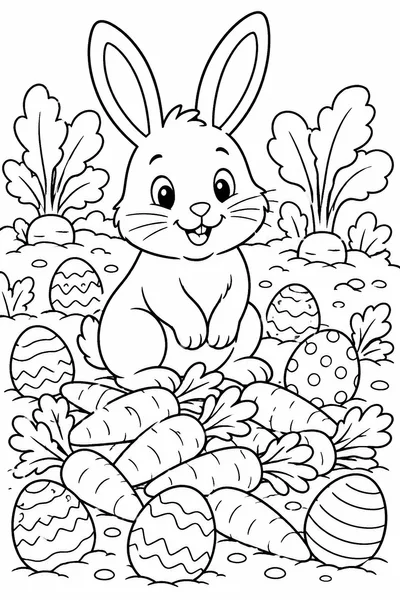
Easter Rabbit Color Page – Rabbit Among Easter Eggs and Carrots in a Garden
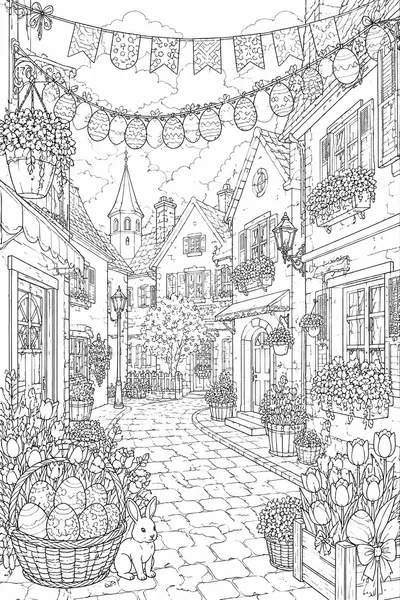
Spring Village Easter Scene Coloring Page
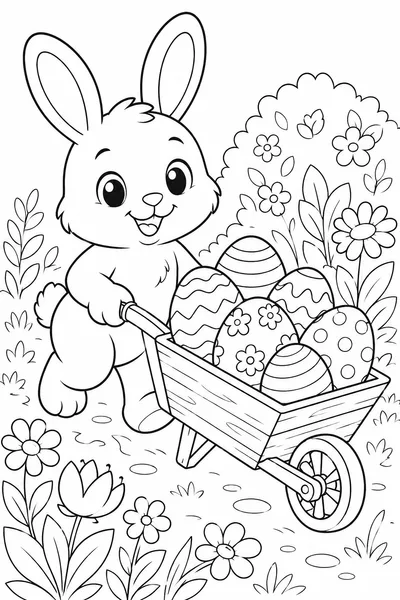
Easter Bunny Wheelbarrow Garden Coloring Page
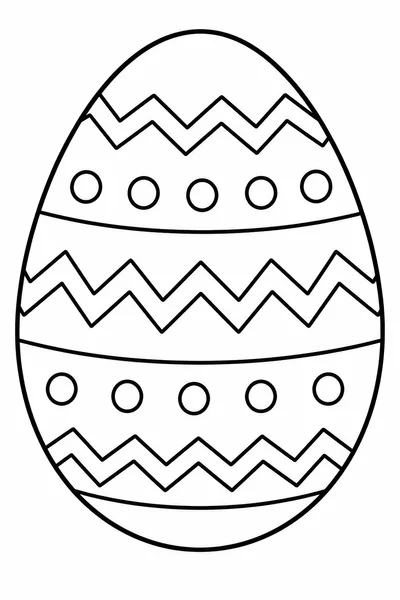
Easy Easter Egg Coloring Pages – Single Large Egg with Zigzag and Dot Patterns
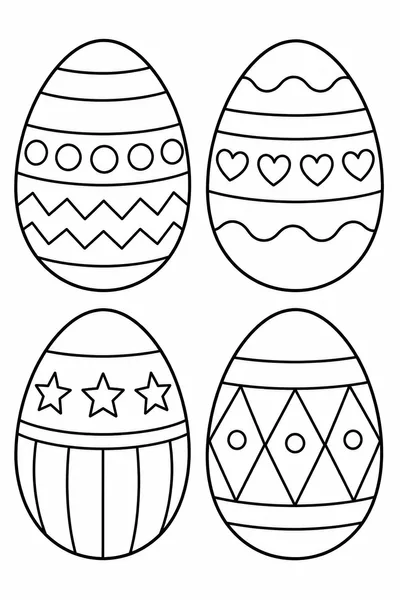
Print Easter Eggs Coloring Pages – Four Eggs with Decorative Band Patterns
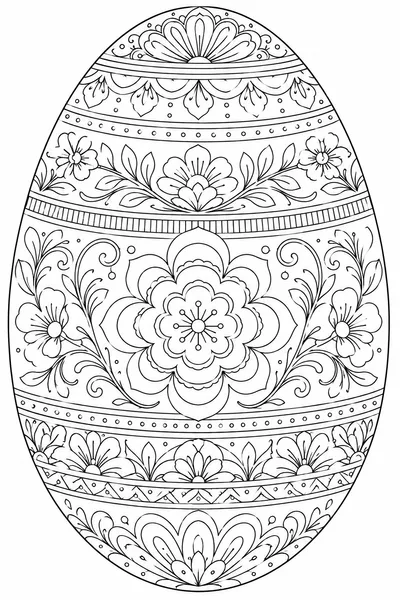
Free Printable Full Size Easter Egg Coloring Pages – Oversized Egg with Floral and Stripe Motifs
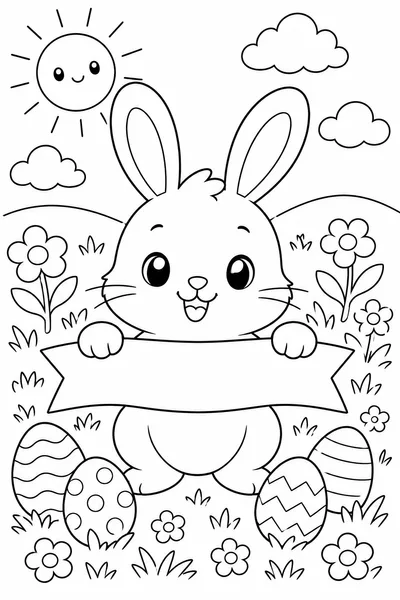
Happy Easter Coloring Pages Printable – Bunny Holding a Banner in a Spring Meadow
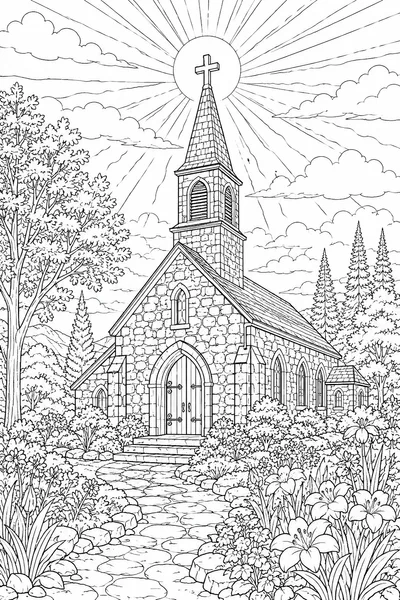
Religious Easter Color Pages – Stone Church with Cross Glowing at Sunrise
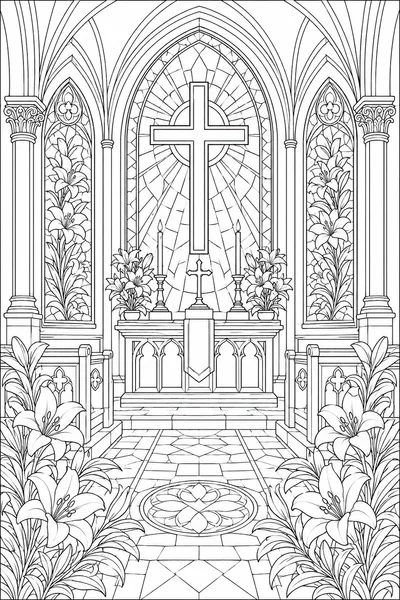
Church Easter Coloring Pages – Interior with Arched Stained-Glass Windows and Lily Flowers
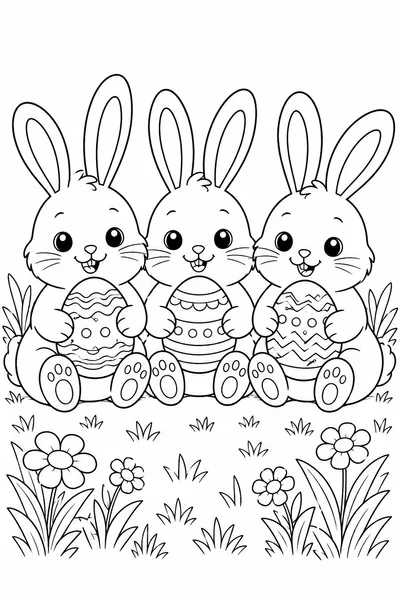
Color Pages of Easter Bunnies – Three Plump Bunnies Sitting in a Row with Painted Eggs
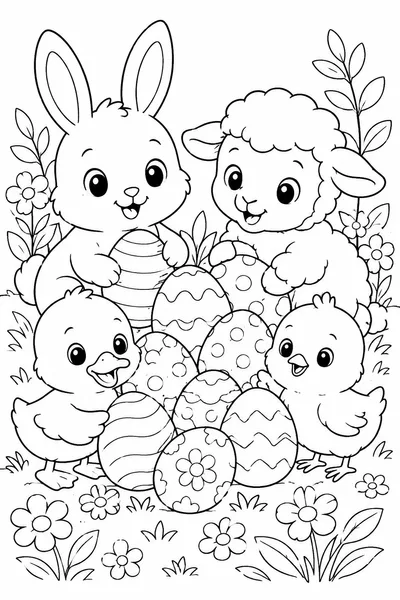
Cute Easter Animal Coloring Pages – Bunny, Duckling, Lamb, and Chick Around Easter Eggs
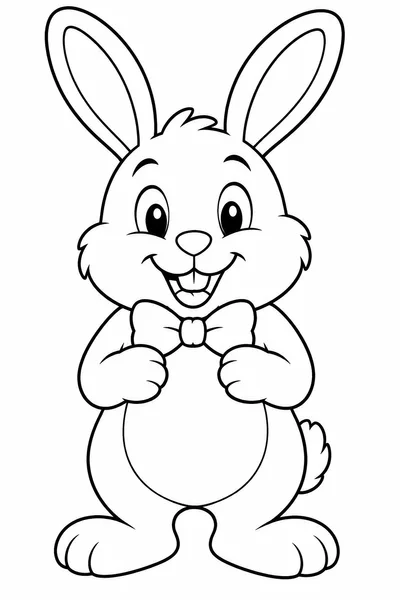
Easter Bunny Color Page Printable – Large Friendly Bunny Standing Upright with Bow Tie
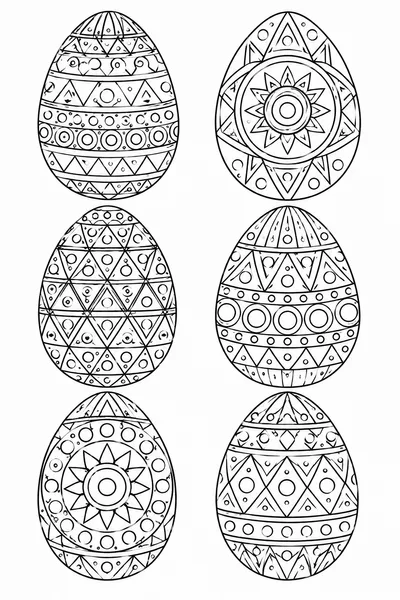
Easter Egg Coloring Pages PDF – Six Eggs with Geometric Triangle and Circle Patterns
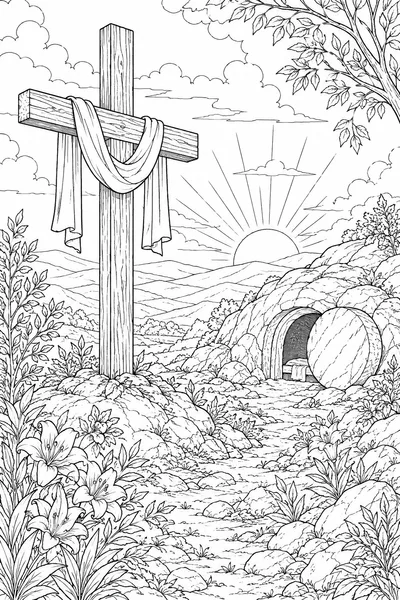
Easter Sunday Coloring Pages – Empty Cross on a Hill at Sunrise with an Open Tomb
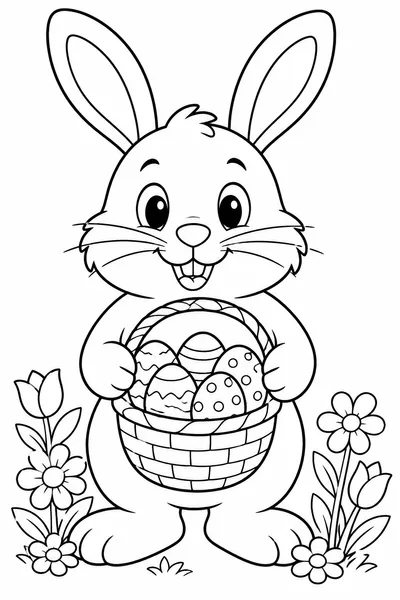
Free Printable Full Size Easter Bunny Coloring Pages – Large Bunny with Egg Basket and Flowers
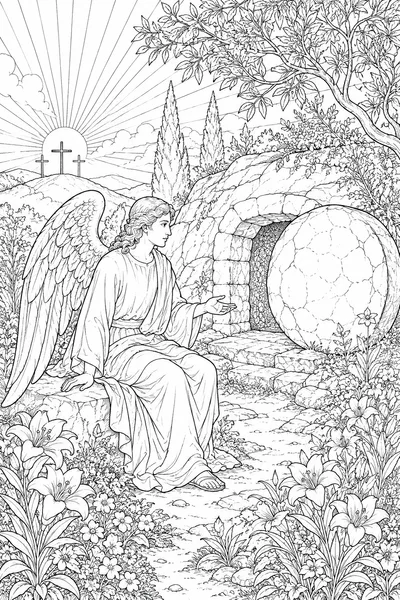
LDS Easter Coloring Pages – Angel Beside a Rolled-Away Stone at a Garden Tomb at Dawn
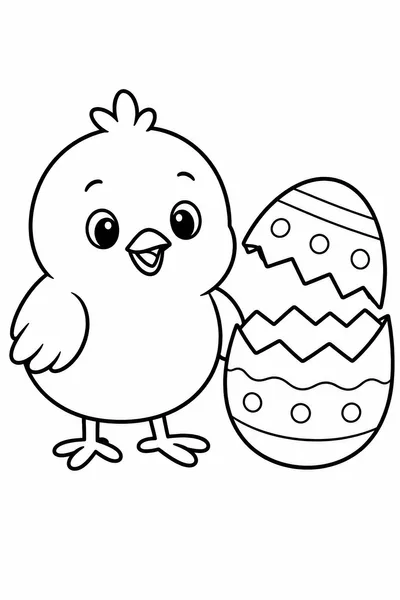
Simple Easter Coloring Pages – Baby Chick Next to a Cracked Easter Egg
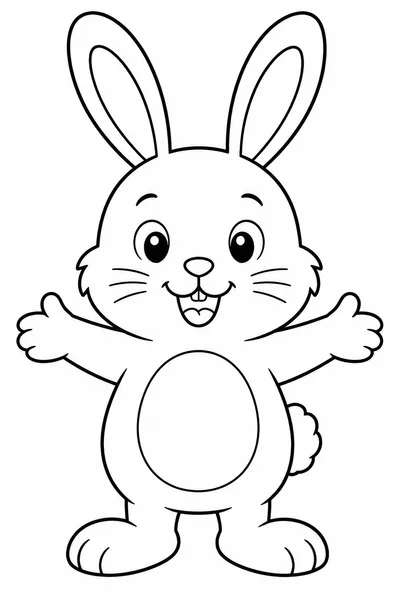
Simple Easter Bunny Coloring Pages – Round-Bodied Bunny Standing with Arms Out
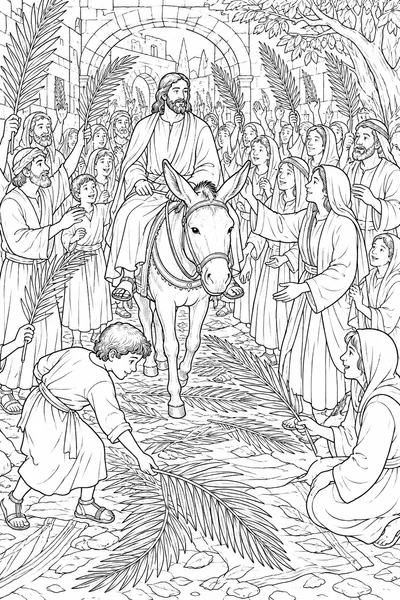
Bible Coloring Pages for Easter – Child Placing a Palm Branch as a Donkey Walks Through a Crowd
Free Printable Easter Coloring Book – Cover with Eggs, Bunny, Chick, and Spring Flower Border
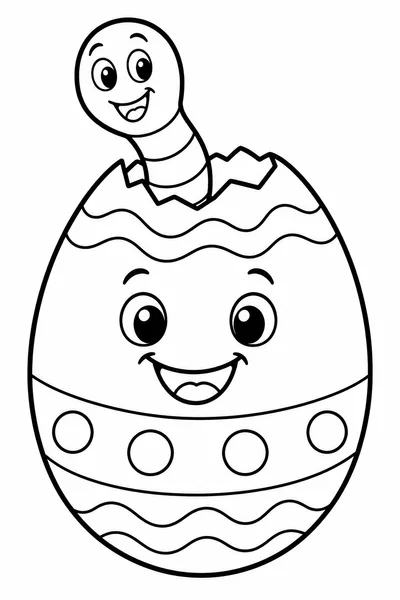
Easter Coloring Pages for Toddlers – Smiling Cartoon Egg with a Friendly Worm Popping Out
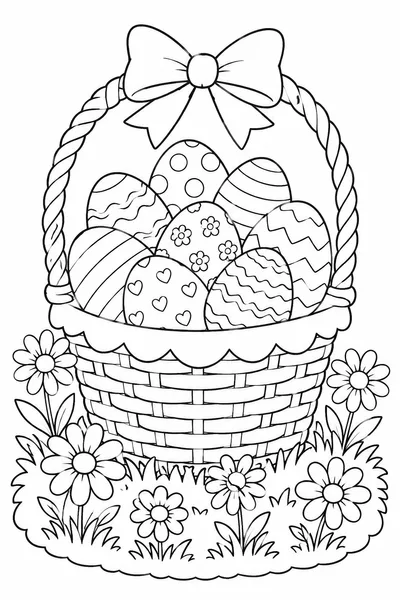
Easter Basket Color Pages – Wicker Basket Overflowing with Eggs on Spring Grass with Daisies
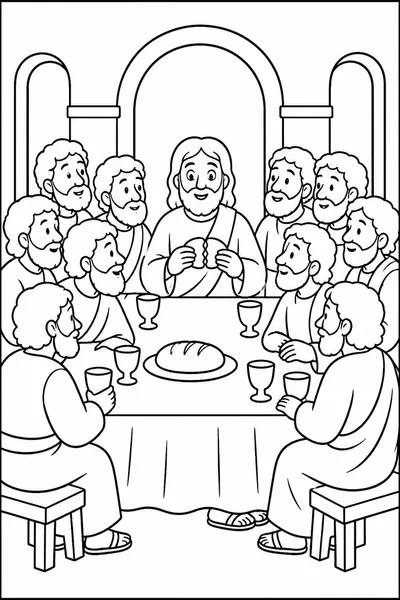
Easter Bible Coloring Pages – Simple Scene of Jesus and Disciples at the Last Supper
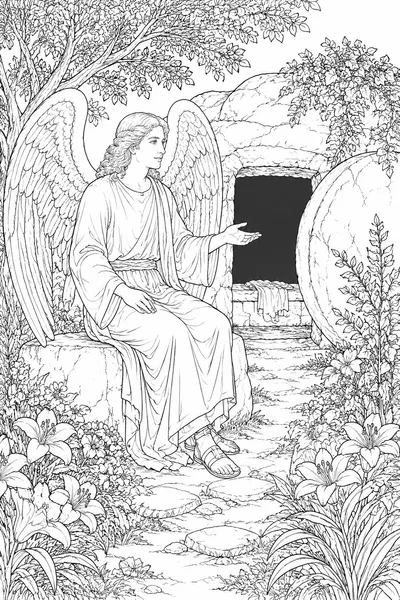
Easter Coloring Pages Biblical – Angel at the Open Tomb
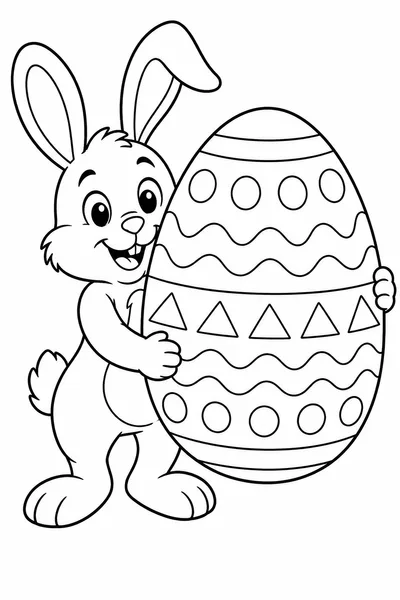
Easter Bunny Coloring Pages to Print – Bunny Holding Decorated Egg
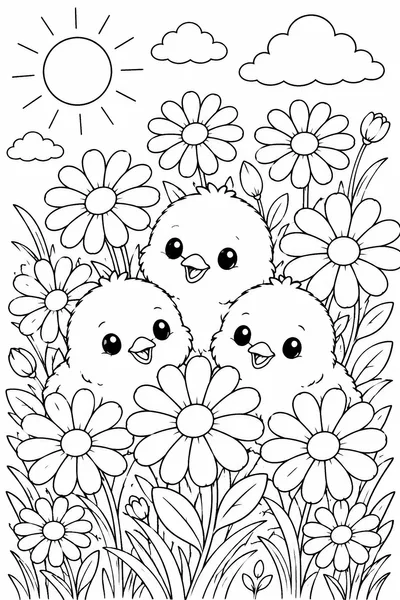
Easter Chicks Coloring Pages Printable – Three Chicks in Spring Daisies
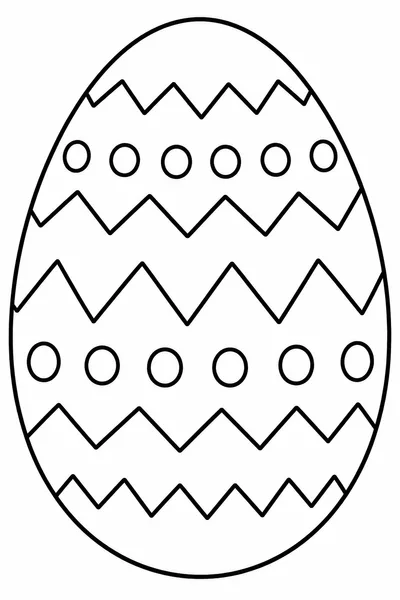
Free Easter Egg Coloring Pages to Print – Zigzag and Dot Pattern Egg
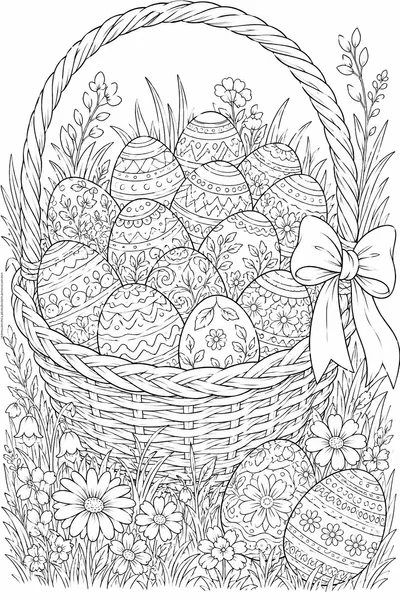
Easter Egg Basket Coloring Page – Wicker Basket Overflowing with Patterned Eggs
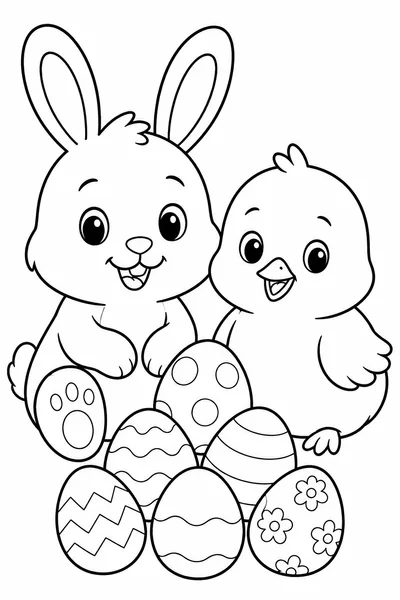
Easter Printing Coloring Pages – Bunny and Chick with Stacked Eggs
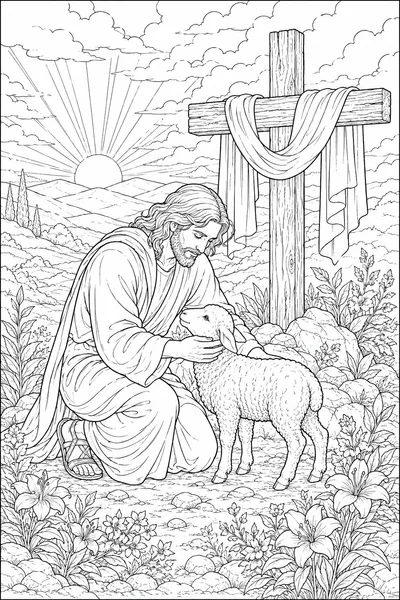
Shepherd and Lamb at the Cross Coloring Page
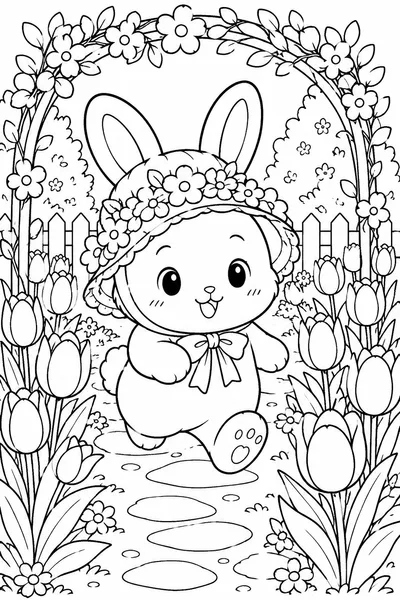
Easter Bunny in Flower Bonnet Coloring Page
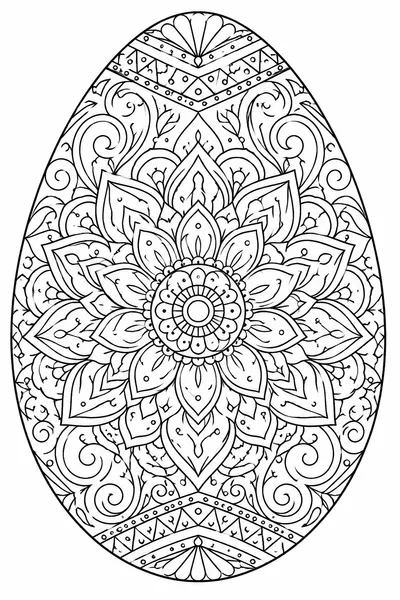
Easter Egg Mandala Coloring Page
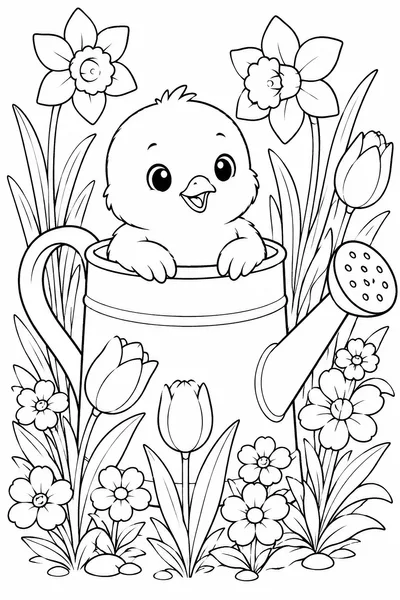
Baby Chick in Watering Can Coloring Page
Didn't find the exact page you want?
Describe any Easter scene and our generator turns it into a printable coloring page in seconds — free to try.
Generate a Custom Coloring PageColoring Tips for the Best Results
A little preparation goes a long way. These practical tips help kids (and adults) get the most out of every session — from choosing the right tools to finishing with confidence.
Match your tools to the line weight
Bold-outline pages with thick borders are ideal for chunky crayons, broad-tip markers, and watercolor pans — the wide lines forgive small wobbles and let young hands fill in fast. Detailed pages like mandala eggs or the stained-glass egg design reward fine-tip colored pencils or 0.5 mm fineliner pens, which let you shade inside tiny cells and blend gradients without muddying the outlines.
Use real Easter colors as a starting point
Real Easter eggs are dyed in soft pastels — pale lilac, mint green, butter yellow, baby pink, and sky blue — so those shades always look 'right' on the page. Real Easter bunnies have warm grey or brown fur with a white cotton tail and pink inner ears. Chicks are bright yellow with an orange beak and feet. Using these true-to-life colors first gives kids a concrete reference, then they can experiment with fantasy colors from there.
Print on card stock for markers
Standard printer paper is fine for crayons, but alcohol-based markers and washable broad-tip markers bleed through thin paper and ruin the surface underneath. Printing on 65 lb card stock (readily available at any office supply store) keeps colors vibrant and prevents bleed-through entirely — a small upgrade that makes a big difference.
Layer light colors before dark ones
Whether using crayons or colored pencils, always apply lighter shades first. Start with yellow on a chick before adding orange shading on the wings, or lay down pale pink on an egg before pressing harder with red for the stripe. Dark colors applied first are nearly impossible to lighten, while layering light-to-dark creates natural depth.
Leave white space intentionally
Not every area needs to be filled. On intricate pages like the intricate-easter-wreath or cross-sunrise-scene, leaving some sections white creates contrast and makes the colored areas pop. This is especially useful for highlights — a small uncolored spot on a shiny Easter egg looks like reflected light without any extra effort.
Tape the page down before starting
A single piece of low-tack painter's tape on each corner keeps the printout from sliding while kids color — reducing frustration and helping younger children stay inside the lines. It also means the page doesn't curl when using markers or watercolor.
5 Fun Easter Facts to Share While You Color
- 1
Easter is a Christian holiday celebrating the resurrection of Jesus Christ, observed on a Sunday between late March and late April each year — the exact date changes annually because it follows the lunar calendar.
- 2
The tradition of decorating eggs at Easter has roots in early Christian communities in Mesopotamia, where eggs were stained red to symbolize the joy of the resurrection season.
- 3
The Easter Bunny as a gift-bringer was popularized in the United States by German immigrants in the 1700s, who brought a tradition of a hare delivering colored eggs to well-behaved children.
- 4
Easter lilies — the white trumpet-shaped flowers you often see in churches — are native to the Ryukyu Islands of Japan and were introduced to the United States in the early 1900s.
- 5
Hot cross buns, the spiced sweet rolls marked with a white cross on top, have been baked and eaten on Good Friday in England since at least the 12th century.
Which Pages Work Best by Age
Not all coloring pages are the same level of challenge. Matching the complexity of the design to your child's fine motor skills keeps the activity fun rather than frustrating. Here's a simple guide.
Ages 2–4
Toddlers and preschoolers need big, clear outlines with generous spaces to fill. Look for bold-line pages with single large shapes — a giant egg, one big bunny, or a simple basket — so little hands can practice staying inside the lines without getting lost in detail. Chunky crayons work best at this stage. Praise the process, not the precision.
Ages 4–8
School-age children are ready for more character and story in their pages — a bunny reading a book, two bunnies playing in flowers, or a chick hatching from an egg gives them something to narrate as they color. This style group has just enough detail to feel satisfying without requiring a steady adult hand. Washable markers and standard crayons are perfect here.
Ages 8+ & Adults
Older children, teens, and adults enjoy pages with intricate patterns, fine linework, and layered detail. Mandala-style eggs, a stained-glass egg design, and religious scenes like the cross and Easter lily offer enough complexity to take an hour or more to complete mindfully. Colored pencils, fine-tip markers, and gel pens all excel here. These make beautiful keepsakes worth framing.
4 Ways to Use Easter Coloring Pages Beyond Just Coloring
Classroom egg-decorating contest
Print one egg-shaped page per student (the decorated-egg-printable or mandala-egg-pair pages work well) and set a timer for 20 minutes. Display finished pages on a bulletin board and let classmates vote for categories like 'most colorful,' 'most realistic,' and 'most creative pattern.' No winners or losers — every category gets its own ribbon. A class set of these easter coloring pages costs nothing to print and gives every student something to take home.
Easter basket stuffers that aren't candy
Print a small set of pages — one bold-line, one cute character, one detailed — and roll them into a scroll tied with a ribbon. Tuck them inside an Easter basket alongside a small pack of crayons or colored pencils. It's a screen-free, low-cost gift that keeps children busy on Easter afternoon and doubles as a quiet-time activity for the days that follow. If your child loves coloring year-round, our Christmas coloring pages make great roll-and-ribbon gifts for the next holiday basket too.
Rainy-day coloring marathon
Set up a dedicated coloring station with a placemat, a cup of pencils and markers sorted by color family, and a stack of printed pages in increasing difficulty. Start with a simple bold-line page to warm up, move to a cute character scene, and finish with one detailed page as the challenge piece. Play soft background music and treat it like a studio session — no rushing, no judgment on how it looks. This works equally well for one child or a group of cousins stuck inside together.
Storytelling prompt for early writers
After a child finishes coloring a scene — such as the bunny-reading-book, rabbit-flower-field, or easter-day-parade page — ask them to write or dictate three sentences about what is happening in the picture. Who are the characters? Where are they going? What happens next? Staple the written story to the back of the colored page. Over time, these become a small illustrated storybook the child made entirely on their own, and the coloring step lowers the barrier to writing for reluctant authors.
FAQ
Are these Easter coloring pages really free?
Yes — every single design in this collection is completely free. There's no subscription, no account, and no hidden fee. Just browse, pick your favorites, and download as many as you like.
What file format will I get — PNG or PDF?
Each coloring page is available as a high-resolution PNG, which prints beautifully on standard letter-size paper. If you'd like a PDF instead, most devices let you 'print to PDF' from your browser, giving you a ready-to-share file in seconds.
How do I print a page after I download it?
After you download the PNG file, open it on your computer, tablet, or phone and tap or click Print. For best results, choose 'fit to page' and use the highest quality setting your printer offers. Cardstock works especially well for younger children who love using markers.
Can I use these printable Easter coloring pages in a classroom or at a party?
Absolutely! These printable designs are perfect for Easter egg hunts, classroom parties, Sunday school events, and family gatherings. Print as many copies as you need — they make wonderful take-home activities for kids of all ages.