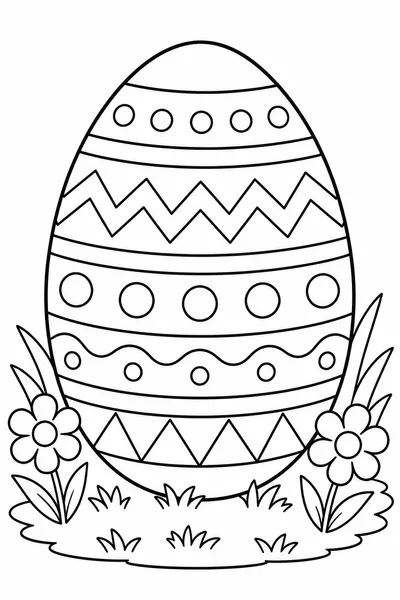
Dinosaur Coloring Pages
Roar into a world of prehistoric adventure with our collection of dinosaur coloring pages! Whether your little one is obsessed with the mighty T-Rex, the long-necked Brachiosaurus, or the spiky Stegosaurus, there's something here to spark every young paleontologist's imagination. This set of 41 free dinosaur coloring pages covers a wide range of species, scenes, and styles — from simple outlines perfect for toddlers to more detailed illustrations that older kids will love spending time on. Each page is designed to be printed easily at home, so you can keep a fresh stack ready whenever creativity strikes. Available as high-quality PNG files, every image stays crisp and clear no matter what size you print. You can also save them as a PDF to keep your whole collection organized in one place and print pages again and again. These printable sheets make a wonderful activity for rainy afternoons, classroom projects, birthday parties, or quiet time before bed. Just download, print, and watch your child bring these ancient giants back to life with color. We hope these pages bring as much joy to your home as dinosaurs have brought to generations of curious, wonder-filled kids.
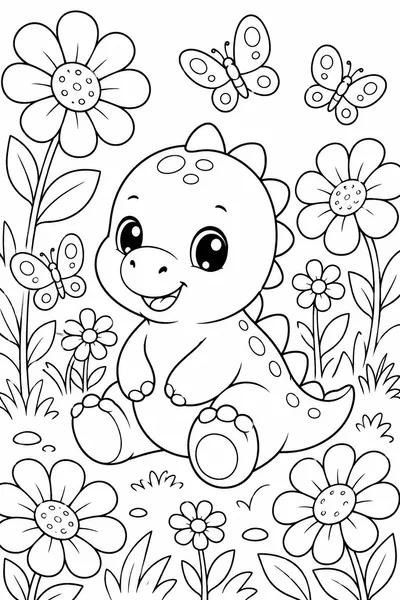
Cute Dinosaur Coloring Pages – Baby Dino in a Flower Meadow
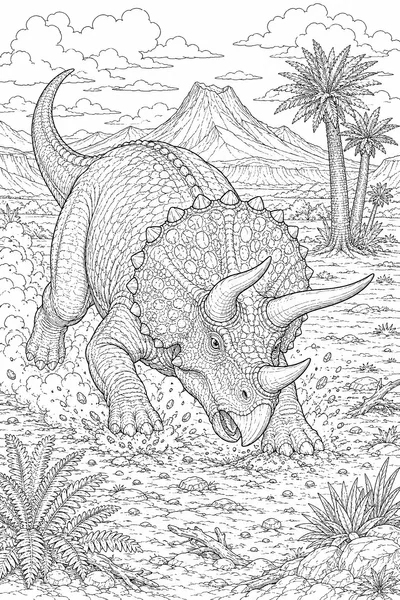
Dinosaur Coloring Pages Triceratops – Charging Across the Plains
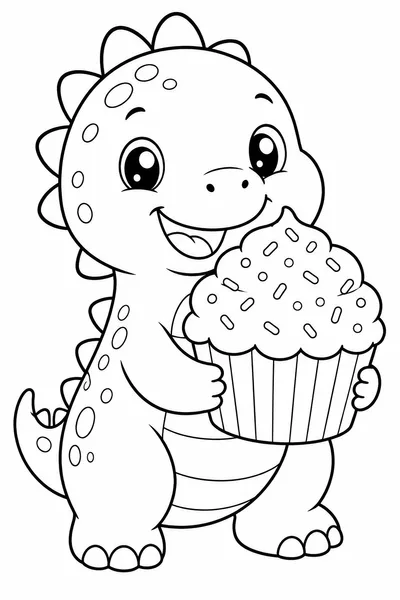
Coloring Pages of Cute Dinosaurs – Smiling Dino with a Giant Cupcake
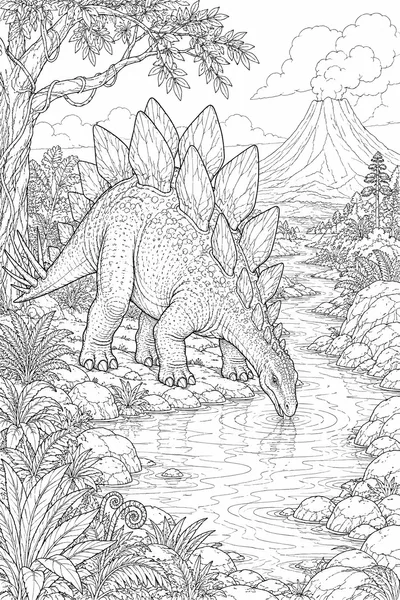
Stegosaurus Dinosaur Coloring Pages – Drinking at the Riverbank
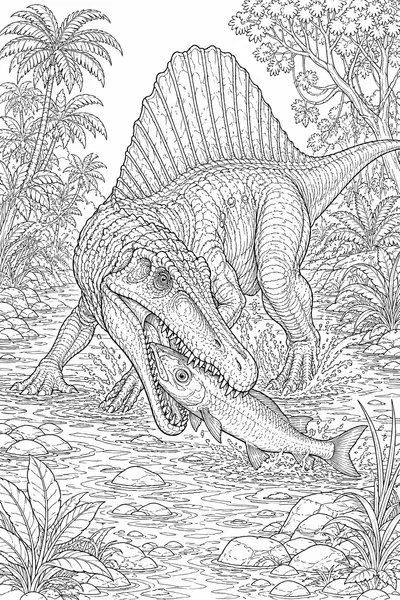
Dinosaur Coloring Pages Spinosaurus – Wading Through a River Catch
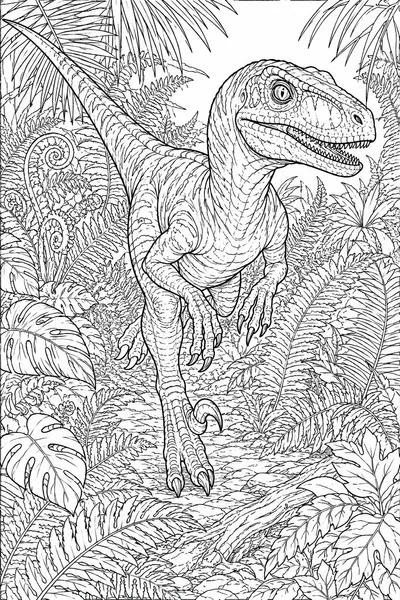
Raptor Dinosaur Coloring Pages – Velociraptor Sprinting Through the Jungle
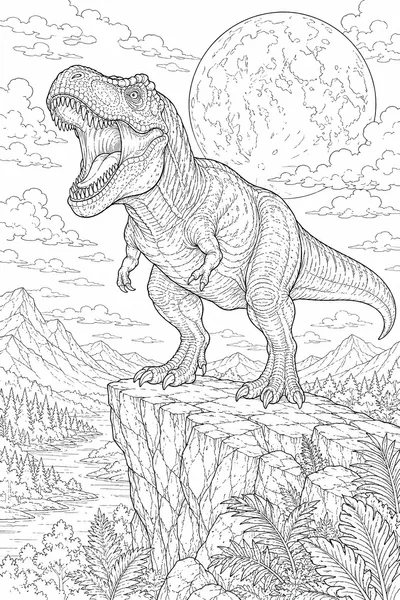
Dinosaur Coloring Pages T Rex – Roaring on a Moonlit Cliff
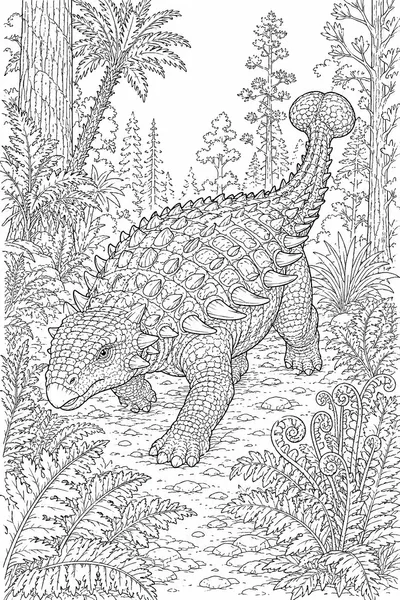
Ankylosaurus Dinosaur Coloring Pages – Club Tail Swing on a Forest Path
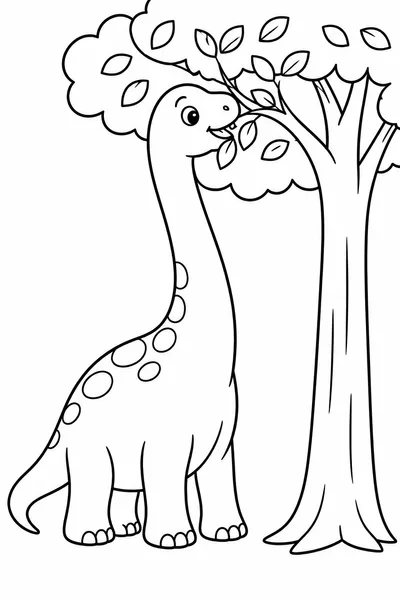
Easy Dinosaur Coloring Pages – Friendly Brachiosaurus Reaching for Leaves
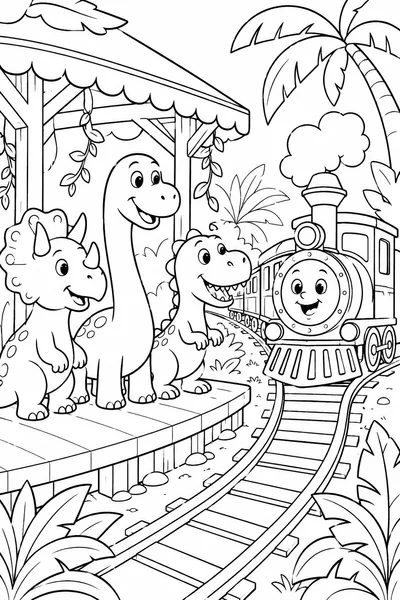
Dinosaur Train Coloring Pages – Three Cartoon Dinos at the Jungle Station
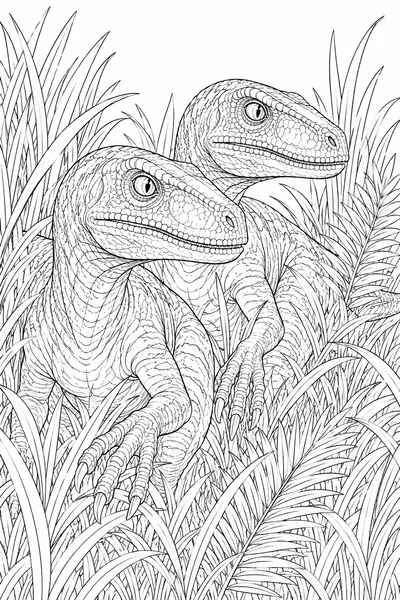
Dinosaur Coloring Pages Velociraptor – Two Raptors Hunting in the Tall Grass
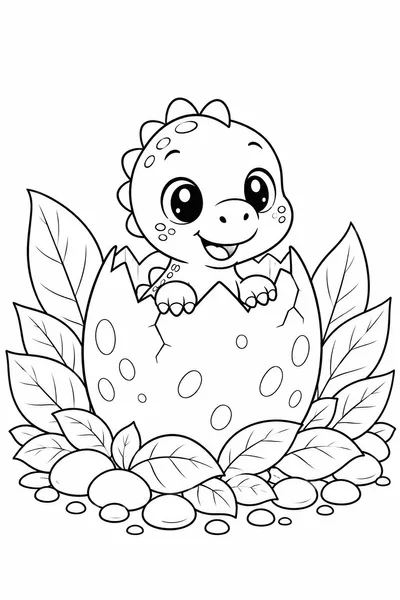
Baby Dinosaur Coloring Page – Tiny Hatchling Peeking from a Cracked Egg
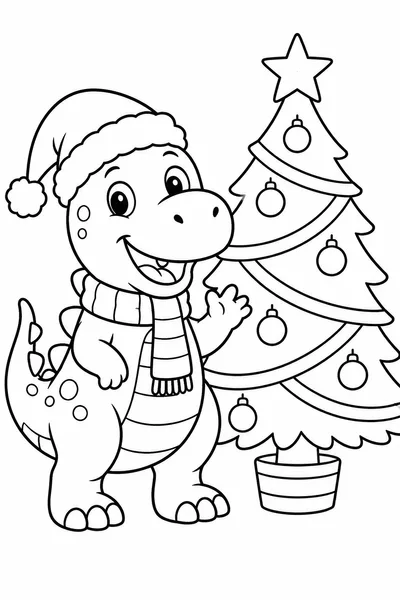
Christmas Dinosaur Coloring Pages – Dino in a Santa Hat by the Christmas Tree
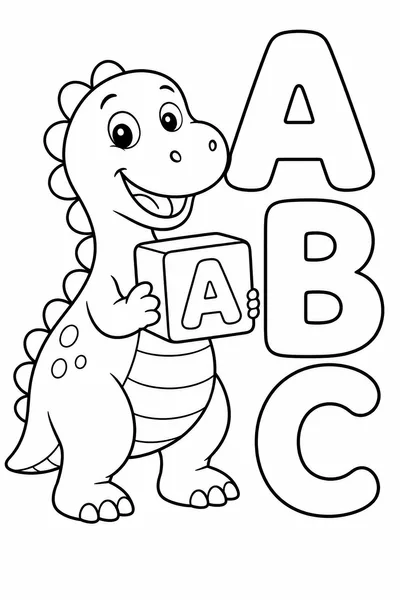
Dinosaur Coloring Pages for Preschool – Friendly Dino with Alphabet Blocks
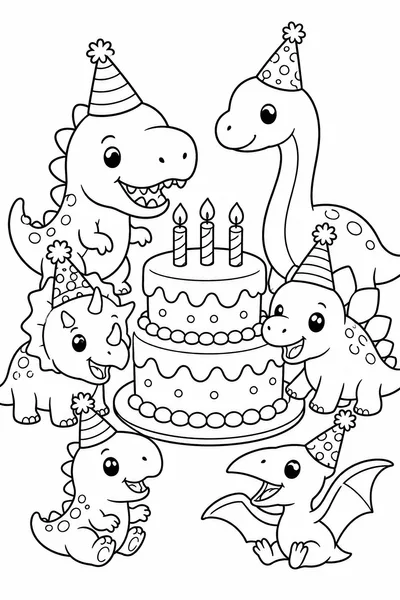
Childrens Coloring Pages Dinosaurs – Birthday Party with Cake and Party Hats
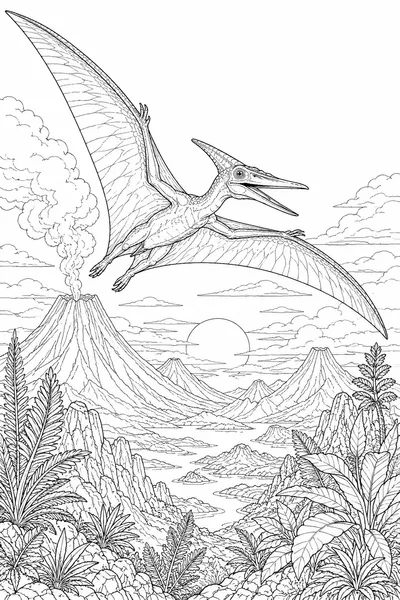
Pterodactyl Sunset Soar Coloring Page
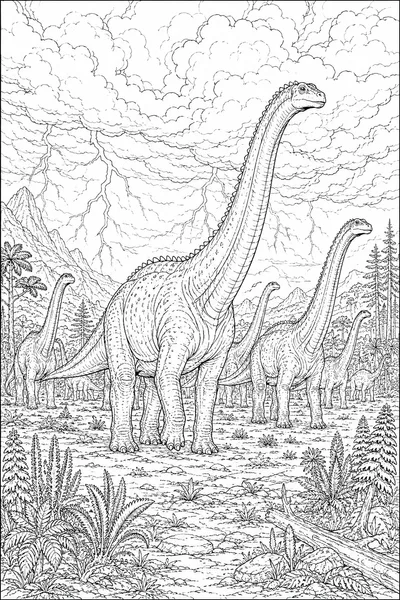
Diplodocus Herd on Prehistoric Plains Coloring Page
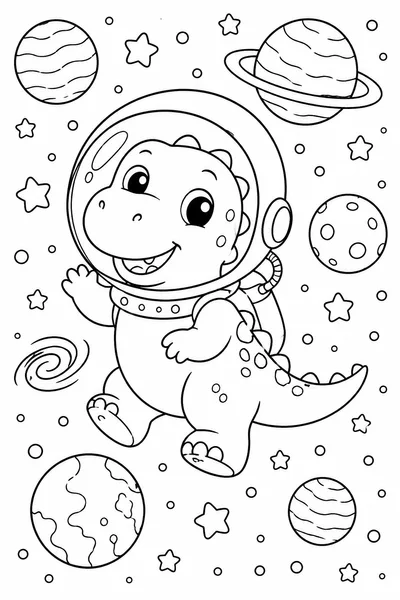
Cute Dinosaur Astronaut in Space Coloring Page
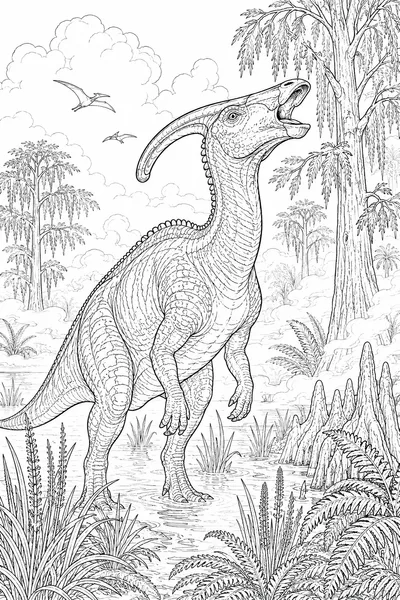
Parasaurolophus Calling Across a Prehistoric Swamp Coloring Page
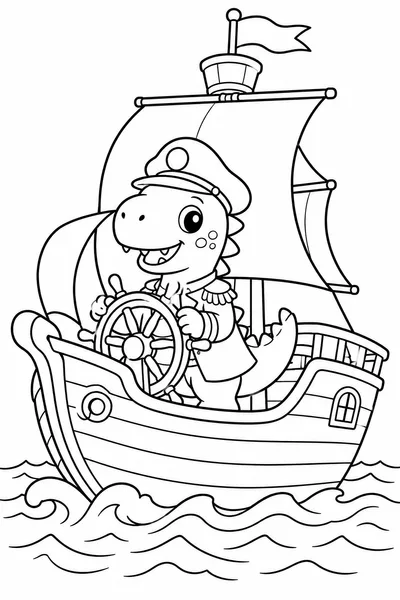
Dinosaur Pirate Captain on a Sailing Ship Coloring Page
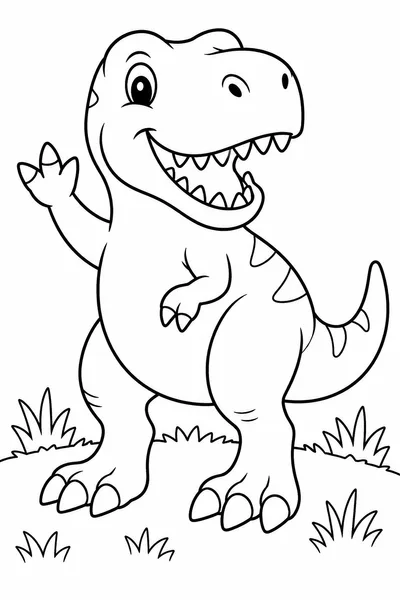
Simple Dinosaur Coloring Pages – T-Rex Waving in a Grassy Field
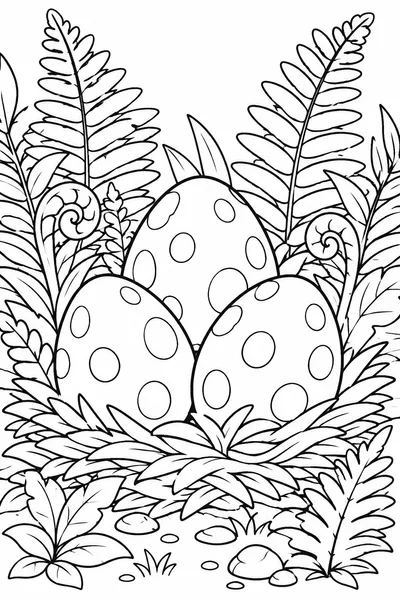
Dinosaur Egg Coloring Page – Spotted Eggs in a Leafy Nest
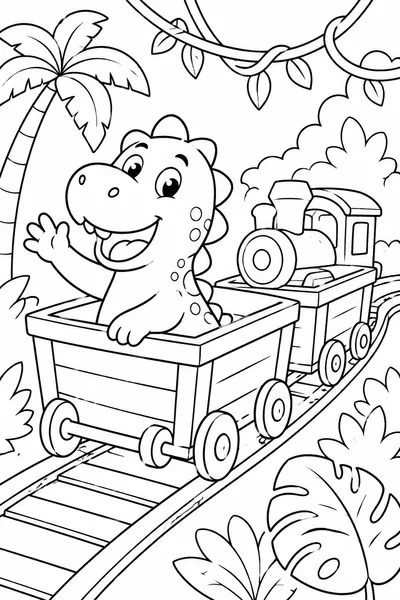
Dinosaur Train Color Pages – Cartoon Dino Riding Through the Jungle
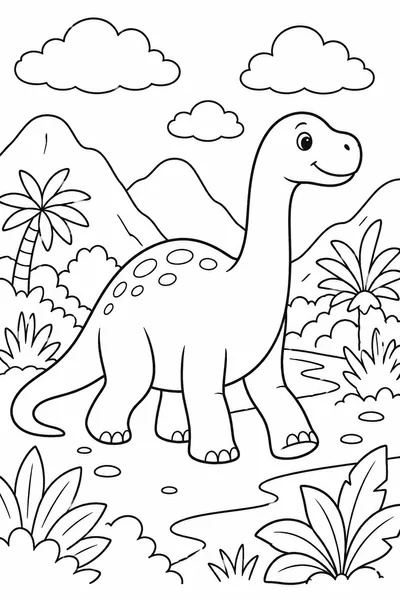
The Good Dinosaur Coloring Pages – Apatosaurus in a Prehistoric Valley
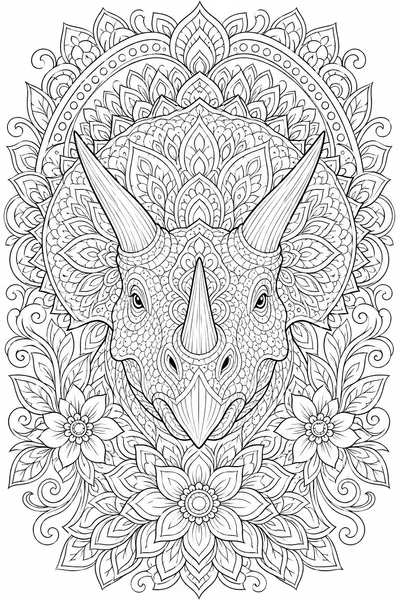
Adult Dinosaur Coloring Pages – Triceratops Mandala Portrait
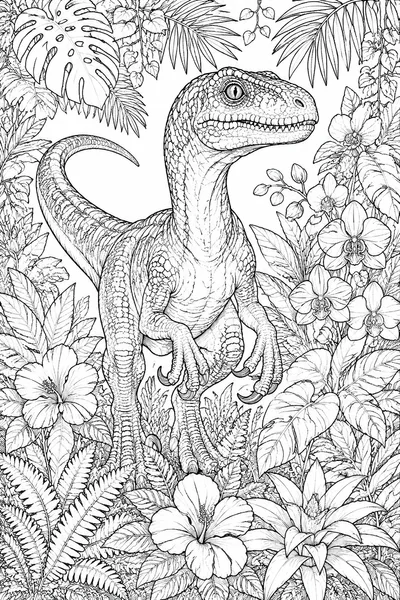
Dinosaur Coloring Pages for Adults – Velociraptor Botanical Illustration
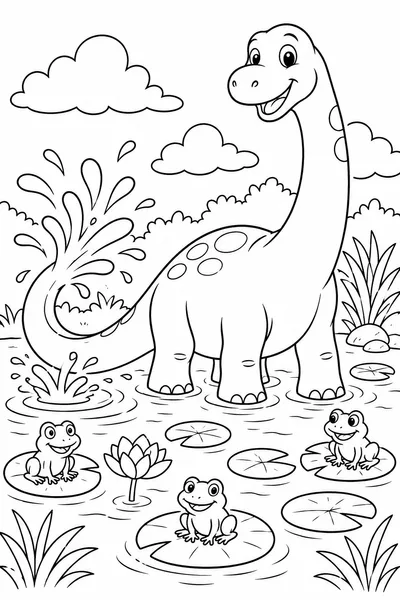
Dinosaur Coloring Pages for Kids – Brachiosaurus Splashing in a Pond
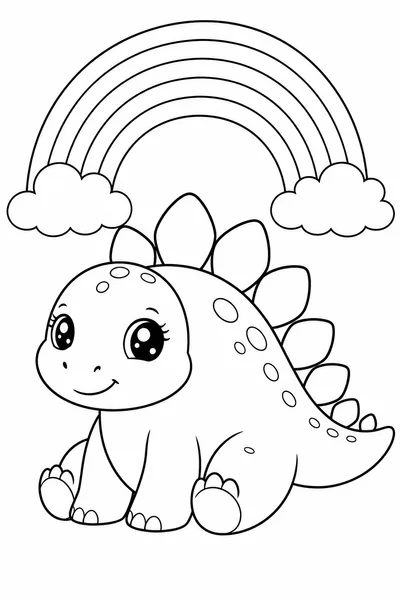
Easy Cute Dinosaur Coloring Pages – Kawaii Stegosaurus Under a Rainbow
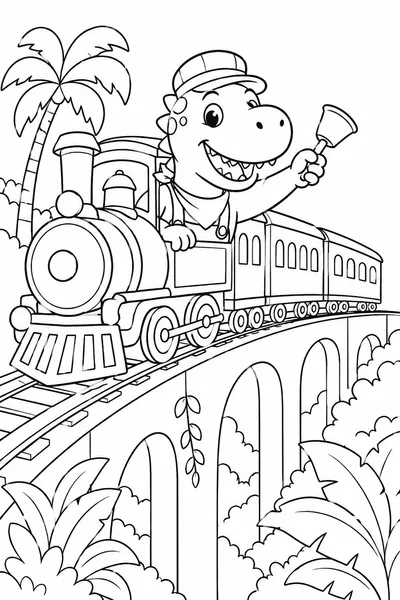
Dinosaur Train Coloring Book Pages – Conductor Dino on a Jungle Bridge
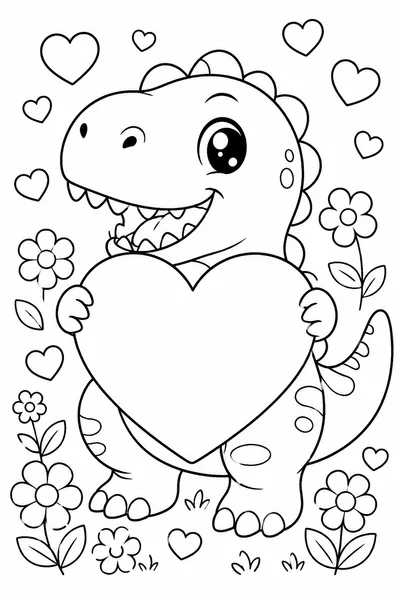
Dinosaur Valentine Coloring Pages – T-Rex Holding a Giant Heart Sign
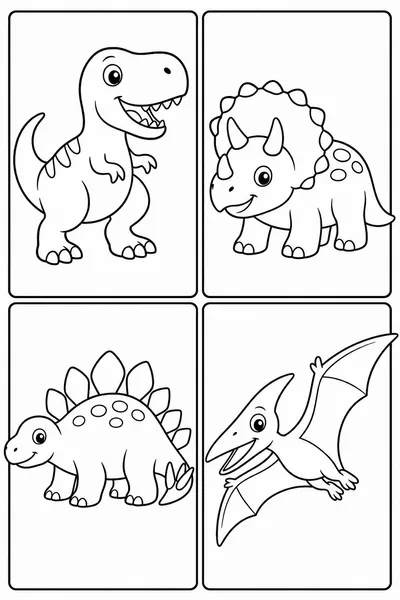
Dinosaurs Pictures Coloring Pages – Four-Panel Dino Portrait Grid
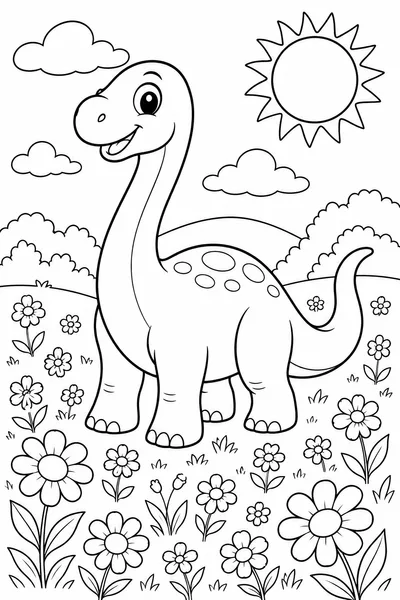
Good Dinosaur Coloring Pages – Young Apatosaurus in a Sunny Meadow
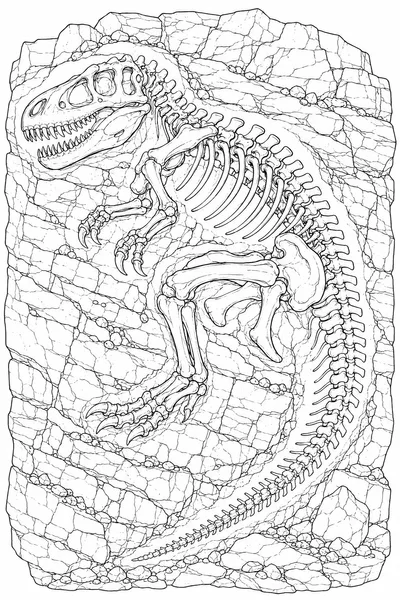
Dinosaur Fossil Coloring Pages – Skeleton Embedded in a Rocky Cliff
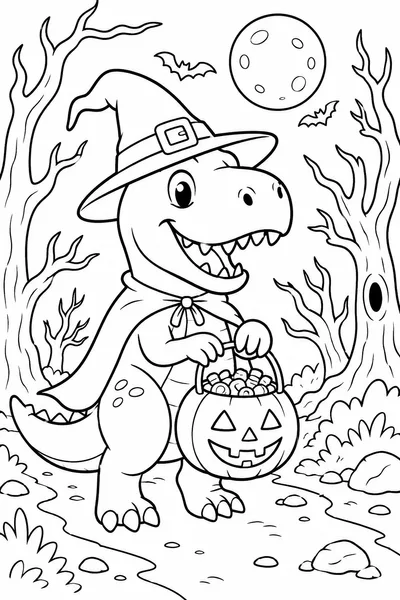
Dinosaur Halloween Coloring Pages – T-Rex Witch Trick-or-Treating at Night
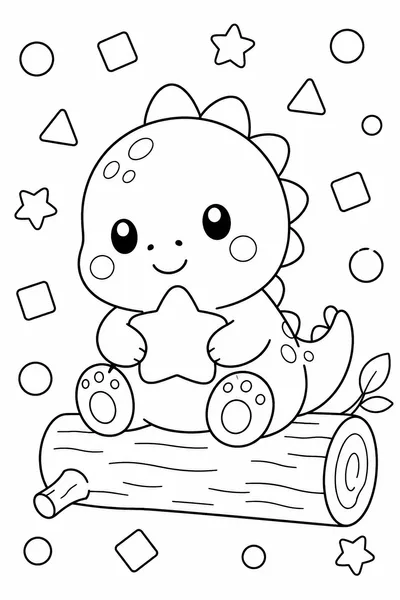
Dinosaur Color Pages for Preschool – Chubby Cartoon Dino with Shapes
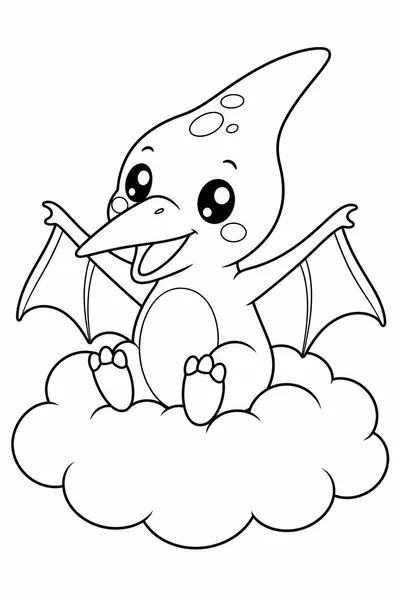
Cute Kawaii Dinosaur Coloring Pages – Pterodactyl Floating on a Cloud
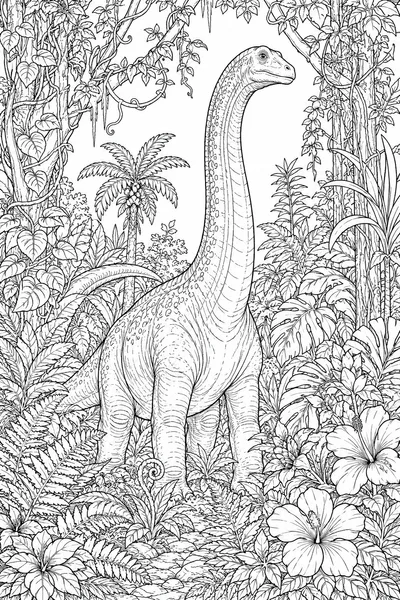
Coloring Book Pages Dinosaurs – Brachiosaurus in an Intricate Jungle
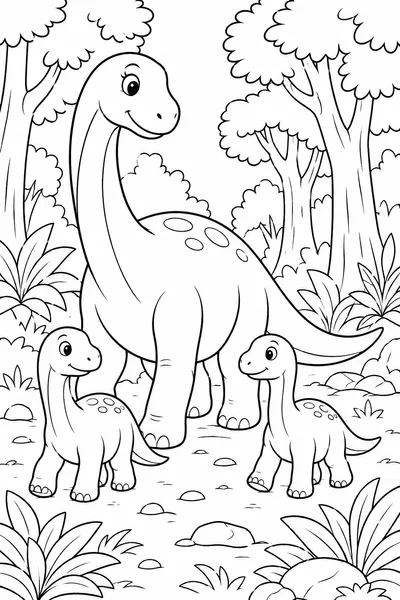
Coloring Pages of the Good Dinosaur – Apatosaurus Family Walking Through a Forest
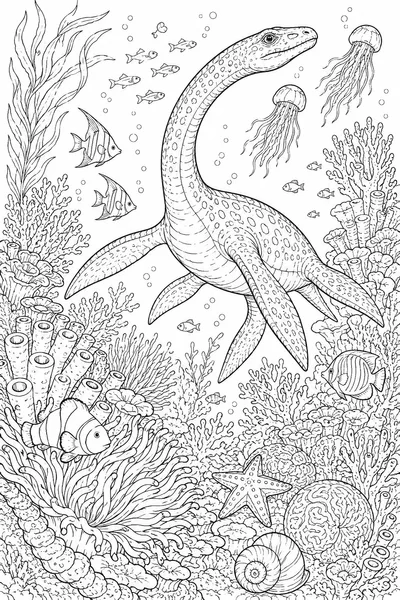
Plesiosaur Underwater Swim Coloring Page
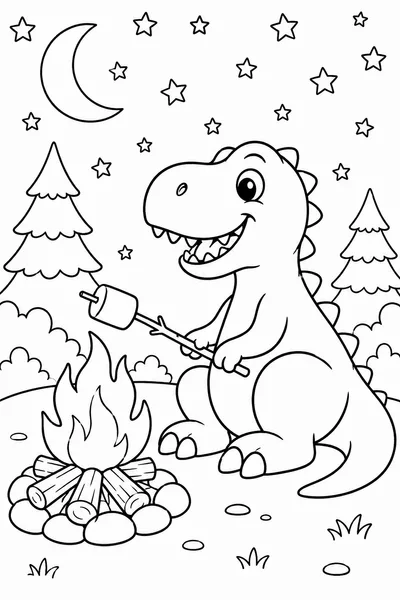
T-Rex Campfire Night Coloring Page
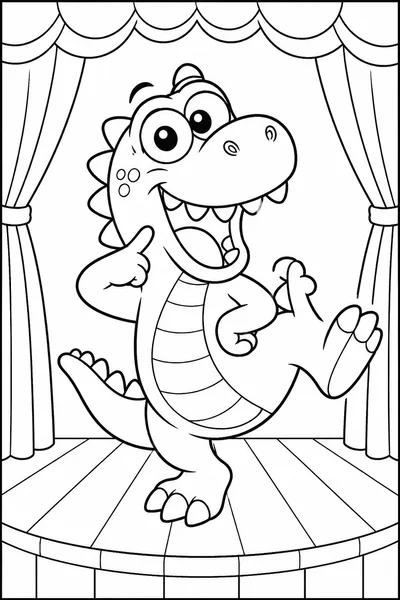
Cartoon Dinosaur Coloring Pages – Goofy Dino Striking a Funny Pose on Stage
Didn't find the exact page you want?
Describe any Dinosaur scene and our generator turns it into a printable coloring page in seconds — free to try.
Generate a Custom Coloring PageColoring Tips for Dinosaur Pages
A few simple techniques make a big difference — whether your child is filling in a chunky outline or you're tackling a detailed scene yourself.
Match your tools to the line weight
Bold-outline pages are ideal for crayons, broad-tip markers, and chunky colored pencils — the thick lines forgive slight overruns and dry quickly. For detailed pages like triceratops-mandala or raptor-botanical, switch to fine-tip colored pencils or 0.5 mm fineliner pens so you can work cleanly inside small areas without muddying the linework.
Use real dinosaurs as your color reference
Scientists now know many dinosaurs had feathers or scales in surprisingly vivid colors. Velociraptors were likely feathered in earthy browns and russets, similar to a hawk. Triceratops skin fossils suggest mottled grey-green, like a modern rhino. T. rex was probably dull olive-brown for camouflage. Encourage kids to look these up — it turns coloring into a mini research project. That said, there are no strict rules: a rainbow Stegosaurus is always a valid creative choice.
Build depth with layering
For colored pencils, start with the lightest shade and layer progressively darker tones toward the underbelly shadow or the base of a limb. On the detailed spinosaurus-fishing or diplodocus-herd-plains pages, this layering gives scales and skin real dimension without needing blending tools.
Keep a scrap sheet for color tests
Before committing to the main page, swatch every color you plan to use on a spare piece of paper. Marker colors in particular look different on white printer paper than on the cap. This is especially worth doing for skin tones on the triceratops-charging or t-rex-roar-cliff pages, where the large areas of color dominate the composition.
Add a background to tell a story
Many detailed dinosaur coloring pages leave the background open. A wash of blue watercolor pencil above the horizon line instantly creates sky; a band of green below suggests jungle undergrowth. Even on simpler pages, having your child color a simple sun and a few rocks behind the dino-scenic-valley image transforms a single sheet into a whole scene — and keeps older kids engaged longer.
Protect finished pages
If you've used markers, place a sheet of scrap paper underneath before coloring — bleed-through can surprise you. Once dry, a light pass of clear acrylic spray (adults only) will make colored-pencil and crayon work smudge-resistant, which is great for pages destined to go on the fridge or into a portfolio.
5 Dinosaur Facts to Share While You Color
- 1
The word 'dinosaur' was coined in 1842 by British scientist Richard Owen and comes from Greek words meaning 'terrible lizard' — though dinosaurs are not actually lizards.
- 2
Birds are living dinosaurs. Scientists classify modern birds as a group of feathered theropod dinosaurs that survived the mass extinction about 66 million years ago.
- 3
Triceratops had one of the largest skulls of any land animal ever found, with its frill and three horns making up nearly a third of its total body length.
- 4
Sauropods like Brachiosaurus swallowed stones called gastroliths to help grind up tough plant material in their stomachs, because they couldn't chew.
- 5
Dinosaurs lived on every continent, including Antarctica, which had a warmer climate during the Mesozoic Era than it does today.
Which Pages Work Best for Each Age?
Not all dinosaur coloring pages are created equal. Line thickness, detail level, and subject matter all affect whether a page feels satisfying or frustrating for a given child. Here's a quick guide to matching the right sheet to the right colorist.
Ages 2–4: Toddlers & Preschoolers
Little hands need thick, forgiving outlines with plenty of open space inside each shape. Bold-line pages keep the shapes large and simple so toddlers can scribble confidently without constantly going outside the lines — which, at this age, doesn't matter at all. Chunky crayons are perfect here. Focus on pages with a single friendly dinosaur front-and-center rather than busy scenes.
Ages 4–8: Early School Age
Kids in this range are developing finer motor control and love characters with personality — a dino in a birthday hat or floating in space holds their attention far longer than a plain anatomical outline. Cute-style pages strike the right balance: the lines are still clear and manageable, but there's enough detail (a cupcake, a heart, a rainbow) to make coloring feel like storytelling. Washable markers and standard crayons both work beautifully.
Ages 8+ & Adults: Older Kids and Grown-Ups
Detailed pages reward patience and a wider color toolkit. Realistic scenes — a raptor mid-sprint through jungle undergrowth, a pterodactyl banking against a sunset sky — give older colorists room to practice shading, texture, and color blending. Mandala-style dinosaur coloring pages like triceratops-mandala add a meditative quality that many adults find genuinely relaxing. Fine-tip colored pencils, gel pens, or even watercolors produce the best results on these intricate designs.
4 Ways to Use These Pages Beyond the Coloring Table
Classroom Dino Dig Unit
Pair a paleontology lesson with hands-on art time by assigning each student a different species page. Once colored, tape them to the wall in rough chronological order (Triassic → Jurassic → Cretaceous) with a hand-written label and one fact per dinosaur. The finished display doubles as a reference chart for the rest of the unit and gives every student a visible role in building it. Pages from the detailed style — like stegosaurus-riverbank or parasaurolophus-herd-call — work especially well because kids can discuss the habitat details while they color.
Dinosaur Birthday Party Activity Station
Set up a coloring station alongside a craft table at your next dinosaur-themed birthday party. Print a variety of cute-style pages (dino-birthday-party is an obvious fit, as is smiling-dino-cupcake) and lay out crayons and broad markers. Kids can take their finished page home as a party favor — far cheaper and more personal than plastic bag fillers. Write each child's name on the back before the party so sheets don't get mixed up. If you're also planning a holiday party season, our Christmas coloring pages make a great second station for December events.
Rainy-Day Storytelling Prompt
Give each child two different pages — one featuring a plant-eater and one a predator — and after coloring, ask them to invent a two-minute story about what happens when the two dinosaurs meet. The dino-scenic-valley and raptor-jungle-sprint pages create an immediate contrast in setting and mood that sparks narrative thinking. This works as a solo quiet-time activity just as well as a group exercise: the coloring becomes the brainstorming phase and the story is the output.
Quiet-Time Mindfulness for Adults
The detailed pages in this collection — particularly triceratops-mandala and raptor-botanical — are genuinely well-suited to adult coloring as a low-screen wind-down activity. Keep a set printed and ready alongside a small tin of colored pencils for evenings when you want something tactile and absorbing but low-commitment. If you rotate themes seasonally, our unicorn coloring pages offer a similar level of intricate detail and work well as a companion set.
FAQ
How do I download the dinosaur coloring pages?
It's simple and completely free! Click the download button beneath any page you like to save it as a high-quality PNG file directly to your device. You can download individual pages or grab the full set at once.
Can I save the coloring pages as a PDF?
Yes! If you'd like to keep all 41 pages together, you can save or print them as a PDF. Most devices let you choose 'Save as PDF' from the print dialog, making it easy to store a tidy, printable collection.
What age group are these printable dinosaur coloring pages suited for?
The collection includes a mix of styles, so there's something for every age. Simpler, bold-outline pages work beautifully for toddlers and preschoolers, while more detailed scenes are great for older children who enjoy a coloring challenge.
Are there any costs or sign-ups required?
None at all. Every dinosaur coloring page here is 100% free — no account needed, no hidden fees. Just pick your favorites, download the PNG files, and print as many copies as you need at home or at school.