Exploring Creativity with Dora the Explorer Coloring Pages
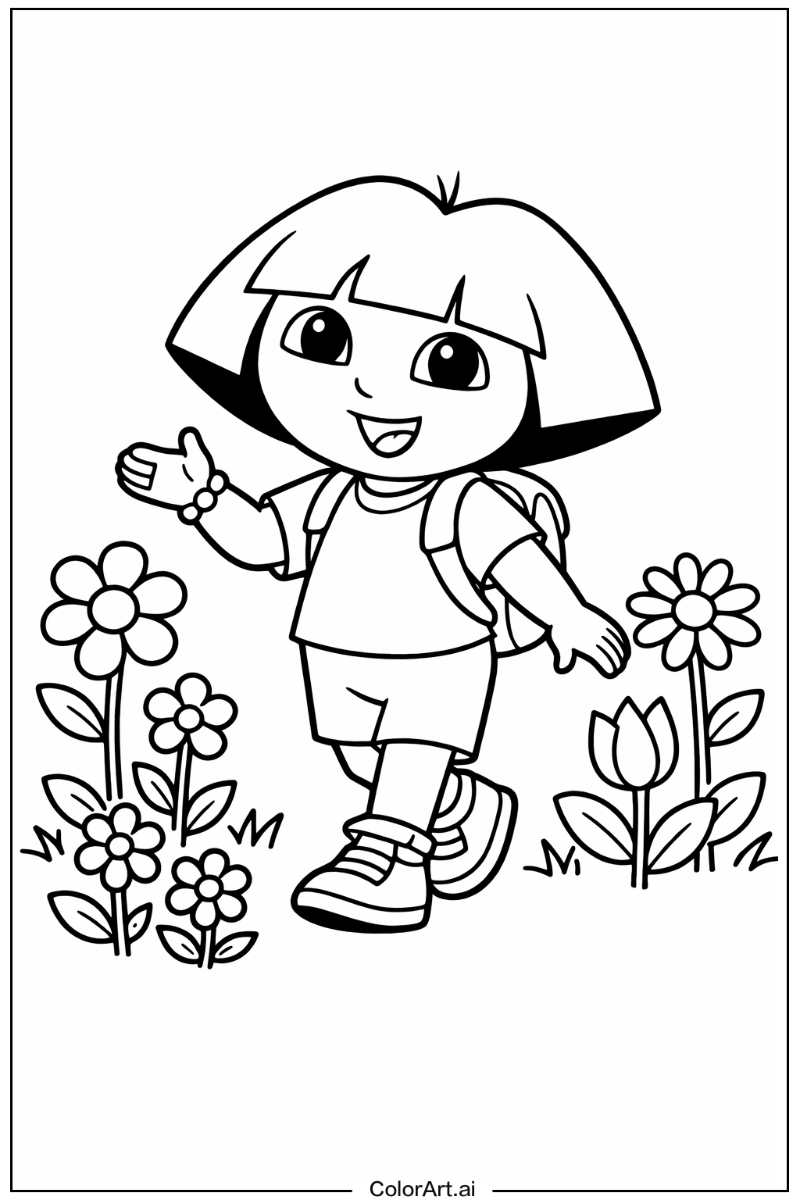
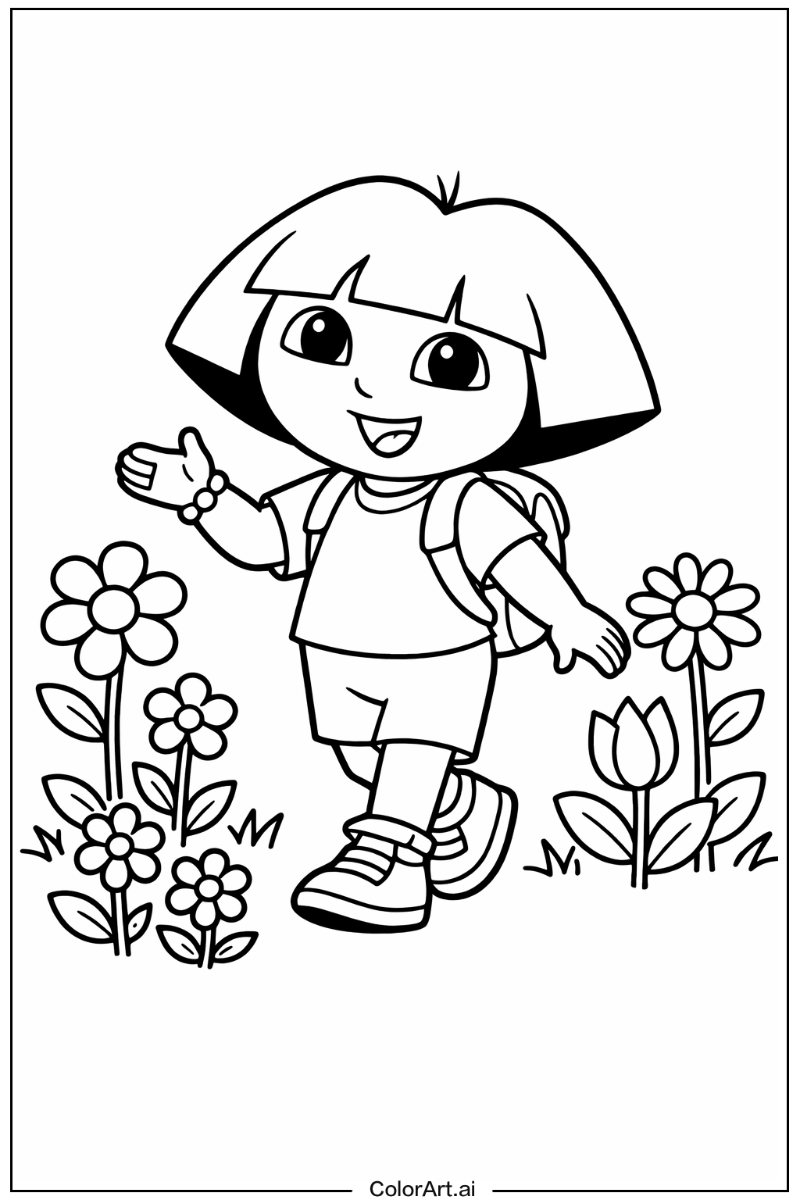
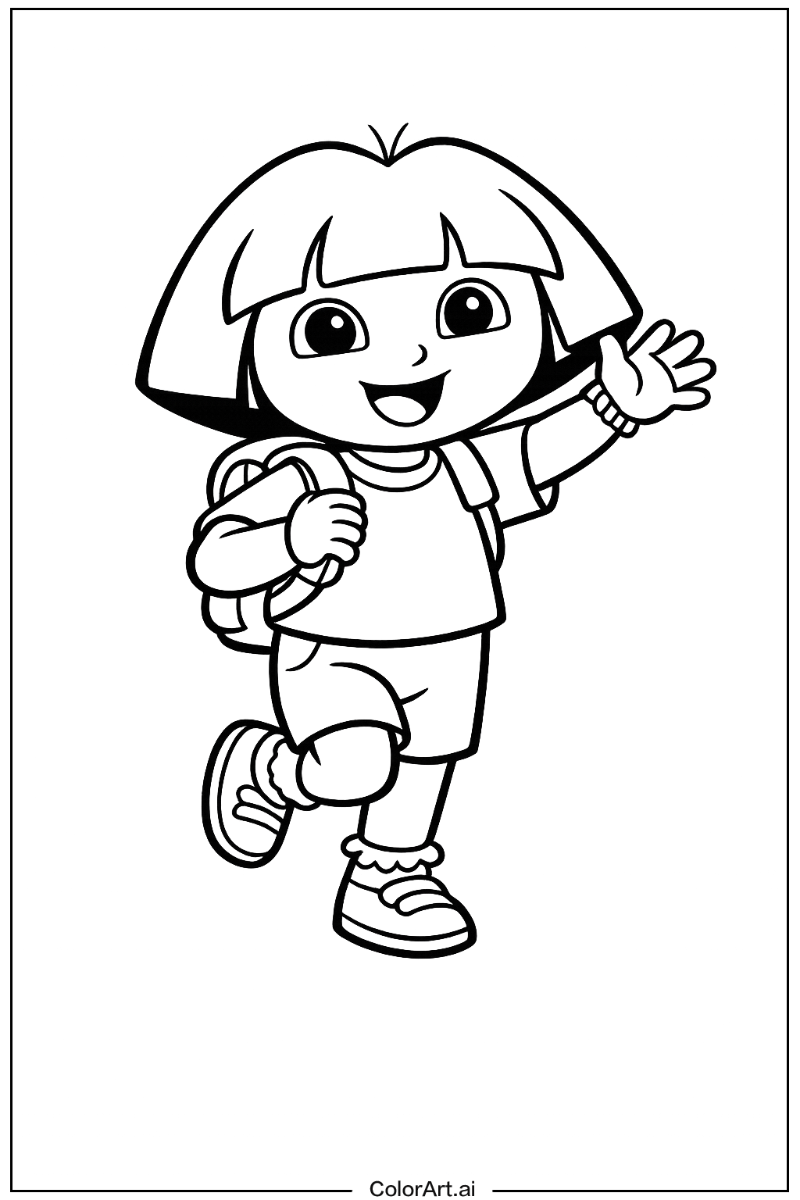
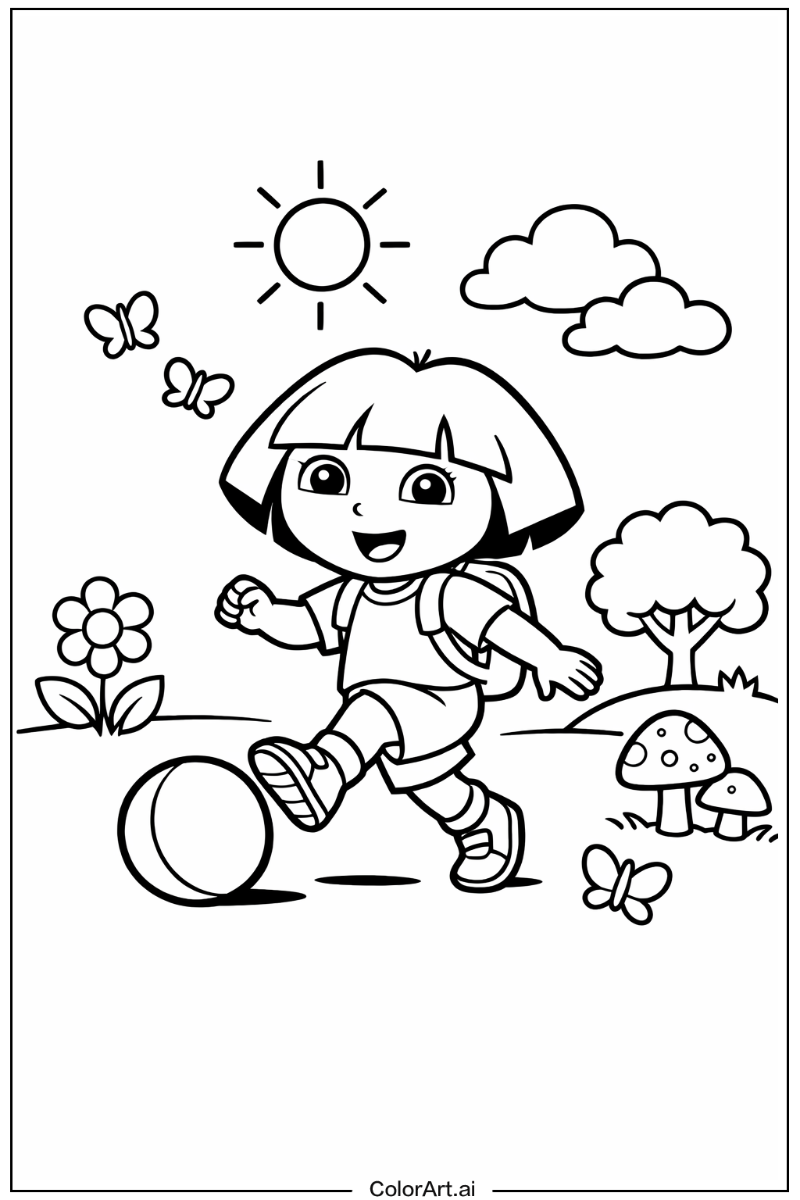
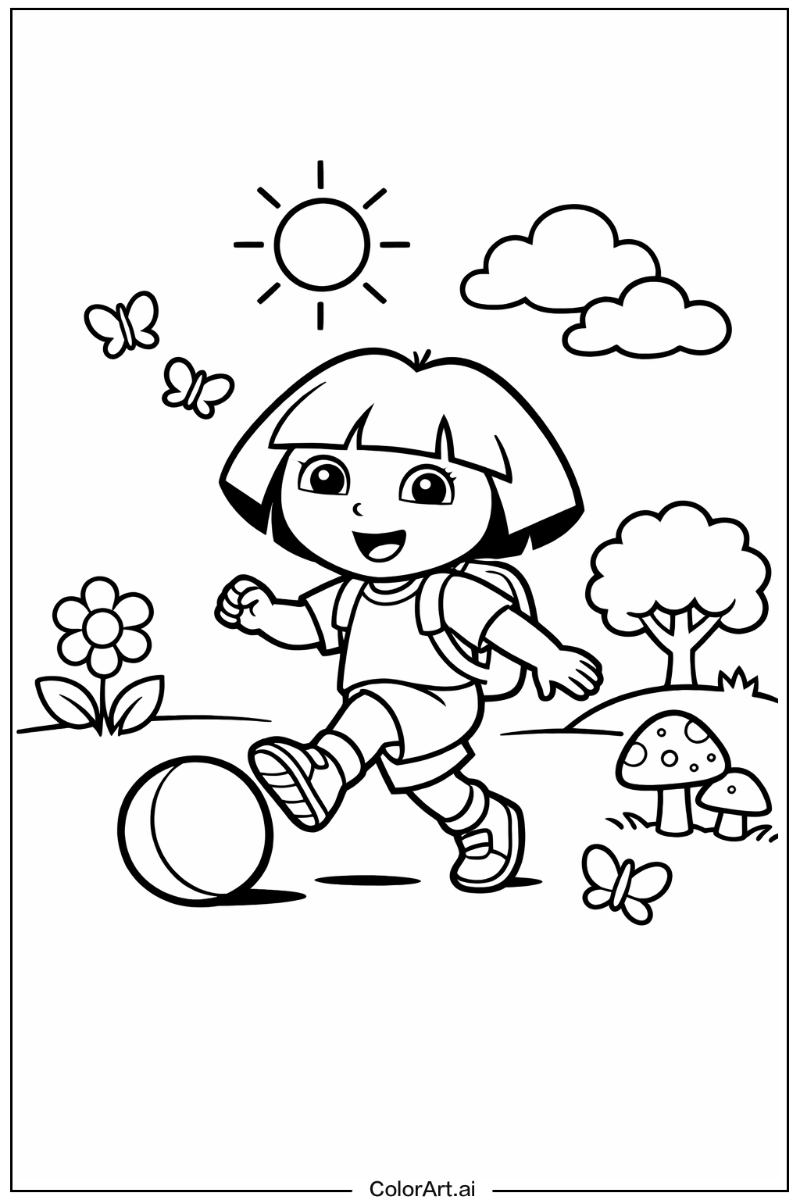
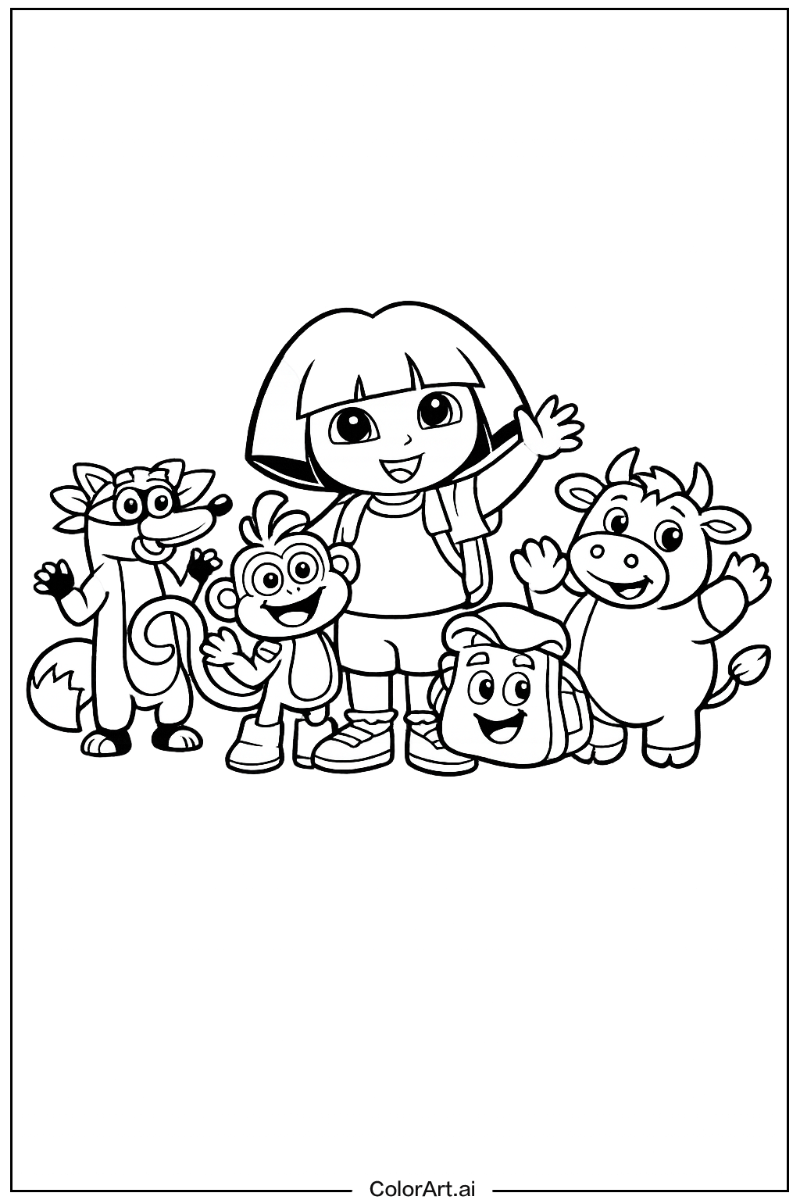
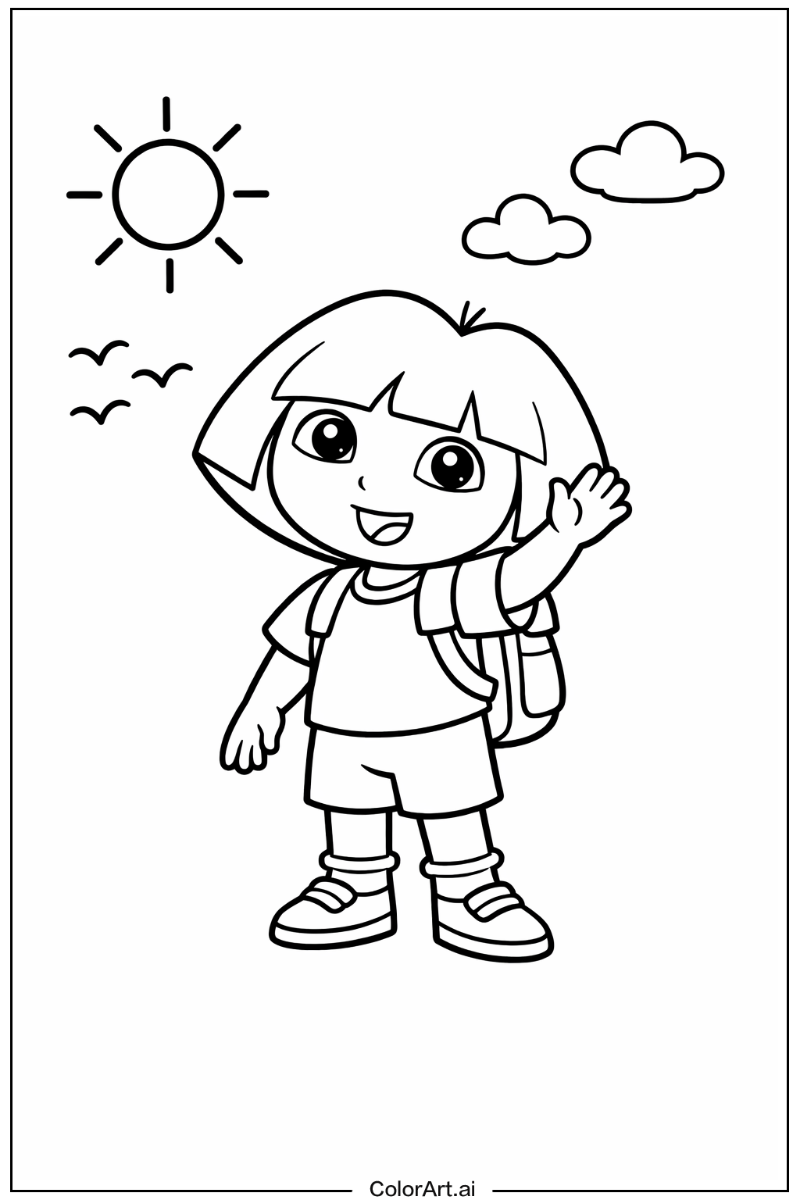
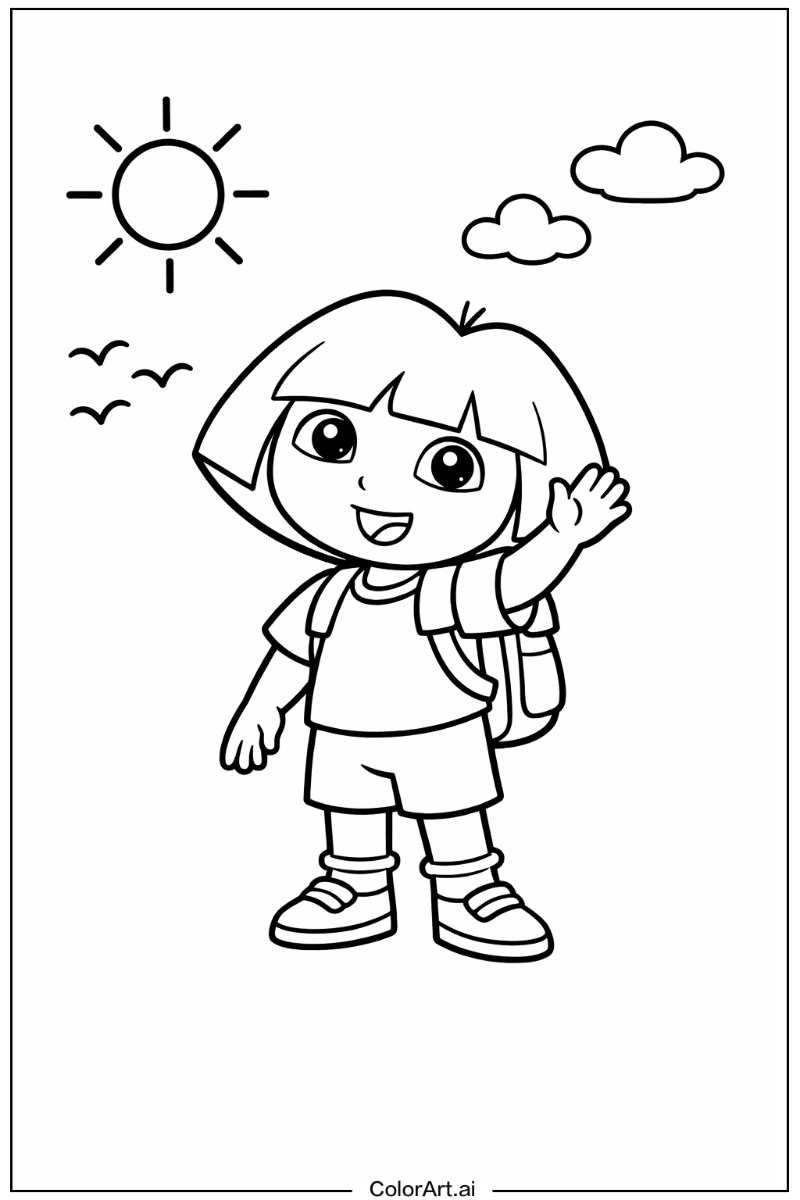
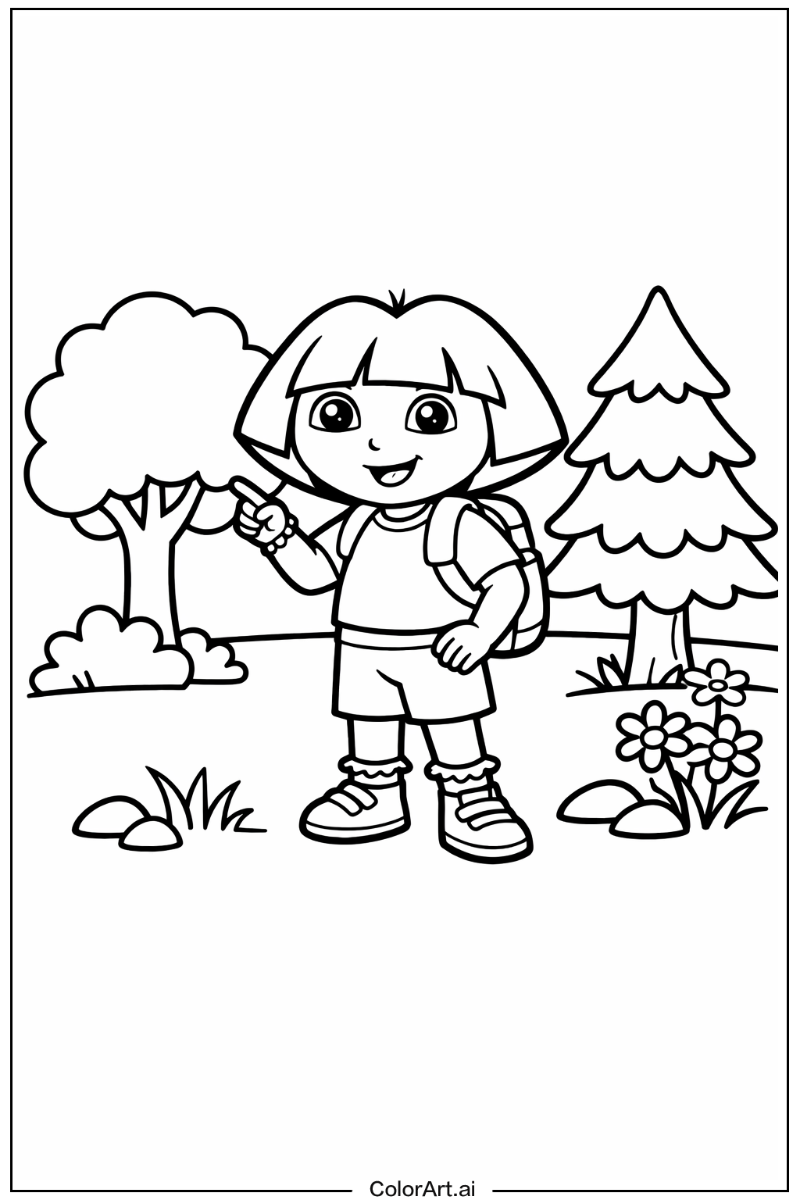
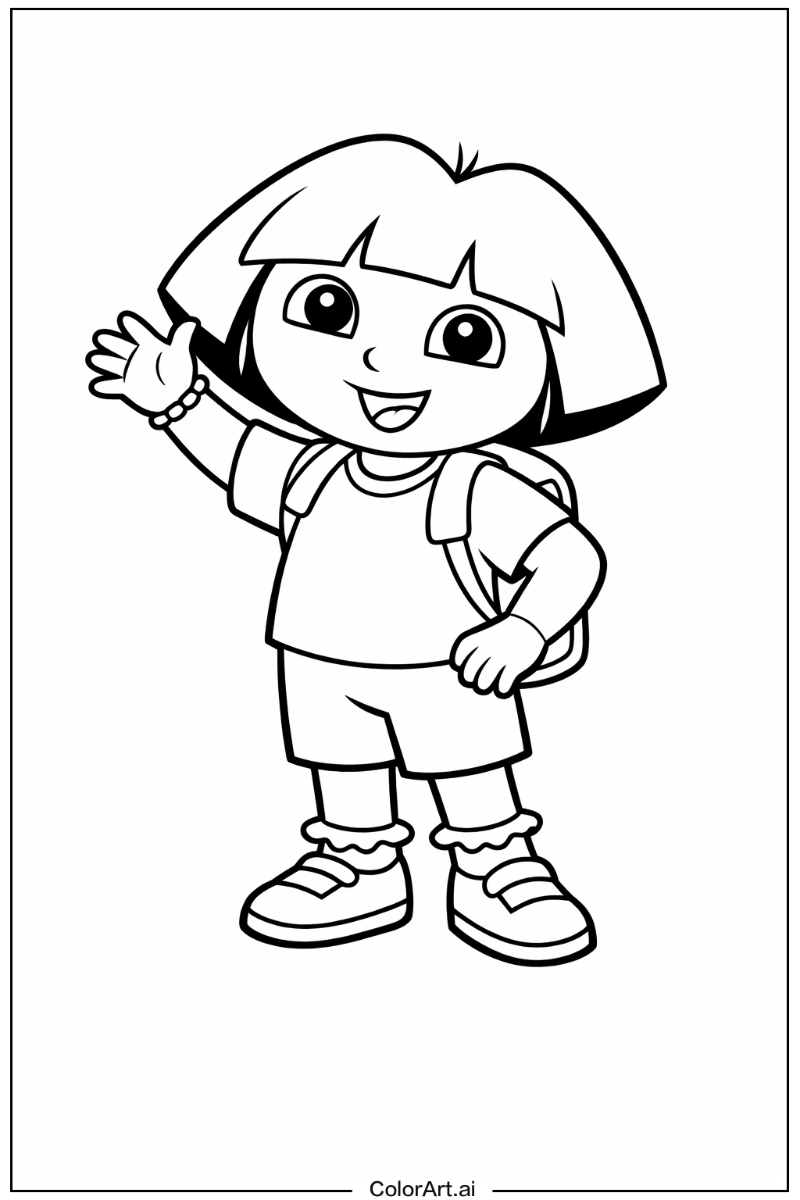
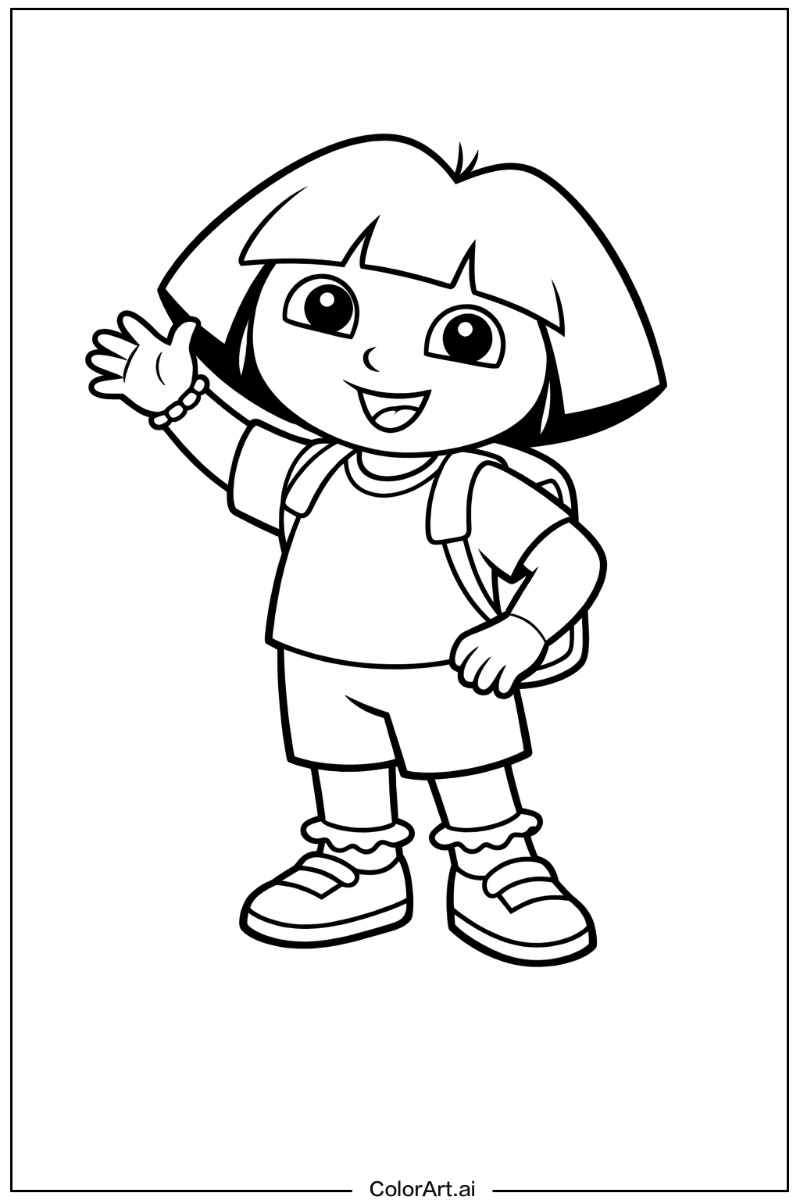
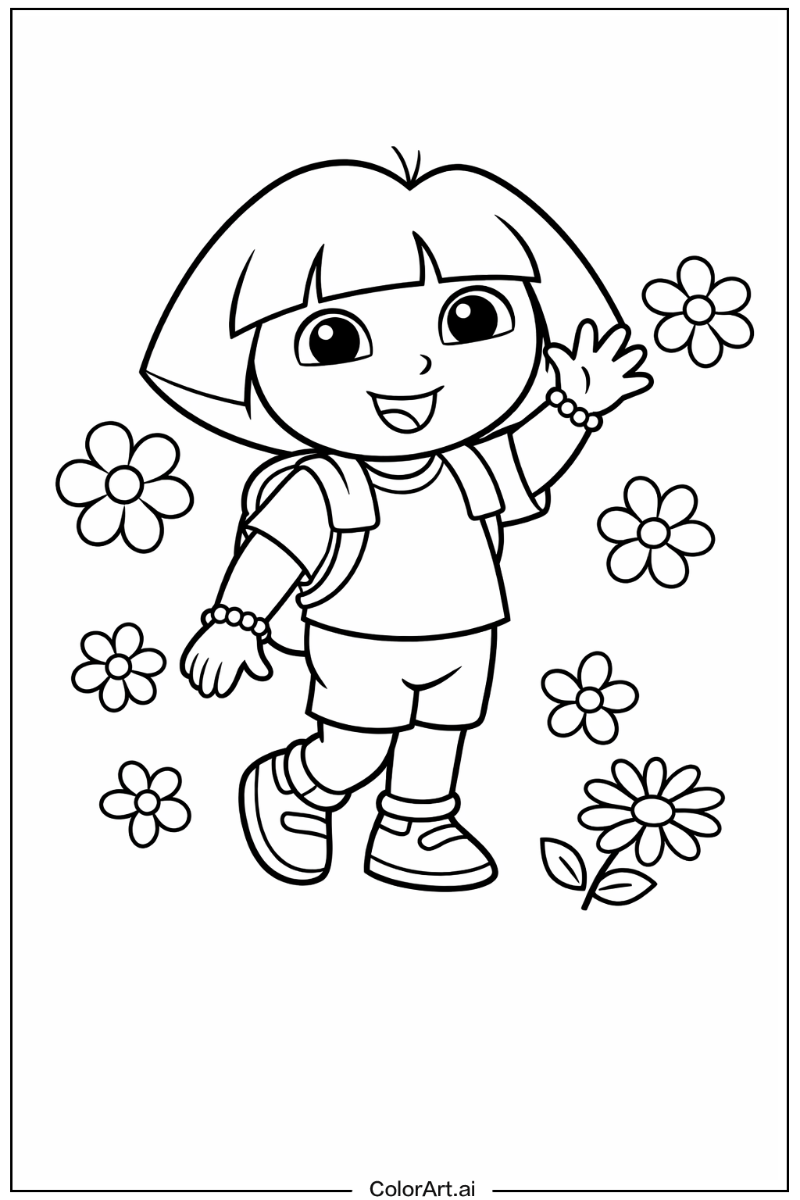
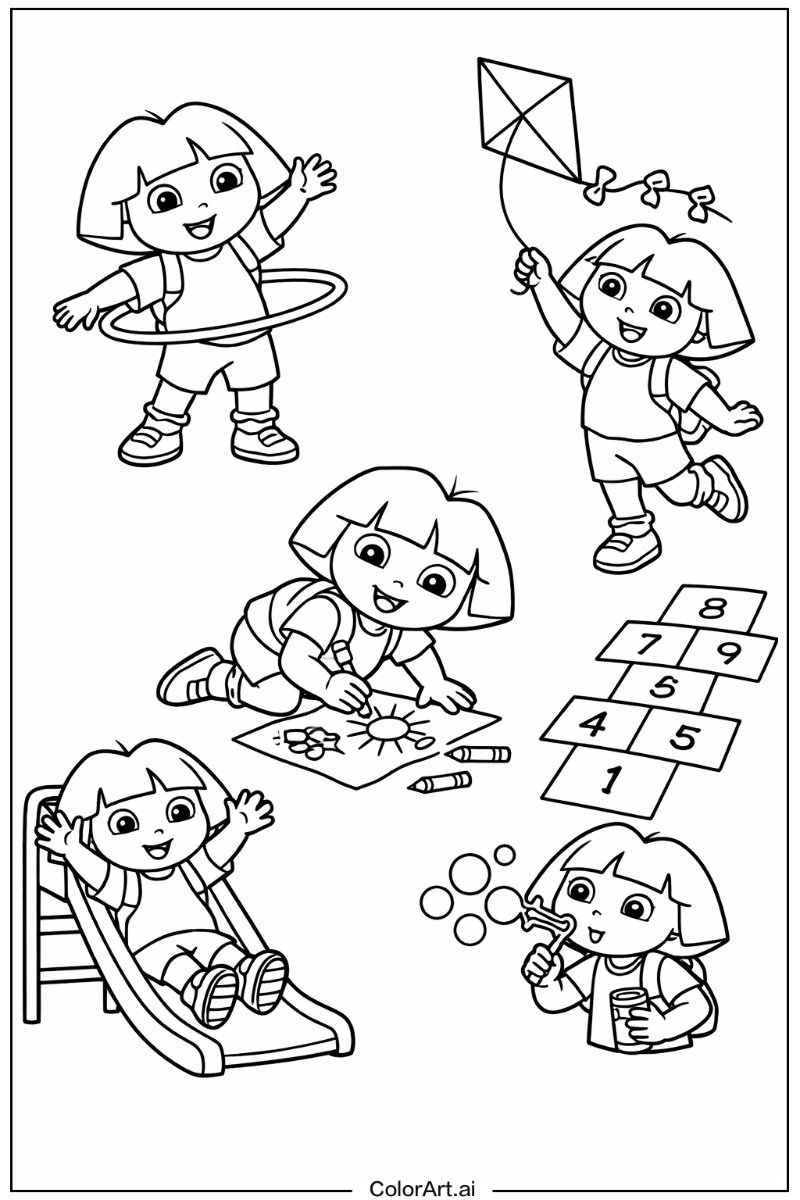
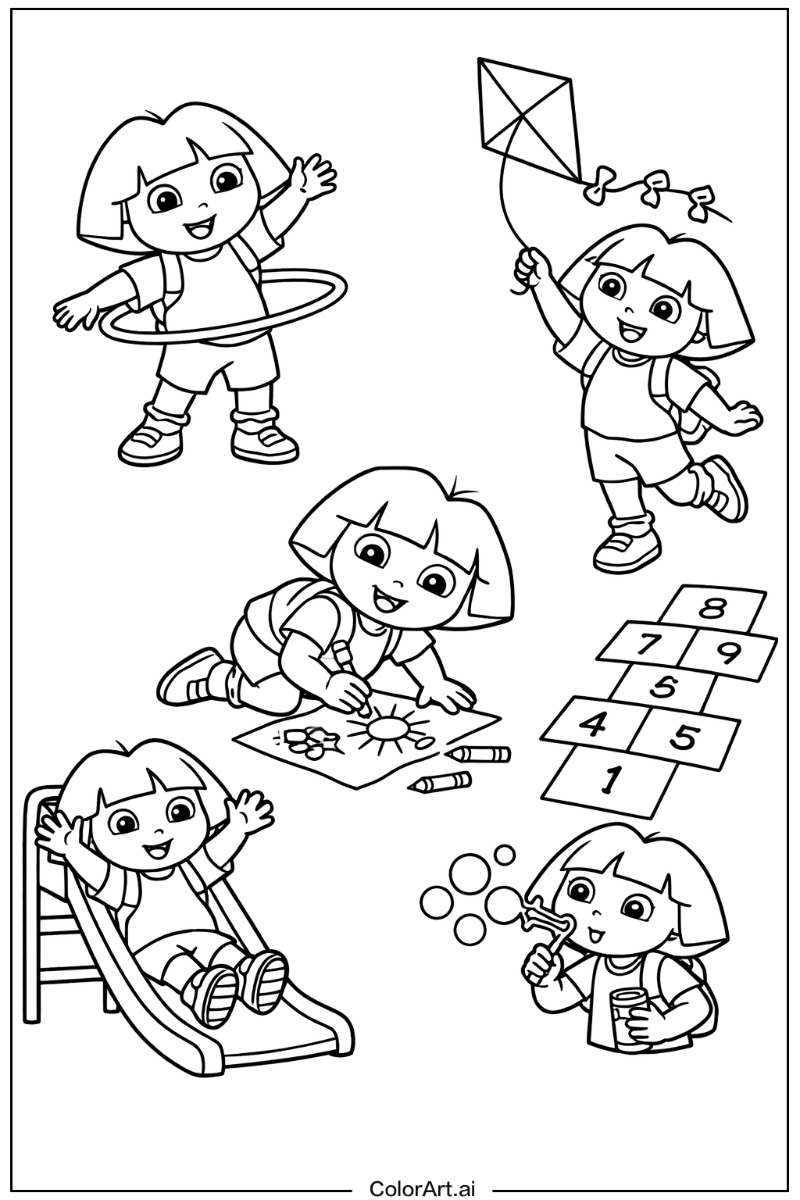
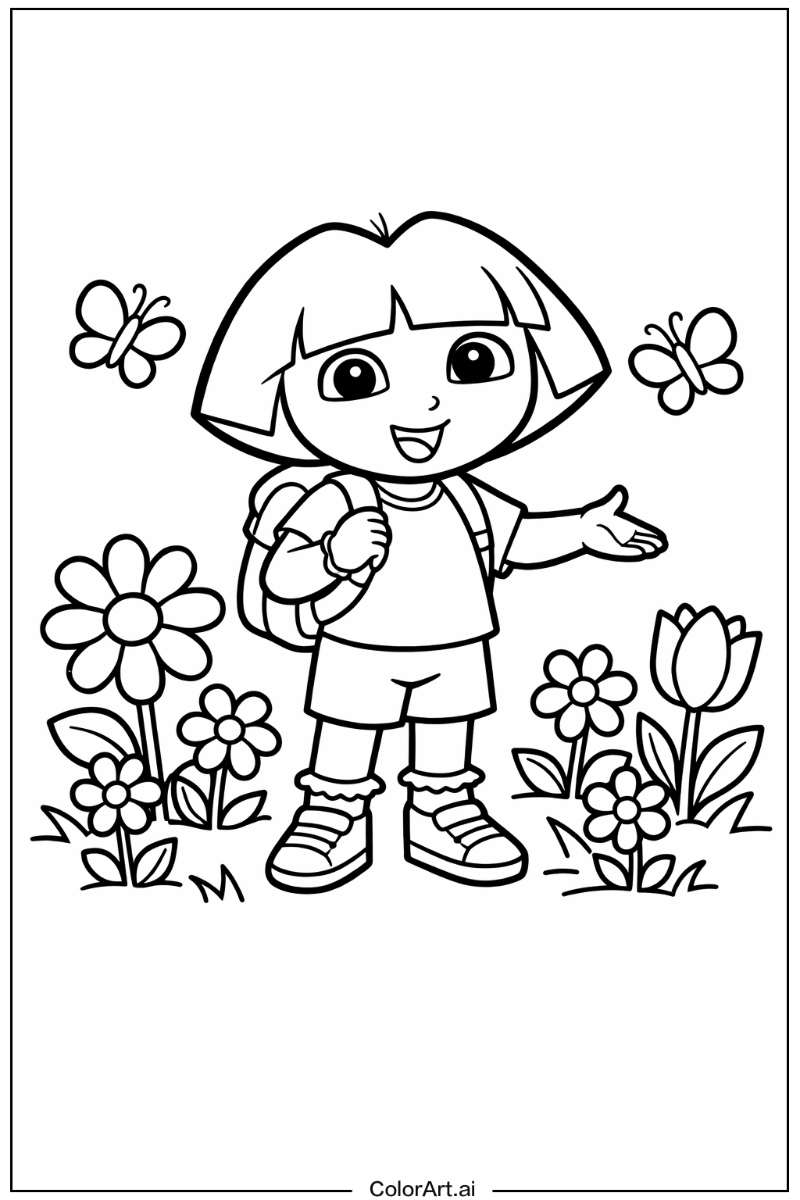
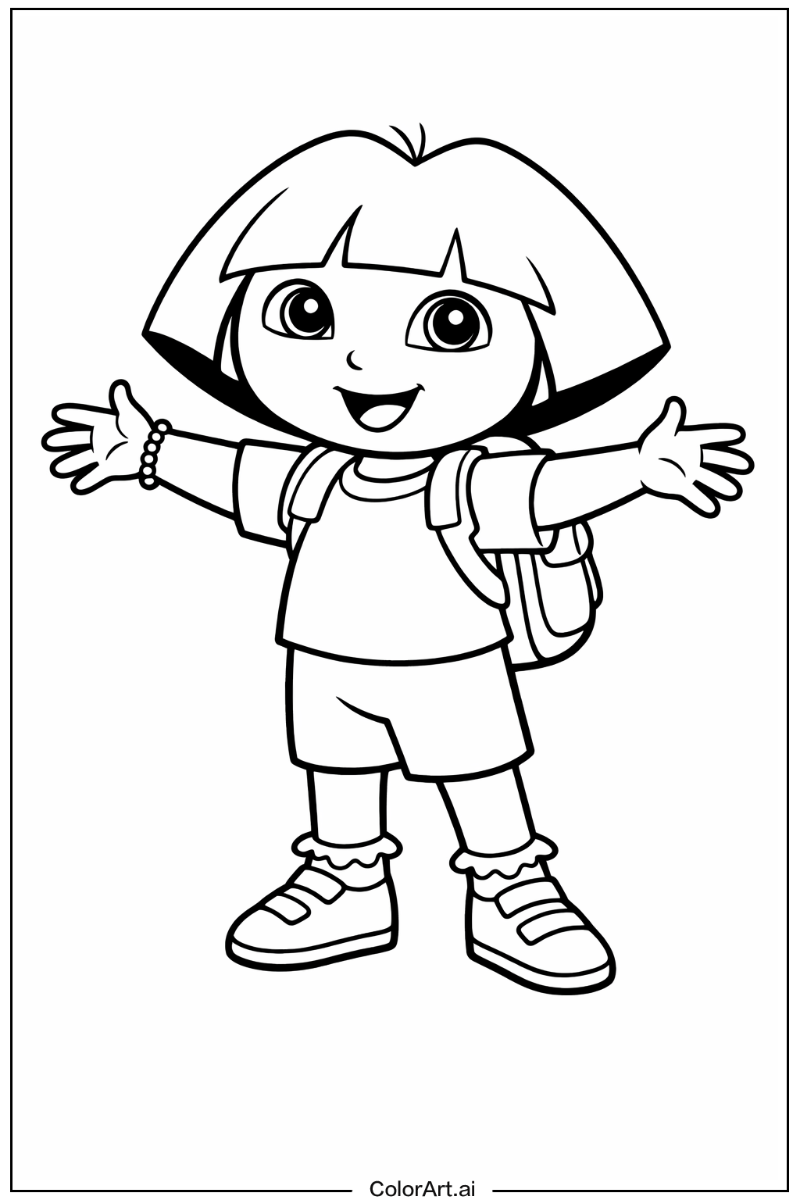
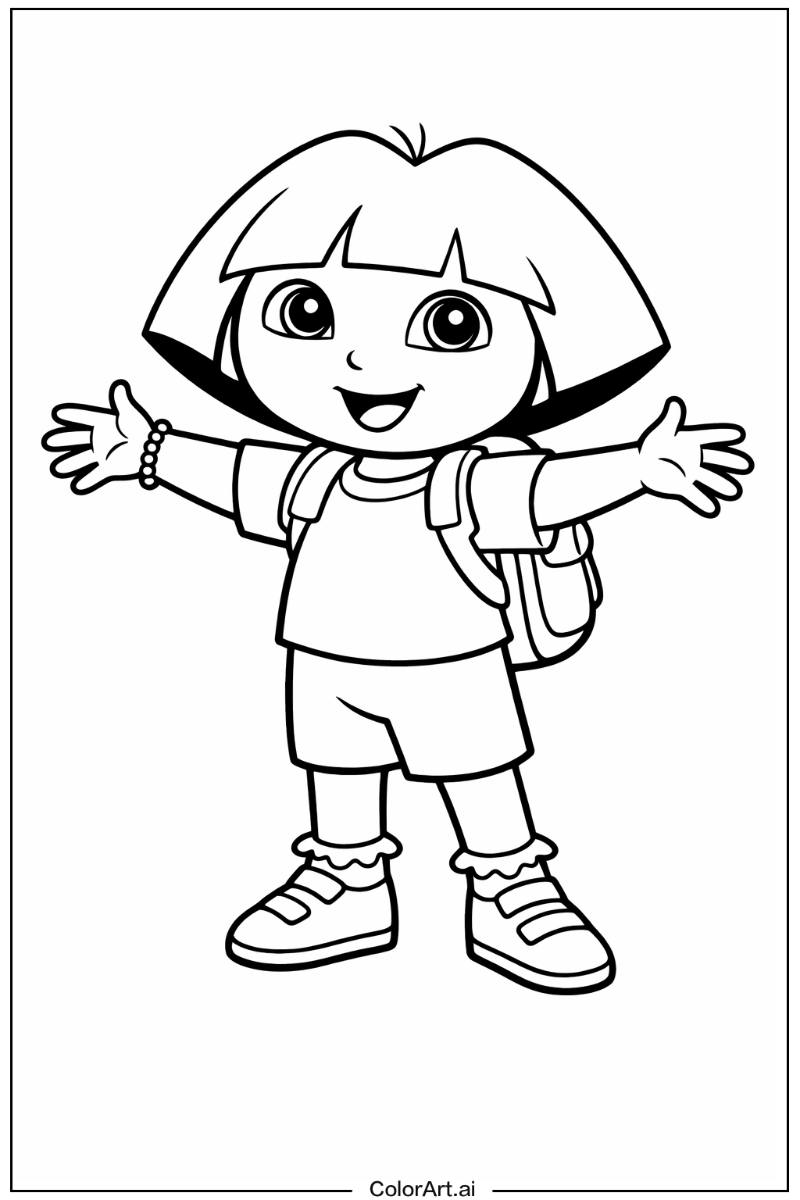
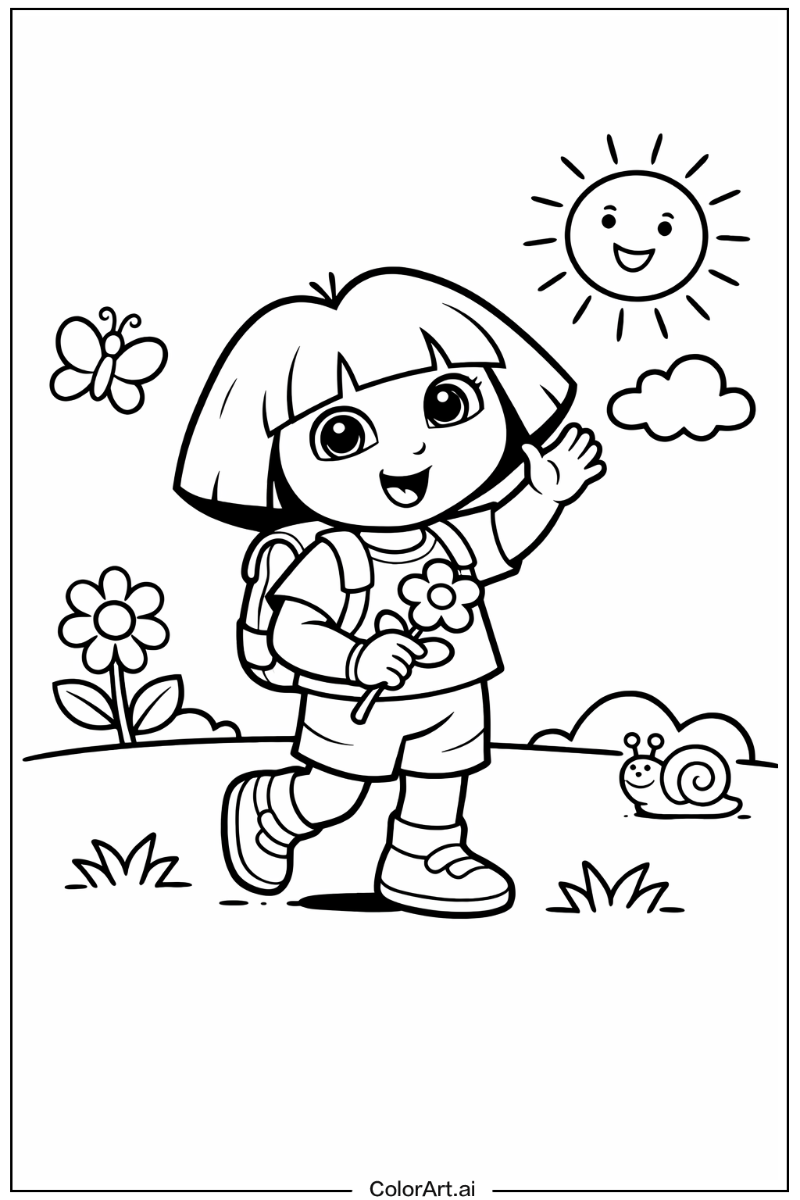
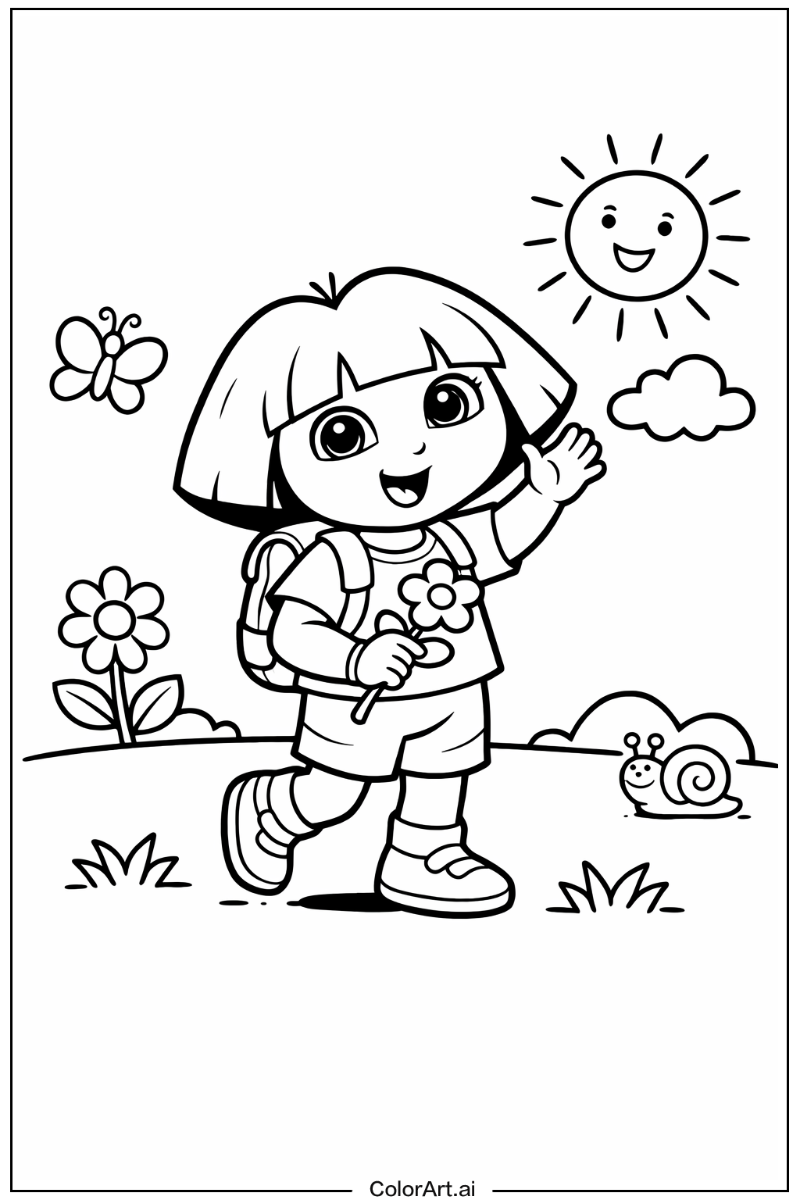
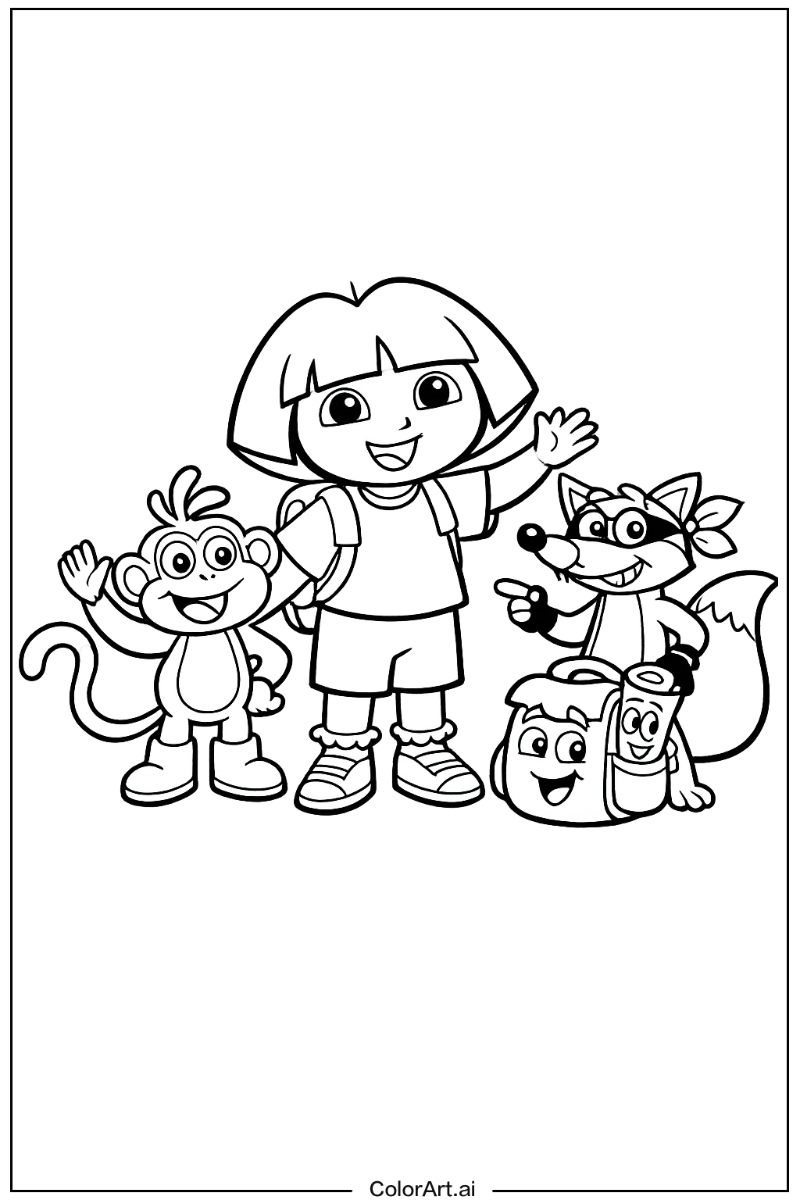
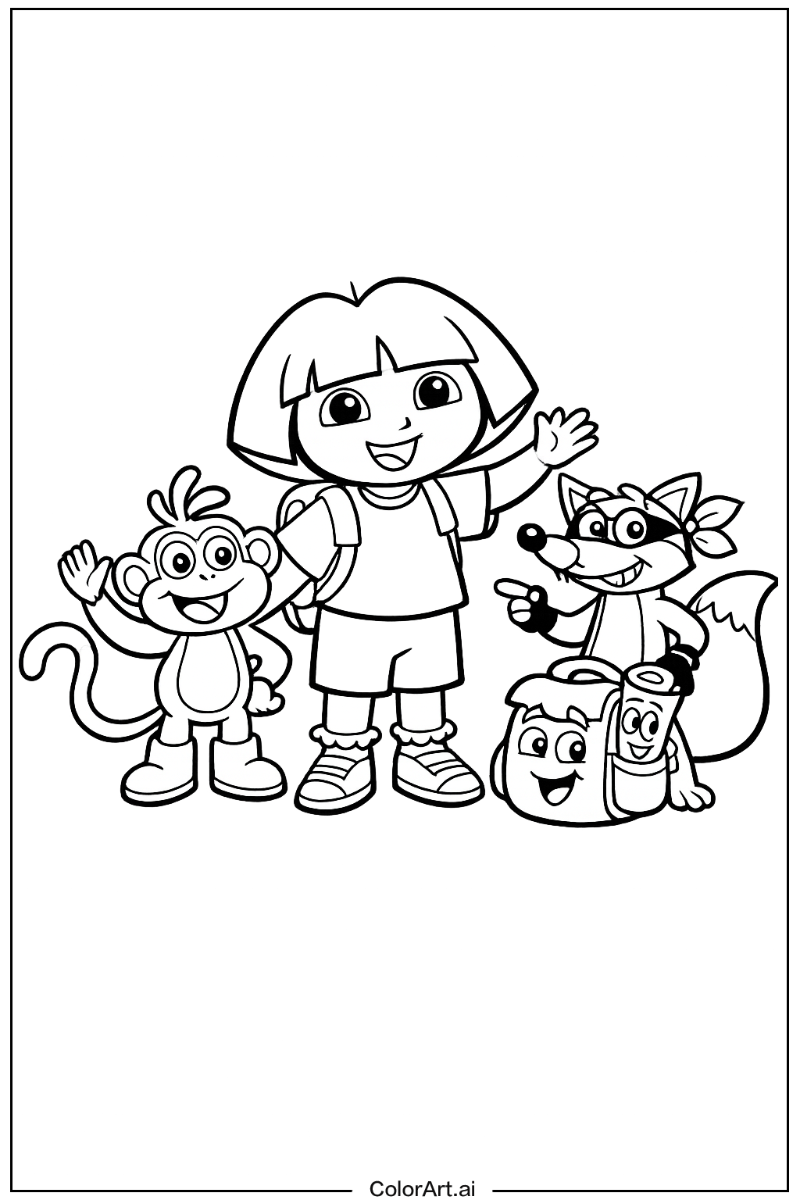
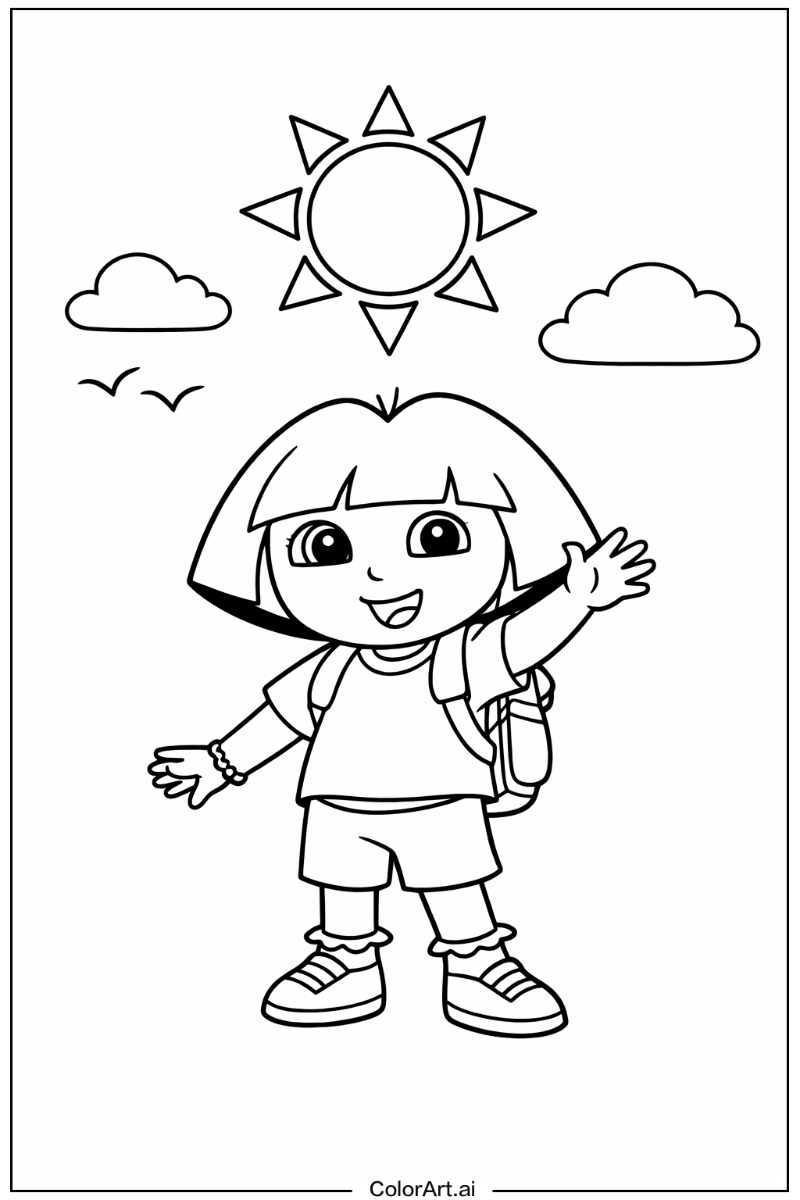
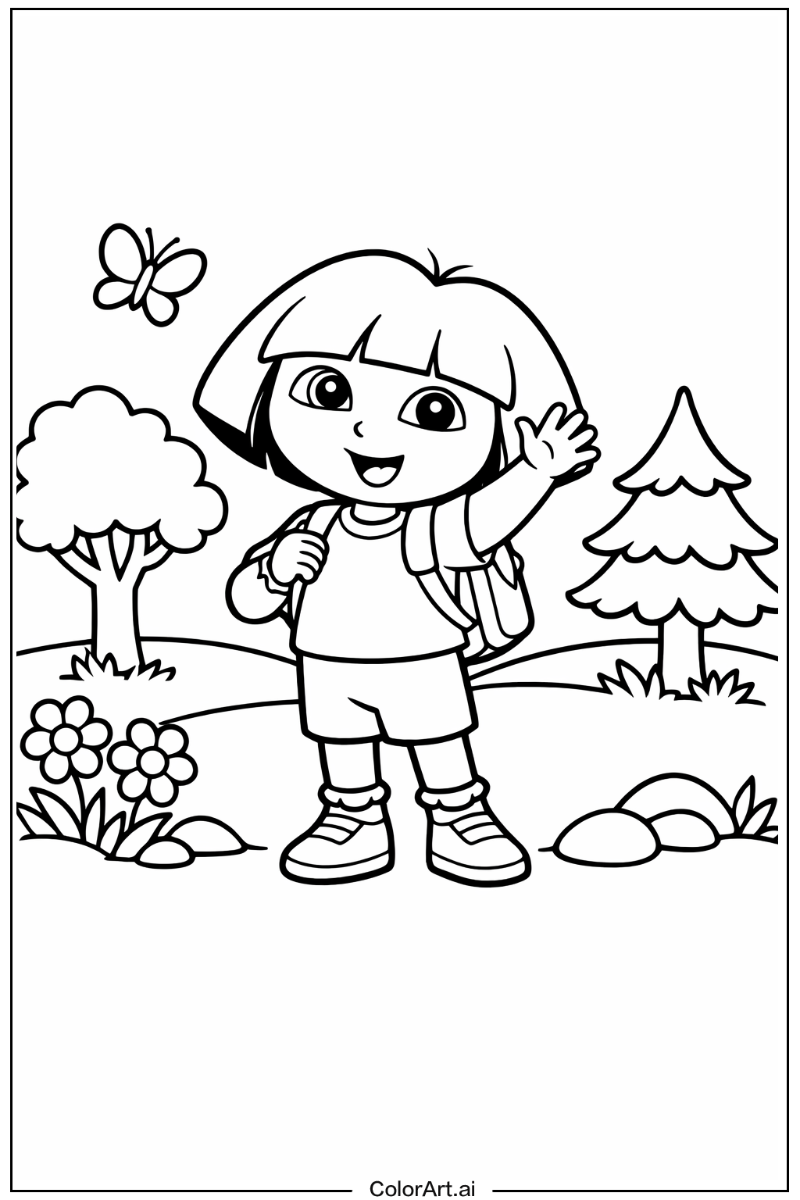
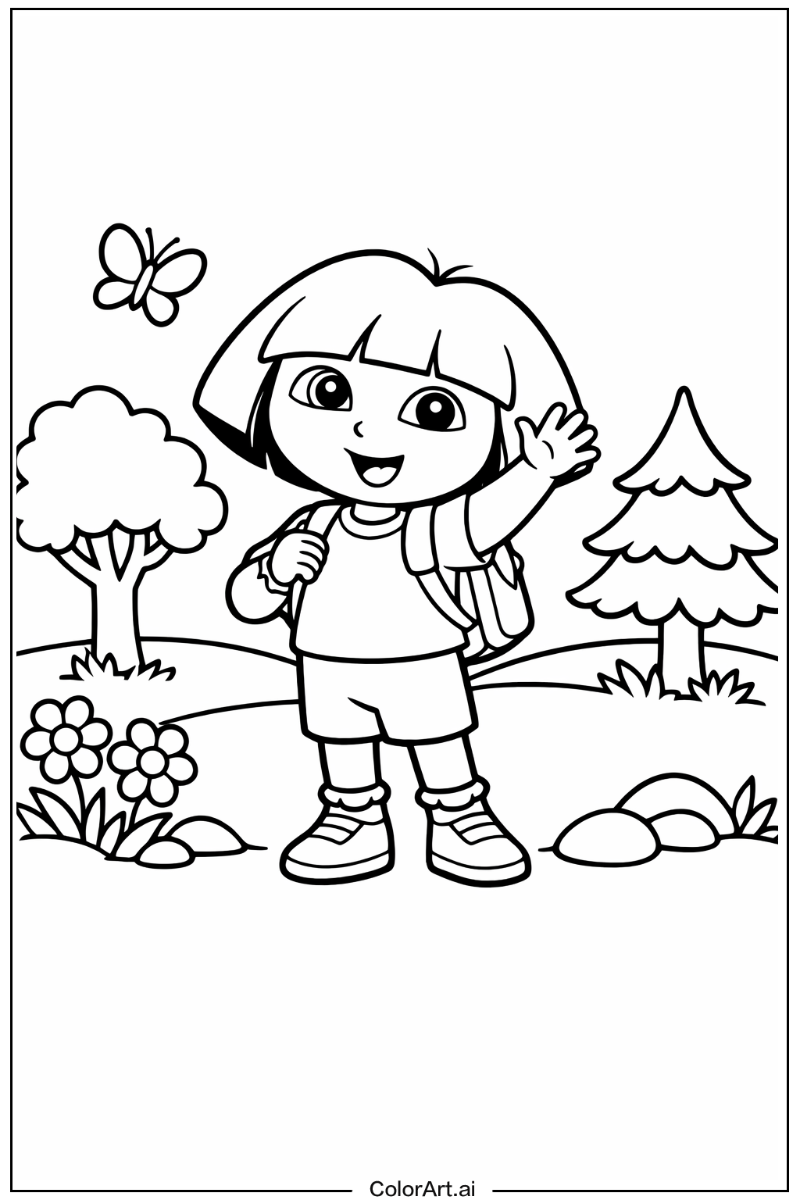
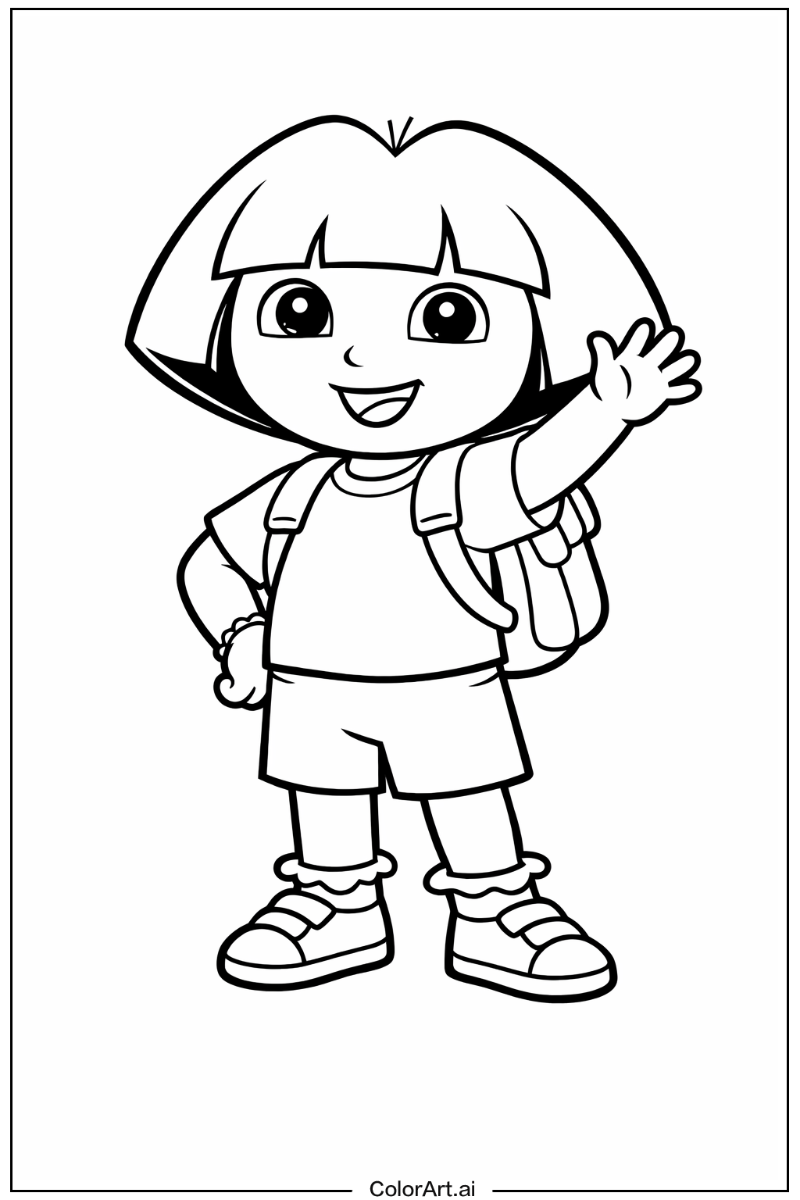
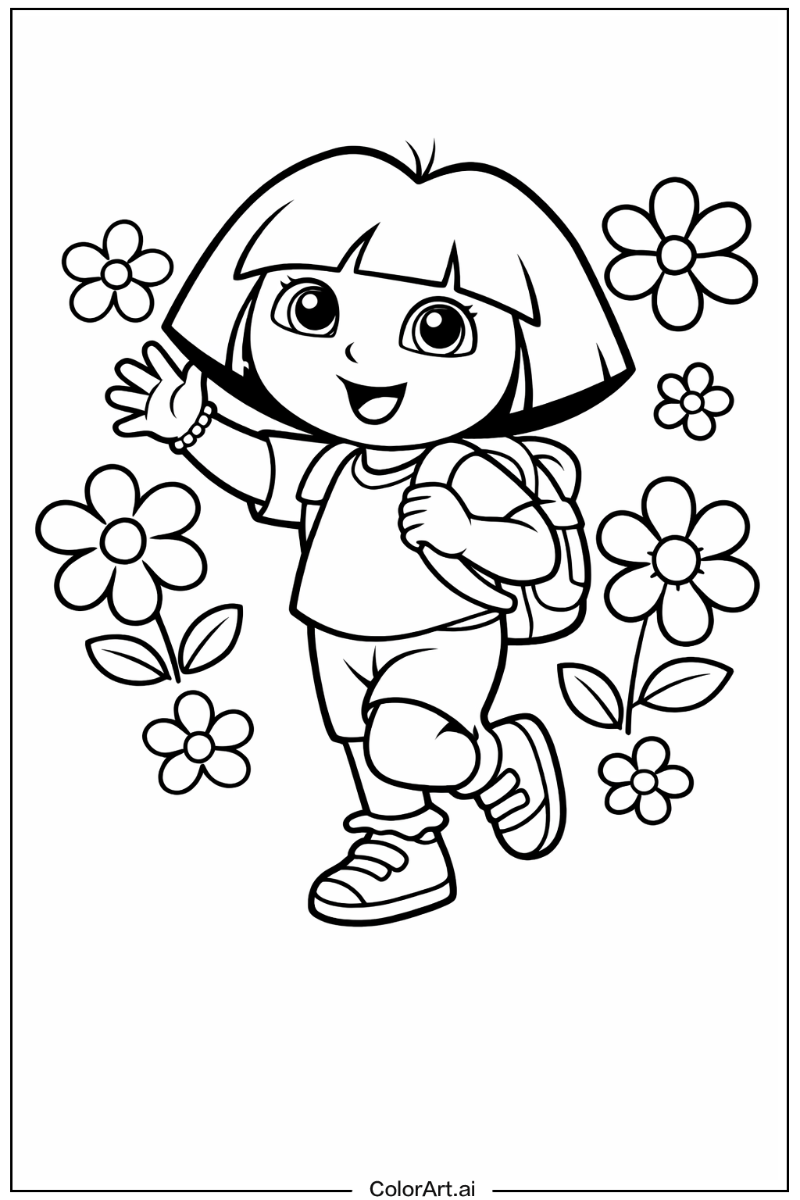
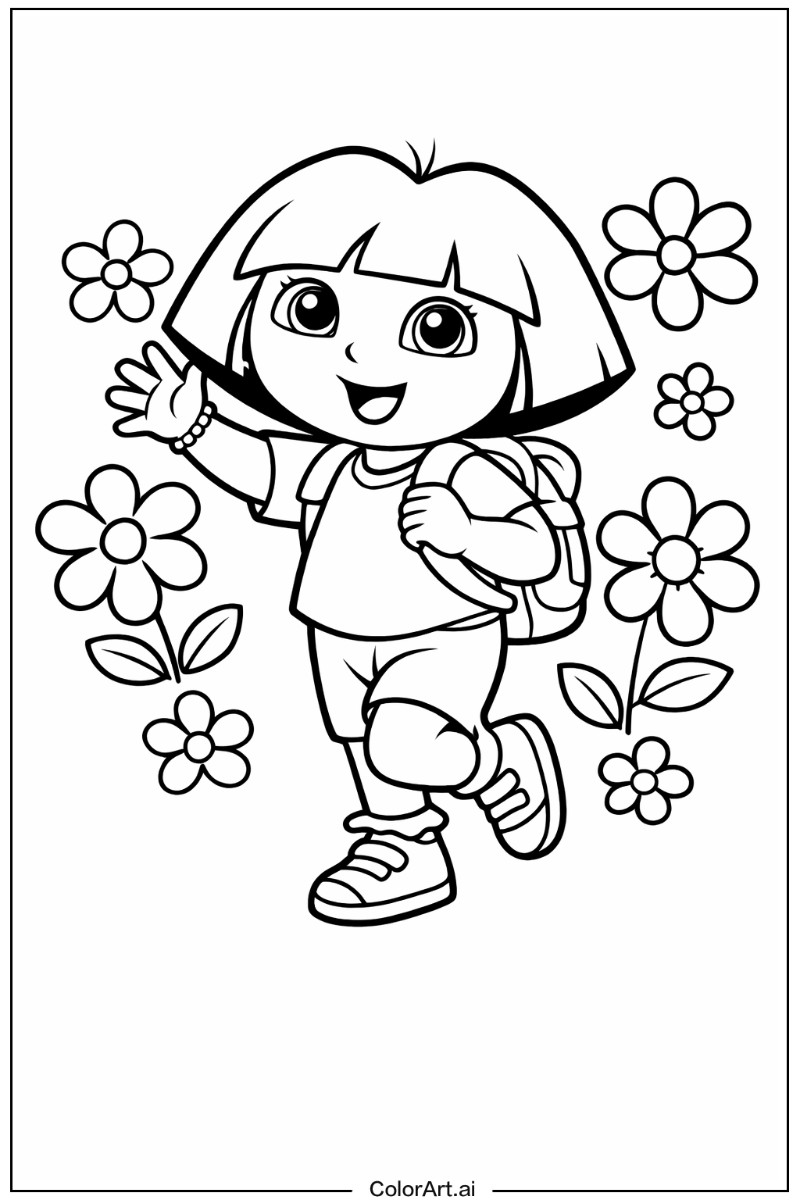
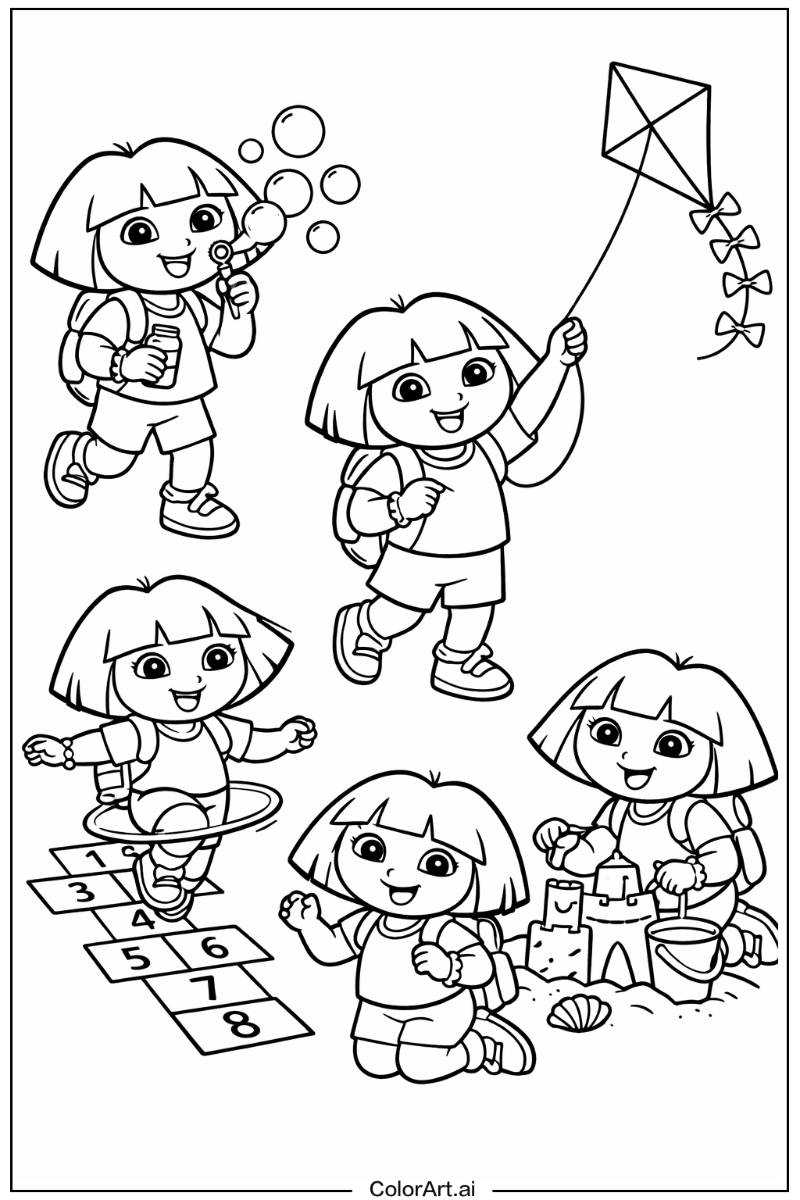
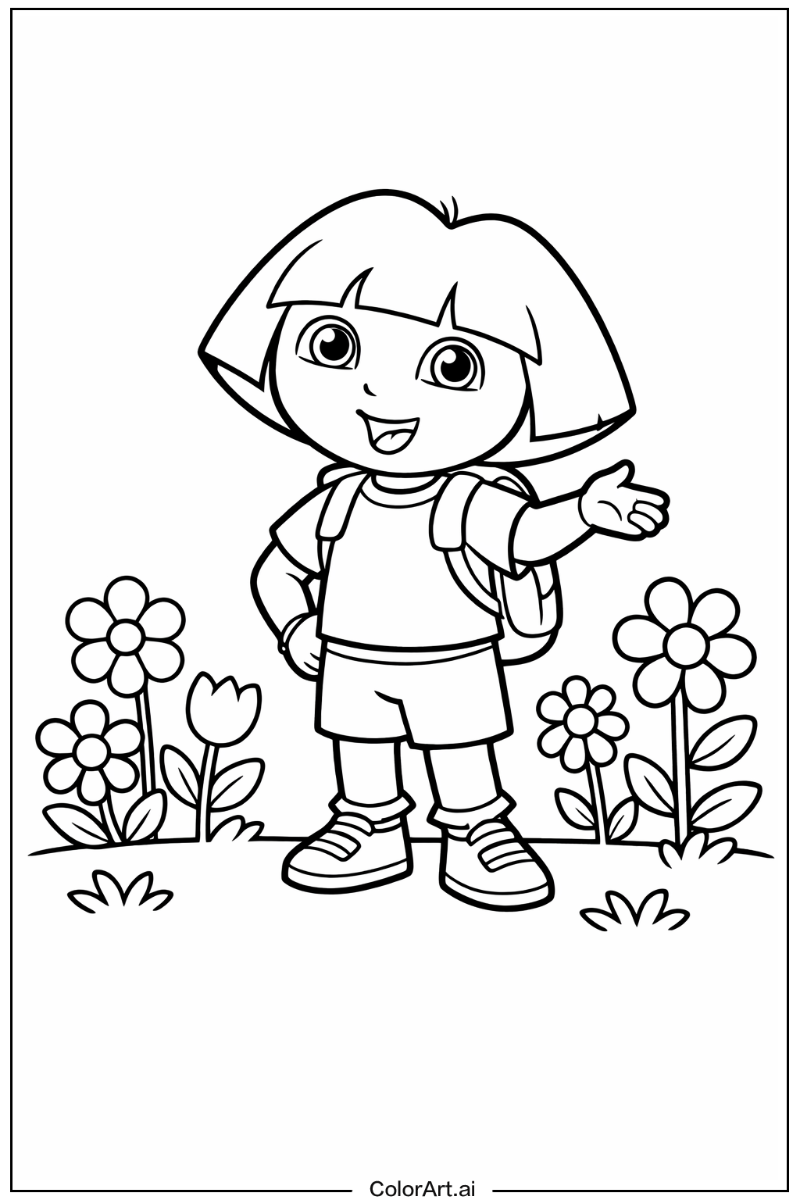
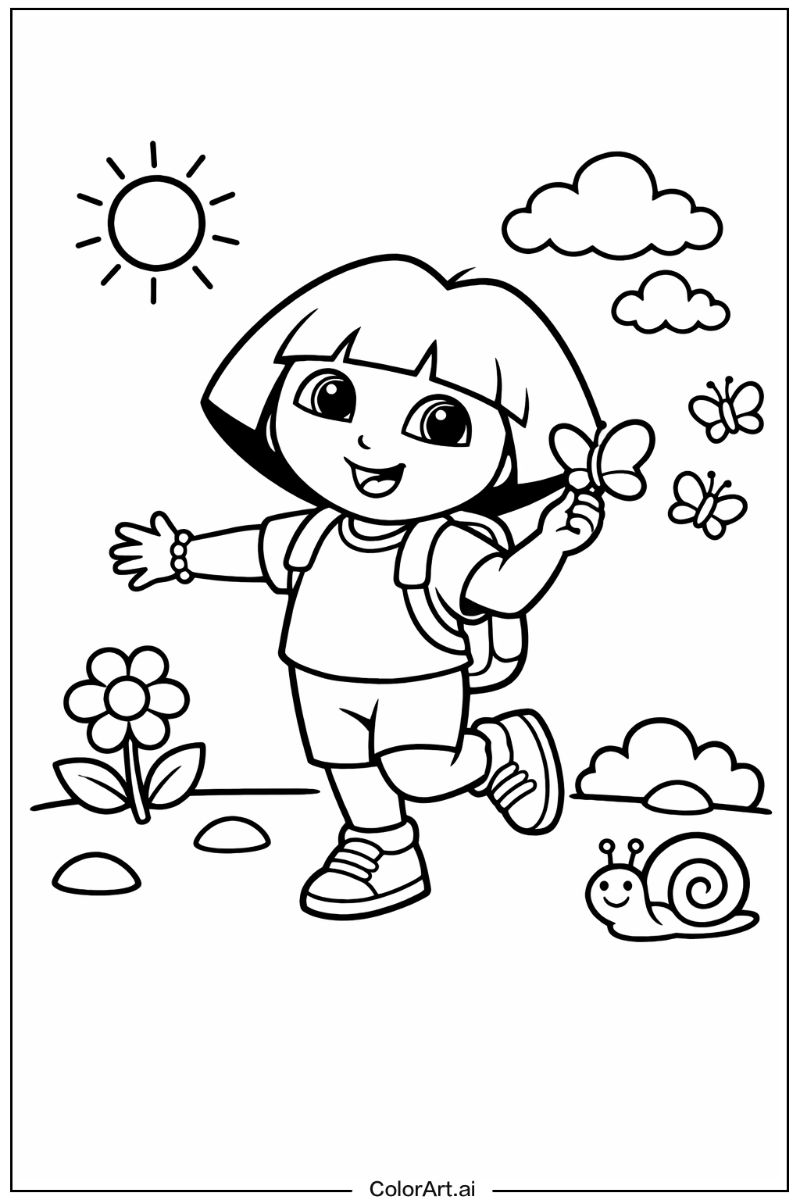
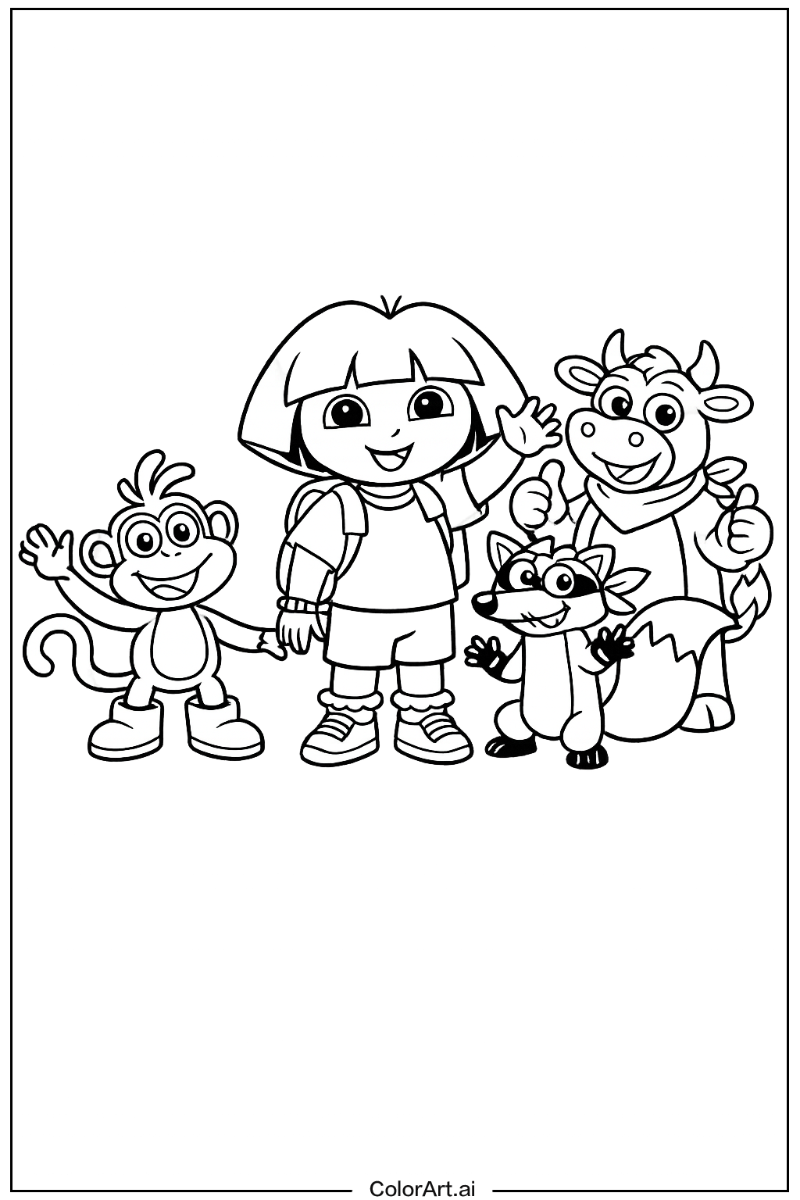
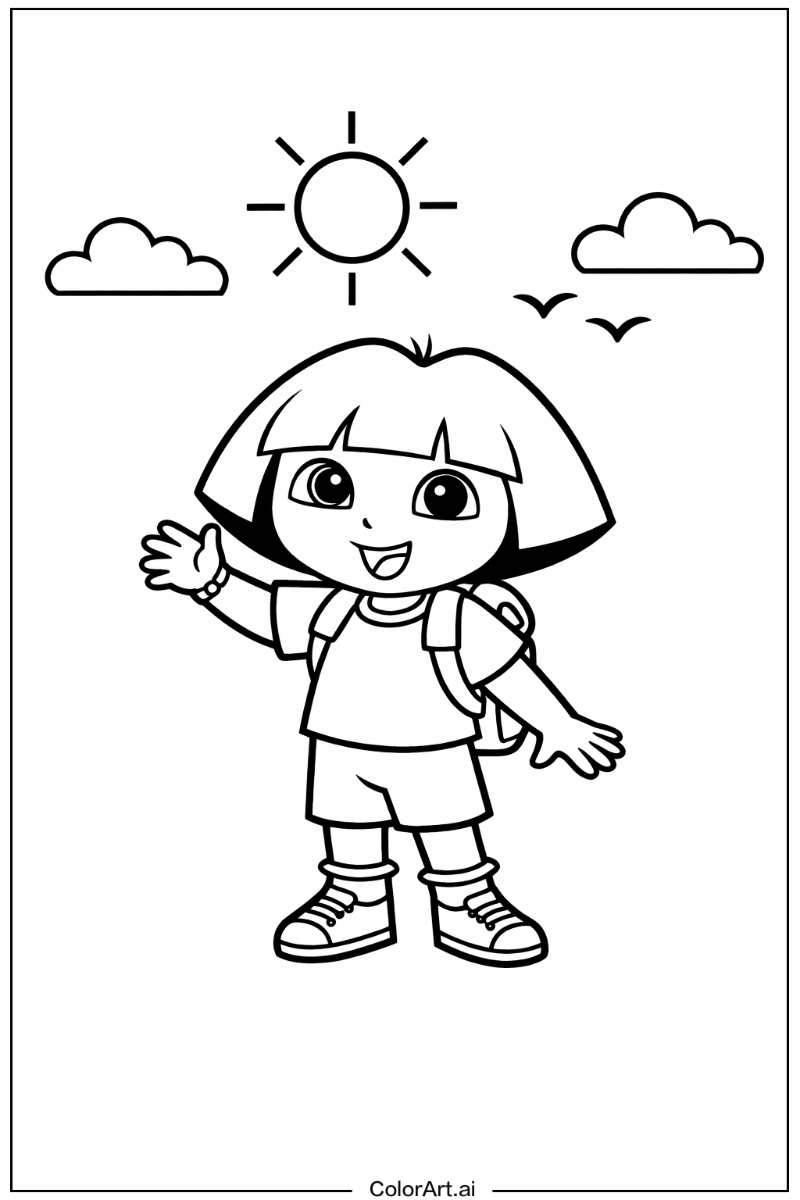
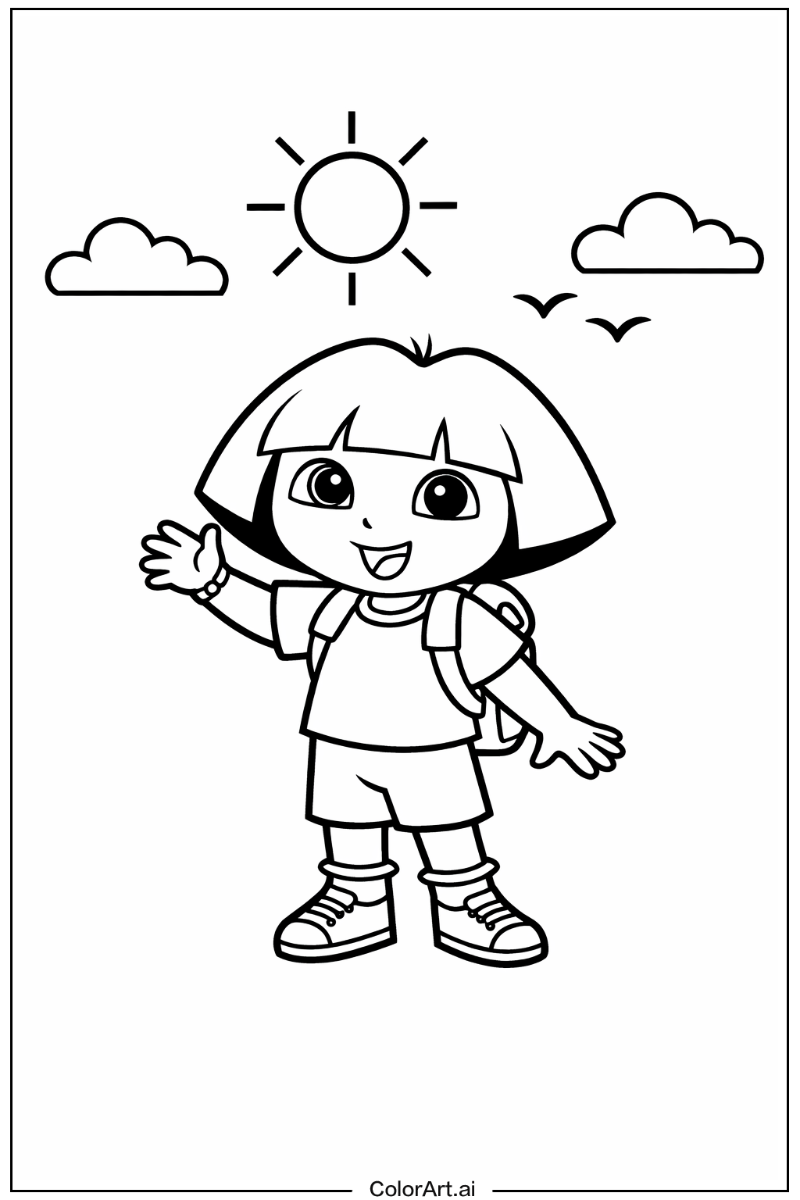
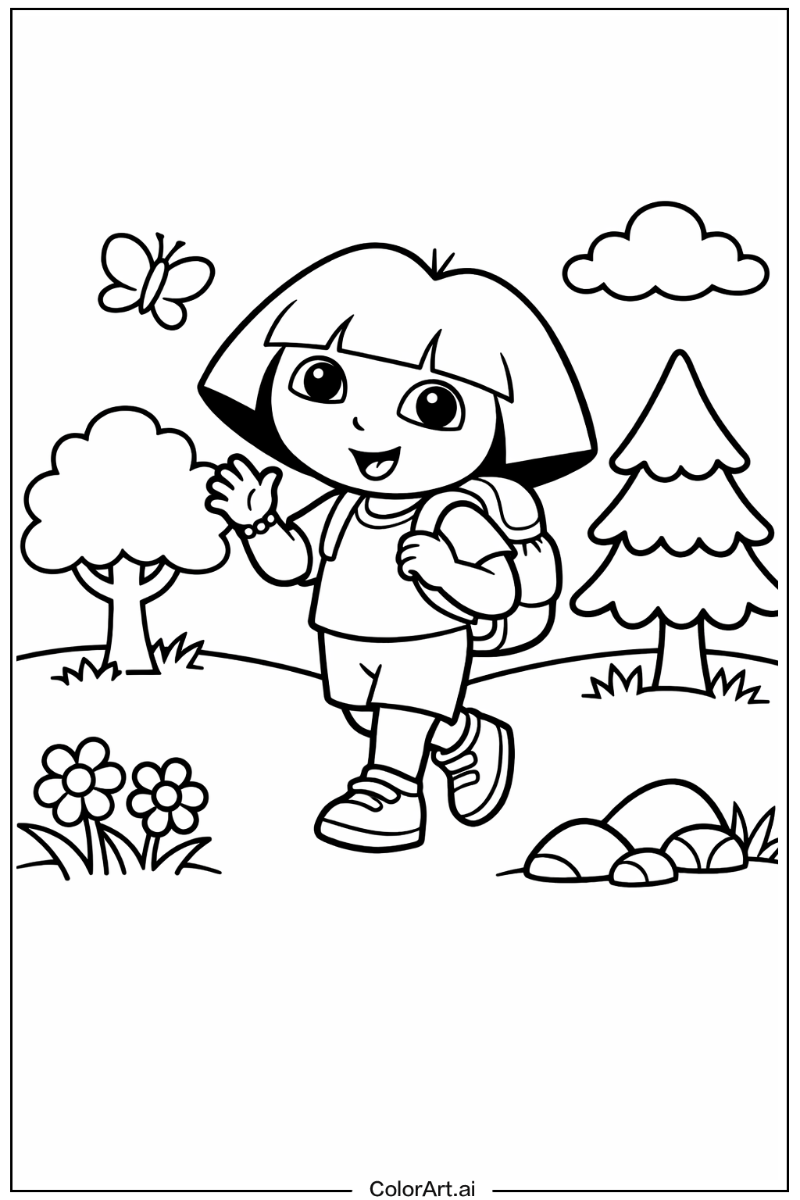
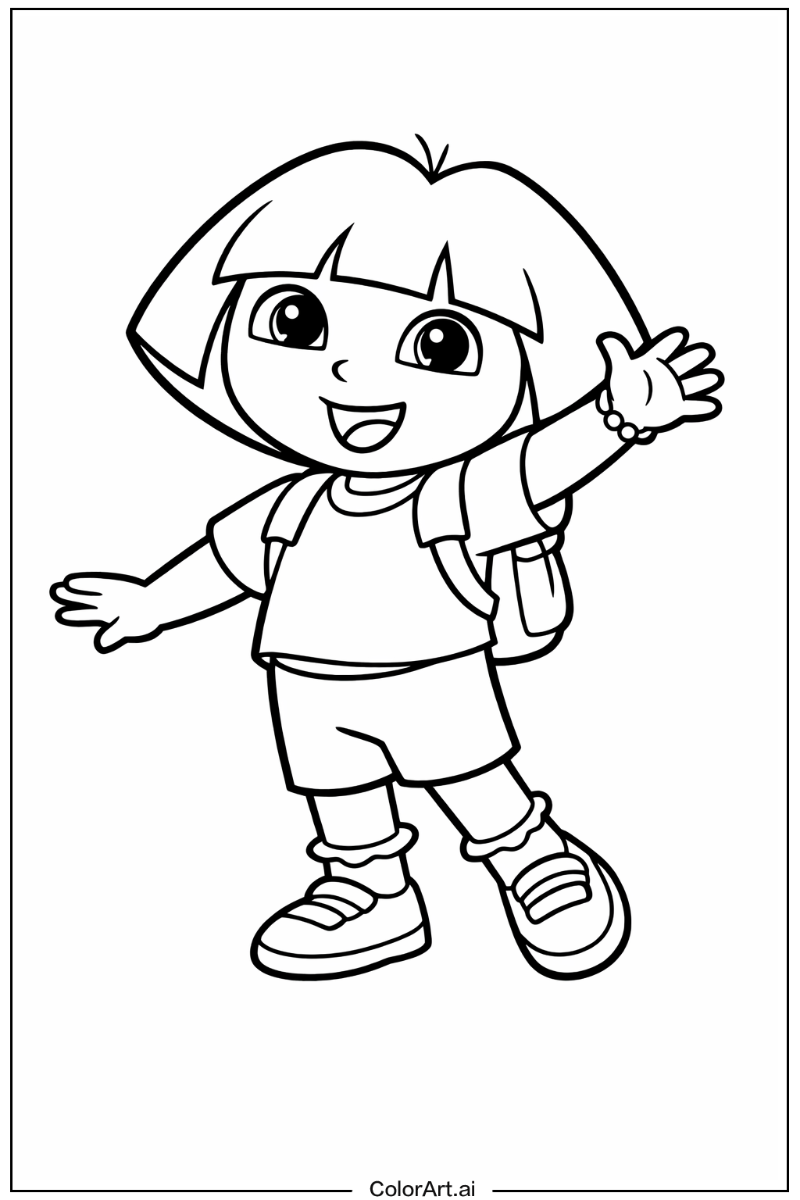
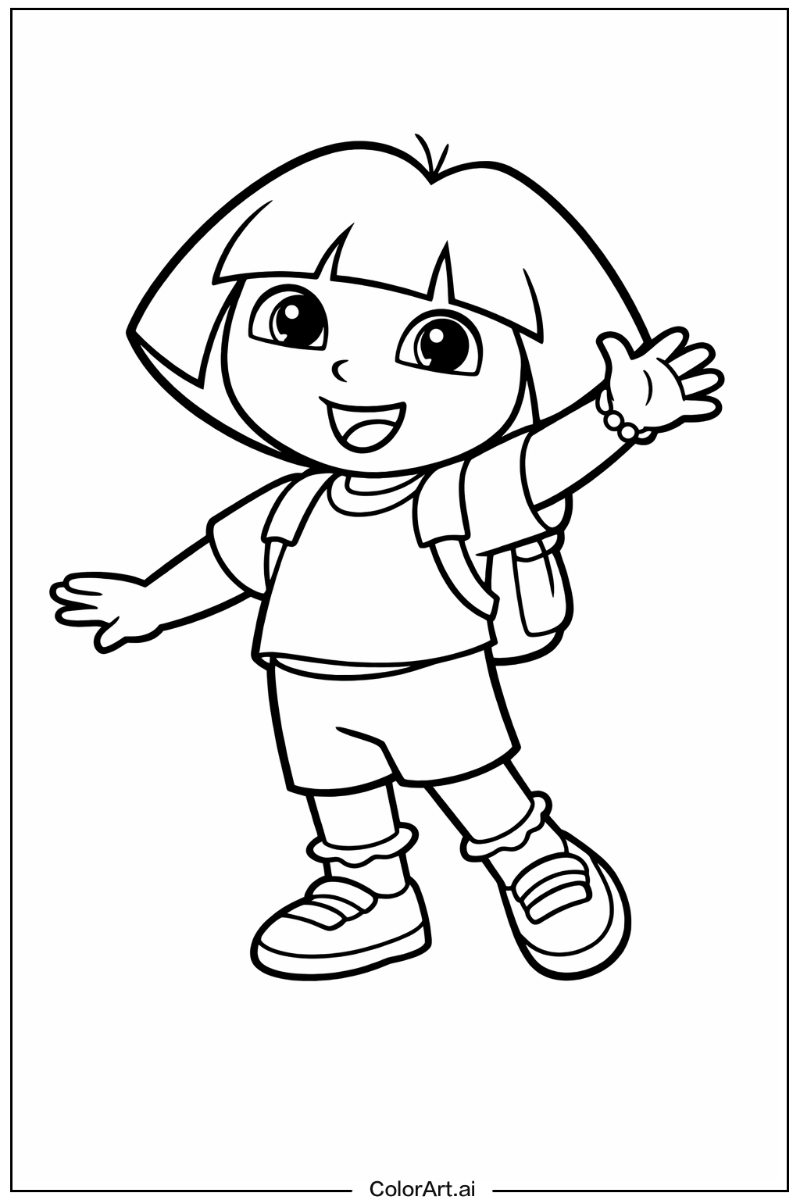
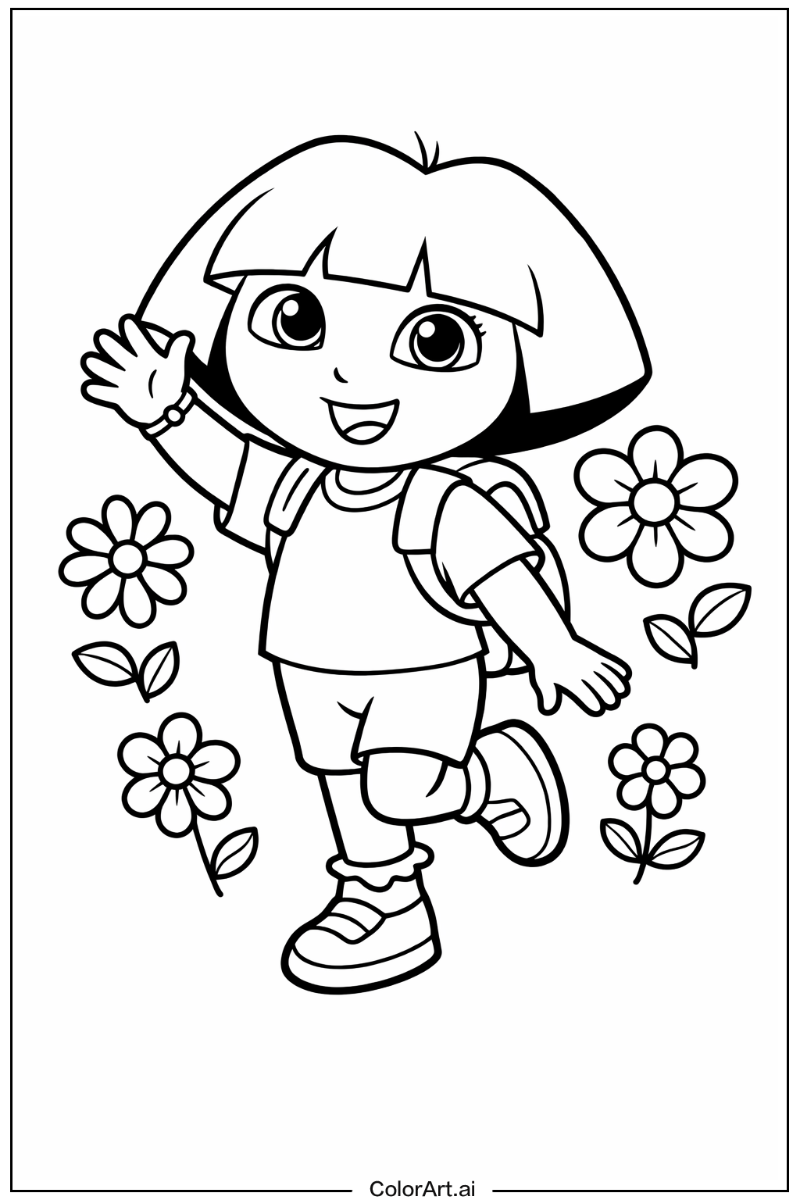
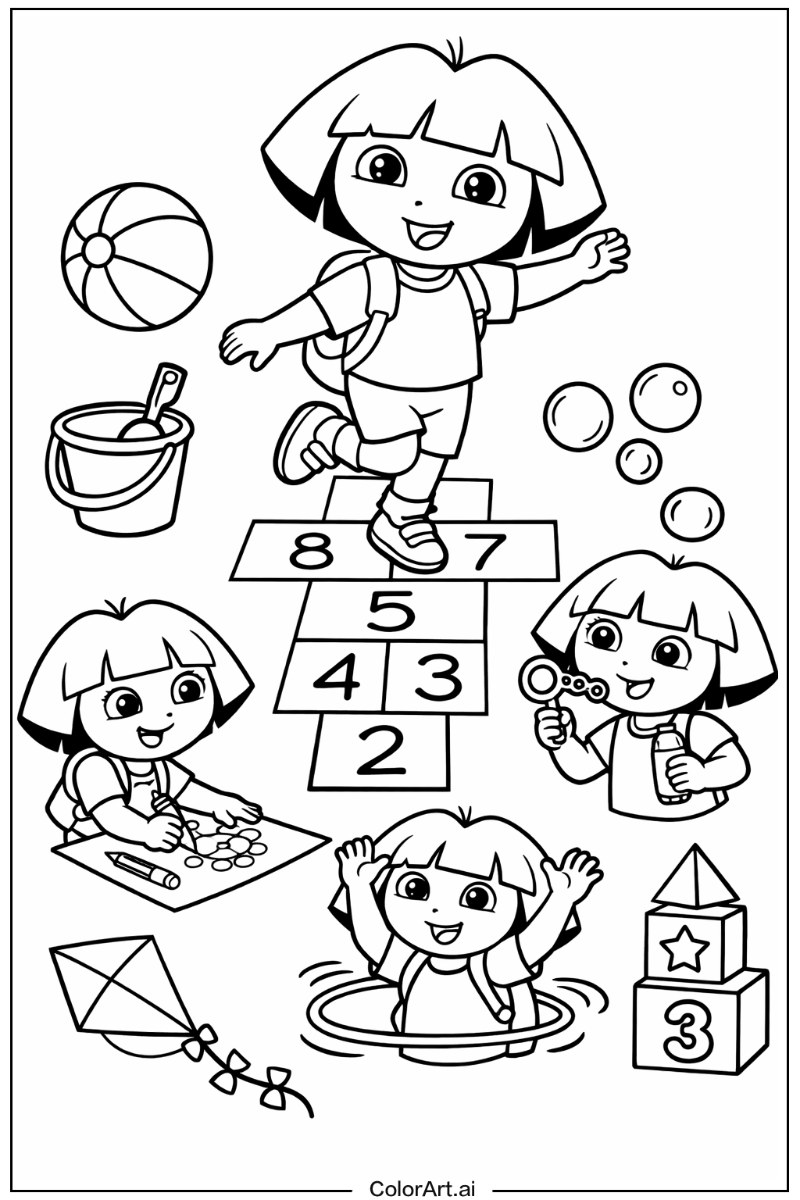
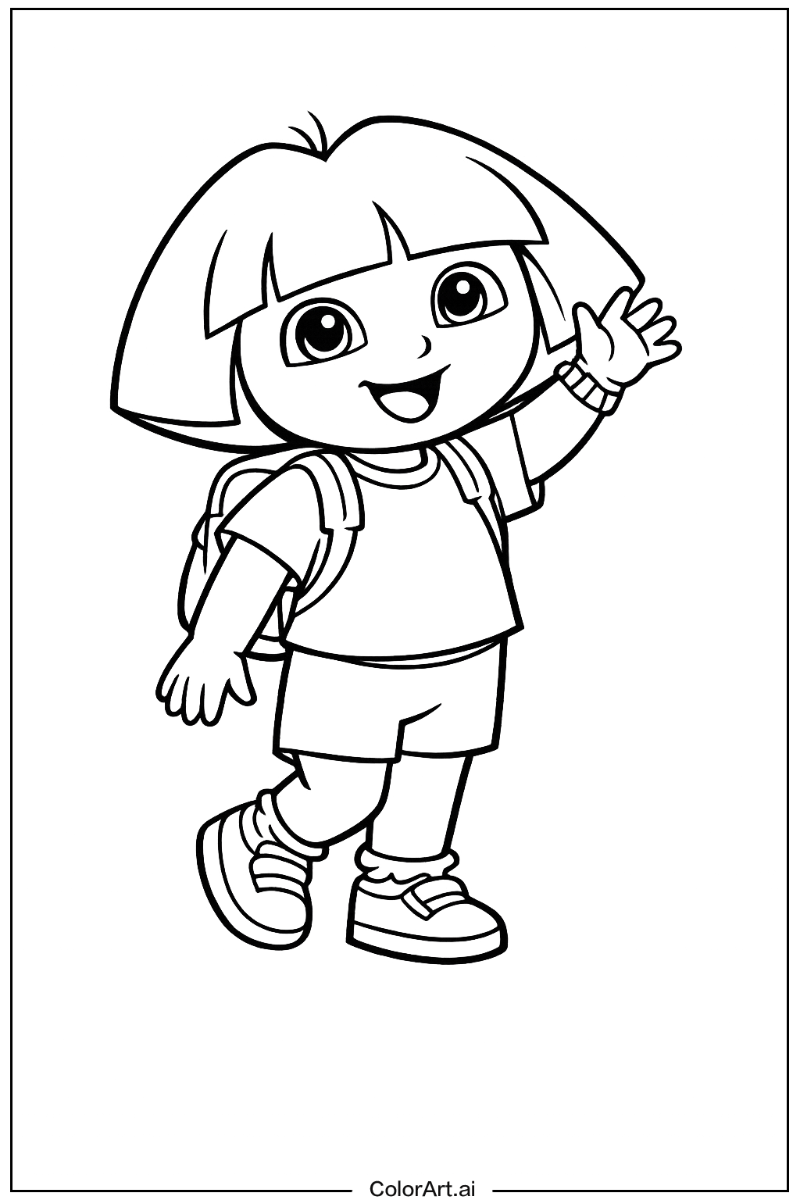
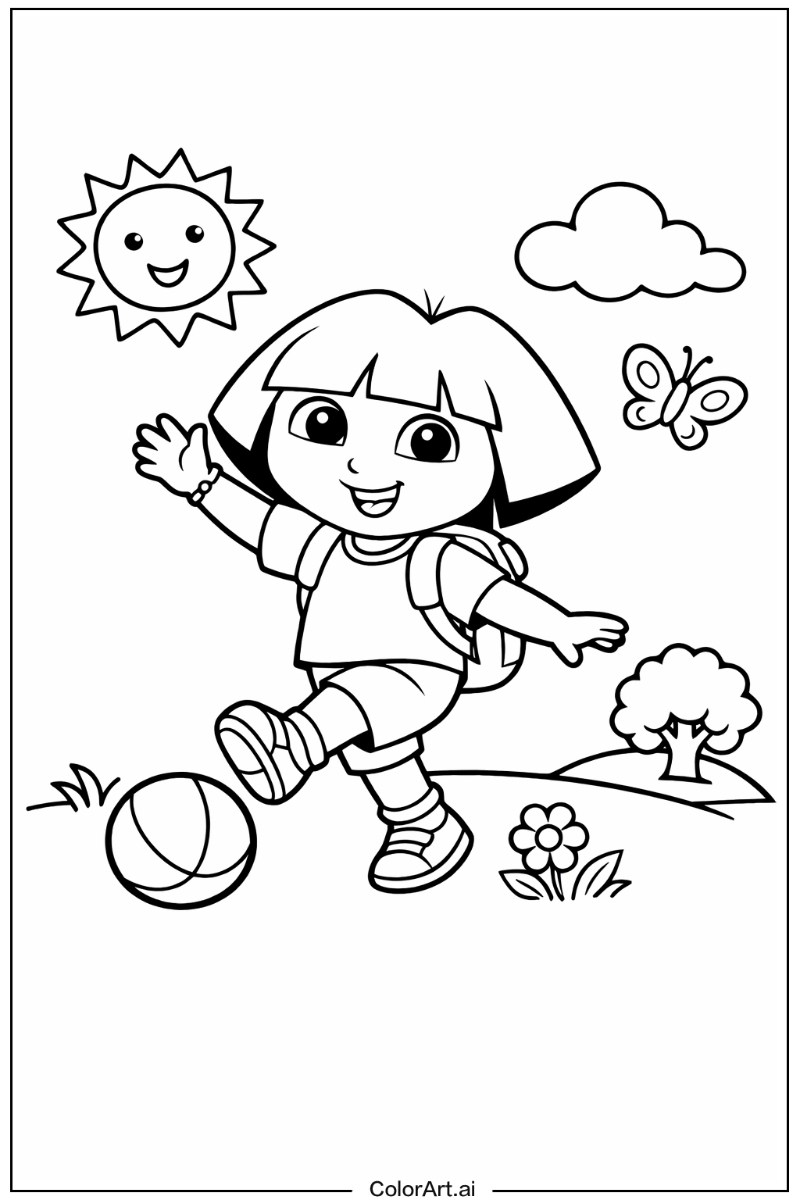
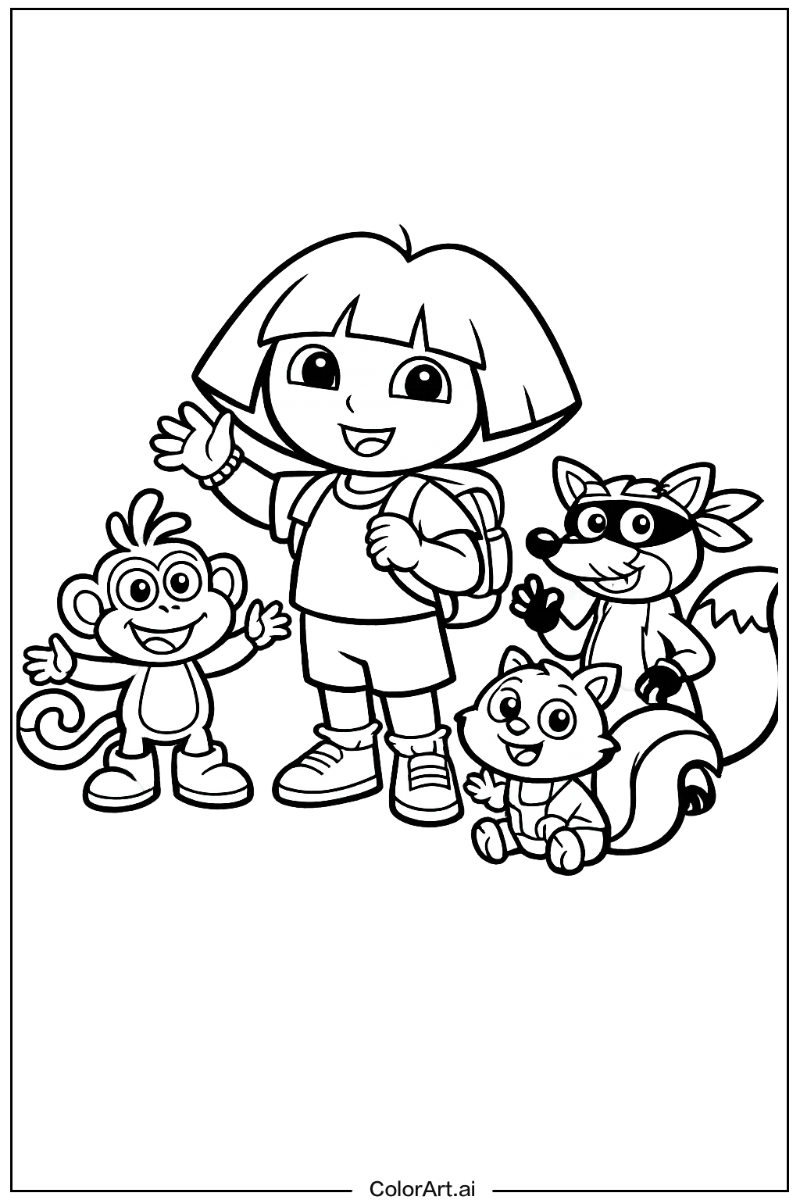
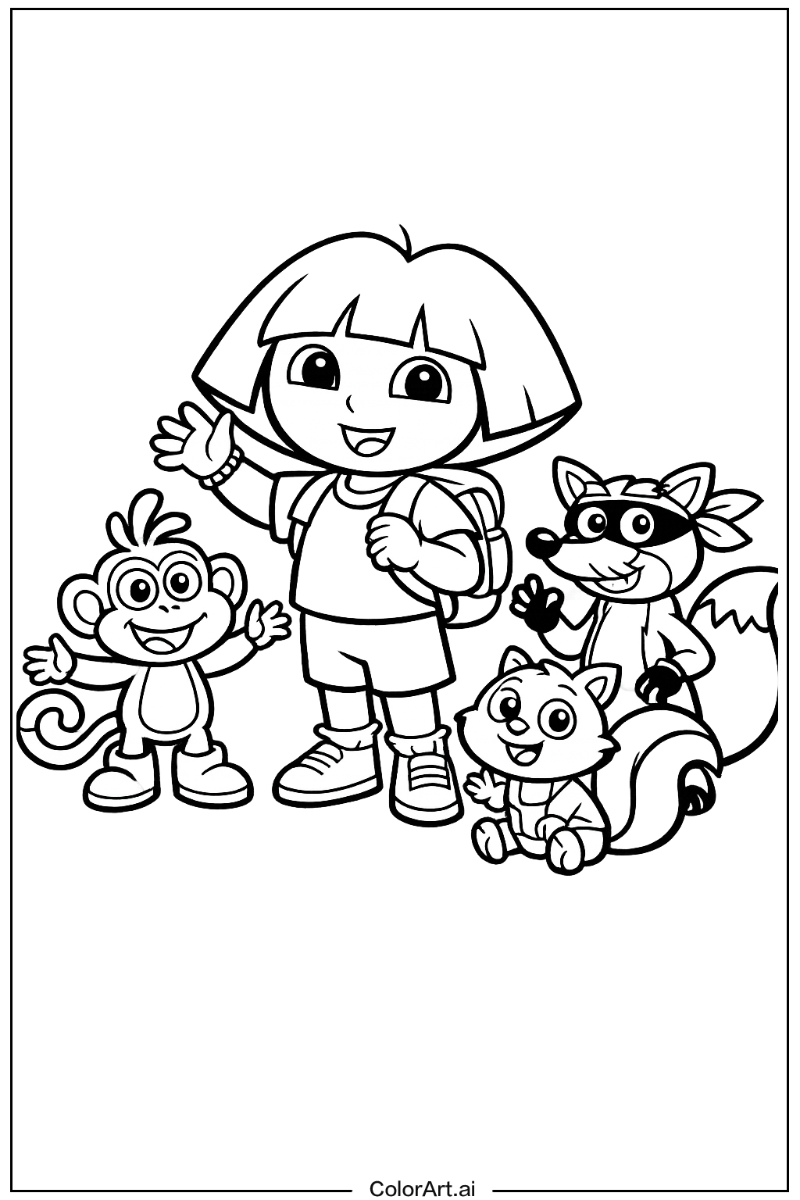
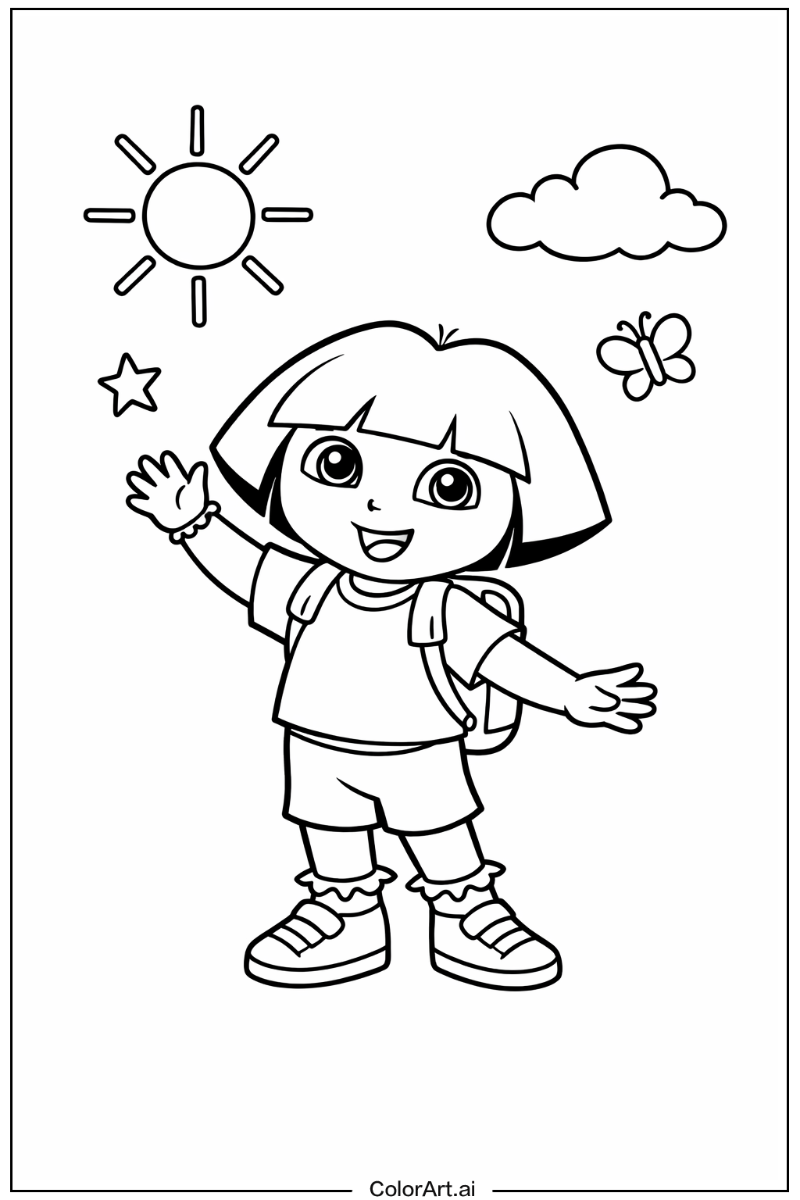
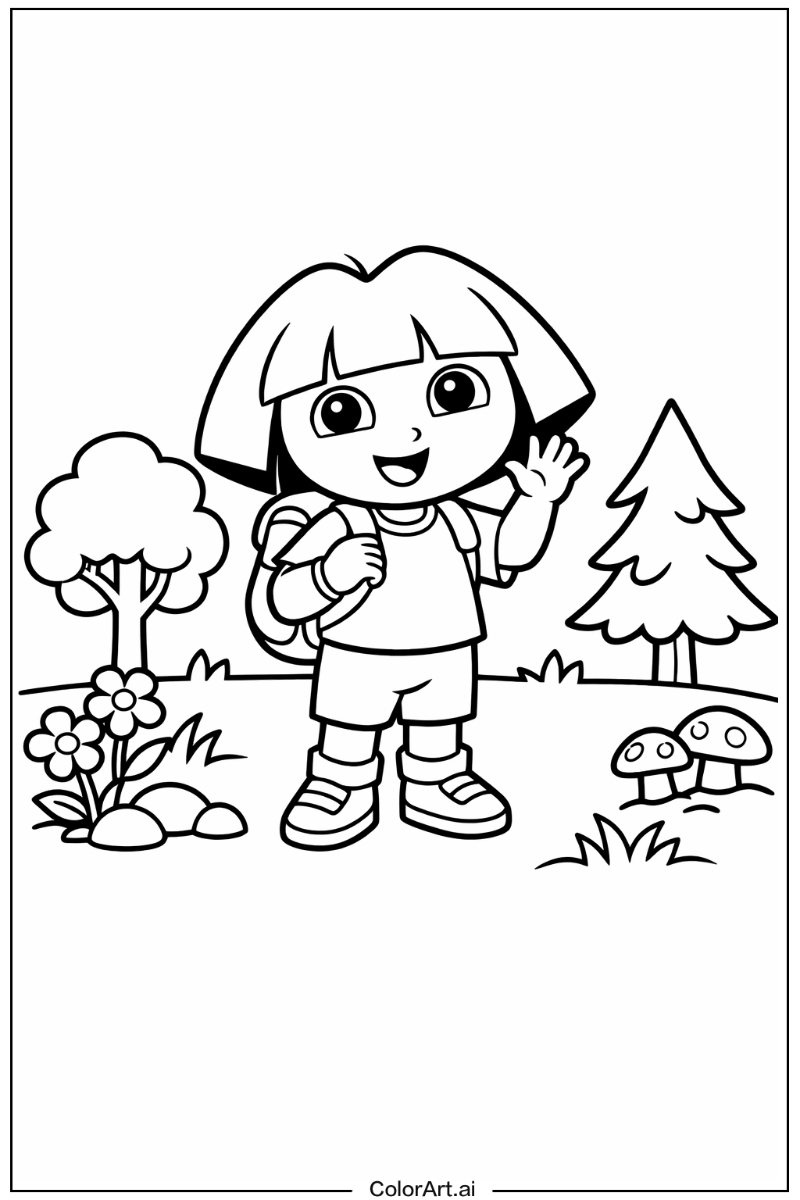
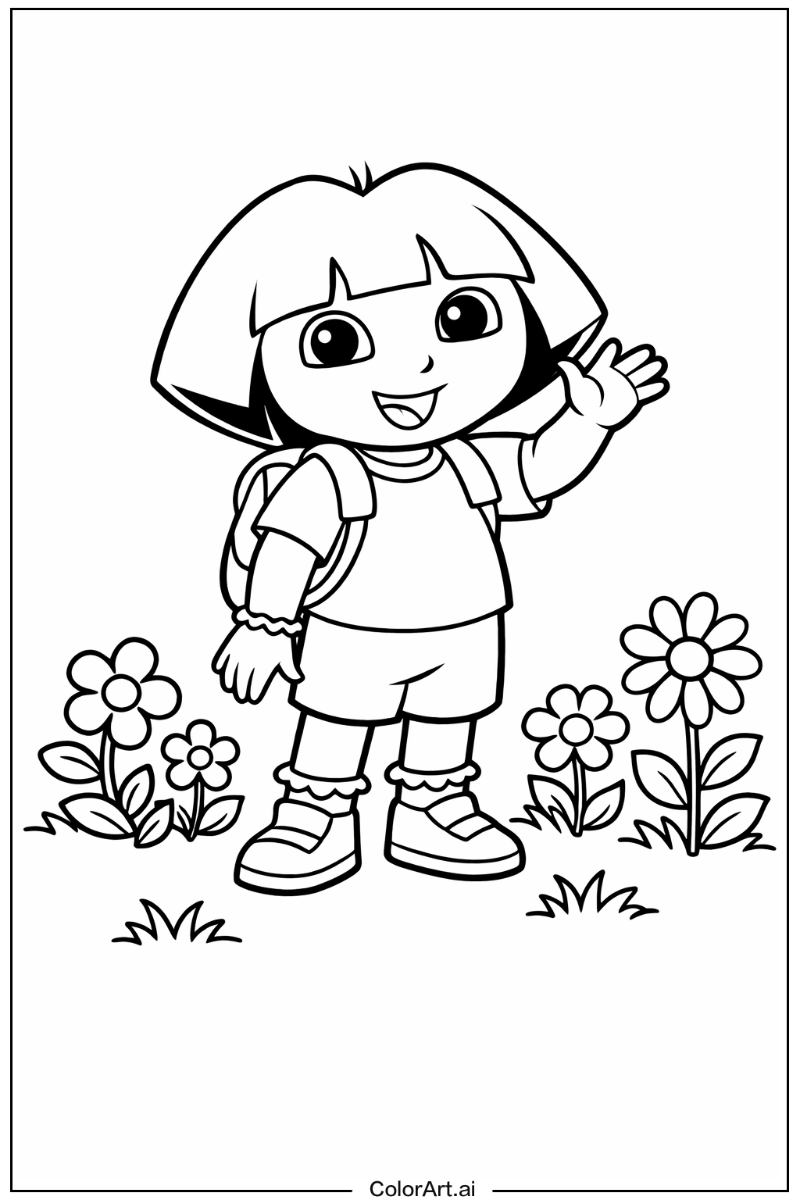
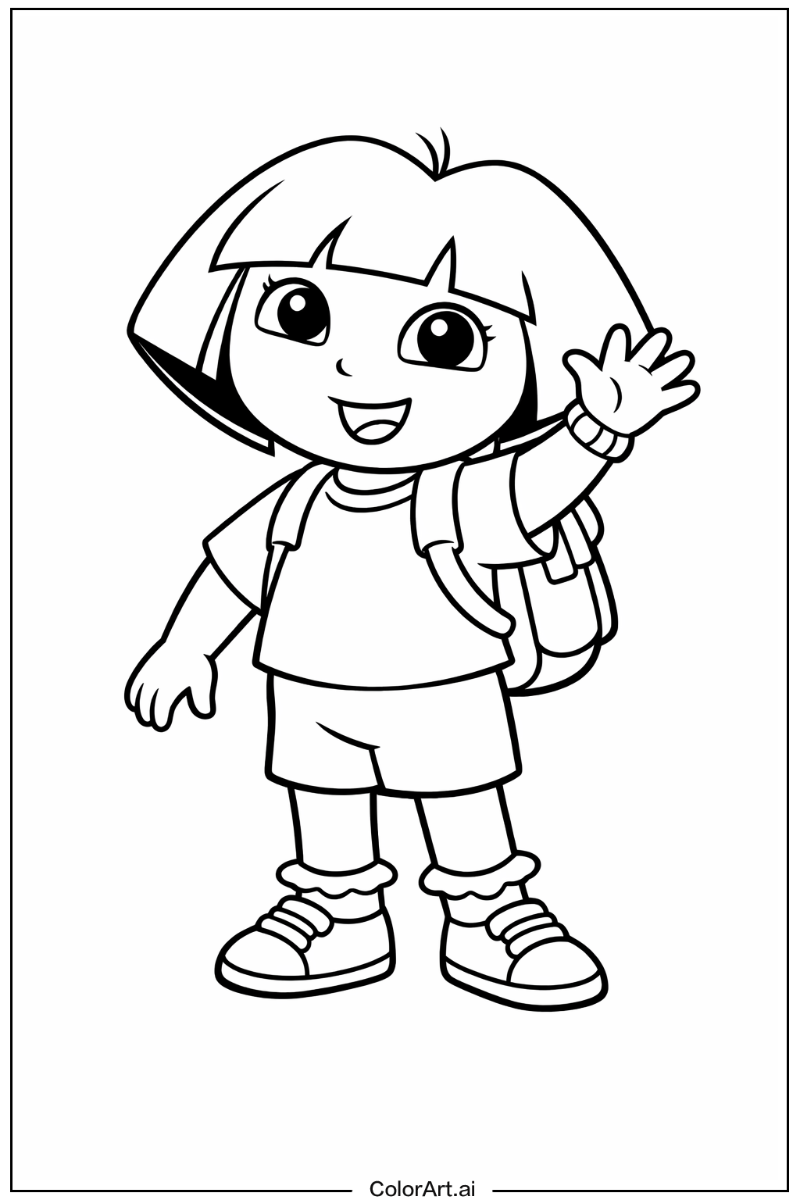
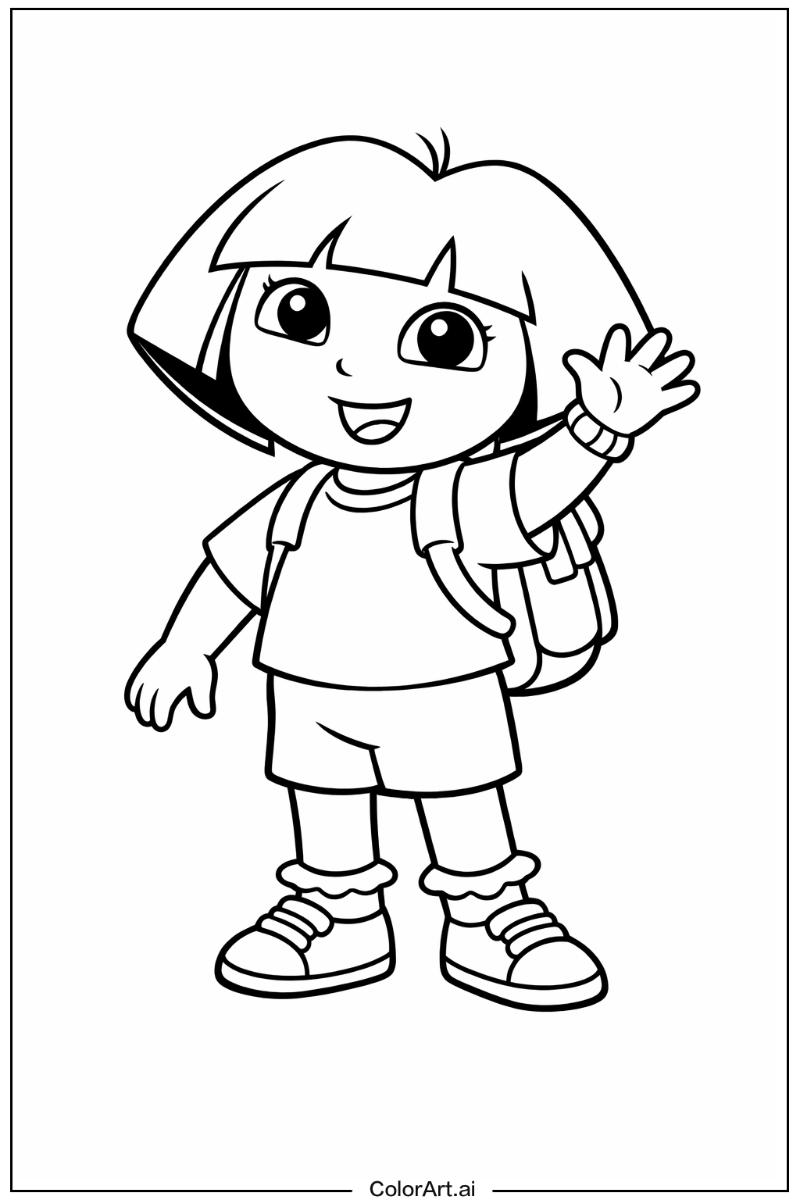
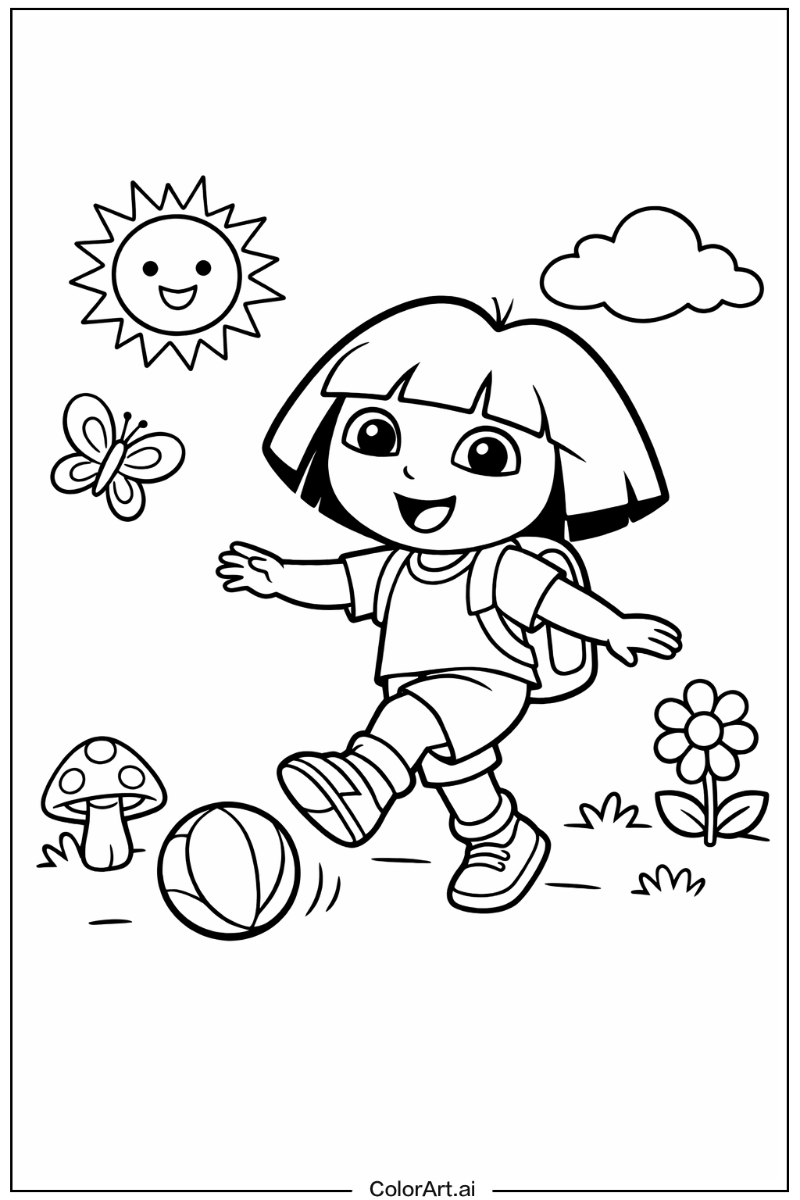
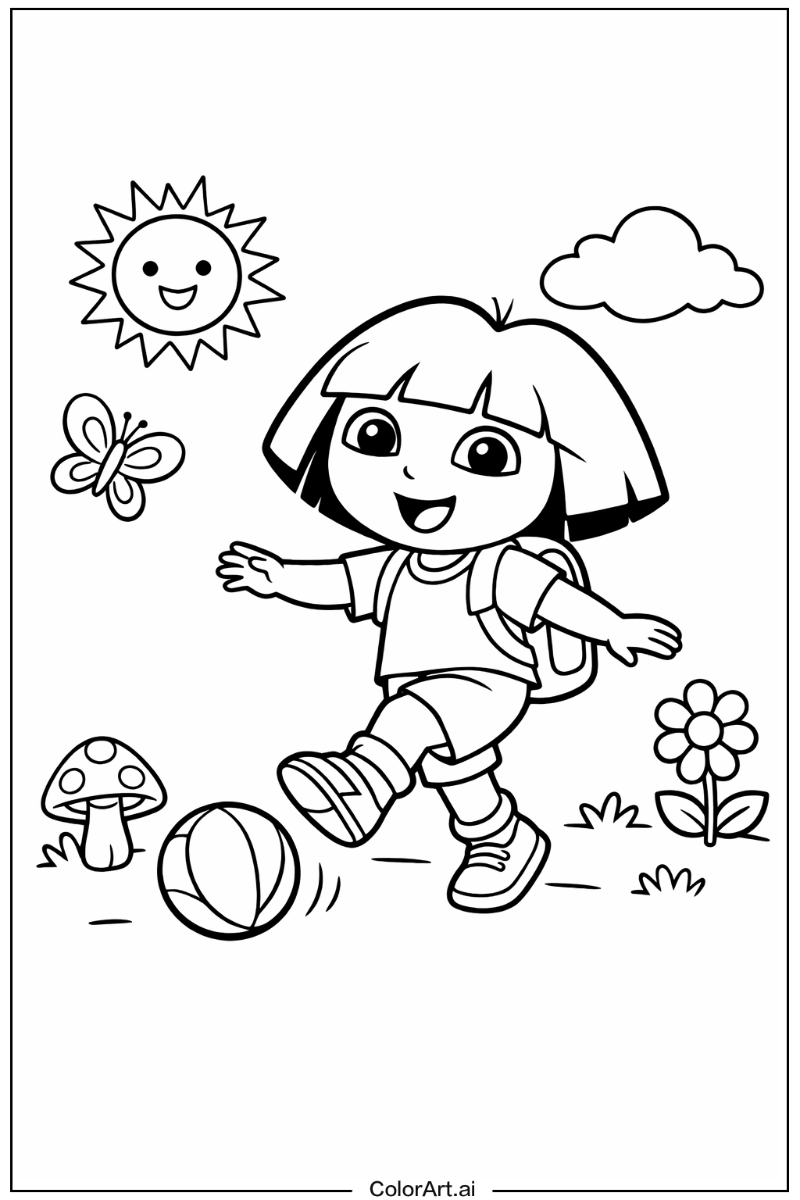
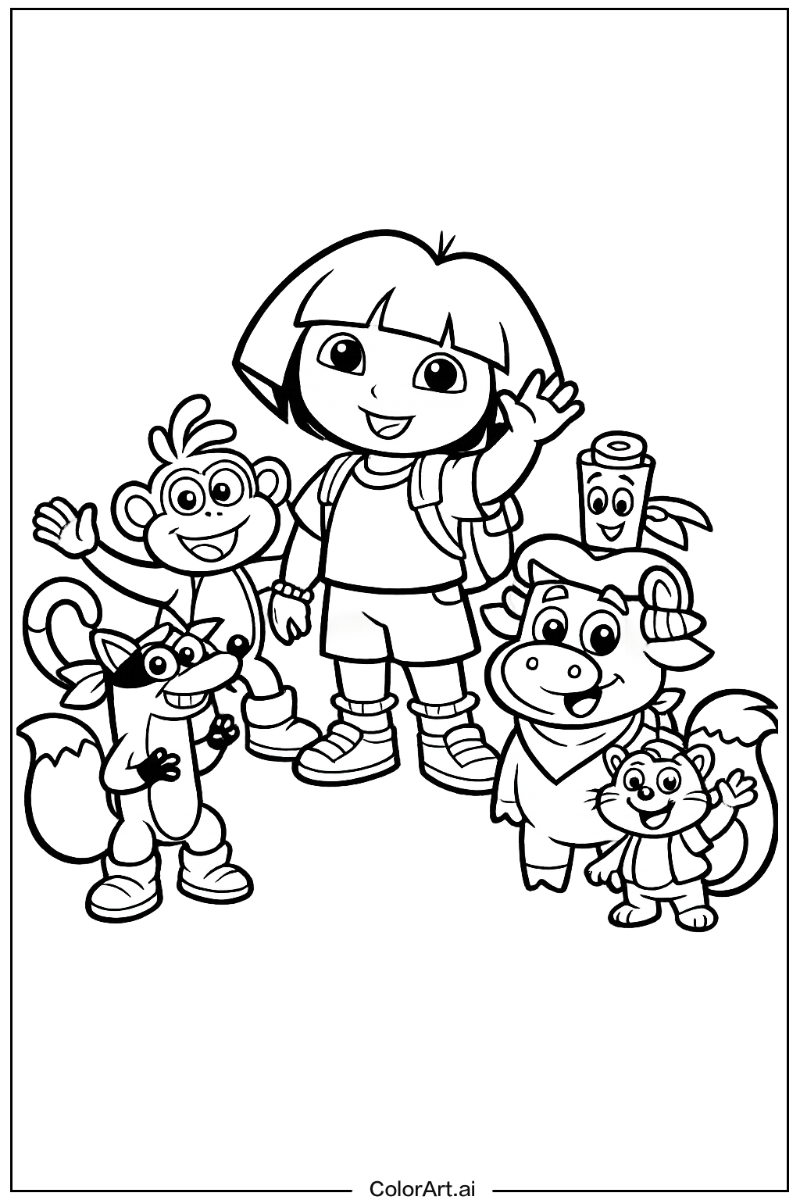
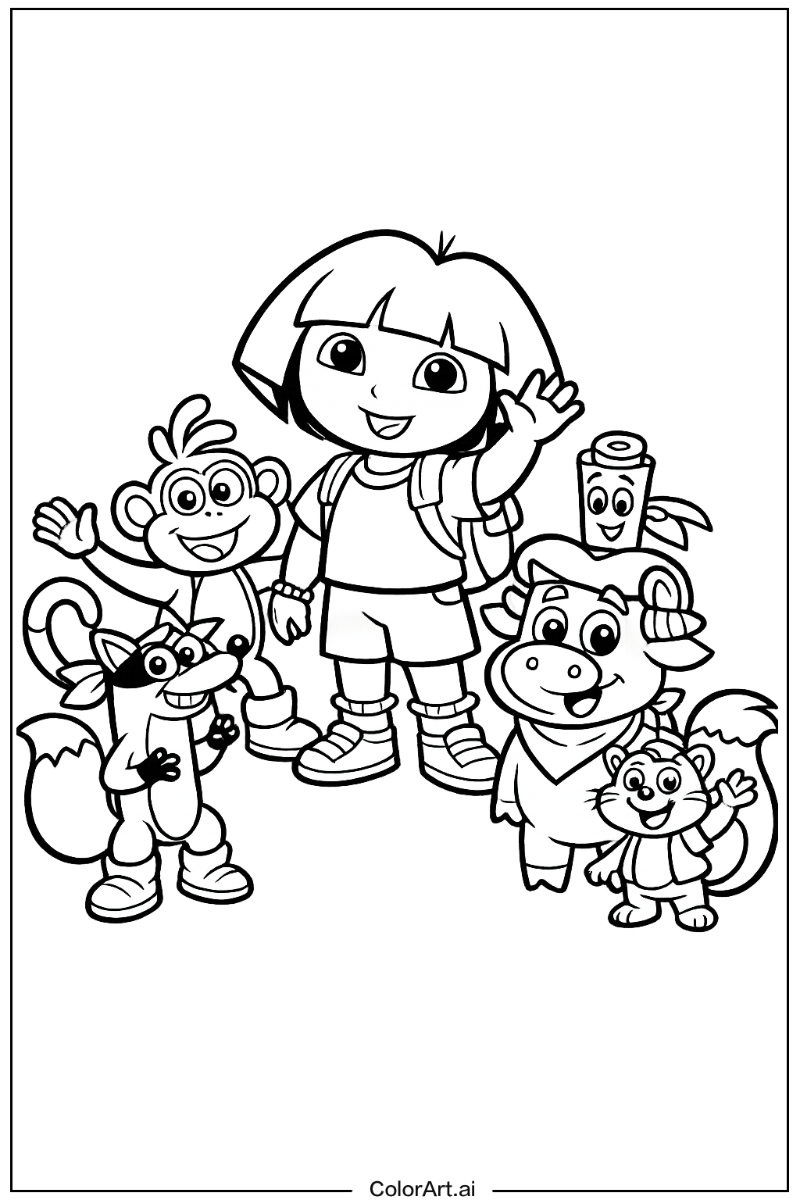
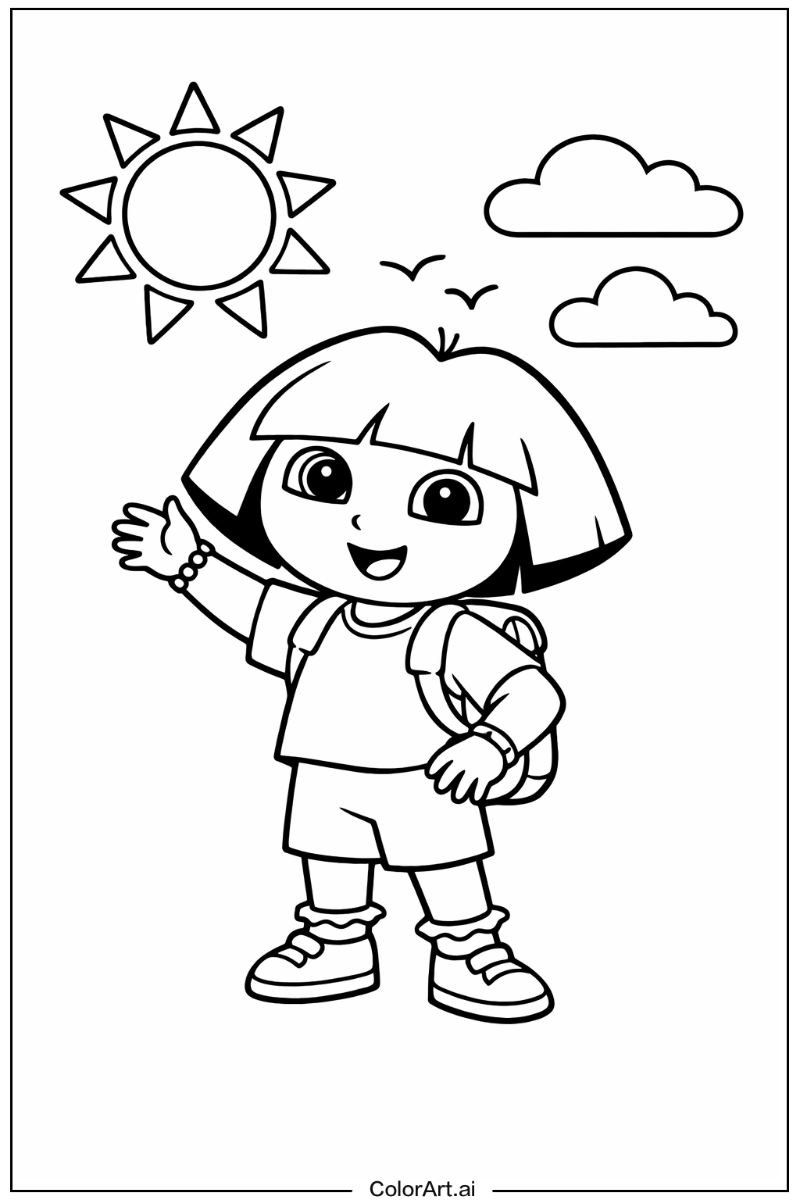
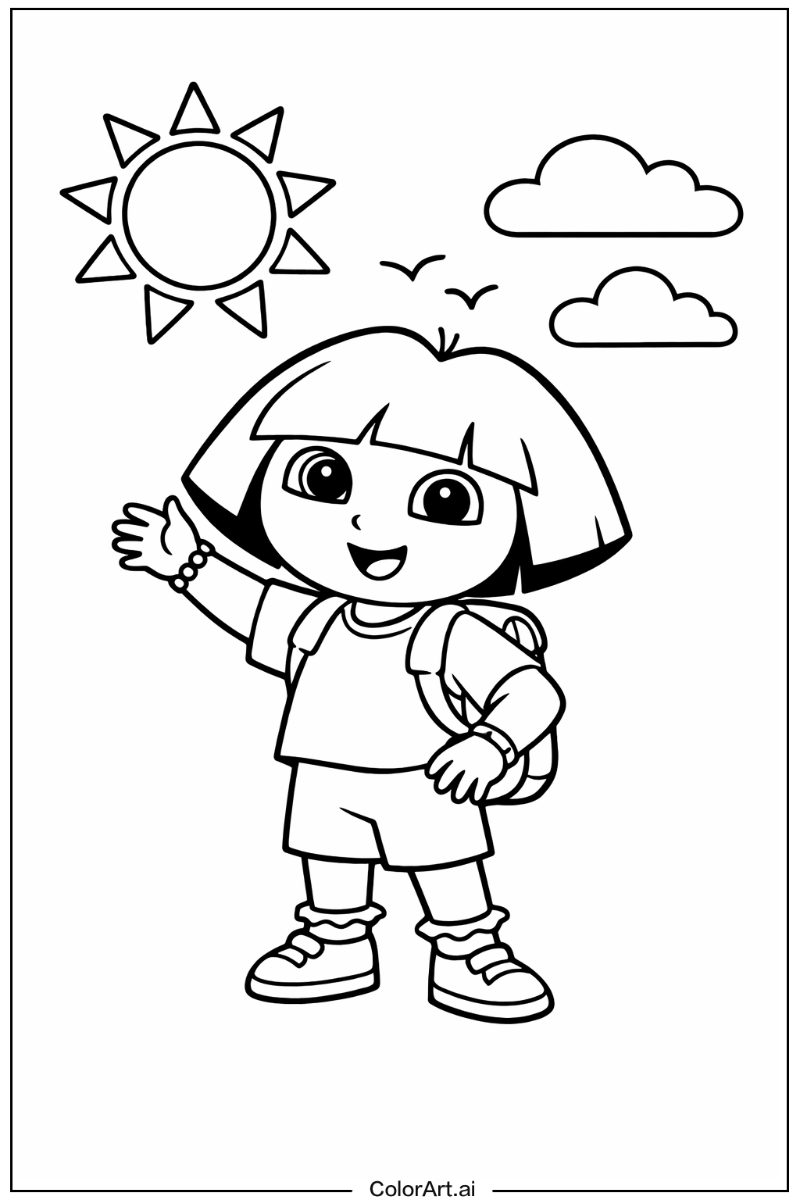
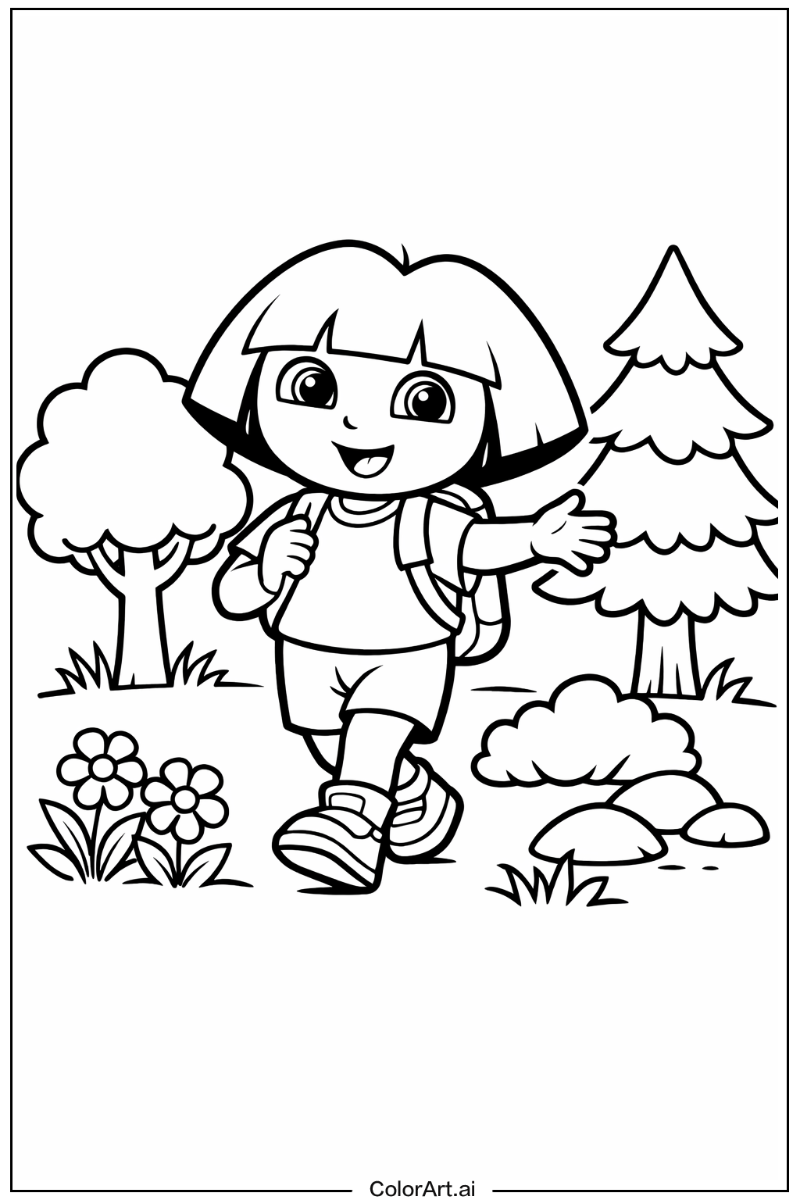
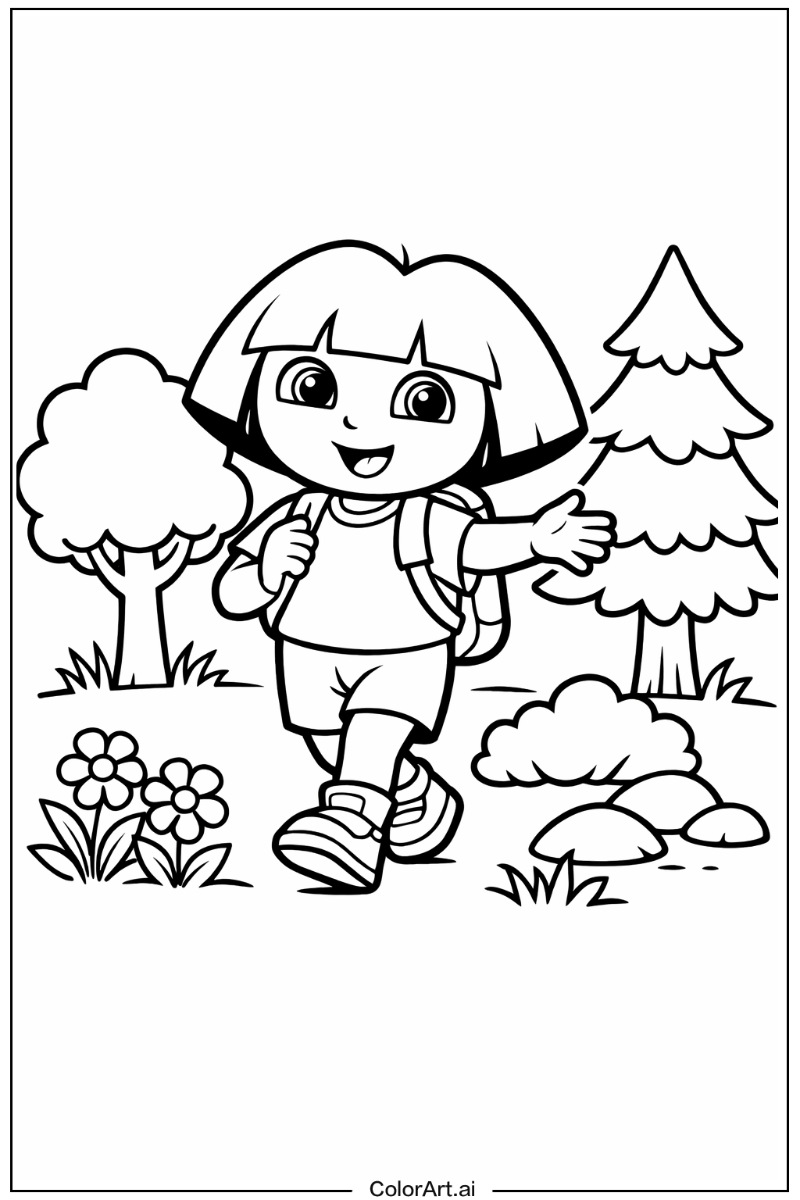
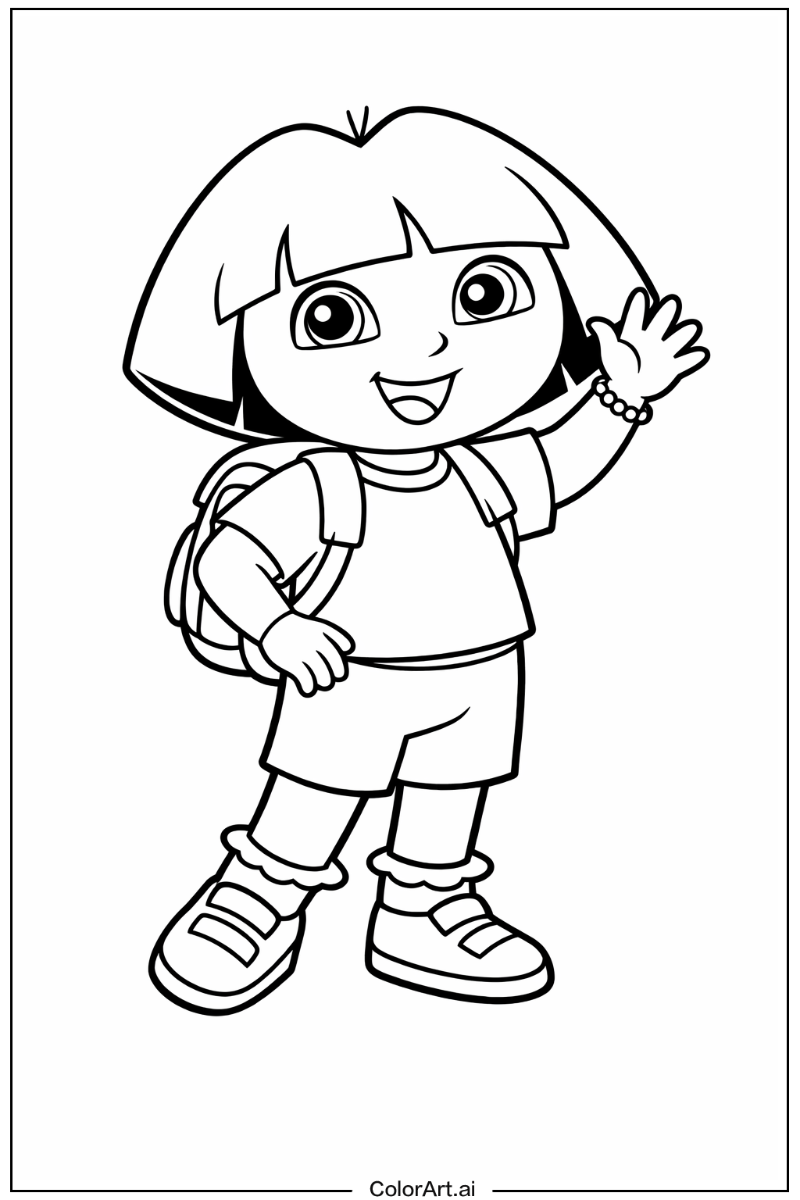
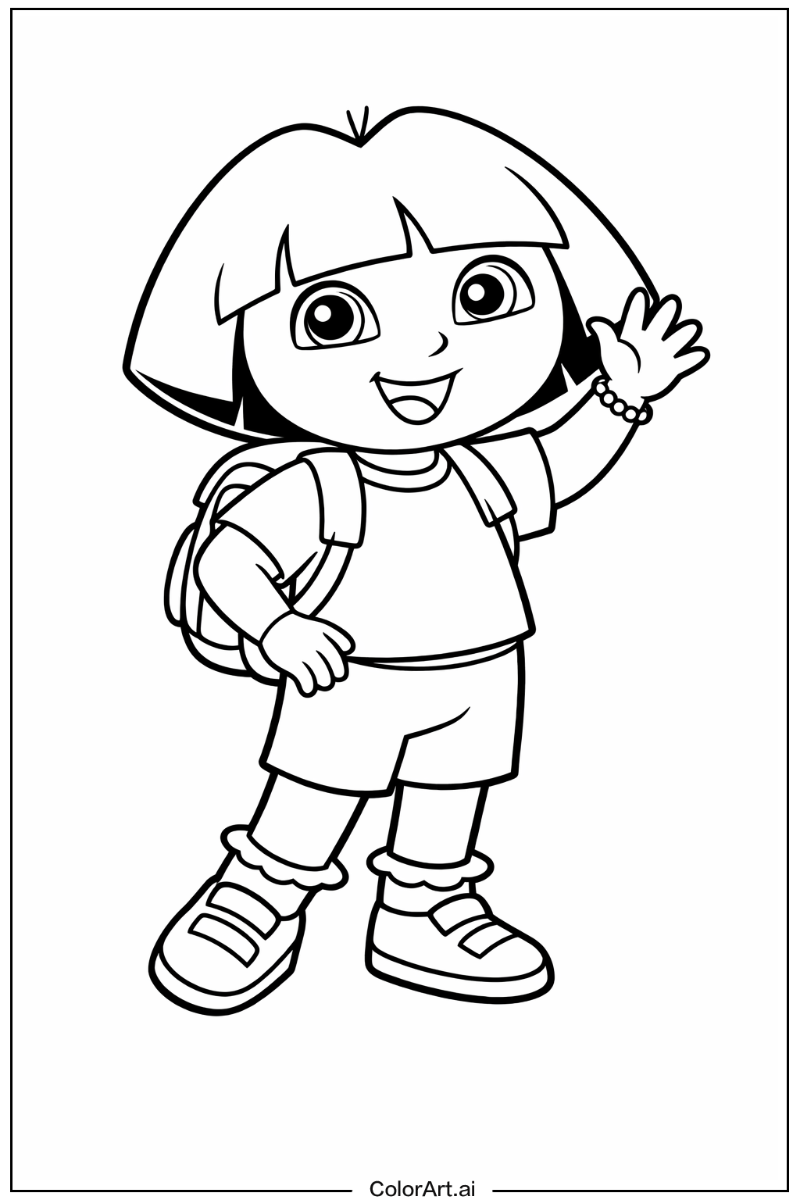
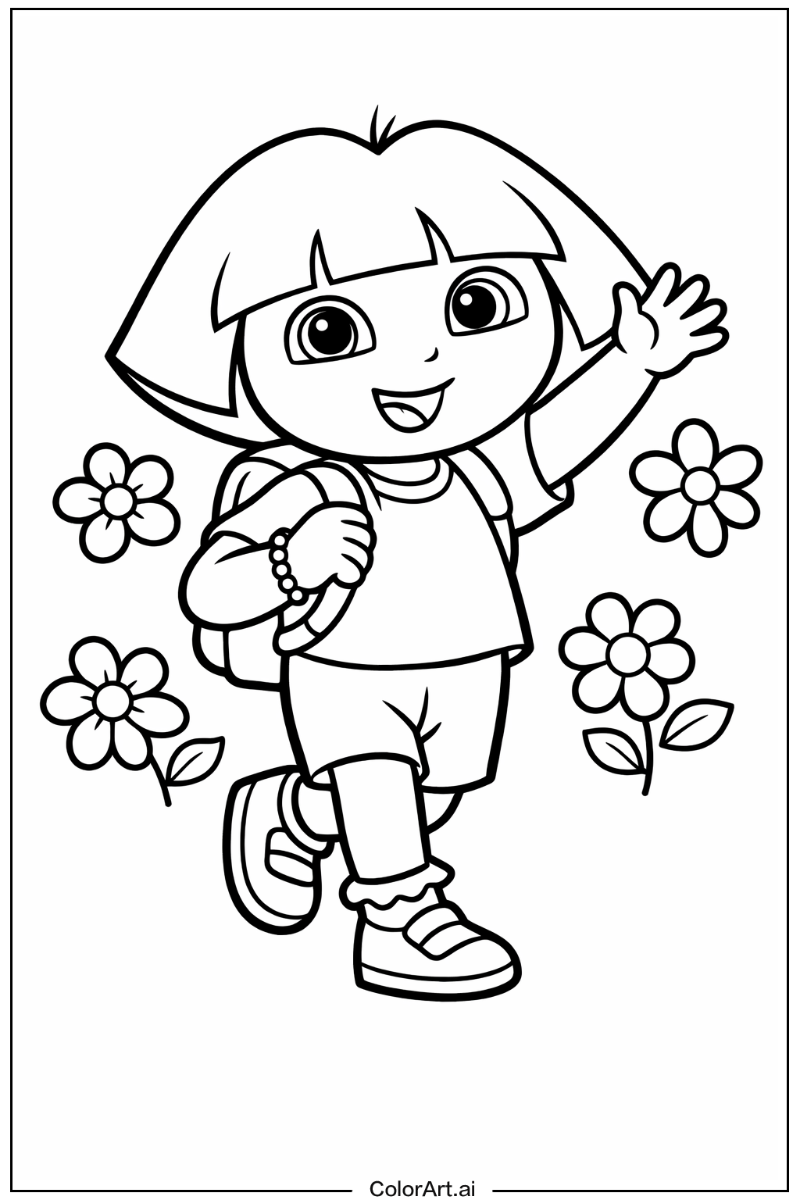
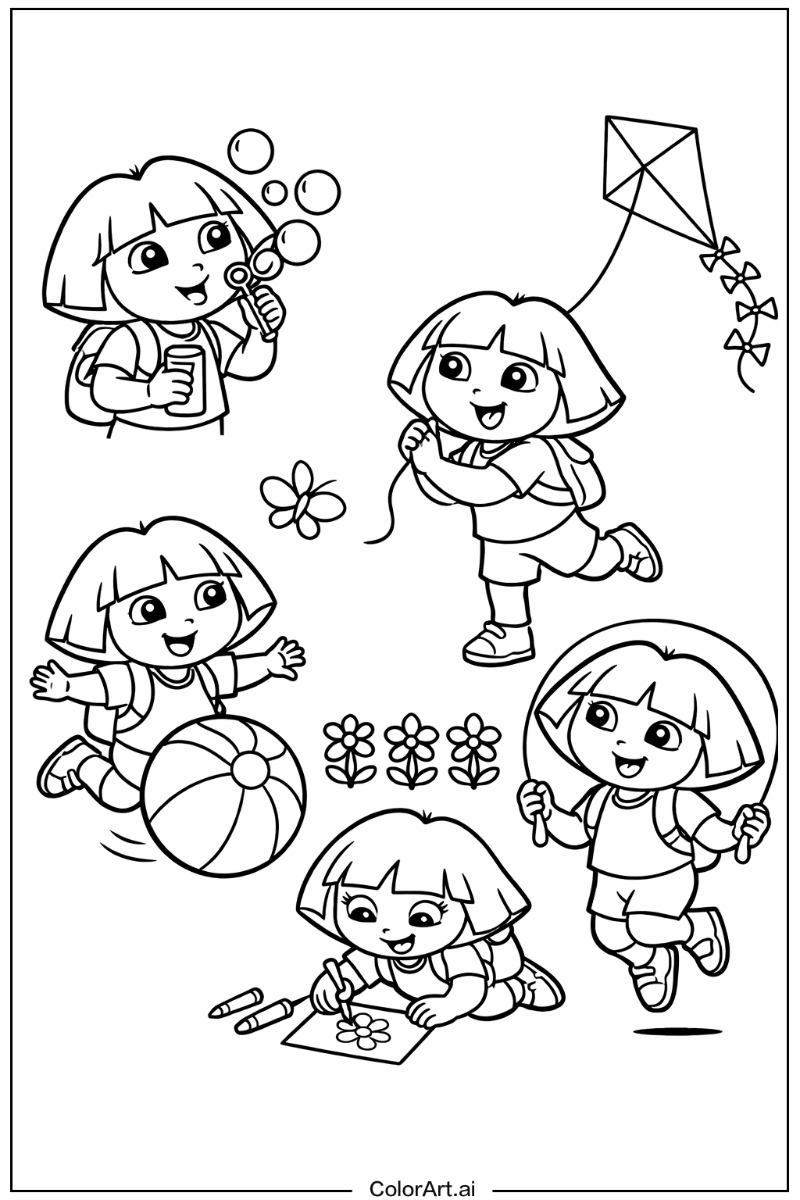
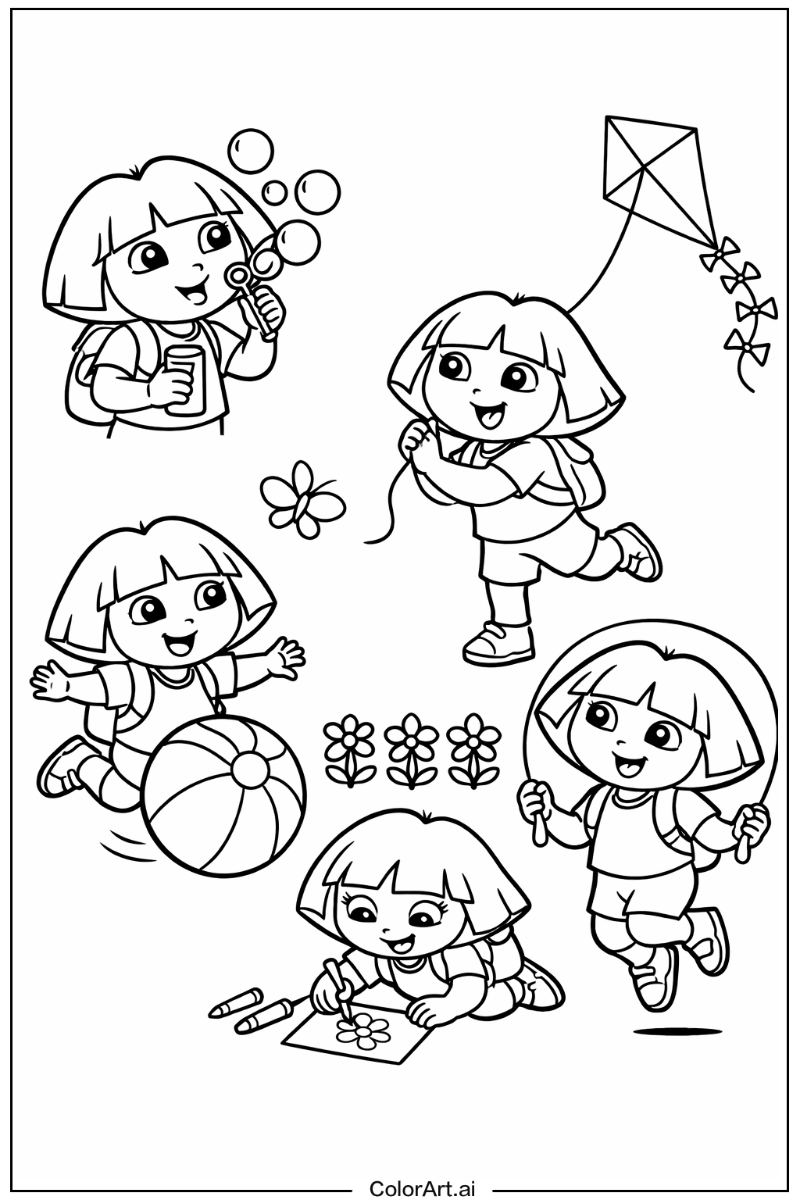
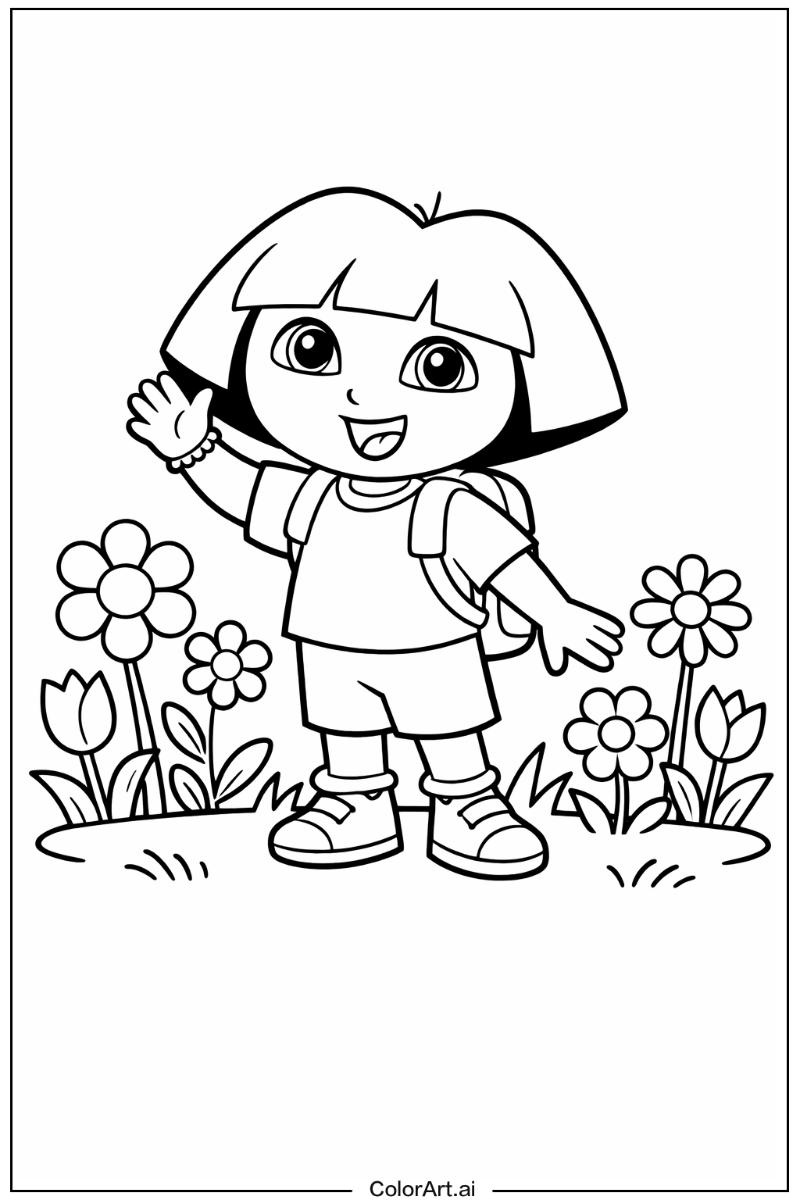
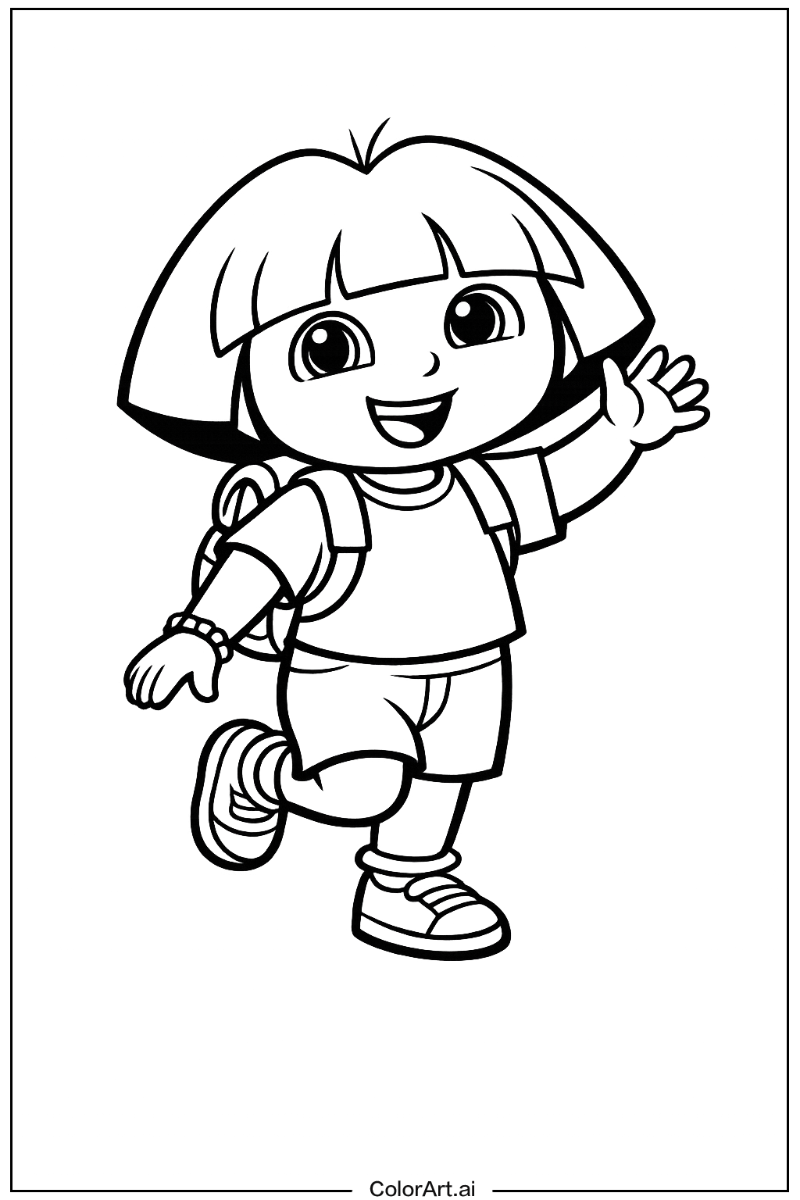
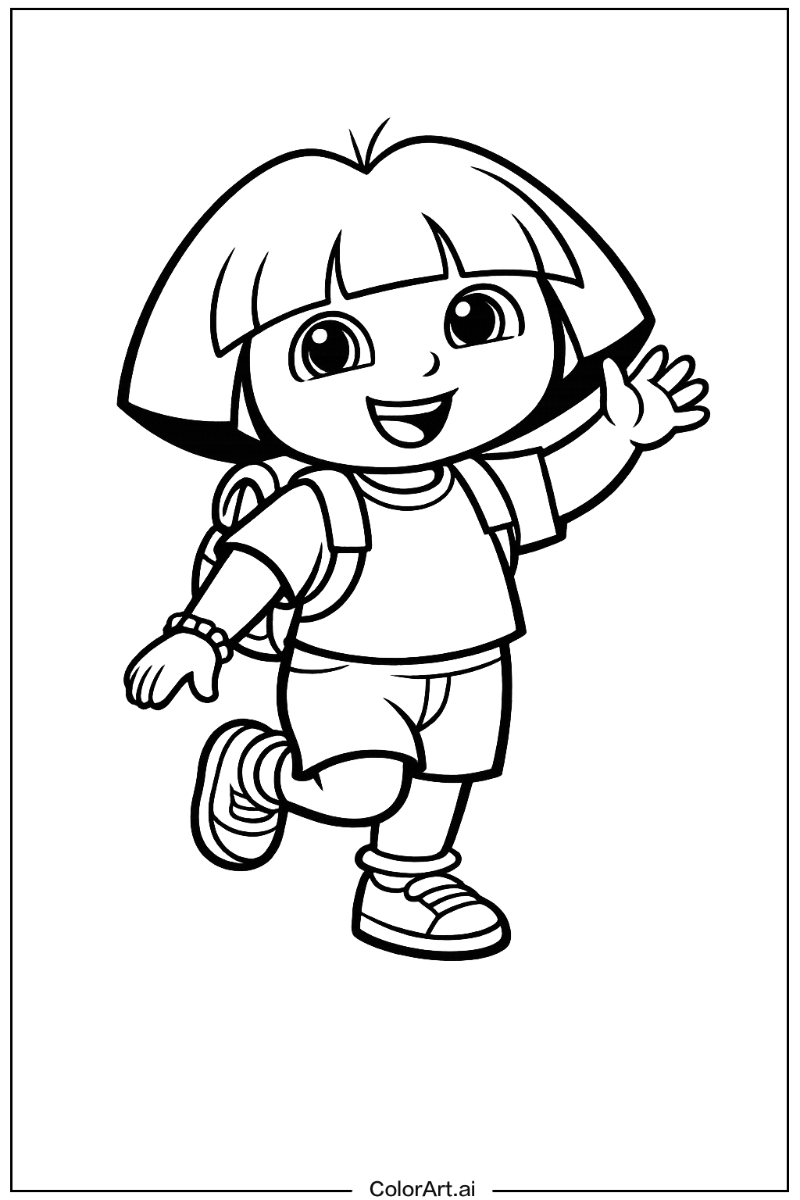
Every time I hear the familiar jingle of Dora the Explorer, it brings back a flood of memories from my classroom. Children’s eyes light up with excitement at the mention of Dora, a spirited adventurer who inspires curiosity and learning in every episode. Over the years, I’ve found that integrating Dora the Explorer coloring pages into my art lessons not only ignites creativity but also fosters a love for exploration and problem-solving among my students. Whether it’s coloring in Dora, her monkey friend Boots, or the mischievous Swiper, these pages serve as a wonderful gateway for children to express themselves artistically while engaging with the educational themes of the show. Let’s dive into the world of Dora the Explorer coloring pages and discover how they can enrich the learning experience for our young artists.
Group Coloring Pages
 PDF
PDF
 PNG
PNG
 PNG
PNG
 PNG
PNG
 PNG
PNG
 PNG
PNG
 PNG
PNG
 PNG
PNG
 PNG
PNG
 PNG
PNG
 PNG
PNG
 PNG
PNG
 PNG
PNG
 PNG
PNG
 PNG
PNG
 PNG
PNG
 PNG
PNG
 PNG
PNG
 PNG
PNG
 PNG
PNG
 PNG
PNG
 PNG
PNG
 PNG
PNG
 PNG
PNG
 PNG
PNG
 PNG
PNG
 PNG
PNG
 PNG
PNG
 PNG
PNG
 PNG
PNG
 PNG
PNG
 PNG
PNG
 PNG
PNG
 PNG
PNG
 PNG
PNG
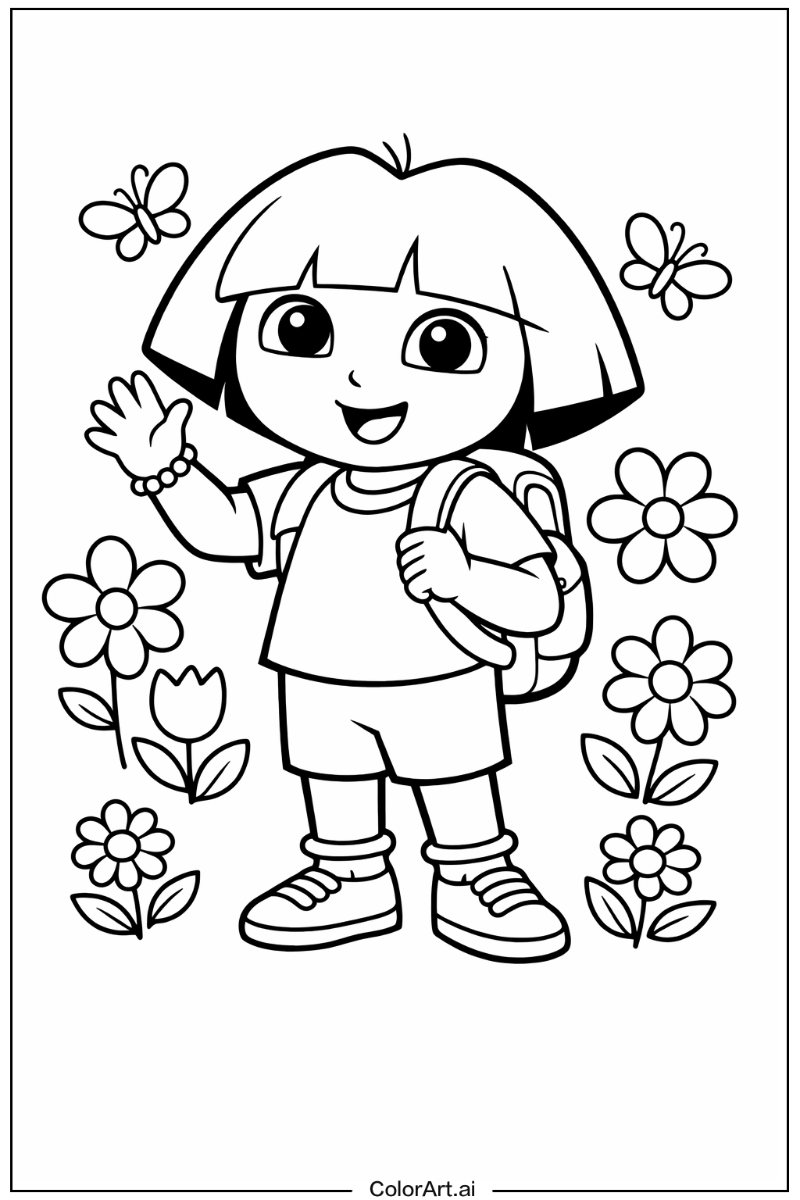 PNG
PNG
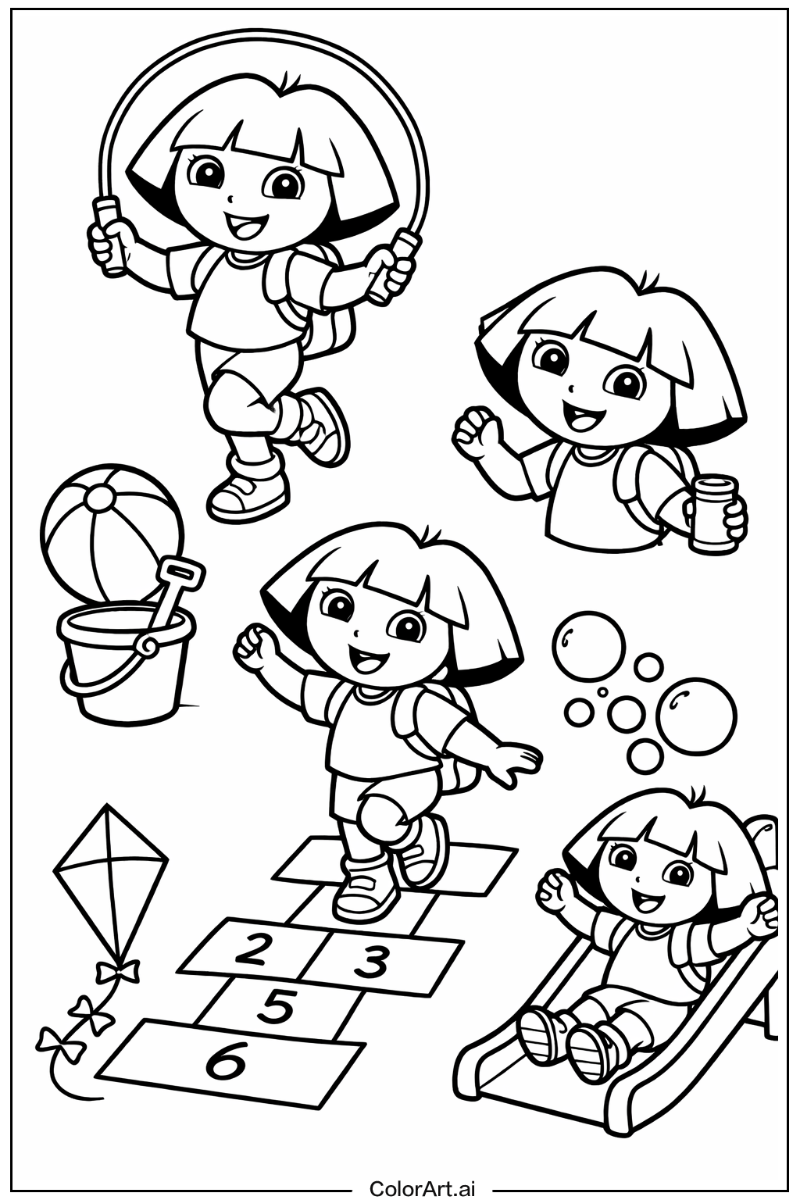
 PNG
PNG
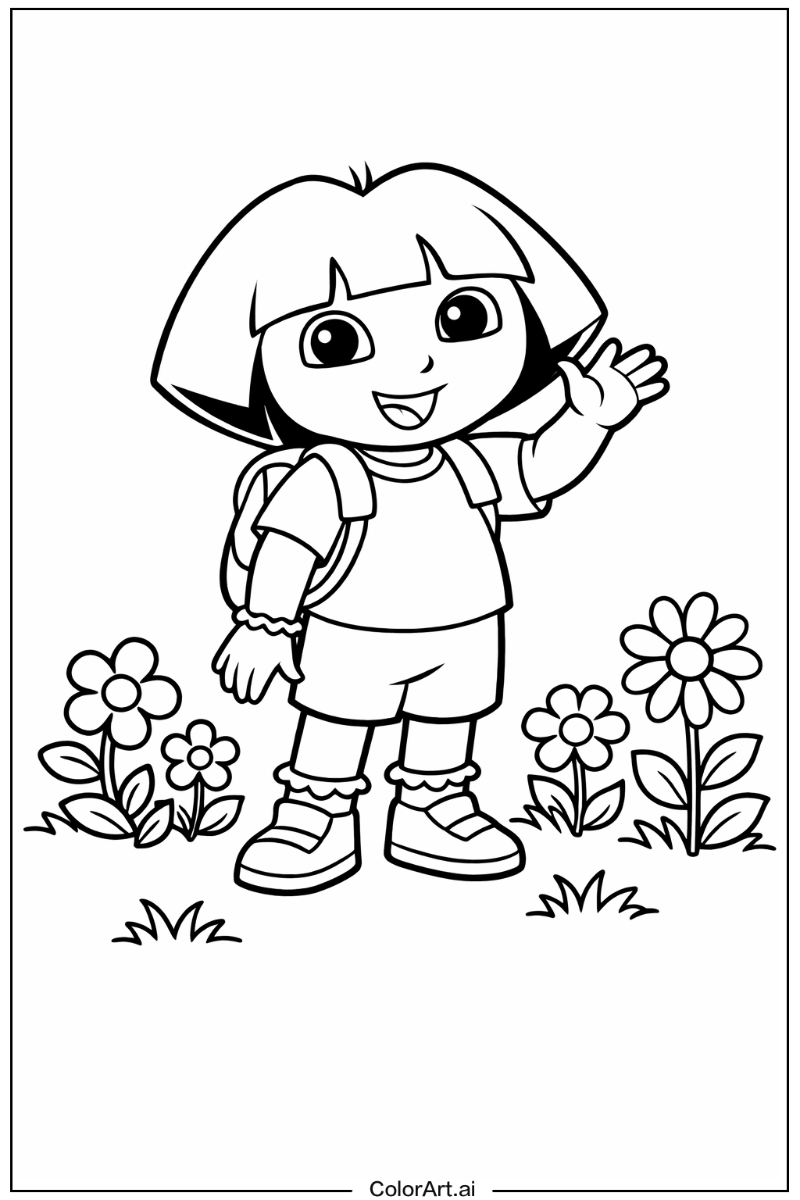
 PNG
PNG
 PNG
PNG
 PNG
PNG
 PNG
PNG
 PNG
PNG
 PNG
PNG
 PNG
PNG
 PNG
PNG
 PNG
PNG
 PNG
PNG
 PNG
PNG
The Educational Impact of Dora the Explorer
Dora the Explorer is a groundbreaking animated television series that made its debut on Nickelodeon in 2000. Created by Chris Gifford and Valerie Walsh Valdes, this bilingual show features a 7-year-old Latina girl named Dora who embarks on various adventures alongside her monkey companion, Boots. The show is designed to promote early childhood education, focusing on problem-solving and bilingualism through interactive storytelling. With 172 episodes spanning eight seasons, Dora the Explorer has become a staple in children's programming, teaching important life skills while introducing Spanish vocabulary. In my classroom, we often discuss how Dora encourages viewers to think critically and engage with the world around them. The show's cultural significance cannot be overstated; it has paved the way for more diverse representation in children's media while teaching kids about teamwork, perseverance, and environmental care.
Educational Benefits of Dora the Explorer Coloring Activities
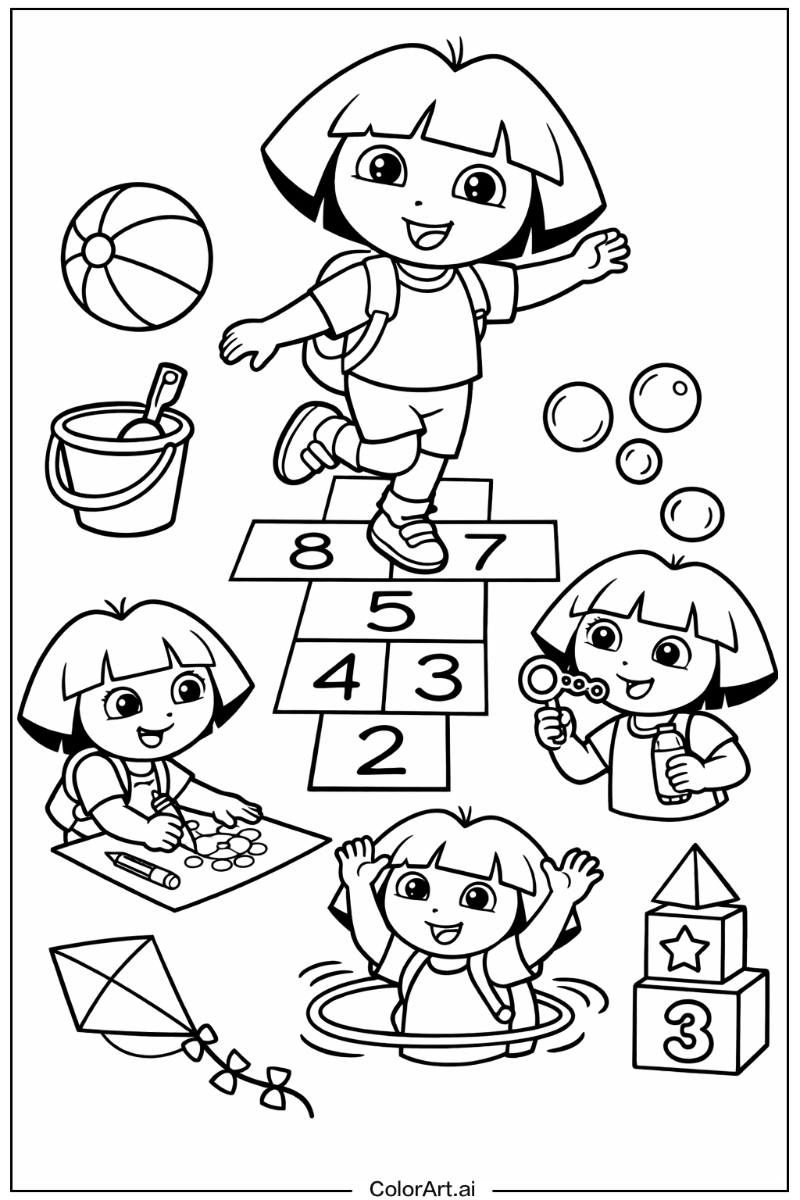
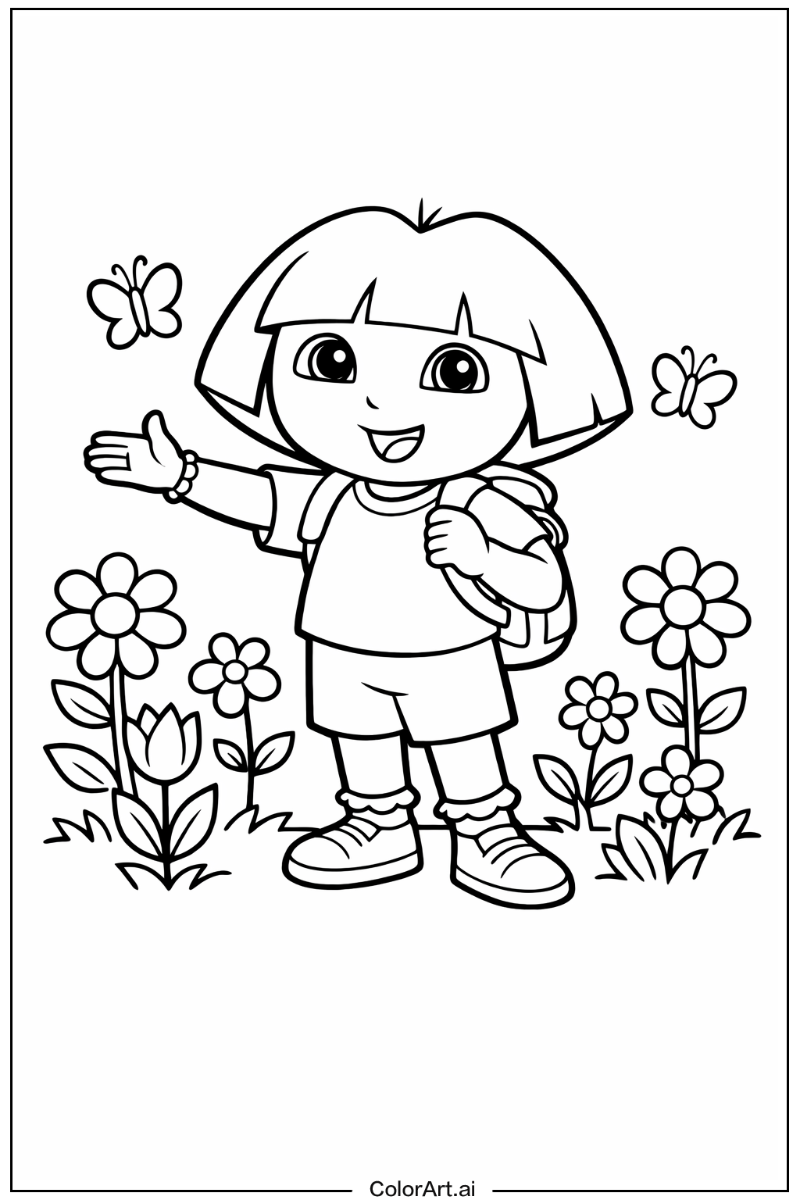
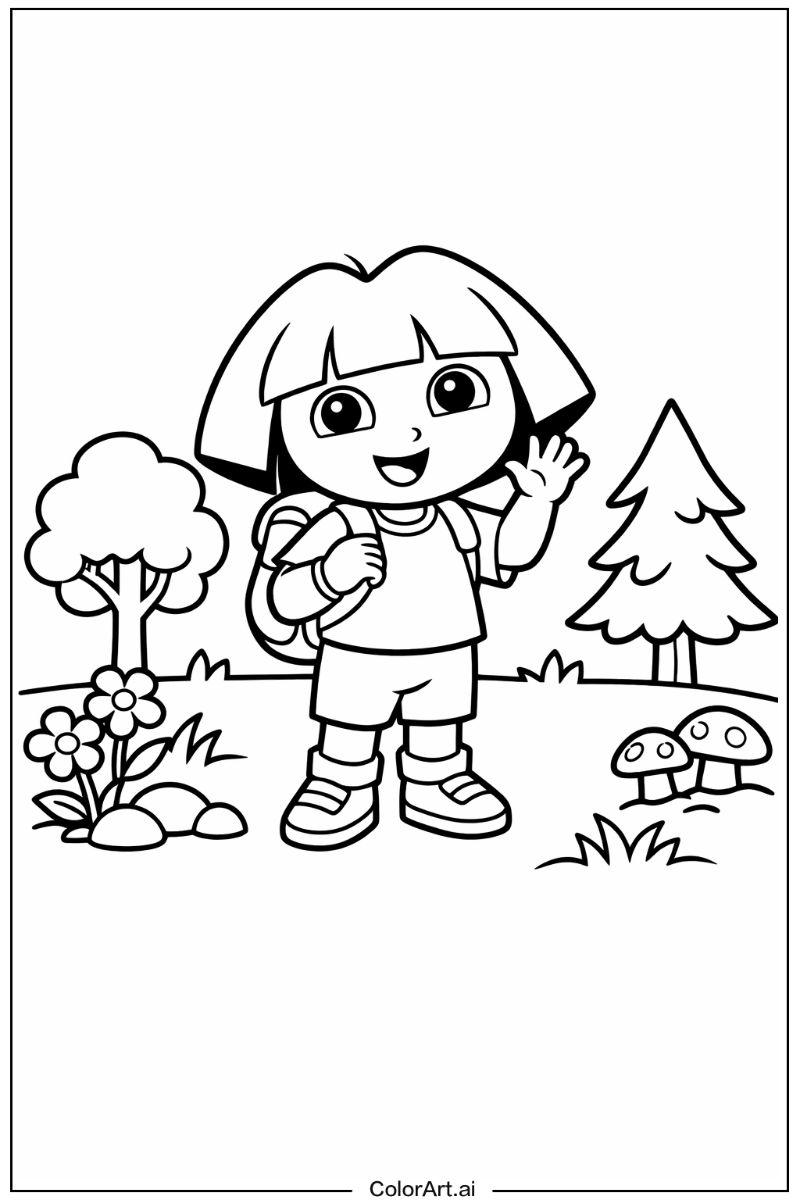
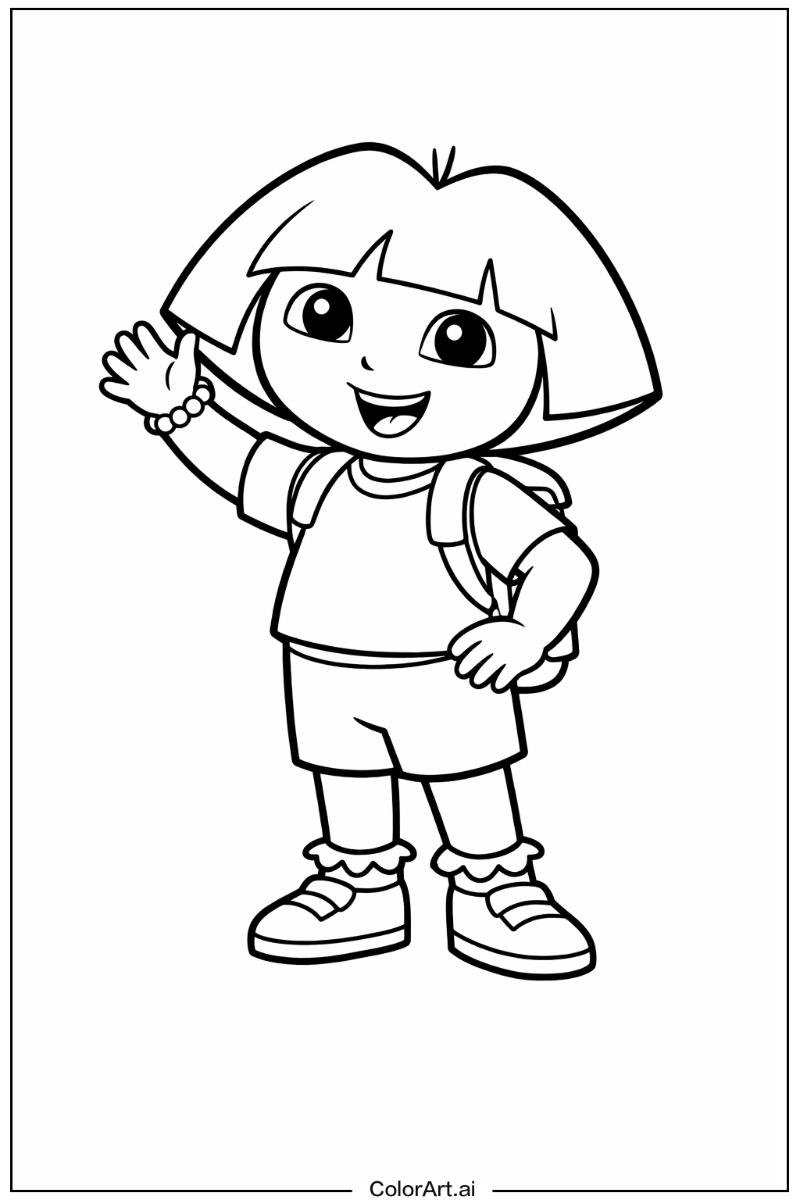
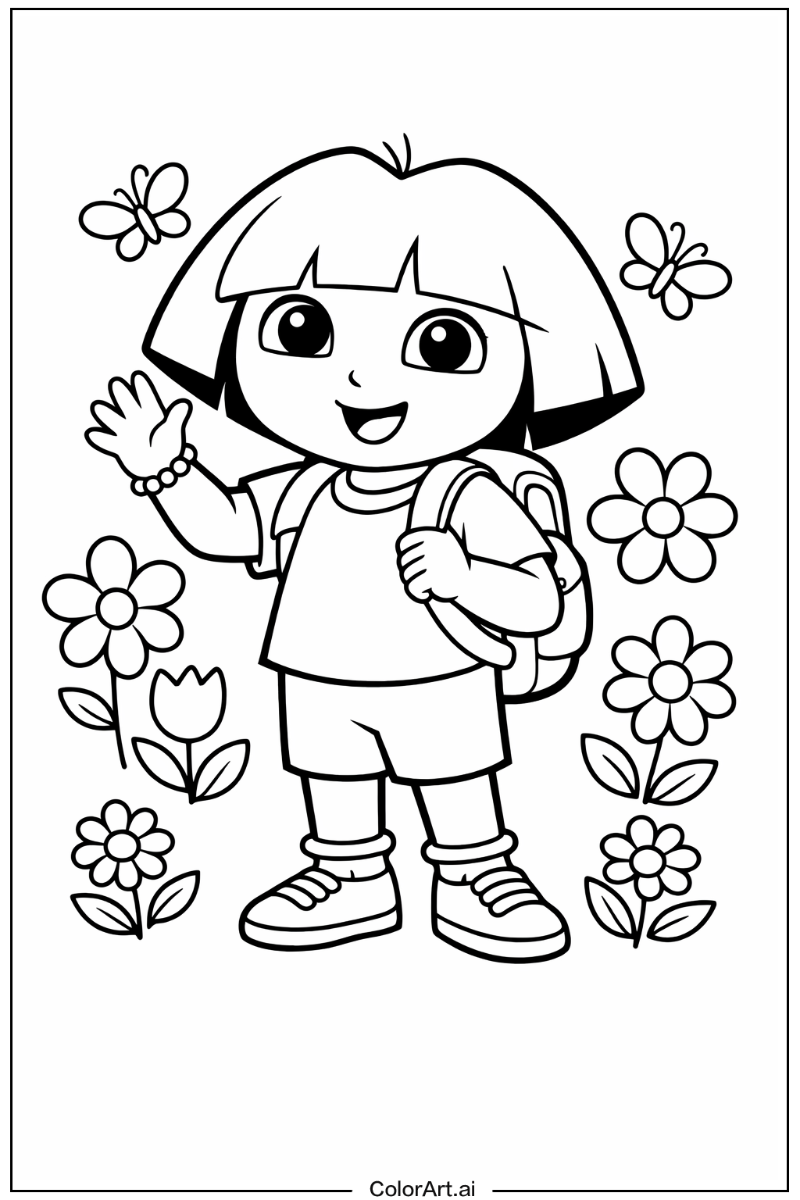
Integrating Dora the Explorer coloring pages into our art curriculum offers numerous educational benefits. These pages are not just about coloring within the lines; they provide a rich avenue for developing fine motor skills, enhancing cognitive abilities, and fostering emotional expression. For instance, during a recent lesson, I observed my students, ages 4-6, as they carefully selected colors for a Dora the Explorer scene. This activity not only strengthened their hand-eye coordination but also sparked conversations about color choices and character traits. Through this interactive process, children improve their focus and memory, as they connect colors to elements from the show, such as Backpack and Map. Additionally, coloring fosters a sense of accomplishment and boosts self-esteem when they complete their masterpieces. By tying these lessons to the adventures of Dora, we also introduce themes of exploration and problem-solving that are central to the show's narrative.
Practical Tips for Coloring with Dora the Explorer
When it comes to coloring Dora the Explorer pages, there are a few techniques I like to share with my students to enhance their experience. First, I encourage them to use a variety of materials, from crayons to colored pencils and markers. Each tool provides different textures and effects, which can make coloring feel more dynamic. For instance, while crayons are great for younger kids, I often introduce markers for older students to explore bolder color choices. Another tip is to start with lighter colors and gradually build up to darker shades, which helps them learn about blending and depth. During class, I often set the scene by discussing the adventures of Dora and how colors can reflect emotions—like choosing bright colors for happy moments or cooler tones for more serene scenes. This not only makes the coloring process enjoyable but also deepens their connection to the characters.
Current Trends in Dora the Explorer Art Education
As we look ahead, the legacy of Dora the Explorer continues to thrive, especially in the realm of art education. Recent developments have seen a revival of the franchise, with new adaptations that resonate with younger audiences. For instance, in 2024, a live-action series featuring the character was launched, quickly becoming a popular topic among my students, who are now eager to recreate scenes with their own coloring pages. The rise of social media has spurred a trend of sharing Dora the Explorer themed art, with platforms like TikTok showcasing DIY coloring challenges and fan art. The increase in online searches for Dora the Explorer coloring pages by approximately 40% in 2024 reflects this renewed interest. I’ve seen students come into class excited to share their colorful renditions of their favorite characters, blending their love for art with the show's educational messages. This positive trend highlights the importance of integrating popular culture into our lessons to keep children engaged.
Frequently Asked Questions about Dora the Explorer Coloring Pages
Q: What age group are Dora the Explorer coloring pages suitable for?
A: Dora the Explorer coloring pages cater to various age groups, typically ranging from preschoolers (3-5 years) to adults. We offer different complexity levels to match different skill levels.
Q: What materials work best for coloring Dora the Explorer pages?
A: For best results, I recommend using colored pencils for detailed work, markers for bold colors, and crayons for younger children. High-quality paper or cardstock works well for professional-looking results.
Q: How should I print Dora the Explorer coloring pages for best quality?
A: Use high-quality or best print settings when printing. Standard A4 or Letter size paper is ideal, and cardstock offers durability.