Welcome to the World of Toddler Coloring Pages
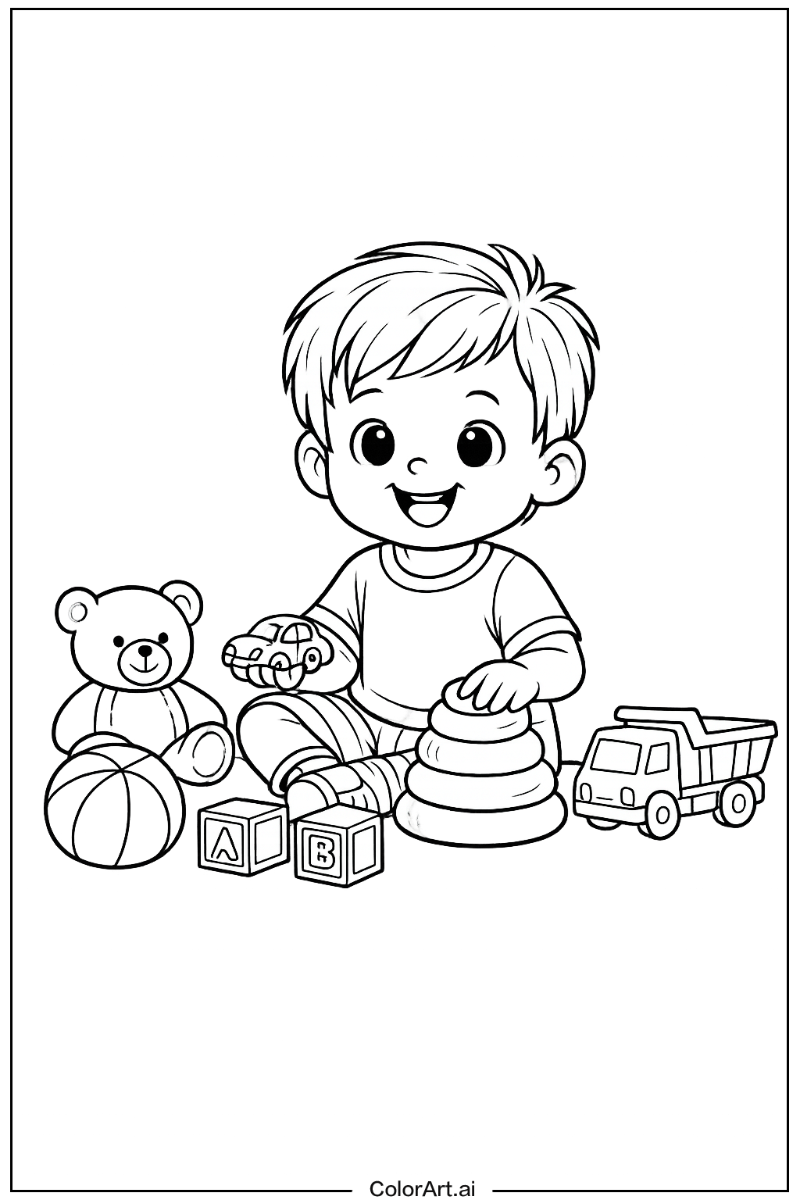
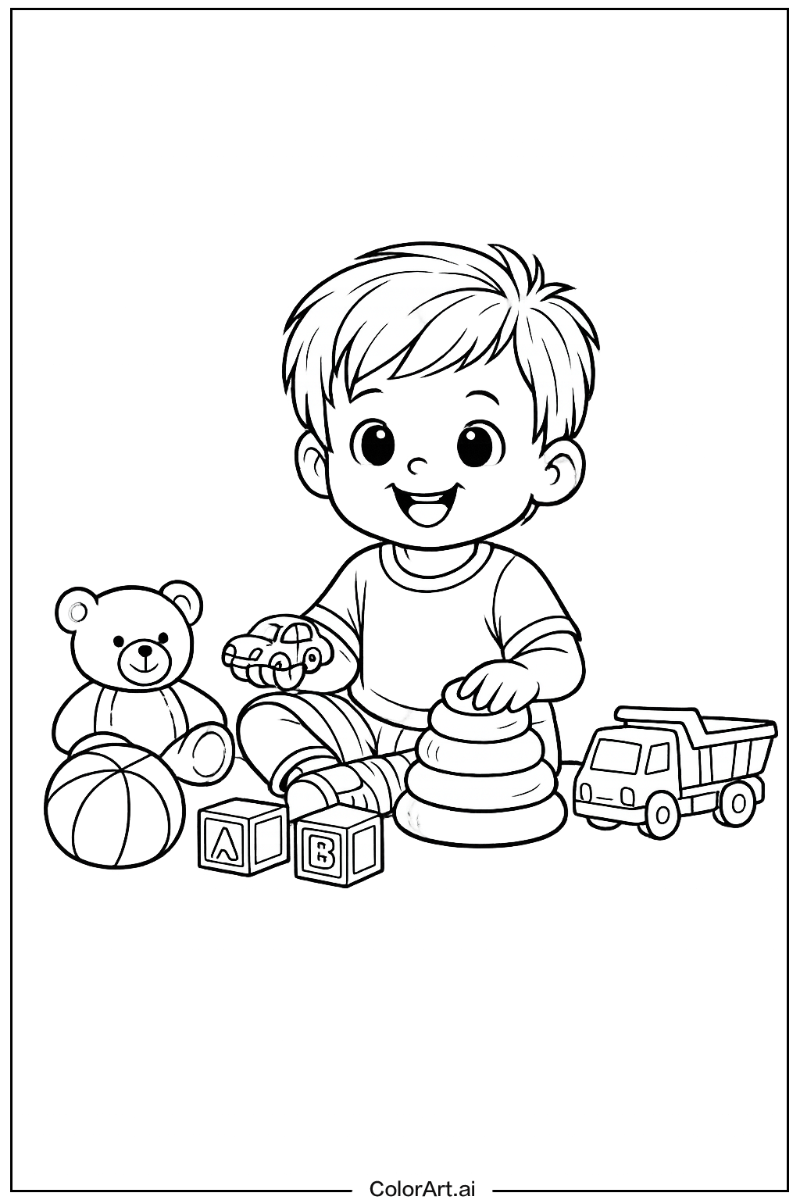
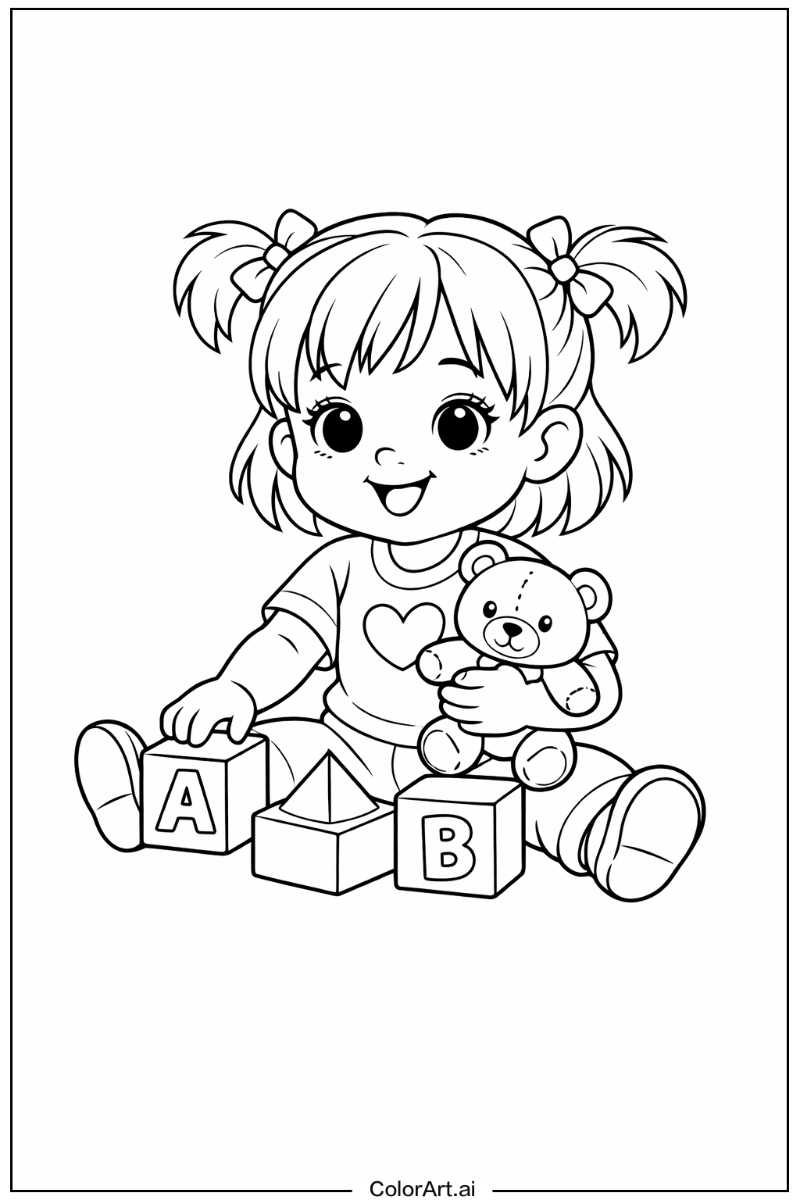
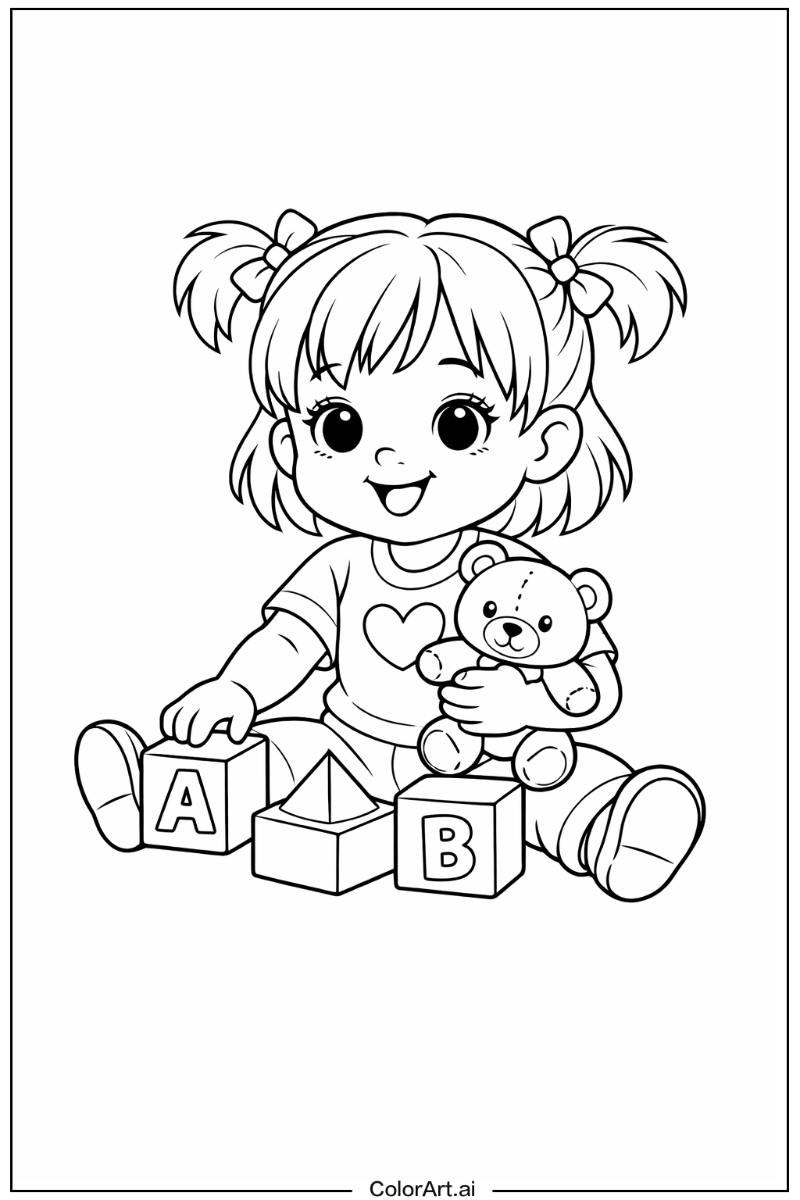
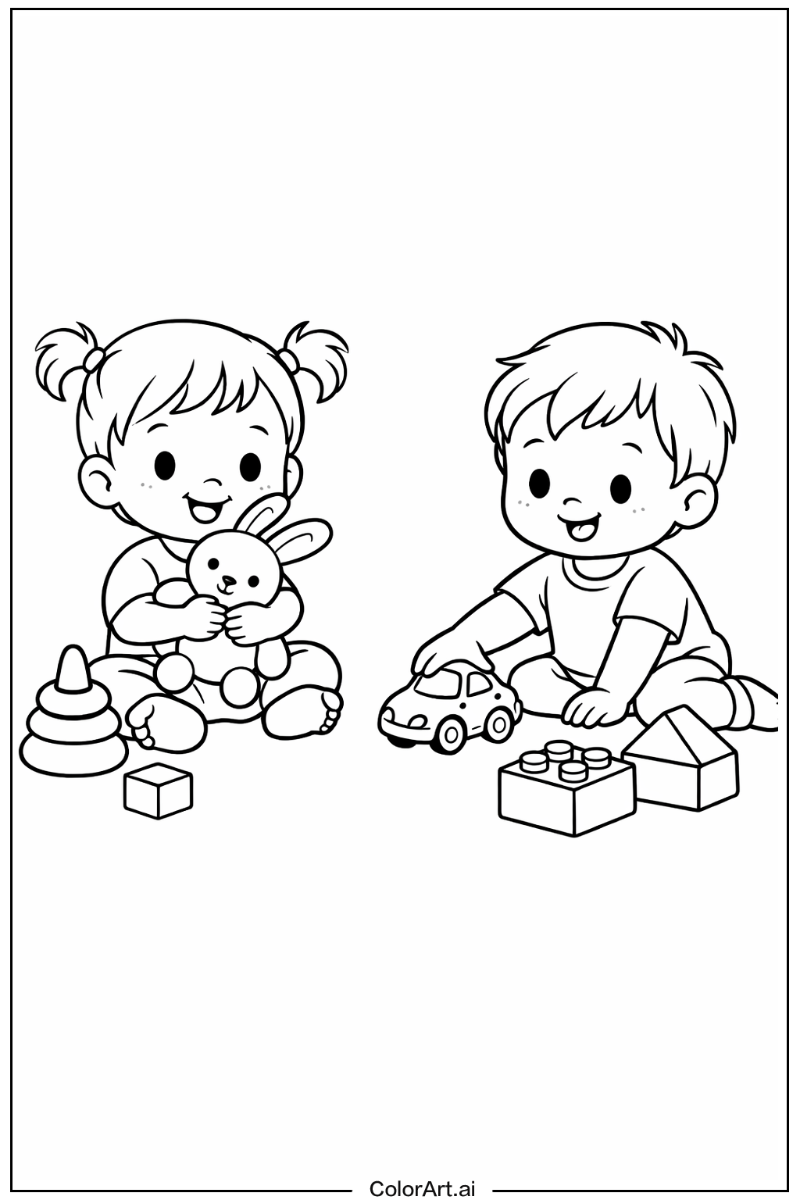
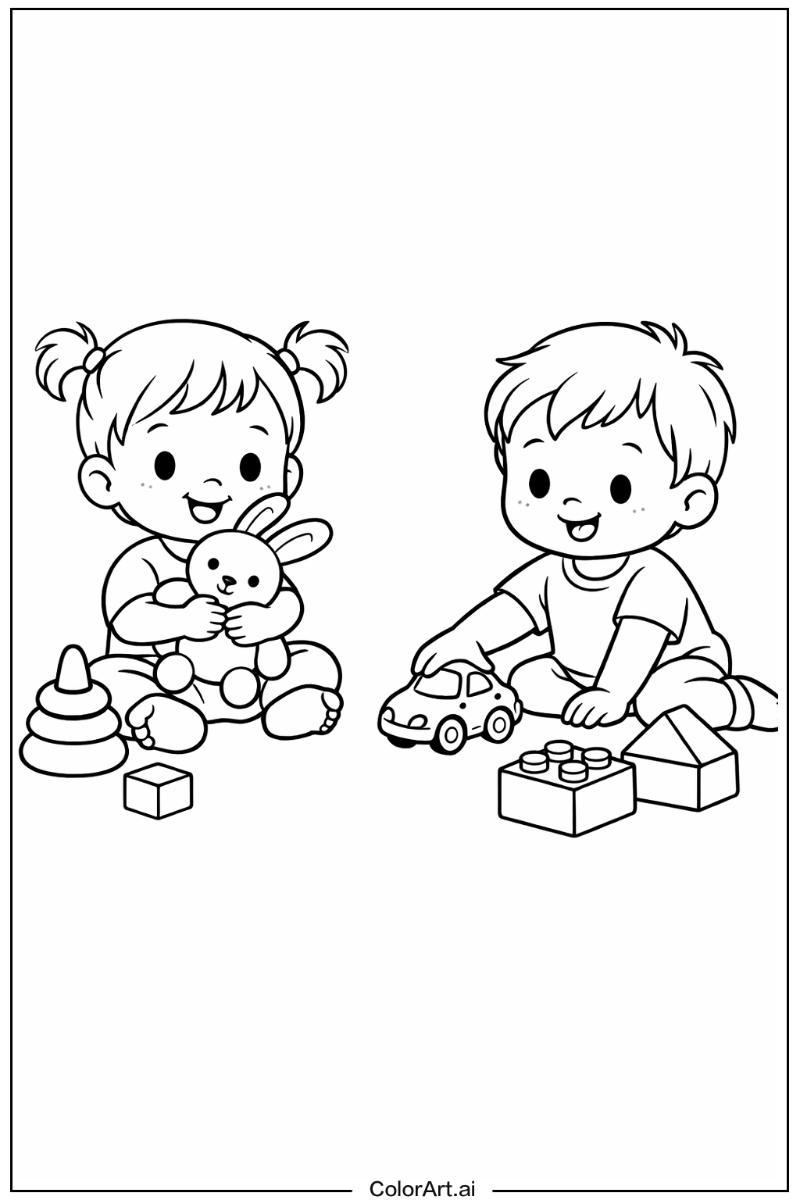
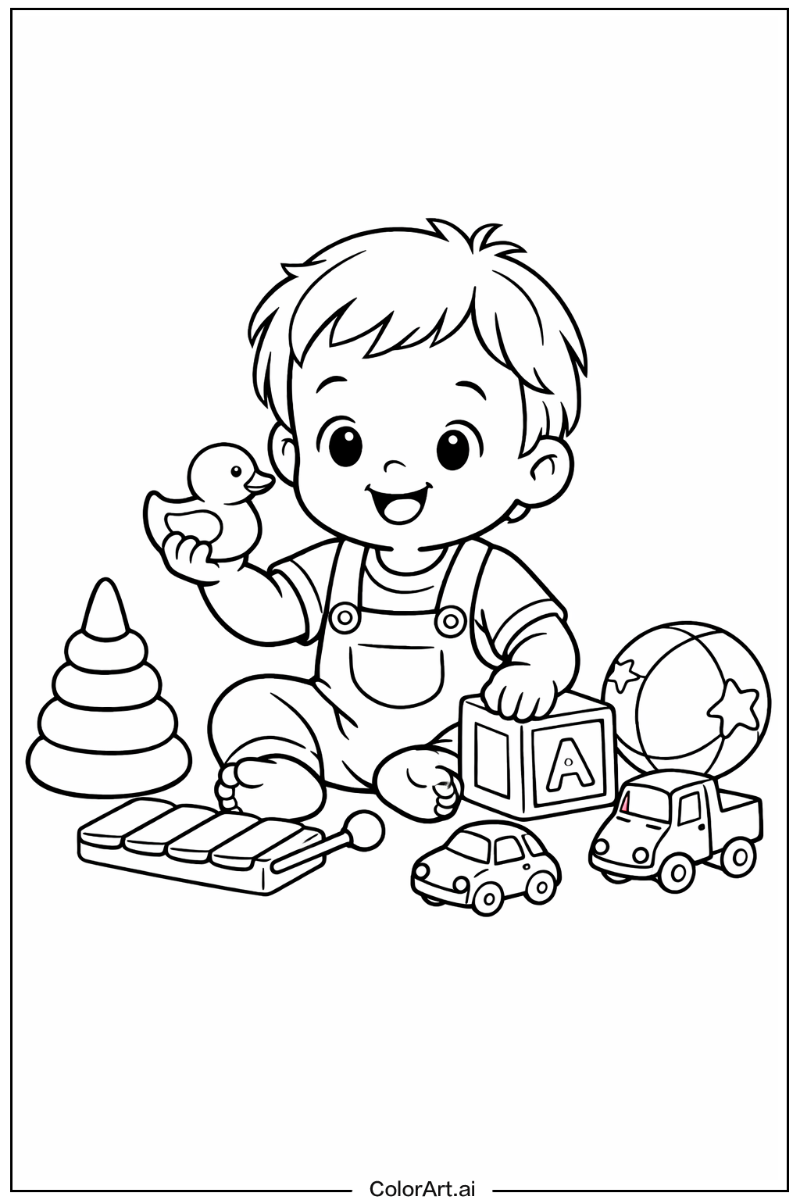
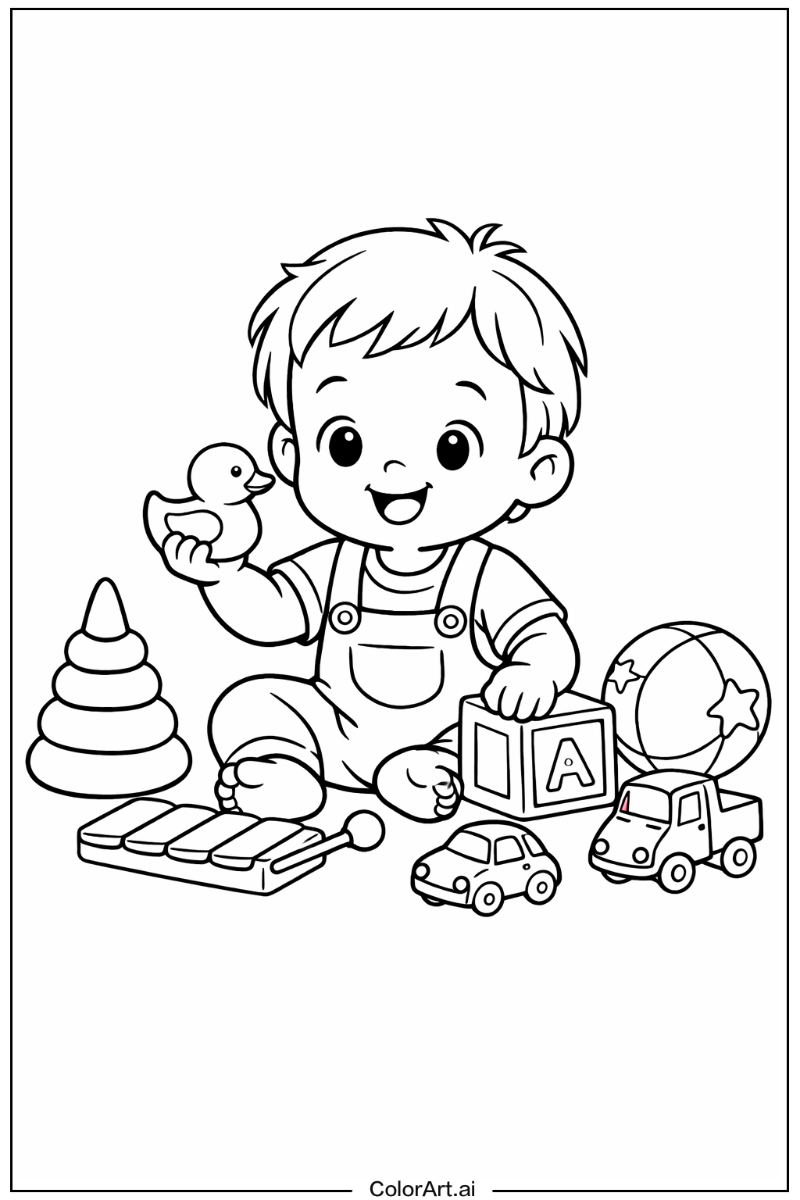
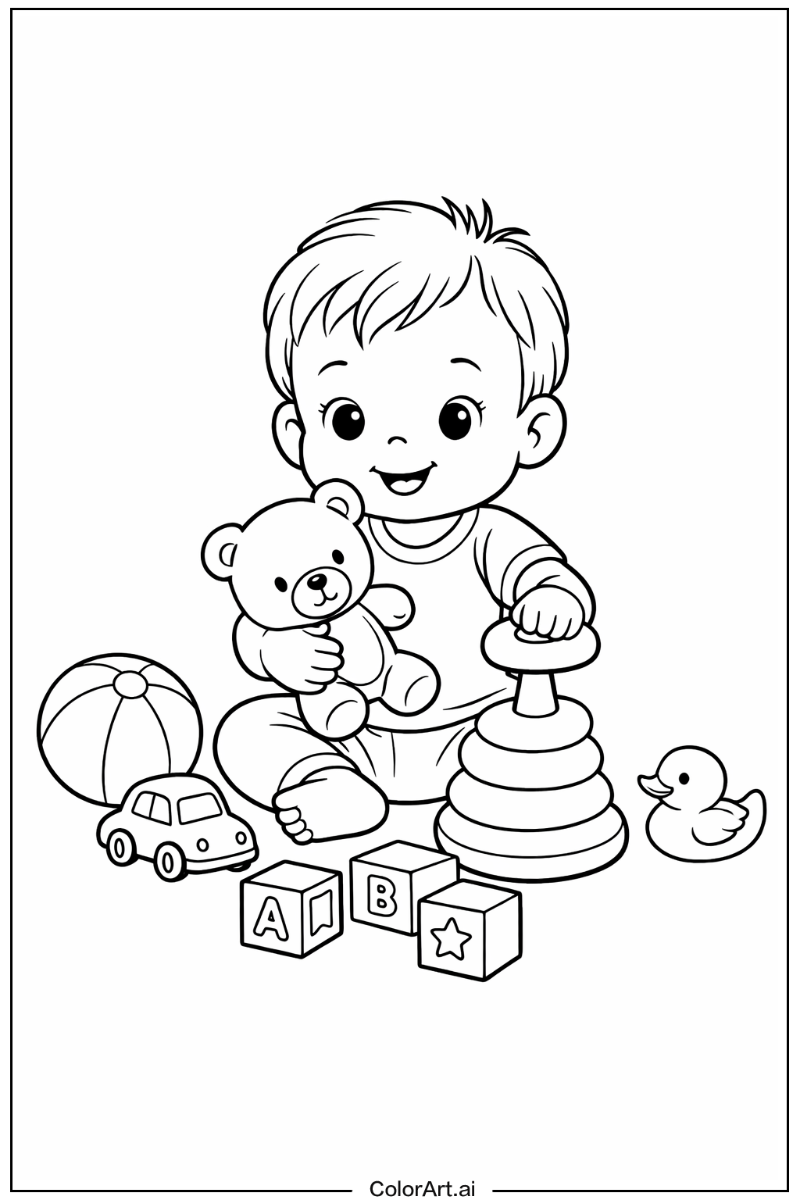
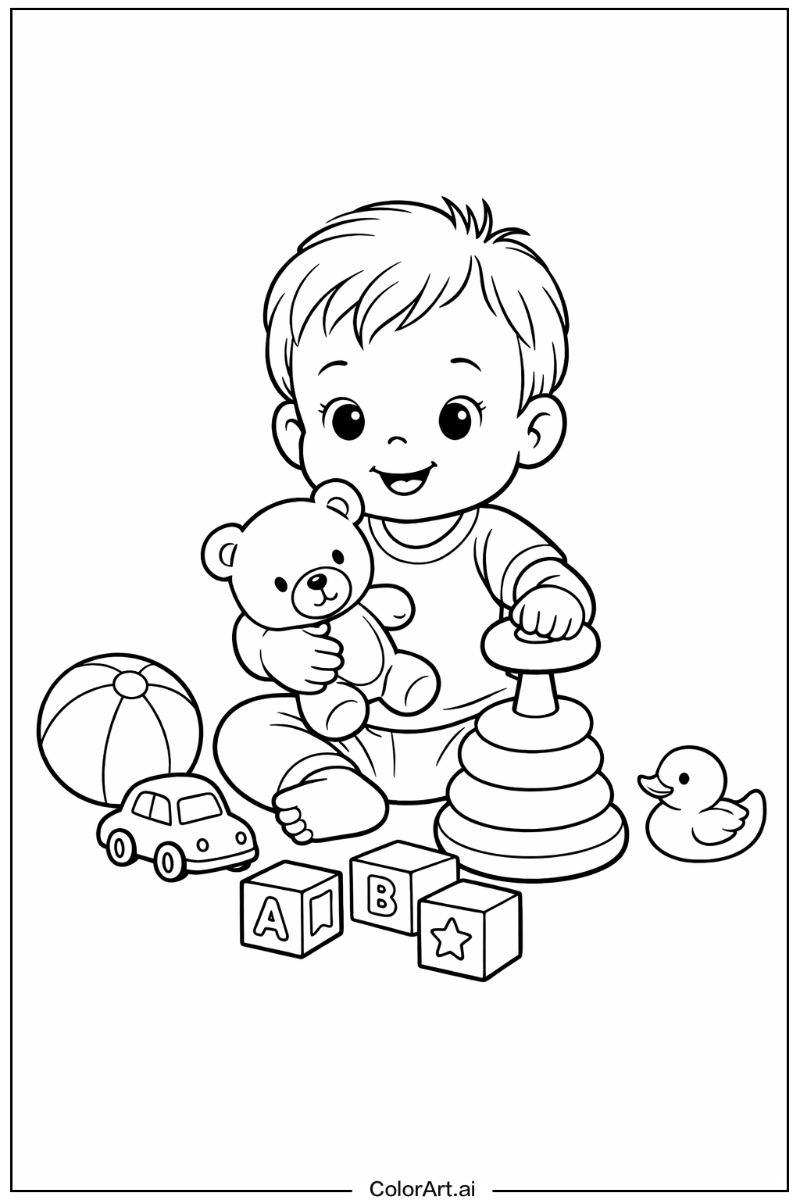
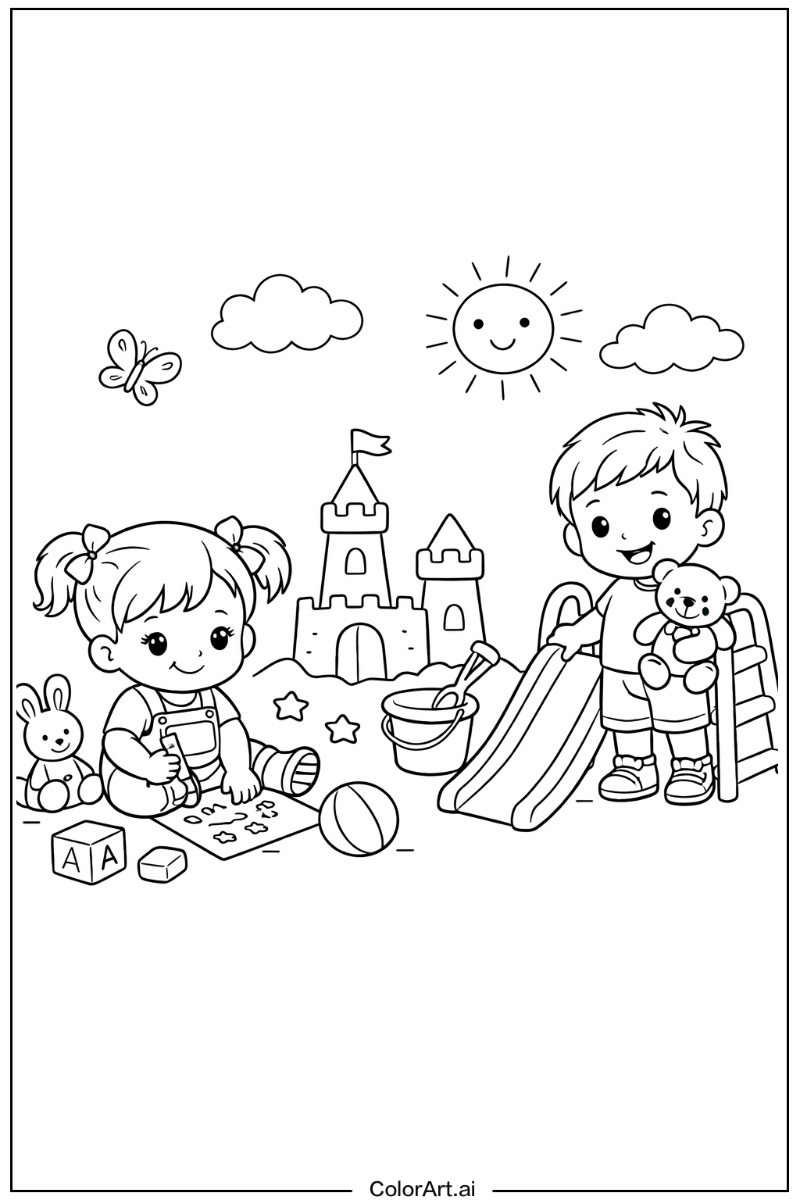
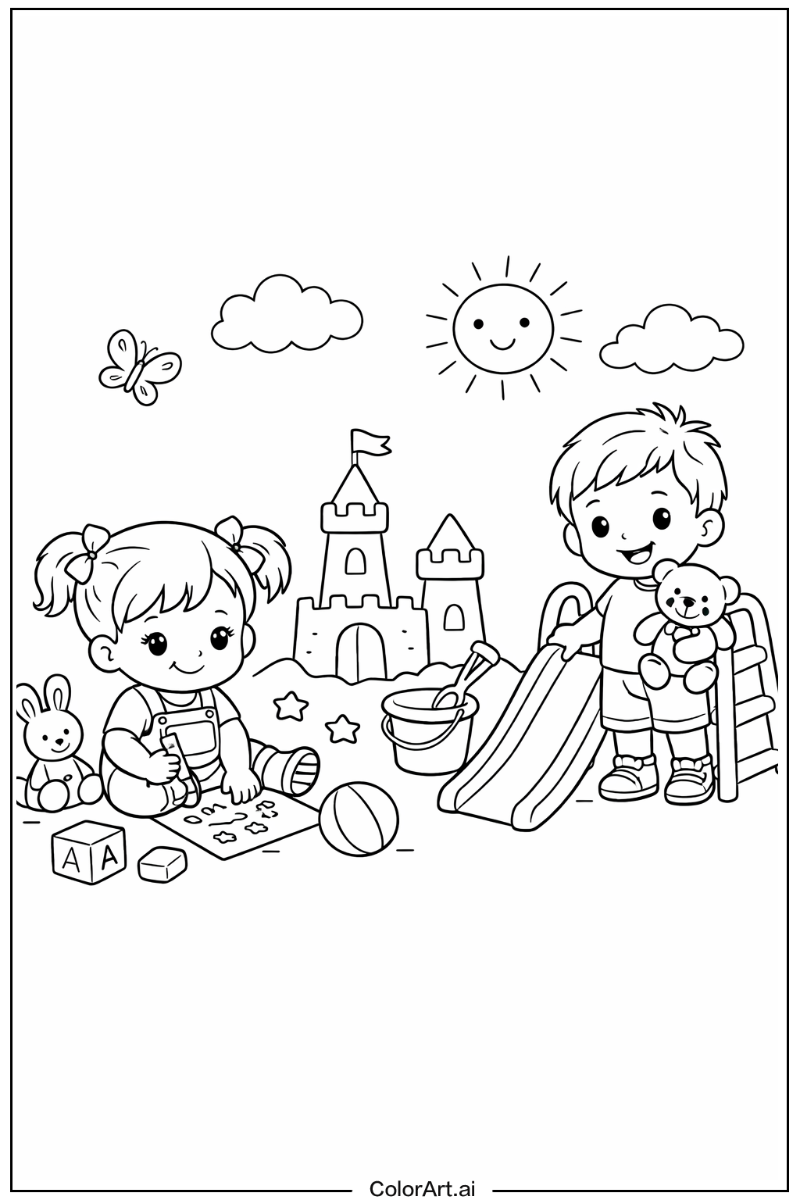
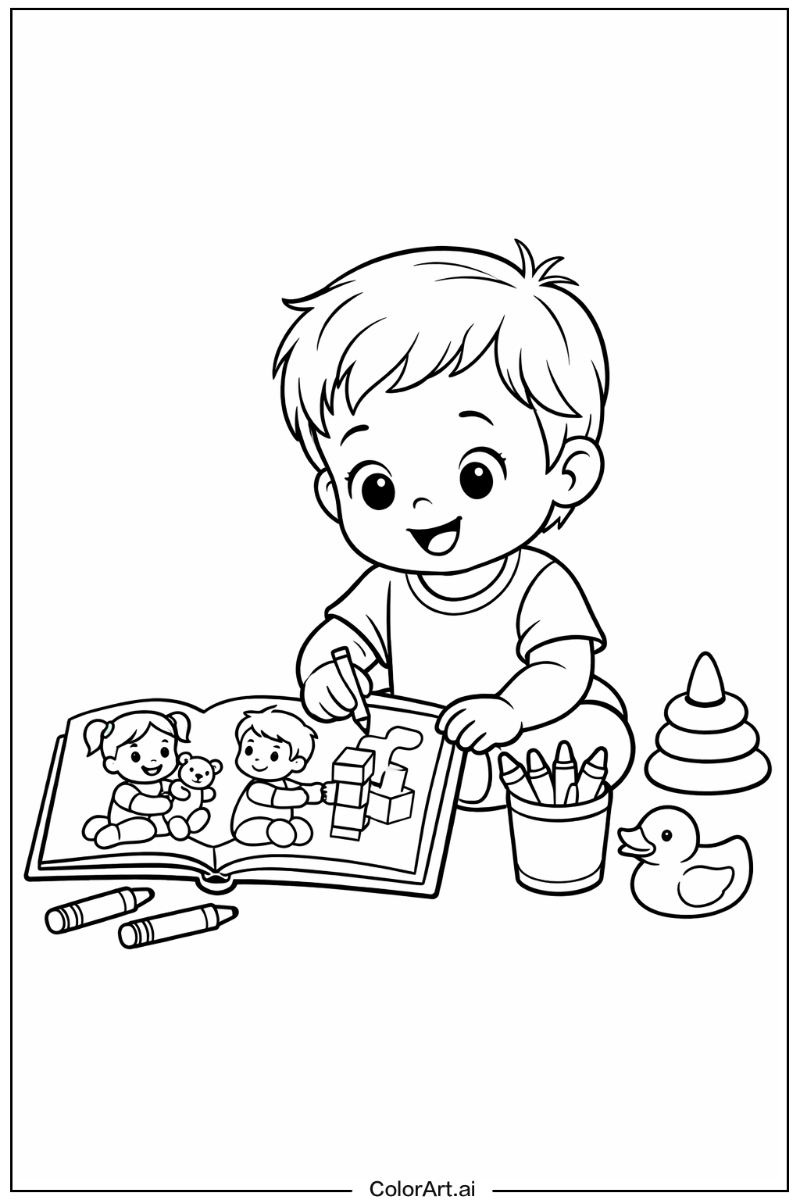
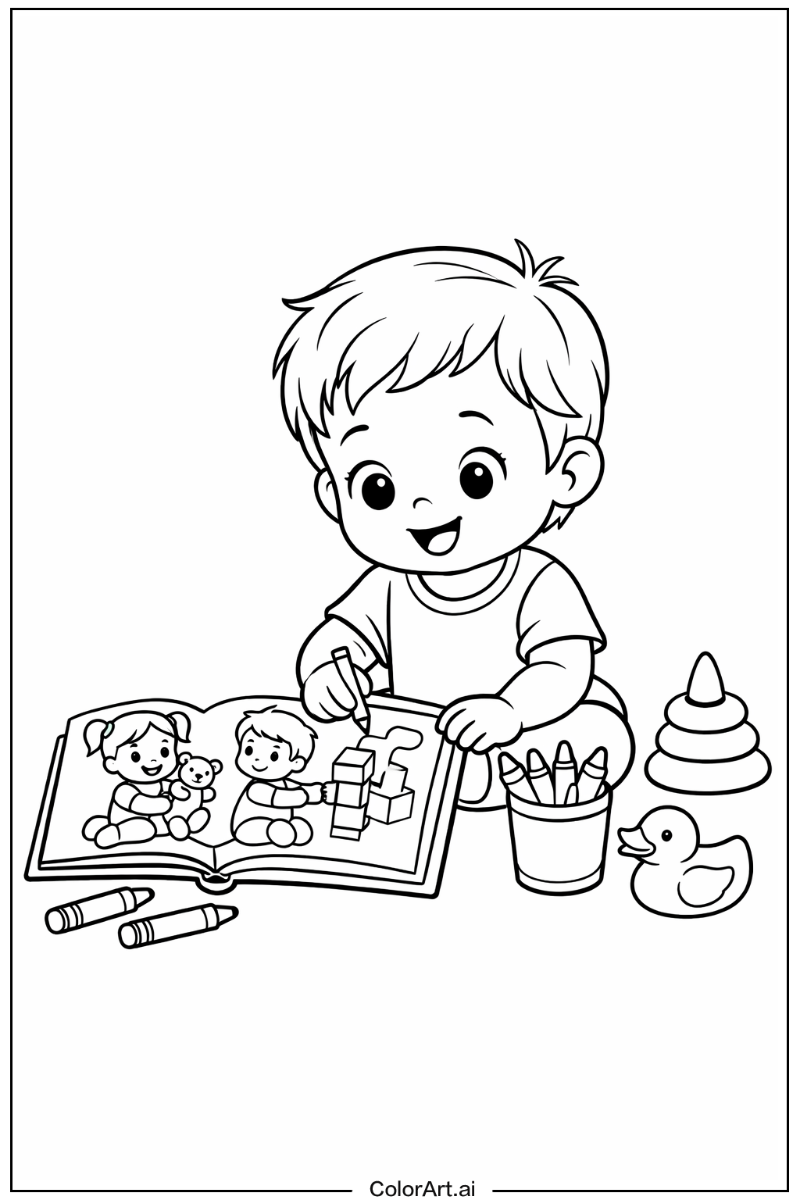
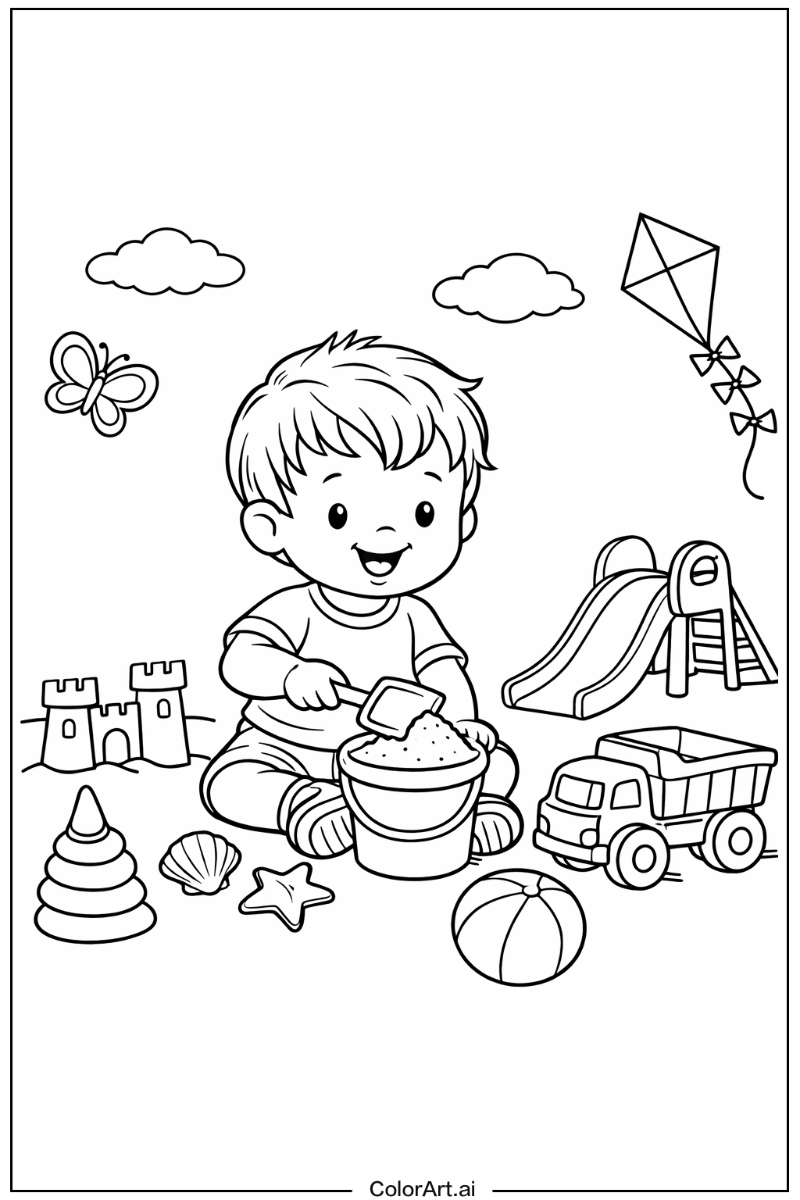
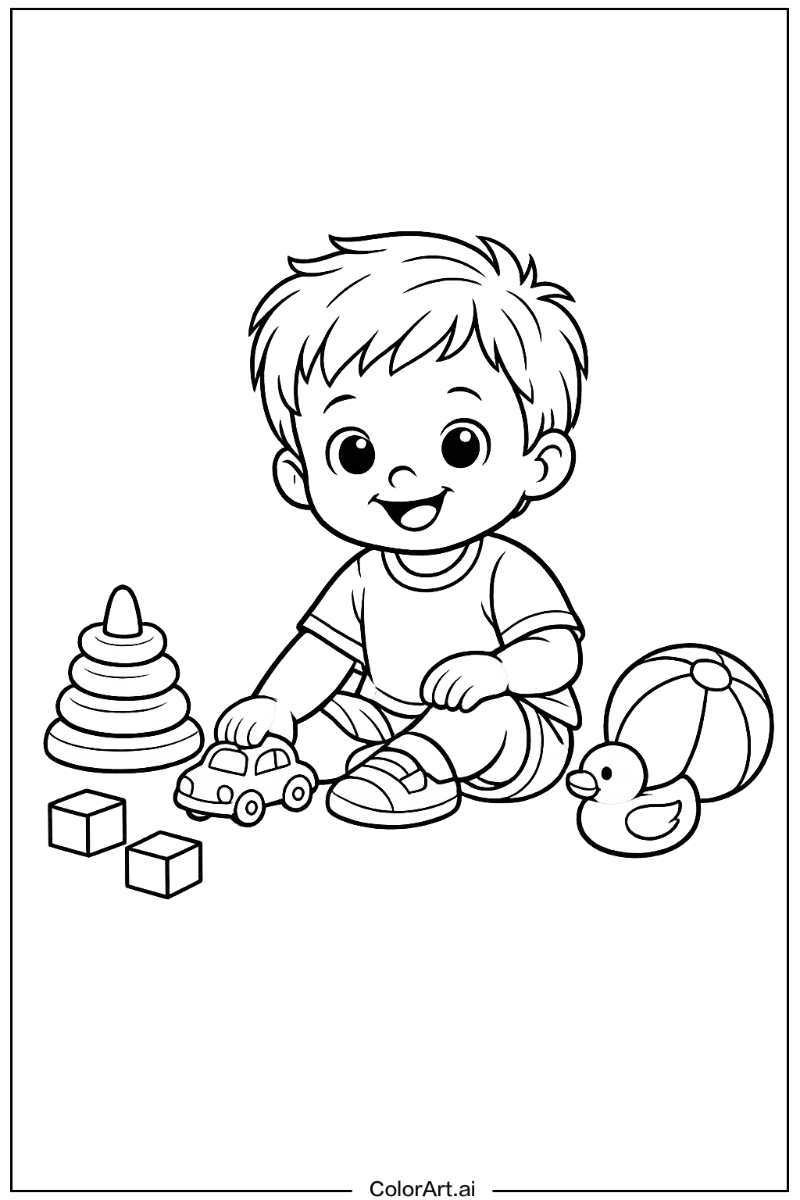
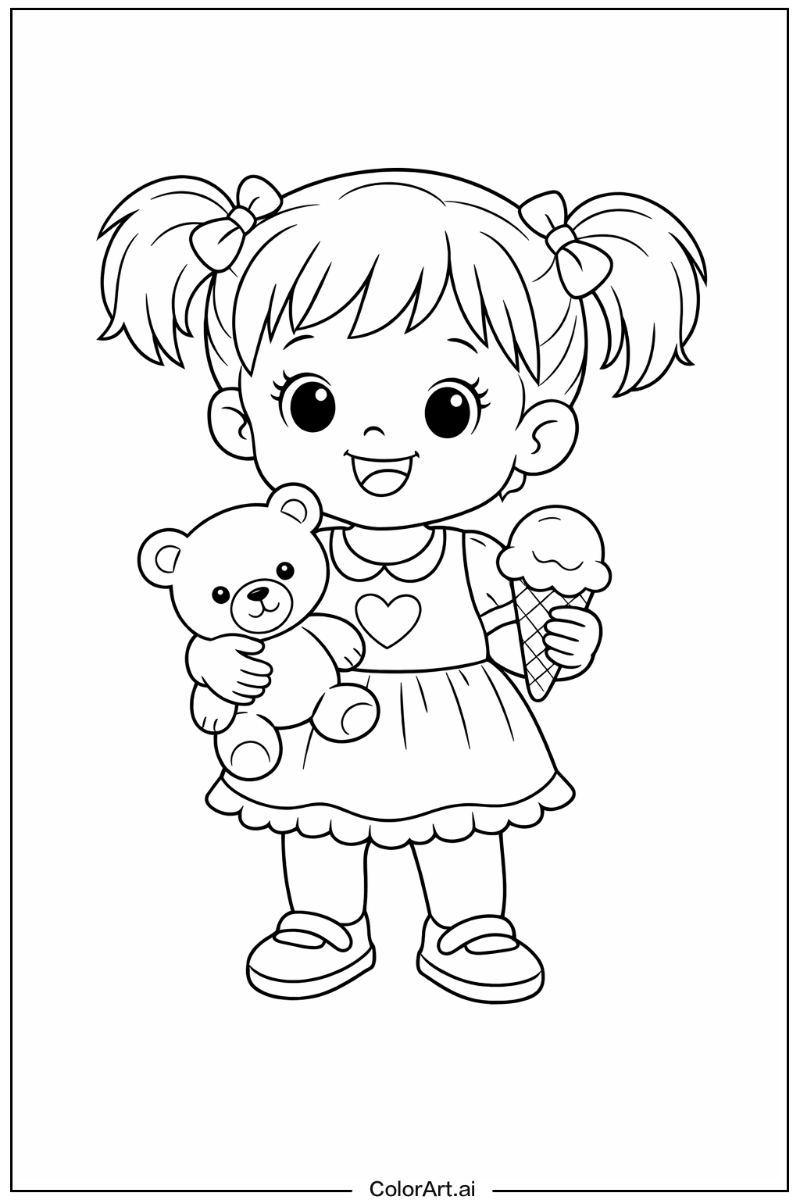
There's something magical about watching toddlers express themselves through coloring. As I walk around the classroom, I see tiny hands gripping crayons with determination, faces lit with concentration, and the occasional giggle as colors mix and create unexpected masterpieces. Toddler coloring pages are not just a fun activity; they are a gateway to creativity and self-expression. I remember little Mia, a shy three-year-old, who, with her first coloring page of a cheerful sun, transformed from a quiet observer into a vibrant creator, proudly showing off her work and sharing her thoughts about her chosen colors. It's moments like these that remind me of the profound impact that coloring can have on our youngest learners.
Group Coloring Pages
 PDF
PDF
 PNG
PNG
 PNG
PNG
 PNG
PNG
 PNG
PNG
 PNG
PNG
 PNG
PNG
 PNG
PNG
 PNG
PNG
 PNG
PNG
 PNG
PNG
 PNG
PNG
 PNG
PNG
 PNG
PNG
 PNG
PNG
 PNG
PNG
 PNG
PNG
 PNG
PNG
 PNG
PNG
 PNG
PNG
 PNG
PNG
 PNG
PNG
 PNG
PNG
 PNG
PNG
 PNG
PNG
 PNG
PNG
 PNG
PNG
 PNG
PNG
 PNG
PNG
 PNG
PNG
 PNG
PNG
 PNG
PNG
 PNG
PNG
 PNG
PNG
 PNG
PNG
 PNG
PNG
 PNG
PNG
 PNG
PNG
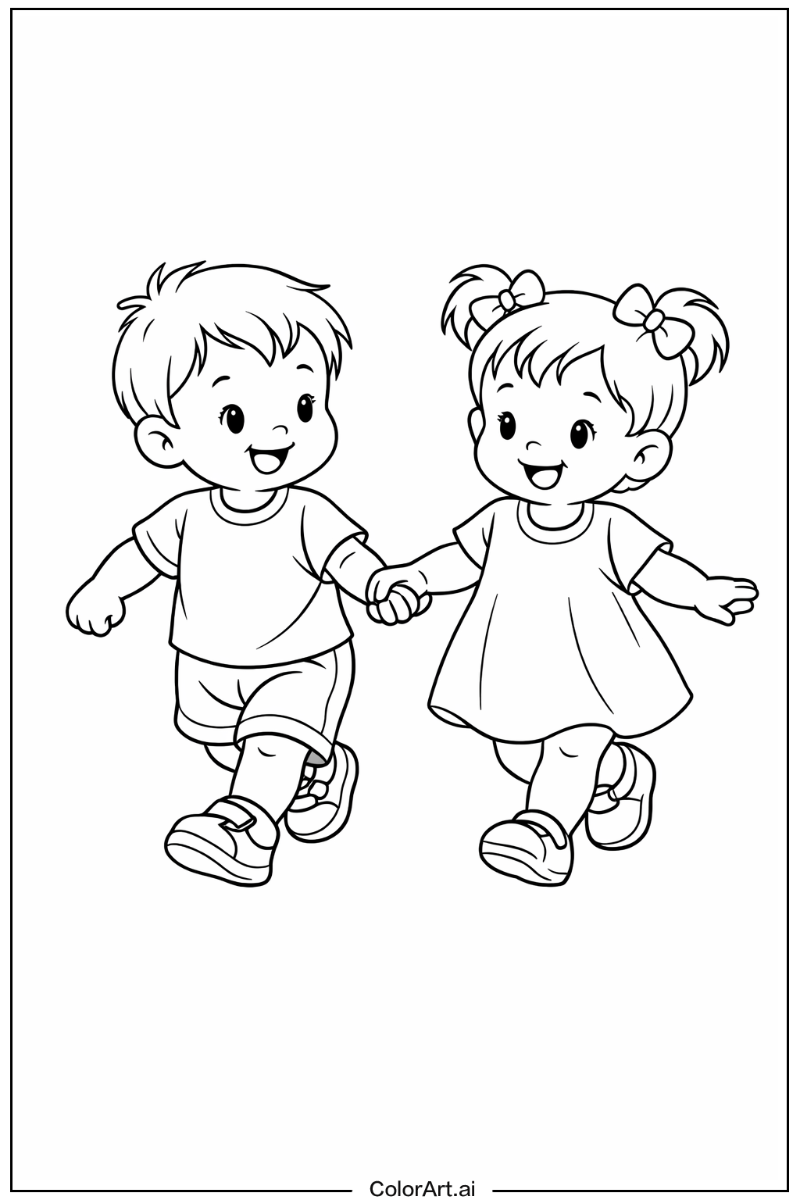
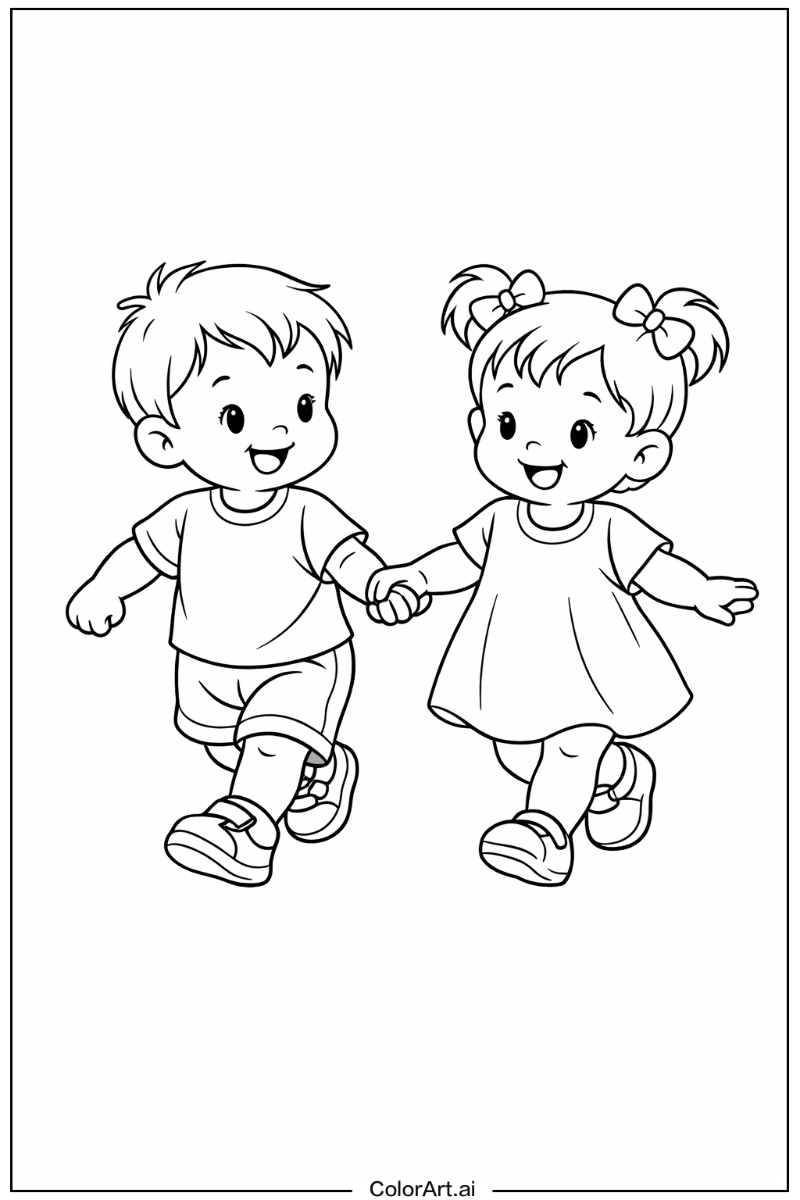 PNG
PNG
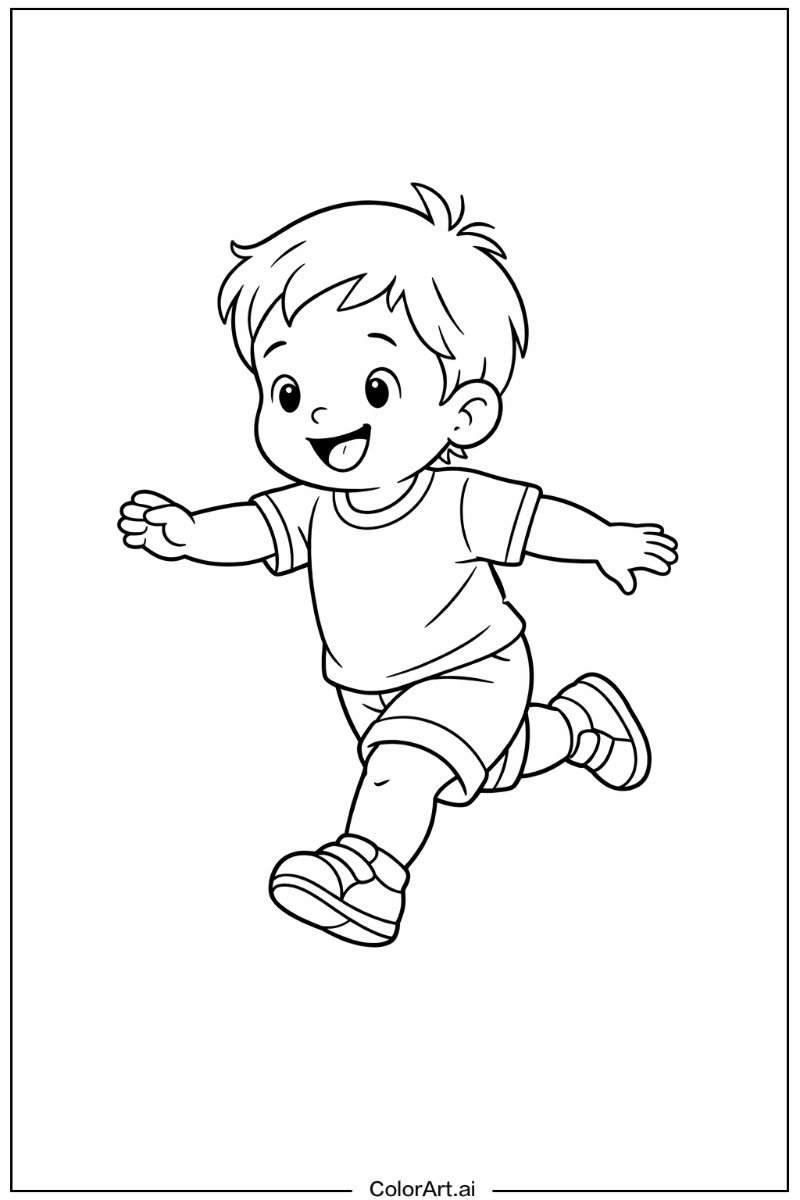
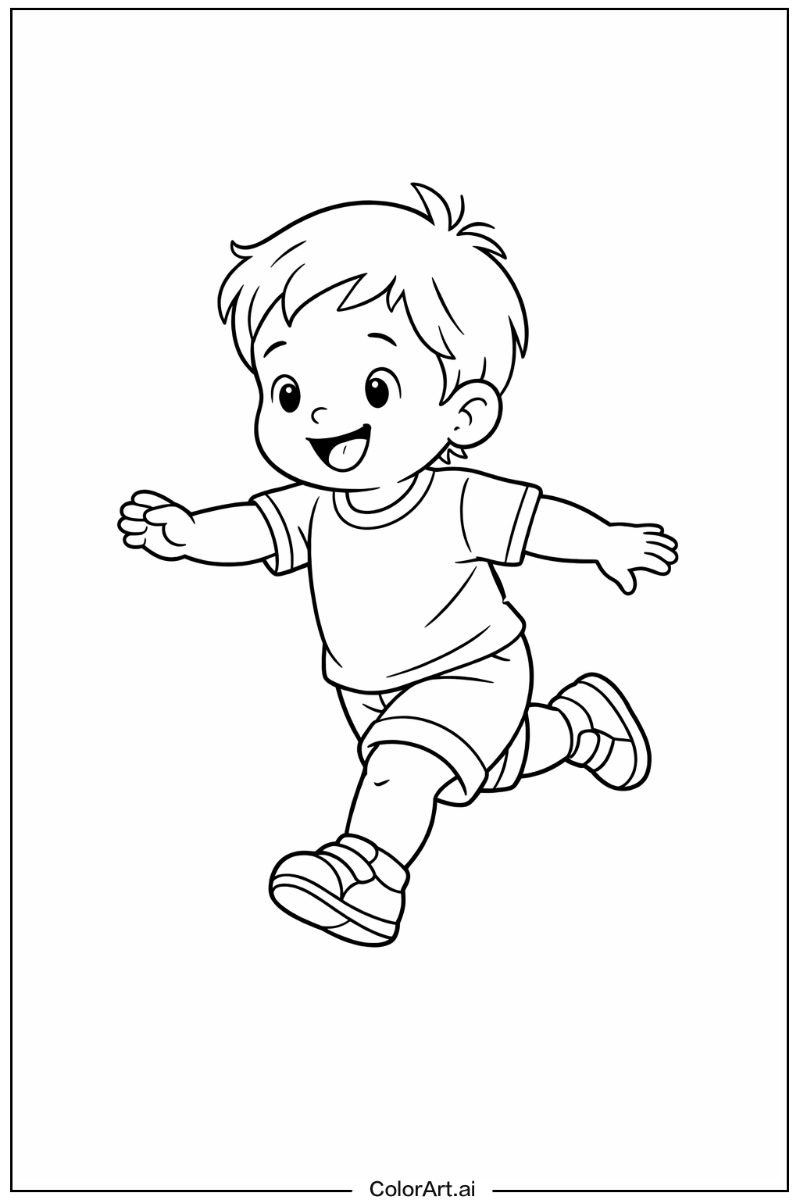 PNG
PNG
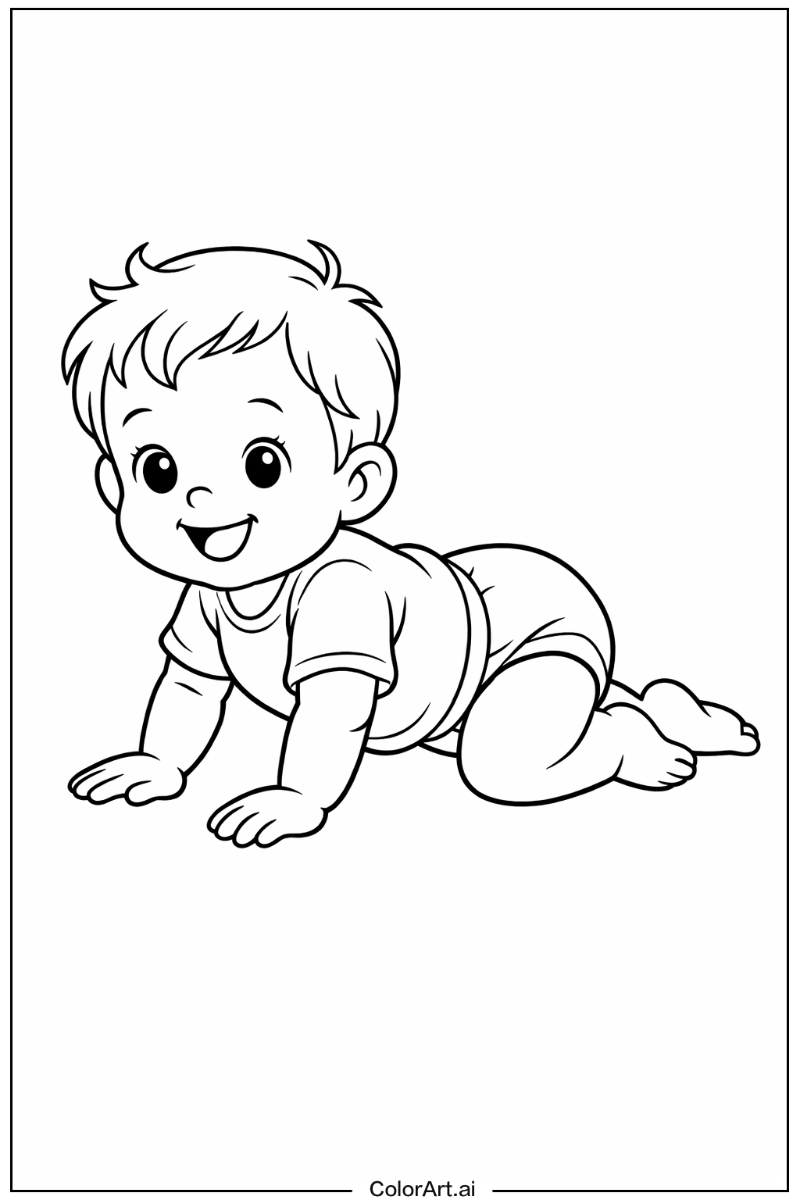
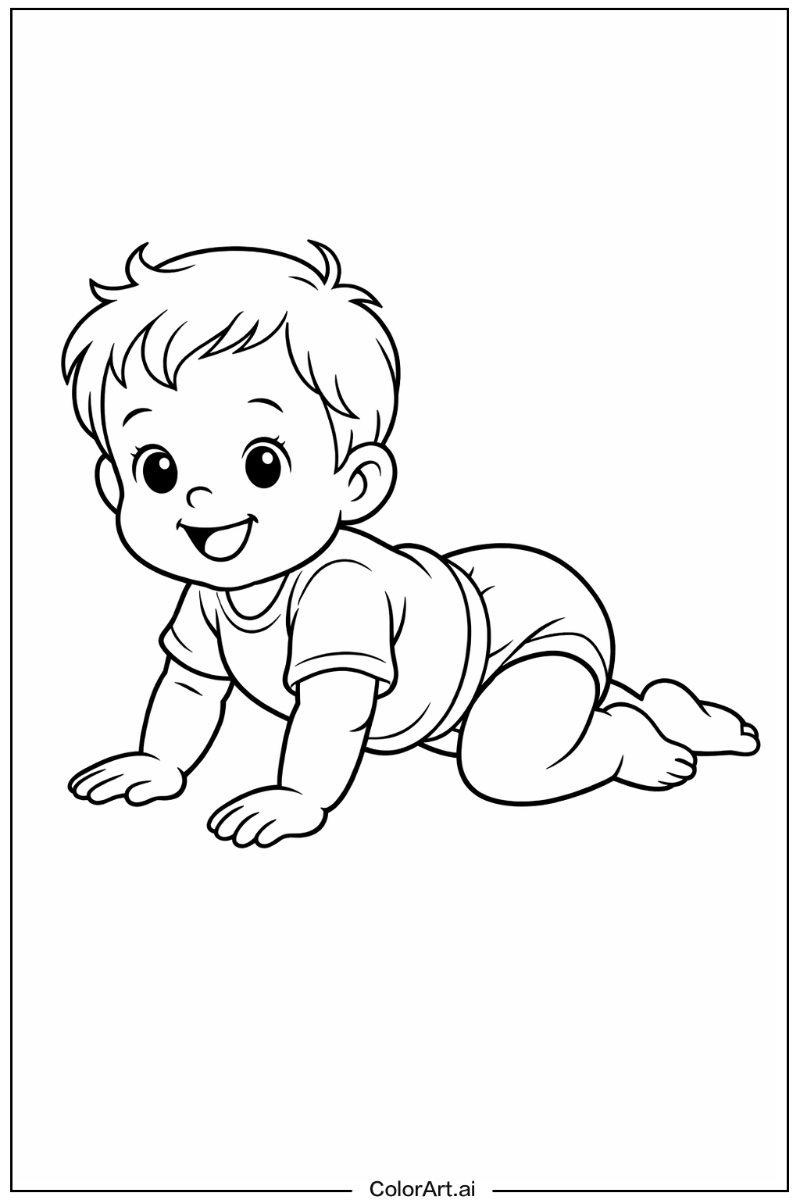 PNG
PNG
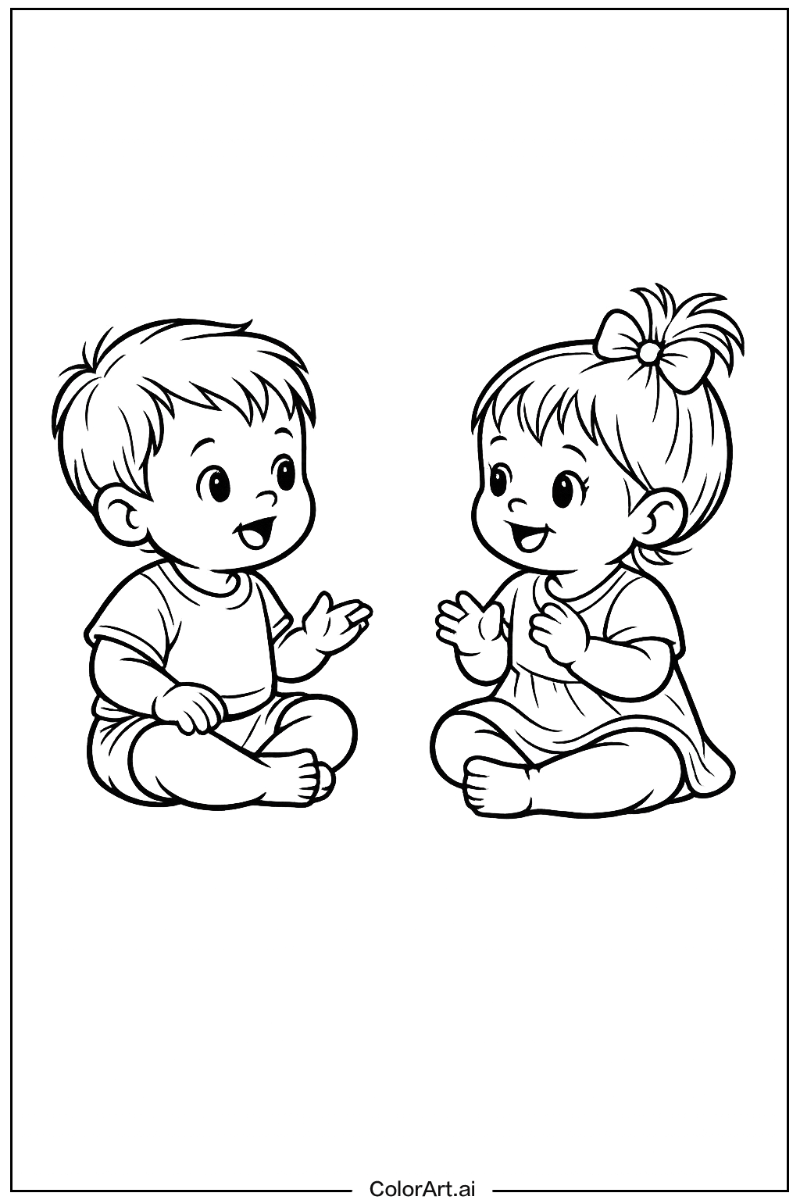
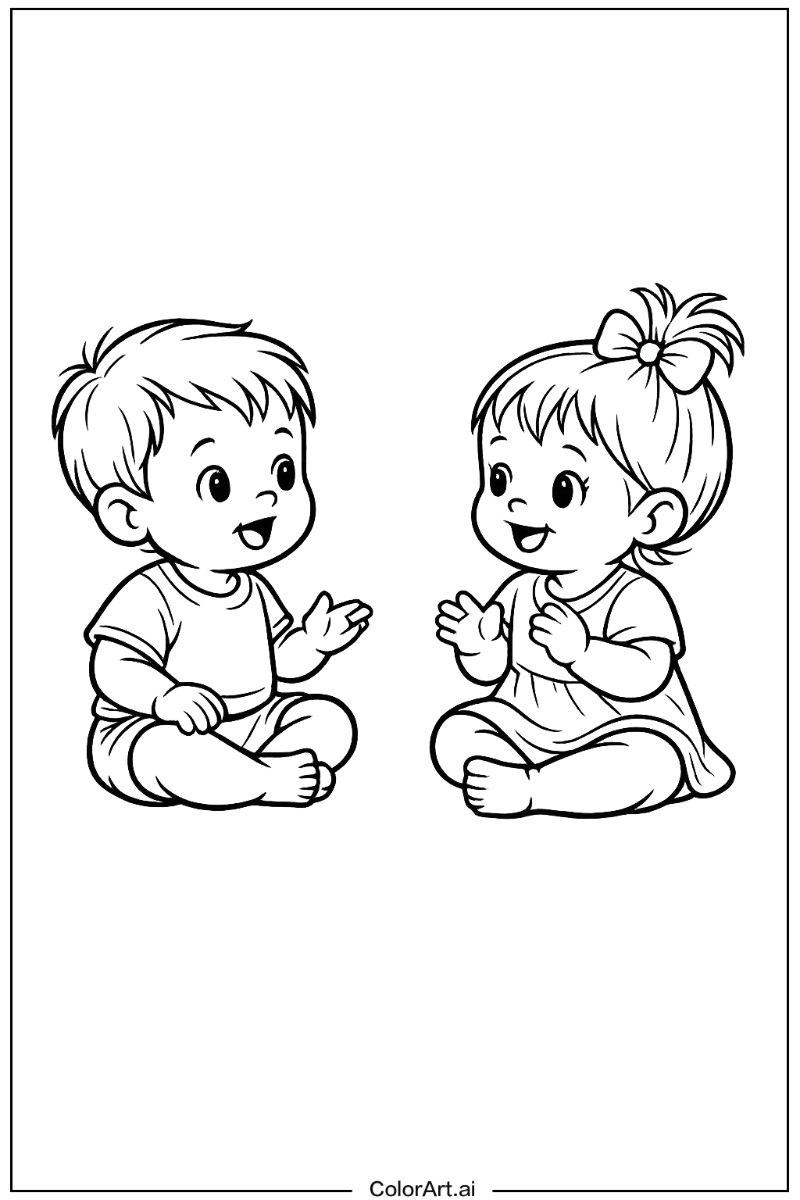 PNG
PNG
 PNG
PNG
 PNG
PNG
 PNG
PNG
 PNG
PNG
 PNG
PNG
 PNG
PNG
 PNG
PNG
 PNG
PNG
 PNG
PNG
 PNG
PNG
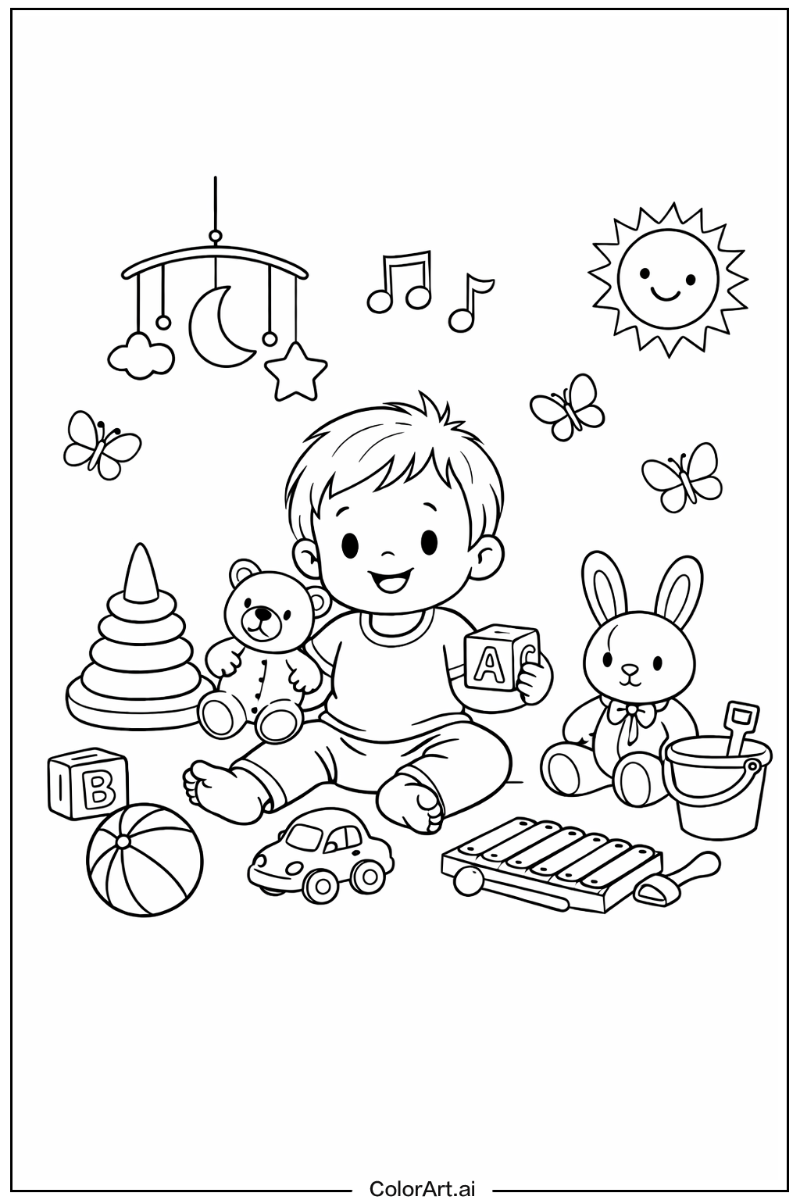
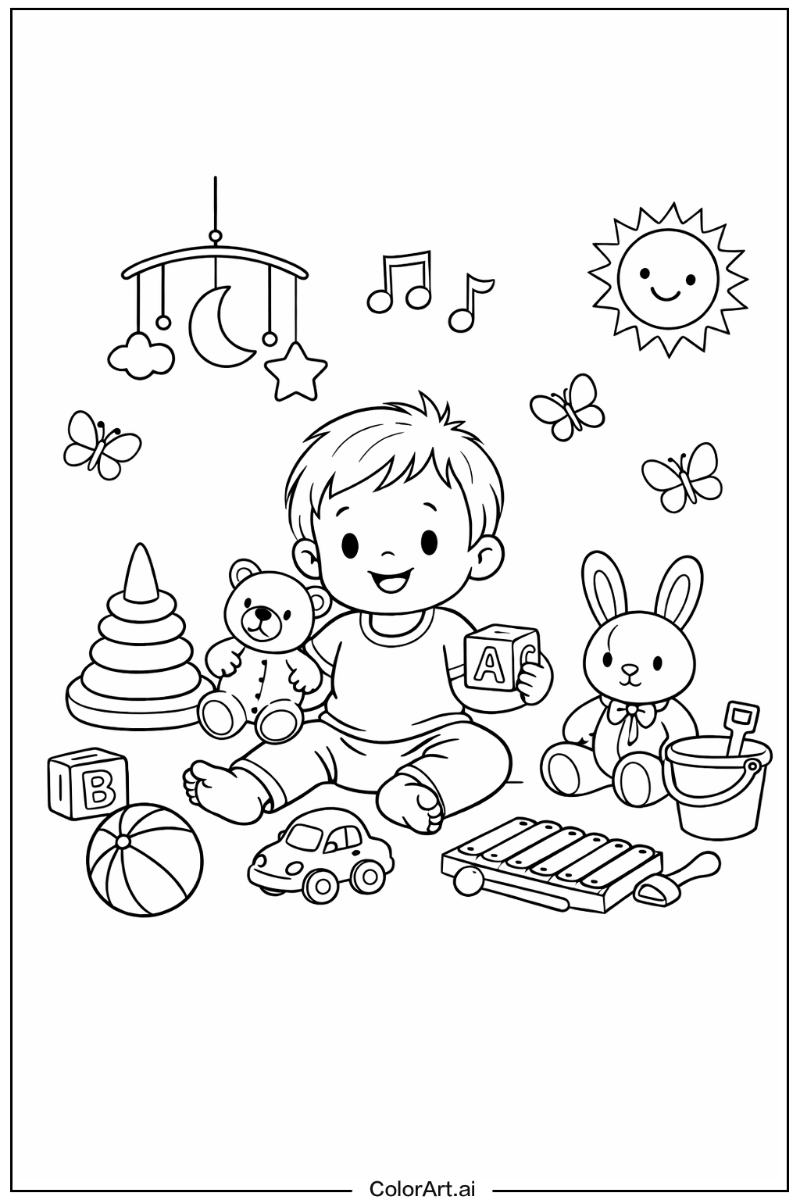 PNG
PNG
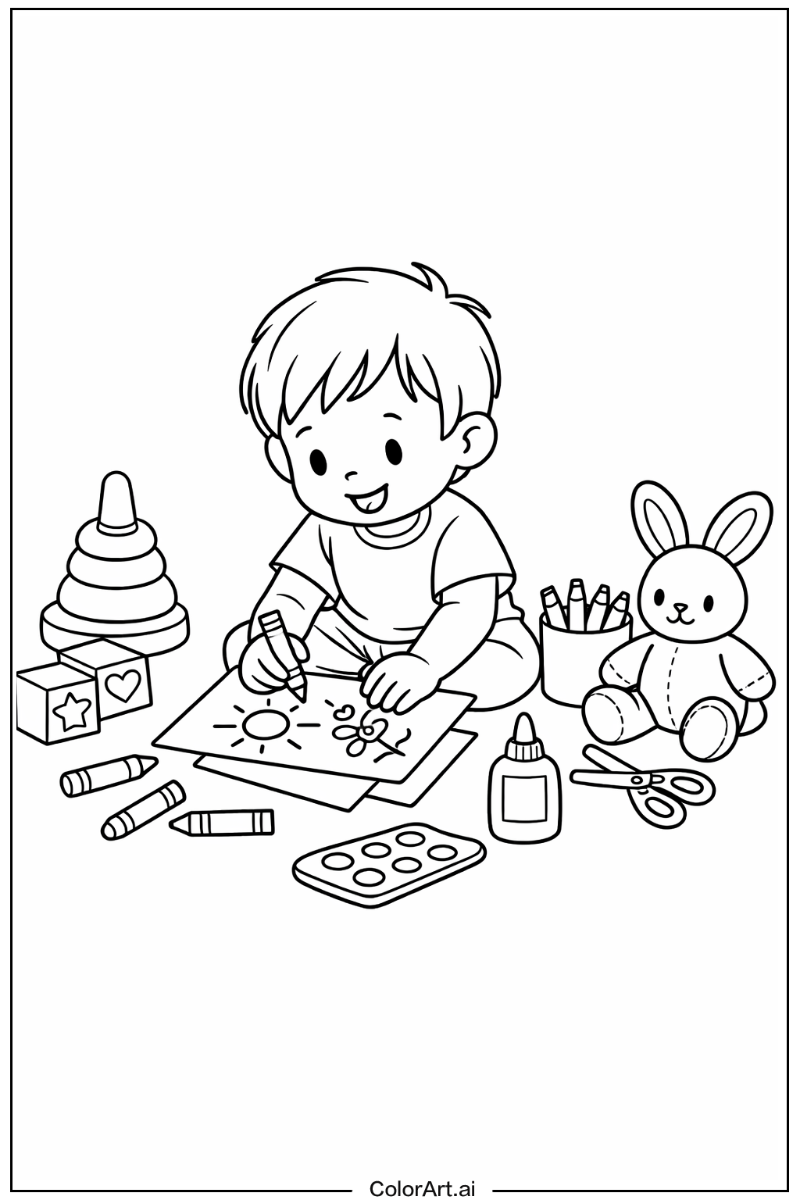
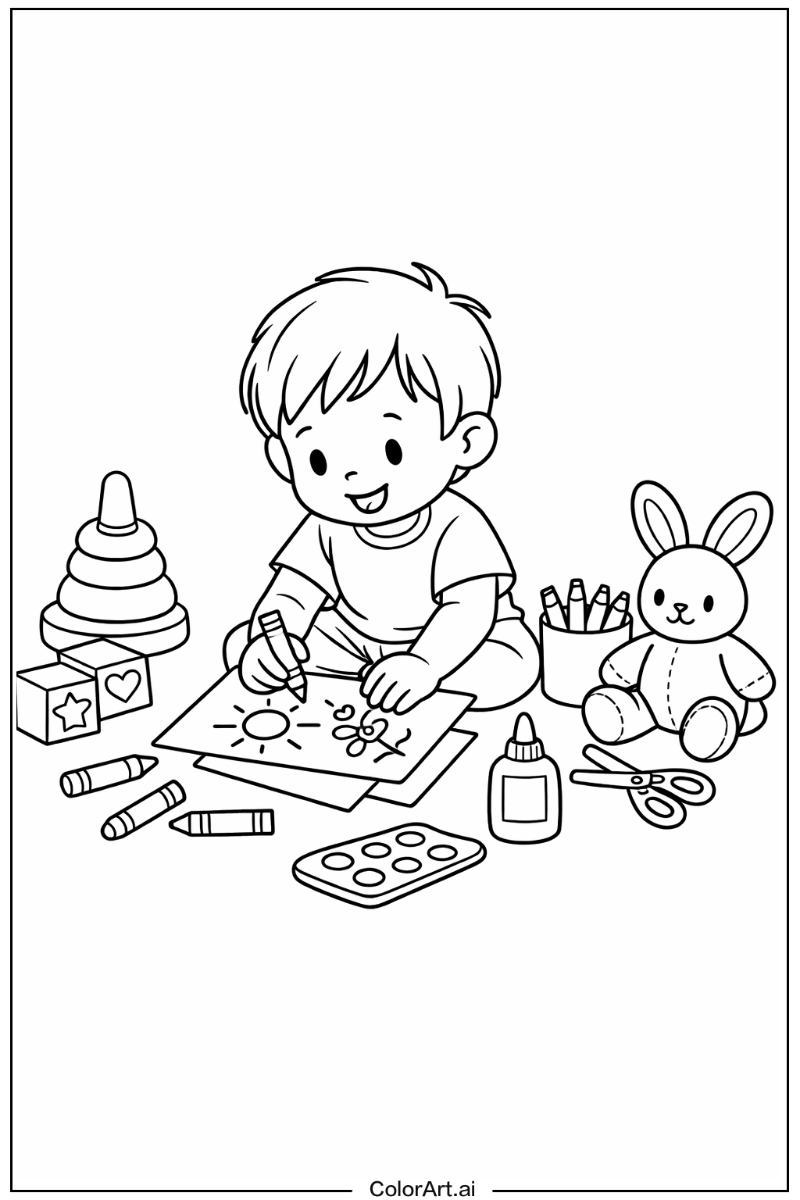 PNG
PNG
 PNG
PNG
 PNG
PNG
 PNG
PNG
The Educational Background of Toddlers
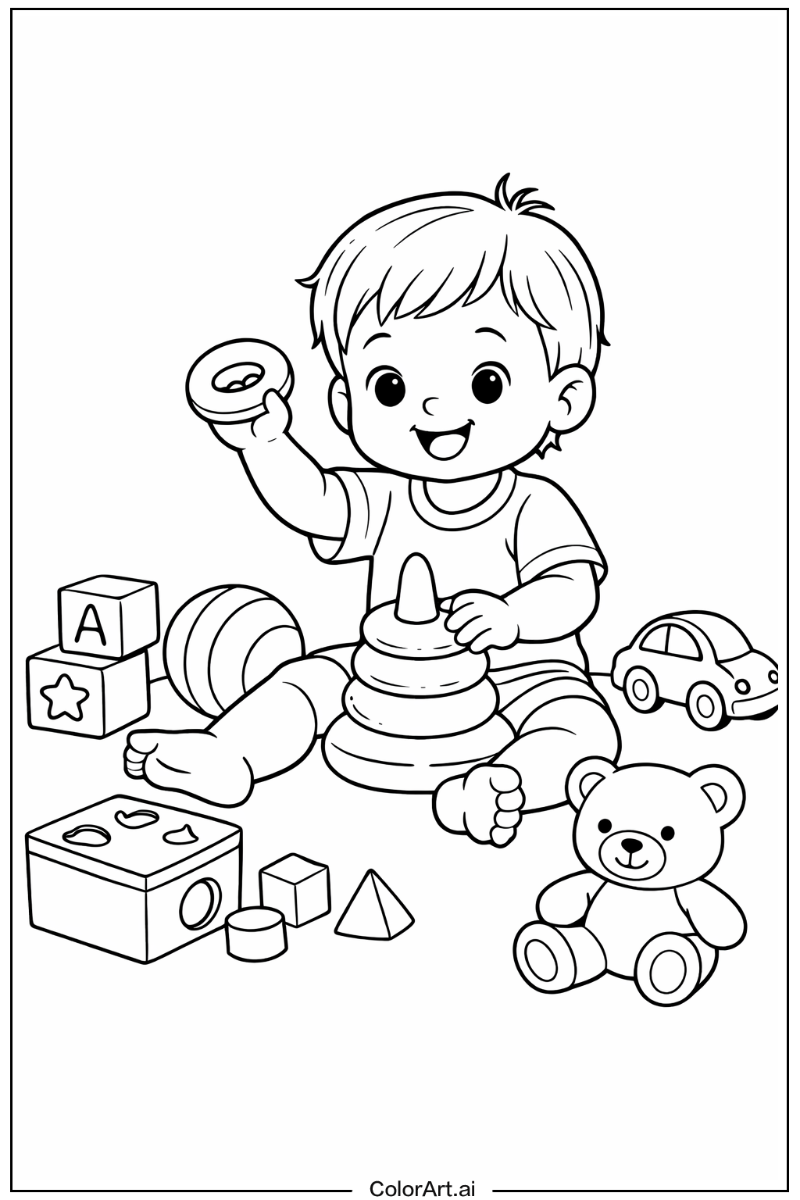
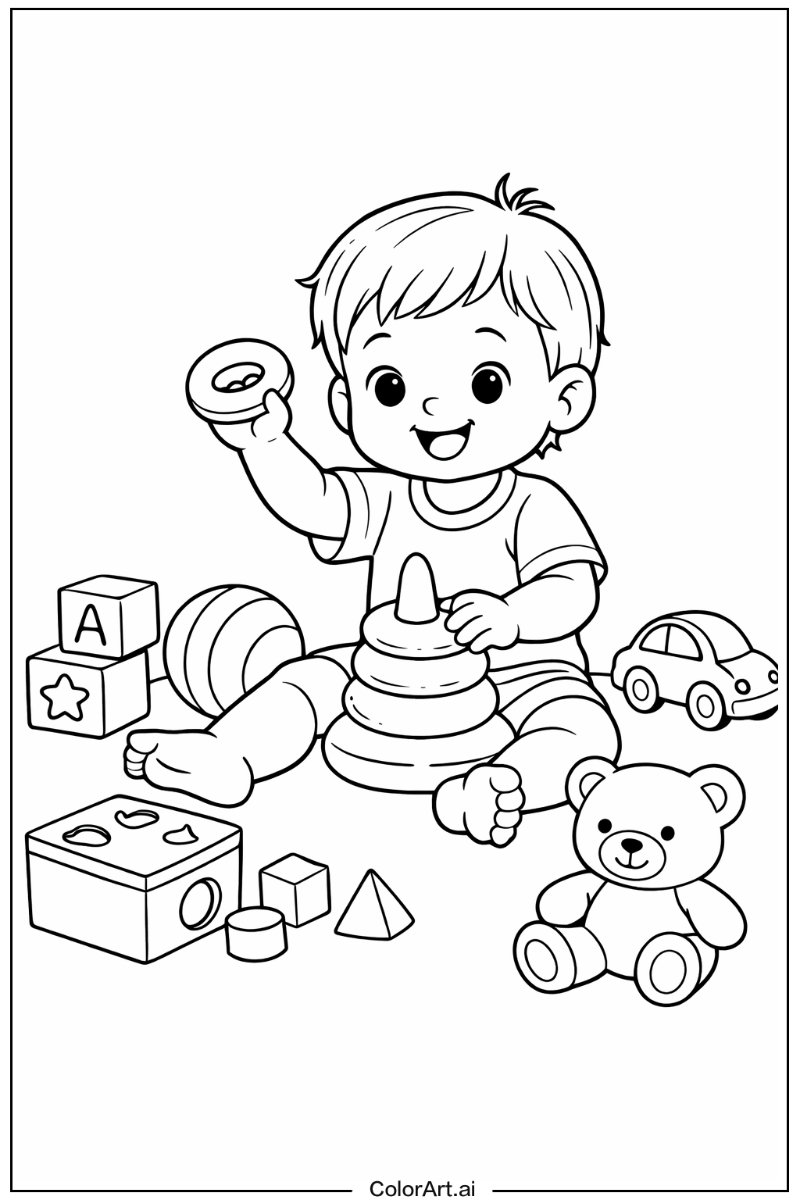
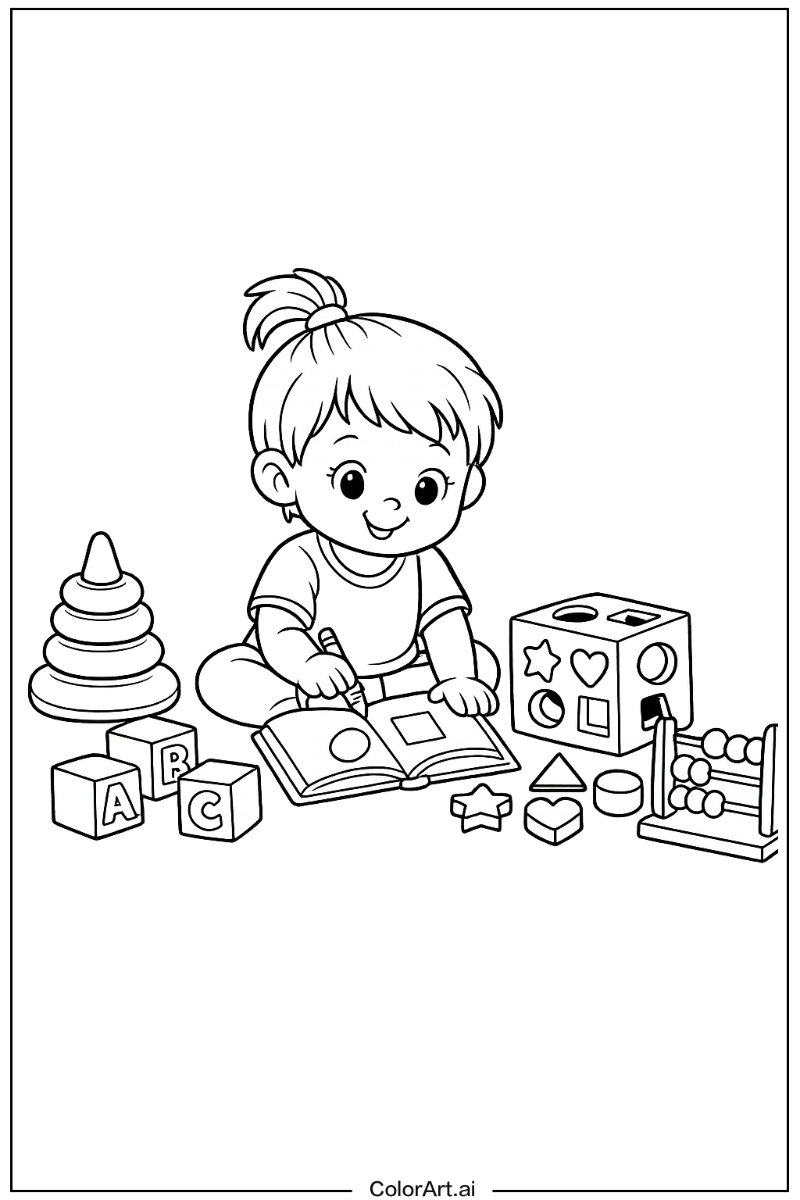
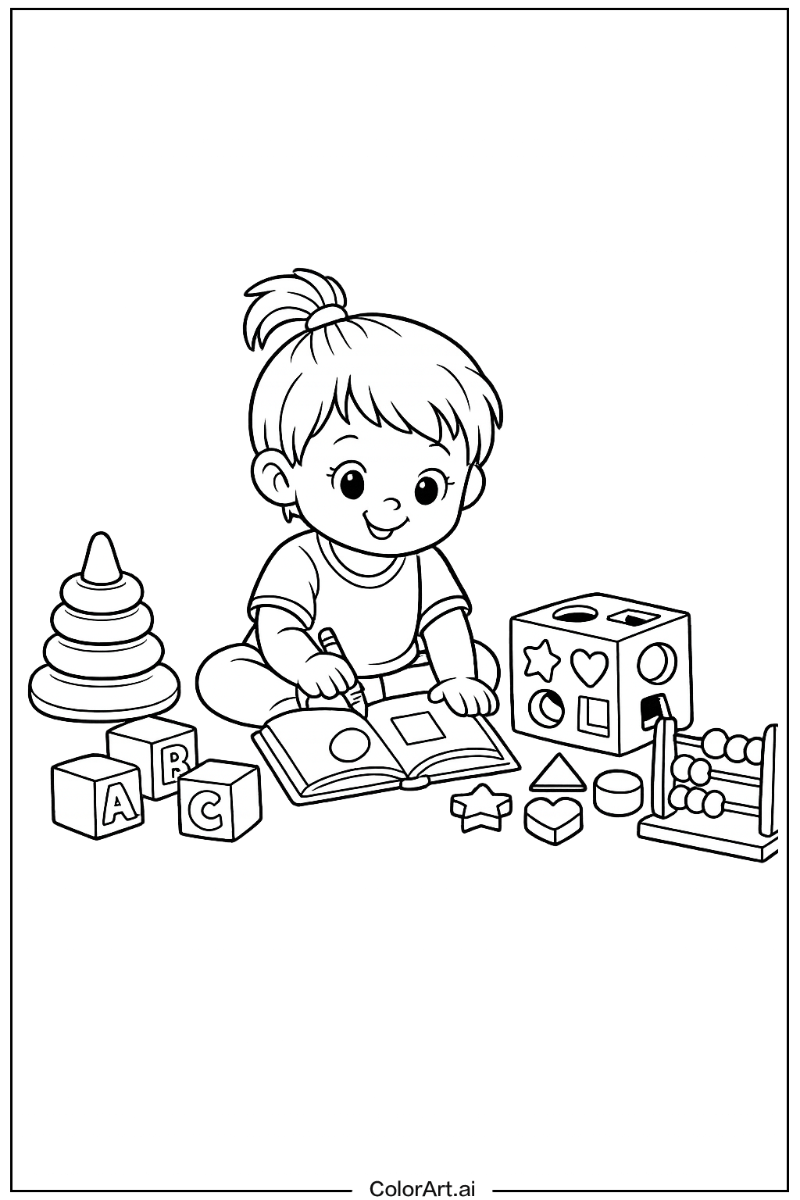
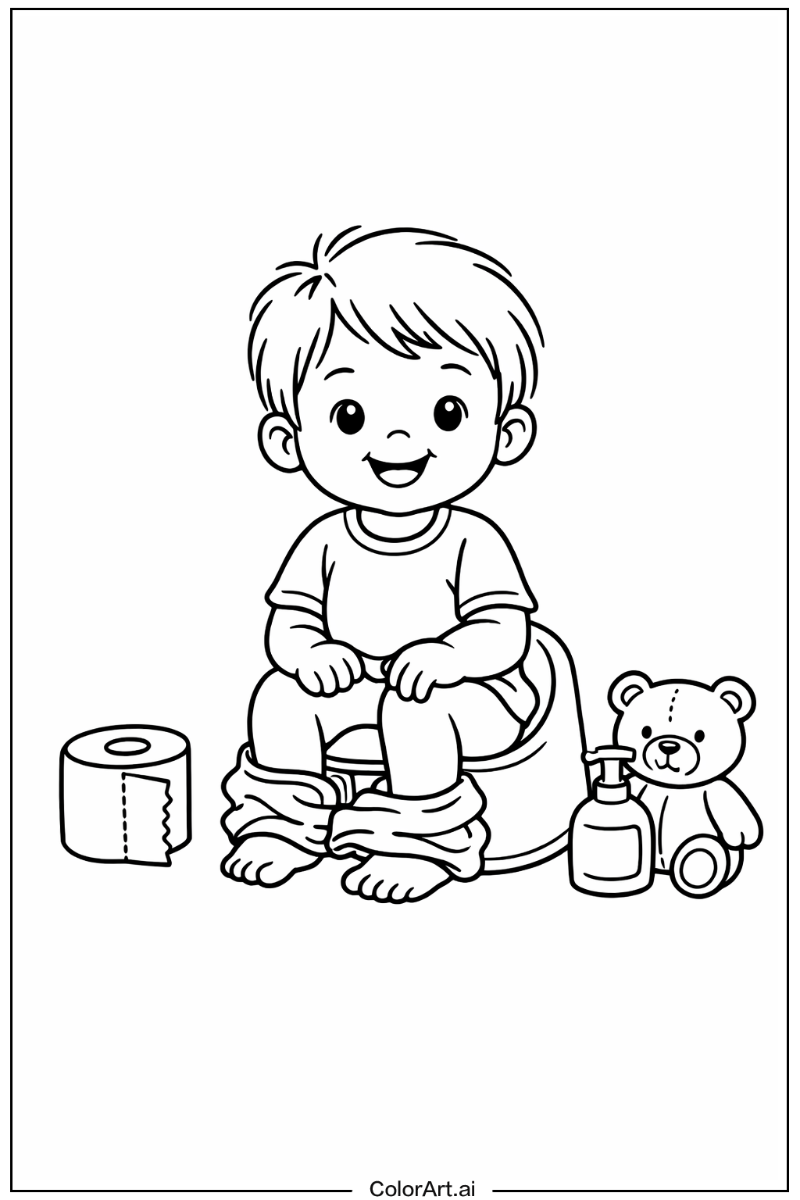
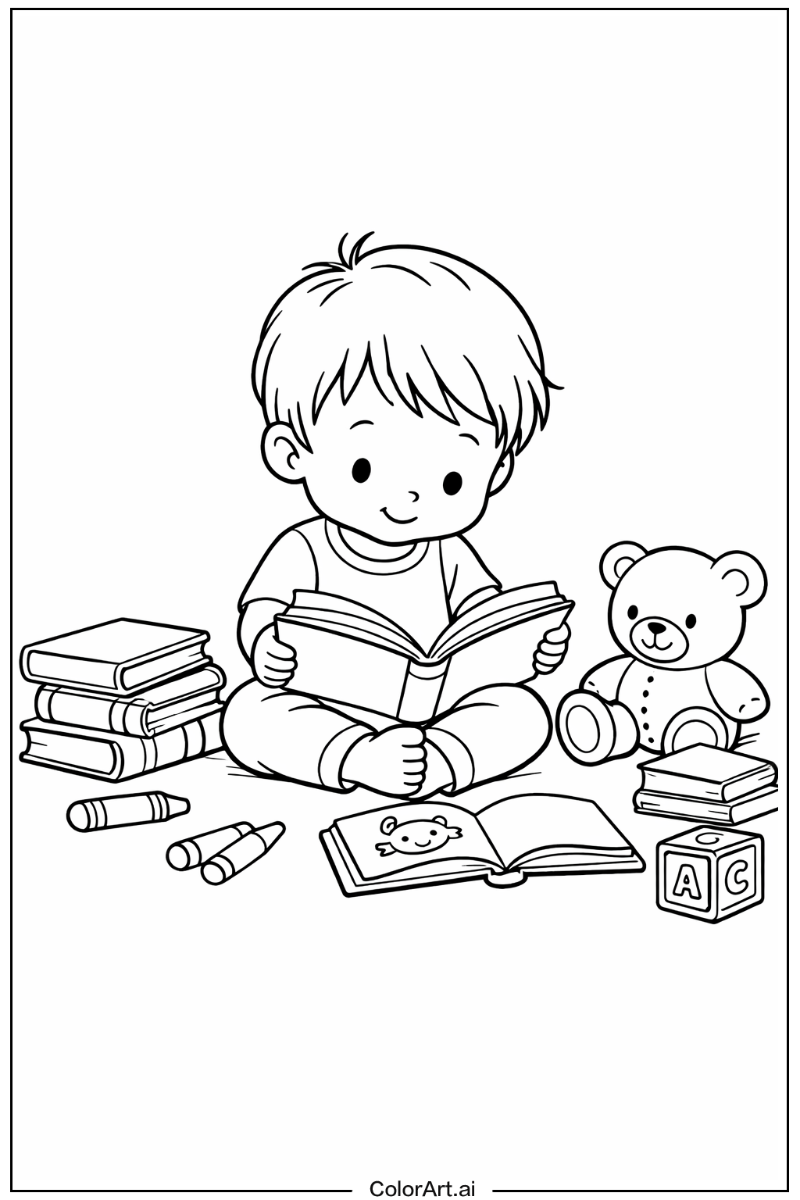
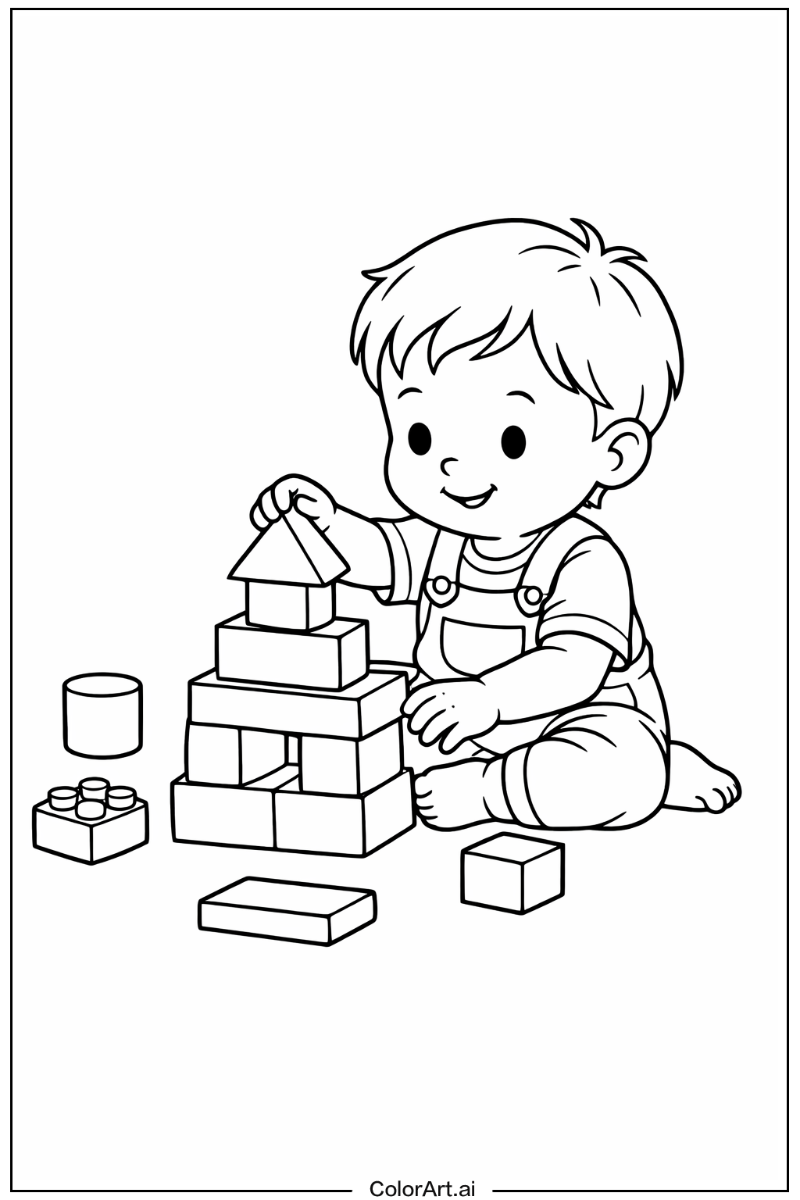
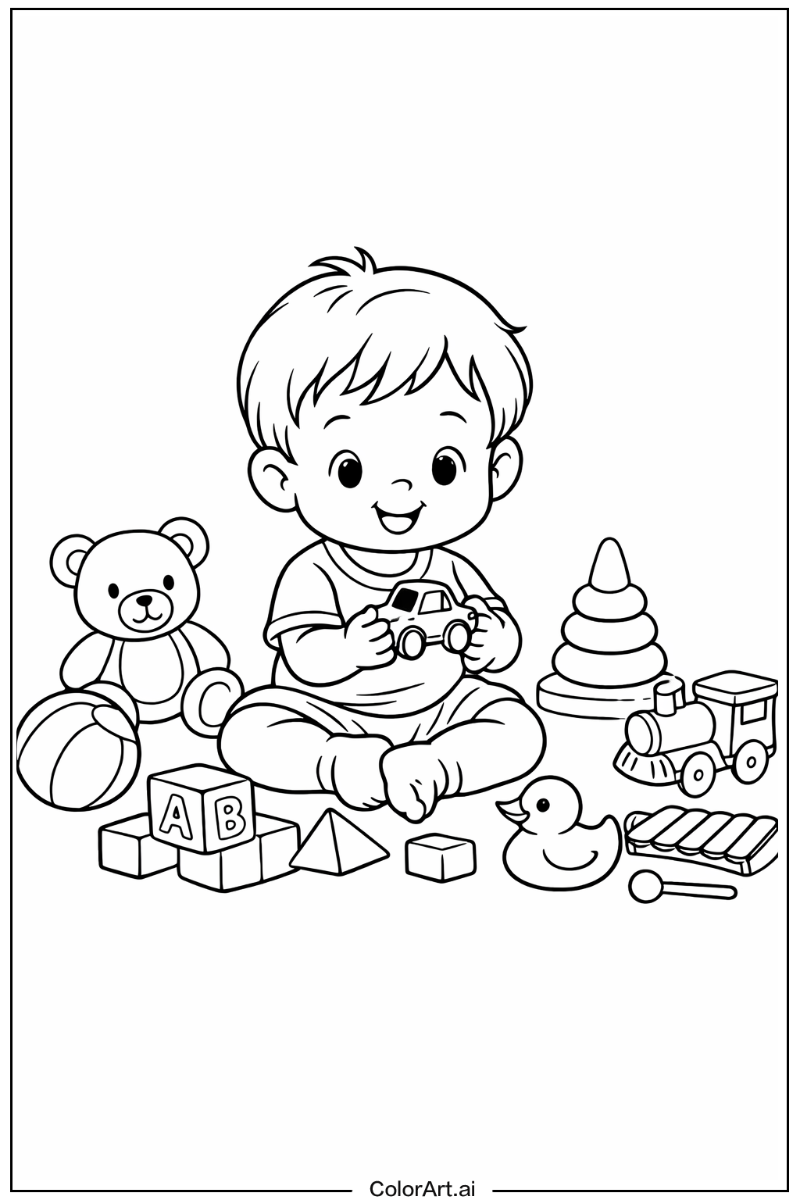
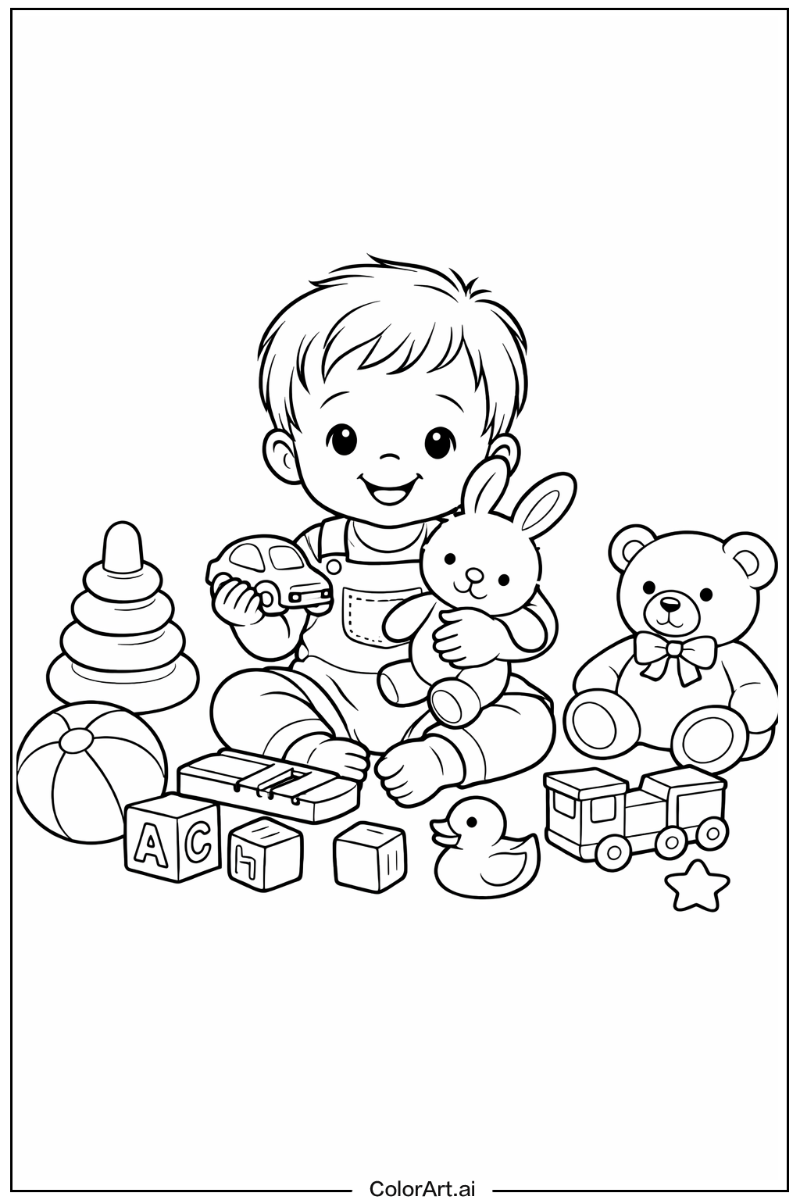
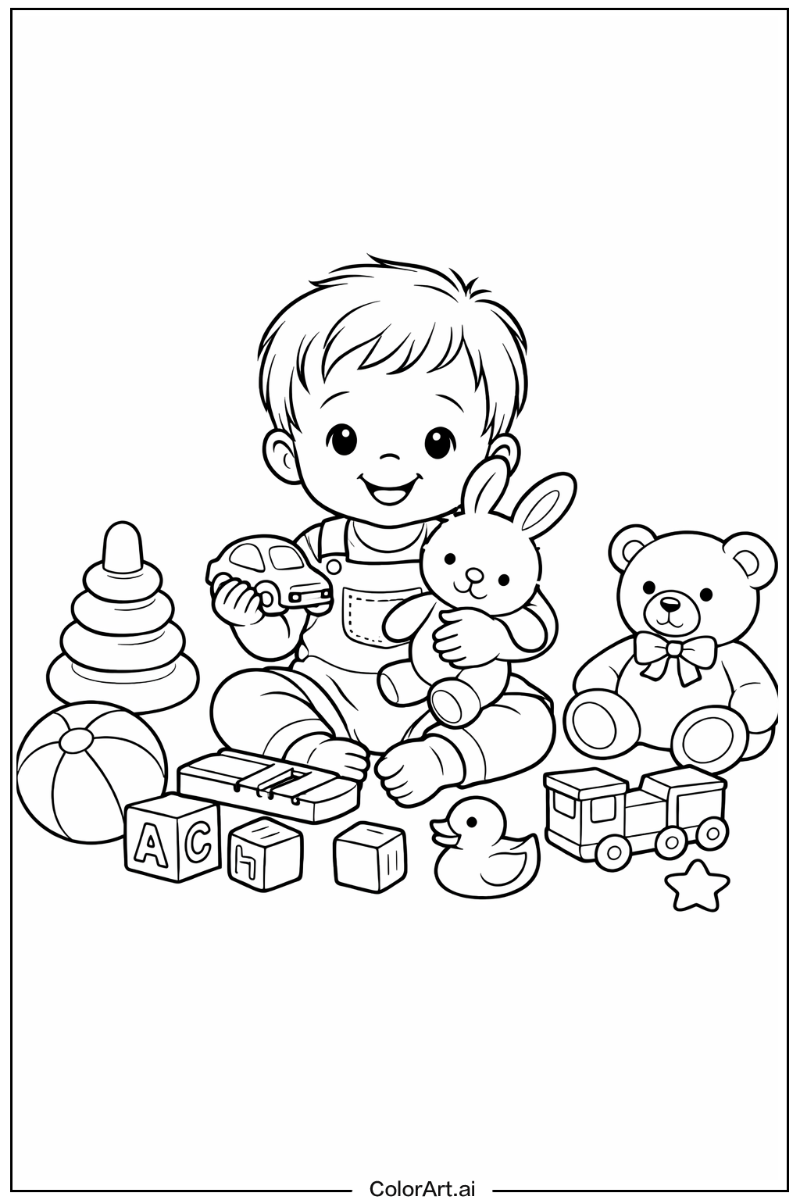
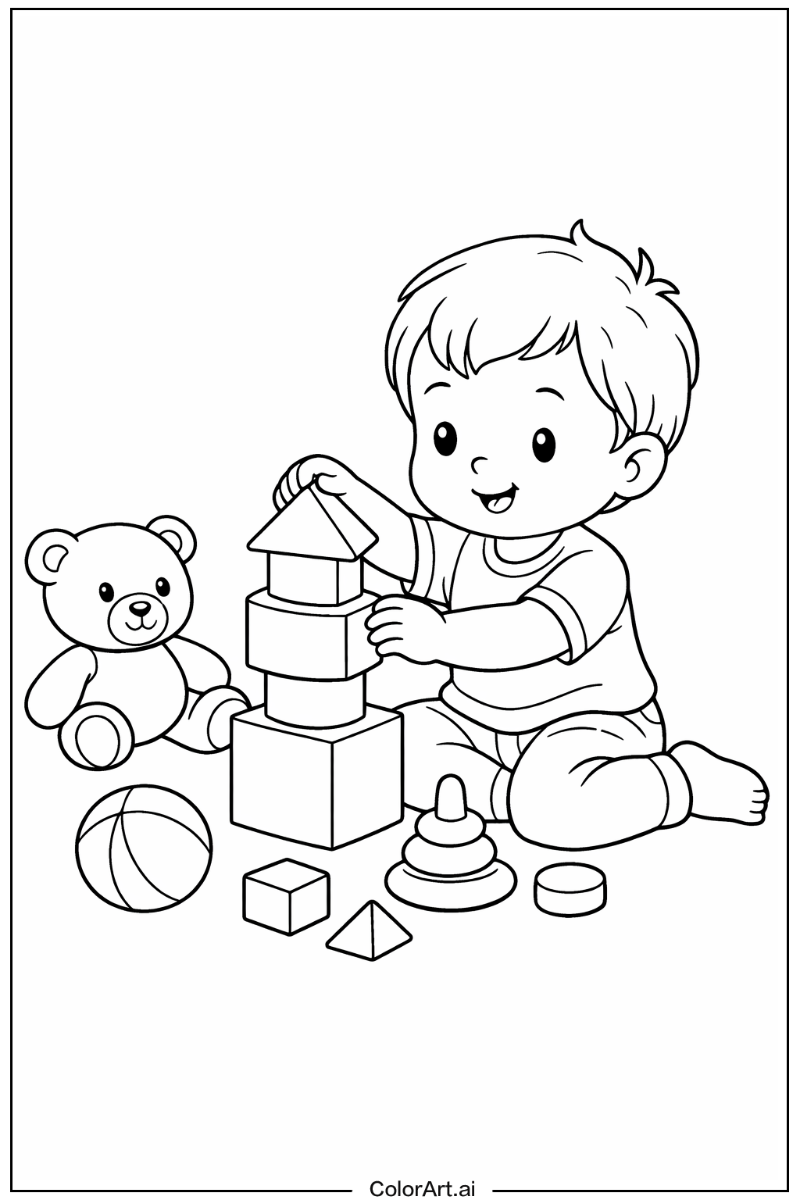
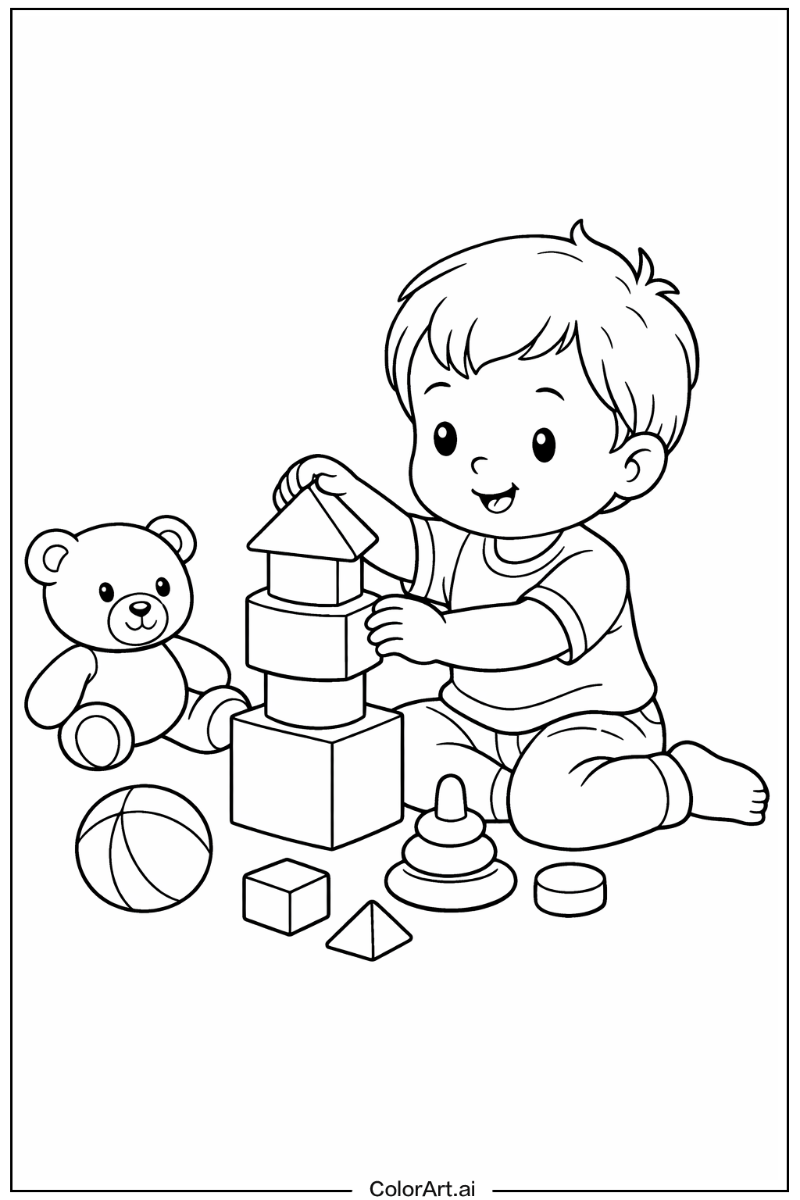
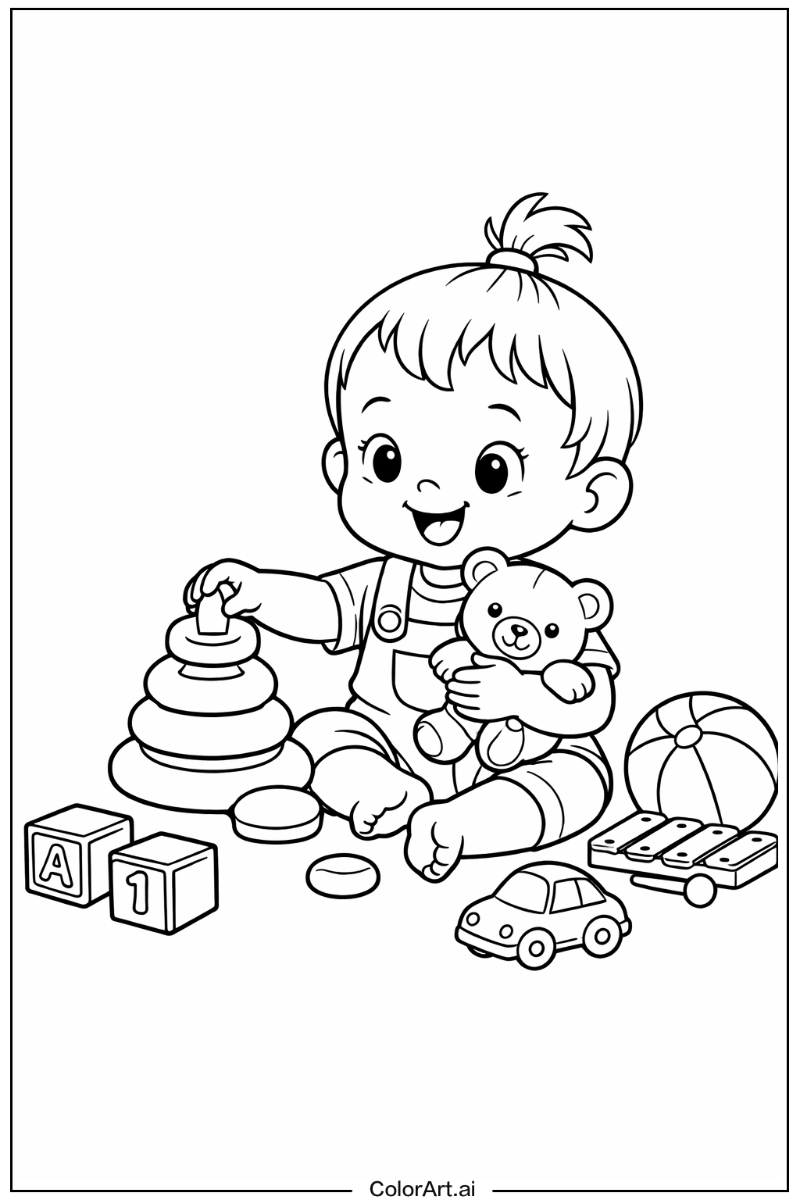
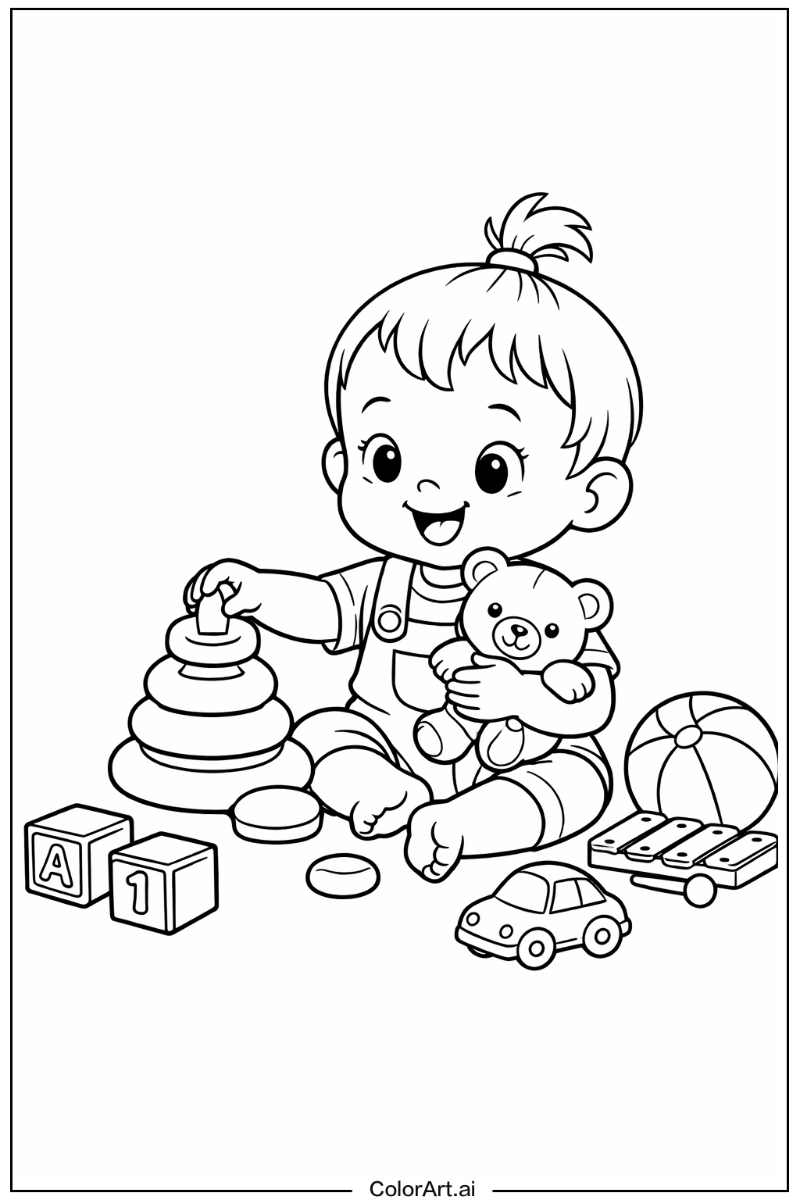
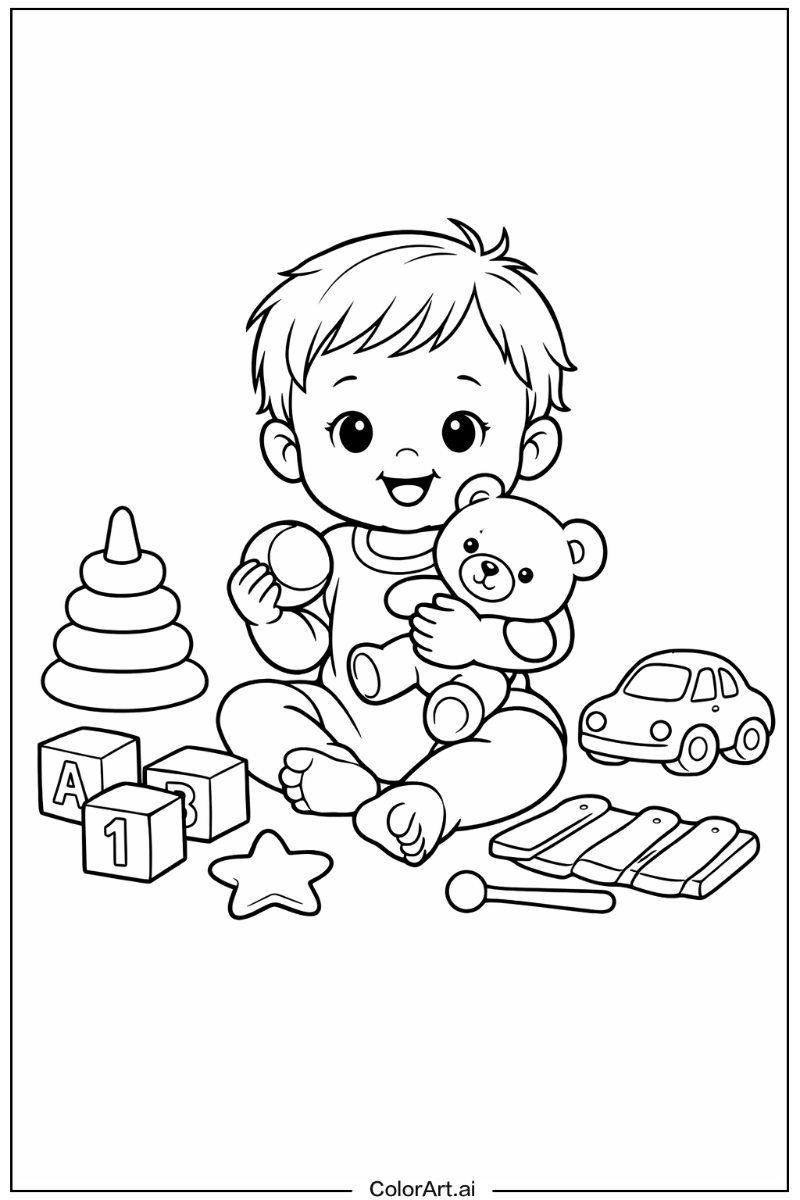
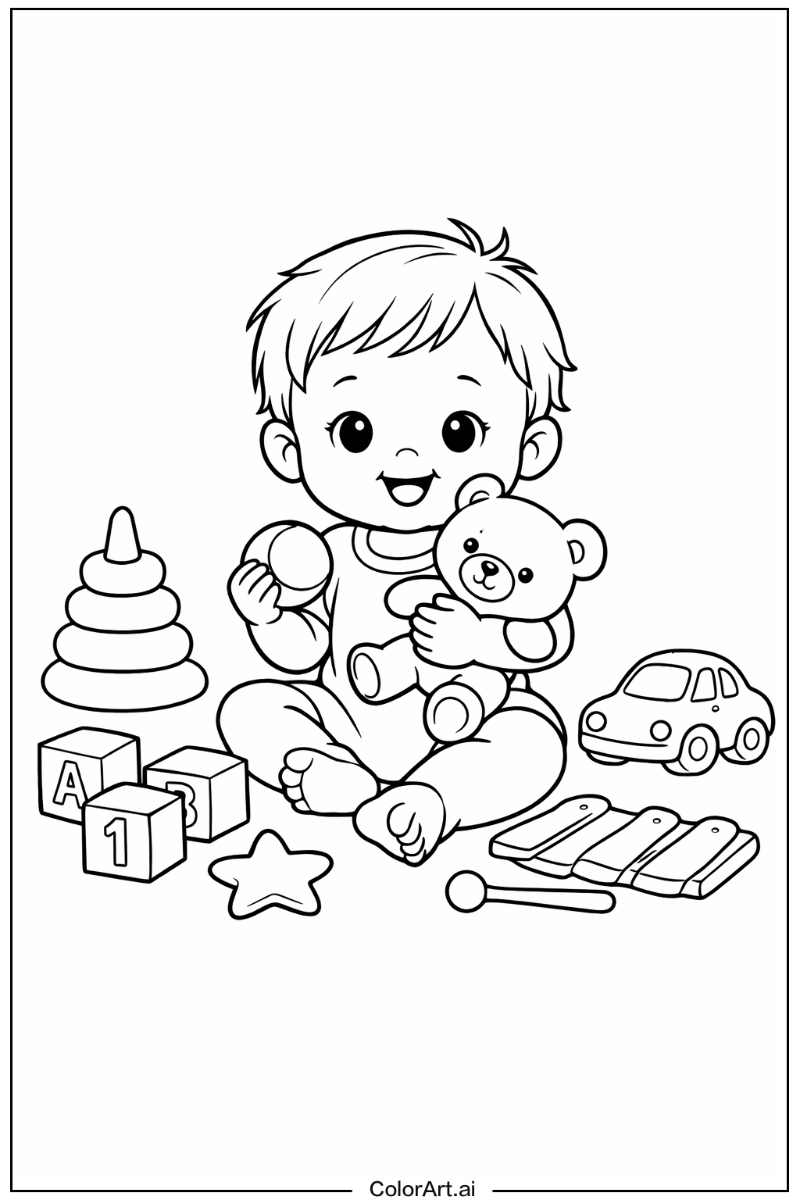
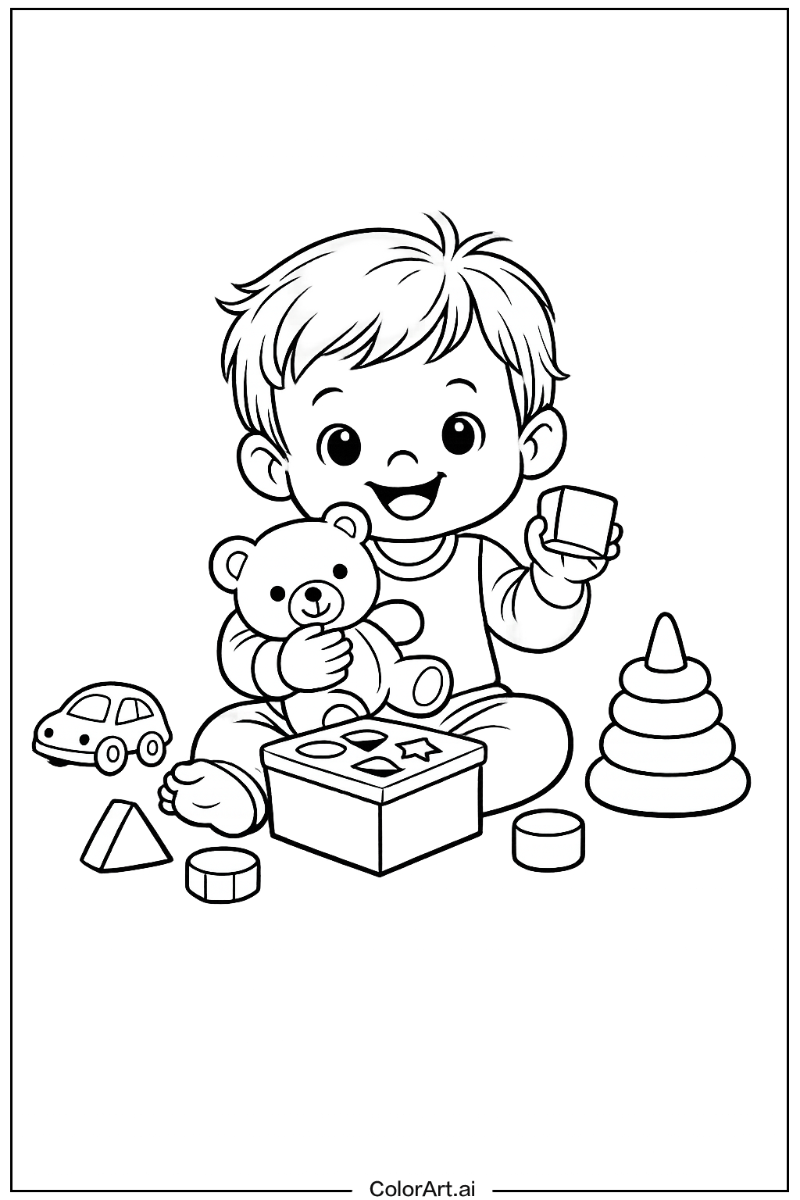
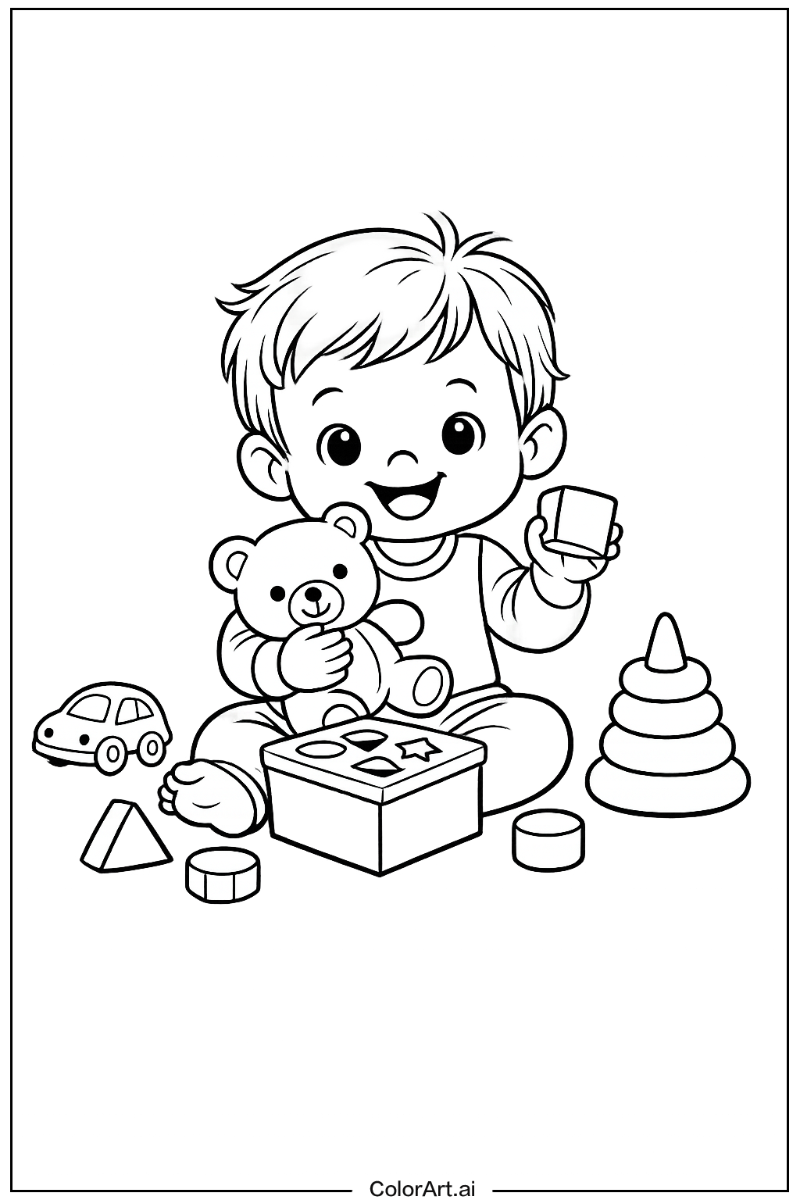
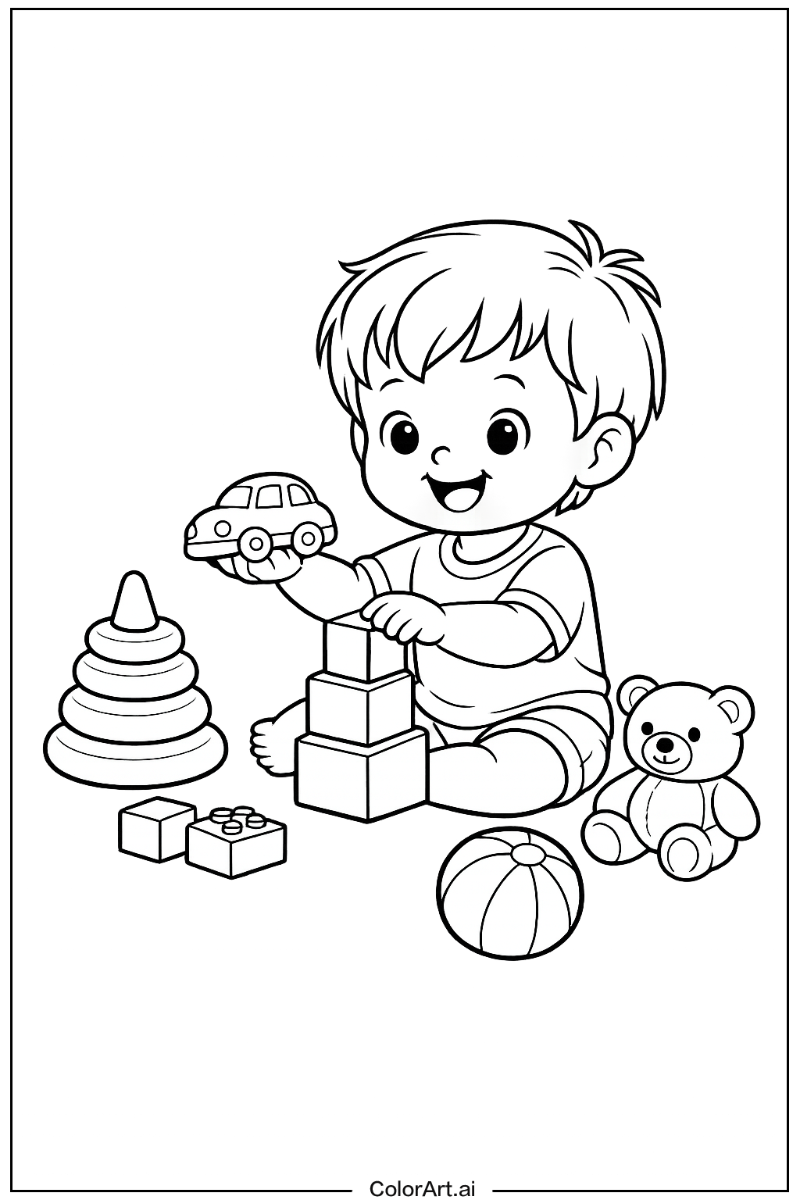
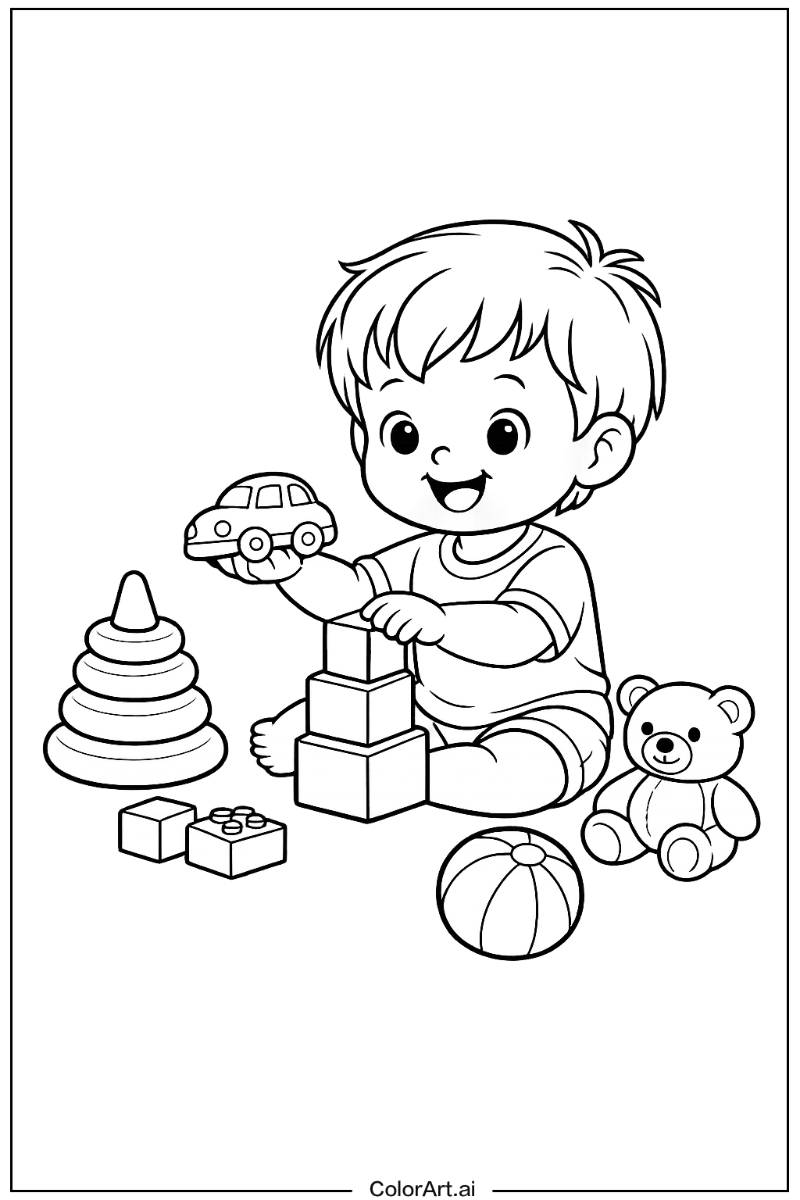
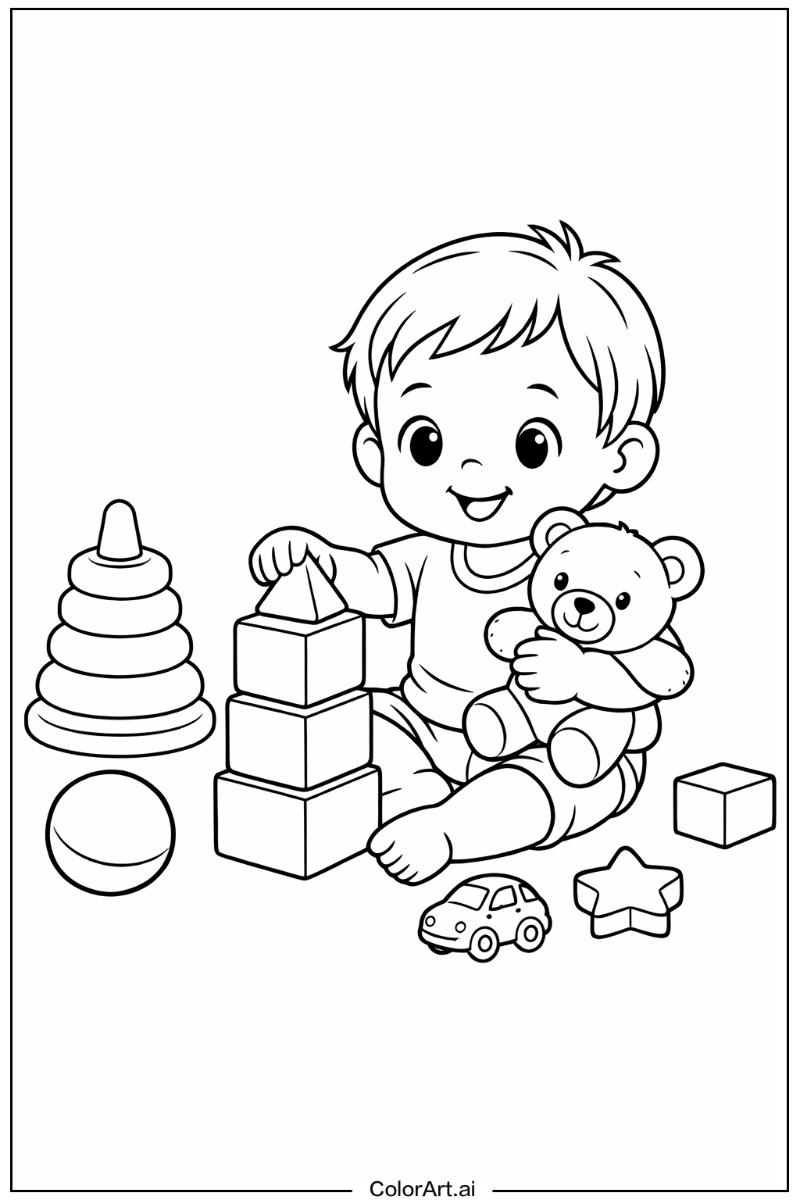
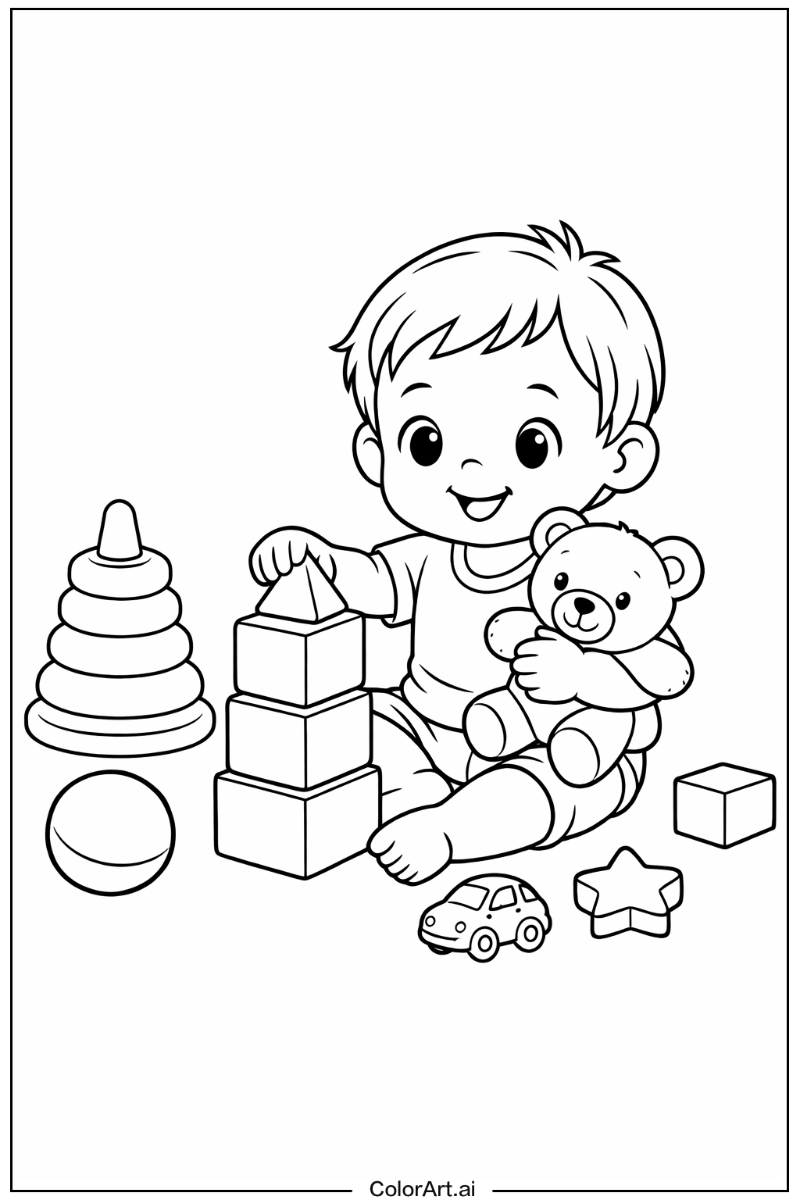
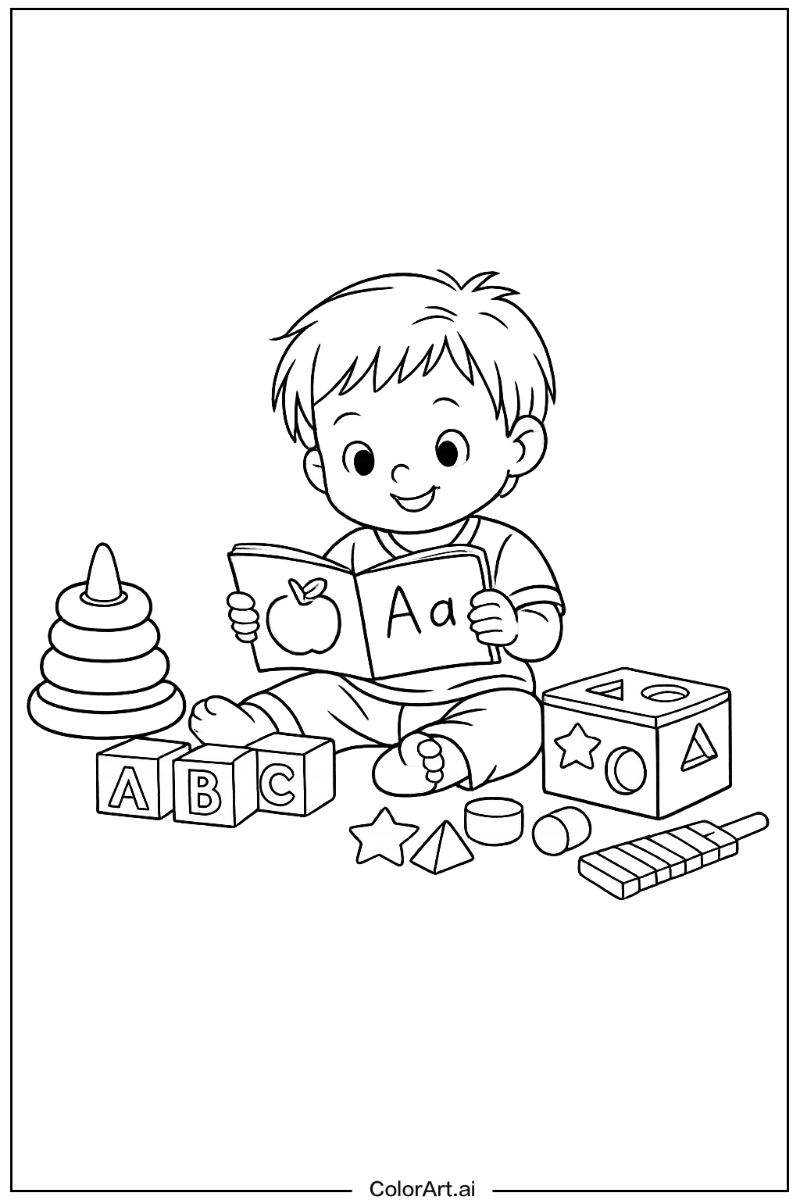
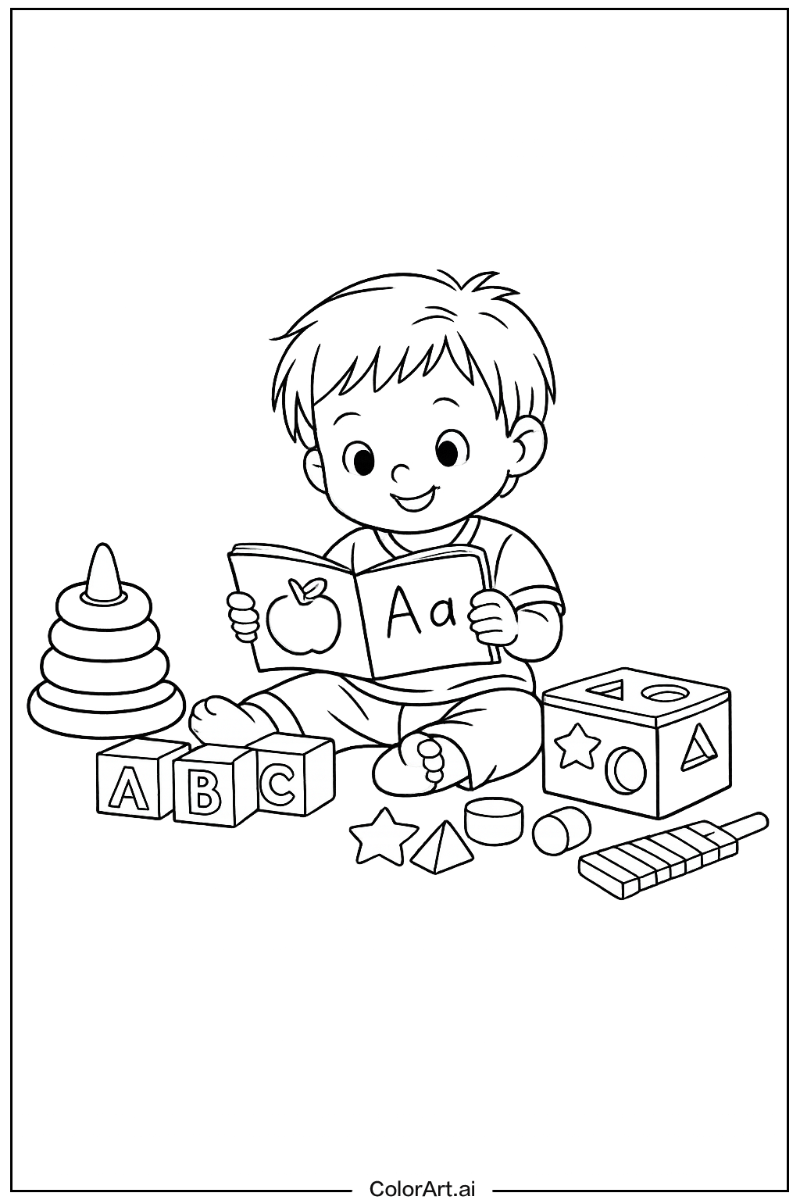
Understanding toddlers is key to nurturing their development. At this age, typically ranging from 1 to 3 years, toddlers are naturally curious and eager to explore their surroundings. They are beginning to develop fine motor skills, and activities like coloring offer them the perfect opportunity to practice these skills. Coloring pages designed specifically for toddlers often feature simple shapes and familiar objects, making them accessible and engaging. In my classroom, I like to introduce coloring pages that relate to themes we are exploring, such as animals or seasons, to spark their interest and enhance their learning experience. For example, when we studied farm animals, the toddler coloring pages featuring cows and chickens became a favorite, allowing the children to connect their coloring with our lessons.
Benefits of Toddler Coloring Activities
Toddler coloring pages provide numerous benefits in the classroom. Firstly, they enhance fine motor skills as toddlers grip crayons, control movements, and fill shapes. I often observe that as my students color, they are also developing hand-eye coordination and dexterity. Secondly, coloring fosters cognitive development. It encourages toddlers to make choices about colors and shapes, which promotes decision-making skills. I vividly recall a moment with my student, Ethan, who chose to color his apple red but then decided to add stripes of green because 'apples can be fun too!' His imaginative twist showcased not just creativity but also the joy of learning through play. Lastly, coloring serves as an emotional outlet. For many toddlers, it’s a way to express feelings and thoughts they might not yet have the words for, providing a safe space for exploration.
Practical Tips for Toddler Coloring
To make the most of toddler coloring activities, here are some practical tips that I find effective in my classroom. First, always provide a variety of coloring tools. While crayons are a staple, consider adding colored pencils, markers, or even washable paints to keep things interesting. Second, create a comfortable and inviting coloring space. Lay down a large sheet of butcher paper on the table and allow toddlers to color freely, encouraging them to explore their creativity without boundaries. Lastly, remember to celebrate their efforts, not just the end results. When little Ava colored outside the lines, I praised her for her adventurous spirit, reinforcing that art is about expression, not perfection. This encouragement builds confidence and a love for creativity in toddlers.
Current Trends in Toddler Art Education
As we dive deeper into the world of toddler coloring pages, it's essential to recognize current trends shaping toddler art education. There is a growing emphasis on incorporating sensory experiences into coloring, making it a multi-faceted learning tool. For instance, using textured coloring pages or introducing materials like finger paints alongside traditional crayons helps toddlers engage more fully. Last year, during our rainbow week, we experimented with cotton balls dipped in paint to create colorful clouds, which beautifully complemented our coloring activities. This hands-on approach not only ignites their creativity but also aligns with the latest educational philosophies that advocate for experiential learning in early childhood education.
Frequently Asked Questions About Toddler Coloring Pages
Q: What age is appropriate for toddler coloring pages?
A: Toddler coloring pages are perfect for children ages 1 to 3. They should be simple and engaging, featuring large shapes and familiar objects.
Q: Are there any specific themes I should consider?
A: Yes! Themes such as animals, seasons, and holidays resonate well with toddlers and can enhance their learning.
Q: How can I make coloring more interactive?
A: Try incorporating storytelling with coloring. Ask toddlers to tell you a story based on their coloring, which can spark their imagination and language skills.