Welcome to the World of Preschool Coloring Pages
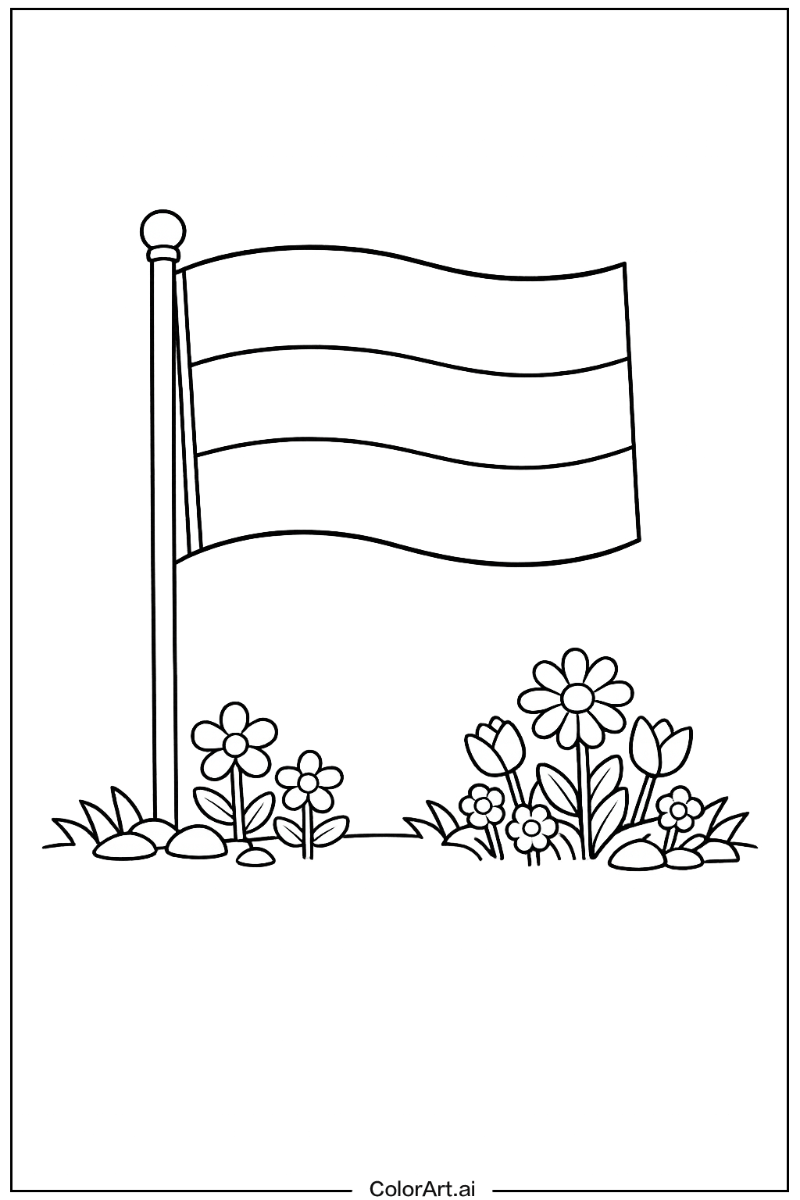
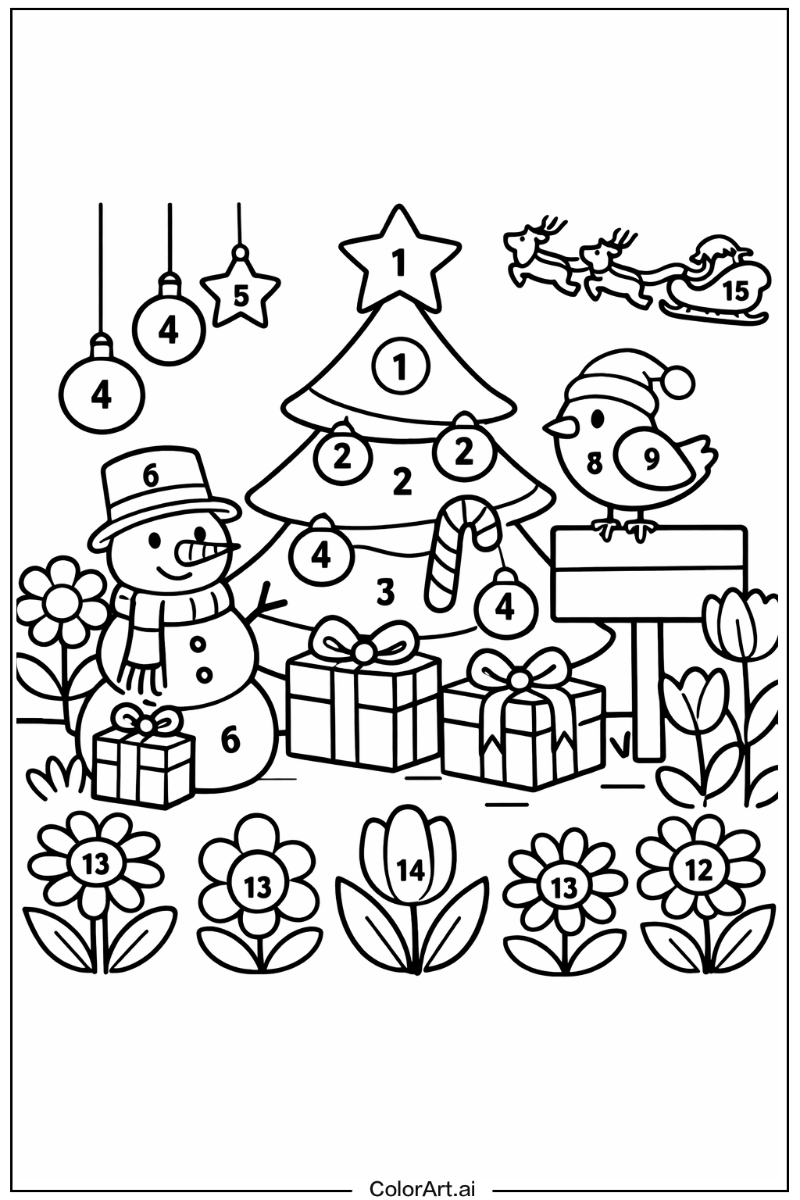
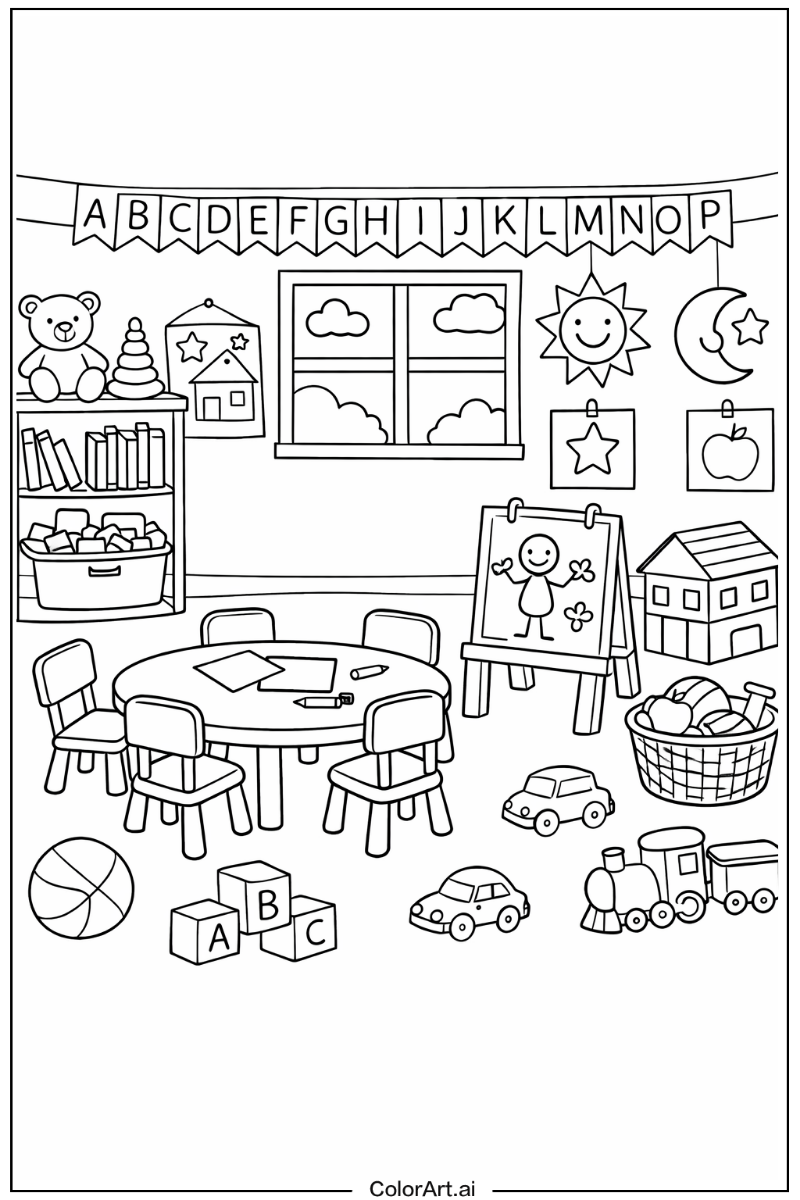
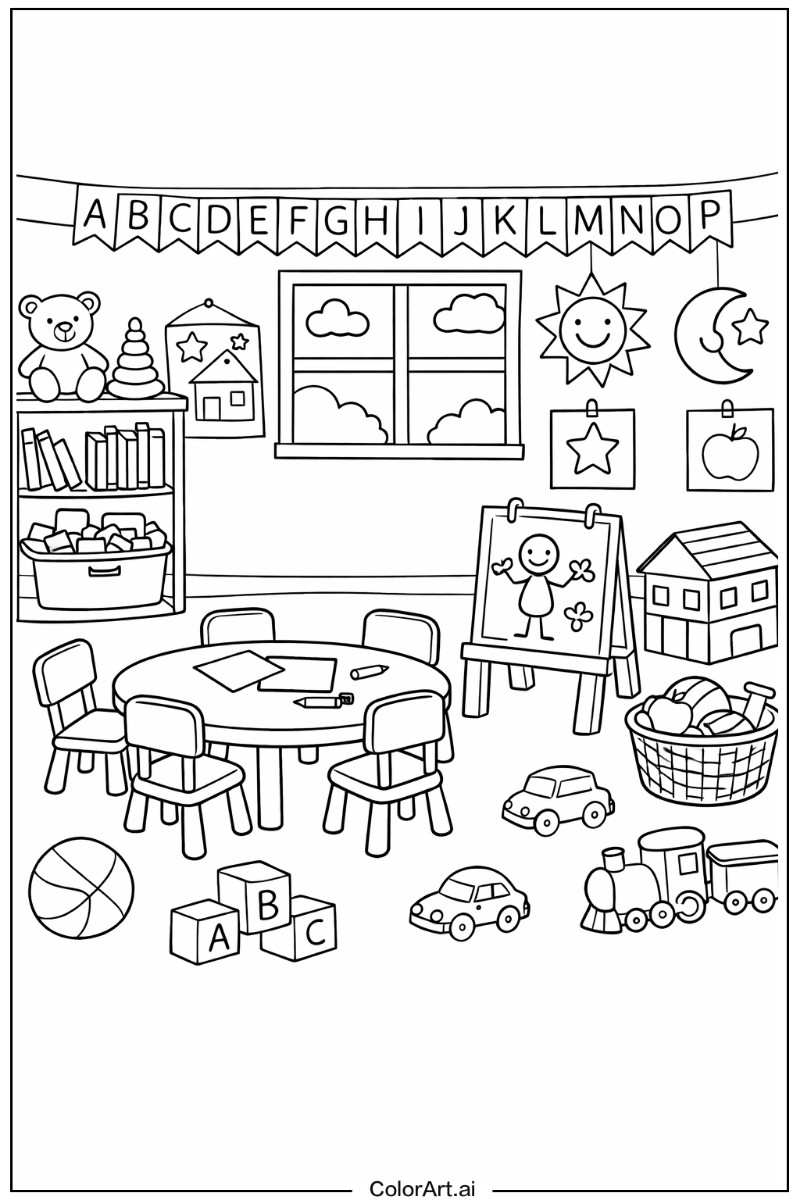
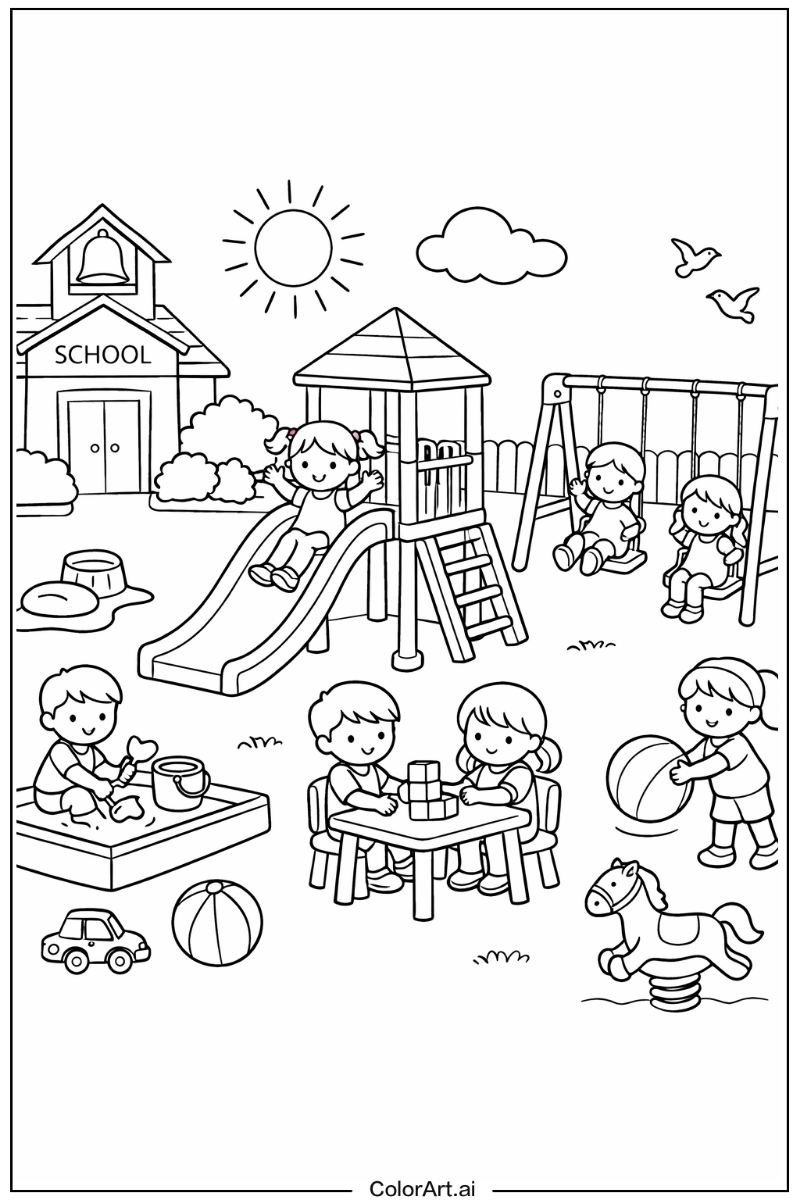
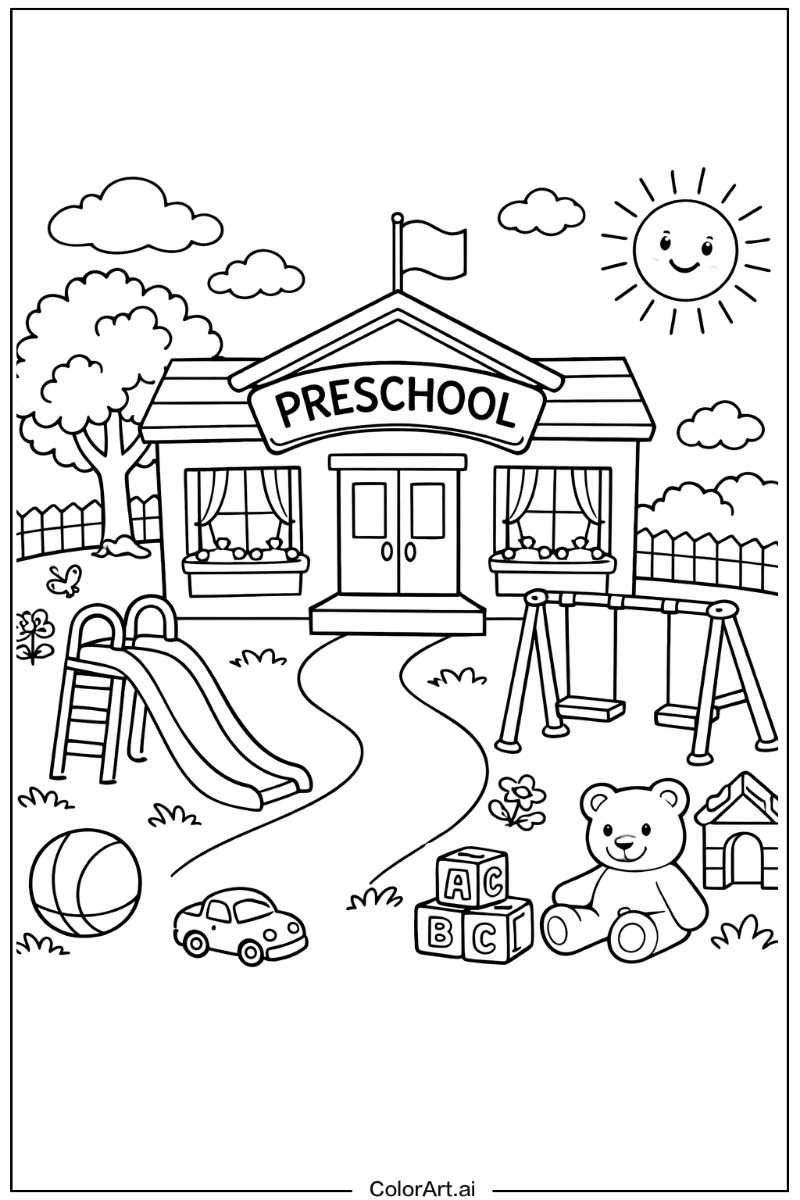
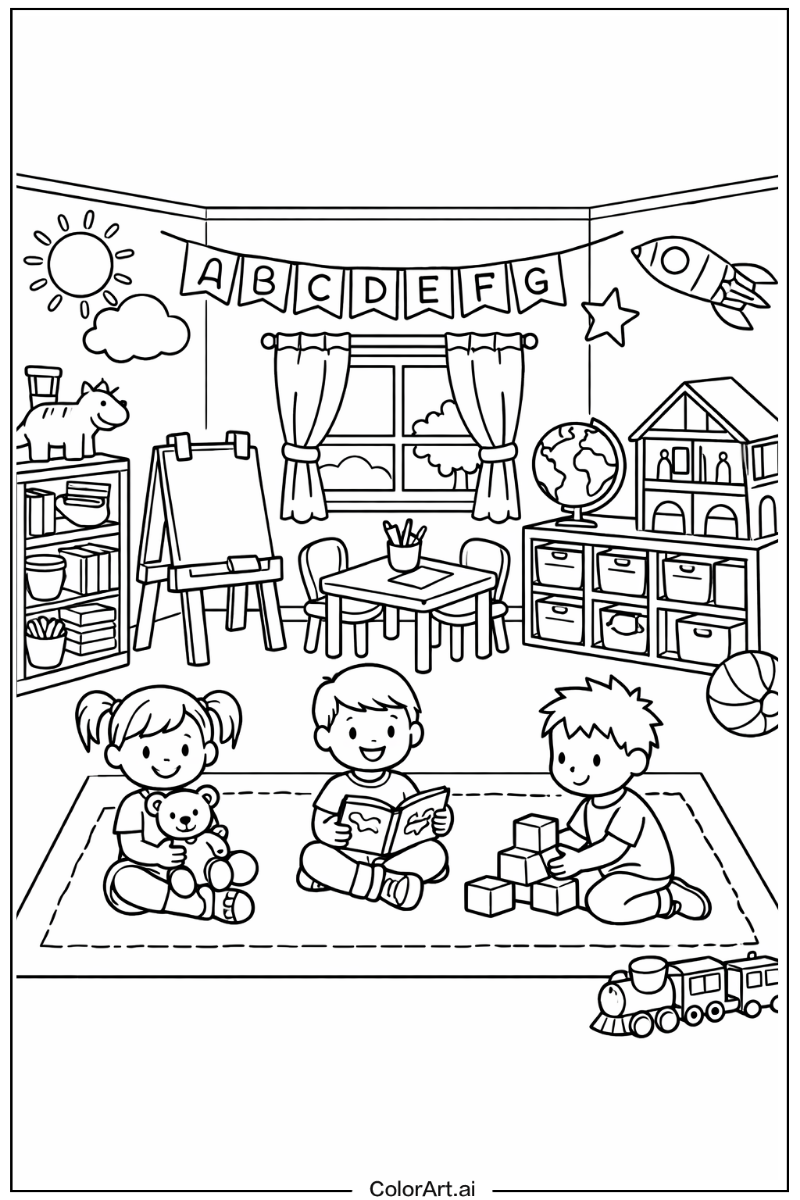
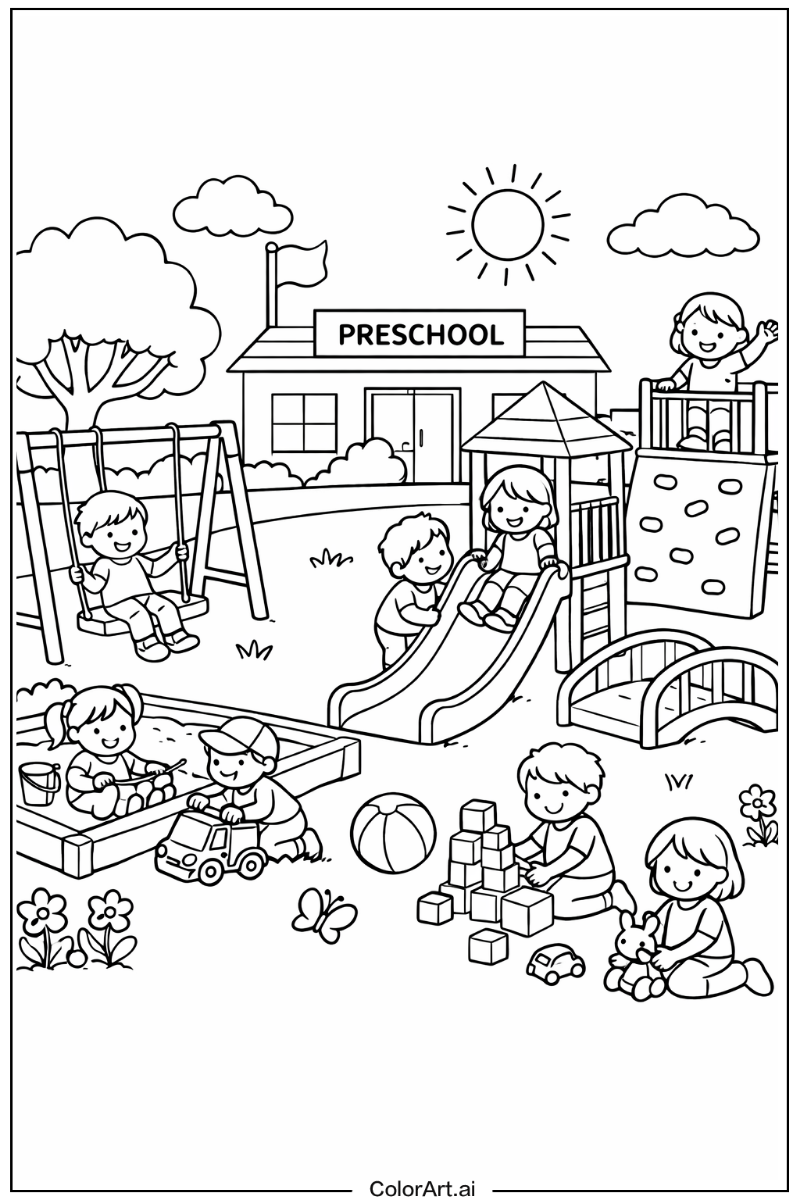
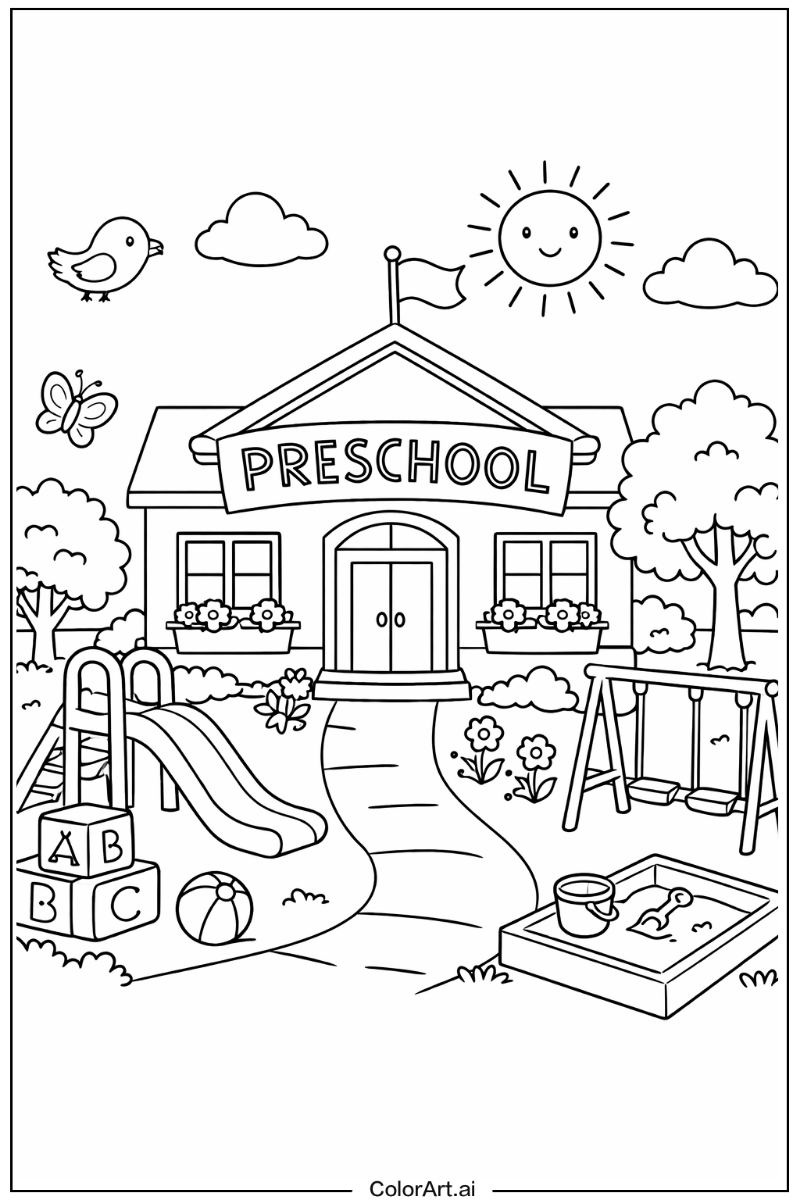
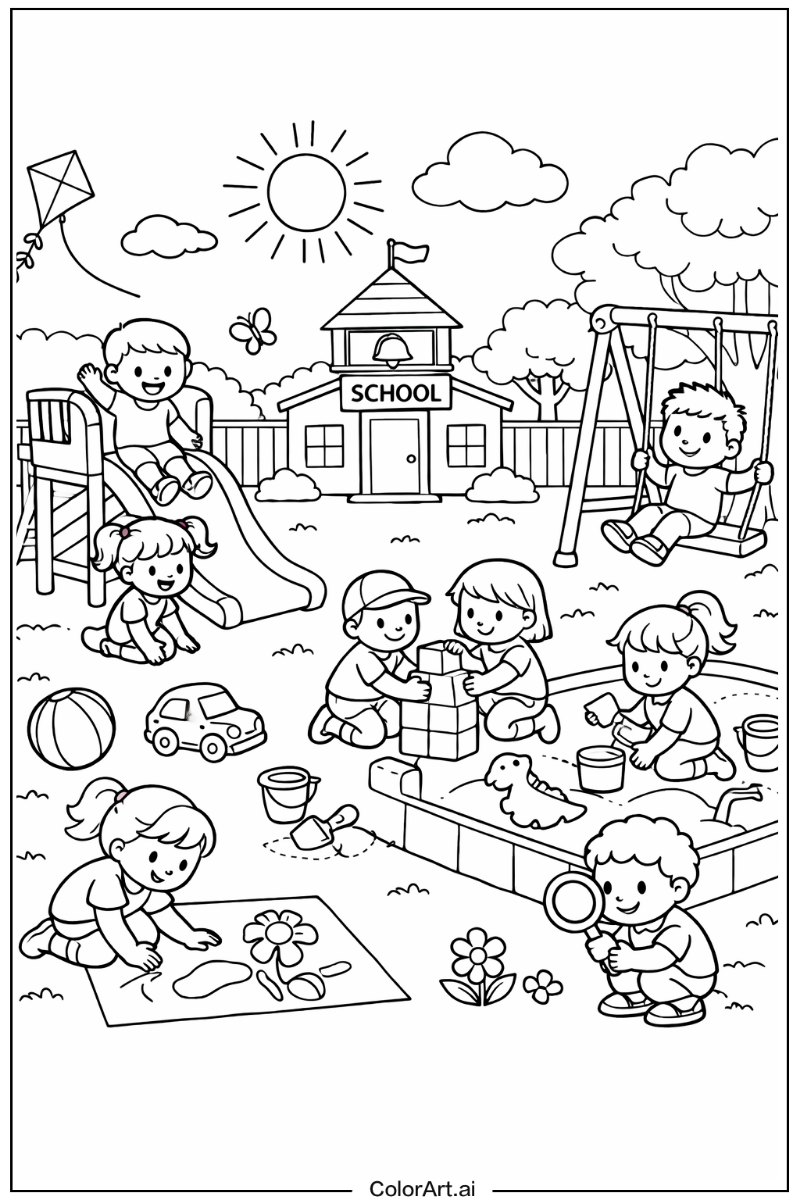
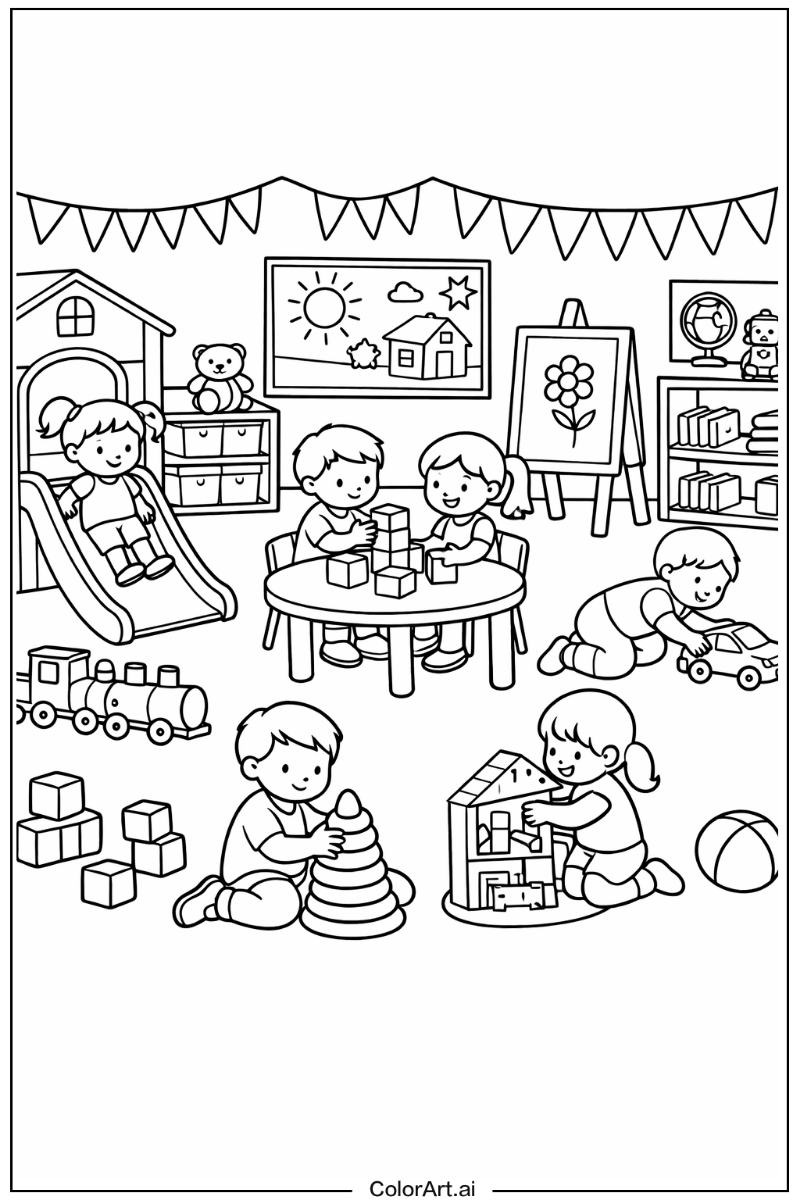
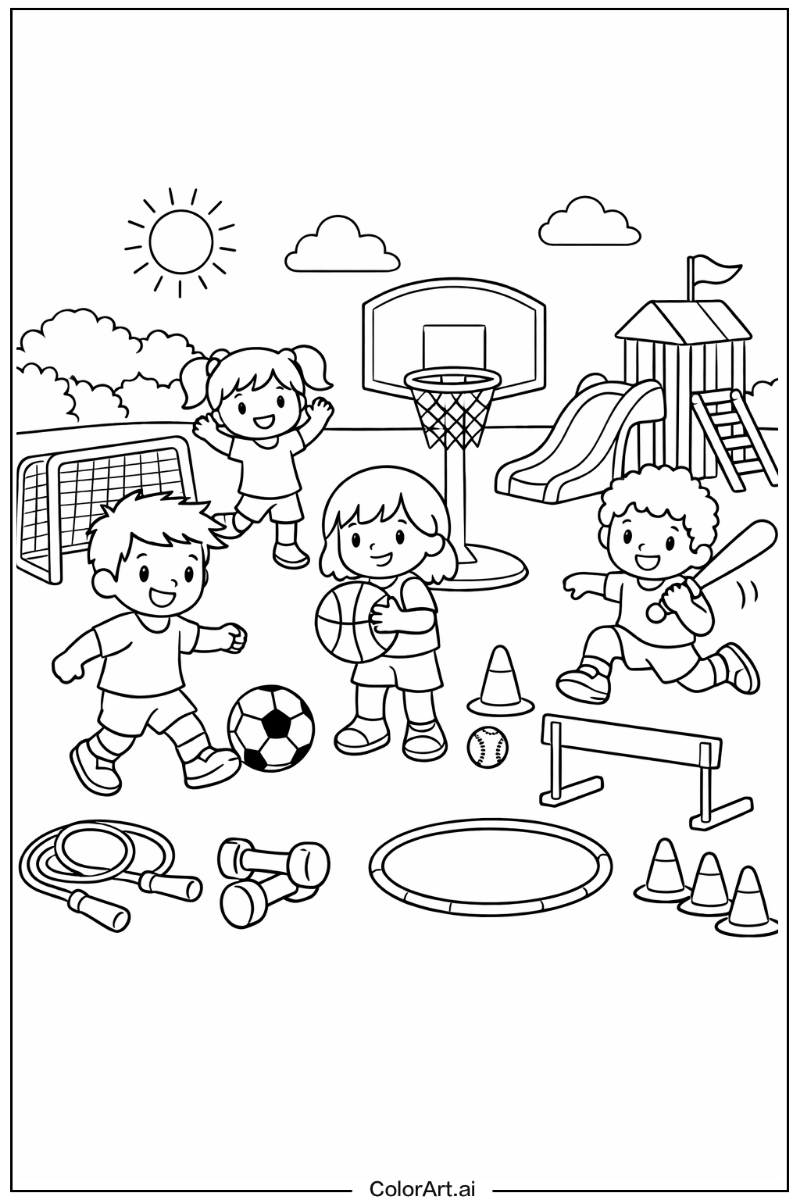
As a preschool teacher, I have witnessed the sheer joy and creativity that coloring pages can ignite in young children. These simple sheets, filled with outlines and illustrations, are more than just fun; they are a vital tool in early childhood education. When my students, like little Ava and Max, sit down with a set of crayons, the world around them fades away, and their imaginations take flight. The laughter and chatter that fills the room as they share colors and techniques is music to my ears. Coloring not only provides a space for self-expression but also encourages fine motor skills, color recognition, and even social interactions. Today, I want to share with you the incredible benefits of preschool coloring pages and how they can enhance the learning experience for our little ones.
Group Coloring Pages
 PDF
PDF
 PNG
PNG
 PNG
PNG
 PNG
PNG
 PNG
PNG
 PNG
PNG
 PNG
PNG
 PNG
PNG
 PNG
PNG
 PNG
PNG
 PNG
PNG
 PNG
PNG
 PNG
PNG
 PNG
PNG
 PNG
PNG
 PNG
PNG
 PNG
PNG
 PNG
PNG
 PNG
PNG
 PNG
PNG
 PNG
PNG
 PNG
PNG
 PNG
PNG
 PNG
PNG
 PNG
PNG
 PNG
PNG
 PNG
PNG
 PNG
PNG
 PNG
PNG
 PNG
PNG
 PNG
PNG
 PNG
PNG
 PNG
PNG
 PNG
PNG
 PNG
PNG
 PNG
PNG
 PNG
PNG
 PNG
PNG
 PNG
PNG
 PNG
PNG
 PNG
PNG
The Educational Value of Preschool Coloring Pages
Preschool is a critical stage in a child's development, serving as the foundation for lifelong learning. Coloring pages are an essential component of this developmental phase. They offer children an opportunity to experiment with colors, shapes, and patterns, which helps sharpen their cognitive skills. Research shows that engaging in coloring activities can significantly improve children’s hand-eye coordination and dexterity, both of which are crucial when they transition to more complex tasks like writing. In my classroom, I often observe how my students, like Liam and Sophia, develop their unique styles and preferences as they color. The process allows them to explore their creativity in a structured way, enhancing their self-esteem and independence.
Classroom Benefits of Preschool Activities
Engaging in preschool coloring activities has multiple benefits for children. Firstly, they promote fine motor skills, which are essential for writing and other daily tasks. When my student, Mia, proudly shows off her neatly colored butterfly, I can see how her grip on the crayon has improved over time. Secondly, coloring helps with color recognition and understanding spatial relationships. Kids learn to differentiate between colors and understand how to fill in spaces correctly. Additionally, coloring activities can be a wonderful way for children to express their emotions. For instance, when Alex colors a picture of his family, it allows him to reflect on his feelings and experiences. Lastly, coloring is a group activity that fosters social skills. Children often share crayons, discuss their color choices, and collaborate on group projects, building friendships along the way.
Practical Preschool Coloring Techniques
To make the most out of preschool coloring activities, here are a few tips that I’ve found to be effective in my classroom. First, provide a variety of coloring materials—crayons, colored pencils, and washable markers—to give children choices. This encourages them to experiment and find their preferred medium. Second, consider offering themed coloring pages that align with what they are learning in other subjects, such as animals, seasons, or shapes. This integration reinforces their understanding while they color. Lastly, create a comfortable and inviting coloring space where children can focus. When my students, like Oliver and Ella, have their own cozy corner with ample supplies, I see their creativity flourish. Don’t forget to celebrate their finished pieces, showcasing their artwork around the classroom to boost their confidence!
Current Trends in Preschool Art Education
The landscape of preschool education is always evolving, with new trends emerging that embrace creativity and exploration. One of the latest trends is the integration of technology into preschool art activities. While traditional coloring pages remain popular, digital coloring apps are gaining traction. In my classroom, I've started to incorporate these tools, allowing my students to color digitally on tablets. This not only introduces them to technology but also helps them develop new skills. However, I find that the tactile experience of coloring with crayons, like when Emma and Jake create masterpieces with their favorite colors, remains irreplaceable. Another trend I've noticed is the emphasis on mindfulness through art. Coloring is now being recognized for its calming effects, and many preschool programs are including 'quiet coloring time' to help children relax.
Common Questions About Preschool Coloring Pages
What age is appropriate for preschool coloring activities? Generally, coloring can begin as early as 2-3 years old, as children start to develop fine motor skills. How can I find free printable preschool coloring pages? There are numerous websites dedicated to free printable preschool coloring pages that cater to various themes and educational topics. Should I guide my child while coloring? While gentle guidance is helpful, allow your child the freedom to choose colors and techniques to foster their creativity and self-expression.