Welcoming May with Colors
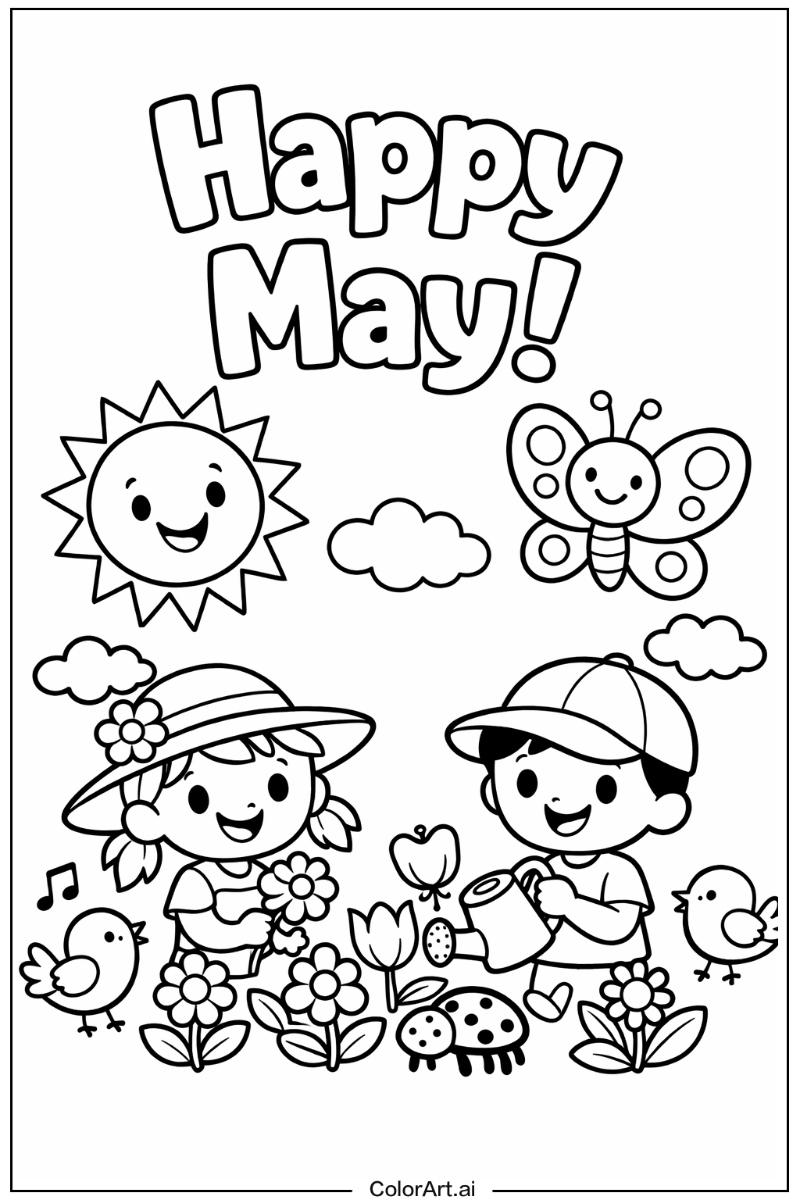
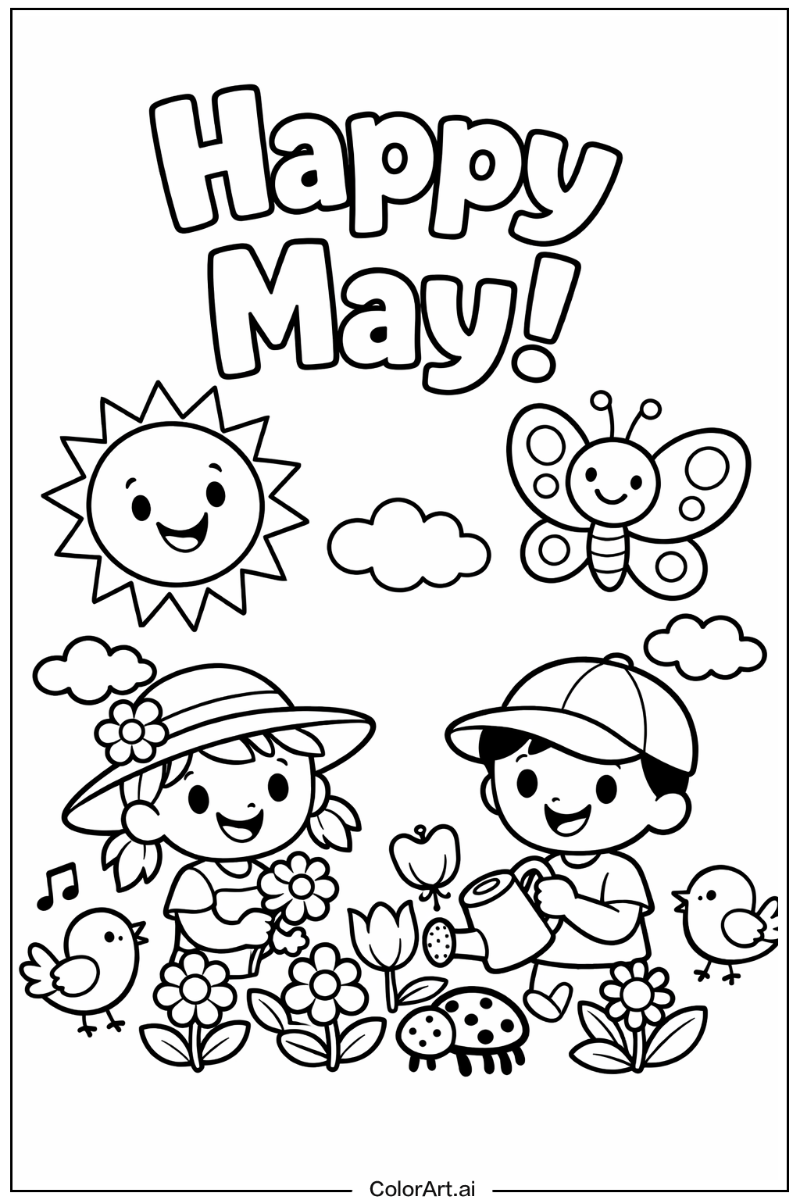
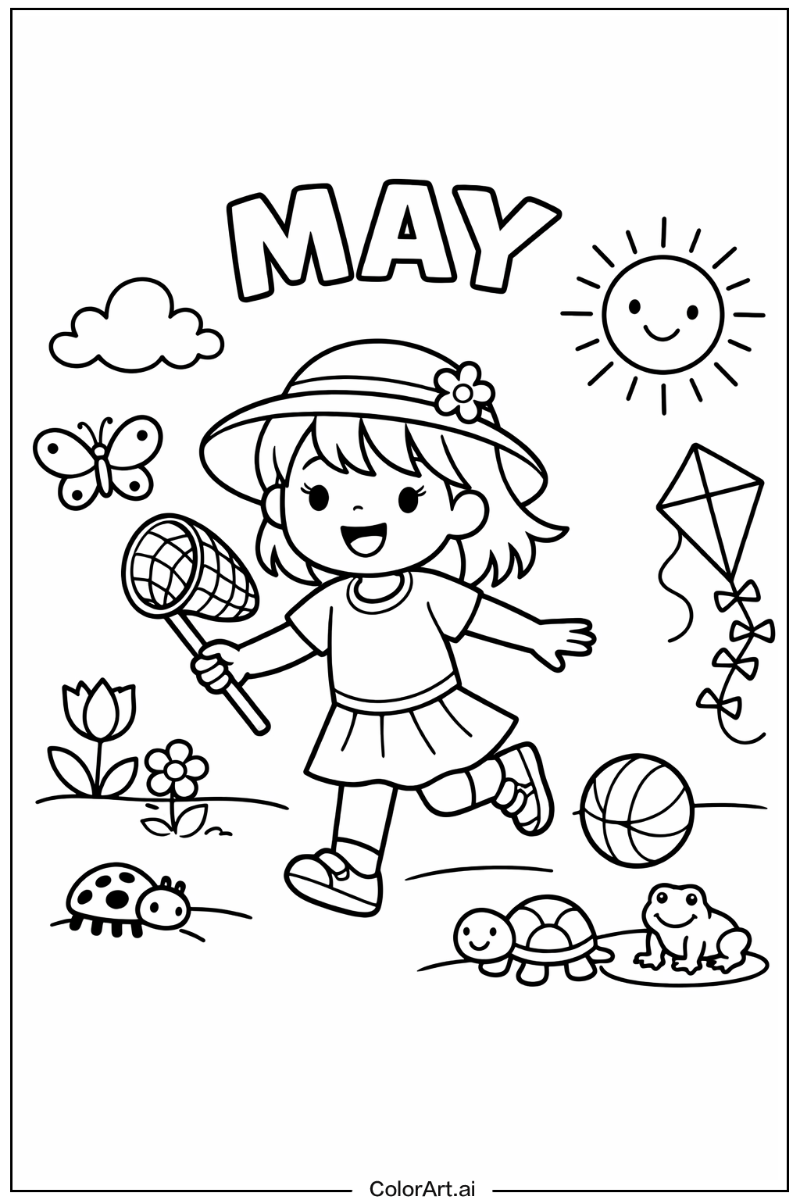
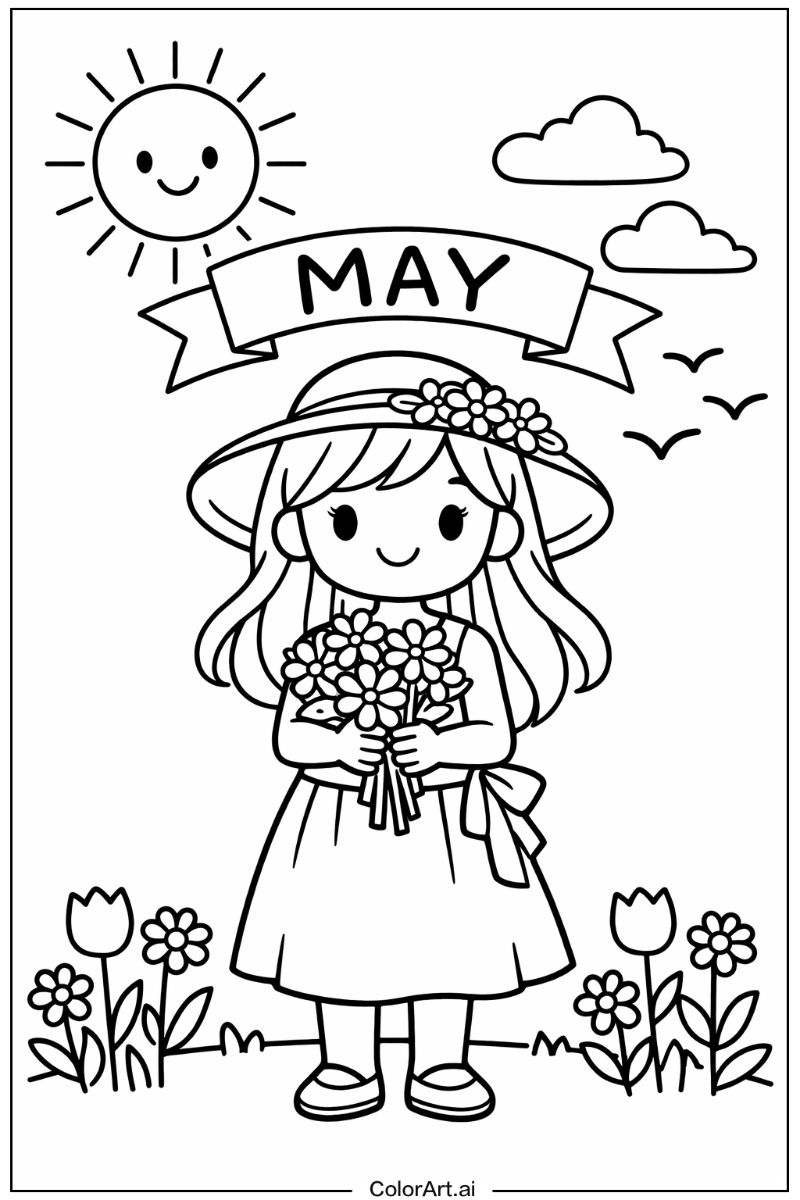
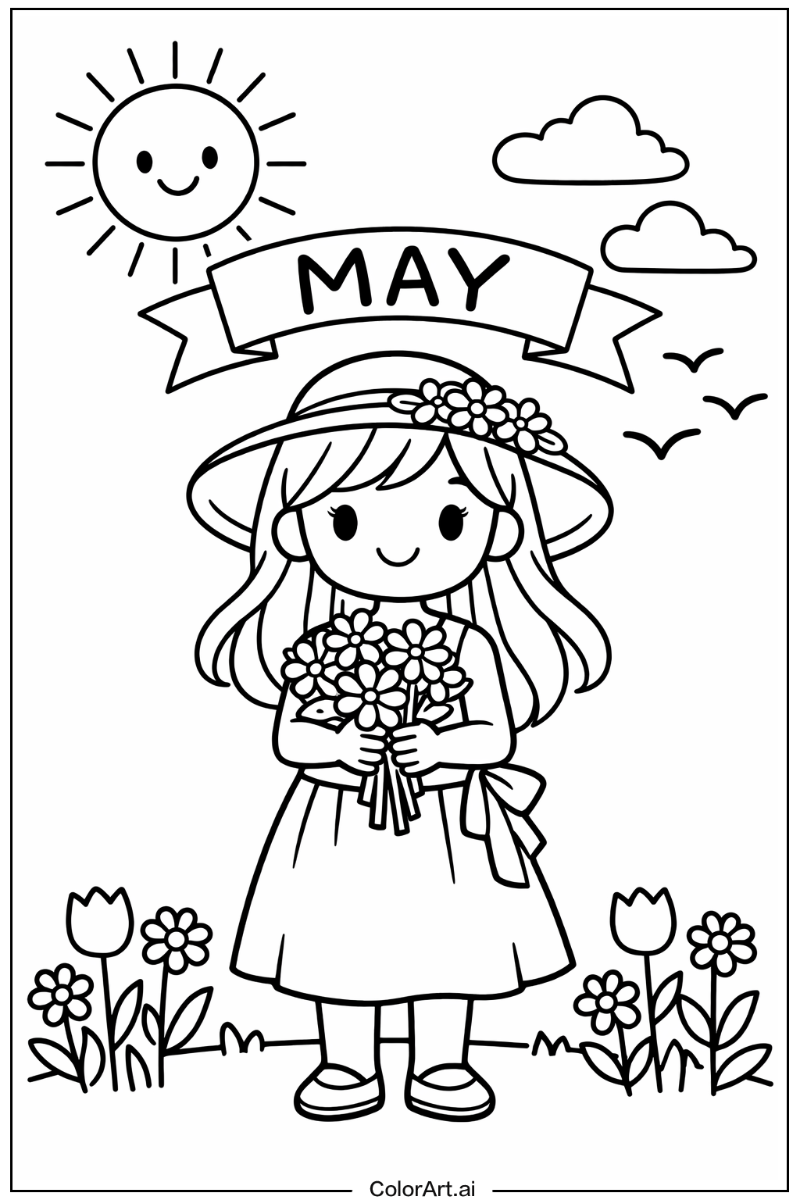
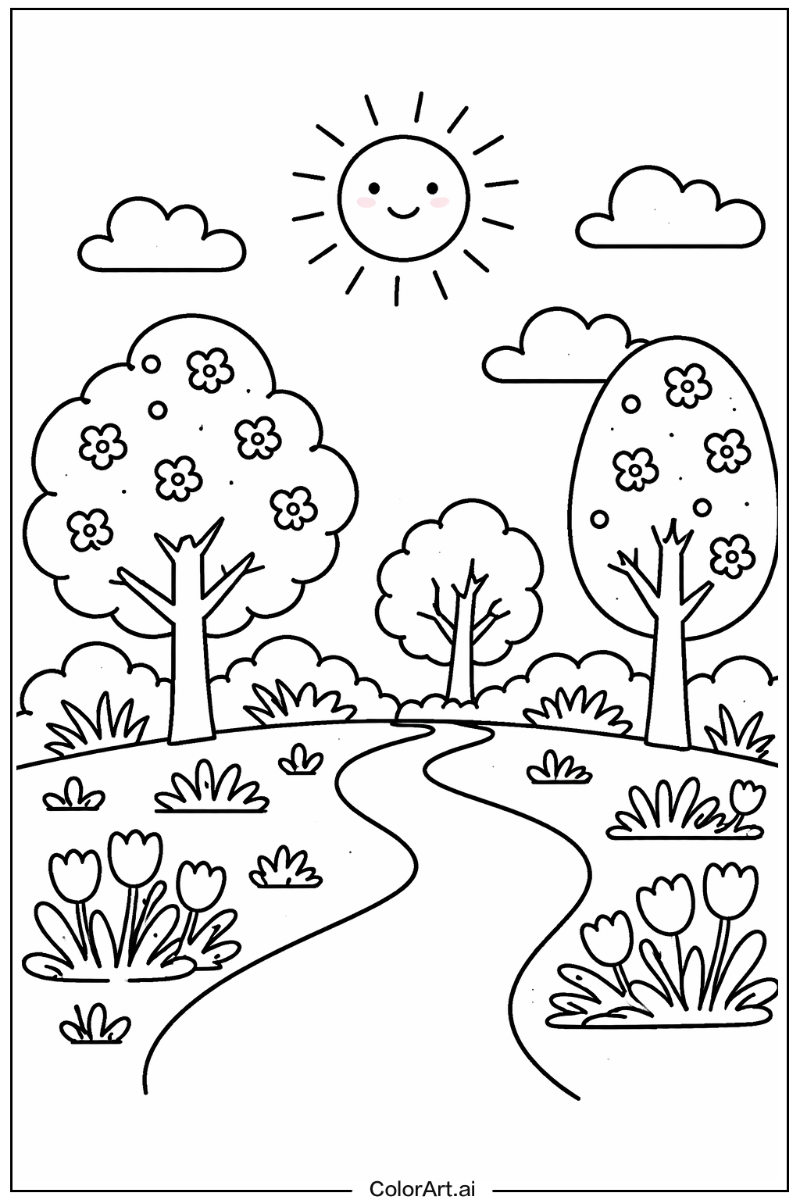
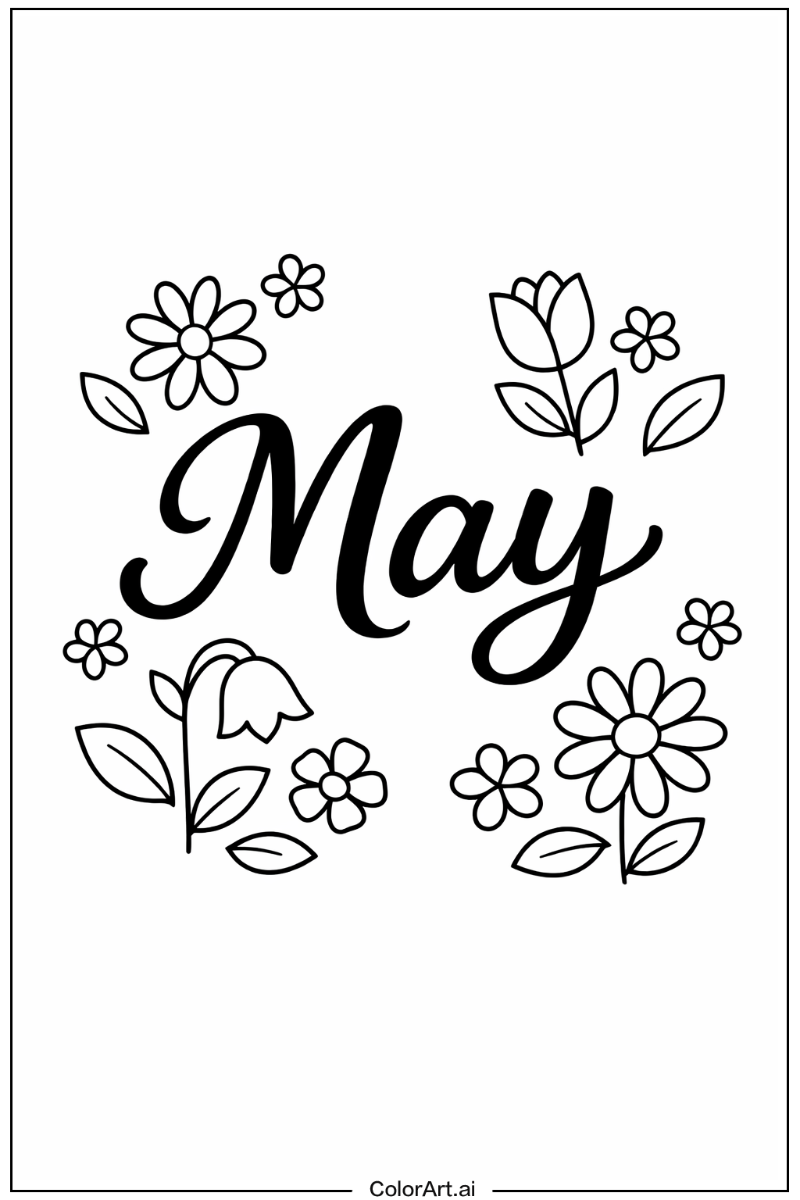
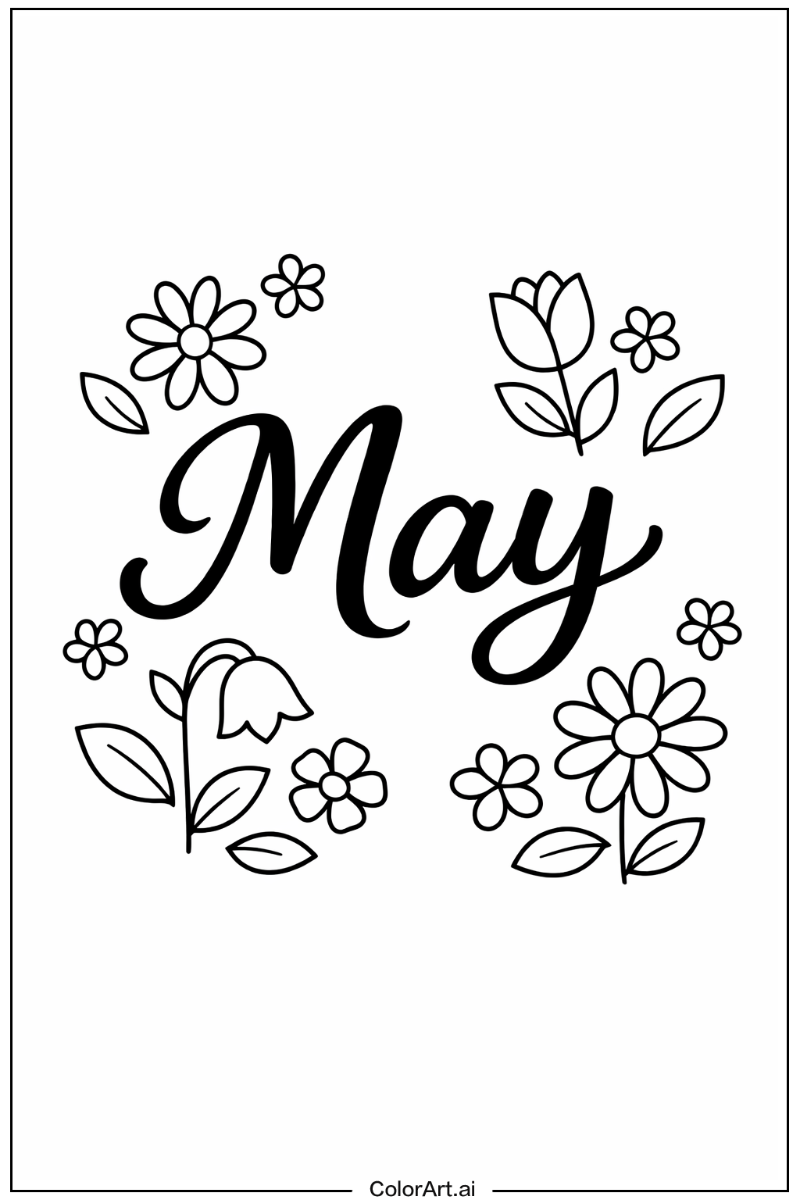
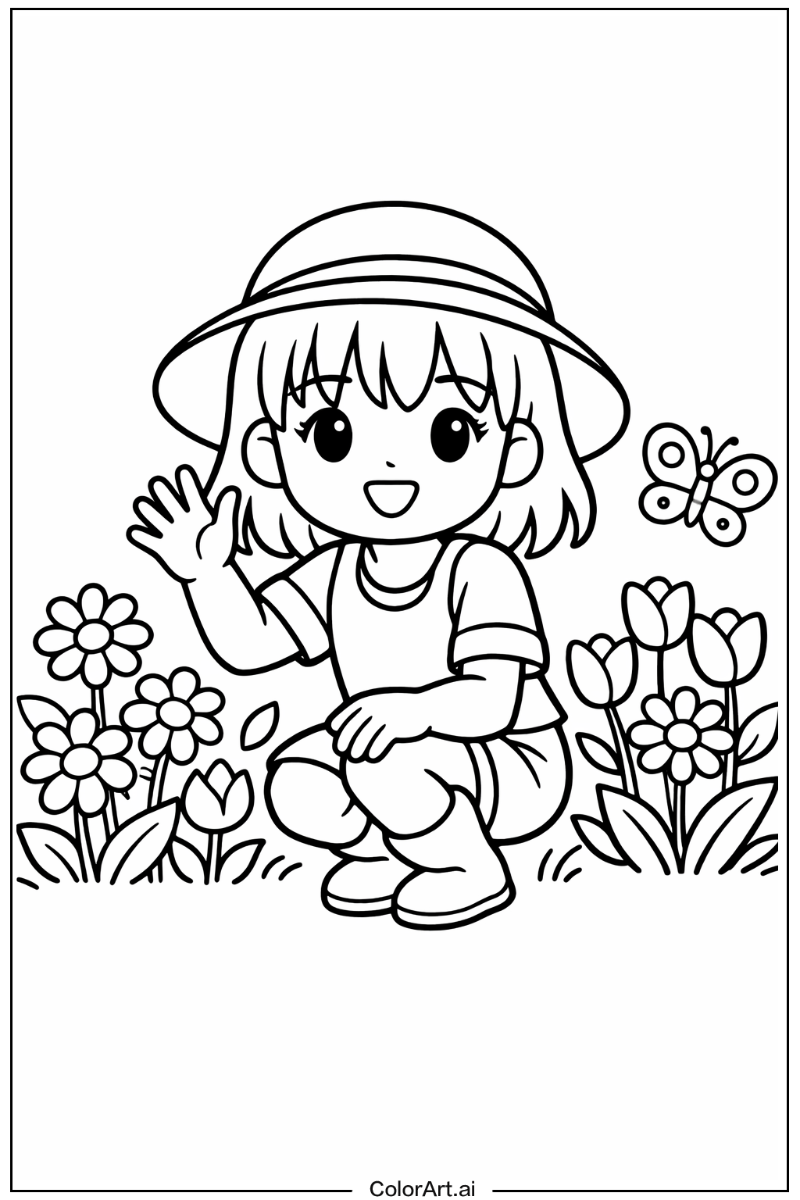
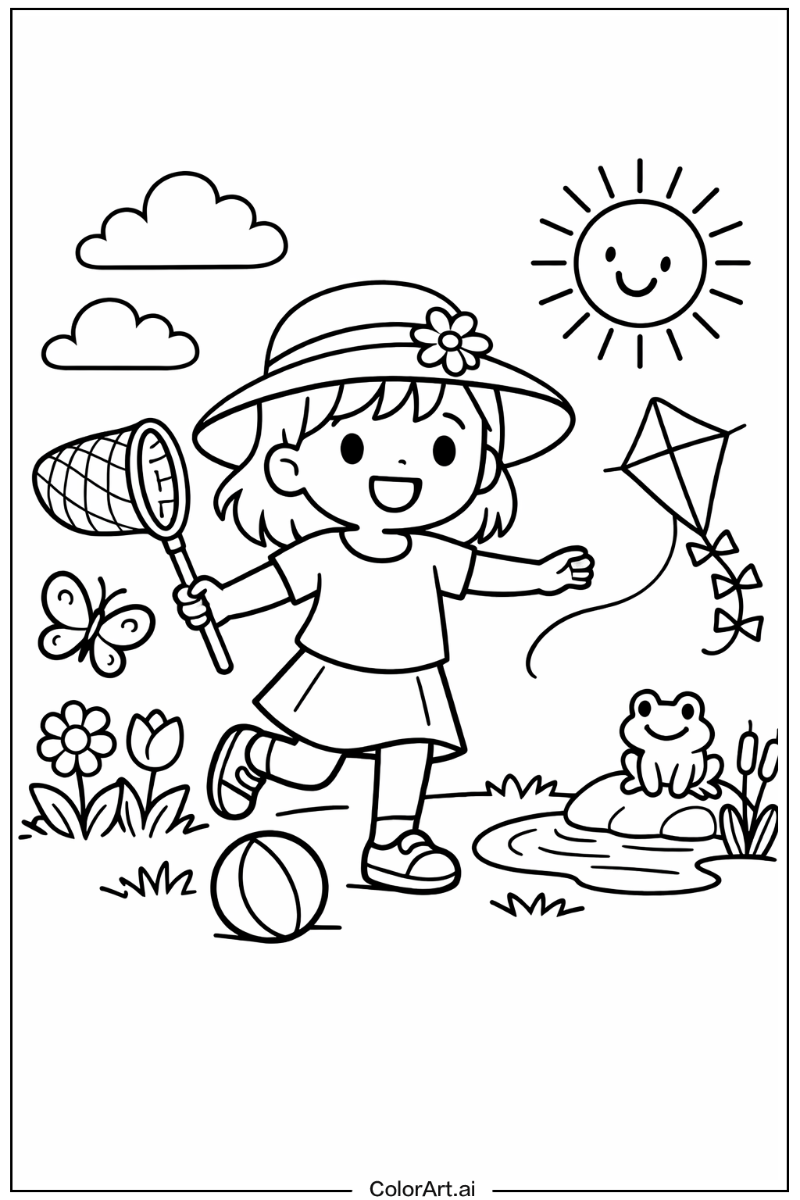
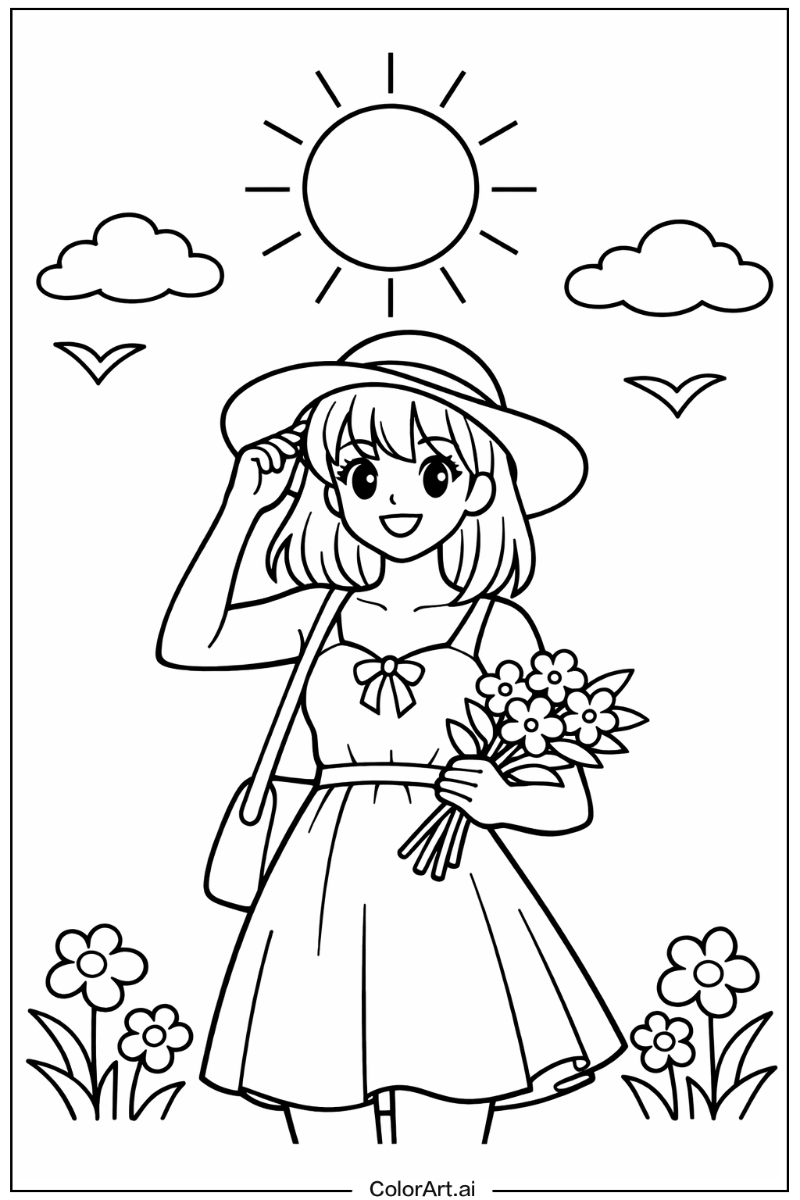
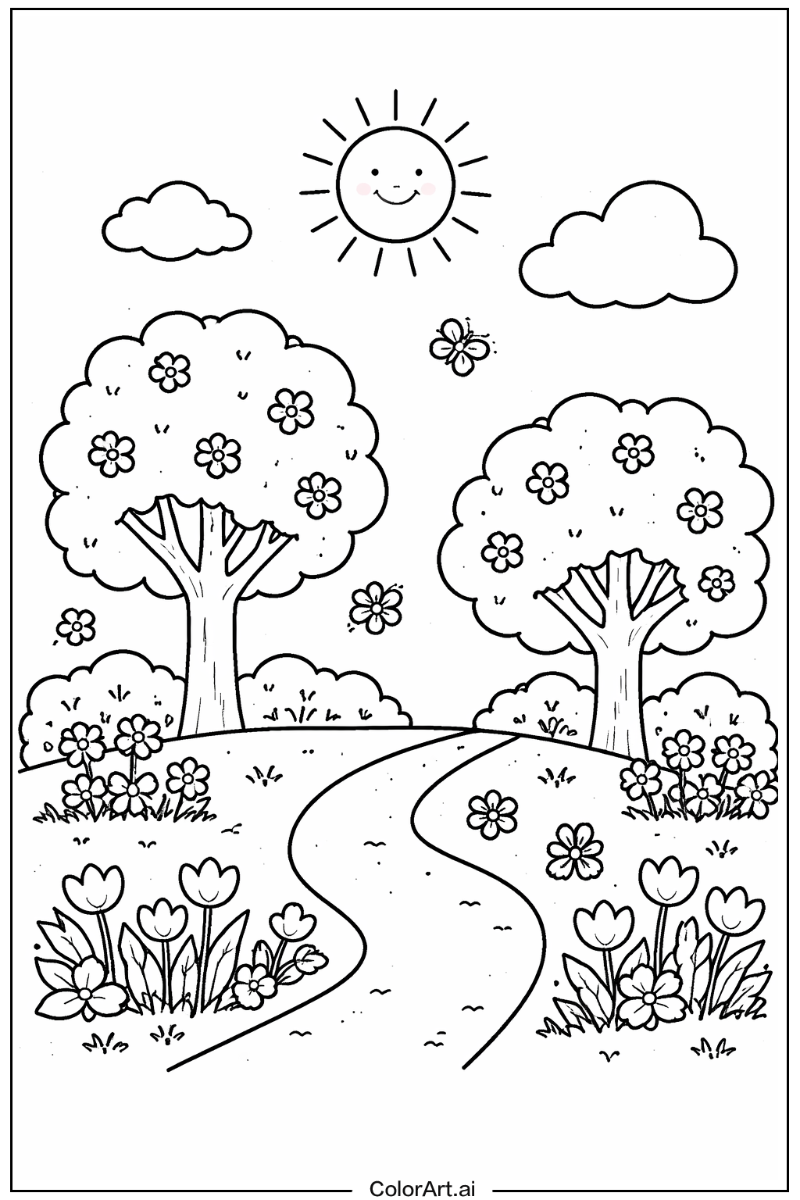
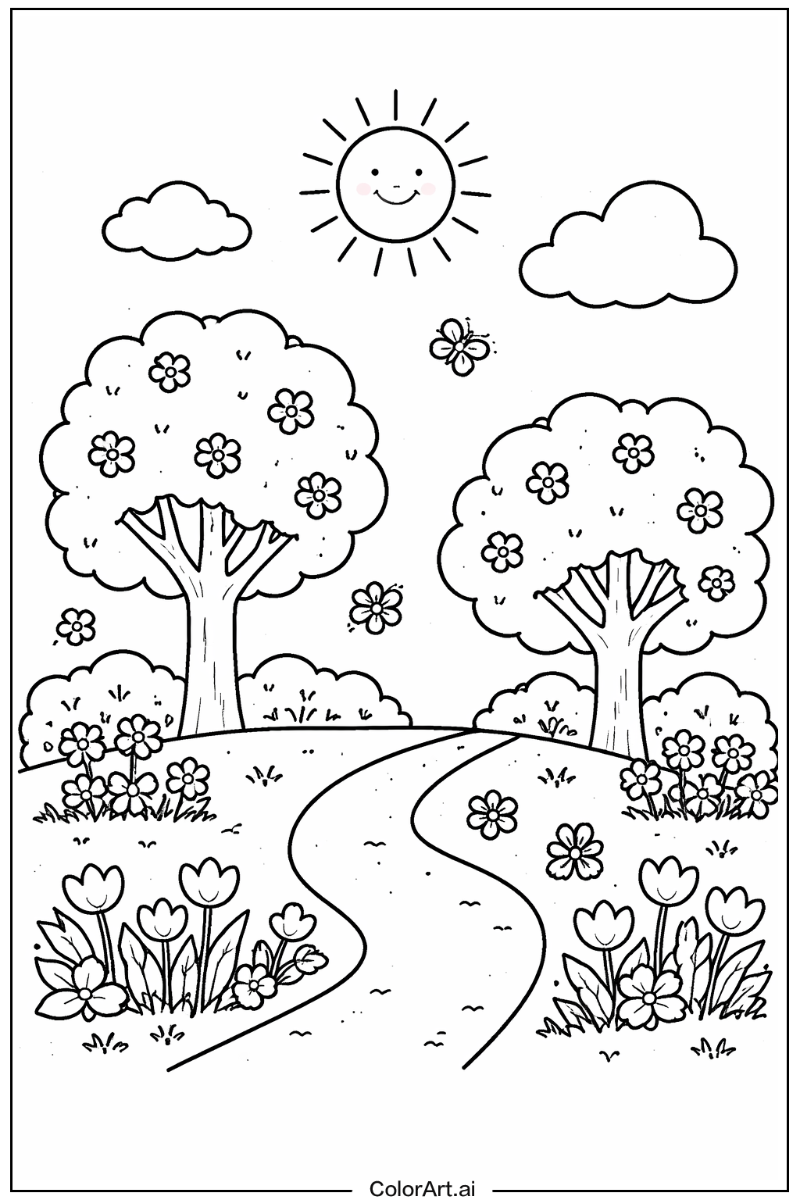
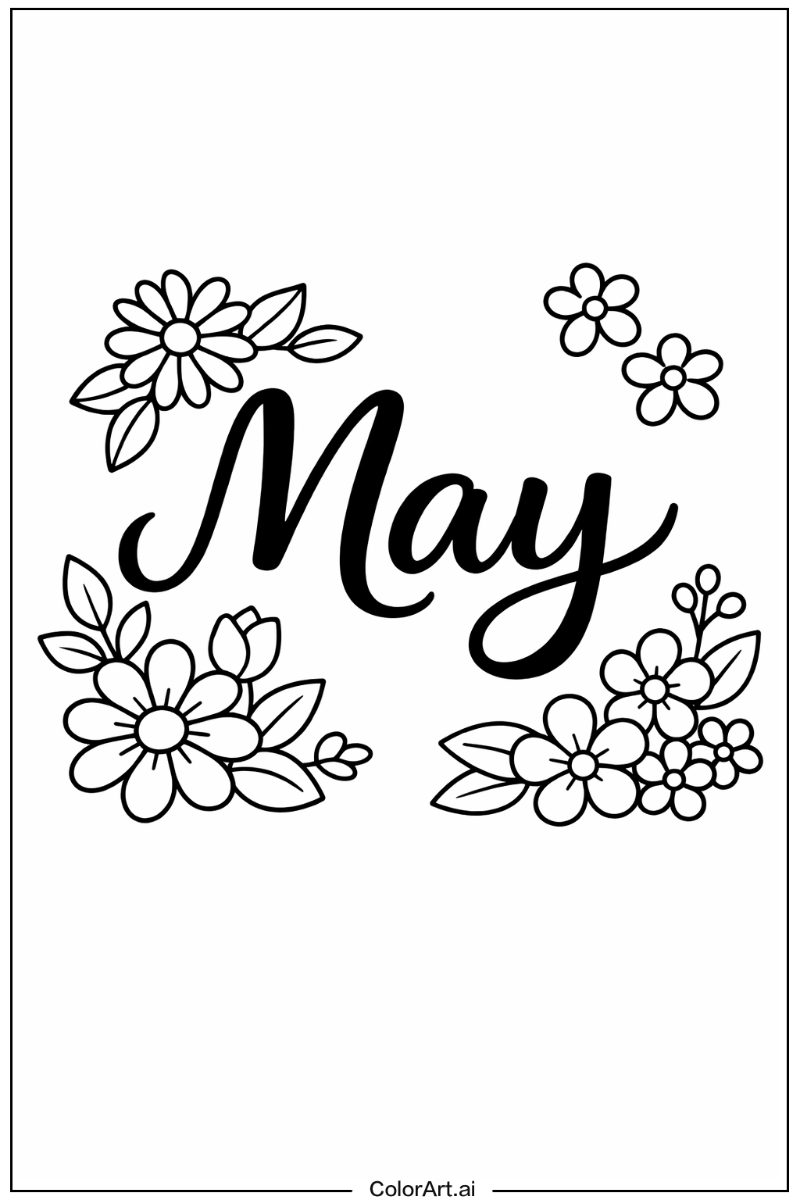
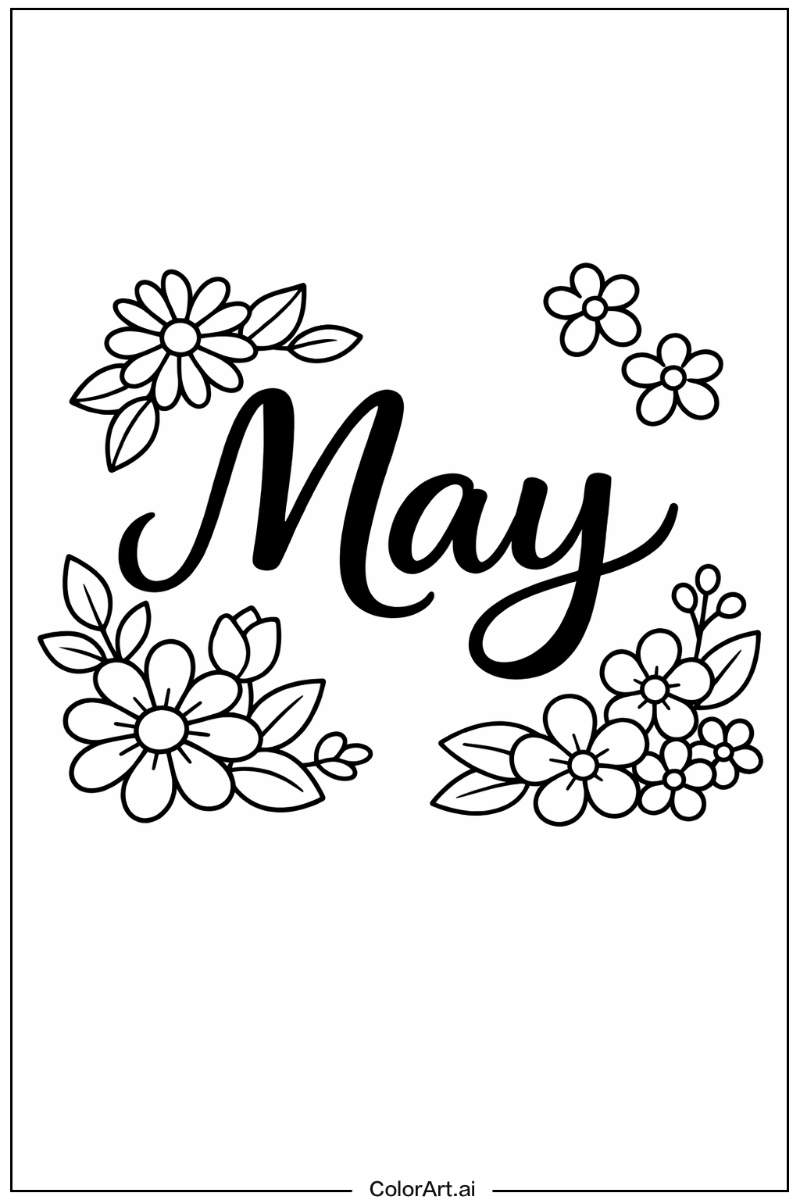
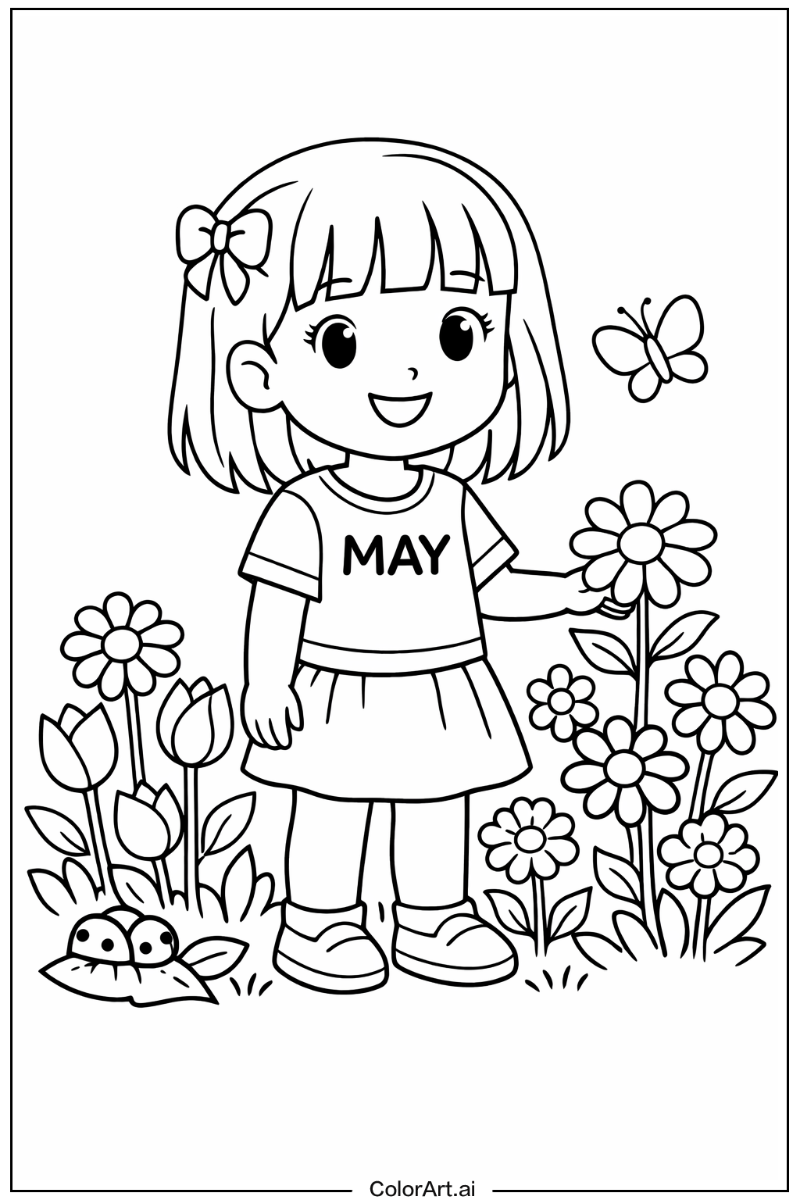
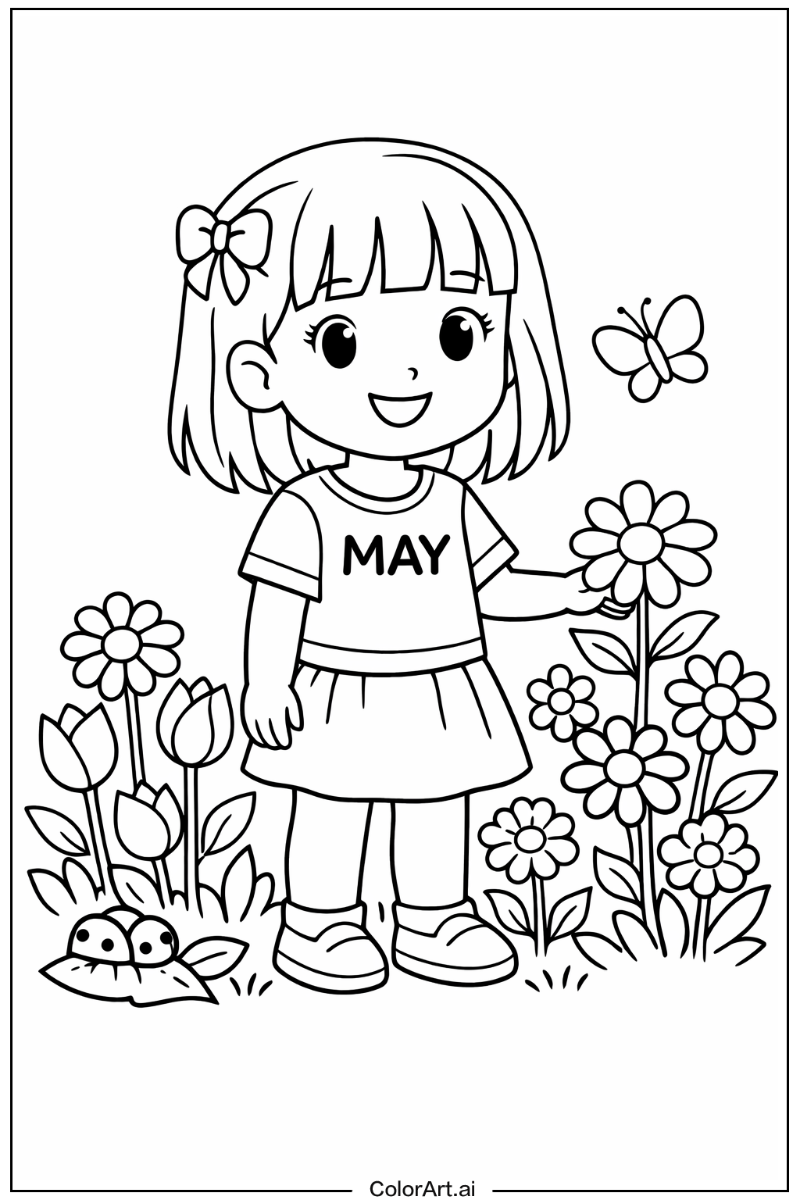
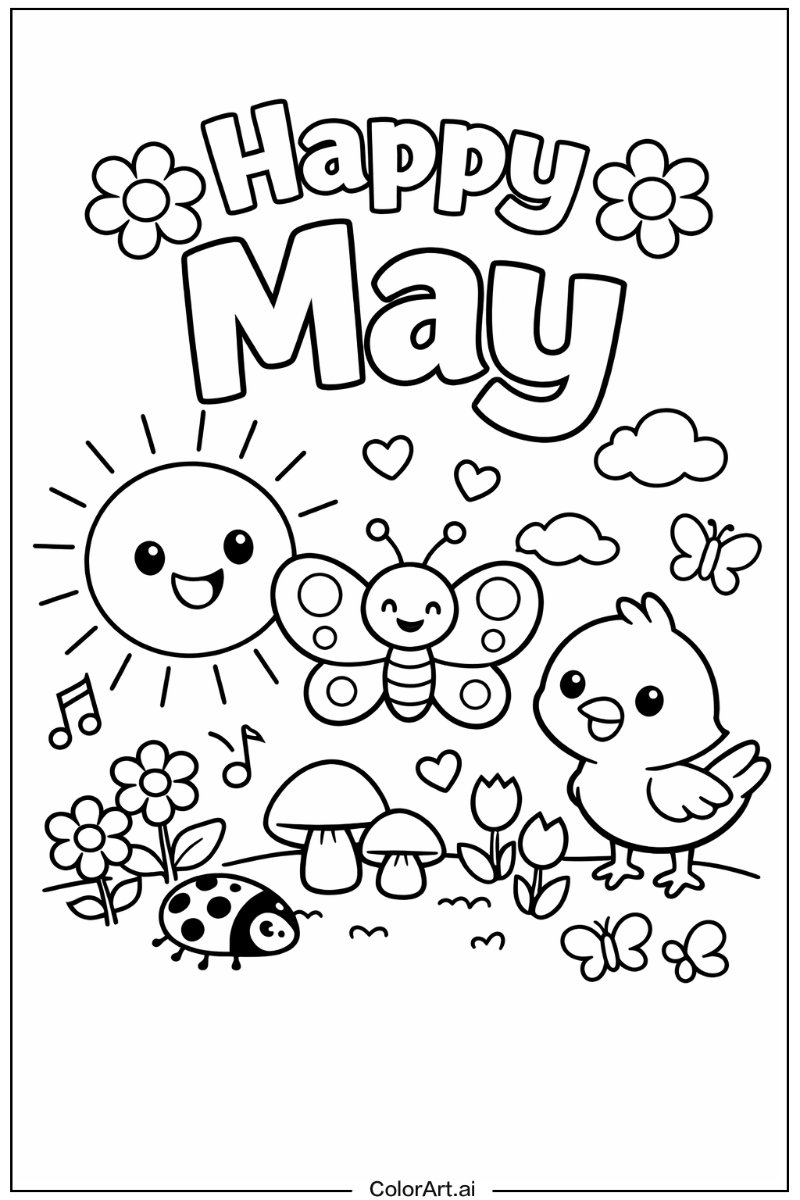
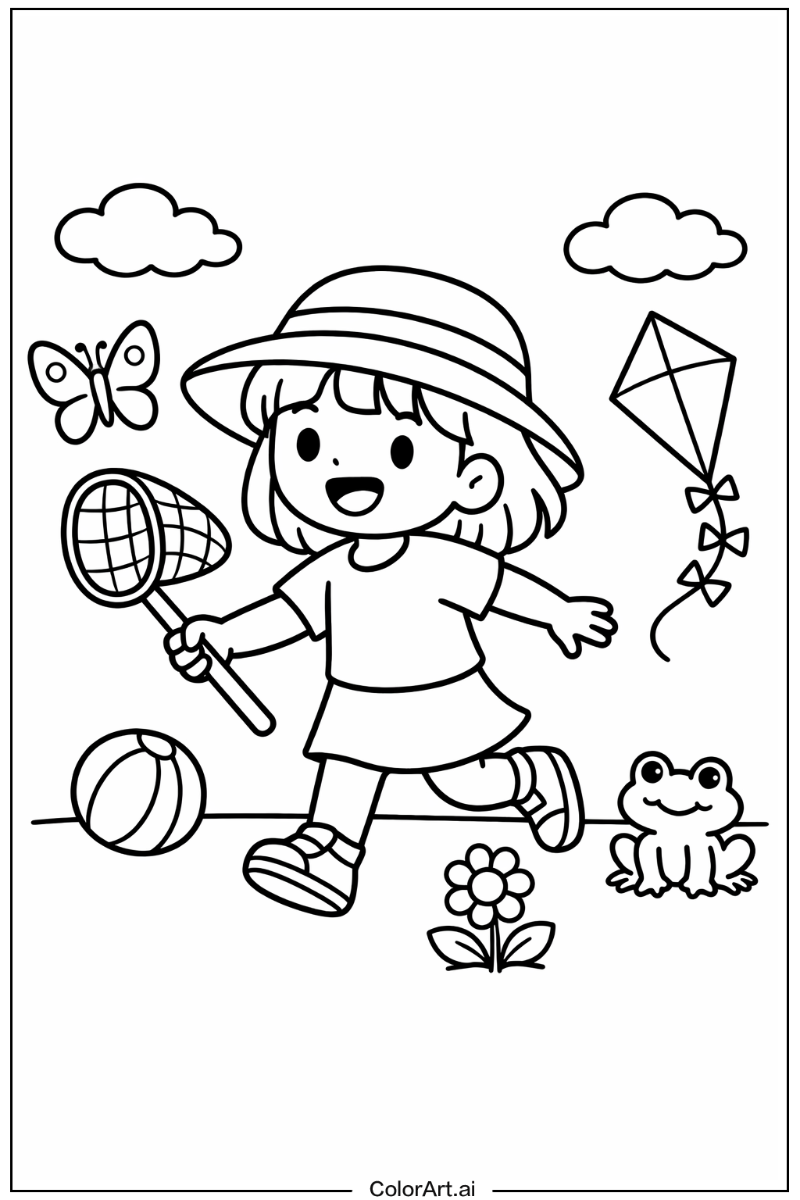
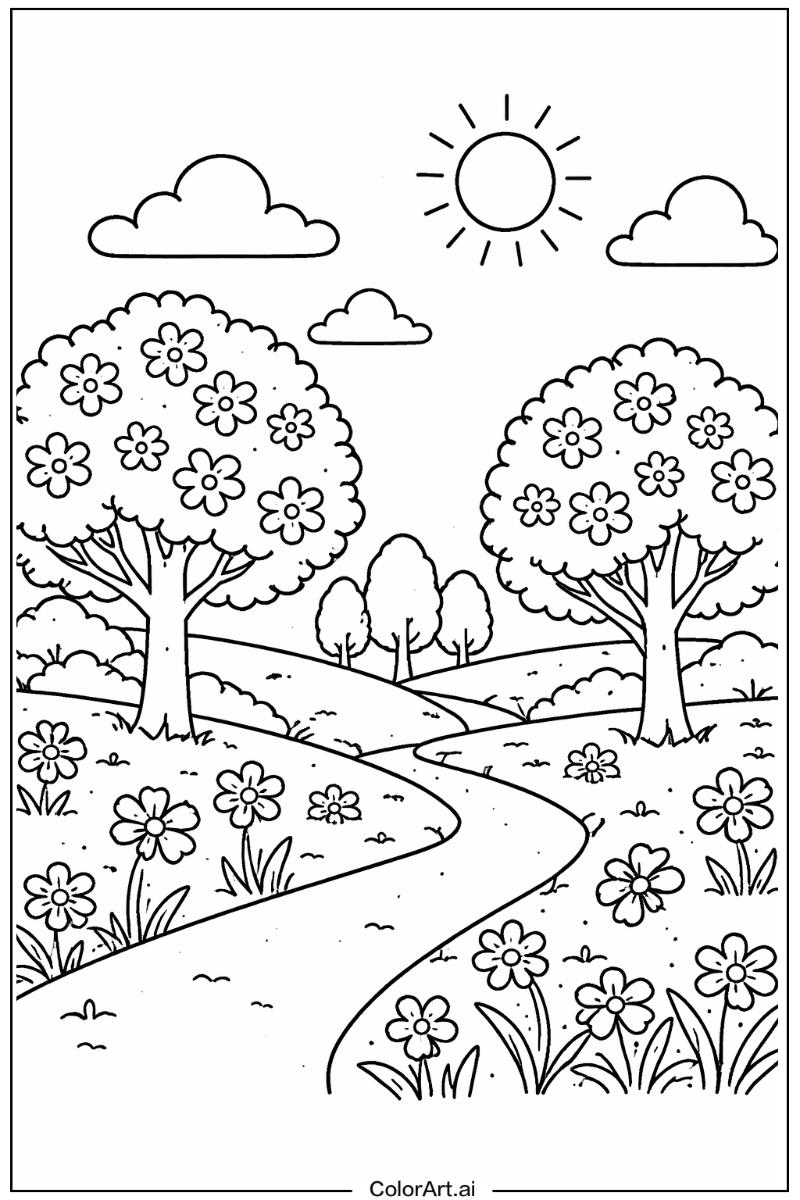
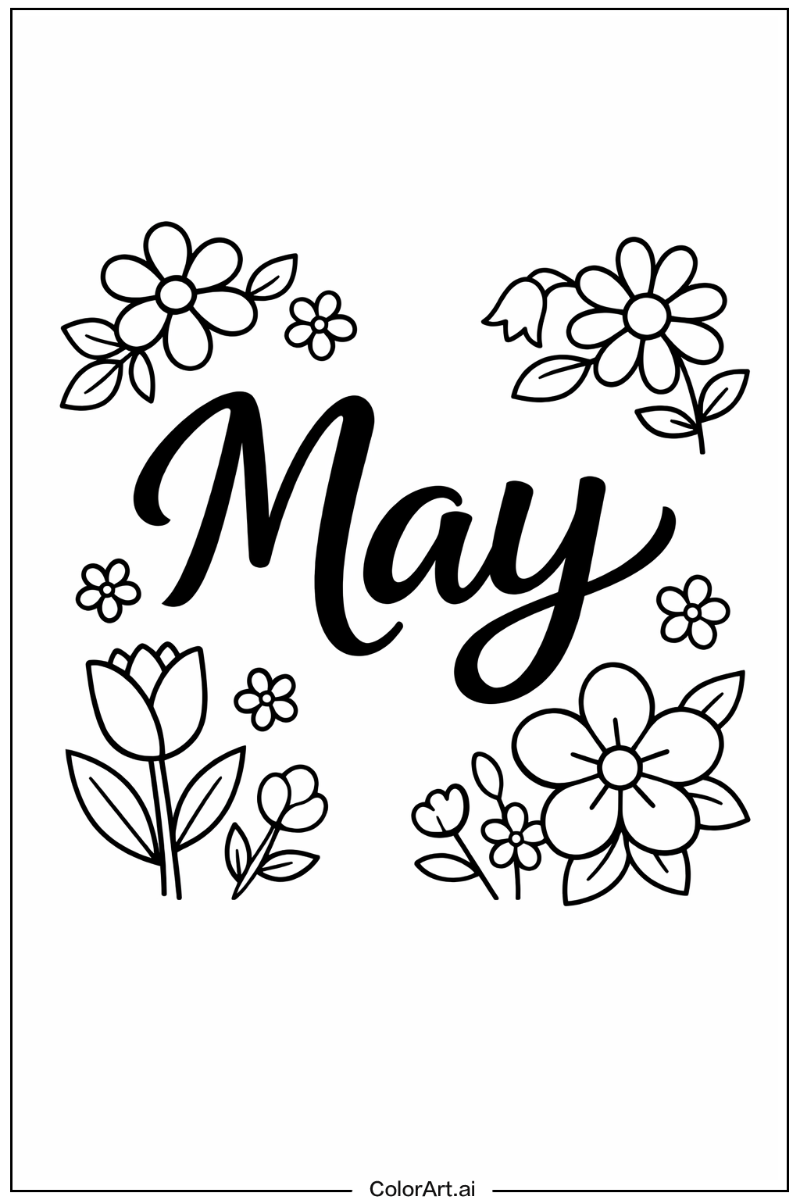
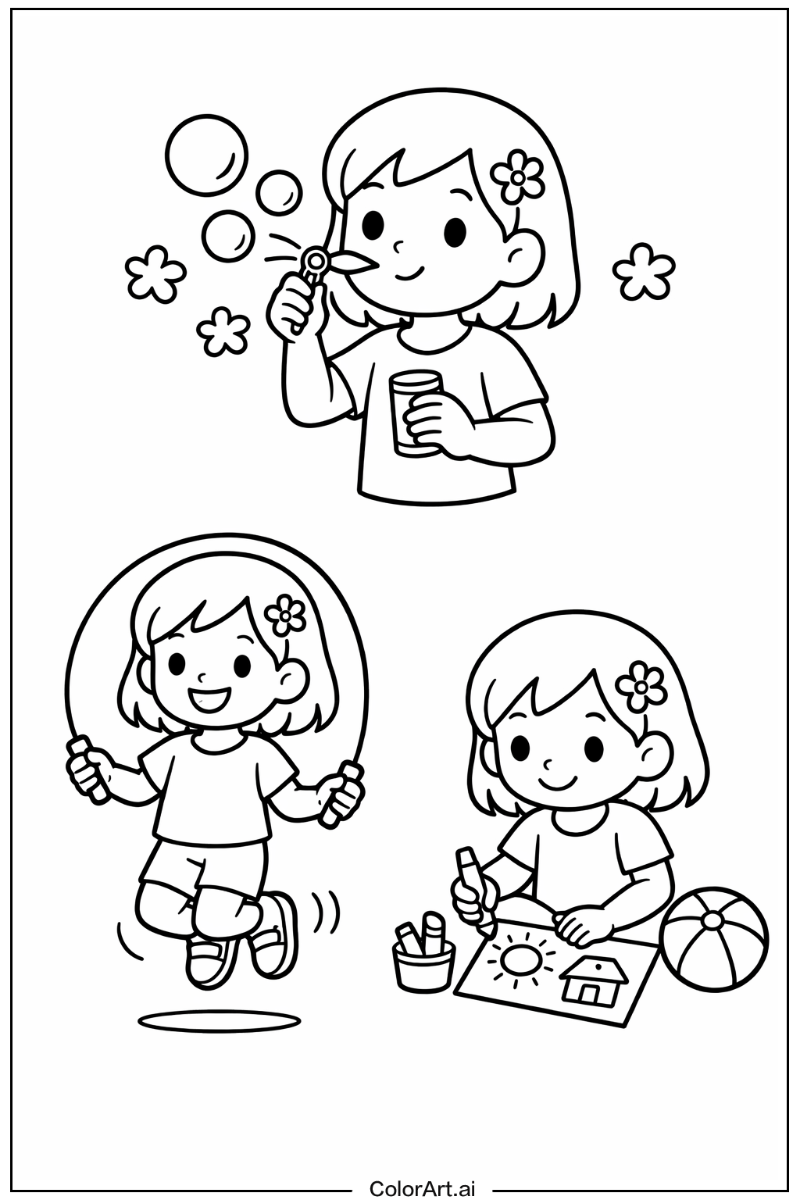
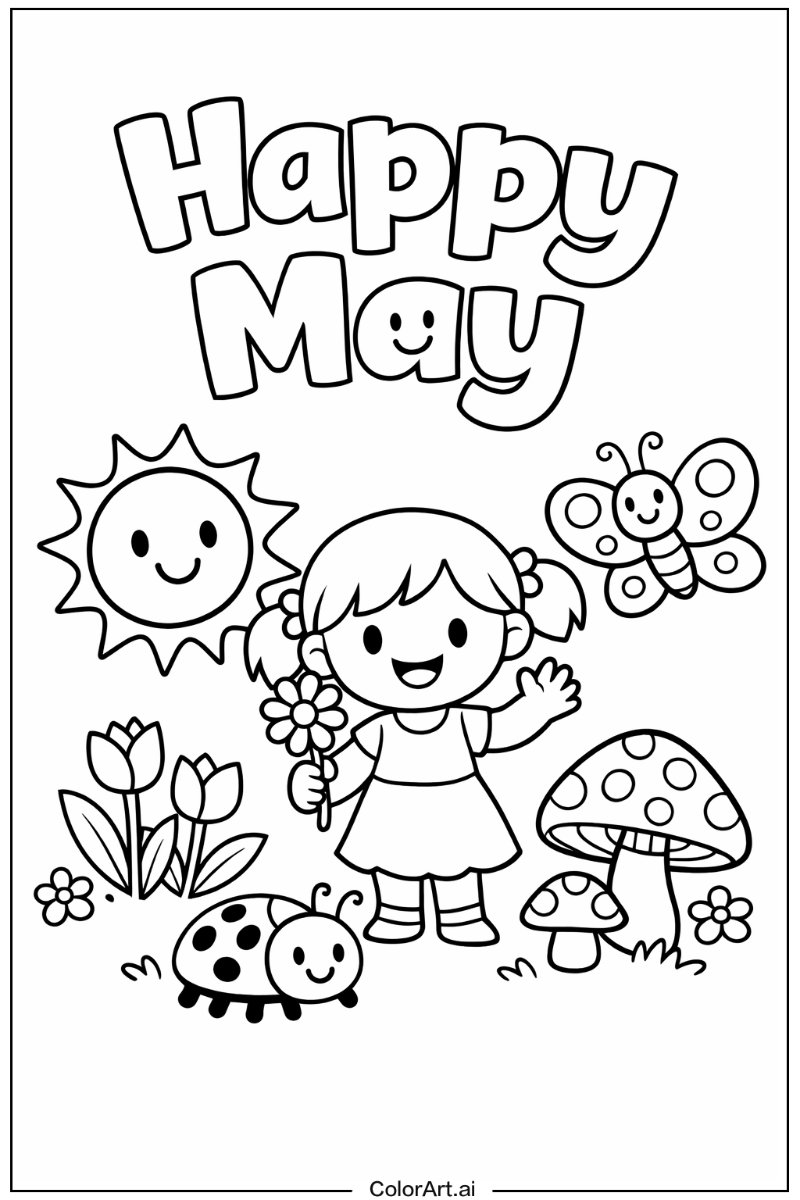
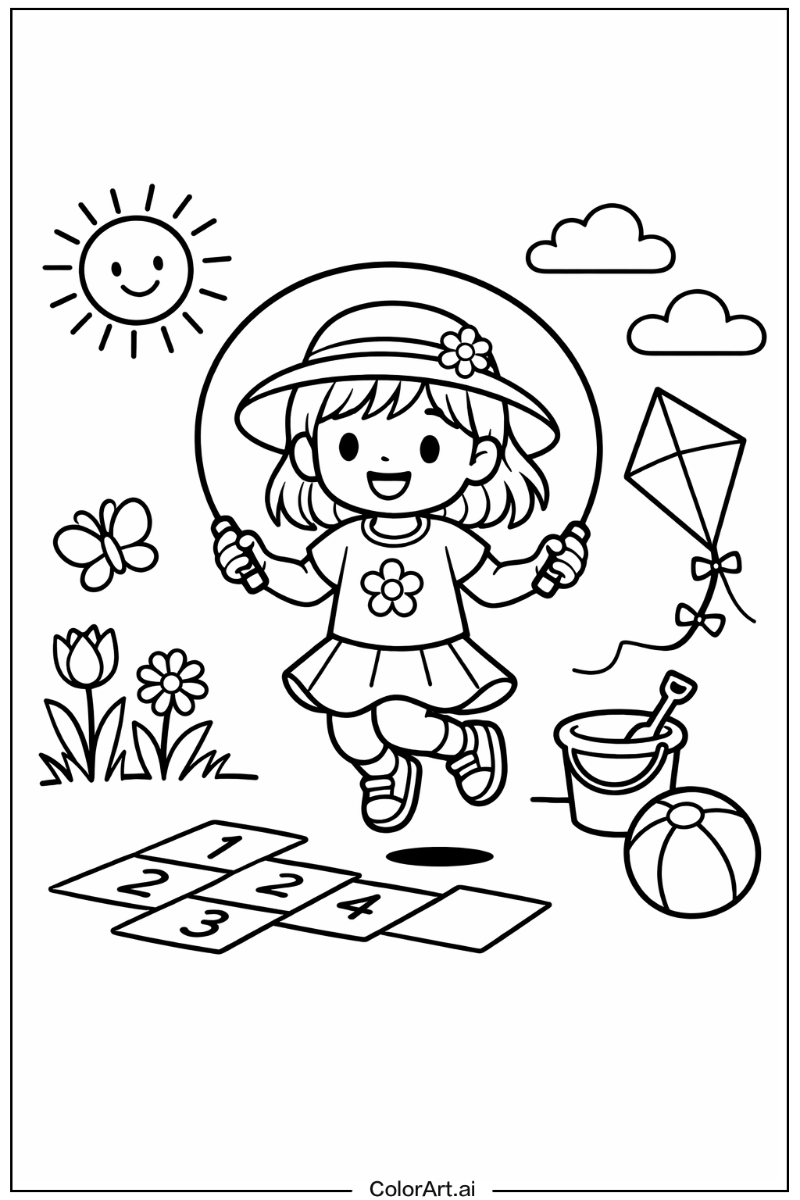
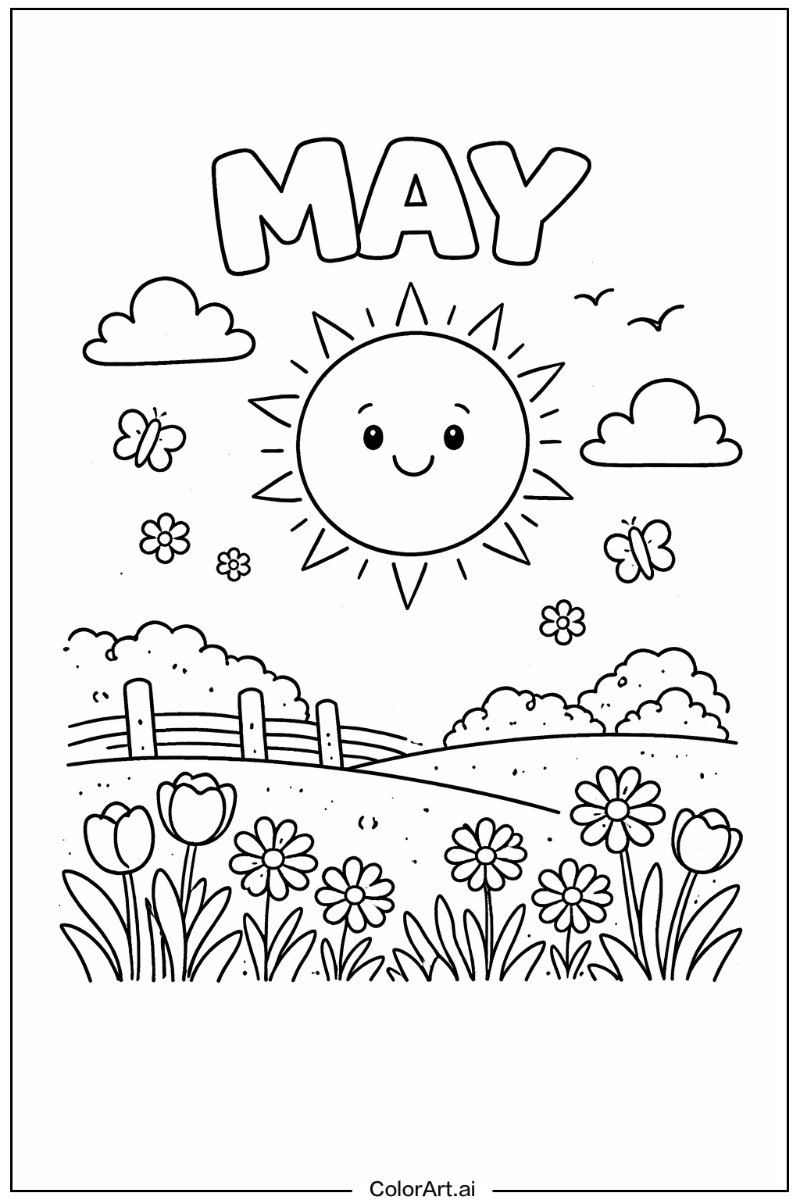
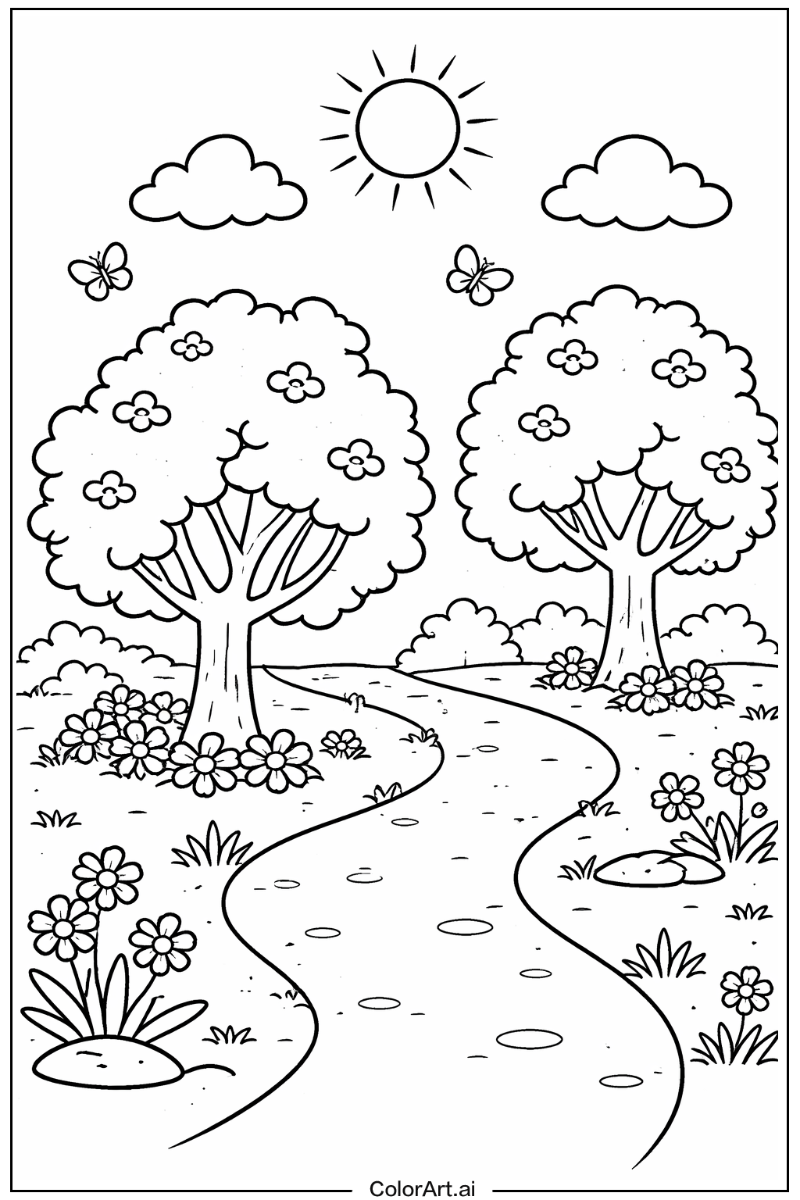
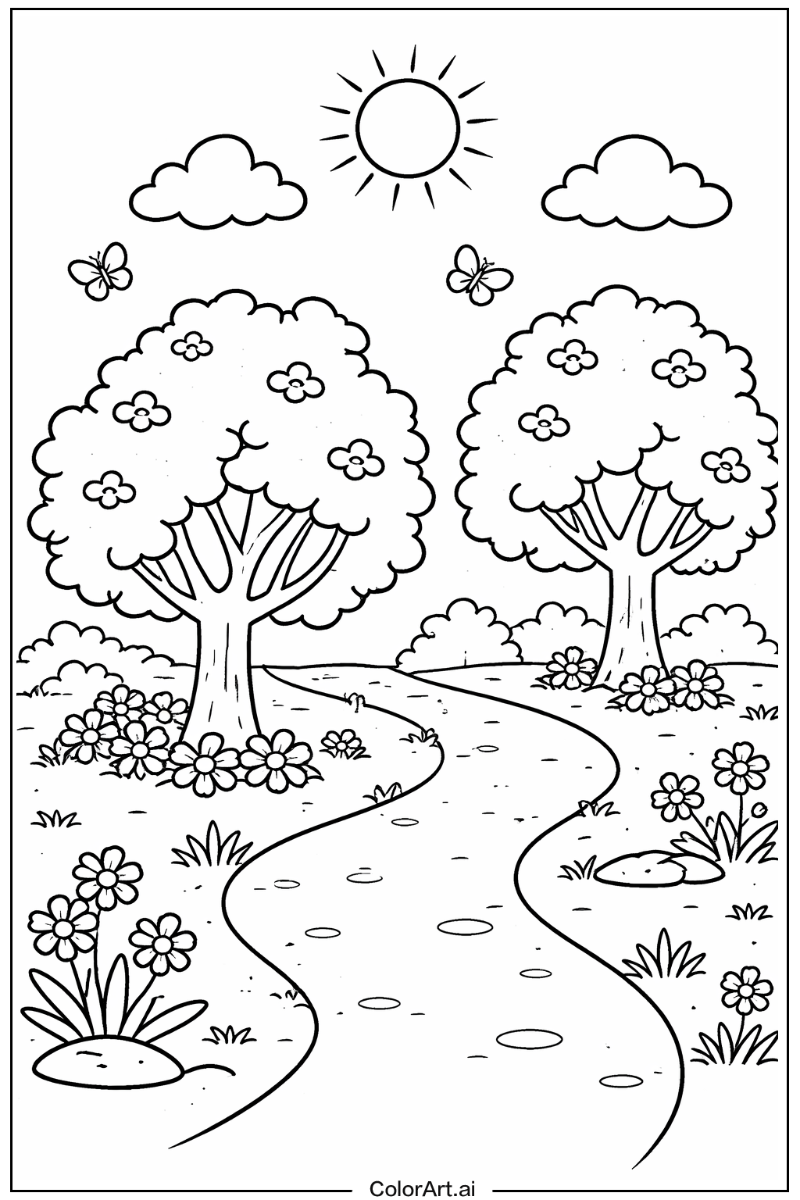
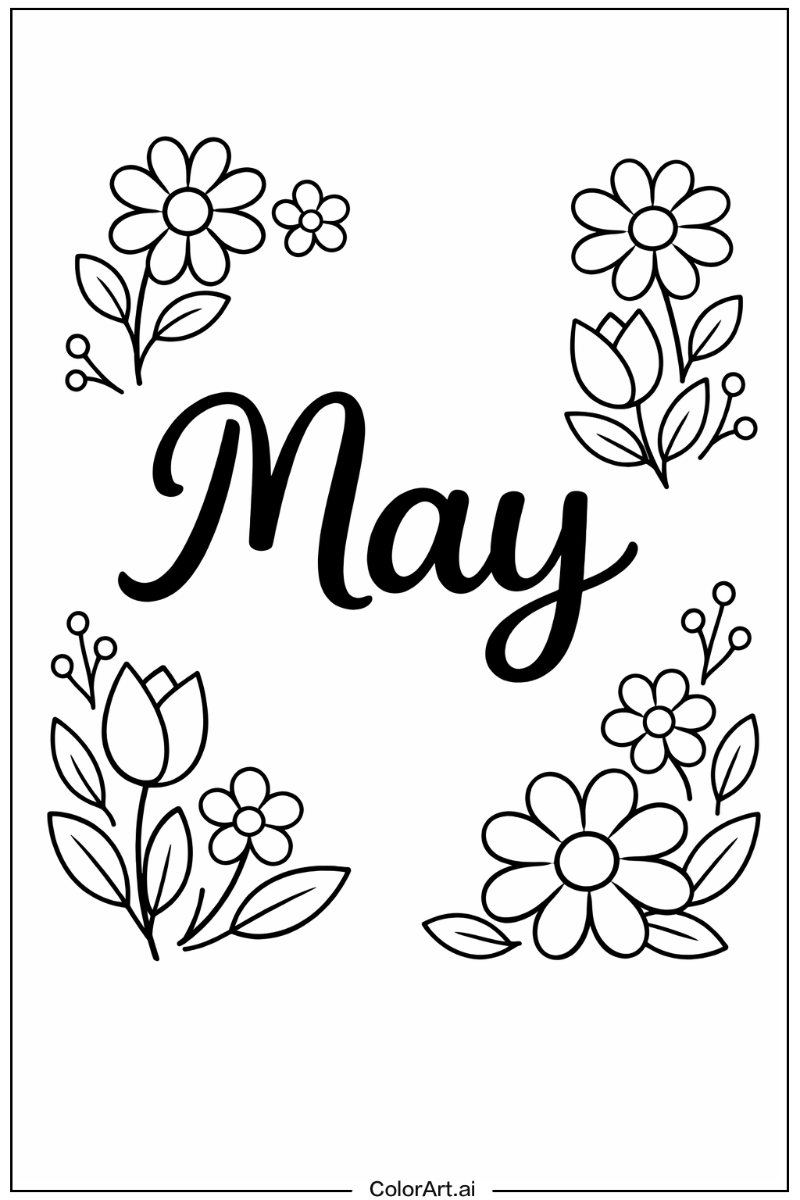
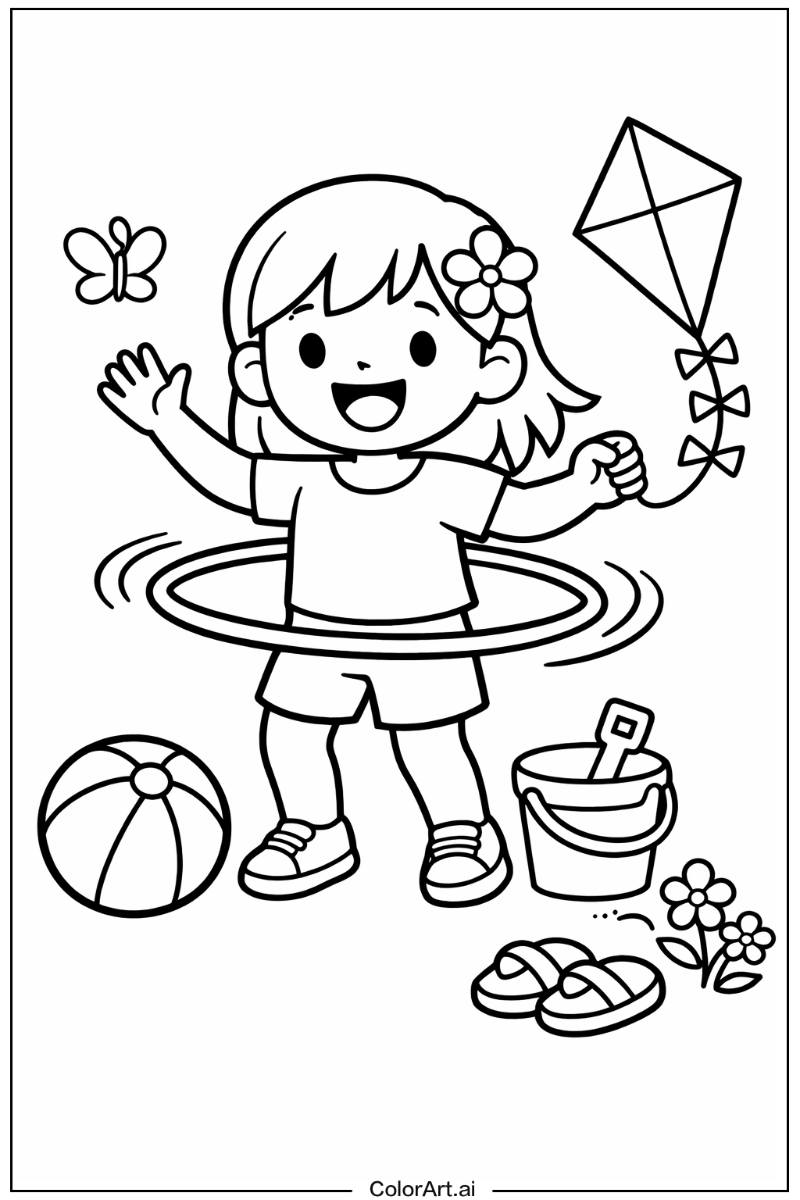
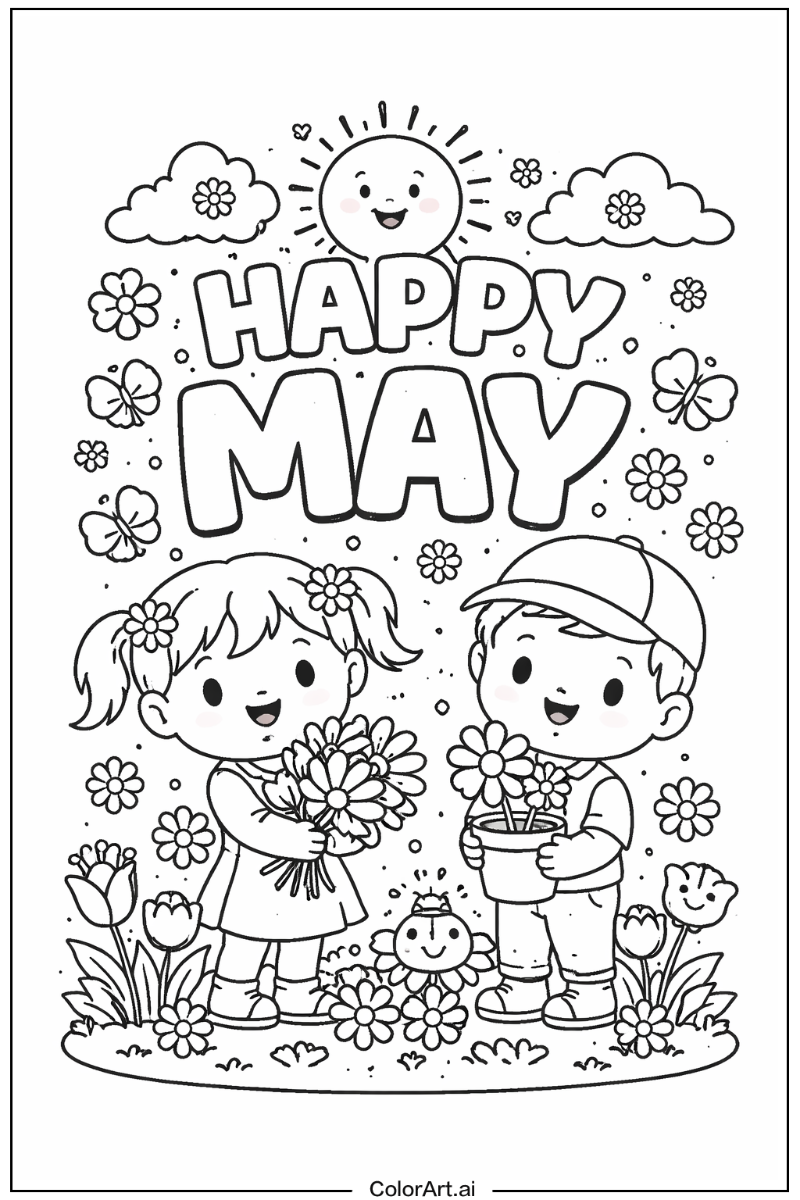
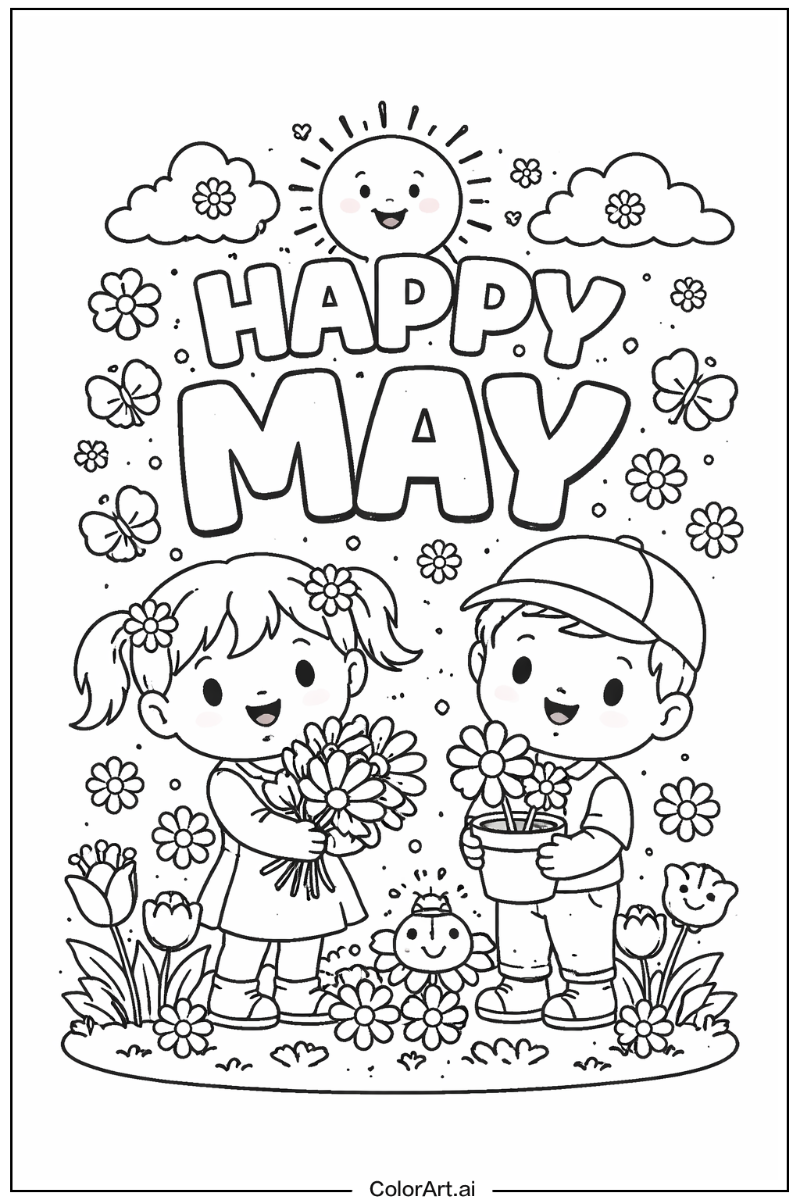
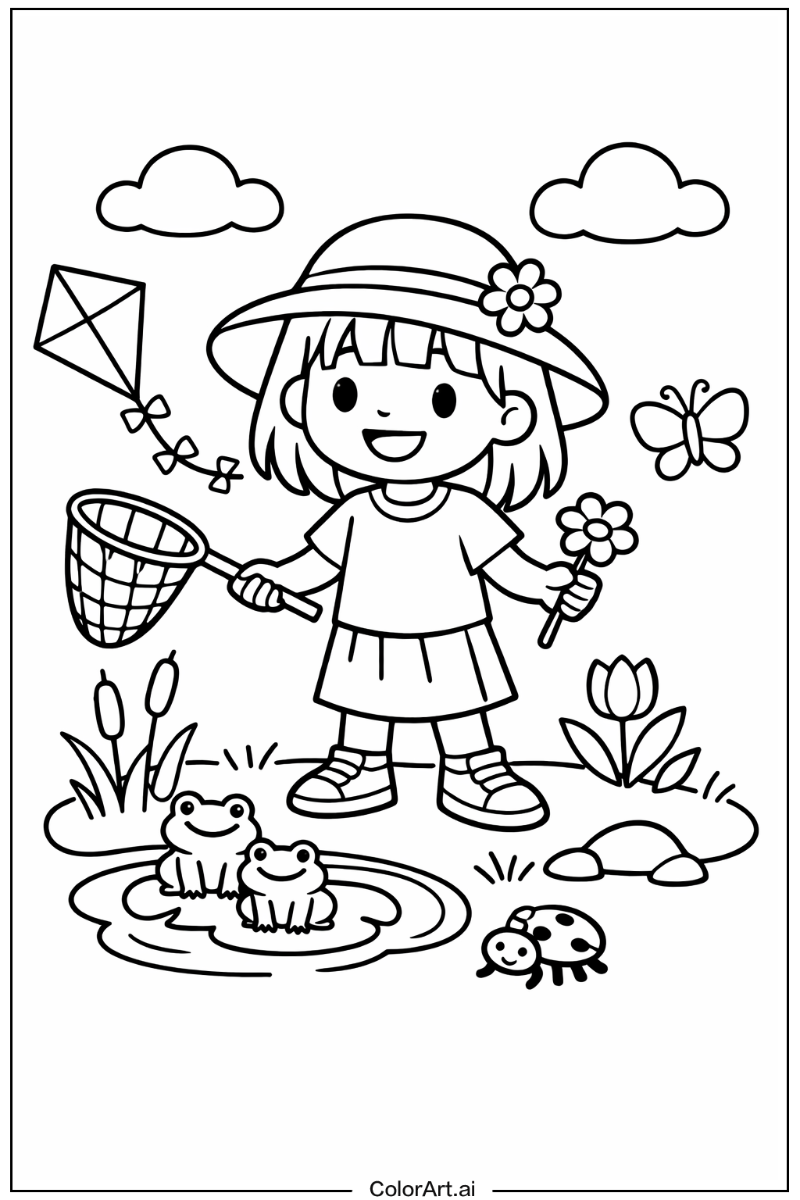
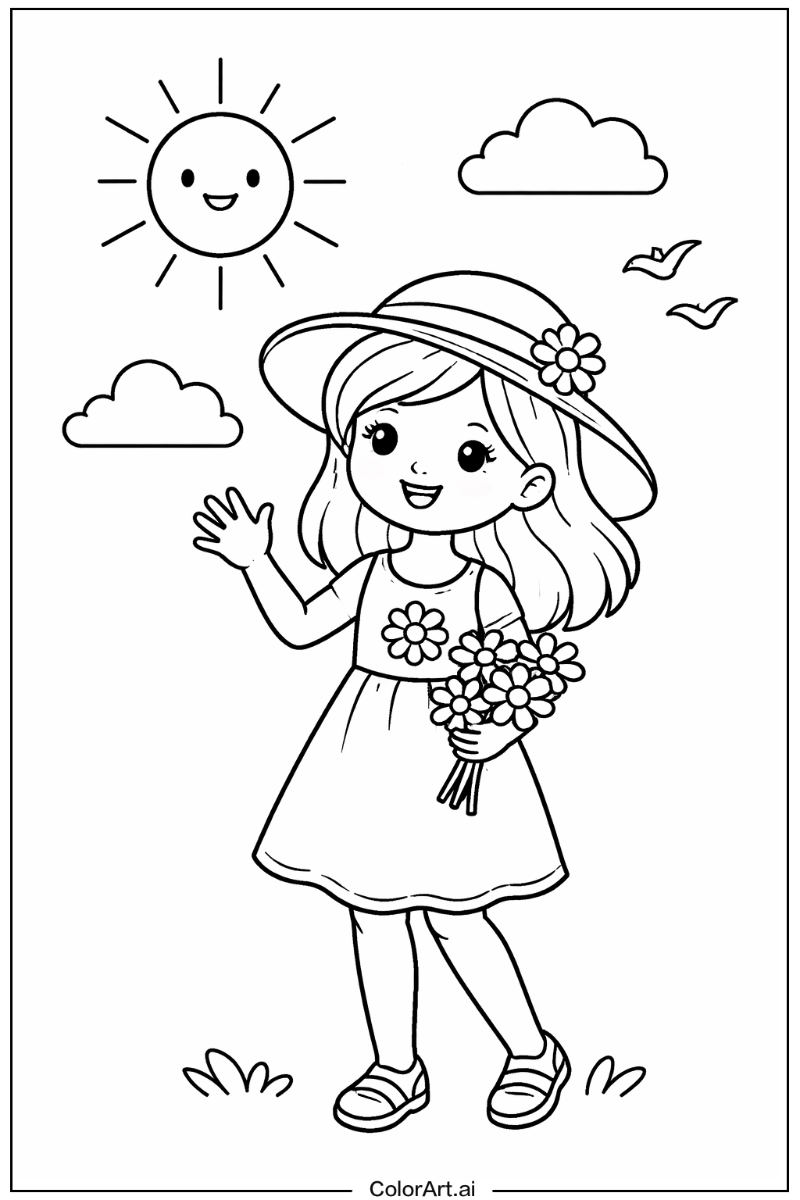
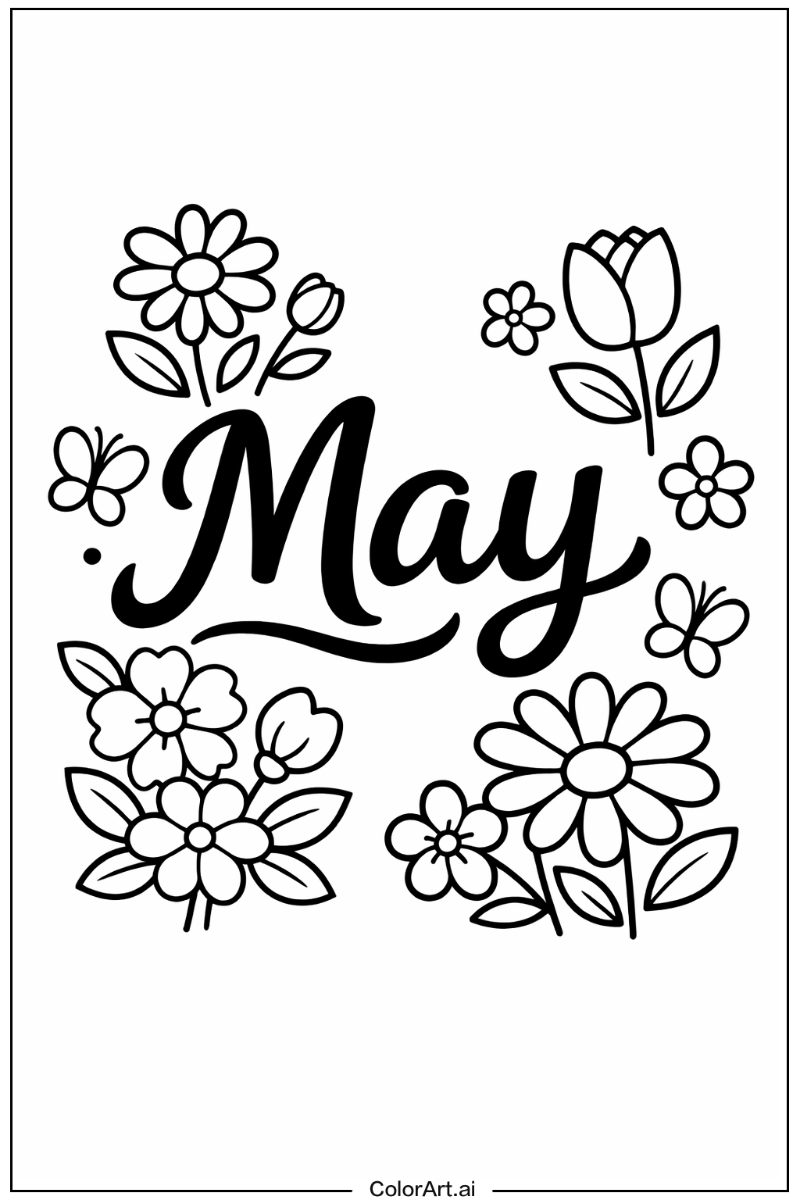
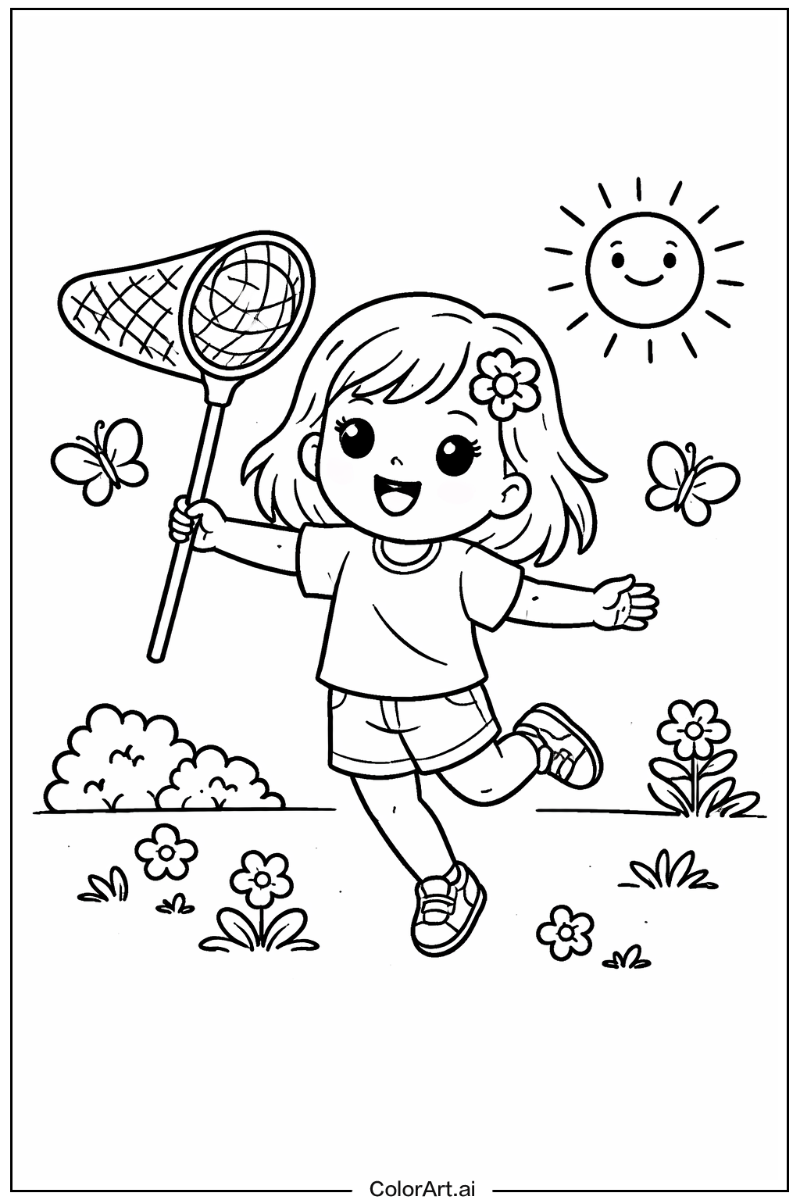
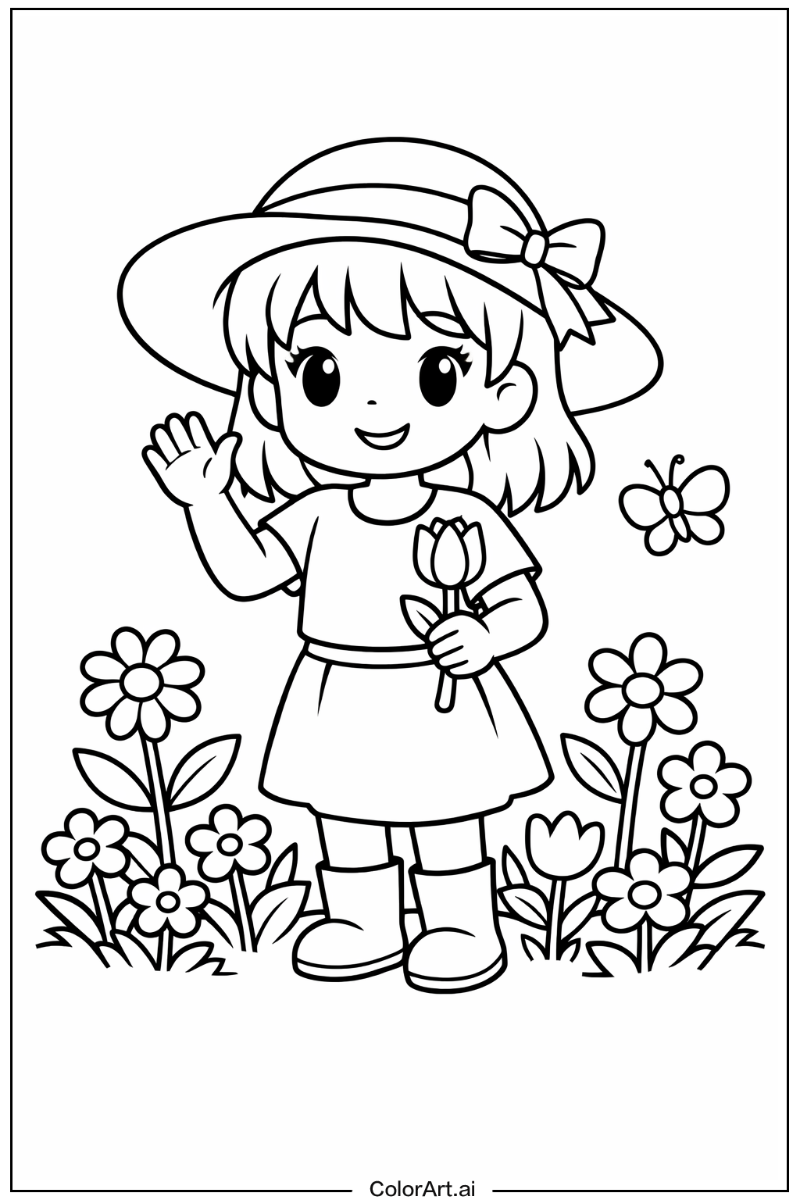
May is such a vibrant and delightful month! As the flowers bloom and the sun shines a bit brighter, I can’t help but feel inspired by the beauty of nature. In my elementary art classroom, May presents a wonderful opportunity to explore the themes of spring through coloring activities. Last year, my students were captivated by the colorful illustrations of blooming flowers, buzzing bees, and even rainbows that symbolize the joy of this season. They loved using their imaginations to bring these images to life. I believe that incorporating May-themed coloring pages not only enhances creativity but also fosters a love for the arts among young learners.
Group Coloring Pages
 PDF
PDF
 PNG
PNG
 PNG
PNG
 PNG
PNG
 PNG
PNG
 PNG
PNG

 PNG
PNG
 PNG
PNG
 PNG
PNG
 PNG
PNG
 PNG
PNG
 PNG
PNG

 PNG
PNG
 PNG
PNG
 PNG
PNG
 PNG
PNG
 PNG
PNG
 PNG
PNG
 PNG
PNG
 PNG
PNG
 PNG
PNG
 PNG
PNG
 PNG
PNG

 PNG
PNG
 PNG
PNG
 PNG
PNG
 PNG
PNG
 PNG
PNG
 PNG
PNG
 PNG
PNG
 PNG
PNG
 PNG
PNG

 PNG
PNG
 PNG
PNG
 PNG
PNG
 PNG
PNG
 PNG
PNG
 PNG
PNG
 PNG
PNG
 PNG
PNG

 PNG
PNG
 PNG
PNG
 PNG
PNG
 PNG
PNG
 PNG
PNG
 PNG
PNG
Understanding May: A Month of Growth
May is often celebrated as a month of renewal and growth. Historically, it has been associated with various cultural events and festivals, such as May Day and Mother’s Day. In many cultures, May symbolizes the end of spring and the beginning of summer, making it a perfect time to introduce students to the beauty of nature through themed coloring pages. In my classroom, we often discuss the significance of flowers like the hawthorn and the lily of the valley, both of which bloom beautifully during May. By using May coloring pages, students not only learn about these plants but also engage with their surroundings in a more meaningful way. This educational approach allows children to appreciate the rich history and cultural significance of May while expressing themselves artistically.
Benefits of May Coloring Activities in the Classroom
Integrating May-themed coloring pages into lessons provides numerous educational benefits. Firstly, coloring activities support fine motor skill development, especially for younger students. I remember a student named Emily who struggled with grip control; after weeks of coloring May flowers, I noticed a significant improvement in her dexterity. Secondly, these activities enhance concentration and focus, as they require attention to detail and patience. I often use May coloring pages as warm-ups before introducing new concepts, and I’ve seen my students’ engagement levels rise as they transition into more complex tasks.
Coloring also encourages emotional expression and creativity. For instance, during a Mother’s Day project, my students could choose colors that represented their feelings for their mothers while coloring themed pages. This not only allowed for personal expression but also built a sense of community as they shared their creations. Overall, May coloring pages intertwine art with various subjects such as science, history, and emotional learning, offering a holistic approach to education.
Practical Tips for May Coloring Techniques
When it comes to coloring May-themed pages, I encourage my students to explore different techniques to enhance their artwork. One tip I often share is to use varying pressure on their crayons or colored pencils. This technique creates depth and texture, making flowers look more realistic. Additionally, I recommend blending colors for a more vibrant effect; for example, using shades of yellow and orange together can create stunning sunflowers. It’s also essential to use high-quality materials when coloring; I always suggest using heavier paper or cardstock for May coloring pages to prevent bleeding and tearing.
Lastly, I love incorporating discussions about color theory while we color. I ask students to think about complementary colors or how different colors evoke specific feelings, which ties back to the emotional benefits of coloring. These simple tips not only enhance their coloring skills but also deepen their understanding of artistic concepts.
Current Trends in May Art Education
In recent years, there has been a growing trend in incorporating mindfulness and therapeutic practices into art education. Many educators, including myself, have embraced the idea of using May coloring pages as a means of promoting relaxation and reducing anxiety among students. During a particularly busy week last May, I introduced a series of intricate flower coloring pages to my third graders. I noticed that as they colored, they became more focused and calm, engaging deeply with the patterns and colors. This aligns well with the current understanding that coloring can serve as a form of therapy. The popularity of mindfulness coloring books has led to an increased interest in themed pages like those for May, which can be used to promote emotional well-being while also being educational.
Frequently Asked Questions about May Coloring Pages
What ages are May coloring pages suitable for?
May coloring pages can be suitable for a wide range of ages, from toddlers to adults. For younger children, simple designs featuring large flowers or bees are great, while older students might enjoy more intricate patterns.
How long does it take to complete a May coloring page?
The time it takes to complete a May coloring page can vary depending on the complexity of the design and the age of the child. Generally, younger kids may take 15-30 minutes, while older students might spend an hour or more on detailed pages.
Can I use May coloring pages for educational purposes?
Absolutely! May coloring pages are perfect for educational settings. They can tie into lessons about nature, seasons, and cultural events, making them versatile tools for teaching.