Exploring the Colorful World of Ocean Animals
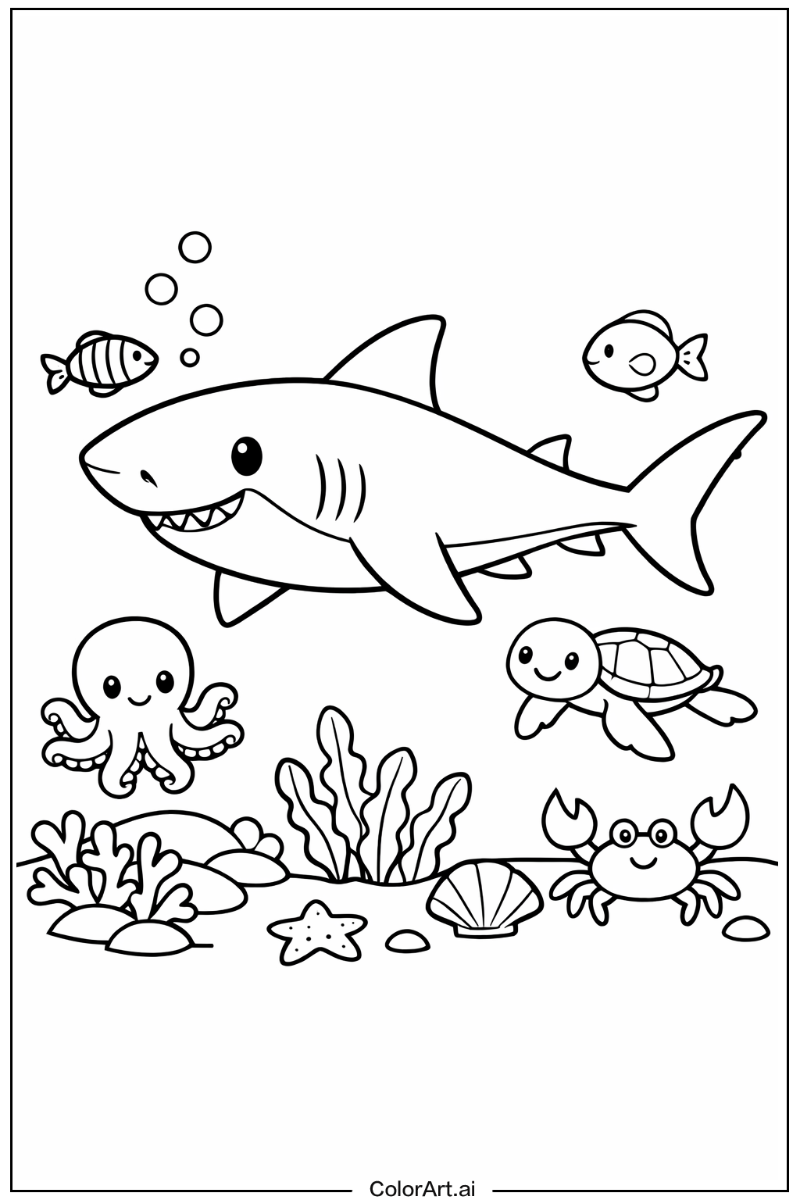
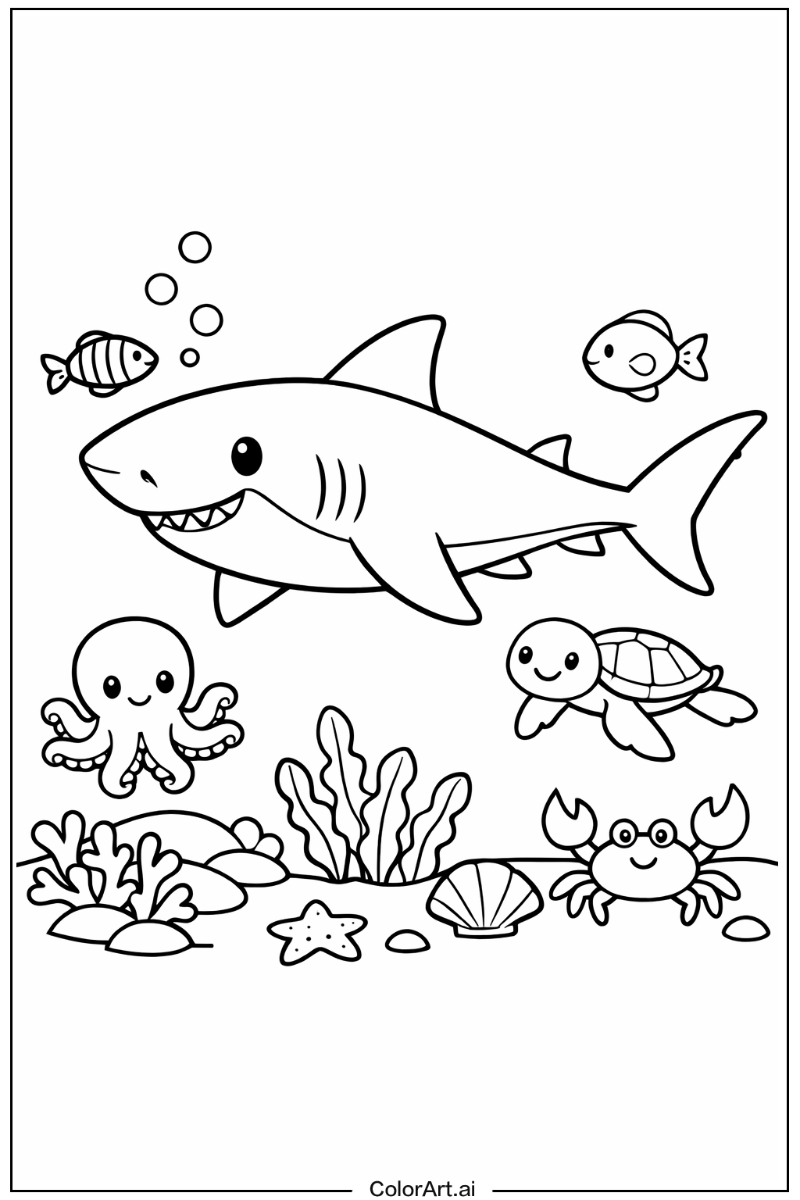
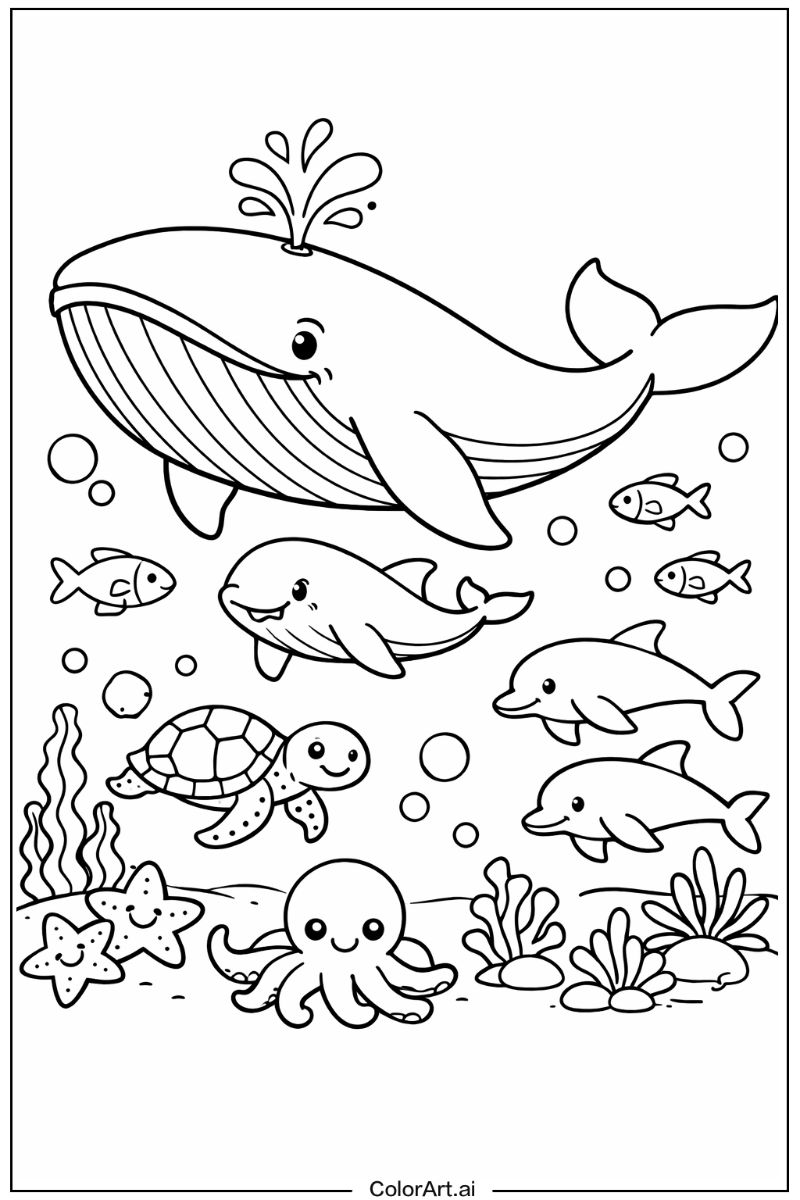
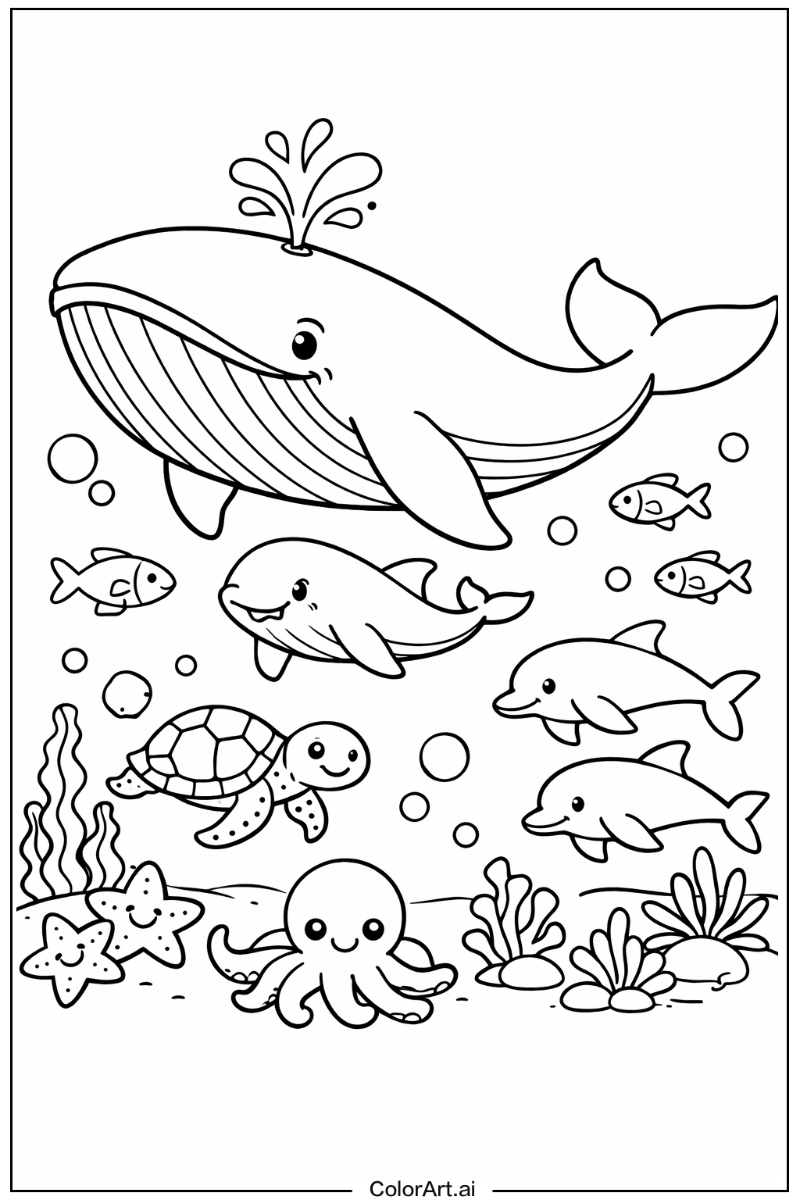
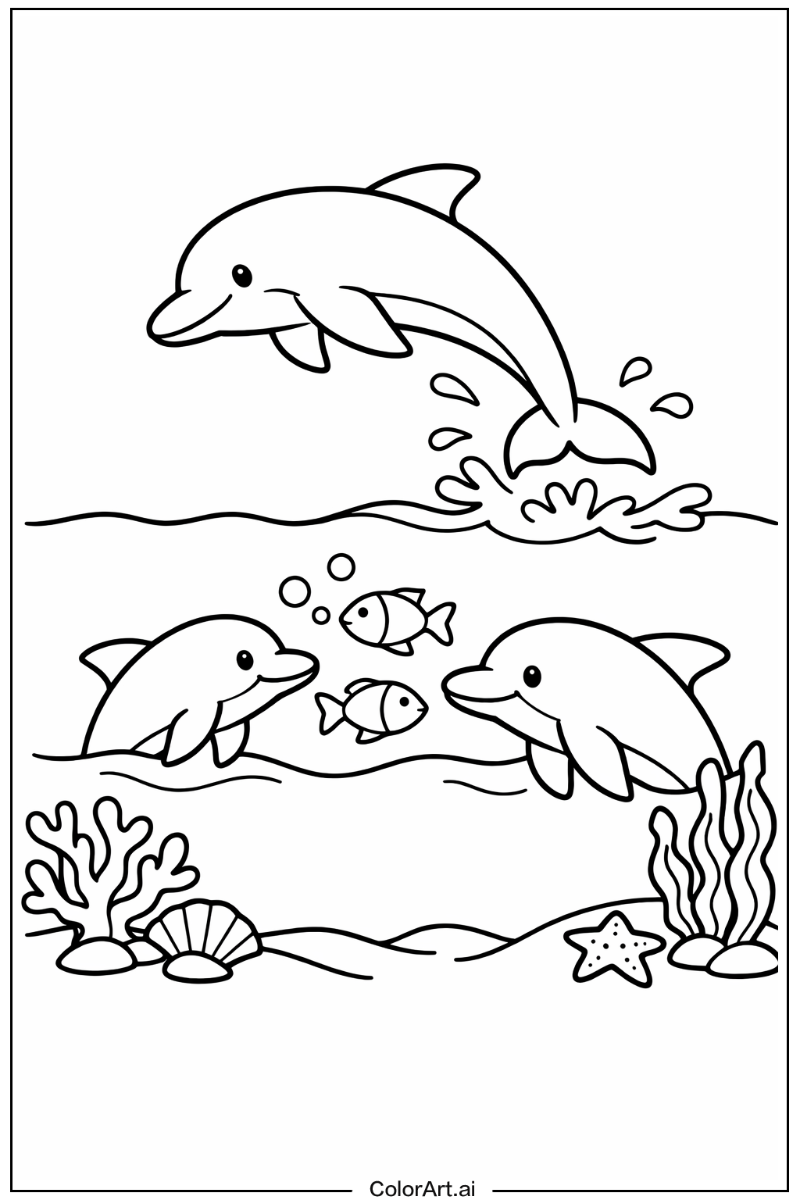
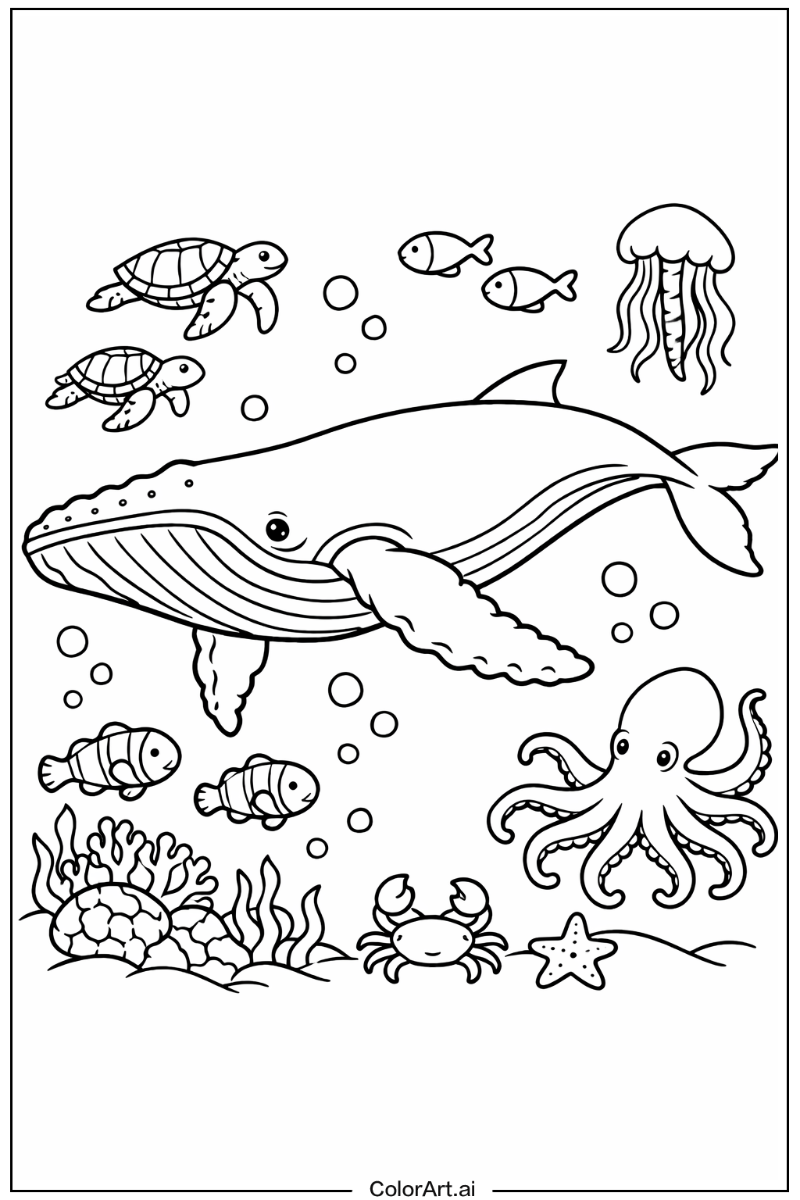
Imagine a world beneath the waves, filled with vibrant colors and fascinating creatures. As we dive into the realm of ocean animals, we unveil a spectacular variety that captivates the imagination of children and adults alike. From the playful dolphins to the majestic whales, each ocean animal brings a unique story and character to our understanding of marine life. In my experience as an elementary art teacher, I’ve found that coloring pages featuring ocean animals are not just a fun activity; they serve as a powerful educational tool that ignites curiosity and creativity in young learners.
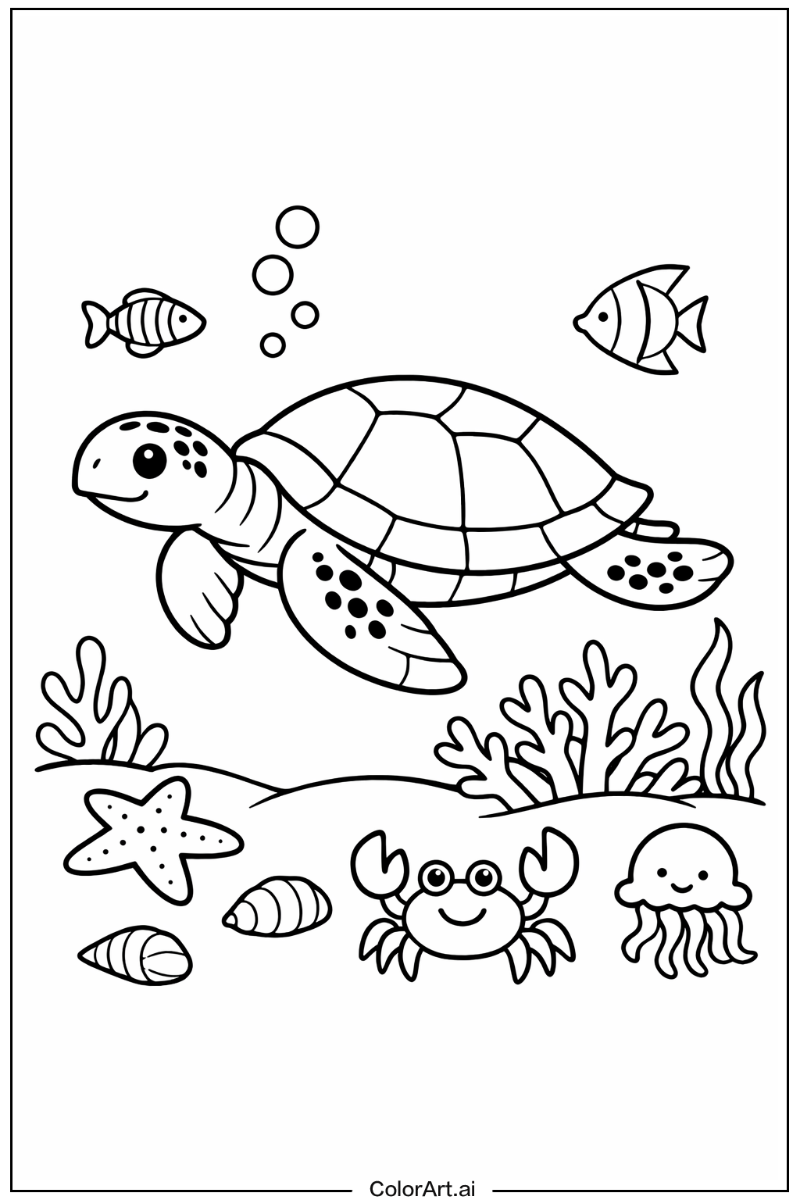
Every year, I introduce my students to ocean animals through engaging coloring pages. One memorable instance was when a young boy named Lucas, who was initially shy, opened up while coloring a vibrant sea turtle. As he carefully filled in the colors, he began to share fascinating facts he had learned about sea turtles, such as their long migrations and how they breathe air. This moment reminded me of the immense potential for learning that coloring pages can unlock!
Group Coloring Pages
 PDF
PDF
 PNG
PNG
 PNG
PNG
 PNG
PNG
 PNG
PNG
 PNG
PNG
 PNG
PNG
 PNG
PNG
 PNG
PNG
 PNG
PNG
 PNG
PNG
 PNG
PNG
 PNG
PNG
 PNG
PNG
 PNG
PNG
 PNG
PNG
 PNG
PNG
 PNG
PNG
 PNG
PNG
 PNG
PNG
 PNG
PNG
 PNG
PNG
 PNG
PNG
 PNG
PNG
 PNG
PNG
 PNG
PNG
 PNG
PNG
 PNG
PNG
 PNG
PNG
 PNG
PNG
 PNG
PNG
 PNG
PNG
 PNG
PNG
 PNG
PNG
 PNG
PNG
 PNG
PNG
 PNG
PNG
 PNG
PNG
 PNG
PNG
 PNG
PNG
 PNG
PNG
 PNG
PNG
 PNG
PNG
 PNG
PNG
 PNG
PNG
 PNG
PNG
 PNG
PNG
The Fascinating World of Ocean Animals
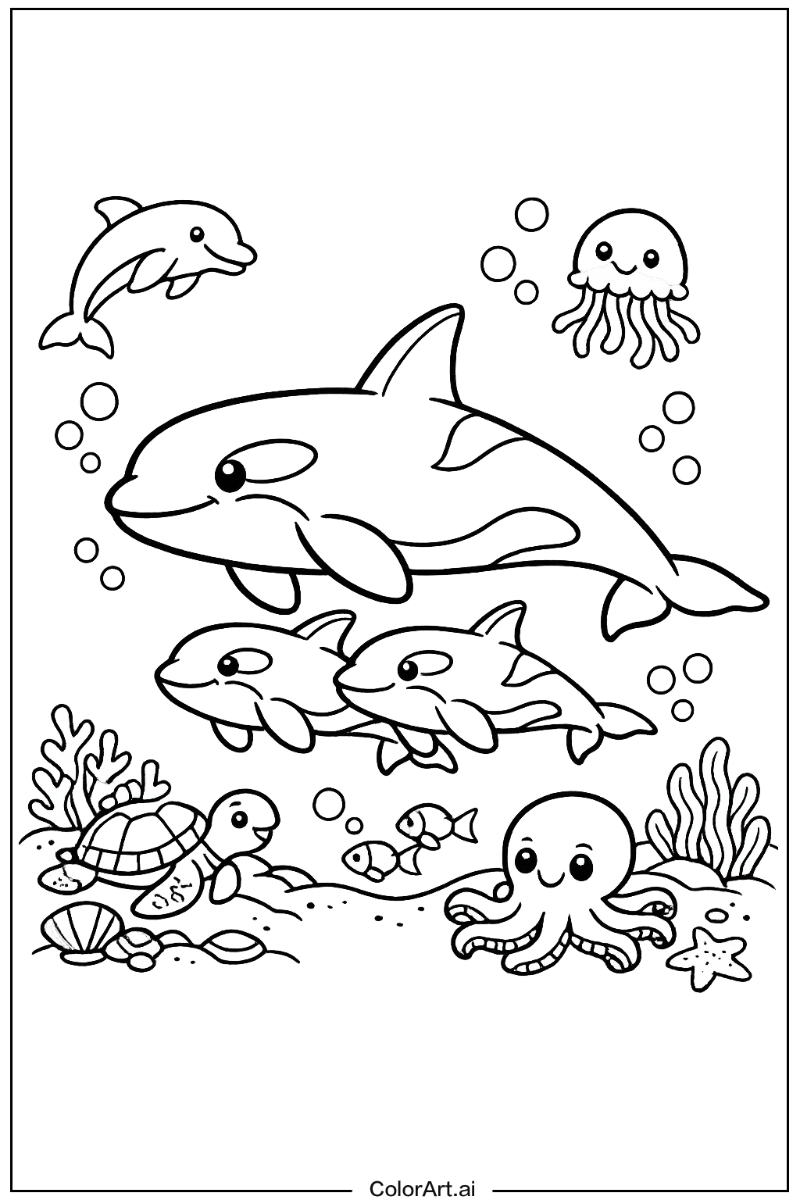
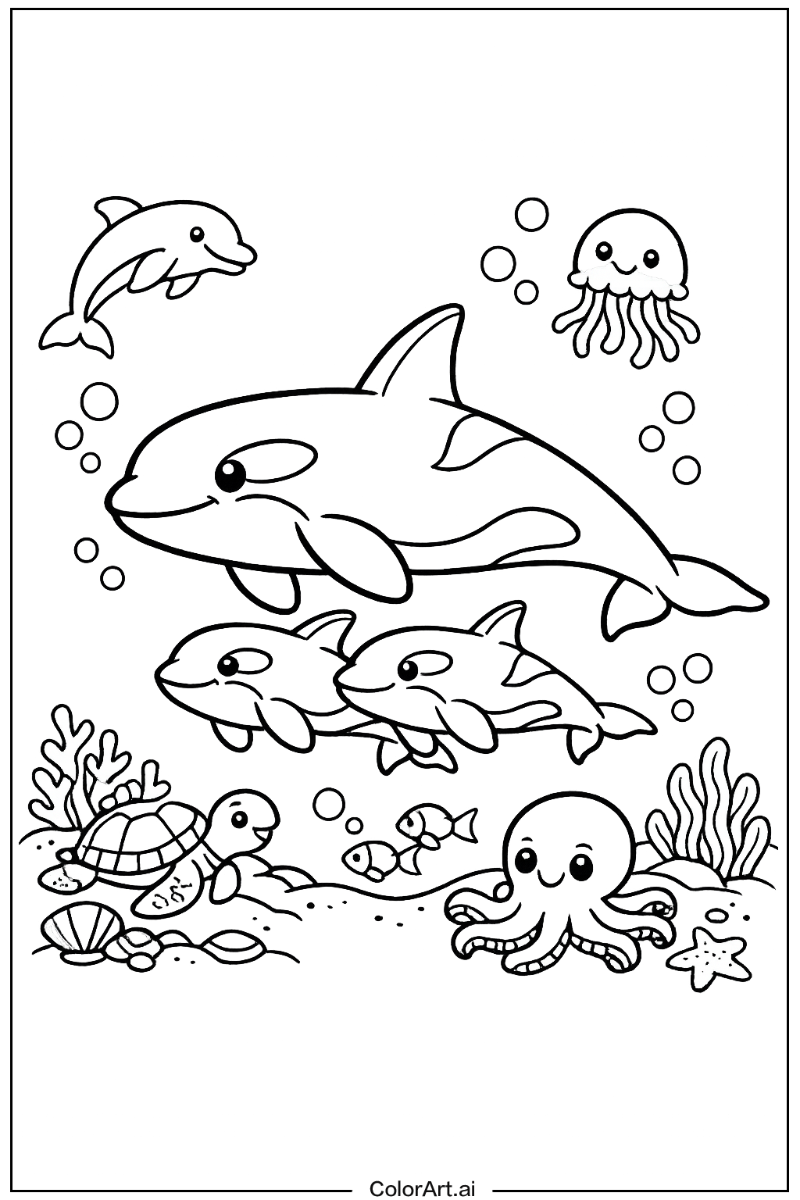
Ocean animals encompass a diverse range of species that inhabit our planet’s vast seas. Among the most intriguing are the killer whales, known scientifically as Orcinus orca. These highly intelligent marine mammals can be found in various ocean environments, particularly in the eastern North Pacific. Did you know that orcas are apex predators? They have distinct hunting techniques and social structures, often living in matrilineal pods that teach their young unique hunting skills. Coloring a killer whale can spark discussions about family bonds and the importance of preserving these majestic creatures.
Another captivating ocean animal is the albatross, a remarkable seabird that can glide over oceans for thousands of kilometers without flapping its wings. This characteristic makes albatrosses symbols of freedom in many cultures. Children can enjoy coloring their impressive wings while learning about their migratory patterns and feeding habits. They love spotting these birds soaring above stormy seas, making it a perfect opportunity to connect art with science.
Benefits of Ocean Animals Activities in the Classroom
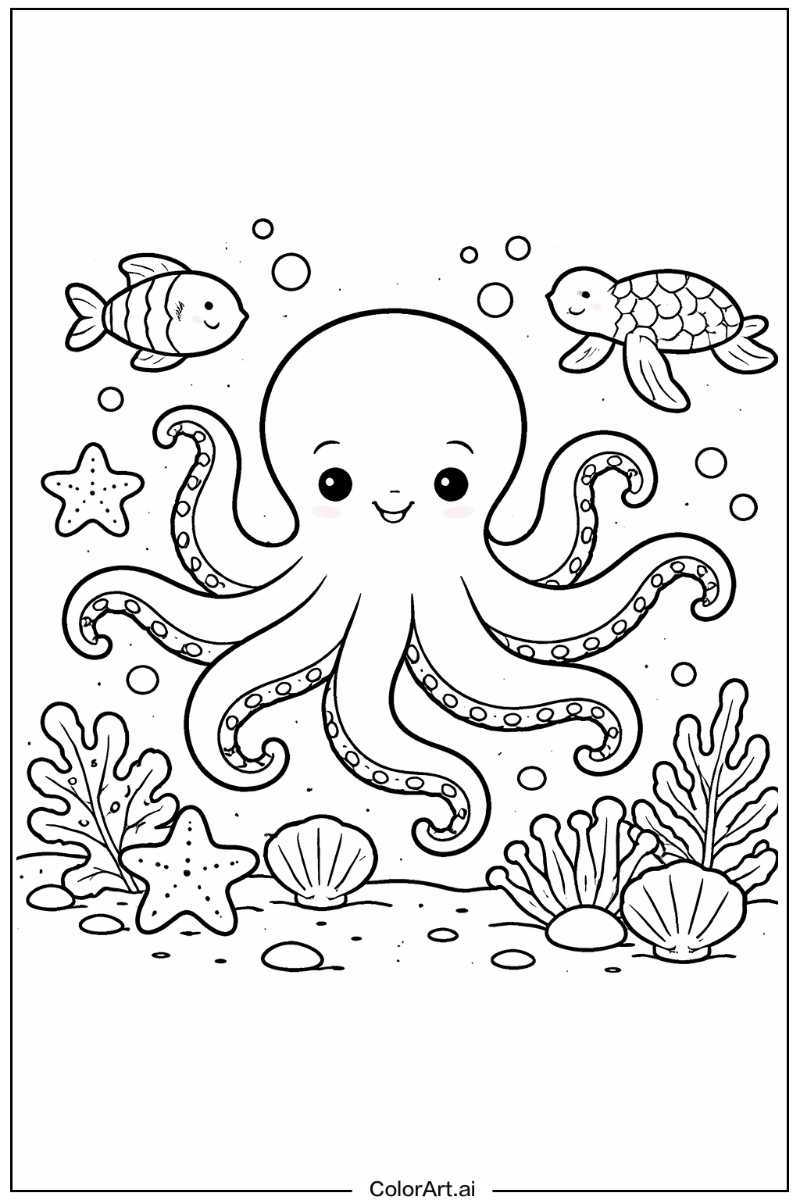
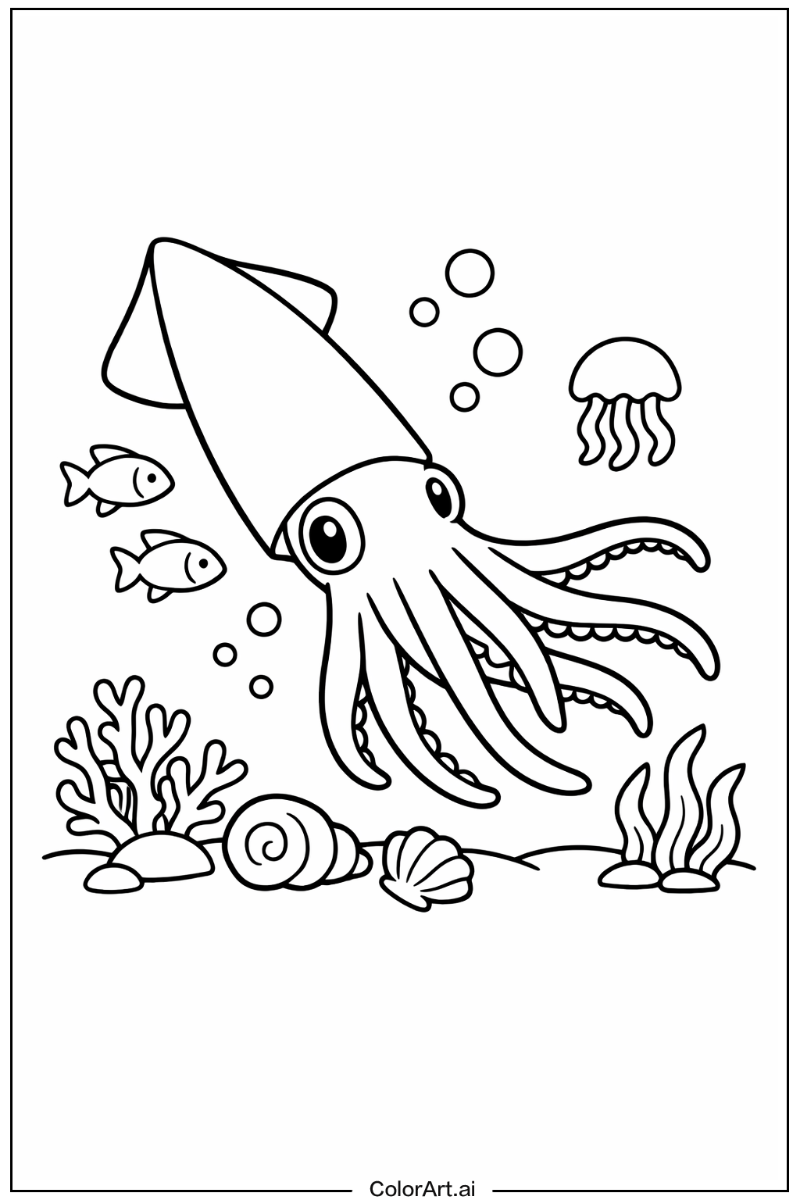
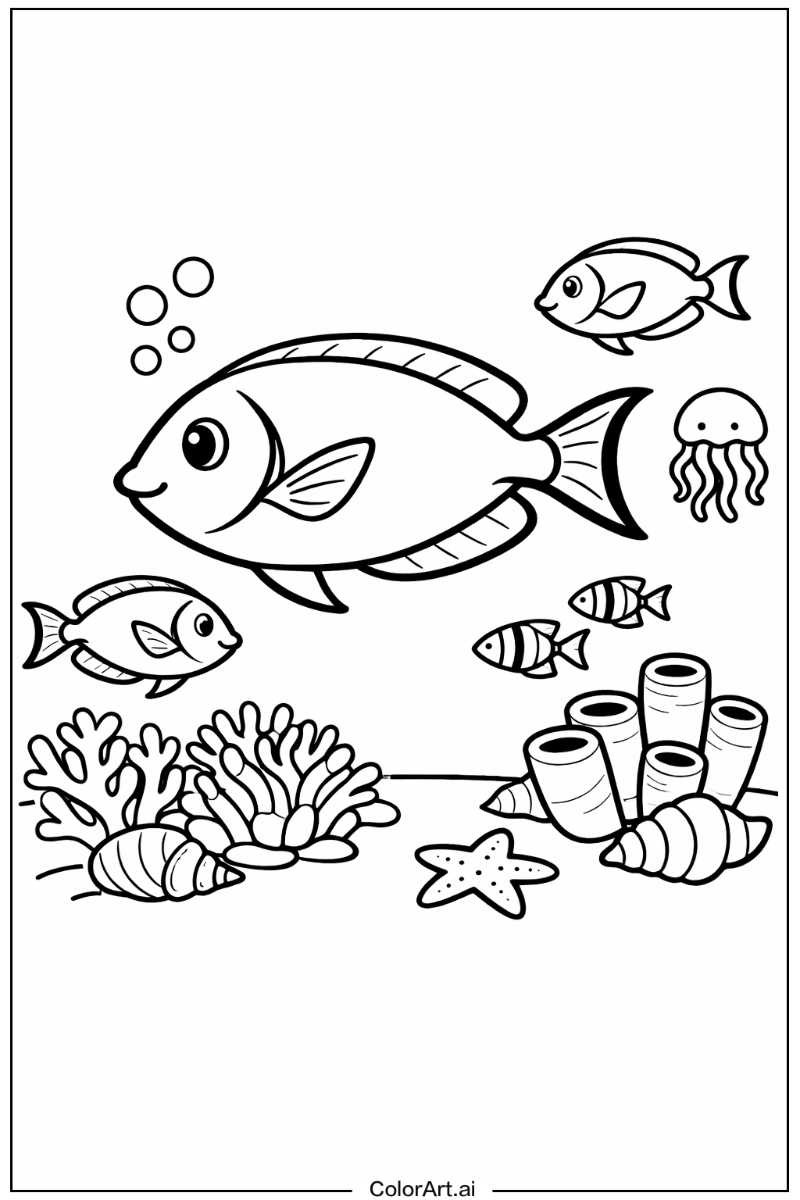
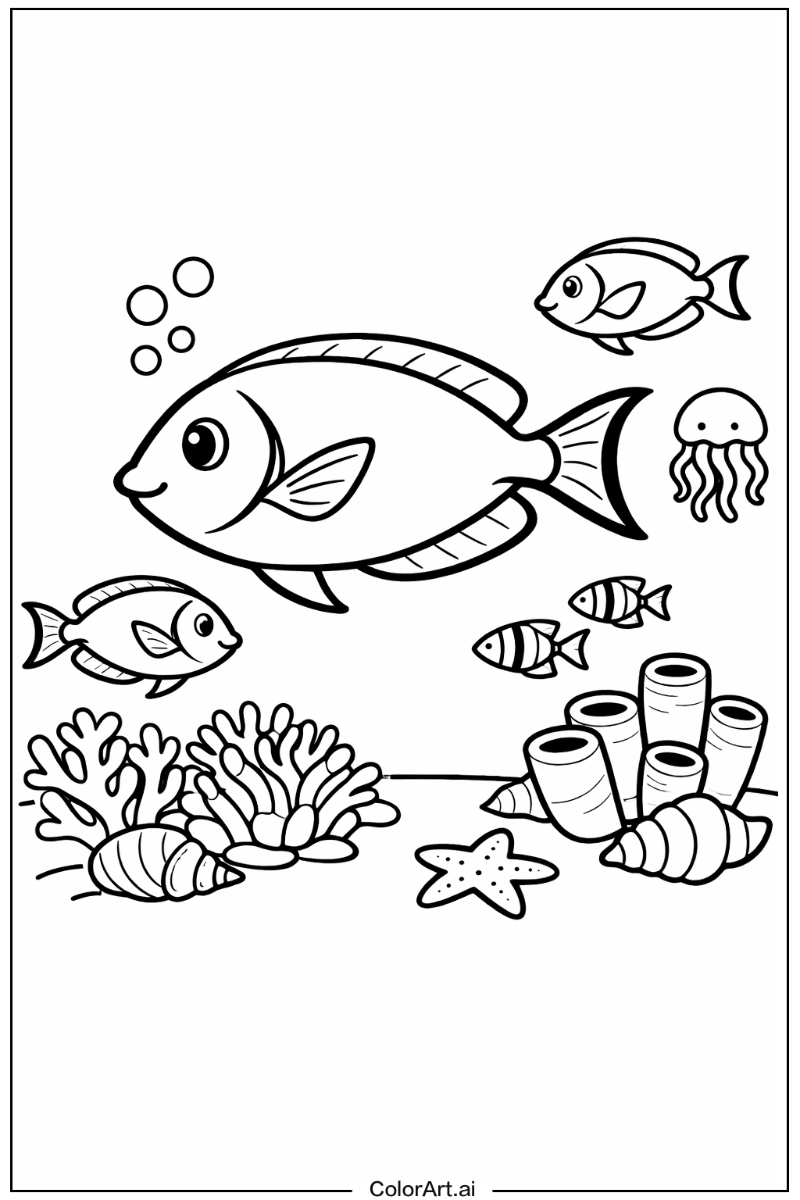
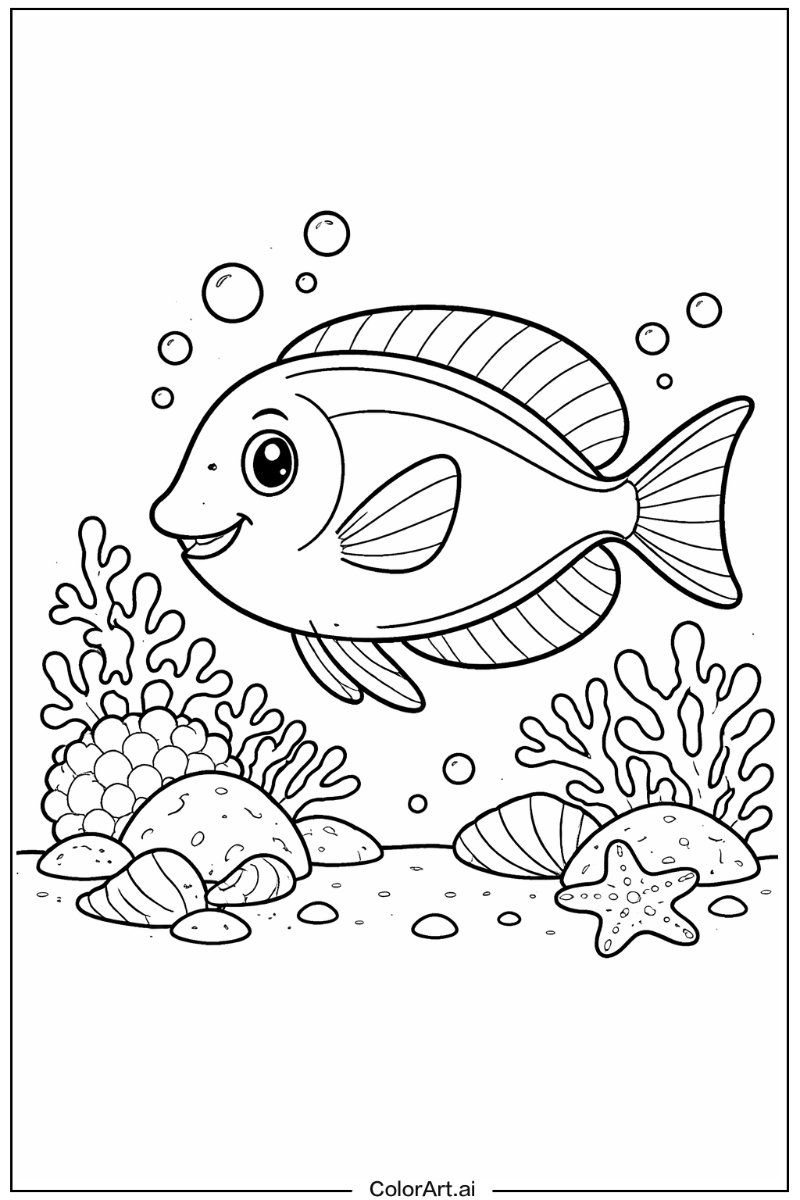
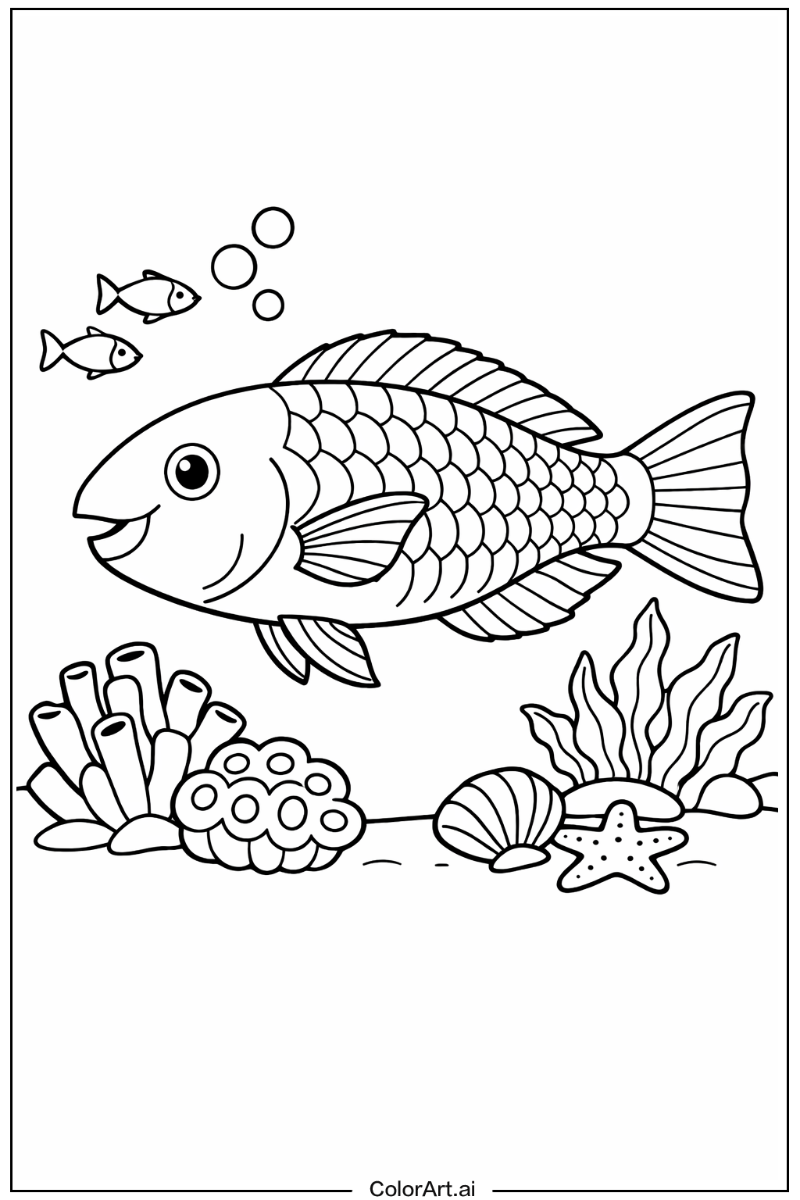
Engaging with ocean animals coloring pages offers numerous benefits for children’s development. Firstly, these activities promote fine motor skills and hand-eye coordination, essential for young learners. I often notice my students improving their grip strength and dexterity as they color intricate designs of fish or octopuses. For instance, during a lesson, a group of first graders enthusiastically filled in the scales of a fish, their focus and concentration evident as they practiced their coloring techniques.
Furthermore, coloring pages enhance cognitive abilities such as concentration and pattern recognition. By focusing on the symmetrical shapes of sea creatures, children develop their attention to detail. Incorporating quizzes or fun facts about ocean animals during coloring sessions can help reinforce their learning and improve memory retention. Additionally, these pages provide emotional benefits, allowing children to express themselves and relieve stress through creative outlets.
Practical Techniques for Coloring Ocean Animals
When coloring ocean animals, there are a few tips I like to share with my students to enhance their experience. Firstly, encourage the use of various coloring tools, such as crayons, markers, or colored pencils, to explore different textures and effects. For example, using watercolors can bring a unique fluidity to ocean scenes, mimicking the natural waves and currents. I once had a student named Emma who experimented with blending colors to create a beautiful sunset over a coral reef. Her creativity inspired others to try new techniques!
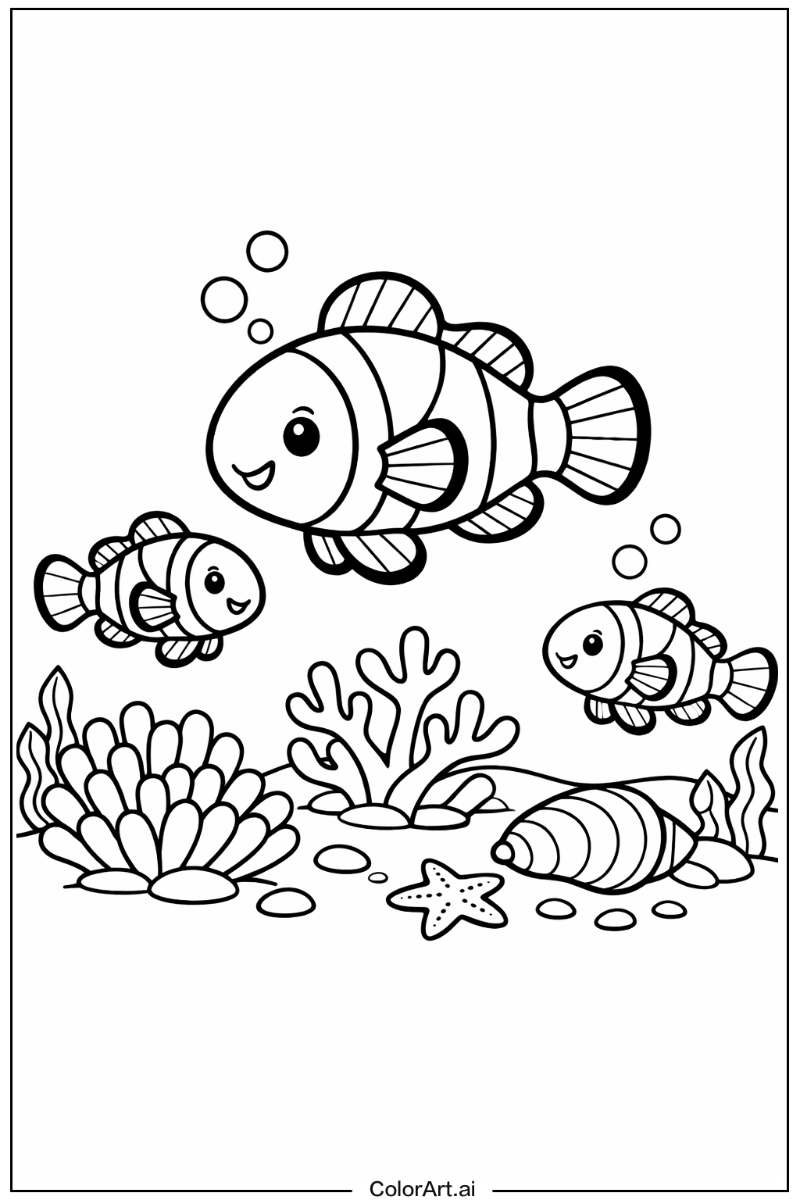
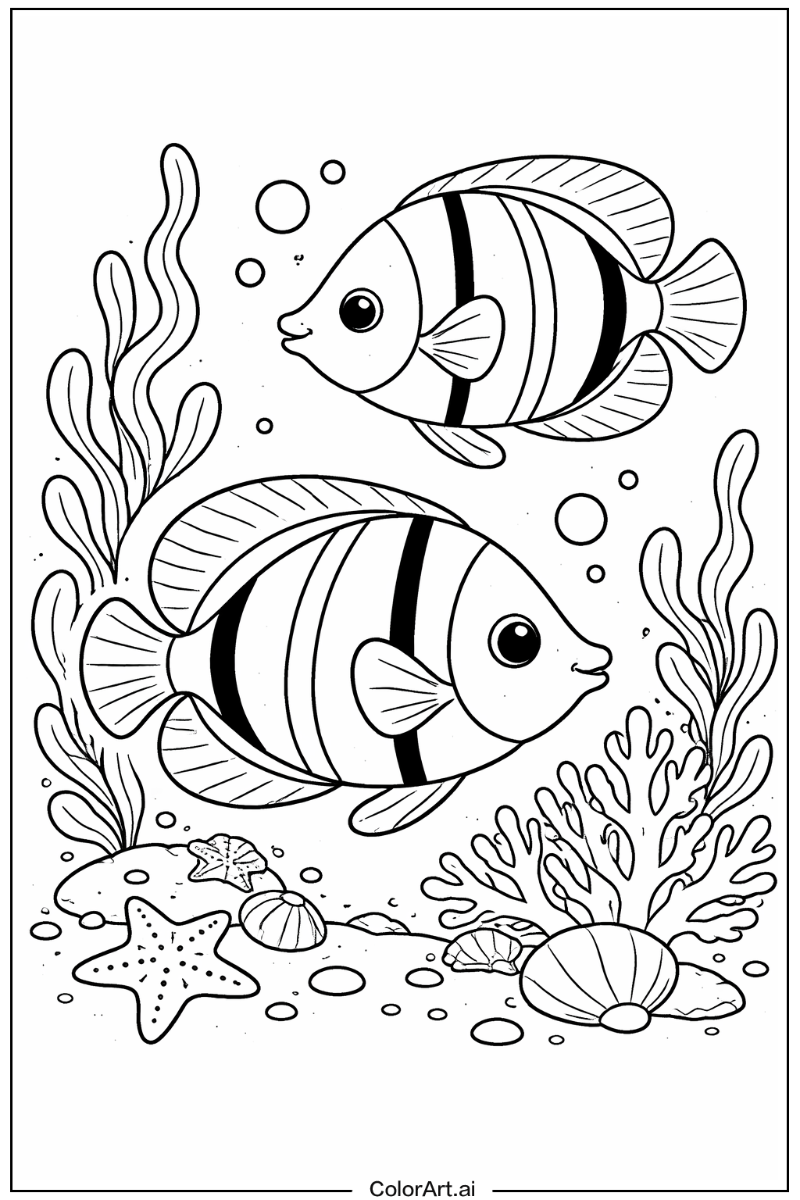
Additionally, remind students to think about the colors they choose for their ocean animals. Discussing the natural colors of these creatures can provide an educational aspect to the coloring process. For instance, when coloring a clownfish, I guide them to consider the bright orange and white stripes that help them camouflage among anemones. This not only enhances their artistic skills but also deepens their understanding of marine biology.
Current Trends in Ocean Animals Art Education
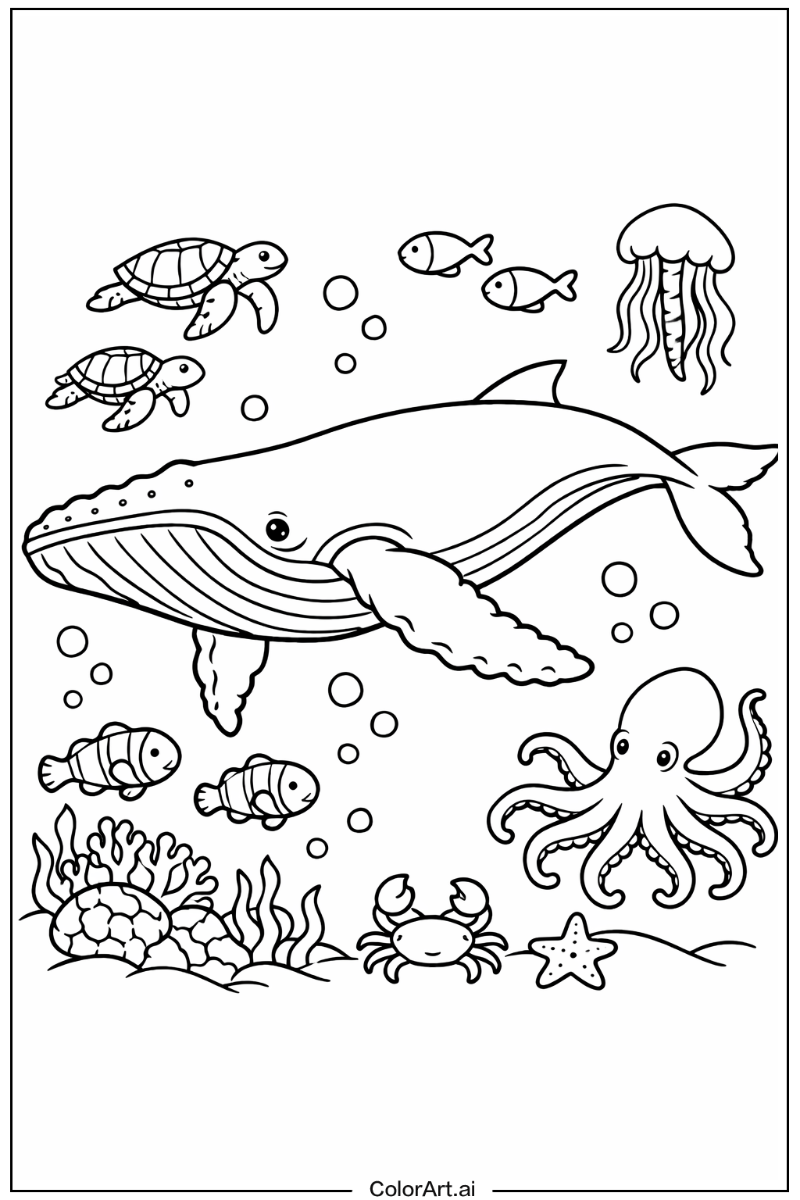
As we explore the latest trends in ocean animals and art education, it’s heartening to see more educators incorporating ocean themes into their curriculums. Recently, there has been increased awareness of conservation efforts, particularly concerning species like the North Atlantic right whale. The news about the recent increase in their population provides an excellent opportunity to discuss marine biology and the importance of protecting ocean habitats in classrooms. During a recent lesson, I shared with my students about the remarkable mother-calf pairs of right whales, which sparked a flurry of questions and excitement.
Moreover, the trend of integrating technology in art education is gaining momentum. By pairing ocean animals coloring pages with augmented reality (AR) tools, children can watch their colored animals come to life on screen. This interactive approach not only makes the learning process more engaging but also reinforces facts about ocean animals, creating a deeper connection between art and science.
Frequently Asked Questions About Ocean Animals Coloring Pages
Q: What age groups are ocean animals coloring pages suitable for?
A: Ocean animals coloring pages are perfect for children aged 3-12 years and even adults can enjoy them. Younger children benefit from simple outlines, while older kids can tackle more intricate designs. It's a versatile activity that caters to various skill levels!