Embracing the Wonder of the Octopus
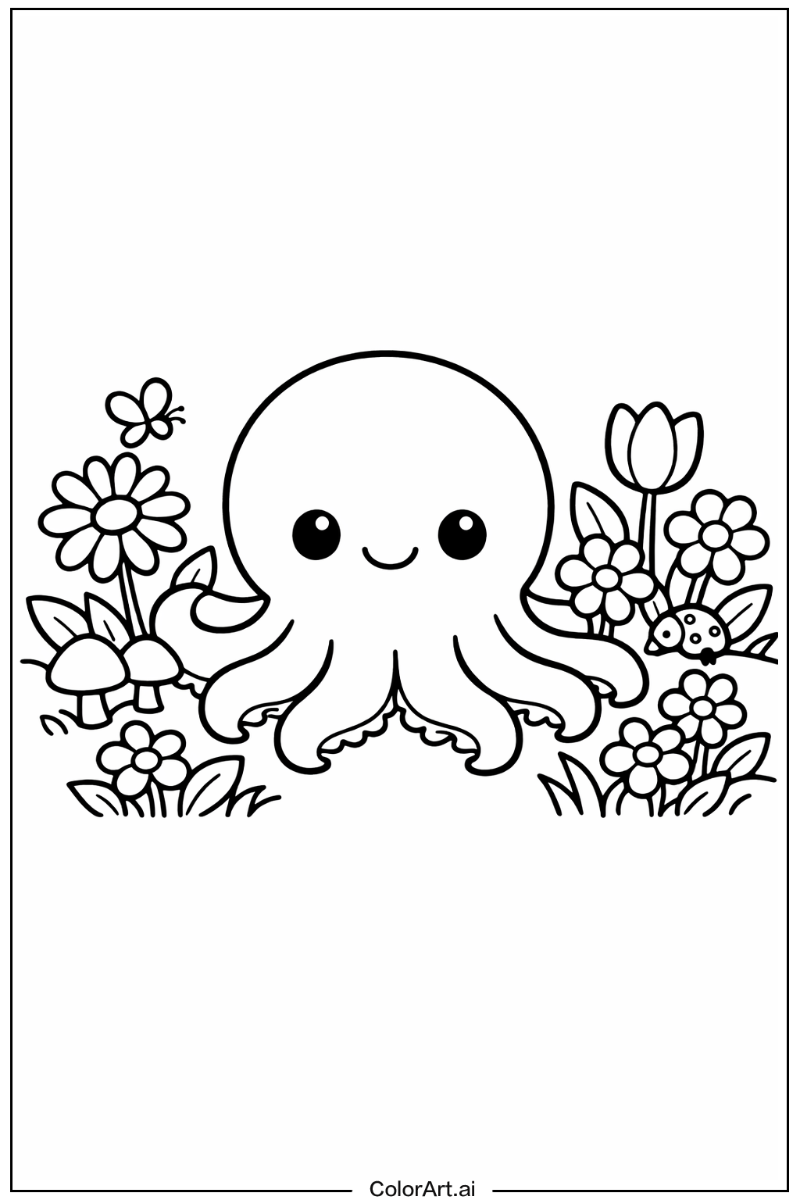
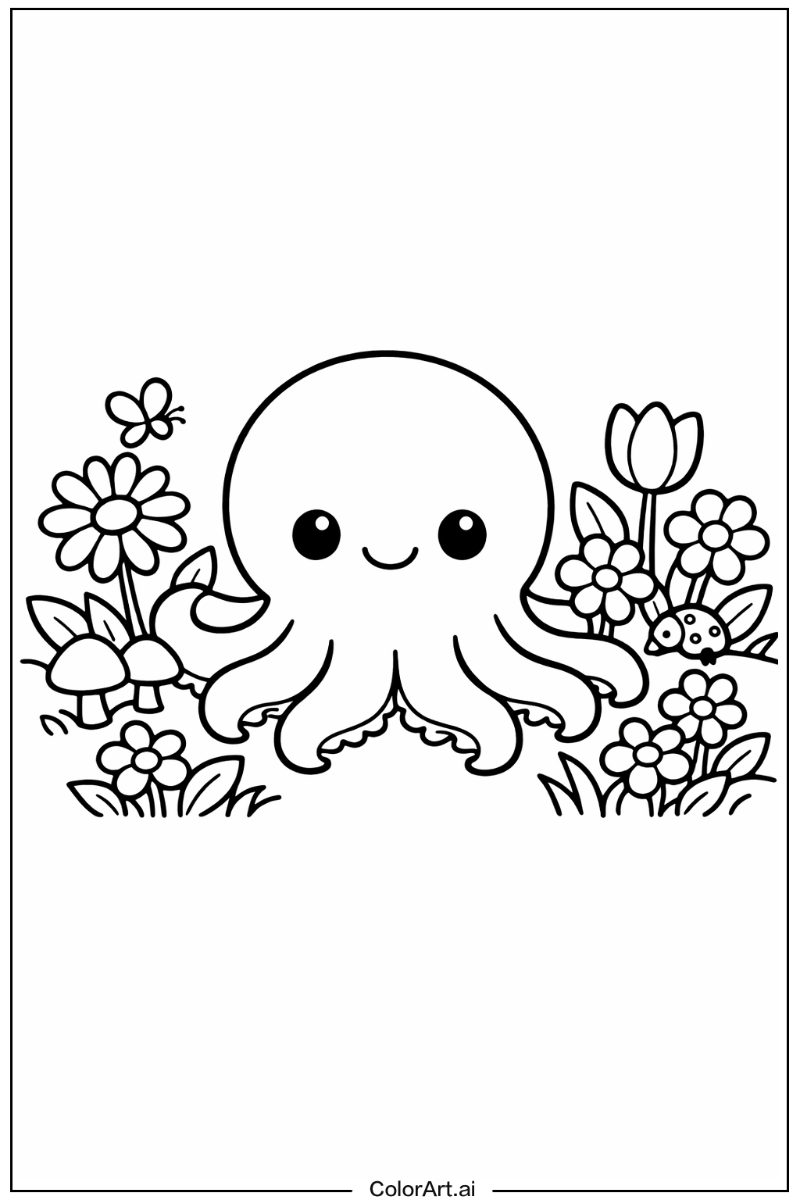
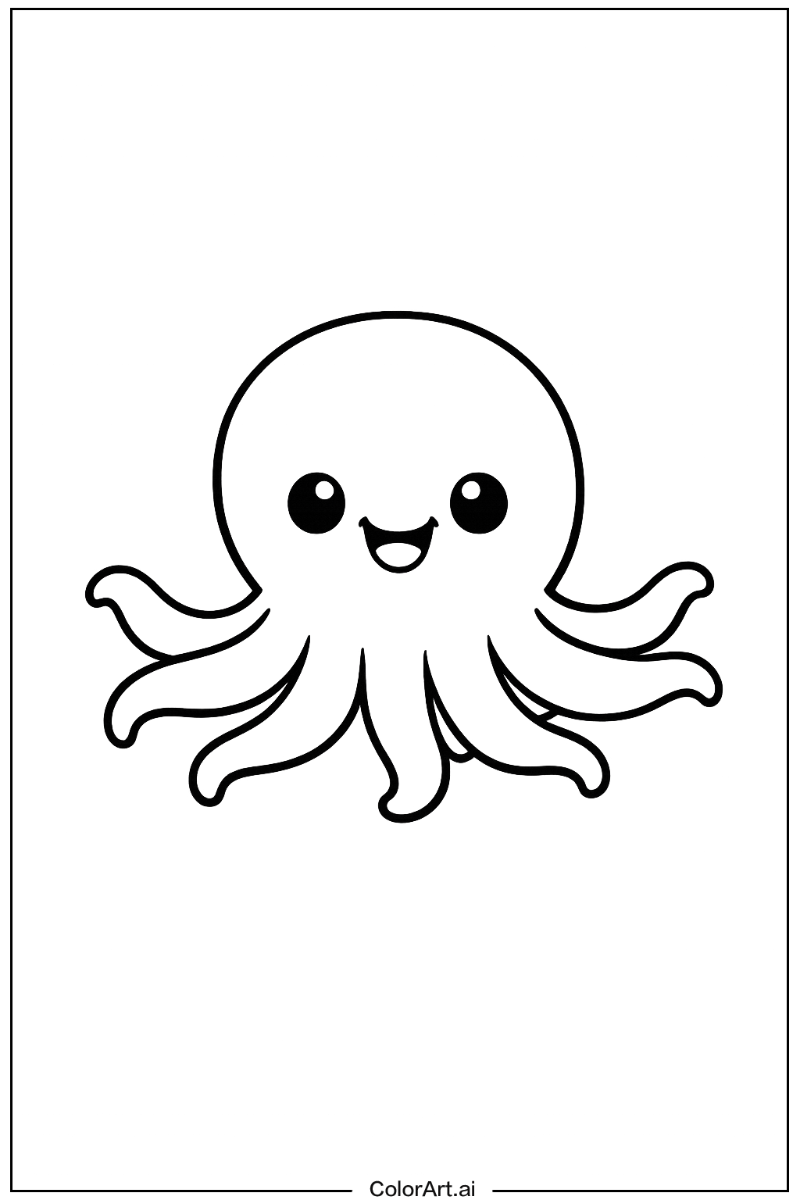
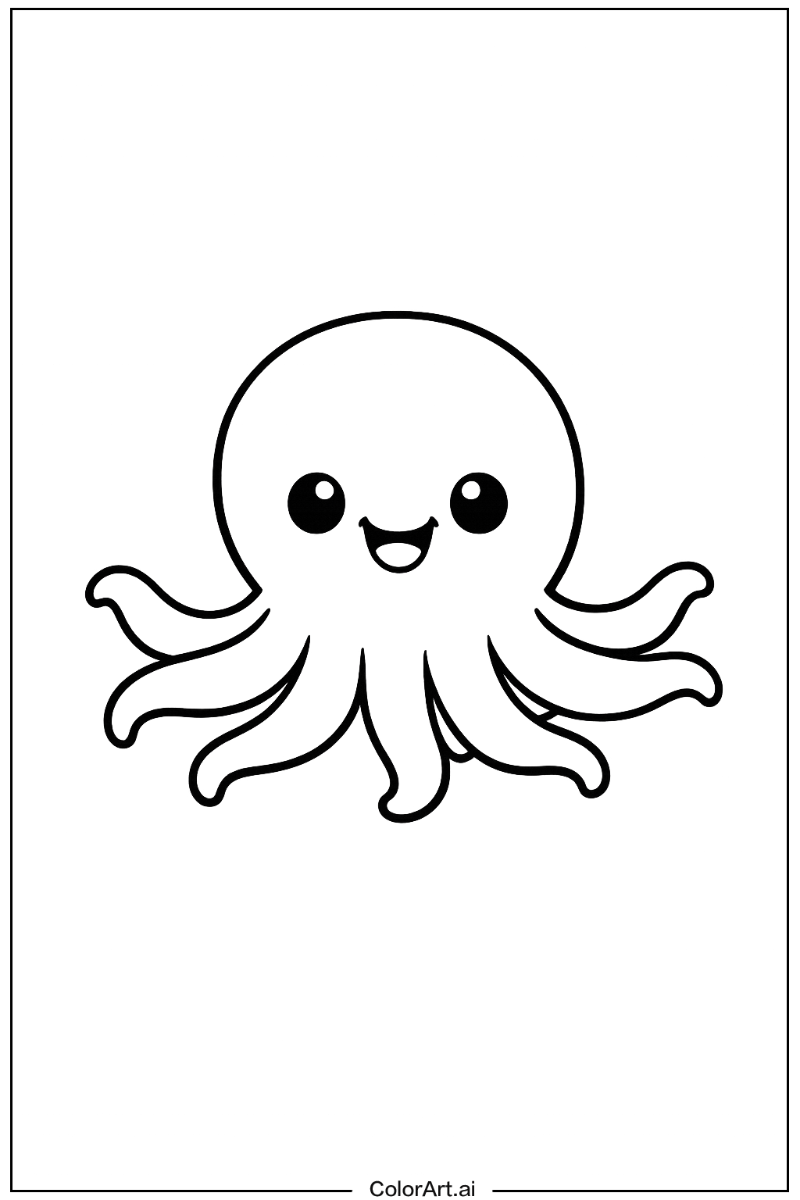
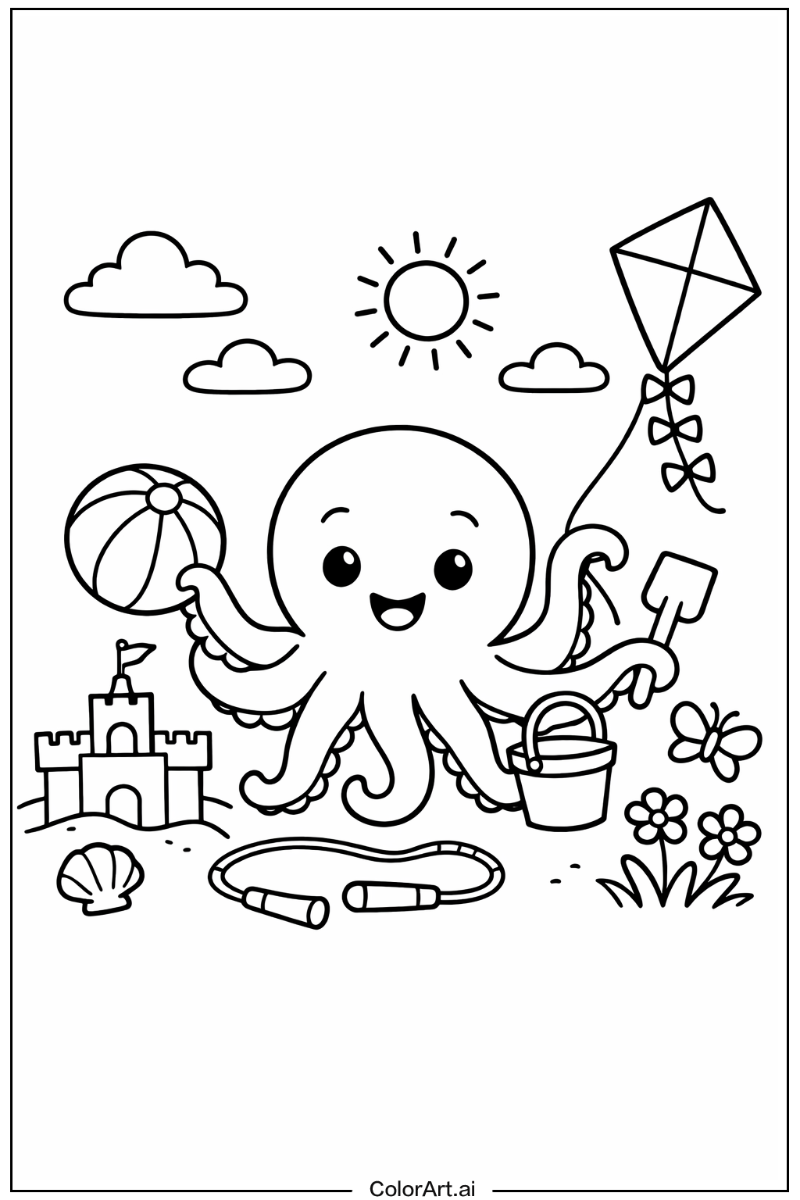
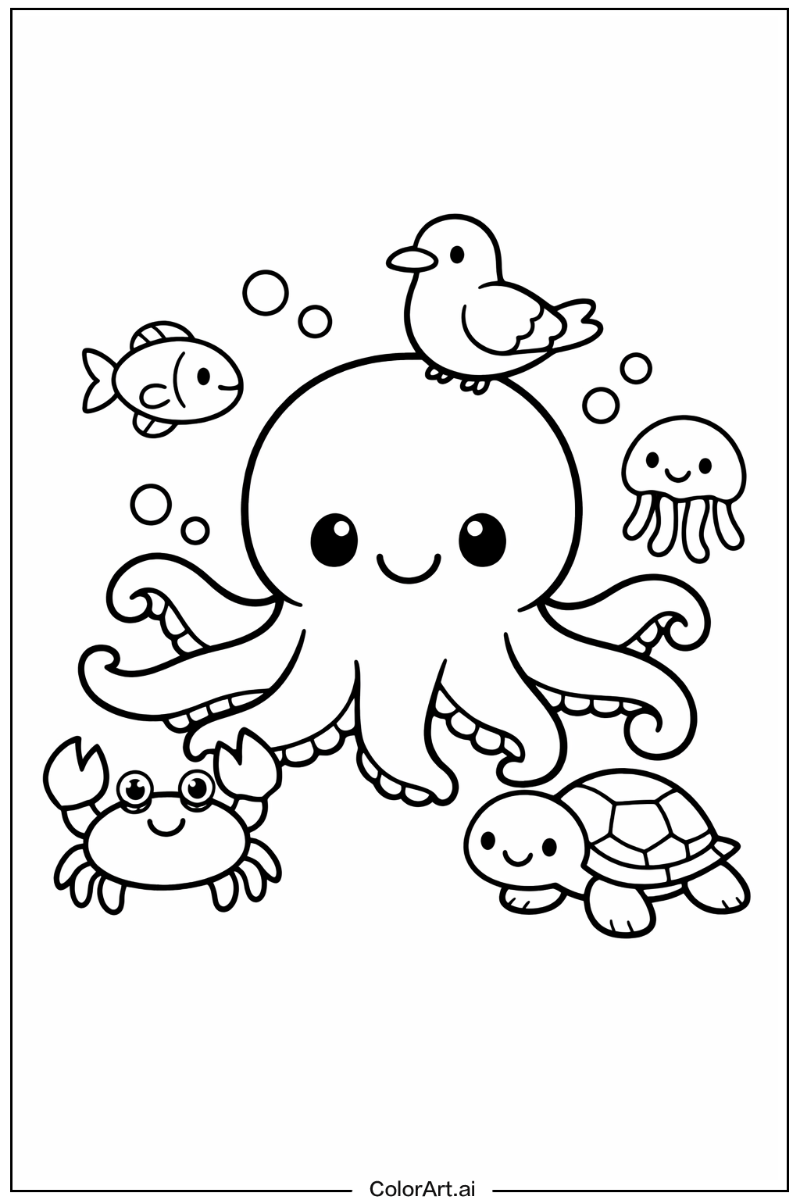
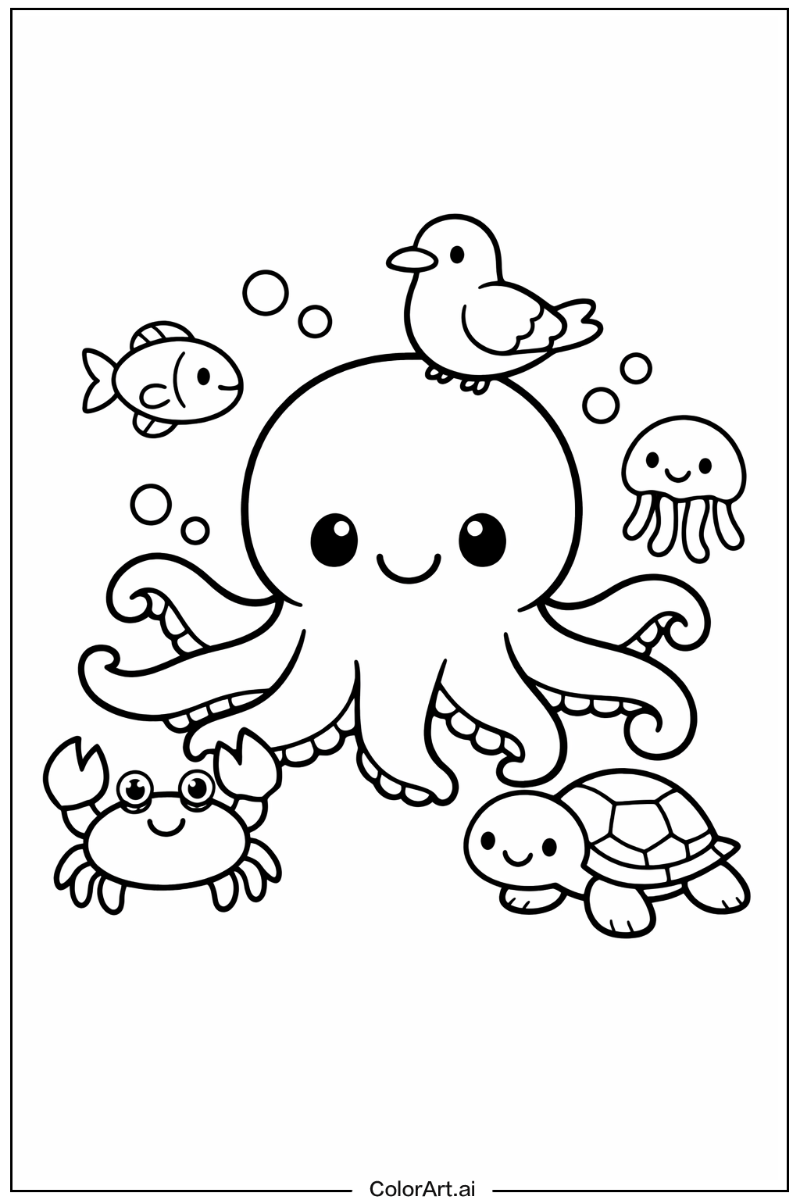
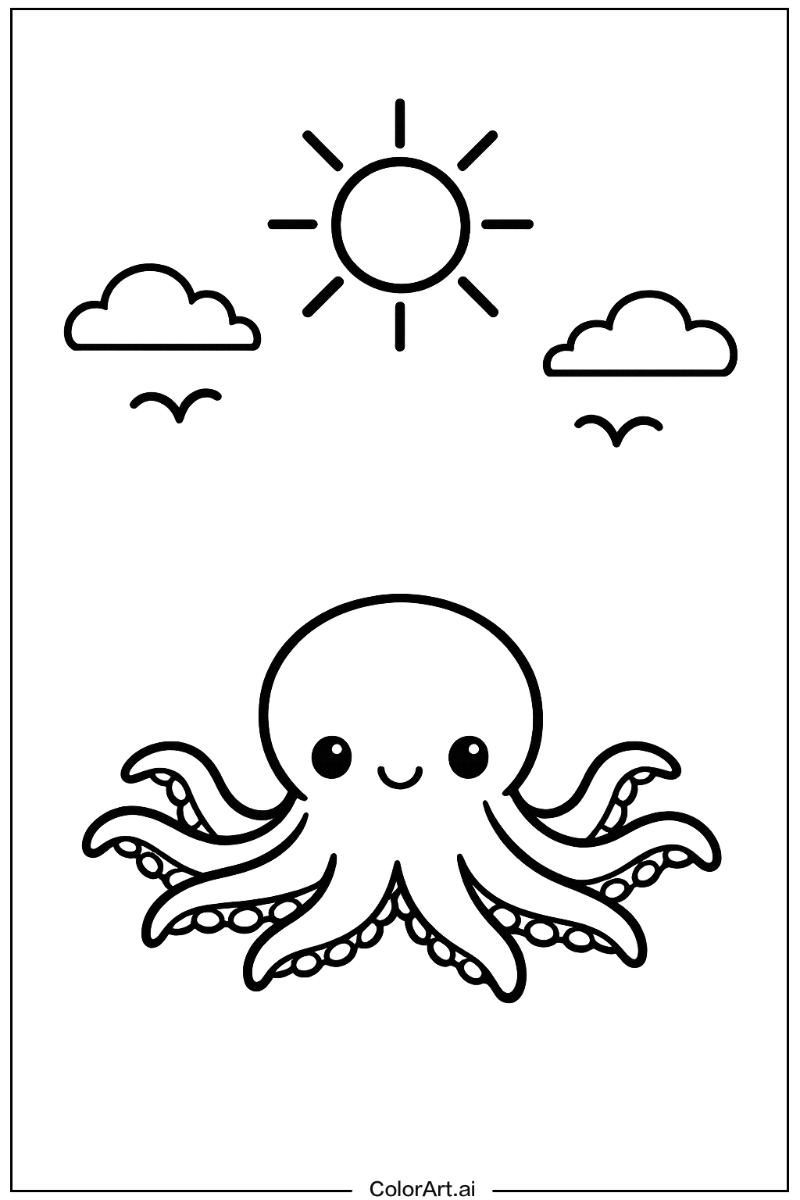
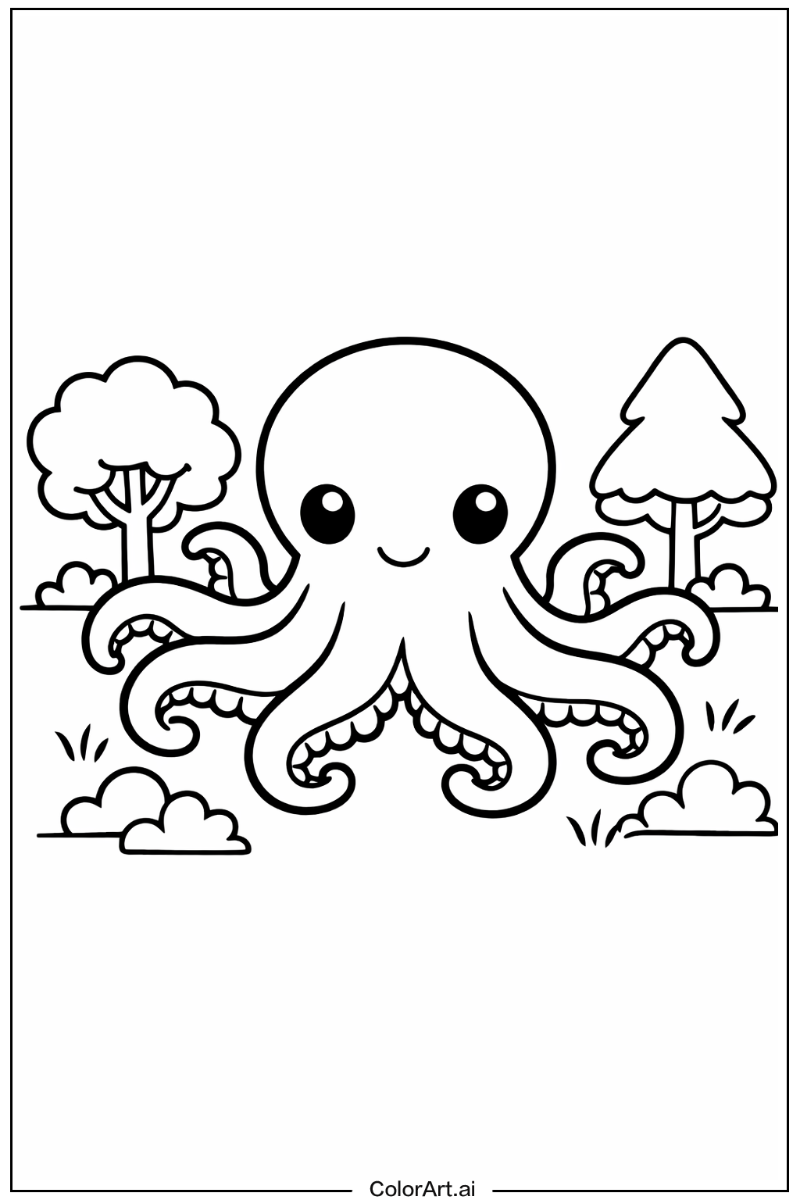
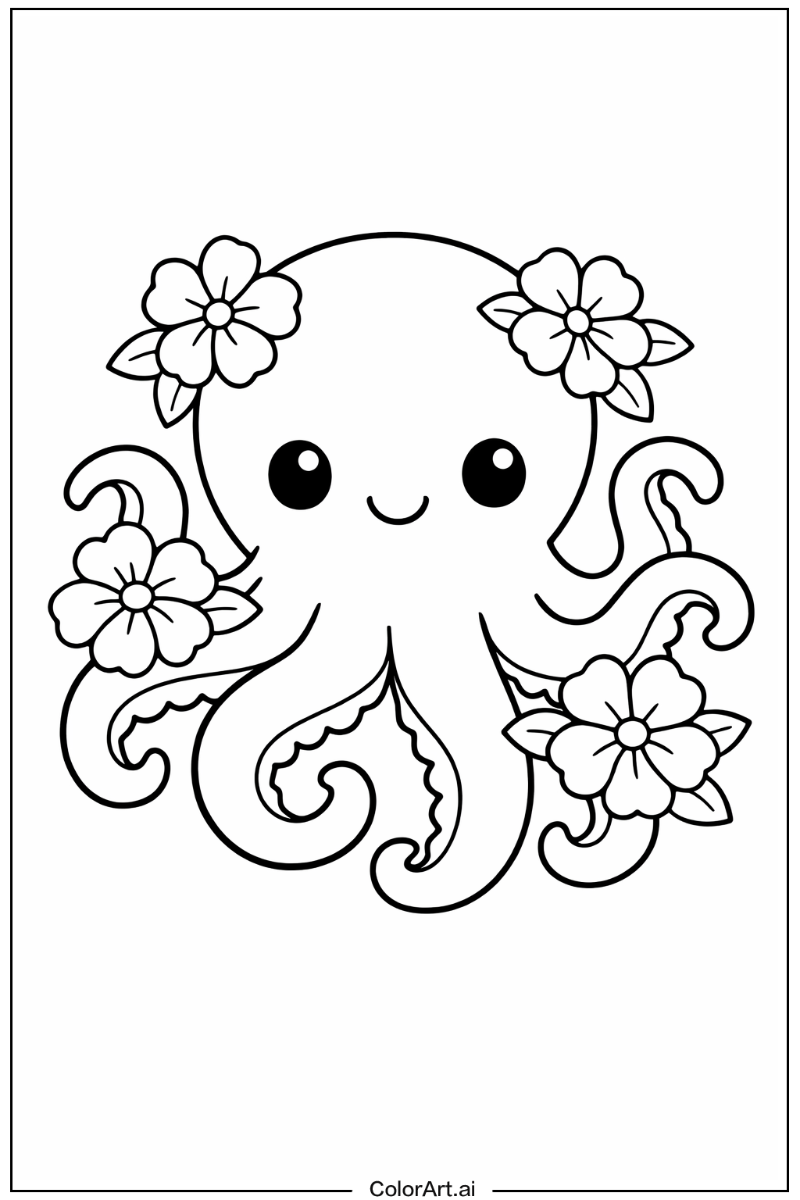
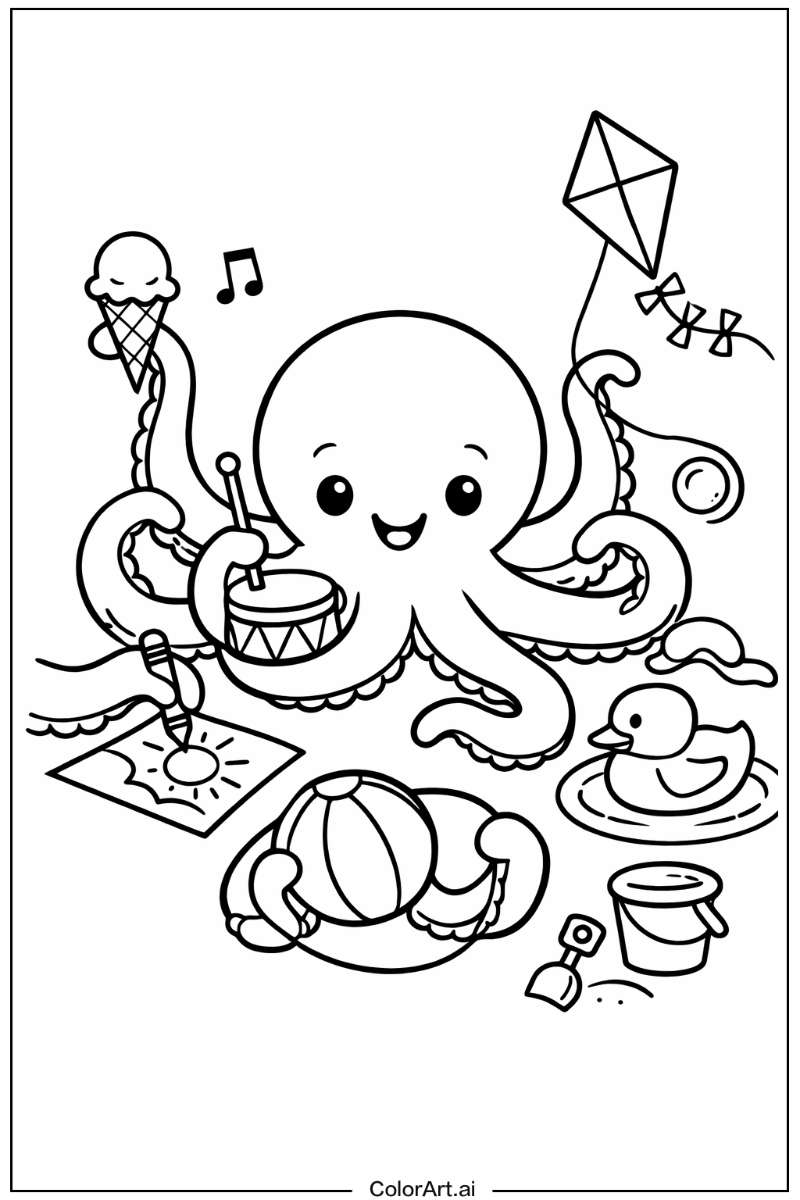
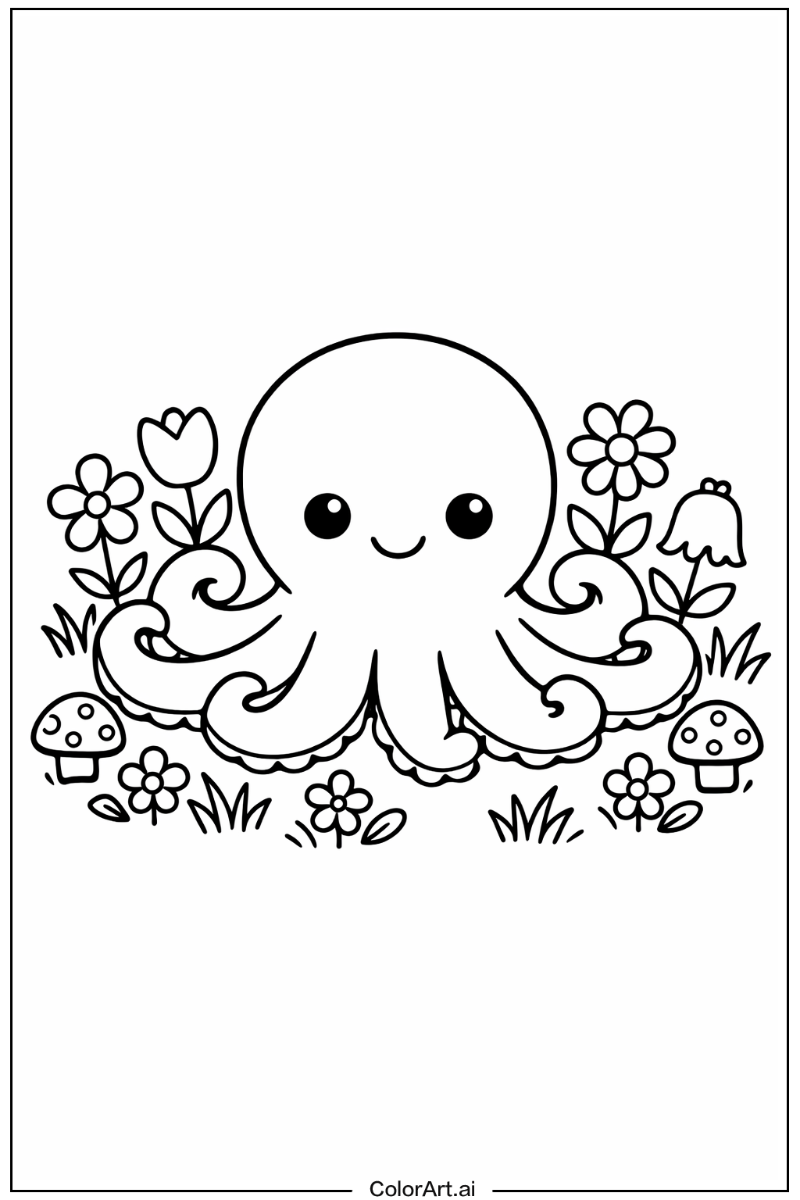
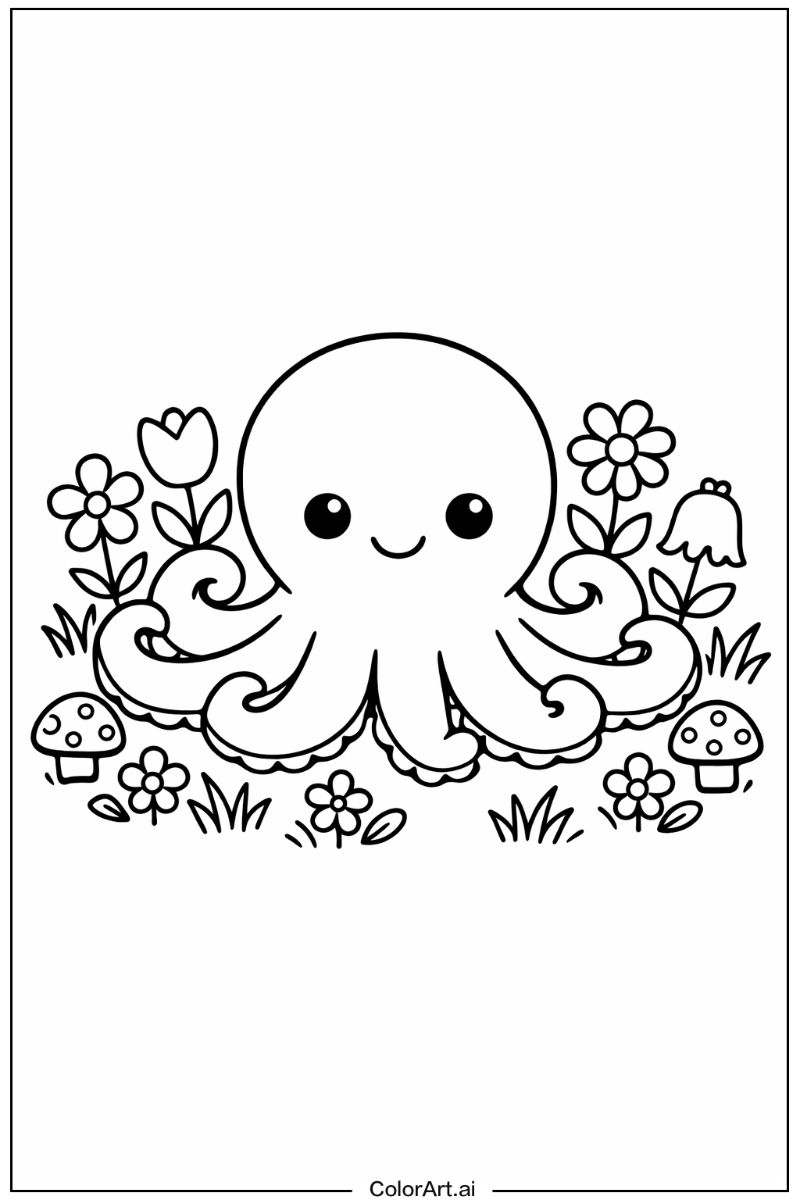
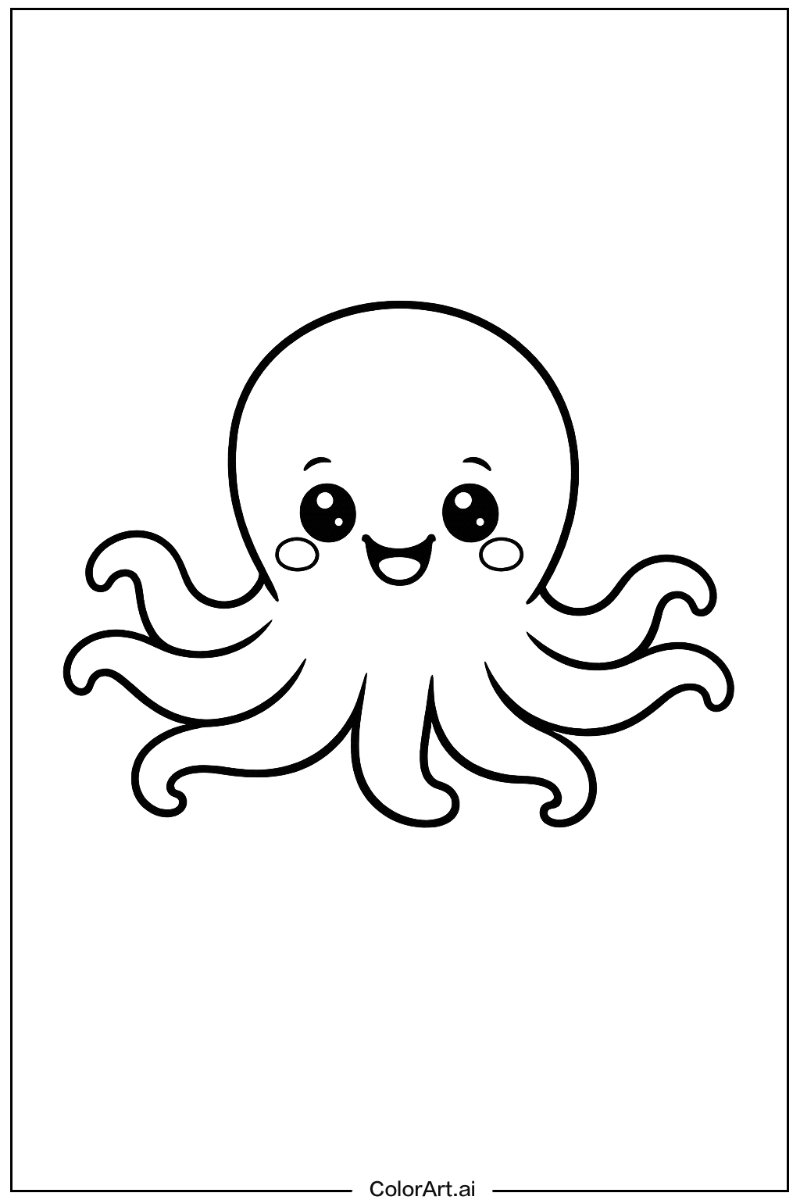
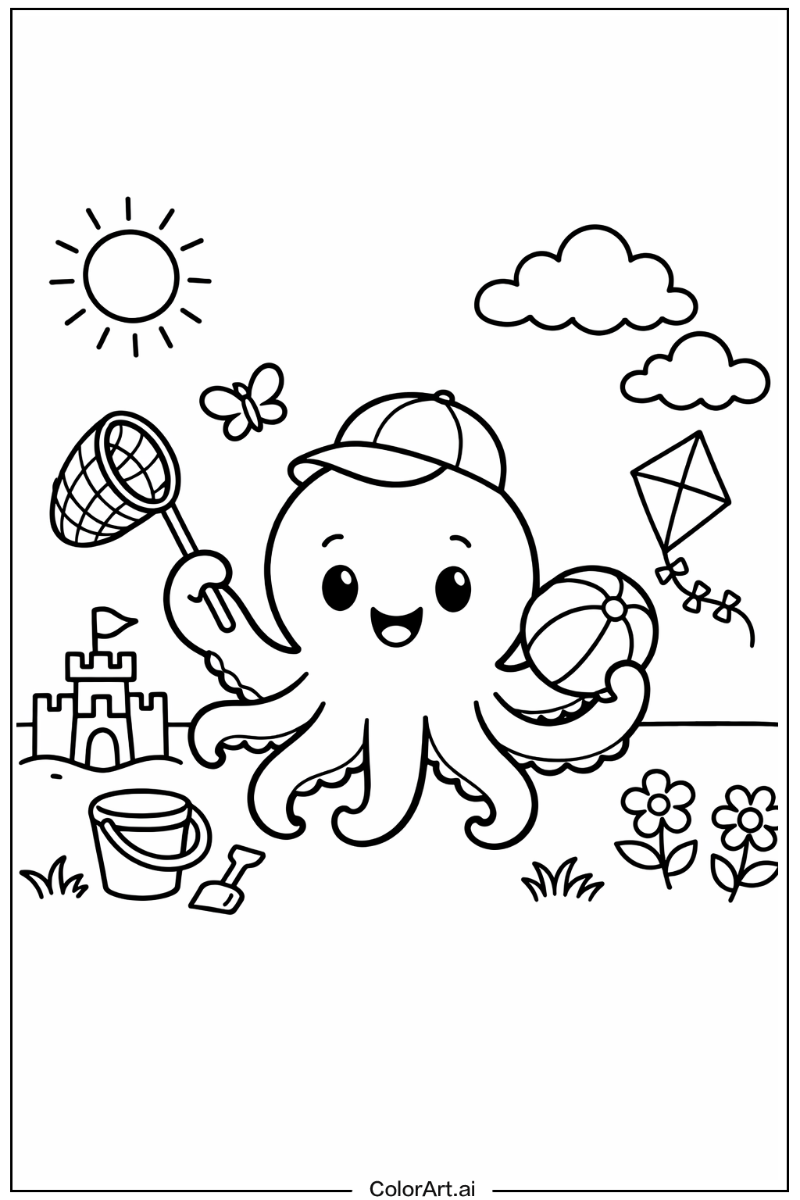
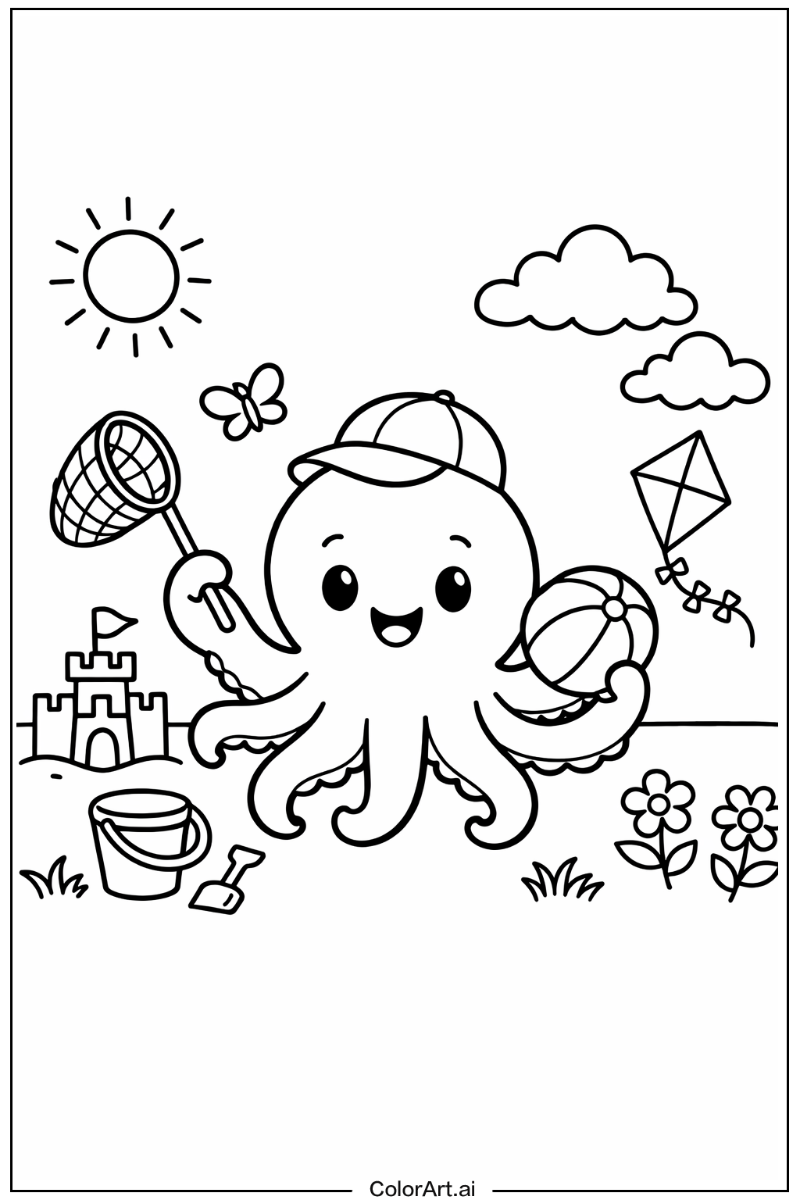
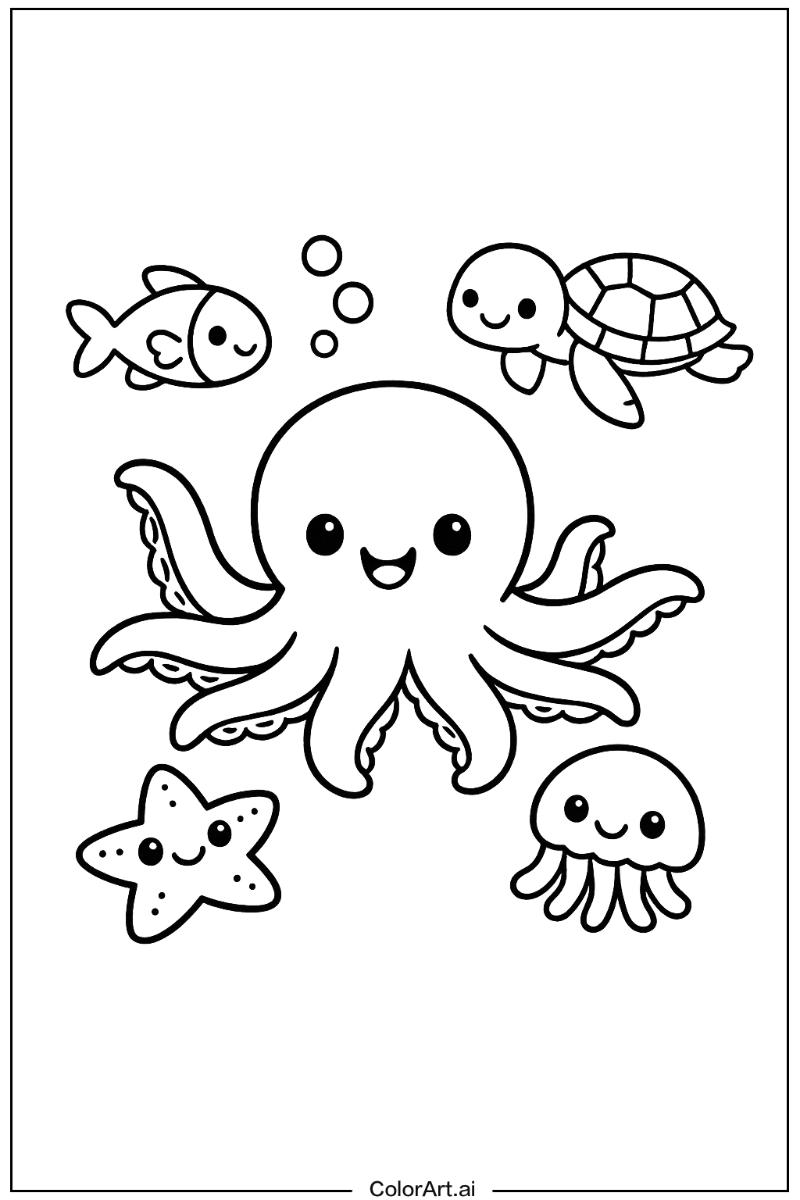
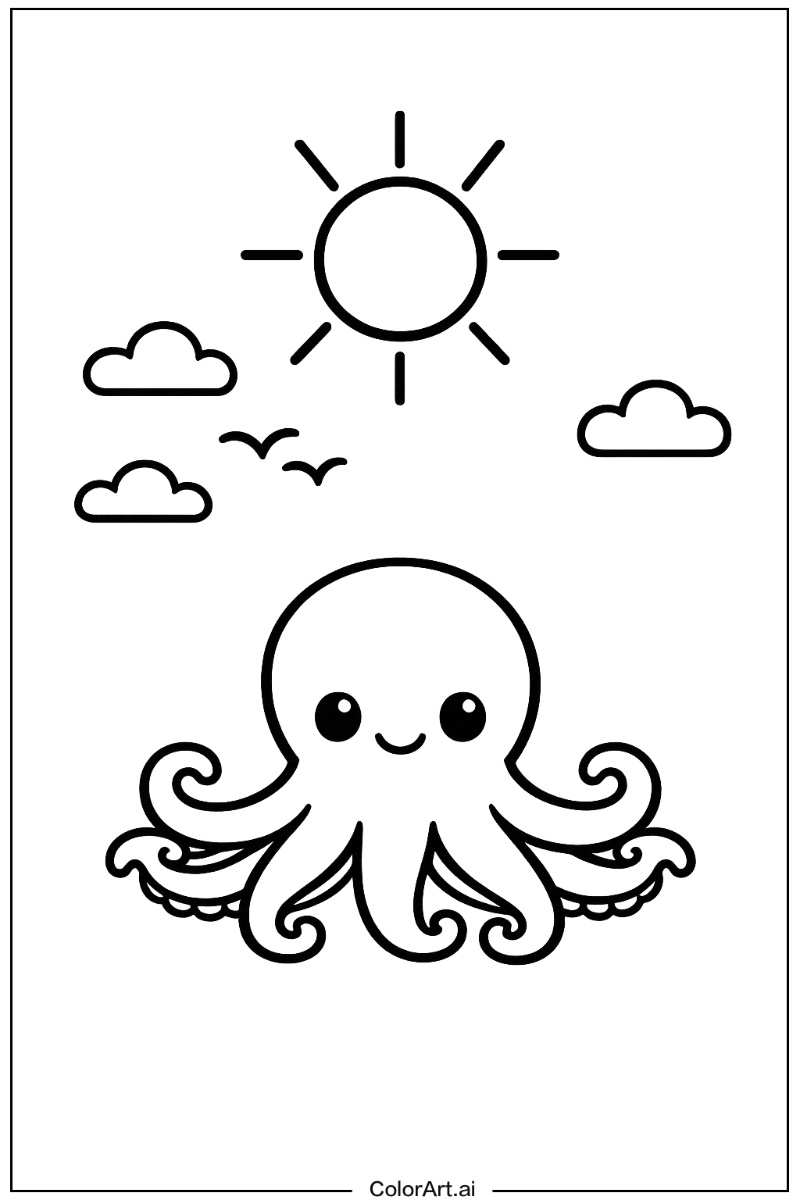
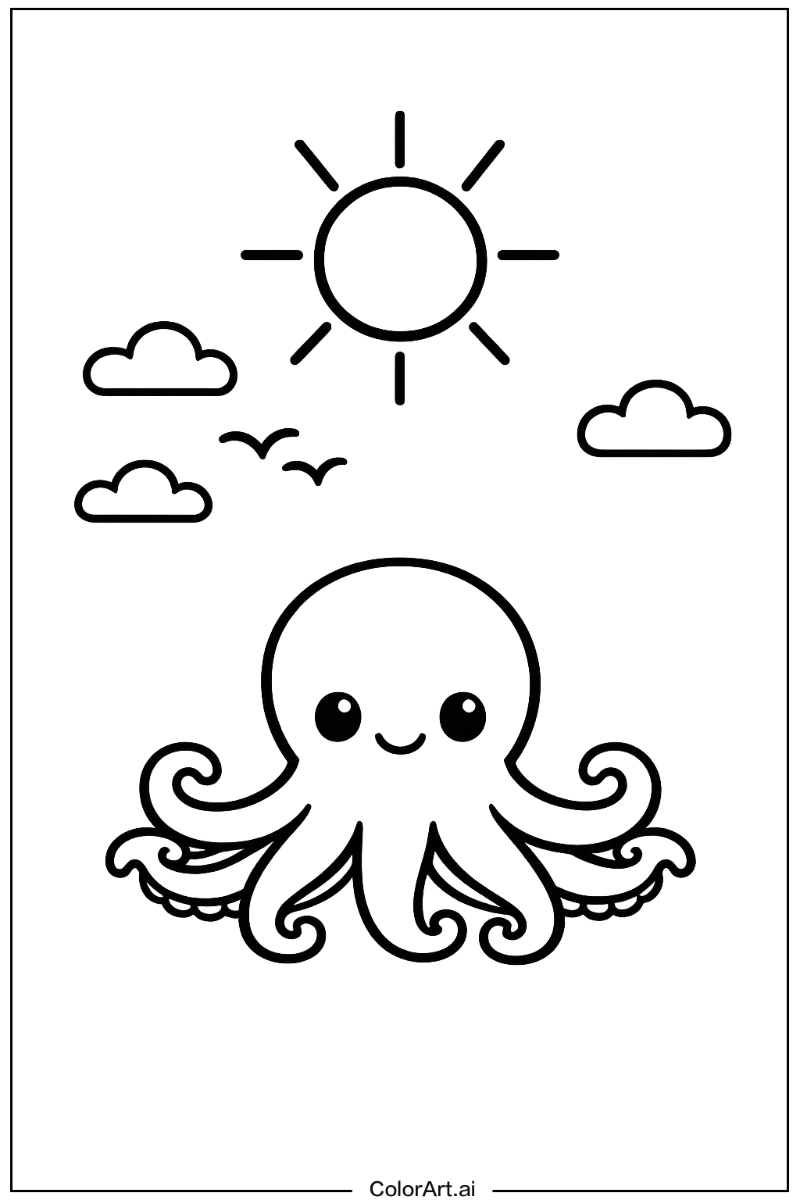
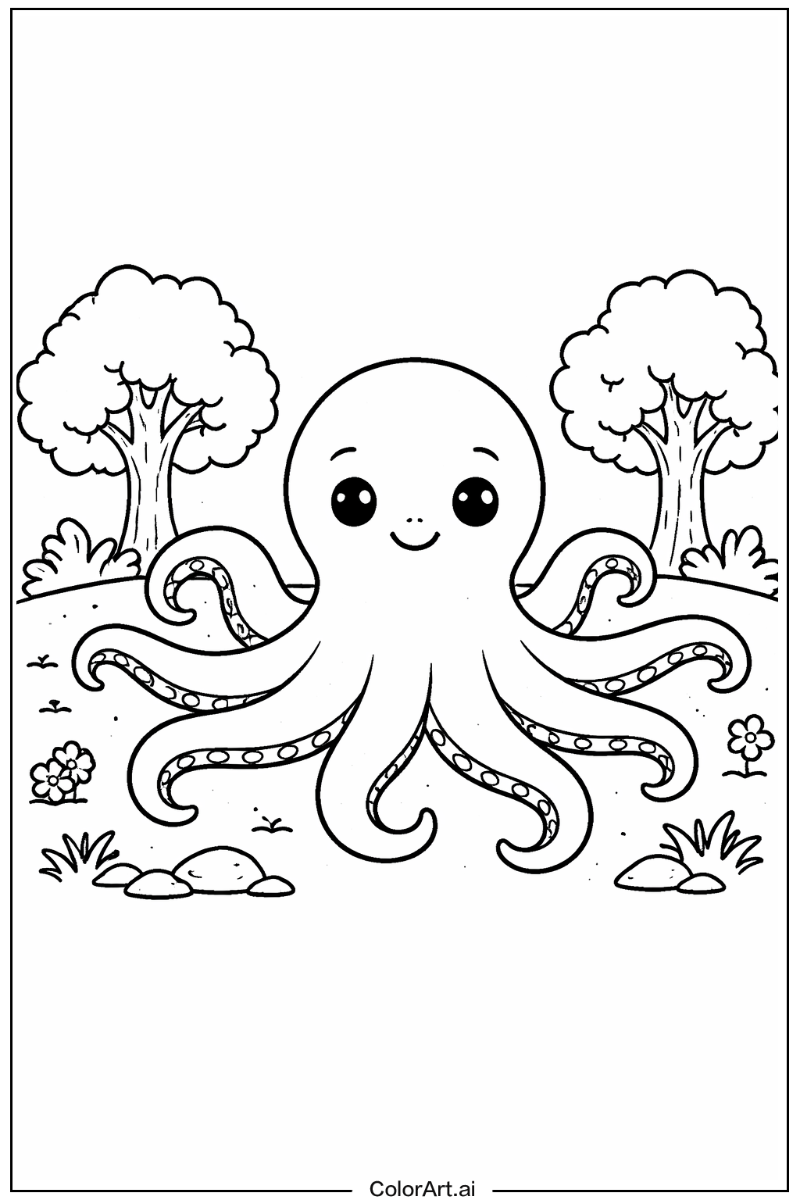
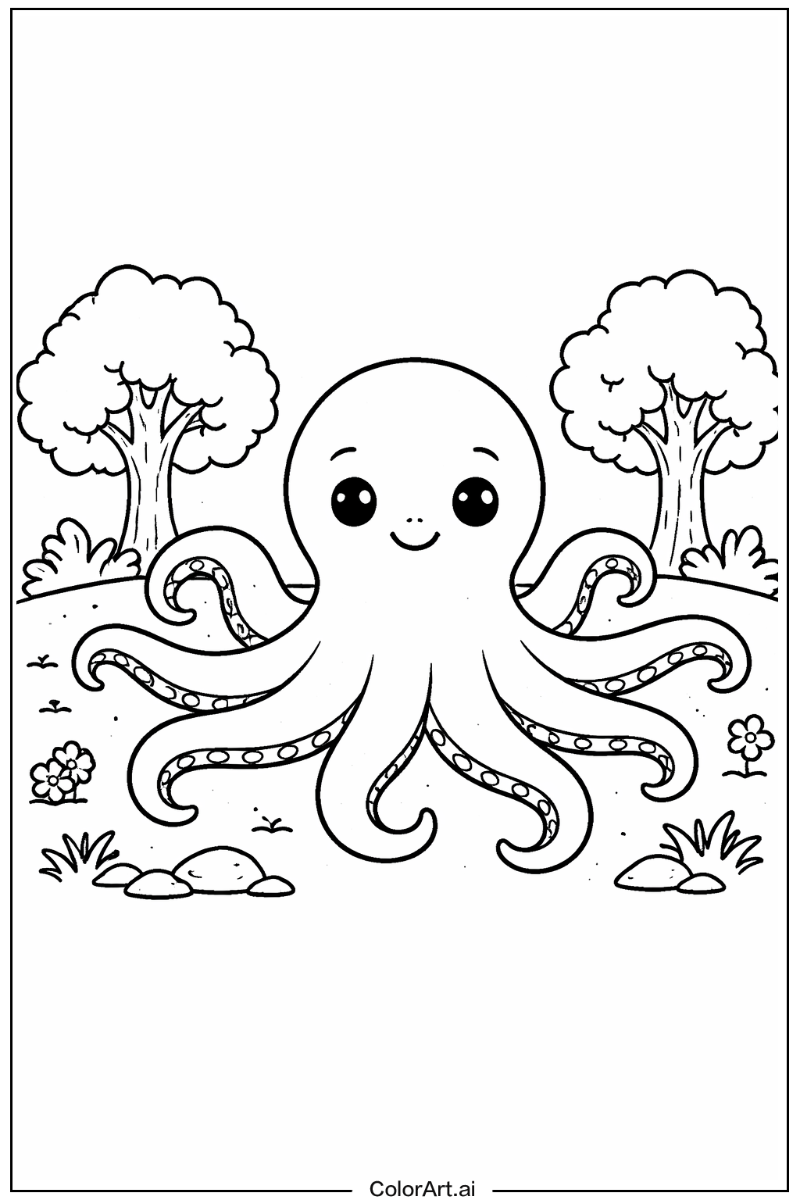
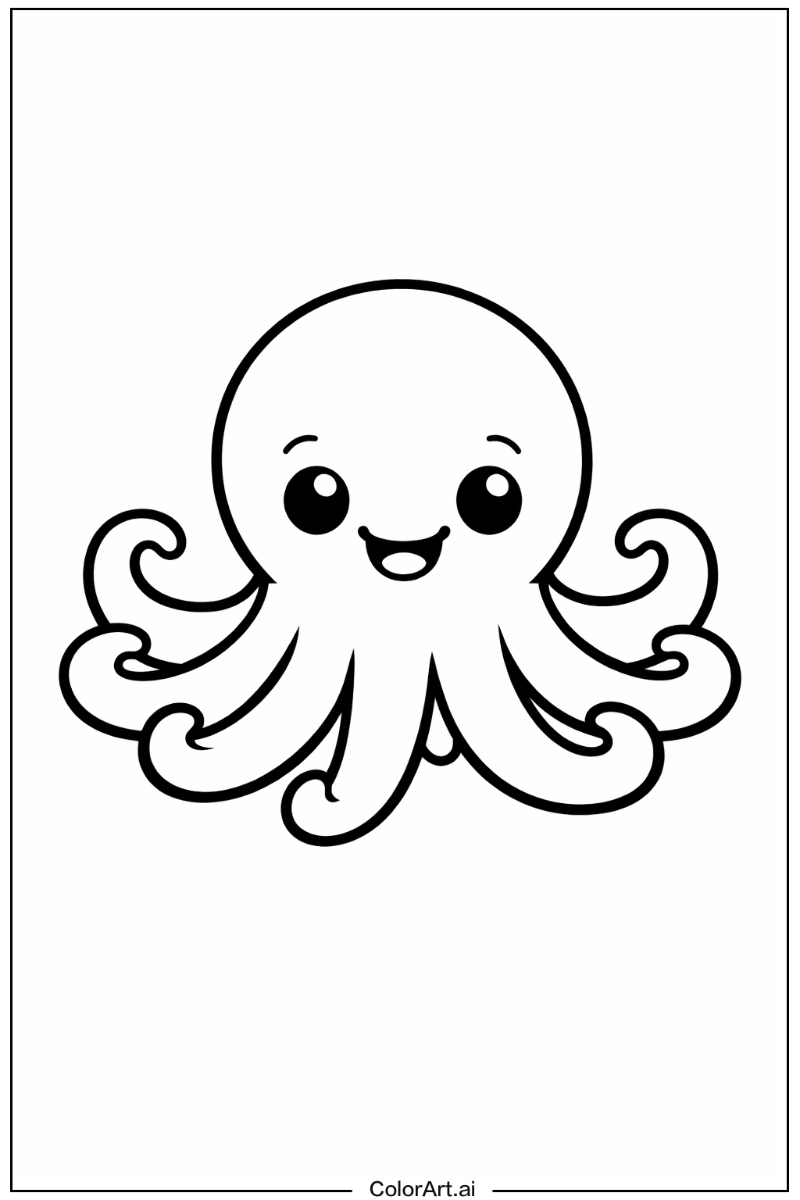
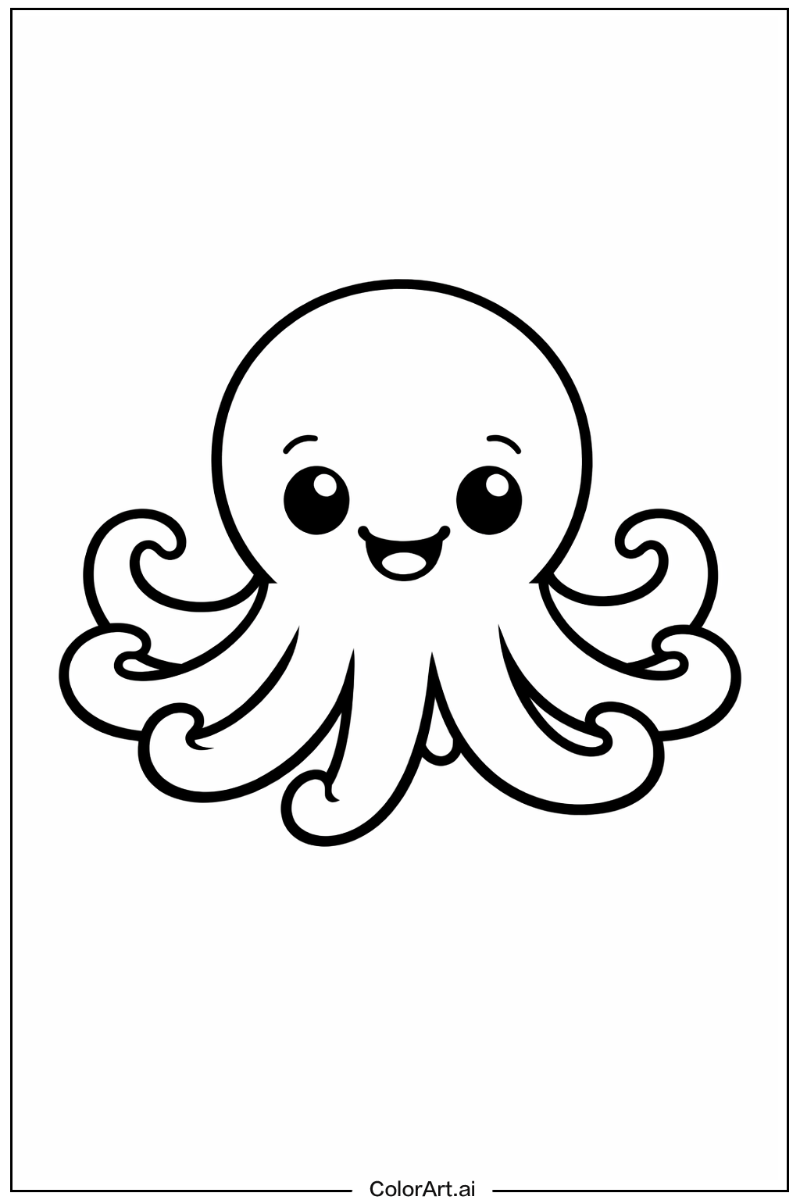
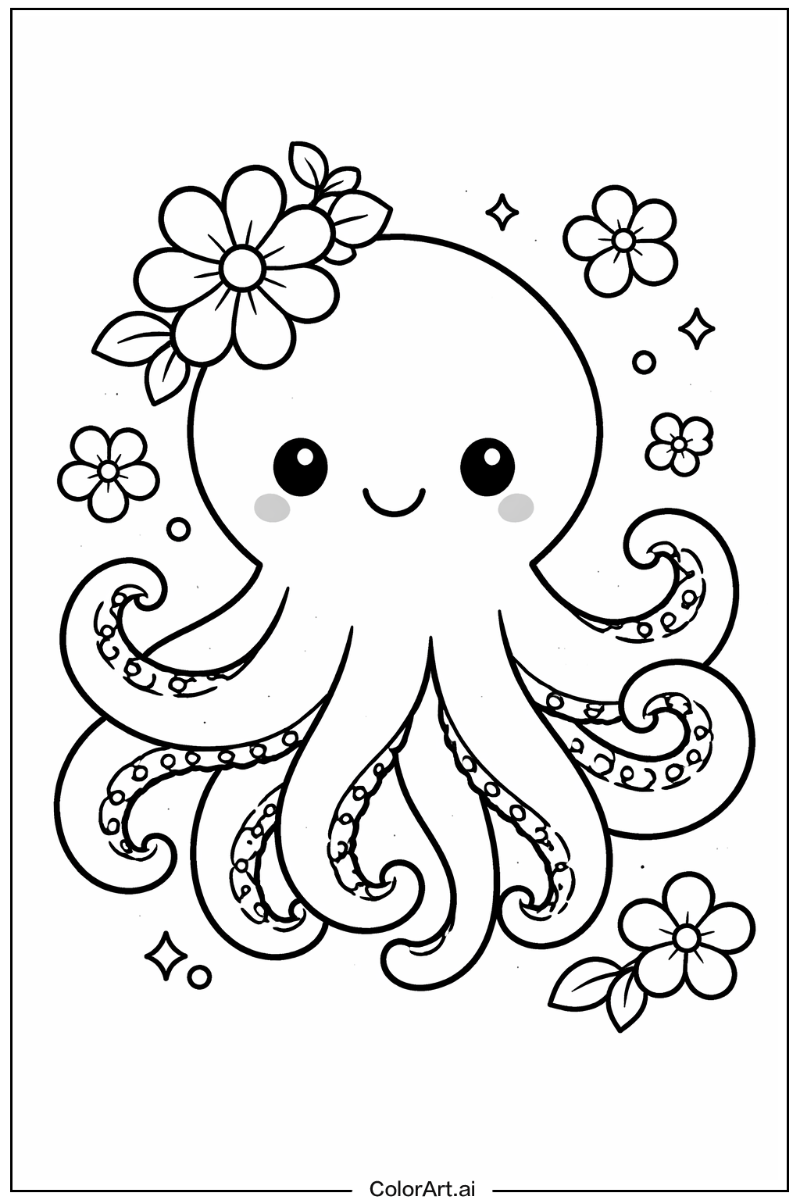
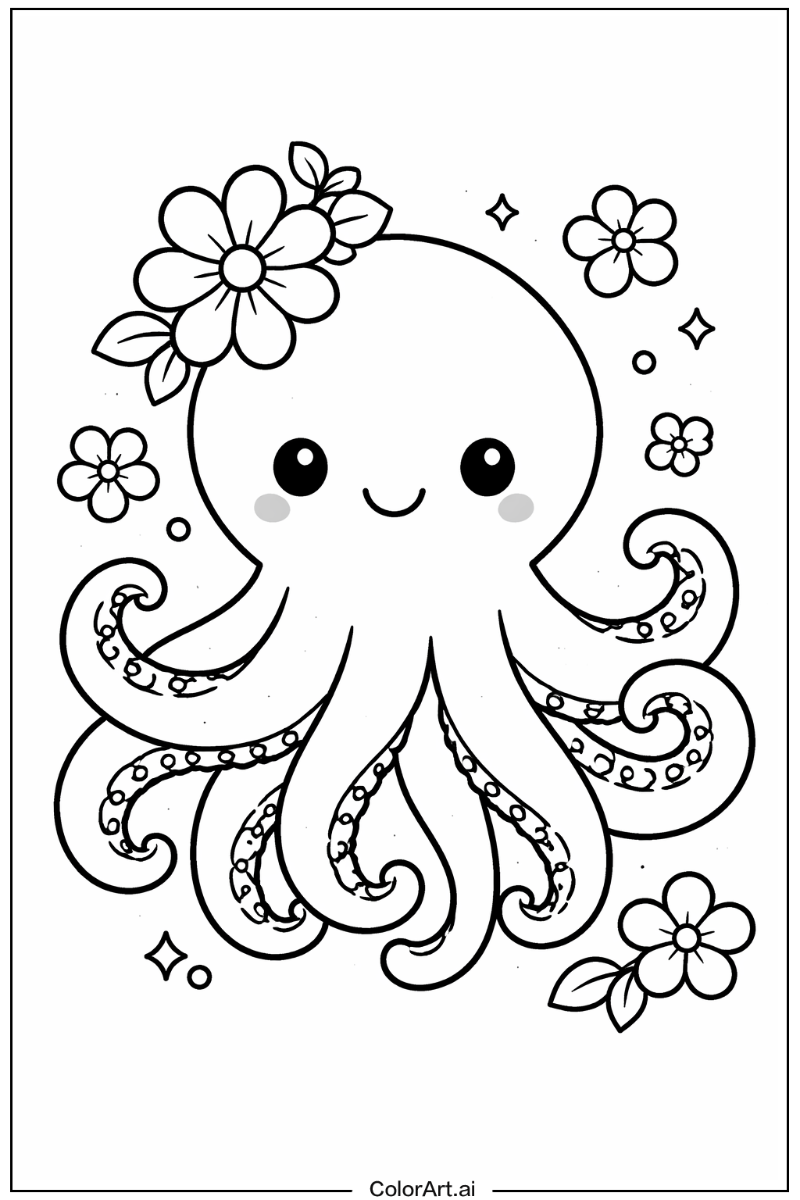
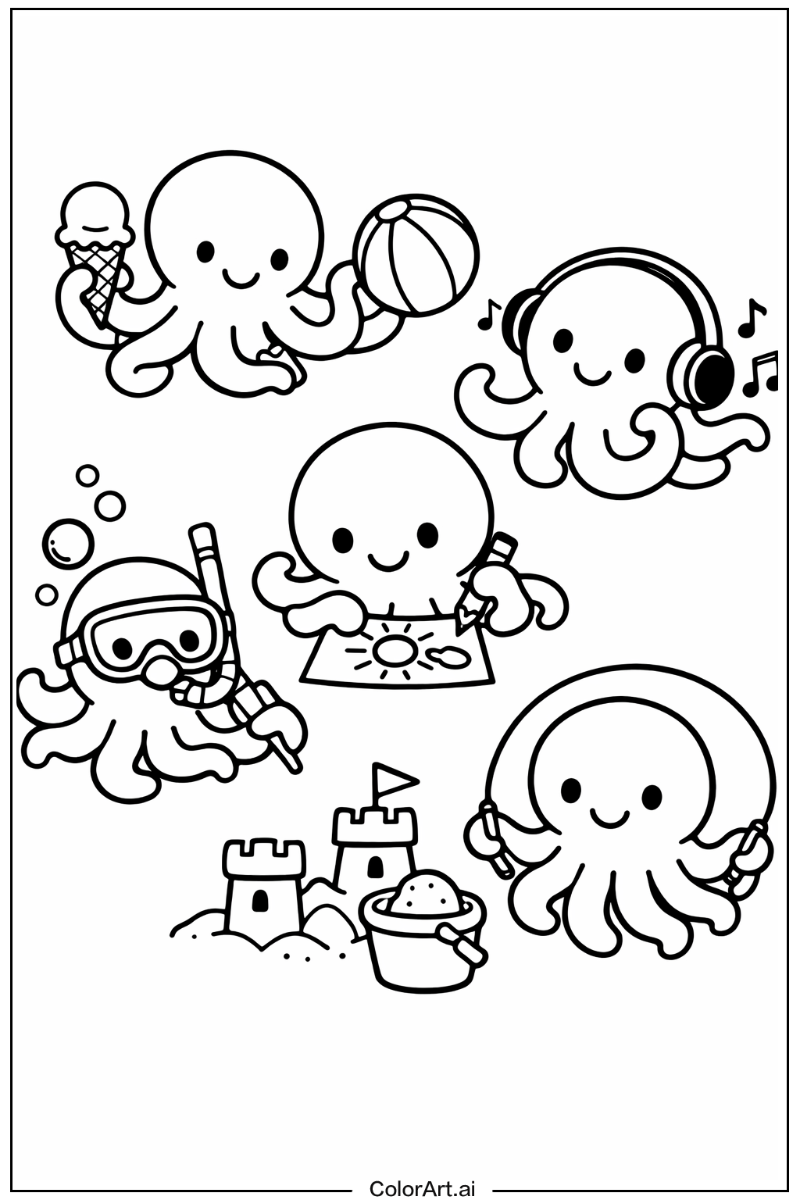
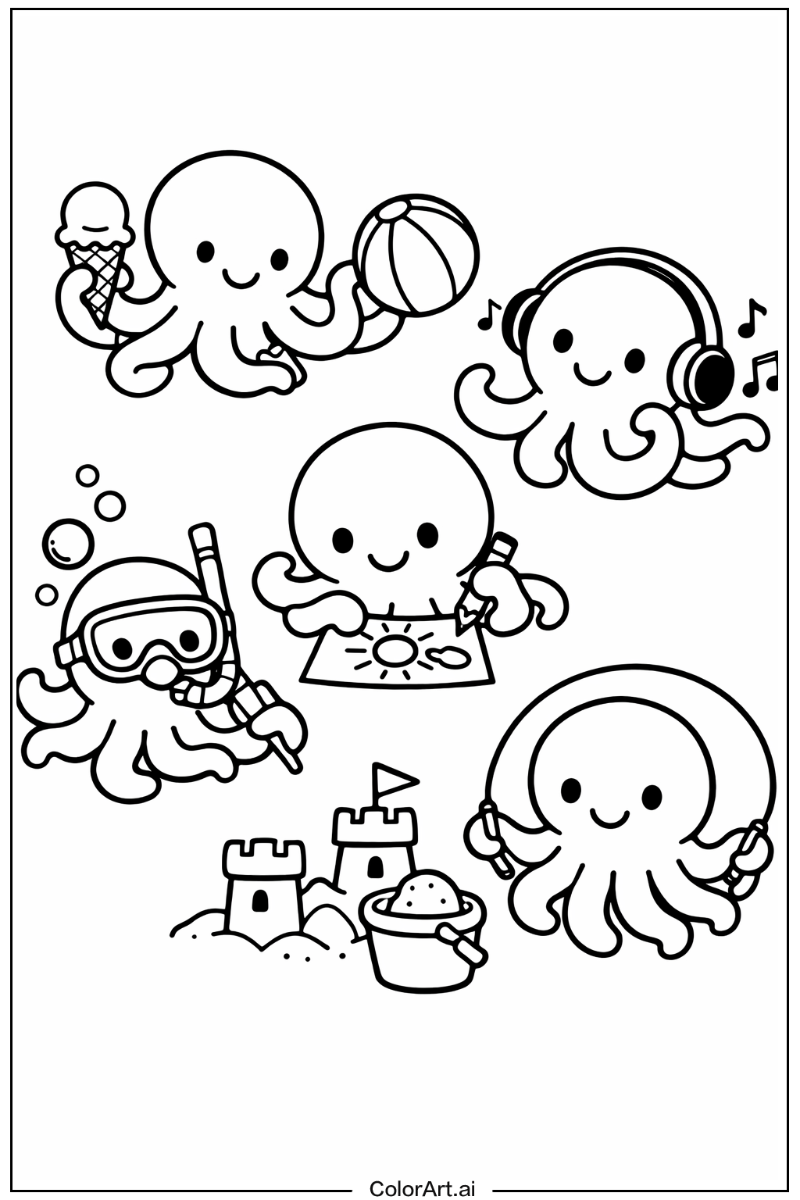
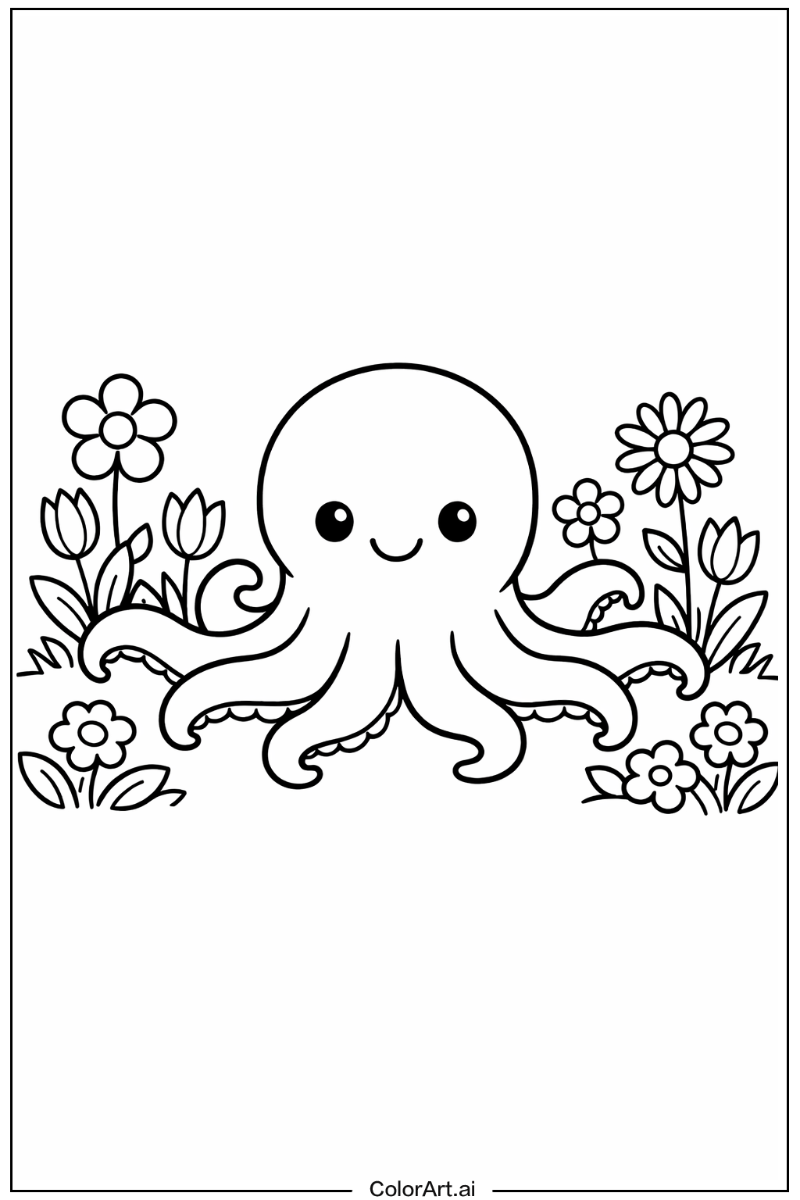
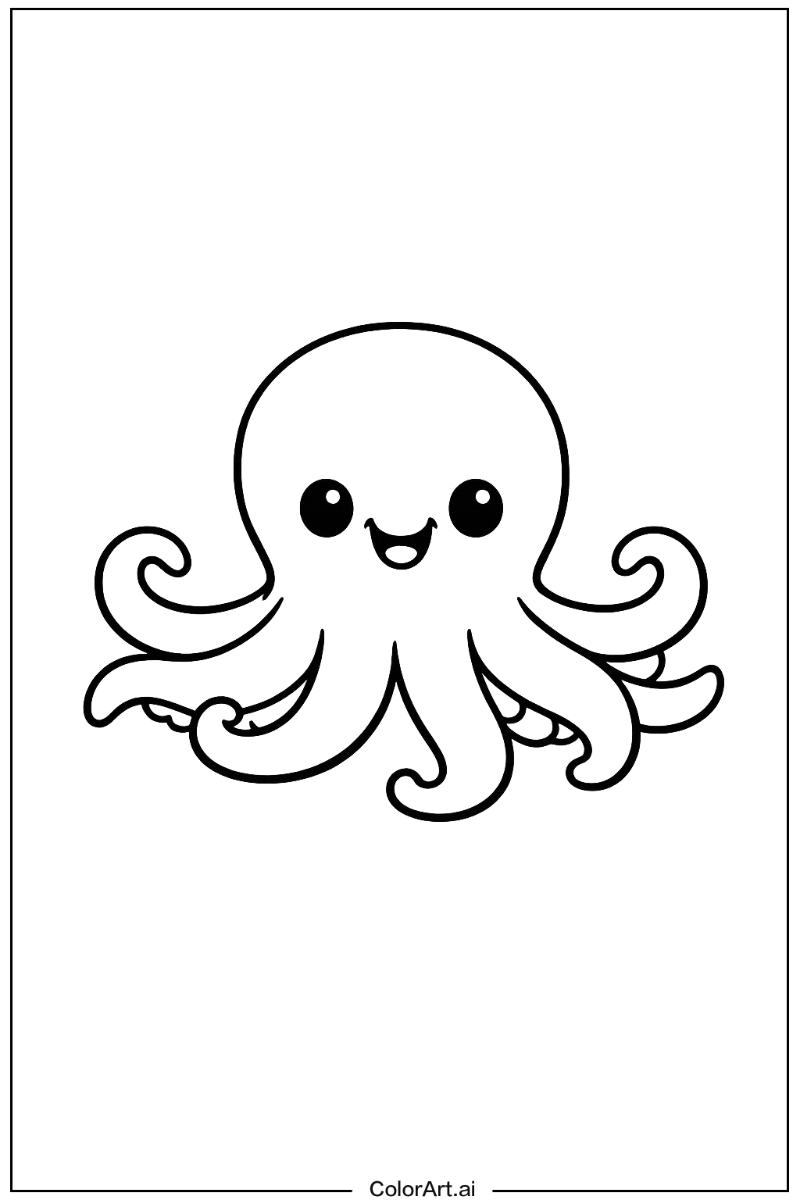
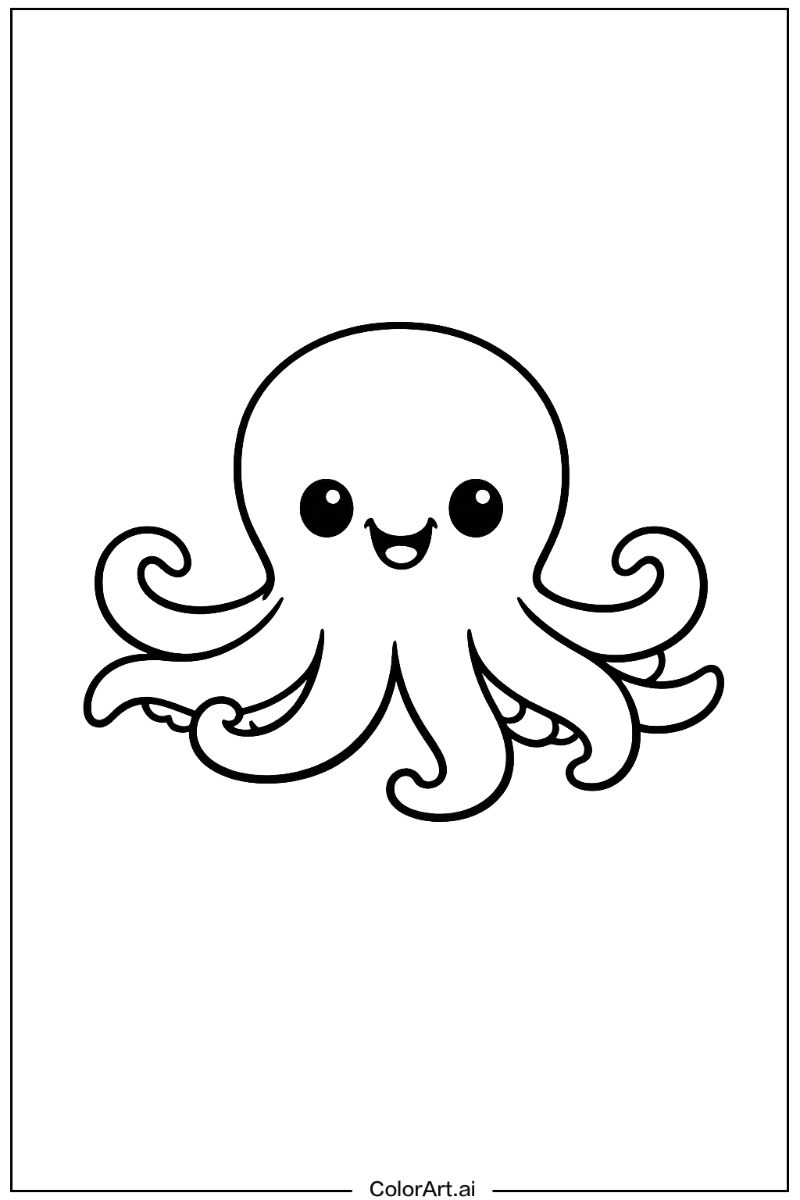
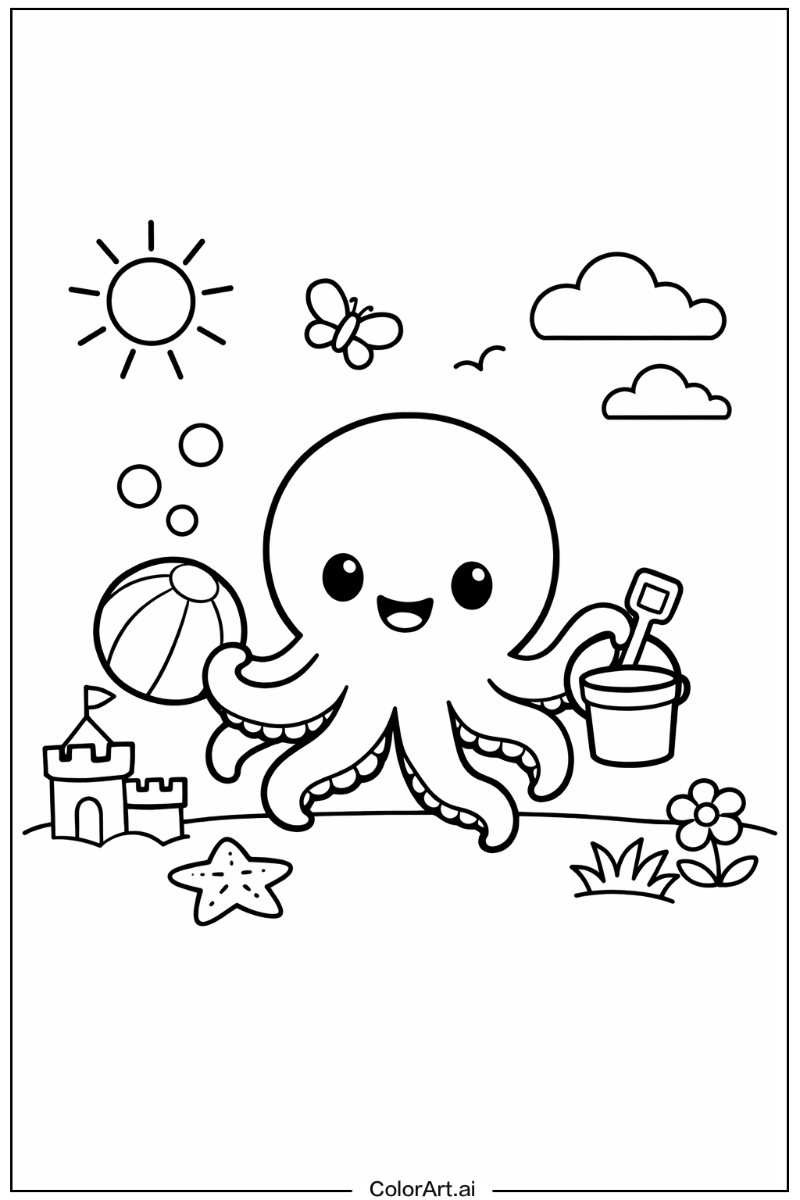
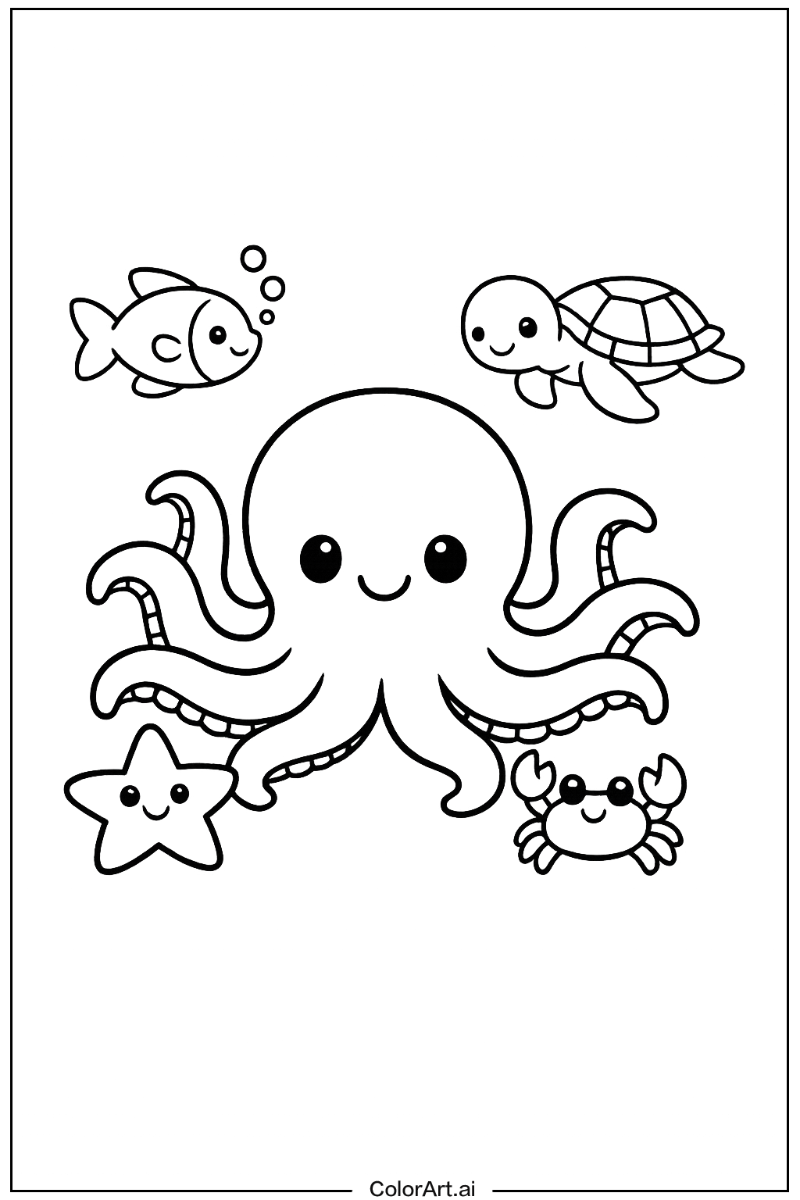
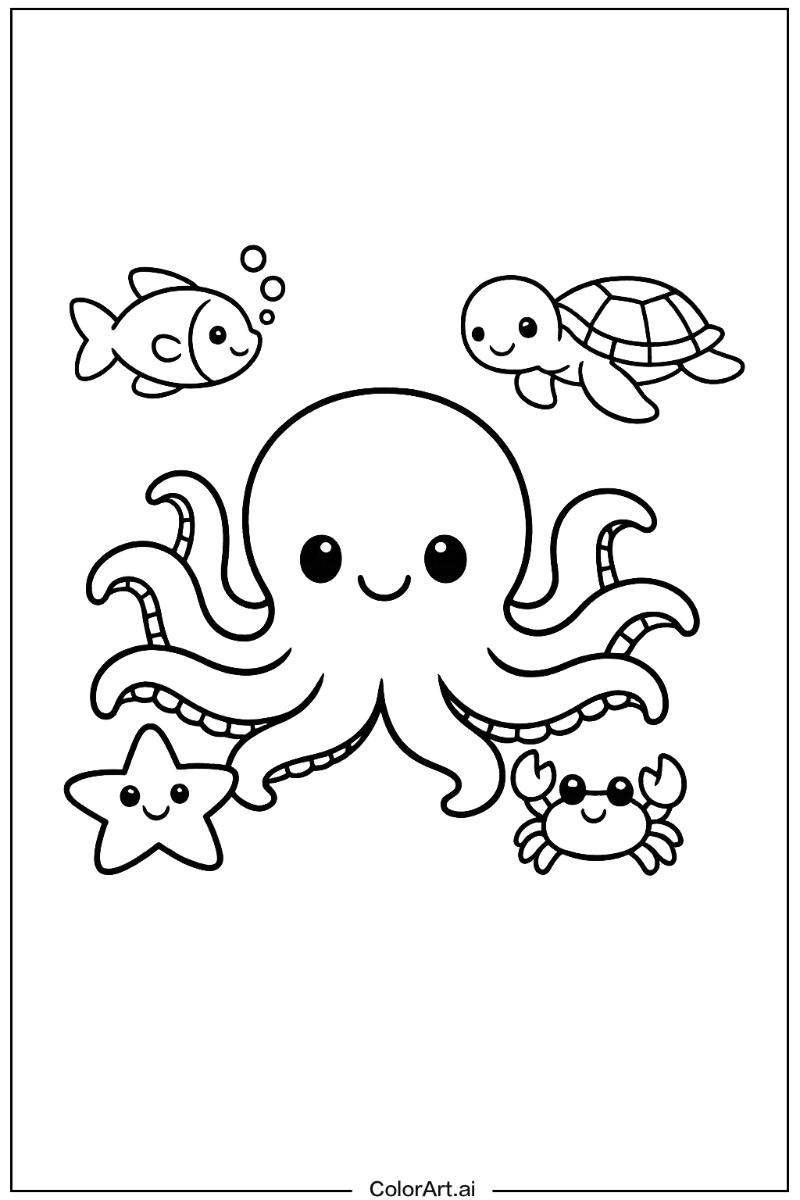
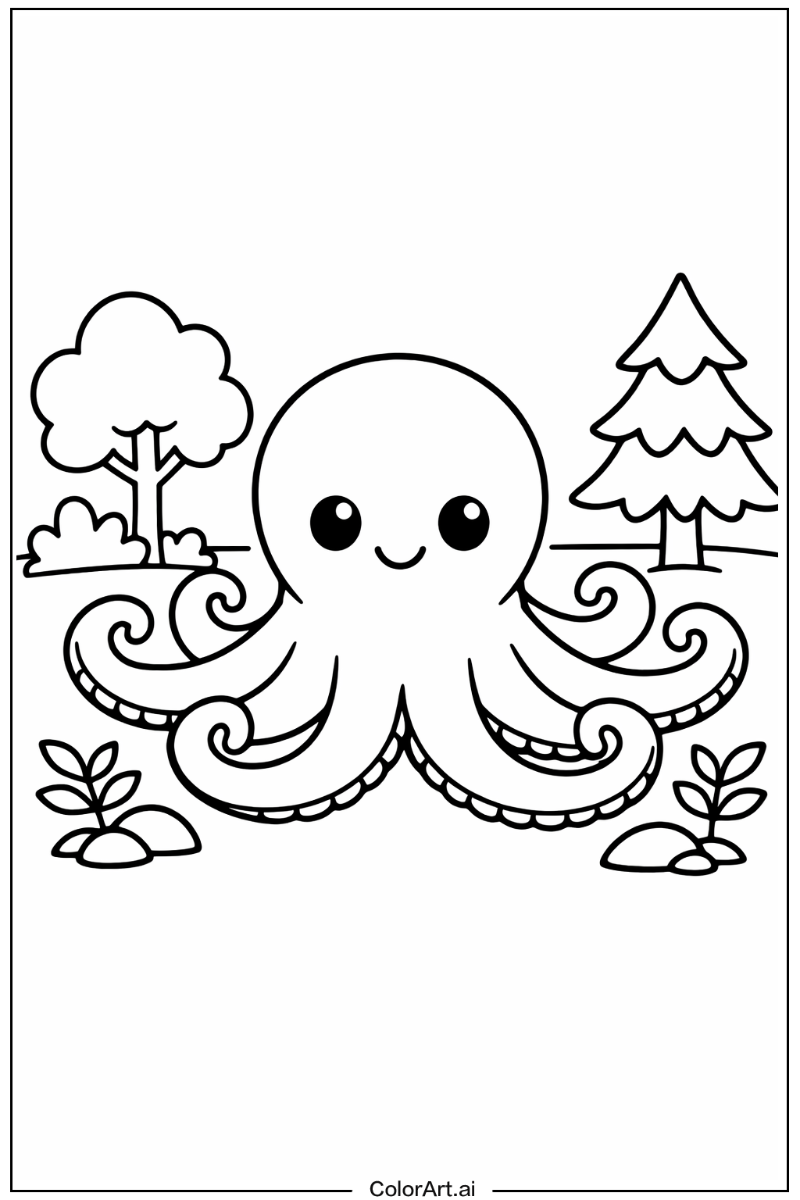
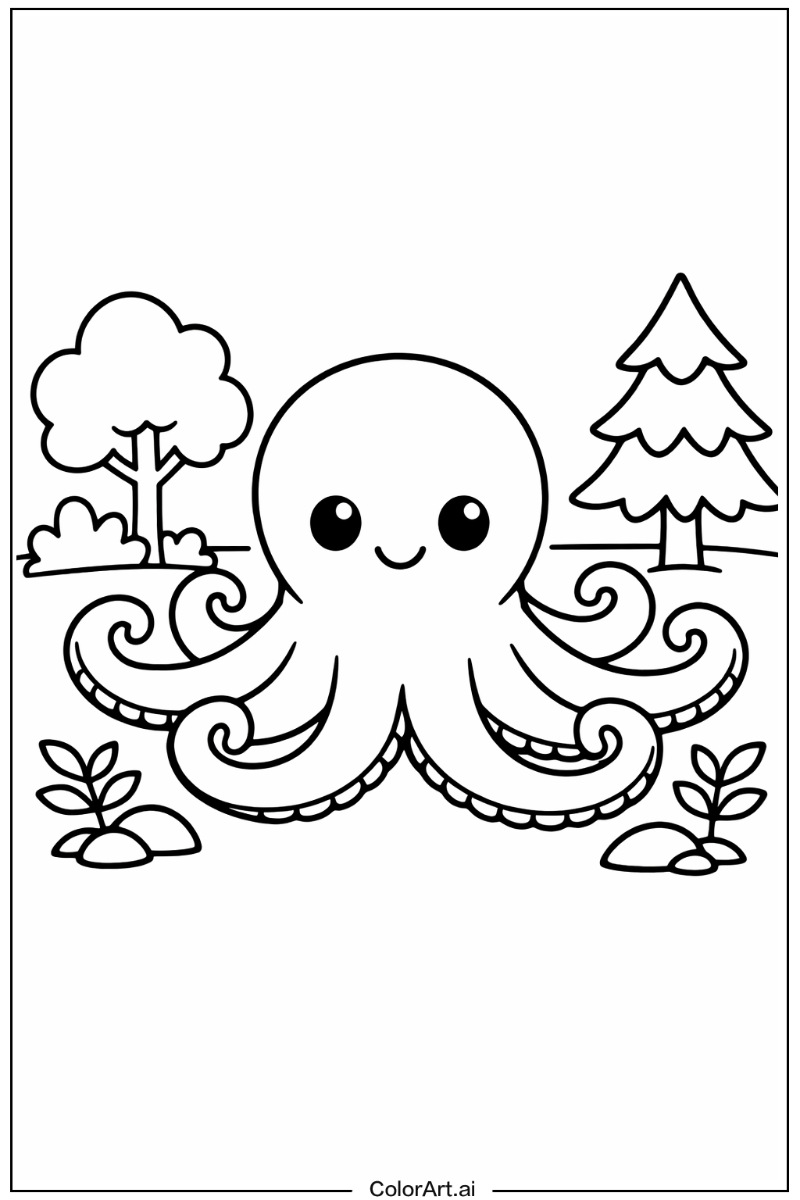
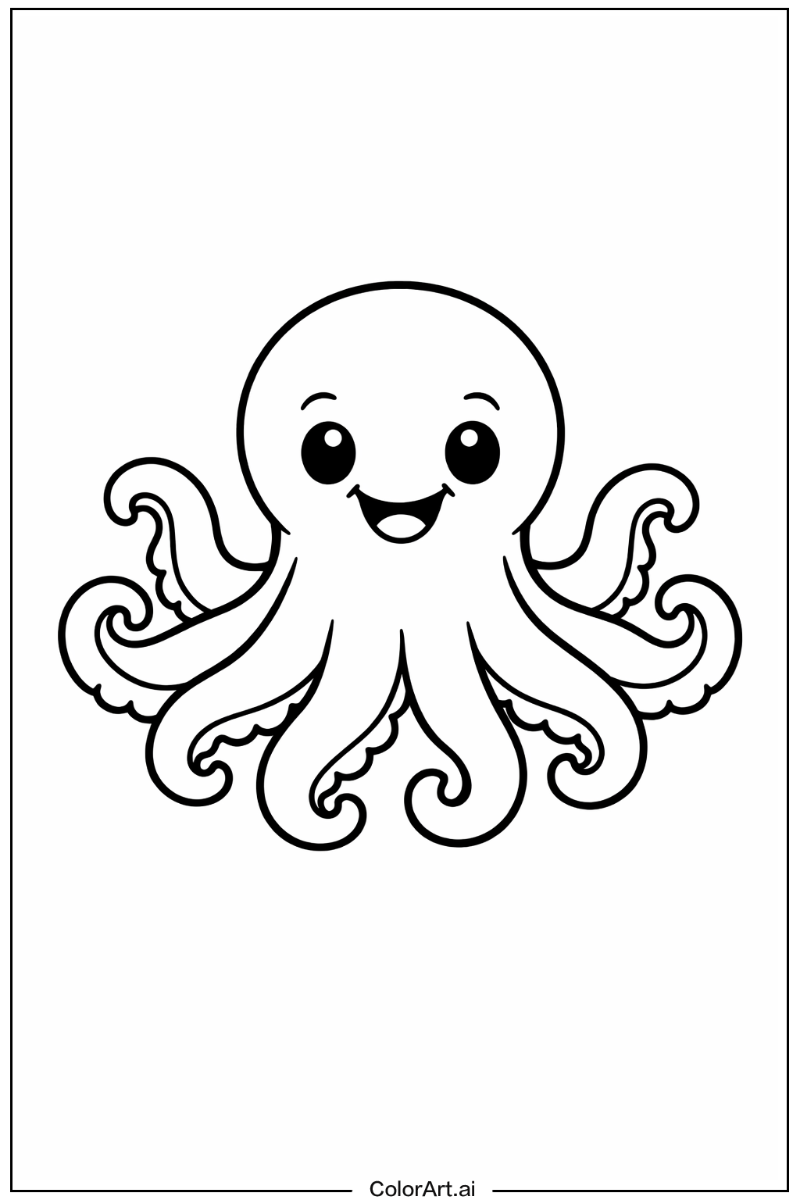
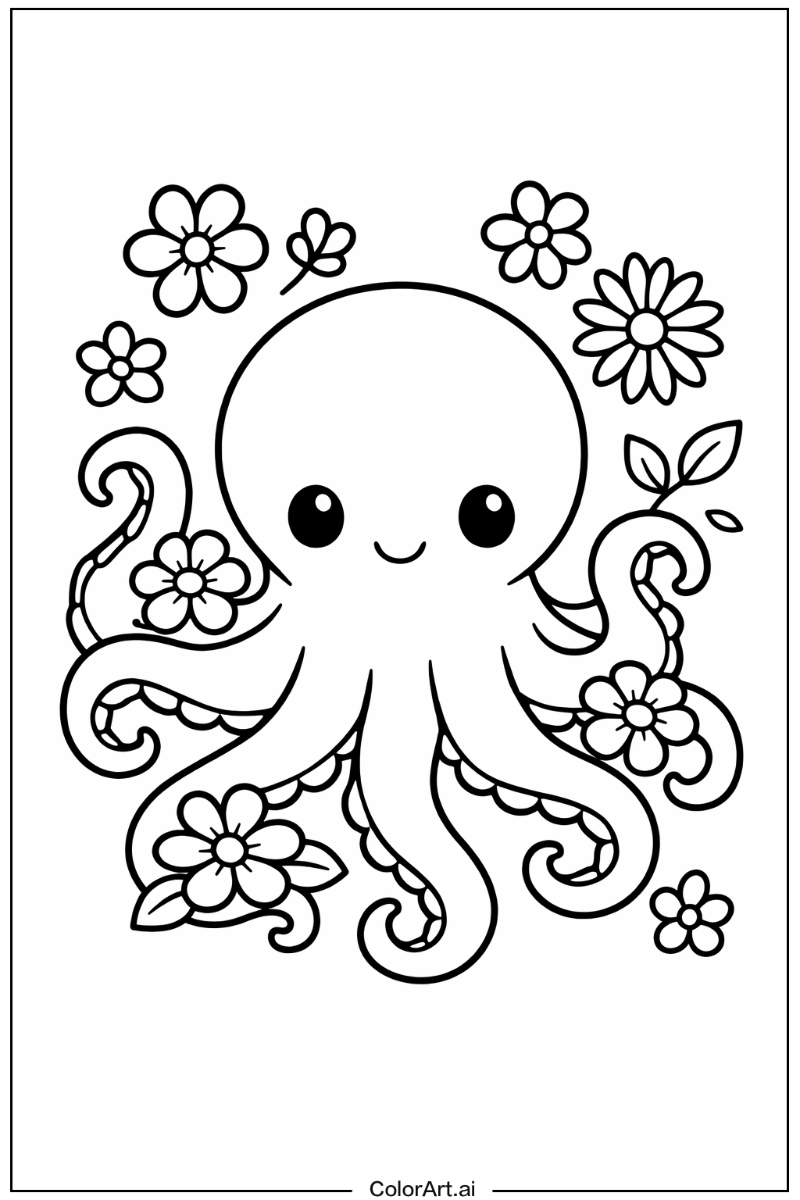
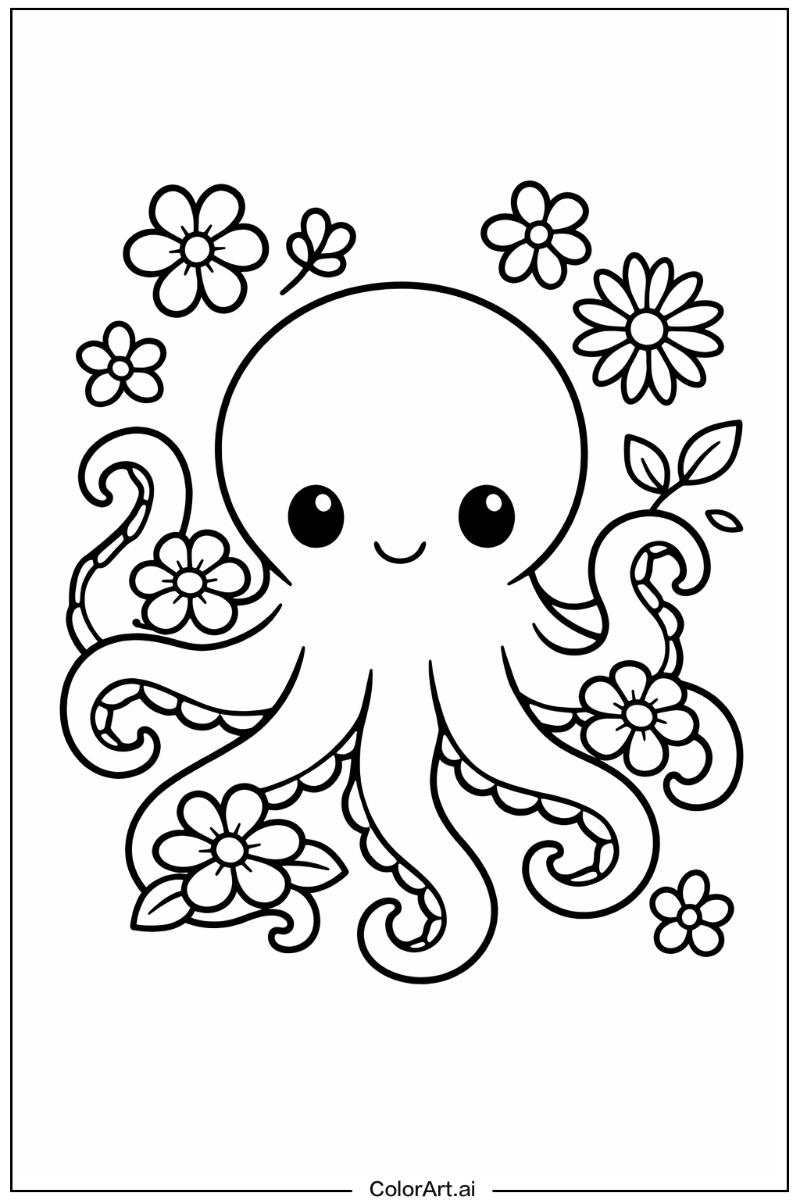
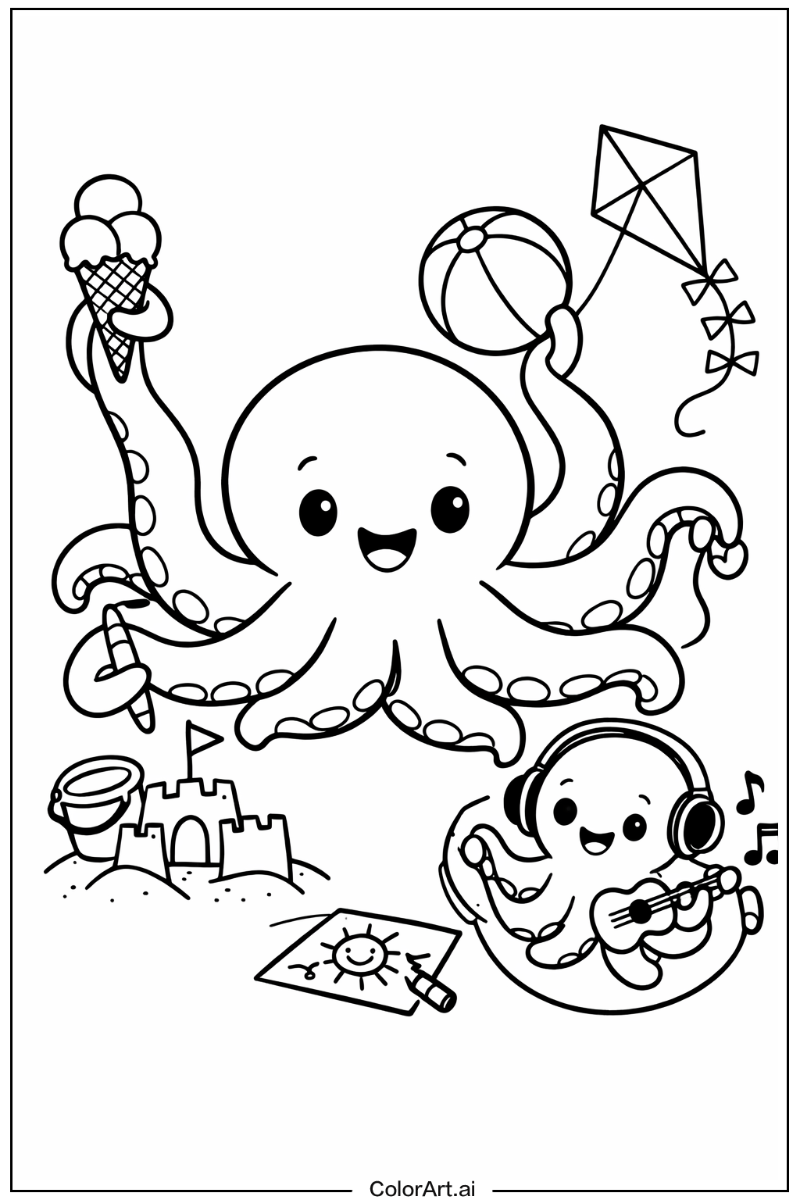
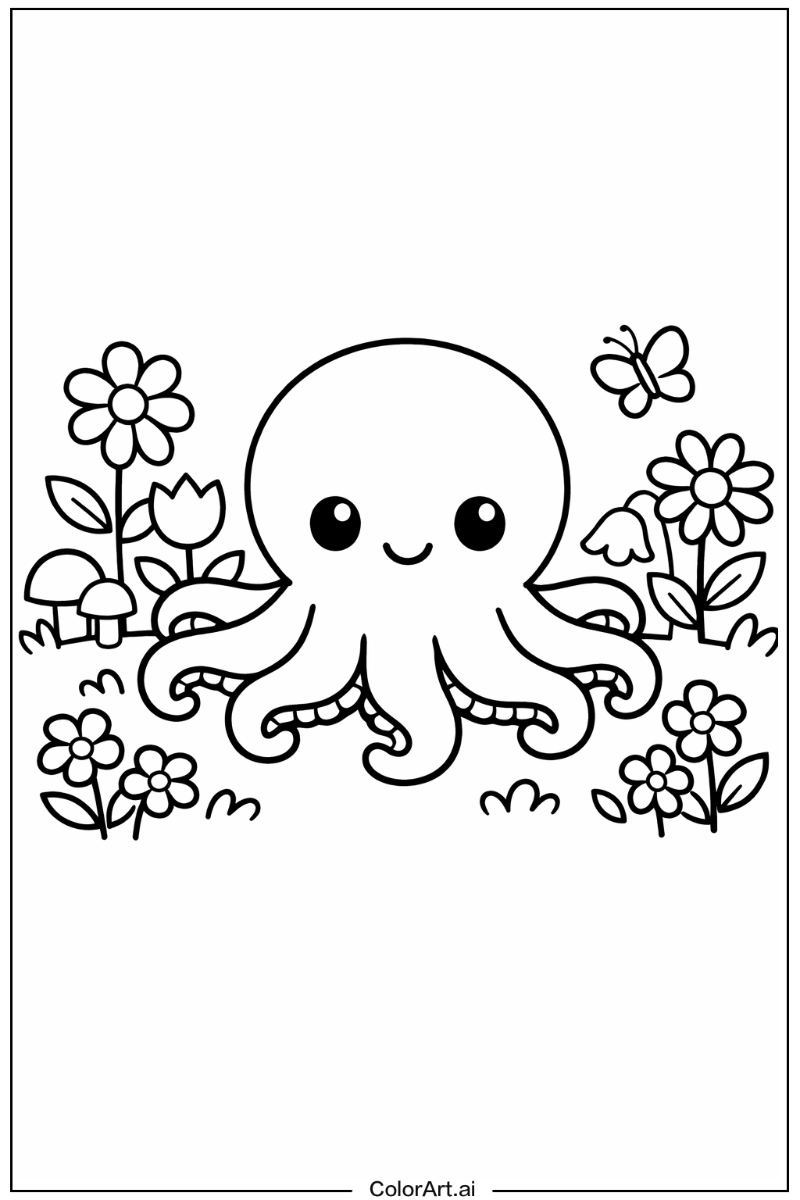
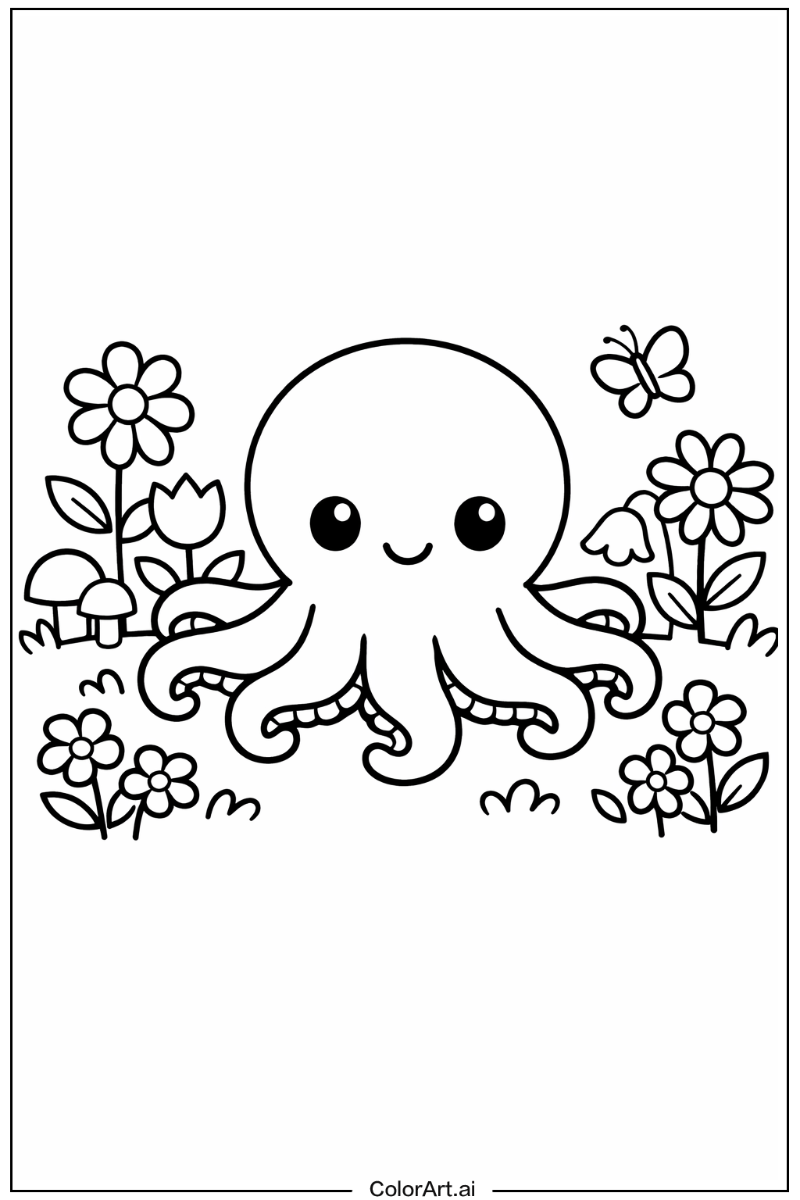
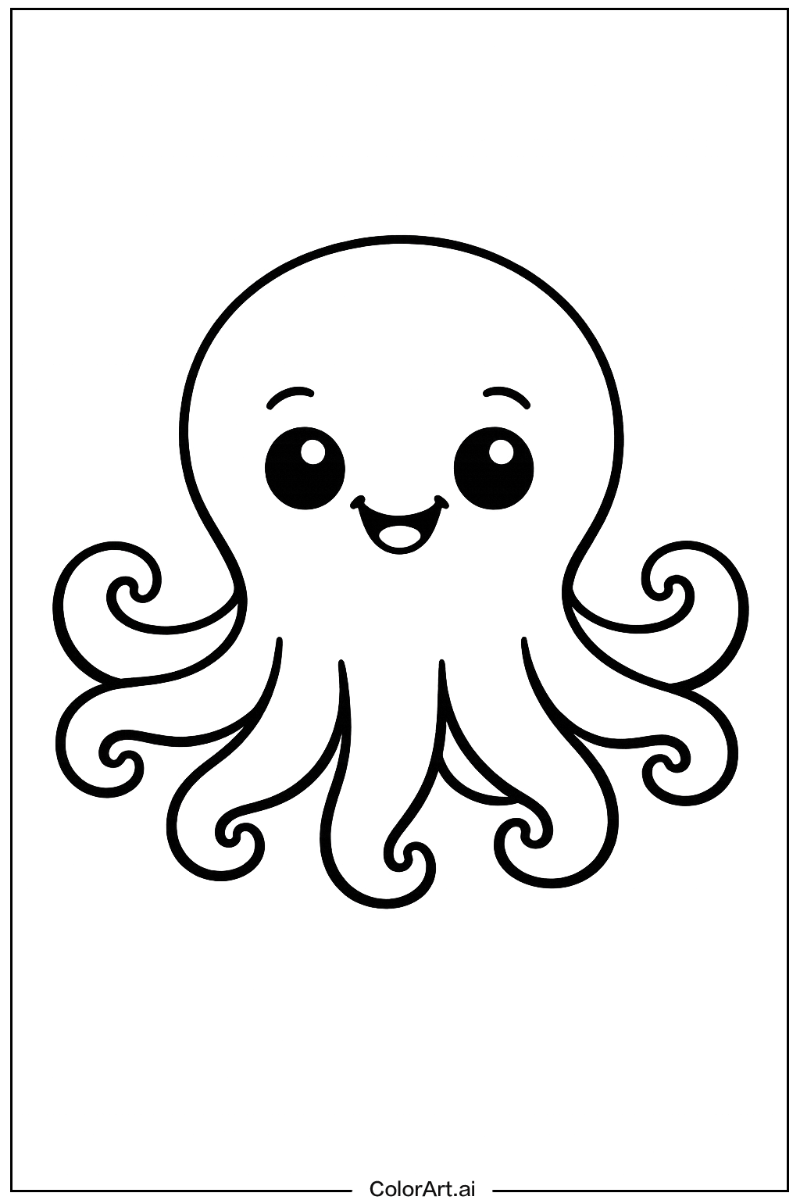
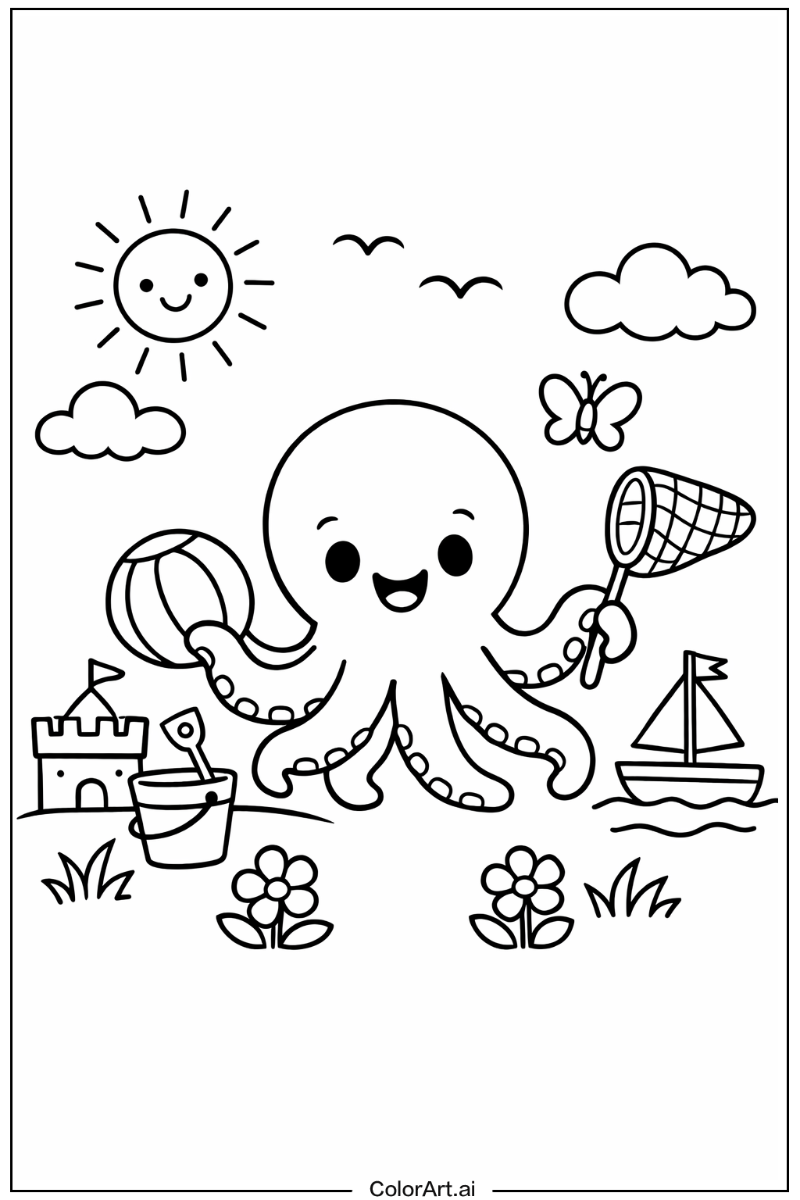
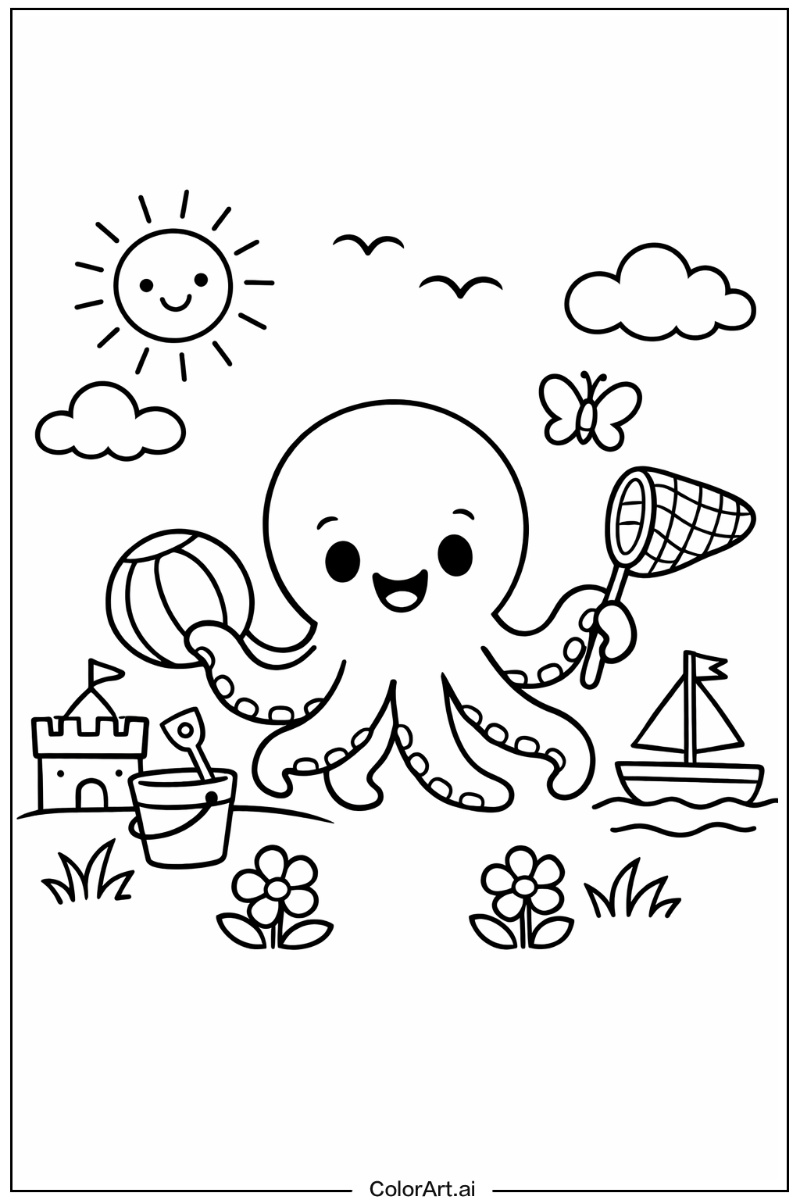
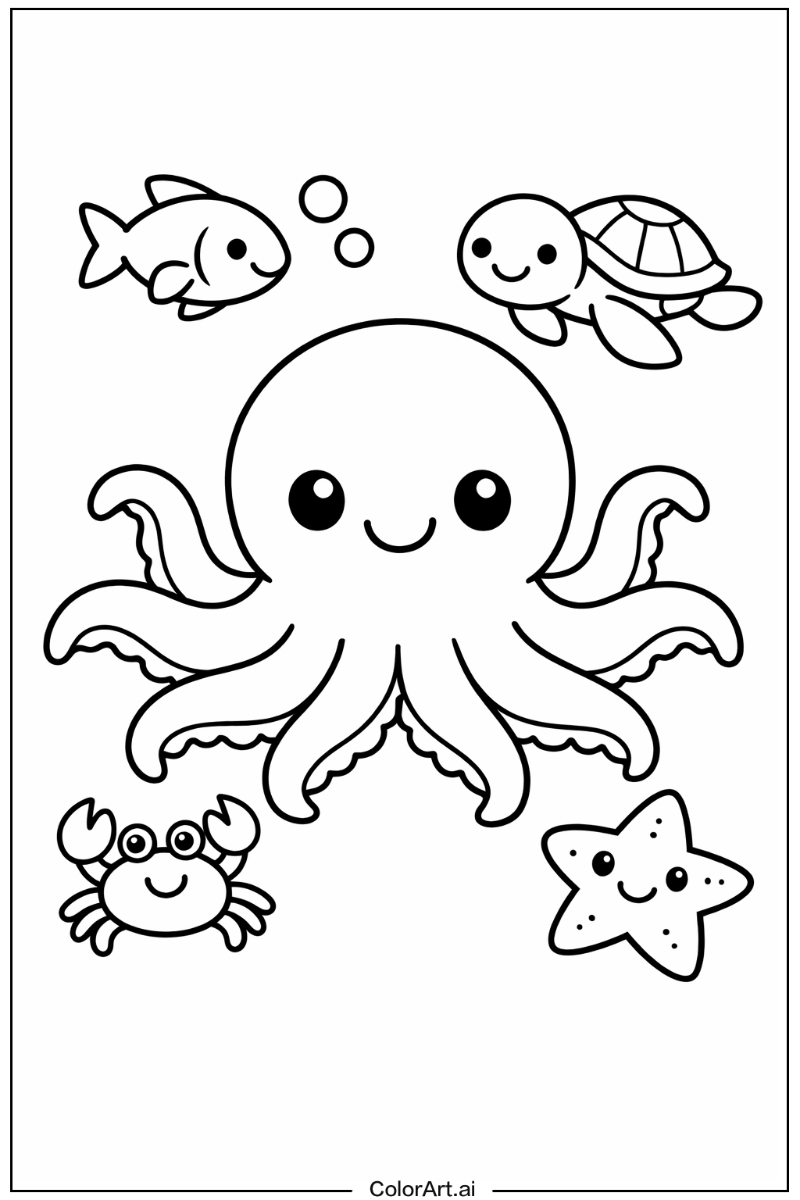
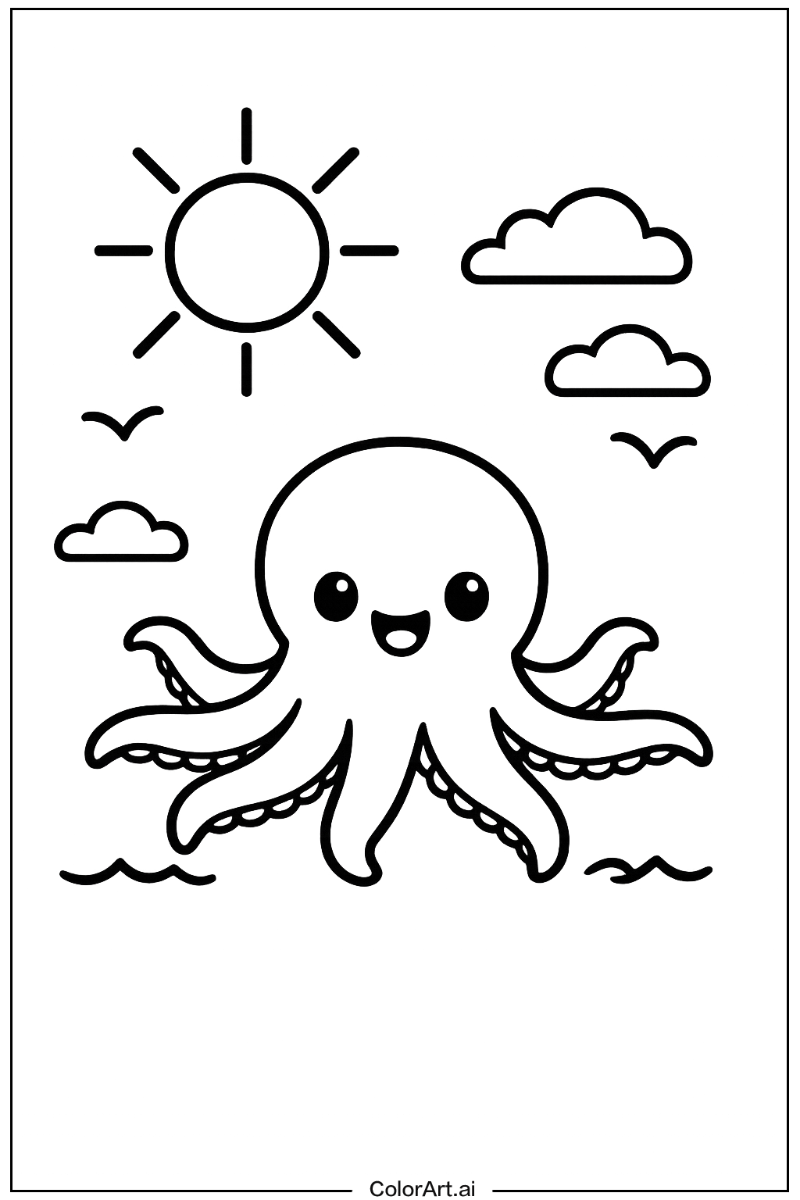
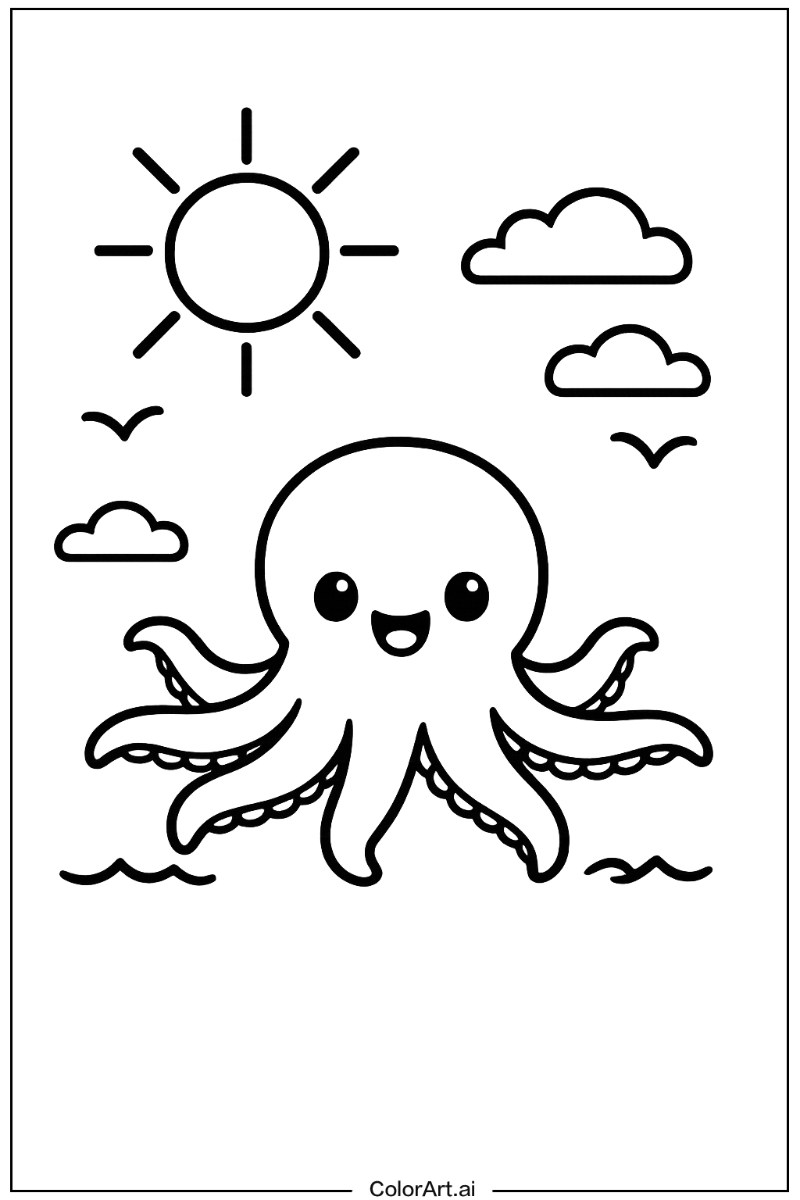
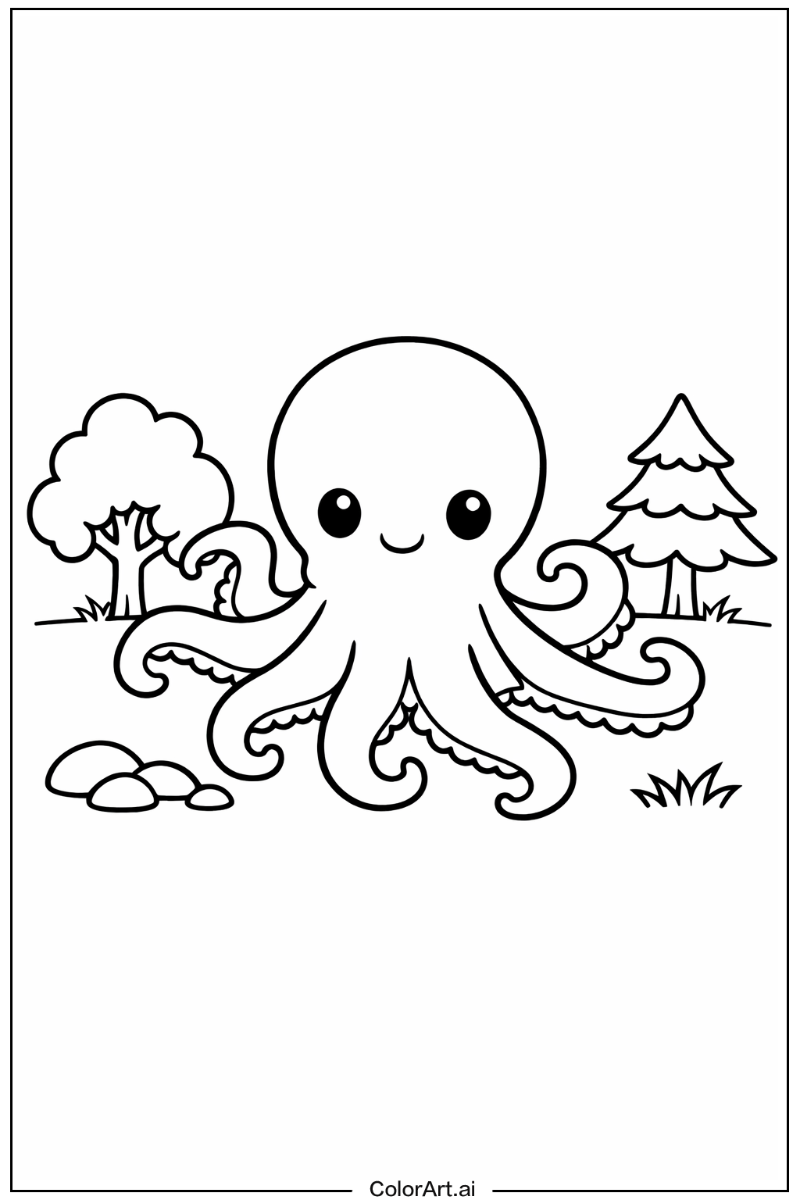
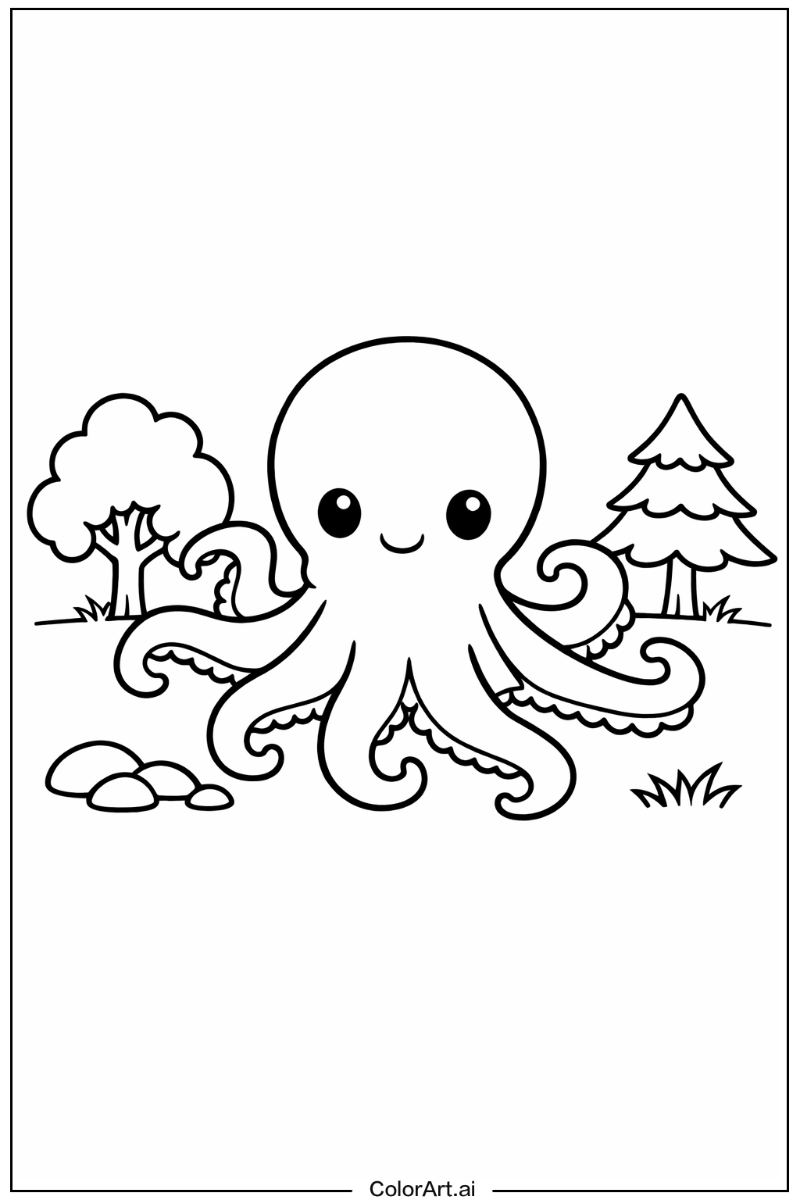
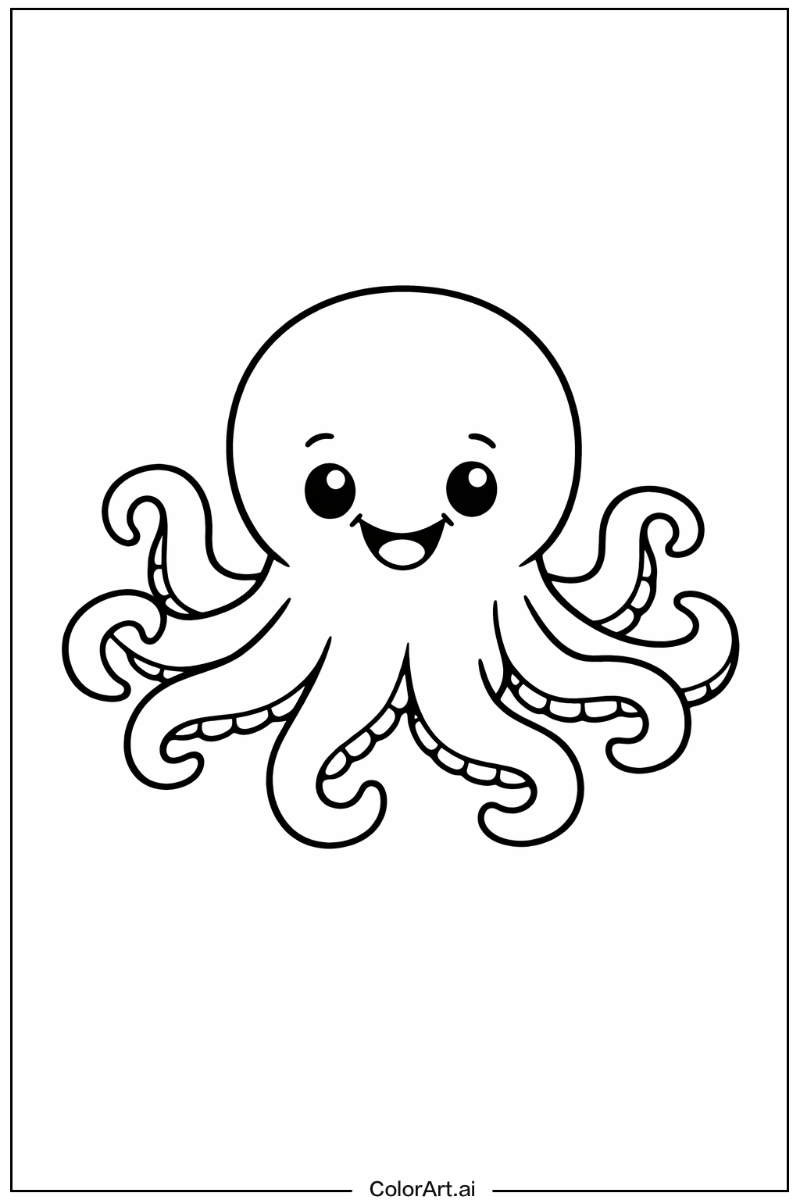
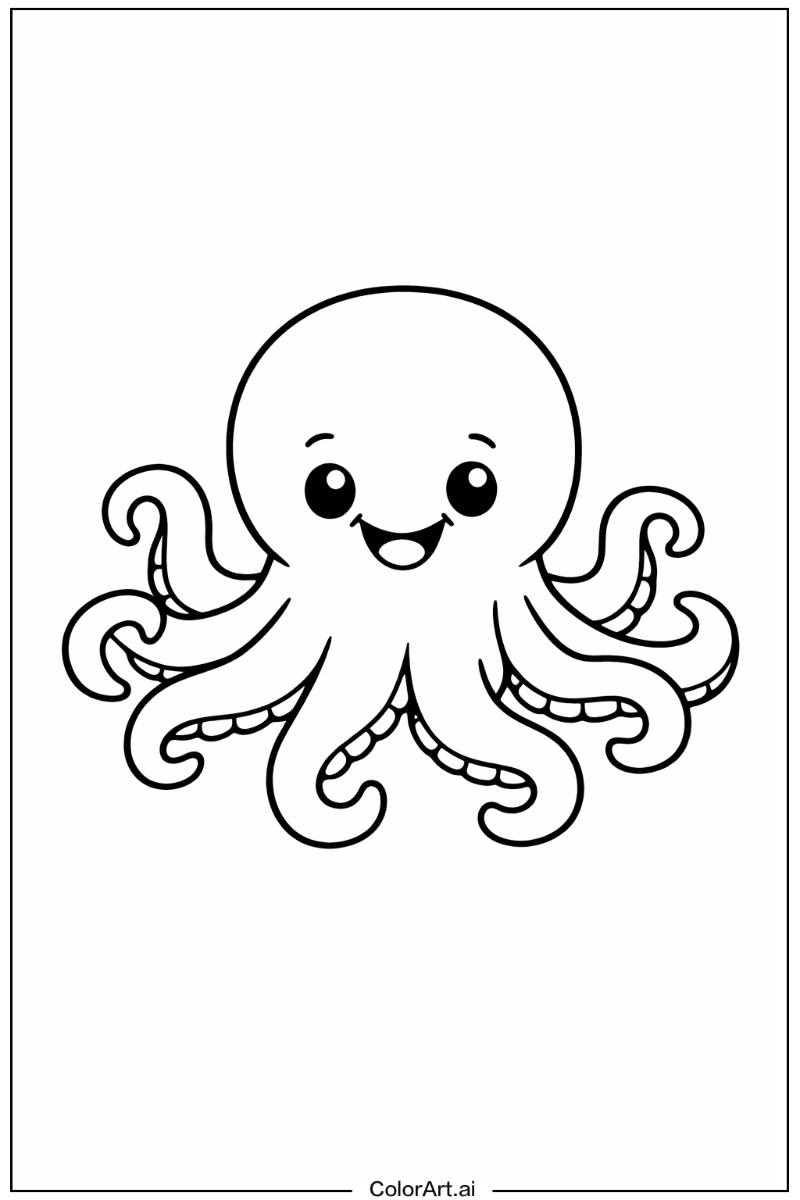
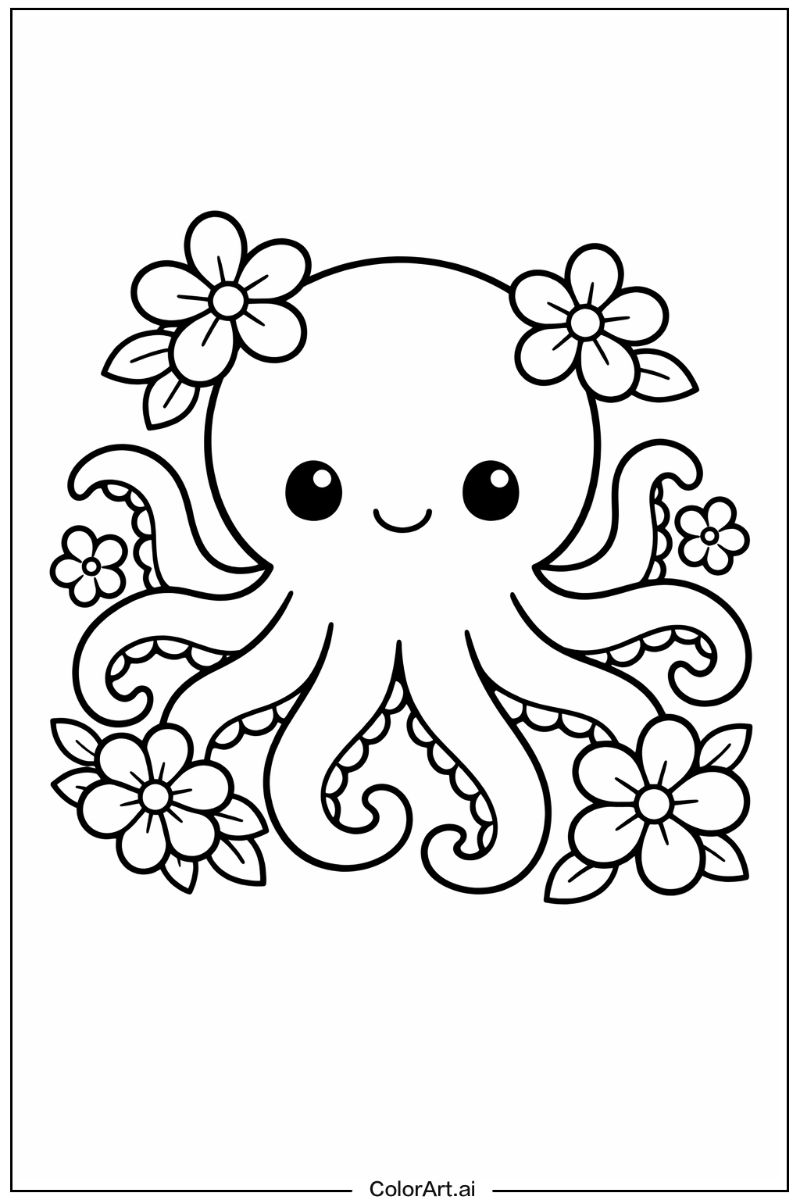
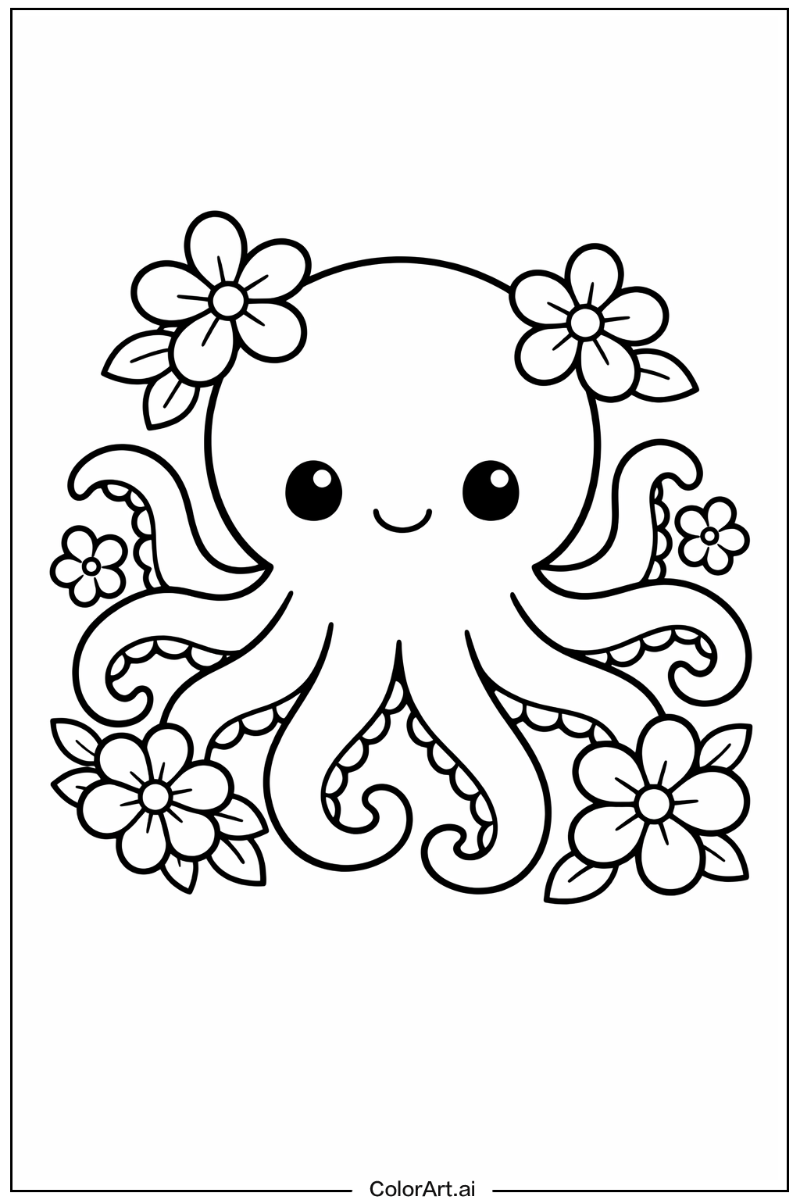
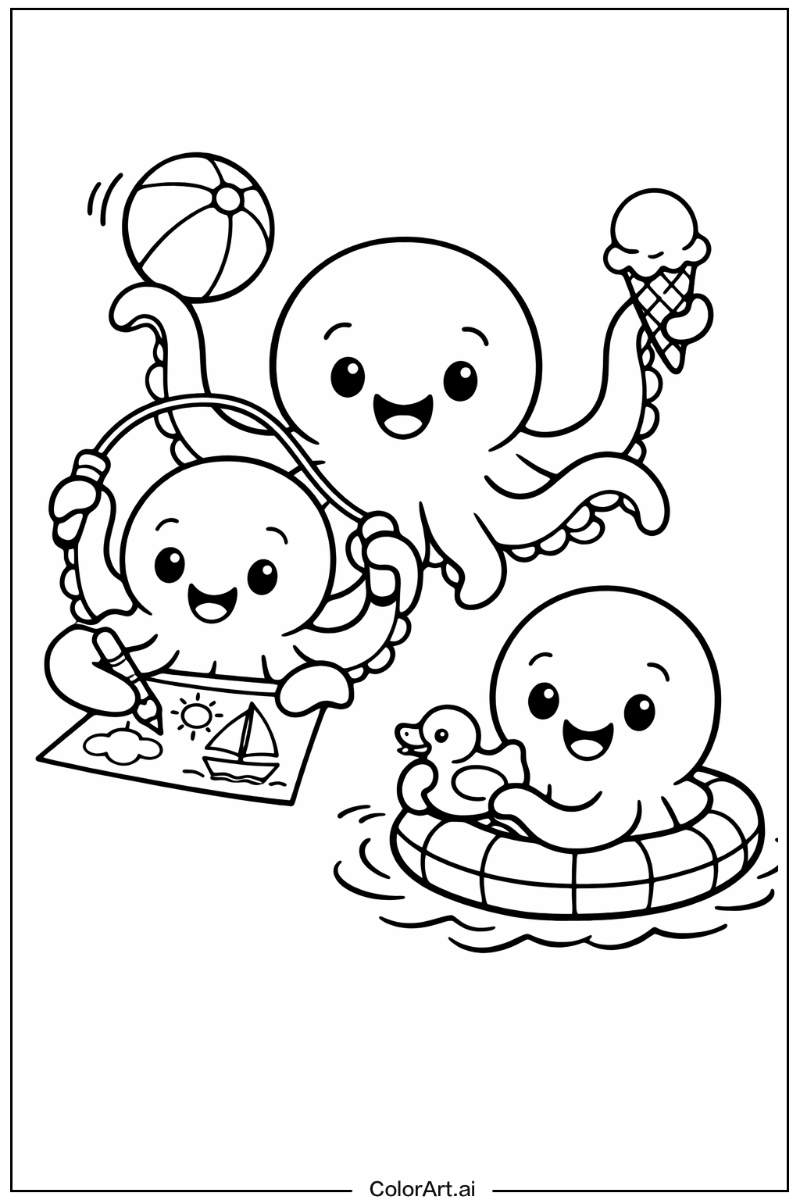
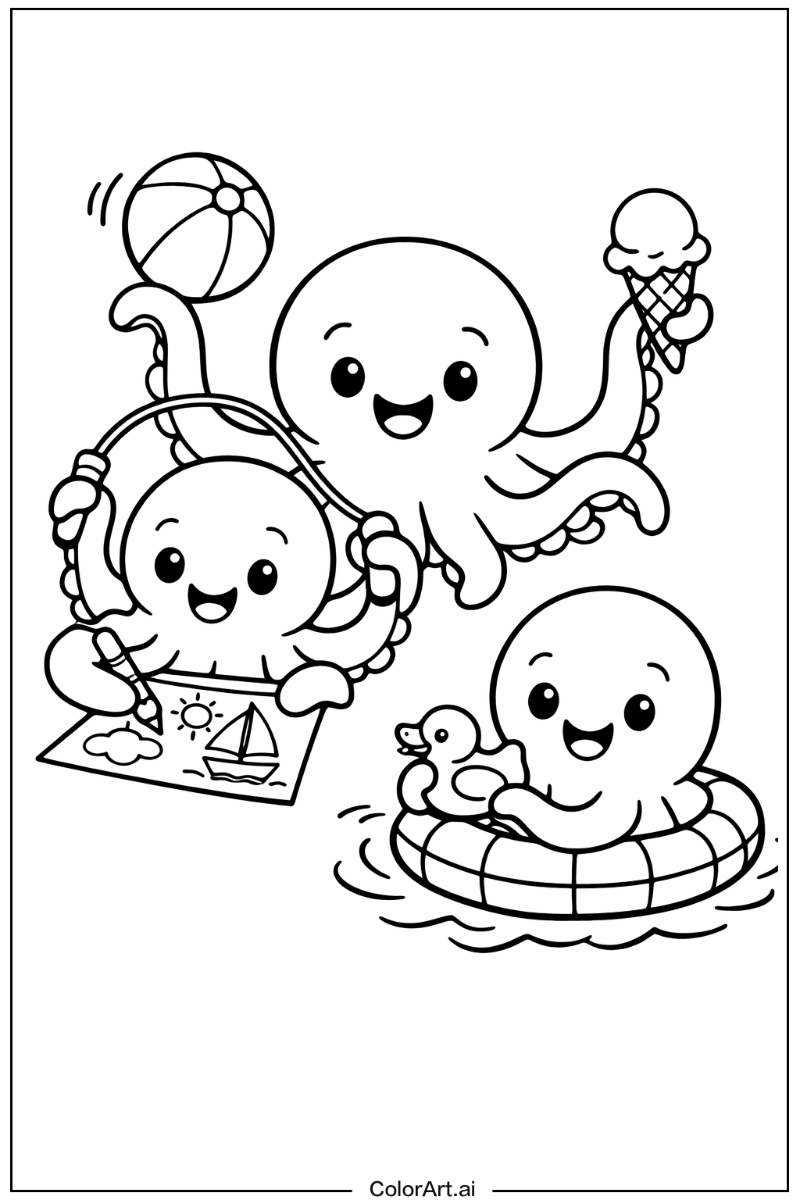
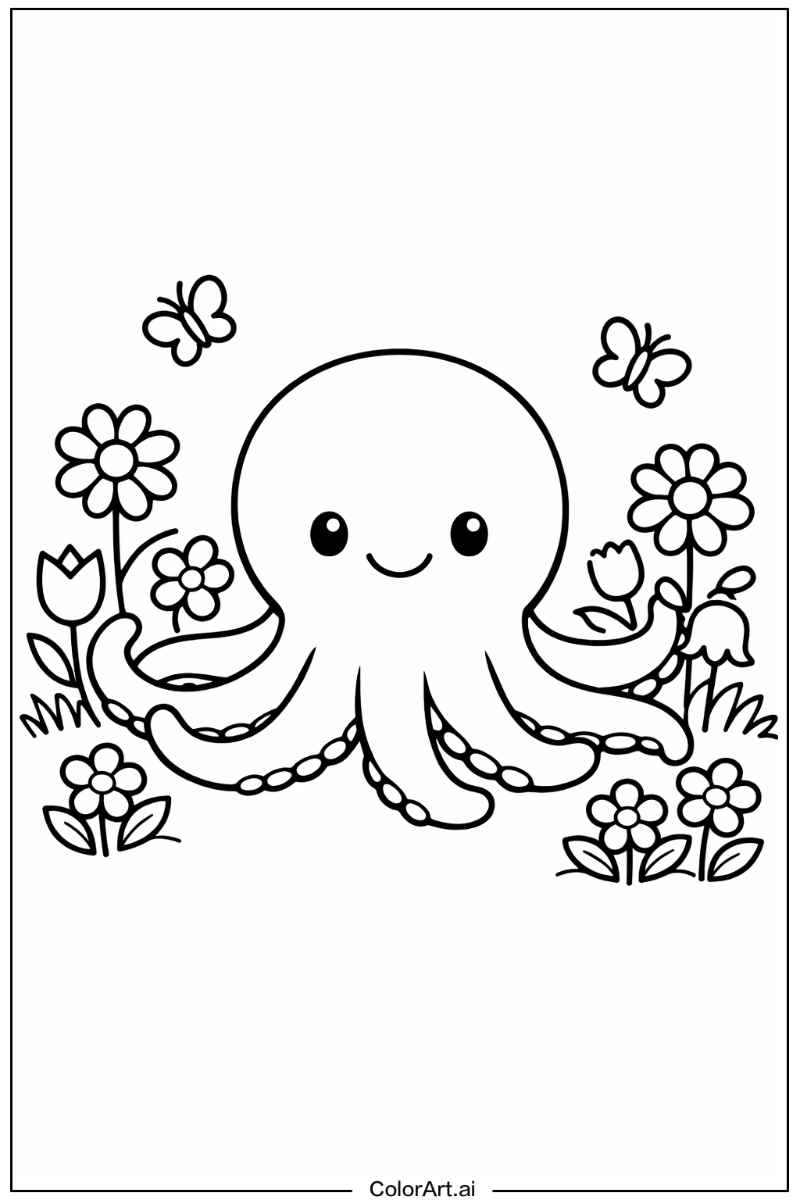
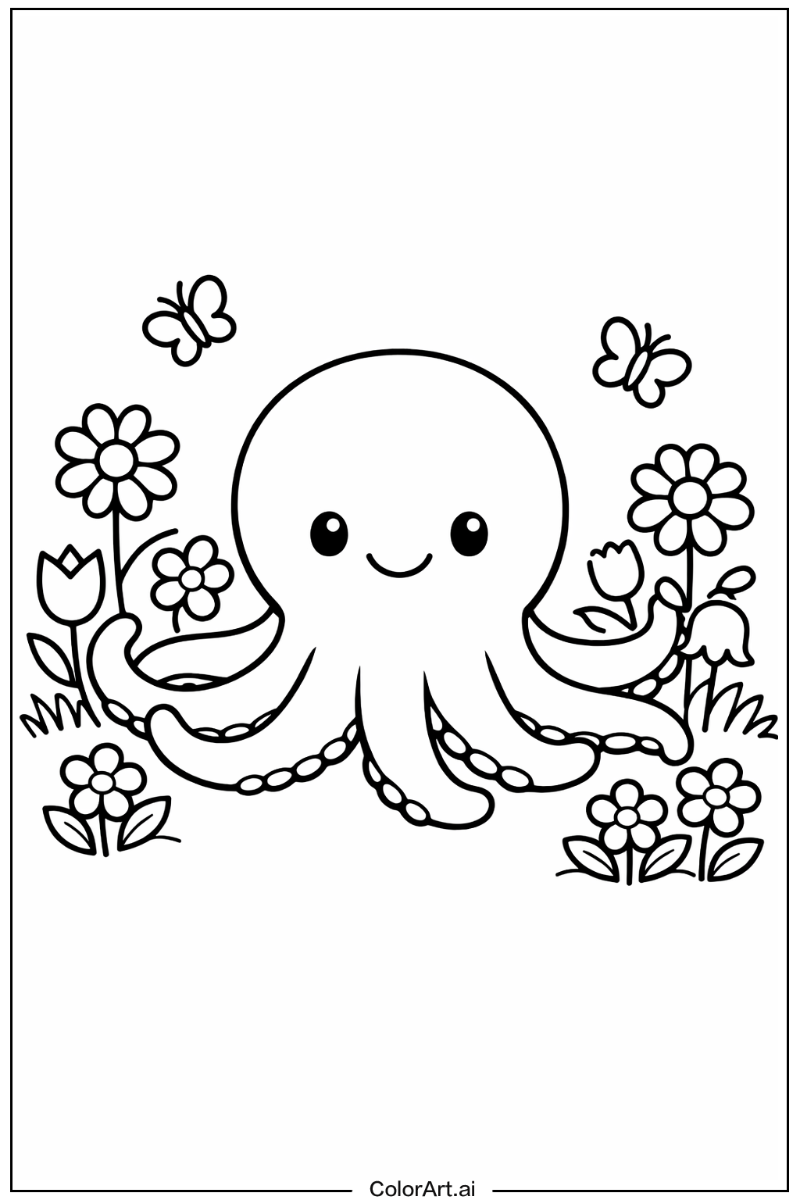
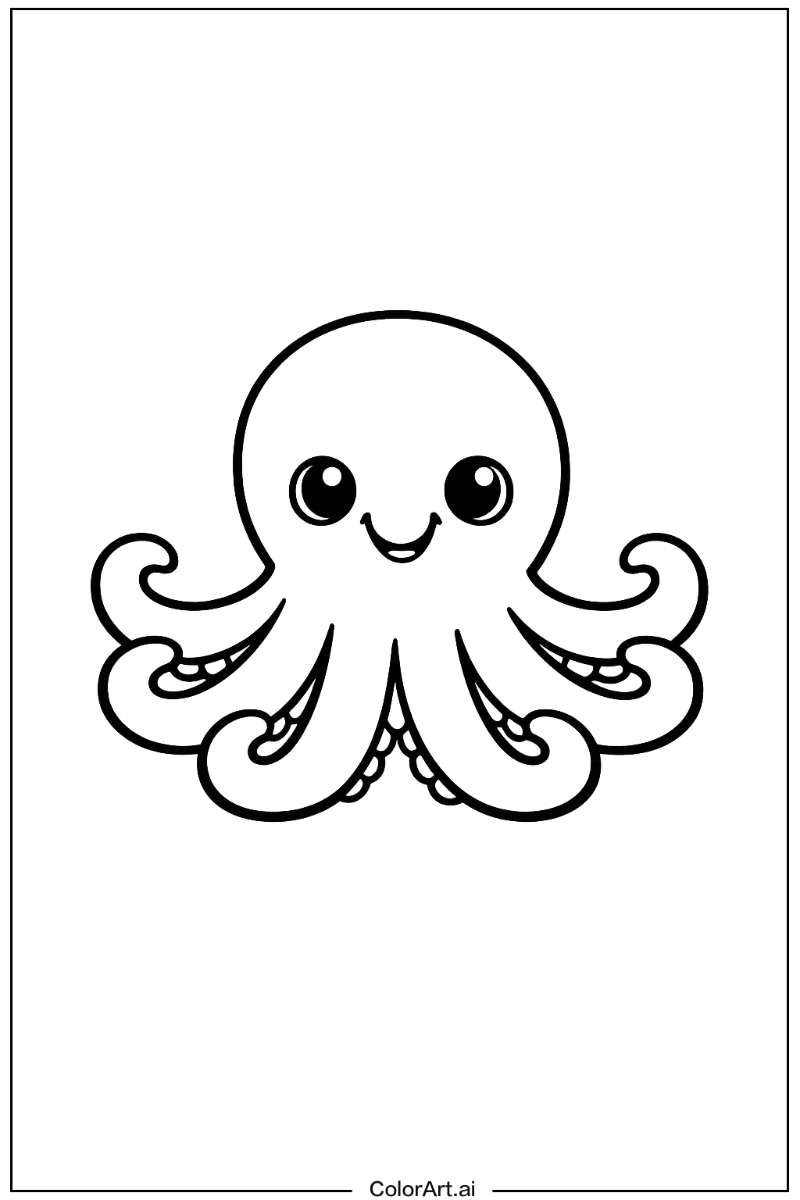
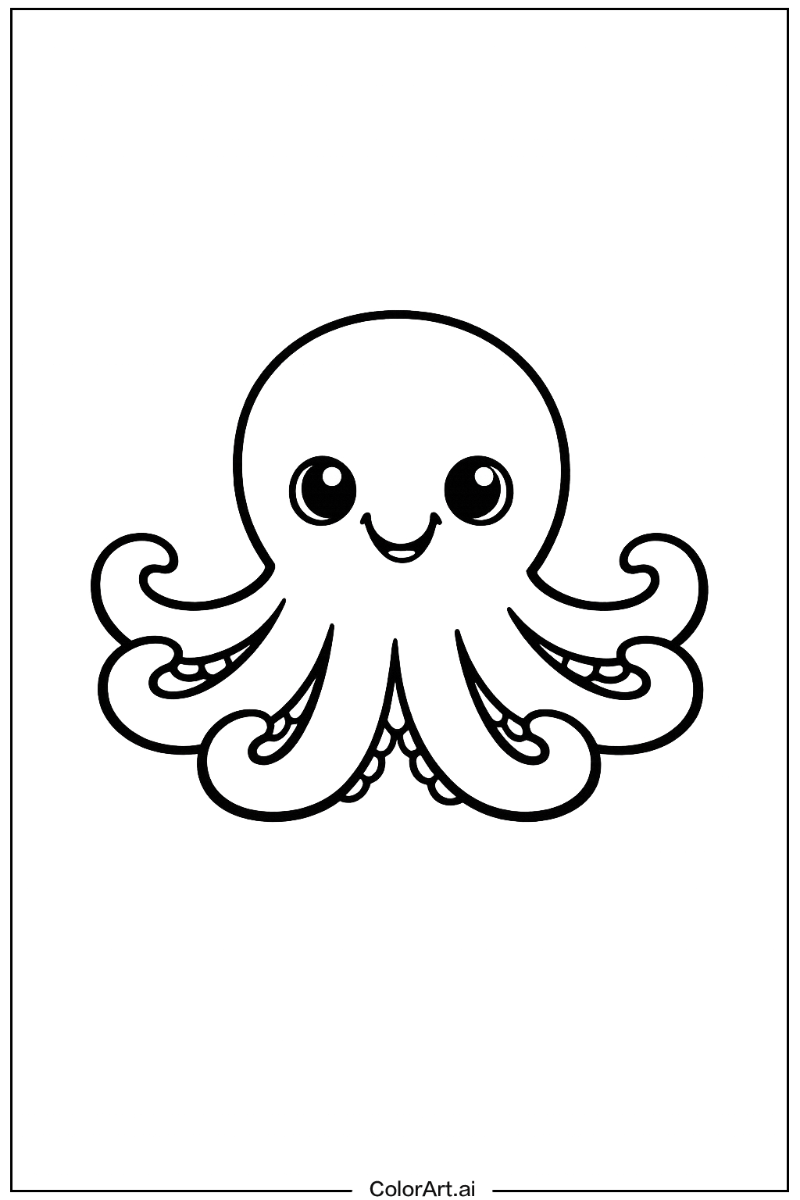
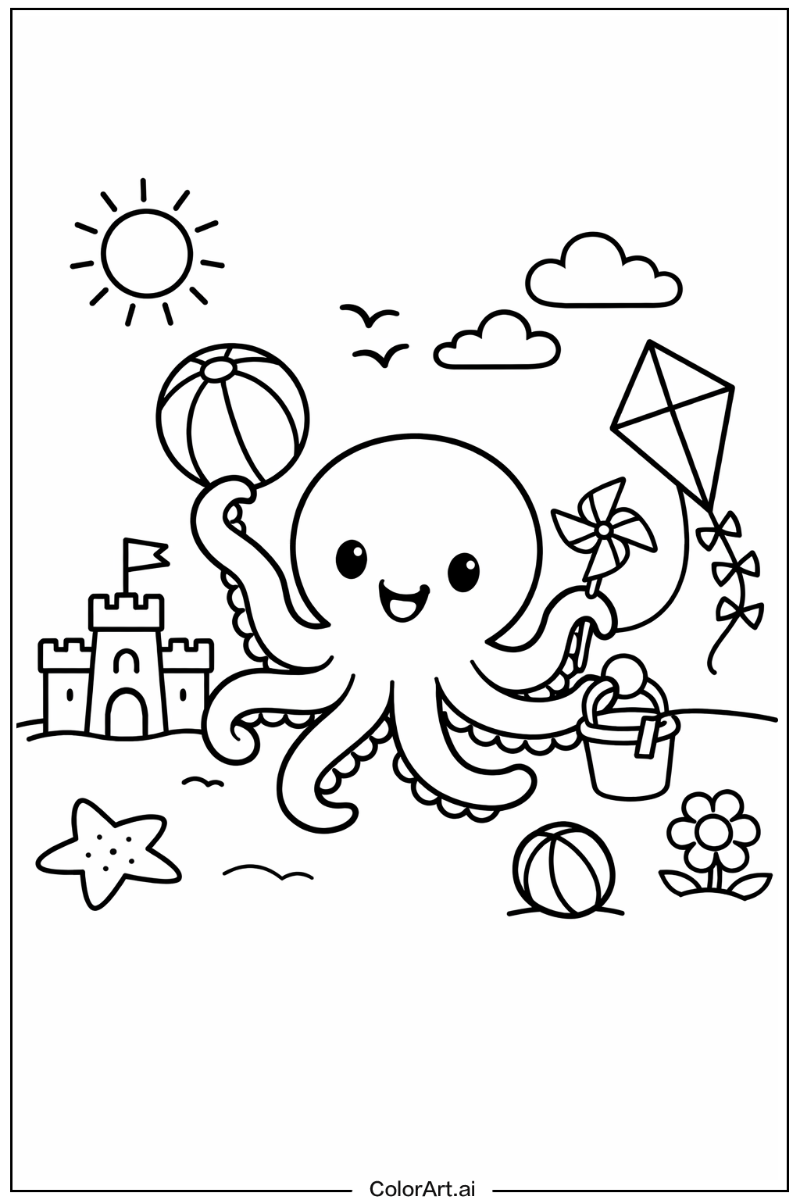
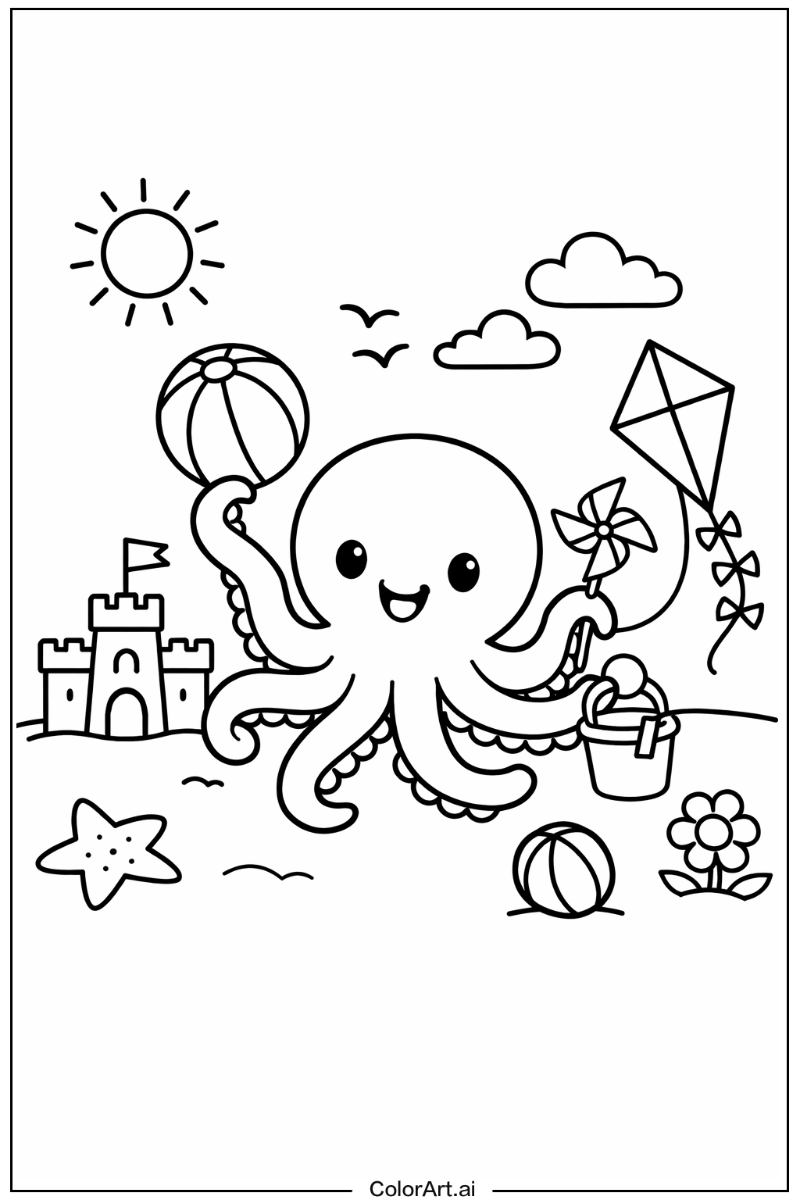
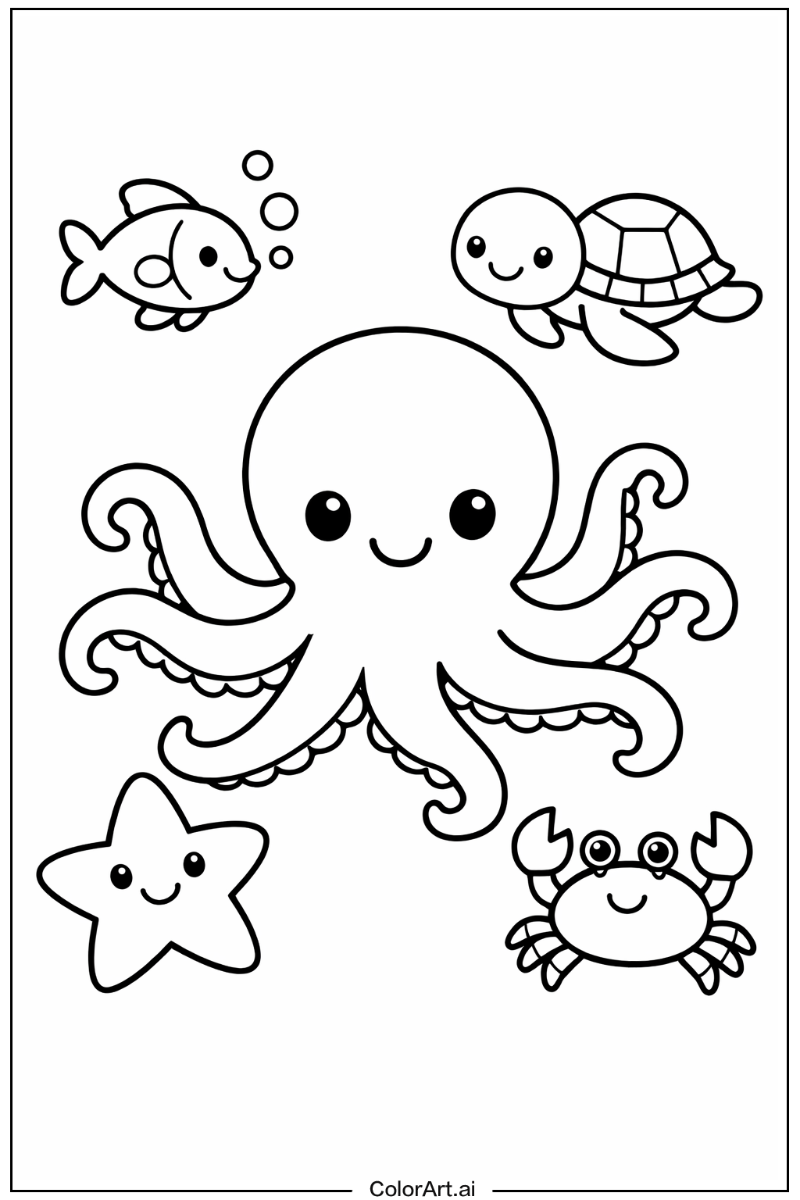
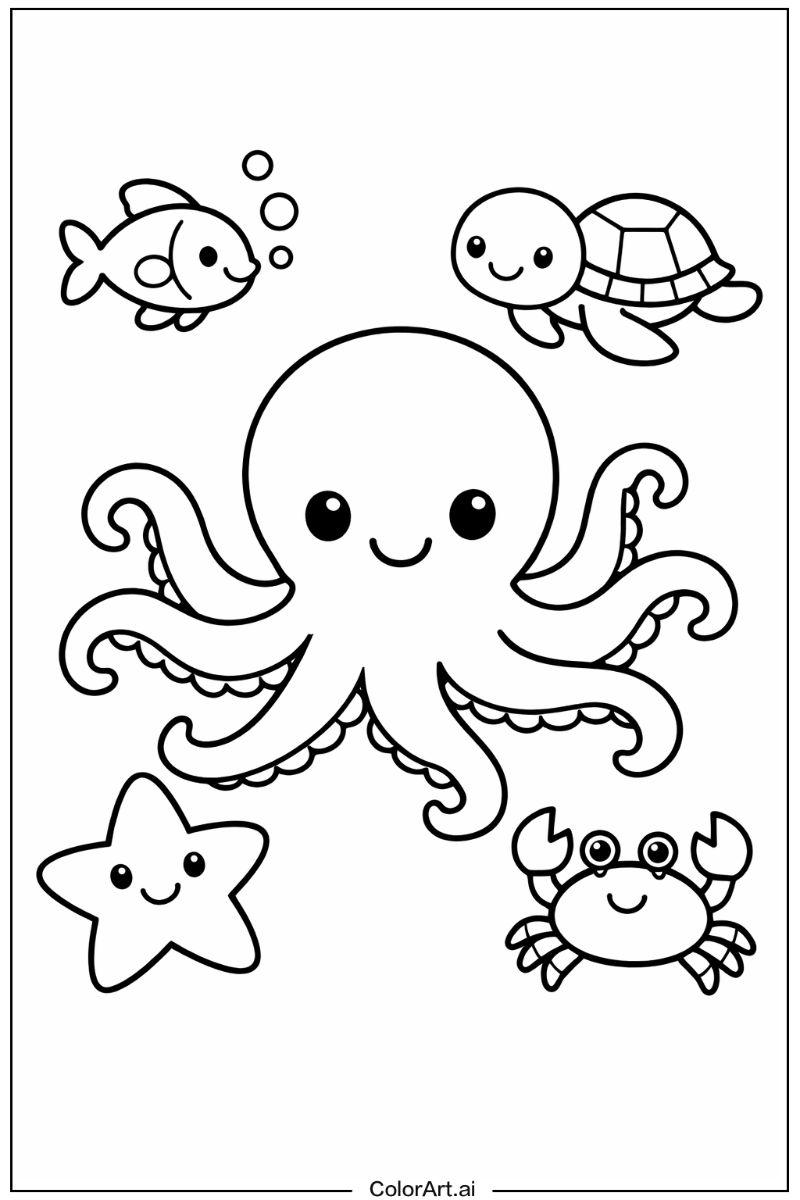
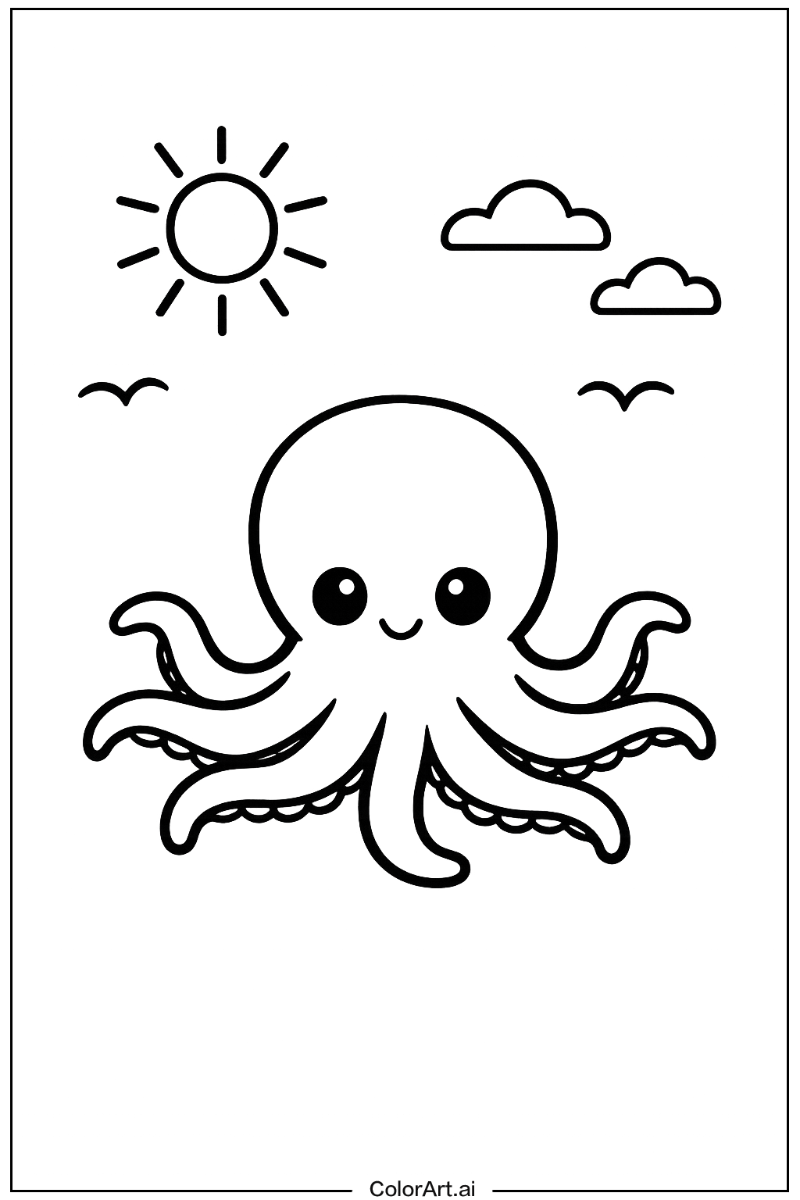
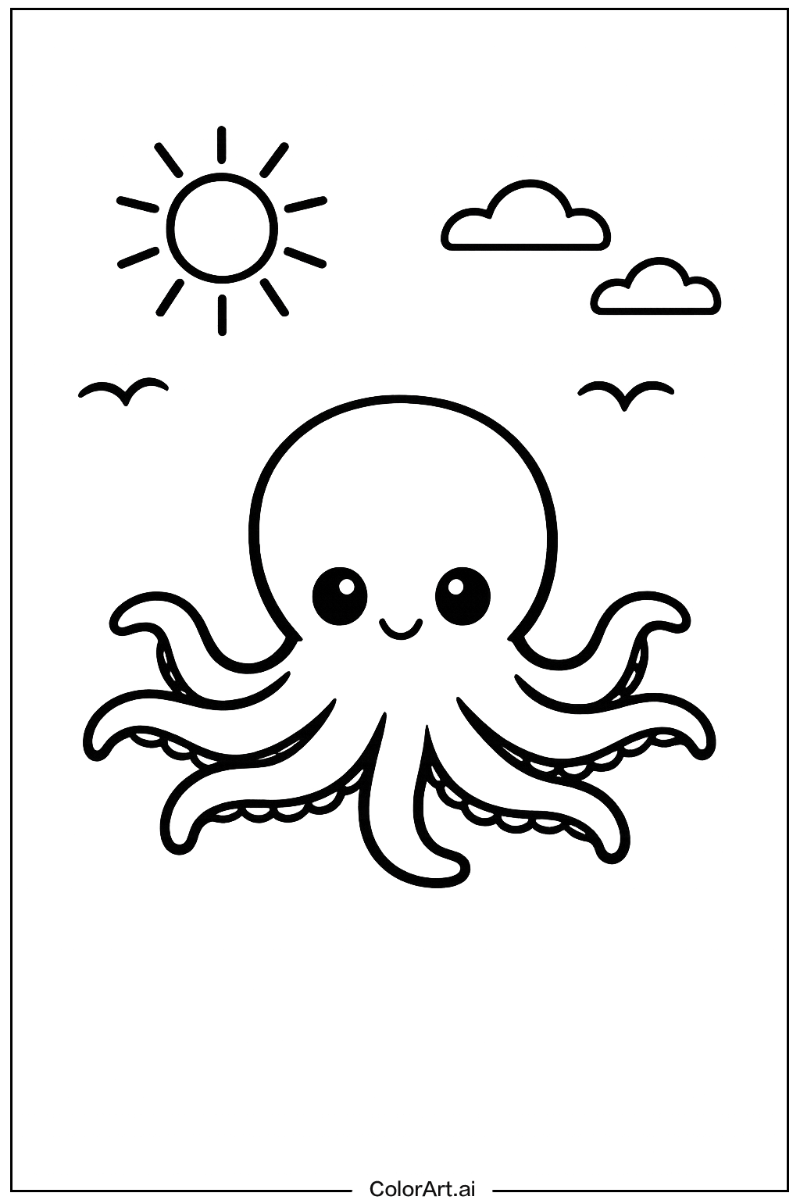
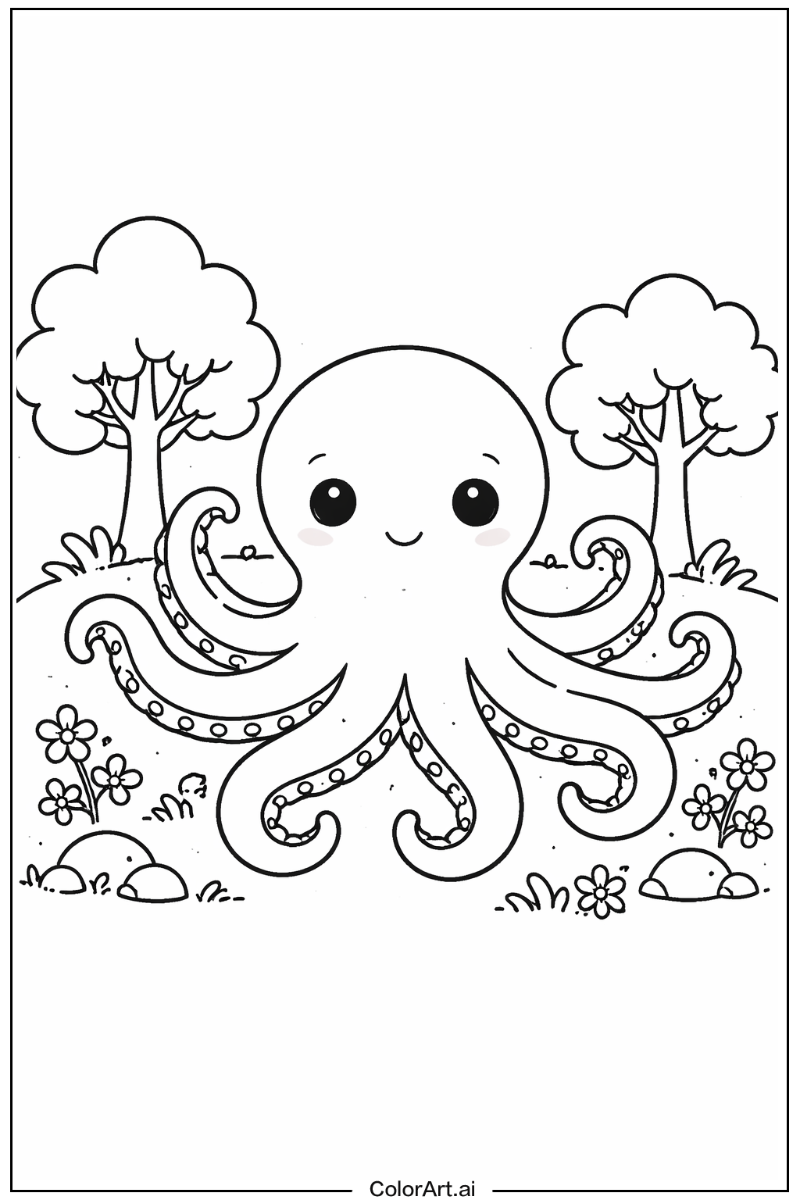
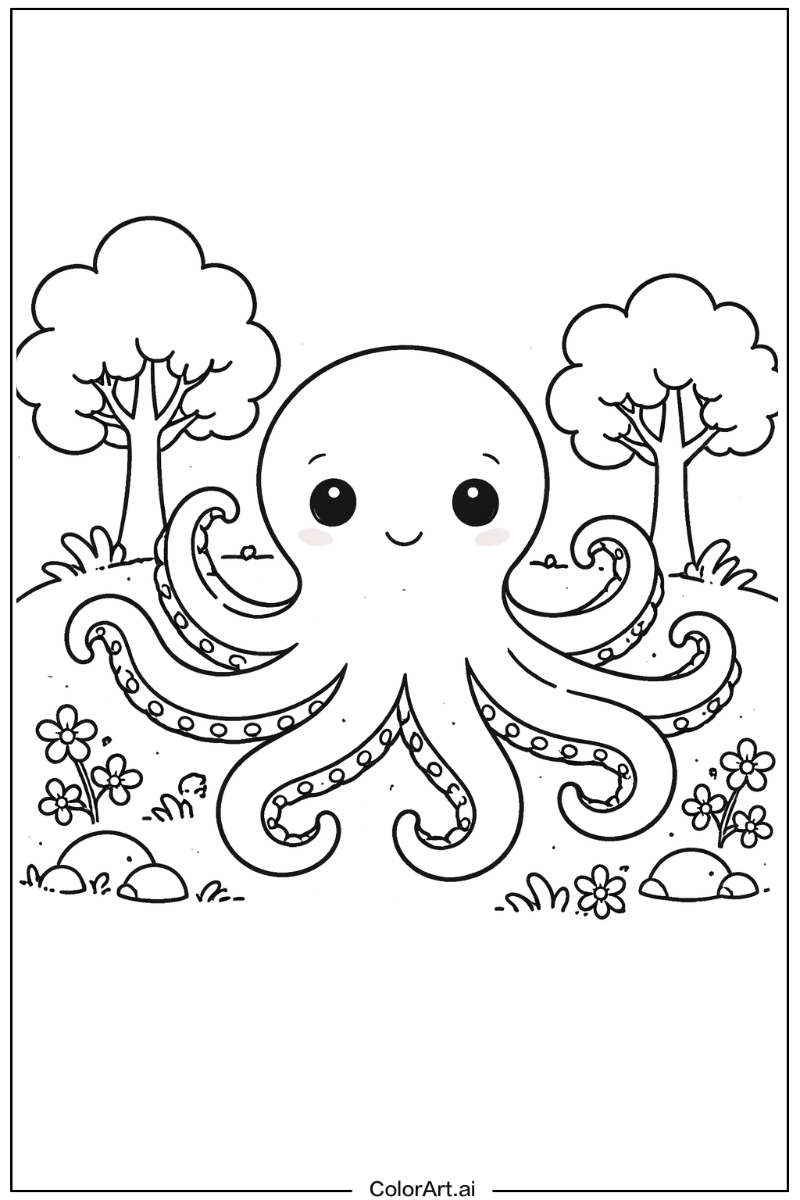
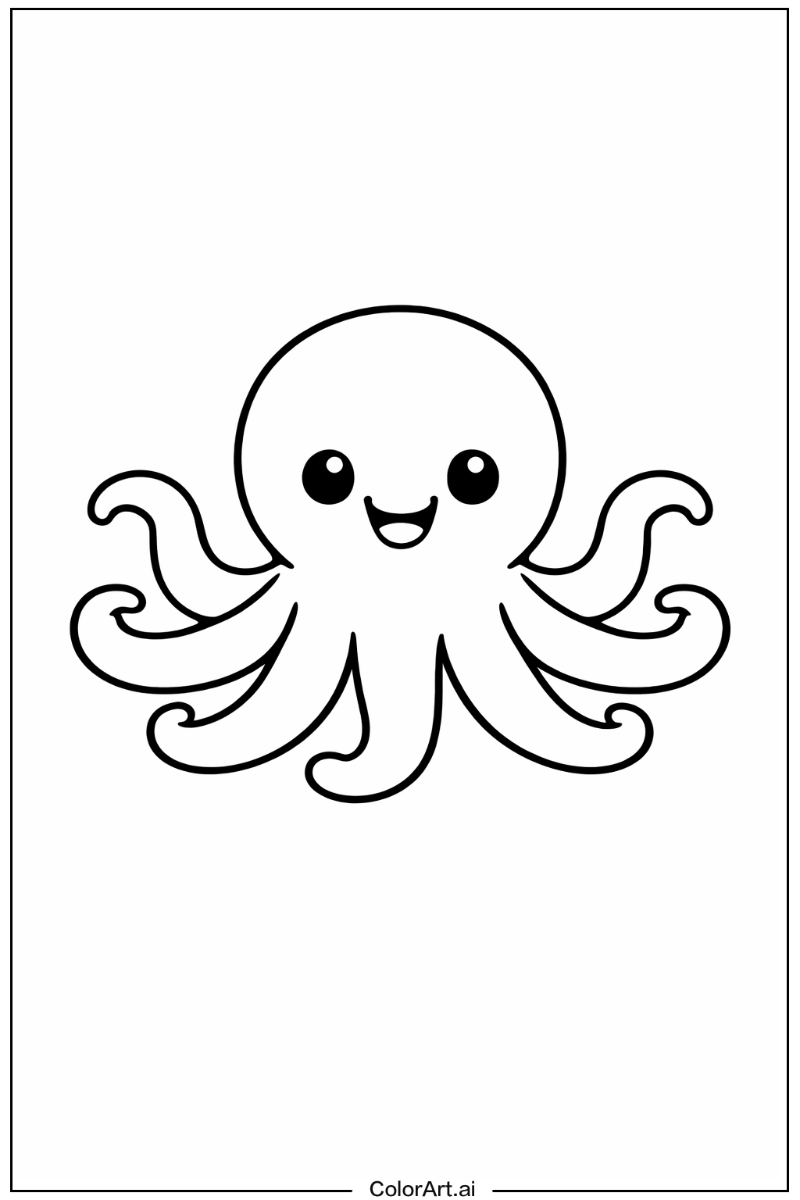
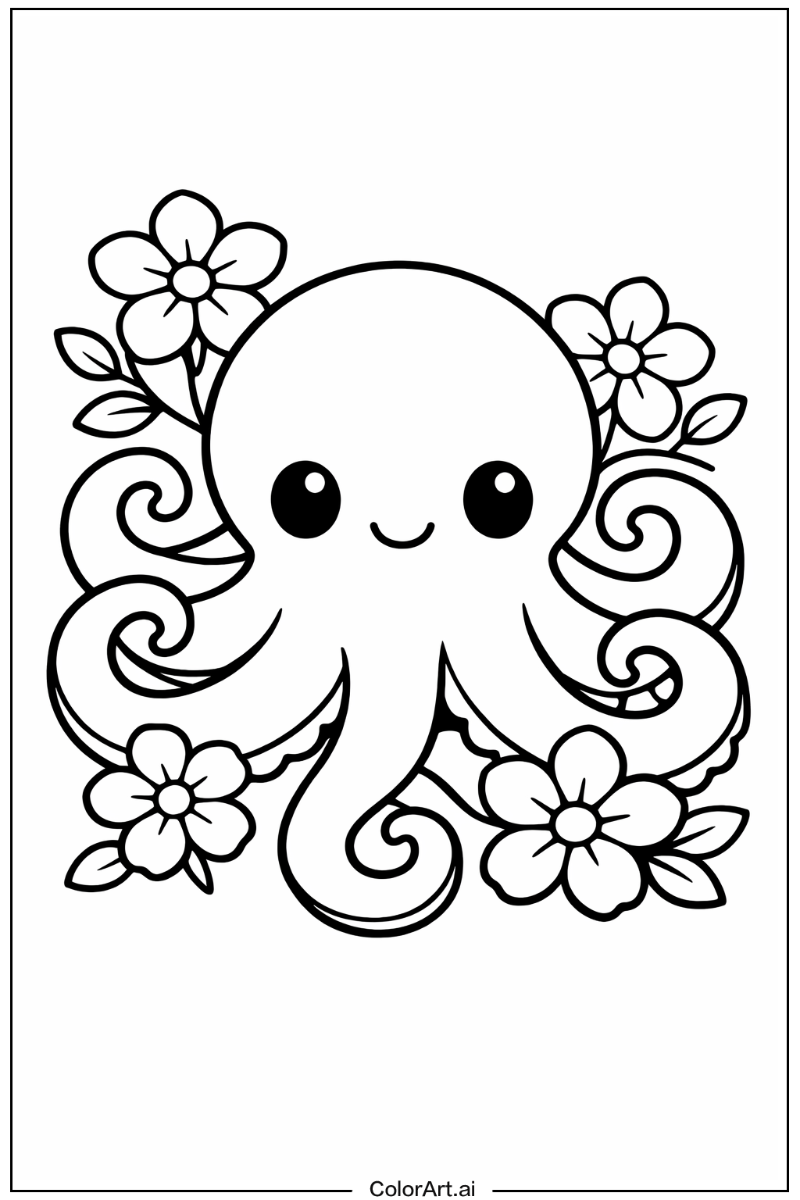
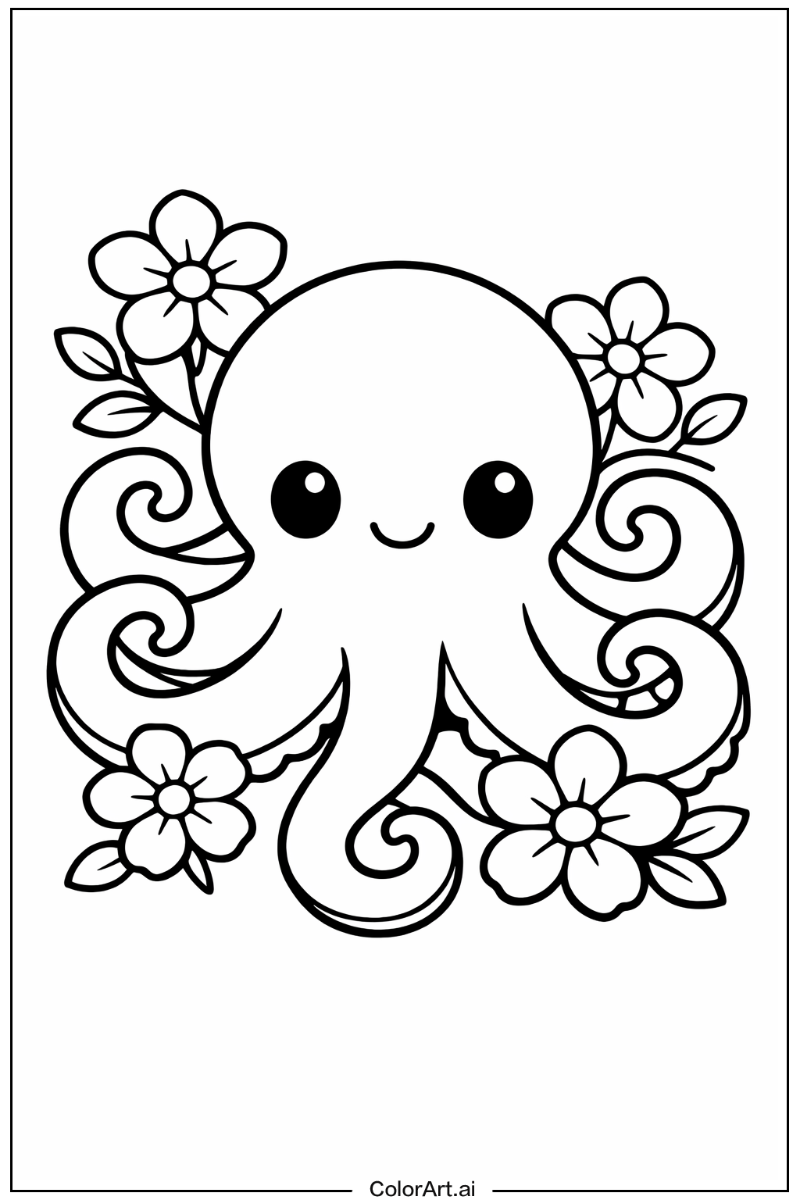
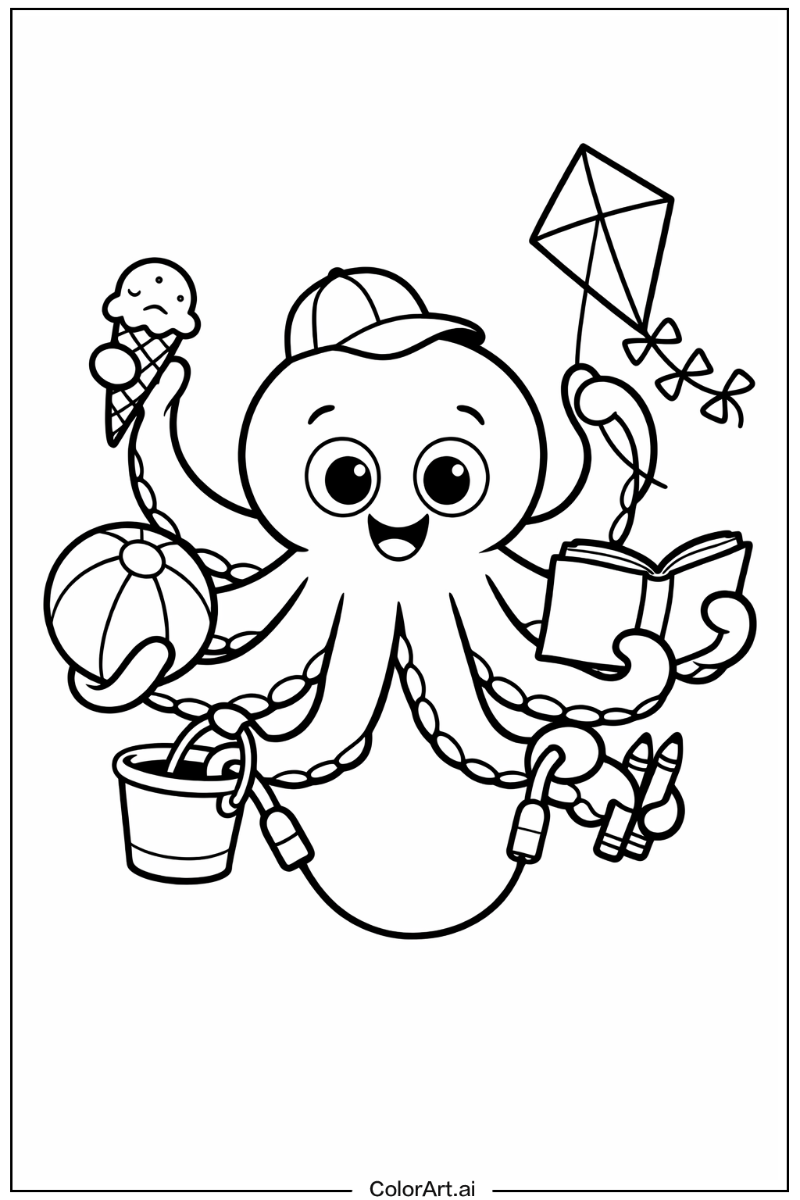
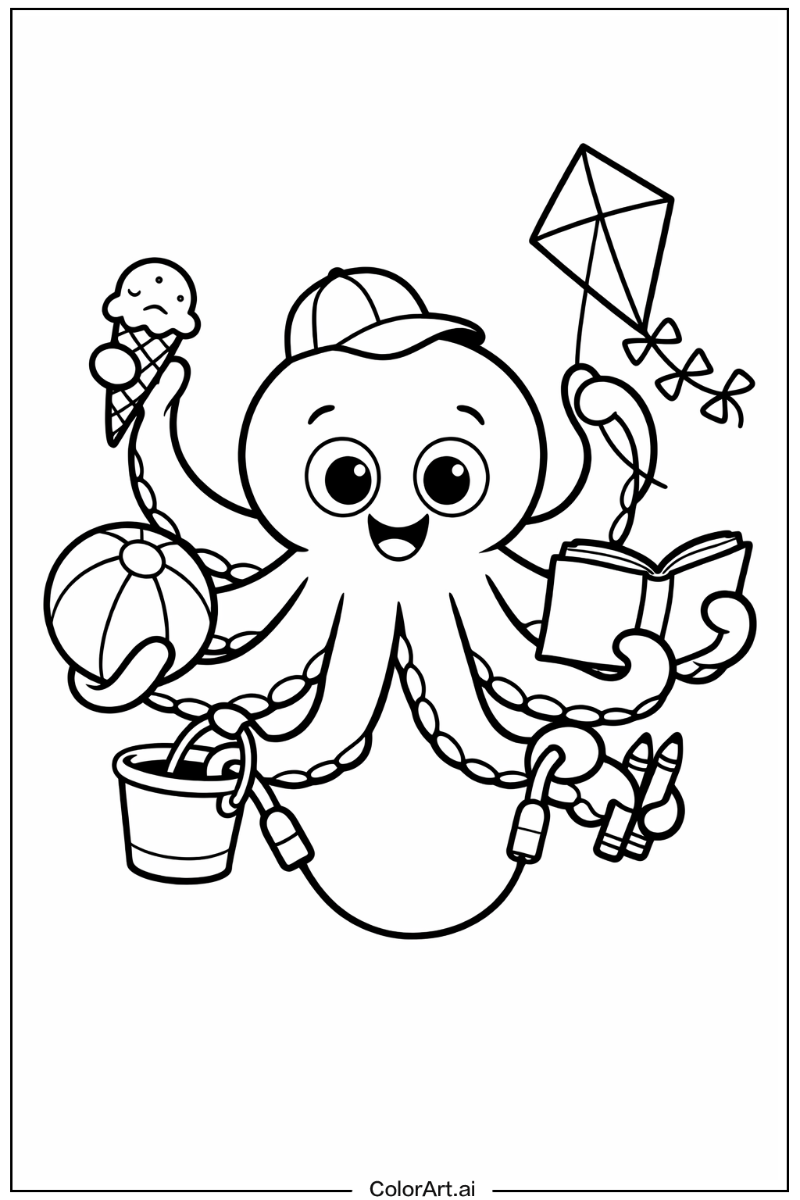
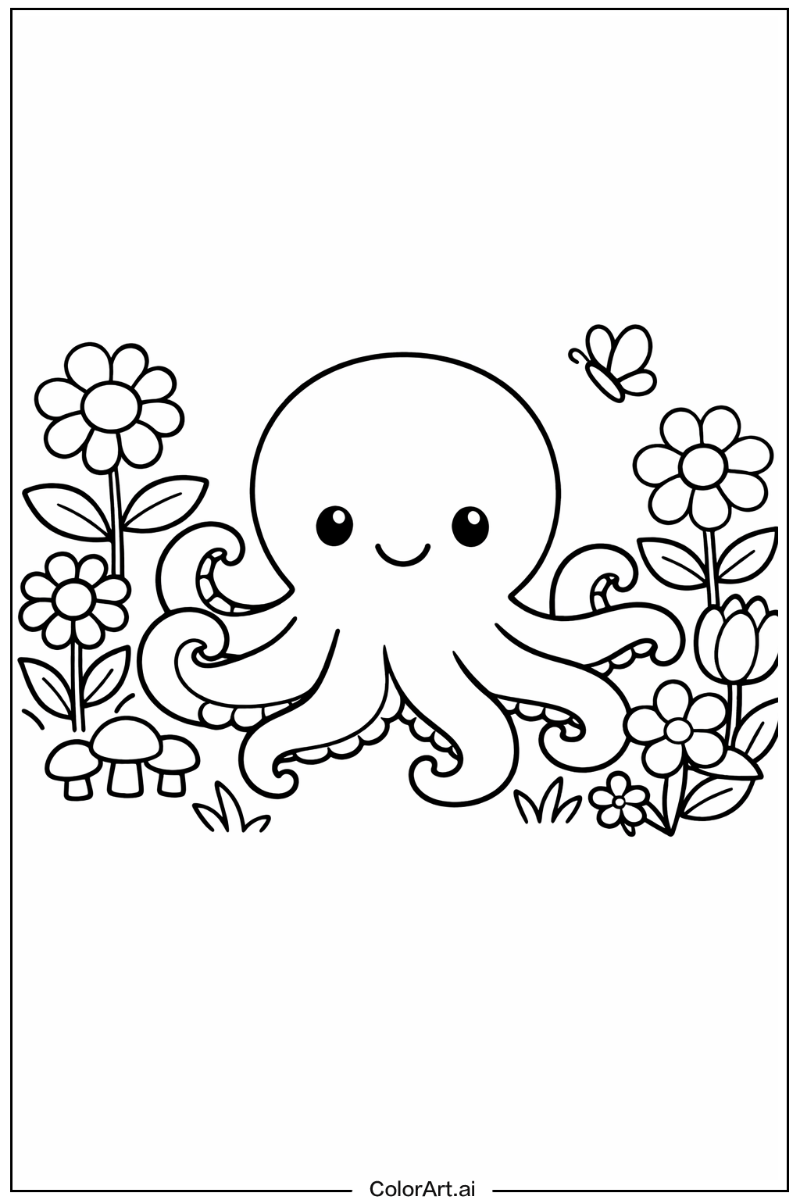
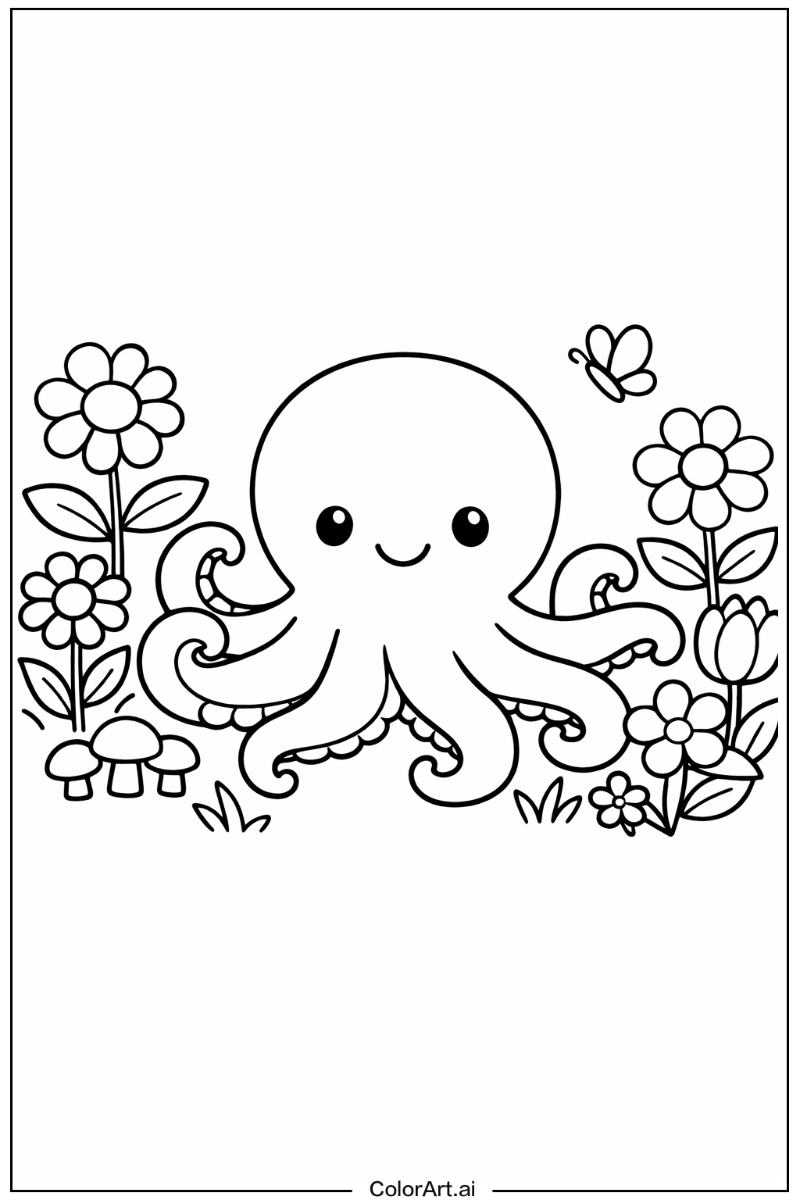
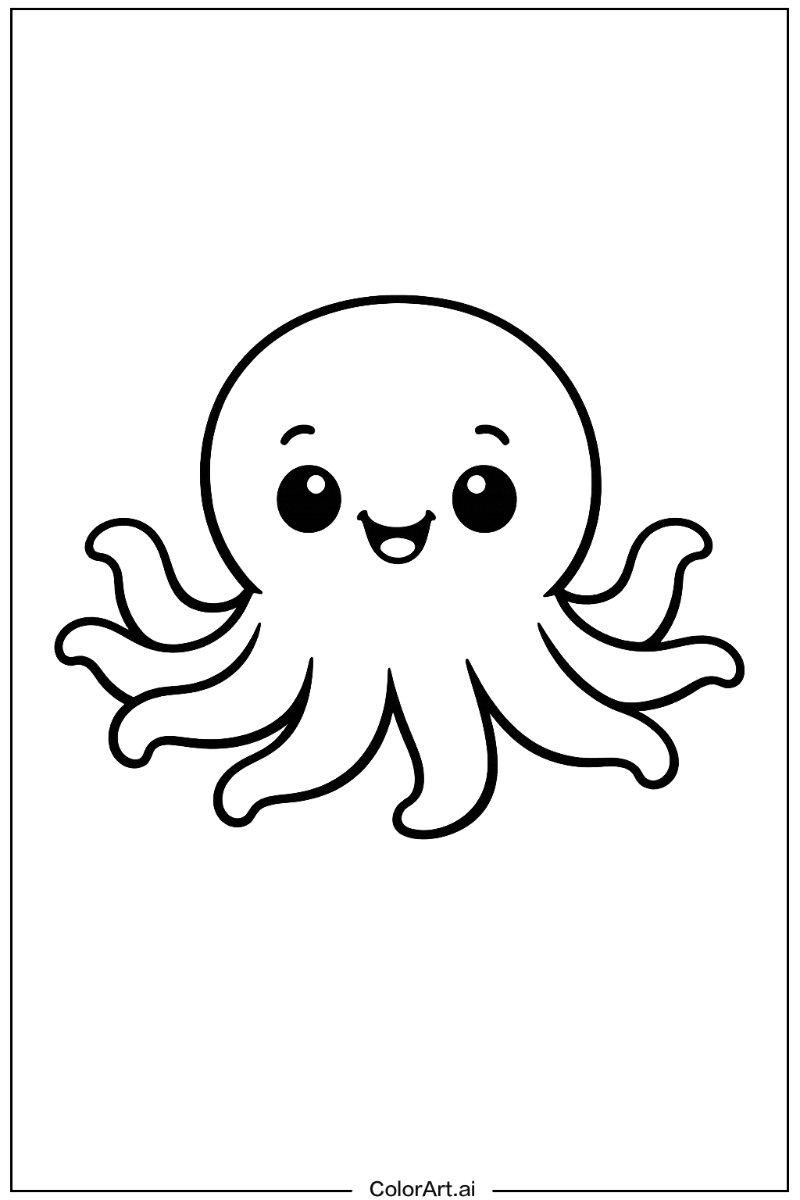
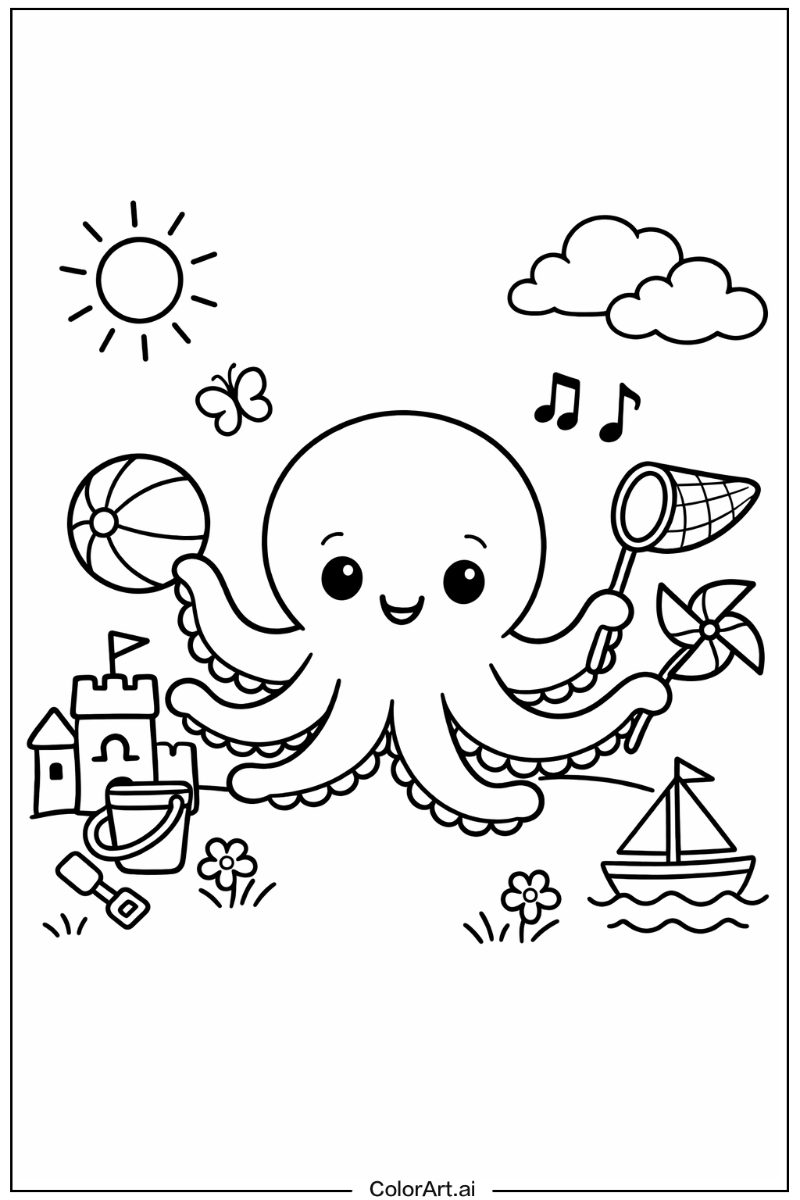
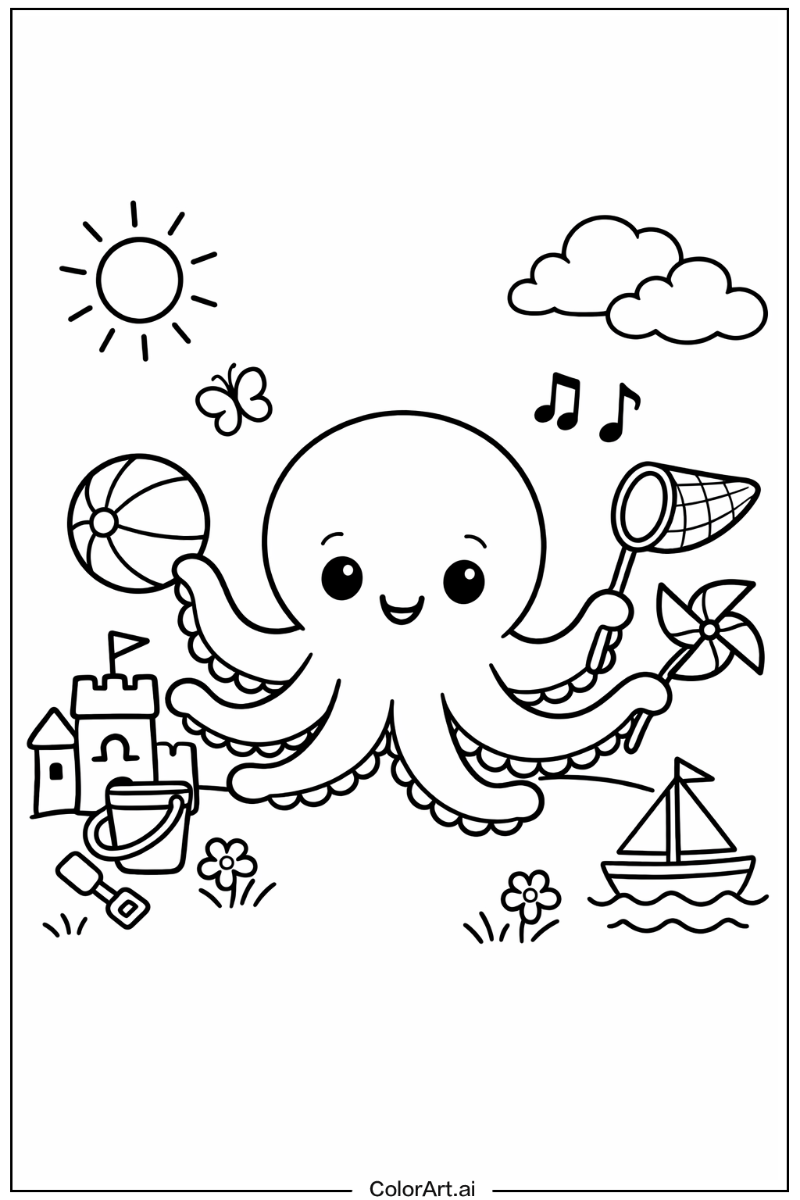
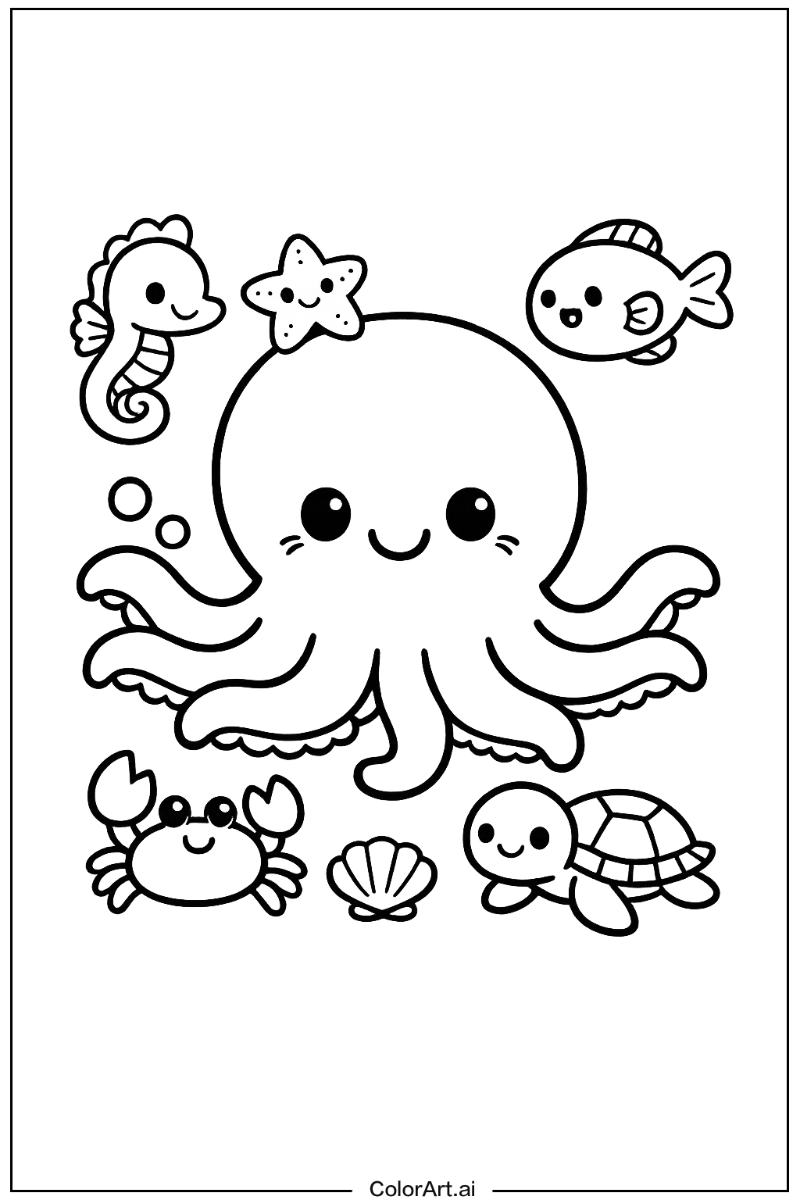
The octopus, with its mesmerizing movements and fascinating biology, offers a wonderful subject for creativity in the classroom. In my experience as an art teacher, I’ve seen how the octopus can spark the imagination of my students. Just last week, during a coloring session, I overheard a group of second graders discussing their favorite octopus superheroes. They were inspired not just by the creature's eight arms but also by their intelligence and adaptability! The octopus coloring pages we used allowed them to explore their artistic sides while learning about this incredible marine animal. Whether it’s the vibrant colors or the fun shapes, octopus coloring pages are a fantastic way to engage young learners and encourage them to express themselves artistically. In this blog post, I will share insights into the octopus, provide educational benefits of octopus-related activities, and offer tips for making the most of octopus coloring pages in your home or classroom.
Group Coloring Pages
 PDF
PDF
 PNG
PNG
 PNG
PNG
 PNG
PNG
 PNG
PNG
 PNG
PNG
 PNG
PNG
 PNG
PNG
 PNG
PNG
 PNG
PNG
 PNG
PNG
 PNG
PNG
 PNG
PNG
 PNG
PNG
 PNG
PNG
 PNG
PNG
 PNG
PNG
 PNG
PNG
 PNG
PNG
 PNG
PNG
 PNG
PNG
 PNG
PNG
 PNG
PNG
 PNG
PNG
 PNG
PNG
 PNG
PNG
 PNG
PNG
 PNG
PNG
 PNG
PNG
 PNG
PNG
 PNG
PNG
 PNG
PNG
 PNG
PNG
 PNG
PNG
 PNG
PNG
 PNG
PNG
 PNG
PNG
 PNG
PNG
 PNG
PNG
 PNG
PNG
 PNG
PNG
 PNG
PNG
 PNG
PNG
 PNG
PNG
 PNG
PNG
 PNG
PNG
 PNG
PNG
 PNG
PNG
 PNG
PNG
 PNG
PNG
Octopus: Nature's Marvel
Octopuses belong to the class Cephalopoda, and their unique characteristics make them truly remarkable creatures. With no rigid parts or joints, their flexible bodies allow them to navigate tight spaces effortlessly. Students often find it fascinating that octopuses possess three hearts and blue blood! In my classroom, we explore these facts while coloring. Last year, a student named Mia was especially intrigued by how octopuses can change color for camouflage. She even created her own octopus design that changed colors using crayons. Through octopus coloring pages, children can visualize these facts and become curious about marine biology. From the common octopus (*Octopus vulgaris*) to the North Pacific bigeye octopus (*Octopus californicus*), these creatures are not just subjects for coloring; they are gateways to understanding our oceans and the importance of marine conservation.
Benefits of Octopus Activities in the Classroom
Integrating octopus coloring pages into the classroom offers numerous educational benefits. For example, while coloring intricate octopus designs, students develop fine motor skills and hand-eye coordination. I have seen firsthand how students like Lucas, who struggled with grip strength, improved significantly after a few sessions of coloring octopus tentacles. Coloring can also enhance concentration and focus, as children engage deeply with the details of their octopus creations. Moreover, octopus coloring can serve as an effective stress reliever, providing a calming activity that allows students to express their emotions through color choices. I often have students share their feelings about their artwork, fostering a supportive environment. Furthermore, octopus-themed projects can seamlessly integrate subjects like science, art, and geography, allowing for a multidisciplinary approach to learning.
Practical Coloring Techniques for Octopus Pages
To make the most of octopus coloring pages, I recommend a few practical tips. First, use high-quality colored pencils for detailed work, as they allow for better precision when coloring those intricate octopus suckers. For younger children, crayons are a great option, as they are easy to handle. During one class, I noticed that using markers helped the students, especially those with a flair for bold colors, to bring their octopus designs to life. Encourage kids to play with color combinations to mimic the color-changing abilities of octopuses. I often remind my students that there is no right or wrong way to color an octopus; creativity is key! Lastly, consider printing octopus coloring pages on heavier cardstock for a more durable finish, especially if students want to display their artwork.
Current Trends in Octopus Art Education
Recent trends in octopus art education have highlighted the intersection of creativity and science. For instance, I recently learned about a historic octopus bloom off the UK coast, which led to an increase in educational programs focusing on octopus habitats. In my classroom, we have embraced this trend by incorporating discussions about octopus ecosystems with our coloring pages. Students are encouraged to create their own octopus habitats while coloring, blending art and environmental science. Additionally, the development of new technologies, like advanced imaging systems that allow researchers to observe octopus behavior in their natural habitats, inspires us to think about how we can mimic these creatures in our art projects. By using octopus themes, students not only engage creatively but also learn about the delicate balance of marine ecosystems and the importance of protecting them.
Frequently Asked Questions about Octopus Coloring Pages
What age group are octopus coloring pages suitable for? Octopus coloring pages are designed for various age groups, typically ranging from preschoolers (3-5 years) to adults. We offer different complexity levels to match different skill levels. What materials work best for coloring octopus pages? For best results with octopus coloring pages, I recommend colored pencils for detailed work, markers for bold colors, and crayons for younger children. Use high-quality paper or cardstock for professional-looking results. How should I print octopus coloring pages for best quality? Print octopus coloring pages using high-quality or best print settings. Use standard A4 or Letter size paper, or upgrade to cardstock for more durable results. Ensure your printer has sufficient ink for clear, dark lines.