Welcome to the World of Trippy Coloring Pages!
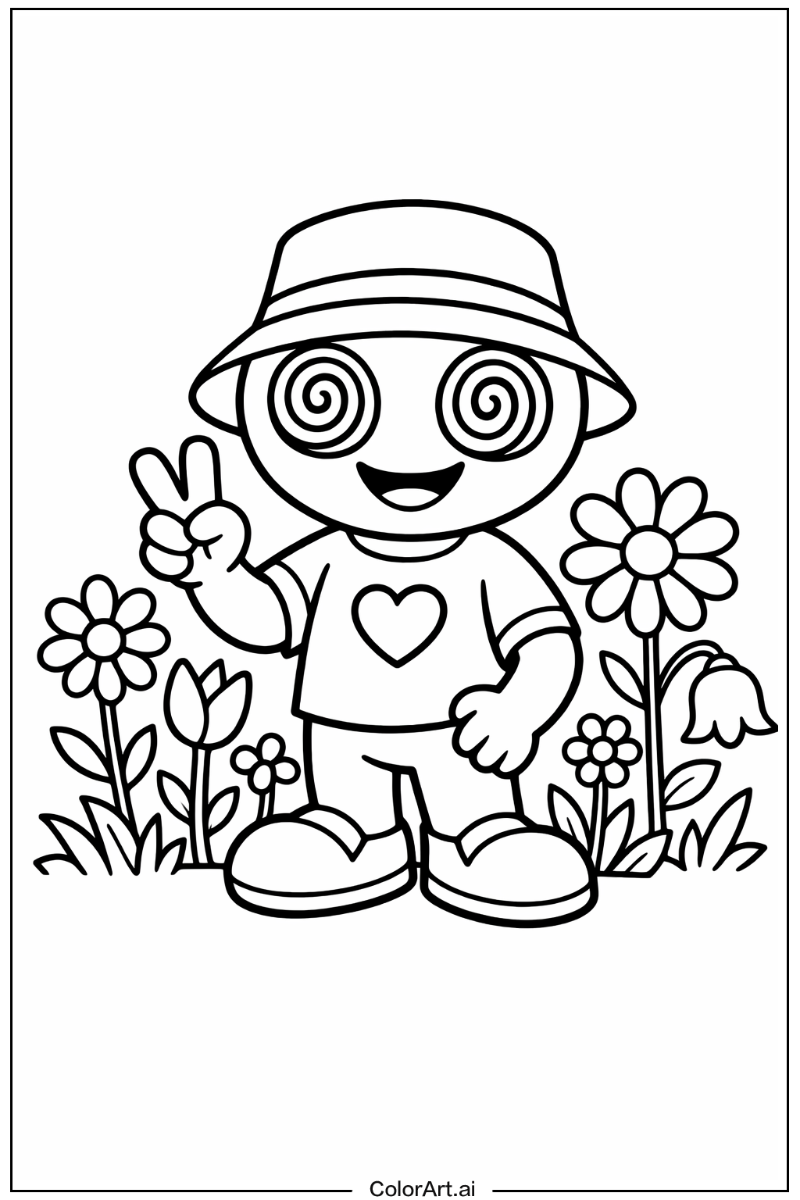
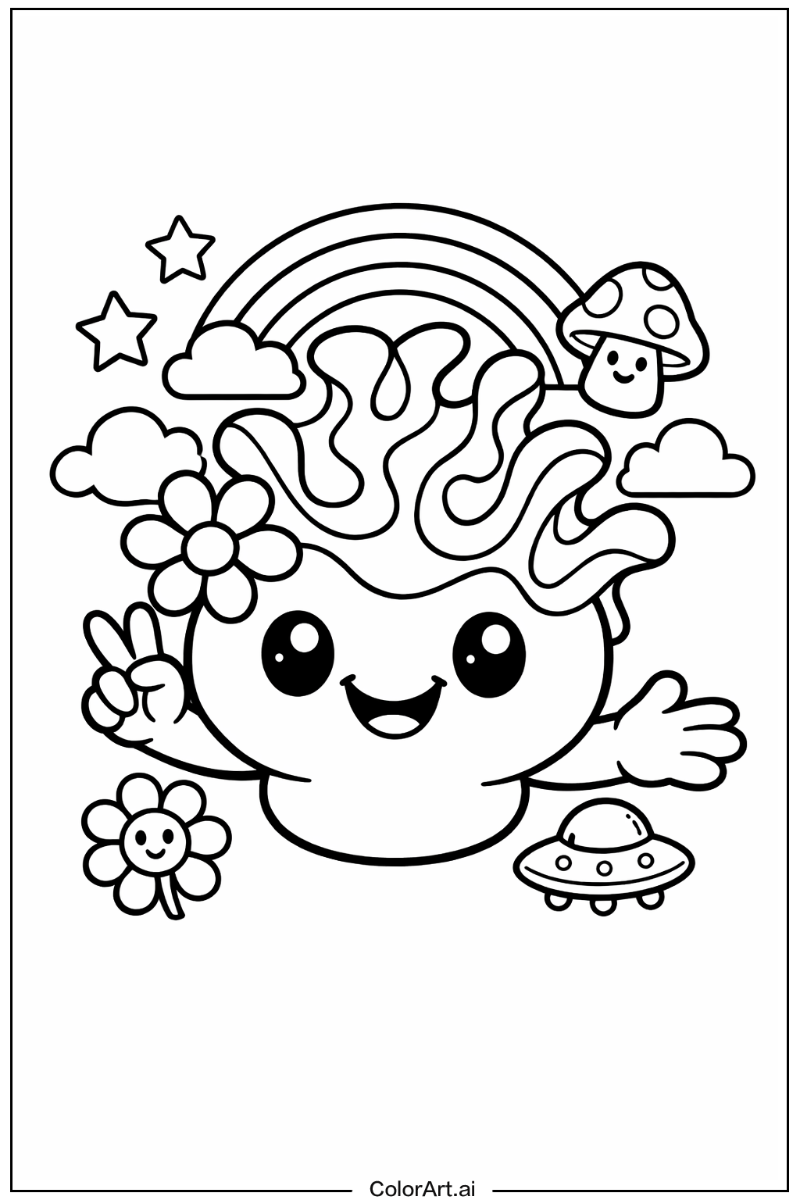
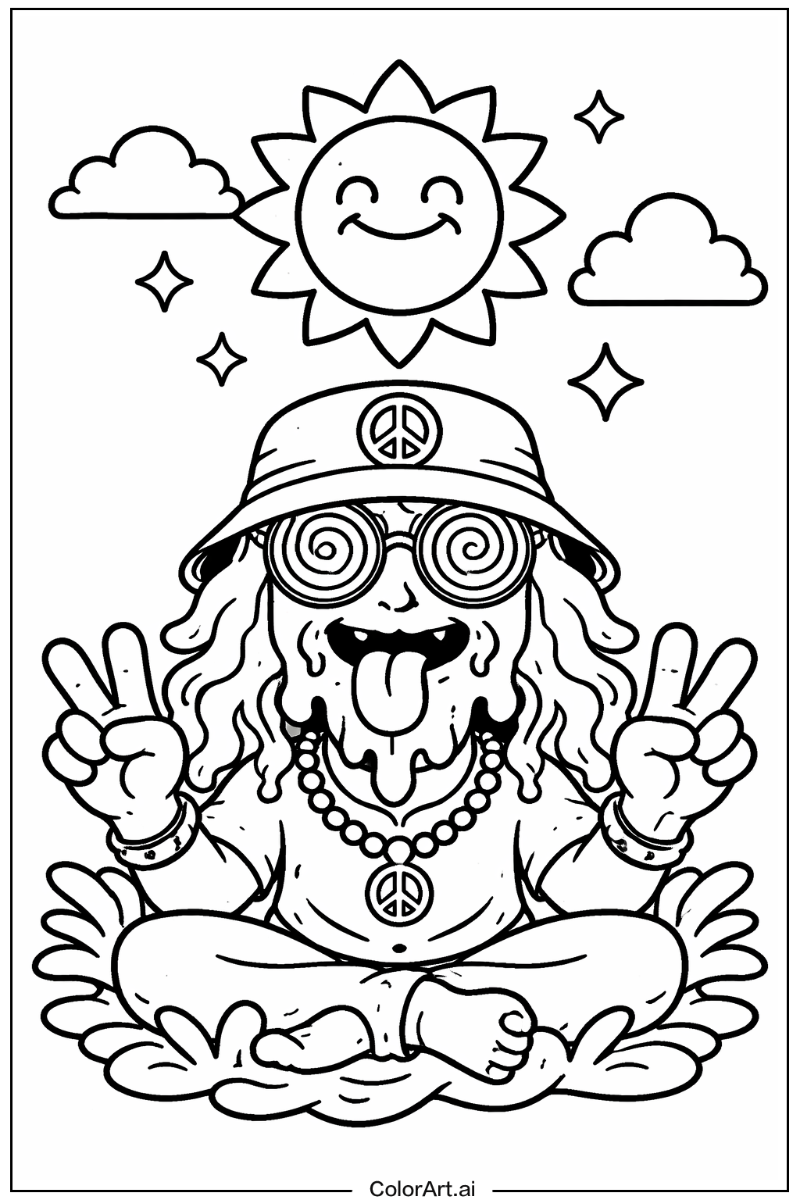
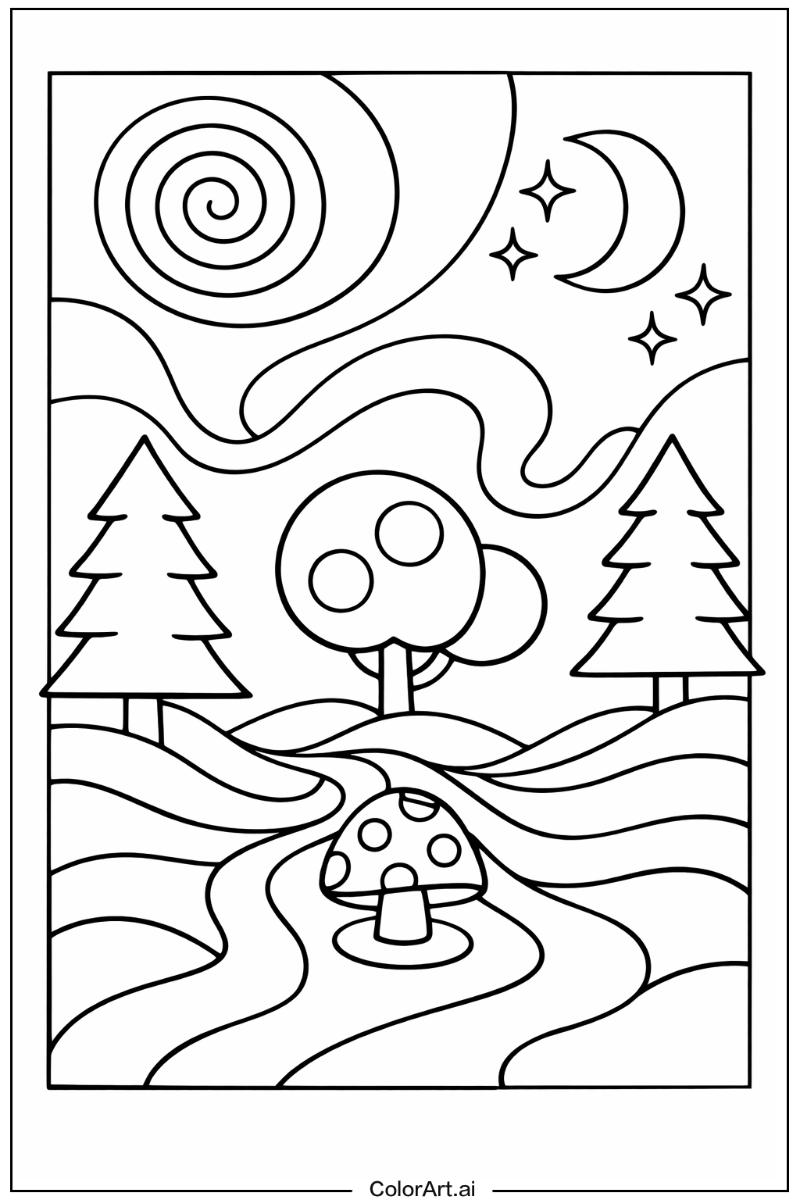
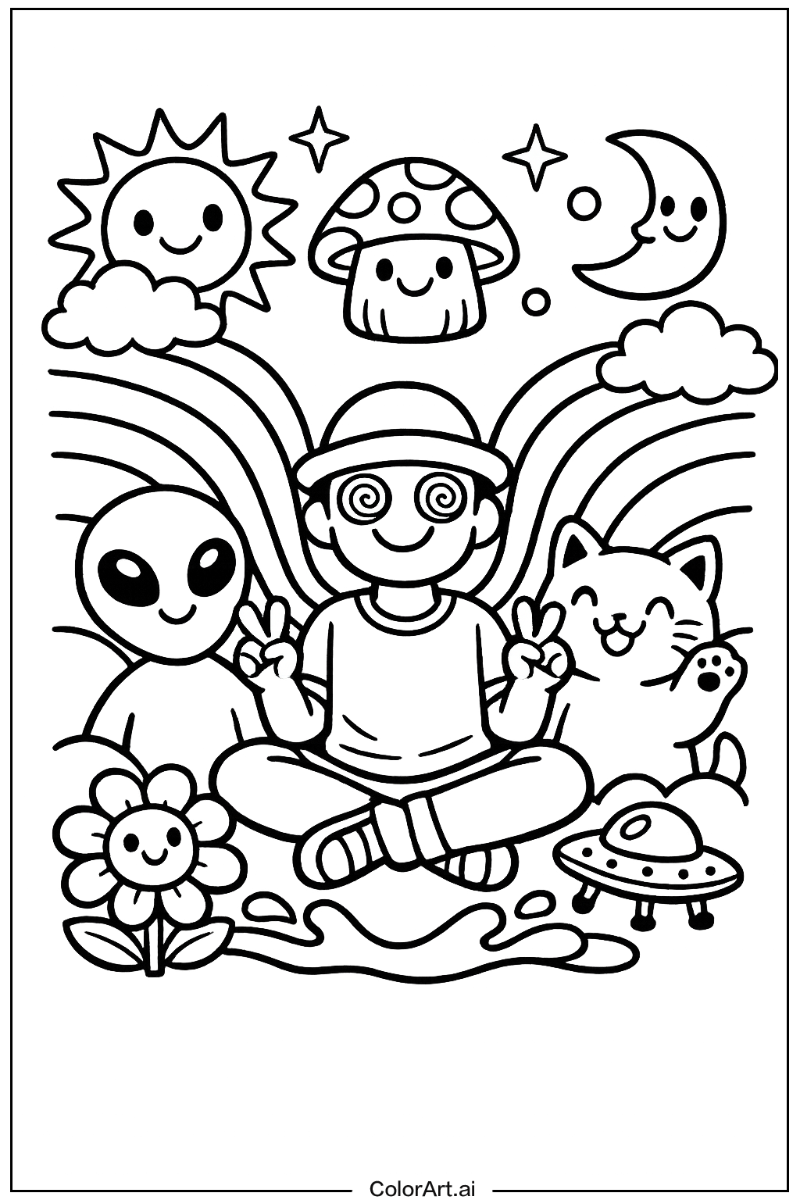
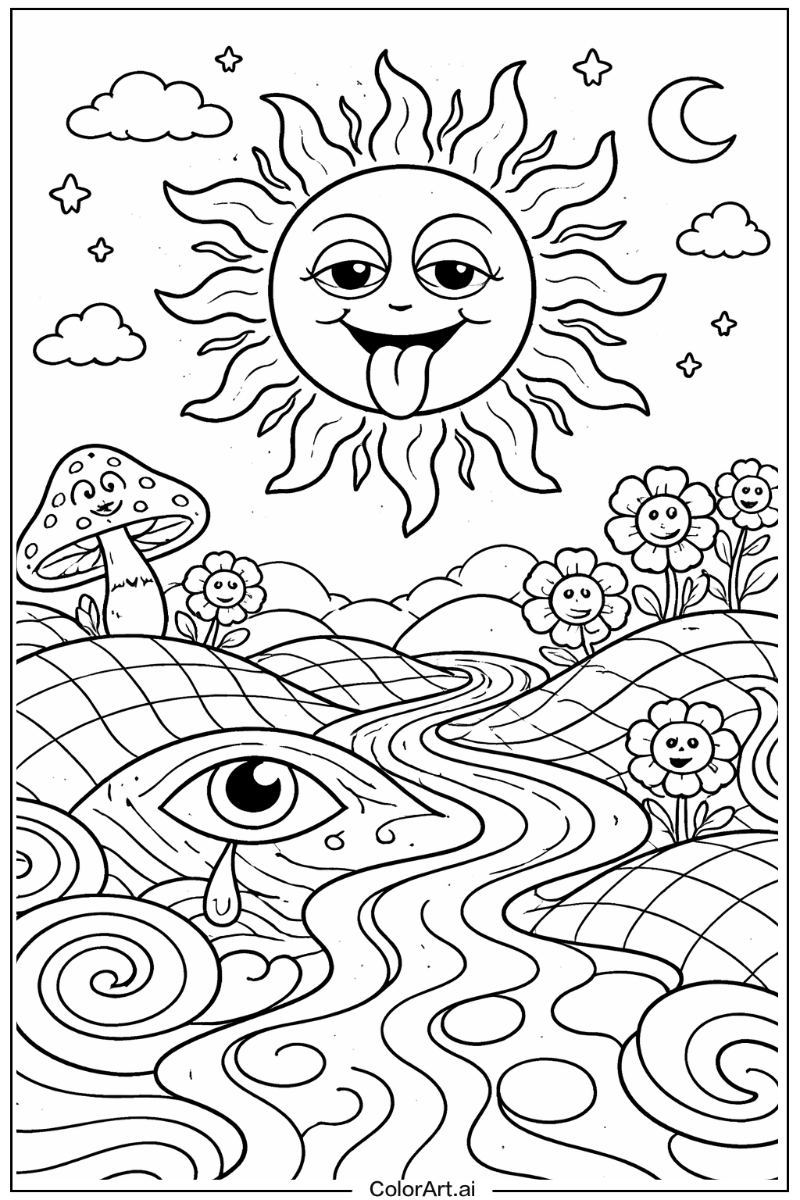
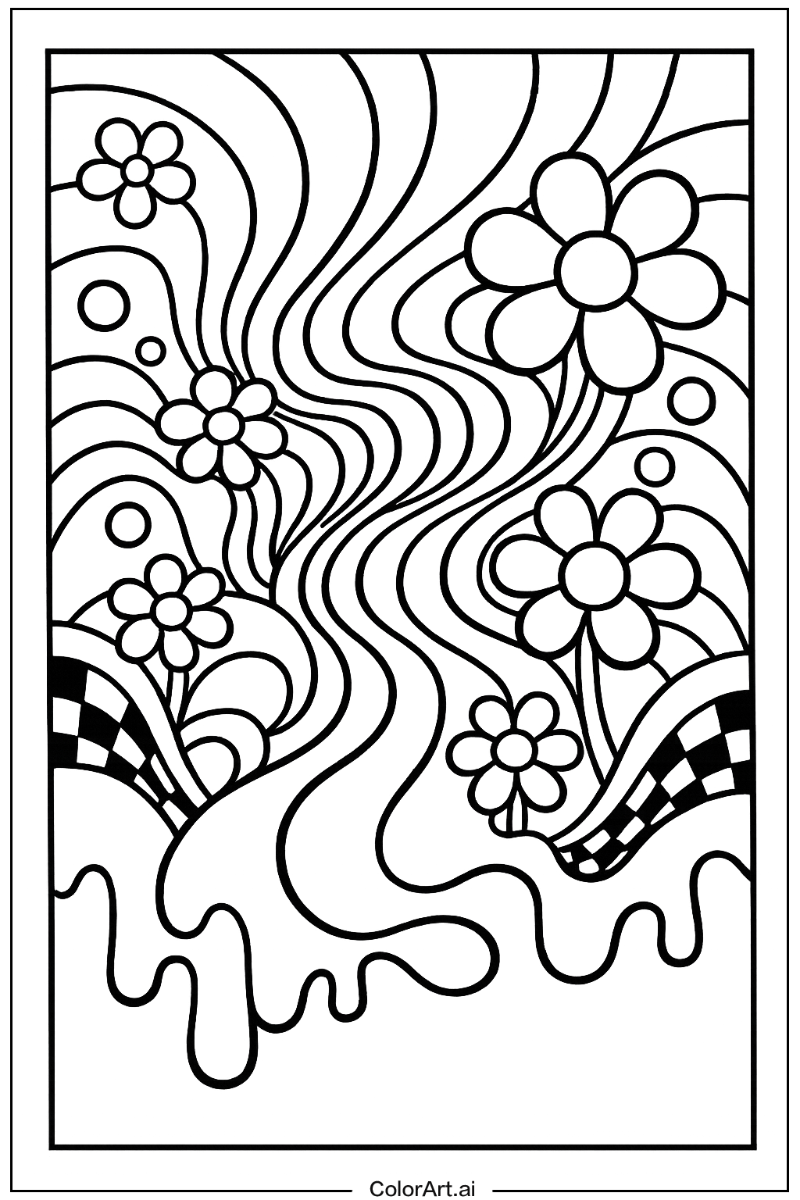
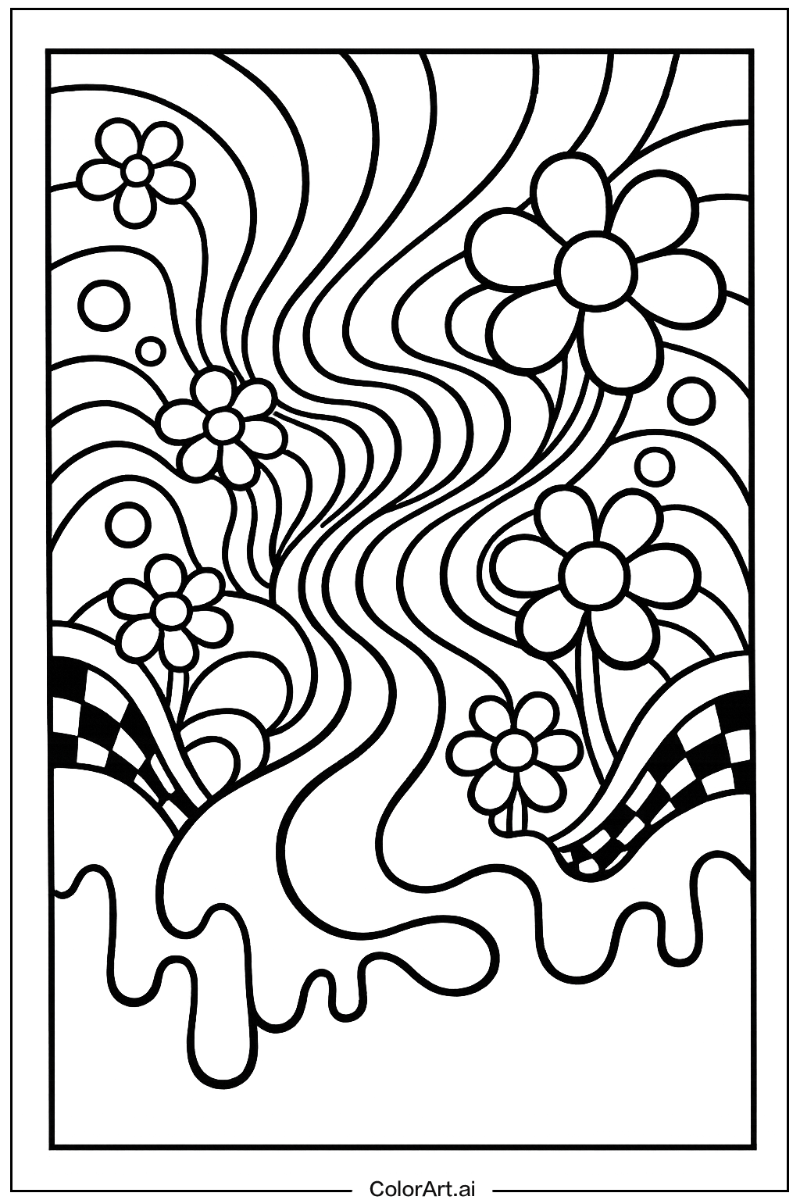
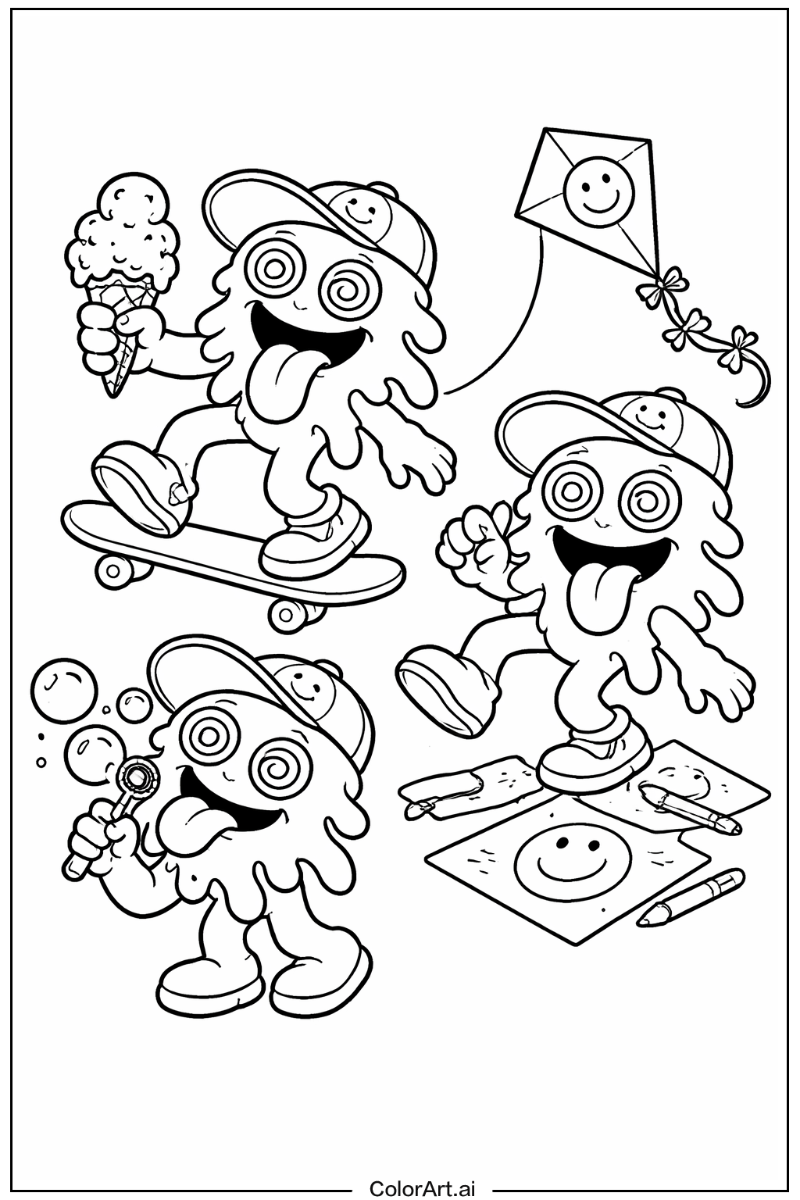
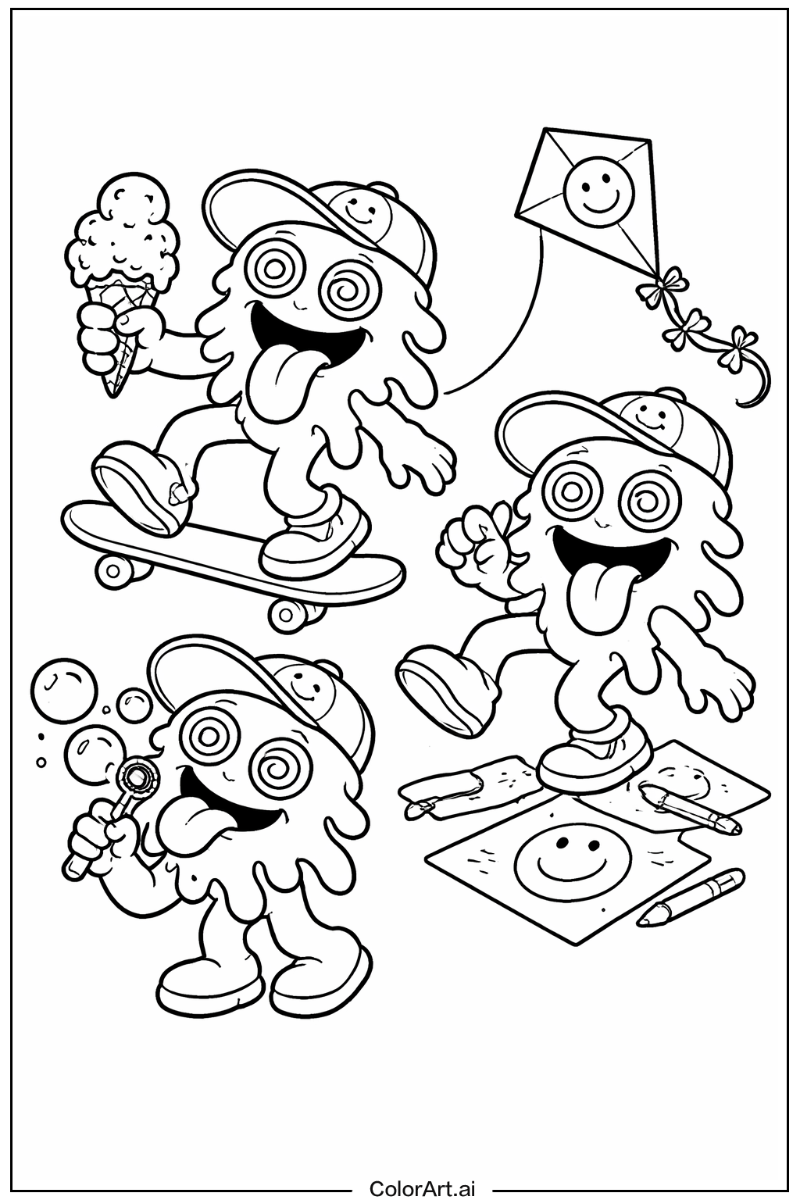
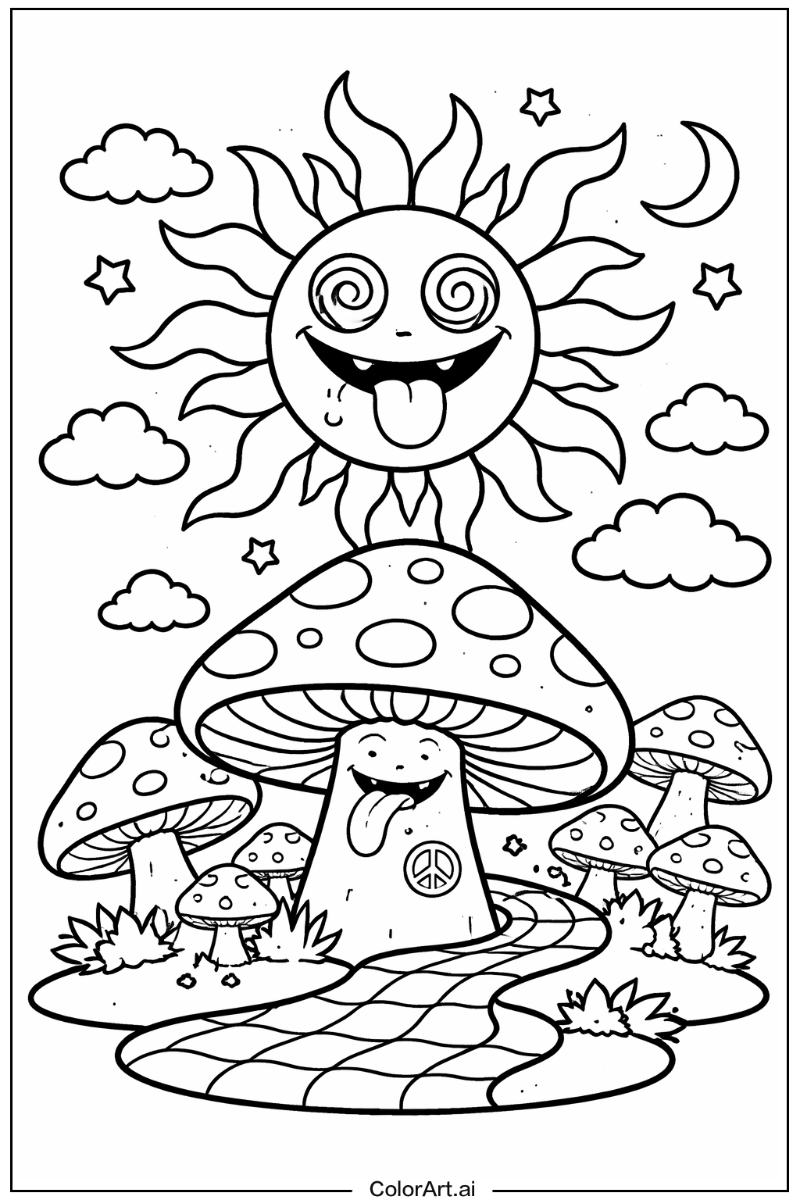
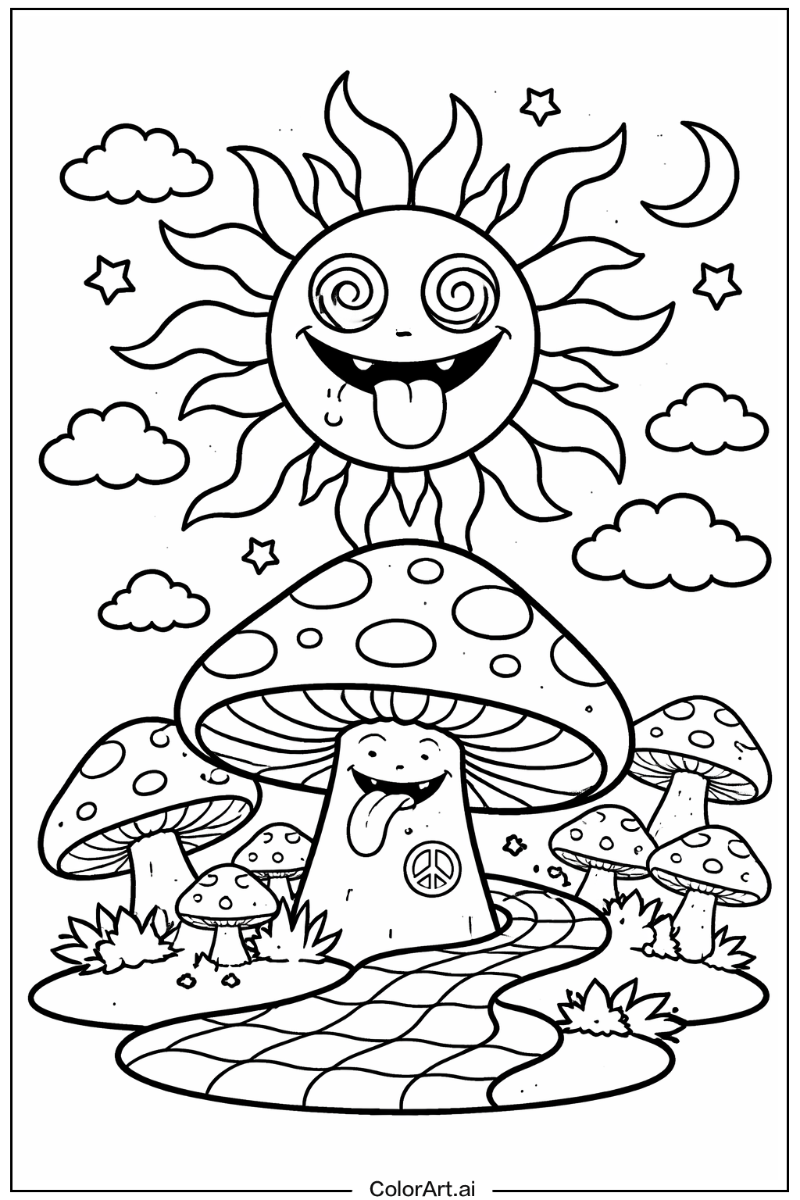
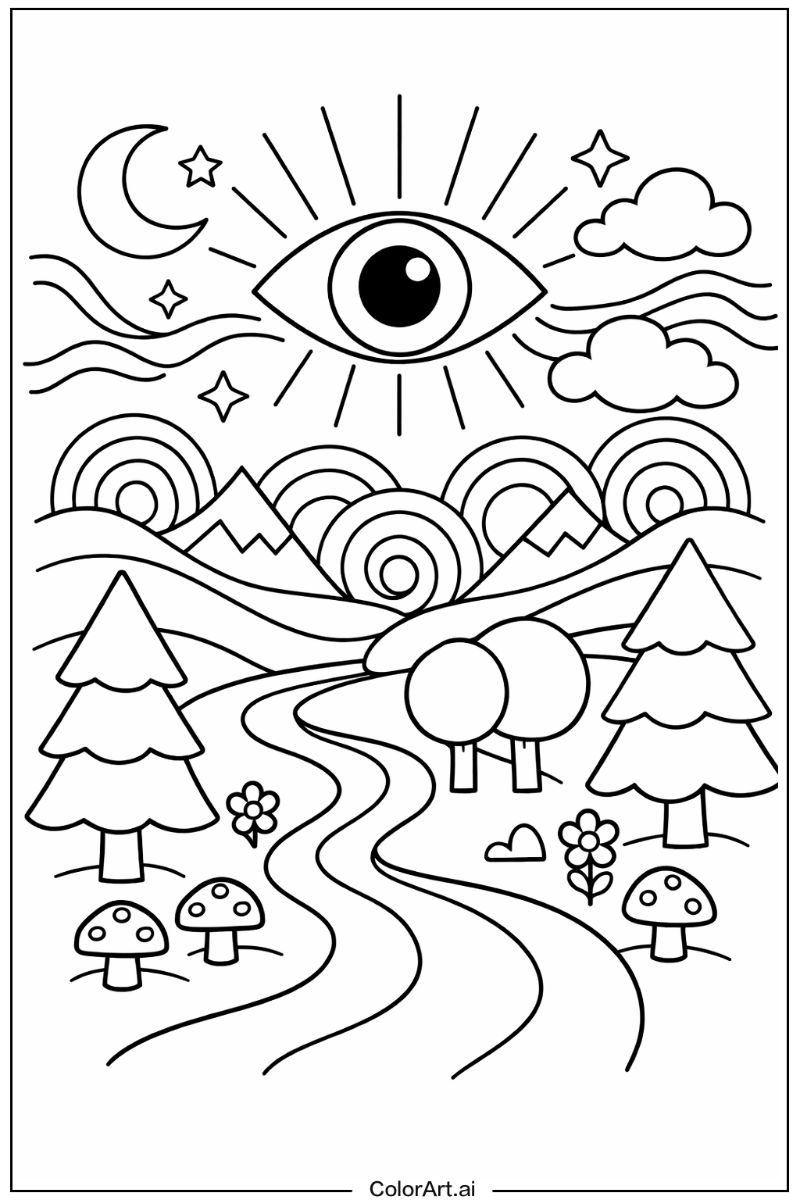
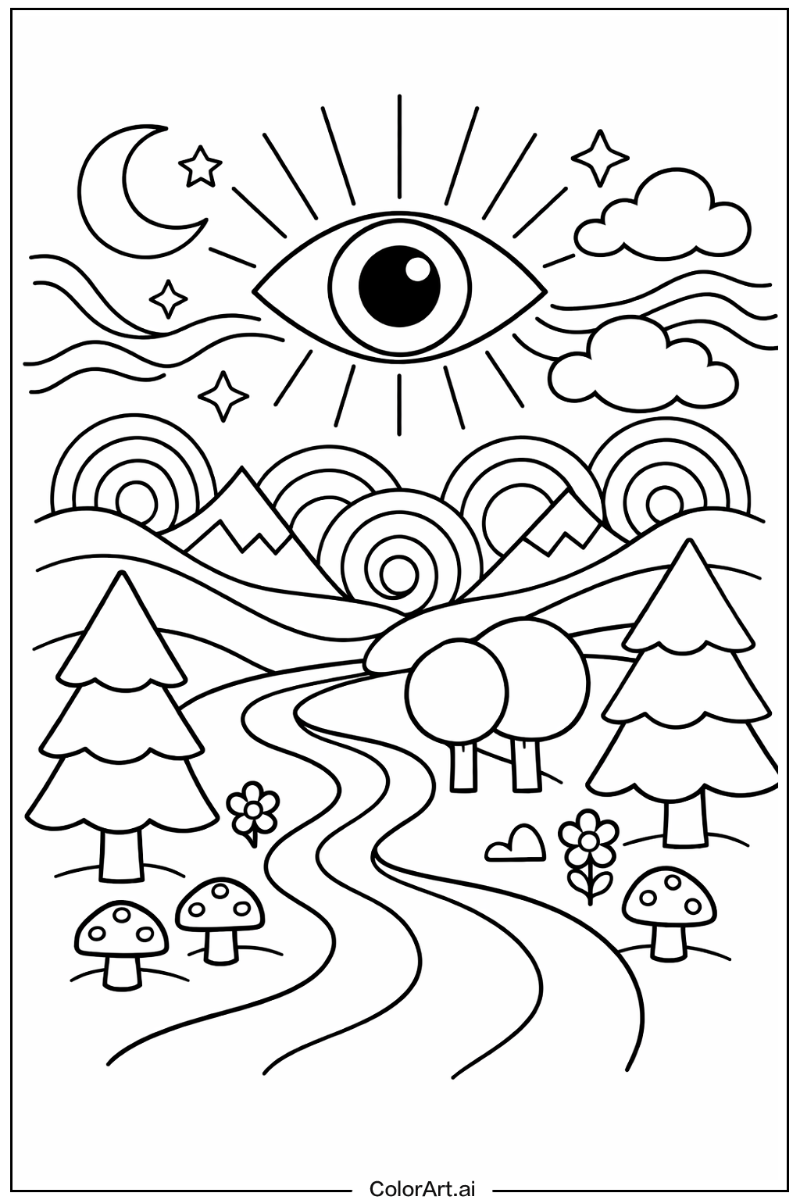
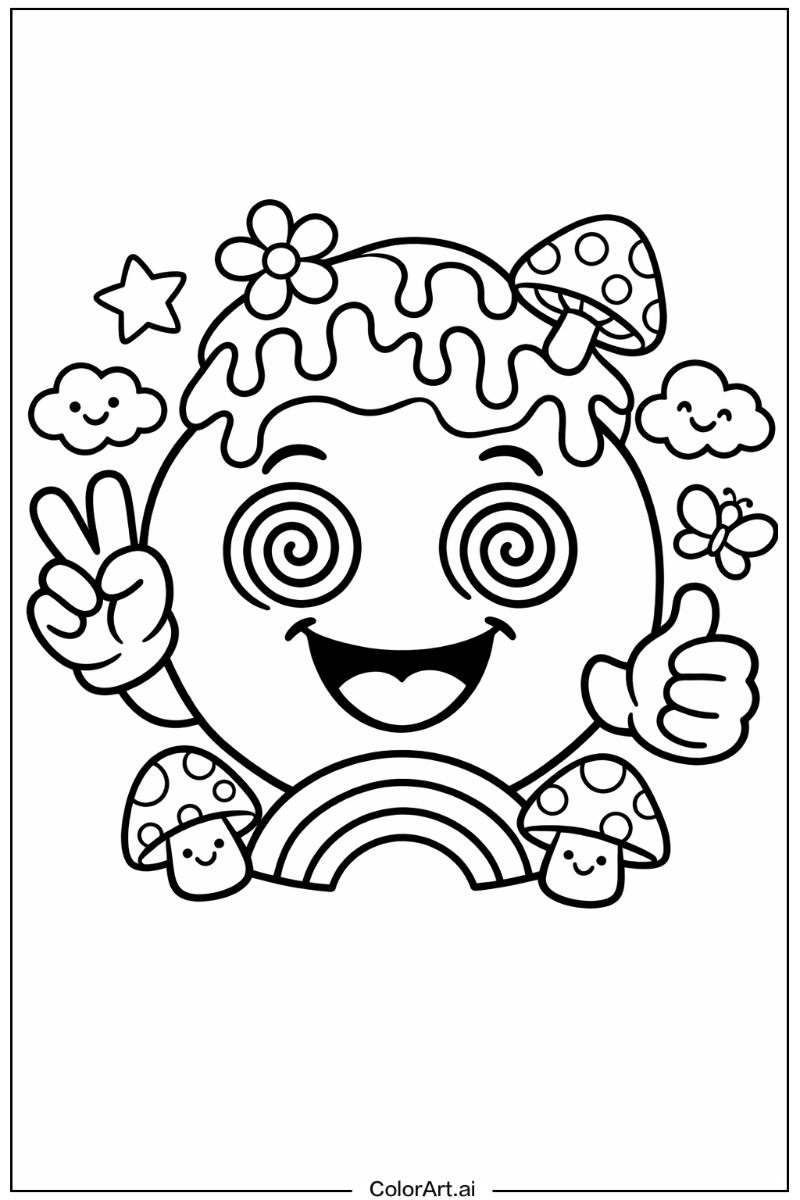
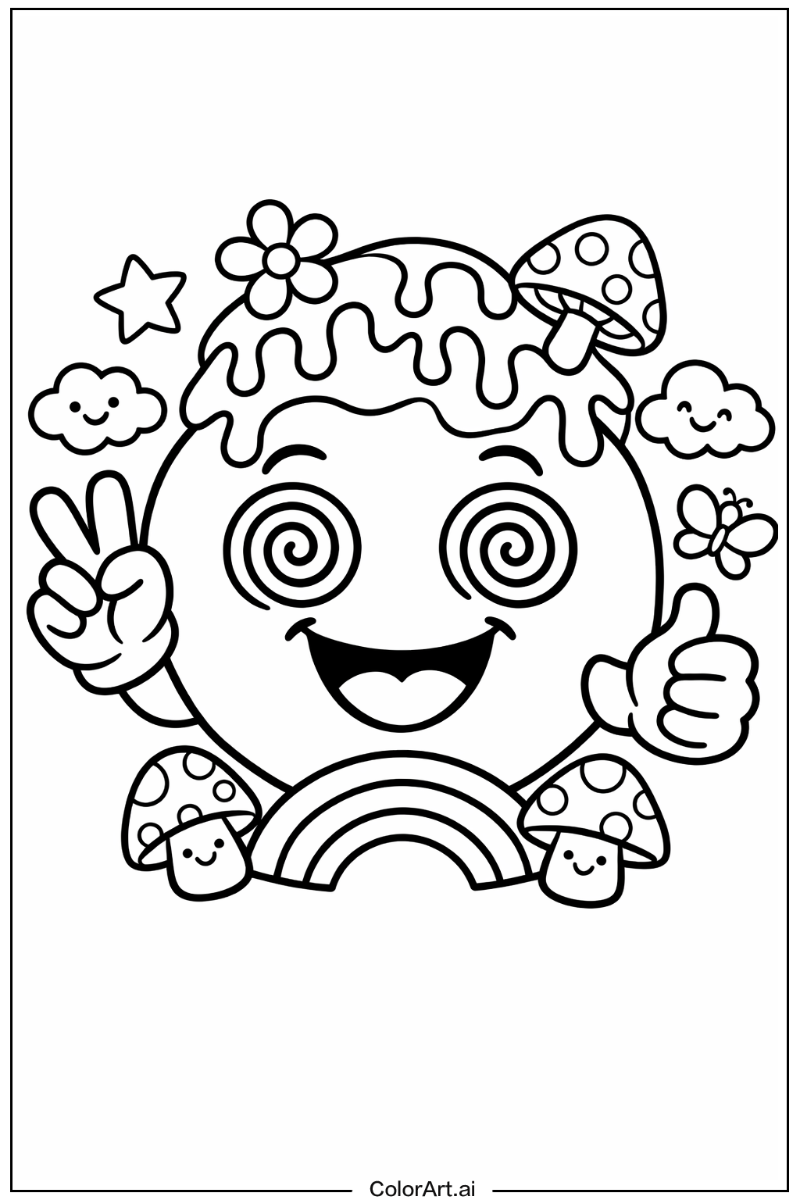
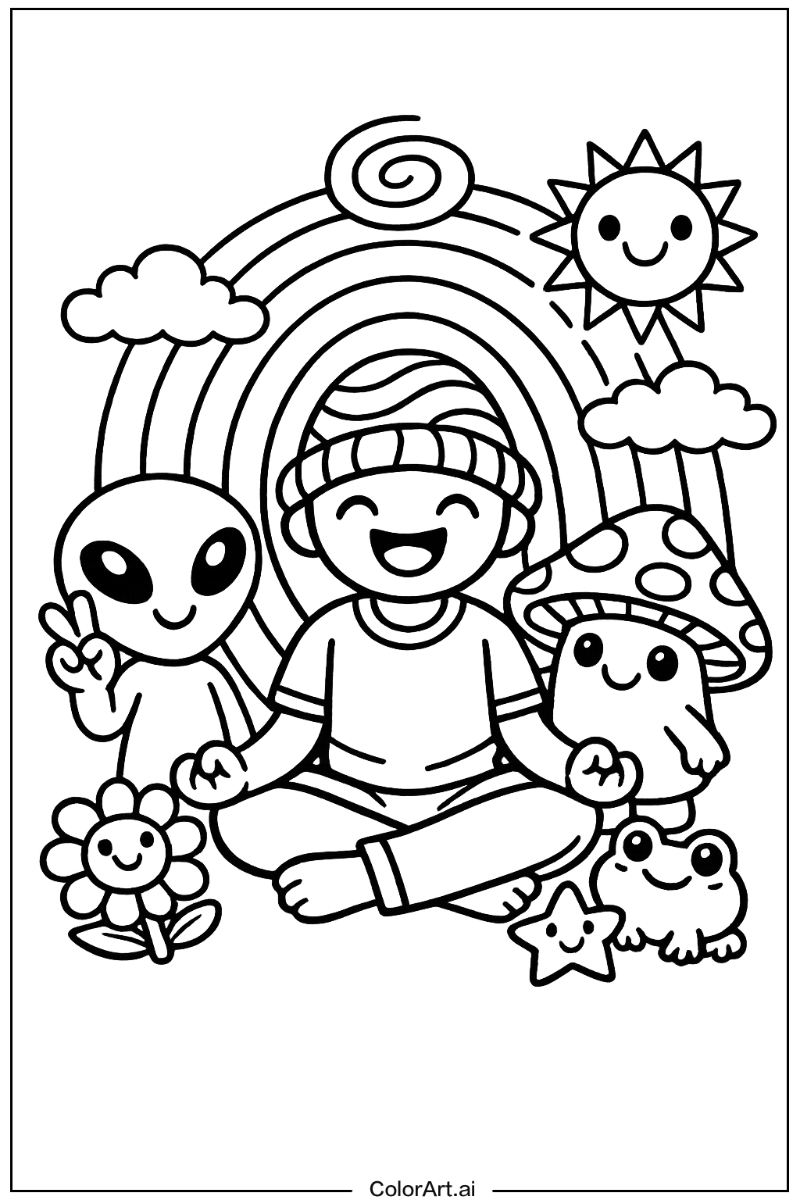
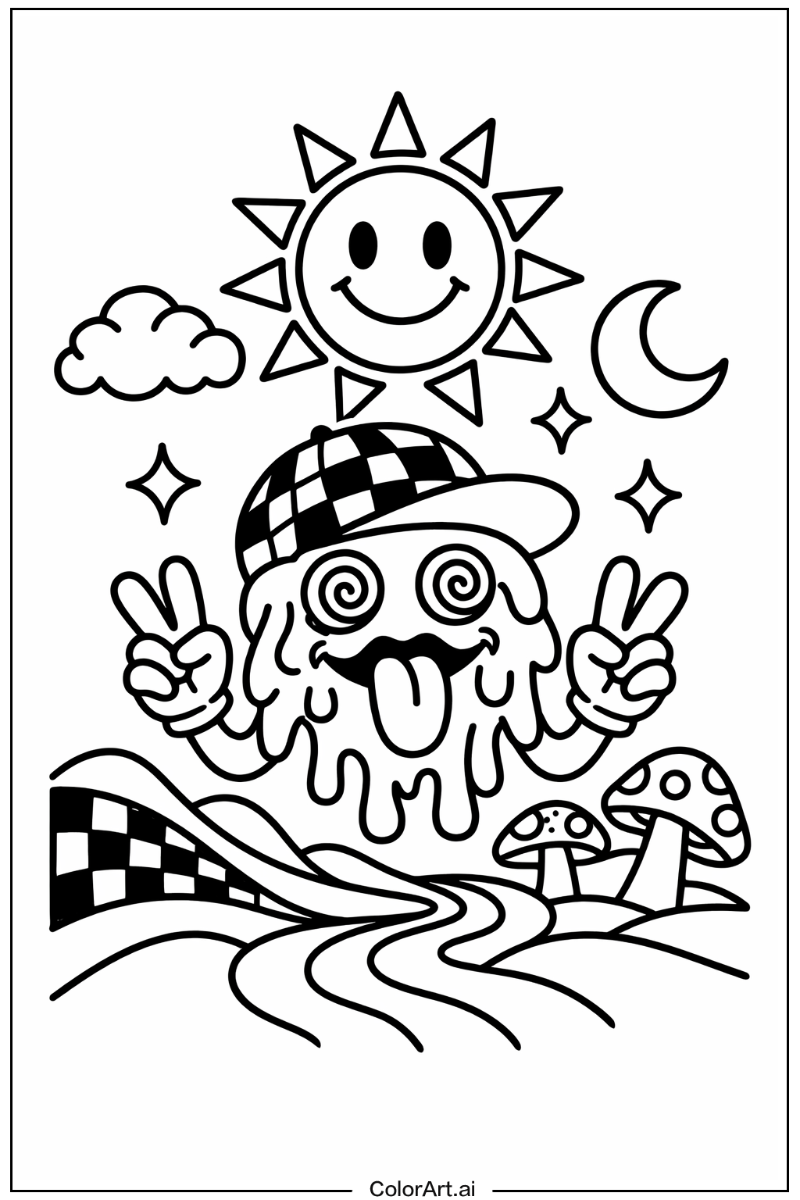
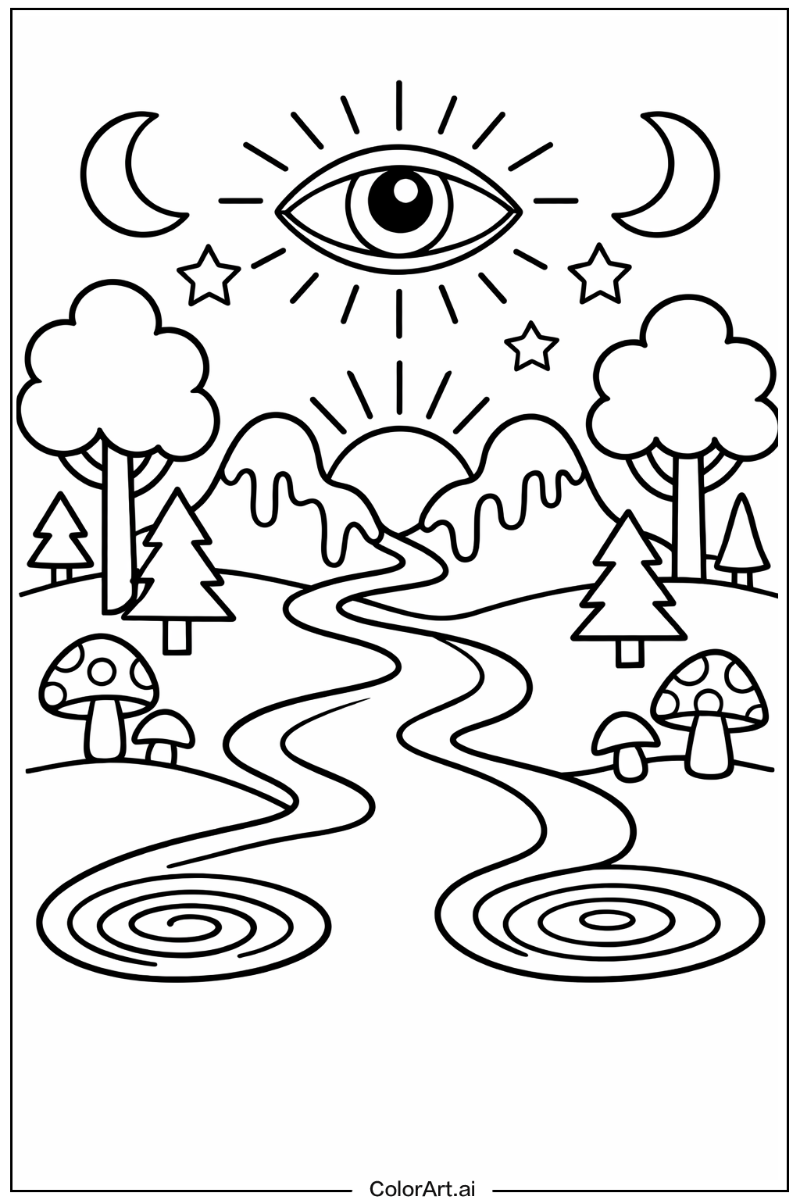
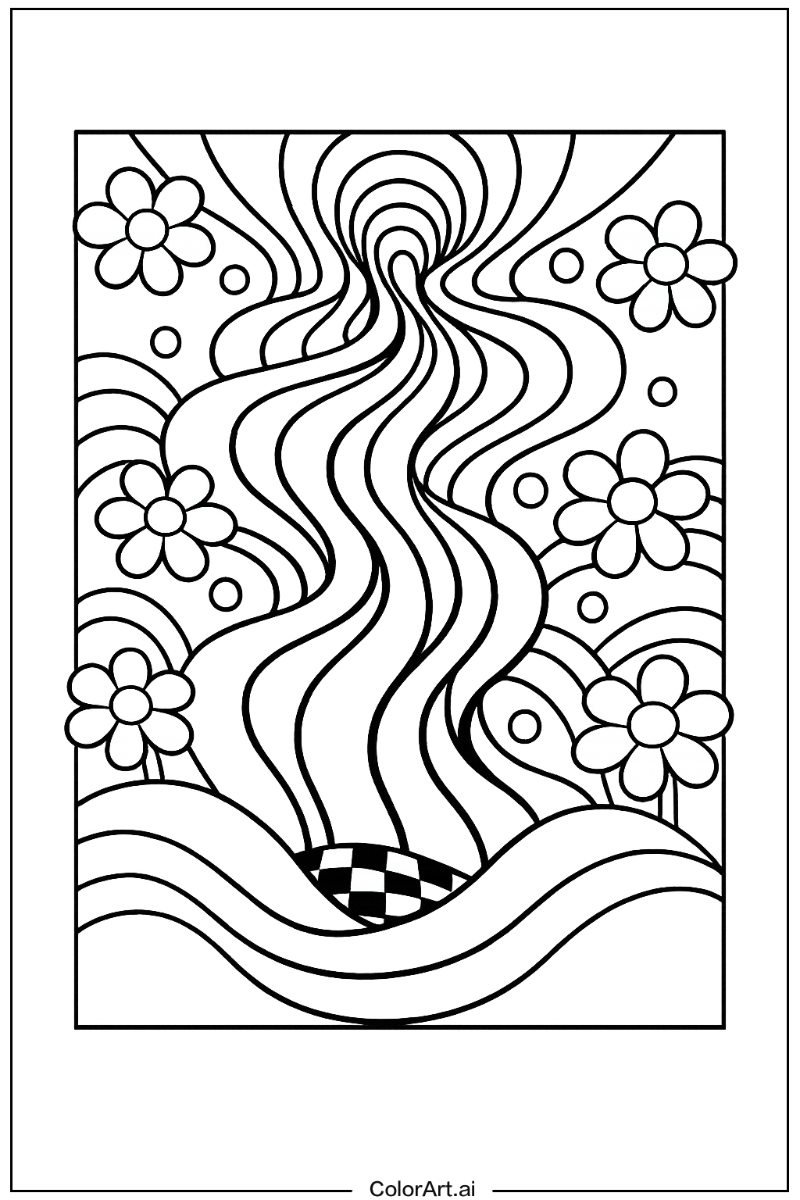
As a teacher who has spent many years nurturing creativity in young minds, I find immense joy in introducing children to the captivating world of Trippy coloring pages. These pages, bursting with intricate designs and vivid patterns, offer an escape into a universe where imagination reigns supreme. I remember a particular moment in my classroom when a student named Mia, usually shy and reserved, discovered a Trippy coloring page featuring swirling galaxies and psychedelic landscapes. Her eyes lit up with excitement as she began to color, her shyness melting away as she lost herself in the mesmerizing patterns. It’s these moments that remind me how Trippy coloring can unlock a child's creativity, foster self-expression, and provide a sense of calm and focus.
Group Coloring Pages
 PDF
PDF
 PNG
PNG
 PNG
PNG
 PNG
PNG
 PNG
PNG
 PNG
PNG
 PNG
PNG
 PNG
PNG
 PNG
PNG
 PNG
PNG
 PNG
PNG
 PNG
PNG
 PNG
PNG
 PNG
PNG
 PNG
PNG
 PNG
PNG
 PNG
PNG
 PNG
PNG
 PNG
PNG
 PNG
PNG
 PNG
PNG
 PNG
PNG
 PNG
PNG
 PNG
PNG
 PNG
PNG
 PNG
PNG
 PNG
PNG
 PNG
PNG
 PNG
PNG
 PNG
PNG
 PNG
PNG
 PNG
PNG
 PNG
PNG
 PNG
PNG
 PNG
PNG
 PNG
PNG
 PNG
PNG
 PNG
PNG
 PNG
PNG
 PNG
PNG
The Artistic Roots of Trippy Coloring
The term Trippy is often associated with psychedelic art, which emerged in the 1960s and 70s and has since influenced various artistic movements. The designs found in Trippy coloring pages often feature intricate patterns, vibrant colors, and surreal visuals that challenge the viewer's perception. This style resonates with children and adults alike, offering a playful way to explore artistic expression. In my classroom, I often explain to students how Trippy art connects to color theory and the science of perception, making it not just fun but educational as well. For instance, we discuss how certain colors can evoke different emotions, and this understanding enhances their coloring experience.
Benefits of Trippy Coloring in the Classroom
Incorporating Trippy coloring pages into educational settings can have numerous benefits for students. Firstly, these pages enhance fine motor skills and hand-eye coordination, especially in younger children. I’ve noticed that students from ages 4 to 12 improve their control and dexterity while coloring intricate designs. For instance, during a lesson on shapes, I handed out Trippy pages filled with geometric patterns. The students had to navigate their crayons around complex shapes, which resulted in improved grasp and precision.
Moreover, Trippy coloring fosters concentration and focus. Research shows that engaging with detailed designs can help children sustain attention and improve their cognitive abilities. I recall a particularly energetic class where we dedicated a few minutes to coloring Trippy pages before diving into math. The shift in their energy levels was palpable; they were calmer, more engaged, and ready to tackle challenging problems. Additionally, these coloring activities serve as tools for emotional expression and stress relief, providing students with a creative outlet during tense moments, such as before tests.
Practical Tips for Engaging with Trippy Coloring
To make the most of Trippy coloring experiences, here are some practical tips that I’ve gathered from years of teaching:
- Choose the Right Materials: Encourage students to use a variety of coloring tools, such as colored pencils, markers, and gel pens. The vibrancy of colors can drastically enhance the Trippy designs.
- Encourage Experimentation: Let students explore their color choices without the pressure of making it ‘perfect.’ The beauty of Trippy coloring lies in its abstract nature, allowing for free expression.
- Set the Mood: Play some calming music in the background while coloring. This can create a soothing atmosphere that enhances focus and creativity.
- Integrate Discussions: After coloring, have a discussion about their designs. Ask them about their color choices and the emotions they evoke. This reflection deepens their understanding of both the art and themselves.
Current Trends in Trippy Art Education
In recent years, there has been a growing interest in Trippy art and its therapeutic benefits. As of early 2026, discussions surrounding Trippy themes have surged, particularly in educational circles. Schools are increasingly integrating Trippy coloring pages into their curricula as part of mindfulness practices. During a workshop I attended last month, educators shared their success stories about using Trippy designs to help students manage stress and anxiety. One teacher mentioned how his students were calmer and more focused when they participated in short coloring sessions before exams. The blending of art with mental well-being is a powerful trend that continues to grow, and I’m excited to see how it further evolves in our classrooms.
Frequently Asked Questions about Trippy Coloring Pages
Q: What ages are Trippy coloring pages suitable for? A: Trippy coloring pages can be enjoyed by a wide range of ages, from preschoolers to adults. Each age group can find designs that cater to their skill levels.
Q: How long does it take to complete a Trippy coloring page? A: The time varies depending on the complexity of the design and the individual’s speed. Some may take 15-20 minutes, while others may spend hours creating detailed masterpieces.
Q: Can I use Trippy coloring pages for educational purposes? A: Absolutely! Many teachers are incorporating Trippy coloring into lessons for its educational benefits, including enhancing concentration and fine motor skills.