Warm Introduction to Cinnamon Roll Coloring Pages
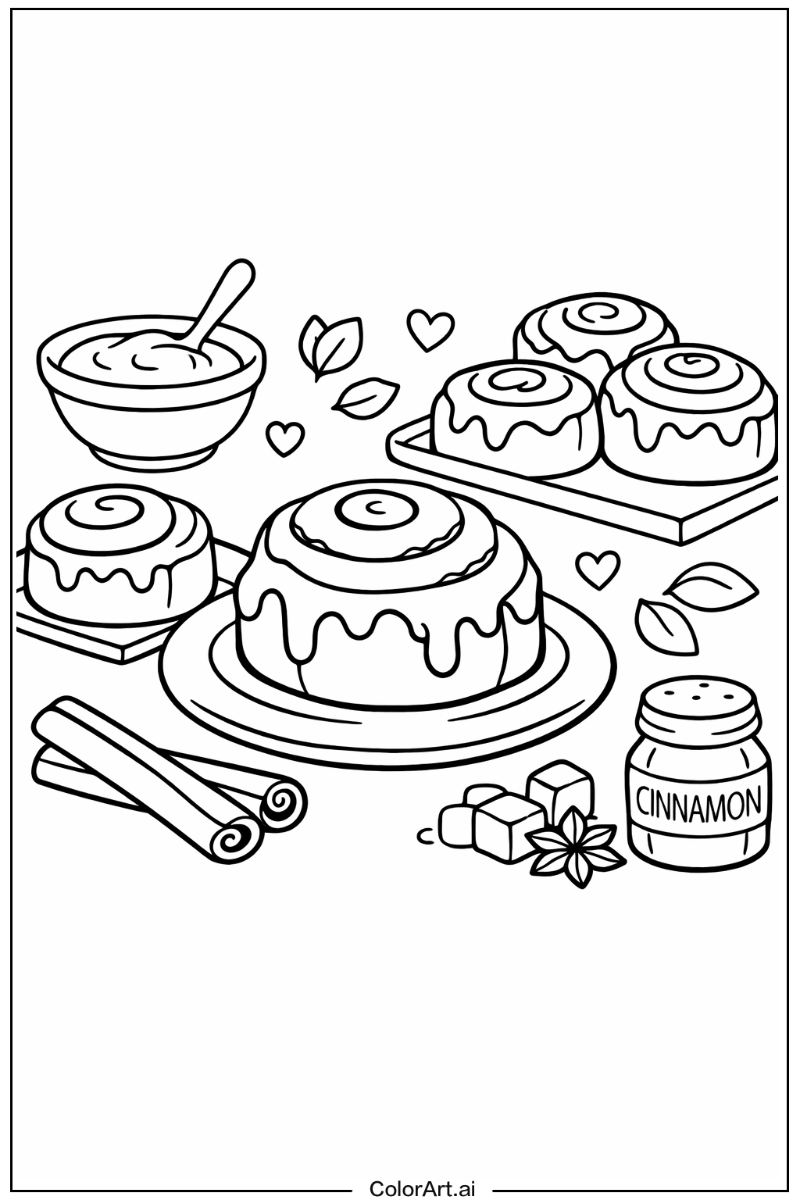
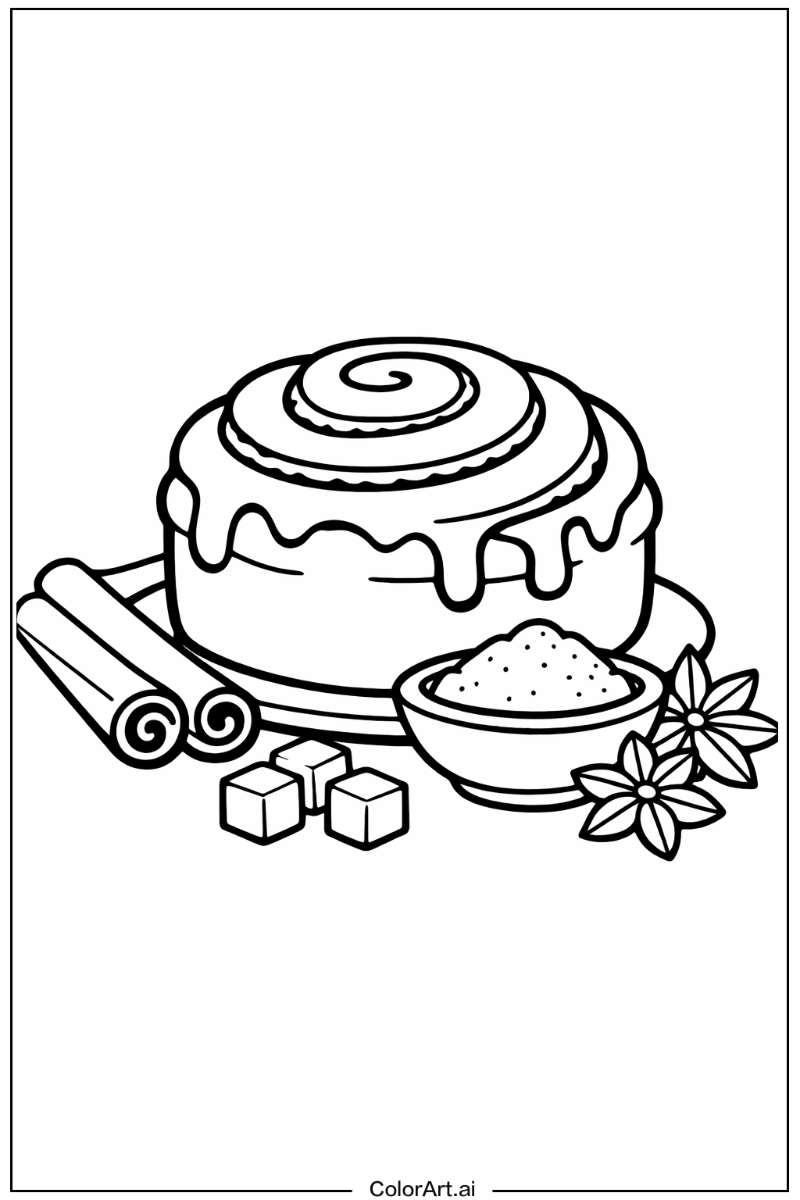
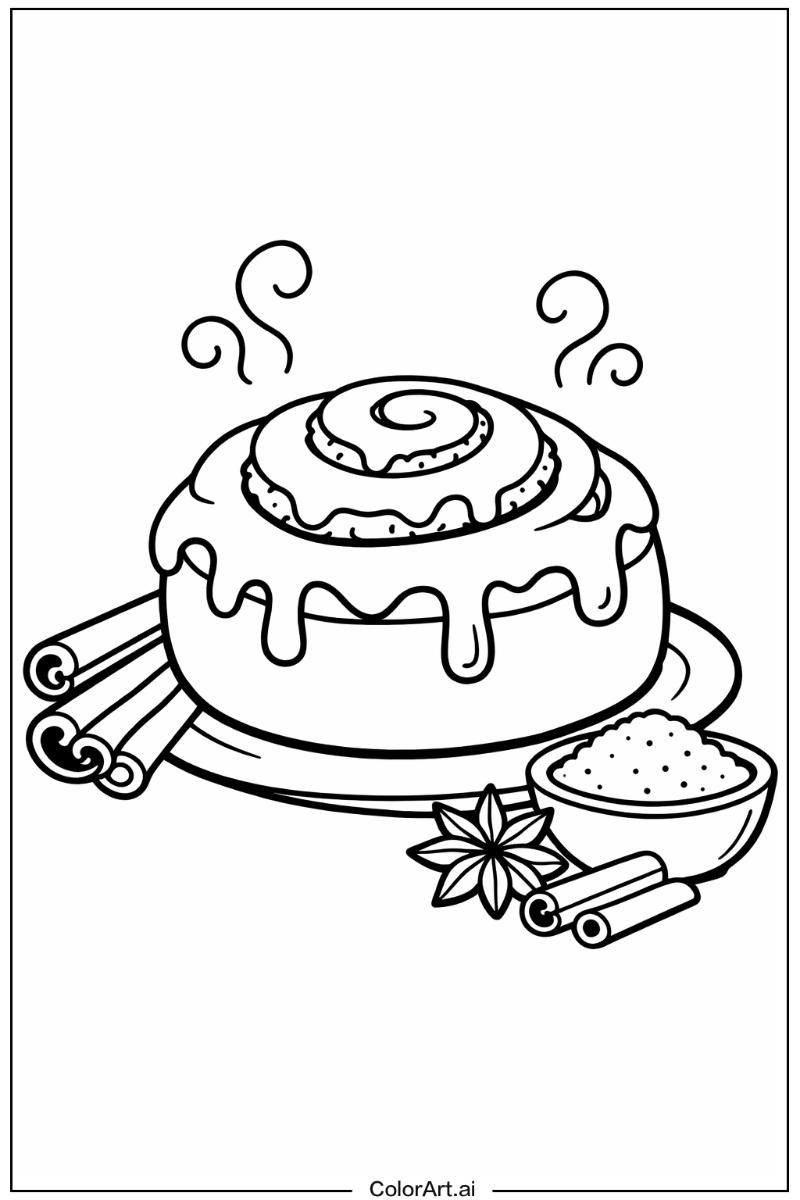
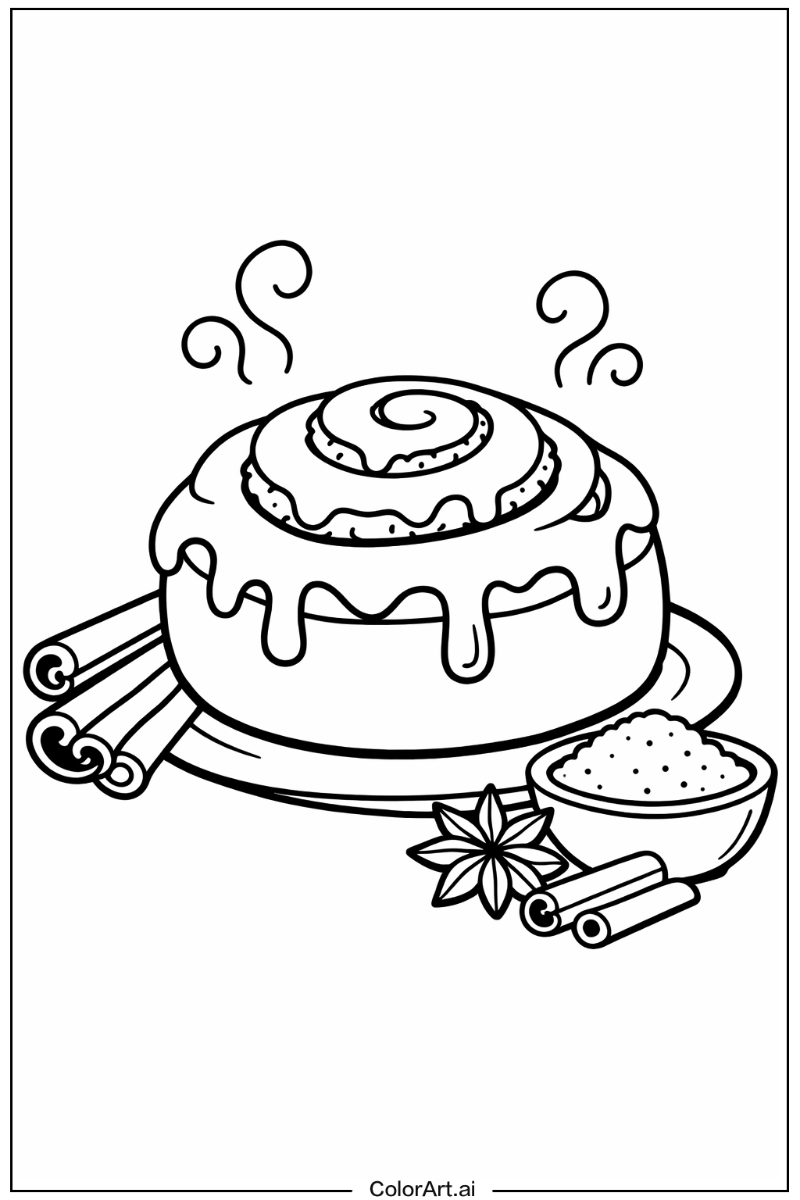
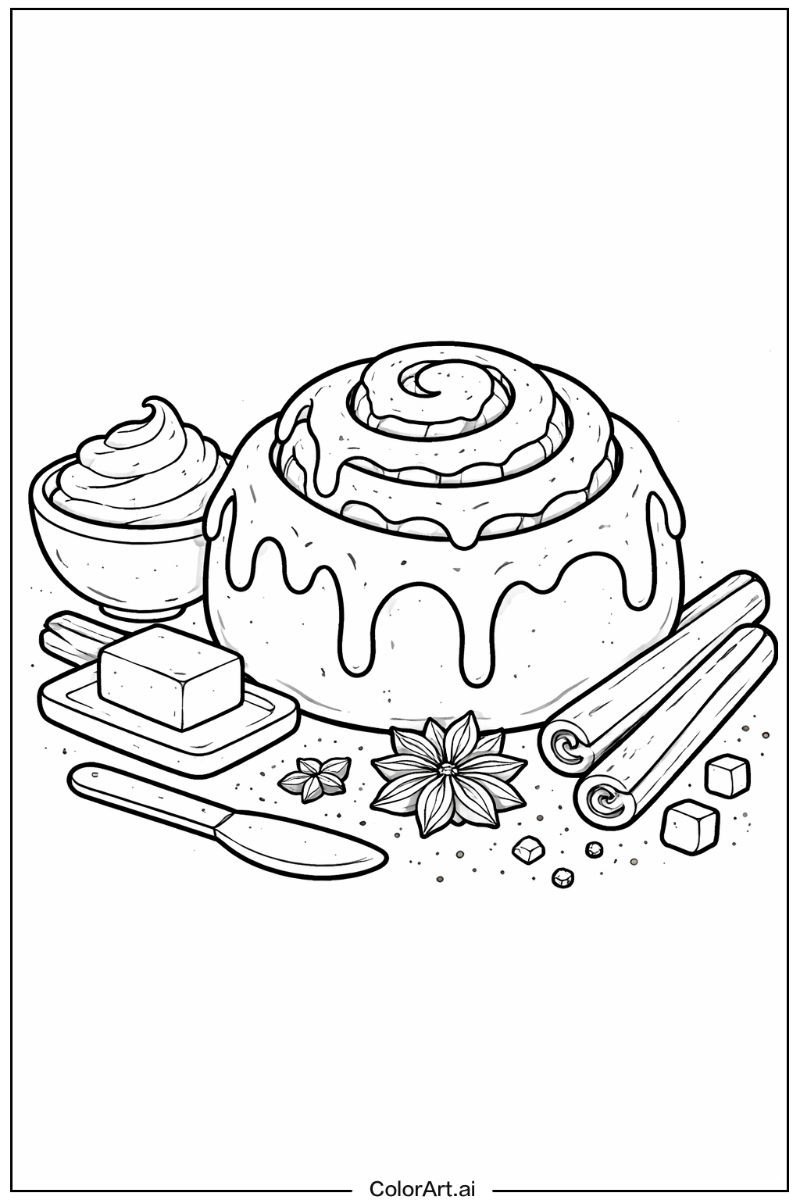
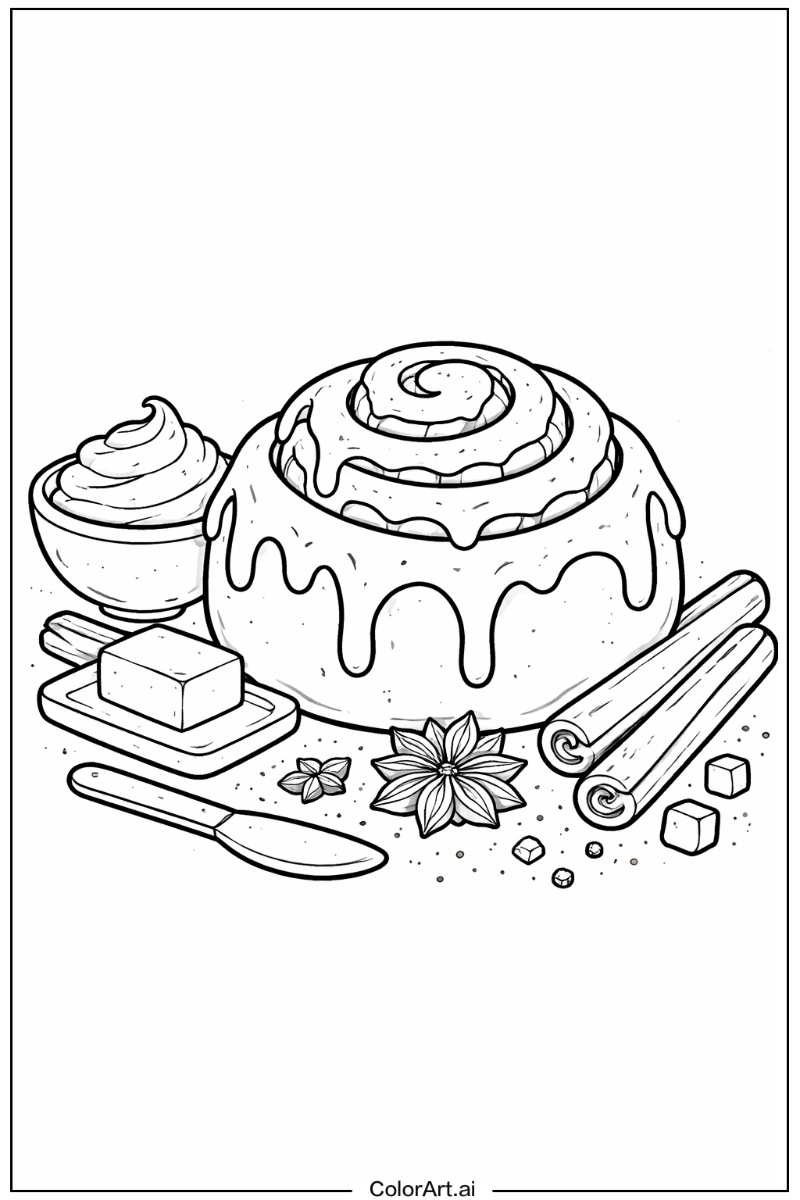
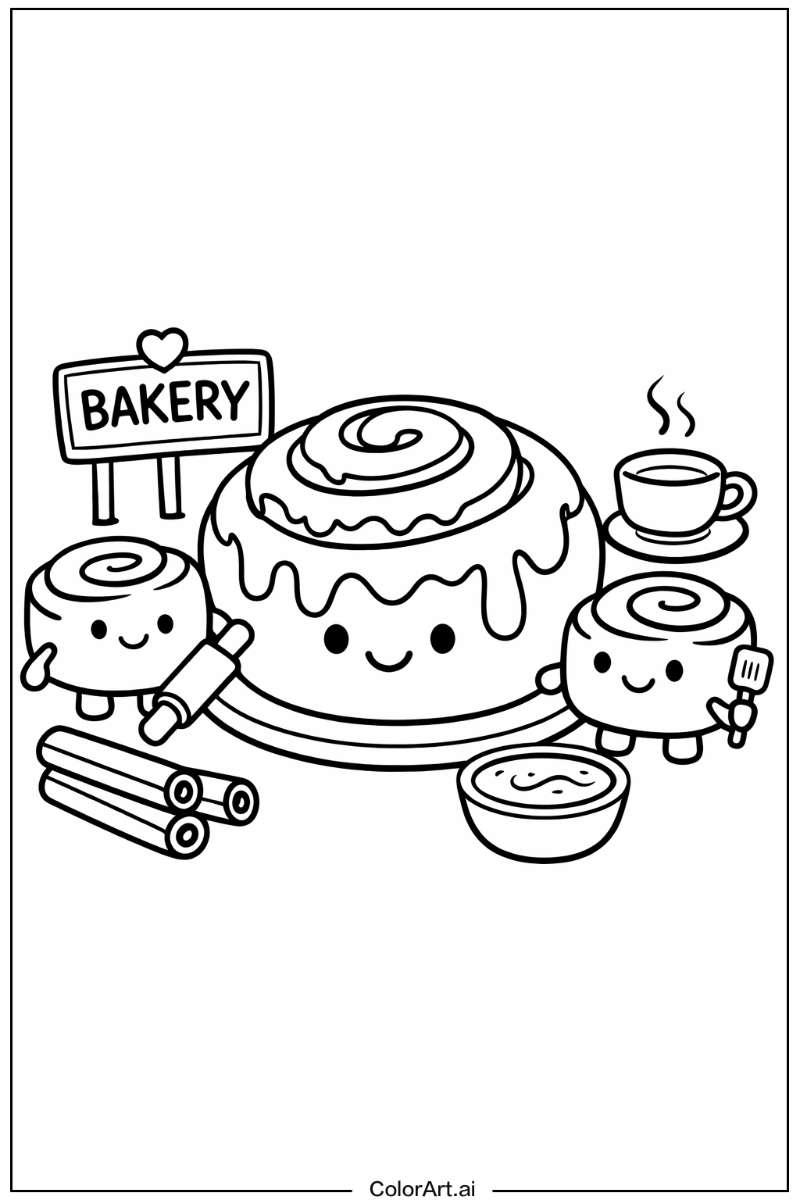
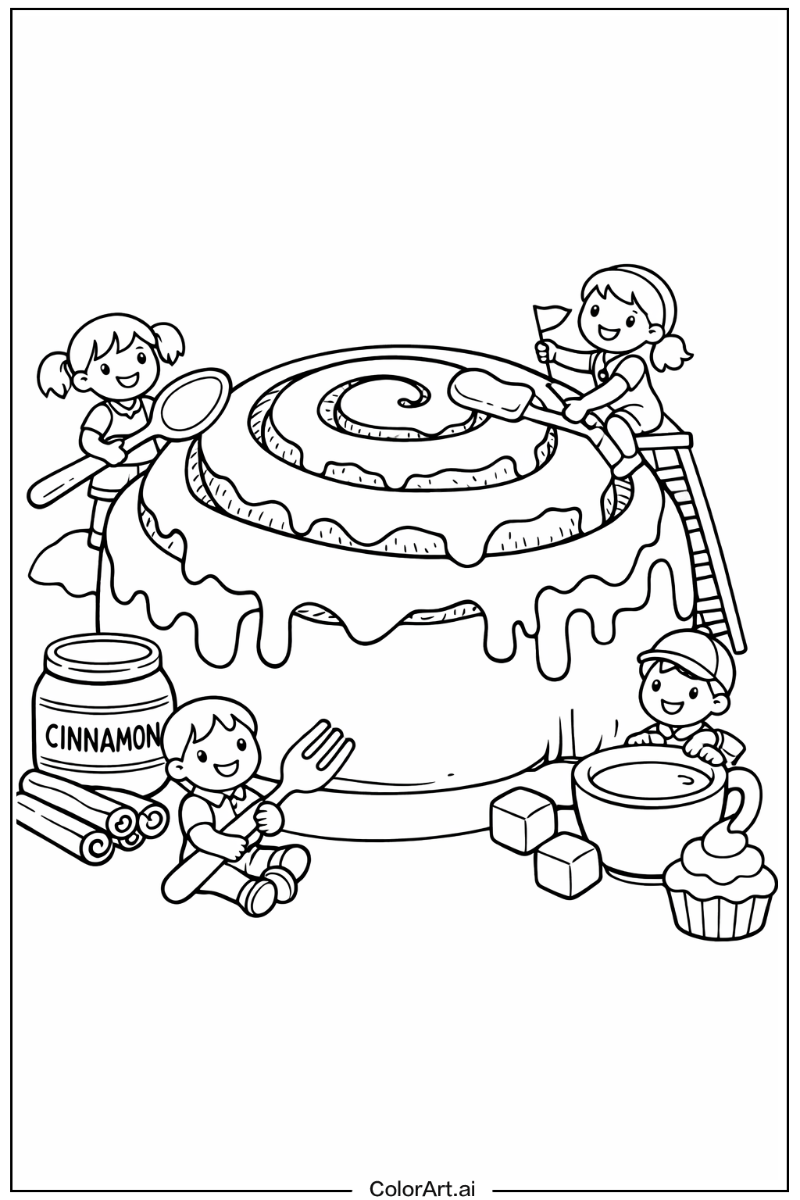
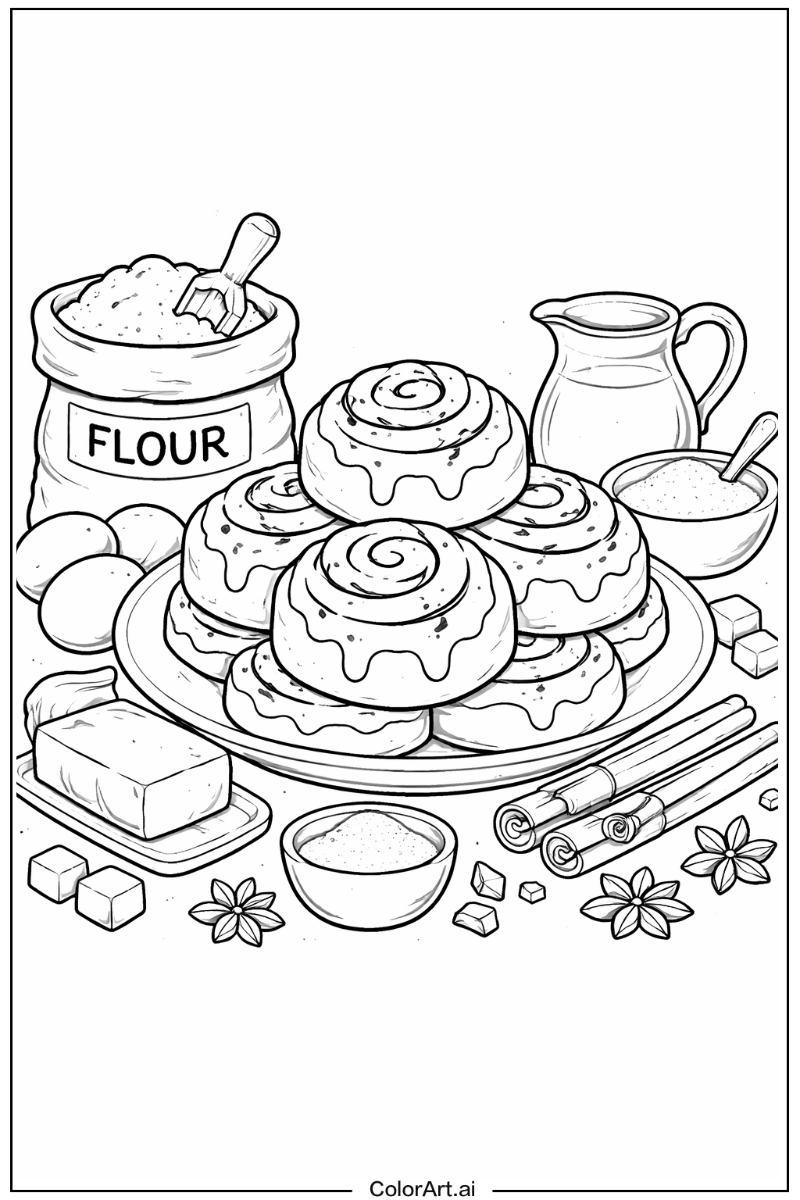
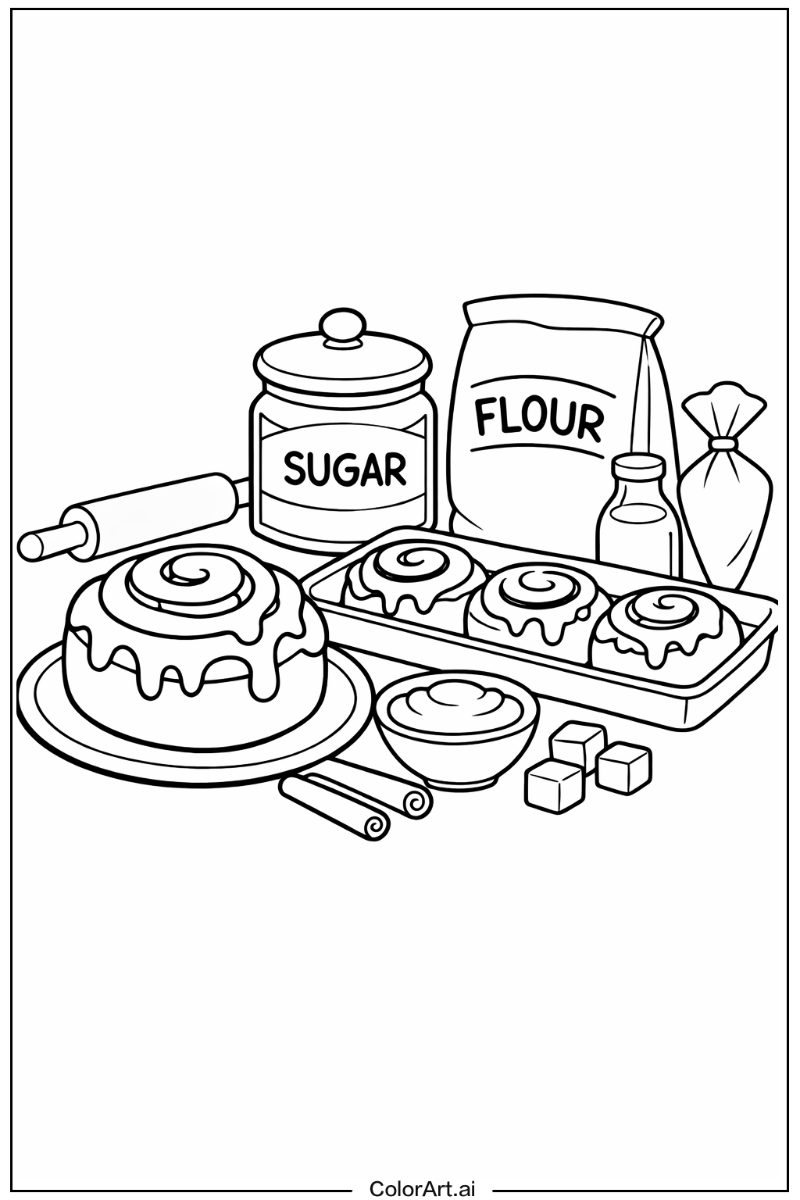
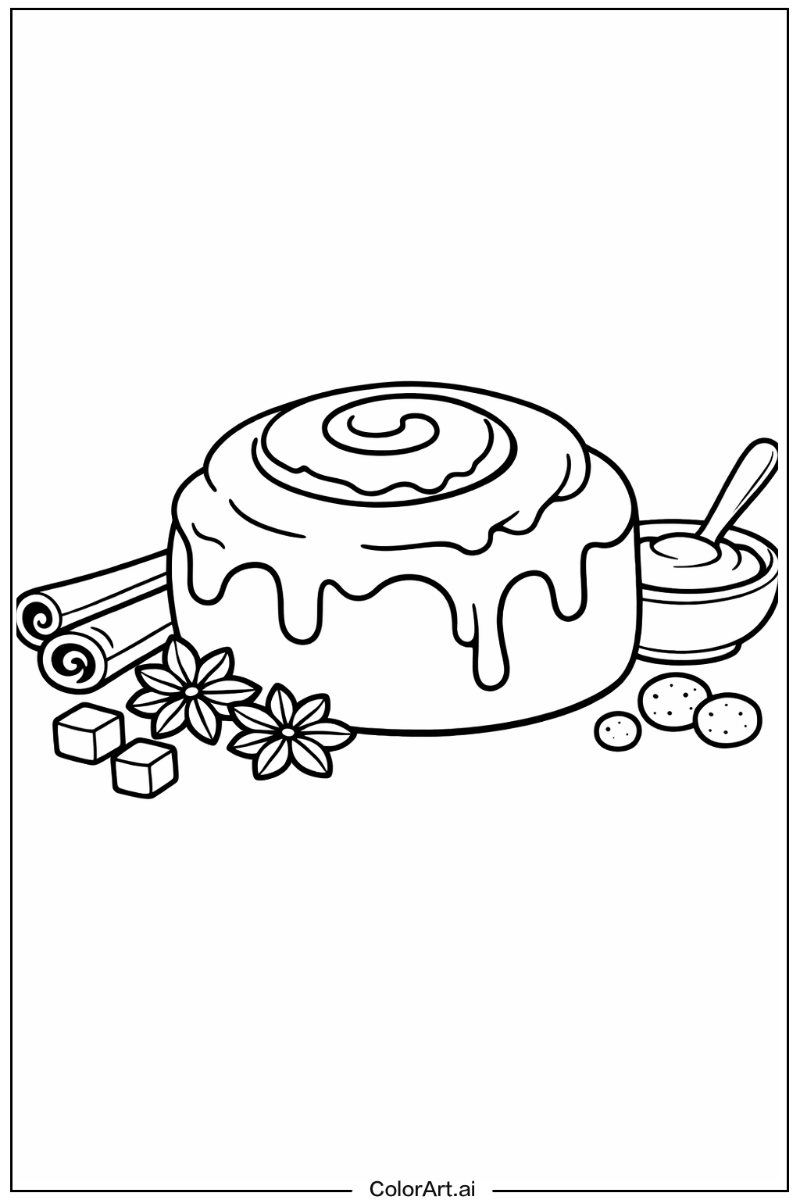
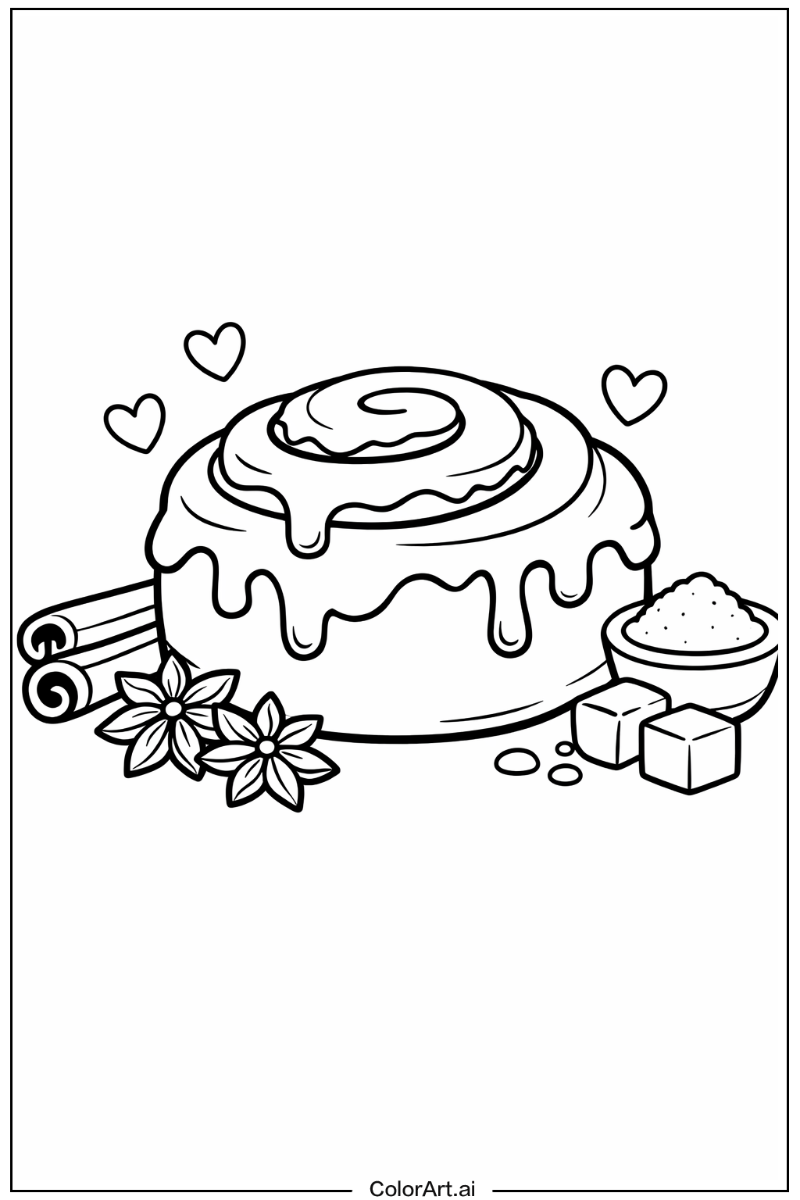
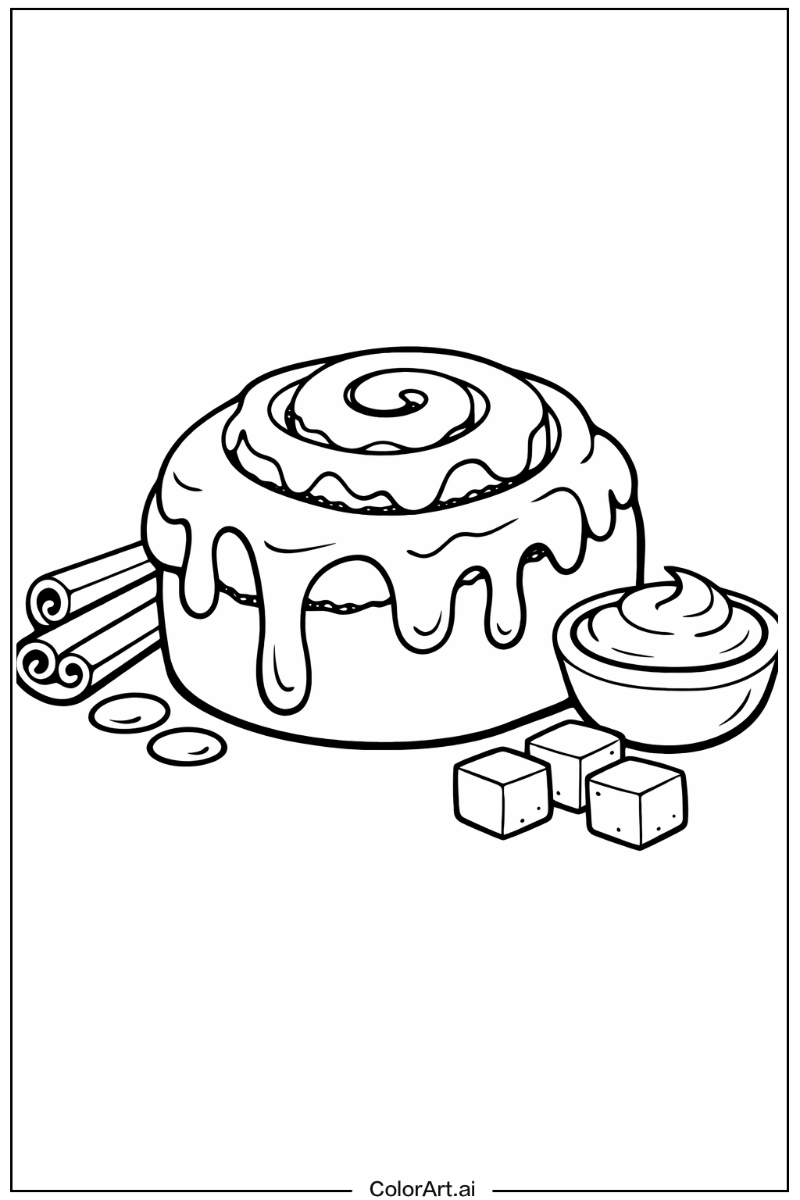
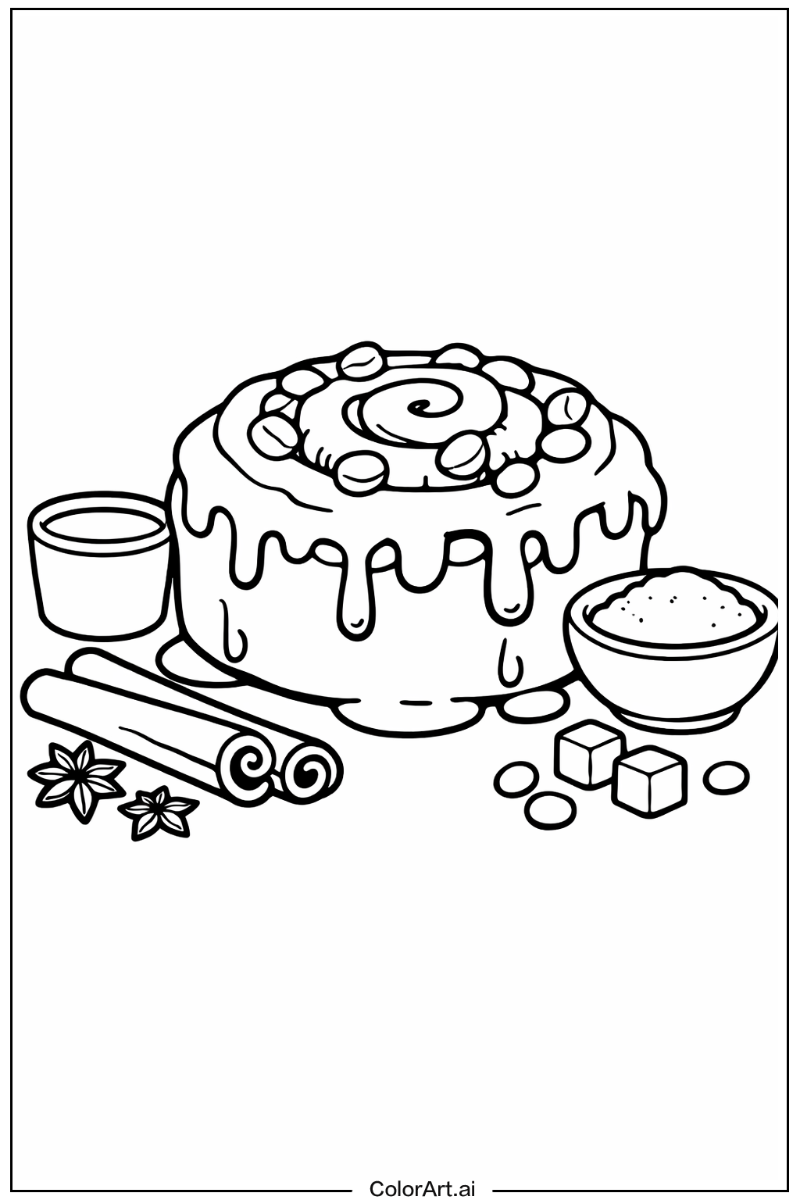
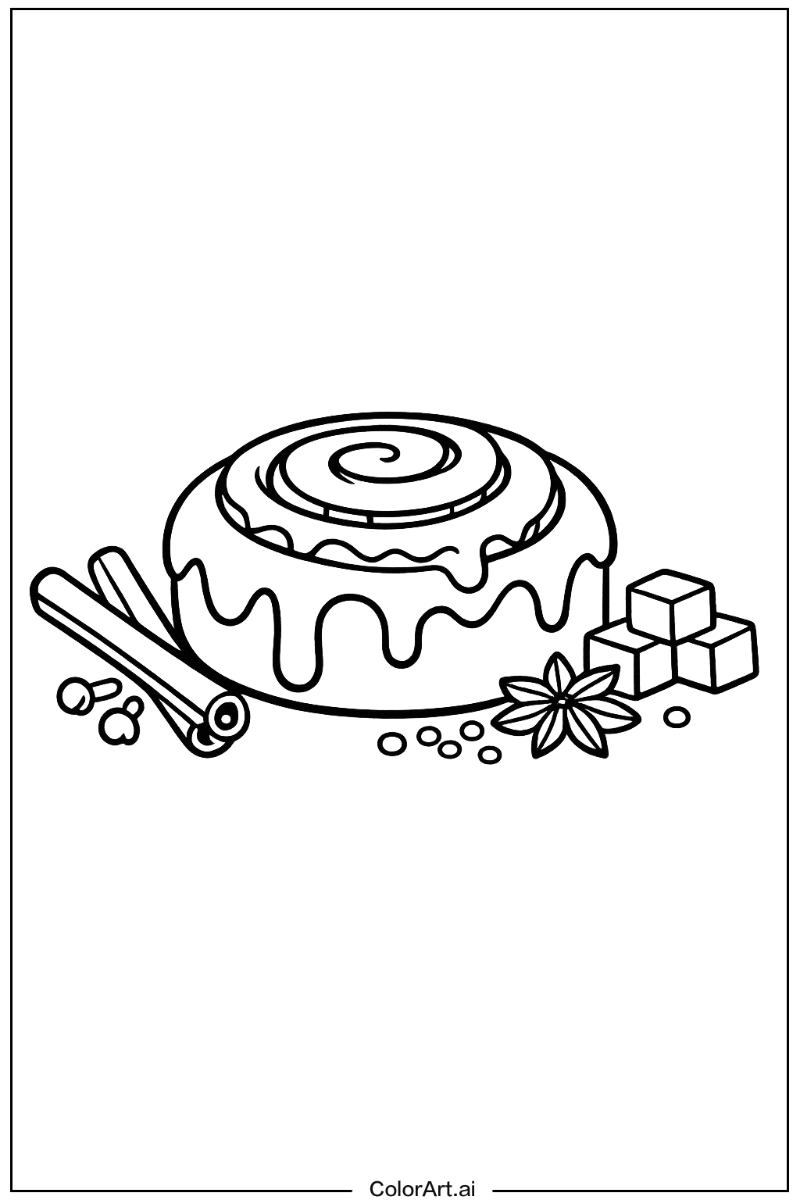
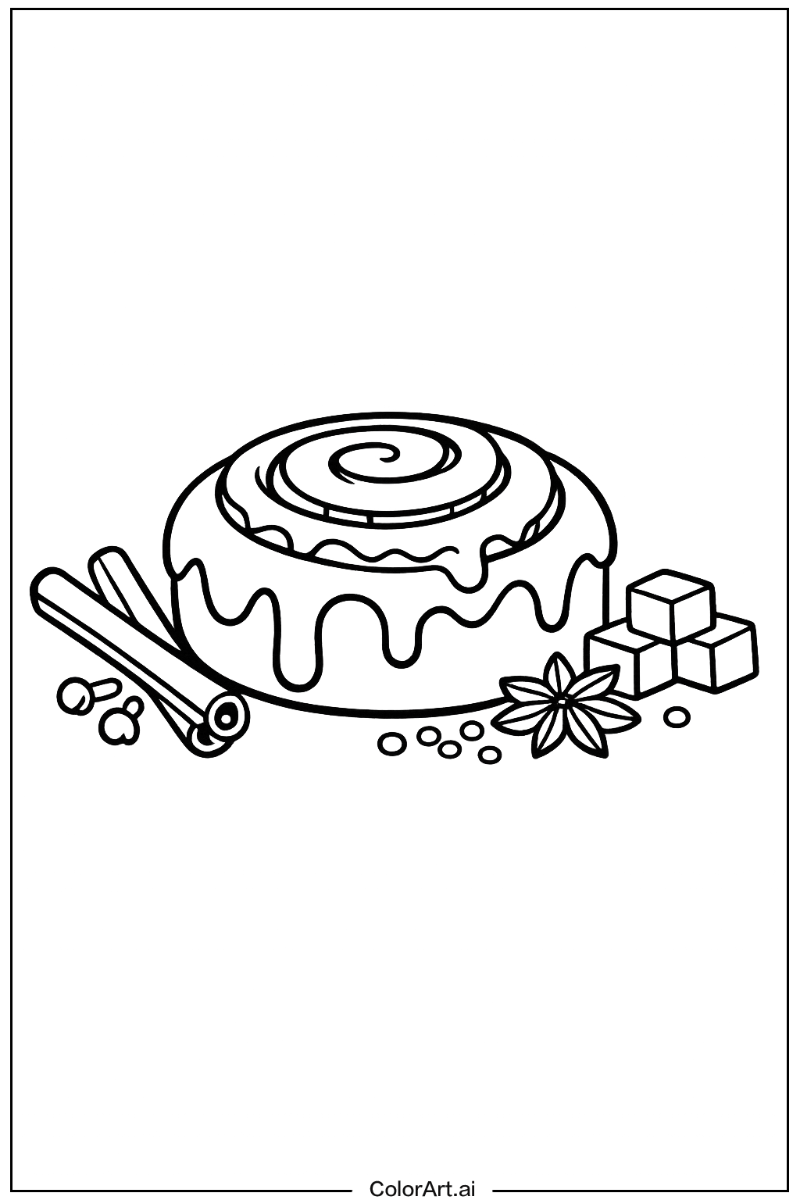
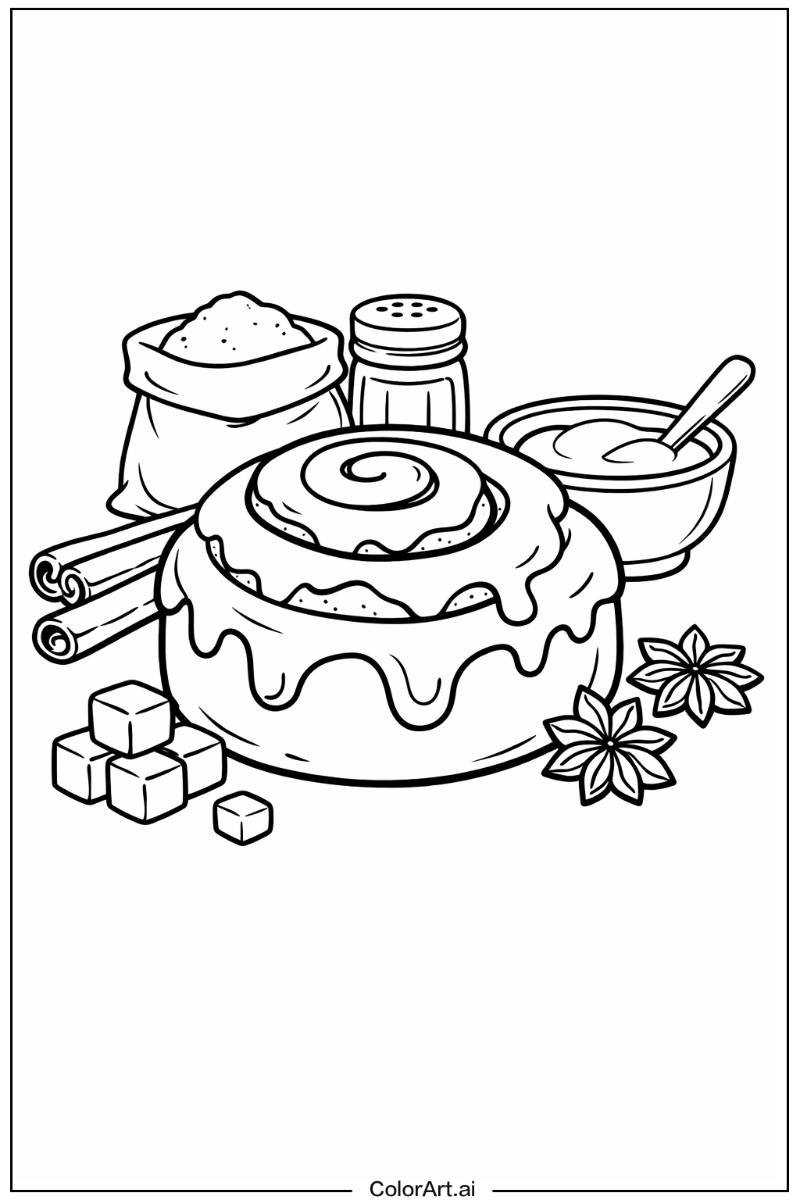
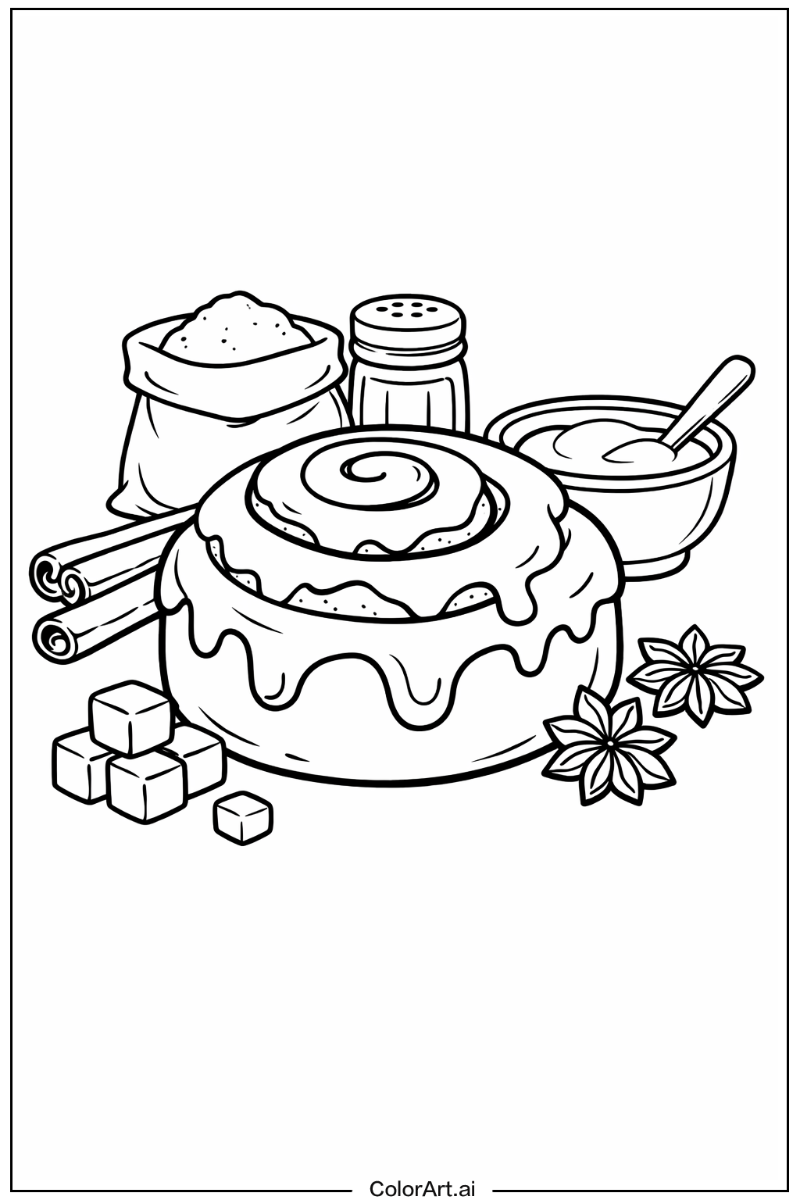
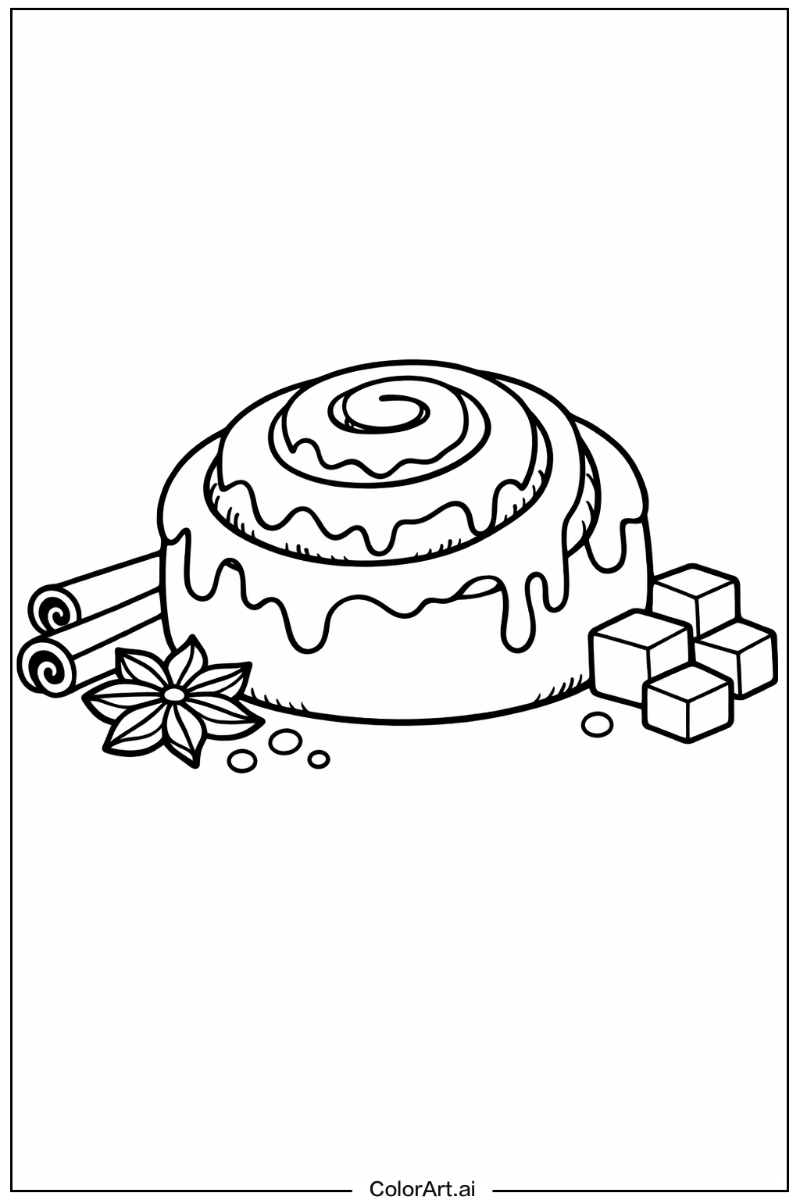
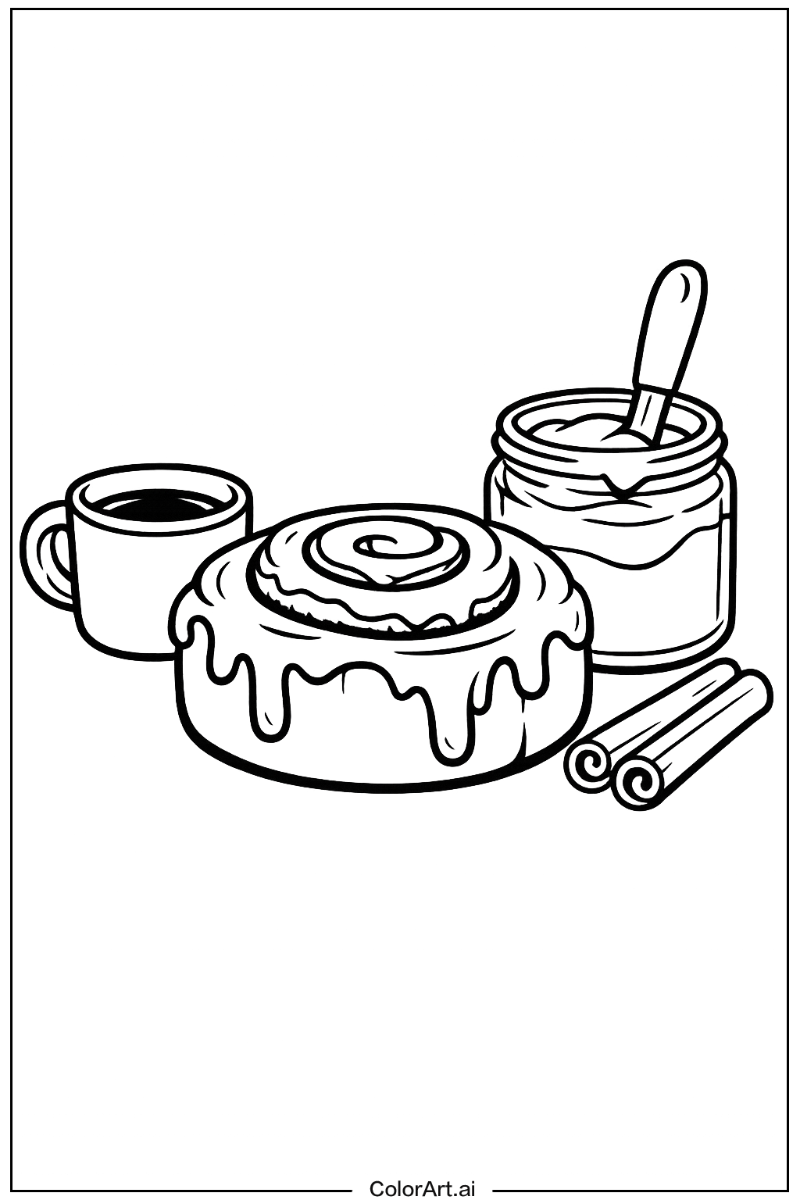
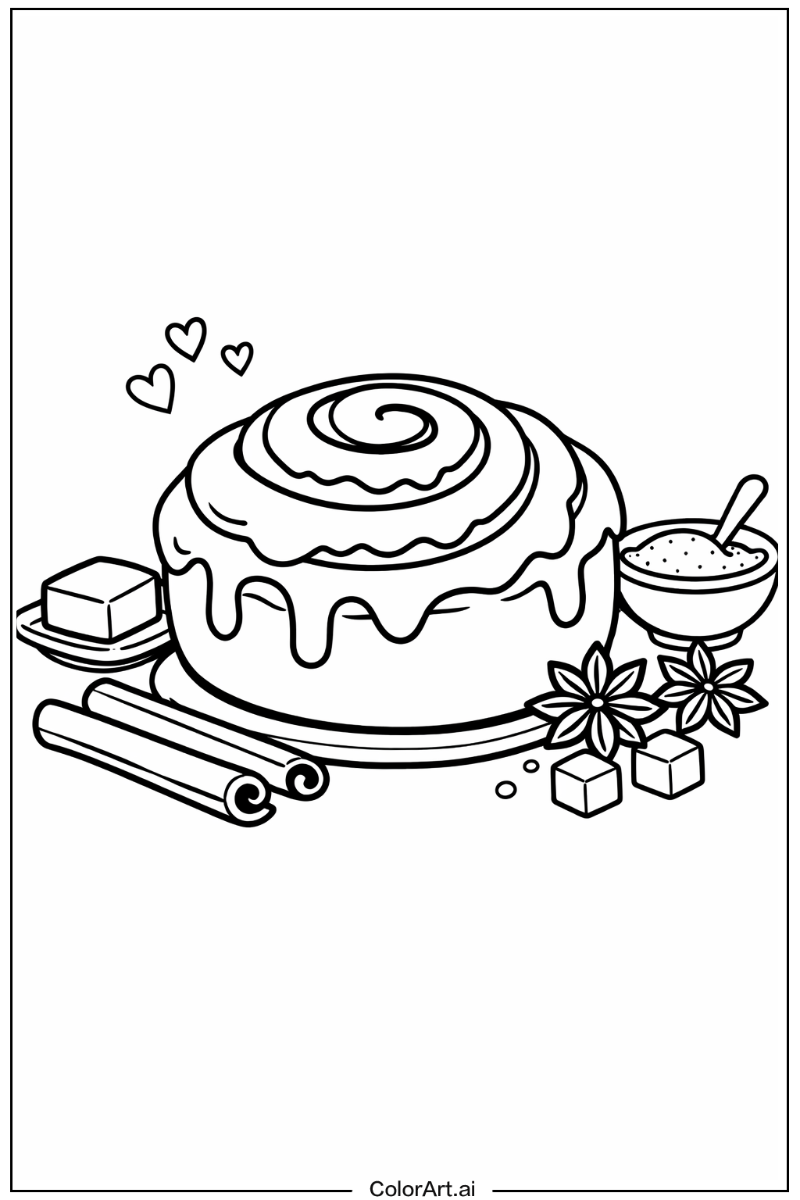
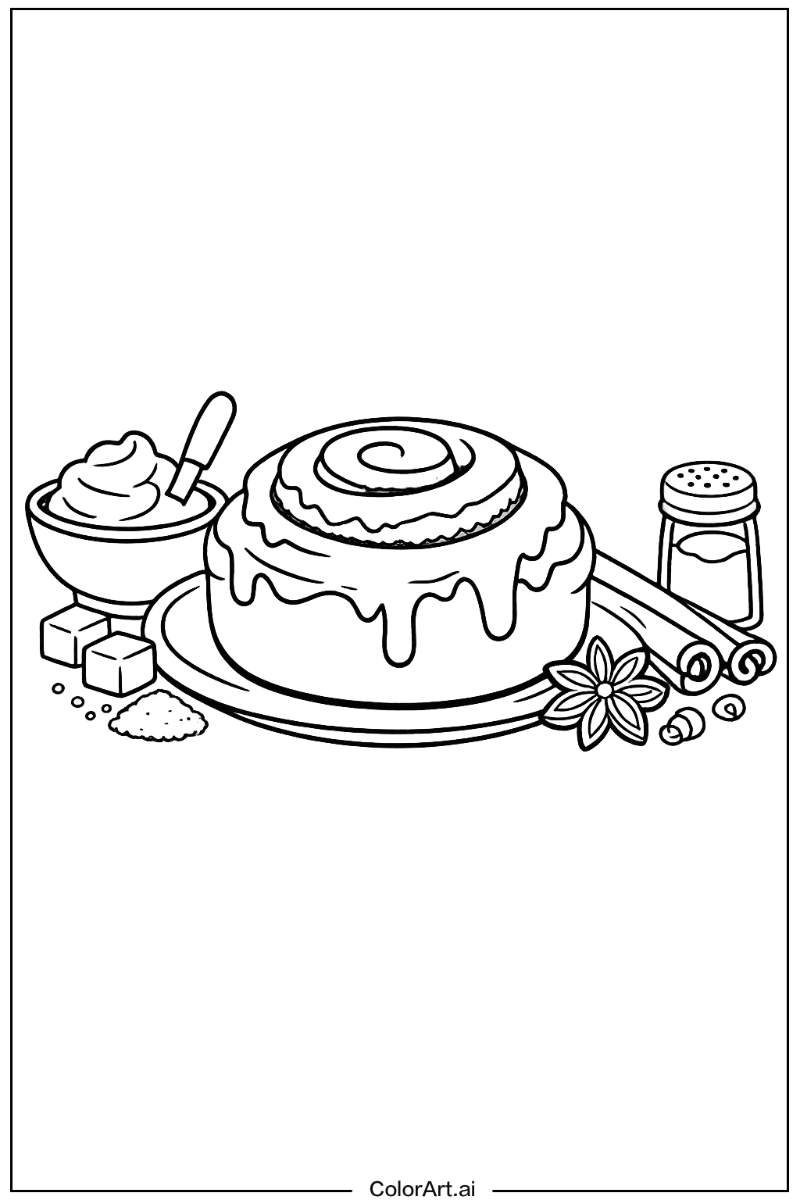
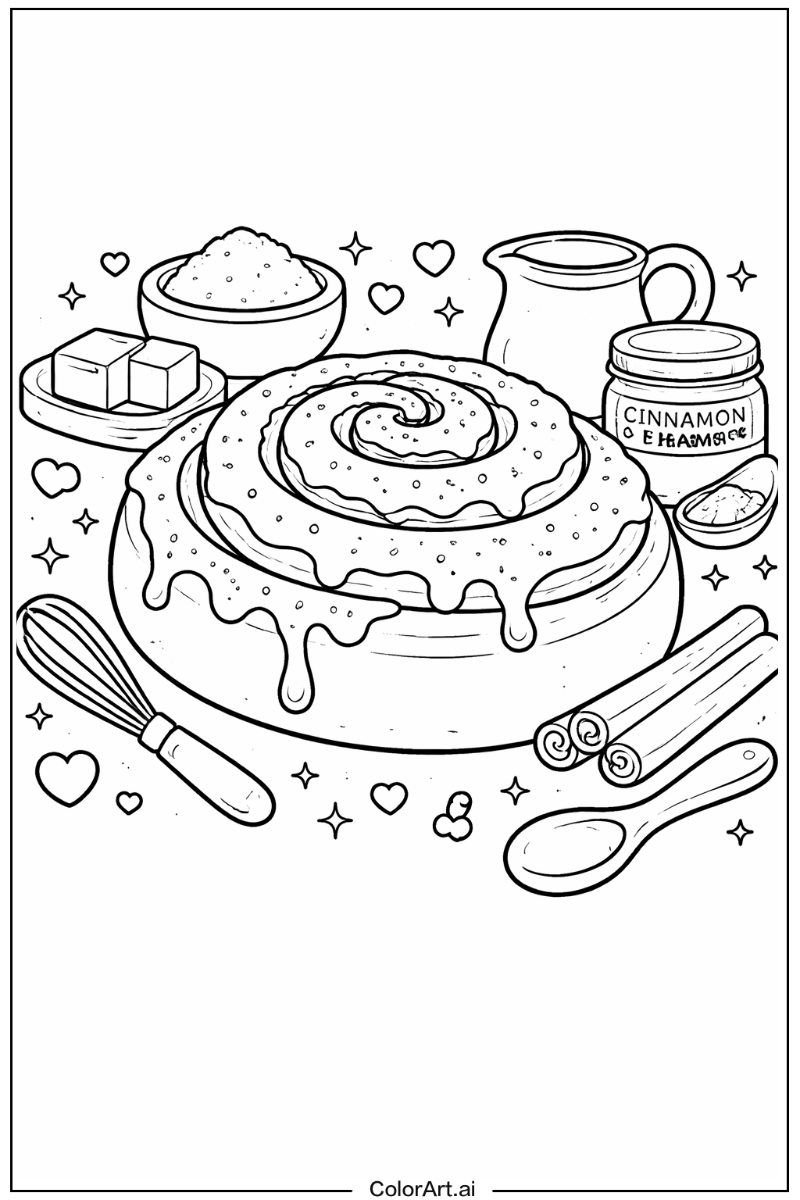
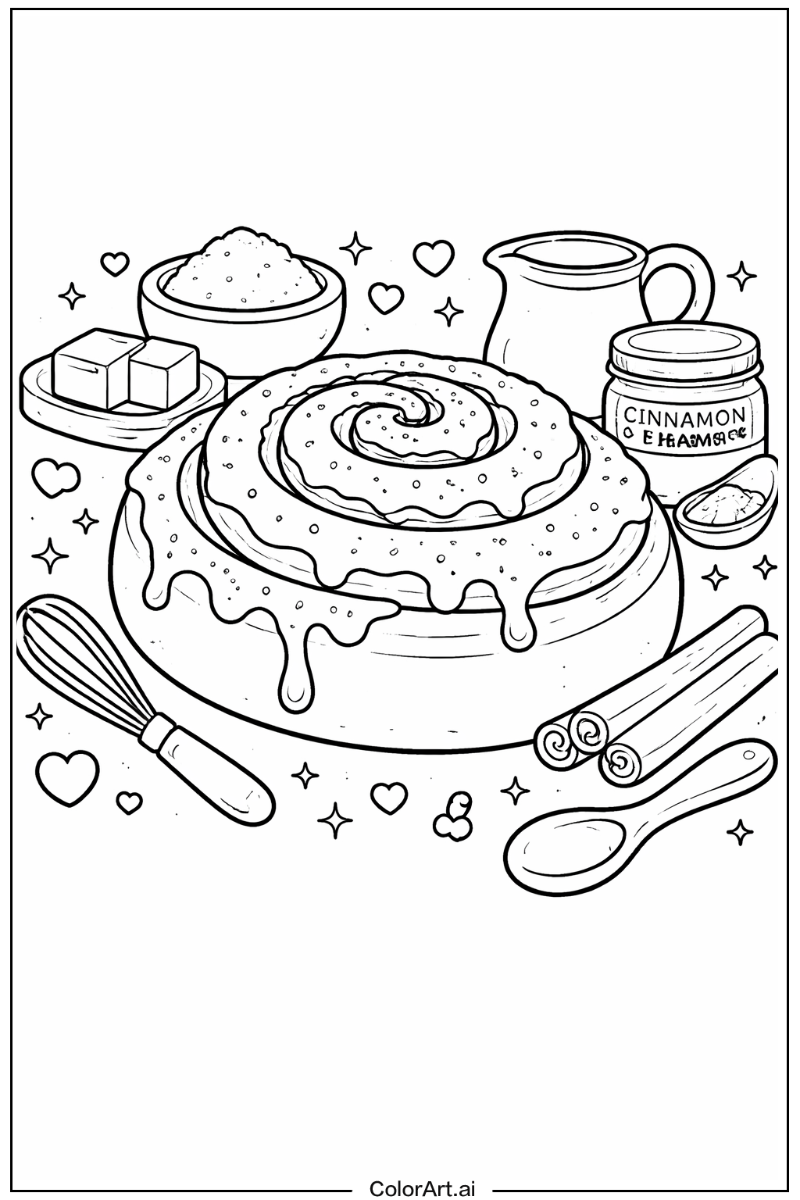
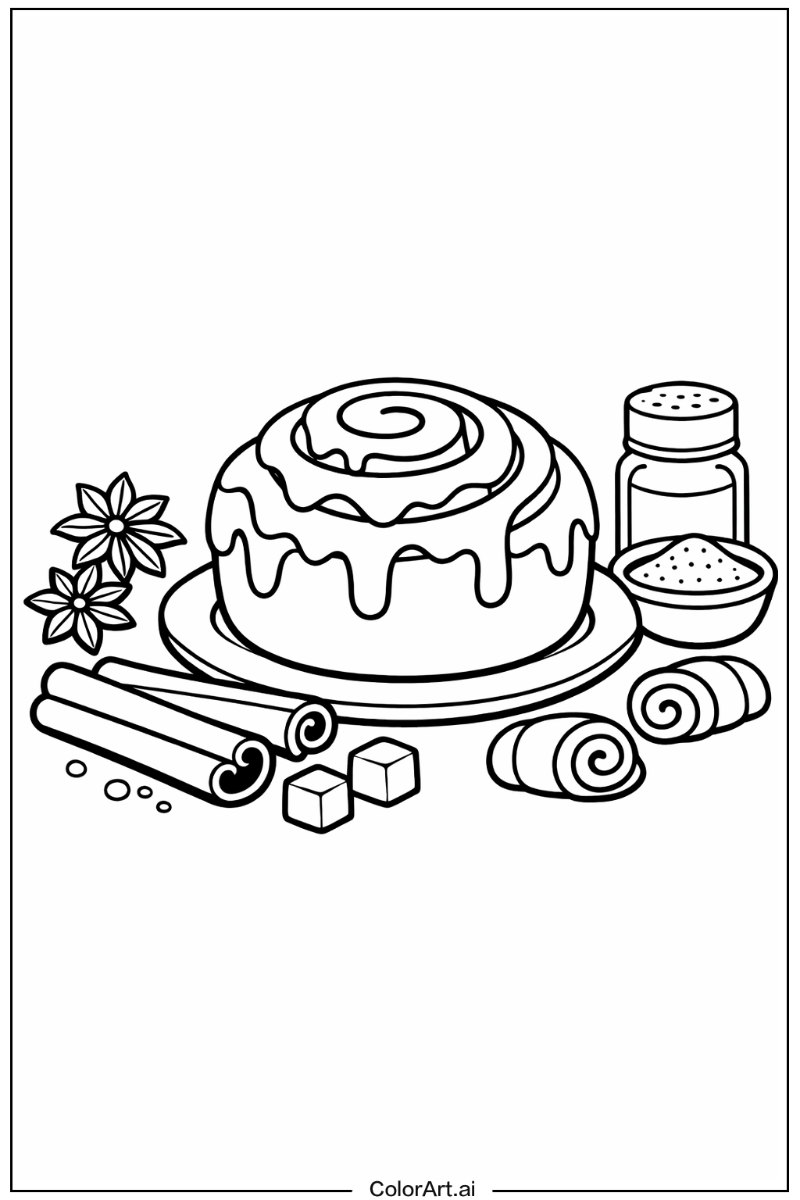
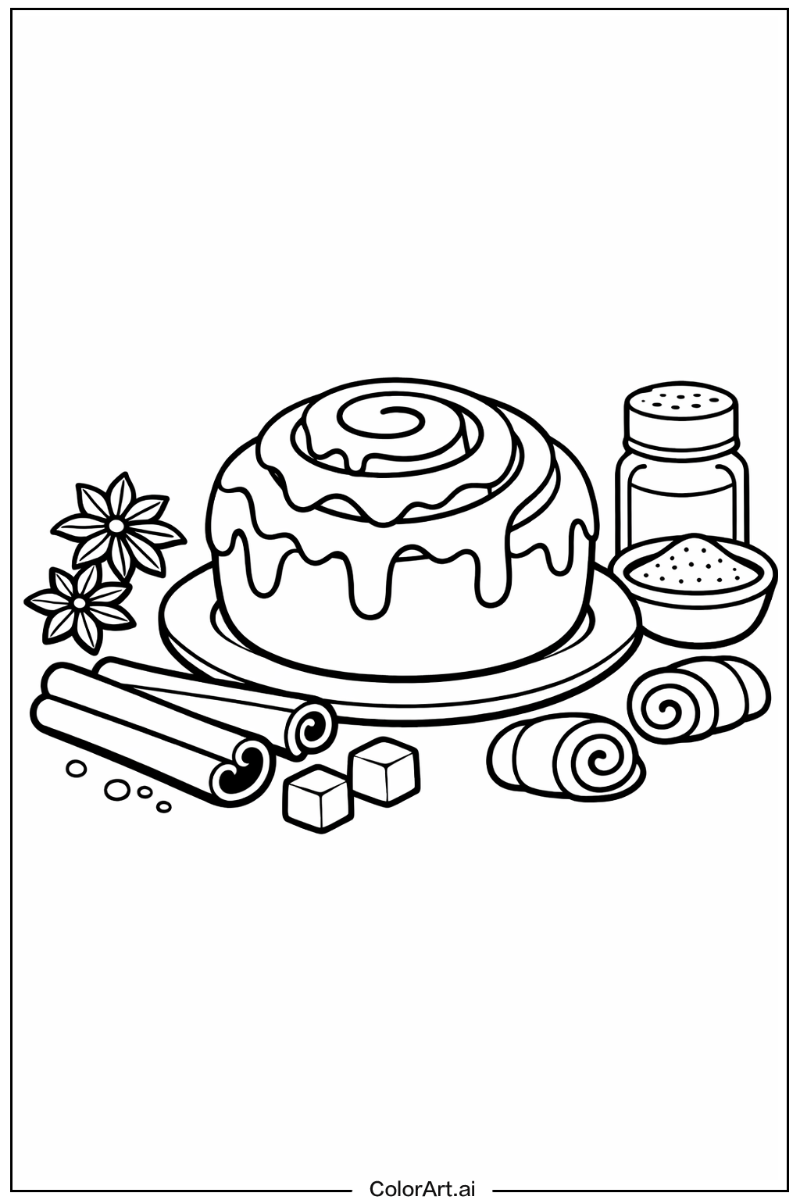
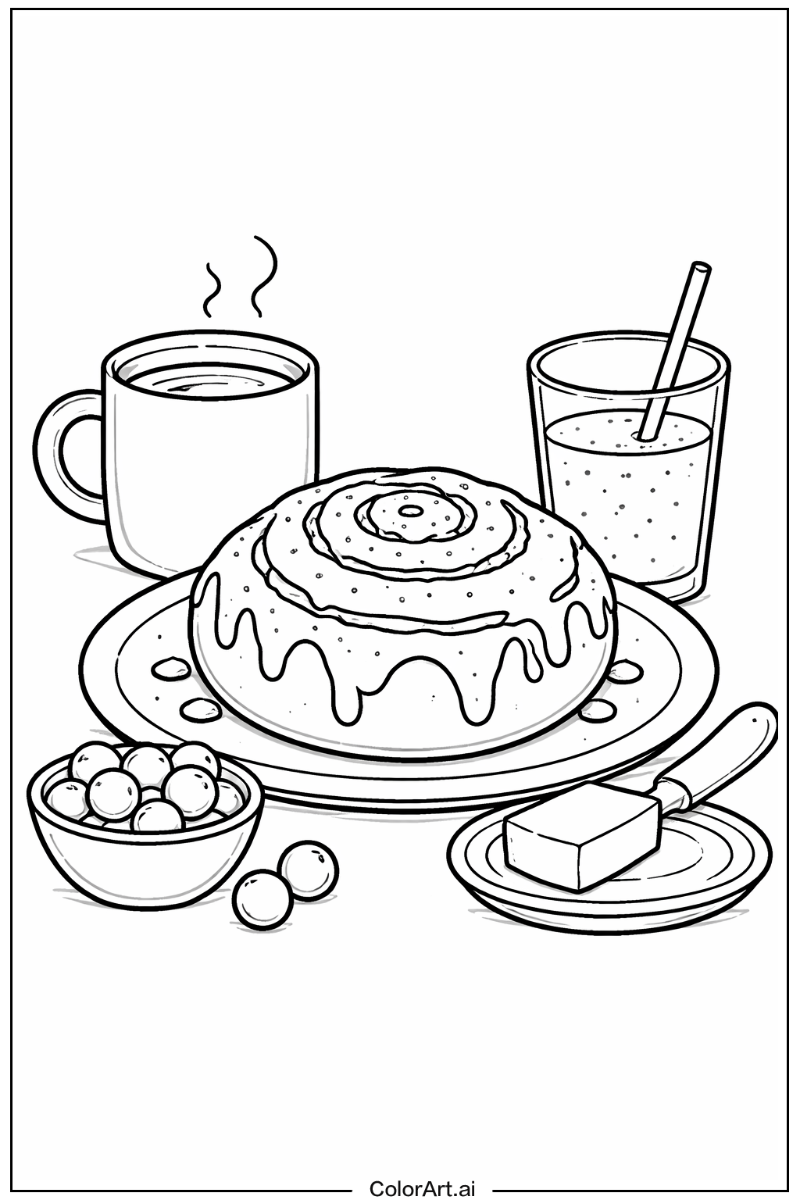
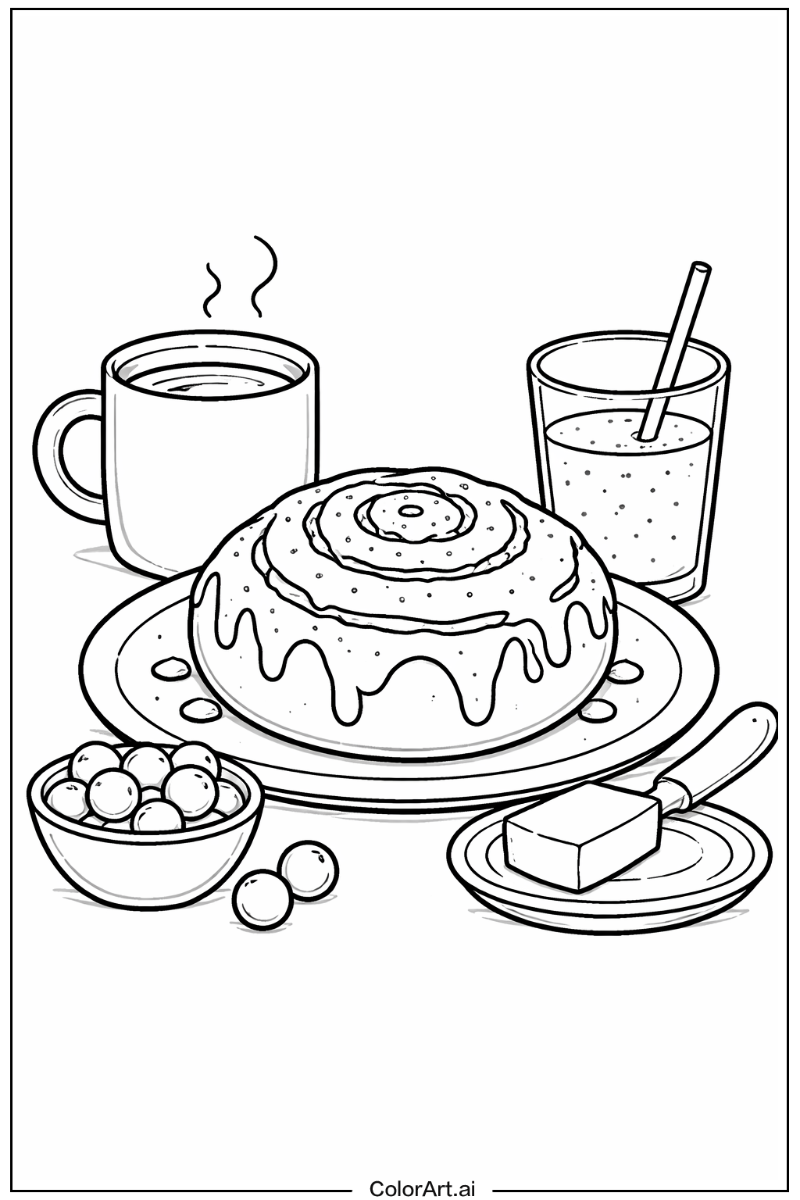
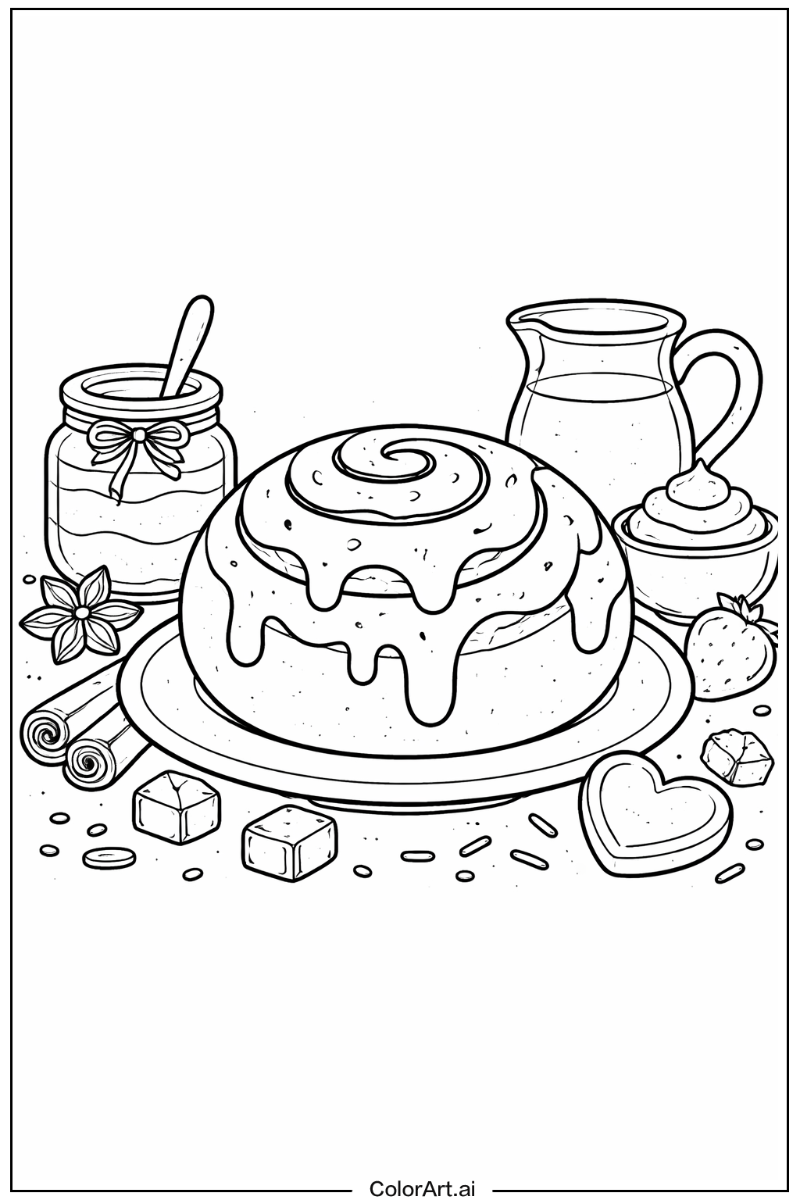
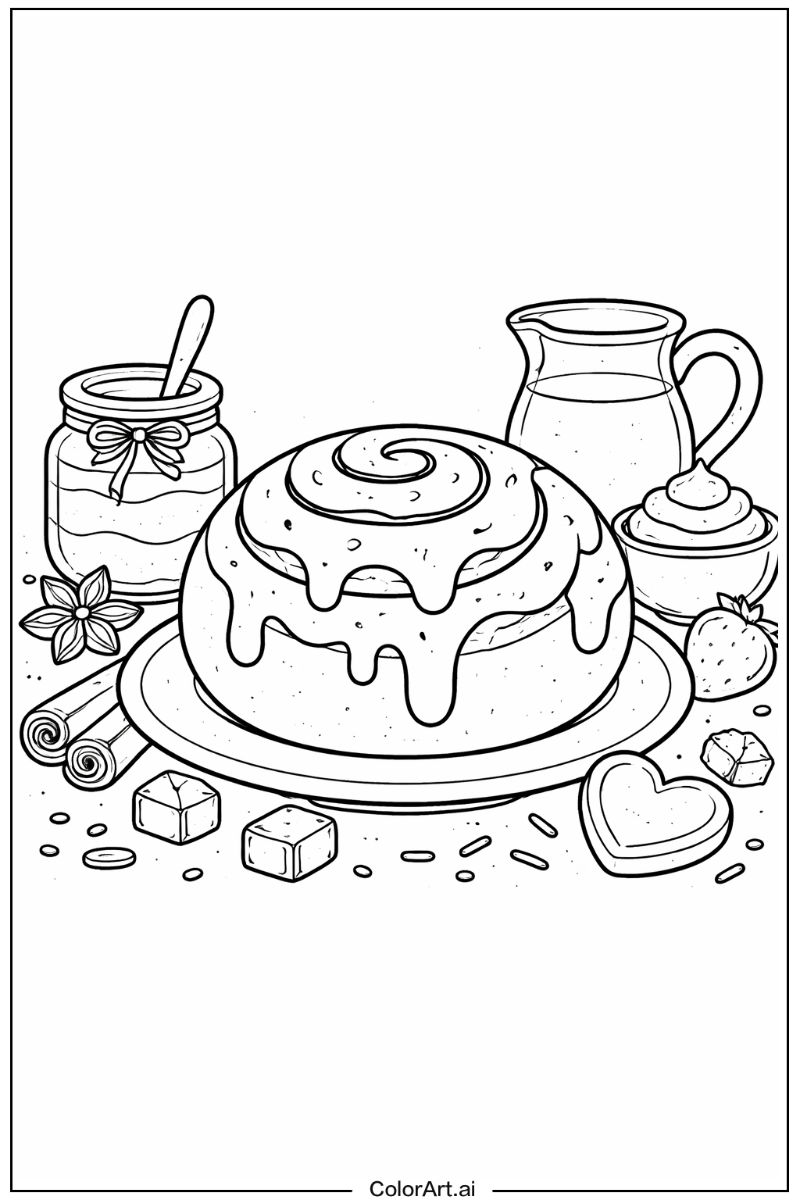
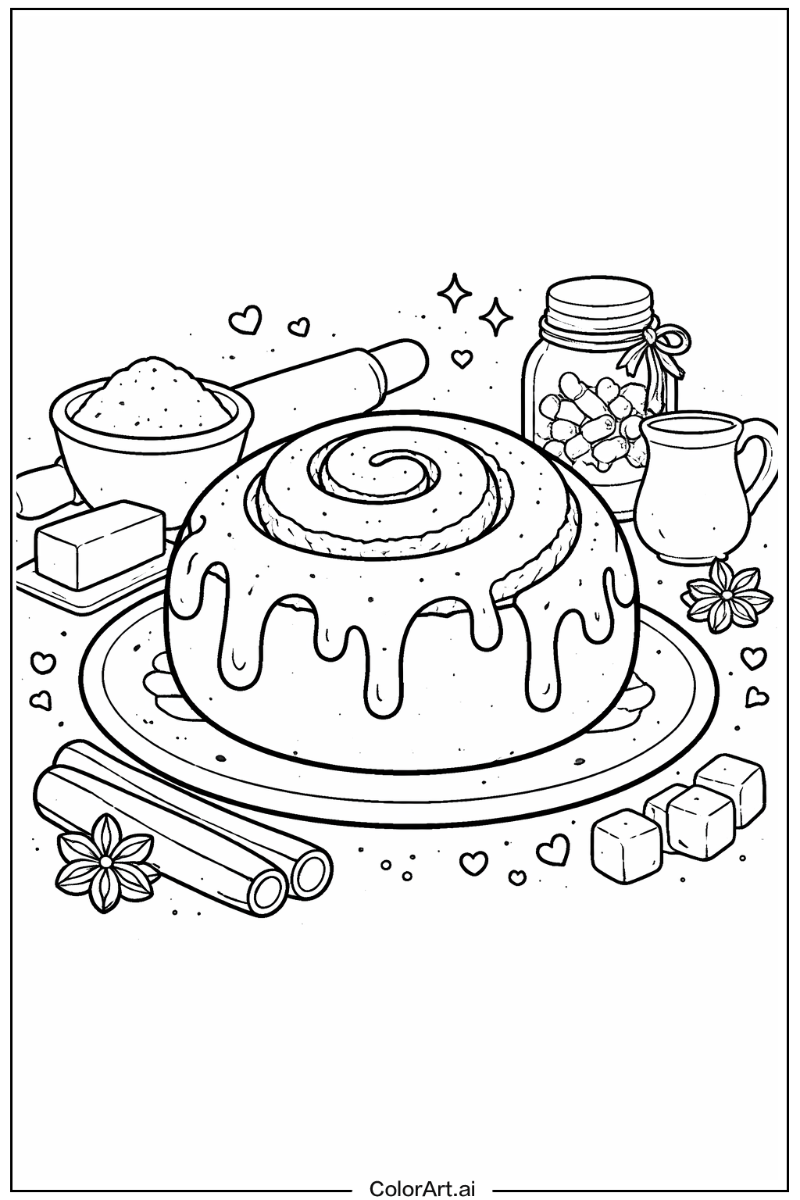
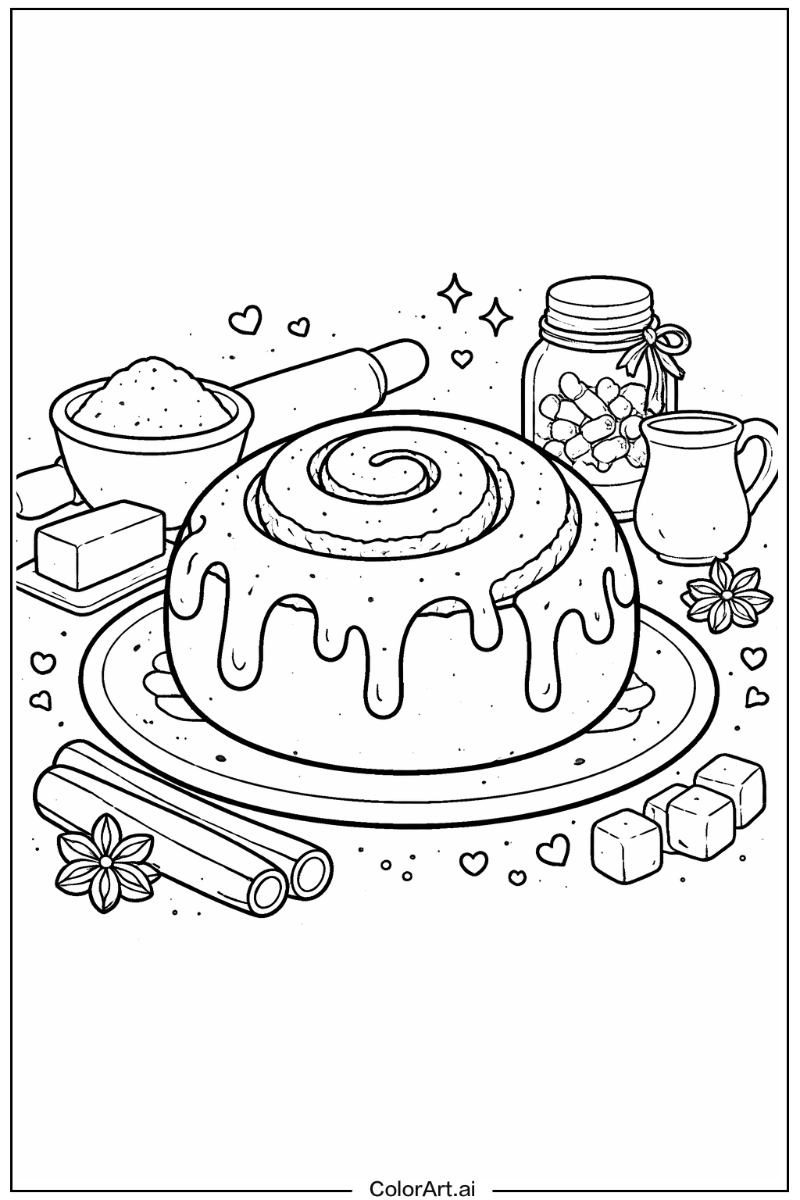
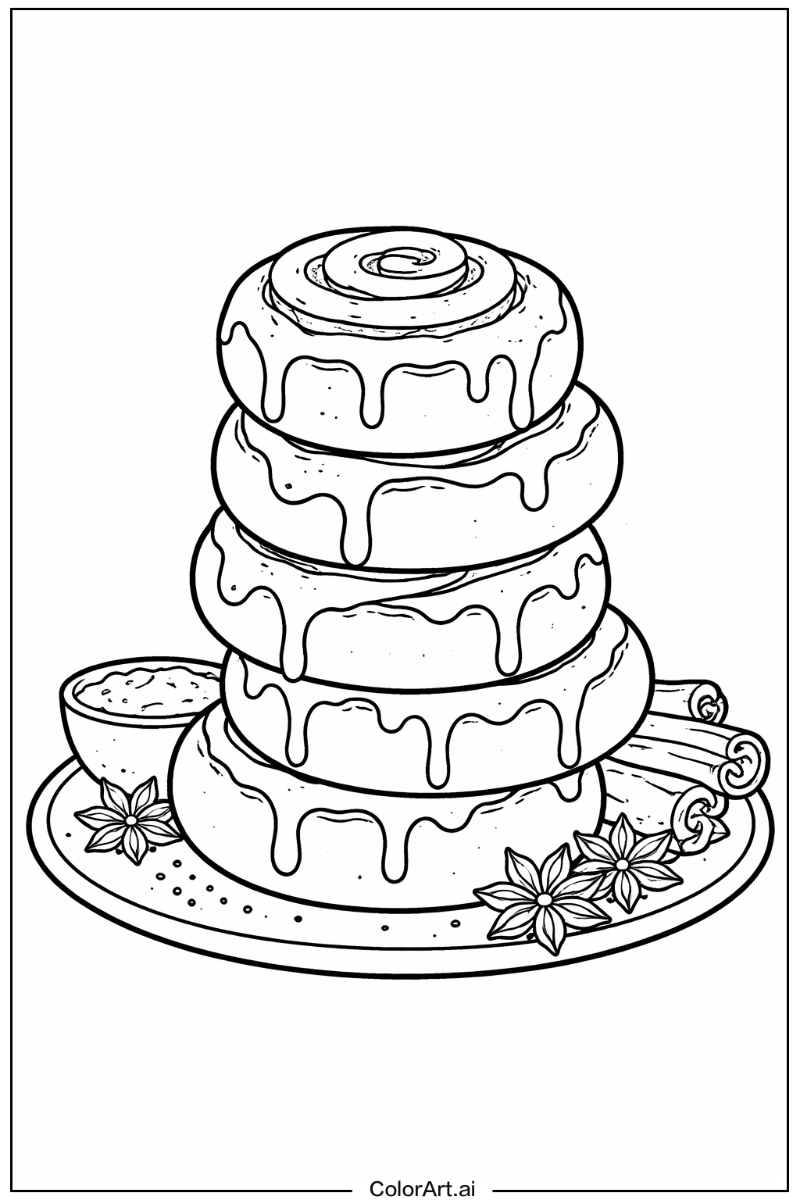
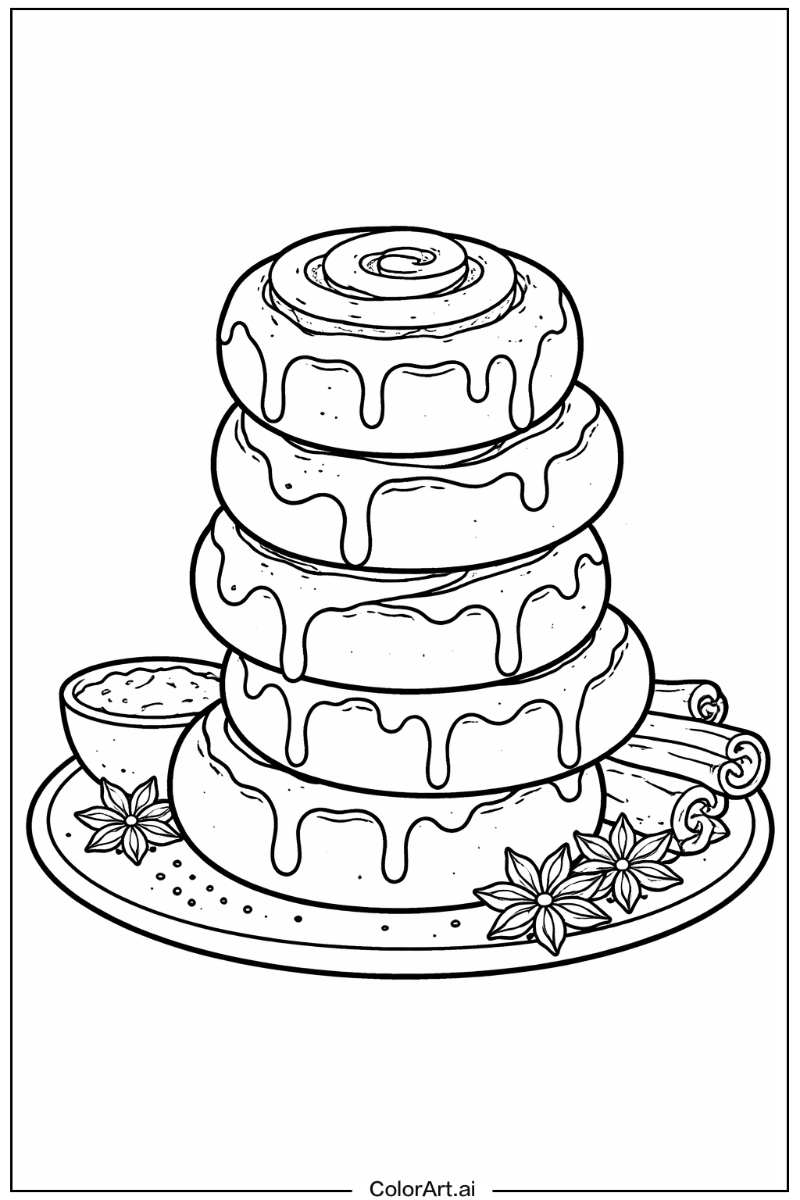
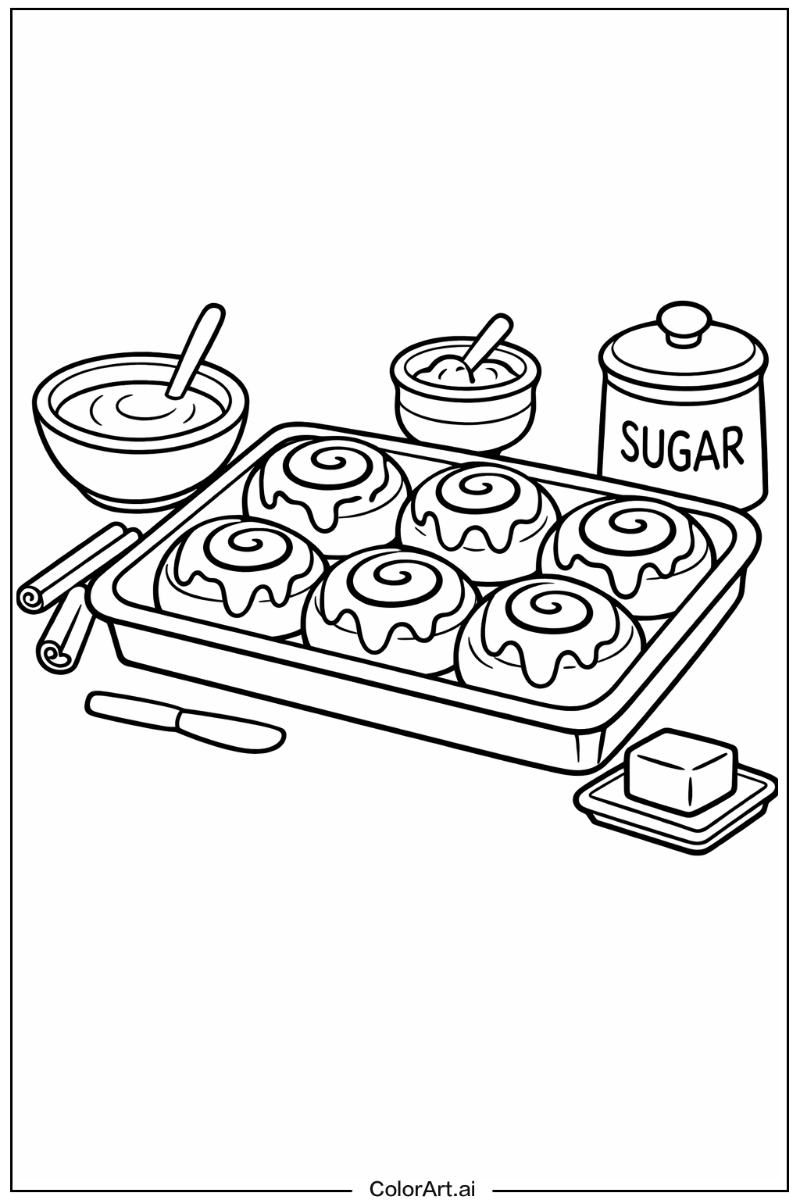
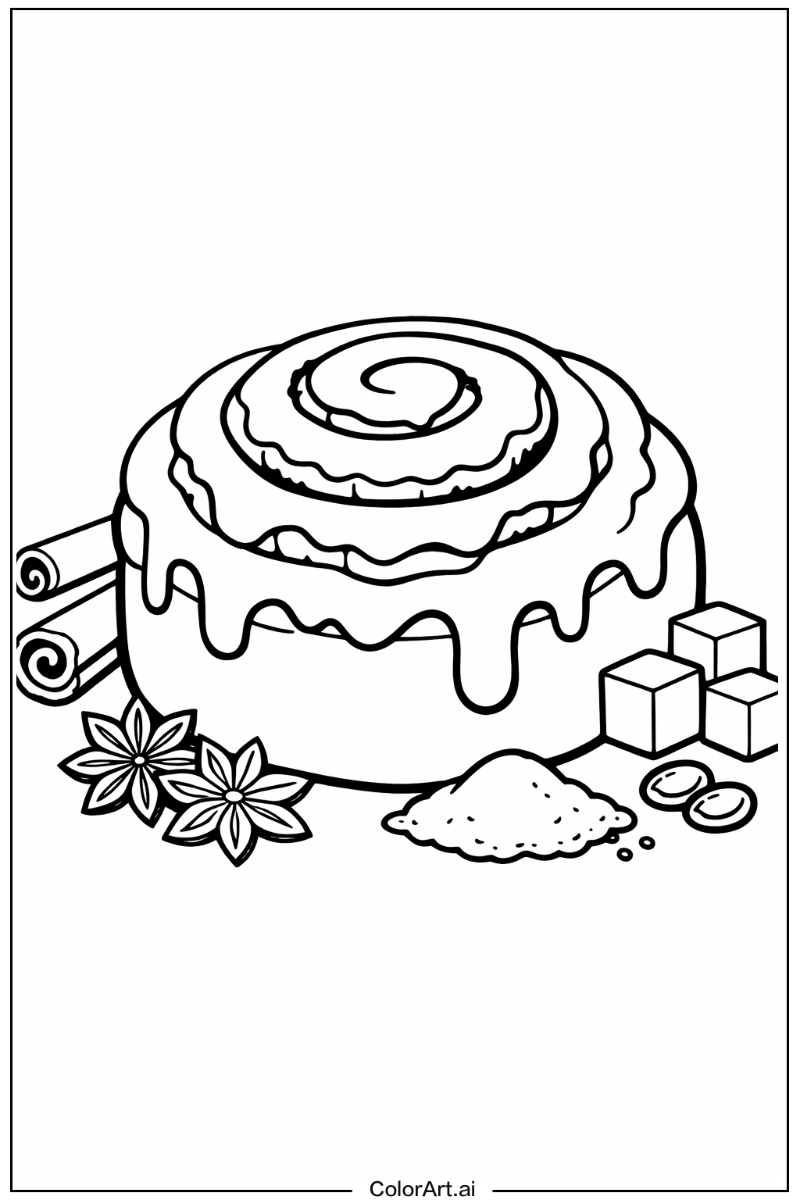
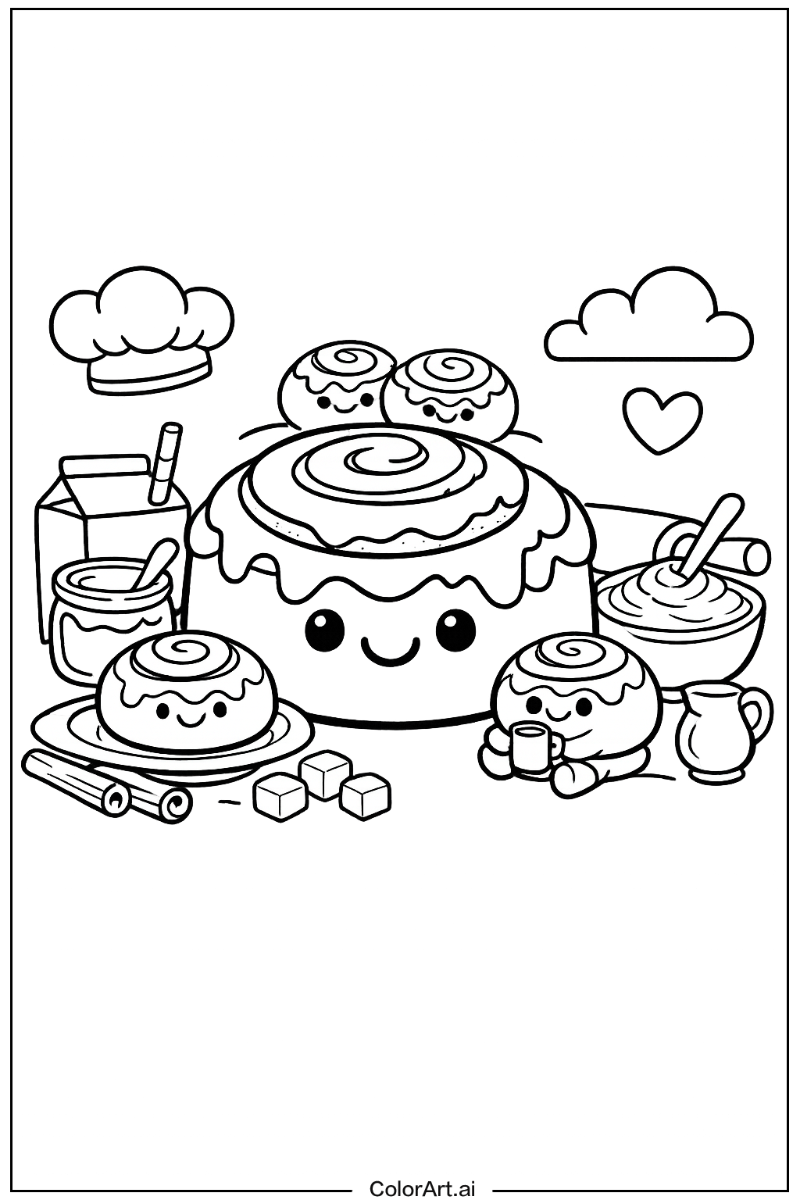
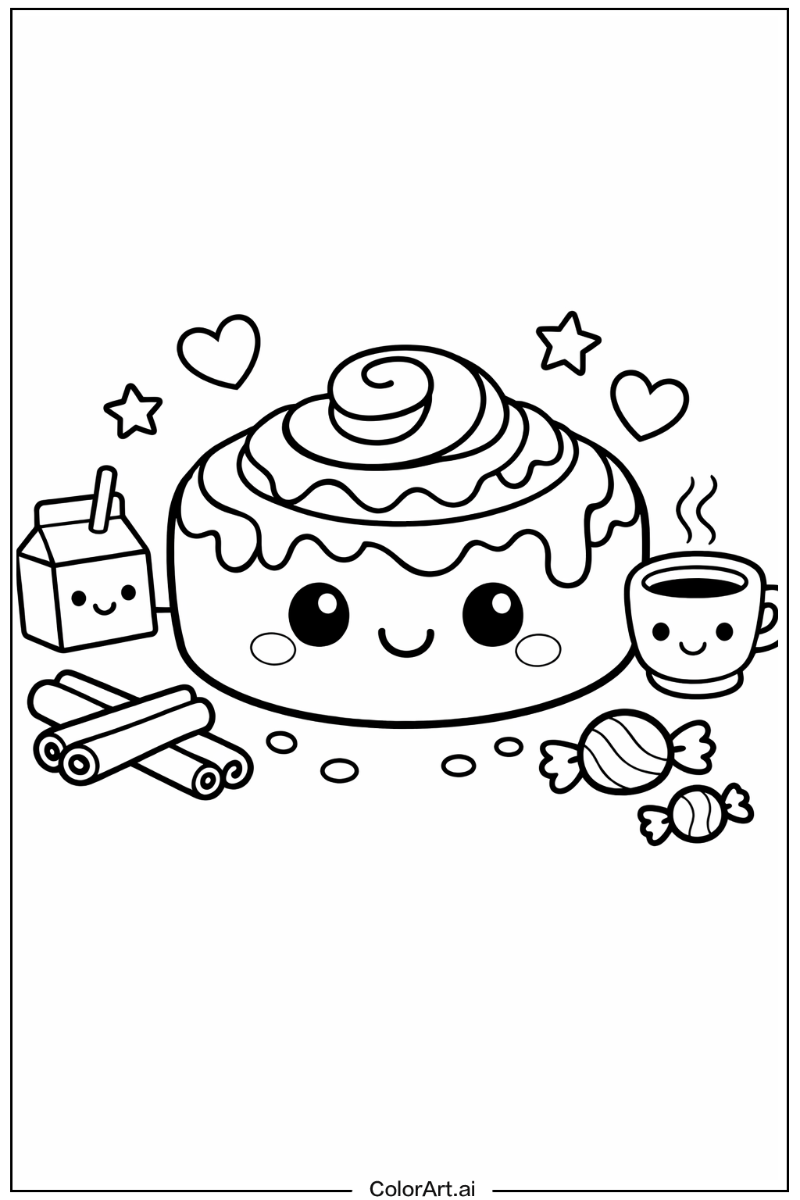
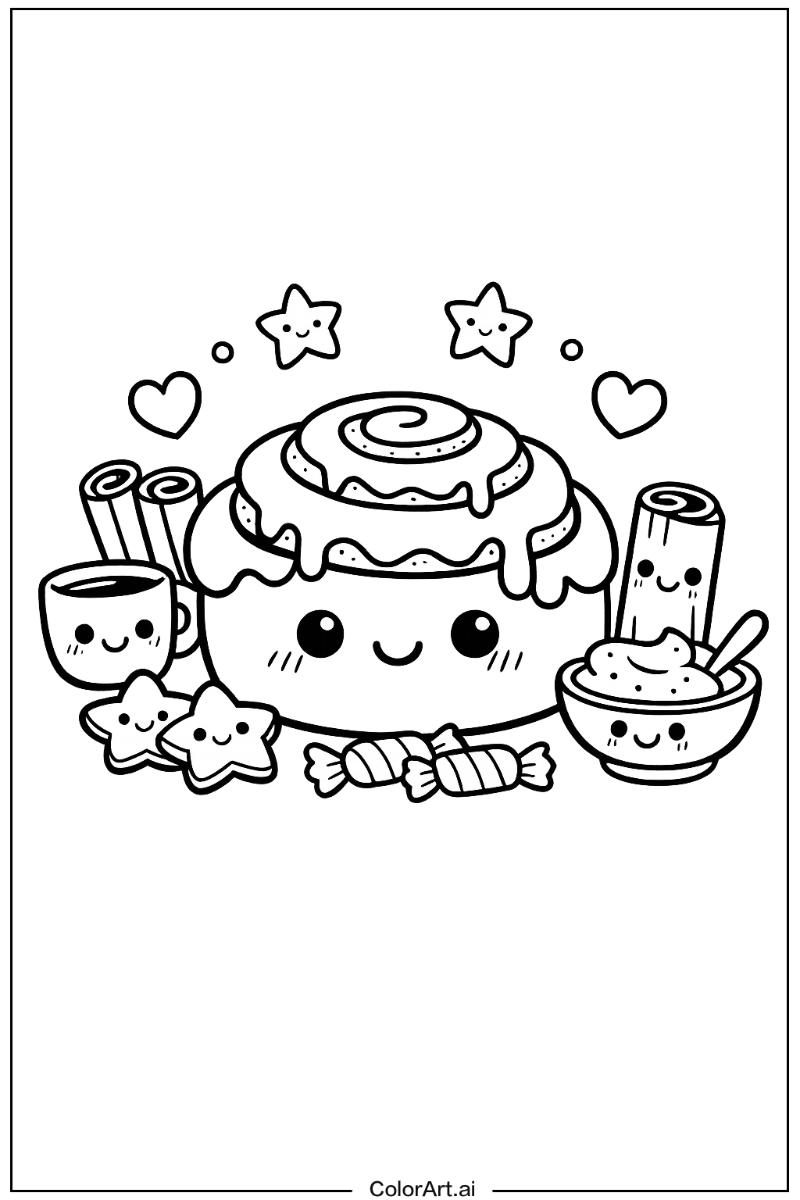
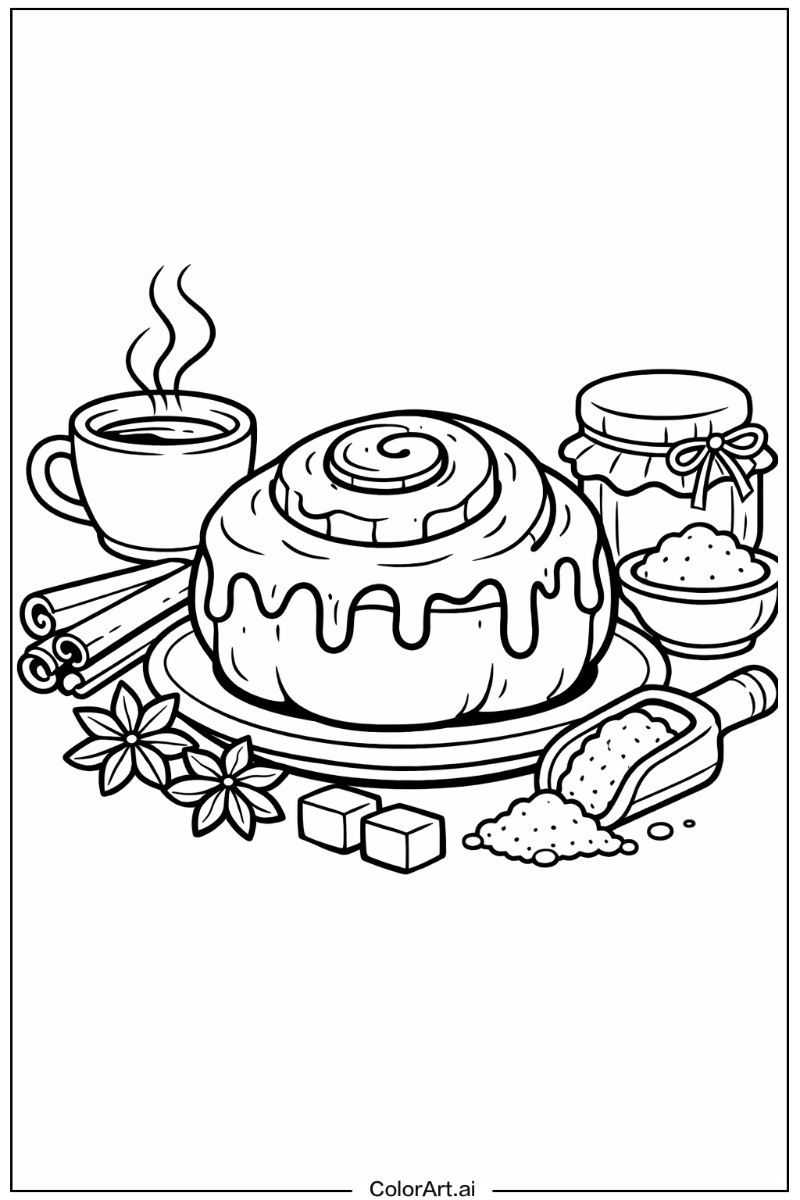
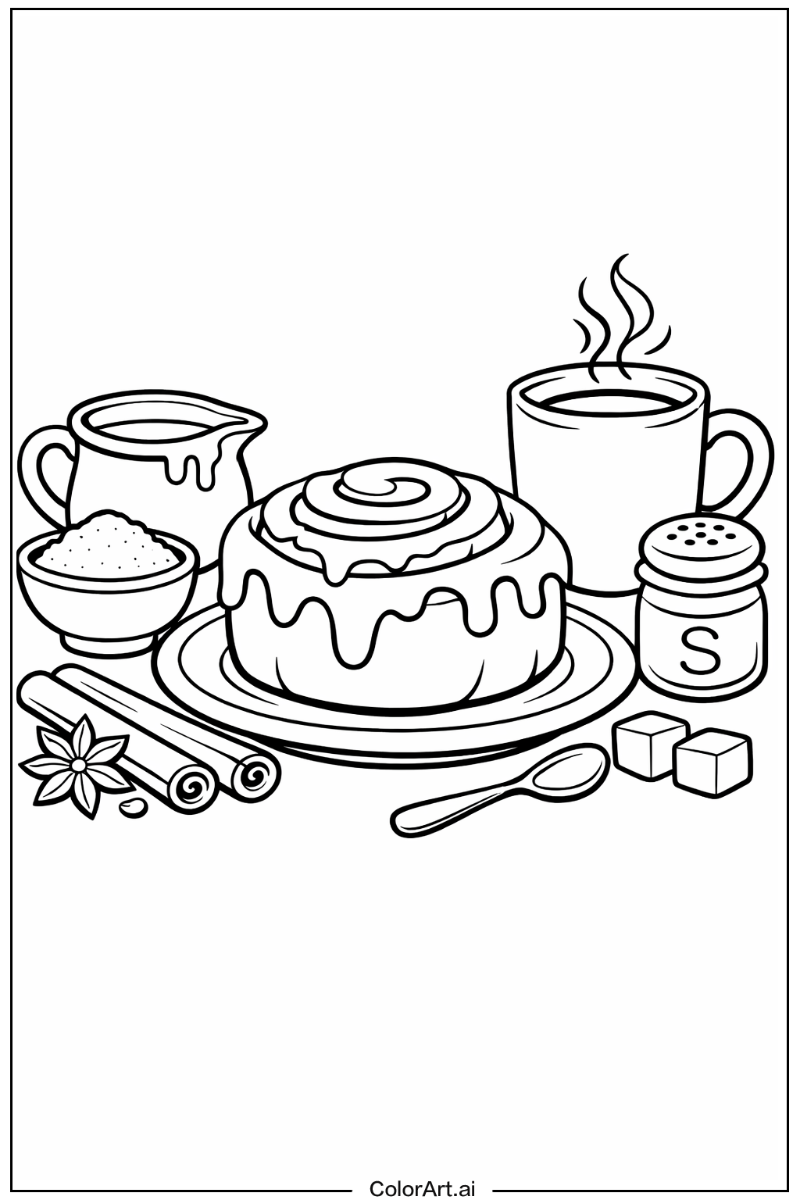
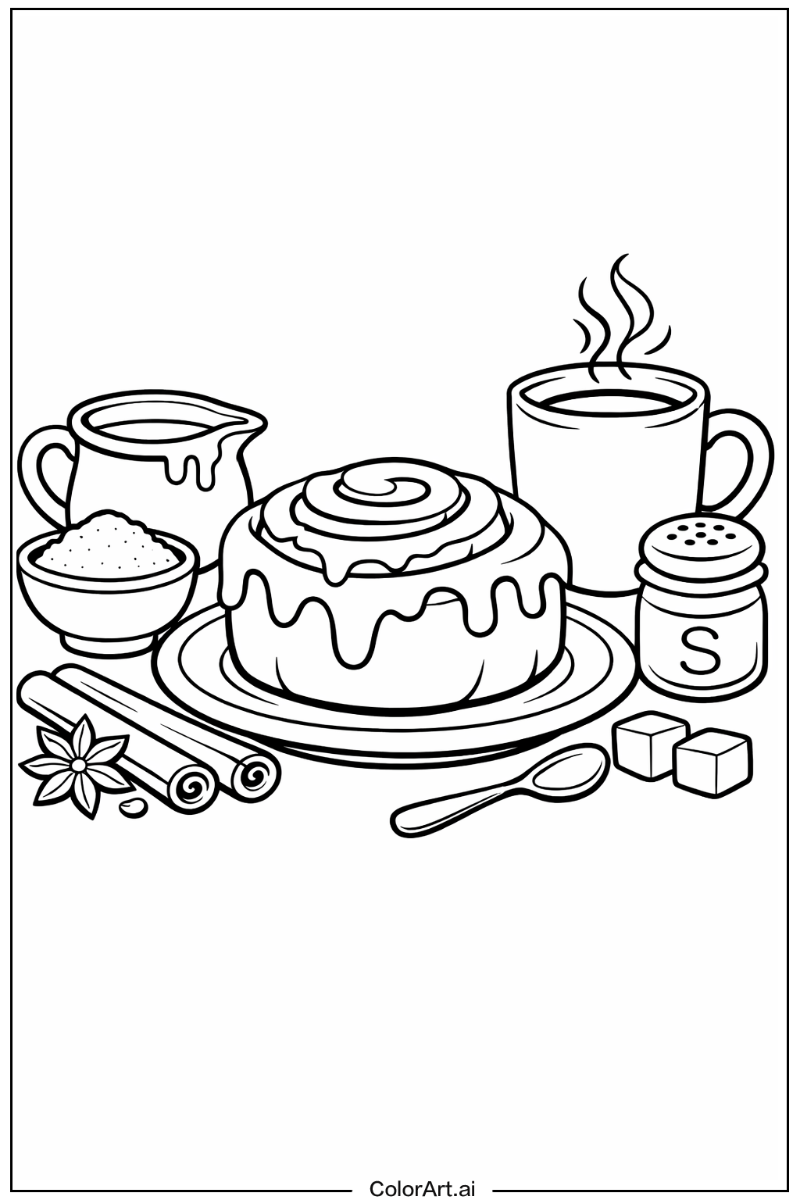
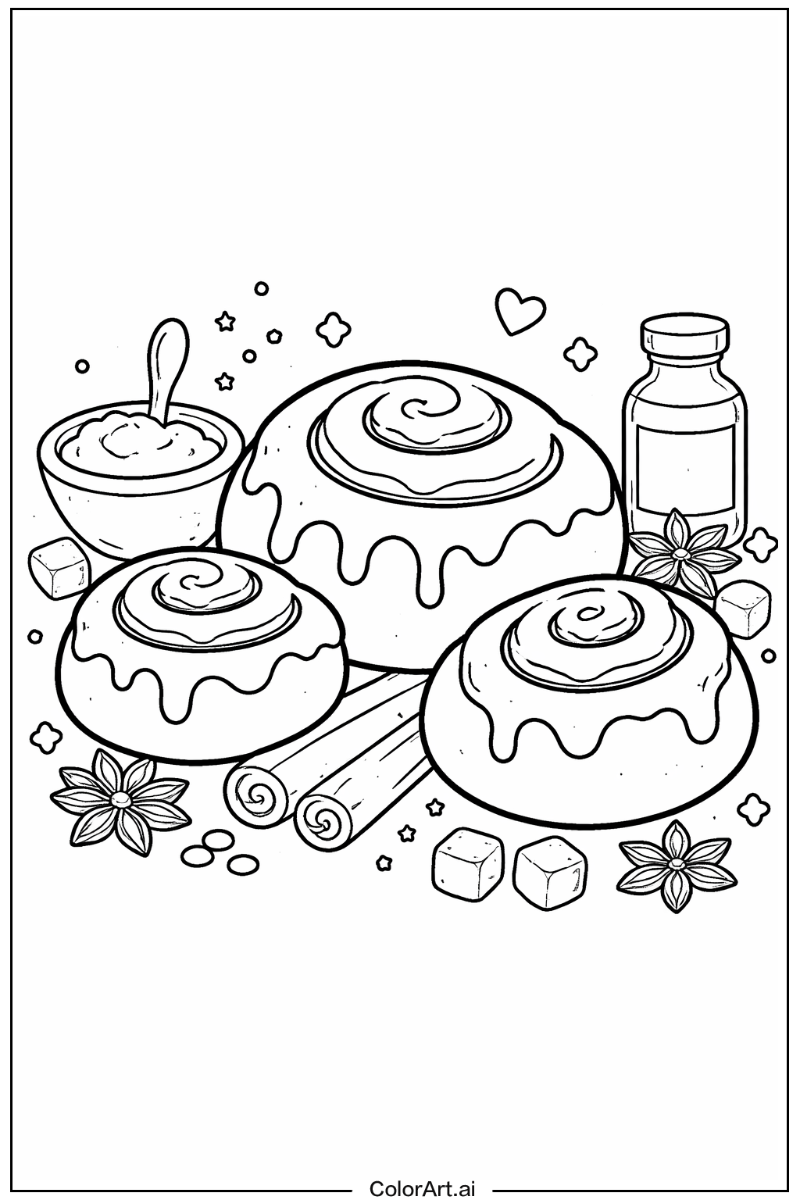
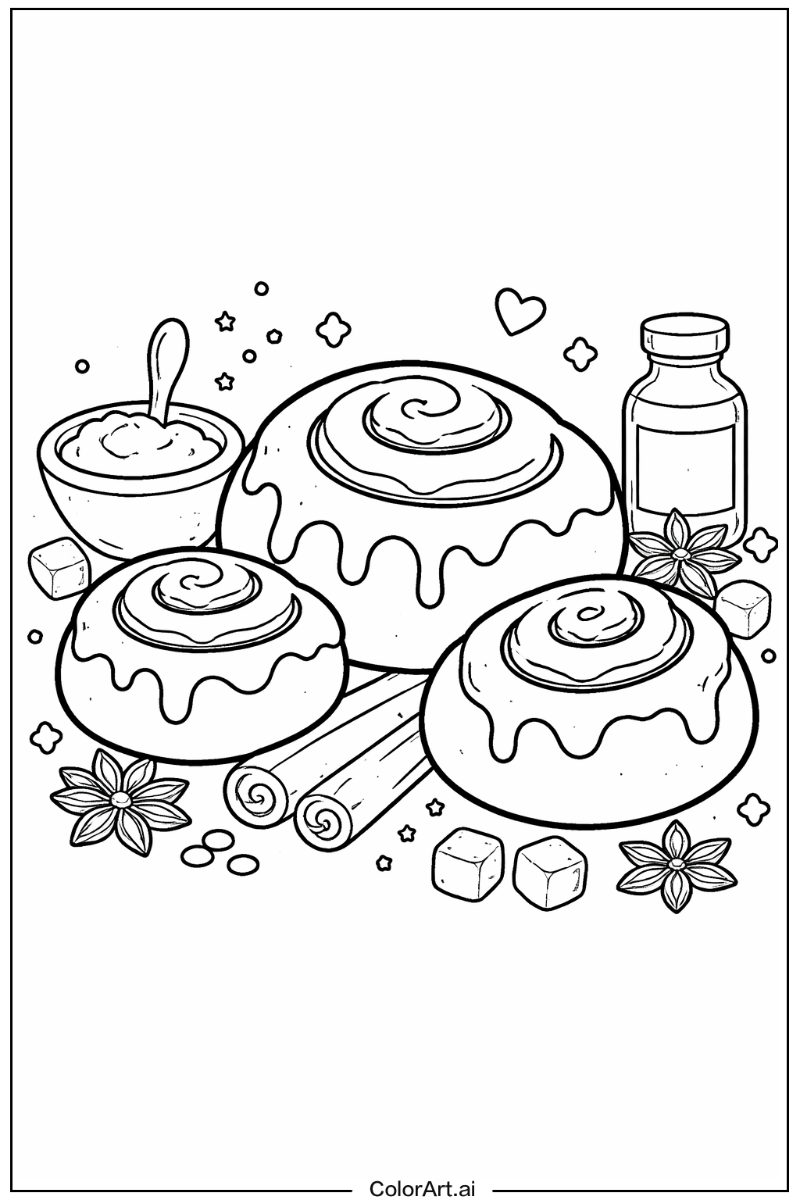
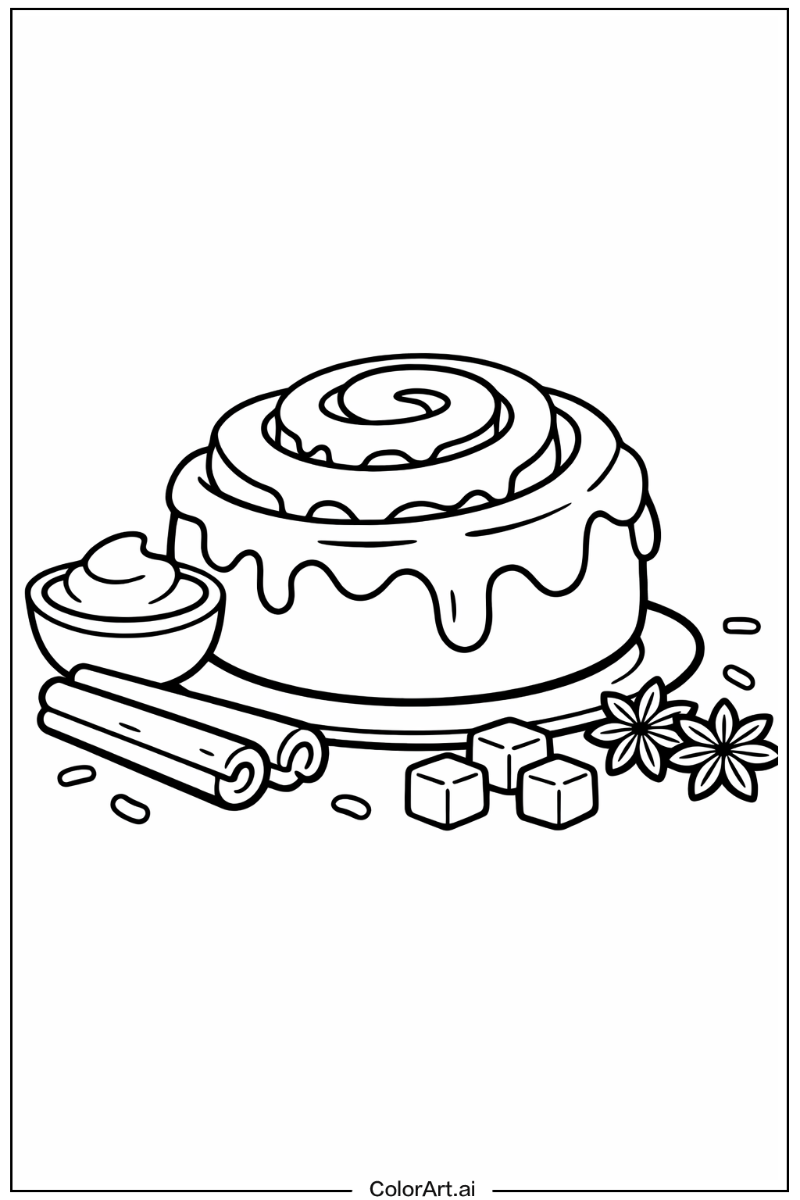
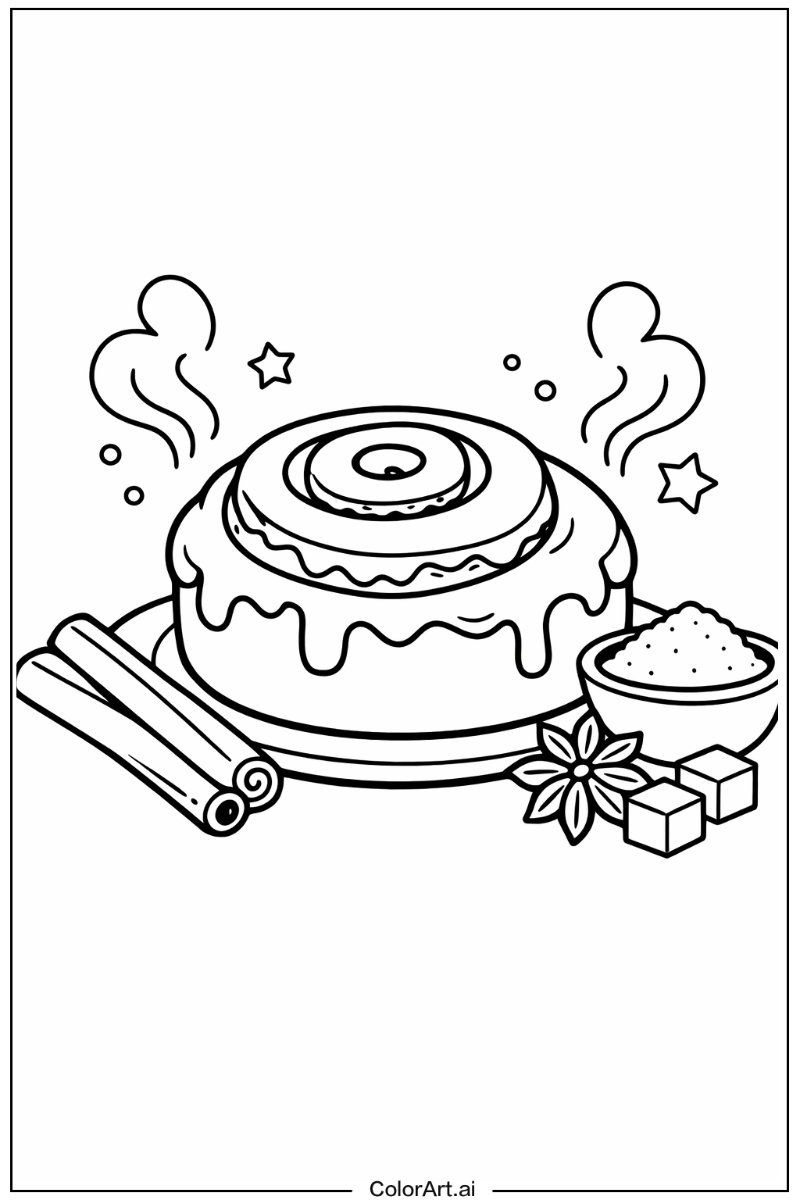
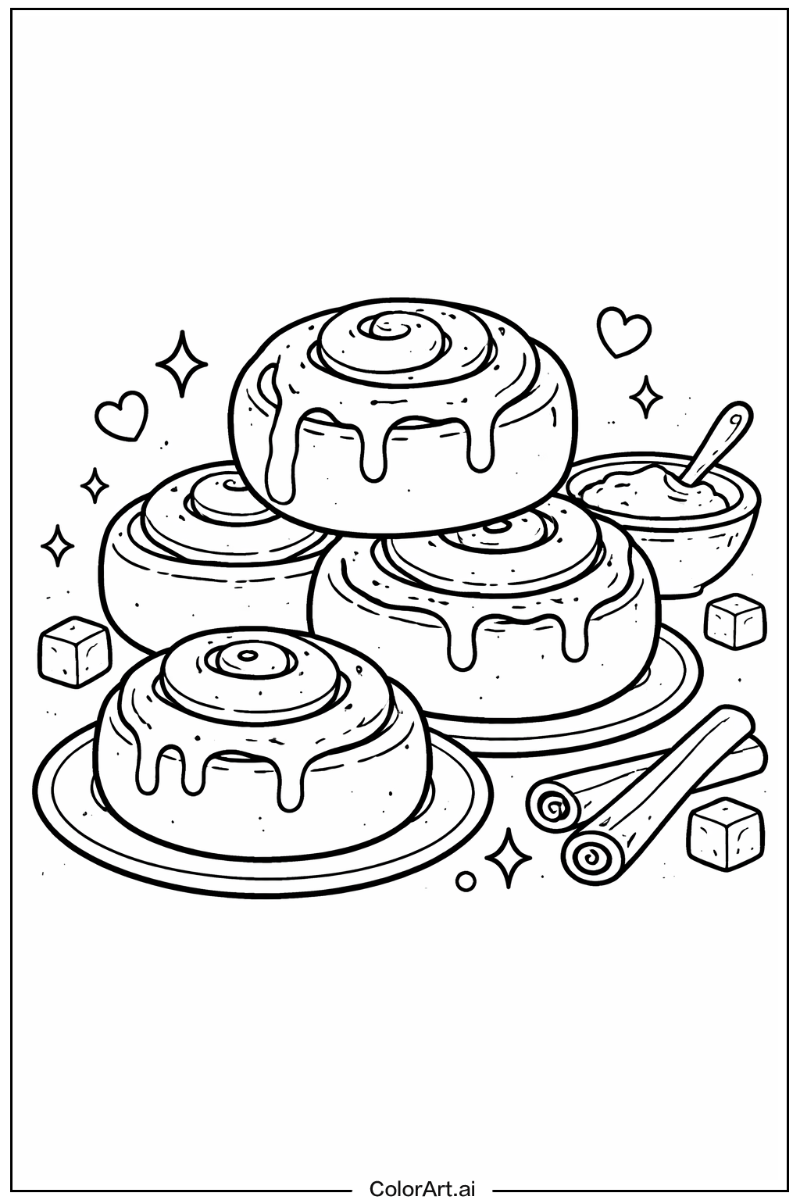
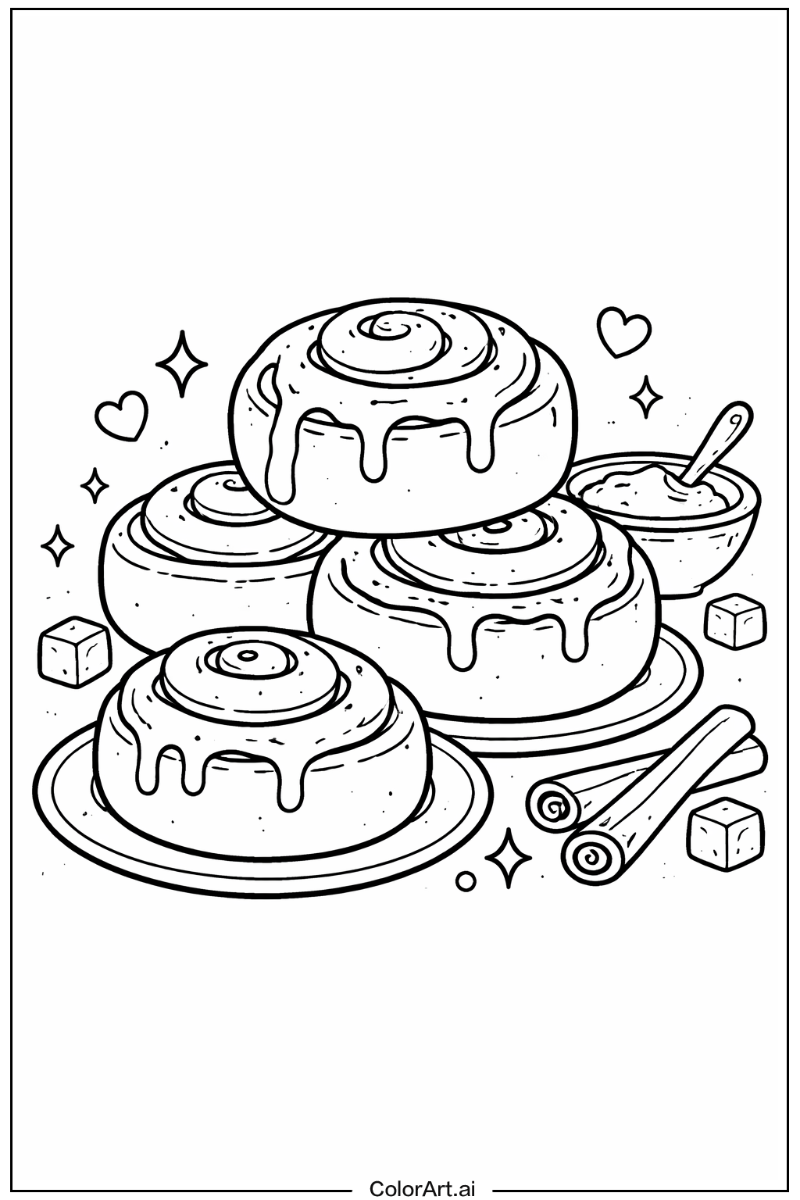
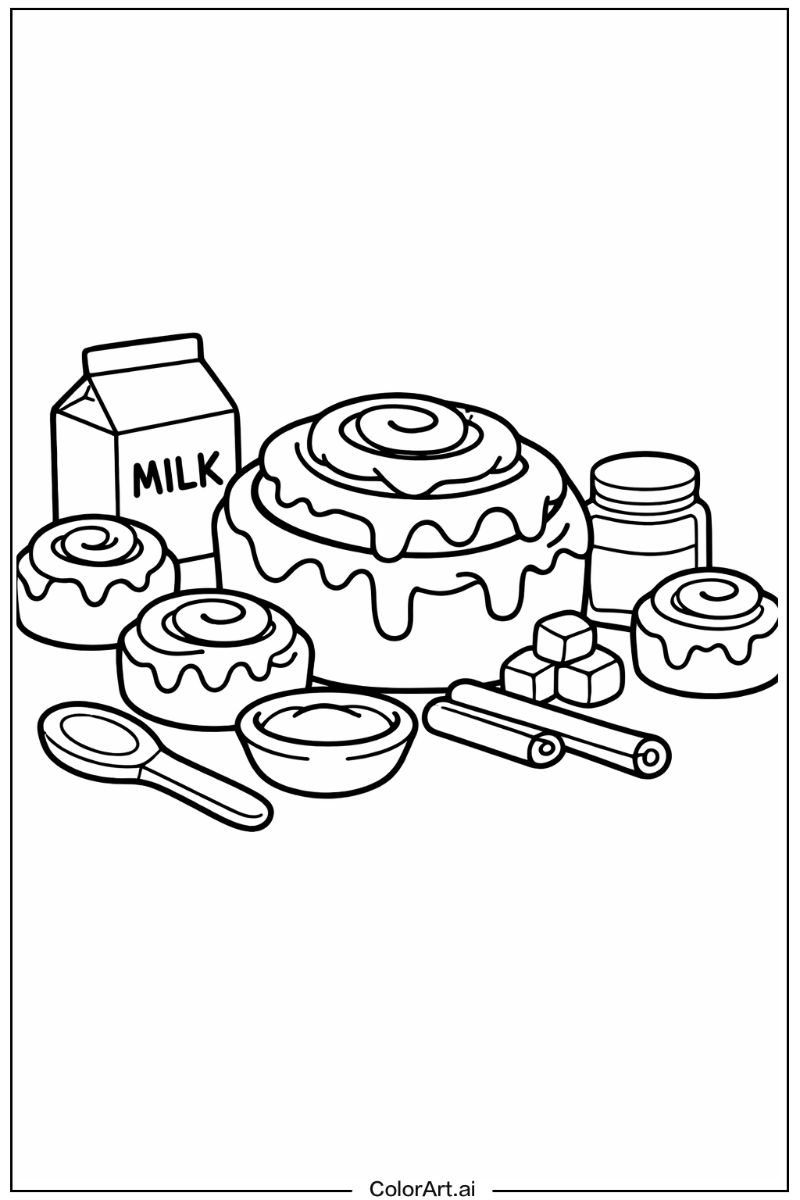
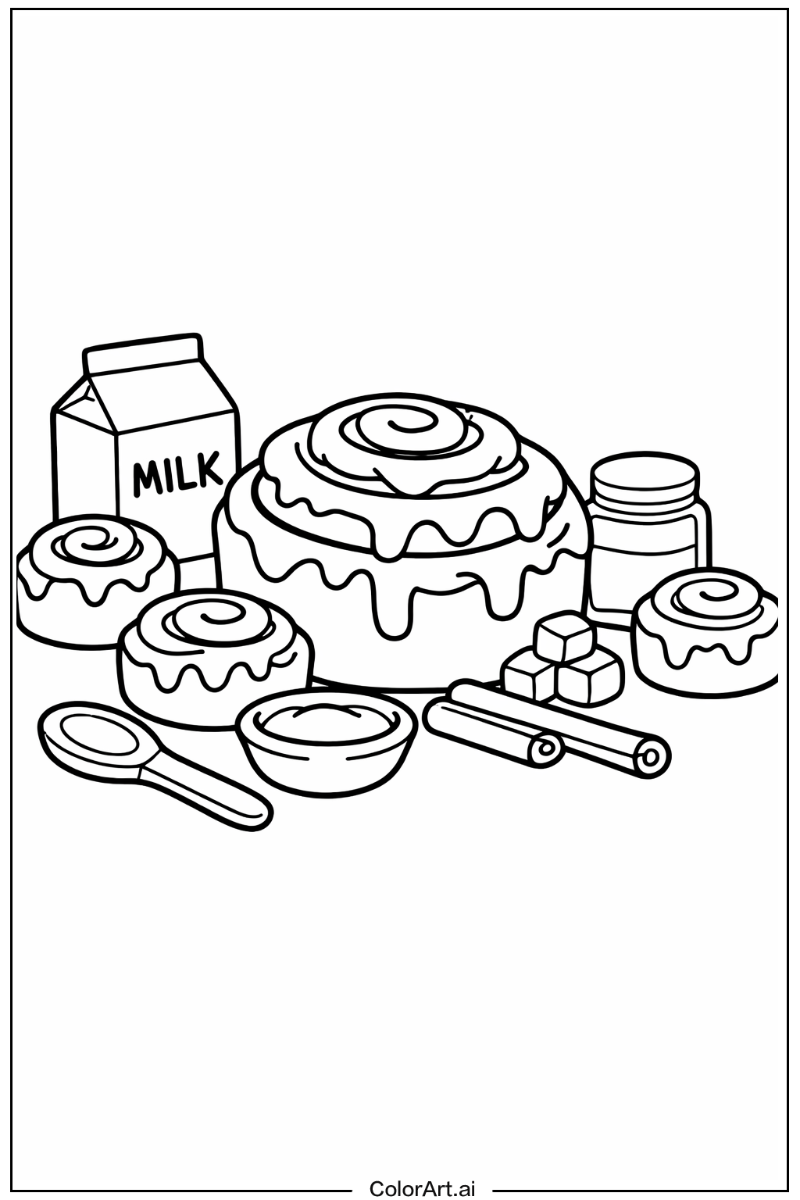
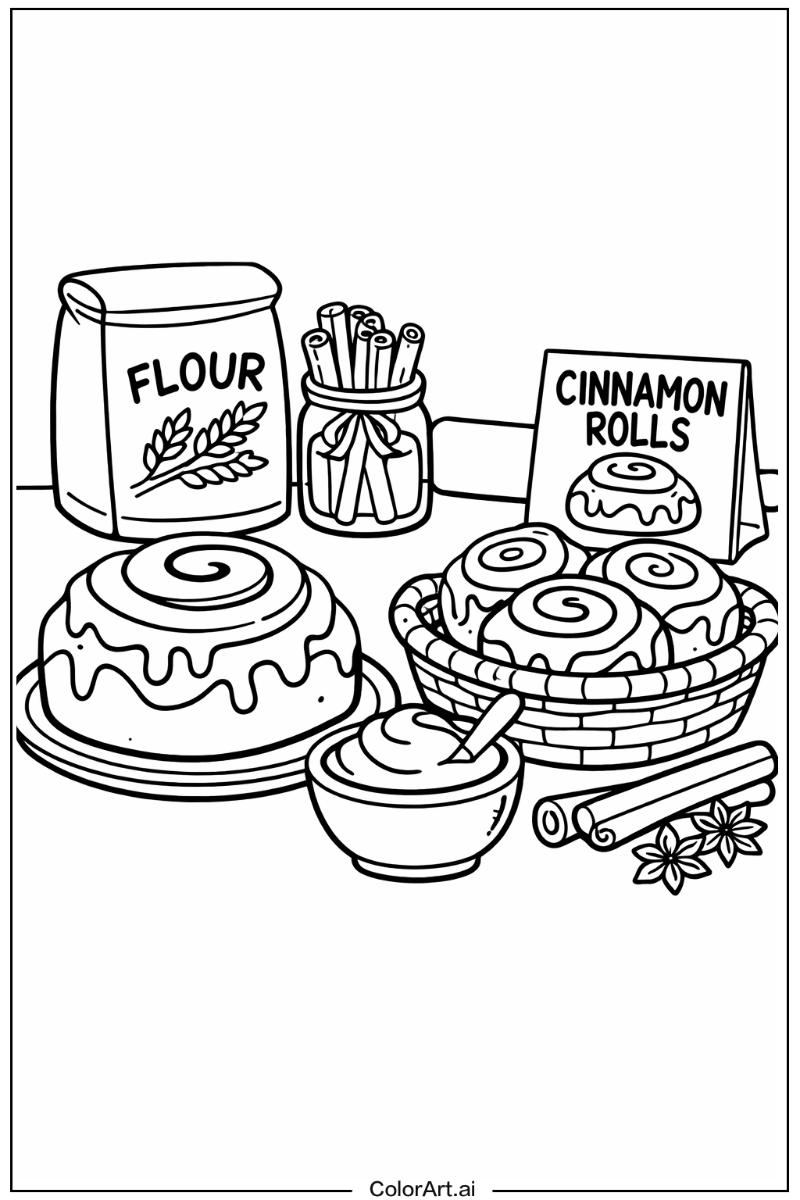
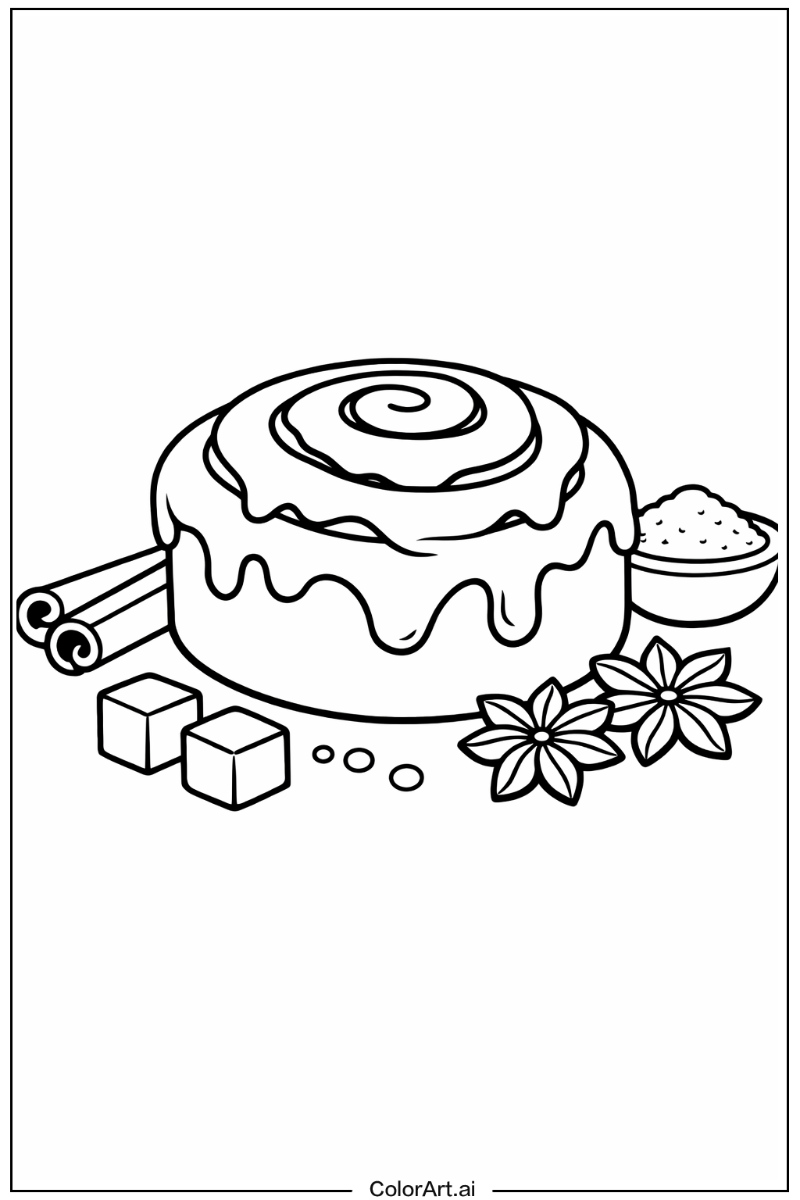
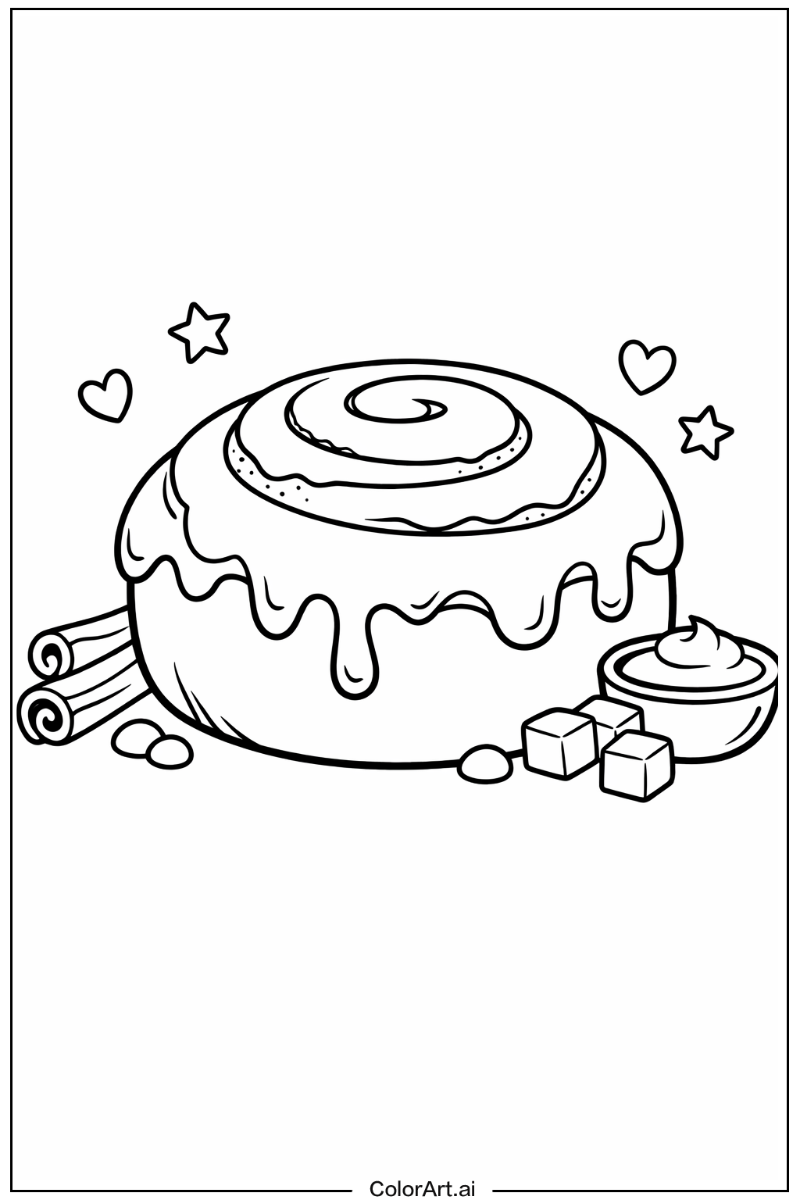
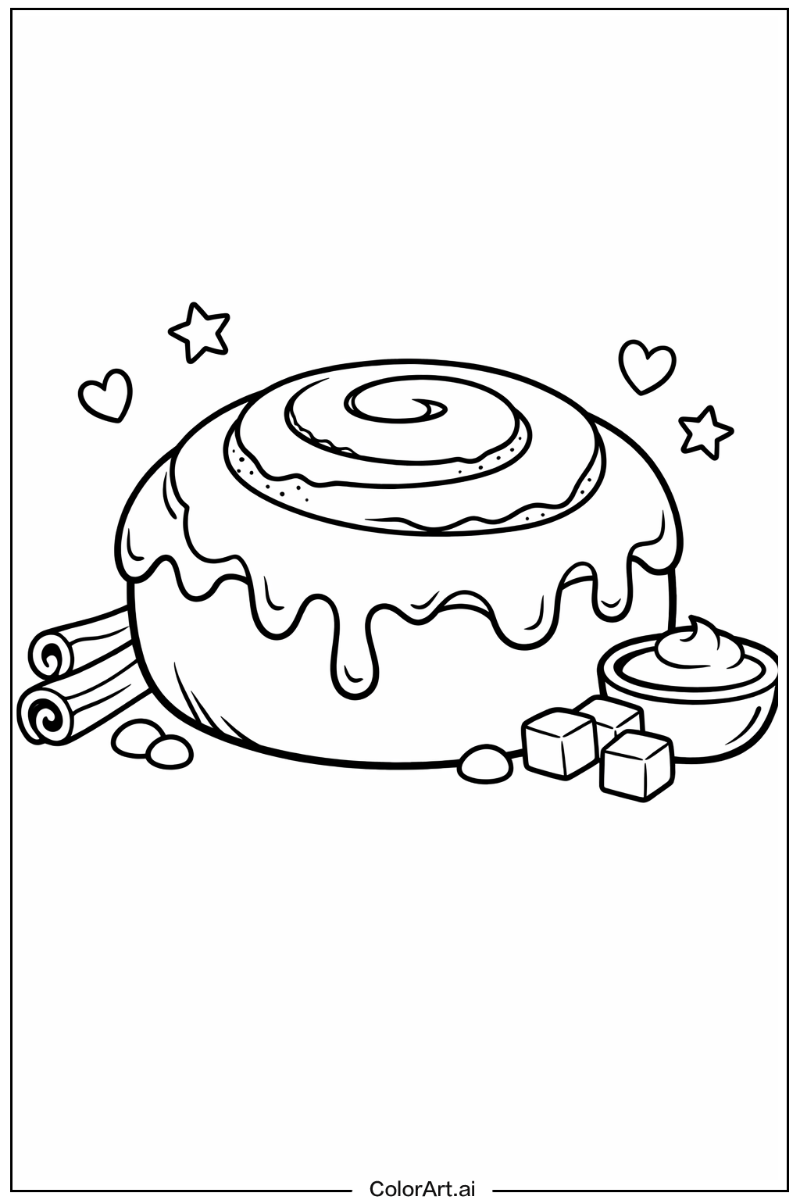
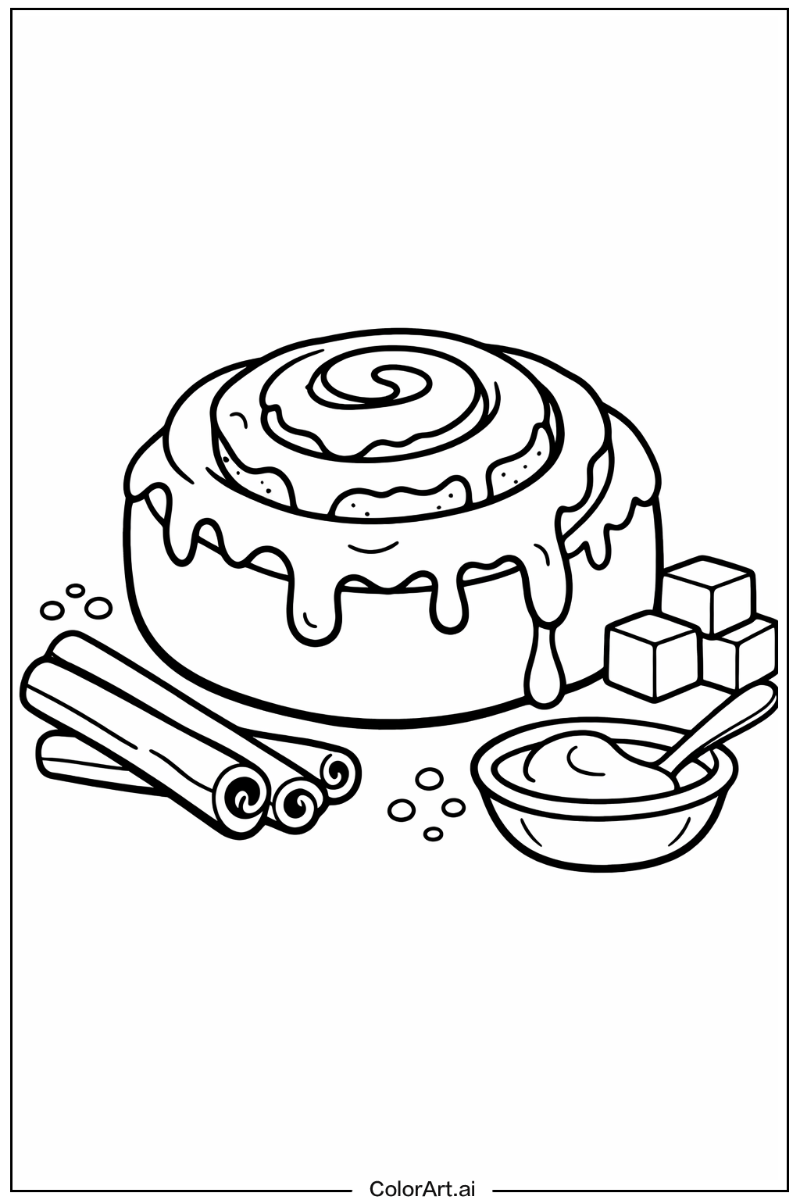
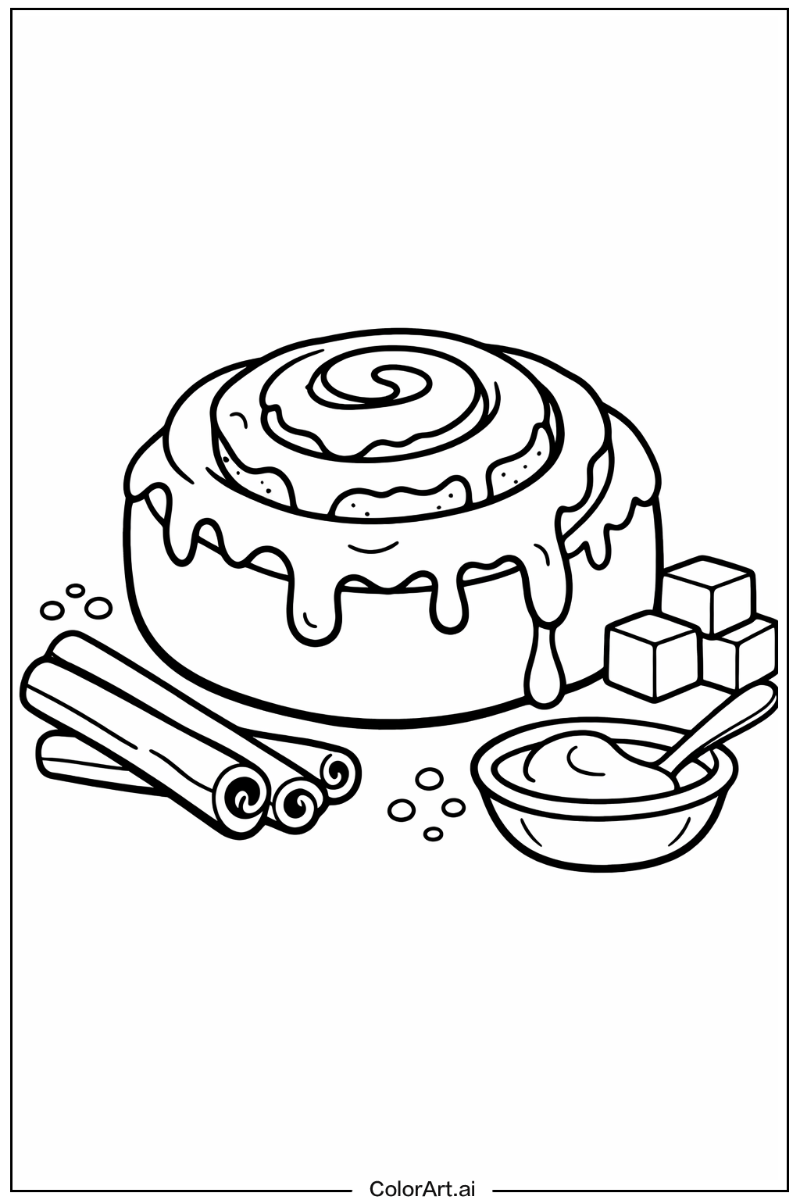
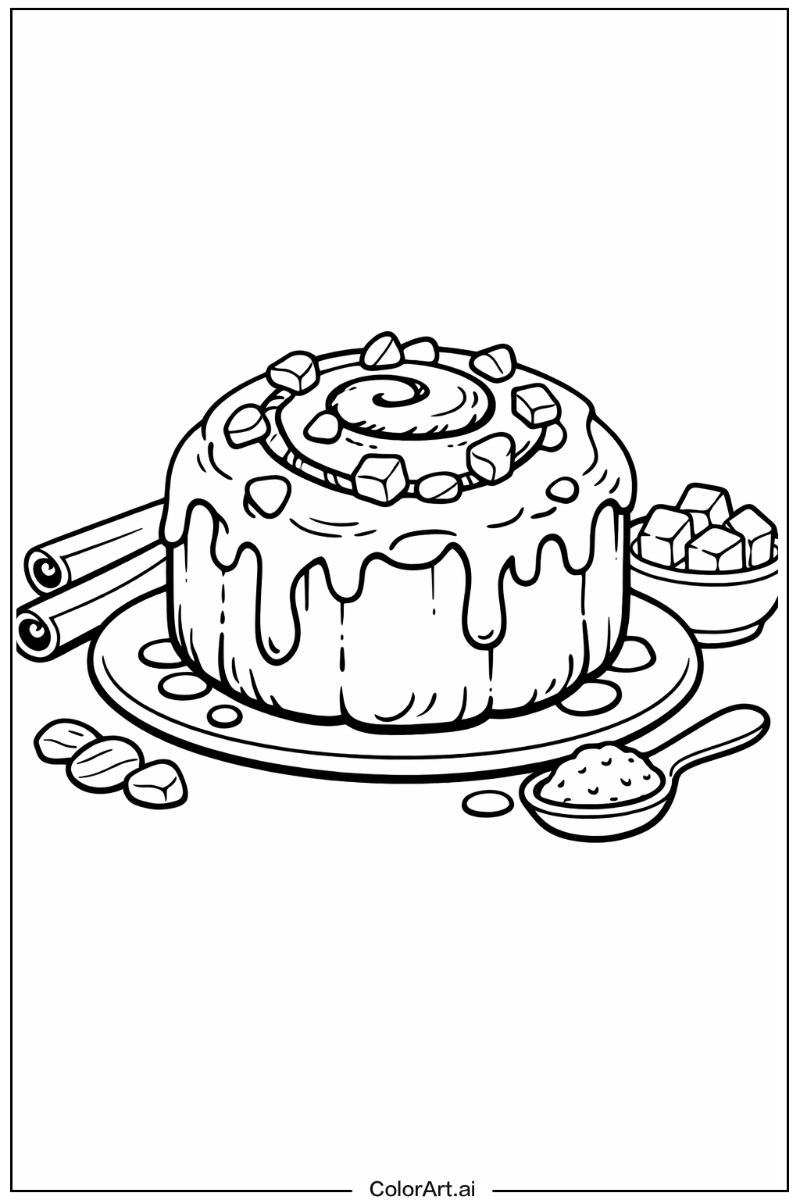
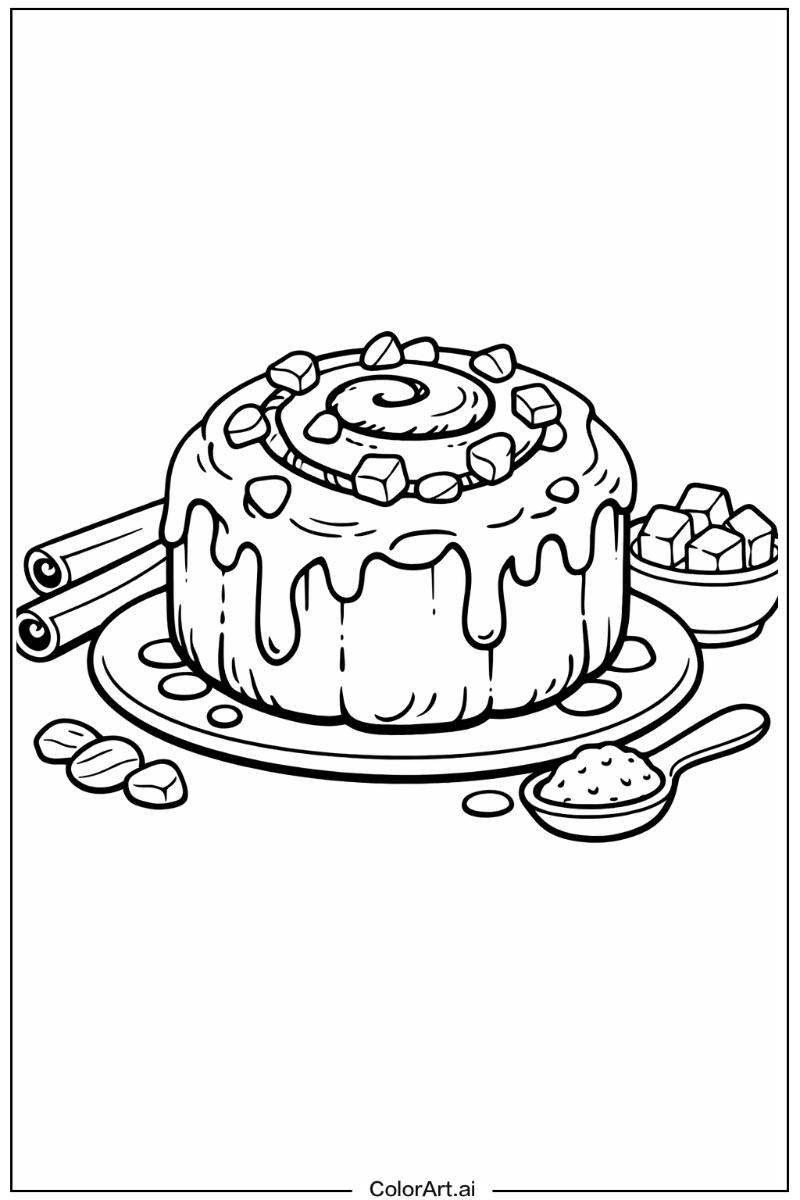
Cinnamon rolls are a delightful treat that many of us cherish, whether enjoyed on a lazy Sunday morning or as a reward after a long week. The sweet smell of cinnamon and sugar fills the air, and the sight of those spiraled pastries makes my heart flutter with joy. In my classroom, we’ve found a creative way to celebrate these delicious pastries through cinnamon roll coloring pages. Not only do they spark joy and creativity, but they also serve as a fantastic tool for learning and development. As we dive into the world of cinnamon rolls, let’s explore how these coloring pages can enhance our children’s artistic skills while also bringing a bit of sweet fun into our educational spaces.
Group Coloring Pages
 PDF
PDF
 PNG
PNG
 PNG
PNG
 PNG
PNG
 PNG
PNG
 PNG
PNG
 PNG
PNG
 PNG
PNG
 PNG
PNG
 PNG
PNG
 PNG
PNG
 PNG
PNG
 PNG
PNG
 PNG
PNG
 PNG
PNG
 PNG
PNG
 PNG
PNG
 PNG
PNG
 PNG
PNG
 PNG
PNG
 PNG
PNG
 PNG
PNG
 PNG
PNG
 PNG
PNG
 PNG
PNG
 PNG
PNG
 PNG
PNG
 PNG
PNG
 PNG
PNG
 PNG
PNG
 PNG
PNG
 PNG
PNG
 PNG
PNG
 PNG
PNG
 PNG
PNG
 PNG
PNG
 PNG
PNG
 PNG
PNG
 PNG
PNG
 PNG
PNG
 PNG
PNG
 PNG
PNG
 PNG
PNG
 PNG
PNG
Educational Background About Cinnamon Rolls
Did you know that the cinnamon roll has a rich history that dates back to 17th-century Europe? Originally known as *kanelbulle* in Sweden, these sweet pastries have journeyed across the globe, landing in the hearts of many Americans as a beloved breakfast staple. The cinnamon roll is made from yeast-leavened dough, swirled with a mixture of cinnamon and sugar, often topped with icing for that extra indulgence. In my classroom, we often discuss the origins of food, and cinnamon rolls serve as a delightful example of cultural significance, linking our art activities to history and geography. It’s fascinating to see how such a simple treat can open discussions about global culinary traditions and the joy of sharing food with loved ones.
Classroom Benefits of Cinnamon Roll Activities
Cinnamon roll coloring pages offer an abundance of educational benefits. For younger children, these pages support fine motor skill development and hand-eye coordination as they navigate the curves and swirls of cinnamon rolls. In my classroom, I’ve noticed that children aged 3 to 5 especially thrive when coloring simple outlines, as it helps them strengthen their grip and control over crayons. For older students, more intricate designs promote sustained attention and focus. I often use cinnamon roll coloring activities as a warm-up exercise at the beginning of our art sessions, which not only gets their creative juices flowing but also fosters a sense of accomplishment.
Furthermore, coloring can enhance emotional well-being. When we integrate mindfulness into our coloring sessions, children like Timmy, who sometimes struggles with anxiety, find peace in the rhythmic act of coloring. It’s a wonderful way to promote self-expression and confidence, allowing each child to interpret their cinnamon roll design uniquely. By connecting culinary arts with visual arts, we also open avenues for discussions around nutrition and the importance of balance in our diets, making our learning holistic and relevant.
Practical Cinnamon Roll Coloring Techniques
When it comes to coloring cinnamon roll pages, a few practical tips can make the experience even more enjoyable for students. First, I recommend using colored pencils for detailed work, as they allow for better control over shading and blending. Markers can bring vibrant colors to life, while crayons are perfect for younger children who are just starting their coloring journey. In my classroom, I often provide a mix of all three mediums to cater to different preferences.
Another tip is to encourage students to think creatively about their color choices. While traditional cinnamon rolls might be brown with white icing, why not allow them to experiment with fun colors? I recall one particular day when Lucy colored her cinnamon roll in bright pinks and blues, declaring it a 'unicorn cinnamon roll.' This kind of imaginative expression is what makes coloring such a powerful educational tool. Lastly, ensure that students use high-quality paper for their cinnamon roll coloring pages so that the colors appear vibrant and true to life!
Current Trends in Cinnamon Roll Art Education
As we move through 2024, cinnamon roll-related themes are sprouting up in classrooms across the country. The rise of vegan cinnamon rolls has captured the attention of many, reflecting a broader shift toward plant-based diets. This trend extends into the art classroom, where we can celebrate diversity in food and dietary choices through creative projects. I remember when my students, Mia and Jake, expressed a desire to create a 'Cinnamon Roll Art Day' to celebrate different variations of cinnamon rolls. We not only colored our cinnamon roll pages but also researched popular recipes from around the world. This blend of art and culinary exploration encouraged students to think critically about food choices while having fun with their creativity!
Common Questions About Cinnamon Roll Coloring Pages
What age group are cinnamon roll coloring pages suitable for?
Cinnamon roll coloring pages are designed for various age groups, typically ranging from preschoolers (3-5 years) to adults. We offer different complexity levels to match different skill levels.
What materials work best for coloring cinnamon roll pages?
For best results with cinnamon roll coloring pages, we recommend colored pencils for detailed work, markers for bold colors, and crayons for younger children. Use high-quality paper or cardstock for professional-looking results.
How should I print cinnamon roll coloring pages for best quality?
Print cinnamon roll coloring pages using high-quality or best print settings. Use standard A4 or Letter size paper, or upgrade to cardstock for more durable results. Ensure your printer has sufficient ink for clear, dark lines.