Welcome to the Wonderful World of Trees!
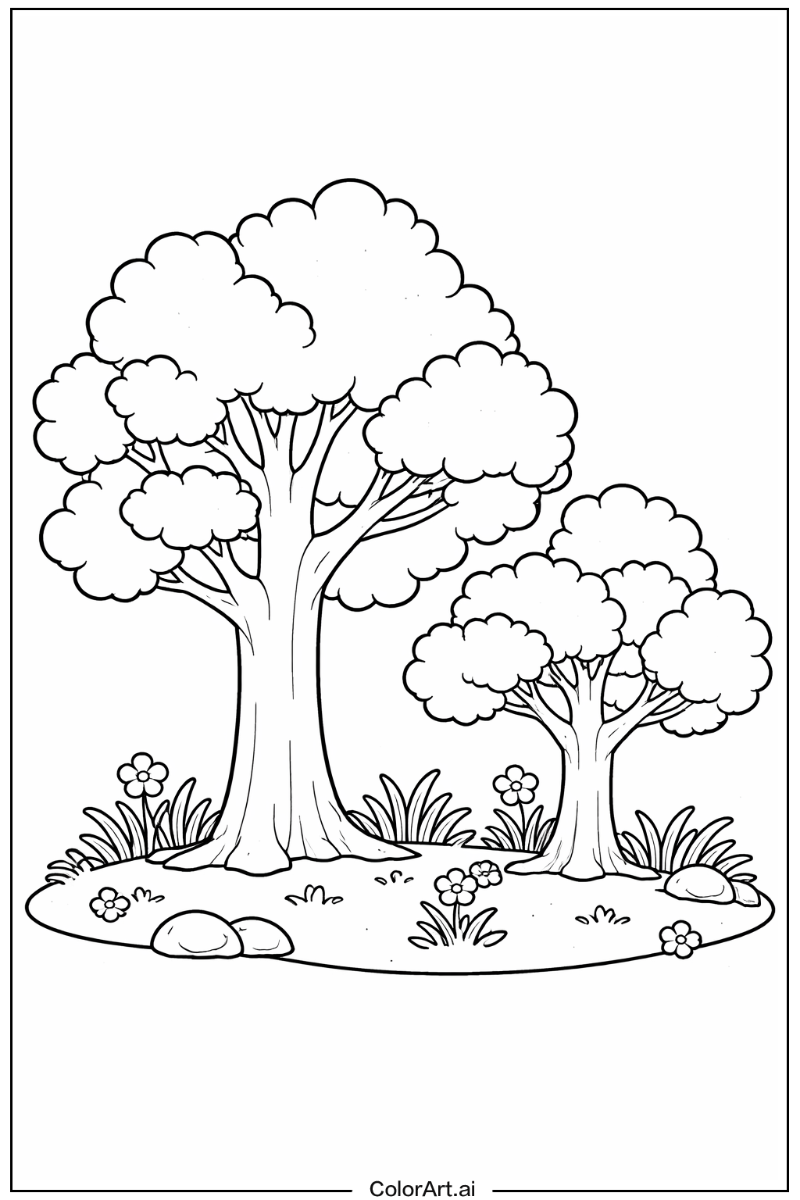
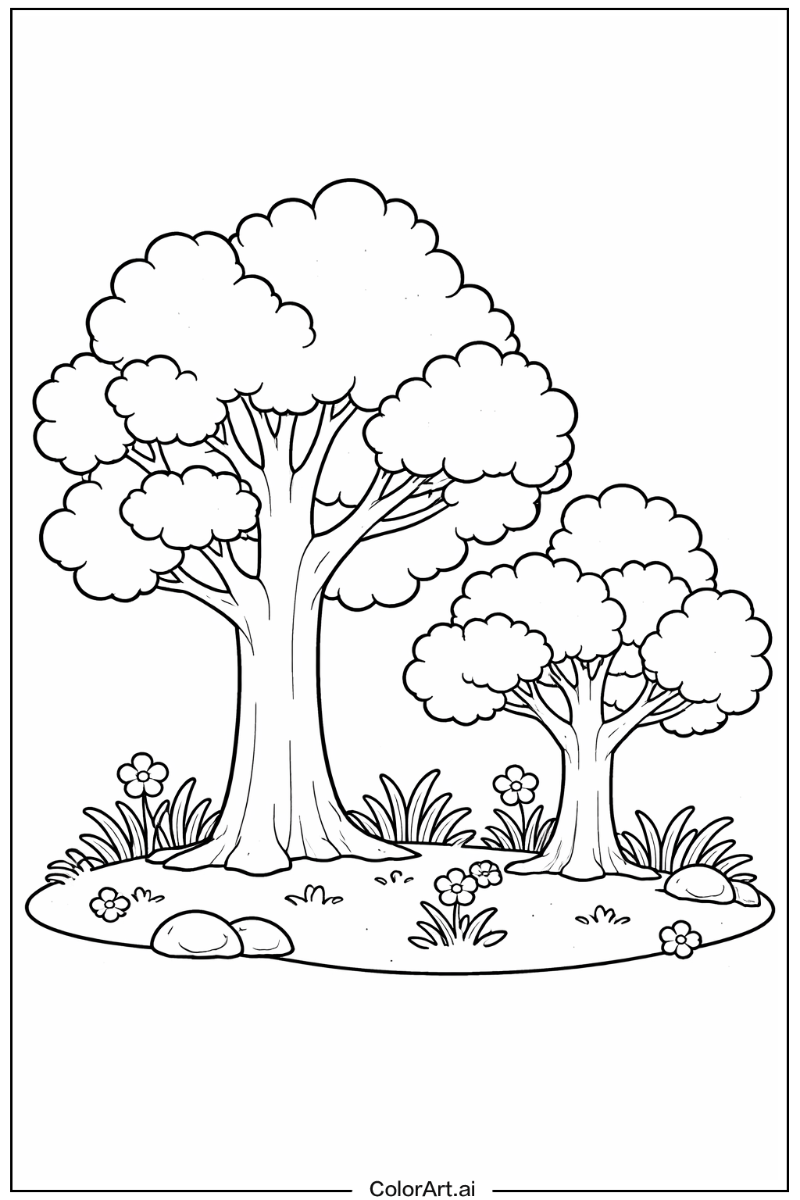
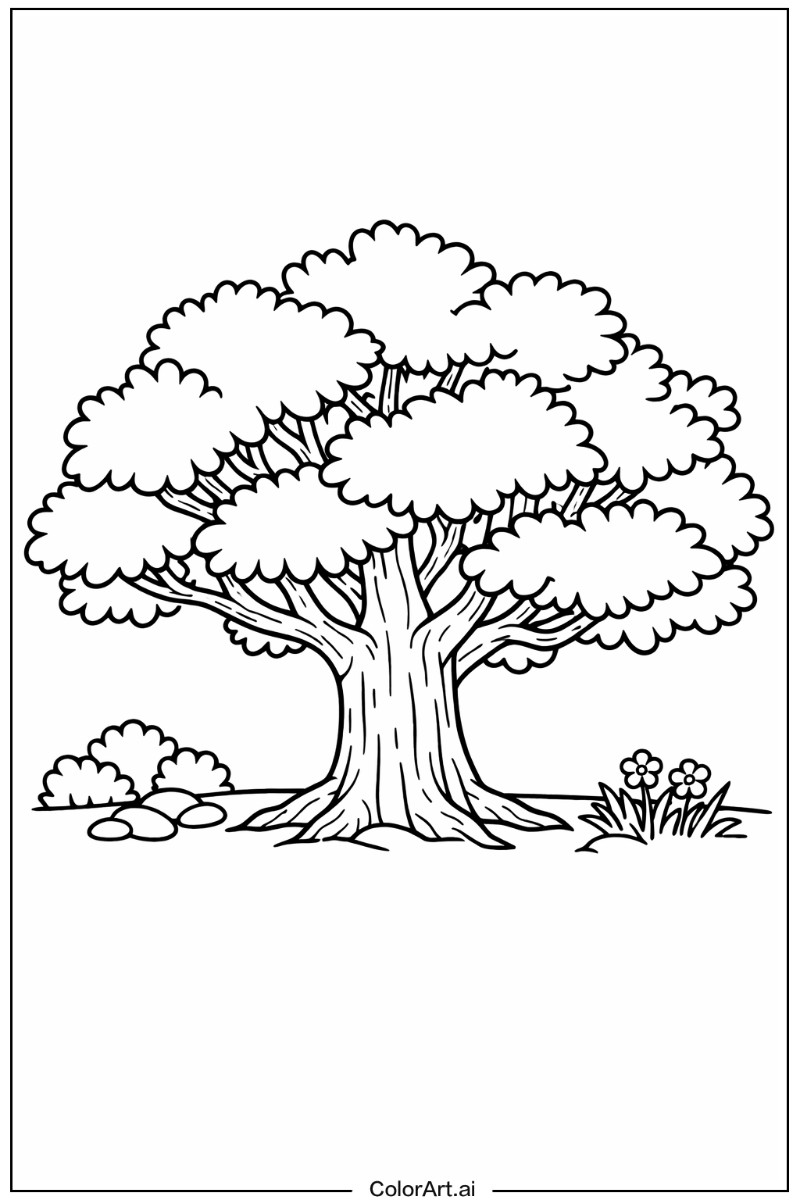
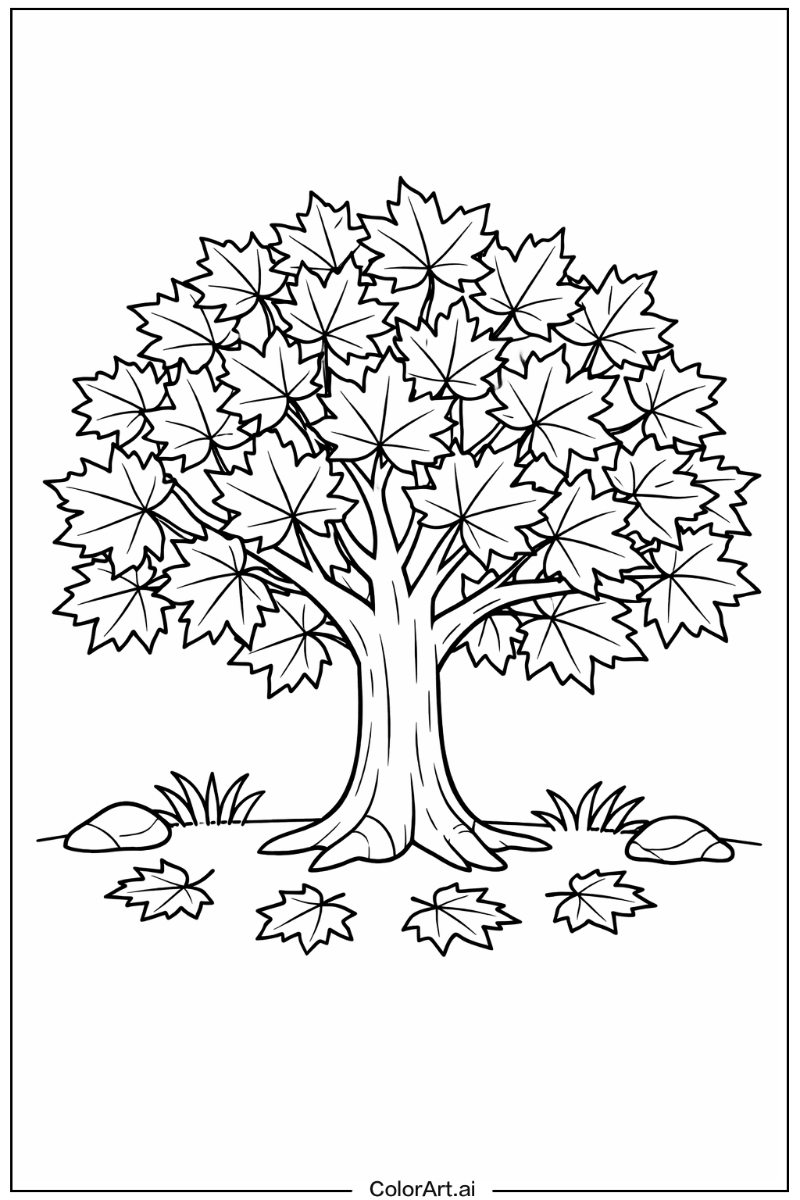
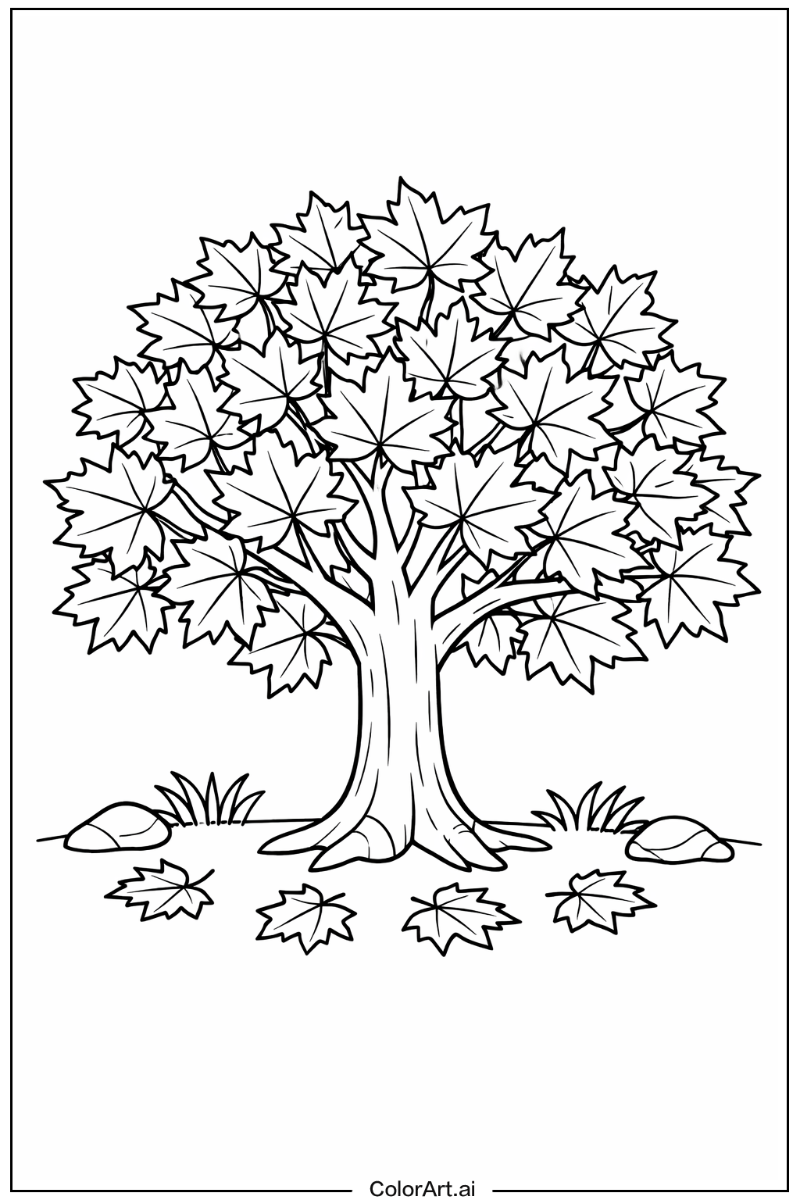
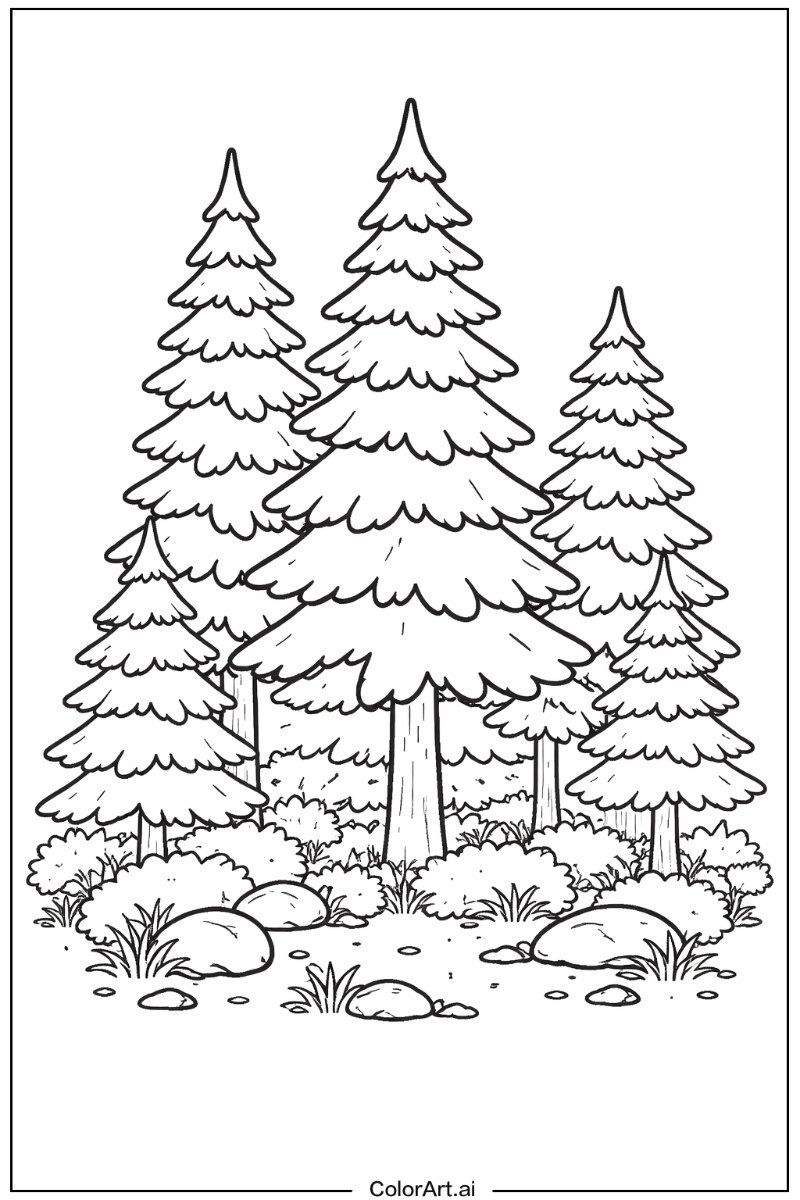
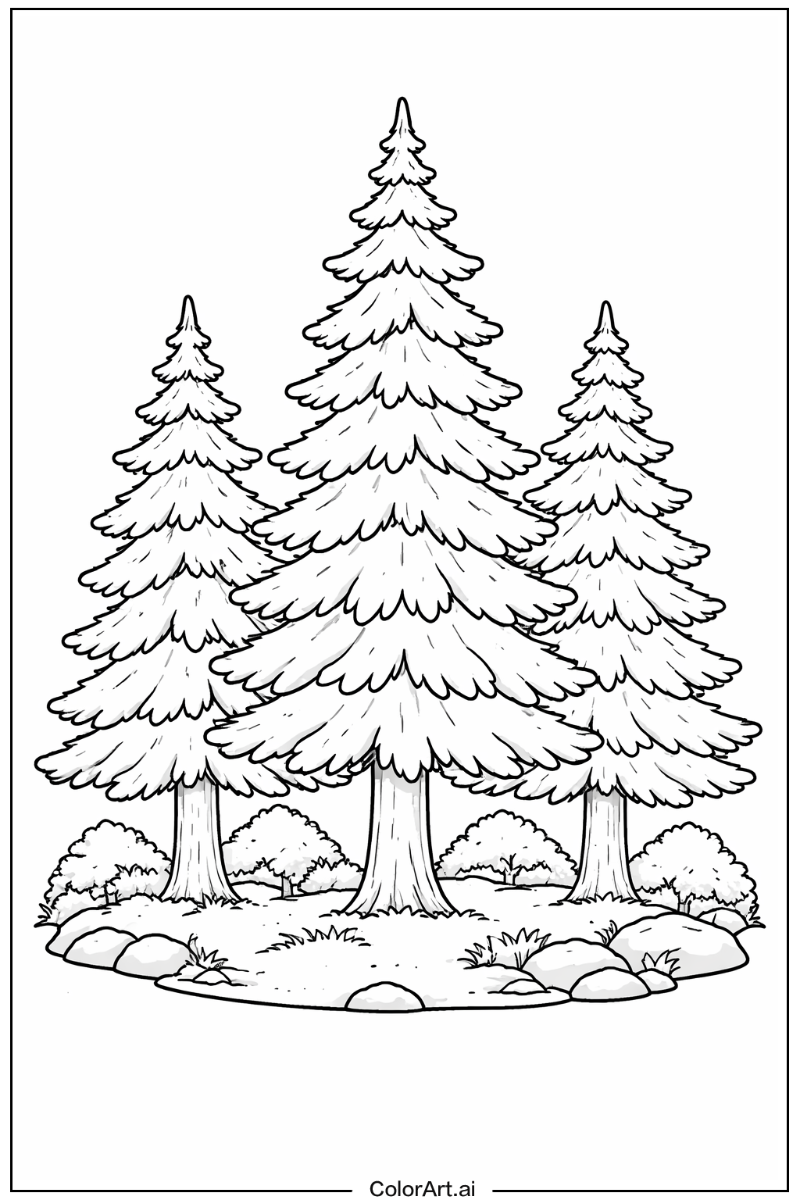
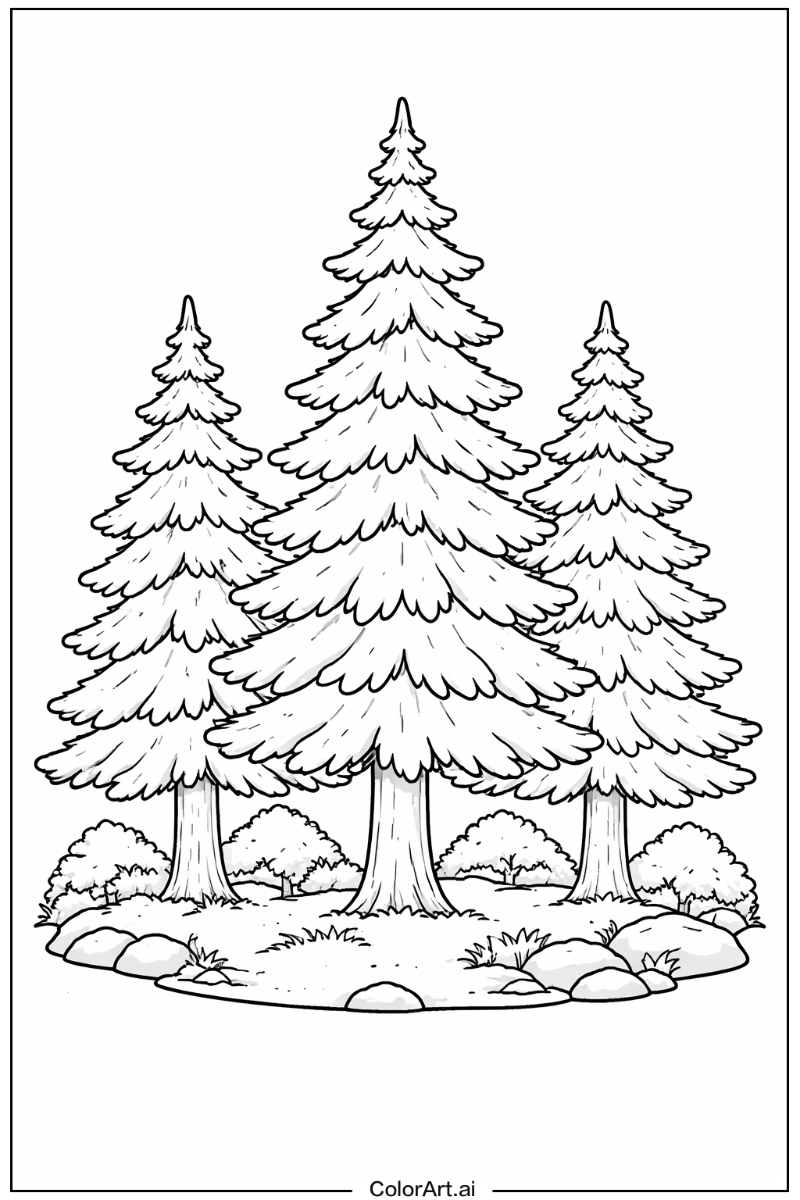
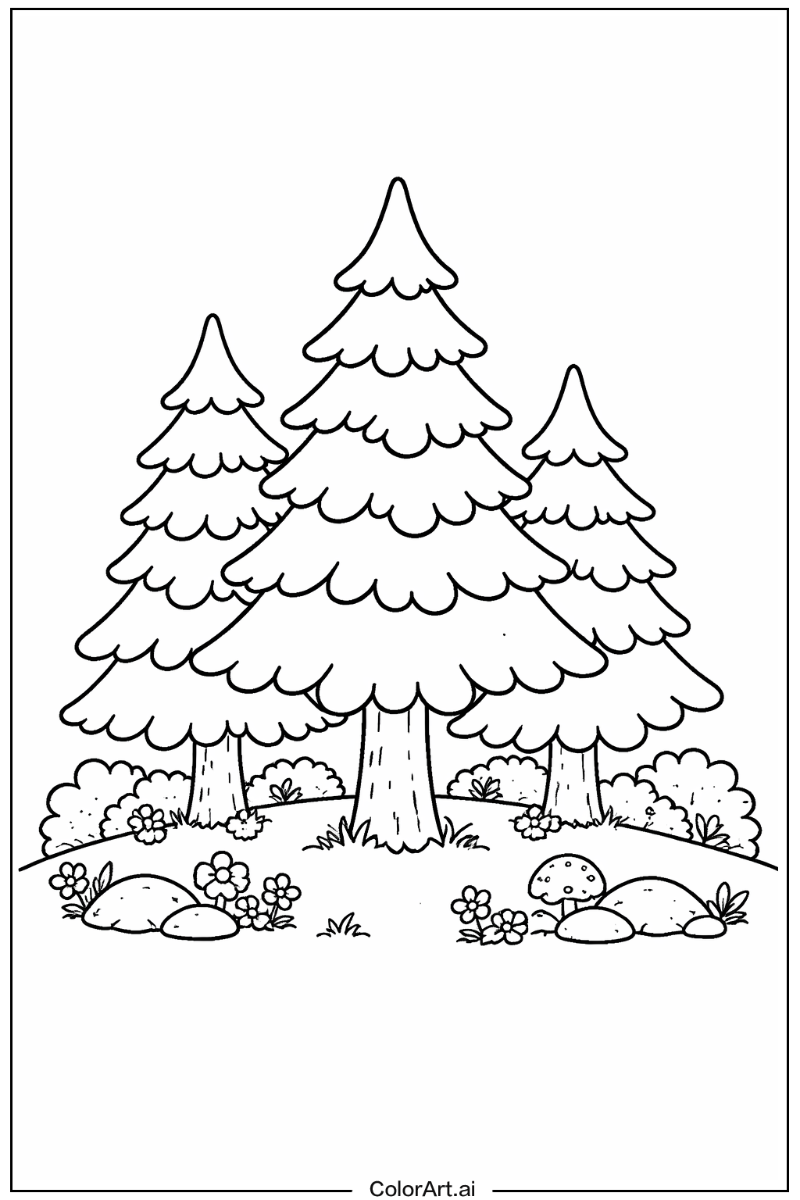
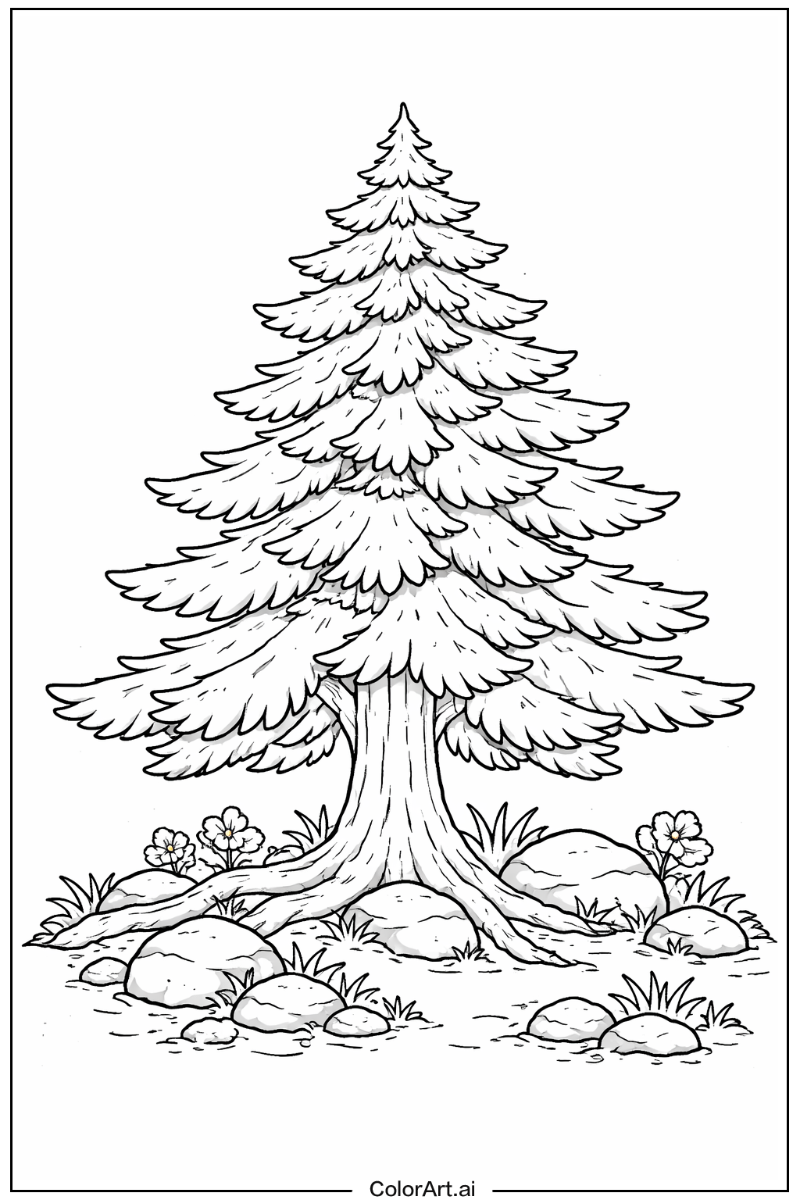
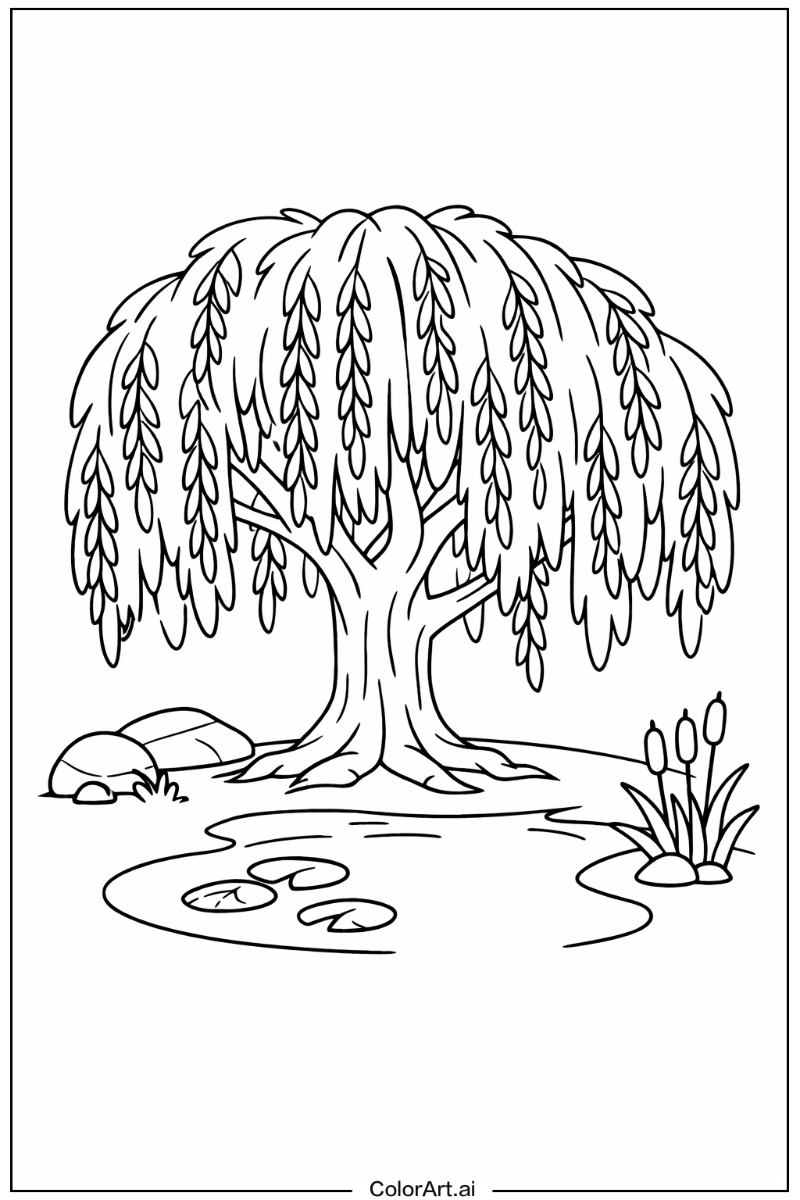
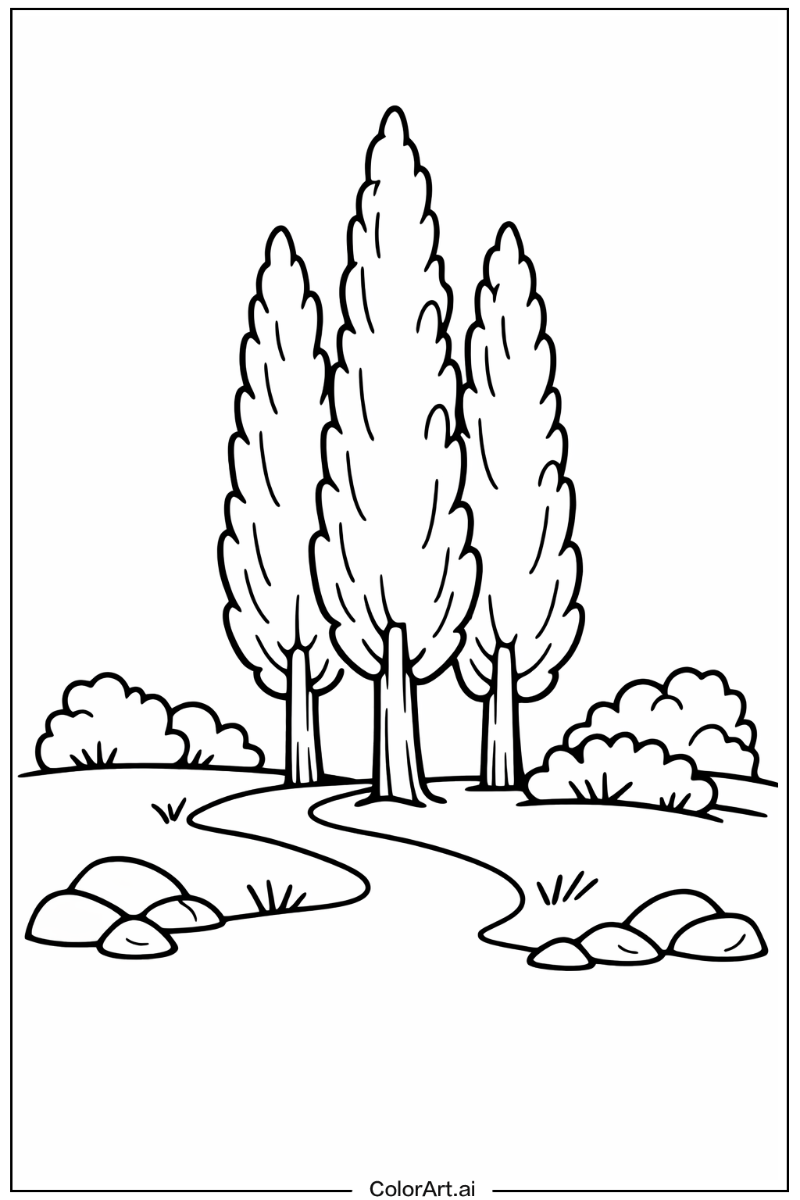
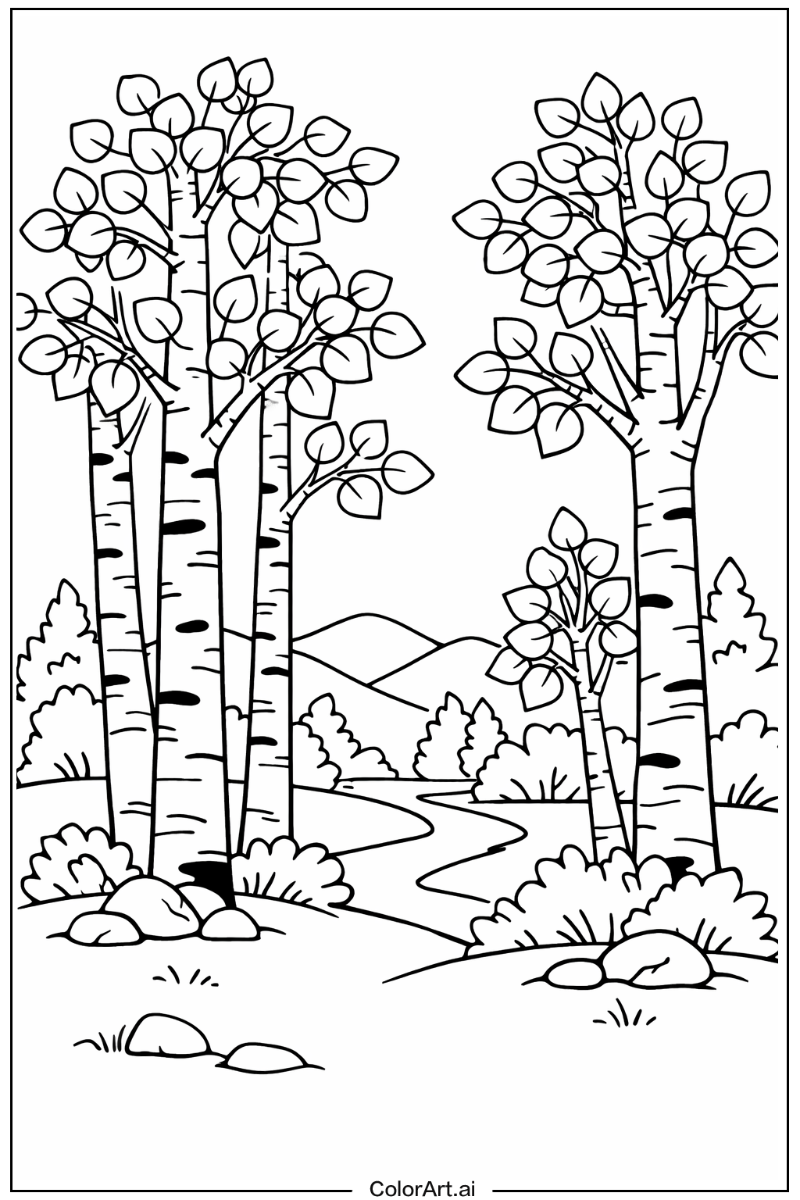
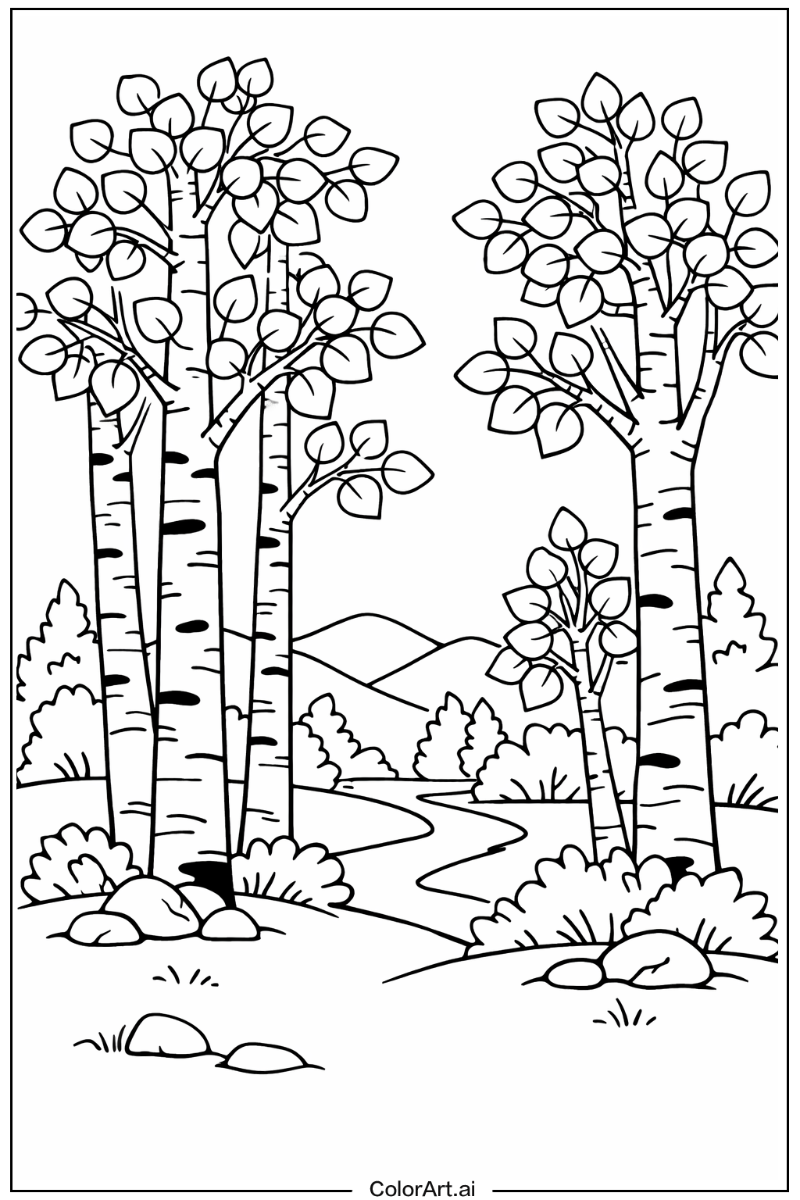
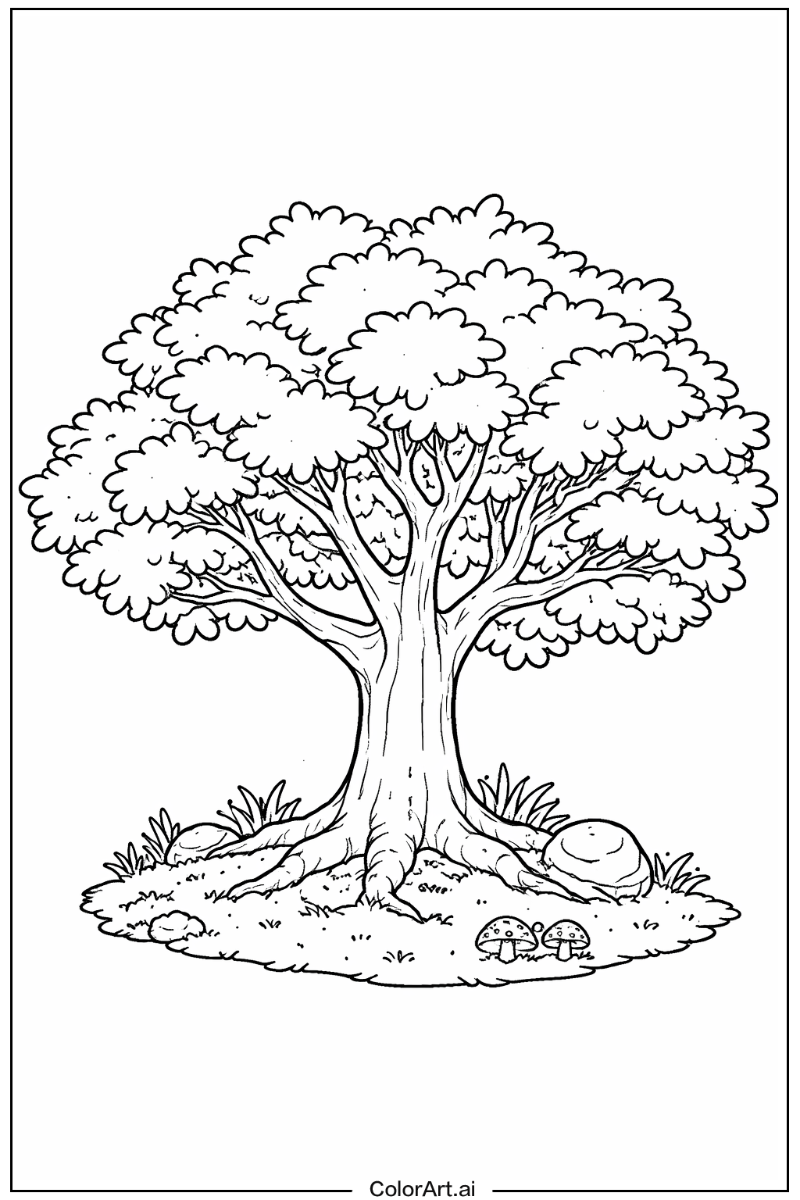
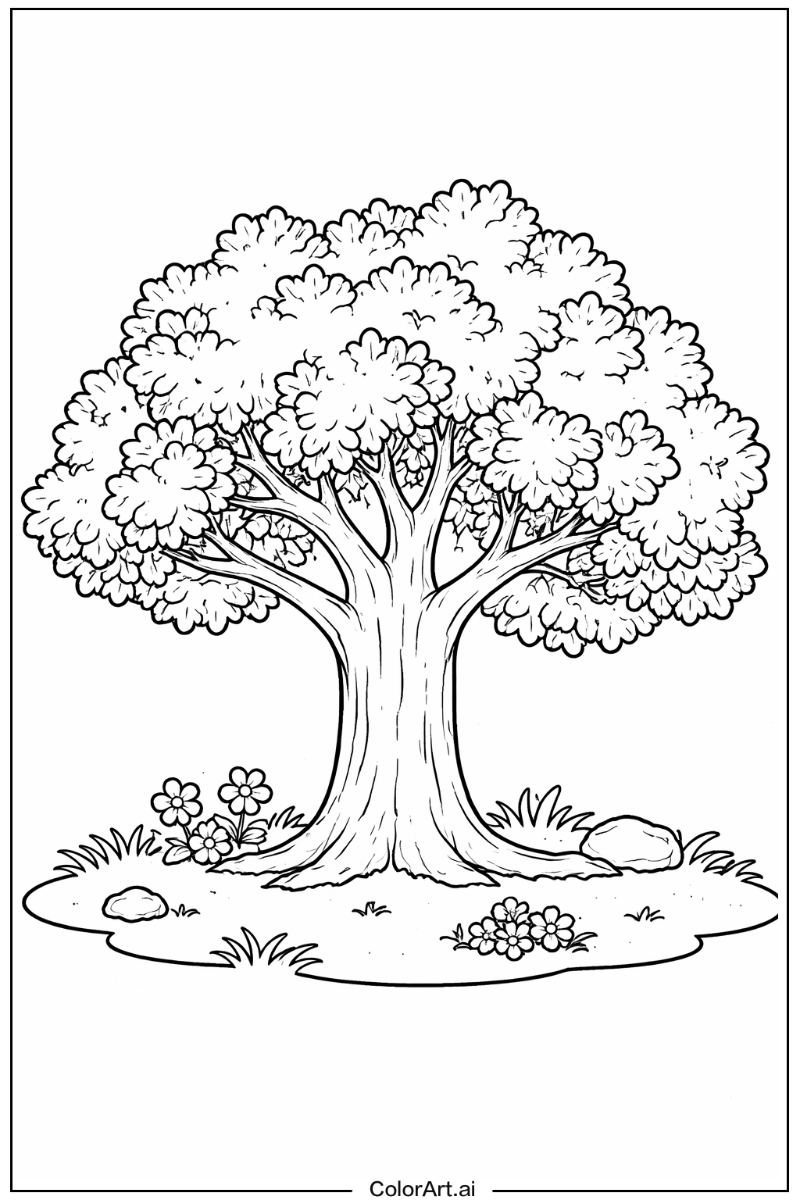
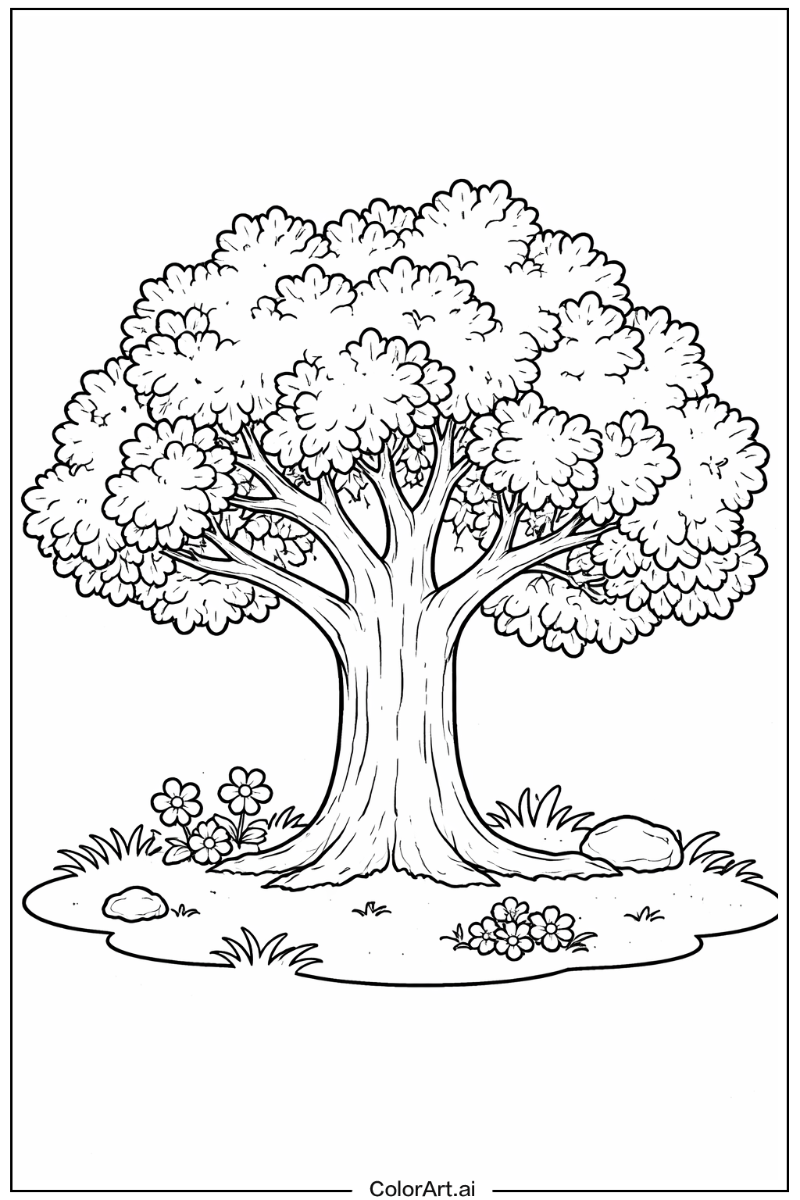
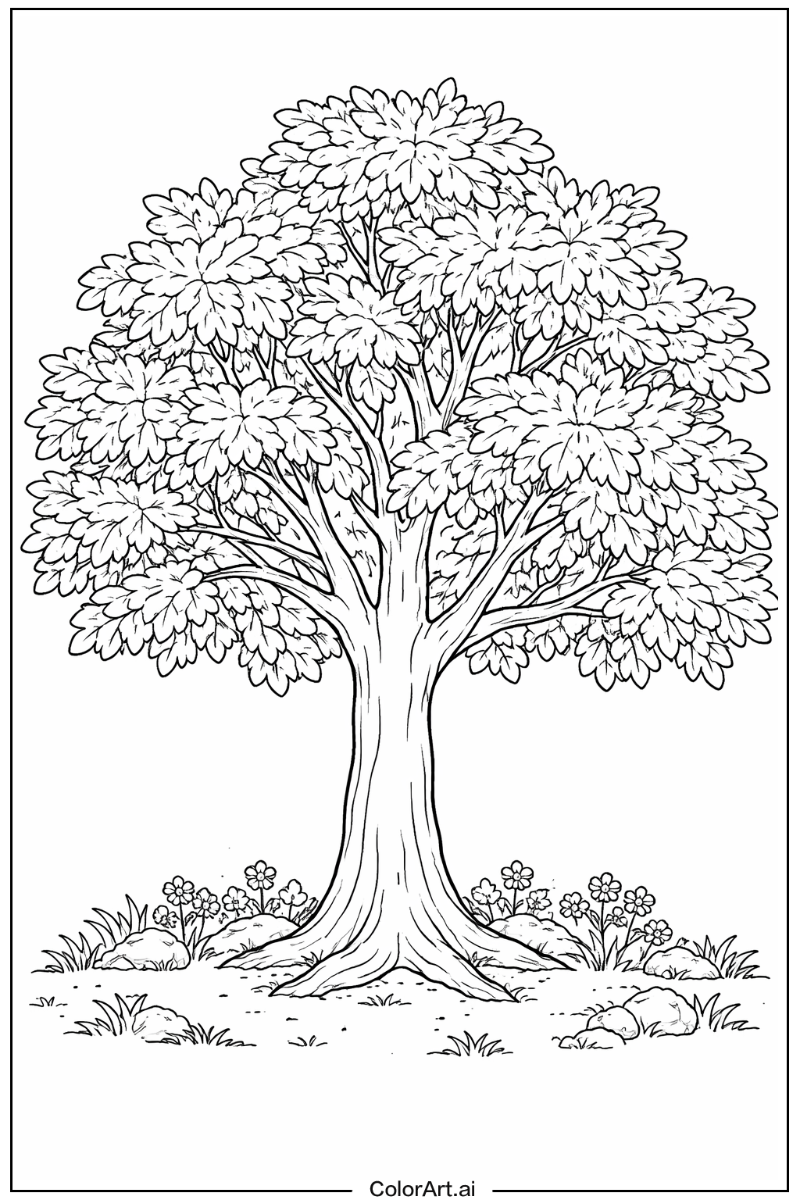
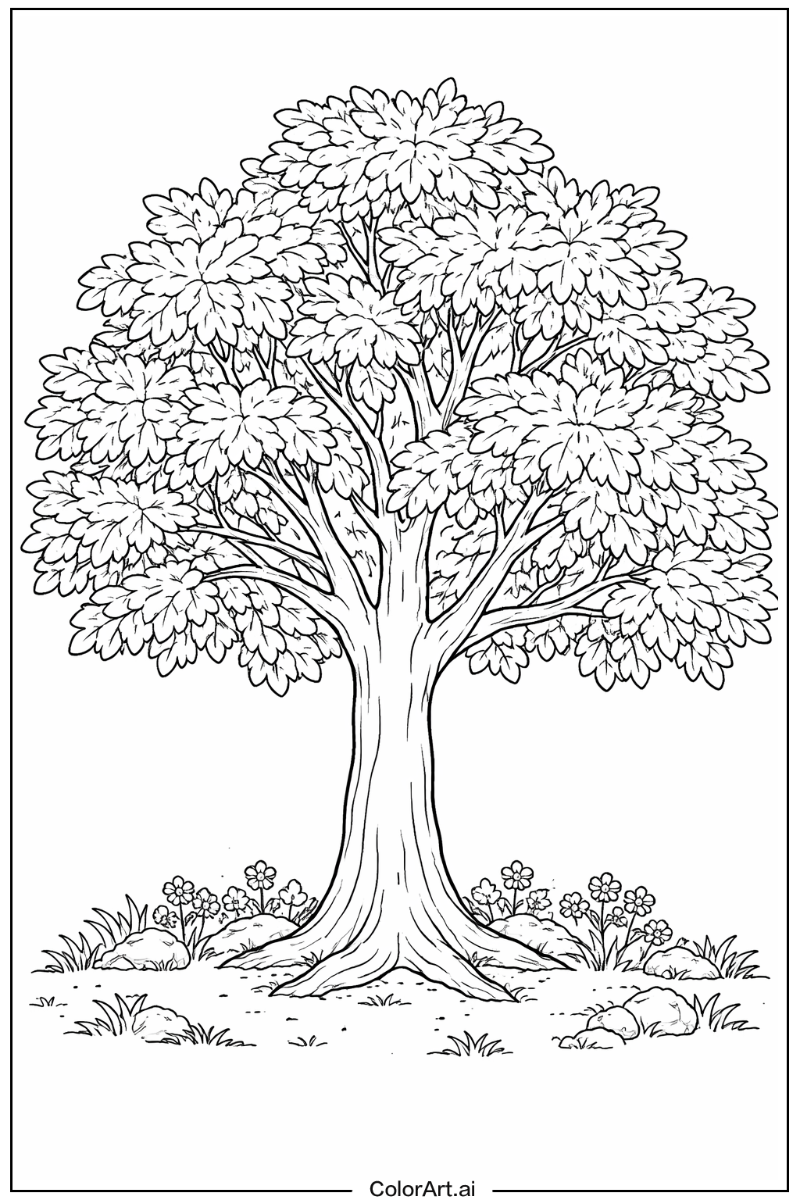
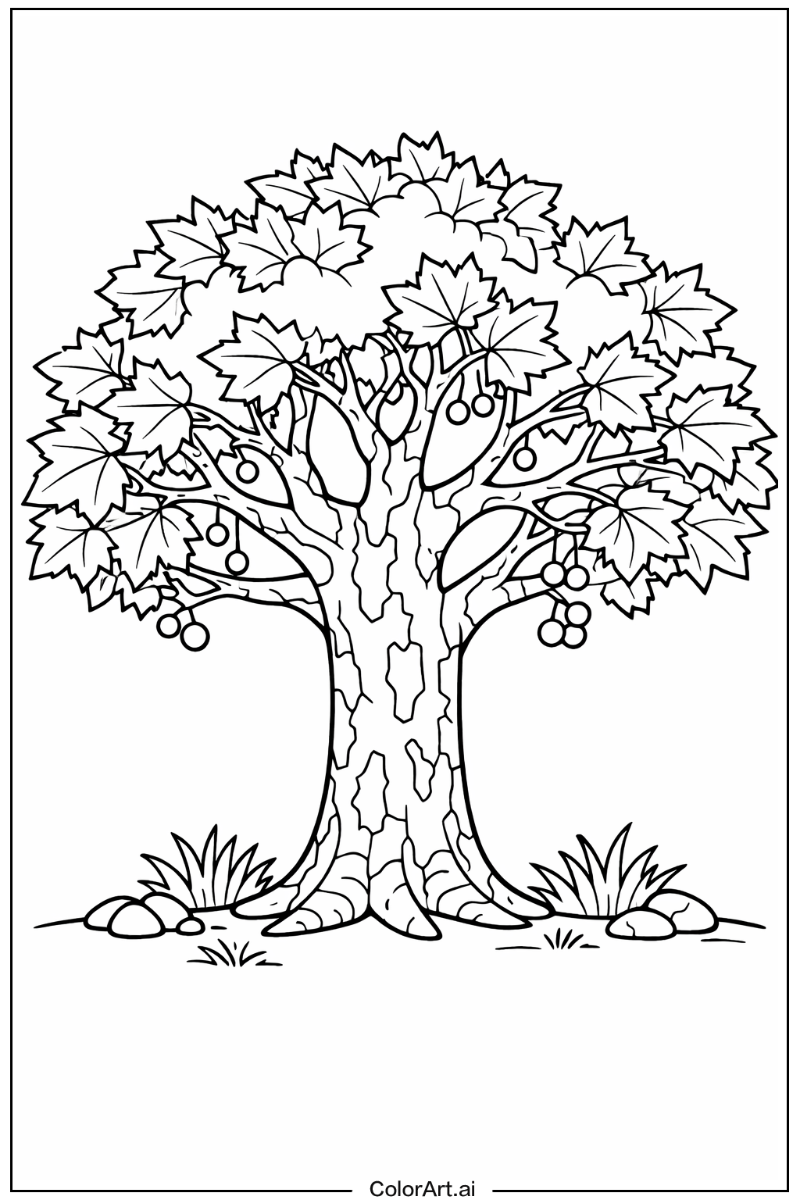
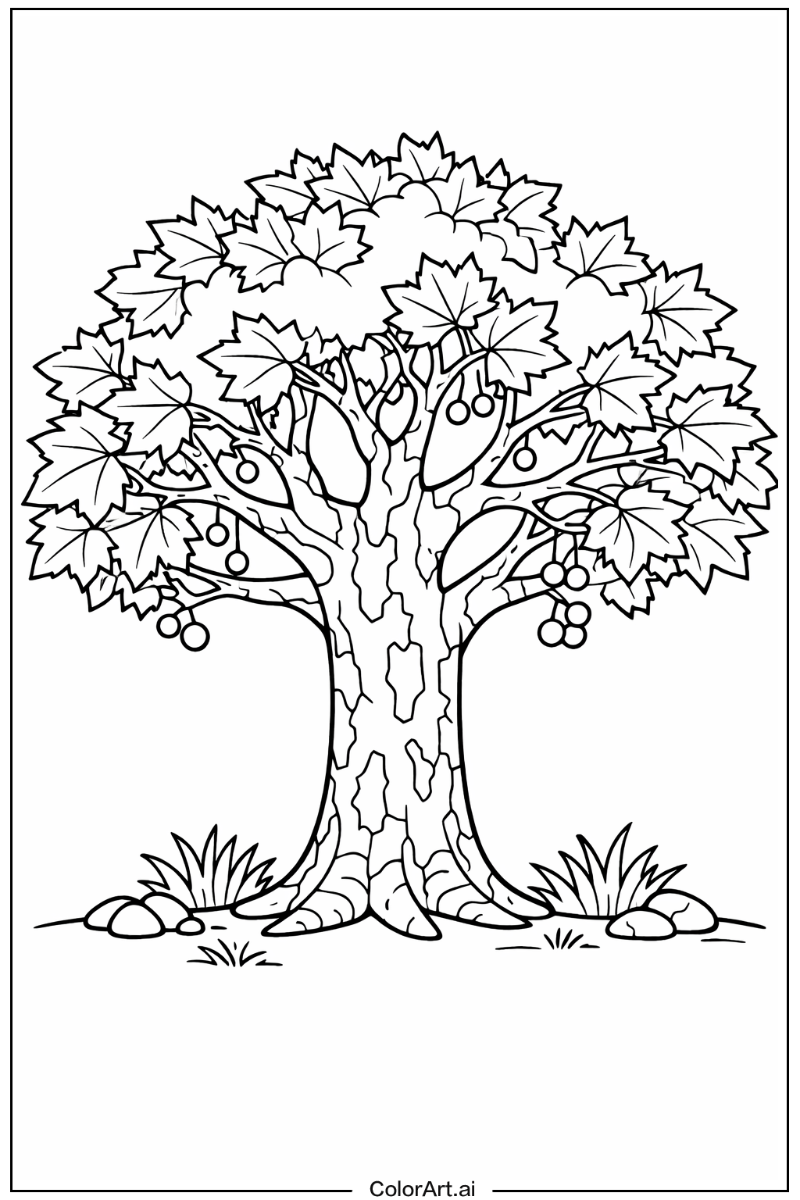
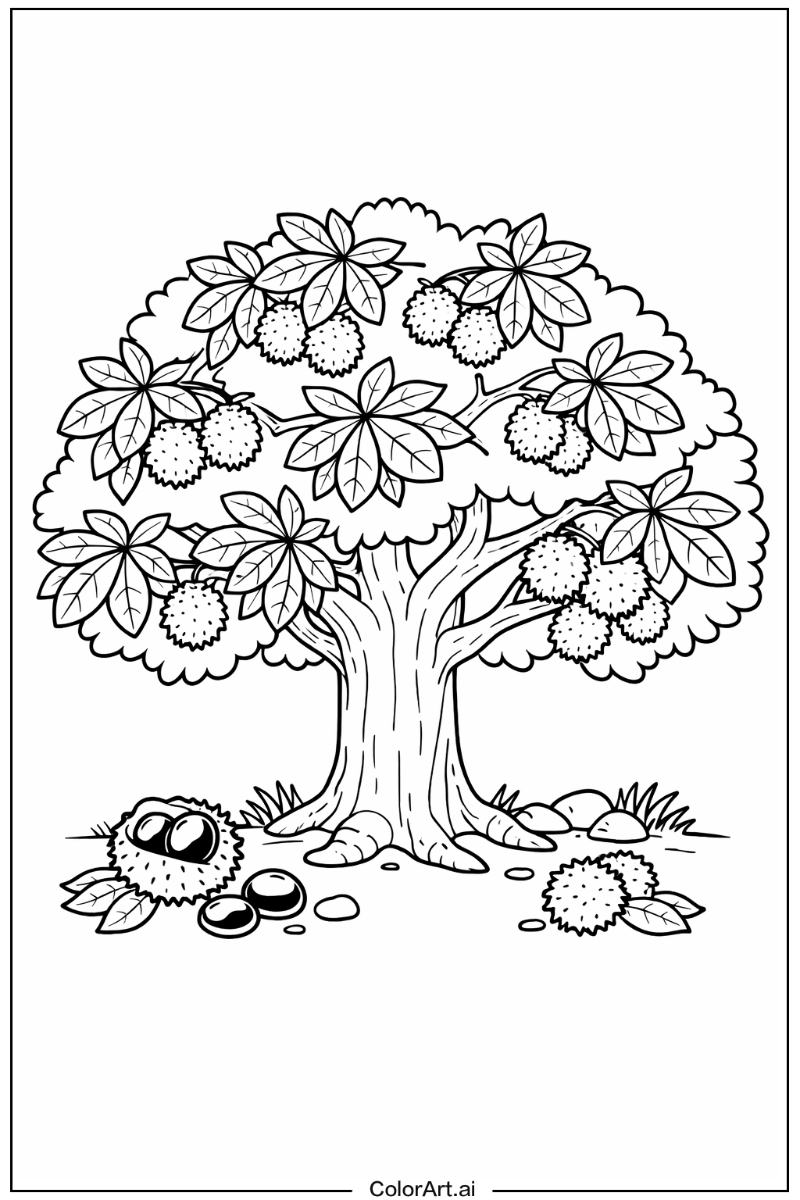
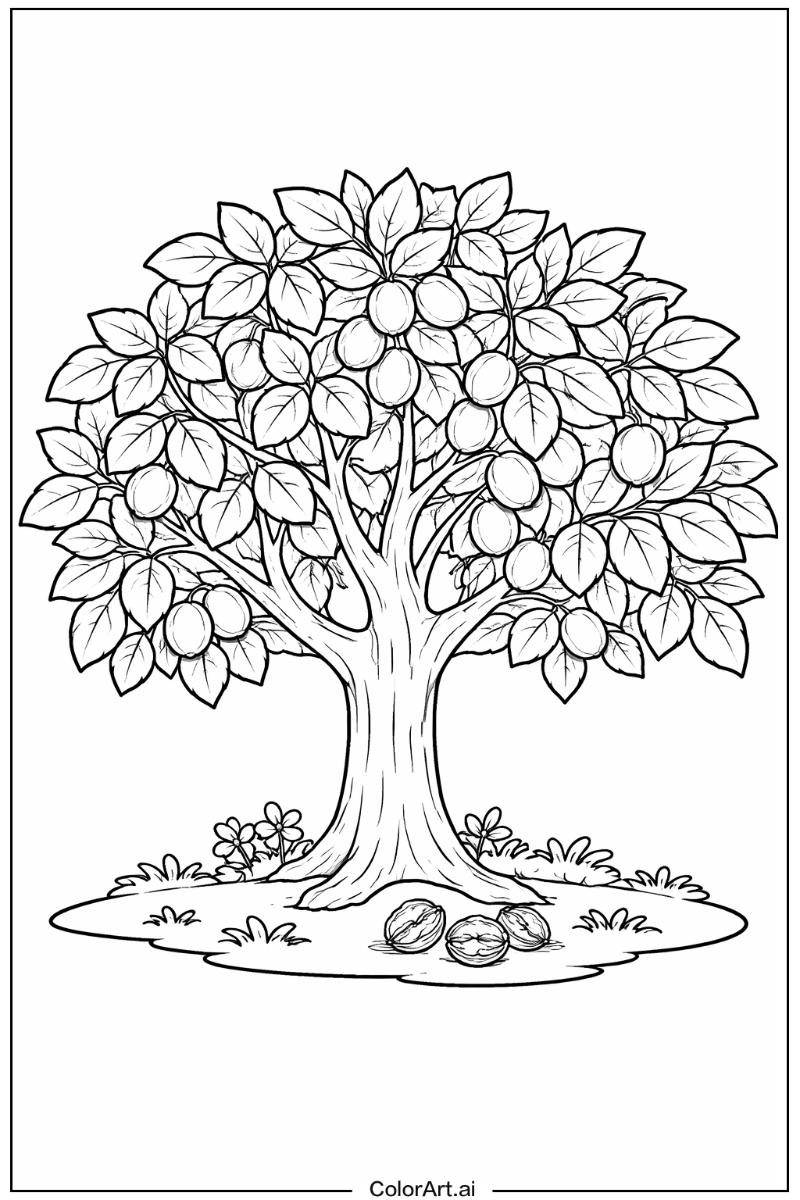
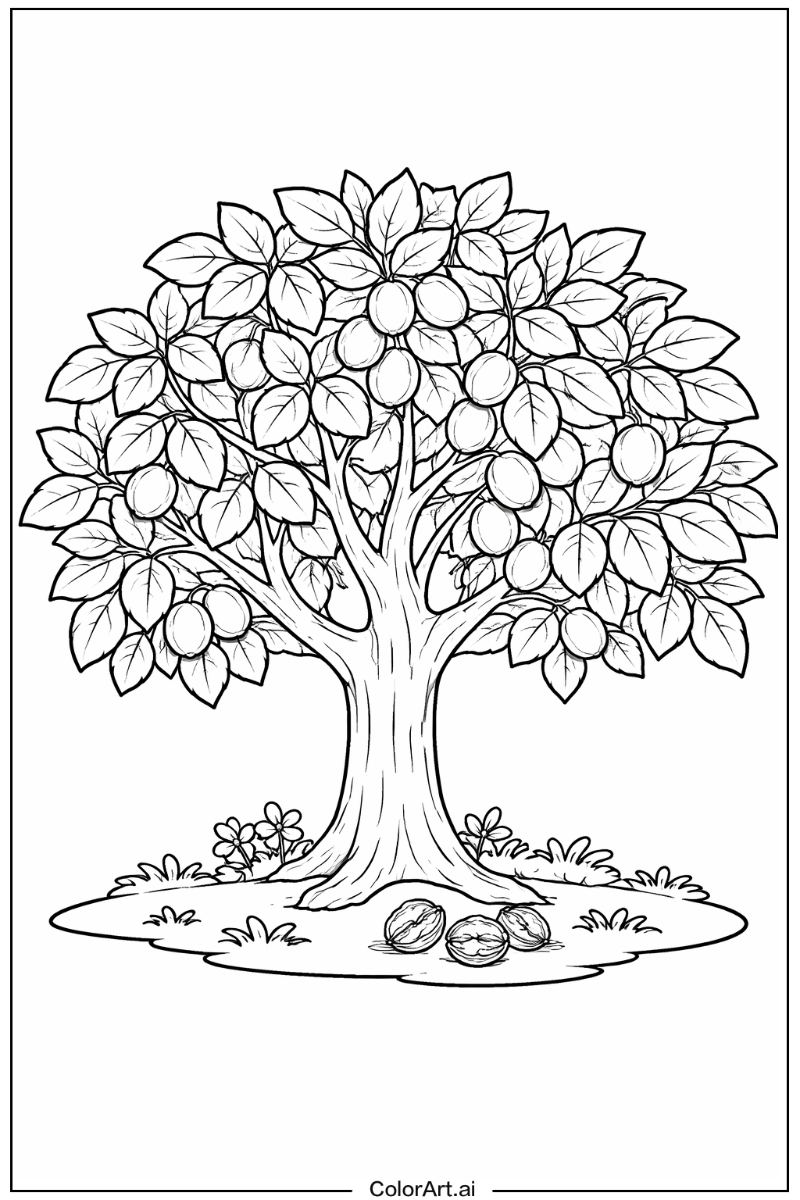
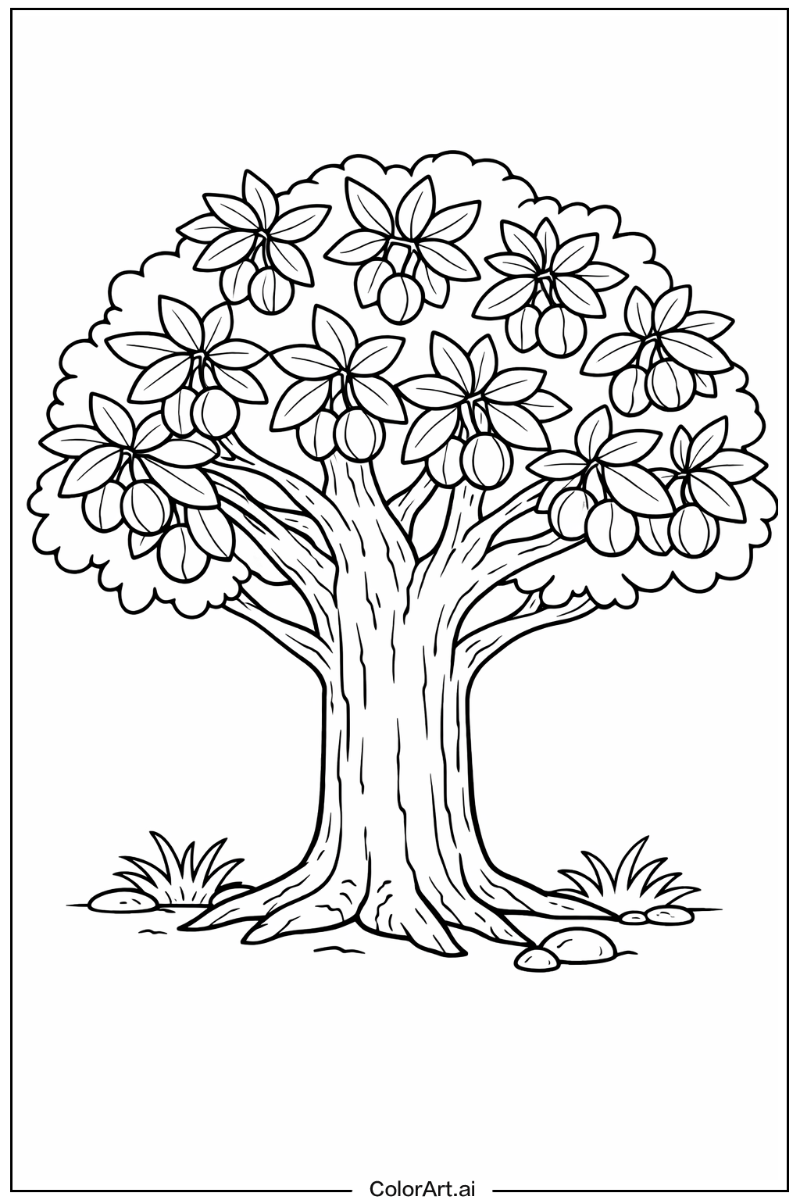
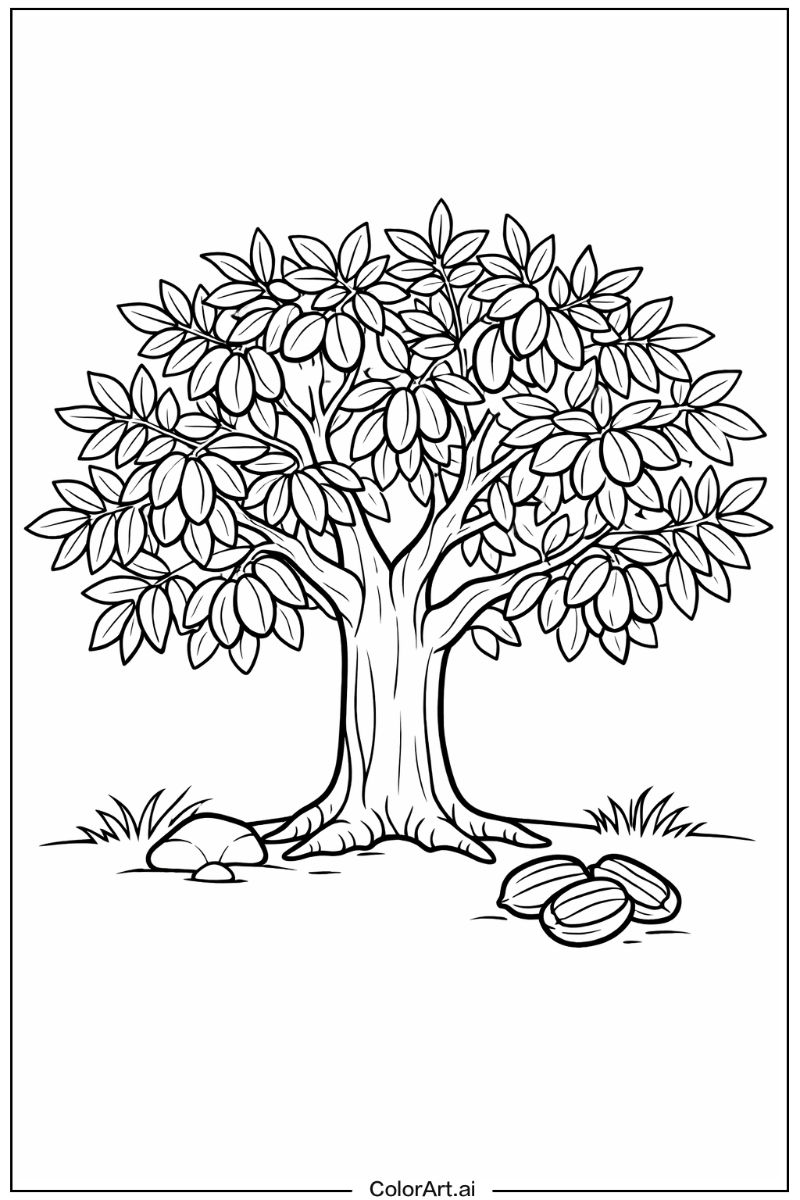
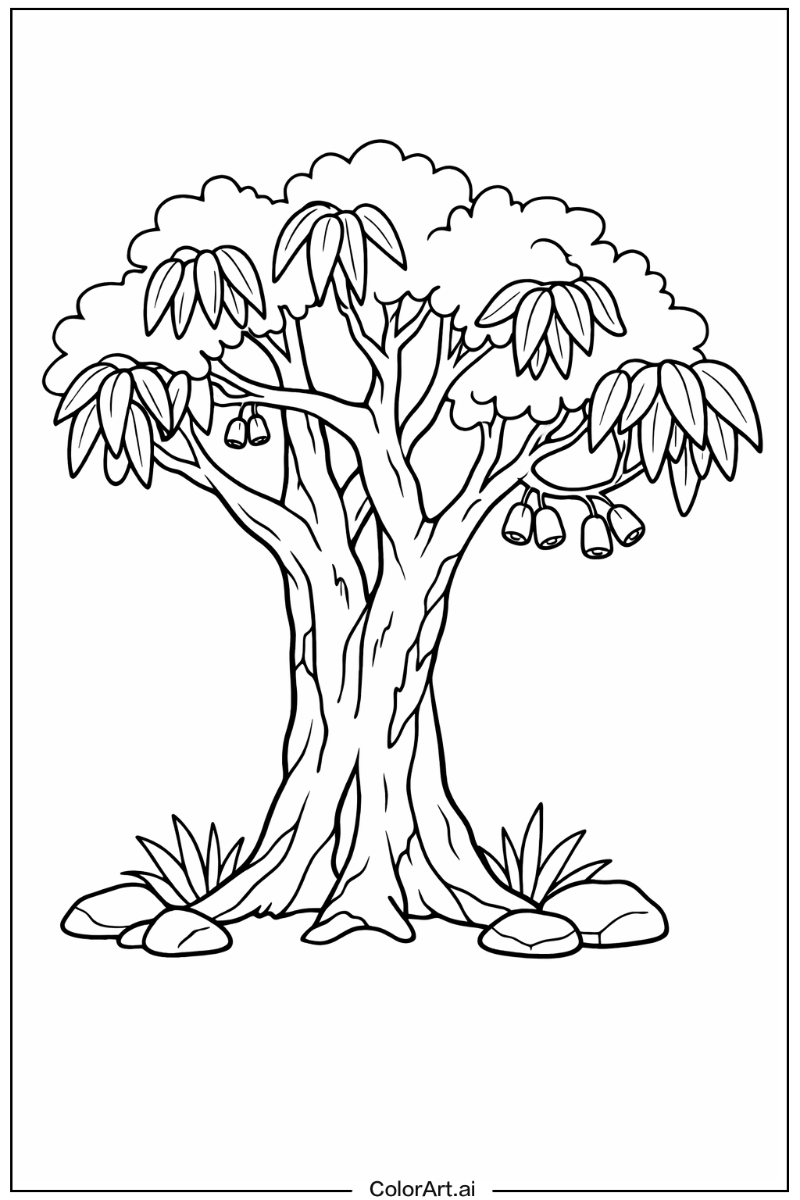
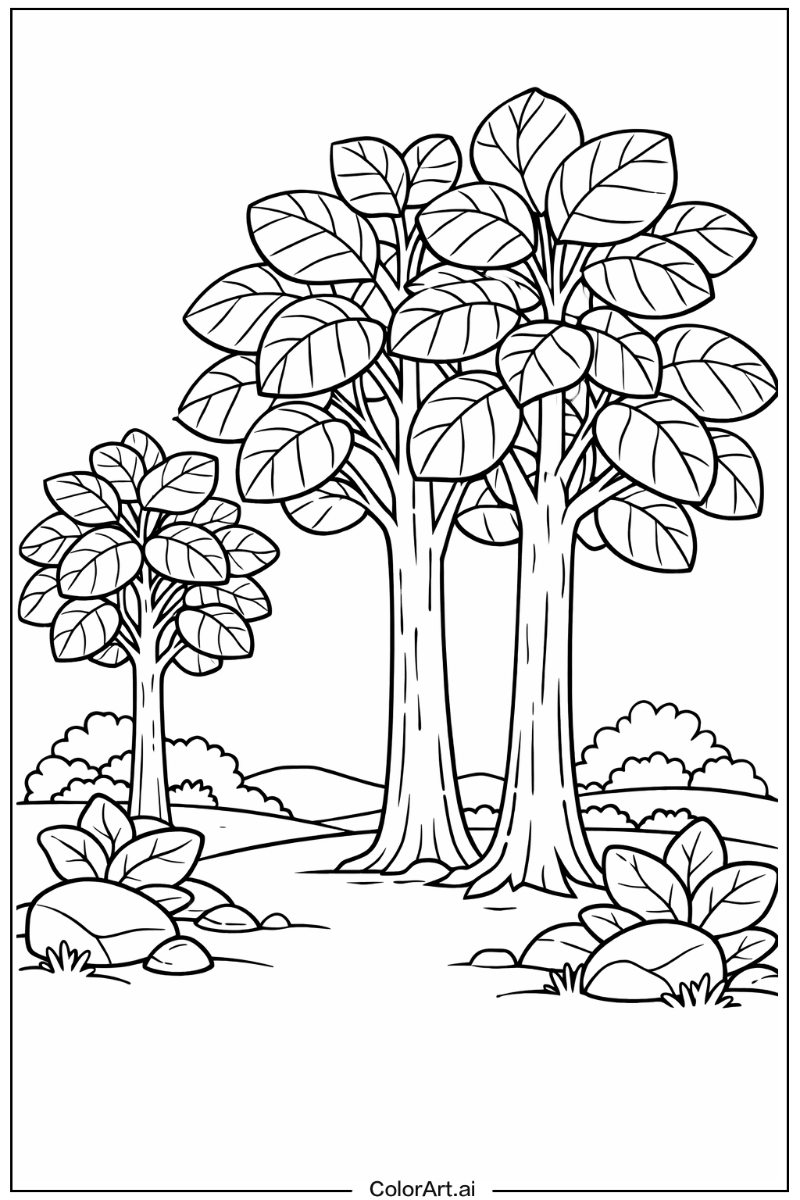
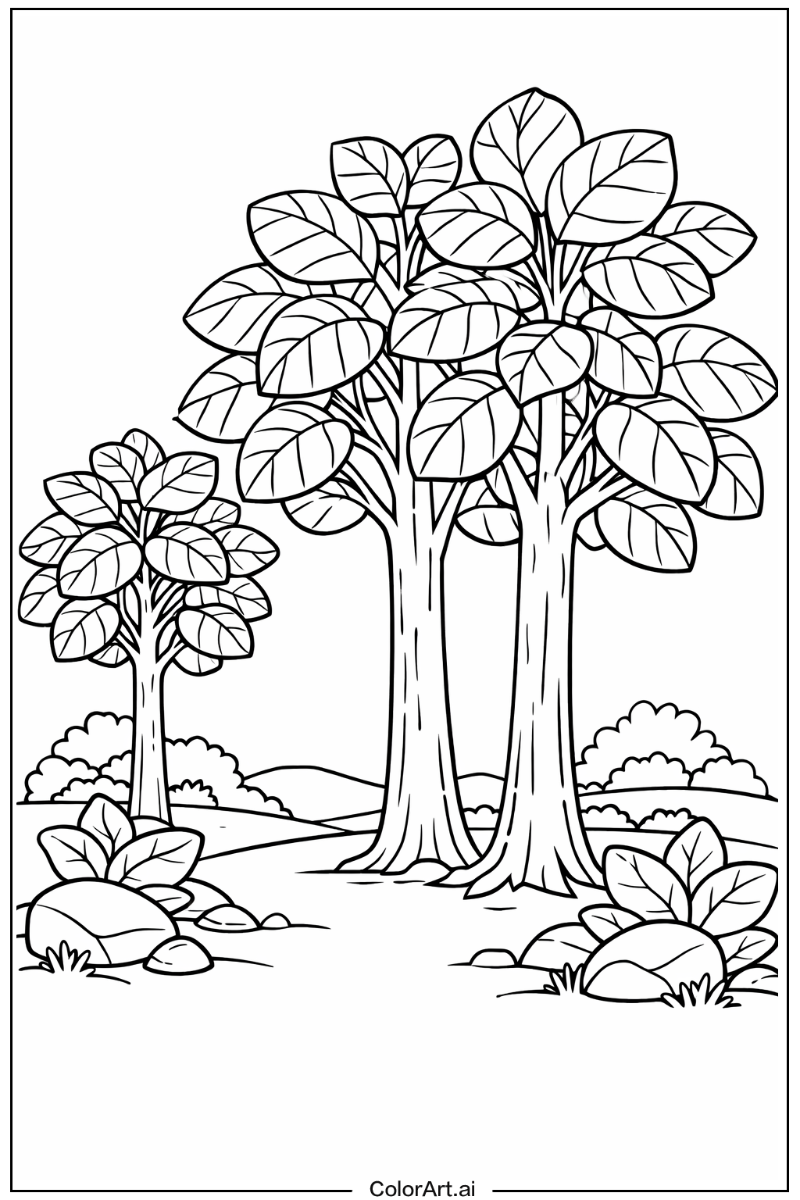
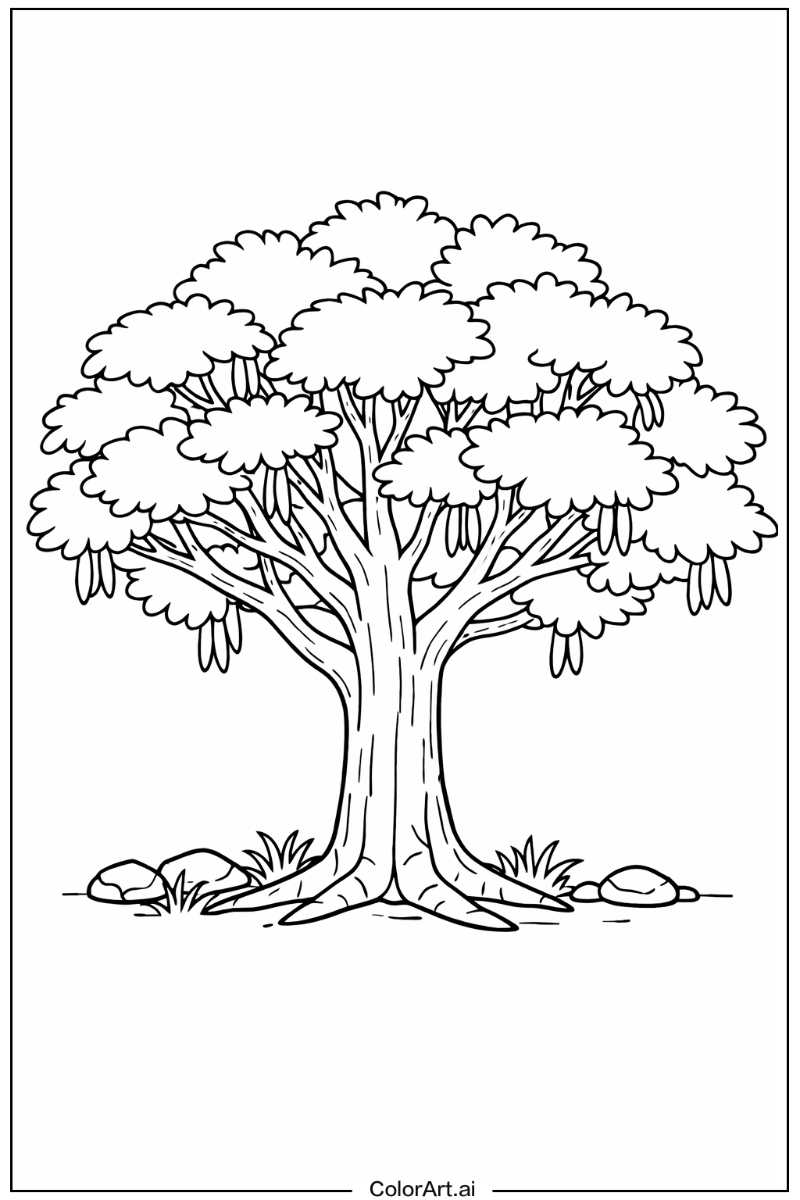
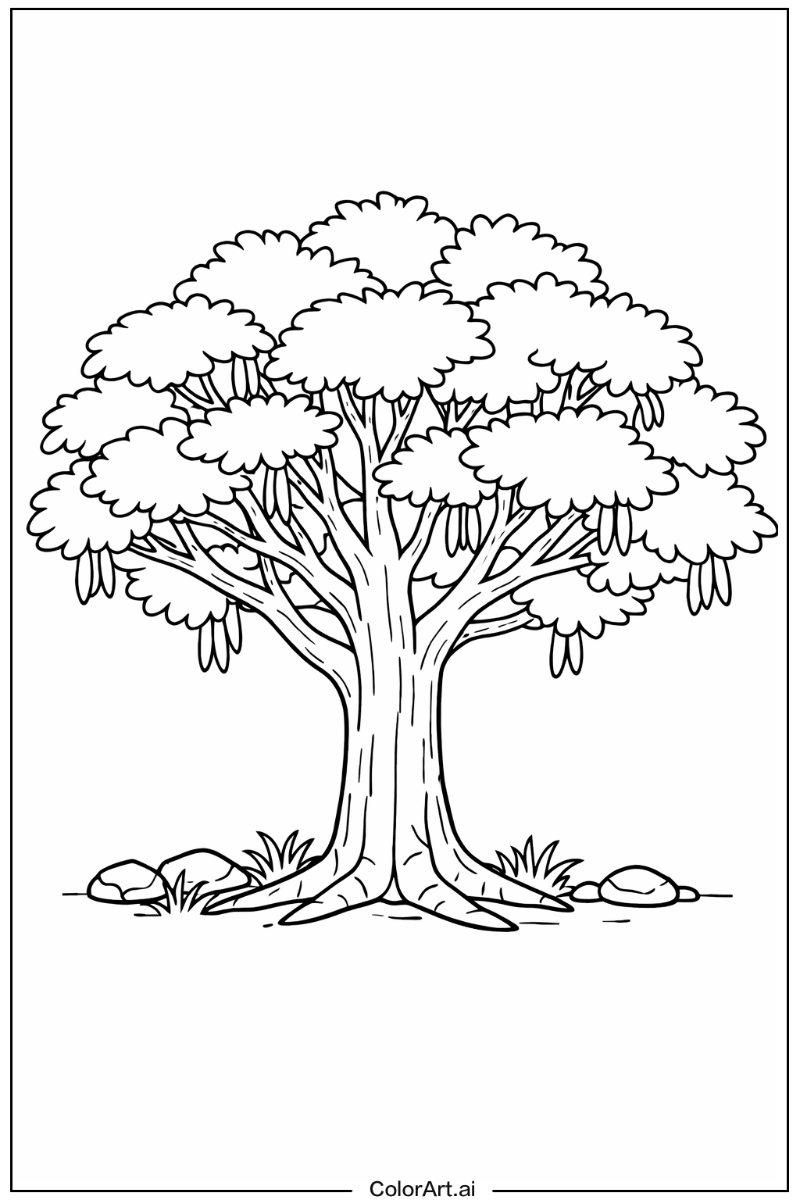
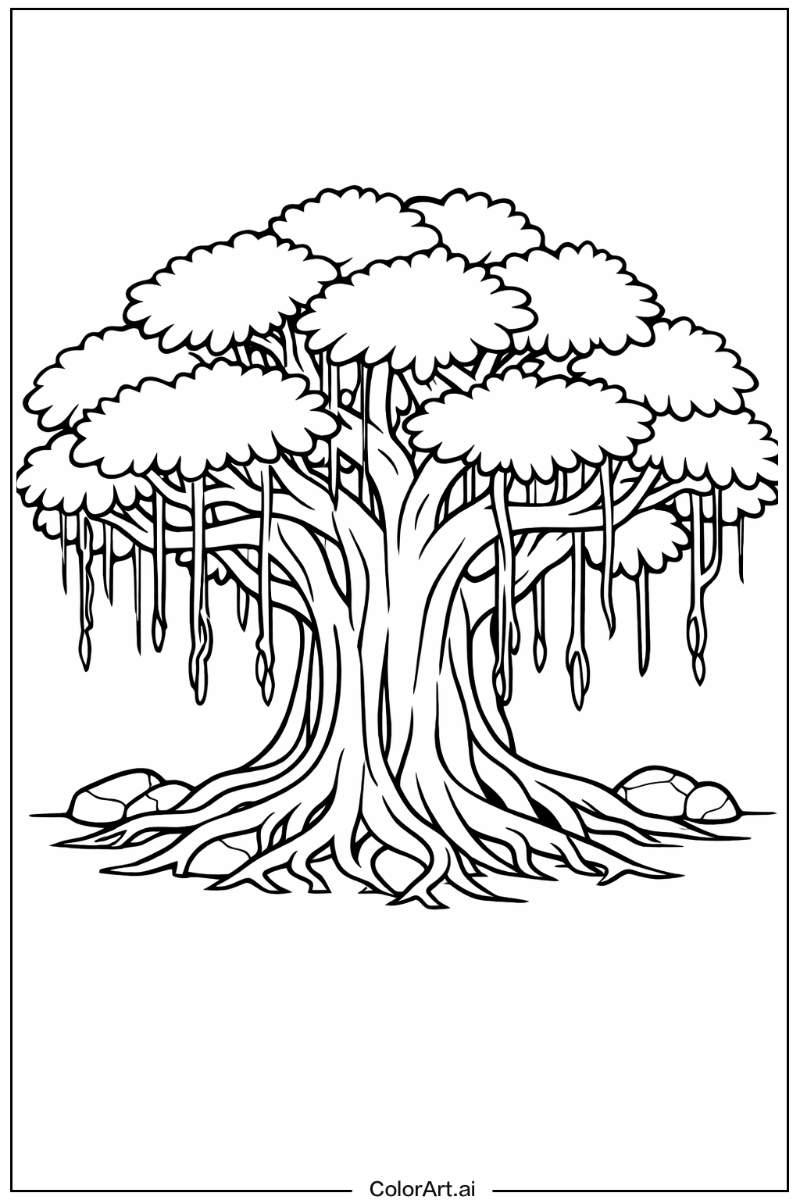
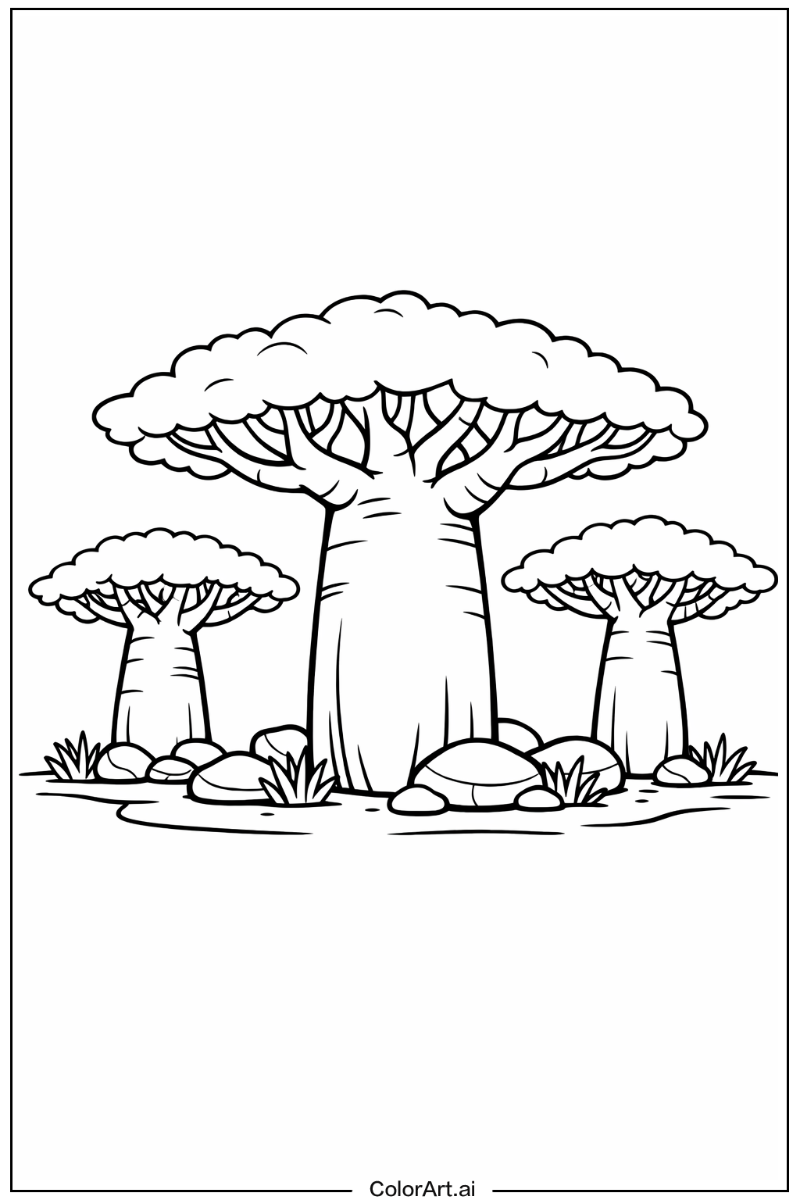
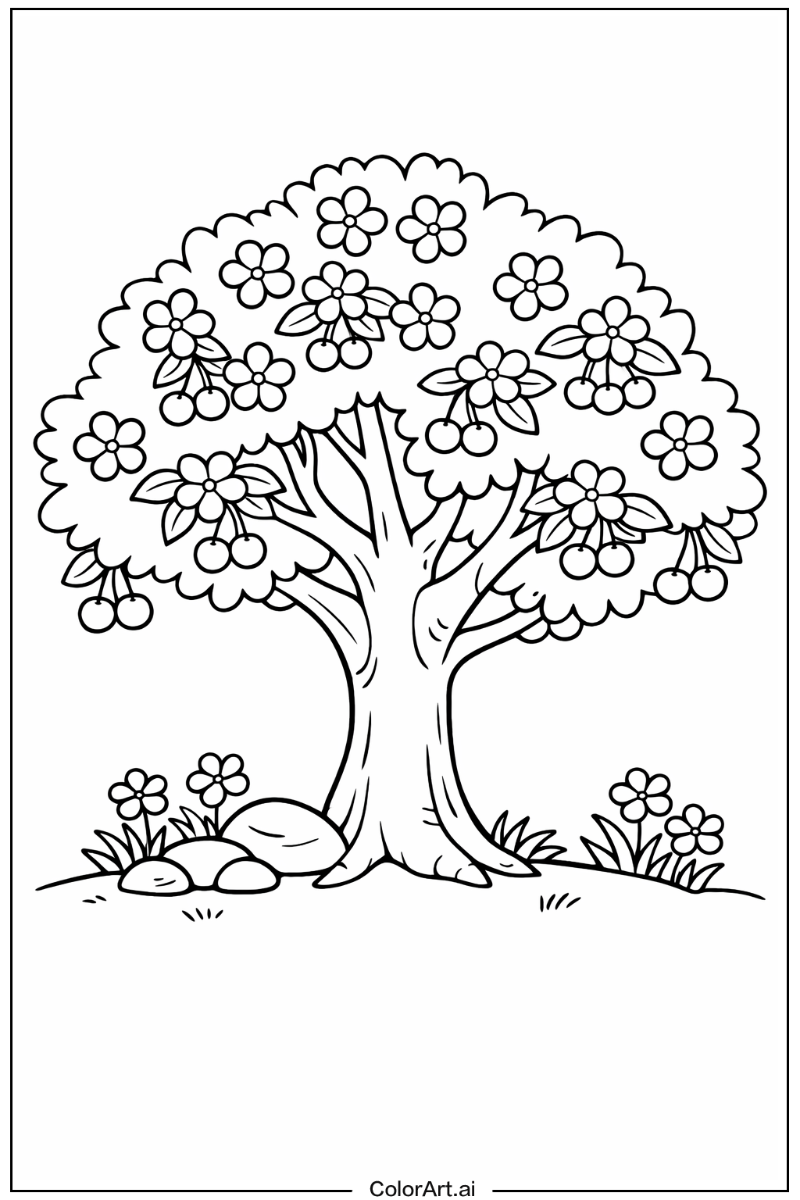
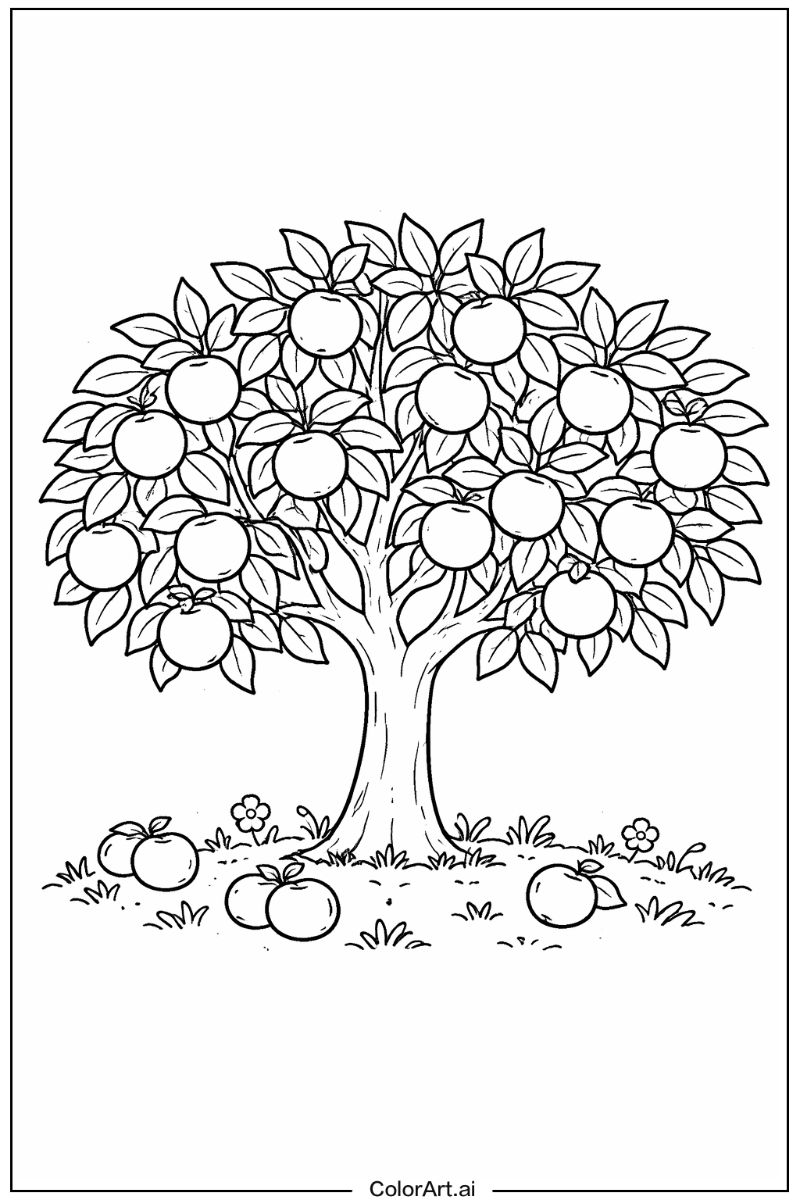
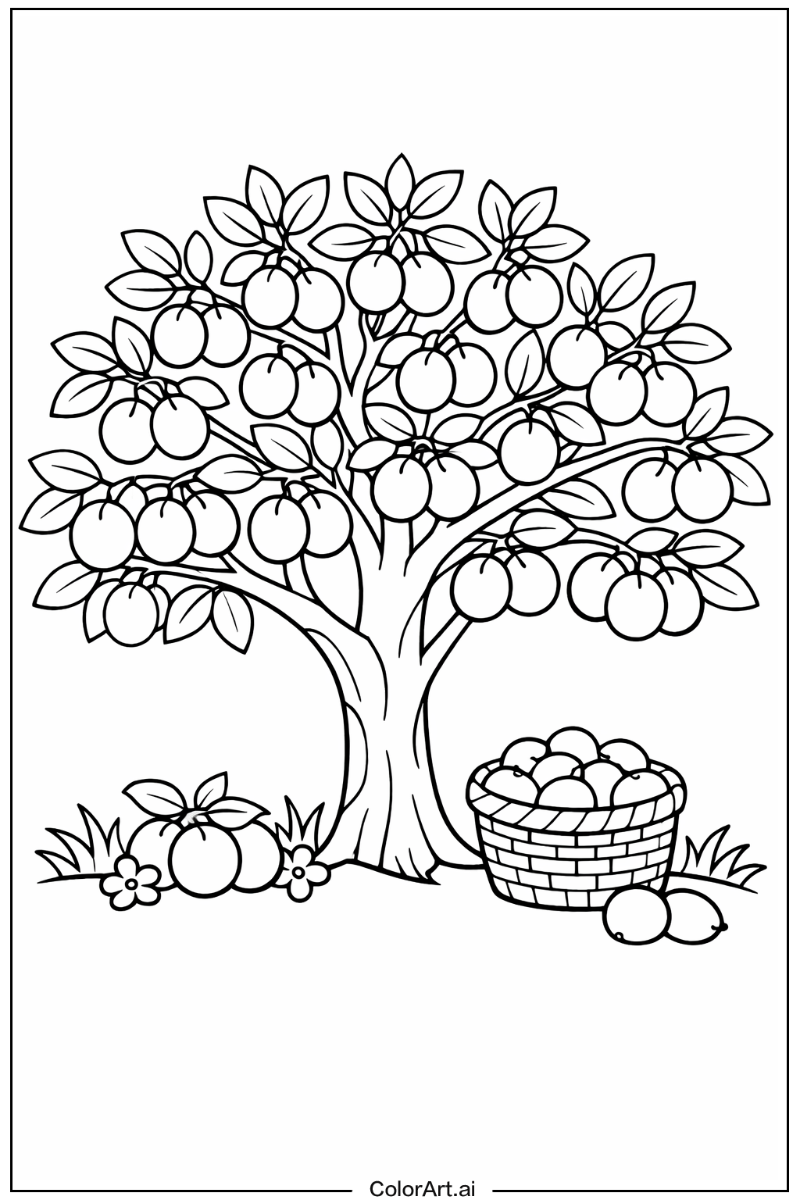
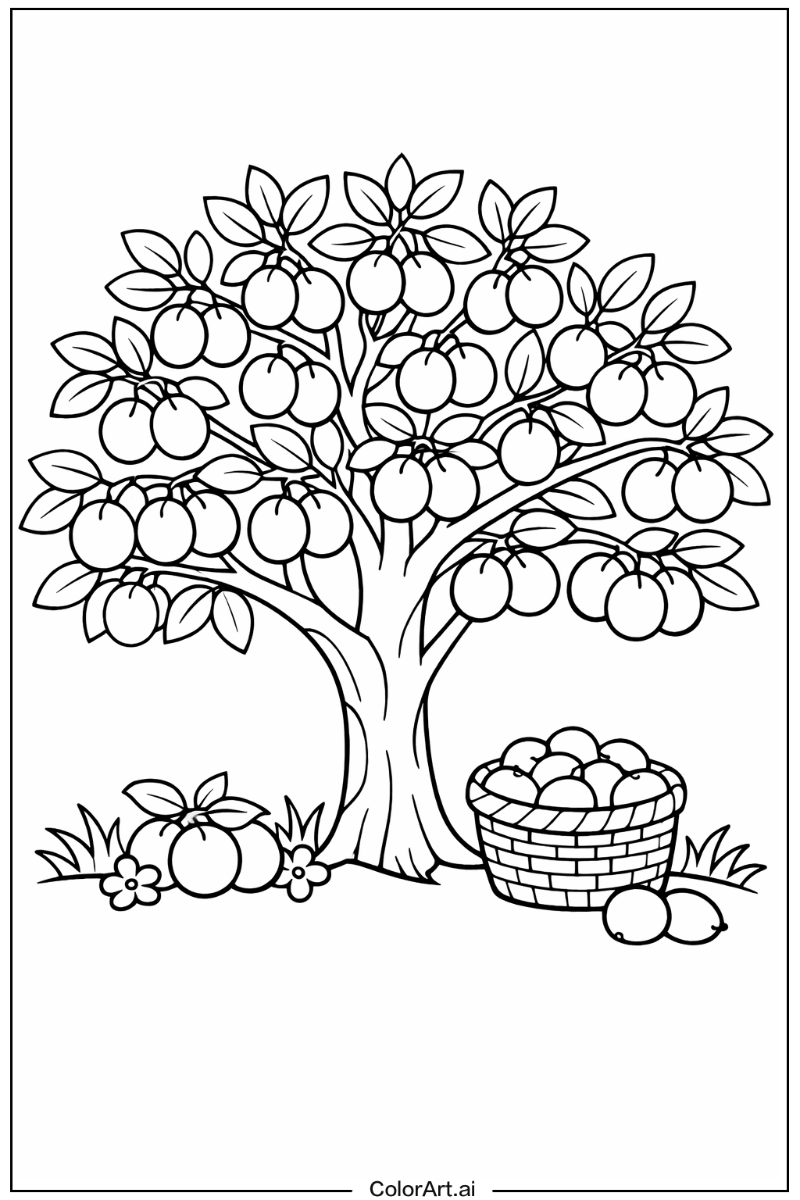
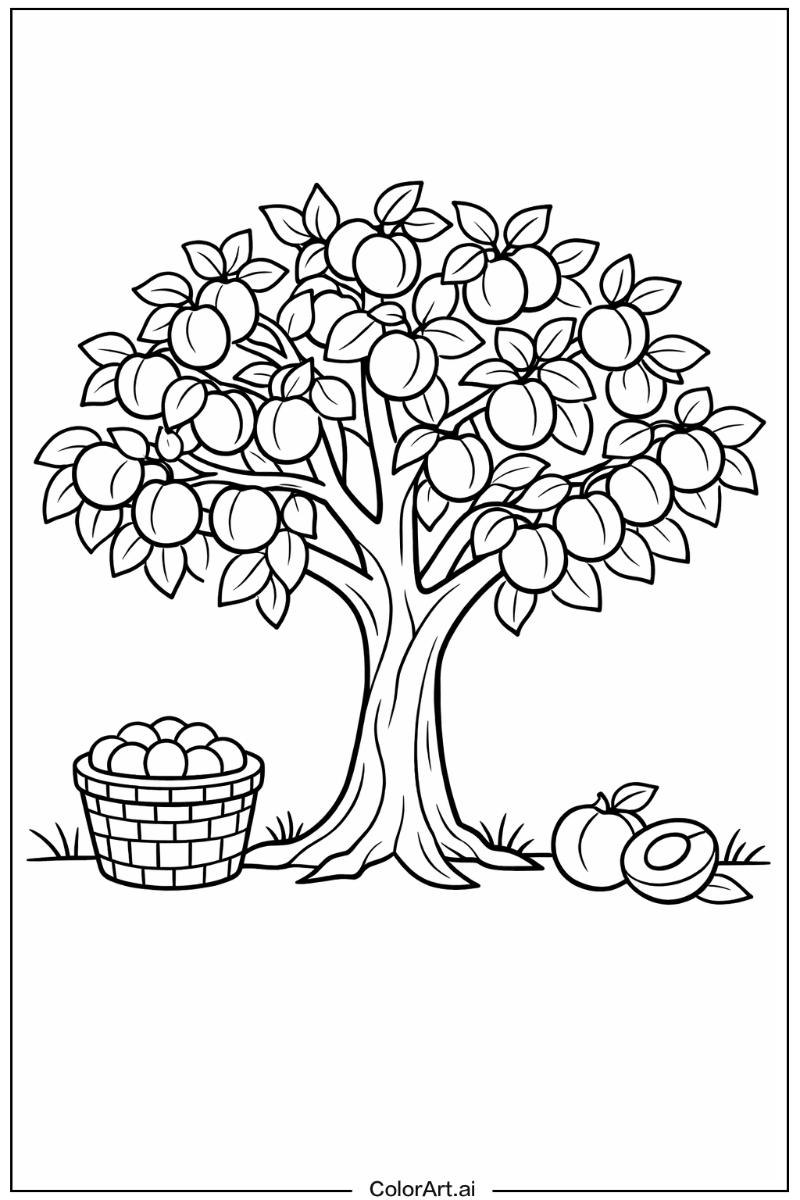
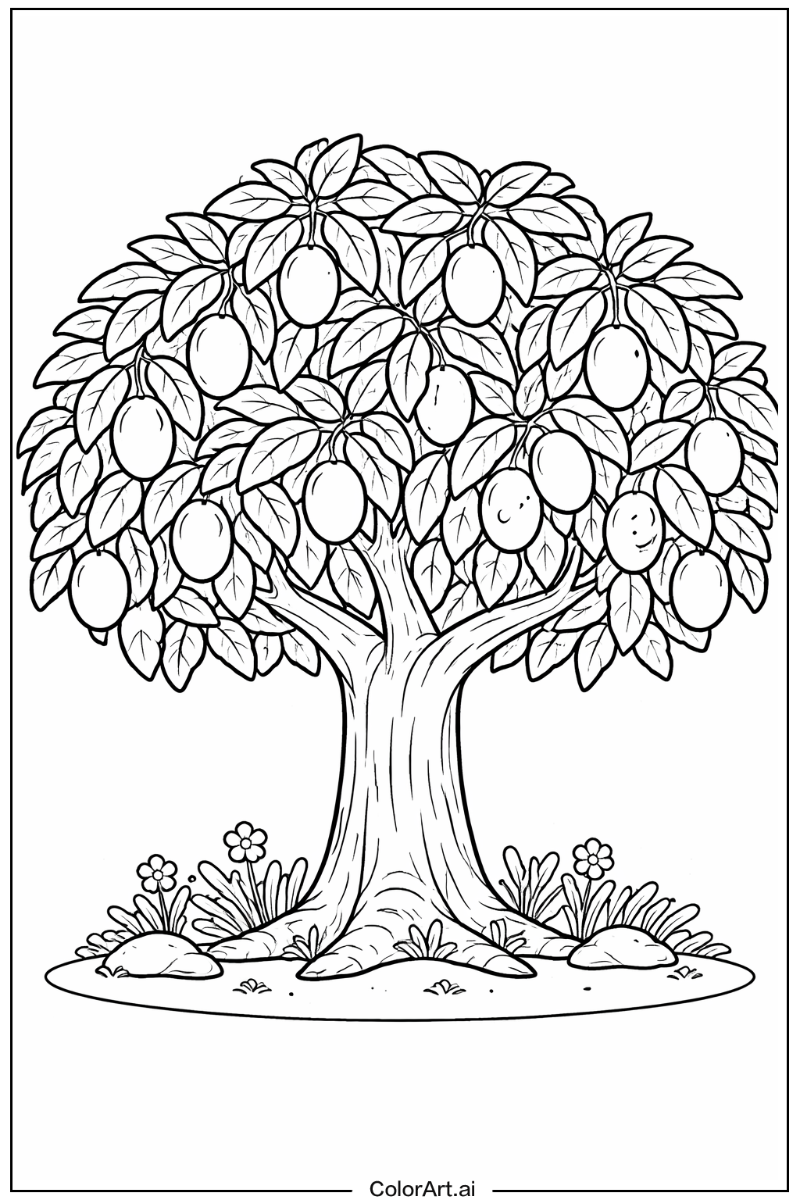
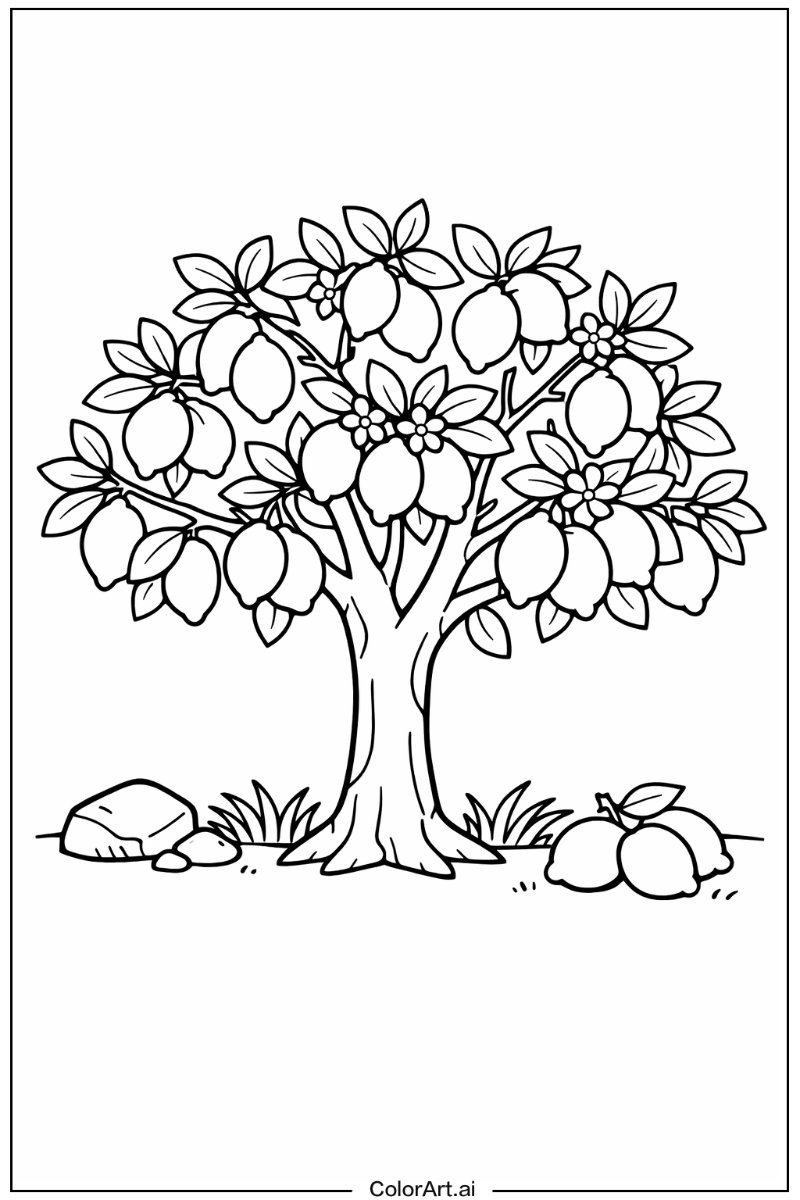
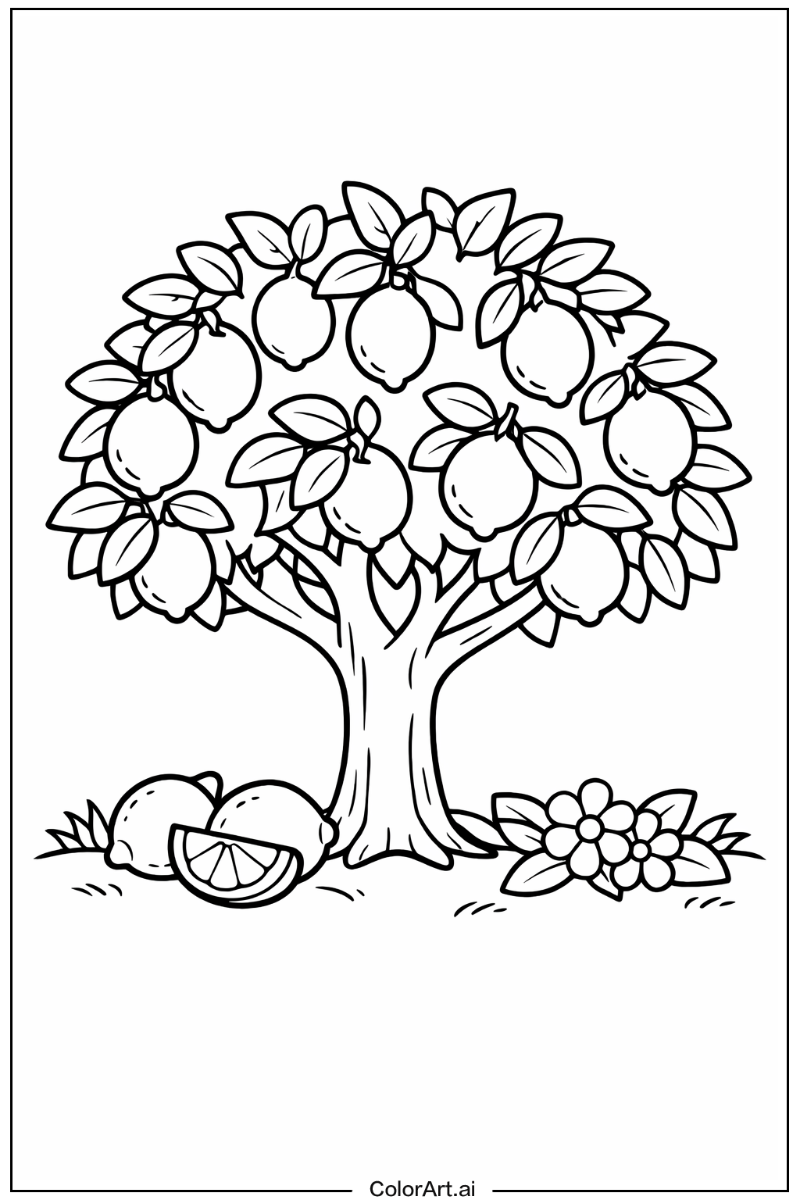
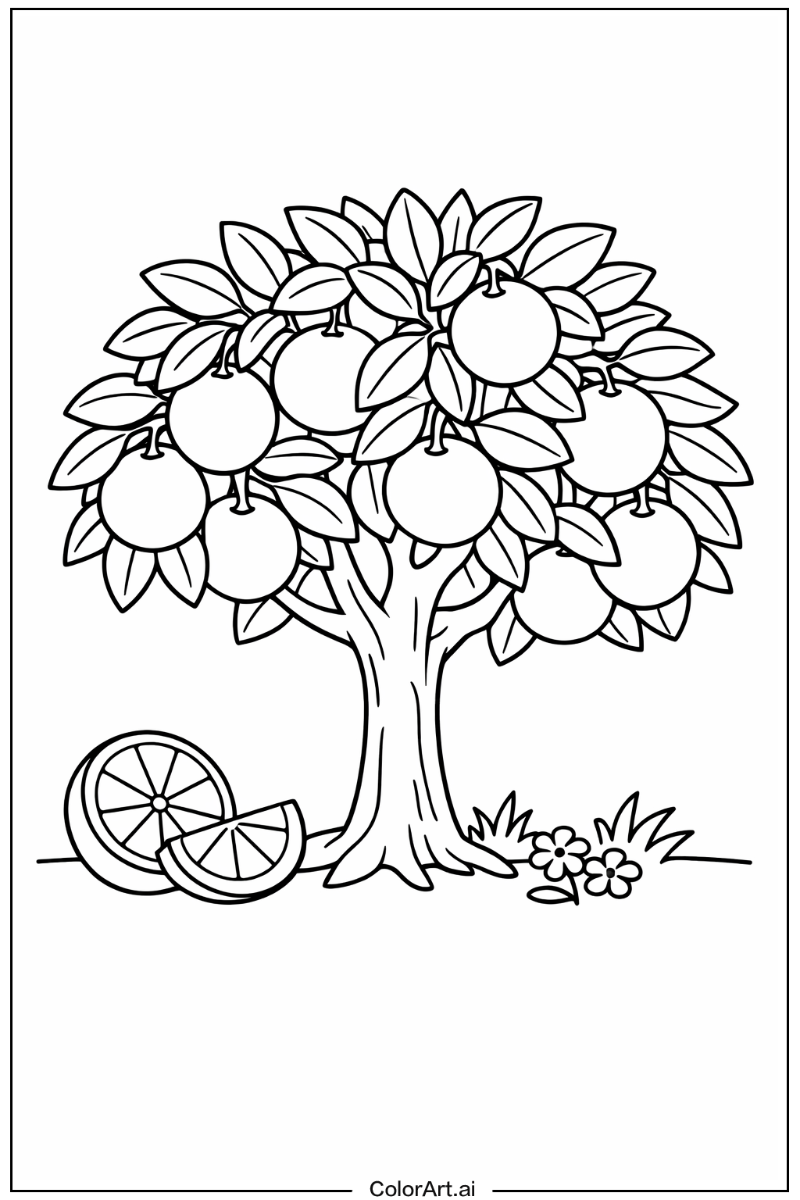
There’s something magical about trees, isn’t there? They stand tall, provide shade, and are home to countless creatures. In my 15 years as an elementary art teacher, I’ve discovered that introducing children to trees through Tree coloring pages can spark their imagination and deepen their understanding of nature. I remember a particularly vibrant class where my students created their own Tree designs, each unique and bursting with color. We talked about the different types of trees, their habitats, and the roles they play in our ecosystem. It was a joyful experience, and the excitement in their eyes as they brought their trees to life was unforgettable. Whether you’re a teacher or a parent, sharing Tree coloring pages is a wonderful way to engage kids in both artistic expression and environmental awareness.
Group Coloring Pages
 PDF
PDF
 PNG
PNG
 PNG
PNG
 PNG
PNG
 PNG
PNG
 PNG
PNG
 PNG
PNG
 PNG
PNG
 PNG
PNG
 PNG
PNG
 PNG
PNG
 PNG
PNG
 PNG
PNG
 PNG
PNG
 PNG
PNG
 PNG
PNG
 PNG
PNG
 PNG
PNG
 PNG
PNG
 PNG
PNG
 PNG
PNG
 PNG
PNG
 PNG
PNG
 PNG
PNG
 PNG
PNG
 PNG
PNG
 PNG
PNG
 PNG
PNG
 PNG
PNG
 PNG
PNG
 PNG
PNG
 PNG
PNG
 PNG
PNG
 PNG
PNG
 PNG
PNG
 PNG
PNG
 PNG
PNG
 PNG
PNG
 PNG
PNG
 PNG
PNG
 PNG
PNG
 PNG
PNG
 PNG
PNG
 PNG
PNG
 PNG
PNG
 PNG
PNG
 PNG
PNG
Understanding Trees: A Quick Educational Background
Trees are remarkable organisms that dominate our landscapes and ecosystems. Scientifically classified as perennial woody plants, they play a vital role in maintaining ecological balance by producing oxygen, storing carbon, and providing habitats for wildlife. Did you know that there are approximately 73,300 species of trees on Earth? From the sturdy oak to the delicate cherry blossom, each type of Tree has its own unique characteristics. My students often find this fascinating, especially when we explore the differences between fruit-bearing and coniferous trees. We even create a classroom tree chart, showcasing the various species and their unique features. This not only helps them remember the information but also inspires them to create their own Tree art!
The Classroom Benefits of Tree Activities
Engaging with Tree coloring pages offers multiple educational benefits for children. For starters, these activities enhance fine motor skills and hand-eye coordination, particularly in younger students. I recall one day in my kindergarten class when we focused on coloring simple Tree outlines. The kids were so focused, carefully navigating their crayons within the lines, and I could see their dexterity improve with each stroke. Beyond motor skills, Tree coloring fosters cognitive development as children learn to recognize patterns and structures. We often discuss the parts of a tree while coloring—roots, trunk, branches, and leaves—helping them connect art with science. Moreover, these activities provide emotional benefits, serving as a calming exercise that promotes mindfulness and self-expression.
Practical Tips for Coloring Trees
When it comes to coloring trees, there are a few techniques that can elevate the experience. First, I encourage my students to think about color theory. For example, using various shades of green for leaves can create depth and interest. We often experiment with blending colors using colored pencils or markers to give the leaves a more realistic look. Another tip is to use different materials; crayons work well for younger children, while older students can explore watercolors for a softer effect. One of my favorite classroom moments was when a third grader named Mia used watercolors on her Tree coloring page, creating a beautiful sunset background that made her tree pop. Encouraging creativity and exploration in these techniques can lead to incredible results!
Current Trends in Tree Art Education
Recently, the art world has seen a surge in interest surrounding environmental themes, especially in relation to trees. With trends like tree planting drones and advanced monitoring technologies, there’s a rich backdrop for discussions in art classes. In 2026, for instance, we can expect the incorporation of technology into our lessons, such as using AI to model tree growth or mapping ecosystems. I plan to integrate these modern themes into our Tree coloring projects, encouraging students to think about the future of trees and how they can contribute to caring for our planet. It’s an exciting time to be teaching about trees, as the conversation around sustainability and biodiversity continues to grow.
Frequently Asked Questions About Tree Coloring Pages
What age group are Tree coloring pages suitable for?
Tree coloring pages are designed for a wide range of ages, from preschoolers (3-5 years) to adults, with varying complexity levels to match different skill sets. I often adapt the designs based on my students' ages and abilities, ensuring everyone can enjoy the process.
What materials work best for coloring Tree pages?
For best results, I recommend colored pencils for detailed work, markers for bold colors, and crayons for younger children. Using high-quality paper or cardstock can also enhance the final results. Each time I introduce a new material, like gel pens or pastels, my students get so excited to see how different tools affect their art!
How should I print Tree coloring pages for best quality?
To achieve the best quality, print Tree coloring pages using high-quality settings. I suggest using standard A4 or Letter size paper, and cardstock for added durability. It's always a good idea to make sure your printer has enough ink for clear, dark lines so that the children can enjoy coloring without any frustration.